In the complex ecosystem of modern healthcare facilities, medical gas systems serve as the invisible lifelines that keep patients alive and medical procedures running smoothly. For US manufacturing professionals involved in healthcare infrastructure, understanding these critical systems is essential for ensuring patient safety, regulatory compliance, and operational excellence.
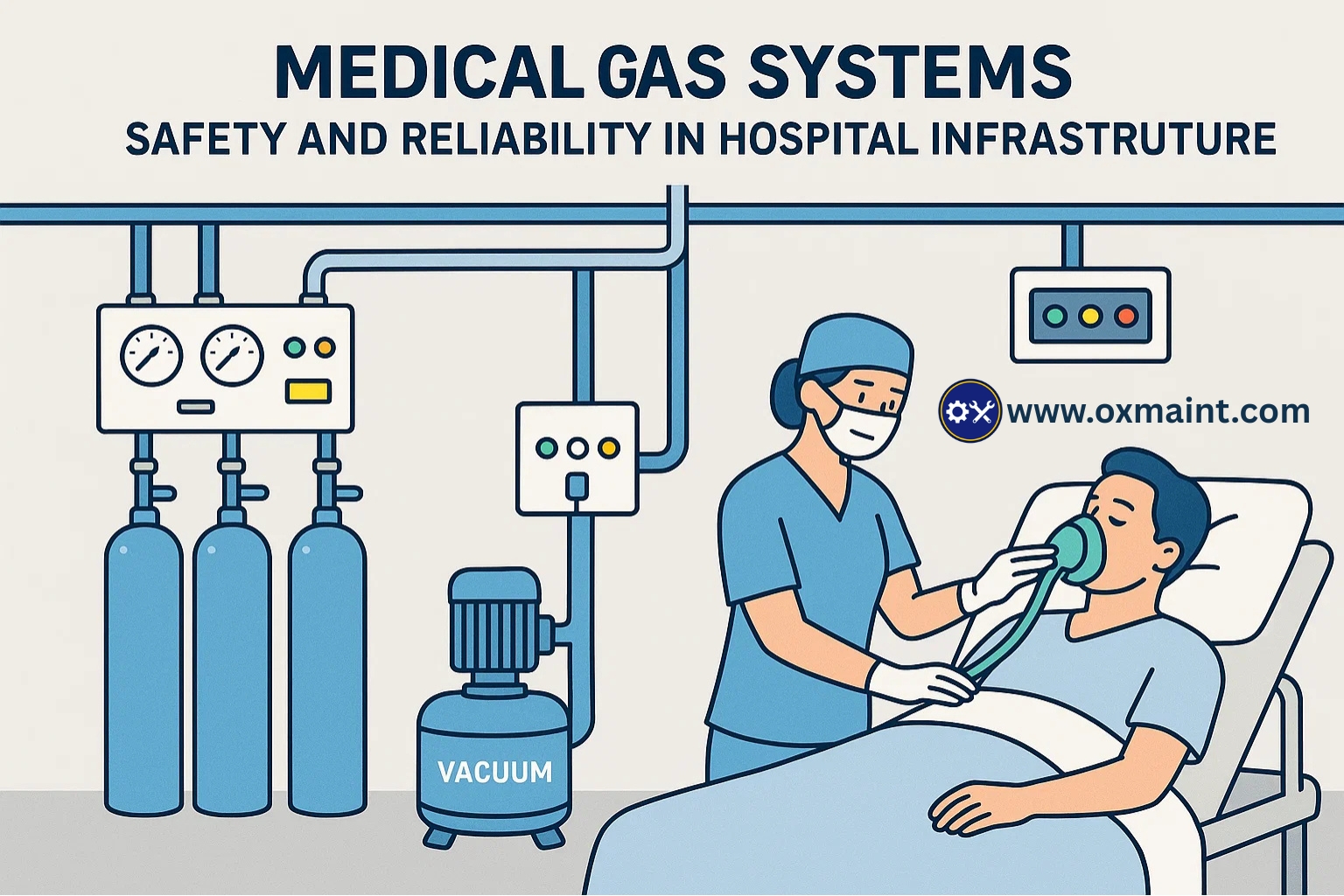
Medical gas systems encompass the entire network of pipes, valves, outlets, and monitoring equipment that deliver life-sustaining gases throughout hospital facilities. From oxygen and nitrous oxide to medical air and vacuum systems, these infrastructures require meticulous planning, precision manufacturing, and unwavering reliability standards that can mean the difference between life and death.
Understanding Medical Gas System Components and Infrastructure
Medical gas systems in US hospitals typically include five primary gases: oxygen, nitrous oxide, medical air, nitrogen, and carbon dioxide, along with medical vacuum systems. Each system requires specialized manufacturing considerations and adherence to strict quality standards.
Key System Components: Source equipment (tanks, manifolds, compressors), distribution piping networks, zone valves, area alarm systems, outlet stations, and central monitoring systems. Each component must meet or exceed NFPA 99 standards for healthcare facilities.
The manufacturing process for medical gas infrastructure components involves precision engineering with materials that resist corrosion, maintain purity levels, and withstand decades of continuous operation. Copper tubing, medical-grade stainless steel, and specialized alloys are commonly used, with each material selection impacting system longevity and patient safety.
Regulatory Compliance and Safety Standards in the US Market
US manufacturing professionals must navigate a complex landscape of regulatory requirements when developing medical gas systems. The National Fire Protection Association (NFPA) 99 standard serves as the primary guideline, while additional oversight comes from The Joint Commission, CMS, and state health departments.
Critical Compliance Requirements
- NFPA 99: Health Care Facilities Code compliance for all system components
- FDA registration for medical device components
- ASME B31.1 Power Piping Code adherence for high-pressure systems
- CGA (Compressed Gas Association) standards for gas handling equipment
- ASSE 6000 series standards for medical gas and vacuum systems
Manufacturing facilities producing medical gas system components must implement robust quality management systems, often requiring ISO 13485 certification. Documentation, traceability, and batch testing become critical factors in maintaining compliance and ensuring product reliability in life-critical applications.
Reliability Engineering and Redundancy Requirements
Hospital medical gas systems demand 99.9% uptime reliability, necessitating sophisticated redundancy and backup systems. Manufacturing professionals must design and produce components that can seamlessly switch between primary and secondary sources without interrupting patient care.
Redundancy Standards: Most critical care areas require dual-source gas supplies with automatic changeover systems, emergency backup power for compressors and monitors, and local emergency shut-off capabilities that can be activated within seconds.
Reliability testing protocols for medical gas components often exceed standard industrial applications. Accelerated life testing, vibration analysis, pressure cycling, and contamination resistance testing ensure components perform reliably under the demanding conditions of healthcare environments.
Installation Best Practices and Maintenance Considerations
Proper installation techniques significantly impact system performance and longevity. Manufacturing professionals must provide detailed installation specifications and work closely with certified medical gas installers to ensure optimal system performance.
Installation Critical Success Factors
Piping systems require careful routing to avoid contamination sources, proper support and expansion joint placement, and thorough testing protocols including pressure testing, leak detection, and purity verification. Cross-connection prevention becomes paramount, as mixing different gases can have fatal consequences.
Maintenance accessibility must be built into system design from the manufacturing stage. Components should allow for routine inspection, filter replacement, and calibration without disrupting patient care areas. Predictive maintenance capabilities, including remote monitoring and diagnostic systems, are increasingly becoming standard requirements.
Emerging Technologies and Future Market Opportunities
The medical gas systems market is evolving rapidly with technological advancements in monitoring, automation, and energy efficiency. Smart systems incorporating IoT sensors, predictive analytics, and automated reporting are becoming standard in new hospital construction and renovation projects.
Manufacturing opportunities are expanding in areas such as point-of-use gas generation systems, advanced filtration technologies, and integrated digital monitoring platforms. The growing emphasis on hospital energy efficiency is driving demand for more efficient compressor technologies and heat recovery systems.
Market Growth Drivers: Aging hospital infrastructure requiring updates, increased surgical volumes, expansion of outpatient surgical centers, and growing emphasis on patient safety monitoring are creating significant opportunities for innovative manufacturing solutions.
Conclusion: Building the Future of Healthcare Infrastructure
Medical gas systems represent a critical intersection of manufacturing excellence, regulatory compliance, and life-saving technology. For US manufacturing professionals, this sector offers substantial opportunities to contribute to healthcare infrastructure while building sustainable, profitable business relationships.
Success in this market requires deep understanding of healthcare regulations, commitment to quality excellence, and the ability to provide comprehensive support throughout the product lifecycle. As hospitals continue to modernize and expand, the demand for reliable, innovative medical gas system solutions will only continue to grow.
Ready to explore opportunities in medical gas system manufacturing and maintenance? Discover how our platform can help you connect with healthcare facilities and streamline your operations.
Getting Started Book a Demo