The front desk phone rings at 2:47 AM with a VIP guest demanding answers: "My suite's air conditioning has been cycling on and off for three hours, and the room temperature hit 82°F during my investor presentation earlier." Your night manager scrambles through maintenance logs—discovering this chiller unit has triggered 47 temperature anomalies in the past month without anyone noticing. Meanwhile, that guest's negative TripAdvisor review is already being drafted, and the $890/night penthouse suite will sit empty for the remainder of their cancelled stay. Without IoT-connected HVAC monitoring and automated work order systems, your resort operates in the dark, reacting to guest complaints rather than preventing comfort failures before they destroy your reputation.
This hospitality nightmare unfolds nightly across American hotels and resorts as aging HVAC infrastructure collides with rising guest expectations and razor-thin operating margins. The average hotel experiences 23% of HVAC-related guest complaints originating from preventable equipment failures, with each complaint costing $1,200-$4,500 in compensation, reputation damage, and emergency repairs. IoT-enabled predictive maintenance reduces these failures by 65-78% while cutting energy consumption by 18-25%.
Resorts implementing strategic IoT integration with hospitality CMMS platforms achieve 40-55% reductions in HVAC-related guest complaints while improving equipment uptime from 82% to 96%+ compared to properties relying on traditional preventive maintenance schedules. The transformation requires real-time sensor networks, automated work order generation, and mobile inspection capabilities that enable maintenance teams to resolve issues before guests ever notice temperature fluctuations.
Ready to eliminate guest complaints with IoT-powered HVAC monitoring that detects problems 48 hours before comfort failures?
Every temperature anomaly caught early is a 5-star review saved. Stop apologizing to guests when your HVAC systems could be monitoring themselves 24/7 and alerting your team before that VIP suite ever reaches 78°F.
Reimagine Hospitality Response Time with Connected Sensors
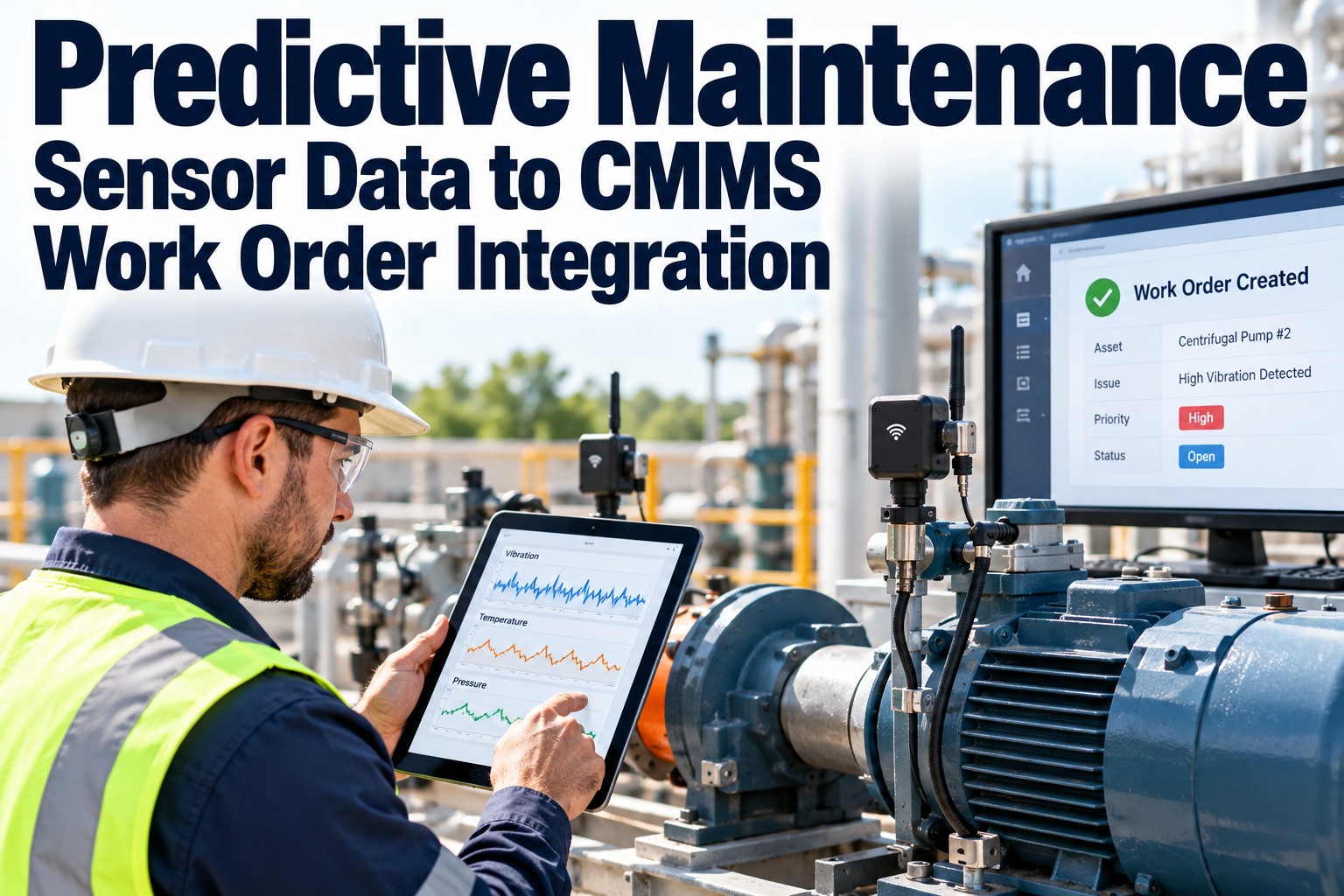
Effective IoT integration for hotel HVAC systems requires understanding the interconnected ecosystem of sensors, analytics platforms, and automated response workflows that transform reactive maintenance into predictive guest comfort management. These systems extend beyond simple temperature monitoring to include vibration analysis, refrigerant pressure tracking, airflow optimization, and energy consumption patterns that identify equipment degradation weeks before guest-impacting failures occur.
Traditional HVAC maintenance in hospitality relies on scheduled inspections and guest complaints—often discovering problems only after multiple rooms become uncomfortable and negative reviews multiply. IoT-enabled monitoring continuously tracks 15-25 performance parameters per unit, automatically generating work orders when data indicates developing problems, typically preventing 70-85% of guest comfort complaints while reducing emergency repair costs by 55-65%.
Temperature & Humidity Sensors
Multi-zone monitoring detecting comfort deviations within 0.5°F accuracy. Alerts maintenance 2-4 hours before guest-perceptible issues develop.
Compressor Performance Analytics
Current draw, refrigerant pressure, and cycle timing analysis predicting failures 30-45 days in advance with 89% accuracy.
Vibration & Acoustic Monitoring
Detecting bearing wear, fan imbalance, and motor degradation before noise complaints reach the front desk.
Energy Consumption Tracking
Real-time power monitoring identifying efficiency degradation and optimizing schedules to reduce utility costs 18-25%.
Airflow & Filter Monitoring
Pressure differential sensors detecting filter clogging and airflow restrictions before air quality impacts guest health.
Mobile Inspection Integration
Barcode/QR-enabled inspections linking sensor data to physical equipment, enabling 60% faster diagnostic workflows.
Work Order Automation: From Sensor Alert to Resolution
IoT integration without automated work order generation creates data overload without operational improvement. The critical connection between sensor insights and maintenance action requires sophisticated automation workflows that prioritize alerts based on guest impact, equipment criticality, and available maintenance resources—ensuring the right technician receives the right information at precisely the right moment.
Anomaly Detection
AI analytics identify compressor efficiency drop from 94% to 87% in Suite 1204
Priority Assessment
System cross-references VIP guest status, occupancy forecast, and equipment history
Work Order Generation
CMMS creates prioritized work order with OEM manual links and diagnostic data
Technician Assignment
Mobile alert dispatched to qualified HVAC technician with equipment access codes
Resolution & Verification
Sensor data confirms repair effectiveness before closing work order
| HVAC Component | IoT Detection Window | Traditional Detection | Guest Impact Prevention |
|---|---|---|---|
| Compressor Degradation | 30-45 days advance | After failure | 100% complaint prevention |
| Refrigerant Leak | 7-14 days advance | 2-5 days after symptoms | 85-92% prevention |
| Fan Motor Issues | 21-30 days advance | After noise complaints | 95% noise prevention |
| Thermostat Drift | 2-4 hours advance | After guest complaint | 78-85% prevention |
| Filter Clogging | 5-10 days advance | Scheduled replacement | 70-80% air quality issues |
Standardizing Compliance at Scale — A Hospitality Framework with Digital Logs
Hospitality HVAC compliance extends beyond equipment performance to include air quality standards, Legionella prevention protocols, refrigerant tracking requirements, and brand-mandated maintenance schedules. Manual documentation creates audit vulnerabilities and inconsistent execution across properties, while digital compliance frameworks ensure every inspection, calibration, and remediation follows standardized procedures with automatic audit trail generation.
Digital log systems integrated with IoT sensors create real-time compliance visibility that transforms audit preparation from weeks of documentation assembly to instant report generation. Properties implementing comprehensive digital compliance achieve 95%+ audit pass rates while reducing compliance labor by 60-75% compared to paper-based systems.
EPA Section 608 Tracking: Automated leak detection logging, technician certification verification, and disposal documentation
ASHRAE 62.1 Compliance: Continuous CO2 monitoring, ventilation rate verification, and filter change documentation
Legionella Prevention: Temperature monitoring, flushing schedules, and water treatment verification logs
ENERGY STAR Portfolio: Automated consumption tracking, benchmark comparisons, and sustainability reporting
IoT Integration Implementation Roadmap
Measuring HVAC Performance: KPIs That Drive Guest Satisfaction
Strategic IoT integration requires performance measurement systems that connect equipment metrics to business outcomes—transforming maintenance data into actionable intelligence that drives operational decisions. The most successful hospitality properties track HVAC performance through integrated dashboards correlating equipment health with guest satisfaction scores, energy costs, and maintenance efficiency.
Benchmark for premium properties; each 1% improvement prevents 15-25 annual guest complaints
From IoT alert to technician arrival; critical for preventing guest-perceptible issues
Percentage of maintenance triggered by sensor data vs. complaints or schedules
IoT-optimized properties achieve 18-25% below traditional consumption rates
HVAC Performance Optimization Strategies
- Implement zone-based temperature monitoring correlating occupancy patterns with comfort delivery
- Deploy AI analytics identifying efficiency degradation 30-60 days before performance impacts
- Create automated energy optimization schedules based on occupancy forecasts and rate structures
- Establish real-time dashboards providing engineering teams immediate system visibility
- Build mobile inspection workflows reducing diagnostic time by 45-60%
- Enable remote monitoring and expert consultation through cloud-based CMMS platforms
2025 Hospitality HVAC Trends Reshaping Guest Experience
- AI-powered demand response automatically adjusting comfort parameters during peak energy pricing
- Digital twin technology simulating HVAC scenarios before implementing changes
- Guest app integration allowing personalized temperature preferences synced to reservations
- Carbon footprint tracking meeting sustainability certifications and ESG reporting requirements
- Predictive parts ordering ensuring critical components arrive before scheduled maintenance windows
Conclusion
IoT integration for hotel HVAC reliability represents the most significant advancement in hospitality maintenance since computerized work order systems, enabling resorts to monitor guest comfort continuously rather than reacting to complaints after damage to satisfaction scores and online reputation. Properties implementing comprehensive IoT strategies with hospitality CMMS platforms achieve 40-55% reductions in HVAC-related guest complaints while improving equipment uptime from industry-average 82% to premium-tier 96%+ through intelligent sensor networks and automated response workflows.
Understanding connected sensor architecture reveals that successful implementations require more than equipment installation—they demand integrated work order automation, mobile inspection capabilities, and digital compliance frameworks that transform raw data into maintenance excellence. Detection capabilities vary by equipment type and failure mode, but modern IoT monitoring consistently identifies 70-85% of potential guest comfort issues before they become complaints.
The 2025 hospitality environment rewards properties that leverage connected technologies to deliver consistent guest comfort while penalizing those relying on reactive maintenance approaches that sacrifice experience quality for short-term cost savings. Success requires balancing proven IoT technologies delivering immediate reliability improvements with emerging innovations positioning for future differentiation in an increasingly competitive market.
Ready to eliminate HVAC-related guest complaints before they damage your reputation and revenue?
That 2:47 AM phone call about Suite 1204's temperature doesn't have to happen. IoT sensors would have detected the compressor issue 36 hours earlier, generated the work order automatically, and resolved the problem before your VIP guest ever noticed. Every night you wait is another reputation risk—implement connected HVAC monitoring before your next costly complaint.