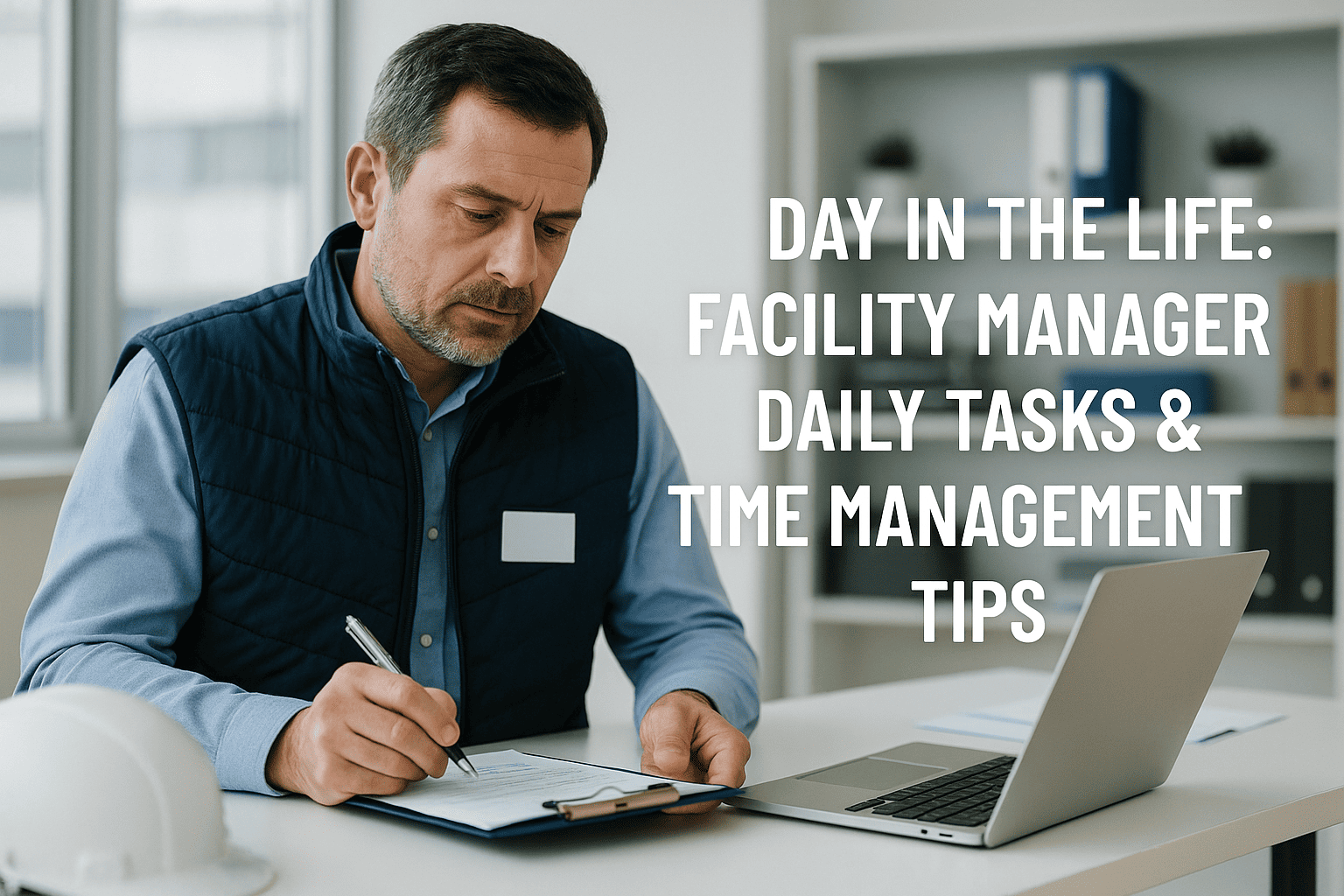
Managing a manufacturing facility is like orchestrating a complex symphony where every instrument must play in perfect harmony. A facility manager's day begins before the sun rises and often extends well into the evening, juggling countless responsibilities that keep operations running smoothly. From overseeing preventive maintenance schedules to managing vendor relationships and ensuring regulatory compliance, the modern facility manager in 2025 faces unprecedented challenges that demand exceptional time management skills and strategic thinking. The role has evolved far beyond basic maintenance coordination to encompass energy management, sustainability initiatives and digital transformation projects that directly impact the bottom line. Start streamlining your facility operations today.
Key Insight: Successful facility managers in 2025 balance 15-20 critical tasks daily while maintaining 95% equipment uptime and reducing operational costs by 20% through strategic time management and technology integration.
The manufacturing landscape in 2025 demands facility managers who can seamlessly transition between strategic planning and hands-on problem-solving throughout their day. Modern facilities generate over 2,000 data points hourly from IoT sensors, HVAC systems and production equipment, requiring managers to make split-second decisions that impact safety, efficiency, and profitability. The average facility manager oversees $50-100 million in assets while coordinating with 15-25 different vendors, managing compliance across 12-18 regulatory frameworks and leading teams of 10-50 maintenance professionals. This complexity requires a methodical approach to daily task prioritization, leveraging technology platforms that provide real-time visibility into all facility operations. The most successful facility managers have discovered that effective time management isn't about working longer hours—it's about working smarter through automation, delegation, and strategic focus on high-impact activities that drive measurable results. Book a personalized demo to see these technologies in action.
Time management has become the critical differentiator between average and exceptional facility managers, with top performers utilizing digital dashboards, mobile applications, and predictive analytics to maximize their daily productivity. Research shows that facility managers who implement structured daily routines and leverage modern facility management software reduce emergency response times by 40% while increasing planned maintenance completion rates to over 85%. The integration of artificial intelligence and machine learning into daily workflows enables predictive maintenance scheduling, automated work order generation, and real-time performance monitoring that transforms reactive management into proactive optimization. Understanding how to structure each day, prioritize competing demands, and maintain focus on strategic objectives while handling urgent operational issues requires a sophisticated blend of leadership skills, technical knowledge, and unwavering attention to detail that defines successful facility management in today's competitive manufacturing environment. Experience 40% faster emergency response times with our platform.
Ready to streamline your facility management operations and reduce response times by 40%? Join thousands of facility managers who have transformed their daily workflows.
Start Your Free TrialSchedule a Live Demo
Morning Routine: Starting the Day with Strategic Planning (6:00 AM - 8:00 AM)
The most effective facility managers begin their day with a structured morning routine that sets the tone for productive decision-making and proactive problem-solving throughout the day. The first hour involves reviewing overnight alerts from building management systems, analyzing energy consumption data from the previous day, and checking critical equipment status through mobile dashboards that provide real-time visibility into all facility operations. This early assessment allows managers to identify potential issues before they escalate into costly emergencies, prioritize urgent maintenance requests, and adjust daily schedules based on changing operational requirements. Many successful facility managers dedicate 30 minutes to reviewing key performance indicators including equipment uptime percentages, energy efficiency metrics and maintenance completion rates that directly impact facility performance and cost management objectives. Get real-time visibility into all your facility operations.
Strategic planning during morning hours involves coordinating with production managers to understand daily manufacturing schedules, reviewing planned maintenance activities for potential conflicts with production requirements, and communicating with vendor partners about scheduled service calls or delivery schedules. The modern facility manager leverages integrated software platforms that consolidate work orders, preventive maintenance schedules and vendor communications into unified dashboards that eliminate information silos and enable data-driven decision making. This planning phase also includes reviewing weather forecasts for potential impacts on facility operations, checking regulatory compliance deadlines, and preparing for scheduled safety inspections or audits that require specific documentation and facility preparations. Effective morning planning reduces reactive responses by 60% while improving overall facility efficiency and operational predictability. Discover how our morning dashboard streamlines your daily planning process.
Mid-Morning Operations: Facility Walkthroughs and Team Coordination (8:00 AM - 11:00 AM)
The mid-morning period focuses on comprehensive facility walkthroughs that provide firsthand visibility into equipment performance, safety conditions, and maintenance needs that may not be captured through automated monitoring systems. Experienced facility managers develop systematic inspection routes that cover critical areas including production floors, utility rooms, HVAC systems, and safety equipment, utilizing mobile applications to document observations, capture photos, and generate work orders directly from the field. These walkthroughs serve multiple purposes including team leadership visibility, early problem detection, and compliance verification that supports regulatory requirements and internal safety standards. The integration of QR codes and NFC tags throughout facilities enables instant access to equipment histories, maintenance procedures, and vendor contact information that streamlines issue resolution and documentation processes. Schedule a demo to see our mobile inspection tools.
Team coordination during this period involves conducting brief stand-up meetings with maintenance supervisors, reviewing work order priorities with technicians, and communicating with external contractors about ongoing projects or scheduled maintenance activities. Modern facility managers utilize collaborative platforms that enable real-time communication, work order tracking, and resource allocation that keeps all team members aligned on daily objectives and priorities. This coordination includes assigning emergency response responsibilities, reviewing safety protocols for high-risk maintenance activities, and ensuring proper staffing levels for critical facility operations. The most productive facility managers dedicate time to mentoring junior staff members, providing technical guidance on complex maintenance procedures, and fostering continuous improvement initiatives that enhance team capabilities and operational efficiency. Effective team coordination reduces miscommunication by 45% while improving maintenance task completion rates and overall facility reliability. See how our team coordination tools improve communication by 45%.
Afternoon Focus: Vendor Management and Strategic Projects (11:00 AM - 3:00 PM)
Afternoon hours are typically dedicated to vendor management activities that require focused attention and strategic thinking to optimize facility operations and cost management. This includes conducting vendor performance reviews, negotiating service contracts, coordinating major maintenance projects, and evaluating new technology solutions that can improve facility efficiency and reduce operational costs. Successful facility managers maintain detailed vendor scorecards that track performance metrics including response times, work quality, safety compliance, and cost-effectiveness that inform contract renewal decisions and vendor selection processes. The afternoon period also involves reviewing proposals for capital improvement projects, analyzing return on investment calculations, and preparing budget recommendations for facility upgrades and equipment replacements that support long-term operational objectives. Start tracking vendor performance with detailed scorecards.
Strategic project management during afternoon hours includes overseeing facility improvement initiatives, coordinating with engineering teams on equipment modifications, and managing regulatory compliance projects that ensure adherence to environmental, safety, and operational standards. Modern facility managers leverage project management software that provides visibility into project timelines, resource allocation, and milestone completion that keeps initiatives on track and within budget constraints. This time period also includes reviewing energy consumption patterns, analyzing utility bills for cost optimization opportunities, and implementing sustainability initiatives that reduce environmental impact while generating cost savings. The integration of data analytics and predictive modeling enables facility managers to identify trends, forecast maintenance needs, and optimize resource allocation that maximizes facility performance and operational efficiency throughout the manufacturing environment. Start managing vendors and projects more effectively with our integrated platform.
Late Afternoon Priorities: Documentation and Compliance (3:00 PM - 5:00 PM)
The late afternoon period focuses on critical documentation activities and compliance management that ensure regulatory adherence and support continuous improvement initiatives across facility operations. This includes updating maintenance records, completing safety inspection reports, and preparing documentation for upcoming audits or regulatory reviews that require detailed evidence of facility management practices and performance metrics. Experienced facility managers utilize digital documentation systems that streamline record-keeping, automate compliance reporting, and provide audit trails that demonstrate adherence to industry standards and regulatory requirements. The afternoon also involves analyzing daily tasks completion rates, reviewing key performance indicators, and preparing reports for senior management that communicate facility performance and identify areas requiring attention or investment. See how our system automates compliance reporting.
Compliance management activities include reviewing environmental monitoring data, updating safety training records, and ensuring proper documentation of hazardous material handling procedures that support regulatory requirements and internal safety policies. Modern facility managers leverage automated compliance tracking systems that monitor deadlines, generate alerts for upcoming requirements, and maintain centralized repositories of permits, certifications, and inspection records that streamline audit processes and reduce compliance risks. This period also includes planning for the following day's activities, reviewing weather forecasts for potential operational impacts, and communicating with night shift supervisors about ongoing issues or special requirements that ensure continuity of facility operations. Effective documentation and compliance management reduces audit preparation time by 50% while minimizing regulatory risks and supporting continuous improvement initiatives that enhance facility performance and operational reliability. Book a demo to see how we reduce audit preparation time by 50%.
Evening Wrap-up: Performance Review and Next-Day Planning (5:00 PM - 6:00 PM)
The evening wrap-up period provides an essential opportunity for performance review and strategic planning that sets the foundation for the following day's success and long-term facility optimization. This includes analyzing daily performance metrics such as energy consumption, equipment uptime, maintenance completion rates, and safety incident reports that provide insights into facility performance trends and areas requiring attention or improvement. Successful facility managers utilize dashboard analytics that consolidate data from multiple systems into comprehensive reports that highlight achievements, identify concerns, and support data-driven decision making for ongoing facility management activities. The evening review also involves assessing budget performance, tracking project milestones, and evaluating vendor performance metrics that inform strategic decisions about resource allocation and operational priorities. Access comprehensive dashboard analytics for better decision-making.
Next-day planning activities include reviewing scheduled maintenance activities, coordinating with production managers about upcoming manufacturing requirements, and preparing for anticipated vendor visits or inspection activities that require specific facility preparations or documentation. Modern facility managers leverage scheduling software that integrates maintenance calendars, production schedules, and resource availability to optimize daily activities and minimize conflicts between maintenance and production operations. This planning phase also includes reviewing weather forecasts for potential facility impacts, checking inventory levels for critical spare parts, and communicating with team members about priority assignments and special requirements for the following day. The evening wrap-up period concludes with setting automated alerts for overnight monitoring systems, reviewing emergency contact procedures, and ensuring proper handoff communication with night shift supervisors that maintains continuity of facility operations and emergency response capabilities throughout off-hours periods. Experience seamless next-day planning with our scheduling integration.
Ready to optimize your facility operations like industry leaders? Transform your daily workflow with proven strategies and cutting-edge technology that delivers measurable results.
Begin Your Optimization JourneySee Results in Action
FAQs About Facility Manager Daily Tasks and Time Management
What are the most important daily tasks for a facility manager?
Essential daily tasks include facility walkthroughs, equipment monitoring, work order management, vendor coordination, compliance documentation, team leadership, and strategic planning. Successful facility managers prioritize preventive maintenance, safety inspections, and performance analysis to maintain optimal facility operations.
How can facility managers improve their time management skills?
Effective time management involves structured daily routines, task prioritization using digital dashboards, delegation of routine activities, automation of repetitive processes, and focused time blocks for strategic planning. Leveraging facility management software reduces administrative time by 40% while improving productivity.
What technology tools help facility managers manage daily tasks more efficiently?
Modern facility managers utilize CMMS software, mobile applications, IoT monitoring systems, automated reporting tools, and integrated dashboards that provide real-time visibility into facility operations. These tools reduce manual processes, improve communication, and enable data-driven decision making.
How do facility managers balance emergency responses with planned activities?
Successful facility managers allocate 20-30% of daily time for emergency responses while maintaining focus on scheduled preventive maintenance and strategic projects. Effective prioritization matrices, cross-trained teams, and robust planning processes help manage competing demands and maintain operational continuity.
What are the biggest time management challenges facing facility managers in 2025?
Major challenges include managing increasing data volumes from IoT systems, coordinating remote and on-site teams, balancing cost reduction with performance requirements, staying current with regulatory changes, and integrating new technologies while maintaining operational continuity and safety standards.
Conclusion: Mastering Daily Excellence in Facility Management
The life of a modern facility manager in 2025 represents a dynamic blend of strategic thinking, operational excellence, and continuous adaptation to evolving manufacturing requirements and technological capabilities. Successful facility managers who implement structured daily tasks management, leverage advanced time management techniques, and utilize integrated technology platforms consistently achieve superior operational results including 95% equipment uptime, 20% cost reduction, and enhanced safety performance across their facilities. The key to sustained success lies in developing systematic approaches to routine activities while maintaining flexibility to handle unexpected challenges and opportunities that arise in complex manufacturing environments. As the role continues to evolve, facility managers who embrace digital transformation, prioritize continuous learning, and focus on strategic value creation will drive operational excellence and competitive advantage for their organizations. The investment in proper facility management practices, supported by proven productivity tips and modern technology solutions, delivers measurable returns through improved efficiency, reduced costs, and enhanced operational reliability that supports long-term business success in the competitive manufacturing landscape of 2025. Discover how to achieve 95% equipment uptime and 20% cost reduction.
Ready to master daily excellence in facility management? Join industry leaders who have revolutionized their operations with advanced technology and proven methodologies that deliver consistent results.
Master Your Operations TodayDiscover Excellence in Action