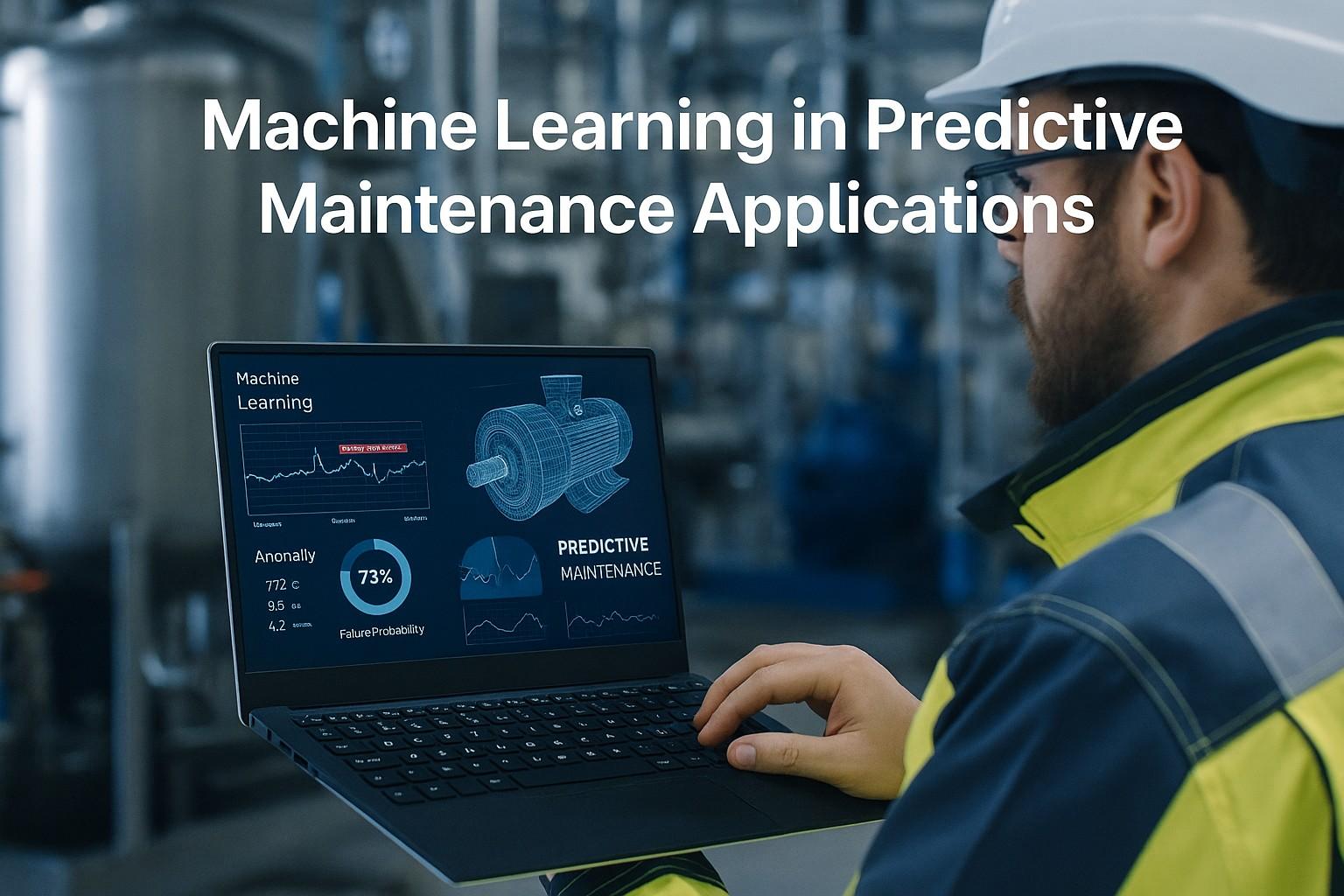
In January 2026, a petrochemical plant's AI maintenance system detected a developing bearing defect on a critical compressor 47 days before the component would have failed catastrophically. The AI correlated three data streams that no human analyst would have connected: a 0.3mm/s vibration increase on the drive-end bearing, a 2°C rise in lube oil return temperature, and a 1.7% increase in motor current draw during loaded operation. Individually, each reading was within normal range. Together, they formed a failure signature that the AI had learned from 14,000 similar compressor datasets across 340 facilities. The predictive work order generated automatically — with diagnosed failure mode, recommended parts, estimated labor, and optimal repair window — saved $2.1M in avoided production loss and emergency repair. The maintenance team did not monitor sensors, analyze trends, or diagnose the fault. The AI did. They reviewed the recommendation, approved the schedule, and executed the repair during a planned turnaround. This is not the future of industrial maintenance. This is January 2026. And the gap between organizations using AI-driven maintenance and those still running calendar-based PM programs is now measured in millions of dollars per year of preventable losses. Schedule a demo to see AI-powered maintenance intelligence running on industrial asset data.
From pattern recognition across millions of failure events to autonomous work order generation — AI is replacing human guesswork with machine precision across every maintenance function. This guide maps the 2026 AI maintenance landscape, quantifies the ROI, and provides the deployment roadmap.
AI in industrial maintenance is not a single technology — it is five distinct capabilities that each replace a manual process with machine intelligence. Organizations deploying all five achieve 3–5× the ROI of those implementing only predictive analytics. Sign up free and see all five AI capabilities active on your maintenance data from day one.
The performance gap between organizations using AI maintenance and those running traditional programs doubled between 2024 and 2026. AI-enabled plants now operate at 25–30% lower maintenance cost with 30% less unplanned downtime — a compounding advantage that traditional programs cannot close through incremental improvement alone.
The common misconception is that AI maintenance requires massive sensor deployments and data science teams. In 2026, cloud-based AI platforms learn from aggregated industry data across thousands of similar assets — meaning your AI starts with 92% accuracy on common equipment from day one, then improves to 95%+ as it learns your specific operating patterns.
AI maintenance does not require a 12-month digital transformation project. Cloud-based platforms like OxMaint deploy AI capabilities incrementally — you see value from week one and reach full predictive intelligence by week eight. Start your free trial and have AI active on your critical assets within the first week.