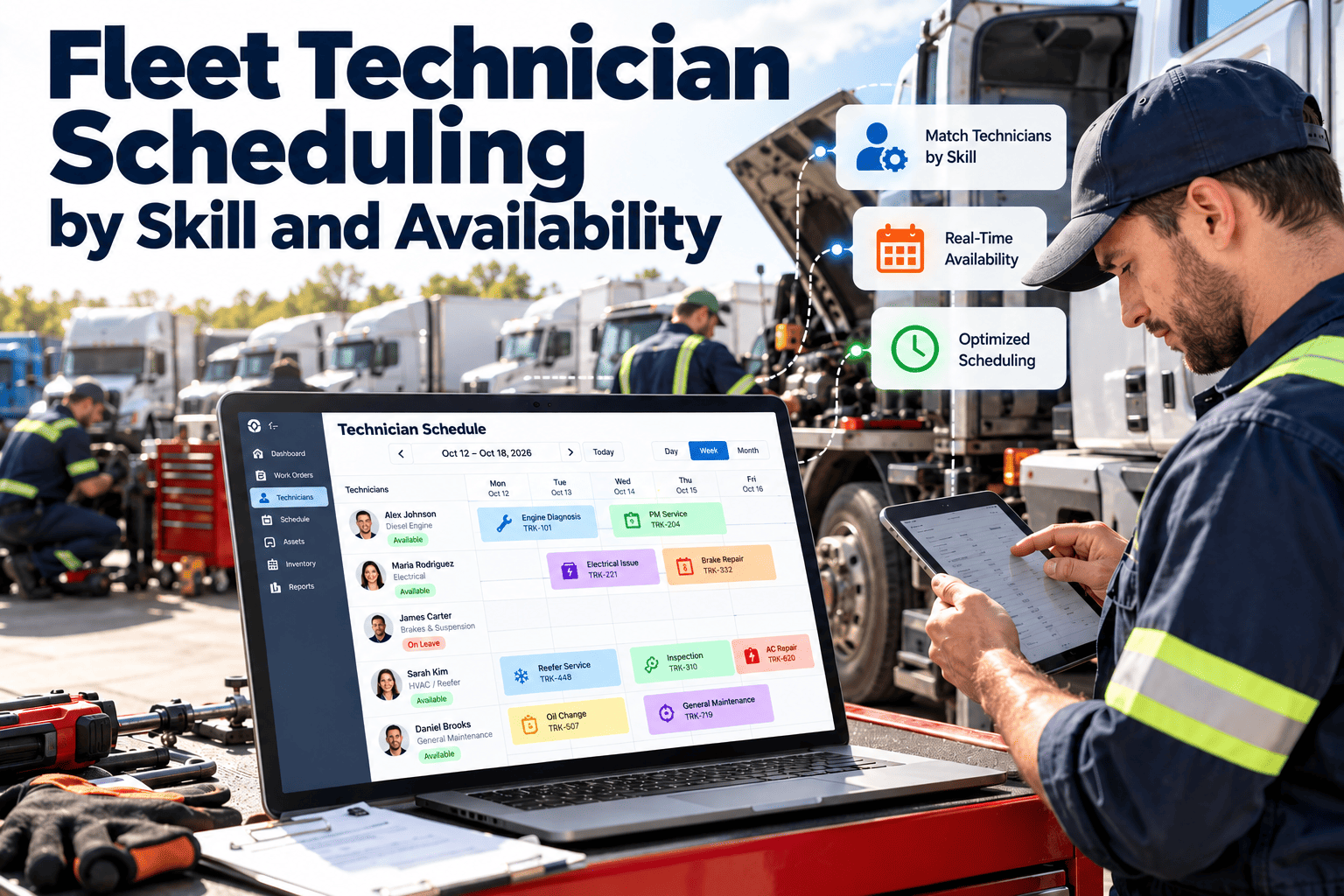
A fleet shop can have enough technicians on the clock and still run behind. The reason is often mismatch: a brake job lands on someone who is not certified for it, a diagnostic sits waiting for the one person who can read the fault codes, or a lif
CMMS Software for Fleet Operators
The maintenance management software built for fleet operations
Oxmaint is a maintenance management software (CMMS) that helps fleet managers, transportation carriers, delivery operators and heavy equipment fleet owners run work orders, mileage-based preventive maintenance, DVIR inspections, tire and part inventories, warranty tracking and DOT-ready compliance records for every vehicle and every trailer from one platform.
- One CMMS for every vehicle, trailer and piece of equipment
- Digital pre-trip and post-trip DVIR on the driver's phone
- Mileage, hours and calendar PM triggers running side-by-side
Oxmaint CMMS · Fleet Ops
96%
Fleet Ready
98%
DVIR Pass
$0.42
Cost/Mile
218
Units
Oxmaint Activity Feed
Real-Time
DVIR · Tractor #147 pre-trip
All items passed · e-signed by driver
Mileage PM · Van #82 at 50K
WO auto-created · Parts reserved
Brake service · Truck #23 complete
Photo evidence · Back in service
Roadside inspection · Unit #109
Passed · Report attached to asset
218 vehicles · 47 trailers · 12 garages synced
How Oxmaint Software Works for Fleets
A Predictable 4-Stage Rollout Without Grounding Your Fleet
From paper DVIRs and disconnected spreadsheets to one CMMS covering every unit, part and compliance record — without pulling vehicles off the road.
Weeks 1–2
Load Your Fleet
Import every vehicle, trailer and machine by VIN and odometer.
Weeks 3–6
Configure PM & DVIR
Set mileage, hours and calendar PM per class, load DVIR templates.
Weeks 7–10
Connect Telematics & Fuel
Odometer, engine hours and fuel-card cost update automatically.
Weeks 11–12
Measure Performance
Cost per mile, PM compliance and uptime, with DOT-ready packs.
Fleet Work Orders & DVIR
Digital DVIR on the Driver's Phone — WOs on the Mechanic's Tablet
Drivers file DVIRs on mobile before leaving the yard, and any defect instantly opens a work order on the mechanic's bay tablet. Mark a brake defect on a post-trip DVIR and Oxmaint flags the tractor out-of-service, reserves the parts and holds it from dispatch until a mechanic closes the job with photo evidence and an e-signature.
Pre & Post-Trip DVIR
Digital forms on the driver's phone
Auto Out-of-Service Flag
Failed DVIR items hold the vehicle
Shop Work Order Queue
Bay-tablet workflow for mechanics
Photo Evidence & e-Sign
Every repair captured on close-out
Live Fleet Work Queue
28 ActiveWO-5188 · Brake defect · Tractor #23
Out-of-ServiceDriver DVIR trigger · Bay 4 · Parts reserved
WO-5189 · Mileage PM · Van #82
Scheduled50K interval · Kit staged · Tomorrow AM
WO-5190 · Tire rotation · Truck #47
In ProgressBay 2 · Photo uploaded · 68% done
DVIR · Trailer #T-108 pre-trip
PassedAll items OK · e-signed · Cleared to dispatch
Drivers, mechanics & fleet managers · one Oxmaint queue
Fleet Asset Register
Every VIN, Every Tire, Every Battery — Life-Cycle Tracked in the CMMS
Every vehicle is registered by VIN, plate, model and class with warranty and PM intervals attached. Tires track by position, tread depth and install mileage; batteries by install date and cycle count. Every part swap, top-up and warranty claim writes to the vehicle's history — so whether Truck #47's tires need rotation or retirement takes seconds to answer.
VIN-Based Vehicle Register
Model, year, class, warranty tracked
Tire & Battery Lifecycles
Position, install date, cycle count
Warranty & Claim Tracking
Expiries flagged, claims logged
Complete Service History
Every WO, part, cost per vehicle
Fleet Asset Register
218 UnitsTractors · Class 8
64 units · VIN, class, warranty
Trailers
Dry van, reefer, flatbed · 47 units
Delivery Vans
Cargo, sprinter, box · 88 units
Heavy Equipment
Loaders, dumps, mixers · 19 units
Every class, every component · one Oxmaint register
Mileage PM & DOT Compliance
Mileage & Hours-Based PM — Every Compliance Record Captured
Every unit gets its own trigger set: A-service at 15,000 miles, B-service at 45,000, hours-based intervals for off-highway machines. When a tractor approaches 50,000, Oxmaint generates the B-service work order the day before the threshold, reserves the parts kit and assigns the bay — and the closed record moves into that VIN's DOT compliance file, exportable in the format an FMCSA audit needs.
Mileage & Hours Triggers
Per-vehicle intervals in the CMMS
Parts Kits Auto-Reserved
A-service, B-service, C-service kits
DOT Compliance Records
Every PM writes to the VIN file
FMCSA-Ready Audit Packs
Filter by unit, date or driver
Fleet Compliance Snapshot
DOT-ReadyDVIR Compliance
Pre & post-trip logged for every unit
Annual DOT Inspections
All units within 12-month window
Roadside Inspection Reports
Attached to unit VIN files
Shop Safety Sign-Offs
OSHA logs, LOTO, permits current
Every record e-signed and stored in Oxmaint
Inside the Oxmaint CMMS
Every Module Your Fleet Operation Needs — One Login
Work orders, mileage-based PM, VIN registers, tire and part inventories, digital DVIRs, predictive alerts and DOT compliance records in one CMMS.
Work Order Management
Every DVIR defect, scheduled PM and corrective repair in one shop queue — bay assignment, mobile execution, photo evidence.
Preventive Maintenance
Mileage, engine-hour, calendar and deadline PM per vehicle class — WOs generate at threshold with parts kits and bay assigned.
Vehicle Asset Register
Every tractor, trailer, van and heavy equipment unit by VIN, plate, class and warranty — one lookup opens full service history.
Parts, Tires & Inventory
Filters, belts, brake pads, tires and batteries across shop storerooms — min-max levels and reservation on every PM.
DVIR & Inspection Management
Pre- and post-trip DVIR checklists on the driver's phone — defects auto-create a WO and hold the vehicle out-of-service.
Predictive Maintenance
Fault codes and telemetry ingested so engine, transmission and after-treatment drift becomes a WO, not a dashboard alarm.
DOT Compliance & Audit Trail
DVIRs, annual DOT inspections, roadside reports and safety sign-offs captured as FMCSA-ready packs by unit or driver.
Fleet Analytics & Reporting
Cost per mile, PM compliance, DVIR pass rate and uptime — filter by unit, class, driver or garage.
Latest Posts
Read More
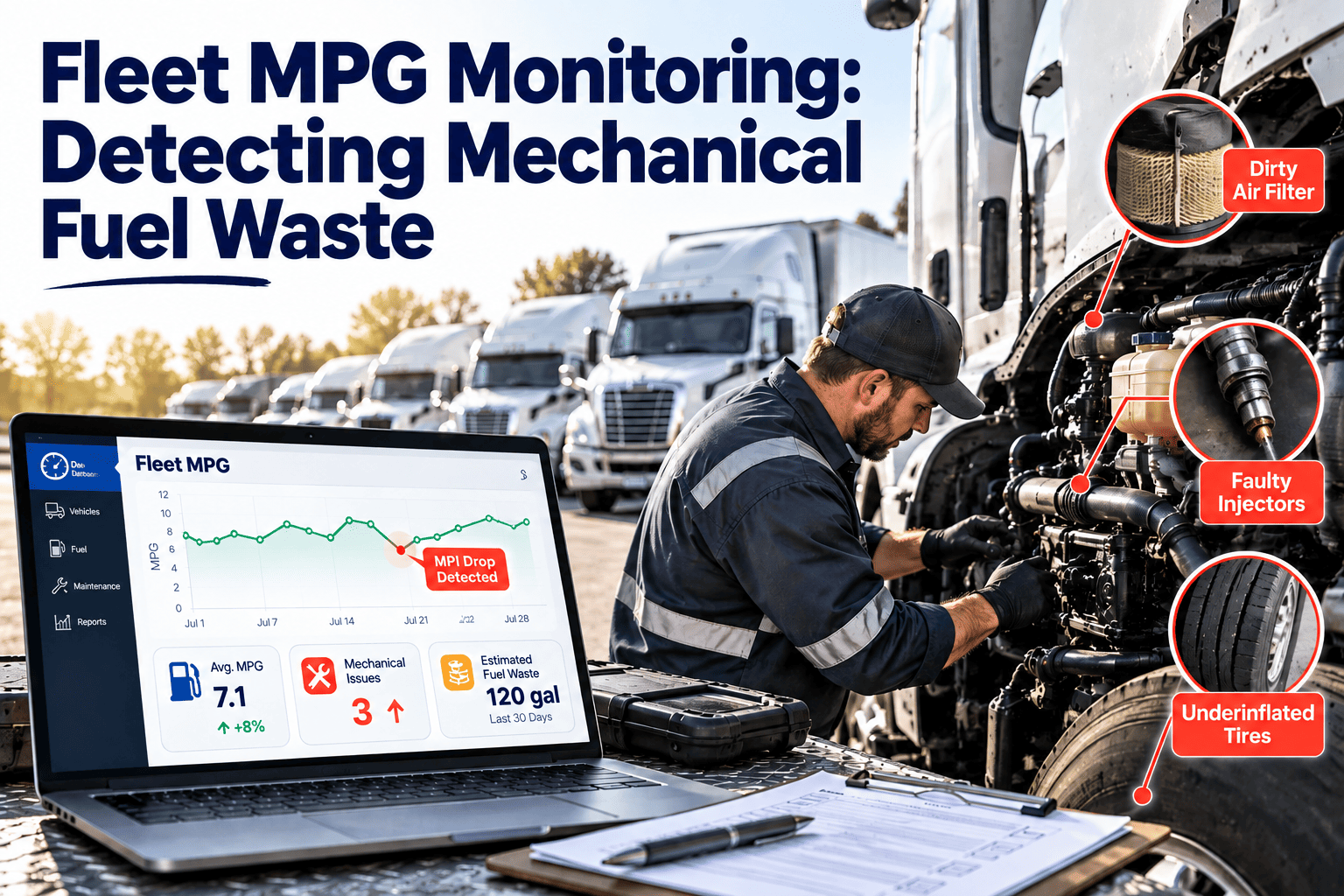
Fuel is usually the largest or second largest operating cost in a fleet, and a drop in miles per gallon is easy to blame on drivers. In practice, many MPG losses start in the shop: soft tires, a restricted air filter, a failing injector, a stuck c
Read More
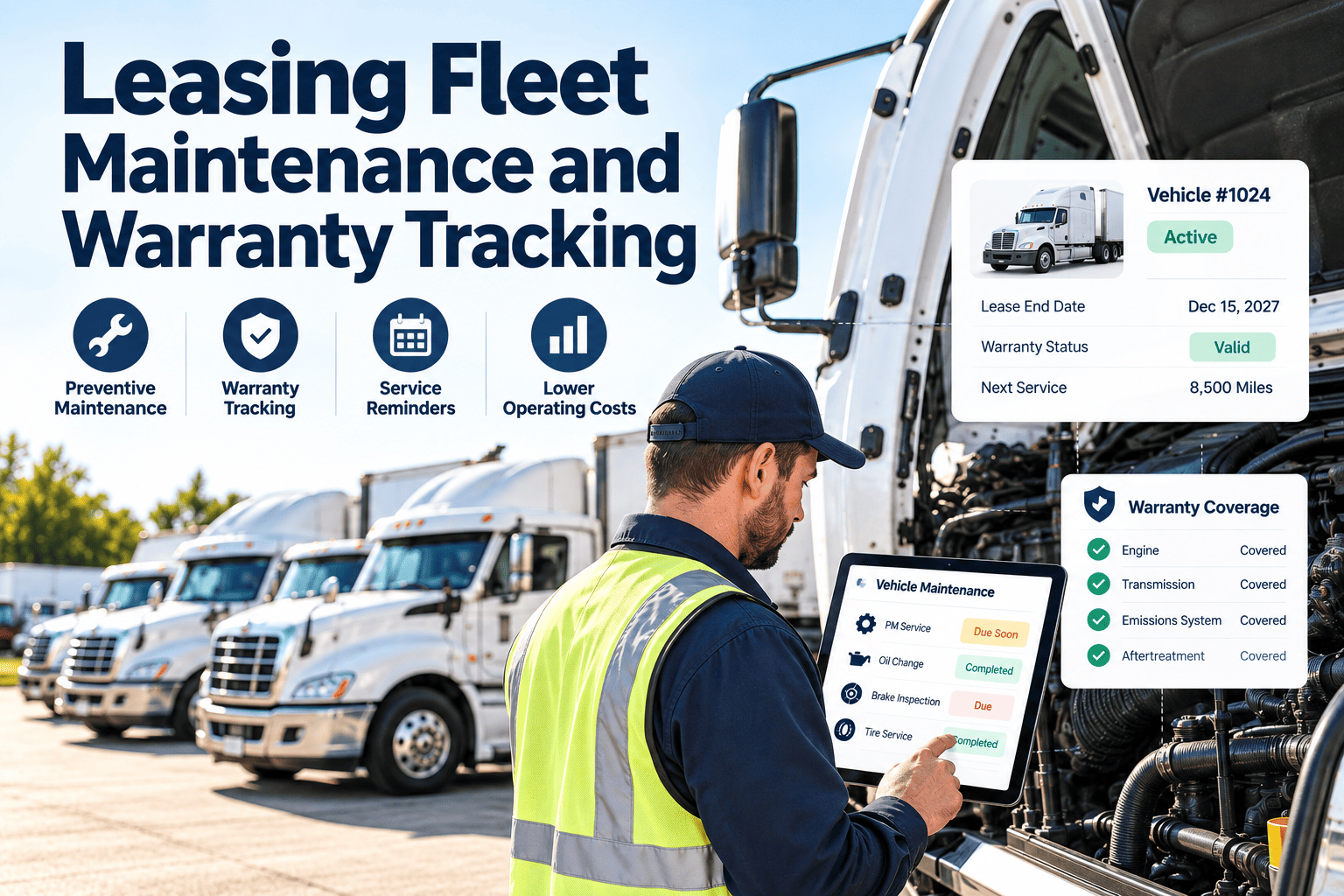
Leased vehicles come with two clocks running at once: the maintenance schedule that keeps them reliable and the contract terms that decide who pays when something goes wrong. Miss a service interval, use the wrong fluid, or fail to document a repa
Read More
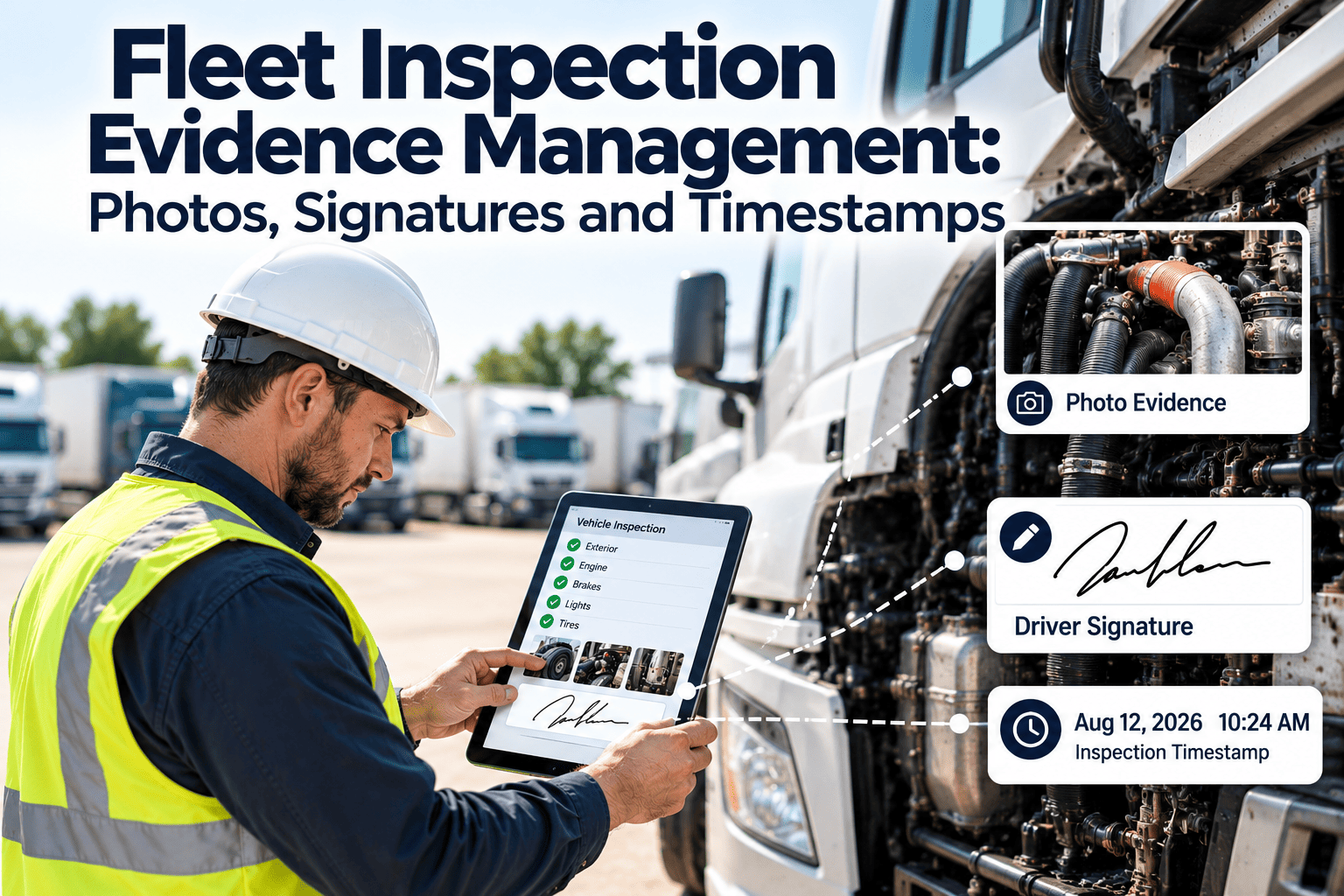
A fleet inspection is only as useful as the proof behind it. When a roadside officer, an insurer, a lessor, or a plaintiff's attorney asks what condition a vehicle was in on a given day, a checkbox is not an answer. Photos, signatures, and timesta
Read More
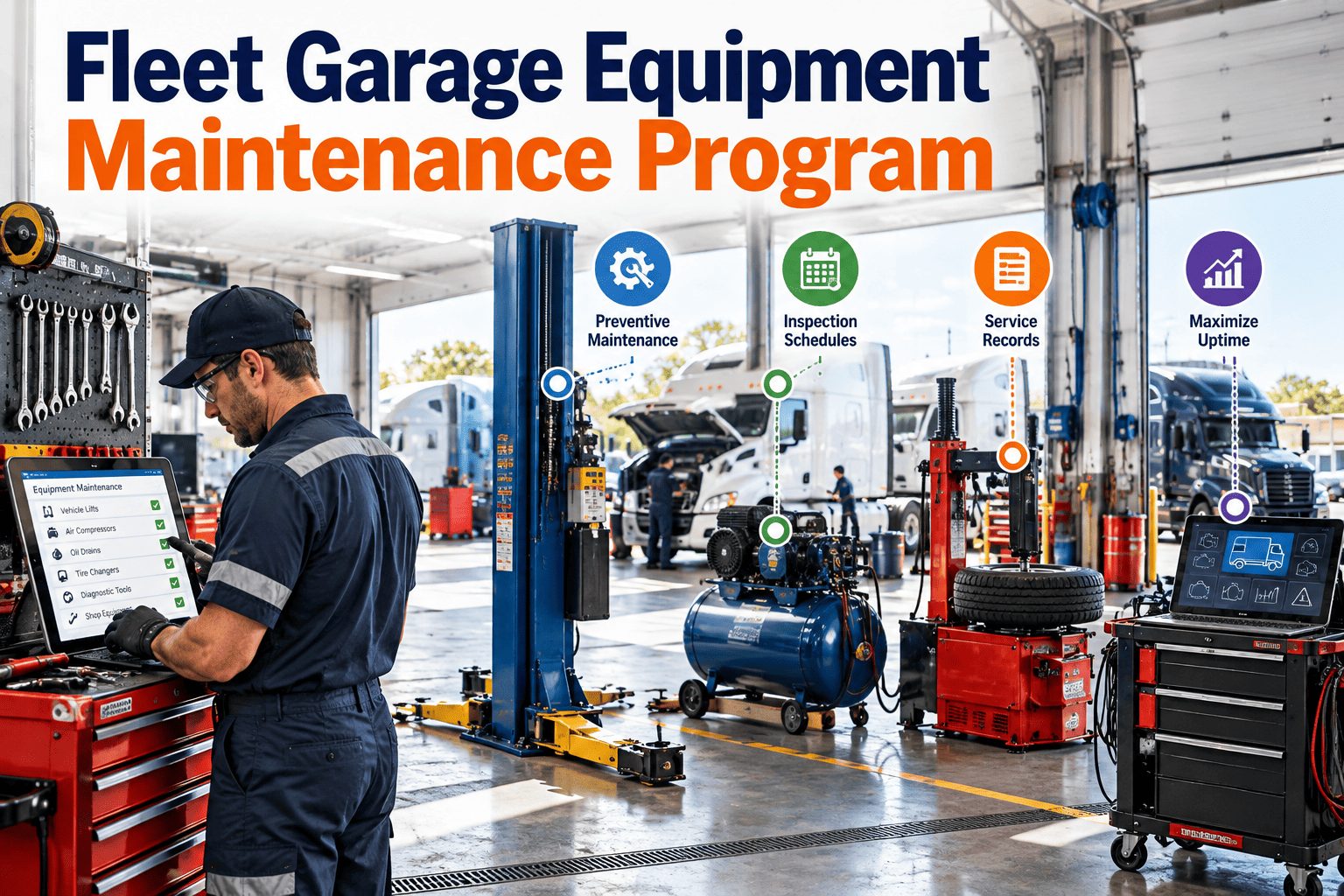
A fleet garage equipment maintenance program keeps the tools behind every repair, such as lifts, compressors, tire machines and diagnostic gear, safe and available. When a lift is tagged out or a scan tool needs an update in the middle of a shift,

Read More
Electric vehicles remove oil changes and exhaust work, but they add a hazard that most fleet shops have never had to manage: high-voltage energy stored in the battery pack and distributed through orange cabling, inverters, chargers, and motors. A
Read More
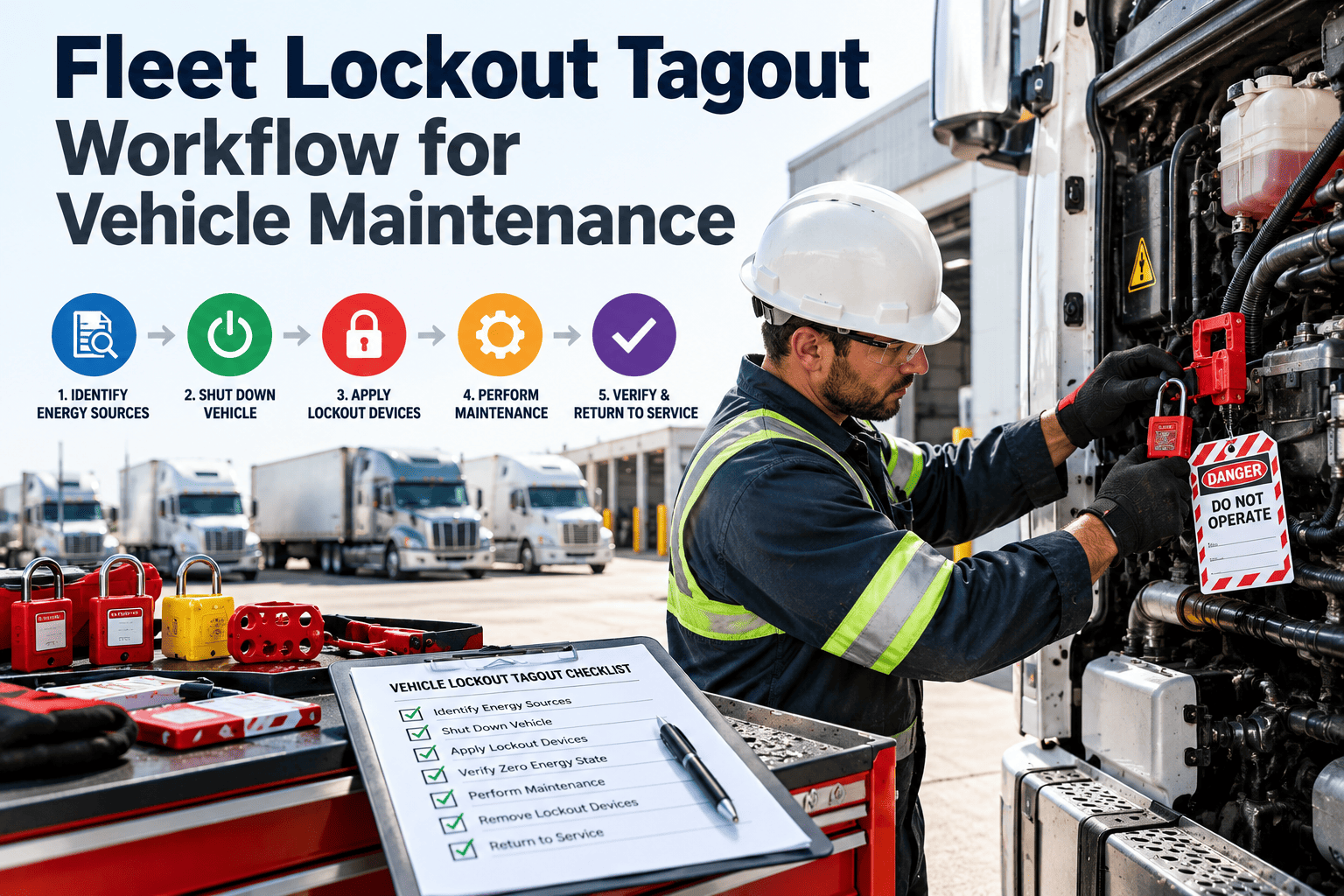
A fleet lockout tagout workflow for vehicle maintenance controls hazardous energy before a technician reaches under a lift, into a hydraulic body or near a battery system. Vehicles store energy in many forms, from compressed air and hydraulic pres
Read More
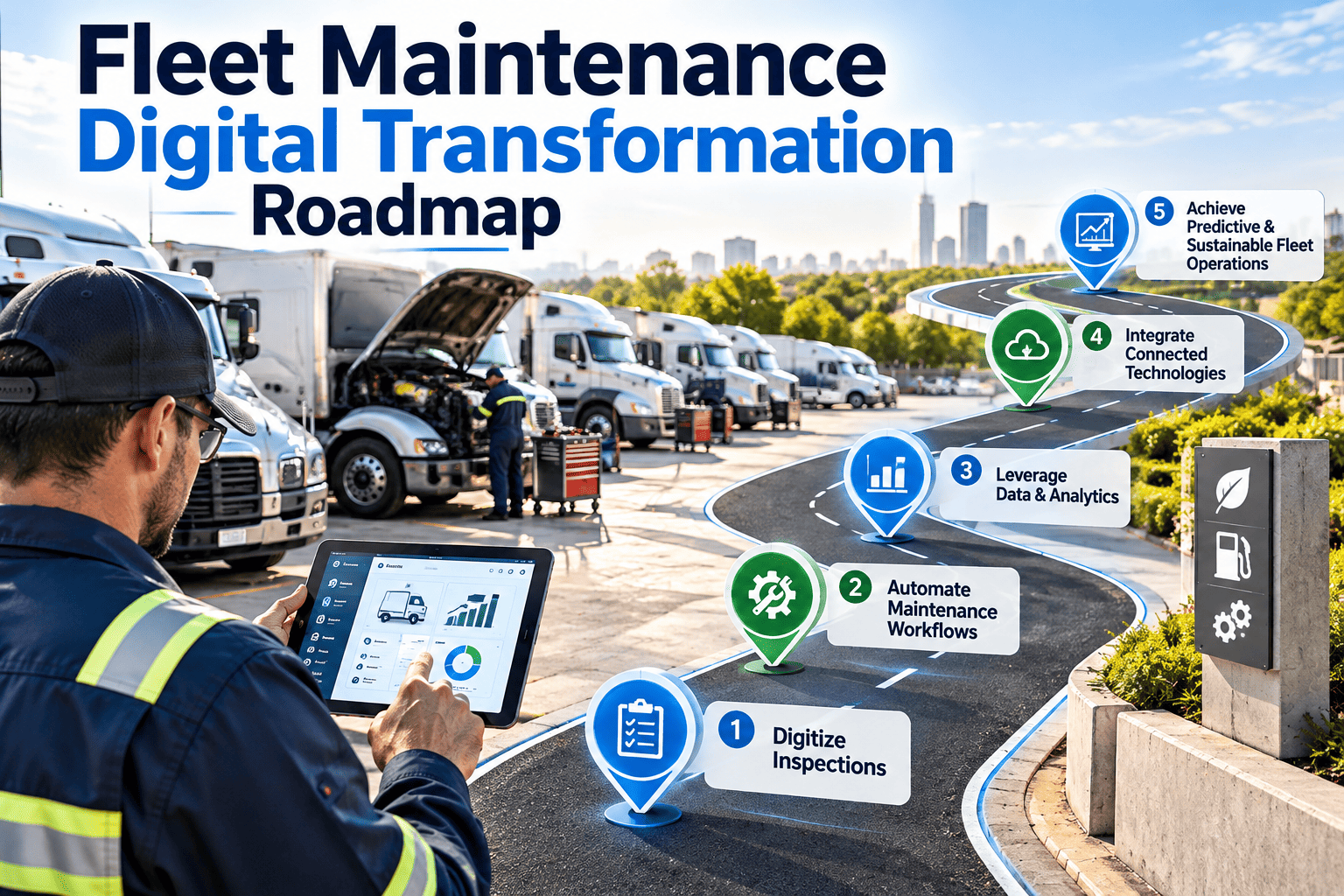
Many fleet maintenance departments run on a mix of paper inspection forms, spreadsheets, text messages, and the memory of a few senior technicians. That works until a key person leaves, an audit arrives, or the fleet grows faster than the shop. A
Read More
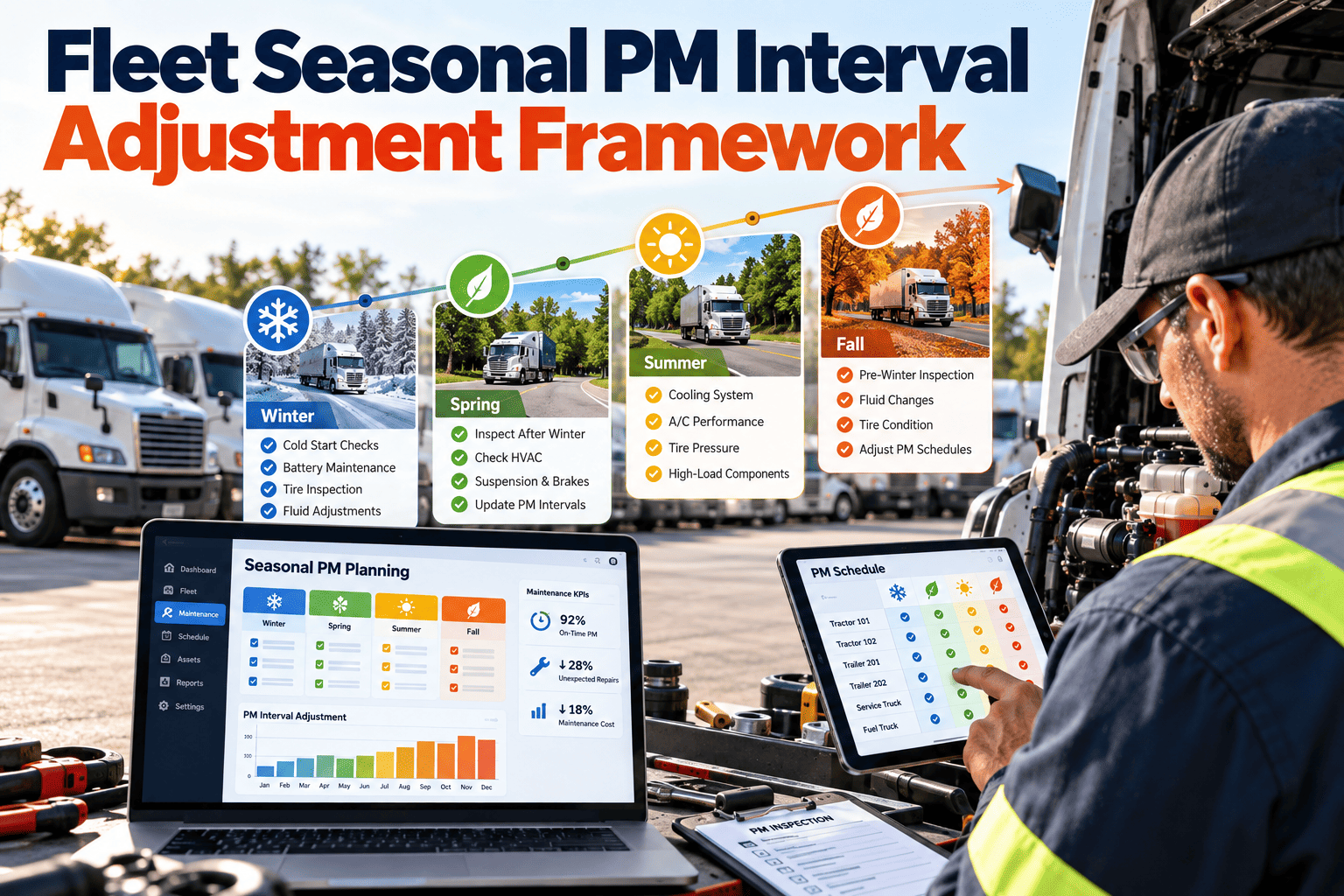
A fleet seasonal PM interval adjustment framework gives maintenance teams a structured way to change service timing, task content and inspection depth as weather and workload change. A truck that idles through January snow and a truck that hauls t
Read More
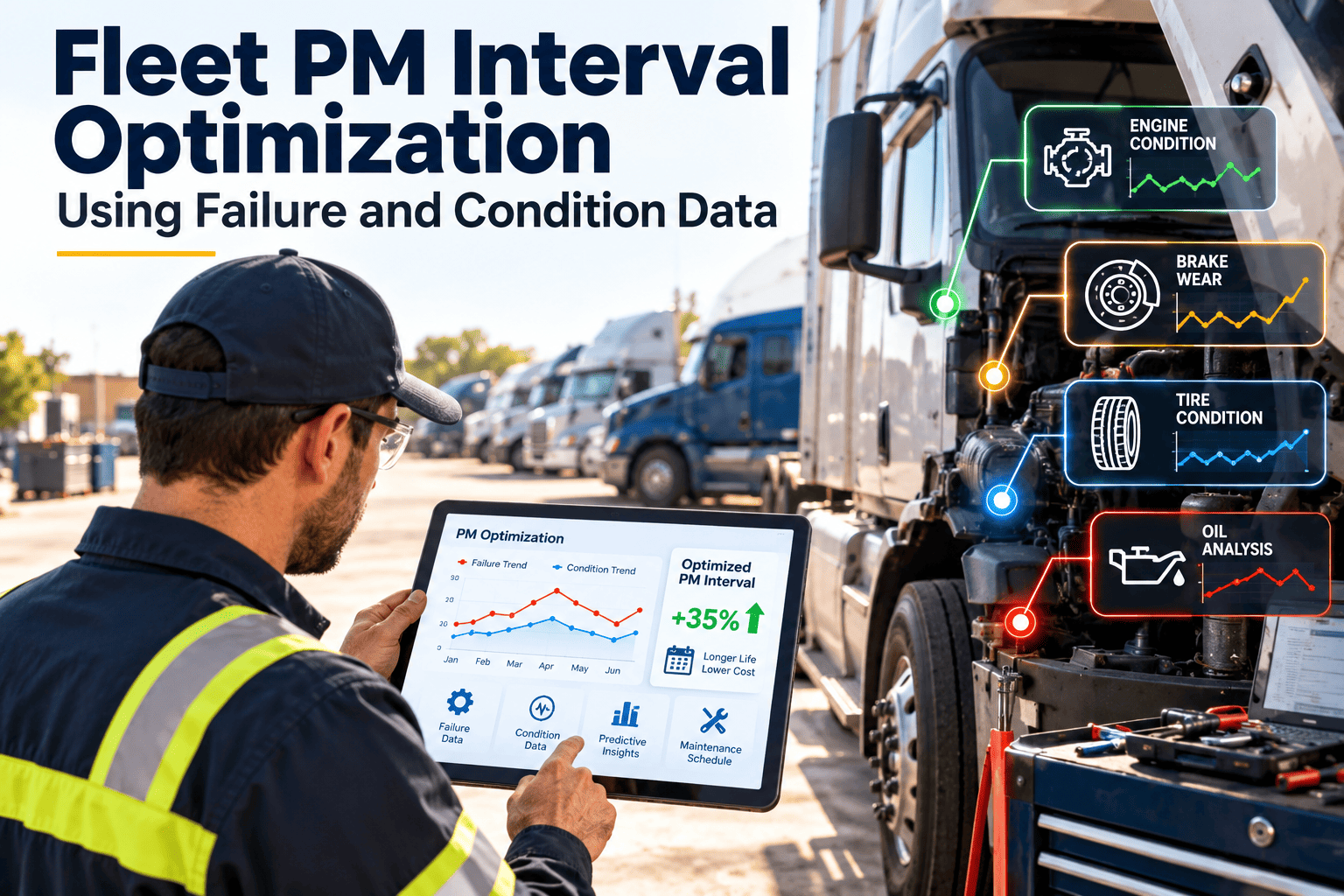
Most fleets still run preventive maintenance on a mileage or calendar number inherited from an OEM manual or an old shop habit. That number may be safe, but it is rarely the best number for every vehicle, duty cycle, and route. Fleet PM interval o
Read More
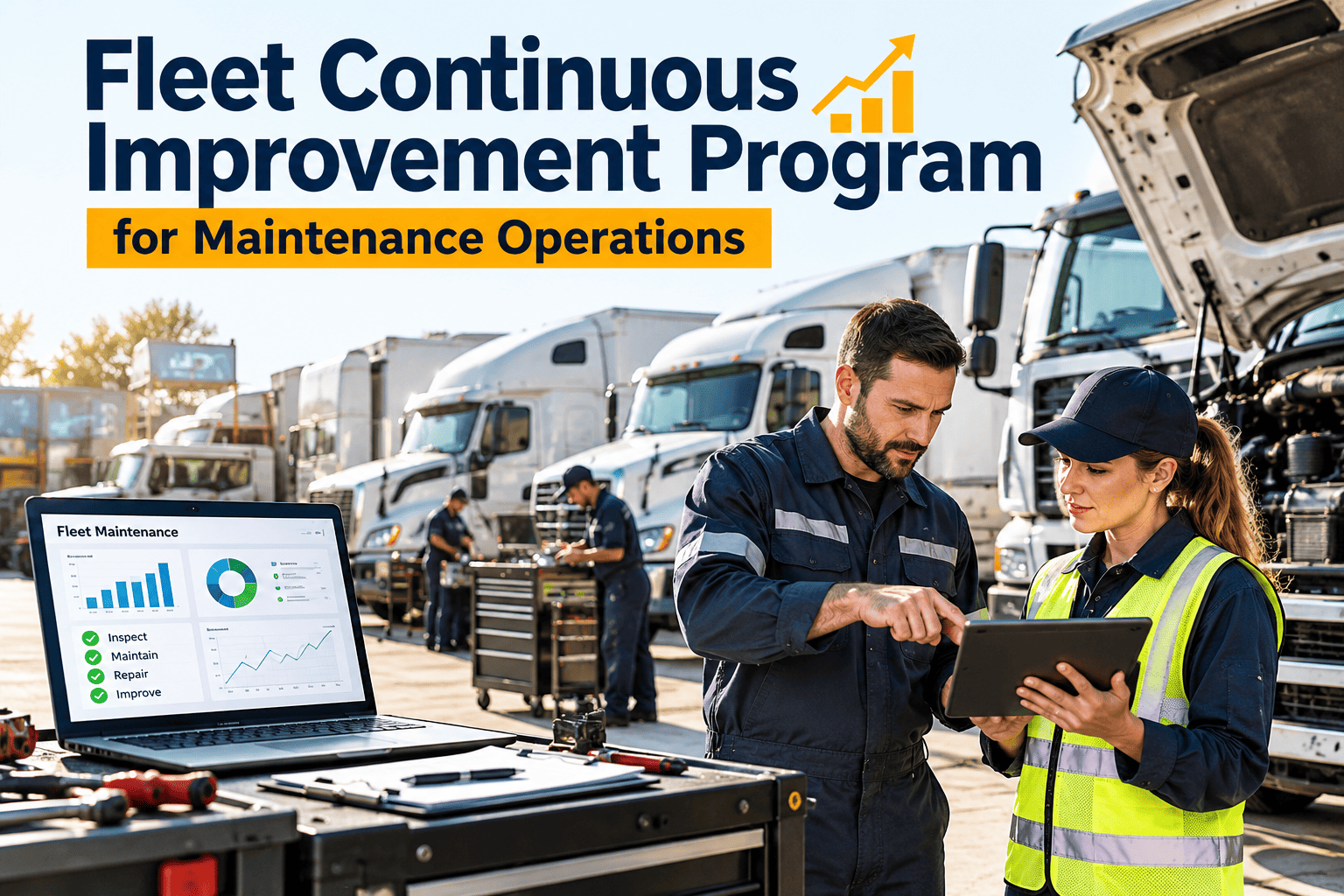
A fleet continuous improvement program for maintenance operations is a repeatable cycle of measuring, fixing and verifying how vehicles are inspected, serviced and repaired. Most shops already work hard, yet the same defects return, parts run shor
Read More
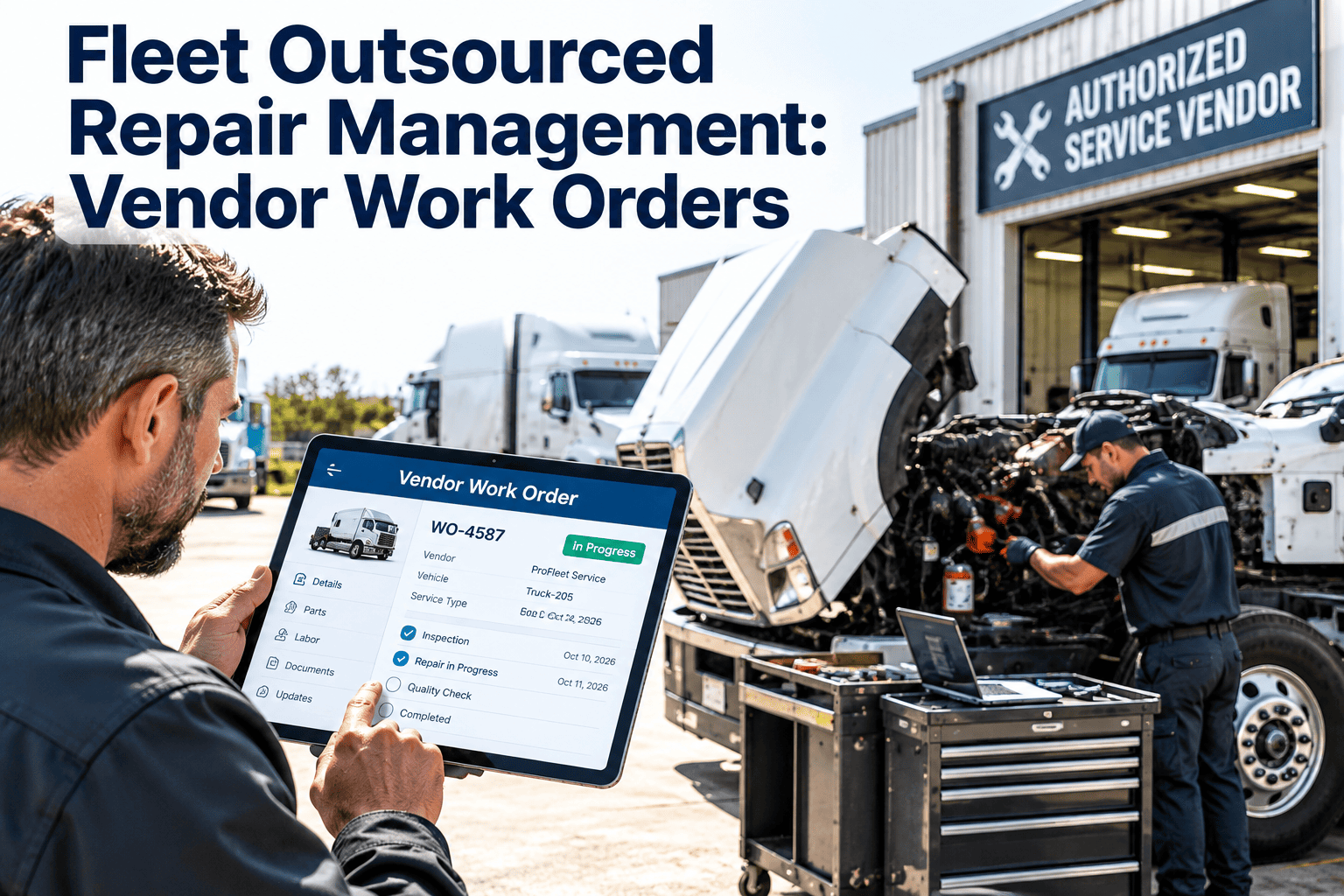
Few fleets repair every vehicle in their own shop. Warranty work goes to dealers, specialty jobs go to body shops, and overflow or roadside repairs go to whatever vendor is closest. The trouble starts when those jobs leave the maintenance system.
Read More
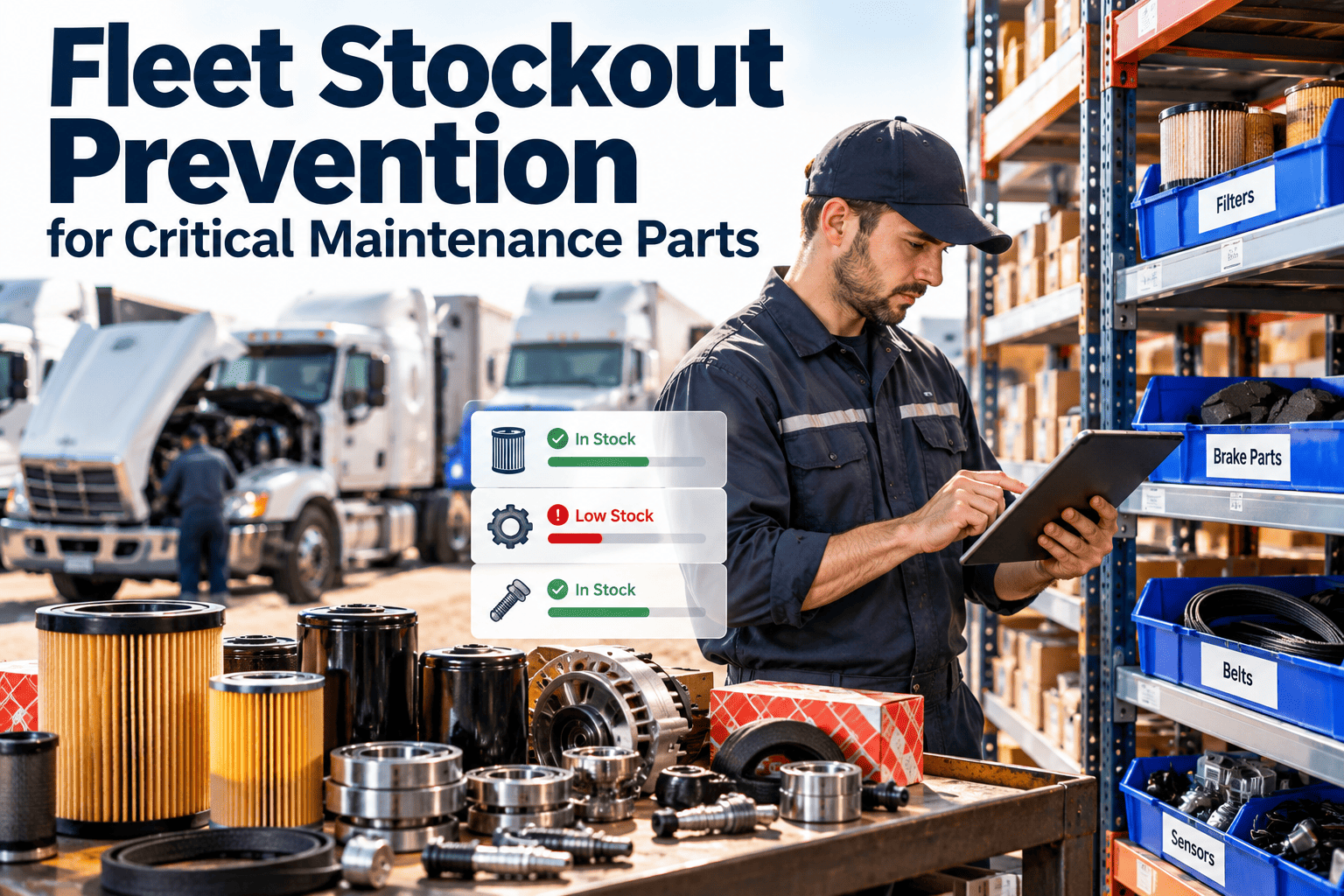
A missing brake chamber, alternator, or air dryer cartridge rarely looks like a purchasing problem at first. It looks like a truck waiting in a bay, a driver without a unit, and a dispatcher reshuffling loads. Fleet stockout prevention for critica
Read More
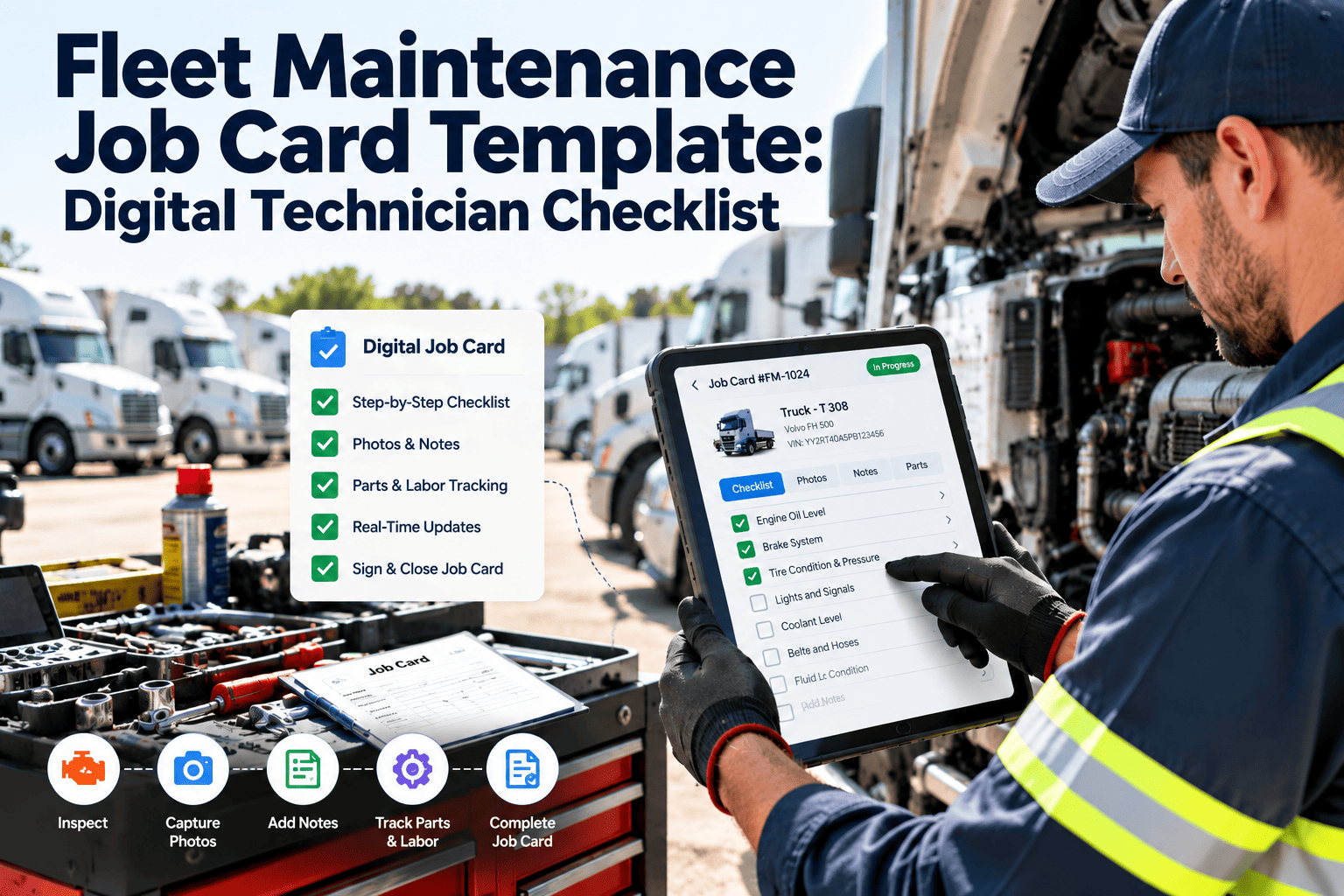
A fleet job card is the record that connects a complaint to a repair, a technician, a set of parts and a vehicle that is safe to release. When cards are handwritten, half-filled or closed days later, the shop loses labor data, parts usage and the

Read More
Much of a technician's frustration has nothing to do with the repair. It is the walk back to the office for a printout, the hunt for the last service record, and the rewriting of notes after the shift. A mobile work order app puts the job, history
Read More
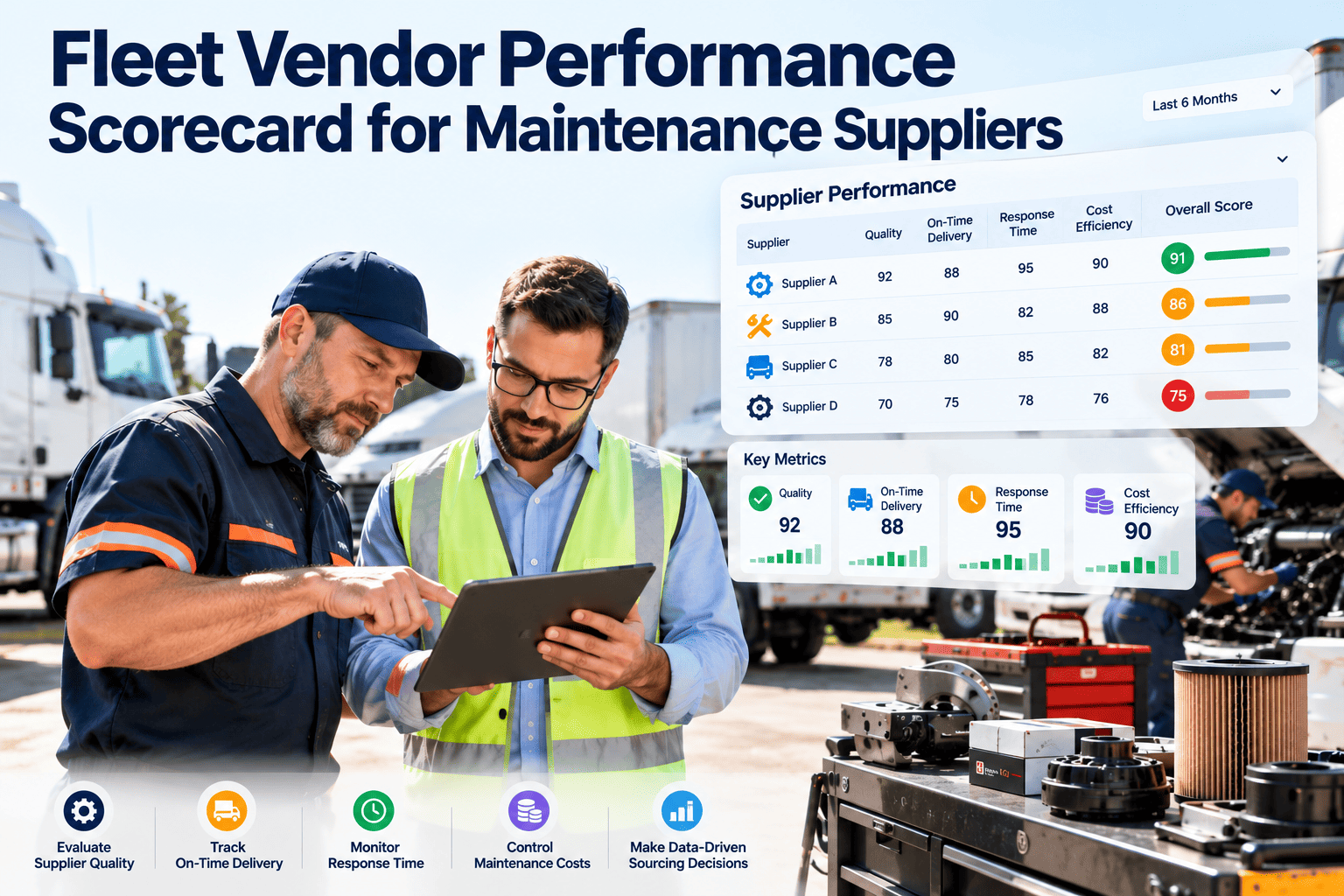
Most fleets know which maintenance vendor they like, but fewer can show which one is actually faster, more accurate or cheaper once repeat repairs and downtime are counted. A vendor scorecard replaces opinion with evidence drawn from work orders,

Read More
In a mine, a haul truck that stops moving stops earning, and the cost of that stoppage is far larger than the repair itself. Reliability comes from a program that connects inspections, preventive maintenance, condition monitoring, tire management
Read More
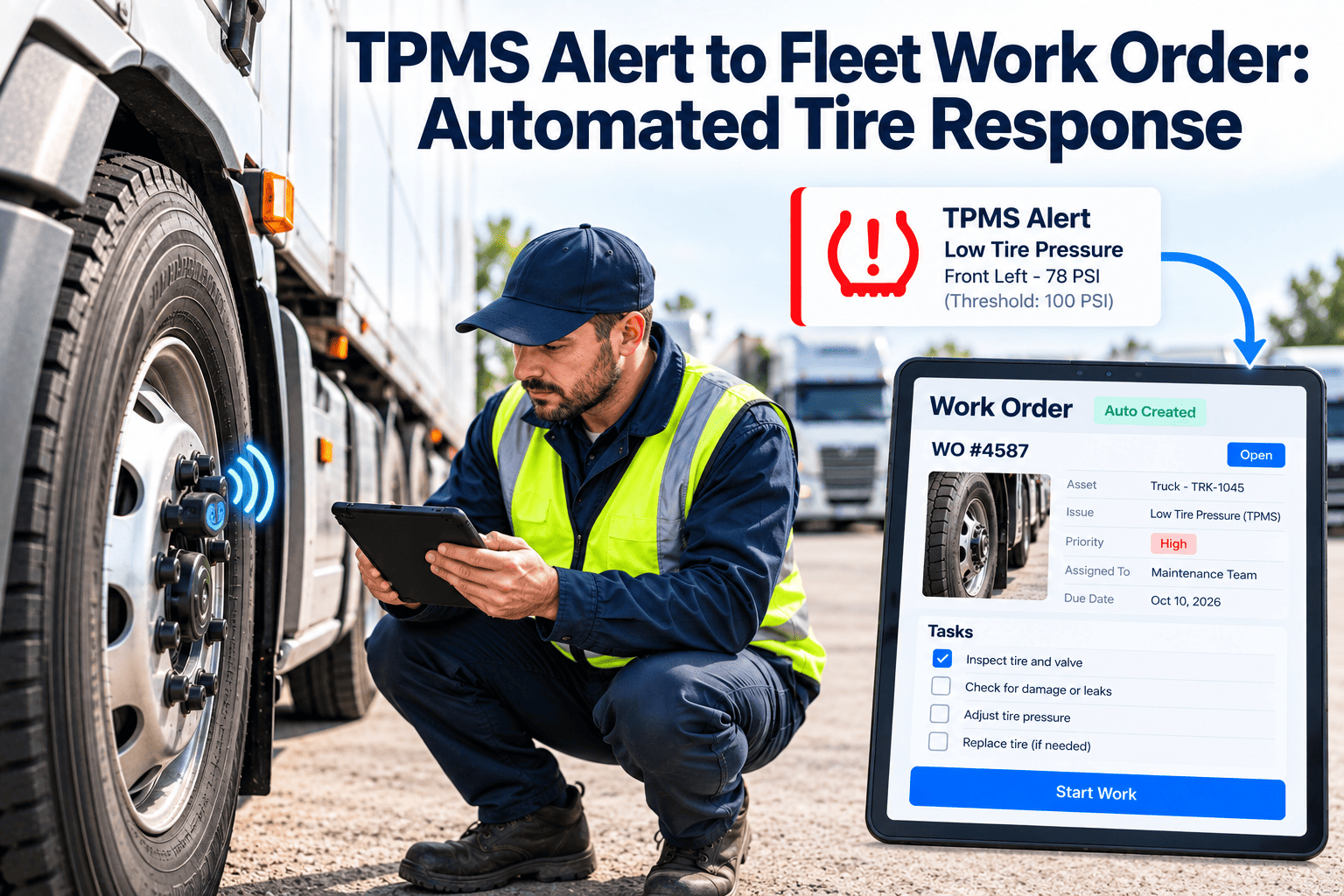
A tire pressure alert that reaches a driver's dash but never reaches the shop is only half a program. The alert gets noticed, the truck keeps rolling, and the same unit triggers the same warning next week. This guide shows how to turn each pressur
Read More
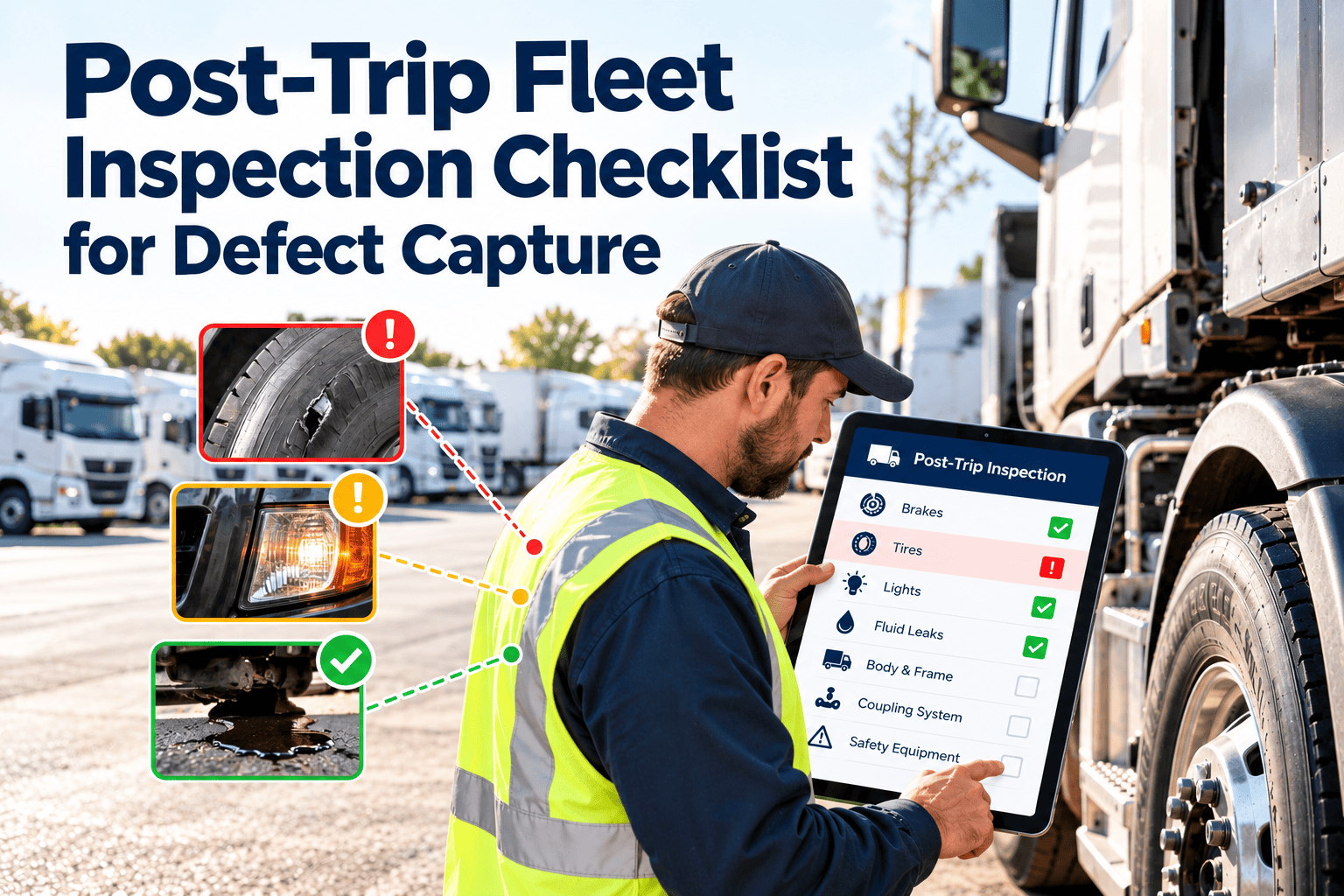
A defect that the driver notices at the end of a trip and the shop learns about two days later is one of the most expensive defects in a fleet. The post-trip inspection is the moment the vehicle is still warm, the driver still remembers what felt
Read More
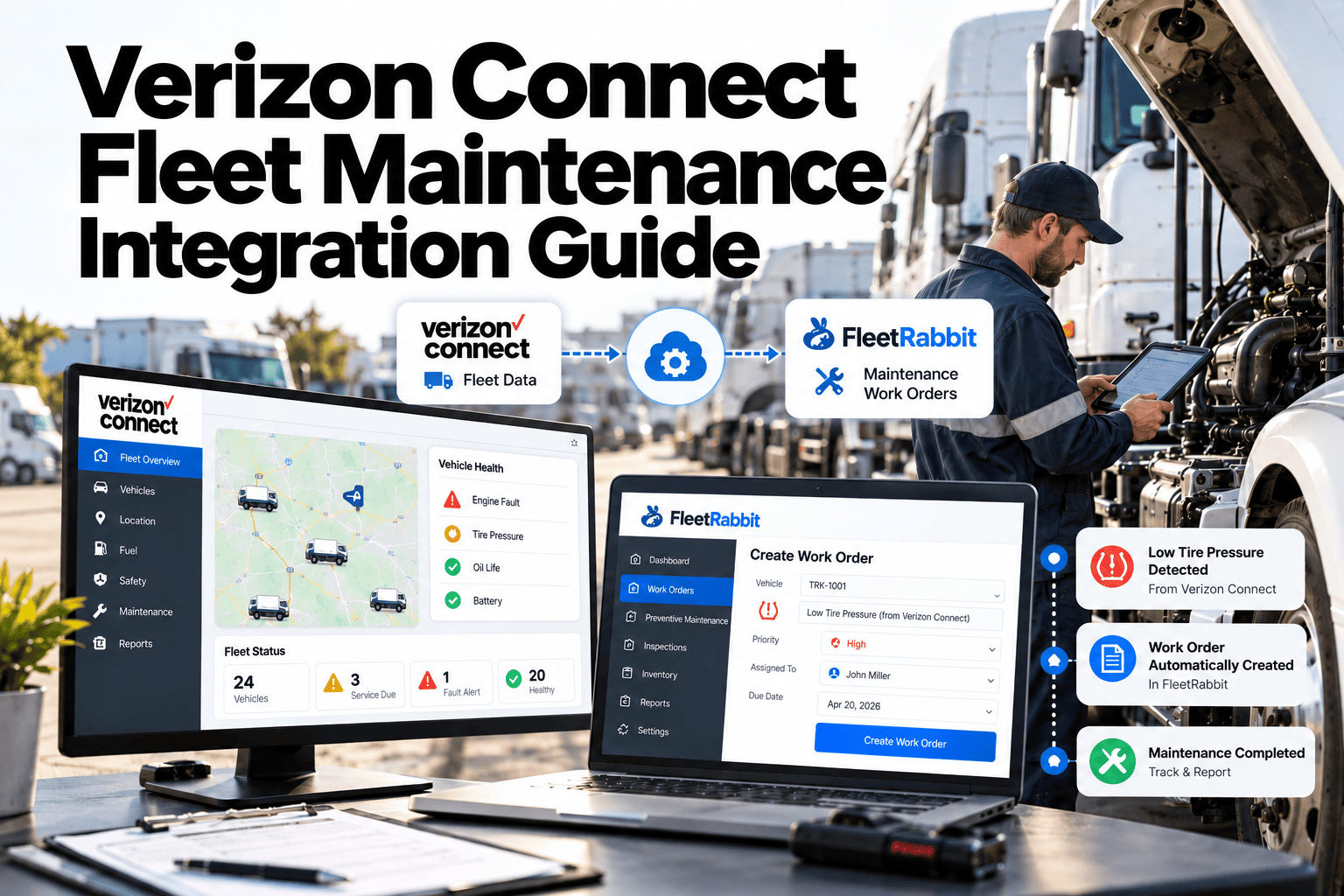
Telematics tells you where a vehicle is, how far it has driven and which fault codes its engine has raised. A maintenance program turns that signal into a scheduled, assigned and closed repair. This guide explains how fleets connect Verizon Connec
Read More
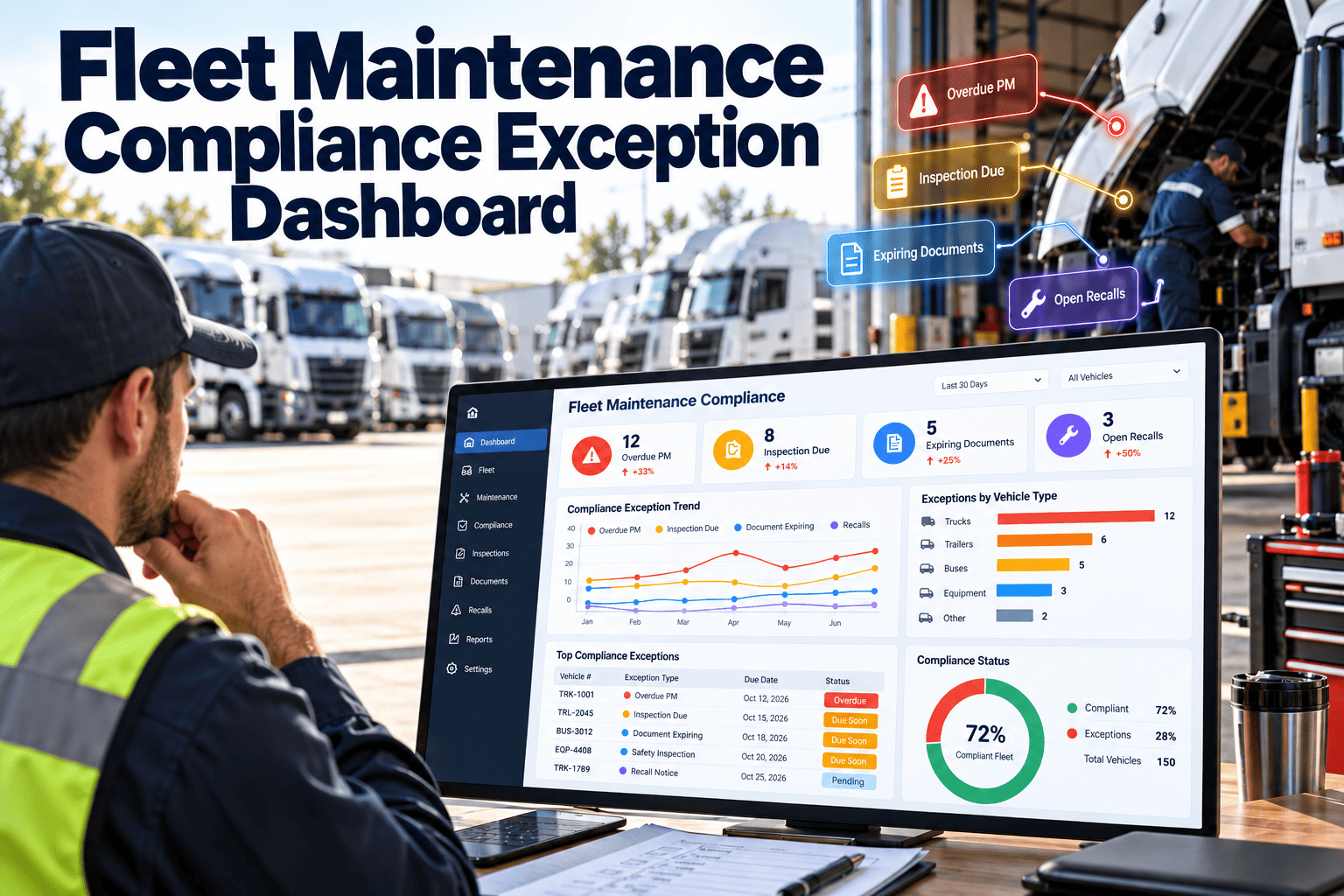
Most fleet compliance reports answer the wrong question. They show how many inspections were completed, but not which vehicles are about to cause a problem. An exception dashboard flips that view. It hides everything that is on track and puts over
Read More
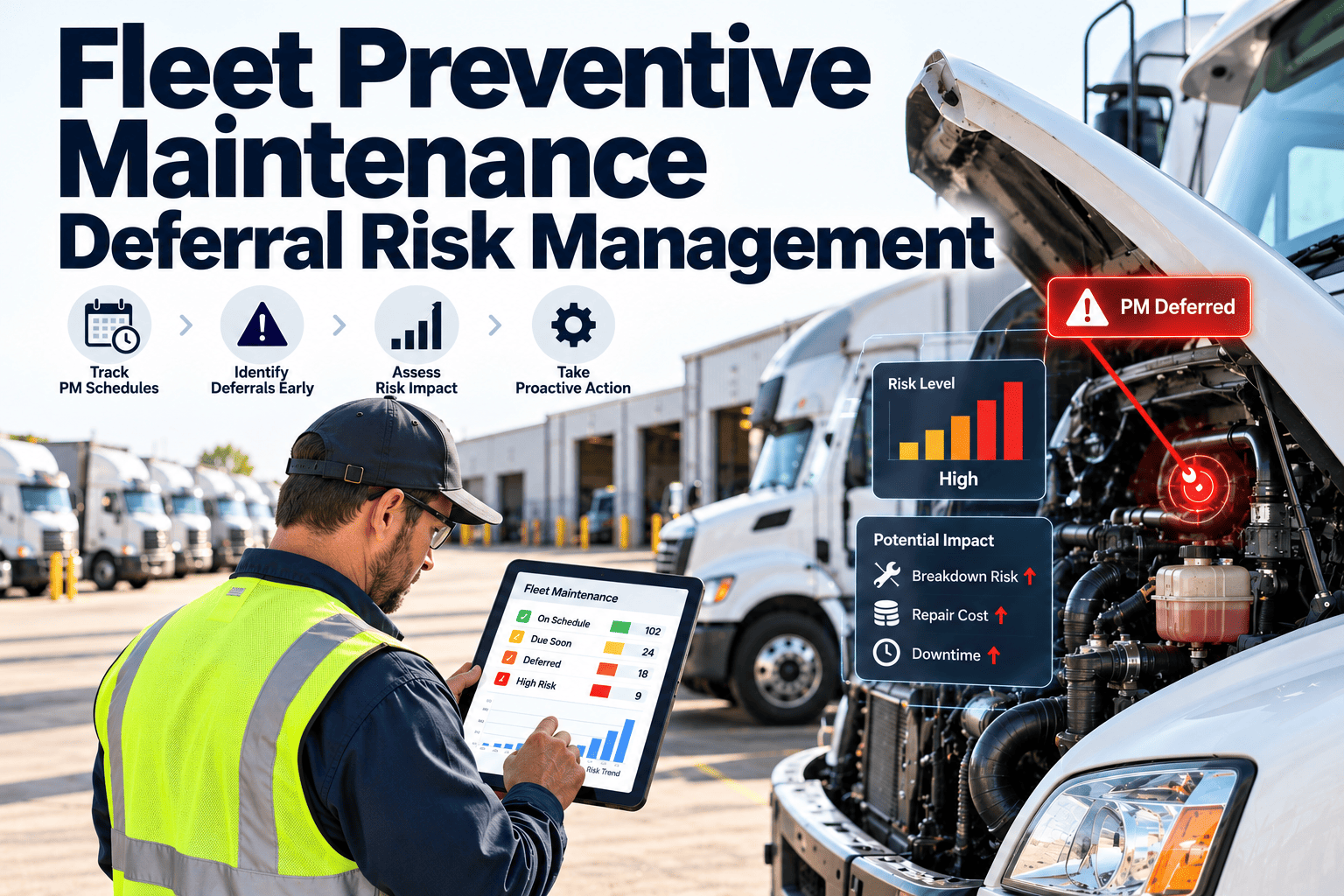
Every fleet defers preventive maintenance at some point. A truck is needed for one more load, a part is late, or the bay is full. One deferral is a reasonable business call. A quiet pile of them becomes a hidden liability that surfaces as a roadsi
Read More
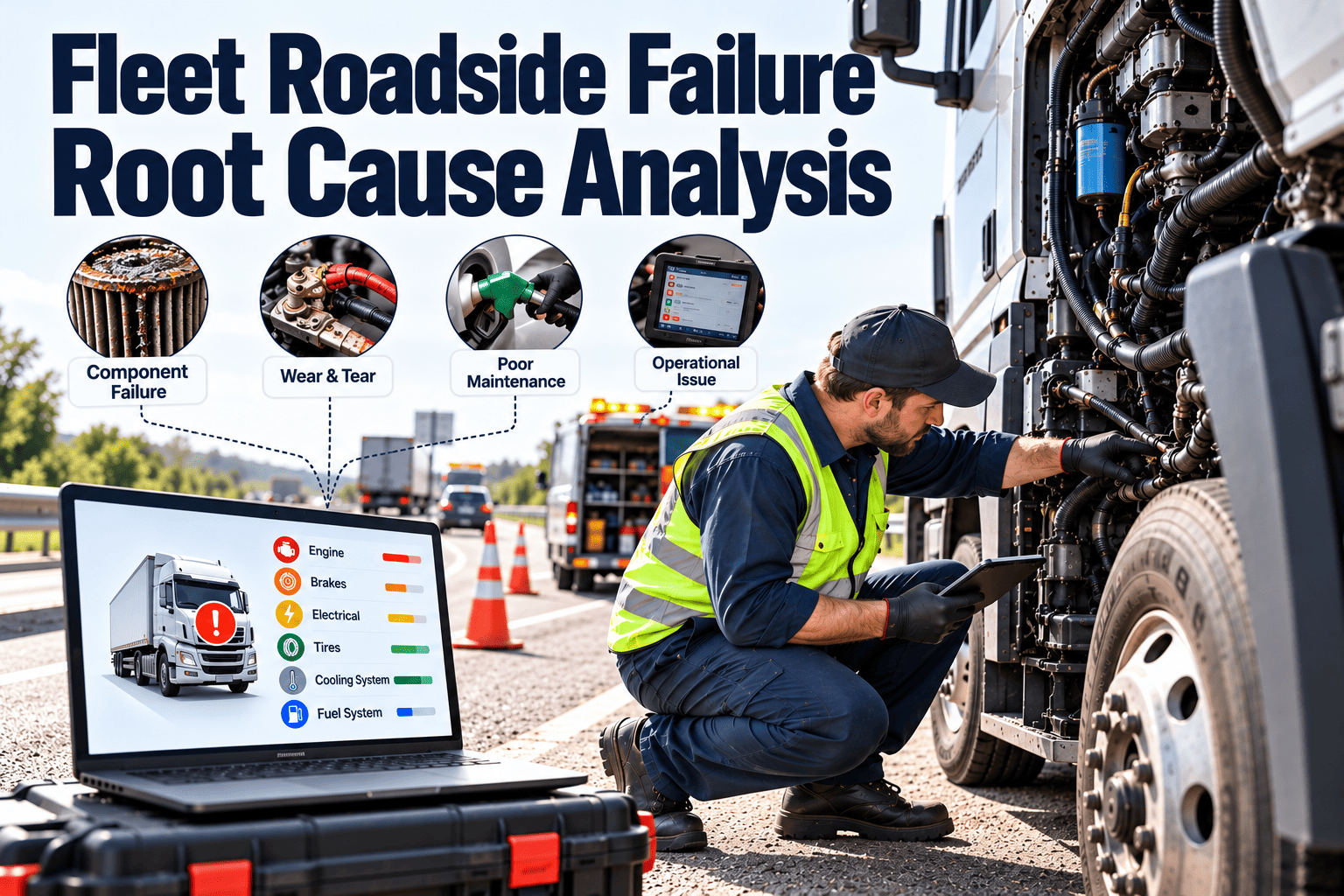
A tractor loses a wheel-end bearing on a highway shoulder, and the report says "mechanical failure." That label explains nothing. Most roadside failures trace back to a missed defect, a deferred service, a wrong part, or a repair that was never ve
Read More
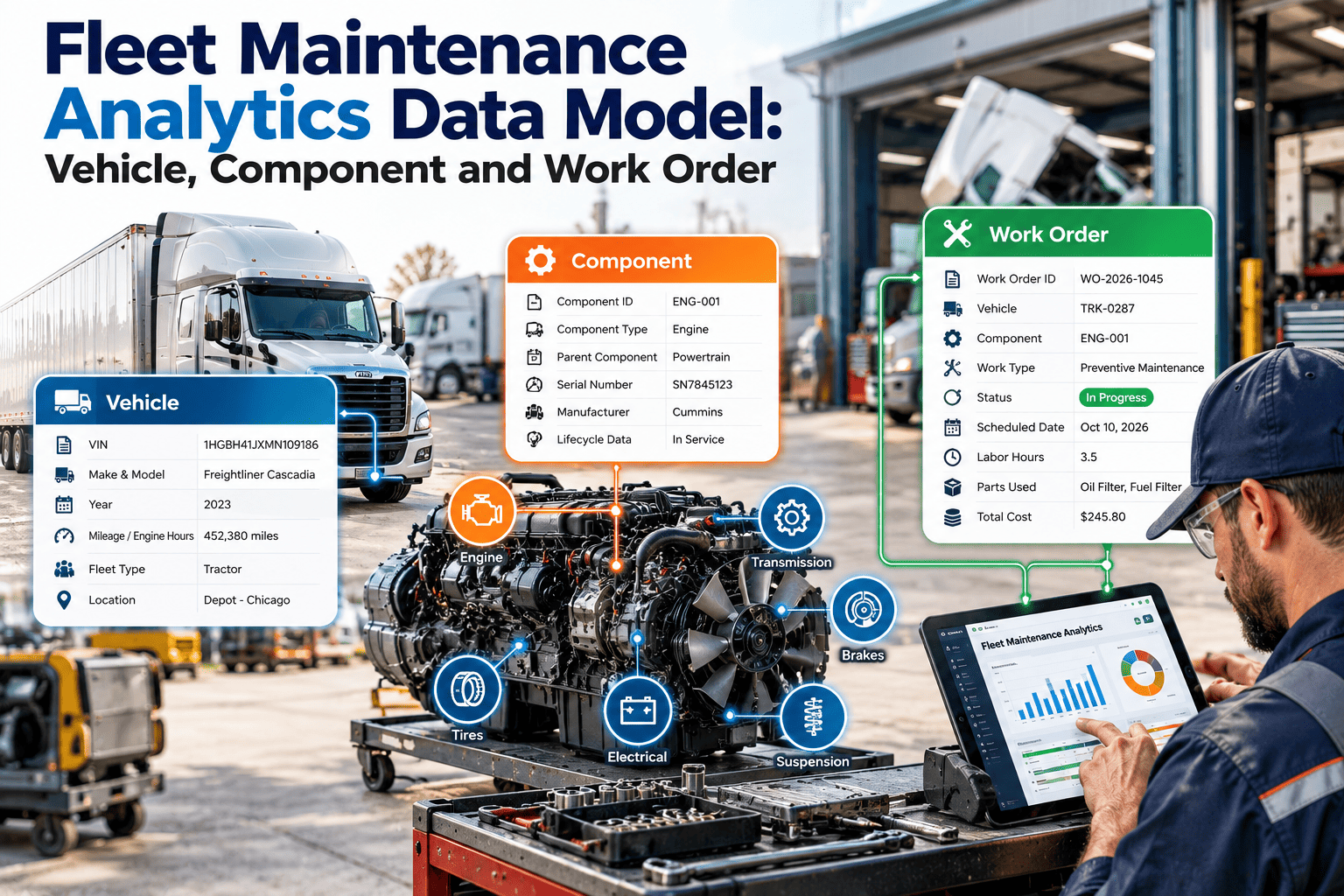
Fleet maintenance reports are only as dependable as the data model underneath them. When vehicles, components, and work orders are stored in different shapes, simple questions such as cost per unit or repeat repair rate take days to answer. A defi
Read More
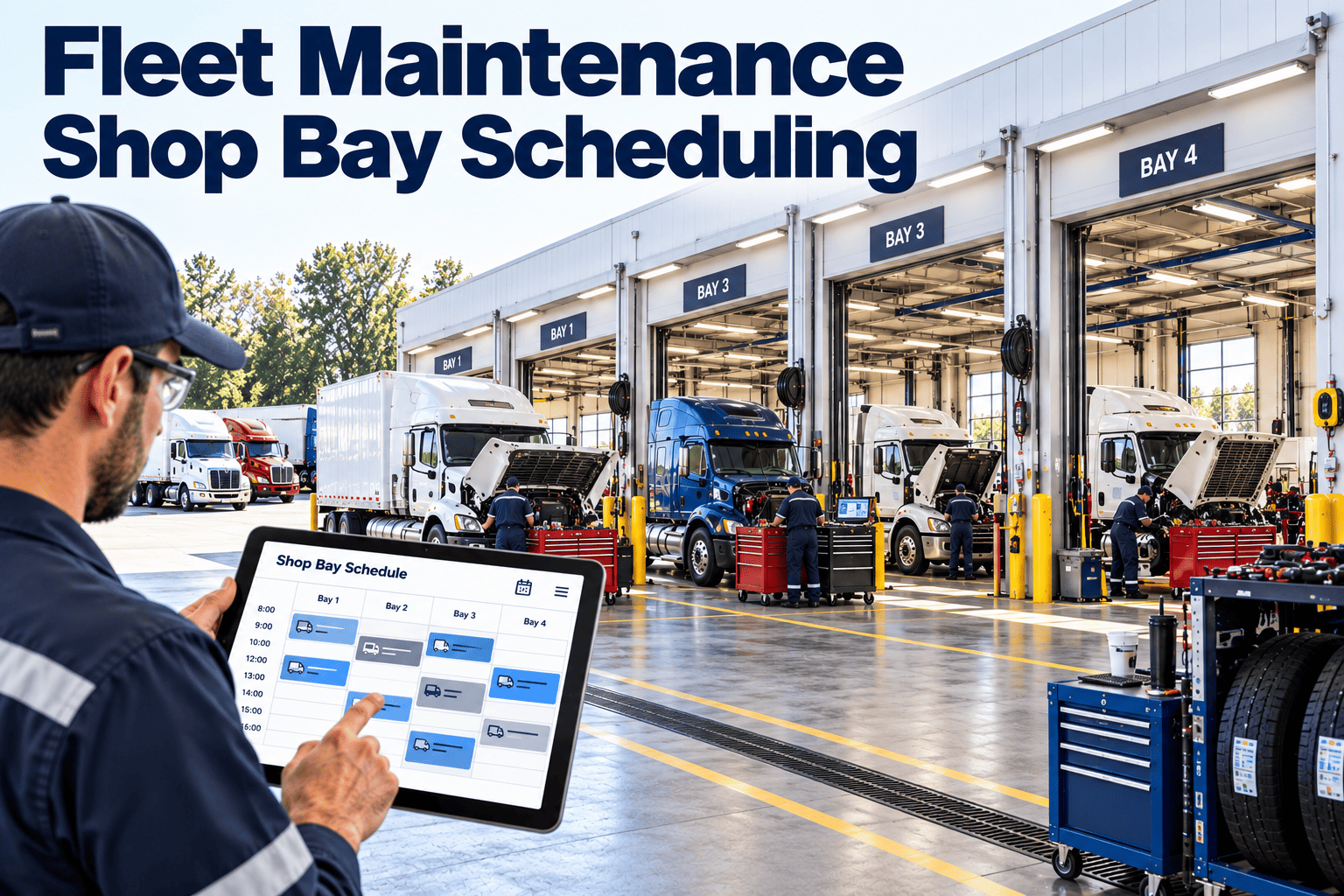
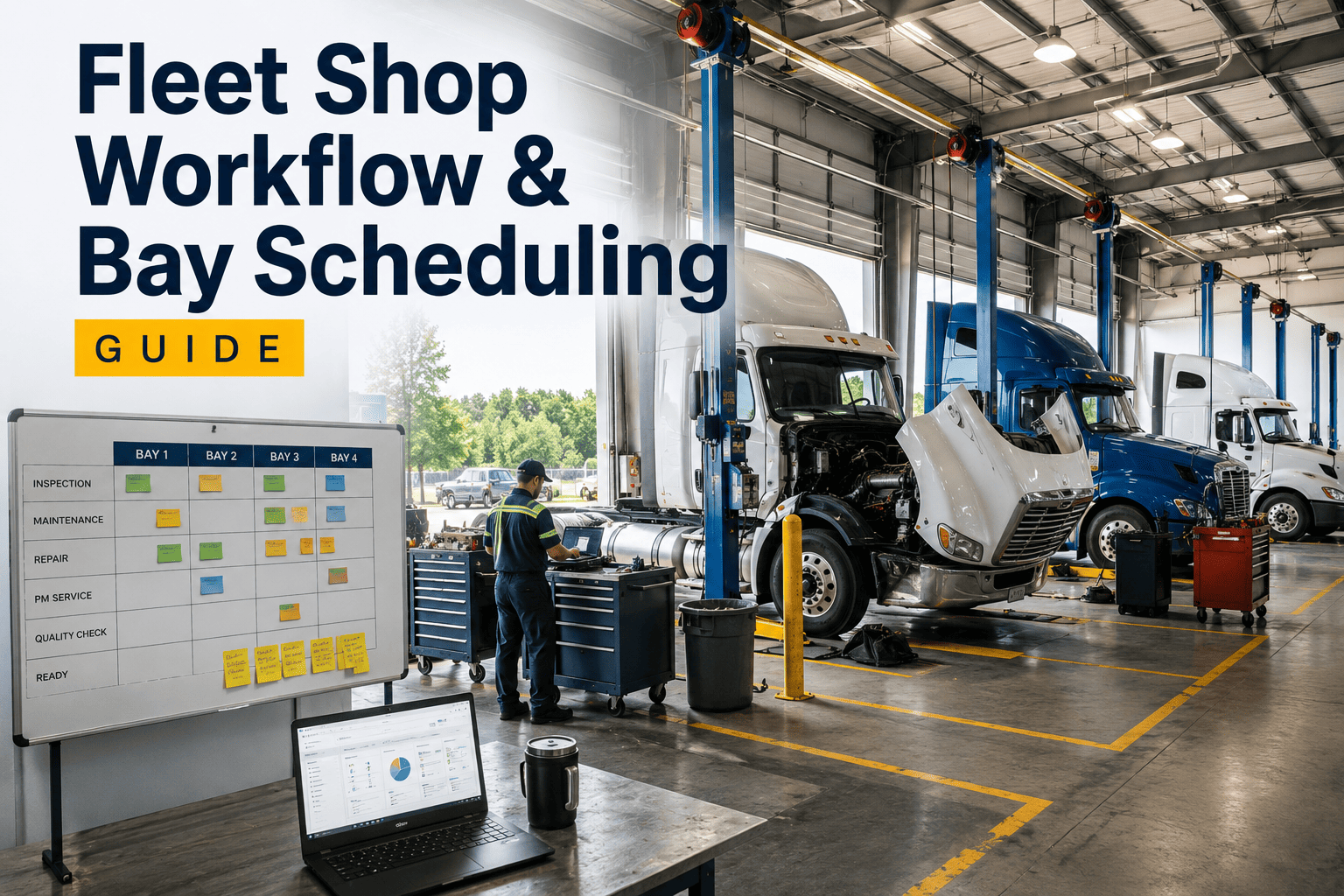
A fleet shop has a fixed number of bays, a fixed number of technicians and a flow of vehicles that rarely arrives on cue. Scheduled services collide with breakdowns, a lift sits occupied by a job waiting on parts, and a unit that should be back on
Read More
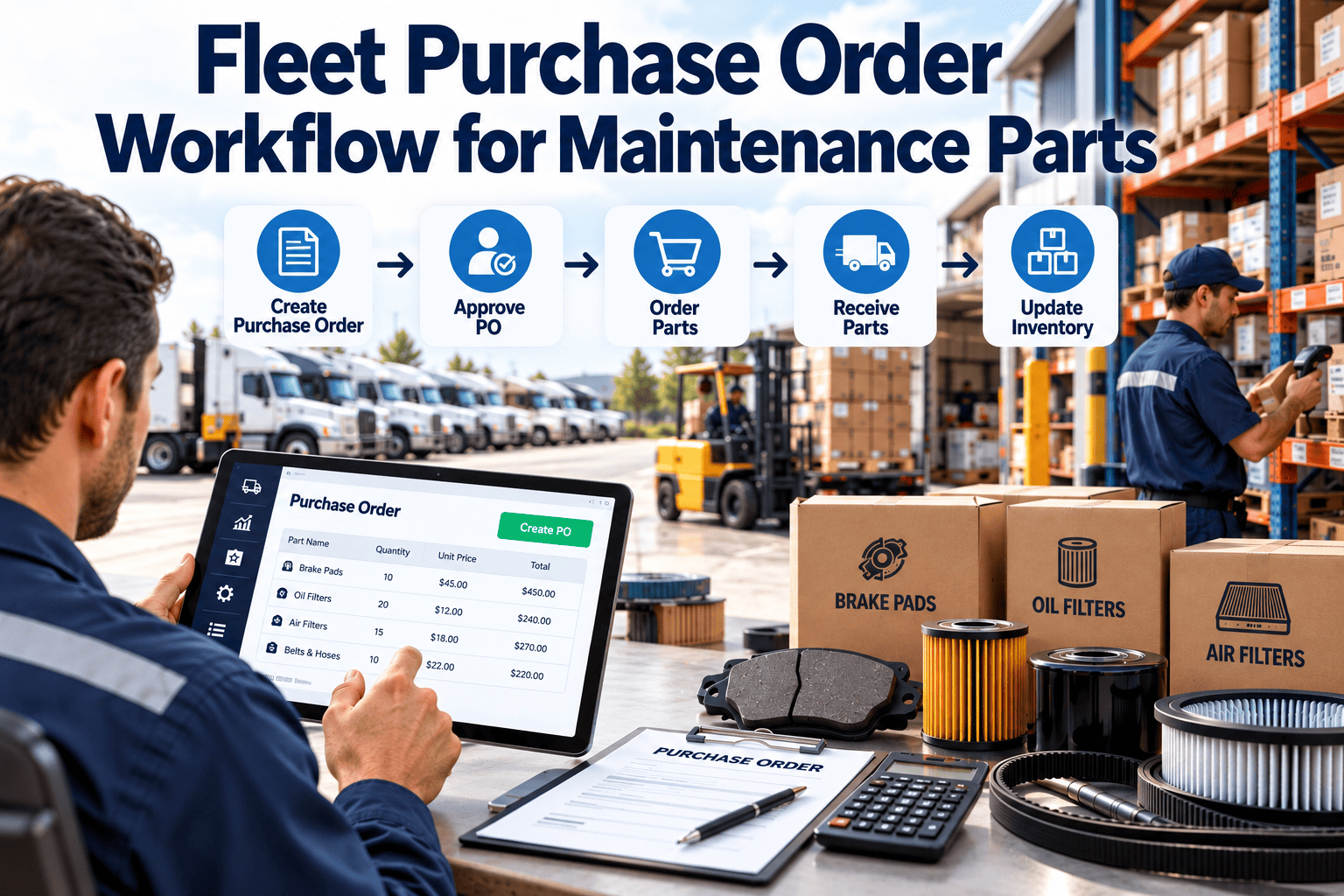
Parts are where maintenance plans meet the supply chain. A truck waiting on a brake chamber, a purchase made twice, or an invoice that does not match what arrived all trace back to the same weak point: a purchase order process disconnected from th
Read More
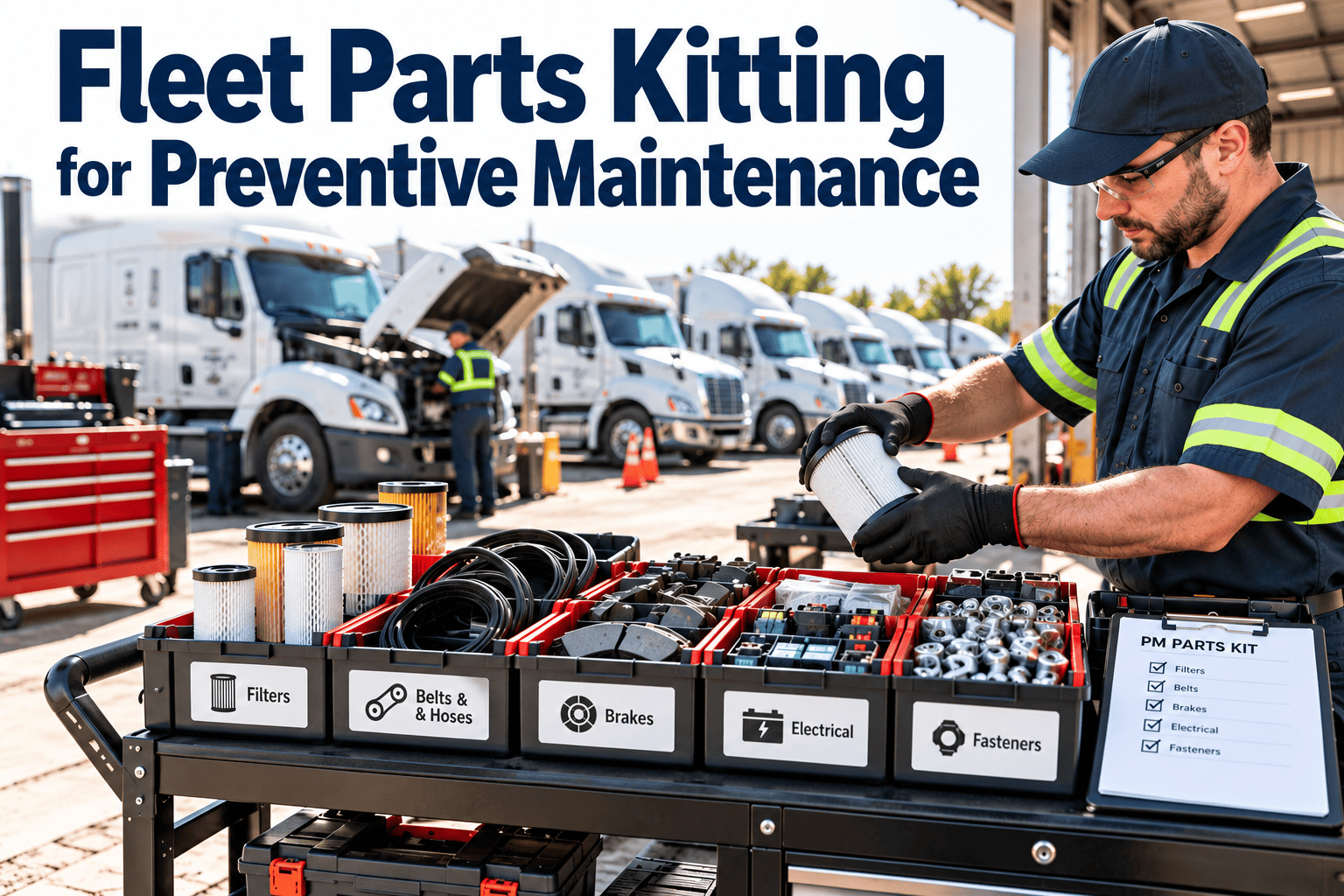
A preventive maintenance service should be a planned, predictable job. In many fleet shops it stalls at the parts counter instead. A technician opens the work order, finds the oil filter in stock but the matching seal missing, and the vehicle sits
Read More
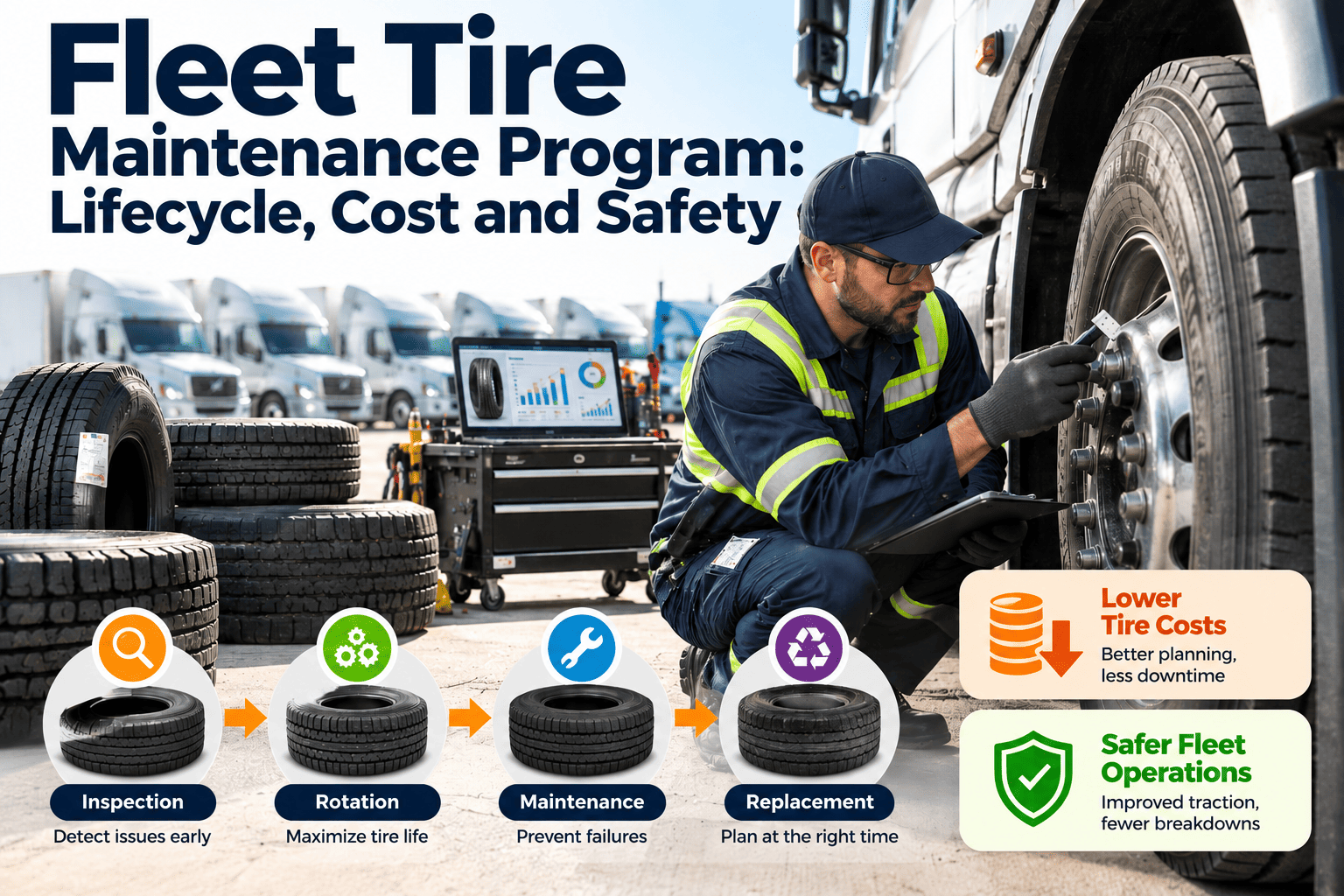
Tires are one of the largest controllable costs in any fleet, and also one of the most common causes of roadside failures. A tire program that relies on driver complaints and occasional gauge checks usually pays twice: once in early removals and a
Read More
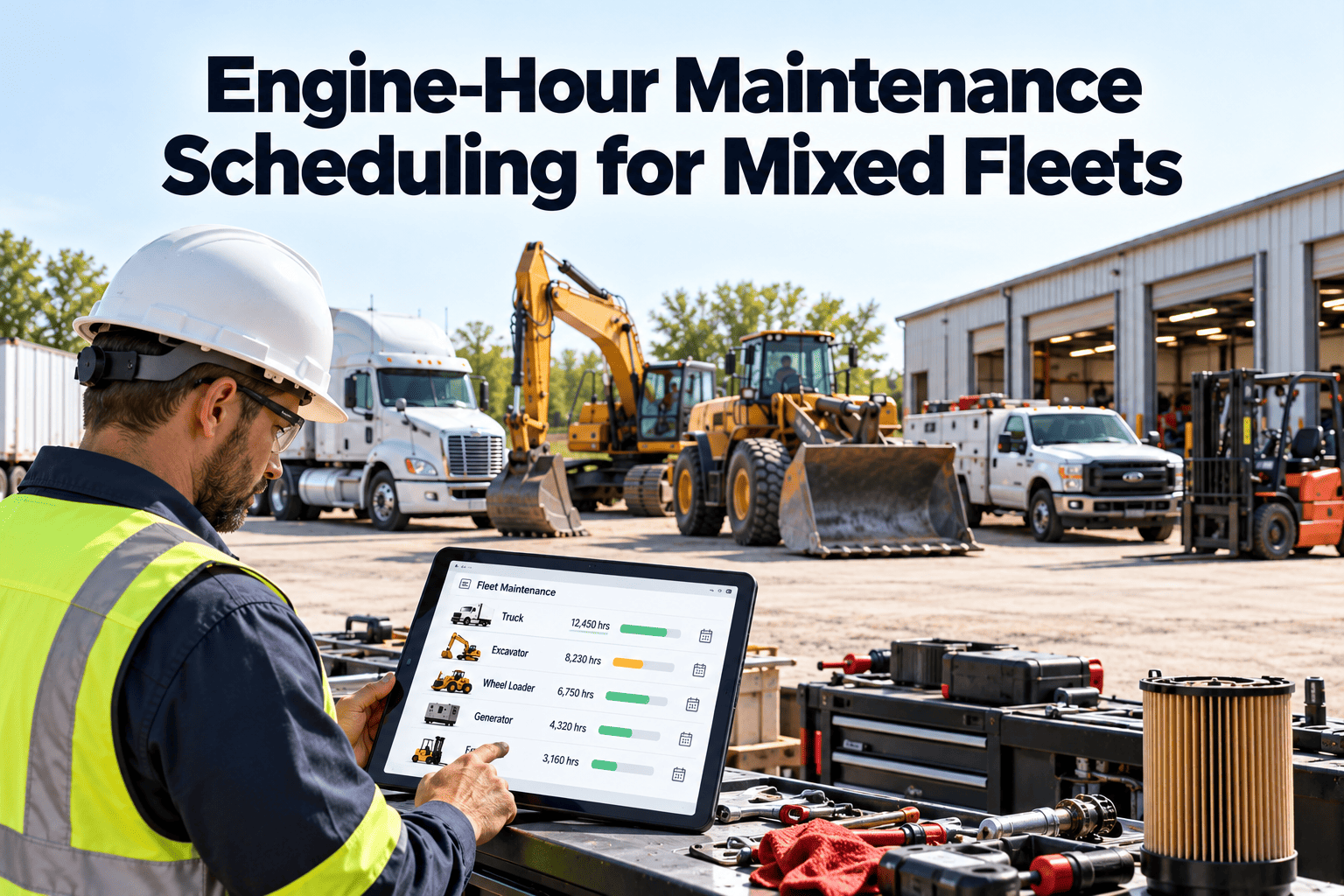
Mixed fleets rarely age on the same clock. A dump truck, a standby generator, a skid steer and a delivery van can share one depot, yet each wears against a different meter. Odometer miles say little about a machine that idles for hours on a jobsit
Read More
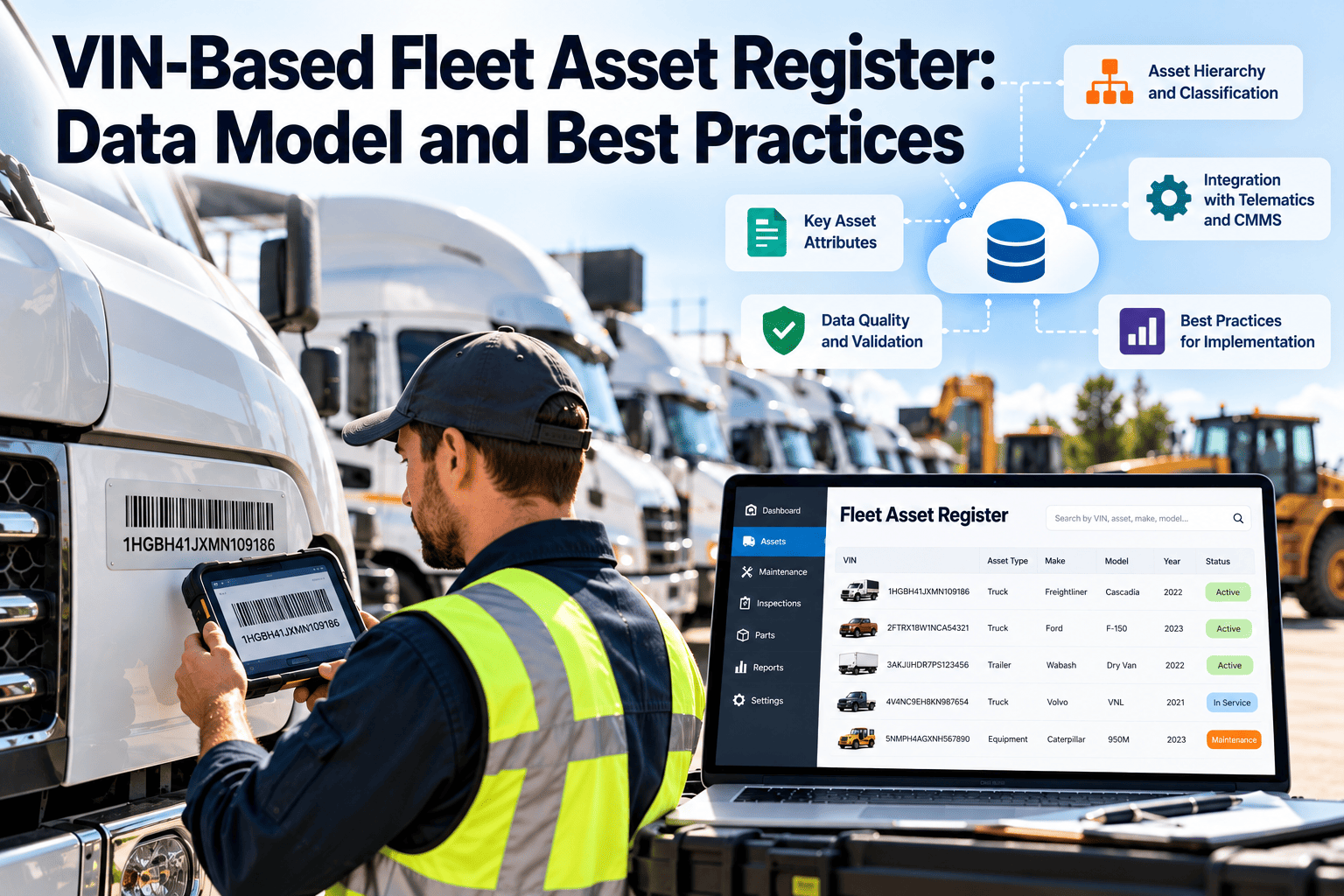
A fleet asset register is only as reliable as the identifier that holds it together. Unit numbers get reused, plates change with registration cycles, and telematics devices move between trucks. The 17-character VIN stays with the vehicle for life,

Read More
Telematics units and onboard sensors already stream a steady flow of data from most modern fleets: fault codes, battery voltage, coolant temperature, tire pressure, idle time, and harsh events. The data itself does not fix anything. Value appears
Read More
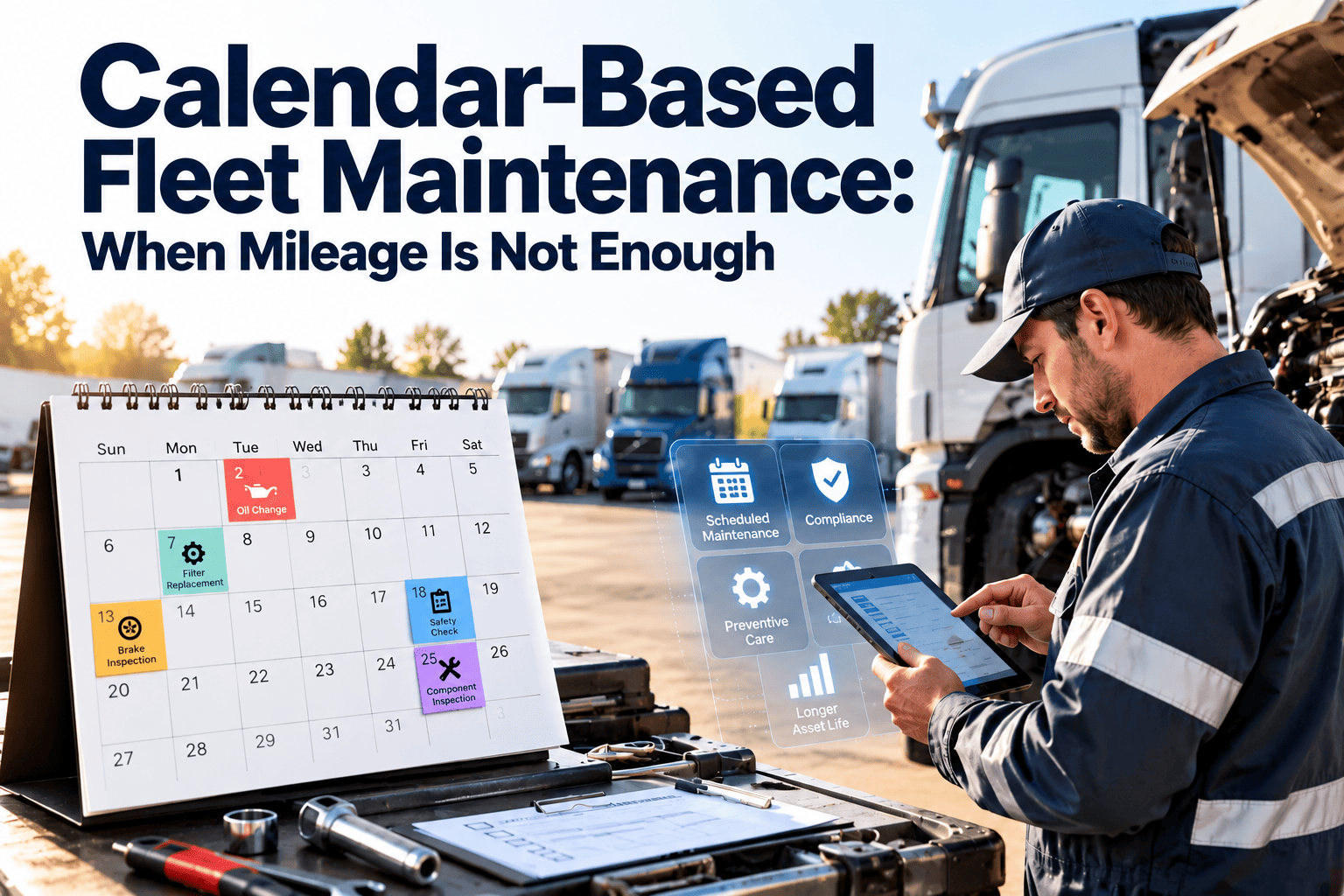
Mileage is the most familiar maintenance trigger in fleet work, and for vehicles that run steady highway routes it works well. The trouble starts with vehicles that idle, stop and start, sit between seasons, or run equipment off the engine. Oil, r

Read More
A fleet vehicle is not a single purchase decision. It is a chain of decisions that starts with specification and ends with disposal, and every link either adds to or removes from total cost of ownership. Fleets that treat acquisition, maintenance,
Read More
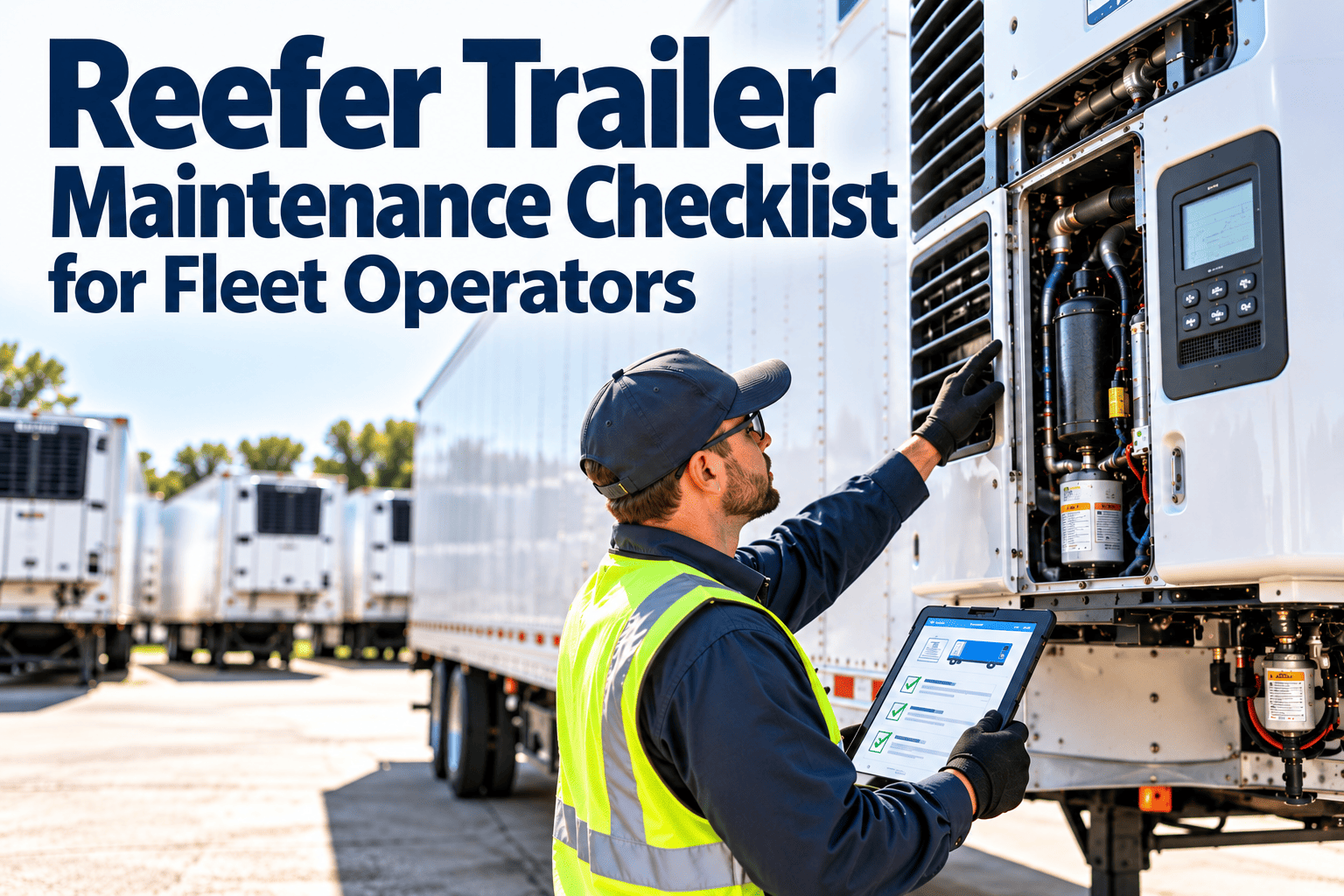
A reefer trailer has two jobs: roll safely and hold temperature. A brake defect or a failing refrigeration unit can end a trip, and a unit that drifts a few degrees can ruin the load without any warning light in the cab. Fleet operators need a mai
Read More
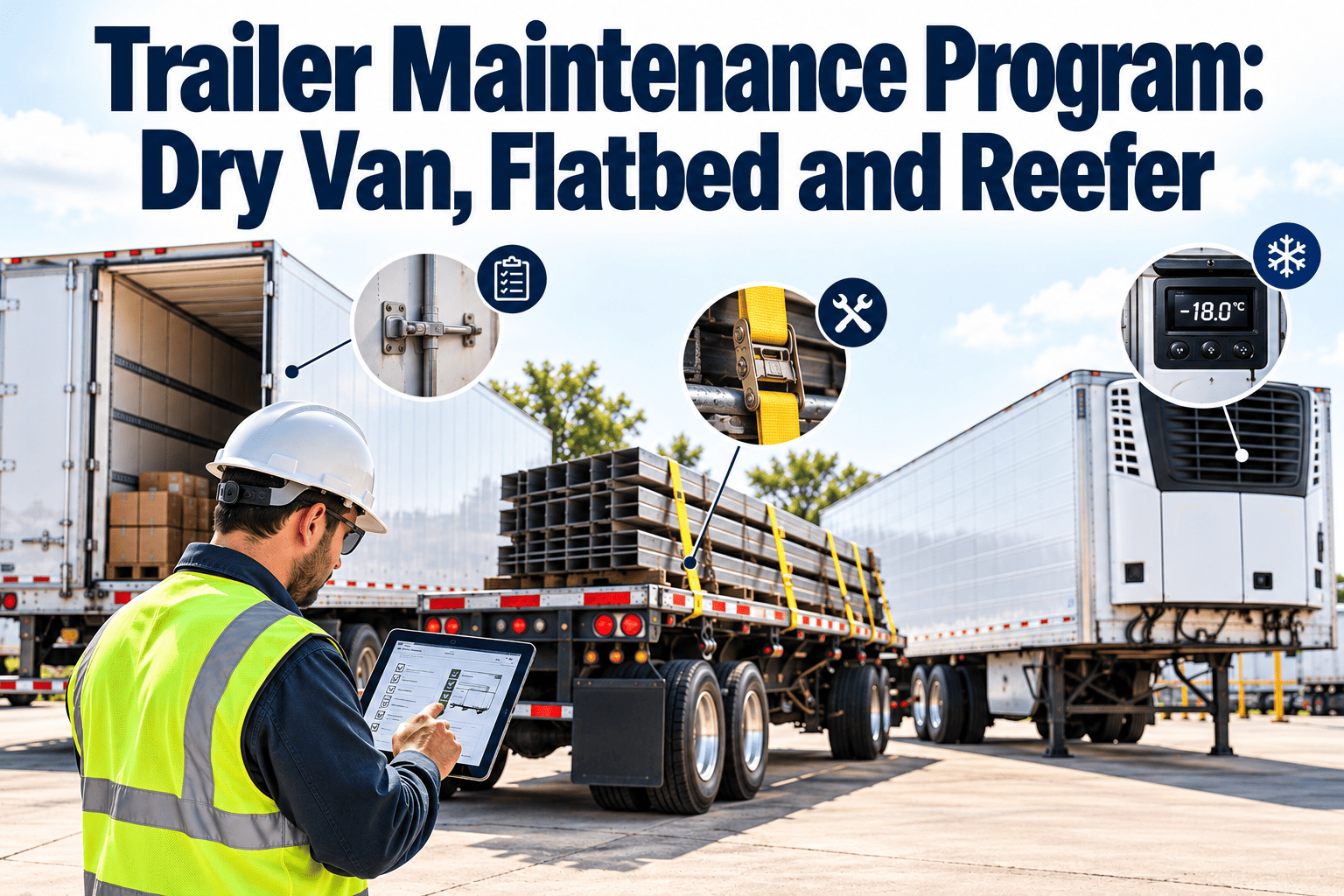
Trailers rarely get the attention that tractors do. They have no engine hours, drivers swap between them constantly, and many sit in yards between drop-and-hook moves. That makes a written trailer maintenance program essential, especially when dry
Read More
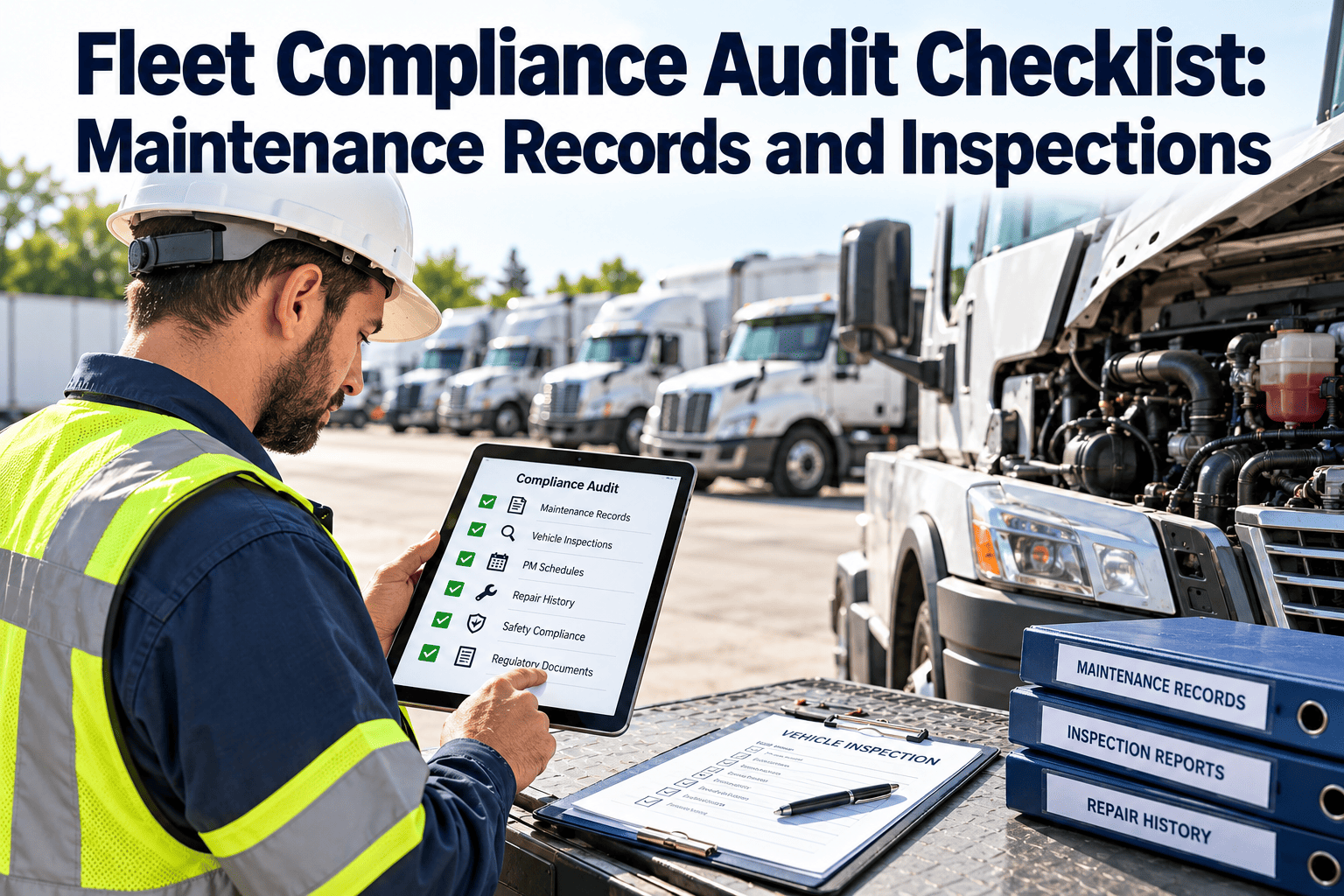
Most fleet audit findings are not about vehicles in bad condition. They are about records that cannot be found, inspections without sign-off, or repairs with no proof they were completed. A compliance audit tests whether your maintenance program c
Read More
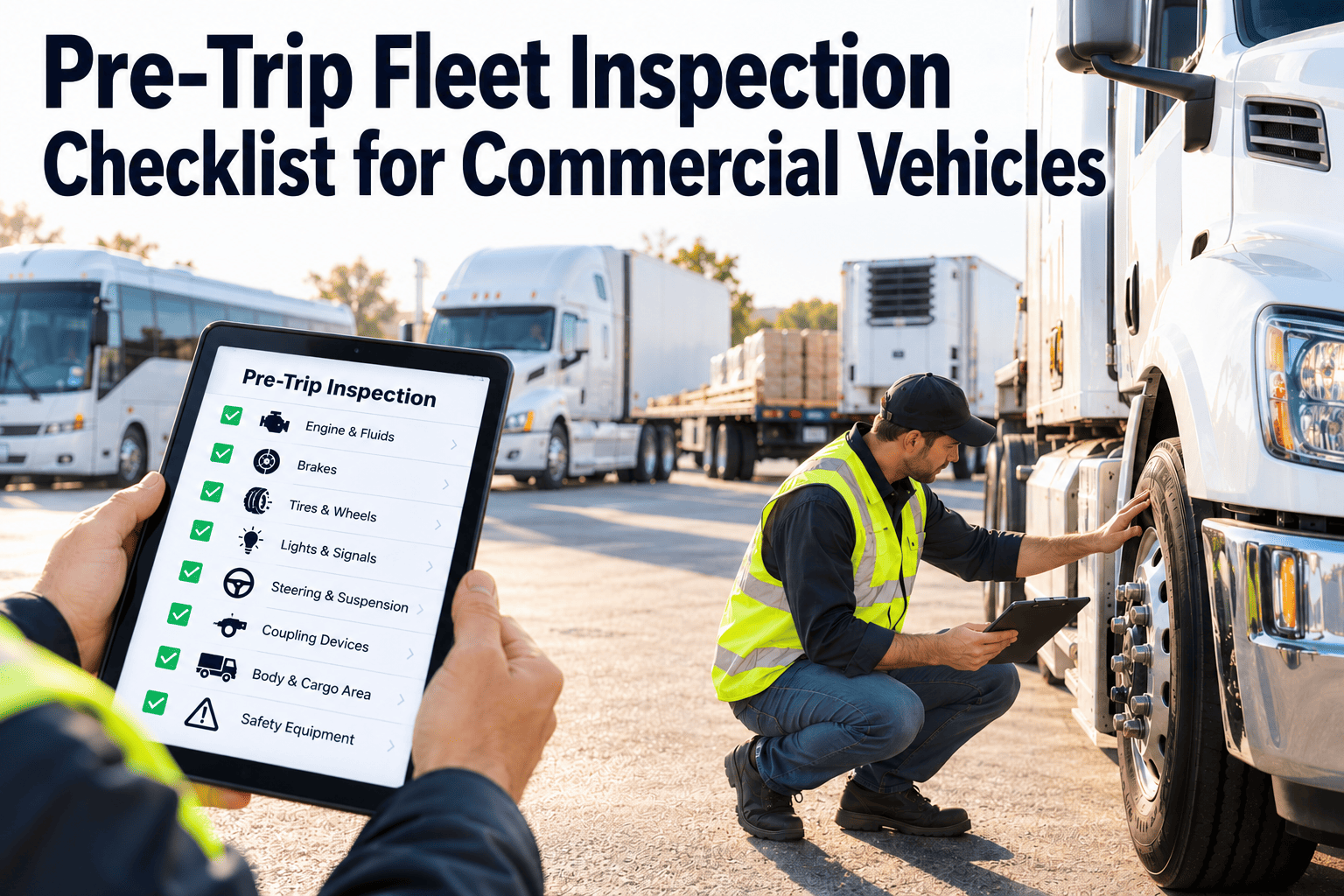
A pre-trip inspection is the last chance to catch a defect before it becomes a roadside violation, a breakdown, or a crash. The drivers who do it well know what to look for, in what order, and what to do when they find something. This checklist gi
Read More
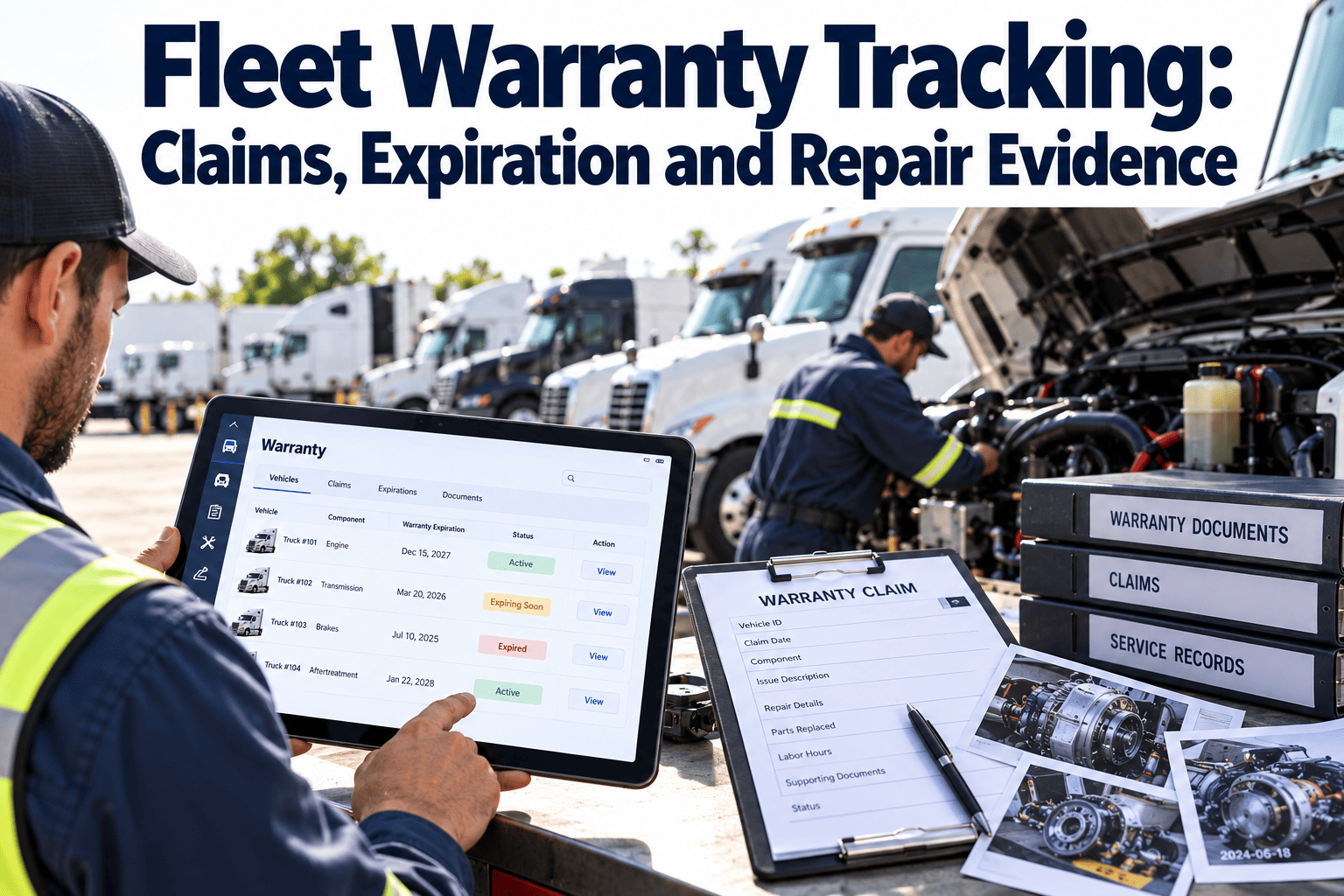
Warranty money is easy to lose in a busy fleet shop. A repair gets finished, the truck goes back to work, and nobody checks whether the part, the labor, or the failure was still covered. Fleet warranty tracking means recording coverage terms, watc
Read More
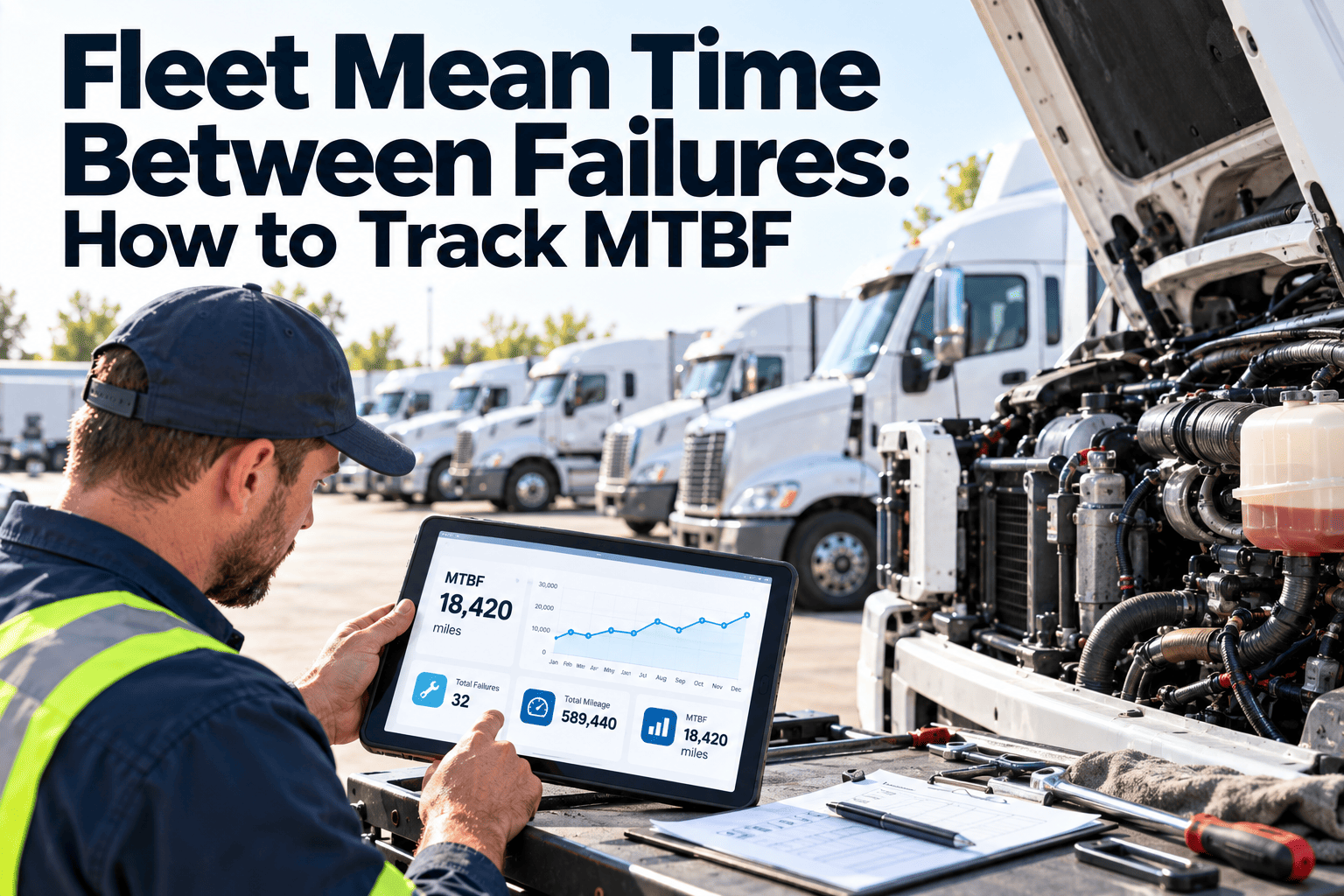
Fleet Mean Time Between Failures, or MTBF, tells you how long a truck, trailer, or component usually runs before a failure takes it out of service. Tracked well, it turns breakdown history into a planning tool for preventive maintenance intervals,
Read More
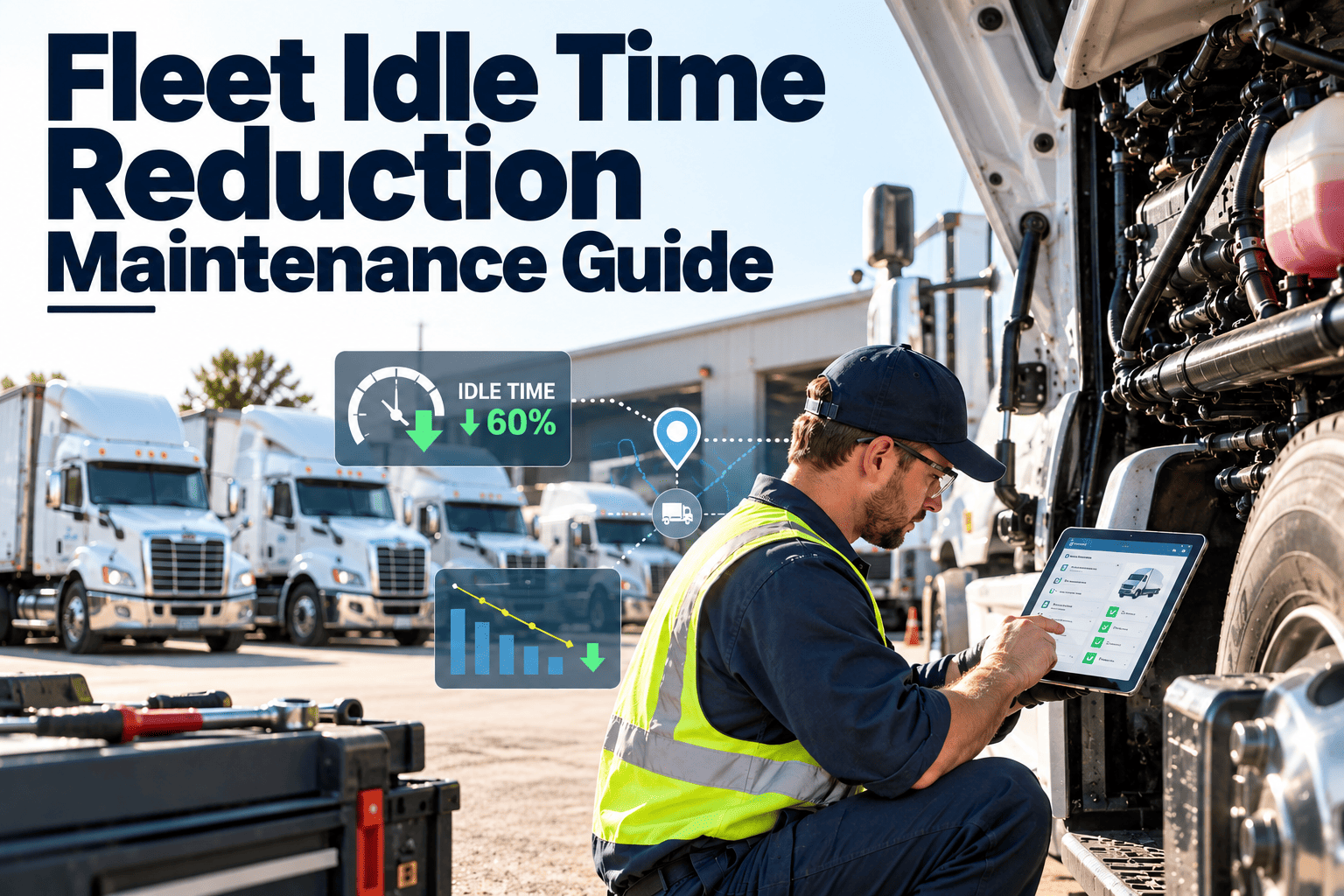
Every hour a fleet vehicle idles, it burns fuel, adds engine hours, and moves no freight. Many managers treat idling as a driver habit, but a large share is driven by equipment: weak batteries, faulty cab heating and cooling, aftertreatment proble
Read More
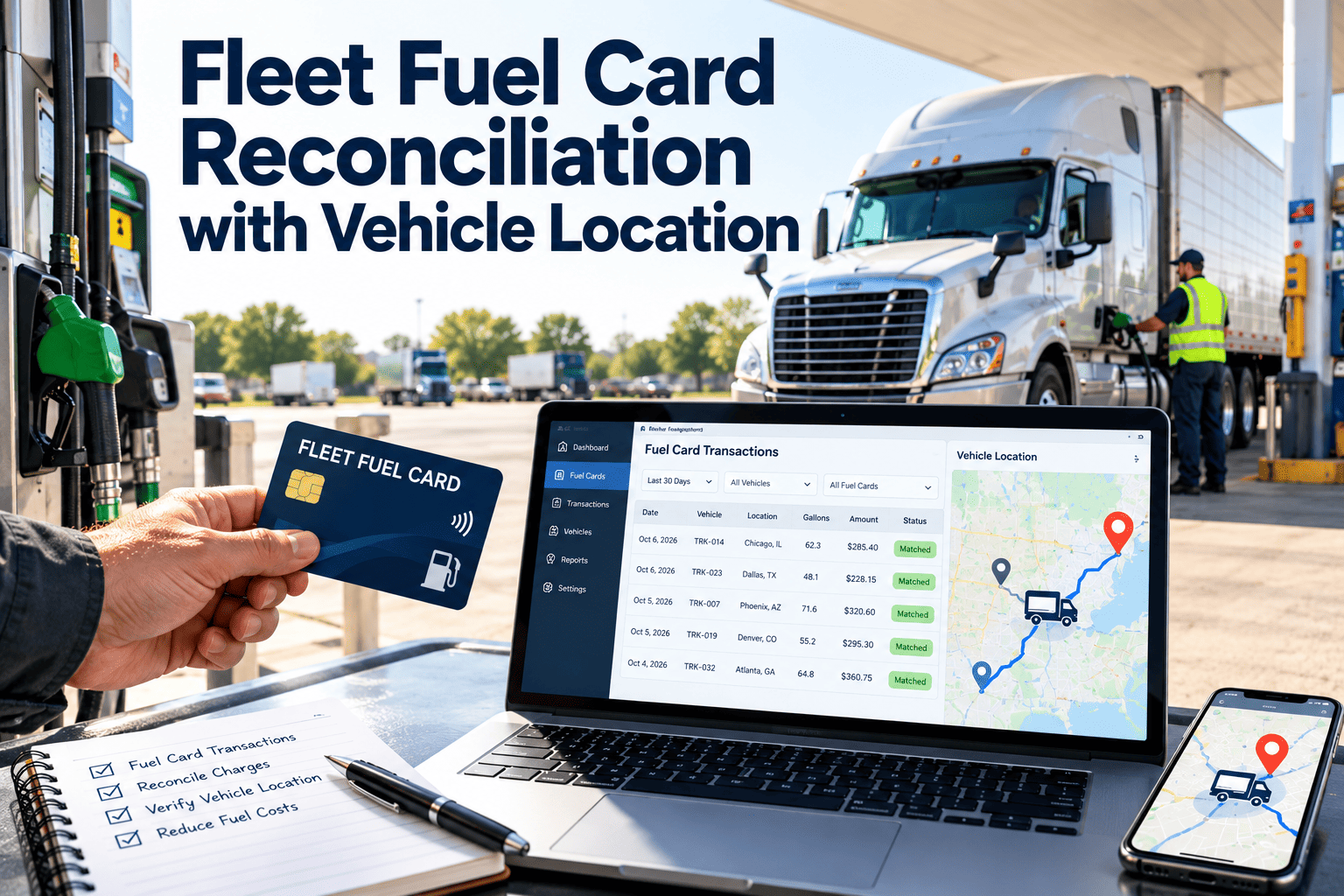
A fuel card statement shows where a card was swiped, how many gallons were pumped, and what it cost. It does not show whether the vehicle was actually standing at that pump. Matching card transactions to vehicle location closes that gap, exposing
Read More
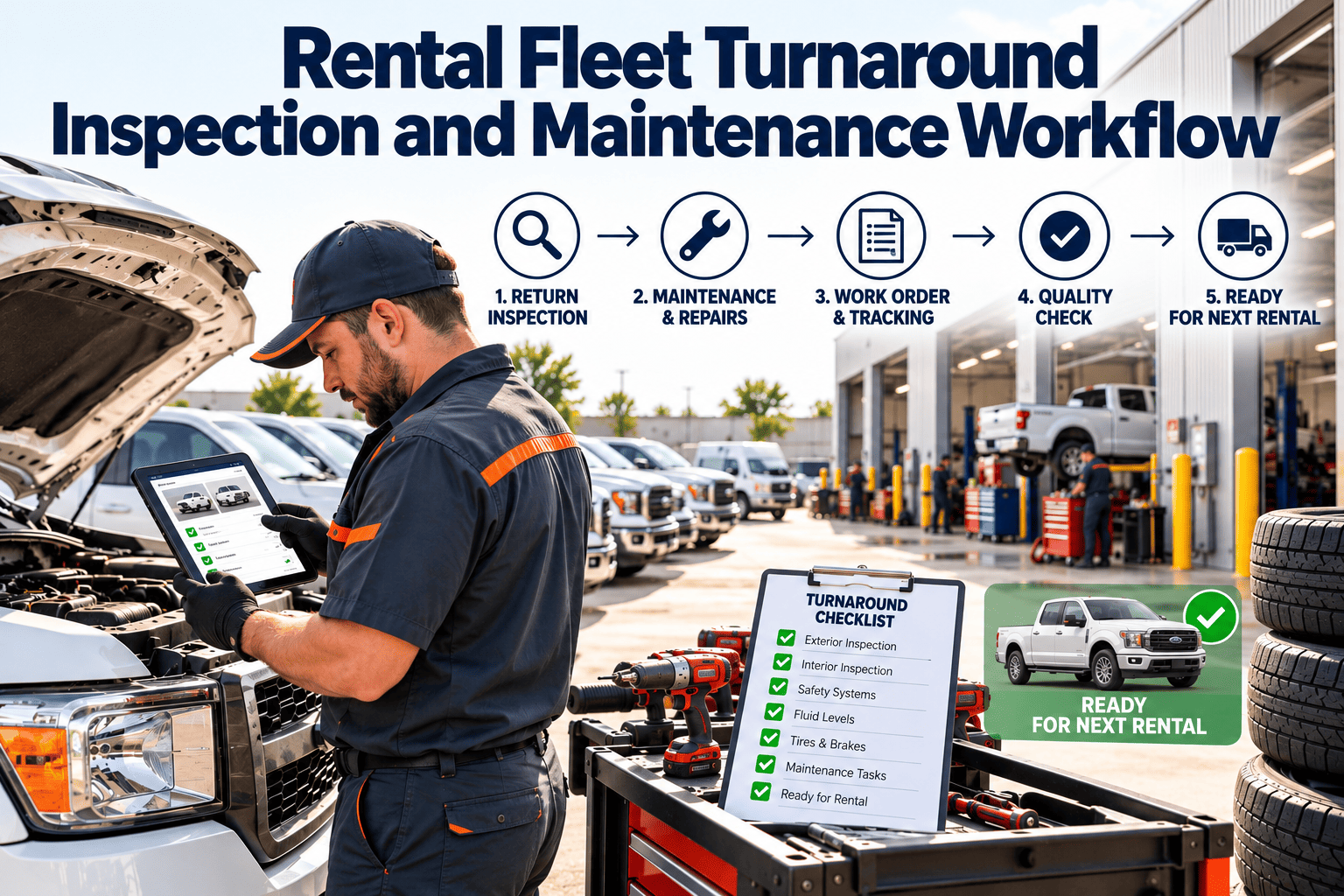
A rental vehicle earns money only while it is on the road, so every hour between return and the next pickup is lost revenue. In that window the fleet team must inspect, clean, check fluids and tires, record damage, handle any repair, and release t
Read More
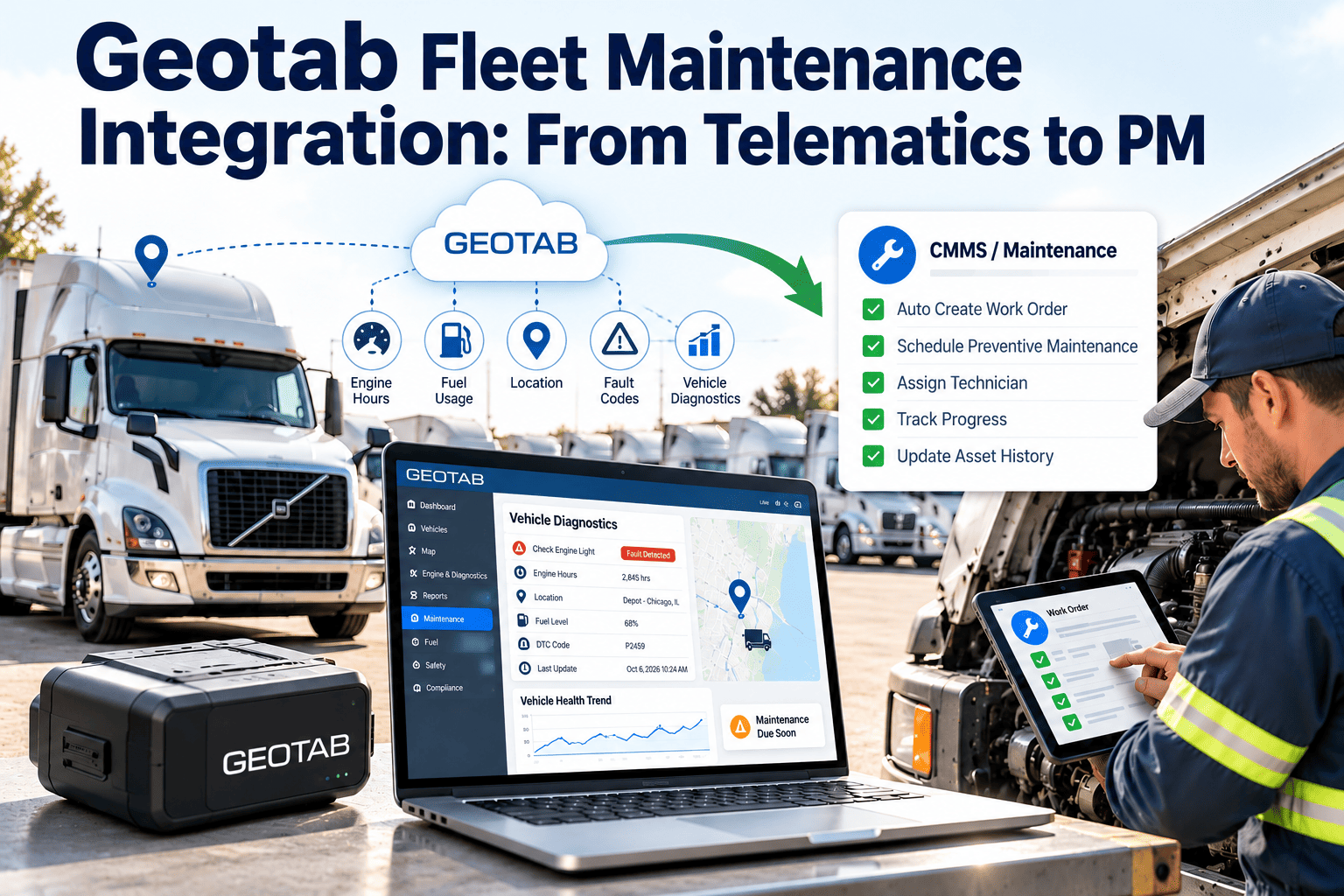
Telematics tells you what a vehicle did. A maintenance system decides what the shop does about it. Fleets that run Geotab already collect odometer, engine hours, fault codes, and driver behavior, yet many still schedule services from spreadsheets
Read More
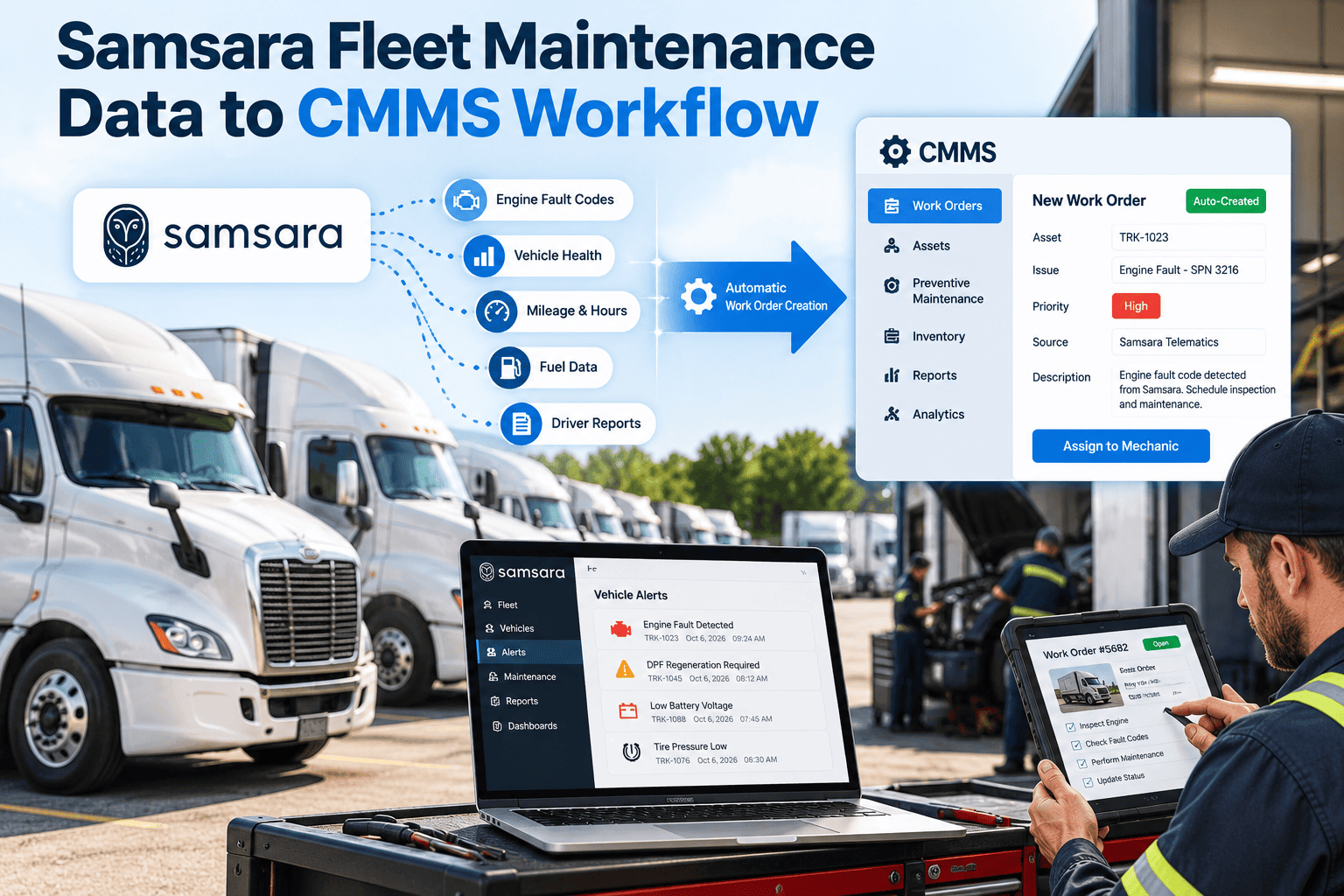
Telematics tells a fleet what each vehicle is doing right now, but it does not decide who fixes what, in which bay, with which part. That decision belongs to a maintenance system. When odometer readings, engine hours, fault codes, and driver inspe
Read More
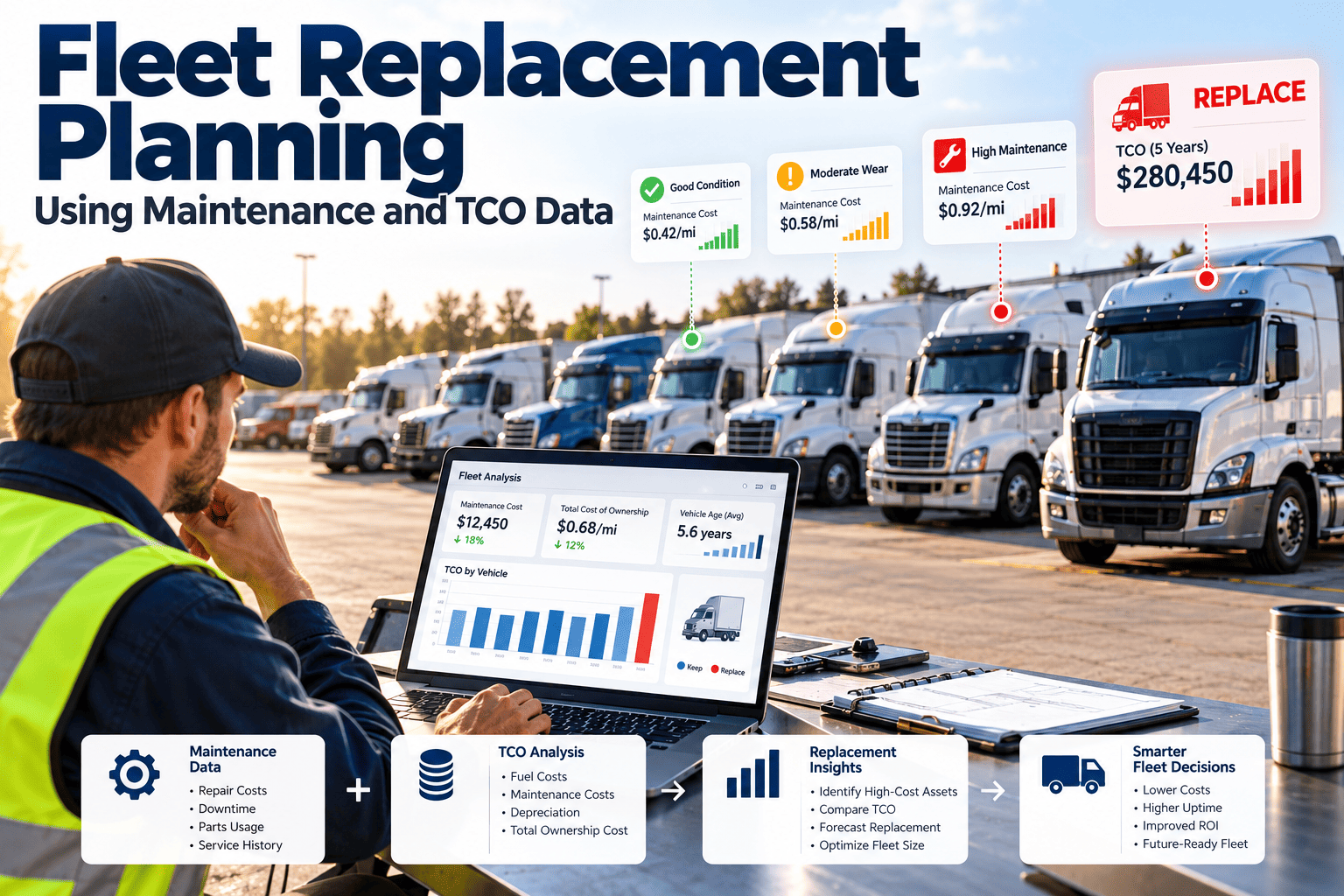
Most fleets replace vehicles on a calendar or an odometer number, then discover that some units were retired too early while others drained the budget for two more years. The maintenance record holds a better answer: repair cost per mile, downtime
Read More
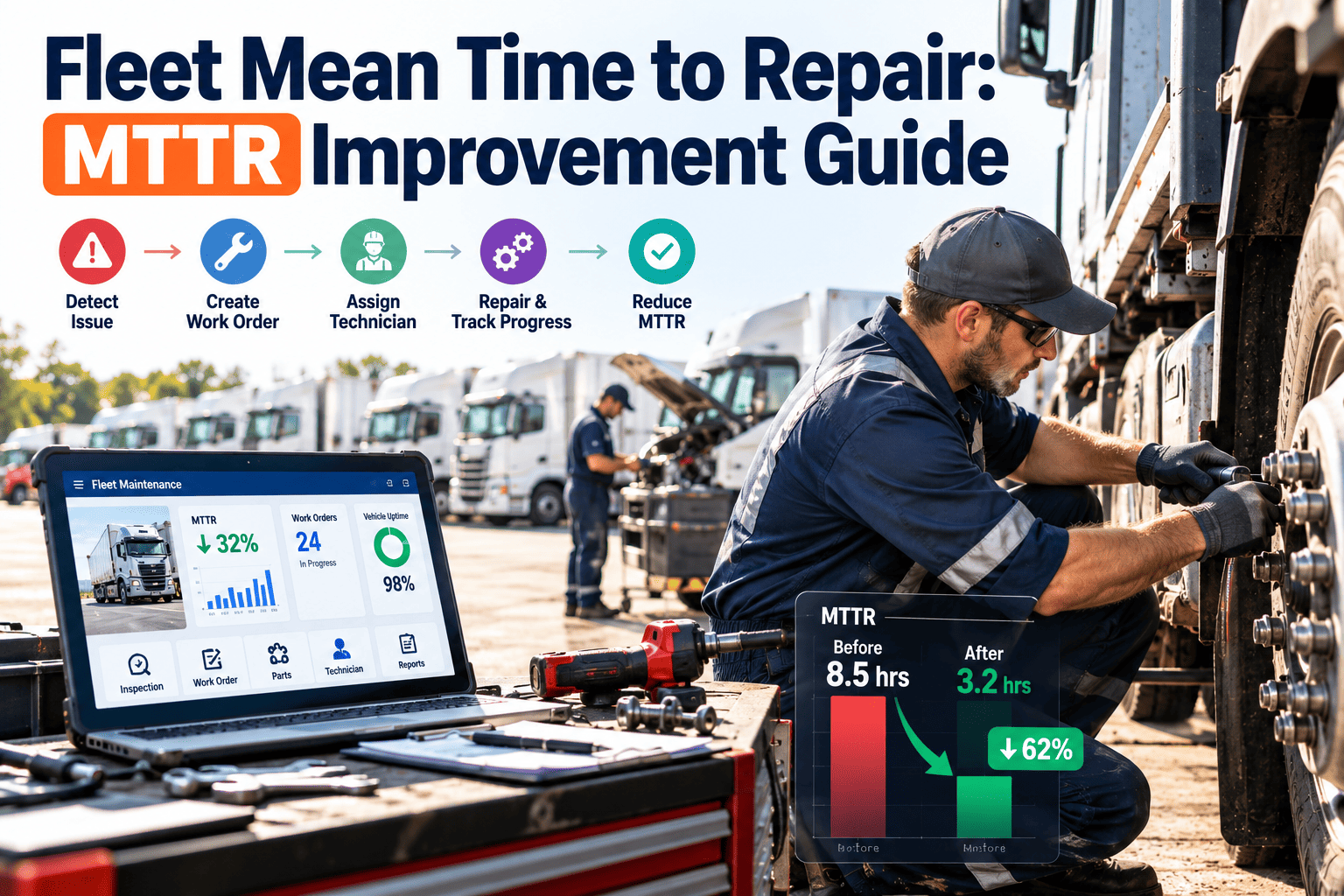
Mean time to repair tells a fleet how long a vehicle stays unavailable once something breaks, yet many teams track it loosely or not at all. The number moves with diagnosis speed, parts availability, bay scheduling, and the quality of the repair r

Read More
Most fleet maintenance software projects do not fail because of the software. They stall because drivers keep filling out paper inspections, technicians keep updating the whiteboard, and managers keep asking for reports nobody trusts. Adoption is
Read More
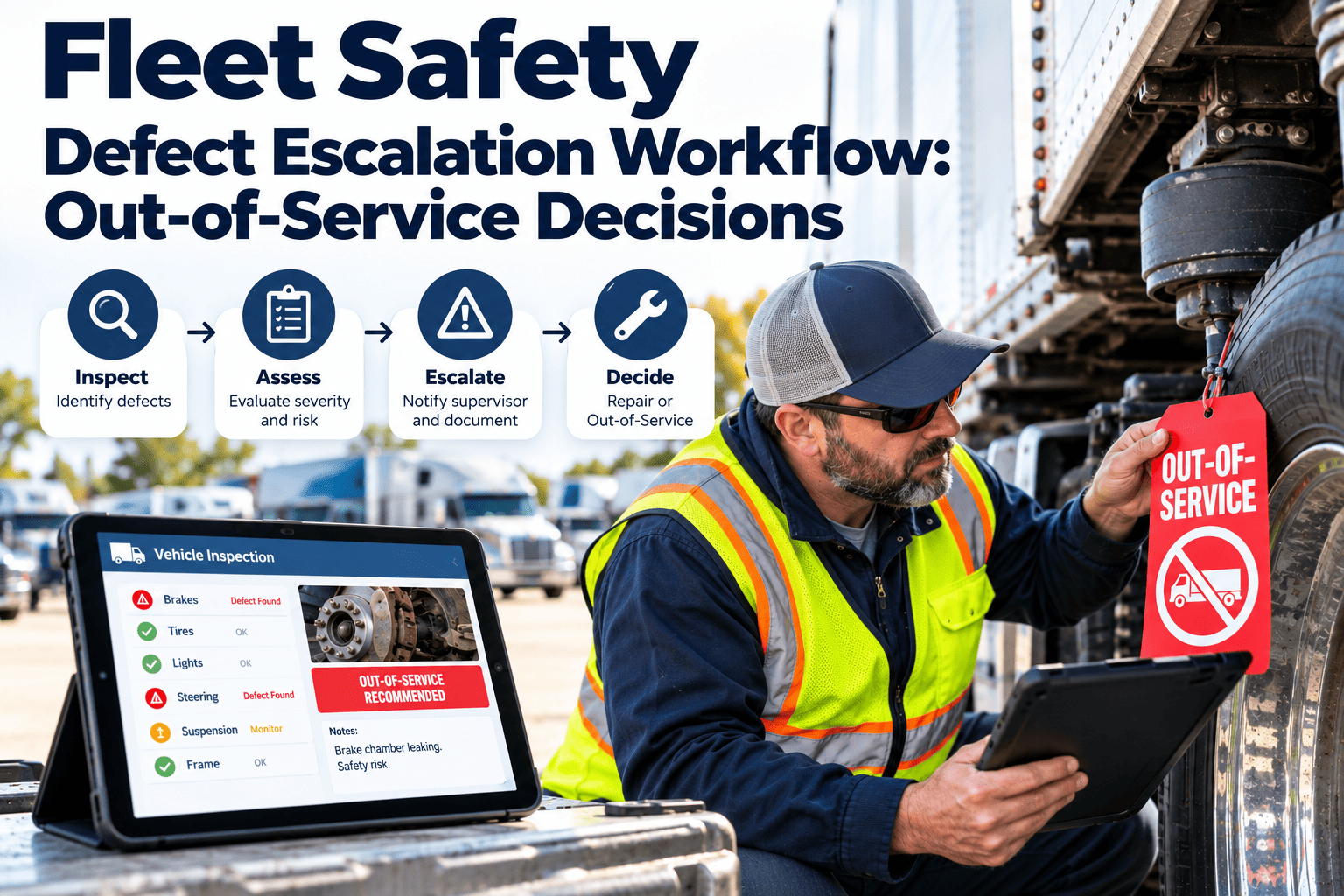
A driver notes a soft brake pedal on a pre-trip inspection. The note reaches the shop two shifts later, the truck has already run a full route, and nobody can say who decided it was safe to keep rolling. Fleet safety defect escalation is the workf
Read More
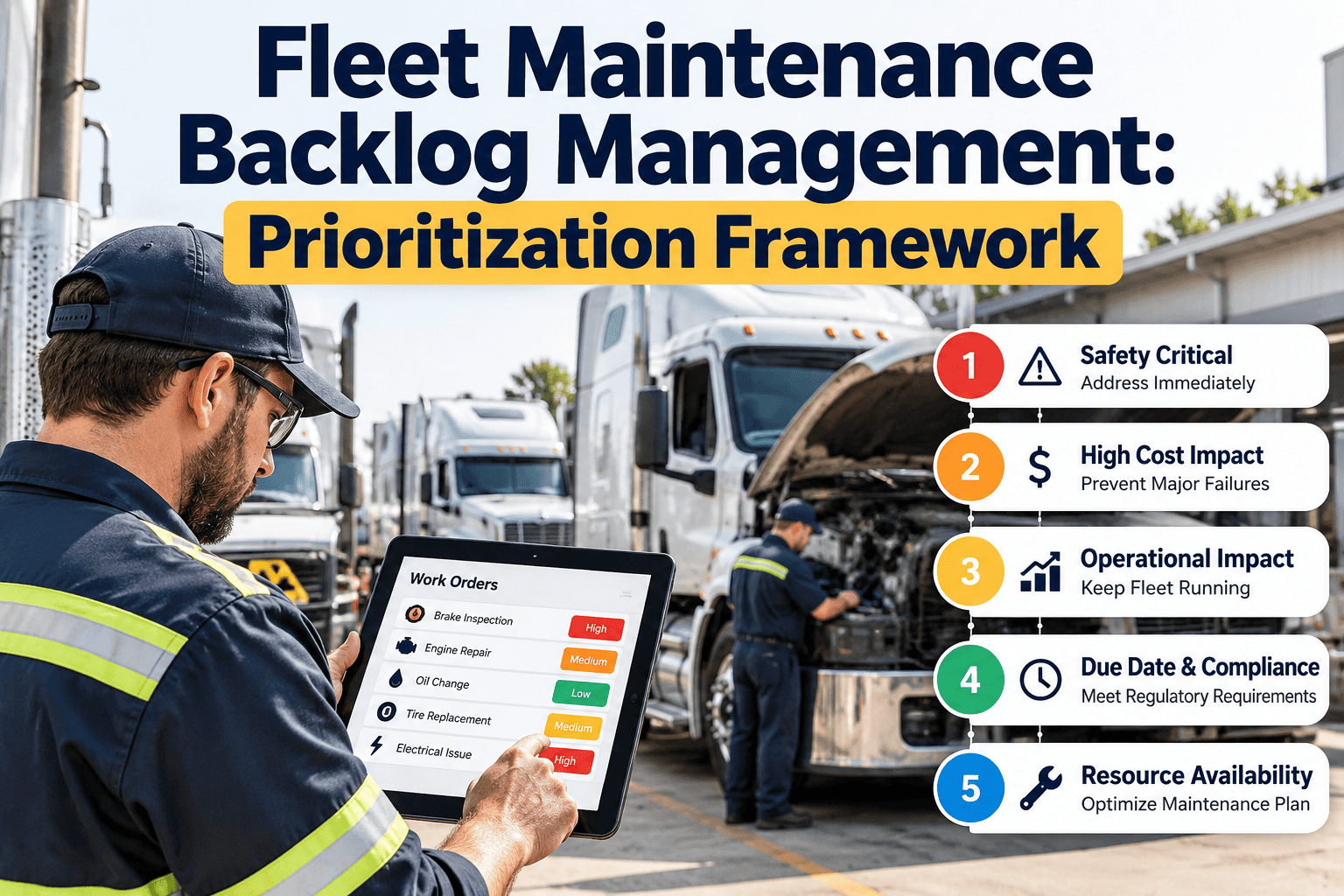
Every fleet carries a backlog of deferred repairs, open inspection findings, jobs waiting on parts and services that keep slipping a week. The size of the list is rarely the real problem. The problem is that every item looks equally urgent, so the
Read More
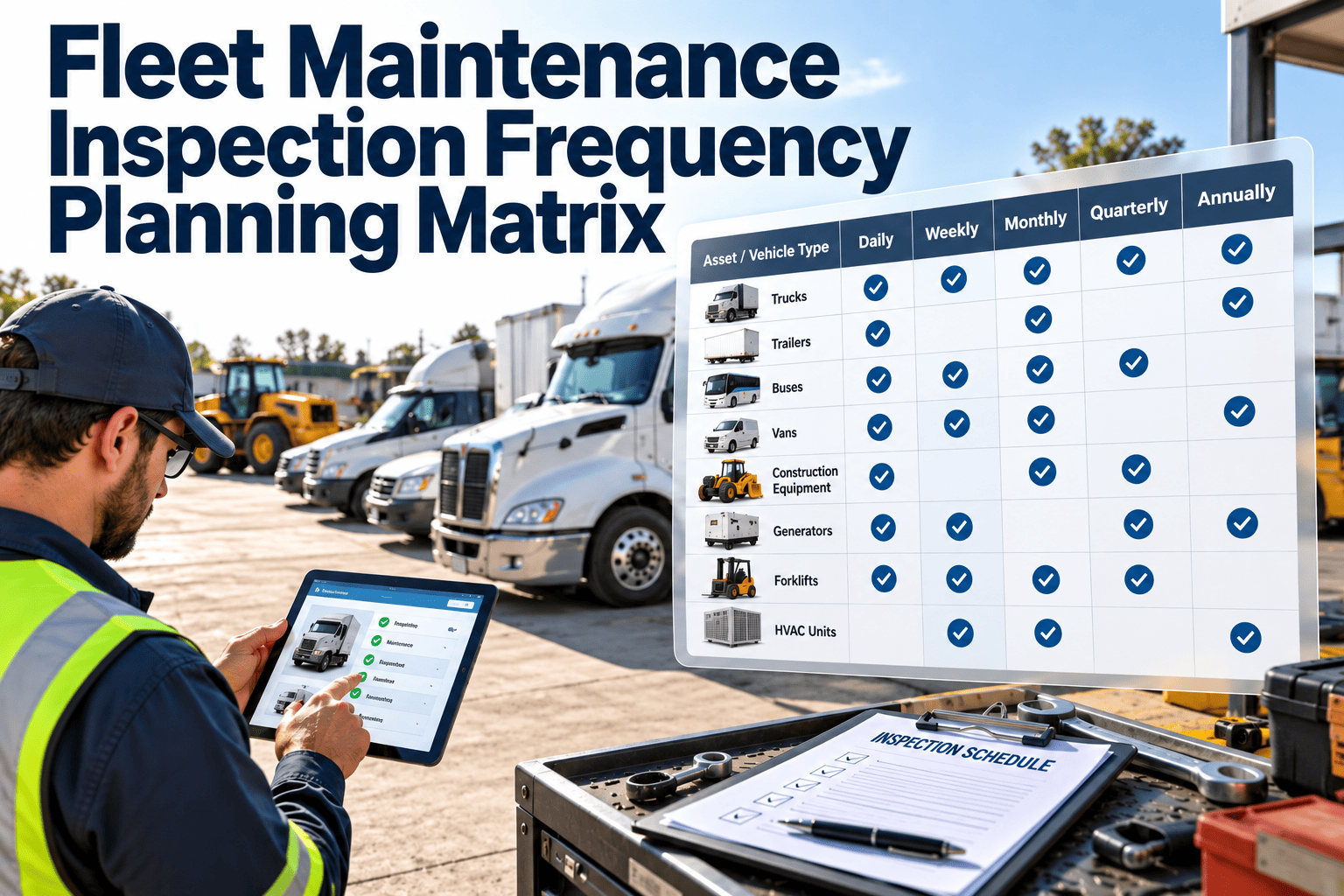
Most fleets set inspection frequency once, usually by copying a manufacturer schedule or last year calendar, and never question it again. The result is a mismatch: lightly used units are inspected more than they need, while severe-duty trucks run

Read More
The clipboard DVIR has survived for decades because it is cheap and everyone understands it. It also fails in familiar ways: unreadable handwriting, forms that never reach the shop, defects reported twice or not at all, and a stack of paper that s
Read More
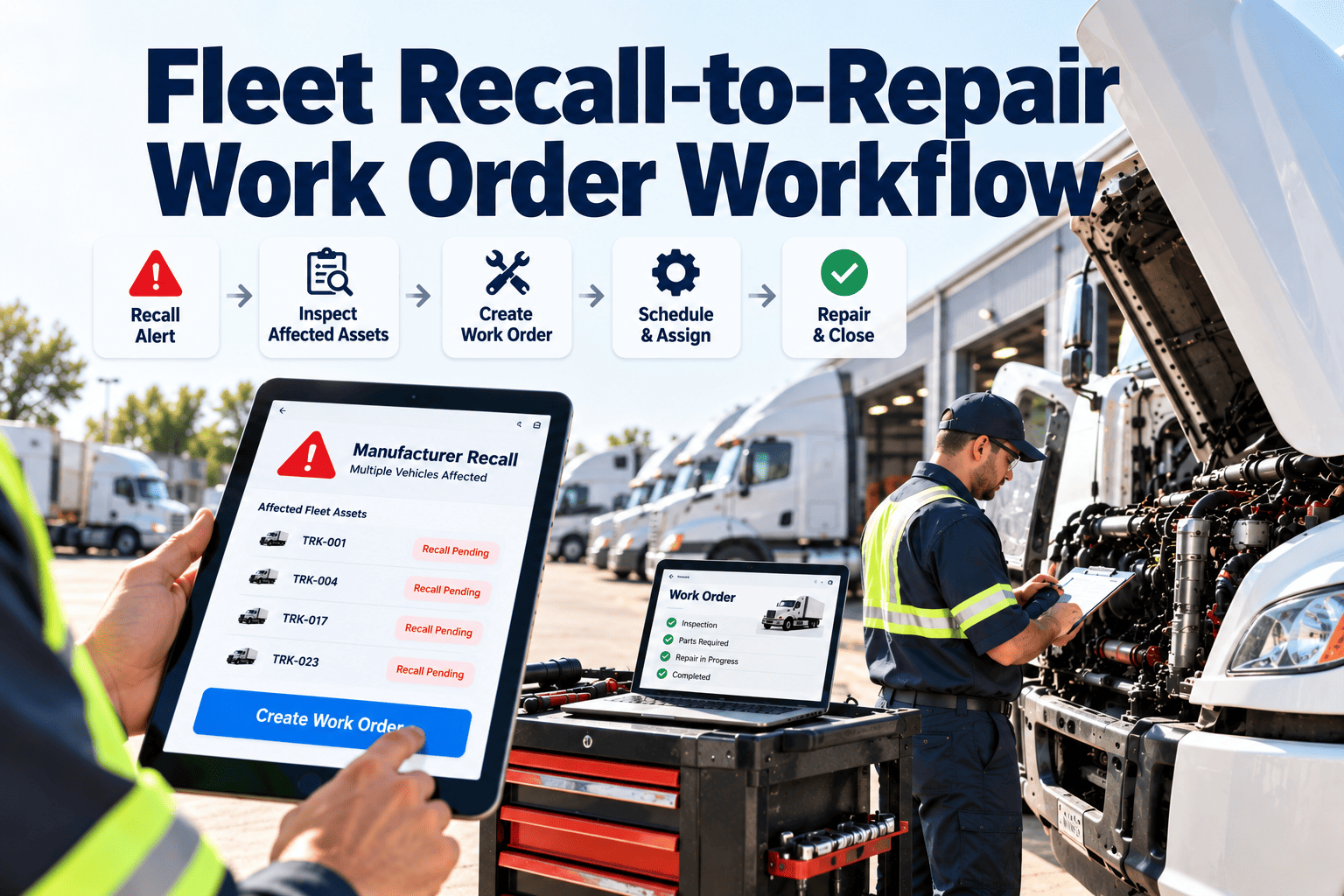
A safety recall notice is easy to receive and surprisingly easy to lose. It arrives by mail, by dealer portal, or in an email forwarded between three people, and then it waits for someone to match it to a vehicle. In a fleet of hundreds of units,
Read More
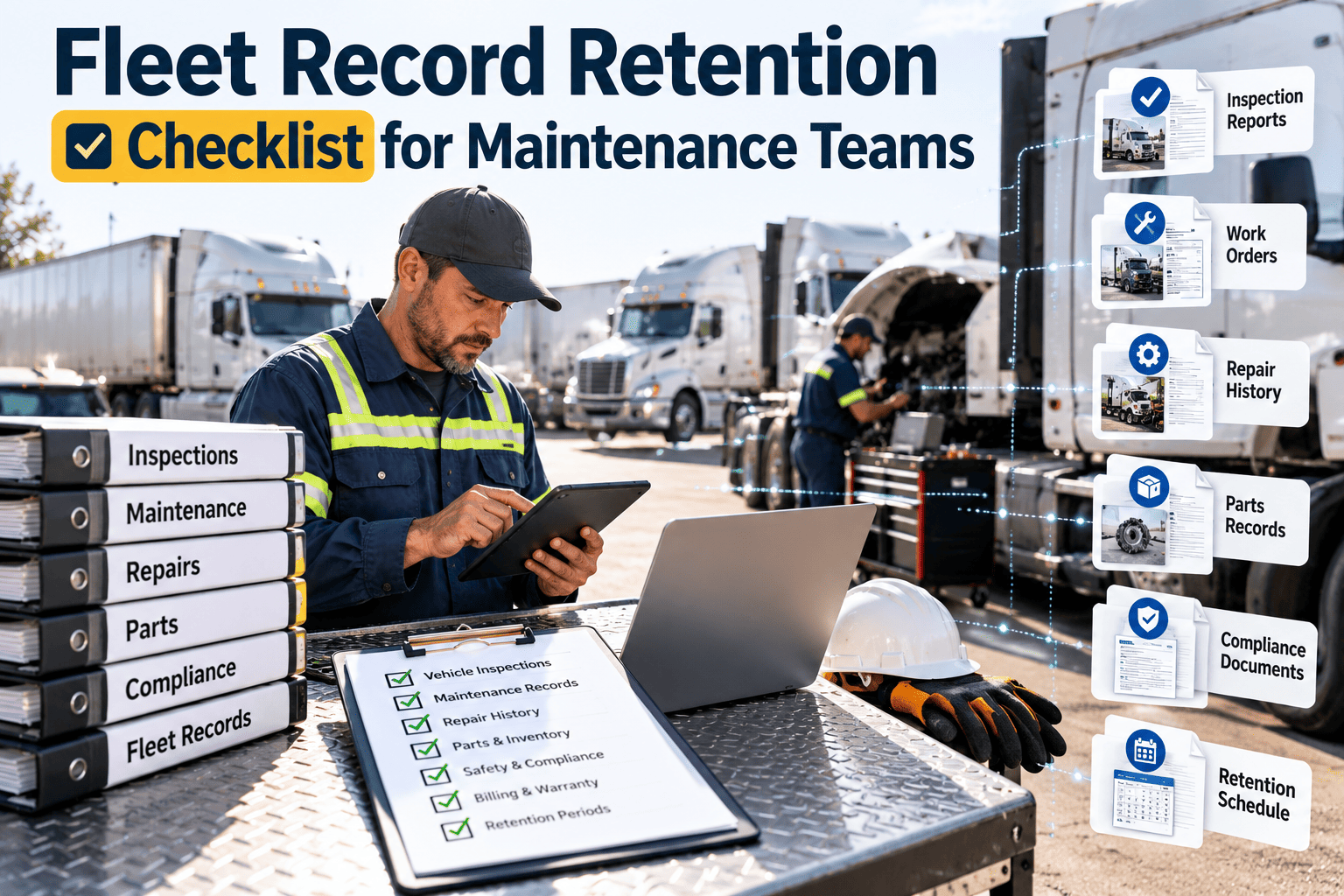
When an auditor, insurer or plaintiff attorney asks for a vehicle maintenance history, nobody cares how well the work was done. They care whether you can produce the record, and whether it was kept for the right length of time. Fleets that store i

Read More
A fleet yard puts every tractor, trailer, fuel island, light pole, and drainage grate in the same few acres, yet almost nobody sees the whole picture at once. Walking a large lot to check parked units, fencing, pavement, lighting, and storage area
Read More
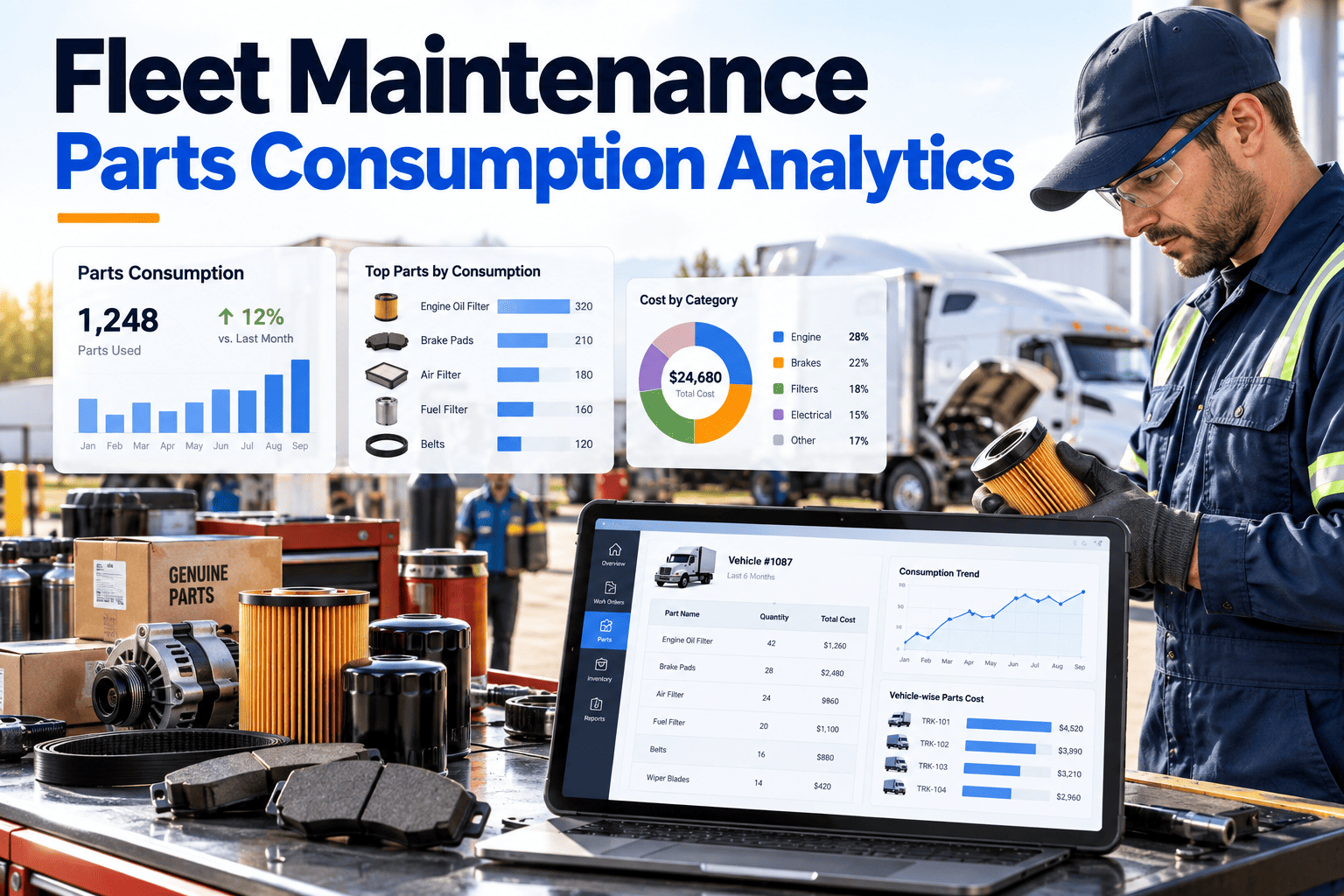
Parts are one of the largest controllable costs in fleet maintenance, yet many shops still reorder from habit. Stockouts keep vehicles waiting in the bay, while overstock ties up cash in parts that never move. Parts consumption analytics connects
Read More
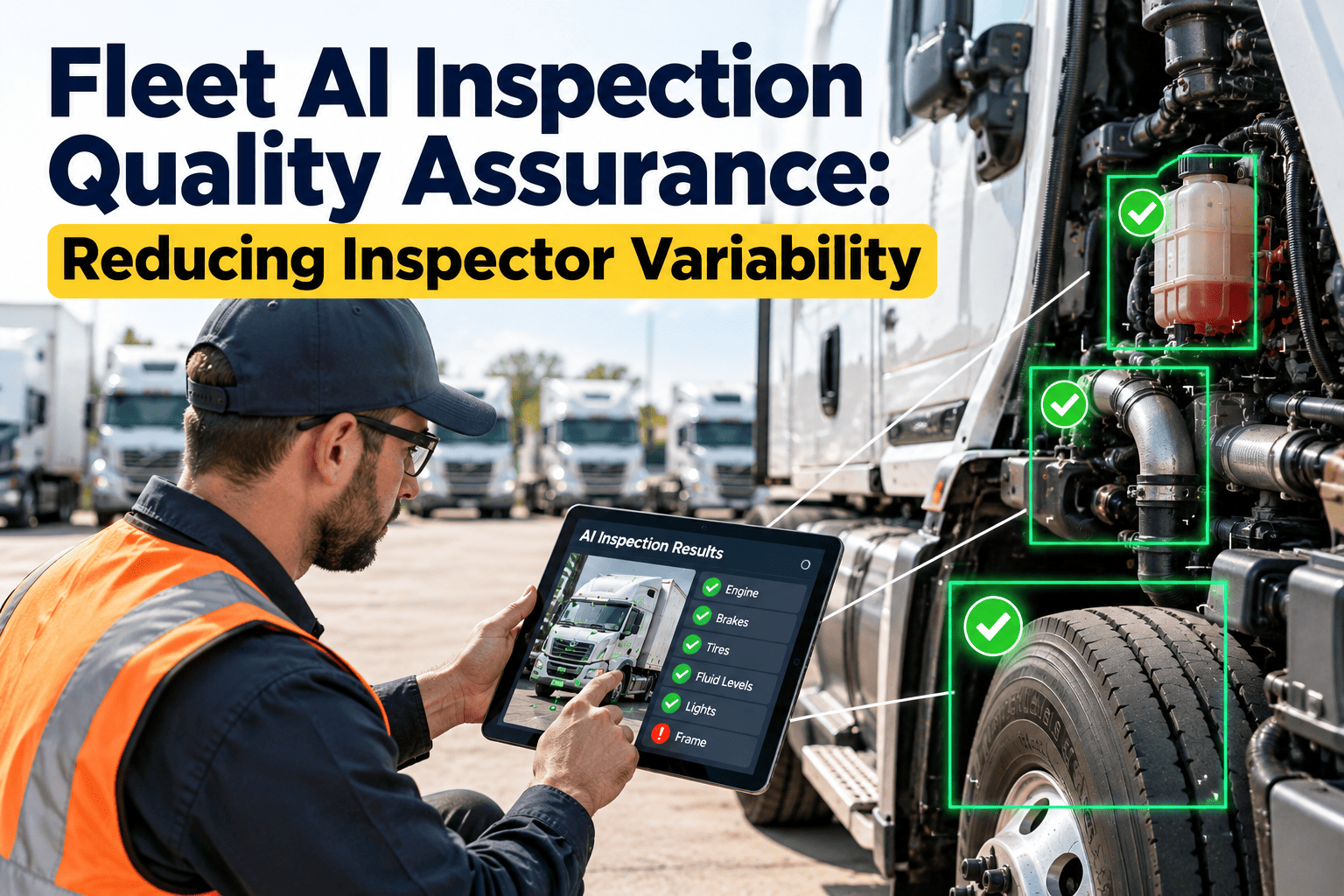
Two inspectors can look at the same worn brake or cracked hose and record different results. That inconsistency undermines safety decisions, hides developing faults and weakens audit evidence. Reducing it takes clear criteria, calibrated people an
Read More
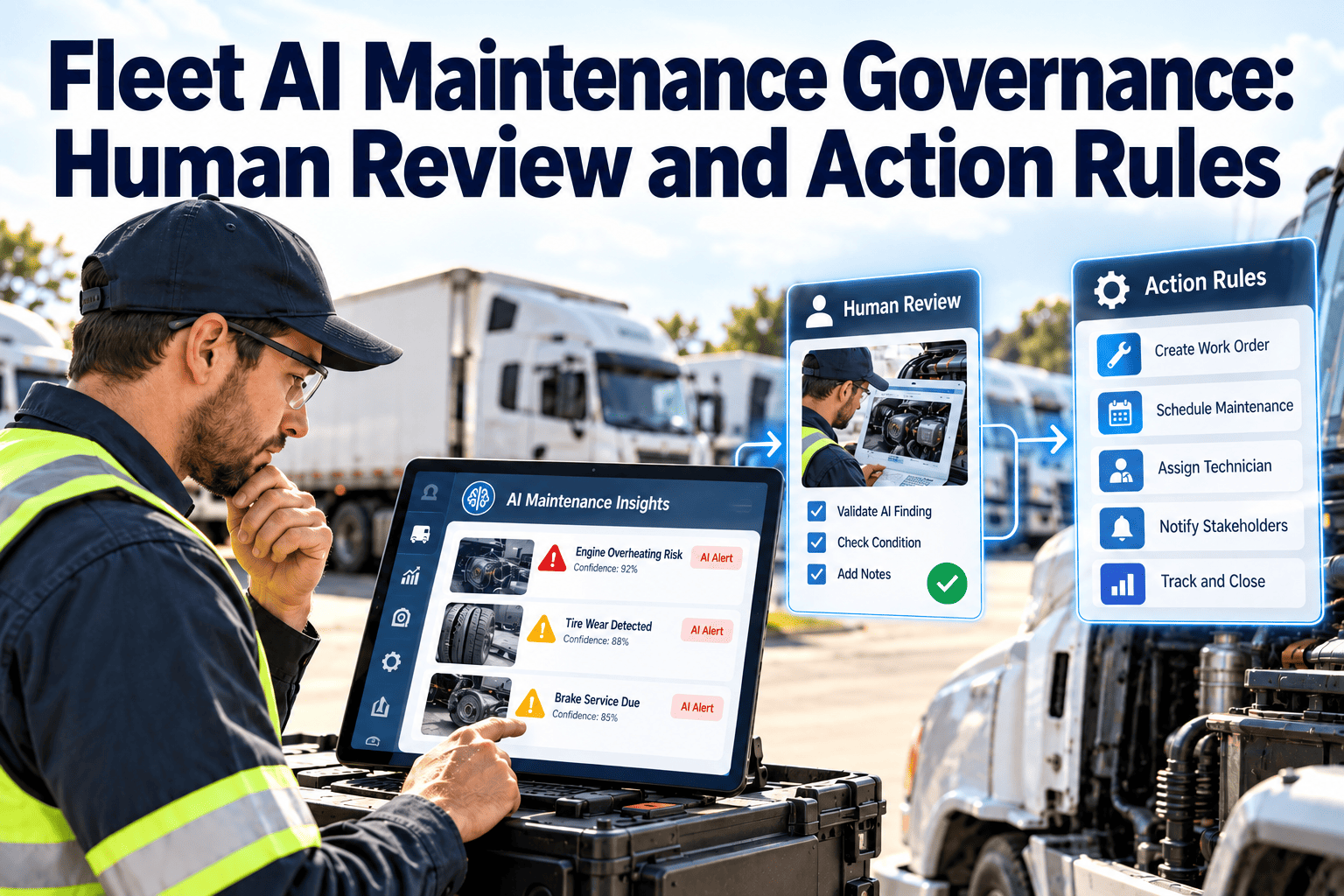
Fleets are adding AI to flag likely failures, summarize driver reports, and suggest work orders. The risk is not the technology itself but unclear authority: who reviews an AI recommendation, what it is allowed to trigger, and who answers when it
Read More
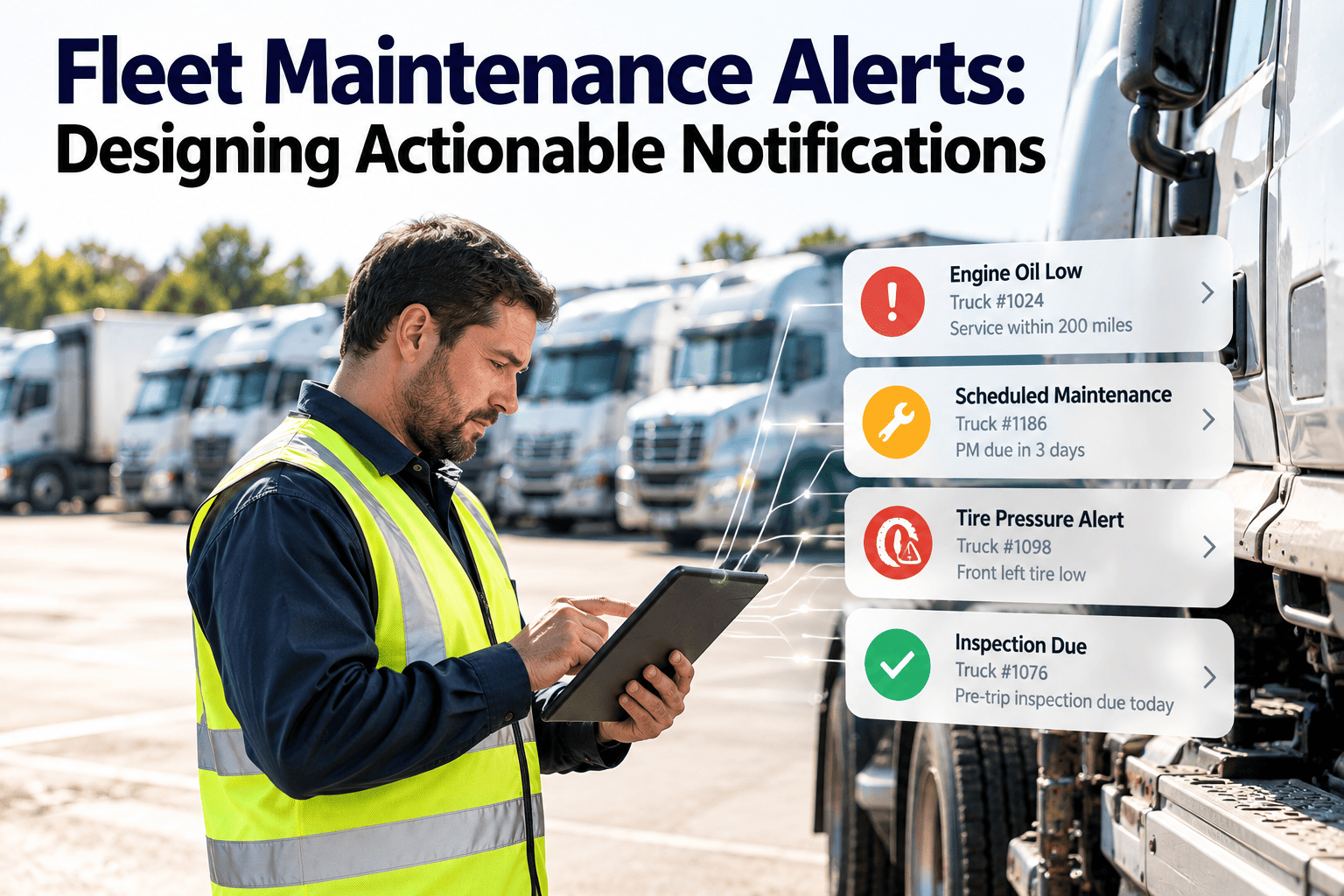
Fleet teams receive alerts from telematics, inspections, inventory, compliance calendars and preventive maintenance schedules, yet many of those messages never lead to a repair. The problem is rarely too little data. It is notifications that lack

Read More
Most fleets know which trucks "feel" unreliable, but few can prove it. Replacement debates, shop priorities, and spare-vehicle decisions often rest on memory and loud opinions. A fleet condition score replaces that with a repeatable ranking built

Read More
A fleet digital twin is a living record of each vehicle that combines its specifications, inspection results, repair history, usage data, parts consumption and open defects in one place. For maintenance teams, the value is not the model itself but
Read More
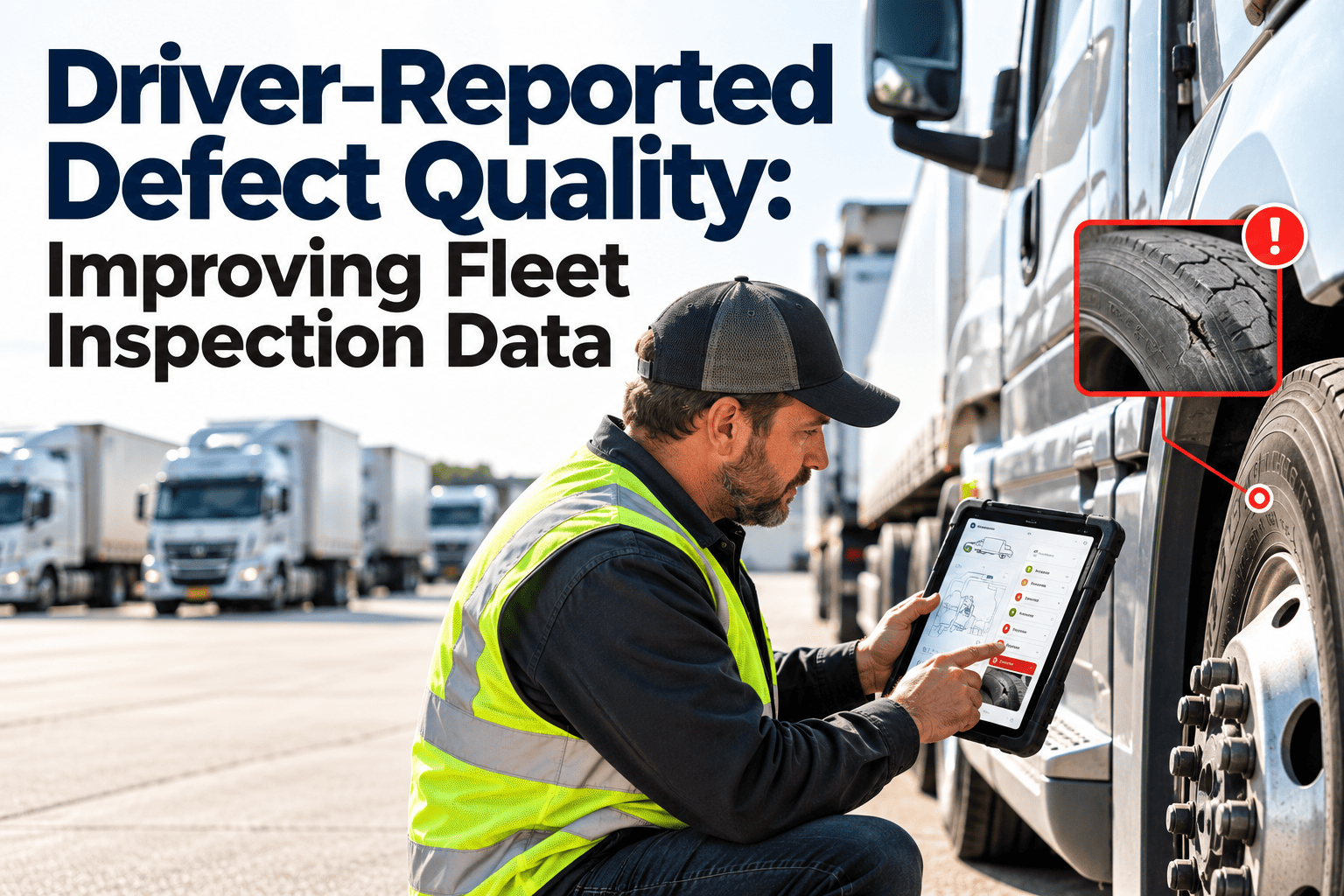
Every fleet maintenance decision starts with a driver noticing something wrong. When that report is vague, late, or duplicated, technicians spend the first hour of a job just finding the fault, and real safety defects sit in a queue beside cosmeti
Read More
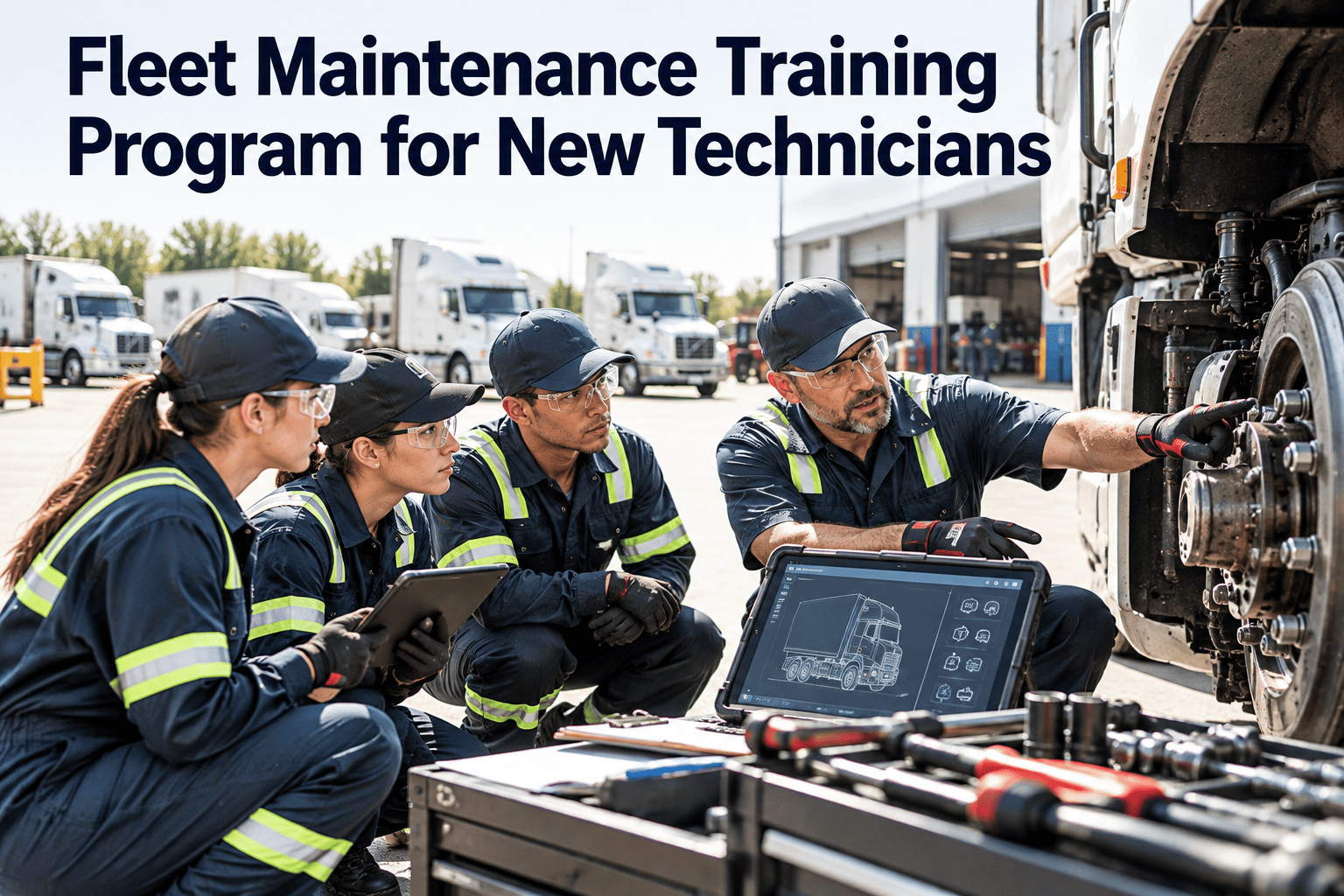
A new technician can turn a wrench on day one, but knowing your fleet, your inspection standards and your paperwork takes months. Without a plan, new hires learn by watching whoever is nearby, and habits vary from bay to bay. A structured training
Read More
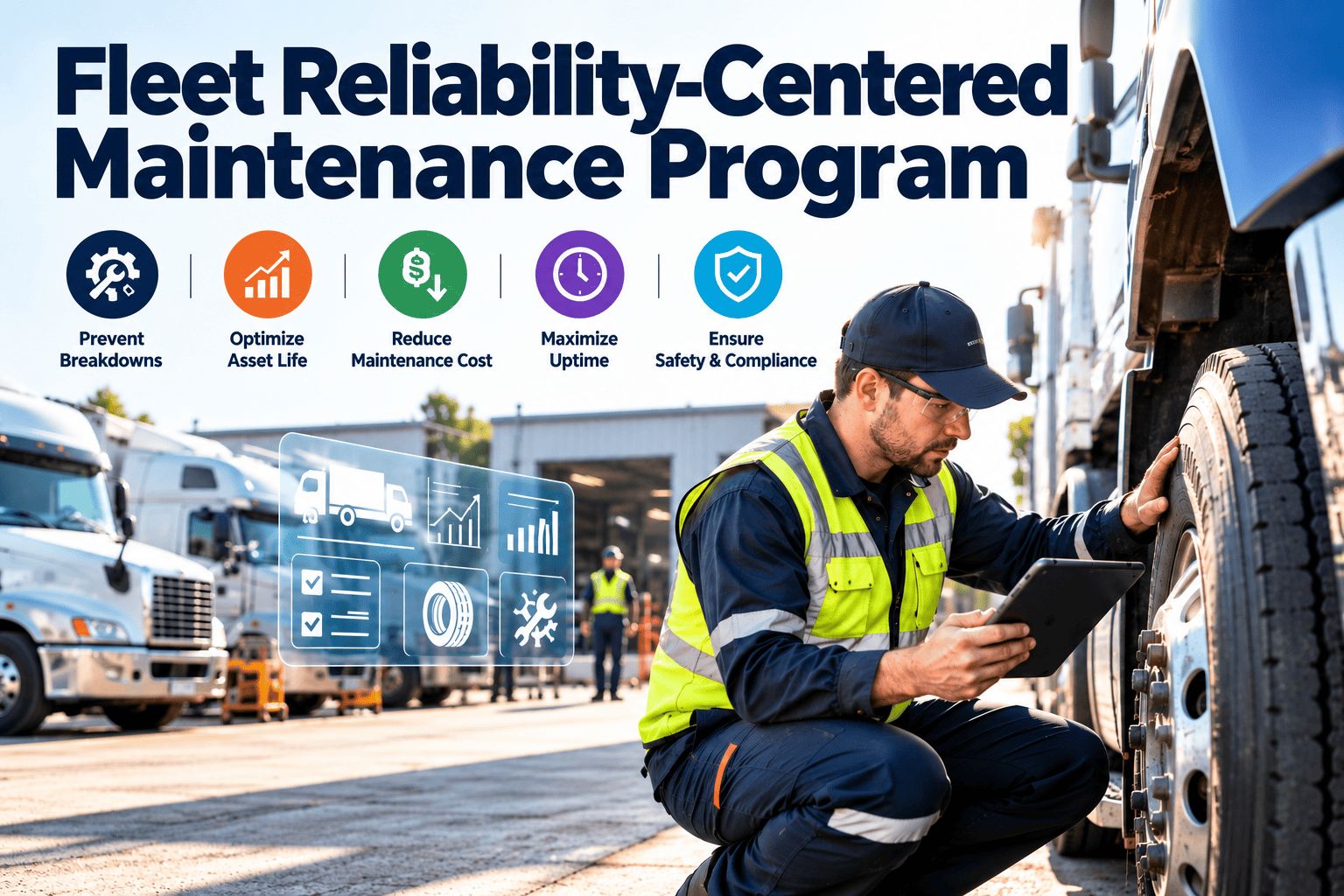
Most fleet maintenance programs are built from manufacturer schedules and past breakdowns. That works until the schedule does not fit your duty cycle, or until the same failure keeps repeating despite a task that was meant to stop it. Reliability-
Read More
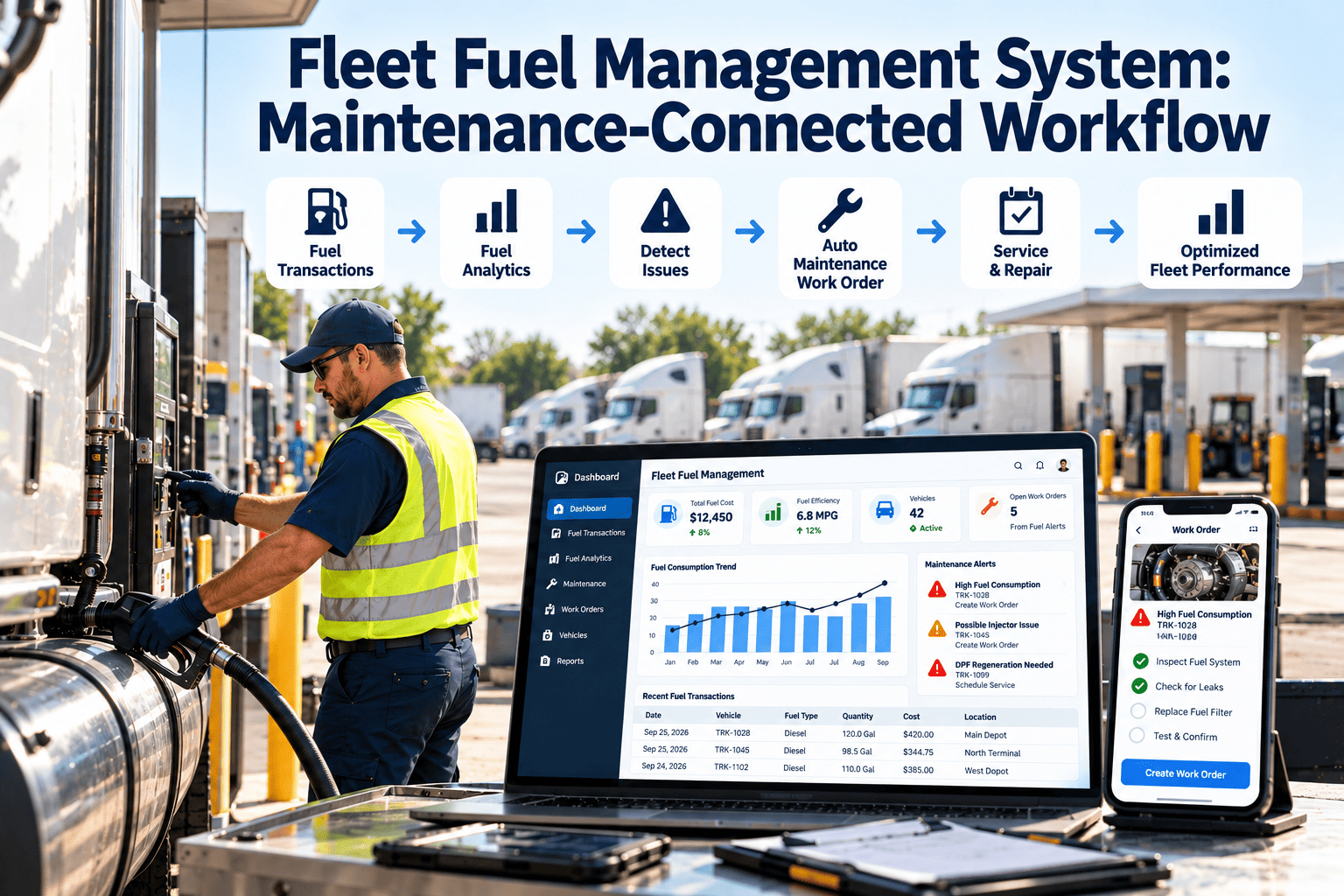
Fuel is usually a fleet's largest running cost, yet fuel data often lives in a separate system from the shop. Fuel cards, tank logs and economy reports show that something changed, but not why. A rise in fuel use per mile can come from underinflat
Read More
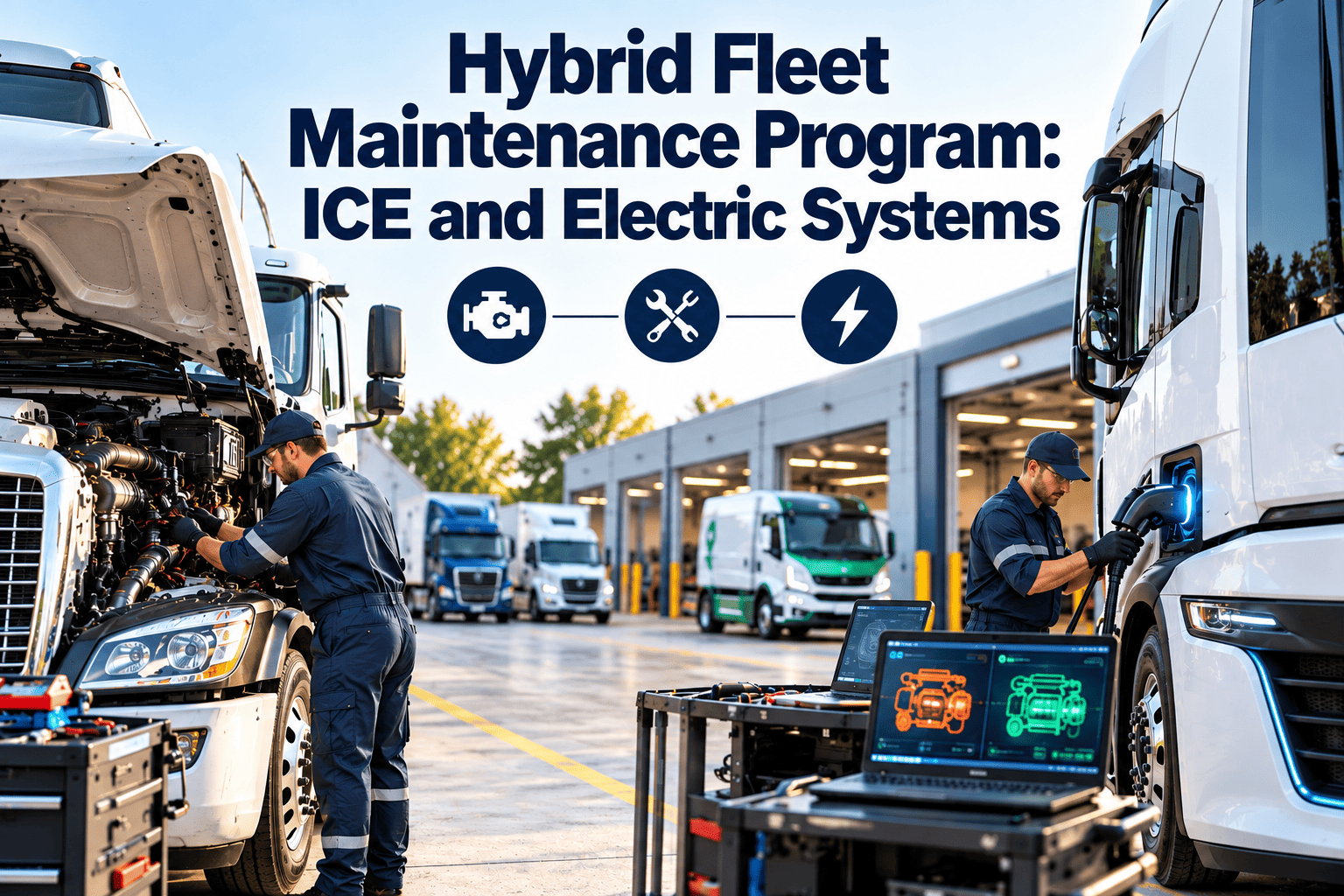
A mixed fleet of combustion, hybrid and electric vehicles does not need three separate maintenance departments, but it does need one program that respects three different sets of failure modes. Oil changes drop away on electric units while battery
Read More
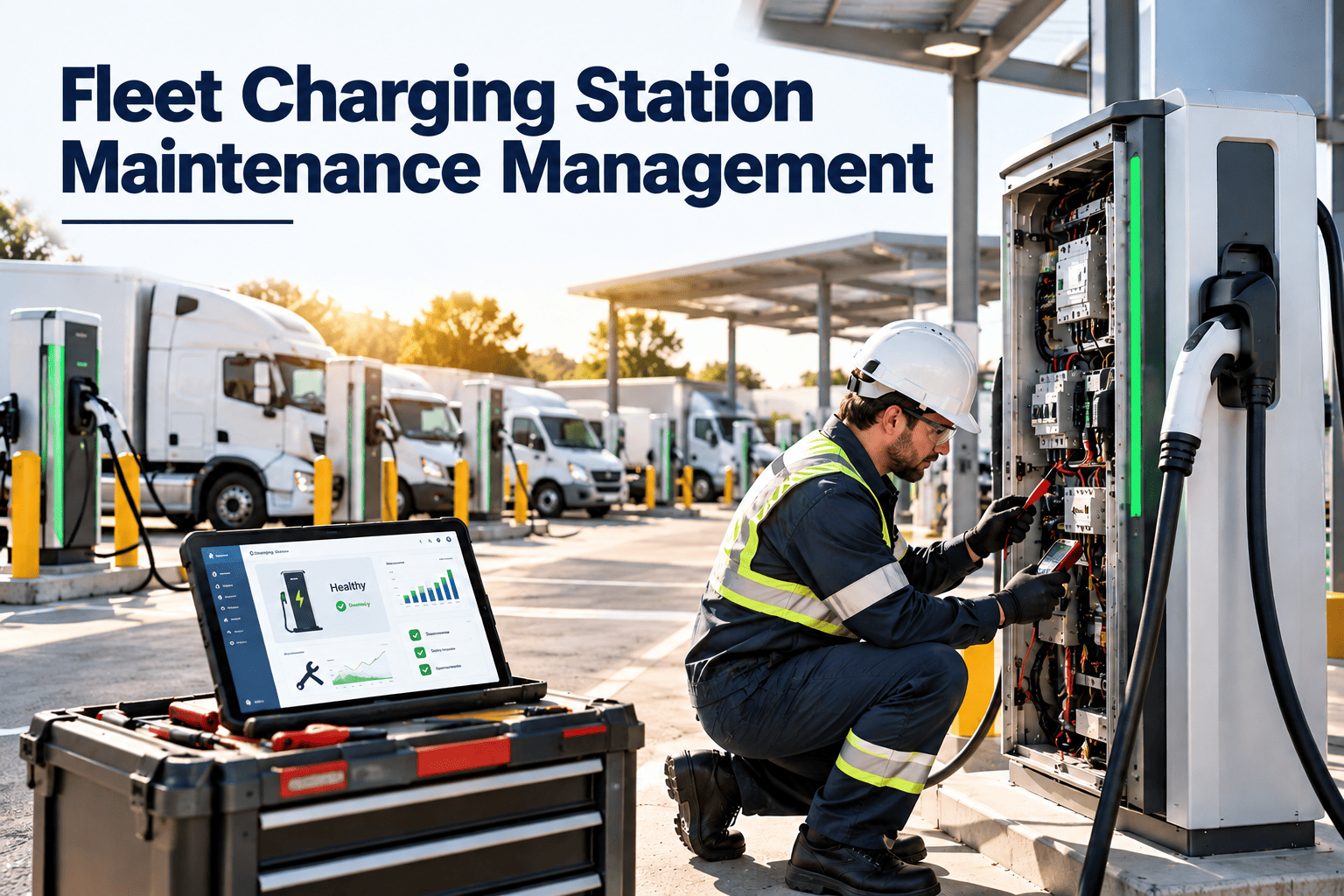
When a diesel truck is down, the shop knows the process. When a charger is down, the vehicle sits idle with no fault in the vehicle at all. Fleet charging stations are electrical equipment that works outdoors, takes daily abuse from cables and con
Read More
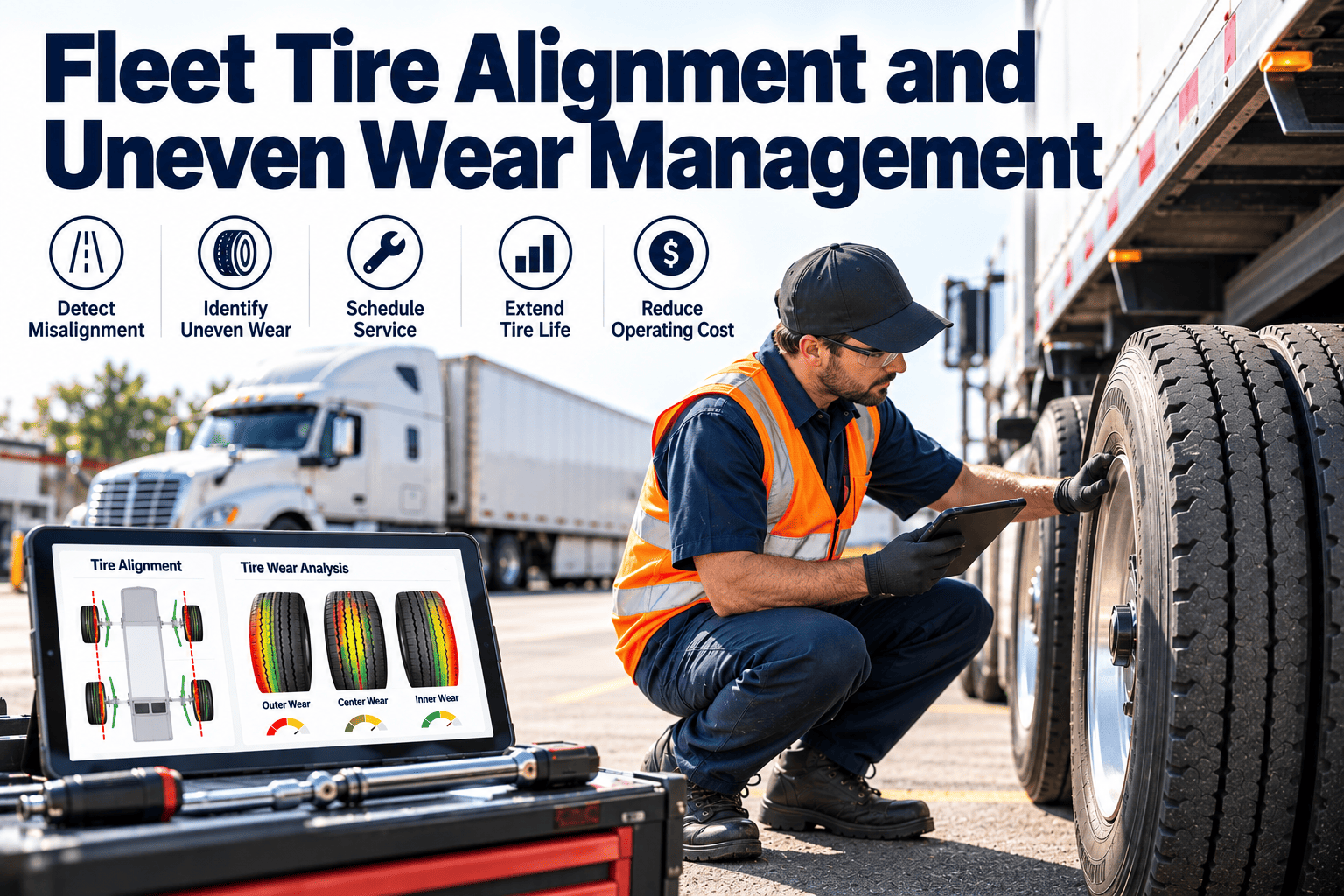
Uneven tire wear is a message from the vehicle. A steer tire worn on one shoulder, a trailer tire cupped across the tread, or a drive tire balding in the center each point to a different cause, and replacing the tire fixes none of them. For most f

Read More
Most fleets rotate tires on a fixed mileage and call it done. The trouble is that a vehicle with a bad alignment, a heavy payload or a mixed city and highway route can wear its tires much faster than the calendar assumes. Rotating by mileage alone
Read More
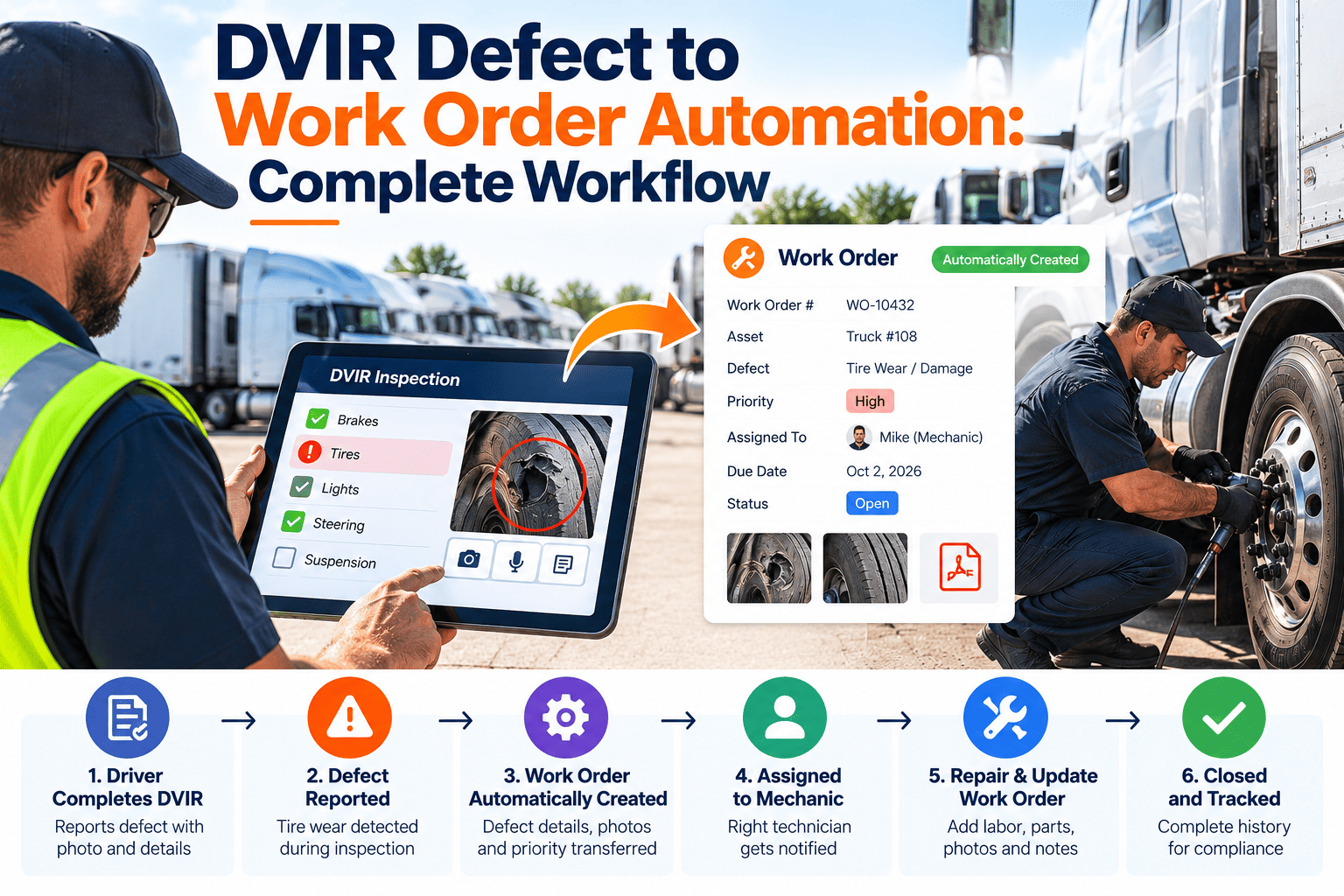
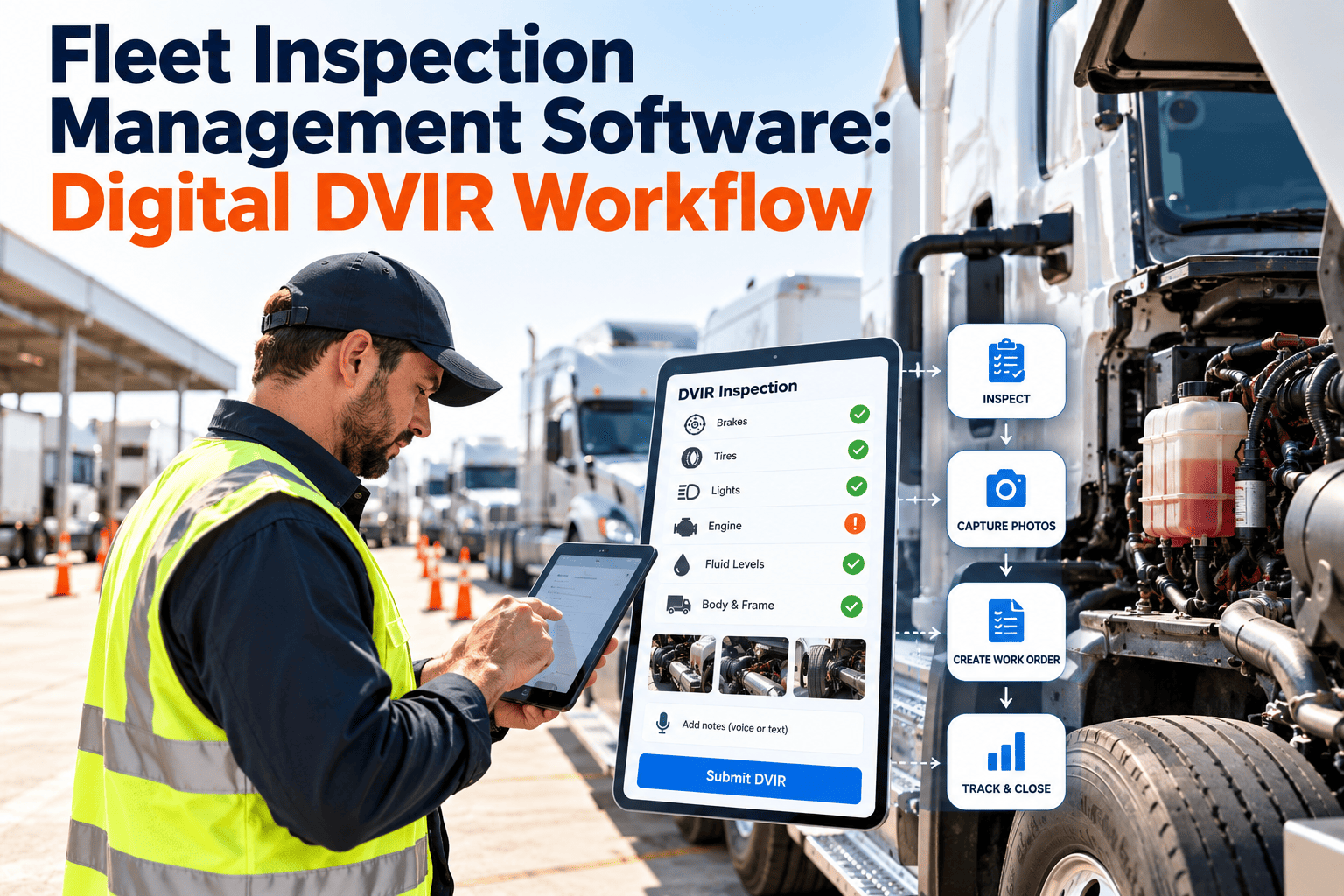
A driver notes a leaking air line on the DVIR, signs it, and drops it in a tray. By the time someone reads it, the truck is already back on the road. Paper and spreadsheet inspection reports fail at the handoff, not at the inspection. This guide w
Read More
A driver vehicle inspection report is only useful if the defect it records reaches a technician, gets repaired and is confirmed before the next trip. On paper, that chain breaks at every handoff: unreadable handwriting, forms left in cabs, and def
Read More
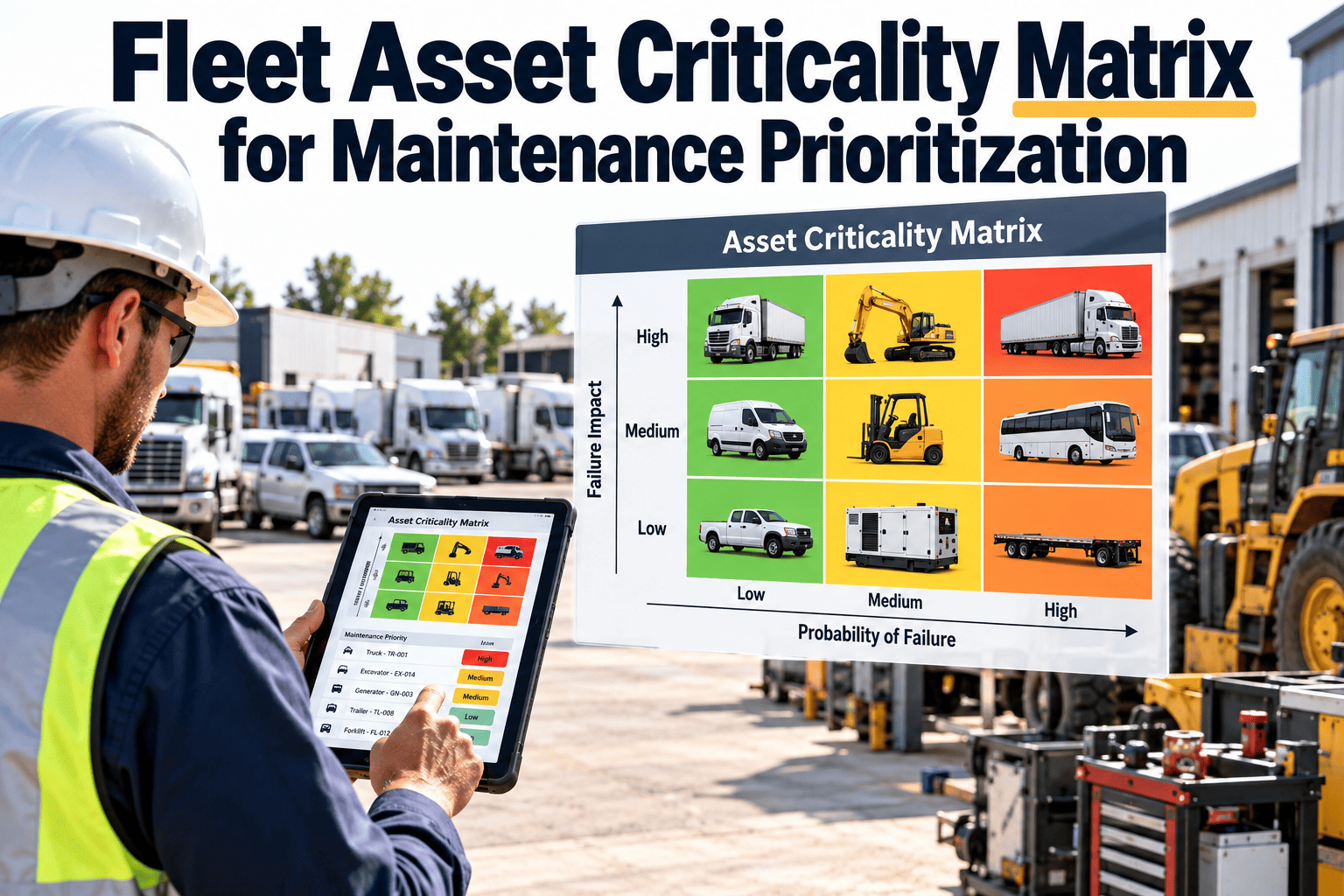
A fleet never contains one kind of asset. A tractor that hauls freight every day, a spare pickup and a service van that keeps a whole crew working all fail differently, yet many maintenance plans treat them the same. A fleet asset criticality matr
Read More
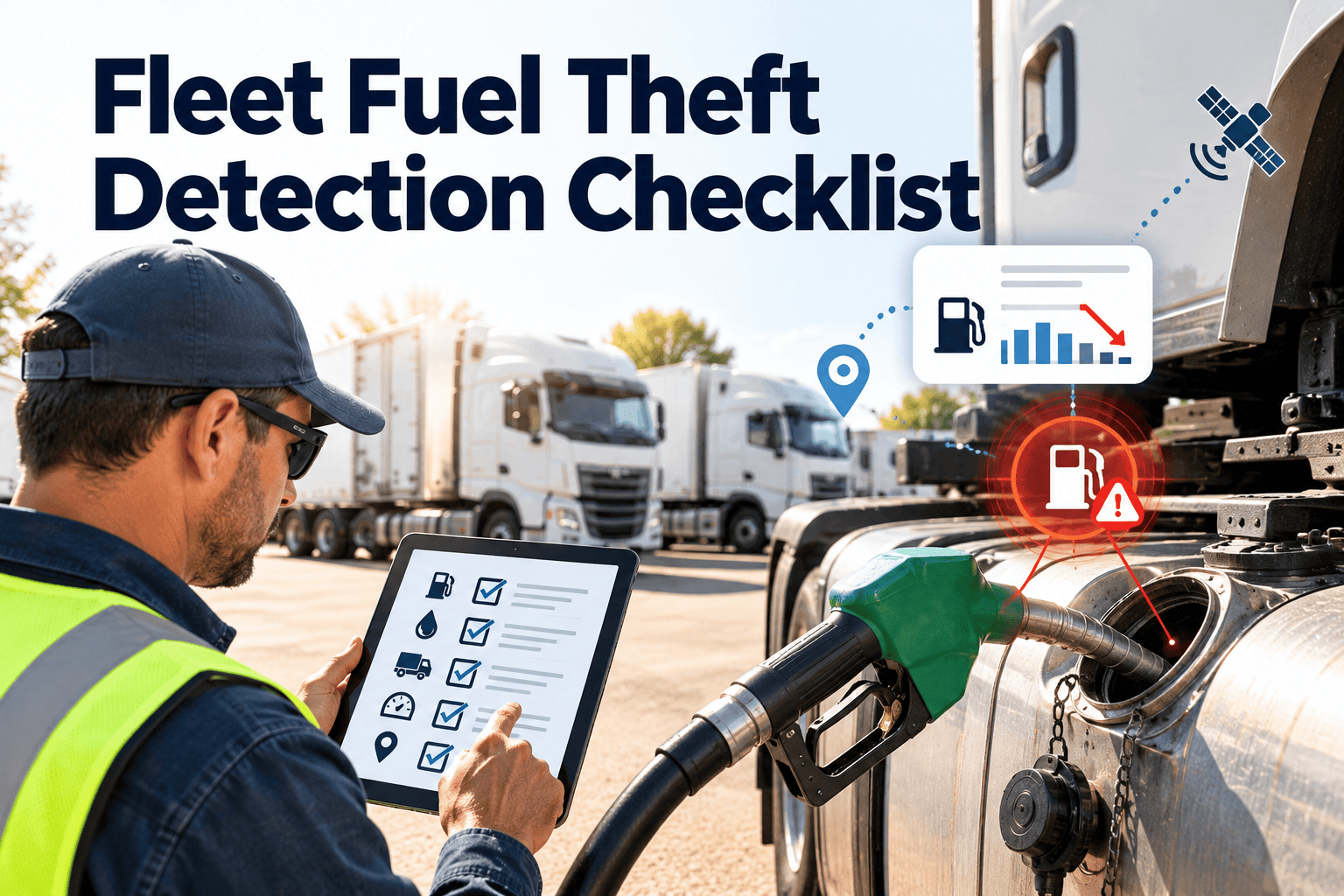
Fuel is one of the largest operating costs in any fleet, and it is also one of the easiest to lose without noticing. A card used off-route, a siphoned tank at the yard, a tampered sender or a genuine leak can all look like the same thing on a mont
Read More
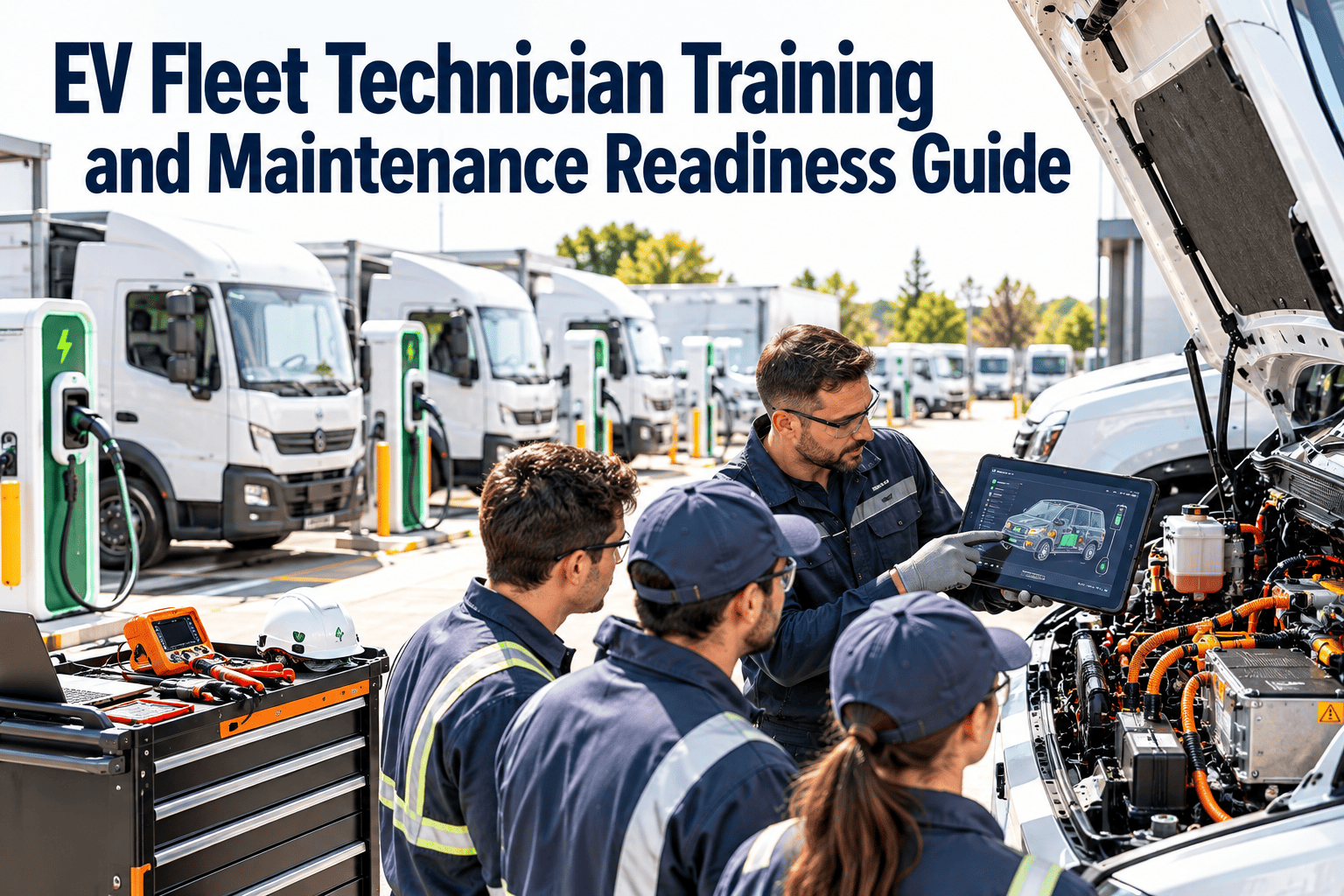
Electric vehicles remove oil changes and exhaust systems, but they do not remove maintenance. They add high-voltage safety, battery and thermal management, software, and charging equipment to the shop's responsibilities. A technician who is excell
Read More
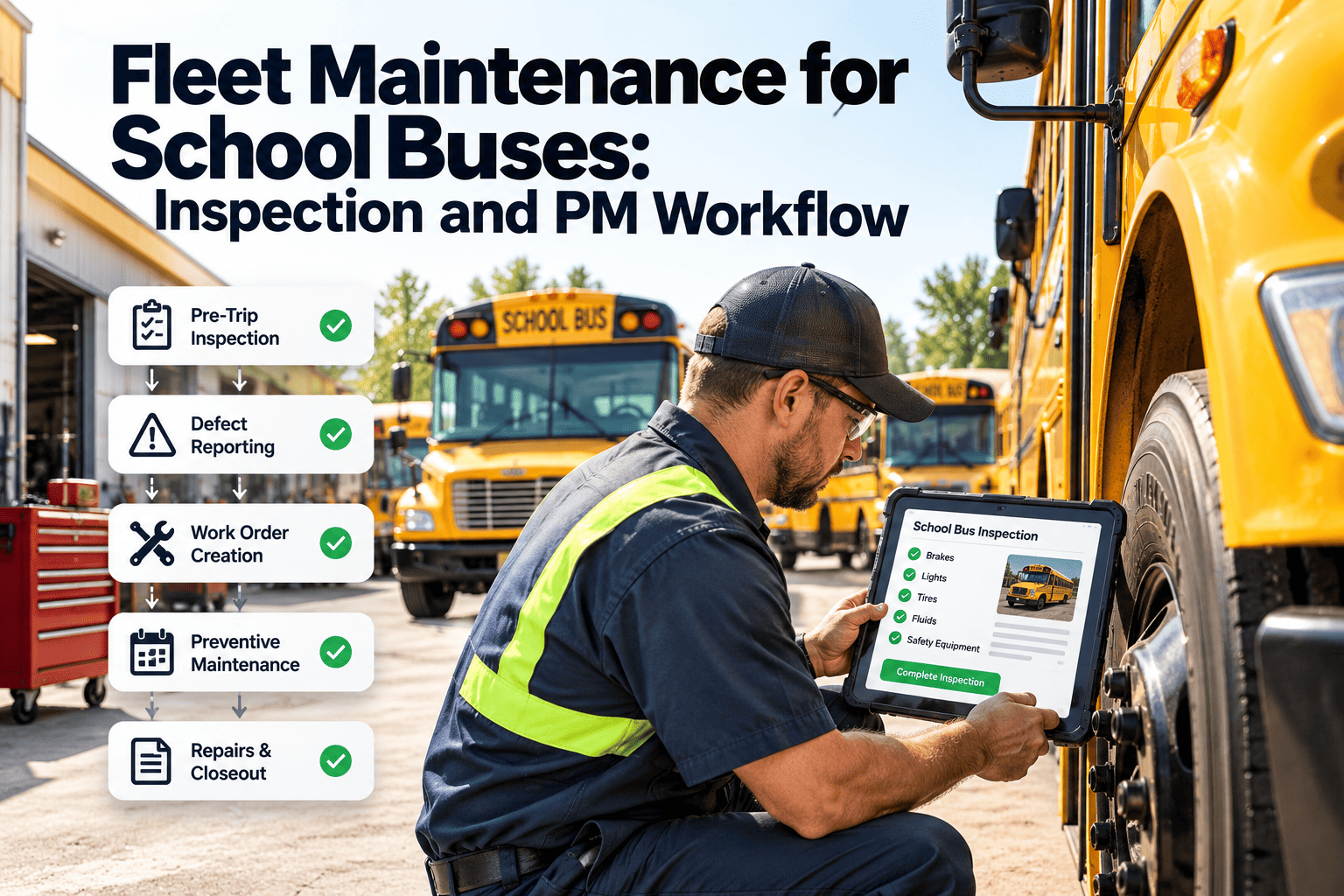
A school bus has a fixed departure time, a full load of children and no room for a "we'll fix it later" defect. Every morning, the fleet has to prove that dozens of safety systems work before the first stop, and every afternoon it has to do it aga

Read More
Telematics platforms know when a vehicle is idling, throwing a fault code or crossing a mileage threshold. A CMMS knows what that vehicle needs, who is qualified to fix it and what was done last time. Connecting the two is an architecture decision
Read More
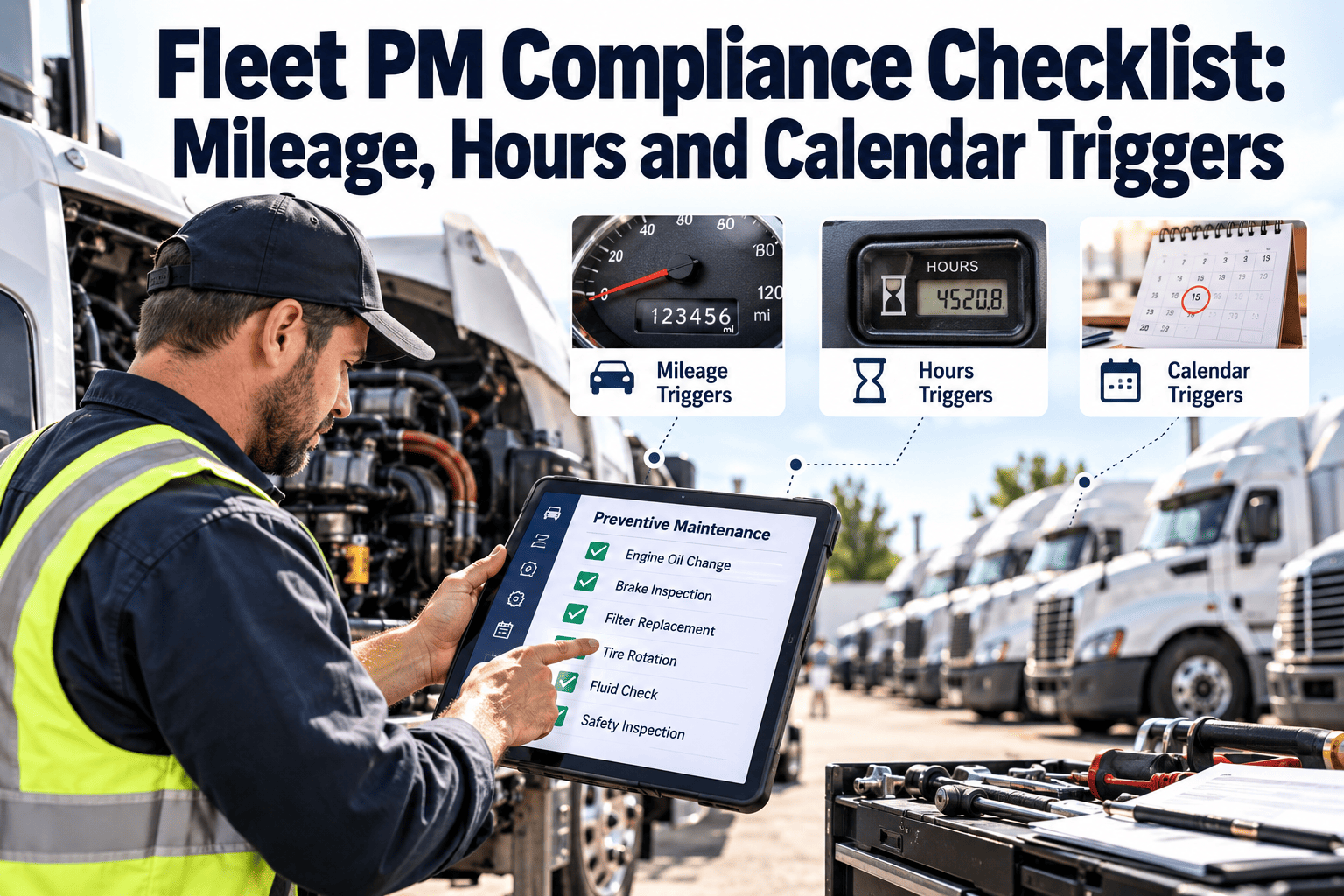
Most fleets do not miss preventive maintenance because nobody cares. They miss it because the trigger was wrong. A tractor that idles for hours may be overdue on engine hours while its odometer looks fine, and a low-use service van may age past it
Read More
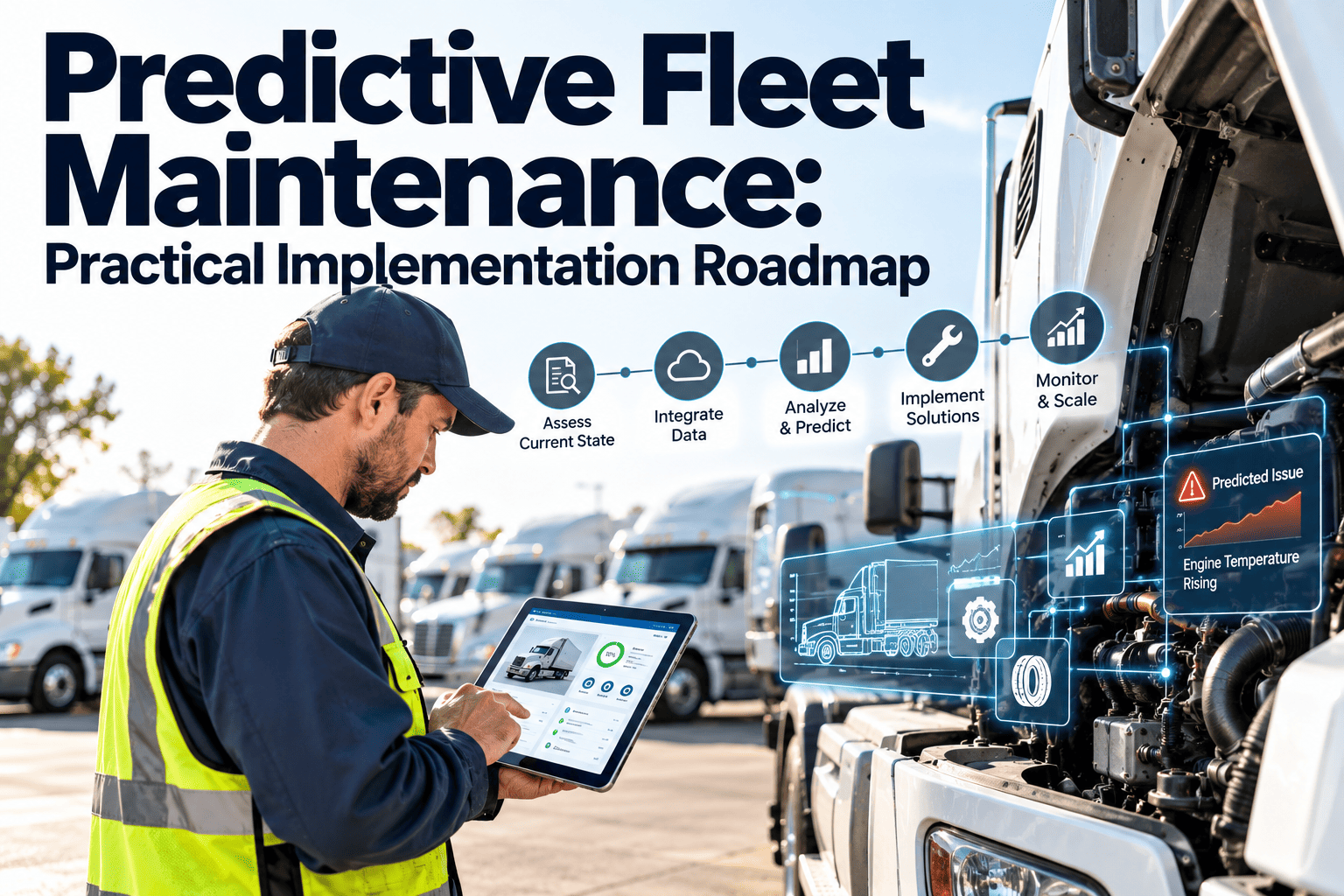
Predictive fleet maintenance sounds like a technology project, but it is really a data and discipline project. Fleets that succeed start with reliable records, a few high-cost failure modes, and a clear rule for turning a warning into a repair. Fl
Read More
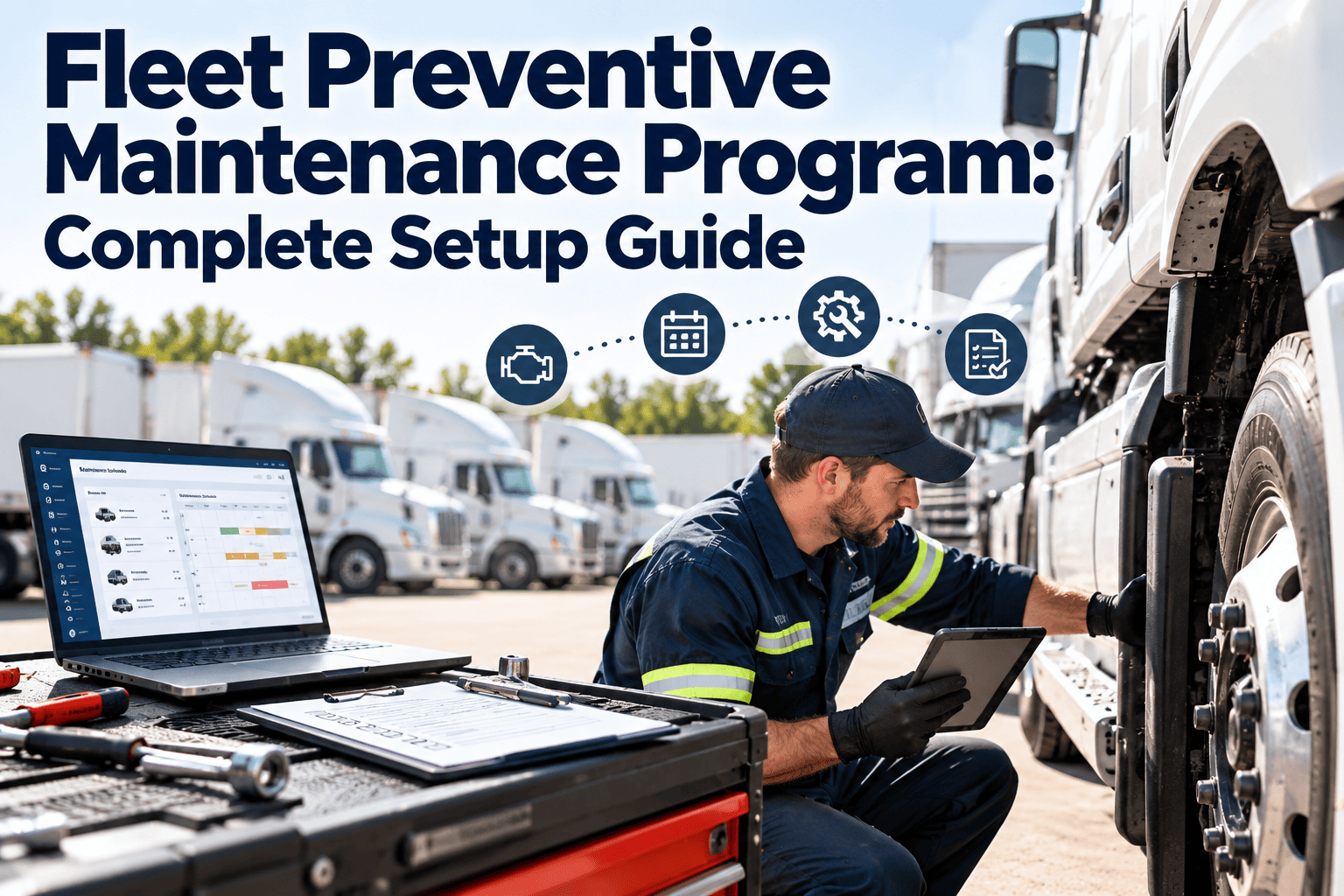
A fleet preventive maintenance program is a written system that decides which vehicles get serviced, when, by whom, and how the results are recorded. Without it, service depends on memory, driver complaints, and whoever shouts loudest. With it, do
Read More
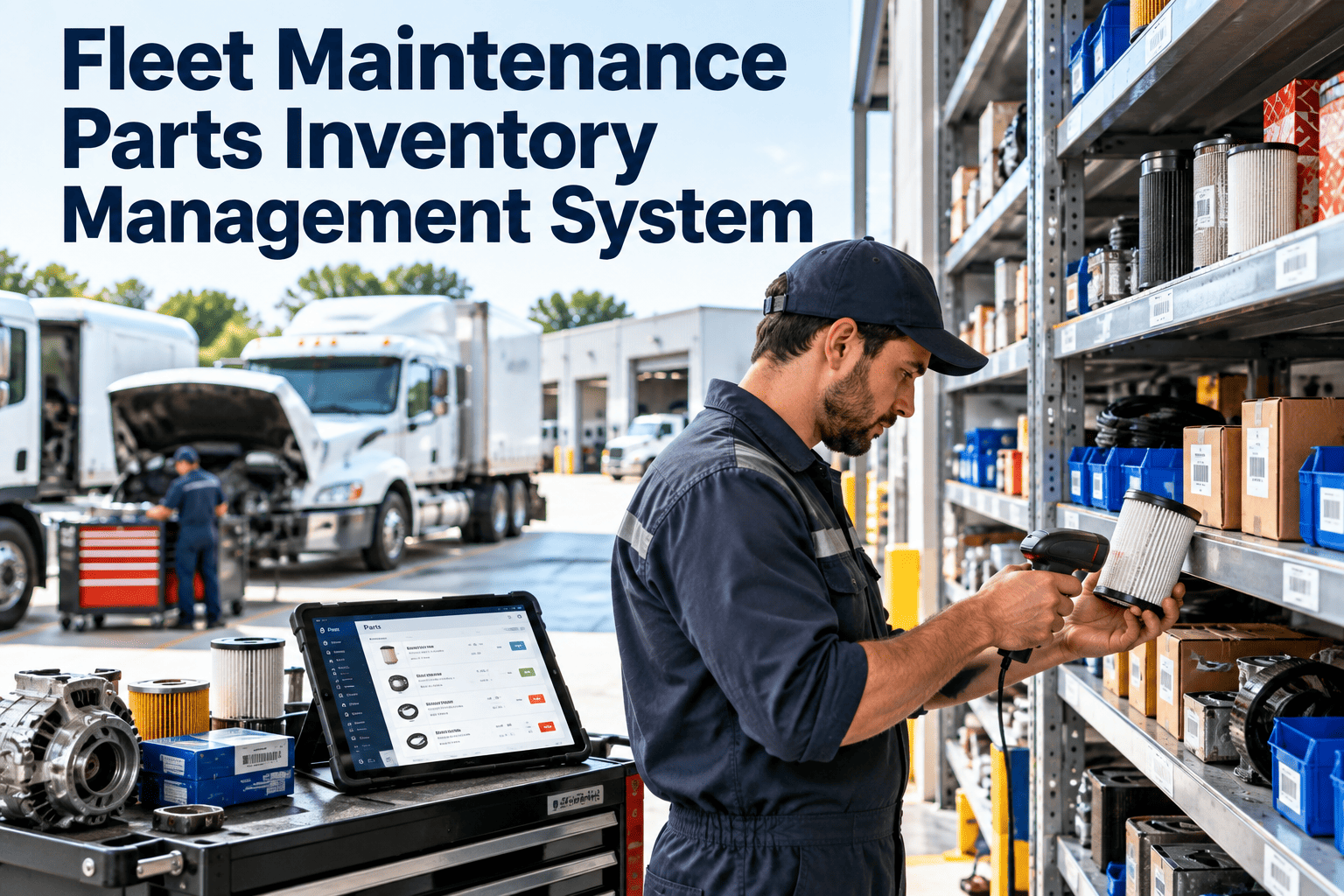
A fleet vehicle waiting for a part is a vehicle that earns nothing. Yet many shops still run parts from a storeroom shelf, a spreadsheet and the memory of one senior technician. The result is emergency orders, duplicate stock and repairs delayed b
Read More
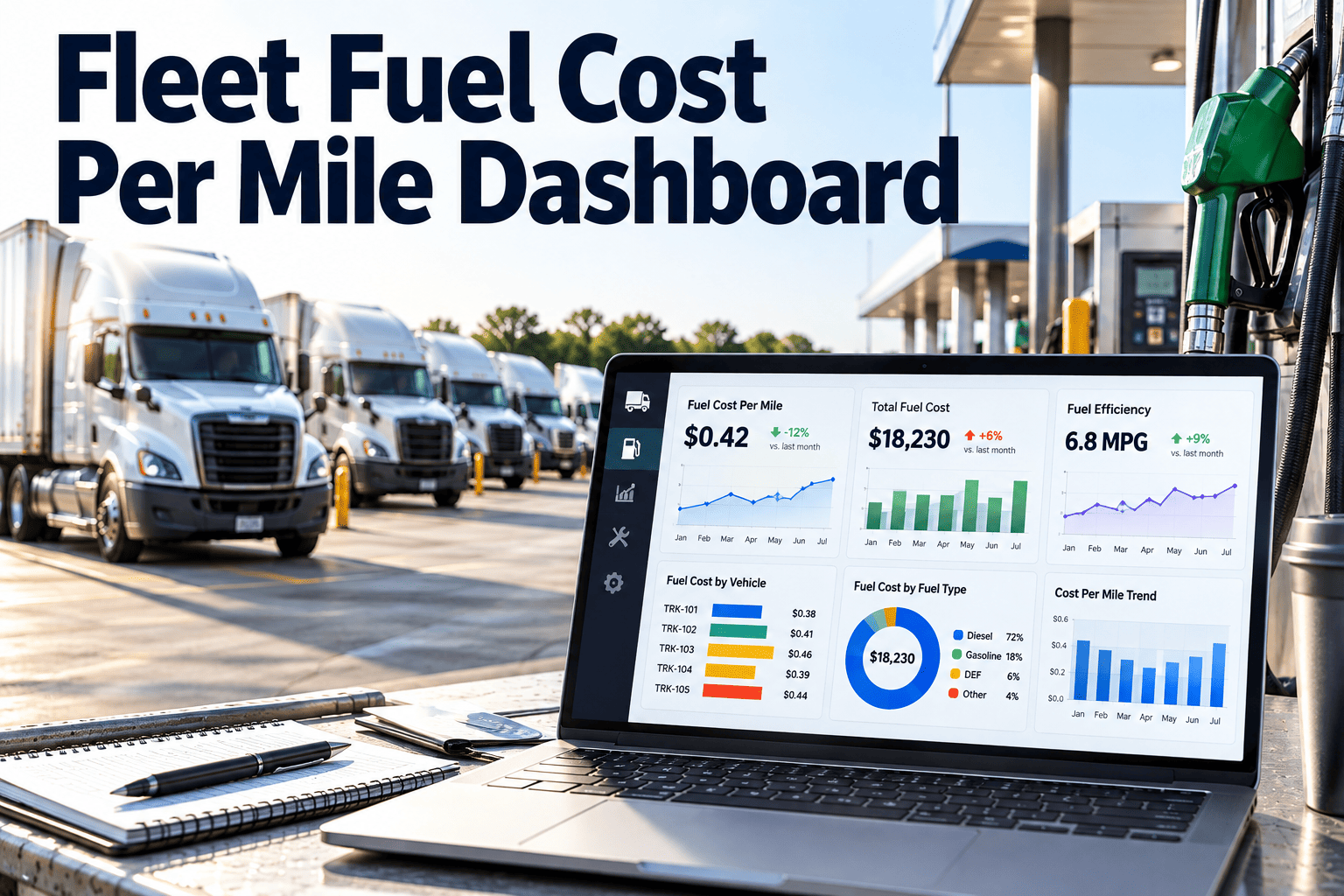
Fuel is usually the largest variable line in a fleet budget, yet most teams only see it as a monthly total on an invoice. A cost per mile dashboard turns that total into a number you can act on by vehicle, route, driver and season. The catch is th

Read More
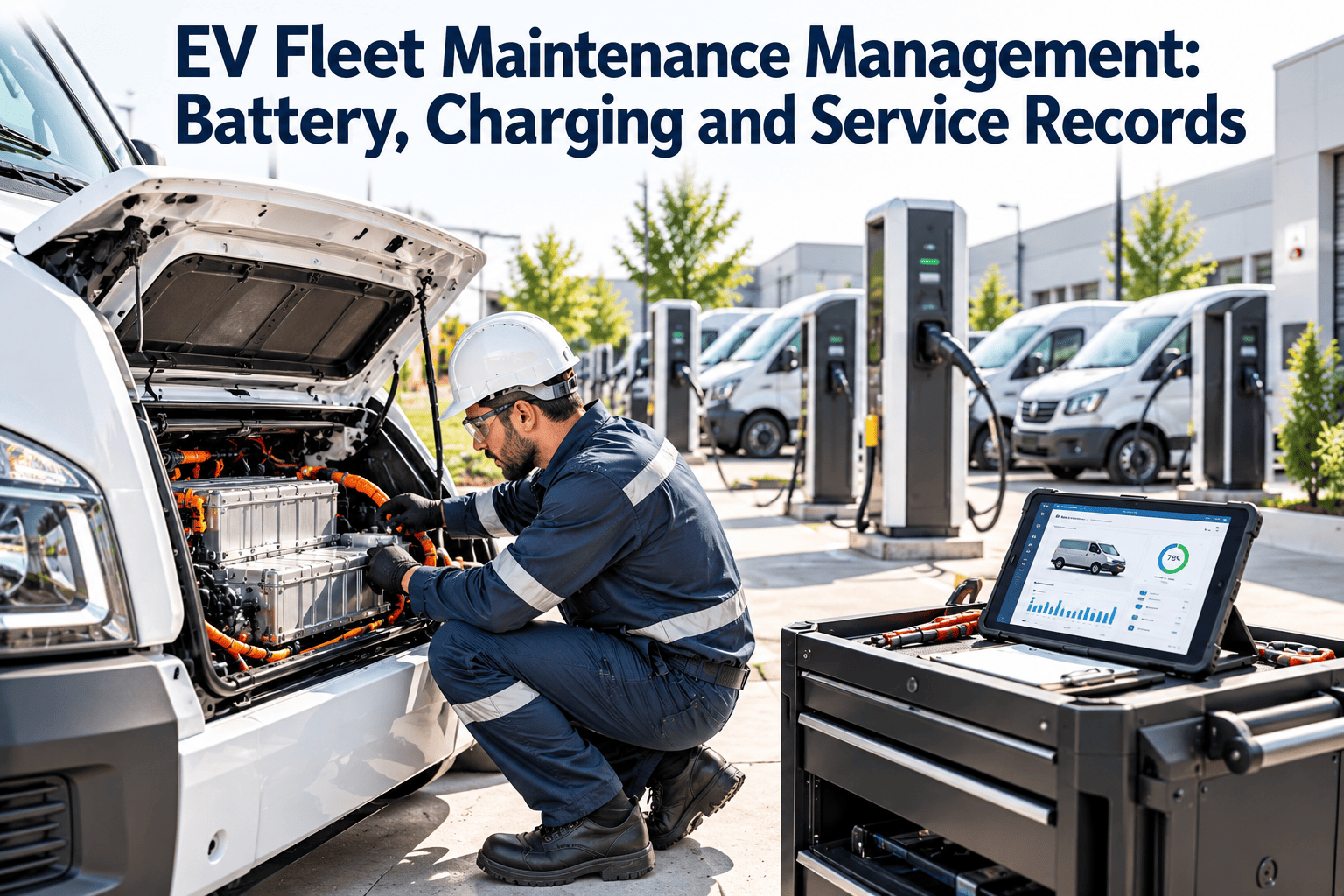
Electric vehicles remove oil changes, belts, and exhaust work, but they do not remove the need for structured inspections. Battery health, coolant condition, charge port wear, brake corrosion, and tyre wear all drift quietly until a vehicle fails
Read More
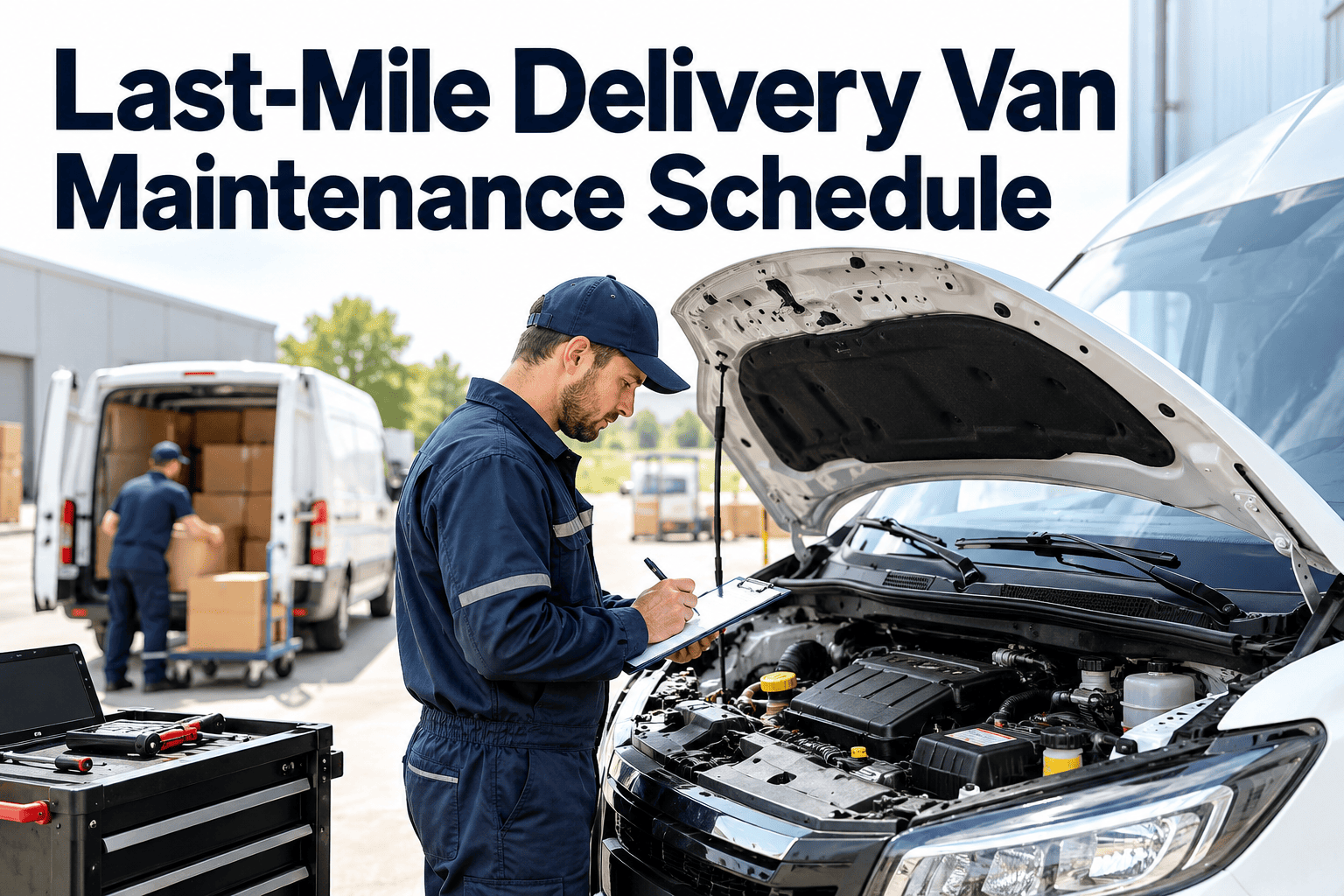
Electric vehicles remove oil changes, exhaust systems and many engine wear items, but they do not remove maintenance. They move it. Battery health, charger uptime, thermal systems, brakes, tires and high-voltage safety now compete for the same tec
Read More
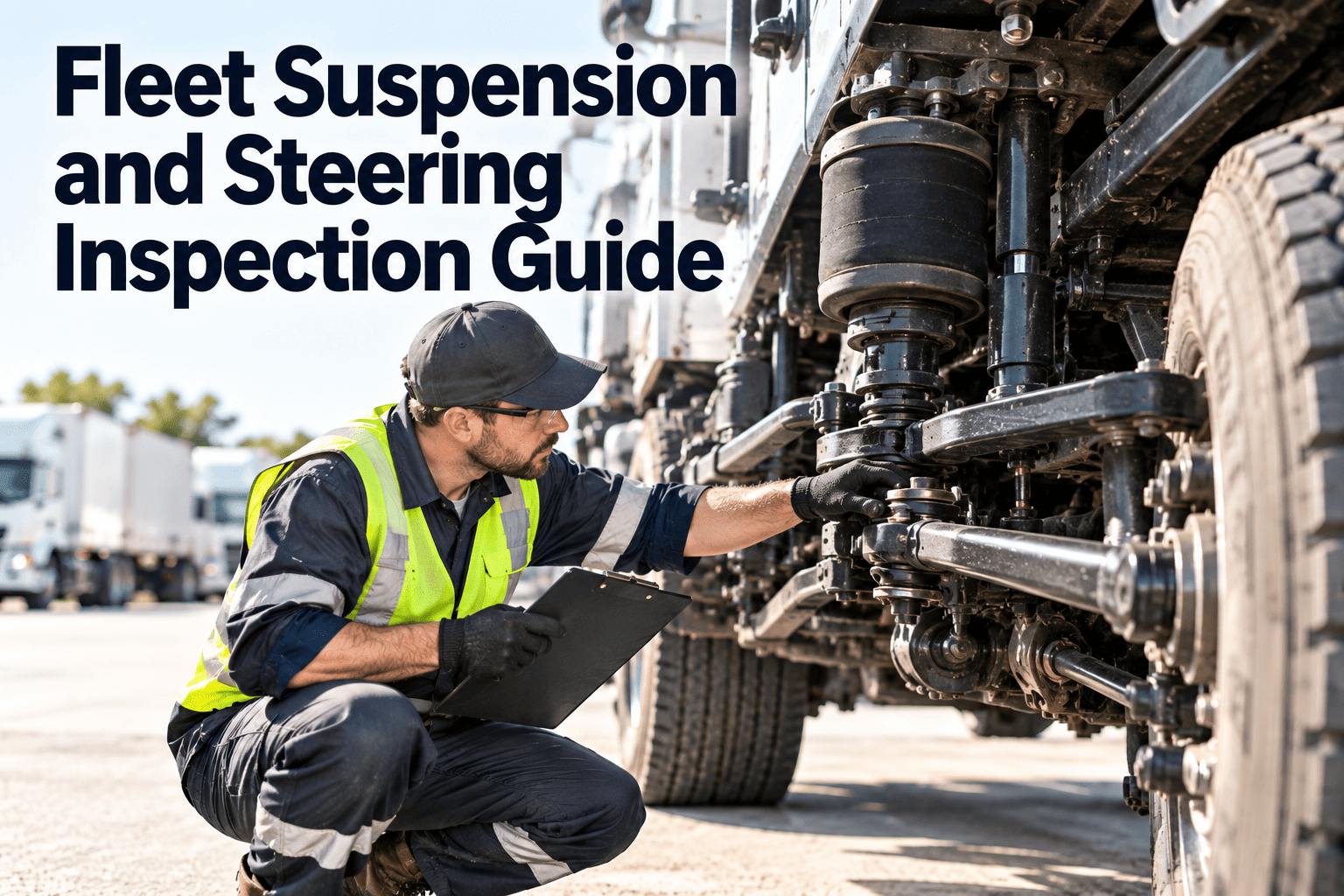
Last-mile delivery vans work harder than their odometers suggest. Constant stop-start driving, heavy door and step use, long idle periods, and tight route windows wear brakes, tires, batteries, and suspension faster than highway mileage alone woul
Read More
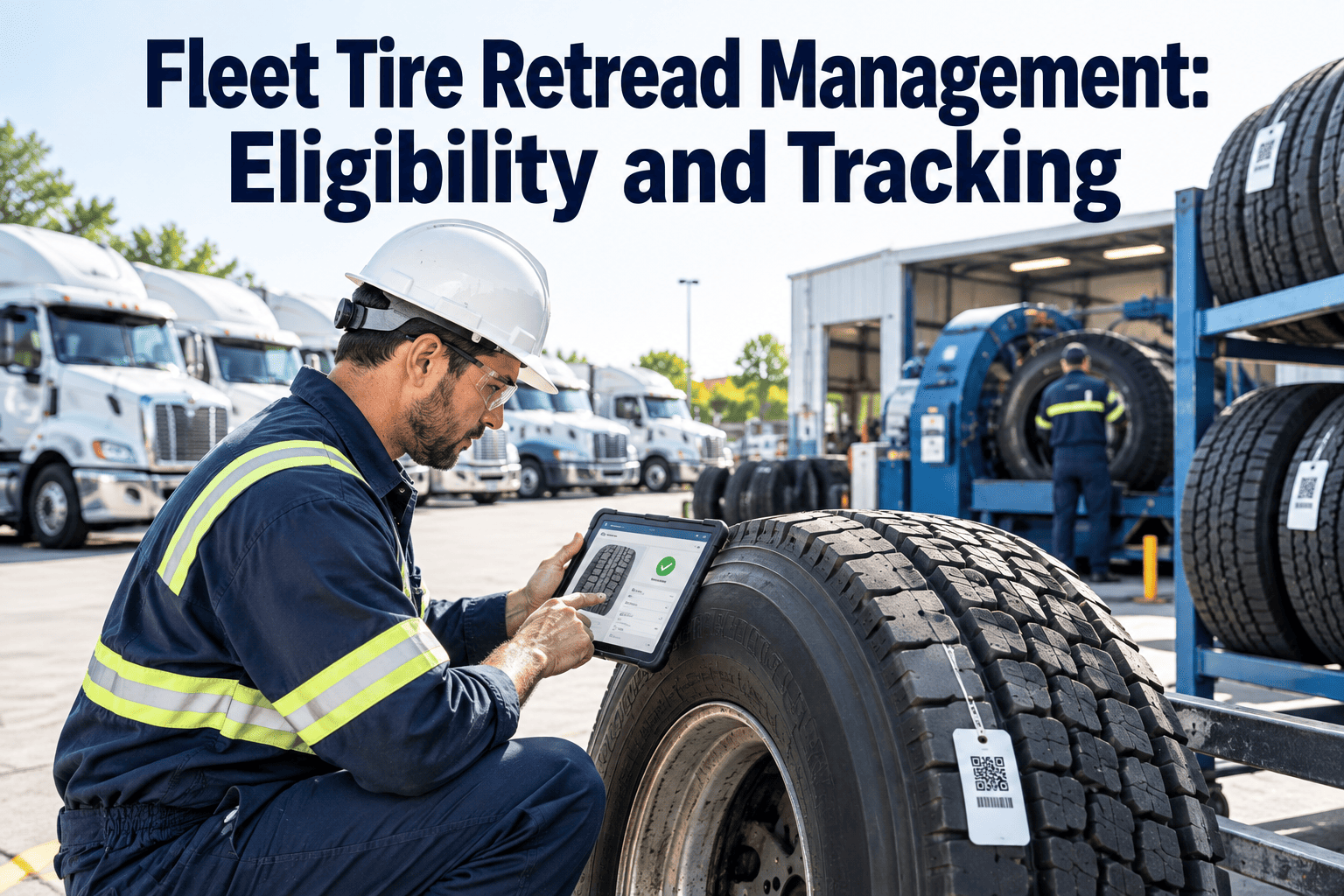
Suspension and steering wear is easy to normalize. A slight pull, a little extra play in the wheel or a new noise over bumps becomes part of how the truck drives, until a tie rod end separates or a spring hanger cracks. These systems carry the veh
Read More
A tire casing is one of the most valuable assets on a truck, yet many fleets treat it as scrap the moment the tread wears down. Retreading can extend that casing's life for a second or third tread, but only if the casing is inspected, sorted, and
Read More
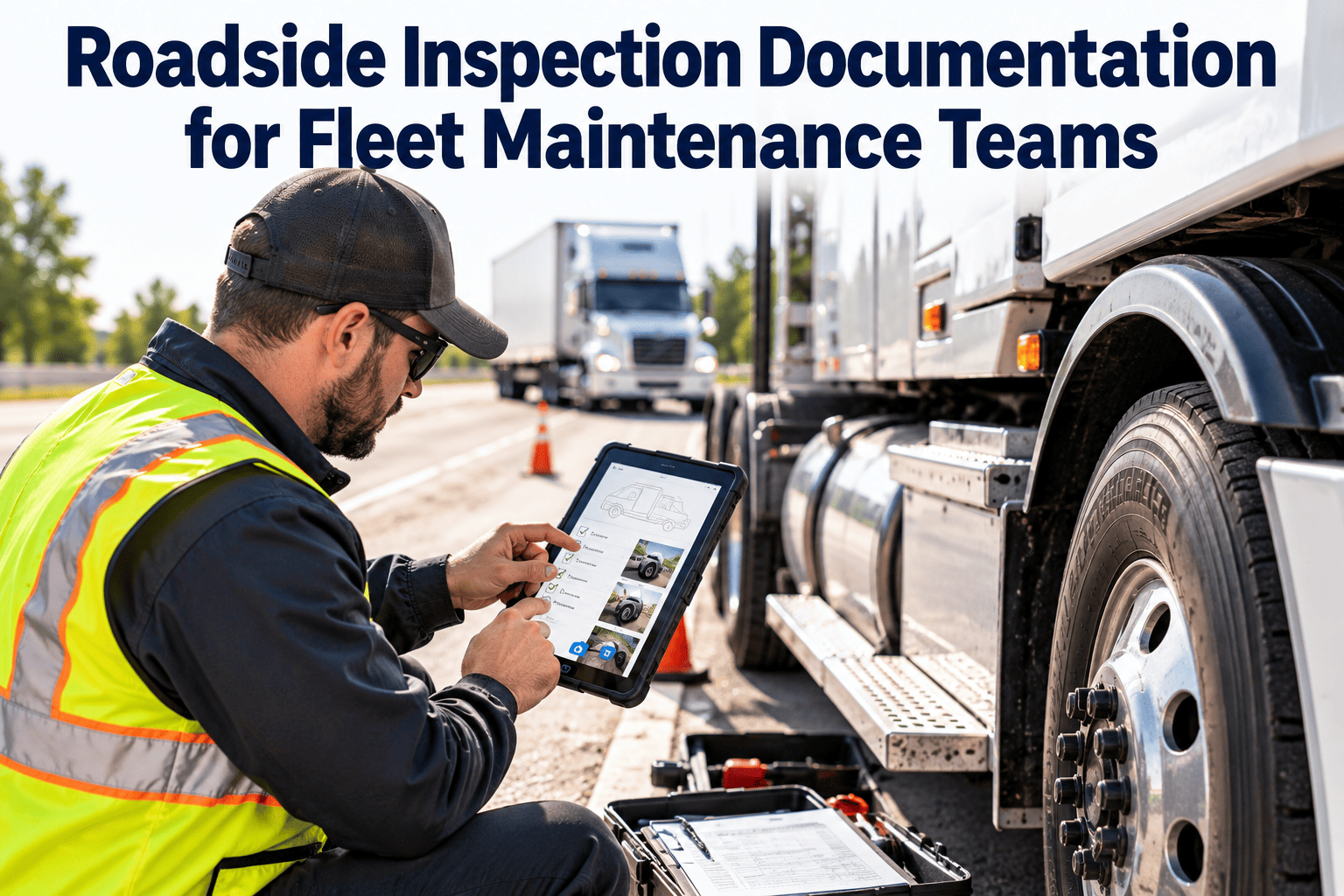
A roadside inspection rarely turns on the truck alone. It turns on what the driver can hand over and what the carrier can produce afterward. When an officer asks for an inspection report, a driver vehicle inspection report, or proof of the last re
Read More
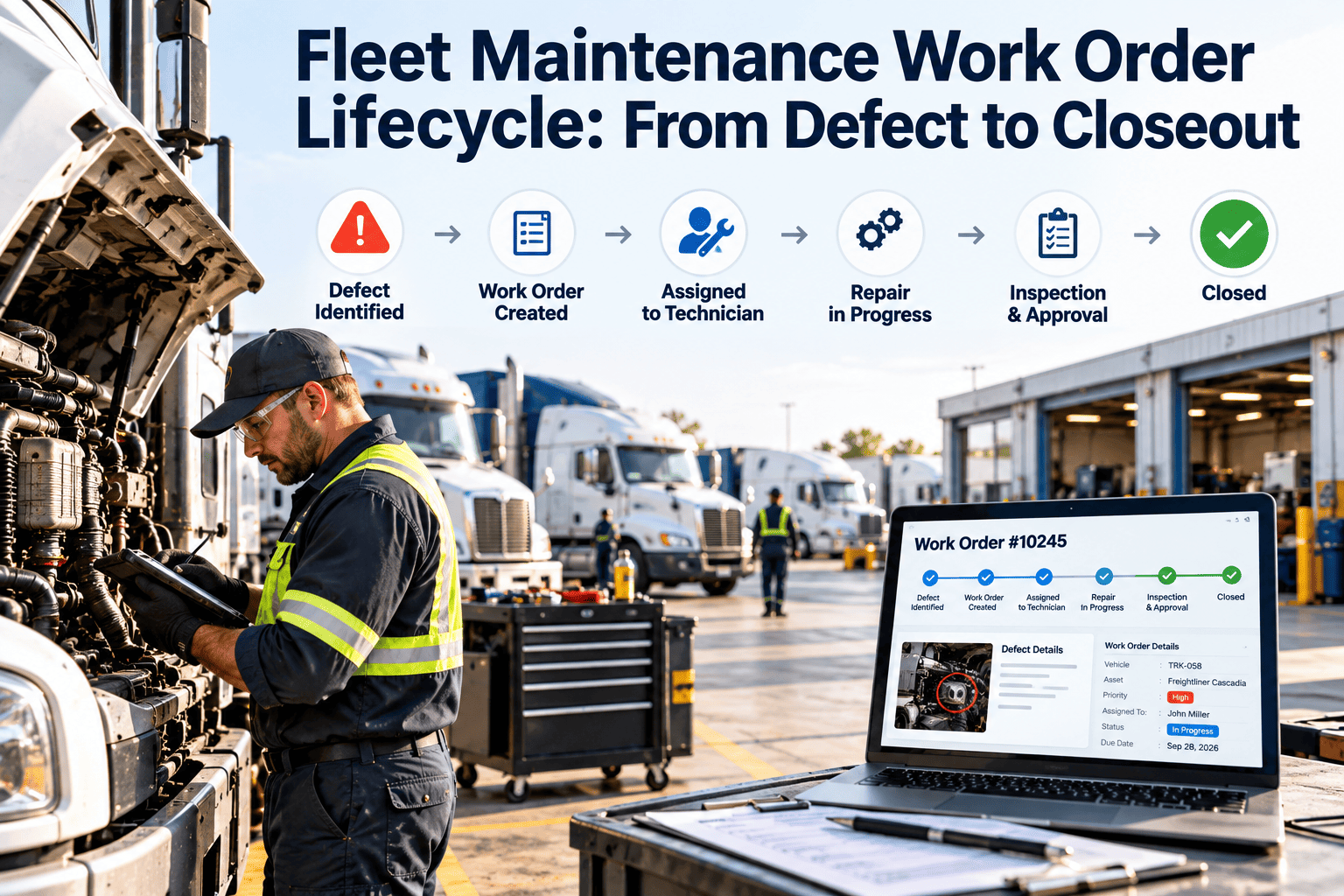
A fleet work order rarely fails at the repair itself. It fails in the handoffs: a driver notes a defect on paper, the note sits on a dashboard, the shop hears about it two days later, and the part is ordered after the truck is already on the lift.

Read More
Fleet managers spend much of the day answering questions that the maintenance data could answer faster: which units are overdue, why is this truck back in the shop, what did the last three repairs cost. An AI maintenance copilot sits on top of tha
Read More
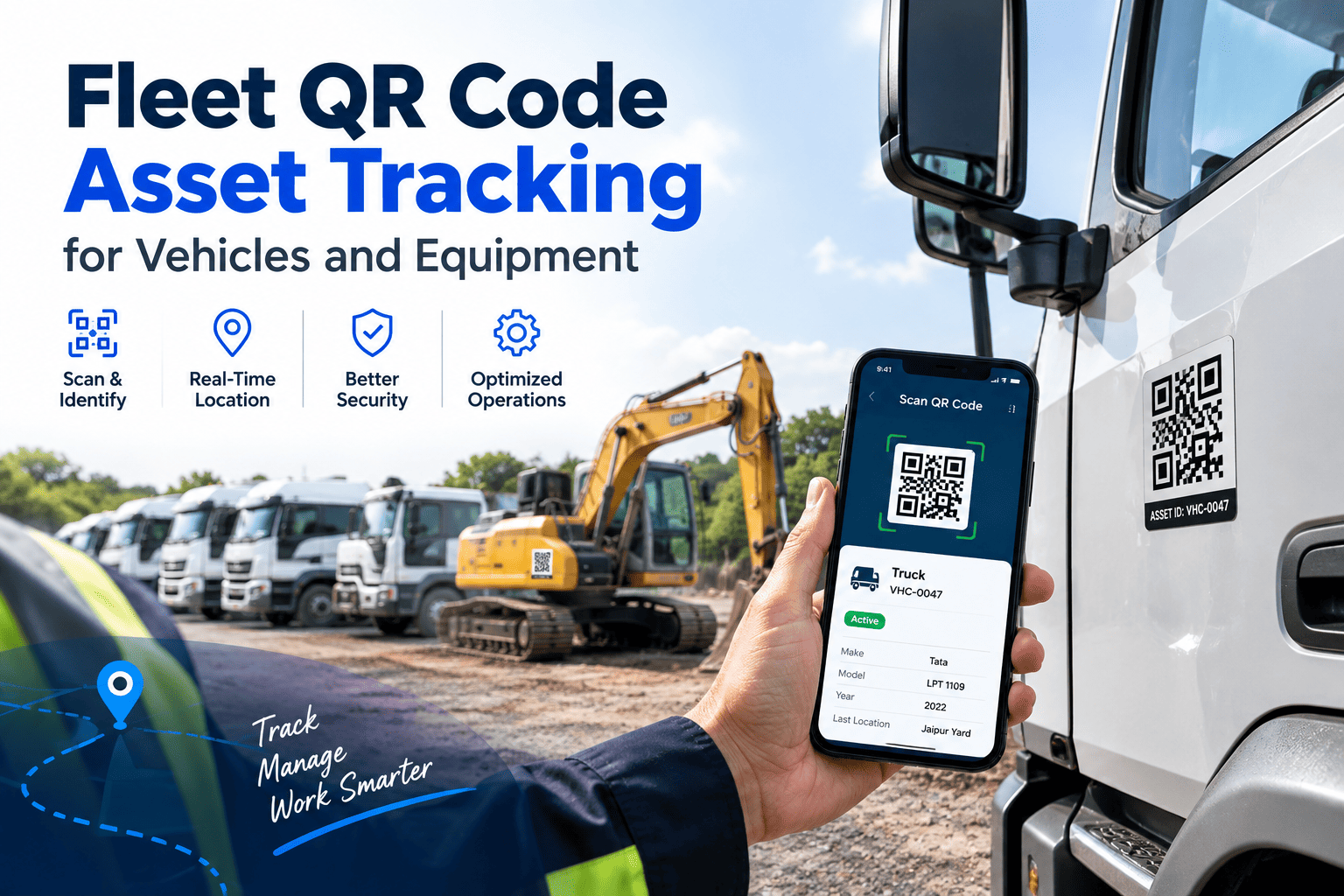
Every fleet has the same quiet problem: the truck in the yard and the record in the system do not always match. Unit numbers get repainted, trailers change hands, and a technician spends ten minutes hunting for the right asset before any work star
Read More
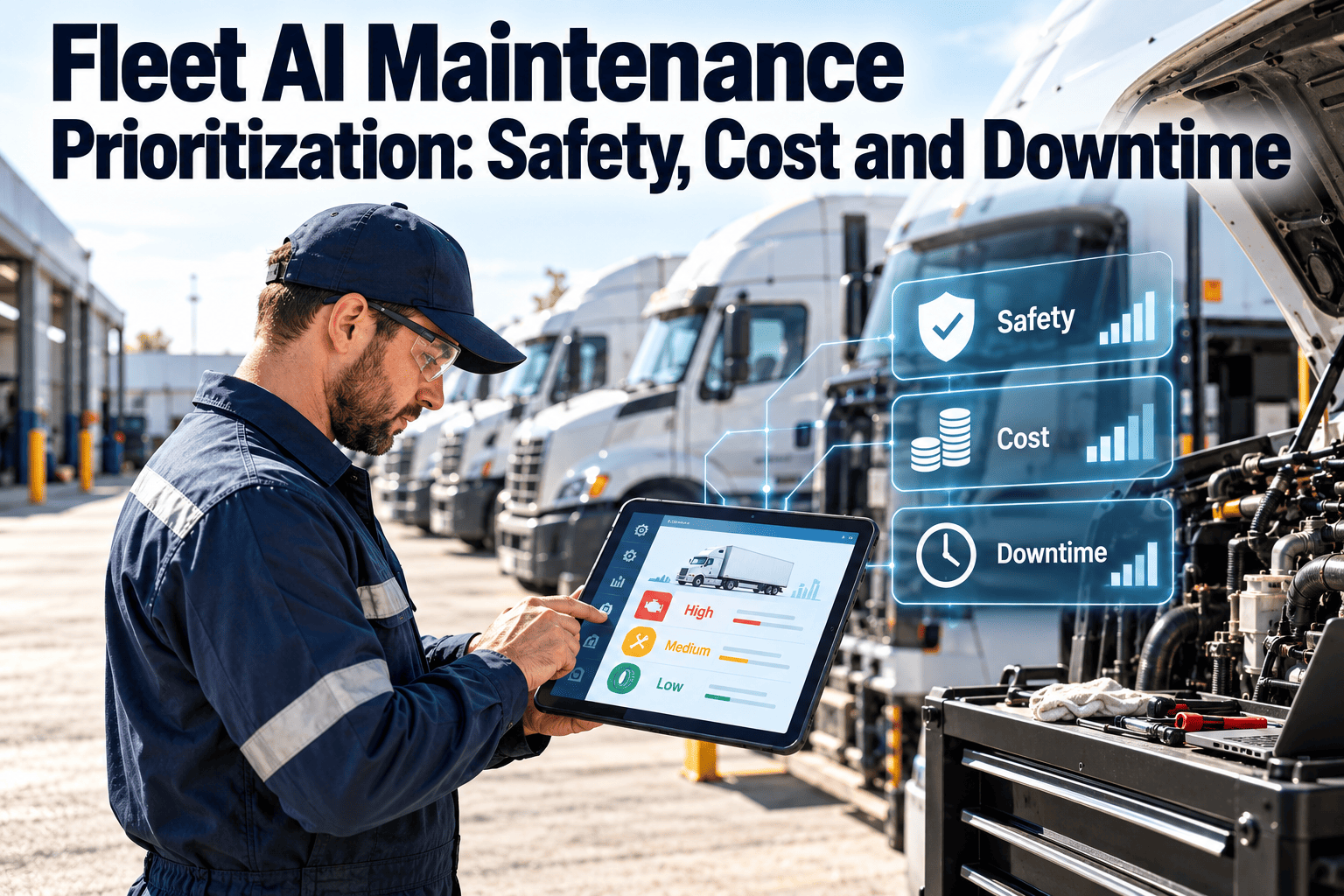
Every fleet shop has more open work than bays and technicians to handle it. Defects come in from inspections, drivers, telematics, and preventive maintenance at the same time, and someone has to decide what gets a vehicle first. Too often that dec
Read More
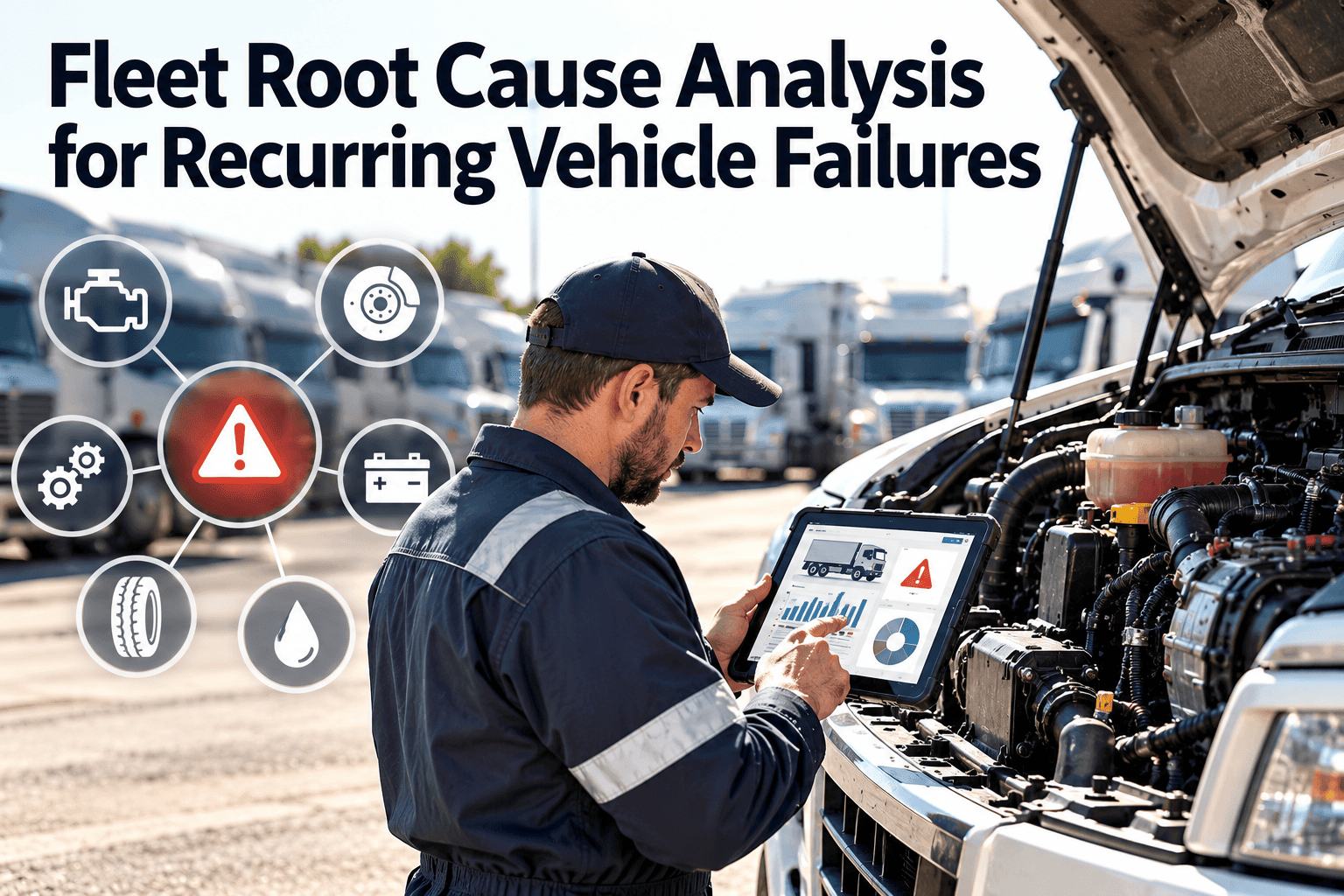
Fleet root cause analysis is the discipline of finding out why a vehicle keeps failing, not just fixing the part that broke this time. A truck that returns to the shop with the same alternator, air leak, or tire wear problem is telling you the fir
Read More
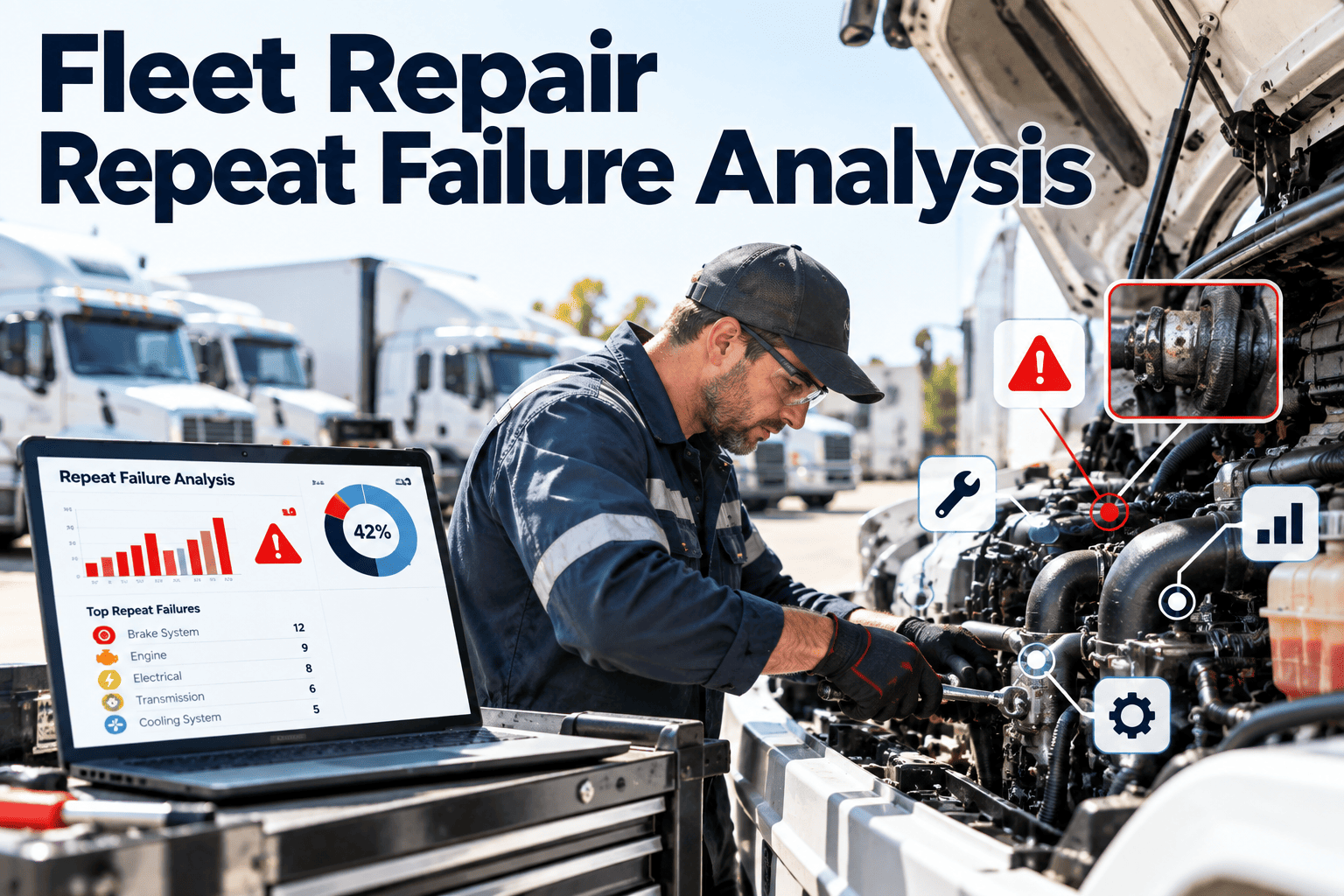
When the same truck returns with the same fault, the first repair did not fix the problem. It only reset the clock. Repeat repairs consume bay time, parts, and driver hours twice, and they erode trust between the shop and operations. Most fleets k

Read More
Lighting is the simplest system on a commercial vehicle to check and one of the most frequently cited at roadside inspections. A single corroded ground, a chafed harness or a cracked lens can knock out a stop lamp or marker circuit, and the driver
Read More
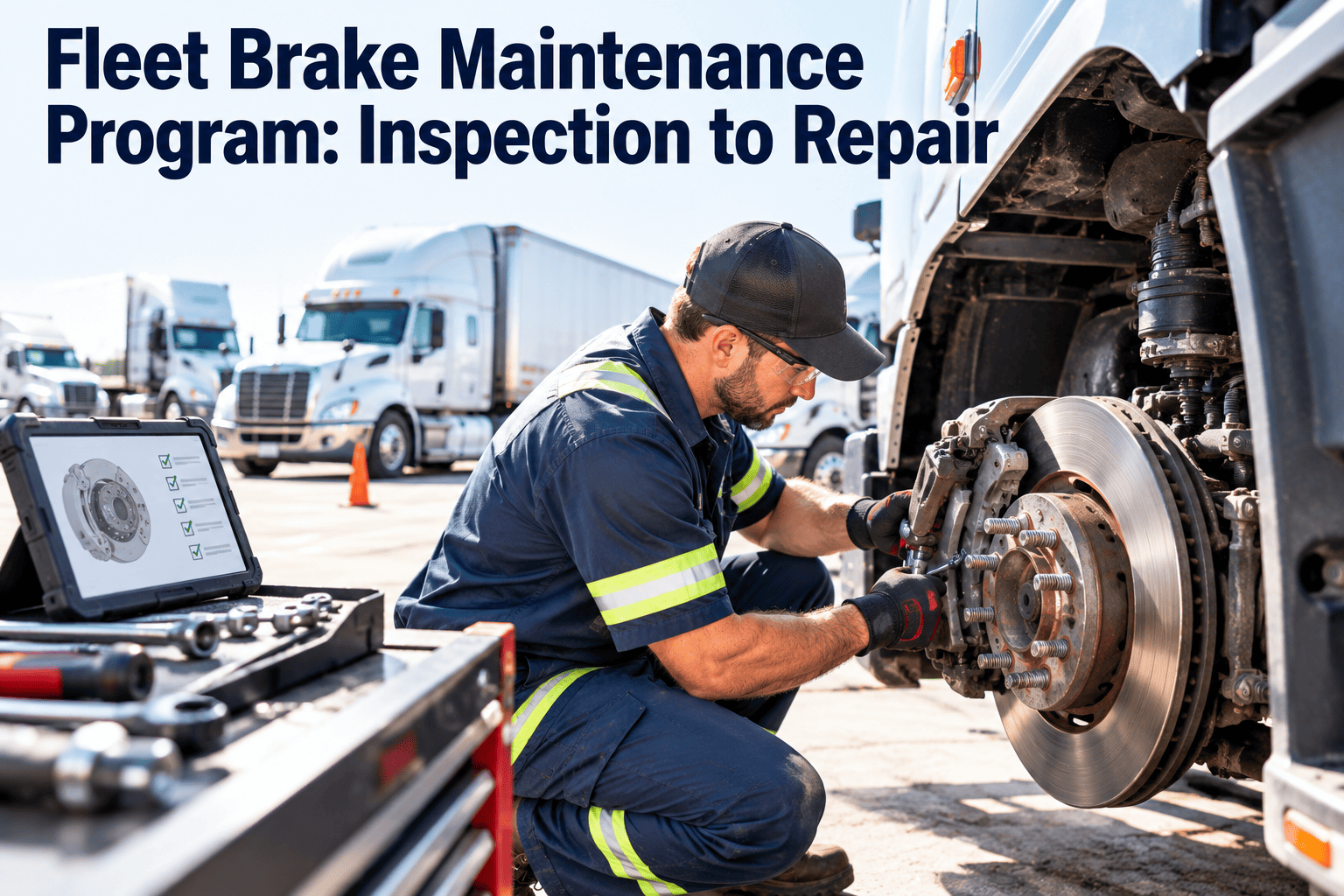
A fleet brake maintenance program is the set of inspections, measurements, repairs, and records that keeps every vehicle able to stop within its design limits. Brakes wear on every trip, so the program cannot depend on memory or a folder of paper
Read More
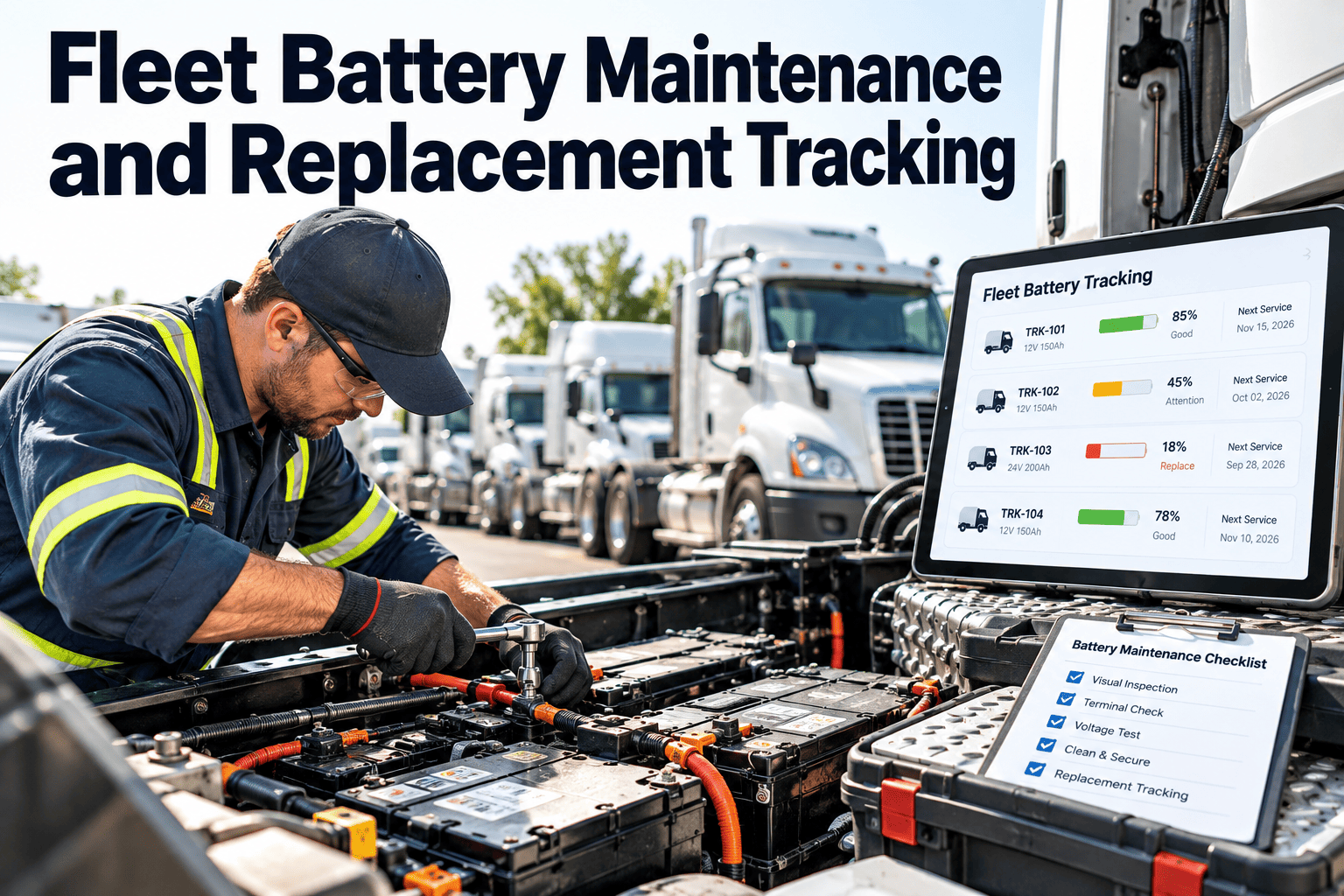
A dead battery is the cheapest component failure that produces some of the most expensive downtime in a fleet. A truck that will not start misses its route, strands a driver, and often triggers a roadside call that costs many times the battery its
Read More
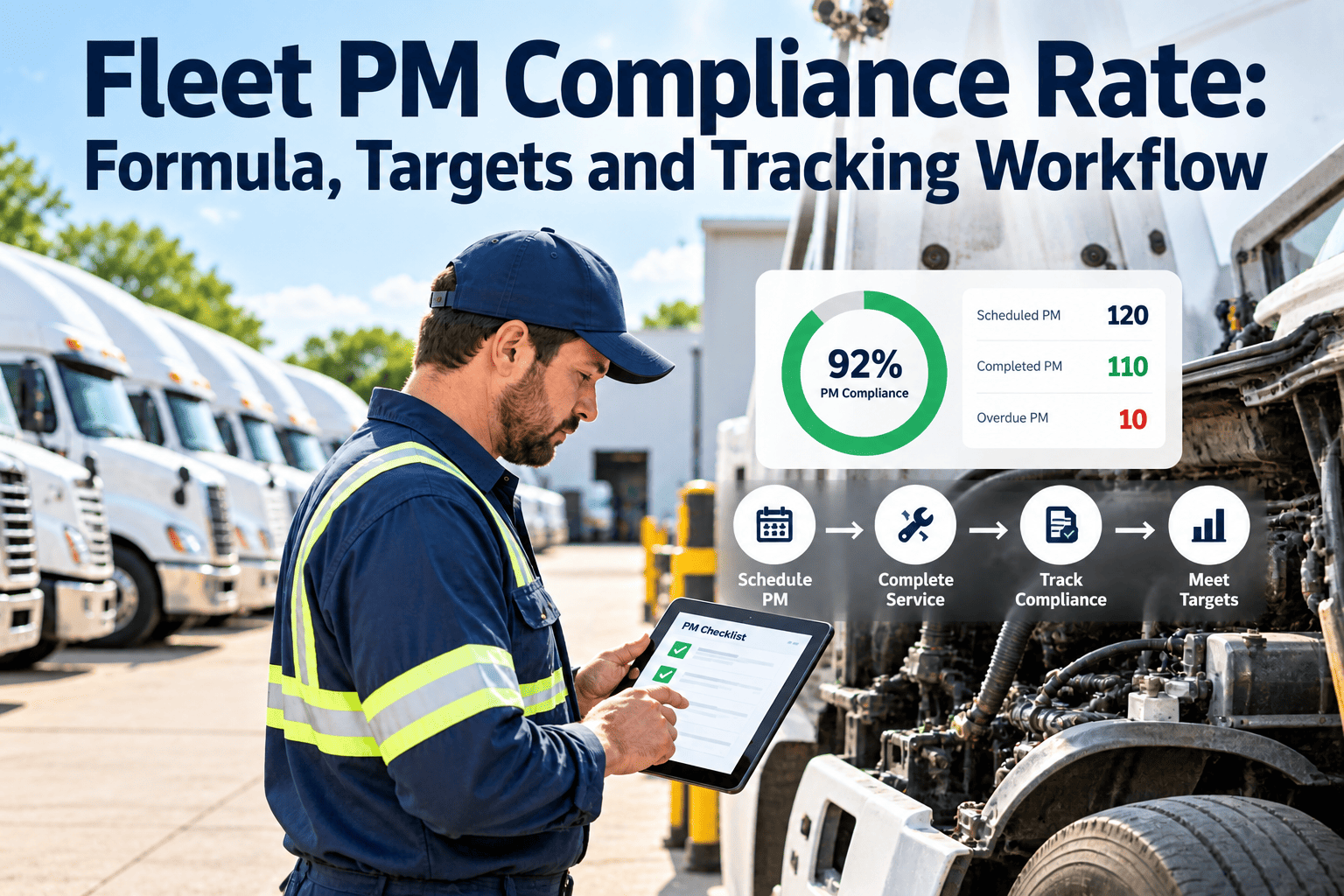
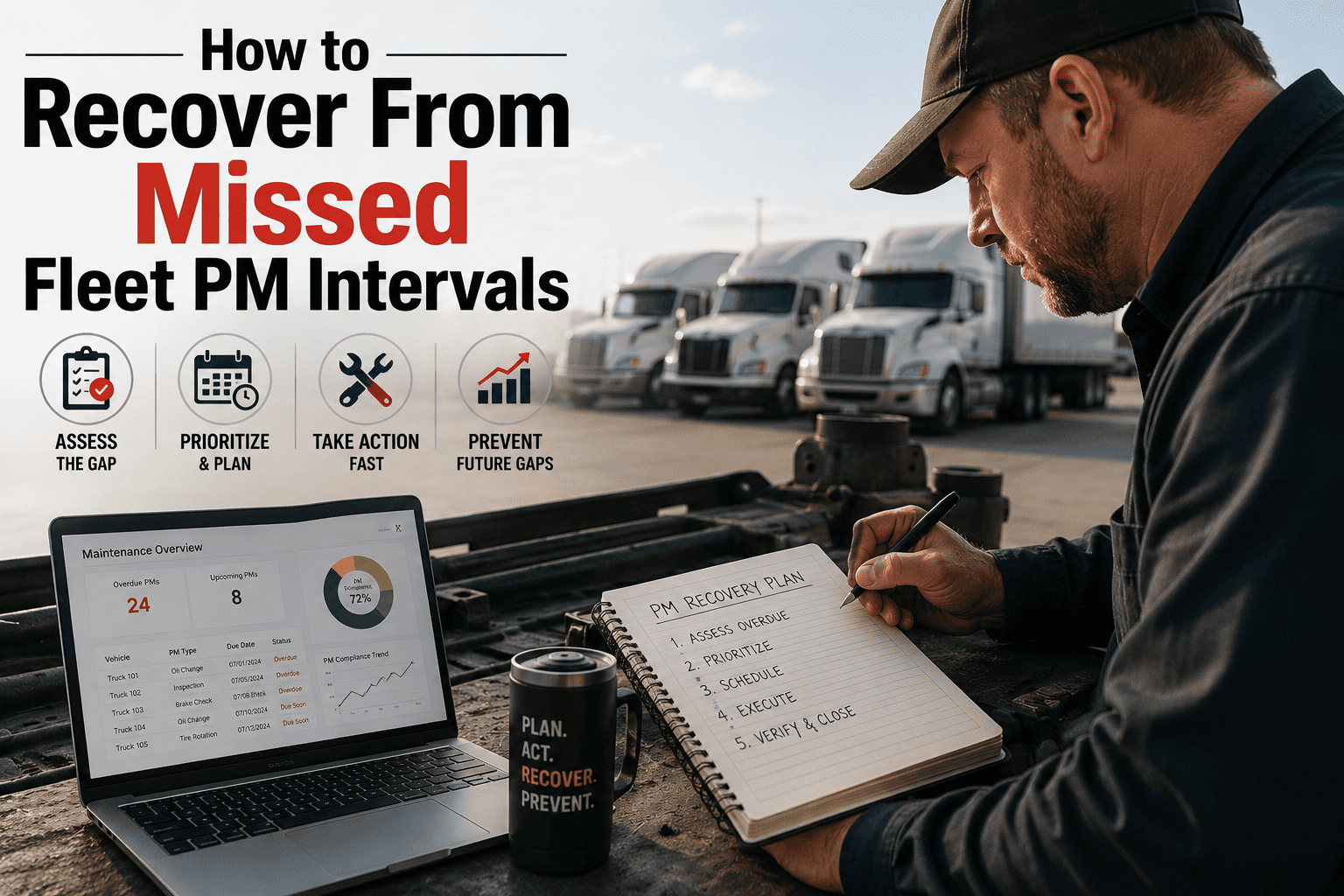
Fleet PM compliance rate tells you how much of the preventive maintenance you promised was actually done, and done on time. It sounds simple, but many fleets calculate it differently, set targets without defining the window, and track it in spread
Read More
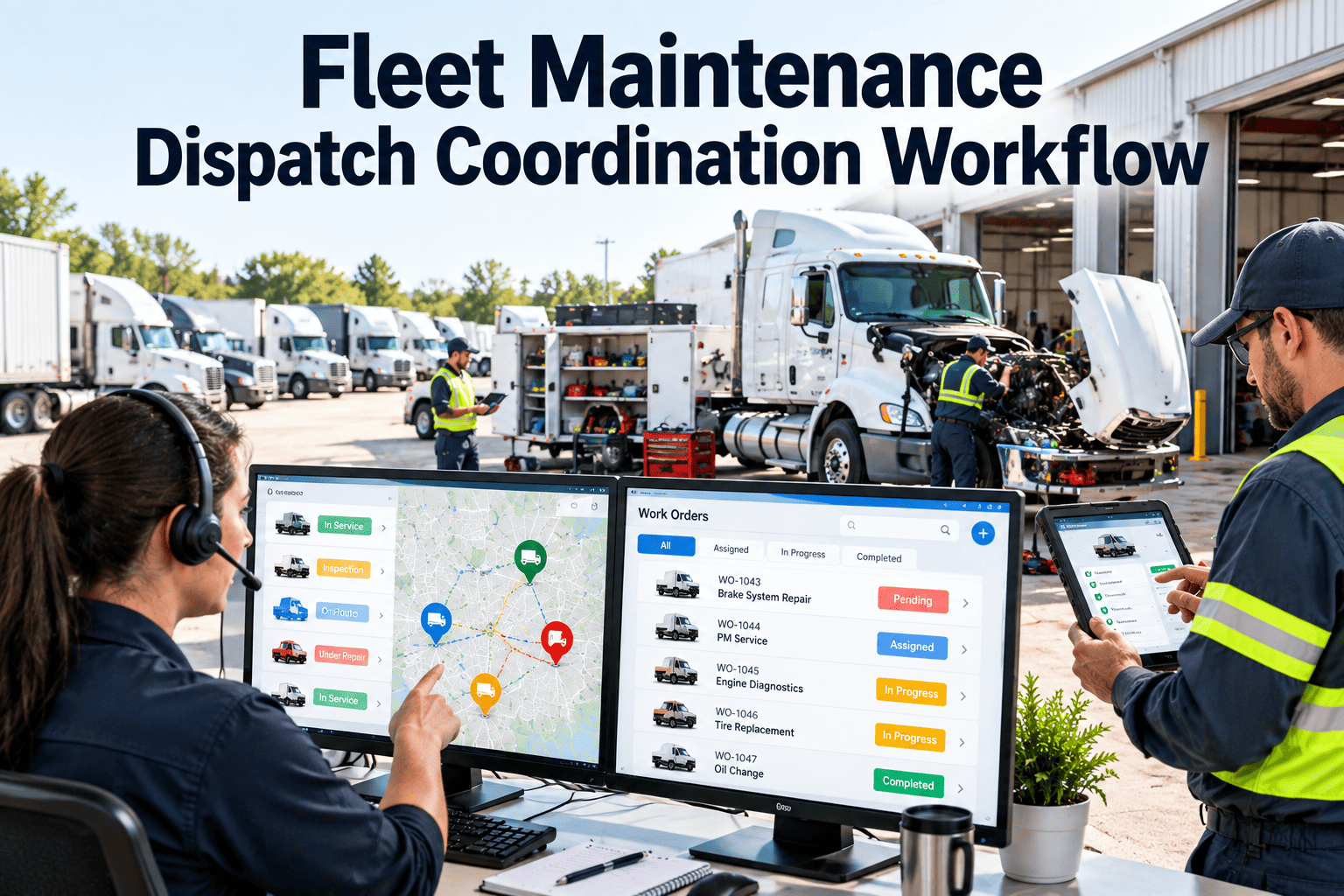
Dispatch and maintenance run on two different clocks inside the same fleet. Dispatch measures success by which vehicles are on the road right now; maintenance measures success by which vehicles get pulled offline before something fails. When those

Read More
Federal rule 49 CFR 396.11 requires a commercial driver to prepare a written report at the end of each day's work, listing any defect that affects safe operation or could cause a breakdown. That single requirement has been met with a paper clipboa
Read More
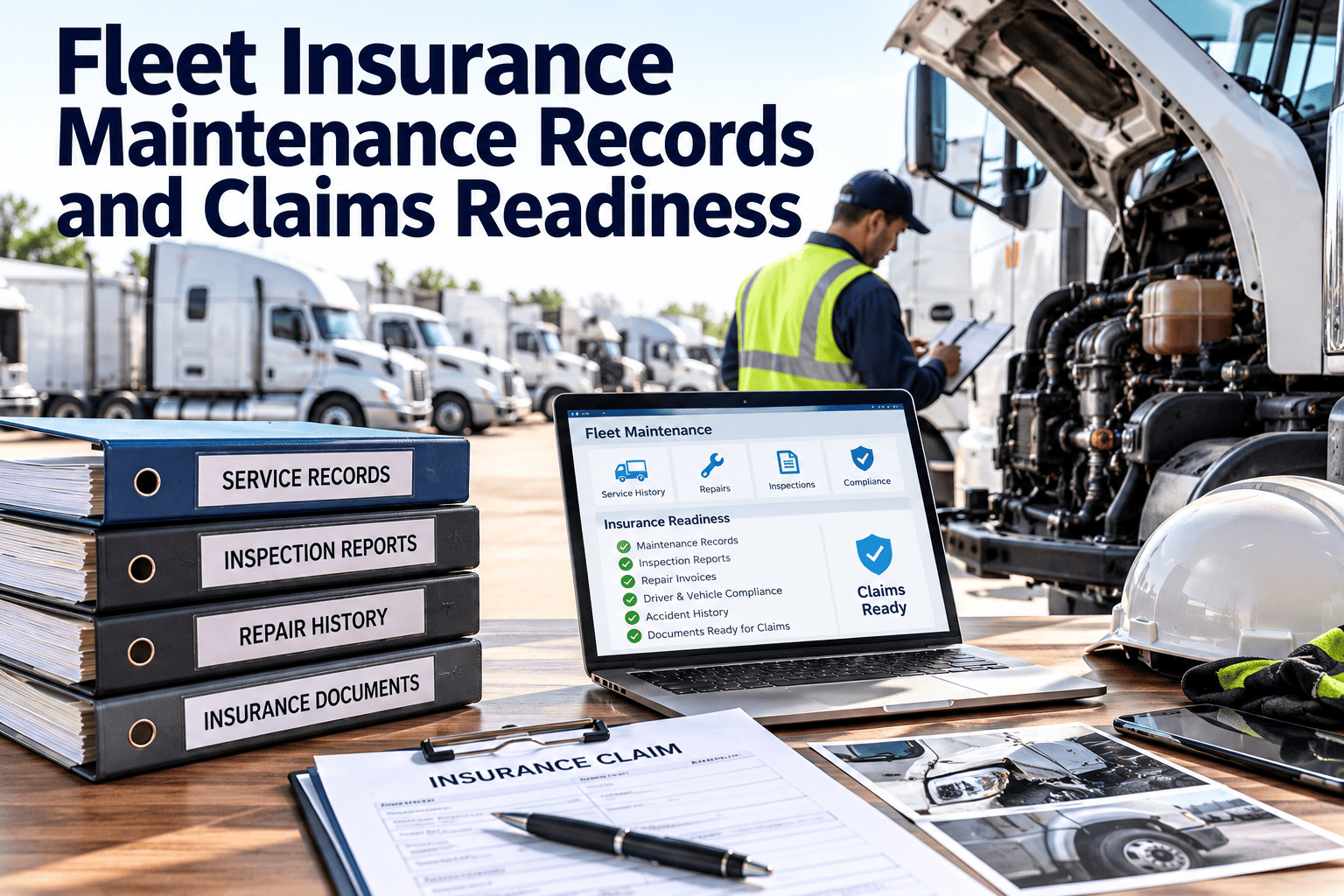
When a fleet vehicle is involved in an accident, the insurance adjuster's first question is rarely about the crash itself — it's about the vehicle's maintenance history. A brake system serviced on schedule and documented in detail can be the diffe
Read More
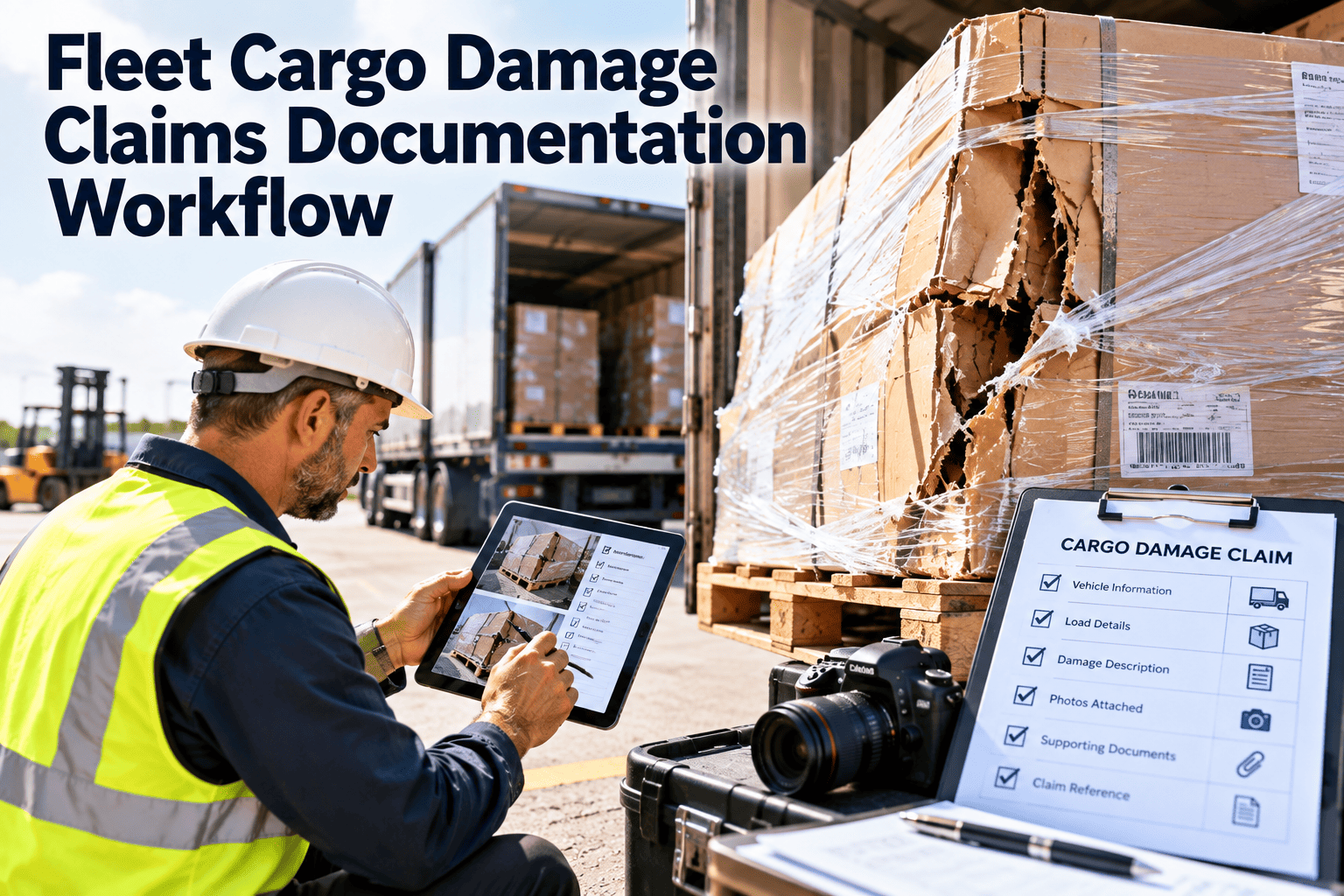
A cargo claim usually isn't lost because the damage wasn't real. It's lost because the paperwork that would have proven it, the bill of lading, the delivery notation, the photo, never made it into one place before the carrier's filing window close

Read More
An excavator that goes down on a jobsite doesn't just sit idle — it stops a dig crew, a paving crew, and every trade scheduled behind them for the day. Construction fleets run a mix of excavators, wheel loaders, dozers, and haul trucks across scat
Read More
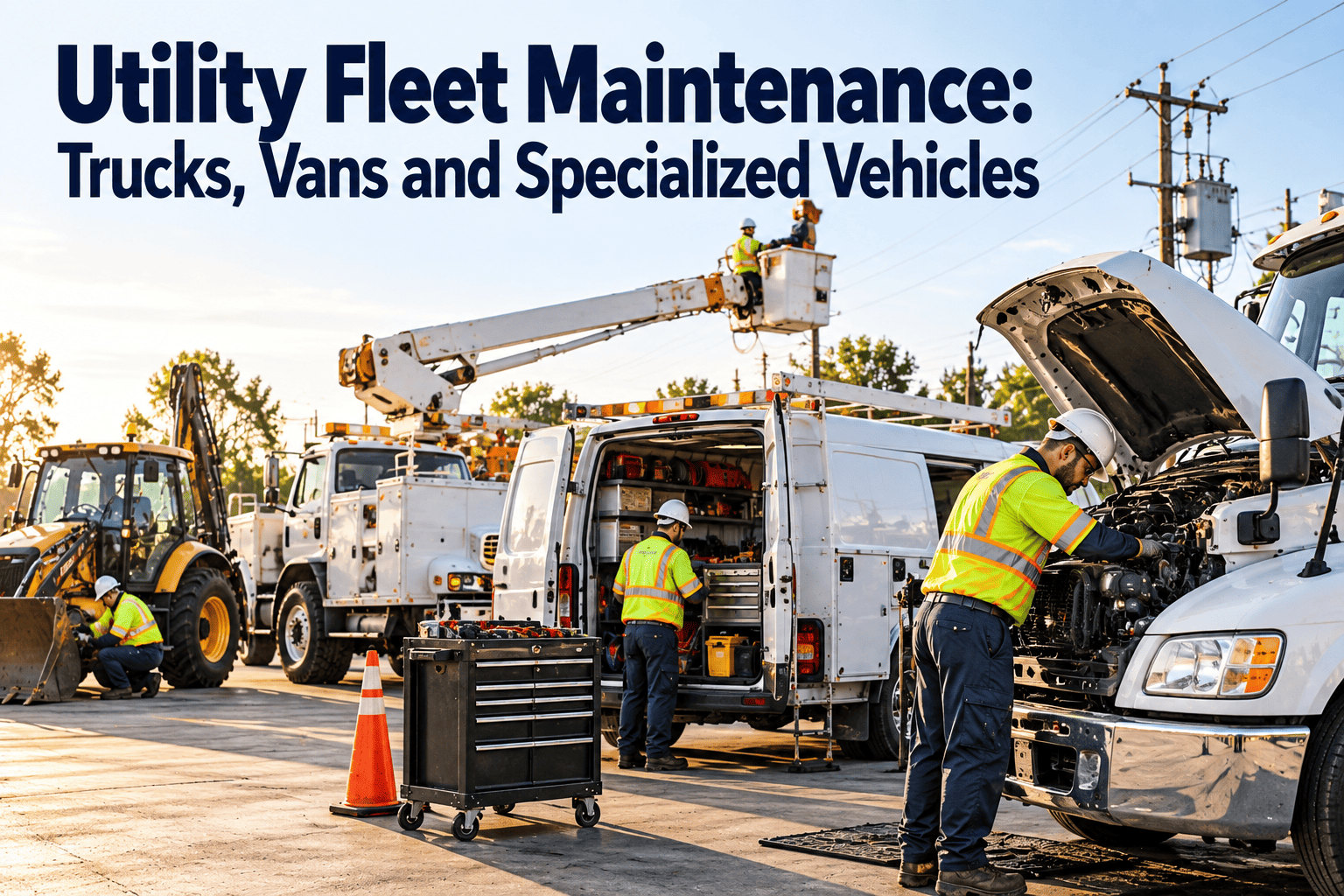
A utility crew truck, a bucket van, and a trailer-mounted generator rarely break down for the same reason, yet most maintenance teams still try to manage them on one generic schedule. Utility fleets combine pickups, service vans, aerial devices, d
Read More
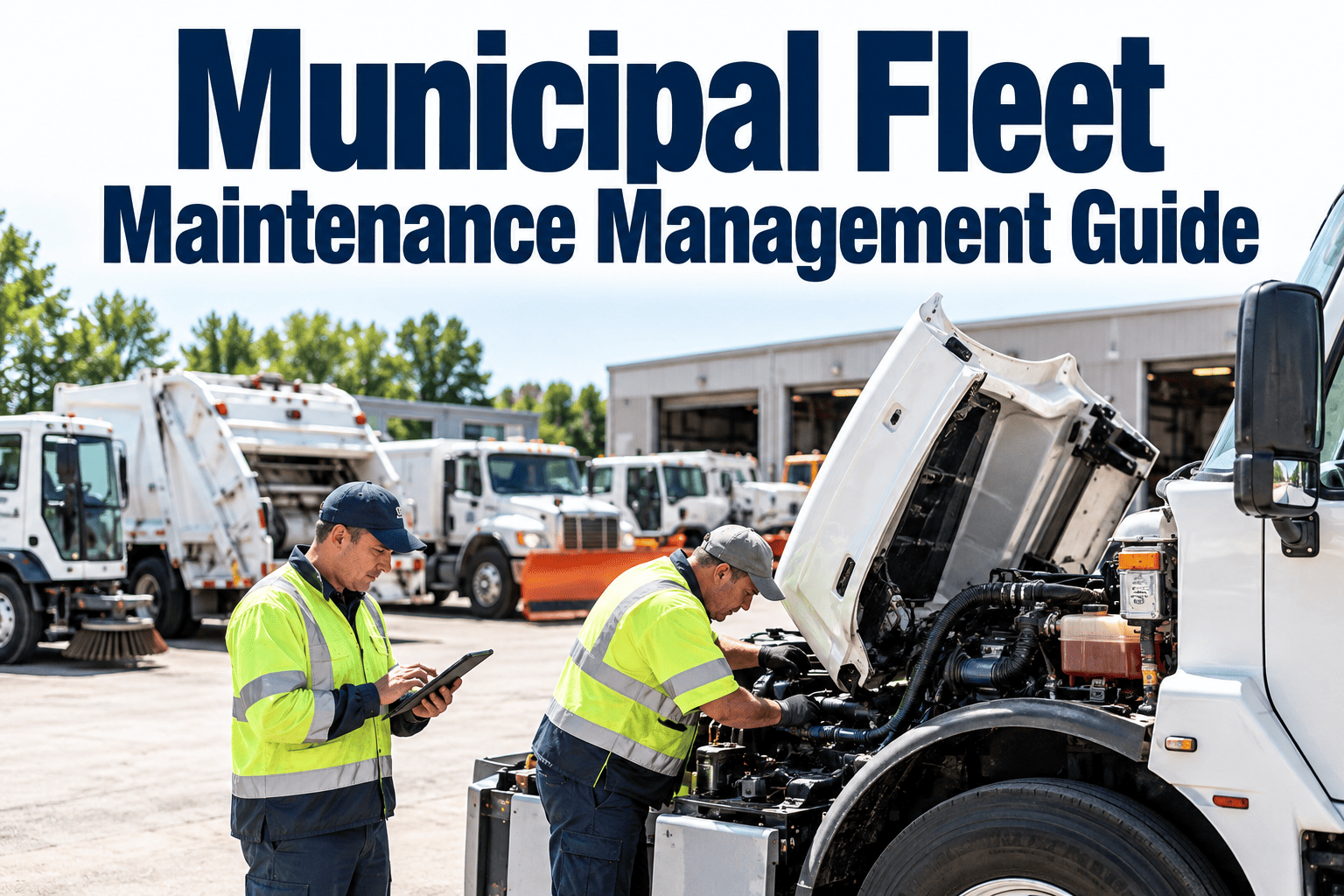
Municipal fleets keep a city running: police cruisers on patrol, sanitation trucks out before sunrise, snow plows staged ahead of a storm, and transit buses carrying thousands of riders a day. When maintenance lags on a fleet like this, the failur
Read More
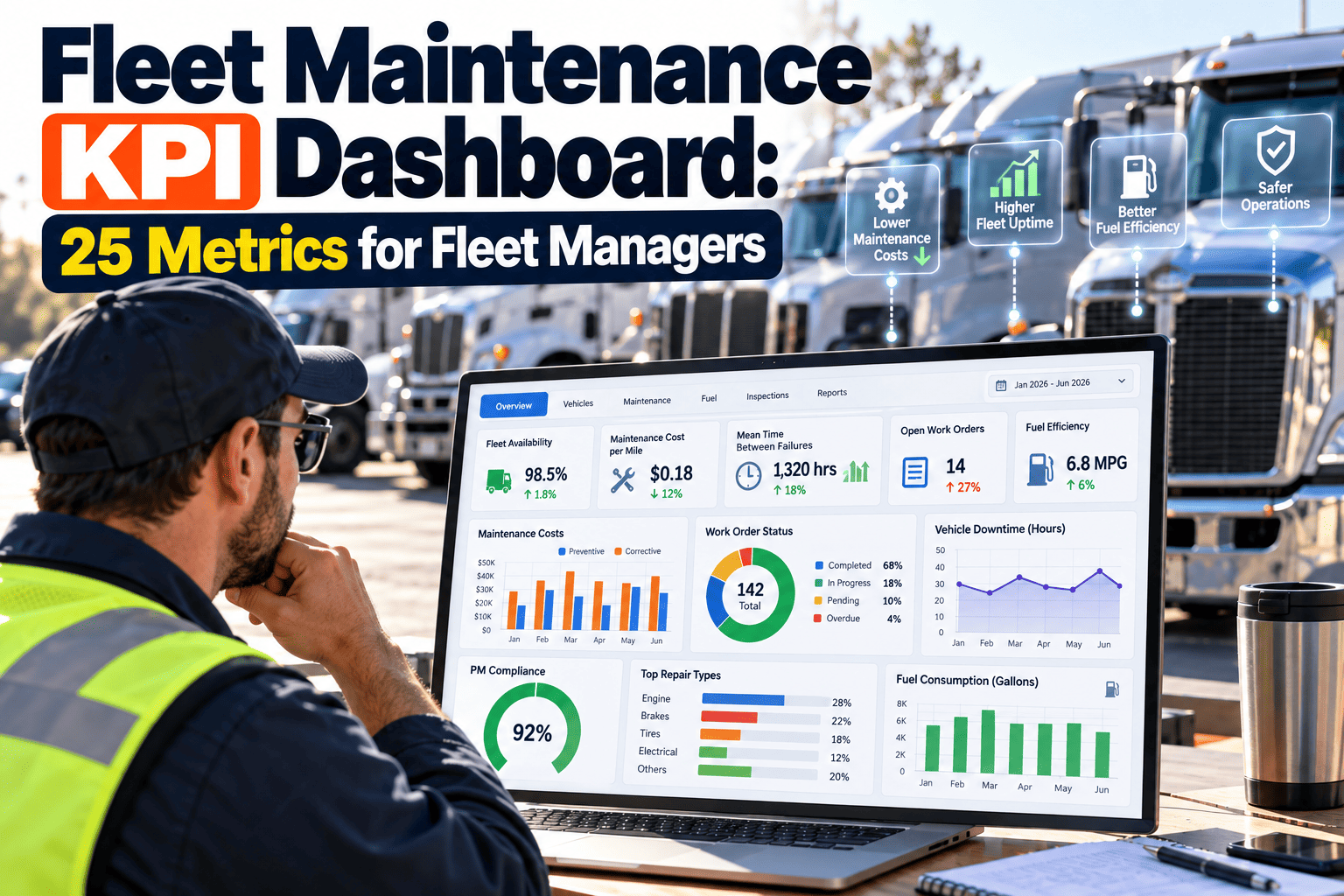
Most fleet managers are drowning in data and starving for signal at the same time. Telematics platforms, fuel cards, and maintenance logs generate more numbers than any single dashboard can meaningfully display, which is exactly why so many fleet

Read More
A vehicle sitting idle in a repair bay looks like it is costing nothing, since no fuel is burning and no parts are being ordered. That impression is exactly why downtime is one of the most underestimated costs in fleet operations — the damage is h
Read More
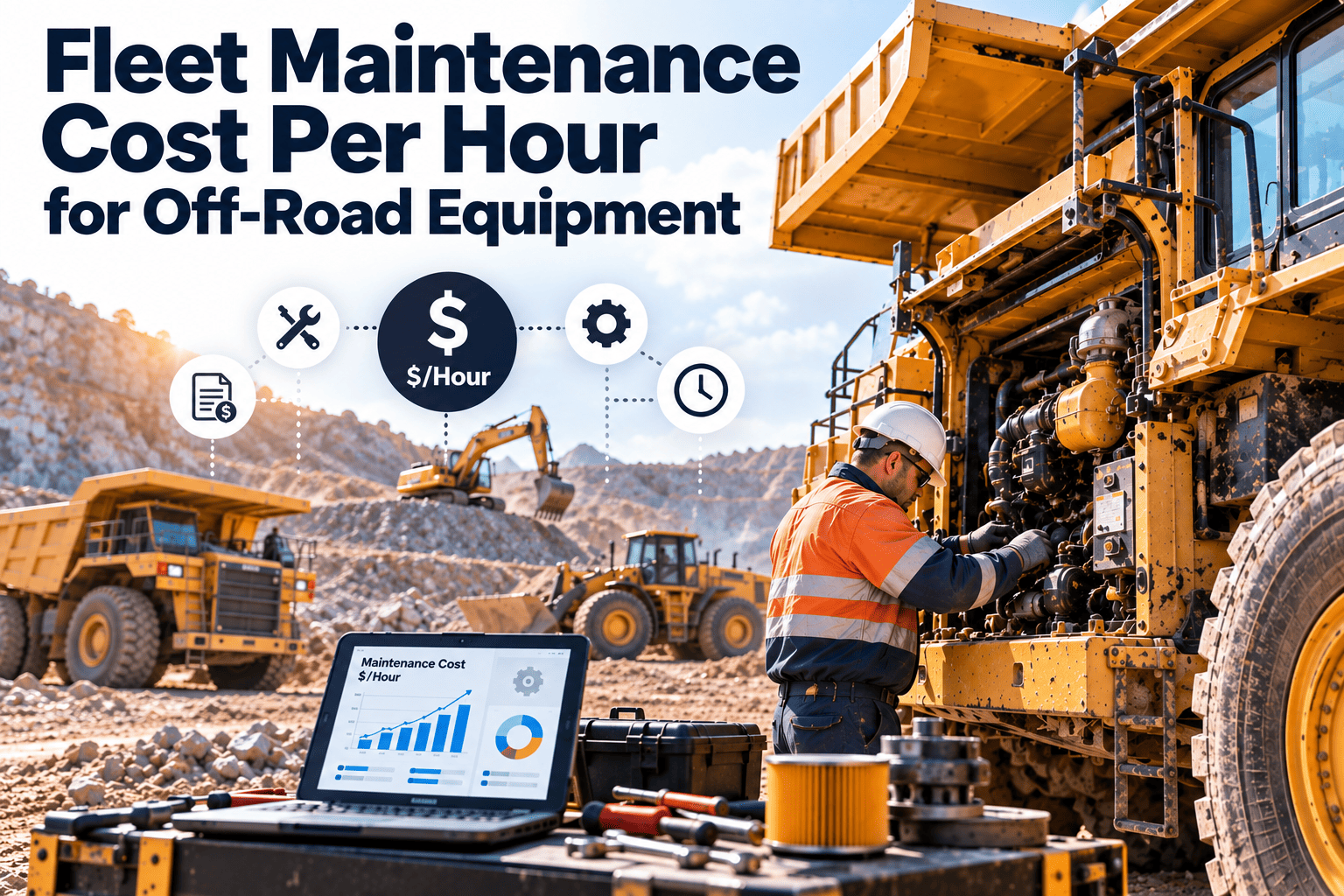
Cost per operating hour is the number that decides whether a piece of off-road equipment is still worth running or ready to be replaced. Unlike a simple repair invoice, it blends labor, parts, downtime, and consumables into a single figure that ca
Read More
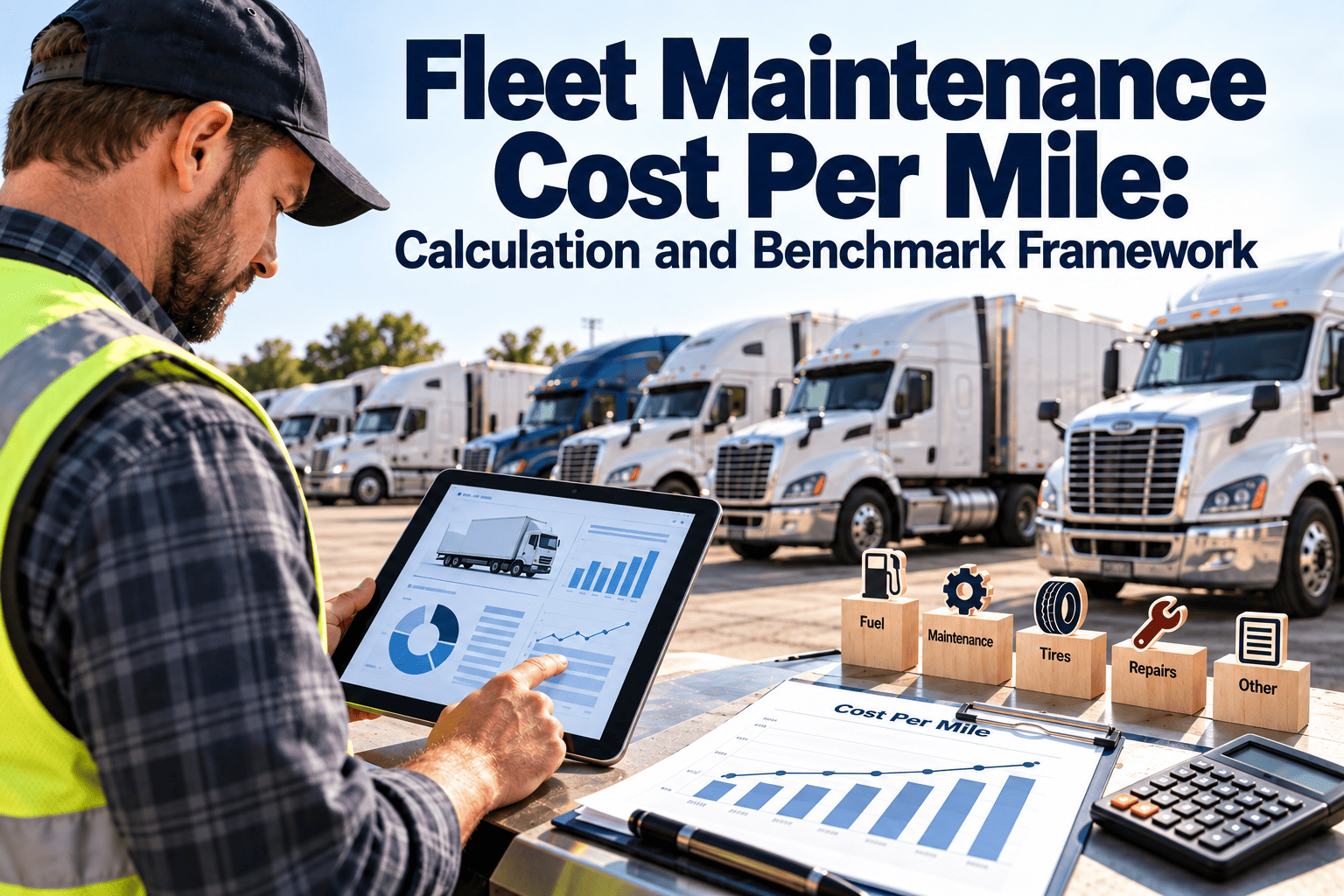
Fleet maintenance cost per mile is one of the few numbers that tells a fleet manager the truth about a vehicle, regardless of how the rest of the budget looks. A truck can appear profitable on a route-by-route basis while quietly bleeding money th
Read More
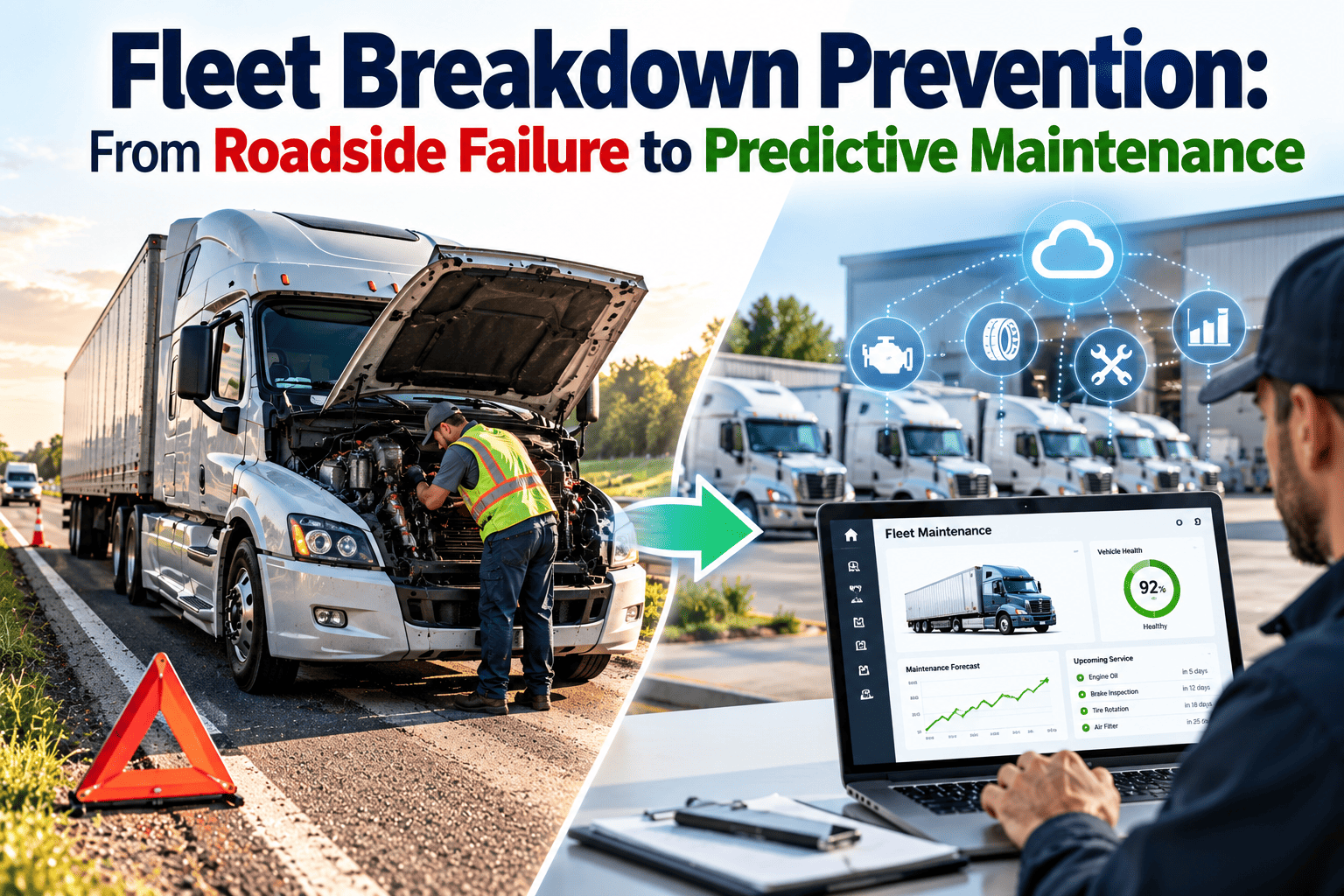
A truck that stops on the shoulder of a highway with a check-engine light rarely fails without warning. Long before the roadside call, a coolant leak develops a slow drip, a belt starts to glaze, or a brake pad wears past its safe margin — and in

Read More
Walking a two-hundred-vehicle yard with a clipboard used to be the only way a fleet manager could know what shape the trucks were actually in. Someone climbed onto trailer roofs, crouched under chassis, and photographed dents on a phone that nobod
Read More
Starting a fleet management business looks straightforward from the outside: buy or lease vehicles, sign customers, put drivers on the road. What actually determines whether the business survives its first eighteen months is something far less vis
Read More
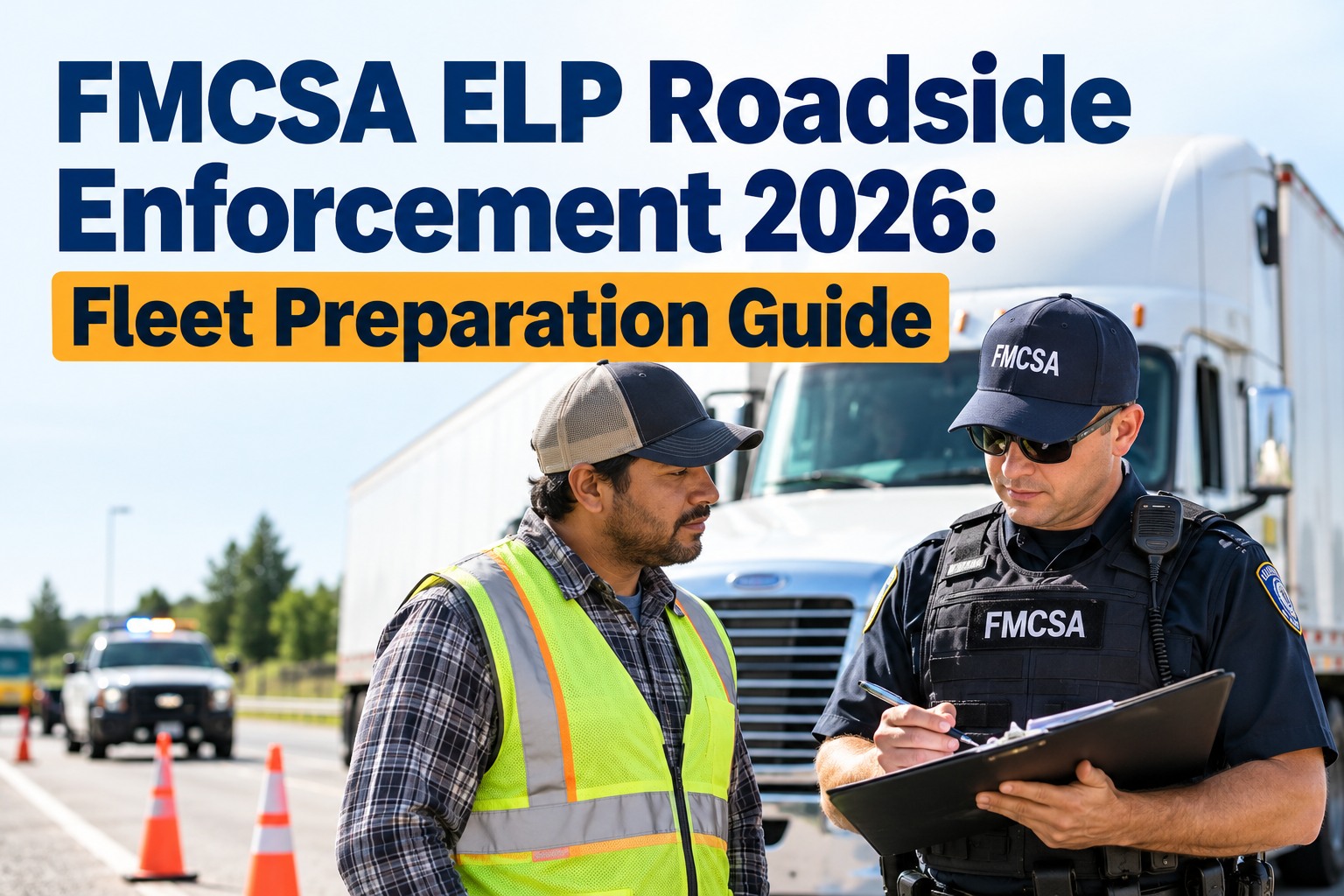
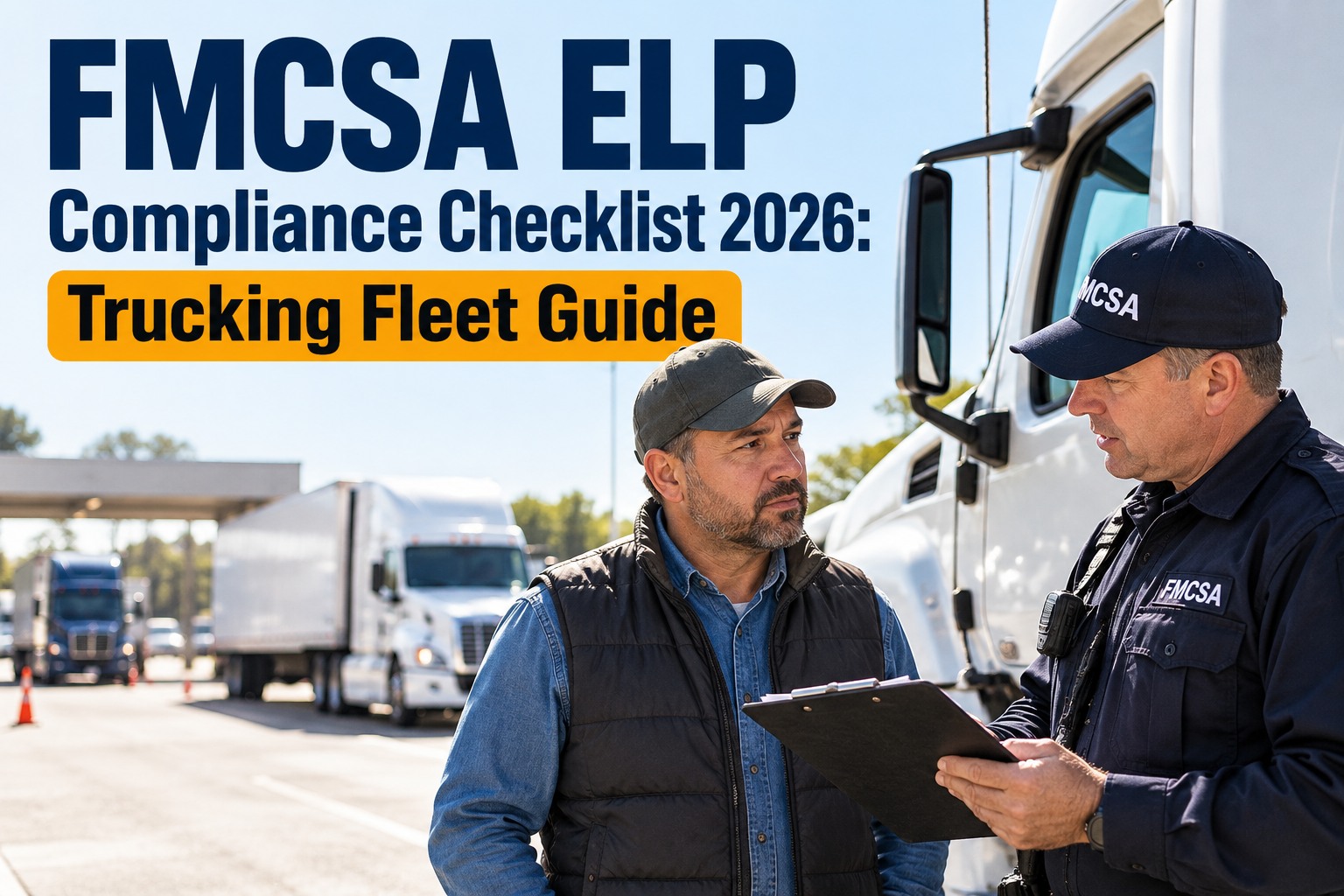
The fleets getting caught out by FMCSA's English Language Proficiency enforcement aren't the ones with unqualified drivers — they're the ones who never checked before the roadside did. With ELP now an out-of-service condition and enforcement opera
Read More
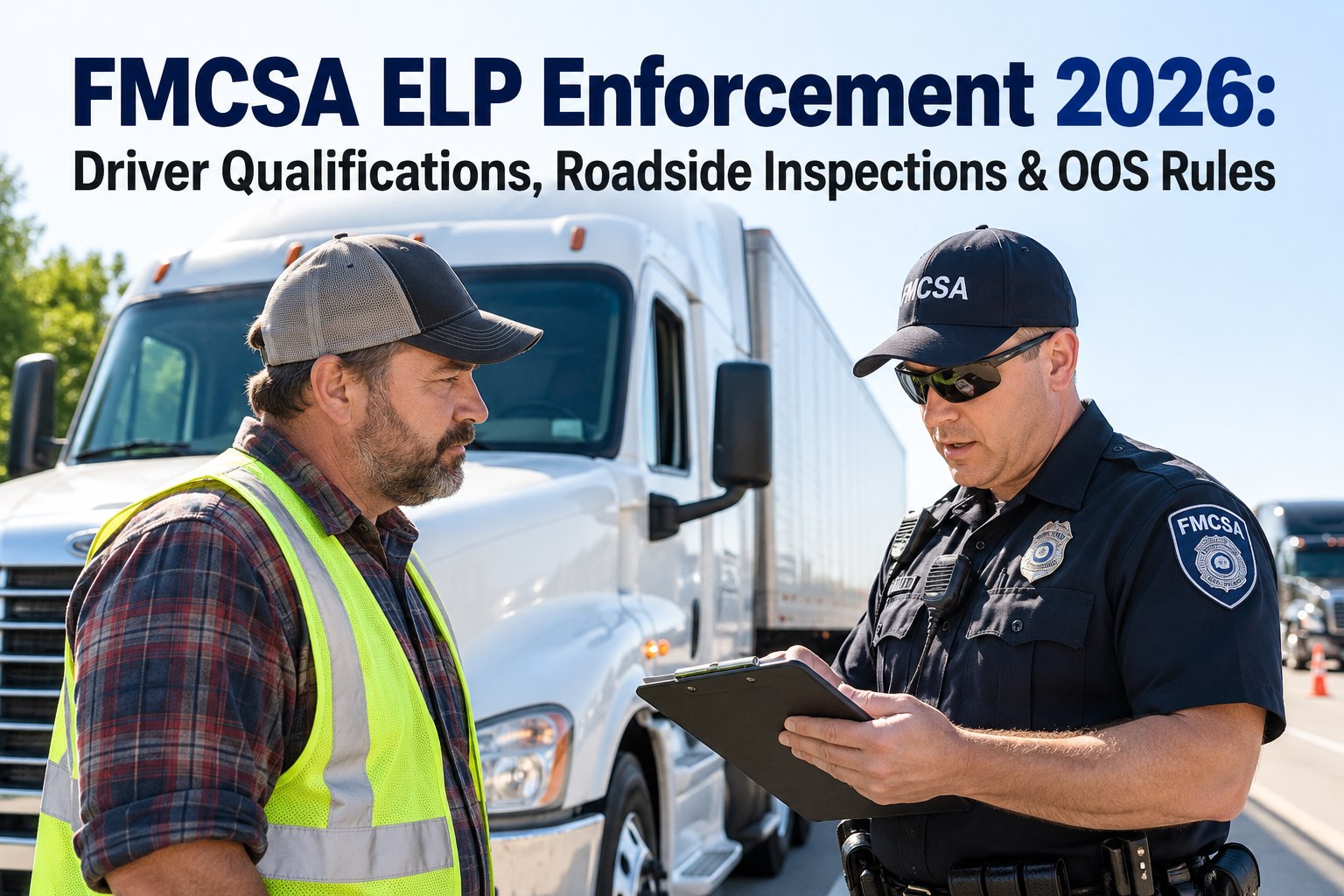
If your trucking company hasn't formally checked its English Language Proficiency (ELP) compliance since the rule became an out-of-service violation in mid-2025, this is the page to work through. A single driver placed out of service at a sc
Read More
In a single three-day operation in January 2026, roughly 500 commercial drivers were placed out of service for one reason: they couldn't demonstrate English language proficiency at the roadside. For nearly a decade that same failure was a citation

Read More
Motor carriers have carried the English-language requirement in their rulebook for decades but in 2026 it carries teeth. Since mid-2025, a driver who can't satisfy the English standard in 49 CFR 391.11(b)(2) at the roadside can be placed out of se

Read More
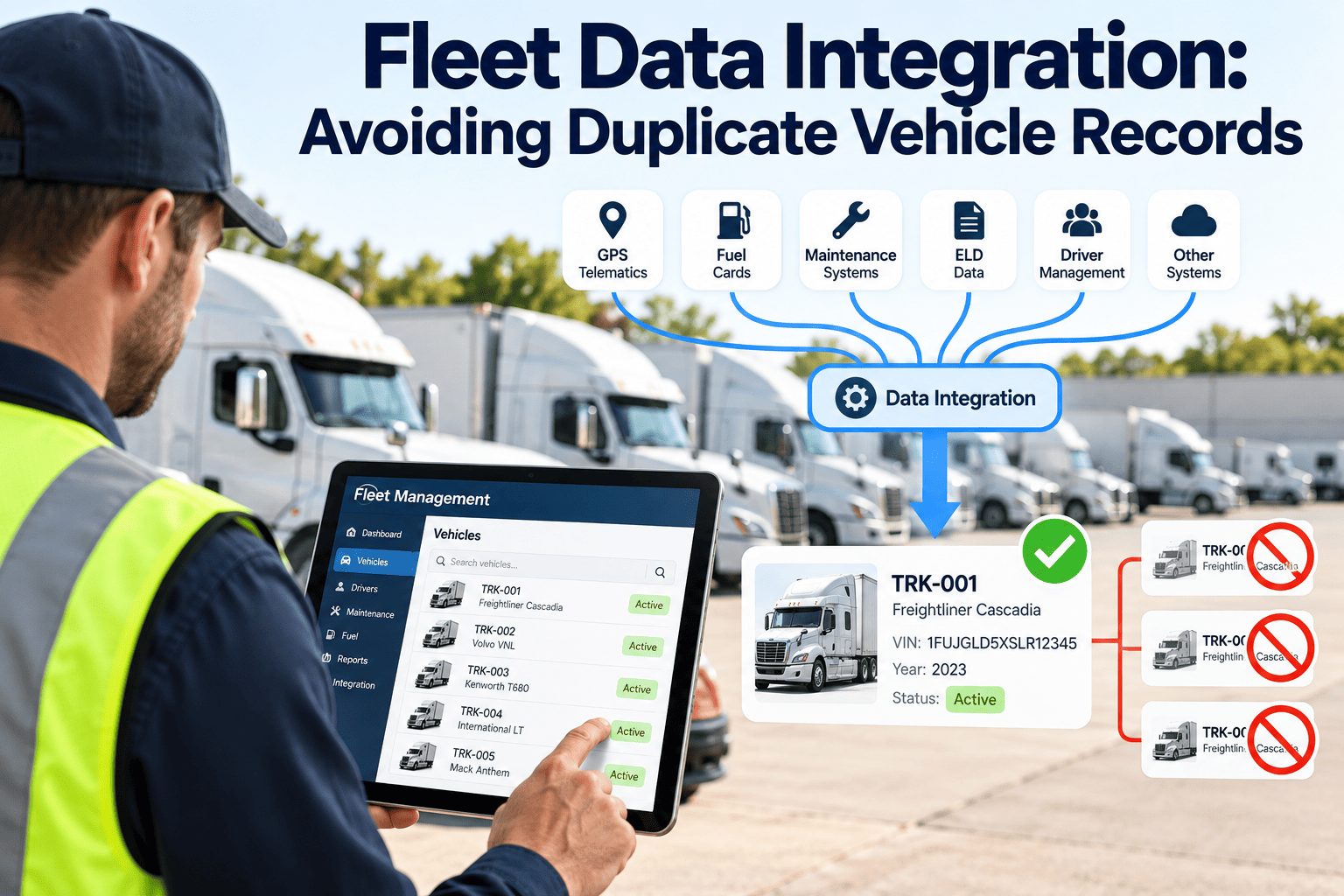
For nearly a decade, an English proficiency violation at a roadside inspection was a citation and little more. That changed on June 25, 2025, when the requirement returned to the out-of-service criteria — and in January 2026, a single three-day en
Read More
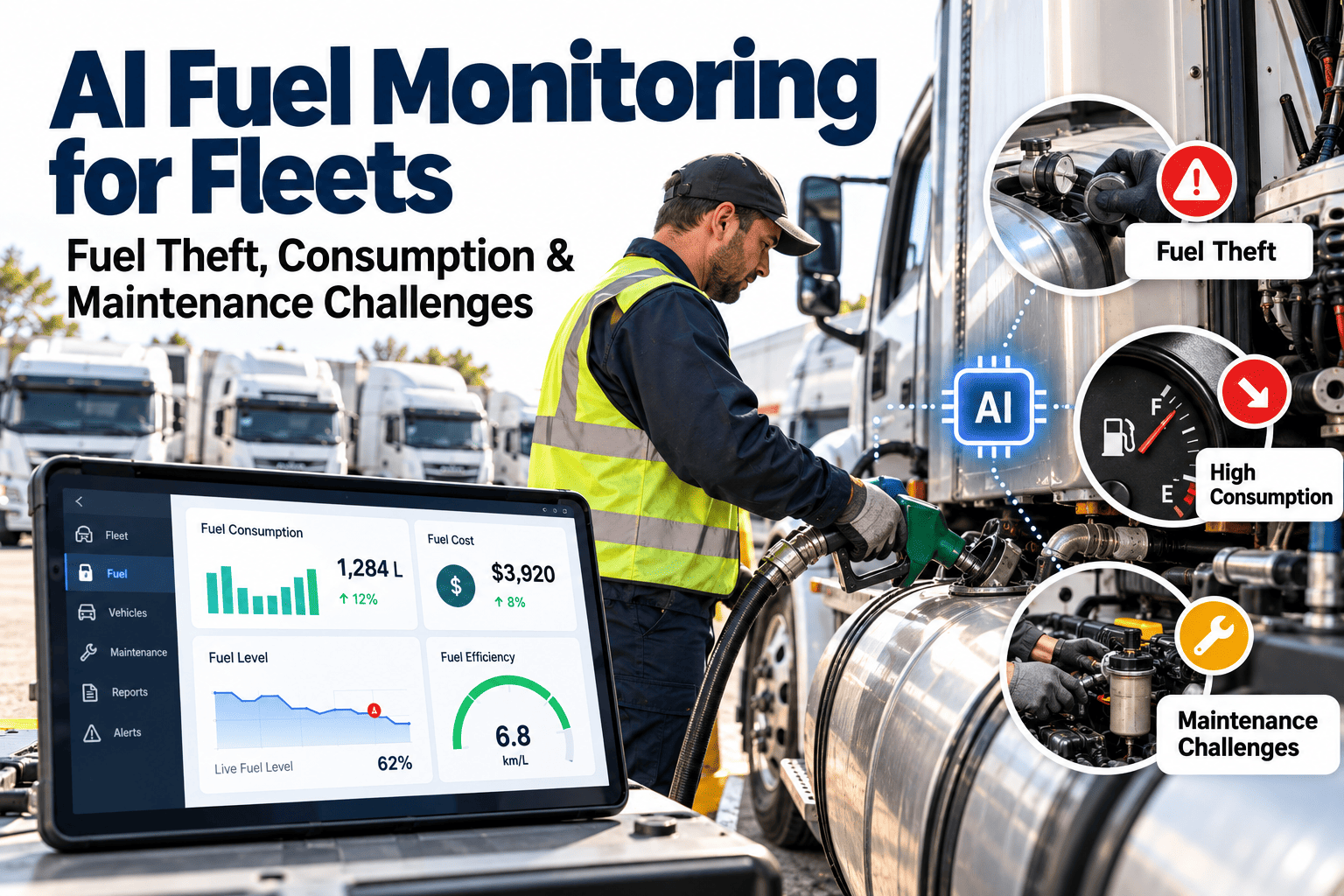
A fleet rarely runs on one system. GPS and telematics live in one platform, fuel cards in another, maintenance records in a CMMS, compliance documents in a shared drive, and every one of those systems has its own way of identifying a vehicle. The

Read More
A trailer with a live GPS feed, a truck reporting engine fault codes over J1939, a fuel card processor logging every diesel purchase, and a parts supplier confirming stock levels are all generating maintenance-relevant data every hour of every day
Read More
Fuel is usually a fleet's largest or second-largest operating expense, often running 30% or more of total costs, which makes it the line item most worth scrutinizing — and the one most fleets still review only once a month, long after theft or a f
Read More
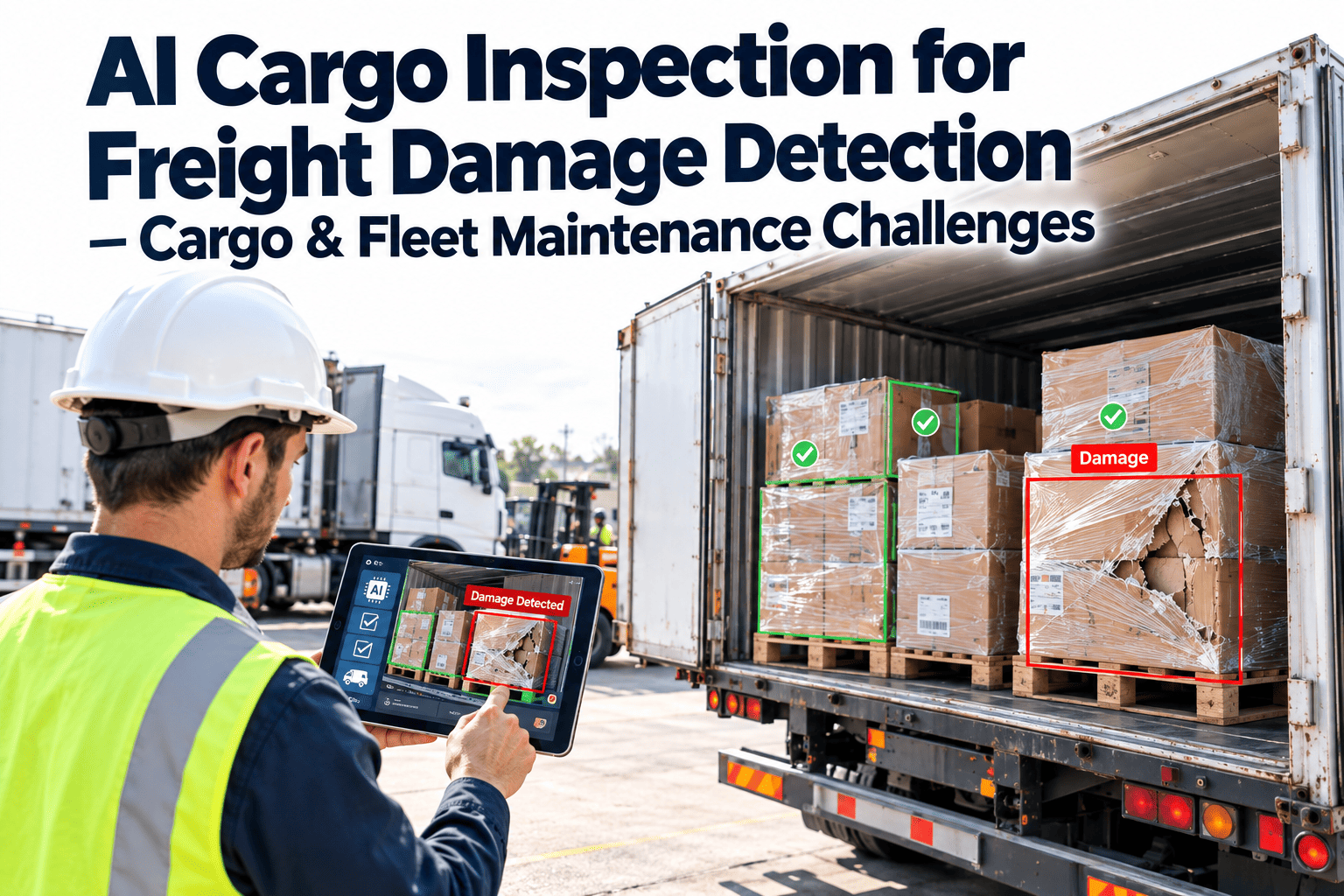
Most cargo damage claims are not caused by a collision or a dropped pallet — they come from damage that was already present when a load changed hands, with nobody able to prove when or where it happened. A driver signs a bill of lading without ins
Read More
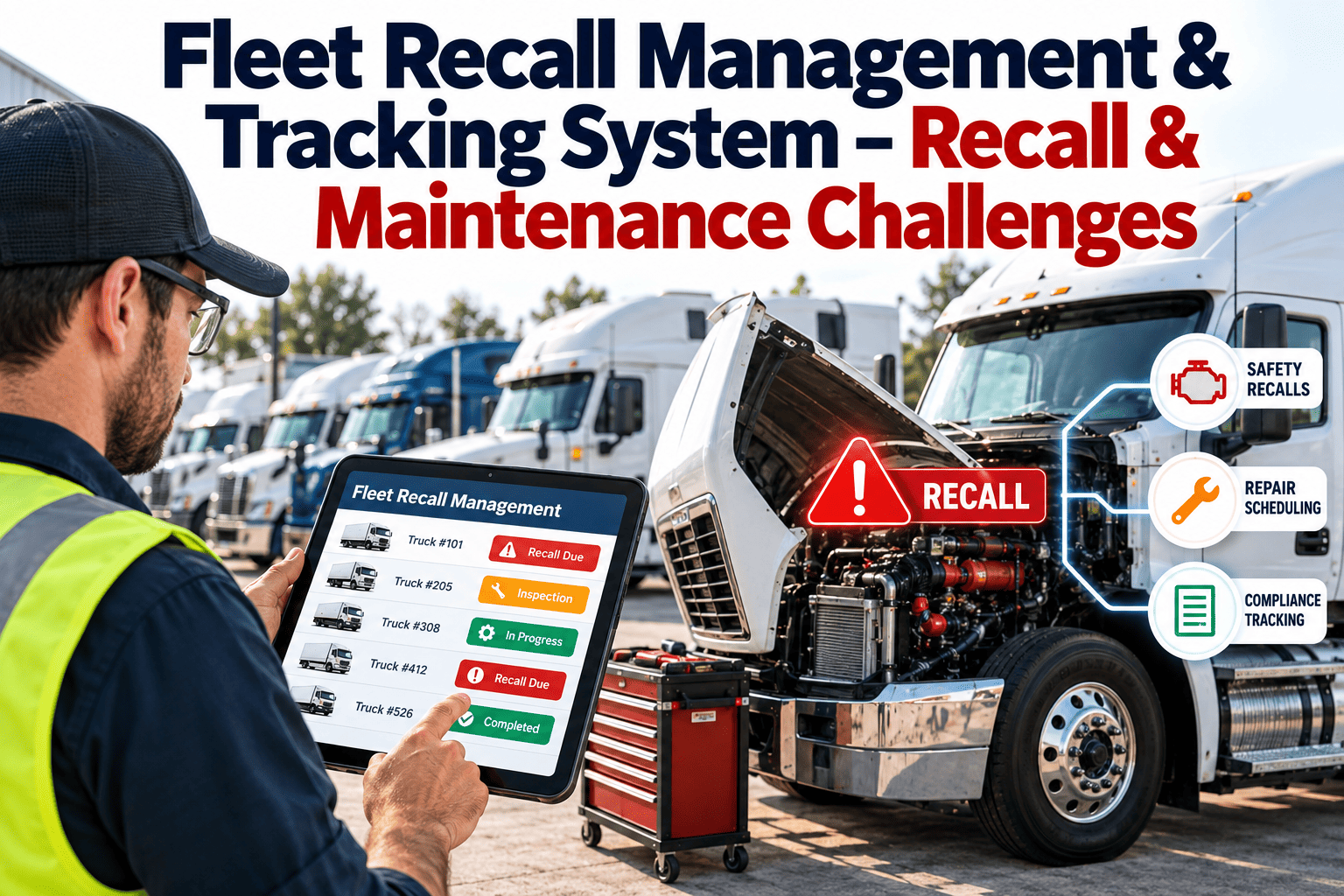
Vehicle safety recalls are climbing across every commercial segment as emissions systems, braking electronics, and software-controlled components grow more complex, and most fleets discover just how exposed they are only when a compliance review o

Read More
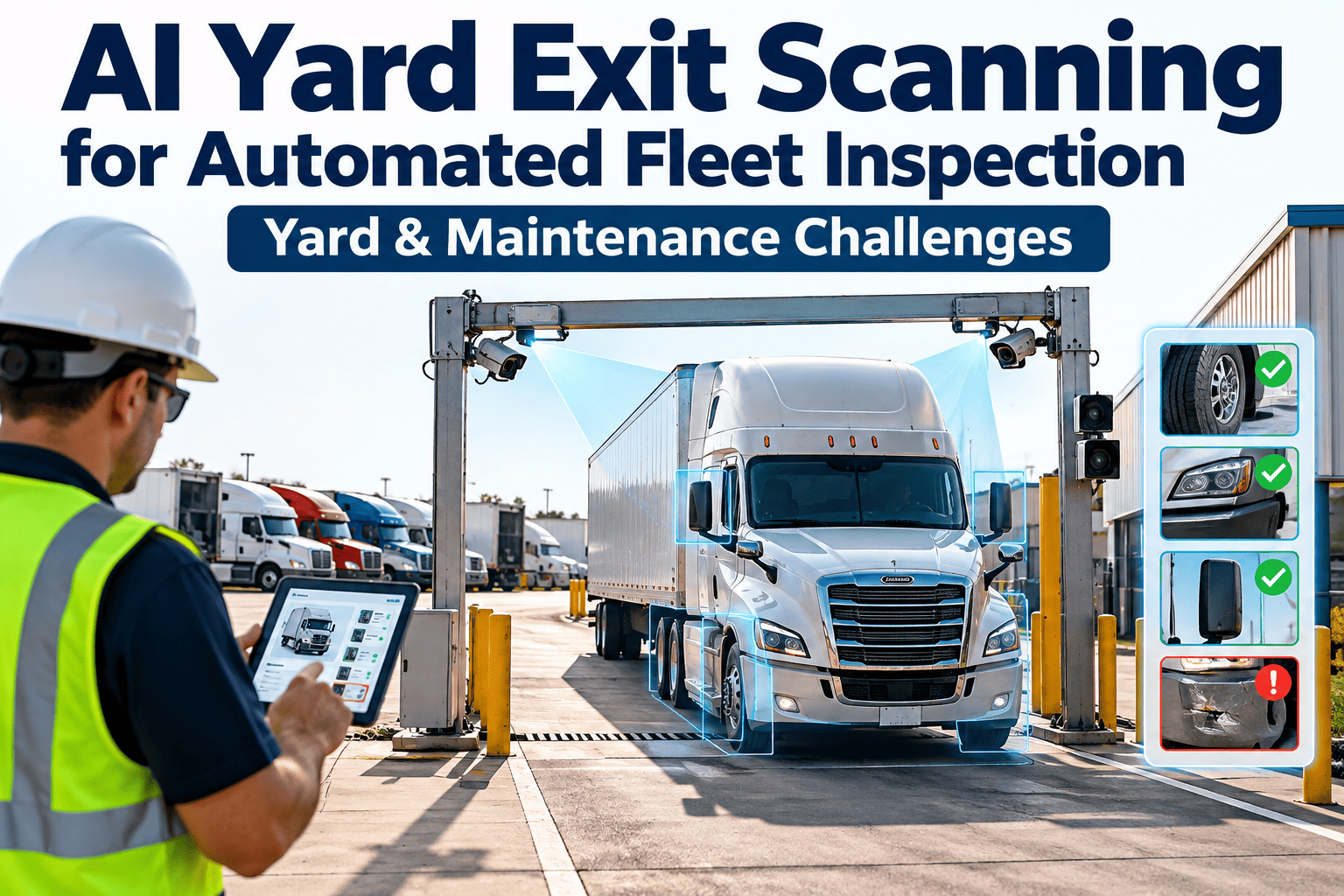
Every fleet vehicle that pulls out of the yard carries risk a two-minute walkaround rarely catches. Hairline cracks in brake hardware, early corrosion along a frame rail, and sidewall damage on a tire all develop long before they show up as a road
Read More
Every truck, van, or trailer that rolls out of a yard gate carries an invisible question: is it actually fit to be on the road right now, or is a cracked light lens, a leaking hydraulic line, or a worn tire about to turn into a roadside incident t

Read More
Every charging session an electric fleet vehicle completes generates a data trail — kWh delivered, session duration, connector used, driver, location, and dozens of smaller signals most fleets never look at again once the invoice is paid. That tra

Read More
A safety manager opens the dashboard Monday morning to 40 hard-braking alerts, a dozen distraction warnings, and a handful of tailgating flags — and by lunch, three of them turn out to be genuine risk events. The other 49 are a delivery driver bra
Read More
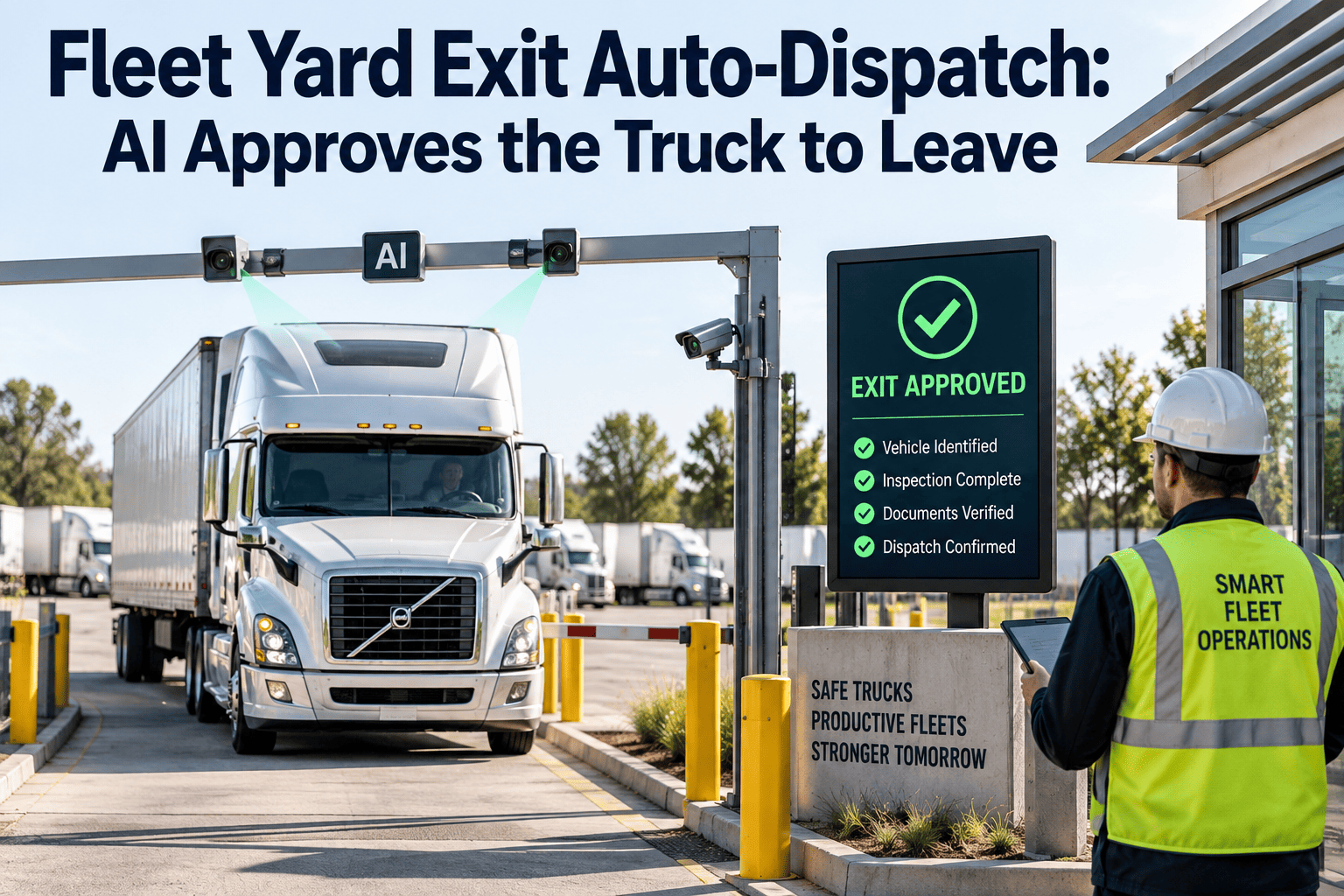
The gap between "inspection complete" and "cleared to leave the yard" is usually filled by a phone call, a radio check, or a dispatcher manually reading a paper DVIR before waving a truck through. That gap is where minutes disappear at every singl
Read More
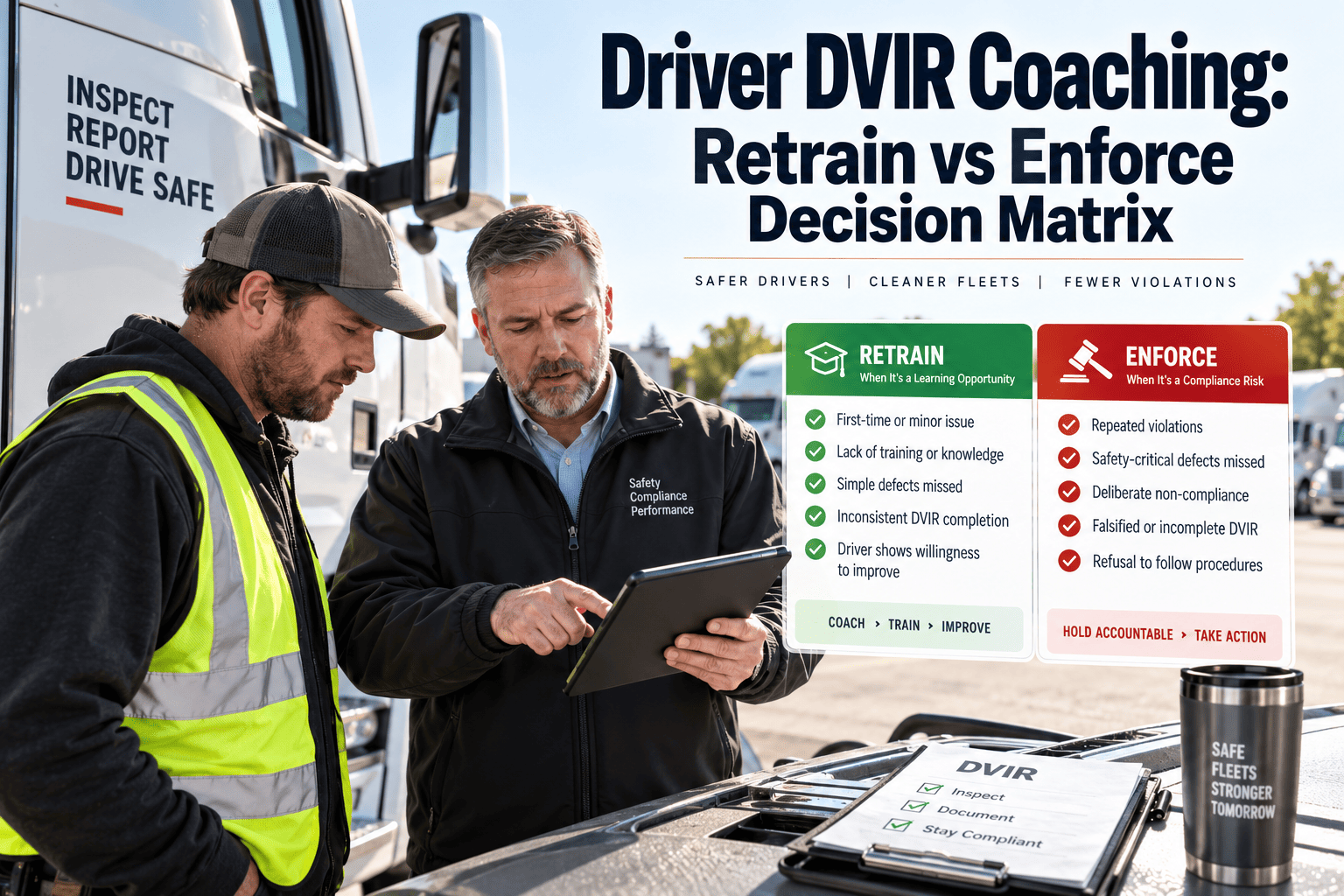
A driver misses a pre-trip inspection item for the third time this month, and the safety manager has two options sitting on the desk: pull them in for retraining, or move straight to a documented corrective action. Most fleets pick whichever one t
Read More
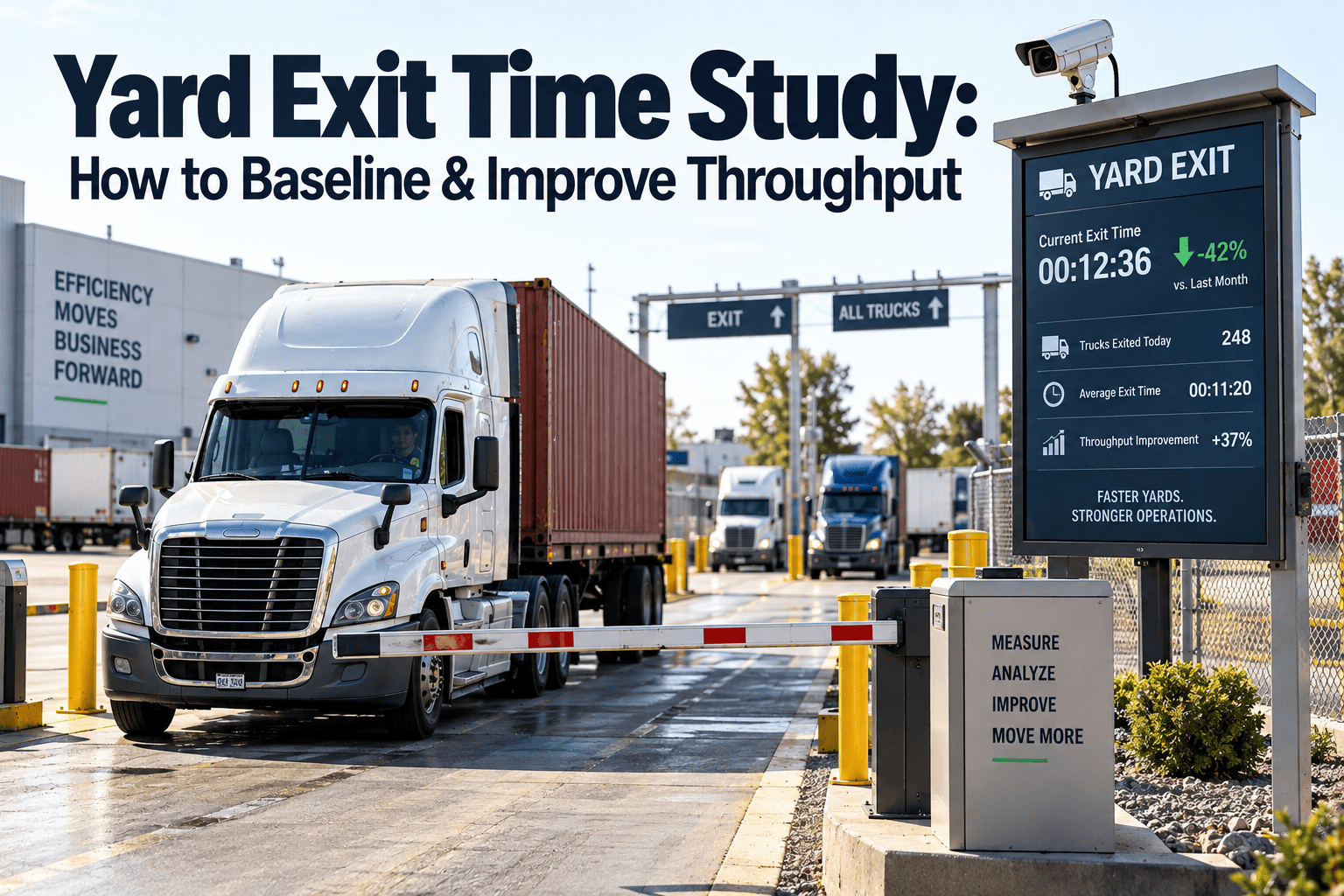
Before a fleet spends a dollar on automation, camera lanes, or new gate software, the highest-return move is almost always the cheapest one: measure where trucks actually wait. A structured yard exit time study — timestamping every truck at every
Read More
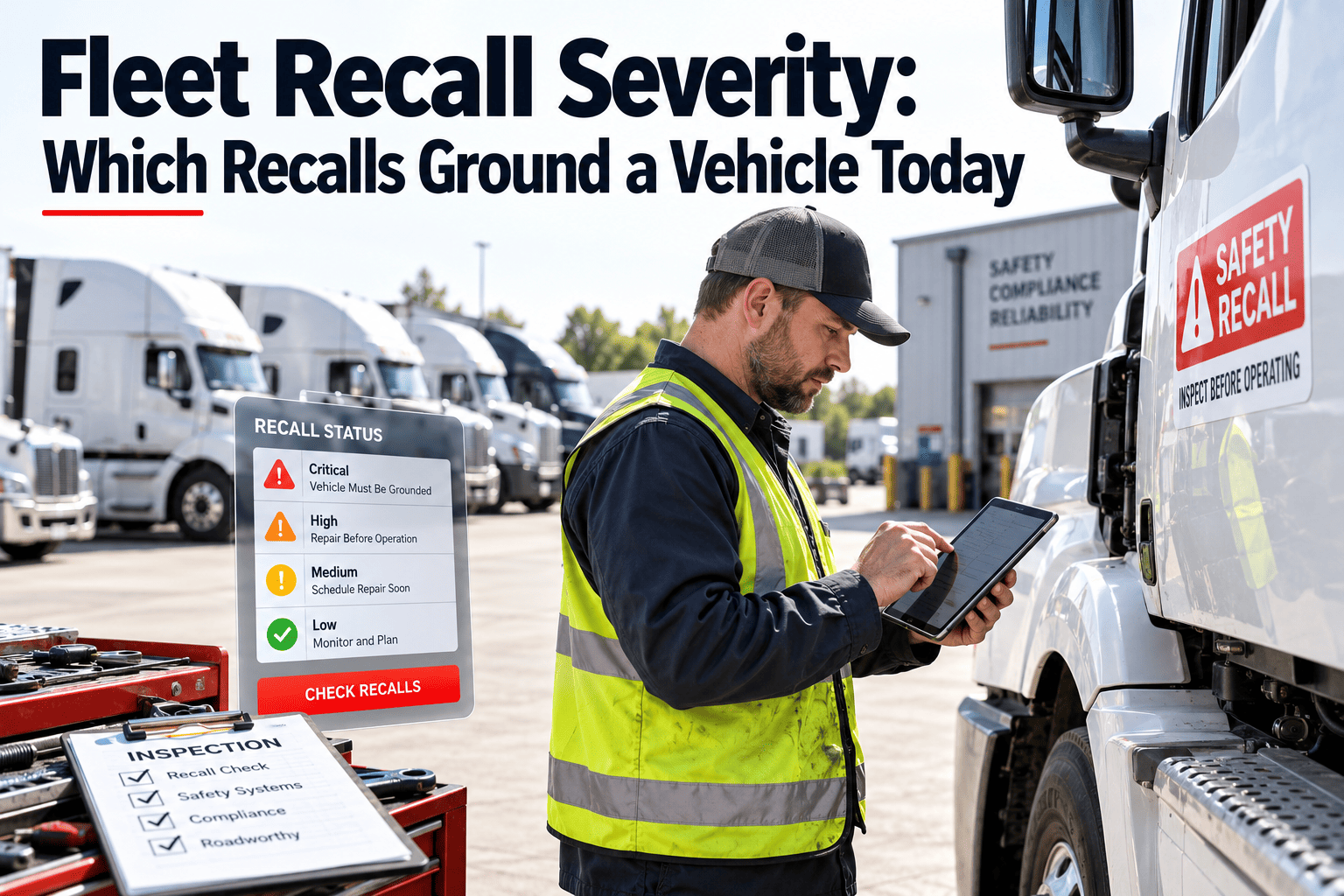
A safety recall notice lands in the inbox and the first question is rarely "what's the defect" — it's "can this truck still run its route today." Most fleets answer that question inconsistently, driver by driver, dispatcher by dispatcher, because

Read More
A regional delivery fleet running 220 straight trucks and cargo vans was absorbing roughly one in three cargo damage claims as a flat write-off — not because the damage wasn't real, but because nobody could prove where it happened. After standardi
Read More
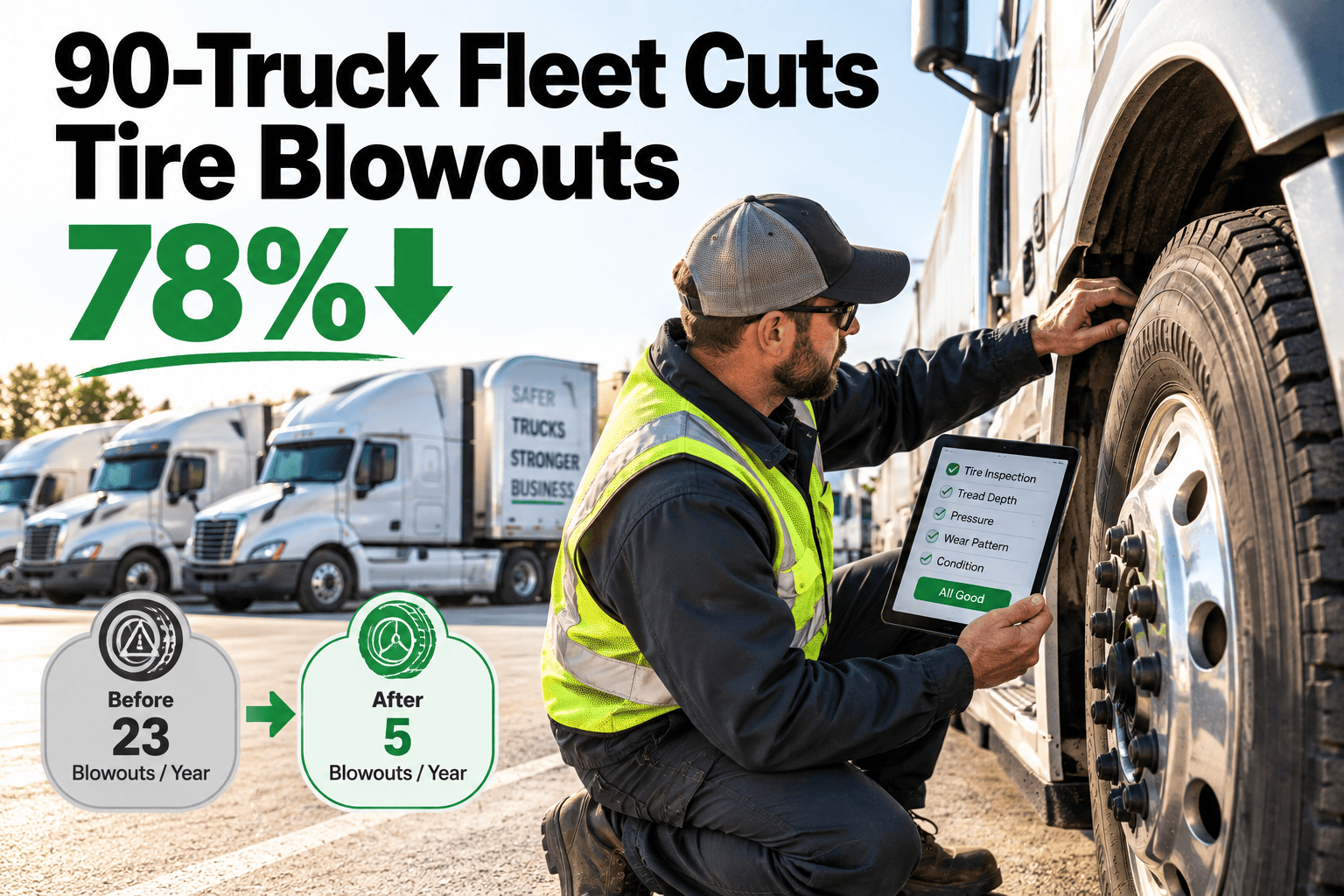
Eighteen months ago, a 90-truck regional less-than-truckload carrier was averaging one roadside tire blowout every eleven days — enough to keep a full-time driver on standby duty just to cover routes interrupted by a shredded casing on the shoulde

Read More
Sticker price is the worst way to compare tire brands, and most fleets still buy that way. A tire that costs $120 less at purchase but delivers 40,000 fewer miles before scrapping is not the cheaper tire — it is the more expensive one, once cost p

Read More
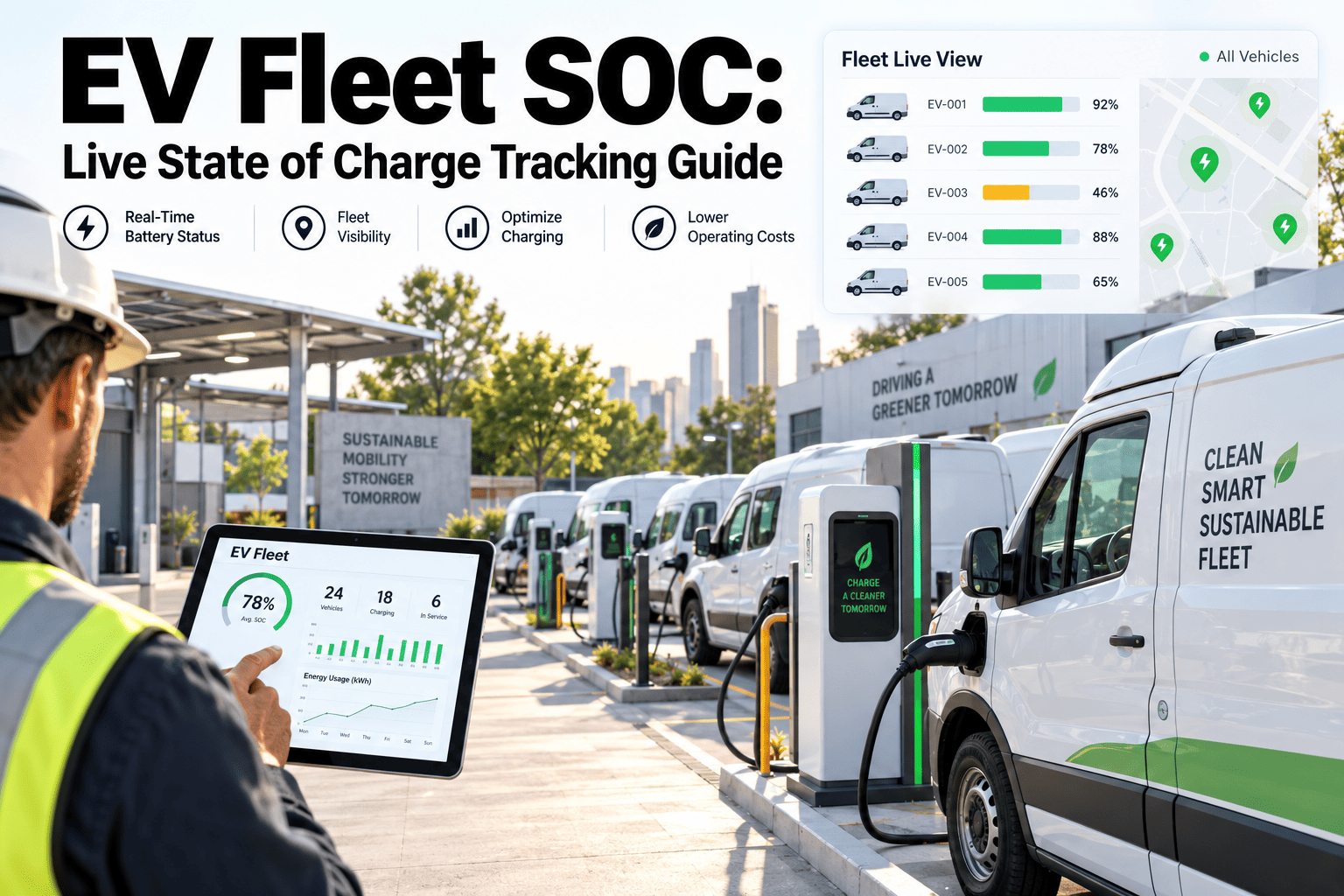
A last-mile delivery fleet in Phoenix switched its first 30 vans to electric expecting the same battery behind every EV badge, and instead found their range dropping nearly 20 percent faster than a sister fleet running the same route profile in Mi
Read More
An EV fleet does not run out of fuel the way a diesel truck does — it runs out of state of charge, and the warning signs look completely different. A driver watching a fuel gauge drop through a quarter tank has minutes to plan. A driver watching s
Read More
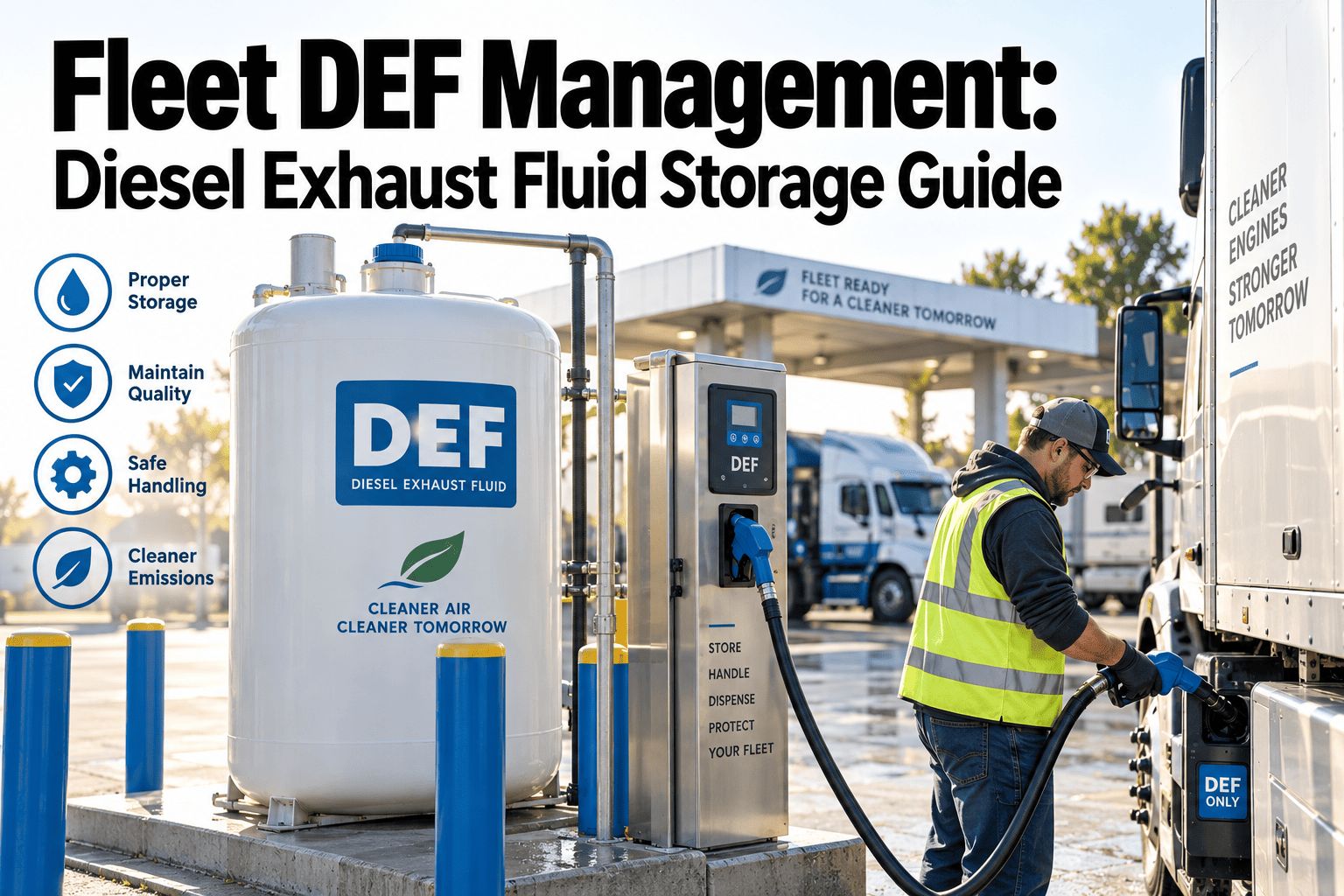
A regional beverage distributor running 65 Class 8 trucks learned how fast diesel exhaust fluid can shut down a route the hard way: a delivery truck derated to 5 mph on a Tuesday morning because the DEF tank had been quietly running on contaminate

Read More
Every fleet manager has run the same math on a napkin: synthetic oil costs three to four times more per change than conventional, so why would anyone switch. The answer only shows up once you stop pricing a single oil change and start pricing a tr
Read More
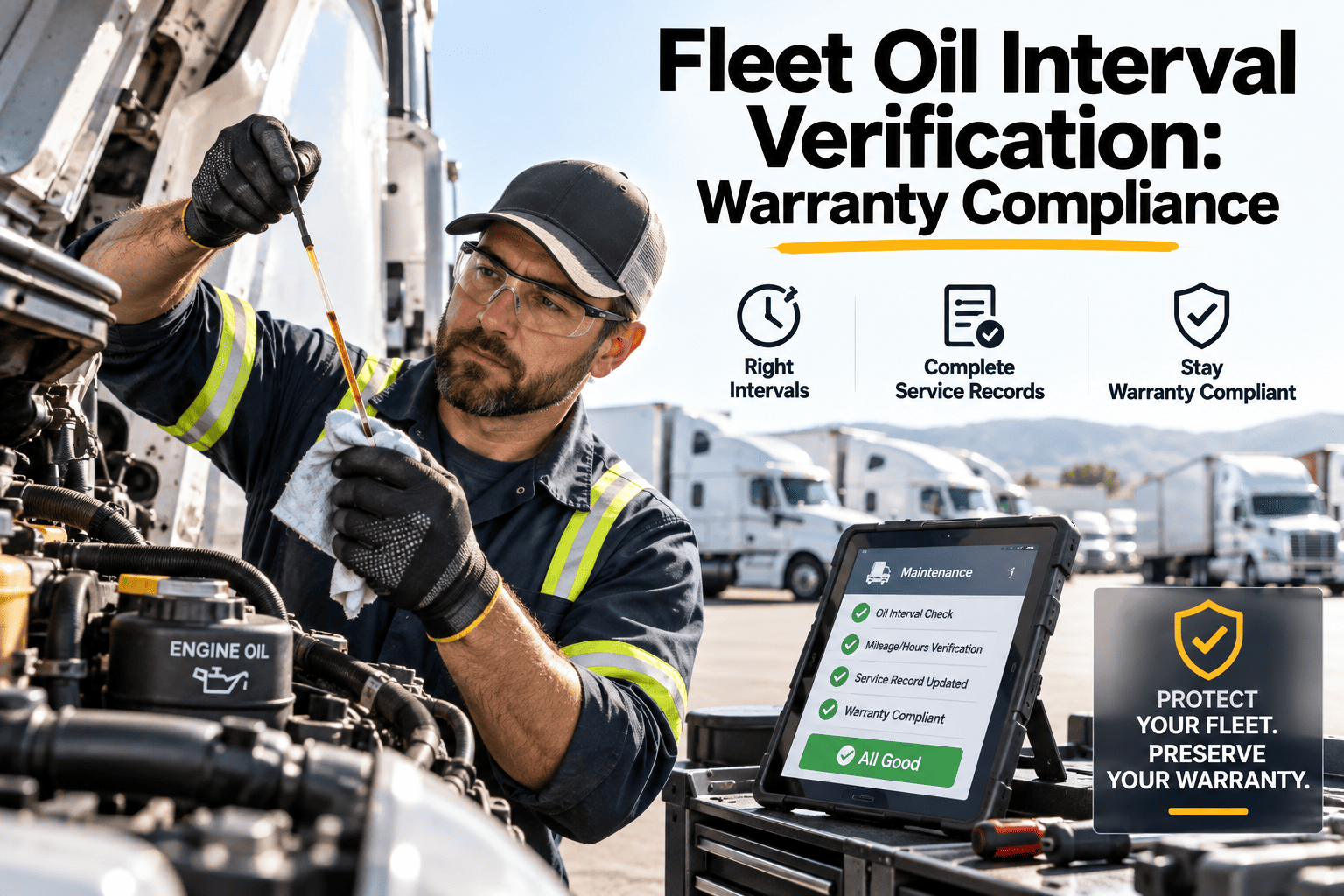
A regional produce distributor running 40 box trucks filed a warranty claim after a 2-year-old engine spun a bearing at 61,000 miles — well inside the powertrain coverage window. The OEM's field investigator pulled the vehicle's service history an
Read More
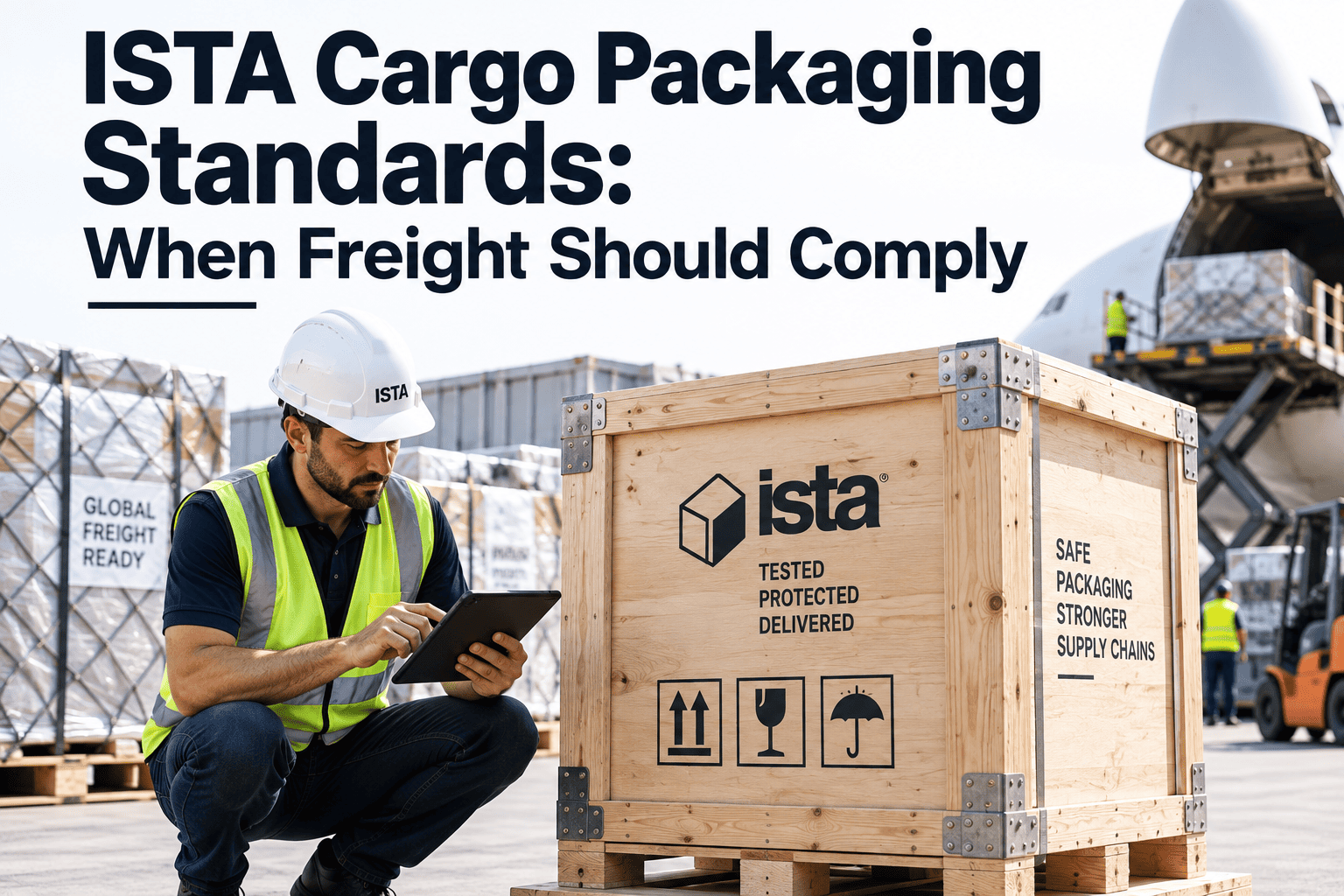
A carton that survives a lab drop test can still arrive crushed if the trailer, route, or stacking pattern was harsher than assumed. ISTA procedures give shippers and carriers a shared language for testing packages against distribution stress. Thi

Read More
Open a stack of freight damage claims from almost any carrier or 3PL and the same photo keeps showing up: a pallet corner folded in, the carton beneath it dented, and a receiver refusing the load or deducting the invoice. Crushed corners are consi
Read More
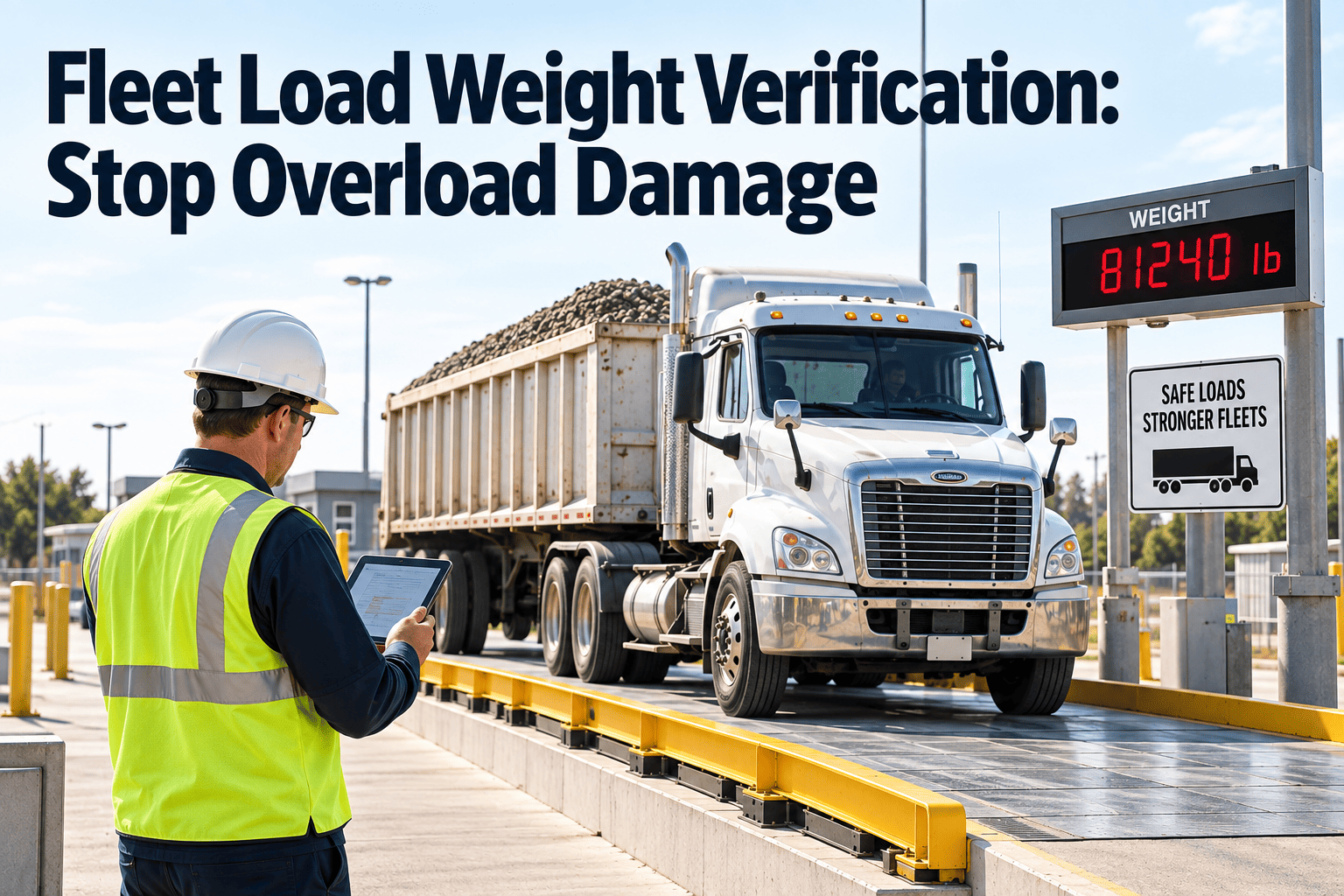
Overloaded trailers crush the cartons on the bottom tier, wear out tires and brakes, and invite roadside fines. Underloaded ones let freight shift and rub. Both problems begin at the dock, where weight is assumed instead of verified. This guide co

Read More
A cold chain claim rarely turns on whether the cargo actually spoiled. It turns on whether the carrier can produce a temperature record strong enough to withstand a P&I club's objections, a shipper's own logger data, and an adjuster looking fo
Read More
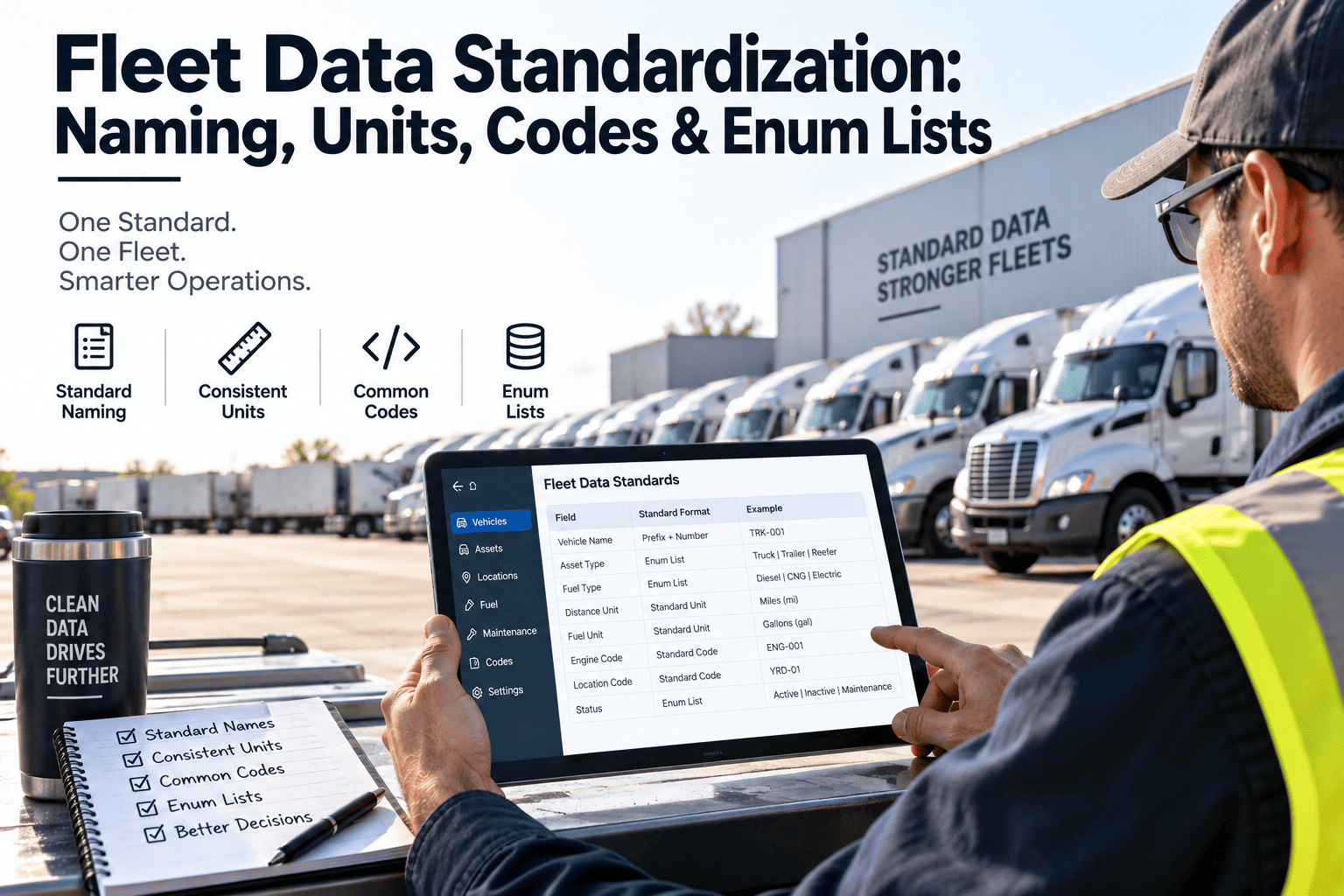
Fleet software migrations often stumble on the data, not the software. One spreadsheet row says Freightliner, the next says Frtlnr, and the odometer is in miles for some trucks and kilometers for others. Standardizing names, units, codes, and enum

Read More
Most new trucking authorities do not fail because freight is scarce. They fail because the bills arrive on a 15-day clock while the customer payments arrive on a 45-day clock, and nobody built a plan to survive the gap in between. That mismatch is

Read More
Every trucking business begins with one structural choice: run a single truck, grow a small fleet, or arrange freight without owning any trucks. Each path earns money differently, carries different legal duties, and exposes you to very different m

Read More
On-site solar plus storage is quickly becoming the highest-return infrastructure decision a fleet depot can make in 2026. A fifty-vehicle depot charging overnight draws 250 to 500 kW of continuous load, pushing the annual grid energy bill past $30

Read More
Picking a depot charger vendor feels like a hardware decision until the invoices start arriving — network subscription fees, firmware lock-in, and a support line that takes three days to dispatch a technician while your vans sit idle. ABB, Kempowe

Read More
Every EV fleet buyer reads the warranty sticker and hears the same reassuring number: eight years. What that number hides is more important than what it promises — capacity floors, storage clauses, commercial-use carve-outs, and duty-cycle exclusi

Read More
A hard-braking alert fires. A following-distance warning fires. A phone-use flag fires — except the driver was reaching for a water bottle. Multiply that by every vehicle in a fleet and safety managers end up buried under hundreds of clips a week,
Read More
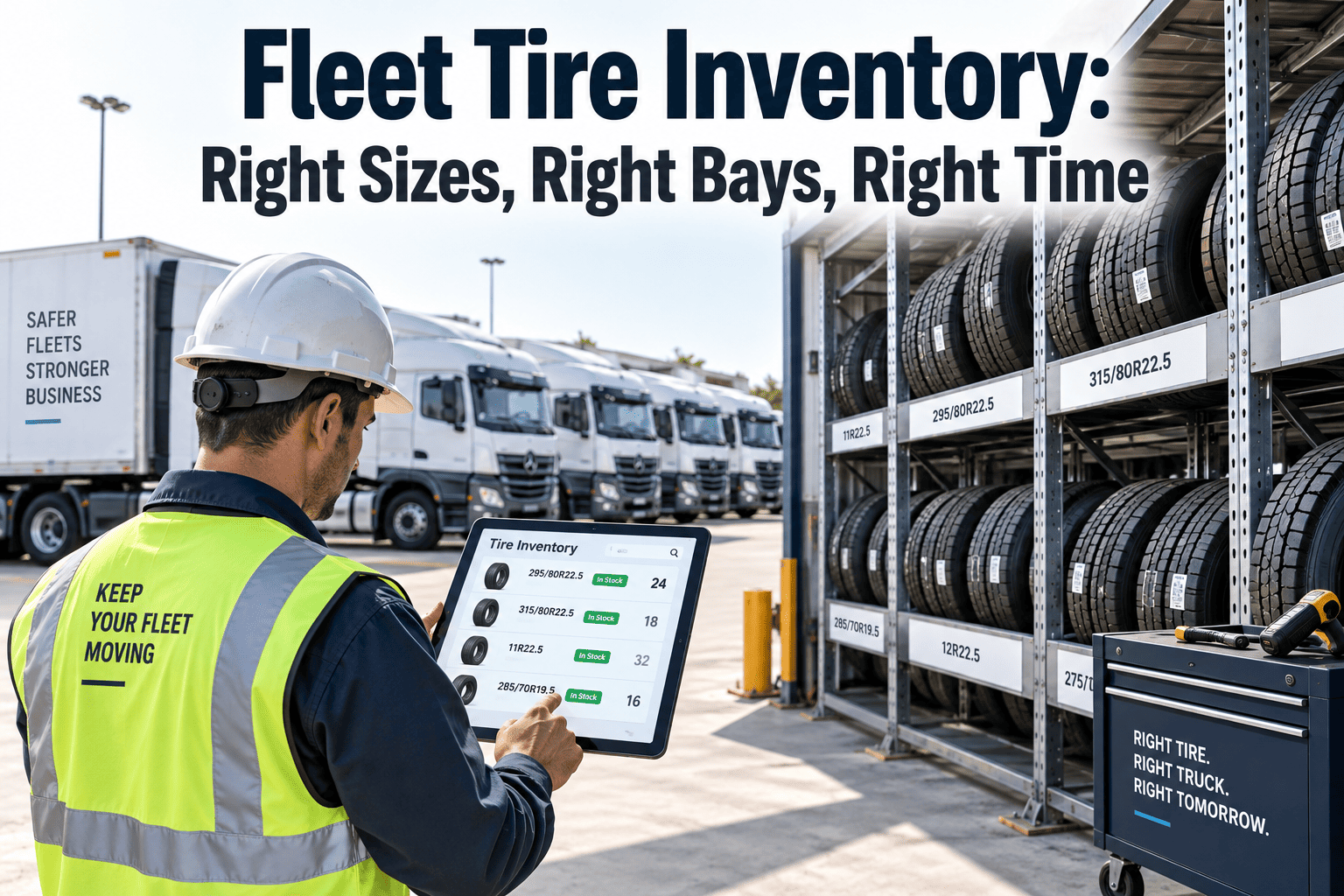
Every fleet shop with a tire wall runs the same two-sided risk day after day: too few of the right size sitting in the bay when a truck is due for service, or too much capital frozen in slow-moving casings that have not shifted in months. Tires ty
Read More
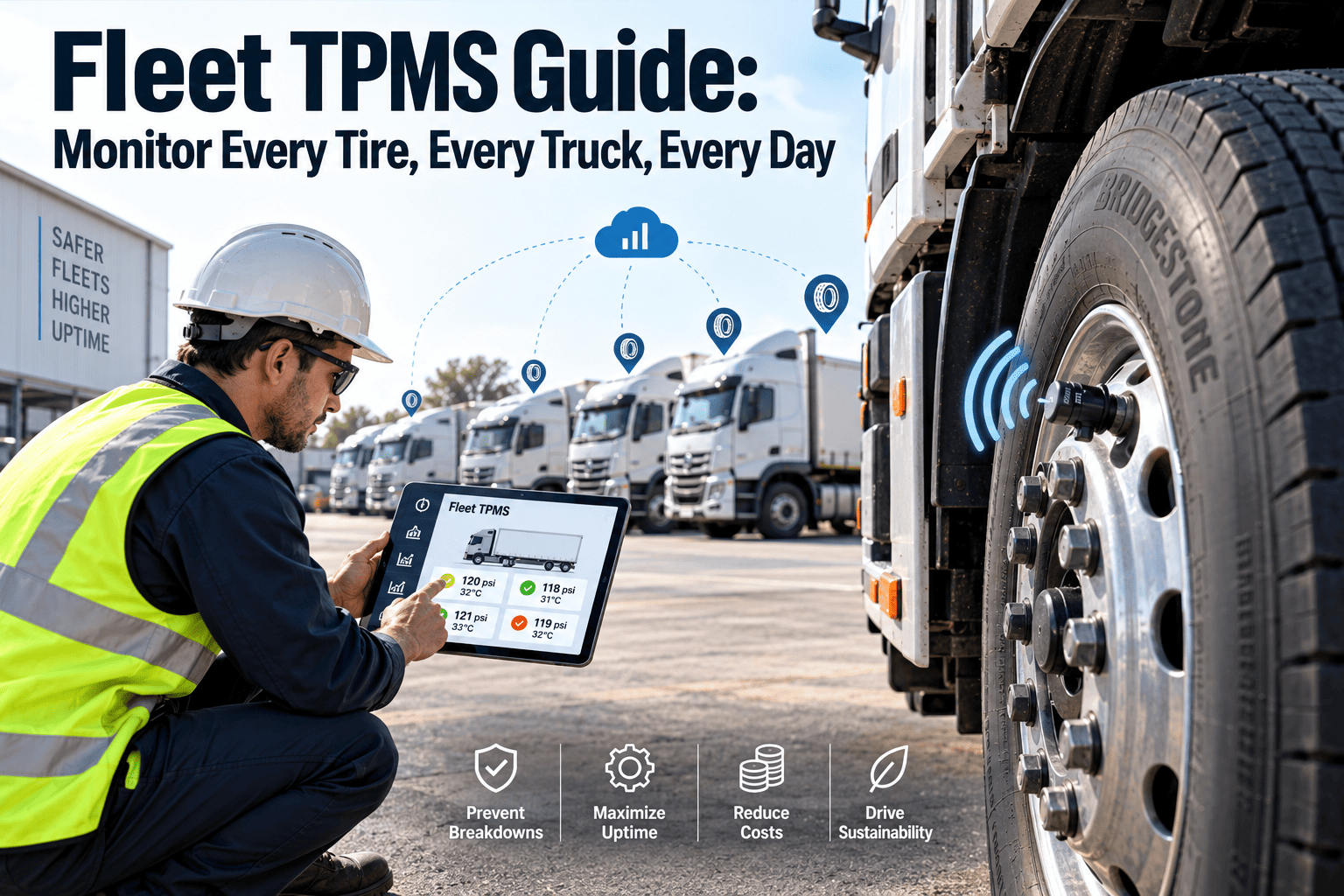
Fifty-five percent of commercial vehicles on the road right now are running at least one tire ten or more PSI below optimal pressure, and every one of those tires is quietly burning fuel, shaving miles off its lifespan, and moving closer to a road
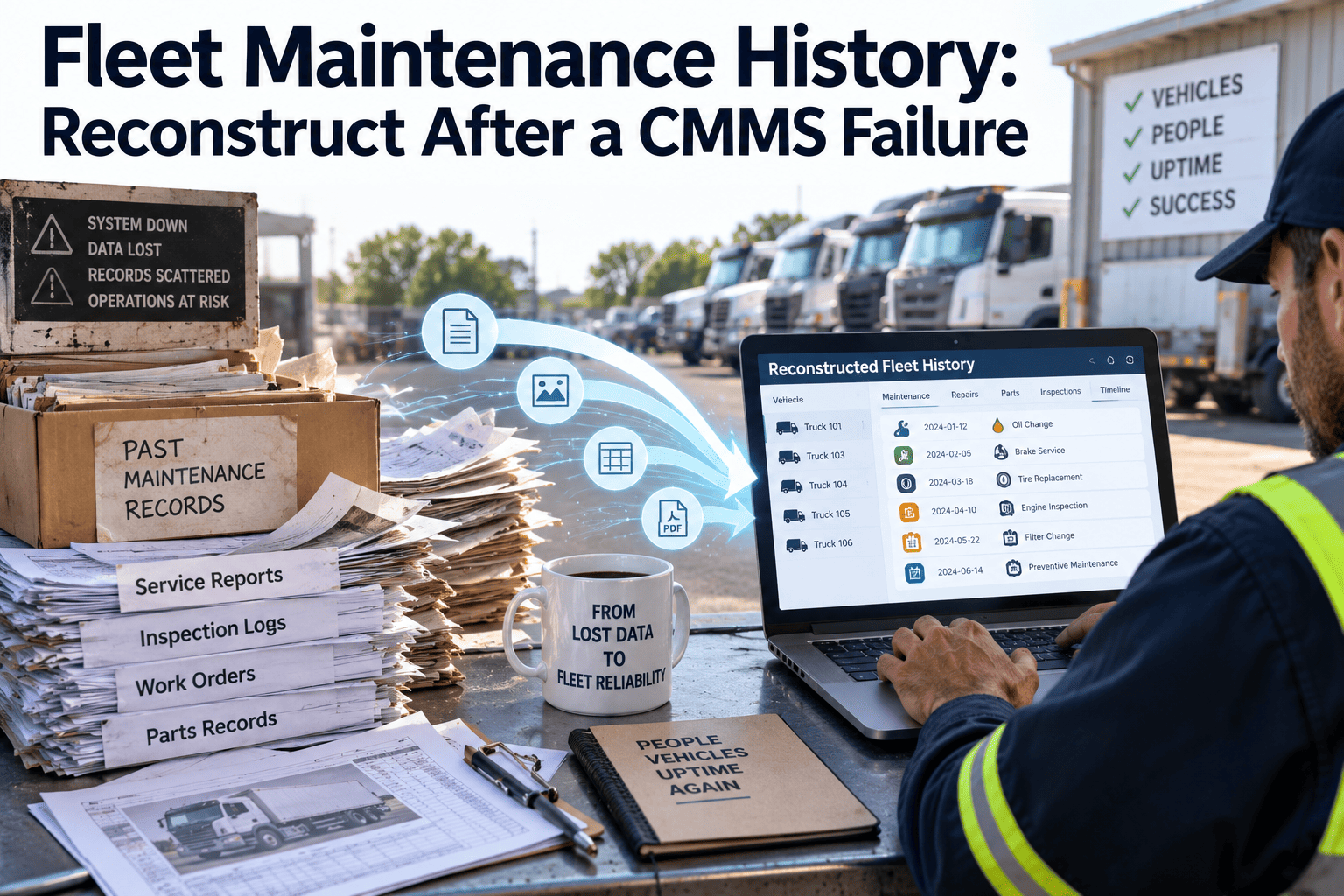
Read More
A fleet maintenance system going dark for even a single afternoon can erase years of service records, warranty proof, and inspection history in ways a spreadsheet backup never fully captures. Outages, botched migrations, vendor shutdowns, and plai

Read More
A route planned around a 250-mile summer range can fail on a 20°F morning long before the truck runs out of battery, because the range that matters is not the one on the spec sheet. It is the one the pack actually delivers once the cabin heater, t

Read More
Diesel pricing is annoying but predictable — one number per gallon, posted at the pump. EV charging cost is not one number. It is a rate structure with time-of-use windows, demand charges, and a peak-versus-off-peak spread that can make the exact

Read More
Depot charging is the backbone of most commercial EV fleets, and for good reason — it is cheaper per mile, happens overnight, and keeps vehicles under your own roof. But no depot plan survives contact with a missed route, a driver who needs an ext
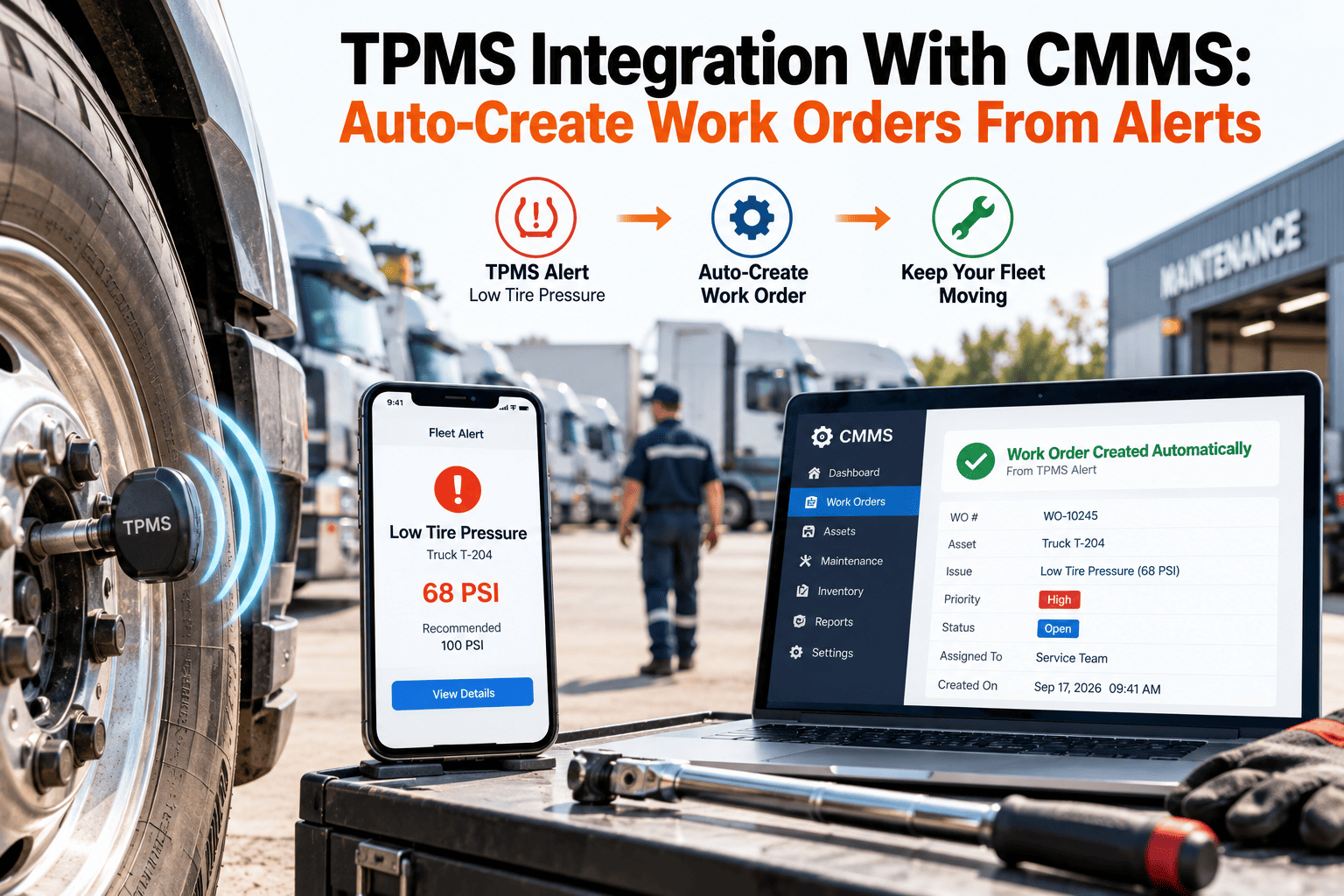
Read More
A tire ten PSI under spec does not set off an alarm a shop can act on — it just runs hotter, wears faster, and burns more fuel for weeks until someone notices. Most fleets already have the sensors that would catch this the moment it happens. What
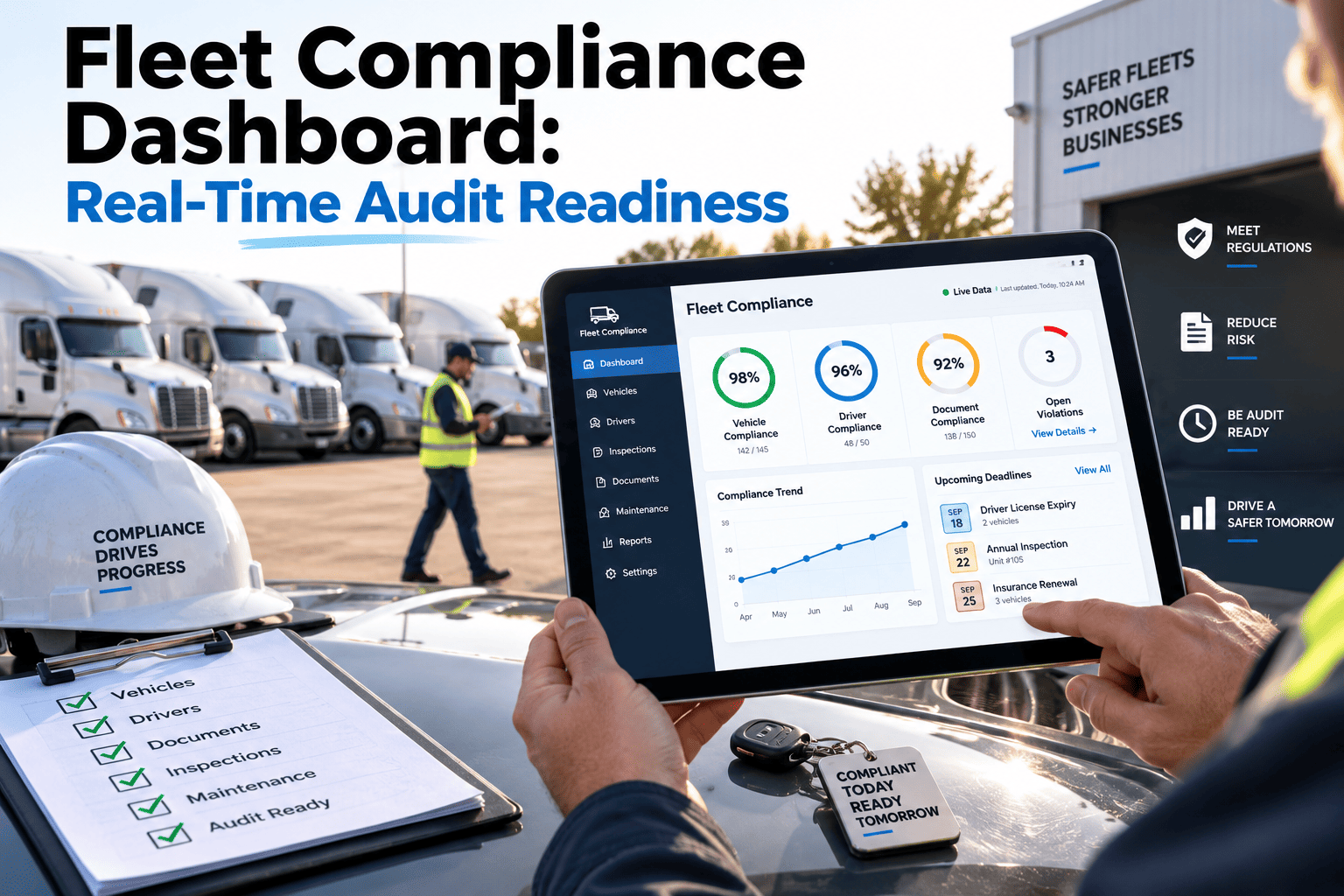
Read More
Most fleets find out their compliance posture is weak on the day an auditor asks for it — not the week before, when there might still be time to fix a gap. By then a missing DVIR signature, a lapsed driver qualification file, or an HOS record that
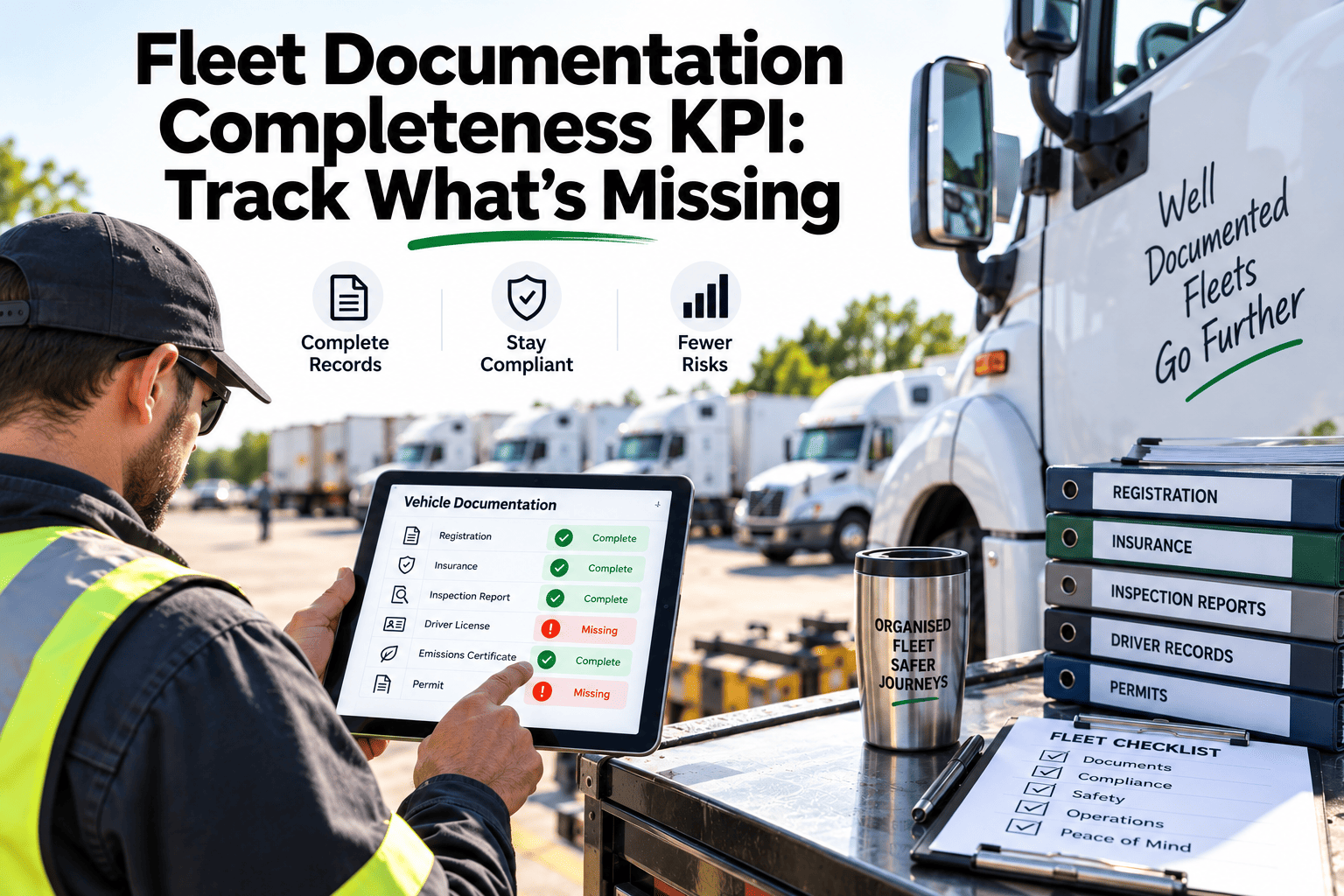
Read More
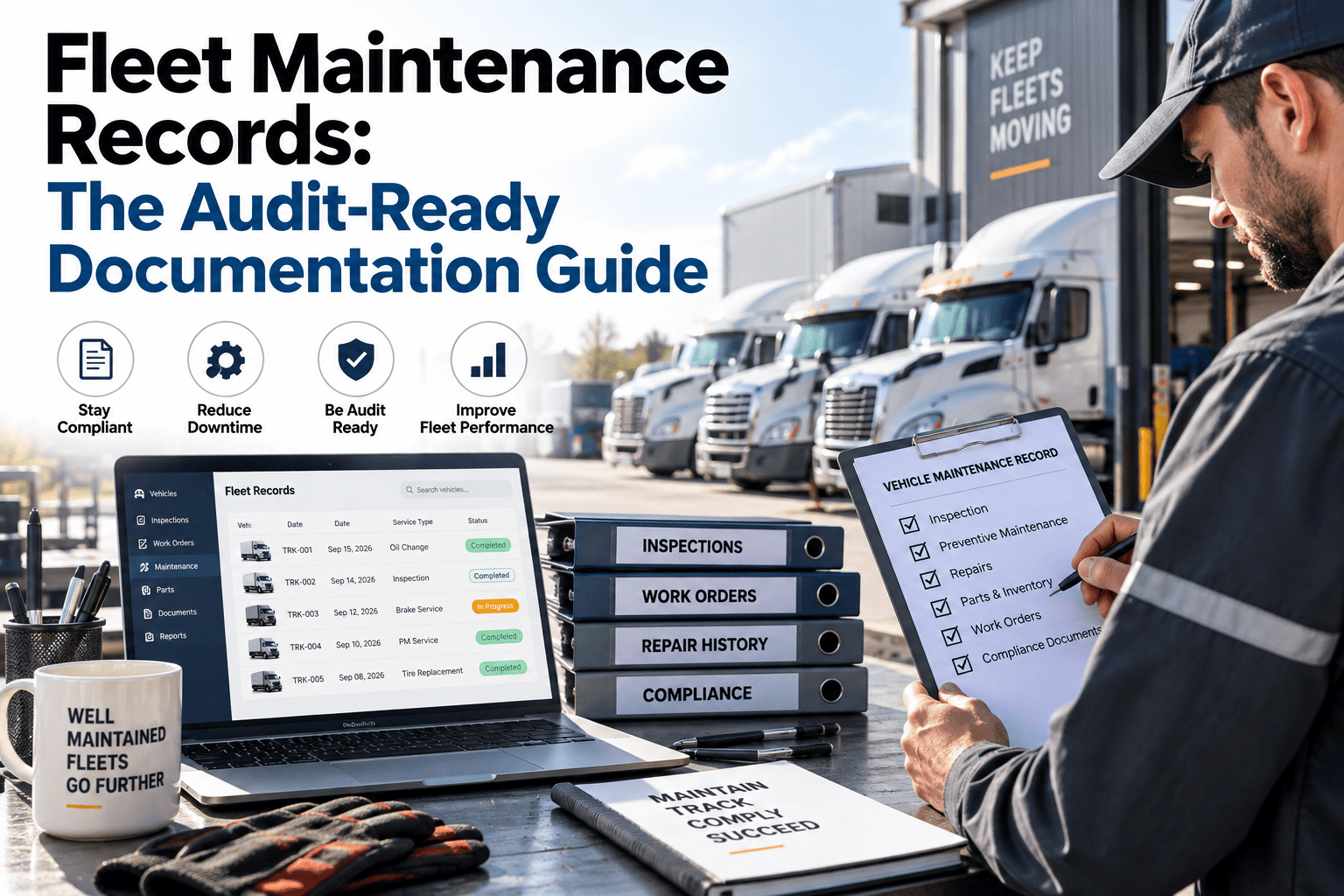
Most fleets do not fail an FMCSA compliance review because a truck was unsafe. They fail because a record that existed somewhere could not be produced, dated, or signed when an investigator asked for it in the fifteen minutes they allow. A documen
Read More
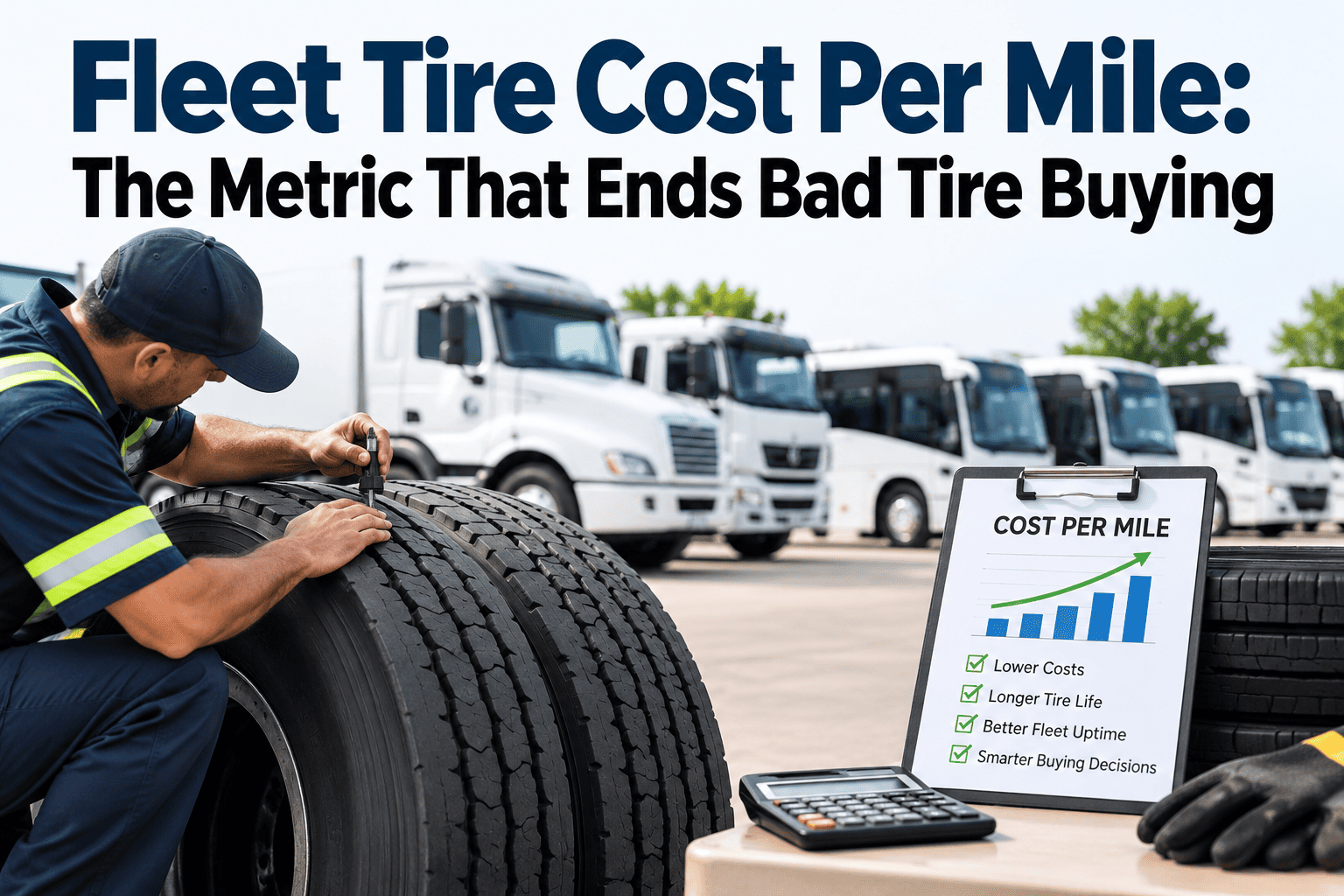
A perfectly maintained truck means nothing to an auditor who cannot see proof of it. When FMCSA compliance reviews arrive with as little as 48 hours' notice, the carriers who fail are rarely the ones with bad wrenching — they are the ones whose re
Read More
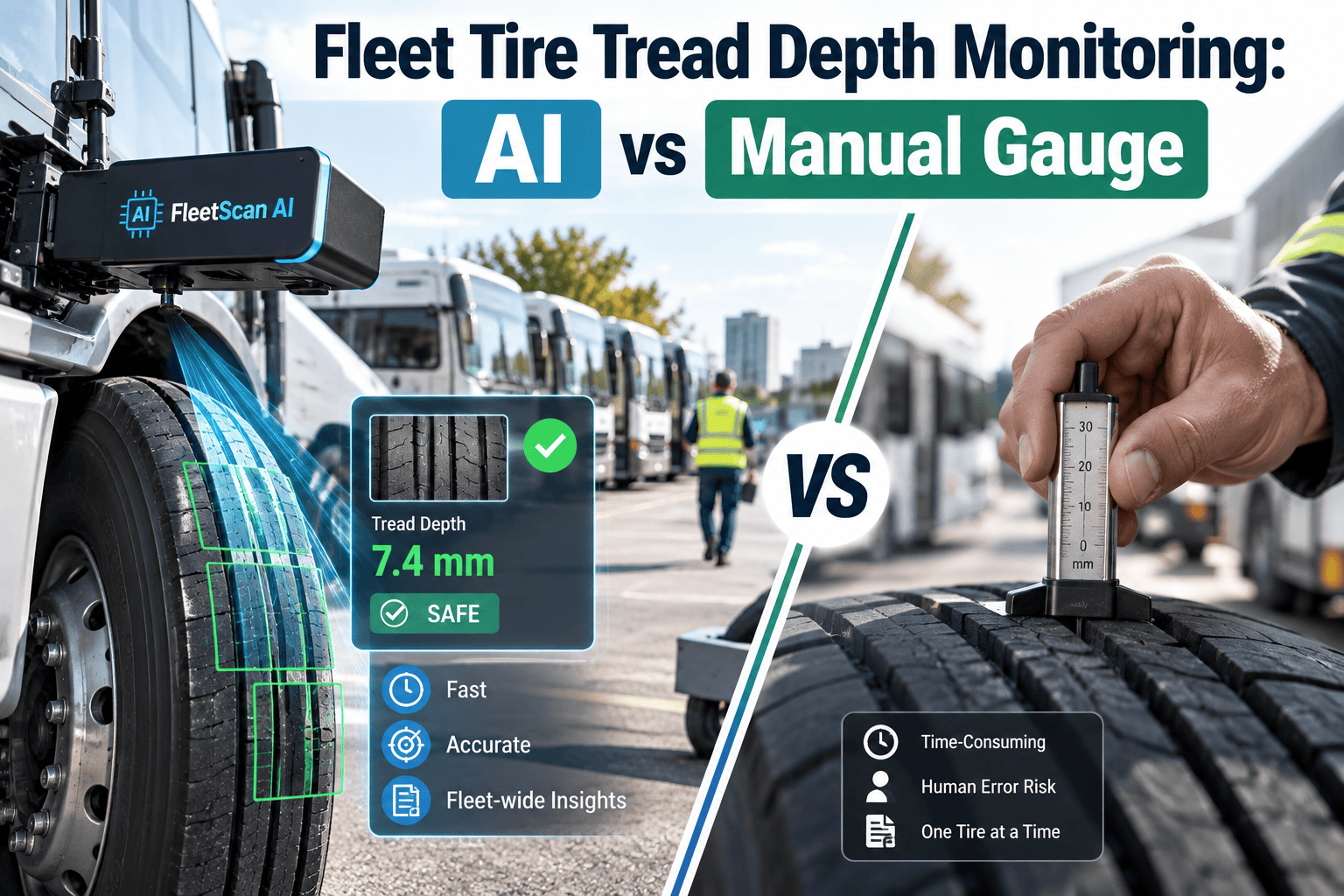
Most fleet managers can quote their fuel cost per mile down to a tenth of a cent, but ask about tire cost per mile and the answer is usually a shrug or a number pulled from last year's invoice pile. Tires typically rank as the third or fourth larg
Read More
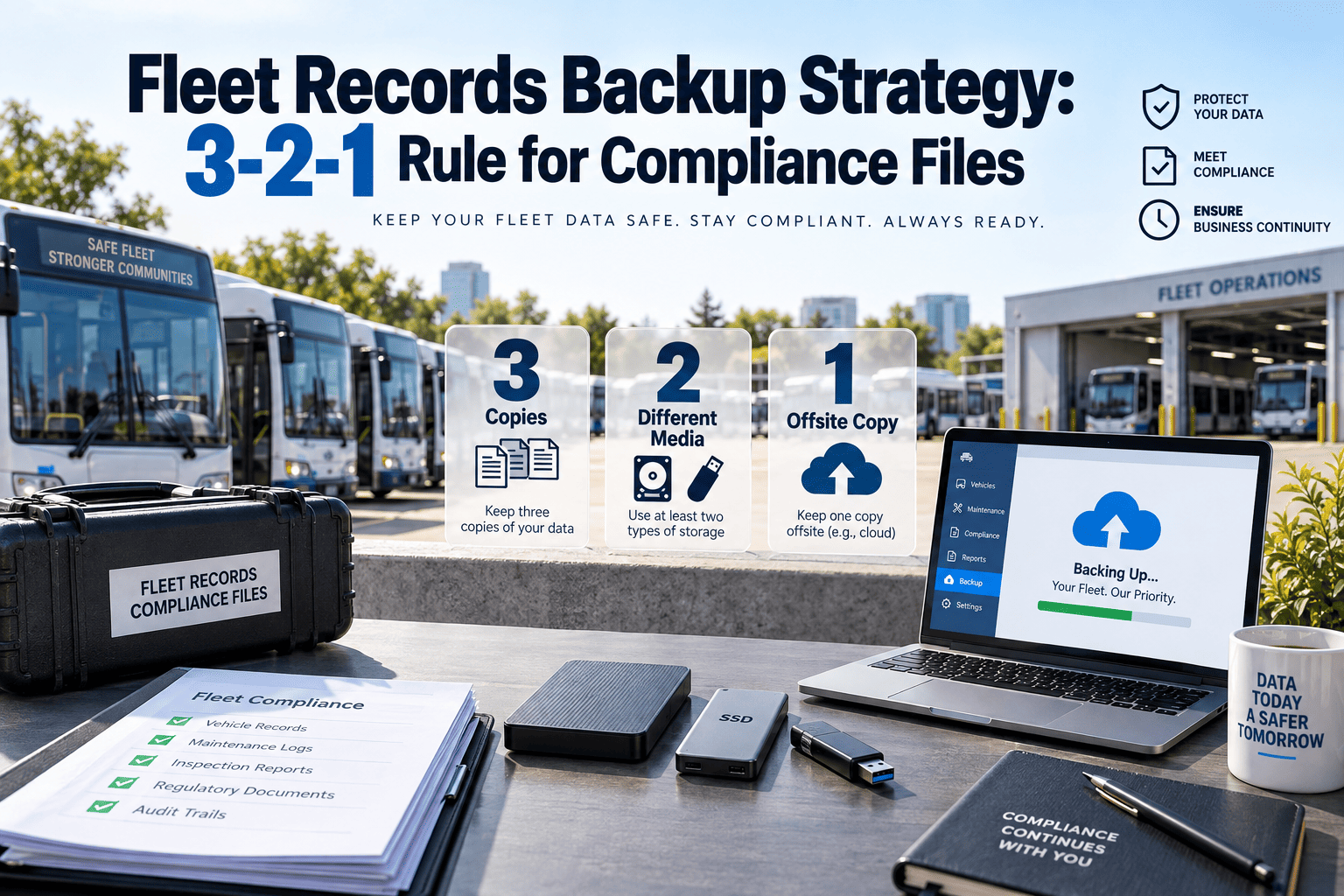
A tread depth check takes thirty seconds with a manual gauge — if someone remembers to do it, does it correctly on every position, and writes the number down before moving to the next vehicle. Across a fleet of fifty or a hundred trucks, that "if"
Read More
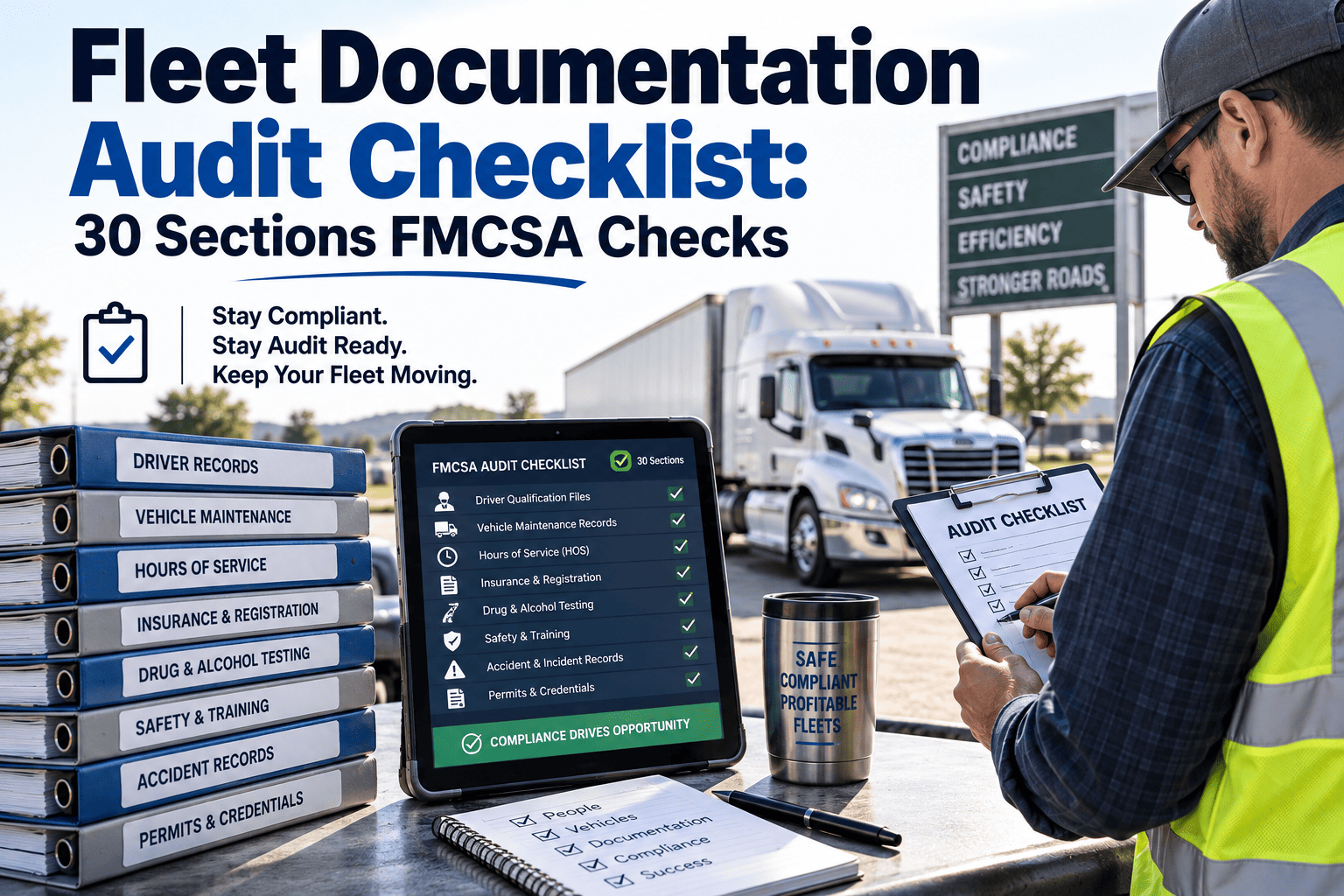
Every fleet manager has a folder somewhere labeled "inspection reports" or "DOT files" — and for most operators, that folder lives on one laptop, one server, or one filing cabinet. When that laptop crashes, that server gets hit by ransomware, or t
Read More
Every year, FMCSA investigators open compliance reviews and new entrant audits by pulling carrier files, and the pattern repeats: fleets get flagged because a required document was missing, expired, or unverifiable when the auditor asked for it, n
Read More
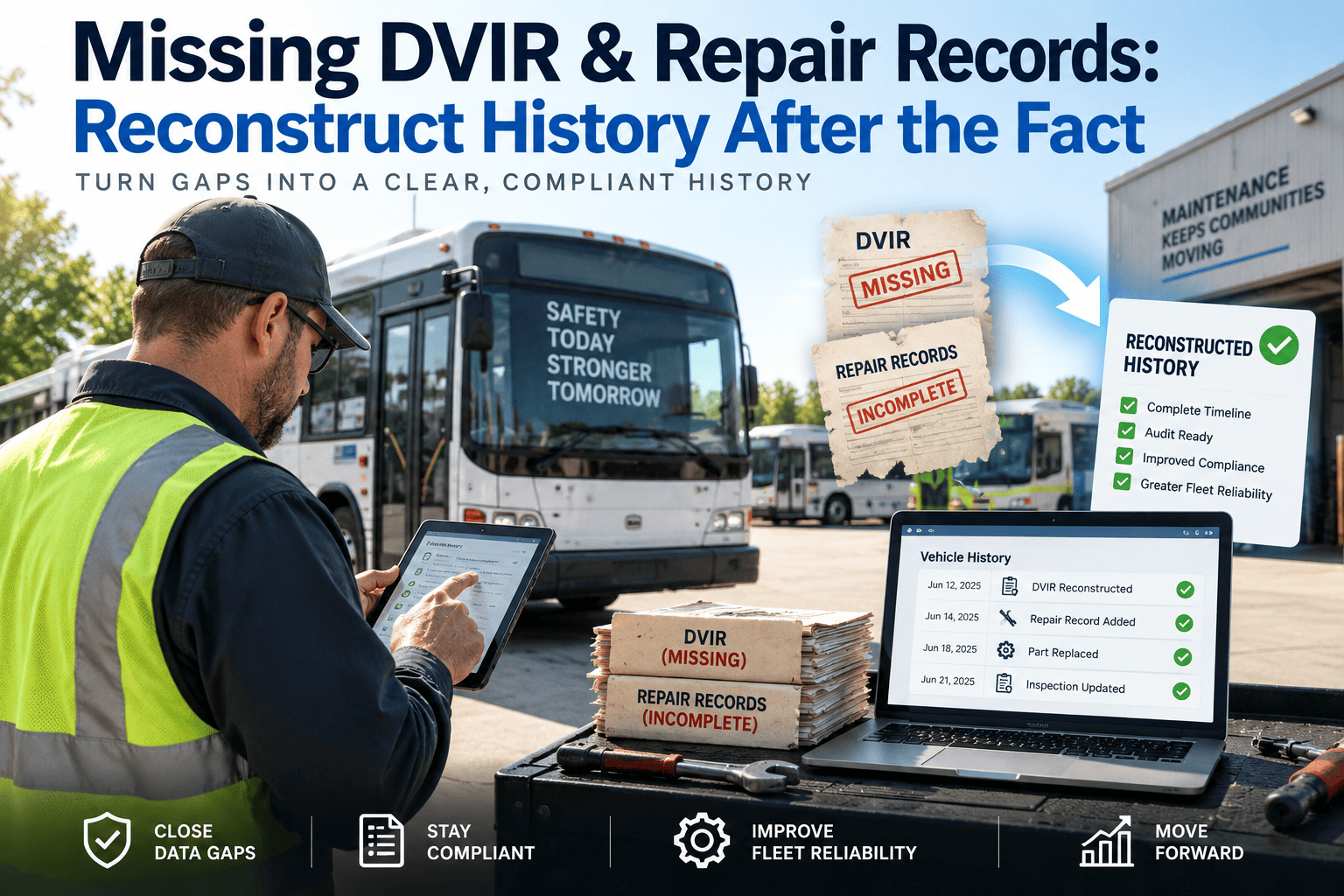
Every fleet compliance officer eventually hits the same moment: pulling files for an upcoming DOT audit or an accident investigation and discovering that a chunk of DVIR submissions, repair closures, or annual inspection sign-offs simply isn't the

Read More
A technician torques a fastener to the number written on the last work order, not the number in the current OEM service bulletin, because the bulletin update never made it out of a service manager's inbox. Six months later that fastener backs out
Read More
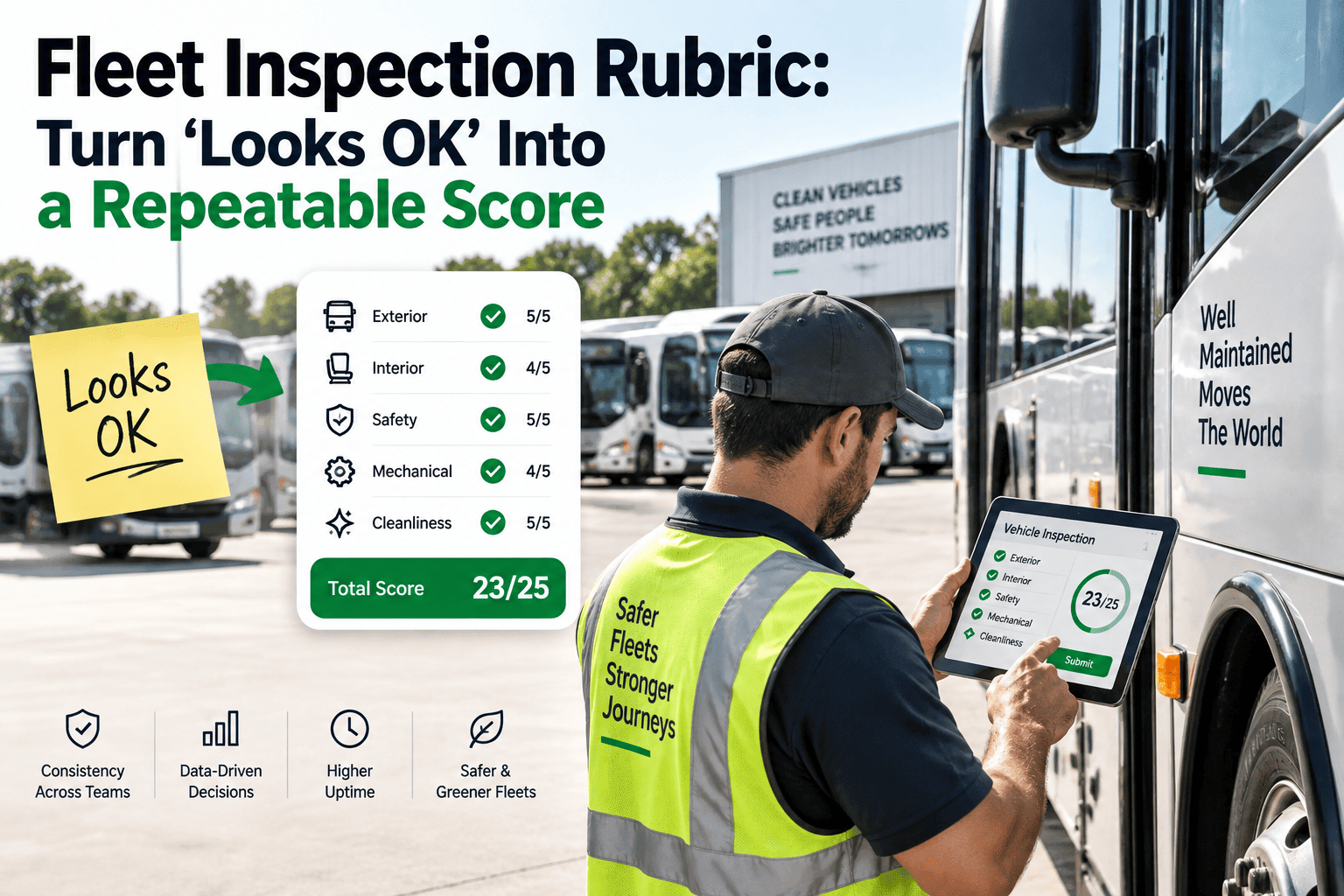
Fleet inspection sheets fail for a boring reason: two technicians can look at the same worn brake pad, the same hairline crack in a mud flap bracket, and the same slightly low tire and reach two different conclusions using the word "OK." A rubric
Read More
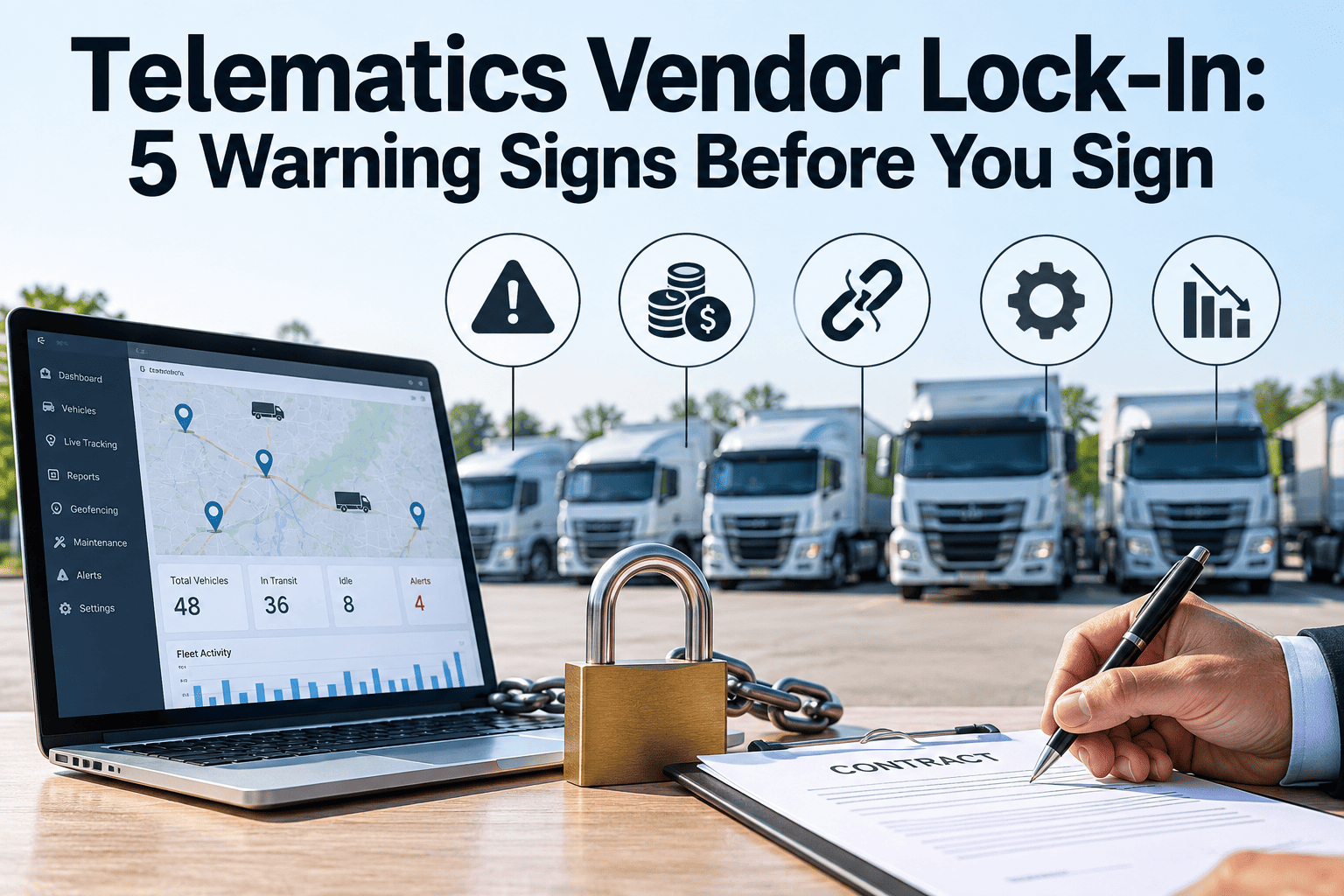
Telematics providers rarely advertise what happens after the contract is signed — the moment a fleet discovers its GPS units, integration APIs, and years of trip history are single-source, proprietary, and expensive to leave. A three-year telemati
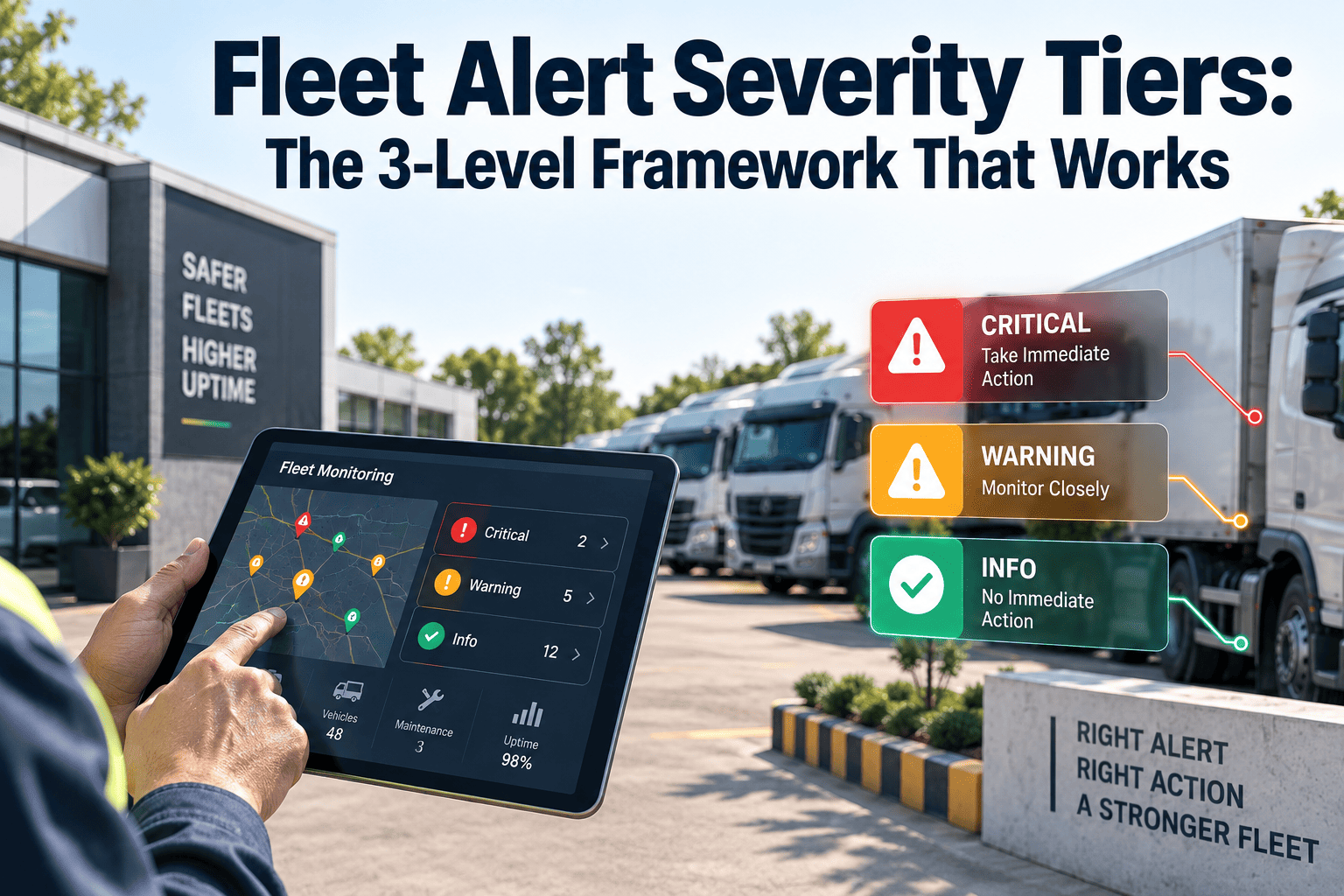
Read More
Every fleet management system eventually hits the same wall — too many alerts, not enough hours in the day to act on all of them. A dispatcher who gets a text message for a low tire and a text message for an engine-off-while-moving event, bot
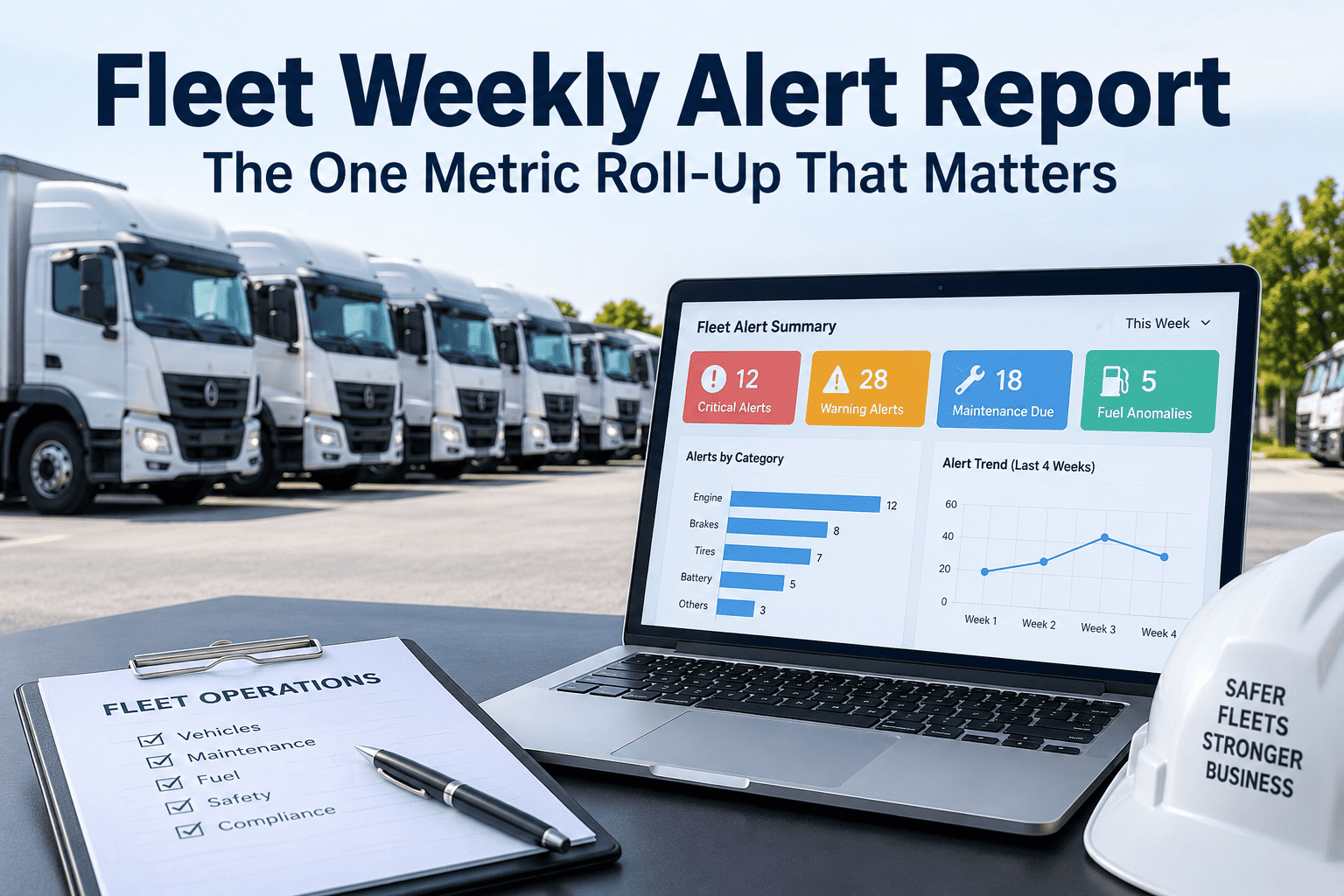
Read More
Every connected vehicle in a modern fleet throws off alerts constantly — check engine codes, low DEF warnings, brake wear thresholds, tire pressure drops, coolant temperature spikes, and dozens of other fault codes streaming in from telematics and
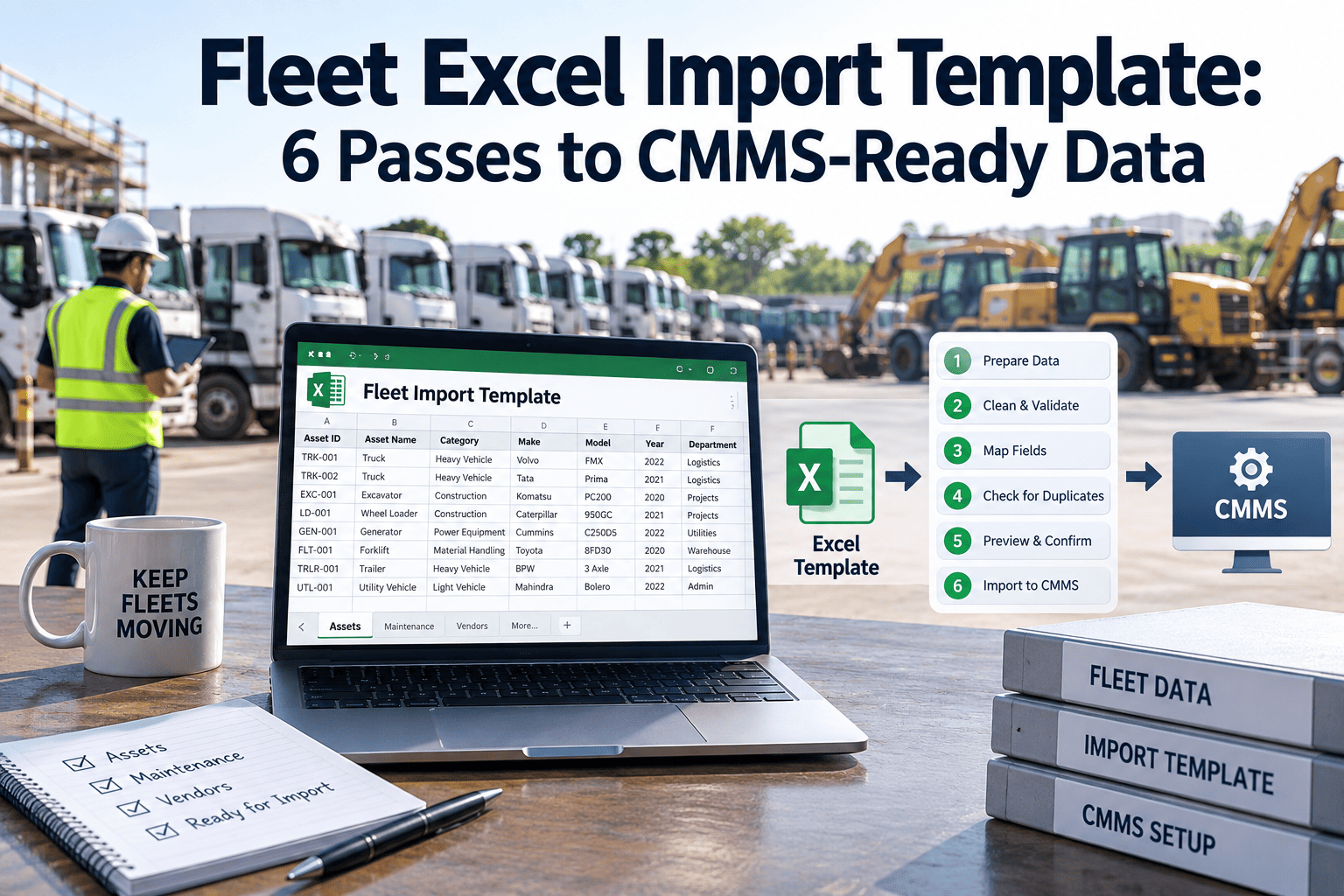
Read More
A comeback happens when a vehicle returns to the shop within a short window for the same problem a technician was supposed to have fixed — and it is one of the most honest numbers in fleet maintenance because it cannot be explained away by workloa
Read More
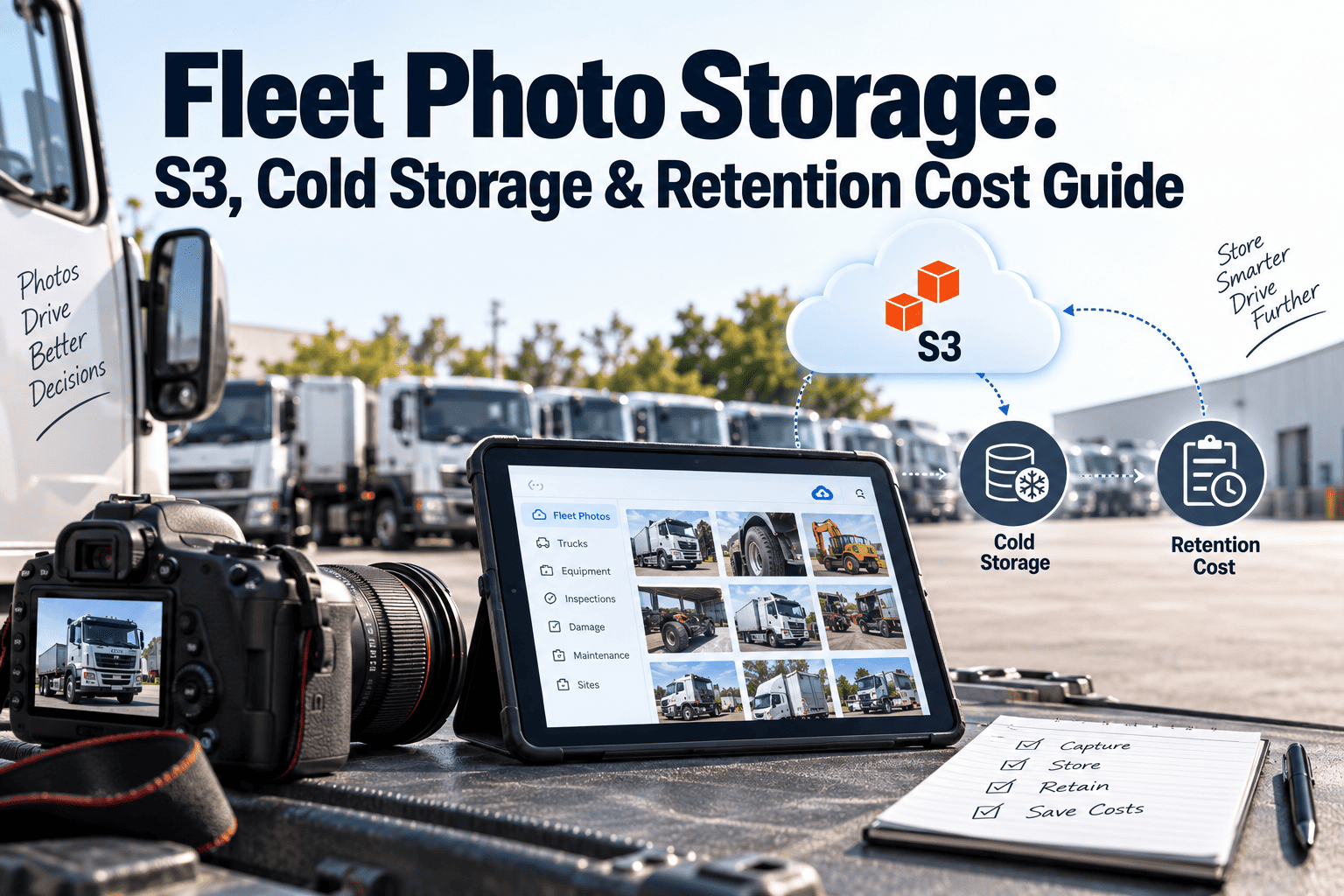
Every DVIR defect, every accident scene, every proof-of-delivery signature now comes with two or three photos attached, and a fleet running a few hundred trucks can generate millions of images a year without anyone in the office noticing the stora
Read More
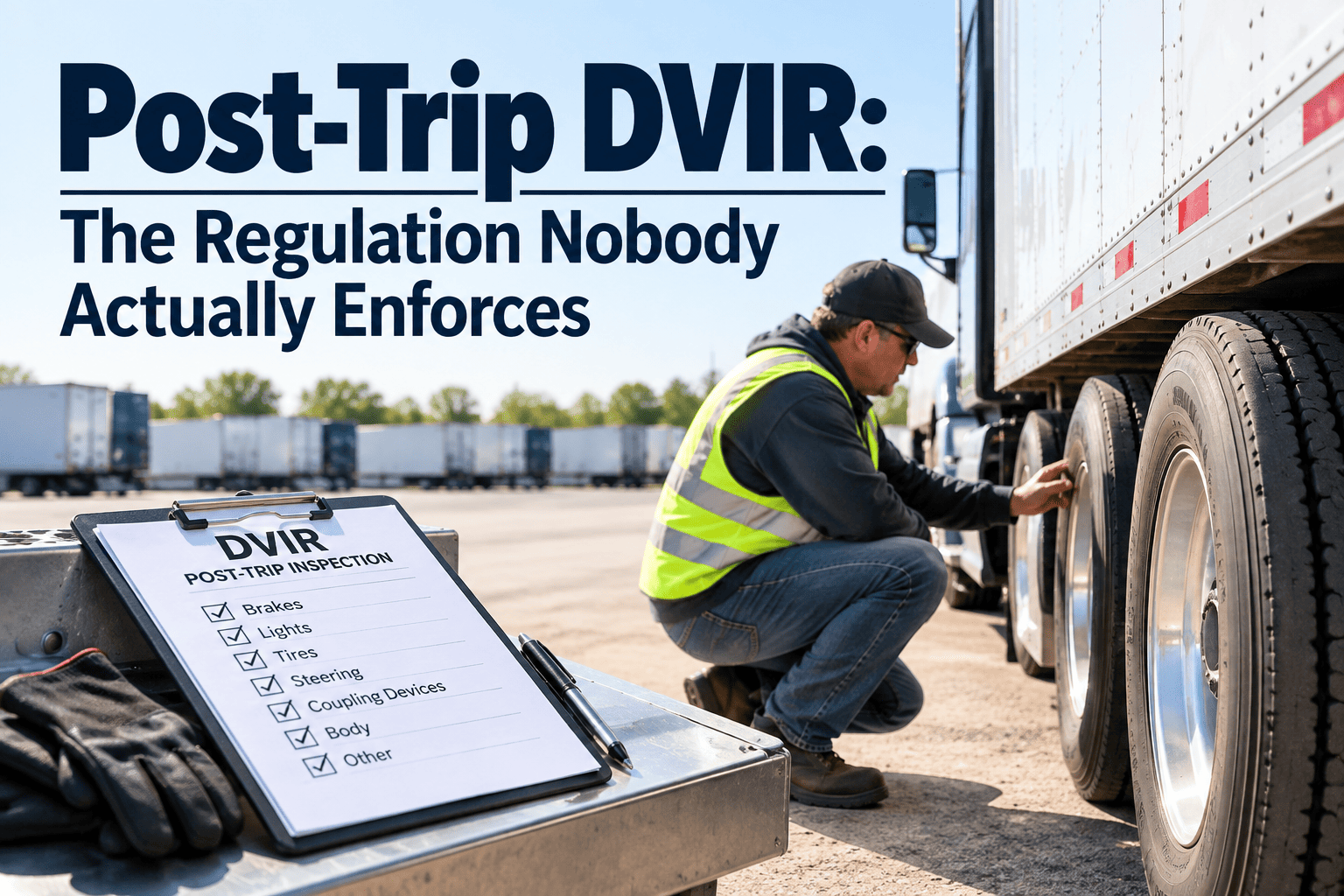
Post-trip DVIR is one of the oldest paperwork requirements in commercial trucking, yet it remains one of the most frequently cited violations found during DOT compliance reviews, year after year. Under 49 CFR 396.11, every commercial driver must p
Read More
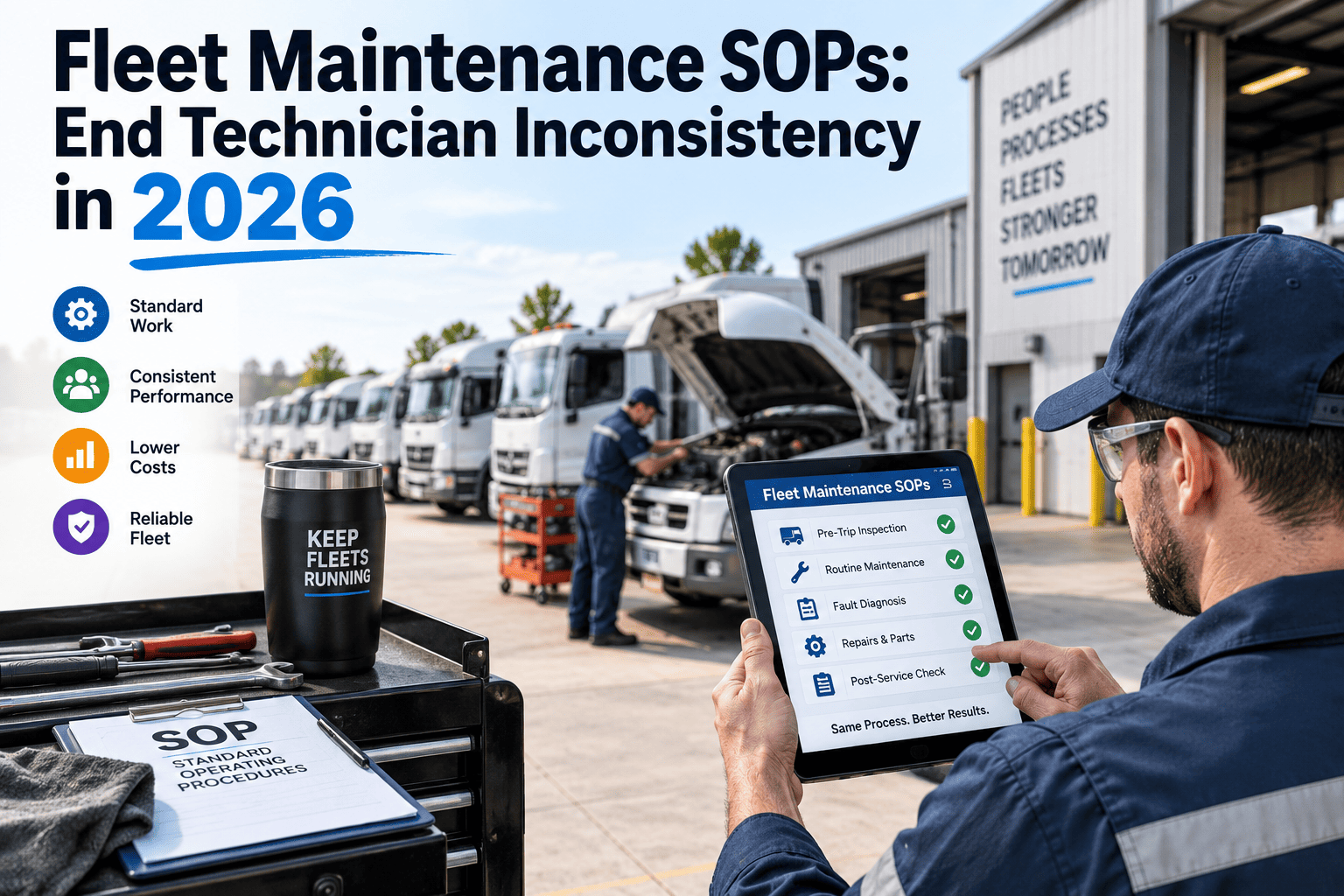
Ask five technicians to diagnose the same brake noise on the same truck model and you will likely get five different answers, five different repair times, and five different parts invoices. That is not a hiring problem or a training problem — it i
Read More
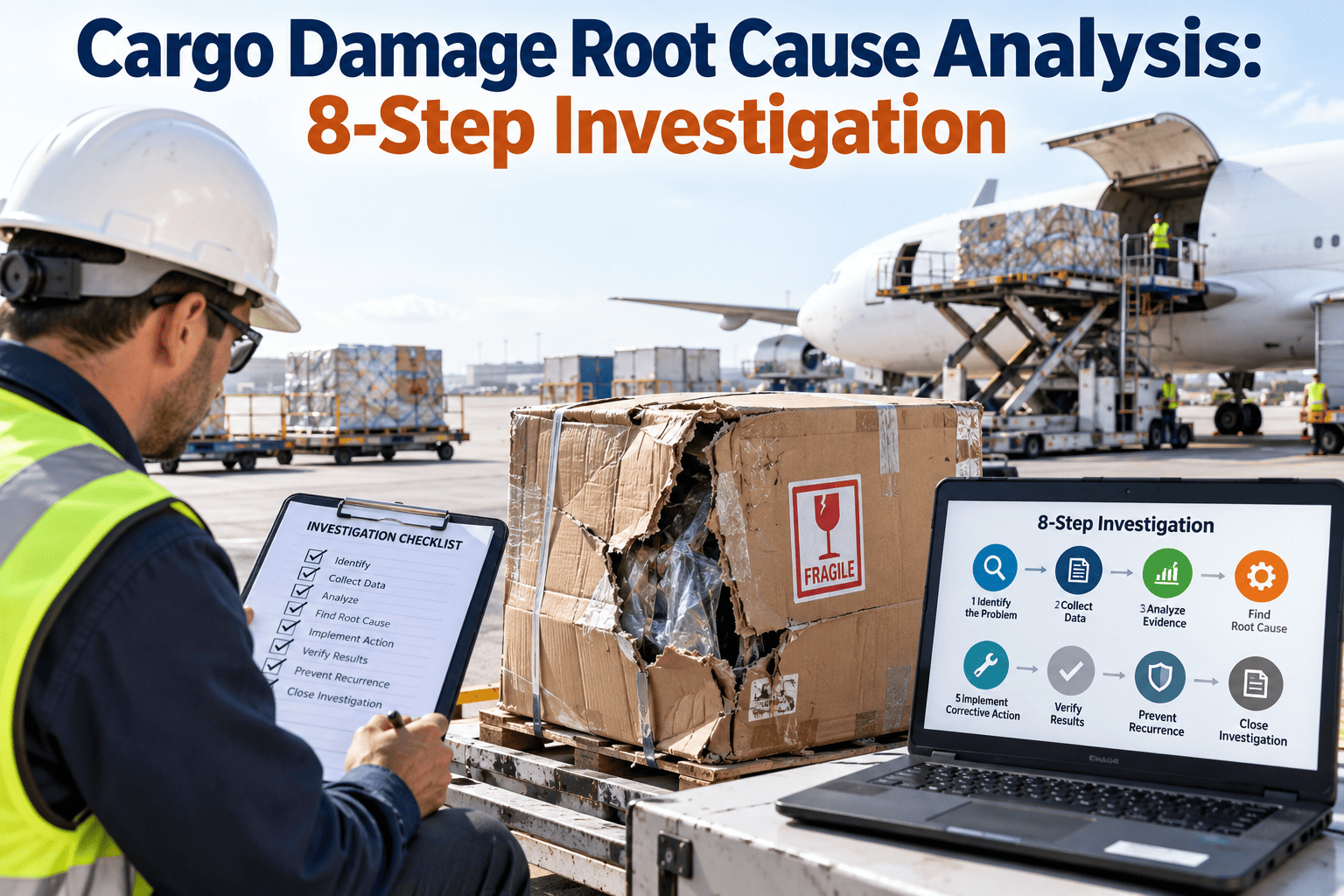
The same route keeps producing crushed corners on the same product line, month after month. Someone files a claim, someone repackages the load, and the next shipment goes out exactly the way the last one did — with nothing changed. That is not bad

Read More
A telematics feed goes live. Odometer readings start flowing into the CMMS. Everyone celebrates the integration and moves on to the next project. Three months later, a fleet manager notices that half the preventive maintenance schedules never trig
Read More
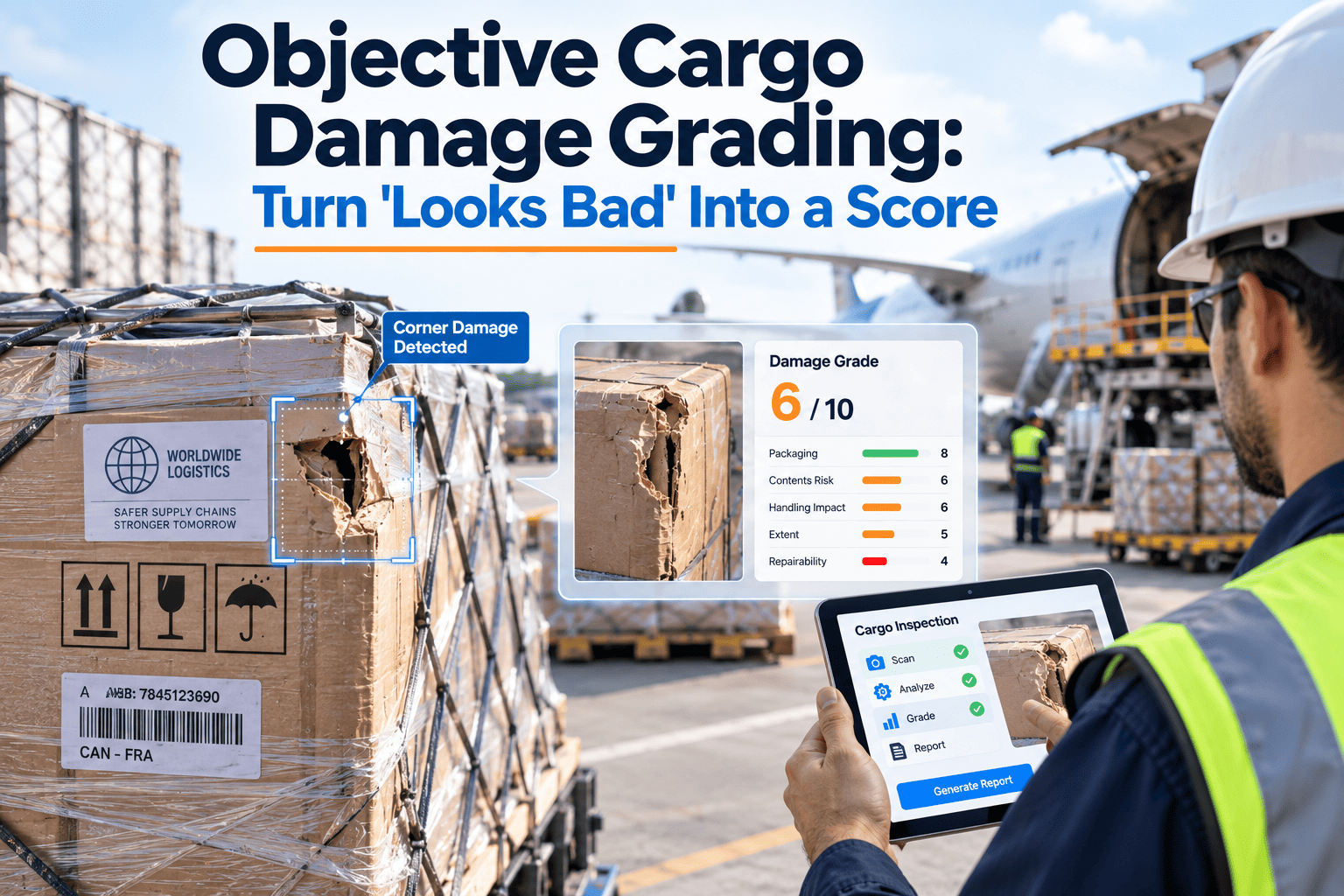
Ask five different warehouse staff to inspect the same damaged pallet and you will get five different answers. One calls it minor. Another calls it a total loss. A third shrugs and says "it's fine, just repack it." This is not a training problem —
Read More
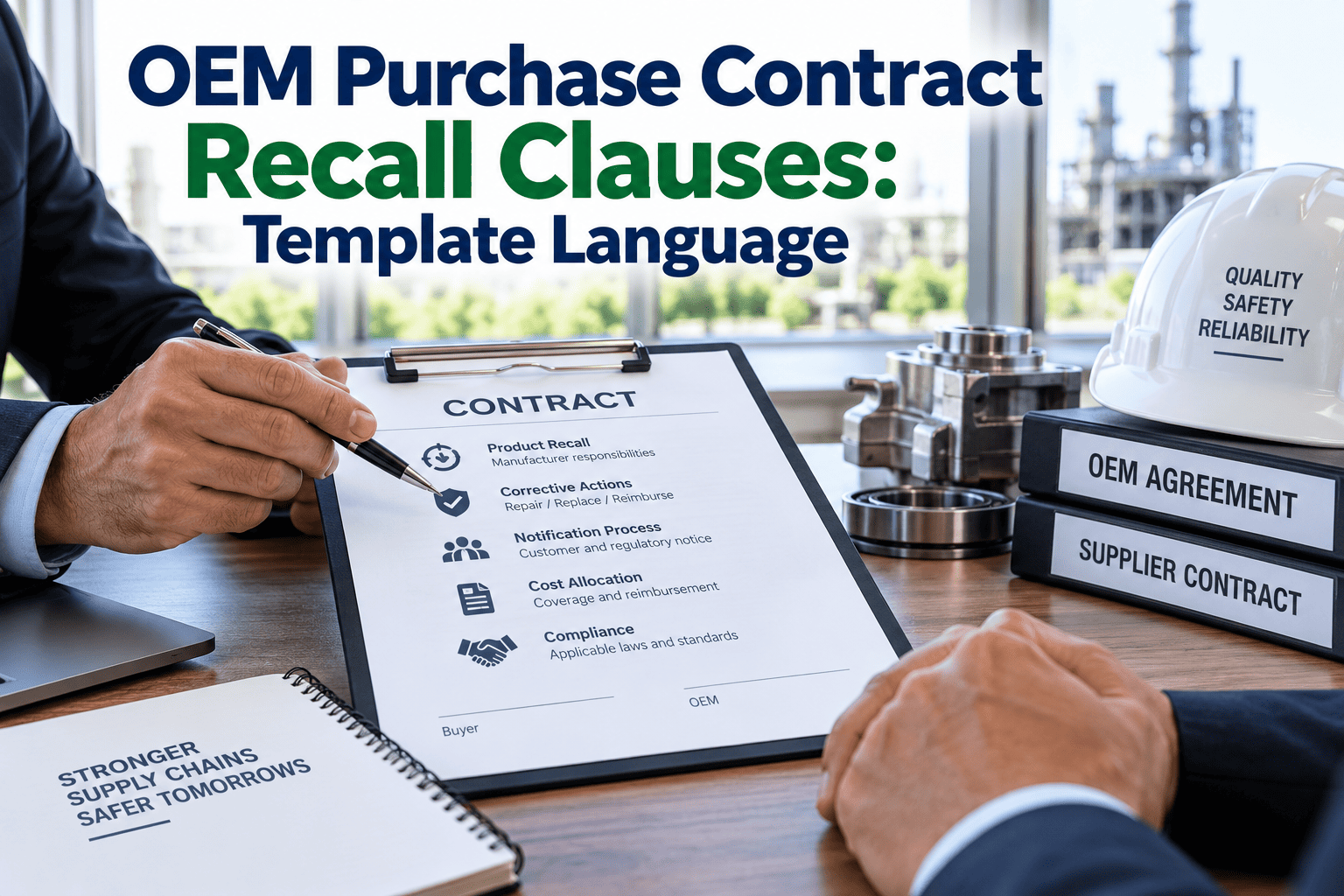
Most fleet purchase agreements are silent on what happens after the sale, once a recall is issued three years into the vehicle's service life. The manufacturer's obligation to notify the registered owner is a federal requirement, not a contractual
Read More
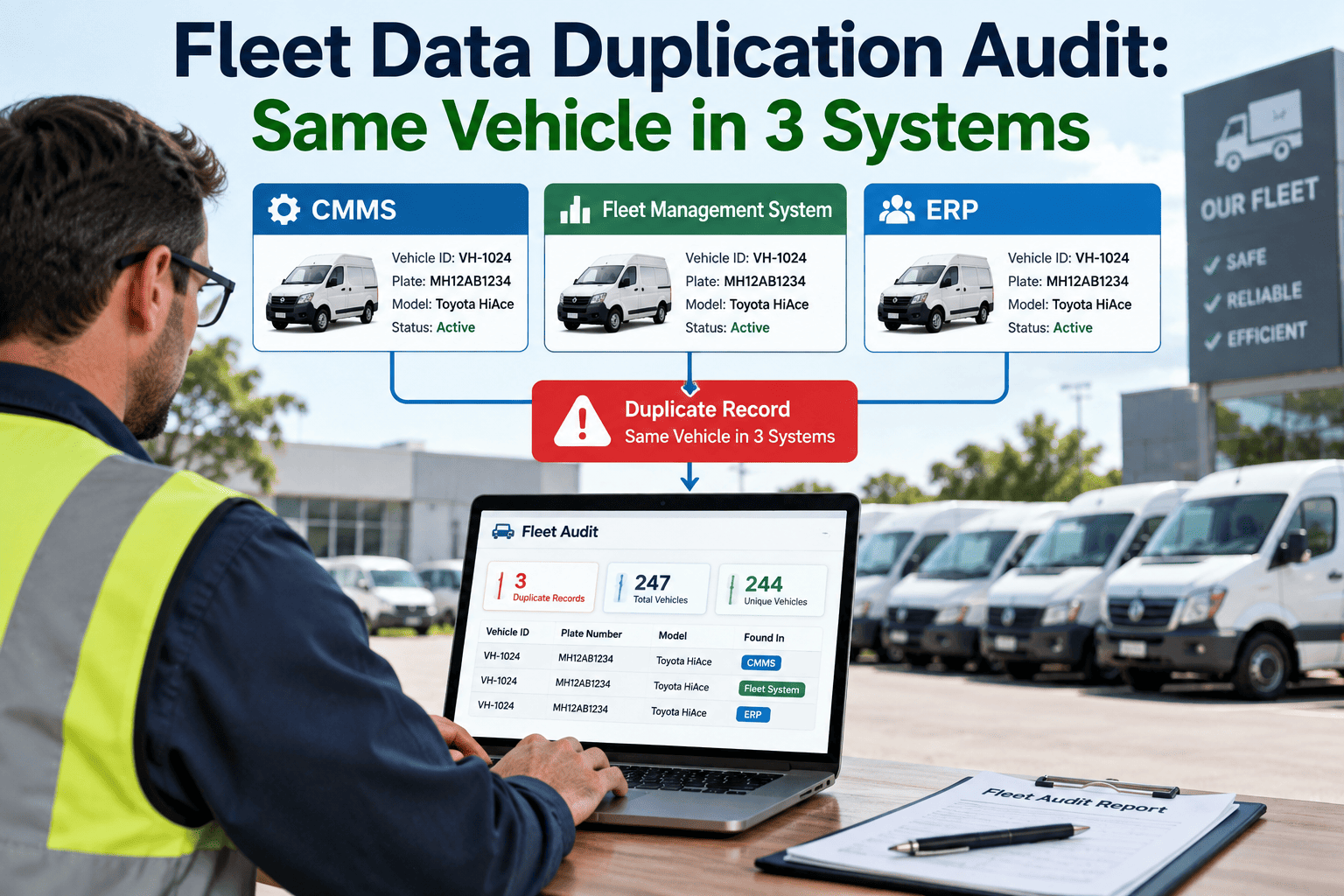
Ask a fleet manager how many vehicles they operate and they'll give you a confident number. Ask their finance team, their insurance broker, and their telematics provider the same question, and you'll often get three different answers — because the
Read More
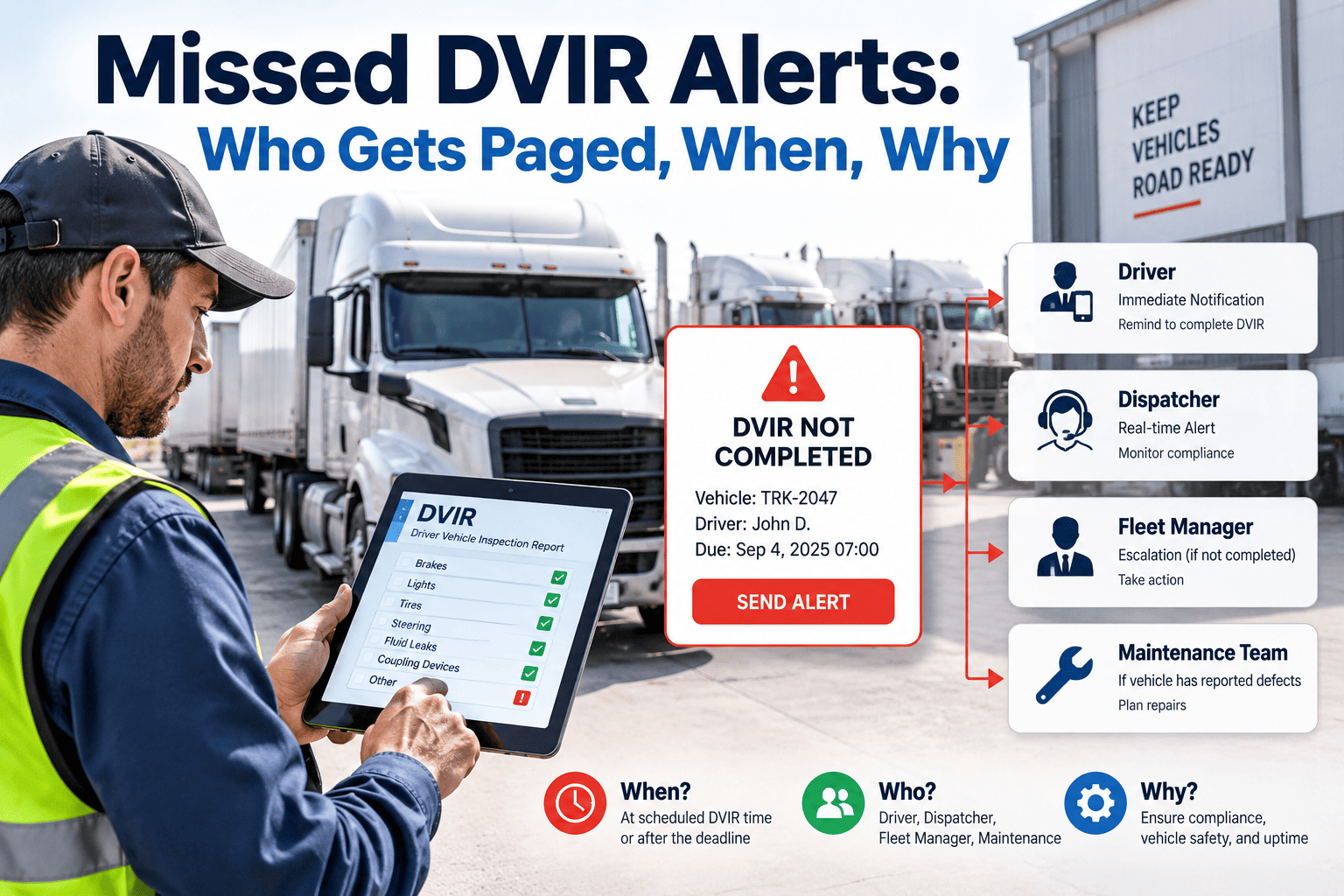
A missed DVIR does not announce itself. No dashboard turns red the moment a driver skips a post-trip inspection — the gap just sits quietly in the record until an FMCSA auditor or a roadside inspector goes looking for it. By then it is too late to
Read More
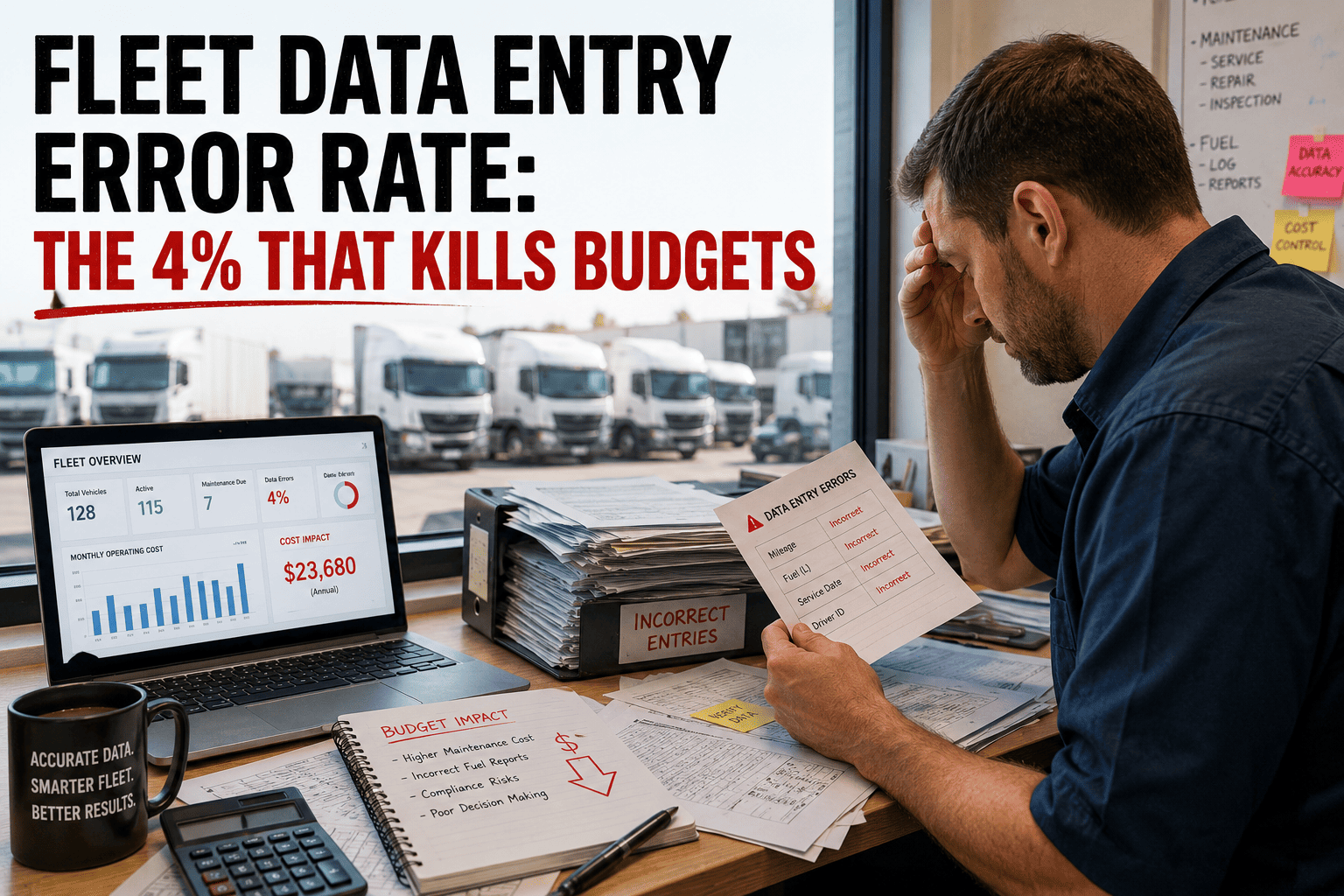
A technician finishes a job, scribbles the hours, parts, and odometer reading on a paper ticket, and drops it in a bin. Two days later, someone in the office retypes that ticket into a spreadsheet or maintenance system, working from handwriting th

Read More
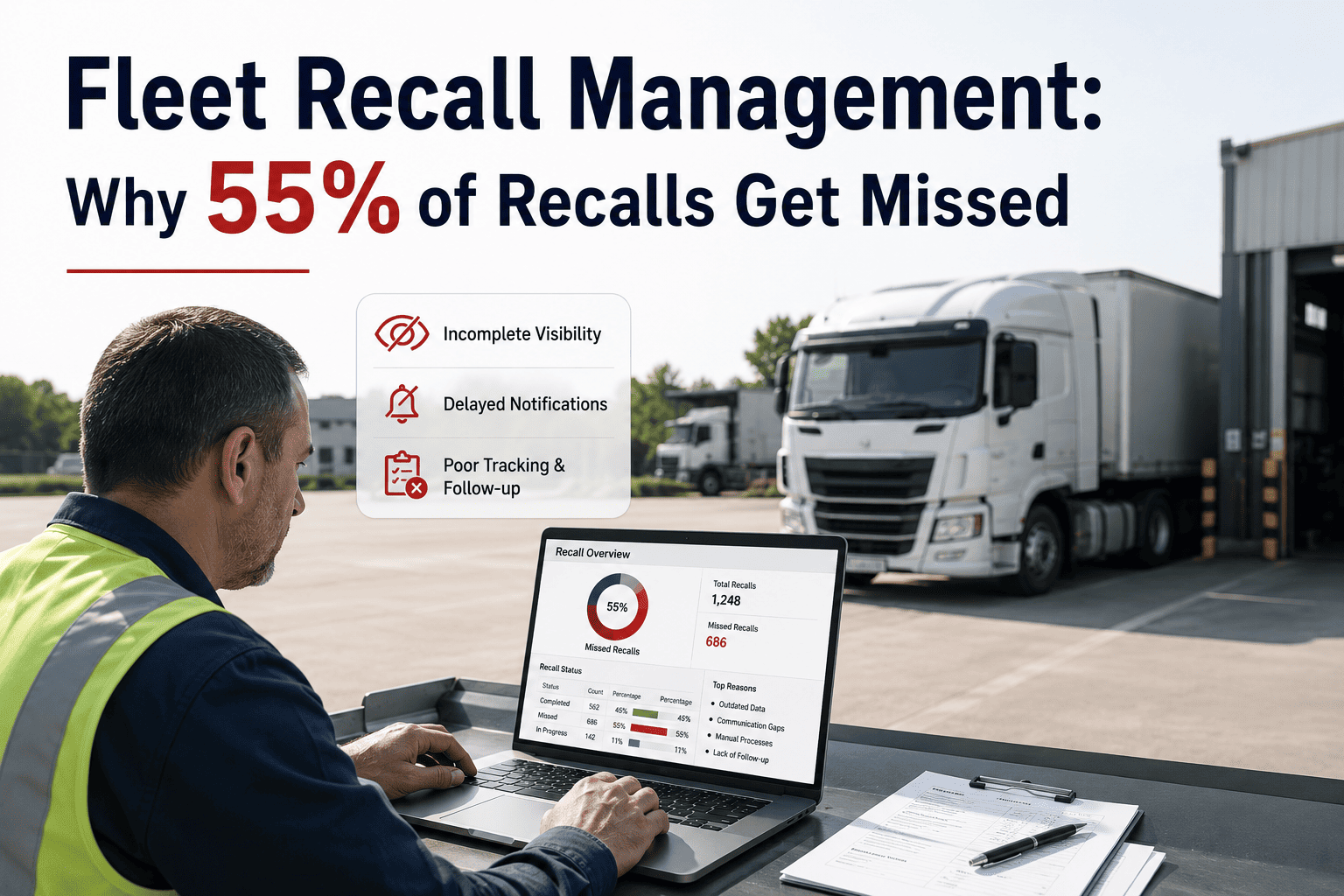
When a manufacturer pushes a recall fix over the air, nothing rolls into your yard, no technician signs a work order, and no paper trail lands on your compliance director's desk. The vehicle is simply supposed to be safe again, sometime between th
Read More
Every year NHTSA issues hundreds of vehicle safety recalls covering tens of millions of vehicles, and the government's own weighted-average completion rate across a decade of recall campaigns sits at just 65.8 percent. That means more than one in

Read More
A driver snaps a photo of a cracked mudflap bracket, the file lands in the camera roll as IMG_4471.jpg, and three weeks later nobody can say which truck it belongs to. This is not a rare accident — it is the default state of photo evidence at most
Read More
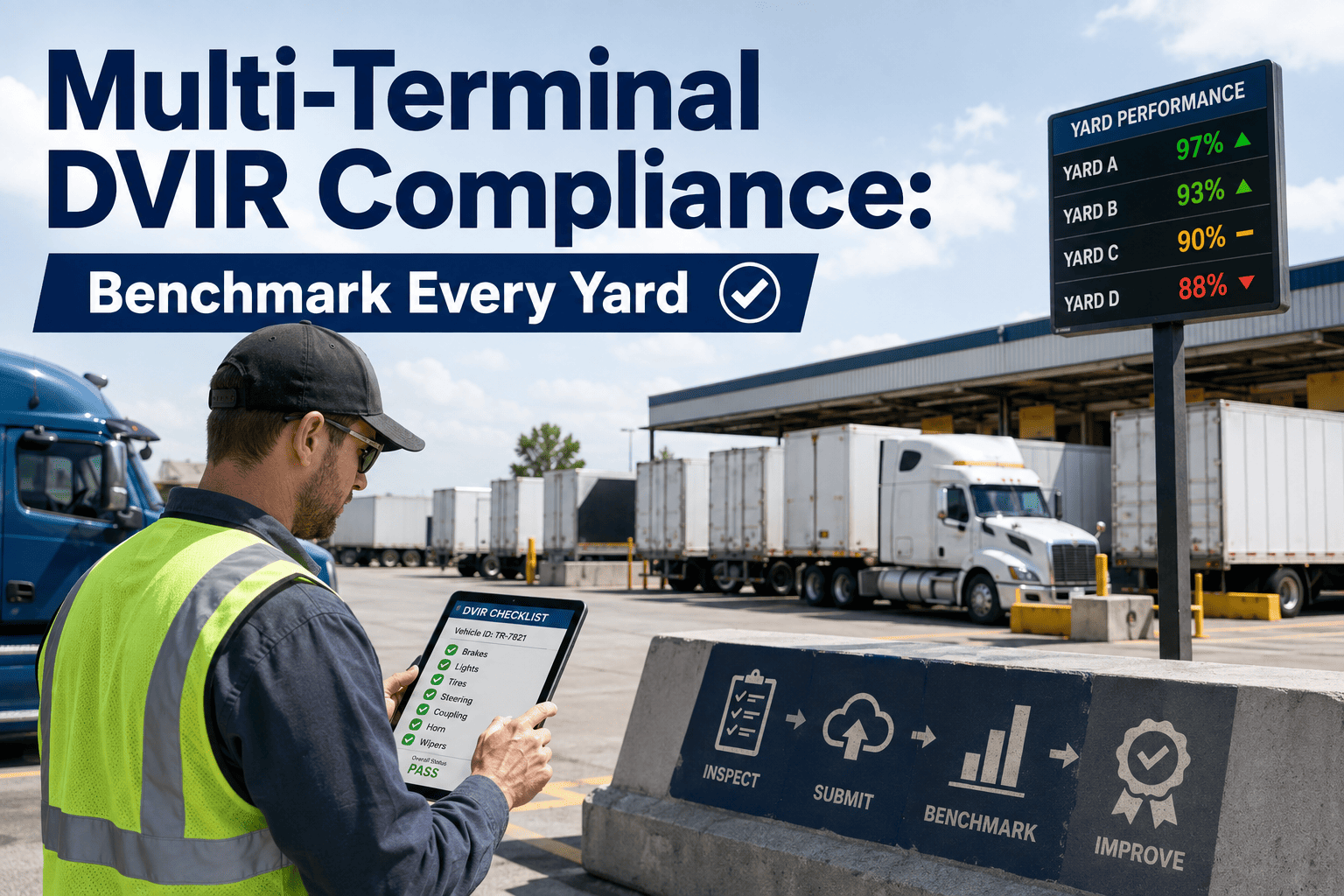
One yard runs a tight inspection program with defects caught before dispatch every morning. Another yard, thirty miles down the road under the same company name, is quietly pencil-whipping its way through DVIRs and nobody at headquarters knows it
Read More
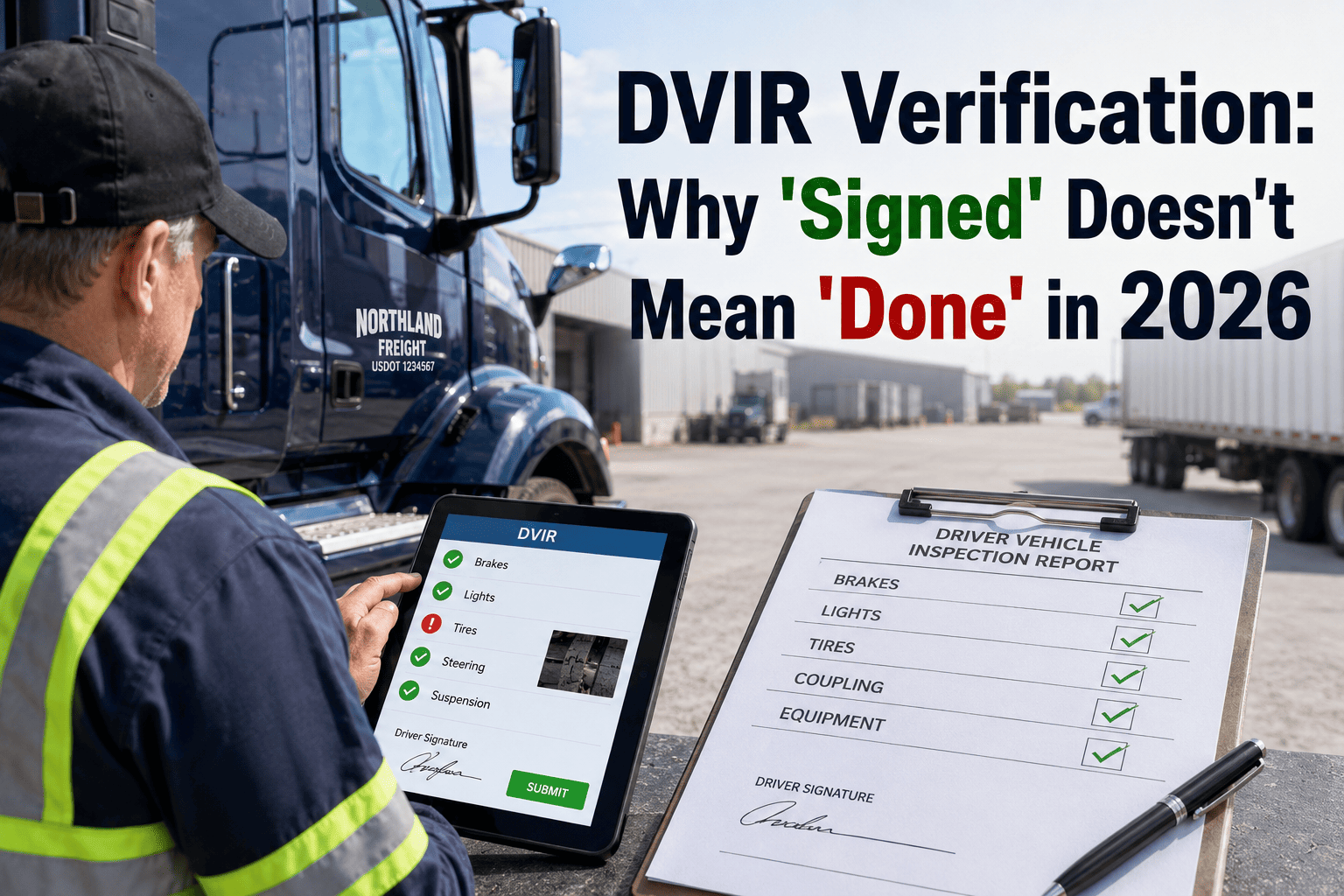
A signed DVIR tells you a driver touched a form. It does not tell you they touched the brakes, checked the tires, or looked twice at the lights. Pencil-whipped inspection reports are one of the most common findings in DOT compliance reviews, and i
Read More
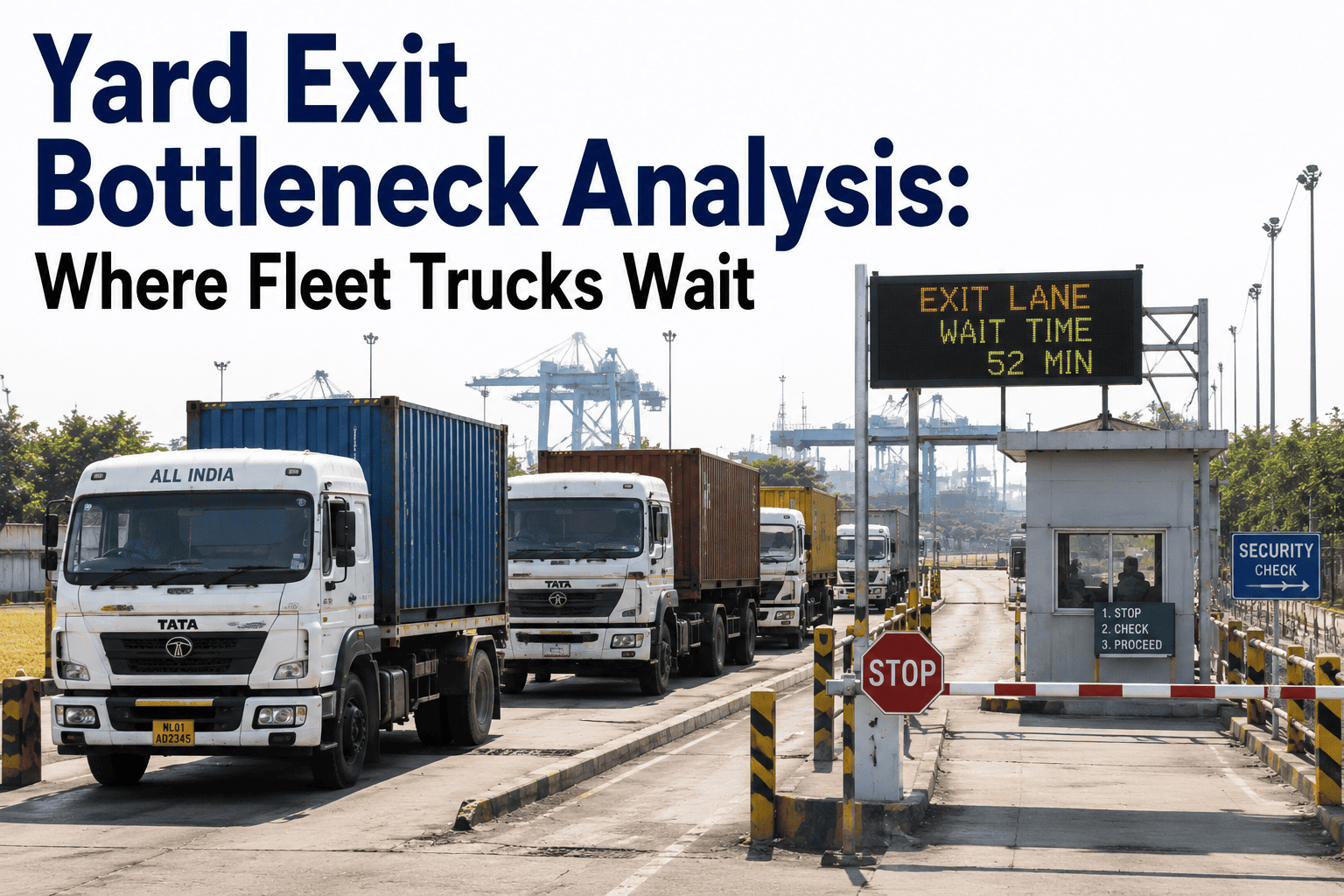
Ask a dispatcher why trucks aren't rolling out on schedule and the answer is almost always "the gate." It's the last thing anyone sees before a truck leaves, so it absorbs the blame for delays that actually started an hour earlier and thirty yards

Read More
When a fine art shipment worth $2 million rolls off a truck with a hairline crack along the crate seal, or a pallet of biologics arrives four degrees outside its validated range, the damage is usually invisible until a claims adjuster or an audito
Read More
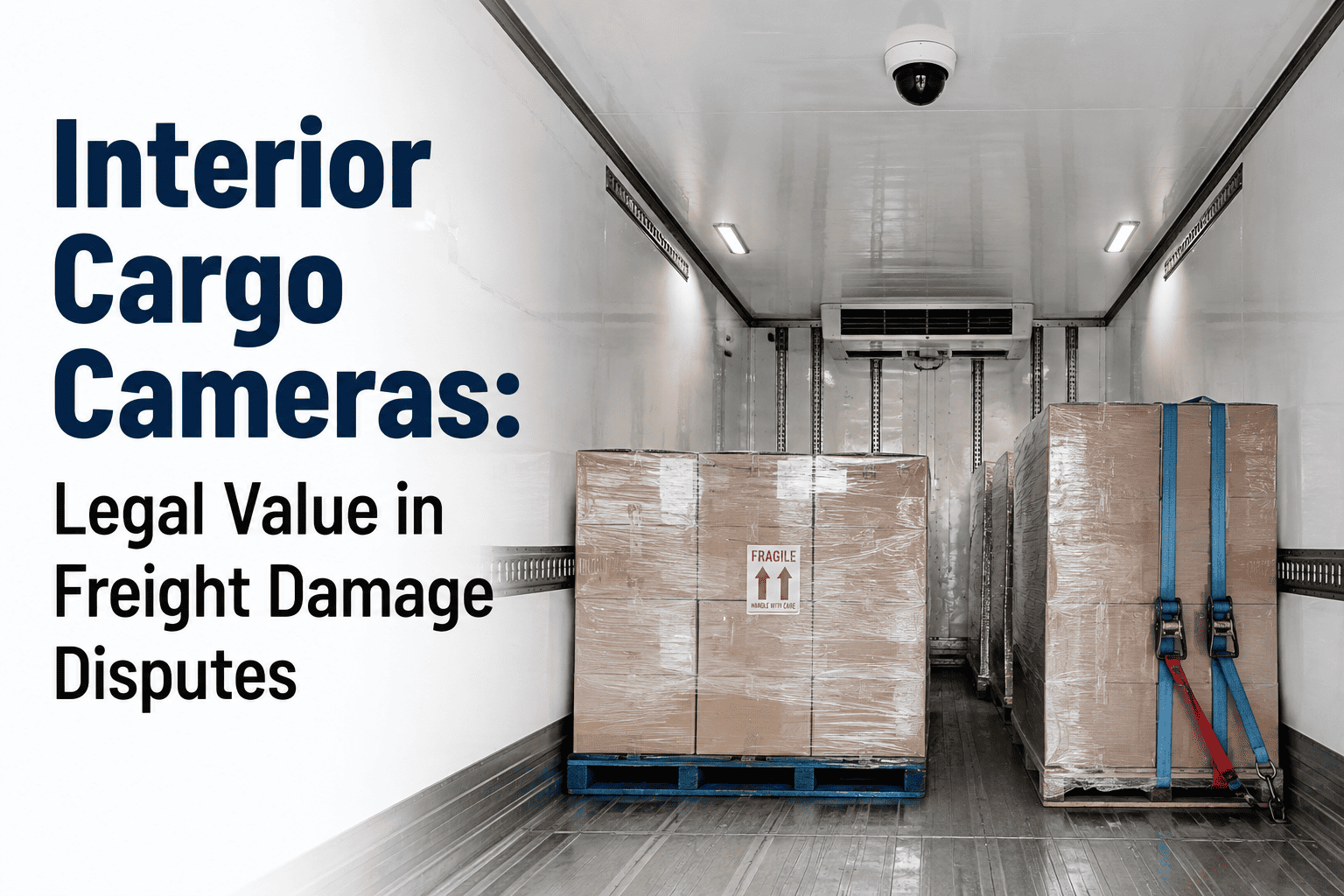
A shipper claims the load arrived damaged and wants the carrier to pay. The carrier insists the freight was secured properly and that something must have happened after handoff. Without a camera pointed at the actual cargo, this argument comes dow
Read More
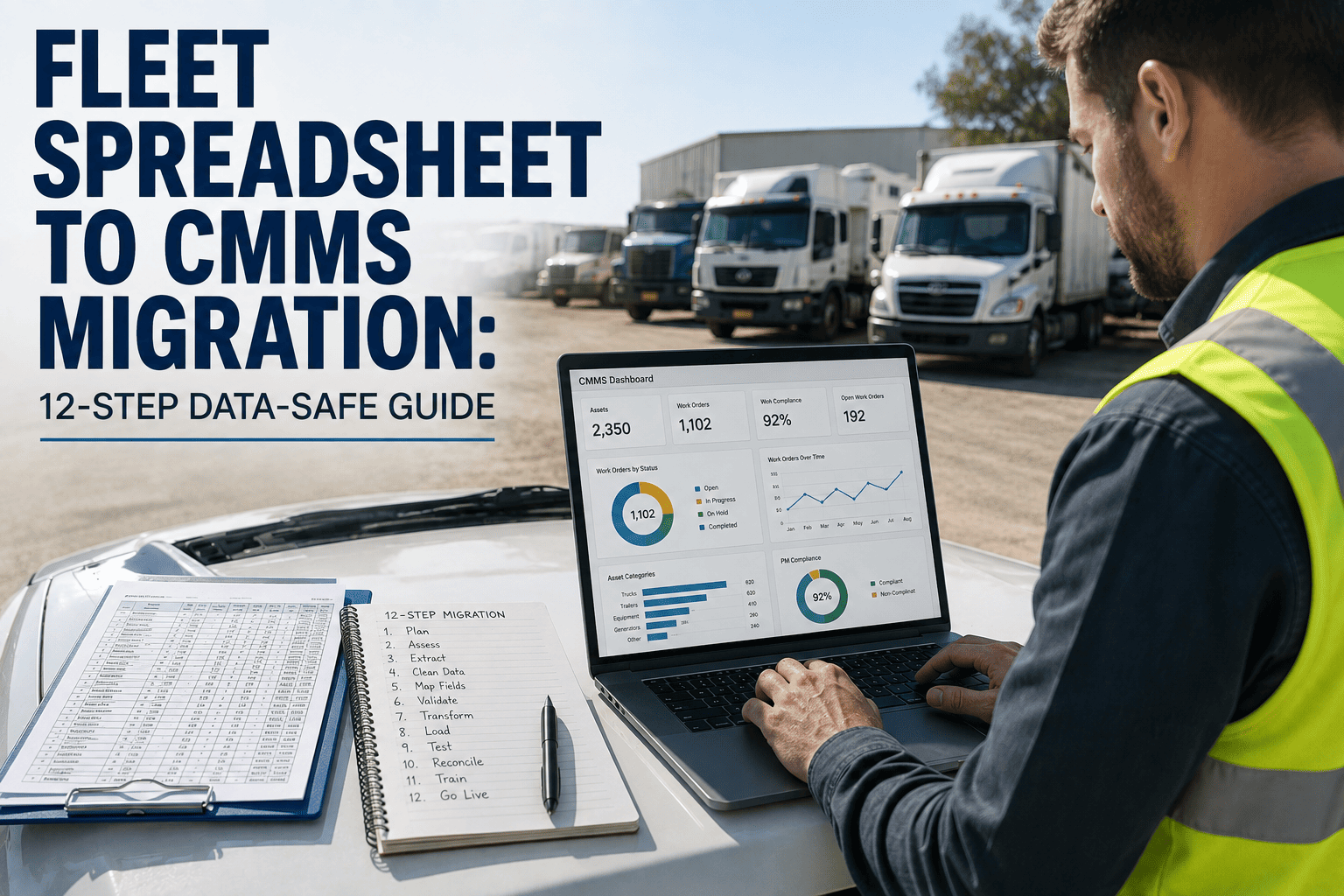
Every fleet manager who has run maintenance out of a spreadsheet eventually hits the same wall: the file gets too big, formulas break quietly, someone overwrites last week's PM log, and nobody can find the warranty date on truck 214 when its trans
Read More
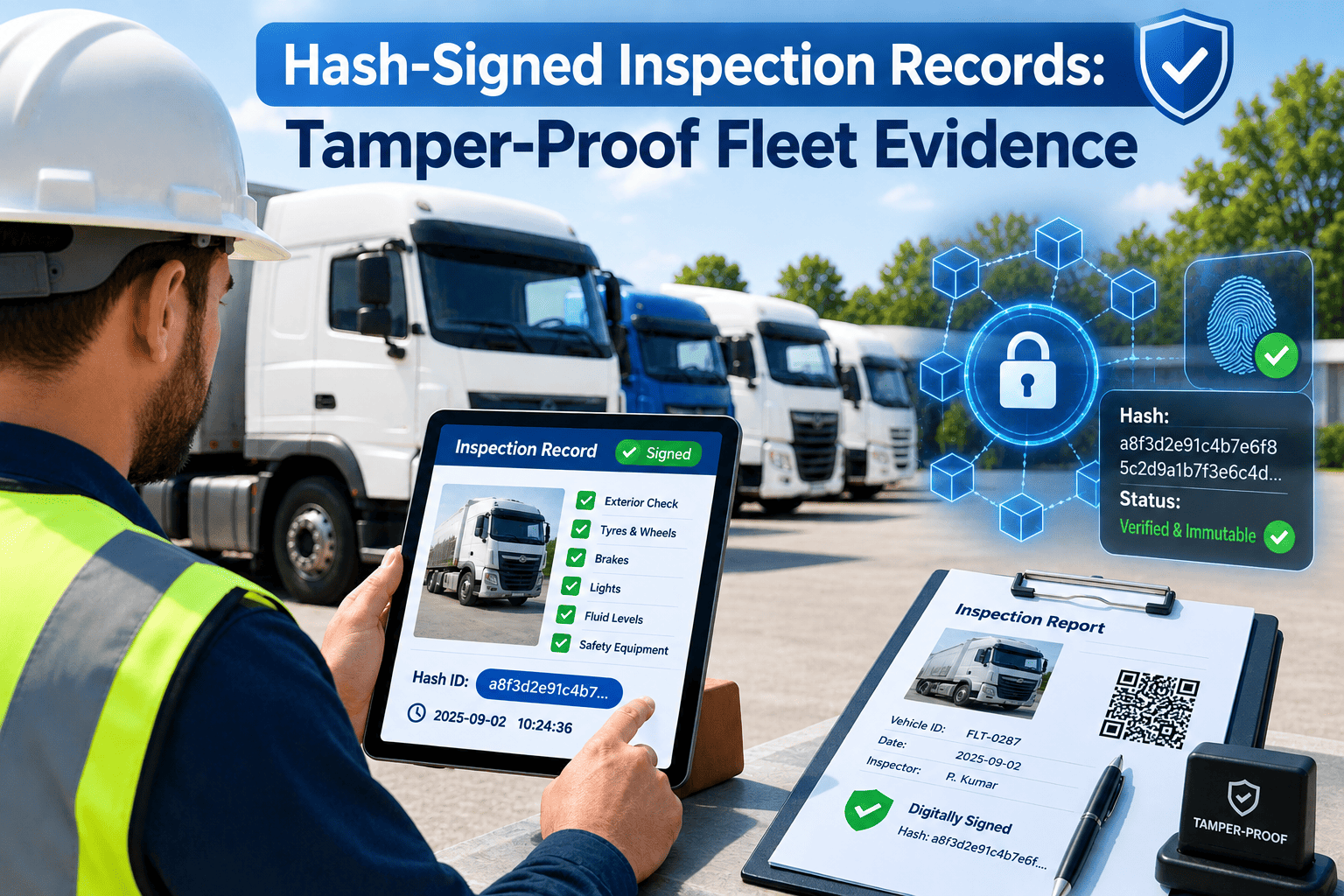
When a DOT auditor, an insurance adjuster, or opposing counsel asks whether a fleet inspection record has been altered since it was created, most digital DVIR systems cannot answer with mathematical certainty — they can only show a screen that onc
Read More
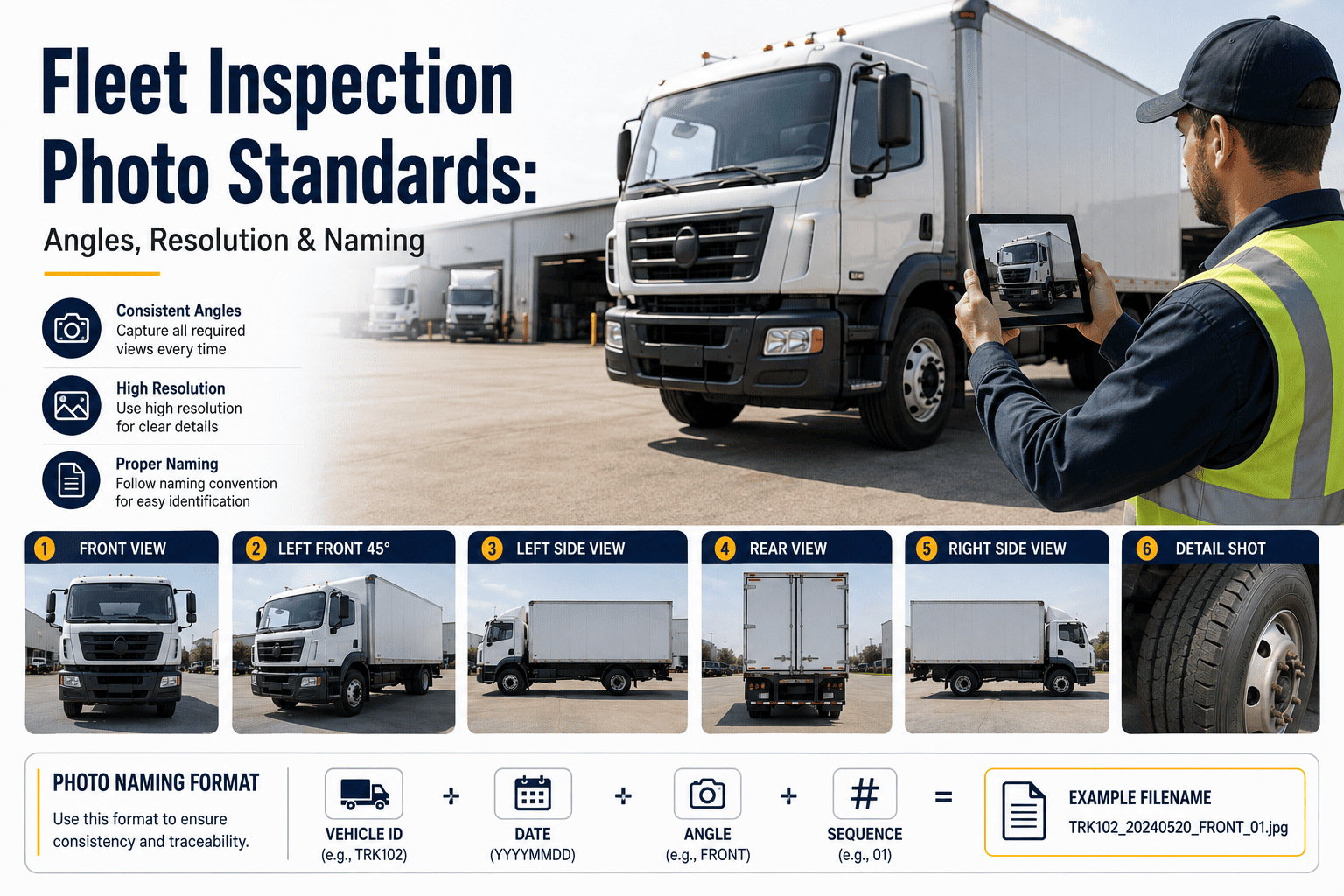
A damage claim gets denied not because the damage was not real, but because the photo taken at pickup was blurry, shot from the wrong angle, or never timestamped against the vehicle record it was supposed to prove. Fleets lose more disputed claims
Read More
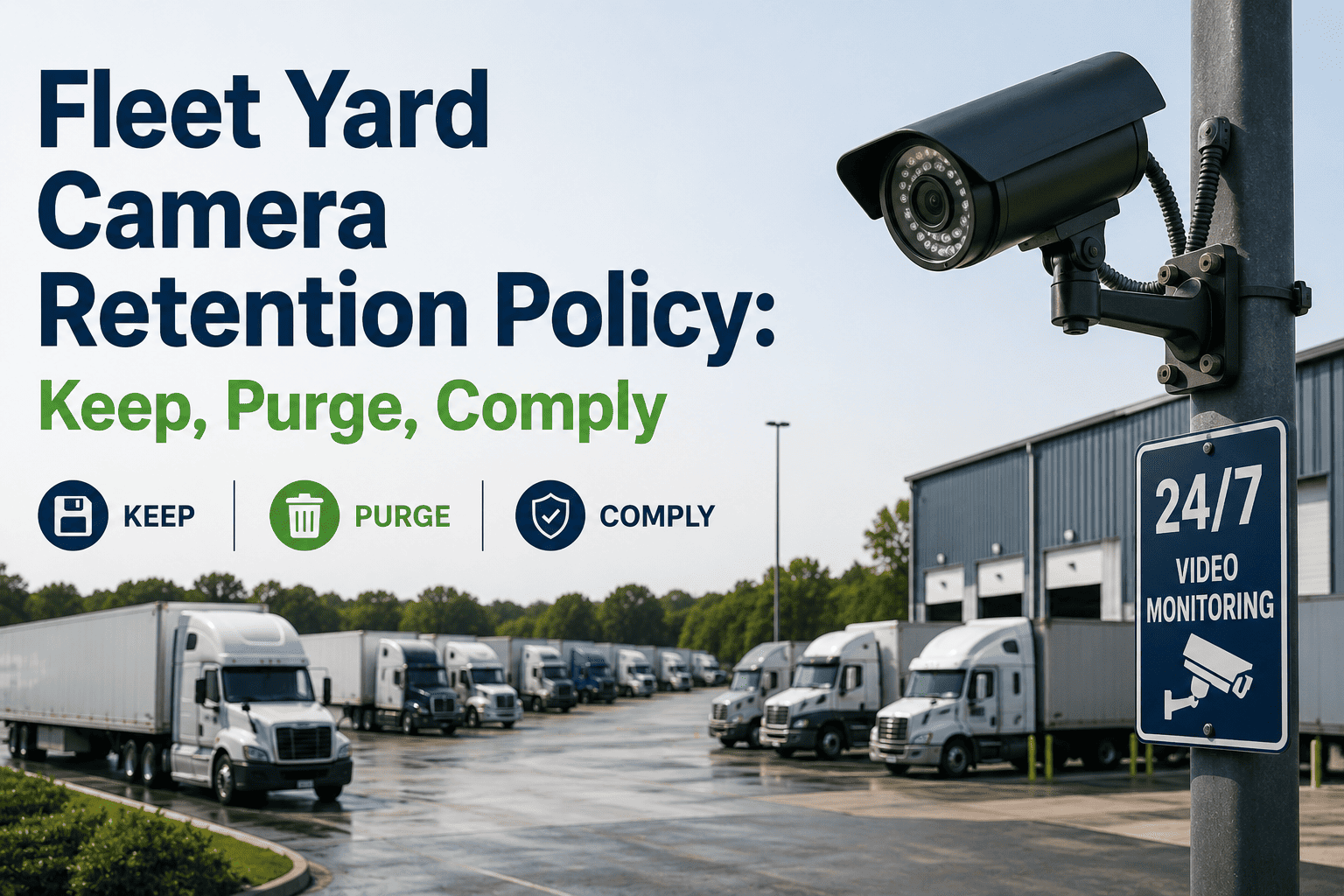
A single yard camera can generate more footage in one week than most fleet managers will review in a year, yet almost nobody can say with confidence how long any specific clip actually needs to stay before it is safe to delete. A collision claim c
Read More
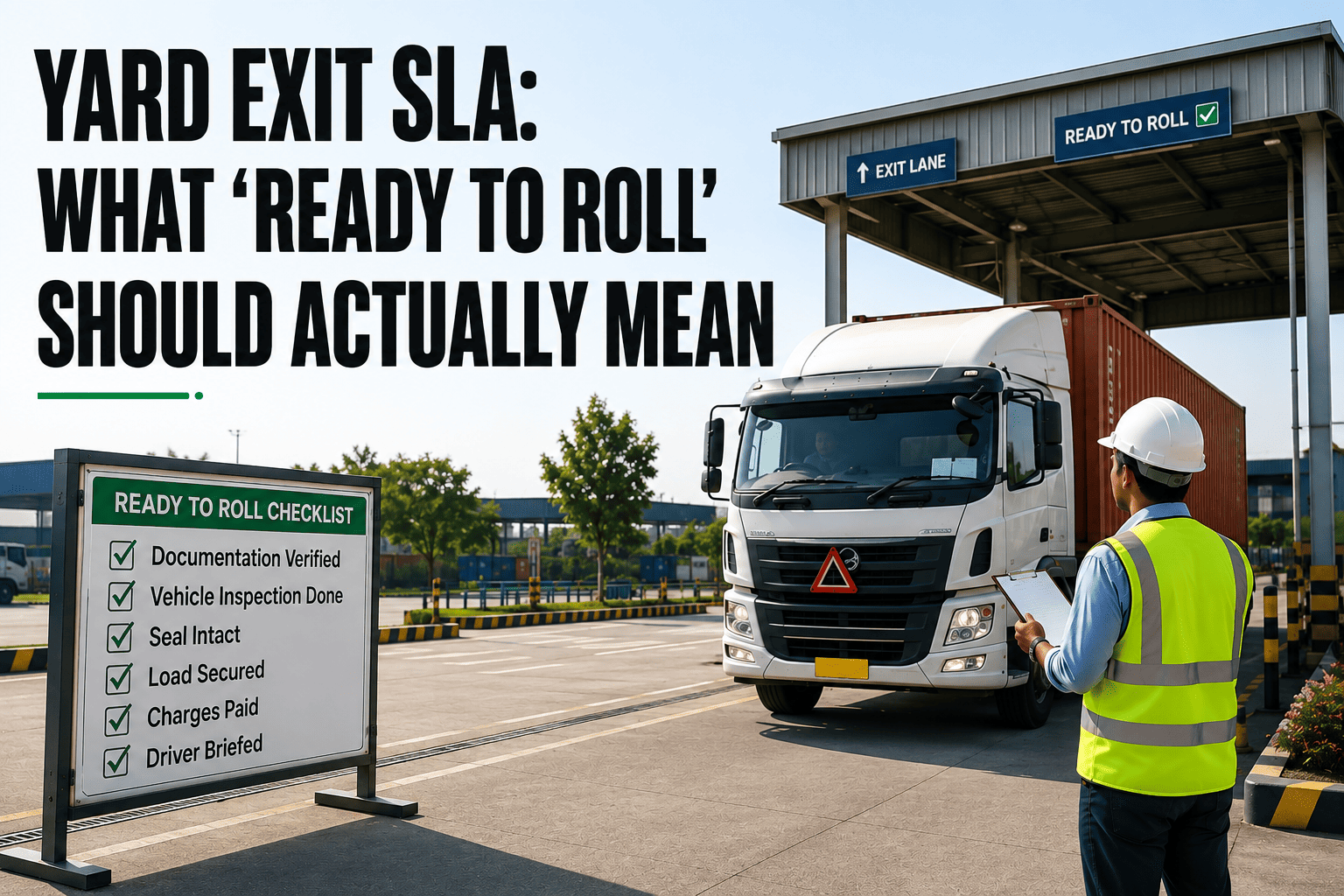
Six-forty in the morning, and the yard supervisor waves the truck through anyway. The DVIR was filed twelve minutes ago, nobody has looked at the AI scan alert on the rear axle, and dispatch already logged the load as "departed" because the appoin

Read More
A single flat tire can trigger a maintenance alert, a telematics alert, a driver app alert, and a dispatcher SMS — all for one truck, one problem, all within ninety seconds. Multiply that across a 40-vehicle fleet and a bad pothole season, and dis

Read More
Computer vision has quietly crossed a threshold that most receiving docks have not caught up to yet. A camera mounted over a conveyor or dock door can now classify a crushed corner, a puncture, or a water stain in under half a second, with accurac

Read More
Most receiving docks still trust a five-second glance to decide whether a pallet gets accepted or rejected. That glance works for a torn box or a crushed corner sitting in plain sight, but it fails on the damage that hides in shadows, under labels
Read More
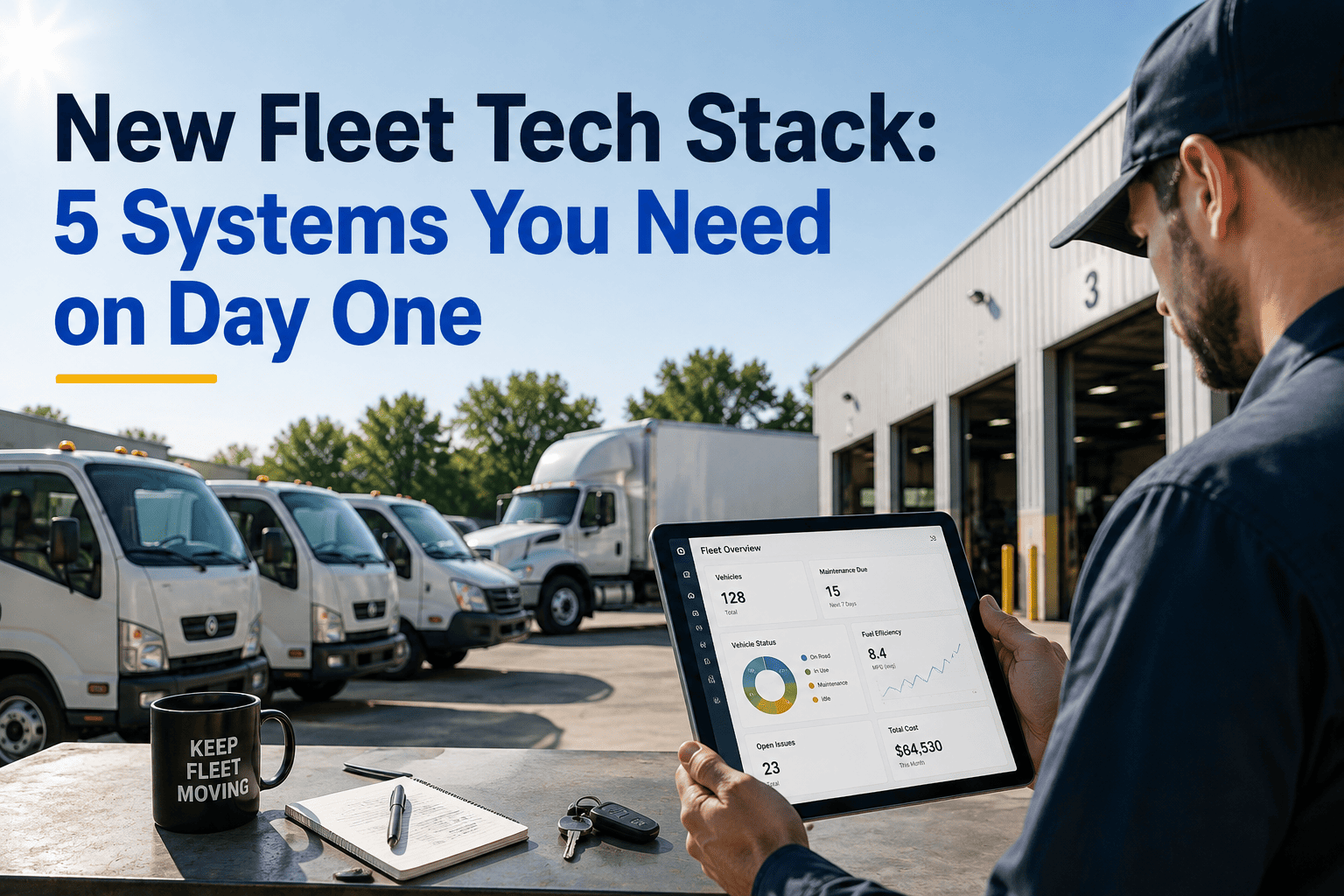
New carriers hear the same advice from every trade forum: you need a TMS, an ELD, a maintenance system, a factoring partner, fuel cards, a safety platform, a driver app, an accounting tool, load boards, and a dozen more logins before you haul your
Read More
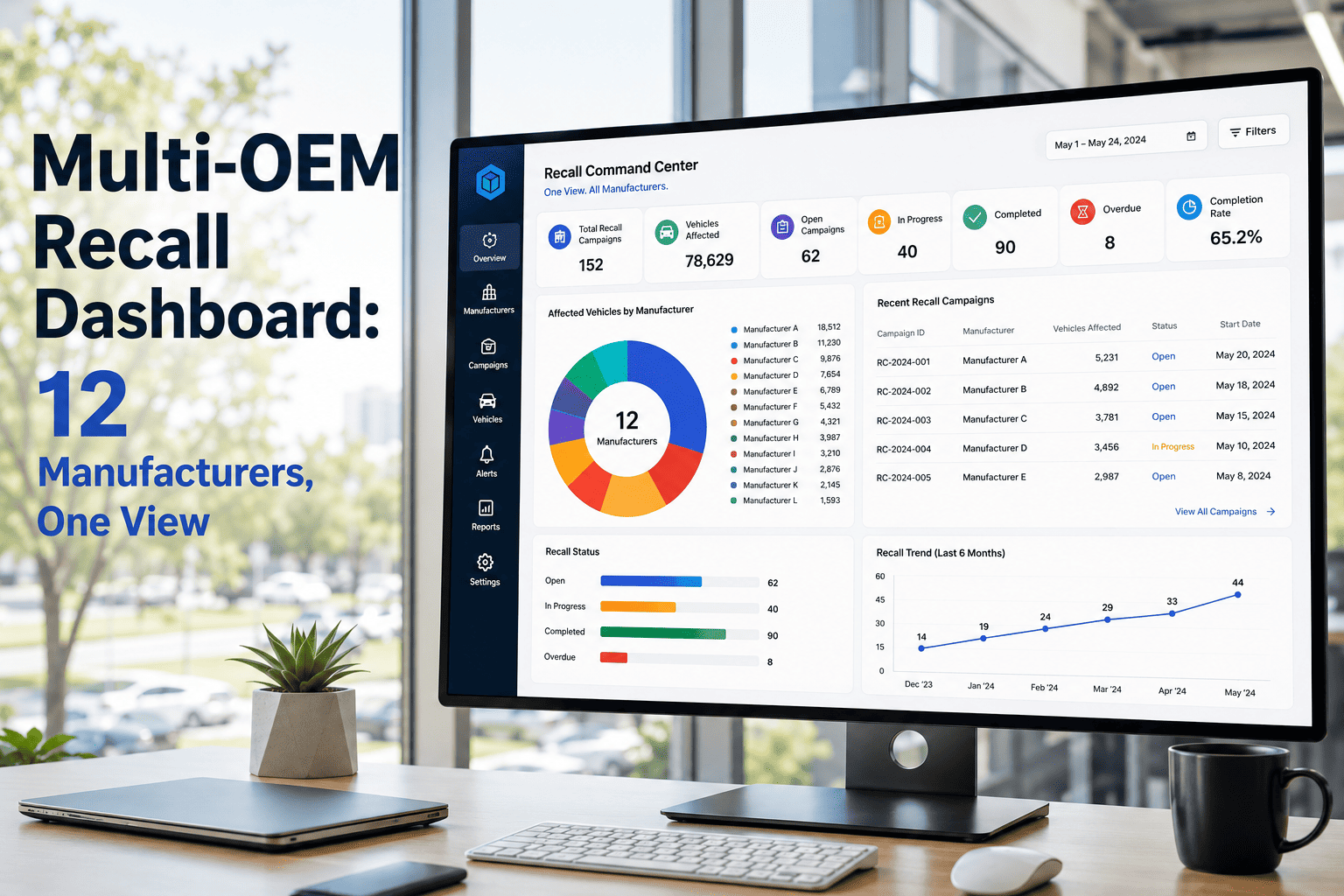
Mixed fleets rarely stay loyal to one manufacturer. A regional carrier might run Freightliner tractors, Ford and Ram pickups, Isuzu box trucks, and trailers from three different builders — and every one of those manufacturers publishes recall noti

Read More
A federally compliant pre-trip inspection takes a driver several minutes to walk a tractor-trailer, check the lights, tires, brakes, and coupling, and log what they find. A 45-second DVIR isn't a fast driver — it's a form filled out while the truc
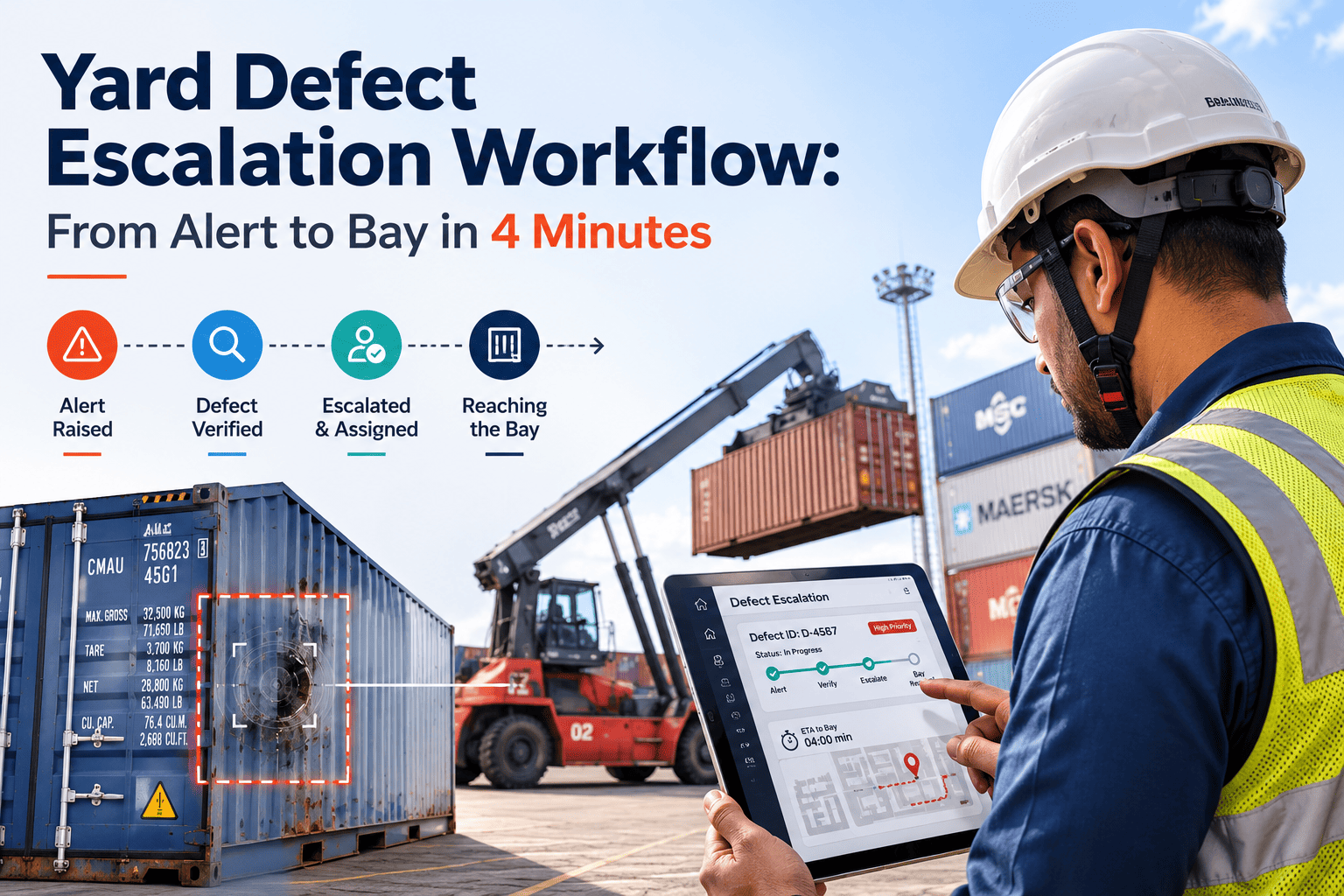
Read More
A driver flags a cracked air line during a pre-trip walk-around. In most yards, that defect sits in a paper stack or a group chat for hours before a technician ever sees it — and the truck sits right along with it. The fleets that have solved this

Read More
Every diesel engine burns a little oil — a thin film left on the cylinder wall gets consumed with every combustion stroke, and that is normal by design. What is not normal is when the quarts added between oil changes start climbing month over mont
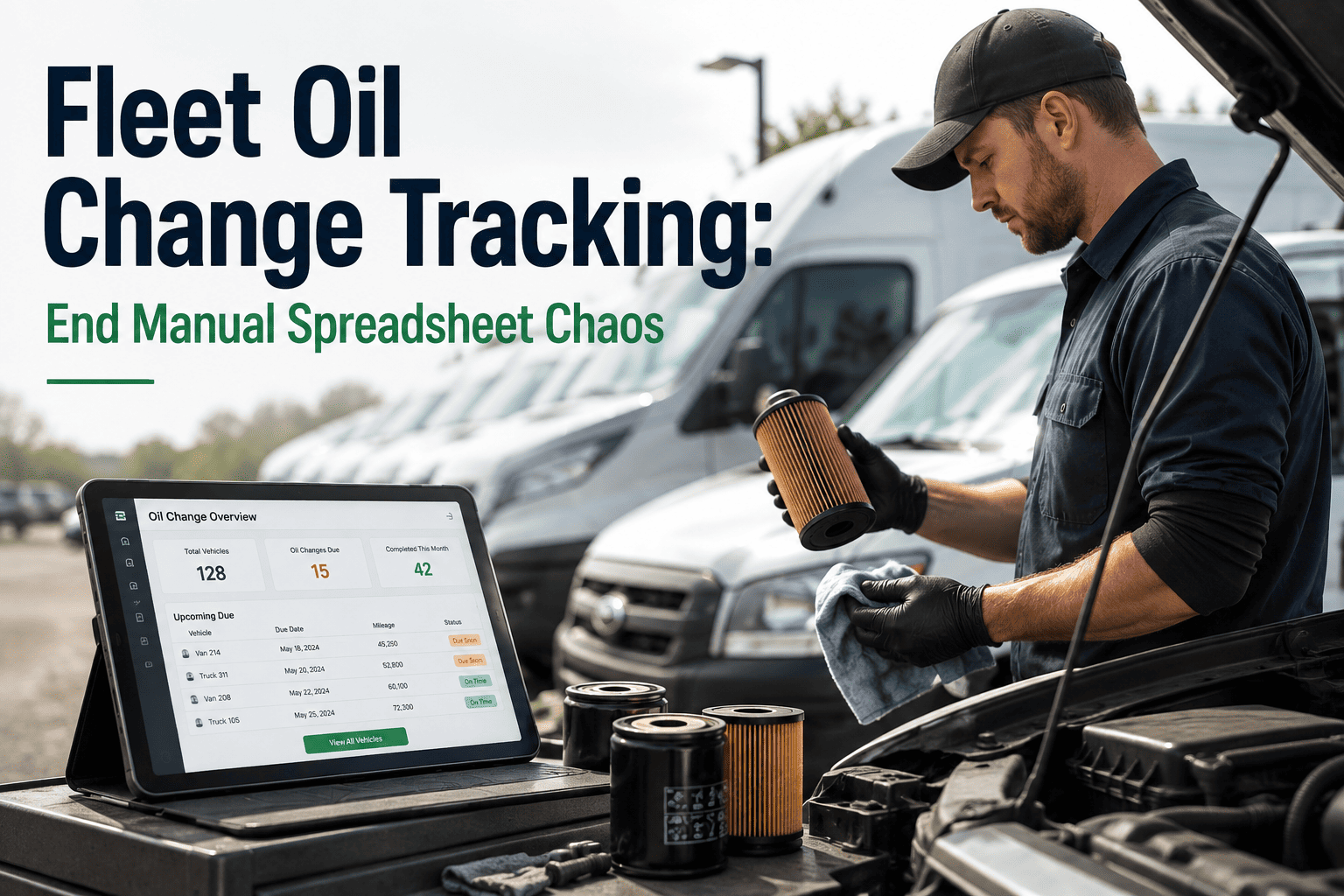
Read More
Ask any fleet manager running maintenance out of a spreadsheet how confident they are that every vehicle got its oil changed on time, and the honest answer is usually a pause before "pretty confident." That pause is the problem. A shared file with
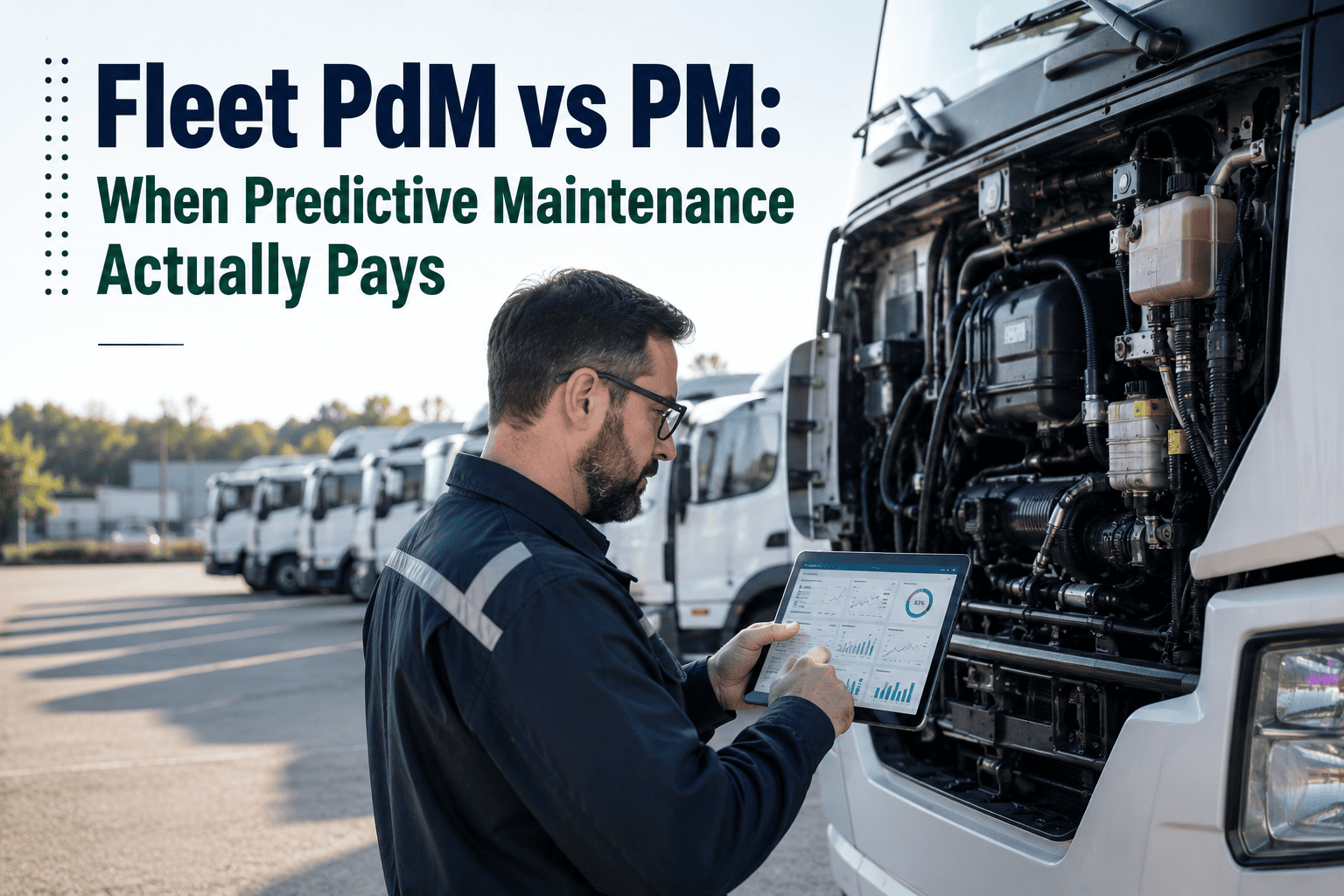
Read More
Every predictive maintenance pitch sounds the same: sensors catch the failure before it happens, downtime disappears, costs fall 30%. Some of that is true. What most pitches leave out is that predictive maintenance does not pay off the same way at
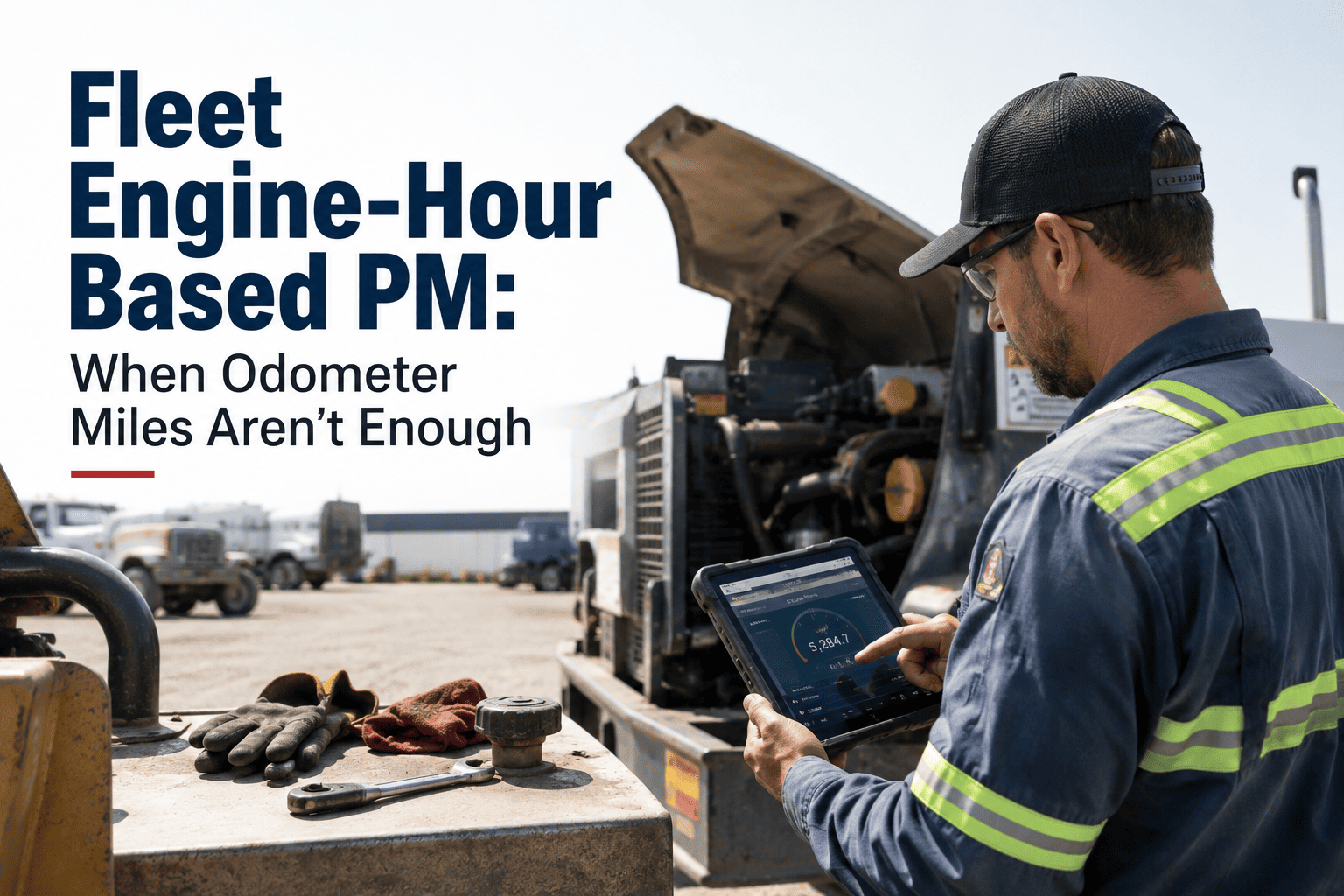
Read More
Two trucks can roll off the yard with the exact same odometer reading and be nowhere close to the same maintenance risk. One spent its day covering steady highway miles; the other idled at a dock, ran PTO equipment, or crawled through a job site b
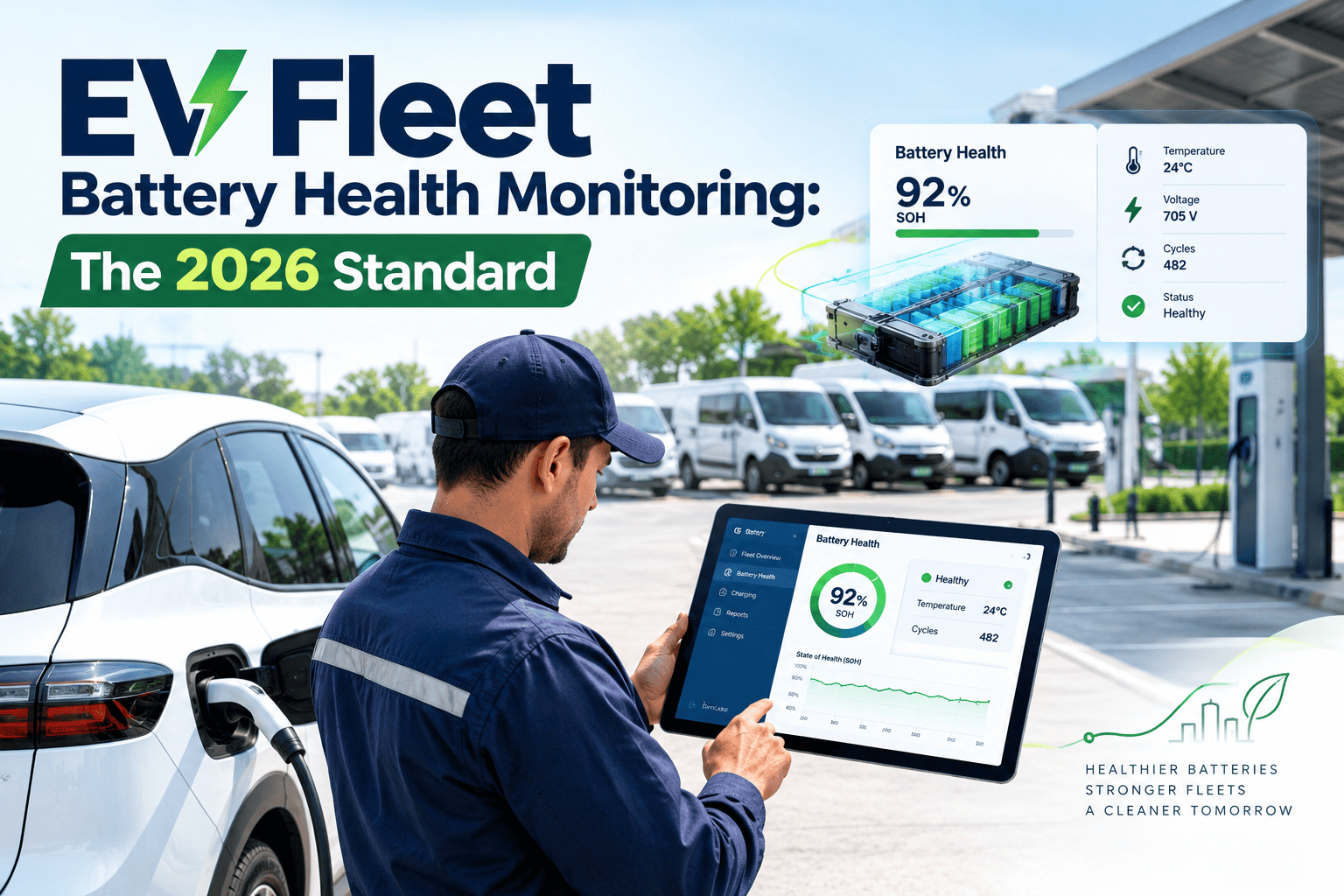
Read More
Every EV in your fleet is quietly writing its own resale value into its battery pack, one charge cycle at a time. State of health is the single number that determines how many miles a vehicle can actually run on a full charge, how many more years
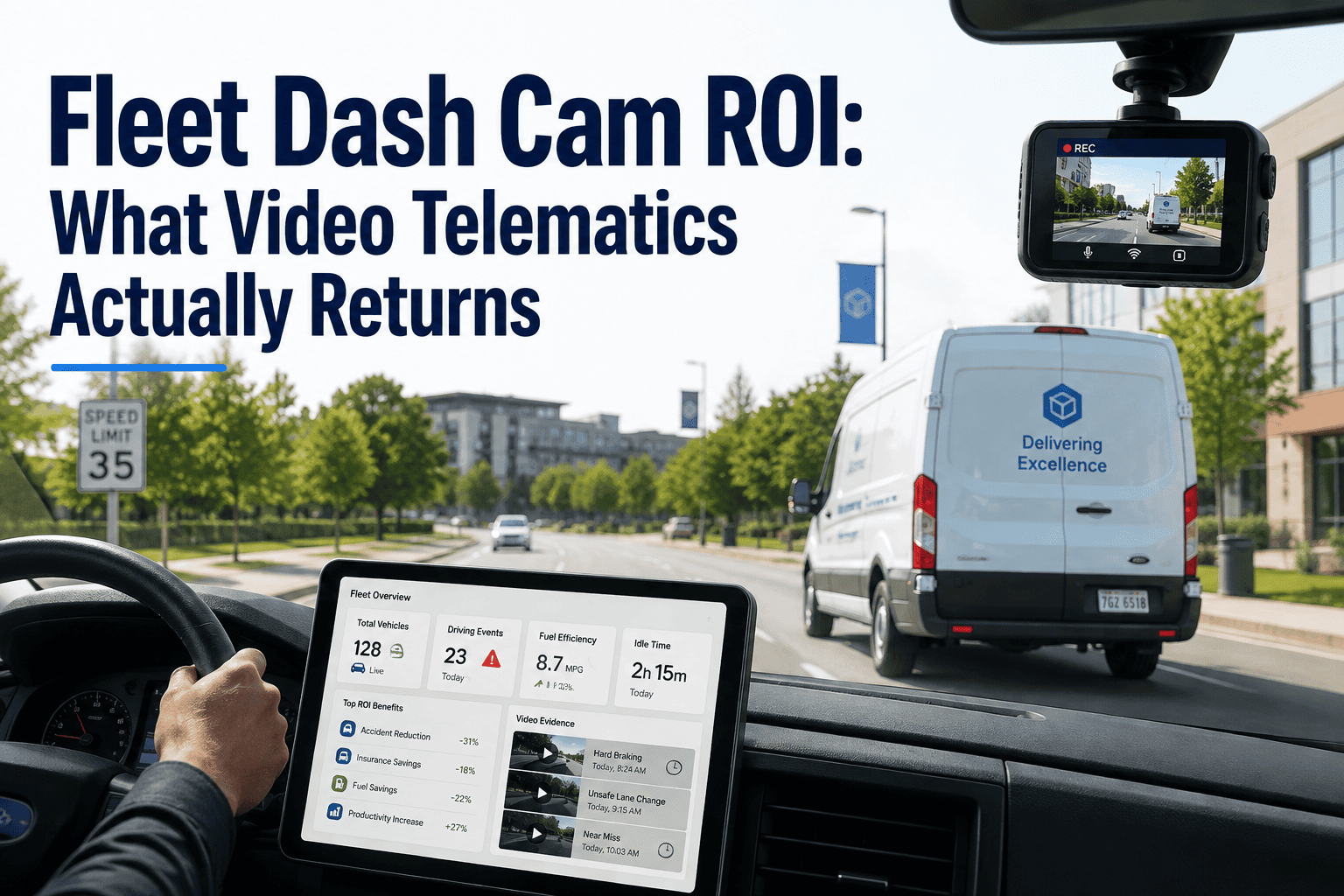
Read More
Every fleet manager who has priced out dash cams has heard the same pitch about safety and accountability, but the number that actually gets a purchase order signed is the one on the insurance renewal letter. Video telematics earns its budget
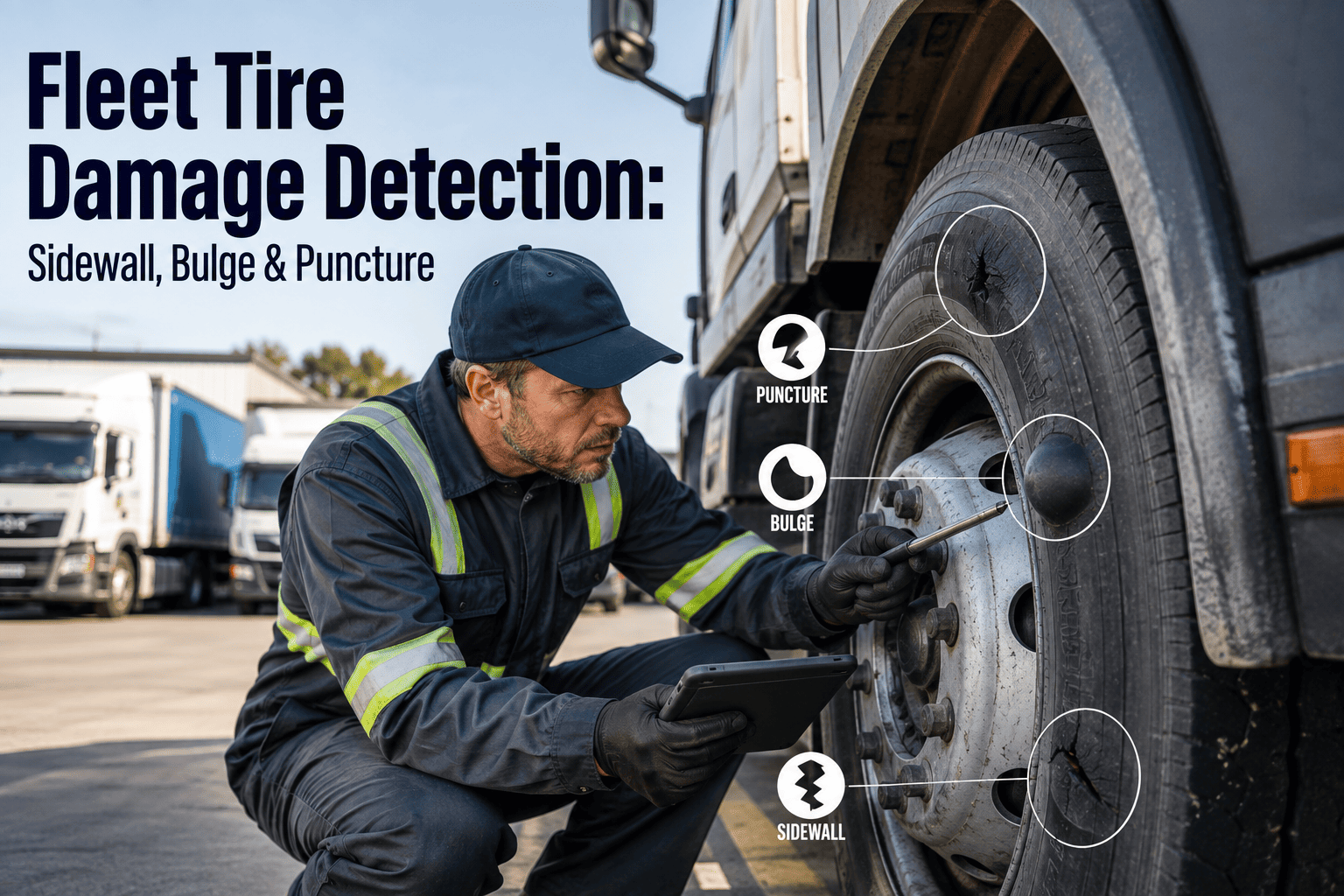
Read More
A sidewall bulge gives no warning before it fails — no slow leak, no vibration, no dashboard alert. It sits quietly on the outer wall of the tire until the moment it lets go, usually at highway speed with a loaded trailer behind it. Drivers are as

Read More
A pallet of machinery arrives with a cracked housing, and three parties immediately start pointing at each other. The shipper blames the carrier for rough handling. The carrier blames the terminal for a bad crane drop. The terminal blames loose bl
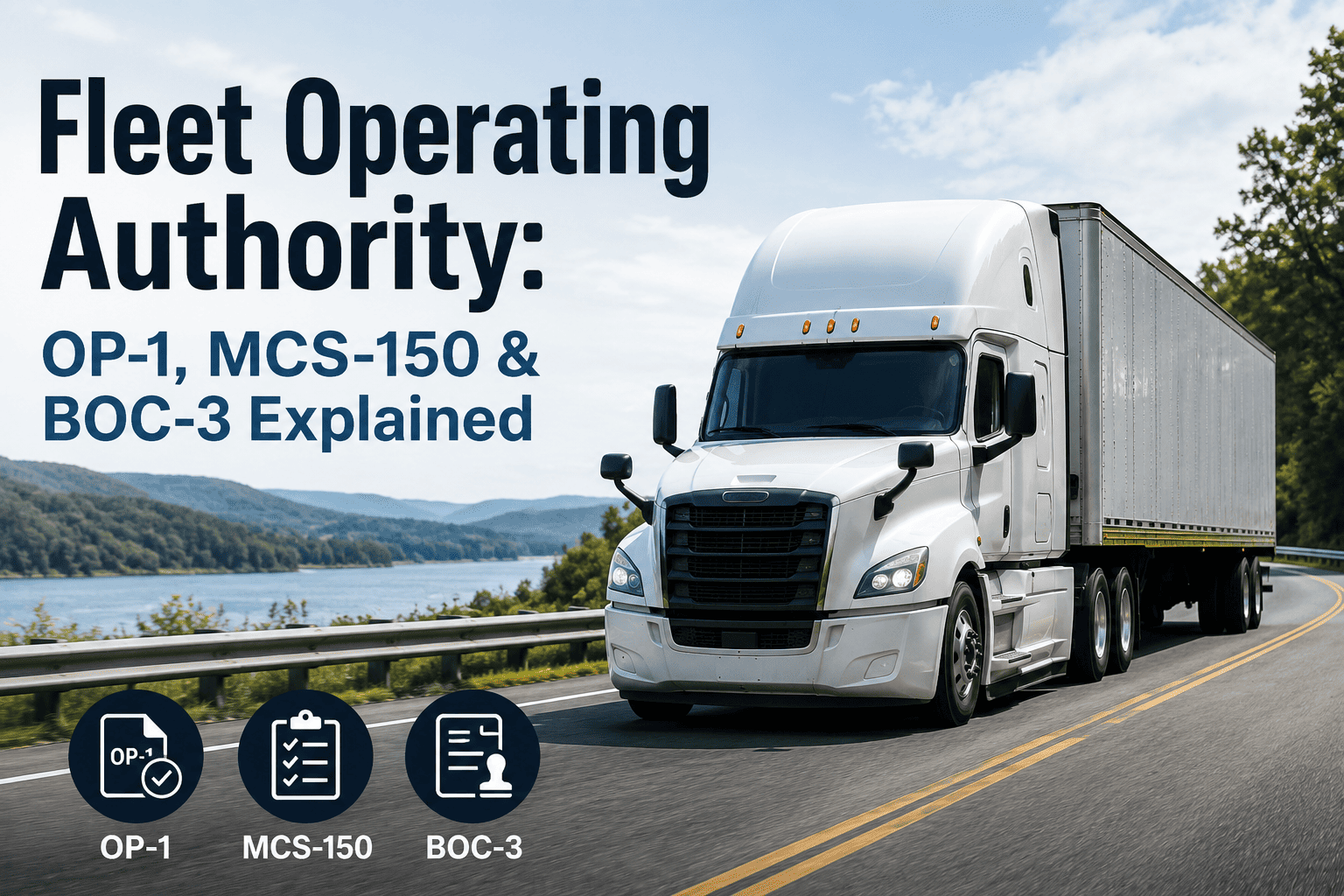
Read More
If you're researching OP-1, MCS-150, and BOC-3 as three separate forms, the process changed under you. As of October 1, 2025, FMCSA rolled new-entrant registration and operating authority into a single Unified Registration System, and the standalo
Read More
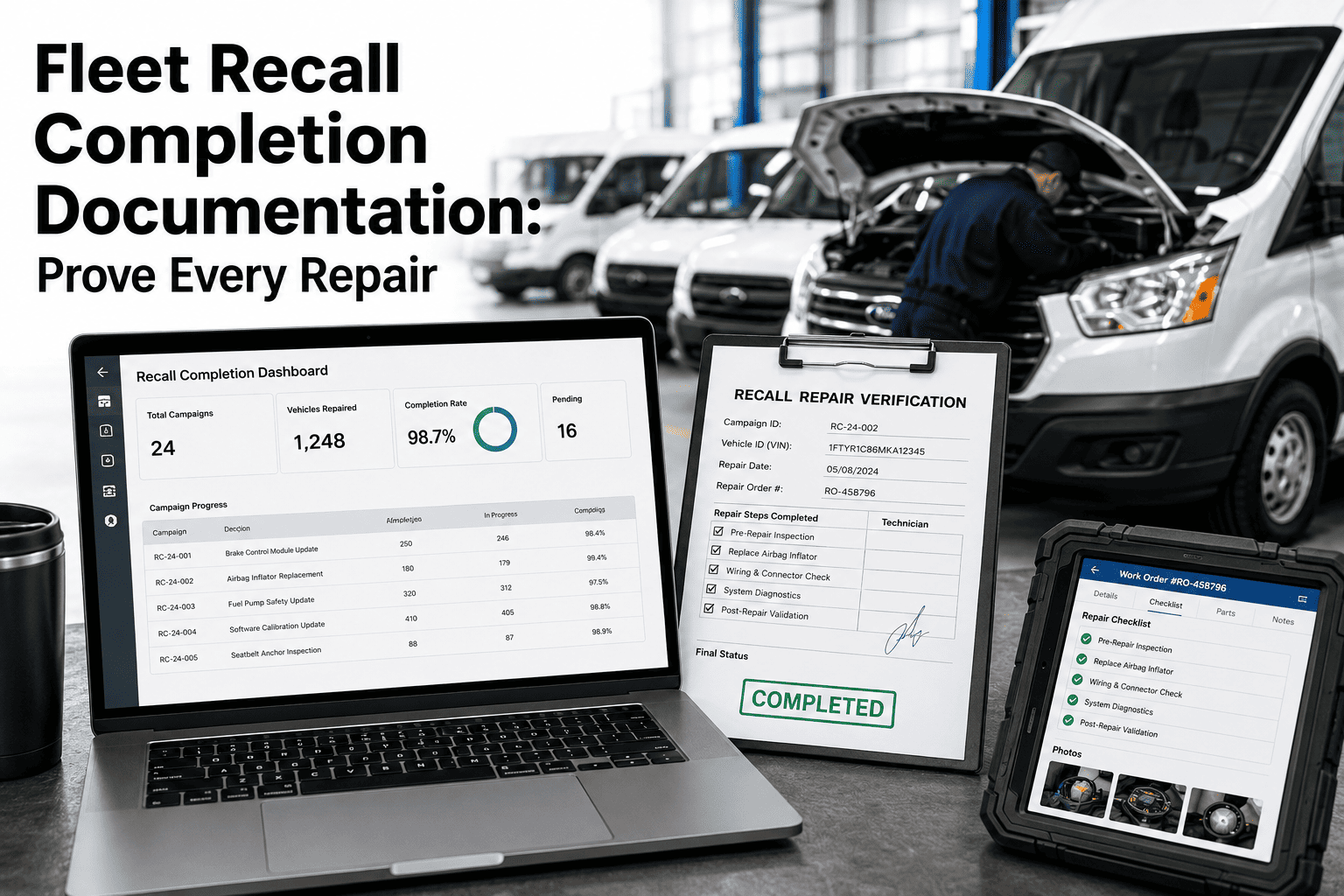
A recall repair that isn't documented did not happen, at least not as far as a DOT auditor, an insurance adjuster, or a plaintiff's attorney is concerned. Fleets fix the truck, close the ticket in their head, and move on — then six months later ca
Read More
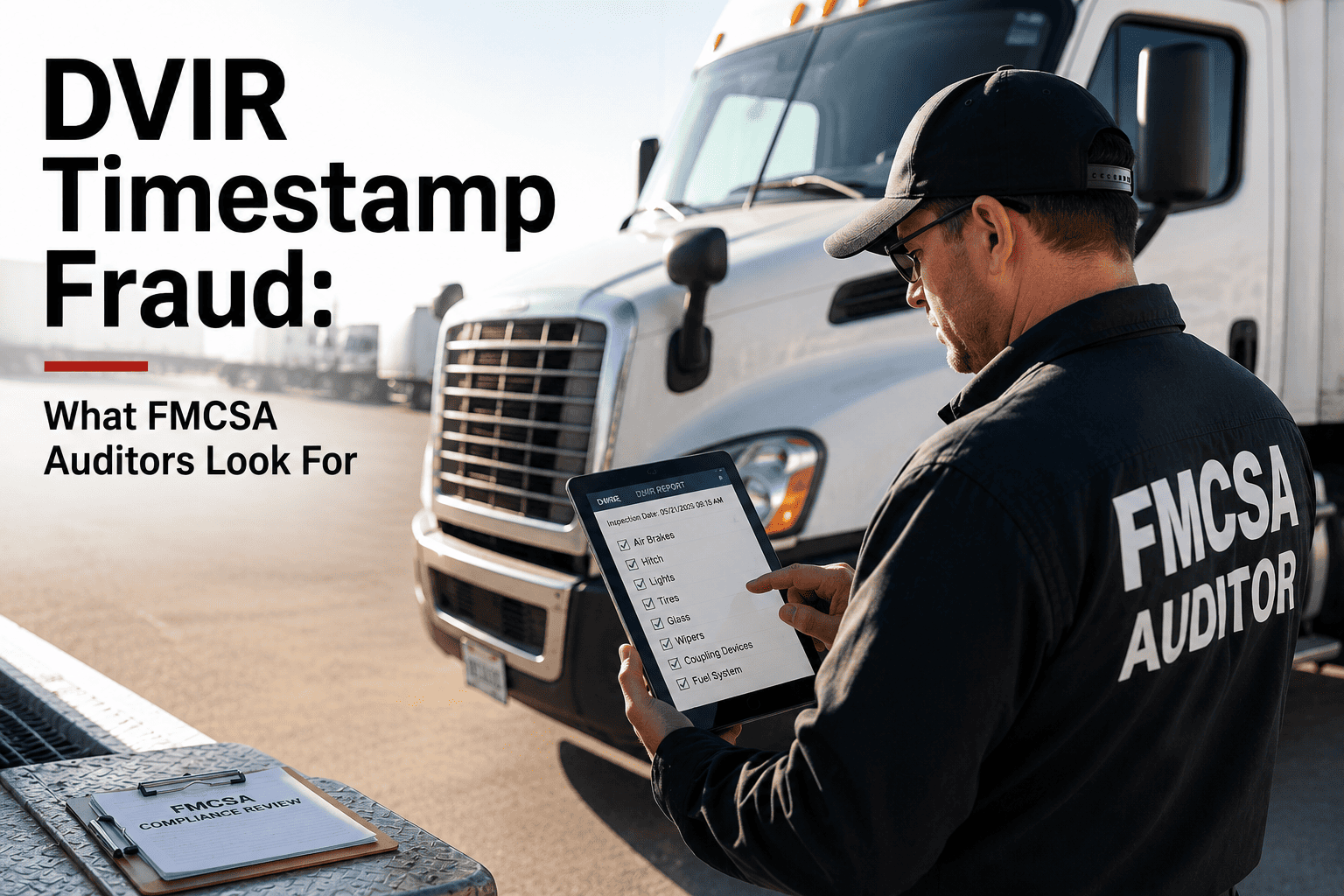
An FMCSA auditor doesn't start a DVIR review by checking your trucks. They start by checking your clock. Under the FMCSA final rule effective March 23, 2026, auditors now routinely cross-reference every Driver Vehicle Inspection Report timestamp a
Read More
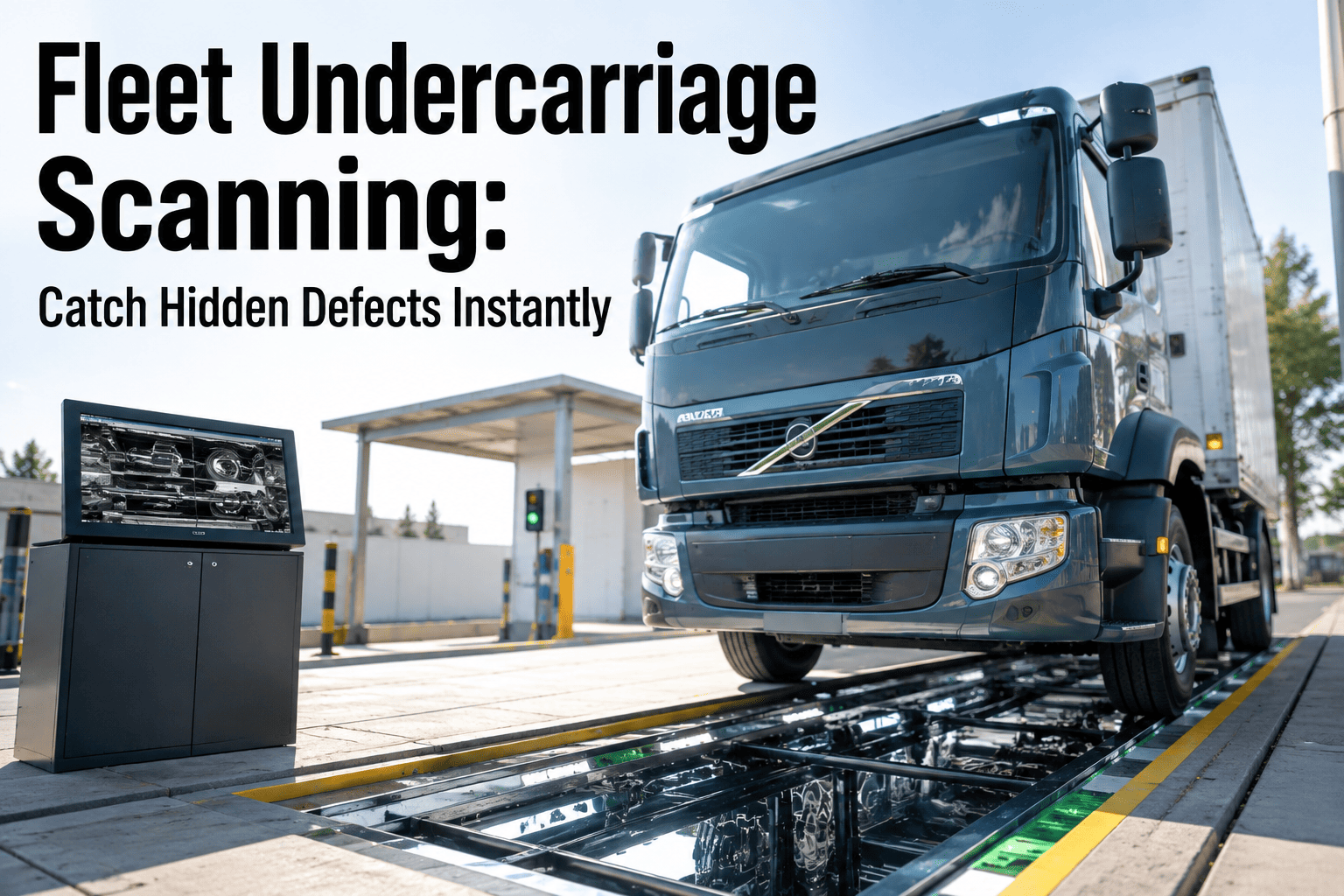
Nobody inspects the underside of a truck properly. Not because inspectors are careless, but because a flashlight and a fifteen-second glance under the frame rail was never going to catch a hairline crack forming where a cross-member meets a mounti
Read More
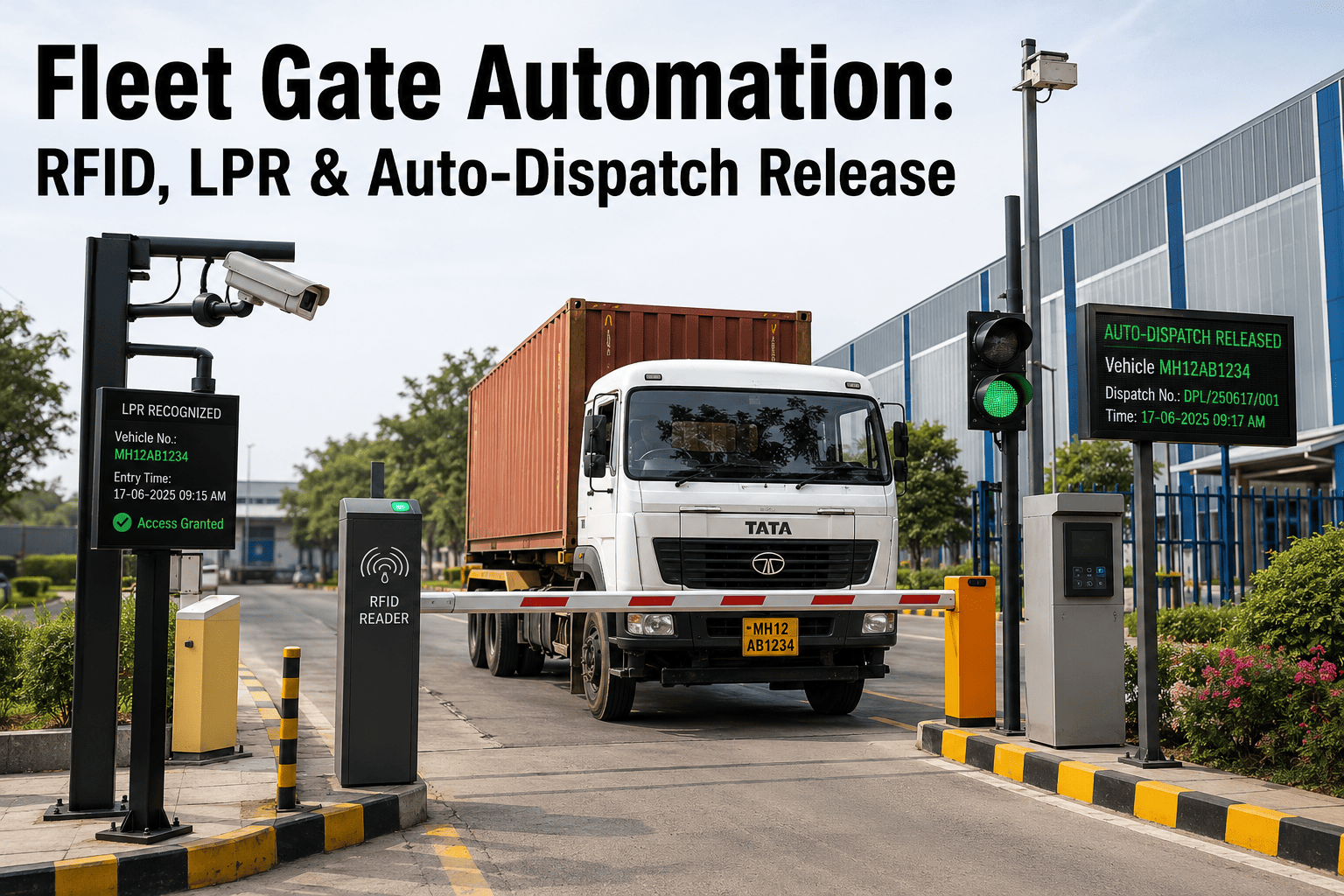
Every minute a truck idles at your yard gate is a minute it isn't earning freight revenue. Most fleets still run gate check-in the way they did twenty years ago — a guard walks out, checks a printed manifest, radios the dispatcher, and waves the d
Read More
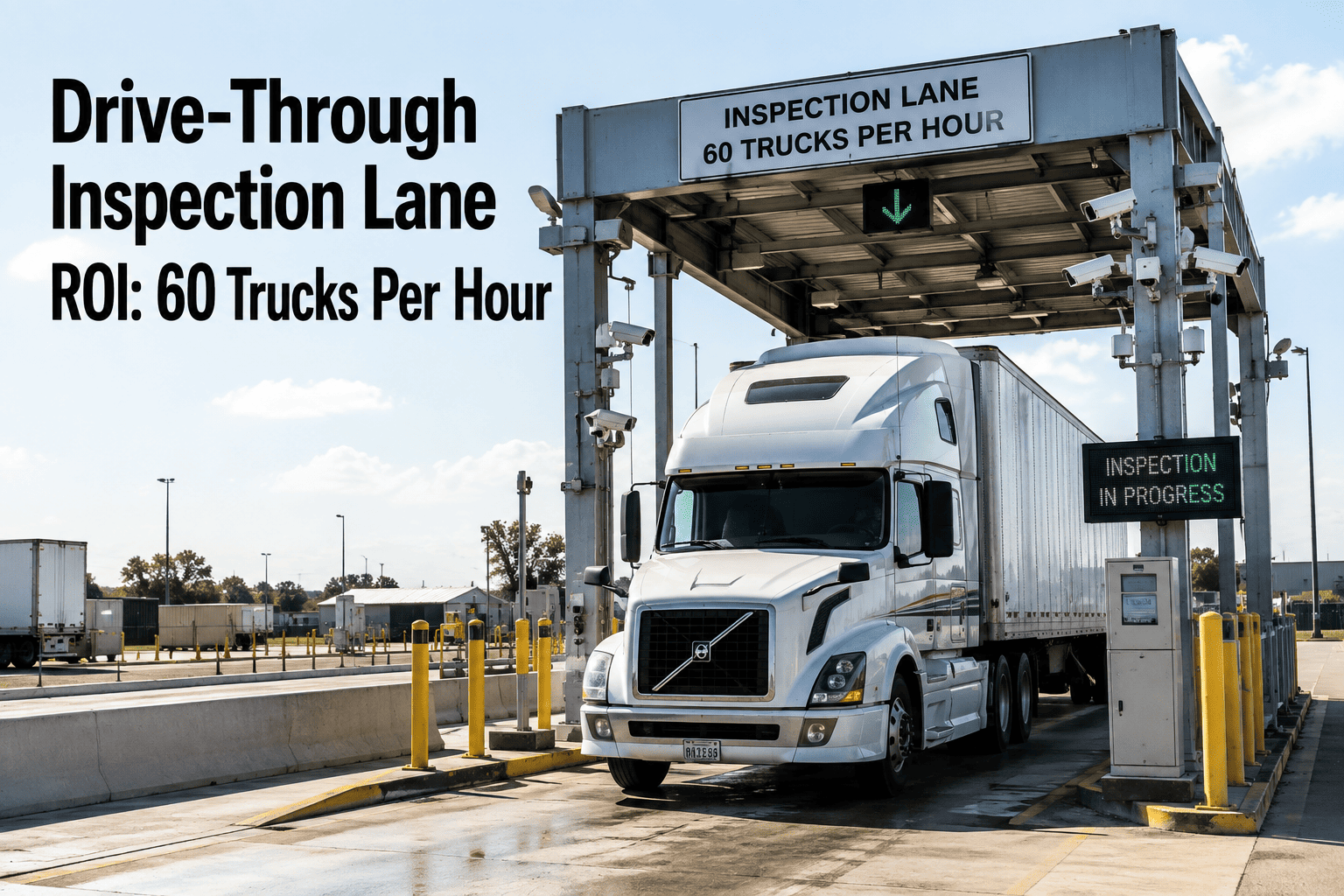
A truck used to sit for fifteen minutes while a driver walked around it with a flashlight, checking tires, lights, and leaks by eye. Today a growing number of yards replace that walk with a lane: the truck rolls through a tunnel of cameras at a fe

Read More
Fixed-camera inspection lanes work well — if a fleet can justify $150,000 to $250,000 per site in cameras, gantries, and installation, and can route every vehicle through one physical location before dispatch. Most fleets cannot. Smaller terminals
Read More
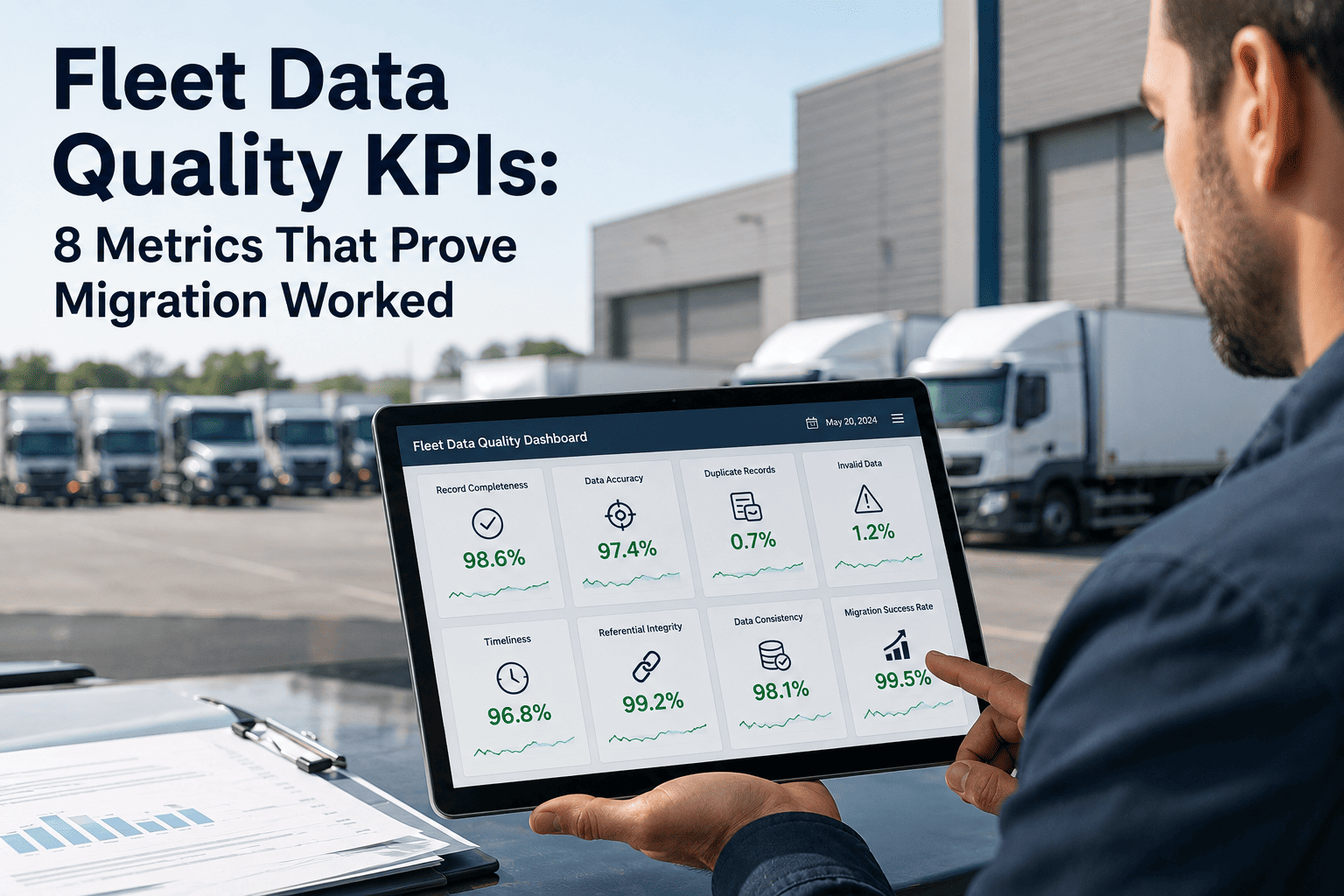
A CMMS migration is only successful if the data inside it is actually trustworthy — and "we moved everything over" is not a metric anyone can act on. Fleet and maintenance leaders who sign off on a migration without measuring data quality routinel
Read More
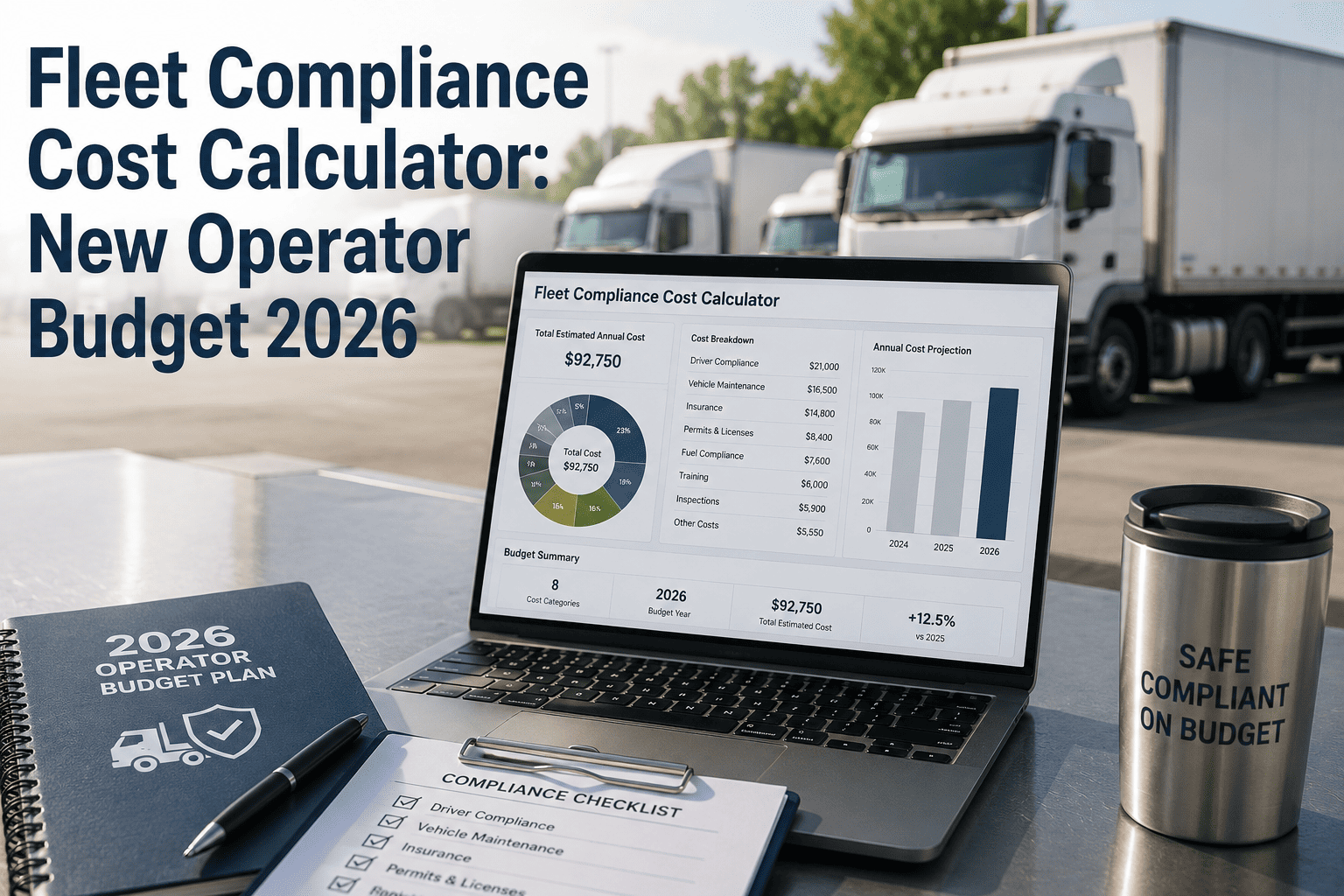
Most new fleet operators budget for the $300 MC authority filing fee and stop there — then get blindsided by everything FMCSA, their insurer, and their state expect them to pay before a single wheel turns. A realistic first-year compliance budget

Read More
A phone full of damage photos is not a condition history — it is evidence with no chain of custody. When an insurer, a lessor, or a buyer disputes the state of a vehicle, the question is never whether a photo exists, it is whether that photo can b

Read More
Most fleets buy AI inspection technology on faith, then spend the first year arguing internally about whether it actually paid for itself. It does not have to be a guessing game. The payback window for AI-powered vehicle inspection depends on thre
Read More
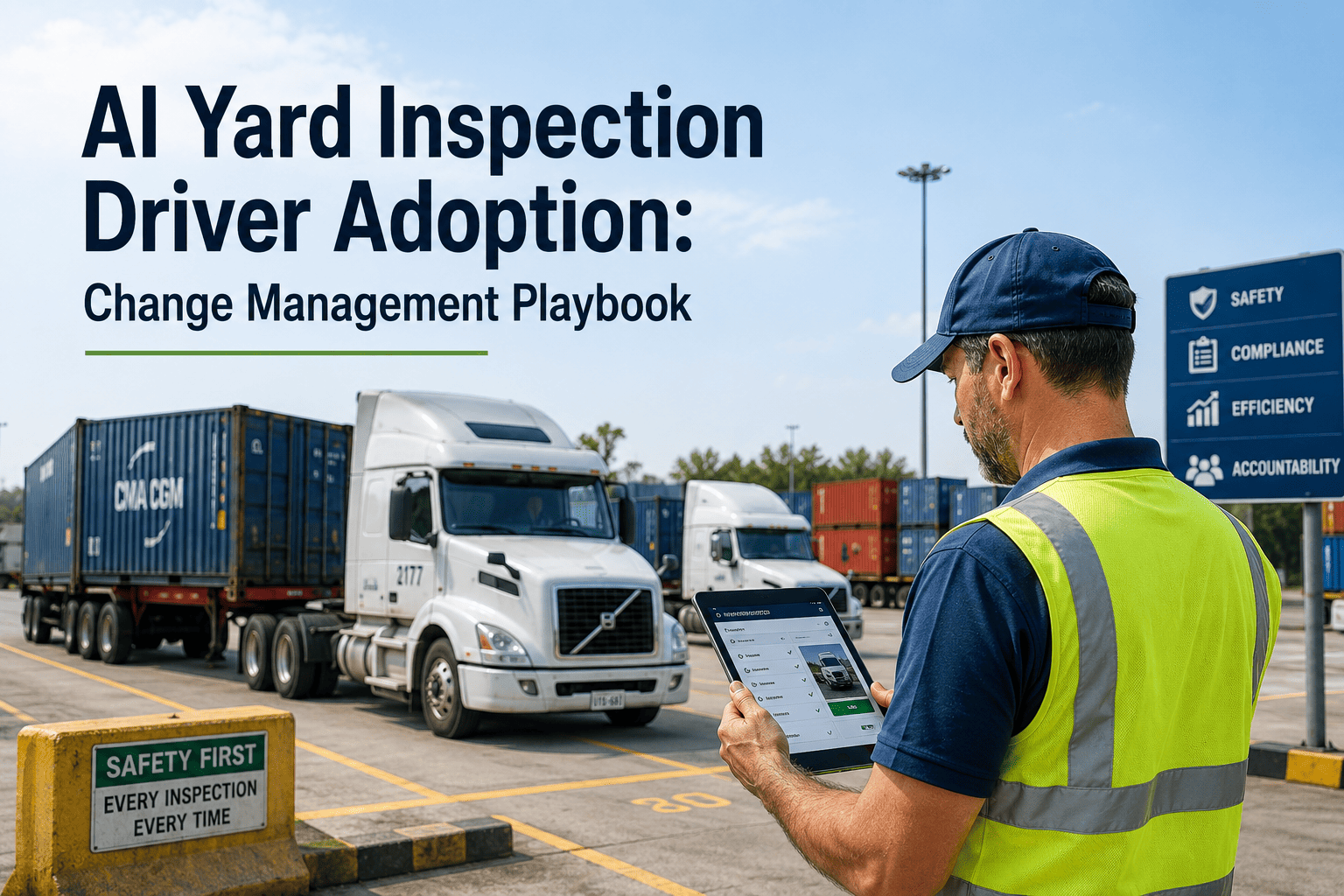
Most AI yard inspection rollouts don't fail because the technology is inaccurate — they fail because drivers quietly decide the app is a surveillance tool built to catch them out, not help them. When that belief takes hold in week one, adoption st

Read More
Every fleet that installs AI-powered inspection cameras expects the same result: defects caught automatically, every vehicle scanned, nothing missed. Most get there. Some don't — and the difference almost never comes down to the AI model itself. I

Read More
Every hour a truck spends waiting in the yard for a pre-trip check is an hour it is not earning freight revenue, and most fleets have no idea how much of that hour is wasted on inconsistent, manual inspection walk-arounds. A driver circling a trac
Read More
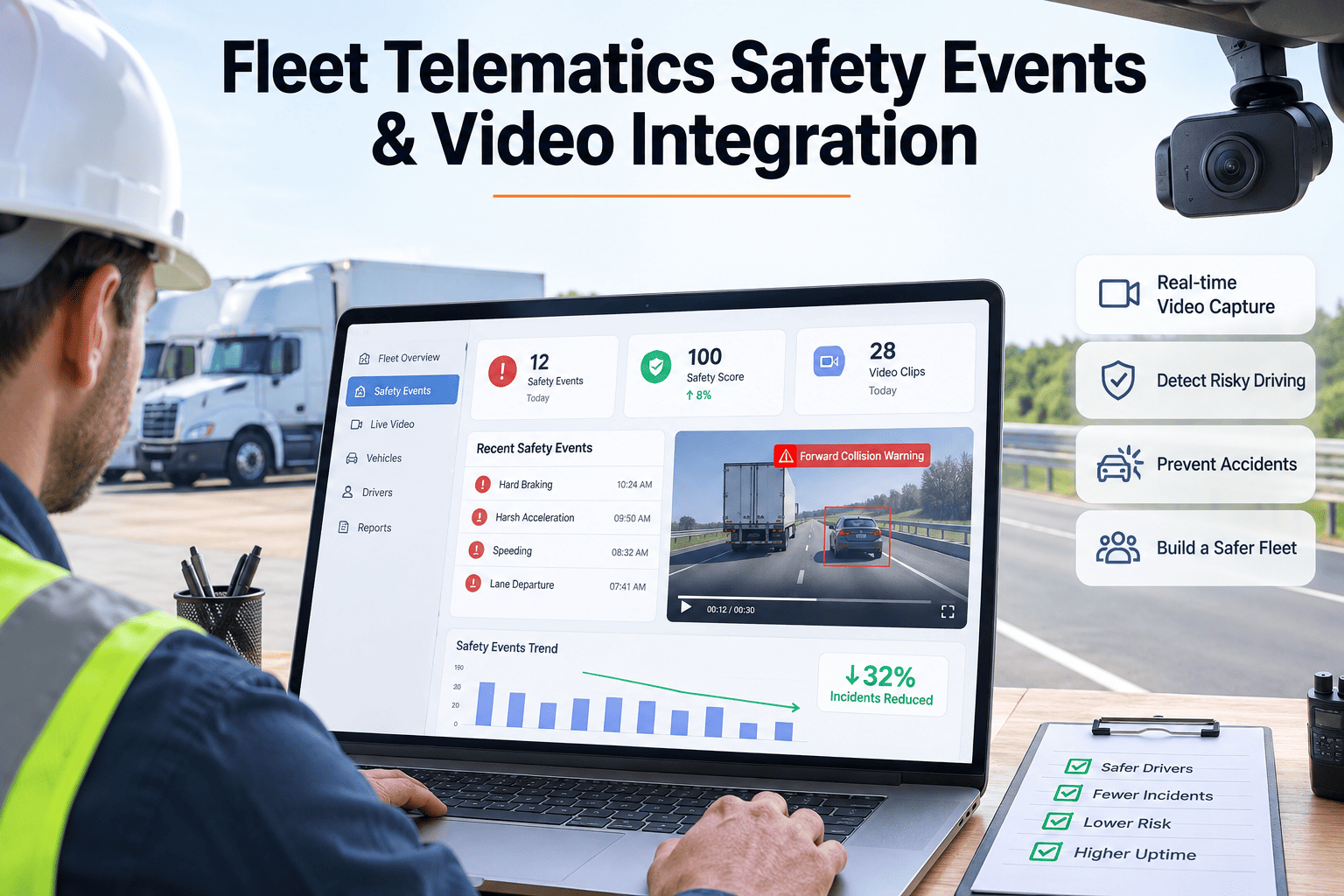
A dispatcher gets an alert: harsh braking, truck 214, 2:47pm. No video attached yet — just a G-force spike and a location pin on a map. By the time the clip finishes uploading and someone gets around to reviewing it, the moment is three days old a
Read More
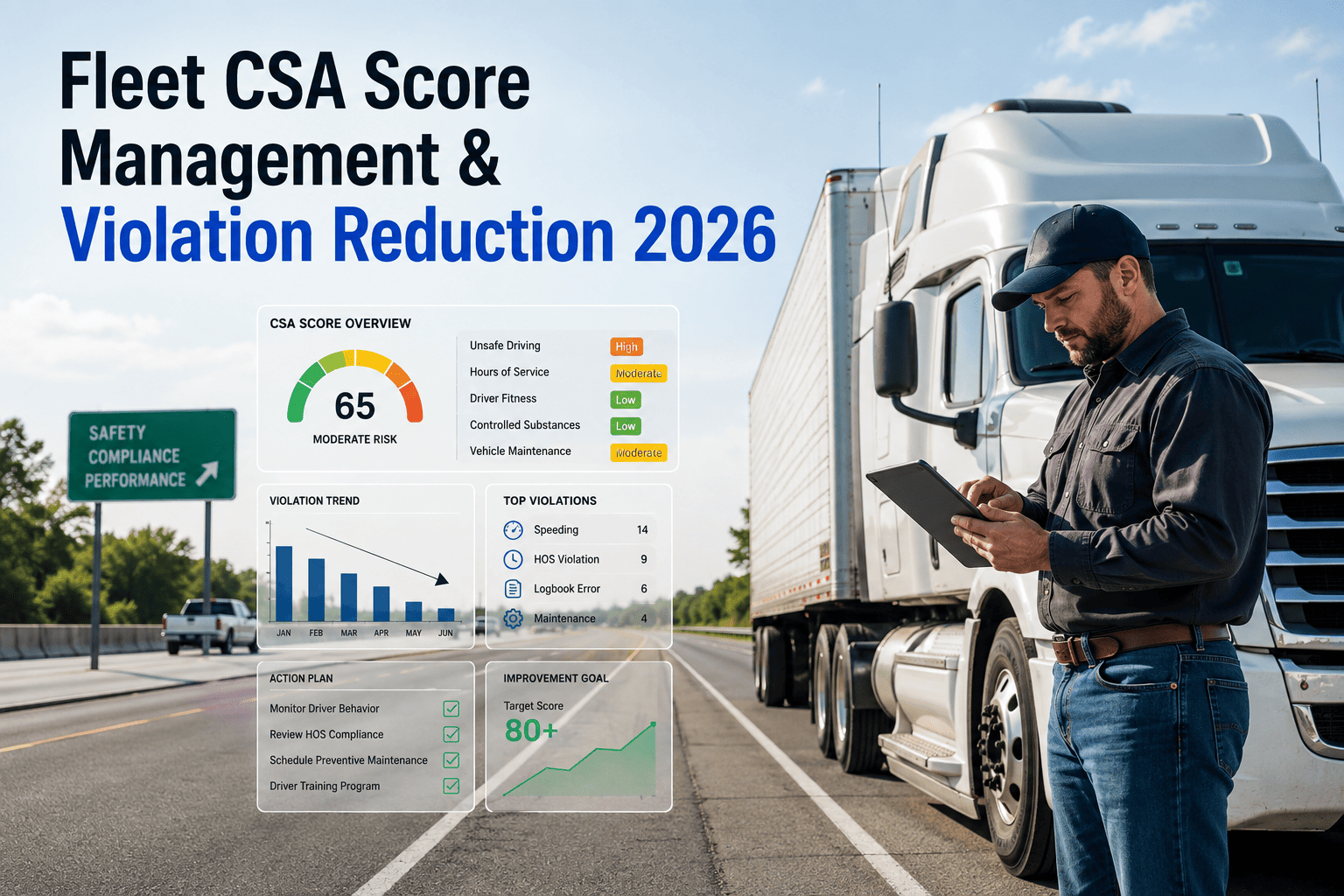
A regional carrier's Vehicle Maintenance BASIC crosses the intervention threshold two weeks before a major shipper's contract renewal, and the safety team finds out from the shipper's compliance department instead of their own dashboard. The viola
Read More
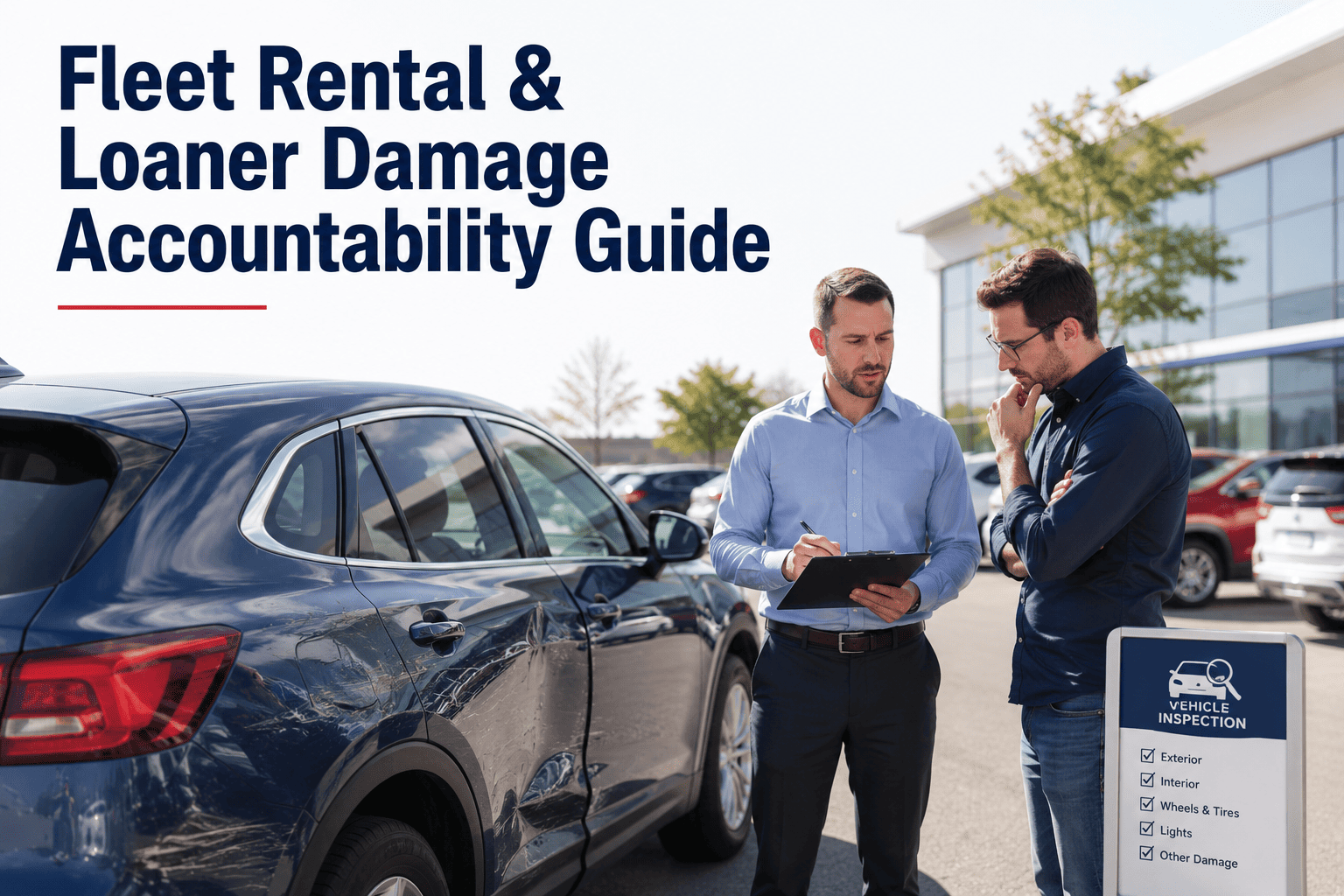
A fleet manager hands the keys of a spare pickup to a technician whose own truck is in the shop for a transmission repair. Four days later the truck comes back with a dented tailgate and a cracked taillight, and nobody can say whether it happened
Read More
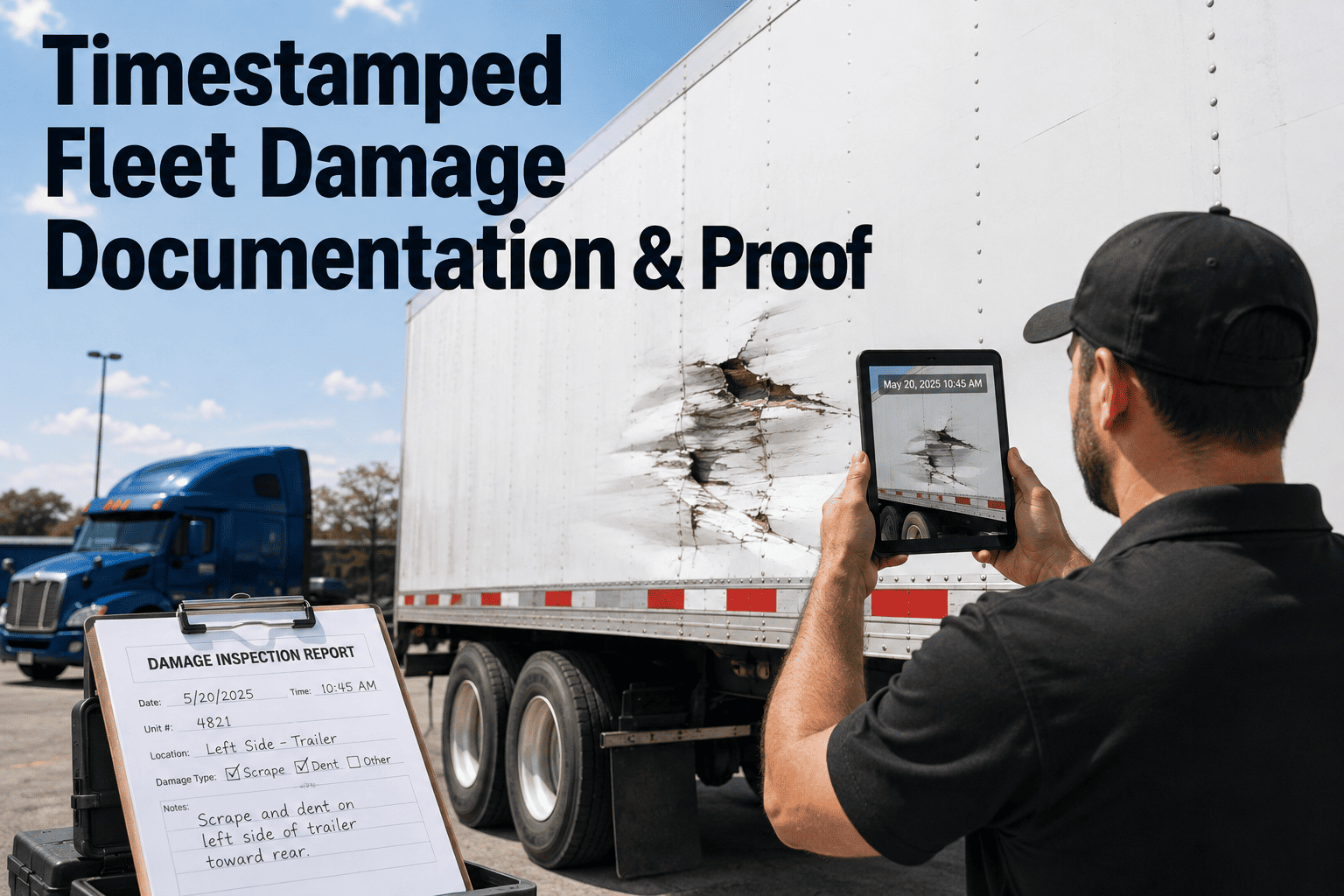
When a fleet vehicle comes back damaged, the first question is never how bad it is — it's when and where it happened, and who had the vehicle at that moment. Liability follows custody, and custody can only be proven with evidence that carries a ti
Read More
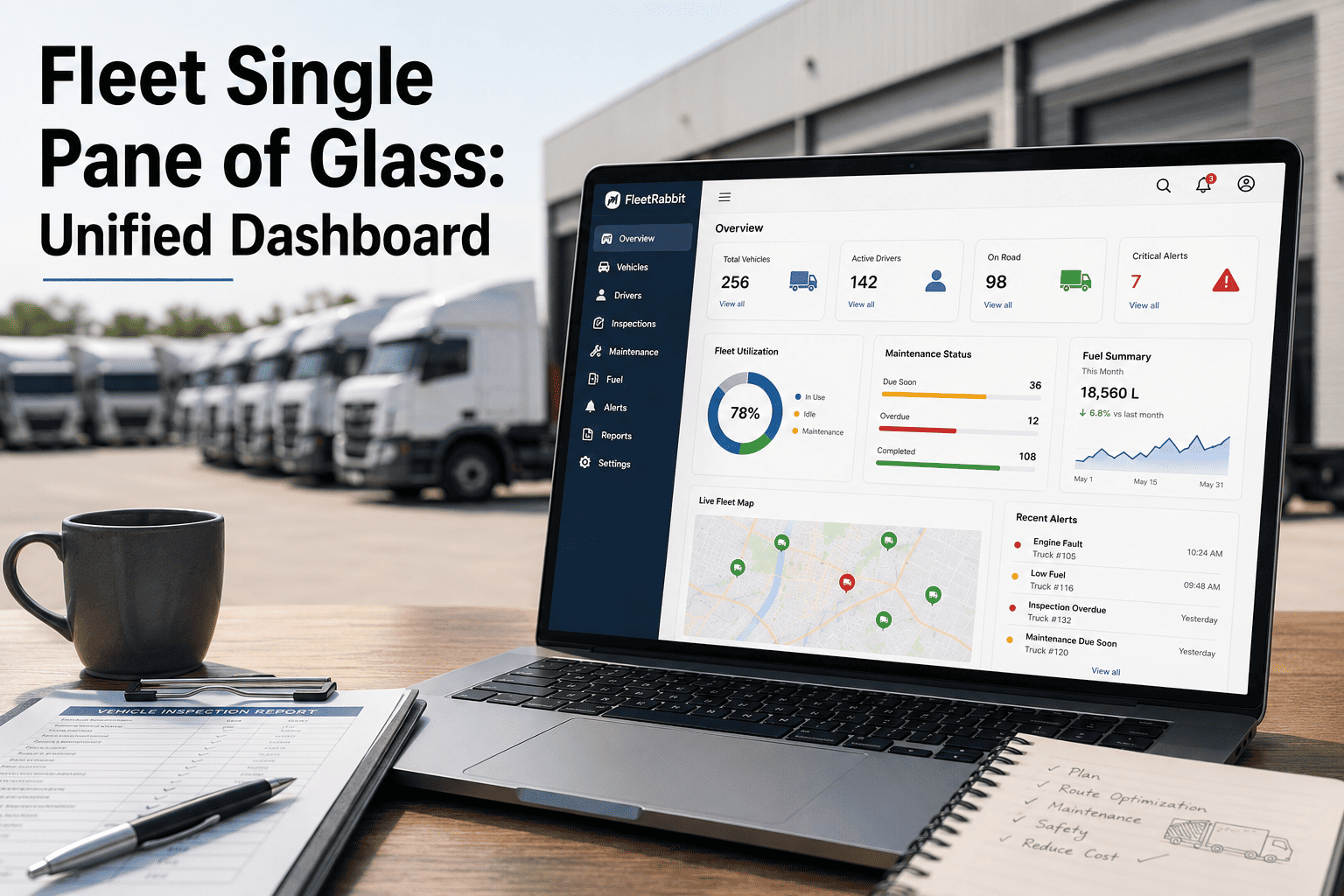
Ask a fleet manager one simple question — which vehicle is costing the most this month — and watch what happens. A tab opens for telematics. Another for the fuel card portal. Another for the maintenance log. A spreadsheet gets pulled up to cross-r

Read More
A freight claim without evidence is not a claim — it is a loss you quietly absorb. Roughly 35 to 40 percent of denied freight claims fail not because the damage was fake, but because the bill of lading, the delivery receipt, or the photo that woul

Read More
Every commercial fleet is paying a hidden tax: the fixed cost of vehicles that barely move. Insurance, depreciation, licensing, and storage accrue on a truck parked in the yard exactly the same way they accrue on one running two hundred miles a da

Read More
Fleet driver app adoption fails for a much simpler reason than most rollout plans account for: the app was designed for someone sitting at a desk, and it gets used by someone sitting in a cab with gloves on, sun glare on the screen, and a dispatch

Read More
Electrifying a fleet without a readiness assessment is how fleets end up with EVs parked at the depot because the charging infrastructure wasn't sized for them, or assigned to routes the battery range can't reliably cover through a full shift. The
Read More
Fleet shop workflow and bay scheduling decide whether a technician's shift turns into repairs or turns into standing around waiting for something else to happen. Most fleet shops do not have a technician shortage, they have a wrench time problem,
Read More
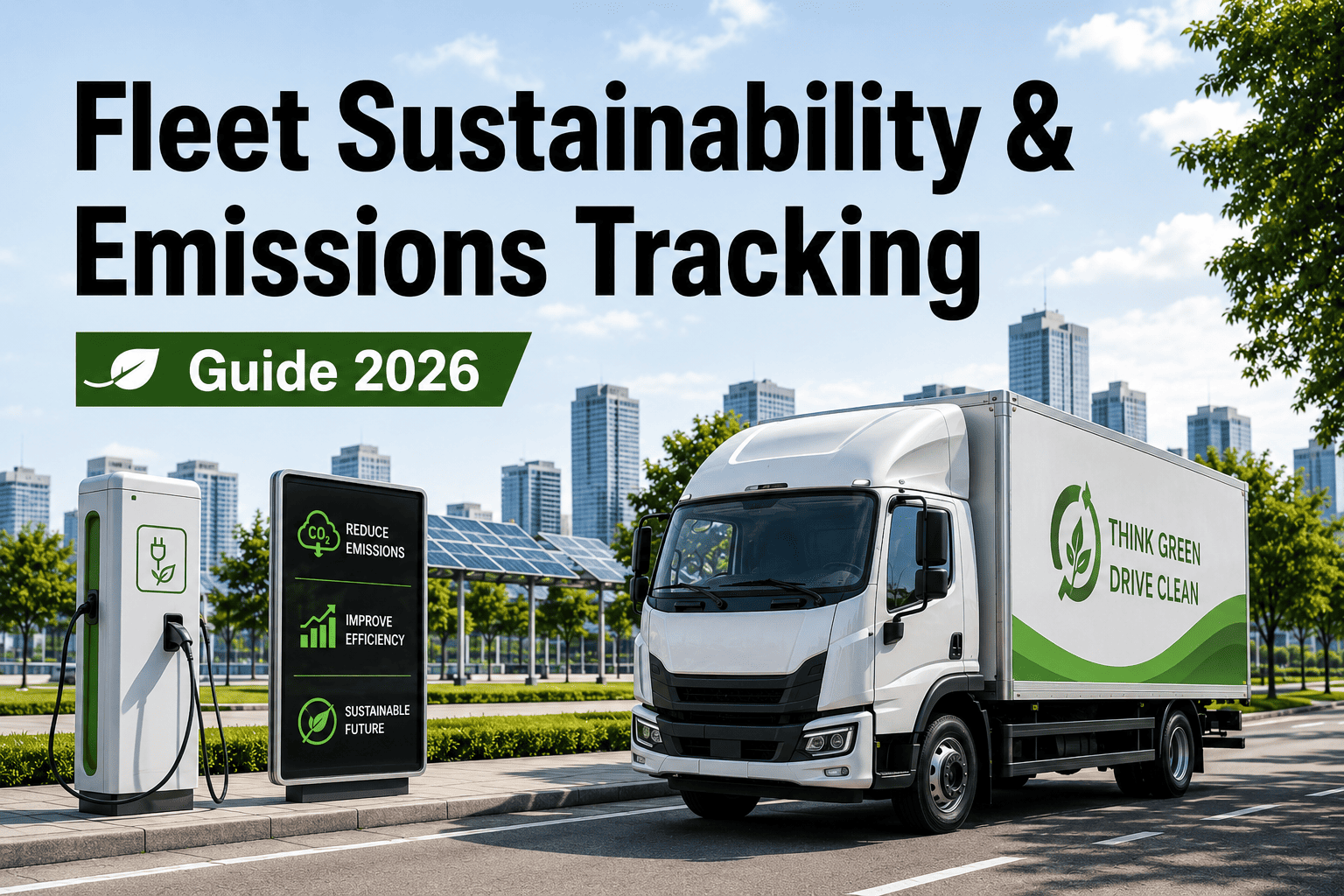
Fleet emissions reporting has moved from an annual sustainability statement to a requirement written into customer contracts, lender covenants, and state clean-fleet mandates — and most fleets are being asked to produce numbers their current syste

Read More
Cargo securement verification is the single most overlooked step in freight operations, and it is quietly responsible for a large share of the damage claims, roadside violations, and delivery delays that fleets spend the rest of the year trying to

Read More
Fleet PM interval optimization is where most preventive maintenance programs quietly lose money, not because they skip service, but because they schedule it against the wrong number. A fixed mileage interval treats a long-haul truck running smooth
Read More
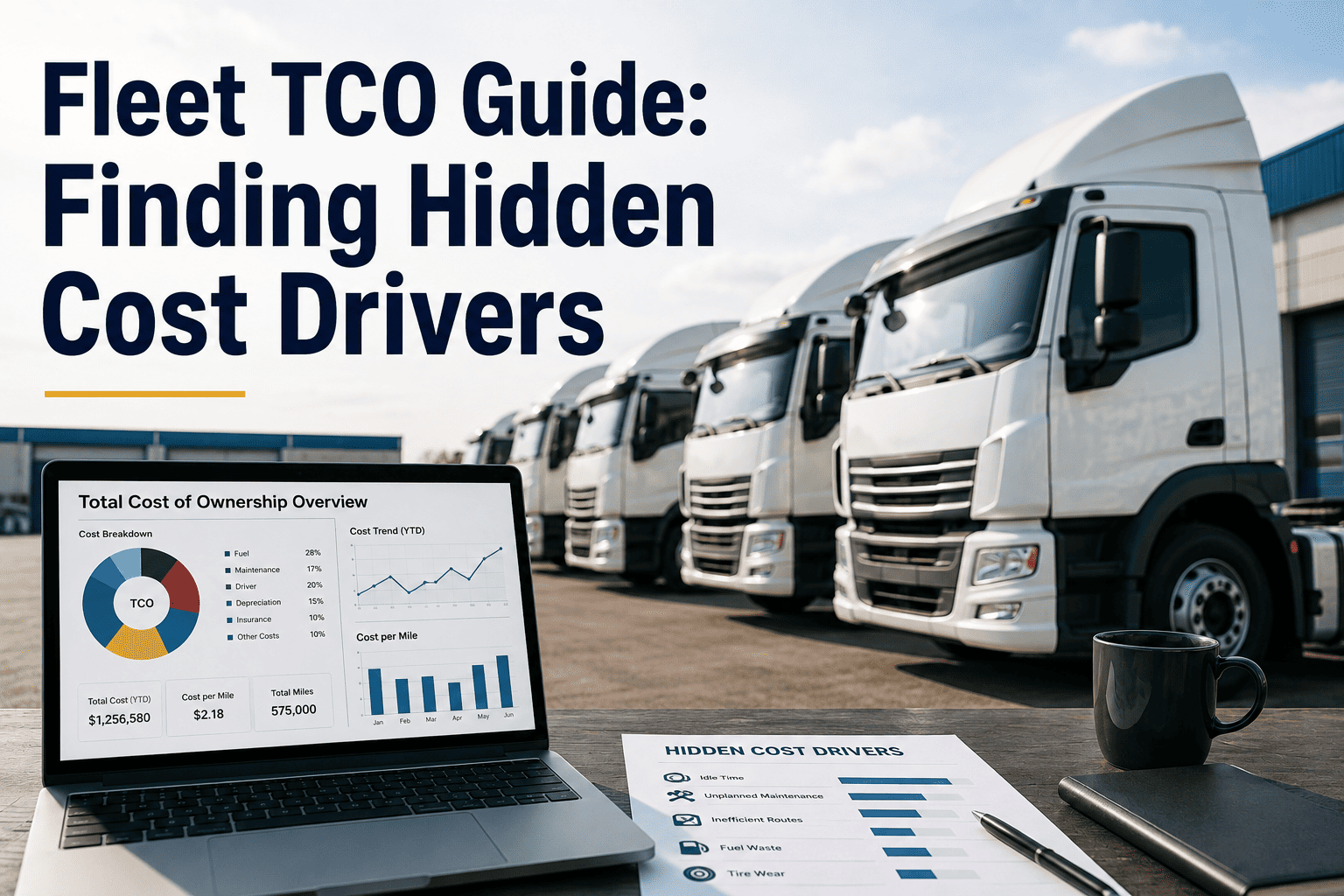
Fleet total cost of ownership reports show fuel, financing, and scheduled maintenance because those are the line items that arrive on a monthly invoice. What they routinely miss is the cost sitting between the invoices — a transmission that fails

Read More
Peak season does not send a fleet manager a calendar invite before it arrives. Order volumes climb, service windows tighten, and the same vehicles that sat half idle in the slow months are suddenly expected to run flat out for weeks at a stretch.

Read More
An accident that gets closed the moment the incident report is filed has not actually been investigated — it has only been recorded. Most fleets stop at the first visible cause: the driver was speeding, the brakes failed, the intersection was blin

Read More
Most fleet businesses do not fail because they stop finding customers — they fail because the informal systems that worked at ten vehicles quietly collapse at fifty. A spreadsheet a dispatcher updates from memory, a maintenance schedule tracked in

Read More
Fleet subrogation and damage claim recovery runs on one rule that most fleets learn the hard way: money that cannot be documented cannot be collected. When a company vehicle is struck by an at-fault third party, the fleet or its insurer pays for r
Read More
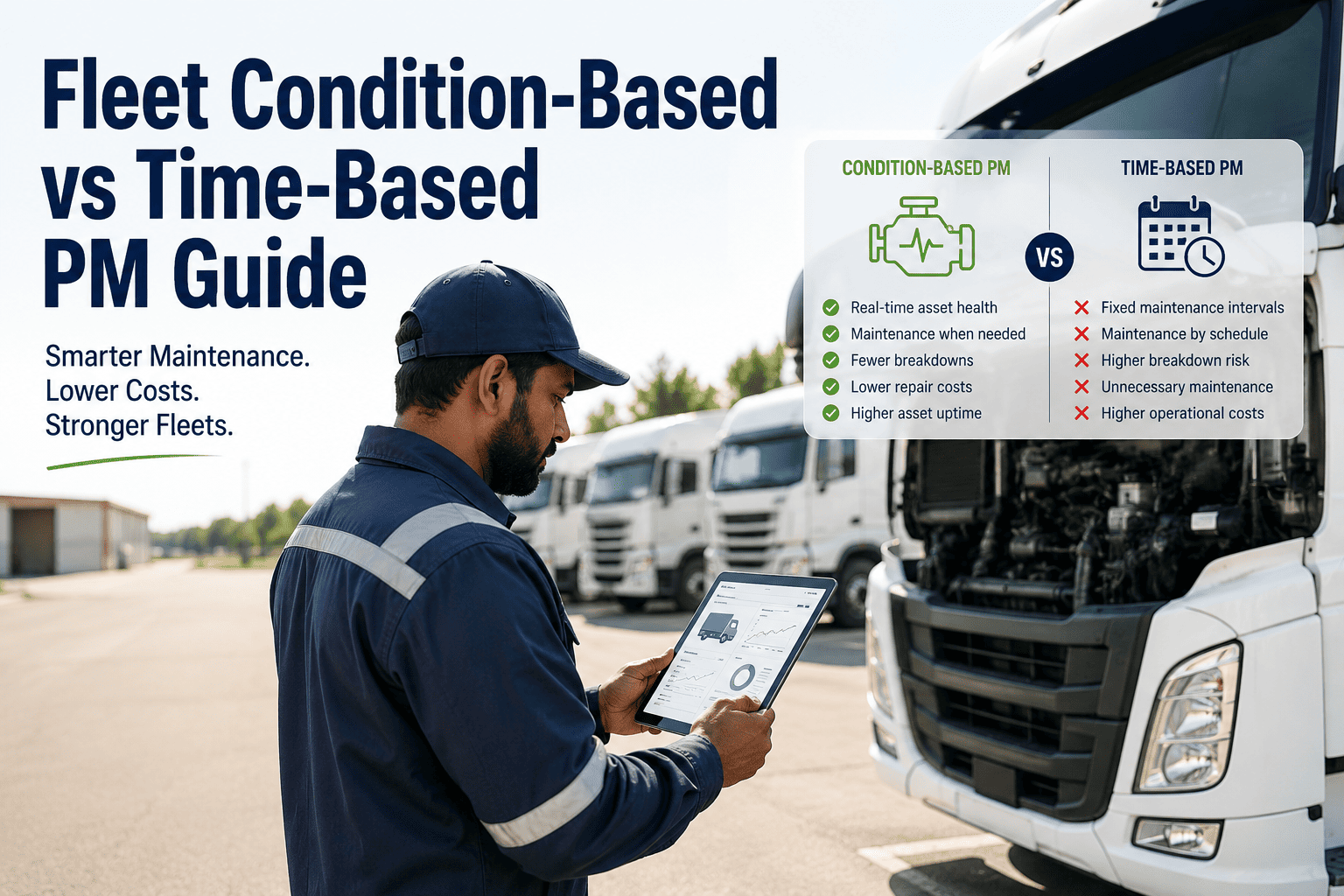
Most fleets still service every vehicle on the same calendar — oil every 90 days, brakes every 12,000 miles — no matter how hard that vehicle actually worked between visits. A school bus running 500 miles a week and a backup unit running 80 miles
Read More
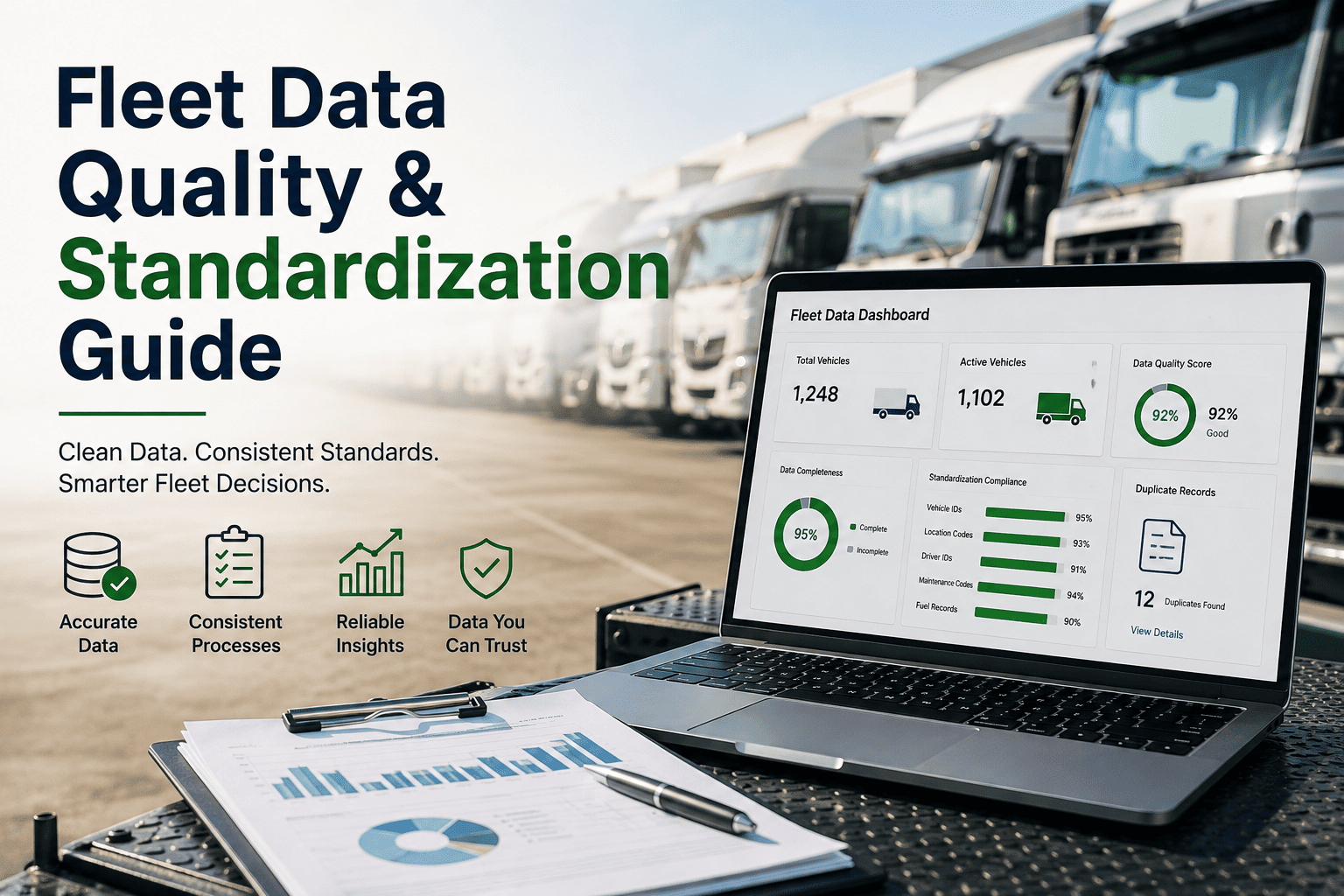
Fleet data quality and standardization is the boring foundation every downstream report, benchmark, and automation workflow quietly depends on. A single vehicle logged three different ways across three systems — one full VIN, one truncated unit nu
Read More
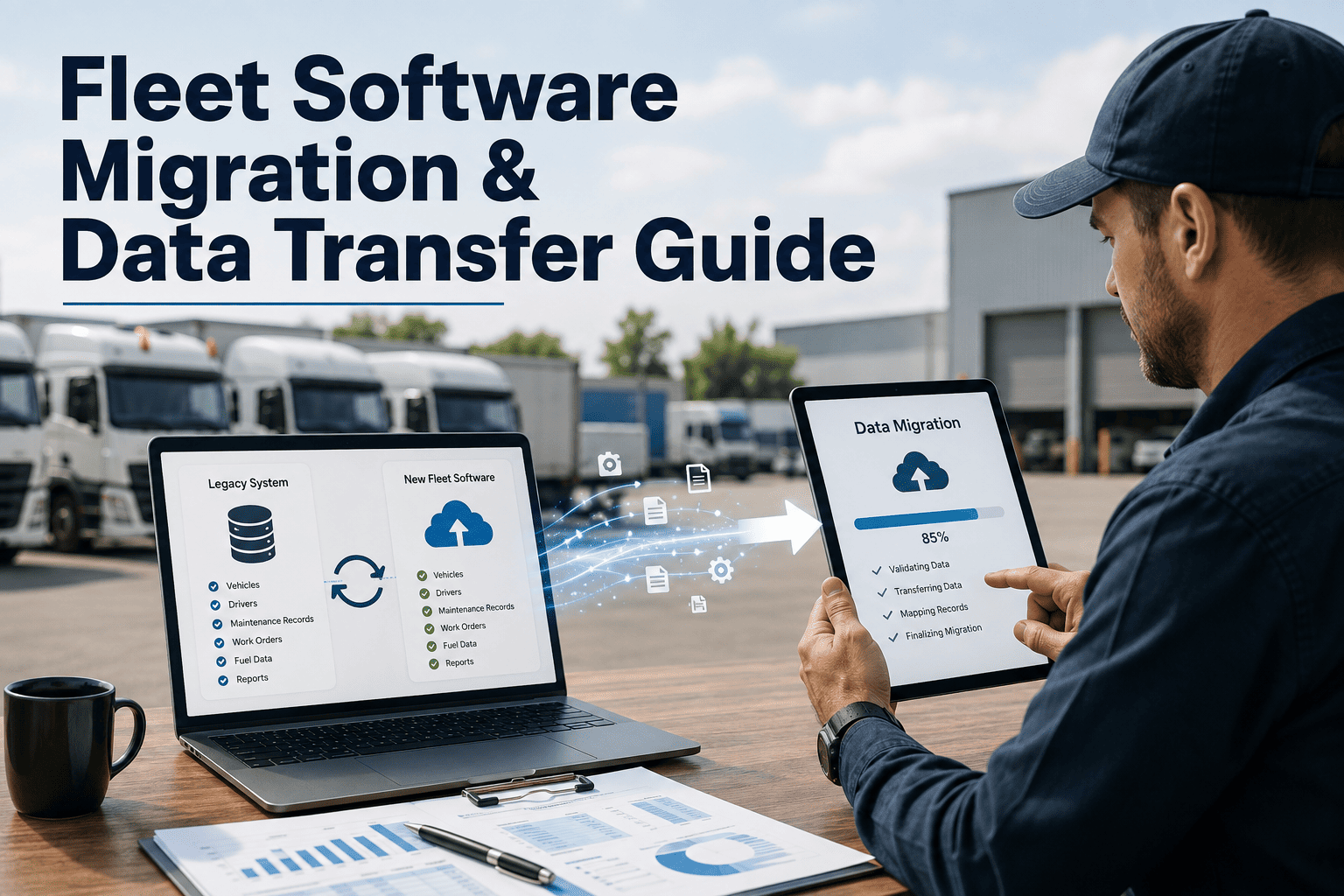
Fleet software migration and data transfer is where technology transitions either succeed — or become eighteen-month projects that never quite finish. A fleet running a fifteen-year-old maintenance system holds years of asset history, work order r

Read More
Every fleet manager has felt it — the month maintenance costs creep up again despite last quarter's "fix," or the week three trucks go down right after a program that was supposed to be working. Fleet continuous improvement is not a single project

Read More
Growth in a fleet business is capped by one thing more often than any other: drivers. You can win the freight, add the routes, and buy the trucks, but none of it moves without enough qualified drivers behind the wheel — and in a labor market where

Read More
Most fleet operations don't have a data problem — they have a decision problem. Telematics units and CMMS logs generate thousands of readings every single day: engine hours, fault codes, fuel burn, idle time, harsh-braking events, and odometer dri

Read More
A fleet software rollout can go live on schedule, pass every configuration check, and still fail — not because the platform was wrong, but because drivers quietly go back to the paper log, the group chat, and the whiteboard the moment nobody is wa

Read More
When a vehicle goes down mid-route, the job does not stop on its own — someone has to cover it, and that someone is either a spare vehicle waiting in the yard or a scramble for a rental while a delivery, a service call, or a crew sits idle. Fleet
Read More
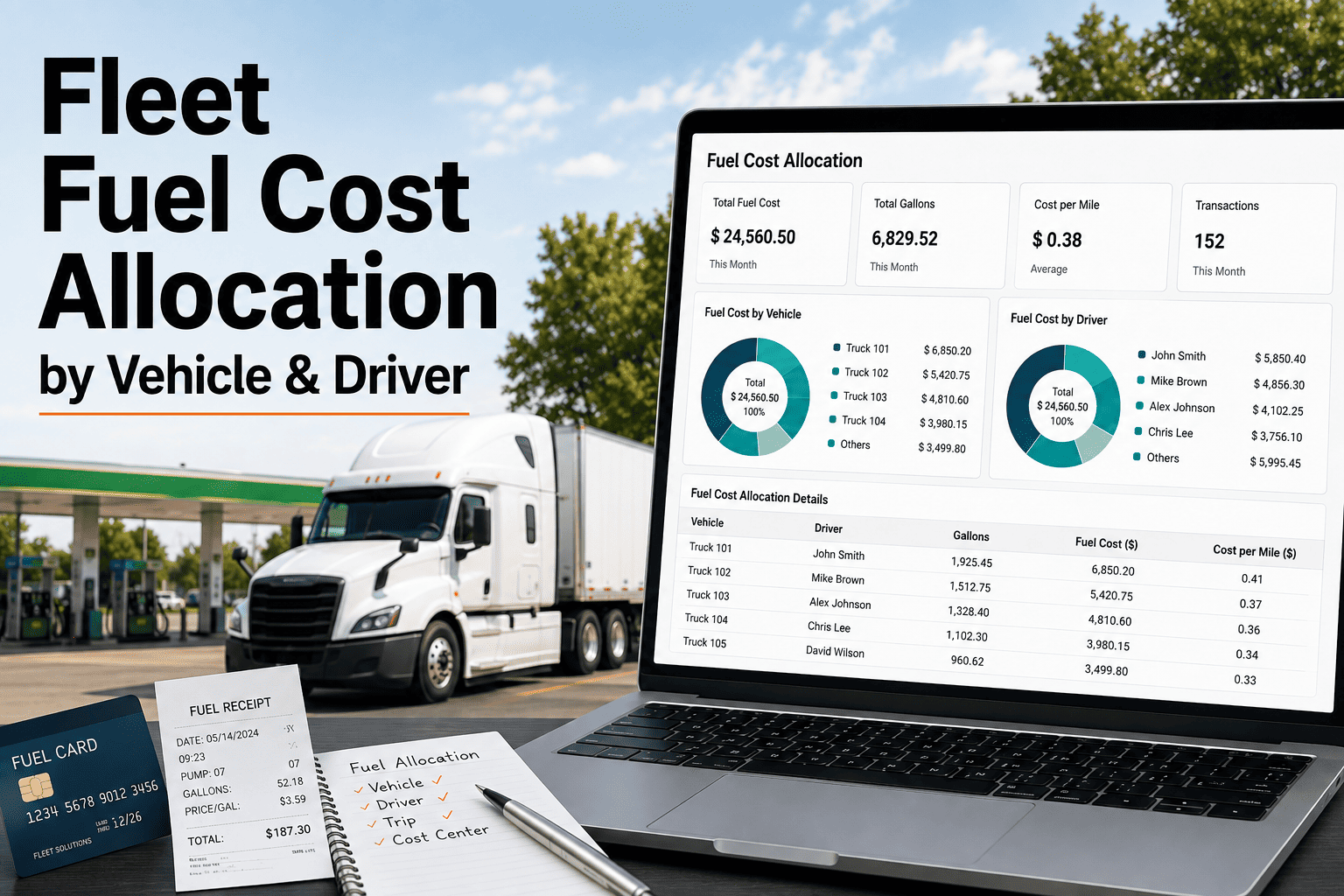
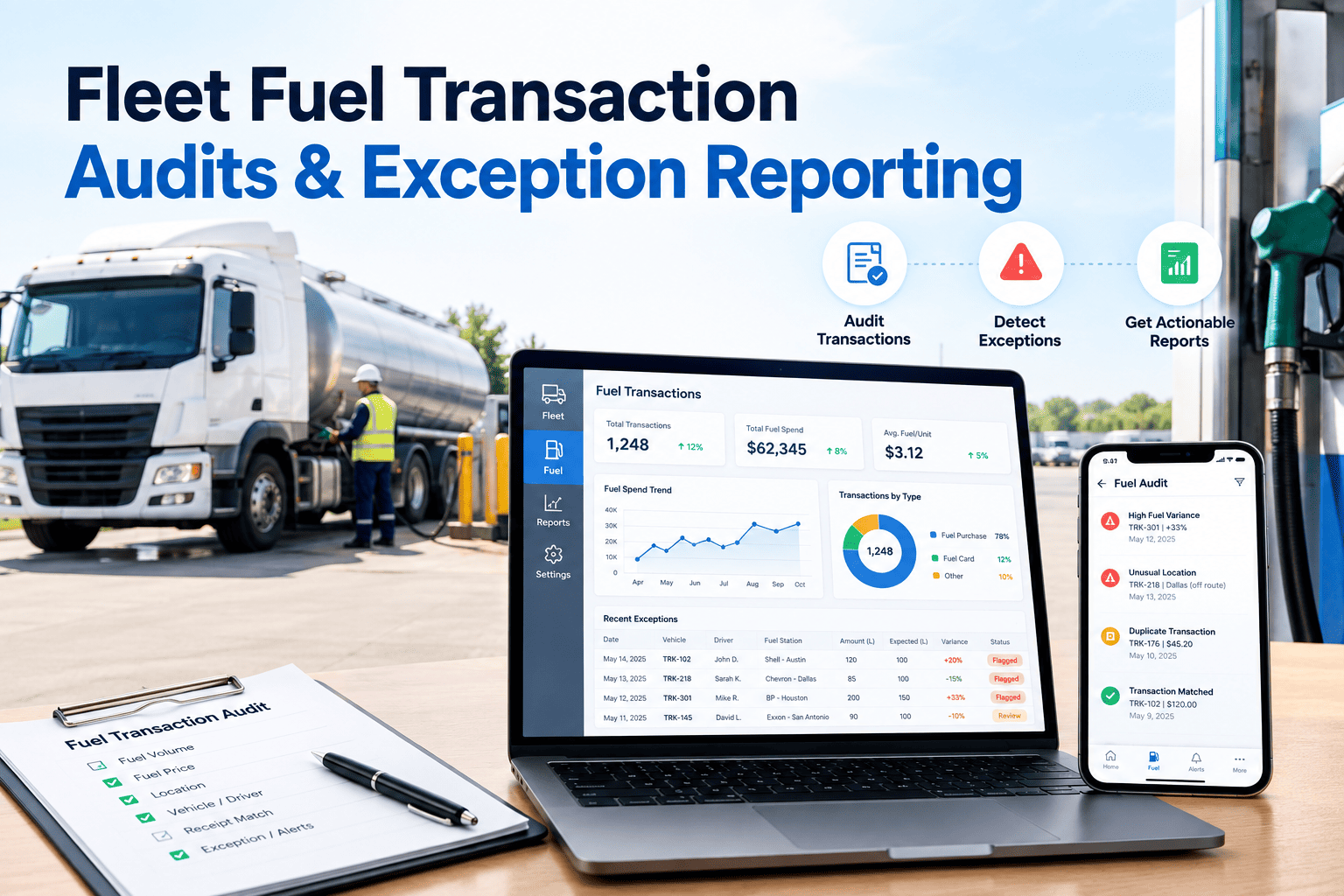
A fleet that tracks total fuel spend but not who that spend belongs to is managing a single number nobody can act on. When fuel sits in one pooled account, a department running its vehicles efficiently pays the same rate as one running them wastef
Read More
A mid-sized fleet running 75 trucks generates roughly 18,000 fuel card transactions a year — and buried inside that volume, at an average fraud rate of 1 to 3 percent of fuel spend, are the transactions nobody has time to review one at a time. Man

Read More
Most fleet budgets for 2026 start the same way: take last year's maintenance and repair spend, add an inflation buffer, and submit it before the deadline. That worked when costs were flat and fleet size barely changed, but it falls apart the momen

Read More
Every telematics unit, ELD, driver tablet, and remote diagnostics port on a modern fleet is a small computer talking to the internet, and in 2026 that means every vehicle is also a potential entry point for an attacker. Fleets that once worried on

Read More
Winning a new fleet service customer costs five to seven times more than keeping an existing one, yet most fleet businesses still pour their entire budget into the top of the funnel while retention quietly leaks revenue out the bottom. A missed pr
Read More
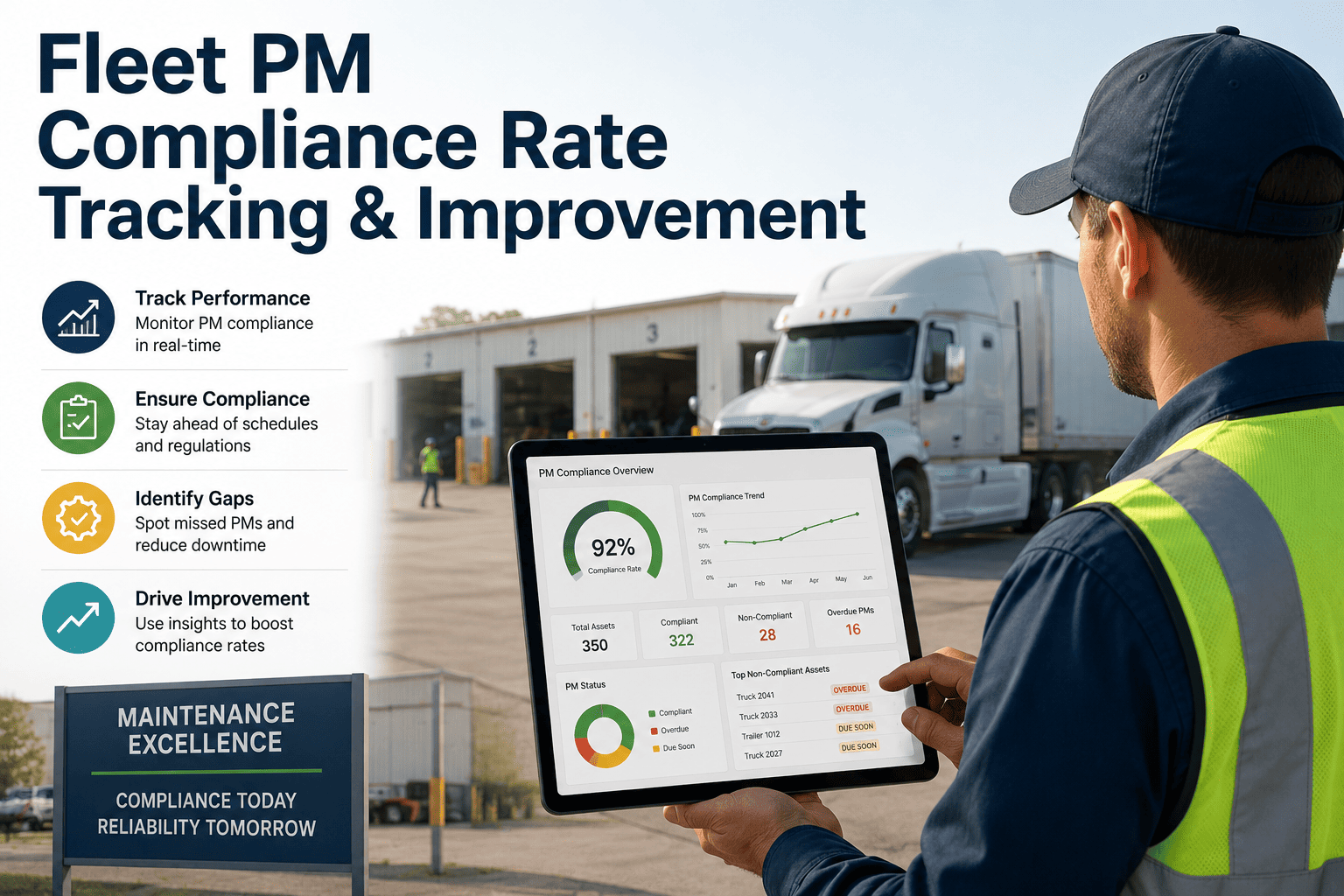
Every fleet runs a preventive maintenance schedule on paper. Far fewer fleets actually complete it. PM compliance rate is the number that tells you the truth — what percentage of scheduled services were actually finished on time, not just planned
Read More
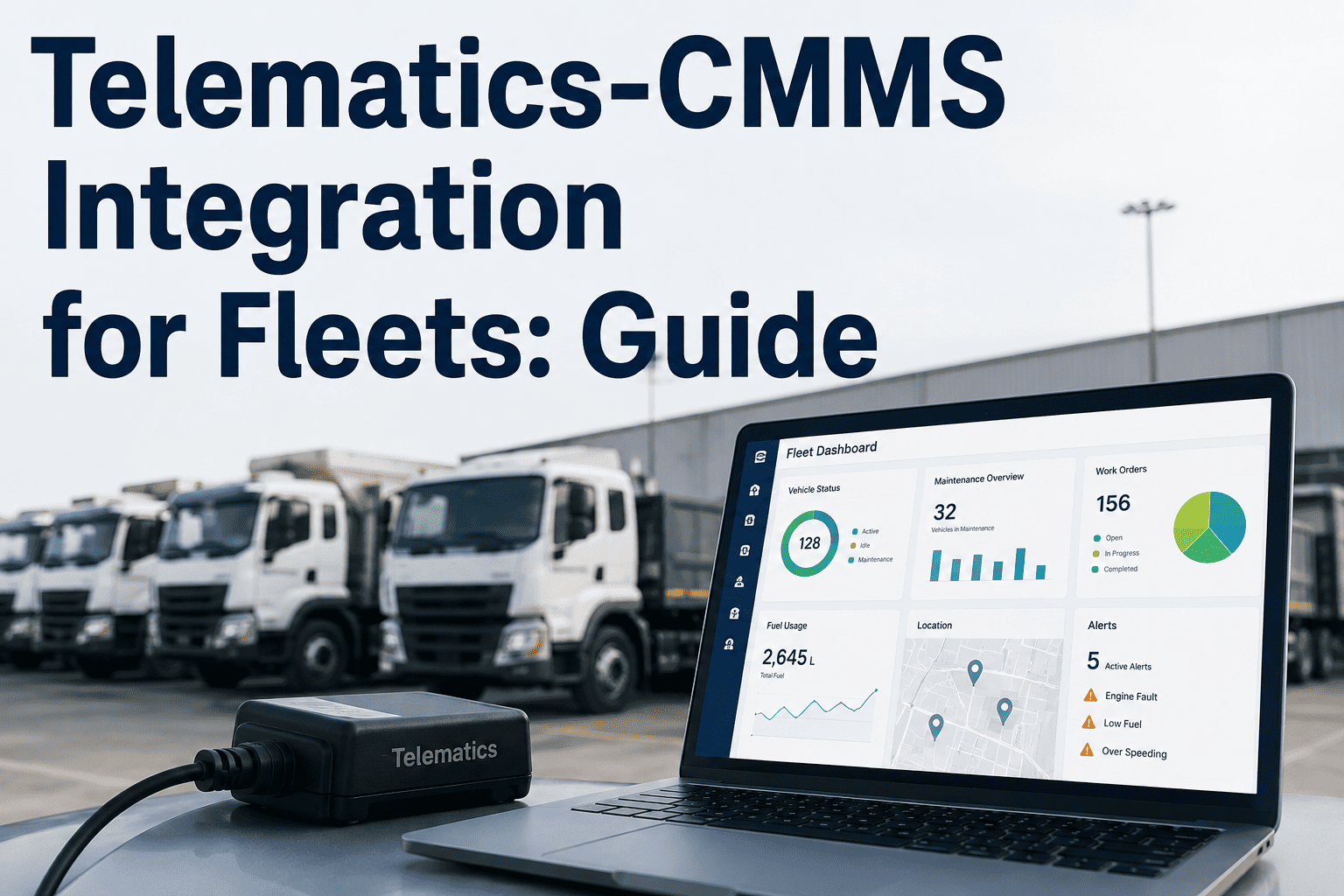
A fault code fires on a delivery truck at 6:40 AM. In most fleets, that signal lands in a telematics dashboard and sits there — nobody assigned, nobody watching — until the vehicle stalls on a route three weeks later. Telematics-CMMS integration i

Read More
A truck stranded on the shoulder rarely fails for a reason nobody could have seen. Most roadside breakdowns trace back to a fault that was logged, flagged, or hinted at weeks earlier and never chased to its actual cause. Fleets that keep buying th
Read More
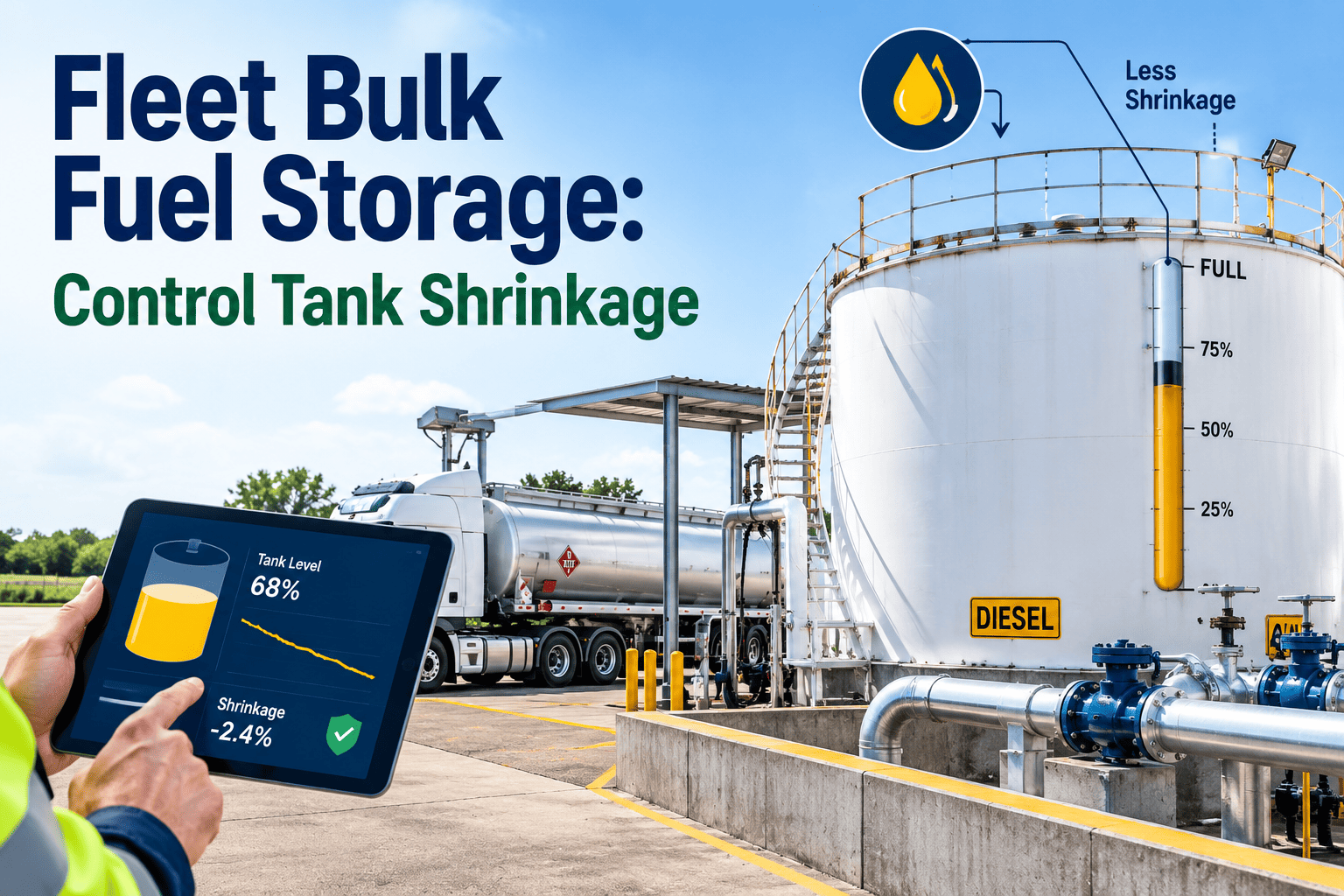
Bulk fuel storage sitting in the yard feels like control — no more waiting on retail prices, no card-lock fraud at public pumps. But every gallon in an on-site tank is also a gallon nobody outside your own operation is metering or watching. Evapor

Read More
The hardest question in a freight damage claim is almost never "is the cargo damaged." It is "when did it happen." A crushed pallet corner found at delivery could have happened during loading, during a mid-route transfer, during a delivery dock fo
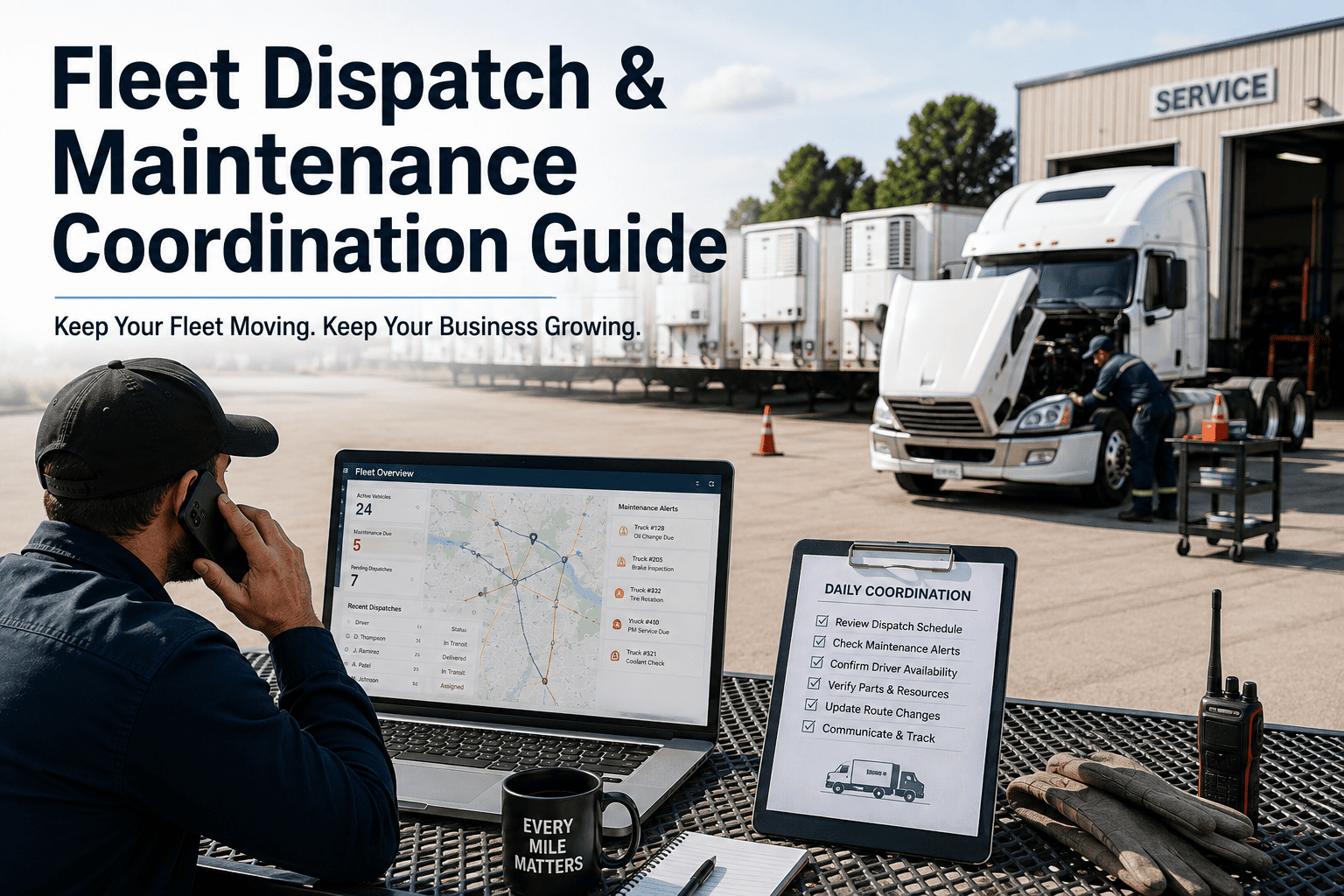
Read More
Every fleet runs on two schedules that rarely talk to each other — the dispatch board that decides which vehicle goes out today, and the maintenance calendar that decides which vehicle needs to come in. When those two schedules collide, a truck
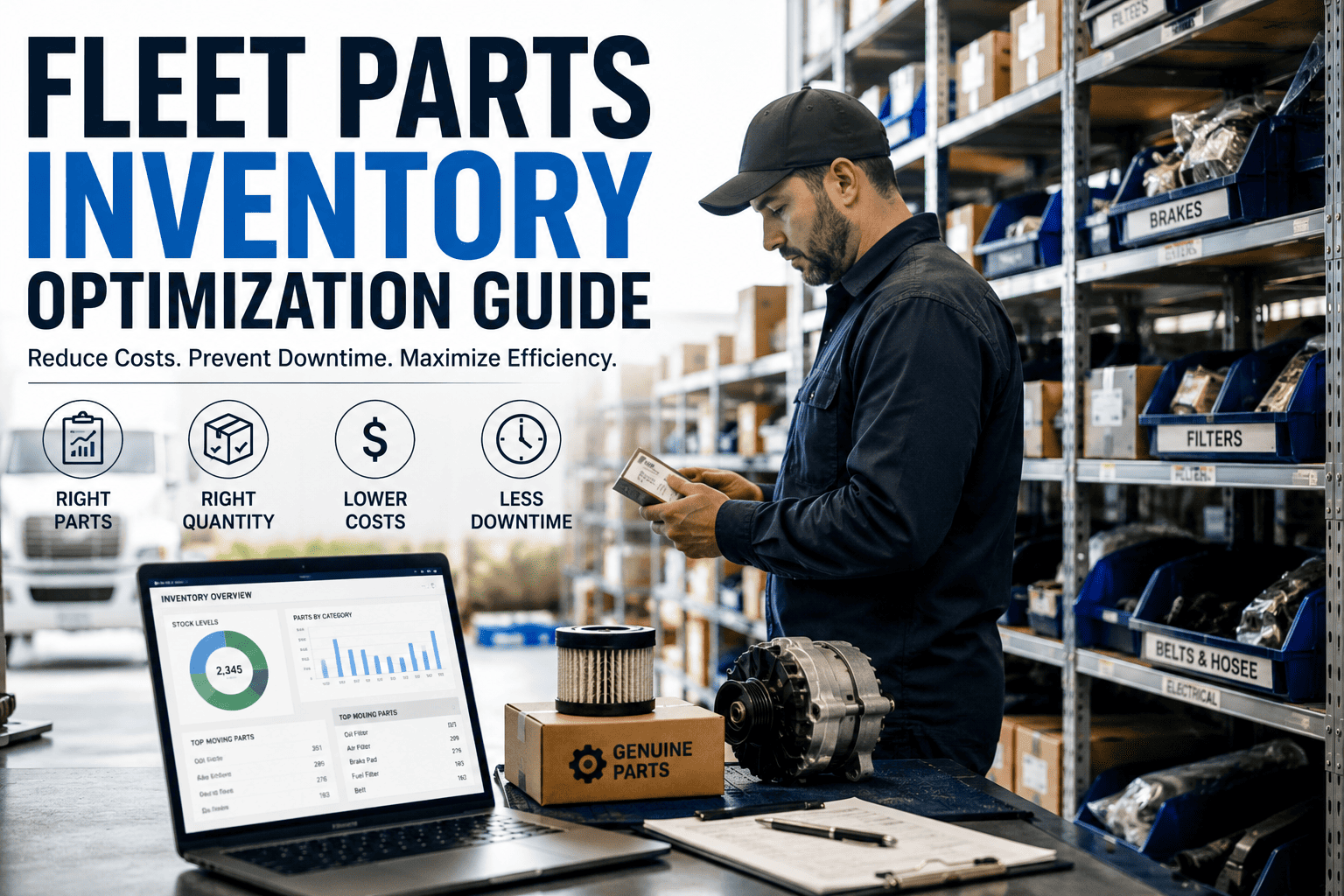
Read More
Every fleet parts room hides two expensive problems at the same time: the bin that turns up empty the moment a truck needs it, and the shelf of parts nobody has touched in eighteen months. Stockouts stall repairs, park revenue-generating vehicles,
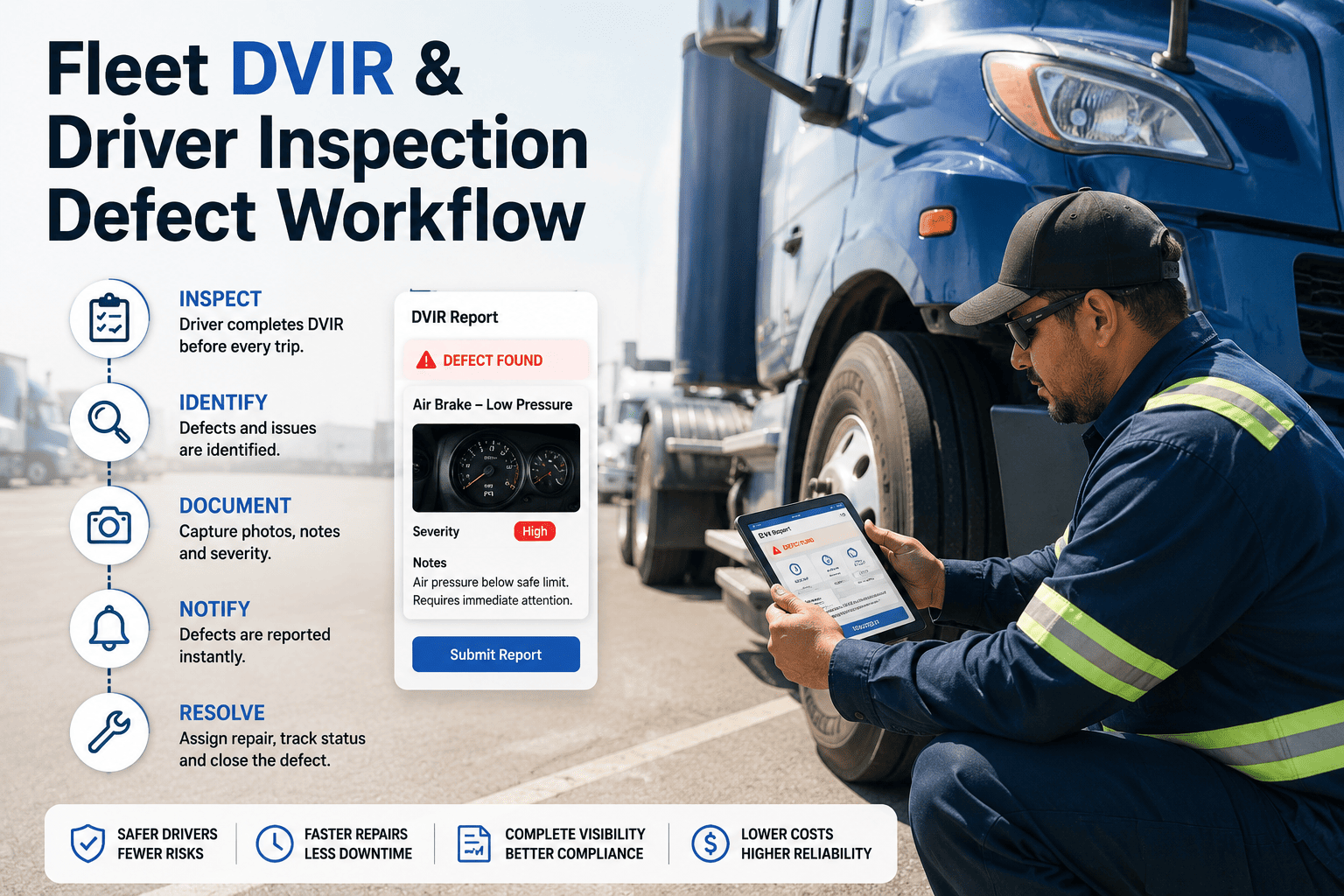
Read More
A DVIR that reports a defect nobody fixes is not a safety record — it is a documented admission that your fleet knew about a problem and dispatched the vehicle anyway. Every day, drivers across the country write down cracked lights, worn tires, an
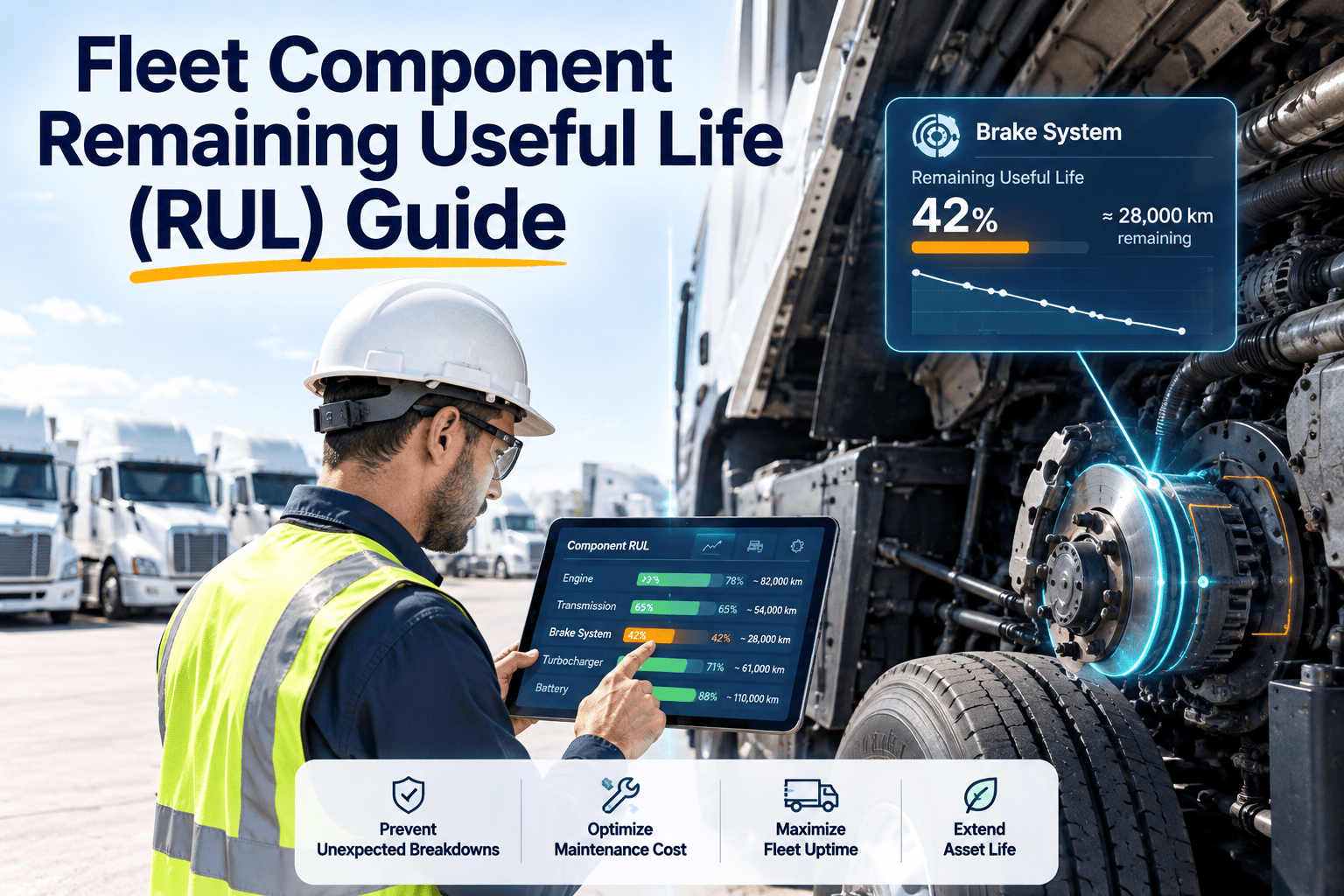
Read More
Every part on a fleet vehicle wears out on its own timeline — a brake pad, a battery, a turbocharger, and a wheel bearing each decline at a different pace shaped by load, heat, vibration, and duty cycle. Calendar-based service intervals treat all of
Read More
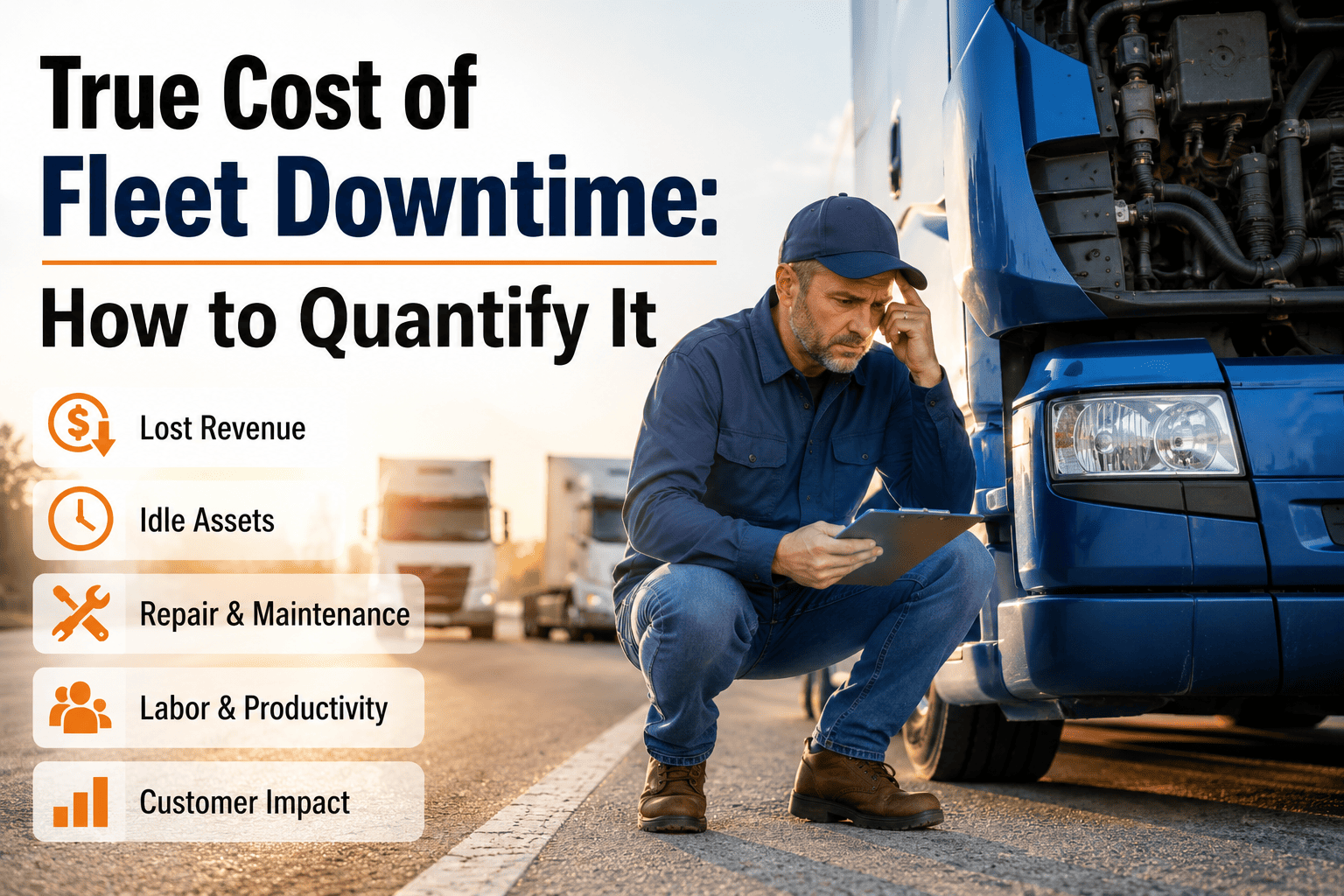
Fleet downtime is measured in dollars long before it is measured in minutes, yet most maintenance teams only ever see the smallest piece of it — the repair invoice. That single line item typically represents a small fraction of what an unplanned a
Read More
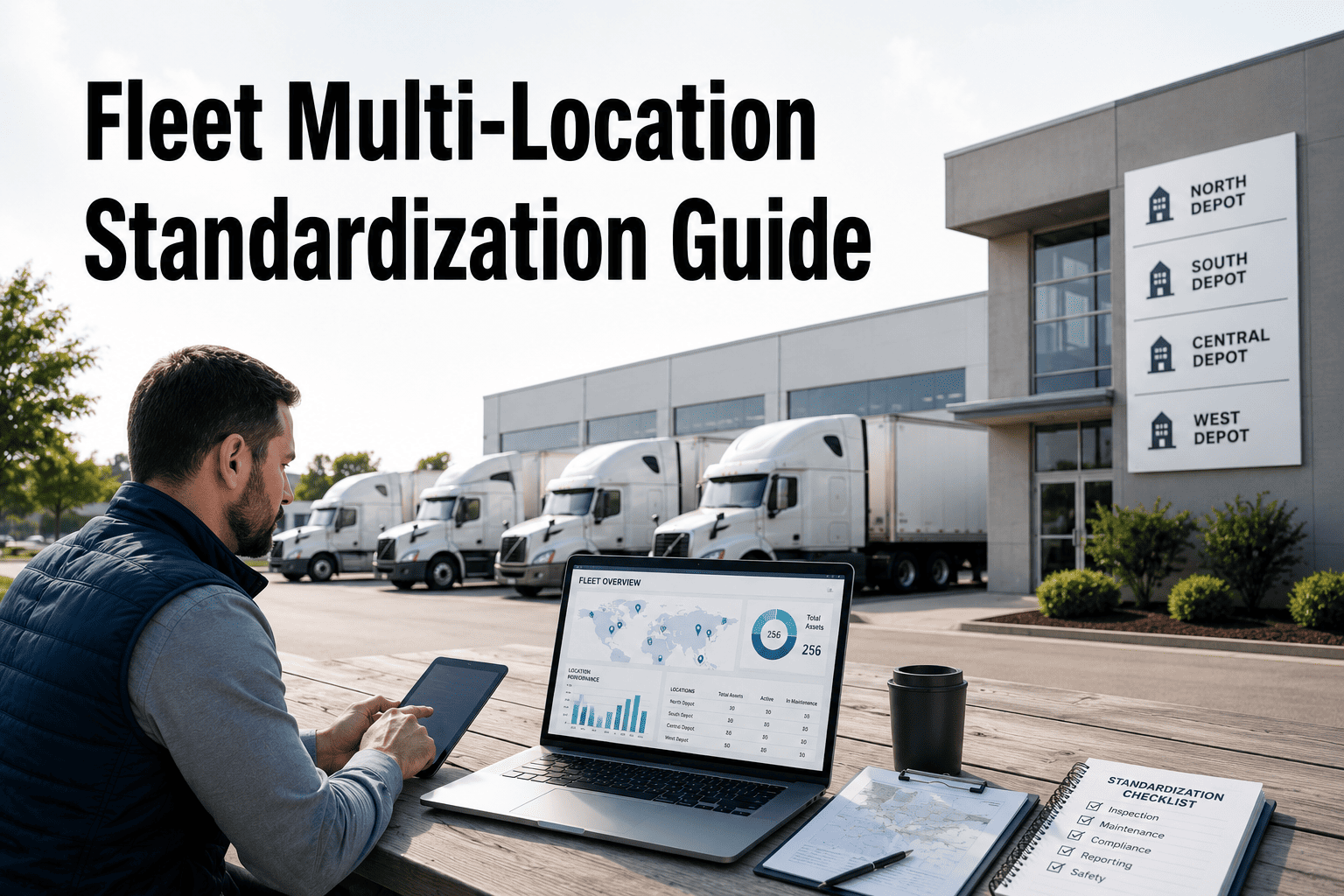
A regional service company running 11 branches once assumed every location followed the same maintenance calendar. When head office finally pulled the numbers, preventive maintenance compliance ranged from 88% at the best-run branch to just 23% at
Read More
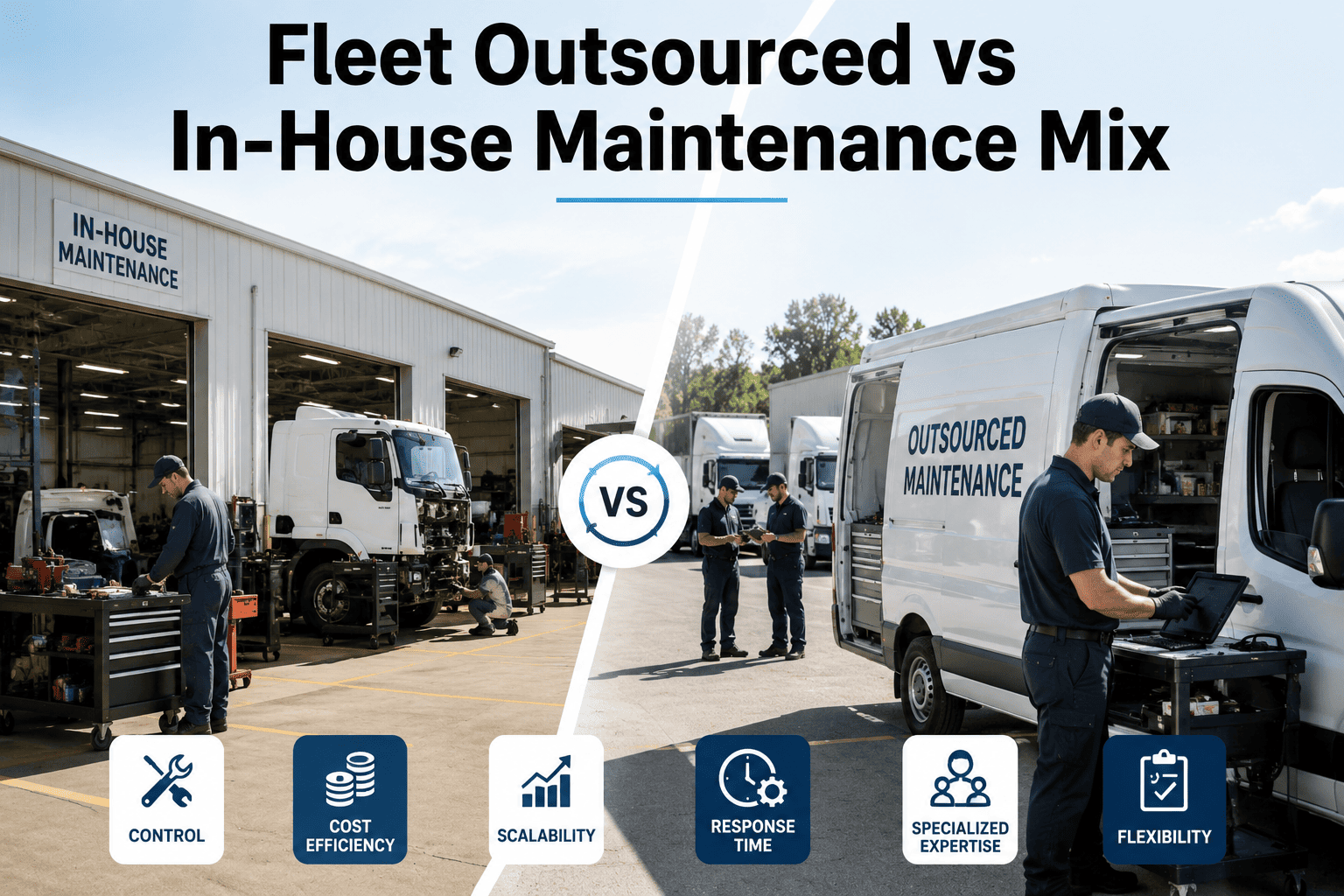
A 20-truck fleet spending $316,800 a year on repairs is not deciding between "outsource" or "in-house" — it is deciding how to split labor across two rate tiers that can differ by more than double, $45-$75 an hour in-house versus $125-$175 an hour

Read More
A driver can pass every pre-trip inspection, stay fully compliant with Hours of Service rules, and still be seconds away from a preventable crash — because fatigue and distraction leave no mark on a vehicle checklist. Drowsy driving is linked to m

Read More
Telematics dashboards are full of data about harsh braking events, speeding incidents, and phone-handling alerts — yet many fleets see no measurable change in driving behavior month over month. That gap exists because monitoring only tells you wha
Read More
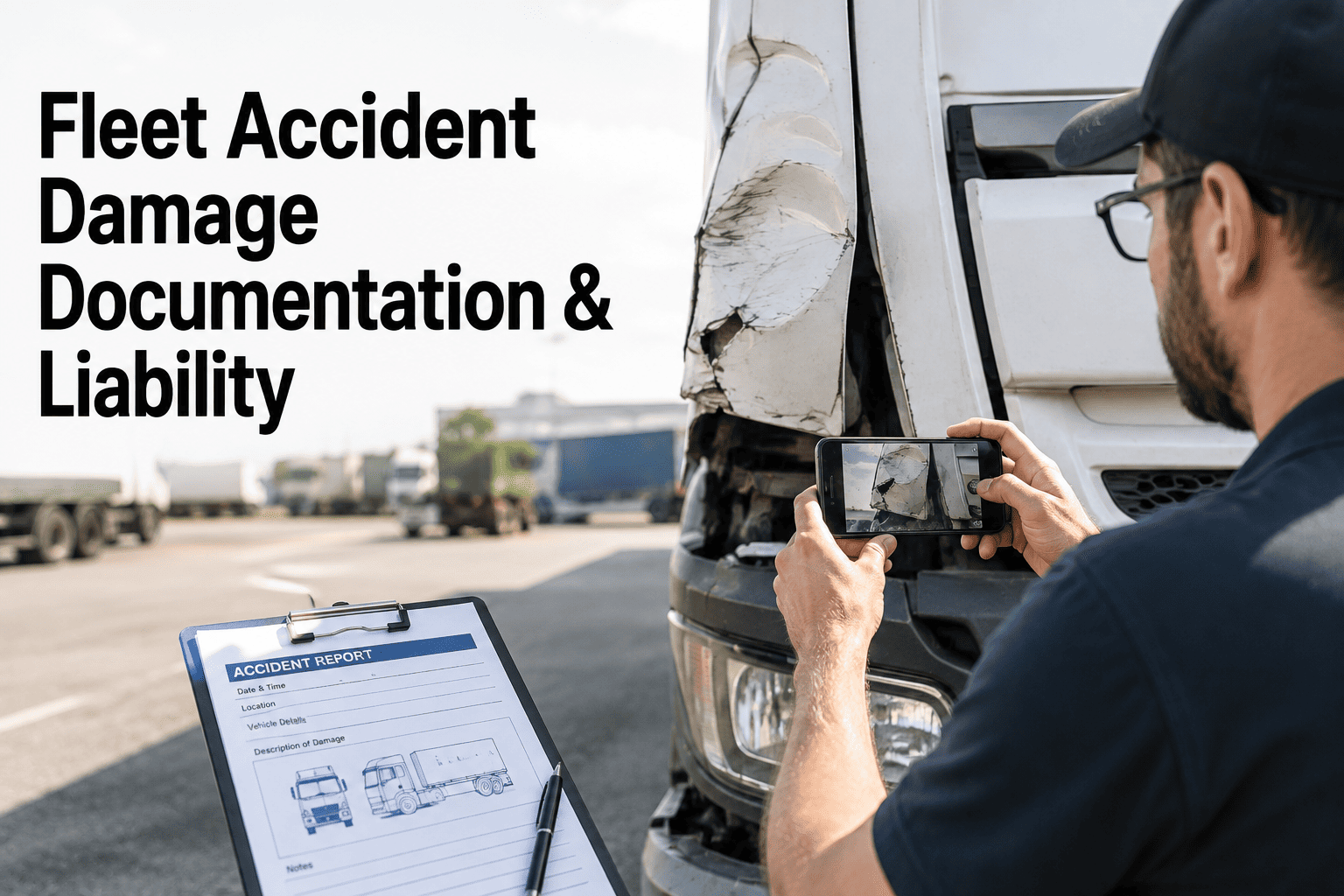
When a fleet vehicle is involved in a collision, the outcome of the liability dispute is usually decided long before any lawyer gets involved — it is decided by what was documented in the first hour. Insurers, opposing counsel, and internal risk t
Read More
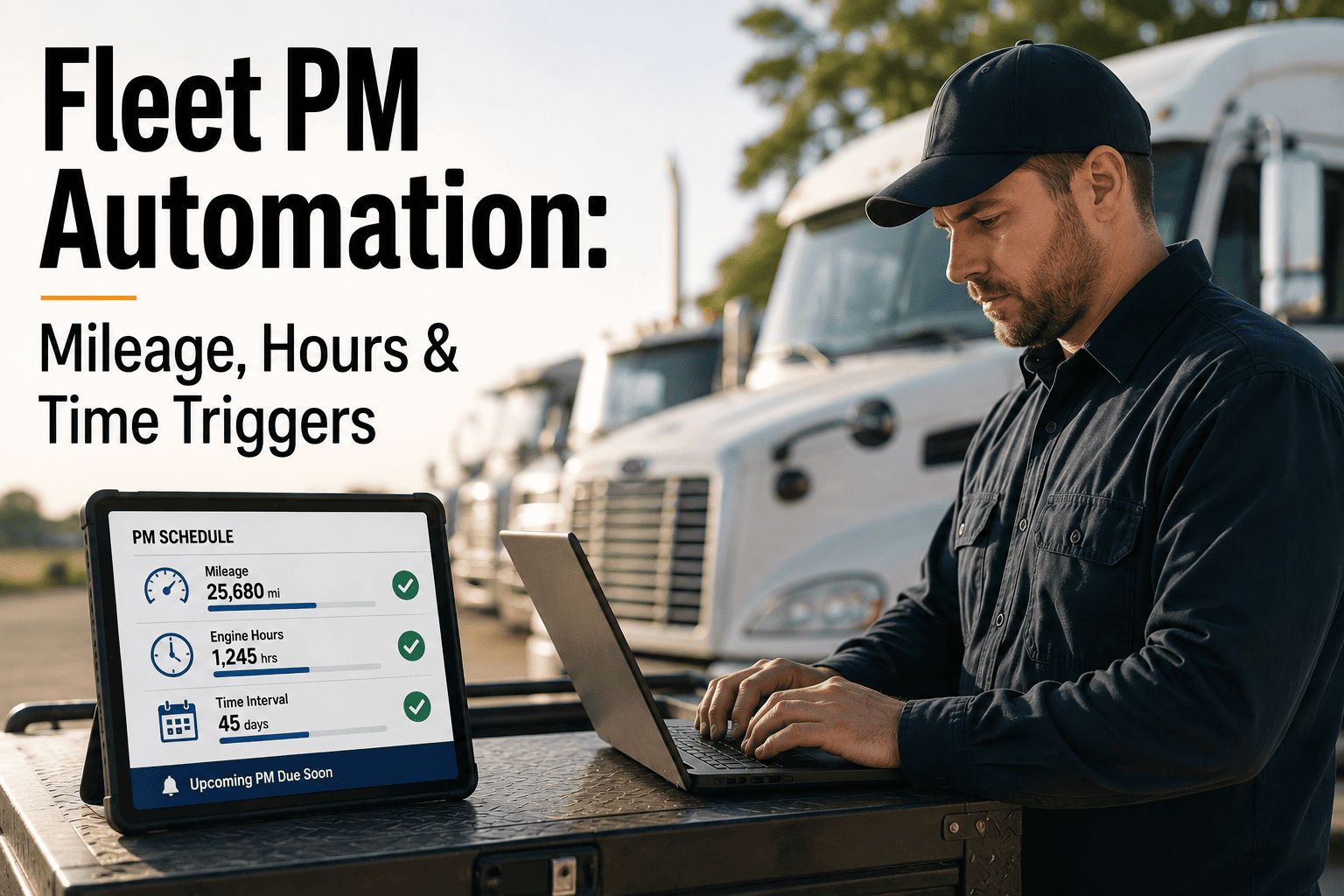
Most fleets do not lose PM compliance because nobody cares — they lose it because mileage, engine hours, and calendar dates all move at once and no spreadsheet can watch three clocks per vehicle at the same time. A truck can be current on mileage
Read More
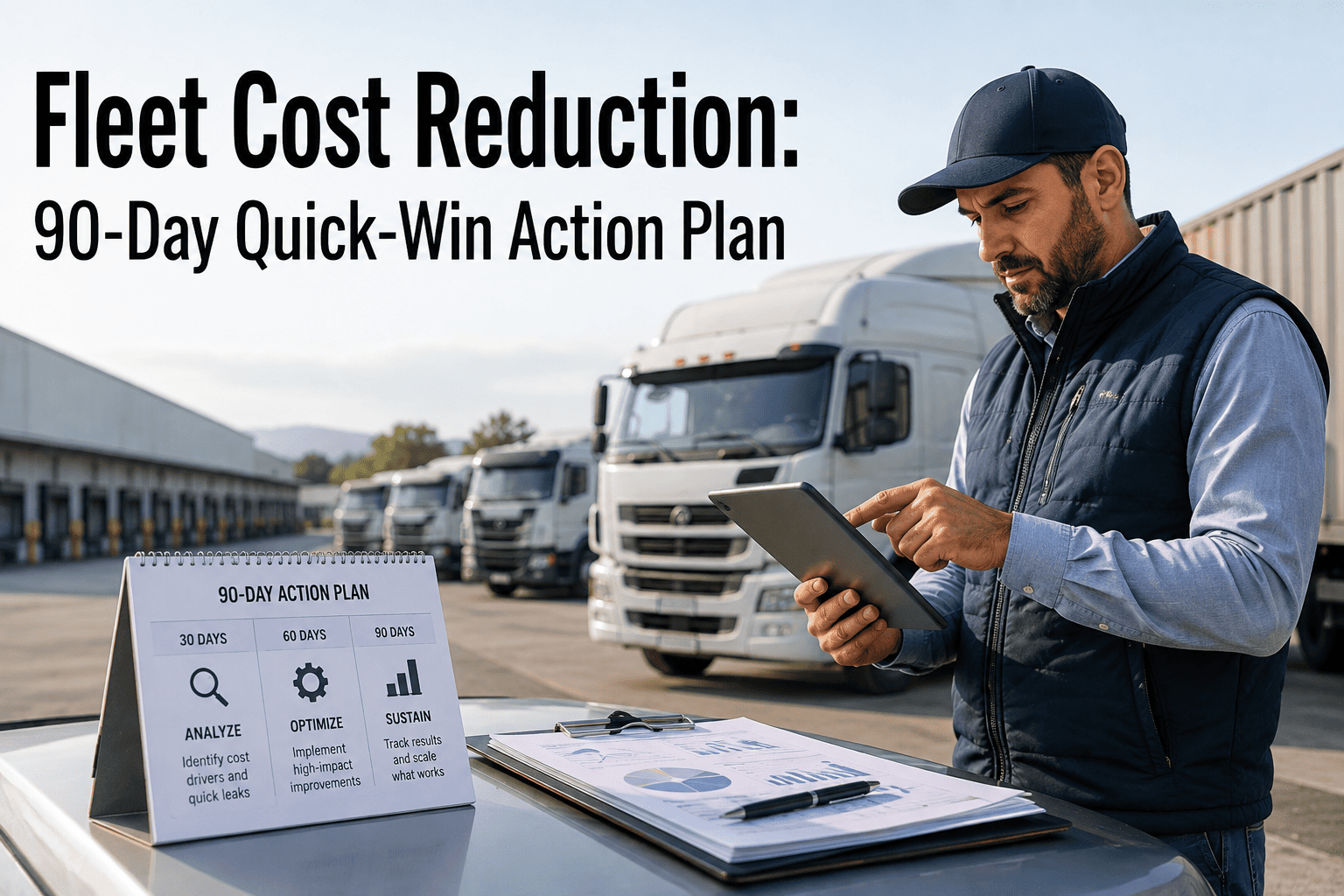
Most fleet cost reduction programs are built for a three-year horizon — new telematics contracts, fuel card renegotiations, right-sizing studies that need a full budget cycle to approve. None of that helps a fleet manager who has to show a number
Read More
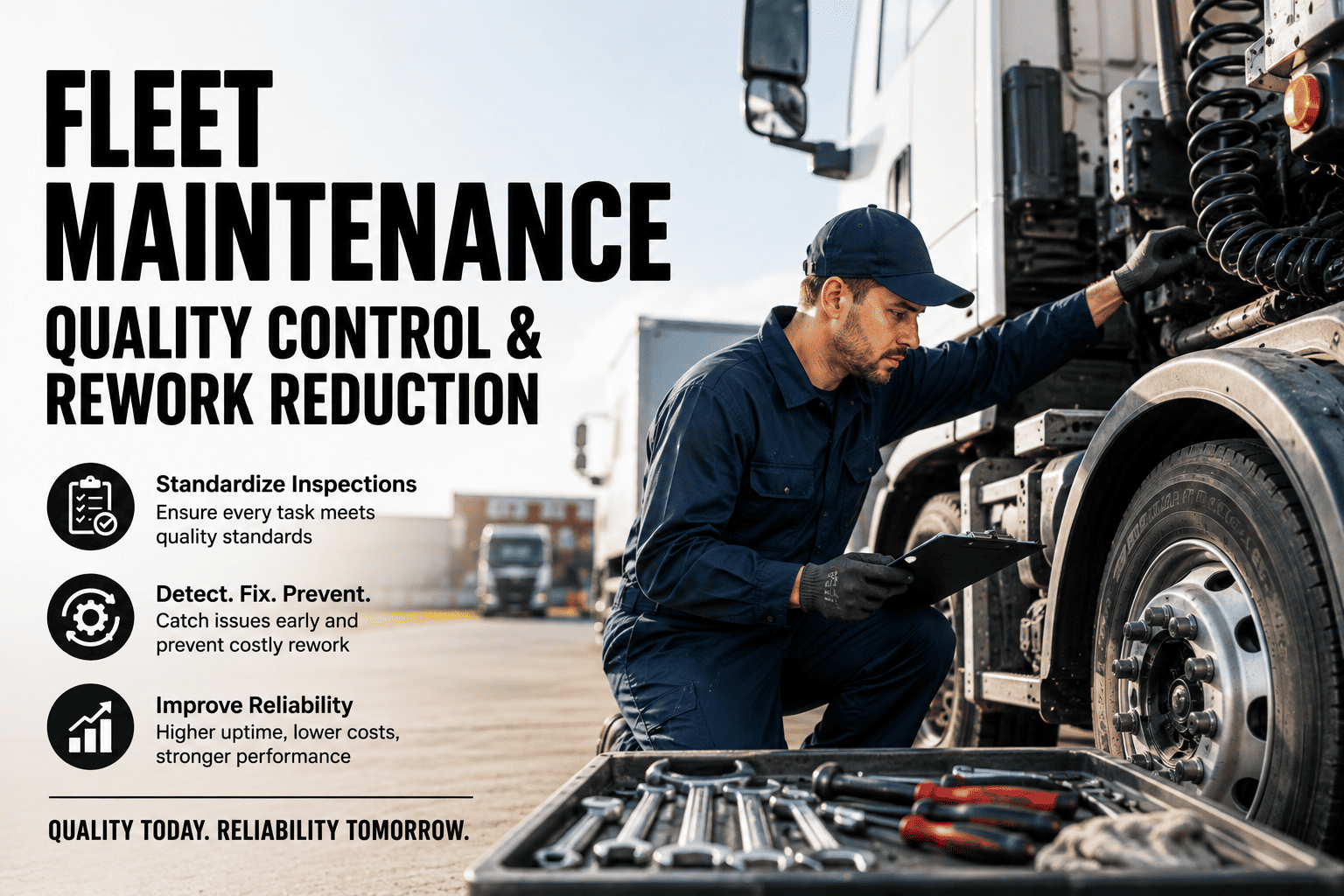
Fleet maintenance quality control is the discipline that decides whether a repair stays fixed — or comes back as a costly rework job that doubles labor, burns parts, and erodes driver trust. Industry data consistently shows that 8–15% of fleet wor

Read More
Fleet utilization optimization is the practice of measuring how hard every vehicle and asset actually works — then redeploying the underused ones to where they earn their keep instead of sitting idle while another site rents capacity. Most fleets
Read More
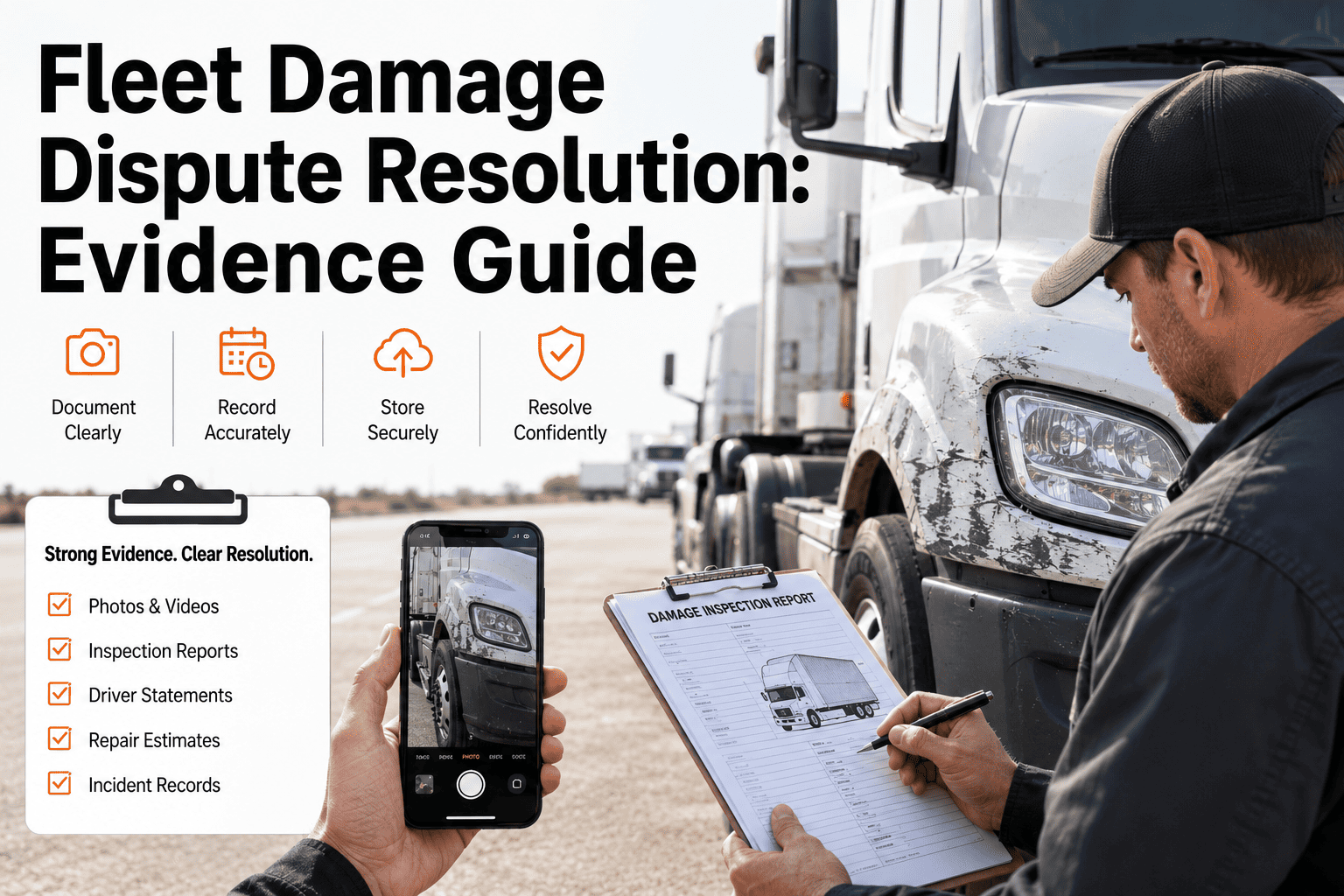
Fleet damage dispute resolution succeeds or fails on evidence: fleets that capture timestamped photos, inspection records, and a documented chain of custody win or settle the overwhelming majority of vehicle damage disputes, while fleets relying o
Read More
Recovering from missed fleet PM intervals is one of the most urgent challenges a fleet maintenance manager can face — and the recovery approach determines whether those missed PMs cascade into costly breakdowns or get contained and corrected. A mi
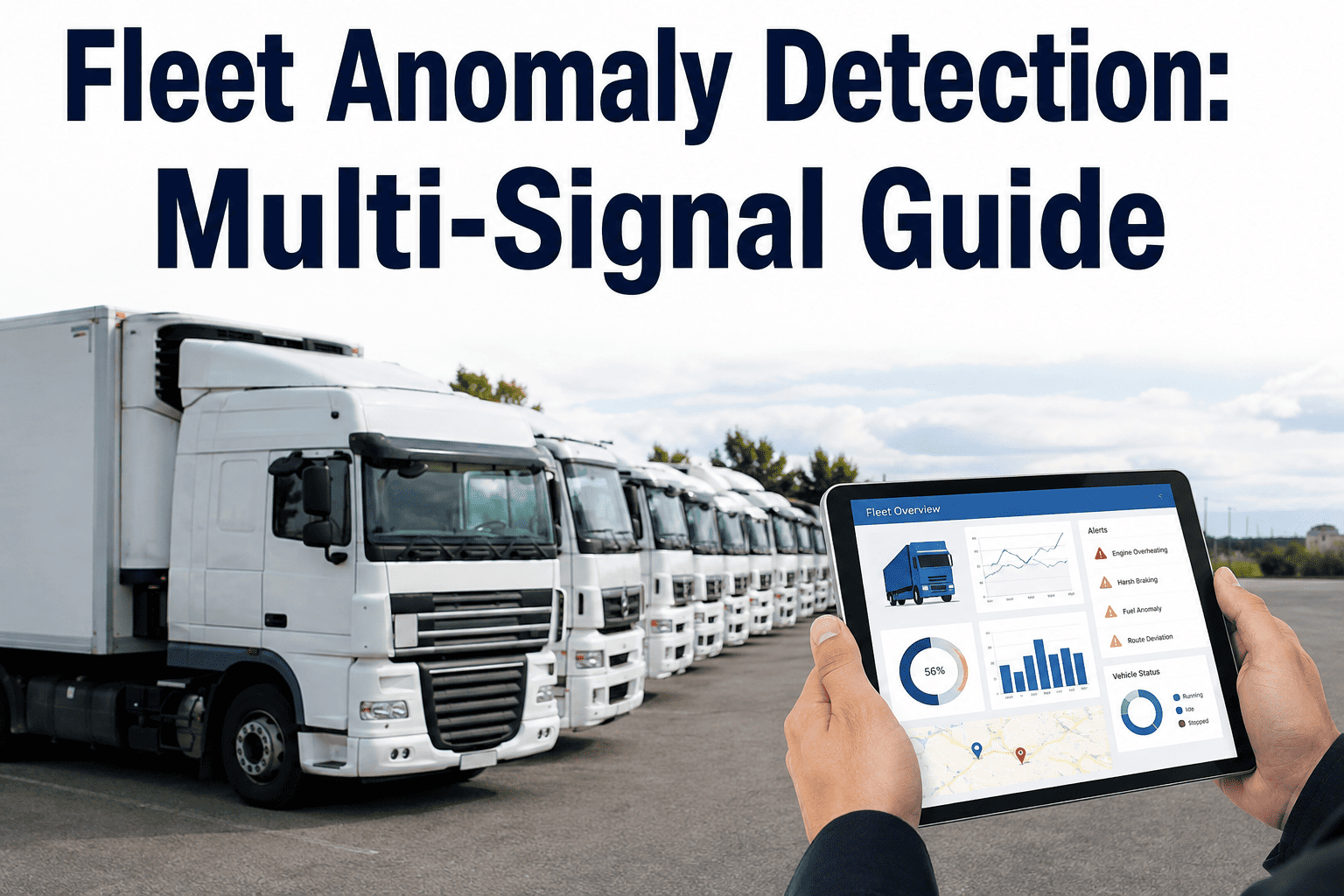
Read More
Fleet anomaly detection using multi-signal analysis catches the failures that single-sensor alarms consistently miss — because real breakdowns almost never announce themselves through one channel. A bearing that is starting to fail might raise vib

Read More
Fleet predictive maintenance pilots succeed in proving value on a handful of vehicles but fail to scale across the whole fleet — industry data suggests 70–80% of PdM pilots never reach enterprise production. The pilot-to-scale transition is where
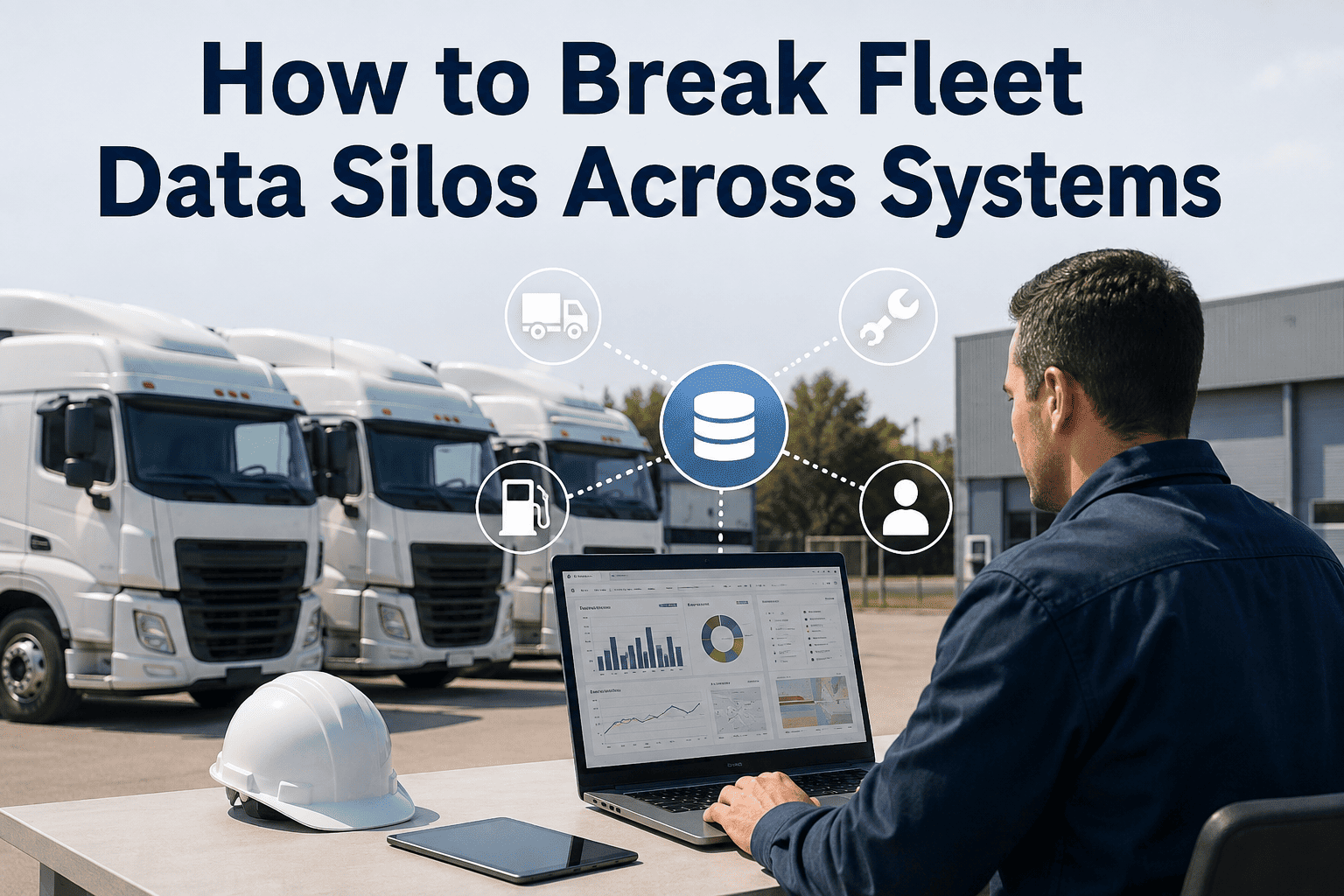
Read More
Fleet data silos across CMMS, telematics, GPS, and fuel card systems are the single biggest reason fleet analytics never deliver their promised value — and breaking them is a solvable architecture problem, not an endless IT project. When your main
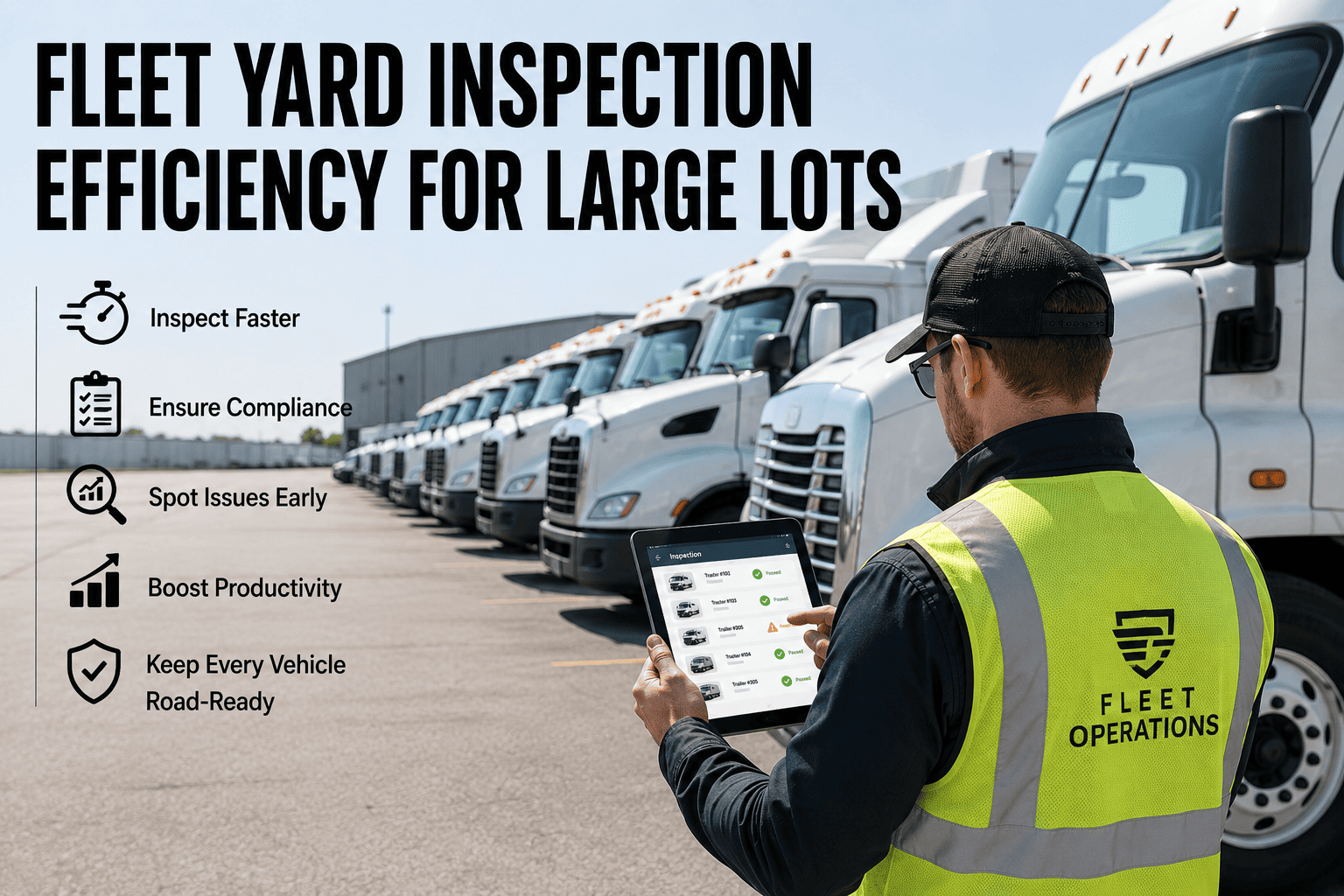
Read More
Fleet yard inspection efficiency on large lots comes down to one thing: covering every asset without letting the walk itself eat the shift. On a 40–100+ acre yard, a single thorough foot inspection can take 3–5 hours, which is why most large-lot f

Read More
Cold chain cargo inspection and temperature record integrity is a food safety, pharmaceutical, and liability issue rolled into one — because cold chain cargo damage is often invisible until the load is rejected at the dock. A disciplined cold chai
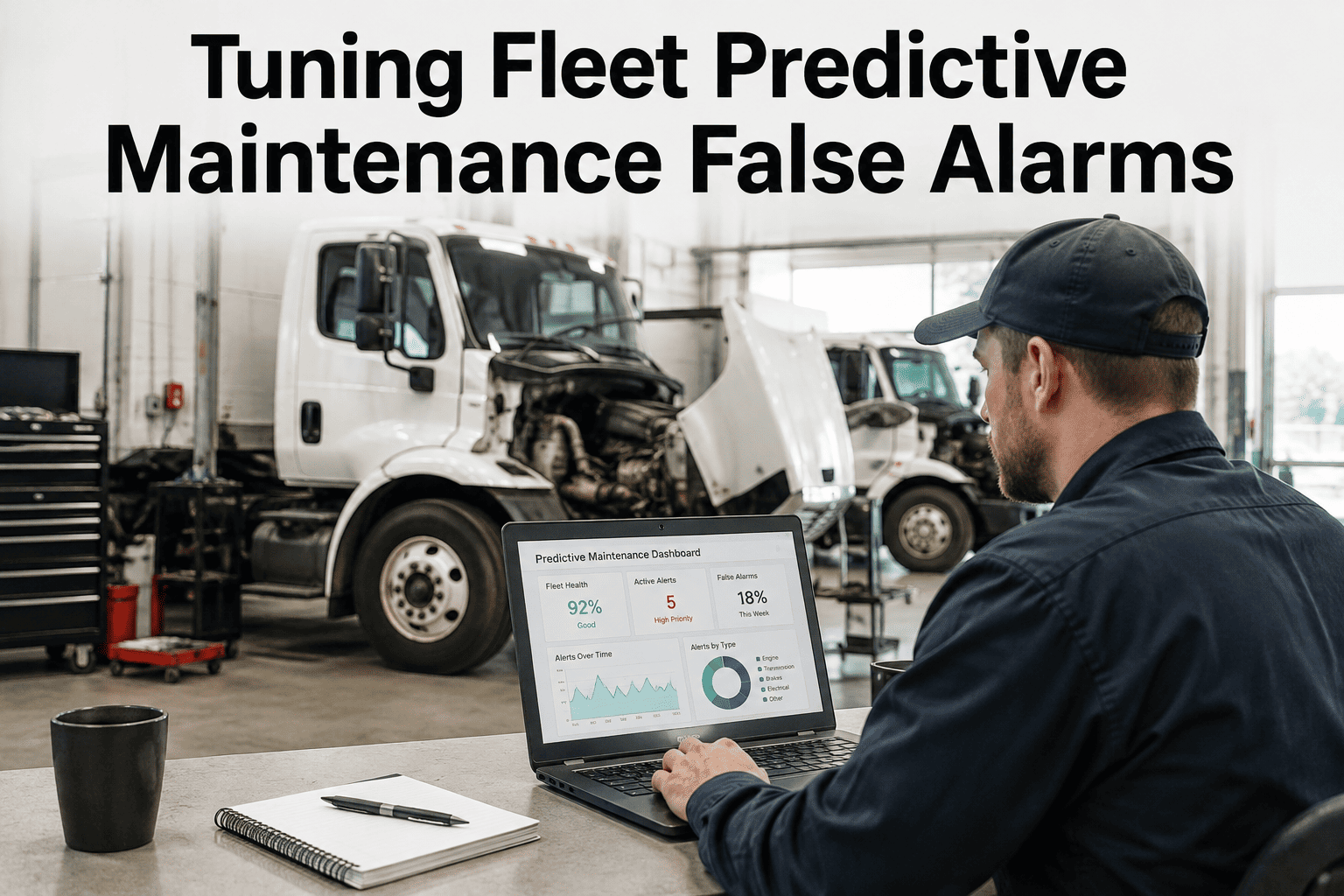
Read More
Tuning fleet predictive maintenance false alarms is the difference between a PdM program your technicians trust and one they mute. When more than 30–40% of alerts turn out to be false positives, crews start ignoring every alert — including the rea

Read More
Fleet machine learning failure prediction models turn years of maintenance history into predictive intelligence — but only when the underlying data quality supports model training. Most fleets collect enormous volumes of telematics, sensor reading

Read More
OEM telematics vs aftermarket telematics is the defining fleet data decision for 2026: with more than 90% of new vehicles shipping with factory-installed telematics, fleets can now tap rich OEM data feeds without buying hardware — but aftermarket
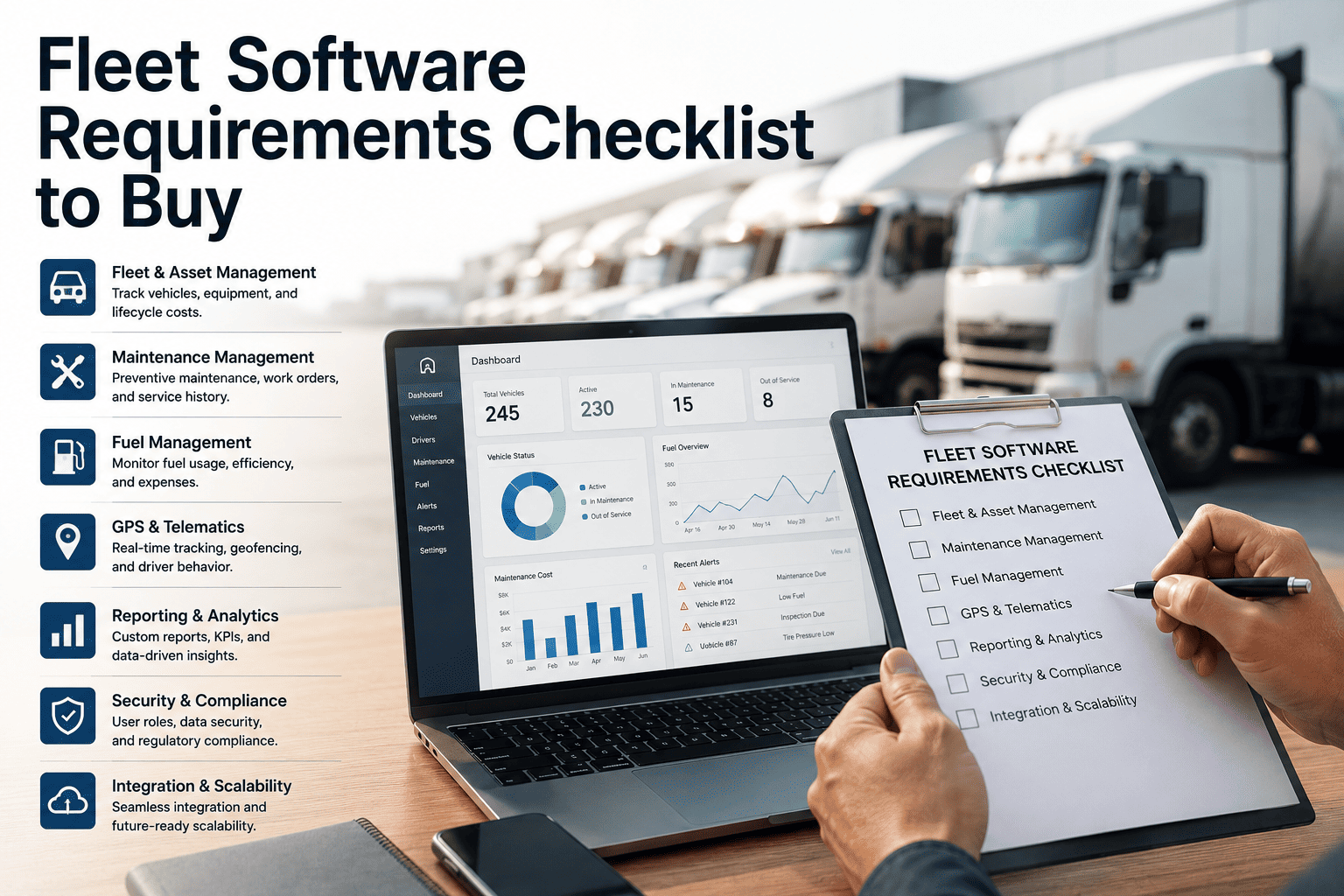
Read More
A fleet software requirements checklist is the single most reliable way to stop buying the demo and start buying the fit — it turns fleet software procurement from opinion into a defensible, written specification before any vendor gets a seat at t
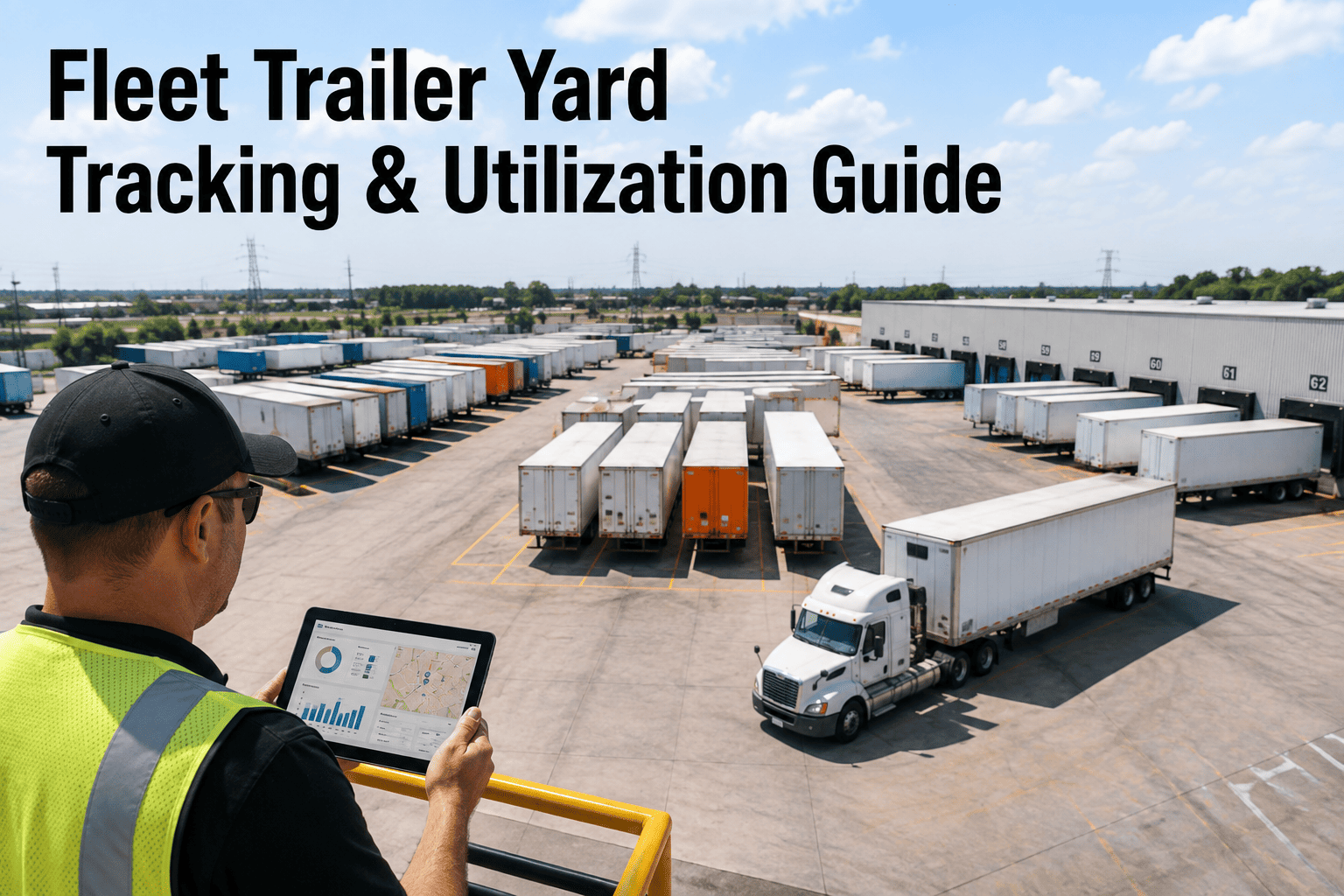
Read More
Fleet trailer yard tracking is the practice of knowing, in real time, where every trailer sits in your yard, how long it has been there, and whether it is earning revenue or just consuming space — and it is the single fastest way to recover hidden
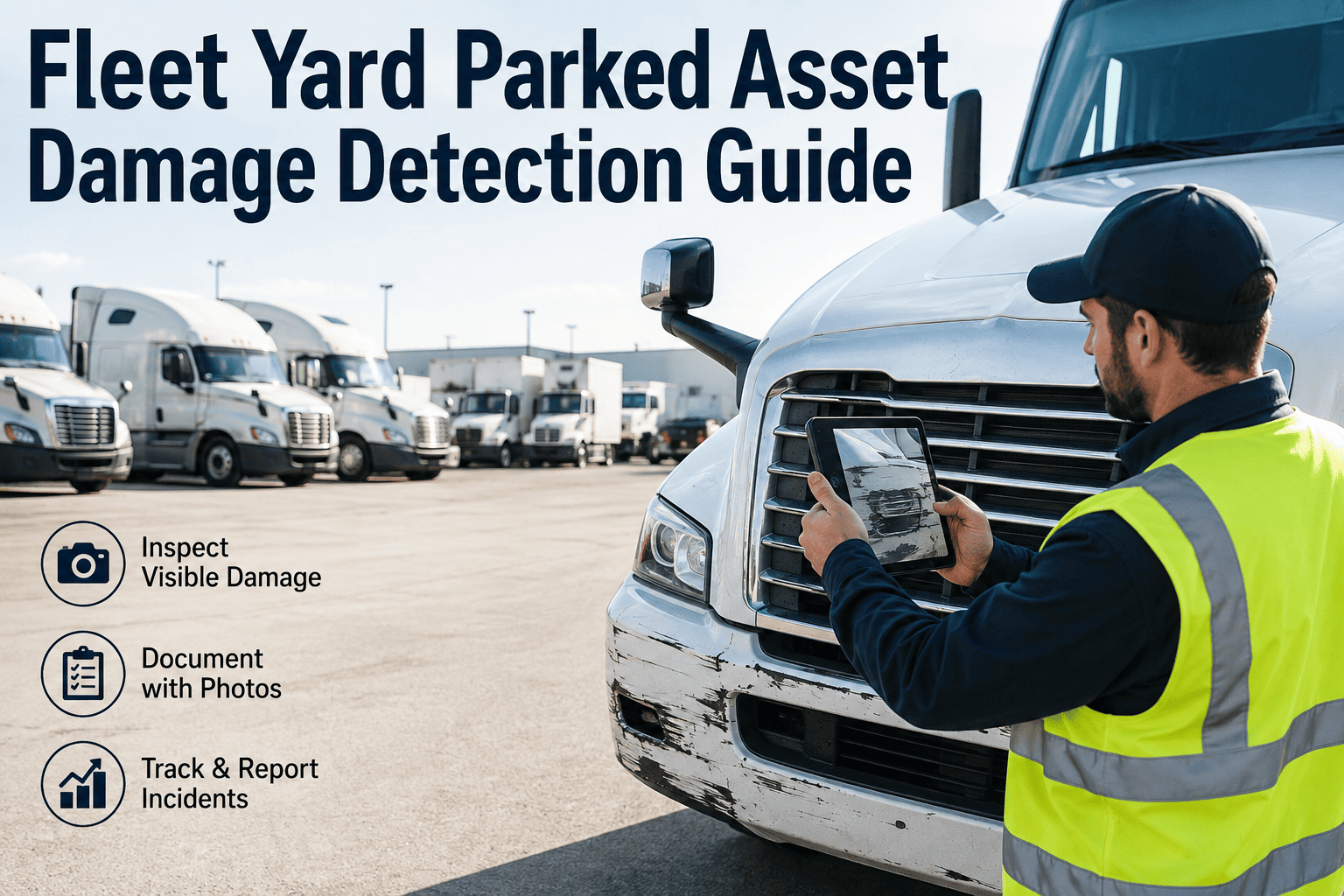
Read More
Parked asset damage detection is the process of finding, documenting and assigning responsibility for damage that happens to vehicles and equipment while they sit in the yard between trips — before the next driver pulls out and the damage becomes
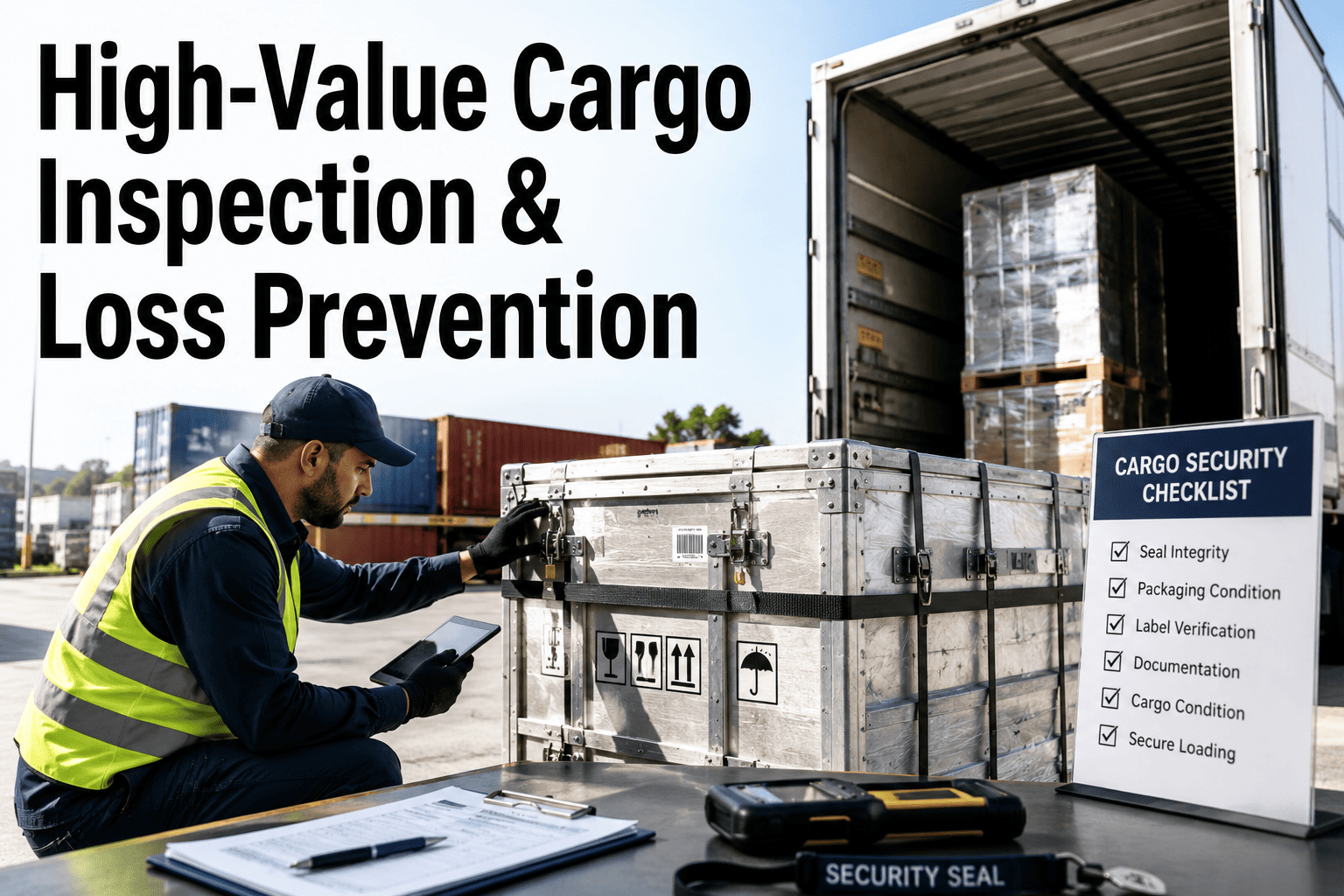
Read More
High-value cargo inspection is the discipline that decides whether specialty freight arrives intact and defensible — or turns into a six-figure claim with no evidence to fight it. High-value loads attract theft and scrutiny in equal measure, so fl
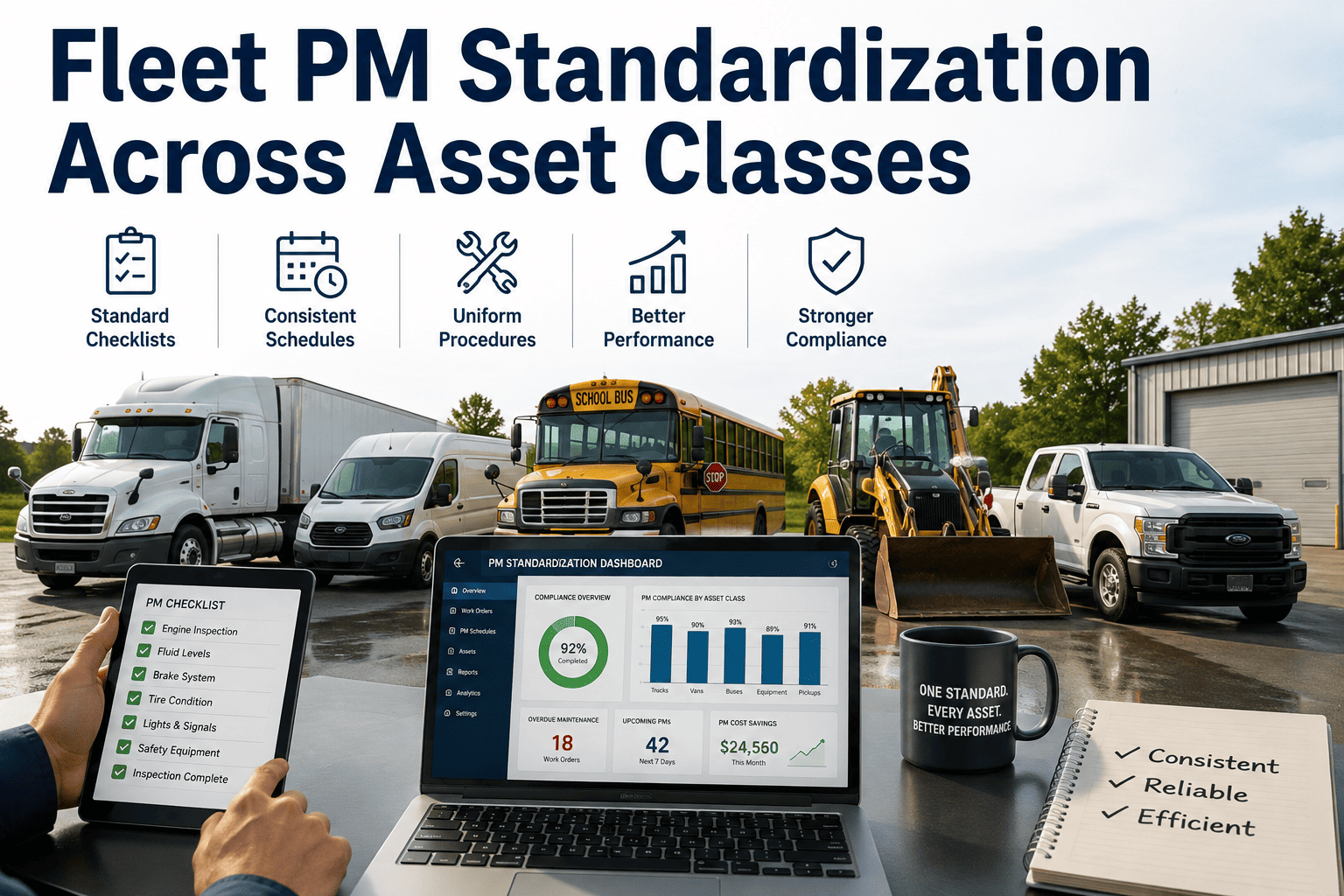
Read More
A fleet multi asset PM program fails the moment a 53-foot reefer trailer gets the same inspection checklist as a day-cab tractor — different failure modes, different intervals, different compliance stakes. Fleet PM standardization across asset cla

Read More
Fleet condition monitoring uses continuous sensor data — oil pressure, coolant temperature, tyre pressure, battery voltage, DTCs, vibration — to catch developing faults between scheduled services, long before a driver notices a warning light or a

Read More
Fleet predictive maintenance failure signatures are the measurable deviations in component behavior — coolant temperature creep, transmission slip frequency, brake-pad wear rate — that precede breakdowns by days or weeks. When fleet reliability en
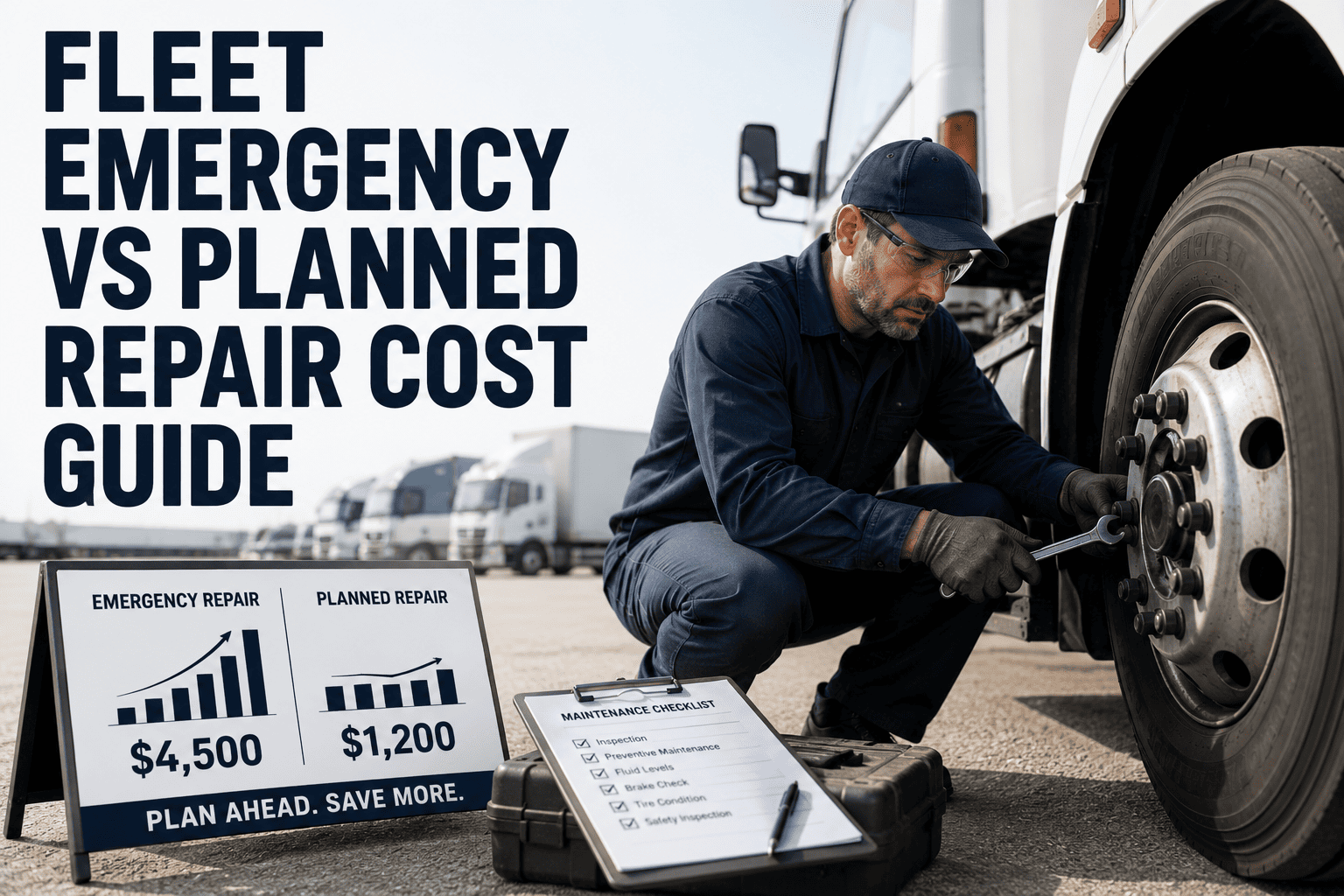
Read More
Fleet emergency repair cost typically runs 3 to 5 times higher than the same job performed on a planned schedule — and for some breakdowns the multiplier exceeds 8× once towing, overtime, and downtime are factored in. The gap between emergency vs
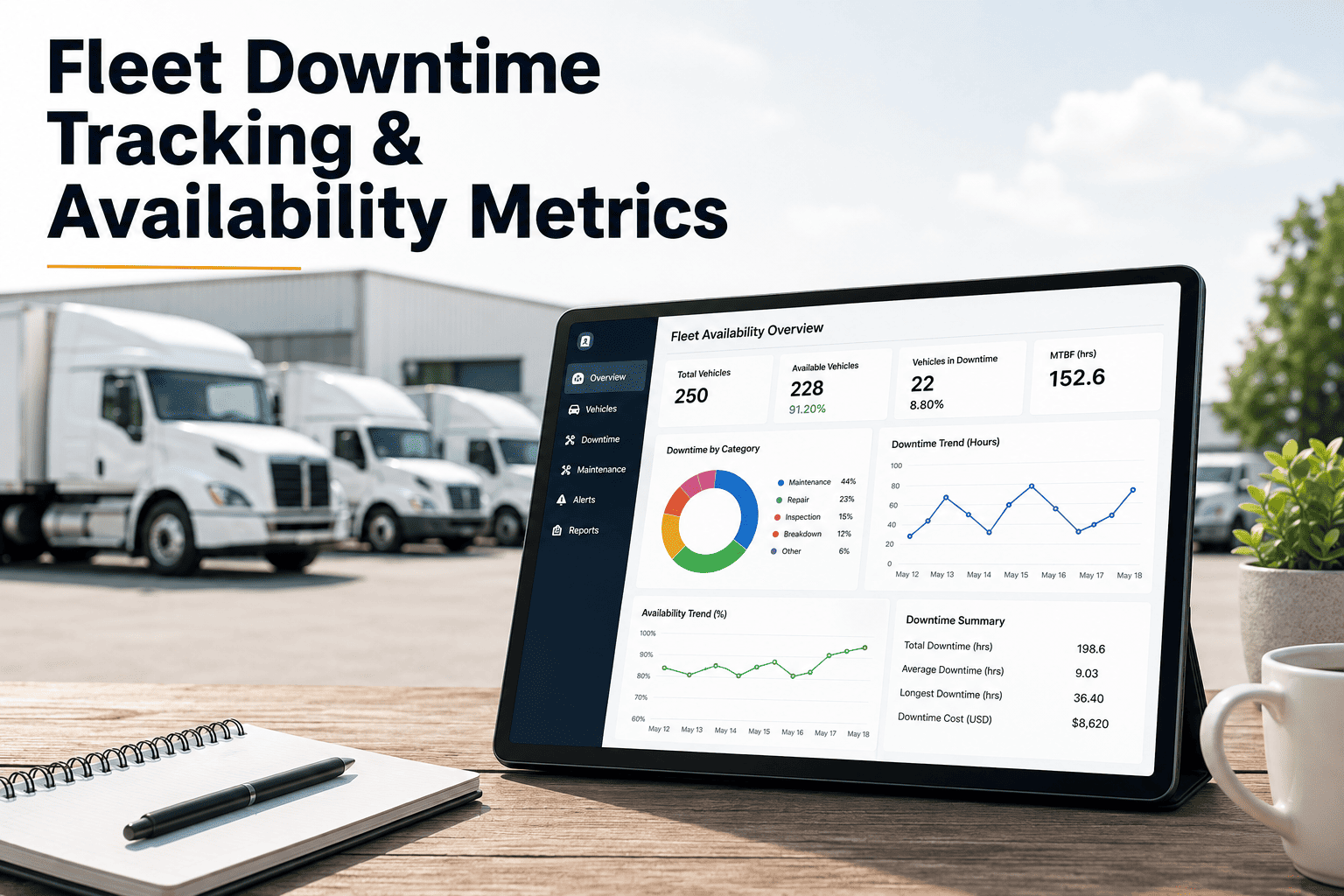
Read More
Fleet downtime tracking is the difference between knowing a truck is "broken again" and knowing exactly why it was off the road for 14 hours last Tuesday. Fleet vehicle availability — the percentage of units ready for dispatch at any given time —
Read More
Fleet critical component failure rarely happens without warning — bearings, cooling systems, transmissions, and brakes almost always signal distress days or weeks before a roadside event. Building a fleet critical component failure early warning s
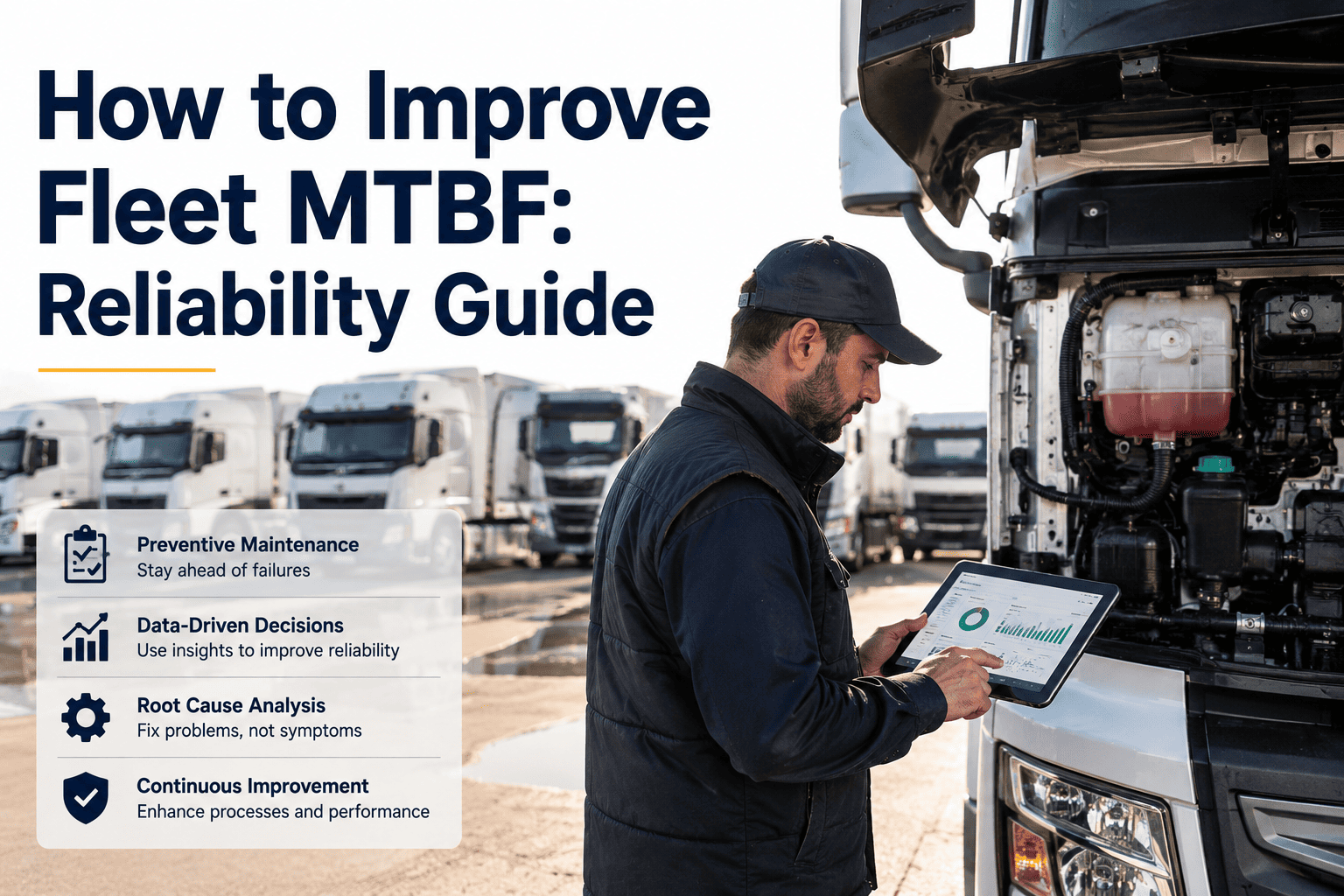
Read More
Fleet MTBF — mean time between failures — is the single most reliable indicator of how maturely your maintenance program is run, because every additional hour a vehicle operates between breakdowns translates directly into recovered uptime, lower r
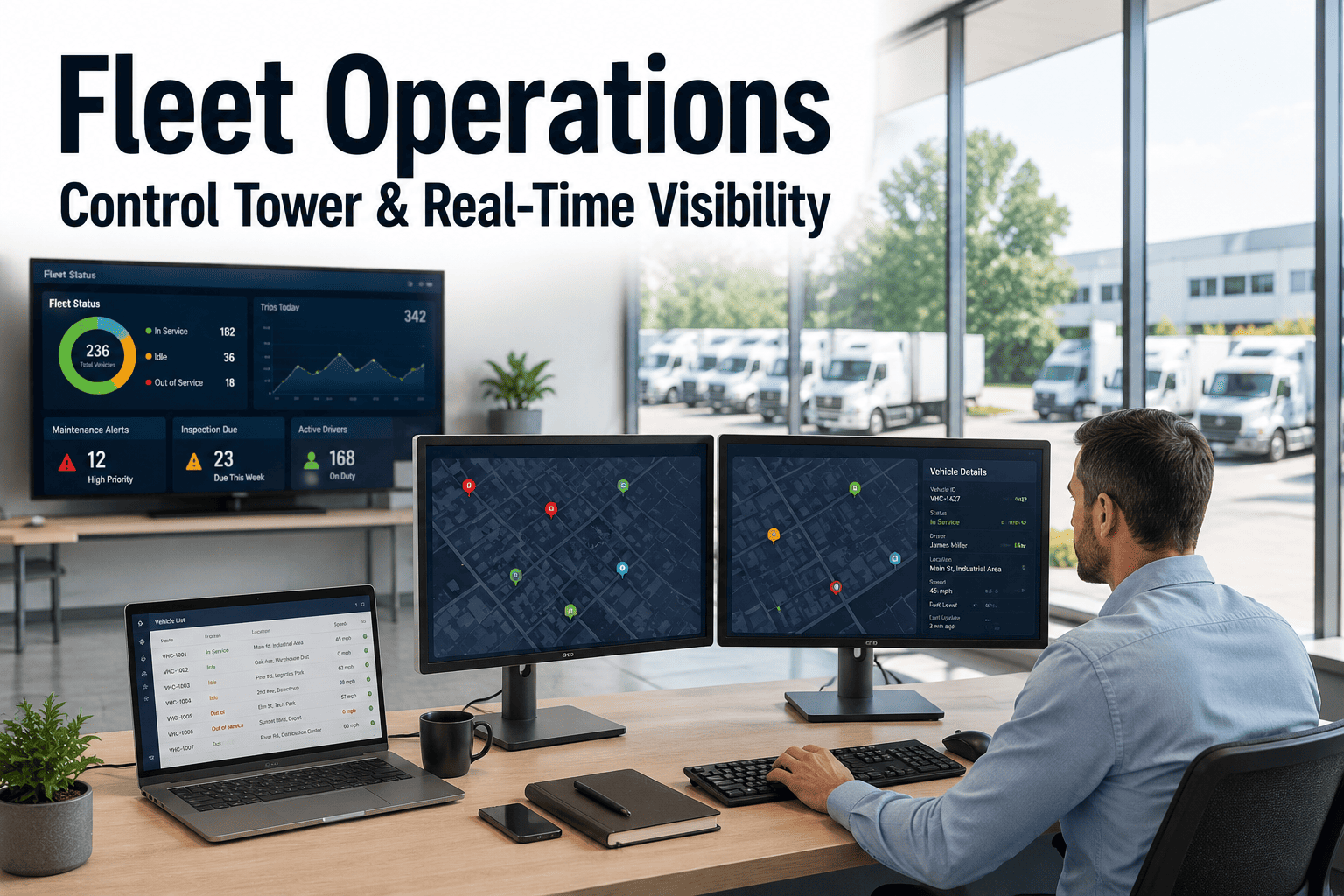
Read More
Fleet operations run on dozens of disconnected signals — GPS pings, DVIR submissions, fuel card swipes, maintenance alerts, driver messages — and by the time a dispatcher pieces them together by phone, the problem has already cost money or time. A

Read More
Every fleet has a safety policy binder somewhere on a shelf — thick, well-intentioned, and rarely opened after the first week. Yet the same fleets keep logging preventable collisions, skipped pre-trip inspections, and near misses nobody mentioned

Read More
Most fleets do not lose money on repairs — they lose money on the gap between what a vendor promises and what a vendor delivers. One shop turns a brake job around in four hours at a fair rate, another holds the same truck for three days and bills
Read More
Every fleet yard runs the same nightly ritual: a driver pulls up to the gate, a guard flips through a clipboard or squints at a tablet, and somewhere behind them a queue starts to build. That manual check is where dwell time, theft risk, and audit

Read More
Every fleet maintenance team knows the Friday afternoon scramble — pulling numbers from three systems, formatting the same charts by hand, and rewriting the same paragraph for a different audience each week. Generative AI is closing that gap fast:

Read More
Every fleet yard has a few feet of ground no camera ever reaches — the far end of a trailer row, the space behind a stacked container, the minute between one guard's round and the next. That's exactly where damage goes unrecorded and where a trail
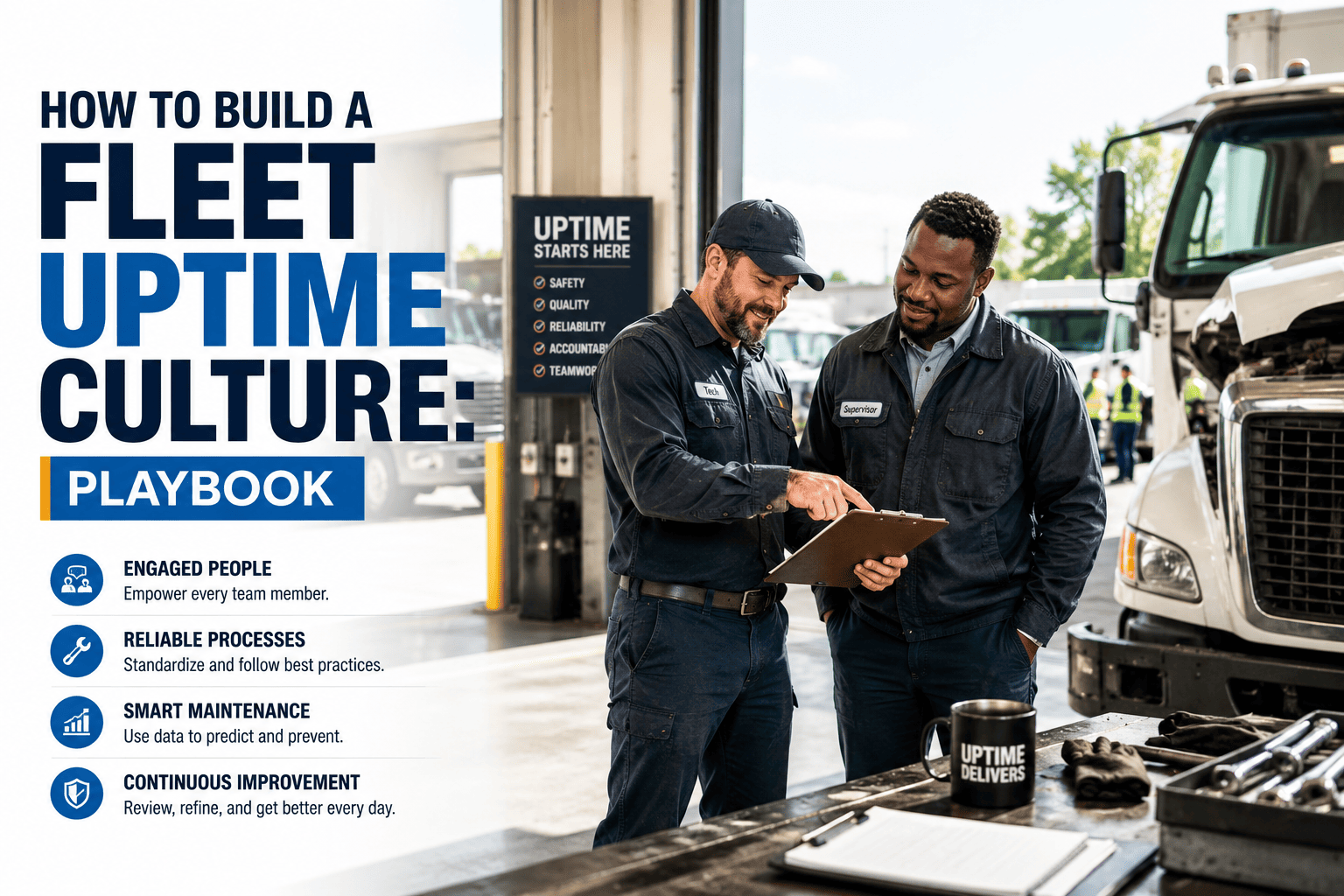
Read More
A regional carrier running 340 tractors had every tool a fleet could want — telematics, a CMMS, scheduled PM intervals — and trucks still broke down on the road every week. The dashboards said uptime was fine. The yard said otherwise. What the fle

Read More
Every fleet breakdown feels random until you look at the data. It isn't. Across commercial fleets, a small set of failure modes — tires, brakes, electrical systems, and cooling components — account for the overwhelming majority of roadside breakdo
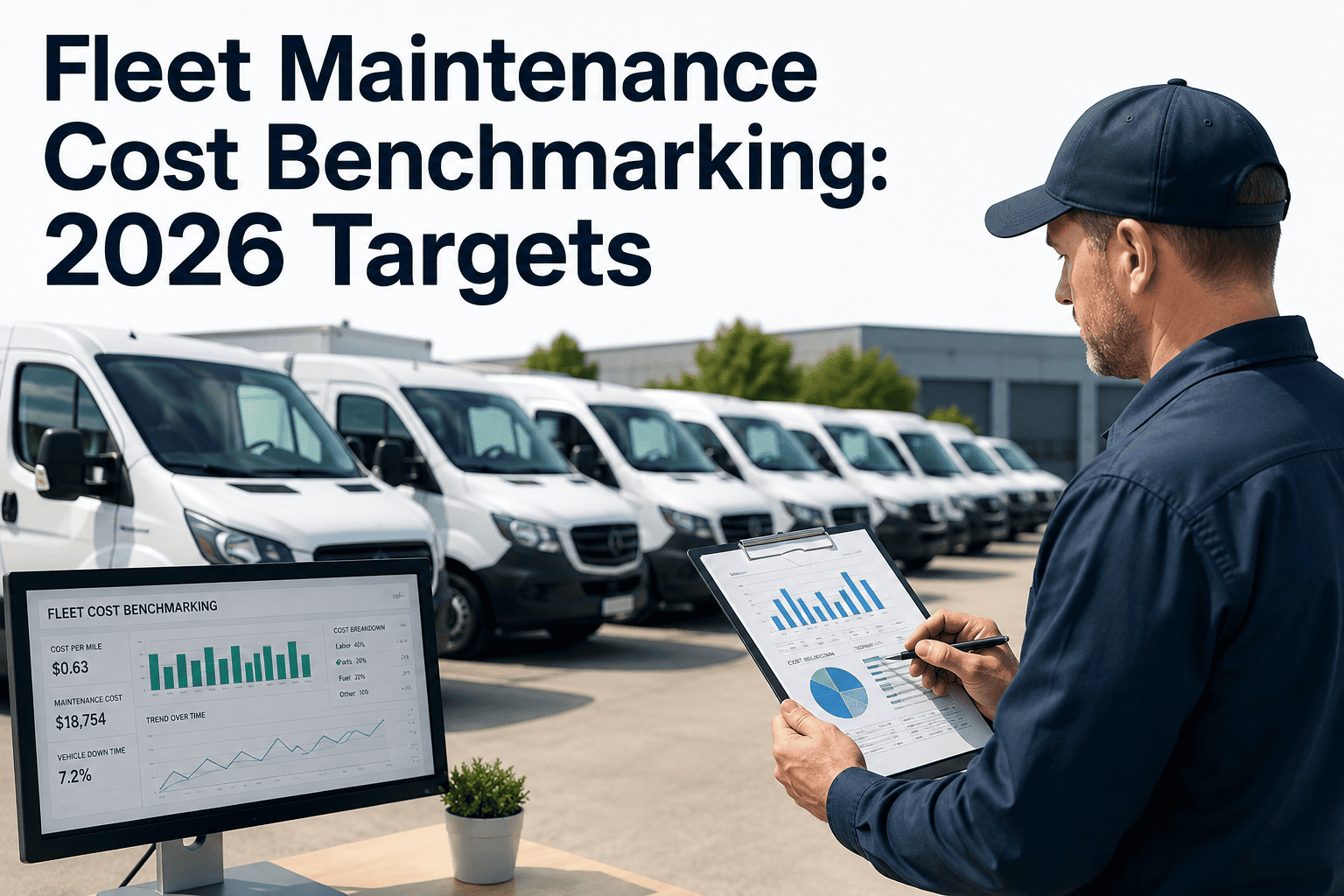
Read More
Most fleet managers can quote their total maintenance bill down to the dollar, but few can say whether $18,000 per truck a year sits in the top quartile of their industry or the bottom. Without a benchmark, a high maintenance bill just looks norma

Read More
Tires are one of the largest recurring costs on a fleet's P&L, yet most shops still track them by gut feel instead of cost per mile. A single truck can burn through thousands of dollars a year in avoidable tire spend from underinflation, misal

Read More
Water pump failure is one of the costliest surprises on a diesel fleet's maintenance calendar — a single seized pump can push engine temperature past the safe limit within minutes and turn a $600 repair into a full rebuild. The good news is that p

Read More
Every fleet software vendor claims to do everything — track, maintain, predict, and optimize — but a GPS platform, a telematics provider, and a CMMS solve three different problems, and stacking three point tools rarely beats one platform built to
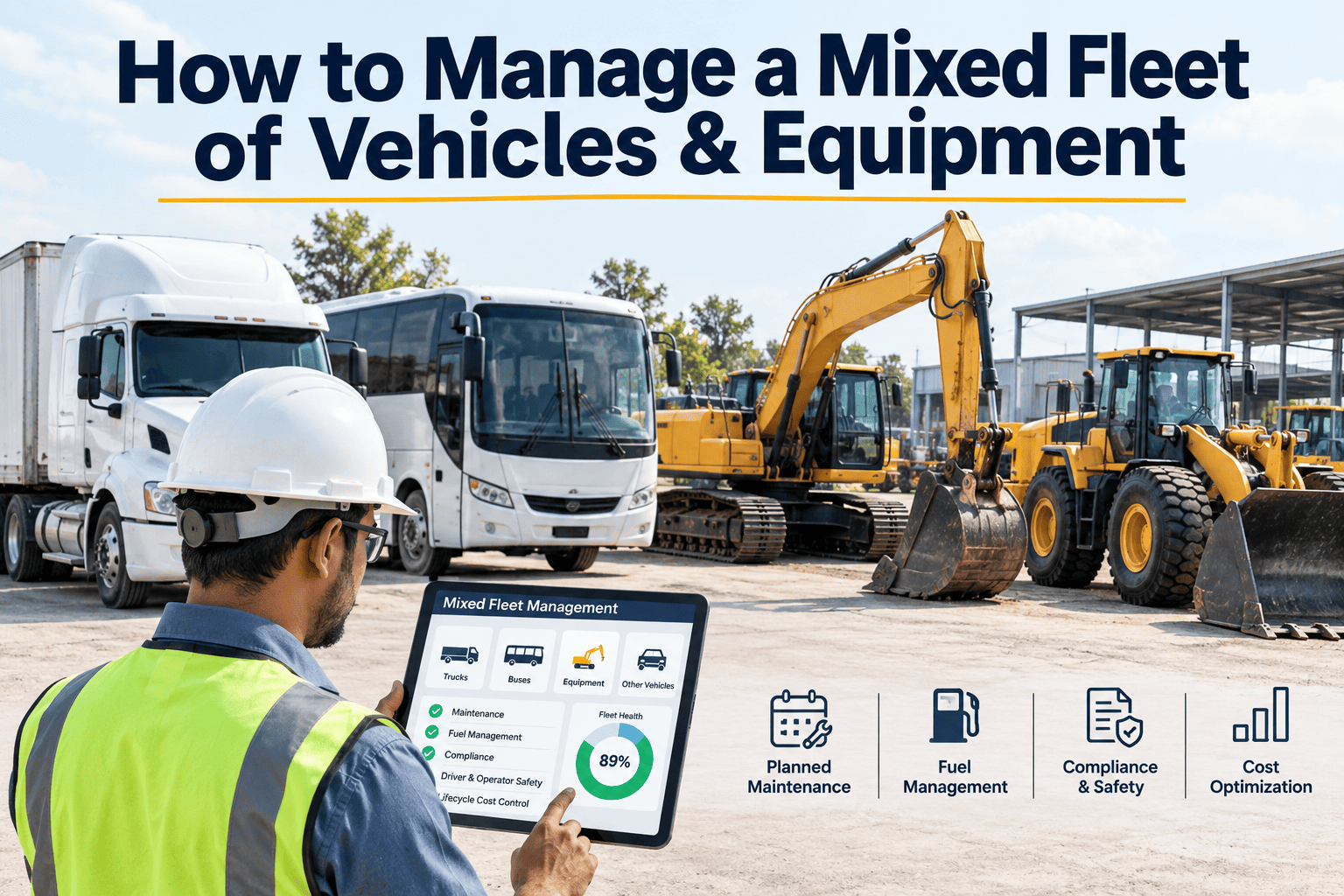
Read More
A fleet rarely stays simple for long. What starts as a handful of delivery vans grows into a mix of light-duty trucks, Class 8 tractors, trailers, forklifts, generators, and yard equipment, and each of those asset classes runs on its own service i

Read More
Replacing a single truck driver costs a fleet anywhere from $8,000 to $21,000 once recruiting, orientation pay, lost seat-time, and training are added up — and at large carriers, annual turnover still runs 90 to 95 percent. For a 50-truck fleet op
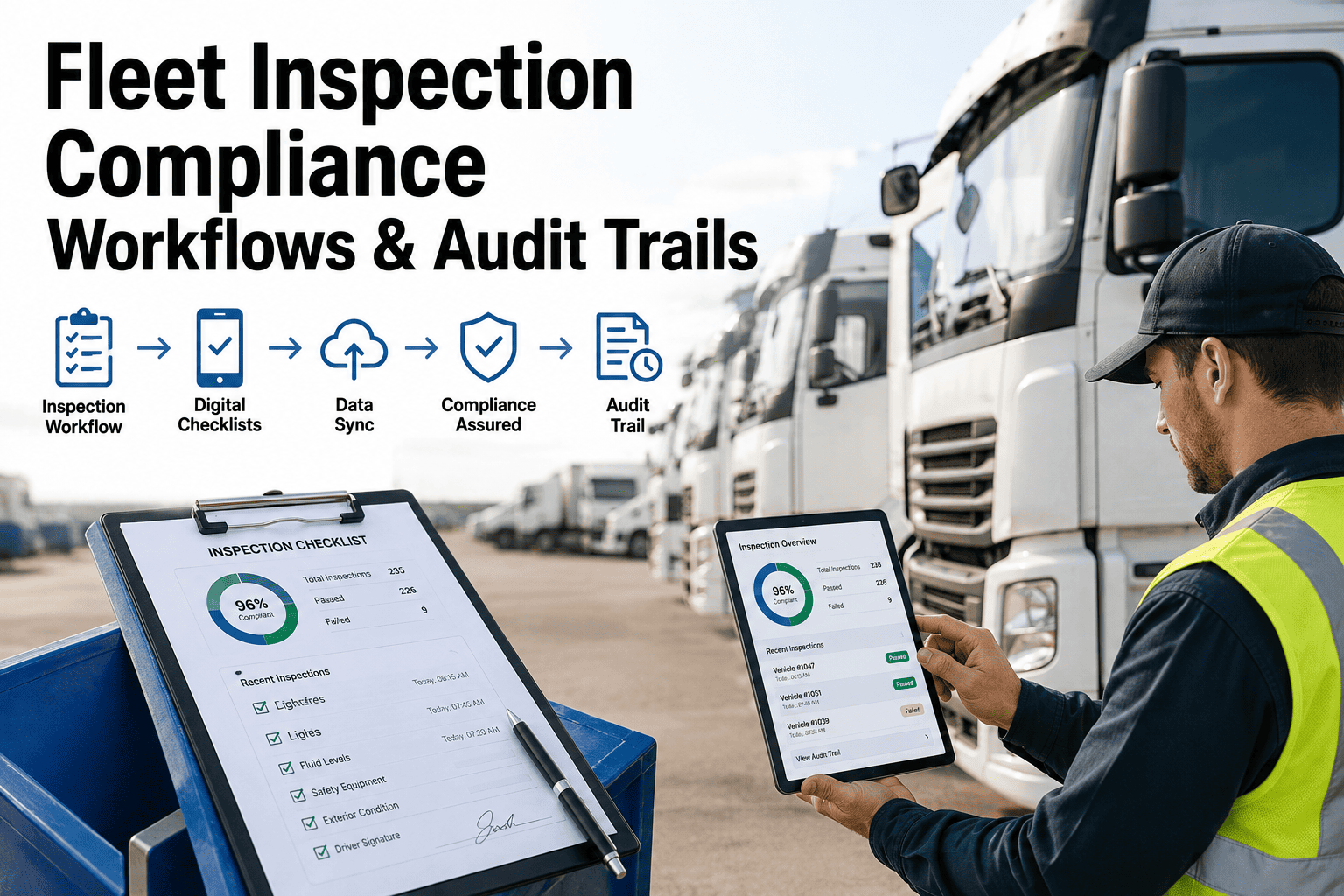
Read More
Fleet inspection compliance workflows and audit trails are where DOT audit outcomes either hold up under scrutiny or collapse on paperwork gaps. A single missing signature on a Driver Vehicle Inspection Report, a defect that was never certified as
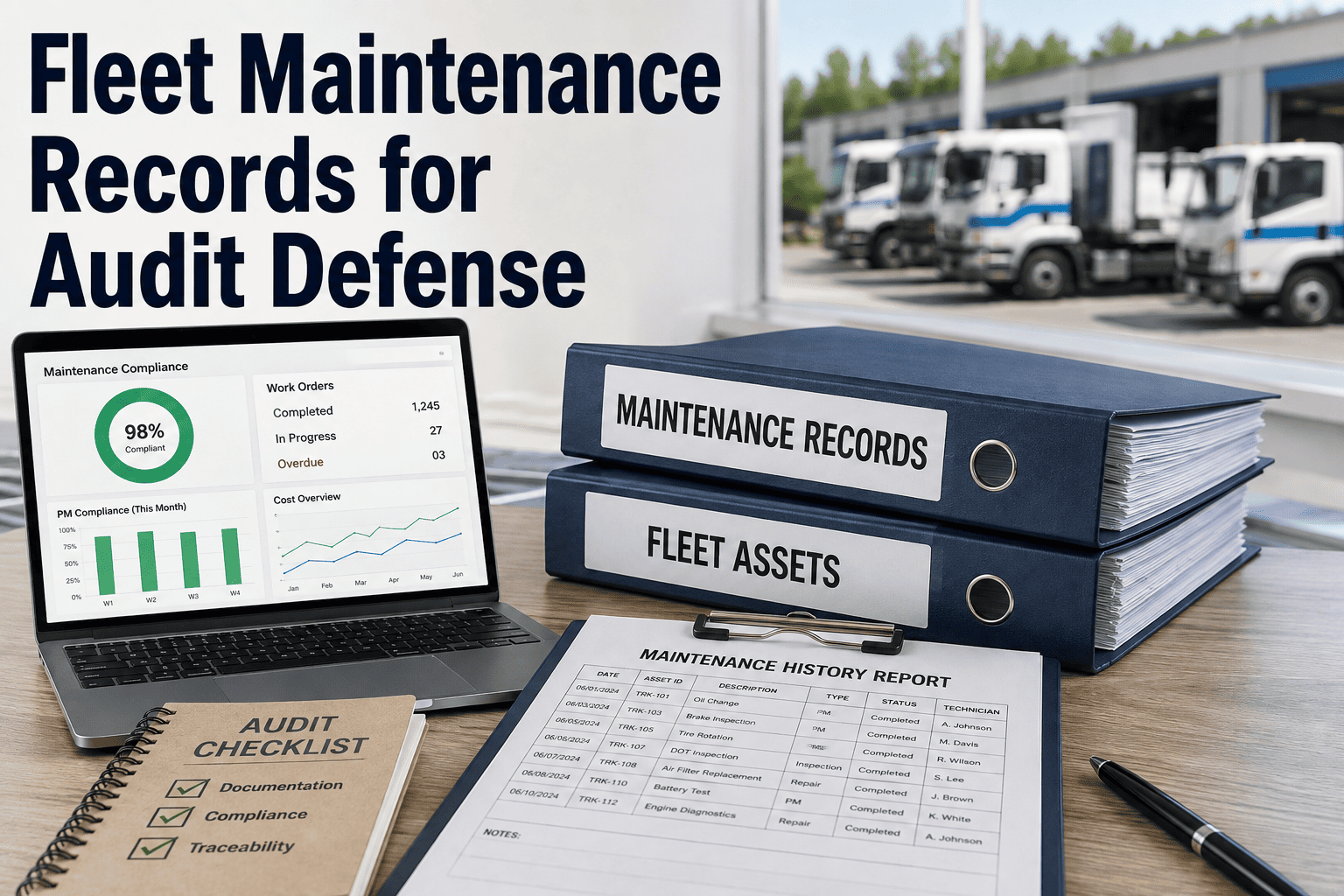
Read More
When a DOT auditor asks for your maintenance files, the trucks sitting in your yard do not matter — only what is on paper does. FMCSA treats undocumented maintenance as maintenance that never happened, and roughly one in five commercial vehicles p

Read More
Transportation incidents account for well over a third of all workplace fatalities in the United States, and preventable collisions drain tens of billions of dollars from employers every year in repairs, downtime, and claims. Most of that risk doe

Read More
Most fleet technology purchases don't fail in procurement — they fail in month three, when the CMMS or telematics platform that looked perfect in the demo sits half-used because drivers reverted to text messages and dispatchers reverted to spreads
Read More
Fleet CSA score management is the difference between retaining profitable freight contracts and watching them walk to a competitor with a cleaner safety profile. A rising CSA score inflates insurance premiums by 20–40%, triggers targeted DOT inter

Read More
Fleet parts demand forecasting transforms spare-parts inventory from reactive safety-stock guesswork into data-driven stocking, so the right component is on the shelf the moment a work order opens. For maintenance and reliability teams managing hu
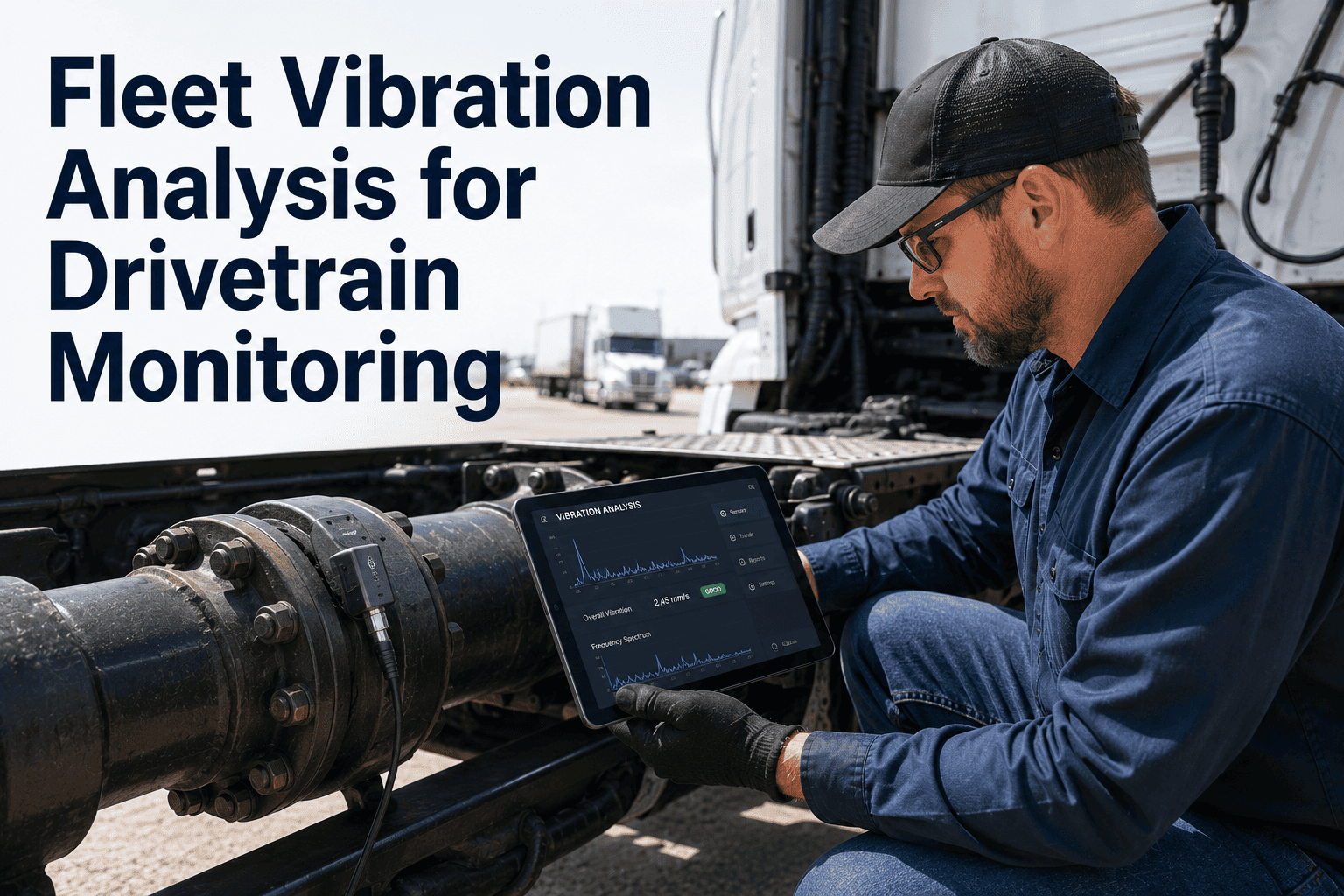
Read More
Fleet vibration analysis for drivetrain monitoring detects bearing, gear, and shaft defects weeks before catastrophic failure — and modern wireless sensors have made it scalable across entire fleets. By tracking changes in vibration signatures at
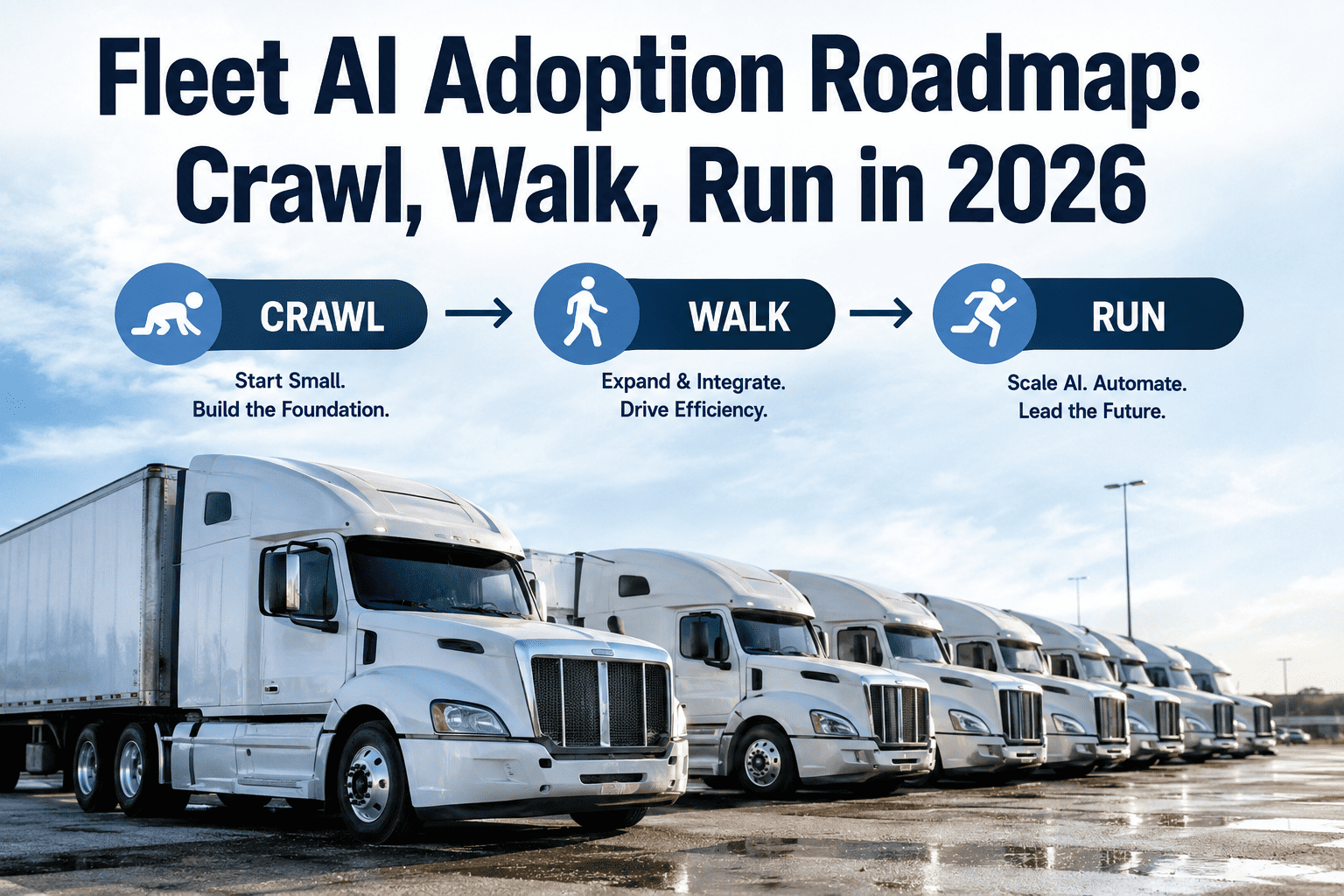
Read More
A fleet AI adoption roadmap built on the crawl-walk-run model is what separates organizations that capture real operational value from those that stall on disconnected pilots. Rather than attempting to leap directly into advanced predictive algori

Read More
Fleet frame defect detection is the safety-critical process of identifying structural fatigue, corrosion, cracking, and distortion in vehicle chassis before they cause catastrophic failure on the road. Traditional walkaround inspections routinely

Read More
Drone inspection for heavy equipment fleets lets maintenance teams visually reach cranes, booms, towering conveyors, and off-road machinery in minutes — without scaffolding, rope access, or sending a technician into a hazardous zone. A fleet drone

Read More
AI tire tread detection replaces the slow, error-prone manual gauge check with computer vision that captures exact tread depth on every vehicle, every inspection cycle. Automated tire wear detection closes the gap between a passing glance and a me
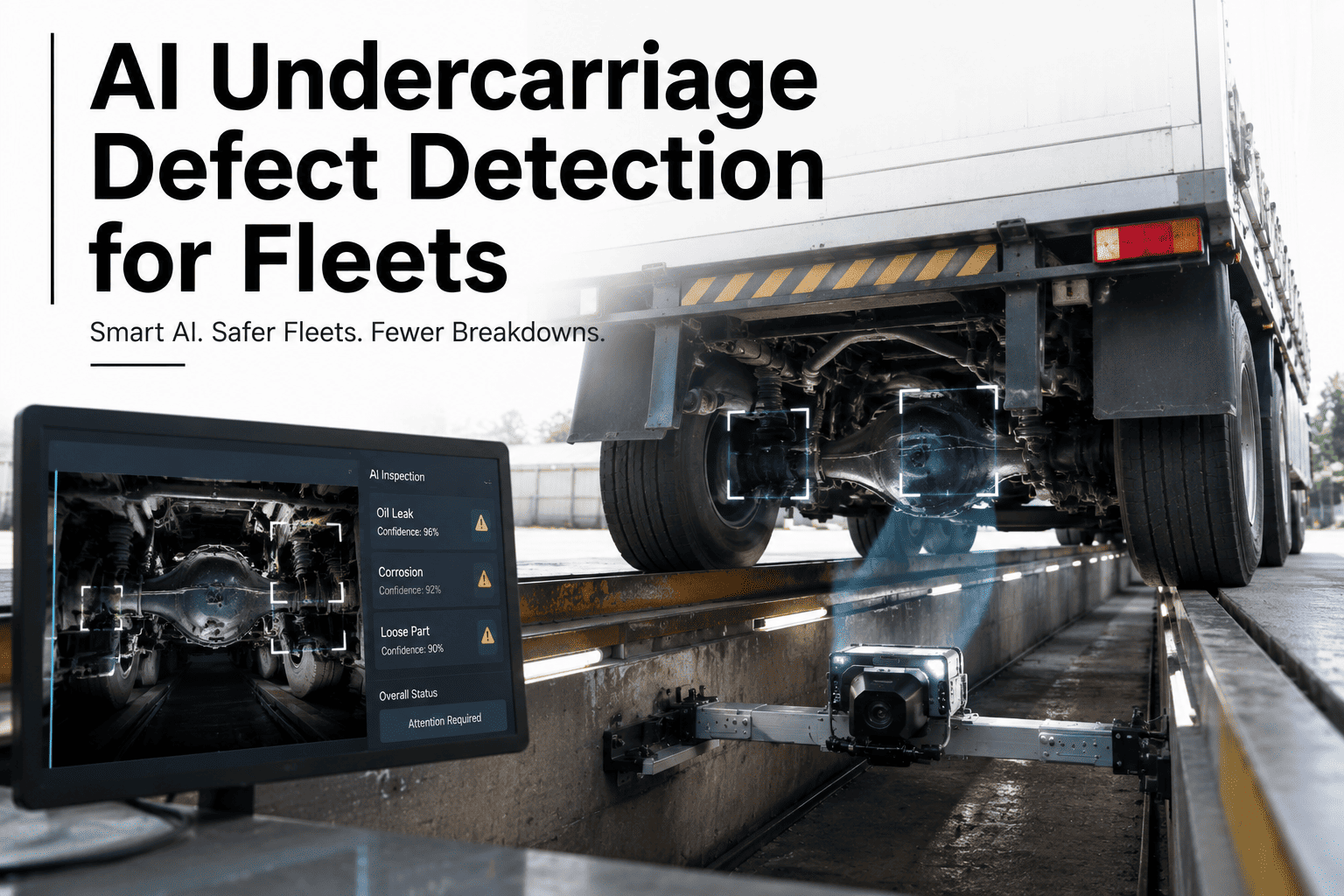
Read More
AI undercarriage defect detection uses machine-vision cameras and deep-learning models to automatically inspect the hidden underside of fleet vehicles — catching corrosion, air leaks, suspension wear and structural damage that a manual walkaround
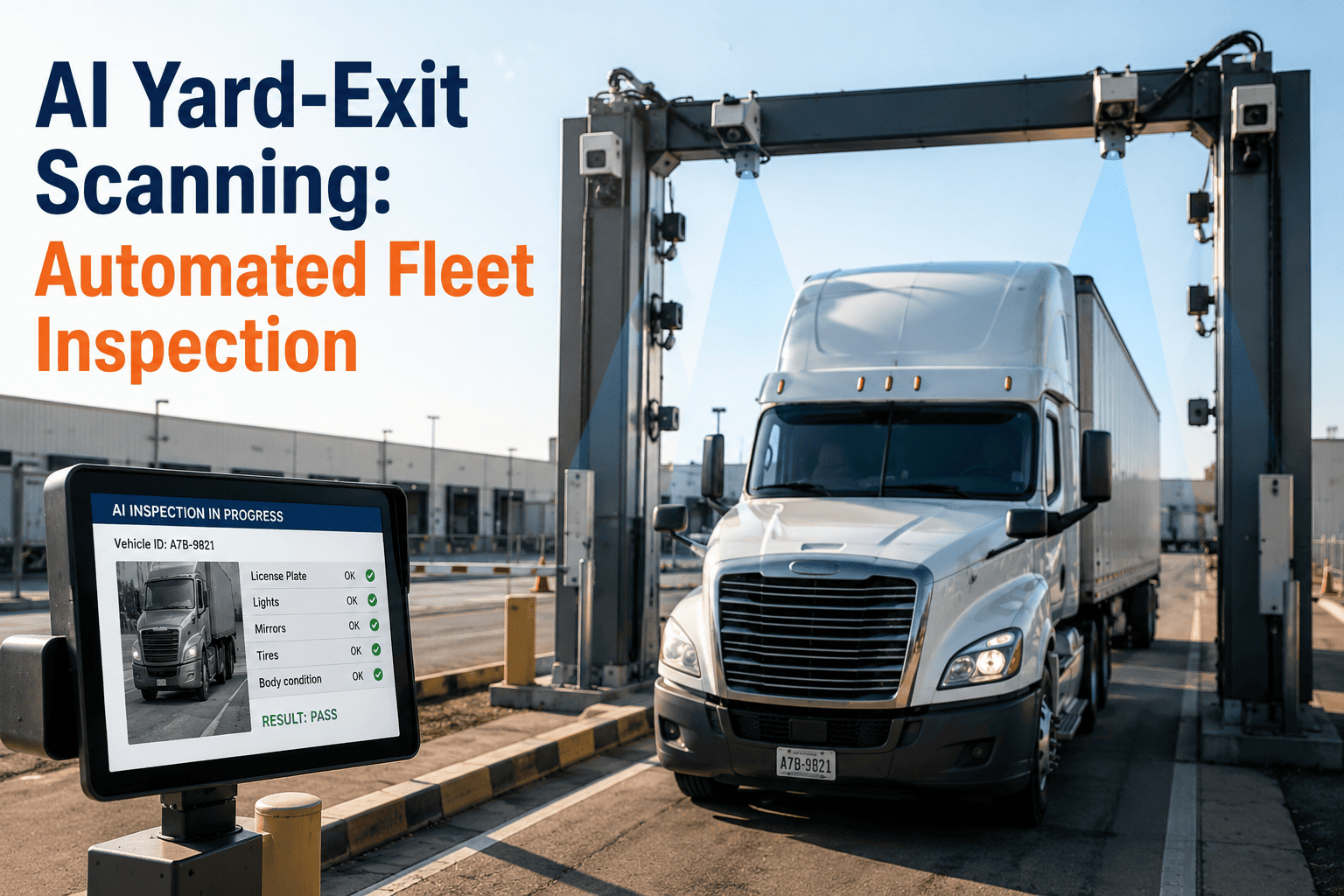
Read More
AI yard-exit scanning replaces slow, error-prone manual walkthroughs with automated cameras that inspect every vehicle as it leaves the yard—catching undercarriage, tire, and body-panel defects in seconds. When a truck departs without an automated

Read More
Most yard cameras are recording devices, not security systems — footage sits on a drive until someone reviews it after a trailer is already missing or a seal is already broken. Cargo theft losses in the United States climbed sharply in recent year

Read More
A typical fleet is not short on data — it is drowning in it, spread across telematics, fuel cards, ELDs, maintenance logs, and dispatch tools that were never designed to talk to each other. Point-to-point connections between these systems break th

Read More
Ask five drivers on the same fleet how they check a load before departure and the answers rarely match — one walks the trailer twice, one photographs damage only when it looks bad enough, one skips the tarp check on short hauls because "it's alway
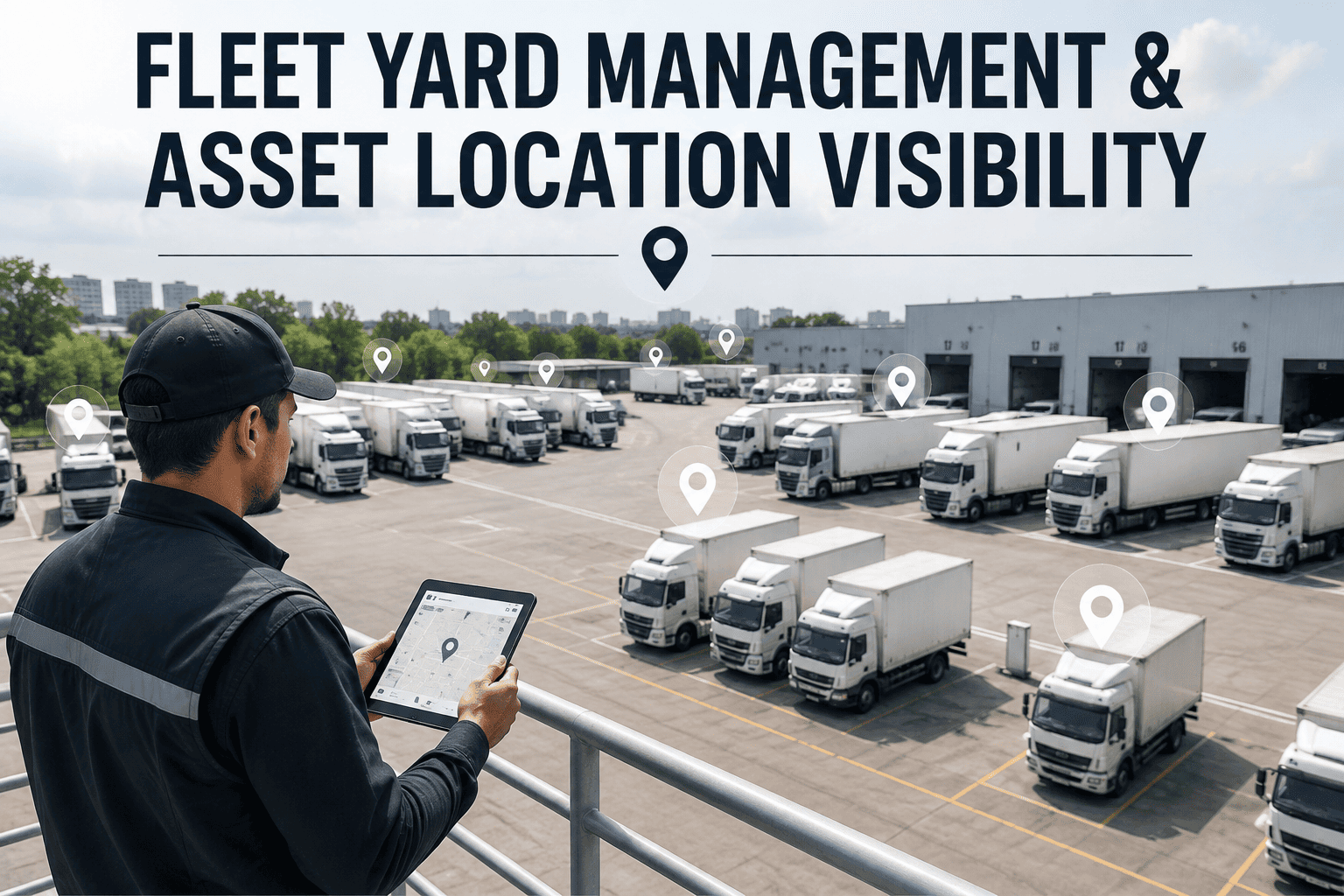
Read More
A yard with a few dozen trailers is manageable from memory. A yard with a few hundred becomes a maze the moment two shifts, three carriers, and a rainy morning collide — and someone ends up walking rows of trailers trying to match a number on a cl

Read More
Cargo damage disputes almost always come down to the same question: who is responsible, the shipper, the carrier, or the receiver? Without documented proof of condition at load and unload, that question gets settled by whoever argues louder, not b
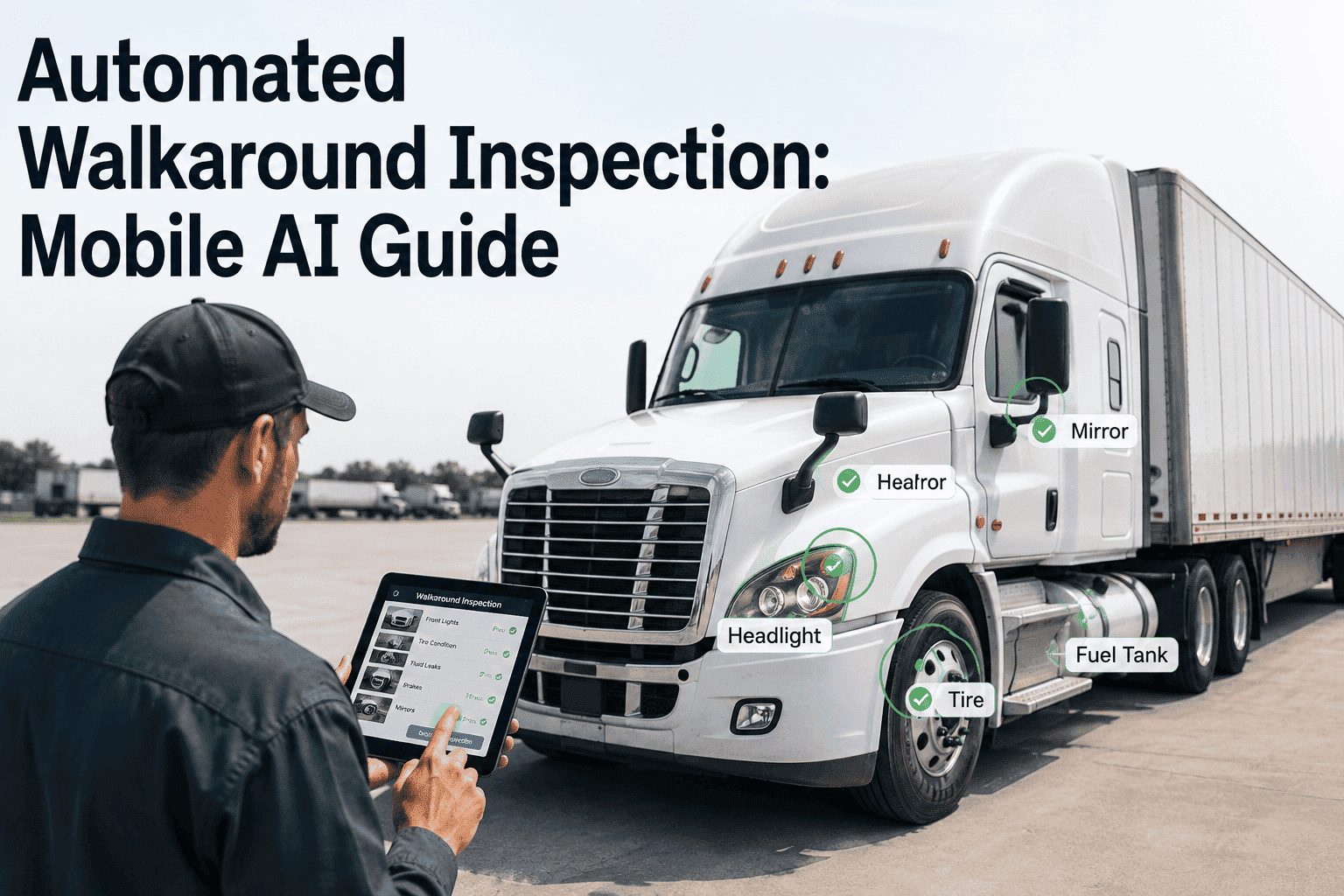
Read More
Paper walkaround checklists have one structural problem: a driver in a hurry can mark every box as fine without actually looking. There is no photo, no timestamp, and no way to tell a rushed inspection from a thorough one until the vehicle fails o

Read More
A fluid leak rarely announces itself. A hairline crack in a hydraulic line or a slow coolant weep looks identical to a wet patch of dirt to a driver doing a 5-minute walkaround, and by the time it is visible enough to notice, the damage is often a
Read More
A breakdown does not cost money the moment a vehicle fails — it costs money for every minute that follows while the driver waits, dispatch scrambles to find a tow, and the delivery or route sits unfinished. Most fleets can tell you their average r

Read More
Most fleets already collect fuel data through card transactions, telematics, and fuel sensors — yet almost none of it gets reviewed beyond a monthly total. A single stolen-fuel event or a leaking injector can hide inside thousands of transaction r

Read More
AI defect-to-work-order automation is the 2026 benchmark for fleet maintenance: a defect is detected, a work order is created, and no one touches a keyboard. Closed-loop fleet inspection closes the gap between AI defect detection and completed rep

Read More
AI vision vehicle damage detection is now more consistent, faster, and often more accurate than manual walkarounds, which means fleet operators can finally stop paying for dents, scratches, and structural defects that slip through paper-based insp

Read More
AI human inspector augmentation is the operating model that consistently produces the best fleet inspection quality: AI vision catches the defects humans miss, while human inspectors catch the edge cases AI cannot classify. An AI augmented inspect

Read More
AI inspection photo history and per-vehicle inspection baselines give fleet maintenance teams a defensible visual record of asset condition over time, turning every routine inspection into evidence for warranty claims and damage disputes. Instead
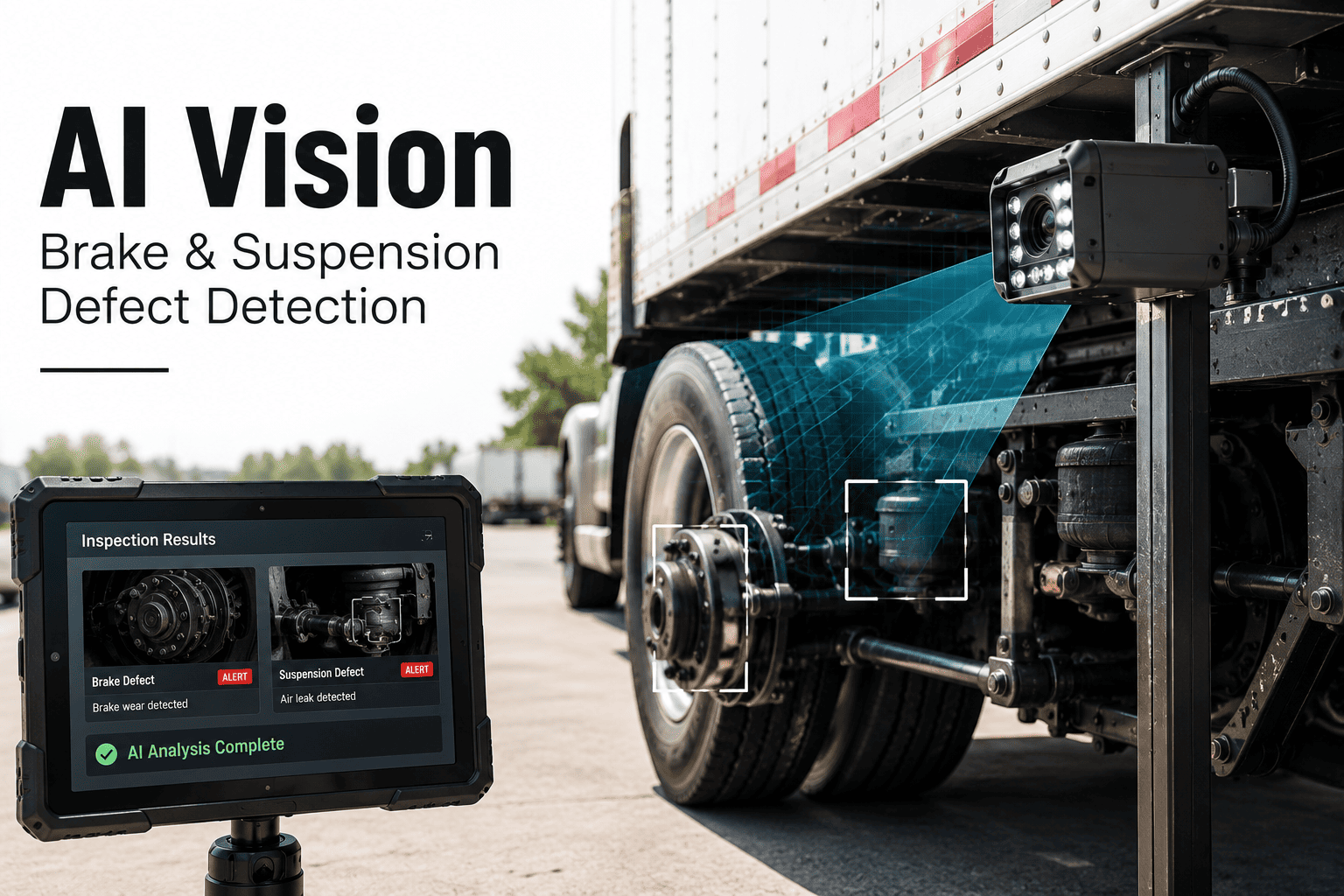
Read More
AI vision brake and suspension defect detection uses high-resolution cameras and machine-learning models to identify worn brake pads, leaking shocks, cracked springs and misaligned axles in seconds — without a technician crawling under every vehic
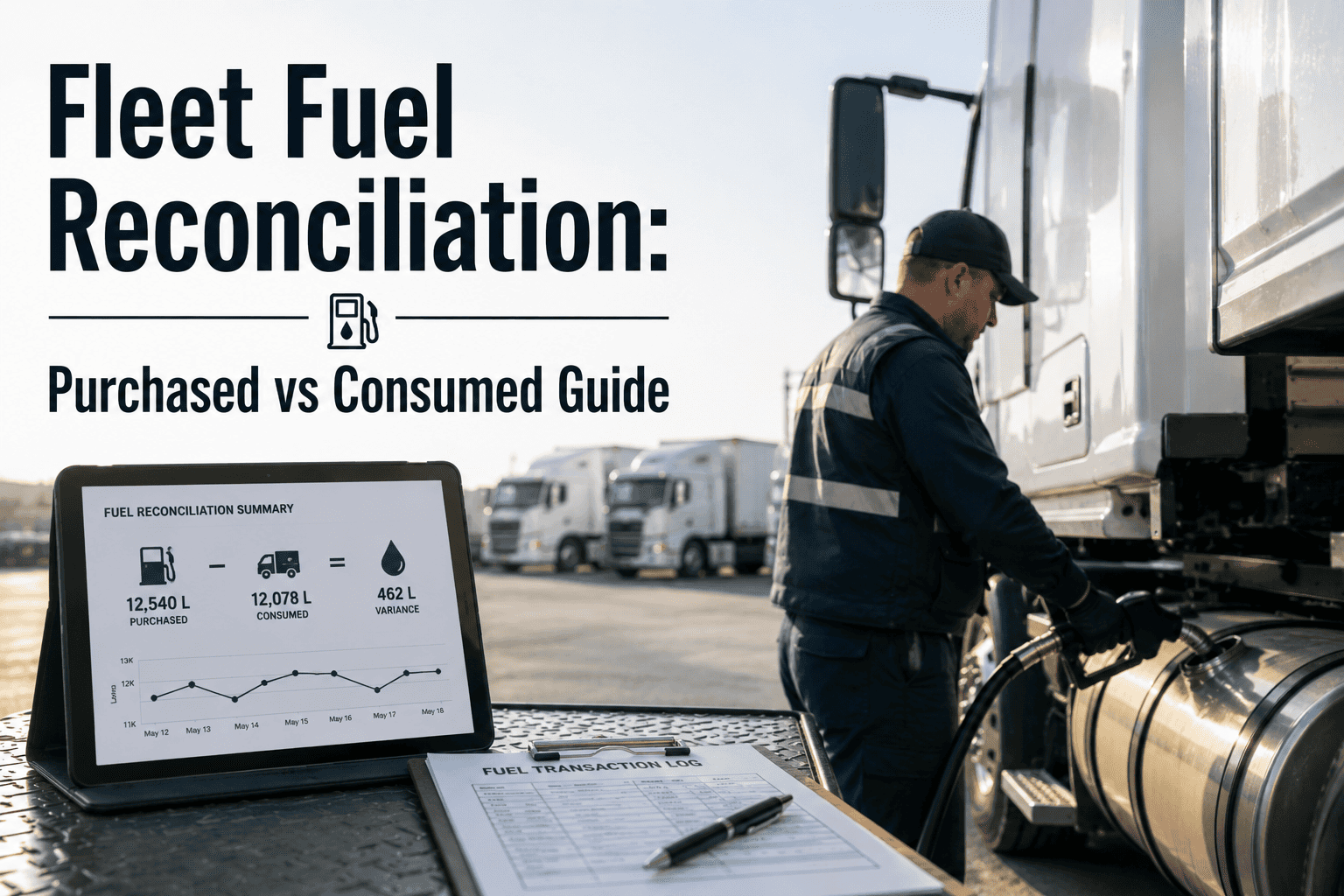
Read More
Fleet fuel reconciliation is the disciplined process of comparing every gallon of fuel purchased against every gallon consumed by each vehicle in your fleet — and when those two numbers don't match, money is actively leaking from your operation. I
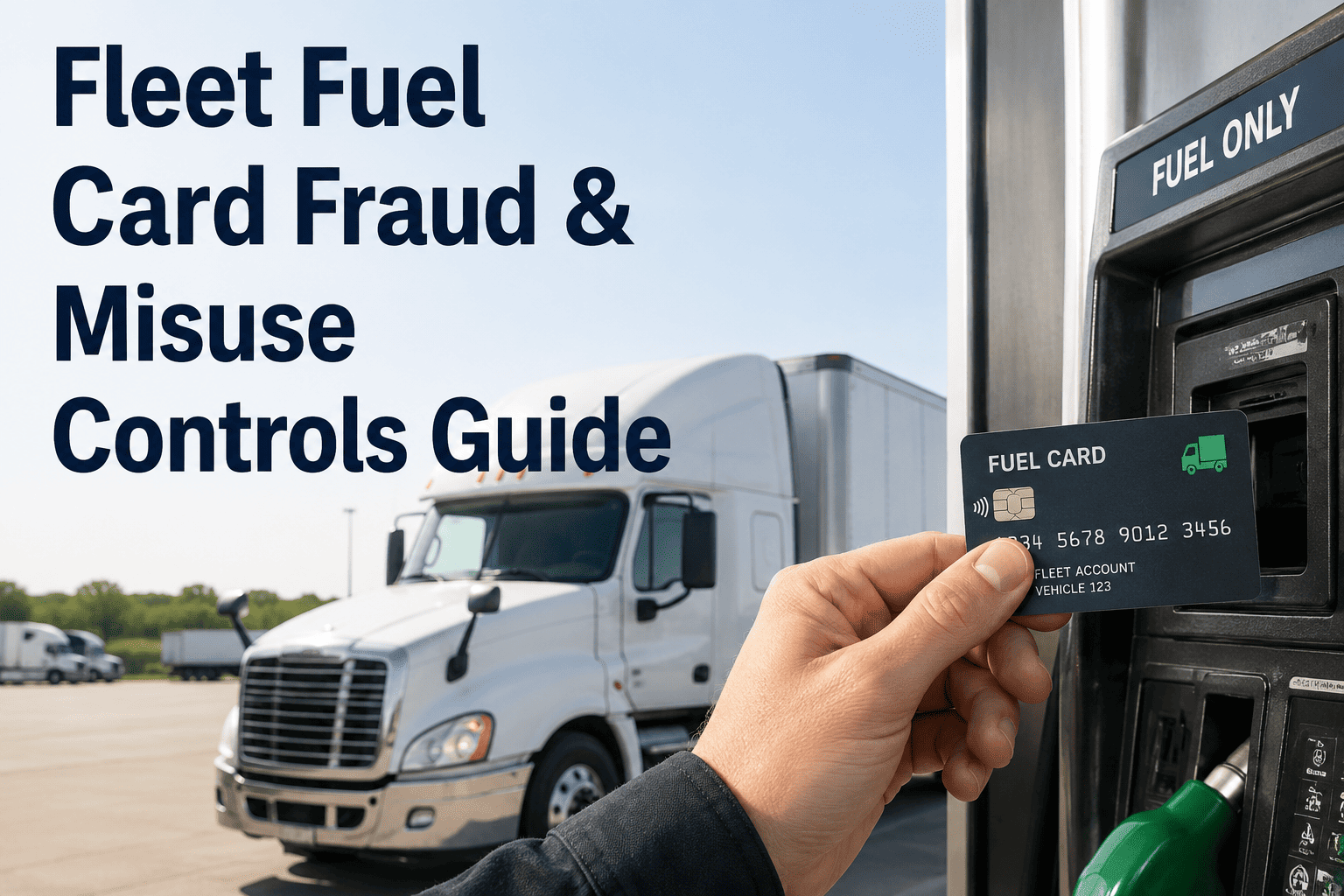
Read More
Fleet fuel card fraud and misuse cost operators an estimated 1–3% of total fuel spend annually — a leak that often goes undetected until it drains thousands from the maintenance budget. From cards used 200 miles away from the assigned vehicle to o

Read More
Fleet fuel theft detection is the process of identifying abnormal fuel consumption patterns—such as unauthorized siphoning, misuse, or fraudulent transactions—by comparing real-time telemetry and fuel card data against historical baselines. Becaus
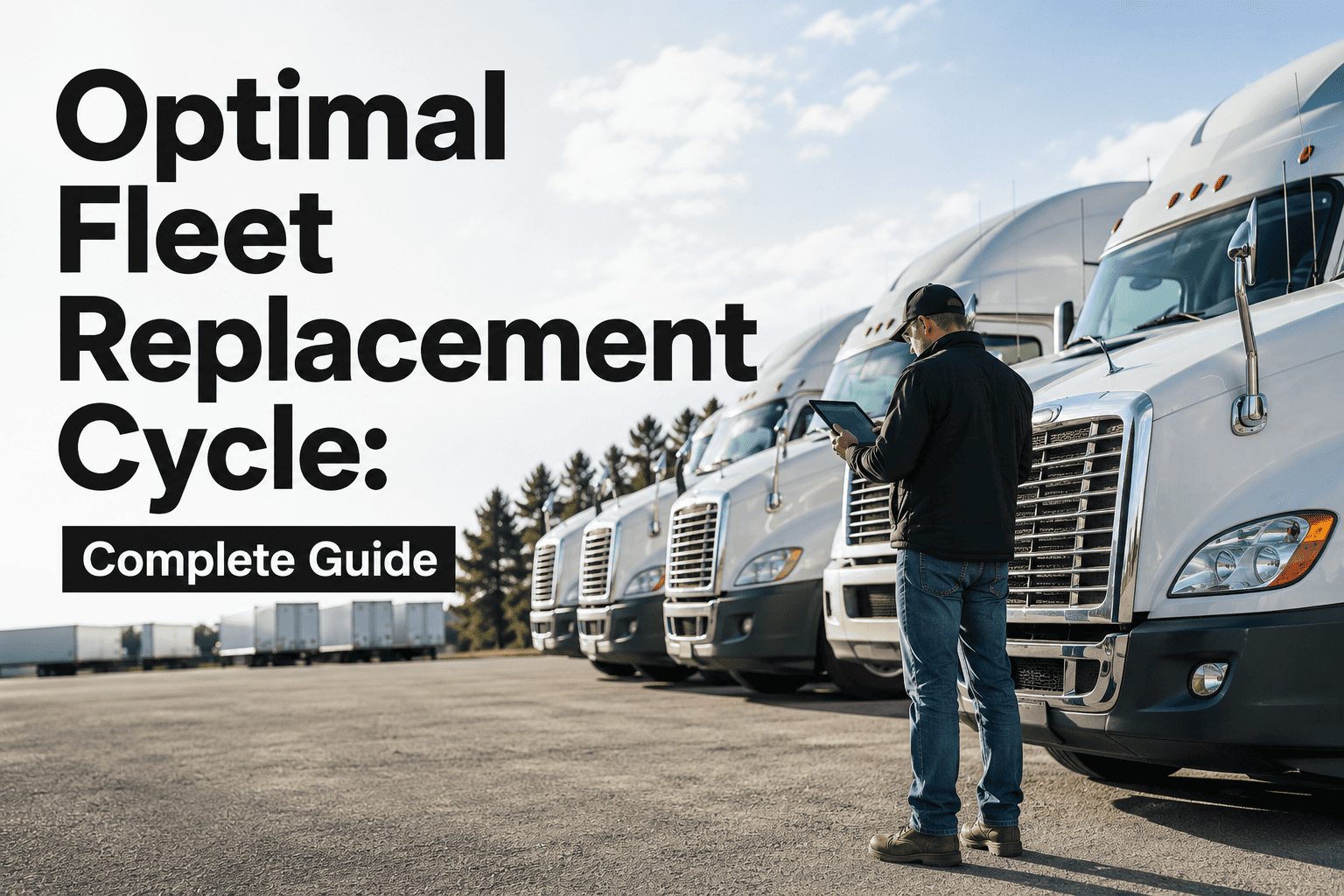
Read More
The optimal fleet replacement cycle is the point on a vehicle's total cost of ownership curve where the combined costs of depreciation, maintenance, downtime, and fuel are at their absolute lowest — replacing a unit too early wastes capital, while
Read More
Every aging vehicle reaches a point where continued repairs cost more than the asset's remaining operational value, making the fleet repair vs replace decision one of the most capital-sensitive choices a fleet manager faces. Without a structured r

Read More
Fleet idle fuel waste is the quietest line item on a maintenance budget — engines burning fuel with zero productive output, hidden inside everyday warm-ups, gridlock and PTO-powered downtime. Detecting and reducing fleet idling fuel waste requires
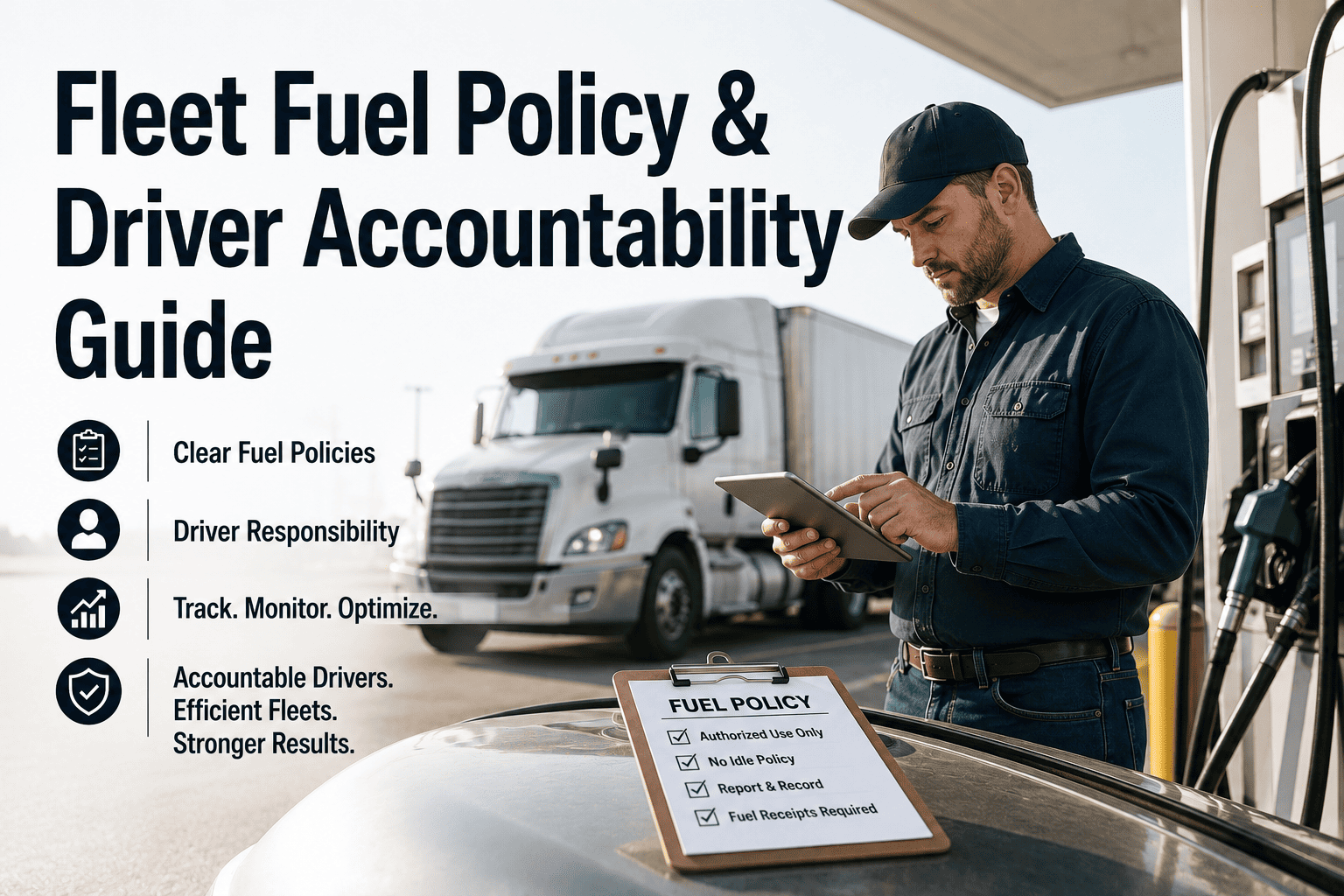
Read More
A fleet fuel policy without enforcement is just paperwork — and enforcement without visibility is impossible. Fleet managers lose an estimated 3–5% of annual fuel spend to theft, idling, inefficient routing, and unchecked driver behavior, making f
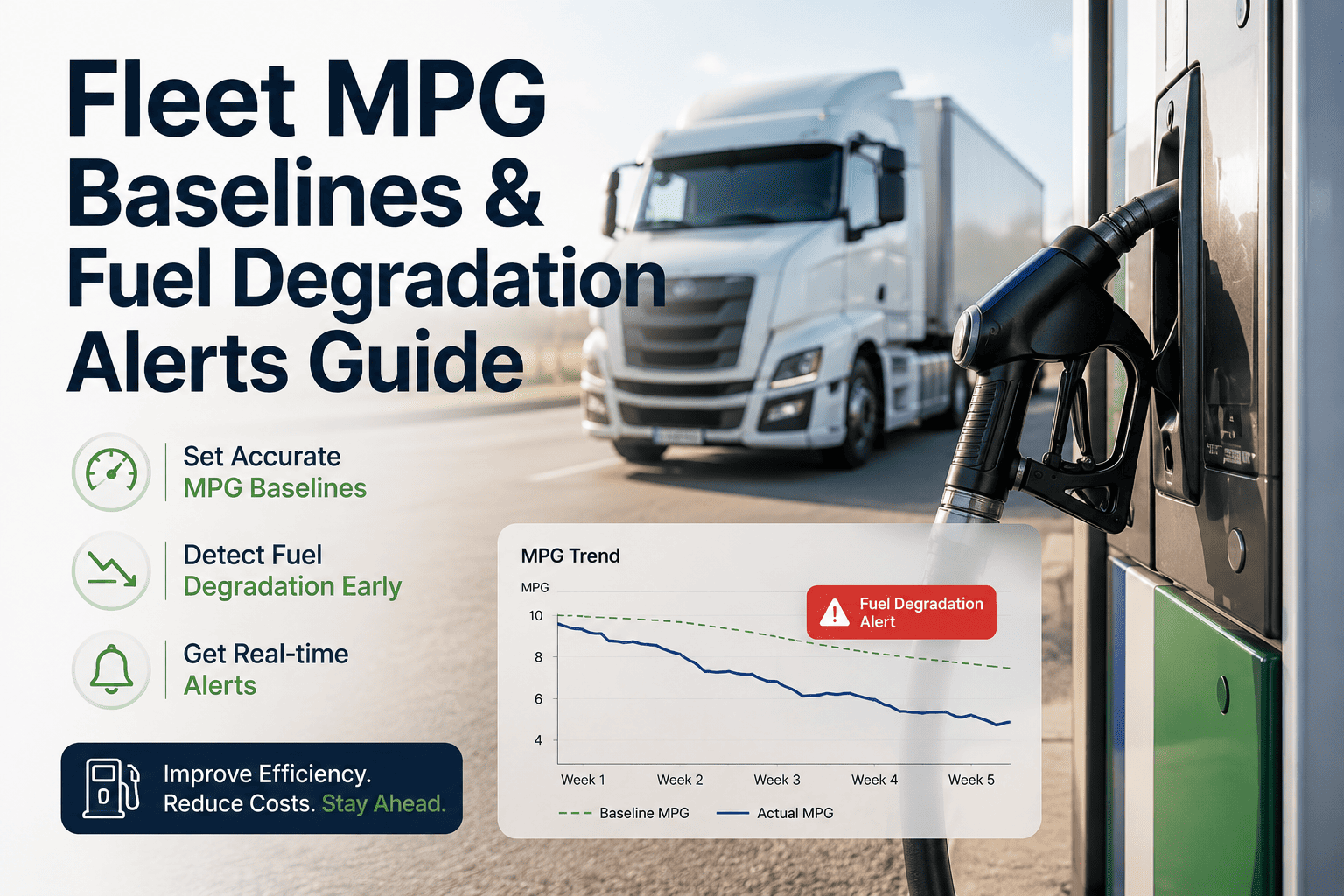
Read More
A fleet fuel efficiency baseline is the reference point every maintenance and reliability team needs to detect MPG degradation before a slow mechanical decline turns into a major expense. When you actively monitor fleet MPG, even a 3% drop in fuel
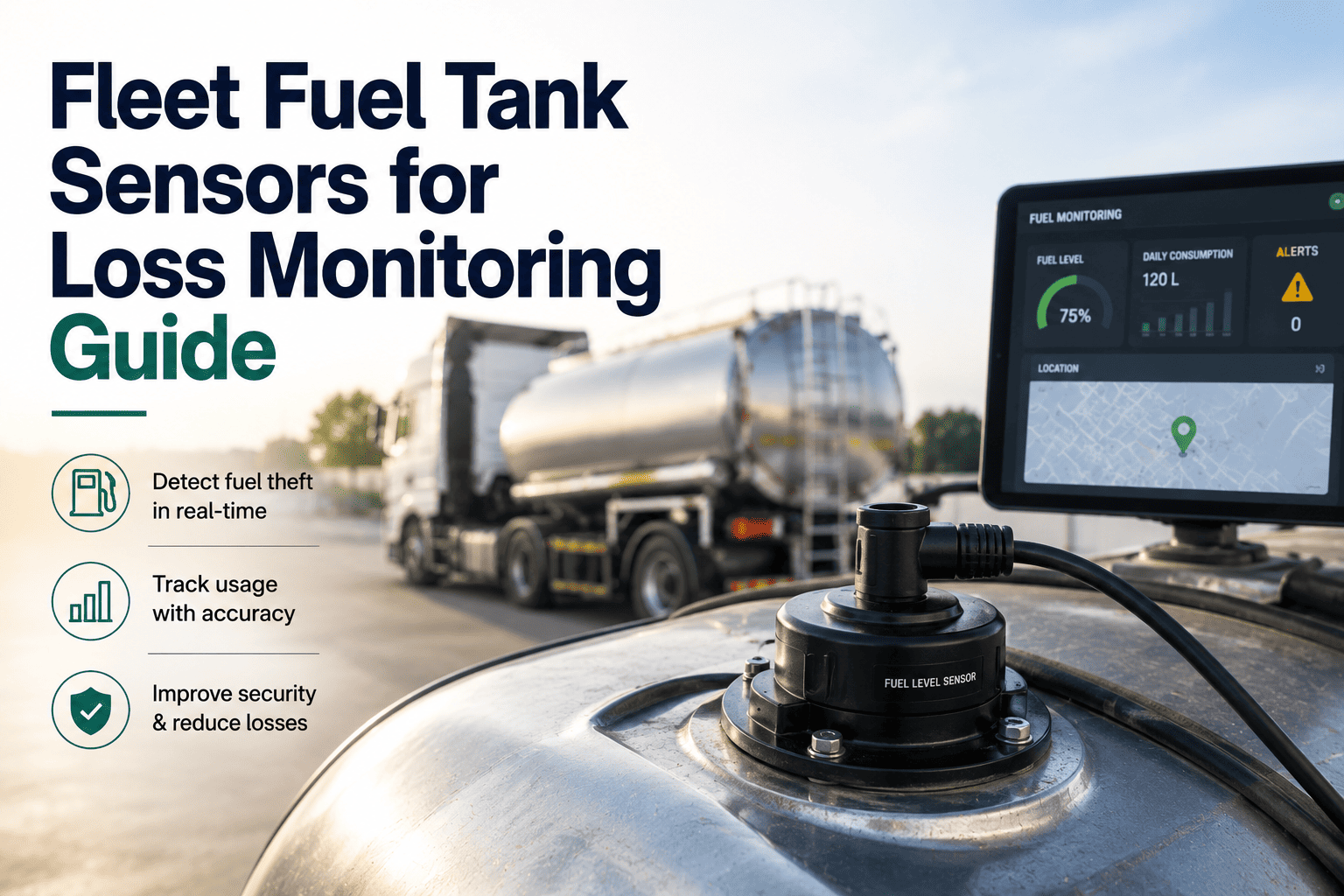
Read More
A fleet fuel tank sensor is the difference between discovering a 60-gallon overnight fuel loss when your drivers arrive at the yard and catching the theft in real time — while the pump is still running. Modern fuel level sensor monitoring uses con

Read More
Fleet insurance premiums have climbed 15–25% across most commercial segments over the past three years, yet the premium on your renewal is not a fixed price — it is a risk-based number that underwriters will negotiate when you walk in with documen

Read More
Fleet labor cost control is the single biggest lever maintenance managers have over rising in-house shop budgets — technician labor now accounts for 35–45% of total fleet maintenance spend in most operations, and unlike parts or fuel, it is highly
Read More
Fleet fixed vs variable costs is the distinction that decides whether your cost-cutting effort actually strengthens the balance sheet or quietly undermines operational capacity. In a typical fleet cost structure, fixed costs like lease payments, i

Read More
Cost per mile (CPM) is the single most critical metric for any fleet operation — it tells you exactly what it costs to move one vehicle one mile, capturing fuel, labor, maintenance, and overhead in one defensible number. For fleet managers and fin

Read More
Managing EV charging infrastructure alongside the fleet is the next operational hurdle for electrification-focused maintenance teams, because every charging station is a fleet-critical asset that demands scheduled upkeep, uptime monitoring, and li

Read More
Driver downtime communication is the single most overlooked lever in fleet retention: when a driver sits stranded for three hours without a single update, that silence is what triggers the job-hopping call to a recruiter. A structured ETA update f
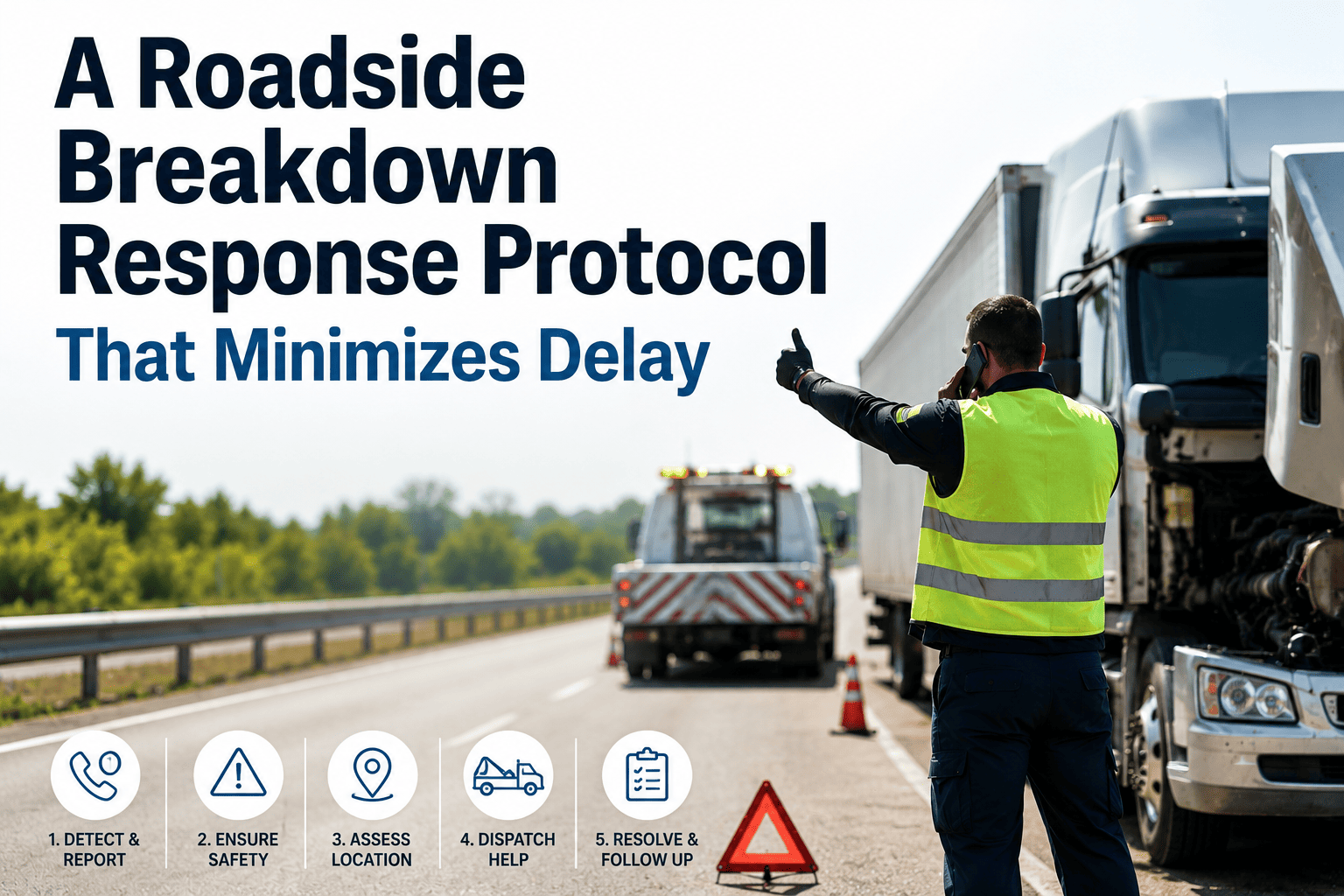
Read More
A roadside breakdown response protocol can cut the time a loaded truck sits idle on the shoulder by 30–50% compared to ad-hoc, call-around react. Every minute a tractor or trailer is stranded costs money — driver detention, tow bills, late-deliver

Read More
An outsourced repair shop network gives trucking and logistics fleets access to 65,000+ pre-qualified independent service centers, eliminating the geographical gaps that cause extended downtime when assets break down far from an in-house maintenan
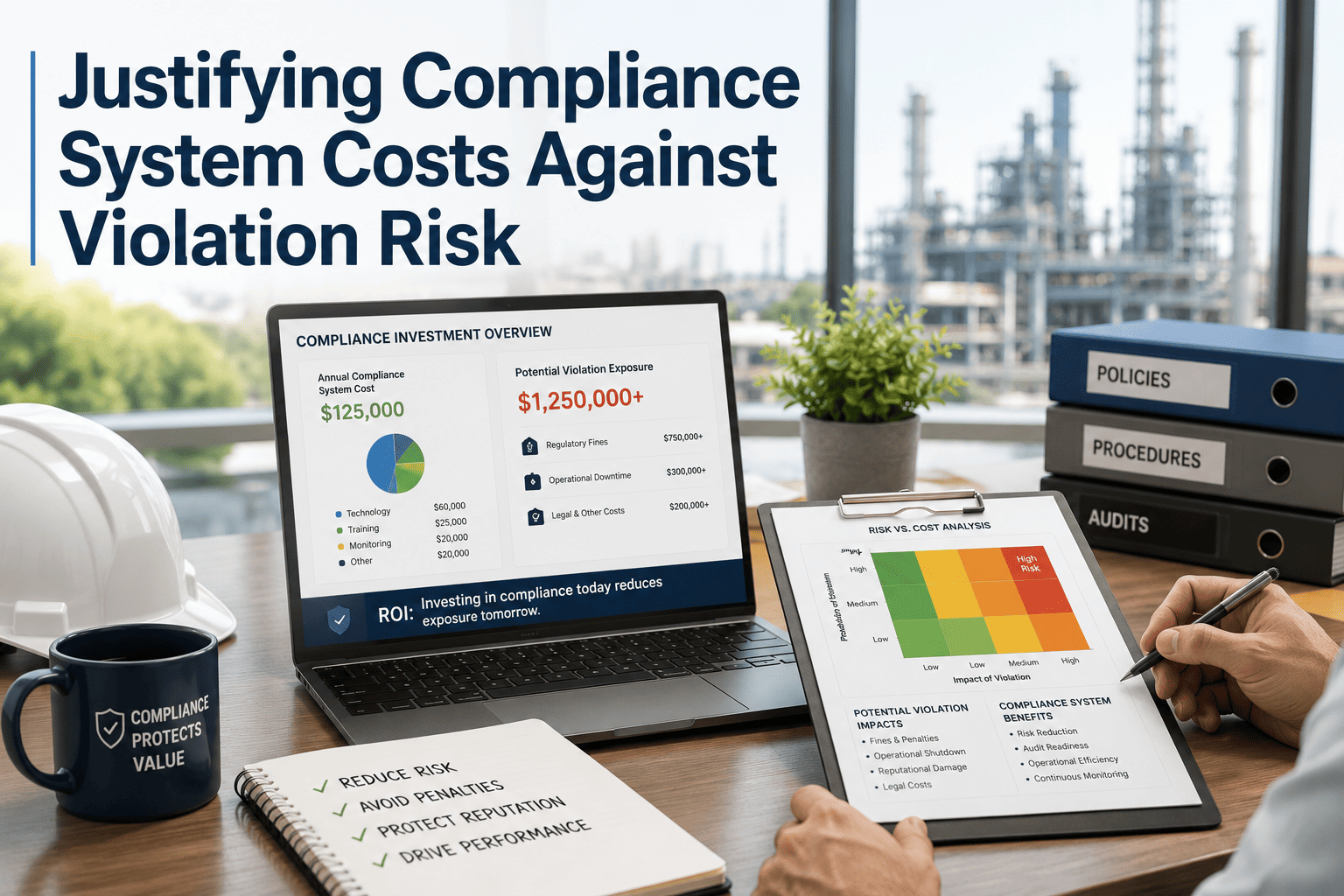
Read More
Justifying fleet compliance cost starts with understanding that the true ROI of a compliance investment extends far beyond avoided fines — it encompasses insurance savings, CSA-driven revenue protection, audit efficiency and litigation defense. Fo

Read More
Roadside inspection readiness for driver and vehicle is the single most effective way to protect your fleet's CSA scores, avoid costly out-of-service violations, and keep freight moving on schedule. A CVSA roadside inspection can happen any time a
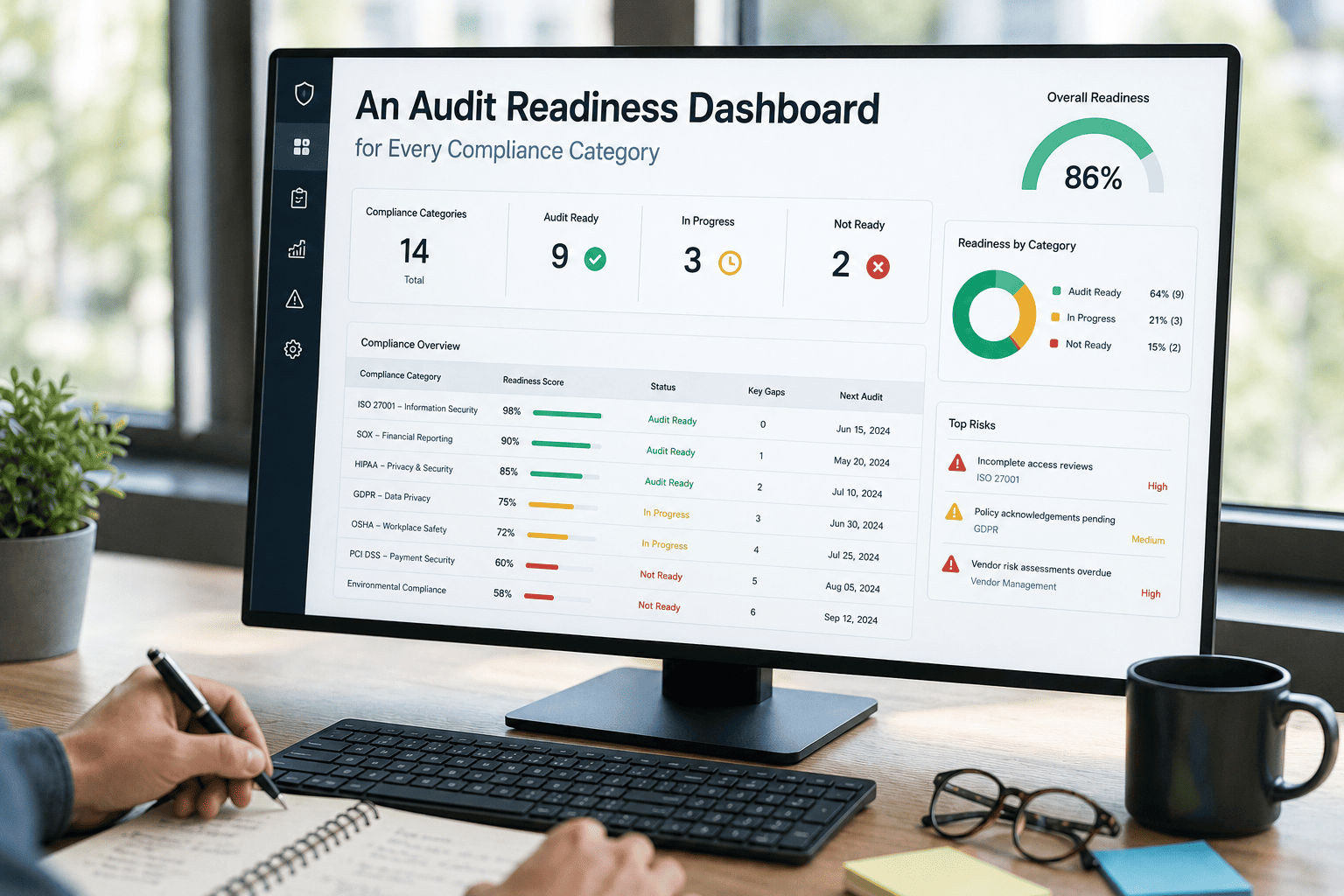
Read More
A fleet compliance audit can arrive with as little as 48 hours of notice, demanding organized documentation across DOT inspections, driver qualification files, Hours of Service (HOS), and Clearinghouse queries. Fleets that maintain a continuous

Read More
The FMCSA's 2026 recordkeeping and reporting changes represent the most significant regulatory shift for commercial fleets in over a decade, forcing maintenance directors to transition from paper-based compliance to structured digital data formats
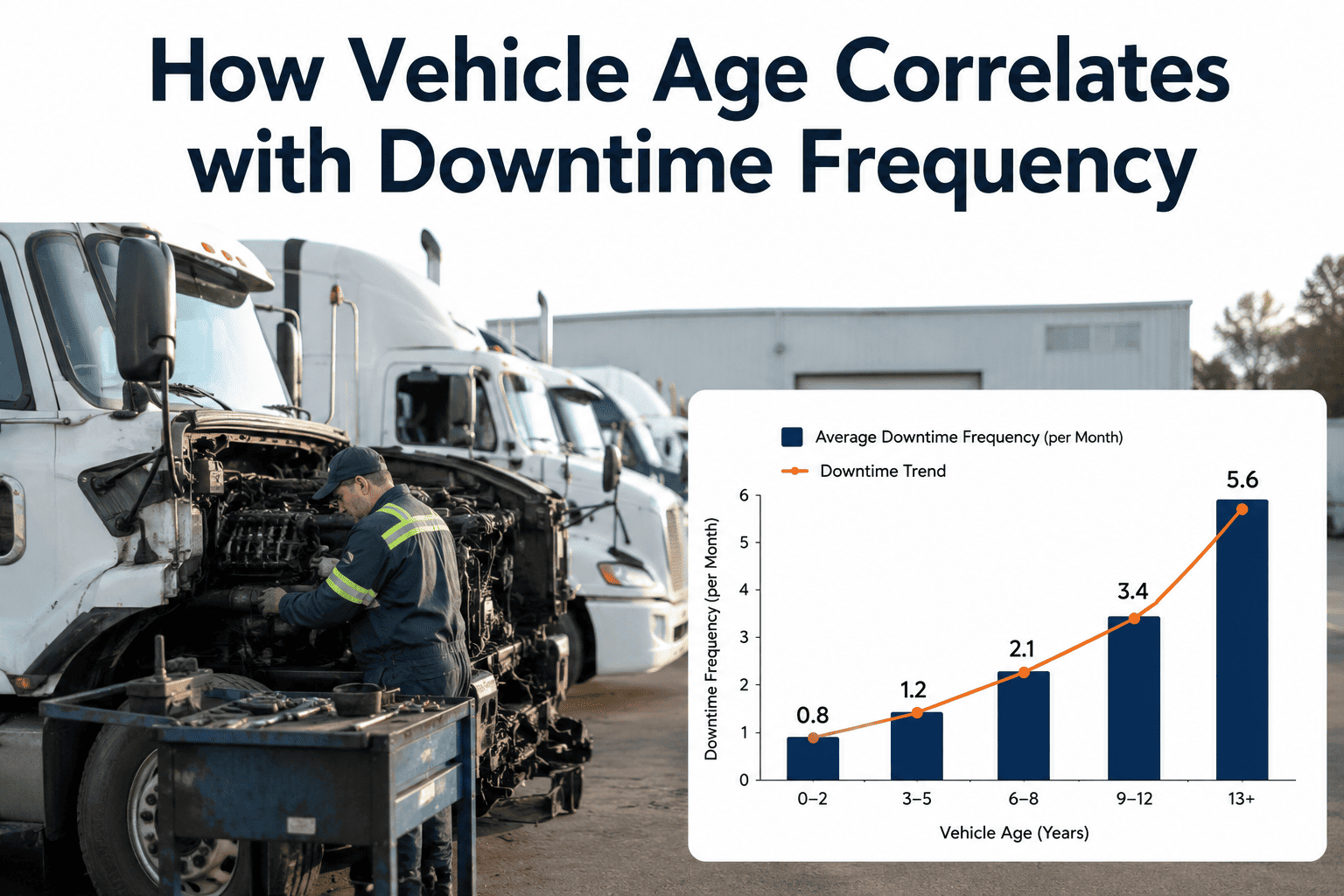
Read More
Vehicle age and downtime correlation is one of the most predictable — and most expensive — patterns in fleet management: as assets cross certain mileage and age thresholds, breakdown frequency and total cost per mile climb in a non-linear curve. D

Read More
Technician skill matching is the practice of assigning fleet repairs based on each technician's certifications, demonstrated experience, and repair-category proficiency rather than whoever is simply available next. For fleet shops managing dozens
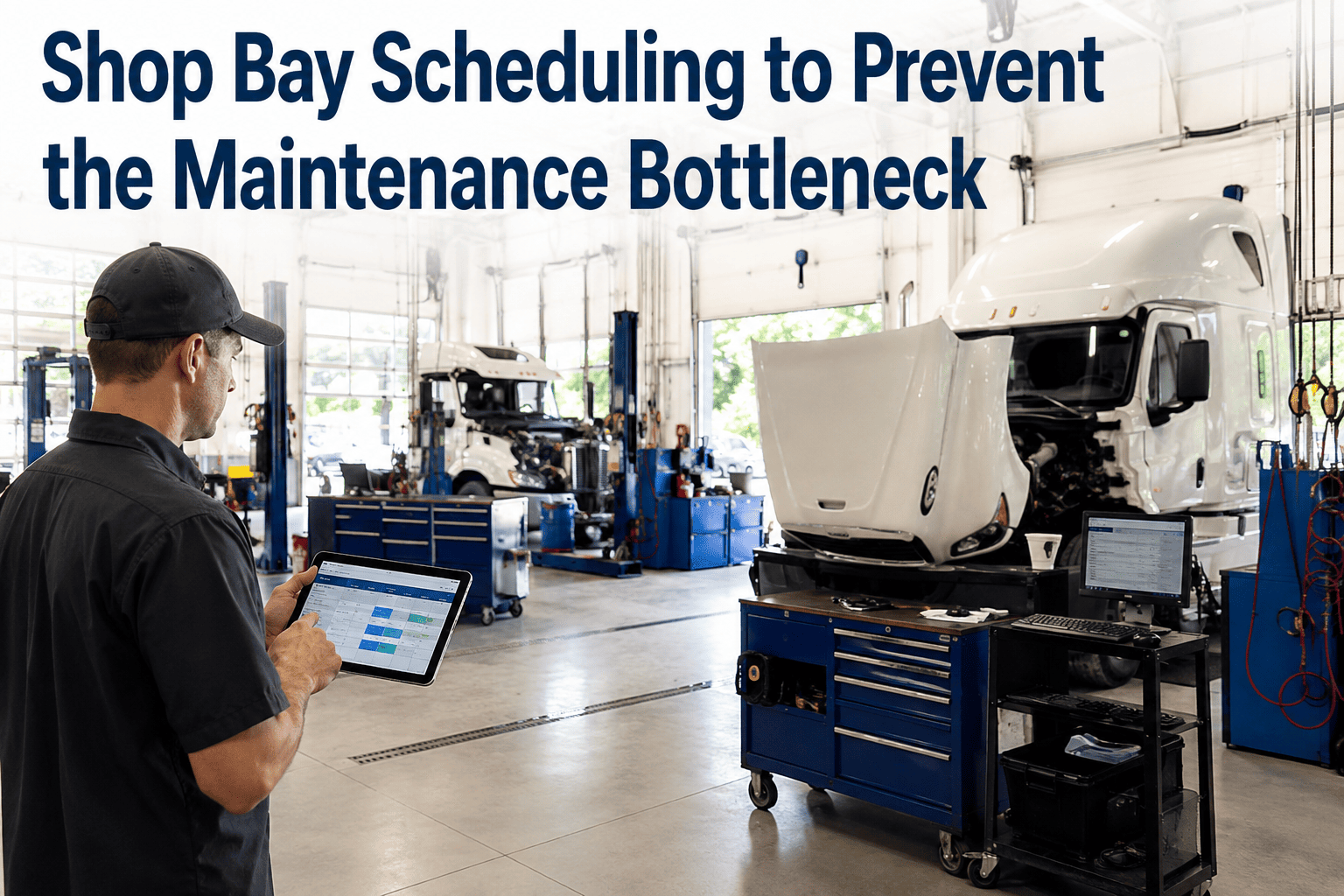
Read More
Shop bay scheduling is the operational discipline that prevents vehicles from queuing for available lift space, which is its own form of downtime. A fleet shop with 12 bays and 20 technicians running 24 planned PMs plus 8 unplanned repairs on Mond

Read More
Not all downtime is created equal — and treating every stoppage the same way is the fastest path to wasted maintenance spend. In any modern fleet, preventable downtime (failures you could have avoided through better PM scheduling, inspections, or

Read More
Deciding how many spare vehicles a fleet should carry is one of the most financially delicate balancing acts in fleet management: carry too few and you risk route failures, missed SLAs, and stranded revenue; carry too many and you bleed capital on
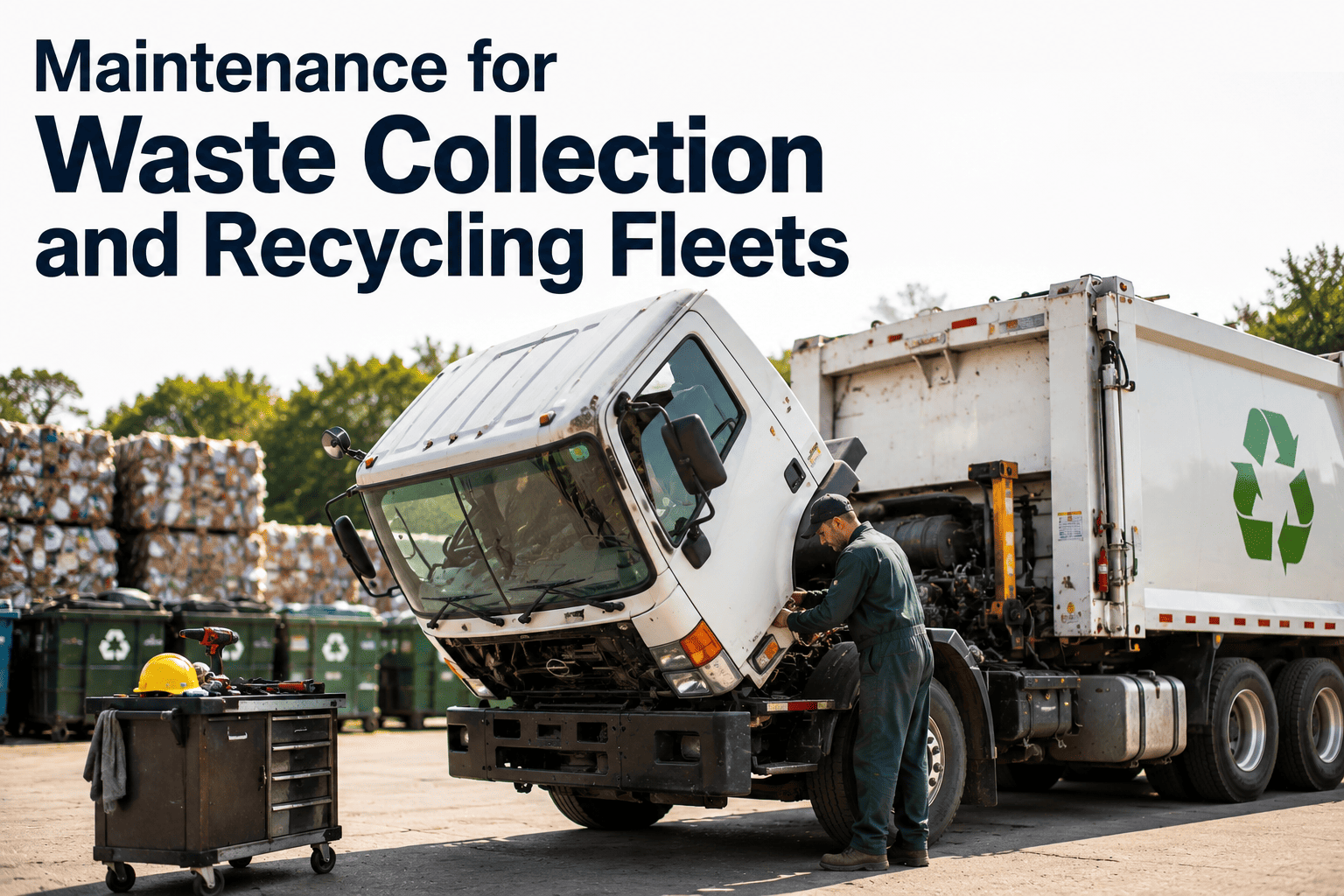
Read More
Waste fleet maintenance demands a fundamentally different playbook than standard commercial truck upkeep — and if you're managing a recycling or refuse collection operation heading into 2026, the stakes are measured in route delays, hydraulic fail

Read More
Food and beverage distribution fleet maintenance demands a rigorous approach to refrigerated trailers, strict delivery windows, and sanitation requirements that layer additional complexity onto standard fleet operations. This food and beverage gui
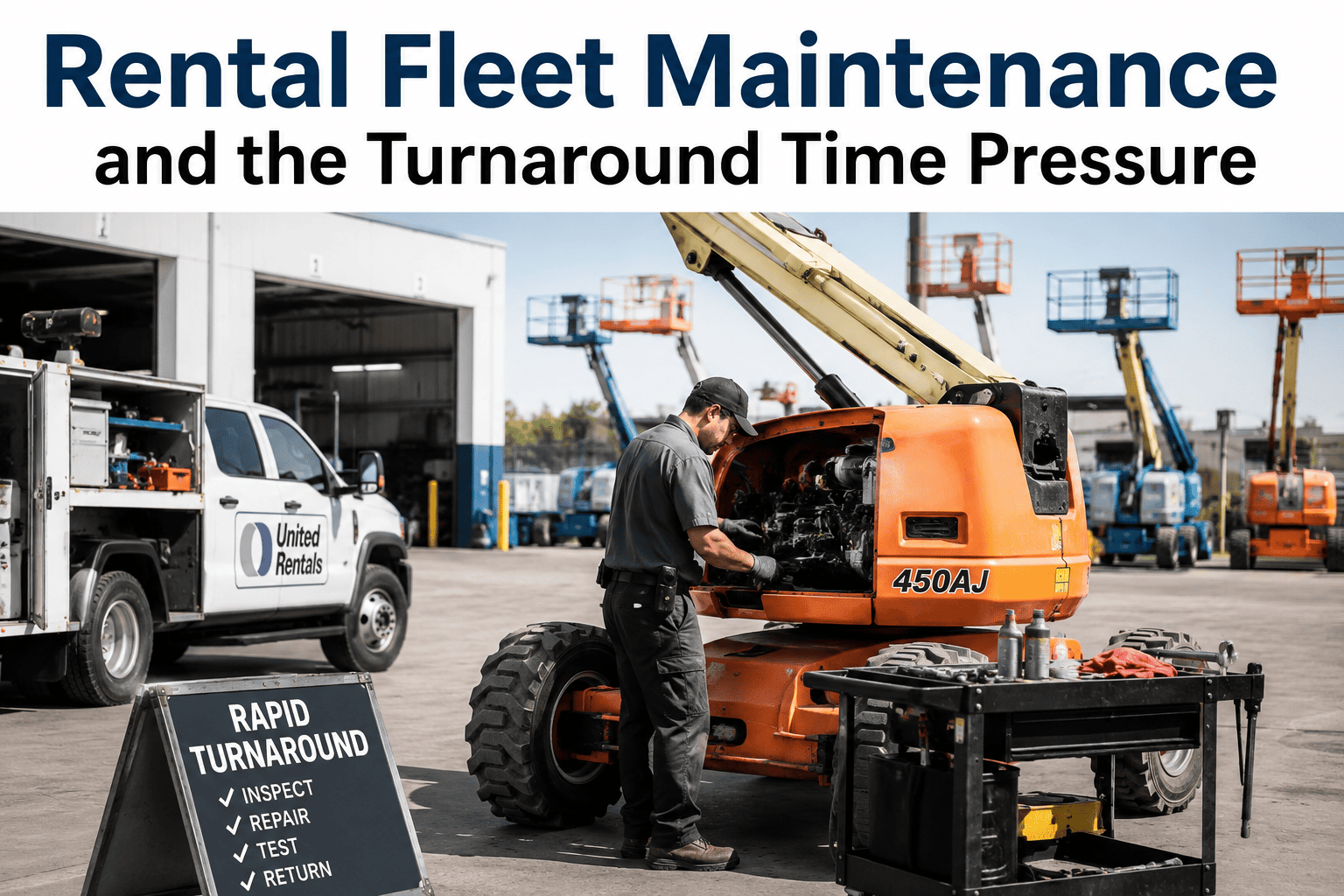
Read More
Rental fleet maintenance is the discipline of keeping hundreds or thousands of rented vehicles and trucks operational, compliant, and ready for the next customer within a tight turnaround window. For operations managing a fleet rental in 2026, the
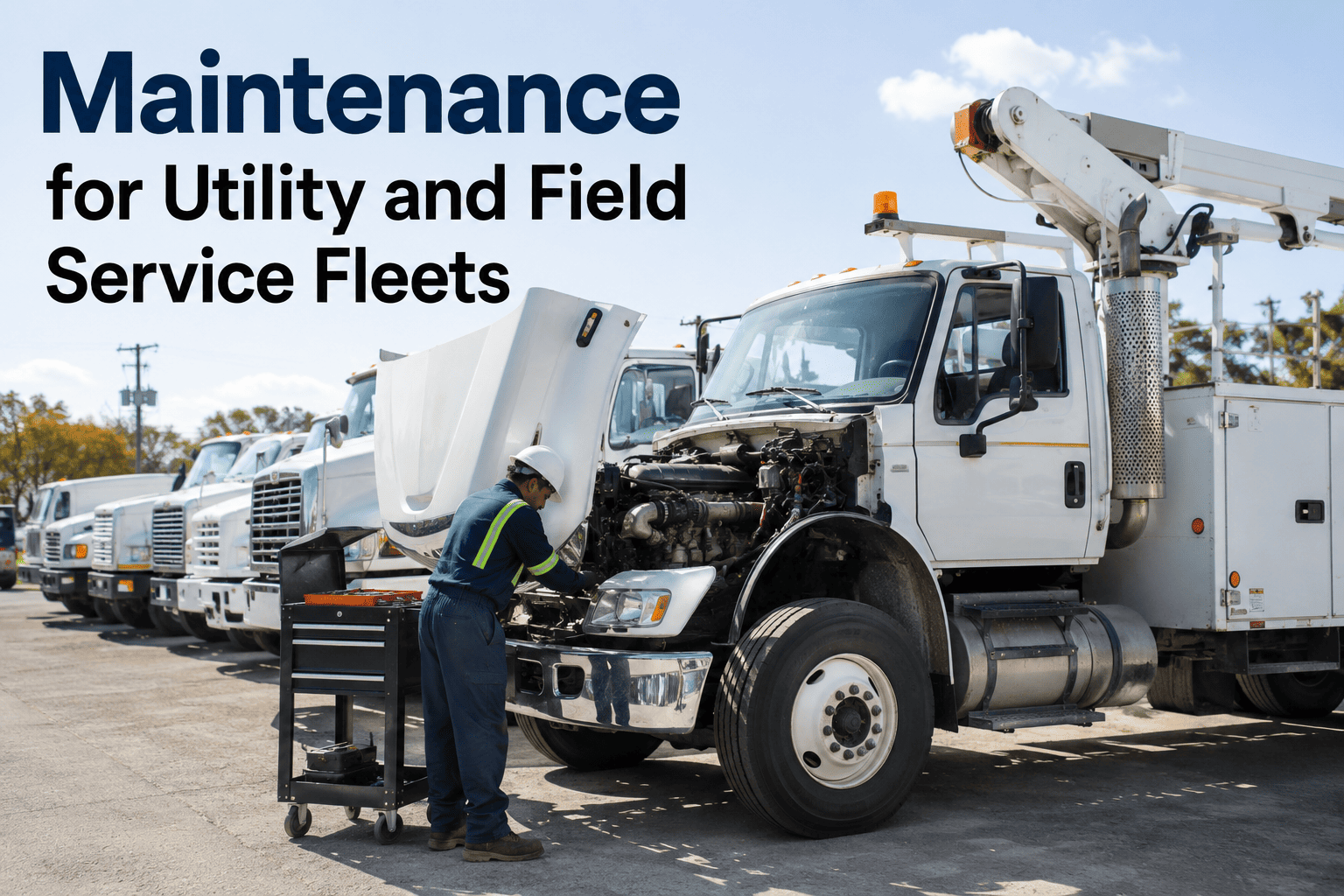
Read More
Utility and field service fleet maintenance demands a far more rigorous approach than standard commercial fleet upkeep, because bucket trucks, digger derricks, and specialized line equipment operate under high-stress conditions where a single mech

Read More
Managing a construction equipment fleet means tracking maintenance by hour-meters instead of odometers, coordinating PM schedules across constantly relocating job sites, and keeping mixed fleets — excavators, loaders, cranes, trucks — productive u
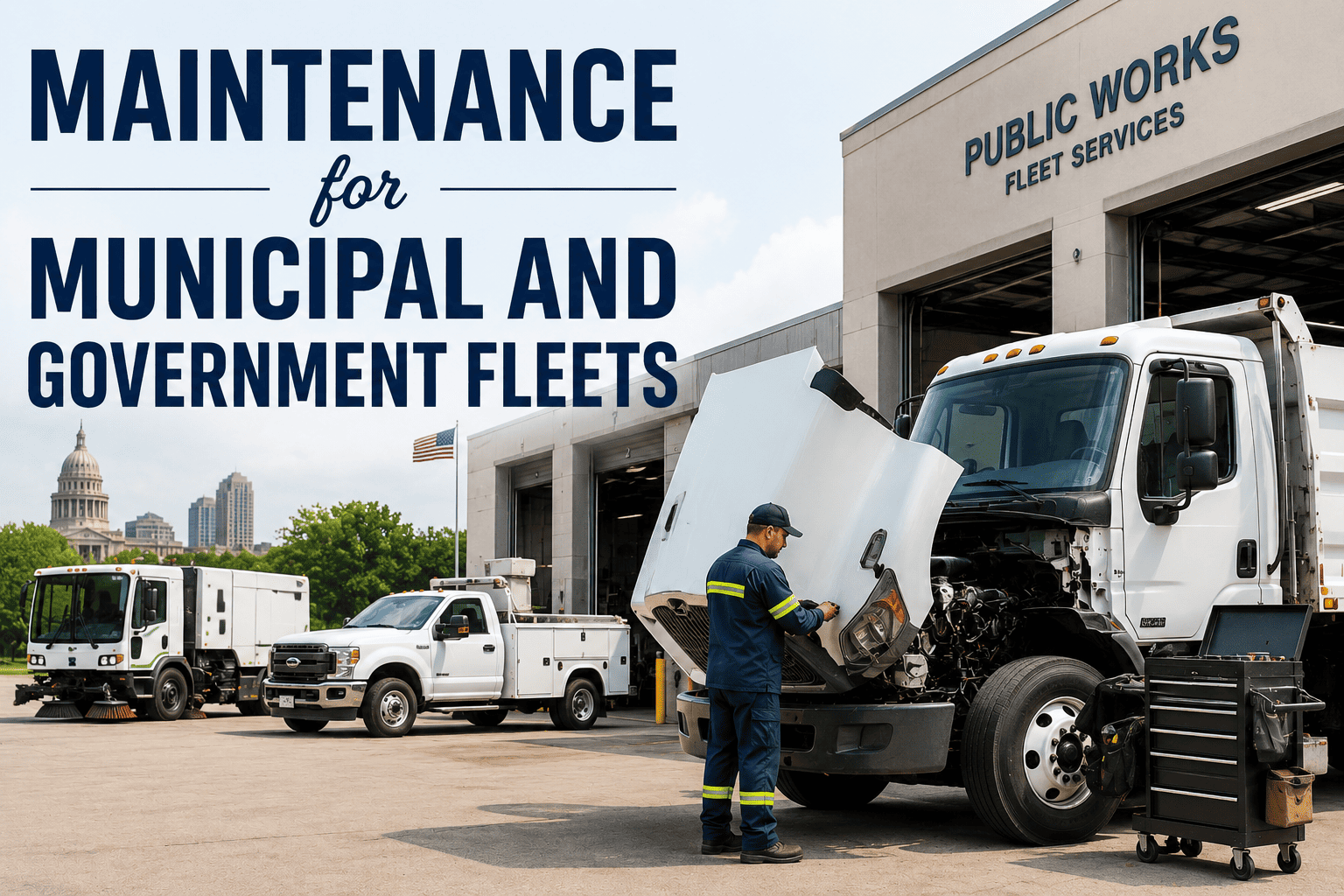
Read More
Municipal fleet maintenance is the structured process of keeping government-owned vehicles and equipment — from police sedans and refuse trucks to snowplows, street sweepers and transit buses — in safe, compliant and mission-ready condition. A mun
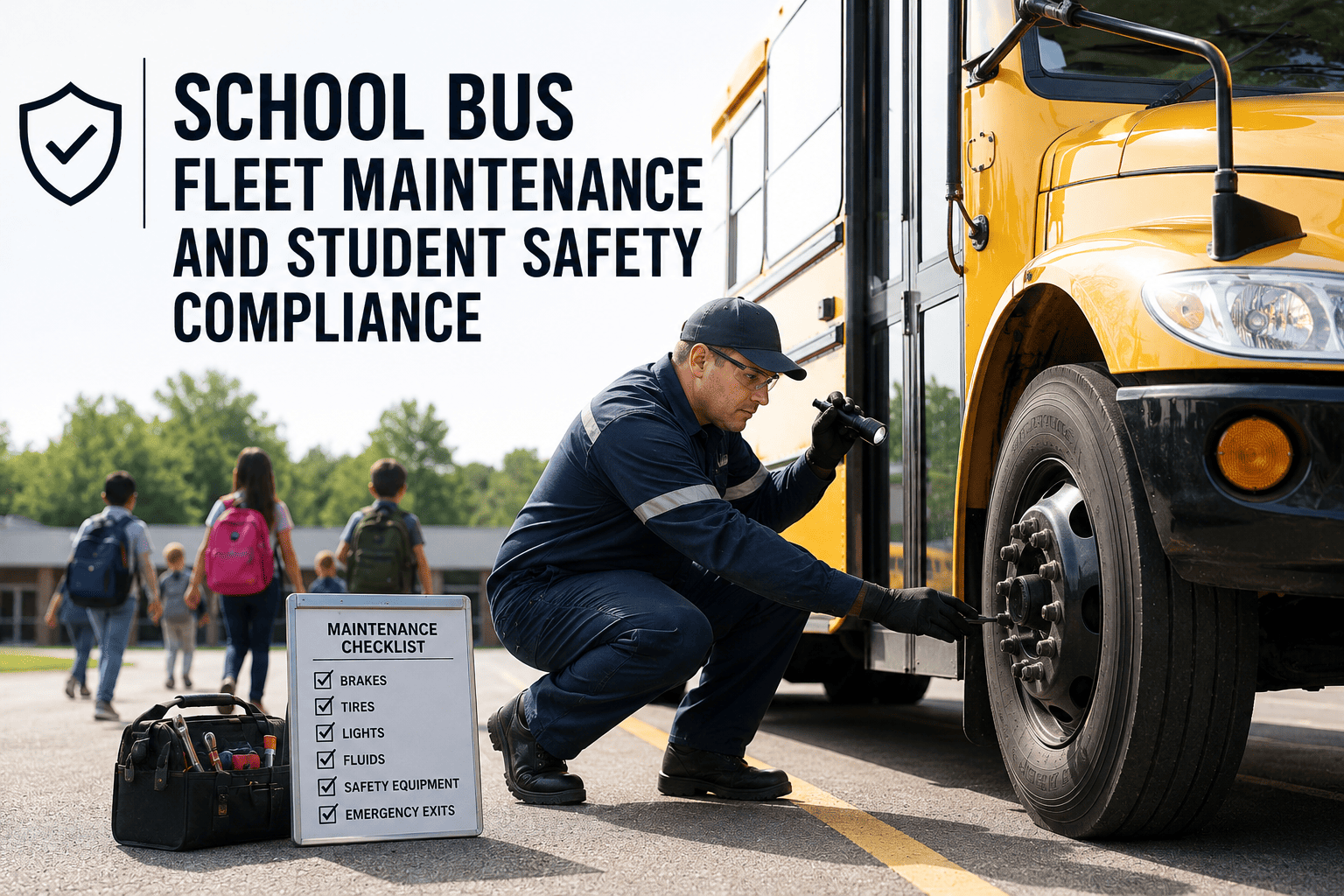
Read More
School bus fleet maintenance is the single most safety-critical function in any transportation department because the cargo is children, and regulators hold directors to a higher standard than nearly any commercial application. Under FMCSA passeng

Read More
Last-mile delivery fleets face some of the harshest duty cycles in commercial transportation — stop-and-go urban traffic, 150+ daily door operations, and high mileage accumulation that accelerates wear on brakes, suspensions, liftgates, and powert
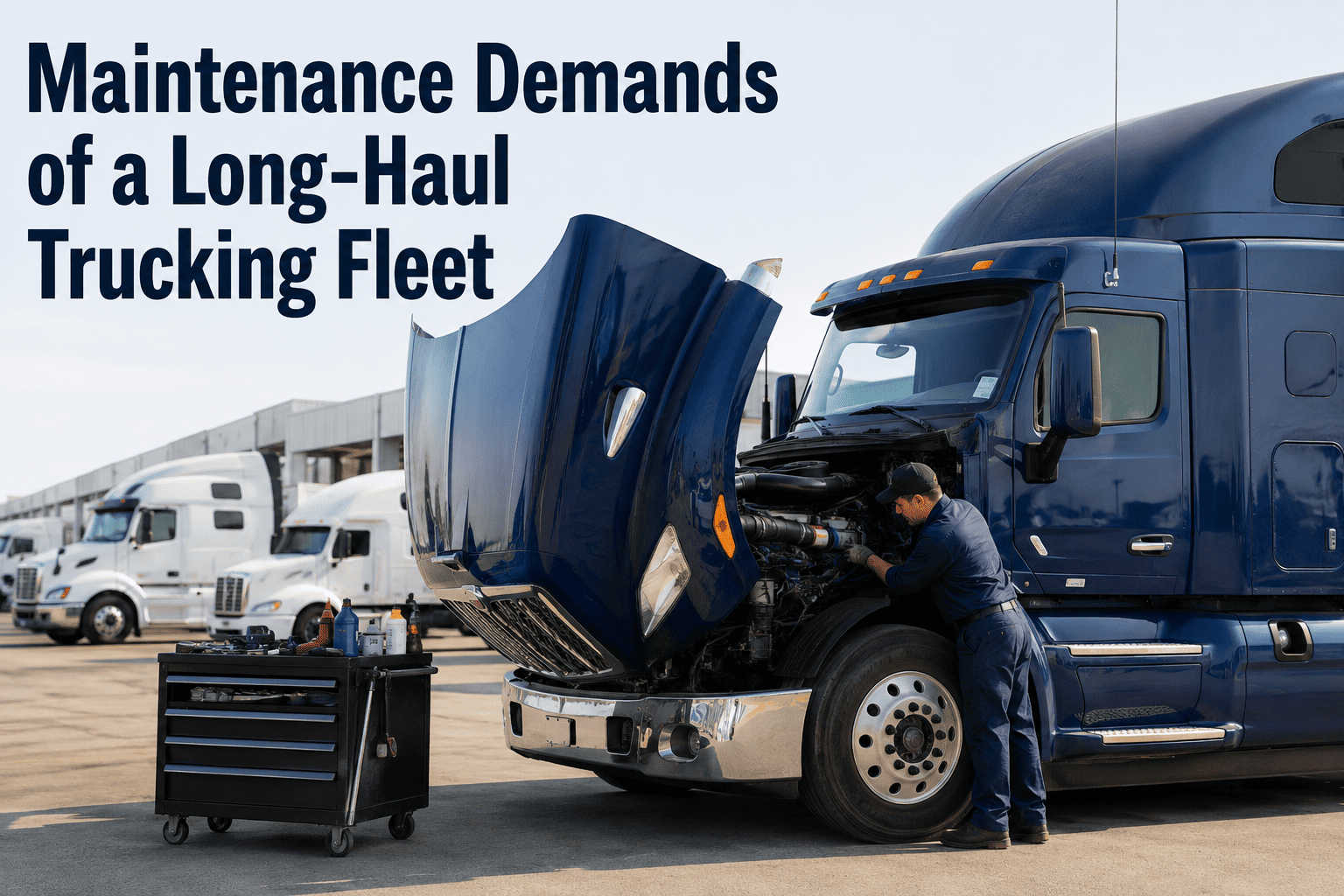
Read More
Long-haul trucking fleets face some of the most demanding maintenance requirements in the transportation sector, with each tractor accumulating 100,000 to 150,000 miles annually across multiple states and climate zones. A long-haul fleet maintenan
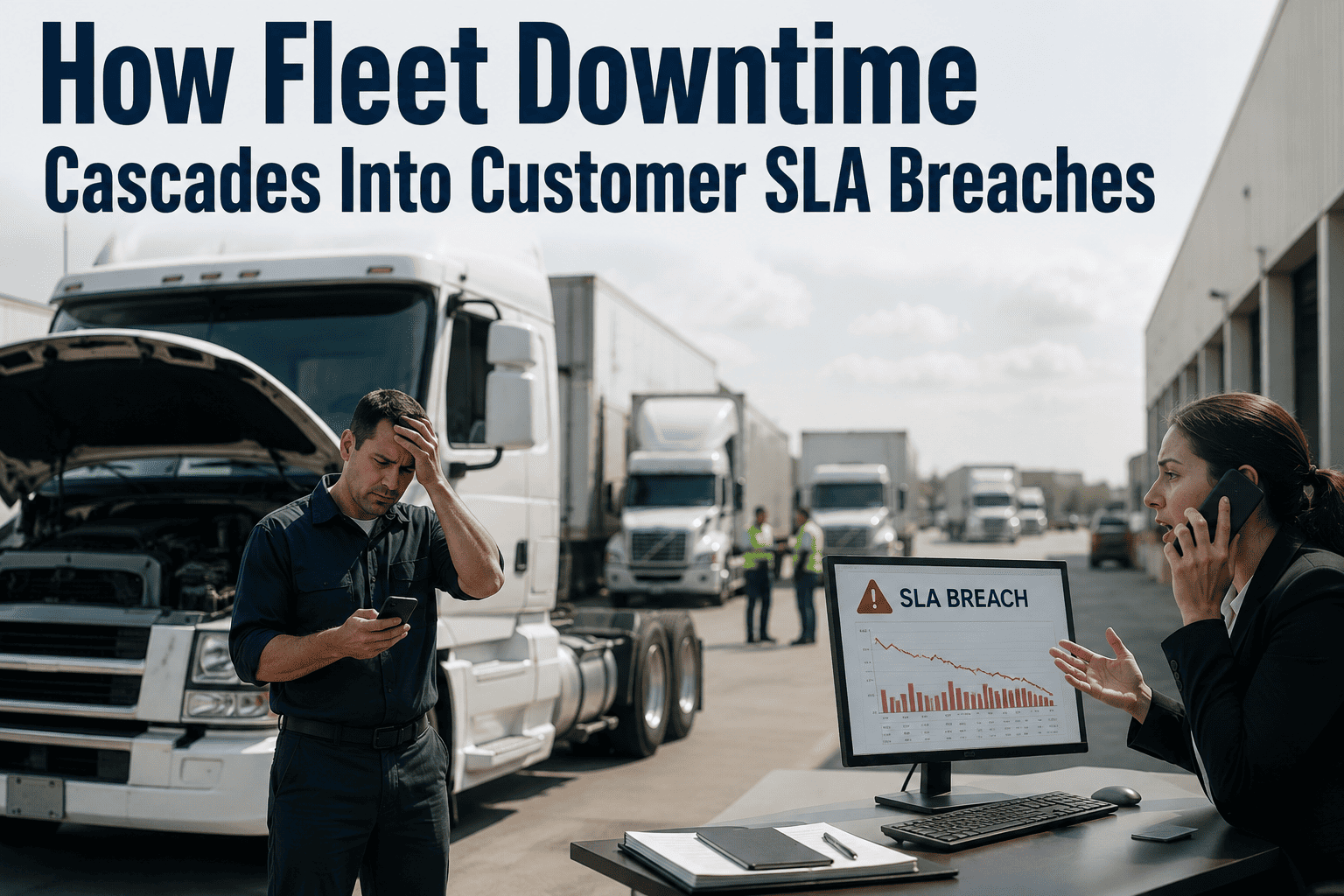
Read More
When a single vehicle goes off-route for repairs, the fleet downtime customer impact rarely stops at the towing bill — it cascades into missed delivery windows, penalty fees, and SLA breaches that erode margins and client trust. For maintenance an
Read More
A fleet audit readiness dashboard gives maintenance and compliance teams a single, real-time view of every documentation category an auditor will check — from DOT inspections and HOS logs to DQ files, Clearinghouse queries and DVIR completion rate
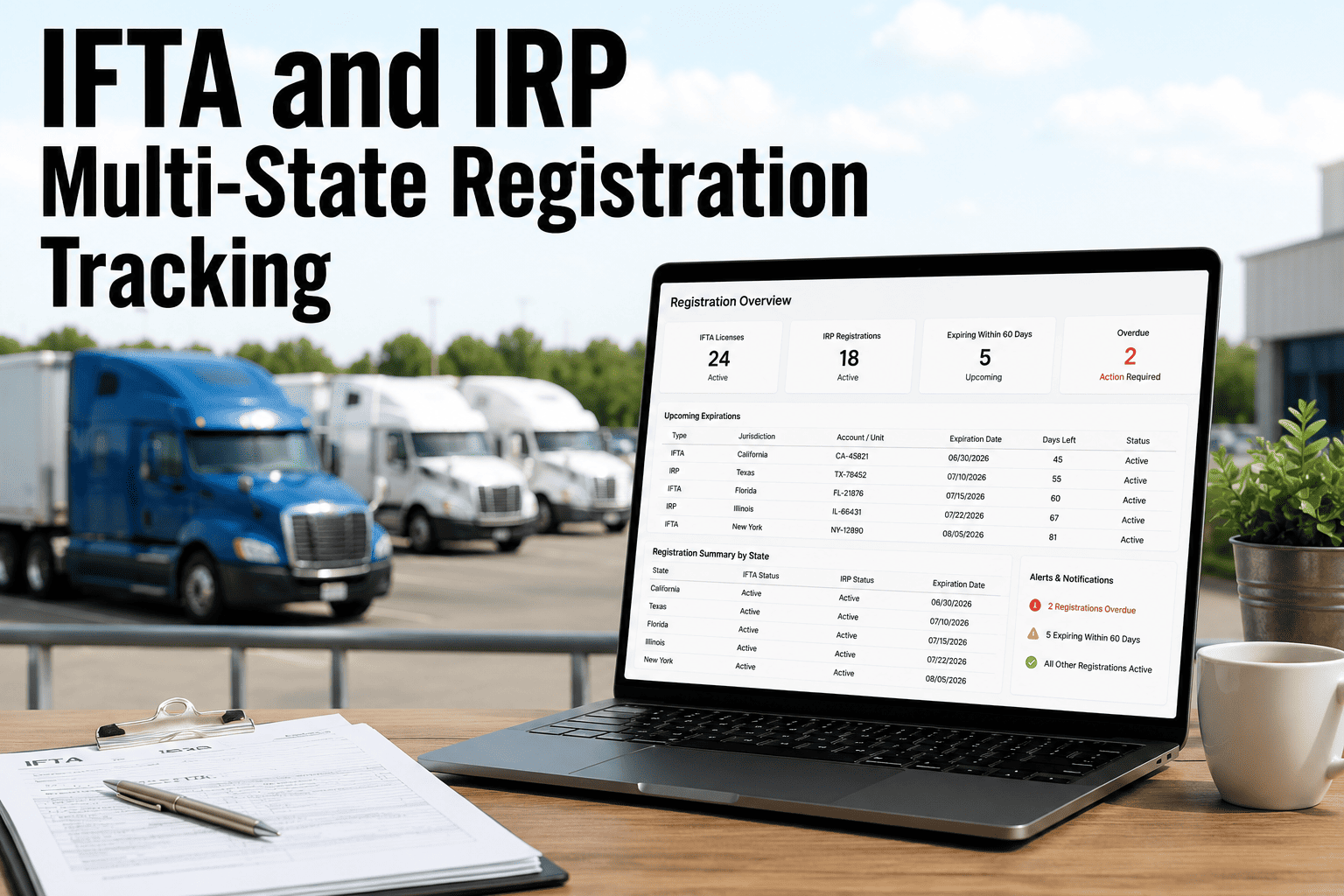
Read More
IFTA and IRP multi-state registration tracking is the backbone of compliance for any commercial fleet operating across U.S. states and Canadian provinces — without accurate mileage-by-jurisdiction data, carriers face compounded audit penalties, ba
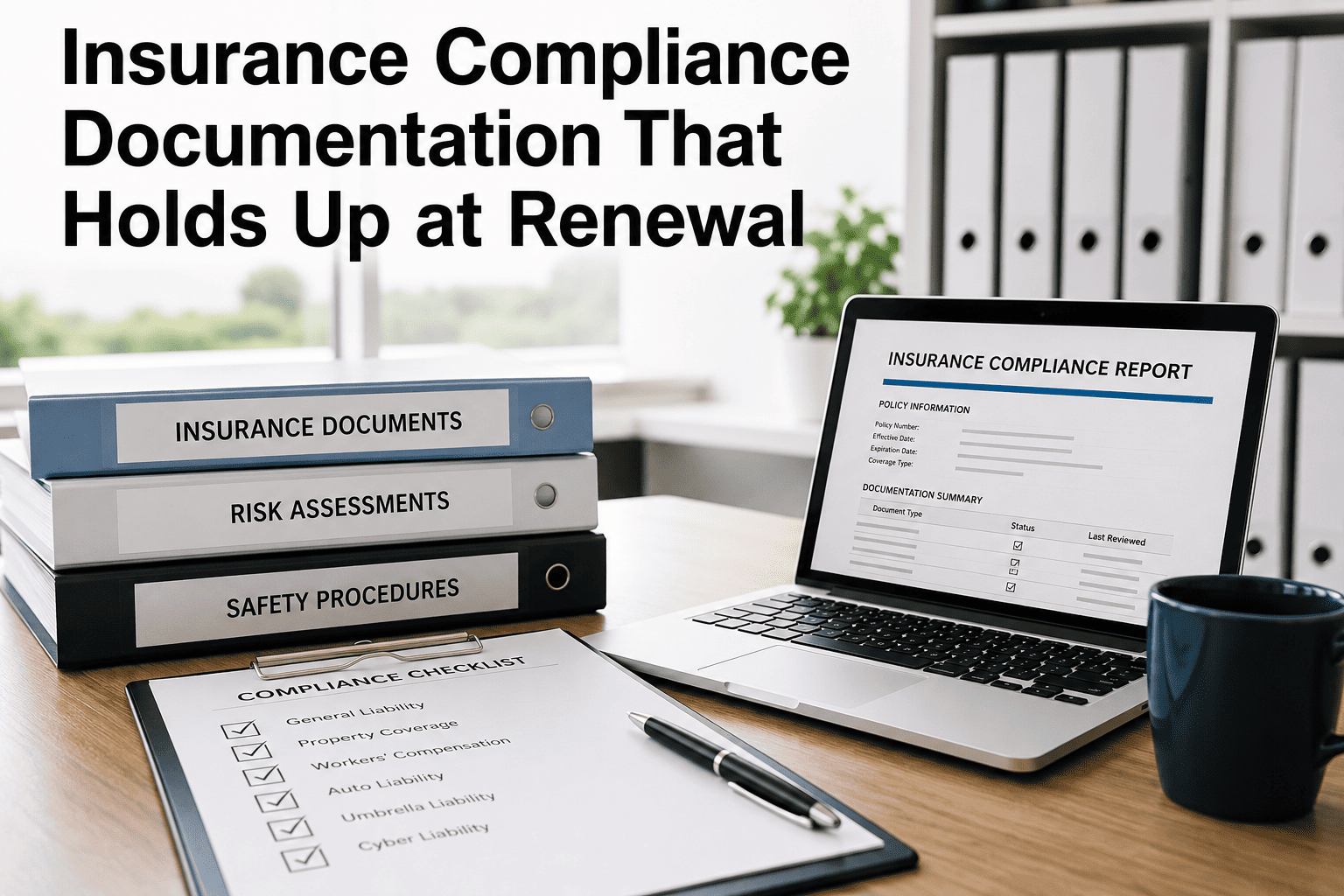
Read More
Fleet insurance compliance documentation has become the single most influential factor in commercial premium pricing for 2026 renewals, as underwriters now require timestamped, carrier-ready records across drivers, equipment, safety programs, tele
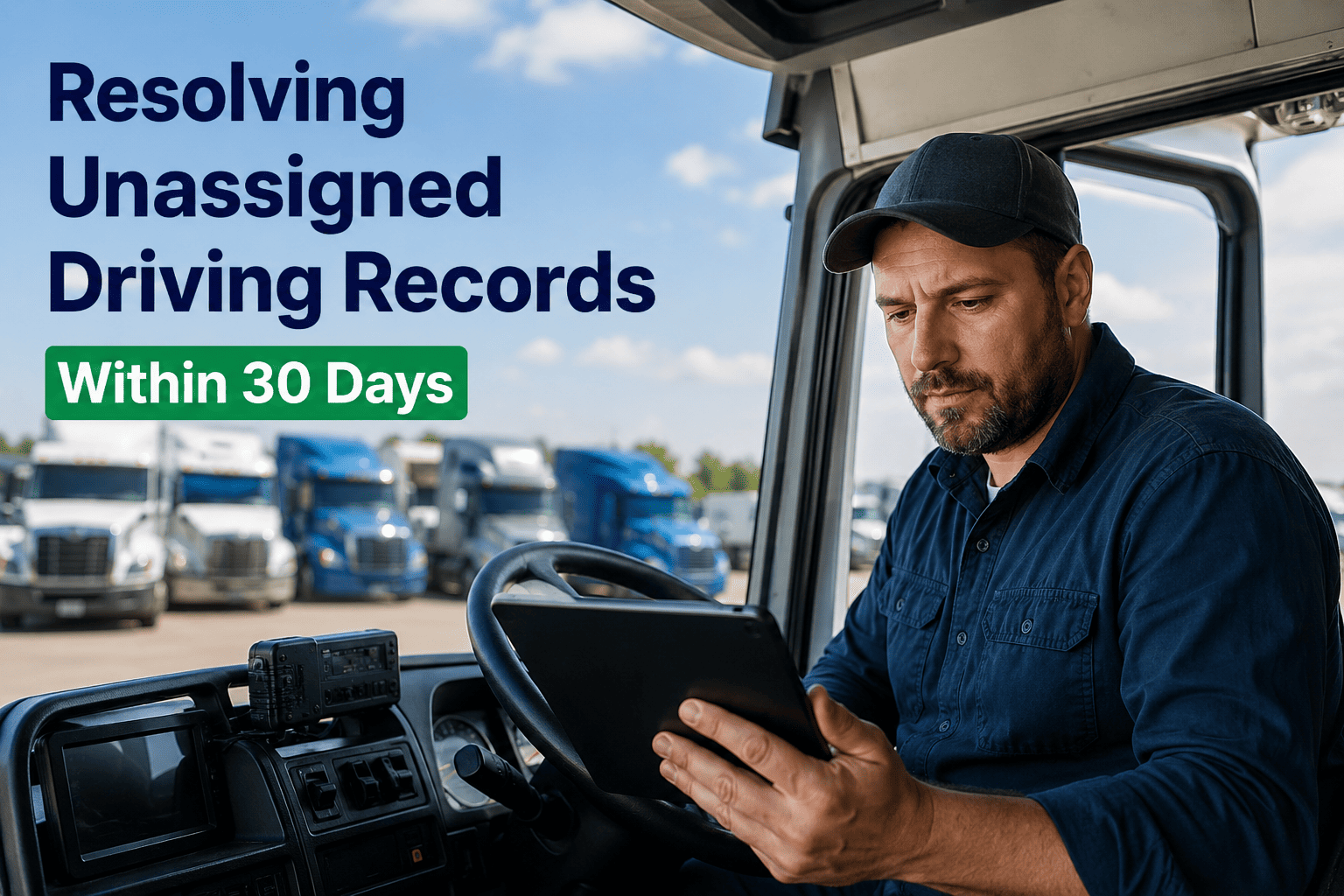
Read More
Unassigned driving records are ELD-captured driving events that occur when no driver is logged into the device, and federal regulations require fleets to resolve them within 30 days. Under 49 CFR 395.32, carriers must systematically review these r
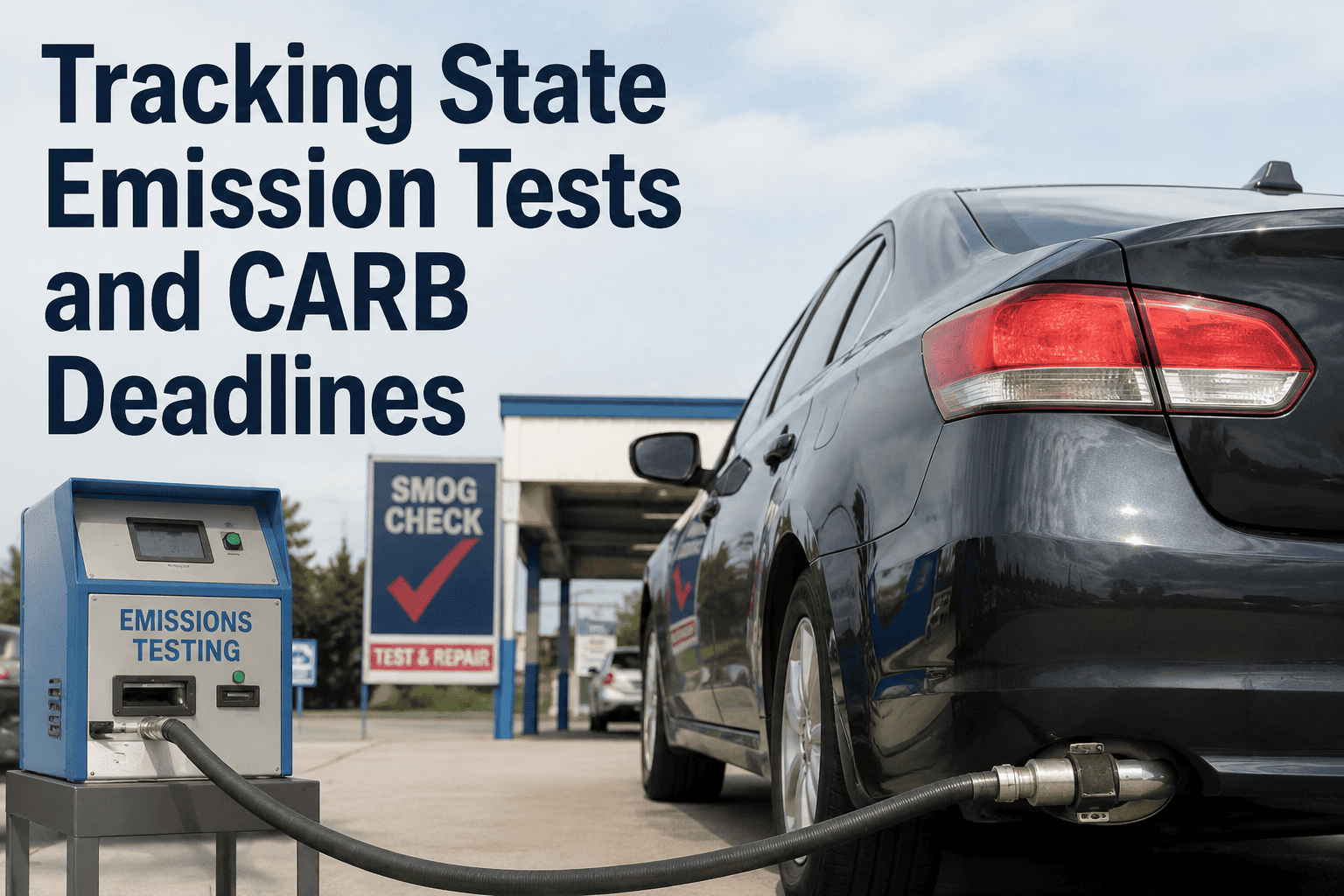
Read More
State emission test fleet compliance has become one of the most operationally complex and financially risky maintenance responsibilities for commercial fleet operators. The California Air Resources Board (CARB) enforces the nation's strictest heav
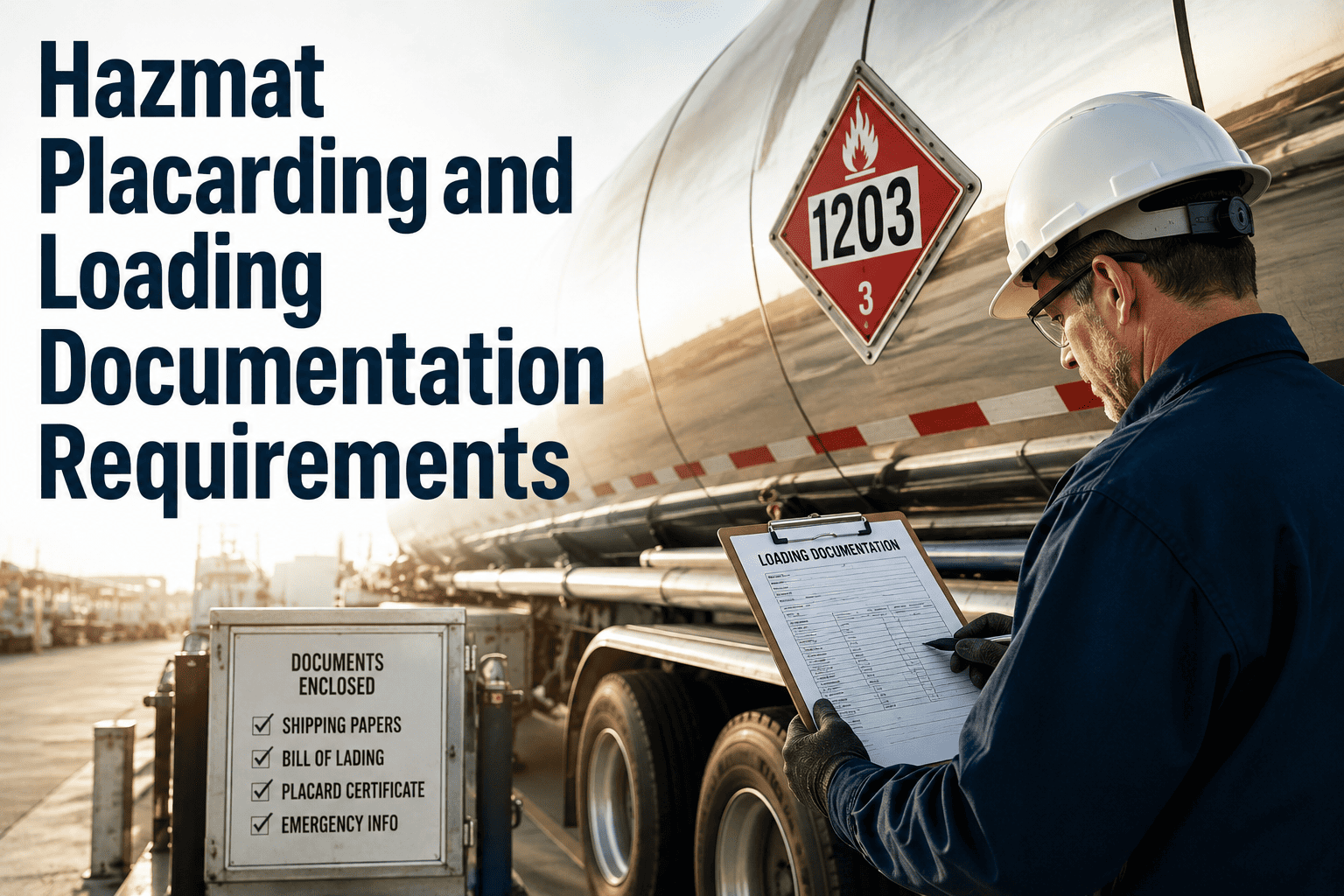
Read More
Hazmat placarding and loading documentation requirements under 49 CFR Parts 171–180 add a demanding layer of compliance on top of standard commercial vehicle rules — and violations carry fines up to $89,678 per incident, with knowing violations re

Read More
Your CSA BASIC score is the single most visible safety metric the FMCSA uses to decide whether your fleet gets a warning letter, an onsite investigation, or a full compliance review that can take trucks off the road for weeks. Managing CSA scores
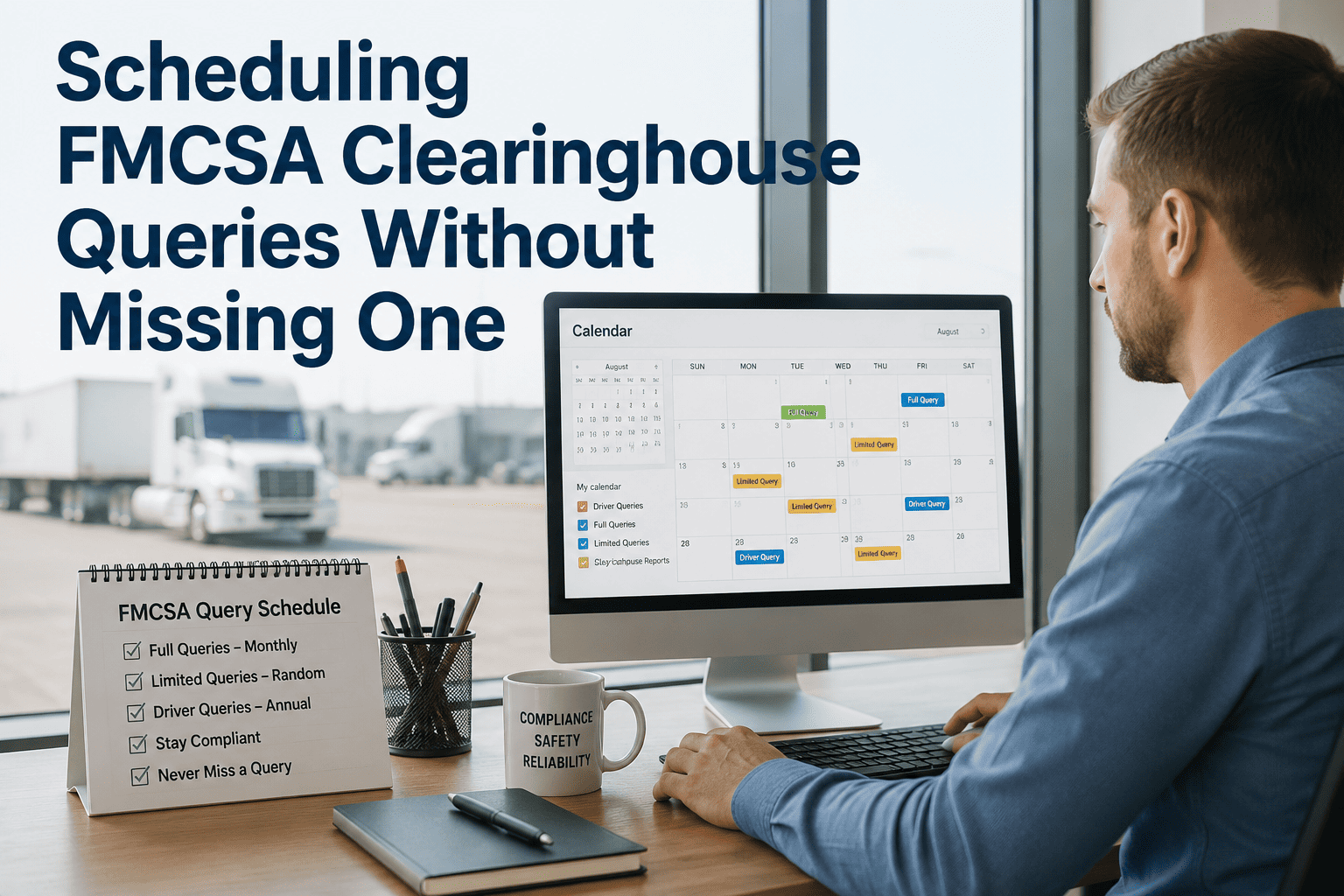
Read More
FMCSA clearinghouse fleet compliance hinges on executing two types of queries — a full pre-employment query before a CDL driver operates a commercial motor vehicle, and a limited annual query at least once every 12 months — yet thousands of carrie
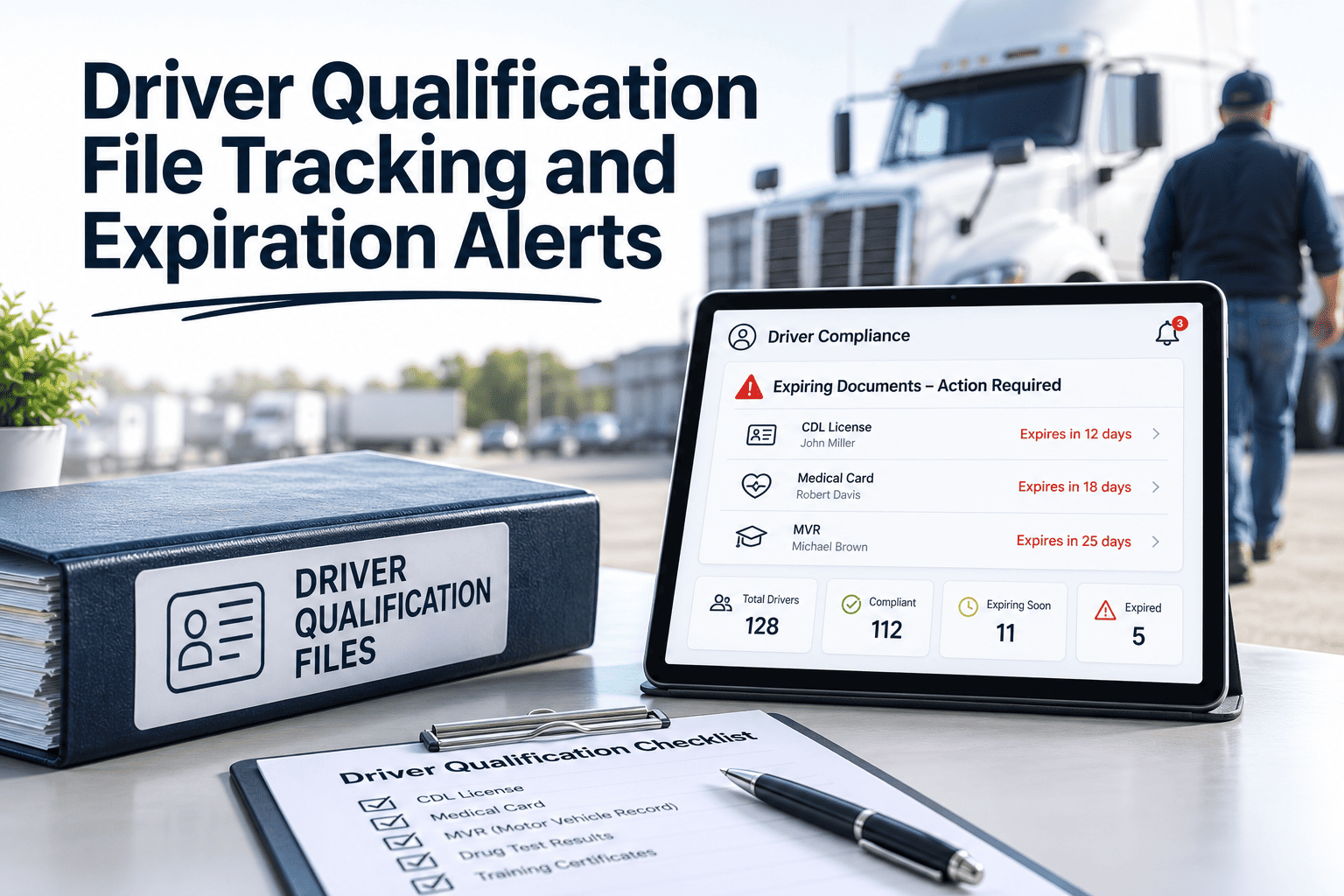
Read More
A driver qualification file is the federally mandated compliance record — required under 49 CFR 391 — that every motor carrier must maintain for each operator of a commercial motor vehicle, and missing or expired items inside that file are among t

Read More
Hours of service violations cost carriers up to $17,062 per driver per violation under the 2026 FMCSA penalty schedule — but the real exposure is a fatigue-related crash verdict that can reach seven or eight figures. Preventing hours of service vi

Read More
A fleet shop can have its best technicians on the floor and still bleed hours on every single repair — not because wrenching takes long, but because the ninety minutes before a wrench even touches the vehicle get lost figuring out who owns the tic
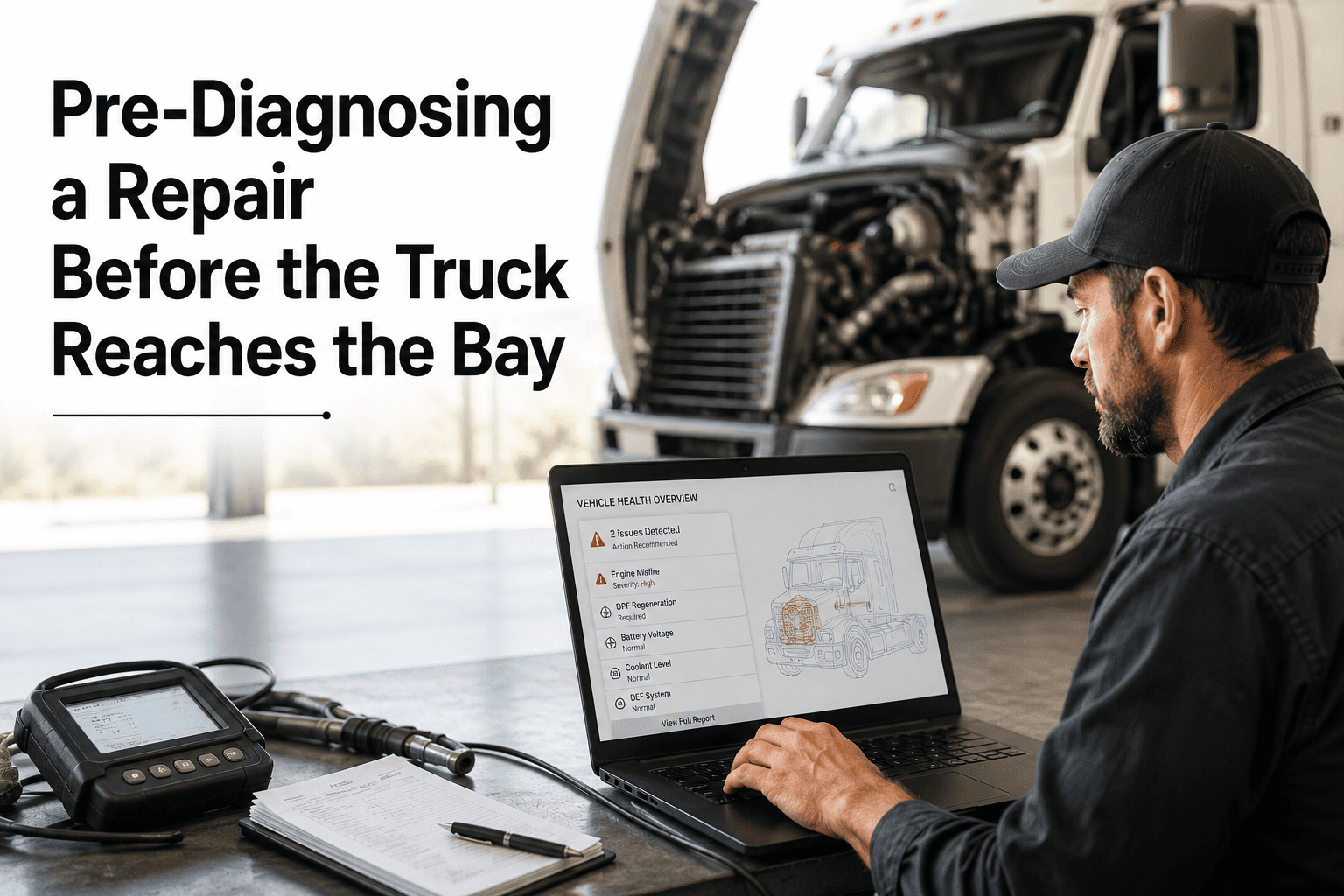
Read More
A truck limps into the bay with a check engine light on, and the diagnosis starts from zero — a technician connects a scanner, waits for codes to load, then walks to the parts counter to find out what is even in stock. That single sequence can add
Read More
A truck breaks down two states away from the nearest yard, and the driver is left calling around for a shop that will even answer the phone, let alone honor fleet pricing or send an invoice anyone can reconcile later. Home-base maintenance program
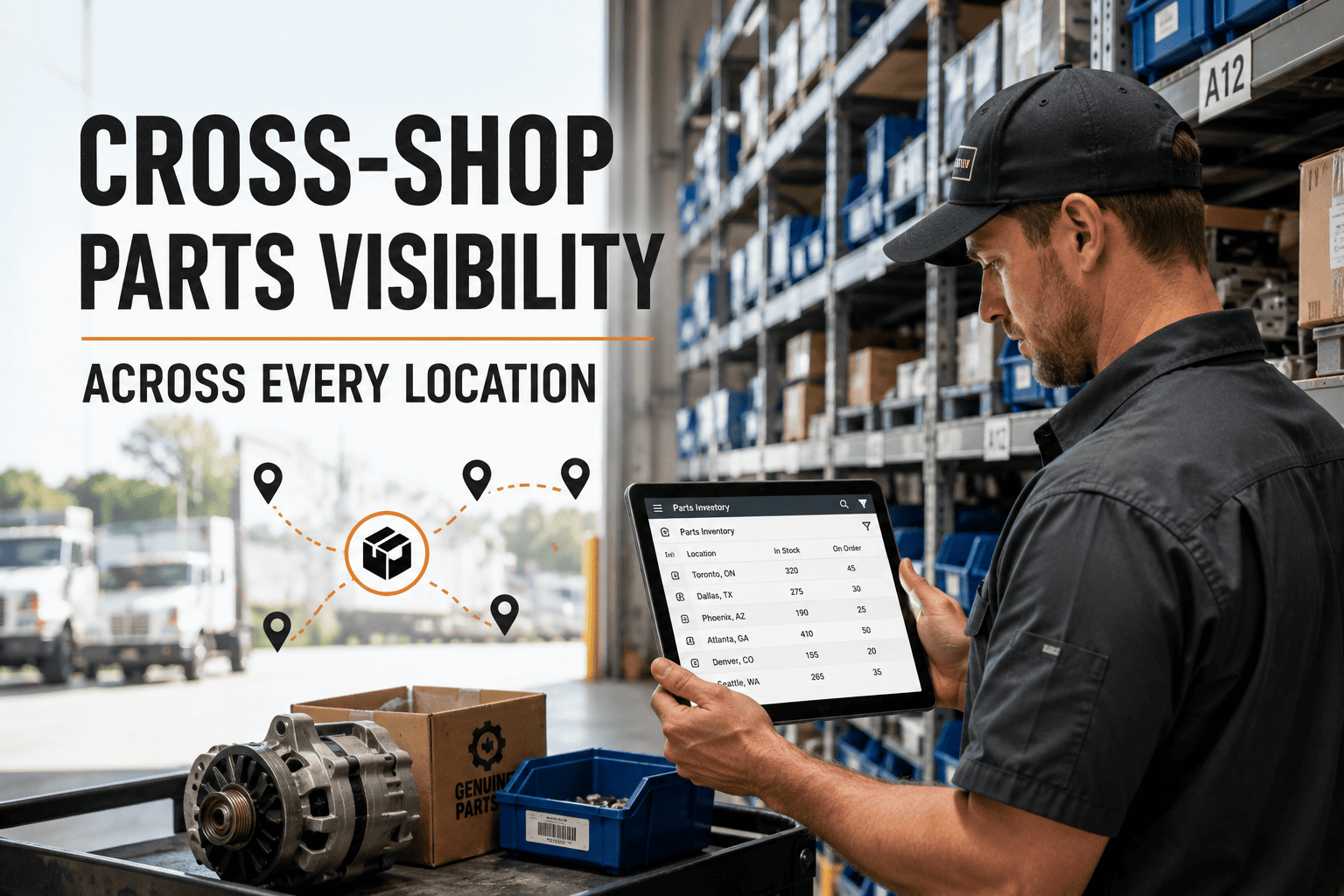
Read More
A brake job that takes 3 hours of wrench time can take 5 days of calendar time when the shop pulling the truck in doesn't know that the exact pads it needs are already sitting on a shelf at the sister shop 40 miles away. Cross-shop parts blindness
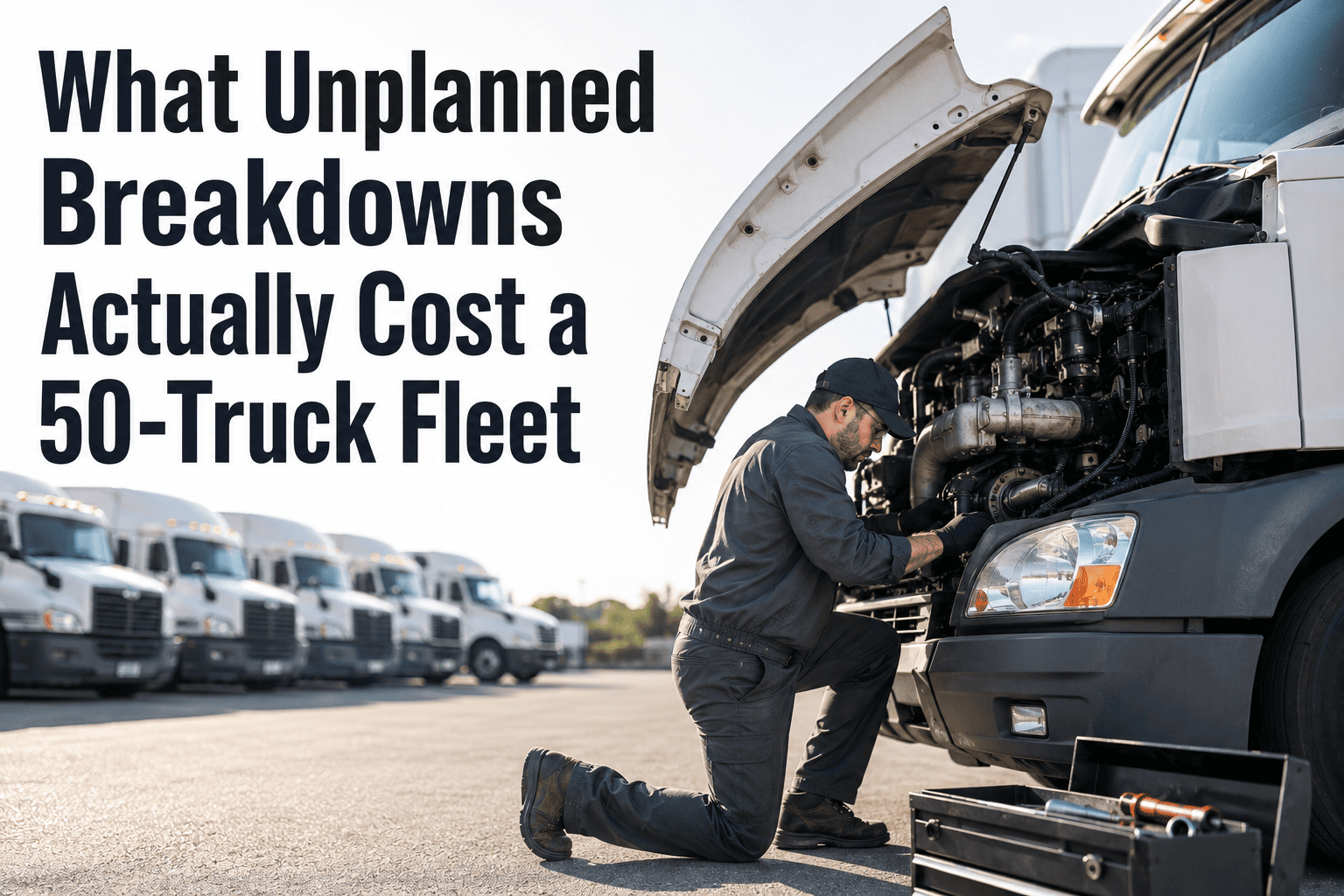
Read More
A 50-truck fleet doesn't feel the cost of an unplanned breakdown as one number — it feels it as five separate hits landing in five separate places. Towing shows up on one invoice, emergency repair labor on another, and the load that didn't get del
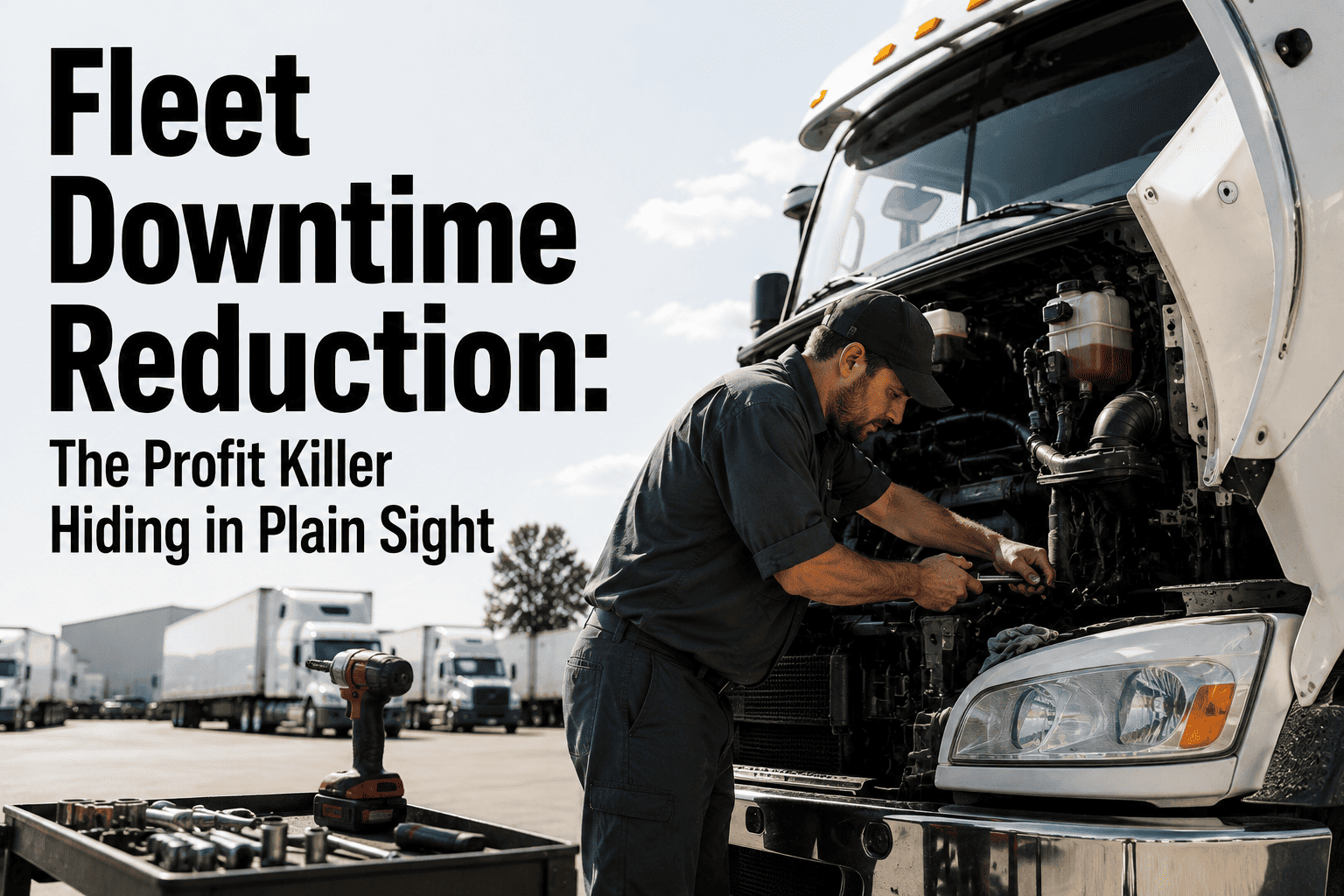
Read More
Unplanned breakdowns remain the number one profit killer in trucking, and most fleets don't see the true cost until the invoice arrives. A single roadside failure runs $450 to $1,900 once towing, lost productivity, and driver downtime are added up
Read More
A single missed annual DOT inspection doesn't just cost you a sticker — it can trigger civil penalties reaching $16,000 per violation once regulators treat the inspection as invalid. Every commercial motor vehicle over 10,001 lbs GVWR must pass a
Read More
FMCSA's ELD rule does not let a device pick one transfer method and call it done. Every registered ELD must fully support one complete option: either the telematics path, which requires both web services and email, or the local path, which require
Read More
Fleet compliance in 2026 does not look like it did even eighteen months ago. FMCSA has consolidated over 950 violation codes into roughly 116 groups, moved to a two-tier severity model, tightened the scoring window to 12 months of recent activity,

Read More
Electric fleet vehicles don't wear tires the way diesel and gasoline trucks do, and most maintenance teams find that out the expensive way — through tires pulled at 25,000 miles instead of 50,000. Regenerative braking shifts stress toward the fron
Read More
Ask any fleet manager running more than one yard the same question — "how many 295/75R22.5 drive tires do we have right now, and where?" — and the answer is almost always a guess. Tires move between yards on trailers, get pulled for emergency swap
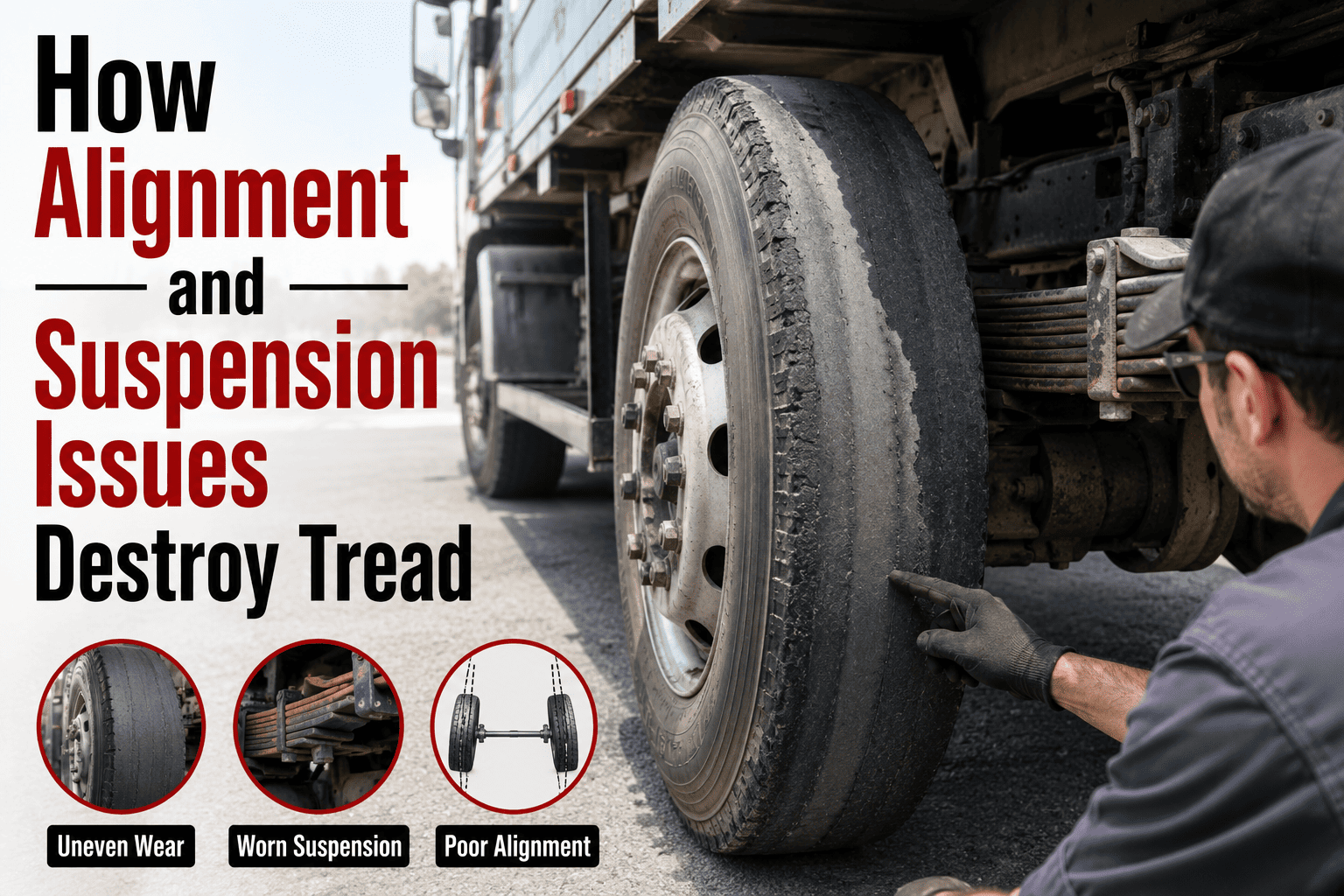
Read More
A tire that wears out in eight months instead of eighteen is rarely a tire problem. In most fleets, tread destruction traces back to a suspension component that shifted or an alignment angle that drifted out of spec weeks before anyone noticed the
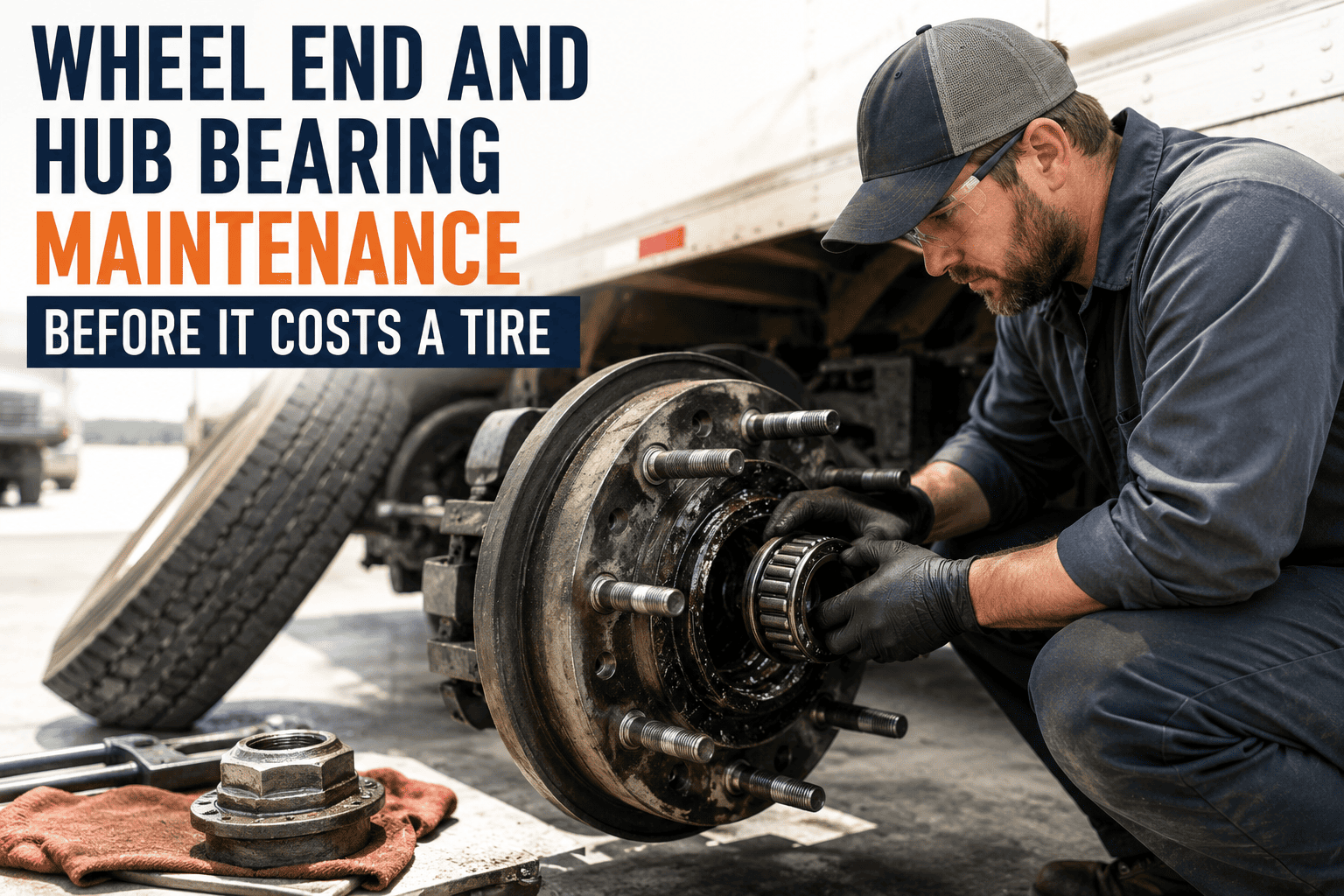
Read More
Wheel-off events are among the most catastrophic failures a commercial fleet can experience — a wheel and tire assembly separating at highway speed often causes serious injury or fatality when it strikes a passenger vehicle. Nearly every one of th
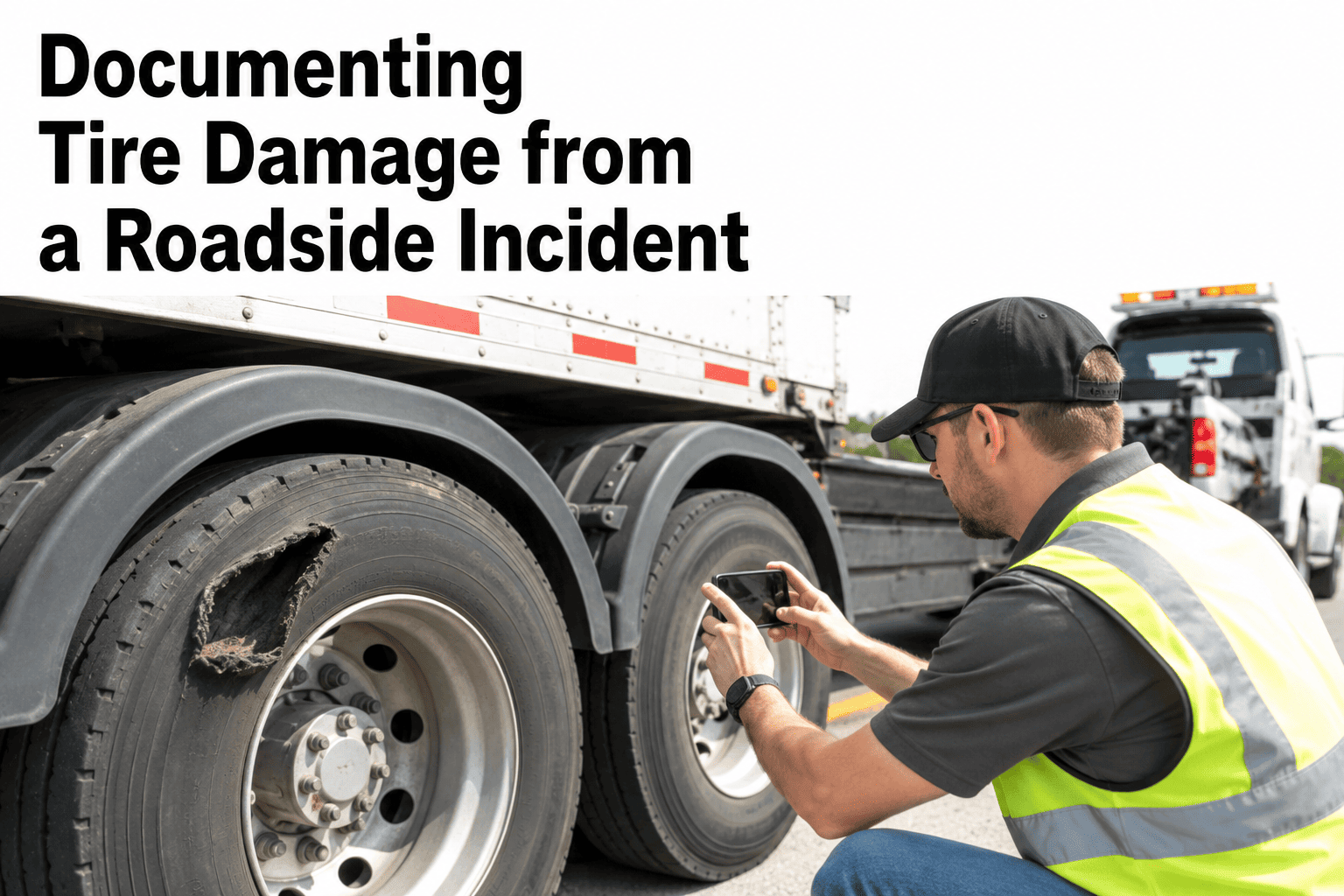
Read More
A roadside tire failure — whether a highway-speed blowout, a sidewall puncture from road debris, or a sudden tread separation — is rarely just a maintenance headache. It is a recoverable financial event, often payable under manufacturer warranty,
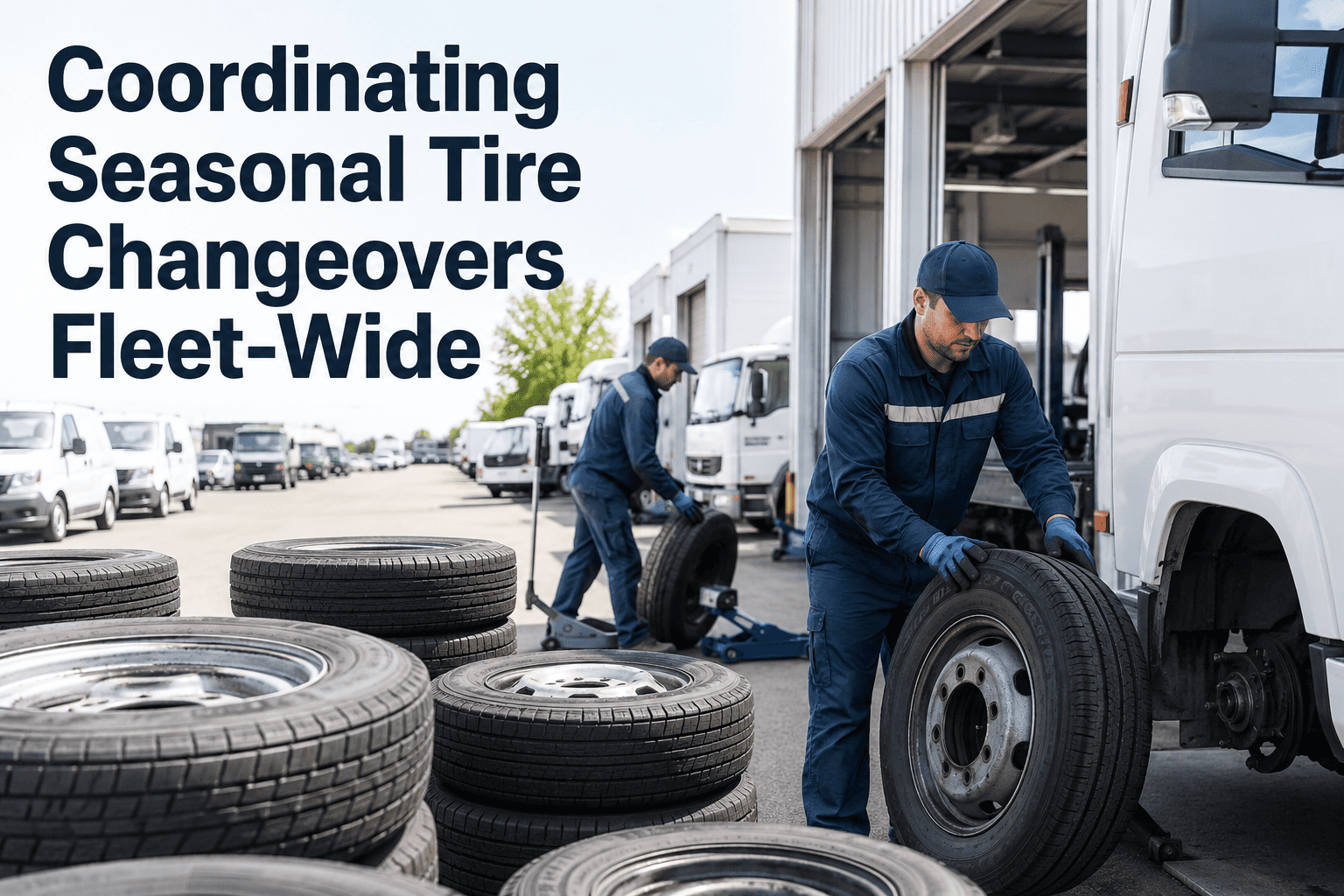
Read More
For fleets running real winter routes through the Midwest, Northeast, mountain West, or Canadian corridors, the seasonal tire changeover is not a maintenance task — it is a shop-capacity event that determines whether trucks roll on schedule in Nov
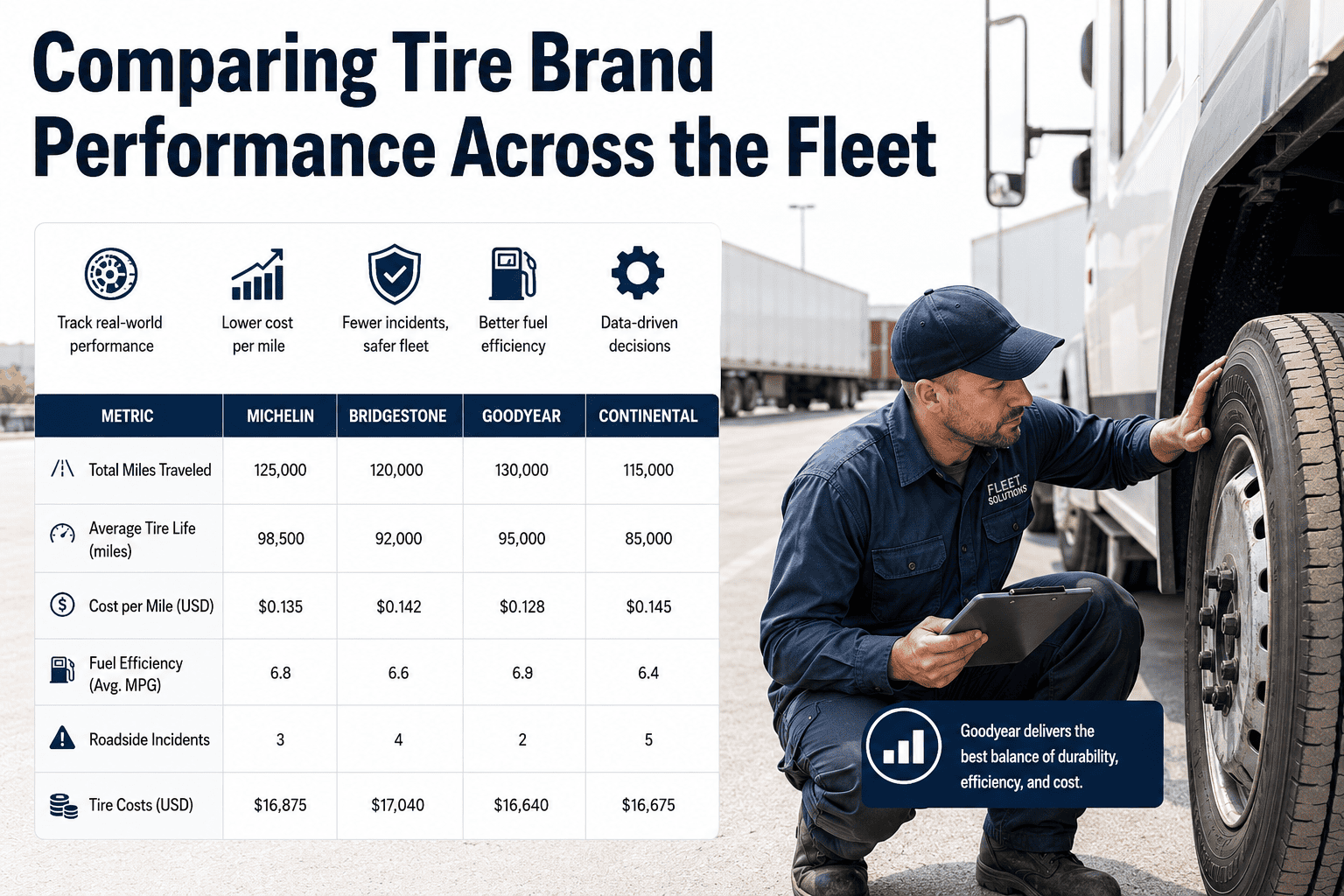
Read More
Commercial tire manufacturers publish aggressive performance claims, but those spec-sheet numbers rarely survive contact with your fleet's actual routes, loads, and duty cycles. A structured tire brand performance comparison changes that by turnin
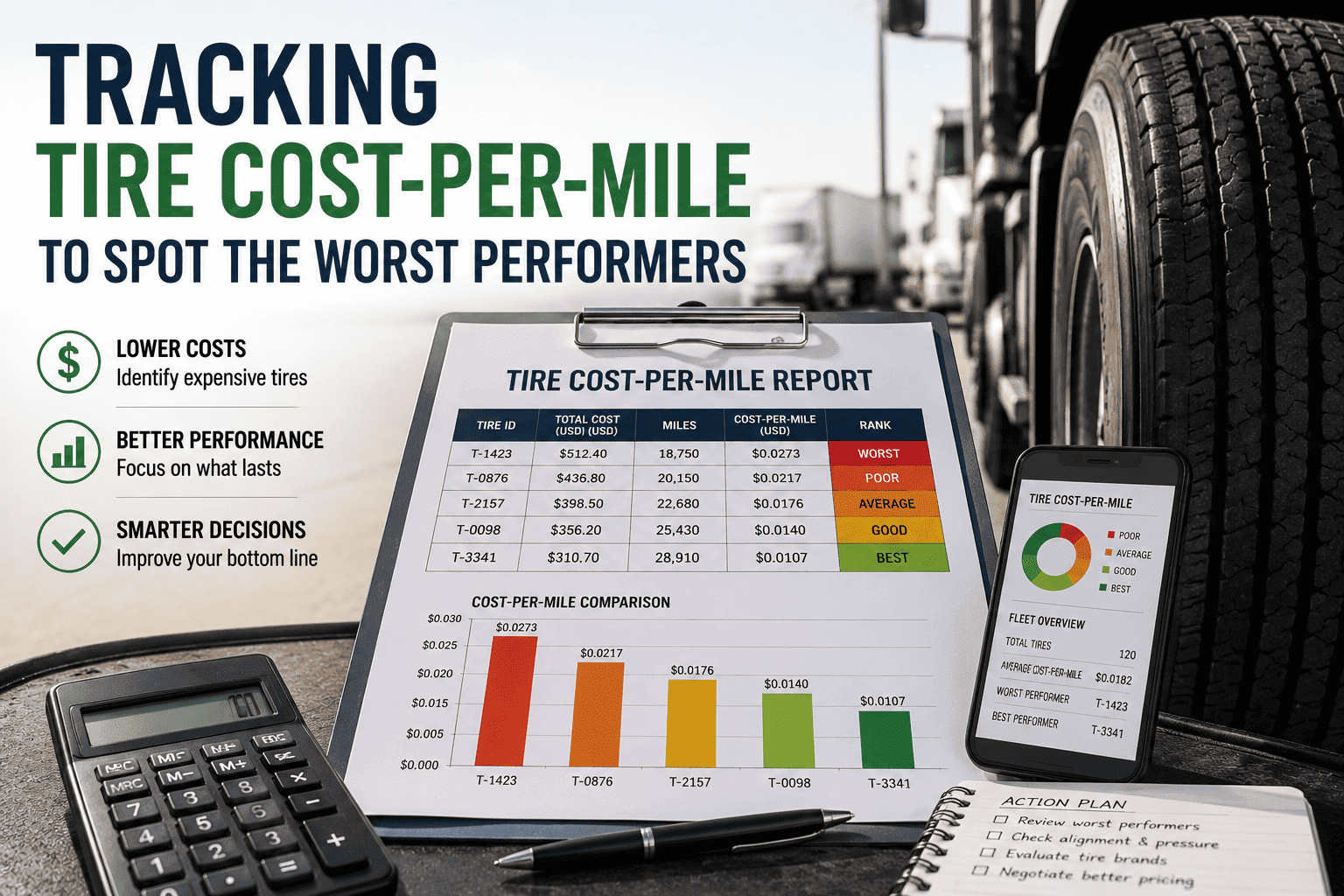
Read More
Tire spend is the second-largest operating cost for most over-the-road fleets, yet the majority still buy on sticker price instead of cost per mile — and quietly overspend by 10 to 20 percent on a line item that touches every tractor and trailer.

Read More
A retreaded commercial tire costs roughly $130 to $180 per casing, compared with $450 to $650 for a new tire — that is a 70 to 75 percent saving every time a casing qualifies, yet most trucking fleets still scrap casings by default instead of rout
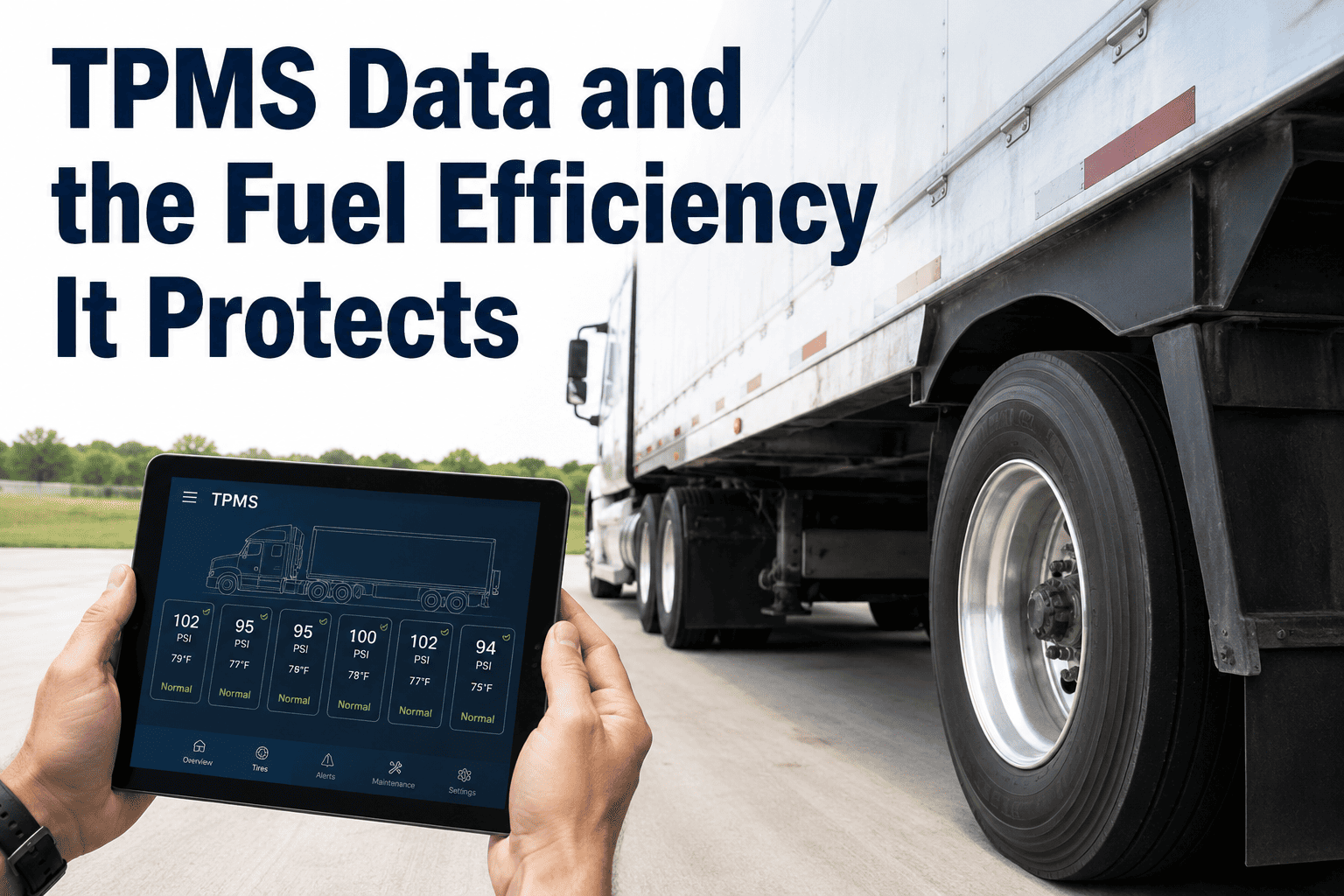
Read More
Underinflation is the single most common source of avoidable tire and fuel cost in commercial fleets — the U.S. DOT estimates that underinflated tires waste roughly 5 million gallons of diesel every day nationwide. A commercial tire run 10 PSI bel
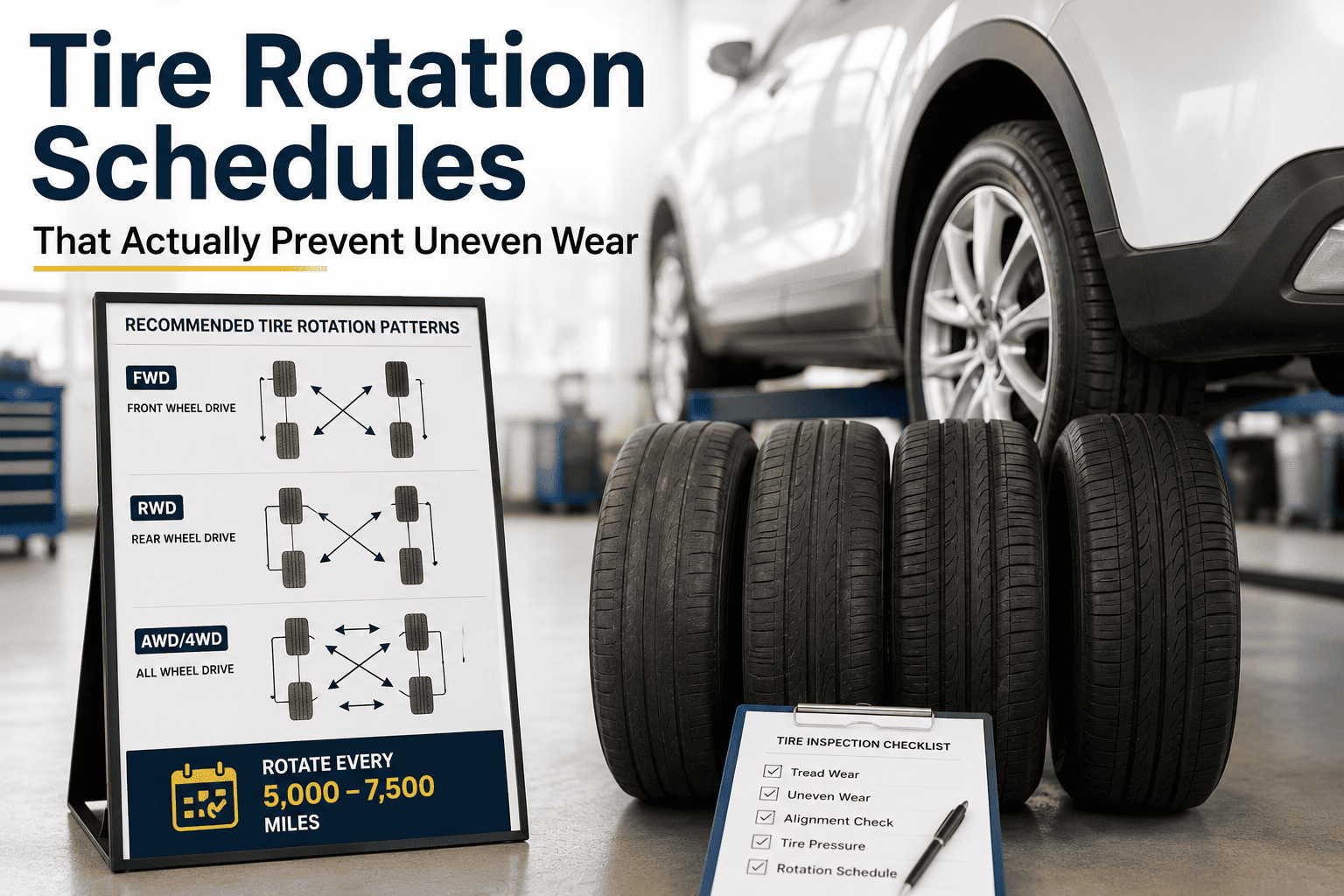
Read More
Tire rotation on a commercial vehicle is the single highest-leverage, lowest-cost discipline a fleet can run to extend casing life and protect retread eligibility. The physics is unforgiving: steer axles wear front-shoulder from steering input, dr
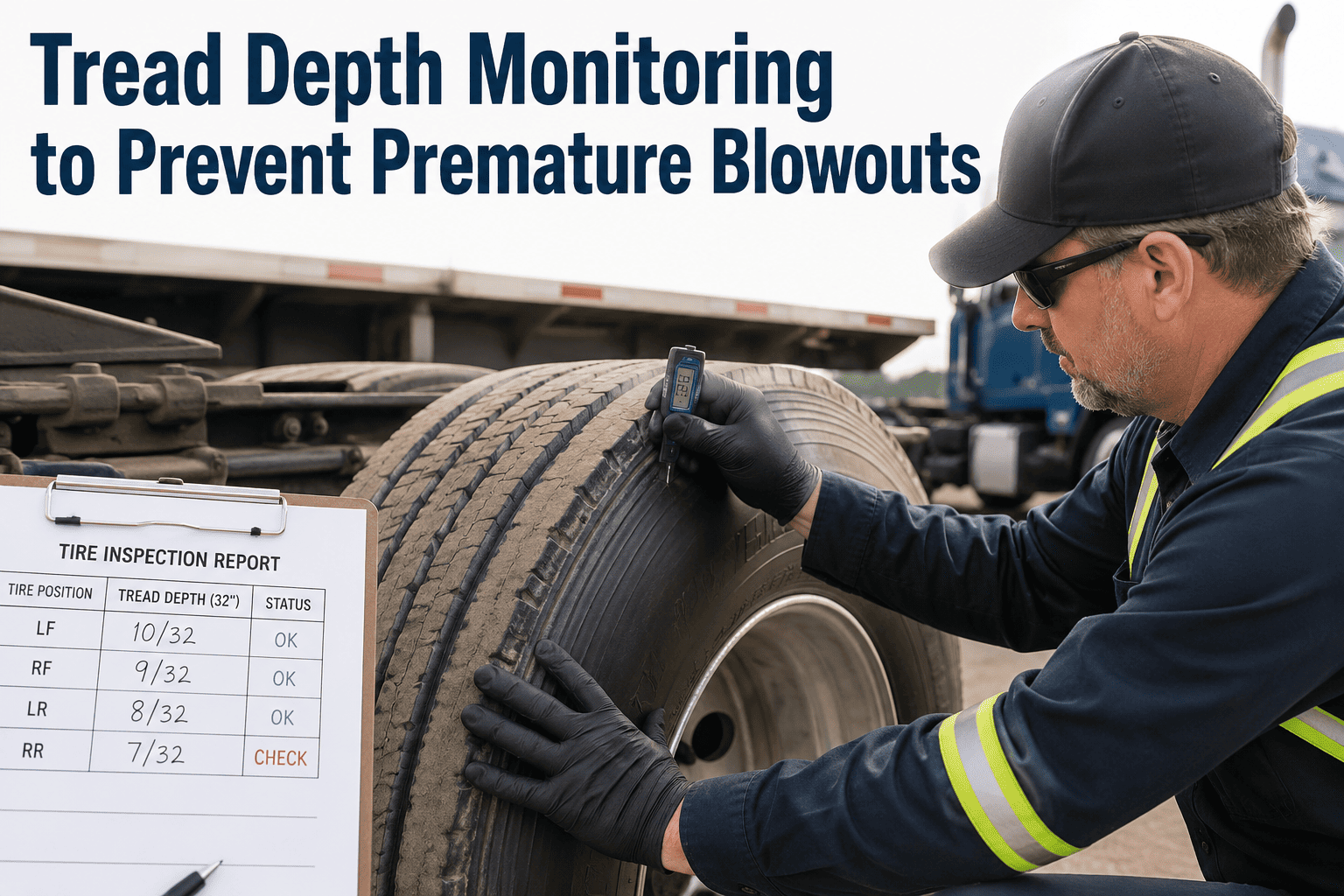
Read More
Most highway blowouts are not random mechanical failures — they are tread depth failures that were measurable weeks before the tire came apart. Federal minimums under 49 CFR 393.75 set 4/32" on steer axles and 2/32" on every other position, and CV
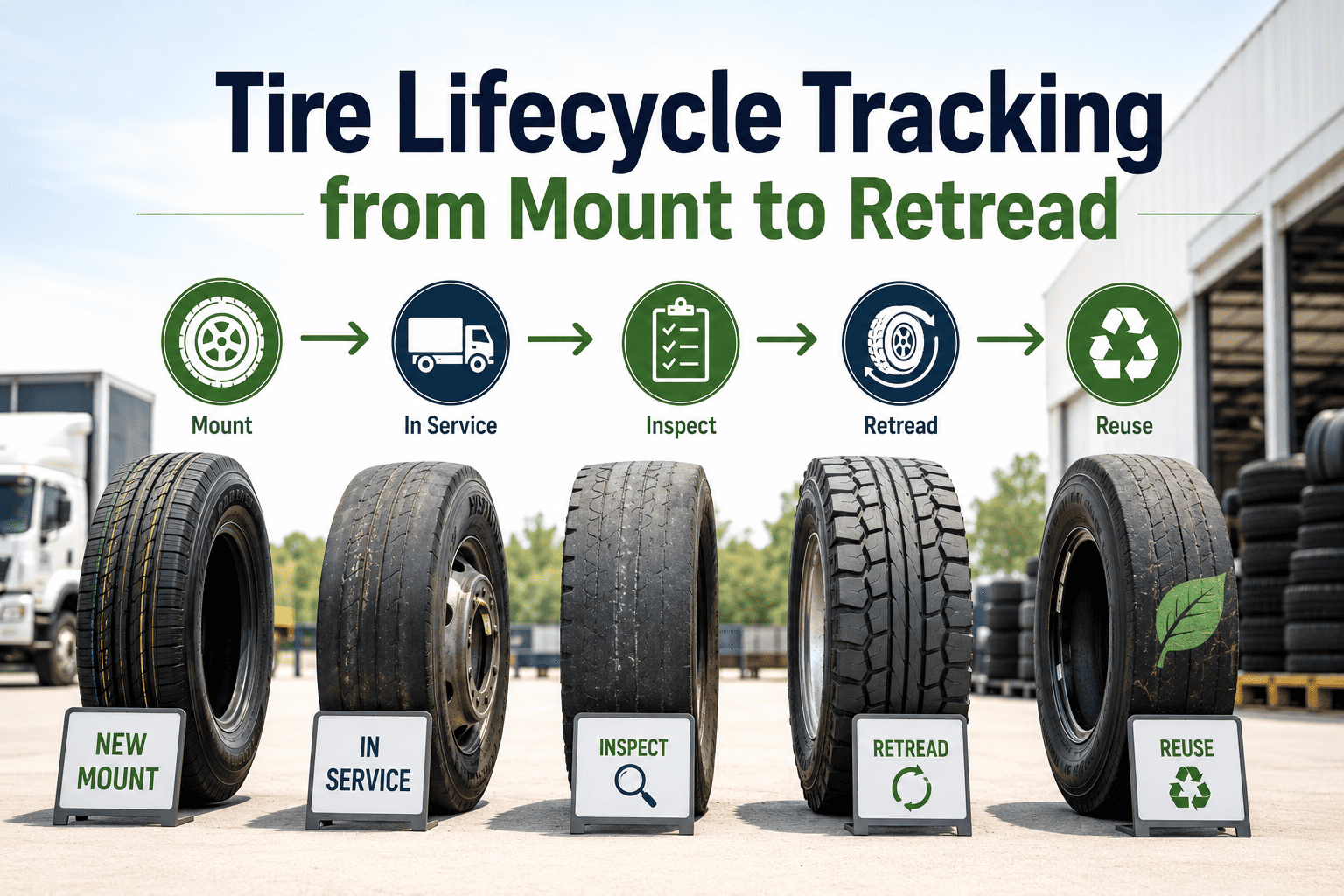
Read More
Tires rank as the second-largest operating expense for most fleets after fuel, typically running $2,500–$4,000 per commercial vehicle every year, and the fleets that treat rubber as a serialized asset rather than a consumable are the ones that cap
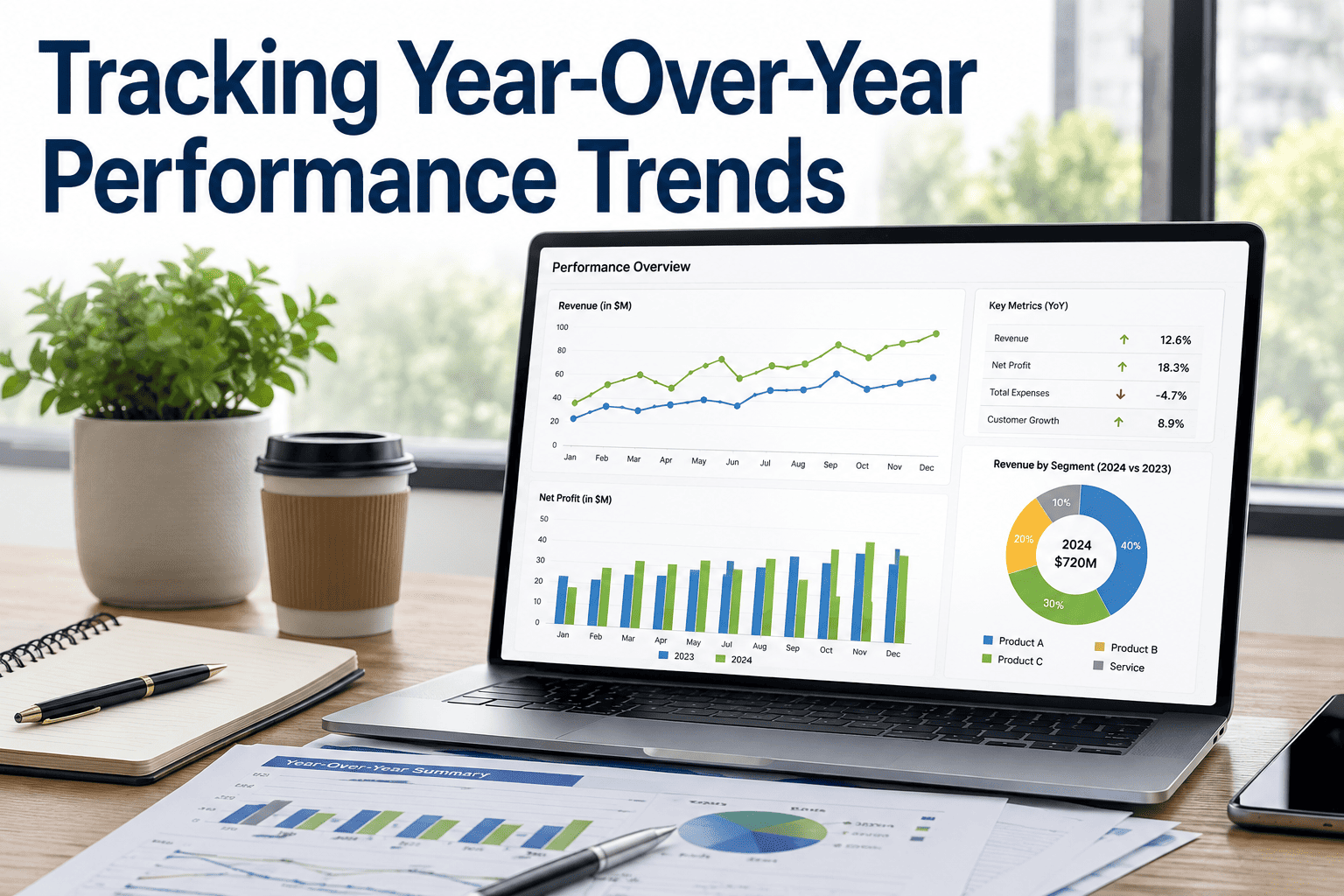
Read More
Year-over-year tracking is the discipline that separates fleets making real operational progress from those simply reacting to month-to-month noise. Comparing 12–15 core KPIs against the same period one, two, and three years prior reveals whether

Read More
Real-time alerts in a fleet management system are only valuable when they fire on conditions a human can actually act on — a platform that pushes 400 notifications a day to a dispatcher's phone gets muted within the first week, and the alerts that

Read More
Carbon emissions reporting shifted from voluntary sustainability PR to a procurement-level requirement between 2024 and 2026, as the SEC climate disclosure rules, EU CSRD, California SB 253, and Fortune 500 supplier mandates all moved into enforce

Read More
Commercial fleet insurance premiums climbed sharply through 2023–2025 as nuclear verdicts, cargo theft, and rising repair costs pushed carrier loss ratios to historic highs. Underwriters no longer price risk on garage address and DOT number alone
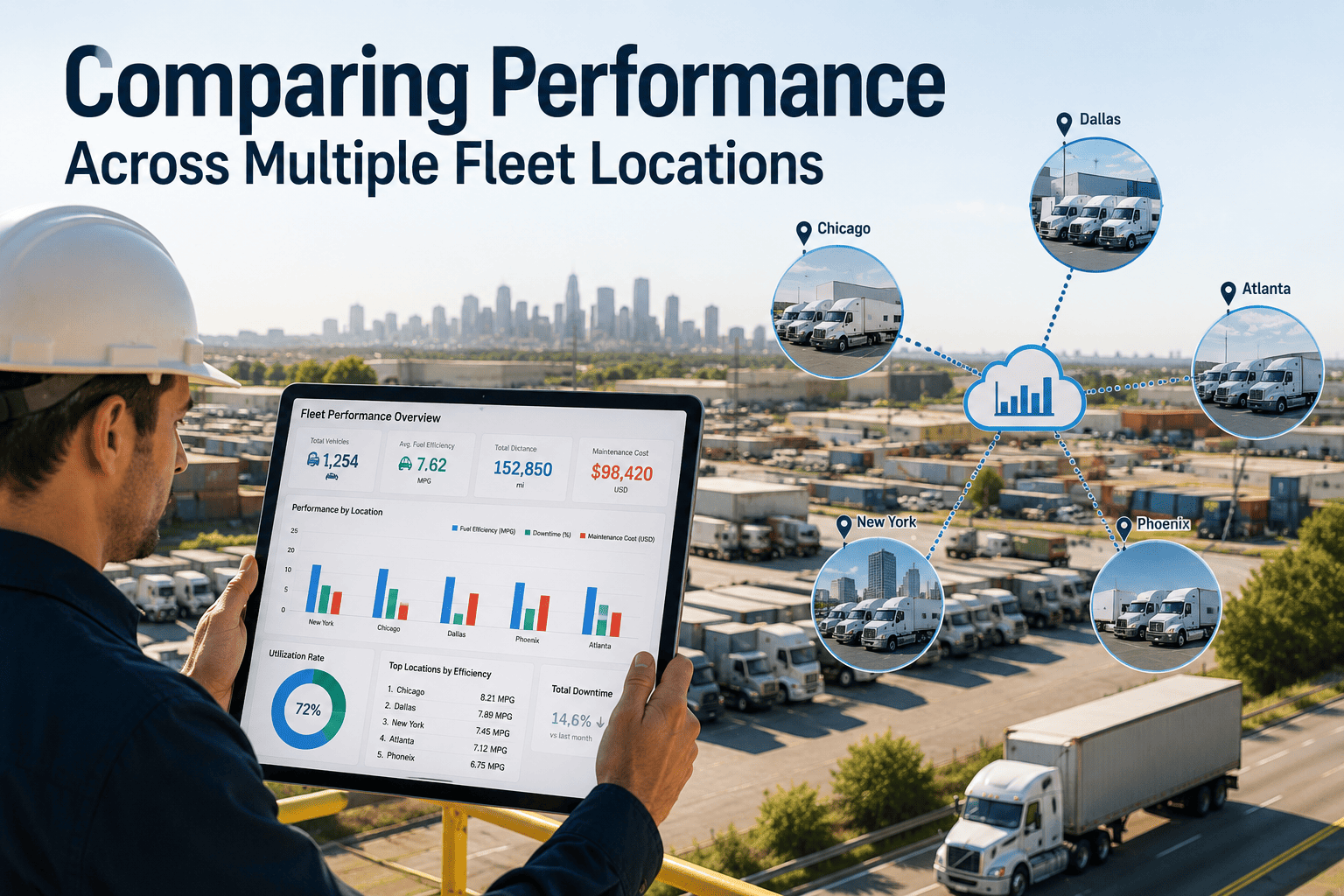
Read More
Running a fleet across multiple depots, terminals, or regions means aggregate numbers can mask serious localized problems — one underperforming yard can quietly inflate cost-per-mile, drive up unscheduled downtime, and erode compliance across the

Read More
A mixed fleet that grew through acquisitions, regional expansion, or contractor onboarding usually inherits five, ten, or fifteen different telematics platforms — each with its own portal, login, and data model. Standardizing on a single provider

Read More
Eight different stakeholders touch a typical fleet management platform, and almost none of them need the same data on the same cadence. A CEO scanning monthly revenue-per-truck has no patience for a dispatcher's live HOS board, just as a shop fore

Read More
Most fleets log 10–15 crashes a year and investigate each one in isolation, which is exactly why the same accidents keep happening quarter after quarter. Incident trend analysis flips that approach by aggregating breakdown, accident, and violation

Read More
CapEx planning for fleet replacement is a rolling 24–36 month forecast, not an annual budget exercise — and the fleets that treat it that way are the ones caught short when OEM lead times stretch to 14 months. The math behind replacement timing is
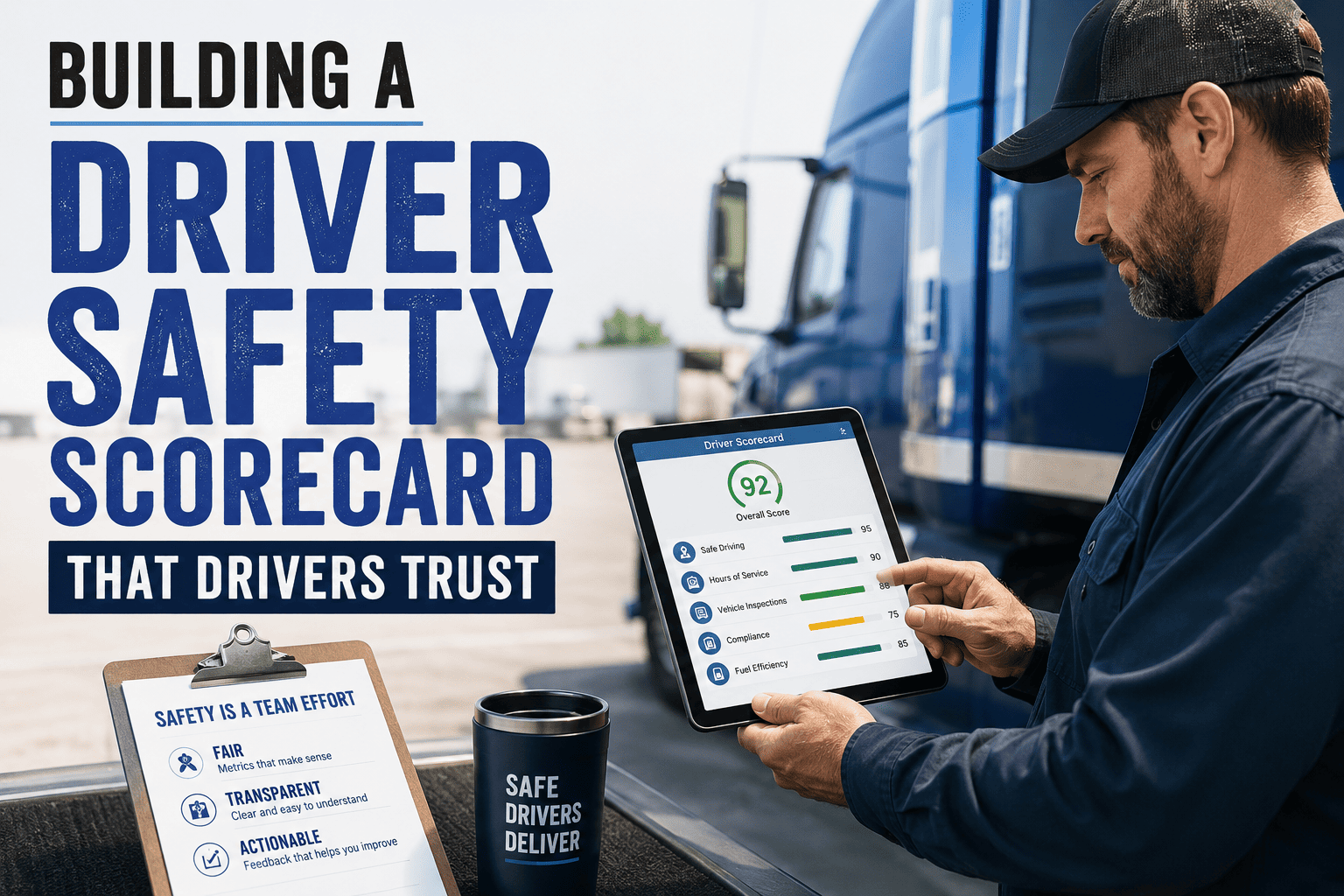
Read More
A driver safety scorecard only changes behavior when drivers believe the number is fair — and fairness is where most fleet programs quietly fail. When scores swing week to week for no obvious reason, penalize a driver for a mountain grade they had

Read More
For Class 8 over-the-road fleets, the difference between running at $2.05 per mile and $2.45 per mile across a 120,000-mile year is $48,000 per tractor — and most of that gap hides inside line items managers never benchmark against peers. ATA's Tr

Read More
Predictive maintenance stops being a buzzword the moment a maintenance director opens a dashboard on Monday morning and sees, ranked from worst to least-bad, exactly which trucks are trending toward failure this week — not after the tow bill arriv
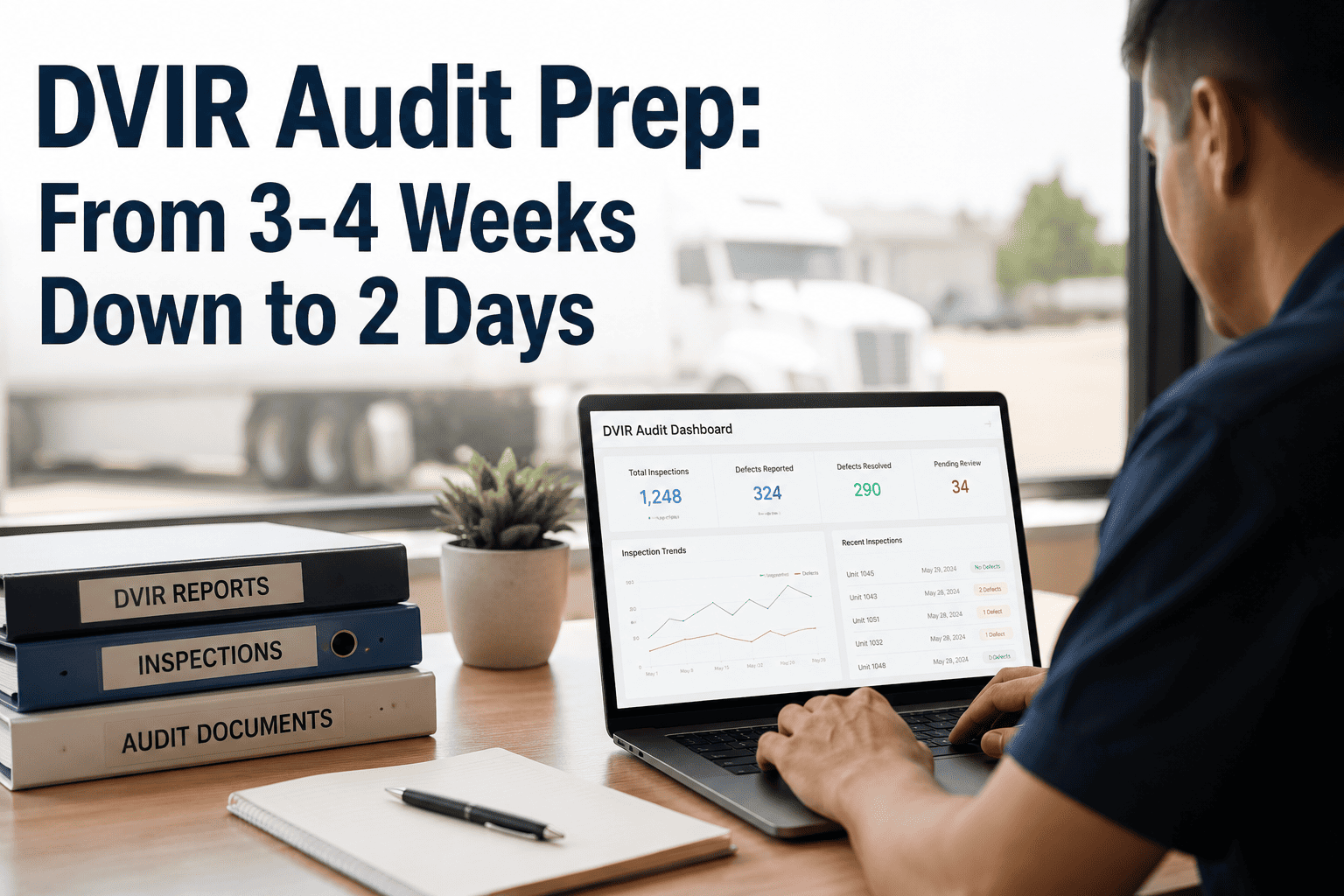
Read More
A DOT audit request for Driver Vehicle Inspection Reports typically arrives with less than 48 hours of notice, demanding records spanning 90 days to a full year — and the difference between a clean pass and a conditional rating often comes down to
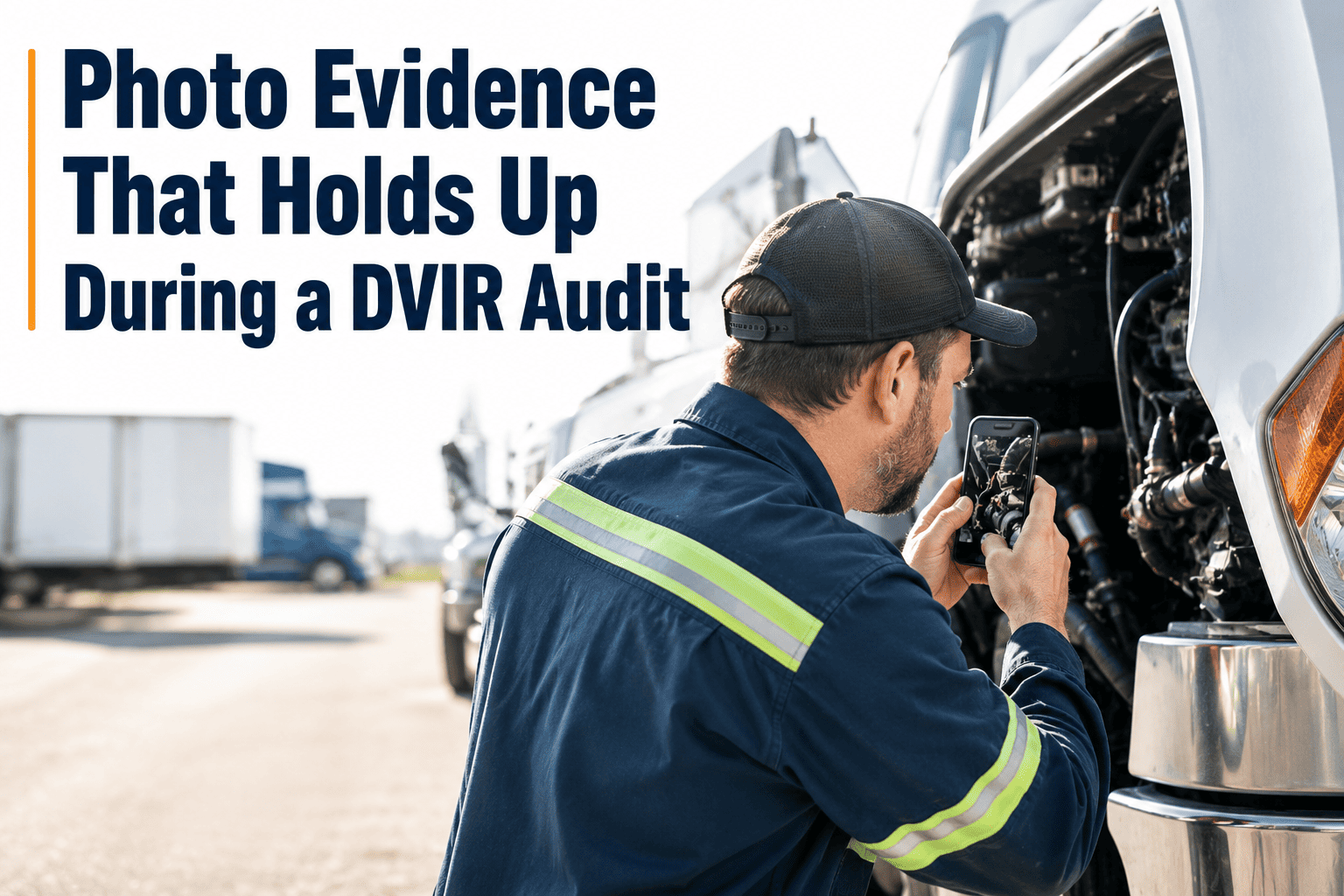
Read More
A written DVIR entry describing a chipped brake-pad edge or a bulging tire sidewall is worth something in an audit room — but the same entry paired with a timestamped, GPS-tagged photograph is worth an order of magnitude more. Paper-based inspecti
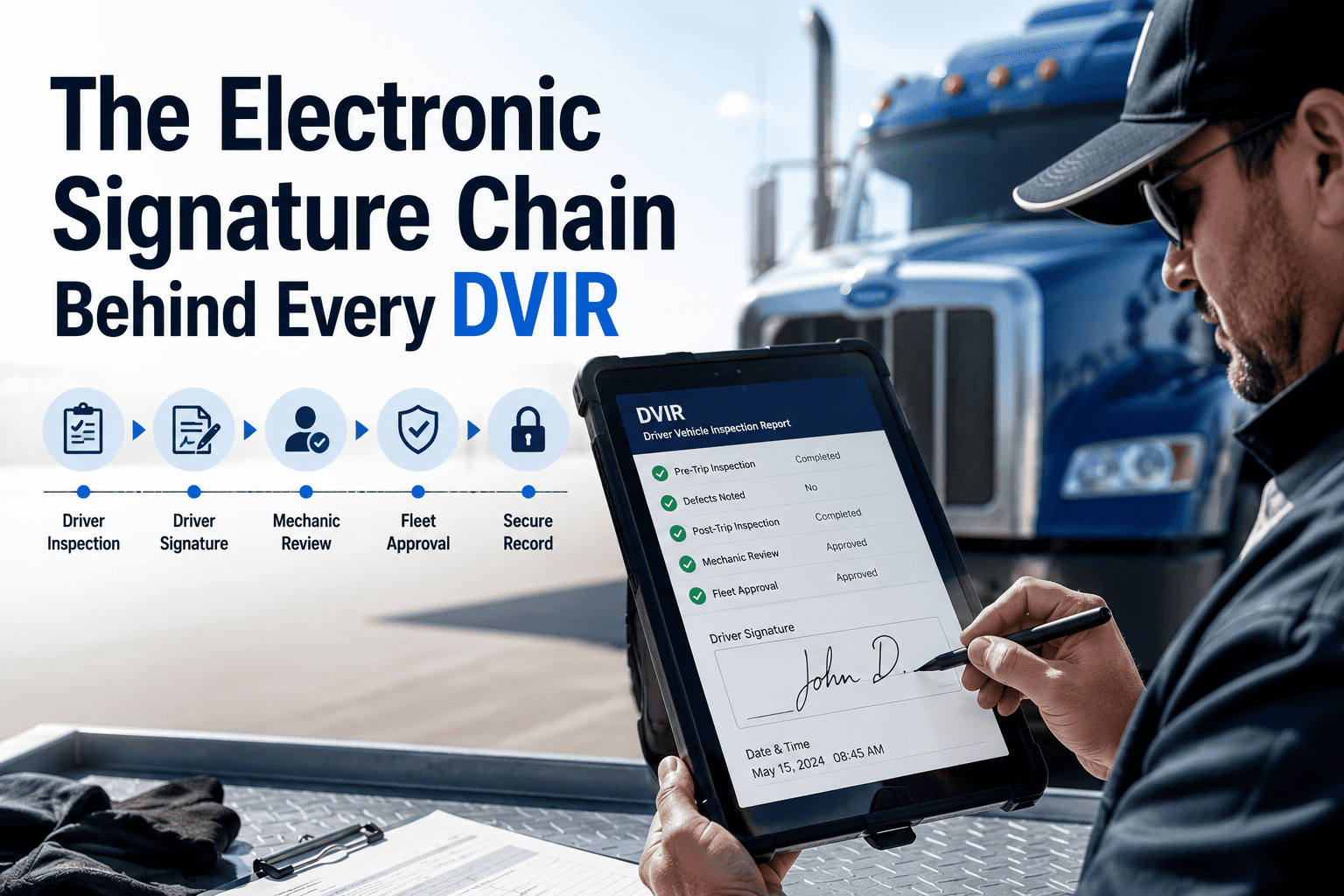
Read More
The federal DVIR framework has always been a chain — three distinct signatures, three distinct moments of accountability, and zero room for a missing link. Under the FMCSA's 2026 final rule, every one of those signatures can now be electronic, pro
Read More
Fleets that win at roadside inspections don't wait for an officer to tell them a truck is broken — they classify every defect during the Driver Vehicle Inspection Report using the same North American Standard Out-of-Service Criteria the officer ap

Read More
Under 49 CFR 396.11, the post-trip inspection is the regulated moment where every defect a commercial motor vehicle developed during the day gets formally documented into the Driver Vehicle Inspection Report — and for property-carrying carriers si

Read More
Route optimization built on telematics history does what Google Maps travel-time estimates never could — it plans routes against the actual conditions your fleet has driven through for months, not against an abstract average. Historical GPS traces

Read More
Connected telematics systems have quietly become the most exposed asset in a modern fleet — always online, cloud-managed, and packed with the operational data a threat actor can encrypt, exfiltrate, or quietly manipulate for competitive advantage.
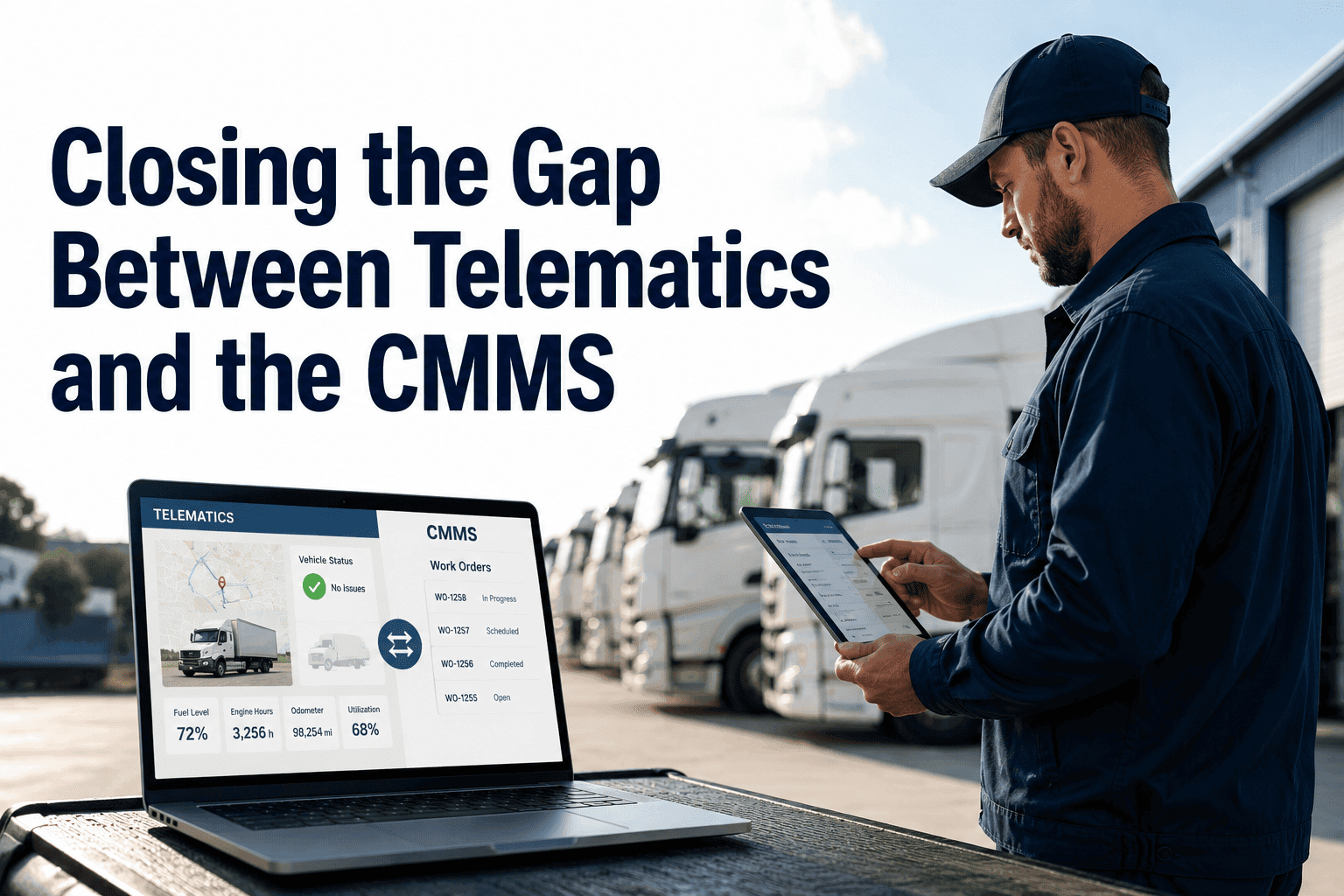
Read More
Most fleets in 2026 still run their telematics platform and their CMMS as two parallel universes — one screen shows fault codes, another screen holds work orders, and a technician manually copies odometer readings between them every Monday. That s

Read More
A dash cam sitting on a windshield is, by itself, an insurance artifact — it records what happened. Pair that same camera with AI that reads telematics data in real time and it becomes something else entirely: a behavior-change engine that quietly

Read More
A driver notes a brake defect on a paper DVIR at 6 PM and hands it to dispatch fifteen minutes later. Dispatch stacks it with thirty other forms until morning. A maintenance clerk reviews the pile at 8 AM the next day and finally writes up a work
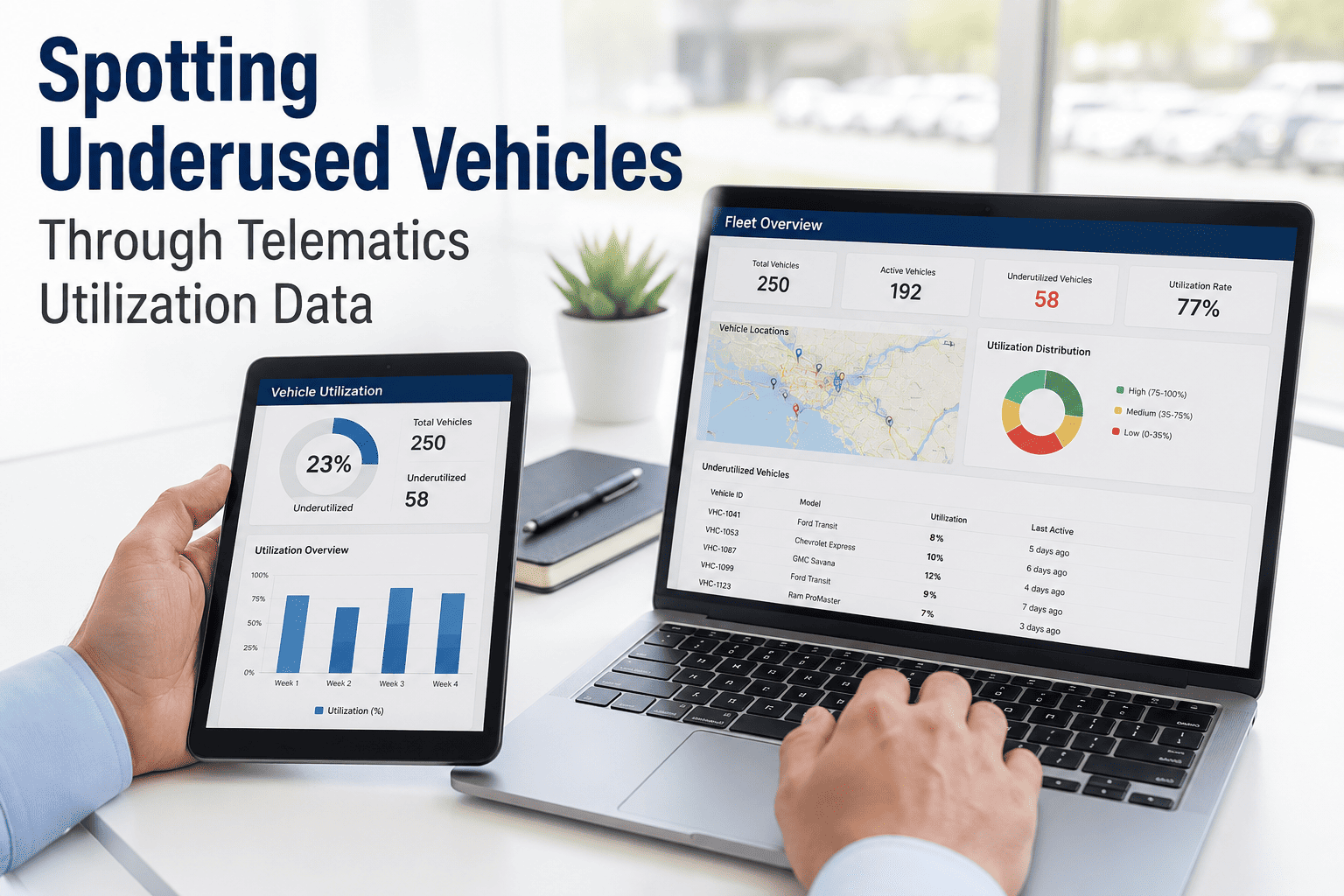
Read More
The average commercial fleet carries 20–35% more vehicles than daily demand actually requires — assets that sit for days between uses or run at 30–40% of their capacity when they do move. Underutilization is invisible on a P&L (the vehicle sti

Read More
Driver fatigue is no longer a guesswork problem solved by paper logs and hour-of-service rules alone. Modern in-cab AI now reads the small, involuntary signals — eyelid closure, head nod, gaze drift, yawning cadence — and turns them into a real-ti

Read More
J1939 is the CAN-bus backbone that lets the engine ECM, transmission controller, ABS unit and aftertreatment system on virtually every Class 6–8 truck built after 2007 talk to each other in real time. A telematics gateway that reads that bus deepl
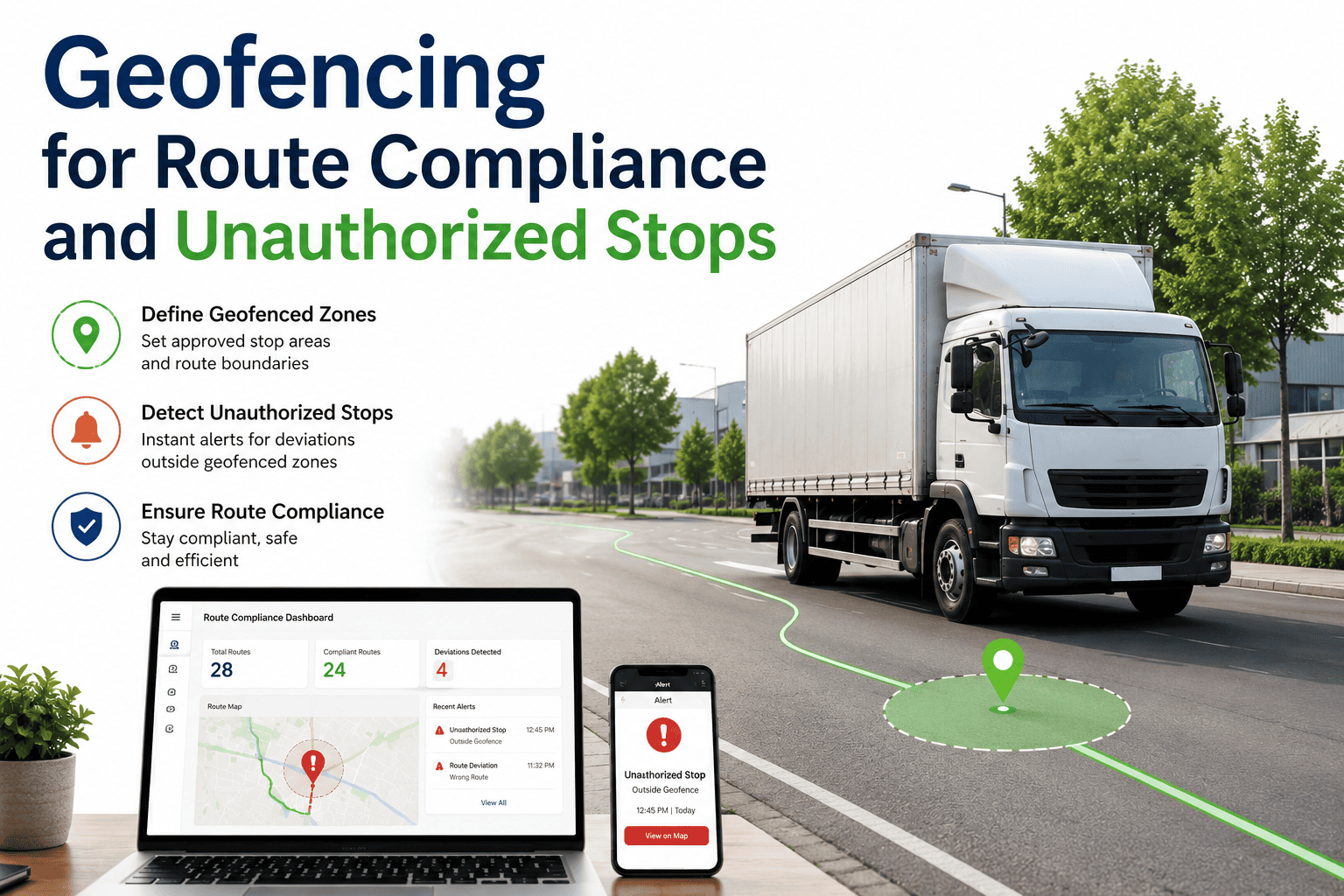
Read More
Geofencing turns raw GPS pings into structured, actionable events for fleet and maintenance operations — every entry and exit becomes a timestamp, a compliance record, or a workflow trigger. For telematics-led fleets, virtual boundaries drawn arou
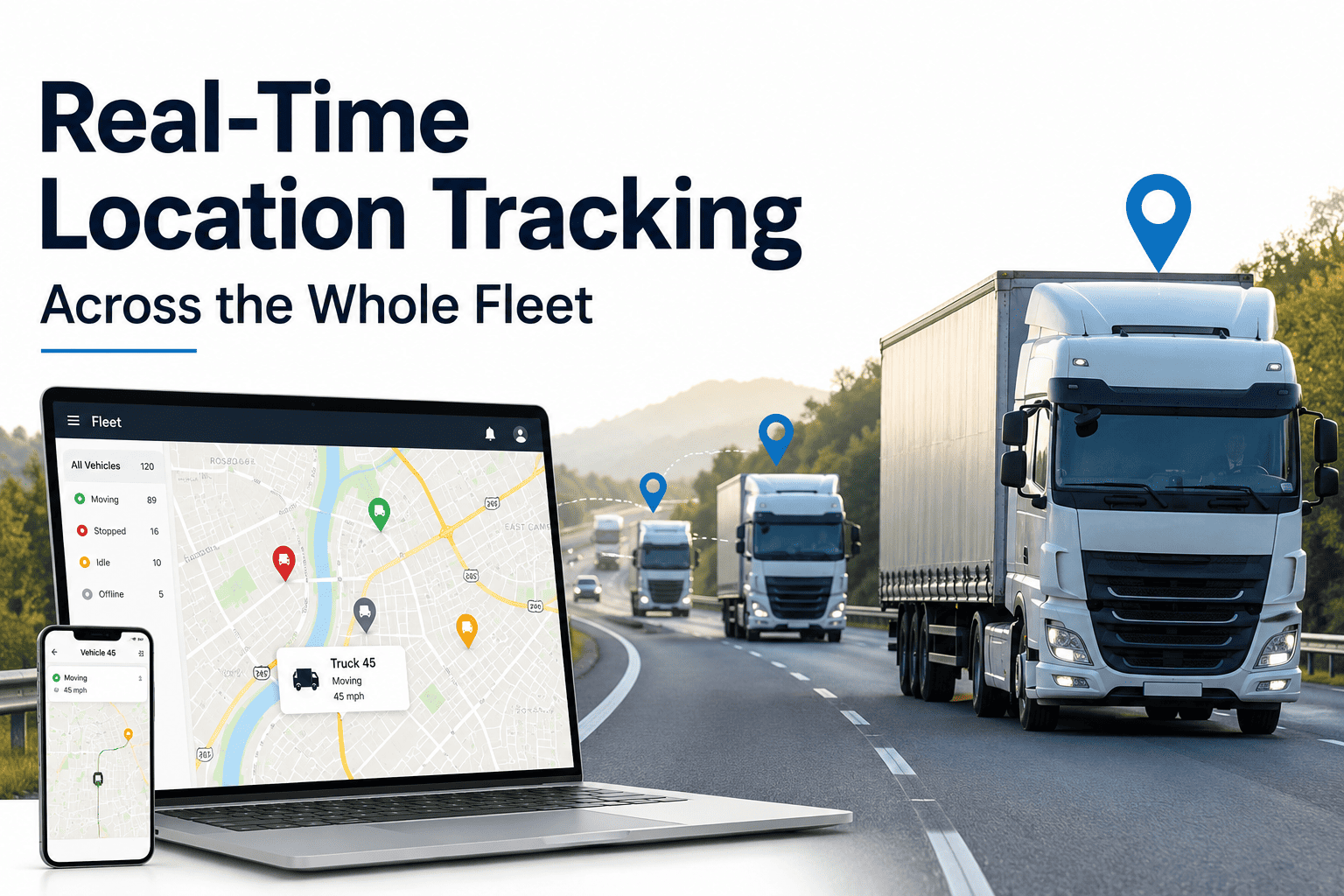
Read More
Real-time GPS tracking is the single most underused maintenance signal in a modern fleet — most teams treat it as a dispatch toy, then wonder why preventive maintenance slips and breakdown response takes two hours instead of twenty minutes. When p
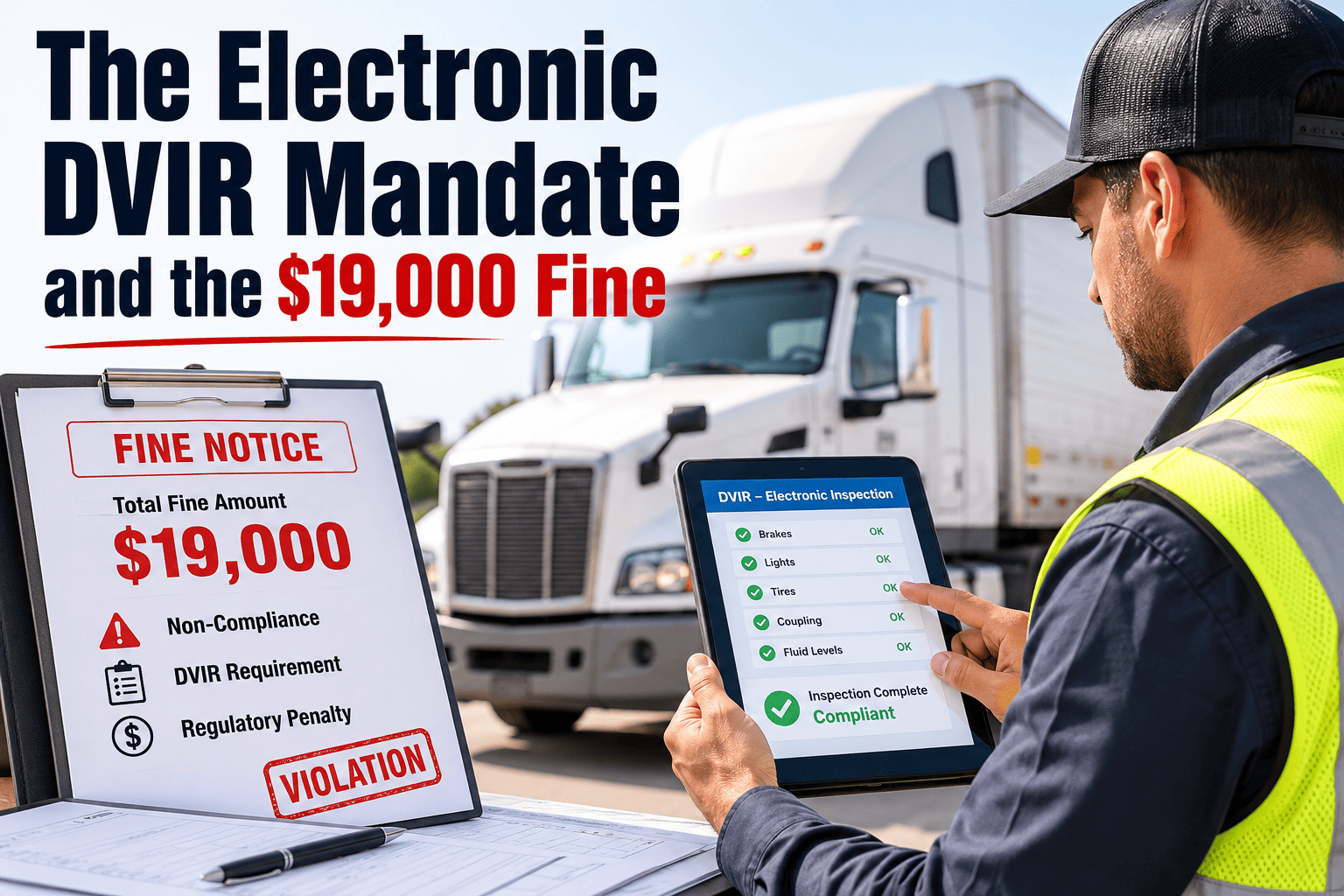
Read More
On February 19, 2026, FMCSA published Docket FMCSA-2025-0115 — a final rule that added a single clarifying sentence to 49 CFR 396.11 and 396.13, and quietly changed the economics of every paper DVIR still in operation. The rule did not outlaw pape
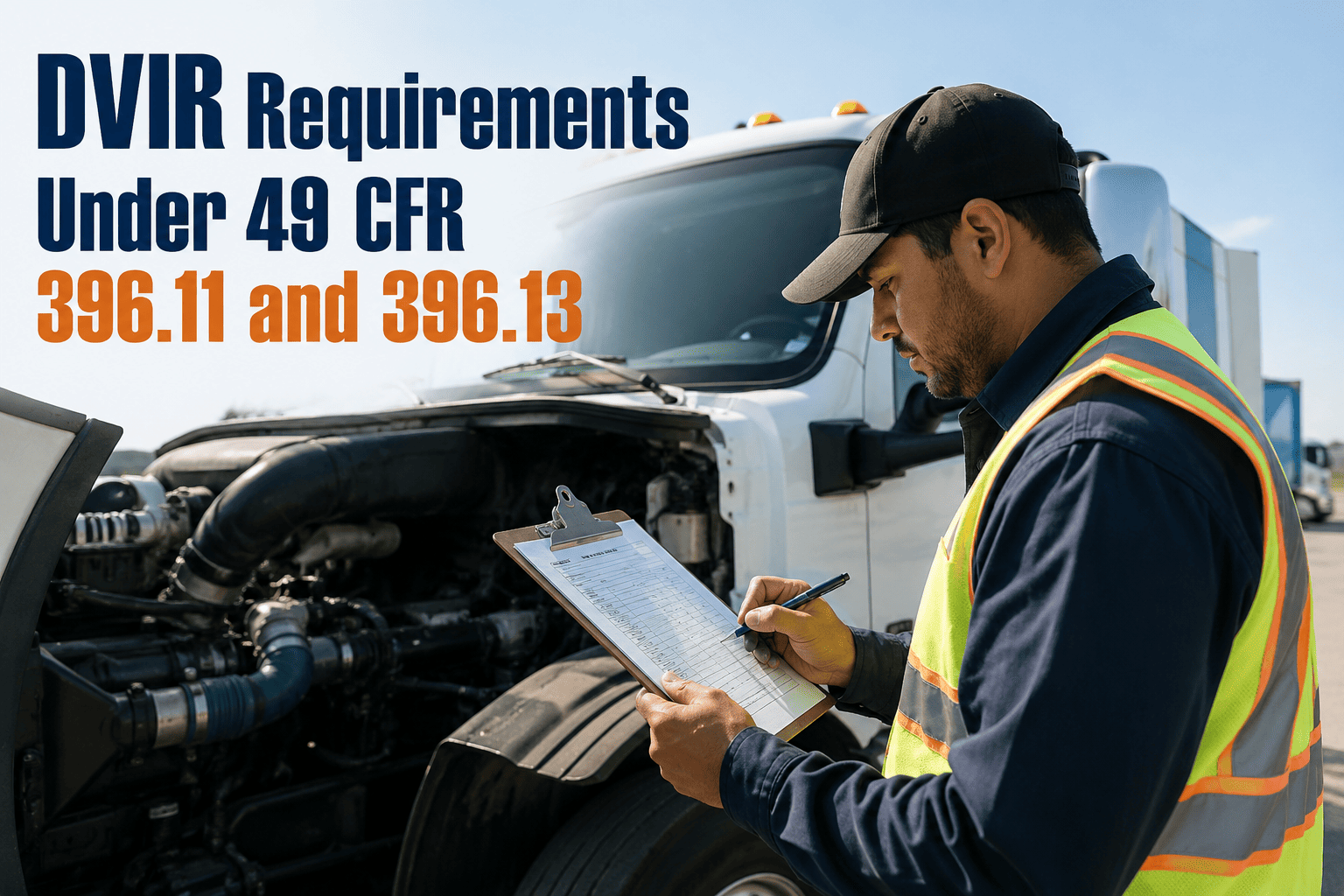
Read More
On an FMCSA compliance review, an auditor pulls three months of Driver Vehicle Inspection Reports for a random sample of vehicles and traces the three-signature chain on every DVIR that documented a defect. One missing signature — one driver who d

Read More
A driver finds a cracked brake line during a post-trip walk-around and writes it on a paper DVIR clipped to the visor. The truck sits in the yard overnight. The paper sits with it. By the time the shift supervisor finds the form the next afternoon

Read More
Every morning, a fleet manager opens five different screens before they can answer one simple question: is my fleet actually healthy today? Telematics shows fault codes, the maintenance system shows overdue work orders, the compliance log shows ex
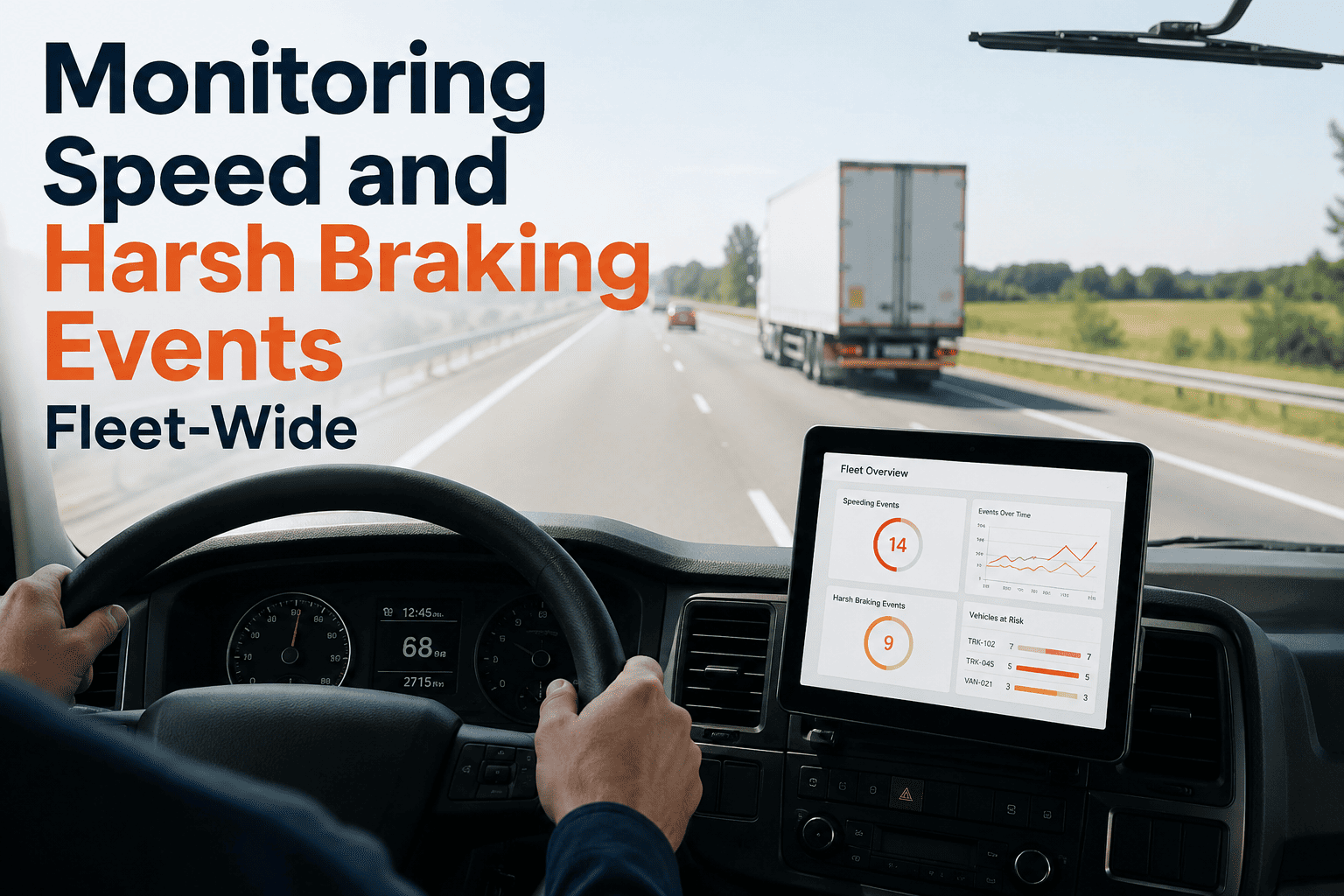
Read More
A 140-van delivery fleet was averaging 11 harsh braking events per driver every week, and nobody noticed because the flag sat inside a telematics export nobody opened. Three drivers were also running 20-plus mph over posted limits on residential r

Read More
Every year, thousands of fleet managers sit across the table from a telematics sales rep and sign a three-year contract without ever running the real numbers. Hardware fees, per-vehicle subscriptions, early-termination penalties, and feature add-o
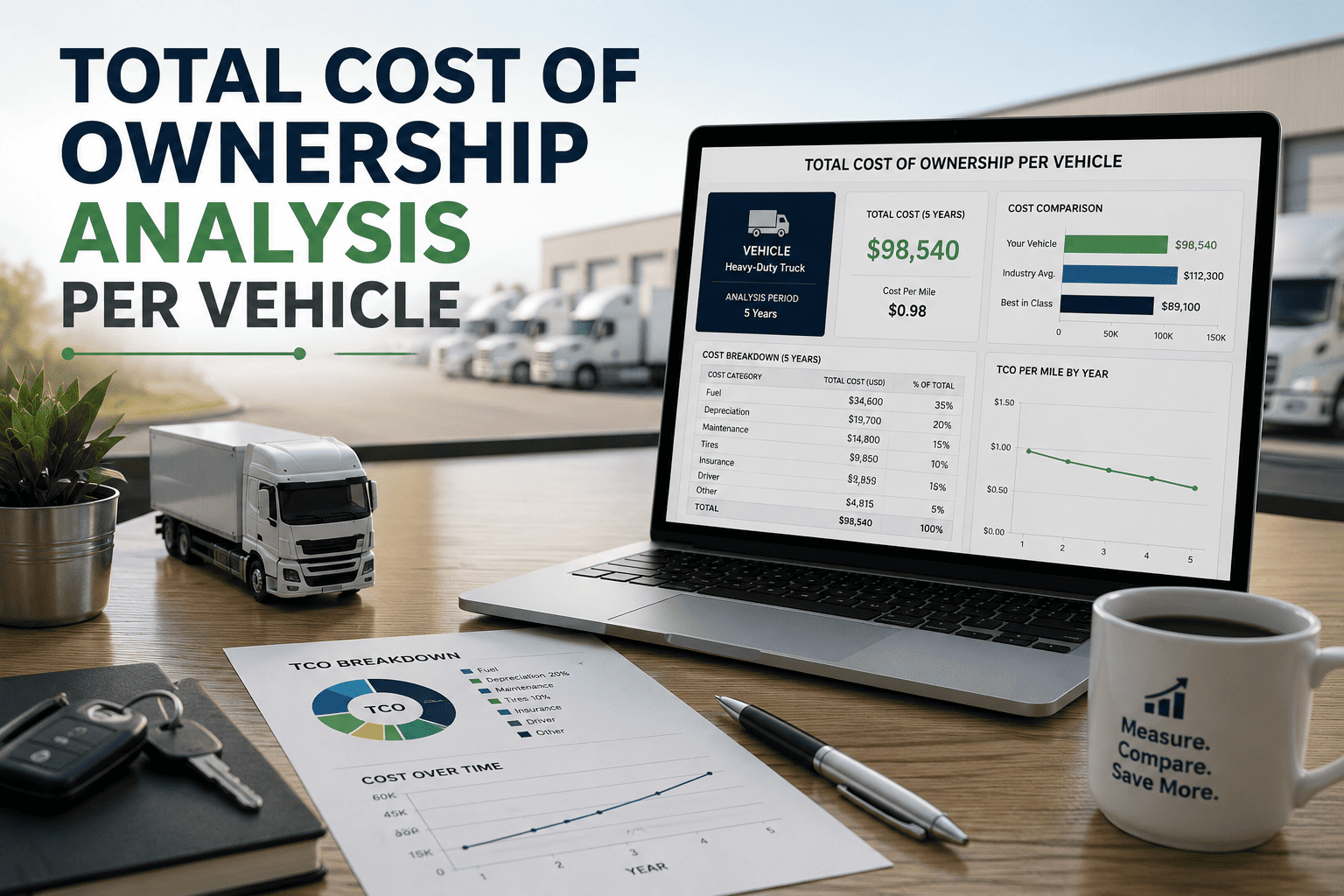
Read More
A logistics director in Ohio ran 84 delivery vans and knew "roughly" what each cost — around $0.62 per mile based on last year's fuel and maintenance invoices. When his finance team ran a full TCO analysis for the annual budget, the real number ca

Read More
A 180-truck national fleet was proud of a 91% uptime number until a new operations director pulled the maintenance logs apart and found the real story hiding underneath it: half of every wrench-hour was going to breakdowns nobody planned for, not

Read More
Every Friday, fleet managers repeat the same ritual: export GPS pings from one system, fuel receipts from a second, maintenance invoices from a third, and driver logs from a fourth, then spend hours stitching it all into a spreadsheet that is stal
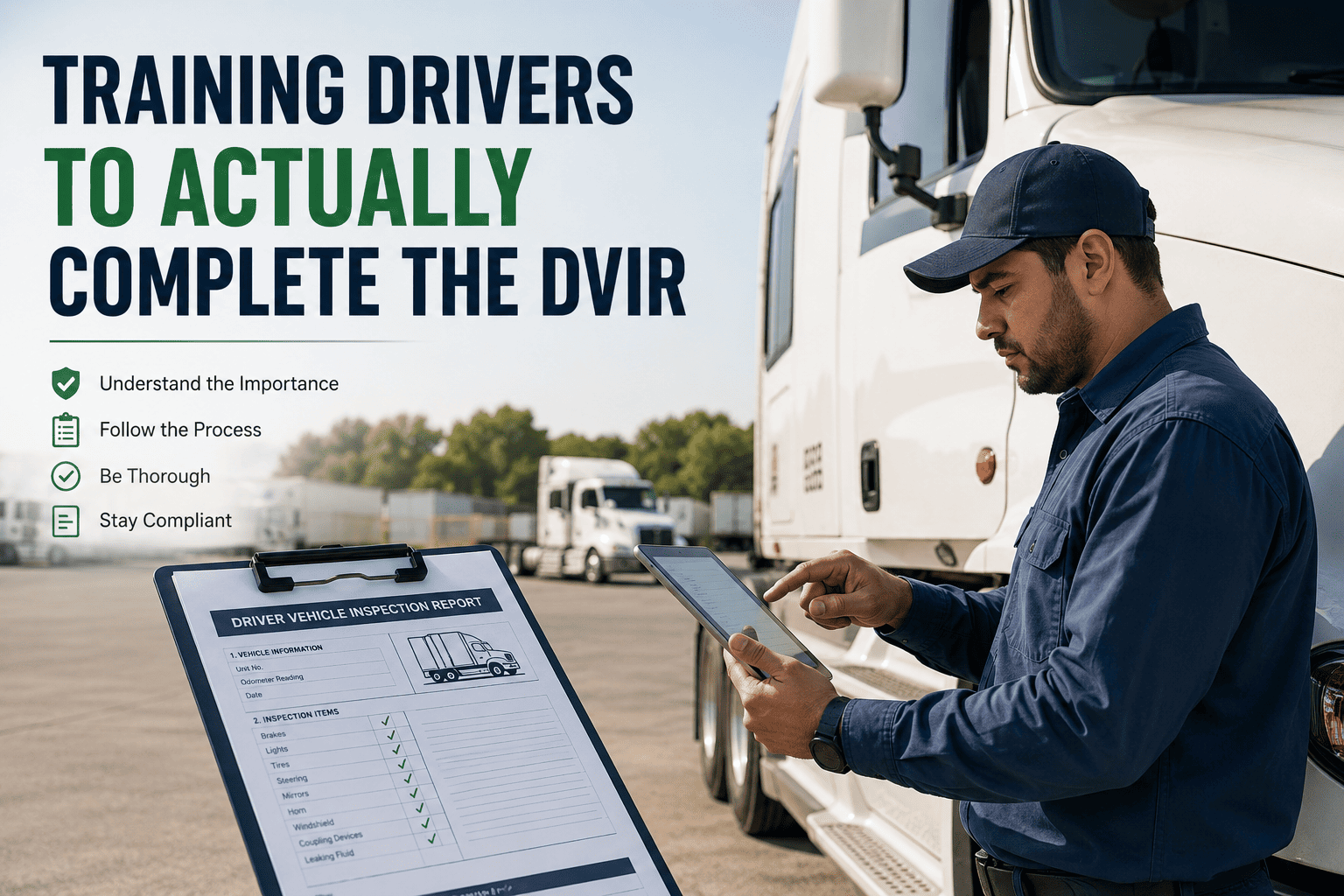
Read More
A 40-truck regional carrier switched from paper DVIRs to a mobile app and expected completion rates to jump overnight. They didn't. Drivers tapped through the checklist in under 90 seconds without leaving the cab, marking every item "satisfactory"

Read More
A 40-truck LTL carrier running slip-seat operations across three shifts had Driver A report a low air-pressure warning on a Thursday post-trip. The shop mechanic replaced the line Friday morning, signed the repair certification, then left the pape

Read More
A 45-truck carrier in Ohio failed a DOT compliance review last spring after an auditor pulled fifteen DVIRs and found six missing one specific signature — not the driver's, not the next driver's, but the mechanic's certification that a reported de

Read More
Choosing between Samsara, Geotab, and Motive is the decision that defines your fleet's technology stack for the next three to five years — and most fleet managers make it based on a sales demo rather than operational fit. All three platforms track
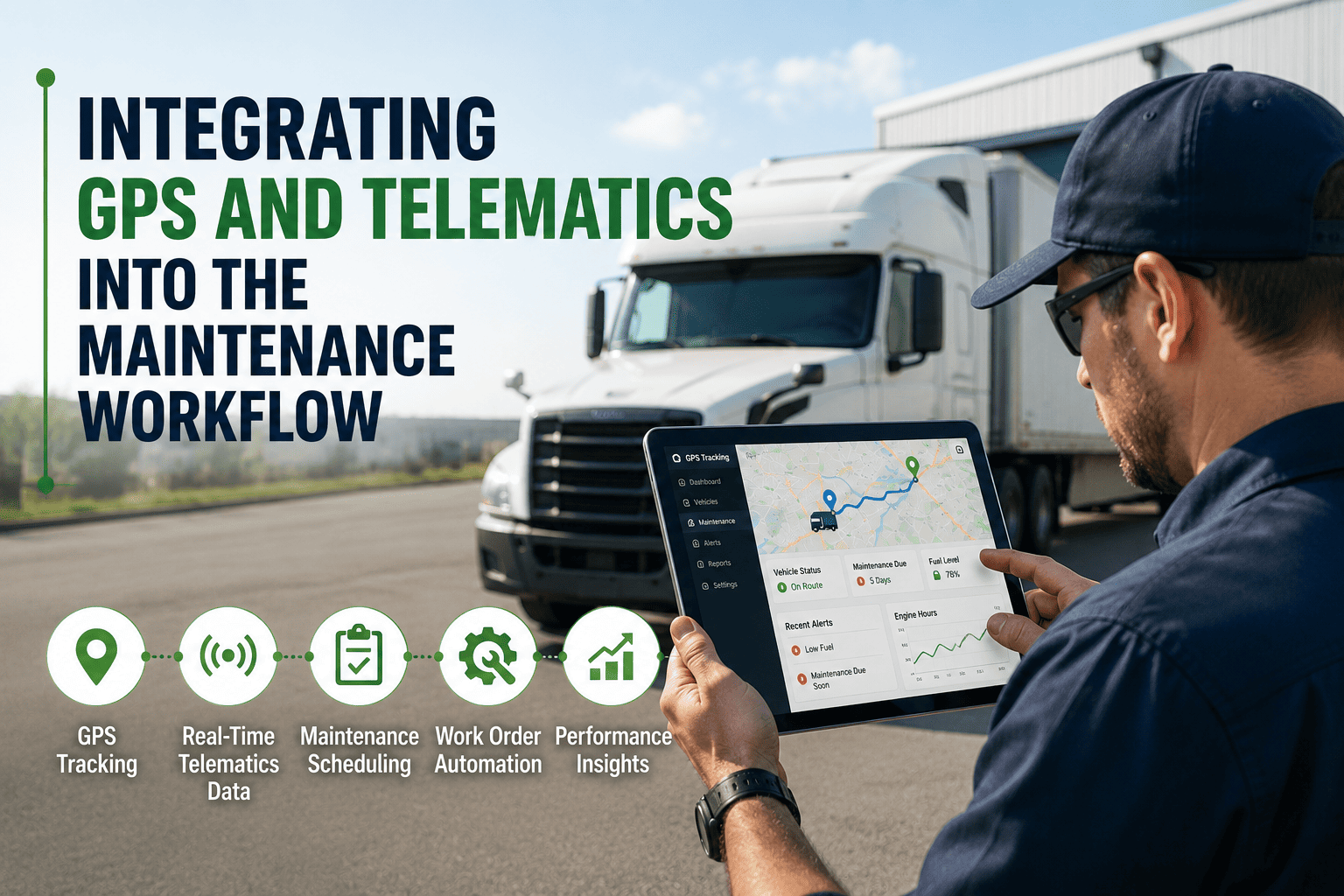
Read More
Most fleet operations have GPS tracking installed — but fewer than half actually connect that data to the systems where maintenance decisions happen. The result is a visibility gap that costs fleets $3,500 to $6,200 per vehicle every year in misse
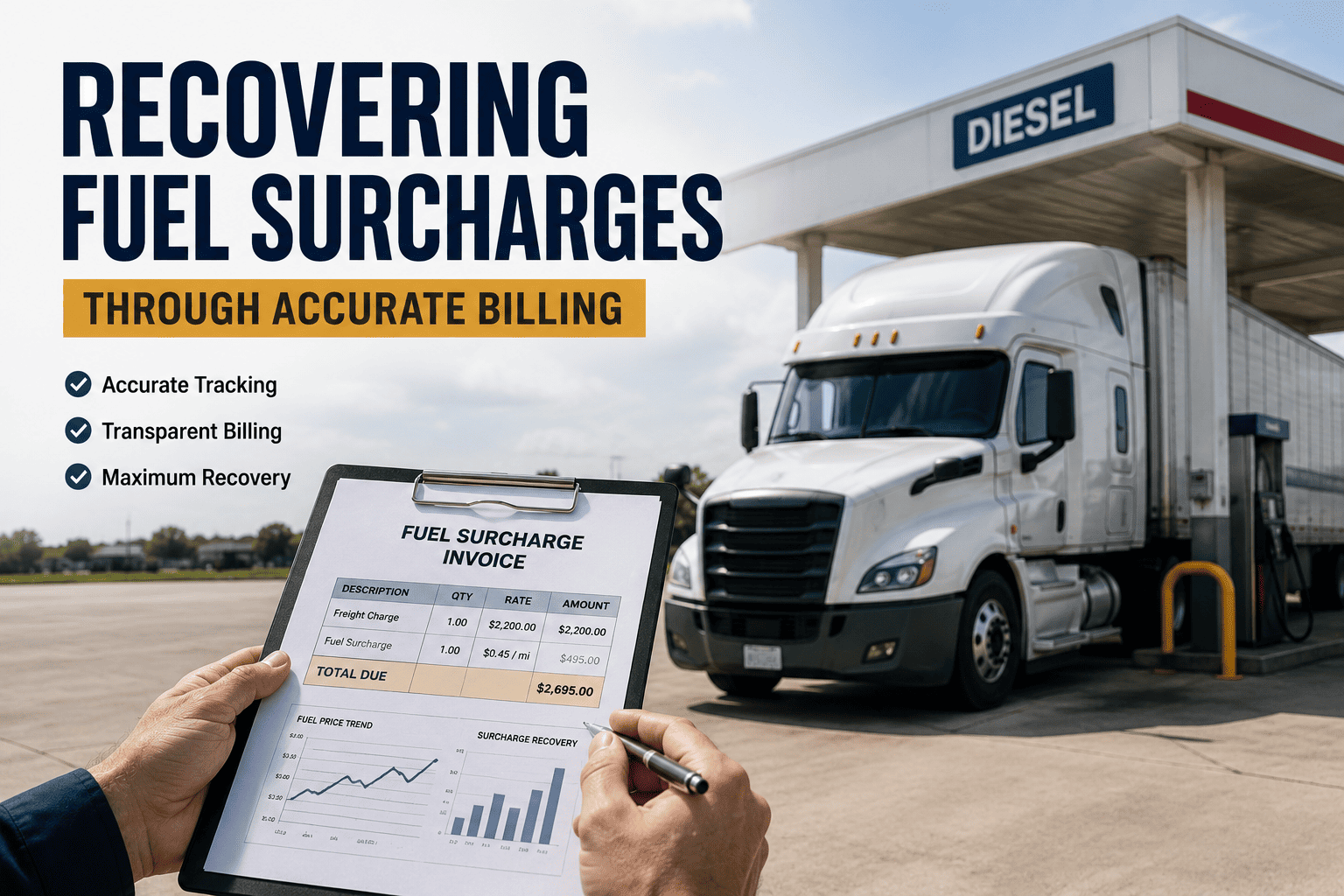
Read More
Fuel prices rarely sit still, but most customer invoices do — and that mismatch is where fleet margins quietly disappear. Carriers who set a fuel surcharge once and forget it are often billing against a fuel price that no longer exists by the time
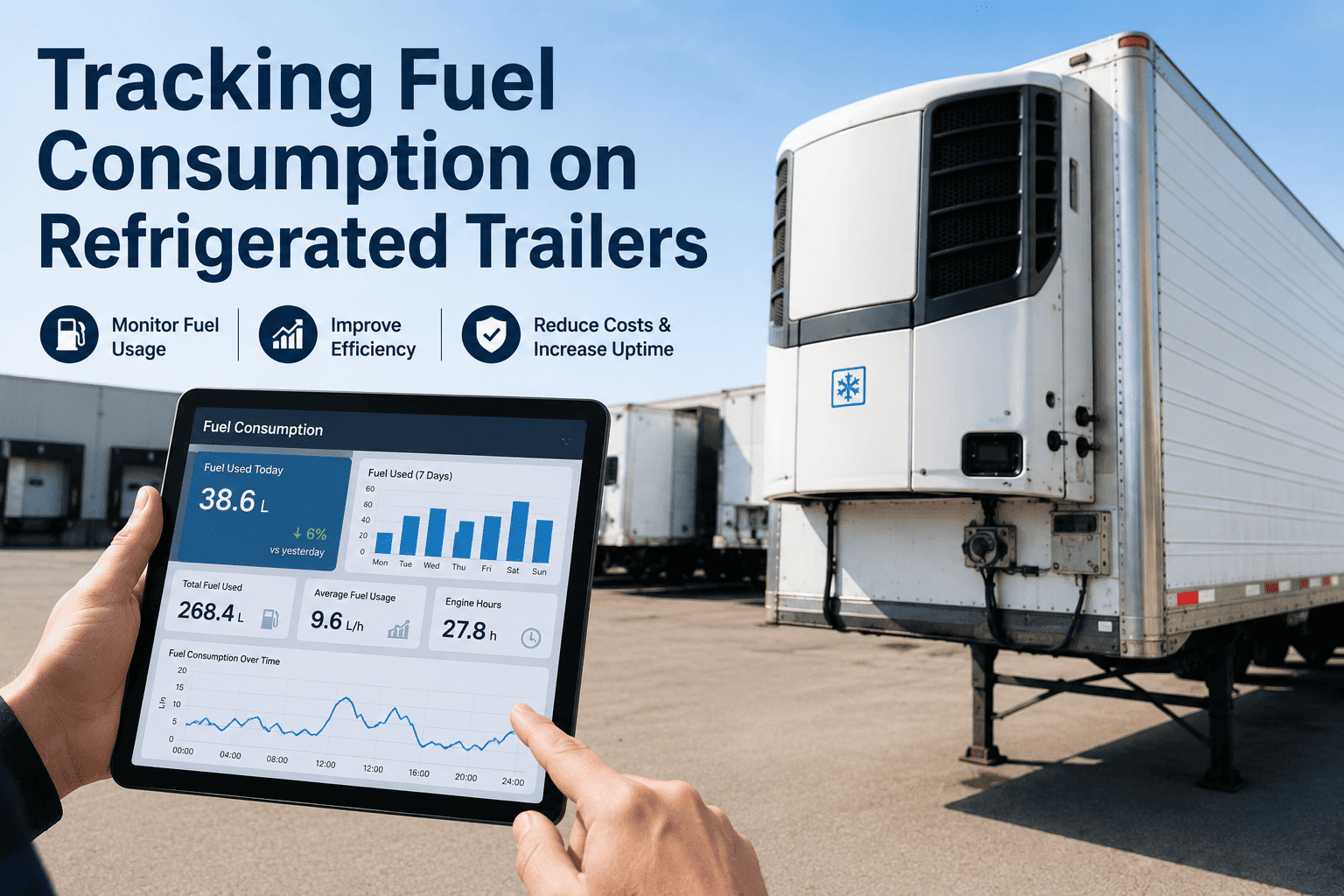
Read More
Reefer fuel is the most overlooked expense in refrigerated trucking because it doesn't move when the tractor moves. A refrigeration unit burns diesel independently of the truck's engine, and most fleets have no visibility into which trailers are r
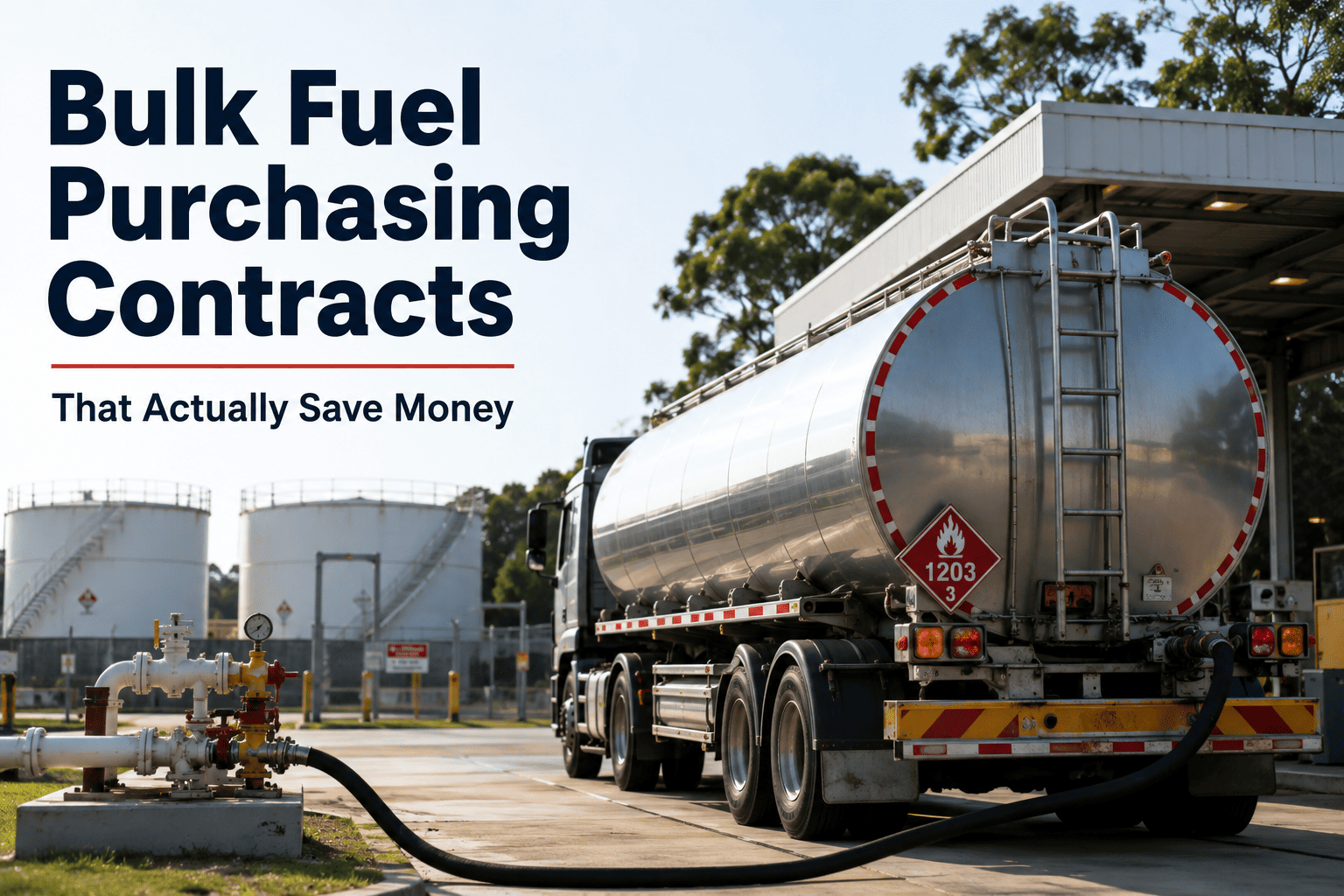
Read More
Diesel spot prices spiked to $5.64 a gallon in a single week this spring, and fleets sitting on month-to-month retail purchases absorbed every cent of it. Fleets buying through a bulk contract instead typically pay 15 to 30 percent below retail, b

Read More
Most fleets treat the tank and the pump island as two separate jobs — one for whoever checks the tank, one for whoever last serviced the dispenser. In reality they're a single fuel-integrity system, and a fault in either half hides inside the othe
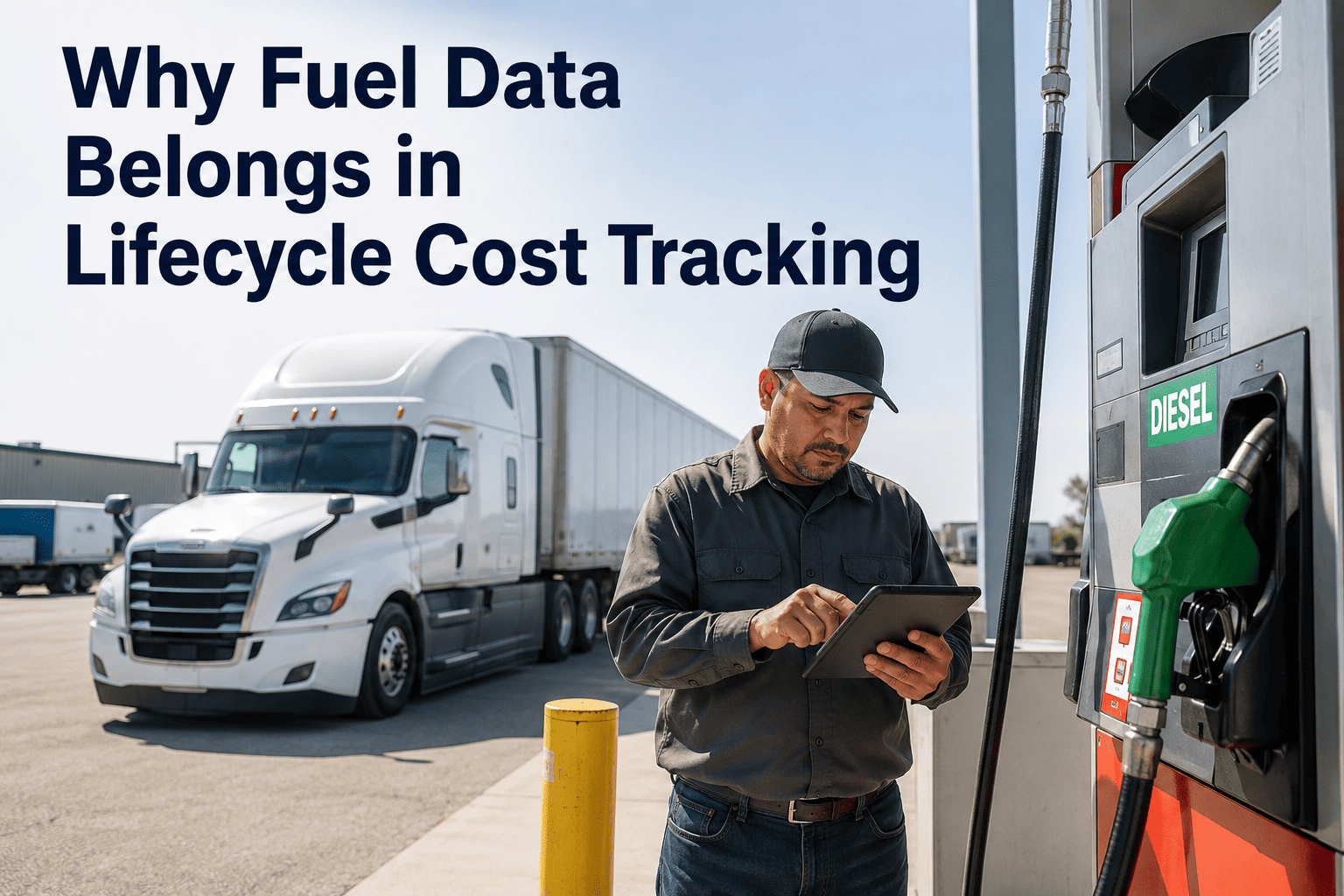
Read More
Fuel is the single largest controllable expense in most fleets, commonly eating 25 to 35 percent of total operating cost, yet in most maintenance and finance systems it lives in a completely different spreadsheet than the vehicle it was pumped int

Read More
Diesel prices in 2026 have refused to sit still. A forecast that pointed toward roughly $3.50 a gallon for the year was overtaken within weeks by a supply shock that pushed on-highway diesel past $5.00 across large parts of the country, and the sw

Read More
A regional delivery fleet running 40 vans watched diesel spend climb 18% over two quarters even though routes and fuel prices stayed flat. Telematics data pointed to the real cause: three drivers were responsible for more than half of all harsh-br
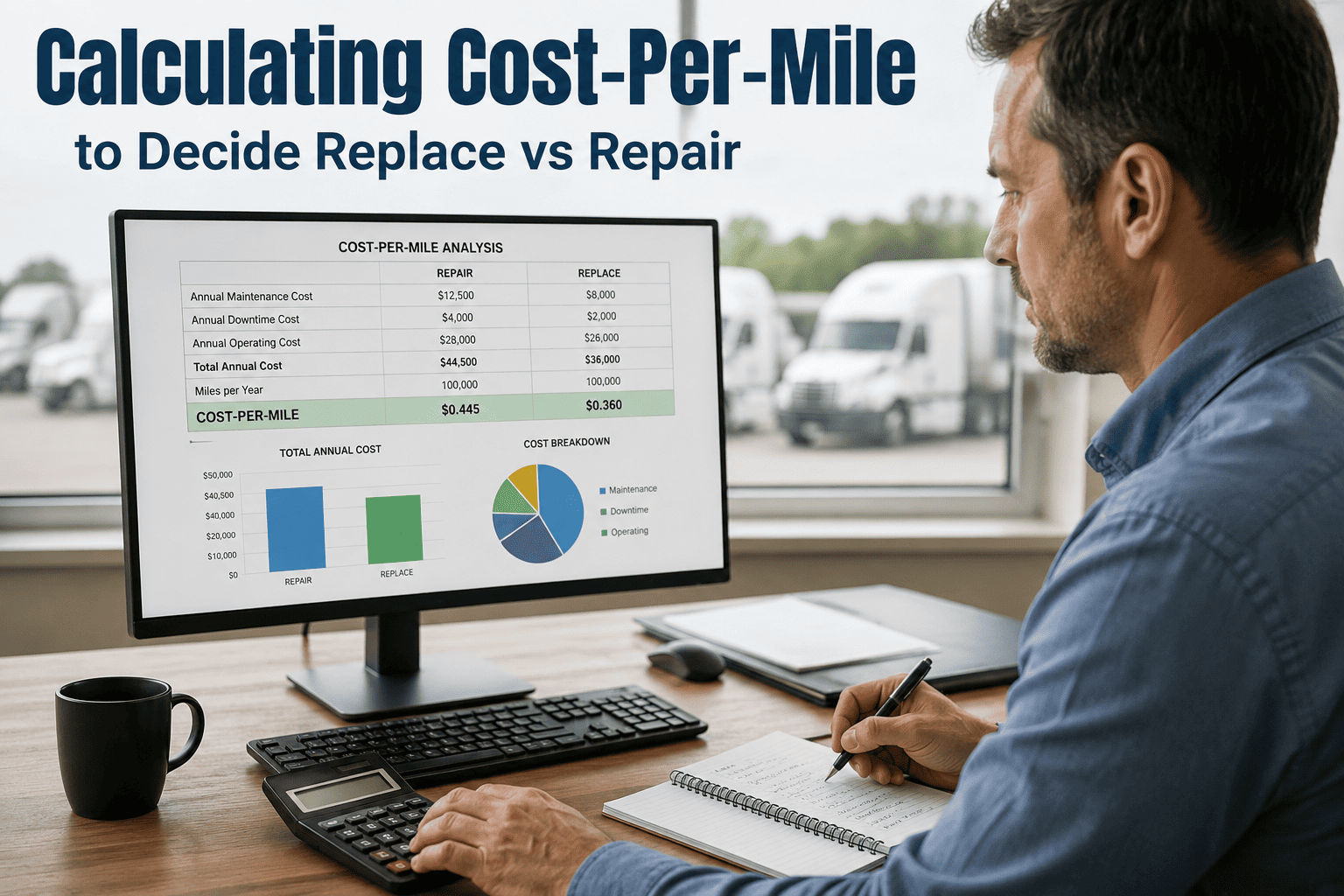
Read More
A regional utility contractor kept a bucket truck running for nine years because replacing it always felt like the more expensive choice. Each repair was small enough to approve without a second thought — a starter here, a hydraulic line there — u

Read More
A regional fleet running 140 trucks operated at 87% uptime for three straight years, writing off every breakdown as bad luck instead of a warning the data had already flagged. A blown turbocharger on I-35 turned into a missed delivery window, a $4

Read More
A fleet running routes from Minnesota to Texas doesn't get one seasonal maintenance window — it gets two, on different calendars, for different reasons. Cooling systems need attention before the first heatwave stresses radiators, hoses, and batter
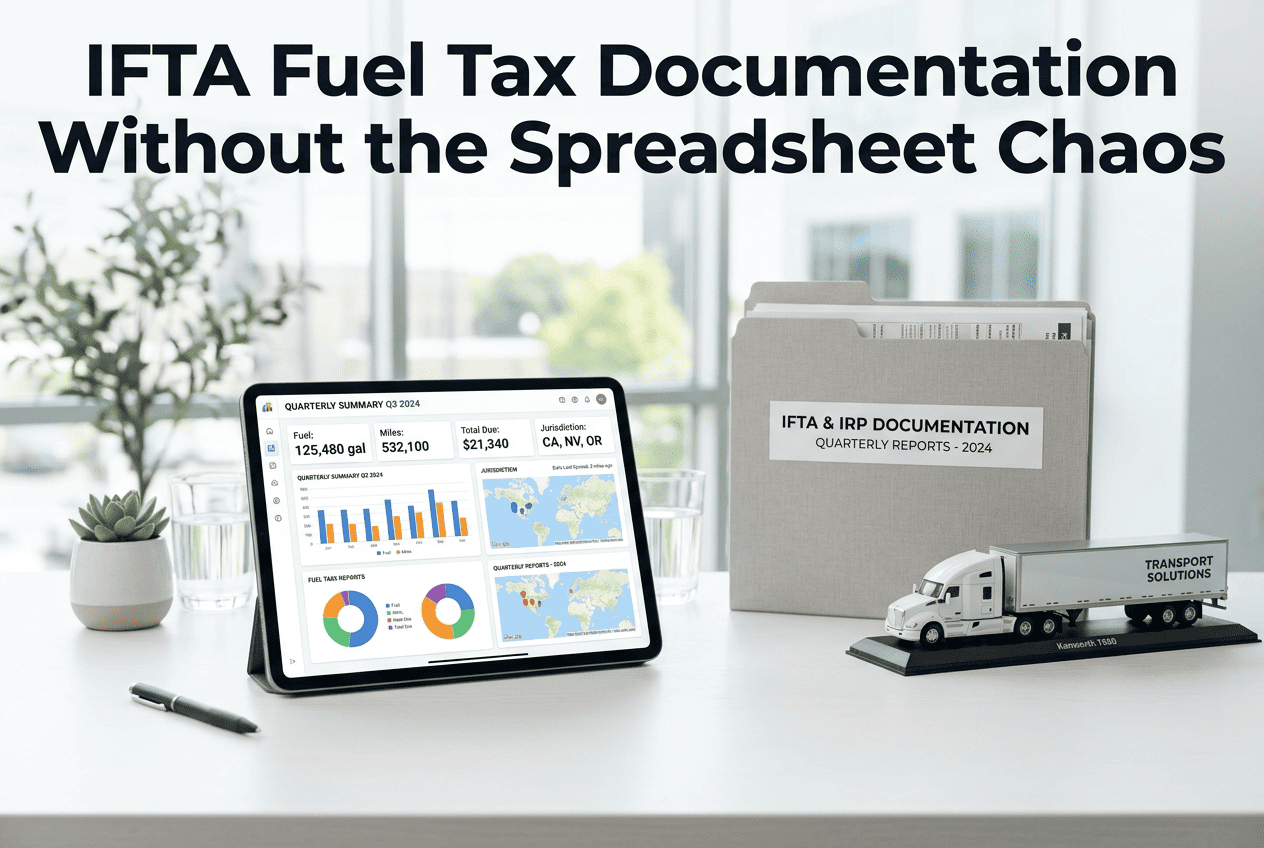
Read More
Every fleet that crosses a state line with a qualified commercial vehicle owes fuel tax in every jurisdiction it operated in that quarter — not just the states where it bought fuel. The International Fuel Tax Agreement requires quarterly reporting

Read More
Every fleet manager asks the same question eventually: is it time to move off diesel? The honest answer depends less on fuel price per gallon and more on duty cycle, mileage, infrastructure access, and maintenance history — factors most comparison

Read More
A heavy-duty diesel engine burns roughly 0.8 to 1 gallon of fuel every hour it sits idling, and the average long-haul truck idles about 1,800 hours a year — fuel that never shows up as a mile on the odometer. That works out to $4,000 to $6,000 in

Read More
Fleet managers running both electric and diesel vehicles are running into a problem no vehicle manufacturer warns them about: two maintenance philosophies do not fit inside one workflow. A technician trained to change oil and inspect a turbocharge
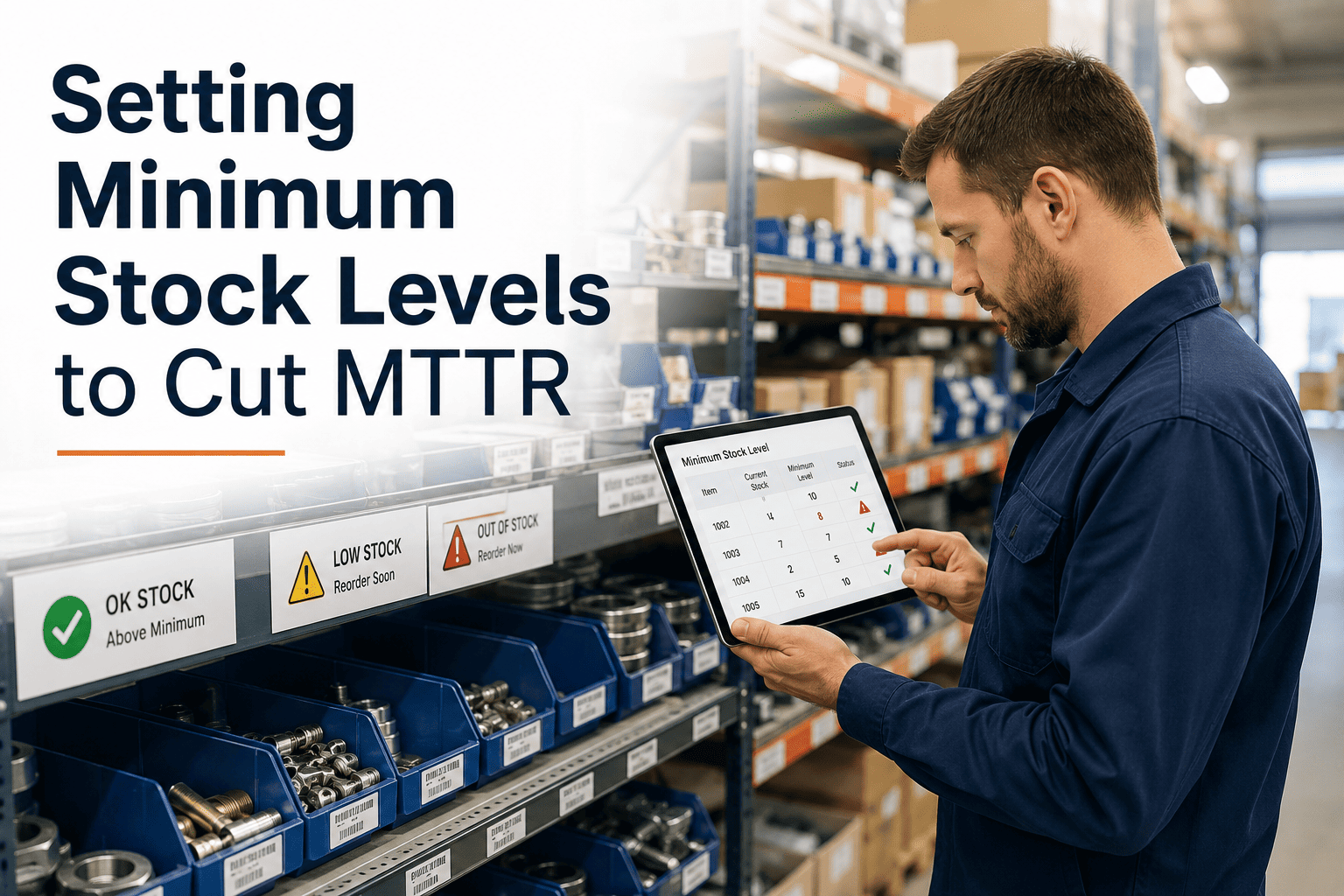
Read More
A technician pulls a truck into the bay for a brake job, walks to the parts cage, and finds an empty bin. That single moment is the difference between a two hour repair and a two day breakdown, because nearly half of all unplanned downtime traces
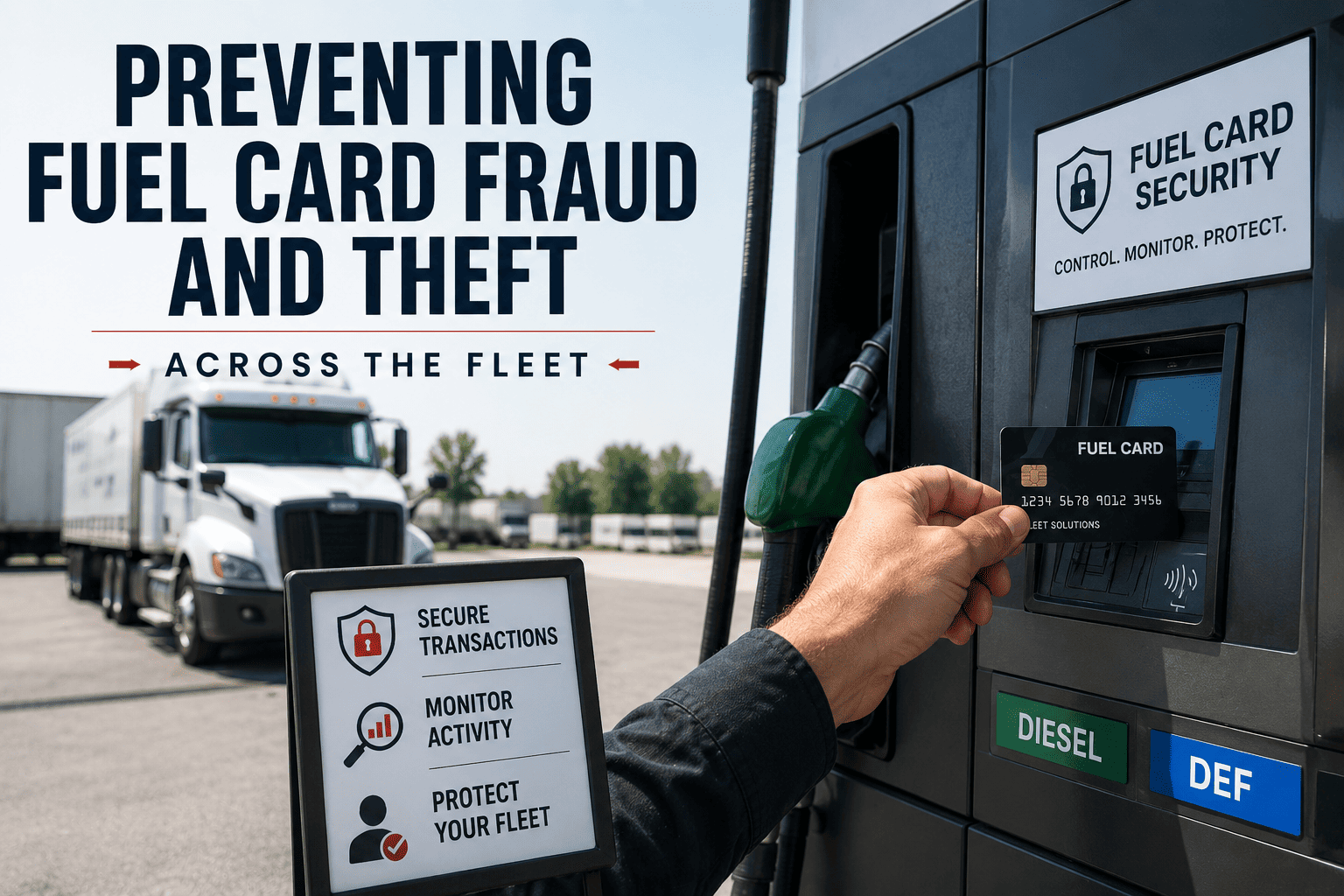
Read More
Fuel theft and card fraud drain an estimated 3–5% of total fleet fuel spend — translating to $5,400–$9,000 per year for a fleet spending just $15,000 monthly on diesel. Across the U.S. trucking industry alone, fuel theft accounts for $2.5 billion
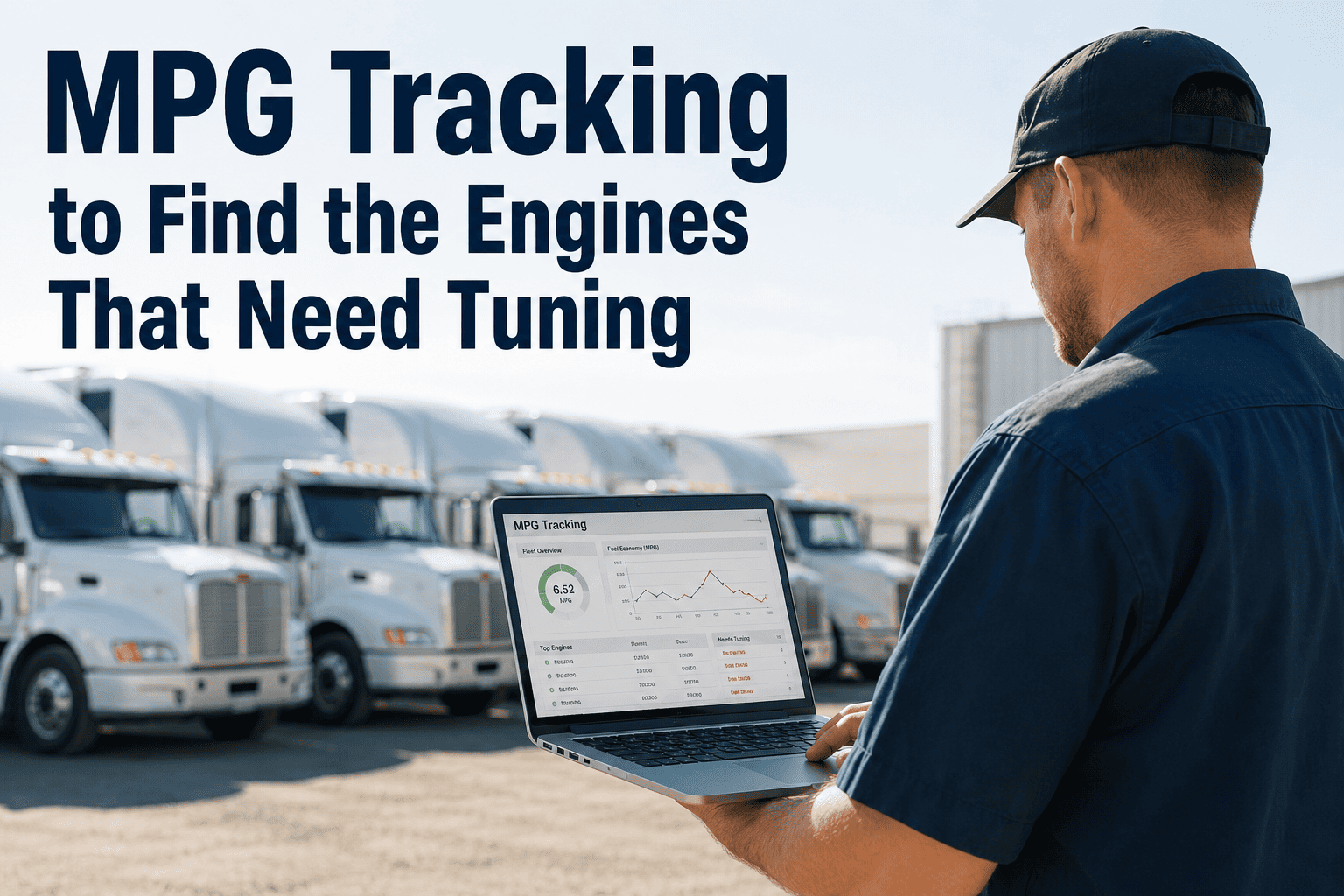
Read More
Every gallon your fleet burns tells a story, and most fleet managers only read the last chapter, the invoice. By the time a fuel bill lands on your desk, the engine quietly losing 8-12% of its economy to worn tires, dirty filters, or a missing fai

Read More
Modern commercial vehicles carry as many as five overlapping warranty types at once — bumper-to-bumper, powertrain, federal emissions, component-specific, and extended service contracts — yet most fleets never confirm which one applies before a re

Read More
Every year OSHA inspectors walk into fleet yards and find liftgates with cracked platforms, missing safety chains, and mechanics working without required eye or hand protection — violations nobody documented until it was too late. A single serious

Read More
A hydraulic cylinder does not fail because a calendar page turned — it fails because it crossed a wear threshold that only the hour meter was tracking. Liftgates, forklifts, scissor lifts, and hydraulic power units all share the same weakness: tea
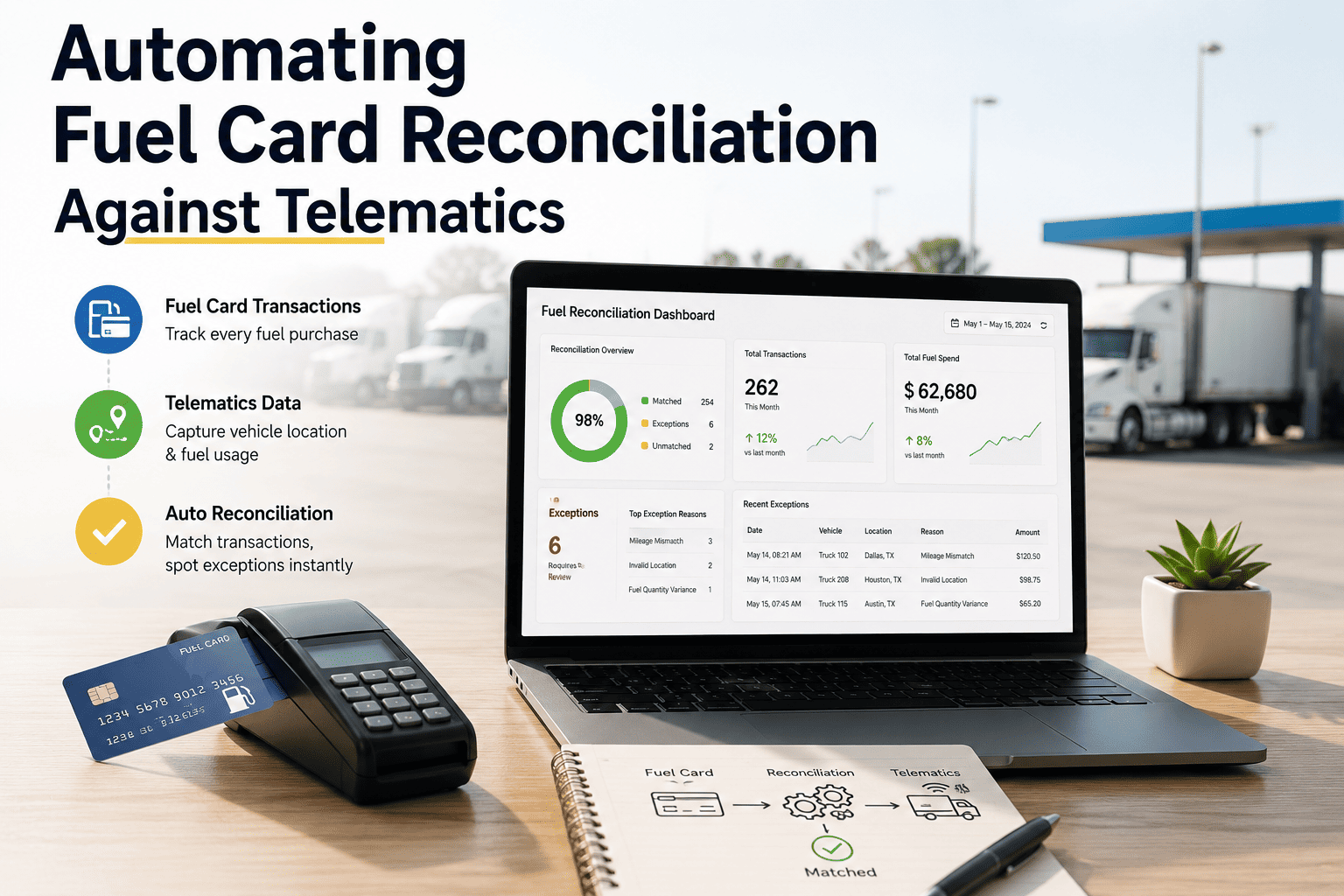
Read More
Fleet fuel spend typically ranks as the second-largest operating cost after driver wages, yet it remains the least scrutinized line item on most fleet budgets. Industry data shows that 19% to 22% of fleet fuel expenses are lost to fraud, misuse, a
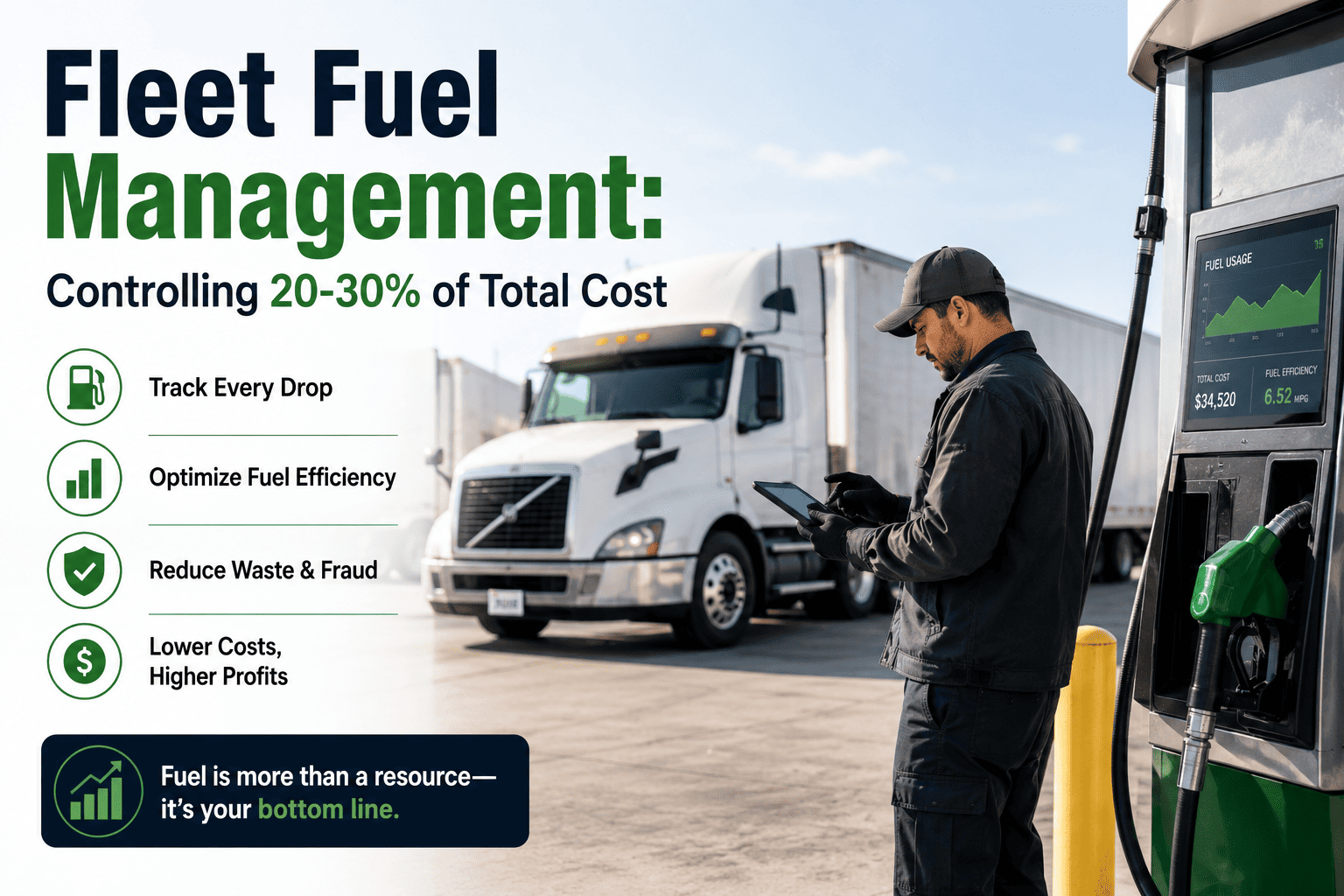
Read More
A 60-truck regional dry van fleet was spending $1.2 million a year on diesel without any real visibility into where the money actually went. The fleet manager knew fuel was the single largest line item on the budget, but drivers fueled up wherever

Read More
A regional last-mile delivery fleet running 60 vans across dense urban routes found brake pads wearing out at 9,000 miles instead of the expected 25,000, while tires on the same vans needed replacement every 14,000 miles from constant curb scrubbi
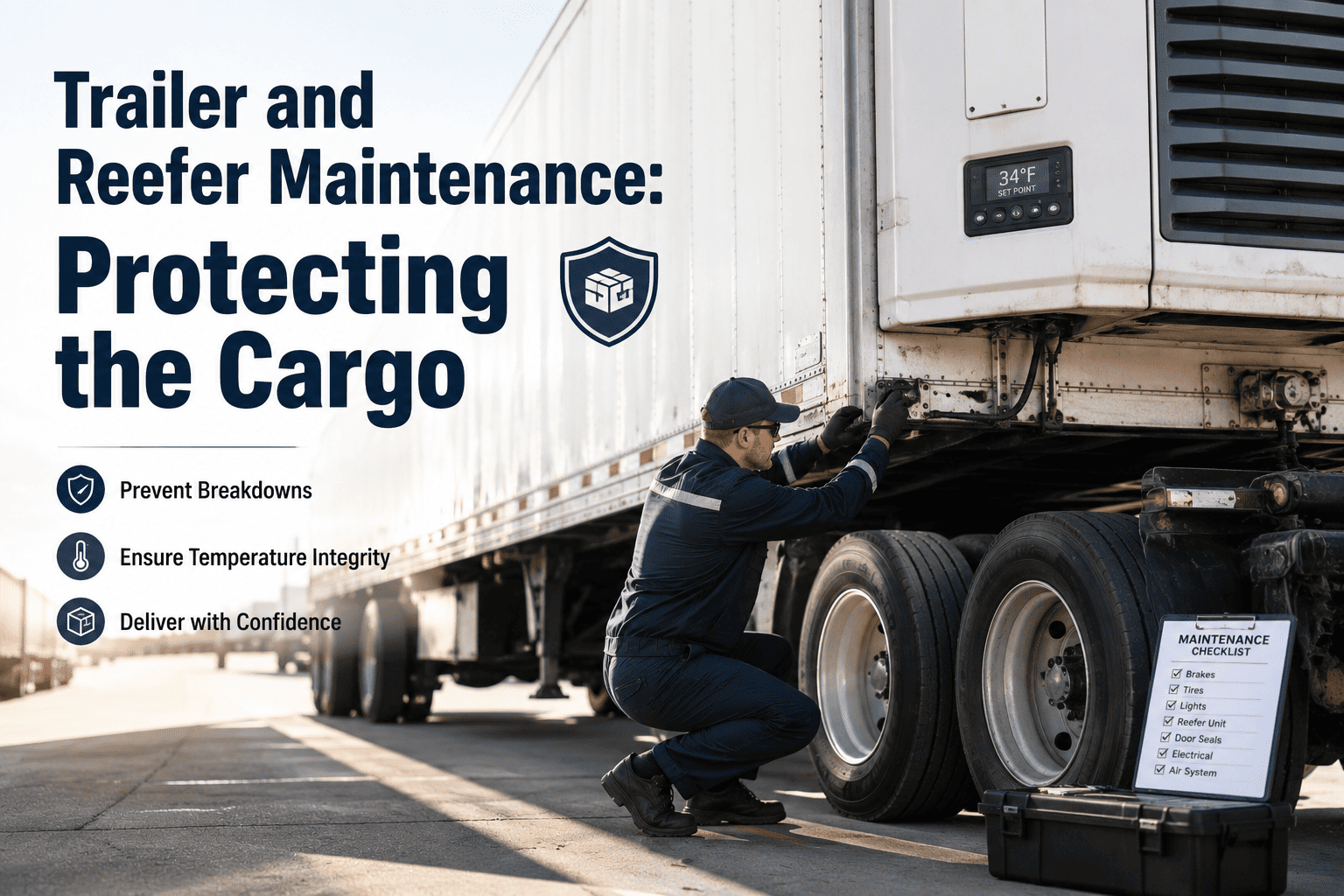
Read More
A reefer trailer hauling a full load of frozen chicken rolled into a Georgia distribution center eleven hours late after its refrigeration unit lost setpoint outside Knoxville, and nobody caught the drift until the driver's dash alarm lit up at a

Read More
A regional carrier running 60 Class 8 tractors on long-haul dry van freight budgeted $18,000 per truck for annual maintenance and still landed two engine derates and a DPF replacement in the same quarter. The root cause was not neglect — it was a

Read More
A check engine light is not a warning — it is a message your fleet is already ignoring. The moment an engine control unit senses a reading outside its normal range, it logs a diagnostic trouble code, often weeks before a driver notices anything di
Read More
Walk into most fleet shops and ask why one truck gets an oil-and-filter service while another gets a full driveline teardown on the same visit, and the honest answer is usually "whoever wrote the work order that day." Without a standardized tier s

Read More
Most fleets still schedule maintenance around a guess — a mileage estimate written on a clipboard, or a service date picked because it felt about right. Meanwhile the truck itself already knows exactly how many miles it has covered and how many ho

Read More
A truck running 10,000 miles a month and a delivery van running 800 miles a month cannot share the same oil change date. Yet most fleets still print a maintenance calendar in January and expect every vehicle to fall in line with it, no matter how

Read More
A truck rarely dies from one big failure. It dies from a chain of small ones — an oil change pushed back three weeks, a brake inspection that missed its mileage mark, a coolant flush nobody scheduled because nobody was tracking the calendar. A doc
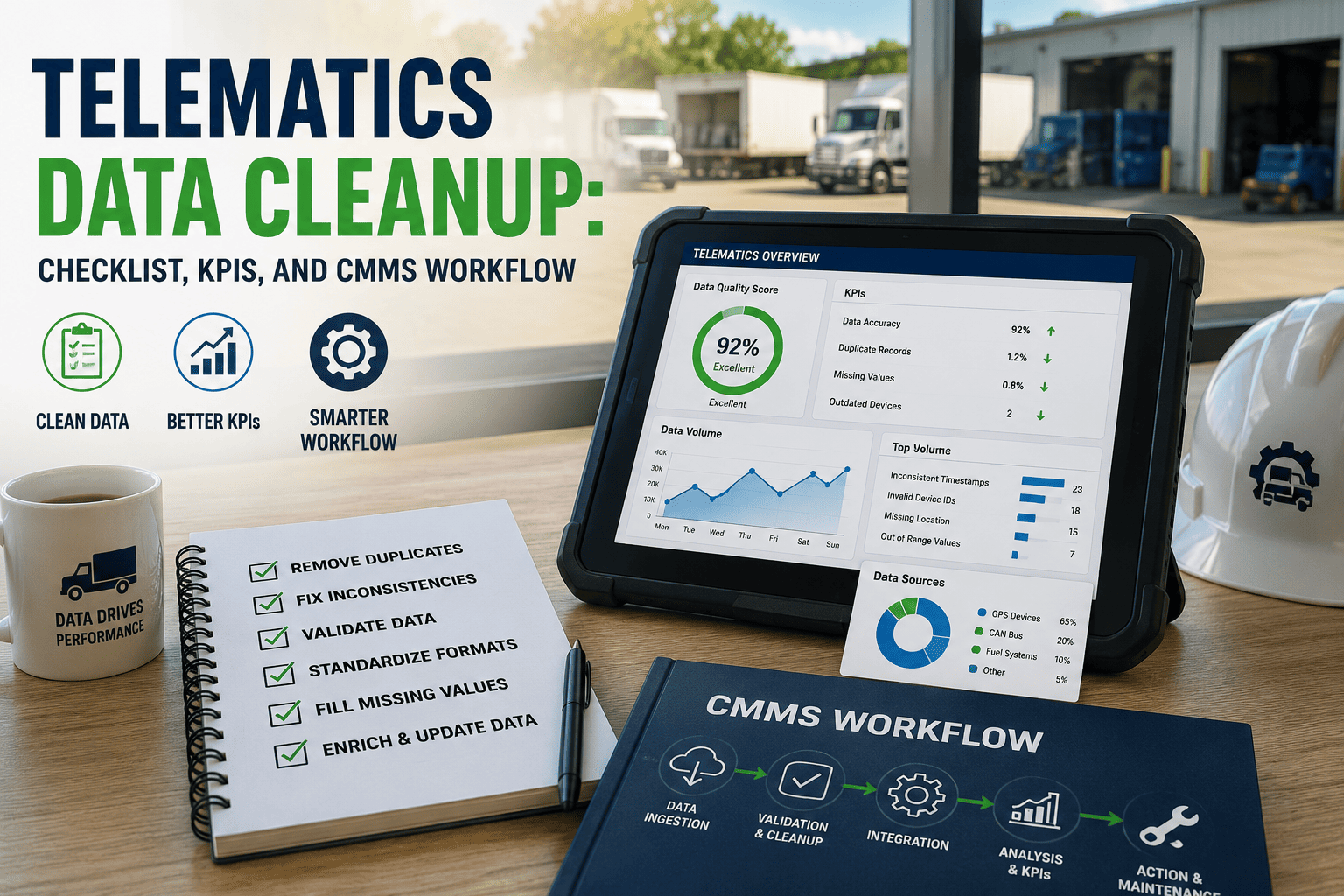
Read More
A fleet dashboard showing 94% PM compliance can still be hiding a dozen vehicles that never appear in a report because their telematics device is registered under a truck that was sold eight months ago. Telematics data decays quietly — GPS units g
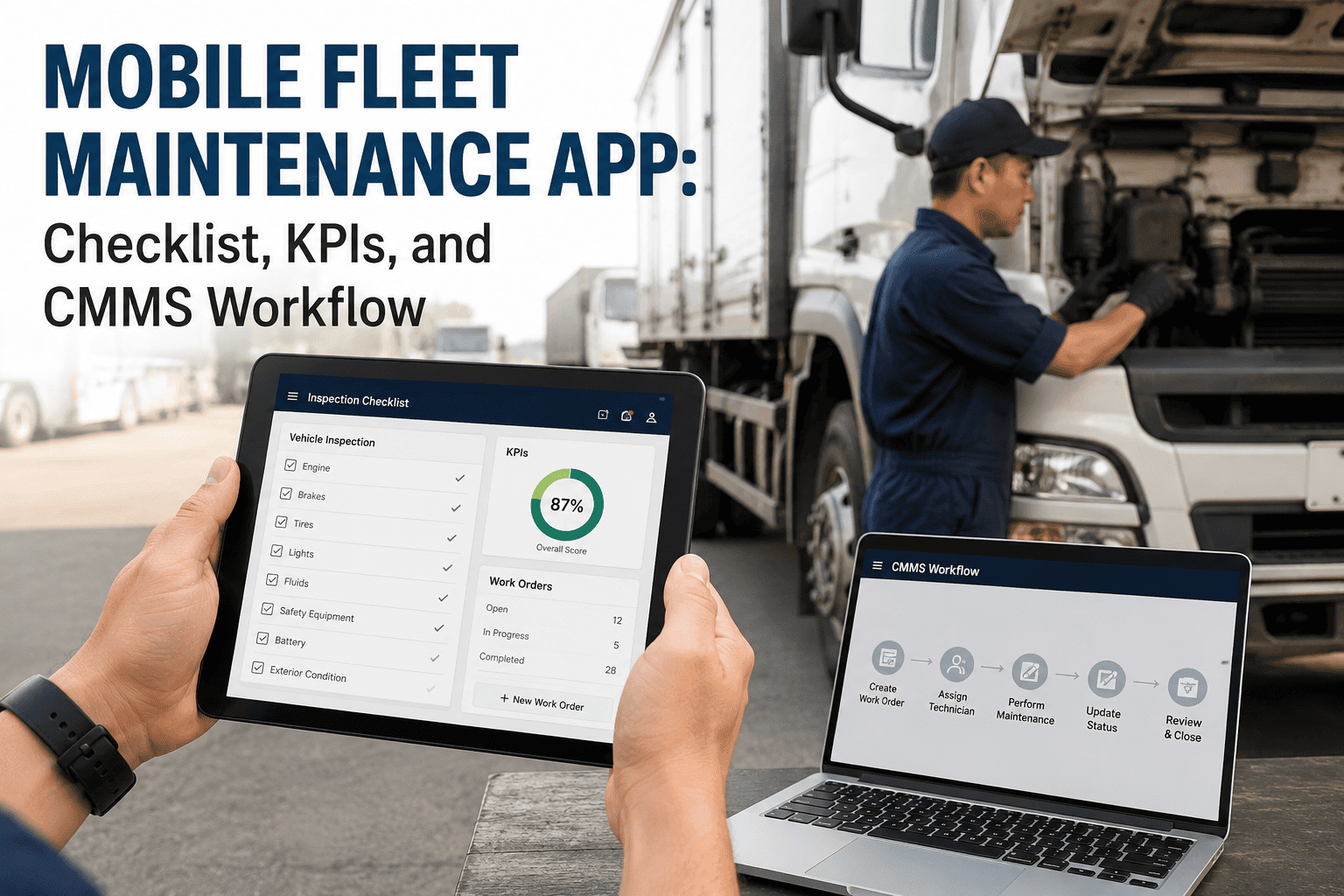
Read More
A technician who finds a cracked hydraulic hose during a pre-trip inspection but has no way to log it until they get back to the office at the end of the shift is not really doing an inspection — they are doing a memory test they will probably fai

Read More
A dozer that skips its 250-hour undercarriage inspection because the operator was reassigned to a different job site does not fail on the day the inspection was missed — it fails three weeks later, mid-grade, when a track pin nobody checked finall

Read More
A fleet manager who only reviews a collision after the repair invoice lands has already lost control of the two things that determine the final cost — how fast the claim was opened and how well the damage was documented at the scene. Fleet acciden

Read More
Pool vehicles create a maintenance blind spot that dedicated fleets rarely have — no single driver is responsible for any one vehicle, so wear and tear goes unreported, reservation gaps hide overdue service, and small issues get passed from one bo
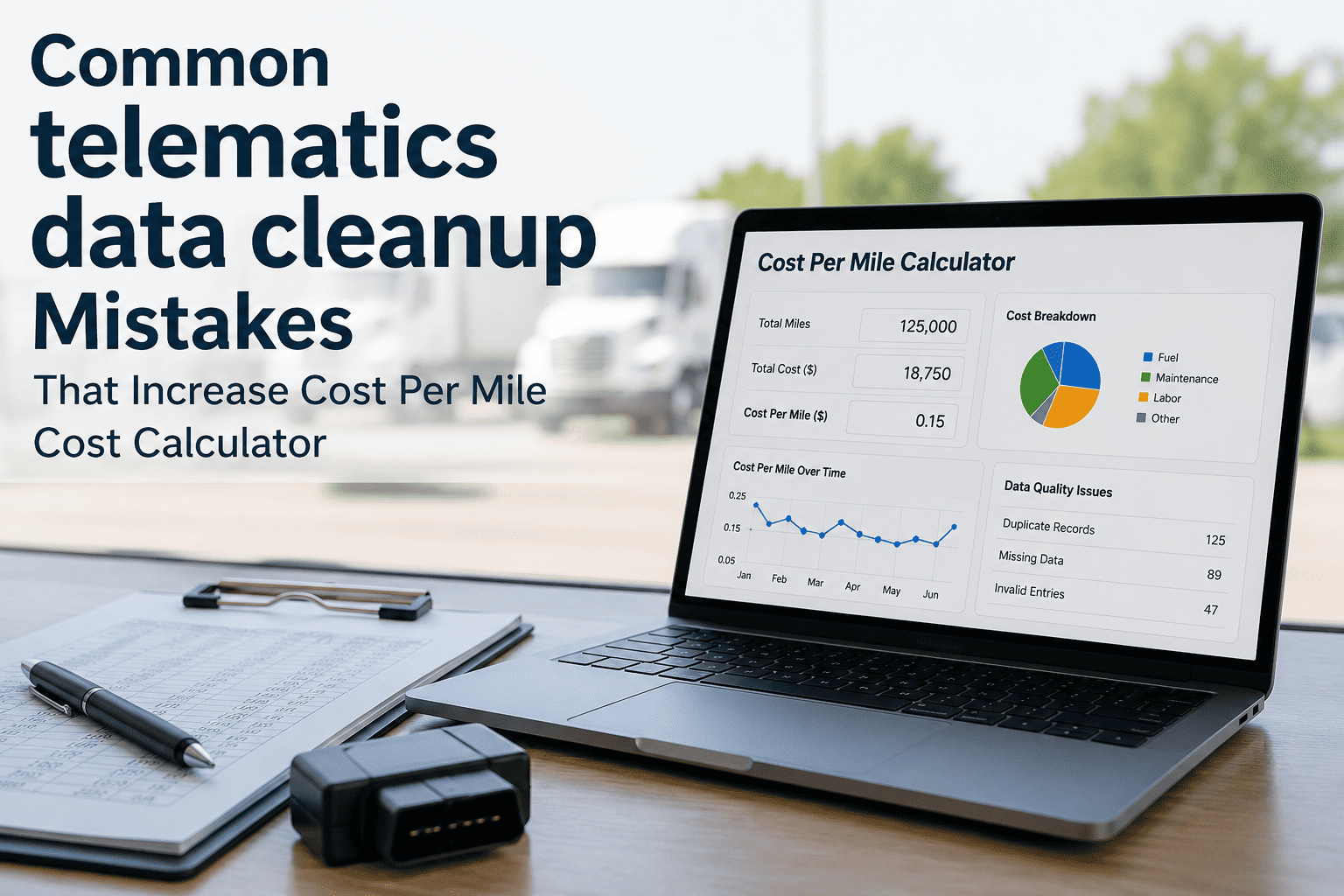
Read More
Telematics systems generate more data than most fleets ever use. GPS pings, fault codes, harsh-braking events, and fuel logs pour in constantly, but without a cleanup process, that data becomes noise — duplicate vehicle IDs, stale sensor feeds, an

Read More
Every delivery fleet has a number it does not like to look at closely: cost per mile. It creeps up quietly, a few cents at a time, until a route that used to be profitable barely breaks even. The cause is rarely one dramatic failure — it is a patt
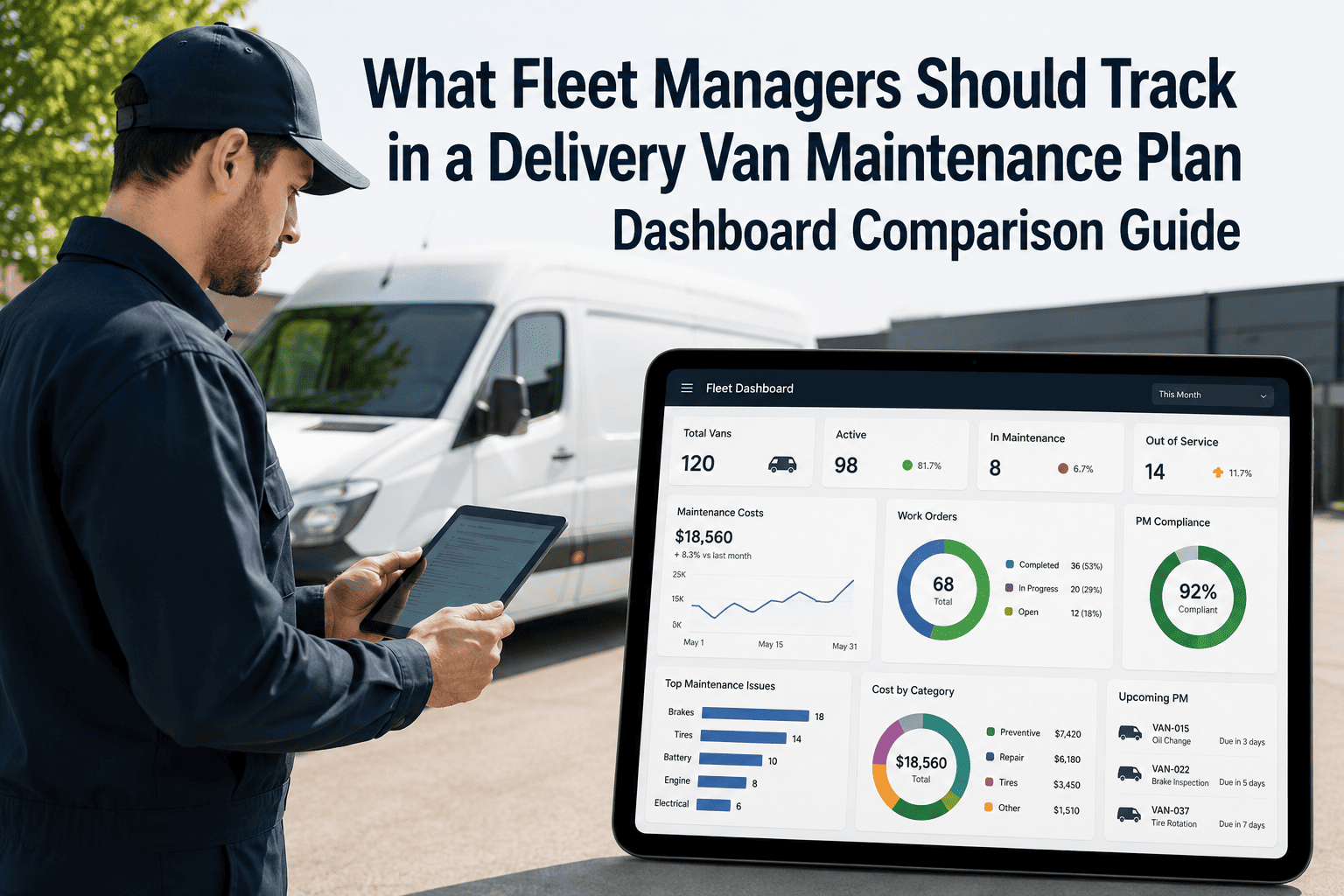
Read More
Delivery van fleets live and die by uptime — a van sitting in the shop instead of on a route is a missed delivery window, an idle driver, and a customer who notices. Most fleet managers already stare at a dashboard every morning, but many are watc

Read More
Running pool vehicles at one site is a scheduling problem. Running them across a dozen campuses, depots, or county offices is a coordination problem — and the two demand very different policies. A decentralized model spreads carrying costs, hides
Read More
A vehicle sitting idle in a decentralized government or campus fleet still carries roughly $8,000–$12,000 a year in depreciation, insurance, maintenance, and storage — whether it moves or not. Centralizing those vehicles into a shared pool with a
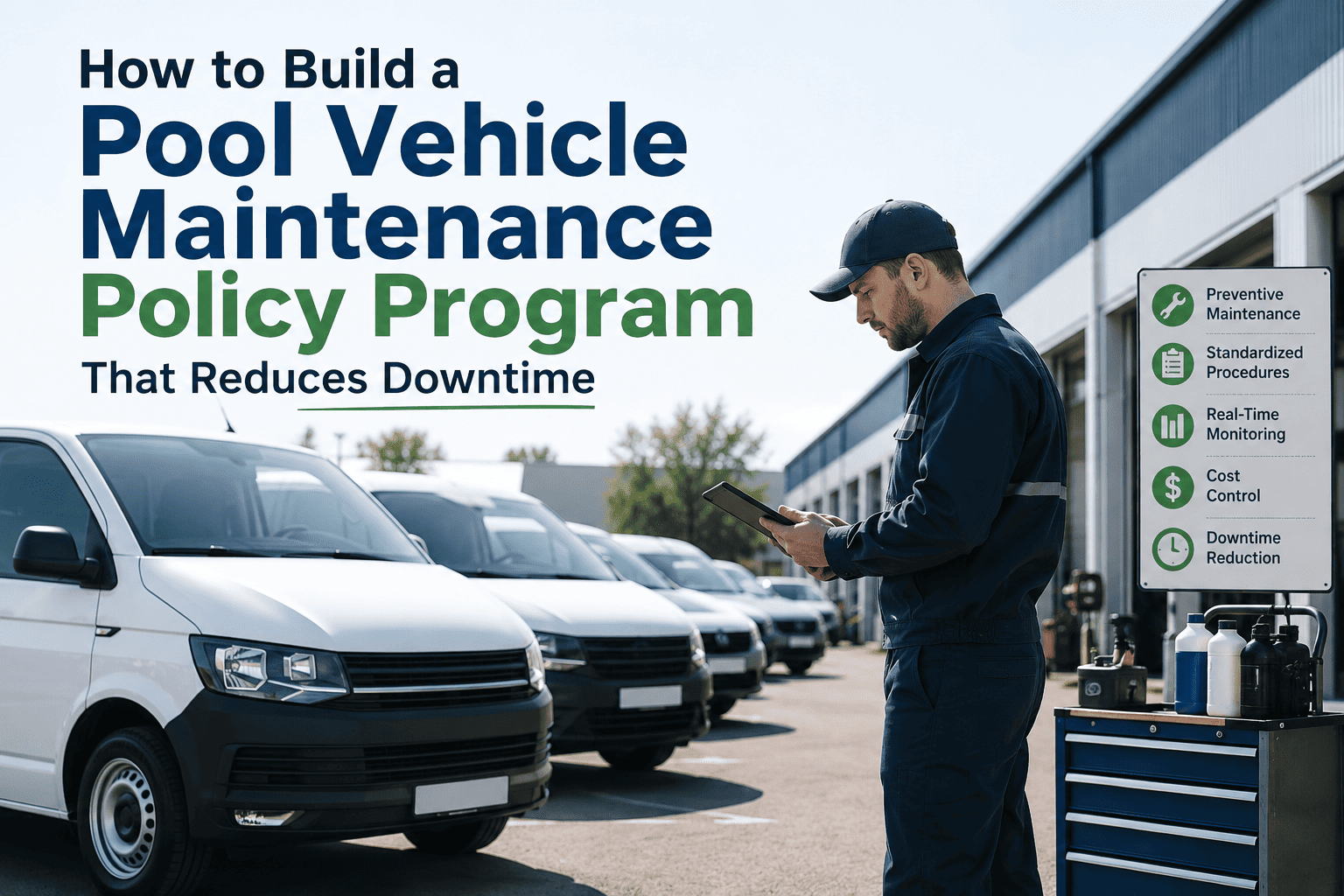
Read More
Downtime costs far more than the repair that caused it — lost productivity, missed service commitments, and idle drivers routinely double or triple the invoice on the bench. In a shared pool, one vehicle down doesn't inconvenience one owner; it re
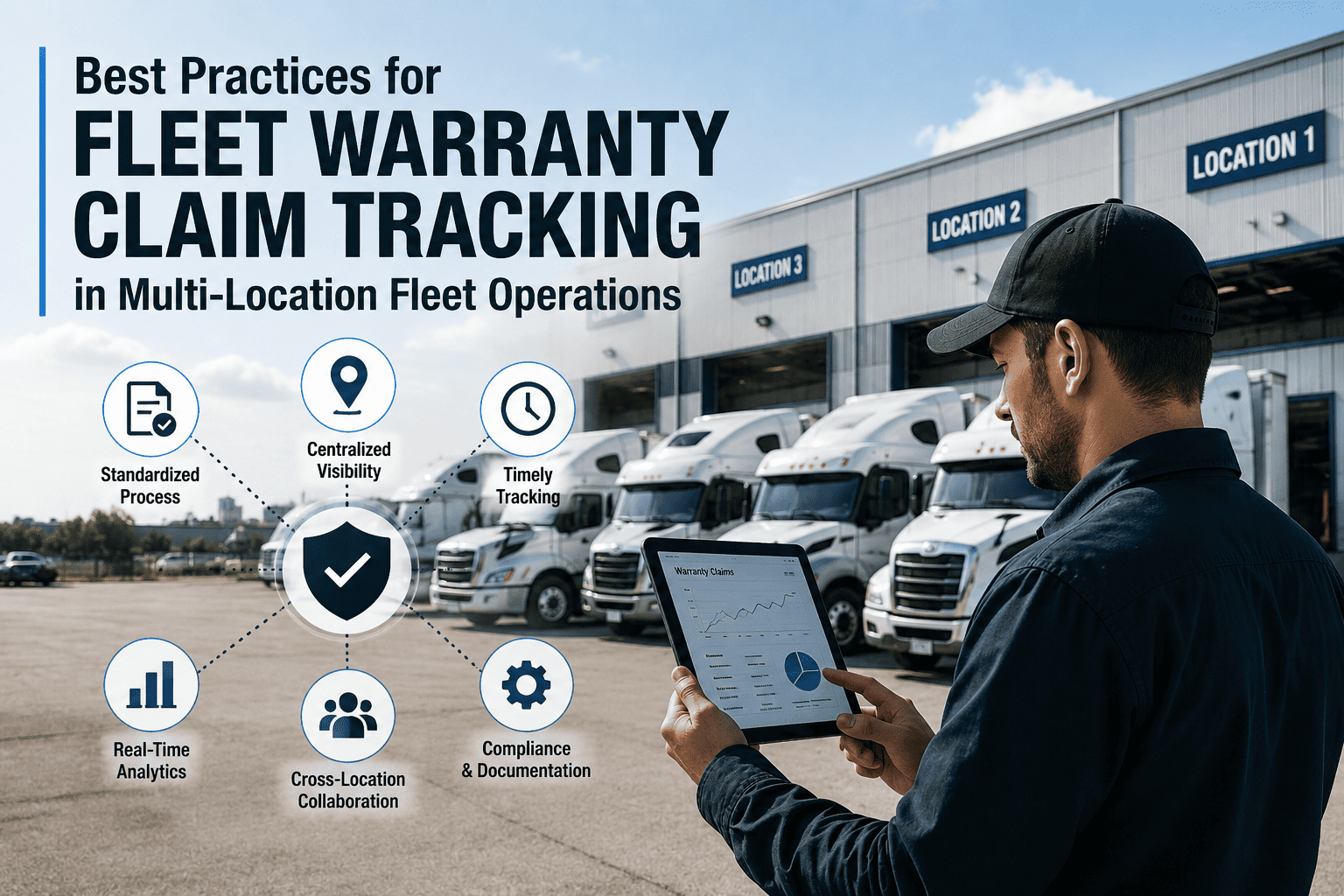
Read More
A 100-vehicle fleet spread across four depots typically leaves $50,000 to $150,000 in eligible warranty reimbursements unclaimed every year — not because the co
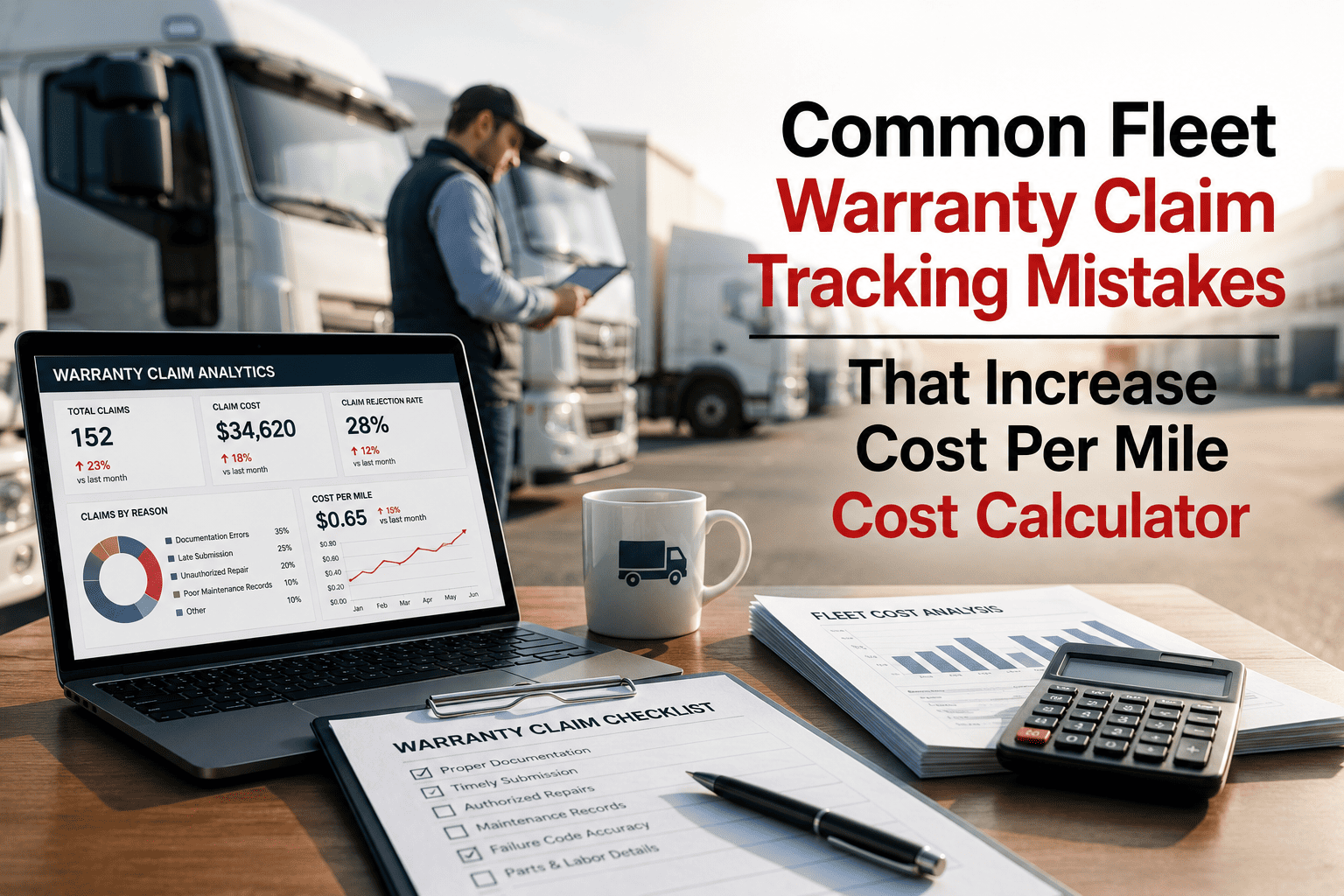
Read More
Warranty coverage recovers 8–20% of repair costs — yet the average fleet reclaims barely half of what it is owed, and every unclaimed dollar lands directly on cost per mile. On a Class 8 truck running at $0.15–$0.20 per mile in maintenance, a sing
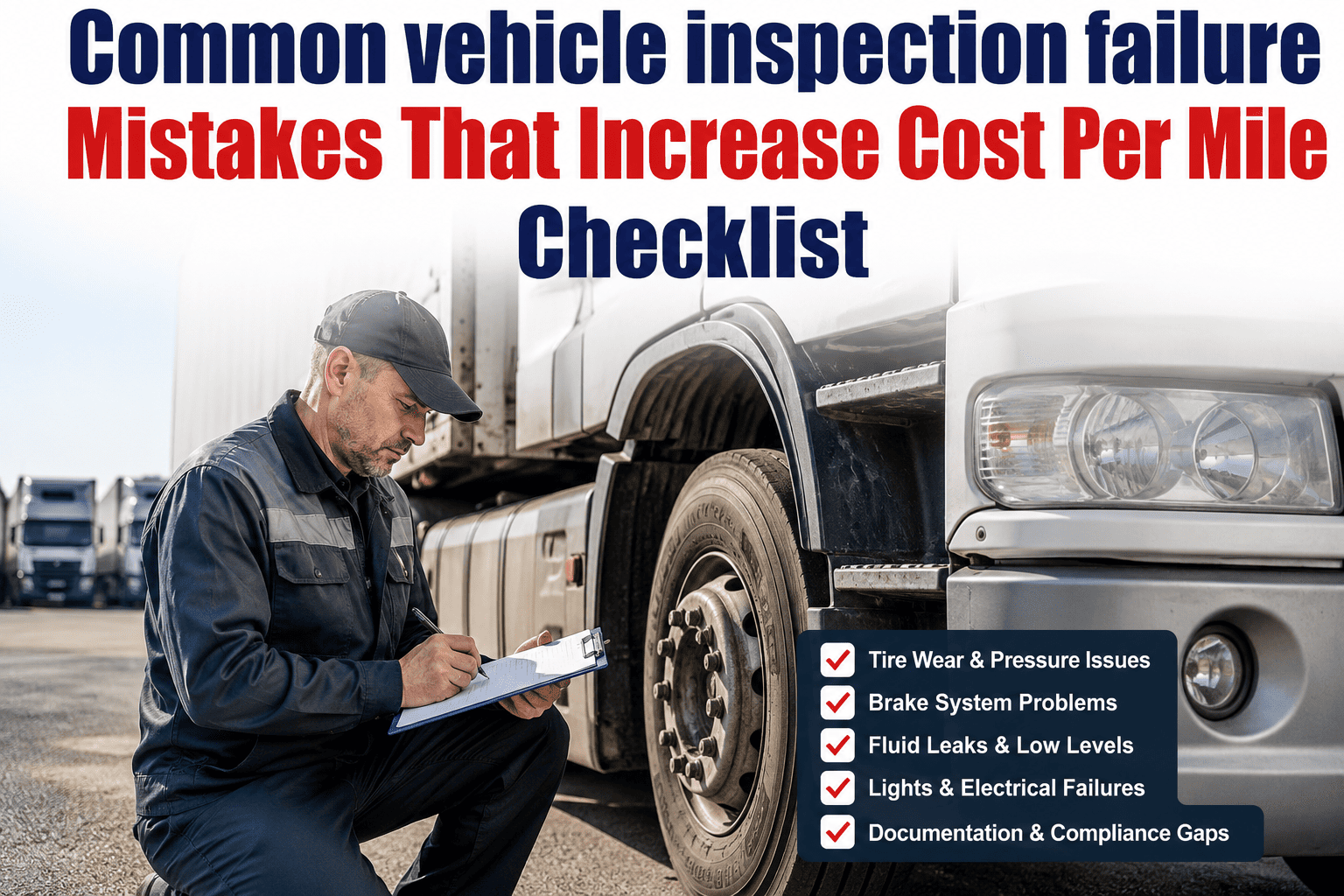
Read More
Cost per mile is the number every fleet lives and dies by, and the mistakes that drive it up are rarely dramatic — they are routine inspection failures that quietly stack fuel, wear, and emergency repairs onto the same miles you already bill. A we
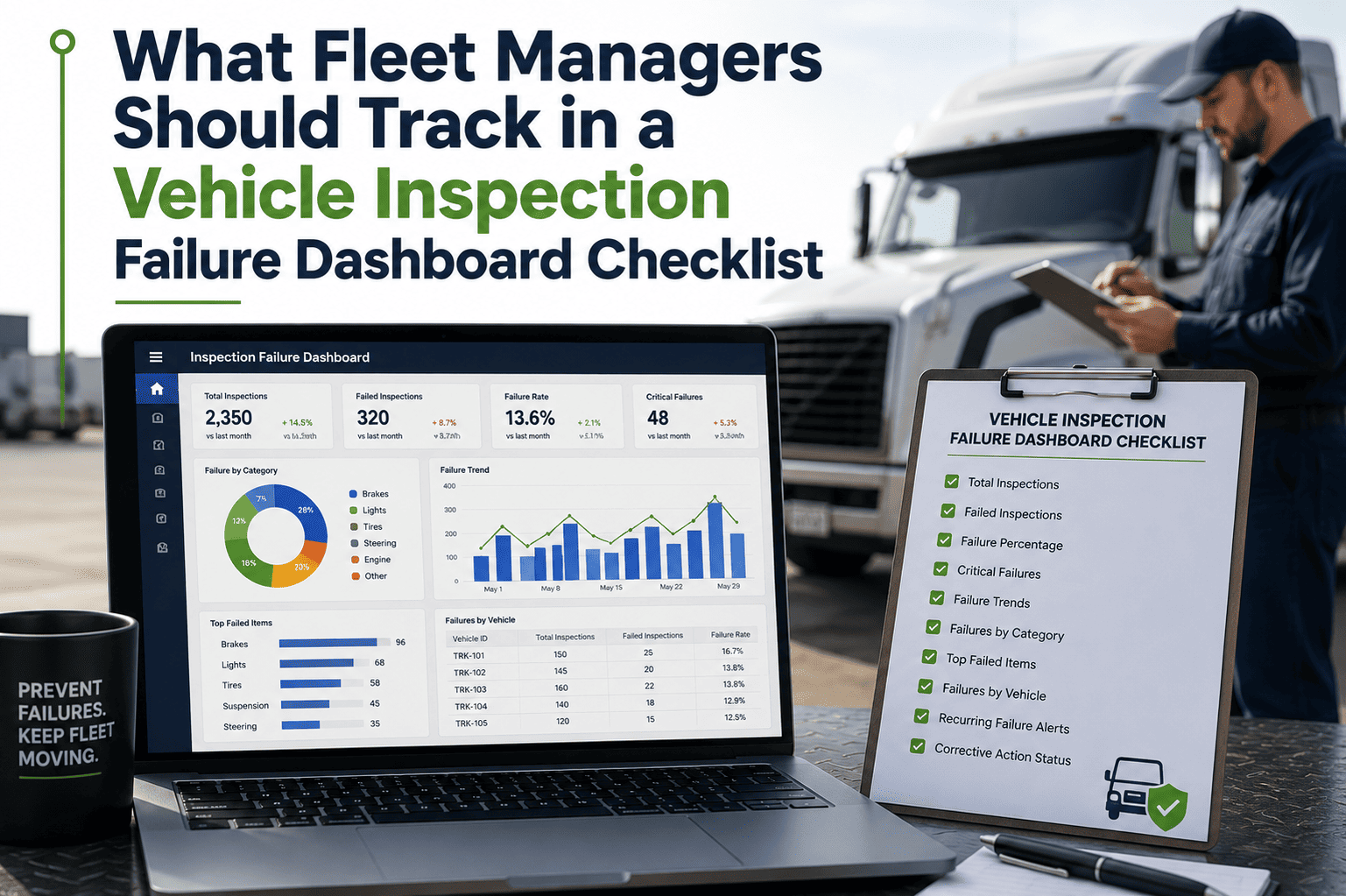
Read More
A vehicle inspection failure dashboard fails when it shows everything. Cram forty metrics onto one screen with equal weight and managers stop looking at it entirely — the phenomenon known as dashboard fatigue. The best inspection dashboards follow

Read More
A vehicle inspection failure is not just a checkbox that got marked "defect" — it is a data point that should trigger a work order, feed a KPI, and close inside a CMMS workflow before the vehicle rolls again. Yet paper DVIRs catch only about 27% o
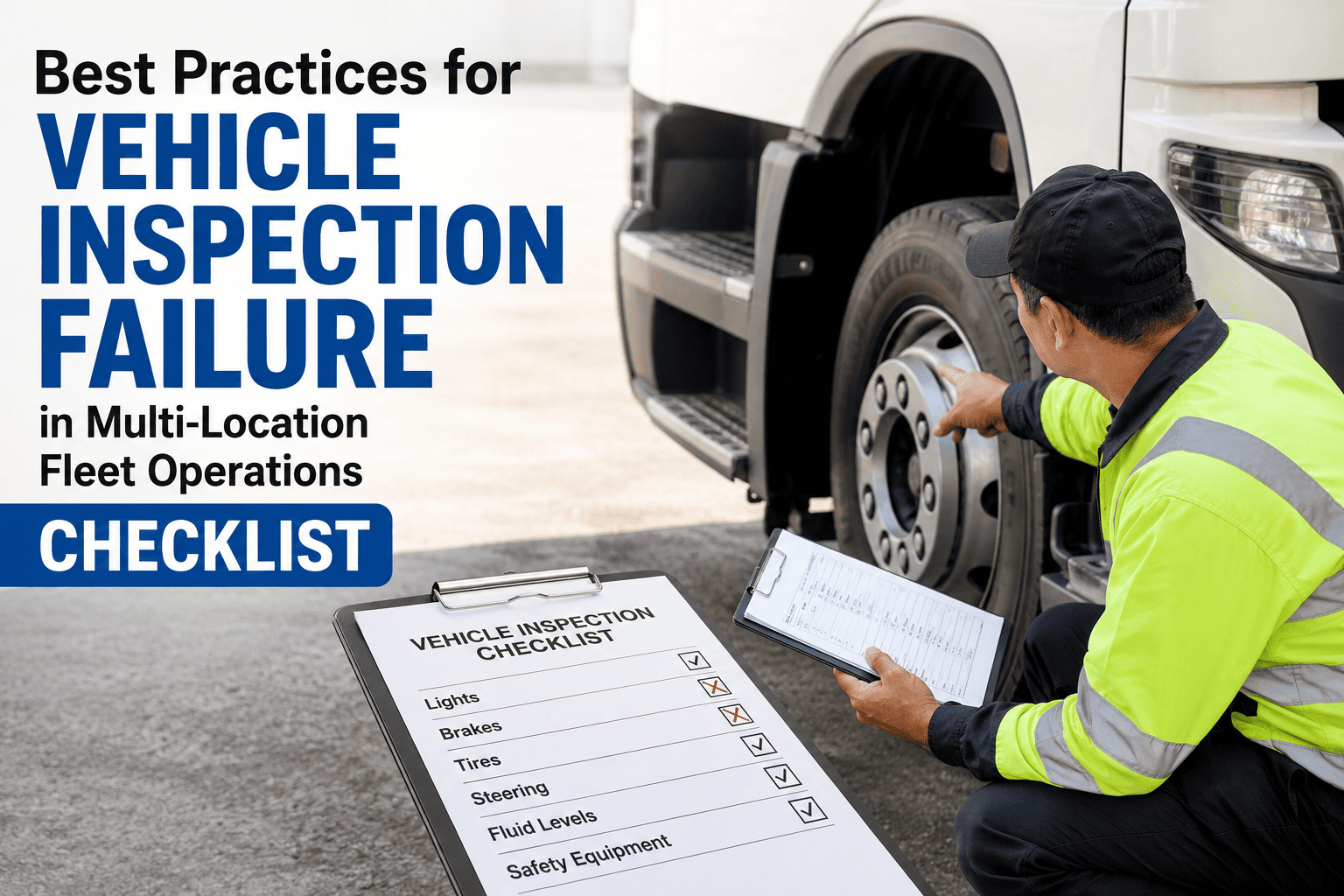
Read More
When a fleet is spread across depots, the vehicle inspection failure problem stops being about effort and becomes about consistency. The same brake defect gets logged three different ways at three sites, PM schedules drift, and leadership relies o
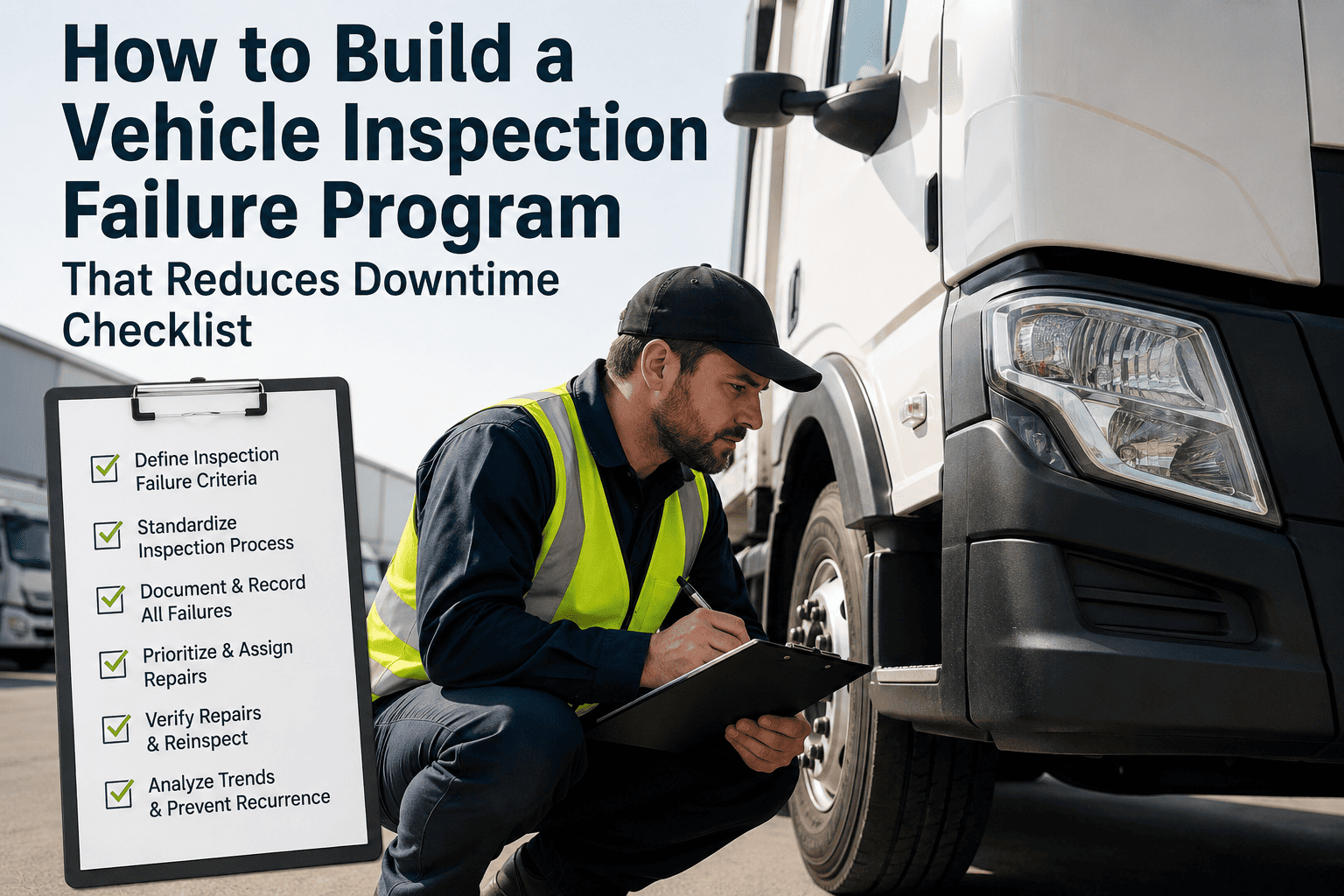
Read More
A vehicle inspection failure program is not a folder of checklists — it is a closed loop that turns every defect a driver spots into a scheduled repair before that defect becomes a roadside breakdown. Most fleets already run inspections, yet they
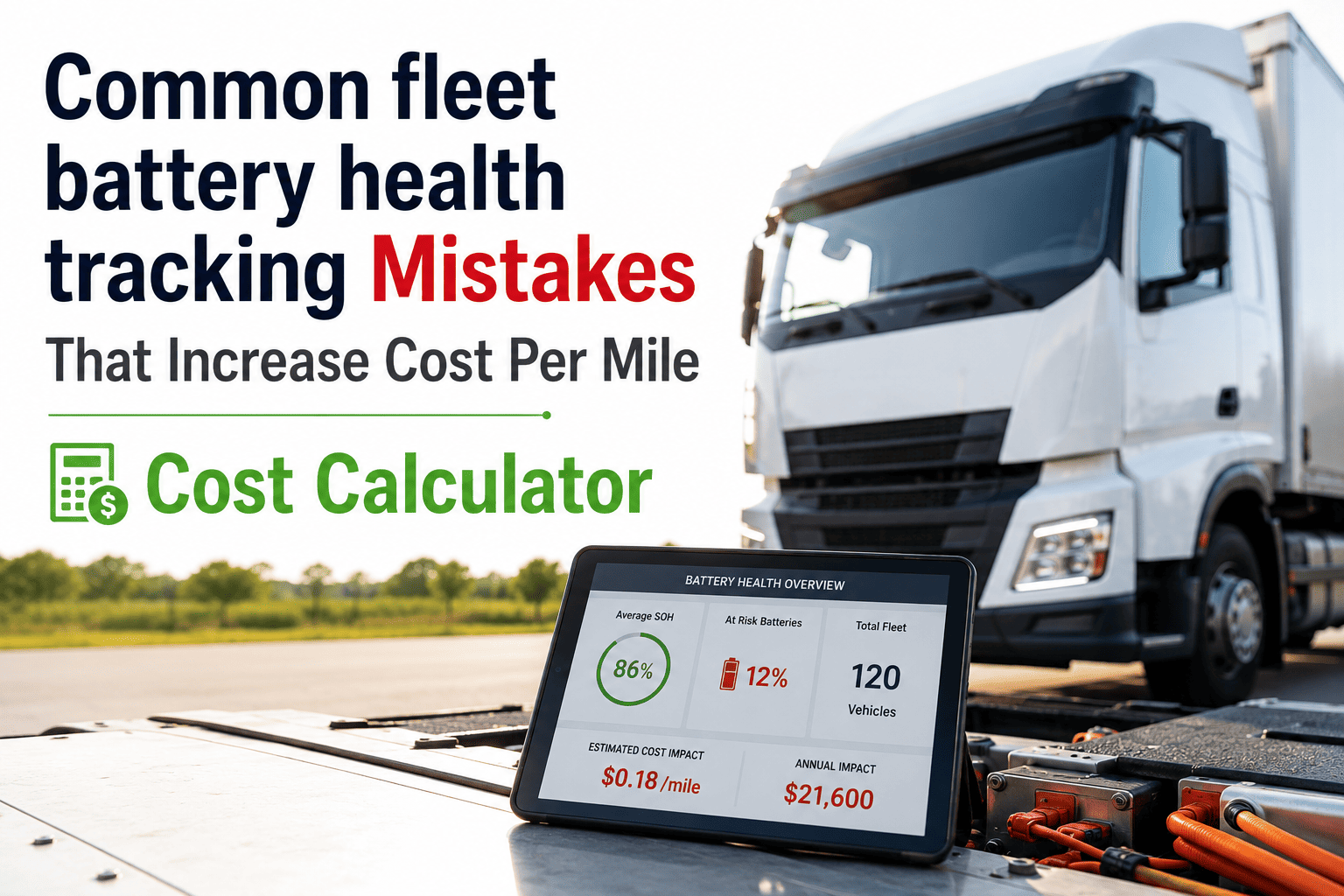
Read More
A dead battery rarely happens without warning, yet most fleets still treat it as a surprise instead of a predictable event with a measurable cost. Skipping load tests, ignoring voltage trends, or replacing batteries on a fixed calendar instead of

Read More
Delivery vans live a hard life: stop-and-go driving, frequent door cycles, short trips that never let the engine fully warm up, and tight turnaround windows that make it easy to skip a service check. When a delivery fleet operates across multiple

Read More
Drivers submit defect reports every day, but the way those reports are written, routed, and acted on quietly adds cents to every mile a fleet runs. A vague note like "truck making noise" sits unread for days, turns into a roadside breakdown, and p

Read More
A fleet spread across multiple yards rarely has one clear picture of battery health until a vehicle won't start on a cold morning at a location nobody was watching closely. Battery failures cause roadside calls more often than most fleets expect,

Read More
A delivery fleet was spending tens of thousands a year on emergency parts orders and still watching vehicles sit two and three days waiting for stock to arrive. The parts room was not empty — it was full of the wrong things. Slow-moving inventory
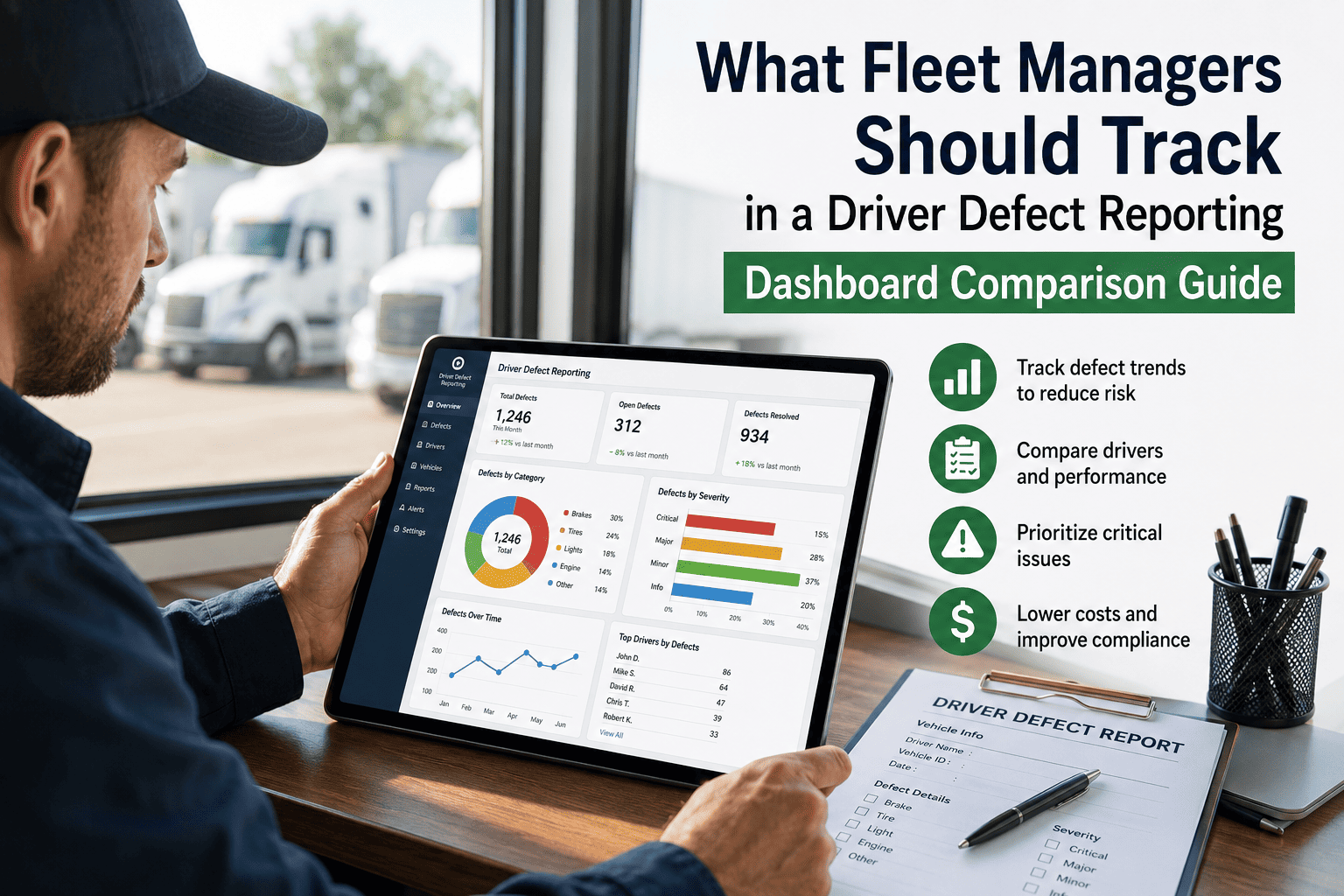
Read More
Most fleet defect-reporting dashboards fail in one of two opposite ways: they show everything, which buries the three problems that matter under fifty that do not, or they show too little, leaving blind spots where a recurring brake defect repeats

Read More
FMCSA estimates that properly executed driver defect reports prevent roughly 14,000 accidents every year through early defect identification, yet only about 7% of motor carriers pass a focused compliance review without a single DVIR-related citati
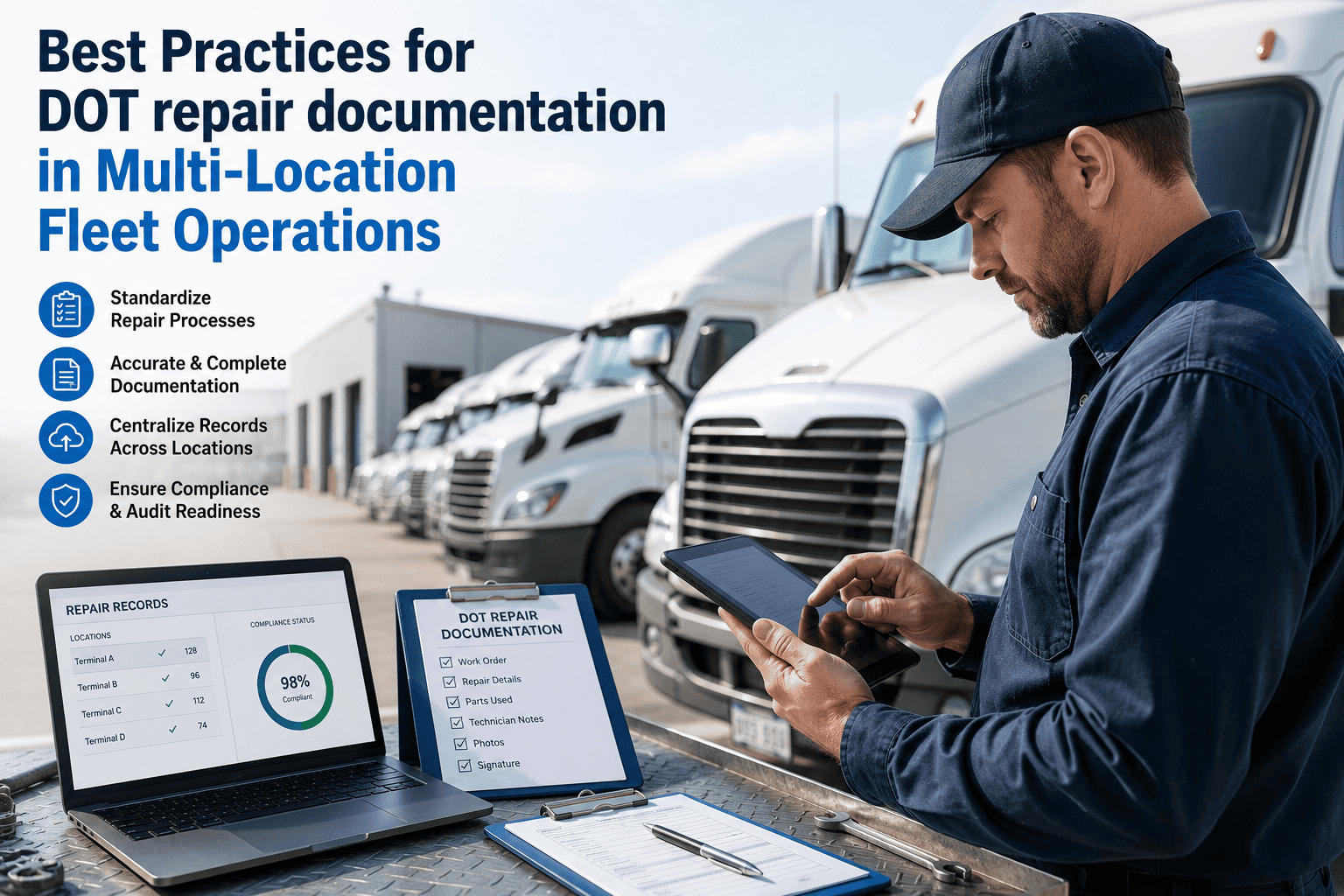
Read More
A national LTL carrier with eleven terminals discovered during a 2026 FMCSA compliance review that the same tractor had three different repair certifications filed under three different formats across three terminals — and the auditor could trace
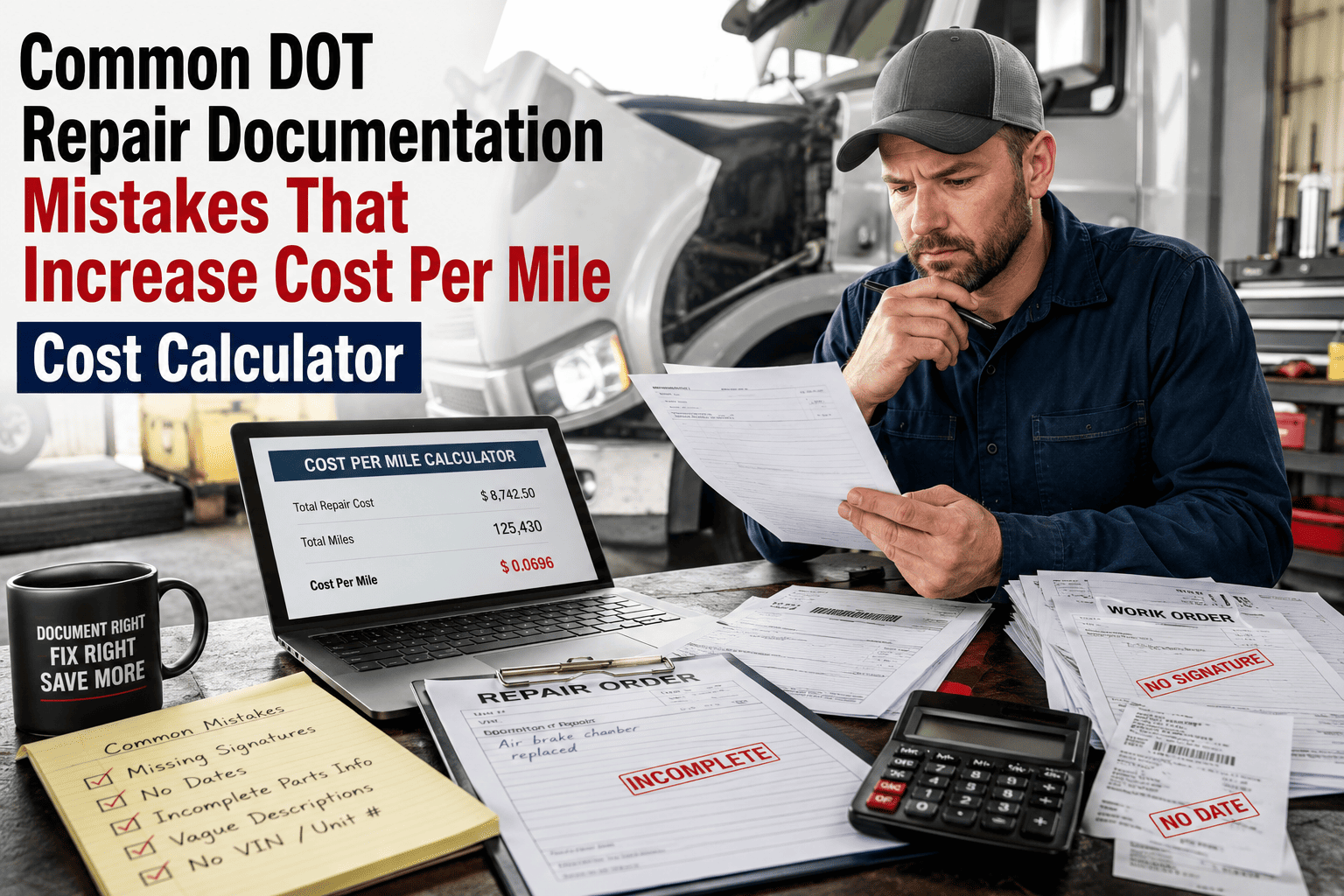
Read More
A 40-truck regional carrier ran a fleet-wide maintenance cost that looked perfectly acceptable on the monthly report — right up until a per-vehicle breakdown revealed three tractors running at roughly double the fleet average, quietly consuming a

Read More
On a construction site, one machine going down doesn't stop one task — it stops the crew waiting on it, the equipment downstream of it, and the schedule everyone is racing to hit. A hydraulic failure on an excavator can idle a whole earthworks cre
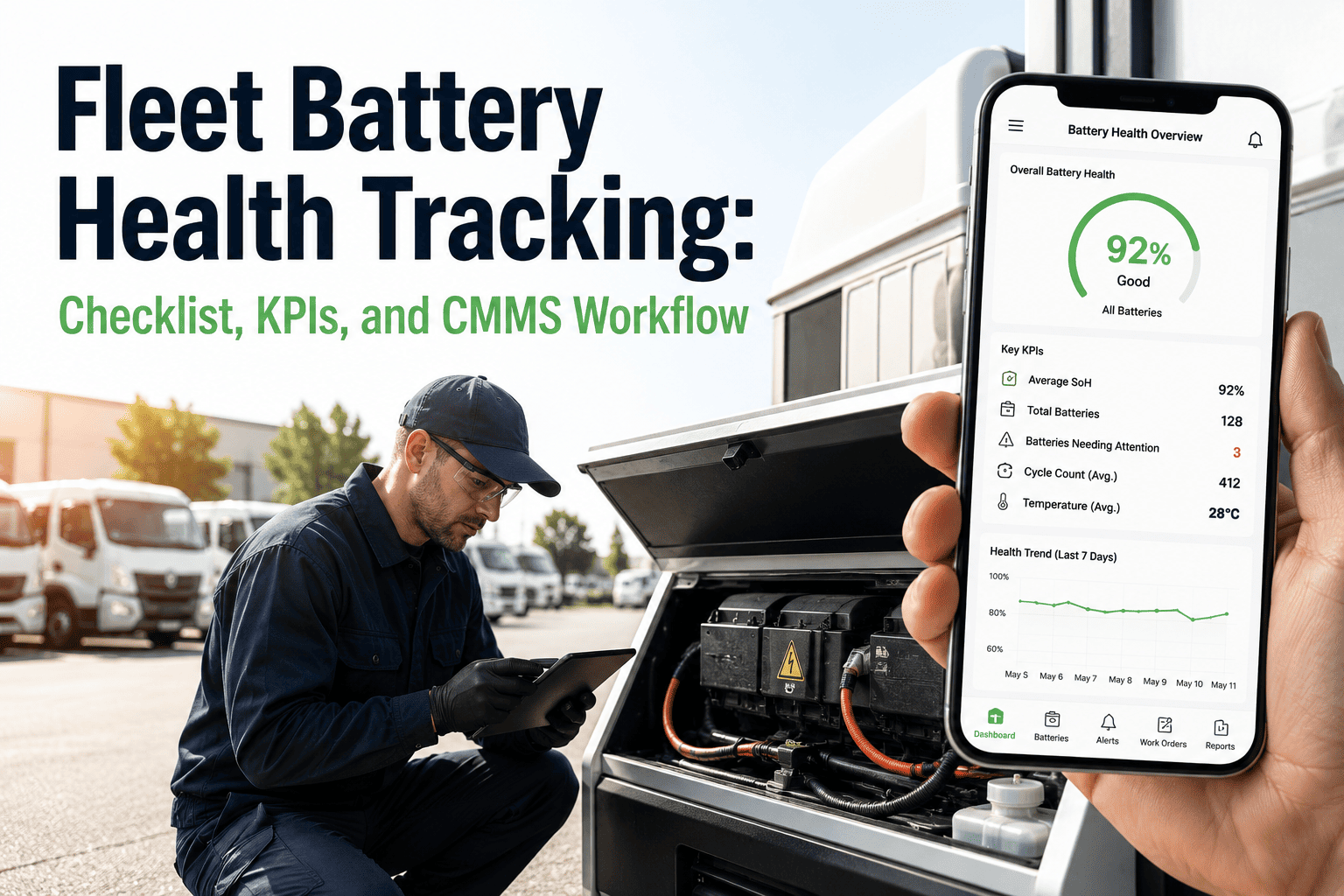
Read More
The number on your battery dashboard that says "100%" is lying to you — that's State of Charge, and it tells the driver how far they can go today. The number that decides your fleet's economics is State of Health, and it's the one almost nobody tr
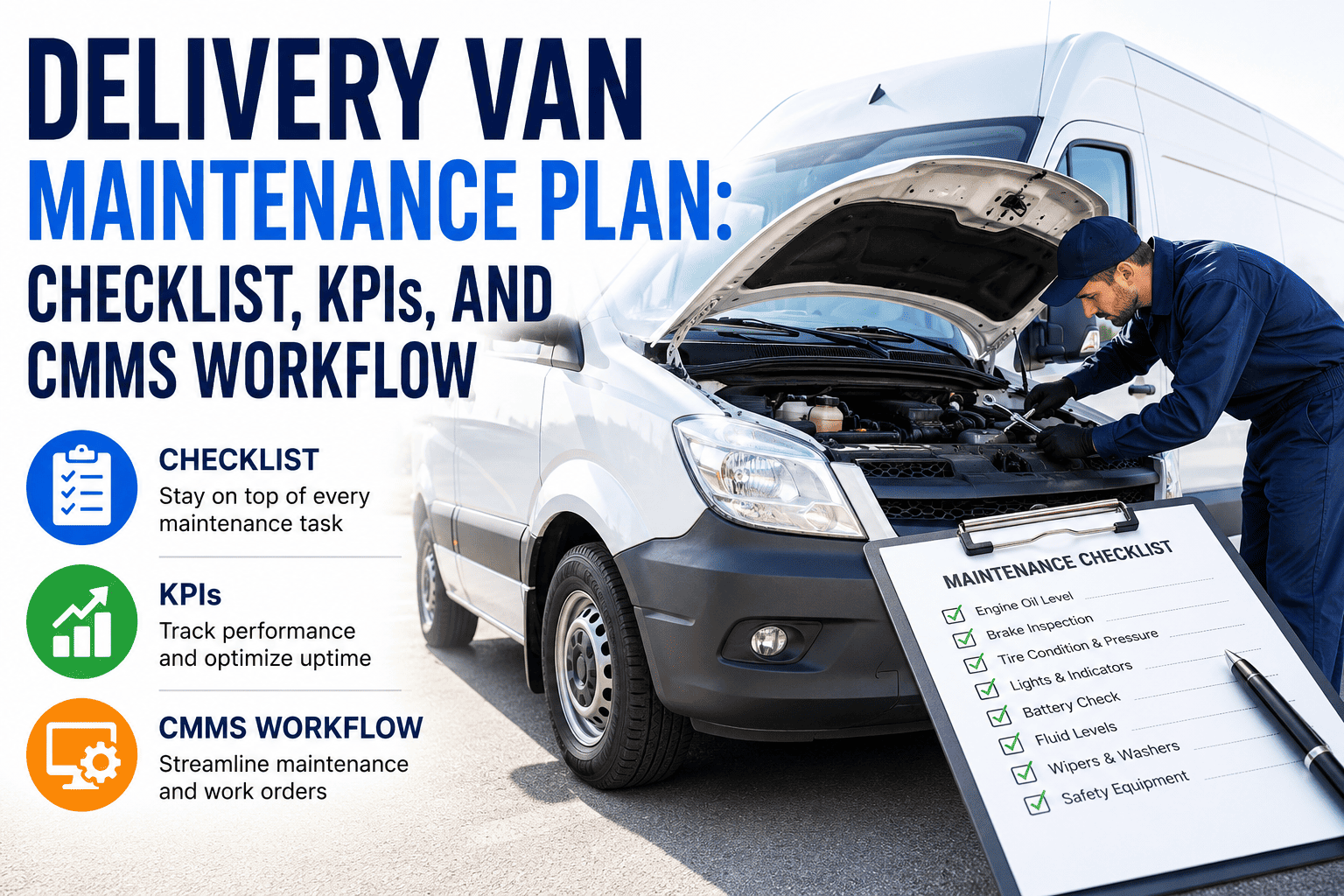
Read More
A delivery van doing 80 stops a day in dense city traffic and an identical van doing three long motorway runs wear out at completely different rates — yet most fleets service both on the same calendar interval, systematically under-maintaining the
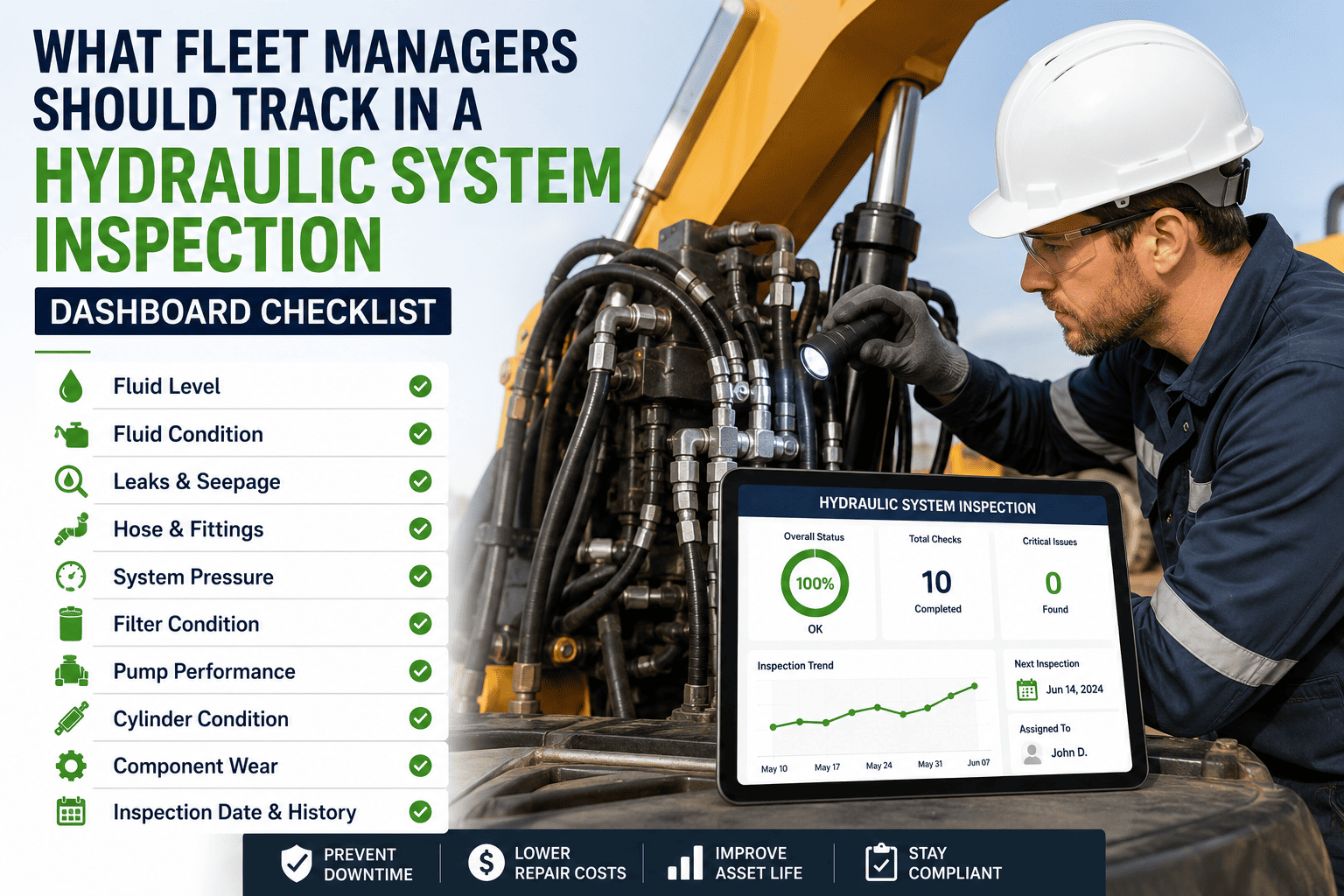
Read More
A hydraulic hose does not fail with a warning light — it fails at 2,500 psi during a live load drop, and the only reason you didn't see it coming is that nobody was watching the right number. Fleet managers track engine oil and mileage religiously
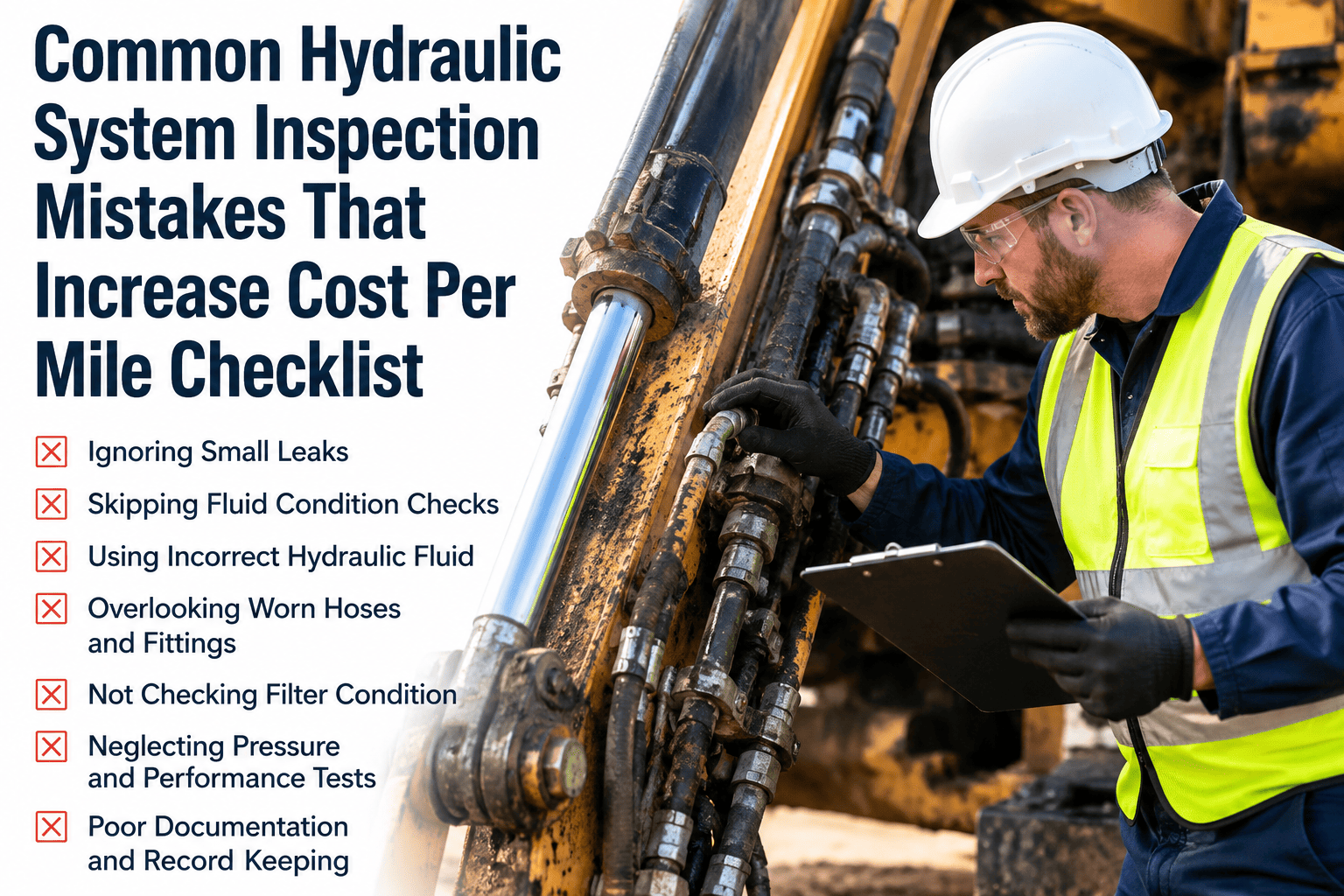
Read More
A hydraulic hose seep that costs $50 to fix during a walk-around becomes a $25,000 pump replacement and a two-week downtime event — not because the defect was hard to find, but because an inspection mistake let it slide. Most hydraulic failures ar

Read More
Fleet maintenance leaders running operations across two, ten, or fifty depots all face the same hidden problem — every site quietly develops its own workarounds, its own spreadsheets, its own pile of paper inspections, until the fleet office is ma
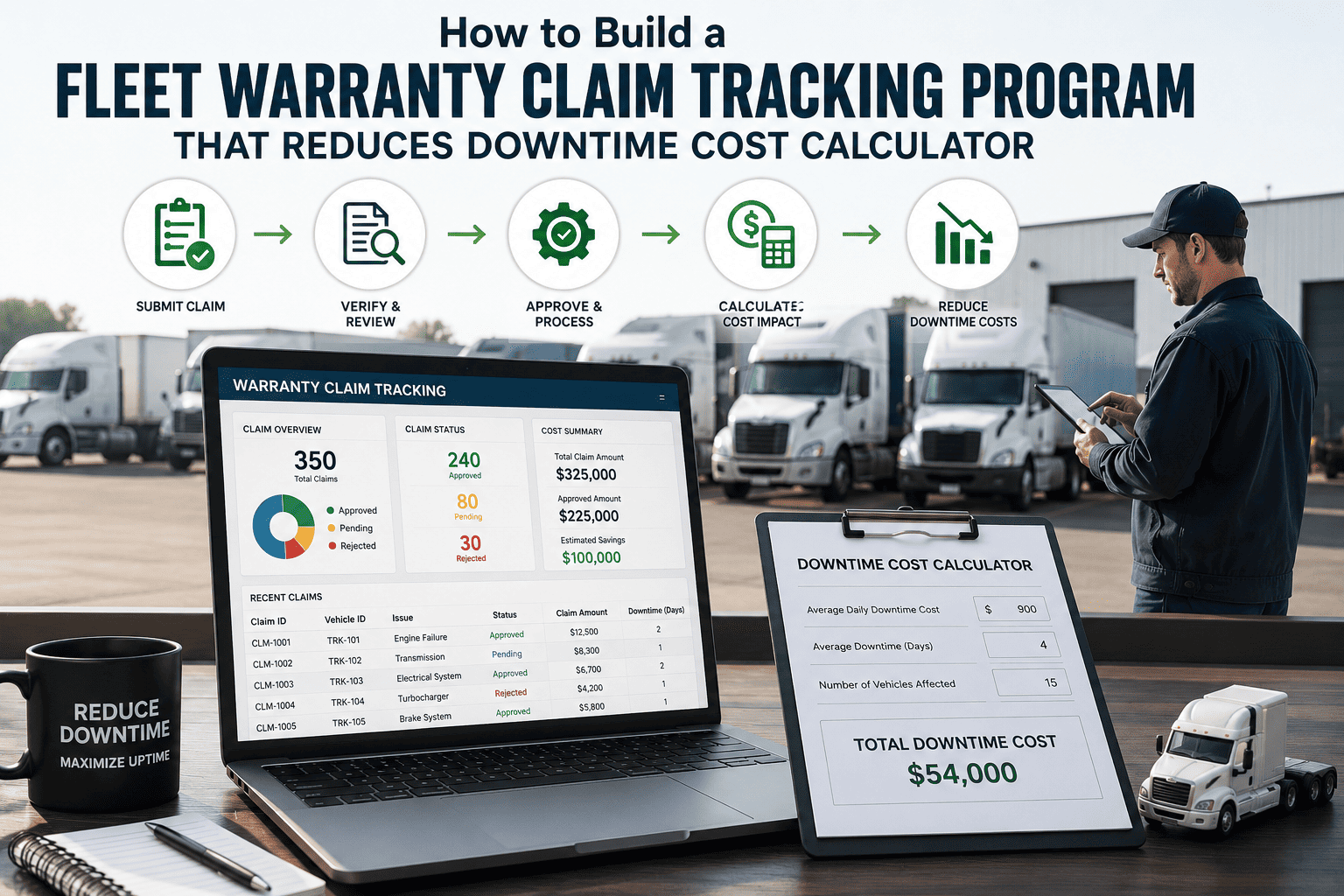
Read More
Fleet maintenance leaders running operations across two, ten, or fifty depots all face the same hidden problem — every site quietly develops its own workarounds, its own spreadsheets, its own pile of paper inspections, until the fleet office is ma
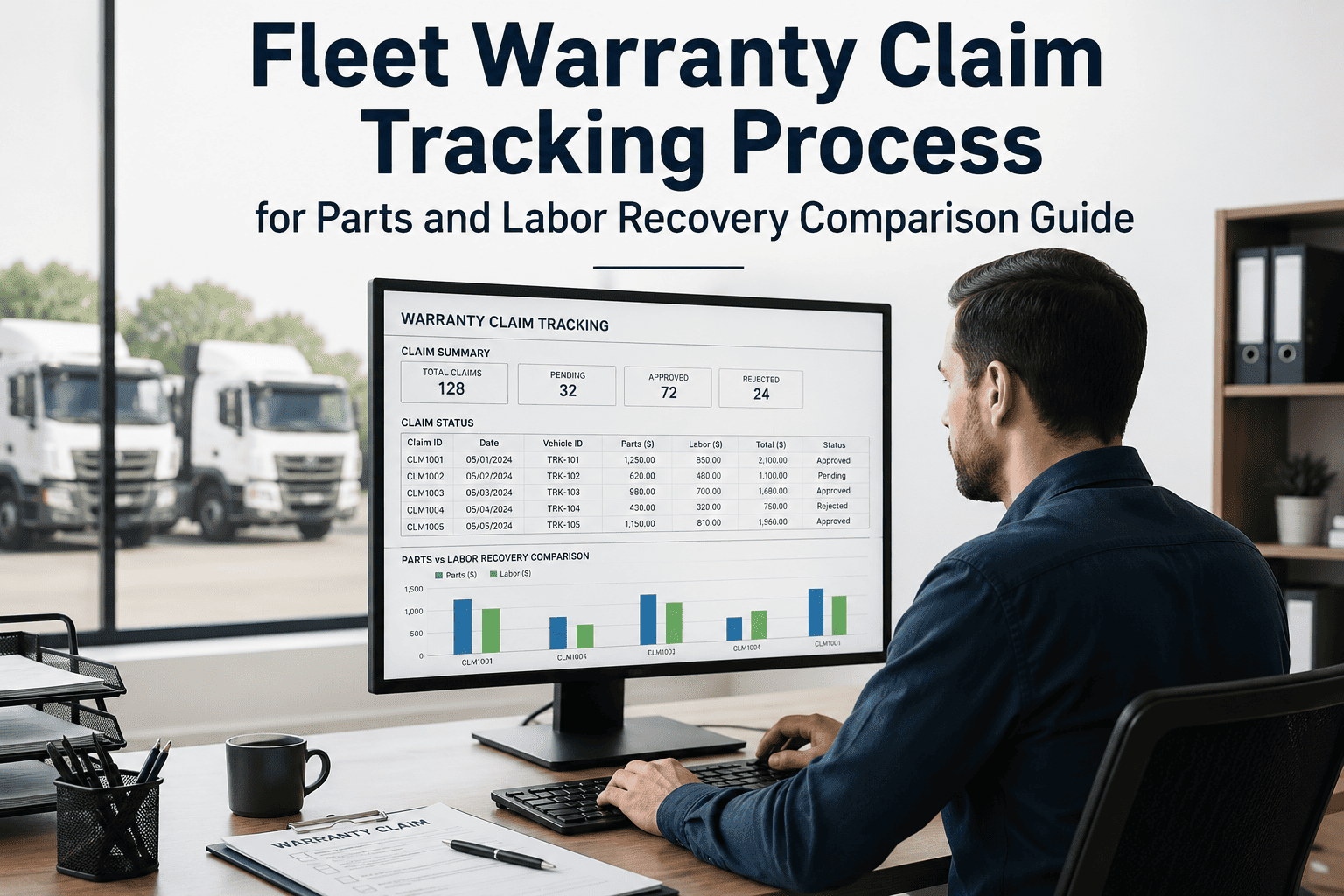
Read More
A fleet that files 200 warranty claims in a year typically recovers between 45 and 60 percent of what it could have claimed if the process had worked properly. The other 40 to 55 percent disappears into three black holes: claims that expired befor

Read More
If you run a 50-truck fleet at the industry average $0.20 cost per mile and 80,000 miles per truck per year, you are spending $800,000 annually on maintenance. The same fleet, run badly, lands at $0.31 per mile — that is $1,240,000. The $440,000 g

Read More
The fleet manager who walks into the morning standup with twelve open tabs and a hunch about which truck is in trouble is the fleet manager who is one bad week away from a six-figure surprise. The right mobile fleet maintenance app dashboard does

Read More
Downtime is where fleet operations bleed cash silently — every hour a vehicle sits idle costs $80 to $420 in lost revenue, driver wages, rental coverage, and SLA penalties. A mobile fleet maintenance app program is the highest-leverage downtime in
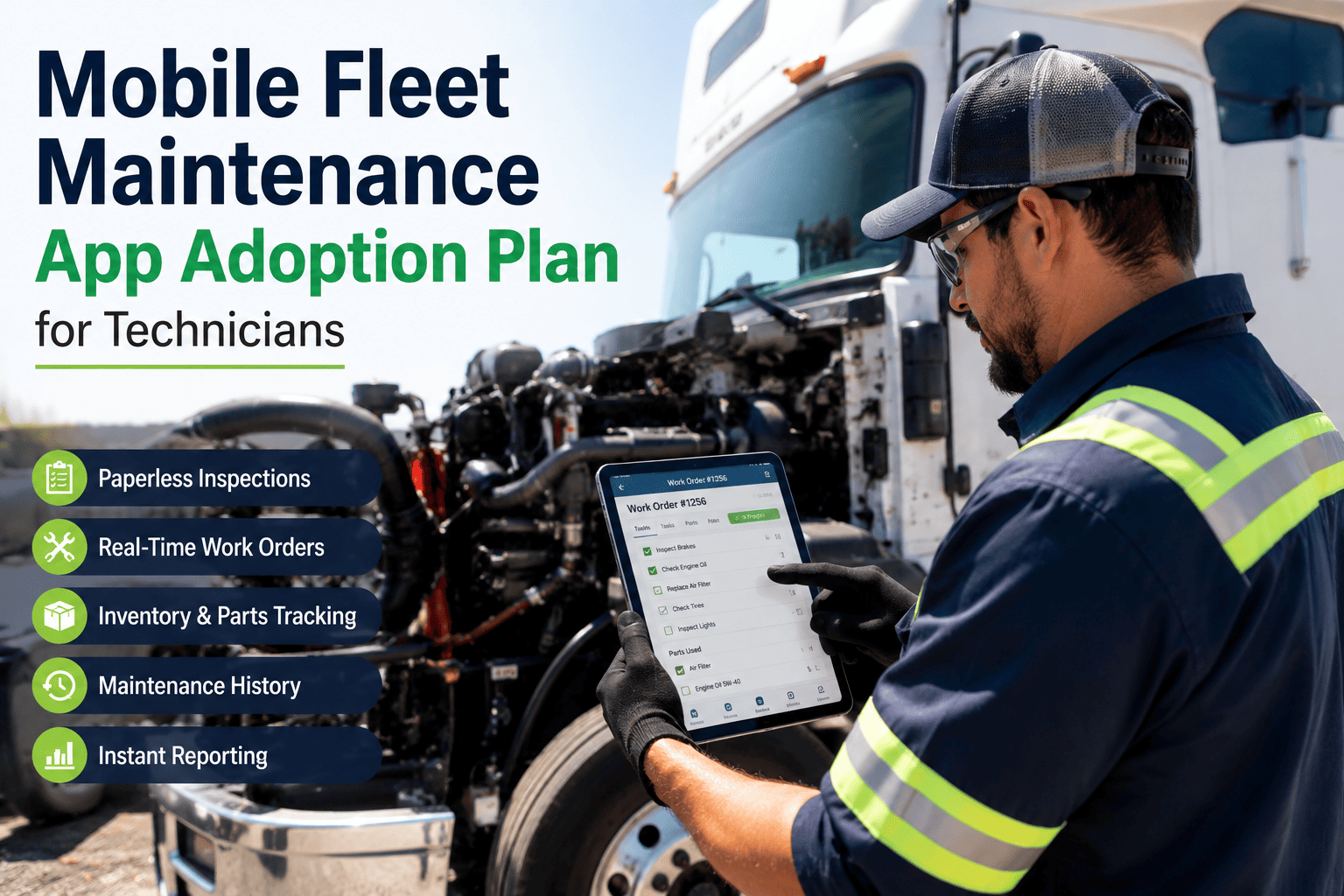
Read More
Mobile fleet maintenance app rollouts succeed or fail in the first 30 days — and the dividing line is almost never the software itself. The platforms with strong technician adoption share a deliberate rollout plan: pilot group, phased deployment,

Read More
Cost per mile is the metric that exposes everything a fleet operation is doing wrong with accident repair workflow — and it does so silently, line by line, across thousands of miles before anyone notices. A single uncoordinated claim can add $0.04

Read More
Multi-location fleet operations live and die on accident repair workflow coordination. A single collision repair touches the driver, the dispatch desk, the field adjuster, the body shop, the parts supplier, and the insurance carrier — and every ha

Read More
Fleet work order coding is the silent system that determines whether a maintenance department can answer the questions the CFO and operations director actually ask. Coded correctly, every closed work order becomes a data point in a fleet-wide inte

Read More
DEF system maintenance is no longer optional for any diesel fleet operating post-EPA 2010 vehicles — it is the single most important maintenance discipline that determines whether a truck reaches the end of its duty cycle uninterrupted or limps in
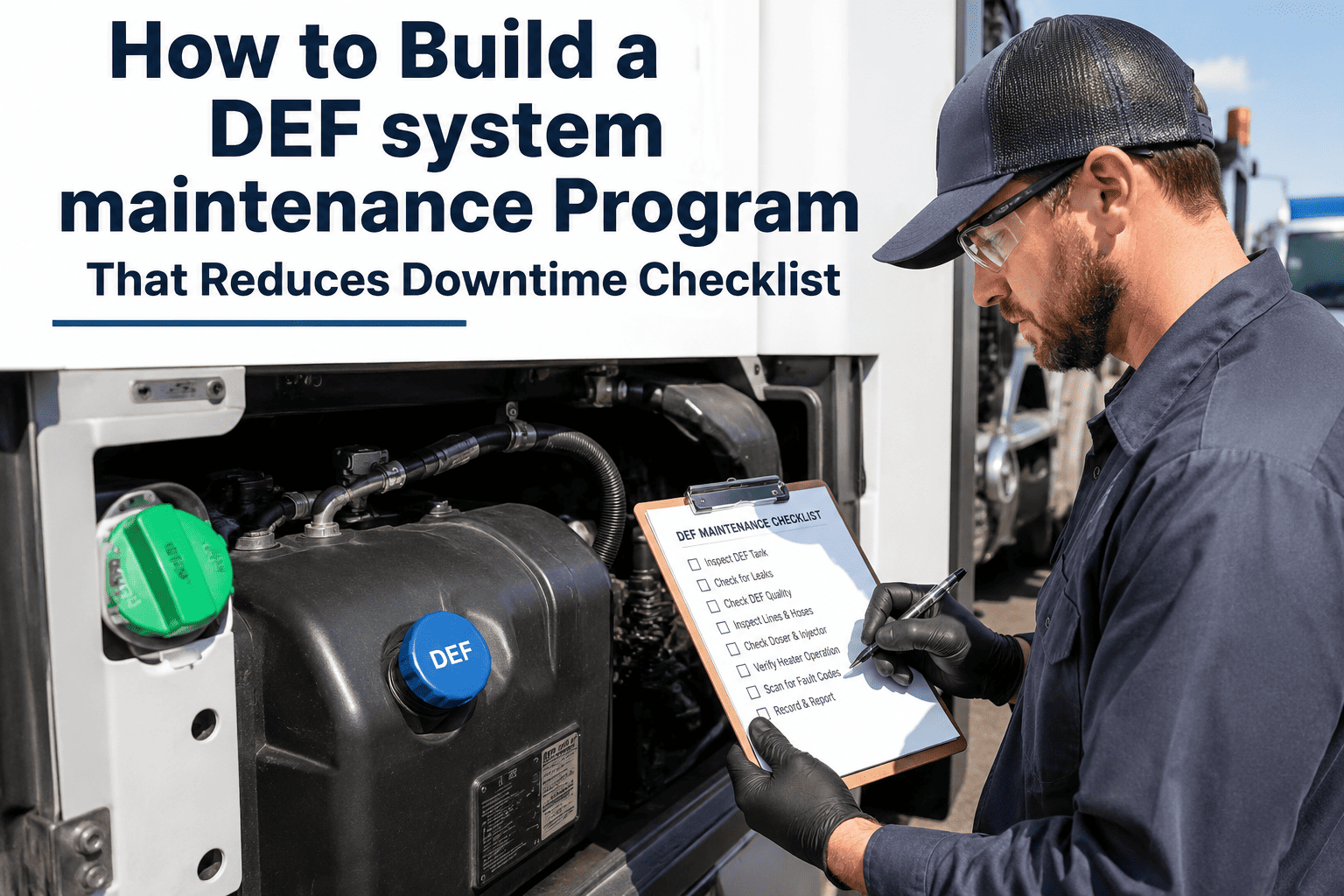
Read More
A DEF system that fails on the highway is not a maintenance issue — it is a stranded truck, a derated engine, a delayed delivery, and a customer call that nobody on your team wants to take. SCR system failures cost fleet operators thousands per in

Read More
A pool vehicle maintenance policy is the difference between a shared fleet that delivers 90% utilisation and one that delivers 40% with constant complaints about dirty cabins, unexpected downtime, and disputed accident claims. Pool vehicles operat
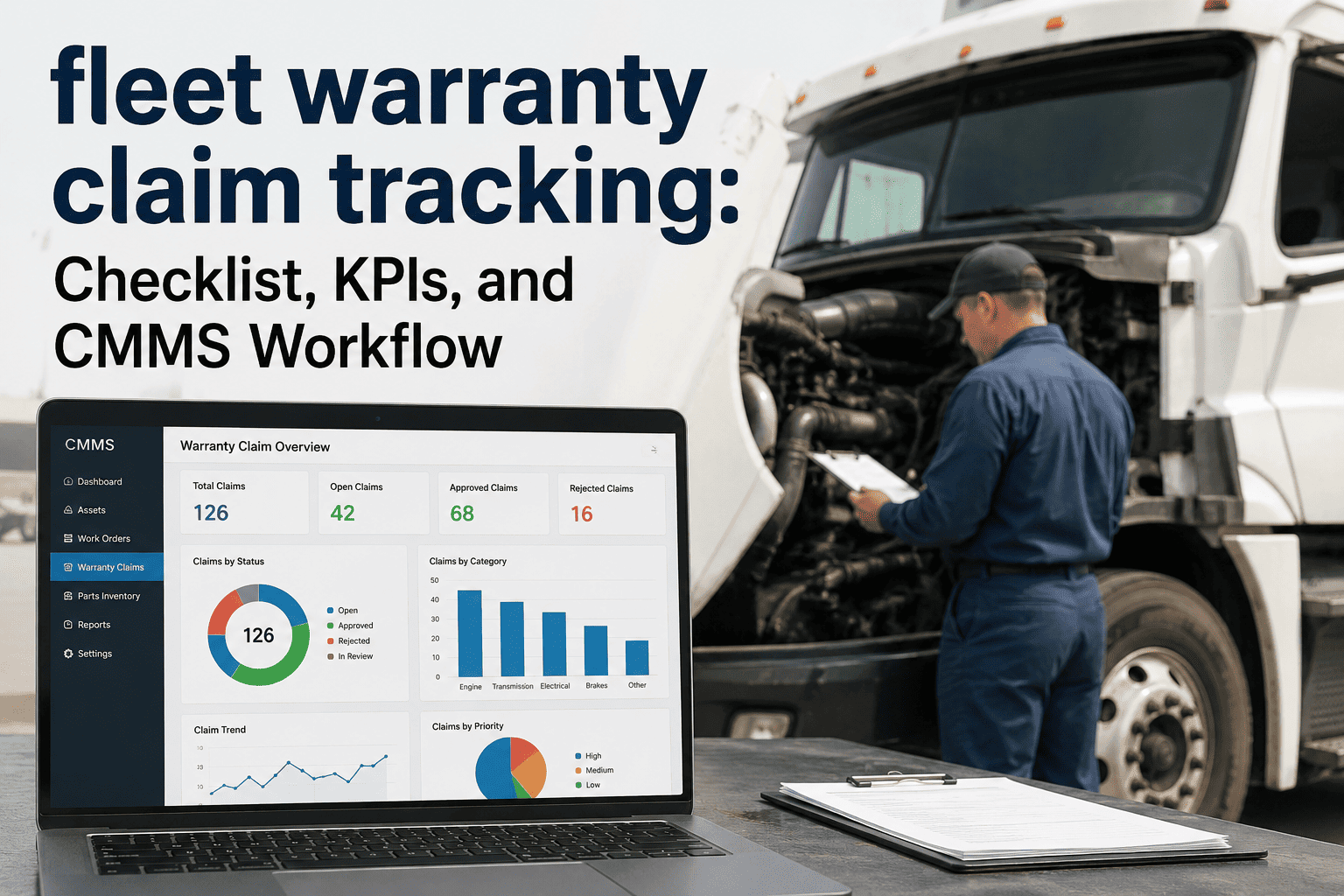
Read More
Fleet warranty recovery is one of the most underperformed cost-recovery levers in vehicle maintenance — fleets without structured tracking recover less than 30% of claimable repair costs, while operators on digital warranty platforms consistently

Read More
Running maintenance across multiple depot locations introduces a coordination problem that single-location fleets never face: the same repair looks completely different in your data depending on which location did the work order. One depot calls i
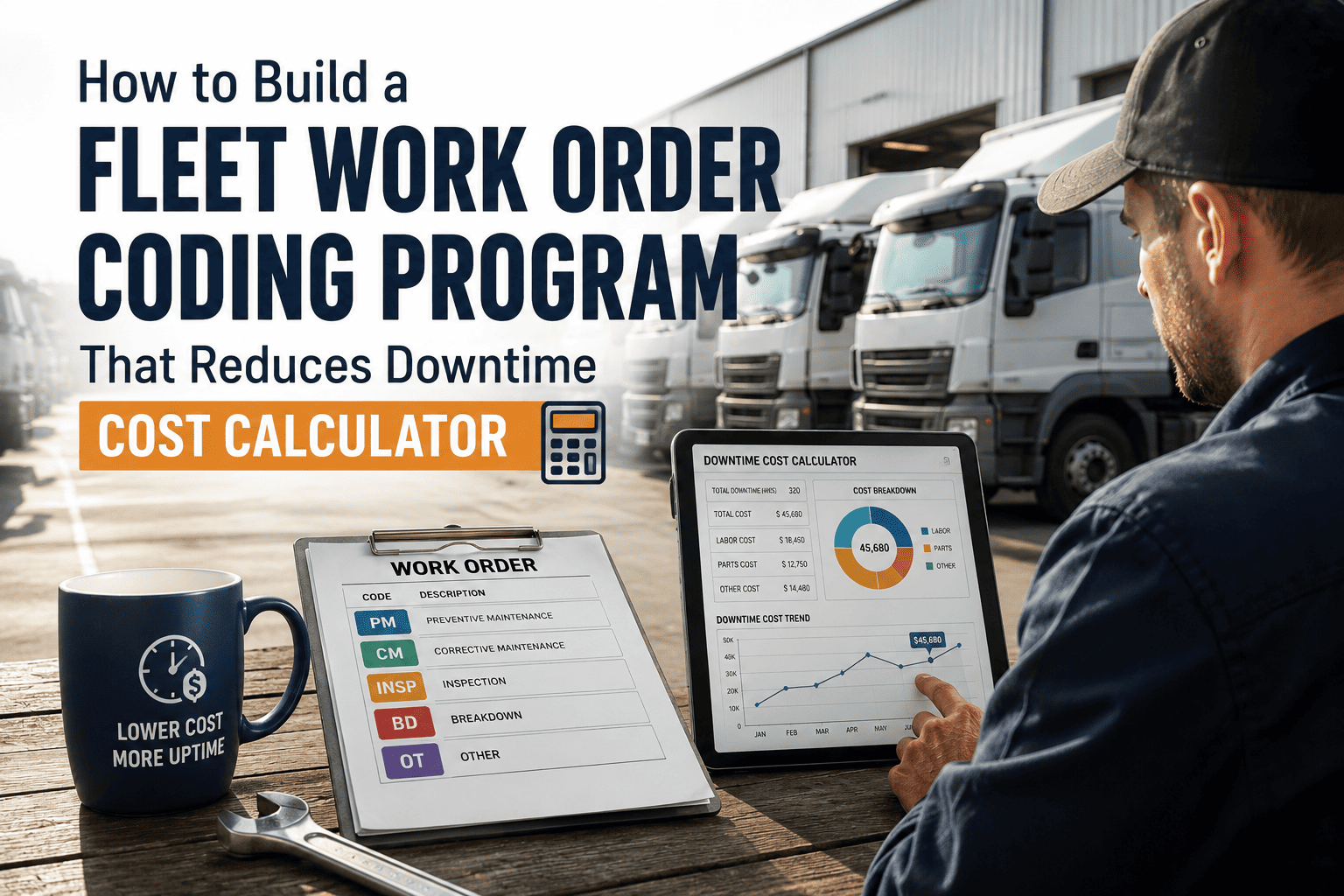
Read More
Every hour a commercial vehicle sits in the shop waiting for a technician to find the right part or understand what failed last time is an hour of direct revenue loss — and in most fleets, that wait is caused by the same problem: nobody coded the
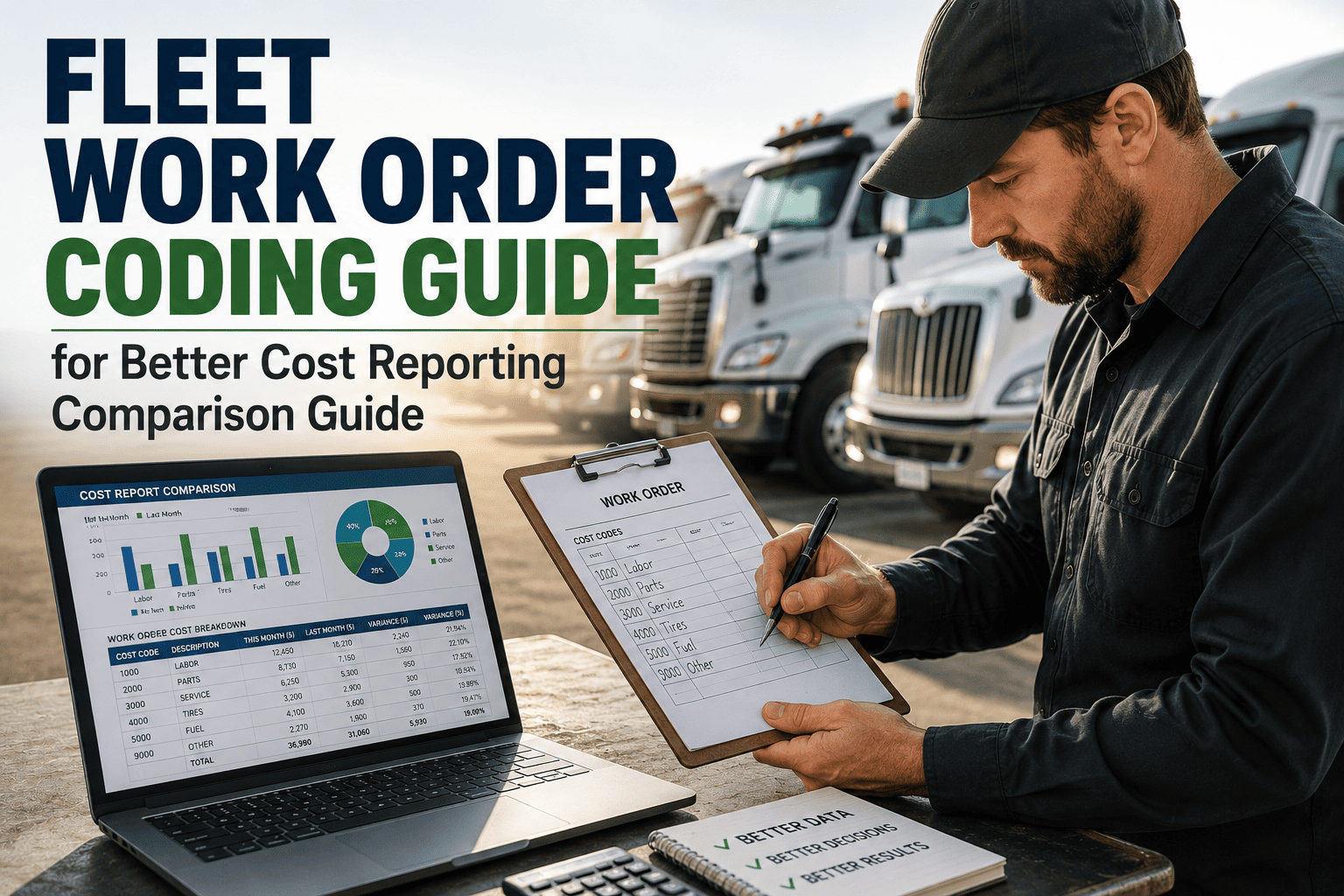
Read More
When a work order says "engine repaired" with a $2,200 charge, that tells you almost nothing useful. When it says "P0401 EGR flow fault — replaced EGR valve, part $340, labor 3.2 hrs" linked to asset ID TRK-017 with a cost center code, it tells yo

Read More
DEF (Diesel Exhaust Fluid) system failures are one of the fastest-growing sources of unplanned downtime in modern diesel fleets — and most of the damage is self-inflicted. Contaminated fluid, skipped sensor checks, and ignored fault codes turn a $
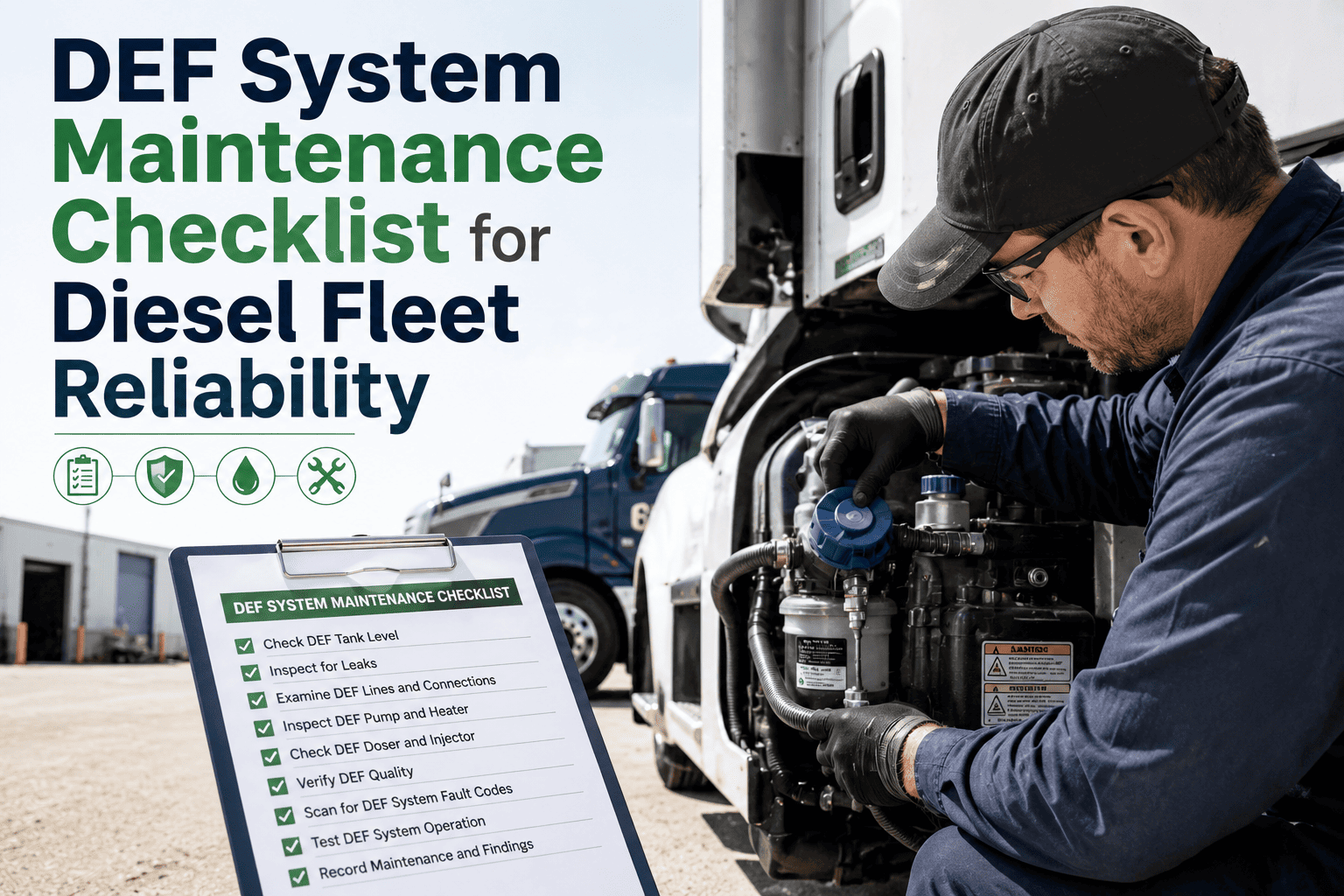
Read More
The Diesel Exhaust Fluid system is one of the most failure-prone emissions components in modern commercial diesel vehicles — and one of the most misunderstood by fleet maintenance teams. A single DEF system fault can trigger a derate event that cu
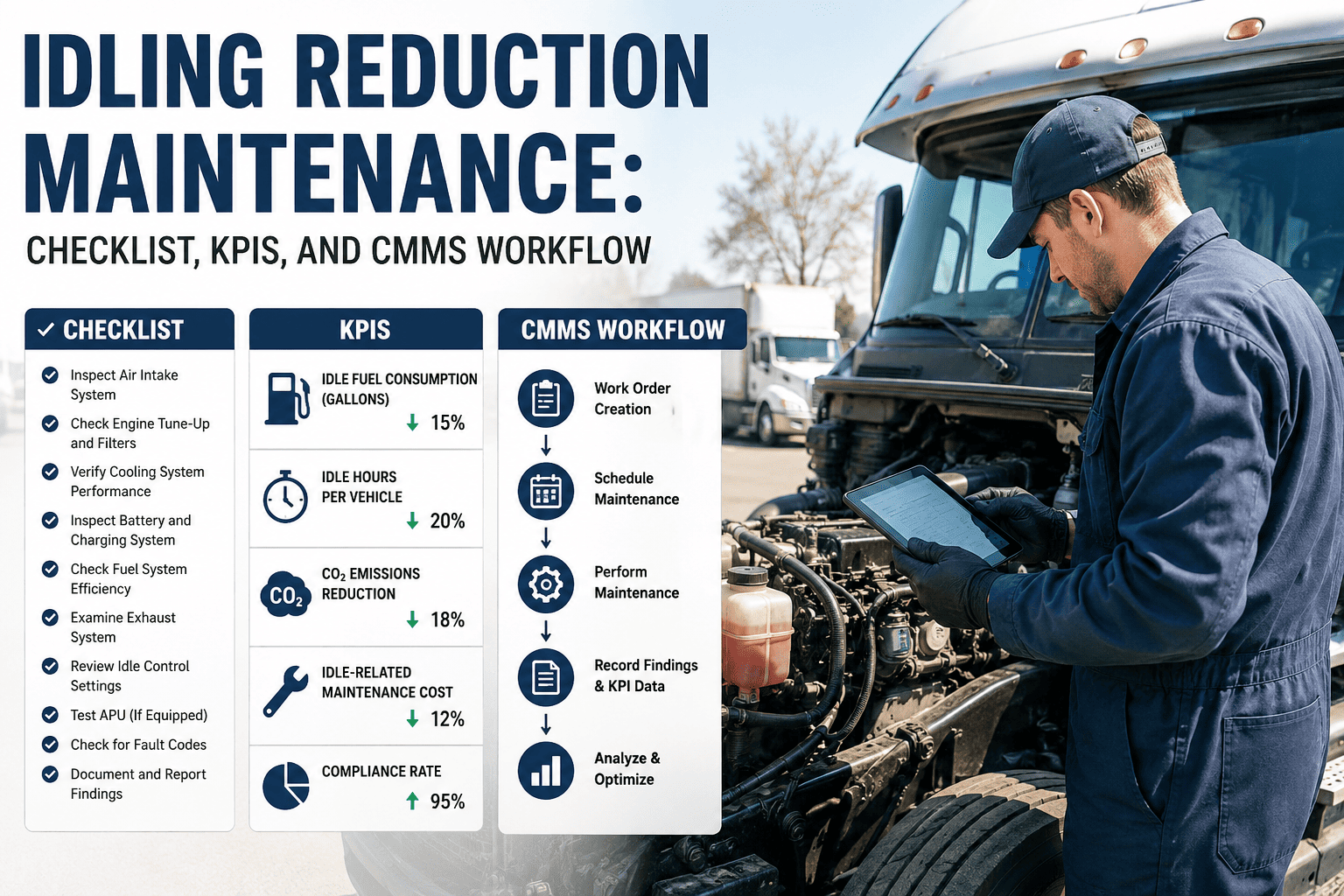
Read More
Excessive engine idling is one of the most overlooked sources of fuel waste and premature engine wear in fleet operations. A diesel engine idling for one hour burns roughly a gallon of fuel while producing zero productive output — and at scale, th
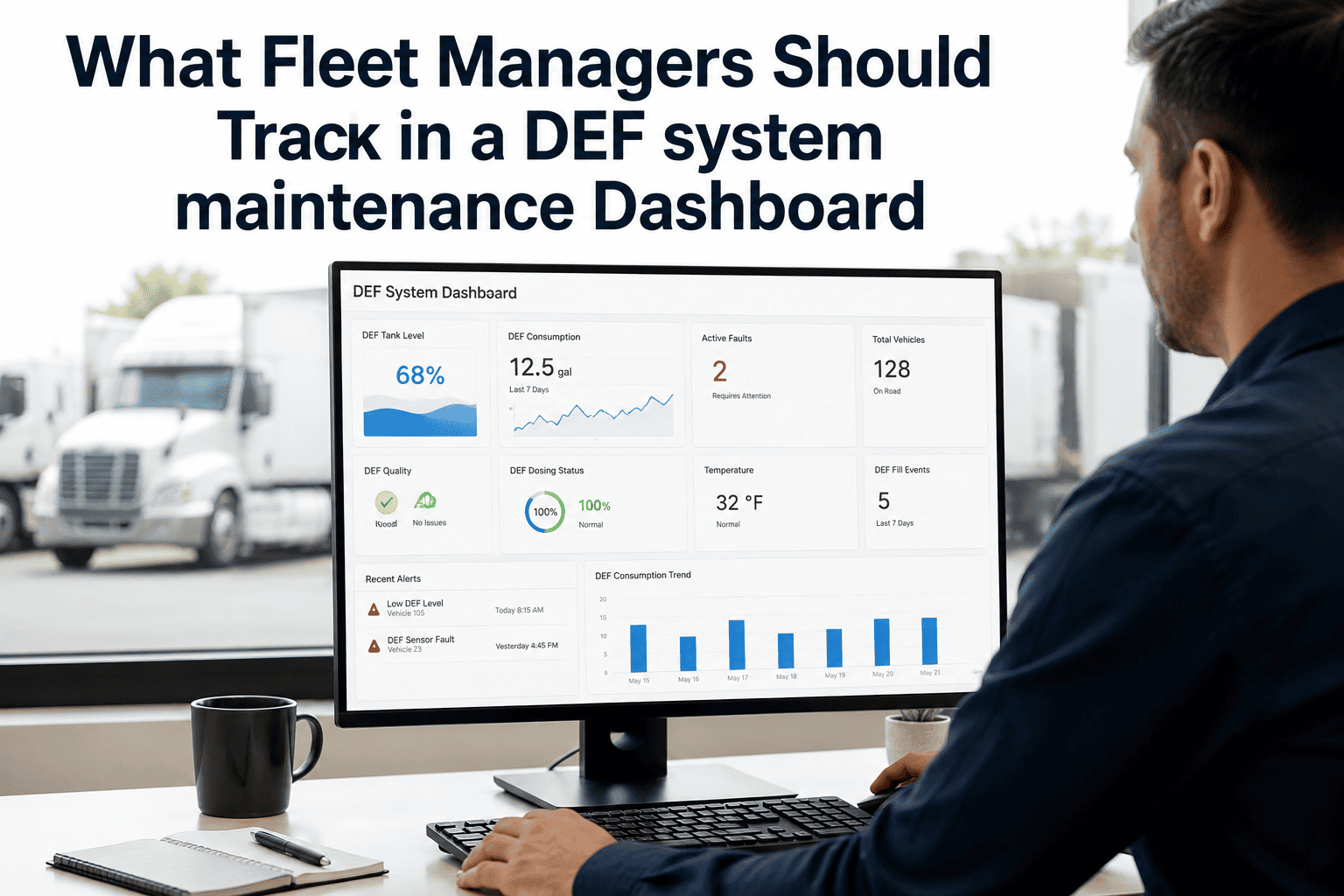
Read More
The first sign of a DEF problem should never be a dashboard warning light on the highway. By then the truck is already heading toward derate and a stranded load. A DEF dashboard earns its place when it shows the leading signals, fluid quality, sen
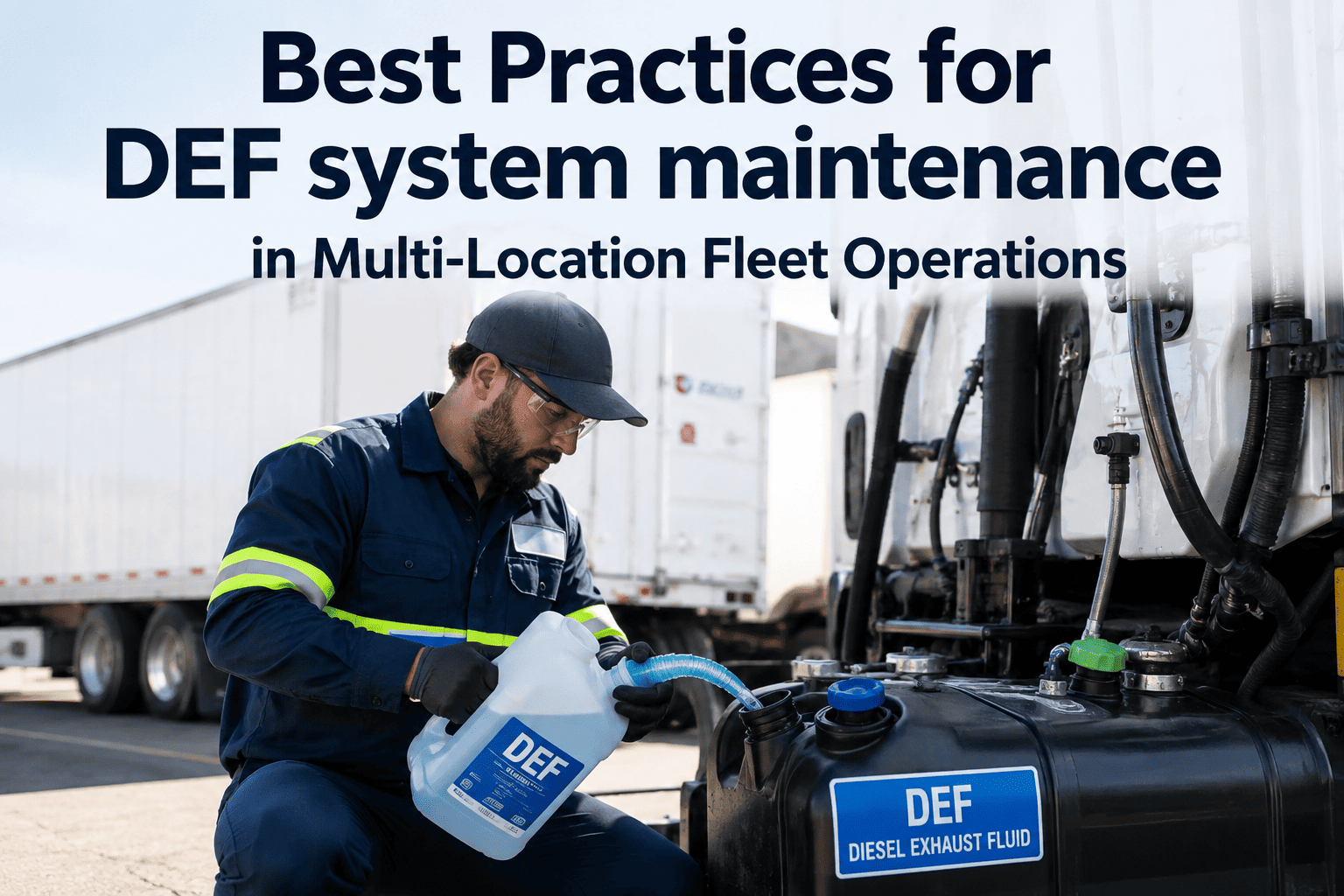
Read More
A DEF system failure does not announce itself politely. It flags a truck at a roadside inspection, drops the engine into derate, and strands a load hundreds of miles from the nearest shop. Across a multi-location fleet, the risk multiplies because
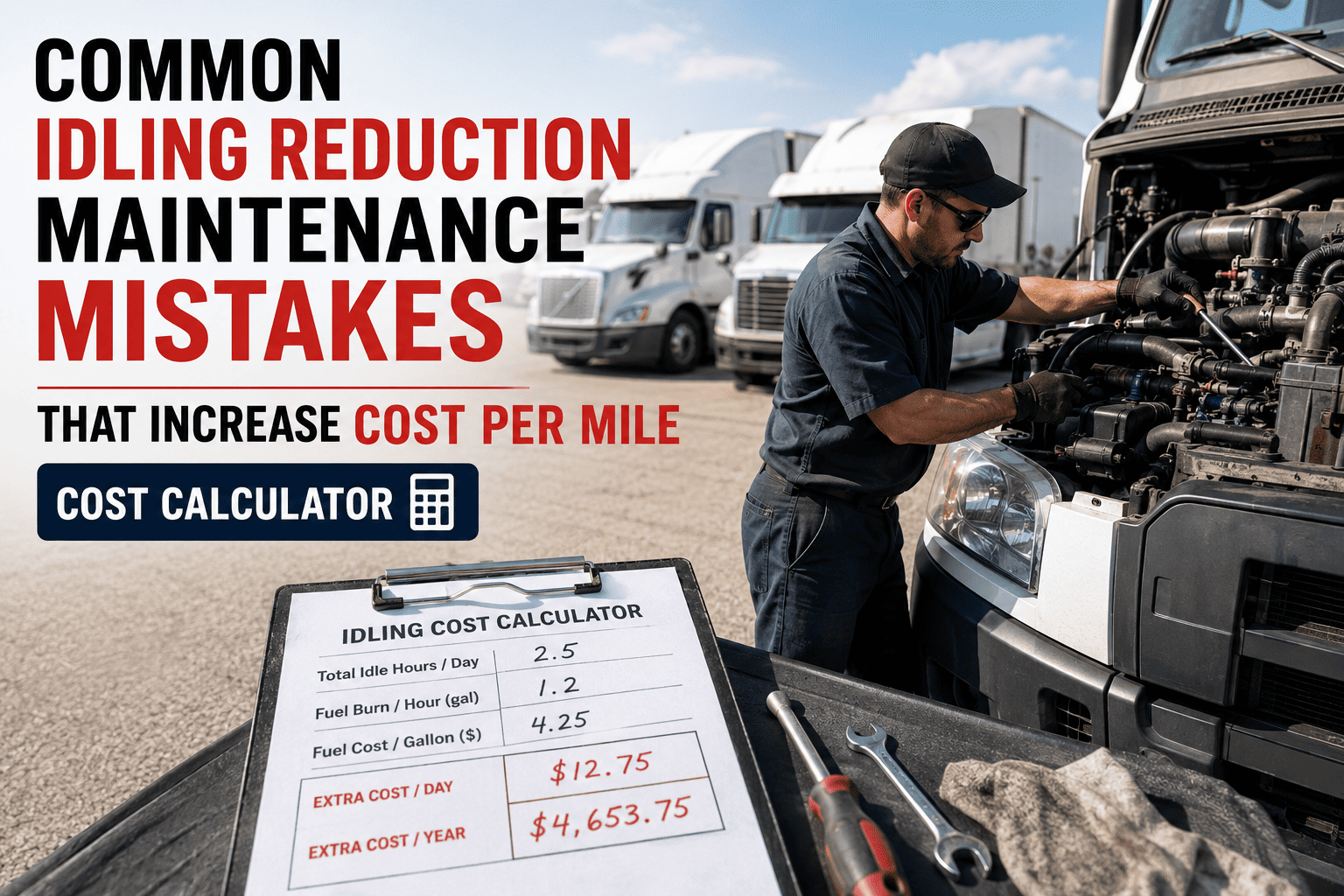
Read More
Cost per mile is the number every fleet lives and dies by, and idling quietly inflates it without ever touching the odometer. The mistakes that drive it up are not dramatic, they are routine: a warm-up that runs too long, a timer switched off, a m

Read More
If your idle reduction dashboard only shows total engine hours, it is hiding the number that actually matters. A truck can rack up the same hours sitting in a yard as it does on the highway, but only one of them earns revenue. Across the U.S. truc

Read More
Running idling reduction maintenance across one yard is manageable. Running it across eight terminals, three regions, and 200 mixed-class trucks is where most fleet programs quietly fall apart. Idle hours accumulate differently at every location,
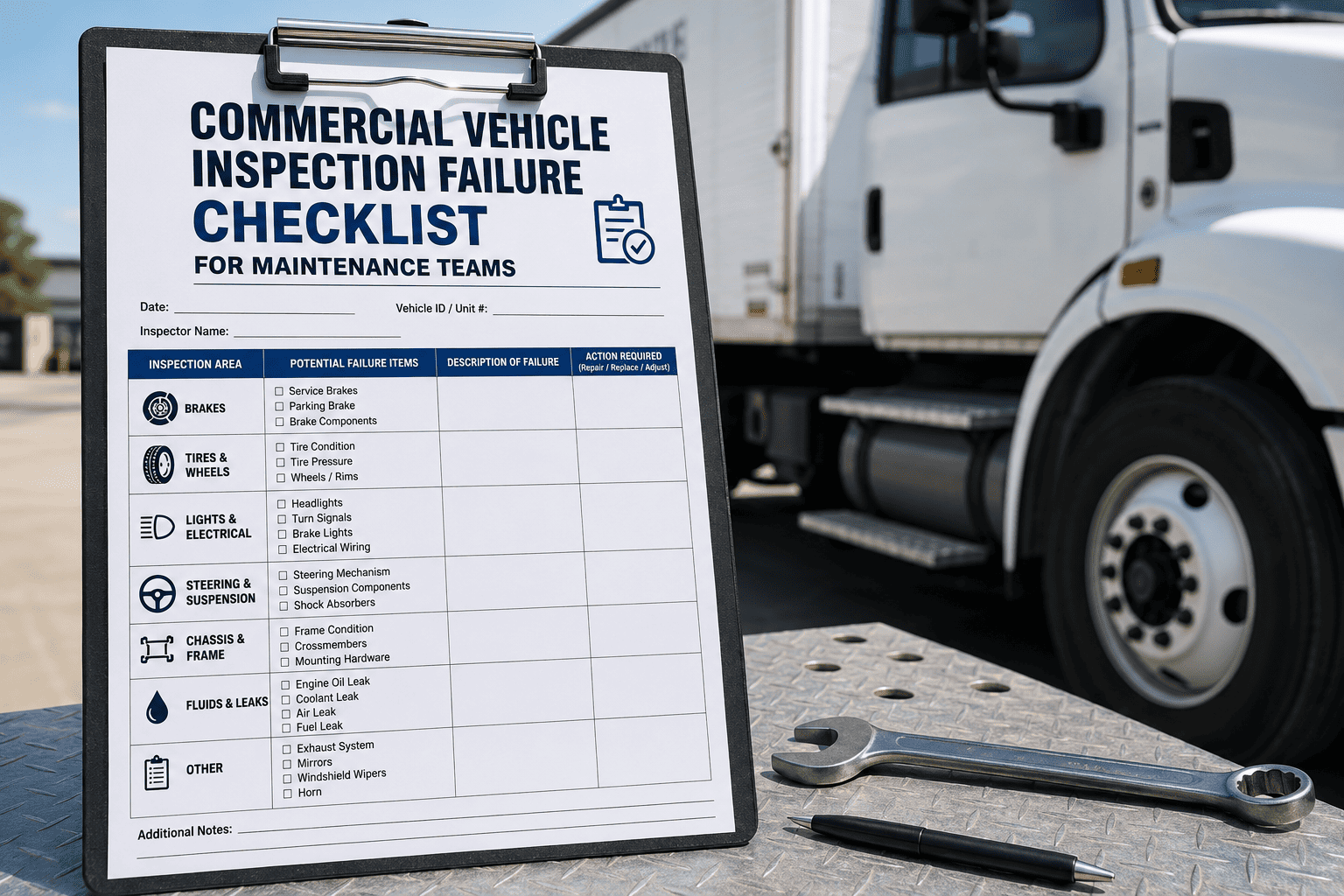
Read More
Roadside inspections are not random sampling — every commercial vehicle stopped at a weigh station or pop-up site goes through the same standardized procedure, and recent national inspection data shows close to one in five vehicles checked is pull

Read More
A fleet vehicle accident is a multi-dimensional event — it is simultaneously a safety incident, an insurance claim, a repair project, and a fleet availability problem. Most fleet operations handle these four dimensions through separate processes m
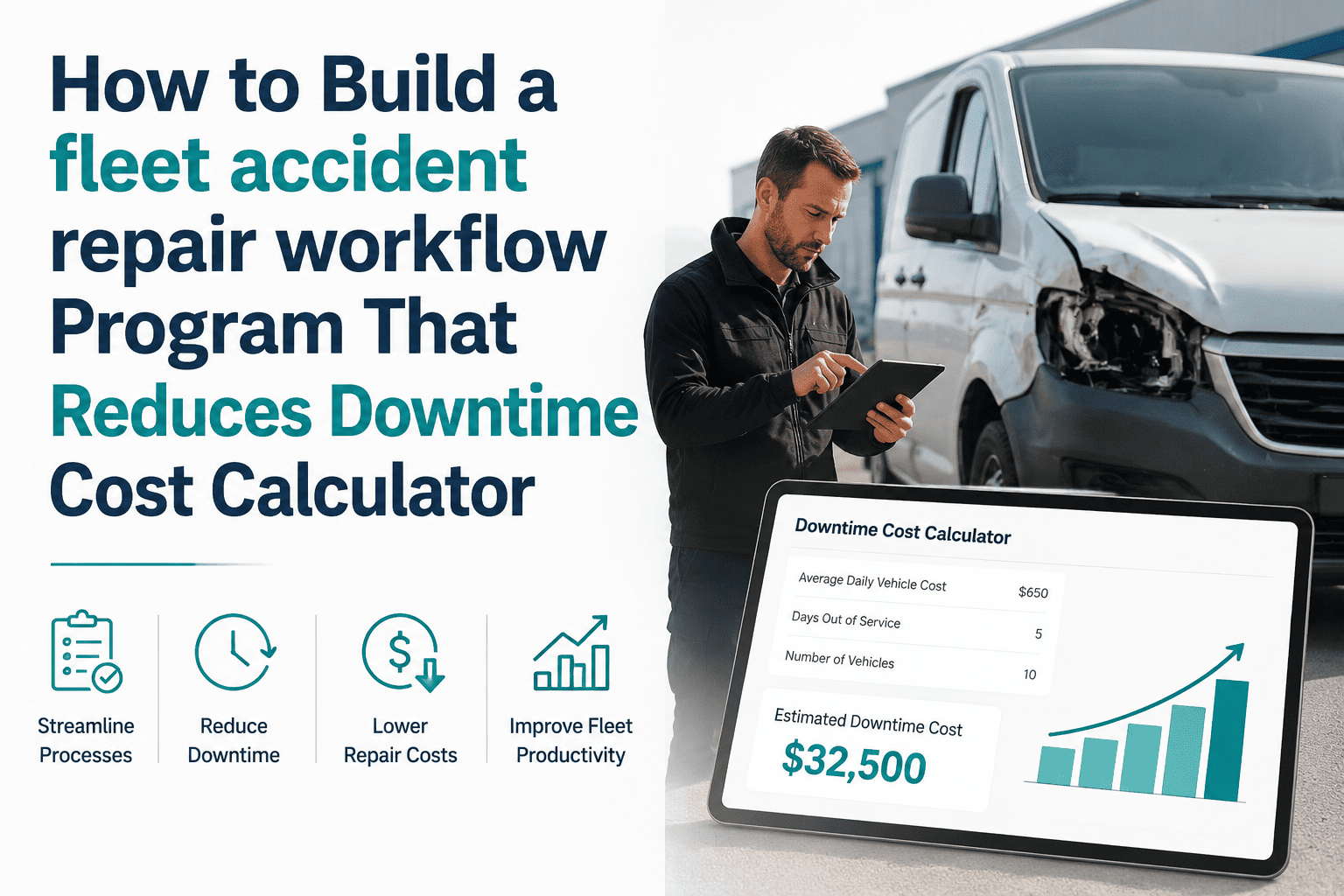
Read More
Fleet downtime from accident-related repairs is one of the most controllable — and most poorly controlled — costs in fleet operations. Unlike mechanical breakdowns, which require predictive systems to prevent, accident repair downtime is largely a

Read More
Every construction fleet manager knows that maintenance costs money — but few realise how much avoidable spending is baked into common operational habits. The mistakes that inflate cost per mile and cost per machine hour aren't dramatic failures;

Read More
A construction fleet maintenance dashboard is only as useful as the metrics it tracks. Most fleet managers start with basic data — open work orders, upcoming PMs — but the difference between a functional dashboard and a decision-making tool lies i

Read More
Managing construction fleet maintenance across multiple locations is one of the most demanding operational challenges in heavy equipment management. When excavators in one city, dump trucks at a remote site, and cranes at a third location all need

Read More
Most fleets do not fail at battery health tracking because they lack data. They fail because the data lives in a telematics portal that nobody opens unless a vehicle has already stranded itself. A program is different from a dashboard — a program

Read More
A 50-vehicle mixed fleet has two completely different maintenance languages running at once. The diesel trucks speak in oil pressure, mileage intervals, and exhaust temperature. The EVs speak in state-of-health, charge cycles, and thermal drift —

Read More
A hydraulic system inspection without a connected CMMS workflow is a record-keeping exercise, not a maintenance program. The inspection finds the symptom; the KPI confirms the trend; the CMMS work order triggers the repair — and only when all thre
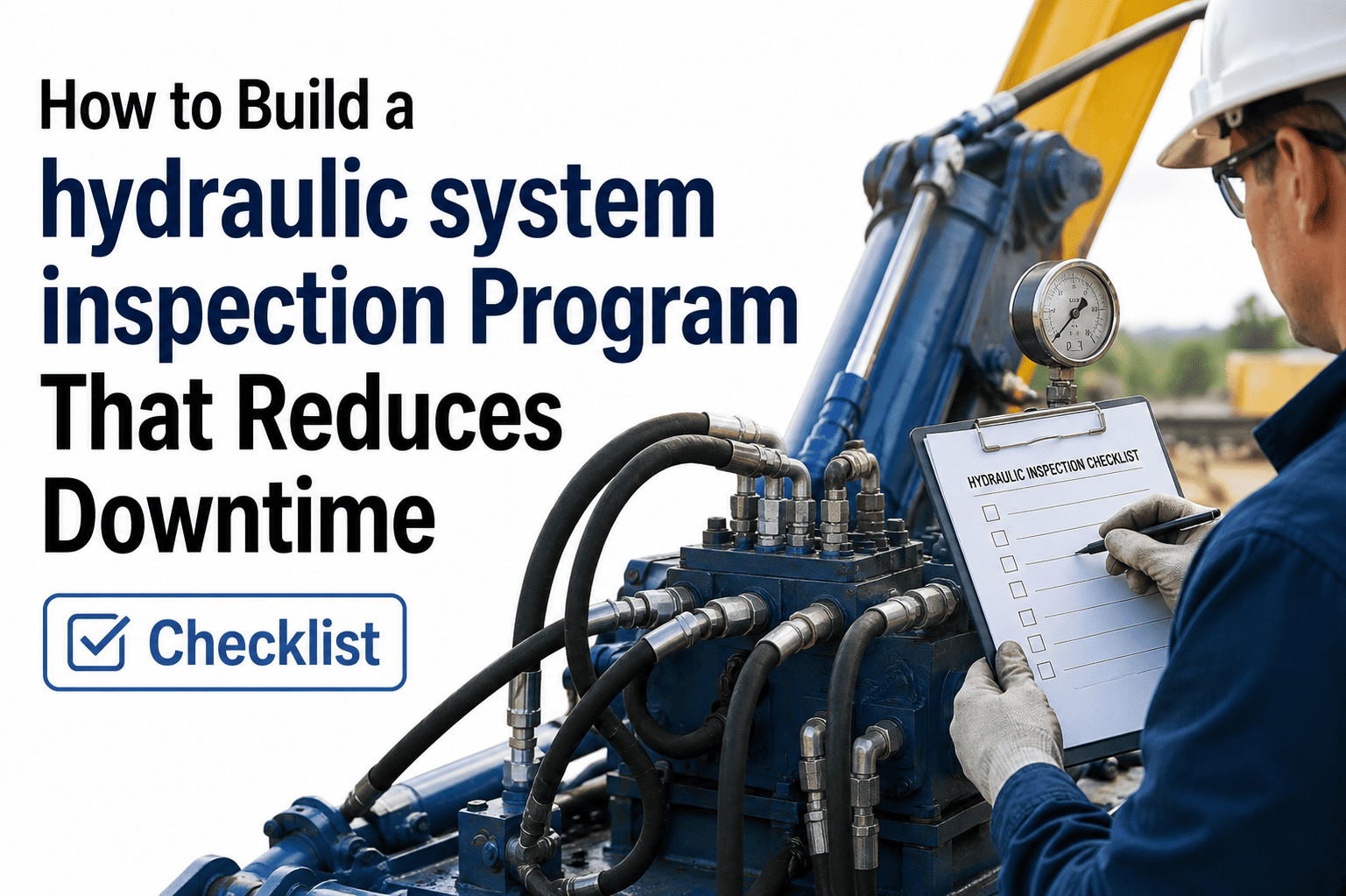
Read More
Hydraulic systems fail silently — pressure drops, seal wear, and contamination build over weeks before a catastrophic breakdown halts an entire fleet. A structured hydraulic system inspection program catches these signals early, converting expensi
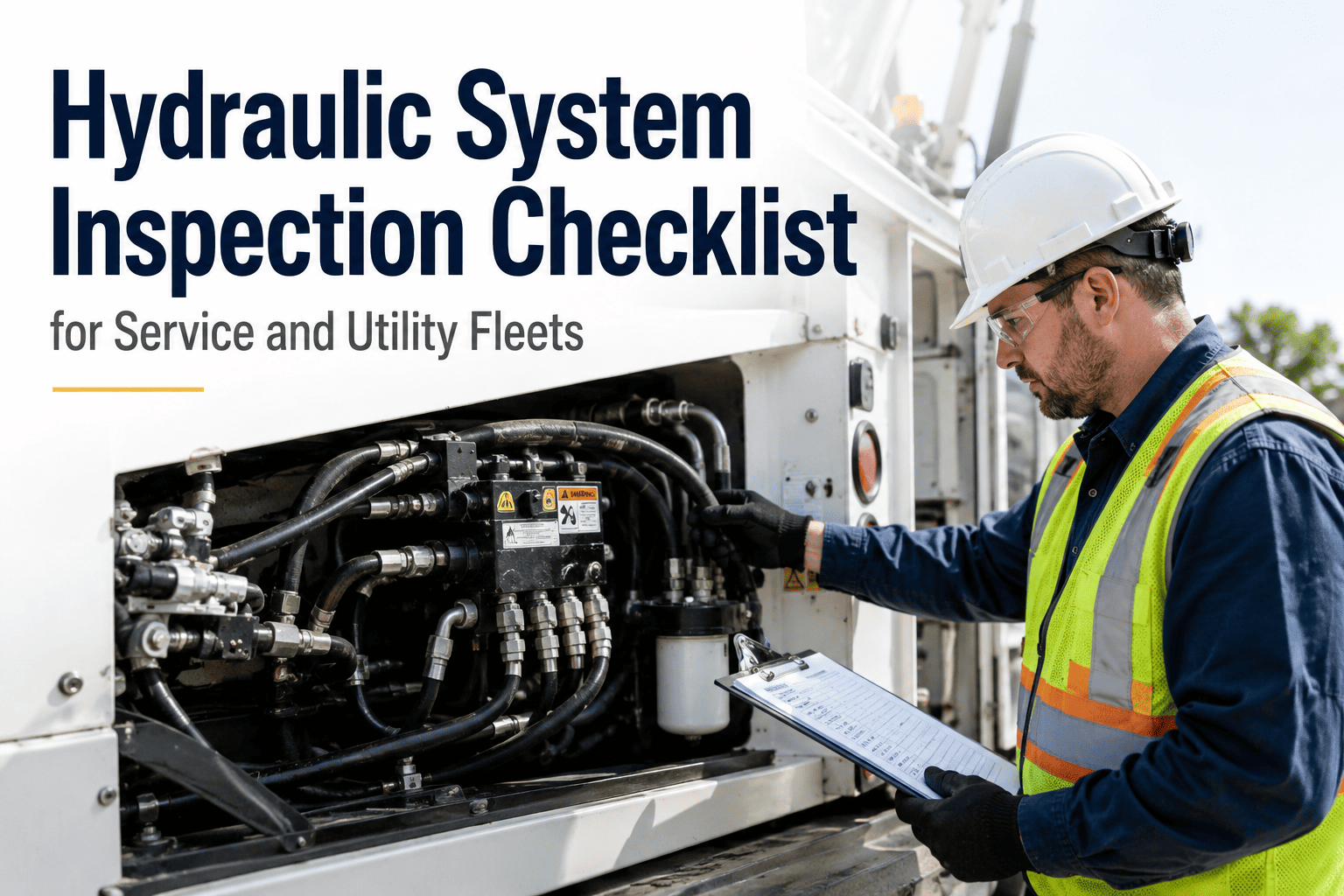
Read More
Service and utility fleets depend on hydraulic systems to perform core functions — from crane lifts and dump body raises to tailgate operation and aerial platform control. When hydraulic components fail in the field, vehicles are grounded, jobs ar

Read More
Every dollar of unnecessary maintenance cost can be traced to a decision — or more often, a failure to decide in time. Fleet managers operating without a structured PM compliance dashboard make the same expensive mistakes repeatedly: servicing too
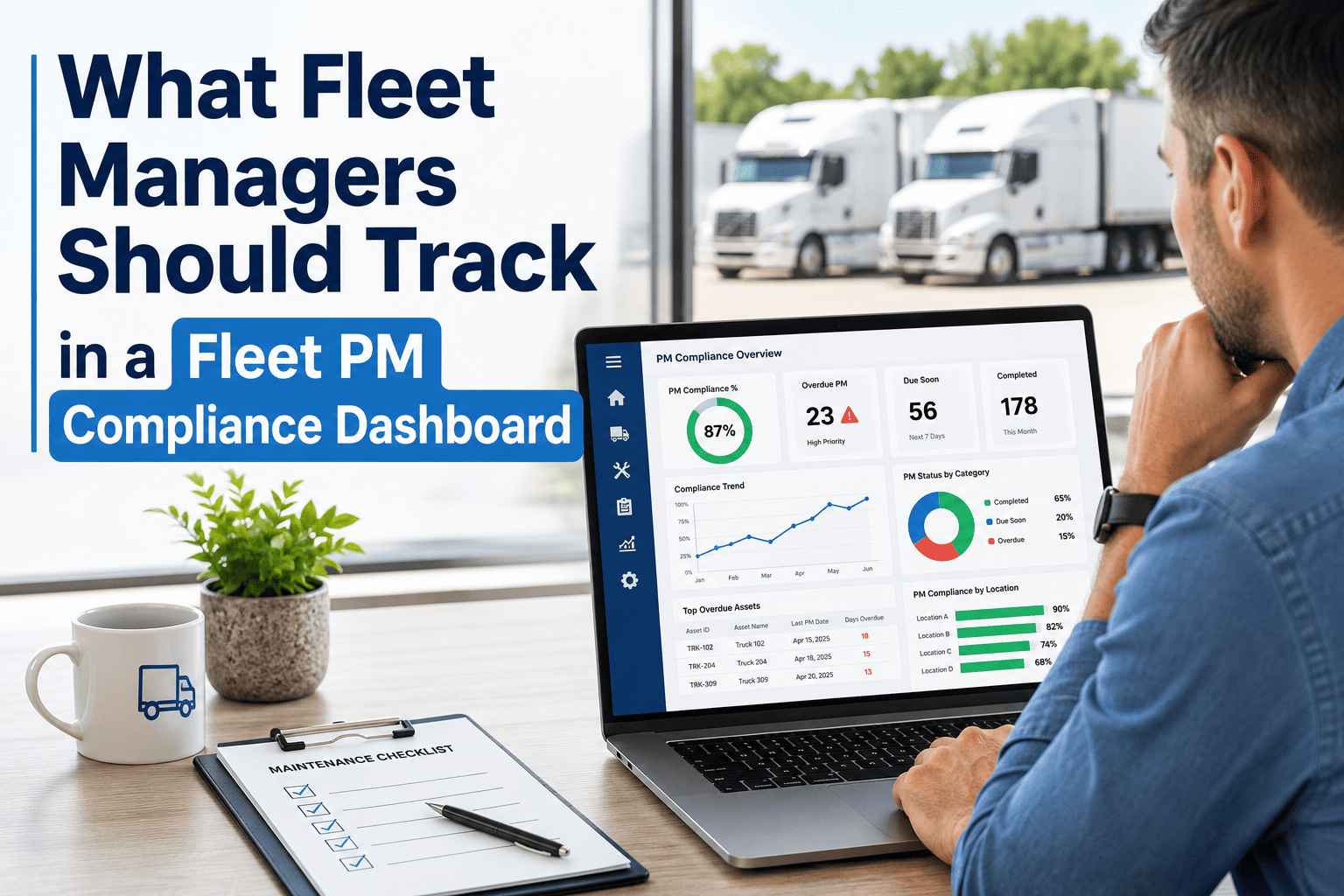
Read More
Most fleet managers know their vehicles need regular preventive maintenance — the breakdown happens in knowing whether that maintenance is actually happening, on time, every time, across every vehicle in the fleet. A fleet PM compliance dashboard

Read More
Running a fleet PM compliance dashboard across multiple locations is where most fleet programs quietly fall apart. What works at a single yard — shared spreadsheets, phone call sign-offs, a whiteboard schedule — creates dangerous blind spots the m

Read More
A Driver Vehicle Inspection Report that a driver fills out in 30 seconds, checks "no defects," and hands to a dispatcher without a technician ever reviewing it is not a safety programme — it is a liability record that proves the fleet knew defects
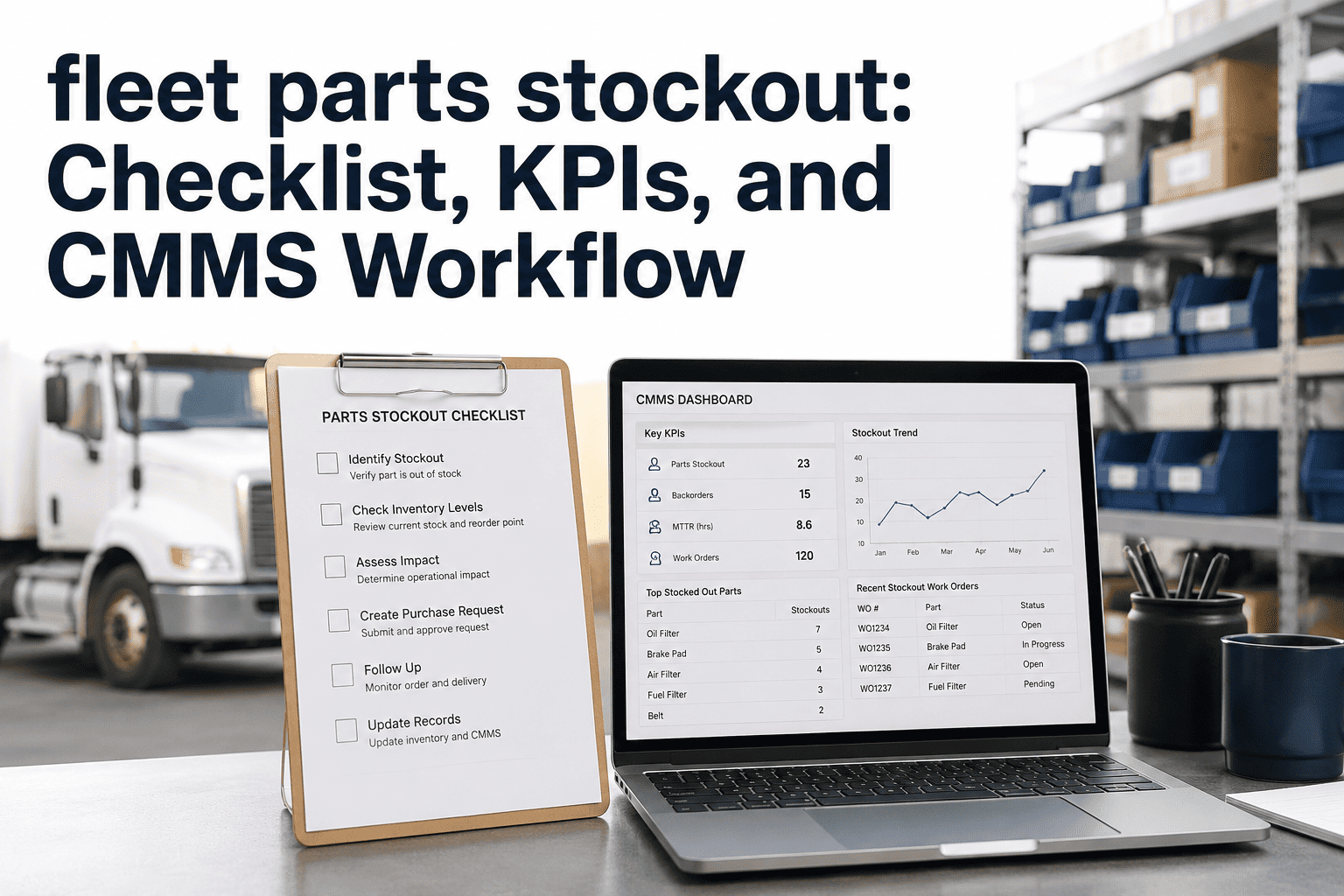
Read More
A fleet that runs out of the oil filter for its most common engine platform mid-month does not have a supply chain problem — it has a planning failure. Parts stockouts force two equally damaging outcomes: vehicles operate past their PM intervals w
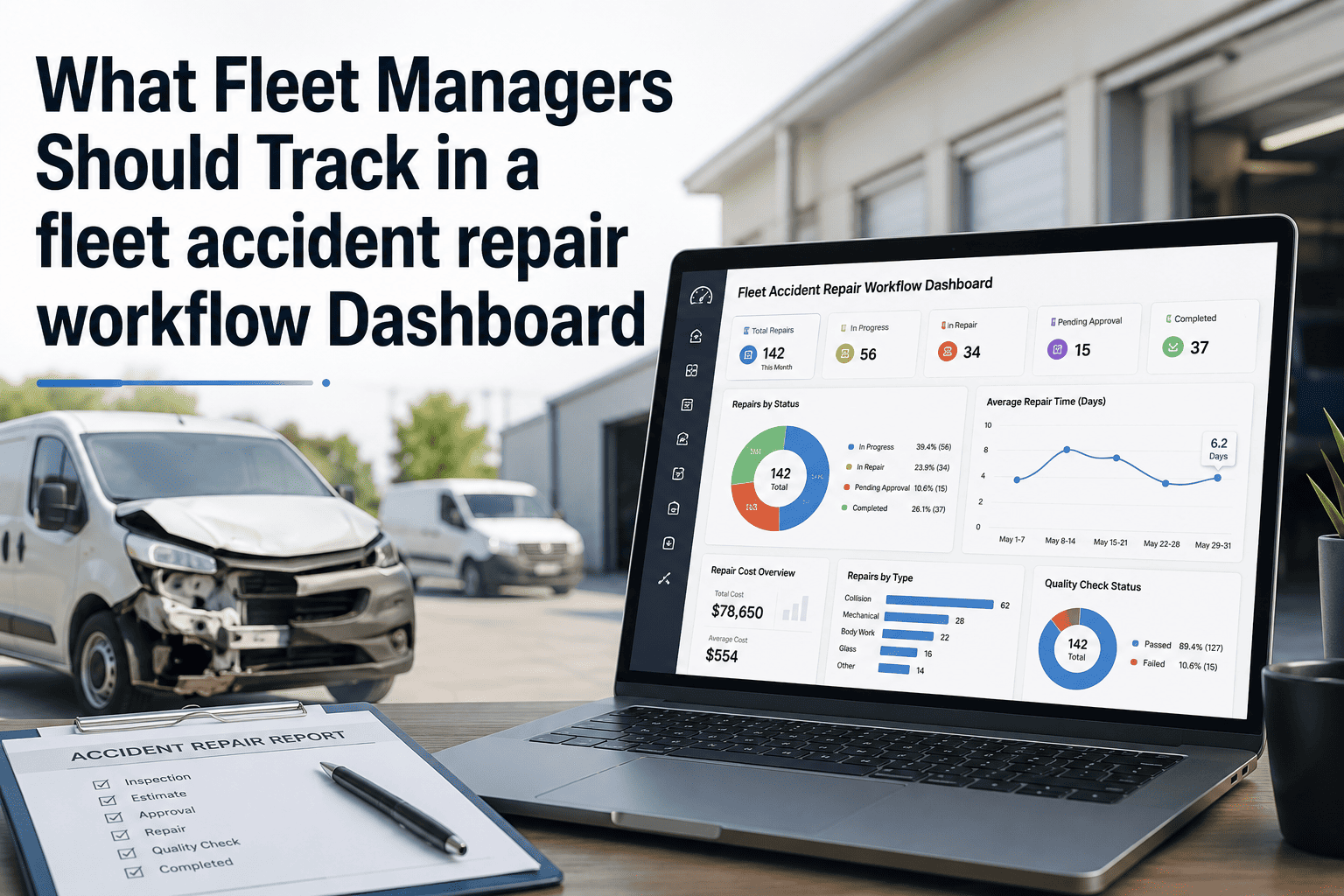
Read More
The first 48 hours after a fleet accident decide everything that follows — how fast the vehicle gets back on the road, how much of the repair cost gets recovered, and whether the paperwork holds up if a claim gets disputed later. Most fleets handl
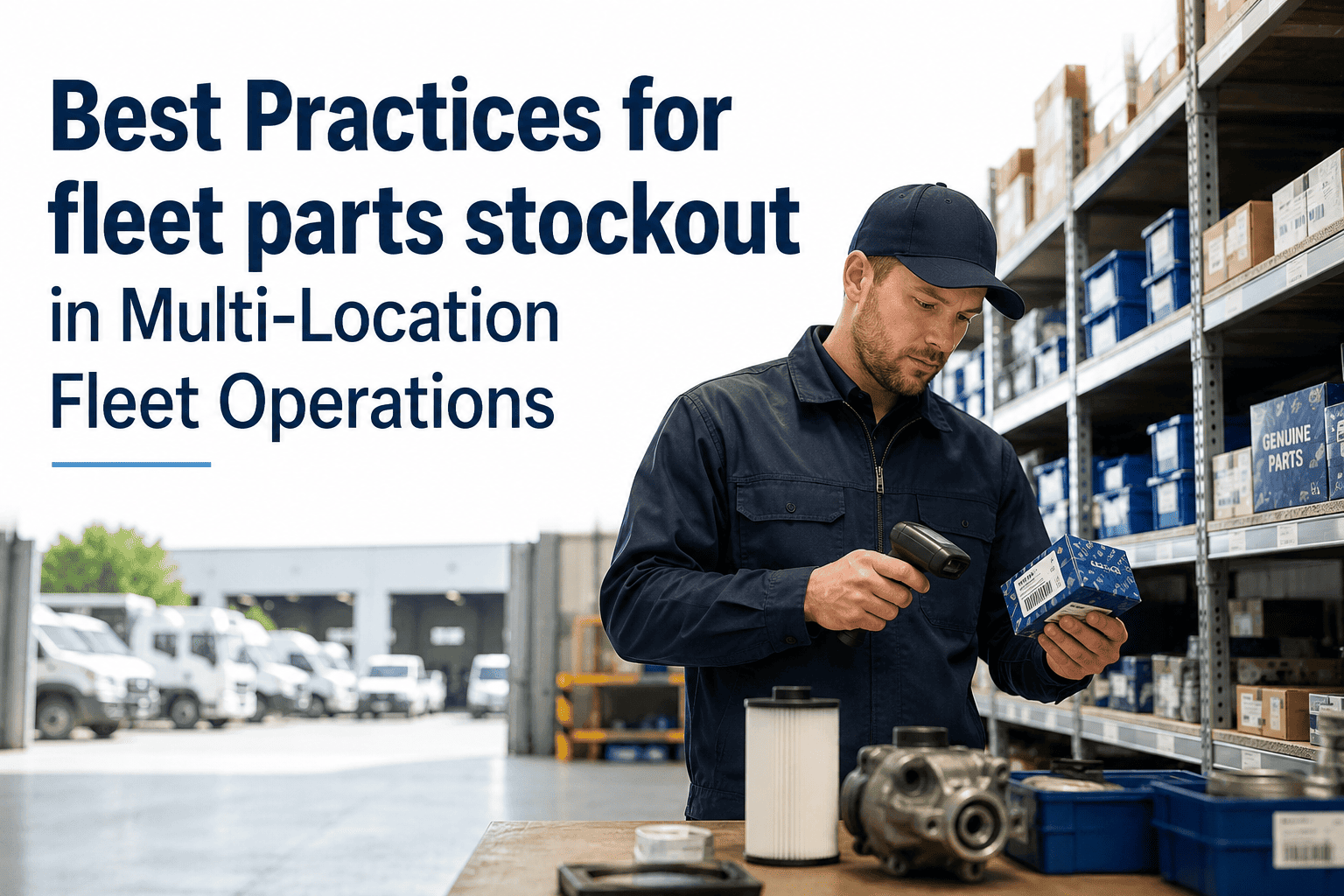
Read More
A parts stockout is not just an inventory problem — it is a maintenance failure that compounds across every vehicle that needs service while the part is missing. When a fleet technician completes a brake inspection, flags the pads for replacement,

Read More
Every fleet manager knows the feeling — a driver mentions a grinding noise three days after it started, and now a routine fix is a roadside breakdown. A driver defect reporting program closes that gap by turning every pre-trip and post-trip walkar

Read More
Most idling reduction efforts start with a memo telling drivers to shut off the engine, and most of them fade out within a month because there's no system behind the rule. A program that actually reduces downtime needs targets, tracking, and a mai

Read More
A truck sitting at idle for two hours a day burns fuel for zero miles driven, and most fleets never see that cost until the fuel bill arrives weeks later. Drivers idle to run the heater, wait between stops, or warm up the cab, and none of it shows
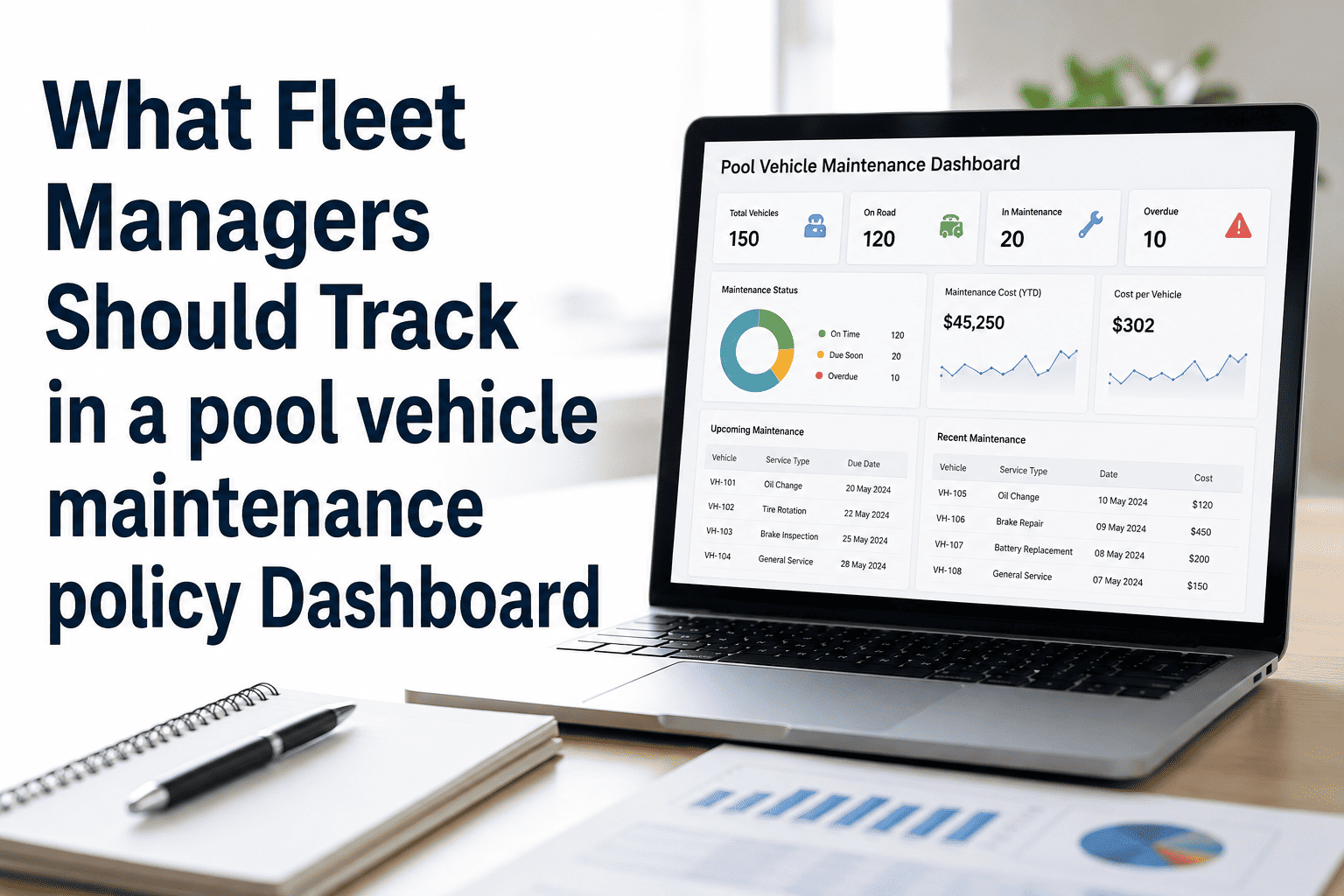
Read More
A pool vehicle gets driven by a different person almost every week, which means nobody feels like it's truly their car to maintain. Service intervals slip because the last driver assumed someone else would book it in, fault reports never reach the

Read More
Most fleets pay for warranty coverage on every vehicle and component they buy, yet a large share of that entitlement is never claimed back. Repairs get completed by an in-house technician before anyone checks the coverage window, paperwork goes mi
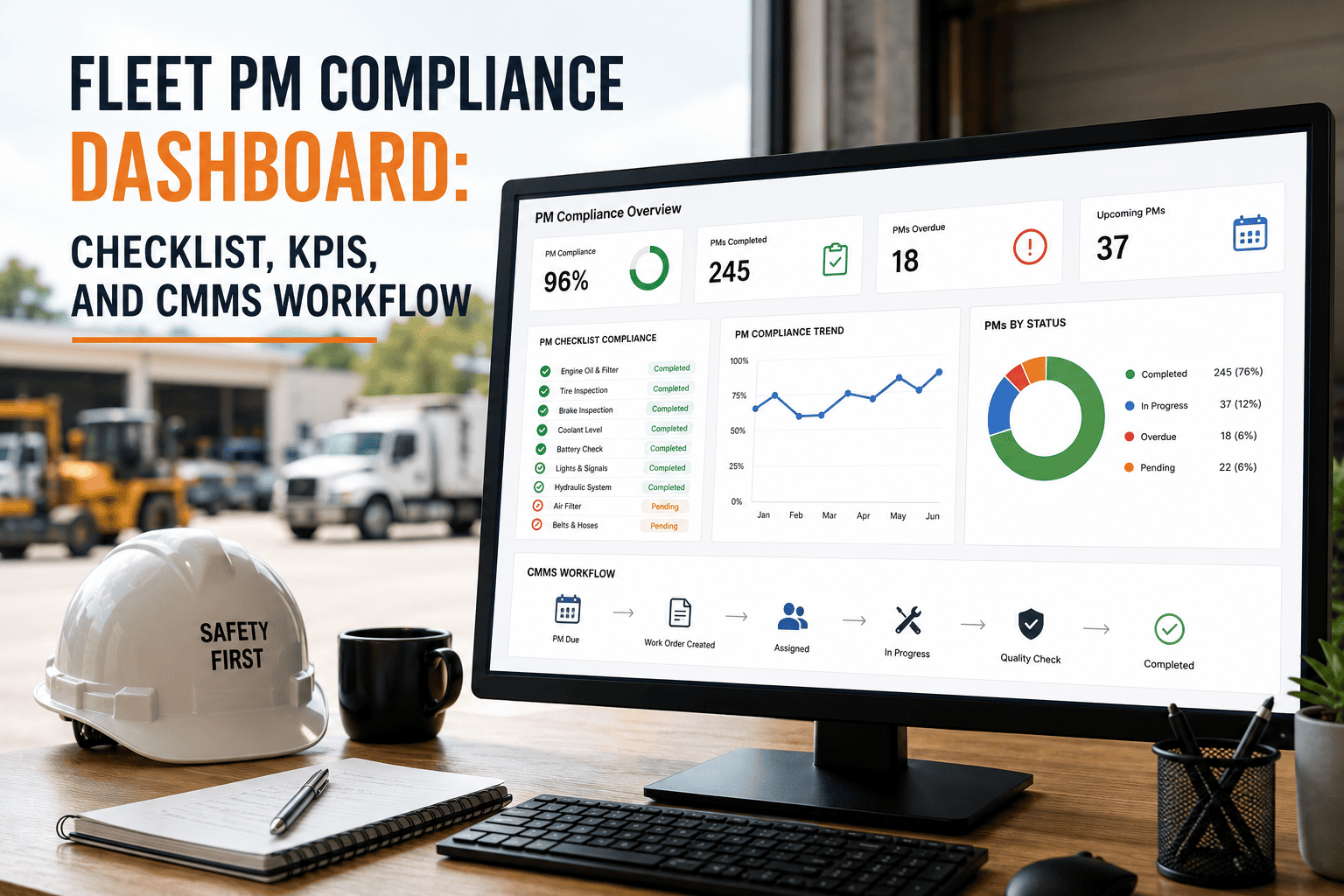
Read More
A fleet PM compliance dashboard without a connected CMMS workflow is a scoreboard with no players — it displays numbers that nobody acts on until a vehicle breaks down or a DOT inspection reveals a service overrun that the dashboard should have fl
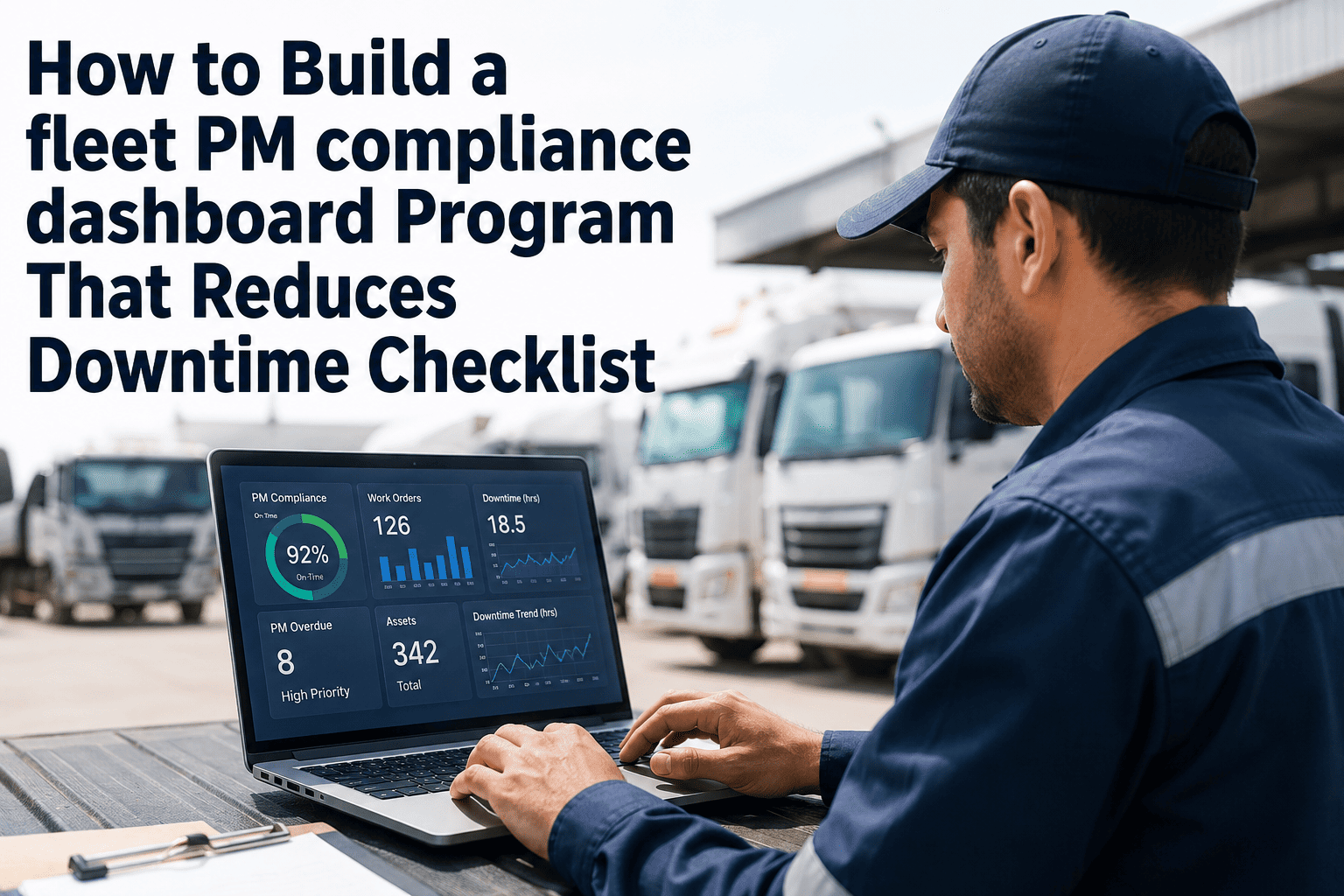
Read More
Fleet maintenance teams that track PM completion rates in a spreadsheet while their vehicles accumulate mileage past service intervals are not running a compliance programme — they are running a reactive maintenance operation with a compliance lab

Read More
Most telematics dashboards show fleet managers everything except what actually matters for catching bad data before it skews a decision. Industry analysis points to four north-star KPIs that matter most — cost per mile, vehicle utilization, unplan
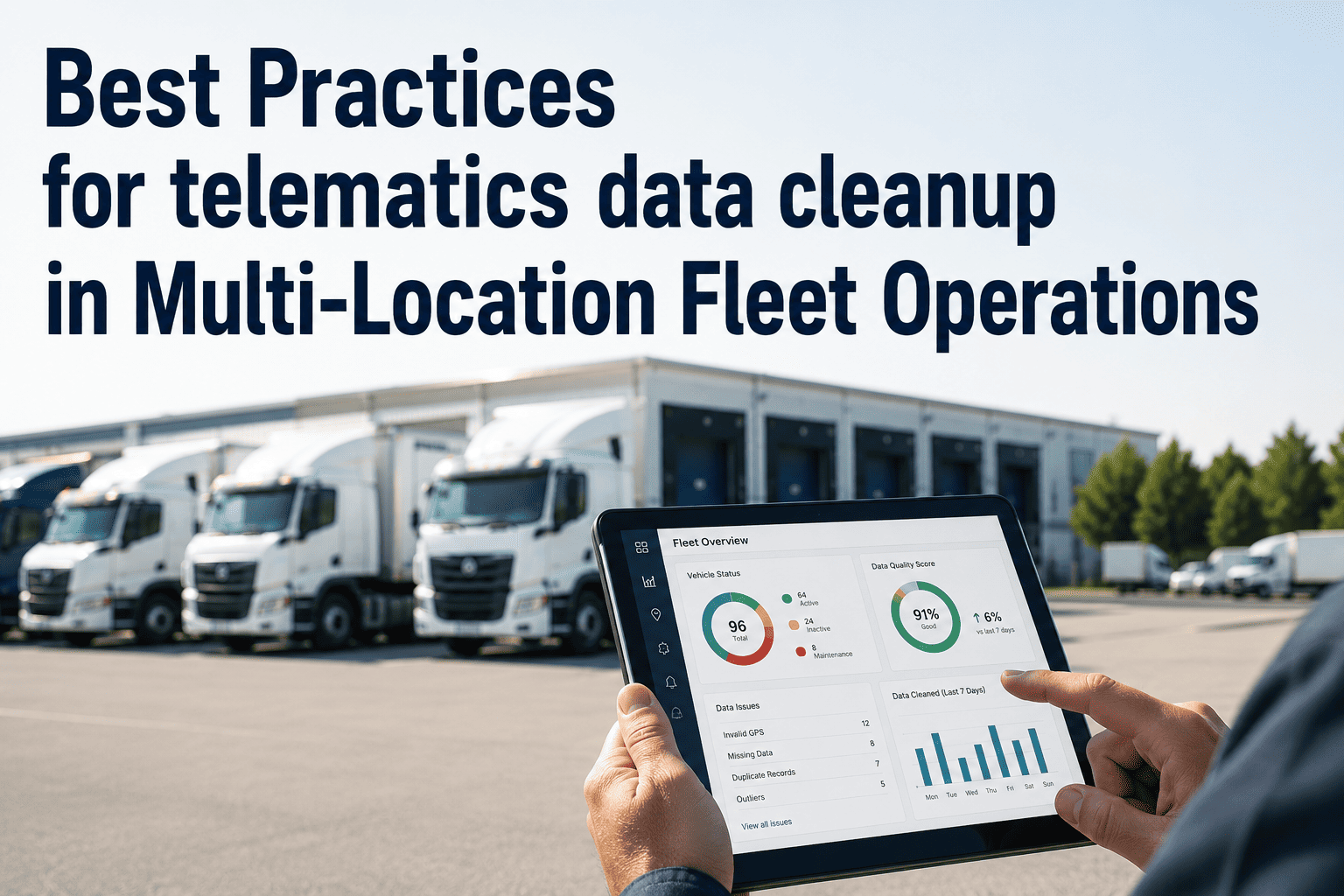
Read More
A single-site fleet can survive messy telematics data with a spreadsheet and a patient ops manager. A multi-location fleet cannot, because the same data quality problems multiply across every depot with their own connectivity, climate, and local h

Read More
A telematics data cleanup program is not a one-time spreadsheet fix — it is an ongoing operational habit, and fleets that skip building one keep reacting to breakdowns that good data would have predicted weeks earlier. Predictive maintenance built

Read More
Most fleet managers build a telematics dashboard before checking whether the data feeding it can be trusted, and the result is a screen full of numbers nobody believes. Duplicate GPS pings inflate mileage, idle-time sensors misfire in cold weather

Read More
Building a fleet parts stockout program is not the same as setting minimum stock levels. A true program is a living operational system — one that uses real usage data to set accurate thresholds, automates the reorder cycle, gives technicians live
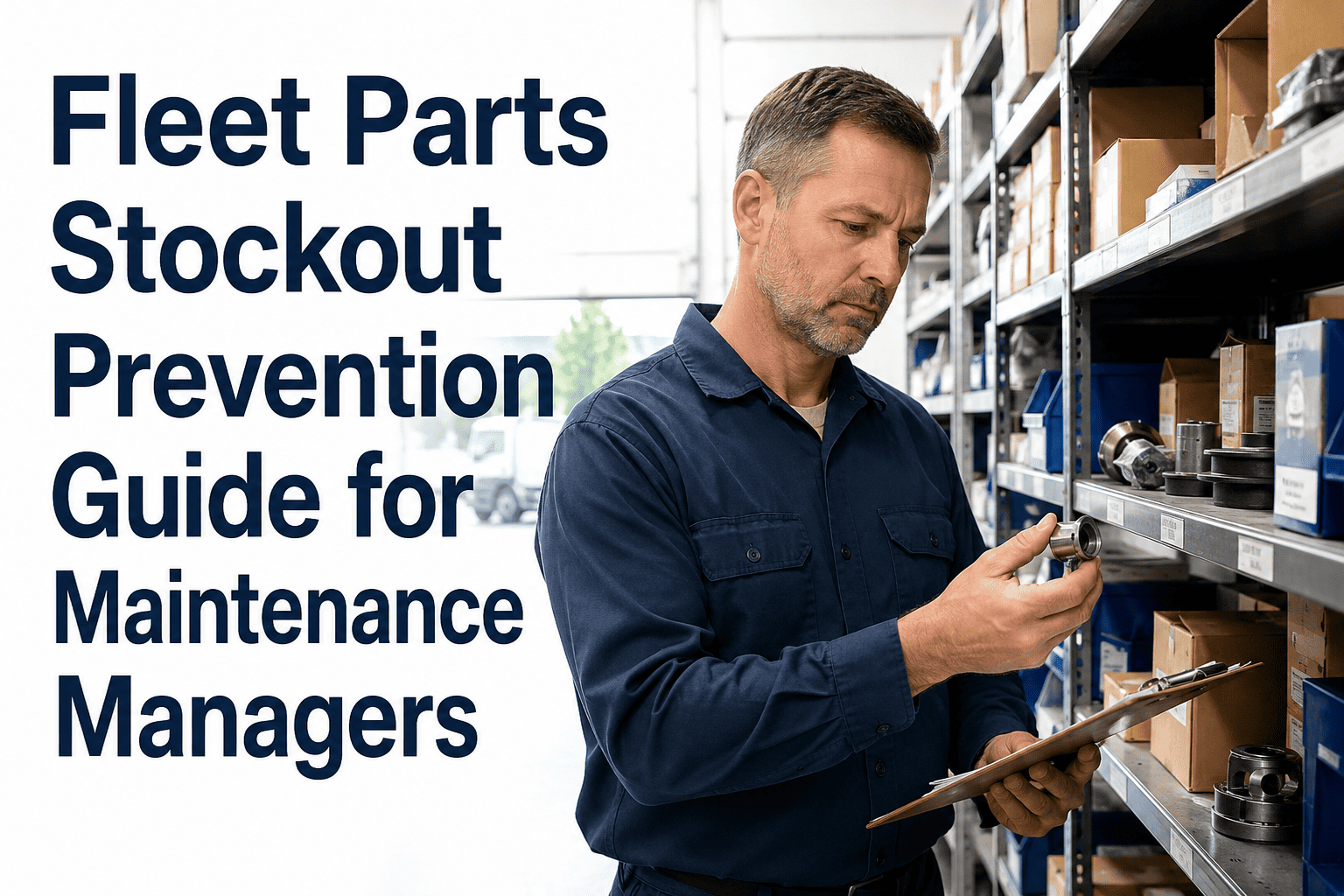
Read More
Parts stockouts are one of the most expensive problems in fleet maintenance — not because the parts cost too much, but because the downtime that results is brutal to absorb. When a vehicle sits waiting for a $47 oil filter or a $180 brake caliper,
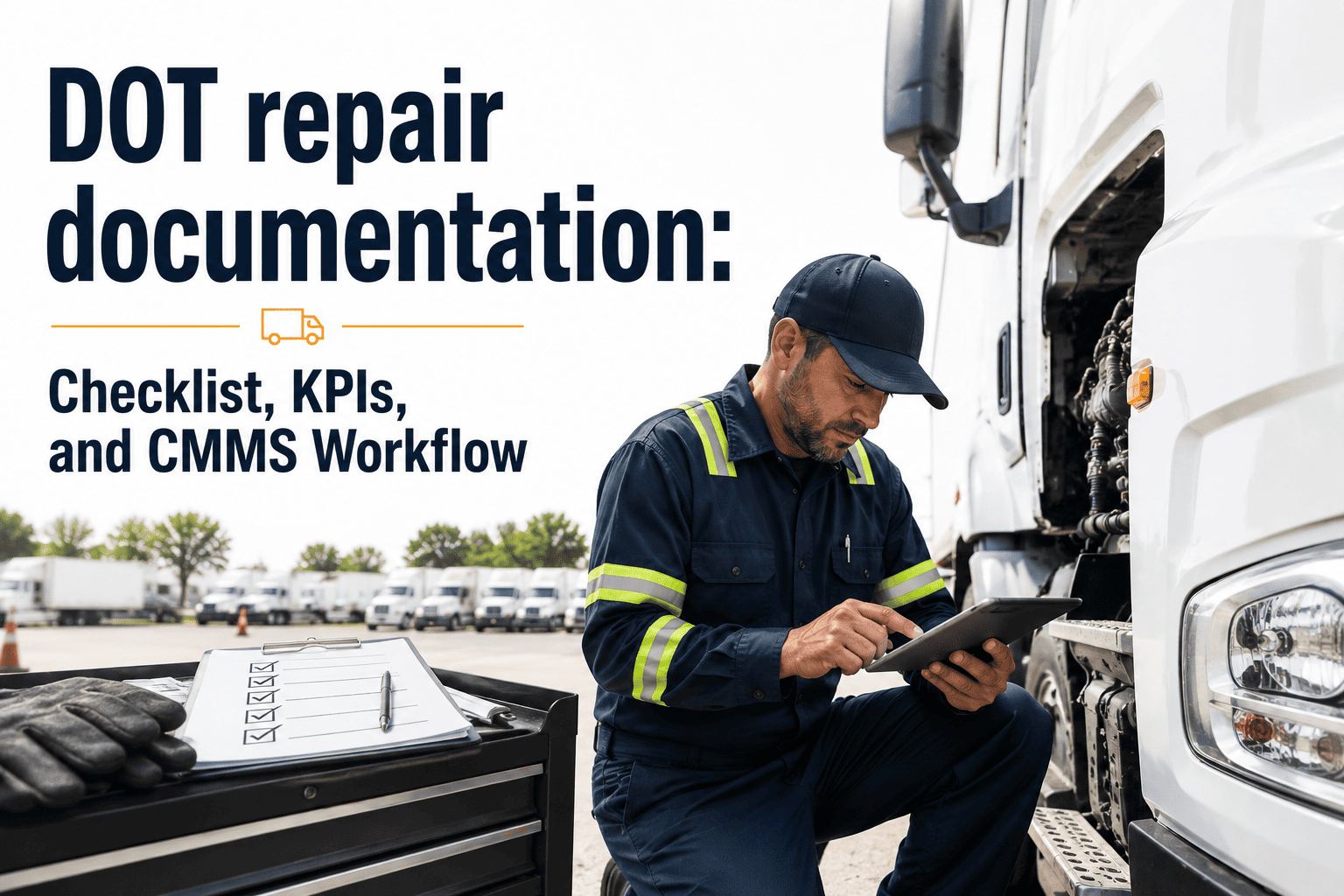
Read More
DOT repair documentation is one of the most consequential compliance obligations fleet managers carry — and one of the most frequently mishandled. A single missing record during a roadside inspection or audit can result in out-of-service orders, f

Read More
Every EV fleet manager tracks cost per mile as the one number that decides whether electrification is actually paying off. Most calculate it from energy price alone, while charger downtime, worn connectors, and emergency repairs quietly inflate th

Read More
Unplanned vehicle downtime costs the average fleet operation $448 to $760 per hour, per truck — and a significant share of that cost traces directly to preventable maintenance failures that poor DOT repair documentation allowed to escalate. Buildi

Read More
Fleet maintenance teams operating under DOT oversight face a documentation burden that grows with every vehicle added to the roster. Repair records that are incomplete, late, or stored in disconnected systems expose fleets to audit failures, out-o
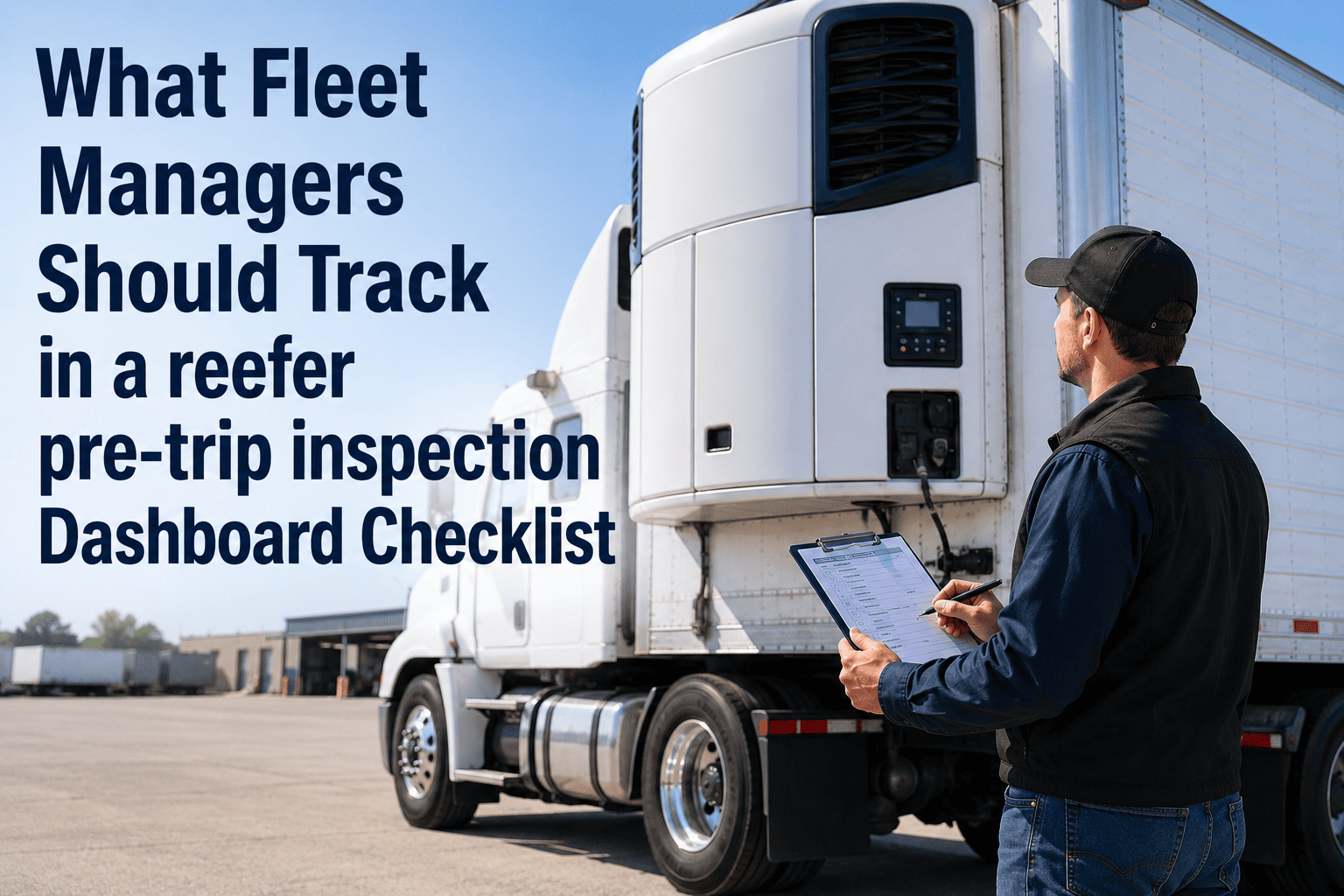
Read More
A fleet manager who checks whether inspections happened is doing compliance. A fleet manager who tracks what the inspections revealed — which units departed with low fuel, which compressors cycled abnormally, which setpoints were not locked, and w

Read More
Multi-location fleet operations amplify every cold chain risk that a single-depot fleet faces once — because a reefer unit that leaves a remote yard with a blocked condenser, an unverified setpoint, or a half-full fuel tank has no nearby maintenan

Read More
A reefer pre-trip inspection only protects cargo if three things happen together: the checklist is actually completed in full, the right numbers get tracked over time, and a failed item turns into a scheduled repair automatically. Most fleets have

Read More
Most reefer downtime does not start on the highway — it starts in the yard, in the thirty seconds a driver skips because the trailer "looked fine" yesterday. A compressor that trips three hours into a run almost always showed a warning sign at pre

Read More
A construction excavator sitting idle for two weeks and then running three 10-hour shifts back-to-back is not the same machine as an excavator running steady 8-hour days. But most construction fleets maintain both on the same calendar-based PM sch
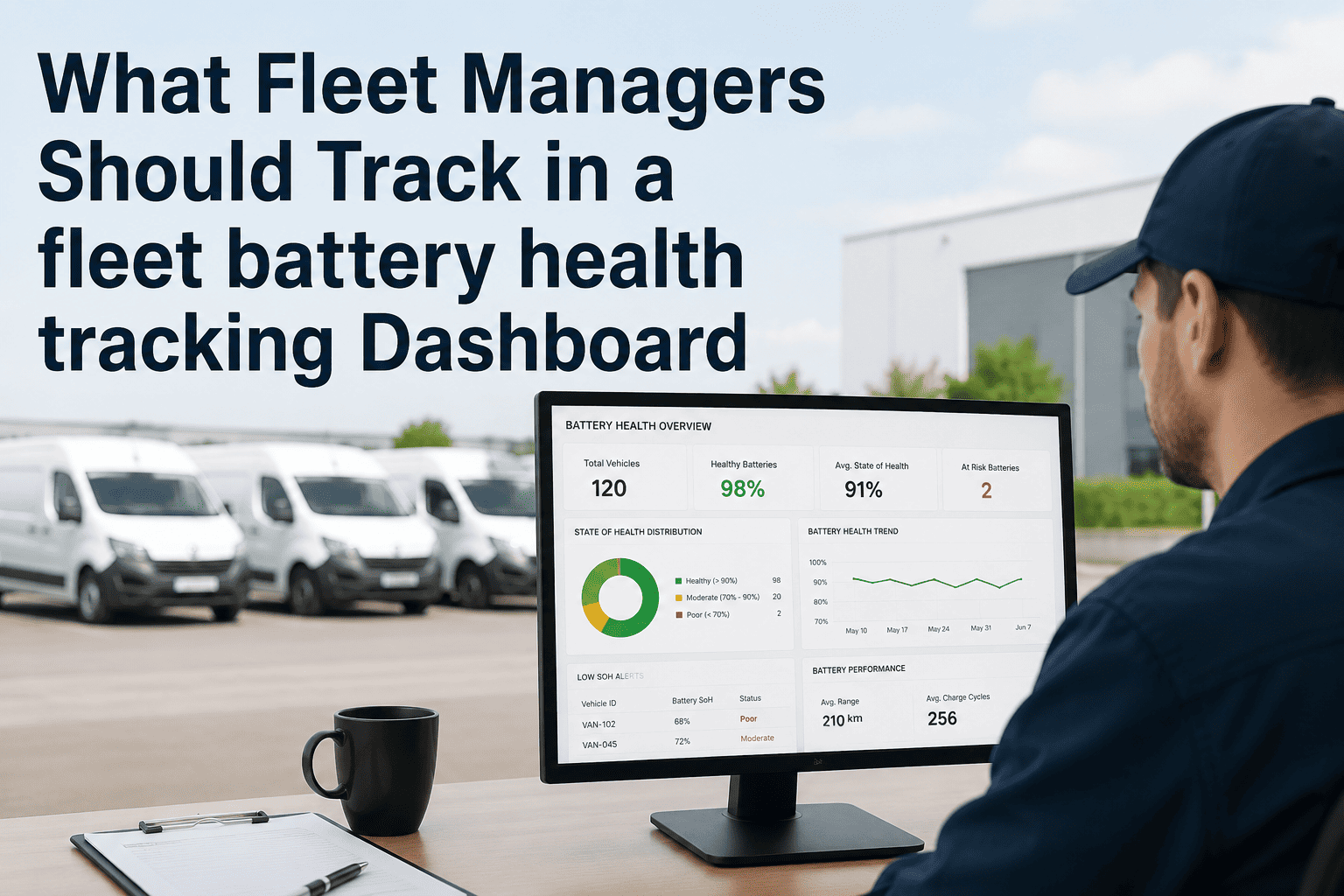
Read More
A single dead battery in a delivery van costs $180 in parts — but the hidden cost of the unplanned stop, the missed delivery window, and the roadside assistance call pushes that number past $800 before the driver is back on the road. Across a 60-v
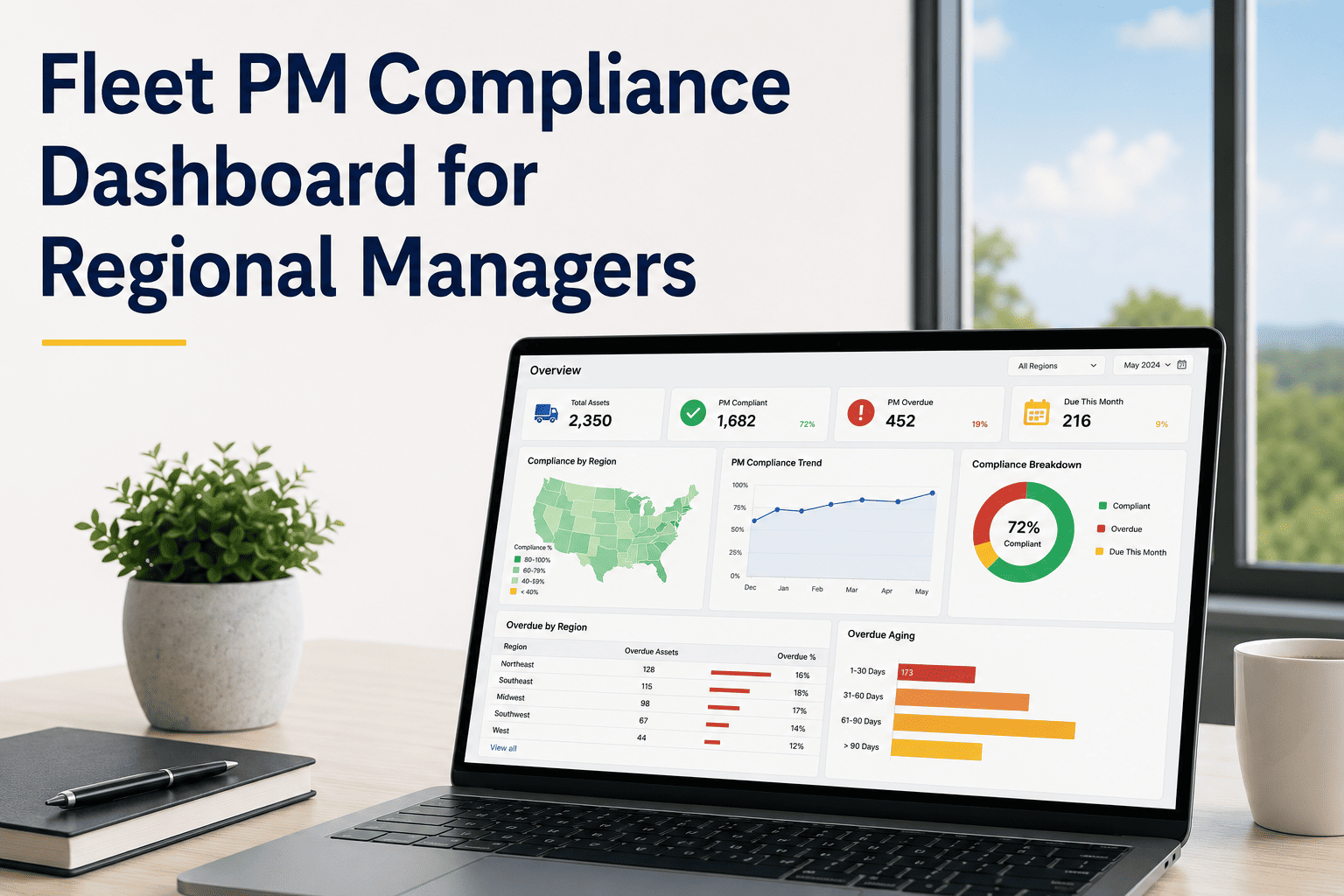
Read More
Regional fleet managers overseeing 50 or more vehicles face a common problem: by the time a missed PM shows up as a breakdown, the cost is already 4–6 times what the scheduled service would have been. Traditional spreadsheet-based tracking collaps

Read More
Most fleet managers know their vehicles inside out — MPG, tire wear, brake cycles, oil intervals. But ask the same manager what their EV chargers delivered in uptime last quarter, and you'll get silence. EV charging infrastructure is now a critica

Read More
EV fleets are growing fast, but charging infrastructure is still the weakest link in most multi-location operations. A single failed charger can strand a vehicle, delay a shift, and quietly inflate your cost-per-mile by 12–18% before anyone notice

Read More
A reefer unit that fails to hold temperature does not just cost the load — it costs the customer relationship, triggers a food safety investigation, and in pharmaceutical cold chain, can result in a regulatory recall. The difference between a reef

Read More
An EV charging station that goes offline during a driver's scheduled charging window does not just inconvenience the driver — it cascades through dispatch, delays the next shift, and in a managed-charging fleet, triggers an unplanned grid demand e

Read More
Running a fleet across multiple depots, cities, or regions multiplies every operational problem — and fuel theft is no exception. What's a manageable variance at a single location becomes a systemic loss pattern spread across dozens of vehicles, d
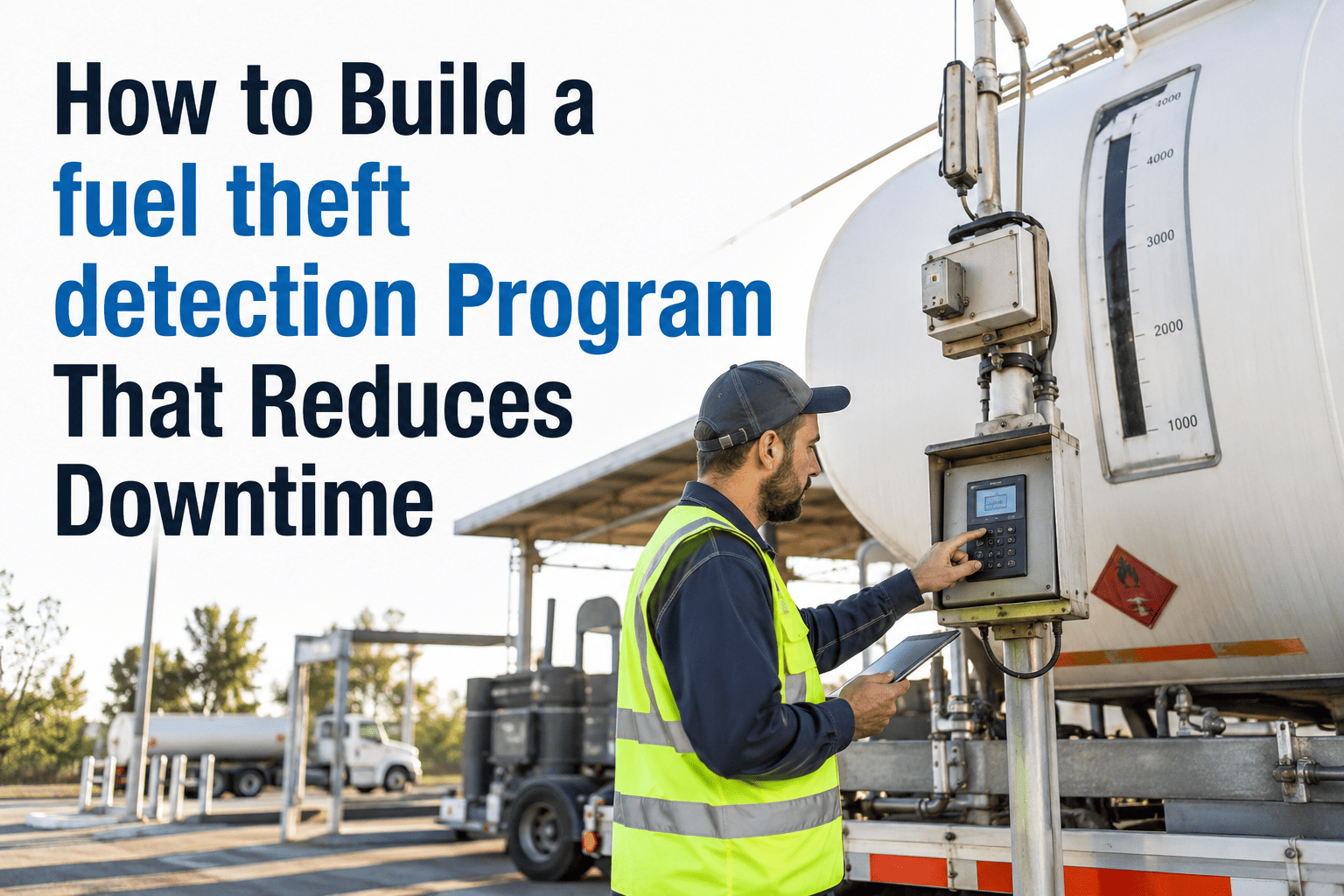
Read More
Fuel theft costs fleet operators an estimated $133 billion globally every year — and most of it happens gradually, invisibly, through skimming, siphoning, unauthorized fills, and odometer fraud that no one notices until the losses are already stac

Read More
Every fleet has a defect reporting process. Most of them do not work. A driver notices something off with the steering on a Tuesday morning and mentions it to the dispatcher before pulling out of the yard. The dispatcher makes a mental note. The m
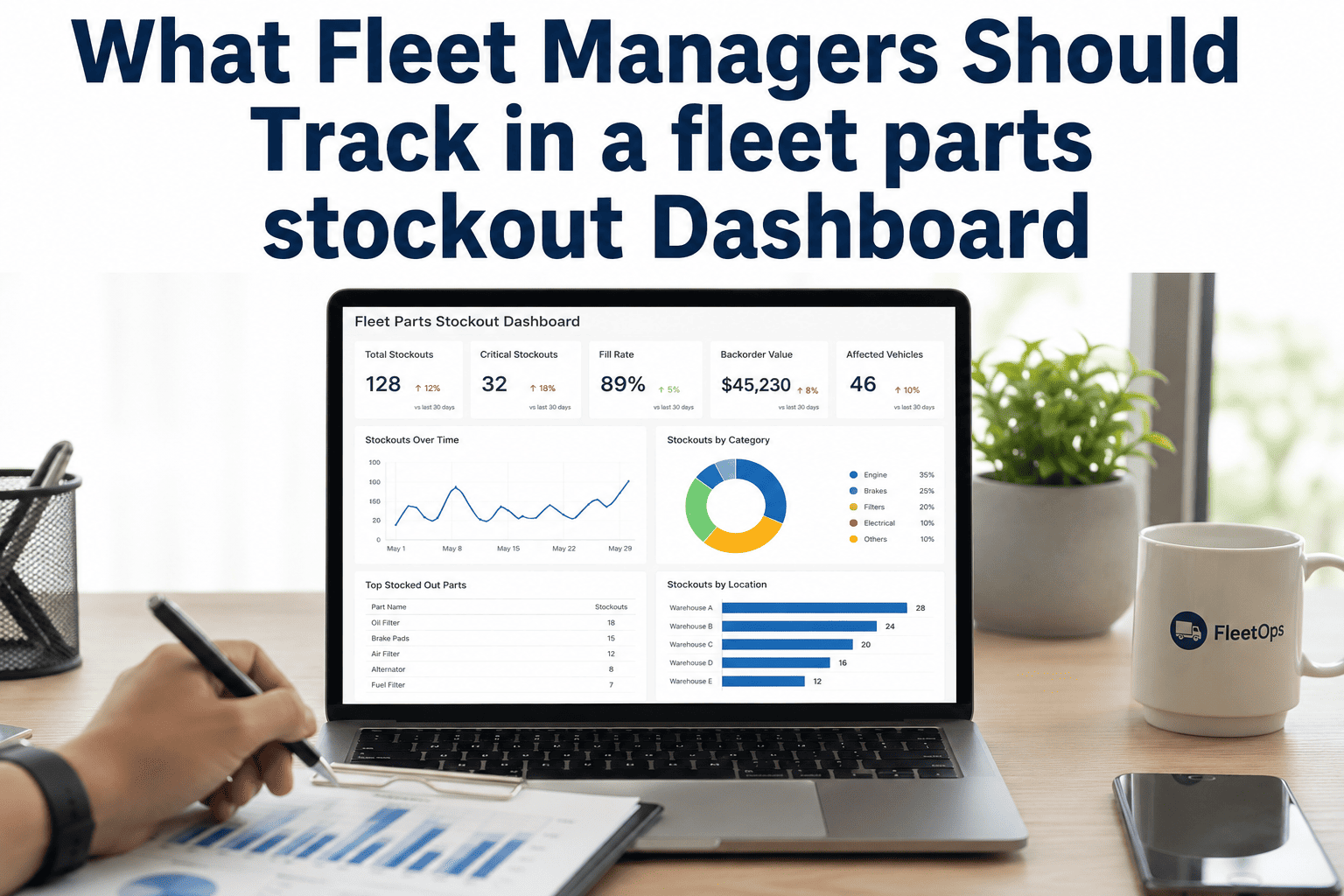
Read More
A fleet truck sitting in the shop because a $14 filter is out of stock costs more per hour than the part costs per year. Parts stockouts are the hidden downtime multiplier that most fleet maintenance dashboards either measure too late or do not me

Read More
Fleet managers who fail a DOT audit rarely saw it coming — not because they were careless, but because their repair documentation lived in scattered spreadsheets, paper work orders, and verbal confirmations that never made it into a searchable rec
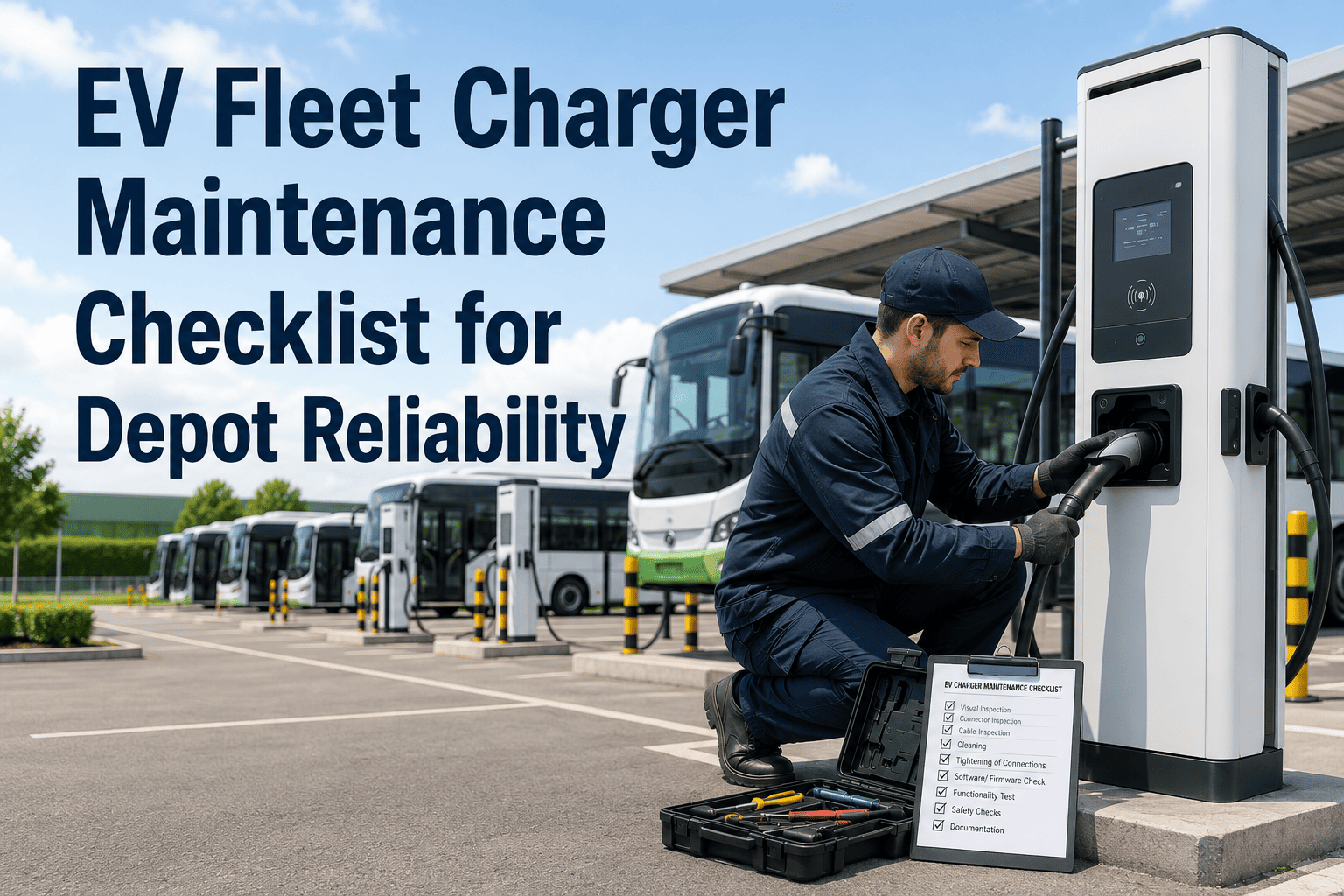
Read More
A commercial EV fleet is only as reliable as its charging infrastructure — and depot chargers are assets that fail silently. Unlike a vehicle with a dashboard warning light, a charger that degrades gradually gives no obvious signal until a driver
Read More
Fuel is consistently one of the top three operating costs in commercial fleet management — and industry data shows that between 5% and 10% of fleet fuel spend is lost to theft, misuse, and undetected leakage every year. The problem is rarely drama
Read More
Tire failure is one of the leading causes of unplanned downtime and roadside breakdowns in commercial fleets — yet most tire-related incidents are entirely preventable with a structured maintenance schedule. A missed rotation here, an uninspected

Read More
An EV charger that goes offline doesn't just inconvenience a driver — it grounds a vehicle, delays a route, and erodes the financial case for electrification across your entire fleet. Most EV charging infrastructure fails not from hardware defects
Read More
Every fleet manager has watched fuel costs climb without a clear reason — and the answer is almost always hiding in plain sight. Fuel theft, whether by drivers, third parties, or opportunistic actors at the pump, silently inflates your cost per mi
Read More
Managing tire maintenance across multiple depot locations is a fundamentally different problem than managing a single-site fleet. What works at one location — a particular vendor, inspection cadence, or technician workflow — breaks down when you t

Read More
Downtime from tire failures is not random — it is predictable, and more importantly, it is preventable. The average commercial fleet spends $480–$800 per roadside tire incident when you factor in emergency service, driver wait time, delayed delive
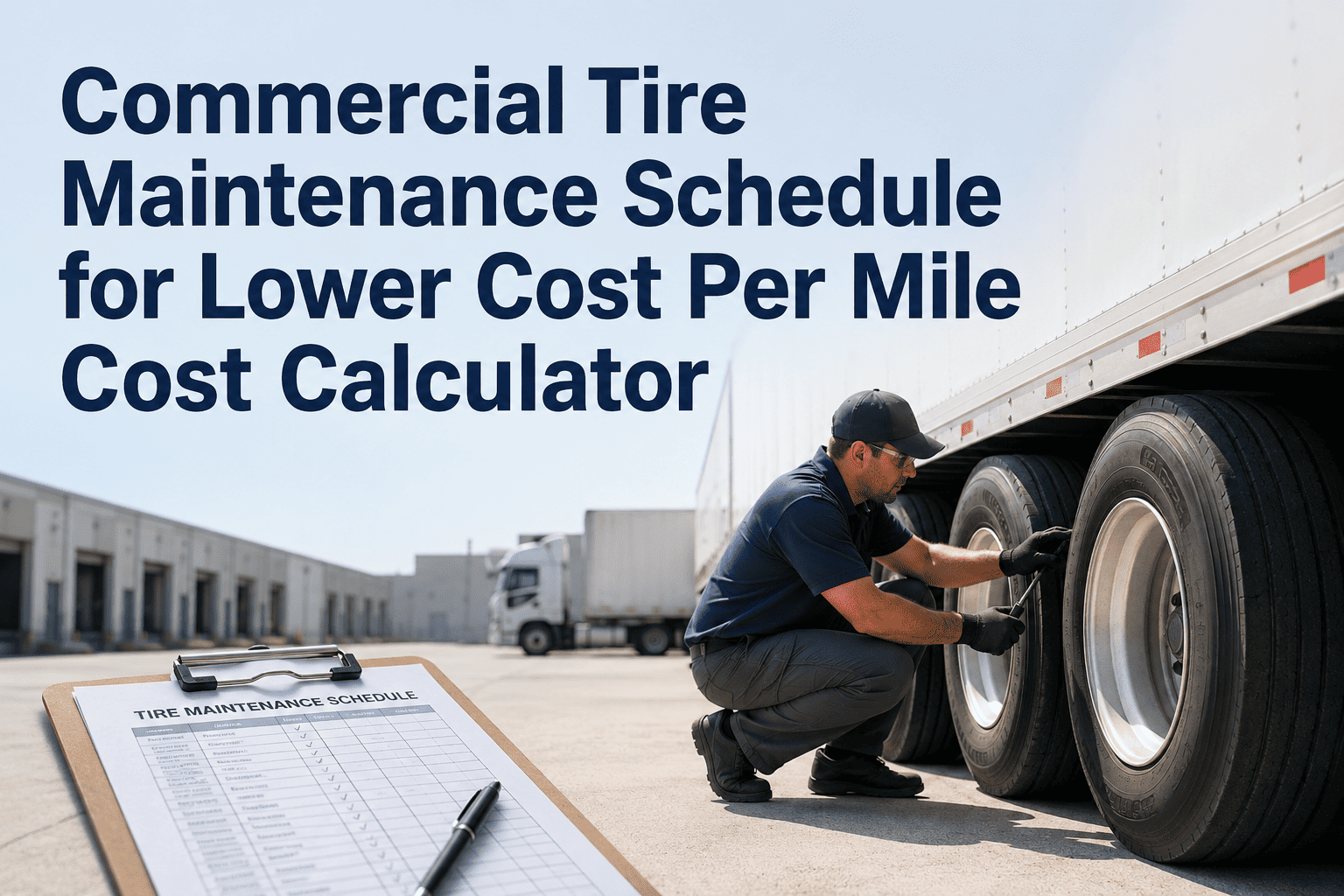
Read More
Commercial fleets lose thousands of dollars every year to tire failures that were preventable — not because maintenance is hard, but because scheduling it is. Tires are the single highest-wear consumable in any fleet, and their condition directly
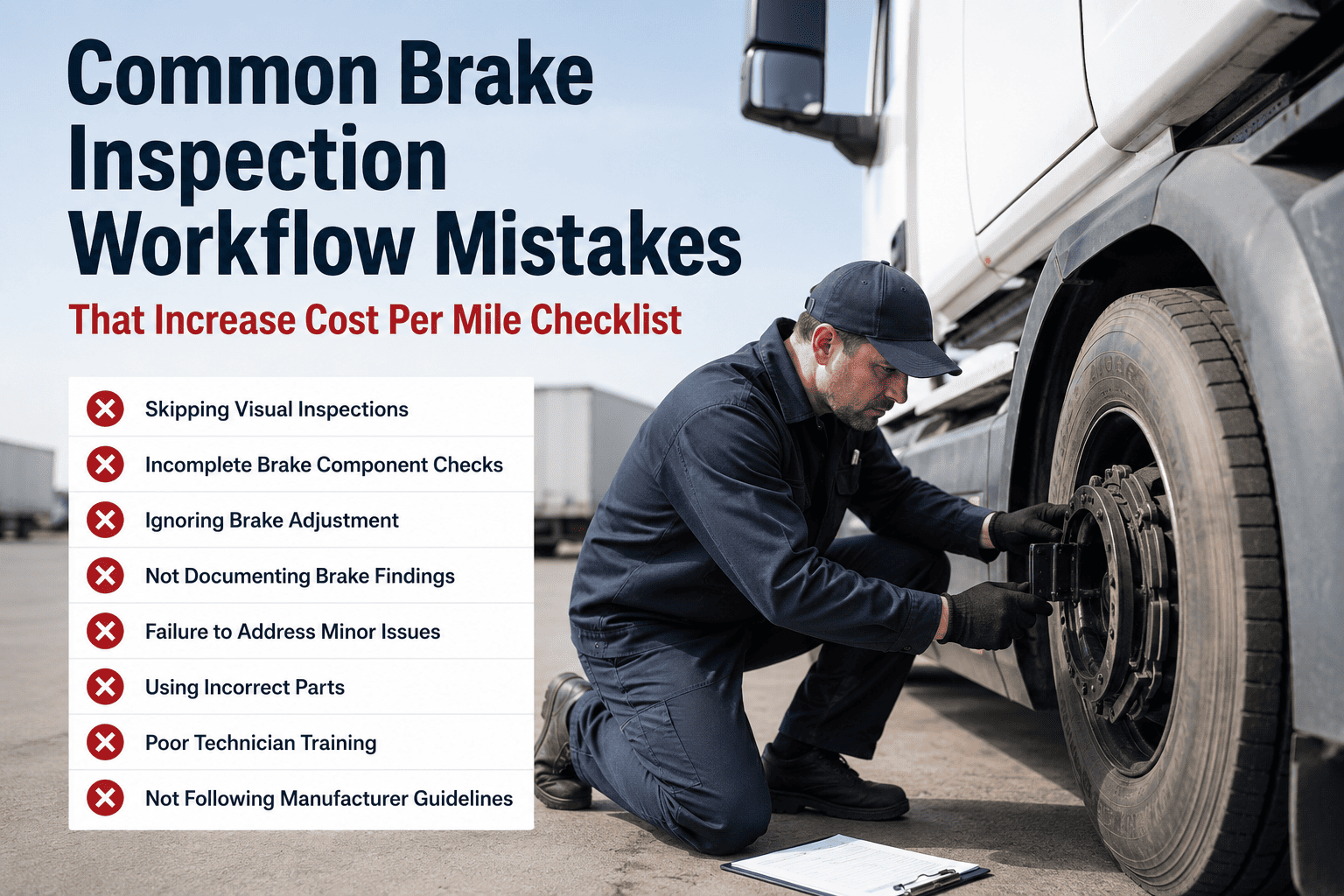
Read More
Most brake-related fleet costs do not come from catastrophic failures — they come from systematic inspection mistakes that allow small, fixable problems to progress into expensive component replacements, roadside incidents, and compliance violatio

Read More
A brake inspection record stored in a filing cabinet is a compliance artifact. A brake inspection record visible on a fleet manager's dashboard is an operational tool — one that drives decisions about vehicle deployment, PM scheduling, and technic
Read More
Multi-location fleet operations face a brake maintenance challenge that single-depot fleets never encounter: technicians at different sites follow different procedures, use different tools, and document results differently — creating compliance ga
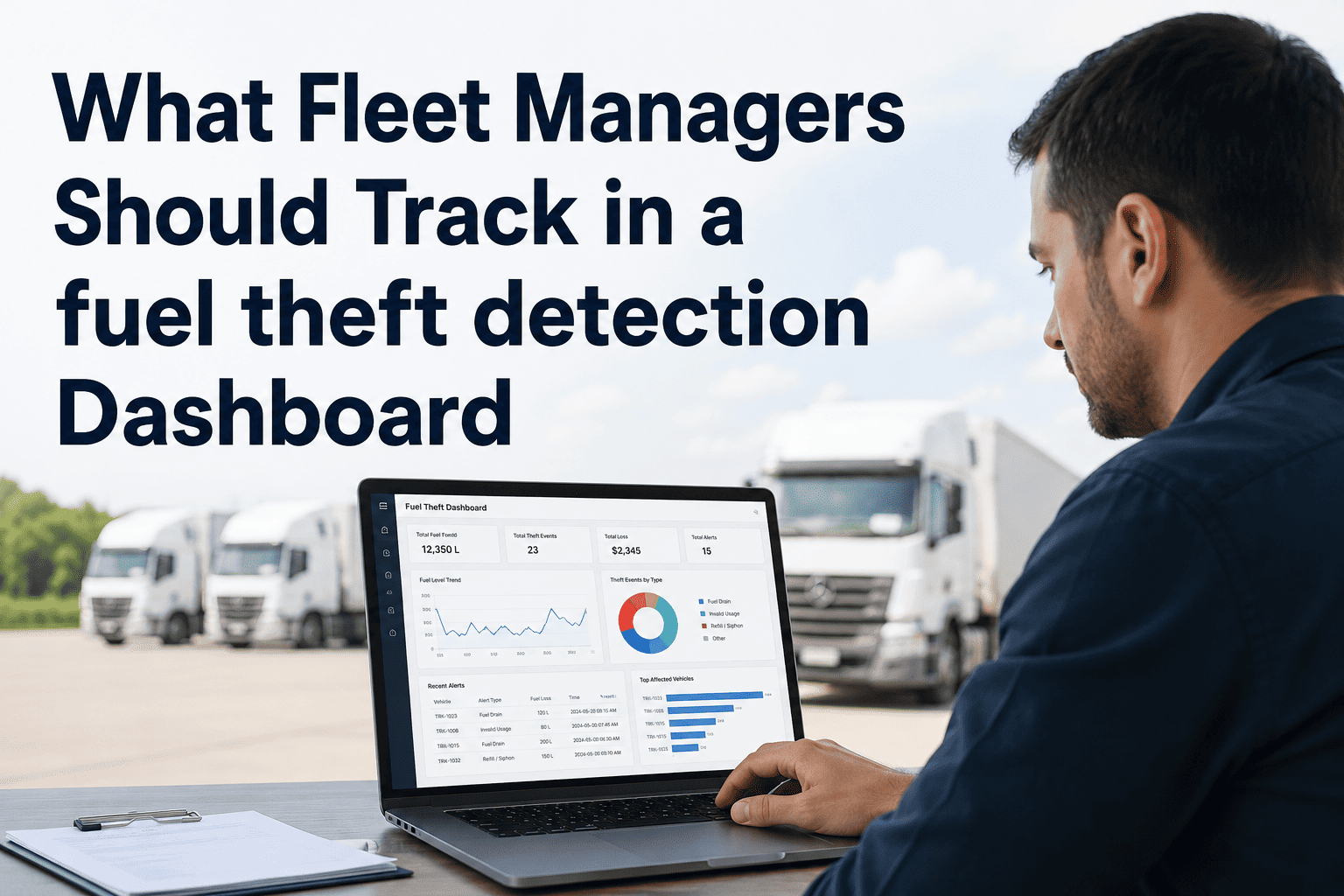
Read More
Fuel theft is one of the most underreported losses in commercial fleet operations. According to NAFA, up to 6% of a fleet's total fuel cost disappears to theft and misallocation each year — and 73% of commercial fleets have already experienced it.
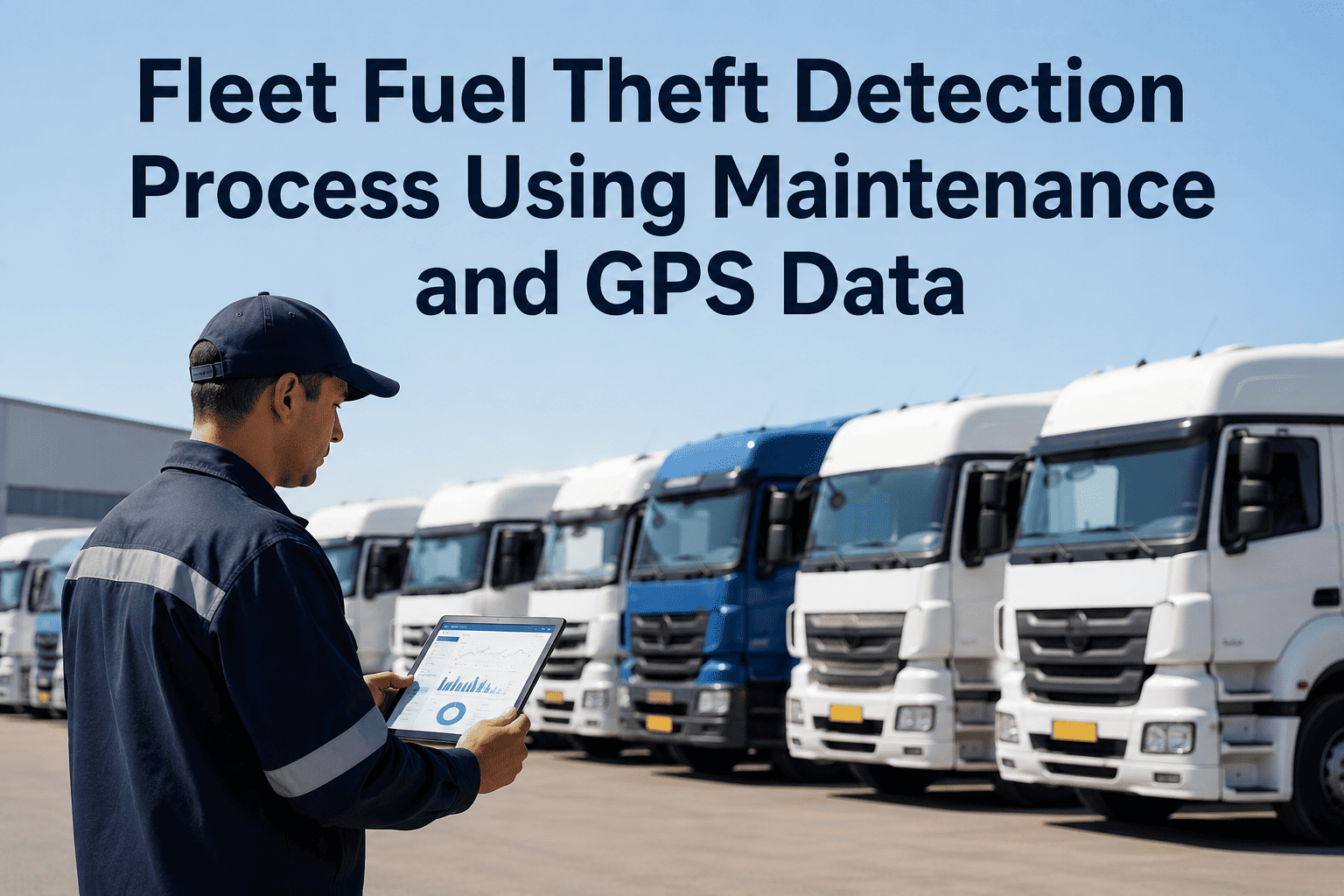
Read More
Fuel theft costs commercial fleets an estimated $133 million annually in the United States — and the majority of it goes undetected because fleets lack the data infrastructure to catch it. The most effective detection method is not installing came
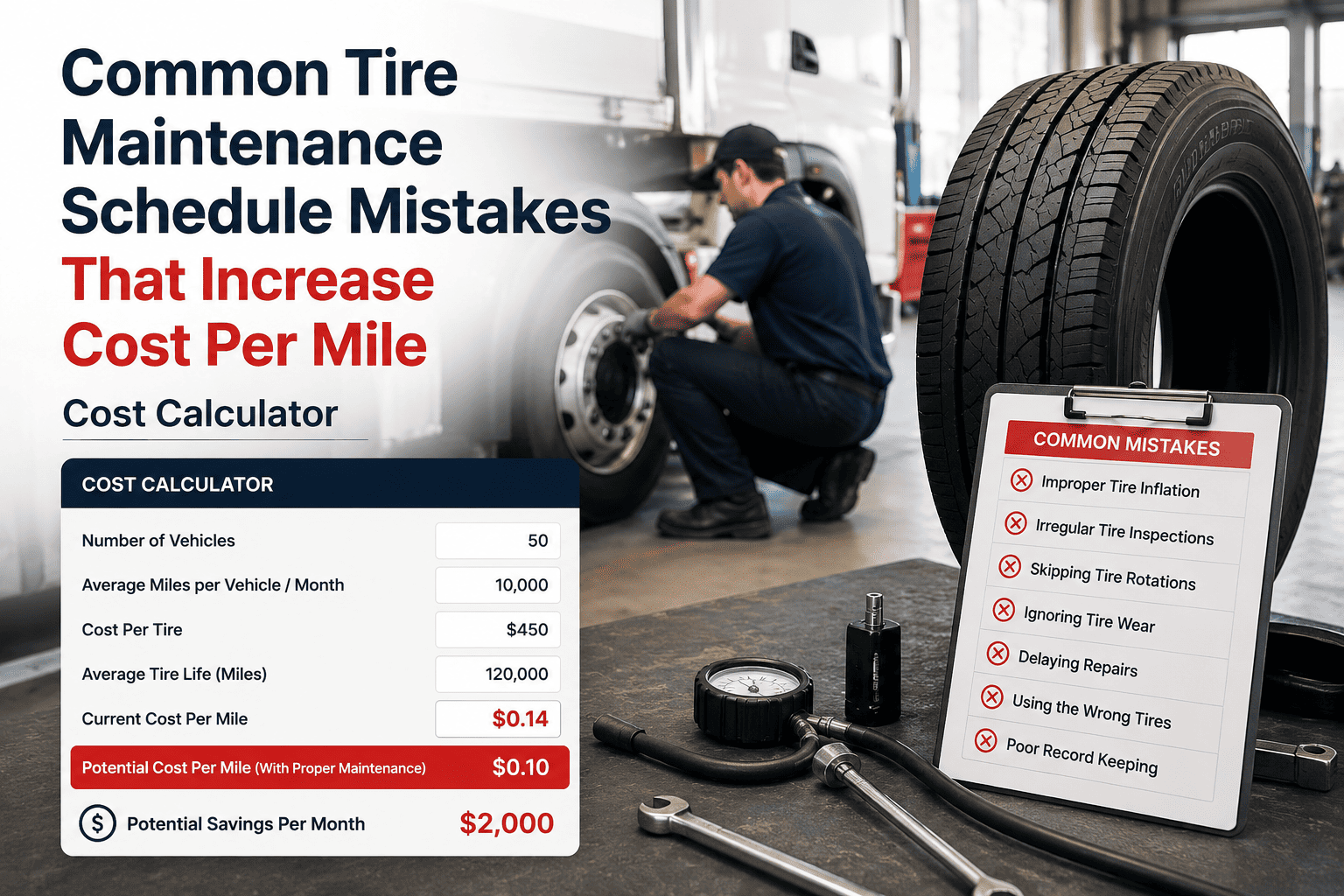
Read More
Most fleet managers know tires are expensive — but few can pinpoint exactly how much bad tire habits are costing them per mile. Underinflation, missed rotations, wrong tire specs for the route, and delayed replacements all silently inflate your co
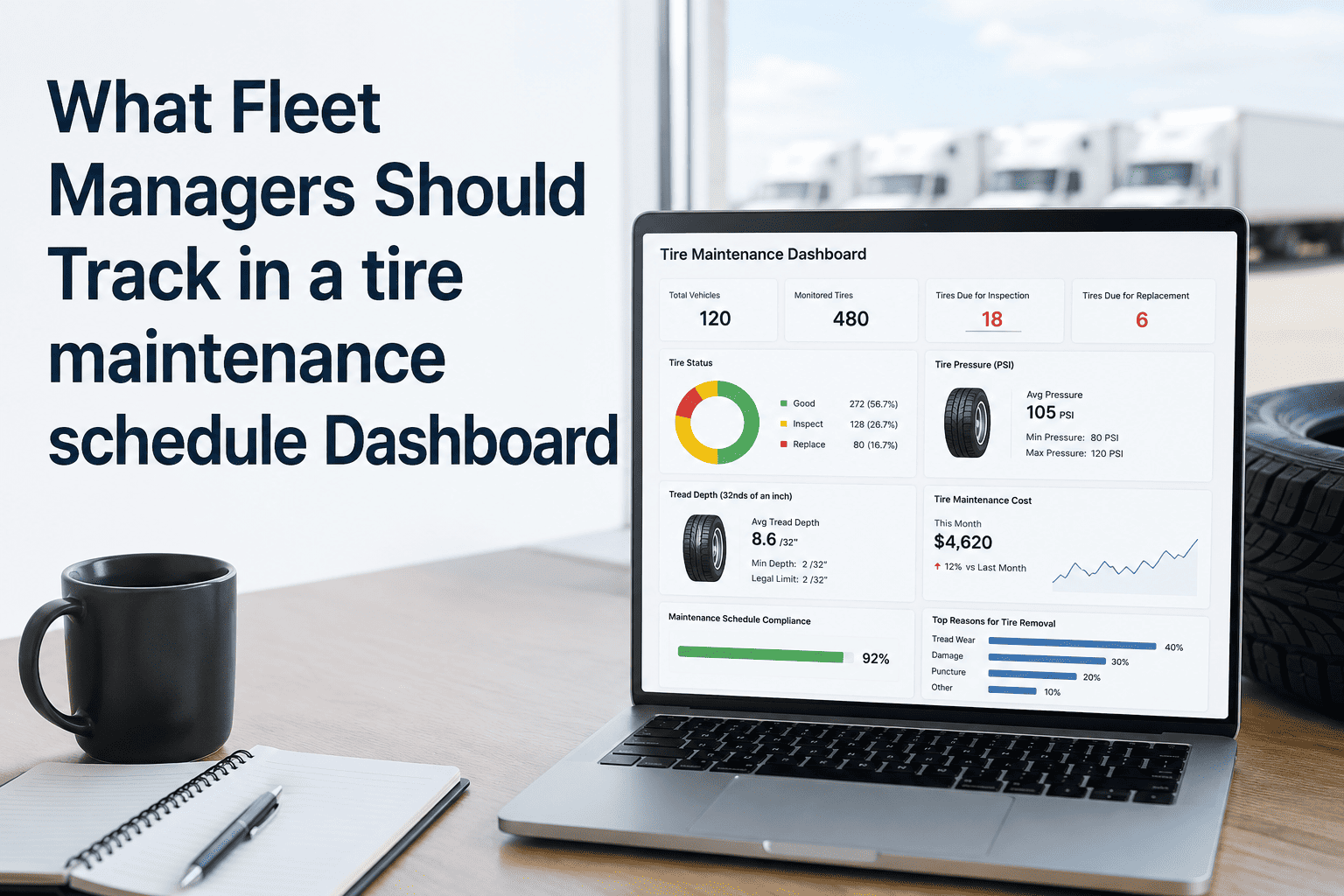
Read More
Tire failures account for nearly 35% of all roadside breakdowns in commercial fleets — yet most fleet managers still track tires through spreadsheets or gut instinct. A purpose-built tire maintenance schedule dashboard changes that by giving you r
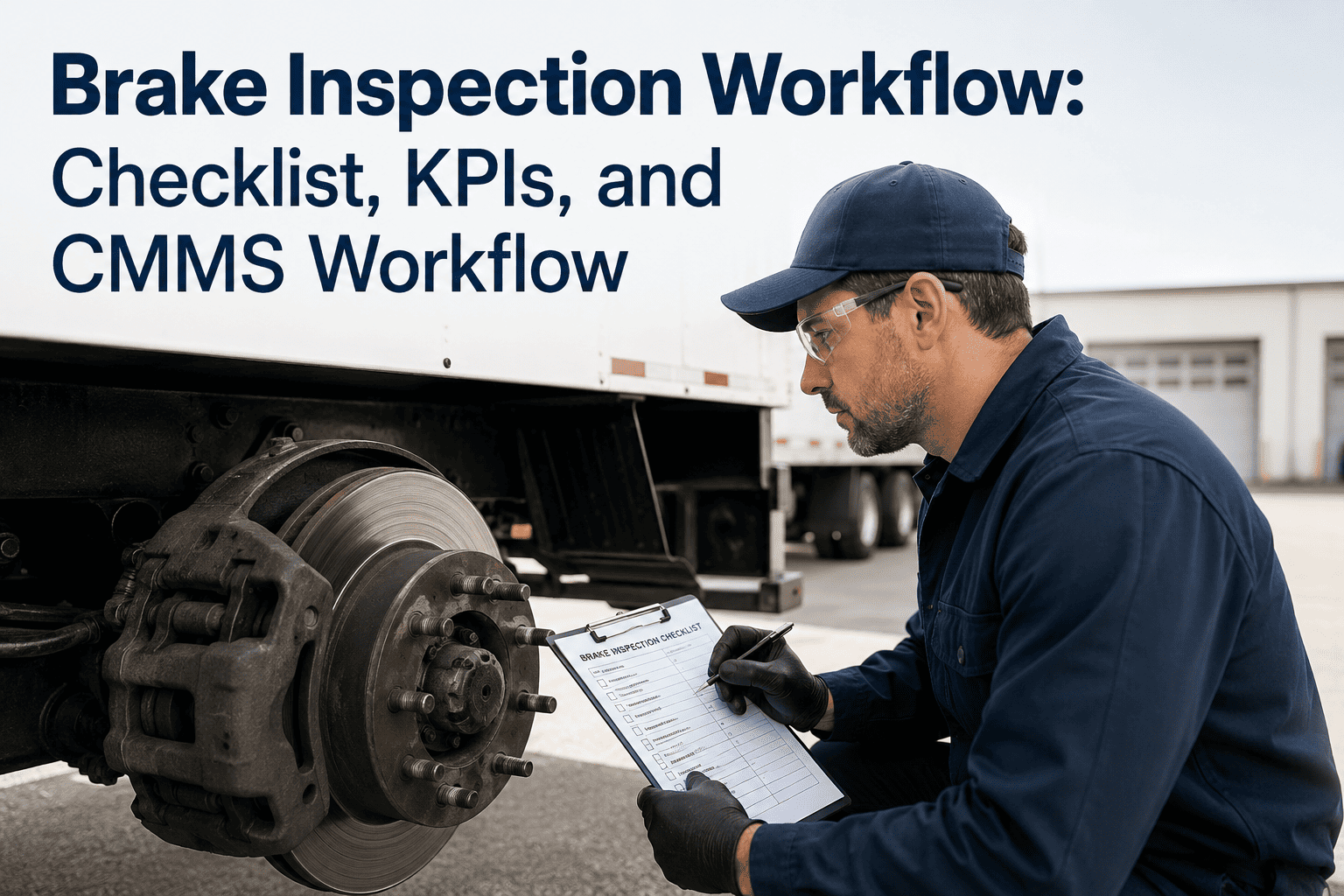
Read More
A brake inspection workflow is only as good as the data it produces — and data on paper dies in a binder. Fleet maintenance teams that connect their brake inspection checklist to a CMMS workflow gain something paper never can: a closed loop where
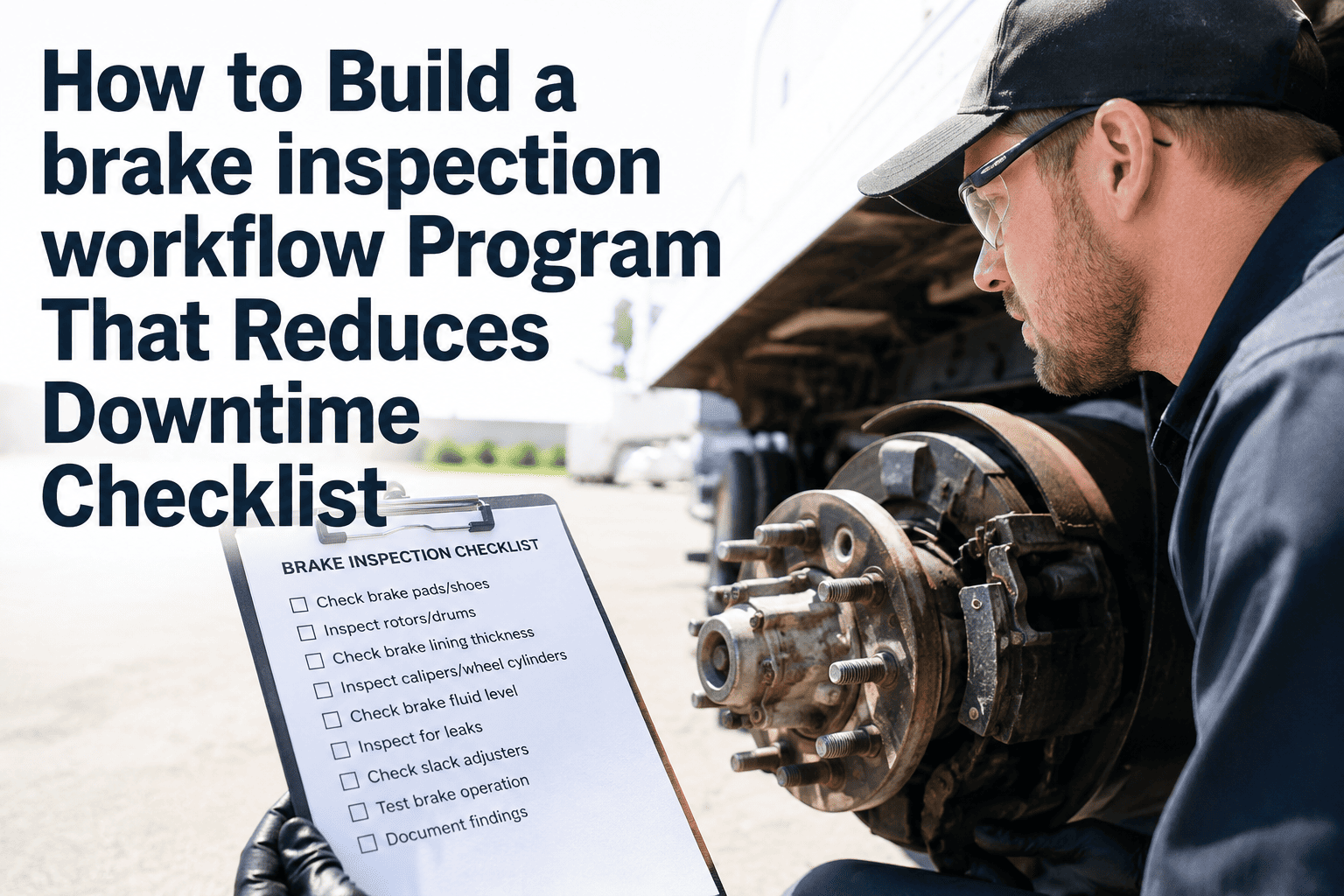
Read More
Unplanned brake downtime costs commercial fleets an average of $448 to $760 per hour in lost productivity — and brake-related breakdowns account for roughly 1 in 4 unscheduled repair events across heavy commercial vehicle fleets. The difference be
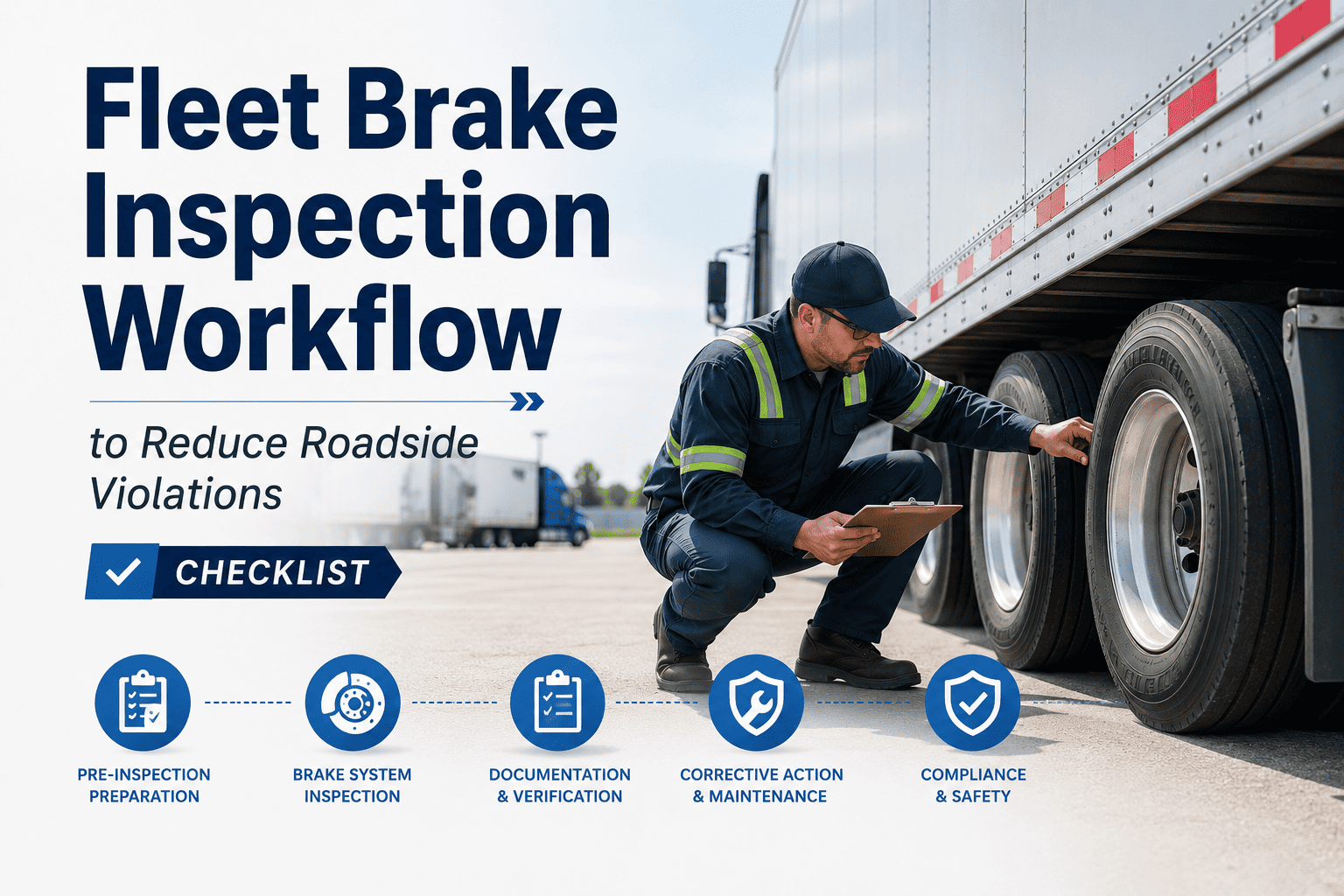
Read More
Brake failures are responsible for nearly 30% of all commercial vehicle roadside out-of-service orders — making them the single most cited mechanical defect category in FMCSA inspections. For fleet operators, a single OOS event on a loaded vehicle
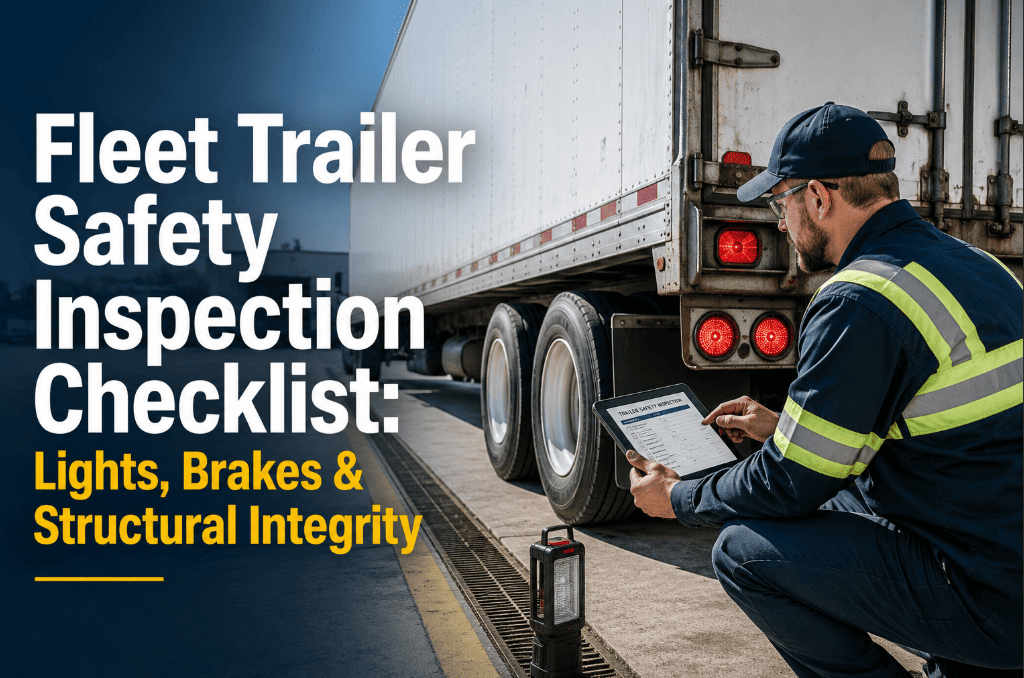
Read More
A trailer that fails inspection at the roadside is a trailer that passed dispatch without one. Fleet trailer safety inspections are not a formality — they are the single most reliable mechanism for catching brake defects, lighting failures, struct

Read More
A reefer unit that starts the day with a temperature variance of 4°F, a clogged condenser coil, or a fuel tank at 15% will not finish the route with compliant cargo. Fleet refrigeration unit pre-trip inspections are the first and lowest-cost inter

Read More
A missed fluid check before an excavator enters service. A crane operator who skips the load chart review. A loader with a cracked hydraulic line that nobody caught at shift start. These are the events that ground fleets, trigger OSHA citations, a

Read More
Fleet telematics and GPS device installation errors cost fleets more than the hardware itself — a misaligned antenna loses signal in urban canyons, an OBD device seated in the wrong port generates phantom fault codes, and a hardwired unit grounded

Read More
Every crane or lift equipment deployment without a structured pre-operation inspection is an unacceptable safety and compliance risk. OSHA 1926.1412 mandates documented pre-shift inspections for all crane types — yet fleet operators routinely disc

Read More
Fleet generators and auxiliary power units are the silent workhorses of long-haul operations — keeping sleeper cabs conditioned, electronics powered, and idle-reduction targets met without touching the main engine. Yet APU maintenance is the most
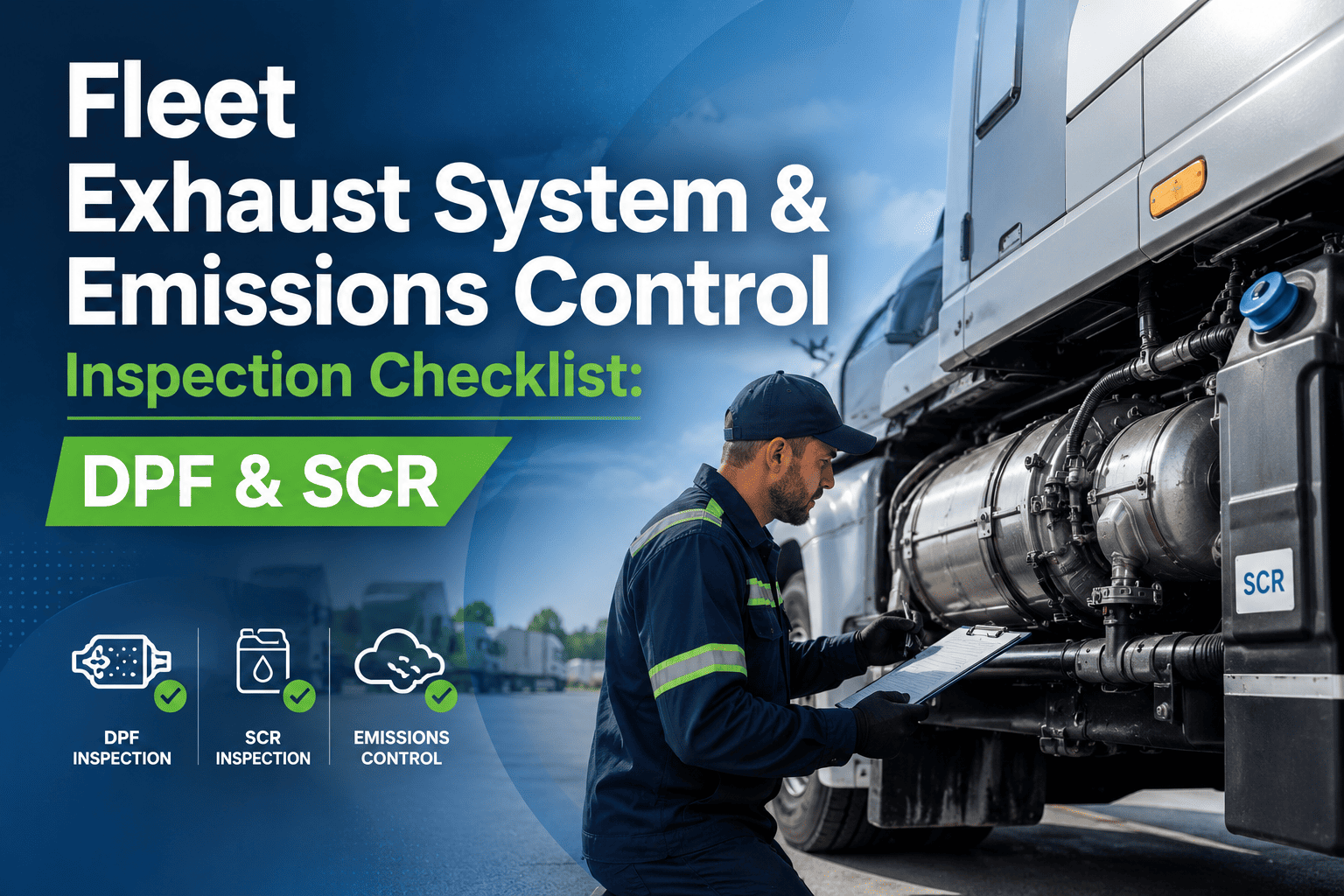
Read More
Fleet exhaust and emissions control systems are among the most regulated — and most neglected — components in commercial vehicle maintenance. A failed DPF filter, degraded SCR catalyst, or malfunctioning EGR valve does not just trigger a fault cod

Read More
Hydraulic brake and ABS failures are the leading cause of commercial vehicle out-of-service violations under DOT inspections — and the most preventable. A single missed brake line inspection costs fleets more than the annual maintenance budget for
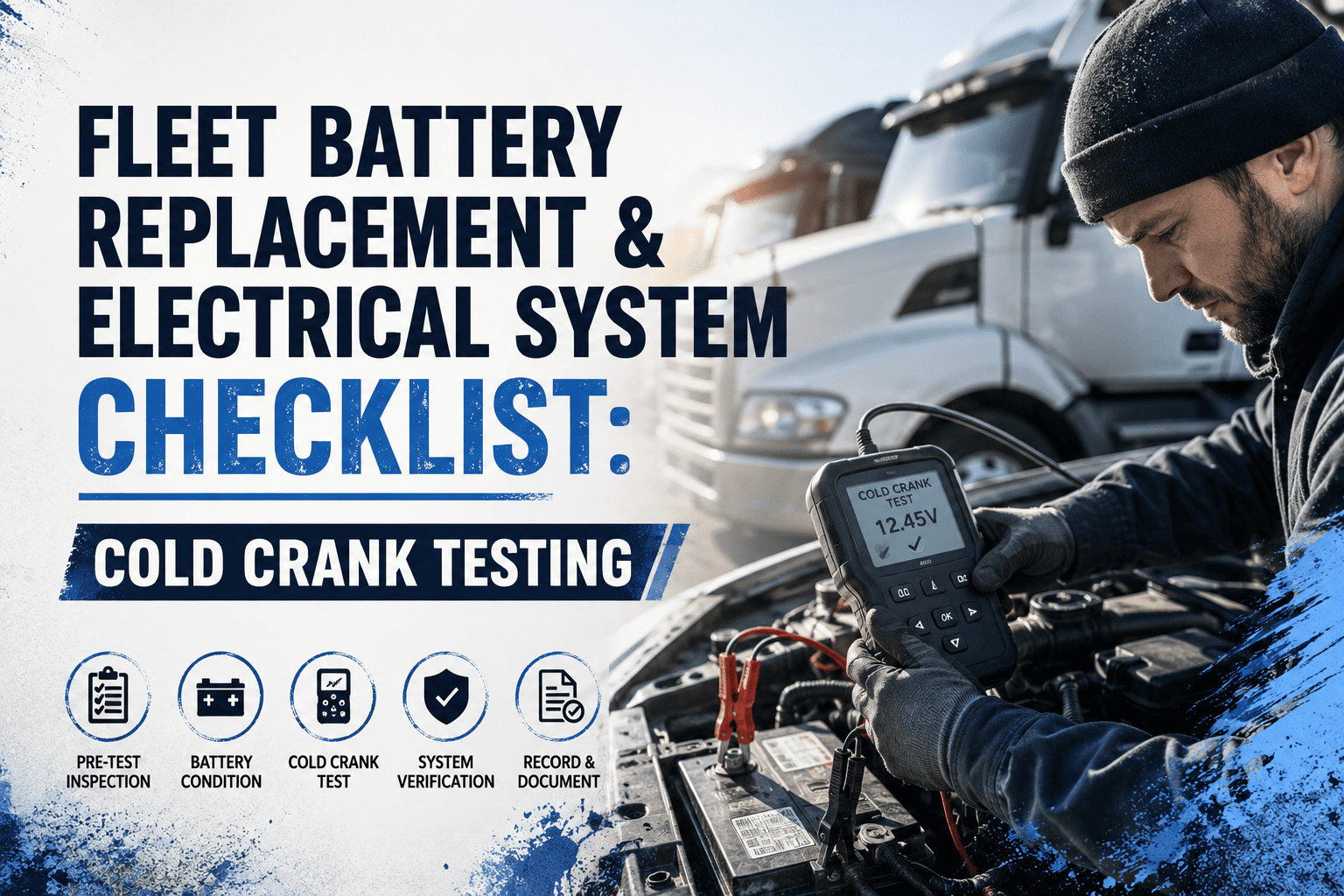
Read More
A fleet vehicle that fails to start costs more than the repair — it costs a missed delivery, a stranded driver, and a compliance gap if the breakdown happens during a regulated run. Cold cranking amp (CCA) degradation, corroded battery cables, and
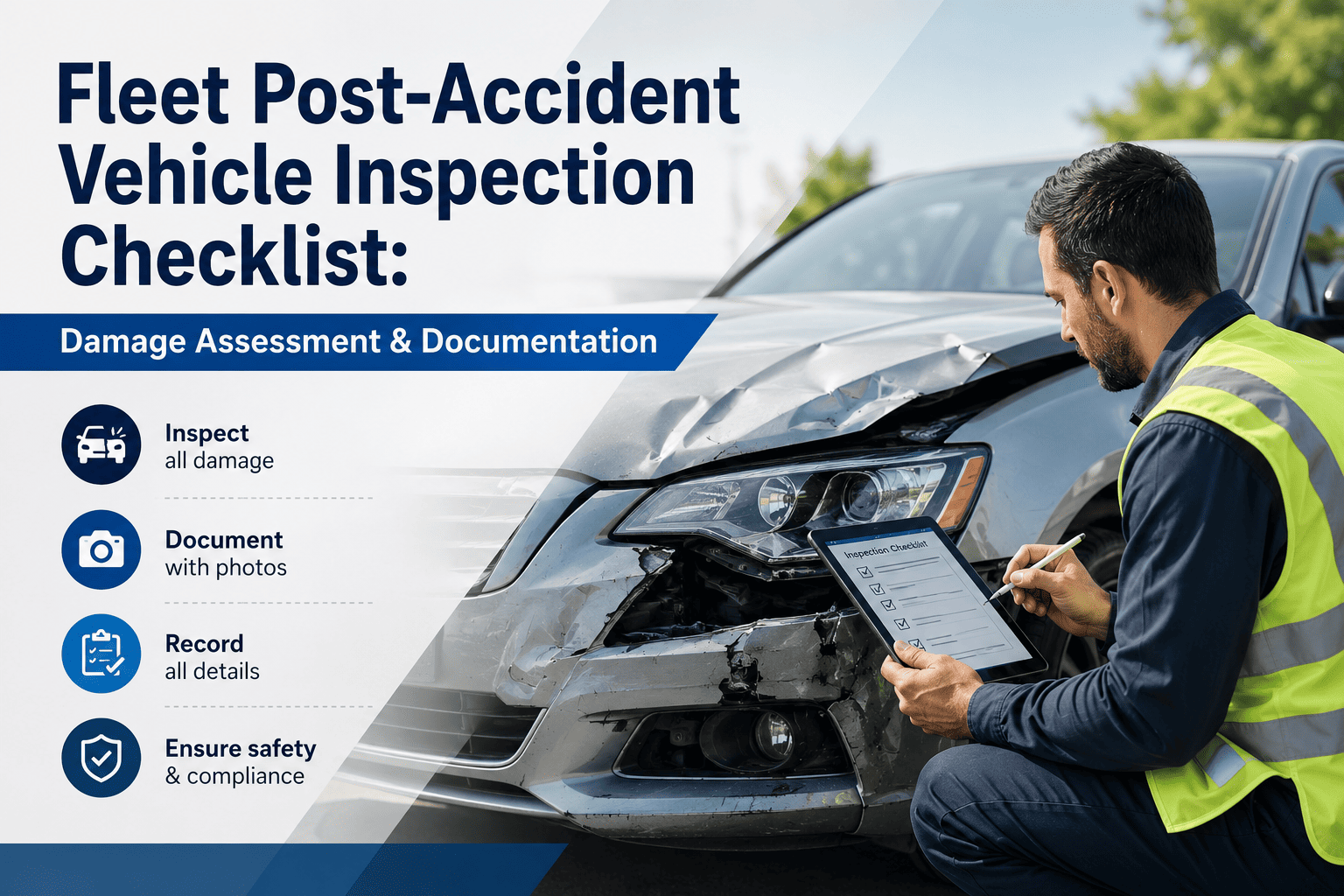
Read More
A post-accident vehicle inspection is not optional — it is a regulatory obligation, an insurance necessity, and the first step in protecting your fleet from liability. Whether the collision is minor or major, FMCSA regulations, DOT post-accident d
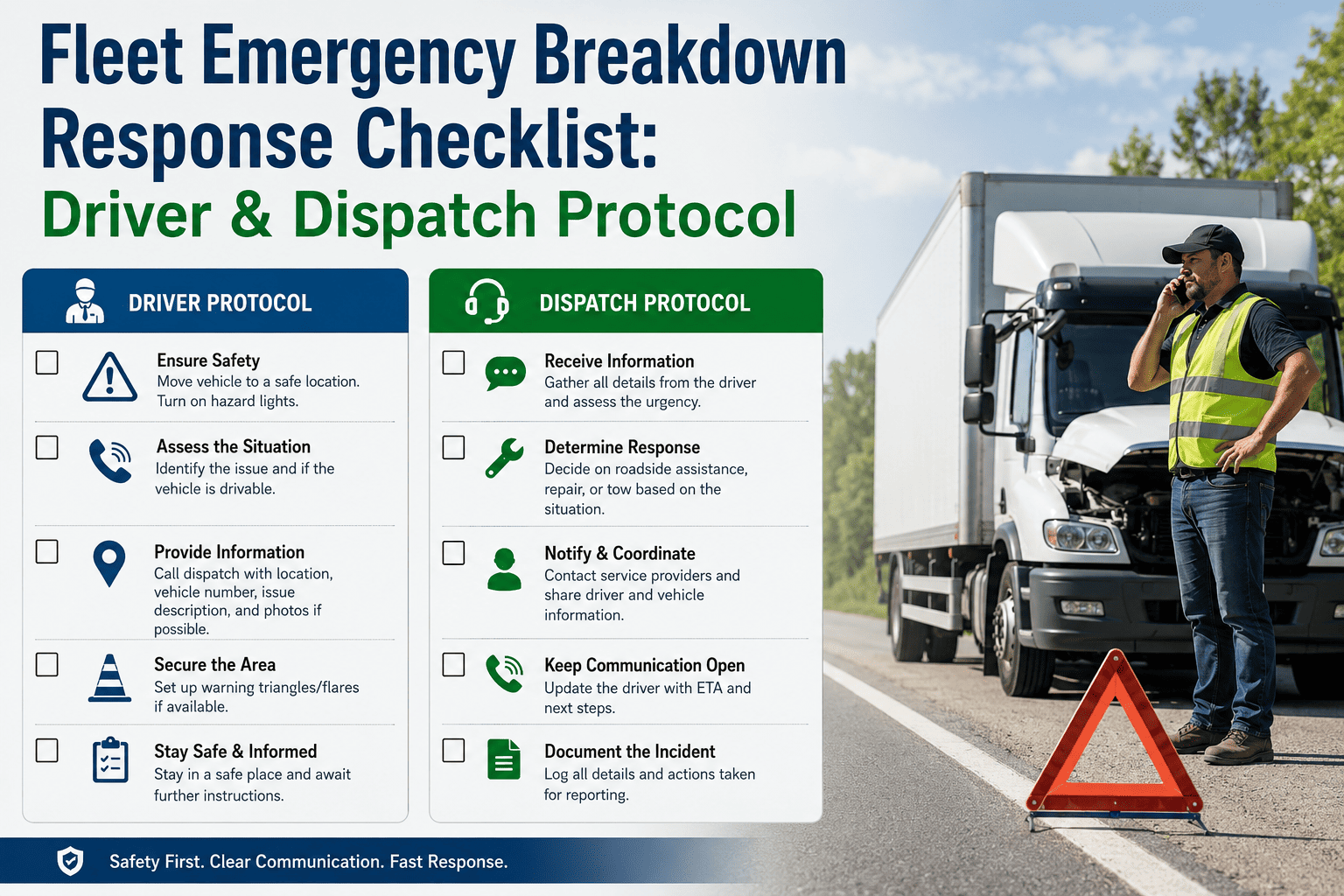
Read More
A fleet breakdown with no protocol is a liability event in motion — stranded driver, blocked lane, no towing contact, and no incident record in your CMMS. FMCSA §392.22 requires hazard warning devices be deployed within 10 minutes of a breakdown o
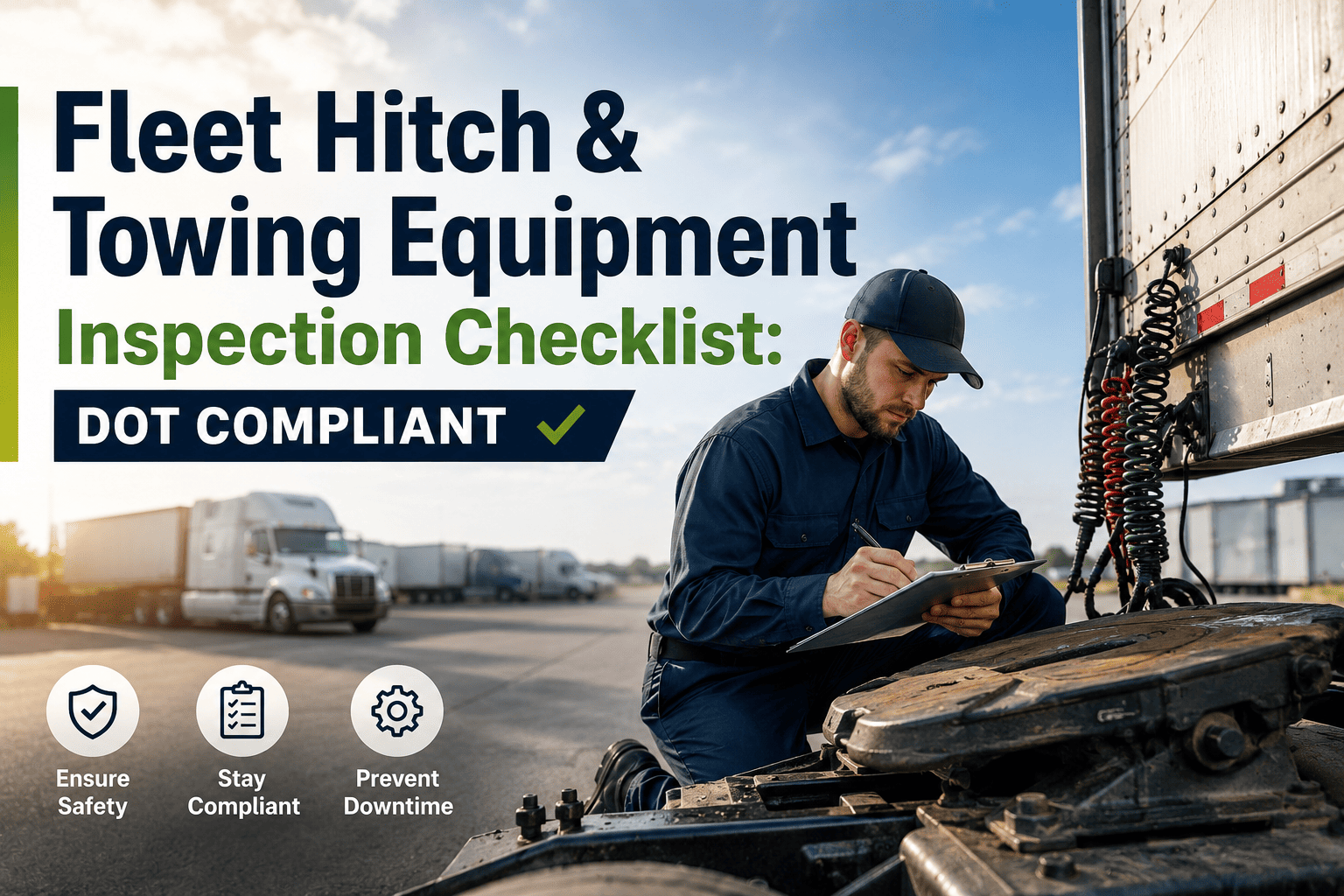
Read More
A failed fifth wheel latch, worn kingpin, or missing safety chain is not a maintenance oversight — it is a DOT violation, a dropped trailer, and a liability that ends careers. Towing equipment failures account for a disproportionate share of comme
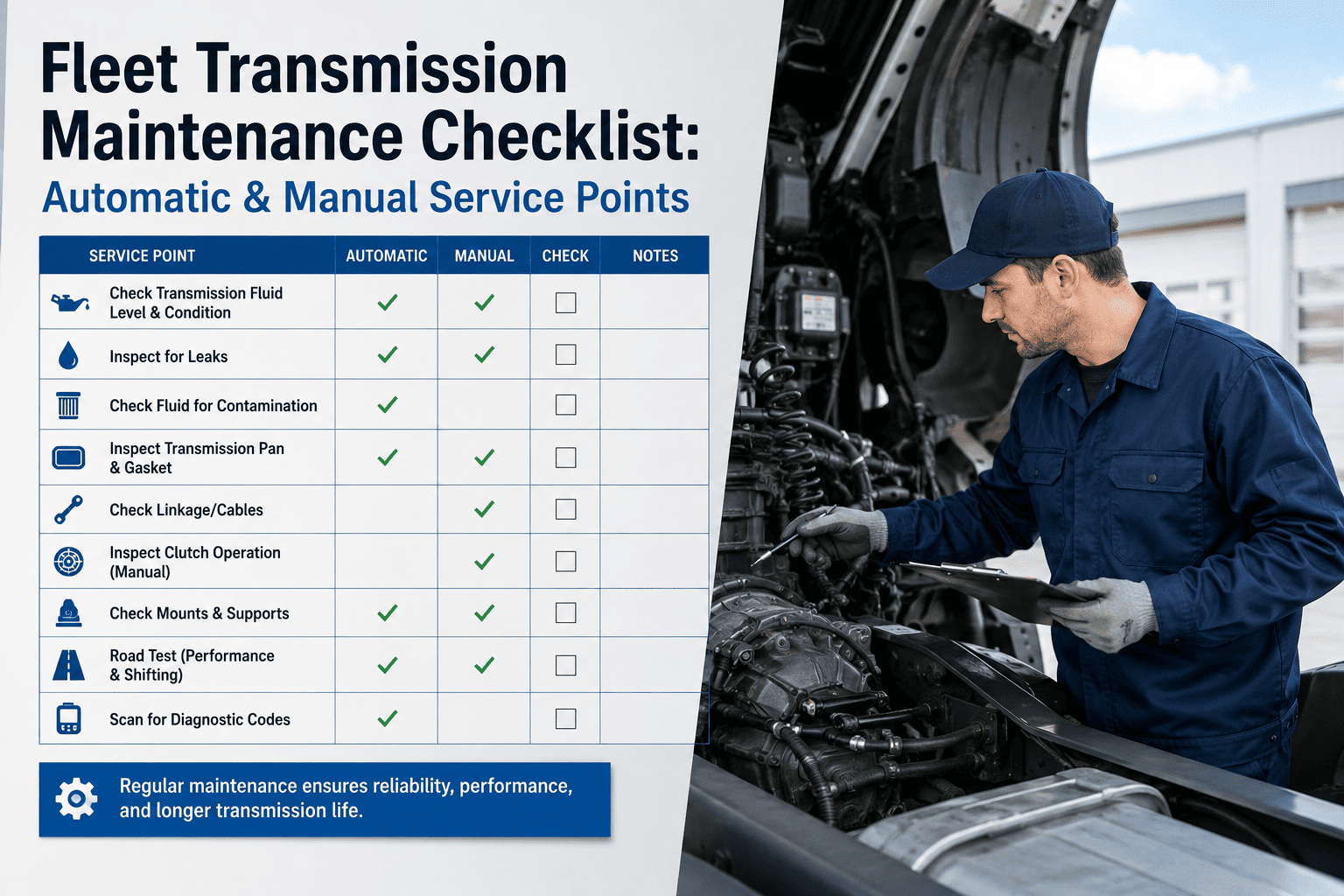
Read More
Fleet transmission failures account for some of the highest unplanned repair costs in commercial operations — yet most failures are preventable with a structured maintenance schedule. Whether your fleet runs automatic transmissions, manual gearbox
Read More
Fleet oil changes and lubrication service are the foundation of commercial vehicle preventive maintenance — yet most fleets still track service intervals through spreadsheets, paper forms, or disconnected shop records that create gaps between what

Read More
Fleet driver onboarding is where compliance gaps, liability exposure, and operational risk are created — or prevented. A single missed MVR check, an expired CDL, or an unverified medical certificate can place a non-qualified driver behind the whee

Read More
Failing a DOT or FMCSA safety audit does not happen because of one catastrophic mistake — it happens because dozens of small documentation gaps, expired records, and missed inspection cycles accumulate invisibly until an auditor surfaces them all
Read More
Purchasing the wrong commercial vehicle drains fleet budgets, disrupts operations, and creates maintenance backlogs that compound for years. A structured fleet vehicle pre-purchase inspection checklist eliminates guesswork, surfaces hidden
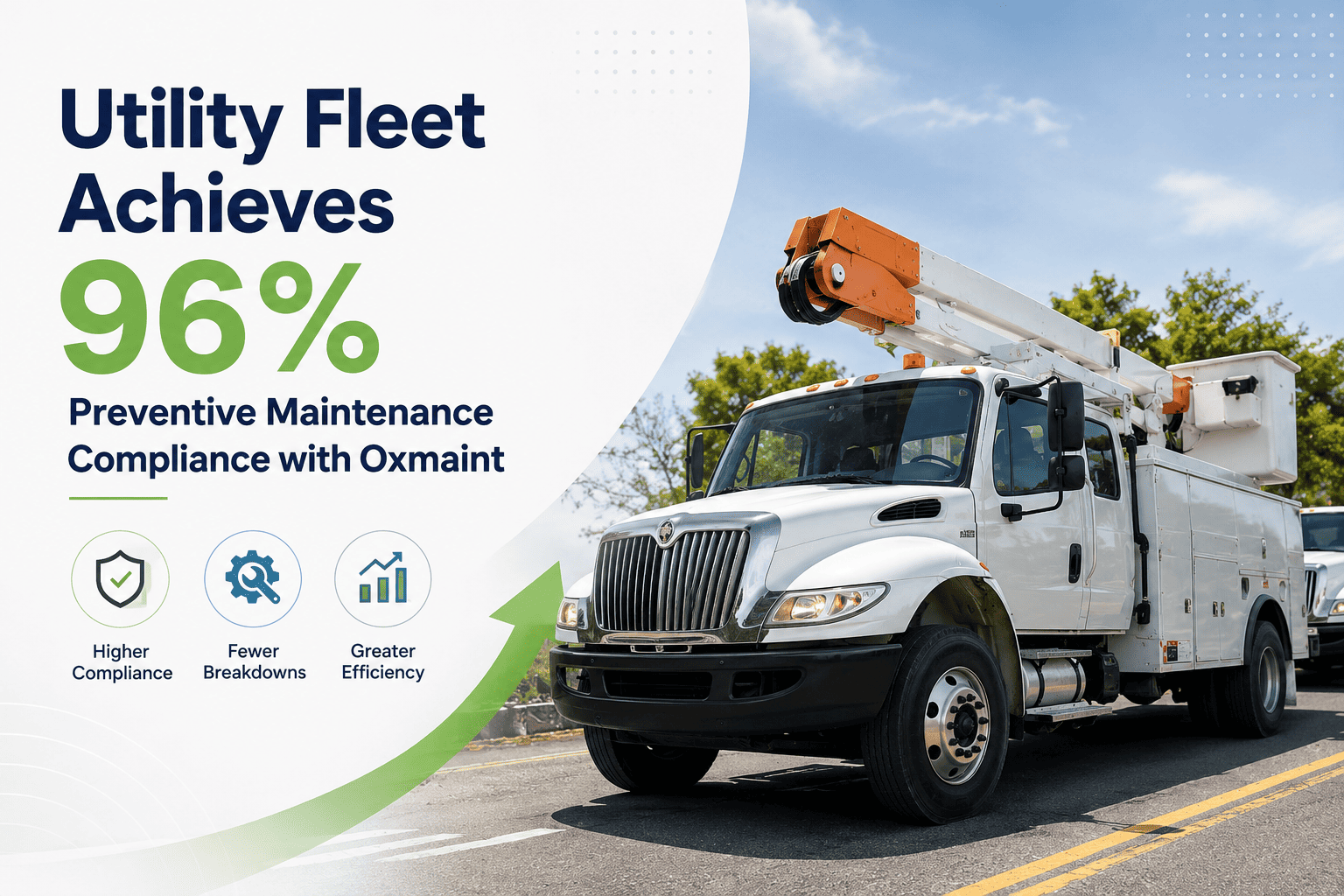
Read More
A regional utility company managing 650 field service vehicles across four service zones was facing a compliance crisis in early 2024. Preventive maintenance tasks were falling through the cracks — only 61% of scheduled PMs were being completed on
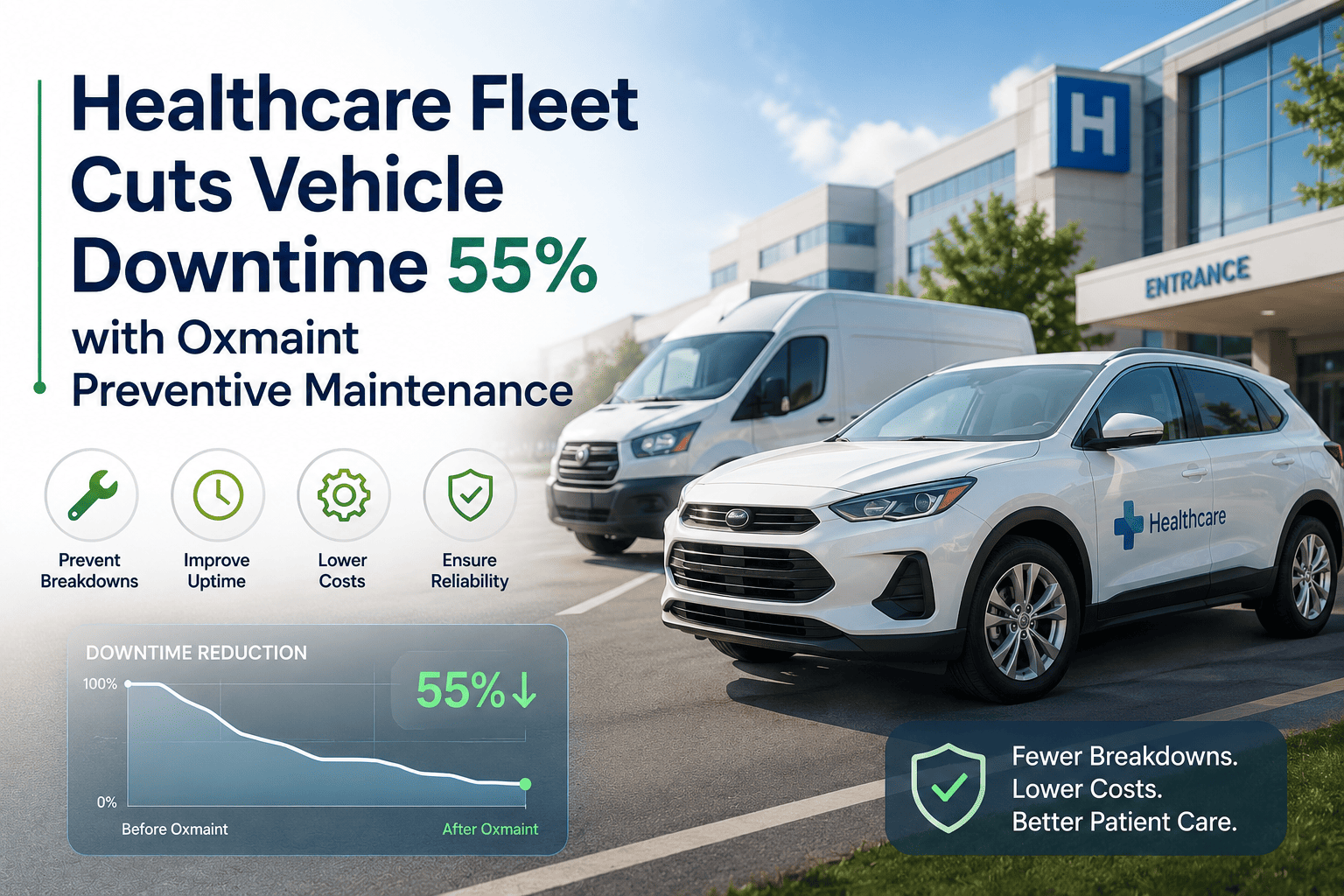
Read More
When a regional healthcare network operating 420 fleet vehicles across 12 hospital campuses needed to cut vehicle downtime and pass stringent compliance audits, their paper-based maintenance logs were costing them far more than they realized. Miss

Read More
A 95-vehicle food distribution fleet operating across multi-state delivery corridors was hemorrhaging fuel budget—not because of inefficient routes alone, but because untracked vehicle health was silently inflating consumption across the entire fl
Read More
When a school district operating 340 buses across 47 routes faced back-to-back DOT inspection failures, the problem wasn't their buses—it was their process. Pre-trip inspection records were scattered across paper binders in three different mainten

Read More
In March 2021, the operations director of a 180-vehicle refrigerated logistics company headquartered in the Pacific Northwest opened a damage claim report that had become routine — another cold-chain failure, another shipment of perishables condem
Read More
In early 2023, the fleet operations manager for a mid-size U.S. city government stood in front of a filing cabinet holding four years of handwritten vehicle logs, paper inspection sheets, and maintenance receipts. The fleet: 1,200 vehicles spannin

Read More
In Q1 2023, the fleet operations manager of a mid-sized construction company running 500 heavy vehicles across multi-state jobsites pulled up twelve months of maintenance records. The numbers were damaging: $3.1 million in total maintenance spend,
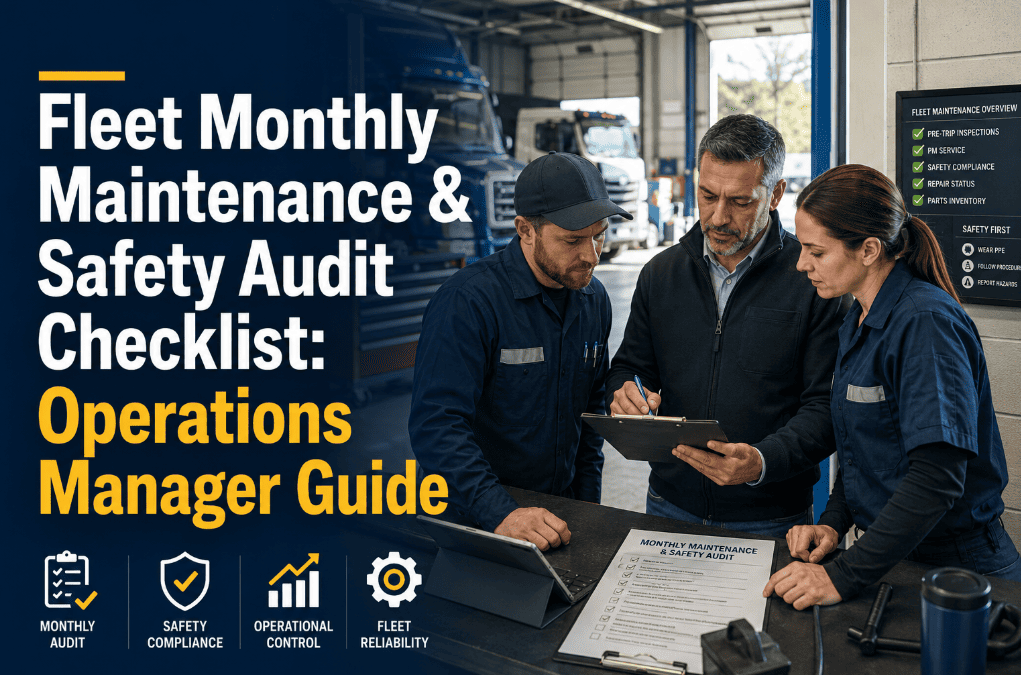
Read More
A fleet operations manager who conducts a monthly audit by reviewing last month's repair orders without examining driver files, PM compliance rates, parts inventory levels, or regulatory documentation is not conducting a safety audit — they are co
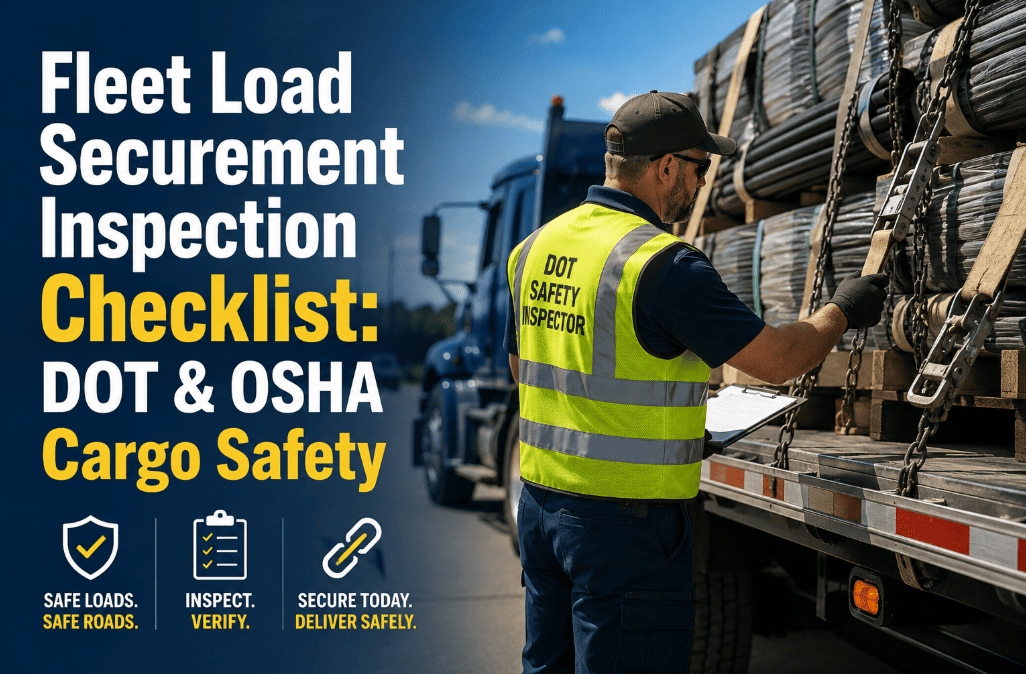
Read More
A flatbed load that departs with tie-down straps rated at 3,333 lbs working load limit securing a machine weighing 22,000 lbs has not been secured — it has been decorated with straps that will fail sequentially under the first emergency braking ev
Read More
A trailer that departs a yard with a lighting circuit that has an intermittent ground fault, a brake chamber with a cracked diaphragm, or a kingpin that has worn beyond its discard specification is not a compliant commercial vehicle — it is a movi
Read More
Every year, over 250 heavy equipment fatalities and thousands of costly breakdowns trace back to a single missed step: the pre-operation inspection. A skipped fluid check, an overlooked hydraulic leak, or an unsigned operator log turns a productiv

Read More
A fleet vehicle that is removed from service without a structured decommission process does not simply leave the fleet — it leaves with telematics data containing driver behaviour records, GPS location history, and route logs that may contain sens
.png)
Read More
A refrigerated transport unit that departs without a verified pre-trip inspection is not a cold chain asset — it is a temperature-controlled box whose compressor may be running at reduced capacity, whose condenser coils may be partially blocked wi

Read More
Long-haul drivers spend more time inside their cab and sleeper berth than most people spend in their homes — and the condition of that space directly affects alertness, rest quality, physical comfort, and the decision to stay with a carrier or lea
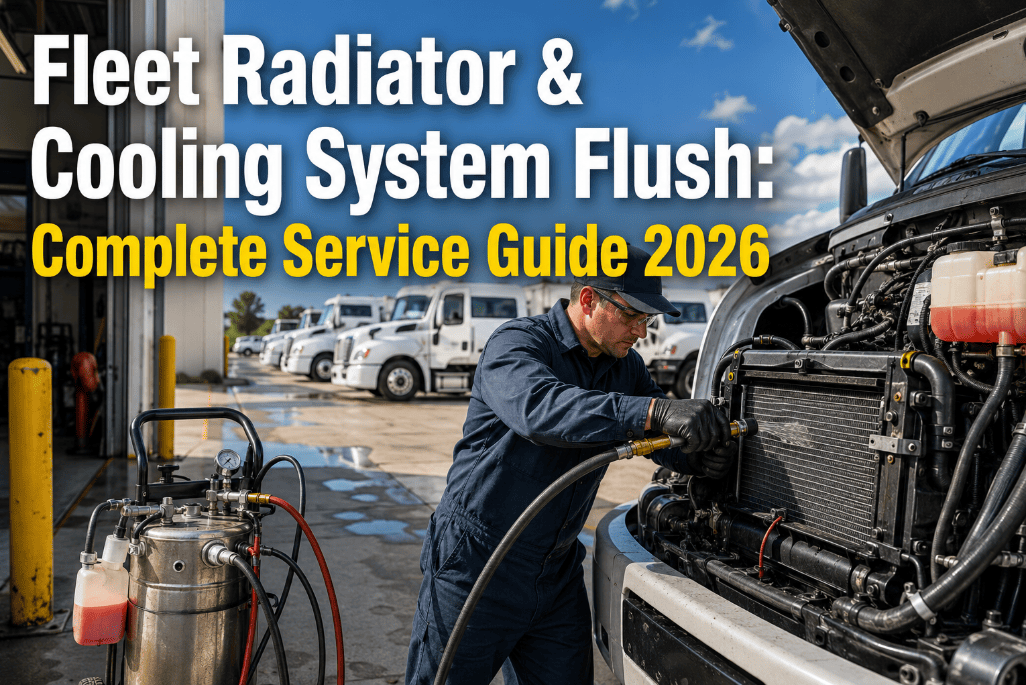
Read More
Fleet radiator failures and engine overheating account for 23% of preventable commercial vehicle breakdowns — a figure that drops sharply in fleets with structured coolant service programs. Coolant degrades chemically over time regardless of milea

Read More
Fleet operators with comprehensive CMMS maintenance documentation pay 15–25% lower insurance premiums than fleets without structured records. Insurance underwriters view documented PM compliance, inspection histories, and digital maintenance recor

Read More
Fleet total cost of ownership is the only financial metric that tells a fleet manager the true cost of keeping a vehicle in service — from acquisition through disposal. Most commercial fleet budgets track fuel, parts, and labor separately, which m

Read More
Fleet parts procurement is one of the highest-leverage cost decisions a fleet manager makes — and most organizations make it reactively, vehicle by vehicle, without a documented strategy. OEM parts carry brand assurance but often cost 30–40% more

Read More
Corrosion costs commercial fleet operators more than $3 billion annually in the United States alone — making it one of the most expensive and most preventable threats to vehicle body integrity across van and truck fleets. Salt exposure, road spray

Read More
Turbocharger failures are among the most expensive unplanned repairs in commercial fleet operations — replacement costs run from $1,500 to $4,000 per vehicle, and that figure excludes labor, downtime, and any secondary engine damage caused by oil
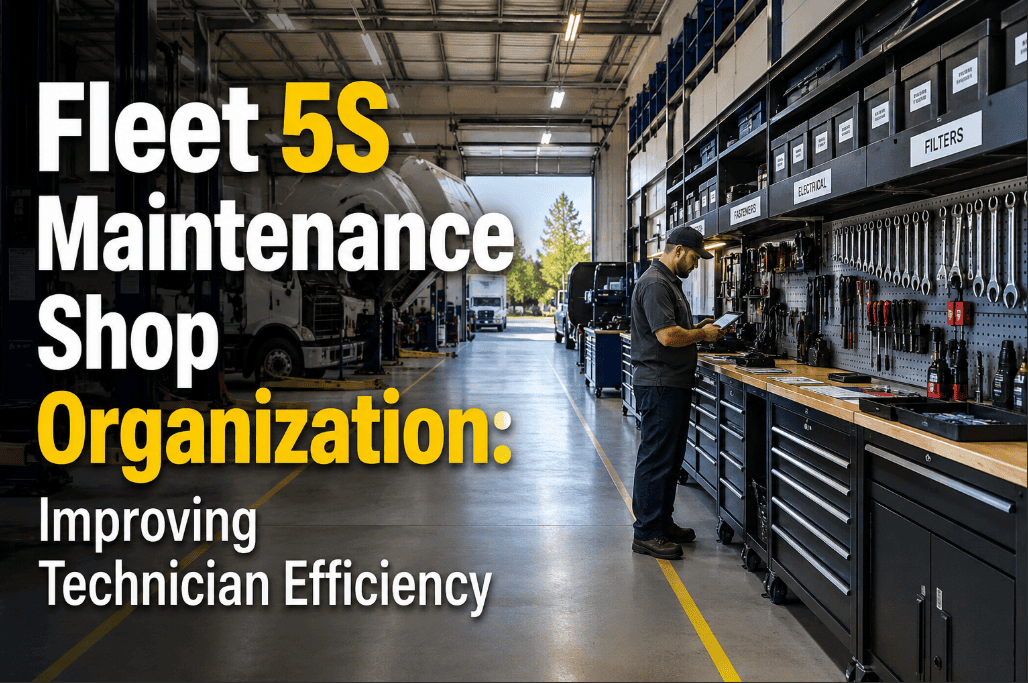
Read More
A fleet shop can have skilled technicians, good parts coverage, and modern vehicles — and still lose hours every week to clutter, walking, rework, and tool hunting. 5S gives fleet leaders a simple system to fix that: remove wh
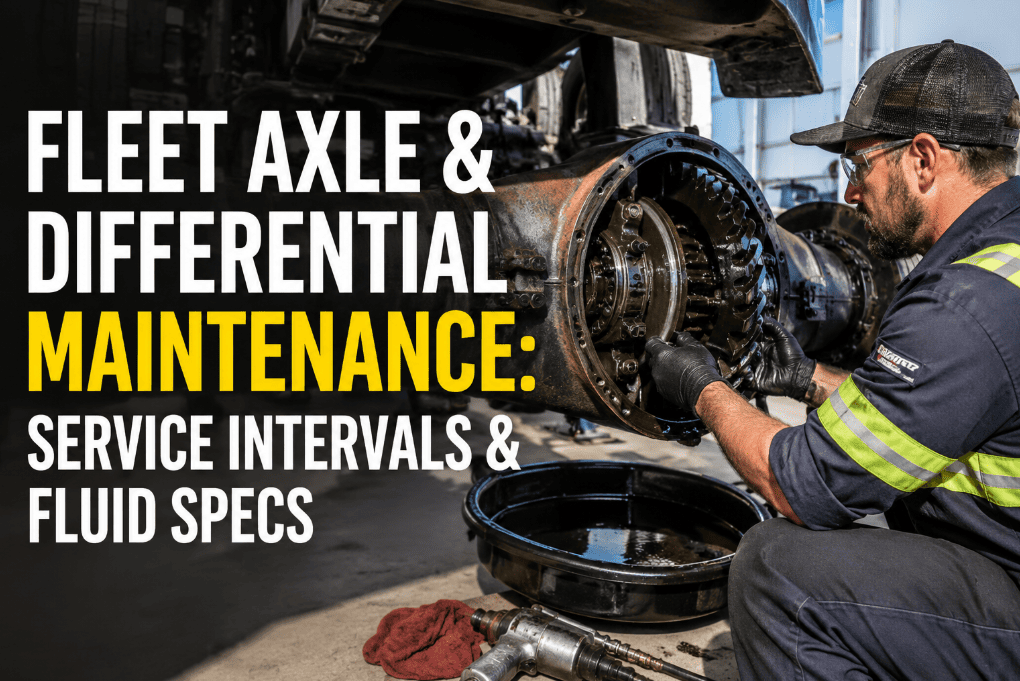
Read More
Fleet axle and differential systems are among the most neglected drivetrain components in commercial vehicle maintenance — partly because they fail slowly, partly because the symptoms are subtle until catastrophic, and partly because most PM check

Read More
Building a fleet preventive maintenance program from scratch in 2026 is one of the highest-ROI operational projects a fleet manager can undertake — industry data consistently shows that every dollar invested in structured PM returns three to five
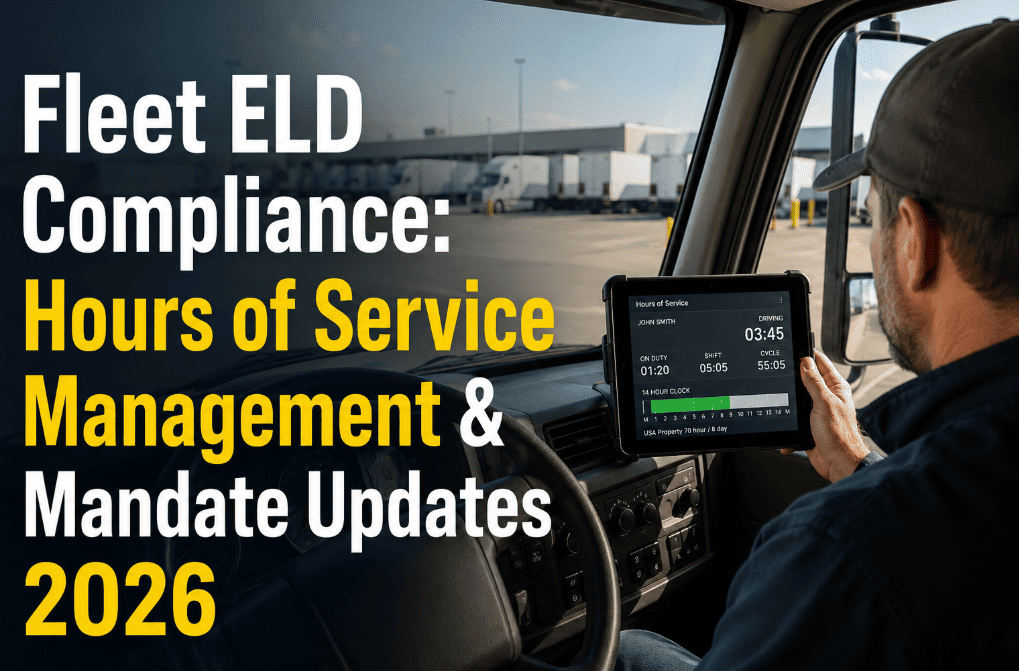
Read More
The FMCSA's Electronic Logging Device mandate has been fully enforced since 2019, but 2026 brings updated Hours of Service rule interpretations, expanded exemption categories, and heightened enforcement scrutiny at weigh stations and roadside insp
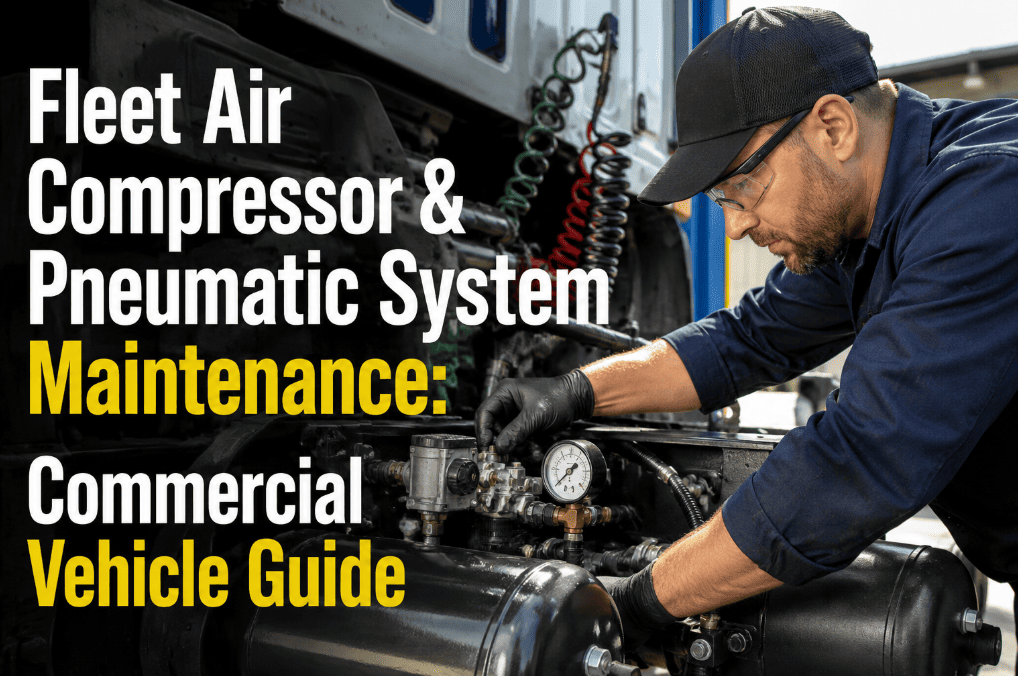
Read More
Air compressor and pneumatic system failures are the leading cause of commercial vehicle brake system deficiencies — responsible for 29% of all brake-related out-of-service violations during DOT roadside inspections. A failed air compressor does n
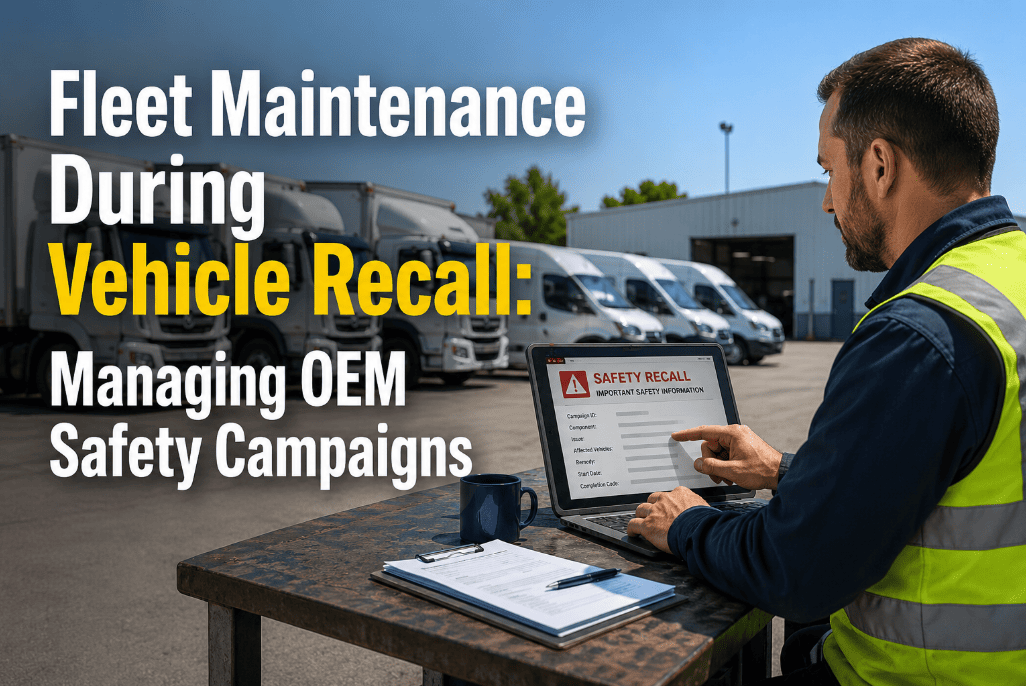
Read More
Vehicle recalls affect 15% of commercial fleets annually, and the average open recall remains unresolved for 127 days — during which every affected vehicle operates with a known safety deficiency that creates liability exposure for the fleet opera

Read More
Driveline failures account for 8% of all fleet roadside breakdowns, and 71% of those failures trace back to missed lubrication intervals or ignored vibration symptoms that a structured PM schedule would have caught months earlier. U-joints, CV joi
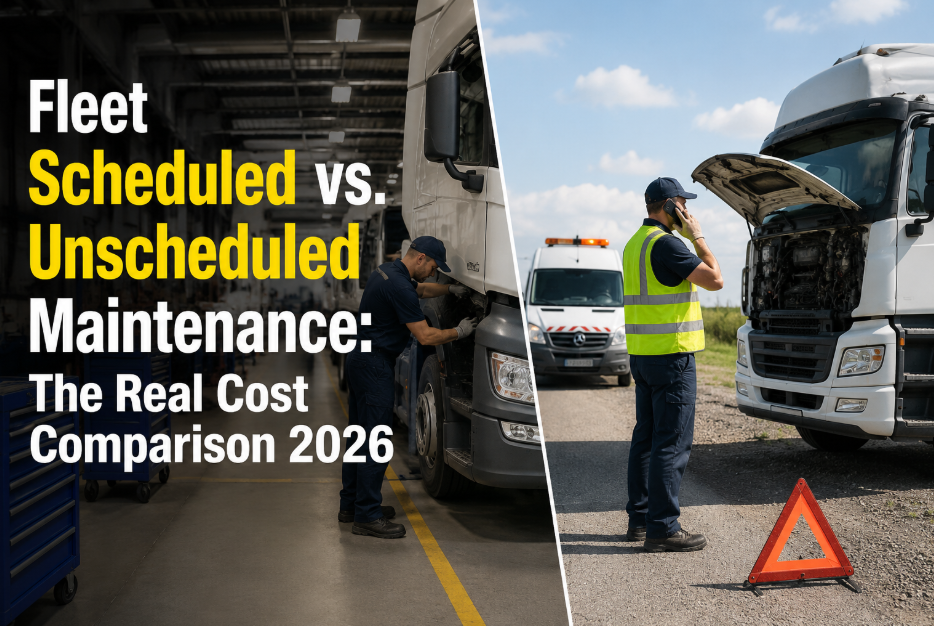
Read More
The maintenance cost gap between scheduled and unscheduled fleet repairs is not a marginal difference — it is a multiplier that compounds across every vehicle, every quarter, and every fiscal year. Industry data from the American Trucking Associat

Read More
Fleet operations across the United States face a silent compliance risk that grounds drivers without warning: expired DOT medical certificates. The Federal Motor Carrier Safety Administration requires every commercial motor vehicle driver to hold

Read More
Commercial fleet tires are among the highest per-unit consumable costs in any fleet budget — and the gap between what those tires should cost and what most fleets actually spend on them is driven almost entirely by the consistency of the rotation
Read More
Diesel fuel contamination is one of the most expensive and preventable problems in commercial fleet operations. When water, microbial growth, sediment, or oxidized fuel degrades the quality of fuel sitting in your tanks, the damage cascades — clog
Read More
Fleet undercarriage damage — frame corrosion, crossmember fatigue, suspension mount deterioration, and brake line rust-through — accounts for an estimated $820 million in annual commercial vehicle repairs across North America, with the highest con
Read More
Lighting violations are the second most common citation category in DOT roadside inspections — accounting for 14.3% of all vehicle-related violations documented by FMCSA in 2024. A single non-functional marker light, a misaligned headlamp, or a cr

Read More
Fleet preventive maintenance is not a cost center — it is the single highest-return operational investment a fleet organization can make, yet 62% of fleet managers report difficulty justifying PM program budgets to leadership because they lack str
Read More
The spreadsheet-managed fleet is not a cost-saving strategy — it is a slow accumulation of invisible risk. Every preventive maintenance interval tracked in a shared Excel file is one missed update away from a blown PM. Every compliance record stor
Read More
Fleet towing capacity violations sit at the intersection of operational risk, regulatory exposure, and catastrophic accident liability — and most fleet operations have no systematic way to verify that every load assignment stays within the legal a
Read More
Suspension systems are the silent infrastructure of every fleet vehicle — rarely inspected until a driver complains about ride quality or a tire wears unevenly, and by then the damage to tires, brakes, steering components, and cargo is already don
Read More
A Class 8 semi-truck running 120,000 miles per year generates roughly 22 maintenance events annually — and if even three of those events are missed, delayed, or performed at the wrong interval for the actual duty cycle, the resulting component fai

Read More
The fleet maintenance manager role has changed more in the past four years than in the previous two decades combined. In 2022, the average fleet maintenance manager spent 60% of their working day on reactive tasks — responding to breakdowns, sourc

Read More
Your CMMS already contains the data that predicts your next fleet breakdown — the problem is that 91% of fleet operations never analyze it. Every work order your technicians have closed, every part they have replaced, every roadside call they have

Read More
Most fleet breakdowns trace back not to catastrophic events but to something far simpler — lubrication failures. Insufficient grease on a fifth-wheel coupling, degraded gear oil in a differential, contaminated hydraulic fluid in a lift gate — thes
Read More
The DOT enforcement officer at the I-80 weigh station in Pennsylvania pulls a 26-foot box truck into the inspection bay at 6:47 AM. The driver hands over his logbook, his manifest, and his bill of lading. The portable scale reads 28,400 pounds on
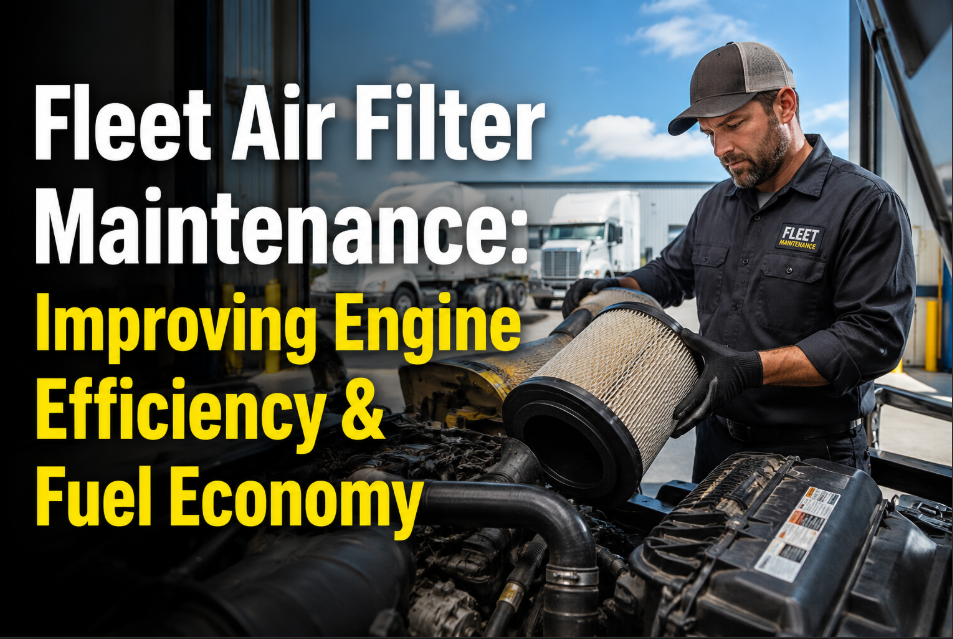
Read More
The Class 8 day-cab tractor pulling reefer freight from Bakersfield to Denver burns 14% more diesel on the return leg than it did 90 days earlier on the same route. The driver assumes the wind is different. Dispatch attributes it to load variation
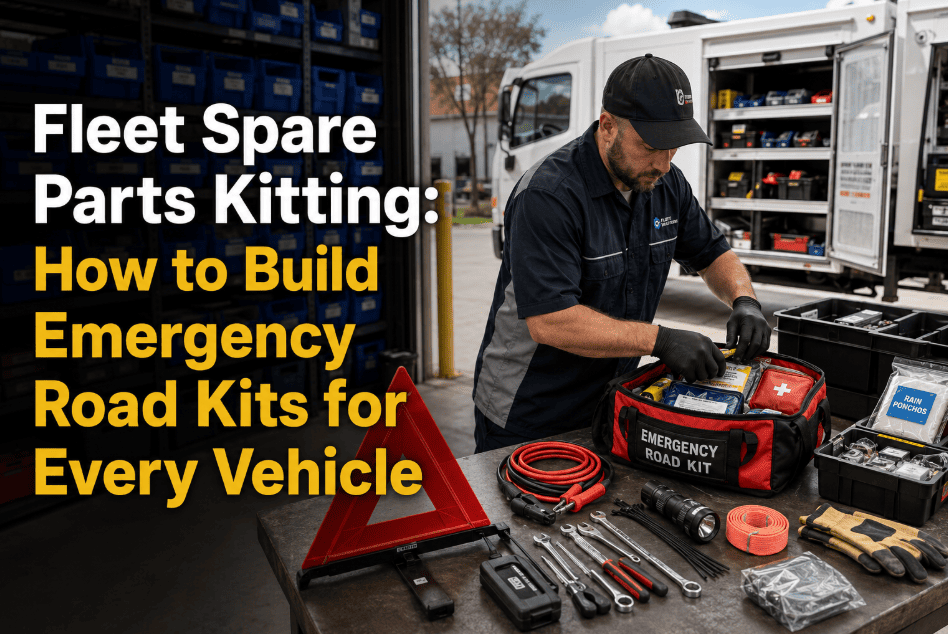
Read More
It is 11:43 PM on a Sunday in February. A long-haul tractor on I-90 outside Sioux Falls loses coolant pressure 80 miles from the nearest service center. The driver pulls onto the shoulder, opens the hood, and finds a split lower radiator hose spra

Read More
A single axle weight violation at a DOT checkpoint costs your fleet between $1,200 and $16,000 depending on the state and severity — and that is before you factor in the out-of-service order that takes the vehicle off the road for hours or days, t
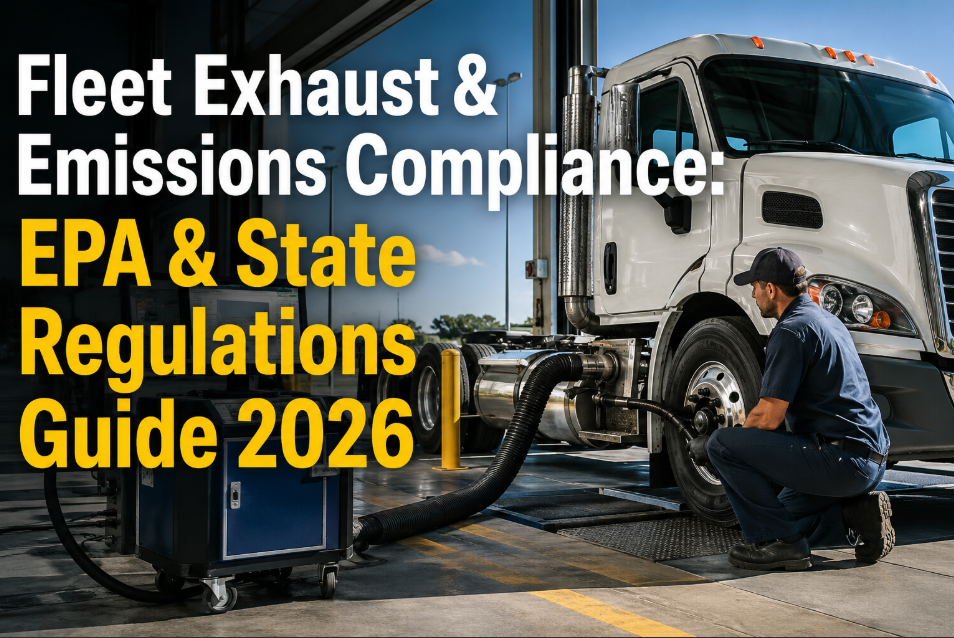
Read More
Fleet emissions compliance failures averaged $18,400 per EPA enforcement action in 2024 — and the regulatory environment in 2026 is substantially more aggressive. California's CARB penalties can exceed $37,500 per vehicle per day for non-compliant
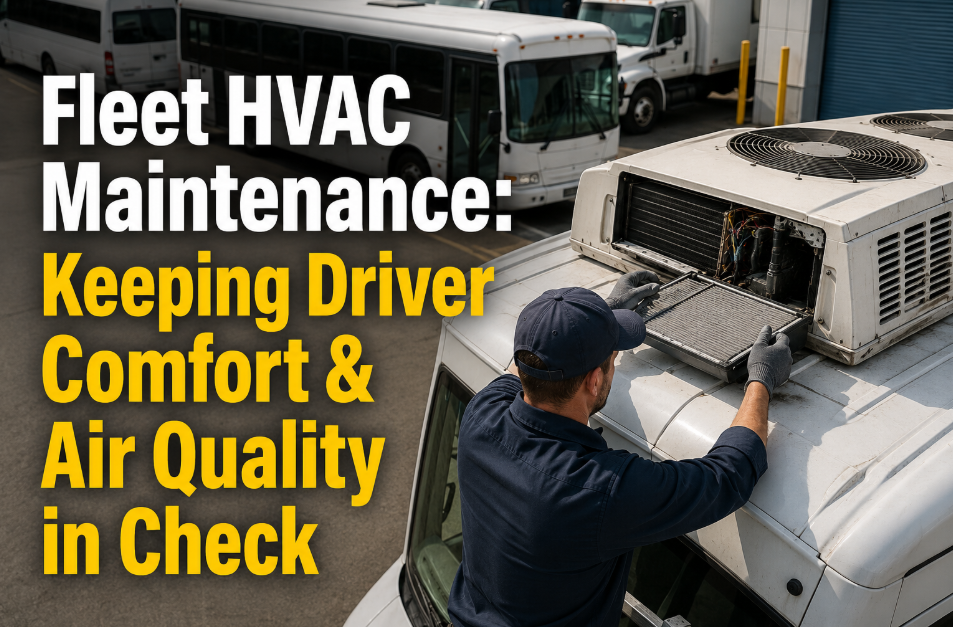
Read More
Fleet HVAC failures cost an average of $680 per repair — but the real damage is measured in driver turnover, not repair invoices. Drivers operating commercial vehicles with failed air conditioning during summer heat experience a 23% productivity d
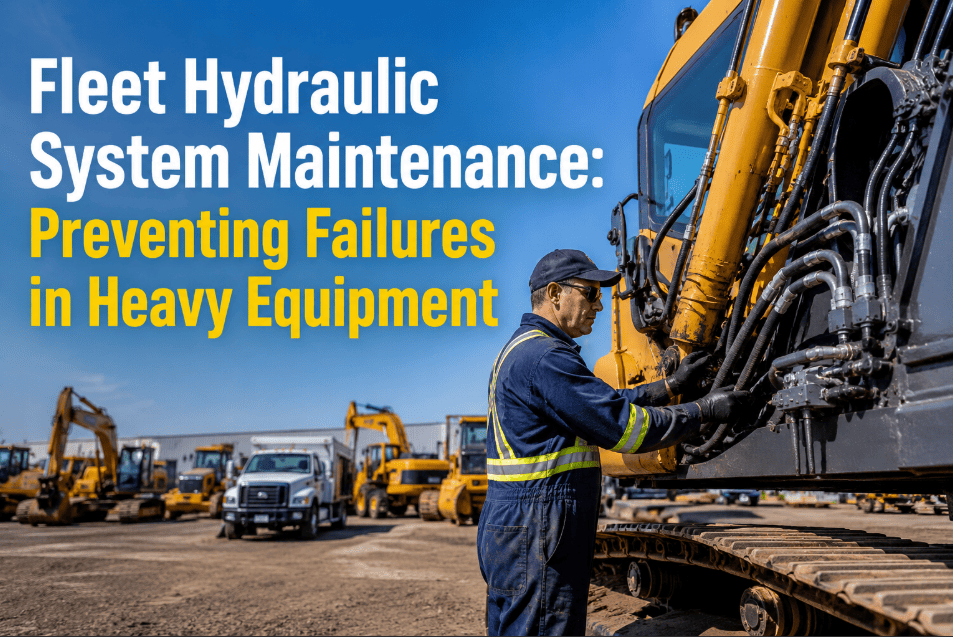
Read More
Hydraulic system failures are among the most expensive unplanned events in heavy equipment fleet operations — averaging $2,400 per incident in direct repair costs before factoring in lost production hours, environmental cleanup, and secondary comp
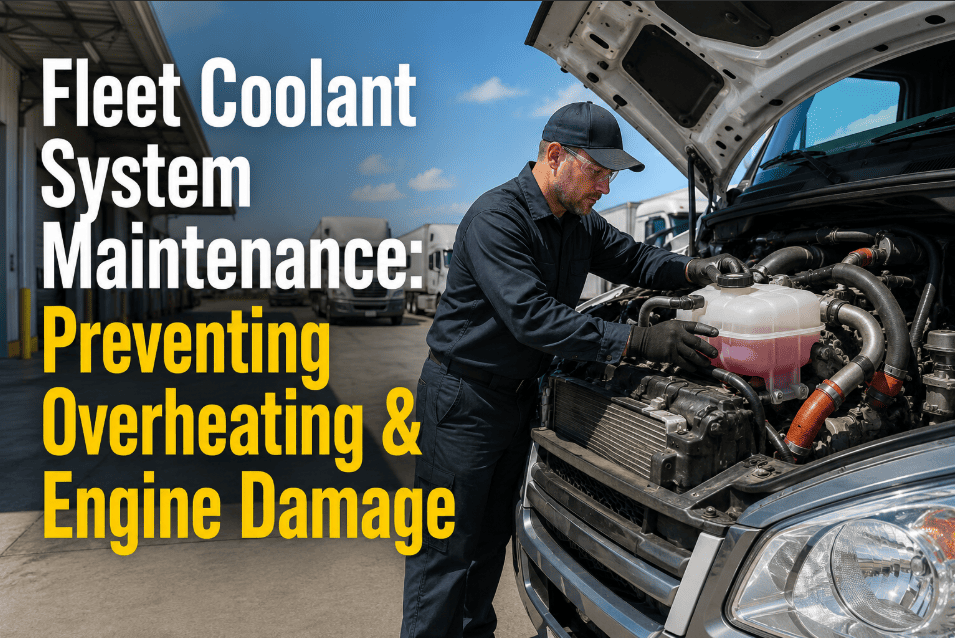
Read More
A single engine overheat event can destroy a $24,000 diesel powertrain in under 8 minutes — yet 71% of fleet engine failures traced to "engine problems" actually originate from neglected coolant systems. Coolant degradation, contamination, and imp
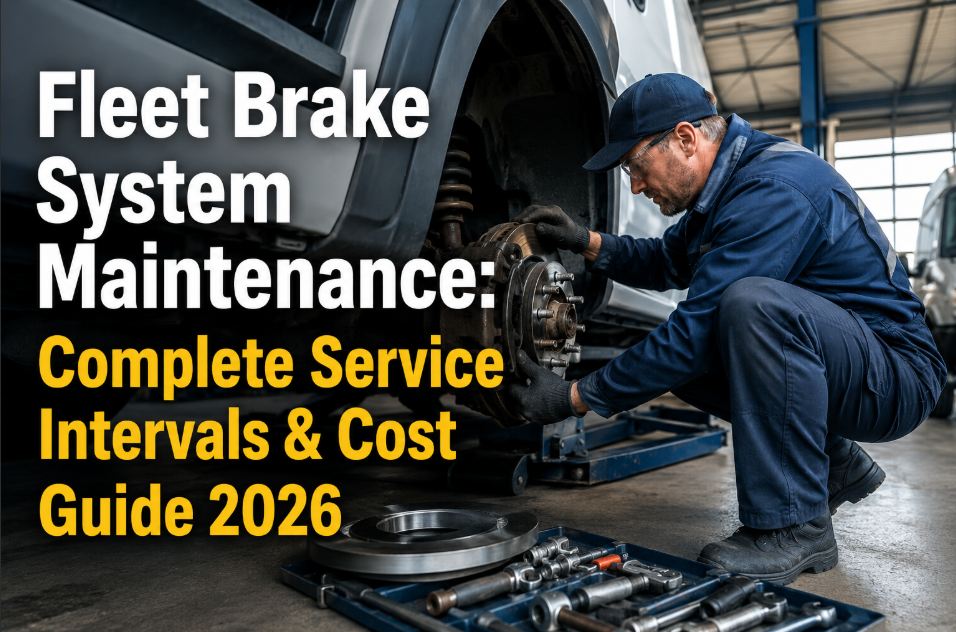
Read More
Fleet brake systems generate 32.7% of all out-of-service violations during DOT roadside inspections — making brake maintenance the single highest compliance risk in commercial vehicle operations. The average cost of a brake-related breakdown is $4
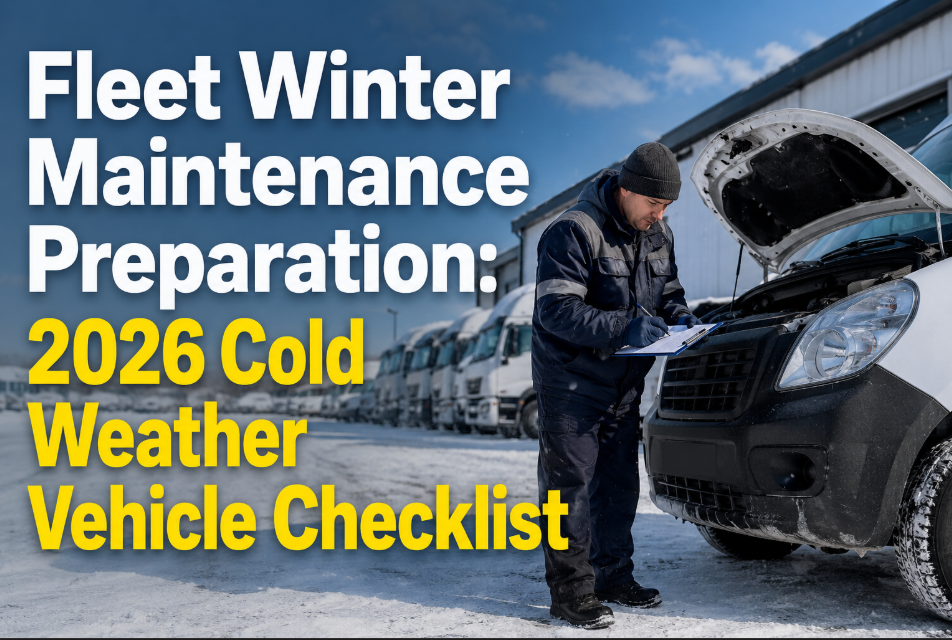
Read More
Cold weather kills batteries, gels diesel fuel, freezes DEF systems, and shatters poorly maintained tires — costing fleets $4,200 per winter-related breakdown on average. Fleets in northern operating regions report 340% higher unscheduled maintena

Read More
Fleet technician shortages are projected to reach 115,000 unfilled positions across North America by 2027, making structured skill development and workforce planning the single most critical competitive advantage for fleet operations. A technician
Read More
Fleet maintenance standard operating procedures form the backbone of every high-performing commercial fleet shop, yet 62% of fleet operations still rely on informal, undocumented service processes that create inconsistency, safety risks, and compl

Read More
Fleet vehicle accidents cost commercial operations an average of $74,000 per incident when factoring in repair, downtime, insurance premium increases, and litigation exposure. A structured accident investigation report — anchored in 5-why root cau
Read More
Fleet operations without a structured KPI dashboard run blind. Industry data shows that fleets tracking 15+ performance metrics in real-time achieve 24% lower cost-per-mile and 31% higher vehicle uptime than fleets relying on monthly spreadsheet r
Read More
Fleet CMMS implementations fail 47% of the time when organizations skip structured rollout planning. The average fleet loses 11 weeks of productivity during poorly managed software transitions, costing $28,000-$65,000 in delayed maintenance tracki

Read More
Fleet vehicle disposal decisions made without structured data cost organizations an average of $3,800 per vehicle in lost remarketing value. Only 38% of commercial fleets use a standardized disposal request process, leaving the majority vulnerable
Read More
Fleet inspection failures cost commercial operators an average of $4,200 per unresolved defect when vehicles are pulled from service unexpectedly. A standardized defect report and repair authorization process reduces diagnostic delays by 68% and e

Read More
A preventive maintenance work order is the operational document that translates your PM schedule into technician action — and the quality of that document directly determines the quality of the maintenance performed. Vague work orders produce vagu

Read More
Every fleet safety program is only as strong as its incident and near miss reporting system — and in most fleets, that system is broken. OSHA data shows that for every serious workplace injury, there are approximately 300 near misses that went unr

Read More
Fleet operations depend on external vendors for parts, service, tires, fuel, telematics, and specialized repairs — and the quality of those vendors directly impacts vehicle uptime, maintenance cost, and compliance. Yet 67% of fleet managers select

Read More
Fleet budgets fail for one consistent reason: they are built on last year's numbers plus a percentage increase, rather than on data-driven forecasts tied to actual asset conditions, age profiles, and utilization patterns. A 2024 NAFA study found t

Read More
Fleet technicians are the frontline defense against breakdowns, safety incidents, and compliance failures — but only if their inspection findings are captured in a structured, retrievable format. The reality in most fleet shops is different: techn

Read More
Your fleet asset register is the single source of truth for every vehicle you own, lease, or operate — and if it lives in someone's head, a filing cabinet, or a spreadsheet last updated six months ago, you do not actually have one. A 2024 NAFA ben
Read More
Fleet managers who track maintenance manually spend an average of 6.2 hours per week on paperwork that a structured system handles in minutes. The difference between fleets that control costs and those that hemorrhage money on emergency repairs of

Read More
Most fleet managers know their fuel costs. Fewer know their maintenance costs per vehicle. Almost none can tell you the true total cost of ownership across the full lifecycle of each asset — and that gap is where replacement decisions go wrong, bu

Read More
The difference between a fleet that controls costs and one that hemorrhages money on emergency repairs comes down to one discipline: preventive maintenance executed on schedule. Fleets with structured PM programs experience 45% fewer breakdowns, 2

Read More
Every commercial motor vehicle operated on public roads requires a Driver Vehicle Inspection Report before and after each trip — that is not optional, it is federal law under FMCSA regulation 396.11. Yet DOT auditors report that 34% of fleets have

Read More
Fuel represents 28% of total fleet operating costs — the second largest expense after depreciation. Yet 61% of fleet managers cannot tell you the actual fuel efficiency of individual vehicles in their fleet, relying instead on fleet-wide averages

Read More
Buying fleet management software in 2026 is harder than it was five years ago — not because the tools are worse, but because every vendor now claims AI, automation, predictive maintenance, and seamless integration. Fleet managers who skip the righ

Read More
Every fleet manager knows the exact moment inventory failure hits: a truck rolls into the bay with a broken alternator, the technician walks to the parts cage, and the bin is empty. What follows is a $1,400 emergency parts order, 18 hours of vehic

Read More
Fleet downtime is not just a maintenance problem — it is a revenue problem. Every vehicle sitting idle costs between $450 and $1,200 per day in lost utilization, depending on vehicle class and operation type. For a 100-vehicle fleet averaging 12%

Read More
Choosing the right fleet maintenance scheduling software in 2026 is the difference between a fleet that runs at 94% PM compliance and one that scrambles to fix breakdowns every week. The market has expanded significantly — there are now dozens of

Read More
Fleet operations hemorrhage money in ways that rarely show up on a single line item. The average commercial fleet wastes $4,200 per vehicle per year on preventable maintenance failures, missed PM schedules, untracked parts consumption, and emergen

Read More
Fleet accidents cost US commercial operations an average of $91,000 per incident when factoring in vehicle damage, medical expenses, insurance premium increases, legal fees, and lost productivity. Yet 72% of fleet accidents are preventable through

Read More
The fleet management industry is undergoing its most significant transformation in decades. With 78% of fleet operators reporting increased pressure to adopt digital tools in 2025, the trends shaping 2026 are not speculative — they are already bei

Read More
The calendar year 2026 brings a strong lineup of higher education facility conferences — and for facilities directors, operations managers, and campus engineers, the choice of which events to attend is a strategic decision as much as a professiona

Read More
Stockouts are the silent budget killer in fleet maintenance. When a technician opens a work order and the required part is not on the shelf, the repair stops. The vehicle sits. Downtime accumulates. And someone pays a premium freight charge to get

Read More
DOT compliance enforcement tightened in 2025 and the trend is accelerating into 2026. FMCSA's Commercial Vehicle Safety Alliance (CVSA) roadcheck program cited over 200,000 violations across North America in its most recent annual operation, with

Read More
Fleet managers in 2026 are running operations from the cab, the yard, and the road — not from a desktop in a back office. The mobile app your team uses every day is no longer a convenience feature. It is the operational interface between your main

Read More
Most fleet managers know their cost per mile, their fuel spend, and their total maintenance budget. Fewer track the metrics that tell them a breakdown is coming before it happens — the leading indicators that surface in CMMS data weeks or months b

Read More
Fleet work order management is where maintenance strategy meets daily execution — the system that determines whether a repair gets done on time, by the right technician, with the right parts, and with a documented record that satisfies compliance
Read More
Fleet telematics has moved from a nice-to-have GPS tracking tool to the operational data backbone that connects every vehicle decision — routing, maintenance, fuel management, driver safety, and compliance — to real-time intelligence. In 2026, the
Read More
Fleet dispatch is the operational nerve center of any commercial fleet — the point where vehicles, drivers, routes, and time windows either come together efficiently or fall apart expensively. In 2026, the gap between fleets using modern dispatch

Read More
Construction fleet management in 2026 operates at a different level of complexity than most other industries. A mid-size general contractor managing 80–200 vehicles and pieces of heavy equipment is simultaneously tracking GPS locations of excavato

Read More
Fleet managers who hold professional certifications earn an average of 18–24% more than their non-certified peers — and in 2026, that gap is widening. As commercial fleet operations grow more complex with telematics integration, EV transition plan

Read More
Fleet managers running 50+ vehicles are still losing an average of 22% of their fuel budget to inefficient routing — routes planned manually the night before, static sequences that ignore real-time traffic, and dispatchers making gut-call adjustme

Read More
Last-mile delivery now represents 53% of total shipping costs for e-commerce and distribution operations — and that percentage is climbing as customer expectations for same-day and next-day delivery intensify. In 2026, the average failed delivery

Read More
Managing a fleet in-house requires specialized staff, software systems, vendor relationships, compliance expertise, and capital allocation decisions that many organizations simply are not built to handle well. In 2026, the fleet management outsour
Read More
Fleet operations account for nearly 27% of total transportation-related greenhouse gas emissions globally — and in 2026, ESG reporting is no longer a voluntary initiative for fleet-heavy organizations. Investor pressure, regulatory mandates like t

Read More
Selecting fleet management software without a structured RFP process is how organizations end up locked into platforms that cannot scale, integrate poorly with existing systems, and cost 2.3x more over five years than properly evaluated alternativ
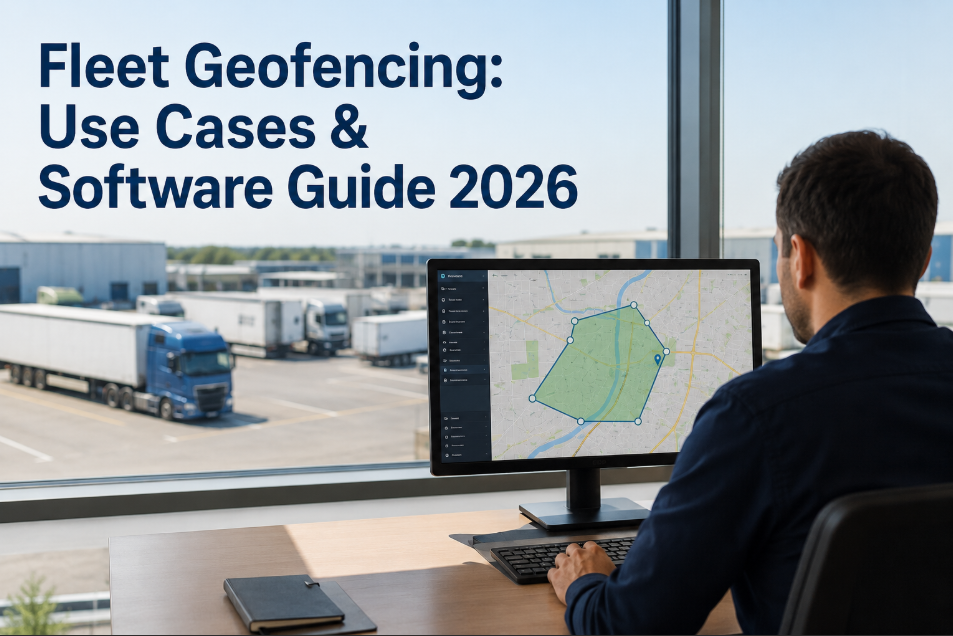
Read More
Geofencing has evolved from a novelty GPS feature into a core fleet management capability. In 2026, 67% of commercial fleets with 50+ vehicles use geofencing for at least one operational function — from automated arrival notifications to unauthori

Read More
Driver turnover in commercial fleets hit 94% for large truckload carriers in 2025, and the cost of replacing a single driver now exceeds $12,000 when you factor in recruiting, training, lost productivity, and elevated accident risk during the firs
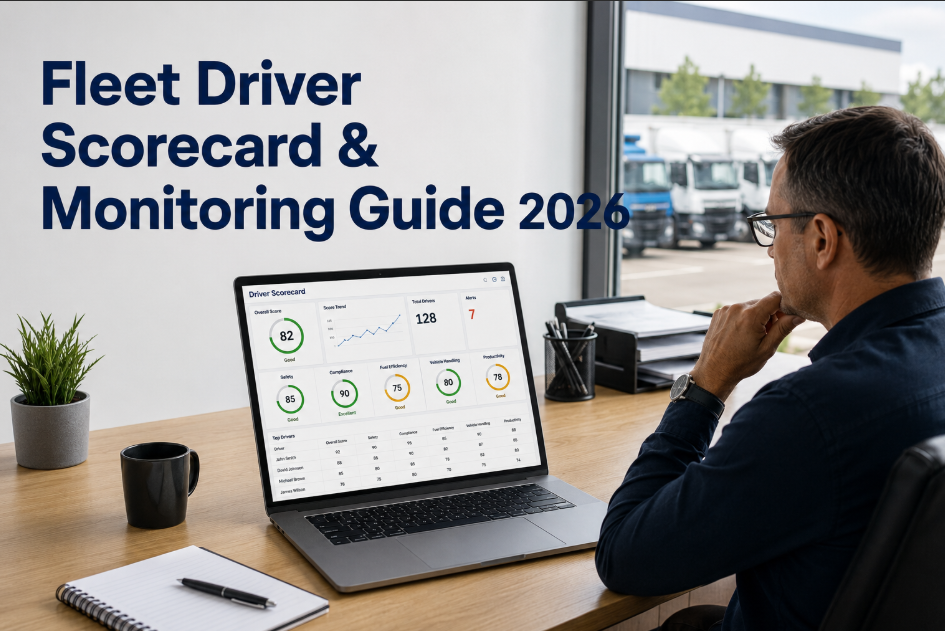
Read More
Every fleet says it values driver safety. But only 34% of commercial fleets in 2026 have a formalized driver scorecard system that translates telematics data into actionable performance scores. The rest rely on gut feelings, occasional ride-alongs

Read More
Fatigue-related crashes account for 13% of all commercial vehicle accidents in the United States, and the FMCSA estimates that drowsy driving contributes to over 100,000 crashes annually — resulting in roughly 1,550 fatalities and 71,000 injuries.

Read More
Fleet idling remains one of the most overlooked drains on operational budgets. A single Class 8 truck idling for just one hour burns approximately 0.8 gallons of diesel — and across a 100-vehicle fleet, that translates to over $58,000 in wasted fu

Read More
Every commercial vehicle on US roads requires a driver holding the correct CDL class with the right endorsements and a current medical certificate — and FMCSA enforces these requirements with escalating penalties that can disqualify individual dri

Read More
Fleet operators losing sleep over their FMCSA safety rating are not paranoid — they are paying attention. A single Conditional or Unsatisfactory rating triggers shipper contract cancellations, insurance premium spikes of 20-45%, and the kind of re

Read More
Every fleet operator with commercial drivers on federal highways is bound by one of the most strictly enforced regulatory frameworks in transportation — the DOT/FMCSA drug and alcohol testing program. In 2024 alone, over 82,000 commercial drivers

Read More
Every interstate commercial fleet operator knows IFTA exists — but fewer than 40% of fleet managers report being confident their IFTA filings are completely accurate. The gap between "filed on time" and "filed correctly" is where audits happen. Th

Read More
Commercial vehicle weight violations are the third most common cause of out-of-service orders in North America — and unlike mechanical defects, weight violations do not announce themselves through warning lights or performance symptoms. They show

Read More
Range anxiety is the single most cited operational concern among fleet managers evaluating commercial EV adoption — and it is almost entirely a planning problem, not a technology problem. Modern commercial EVs deliver 150-300 miles of real-world r

Read More
Commercial fleet operators purchasing electric trucks in 2026 are making decisions that will shape maintenance costs, driver operations, and total cost of ownership for the next 8–12 years. The electric truck market has matured significantly — ran

Read More
Battery degradation is the defining variable in electric fleet economics — and it is largely preventable with the right monitoring approach. A fleet electric truck losing 2% battery capacity per year reaches 80% of original range — the operational

Read More
The EV vs diesel fleet debate in 2026 is no longer theoretical — it is a spreadsheet exercise with real numbers that fleet CFOs can validate against their own operating data. The purchase price gap between electric and diesel commercial vehicles h

Read More
Planning and deploying EV charging infrastructure for a commercial fleet in 2026 is one of the most consequential capital decisions a fleet operator will make this decade — and most organizations are making it without a structured framework. The v

Read More
Fleet managers running preventive maintenance programs on paper-based schedules or disconnected spreadsheets share a common problem: the schedule exists, but it does not actually run the fleet. Maintenance intervals get missed when vehicles hit mi

Read More
Fleet operations managers running 20 or more vehicles on fixed route schedules are leaving measurable money on the table every single day. The average commercial fleet wastes 12–15% of total fuel consumption on suboptimal routing — not because dis

Read More
Fleet managers in 2026 are drowning in data they cannot act on. Telematics dashboards show GPS pings. Fuel cards show spend. Spreadsheets show scheduled maintenance dates. But none of these systems talk to each other — and the result is a maintena

Read More
In 2026, fleet managers are no longer limited to reviewing what went wrong after a breakdown. Digital twin technology has crossed from aerospace and manufacturing into mainstream commercial fleet operations, creating continuously-updated virtual r

Read More
Fleet inspections have historically been the weakest link in vehicle maintenance programs — infrequent, inconsistent, and entirely dependent on whether the inspector was having a good day. In 2026, computer vision AI is replacing that variability

Read More
Generative AI is transforming fleet operations from a technology buzzword into deployed production systems delivering measurable ROI in 2026 — automated maintenance report generation saving fleet managers 8–12 hours per week, AI dispatch optimizat

Read More
Fleet downtime costs commercial operators $760–$1,200 per vehicle per day in lost productivity, driver wages, and missed delivery commitments — and 62% of unplanned downtime is preventable with predictive maintenance that catches failures before t

Read More
A regional fuel distributor running 94 diesel trucks across the US Gulf Coast discovered a $127,000 annual fuel variance during a year-end audit. Investigation revealed three sources: drivers using fleet fuel cards at personal vehicles, a fueling
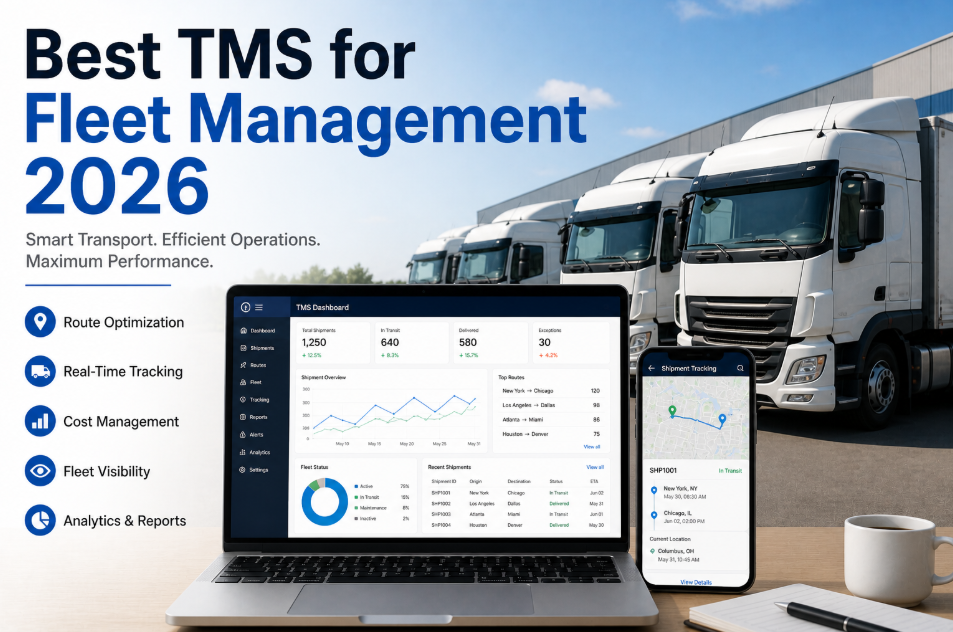
Read More
A third-party logistics provider running 220 trucks across 14 states was using three separate systems to manage operations: a TMS for load planning, a standalone CMMS for maintenance, and spreadsheets for carrier rate negotiations. When a high-pri
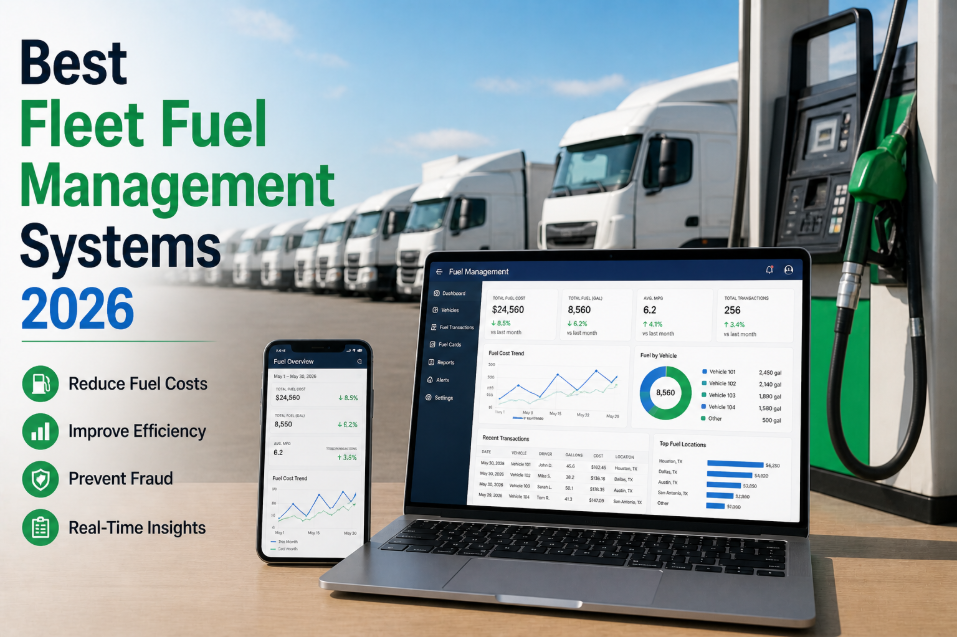
Read More
A regional fuel distributor running 94 diesel trucks across the US Gulf Coast discovered a $127,000 annual fuel variance during a year-end audit — fuel purchased did not match fuel consumed by any reasonable calculation. Investigation revealed thr

Read More
A long-haul carrier running 67 trucks across I-10 and I-40 corridors had a driver witness a staged brake-check accident at mile marker 214 outside Amarillo. The other driver claimed the trucker rear-ended them at 55 mph. Without video evidence, th
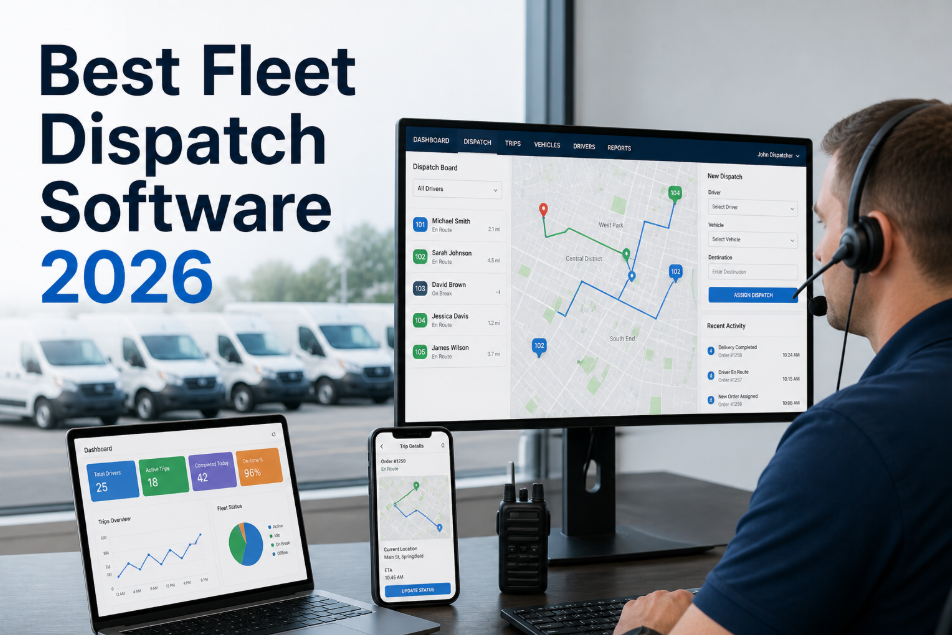
Read More
Fleet dispatch is where the operation either runs or falls apart. The wrong job sent to the wrong driver, a missed delivery window because of poor route visibility, a breakdown with no maintenance record to explain it — every one of these is a sys

Read More
A regional trucking company running 84 Class 8 tractors across the US Southeast was scheduling preventive maintenance on a fixed 15,000-mile interval for every vehicle — regardless of route type, load weight, or driver behavior. Their fleet manage

Read More
Commercial truck GPS trackers have become the baseline infrastructure of professional trucking operations — but the gap between a $30 OBD-II plug-in and a purpose-built hardwired commercial telematics device is the difference between knowing a tru

Read More
Commercial fleet insurance is one of the largest fixed costs in fleet operations — and one of the least actively managed. Most fleet operators renew the same policy annually, accept the premium increase, and move on. That approach costs fleets an

Read More
Small business fleet management used to mean a whiteboard, a spreadsheet, and a phone call to the driver. In 2026, that approach costs small fleets an average of $6,200 per vehicle annually in preventable expenses — missed service intervals, unaut

Read More
The ELD mandate changed commercial trucking permanently. Since the FMCSA enforcement deadline, paper logbooks are no longer a legal option for carriers operating commercial motor vehicles requiring a CDL. Yet in 2026, 34% of fleets still experienc

Read More
Fleet telematics systems have evolved from simple GPS tracking into full operational intelligence platforms. In 2026, 79% of mid-to-large commercial fleets use telematics data to manage driver behavior, fuel efficiency, preventive maintenance, and

Read More
GPS fleet tracking has moved from a nice-to-have to operational infrastructure. In 2026, 87% of commercial fleets with 10 or more vehicles run some form of GPS tracking — yet 43% of fleet managers say their current system fails to deliver actionab

Read More
Freight documentation fraud costs the logistics industry an estimated $6 billion annually in the United States alone — through falsified bills of lading, disputed proof-of-delivery records, invoice discrepancies, and cargo claim manipulations that

Read More
Weather-related crashes cost the US trucking industry $2.4 billion annually in vehicle damage, cargo loss, and liability settlements. The Federal Highway Administration documents that 21% of all vehicle crashes are weather-related — 1.2 million cr

Read More
Field technicians have always been the gap between what fleet management software promises and what actually happens at the vehicle. A work order generated at 7 AM in the dispatch office reaches the technician at 8:45 AM as a printed sheet — by wh

Read More
Fleet managers have run simulation exercises on whiteboards and spreadsheets for decades — sketching out what happens if three vehicles go down simultaneously, or how a route change affects maintenance intervals across 200 units. Digital twin tech
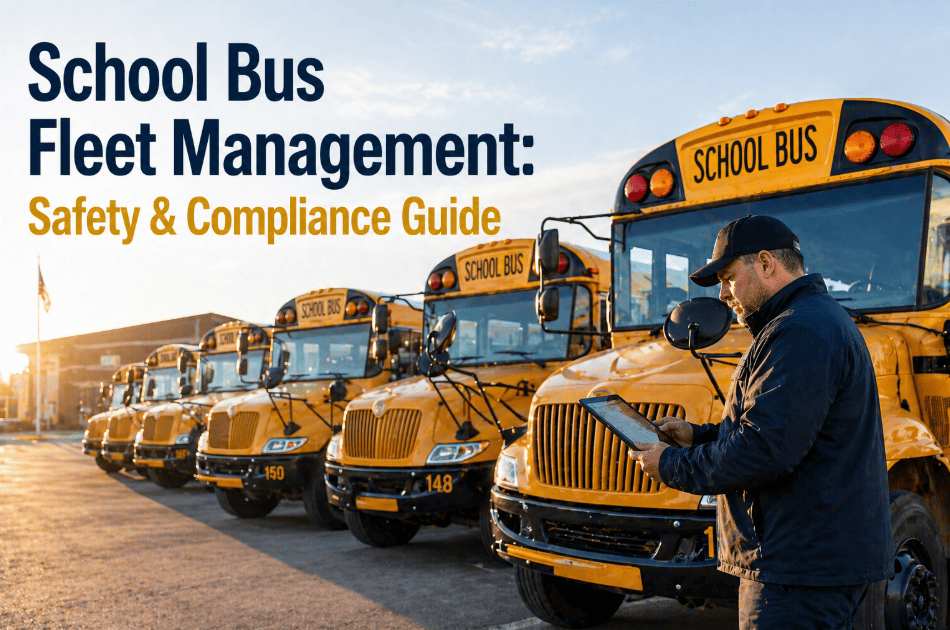
Read More
A school bus carries the most precious cargo in transportation — and the most regulated. Federal Motor Vehicle Safety Standards govern how every bus is built. State inspections verify every component annually — and semi-annually for buses over 12
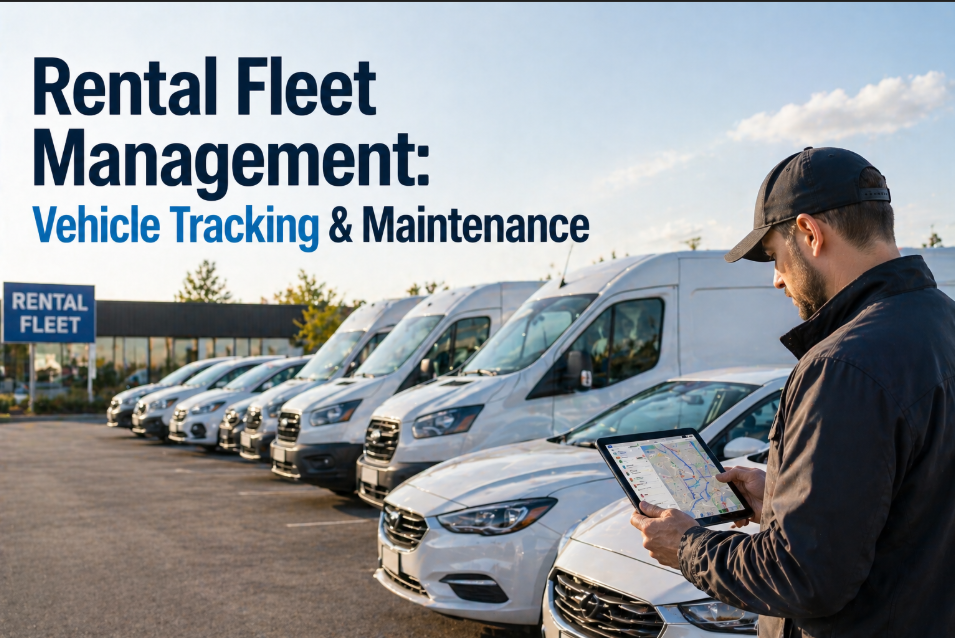
Read More
A rental fleet lives and dies on two metrics: utilization rate and turnaround time. Every hour a vehicle sits unrented because it's waiting for a post-return inspection, a brake pad replacement, or a windshield crack repair is lost revenue that ca
.png)
Read More
Summer kills fleet vehicles differently than winter. Winter kills batteries and fuel lines. Summer kills cooling systems, tires, and transmissions — slowly, silently, over weeks of sustained heat that pushes every thermal system past its design ma

Read More
Winter doesn't announce itself with a warning email. It arrives as a no-start condition at 5:47 AM when a driver turns the key on a truck with a borderline battery, summer-weight oil, and a coolant mix that protects to 20°F in a region that just h

Read More
Range anxiety isn't a consumer problem — it's a fleet operations failure. When a dispatcher assigns a 220-mile route to an EV with 180 miles of usable range, the result isn't inconvenience — it's a stranded vehicle, a missed delivery, a tow truck

Read More
A 50-vehicle EV fleet depot charging overnight draws 250–500 kW of continuous load. At commercial electricity rates of $0.10–$0.15/kWh, that's $300,000+ in annual energy cost — before demand charges. Utility demand charges alone can add 20–40% to

Read More
The cost of moving a vehicle one mile used to be a single line item: fuel. Today, fleet operators face a multi-energy reality where diesel sits at $0.15–$0.25 per mile, EV electricity at $0.03–$0.06 per mile depot-charged, public DC fast charging

Read More
A regional aggregate hauler operating 35 dump trucks out of three quarry sites was hit with $47,000 in overweight fines across a single quarter — every one of them at the same Florida weight enforcement station, every one of them under 2,000 pound

Read More
A regional last-mile delivery fleet replaced 31 windshields across its 240-vehicle portfolio in a single year — and discovered, during a quarterly safety audit, that 19 of those vehicles had never had their ADAS systems recalibrated after the wind

Read More
A regional logistics carrier operates a 90-truck fleet across three distribution centers — and 60% of their pre-trip inspections happen between 4am and 6am, in yards that are barely lit. The operations director knew his drivers were missing defect

Read More
A regional delivery fleet running 240 step vans across the Northeast traded in 18 vehicles at the end of 2025 and was stunned by the resale numbers. Three vans valued at $14,200 in the trade-in book actually sold for $8,400 each because of subsurf

Read More
A bulk aggregates hauler running 22 tippers through the UK Midlands had three drivers report "rough ride" and "pulling left" complaints across different vehicles over a six-week period. Each complaint was logged, each vehicle visually inspected —

Read More
A mid-size regional carrier operating 47 Class 8 trucks through California received an FMCSA roadside inspection notice that grounded four vehicles in a single week — not for brakes or tires, but for DEF system sensor faults that had been generati
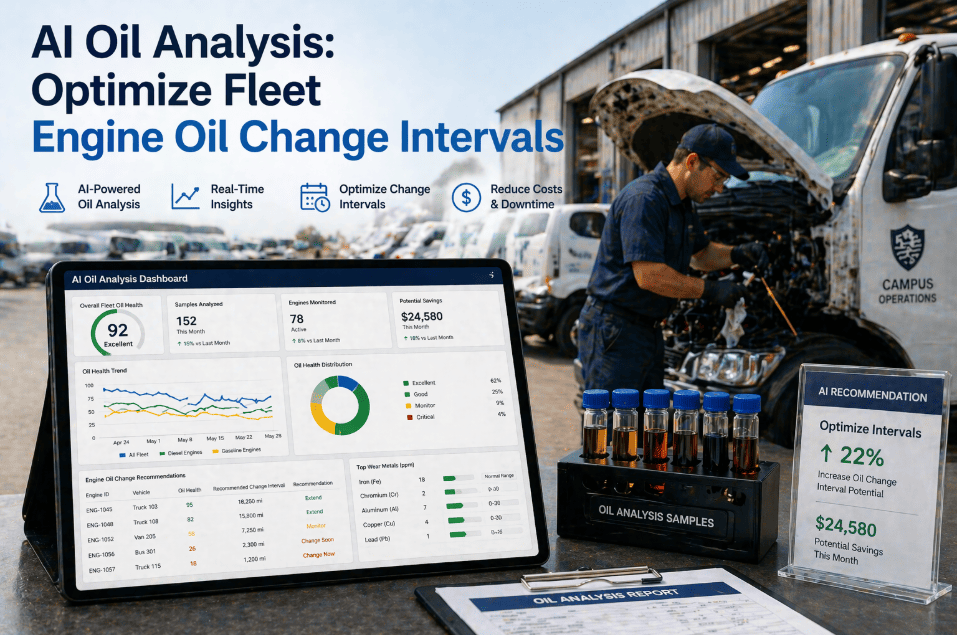
Read More
An owner-operator running a 28-vehicle ready-mix concrete fleet in Texas changed engine oil on a strict 15,000-mile interval across every truck — a discipline most fleet managers would consider solid maintenance practice. What the schedule couldn'
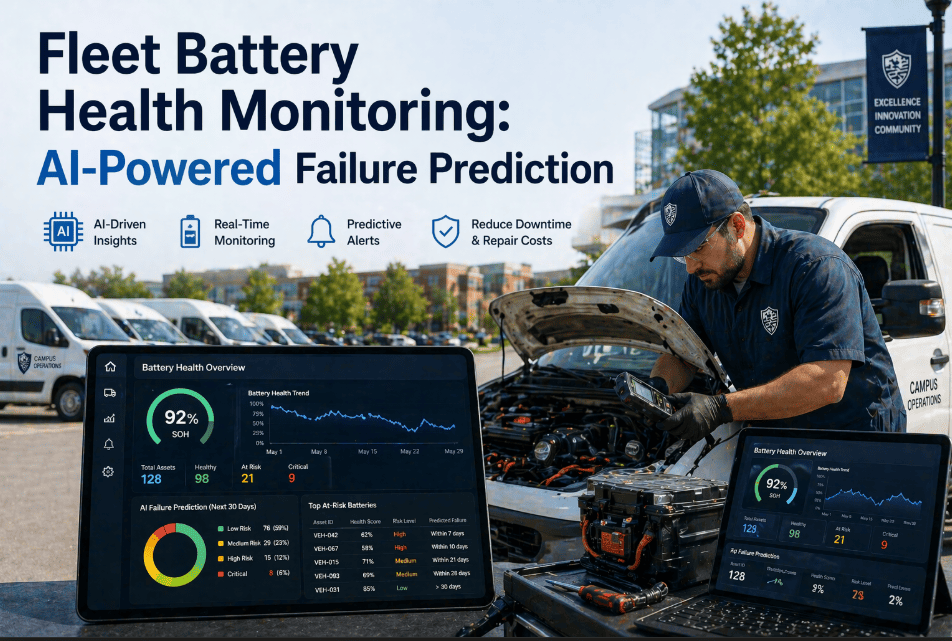
Read More
A fleet coordinator at a regional distribution hub in Ohio lost three vehicles to no-start failures on the same February morning — battery voltage had looked fine on manual checks two days earlier. The real culprit was cold-cranking amp degradatio
Read More
Natural gas fleet vehicles — CNG for urban and regional operations, LNG for long-haul — represent the most proven, commercially mature alternative fuel option available to fleet managers today. Over 175,000 natural gas trucks are operating in the

Read More
Hydrogen fuel cell vehicles are no longer a concept fleet managers read about in trade publications — they're operating on real routes today. Toyota's Kenworth T680 FCEV is hauling containers at the Port of Long Beach. Hyundai's XCIENT Fuel Cell i

Read More
Managing a heavy-duty electric truck fleet is fundamentally different from running diesel Class 6-8 operations — and most fleet managers discover this the hard way, six months into their first EV deployment. A Freightliner eCascadia costs $380,000

Read More
Every fleet manager running electric vehicles knows the sinking feeling: a truck that showed 95% state of health six months ago now reads 82%, range has dropped by 40 miles, and the driver is stranded at a depot 15 miles short of the route endpoin
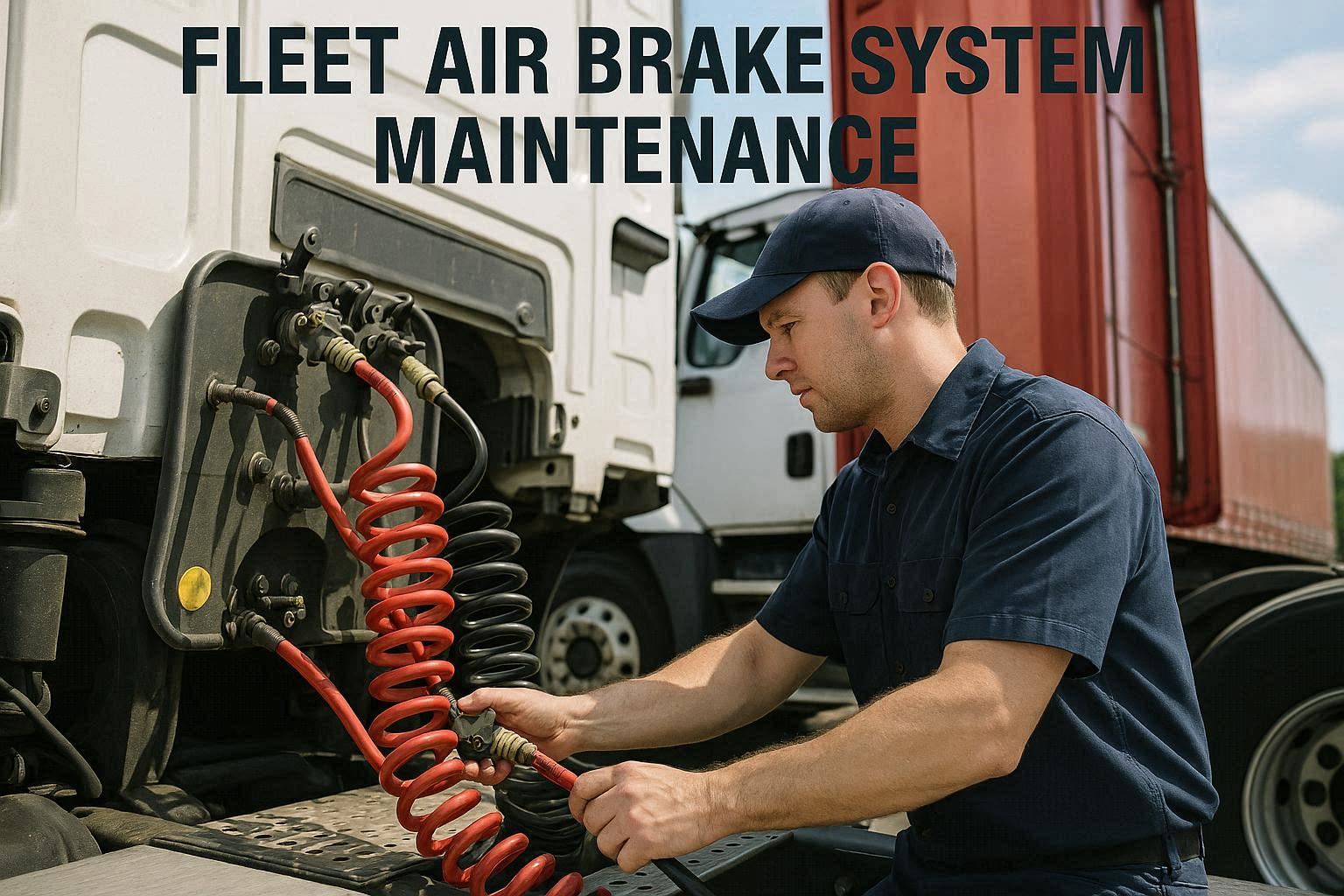
Read More
A safety director at a regional flatbed carrier in Charlotte pulled a vehicle out of service after a roadside DOT inspection in September revealed a 47 psi air leak at the service brake chamber on the right rear axle — a leak that had developed gr
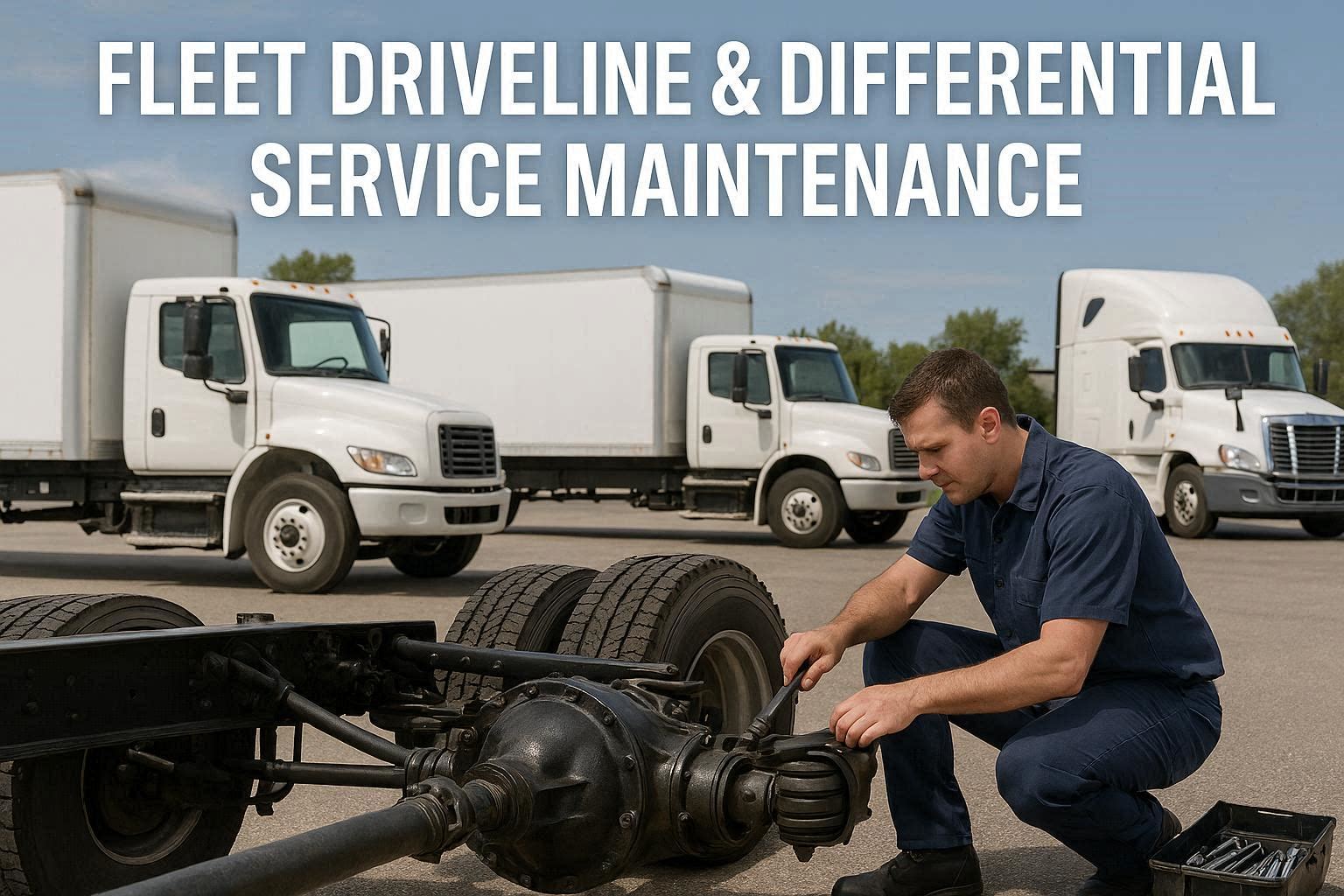
Read More
A long-haul fleet manager at a bulk cement carrier in Phoenix discovered that three of his tractors had the same failure in a six-week window — rear differential housing cracks caused by lubricant breakdown in extreme heat. The repair bill for eac

Read More
Electrical system failures are now the fastest-growing category of commercial vehicle breakdowns in the United States — surpassing tyre failures as the leading cause of roadside assistance calls in fleets operating mixed ICE and hybrid vehicles, a

Read More
A refrigerated carrier in Arizona lost $34,000 in cargo on a July afternoon when the transport refrigeration unit on one of its trailers failed during a Phoenix delivery run — not because of a sudden mechanical breakdown, but because a cabin HVAC
Read More
Brake system failures are the second-leading mechanical cause of commercial vehicle crashes in the United States, accounting for 29% of crash-related out-of-service orders at roadside inspections — yet the majority of brake defects found during CV

Read More
A national trucking fleet in Ohio was changing oil on every vehicle every 15,000 miles — a blanket interval set five years ago by a maintenance manager who no longer worked there. Nobody had questioned it since. When an independent oil analysis pr
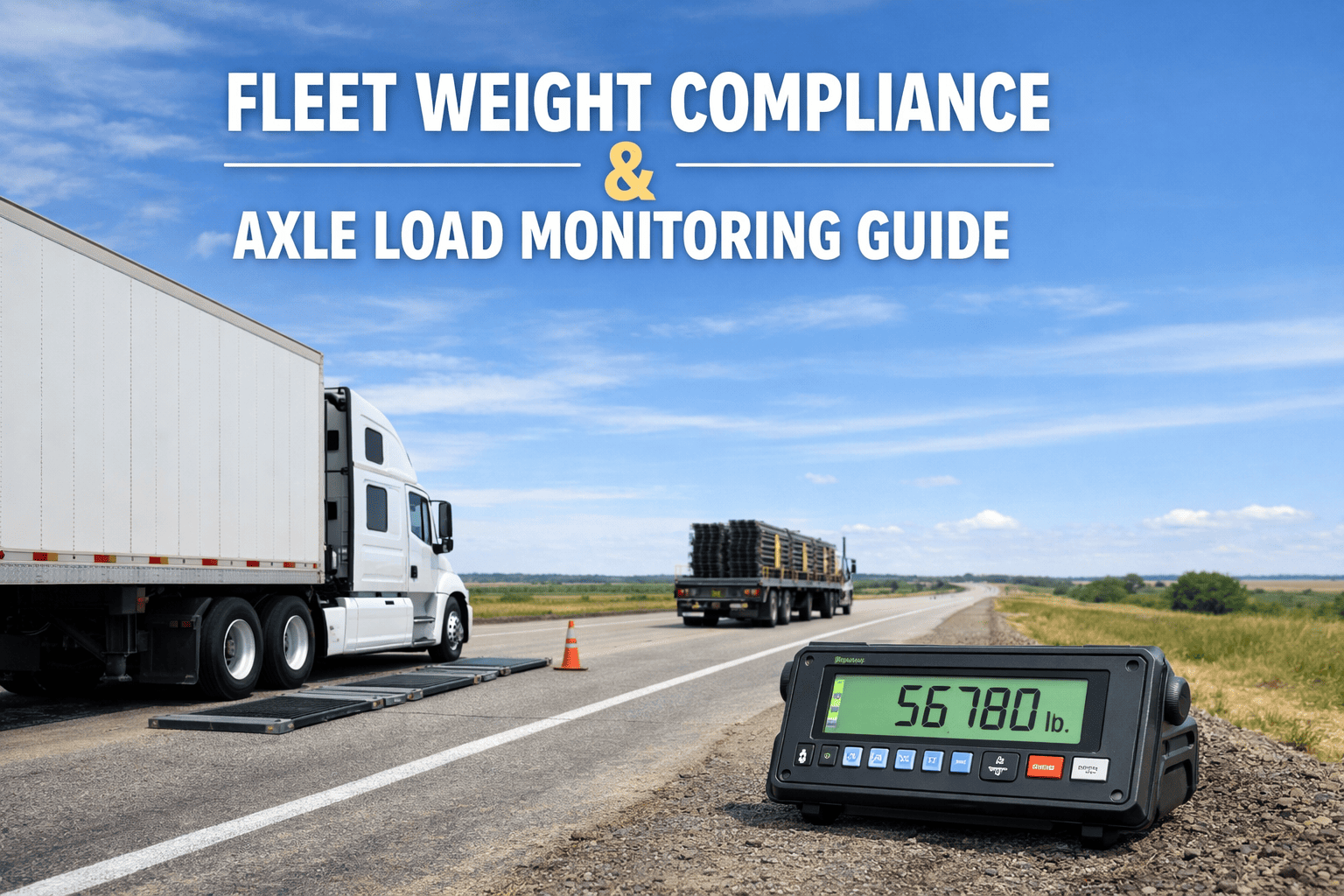
Read More
Every overweight violation your fleet receives is the visible end of a chain that starts with a payload decision made at the loading dock, travels through hundreds of miles of route, and ends at a DOT scale with a citation that carries fines, out-

Read More
A transportation company in Atlanta received an FMCSA audit notice in February 2023. The auditor's first request: the prior 12 months of random drug test selection records, test results, and completion documentation for all CDL drivers. The safety
Read More
Speed limiter regulations for commercial motor vehicles have been one of the most debated and long-delayed federal rulemaking proceedings in trucking history — proposed by FMCSA and NHTSA in 2016, reactivated in 2022, and advancing toward final ru
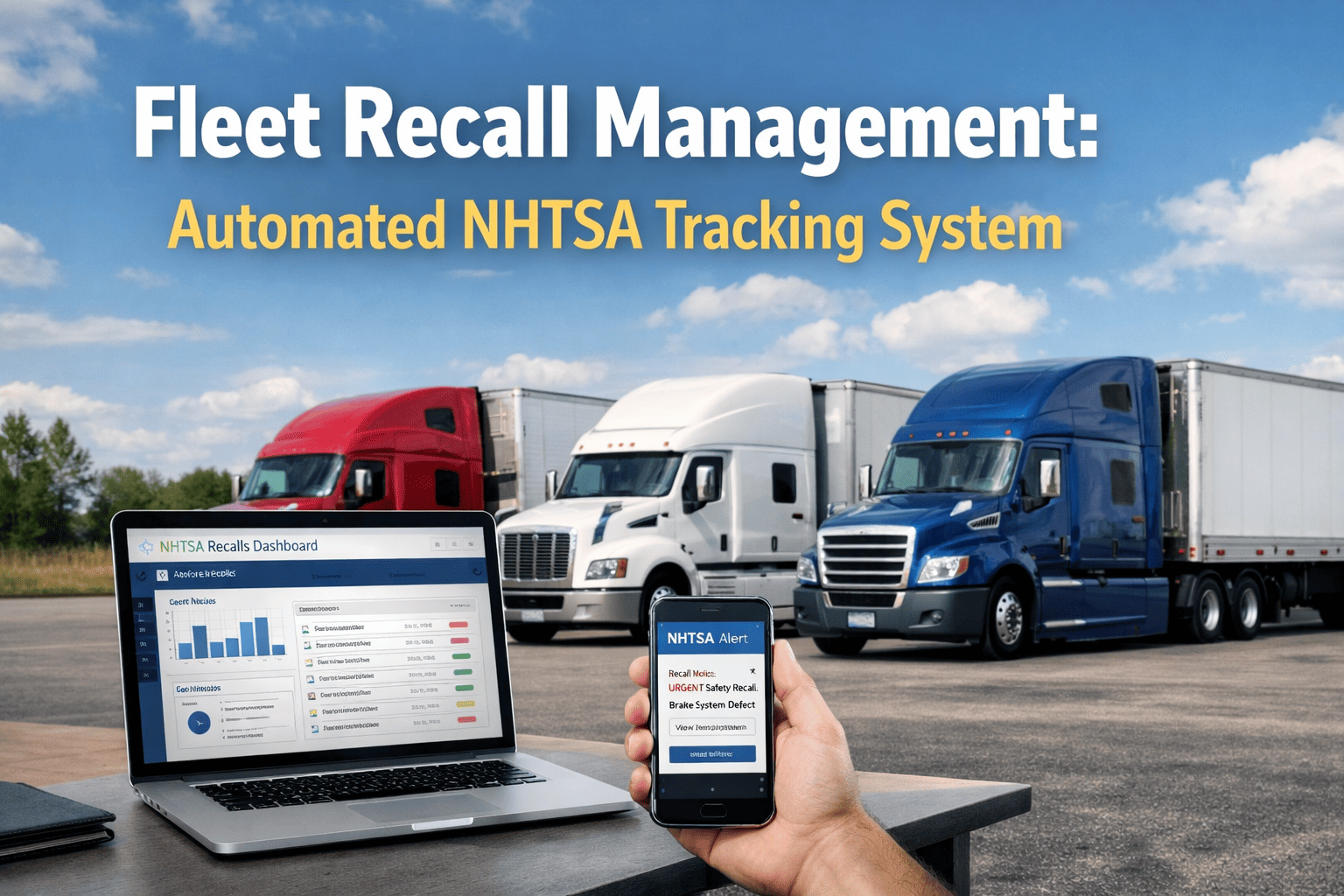
Read More
A national refrigerated carrier discovered during a DOT compliance review that 11 vehicles in its 280-unit fleet had open NHTSA safety recalls that had been unaddressed for between 8 and 22 months — not because the safety manager had ignored them,
Read More
A regional carrier in Texas faced a $94,000 DOT fine after an audit revealed that three drivers had transported placarded hazmat loads without current HazMat Endorsements on their CDLs — not because the safety director didn't care, but because the
Read More
A 35-truck regional carrier based in Illinois spent 22 hours every quarter reconciling paper fuel receipts, mileage logs, and state-by-state trip records to produce its IFTA quarterly return — a process that required two staff members, a spreadshe

Read More
Most fleet dashcam systems generate more video than any safety manager can realistically review — and the result is that the footage sits unwatched until an accident investigation forces someone to dig through weeks of clips. A fleet running 150 c

Read More
Hard braking, rapid acceleration, and sharp cornering are not just driving style preferences — they are measurable mechanical stress events that simultaneously degrade vehicle components, signal elevated accident risk, and expose fleet operators t
Read More
Speed is the single most consistent predictor of fatal commercial vehicle accidents — and it is the one safety variable that fleet managers can control completely with the right technology. Every 10 mph above 65 mph doubles the fatality risk for a

Read More
A national courier fleet in Chicago ran 480 vans and was paying $1.2 million annually in workers' compensation claims — 34% of which were fatality or serious injury claims involving drivers who were not wearing seatbelts at the time of the crash.
Read More
A trucking company in Memphis analysed five years of at-fault incident data and found a pattern stronger than speeding, following distance, or ADAS events: drivers in their 90th day of driving an irregular schedule — inconsistent start times, frag

Read More
A trucking operation out of Atlanta found out how expensive a bad incident response protocol costs in the worst possible way. One of their drivers was involved in a rear-end collision on I-75 at 6:47 AM on a Tuesday. The driver called his dispatch

Read More
A national HVAC service fleet in Atlanta ran 280 technicians who spent an average of 4.2 hours per day in their vehicles. Every time a technician needed to update a work order status, acknowledge a new dispatch, or confirm arrival, he picked up hi

Read More
A fleet insurance manager at a food distribution company in Denver spent three weeks before annual renewal gathering driver safety data, DVIR records, collision history, and telematics reports from three different systems to build the risk submiss

Read More
A tank truck driver hauling liquid fertilizer outside Tulsa took a county road curve at 42 mph on a dry June afternoon — 9 mph above the safe speed limit for a loaded tanker. The load shifted, the center of gravity exceeded the truck's stability e

Read More
A fleet safety manager at a regional LTL carrier in Indianapolis reviewed his ADAS data after an automatic emergency braking event on I-65 — the system activated at 58 mph, slowing the vehicle by 14 mph before the driver fully reacted. The system

Read More
A regional beverage distributor in Nashville was running 34% of their total annual fleet miles empty — tractors pulling empty trailers back from delivery zones with no load, no revenue, and a full tank of diesel burning through the return leg. The

Read More
A consumer electronics retailer in Seattle launched a same-day delivery service in Q1 2024 — promising 3-hour delivery within a 15-mile radius of their distribution hub. In the first six weeks, their on-time rate for same-day orders was 54%. Order

Read More
A regional food distribution company in Atlanta running 28 refrigerated box trucks was leaving an average of 18% of payload capacity empty on every outbound run — while simultaneously paying for 3 additional vehicles to handle overflow that better
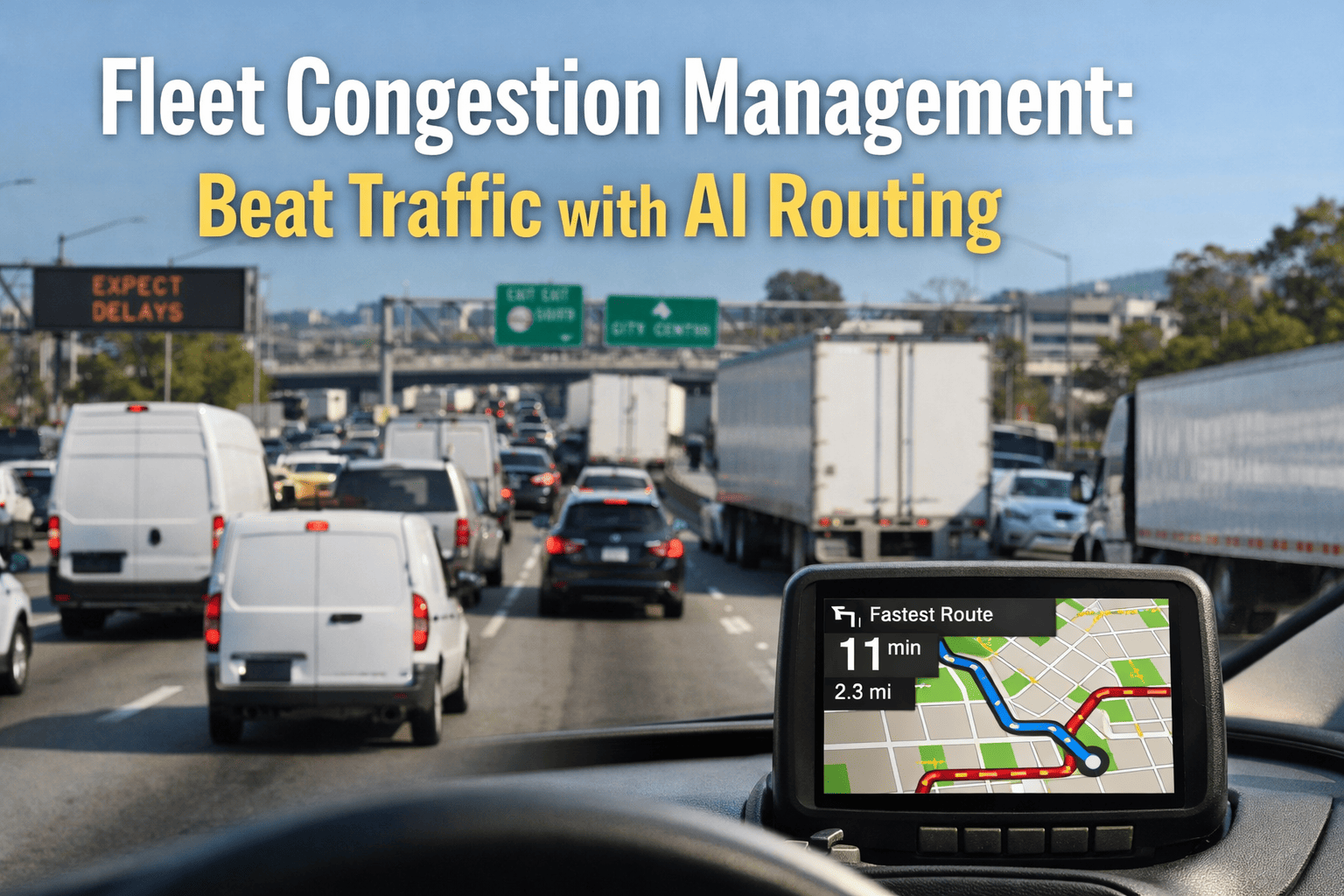
Read More
A regional medical supply distributor in Chicago was losing $94,000 a year in overtime, late delivery penalties, and fuel waste — all attributable to one cause: their drivers hit the same three congested highway corridors at the same time every af

Read More
A national pest control franchise in Denver had 18 technicians serving a metro service area that had grown organically over eight years — each technician's territory was essentially the postcode zones they'd been assigned on their first day, expan
Read More
A transportation company in Houston with 85 trucks was paying $2.1 million annually in fleet insurance premiums — a rate their broker described as "market average for their loss history." When the fleet deployed OxMaint telematics and began tracki
Read More
A regional parcel delivery company in Dallas ran 220 trucks and spent $1.4 million on liability claims in 2022 — the worst year in their history. When their risk manager pulled the incident data, the pattern was consistent: 78% of at-fault inciden
Read More
A regional utility contractor in Phoenix was running 140 service vehicles when one of their trucks rear-ended a stopped sedan on I-10 at 7:23 AM on a Tuesday in March 2022. The crash was the second at-fault incident for the driver in 11 months. Th
Read More
In 2023, the FMCSA recorded 4,714 fatal truck crashes in the United States. Of those, rollover events accounted for 4.7% — disproportionately fatal because a rolling HGV typically involves extreme structural damage, cargo loss, and frequently affe
Read More
A food logistics company in Charlotte was sitting on 3.8 terabytes of dashcam footage per month — and using none of it for coaching. Their safety manager spent 4 hours every Monday morning manually reviewing camera clips, trying to find events wor
Read More
A national HVAC service company in Phoenix running 94 technician vans was spending $218,000 per year on brake replacements — nearly double the industry benchmark for a fleet of that size. The maintenance manager assumed it was the terrain and stop
Read More
A regional grocery delivery company in Dallas was paying $340,000 a year in excess fuel costs, insurance surcharges, and accident-related expenses that all traced back to the same root cause: 31% of their drivers' total drive time was spent above
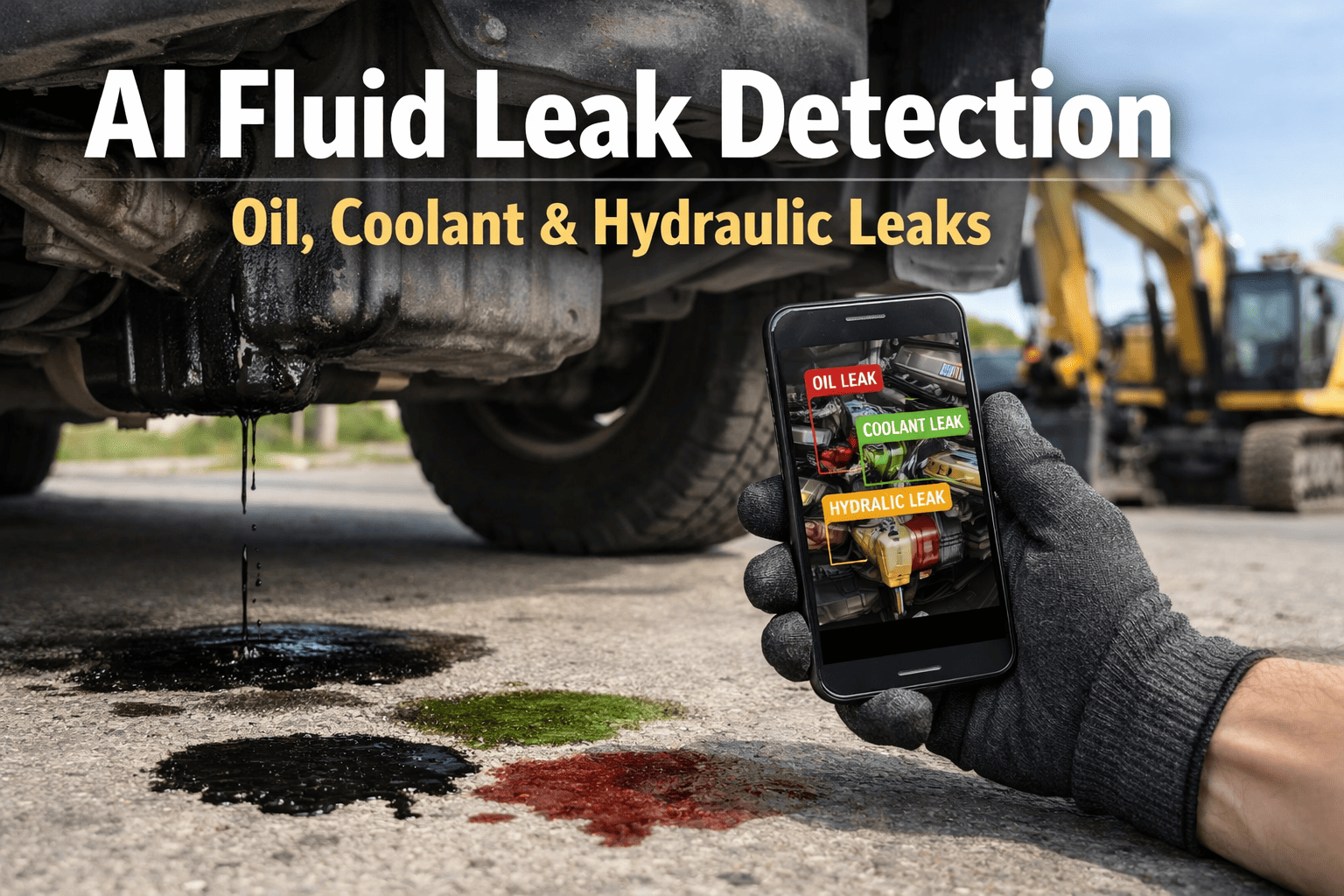
Read More
A refrigerated transport company in Georgia lost a $380,000 diesel engine to a catastrophic oil failure — not from a sudden blowout, but from a slow seep at a rear main seal that had been leaking for approximately six weeks before the oil pressure

Read More
A rental fleet operator in Phoenix was spending $340,000 a year on disputed damage claims — customers denying damage that the return inspection missed, because the walkaround photos were incomplete, inconsistently lit, and taken from whatever angl

Read More
A flatbed carrier in Ohio lost three trailers to catastrophic structural failures in a single quarter — each one a frame weld that had been cracking for months before it propagated to a full fracture under load on the highway. Post-incident inspec

Read More
A fleet maintenance supervisor at a Chicago-based trucking company discovered something that changed how she thought about breakdowns forever. Their shop had been logging $180,000 a year in unplanned electrical system failures — alternators, wirin
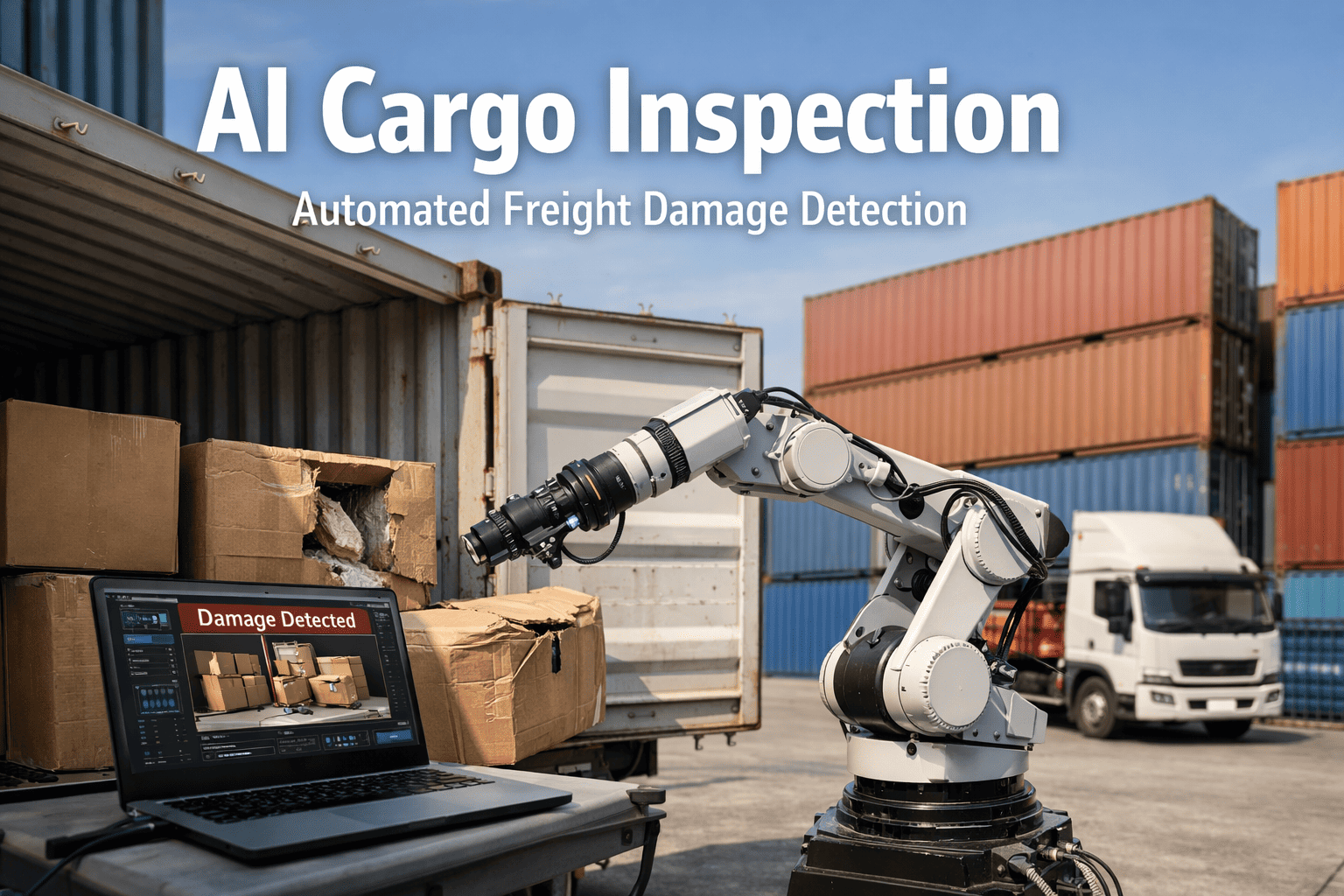
Read More
A freight brokerage operating out of Dallas was losing $2.3 million per year to cargo damage claims — not from accidents, but from undocumented damage that was already present when freight arrived at their distribution hub. The problem wasn't the

Read More
A fleet operations manager at a national LTL carrier in Memphis couldn't tell the regional VP how many tractors were on-site at the Memphis terminal on a Tuesday afternoon without making three phone calls and waiting 12 minutes for someone to walk

Read More
A logistics terminal manager in Jacksonville discovered during a quarterly audit that 23 trailers had been sitting in the back lot for more than 90 days without a single inspection, work order, or movement record in their fleet management system.

Read More
A trucking company in Kansas City lost 31 CDL drivers in a single quarter — a 22% annual turnover rate that was costing them $8,400 per driver in recruiting, onboarding, and productivity loss. Their exit interviews said the same things in differen

Read More
A delivery driver for a regional grocery distribution company in Phoenix was involved in a rear-end collision at 34 mph on a Tuesday afternoon that injured the occupant of the vehicle in front and totalled the delivery van. The AI dash camera foot

Read More
A fleet safety director at a regional LTL carrier in Memphis spent three months building a driver coaching programme from scratch — spreadsheets of telematics events, weekly one-on-one meetings with 40 drivers, printed scorecards, and a laminated

Read More
A long-haul trucking company in Tennessee lost a driver and a $240,000 load in a single accident in 2023. The FMCSA investigation found the driver had been awake for 19 hours, had logged 71,000 hours of continuous driving in the prior 6 months wit
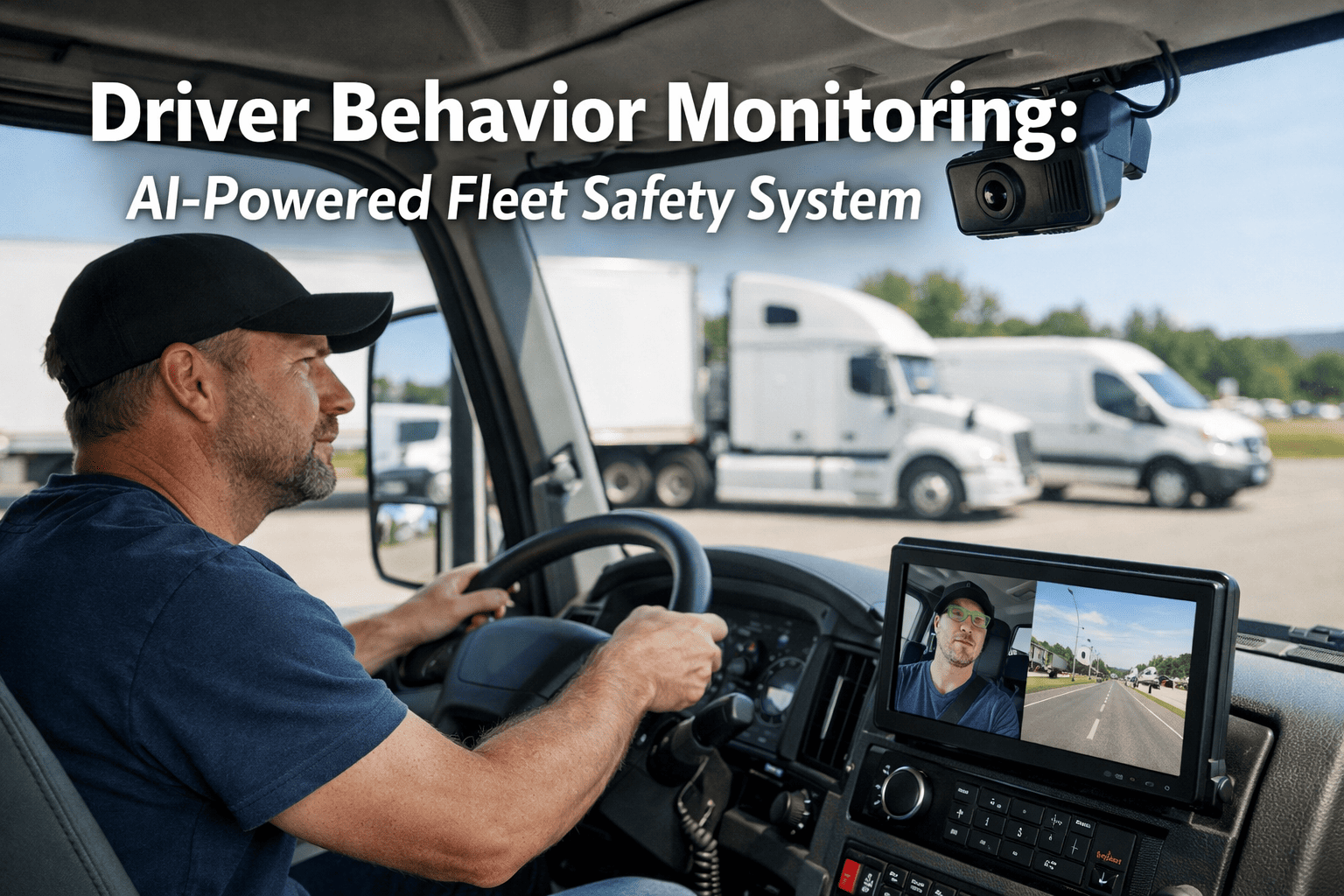
Read More
A national parcel delivery company in Seattle had a driver with a clean safety record, consistent on-time performance, and seven years without a formal incident report. In October 2024, that driver was involved in a rear-end collision that resulte
Read More
A food distributor in Minneapolis was losing $4,200 a month in unresolved delivery disputes. Customers claimed items were not delivered; drivers insisted they were. Without timestamped, photo-verified, GPS-stamped proof of delivery, every disputed

Read More
A national freight carrier in Charlotte lost access to their entire fleet management platform on a Wednesday morning in October — ransomware had encrypted the telematics server, the dispatch system, and the maintenance records database simultaneou

Read More
A regional trucking company in Texas watched a competitor recover from a major breakdown in under four minutes — remote diagnostics pinpointed the fault, a technician was dispatched with the exact part before the driver finished calling dispatch,

Read More
A maintenance supervisor at a cold storage distribution center in Dallas walked into a Monday morning to find that a compressor unit had been throwing fault codes since Saturday night — but no work order had been created, no technician had been di

Read More
A fleet operations manager in Texas discovered that her maintenance team had ordered the same alternator part eleven times in a single quarter — sometimes twice in the same week — because no system tracked what was in stock, what was on order, and

Read More
A logistics manager at a regional trucking company in Nashville discovered on a Monday morning that three of her CDL-A drivers had been dispatched to routes requiring hazmat endorsements — and none of the three had one. Two loads had to be reassig

Read More
Multi-stop route planning at scale is not a map problem — it is a combinatorics problem. A driver with 20 stops has over 2 trillion possible sequences. A driver with 30 stops has more sequences than there are atoms in the observable universe. No d

Read More
A home appliance repair company in Atlanta serving 340 customers per week was running a customer satisfaction score of 3.1 out of 5. The top complaint, appearing in 61% of negative reviews, was not the quality of the repair — it was the arrival wi

Read More
A construction equipment rental company in Denver had 62 assets spread across 14 active job sites. In Q3, three pieces of equipment moved off authorised job sites after hours without any alert being triggered — two were recovered, one was stolen.
Read More
A regional HVAC service company in Phoenix was running 48 technicians across 280 daily service jobs. Their dispatch coordinator spent the first two hours of every morning manually assigning jobs — matching technician skill to job type, checking av

Read More
A grocery delivery company in Chicago ran 85 vans on a last-mile route structure built by two experienced dispatchers who had been with the company for seven years. When both dispatchers left in the same quarter of 2023, the new team couldn't repl

Read More
A regional LTL carrier based in Kansas City was running 180 trucks on routes that hadn't been significantly updated in four years. Drivers were following the same sequences their predecessors had established — not because those sequences were opti

Read More
A trucking company in Georgia completed an OBD-II telematics audit across 280 vehicles and found that their fleet was idling an average of 52 minutes per vehicle per day — costing $1.9 million in fuel annually in engine-on time that produced zero

Read More
A regional delivery company in Ohio replaced 40 diesel vans with electric equivalents in 2022 — and by end of 2023 had documented $740,000 in savings. A competing operation in the same region made the same swap and found they had spent $280,000 mo

Read More
Autonomous vehicle technology is no longer a concept reserved for Silicon Valley pilot programs — Class 8 autonomous trucks from companies including Aurora, Waymo Via, and Kodiak Robotics are operating on US highways today, with regulatory framewo

Read More
Fleet emission testing compliance is one of the most time-sensitive regulatory obligations in fleet operations — and one of the most commonly managed through spreadsheets, calendar reminders, and the memory of a single compliance officer. When tha

Read More
A plumbing contractor in Denver with 14 vans was spending $3,800 a month on maintenance — most of it reactive. His longest-serving technician was driving a 2019 Transit that had broken down twice in three months, costing $1,400 in roadside repairs
.png)
Read More
The fleet management industry in the United States generates over $28 billion in annual revenue and is growing at 8.2% per year — driven by the accelerating complexity of telematics, EV transitions, and compliance requirements that most fleet oper

Read More
A mid-size logistics company in Nashville, Tennessee was running 180 delivery vehicles across a four-state distribution network when their CFO drew a line on the whiteboard: fuel was 31% of total operating cost and had increased 18% year-over-year
Read More
In Q1 2023, the fleet operations manager of a mid-sized construction company running 500 heavy vehicles across multi-state jobsites pulled up twelve months of maintenance records. The numbers were damaging: $3.1 million in total maintenance spend,

Read More
A pharmaceutical distributor in New Jersey was running 38 refrigerated vans delivering temperature-sensitive biologics and oncology drugs across the tri-state area. One driver's reefer unit failed silently — the cab alarm was disabled. The load wa

Read More
A regional beverage distributor in Atlanta lost $94,000 in a single weekend when their refrigerated delivery van on a Friday afternoon route developed a reefer unit fault that the driver didn't notice for four hours. The load — 847 cases of chille

Read More
A public works director in Columbus, Ohio requested a simple report from his fleet manager in March — how many of the city's 284 vehicles were due for preventive maintenance in the next 30 days? The answer took three days to compile, came back fro

Read More
A line crew supervisor at an electric utility in Texas faced a Category 2 ice storm in February 2021 with 34 field service vehicles — bucket trucks, digger derricks, cable pullers, and line trucks — and discovered that morning that 6 of them had m

Read More
A waste management supervisor in Phoenix, Arizona had 47 collection trucks on the road every morning and no idea which ones were one missed oil change away from a breakdown on a 108-degree day in July. The previous summer, three trucks had gone do

Read More
A third-party logistics provider in Columbus, Ohio ran eight warehouses and 340 trucks, and their biggest daily coordination problem was not the freight — it was the 40-foot gap between the loading dock and the truck cab. Trucks arrived at docks t
Read More
A mid-size general contractor in Houston had a concrete pump that sat idle for 11 days in the middle of a critical foundation pour sequence. The pump had thrown a hydraulic pressure fault code three weeks earlier — flagged by the machine, ignored

Read More
A long-haul carrier based in Memphis lost a $2.3 million contract in 2023 — not because their trucks were unreliable, but because they could not provide the maintenance documentation the client's insurance auditor required. The trucks ran fine. Th
Read More
A fleet operations director in Atlanta spent four months evaluating fleet management software in 2024 — sat through nine demos, collected three proposals, and still chose the wrong platform. The software looked good in the presentation. In product

Read More
Running a mixed fleet — part electric, part hybrid, part conventional gasoline and diesel — is the operational reality for most American fleet operators in 2024 and for the foreseeable future. The challenge is not managing the EVs or managing the

Read More
A logistics company in Phoenix, Arizona added 40 electric vans to their last-mile delivery fleet in 2023. By month three, they had a charging crisis: drivers were returning to the depot at 4 PM, 11 vans needed simultaneous charging for a 7 AM depa

Read More
A regional food distribution company in California decided to electrify 40% of its 180-vehicle delivery fleet by the end of 2025 — not because of ideology, but because diesel fuel costs had hit $6.20 per gallon in their operating region and the to
Read More
A logistics company operating 320 vehicles across seven states received a formal ESG data request from their largest customer — a Fortune 500 retailer requiring Scope 3 emissions data as part of their supply chain decarbonization commitment. The f

Read More
A distribution company in Texas with a 90-vehicle fleet was paying $1.2 million a year in commercial auto insurance — $13,300 per vehicle. After 18 months of deploying OxMaint with telematics-integrated driver behavior scoring and a documented saf

Read More
A regional trucking company in Ohio kept repairing a 2016 Class 8 tractor for 14 months past its economic replacement point — spending $34,000 in cumulative repairs on a truck with a trade-in value of $18,000. Nobody made a wrong decision. Nobody

Read More
A logistics company in Michigan held onto a 2016 Class 7 box truck for three years past its optimal replacement point because it "looked fine" and the capital budget was tight. In those three years, the vehicle accumulated $38,400 in maintenance c

Read More
A transportation company in Ohio had a driver who had been with them for nine years without a single formal accident report. What they did not know — because they had no safety scorecard system — was that this driver was averaging 14.3 harsh braki

Read More
A fleet manager in Phoenix running 94 light commercial vehicles was convinced his highest-cost vehicle was the 2018 Ford Transit with three engine repairs in 18 months. He was wrong. When OxMaint aggregated all labour hours, parts invoices, and do

Read More
A regional trucking company in Texas was running a 186-vehicle mixed fleet at $0.74 per mile in total operating cost. Their competitor — same routes, similar vehicles, comparable freight density — was running at $0.51 per mile. The $0.23 differenc

Read More
Tires are the single largest variable cost in most commercial fleet operating budgets — accounting for 3–5% of total fleet operating cost — yet most fleets manage them reactively. A tire replaced at 4/32" tread depth that could have been retreaded

Read More
Fleet warranty recovery is one of the most consistently underperformed areas in fleet management — and the one with the clearest direct dollar return. Industry data shows that fleets without structured warranty tracking recover less than 30% of cl

Read More
Fleet maintenance checklists are only as useful as the system that enforces their completion. A PDF checklist emailed to a technician is not a maintenance programme — it is a hope. A paper checklist signed at the end of a shift is not inspection e

Read More
Fleet maintenance work orders are the operational backbone of every vehicle maintenance programme — yet most fleet managers spend 30–40% of their day on administrative overhead that should take minutes. Paper work orders get lost between the shop

Read More
Fleet managers running 200+ vehicles lose an average of $4,800 per vehicle annually to unplanned breakdowns — totaling nearly $1M in avoidable costs for a mid-size fleet. The root cause is almost always the same: maintenance scheduled by calendar
Read More
A 200-vehicle maintenance operation was blind to how technicians allocated their time. Work orders were logged on paper, time entries were manual and incomplete, and the maintenance director had no visibility into which technicians were delivering

Read More
A mid-sized logistics fleet managing 500 commercial vehicles across three regions was spending $4.2M annually on outsourced maintenance — split among 47 different vendors with no unified quality tracking, no performance benchmarks, and no visibili

Read More
The 72 hours immediately following a commercial vehicle accident determine the carrier's legal and financial exposure more than anything that happens in the subsequent months of litigation. Dashcam footage that is not preserved within the first 48

Read More
Every commercial driver operating a vehicle over 10,001 lbs under FMCSA jurisdiction must have a complete, current Driver Qualification file — and the consequences of a missing or expired document during an FMCSA compliance review are immediate an

Read More
EPA and CARB emissions regulations for commercial fleets are not static compliance thresholds — they are moving targets that advanced significantly in 2024 and will continue tightening through 2027 under CARB's Advanced Clean Trucks rule and EPA's

Read More
A fleet's CSA score shapes insurance premiums, shipper carrier selection, and FMCSA audit probability simultaneously — yet most carriers track it reactively, checking the Safety Measurement System portal only after a roadside inspection generates

Read More
A pre-trip inspection that takes 4 minutes on a paper form catches about 60% of the defects it should — because paper checklists are static, generic, and offer no guidance when a driver reaches an item they have never failed before. A driver inspe

Read More
DOT annual vehicle inspections are not optional documentation — they are a federal requirement under 49 CFR 396.17, and a commercial vehicle that operates after its annual inspection expires is subject to immediate out-of-service at any roadside i

Read More
The FMCSA ELD mandate standardized how commercial carriers record driver hours — but having a compliant ELD device installed does not mean a carrier is running a compliant HOS program. ELD data and fleet maintenance records exist in separate syste

Read More
The paper-based Driver Vehicle Inspection Report is one of the most consistently non-compliant documents in commercial trucking — not because drivers skip inspections, but because paper DVIR creates a record-keeping system that is impossible to en

Read More
A commercial fleet that relies on manual DOT compliance tracking — paper inspection logs, spreadsheet CSA score monitoring, calendar reminders for annual inspection due dates — is not managing compliance. It is managing the risk of missing somethi

Read More
The average commercial fleet is running 14 to 22% more vehicles than its operational demand requires — carrying insurance, depreciation, and maintenance cost on assets that are not earning their capital expense. A fleet manager with 60 vehicles wh

Read More
Fuel is the largest single operating cost in most commercial fleets — averaging 28 to 35% of total cost of ownership — and it is the cost category with the highest percentage of waste that can be recovered without capital investment. A 50-vehicle

Read More
Every unplanned fleet downtime event has a root cause that was visible in the data at least 3 to 6 weeks before the breakdown — and a maintenance record that either captured that signal or didn't. A van sitting idle at a customer site for 4 hours

Read More
The average fleet manager spends 4.2 hours per week assembling performance reports that take 8 minutes to present and are outdated by the time they reach the inbox. A manually compiled weekly fleet report pulls from three spreadsheets, two telemat

Read More
A fleet running $0.54 per mile in a sector where top-quartile performers run $0.38 per mile is not underfunded — it is underinformed. Without an external benchmark, every fleet metric looks acceptable because there is no reference point for what a

Read More
Most fleet replacement decisions are made by comparing last quarter's repair bills — which is about as reliable as choosing a new vendor based on their last invoice. The vehicle that cost $2,400 in repairs last quarter may have $0 residual value,

Read More
A fleet manager running 40 vehicles without a real-time analytics dashboard is making replacement decisions from last month's spreadsheet, fuel decisions from last week's receipt pile, and safety decisions from the last incident report — by which

Read More
Fleet managers who cannot answer "what is our cost per mile by vehicle class this quarter" within 60 seconds are making every budget decision, replacement decision, and driver accountability decision on instinct rather than data — and in a 50-vehi

Read More
Fleet telematics generates more operational data per vehicle than any other source in the fleet technology stack — but that data is only as useful as the system it flows into. Fleets running Samsara for location, Geotab for OBD diagnostics, and Ke

Read More
Every fleet operations team is drowning in data they cannot easily query. Vehicle health scores, driver safety rankings, maintenance compliance rates, and cost-per-mile figures exist somewhere in the telematics and CMMS stack — but extracting a sp

Read More
Fleet operations automation in 2026 is no longer about replacing one paper process with a digital form. It is about eliminating the entire category of manual coordination — the phone calls between dispatch and shop, the email chains to get a work

Read More
Fleet data security has moved from a back-office IT concern to a boardroom-level risk in 2026. Every vehicle in a modern commercial fleet generates a continuous stream of location data, driver behaviour records, maintenance logs, fuel transactions
Read More
Real-time fleet tracking has moved far beyond a dot on a map — modern GPS-AI systems combine live satellite positioning with onboard diagnostics, AI-powered route analysis, geofencing triggers, and predictive deviation alerts to give fleet manager

Read More
Fleet data is among the most sensitive operational assets a company holds — vehicle GPS traces, driver behaviour logs, OBD fault histories, maintenance records, and telematics payloads collectively constitute personal data under GDPR, CCPA, and an
Read More
Heavy vehicle fleets operating across the USA, Canada, UK, Germany, Australia, and UAE face a shared blind spot: the undercarriage. Corrosion, structural cracks, fluid leaks, and

Read More
AI dashcams for fleet safety go far beyond recording video — they analyse driver behaviour in real time, detecting distraction, drowsiness, phone use, tailgating, harsh braking, and lane departure as events happen and triggering immediate in-cab a

Read More
AI vision damage detection replaces manual walkaround inspections with computer vision cameras that identify dents, scratches, cracks, and structural damage in seconds — logging every finding with photo evidence, timestamp, and vehicle ID before

Read More
Computer vision tire inspection replaces manual tread depth gauges and visual eyeball checks with AI cameras that measure tread depth to 0.1mm precision, detect sidewall bulges and cracks, identify uneven wear patterns, and flag non-compliant tyre

Read More
Fuel is typically a fleet's second largest operating cost after labour — and it is also the operating cost most vulnerable to both mechanical inefficiency and deliberate theft. AI fuel system monitoring addresses both problems simultaneously: dete
-for-commercial-fleets.png)
Read More
Tire failures account for 24% of all commercial vehicle out-of-service orders — making them the second most common reason a truck gets pulled from the road at a weigh station. Yet the majority of those failures were predictable: under-inflation bu

Read More
Engine overheating is responsible for more than $4 billion in commercial fleet repair costs annually across North America and Europe — and the majority of those events were avoidable. A diesel engine that reaches critical temperature even once can

Read More
Transmission failure is one of the most expensive and operationally disruptive events in commercial fleet maintenance. A complete automatic transmission rebuild on a Class 8 truck costs $8,000–$22,000 in parts and labour — and virtually every cata

Read More
Brake failure is the single most preventable cause of commercial vehicle accidents — and the single most cited reason for out-of-service orders at roadside inspections. FMCSA data shows brake violations account for over 38% of all OOS orders issue

Read More
Fleet managers running 50 to 5,000 vehicles are losing an estimated $8,000 to $45,000 per unplanned breakdown — not because the failure was undetectable, but because the right sensors were not connected to the right analytics platform. IoT sensor

Read More
Engine failures don't happen without warning — they happen when warnings go unnoticed. AI engine health monitoring gives fleet managers real-time visibility into oil degradation, thermal stress, and component wear across every vehicle, catching fa

Read More
Predictive maintenance ROI is no longer an estimate — it is a calculable number. Fleets that have deployed AI-driven condition monitoring report 200–500% annual returns through three compounding savings streams: emergency repairs avoided, unplanne

Read More
Edge AI fleet maintenance processes vehicle data locally — on your depot server, not a remote cloud — delivering predictive fault alerts in under 200 milliseconds. For fleets in remote corridors, restricted-network environments, or air-gapped gove

Read More
Machine learning is ending reactive fleet maintenance for operations directors and fleet managers across the USA, Canada, UK, Germany, Australia, and UAE — replacing scheduled
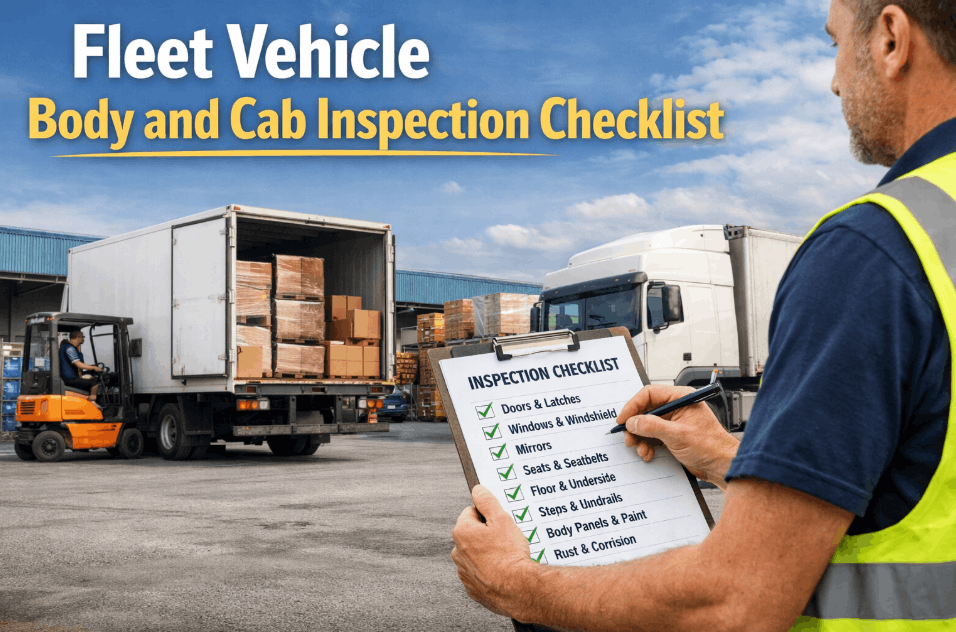
Read More
A cab with a broken door latch, cracked windshield, or inoperative mirror is not an aesthetic issue — it is a DOT citation and a driver liability. Body corrosion doubles repair costs every six months it is left untreated. A systematic body inspect

Read More
Fleet maintenance in 2026 is no longer a question of whether to use AI — it is a question of how fast your operation can adopt it before competitors do. AI-powered predictive maintenance uses sensor data, machine learning models, and real-time veh

Read More
Connected fleet vehicles are now legitimate cyberattack targets — not to steal trucks, but to access operational data, driver records, and the financial systems linked to every telematics and CMMS platform. A single breached portal credential give
Read More
A cab with a broken door latch, cracked windshield, or inoperative mirror is not an aesthetic issue — it is a DOT citation and a driver liability. Body corrosion doubles repair costs every six months it is left untreated. A systematic body inspect
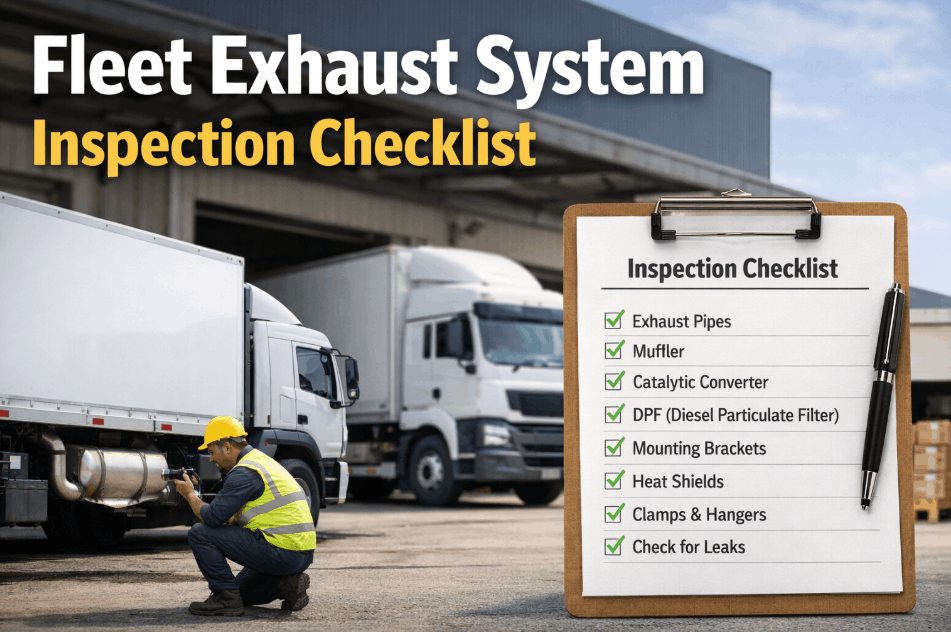
Read More
An exhaust leak on a commercial vehicle is not a noise complaint — it is a carbon monoxide risk and an immediate DOT OOS condition under §393.83. A DPF at 100% soot load that fails to regen poisons the SCR catalyst and produces a $6,000+ repair bi

Read More
Drivetrain failures are the most expensive per-event repair in any commercial fleet. A transmission rebuild runs $4,000–$8,000. A differential that runs dry because a breather blocked and water ingested destroys $2,500 in ring-and-pinion gear with

Read More
A fire extinguisher that cannot discharge when needed — because the charge has bled below minimum, the pin is corroded, or the agent has compacted — is not safety equipment. DOT §393.95 requires every CMV to carry a serviceable extinguisher, and "

Read More
An overheating engine is not a warning — it is a countdown. Once the temperature gauge hits red, the driver has 4–8 minutes before head gasket failure. Every overheat event is preventable: thermostat failures, blocked radiators, failed water pumps

Read More
Lubrication is the cheapest fleet maintenance task and the most expensive to neglect. Overdue engine oil increases wear metals by 40%. A dry kingpin seizes at 25× the cost of the grease service that prevents it. Transmission fluid that turns brown
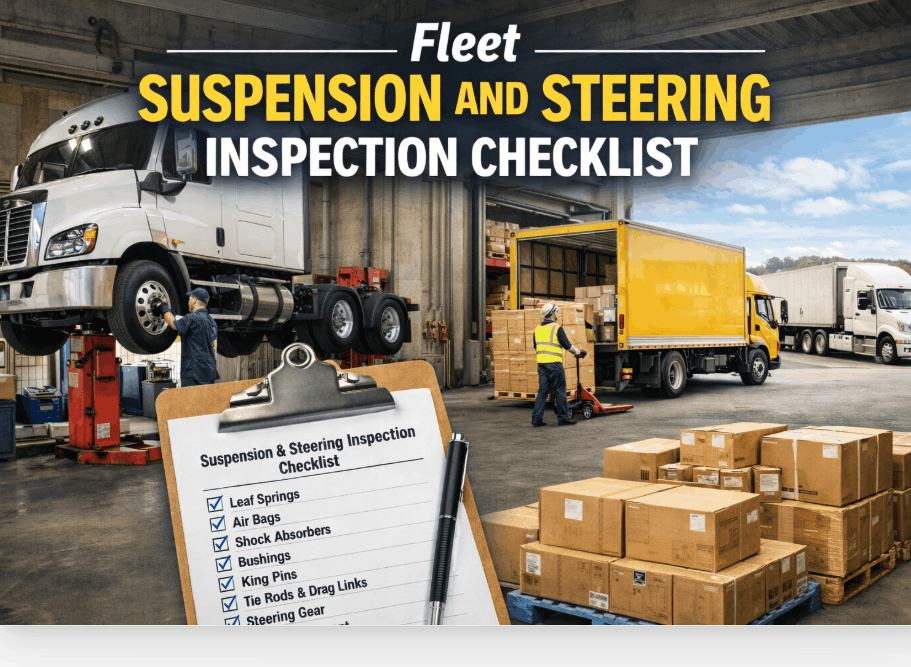
Read More
A worn king pin at highway speed, a broken leaf spring under a full load, or a seized tie rod end on a mountain descent — suspension and steering failures produce immediate loss of vehicle control with no recovery window. These components fail gra
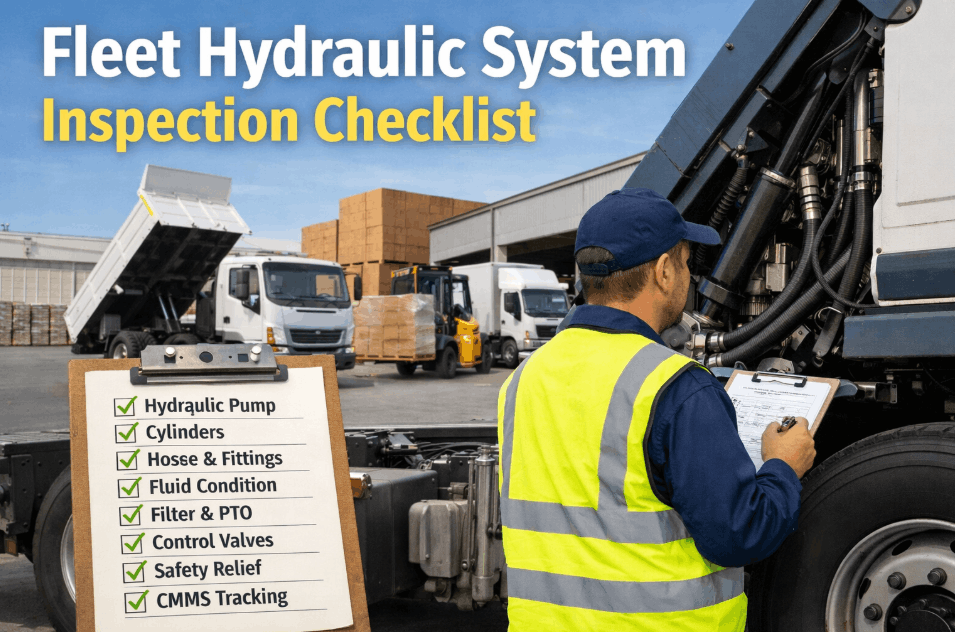
Read More
Hydraulic failures on fleet vehicles don't give warning — a chafed hose fails at 2,500 psi during a live load drop, a cavitating pump fails at the start of a shift with the body locked in the raised position. These are not accidents; they are the

Read More
Electrical failures are the hardest to diagnose — a weak battery stresses the alternator, a failing alternator throws false fault codes, and a corroded ground makes three unrelated circuits misbehave simultaneously. Treating symptoms without testi

Read More
A vehicle that leaves the fleet incorrectly is an active liability — an unretired telematics device still reports location, an uncancelled insurance policy keeps billing, and an open CMMS record generates phantom PM work orders for a vehicle that

Read More
A new vehicle arriving at a fleet depot without a structured onboarding process is a compliance liability, a telematics blind spot, and a maintenance data gap from its very first day of service. Missing a VIN registration, skipping the telematics

Read More
A fleet vehicle cab that reaches 45°C in summer or drops to -5°C in winter is not just uncomfortable — it degrades driver alertness by up to 35% and constitutes a workplace health violation in most jurisdictions. HVAC failures are gradual: drivers
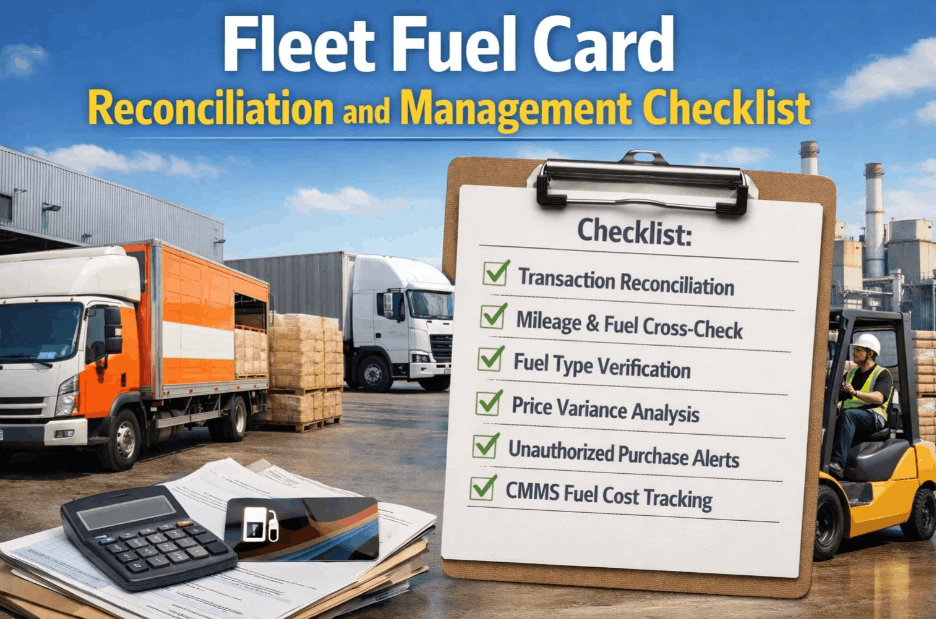
Read More
Fleet fuel cards generate thousands of transactions per quarter — and without structured reconciliation, a 3% fraud rate or systematic mileage mis-entry goes undetected for months before it surfaces as a P&L variance with no clear root cause.

Read More
Geofencing in fleet management has outgrown its original use case — knowing whether a vehicle is inside or outside a boundary. Modern geofencing, integrated with a CMMS, triggers specific operational actions: a vehicle entering the maintenance dep

Read More
The fleet maintenance technician shortage is now the single biggest operational constraint facing commercial fleet operators in the US, UK, Canada, Germany, and Australia — with vacancy rates running at 22–34% across all markets and average time-t

Read More
Autonomous vehicle technology is already in your fleet — every commercial vehicle with AEB, lane-keeping, or adaptive cruise contains Level 1–2 ADAS that carries calibration and documentation obligations most fleets aren't meeting. The maintenance

Read More
Fleet utilization is the single most leveraged financial metric in commercial fleet operations — a fleet running at 68% utilization is carrying 32% of its capital cost, insurance, depreciation, and overhead as pure waste. Most fleets don't measure

Read More
Electrical failures are the leading cause of unexpected fleet breakdowns — responsible for more roadside events than any other single system including tyres, brakes, or engine. Unlike mechanical failures that degrade visibly over time, electrical
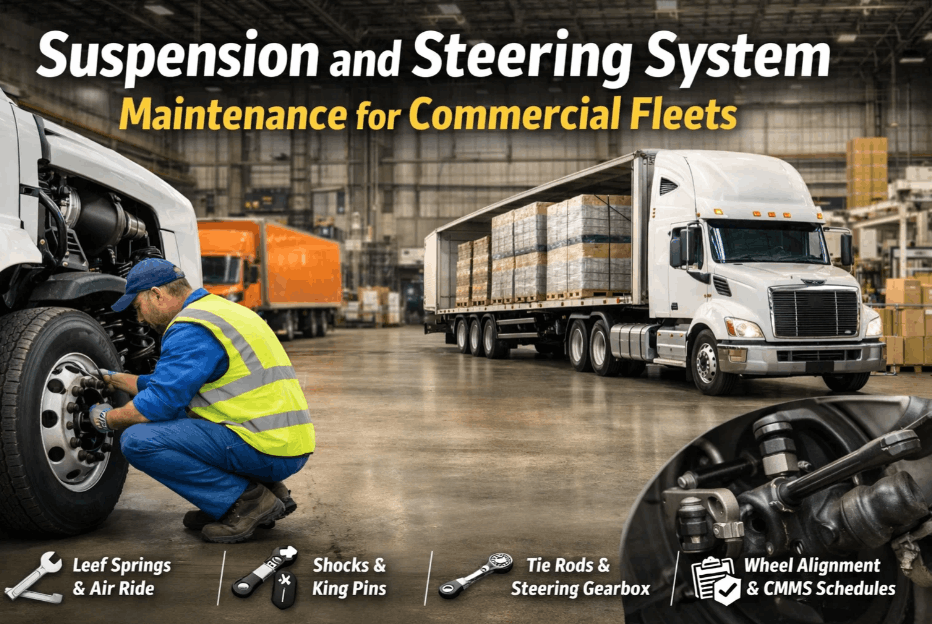
Read More
Suspension and steering failures in commercial fleets don't announce themselves with OBD fault codes — they announce themselves with tyre blowouts, pulled loads, jackknife events, and drivers who report "something feels different" three weeks befo

Read More
Fleet operations worldwide are undergoing the fastest technology transition in the industry's history — driven by convergence of affordable IoT hardware, AI-ready cloud platforms, and OBD connectivity that now ships standard on every commercial ve

Read More
Fleet safety culture is the single variable that separates organisations with industry-leading safety records from those that cycle through the same accidents and claims despite investing in training and policy. Culture is not a programme — it is

Read More
Hydraulic system failures are among the most expensive events in any fleet operating dump trucks, tail-lifts, or PTO-driven equipment. Unlike engine faults, hydraulic degradation is silent — fluid contamination and seal wear progress without any d
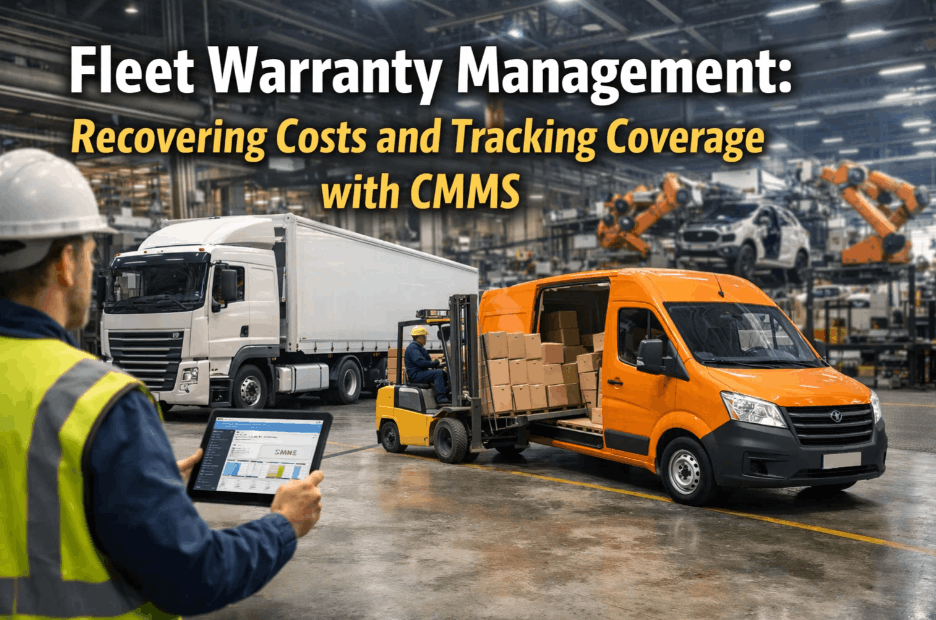
Read More
The average commercial fleet leaves 12–18% of its warranty entitlement unclaimed every year — not because the repairs don't qualify, but because the documentation required to file a claim was never generated, the warranty expiry date was not track

Read More
Fleet driver training is the highest-ROI safety investment in commercial fleet operations — and the most chronically under-resourced. Structured programmes reduce accident frequency by 50–60% within 12 months, converting directly into lower insura

Read More
Every commercial vehicle on the road is broadcasting a continuous stream of maintenance intelligence — and most fleets are not listening. OBD-II and J1939 telematics systems generate fault codes, engine parameter readings, fuel trim values, and tr
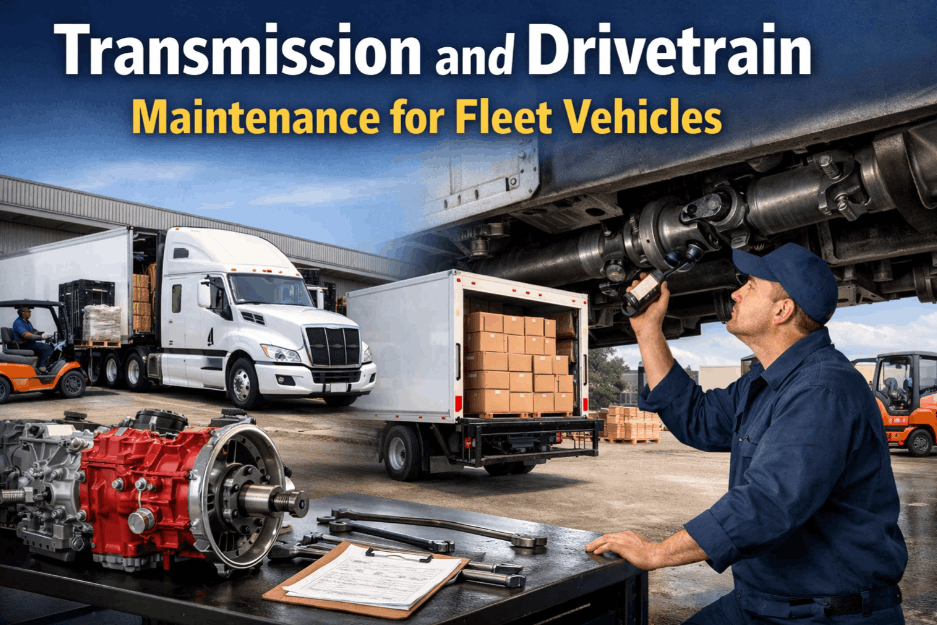
Read More
Transmission and drivetrain failures are among the highest-cost, longest-downtime events in any commercial fleet. A failed automatic transmission does not produce a warning light three days before it fails — it produces a vehicle on the shoulder o
Read More
Government and municipal fleet management operates under constraints that no private fleet director faces: procurement cycles measured in years, budget authorities that expire at fiscal year-end, union labor agreements that govern who performs eac
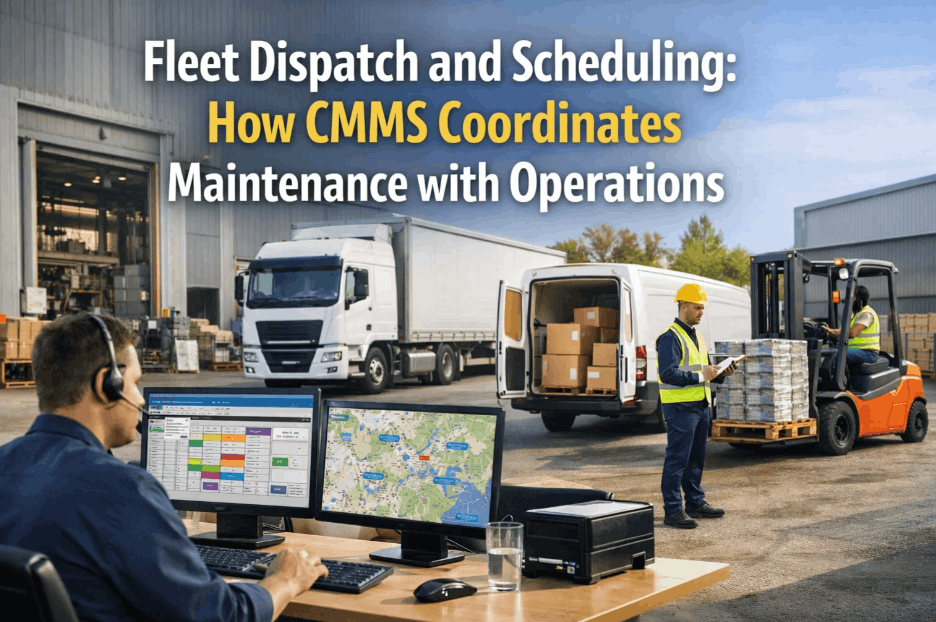
Read More
Fleet dispatchers and maintenance managers operate on opposite clocks — dispatch needs vehicles available now, maintenance needs vehicles offline for PM. Without a shared data system, the two functions collide: a dispatcher commits a vehicle to a
Read More
The outsource-vs-in-house decision is one of the most financially consequential choices a fleet director makes — and most organisations make it once, based on intuition, and never revisit it with data. The correct answer is not universal: it depen

Read More
Trailers are the forgotten half of every fleet — serviced less frequently, inspected less rigorously, and tracked in separate spreadsheets that no one updates. Yet trailers are the load-bearing asset in every commercial operation. A fifth wheel co

Read More
Top-performing fleets don't guess — they benchmark. They know their cost per mile is $0.54, their uptime is 96.2%, and their PM compliance sits at 94% because they measure these numbers quarterly and compare them against industry data. The gap bet

Read More
Fleet downtime costs 3–5× the repair invoice when all downstream effects are counted — idle drivers, rerouted loads, missed SLAs, and overhead that doesn't stop. For a 50-vehicle fleet, the fully-loaded annual downtime cost typically runs $280,000

Read More
Lighting violations are the most common after-dark roadside enforcement finding on commercial vehicles — and the most preventable. A single inoperative stop lamp, a missing clearance light, or a reflector tape section peeled away by winter road sp

Read More
IFTA — the International Fuel Tax Agreement — requires every carrier operating qualified motor vehicles across two or more member jurisdictions to track miles driven and fuel purchased per state or province, file a quarterly return reconciling tax

Read More
Every minute after a commercial vehicle accident is legally and financially consequential — evidence degrades, witnesses disperse, and the absence of documented facts creates gaps that opposing counsel, insurers, and regulators fill with their own
-maintenance-checklist.png)
Read More
Modern diesel emission systems — DPF, DEF/SCR, EGR, and DOC — are the most technically complex maintenance category on any Euro 5/6 or EPA 2010+ commercial vehicle, and the most penalised when neglected. A DPF that reaches 100% soot load and enter

Read More
Air brake system failures account for 34% of all commercial vehicle out-of-service orders — yet the majority stem from components that degrade gradually over weeks and months, never triggering a driver warning until a roadside inspector measures p
-compliance-checklist.png)
Read More
The Driver Qualification File is the most audited document category in FMCSA compliance reviews — and the most commonly found deficient. Every commercial driver must have a complete, current DQF maintained at the carrier before their first dispatc

Read More
A reefer unit that drifts 4°F above setpoint during a 14-hour overnight haul does not just fail a temperature log — it potentially destroys the entire load, triggers a food safety investigation, and voids the carrier's cargo insurance coverage for

Read More
Electric vehicle fleets don't need less maintenance — they need different maintenance. Battery health monitoring, HV system inspection, thermal management, and software validation replace oil changes, exhaust, and fuel system tasks. Applying ICE l

Read More
A single FMCSA compliance audit can expose documentation gaps that result in civil penalties up to $16,000 per violation, conditional safety ratings, and in the most serious cases, operating authority revocation. Most carriers who receive conditio

Read More
A semi-trailer or flatbed that leaves a depot without a structured inspection is not just a regulatory liability — it is a moving safety hazard carrying the carrier's operating authority on every kilometre of road. Trailer-related OOS violations a

Read More
Winter is the single most damaging season for commercial vehicle reliability — batteries fail at 3× their normal rate below 0°F, diesel fuel gels at -15°F untreated, air system moisture freezes valves and locks up brakes, and coolant that tested f

Read More
A diesel engine that misses a single PM interval does not fail immediately — it degrades progressively, accumulating wear in injectors, turbocharger bearings, and EGR valves that only becomes visible as a costly breakdown months later. Commercial
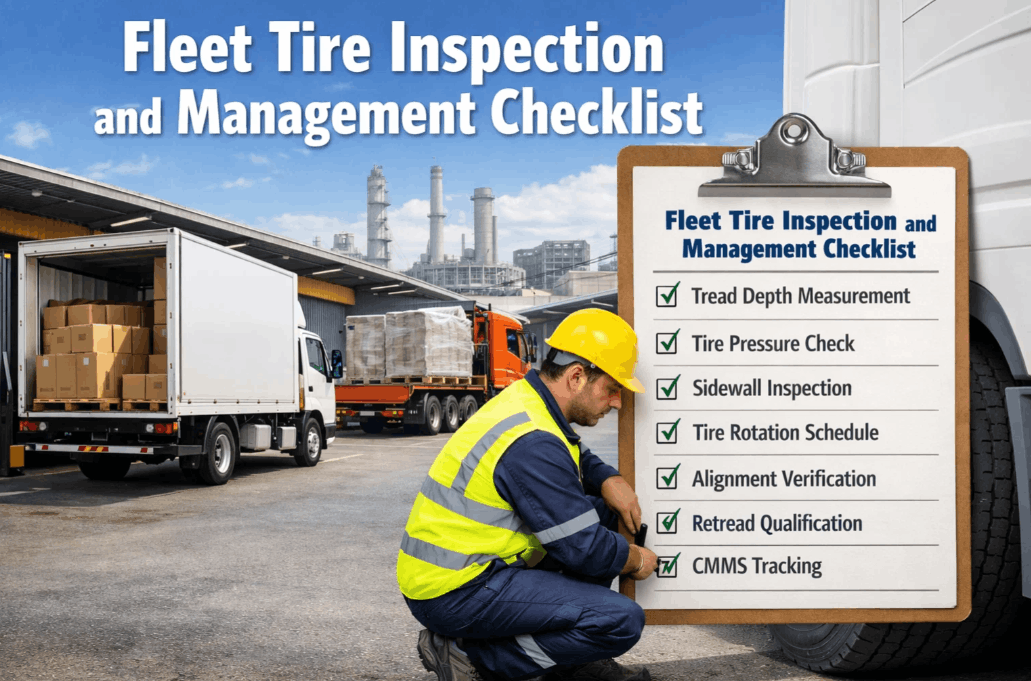
Read More
Tire failures are the most common cause of commercial vehicle breakdowns and a leading contributor to fatal truck crashes — yet the majority are caused by conditions that a structured inspection programme would have caught weeks earlier. Under-inf
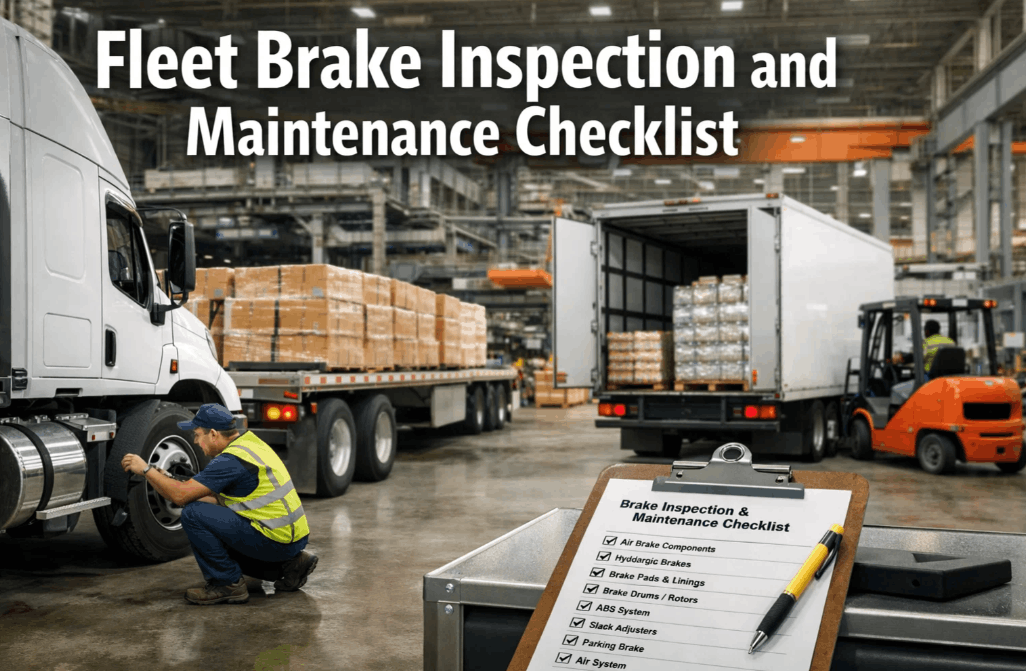
Read More
Brake system failures are the single most cited out-of-service category at DOT roadside inspections — accounting for 34% of all CMV OOS orders — yet the majority are preventable with structured inspection and maintenance at the correct intervals.
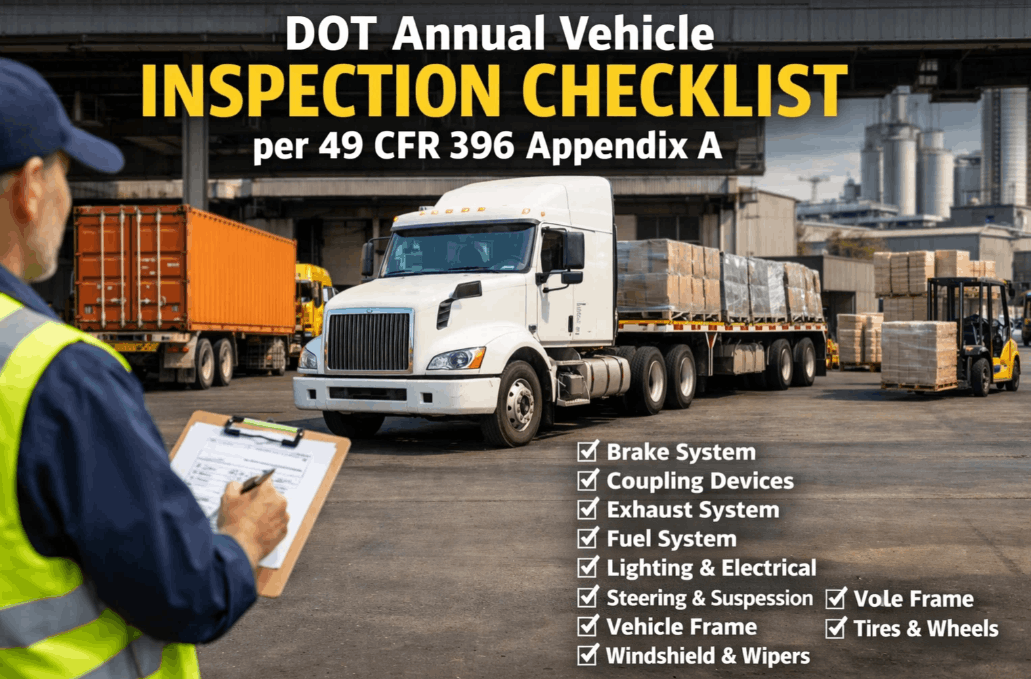
Read More
Every commercial motor vehicle operating in interstate commerce must pass a full DOT annual inspection under 49 CFR Part 396 Appendix A — covering all 13 prescribed categories — before an Annual Inspection Certificate can be issued. A single out-o
.png)
Read More
Every commercial motor vehicle operating on U.S. highways, Canadian roads, UK HGV routes, or Australian heavy vehicle corridors must complete a Driver Vehicle Inspection Report before departure and after return — and FMCSA under 49 CFR Part 396.11

Read More
Fleet downtime costs U.S. operators an average of $448–$760 per vehicle per day — and most of it is preventable. A structured preventive maintenance checklist, applied consistently across your entire fleet, is the single hi

Read More
Most fleet acquisition decisions are made on purchase price. Most fleet replacement decisions are made on repair frequency. Neither uses the right number. Total Cost of Ownership — the complete financial cost of a vehicle from acquisition through

Read More
Emergency and first responder vehicles operate under conditions that make standard fleet maintenance frameworks insufficient. An ambulance idles for hours between calls, then accelerates hard to scene. A fire apparatus carries hydraulic rescue equ
Read More
A fleet accident costs an average of $91,000 — but the real damage multiplies if the same root cause produces a second incident six months later. The first 10 minutes after a crash determine whether the evidence survives. The next 72 hours determi

Read More
The FMCSA Drug and Alcohol Clearinghouse became mandatory for all commercial motor vehicle operators in January 2020, and enforcement actions for non-compliance have accelerated significantly since then. The Clearinghouse is a federal database tha

Read More
Fleet maintenance software ROI is measurable — but most CFOs evaluating CMMS investment only see the easy numbers. Parts spend. Emergency repair reduction. The real financial case is 6× larger when you include downtime revenue loss, compliance pen
Read More
Cold weather kills unprepared fleet vehicles faster than any other operating condition. At -20°F, diesel fuel gels and filters plug within hours. At -10°F, a marginal battery that starts fine in September fails silently in a January depot. Air moi

Read More
Emission compliance for commercial fleets is tightening on every front — federal EPA standards, state-level CARB requirements in California, and international equivalents across the EU, UK, Australia, and Canada. EPA civil penalties reach $70,117
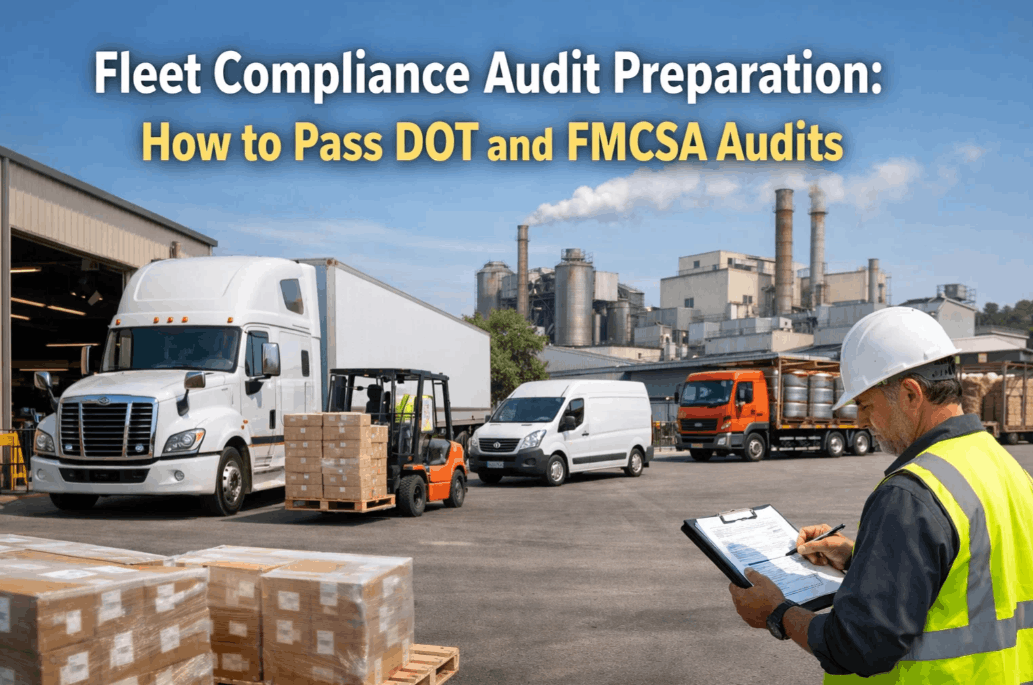
Read More
A DOT or FMCSA compliance audit is not an event you prepare for in the week before it happens — it is the result of what your operation does or fails to do every day across driver qualification, vehicle maintenance, hours of service, and inspectio
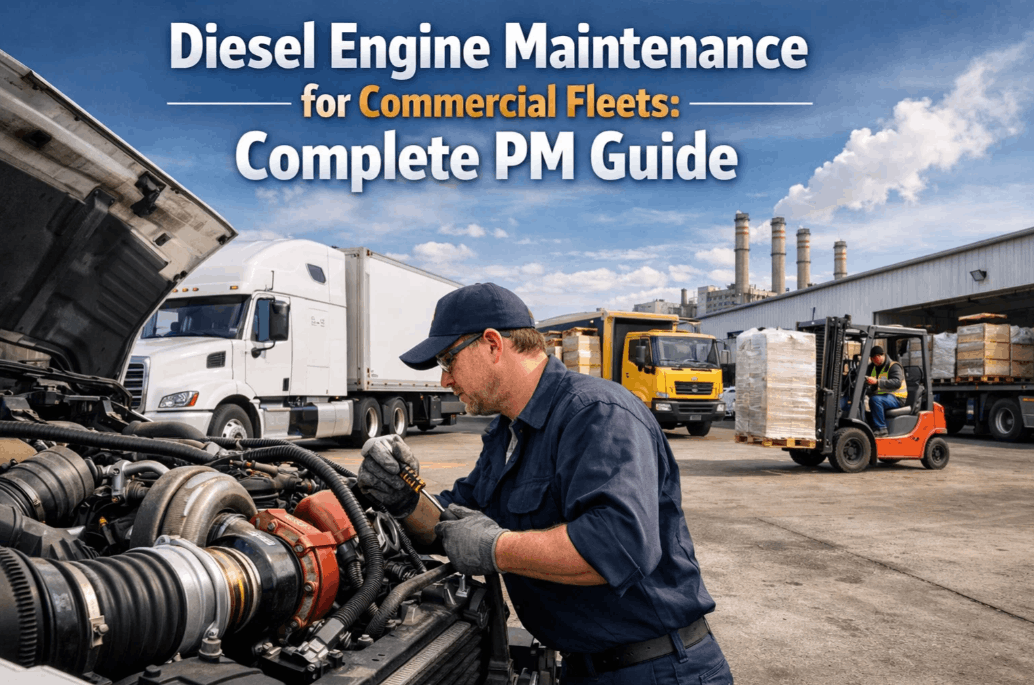
Read More
Diesel engines are the heartbeat of commercial fleet operations — and the single largest source of unplanned downtime costs when PM programmes slip. A Class 8 diesel running 120,000 miles per year accumulates roughly 2,000 operating hours. At that
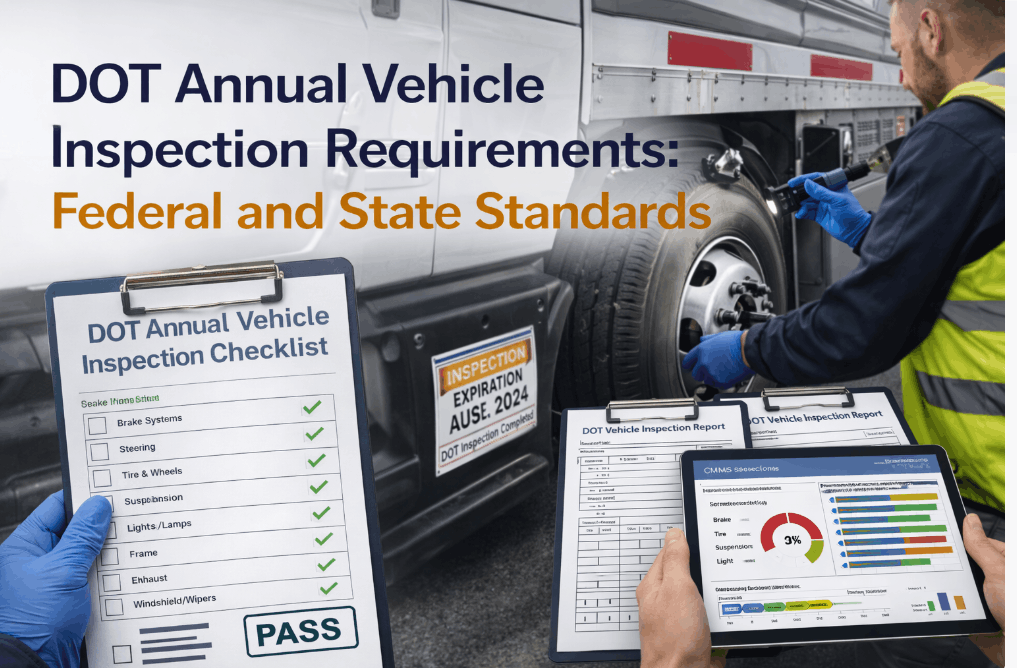
Read More
Every commercial motor vehicle operating in the United States must pass a DOT annual inspection per 49 CFR Part 396, Appendix A — no exceptions and no grace period when the sticker expires. An expired inspection sticker is an immediate out-of-serv

Read More
A Fleet Director at a 380-vehicle manufacturing group in the East Midlands described his pre-electrification planning reality in four words: "spreadsheets, guesswork, and diesel." TCO modelling was done annually in Excel, vehicle replacement decis

Read More
Most fleet managers can tell you their total maintenance spend. Far fewer can tell you their cost per mile broken down by vehicle class, their PM compliance rate by depot, or how their mean time between failures has trended over the past six month

Read More
A single roadside inspection with an out-of-service brake violation can push a fleet from 65th percentile to alert status overnight — and that alert stays on your public FMCSA record for 24 months, visible to every shipper and broker you pitch. Th

Read More
Refrigerated fleet management carries a cost dimension no other commercial fleet shares: cargo loss. A reefer unit failure on a loaded pharmaceutical trailer costs $18,000 in downtime plus up to $400,000 in destroyed cargo, FDA investigat

Read More
Fleet replacement decisions are among the most capital-intensive choices a fleet director makes — and most organizations make them on gut feel, age alone, or accumulated frustration with a specific vehicle. When TCO crossover analysis, CMMS mainte

Read More
IFTA requires commercial fleets operating across two or more jurisdictions to track miles by state, record every fuel purchase by location, and file a quarterly return reconciling the difference. For a 15-truck fleet running 12 states, that's 60 f
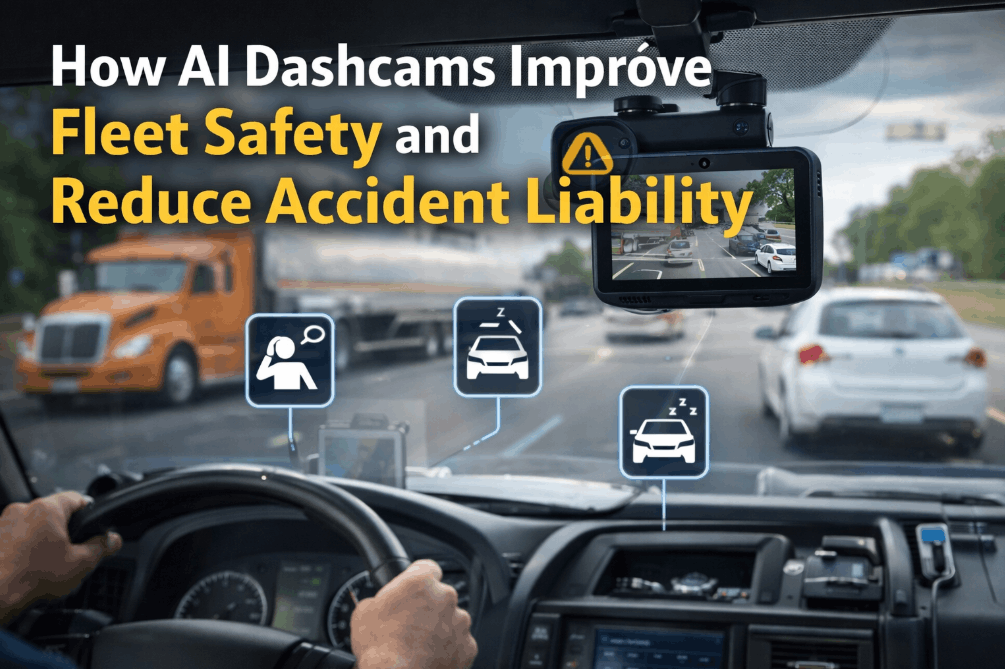
Read More
Fleet accident costs are the largest single uncontrolled liability item in commercial fleet operations. The average commercial vehicle accident costs $74,000 in direct and indirect expenses — and that figure doubles when the accident involves inju

Read More
Brake system failures are the leading mechanical cause of commercial vehicle accidents — and the most preventable. FMCSA data consistently shows brake-related violations in the top three categories at roadside inspection, and brake defects account

Read More
Fleet downtime is the cost that no budget line fully captures. Direct repair costs are tracked. Parts are invoiced. Labor hours are logged. But the cascade — driver sitting idle on the shoulder, dispatcher scrambling to reassign loads, delivery SL

Read More
Construction fleet management is the most operationally complex fleet discipline in commercial operations — not because of vehicle count, but because of asset diversity. A mid-size civil contractor operates excavators, wheel loa

Read More
Small business fleet management doesn't require an enterprise budget. A 10–50 vehicle operation that reduces breakdown frequency by 30% and catches one DOT violation before it becomes a $16,000 citation covers the cost of fleet software many times

Read More
Last-mile delivery is the most operationally intensive segment of commercial logistics — and the most expensive, consuming 53% of total supply chain cost. Urban delivery vehicles completing 80–120 stops per day accumulate brake wear at 4–6× the ra
Read More
Commercial trucking insurance in the United States has become one of the most volatile cost lines in fleet operations — and one of the least understood. Nuclear verdicts against motor carriers have pushed average large-truck crash settlements past
-compliance-eld-rules-and-fleet-management-best-practices.png)
Read More
Hours of Service compliance is the regulatory obligation that touches every dispatch decision, every driver assignment, and every delivery window in FMCSA-regulated fleet operations — and in 2026, it is enforced with a precision that paper log aud
Read More
Tires are the second-largest maintenance line item in most commercial fleet budgets — and the one with the most systematic, recoverable waste. The average commercial fleet spends $1,200–$2,400 per vehicle annually on tires, and industry data consi

Read More
Electric vehicle fleet management in 2026 is no longer a pilot program decision — it is a strategic planning obligation. With over 4.2 million commercial EVs operating in North American fleets and average fleet electrification commitments of 40–60

Read More
Driver Vehicle Inspection Reports are among the most frequently cited DOT compliance failures — not because fleets ignore the requirement, but because paper-based DVIR processes systematically break down at the certification chain. Drivers complet

Read More
Fleet total cost of ownership is the number that most fleet budgets are built around but few organizations measure correctly. Direct costs — fuel, maintenance, insurance, and depreciation — are tracked. Indirect costs — driver downtime, missed del
Read More
Real-time vehicle tracking is the operational foundation that every other fleet management capability depends on — you cannot optimize routes for vehicles you cannot locate, cannot enforce maintenance schedules for assets whose mileage you cannot
Read More
A fleet preventive maintenance program is the difference between a maintenance budget you control and one that controls you. Fleets running structured PM schedules spend 28–35% less on total maintenance annually than those responding reactively —

Read More
Route optimization for fleet operations is no longer a dispatch convenience — it is a measurable competitive advantage that separates fleets spending 38% of operating costs on fuel from those spending 28%. In 2026, the average fleet vehicle travel

Read More
Driver behavior is responsible for 38% of all commercial fleet accidents, 22–30% of preventable fuel waste, and the single largest variable in fleet insurance premium calculations — yet most fleets still manage it through reactive incident review

Read More
Fuel is the single largest variable operating cost in commercial fleet management — averaging 35–40% of total operating expenses and entirely exposed to the behavioral, mechanical, and routing inefficiencies that accumulate invisibly across every

Read More
DOT compliance for fleet managers in 2026 is a continuous operational obligation — not an annual checkbox. A single HOS violation carries a civil penalty up to $16,000. Elevated CSA BASIC scores above investigation thresholds can trigger complianc

Read More
Fleet safety is not a culture — it is a system. Culture changes when incidents stop being unexpected and start being anticipated, documented, and prevented through structured programs that leave nothing to memory or goodwill. In
Read More
Engine oil is the single most consequential consumable in any commercial fleet. Get the change interval right and your engines run to their full service life — 500,000+ miles in a well-maintained commercial truck. Get it wrong a
Read More
In a study of 1,000 commercial fleet maintenance programs, one finding stood out: fleets running documented preventive maintenance checklists had 47% fewer unscheduled breakdowns than fleets with informal or verbal PM programs —

Read More
A single DOT out-of-service violation costs a commercial trucking operation between $16,000 and $25,000 in direct costs — fines, towing, driver downtime, and missed loads. The Federal Motor Carrier Safety Administration placed 5

Read More
Commercial fleets operating without a structured maintenance checklist spend 28% more on unplanned repairs than those running documented preventive maintenance programs. The American Transportation Research Institute reports tha

Read More
The fleet maintenance dashboard has been the operations center of fleet management for two decades — but a traditional dashboard only shows what already happened. Vehicle breakdowns that occurred yesterday. Work orders completed

Read More
Fleet oil management sounds like a solved problem — change the oil every 5,000 miles, use the right grade, keep records. In practice, oil management is where the gap between what maintenance should cost and what it actually cost

Read More
The average commercial fleet technician spends 22% of their workday on administrative tasks that produce no maintenance value — creating work orders manually, chasing parts availability by phone, hunting for vehicle service hist

Read More
Only 27% of fleets have operationalized AI-powered predictive maintenance in 2026 — yet the competitive gap between those that have and those still running on fixed intervals and reactive repairs is widening every quarter. The a
Read More
Unscheduled repairs are not random events — they are the predictable outcome of a maintenance model that cannot see what is happening inside vehicles between scheduled service visits. In 2026, the average unscheduled fleet repai

Read More
In March 2026, a national cold-chain logistics operator grounded 11 vehicles in a single week — not because of driver neglect or parts shortages, but because their maintenance management system had no mechanism to correlate what

Read More
In January 2026, a regional food distribution network with 94 vehicles faced a problem that no dispatcher could solve manually: 14 simultaneous delivery routes, live weather disruptions on 3 corridors, 2 driver call-offs at 5:45
Read More
An auto components manufacturer running 55 commercial vehicles discovered its most expensive maintenance problem was not engine failures — it was the 14 vehicles that received oil changes at exactly 5,000-mile intervals regardle

Read More
59. AI Fleet Management: Enhancing Fleet Efficiency and Reducing Costs The US faces an 80,000+ truck driver shortage in 2026 — and the answer is not just higher pay. The fleets retaining drivers and gaining efficiency advant

Read More
In February 2026, Aurora Innovation tripled its autonomous freight network to 10 routes with 250,000+ driverless miles and zero collisions. Every vehicle in that network is maintained by an AI system that has never seen the insi

Read More
A national logistics carrier with a 600-vehicle fleet ran a traditional time-based maintenance program — oil changes every 5,000 miles, tire rotations on a calendar schedule, brake inspections at fixed intervals. It was disciplin

Read More
Choosing the wrong fleet management software costs more than the subscription. It costs you the maintenance visibility you thought you were buying. A transportation company with 85 vehicles switched from a GPS-tracking-first pla

Read More
Wrong oil in a fleet vehicle doesn't fail immediately — it fails at mile 47,000, three months after the wrong specification was applied, when a turbocharger bearing seizes on a fully loaded truck 200 miles from the depot. The re

Read More
Fleet maintenance is no longer a back-office function — it is a direct line to revenue, compliance, and competitive advantage. Yet 82% of fleet operators still rely on manual tracking in 2026: missed PM intervals

Read More
Fleet operations in 2026 are defined by one question: are you predicting failures or reacting to them? The global predictive maintenance market hit $17.11 billion in 2026 and is racing toward $98 billion

Read More
Artificial intelligence is no longer a future investment for fleet operations — it is the competitive baseline for 2025. The fleets still running on calendar-based oil changes and reactive repair cycles are falling behind on eve

Read More
Small fleets are the backbone of countless industries — trades, delivery, field services, construction, healthcare transport — yet they are consistently the least supported by fleet technology. Only 14% of small fleets currently

Read More
Fleet managers who rely on gut feel and end-of-month reports are flying blind in an era where the vehicles themselves are broadcasting real-time performance data. The global fleet management analytics market reached $8.2 billion

Read More
Every commercial vehicle in your fleet is generating hundreds of data points every hour — engine temperature, oil pressure, brake wear, fuel consumption, battery voltage, DPF soot load, and transmission stress patterns. Most flee

Read More
Fleet maintenance in 2026 is no longer a back-office function — it is a measurable competitive advantage. Yet the Fleetio 2026 Fleet Benchmark Report, drawing on data from 1.2 million vehicles, 17.5 billion miles, and over 9 mil

Read More
Fleet maintenance is no longer a guessing game. In 2026, AI-powered maintenance optimization has shifted from a competitive advantage to an operational necessity. With the global predictive maintenance market projected to reach

Read More
Fleet operations in 2025 are under unprecedented cost pressure. Fuel accounts for 25–35% of total fleet operating costs, labor wages are rising, aging vehicles demand more frequent repairs, and unplanned breakdowns still cost 4–5x more than schedu

Read More
Fleet maintenance has crossed a turning point. The clipboard, the paper work order, the end-of-day phone call to confirm a repair — these workflows are not just inefficient in 2026, they are actively costing fleets money. The gl

Read More
Fleet maintenance is no longer a reactive function — it is a competitive differentiator. Fleets that have moved from paper-based schedules to digital preventive maintenance programs are achieving 98% vehicle uptime, reducing per

Read More
Fleet vehicles don't warn you before they break down — but they do generate data that AI can read weeks in advance. Every engine sensor reading, temperature fluctuation, vibration pattern, and OBD fault code tells a story about w

Read More
The fleet maintenance software market is no longer a niche category — it is a $30 billion industry in 2026 and growing at nearly 17% annually. That growth means more platforms, more noise, and more risk of choosing a tool that lo

Read More
Fleet maintenance scheduling is no longer a calendar exercise. In 2026, it is a real-time, AI-driven operational function that determines whether your vehicles run profitably or bleed margin through preventable breakdowns. The g

Read More
Fleet data is no longer just an operational asset — it's a primary target. In 2025, Upstream Security documented 494 automotive cyber incidents, ransomware attacks against transportation targets more than doubled, and GPS spoofin
Read More
Fleet compliance in 2026 is no longer a paperwork problem — it's a data management crisis. The FMCSA conducted over 8,300 investigations through mid-2025 and uncovered more than 100,000 violations, averaging six per carrier. Routine cases cost fle

Read More
The way fleets are managed has fundamentally changed. What once required manual logs, radio check-ins, and reactive repairs is now driven by sensors, satellites, and real-time intelligence. IoT — the Internet of Things — has transformed every vehi

Read More
A regional logistics operator running 340 vehicles across five depots was losing $1.2 million per year to breakdowns they couldn't predict, routes they couldn't optimize fast enough, and compliance gaps that took three days to re

Read More
Over 38,000 medium- and heavy-duty electric trucks are now operating across 386 fleets in the U.S. — a figure that stood at just 219 in 2020. In 2026, the transition from diesel to electric is no longer a pilot project. It's a co

Read More
82% of companies have experienced at least one unplanned fleet downtime incident in the last two years. Each breakdown on the road costs $500–$2,000 per day per vehicle — not counting towing fees, missed deliveries, and driver de

Read More
Tires are the only contact point between your fleet and the road — and they are one of the top three operating costs for commercial fleets at 4–5 cents per mile. A 100-vehicle fleet spending $4,500 per vehicle annually on tires carries a $450,000

Read More
Commercial fleet accidents cost U.S. businesses more than $75 billion annually — and that number is climbing. Americans drove a record 3.3 trillion miles on U.S. roads in 2024, and with traffic volumes rising, pe

Read More
With over 300 fleet maintenance platforms on the market and the sector projected to surpass $30 billion in 2026, choosing fleet maintenance software is no longer the hard part. Choosing the right one is.

Read More
Reactive maintenance is the most expensive strategy a fleet can run — and in 2026, it is no longer defensible. With the global predictive maintenance market projected to reach $98 billion by 2033 and AI now predicting vehicle fai
Read More
Tires are the only contact point between your fleet and the road — and they are one of the top three operating costs for commercial fleets at 4–5 cents per mile. A 100-vehicle fleet spending $4,500 per vehicle annually on tires

Read More
Fleet managers who outperform in 2026 share one thing: they don't manage by gut feel. With fuel costs eating 30–40% of operating budgets, DOT compliance tightening, and unplanned breakdowns costing hundreds of dollars per idle ho

Read More
During the 2025 CVSA International Roadcheck, inspectors identified 2,899 tire-related out-of-service violations — accounting for 21.4% of all vehicle violations nationwide. Tire failures are the single most freq

Read More
Every hour a fleet vehicle sits broken down costs your operation an average of $448–$760 in lost revenue — before counting towing, emergency labor, and rescheduling chaos. 78% of those breakdowns trace back to a

Read More
A tire blowout at highway speed isn't a maintenance inconvenience — it's a fleet safety emergency. Yet the root cause of most blowouts is entirely preventable: under-inflated tires. The U.S. National Highway Traffic Safety Admini
Read More
During the 2025 CVSA International Roadcheck, inspectors identified 2,899 tire-related out-of-service violations — accounting for 21.4% of all vehicle violations nationwide. Tire failures are the single most freq
Read More
Every hour a fleet vehicle sits broken down costs your operation an average of $448–$760 in lost revenue — before counting towing, emergency labor, and rescheduling chaos. 78% of those breakdowns trace back to a

Read More
Fuel is the second-largest operating expense for most fleet businesses — trailing only labor costs. For a 50-vehicle fleet averaging 1,500 gallons per vehicle per month, the difference between a 3¢ and a 15¢ per-gallon r

Read More
Fleet route optimization is no longer a nice-to-have for logistics and field service operations — it is the single most measurable lever available to fleet managers trying to control fuel costs, reduce driver hours, and hit deli

Read More
Fleet accidents cost U.S. businesses over $75 billion annually in crash-related expenses — and 52% of those accidents are now preventable with AI-powered dashcam systems. In 2026, AI fleet dashcams have moved far beyond simple v

Read More
A regional food distributor running 75 delivery vehicles was planning routes the same way it had for nine years: a dispatcher with a spreadsheet, Google Maps open in a second browser tab, and institutional knowledge of which driv

Read More
A regional logistics company managing 280 delivery trucks was spending more time reacting to breakdowns than running routes. Their maintenance coordinator was fielding 15–2

Read More
A regional utility contractor running 58 service vehicles across four states was hemorrhaging 41 productive minutes per driver every single day — not from traffic, not from

Read More
A regional construction company operating 84 vehicles and 200+ pieces of heavy equipment across 9 job sites had invested in four separate technology systems over six years: a

Read More
Choosing the right fleet management software is one of the most consequential technology decisions a fleet operator will make. It determines how effectively you maintain vehicles, schedule work orders, track fuel consumption, manage compliance, an

Read More
Fleet management is undergoing its most significant transformation in decades. The spreadsheets, whiteboards, and gut-feel decisions that once ran entire trucking operations are giving way to intelligent systems that predict breakdowns before they

Read More
Transportation accounts for roughly 27 percent of all U.S. greenhouse gas emissions, making it the single largest contributing sector to climate change in the country. Within that, road transportation alone drives 81 percent of transport-related e

Read More
Every fleet manager knows the sinking feeling. A driver calls in from the highway: engine warning light, smoke from under the hood, a truck loaded with time-sensitive deliveries now sitting dead on the shoulder. The tow truck is an hour away. The

Read More
Every fleet vehicle on the road is generating data right now. Engine temperature, fuel burn rate, tire pressure, GPS coordinates, braking patterns, idle time, and dozens of other performance signals are streaming from onboard sensors every second.

Read More
Fleet management is undergoing its most significant transformation in decades. Artificial intelligence and machine learning are no longer futuristic concepts being tested in pilot programs — they are operational infrastructure reshaping how fleets

Read More
Your fleet vehicles are not just machines — theyare revenue-generating assets, and every one of them is on a financial clock. From the moment a vehicle enters your fleet, its value starts declining while its operating costs steadily rise. The aver

Read More
Every fleet manager knows the sinking feeling: a driver calls in from 400 miles away, the warning light just came on, and the truck is losing power. What follows is a cascade of emergency towing, rushed repairs, missed deliveries, and angry custom

Read More
The way fleets operate is being fundamentally reshaped by technology. Gone are the days of paper logs, guesswork maintenance schedules, and reactive decision-making. Today, the Internet of Things (IoT) is at the center of a digital revolution that
Read More
Fuelis the silent budget killer in fleet operations. Accounting for 20% to 40% of total operating costs, it is the single largest controllable expense most fleet managers face — and yet, a staggering 25% to 40% of fuel spend is wasted on inefficie

Read More
The fleet maintenance landscape is experiencing a paradigm shift powered by artificial intelligence. With the AI-Driven Fleet Maintenance market valued at $4.2 billion in 2024 and projected to reach $11.7 billion by 2033

Read More
Fleet safety compliance has entered a new era of complexity and scrutiny as regulatory bodies intensify enforcement while introducing transformative digital requirements. With the FMCSA conducting over 8,300 investigations through June 2025 alone
Read More
Fleet management is undergoing a radical transformation. With the U.S. commercial vehicle telematics market valued at $5.1 billion in 2024 and projected to reach $16.0 billion by 2032 , organizations are

Read More
The trucking industry is facing a workforce crisis of unprecedented scale. With driver turnover rates averaging 94% for midsize to large truckload fleets and the industry needing to hire 1.2 million new drivers over the next decade, fleet managers

Read More
Electric vehicle fleet integration has reached a critical inflection point in 2025. With over 134,000 medium and heavy-duty electric vehicles committed or ordered since the Inflation Reduction Act and a 35% compound annual growth rate in EV fleet

Read More
The last mile is where logistics battles are won or lost. It represents the final and most expensive leg of the delivery journey, consuming up to 53% of total shipping costs while directly impacting customer satisfaction. For fleet managers, this

Read More
Fleet management cost optimization has become the defining challenge for operations leaders in 2025. With fuel representing 25-35% of total operational costs and maintenance expenses rising to $0.202 per mile, the difference between a profitable f

Read More
Tires are the only part of a fleet vehicle that actually touches the road, yet they are among the most neglected components in maintenance programs. A single tire blowout on the highway can cost a fleet anywhere from $2,000 to $50,000 when you add

Read More
Every fleet manager knows the gut-punch moment: a driver radios in with spongy brakes 200 miles from the nearest shop, and nobody in the office can confirm when that truck's pads were last measured. Brake failures remain one of the leading causes

Read More
Diesel Exhaust Fluid system failures have become one of the most disruptive maintenance challenges facing fleet operators in 2026. The EPA is actively investigating DEF system problems across the top 14 diesel engine manufacturers, demanding warra

Read More
Steering system failures are among the most dangerous and costly breakdowns a fleet can experience. Unlike an engine that loses power gradually or a battery that gives warning signs through slow cranking, a steering failure at highway speed is an

Read More
Battery failures account for nearly 30% of all unplanned fleet breakdowns, and the root cause is almost never the battery itself. It is the absence of a structured maintenance workflow that tracks every battery from installation to disposal, ensur

Read More
A fleet technician slides under a truck, spots a minor fuel line weep, and immediately pulls out a phone to scan the QR code mounted on the fuel rail bracket. The asset profile loads instantly — the fuel filter was last replaced 14,200 miles ago,

Read More
A technician walks up to a fleet refrigeration unit, pulls out a smartphone, and scans a QR code mounted on the compressor housing. Instantly, the complete maintenance history appears — last refrigerant check, condenser coil cleaning date, belt re

Read More
Fleet transmission systems — automatic, manual, and automated manual — are among the most expensive and maintenance-intensive components in any commercial vehicle. A single transmission rebuild costs $3,000–$7,000, and unplanned failures strand tr
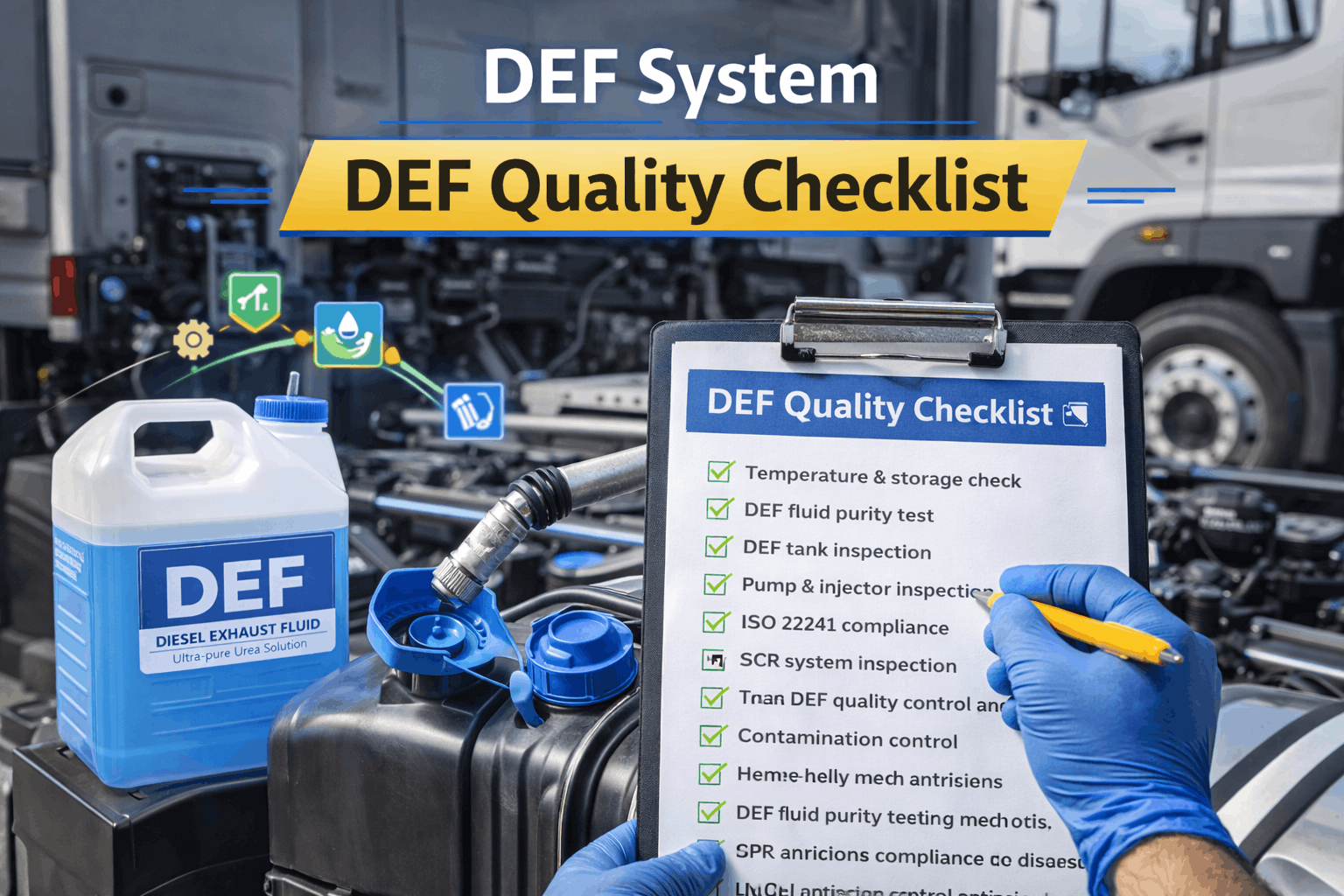
Read More
Diesel Exhaust Fluid system failures are now under direct EPA investigation — with the agency demanding warranty and failure data from the top 14 engine manufacturers in February 2026. For fleet operators, proactive DEF system inspections are the

Read More
The average fleet in 2026 drives 12 to 20 percent more miles than necessary. On a 50-vehicle fleet, a 15 percent mileage reduction eliminates 450,000 miles annually — saving over $247,000 in fuel, tires, and maintenance. AI-powered route optimizat
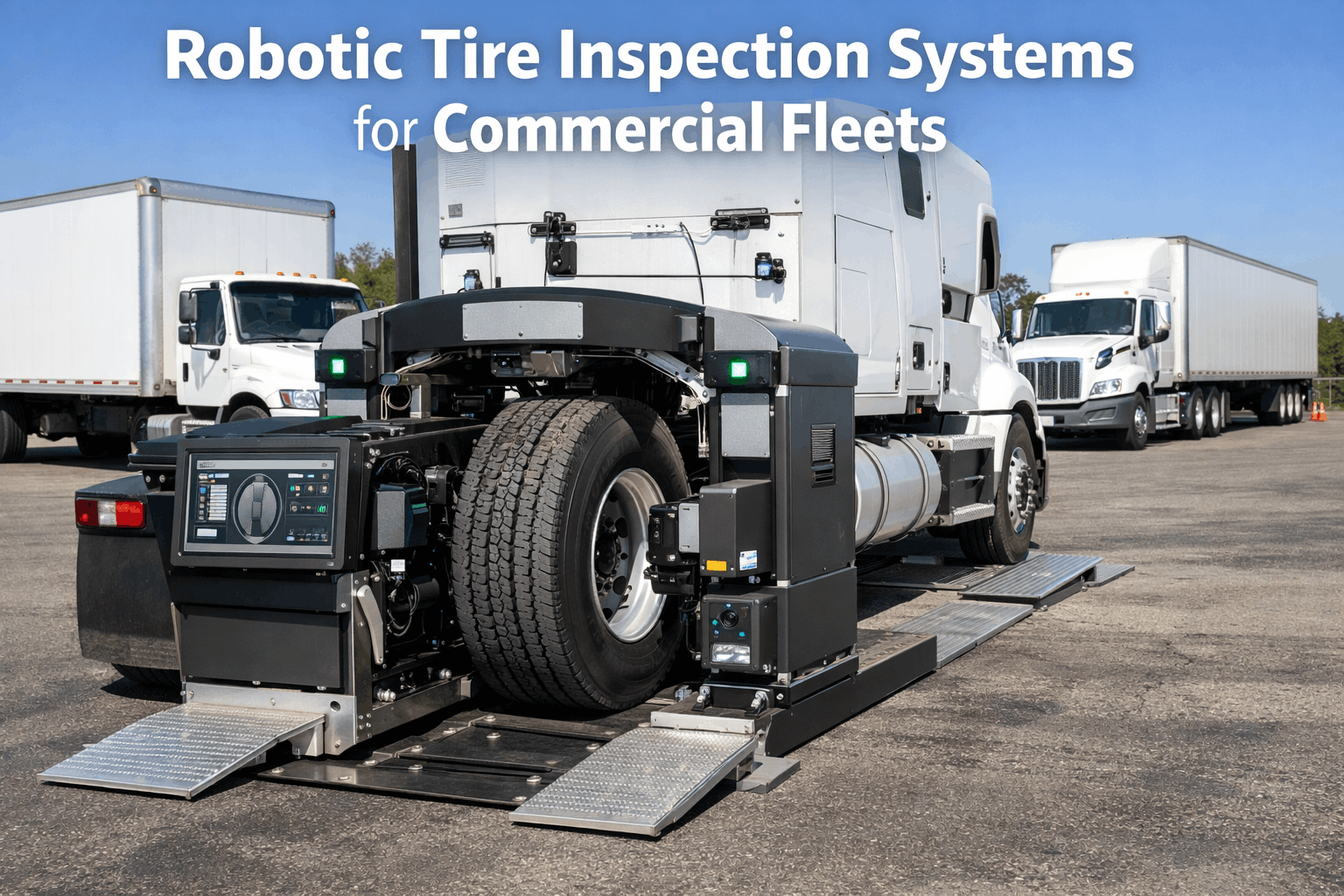
Read More
Tire-related breakdowns remain one of the most preventable yet costly disruptions in commercial fleet operations. Every roadside blowout means a stranded driver, a missed delivery window, and an emergency repair bill that can run three to five tim
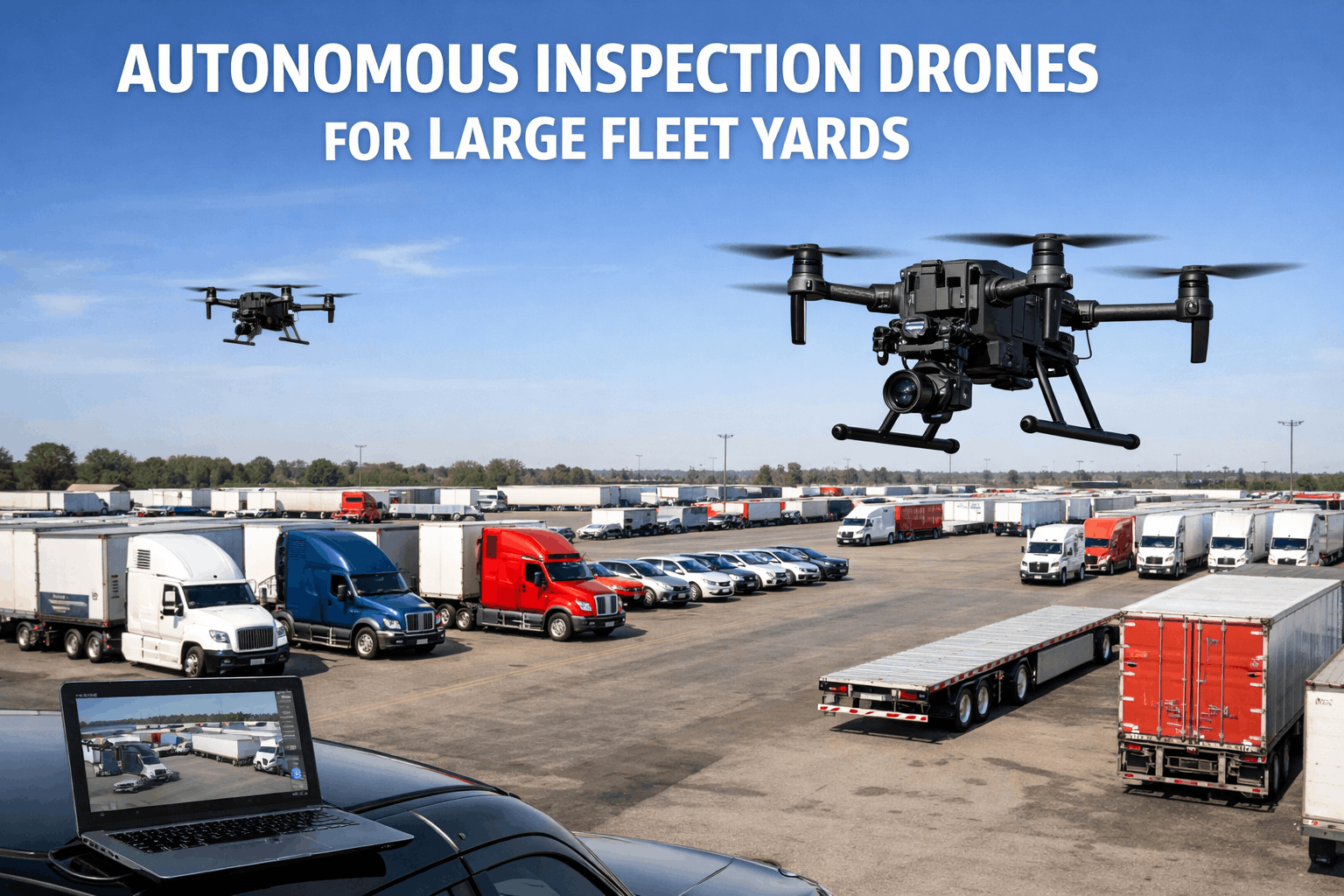
Read More
Managing a large fleet yard with hundreds of vehicles spread across acres of open space has always been a logistical headache for maintenance teams. Walking rows of parked trucks, trailers, and heavy equipment with a clipboard takes days, misses h

Read More
Fleet managers today face an uncomfortable reality: reactive maintenance is draining budgets, causing unexpected breakdowns, and shortening vehicle lifecycles. The global digital twin market, valued at over $21 billion in 2025, is projected to sur

Read More
Running a fleet without real-time sensor data is like driving with your eyes closed. You only find out something is wrong when the engine overheats, the tire blows, or the breakdown truck arrives. For decades, fleet managers relied on scheduled in

Read More
Every fleet manager knows the frustration: a vehicle returns from a route with a new dent nobody reported, a crack that somehow went unnoticed during the morning walk-around, or tire wear that escalated from minor to dangerous between scheduled in
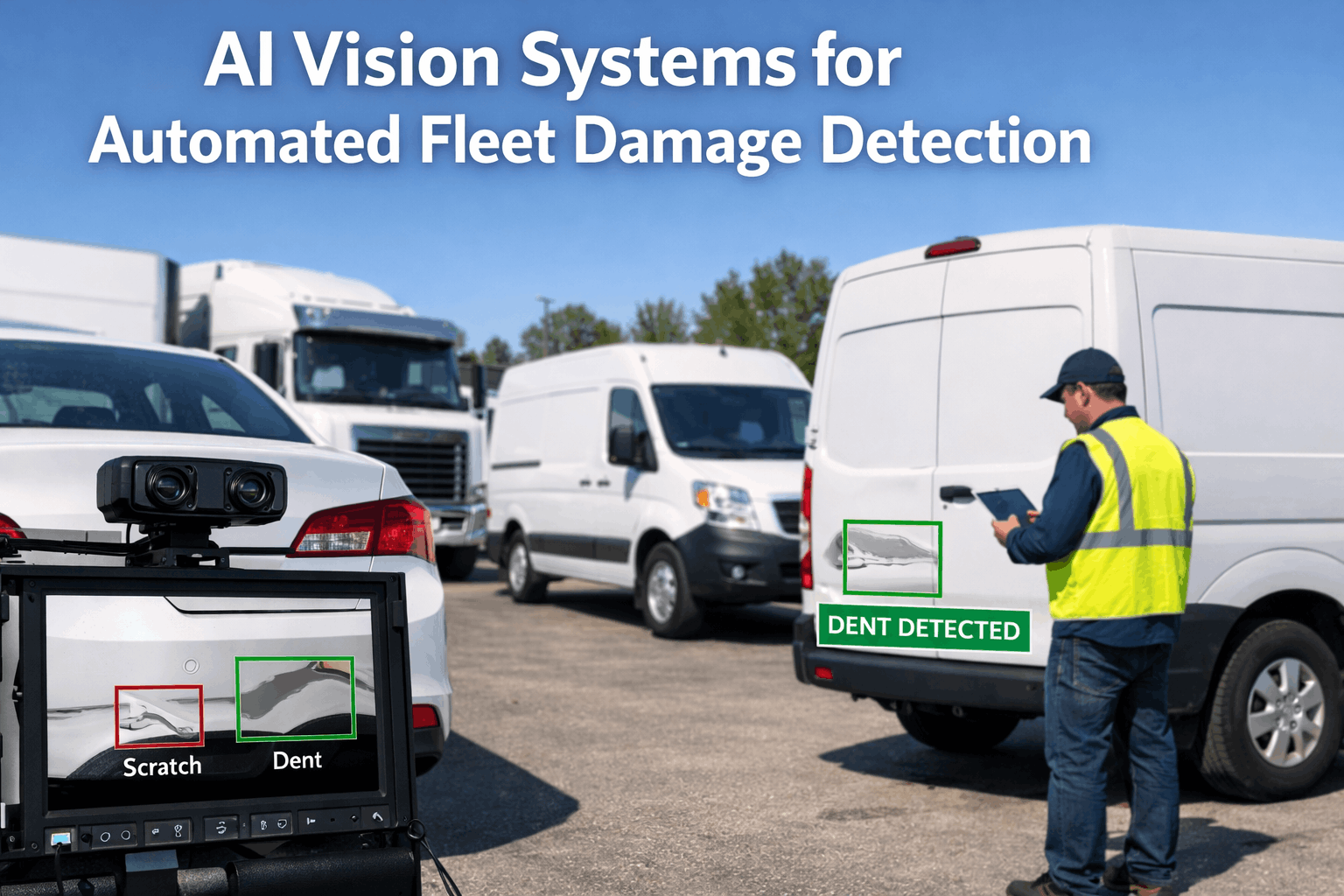
Read More
Fleet managers in 2026 are facing a quiet revolution in how vehicle damage is detected, documented, and resolved. AI-powered vision systems, built on deep learning architectures like YOLO, Mask R-CNN, and EfficientNet, now scan fleet vehicles in s

Read More
Fleet garages are on the edge of a transformation that will redefine how vehicles are inspected, diagnosed, and serviced. Autonomous maintenance robots — powered by AI, machine vision, and advanced sensor arrays — are moving from factory floors in
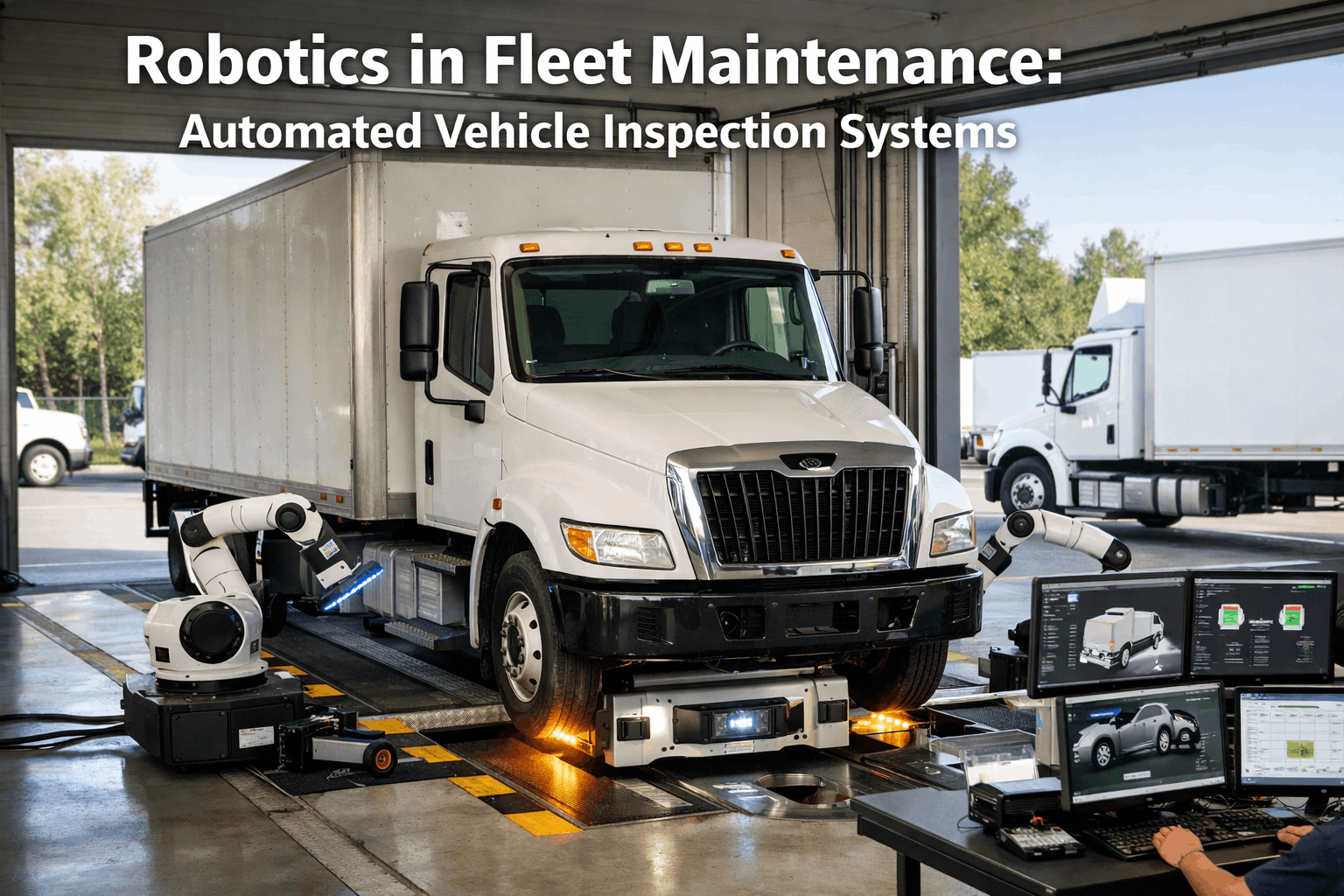
Read More
Fleet maintenance is entering a new era. Where technicians once walked around vehicles with clipboards and flashlights, robotic inspection systems now glide underneath chassis, scan body panels with high-resolution cameras, and detect hairline cra

Read More
On February 12, 2026, an FMCSA auditor arrived at Ridgeline Transport's Denver headquarters for a comprehensive DOT safety audit. The safety director did not scramble. She did not send anyone to dig through filing cabinets, chase down paper DVIRs

Read More
On February 12, 2026, the Environmental Protection Agency finalized the single largest deregulatory action in U.S. history by rescinding the 2009 Greenhouse Gas Endangerment Finding and repealing every federal GHG emission standard for light-, med

Read More
In late 2025, a 400-vehicle refrigerated logistics fleet deployed an AI-powered CMMS that ingested telematics data from every truck in real time — engine diagnostics, reefer unit temperatures, brake wear patterns, tire pressure trends, and driver

Read More
In early 2025, UrbanEdge Logistics — a 200-vehicle last-mile delivery fleet serving three metro areas — was losing $47,000 per month to unplanned breakdowns. Their vehicles averaged 87% uptime, which sounds acceptable until you calculate what that

Read More
When Meridian Freight Solutions — a 120-vehicle regional logistics carrier operating out of three distribution hubs in the U.S. Midwest — ran the numbers on their 2024 fuel spend, the results were alarming. Fuel consumed $1.73 million of their $4.

Read More
In 2026, only 7% of motor carriers pass a DOT compliance review without a single violation. The other 93% face fines, out-of-service orders, or worse. The single most common reason vehicles get pulled off the road during roadside inspections is so
Read More
Fleet maintenance has entered a new era. Instead of waiting for vehicles to break down or relying on rigid calendar-based service schedules, modern fleet operators are turning to artificial intelligence to predict exactly when and wh

Read More
The jump from 4G to 5G is not an incremental upgrade — it is a generational leap that fundamentally changes what is possible in fleet management. With latency dropping from 30-50 milliseconds to under 1 millisecond, capacity incr

Read More
A fleet delivery driver approaches an intersection at 11:43 AM. The light turns yellow at 60 feet. The driver commits to the intersection — standard decision-making under time pressure. A vehicle runs the red light from the left, T-boning the deli

Read More
Fleet remarketing represents the final — and often most financially significant — phase of vehicle lifecycle management. A delivery van purchased for $45,000 depreciates to $15,000-$20,000 over five years of service, but that residual value is far

Read More
Automated Guided Vehicles (AGVs) are no longer experimental technology reserved for mega-warehouses. In 2026, AGV fleets power material handling across fulfillment centers, manufacturing plants, and distribution hubs of every size. The global AGV

Read More
The electric vehicle revolution is no longer a future promise — it is the present reality of fleet operations worldwide. As EV adoption in commercial fleets surpassed 20% global market share in 2025, fleet managers face an entirely new set of main

Read More
Every fleet manager knows the undercarriage is where the most dangerous problems hide. Corrosion silently eats through frame rails, hydraulic lines develop micro-leaks invisible to the naked eye, and structural fatigue goes undetected until a road

Read More
Every fleet manager knows the sinking feeling: a vehicle breaks down mid-route, costing hours of downtime, emergency repairs, and frustrated customers. But what if your vehicles could tell you exactly what was wrong before the breakdown ever happe

Read More
Fleet operations are no longer confined to a single yard or depot. Vehicles are spread across cities, states, and sometimes entire countries. Keeping every asset maintained, compliant, and road-ready is a logistical puzzle that traditional methods

Read More
Fleet human capital management in 2026 extends far beyond basic driver scheduling and payroll processing into sophisticated workforce optimization treating drivers, technicians, dispatchers, and safety personnel as strategic assets requiring syste

Read More
Fleet maintenance has always been a race against time. Every minute a vehicle sits idle in the shop is revenue lost, schedules disrupted, and customers waiting. But in 2026, a powerful shift is underway. Robotics and automation are no longer futur

Read More
Tire-related breakdowns remain one of the leading causes of unplanned downtime in commercial fleets, costing operators thousands of dollars per incident in towing fees, delayed deliveries, and emergency repairs. In 2026, a new generation of roboti

Read More
Fleet electrification represents one of the most significant operational transformations commercial vehicle operators will undertake this decade, combining capital investment decisions, infrastructure development, regulatory compliance, operationa

Read More
Fleet yards are evolving. Across logistics hubs, mining sites, and transportation depots, a new kind of worker is emerging — one that never tires, never misses a checklist item, and navigates complex environments with centimeter-level precision. T

Read More
Fleet managers overseeing hundreds of heavy vehicles know the pain of manual yard inspections — hours of walking, climbing, photographing, and documenting every truck, trailer, and piece of equipment. In 2026, that process is being replaced by som

Read More
Fleet maintenance is entering a new era. In 2026, robotic vehicle inspection systems powered by artificial intelligence and computer vision are no longer futuristic concepts — they are operational tools delivering measurable results across transpo

Read More
Fleet sustainability has transformed from a corporate social responsibility checkbox into a strategic imperative driven by regulatory mandates, customer requirements, operational cost savings, and competitive differentiation in 2026. The convergen

Read More
Fleet operations in 2026 face an unprecedented cybersecurity landscape where connected vehicles, telematics systems, GPS trackers, and integrated management platforms create dozens of potential attack vectors that didn't exist a decade ago. Modern

Read More
Enterprise fleets operating within larger organizations face a unique challenge that standalone operators never encounter: the imperative to integrate fleet operations with corporate ERP systems, particularly SAP, which dominates enterprise resour

Read More
Fleet safety management in 2026 is no longer just about compliance checkboxes and annual training refreshers — it has evolved into a comprehensive Environmental, Health, and Safety (EHS) discipline that treats driver safety, vehicle maintenance, r

Read More
GPS fleet tracking has evolved from a luxury technology reserved for enterprise operations into an operational necessity for any fleet seeking competitive viability in 2026. The transformation isn't just about knowing where vehicles are—it's about

Read More
Fleet tire expenses represent 10-20% of total vehicle operating costs, yet most fleet managers treat tire management as a reactive maintenance issue rather than a strategic optimization opportunity. The harsh reality: improper tire management cost

Read More
Fleet maintenance facilities face a deadly paradox: technicians work daily around hazardous energy sources—hydraulic systems holding 3,000+ PSI, batteries storing 12-48 volts with 500+ cold cranking amps, air brake systems maintaining 120 PSI, sus
.png)
Read More
A regional trucking company received a 48-hour notice for a DOT compliance audit. The operations manager opened their driver qualification files and discovered 23 expired medical certificates, incomplete annual reviews scattered across three filin
.png)
Read More
Operating too many vehicles drains capital through unnecessary depreciation, insurance, and parking costs. Operating too few vehicles creates service delays, driver overtime, and customer dissatisfaction. Fleet right-sizing is the strategic proces
.png)
Read More
Fleet parts inventory management represents one of the most challenging balancing acts in fleet operations—maintain enough inventory to prevent costly downtime, but not so much that capital sits idle on shelves gathering dust. The stakes are signi
-(1).png)
Read More
Fleet mobile app development has transformed from a luxury feature into an absolute necessity for competitive fleet operations in 2026. With drivers spending 90% of their workday away from the office and fleet managers needing instant visibility i
.png)
Read More
Fleet performance benchmarking has evolved from a simple cost comparison exercise into a sophisticated strategic tool that separates industry leaders from the rest. In 2026, with operating costs climbing and profit margins tightening, understandin
-(1).png)
Read More
Fleet communication systems have evolved from basic two-way radios and dispatcher phone calls into sophisticated digital ecosystems that connect drivers, dispatchers, maintenance teams, customers, and management in real-time across web plat
.png)
Read More
Fleet operators leave millions of dollars on the table annually through poor warranty management—paying out-of-pocket for repairs that manufacturers should cover, missing claim deadlines by days, and losing documentation that would have validated
.png)
Read More
Starting a fleet management business in 2026 represents one of the most lucrative opportunities in the commercial transportation sector, with the global fleet management market projected to exceed $52 billion by 2030. The industry is experiencing
.png)
Read More
The fleet management industry stands at the precipice of its most transformative decade in history. Between 2026 and 2030, we will witness the convergence of artificial intelligence, electrification, autonomous systems, and advanced analytics resh
.png)
Read More
Fleet insurance premiums represent one of the largest fixed costs for commercial operators, often consuming 8-15% of total operating budgets annually. Yet many fleet managers treat insurance as an unchangeable expense rather than a controllable va
.png)
Read More
Fleet accidents cost American businesses over 25 billion dollars annually, with 90% of crashes attributed to driver behavior rather than mechanical failure. Yet most fleet managers only discover unsafe driving habits after an incident report lands
.png)
Read More
Fuel costs represent 24% of total fleet operating expenses, with the average commercial fleet spending over $70,000 annually per vehicle on fuel alone. From inefficient routing and aggressive driving to poor veh
-(1).png)
Read More
The average fleet has 15-20% of its vehicles sitting underutilized at any given time. Each idle vehicle costs $8,000-$15,000 annually in carrying costs — depreciation, insurance, registration, parking, and maintenance — whether it moves or not. On
.png)
Read More
Fleet dash cams have undergone a fundamental transformation. In 2026, the leading systems no longer just record — they think. AI-powered cameras now run 30+ neural network models simultaneously, detecting distracted driving, fatigue, tailgating, l
.png)
Read More
Every unnecessary mile your fleet drives is a mile of wasted fuel, wasted driver time, wasted tire wear, and wasted opportunity. For the average delivery or service fleet in 2026, 12 to 20 percent of total miles driven are avoidable — the result o

Read More
Engine teams across the fleet industry lose an average of 15 hours per week on manual paperwork, misidentified parts, and delayed maintenance records. The fix is surprisingly simple — a QR code on every engine asset, connected to a smart CMMS work

Read More
Every fleet manager knows the gut-wrenching feeling of an unexpected brake failure report. A vehicle sidelined, a delivery delayed, a safety incident narrowly avoided. Brake systems are the single most critical safety component on any fleet vehicl

Read More
Every fleet manager knows the gut-wrenching feeling of an unexpected brake failure report. A vehicle sidelined, a delivery delayed, a safety incident narrowly avoided. Brake systems are the single most critical safety component on any fleet vehicl

Read More
Every fleetmanager running diesel-powered vehicles knows the sinking feeling: a truck gets flagged during a DOT roadside inspection for a DEF system malfunction, and suddenly you are facing fines, out-of-service orders, and costly downtime. Diesel

Read More
A truck locked at 5 mph on a busy interstate, a $12,000 repair invoice, anda delivery that missed its window by two days. For fleet managers, this nightmare scenario almost always traces back to one root cause: a Diesel Exhaust Fluid quality issue

Read More
Fuel is the single largest controllable expense for any commercial fleet — typically consuming 35–40% of total operating costs. Yet most fleet operators are leaving thousands of dollars on the table every month by using the wrong fuel card, failin
.png)
Read More
Every motor carrier operating in the United States exists under the regulatory authority of the Federal Motor Carrier Safety Administration — and in 2026, the consequences of non-compliance have never been more severe. A single failed roadside ins

Read More
Every fleet operation has a number it doesn't want to talk about — thegap between what it spends and what it should spend. For most commercial fleets in 2026, that gap sits between 25% and 40% of total operating costs. That's not a rounding error;

Read More
Fleet management in 2026 demands more than intuition and spreadsheets — it requires a disciplined, metrics-driven operating model. The difference between a fleet that hemorrhages money and one that delivers consistent margins often comes down to w

Read More
Fleet accidents cost U.S. businesses over $170 billion annually in workplace injury expenses alone, and commercial auto claim costs have surged by $30 billion since 2012 due to nuclear verdicts and rising repair costs. Yet only 5% of fleets achiev

Read More
The fleet management software market is projected to surpass $30 billion in 2026, growing at a 16.9% CAGR through 2035. Whether you run a 10-vehicle operation or manage thousands of assets across multiple locations, the platform you choose direc

Read More
If you manage a fleet of diesel vehicles, you already know the pain of unexpected DPF regeneration failures. A single DEF system malfunction can sideline a truck for hours, costing youroperation thousands in lost productivity, emergency repairs, a

Read More
This guide provides a complete framework for conducting DEF (Diesel Exhaust Fluid) system inspections, documenting findings with standardized report templates, and maintaining SCR (Selective Catalytic Reduction) compliance across your fleet.

Read More
Diesel Exhaust Fluid (DEF) system failures and Diesel Particulate Filter (DPF) regeneration problems are among the leading causes of unplanned fleet downtime, with each unnecessary forced regen burning through 1 to 1.5 gallons of diesel fuel and t

Read More
Managing Diesel Exhaust Fluid (DEF) systems across a fleet is far more than just topping off a tank every few thousand miles. It involves tracking fluid quality, monitoring SCR catalyst health, scheduling injector inspections, and ensuring every

Read More
Steering system failures remain one of the leading causes of out-of-service violations during DOT roadside inspections. Under 49 CFR Part 396, every motor carrier must systematically inspect, repair, and maintain all commercial motor vehicles unde

Read More
A steering failure at 60 mph isn't just a maintenance problem — it's a lifethreatening emergency. Yet most fleets still rely on reactive or scheduled maintenance to manage one of a vehicle's most critical safety systems. The steering mechanism ope

Read More
Steering inspections have been done the same way for decades — a technician crawls under the vehicle, grabs the tie rod, shakes it, and makes a judgment call. That manual process is slow, inconsistent, and entirely dependent on the inspector's exp

Read More
Ensuring the structural integrity and operational precision of steering systems is a non-negotiable priority for any fleet manager, maintenance supervisor, or industrial operator. Beyond the simple mechanical connection between the wheel and the t

Read More
Your fleet's steering system is the critical link between drivers and safe vehicle control. Studies show that businesses with poor vehicle maintenance have a 65% higher crash rate, and steering system failures account for thousands of roadside bre

Read More
Steering system failures in commercial vehicles can lead to catastrophic accidents, costly downtime, and severe regulatory penalties. A properly maintained steering system is critical for safe fleet operations, yet many fleet managers underestim

Read More
Every organization managing physical assets — whether it is a fleet of heavy vehicles, a network of manufacturing equipment, or a portfolio of facility infrastructure — faces one universal challenge: fragmented data leading to fragmented decisions

Read More
Keeping your fleet's suspension systems compliant with DOT and FMCSA regulations is more than a legal requirement—it's the foundation of road safety and operational efficiency. With penalties reaching up to $15,445 for recordkeeping violations and

Read More
Fleet suspension failures cost businesses an average of $760 per day in downtime, creating a ripple effect that impacts delivery schedules, driver safety, and your bottom line. Traditional inspection methods catch only 30% of developing issues, le

Read More
Suspension failures don't happen suddenly — they develop over weeks and months through gradual shock absorber degradation, air spring fatigue, bushing wear, and ride height drift that manual inspections routinely miss. The number one cause of air

Read More
Every fleet manager understands that suspension systems are the unsung heroes of vehicle safety and performance. These complex assemblies of springs, shock absorbers, and linkages work tirelessly to keep your drivers comfortable, your cargo secure

Read More
Your fleet's suspension system works tirelessly to absorb road impacts, maintain stability under heavy loads, and keep your drivers safe. Yet suspension failures remain one of the leading causes of out-of-service violations during roadside inspect

Read More
Suspension systems are the backbone of vehicle safety and performance in fleet operations. These critical components absorb road shock, maintain proper tire contact with the road surface, and support heavy loads during transportation. For commerci

Read More
Suspension systems are the unsung heroes of fleet safety—they absorb road shocks, maintain tire contact, and keep your drivers comfortable during long hauls. Yet, 82% of companies experience unplanned downtime every year, with s

Read More
Battery failures remain one of the leading causes of roadside breakdowns for commercial fleets. Under federal regulations, specifically 49 CFR Part 396, the Federal Motor Carrier Safety Administration (FMCSA) requires all commercial motor vehicles

Read More
Battery charging system failures represent one of the most insidious maintenance challenges in modern fleet operations. Unlike sudden mechanical breakdowns, charging faults develop gradually through electrochemical degradation, thermal stress accu

Read More
Every fleet manager dreads that early morning call — a vehicle stranded with a dead battery, deliveries delayed, and costs mounting by the minute. Traditional maintenance approaches wait for failure to strike. But what if your system could predict

Read More
Fleet battery failures account for 29% of all roadside breakdowns, costing companies an average of $600–$1,200 per incident in emergency service calls, towing, and lost productivity. Yet the vast majority of thes

Read More
A charging fault is one of the most deceptive failures in fleet operations—vehicles may start fine today but strand drivers tomorrow. When the charging system fails, even a brand-new battery becomes useless within hours. This diagnostic checklis

Read More
Battery failure is the leading cause of non-starts in commercial fleets, representing nearly 40% of all roadside assistance calls. A minor voltage drop is rarely an isolated incident — it is often the first warning sign of parasitic draws, alterna

Read More
Batteries are the silent heartbeat of your fleet. When they fail, assets don't move, deliveries are missed, and emergency service costs skyrocket. Yet, in many operations, battery maintenance is an afterthought—addressed only when a driver turns

Read More
For commercial carriers, fuel system compliance is not just about avoiding fines — it is about maintaining the fundamental license to operate. Under FMCSA Regulation 393.65 and 396.3, a single unsecured fuel line or a weeping tank cap can result i

Read More
A single faulty fuel injector can silently bleed your fleet's profitability dry. In the precision world of modern diesel engines, a nozzle stuck open by a fraction of a millimeter doesn't just waste fuel—it washes cylinder walls with raw diesel, d

Read More
Fuel is the single largest operating expense for most commercial fleets, often exceeding 30% of the total annual budget. Yet, for many operators, a significant portion of that budget vanishes into thin air—or rather, into unauthorized tanks. Fuel

Read More
Fuel efficiency is the pulse of fleet profitability, and the specialized teams managing fuel systems are the guardians of that pulse. In an era where fuel costs account for nearly 60% of total fleet operating expenses, even a minor injector imbala

Read More
Fuel injector faults are among the most expensive drivetrain failures in commercial fleet management, often leading to engine misfires, significant fuel waste, and total engine seizure if left unaddressed. A single faulty injector can reduce fuel

Read More
Fuel theft is a silent drain on fleet profitability, often disguised as "poor fuel economy" or "unexplained idling." In the high-stakes world of logistics, fuel is the largest variable expense, and even a 5% loss due to si

Read More
Fuel theft is a silent drain on fleet profitability, often disguised as "poor fuel economy" or "unexplained idling." In the high-stakes world of logistics, fuel is the largest variable expense, and even a 5% loss due to si

Read More
Ensuring DOT and FMCSA compliance for cooling systems is a critical responsibility for fleet managers that goes far beyond simply checking coolant levels. Thermal management failures are a leading cause of roadside breakdowns and high-severity CSA

Read More
Navigating the rigorous landscape of DOT and FMCSA regulations is a primary challenge for fleet managers, especially when it comes to cooling system maintenance. Maintaining compliance isn't just about passing a roadside i

Read More
Achieving total DOT and FMCSA compliance for cooling system maintenance is a high-stakes requirement that impacts both your fleet’s legal authority and its mechanical reliability. Under federal regulation 396.3, motor carriers must prove a systema

Read More
Cooling system failures are responsible for nearly 40% of all engine-related downtime in commercial fleets. From radiator leaks and thermostat malfunctions to contaminated coolant and failing water pumps, these issues don't

Read More
Transmission overheating accounts for nearly 15% of all transmission-related breakdowns in commercial diesel trucks, often leading to catastrophic failures that cost fleets thousands in repairs and lost revenue. Traditional maintenance approaches

Read More
For fleet managers operating commercial vehicles, transmission maintenance isn't just about keeping trucks running—it's a federal compliance requirement that can make or break your business during a DOT audit. Under FMCSA regulations, every motor

Read More
Your transmission team just completed a major rebuild, but three weeks later the same unit fails again. The culprit is missing documentation from the original repair that would have flagged a worn torque converter. This scenario plays out daily ac

Read More
Navigating the rigorous landscape of DOT and FMCSA regulations is a primary challenge for fleet managers. Maintaining compliance is not just about passing a roadside inspection — it is about ensuring the structural and mechanical integrity of your

Read More
Your engine's oil pressure gauge drops below 25 PSI during idle. Within seconds, metal begins grinding against metal as bearings lose their protective oil film. What follows is a cascade of destruction that can turn a $20

Read More
Every fleet manager dreads that moment—a driver calls in with steam billowing from under the hood, stranded miles from the nearest service station. Engine overheating isn't just an inconvenience; it's a $760-per-hour emer

Read More
Engine maintenance teams face a unique challenge: managing complex service intervals across diverse powertrains while keeping vehicles on the road and operations running smoothly. Without a standardized workflow, critical tasks get missed, mainten

Read More
Tire violations remain one of the top reasons commercial vehicles get placed out of service during roadside inspections. During the 2025 CVSA International Road check, inspectors identified 2,899 tire-related out-of-service violations, accounting

Read More
Uneven tire wear costs commercial fleets millions of dollars annually through premature replacements, increased fuel consumption, and unexpected breakdowns. Traditional inspection methods catch wear patterns only after significant damage has occur

Read More
This guide explores how AI-powered predictive maintenance detects low tire pressure early, integrates with fleet management systems, and delivers measurable returns through reduced downtime and extended tire life.

Read More
Tire-related issues account for thousands of roadside breakdowns and out-of-service violations every year in commercial fleets. The 2024 CVSA International Road check placed special emphasis on tire safety, with inspectors examining tread depth, i

Read More
Uneven tire wear is one of the most overlooked yet costly issues in fleet and vehicle maintenance. It silently drains your budget through premature tire replacements, increases fuel consumption by up to 3%, and puts driver safety at serious risk —

Read More
Tire underinflation is the single most preventable cause of fleet breakdowns, yet it continues to drain profits from operations of every size. Industry data reveals that 95% of all tire failures trace back to low pressure, and a fleet of 100 truck
Read More
Tires are one of the most expensive recurring costs in fleet operations, yet most teams still manage them reactively — replacing after blowouts, guessing rotation schedules, and losing track of service histories buried in spreadsheets. An

Read More
Maintaining strict adherence to the Federal Motor Carrier Safety Administration (FMCSA) brake standards is not just a regulatory hurdle; it is a fundamental component of operational safety and fleet longevity. Every year, brake-related defects con

Read More
In the demanding world of commercial transportation, the reliability of a vehicle's braking system is not merely a maintenance concern—it is a critical safety imperative. Air brake leaks currently represent the second most common vehicle mainten

Read More
Brake system failures remain the leading cause of commercial vehicle out-of-service violations, with nearly 30% of fatal truck crashes linked to brake problems according to FMCSA data. During the 2024 Brake Safety Week, inspectors examined 16,725

Read More
Brake system failures remain the leading cause of commercial vehicle out-of-service violations, with nearly 30% of fatal truck crashes linked to brake problems according to FMCSA data. During the 2024 Brake Safety Week, ins
Read More
Brake system failures are not just a maintenance headache; they are a critical safety risk that can lead to catastrophic accidents, legal liabilities, and massive operational downtime. For specialized brake teams in the fleet industry, the chall

Read More
Thermal management is the fundamental pillar of engine reliability, acting as the primary defense against the high-stress environment of commercial drivetrain operations. A professional Cooling System Inspection Guide is not merely a checklist but

Read More
Your fleet's cooling fan is the primary line of defense against catastrophic thermal failure, yet it remains one of the most overlooked components until a driver is stranded with a billowing hood. A cooling fan failure isn't just a minor maintenan

Read More
A single coolant leak might seem like a minor nuisance, but in the world of fleet management, it is a ticking time bomb. Cooling system failures account for nearly 40% of all engine-related breakdowns, with a catastrophic overheat potentially lead

Read More
Transmission slip is one of the most expensive and disruptive failures in commercial fleet operations, often costing thousands in emergency repairs and causing days of unplanned downtime. With AI-powered predictive maintenance from Oxmaint, fleet

Read More
A single transmission failure can disrupt an entire supply chain, leading to thousands of dollars in repair costs and lost revenue. In the high-stakes world of fleet management, reactive maintenance is no longer a sustainable strategy. By implemen

Read More
A transmission slip is more than a minor mechanical hiccup; it is a critical warning sign of internal pressure loss, friction plate wear, or solenoid failure. For heavy-duty fleets, ignoring a "slip" can lead to a catastr

Read More
Transmission overheating remains one of the most preventable yet devastating failures in heavy-duty fleet operations. When fluid temperatures exceed 220 degrees Fahrenheit, transmission fluid loses nearly half its lubricating capability, triggerin

Read More
Fleet managers know that engine failures don't just happen overnight—they build up through missed warning signs, skipped inspections, and reactive maintenance habits. A comprehensive engine inspection routine is your first line of defense against

Read More
Engine overheating is responsible for 40% of all roadside breakdowns in commercial fleets—and the average repair bill exceeds $15,000 when it leads to catastrophic engine failure. The good news? Nearly 80% of these failures are completely preventa

Read More
Your fleet's brakes are the last line of defense between your drivers and disaster. Yet brake pad wear remains one of the most overlooked maintenance items until it's too late—when grinding metal damages rotors, stopping distances double, or worse

Read More
Your fleet's brakes are the last line of defense between your drivers and disaster. Yet brake pad wear remains one of the most overlooked maintenance items until it's too late—when grinding metal damages rotors, stopping distances double, or worse

Read More
Nearly 10% of automatic transmission failures trace back to issues that could have been caught with systematic inspection. At $4,000 to $10,000 for a replacement—plus towing, downtime, and missed deliveries—a failed transmission doesn't just hurt

Read More
The same engine keeps failing. Different trucks, same problem. You've replaced the turbocharger three times this quarter, and each time the technician marks the work order complete. But nobody asks why the turbocharger keeps failing—they just inst

Read More
Your engine is talking. Every vibration pattern, temperature fluctuation, and pressure reading tells a story about what's happening inside—and what's about to happen. The difference between fleets that experience roadside breakdowns and those that

Read More
Your fleet's brakes are the last line of defense between your drivers and disaster. Yet brake pad wear remains one of the most overlooked maintenance items until it's too late—when grinding metal damages rotors, stopping distances double, or worse

Read More
The auditor asks for your engine inspection records from March. You pull up the folder—some paper forms, a few phone photos, and notes scattered across three different systems. Forty minutes later, you're still searching while the auditor waits. S

Read More
That check engine light has been on for eleven days. Your driver mentioned a slight hesitation during acceleration last Tuesday—but the truck keeps running, so it keeps driving. Meanwhile, the engine oil is slowly degrading, a coolant leak is wors

Read More
A Midwest transit authority discovered their fuel system failures weren't random—they were predictable. After tracking maintenance vendor performance across 180 buses for 18 months, a pattern emerged: one vendor's fuel injector repairs had a 34% c

Read More
A Texas fleet manager received a call no trucking operator wants: FMCSA auditors arriving in 48 hours. His 35-truck operation had paper DVIRs scattered across three terminals, maintenance records in filing cabinets nobody had organized in months,

Read More
A Phoenix car rental operator watched $127,000 in potential revenue vanish in a single quarter—not from lack of customers, but from vehicles sitting in service bays instead of on rent. With a 150-vehicle fleet averaging 8.5 days of unplanned downt

Read More
A fuel injector fails on Unit 23 at 7:42 AM—right as your driver begins a 147-stop residential route. Within minutes, you're scrambling: backup truck unavailable, 2,400 households expecting pickup, municipal contract SLA cl

Read More
It's 2:47 PM. Your delivery van throws a check engine light 45 minutes from the depot with 6 stops remaining. Your dispatcher digs through filing cabinets looking for that vehicle's service history. The driver waits roadsid

Read More
Fuel System Diagnostics and Uptime: KPI Framework for Rental Fleets | Oxmaint CMMS for Fleet Management Actionable strategies to optimize fleet management with Oxmaint CMMS—predi

Read More
When a drilling operation in West Texas lost $340,000 in a single week due to unplanned fuel system failures across their transport fleet, the root cause wasn't mechanical—it was invisible. Contaminated diesel had been silently d

Read More
Last month, a fleet manager in Texas watched his $480,000 Tesla Semi lose 23% battery capacity in just 18 months. The culprit? His drivers had been fast-charging at 350kW stations during Arizona summer runs—when battery temperatur

Read More
The DOT inspector just pulled into your yard—unannounced. Your dispatcher is scrambling through filing cabinets for DVIR records while a driver searches his truck for the ELD printout from last Tuesday. Meanwhile, your IFTA quart

Read More
Your delivery driver just called—another roadside blowout, the third this month from the same tire vendor. Meanwhile, the brake pads you ordered "next-day" still haven't arrived after five days, and three trucks are sitting idl

Read More
Your excavator just threw a fault code 200 miles from the nearest dealer. The concrete mixer's engine temperature spiked twice last week—and nobody noticed until it overheated on the highway. Meanwhile, your dispatcher is juggl

Read More
Your excavator sat idle for 3 days waiting for a hydraulic pump that should have been replaced last month. The $4,200 pump wasn't the real cost—it was the $47,000 in lost productivity, rental fees and contract penalties that followe

Read More
Monday morning. A 1-star Google review hits your Phoenix location: "Broke down on I-10 in 115°F heat with my family. Waited 3 hours for a tow. Never renting here again." The vehicle? A 2023 Chevy Tahoe that passed inspection 18 hours earlier. What

Read More
The state auditor arrives unannounced at your public works department. They want maintenance records for every vehicle that responded to last winter's snow emergency—47 trucks, 3,200 service hours, and 14 months of documentation. Your fleet manage

Read More
Your driver is 847 miles from the terminal when the check engine light illuminates. The telematics system shows fault code SPN 102—intake manifold pressure sensor. Is this a "limp home" situation or a "stop immediately" emergency? Your dispatcher

Read More
Your CAT 980 loader sits idle at the quarry—front tire shredded, rim damaged. The parts room has filters and belts, but no $6,200 replacement tire. Your tire vendor promises delivery "sometime tomorrow." Meanwhile, the concrete batch plant waits,

Read More
Your 45-passenger coach just recorded 4.2 MPG on a route that averaged 6.1 MPG last quarter. That's $847 in extra fuel costs per week—$44,000 annually from a single vehicle. The driver reports "everything feels normal." Your mechanic found nothing

Read More
It's 2 AM and your lead tanker's transmission fails 140 miles from the nearest service facility in the Permian Basin. Three trucks behind it are now stranded. The vendor's emergency line goes to voicemail. When someone finally arrives eight hours

Read More
Your regional delivery fleet burned through $847,000 in tire expenses last year—but here's what the invoice doesn't show: $312,000 of that was preventable. Premature replacements from improper inflation, misalignment-driven wear

Read More
Mile marker 247 on I-80 in Wyoming. Temperature dropping to 12°F. Your driver calls dispatch: "Engine's overheating and I'm losing power." The clock starts now. Every minute that truck sits disabled costs $127 in lost revenue, a

Read More
The maintenance manager at Heartland Freight stared at the yard through his office window: 14 trucks waiting for service, 6 maintenance bays sitting empty, and drivers burning through their Hours of Service while parts sat on

Read More
Your fleet manager discovers a $12,500 DOT compliance penalty because a critical brake inspection record was "somewhere in the filing cabinet." Three technicians swear they completed the work, but without documentation, you are p

Read More
Your excavator operator radios from the jobsite: "Unit 47 is throwing a warning light—hydraulic temperature." The $380,000 machine sits idle while you scramble to diagnose remotely. Is it a sensor glitch? Failing pump? Low fluid? Without

Read More
Your Class 8 electric truck alerts "Battery Degradation Warning" 180 miles from the depot. The driver reports 23% less range than last month. Is it a failing cell module? Charging behavior? Thermal management issue? Software calibration? Without s

Read More
Every Monday morning, the public works director walks into the municipal fleet shop to find the same scene: three garbage trucks waiting for service, two police cruisers blocking bay access, a fire apparatus taking up two b

Read More
A mid-sized oil and gas logistics company operating 127 vehicles across remote well sites in the Permian Basin faced escalating costs from unplanned breakdowns—averaging $47,000 per incident when factoring in tow

Read More
Mile 847 of a 1,200-mile haul. Your driver notices the engine temperature climbing but dismisses it—the gauge has been "running hot" for weeks. Sixty miles later, the truck is on the shoulder with a blown head gasket. A $200 therm

Read More
A fuel filter replacement request sits in a technician's paper inbox at Depot A while the same truck breaks down 200 miles away at Depot C. The service history exists—somewhere—but no one at the remote location can access it. Thre

Read More
The wellsite supervisor watches the vacuum truck idle at the gate—third breakdown this month. The operator reports a hydraulic pump failure that should have been caught during the last service interval, but the paper-based PM sche

Read More
The rental fleet manager stares at three spreadsheets, two whiteboards, and a stack of paper inspection forms. The 340-vehicle fleet runs on tribal knowledge—veteran technicians know which trucks need early oil changes, which trail
Total Posts:
Fleet Operators Using Oxmaint
How Different Fleet Operations Put Oxmaint Software to Work
A long-haul carrier, a last-mile van operator, a construction fleet on engine hours and a rental operator — four typical deployments.
Use Case 01
Long-Haul Trucking
Keeping Class 8 Tractors Compliant and Uptime-Positive Across a National Footprint
The Situation
A long-haul carrier ran Class 8 tractors across a multi-state network of garages. Paper DVIRs sat in cab booklets for weeks, mileage PM lived in spreadsheets that never matched dispatch, and DOT audit prep meant days of file-hunting.
How Oxmaint Helped
Every tractor and trailer was registered by VIN. Drivers filed DVIRs on mobile, defects auto-flagged the unit and opened a shop WO, mileage PM triggered at threshold, and audit packs exported by VIN in minutes.
Every unit
One CMMS record
Digital DVIR
Driver app to shop
DOT-ready
Audit packs in minutes
Oxmaint Modules Used
VIN-Based Vehicle Register
Every tractor and trailer catalogued by VIN, model, class and warranty, replacing spreadsheets that never agreed.
Digital DVIR Workflow
Drivers completed DVIRs on mobile — any defect flagged the unit out-of-service and opened a WO for the next garage.
Mileage-Based PM
A, B and C intervals per tractor class — WOs generated and parts reserved at the threshold, not after a breakdown.
DOT Compliance Records
Annual inspections, roadside reports and DVIR history attached to each VIN, exportable by unit or date.
Use Case 02
Last-Mile Delivery Fleet
Keeping High-Turnover Van Fleets Rolling During Peak Season
The Situation
A last-mile operator ran hundreds of cargo vans across metro zones. Mileage piled on fast and PM slipped, peak-season breakdowns cascaded into route failures, and with drivers rotating only the last mechanic knew a van's history.
How Oxmaint Helped
Every van carried a QR label in the cab, so any driver could open its full history from their phone. Mileage PM ran continuously, and fleet-wide analytics showed which units were breaking economics.
Every van
QR-tagged, tracked
Auto PM
Mileage triggers
Peak-ready
Uptime protected
Oxmaint Modules Used
QR-Tagged Vehicle Access
A QR sticker in every cab — scan to see the van's service history, warranty status and open work orders.
Continuous Mileage PM
Odometer data from telematics meant PM triggers never relied on driver memory, whatever the rotation.
Vehicle Lifecycle Data
Every intervention accumulated, backing retire-vs-refurbish calls with real spend and downtime data.
Fleet-Wide Analytics
Cost per mile, uptime and repair frequency compared van-to-van, surfacing which units eroded route economics.
Use Case 03
Construction & Heavy Equipment
Engine-Hour PM for Off-Highway Machinery Across Multiple Job Sites
The Situation
A construction fleet ran excavators, loaders and mixers across multiple job sites. Machines ran on engine hours not miles, moved between projects untagged, PM logs sat in a paper notebook, and a down excavator delayed whole projects.
How Oxmaint Helped
Every machine was QR-tagged with its engine-hour PM intervals. Operators updated hour readings on mobile, and equipment carried its full history between sites — so arriving mechanics knew what was due.
Every unit
QR-tagged
Hours-based
PM triggers
Site-portable
History follows equipment
Oxmaint Modules Used
Engine-Hour PM Triggers
Each excavator, loader and mixer carried its own hour-meter thresholds, matching real wear not a spreadsheet estimate.
QR-Tagged Equipment
Operators and travelling mechanics scanned a QR label on any site for hour readings, past service and open WOs.
Site-Mobile Work Orders
Repairs and PM travelled with the equipment — no history lost when a loader moved to another project.
Parts & Fluids Inventory
Hydraulic fluids, filters and cutting edges tracked with automatic reservation on every hours-based PM.
Use Case 04
Rental & Leasing Fleet
Turnaround-Ready Units Between Rental Cycles
The Situation
A rental operator managed hundreds of cars, vans and trucks across multiple locations. Every cycle demanded fast inspection turnaround, damage claims were fought without documentation, and utilisation targets pushed PM slippage.
How Oxmaint Helped
Every unit was registered with pre- and post-rental inspection checklists. Staff completed digital condition checks on mobile with photo evidence, and PM ran regardless of utilisation pressure.
Fast turnaround
Digital inspections
Photo evidence
Damage documented
Resale-protected
PM discipline
Oxmaint Modules Used
Rental Turnaround Inspections
Pre- and post-rental checklists ran on mobile, capturing tire tread, body condition and interior wear in photos.
Damage Documentation
Condition in and out of each cycle captured with time-stamped photos, backing claims with before-and-after evidence.
Utilization-Independent PM
Mileage-based PM ran on schedule regardless of rental demand, protecting resale value instead of deferring service.
Multi-Location Portfolio View
Each location its own site — regional managers saw utilisation, condition scores and PM compliance in one dashboard.
Connected Fleet Stack
Oxmaint Sits Alongside Your Telematics, Fuel Cards and ERP
Odometer, engine hours and fault codes update automatically from telematics, with fuel-card feeds for cost and ERP integration across every garage.
Explore All Integrations


FAQ
Frequently Asked Questions About Oxmaint Software for Fleet Management
Long-haul carriers running Class 8 tractors, last-mile van fleets, construction fleets with off-highway equipment, and rental and leasing operators. Mileage, engine-hour and calendar PM run side-by-side, so one deployment covers on-highway vehicles, equipment and trailers in a single register.
Yes. Mileage-based (A, B and C thresholds), engine-hour based, calendar-based and deadline-driven triggers all run — often layered on the same unit. Every task auto-generates a work order with linked parts kit and assigned mechanic.
Yes. Drivers complete DVIR checklists before pulling out and at end-of-shift. Any defect flags the vehicle out-of-service and opens a corrective work order, holding the unit from dispatch until a mechanic closes it with photo evidence and an e-signature — all captured against the VIN.
Yes. DVIRs, annual DOT inspections, roadside reports and shop safety sign-offs attach to the vehicle VIN as immutable evidence. When an FMCSA auditor or insurance adjuster asks, filter by VIN, date or driver and export a complete audit pack in seconds.
Yes. Telematics providers push odometer readings, engine hours and fault codes into the CMMS automatically, driving mileage-based PM without manual meter entry. Fuel-card feeds bring consumption and cost in, so cost per mile and MPG appear in dashboards, and ERP integrations move cost data without re-keying.
Yes. Every vehicle carries life-cycle records for tires (position, tread depth, install mileage), batteries (install date, cycle count) and warranties with expiry alerts. Each part swap and claim writes to the unit's history — so whether Truck #47's tires need rotation or retirement is answered instantly.
Choose the CMMS Built for Fleet Management
Join 1,000+ maintenance teams running work orders, mileage-based PM, DVIR inspections, part inventories and DOT compliance in one CMMS.