When sortation Drive 7 seizes during a peak shift moving 80,000 parcels, the repair invoice is the smallest number on the page. The real bill reads differently: $14K in lost throughput, $8K in SLA penalties across three priority contracts, $3.2K e
Oxmaint helps delivery operators, courier networks and last-mile fleets manage work orders, digital DVIRs, mileage-based preventive maintenance, parts inventory and DOT compliance records for every van, truck and trailer — from one platform.
Vehicles Live
Open WOs
PM On-Time
DVIR Pass
AI Vision · VAN-087 tyre wear flagged
Photo attached · WO created · Tech assigned
Mileage PM · TRK-142 brake service due
Threshold reached · Parts auto-reserved
QR Scan · DVIR completed on VAN-203
Photos attached · Checklist complete · Synced
Inventory · Brake pad kit auto-reserved
Stock updated · Reorder alert raised to purchasing
From vehicle registry to automatic work orders across every depot.
Register every van, truck and trailer by VIN, QR-tag each unit and connect your telematics feed.
Set mileage, engine-hour and calendar PM per vehicle class, then roll the app out to drivers.
DVIR defects and PM thresholds auto-create WOs with parts reserved and a technician assigned.
Track PM compliance, DVIR pass rate, cost per vehicle and uptime — DOT-ready exports by unit or date.
AI Vision turns existing dash cams and depot cameras into a continuous inspection layer — flagging tyre wear, body damage, fluid leaks and load-securing issues without a manual walk-around. Anything flagged becomes a prioritised work order with photo evidence attached to the vehicle record before it leaves the yard.
Tread depth, sidewall damage & leaks
Dents, scratches & collision indicators
Flagged before the vehicle departs
Detection · WO · tech assigned
Tyre wear flagged on VAN-087 · photo attached
Load secured · Nothing flagged
Body dent on TRK-318 · logged to asset
Fluid leak check normal · No drips
Oxmaint connects to the telematics, OBD ports and OEM feeds already on your vans and trailers, tracking brake wear, tyre pressure, engine hours and battery condition against each unit's own baseline. When a reading drifts, a proactive work order is generated with parts reserved and the technician assigned.
Direct fleet device & OEM integration
Compared against each vehicle's baseline
Auto-created with parts & bay slot
Health scores per van & truck
Wear at 72% · Brake pad kit auto-reserved
Pressure trending low · WO scheduled for next depot return
All parameters within baseline · No action required
Tag every van, truck, trailer and refrigeration unit with a QR label — one scan shows VIN, health score, last service, open WOs and full history. One tap runs a digital DVIR, creates a work order or reports a fault with the vehicle already linked, and it works fully offline in low-signal delivery zones.
Health score, history & open WOs
One tap from the scanned vehicle
Syncs when connection restores
Generate for all fleet vehicles at once
Depot: North Hub · VIN: 1FTBW2C**042
Maintenance History
WO-8412 · Oil & filter change · Completed 18d ago
DVIR · Tyre check · Photos attached
WO-8261 · Wiper replacement · Completed 42d ago
Work orders, DVIRs, PM schedules, parts, purchasing, compliance, analytics and telematics in one CMMS.
Digital pre- and post-trip DVIRs with photo capture and templates per vehicle class. Failed items trigger corrective work orders instantly.
Plain-language summaries of completed WOs, open defects and follow-ups — nothing lost between shop shifts or depot handovers.
Task sequencing for annual fleet overhauls and workshop shutdowns — scope work, allocate parts, assign vendors and track progress.
Parts inventory across depots with automated reorder alerts — parts auto-reserved before the vehicle rolls into the bay.
DOT-ready audit trails and e-signed inspection records against every VIN, plus incident reports with 5-Why root cause analysis.
Live dashboards and scheduled reports for PM compliance, DVIR pass rate, cost per vehicle and uptime across every depot.
POs raised from reorder points with approval routing — linked to work orders and fuel cards so every cost traces to a vehicle.
Bidirectional sync with telematics, OEM feeds, fuel cards and accounting — odometer, WOs, parts and costs move both ways.
When sortation Drive 7 seizes during a peak shift moving 80,000 parcels, the repair invoice is the smallest number on the page. The real bill reads differently: $14K in lost throughput, $8K in SLA penalties across three priority contracts, $3.2K e
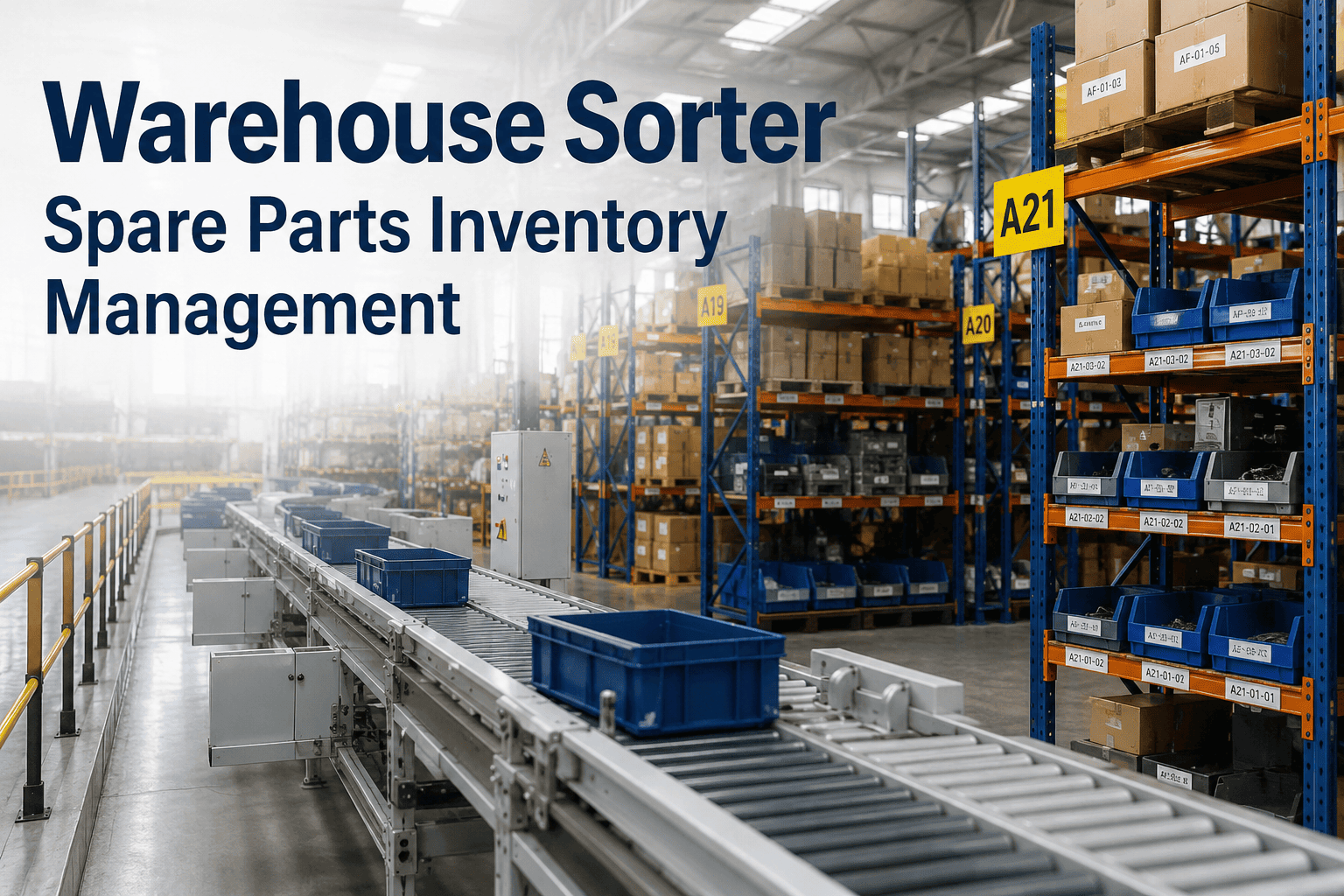
The spare diverter module that would have brought your sorter back in twenty minutes is sitting in a warehouse halfway around the world, on a sixteen-week lead time, while cartons back up behind a dead divert lane and trucks idle at the dock. Or t
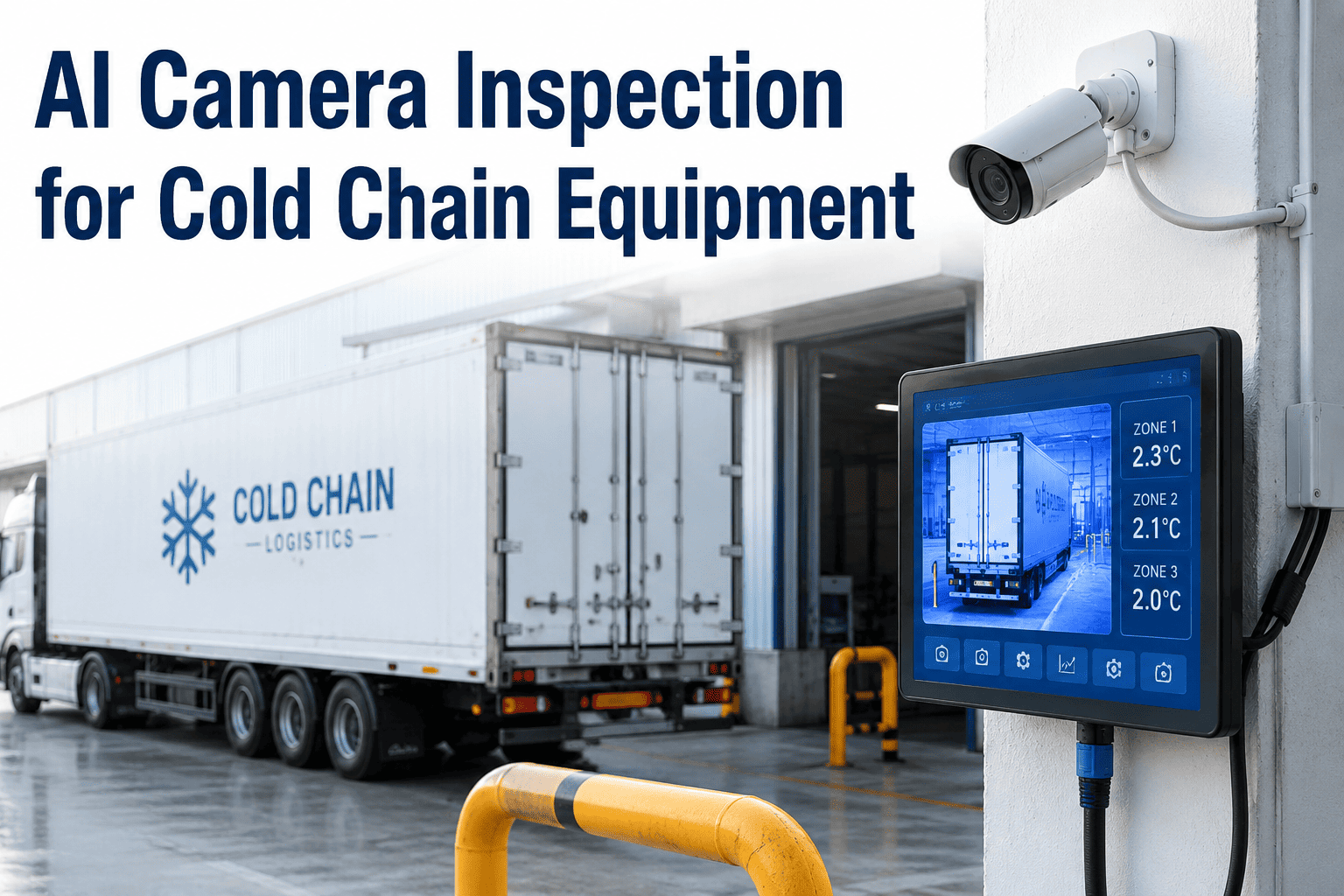
A reefer failure is invisible until the cargo is already lost. A hairline oil stain at a refrigerant fitting, a quarter-inch compression set in a door gasket, the first feathering of ice on an evaporator coil — none of it trips an alarm, none of i

A cold room compressor almost never dies in silence. Weeks before it seizes, it starts telling you — the amp draw creeps up, the suction pressure drifts, the bearings hum at a frequency no one is listening for, and the discharge temperature climbs
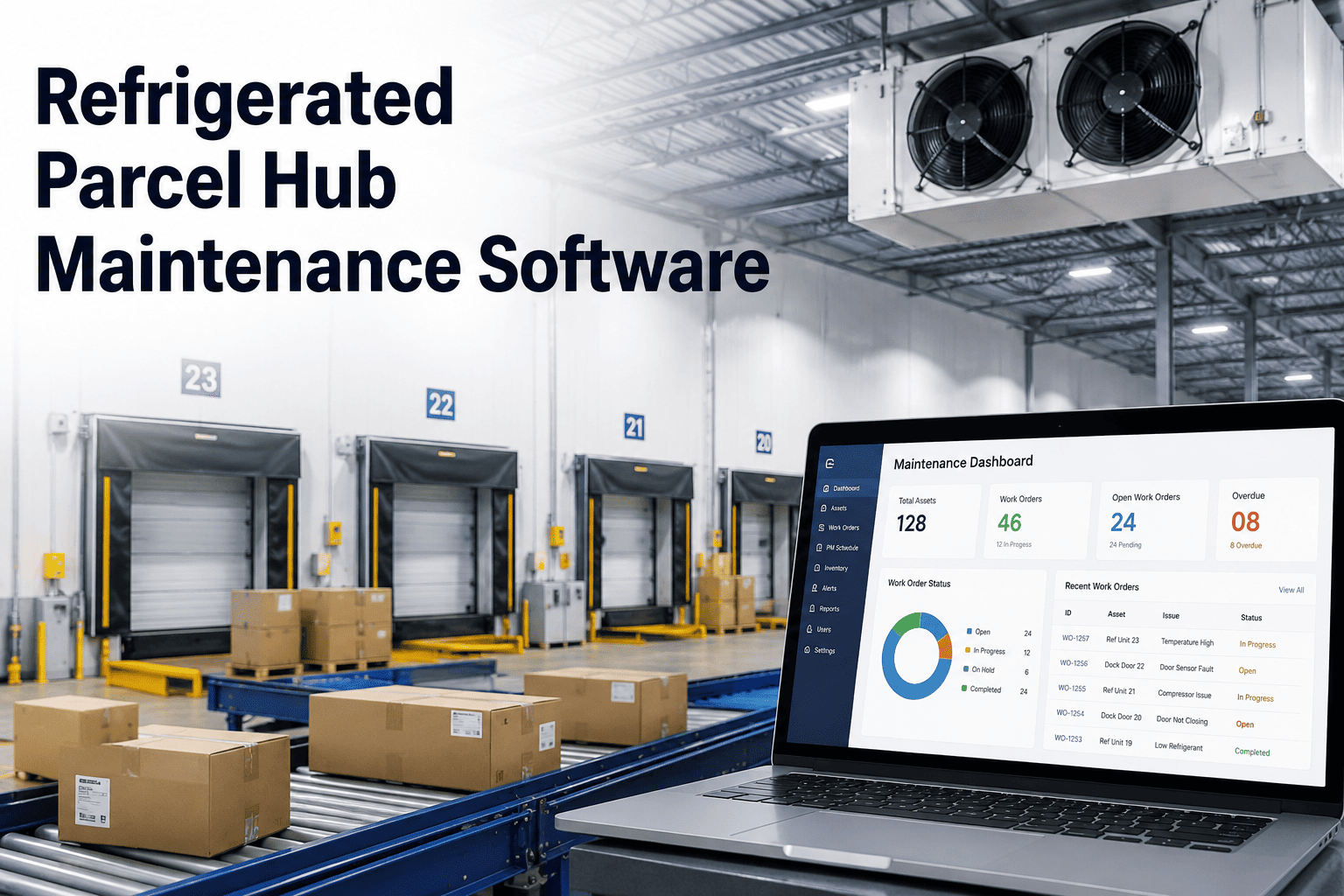
A refrigerated parcel hub is not one cold room — it is a fleet of assets working in series. Compressor racks, condensers, evaporators, walk-in coolers, blast freezers, door seals, defrost controls, and temperature loggers each have their own failu
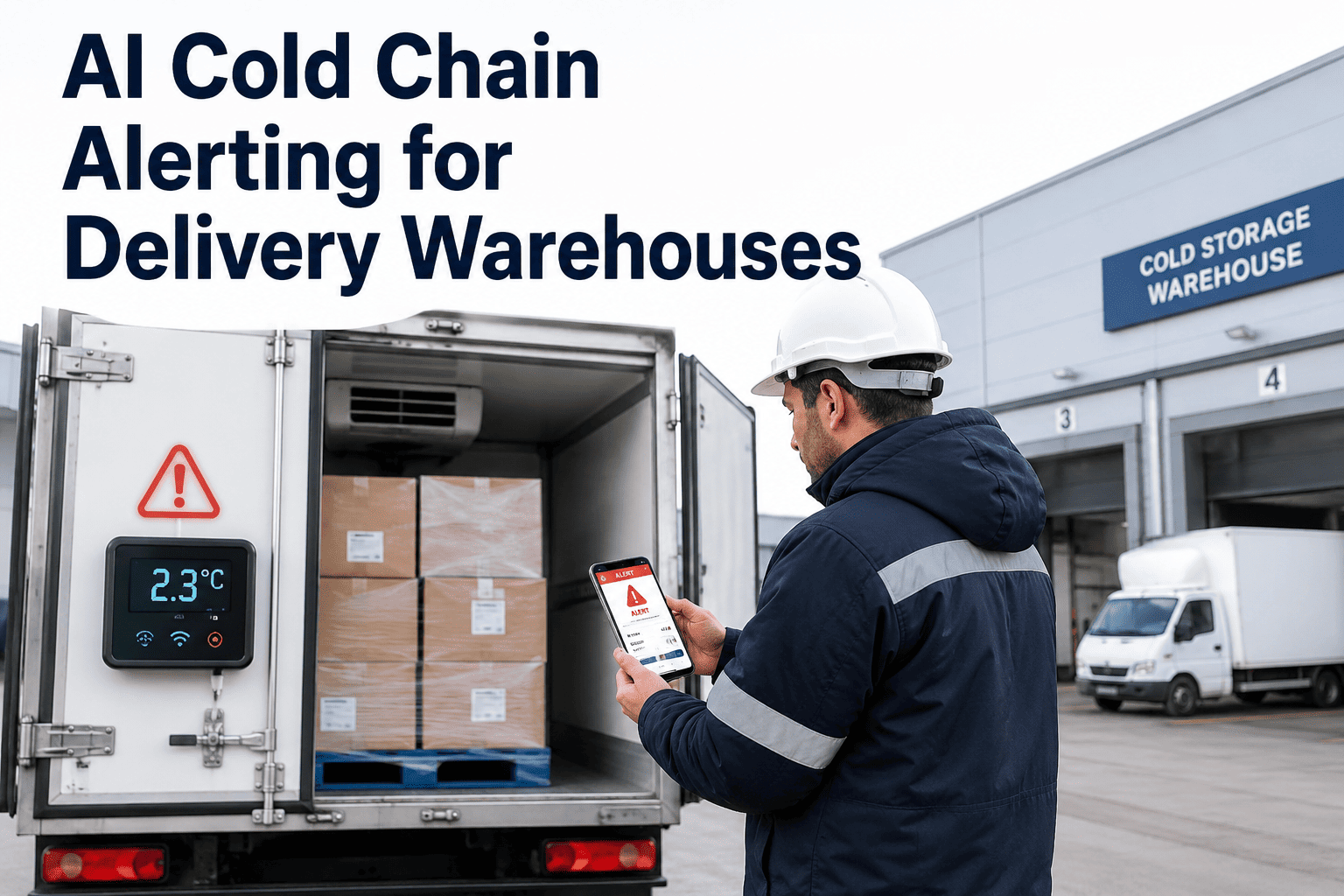
In a delivery warehouse, a refrigeration compressor does not fail all at once — it drifts. Suction pressure climbs, a fan motor draws more current, a freezer zone warms half a degree per hour overnight, and by the morning shift an entire dock of p
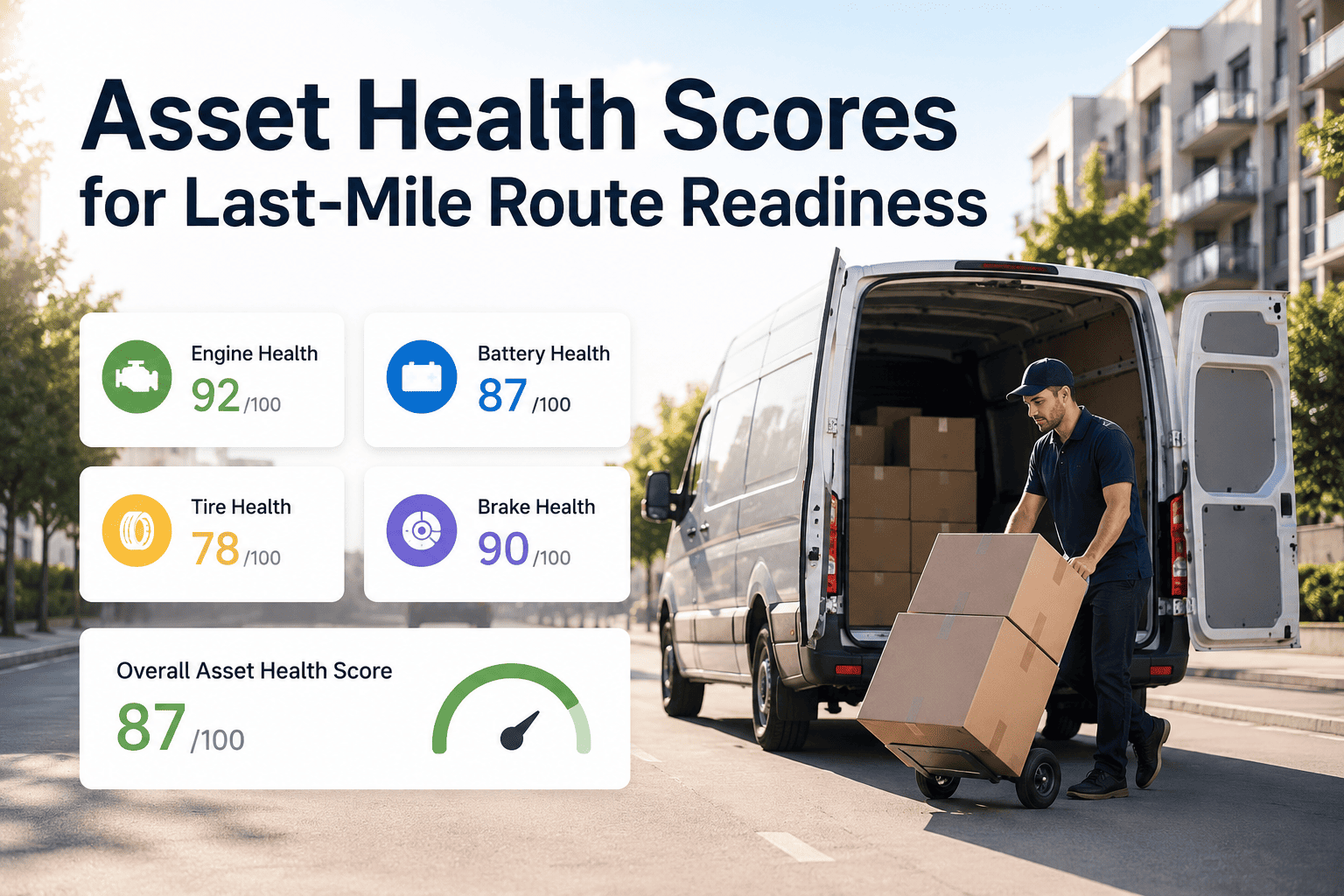
At 06:00 the dispatch board lights up in rows of Ready, Caution, and Workshop, and the Caution row is what turns a normal morning into a fire drill. Three vans on the screen look fine on the lot, drove fine yesterday, and still shouldn't be sent o

A delivery van's transmission begins broadcasting vibration patterns nineteen days before it strands a driver mid-route, but if no one is reading the signals the breakdown still feels sudden — and so does the rescheduled customer, the emergency to
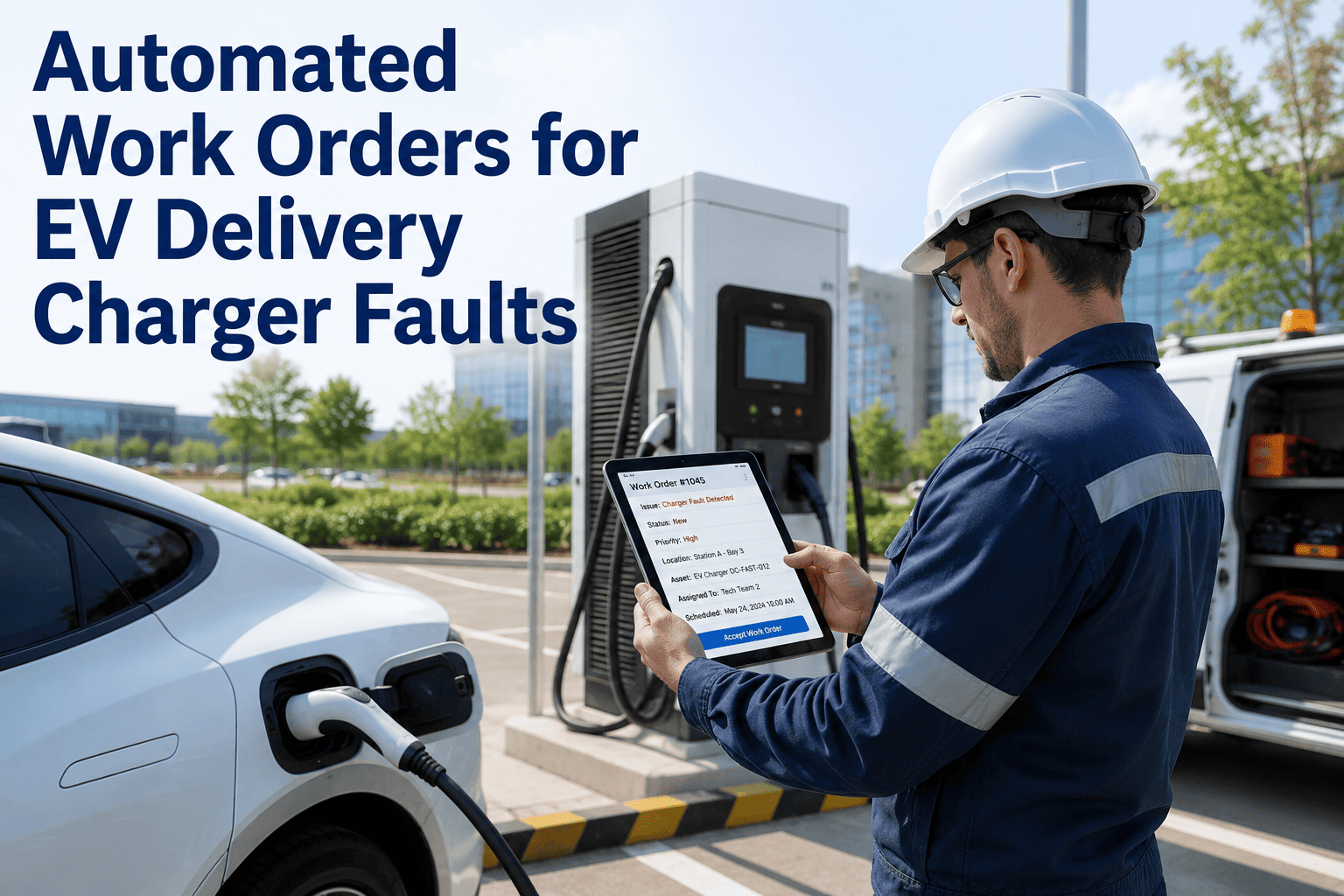
A charger at the back of the lot throws an intermittent fault at 2 a.m., a driver logs a "won't charge" defect on van 14 the next morning, and a telematics feed quietly flags a voltage drop nobody's watching. Three signals, one real problem, and i
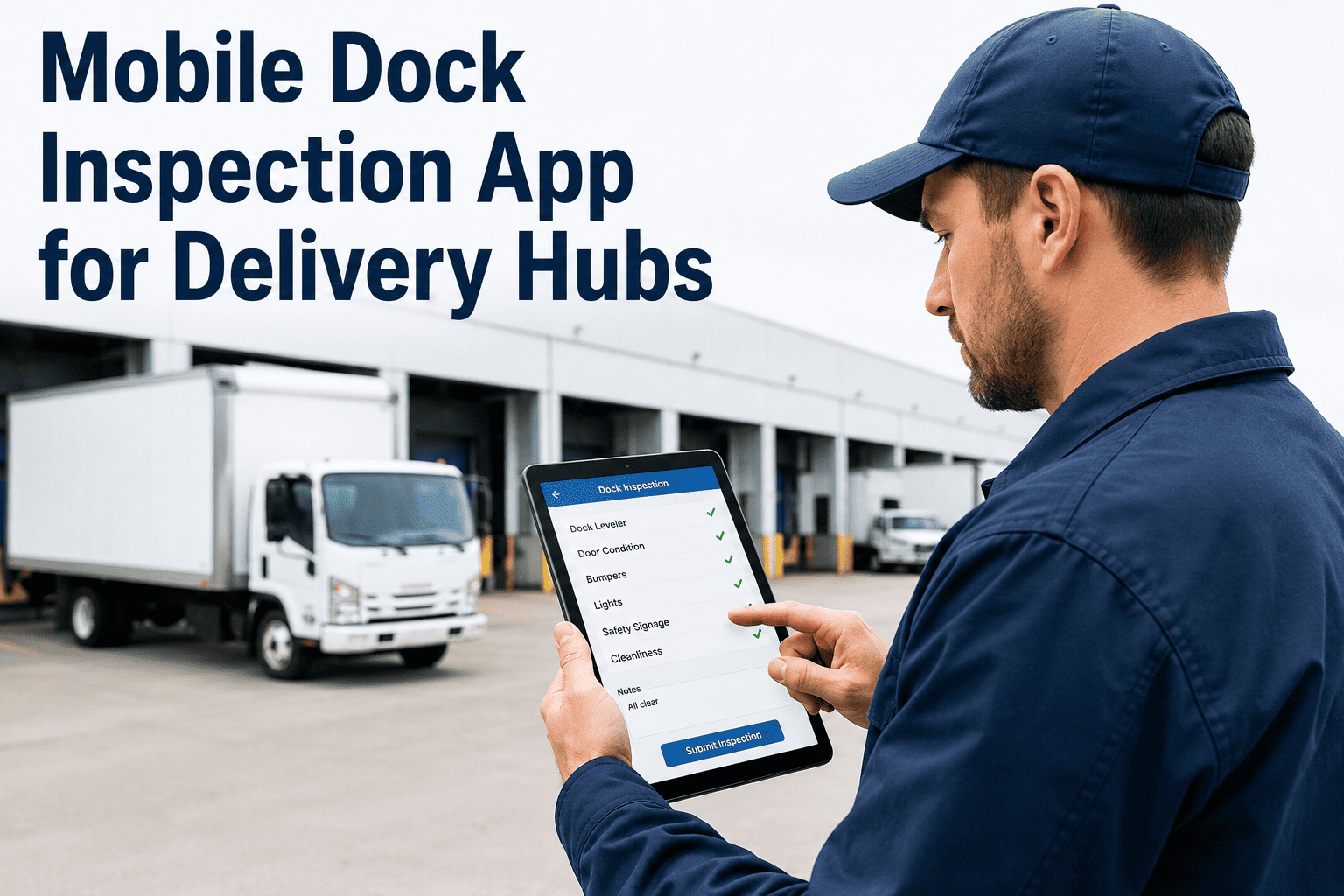
A driver pulls into the dock at 5 a.m. and notices the leveler plate is grinding instead of gliding. He has thirty seconds before the next truck backs in, and the only record of that grind is whatever he remembers to mention at the end of his shif
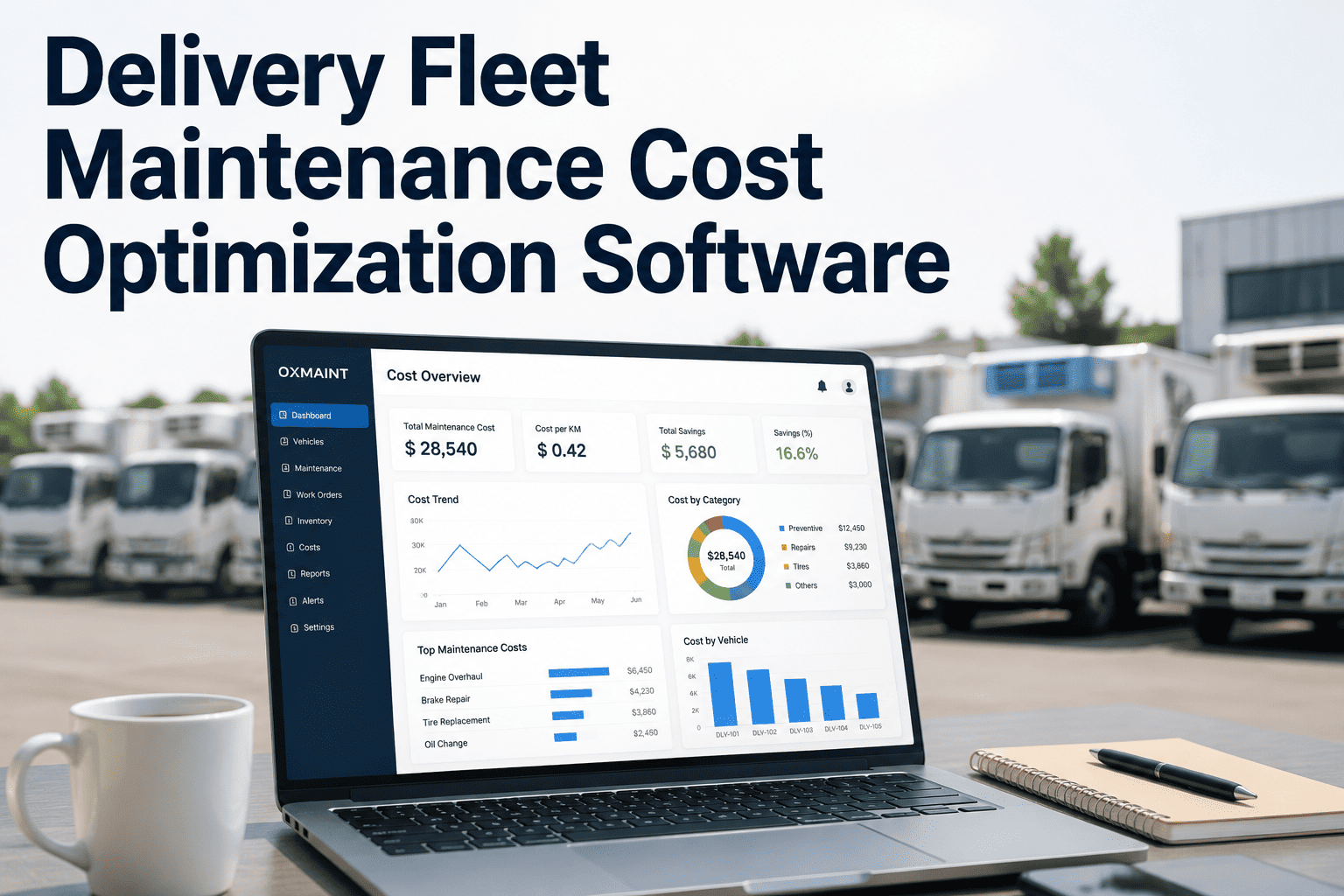
Most delivery operations know their maintenance budget to the dollar and still have no idea where it actually goes. The number on the monthly report is real, but it hides three quiet leaks — the same repairs done over and over, a handful of vehicl
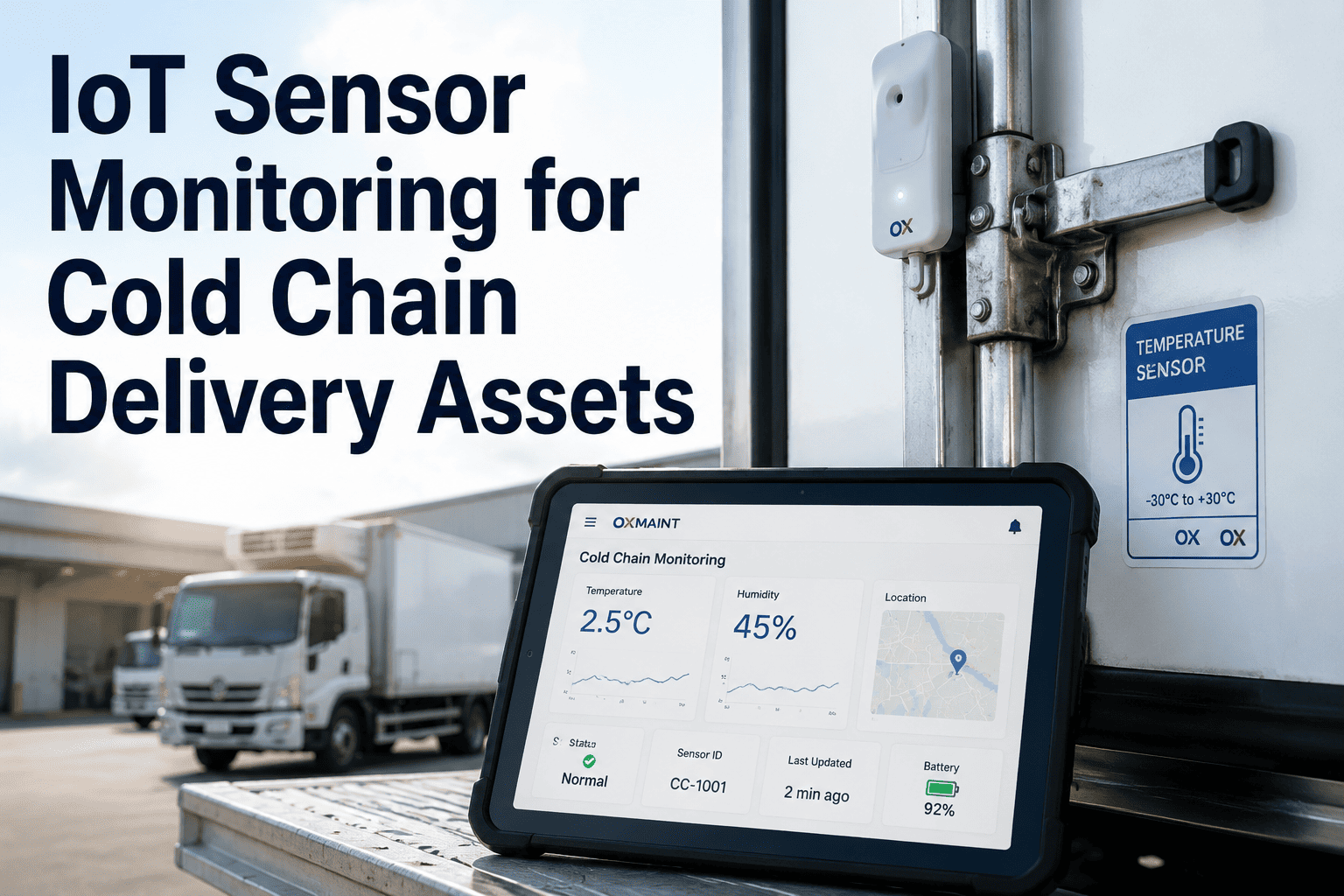
A refrigerated delivery vehicle has two machines onboard, not one. There is the vehicle that gets the cargo to the door, and the reefer unit that keeps the cargo viable on the way. Standard fleet software watches the first and ignores the second —
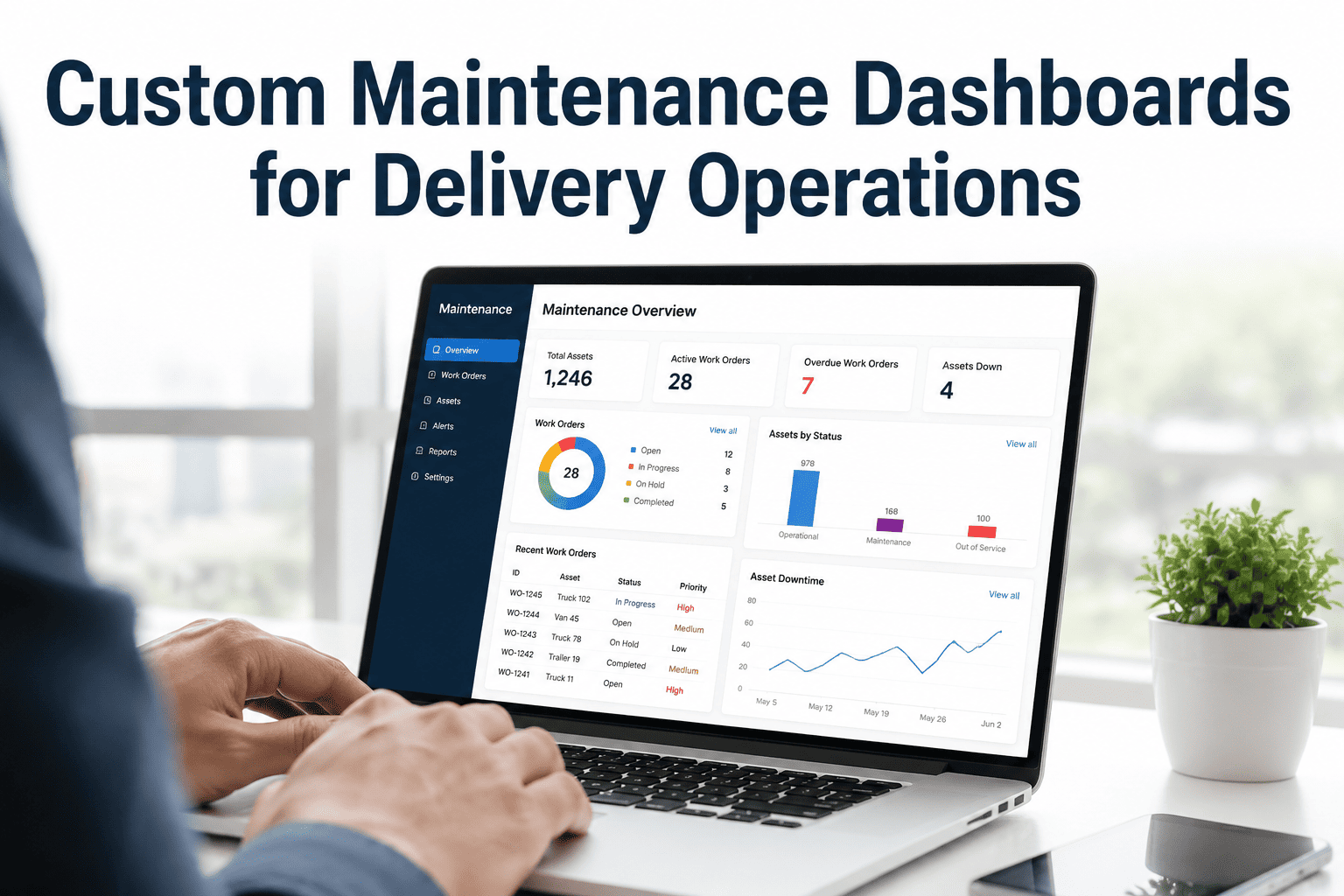
In delivery operations, a vehicle that is available is revenue and a vehicle sitting in the bay is a missed route. Yet most fleet managers still reconstruct maintenance performance from spreadsheets that are two weeks out of date, telematics in on

A dock door that won't seal properly looks like a minor annoyance until a trailer sits idle for twenty extra minutes while staff force it shut manually. Multiply that across forty doors running back-to-back trailers all day, and a worn seal or a s
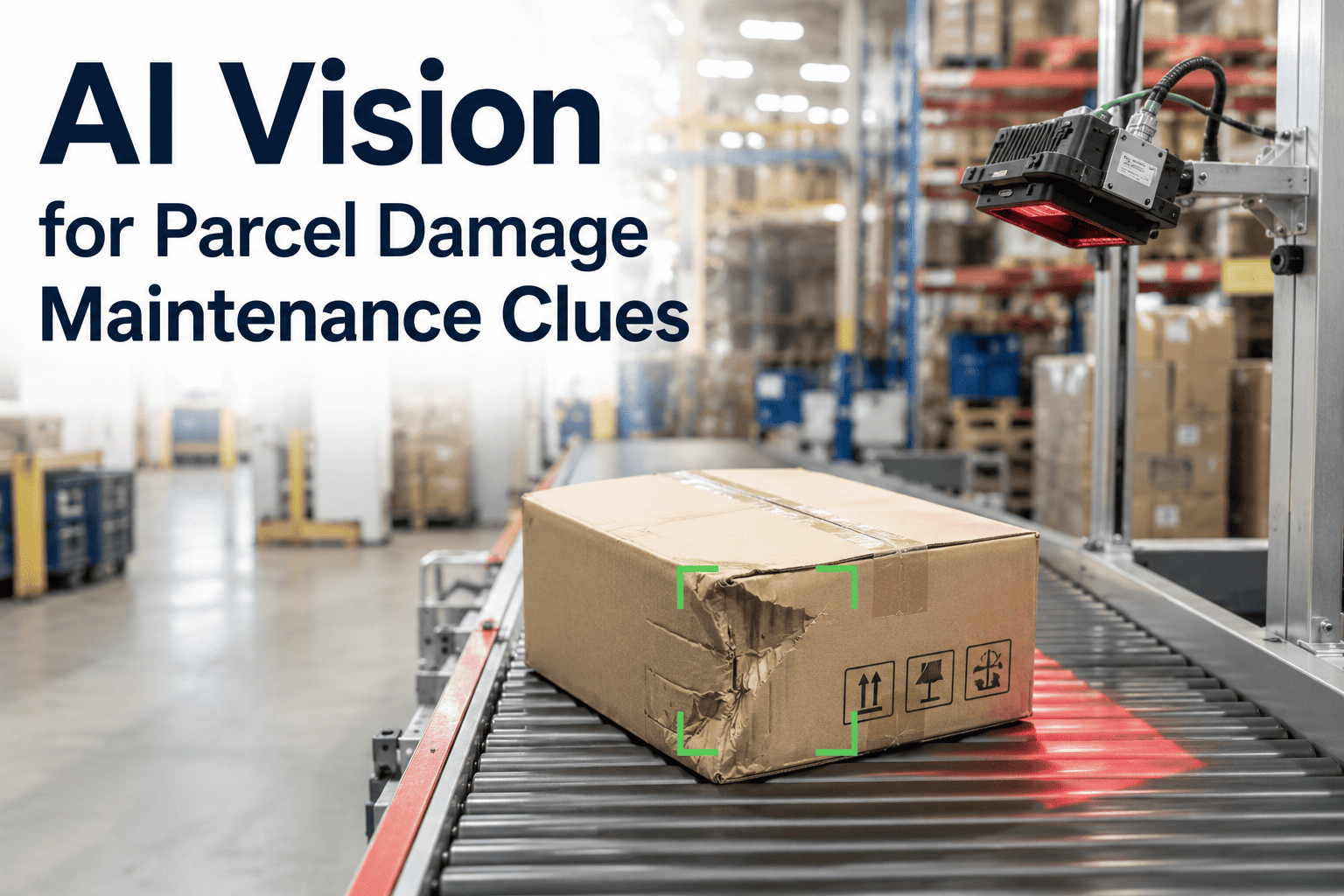
A torn box on the belt isn't always a packaging problem. Sometimes it's a roller misaligned by a few millimeters, a conveyor edge that's started to fray, or a sorter arm closing a fraction too hard. Most hubs log parcel damage as a quality issue a
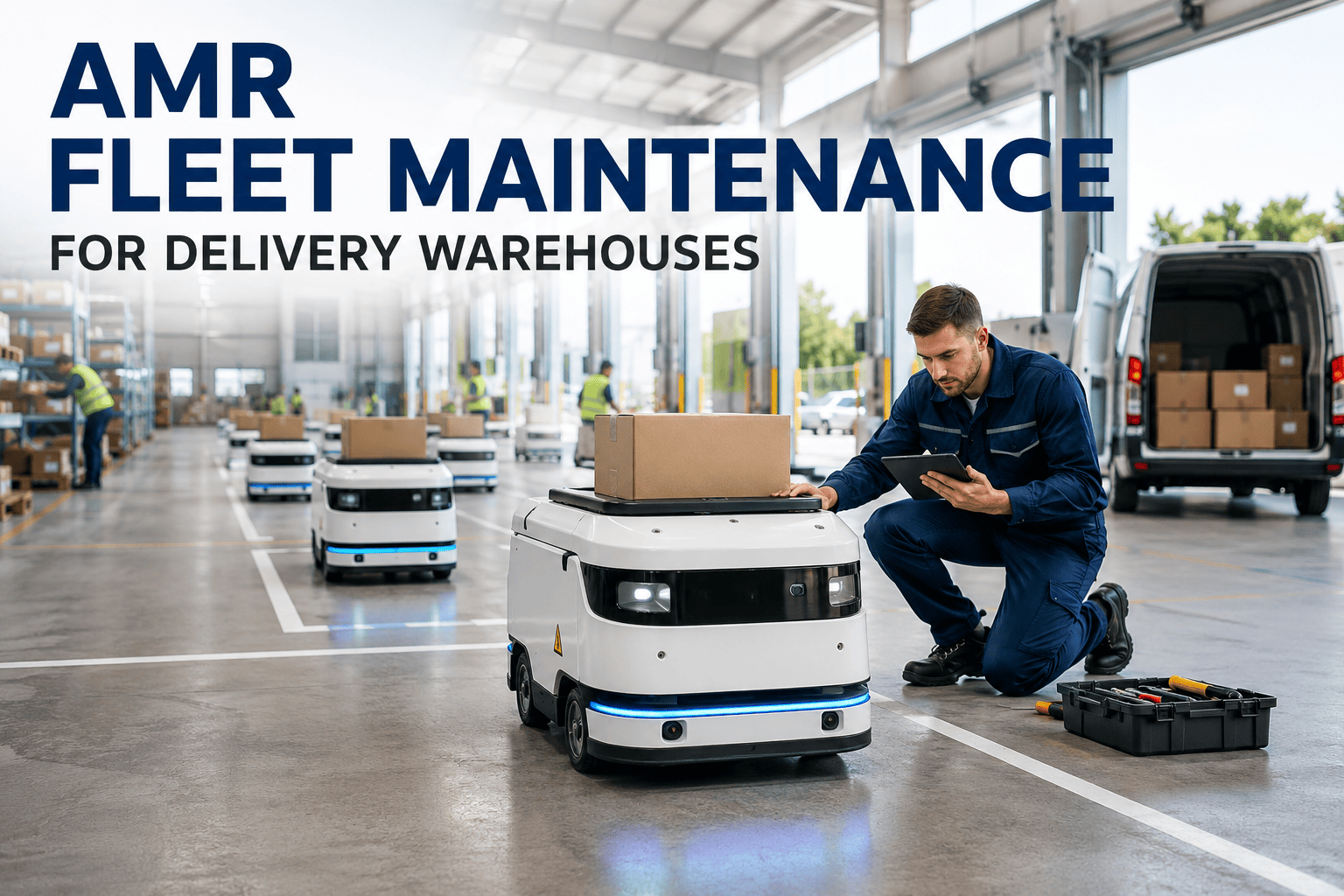
Autonomous mobile robots keep delivery hubs moving, but a single AMR stuck mid-aisle can back up an entire pick wave in minutes. Most fleets run dozens of units across multiple shifts, and when one goes dark, nobody knows if it's a dead battery, a
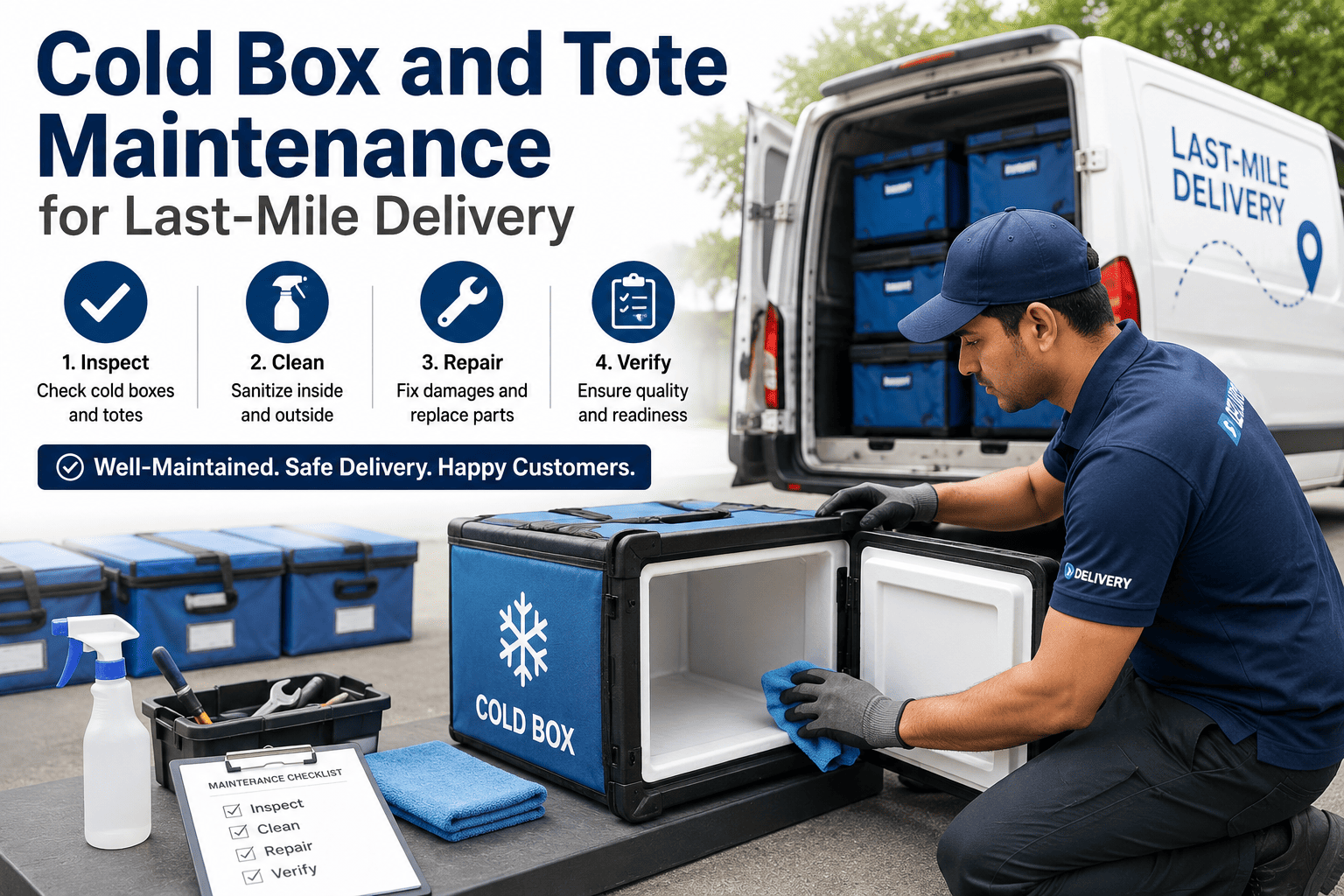
Most delivery operations treat the insulated tote as a box, not an asset — something you grab off a shelf, load, and forget until it cracks. That assumption is expensive. A tote with a hairline seam crack or a lid gasket gone soft can lose its ins

A temperature sensor that has failed does not stop talking — that is the part most delivery operations miss. It keeps sending numbers, the dashboard stays green, and the driver finishes the route believing the cold chain held. A drifting probe, a
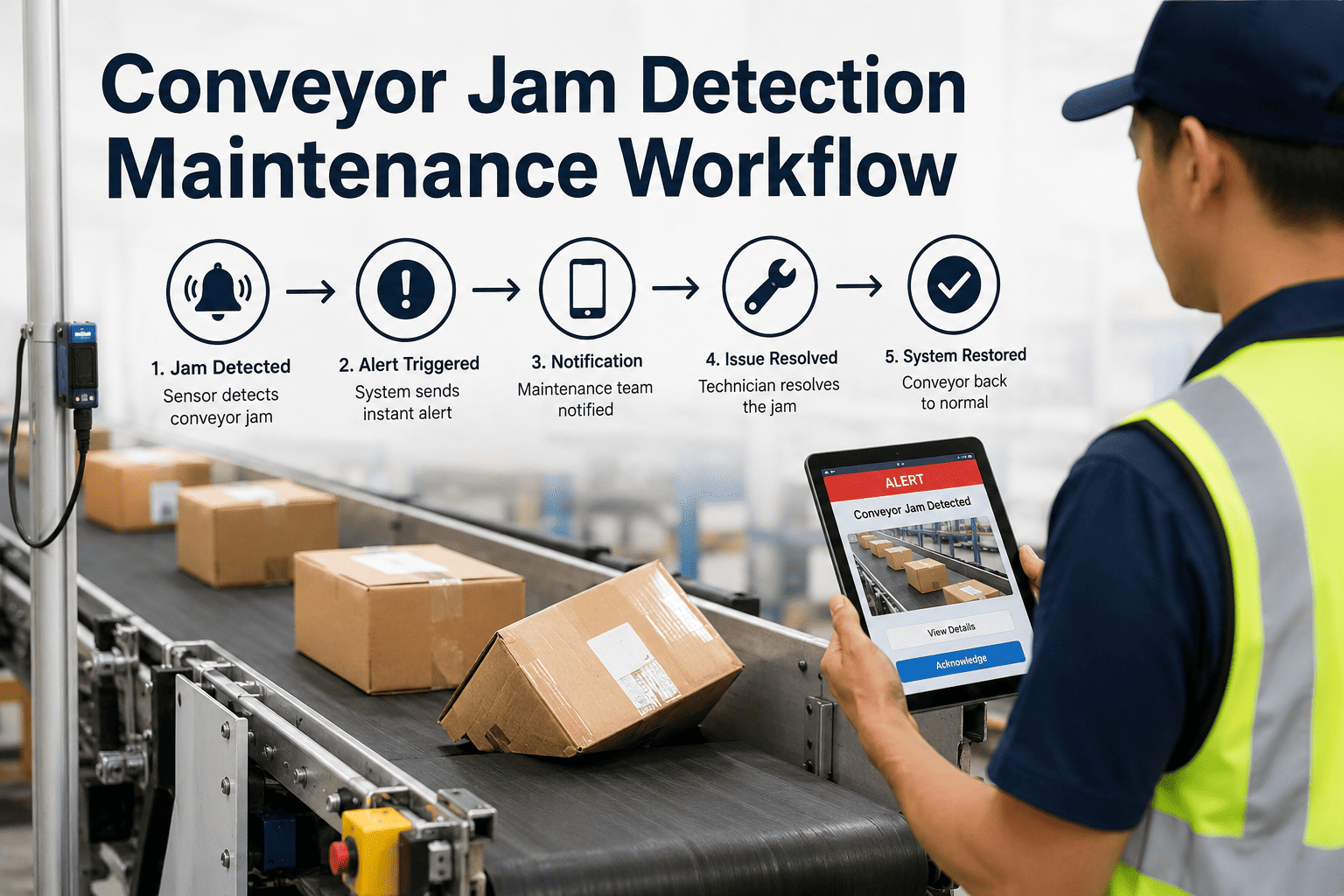
A conveyor jam rarely announces itself before it happens. A carton wedges at a merge point, a belt starts tracking a few millimetres off centre, a photo-eye stops giving a clean read, and within minutes an entire sortation zone backs up into the i
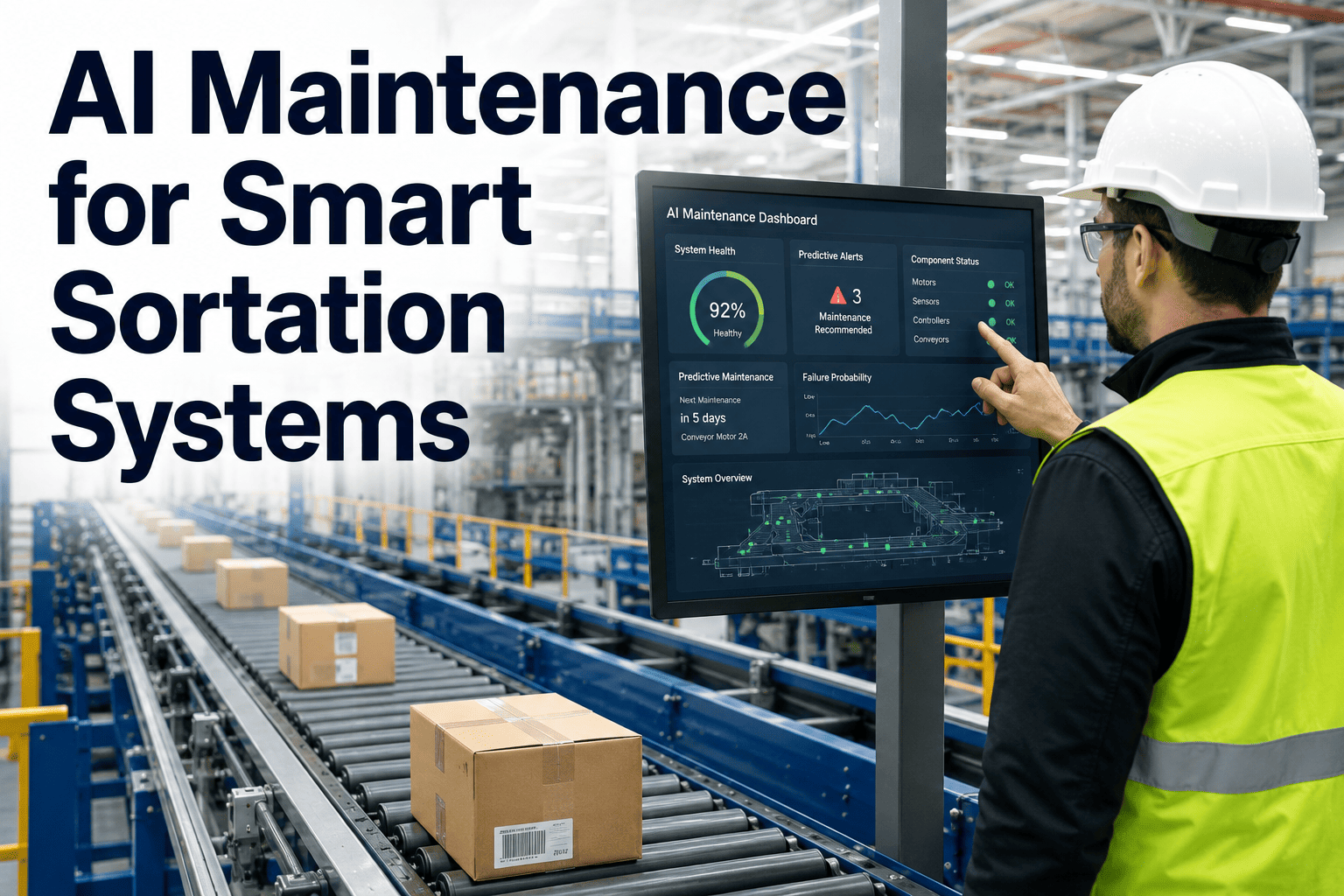
Smart sortation systems run on tight mechanical tolerances — diverters, scanners, and induction belts that fail quietly before they fail visibly. By the time a sortation error rate spikes, the underlying bearing wear or sensor misalignment has usu
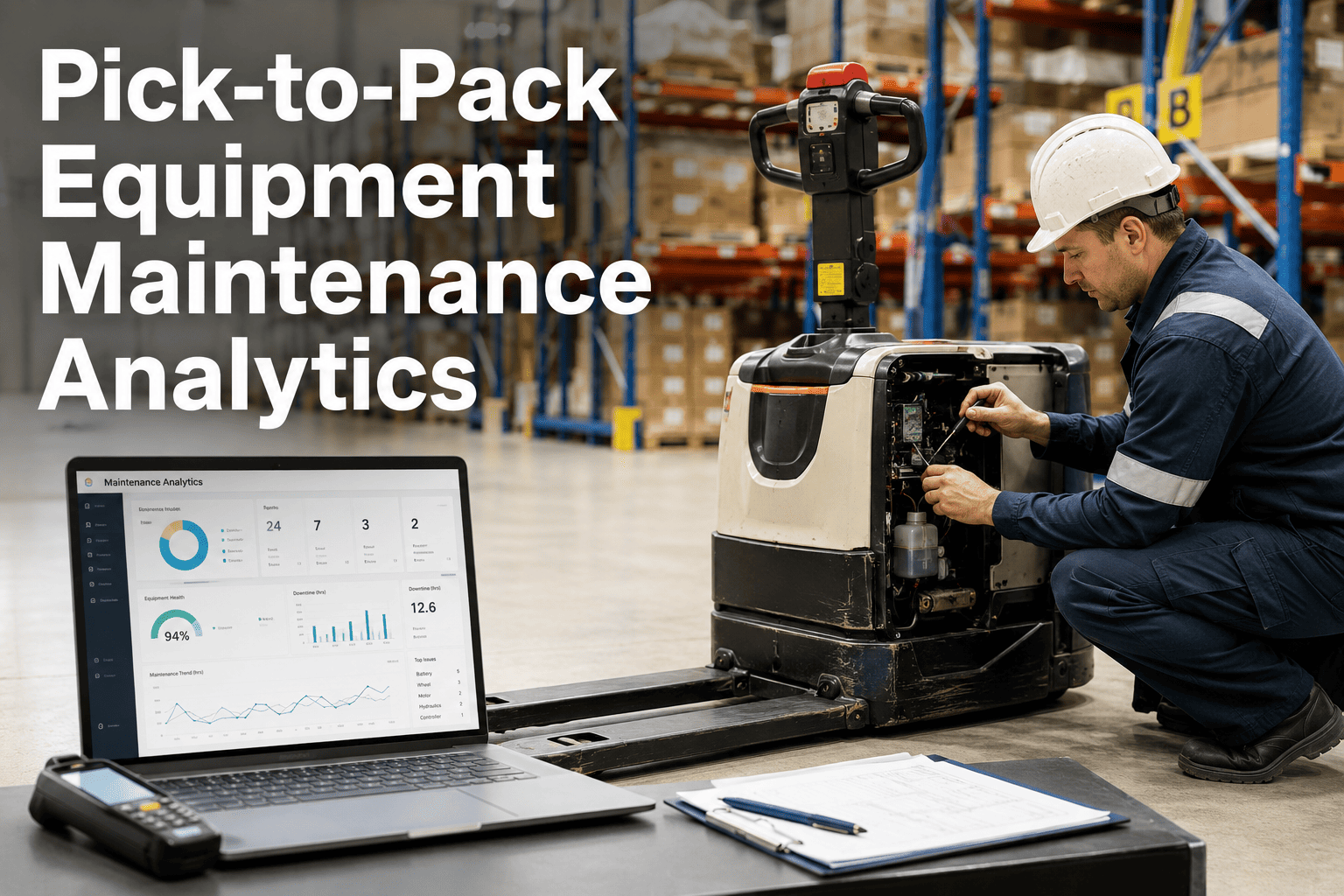
Pick-to-pack lines are the tightest bottleneck in any fulfillment center — a single conveyor jam or sensor failure during peak hours can push an entire shipping cutoff. Oxmaint turns scattered equipment data in
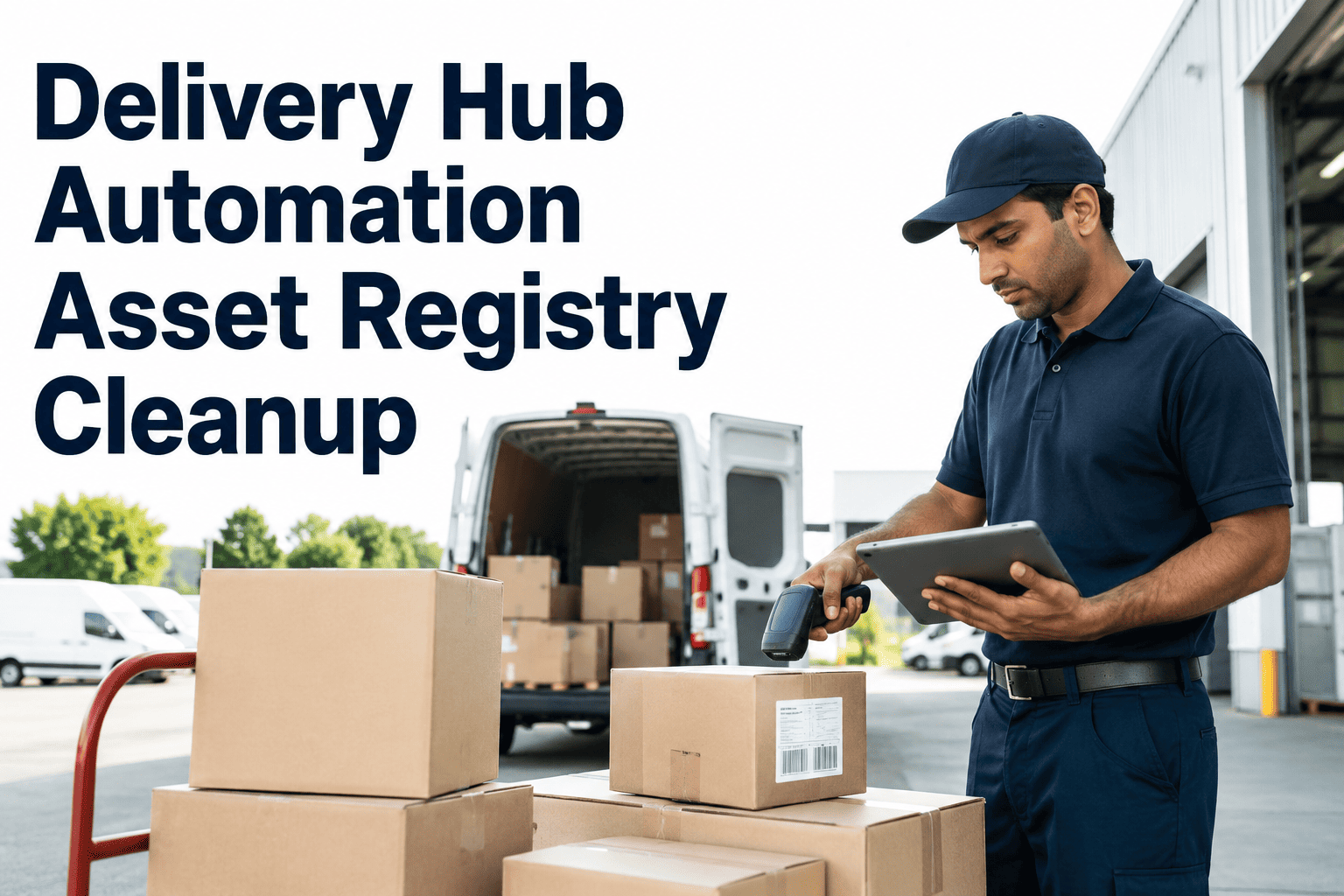
Most delivery hubs running automated sortation, conveyors, and robotic pickers carry a CMMS asset registry that no longer matches reality — duplicate entries, retired conveyors still scheduled for PMs, and new robotic arms with zero maintenance hi
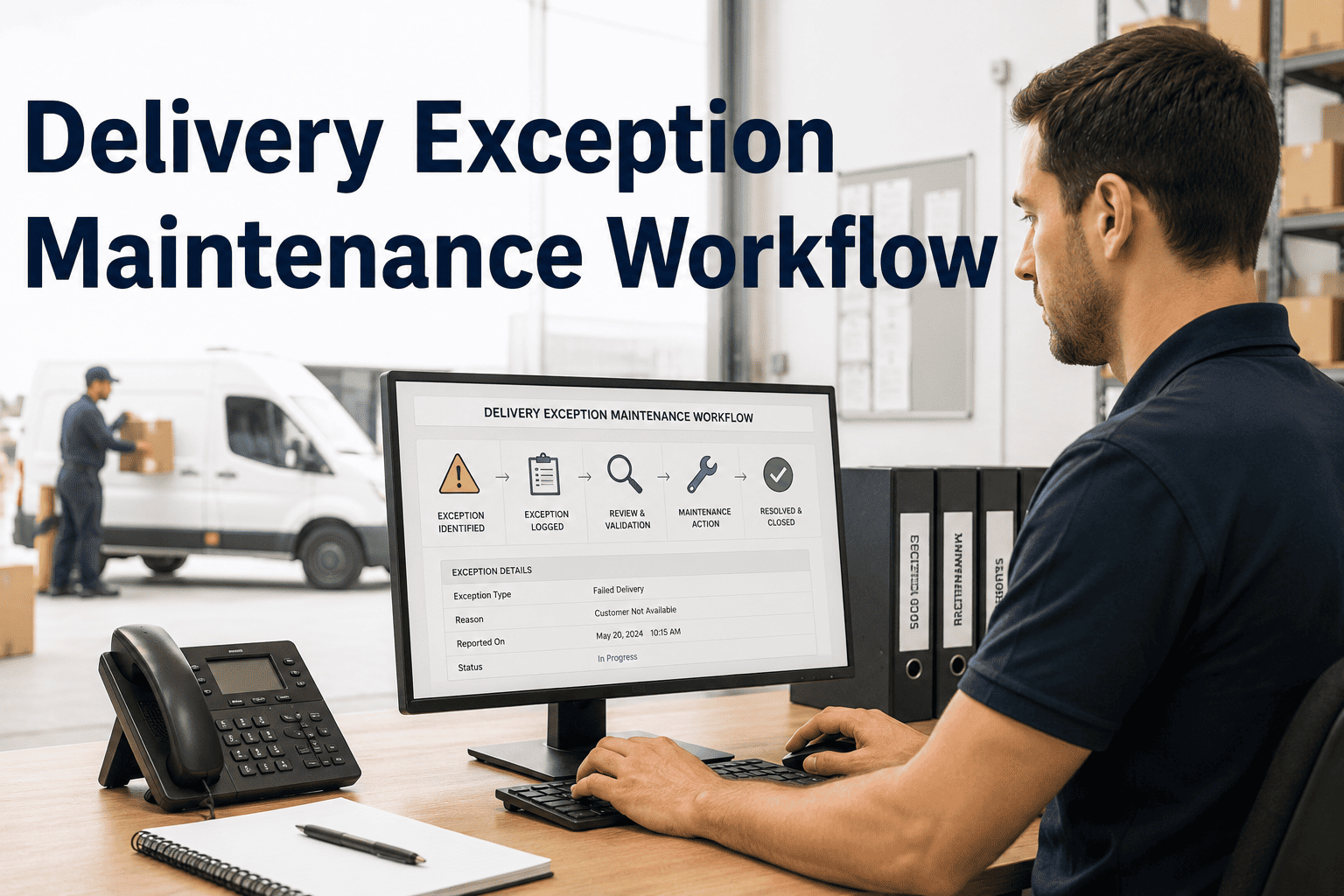
A delivery exception — a missed stop, a vehicle breakdown mid-route, a failed access attempt at a delivery point — does not just inconvenience one customer. It triggers a chain reaction that maintenance teams are often the last to hear about and t
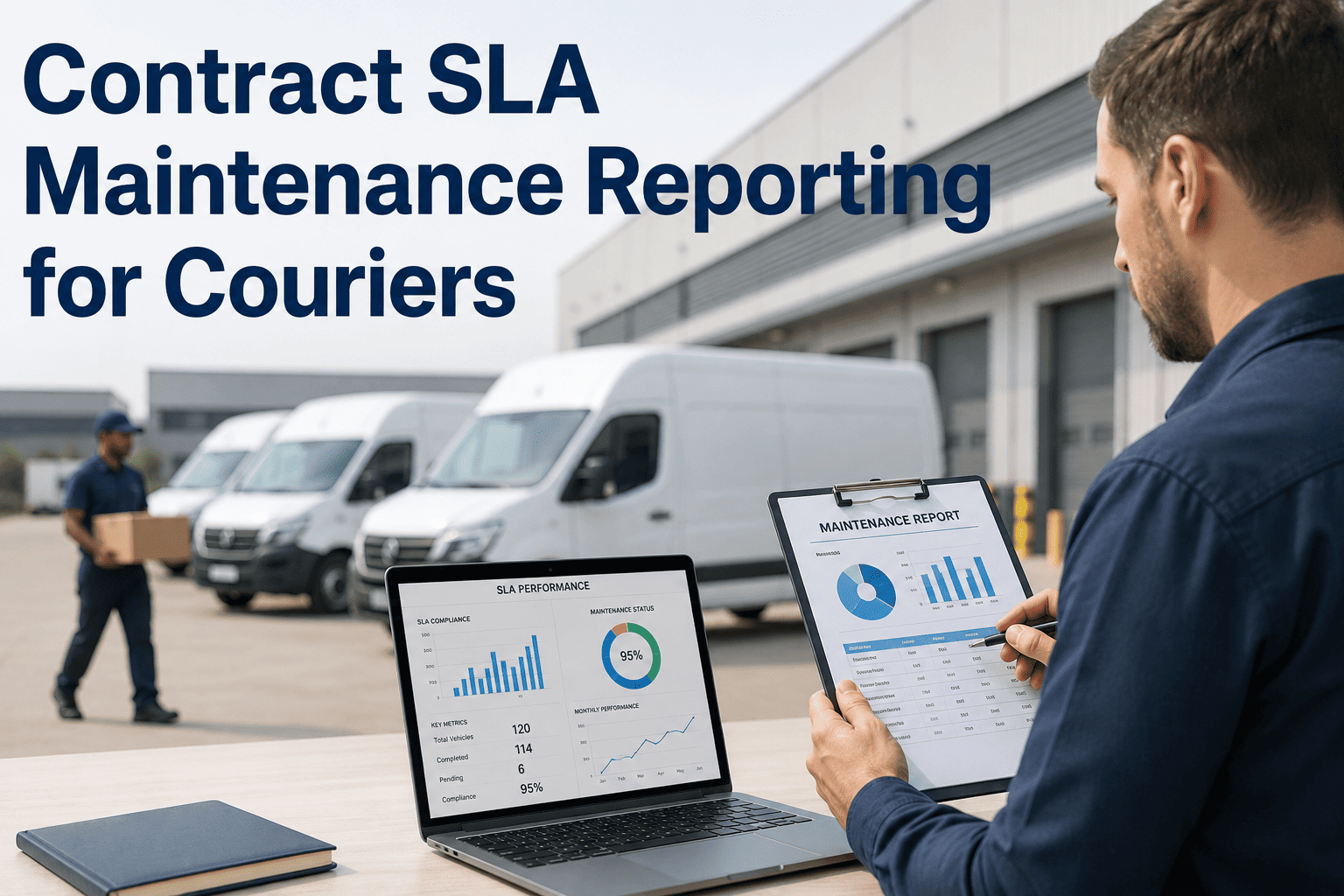
Courier contracts are won on price and lost on compliance. When a logistics client signs an SLA that guarantees 98% fleet uptime or a defined delivery window adherence rate, they are not just writing down a target — they are writing penalty clause

Urban delivery fleets operate in one of the harshest mechanical environments on the planet. Constant stopping and starting across dense city routes accelerates brake wear, degrades tires faster, drains batteries harder, and stresses suspension sys
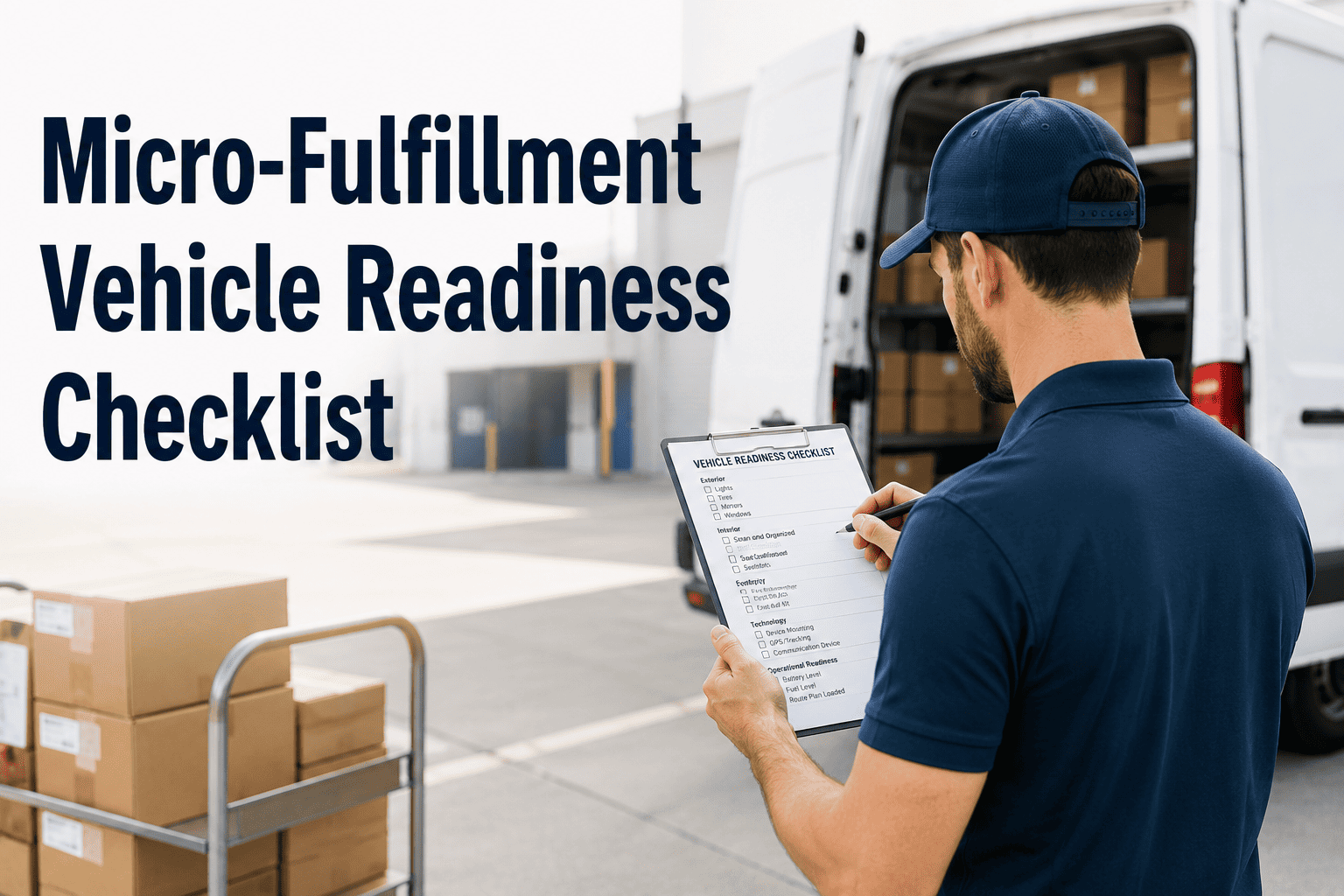
Micro-fulfillment fleets operate on a completely different clock than traditional delivery networks. When your promise is same-day or 30-minute delivery, your vehicles need to be dispatch-ready in minutes — not after a 40-minute pre-trip process t
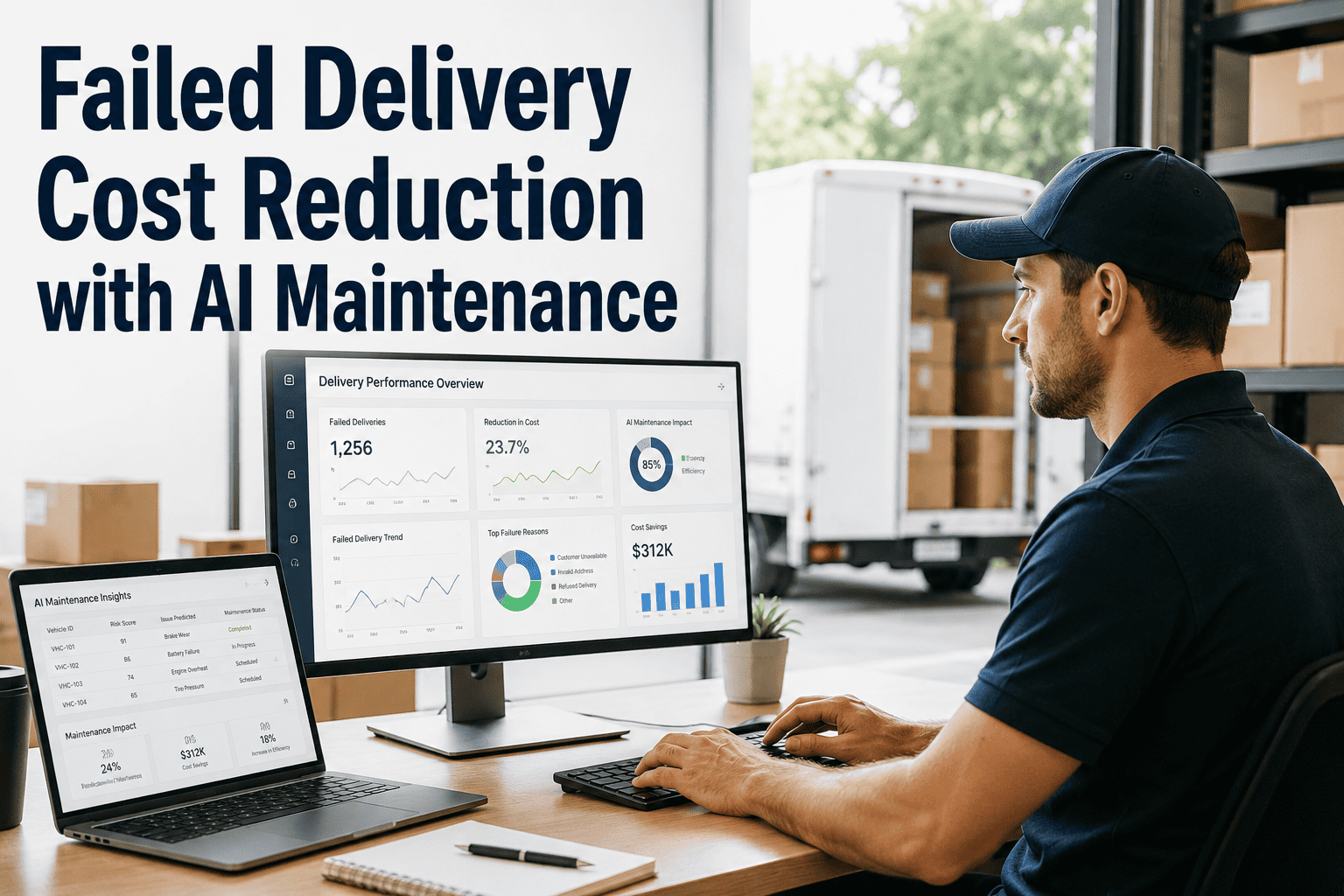
One failed delivery costs your business an average of $17.20 — and that number compounds fast. At 5% failure rate across 10,000 daily shipments, you're losing nearly $4.5 million annually before you account for redelivery labor, customer refunds,

Peak season turns minor maintenance gaps into full-blown operational crises. A single vehicle breakdown during your busiest delivery window doesn't just stall one route — it creates a domino effect: backlogged stops, rescheduled drivers, furious c
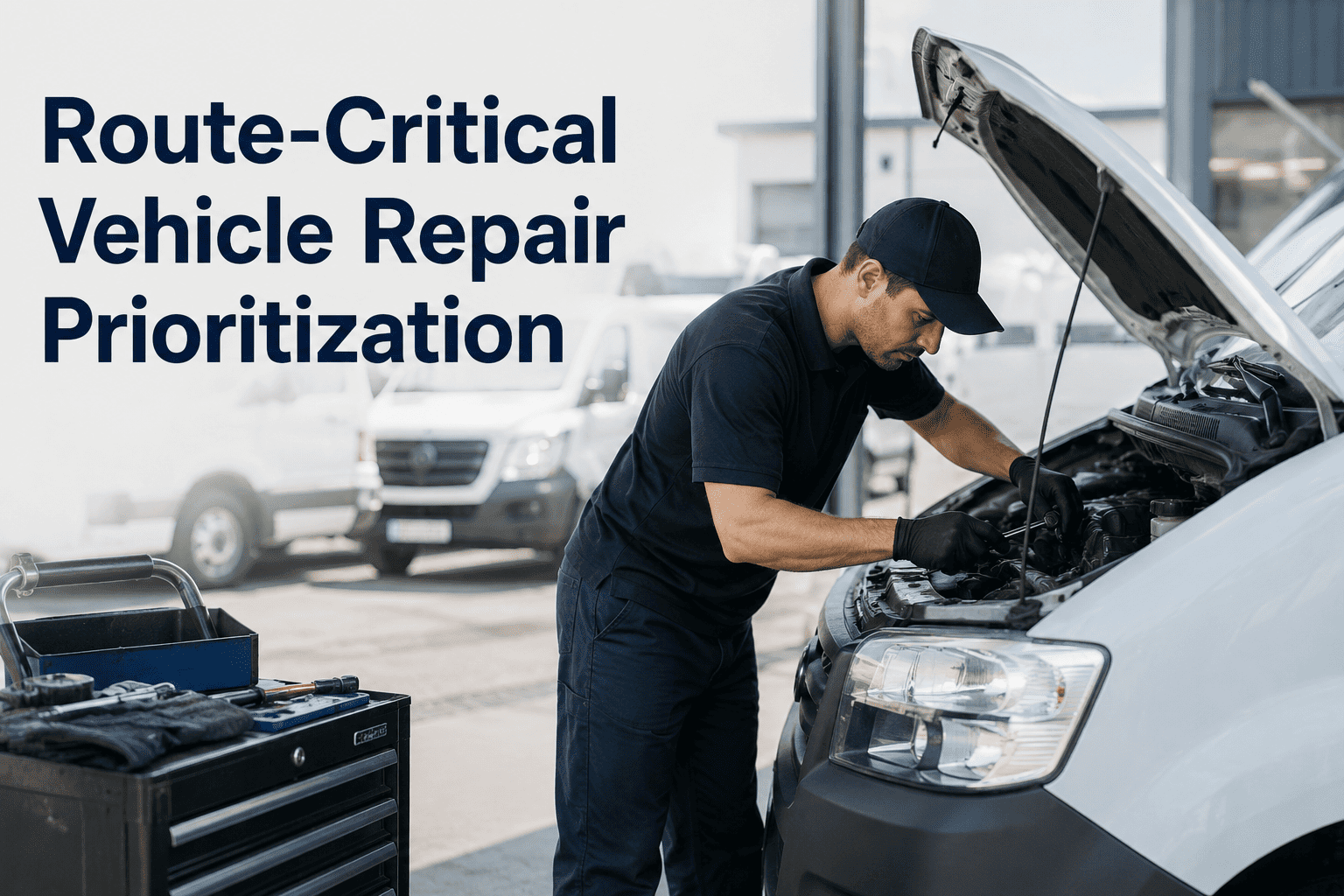
When three vehicles need repairs and only two technicians are available, the fleet manager makes a choice. That choice — which vehicle gets fixed first — determines whether tomorrow's highest-volume route runs on time or triggers a penalty clause.
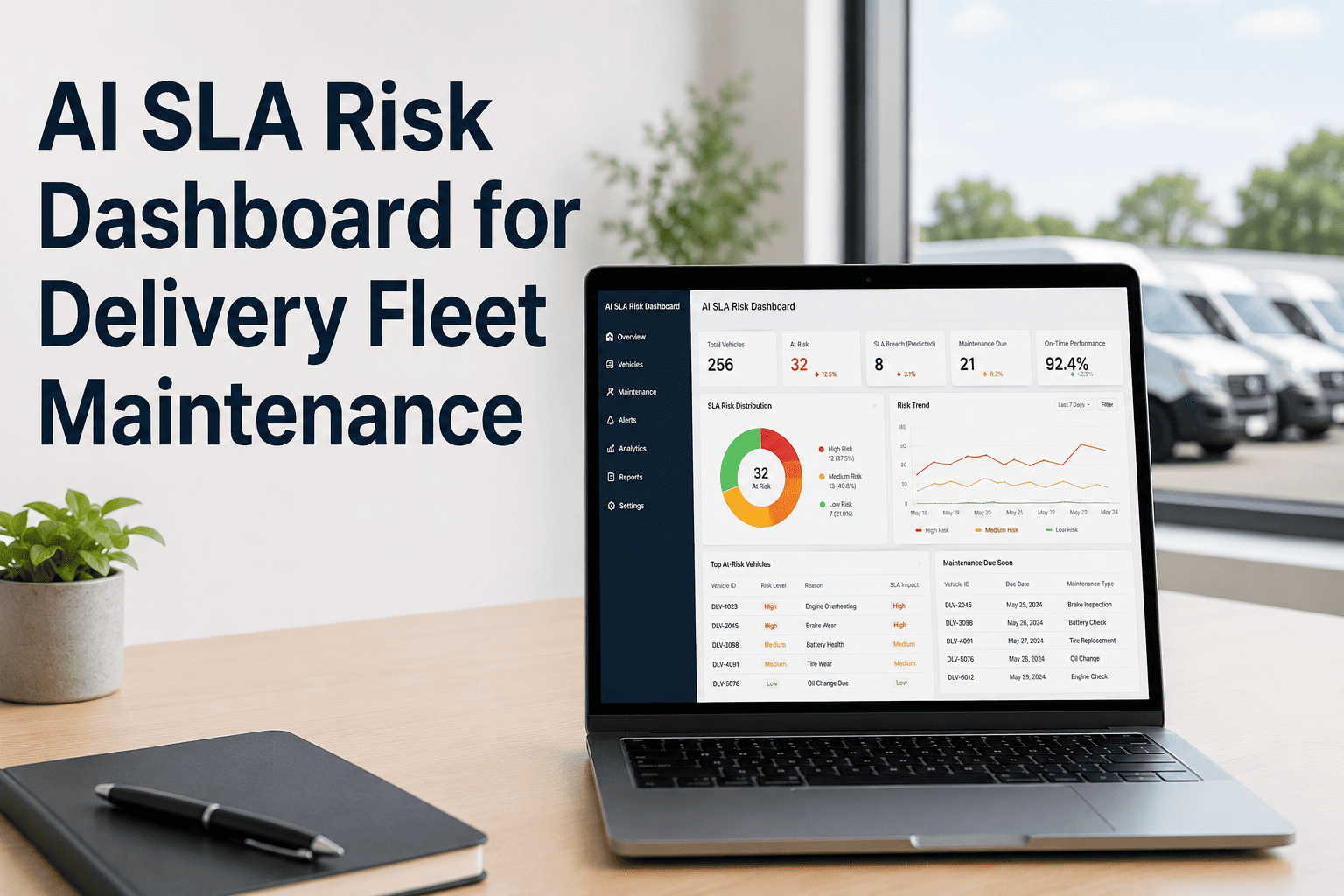
Every missed delivery window is a number on a spreadsheet somewhere — a penalty clause triggered, a contract SLA breached, a shipper relationship that quietly starts looking for alternatives. For most delivery fleet operations, the maintenance tea
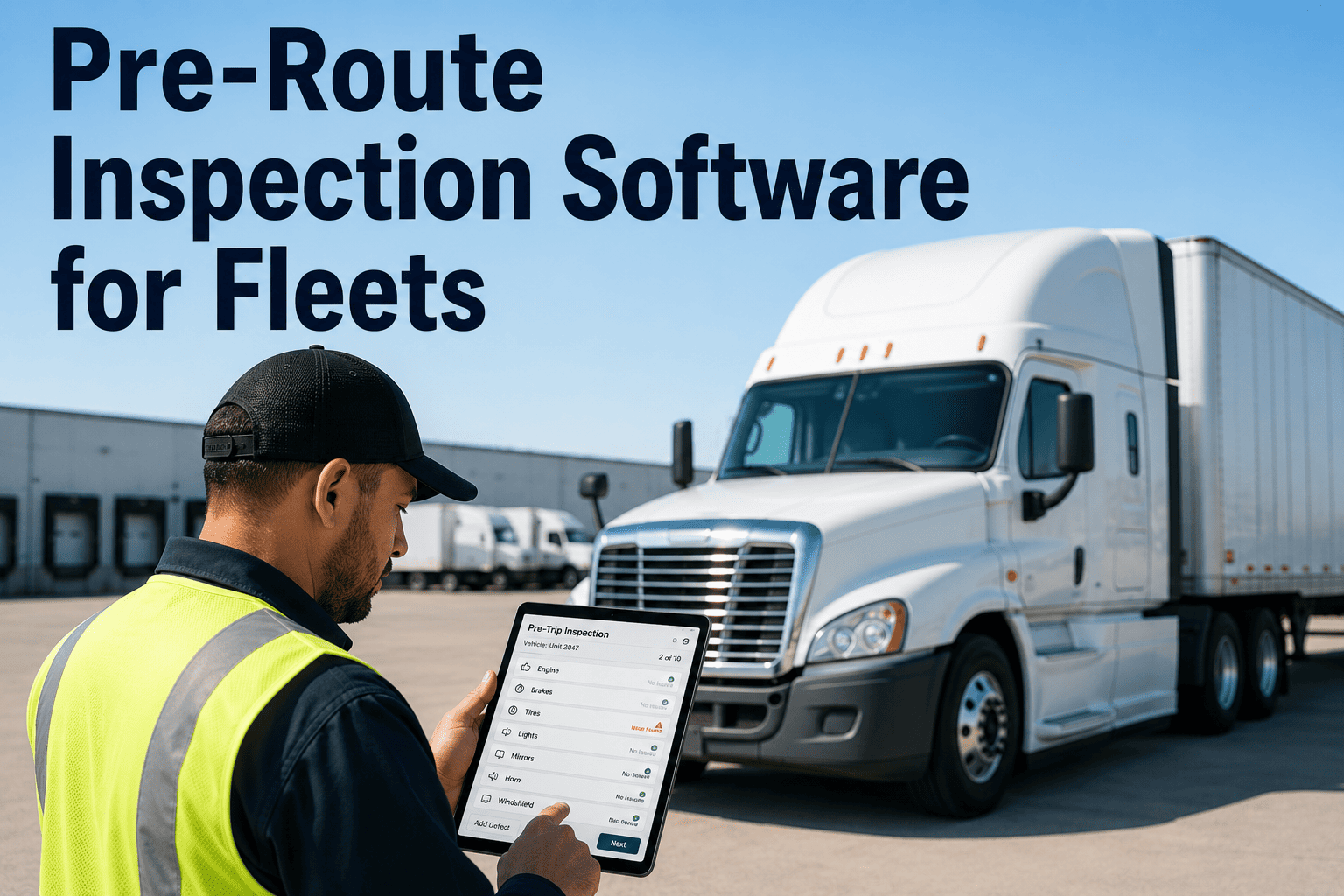
Every vehicle that leaves a depot without a proper pre-route inspection is a liability on wheels. Brake wear that goes unchecked, tyre pressure that's been low for a week, a cracked windscreen that fails a roadside stop — these are not random even
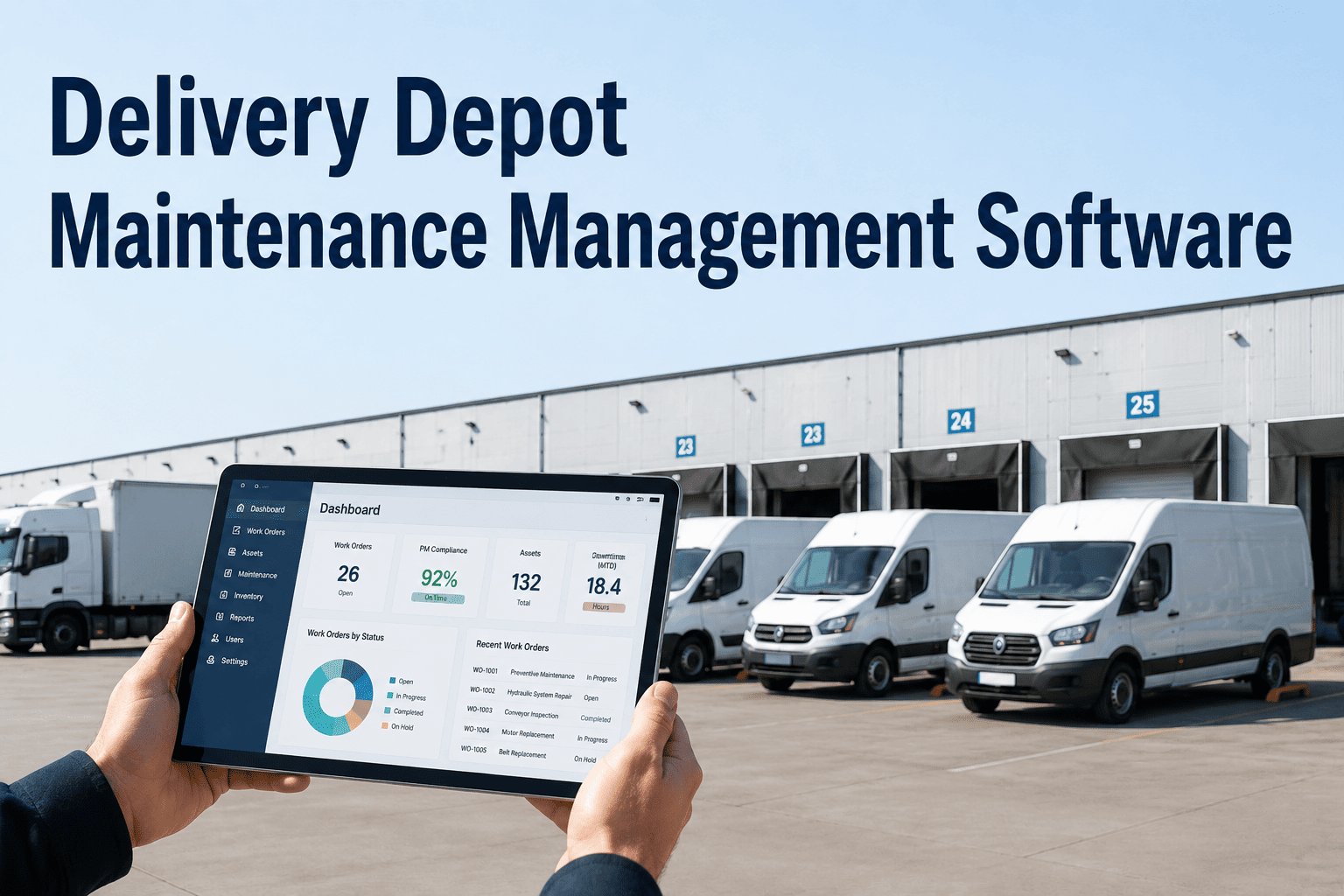
A delivery depot is more than a parking lot for vans. It's a complex facility where vehicles, charging infrastructure, loading docks, tools, and building systems all need to function simultaneously — and when any one of them fails, the ripple hits
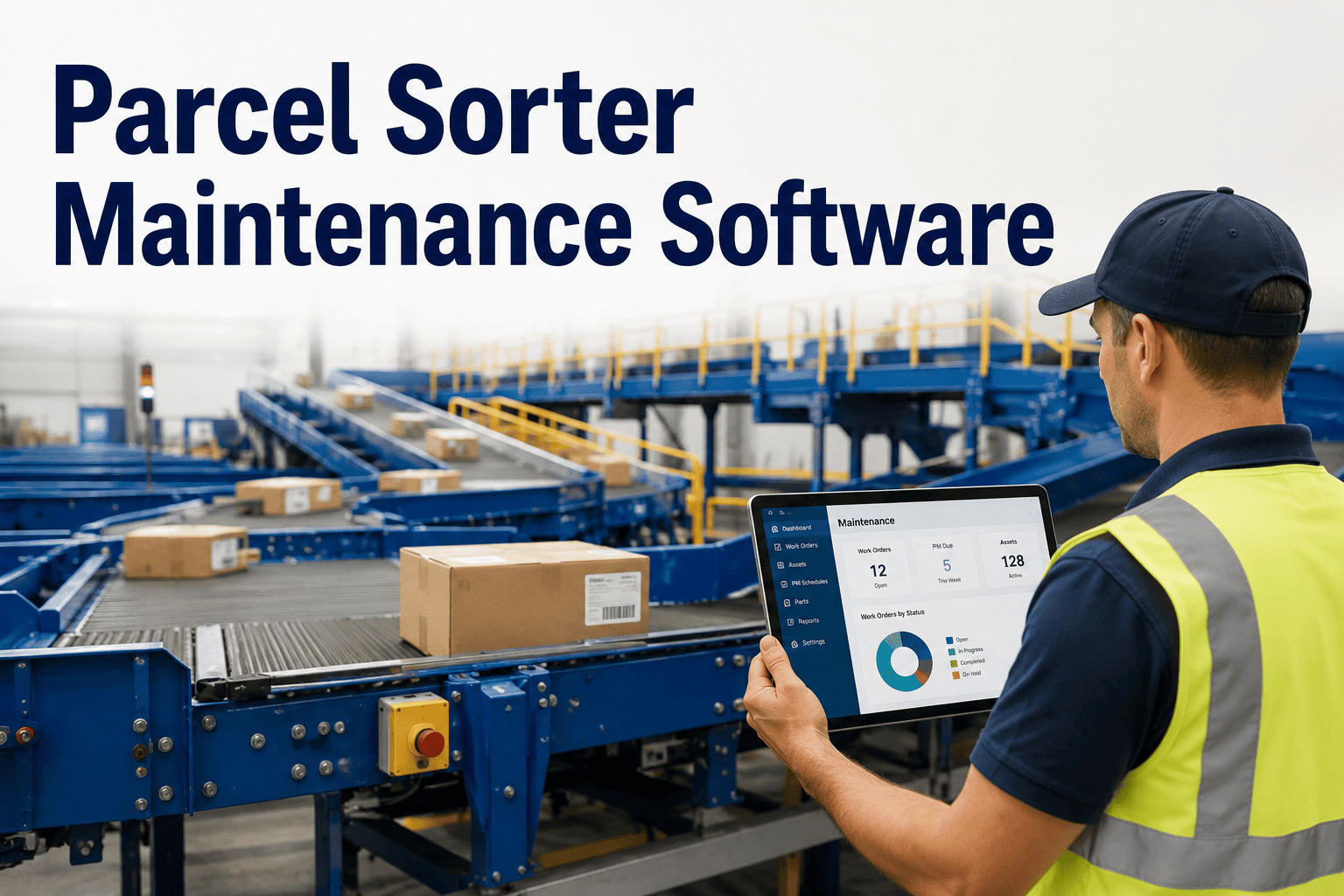
Parcel sorters are the heartbeat of every distribution hub — and when they stop, everything stops. A single jammed divert arm during peak season can back up thousands of parcels within minutes, triggering missed SLAs and customer complaints that f
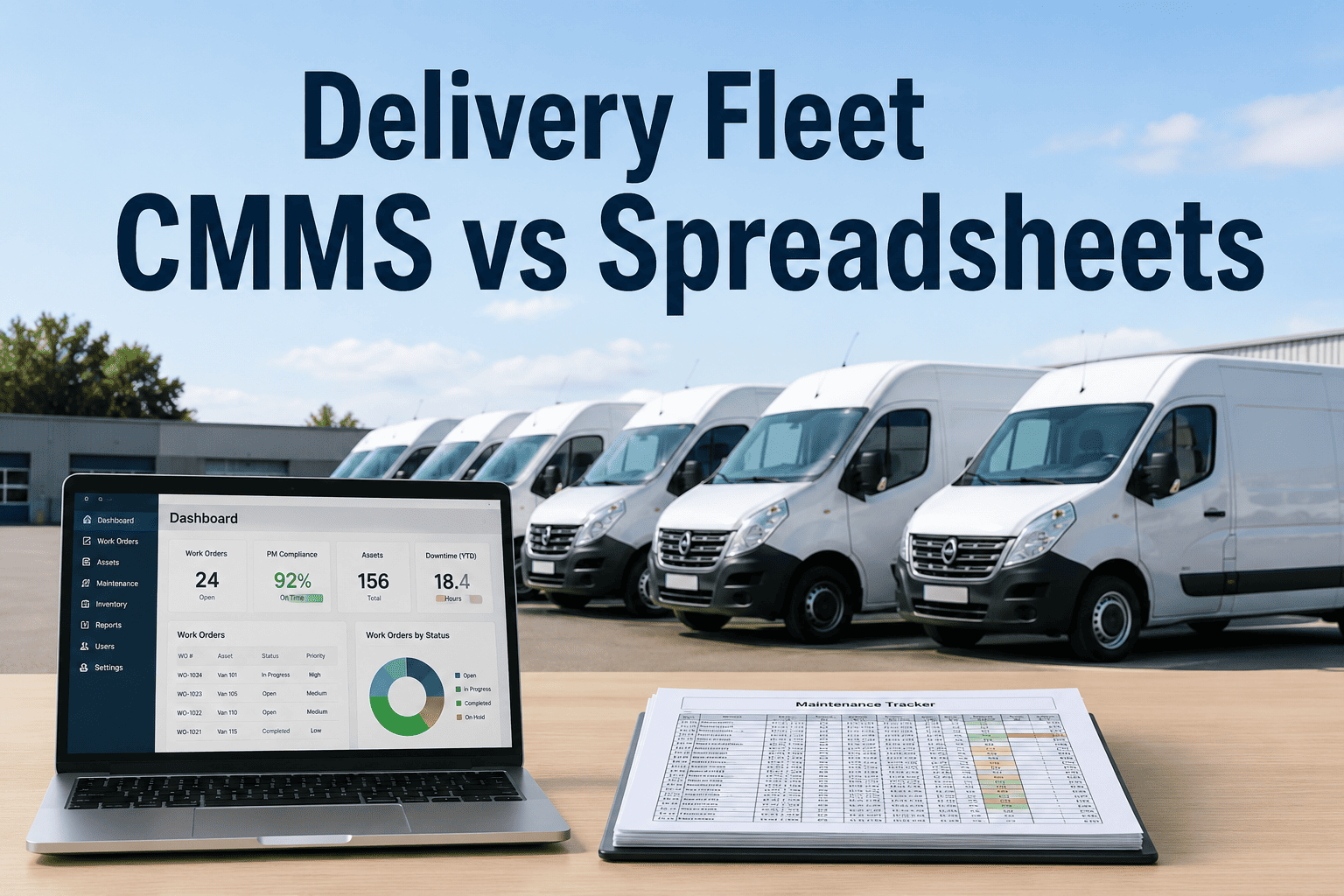
Delivery fleets run on tight margins, tight schedules, and zero tolerance for breakdowns. Yet most fleet managers still track vehicle maintenance in spreadsheets — systems never built for real-time inspection alerts, repair escalation, or complian
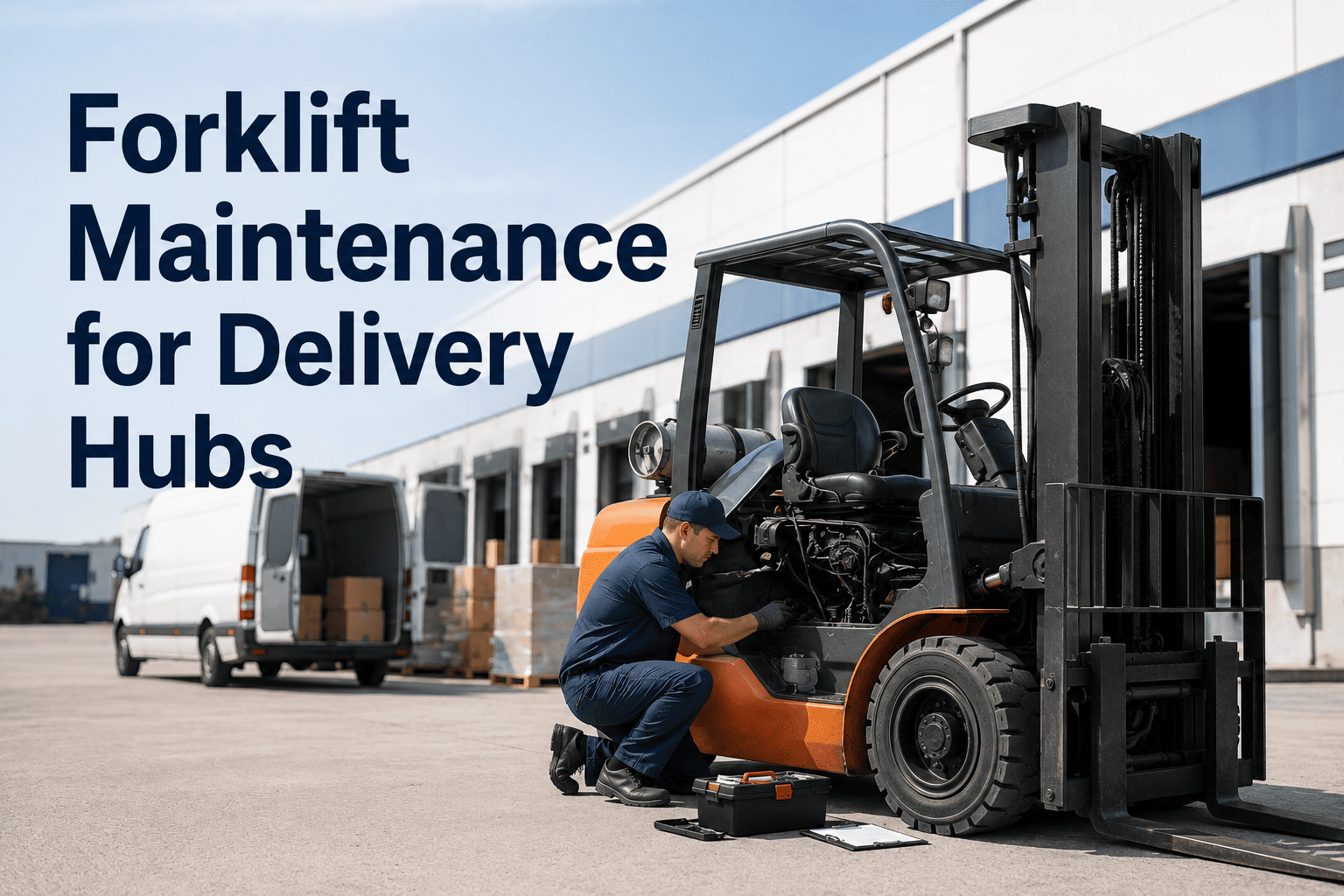
A delivery hub that runs at full speed depends on forklifts that never let it down. When a forklift goes down during peak unloading hours, every downstream operation slows — inbound sorting, outbound staging, truck loading — and the ripple hits de
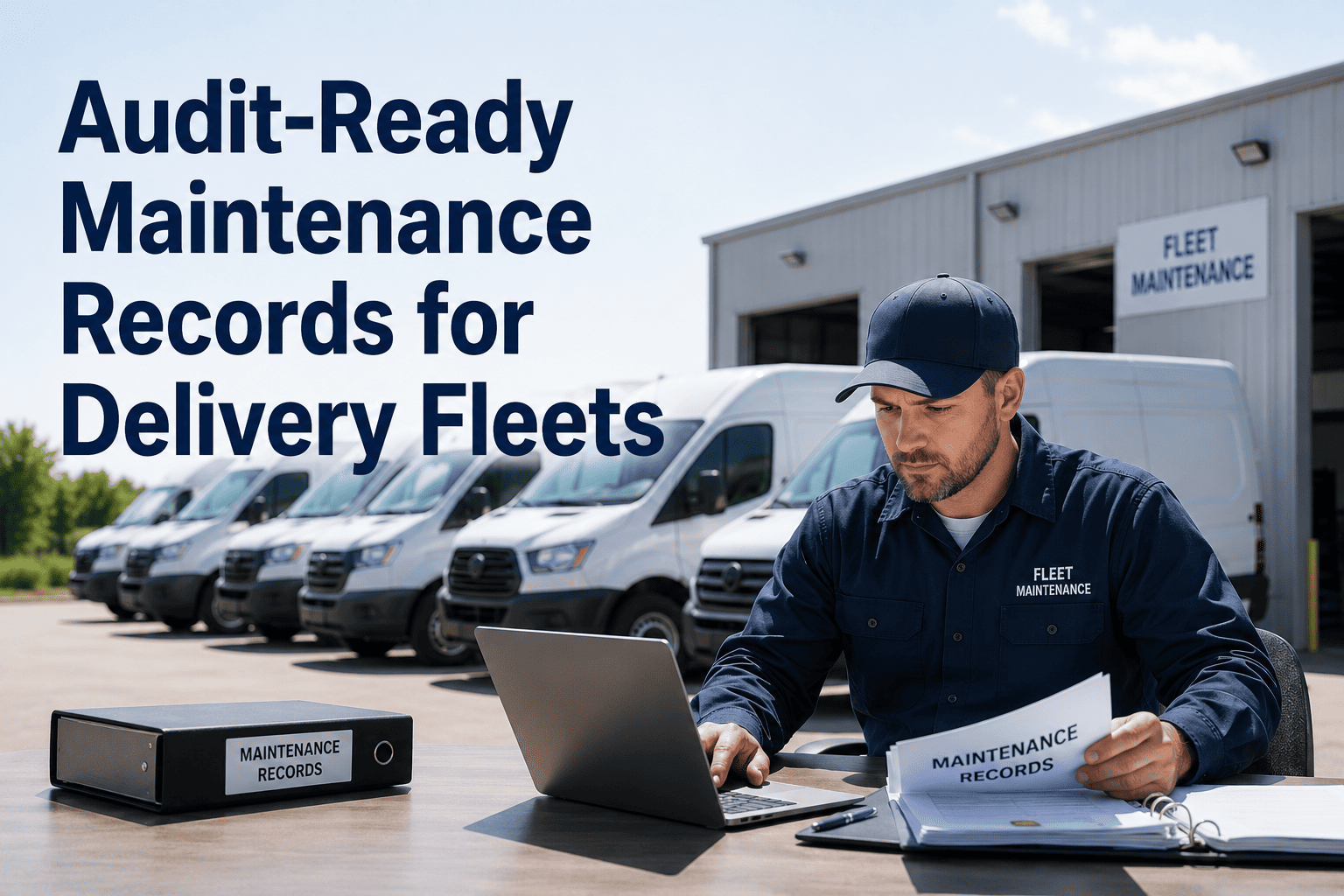
A transport compliance audit does not give advance notice. When the inspector arrives — or the insurer requests documentation, or a client demands proof of maintenance standards — the fleet manager who reaches for a binder of handwritten service s

When a delivery vehicle goes to an external garage, fleet managers lose visibility. Without a structured system, vendor invoices arrive without context, SLAs are tracked in someone's memory, and approval workflows stretch repair times by days. Ext
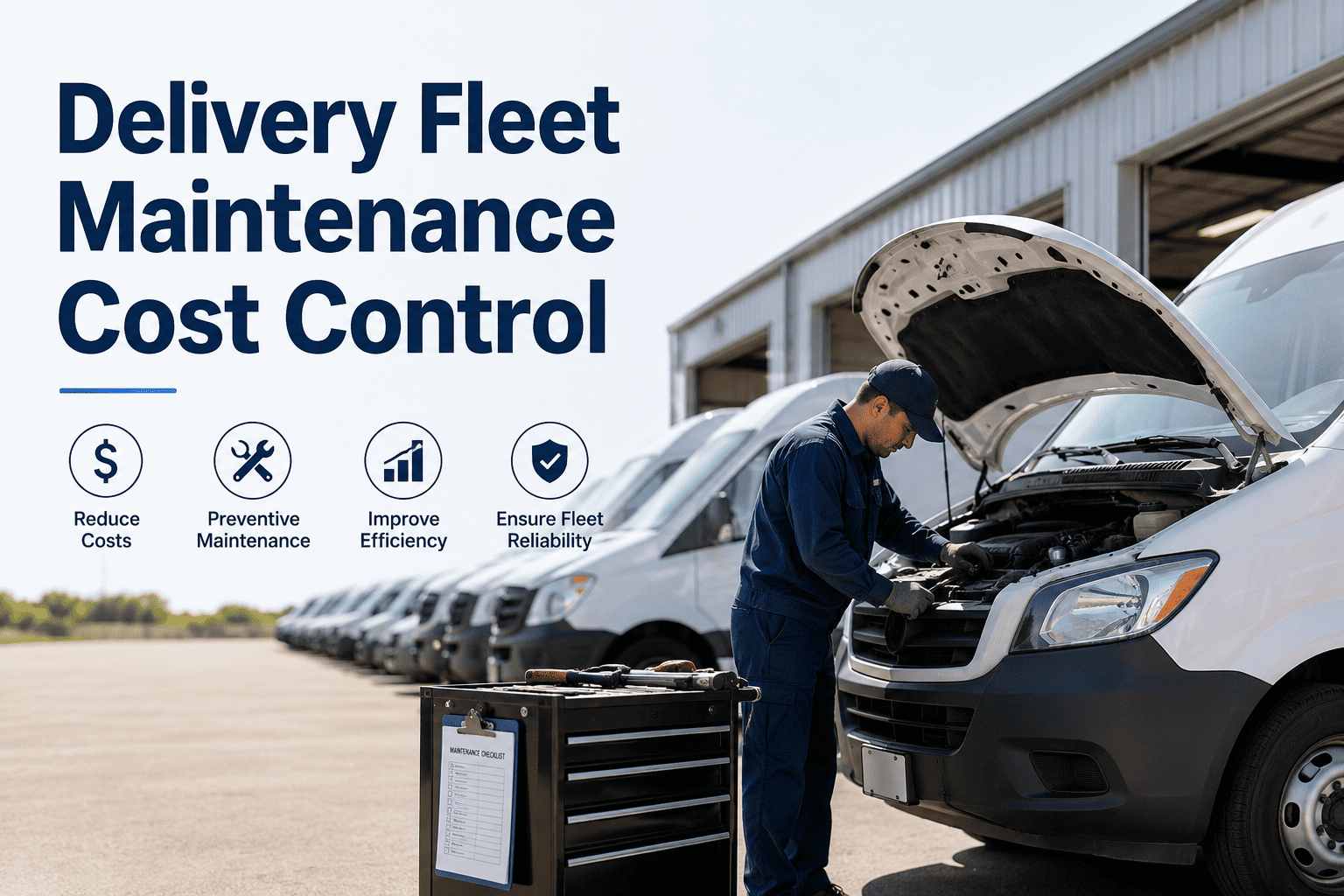
Every rupee spent on an unplanned repair is a rupee that never showed up in your maintenance budget. Delivery fleets bleed money not from single catastrophic failures, but from dozens of small, untracked costs — a technician's overtime on a job th

When a diesel delivery van breaks down, a mechanic can diagnose it with a wrench and a code reader in an hour. When an electric delivery van suffers premature battery degradation, you find out at 6 AM when the driver reports the van is showing 60%

Tires are the second-largest maintenance expense in any delivery fleet — and most of that cost is completely avoidable. Under-inflation runs undetected for weeks on courier vans doing 300 stops a day. Rotation intervals get missed because no one h
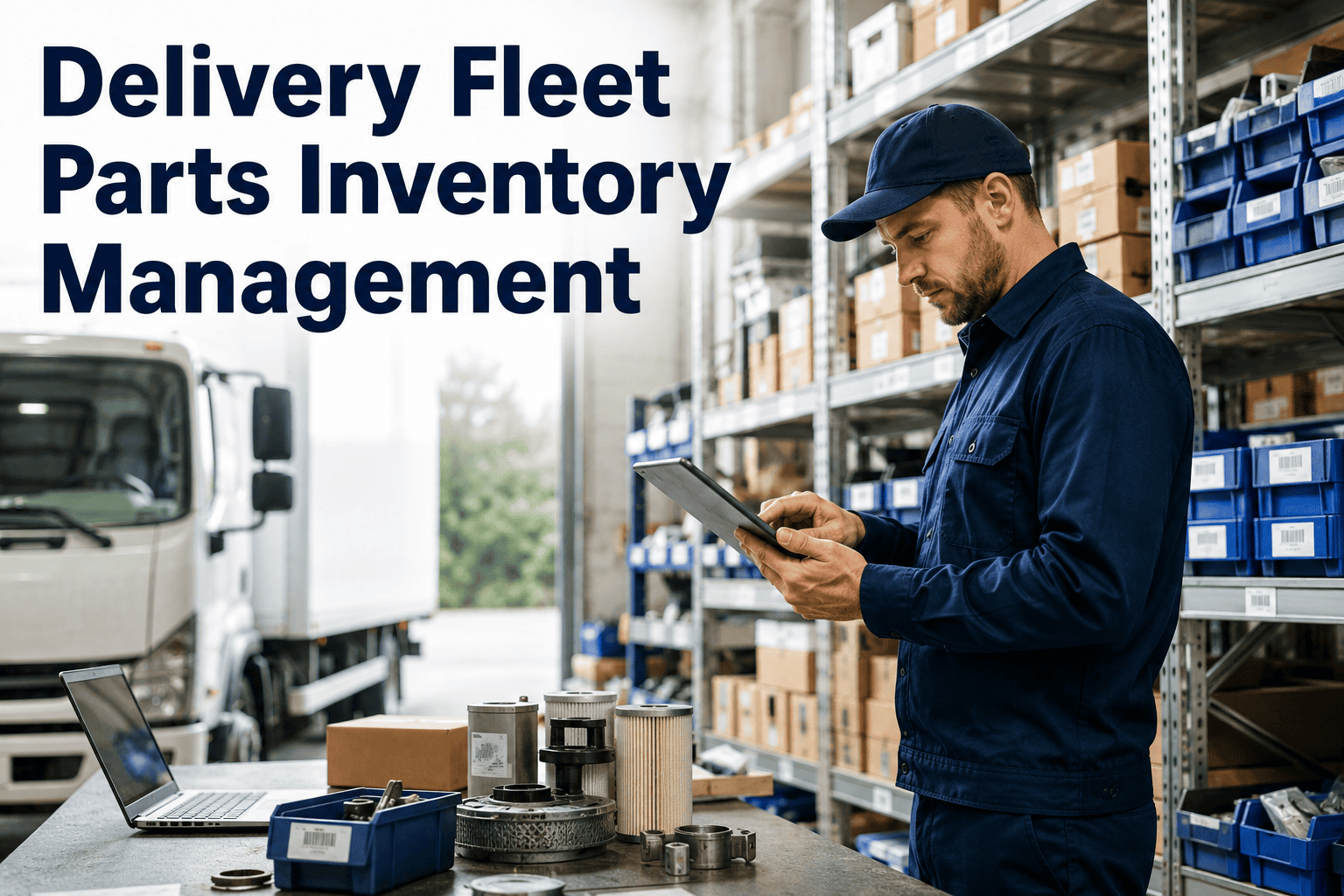
Every delivery fleet has a hidden money leak — and it lives in the parts room. A technician pulls a vehicle in for a brake job, and the parts bin is empty. The van sits idle for two days while an emergency order ships overnight at a 60% price prem
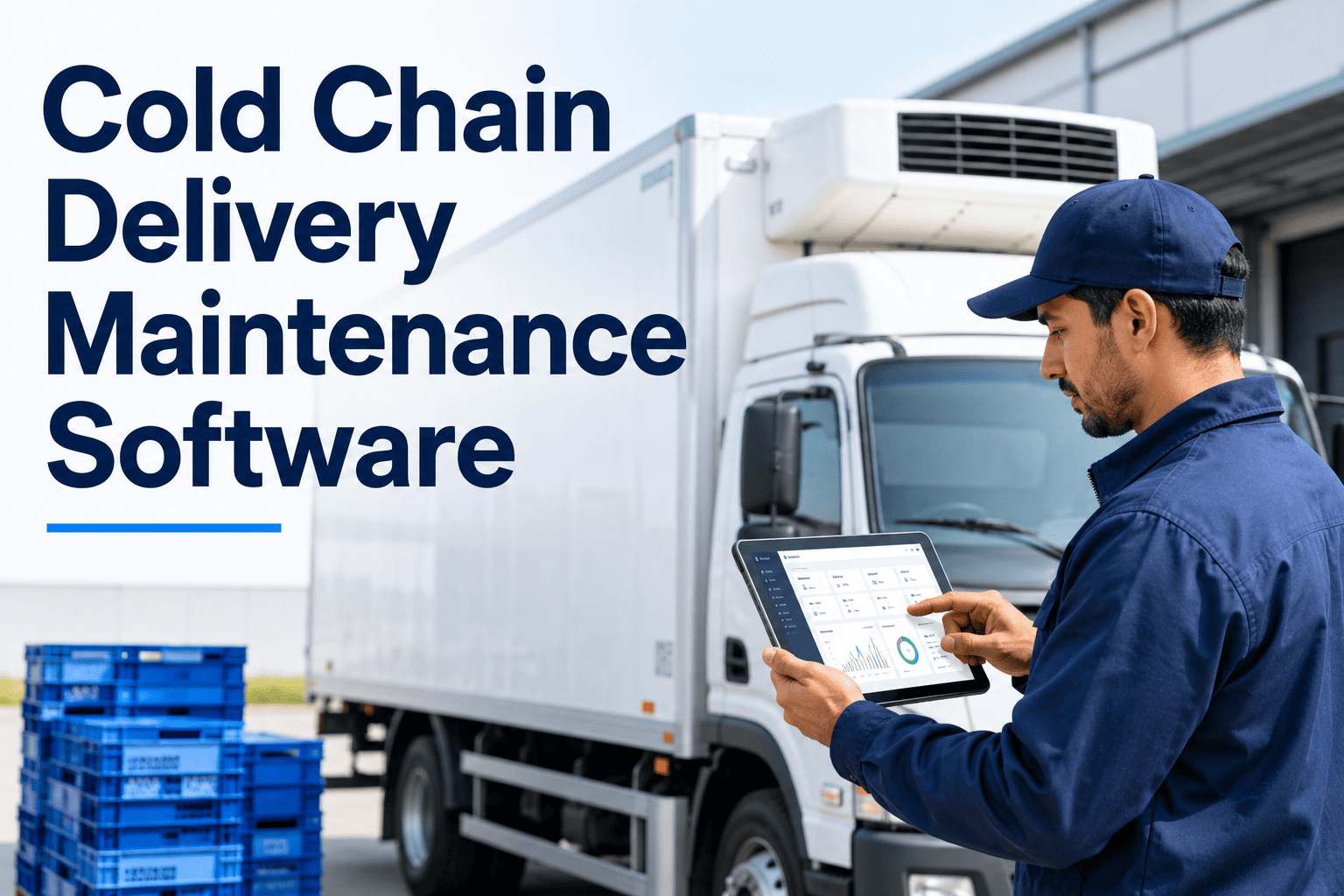
Cold chain delivery puts two mechanical systems on every route simultaneously — the road vehicle and the reefer unit — and both have to perform flawlessly from departure to delivery. A standard van failure costs your operation $700 and delays parc
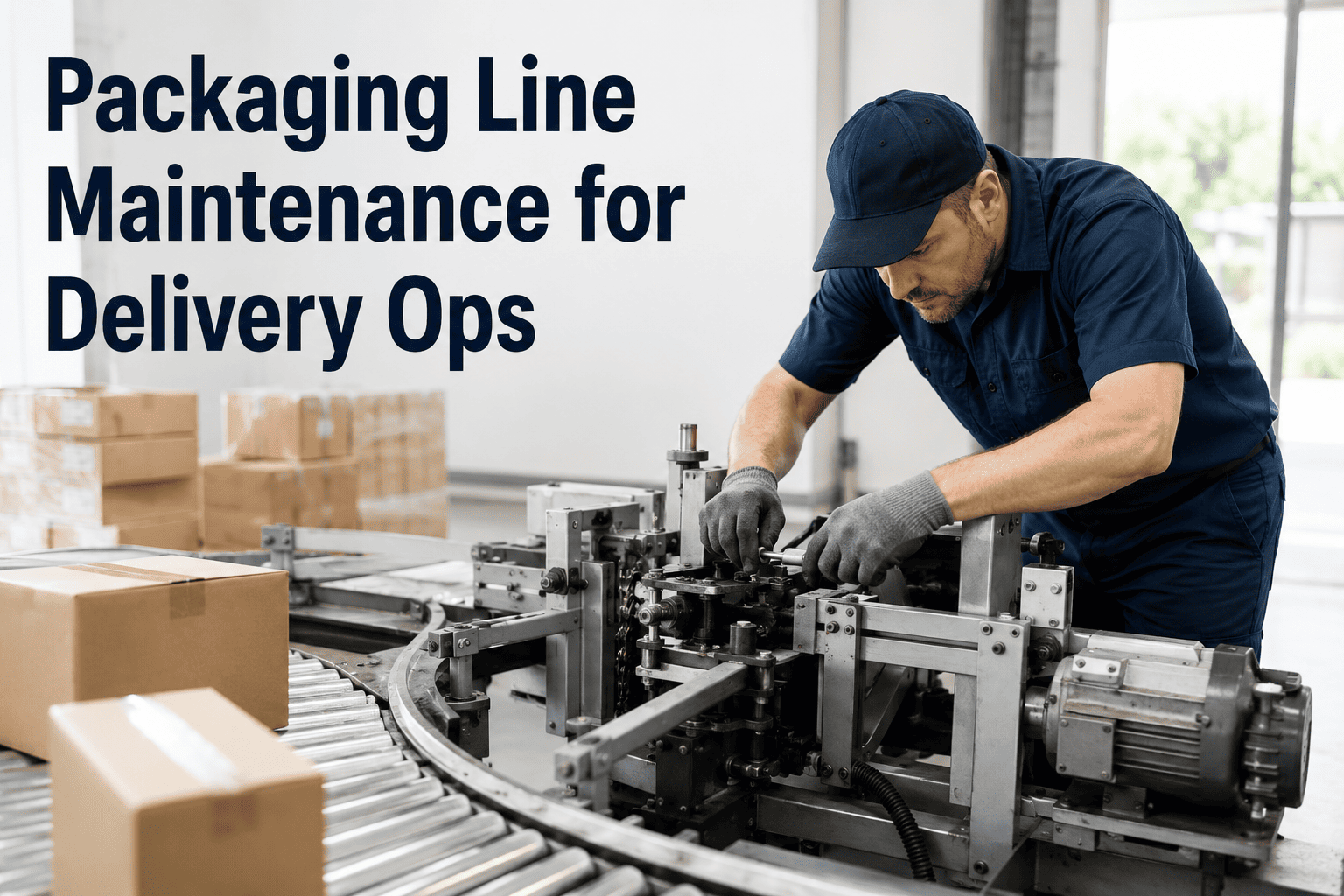
The packaging line is where delivery operations either hold their promise or quietly lose it. Unplanned stoppages on a filling line, cartoner, or palletizer do not just delay one order — they back up the entire dispatch sequence, miss carrier cut-
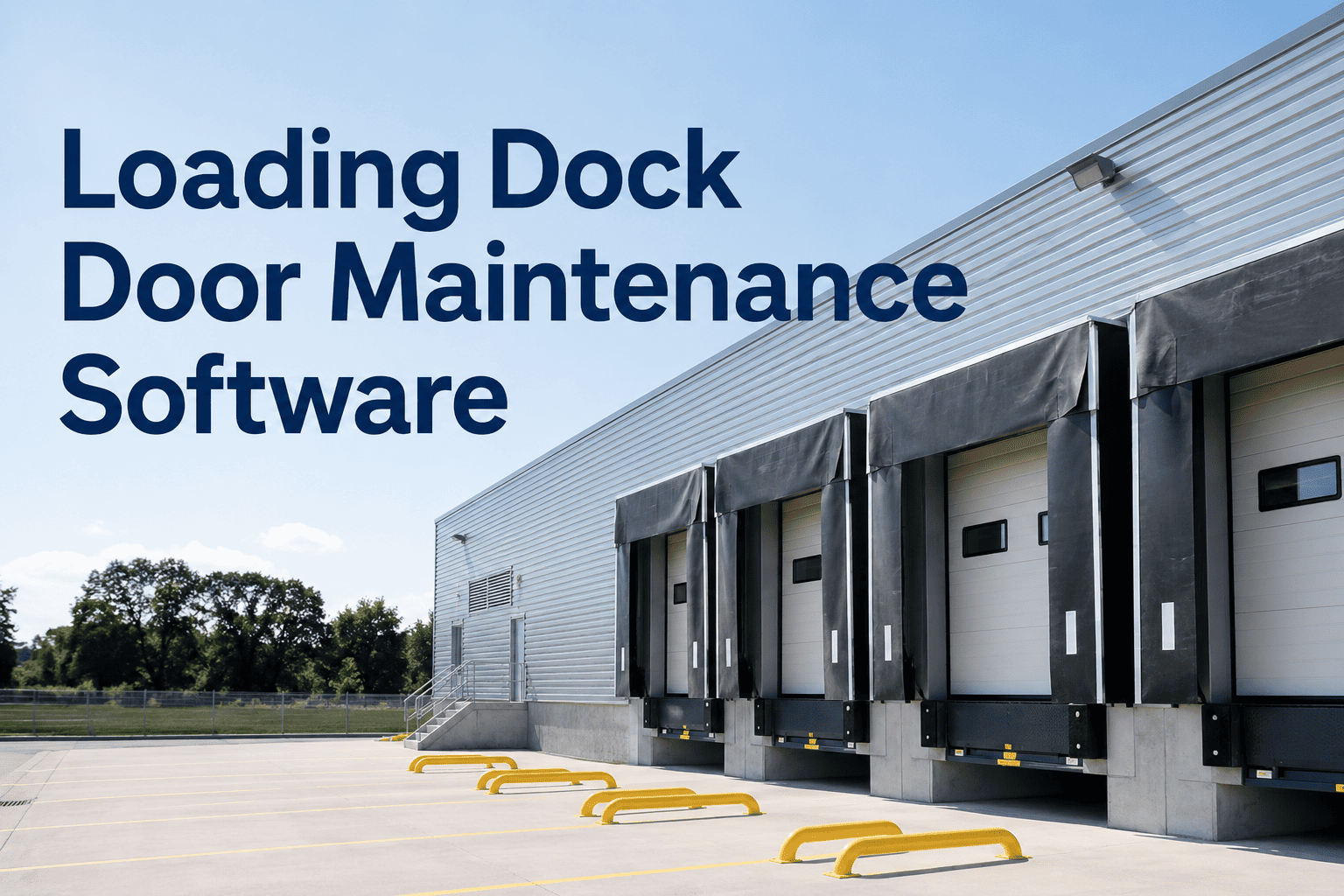
Every loading dock is doing double duty — it is the first point of entry for inbound freight and the last checkpoint before outbound shipments leave the building. When a dock door fails mid-shift, it does not just slow one bay; it backs up receivi
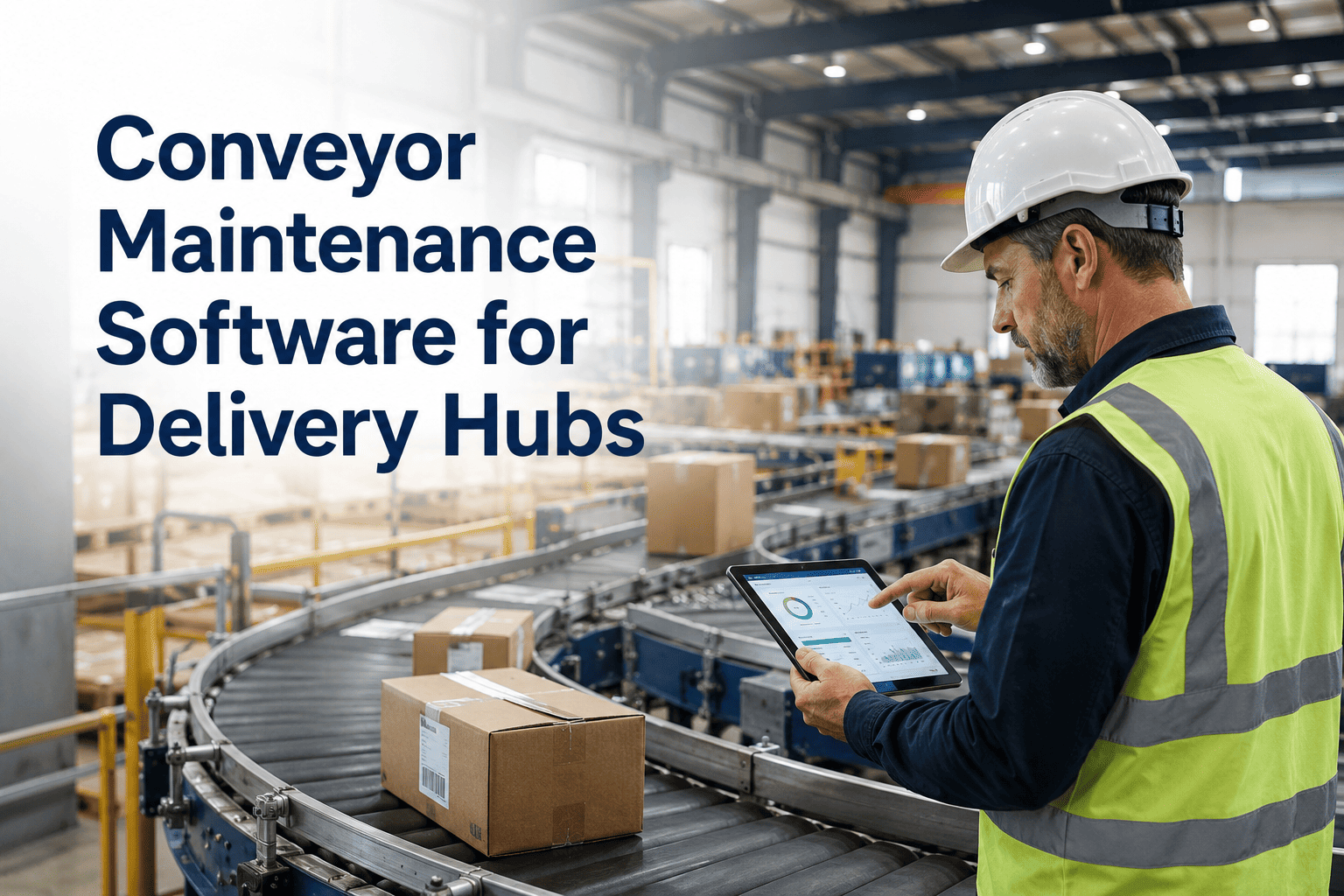
Conveyor systems are the circulatory system of every parcel and delivery hub — when they run well, throughput is invisible. When they fail, every downstream operation stops within minutes. Belt slippage, seized rollers, misaligned tracking, and mo

Running a delivery hub means managing dozens of interdependent systems — conveyors, dock doors, forklifts, sorters, HVAC, and EV chargers — all of which must work in sync across high-throughput shifts. A single dock door stuck open or a sorter bel
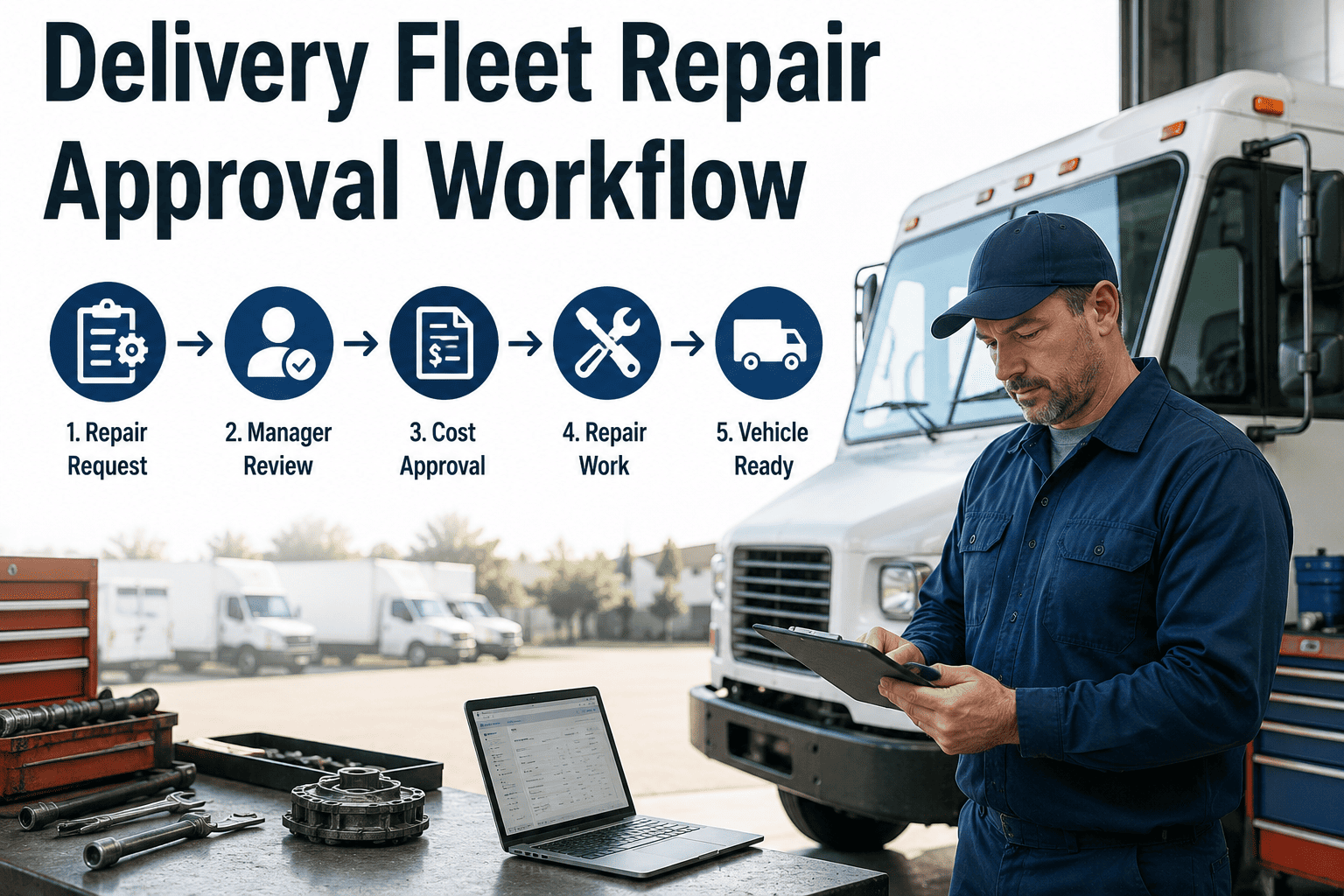
A delivery fleet spread across three depots, two regional hubs, and a dozen contracted service points does not break down in one place at a time — repairs are requested simultaneously from every corner of the operation, and without a structured ap

When holiday order volumes triple and every delivery van is expected to run double shifts, a single unplanned breakdown does not just delay one route — it triggers a chain reaction across the entire network. Peak season delivery maintenance planni
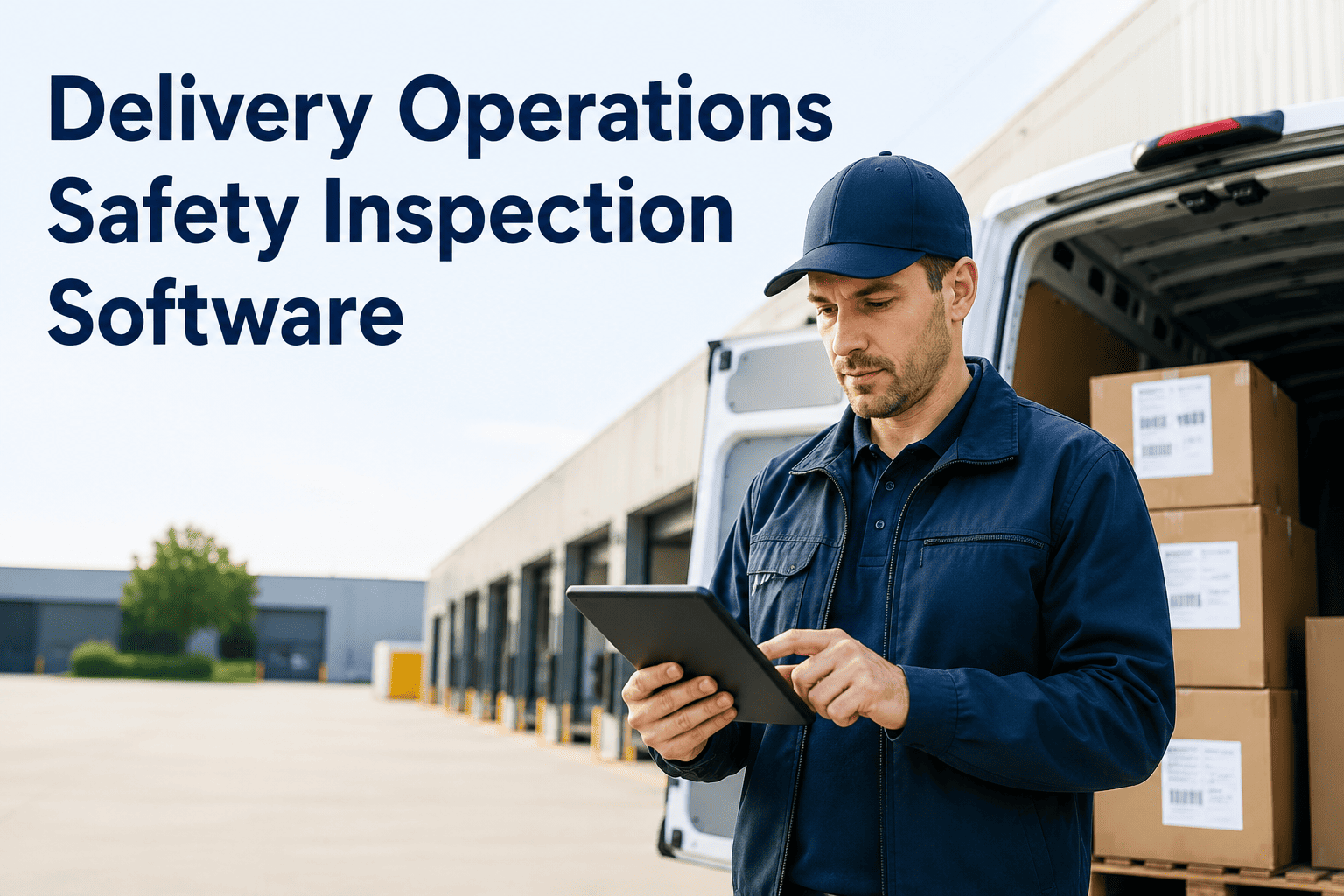
A missed forklift brake check, a faded dock edge marking, or an uninspected conveyor guard can end a shift with an injury report — or worse. Delivery operations run on tight margins and tighter schedules, and safety inspection shortcuts cost far m
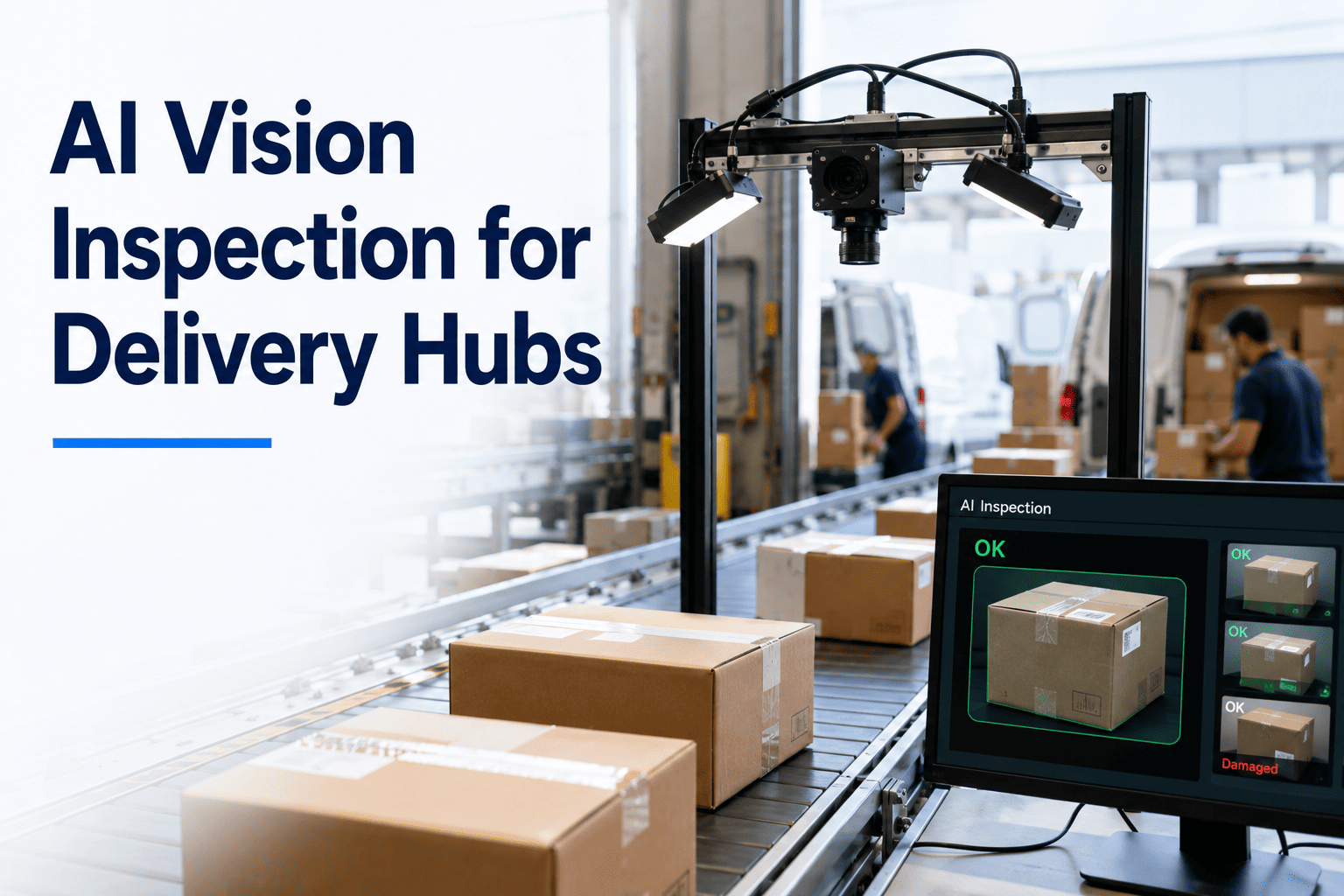
Every delivery hub runs on speed — but speed without visibility is a liability. Defective conveyor belts, leaking dock seals, forklift wear, and damaged shelving units go unnoticed until they cause an injury, a compliance violation, or an unplanne

Choosing the right fleet maintenance software for a delivery operation is not just a software decision — it is a decision about how your team will manage assets, track inspections, respond to defects, and prevent breakdowns for the next several ye
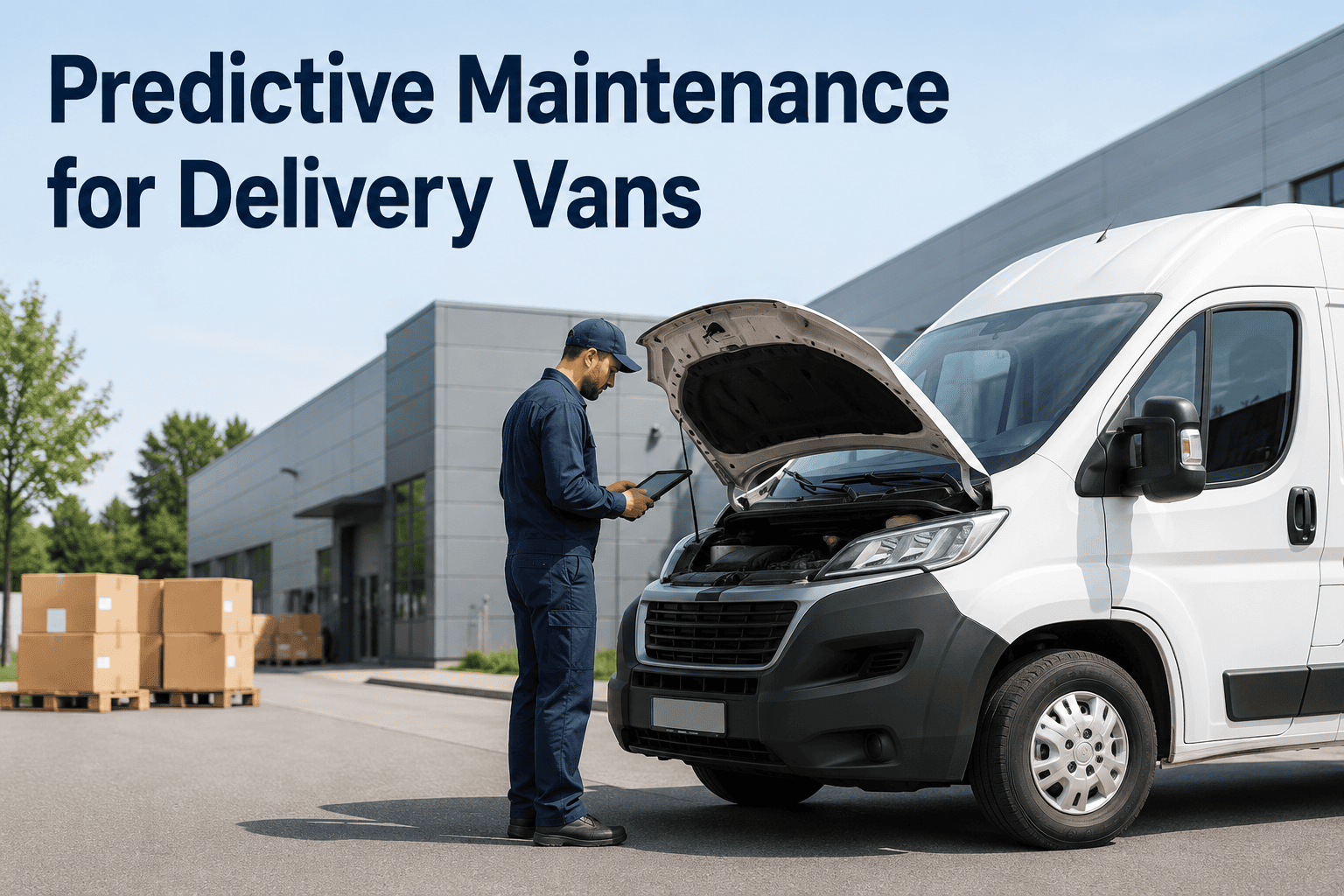
Delivery vans are the backbone of last-mile logistics — and when one breaks down mid-route, you lose more than just the day's revenue. Unplanned breakdowns cost courier fleets 3–5x more than scheduled repairs, and most failures give clear warning
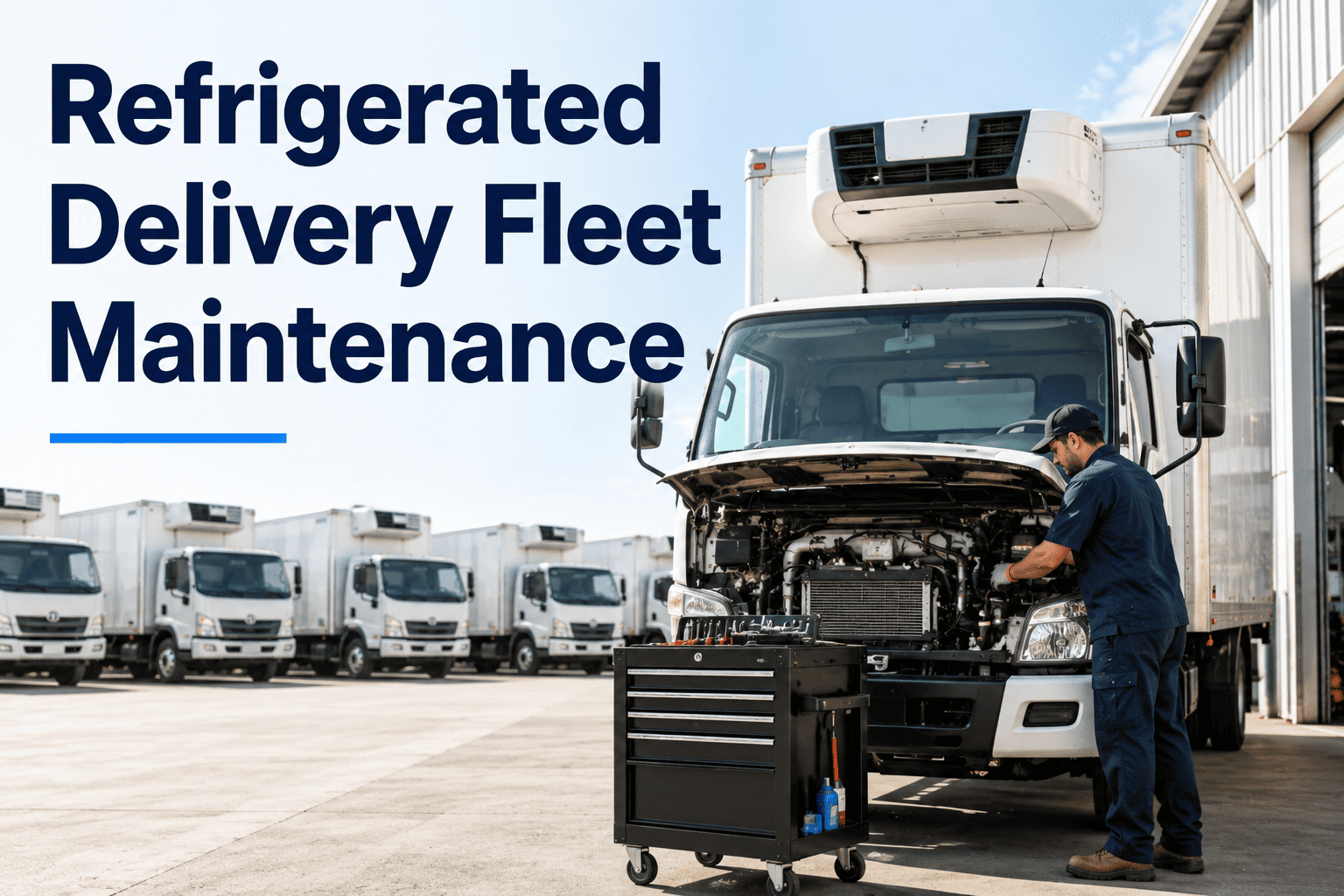

When a delivery fleet has ten vehicles flagged for repair and only four mechanic bays, the order in which you fix them determines whether you hit your SLAs or miss them. Most fleet workshops still prioritise by first-in, loudest-complaint, or gut

Every fleet manager knows that poor maintenance costs money — but most cannot say exactly how much, or where the biggest savings are hiding. Delivery fleets lose revenue through unplanned downtime, burn budget on emergency repairs at premium labou

Delivery fleets run on tight margins — every hour a vehicle sits in the shop is a missed route, a late customer, and a dispatching headache that ripples through your entire operation. OxMaint.ai worked with a regional courier network operating 340
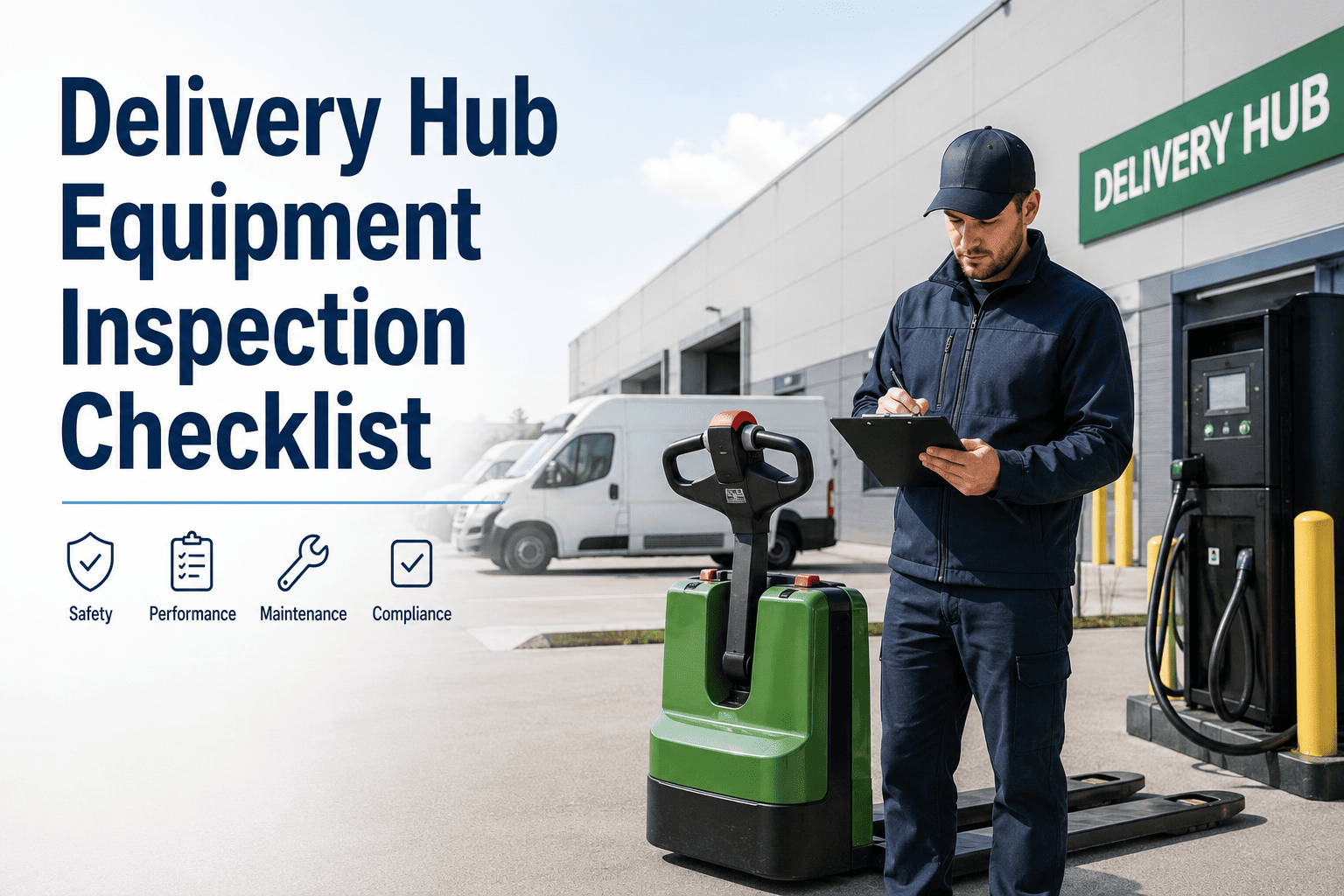
Delivery vehicles are the moving backbone of any logistics operation — and a single brake failure, blown tire, or faulty light can ground a route, expose your business to liability, and put a driver in danger. Fleet operators across courier, e-com

Electric delivery vehicles bring lower fuel costs, quieter operation, and reduced emissions to last-mile logistics — but they also introduce a new layer of inspection complexity that traditional DVIR checklists simply weren't built for. Battery st

Delivery vehicles are the moving backbone of any logistics operation — and a single brake failure, blown tire, or faulty light can ground a route, expose your business to liability, and put a driver in danger. Fleet operators across courier, e-com

FMCSA compliance reviews don't announce themselves weeks in advance — and when an investigator requests your vehicle maintenance records, you have limited time to produce organized, complete documentation covering inspections, repairs, parts repla

DOT compliance violations cost delivery fleets an average of $16,000 per out-of-service vehicle per day — and a single failed roadside inspection can put a commercial vehicle out of service immediately, stranding drivers, missing deliveries, and t
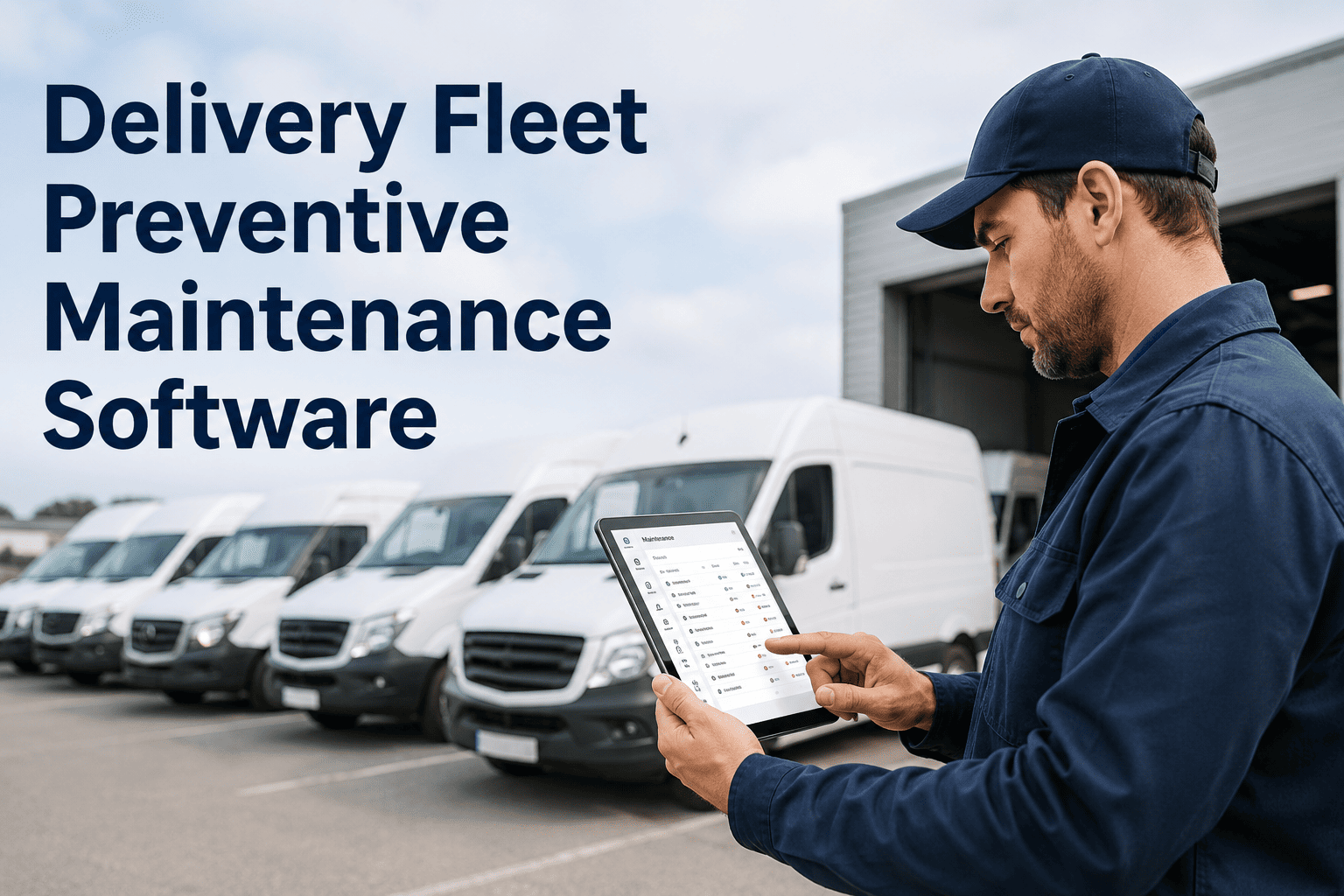
Every unplanned breakdown costs a delivery fleet an average of $448 to $760 per vehicle per day in lost productivity, emergency repairs, and missed SLAs — yet most fleets still manage service intervals on whiteboards or spreadsheets that haven't b

Most delivery fleet managers know approximately how old their vehicles are and roughly when the last major repair happened. That level of visibility sounds adequate until a replacement decision lands on your desk — and you realize you cannot tell

The gap between a maintenance issue and a breakdown is almost always a gap in communication — the defect was logged, but no one was alerted. The PM was overdue, but the supervisor did not notice until the vehicle was already on a route. The parts

A DOT audit does not give you a week's notice to get your records together — it arrives, and whatever your fleet's compliance documentation looks like at that moment is what inspectors review. Delivery fleets operating without automated compliance

Delivery fleets that still rely on paper logs and reactive repairs are leaving thousands of dollars on the table every month. A single unplanned breakdown during peak hours does not just cost the repair — it costs the missed deliveries, driver idl
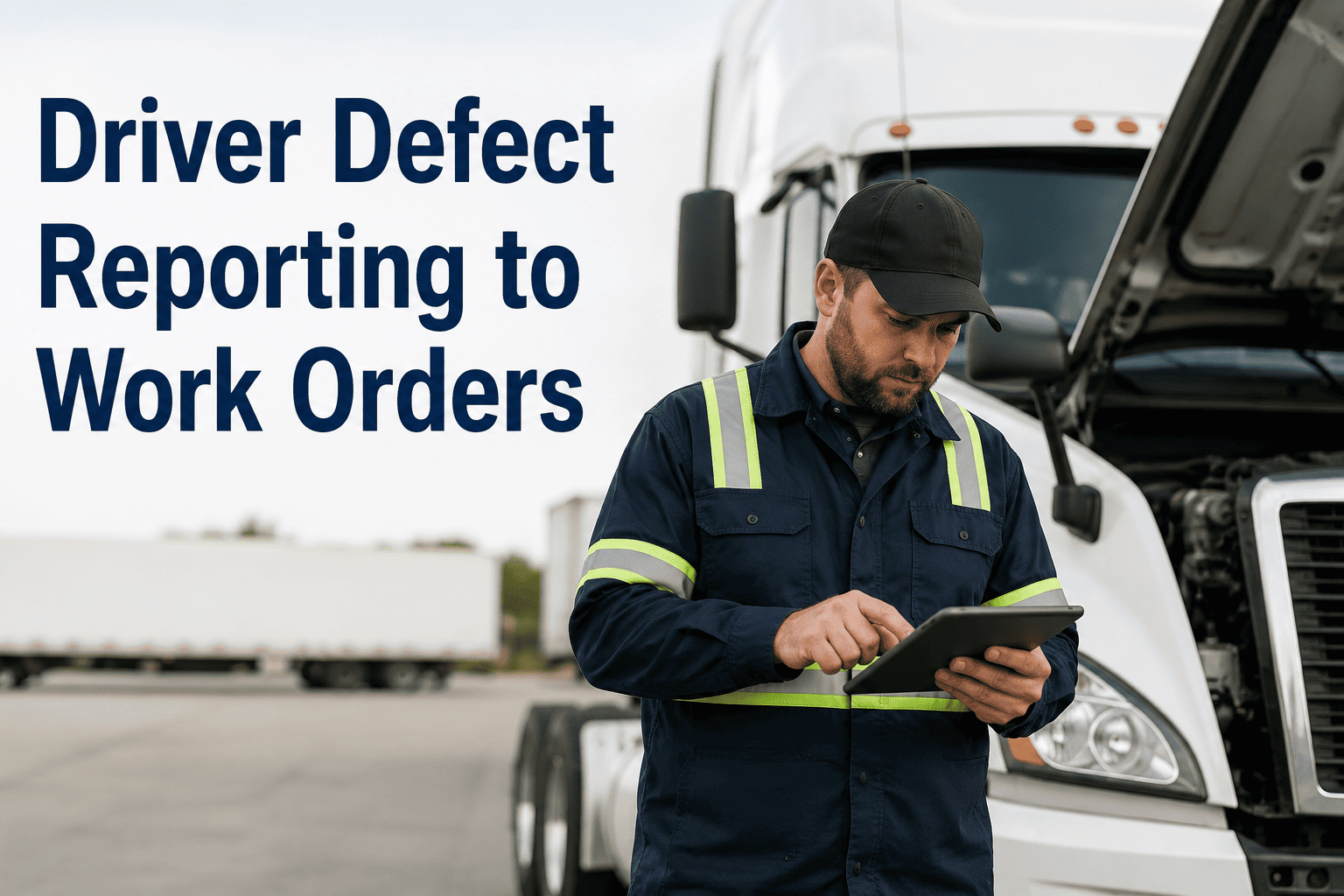
A driver who finds a brake issue, a cracked windscreen, or a failing tail light before their shift has done exactly what a fleet safety system asks. But across most fleet operations today, what happens next breaks the chain: the driver scribbles i
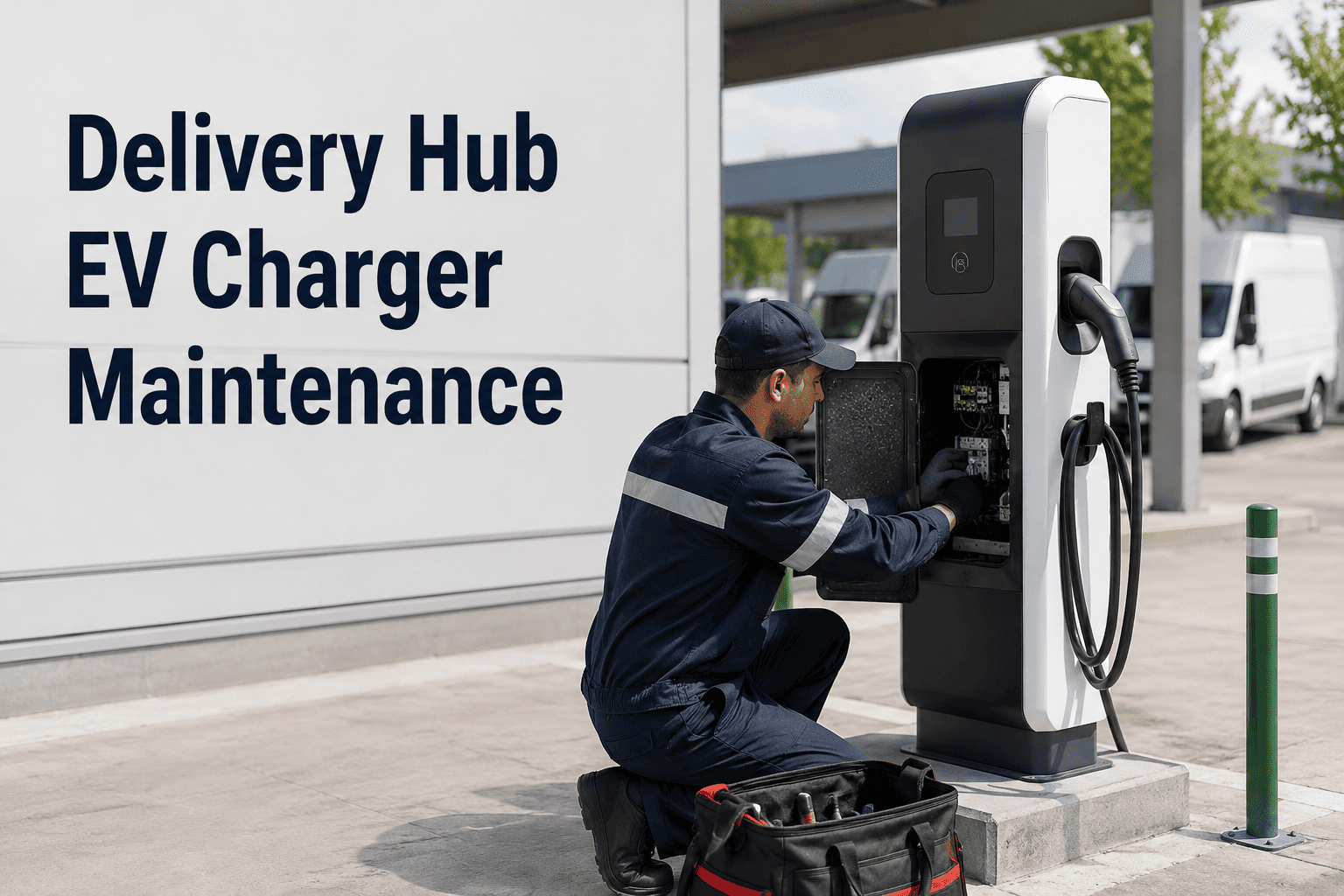
A delivery hub lives or dies by dispatch readiness — and in an electrified fleet, dispatch readiness starts the night before, when every vehicle needs to finish charging before the morning shift begins. A single malfunctioning charger at a 40-vehi
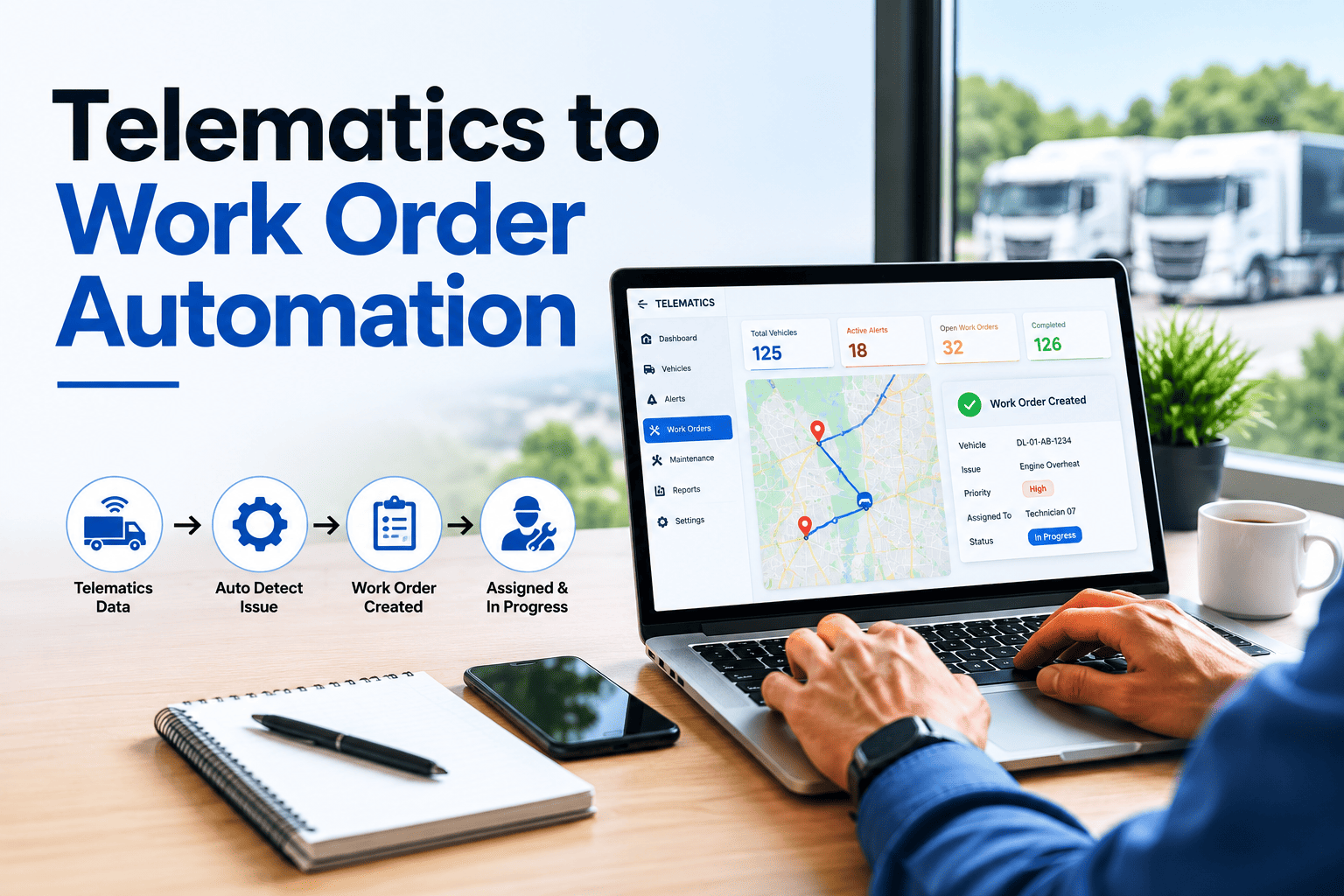
Your telematics dashboard knows your van has been running with a P0420 catalyst code for the last 47 miles. It knows the engine coolant temperature has crept up 9 degrees over the last six trips. It knows the brake event count just spiked 34% abov
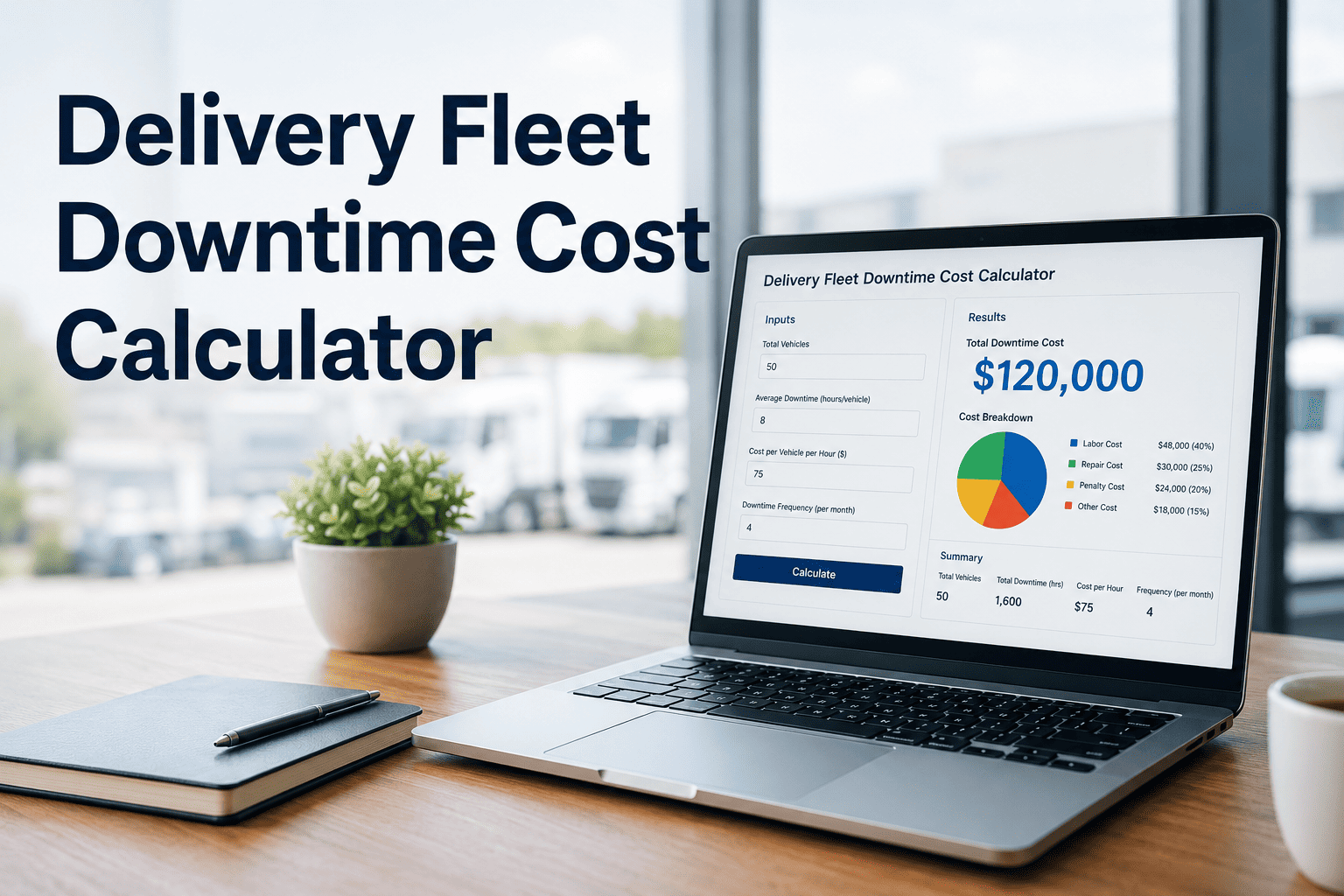
One delivery van breaks down on Tuesday morning. By 9:47 AM, dispatch is rerouting 22 stops across three other drivers, a tow truck is en route at $487, and your warehouse manager just got off the phone with a customer threatening to switch suppli
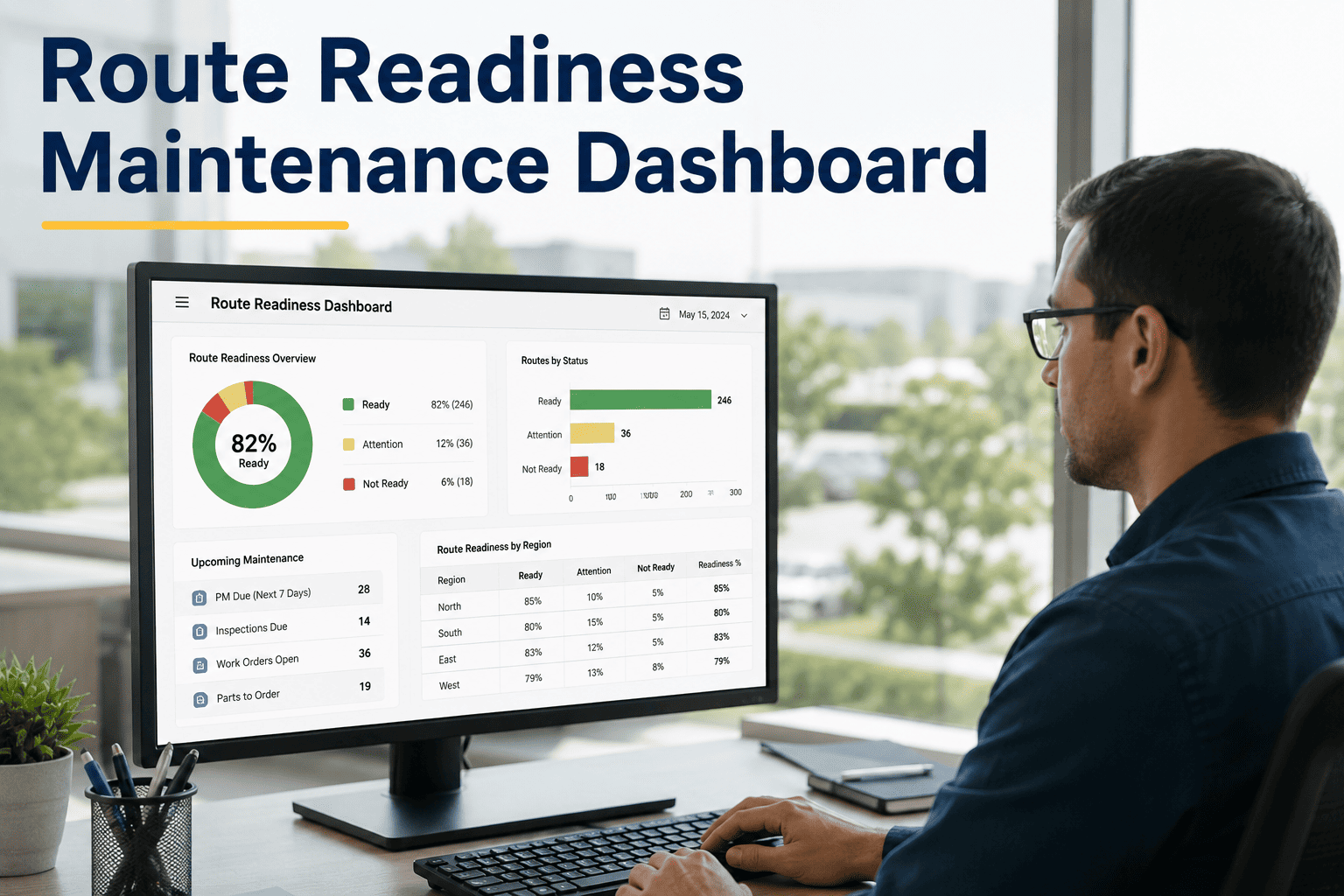
Every morning, before a single delivery van leaves your depot, dispatch needs one answer: which vehicles are ready to roll, which are in the shop, and which are waiting on a part? Without a live route readiness dashboard, that answer takes phone c

Delivery drivers make hundreds of decisions per shift — but when a brake pad is worn, a tyre is low, or a warning light flicks on, the one decision that matters most is: can I report this right now, from the cab, before I pull out of the depot? Wi
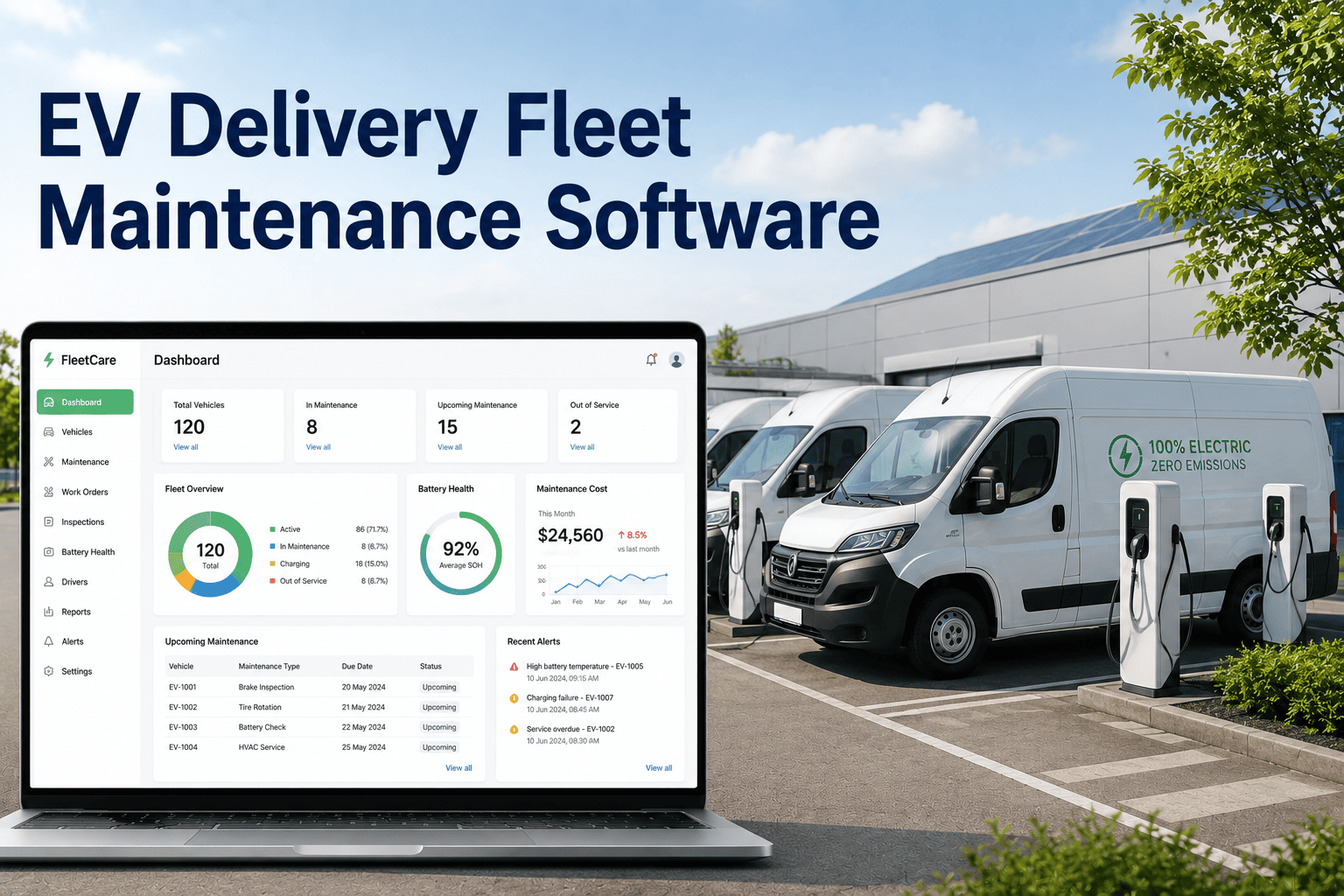
At 04:18 on a Wednesday morning, the night-shift supervisor at a 60-van electric delivery depot in New Jersey noticed something odd on the charging dashboard. Bay 11 showed "Charging" status, but the energy delivered counter had been frozen at 47
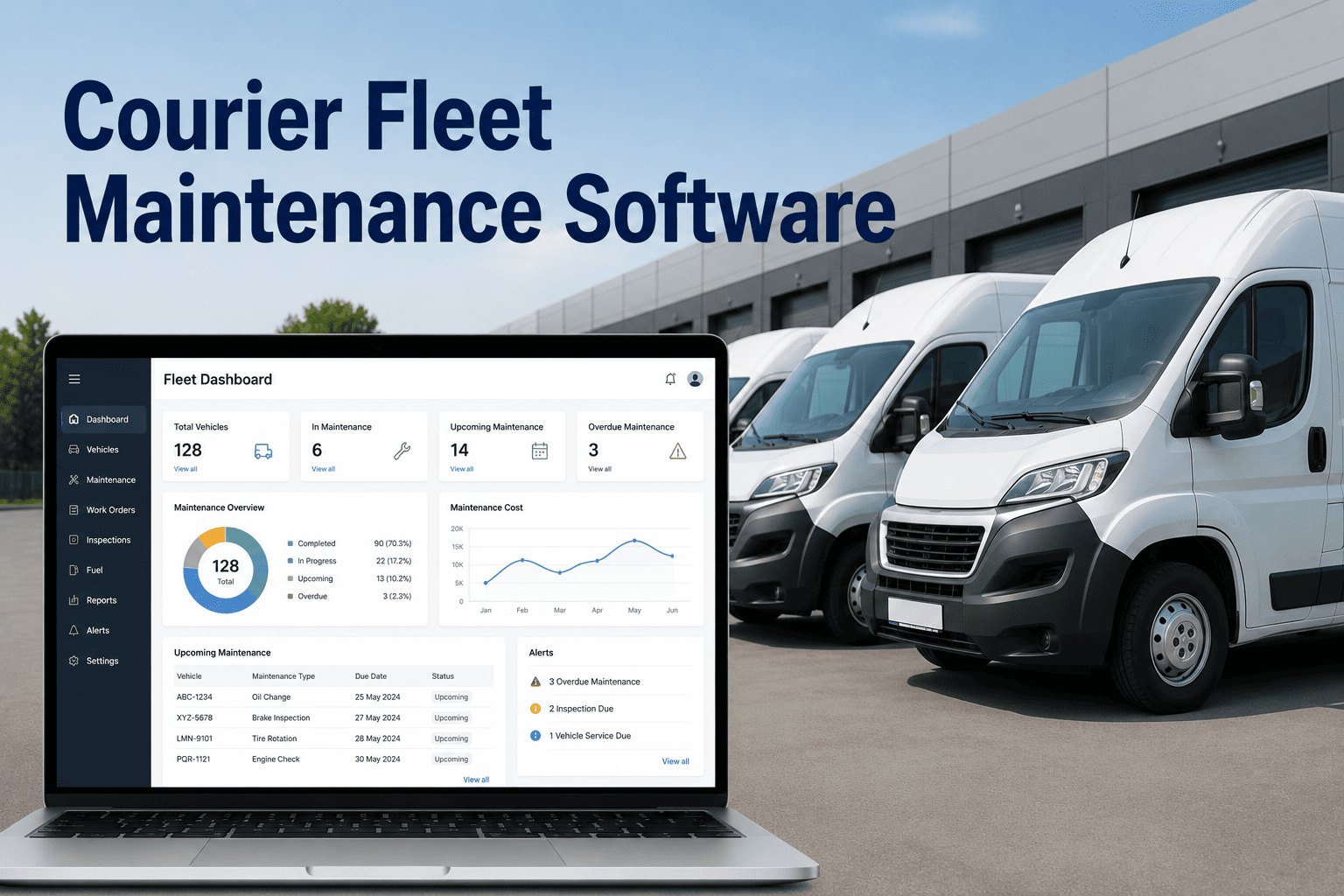
It was a Tuesday morning, 09:47 — and Van 14, a five-year-old transit on a 38-stop same-day route through East London, refused to restart after a delivery in Hackney. The driver had heard a faint clicking from the timing chain area for two weeks b
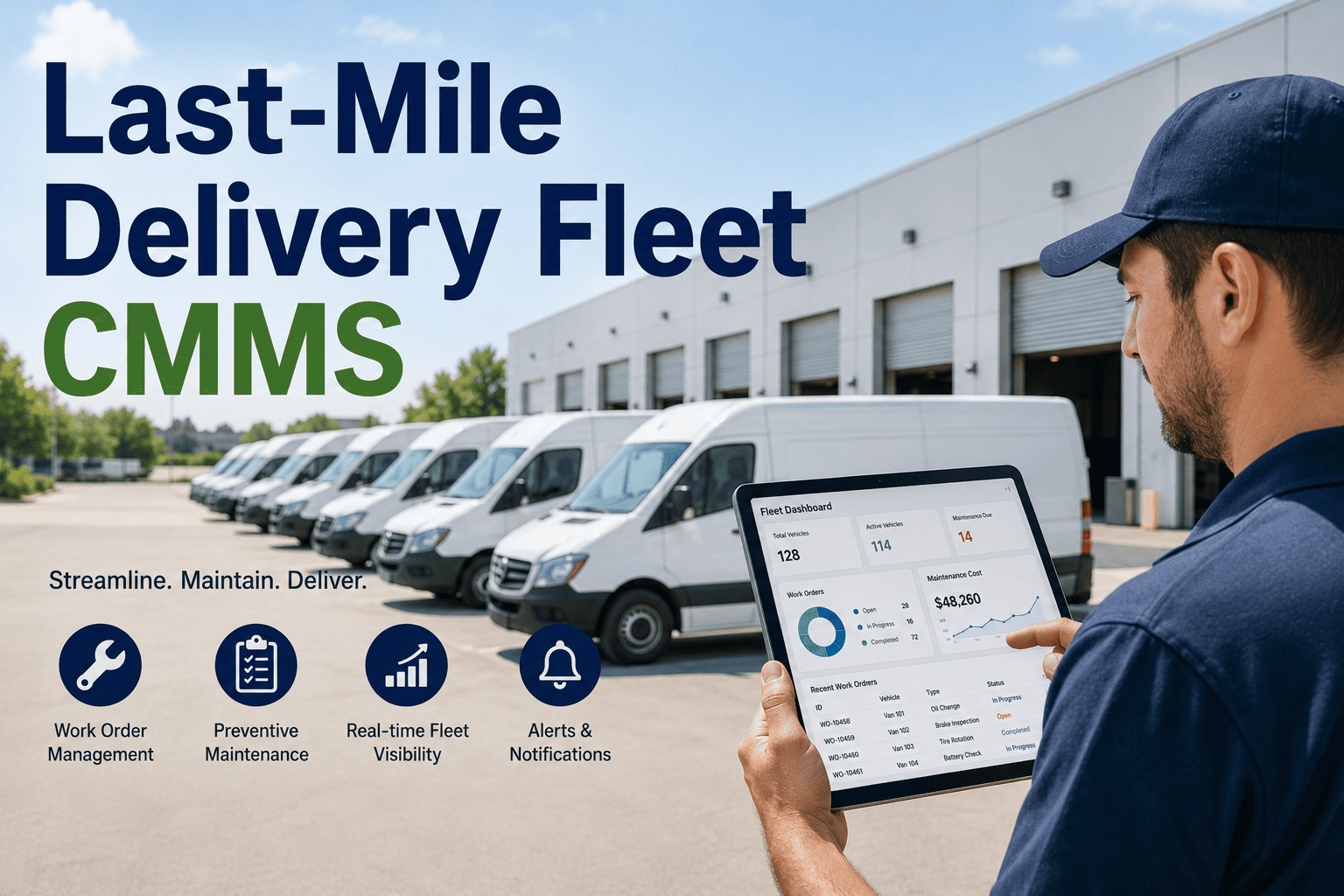
Last-mile delivery is the most vehicle-intensive, time-pressured, and margin-sensitive segment in modern logistics. Each vehicle in your last-mile fleet is a revenue-generating asset with a finite window of route availability every day — and every
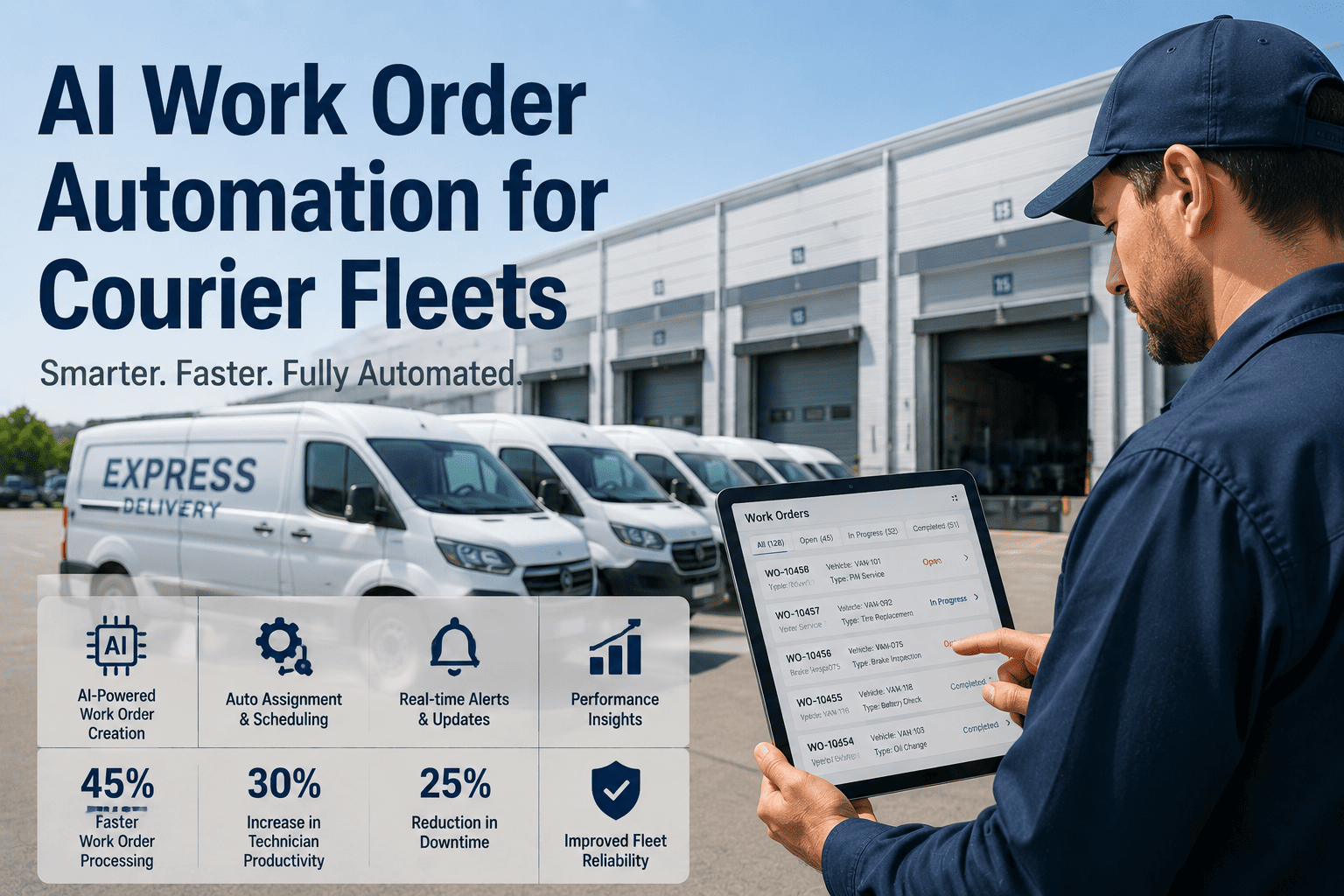
In a 200-vehicle courier depot, over 400 defect reports can be generated in a single week — through driver inspection sheets, supervisor observations, and post-route vehicle checks. Processing that volume manually through email, phone calls, and w
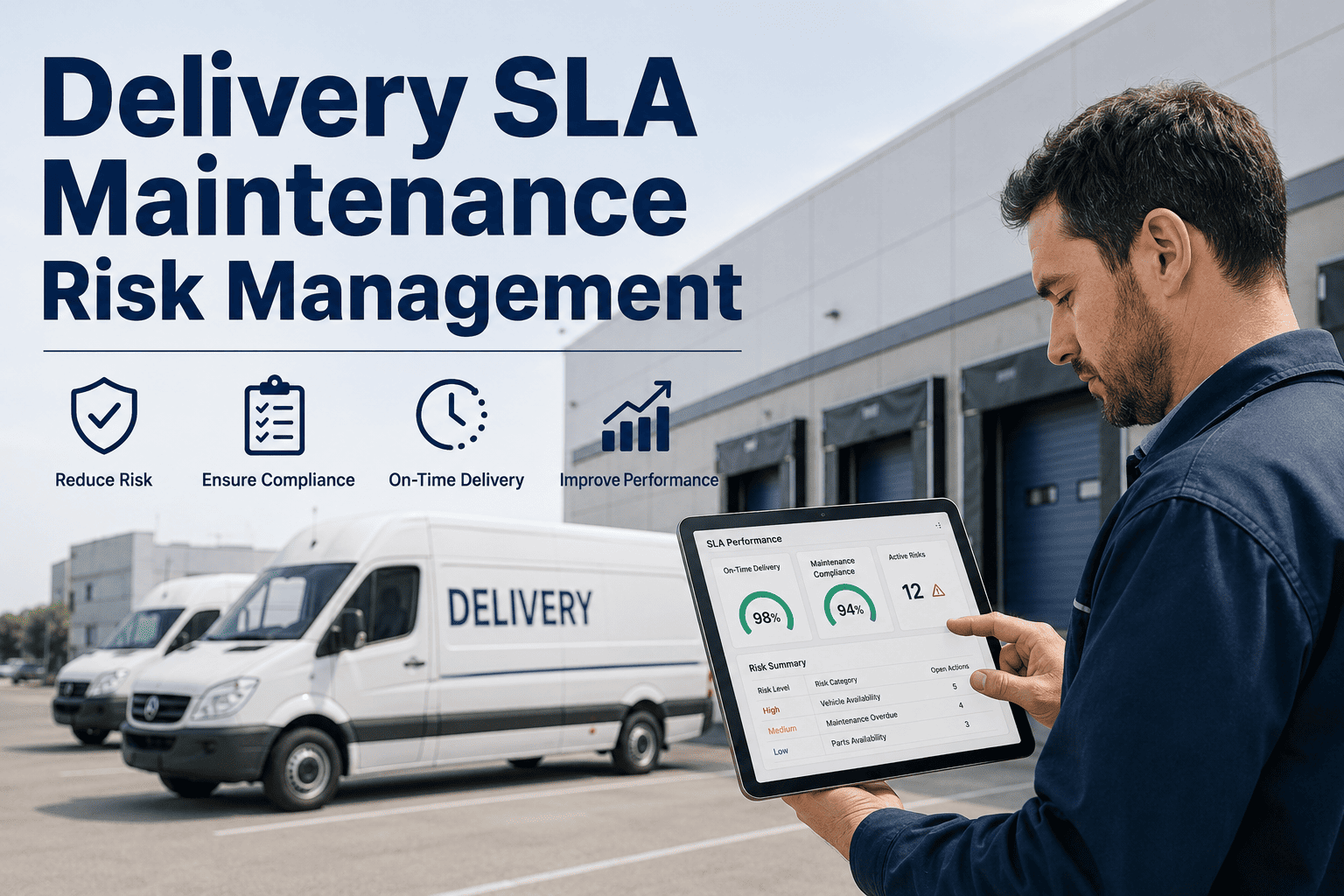
Every delivery SLA your business commits to — same-day, next-day, 2-hour window — is underwritten by the mechanical reliability of your vehicles. When a van breaks down mid-route, the SLA breach is instant, the penalty is real, and the customer tr
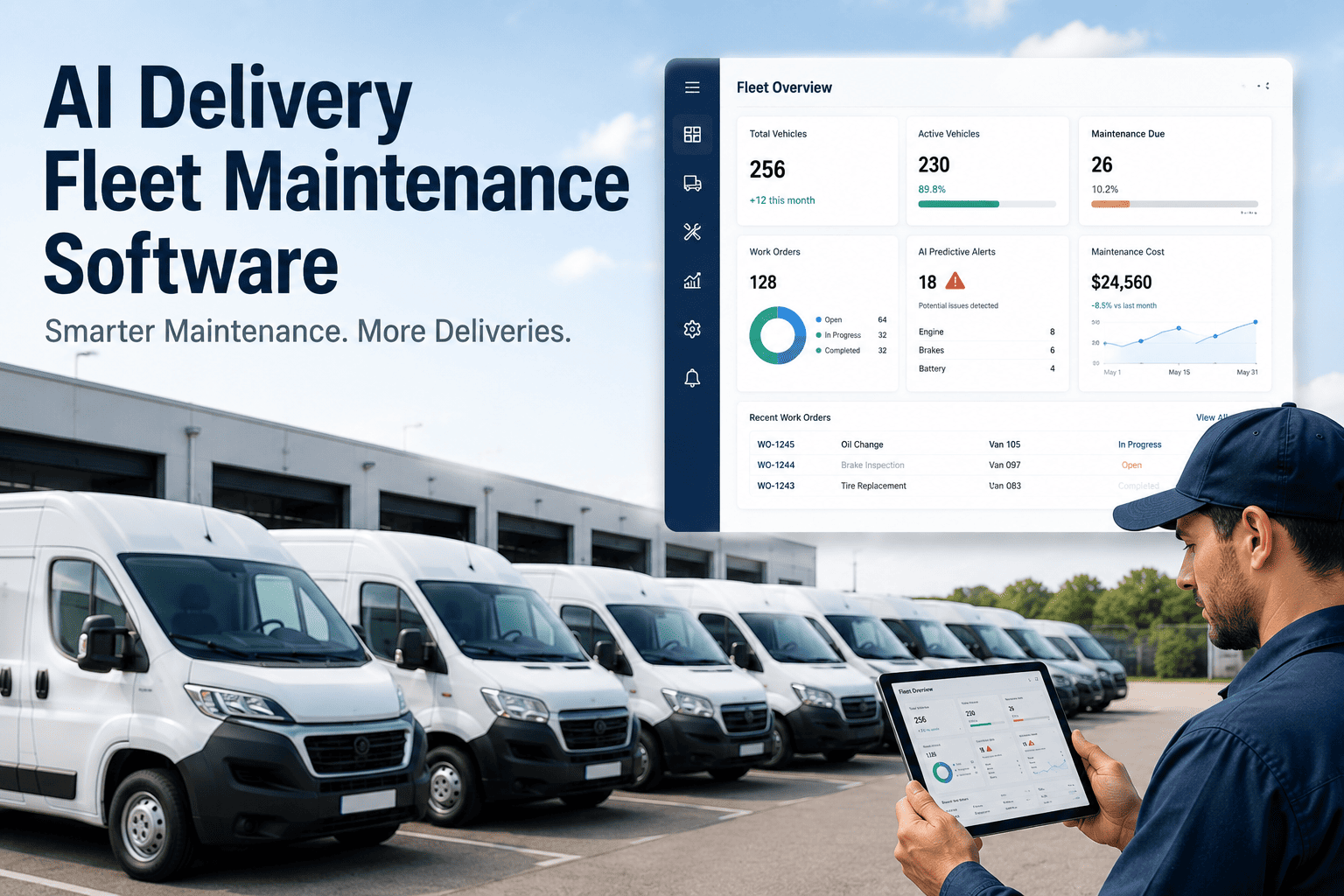
Delivery fleets run on tight margins and tighter schedules. A single van breakdown mid-route doesn't just cost a repair bill — it triggers missed SLAs, rerouting costs, and customer churn that compound well beyond the mechanical failure. Yet most
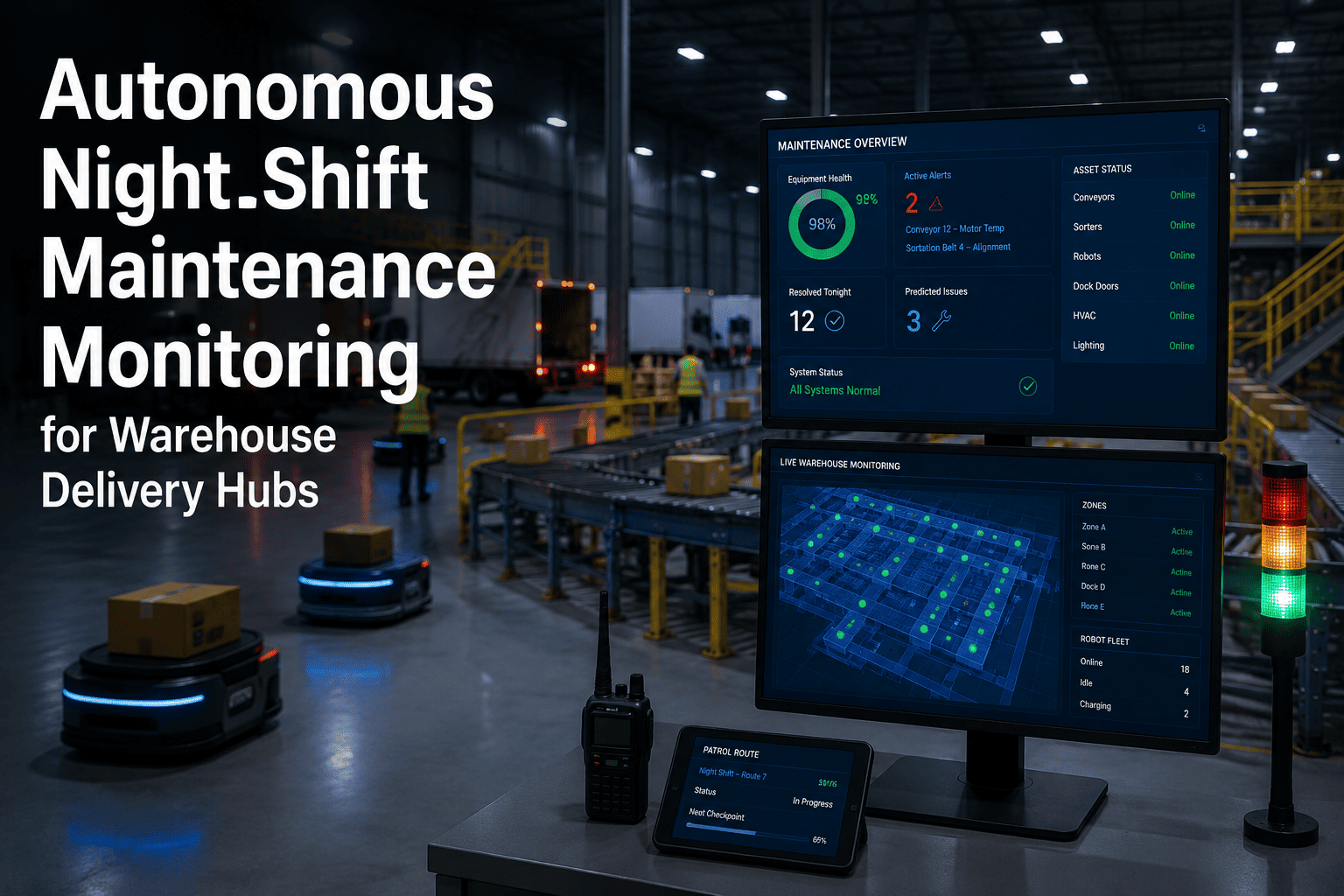
When the day shift leaves and the warehouse floor goes quiet, the equipment does not. Conveyor drives run unattended, charging stations cycle through overnight battery loads, and refrigeration compressors hold temperature across facilities with no
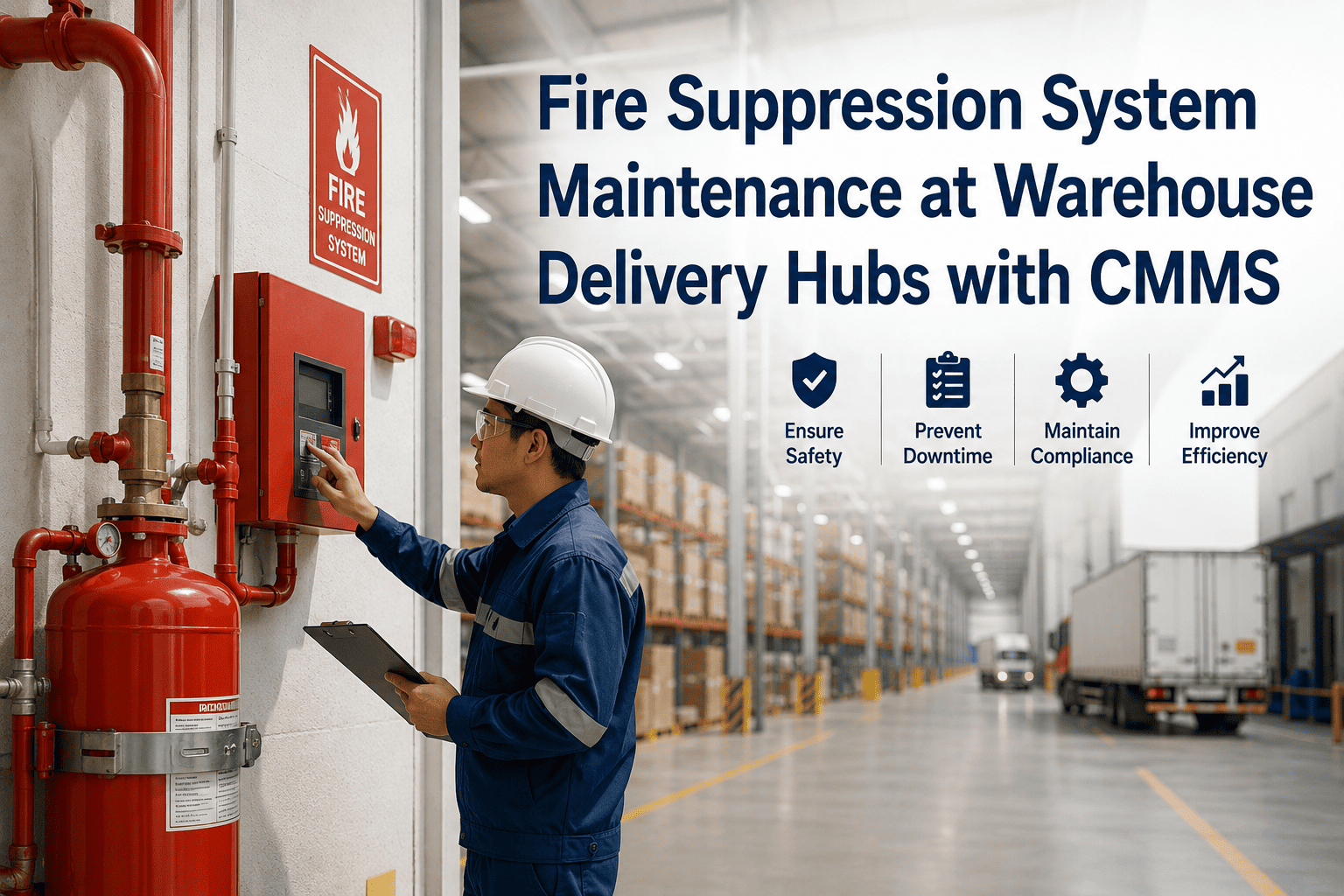
Every warehouse delivery hub runs on speed — but one uninspected fire suppression system can halt operations entirely, trigger regulatory fines, and put lives at risk. OxMaint CMMS gives mainten

Thousands of warehouse delivery operations are quietly running their maintenance on systems that were designed before smartphones existed — AS/400 platforms, legacy ERPs, and custom-built maintenance databases that were state-of-the-art in the 199

Most warehouse delivery operations invest in the right tools — conveyor systems, forklifts, dock levelers, sortation equipment — but skip the one investment that determines whether those tools perform: structured technician training embedded direc

ISO 55001 is the international standard for asset management systems — and for warehouse delivery operations, achieving and maintaining certification is no longer a differentiator reserved for the largest logistics networks. Retail and e-commerce

Reactive maintenance in warehouse delivery operations is costing logistics teams far more than the repair invoice alone — and most operators never see the full number. When a conveyor belt snaps at 2 AM, when a loading dock lift fails mid-shift, o
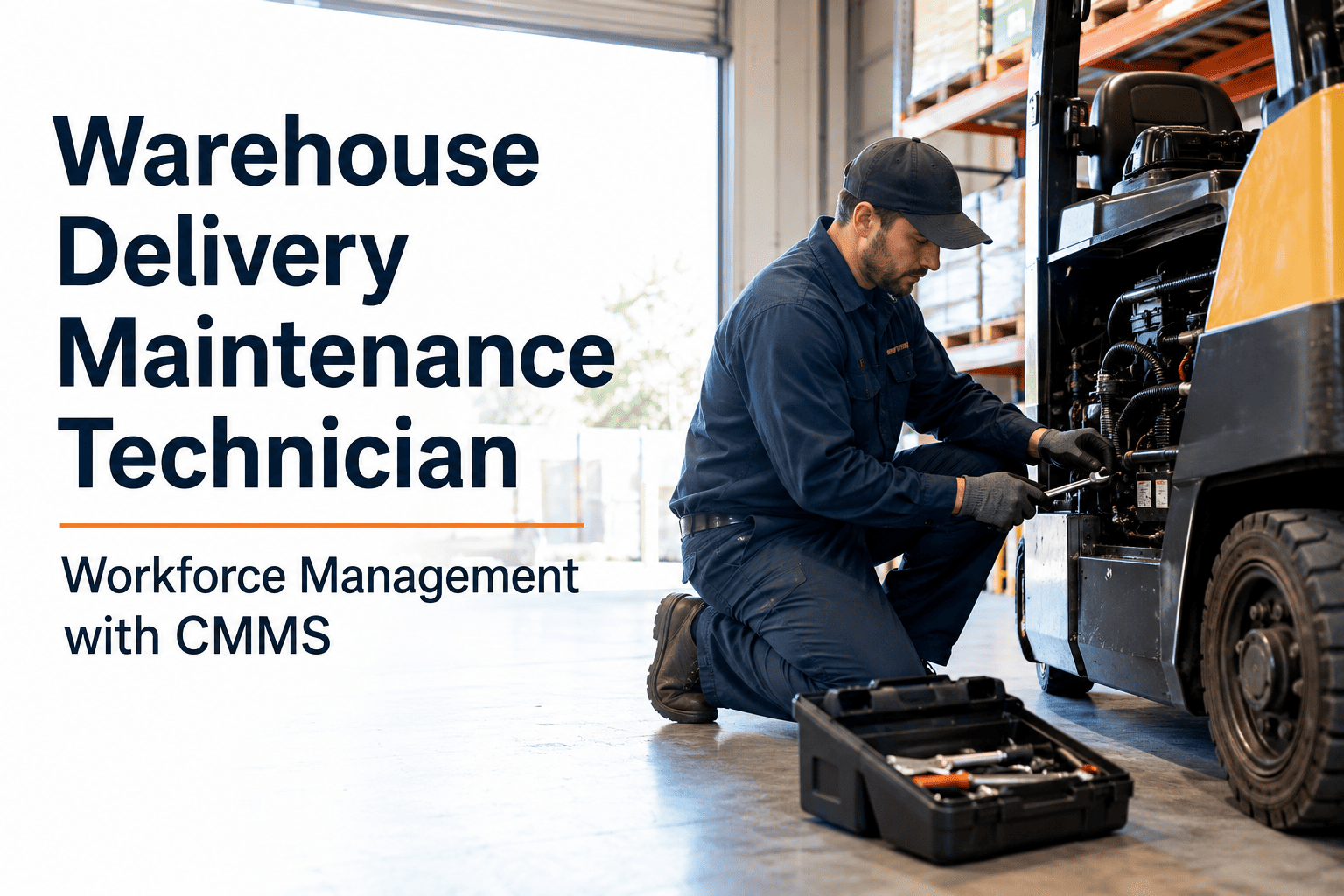
A warehouse delivery operation with twelve maintenance technicians on shift should have twelve technicians fixing equipment. In most facilities, fewer than eight of them are doing that at any given moment — the rest are hunting for work orders, wa

Every warehouse delivery operation runs on a quiet assumption: that the conveyor will keep moving, the sorter will keep sorting, and the dock equipment will stay ready. That assumption costs millions every year — not because equipment fails withou

US warehouse and distribution operations are running at margins that leave almost no room for unplanned downtime. With labour costs up 22% since 2021, carrier rate surcharges compressing fulfilment margins, and Amazon Prime setting a 24-hour deliv

Every warehouse delivery operation runs on promises — pick-by time, dispatch windows, last-mile handoff slots. When a conveyor belt stalls at 11:40 PM or a dock leveller fails at the Friday peak shift, the cascade is immediate: orders miss their c
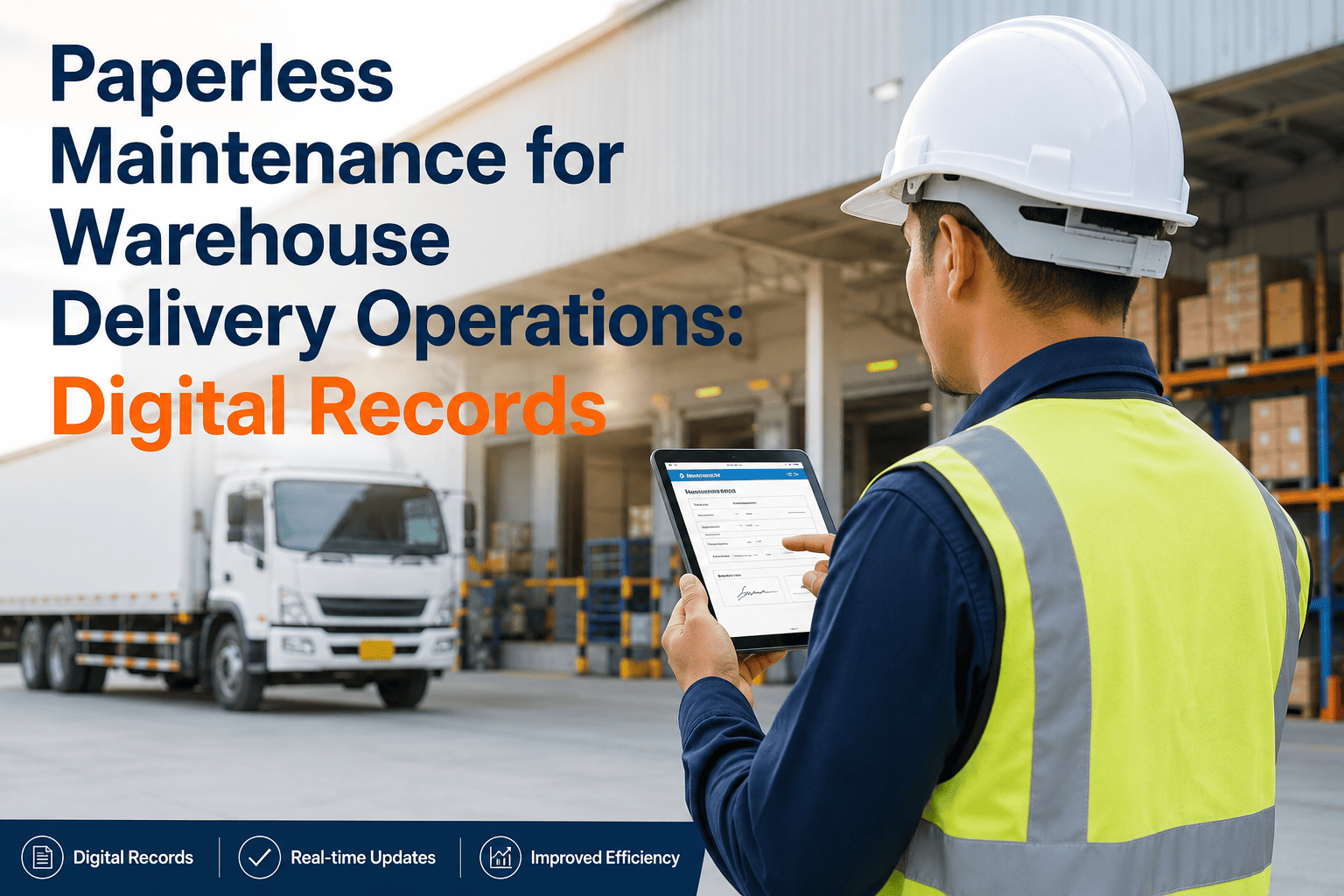
Walk into any warehouse running paper-based maintenance and you will find the same three problems within ten minutes: a clipboard with inspection sheets that no one has updated since last Tuesday, a shift handover note that mentions a forklift mak
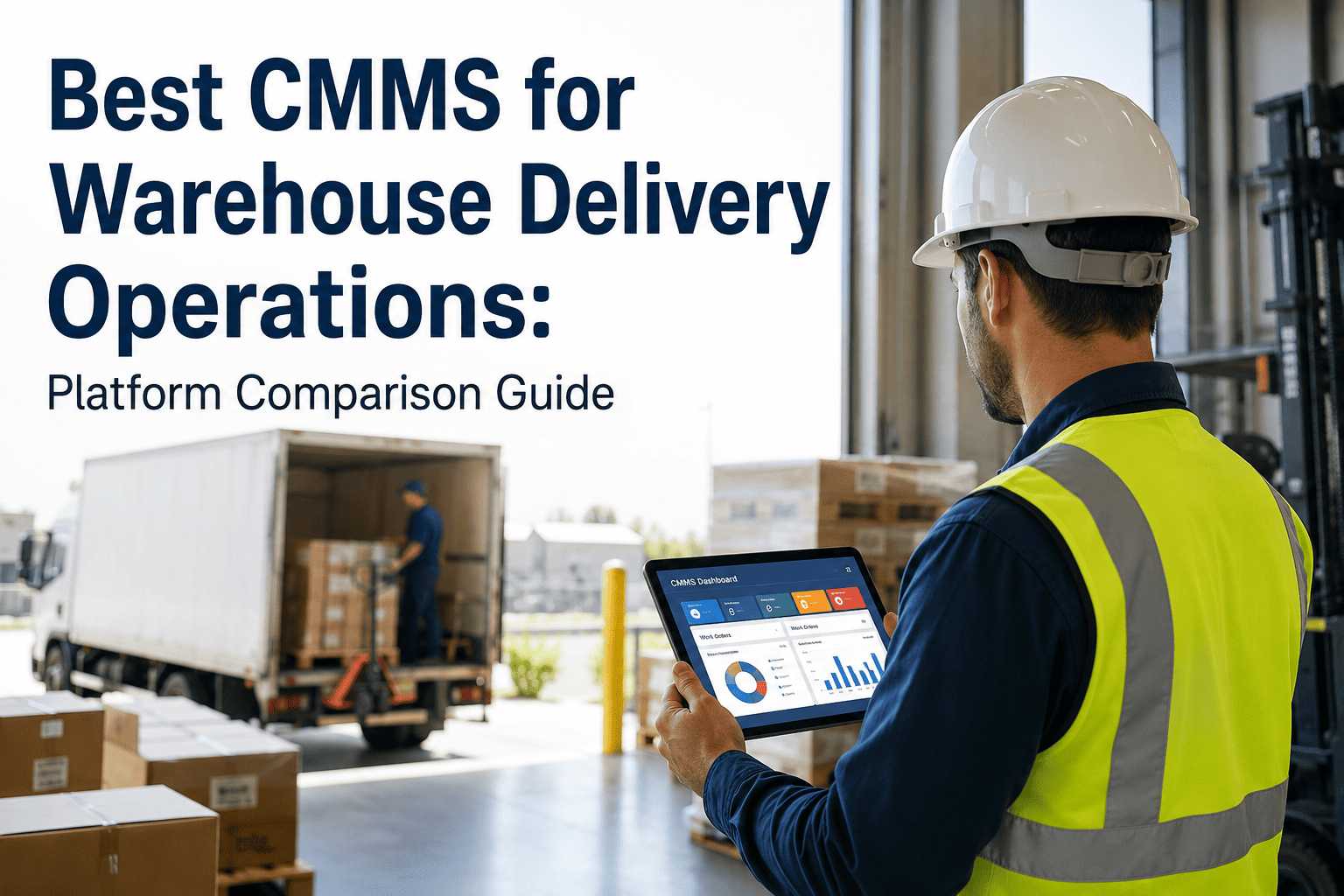
Warehouse delivery operations run on tight SLA windows, multi-shift asset cycles, and zero tolerance for conveyor, forklift, or dock equipment failure during peak dispatch hours. Most generic CMMS platforms were built for facilities maintenance —
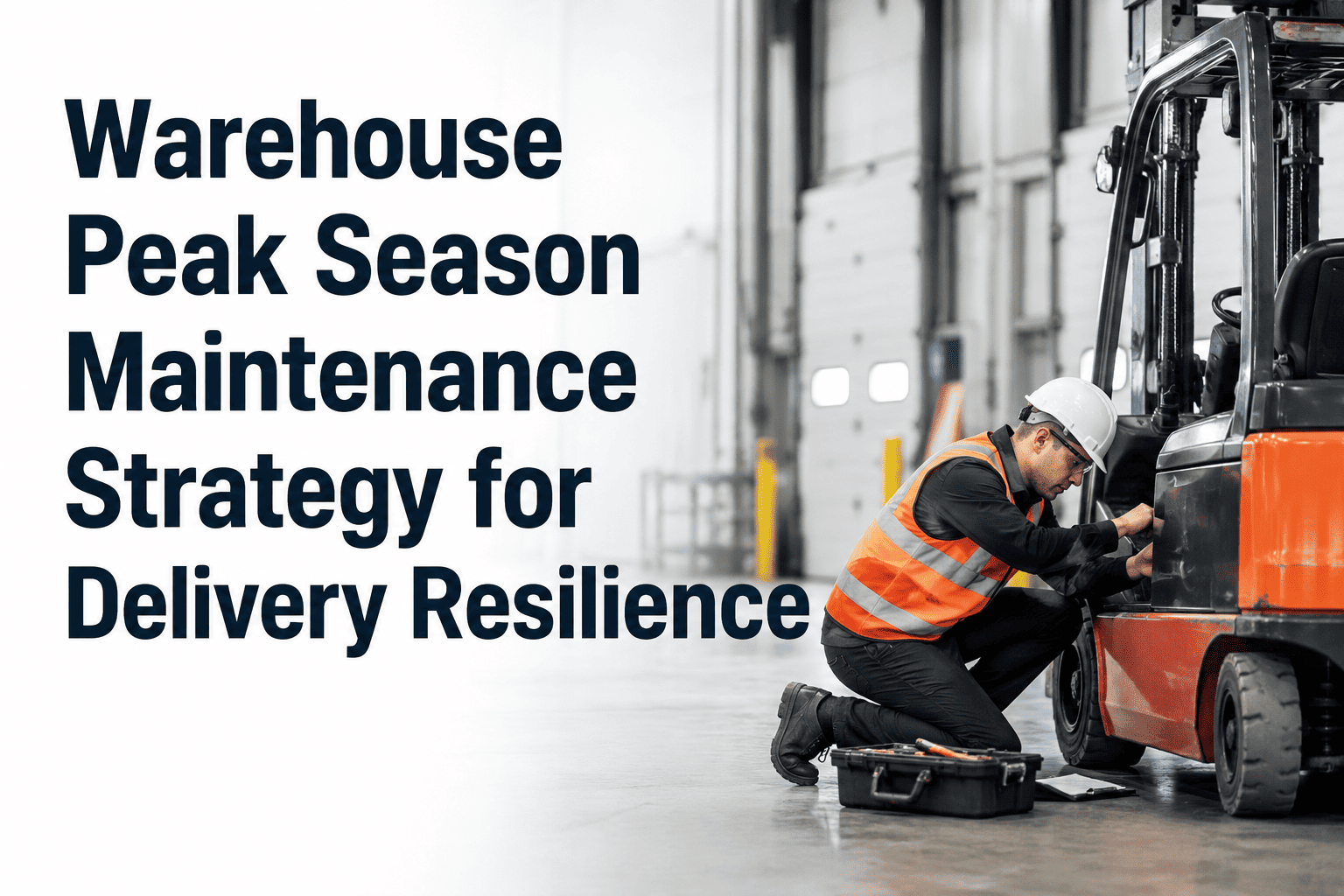
Peak season is the worst time to find out your maintenance strategy has gaps — and the most expensive time to discover them. When order volumes climb 40% or more, every conveyor belt, dock leveler, forklift, and sortation system runs harder, longe

Every warehouse operates on shifts. But most shift transitions are a silent danger zone — the moment when critical fault history, half-completed repairs, and pending asset risks vanish between one team and the next. When paper logs, verbal briefin
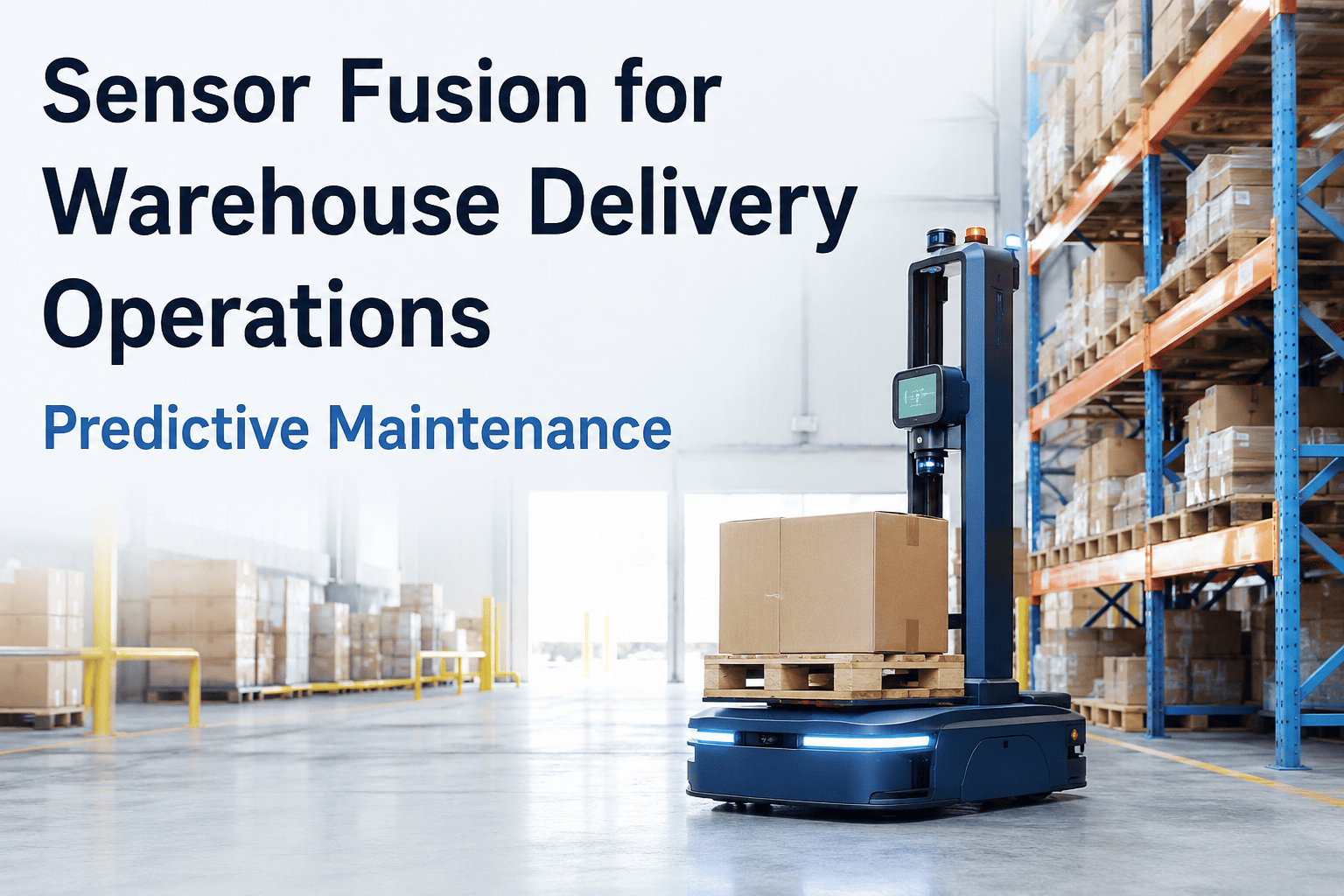
Single-sensor monitoring gives warehouse maintenance teams a narrow view of asset health — a temperature sensor on a conveyor motor tells you it is running hot, but not whether that heat is from bearing wear, belt overload, or a ventilation blocka
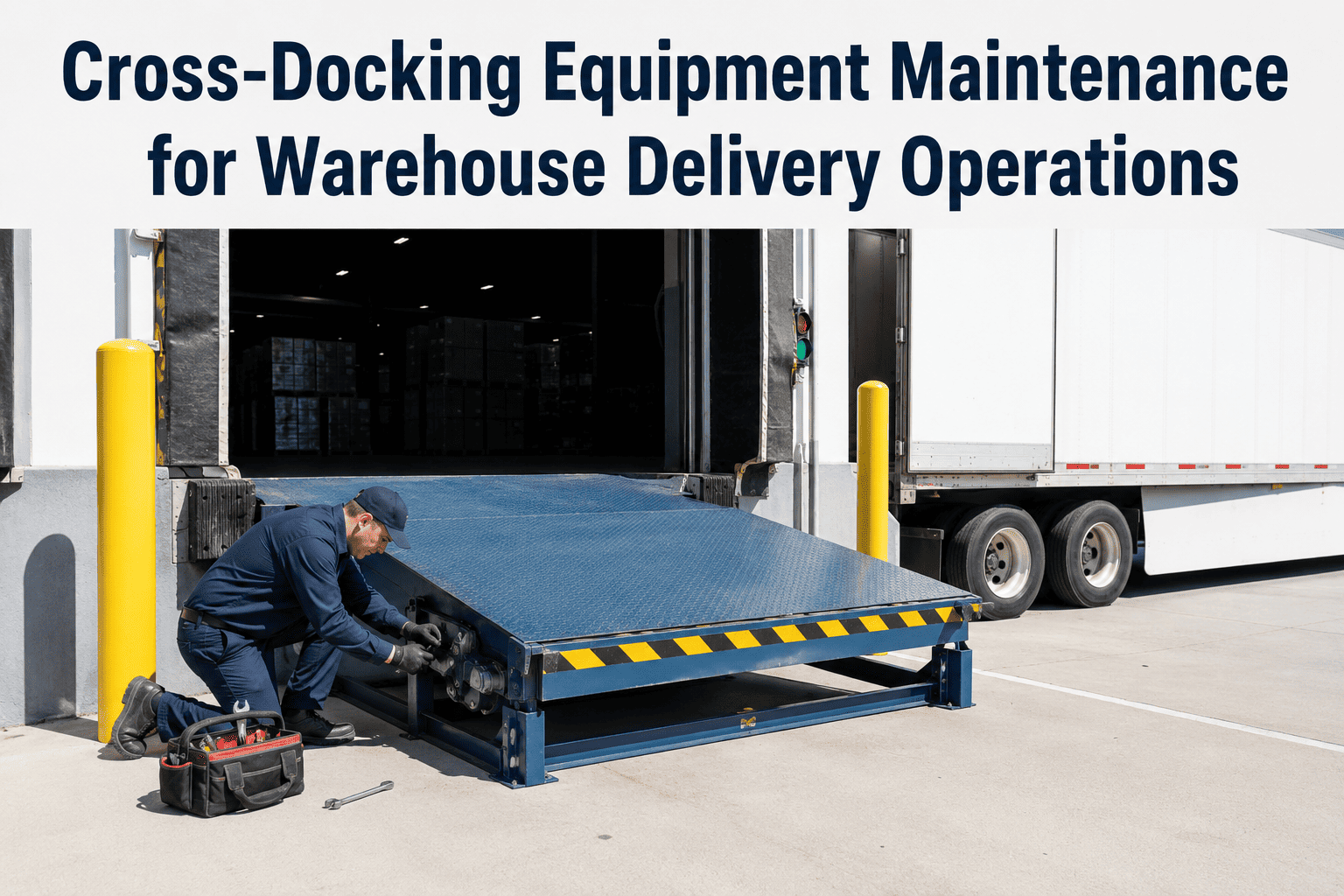
Cross-docking operations run on a simple but unforgiving principle — goods arrive, get sorted, and leave without ever entering storage. When dock doors jam, conveyors mistrack, or barcode scanners lose read accuracy, that flow breaks instantly. Un
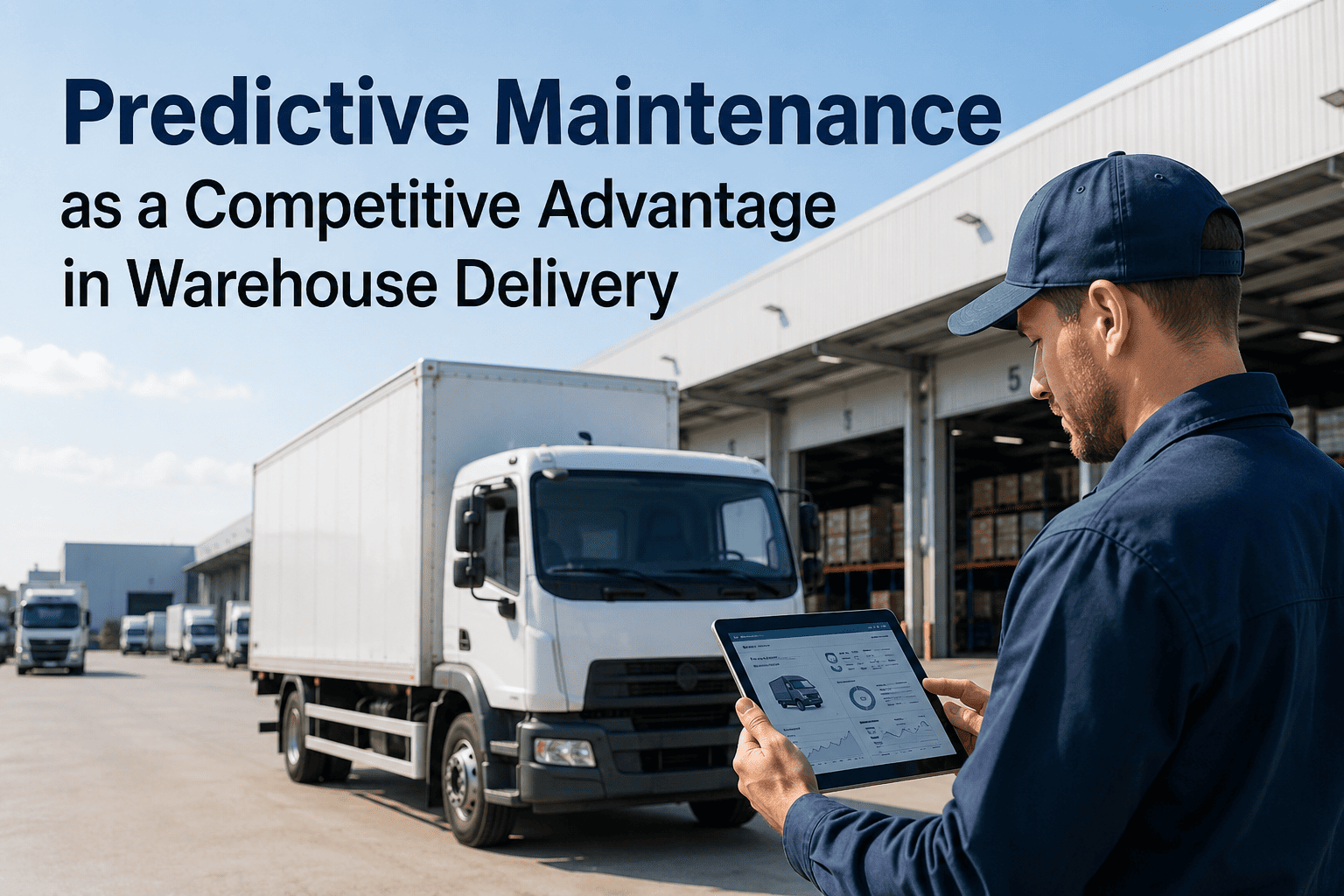
The warehouse delivery operations winning contracts and growing market share in 2025 are not simply moving faster — they are breaking down less. Every SLA breach your competitors absorb, every conveyor stoppage that pushes their outbound window pa
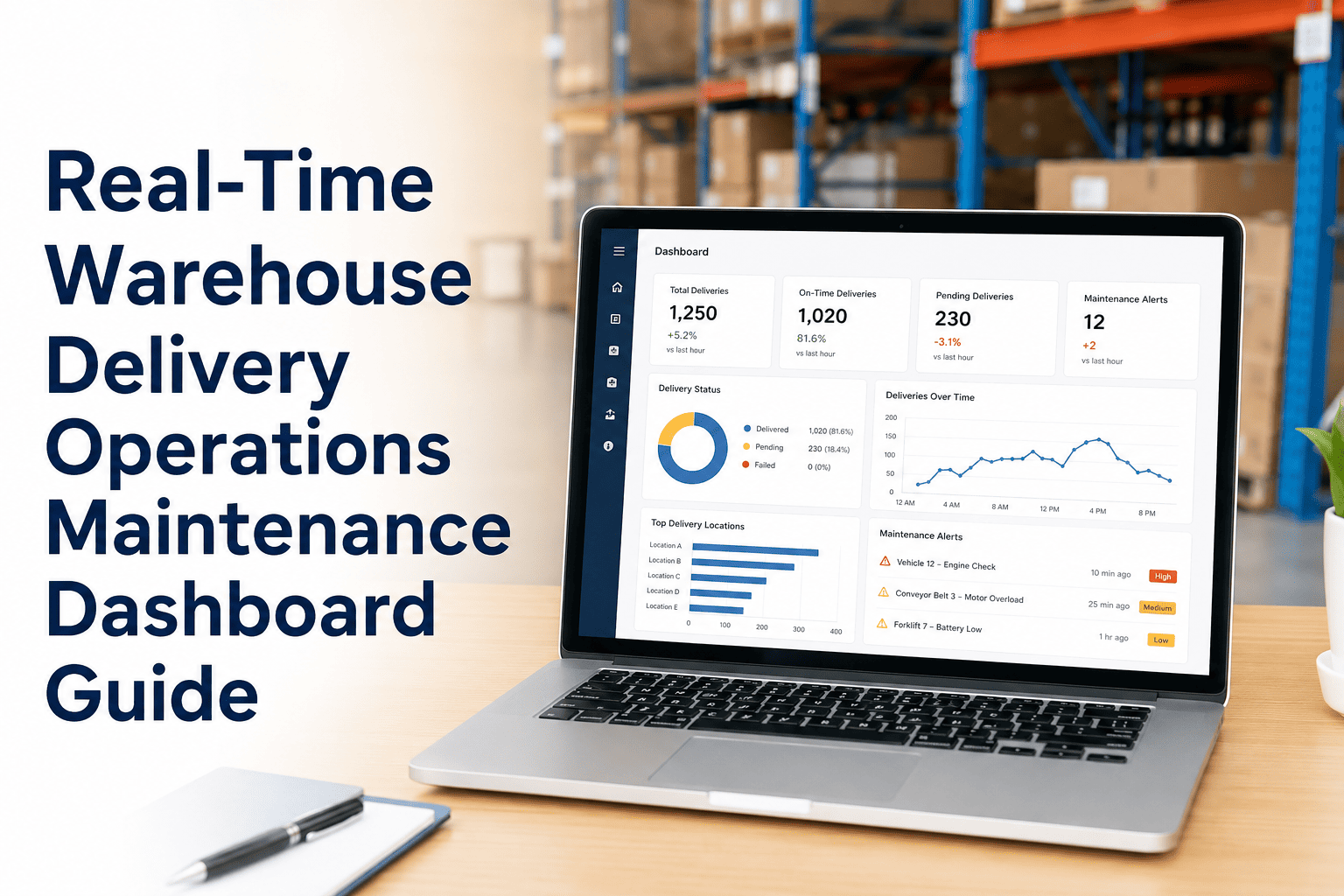
Every warehouse operations manager has faced the same gut-punch moment: a critical forklift, conveyor, or dock leveler goes down during peak shift, orders stack up, SLAs slip, and the team scrambles — while the dashboard on the wall shows everythi

Warehouse automation delivers its promised ROI on exactly one condition: the equipment runs. A sorter that processes 12,000 parcels per hour is worth every dollar of its capital cost when it is operational — and costs more than it saves the moment

Most warehouse delivery operations do not avoid CMMS because the software is too complex — they avoid it because they assume implementation will take months, drain the team, and still fail to stick. That assumption is costing them more than the do

When a warehouse conveyor stops during a peak delivery window, the cost is not the repair bill — it is the cascade. Orders back up, dock schedules slip, carrier SLAs breach, and every downstream fulfilment commitment shifts. The difference between

European warehouse operators are navigating a compliance environment that has no precedent — EU Green Deal mandates, CSRD sustainability disclosures, and asset traceability requirements are arriving simultaneously, and most maintenance teams are s

When Meridian Logistics Network — a regional warehouse delivery operation running 340,000 square feet across three fulfilment centres — deployed OxMaint's AI-powered CMMS, their maintenance director set a specific 12-month target: reduce unplanned

Warehouse delivery operations in 2026 are running on infrastructure that cannot afford unplanned downtime — conveyor systems, dock equipment, forklifts, sortation lines, and refrigeration units that stop a fulfilment centre when they fail. The mai
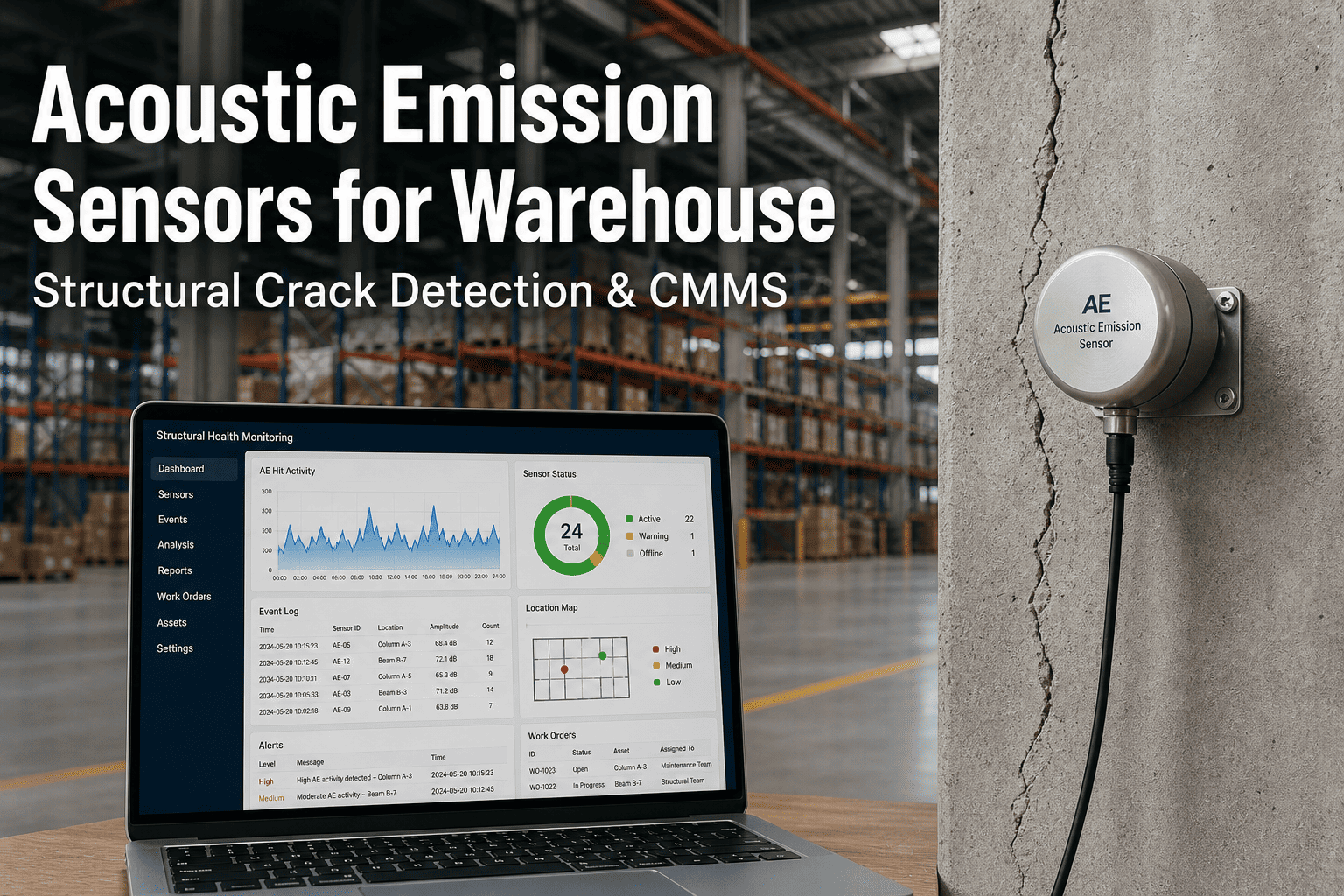
Structural failures in warehouses rarely announce themselves with obvious warning signs. Pallet racking that looked solid on last month's visual inspection can carry micro-cracks in its welds that, under sustained load and vibration, will propagat
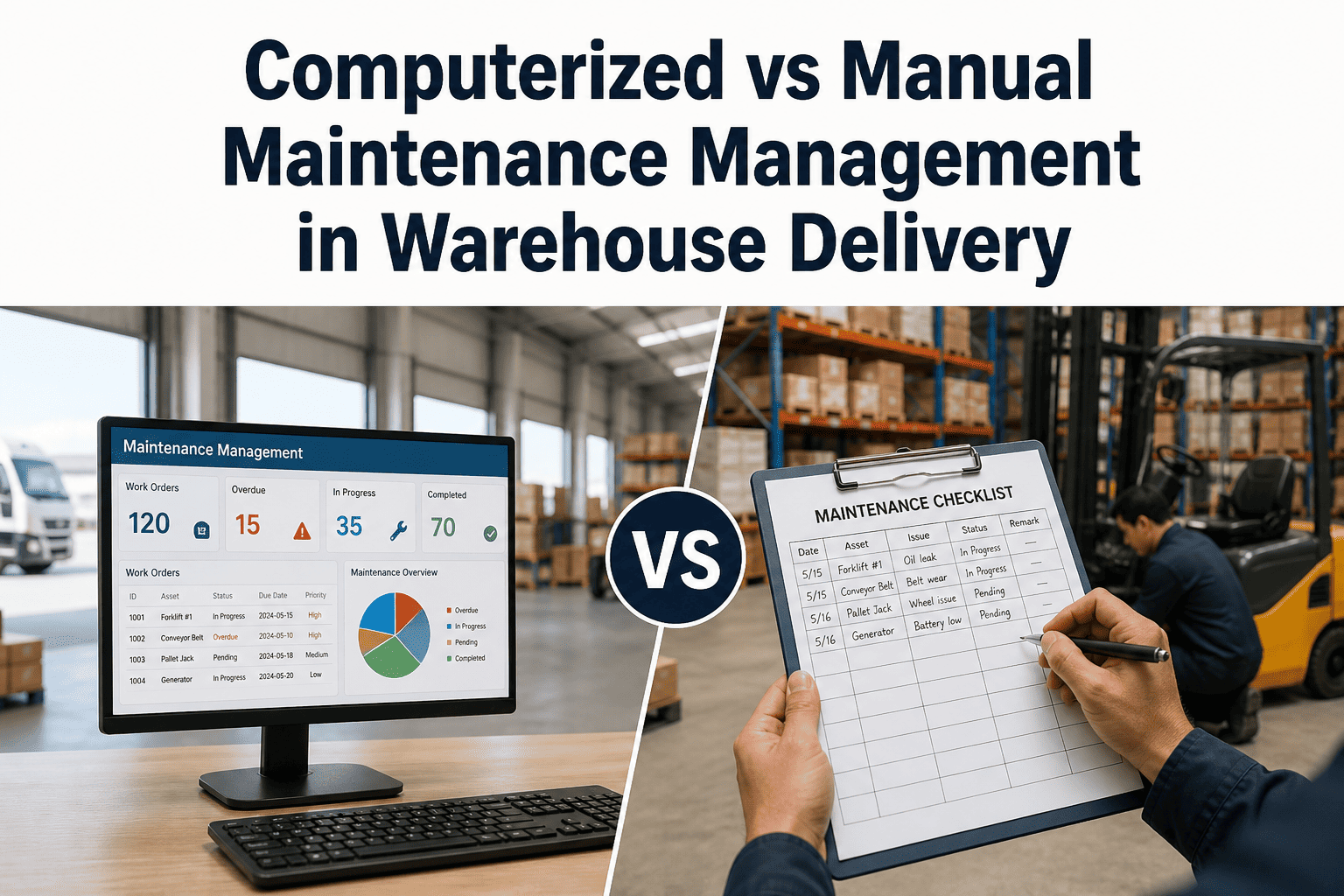
Warehouses running on manual maintenance processes are operating on borrowed time. Every missed inspection, every handwritten work order lost in a pile, every reactive repair that could have been prevented — these aren't isolated incidents. They a

A warehouse technician mid-repair on a conveyor belt has both hands inside a drive assembly, grease on their gloves, and a fault code they've never seen before — and somewhere behind them, a work order is waiting to be typed. That last part is wha

Every warehouse maintenance team is sitting on a goldmine of data — asset histories, failure logs, repair records, SOP manuals — and most of it is completely invisible when a technician needs it at 2 AM during a conveyor breakdown. Graph RAG AI ch
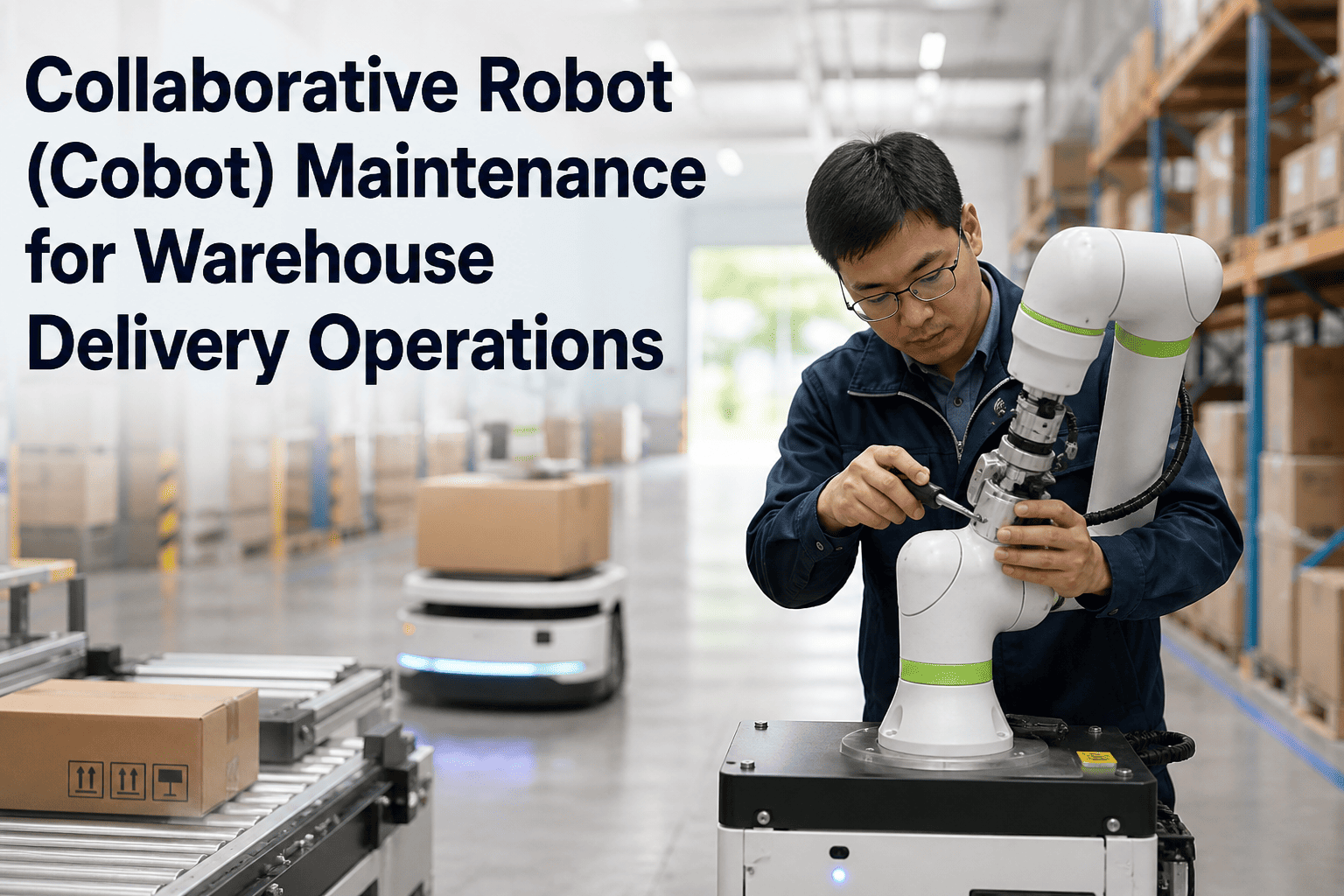
Collaborative robots operating alongside warehouse staff in pick zones, packing lines, and goods-to-person stations represent a fundamentally different maintenance challenge than either traditional fixed automation or fully autonomous systems. A c
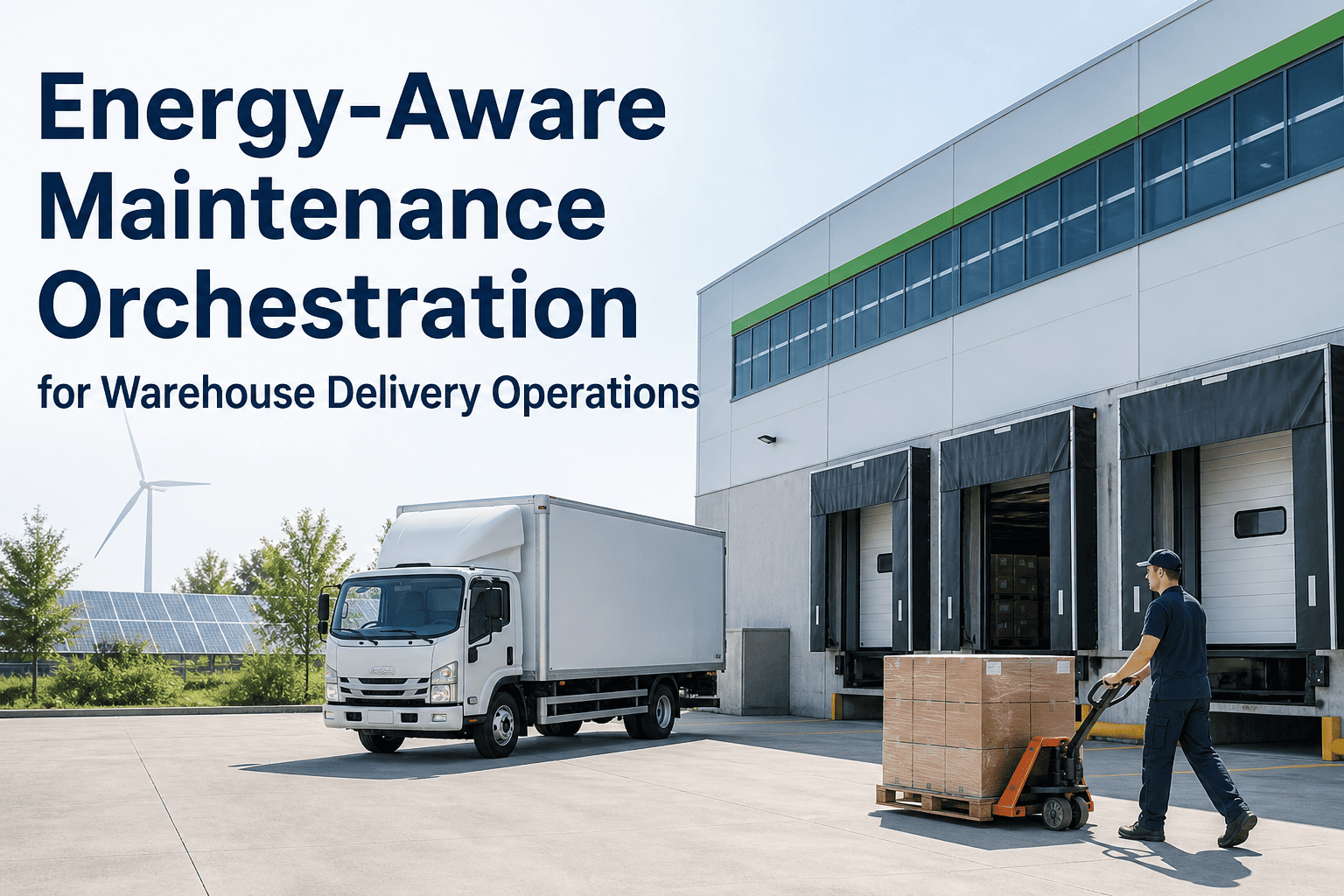
Every large warehouse delivery hub runs high-power equipment around the clock — conveyor systems, sortation lines, HVAC units, dock levelers, battery charging banks, refrigeration circuits, and lighting grids. Most maintenance teams schedule work
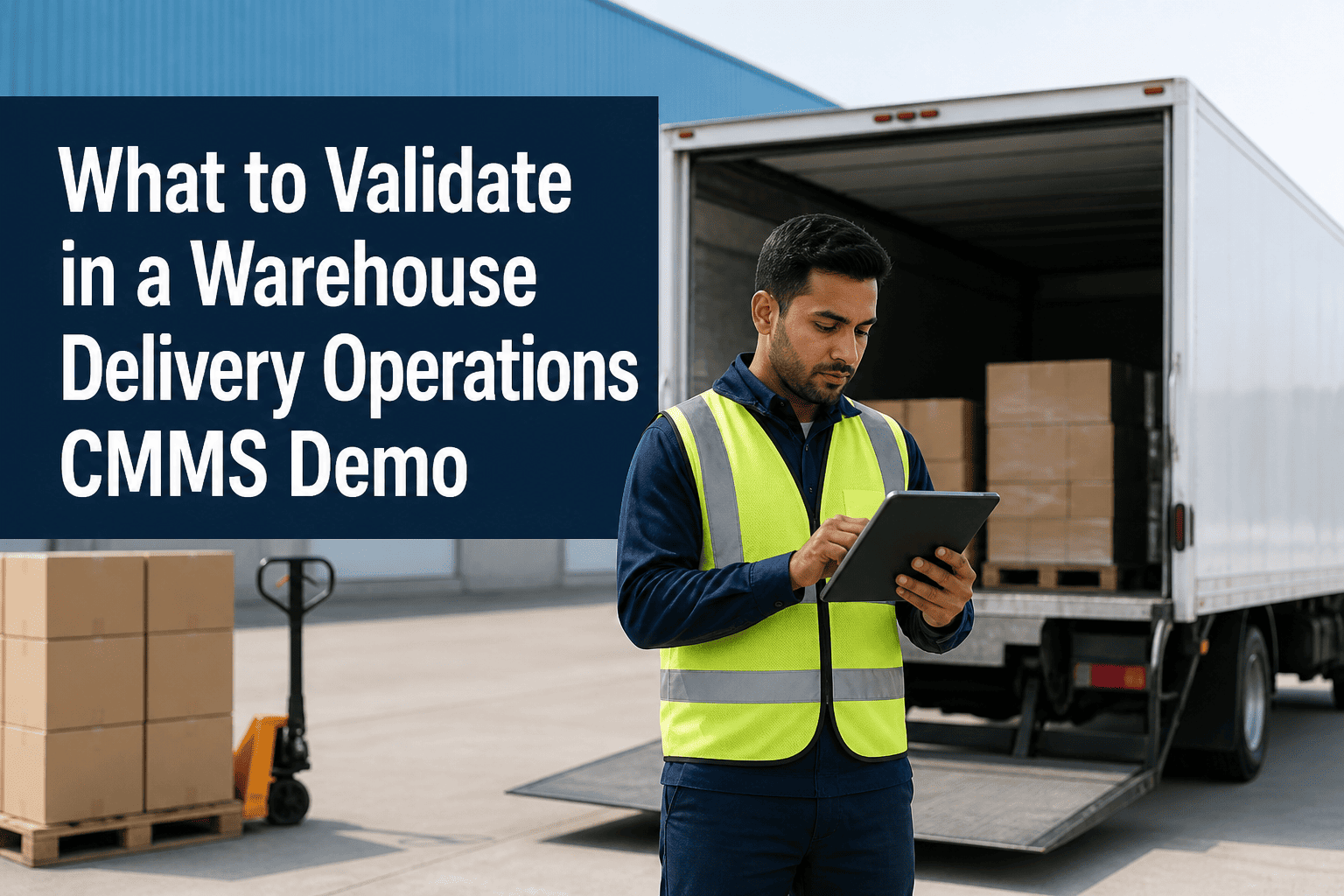
Most warehouse operations managers sit through CMMS demos that showcase impressive features they will never use while skipping the workflows that determine whether their team actually adopts the system. Generic product tours sho
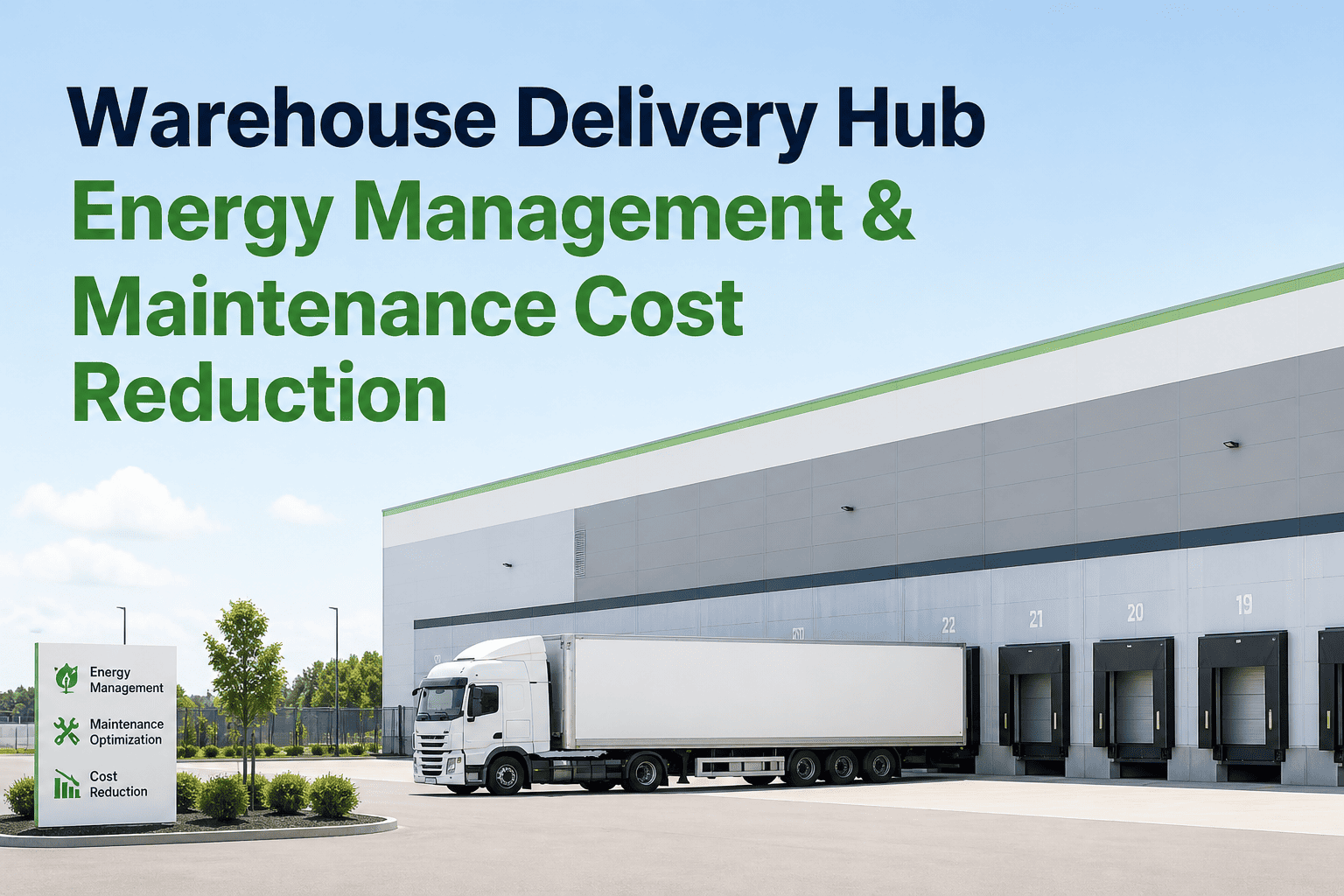
Most warehouse delivery hubs treat energy as a fixed operating cost. Monthly utility bills paid without questioning why consumption increased 12% year-over-year. HVAC systems running at full capacity because zone controls were ne
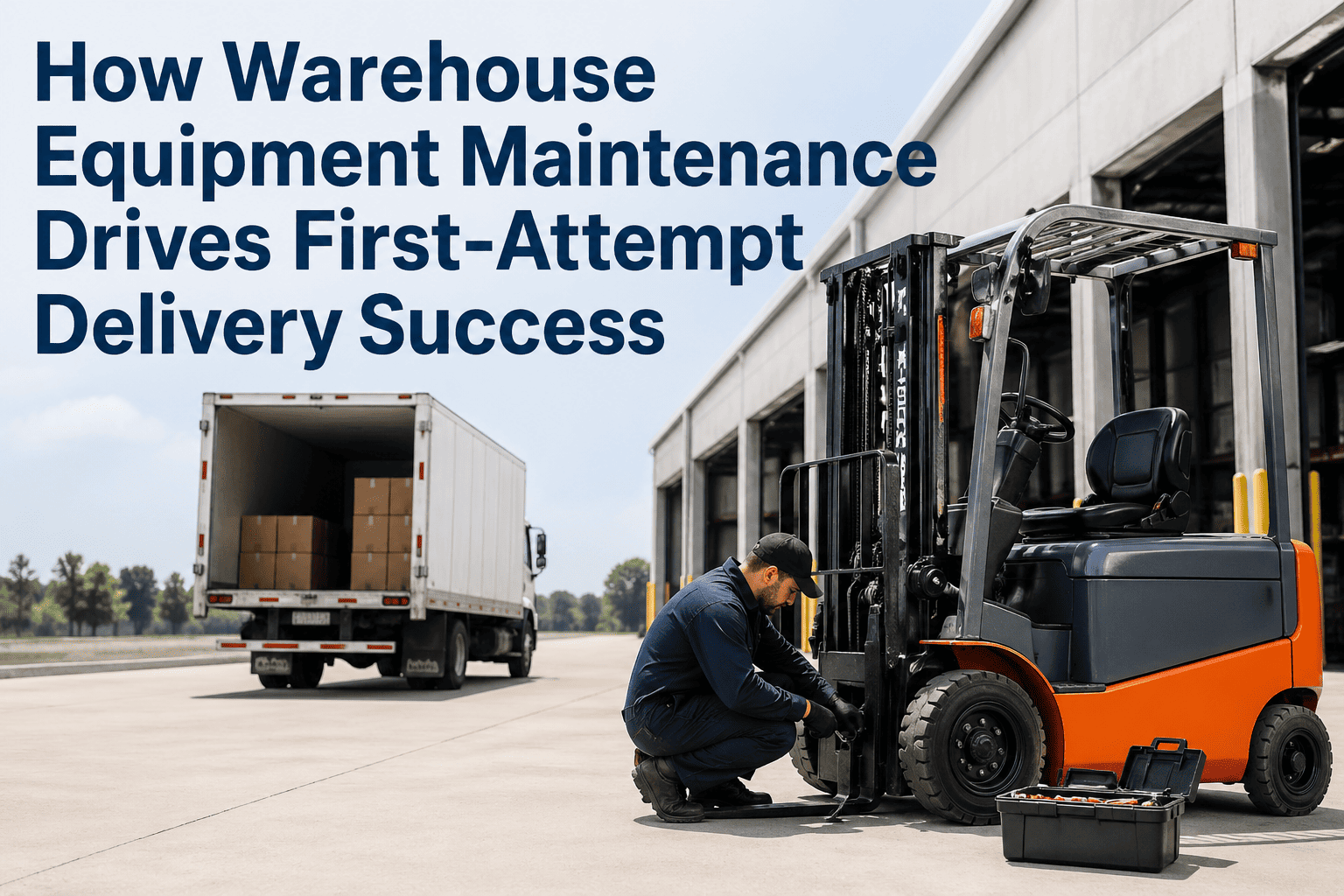
The industry talks about first-attempt delivery failure as a recipient problem: wrong address, no one home, access restrictions. That narrative is convenient — it shifts accountability away from the operation and toward the customer. But for wareh
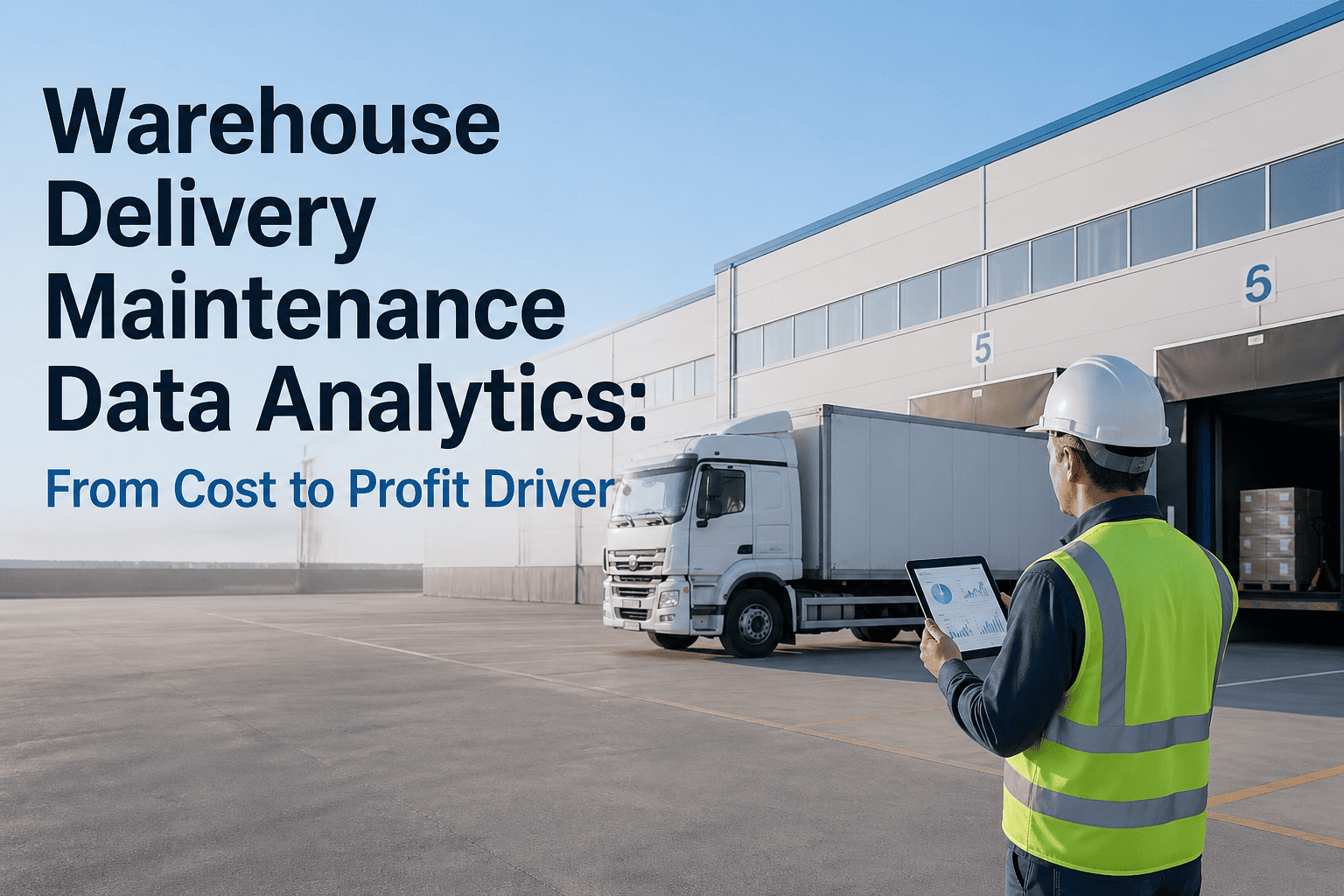
Most warehouse and delivery operations run on gut feeling and spreadsheets — even in 2025. Equipment run history sits in work order PDFs. Failure patterns are buried across three different systems. SLA data lives in the transport manager's inbox.
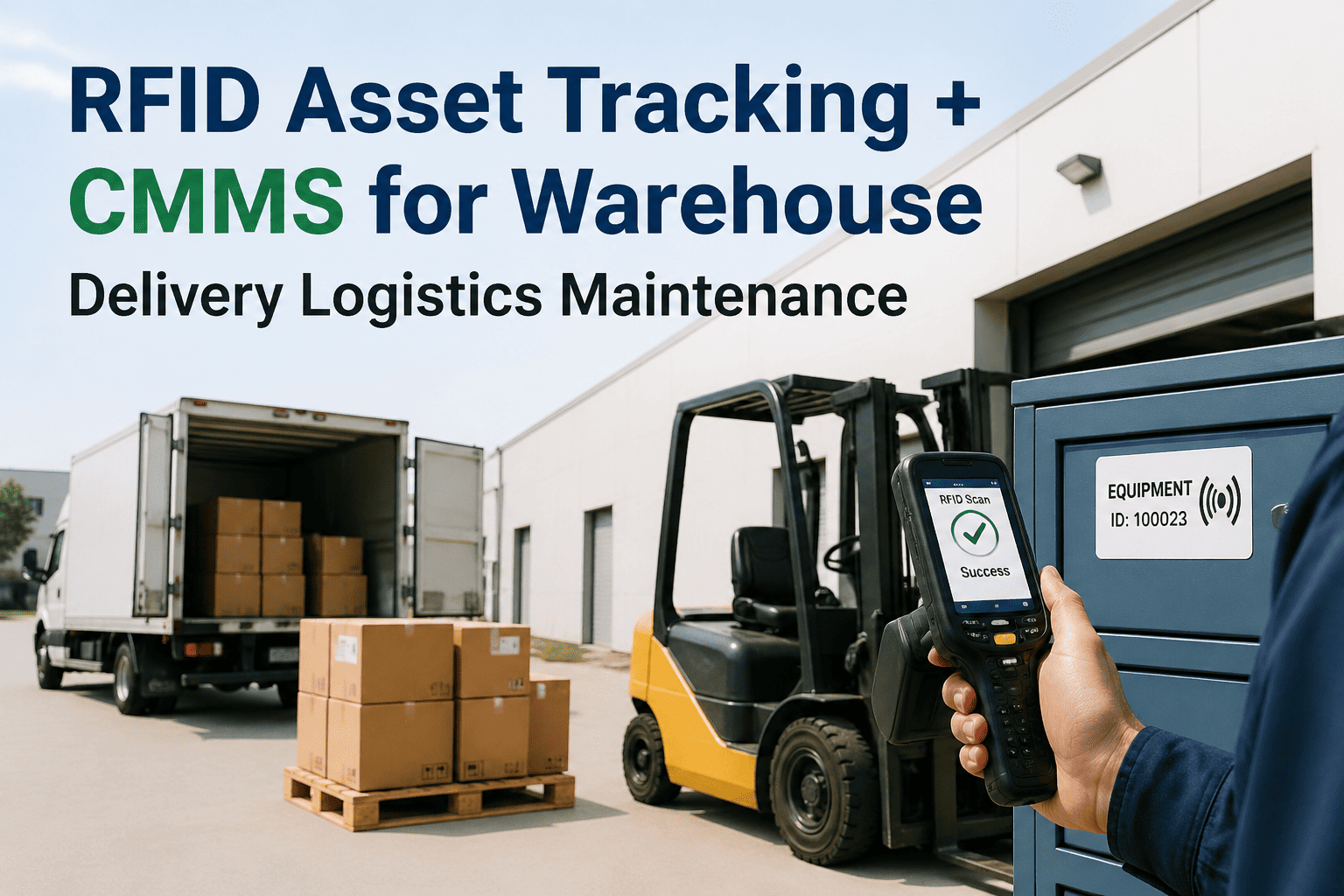
Warehouse and delivery logistics assets are mobile by nature — forklifts, pallet jacks, conveyors, and delivery vehicles move constantly across zones, shifts, and facilities. Traditional maintenance calendars that trigger preventive work by date a
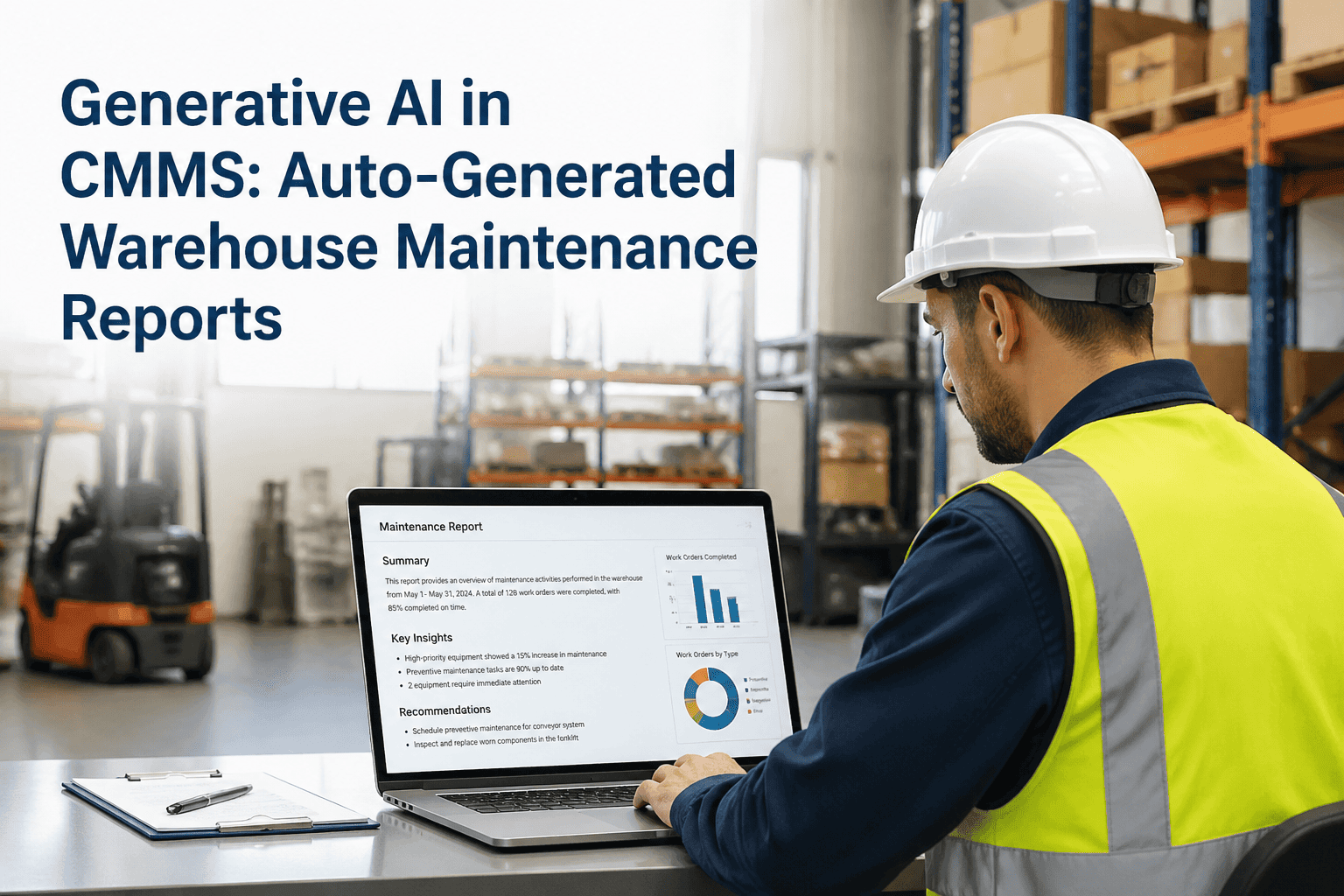
Warehouse maintenance managers spend an average of 6–10 hours every week doing something that delivers zero operational value: assembling reports. They pull work order data from one screen, sensor alert logs from another, failure histories from a
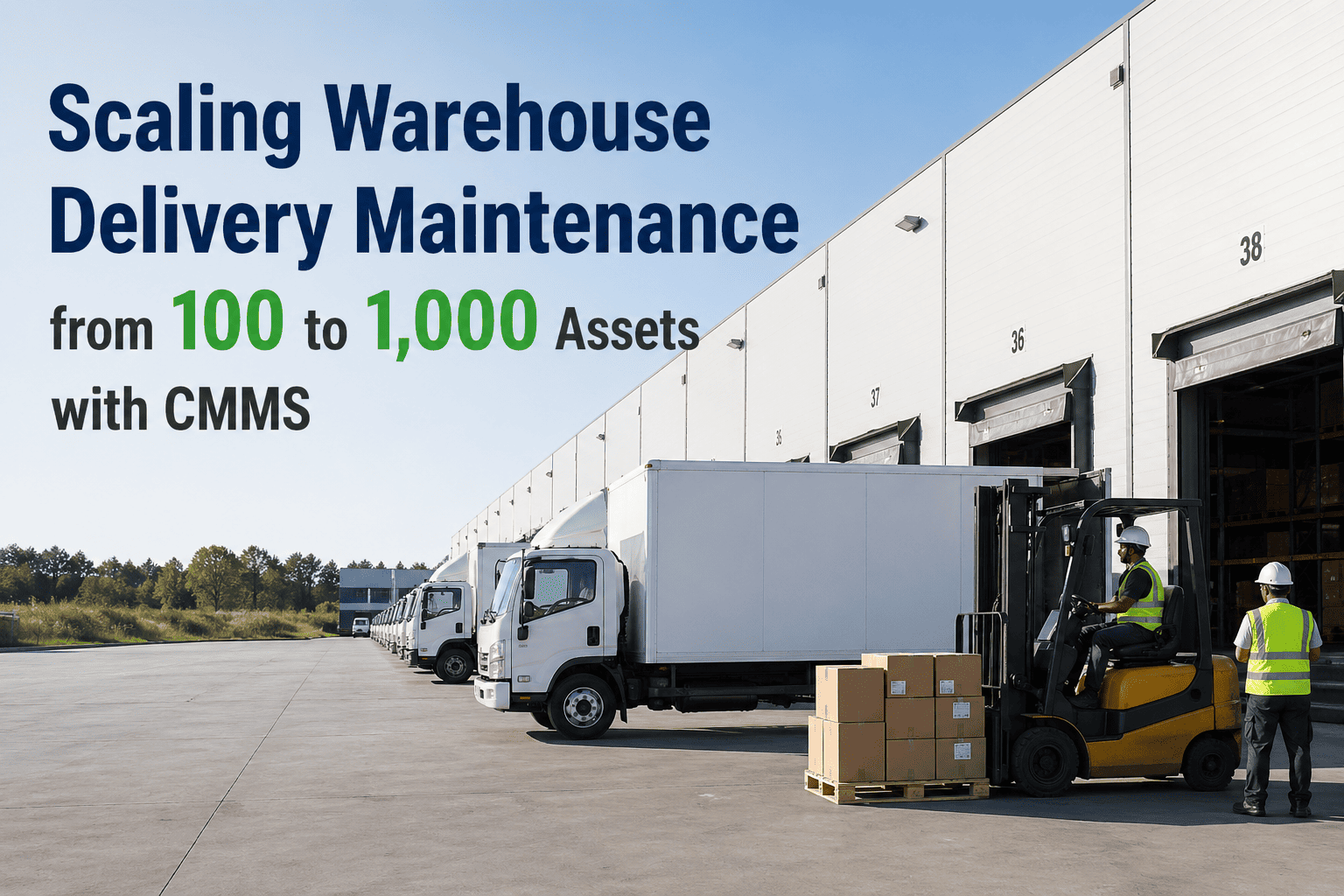
Most warehouse operations don't fail at scale — they fracture at the exact moment growth outruns their maintenance systems. Managing 100 assets with a spreadsheet and a good technician is survivable. Managing 500 assets the same way means missed P
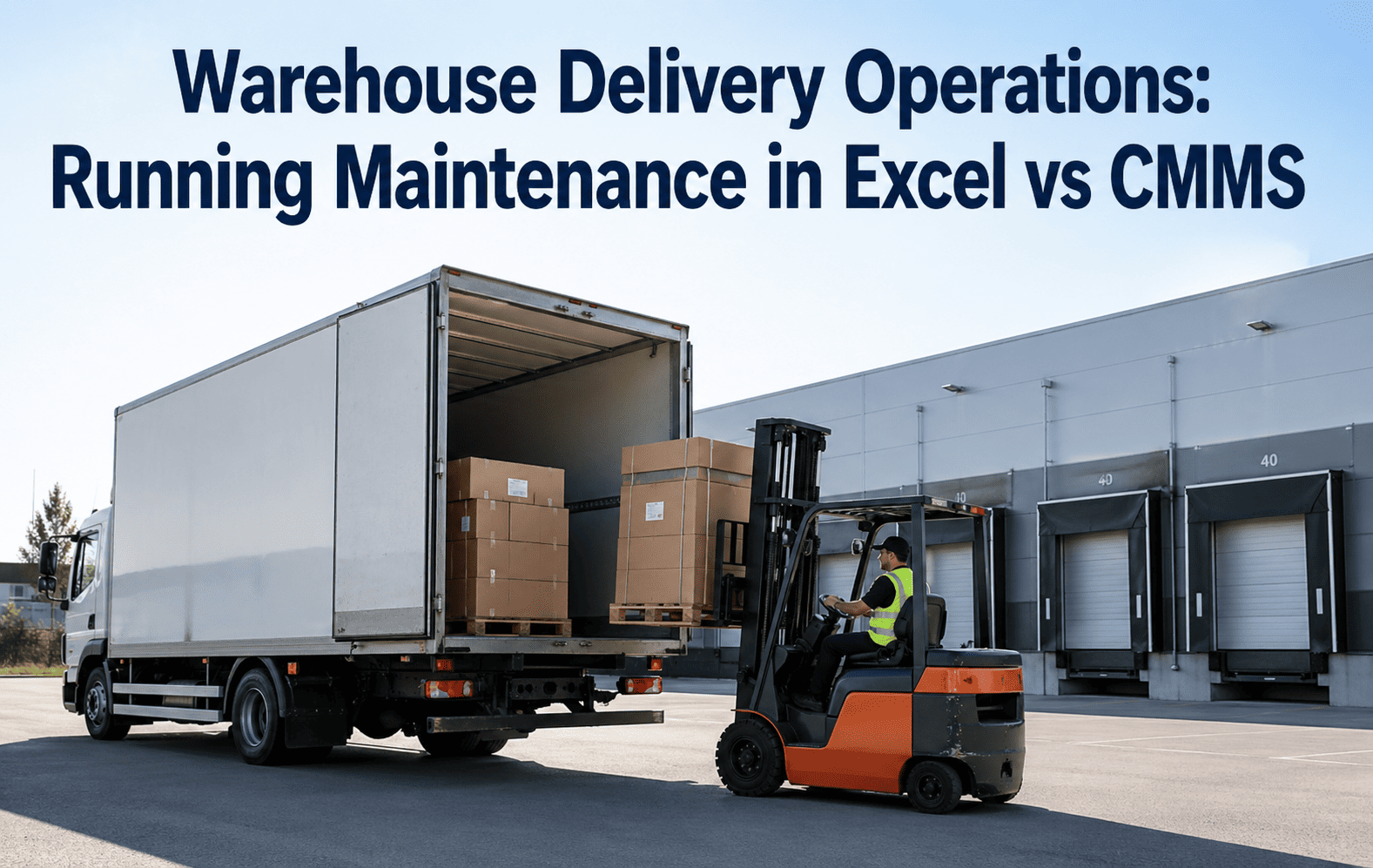
Warehouses running maintenance on spreadsheets aren't just working harder — they're paying a silent tax on every breakdown, every missed PM, and every hour a technician spends hunting for data instead of fixing equipment. Industry data shows that
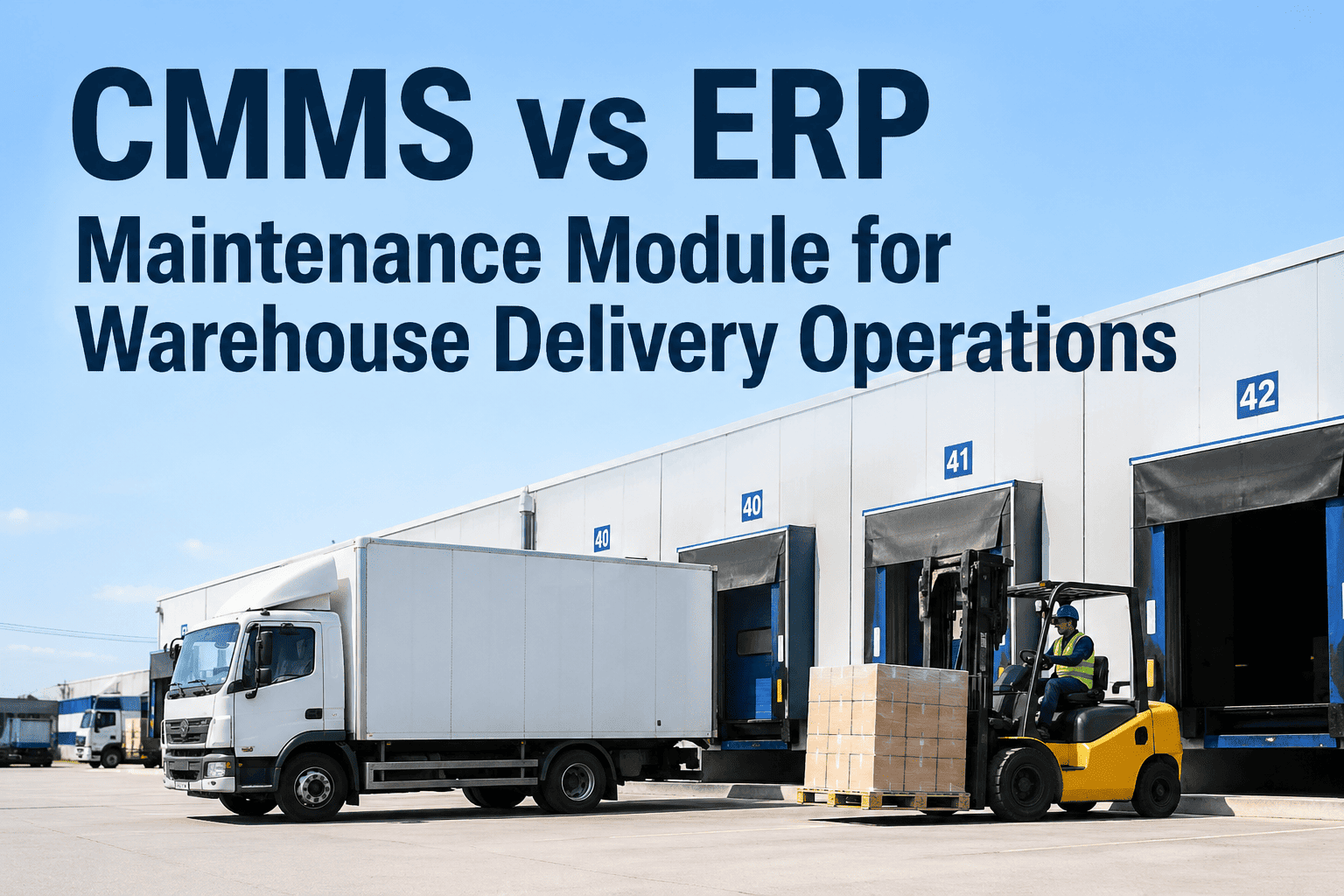
Your CFO already paid for the ERP. The maintenance module came with it. So why does your warehouse maintenance team still run work orders out of WhatsApp groups, paper checklists, and a battered spreadsheet on a shared drive? Because ERP maintenan

Your warehouse runs 47 forklifts. Twelve of them work peak shifts six days a week. Six are night-shift backups that move maybe 80 hours a month. The rest sit somewhere in between. So why does every single one get the exact same 90-day PM schedule?
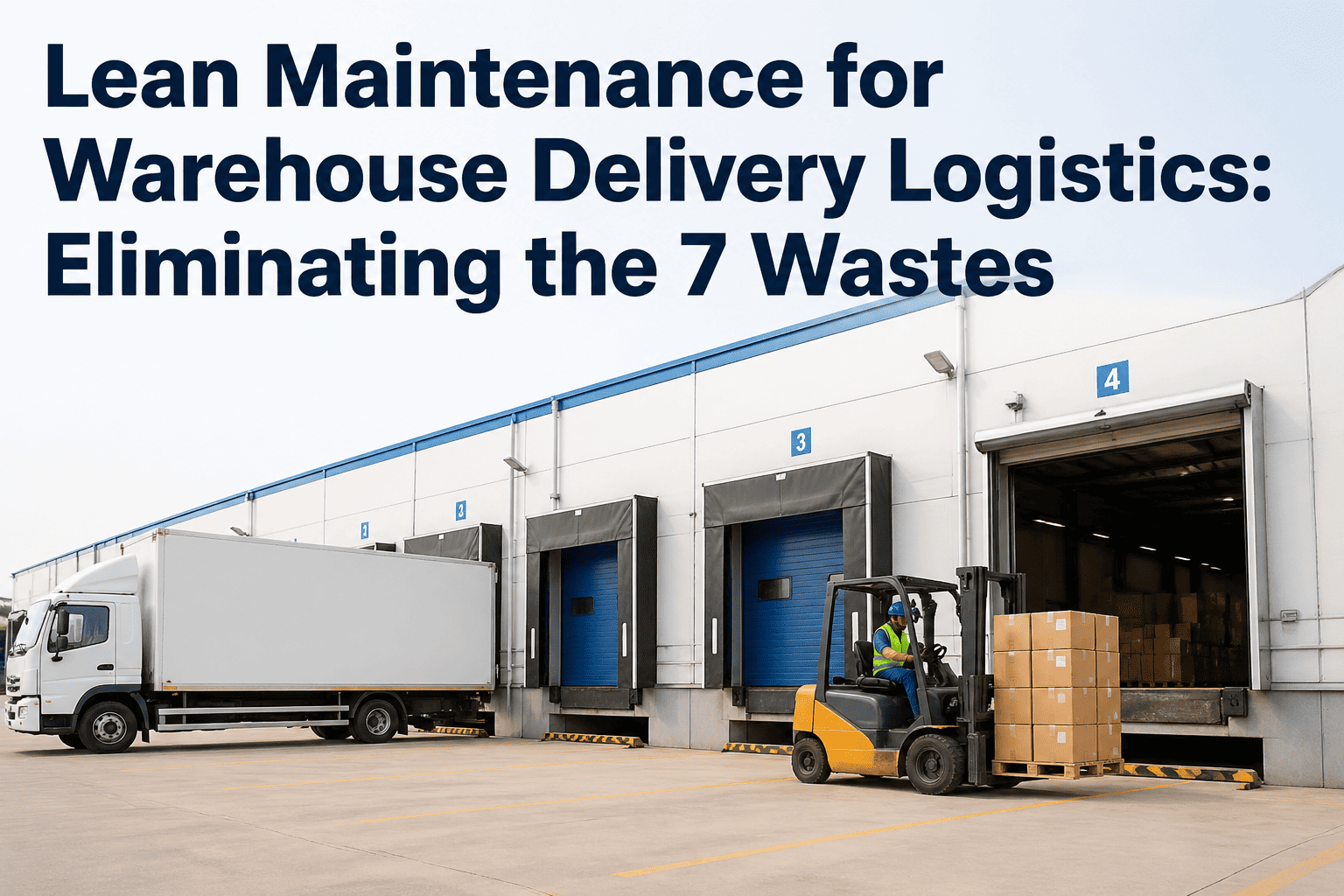
Walk a delivery hub at 6 AM and you will see the wastes before anyone speaks the word lean. A technician on a forklift driving to the central tool crib for a bearing puller. Two work orders for the same conveyor belt closed three weeks apart by di
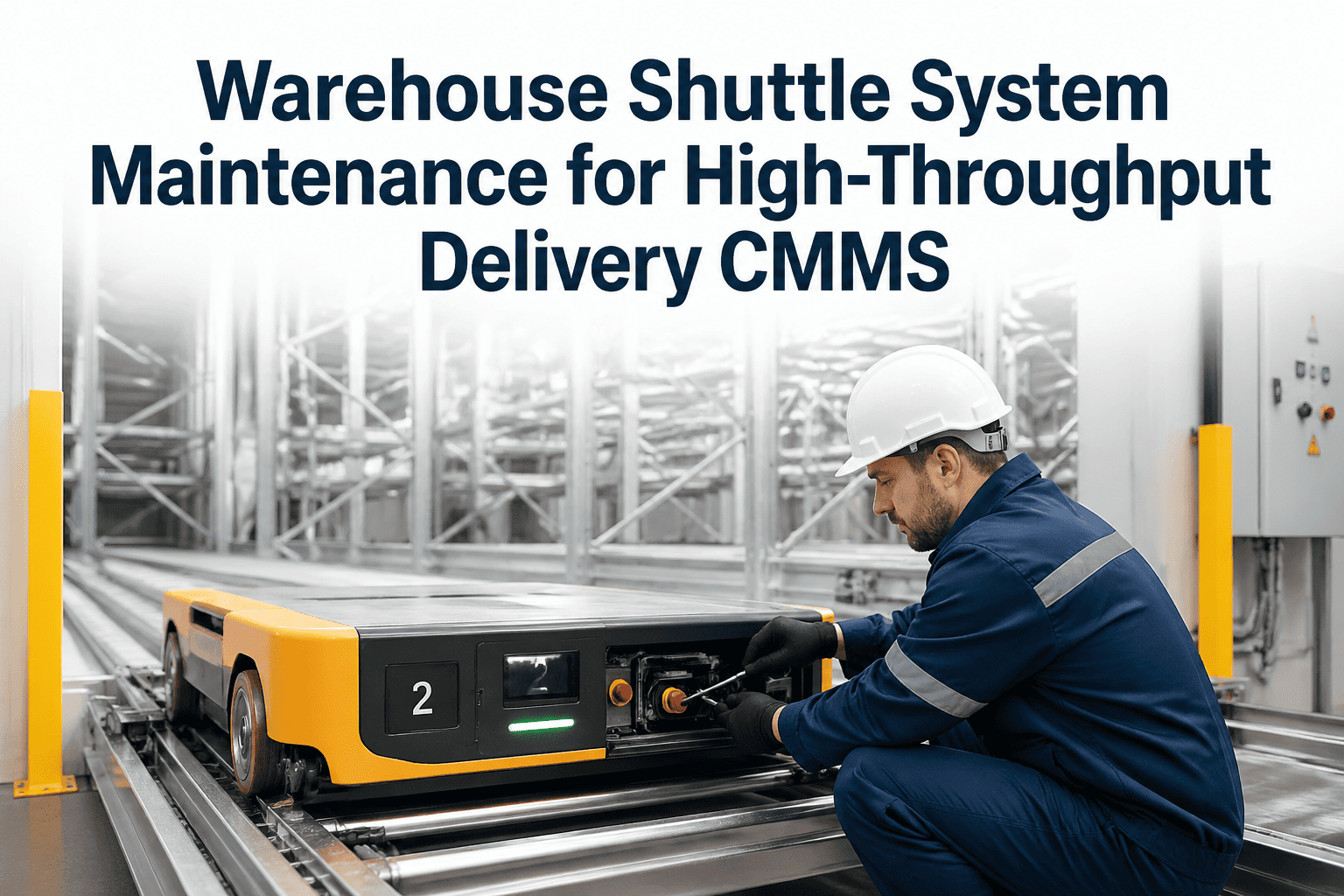
A single shuttle stalled in aisle 7 does not look like a crisis at 11:47 AM. By 12:15 PM, the put-to-light wall behind it is two waves deep, the conveyor merge upstream is back-pressured, and three carriers are standing at the dock with cut-off ti
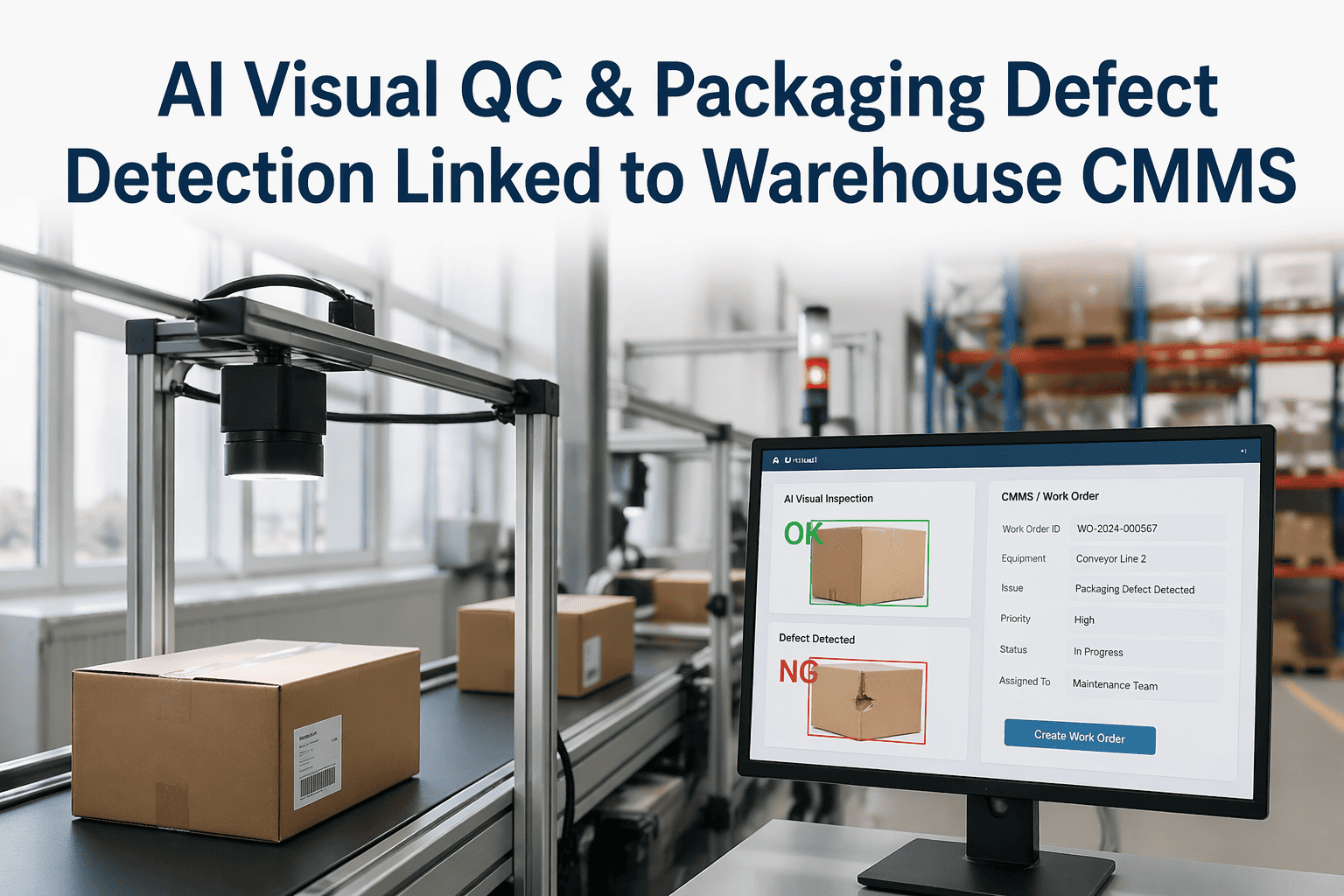
A busy fulfillment center moves a package every two seconds, and every single one of them is a quality decision. A human inspector parked at the end of a packaging line catches 65 to 80 percent of surface defects on a good shift. The 20 to 35 perc
A single shuttle failure in a mini-load AS/RS system doesn't stop one picker — it halts an entire storage aisle holding 2,000+ SKU locations. When your high-density storage depends on automated shuttles, cranes, and conveyors running at 400+ cycle
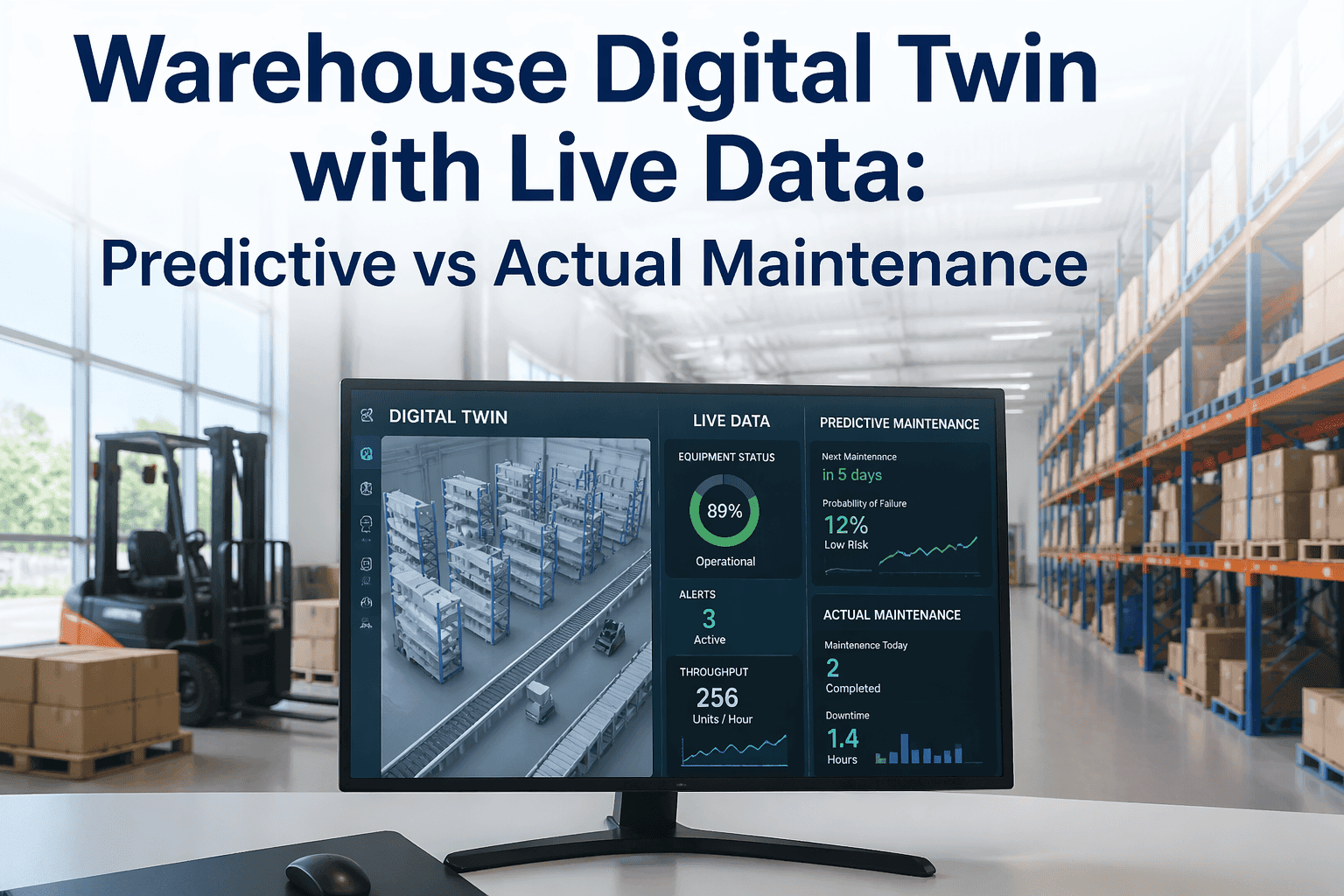
A warehouse digital twin running on yesterday's data is a simulation, not a solution. When your predictive model says "bearing replacement in 30 days" but the actual conveyor is already vibrating at failure thresholds today, the gap between predic
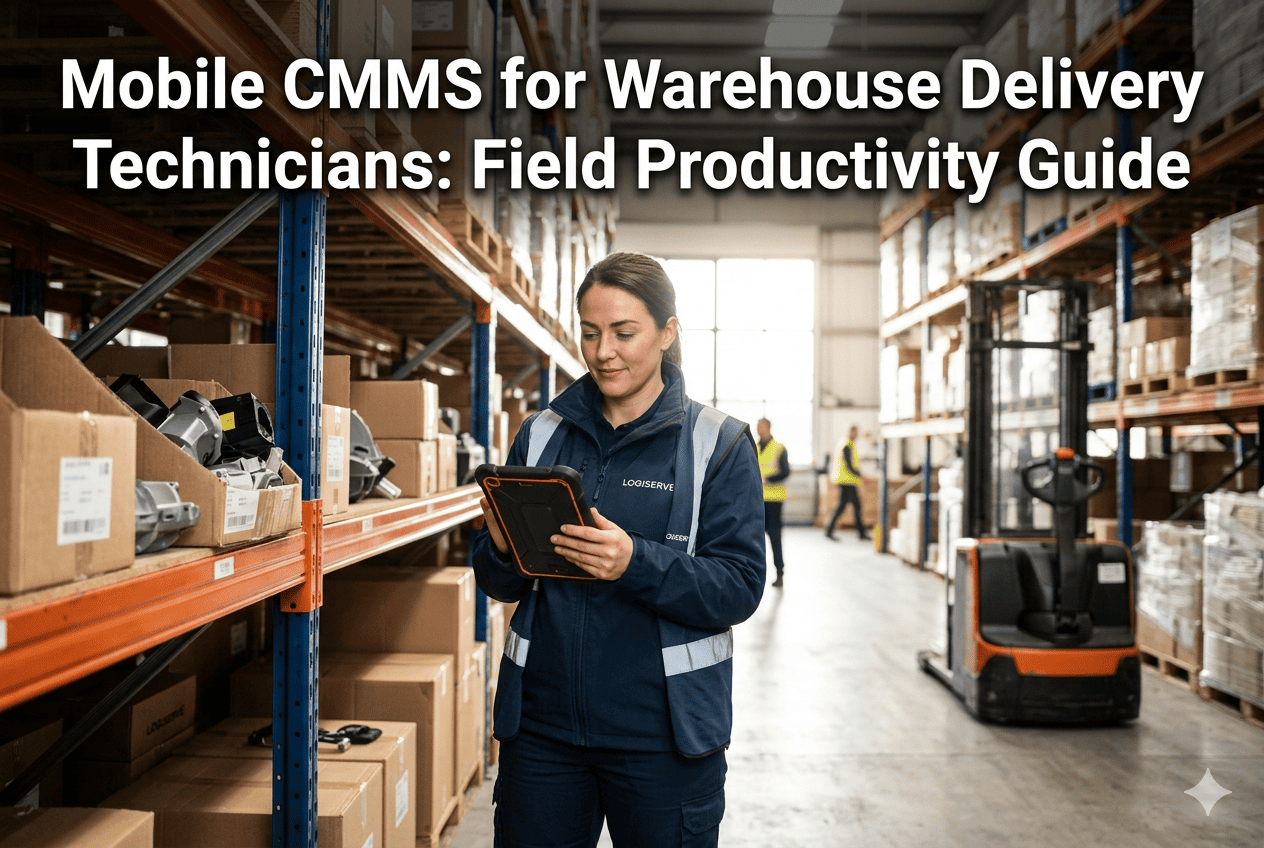
A warehouse maintenance technician who spends 35 minutes of every two-hour shift walking to a terminal to log work orders and retrieve parts instructions is operating at 70% of their actual capacity — and they have no idea. That invisible producti
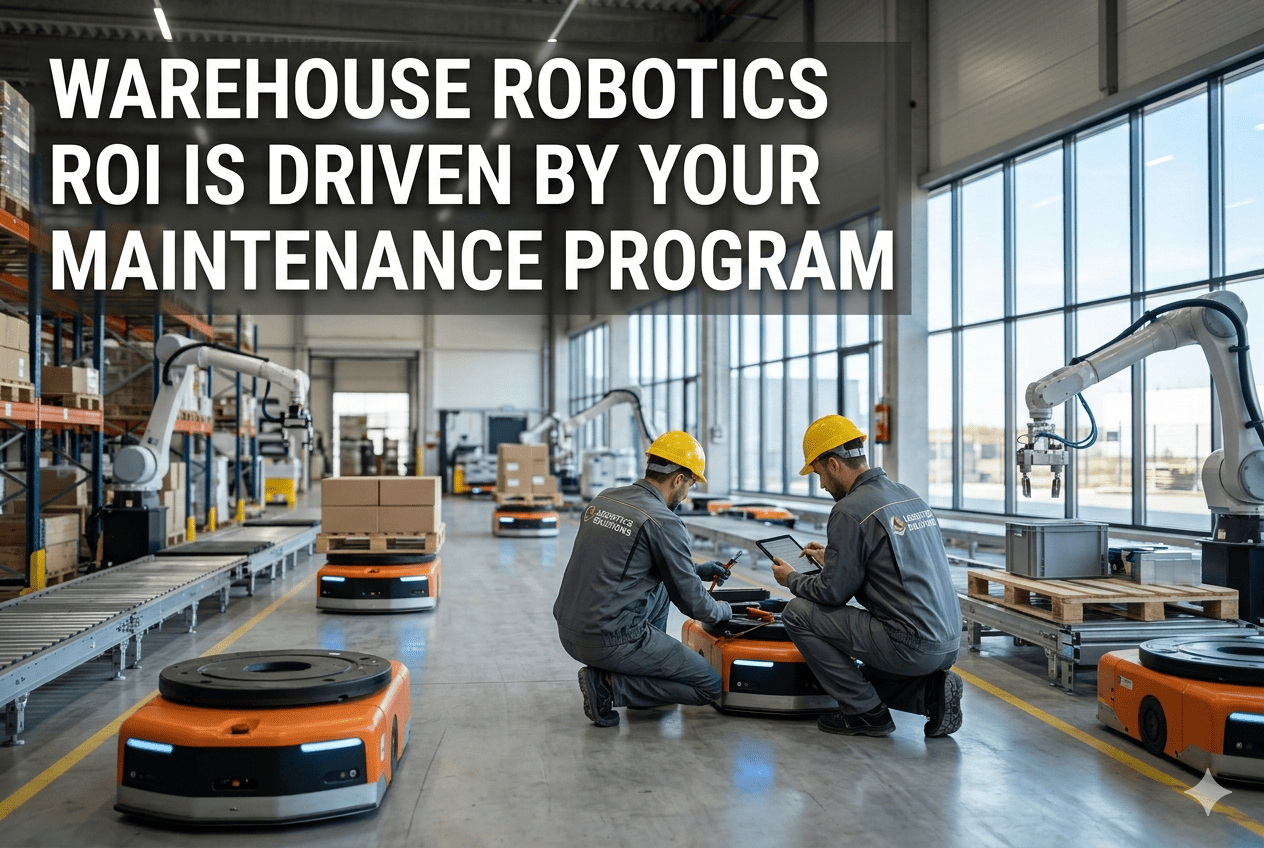
Warehouse robots are capital investments — and like every capital asset, their return depends entirely on how well they are maintained. Operations that deploy robotics without a structured maintenance program routinely report 15–25% lower throughp
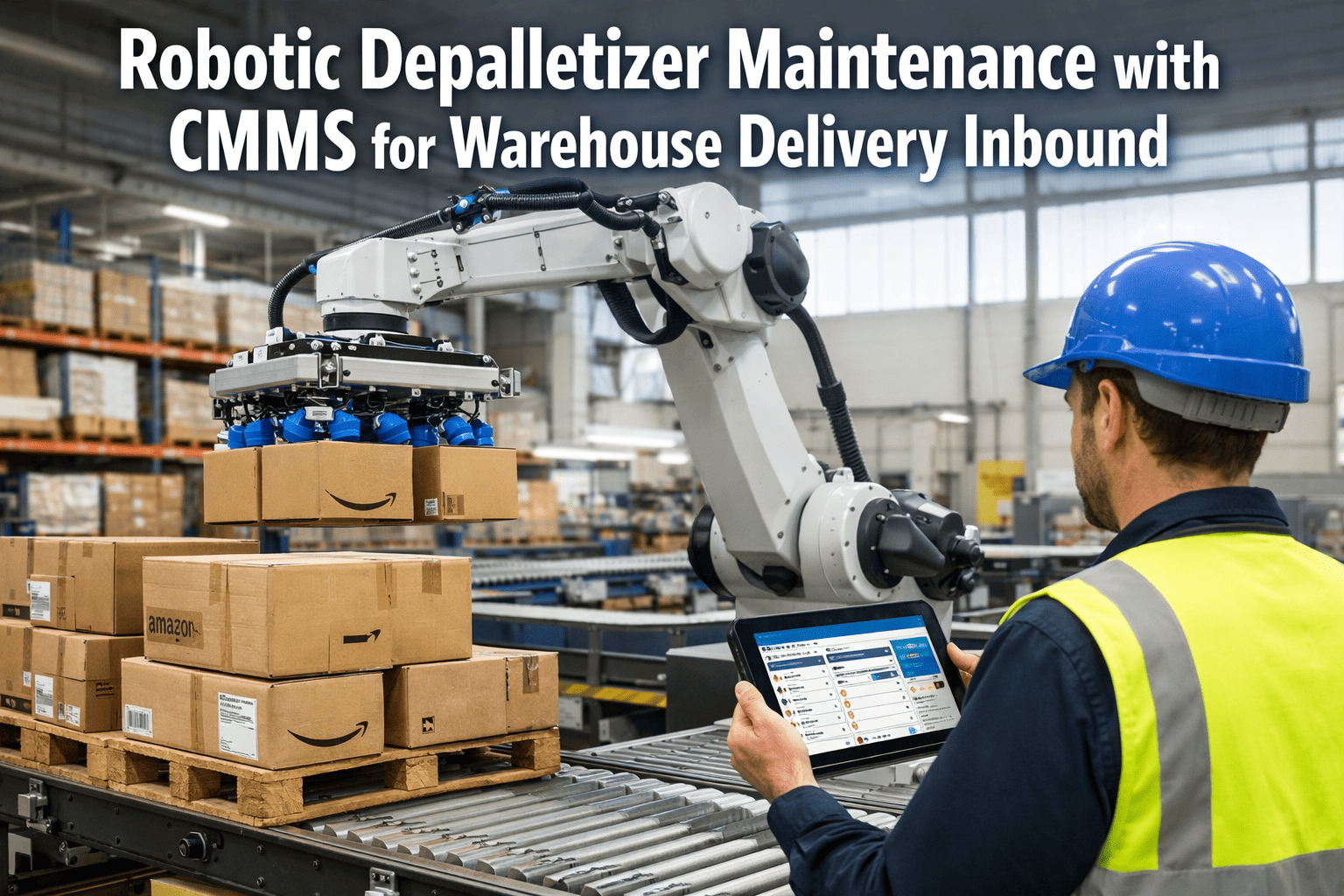
At 6:14 AM on a Monday receiving shift, a robotic depalletizer's vacuum cup releases a 30-pound case mid-lift. The case tumbles onto the infeed conveyor, jams the belt, triggers a downstream sortation fault, and freezes the entire inbound line bef
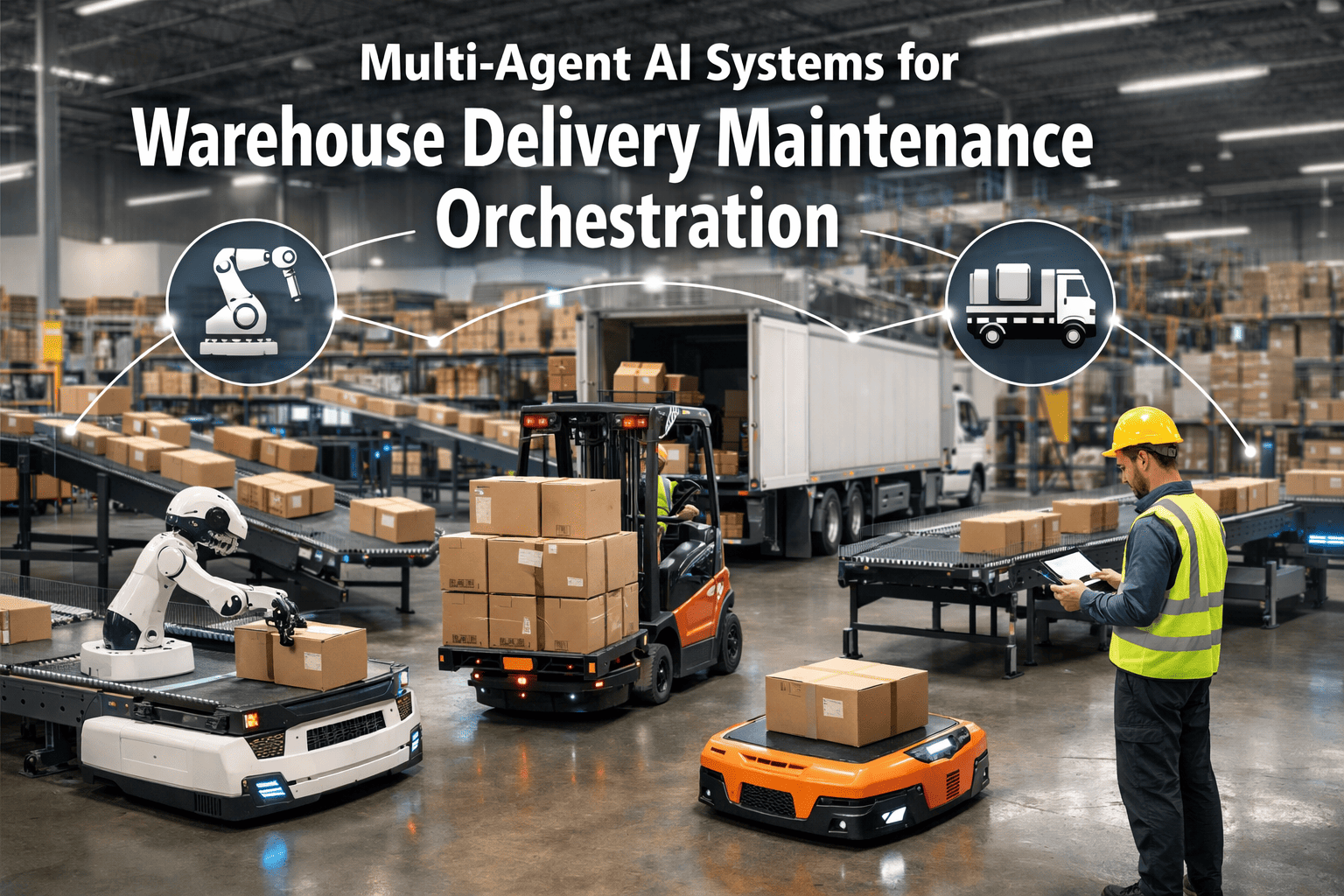
Inside a modern distribution center, a conveyor motor's vibration signature is drifting, a sortation robot is throttling its own speed due to a misaligned wheel, and a dock leveler is showing hydraulic pressure decay — three signals from three sys
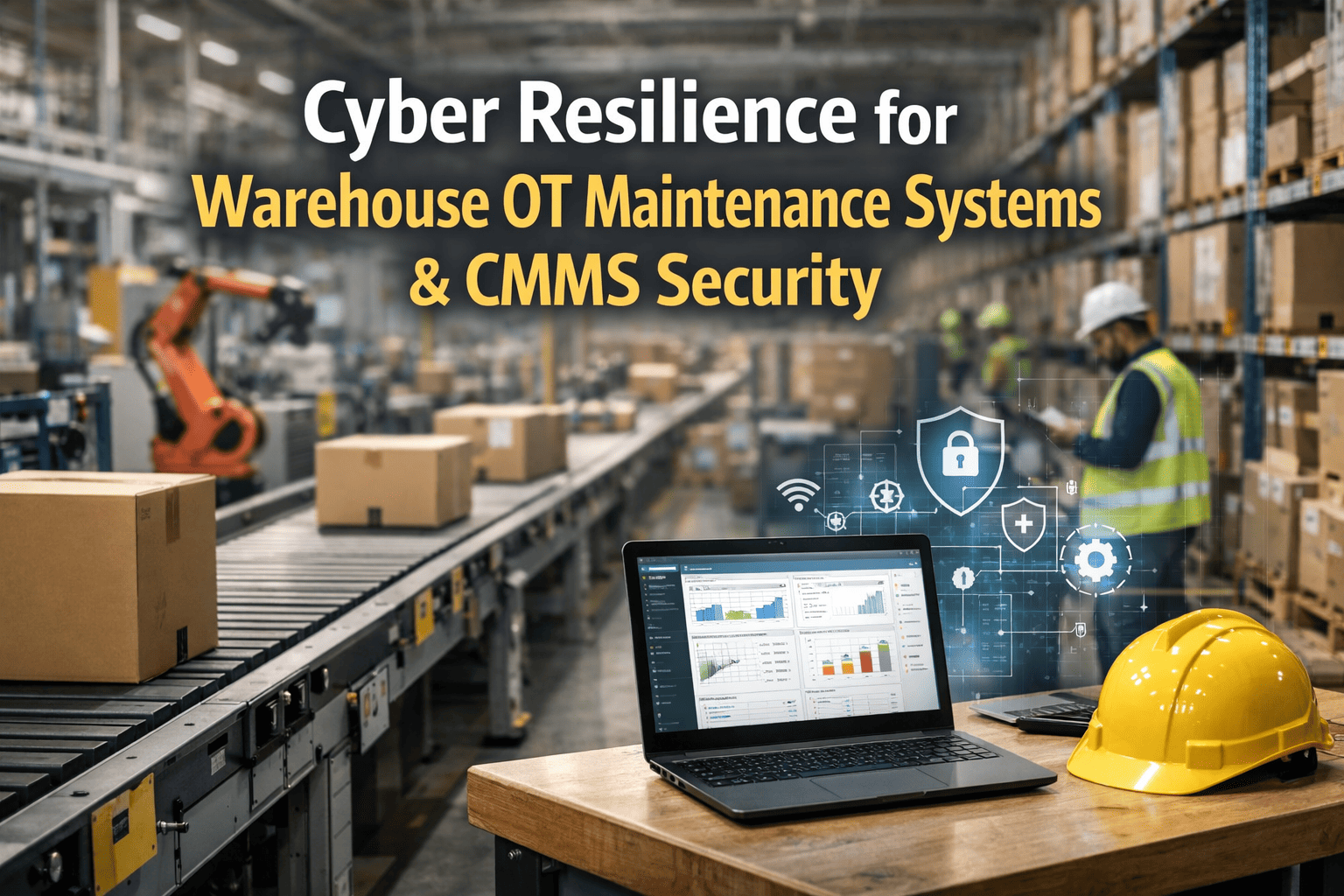
On a Tuesday morning in a major US fulfilment centre, every conveyor stopped. Every sorter went to fault. Every dock door scanner returned timeout errors. The warehouse management system was still running — orders were still being released — but n

A Tier-1 parcel carrier operating a 47,000-parcel-per-hour cross-belt sorter experienced a gradual drift in camera-based barcode reads — accuracy fell from 99.7% to 94.2% over eleven weeks. The downstream impact was not the 5.5-percentage-point mi
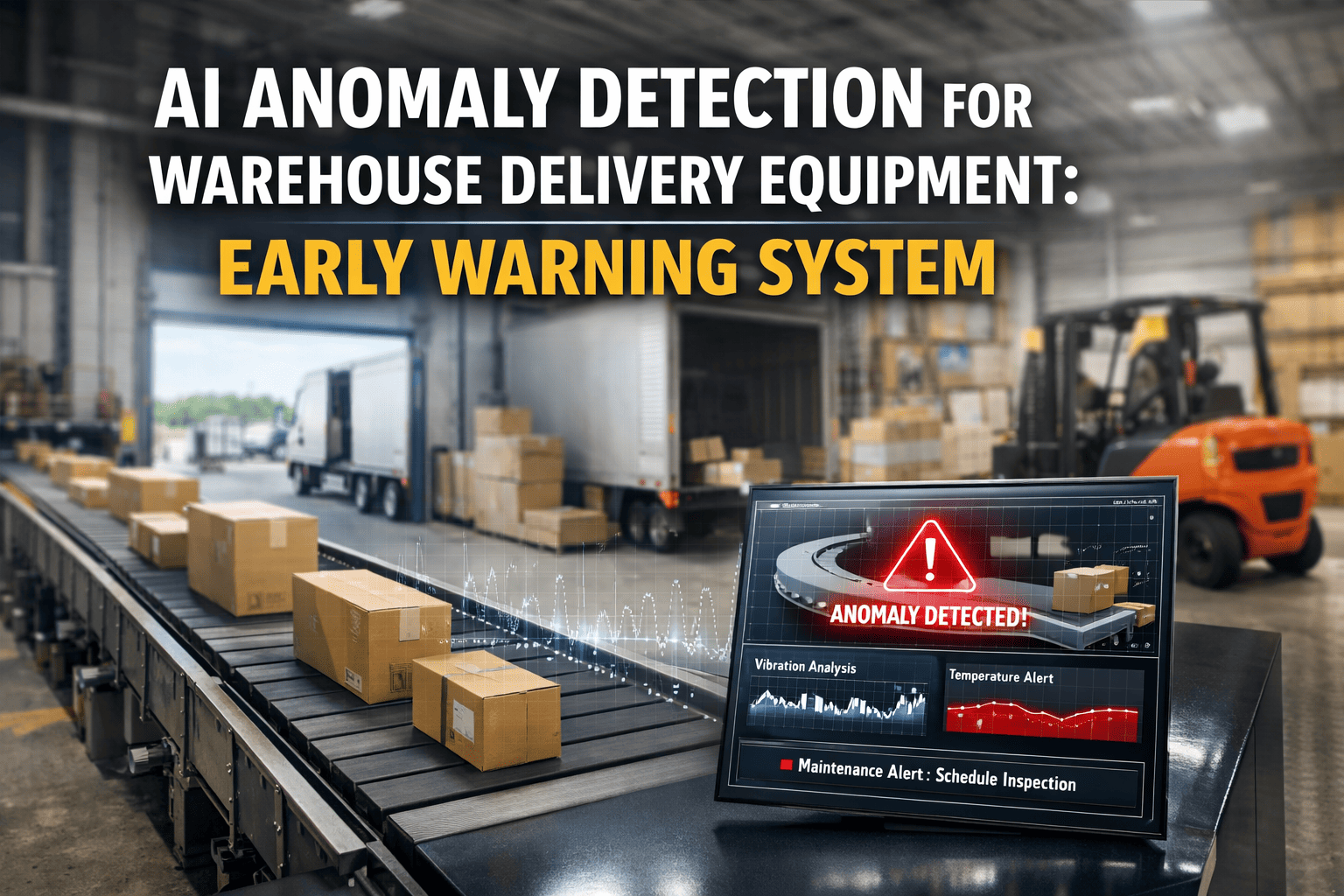
A conveyor bearing does not fail suddenly. It sends warning signals for 2 to 4 weeks before the catastrophic seizure that halts fulfilment throughput — subtle vibration shifts, micro temperature climbs, and motor current signature changes that are
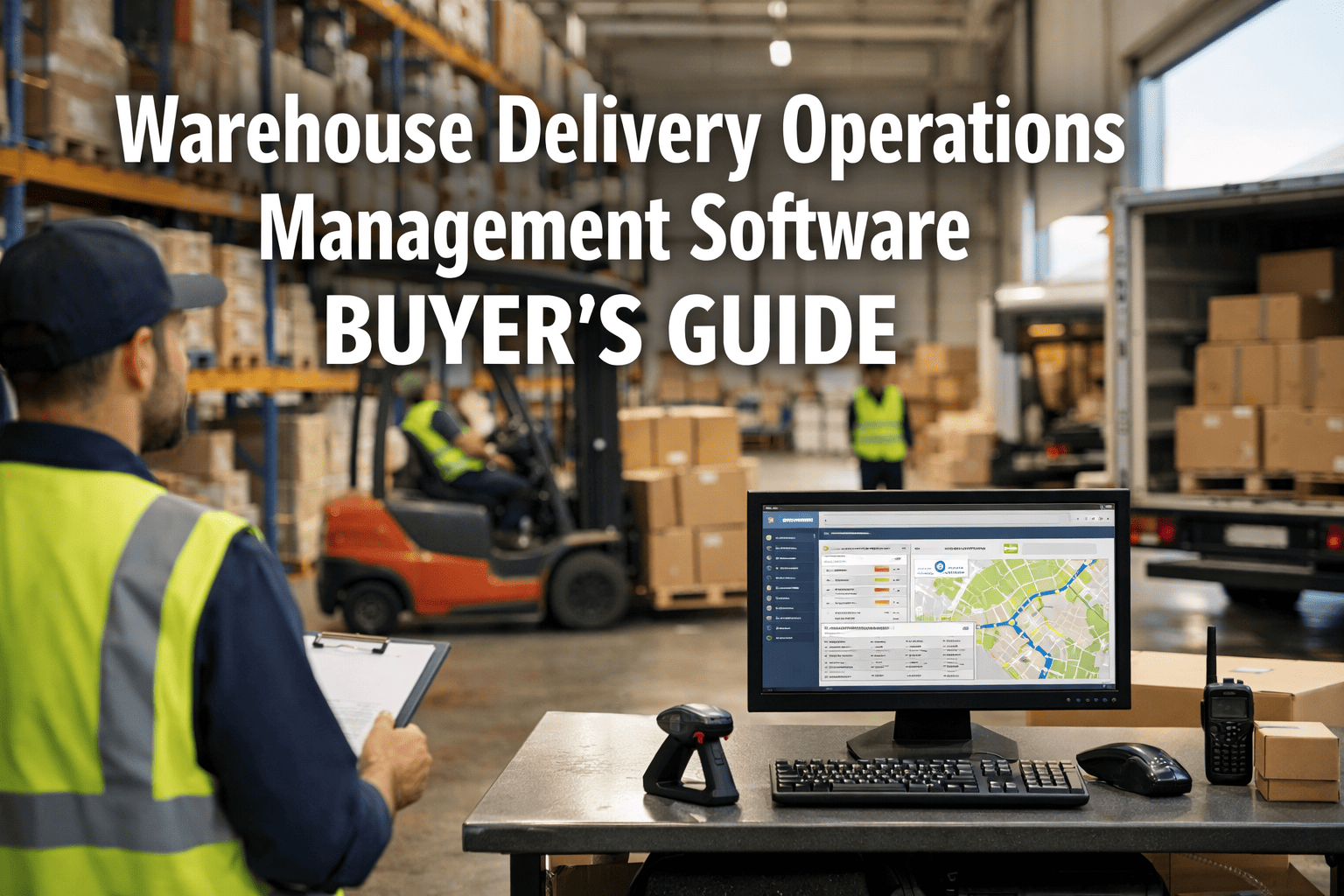
Selecting warehouse delivery operations management software in 2026 is harder than it has ever been. Over 400 warehouse management products compete in the category, entry-level pricing ranges from under $150 per month to enterprise platforms runni

Every warehouse layout change, every new conveyor configuration, every robot fleet addition carries a hidden cost: the weeks of disrupted operations, the throughput drop during commissioning, and the expensive surprises that only appear once the s

A missing label, a weak seal, a misaligned strap — these look like warehouse operator errors. They almost never are. The vast majority of warehouse delivery defects trace back to a specific piece of packaging-line equipment that was overdue for ma

An OSHA inspector walks onto your delivery hub floor unannounced. They hold their credentials up for 15 seconds, then ask for your forklift inspection logs, LOTO procedures, and your last three months of conveyor guard records. You have 24 hours t
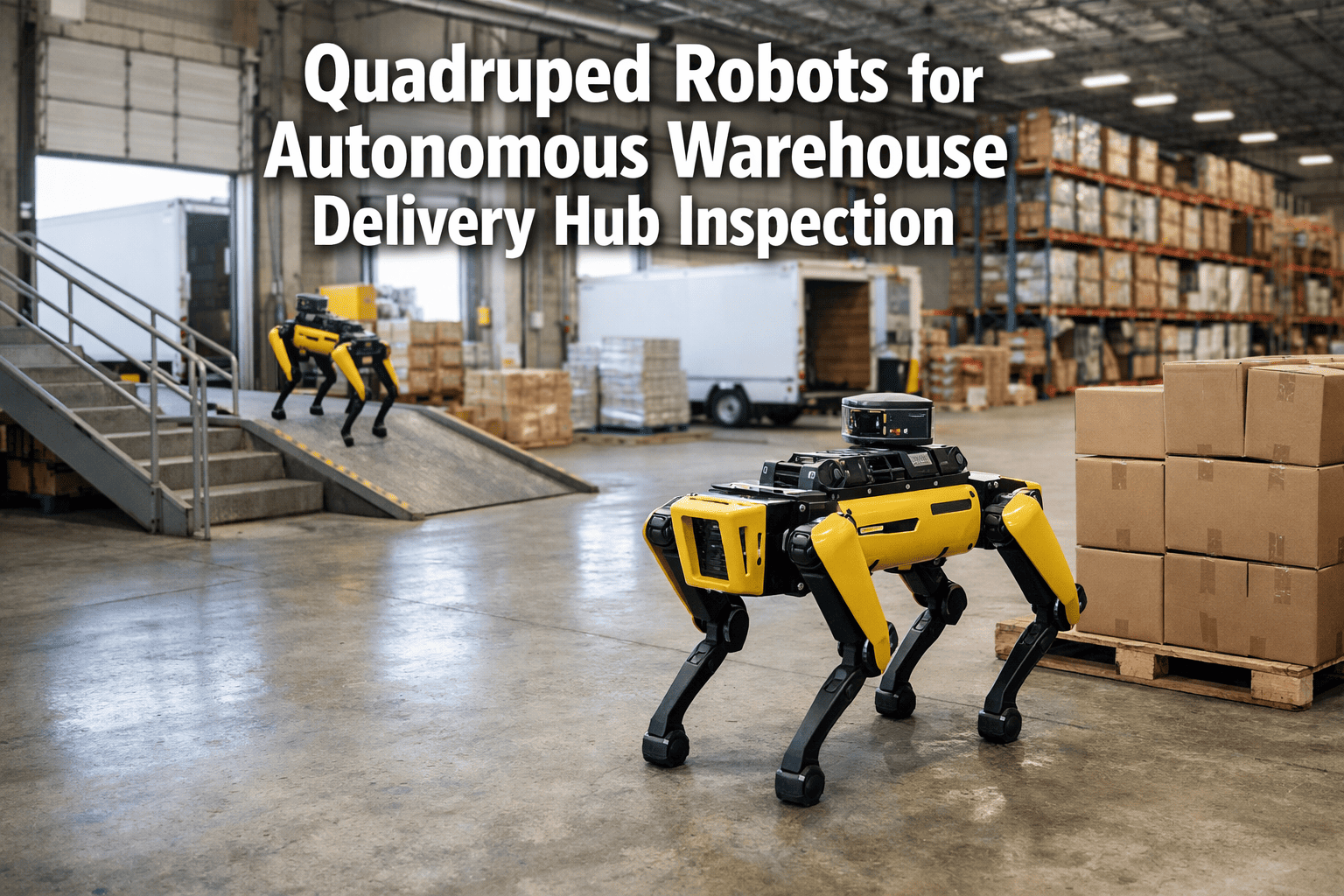
A missing label, a weak seal, a misaligned strap — these look like warehouse operator errors. They almost never are. The vast majority of warehouse delivery defects trace back to a specific piece of packaging-line equipment that was overdue for ma

Most warehouse operations managers can tell you exactly what their equipment costs to buy — but very few can tell you what one hour of unplanned downtime actually costs to absorb. When a conveyor goes down during peak dispatch, the real financial

A sorter vision system reading at 99.2% accuracy sounds reliable — until you run 80,000 parcels through it on a peak shift and realize that 0.3% drift just misrouted 240 packages. Every downstream delivery exception, every re-sort labor cost, and

Warehouse maintenance teams lose an average of 48 hours between the moment a conveyor belt sensor throws an alert and the moment a technician completes the repair — not because the work is difficult, but because the work order never got created, a

A 180,000 sq ft delivery hub in Texas ran through August without a single HVAC work order on record — not because the systems were fine, but because nobody owned them. The cooling units serving the inbound staging zone had clogged evaporator coils

A warehouse in Atlanta was running a textbook preventive maintenance programme — oil changes every 250 hours, belt inspections every 30 days, conveyor lubrication on the first Monday of each month. It was disciplined, documented, and still sufferi

A warehouse delivery hub in Ohio had 34 electric forklifts and 18 last-mile delivery EVs ready for the shift — but 9 charging stations across two bays had been silently degrading for six weeks. Connector contacts had oxidised, one DC fast charger

Running maintenance across ten, twenty, or fifty warehouse locations with disconnected spreadsheets, vendor portals, and site-specific procedures does not scale — it multiplies every risk and compounds every compliance gap across your entire netwo

If every KPI on your warehouse maintenance dashboard is a lagging indicator, you are always one breakdown away from a missed delivery SLA. Modern CMMS platforms surface leading maintenance metrics that predict

Parts stockouts are silent killers in warehouse delivery operations — a single missing bearing or drive belt can ground a conveyor for 18 to 48 hours while emergency orders crawl through suppliers. AI-powered CMMS

Electrical failures in warehouse operations announce themselves in two ways: the catastrophic event that shuts down entire zones of automation equipment, or the slow degradation that burns energy, damages motors, and eventually fails during peak d

In high-velocity fulfillment operations, a single misread barcode or smudged shipping label cascades into wrong-address deliveries, customer complaints, and costly return logistics. When barcode scanners degrade from 99.8% first-pass read rates to
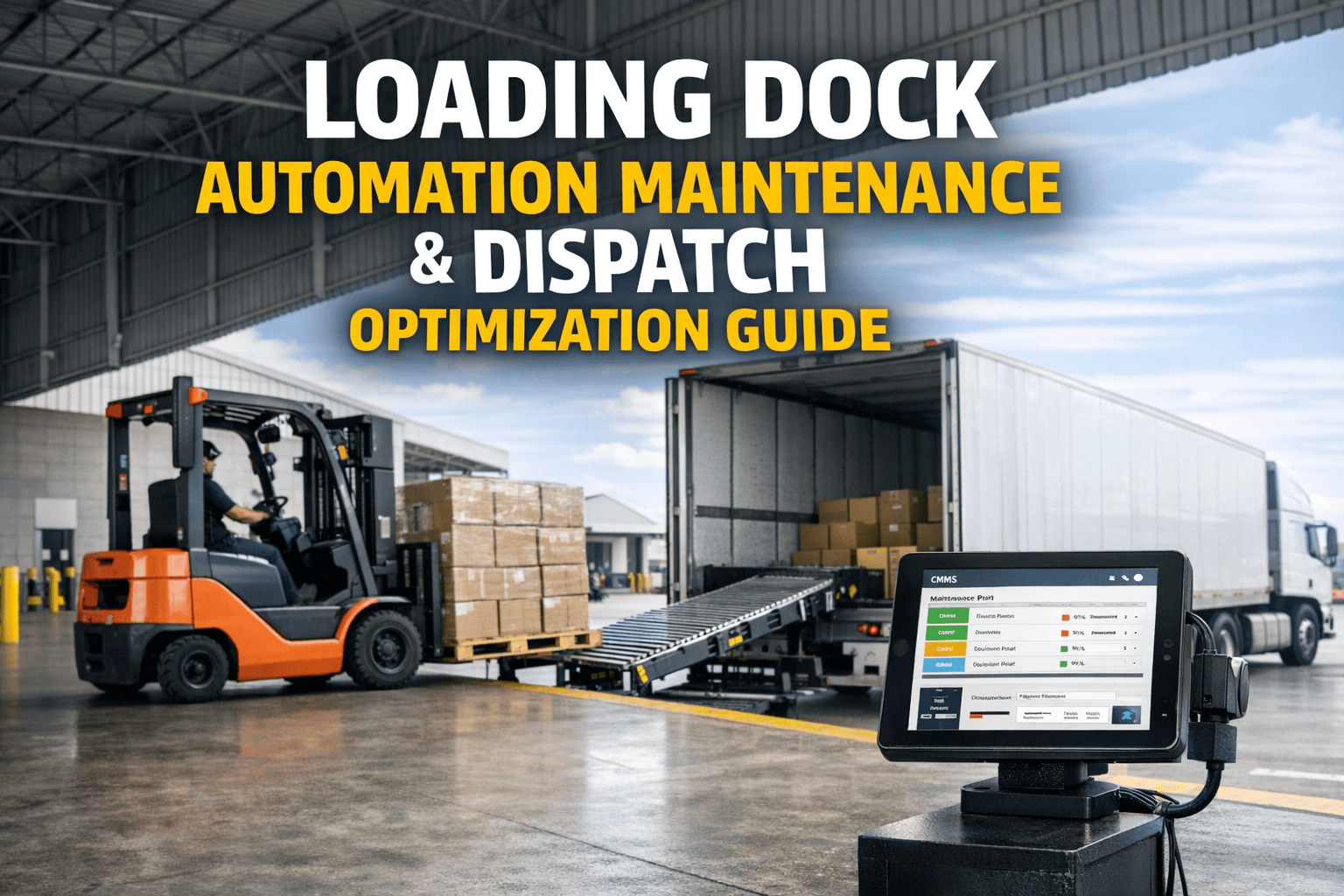
A single loading dock door failure during peak outbound hours creates a cascading logistics nightmare — trucks stack up in the yard waiting for available bays, dispatch schedules slip by 30–90 minutes per delayed trailer, and your warehouse shifts

Most warehouse racking collapses don't announce themselves — they build quietly through ignored dents, skipped inspections, and overloaded bays until one day the structure fails. Start your free racking inspection
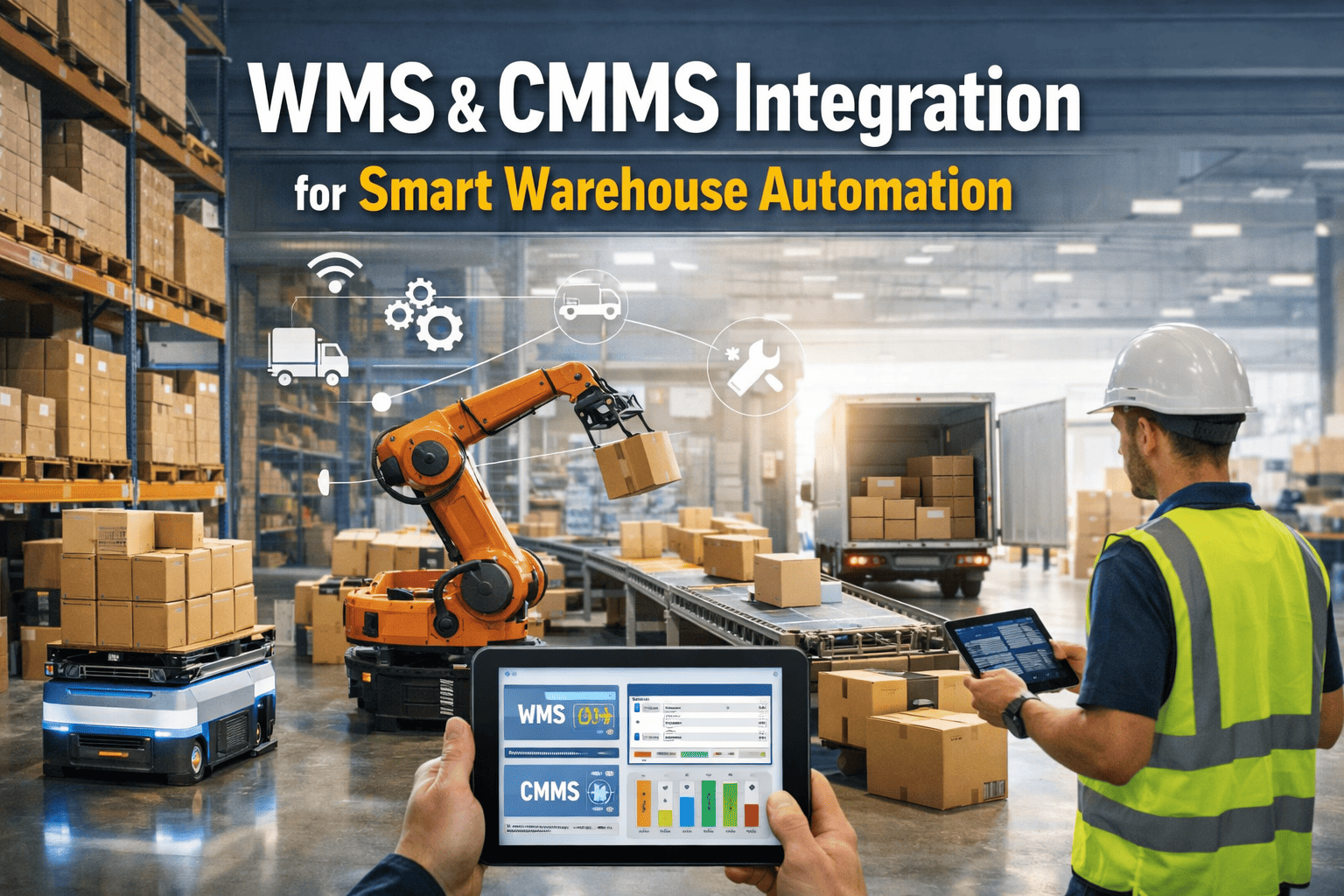
When a warehouse's WMS knows exactly where every pallet is but has no idea why the conveyor keeps failing at 2am, you don't have a smart warehouse — you have two systems talking past each other. Connect OxMaint CMM

A single refrigeration failure in a cold storage warehouse can destroy hundreds of thousands of dollars of perishable inventory in hours — and you may not know it happened until a driver opens a trailer door at the delivery point. IoT-connected CM

Warehouse managers at large fulfillment centers now deploy AI computer vision systems that scan every conveyor belt, robotic arm, and piece of loading equipment in real time — catching defects invisible to the human eye before they cause a product

Every missed pick, mislabeled package, or jammed conveyor is a customer you might not get back. High-volume fulfillment centers running pick-and-pack operations lose up to 3–5% of orders to equipment-related errors — errors that are almost entirel

Warehouse operators running autonomous sorting robots face a brutal reality: a single unplanned breakdown during peak fulfillment hours can cost $15,000–$40,000 in delayed shipments and missed SLAs.

A dock door that jams at 6 AM during peak inbound receiving does not just affect one shipment — it backs up every truck scheduled for that bay, spills overflow onto adjacent docks, and forces your receiving team to improvise under pressure while c

Automated Guided Vehicles are only as reliable as the maintenance system behind them — and most warehouses are still managing AGV fleets with spreadsheets designed for forklifts. If your AGVs are generating thousands of telemetry signals per hour

Inbound delivery operations run on tight windows — and a single forklift breakdown during peak staging hours can unravel an entire day's receiving schedule. At warehouse facilities handling high-frequency inbound flows,

Your warehouse has a conveyor motor that has been running for 14,000 hours. It is consuming 6% more energy than baseline, its bearing temperature is trending 4 degrees above normal, and vibration amplitude at the drive end has increased 18% over t
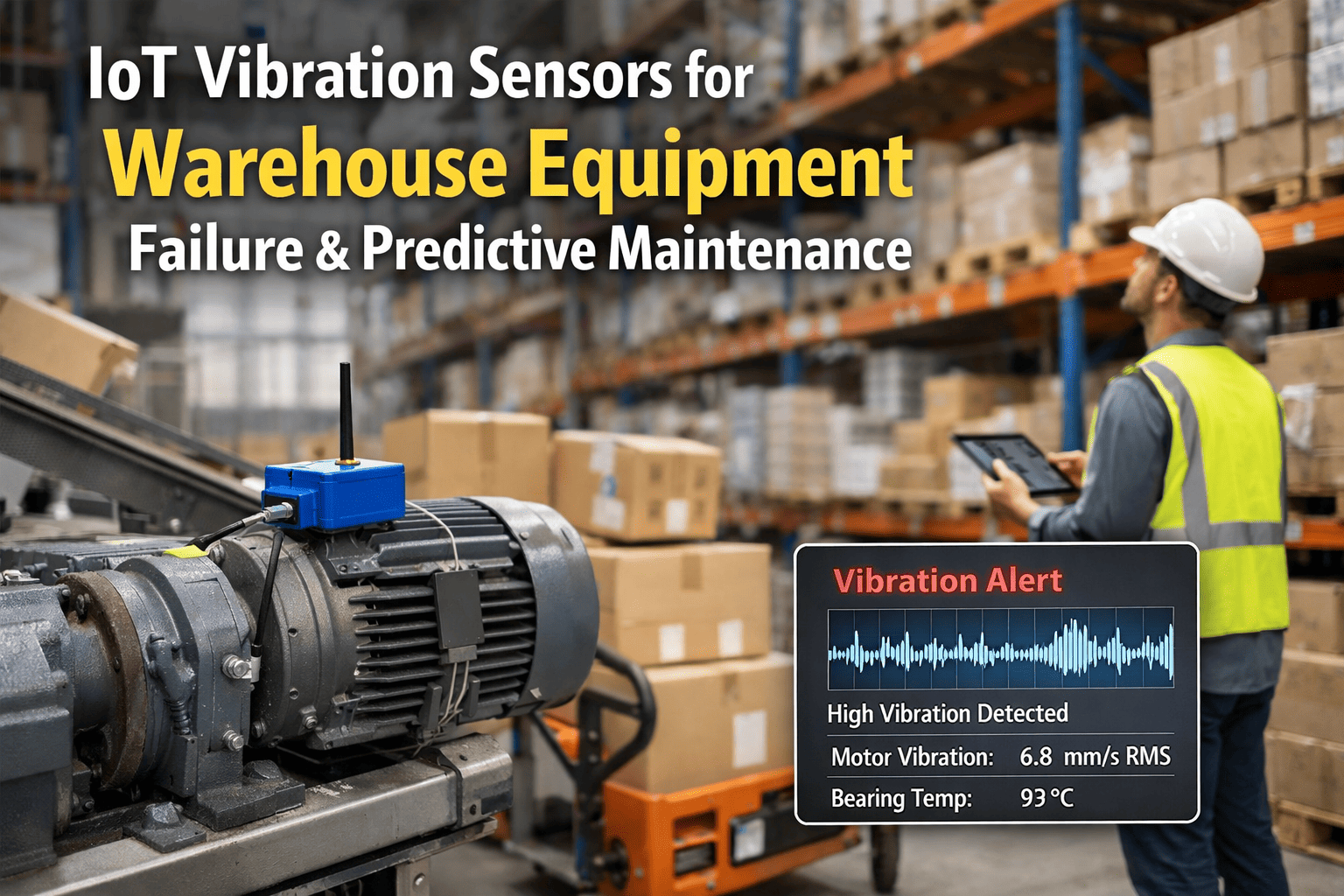
Every warehouse runs on rotating equipment — conveyor motors, sortation drives, dock leveller hydraulics, packaging line gearboxes — and every one of those assets is producing a vibration signature right now that tells you exactly how close it is

Warehouse logistics teams handle millions of data points daily — asset records, work orders, shipment manifests, inventory positions, compliance certificates — and every one of them is a potential liability if it leaves your network without your k
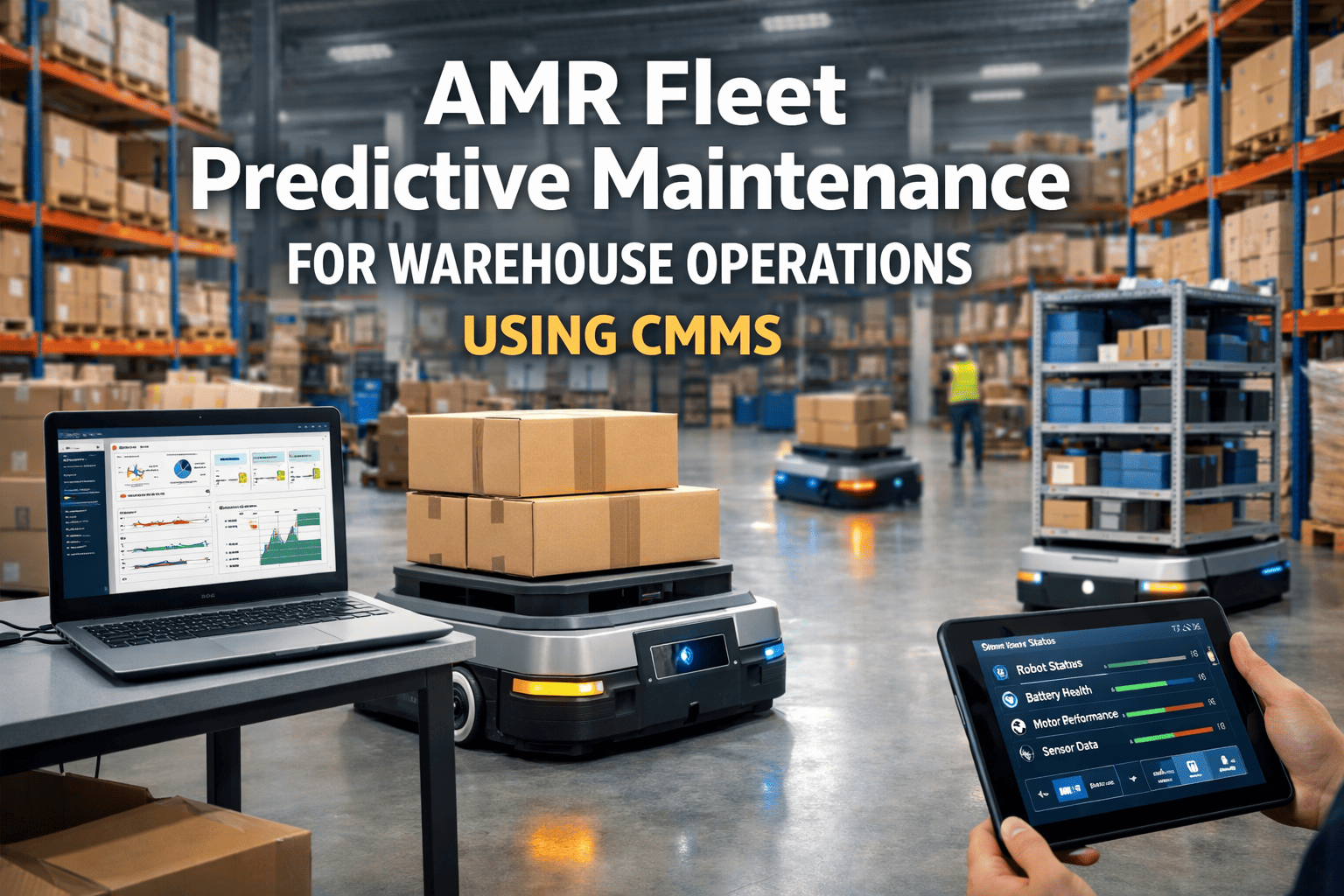
A warehouse running 28 AMRs hit 74% fleet availability during peak season — not because robots failed suddenly, but because battery degradation across 11 units accumulated undetected over three months, wheel wear on high-traffic routes went uninsp
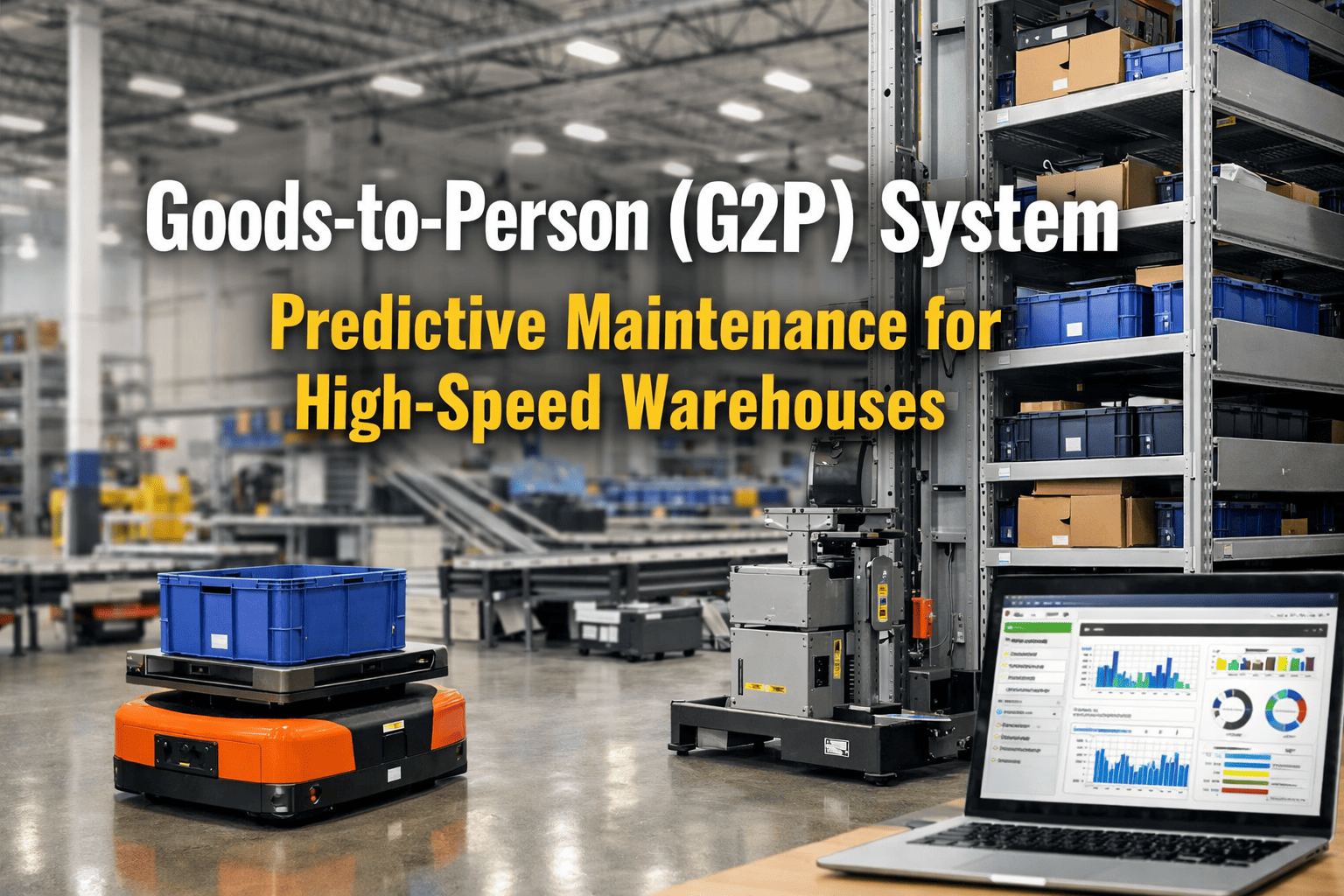
A G2P system that delivers 800 totes per hour during peak operations is not just automation — it is the backbone of every SLA you have committed to. When a shuttle stops, a lift jams, or a tote conveyor backs up, every pick station downstream goes

Every warehouse manager knows the 2 AM call — a conveyor line has seized, dock equipment is frozen, and a robotics arm has stopped mid-cycle. The real question is: why did no one know it was failing?

Fulfillment centers lose up to $20,000 per hour during unplanned conveyor outages — and two-thirds of industrial operators experience at least one unplanned downtime event every month. Warehouse conveyor systems running without AI-powered predicti

A single dock leveler failure at peak receiving hours costs your warehouse $10,000 per hour in stalled throughput — yet most facilities spend more on emergency repairs than they ever would on a structured preventive maintenance program. Inbound de

A sortation conveyor running at 8,000 parcels per hour does not fail without warning — the warning is just invisible to a team running on scheduled PMs and paper work orders. Bearing temperature rises 4°C over three weeks. Divert actuator response

Every warehouse running inbound and outbound logistics at scale is one conveyor failure, one dock door jam, or one forklift breakdown away from a cascading delay that costs thousands in missed SLAs and rushed labour. Most operations invest heavily

Canadian commercial fleet operators navigate a compliance environment shaped by two overlapping regulatory layers: federal National Safety Code (NSC) standards that apply coast to coast, and provincial inspection and registration programs that var
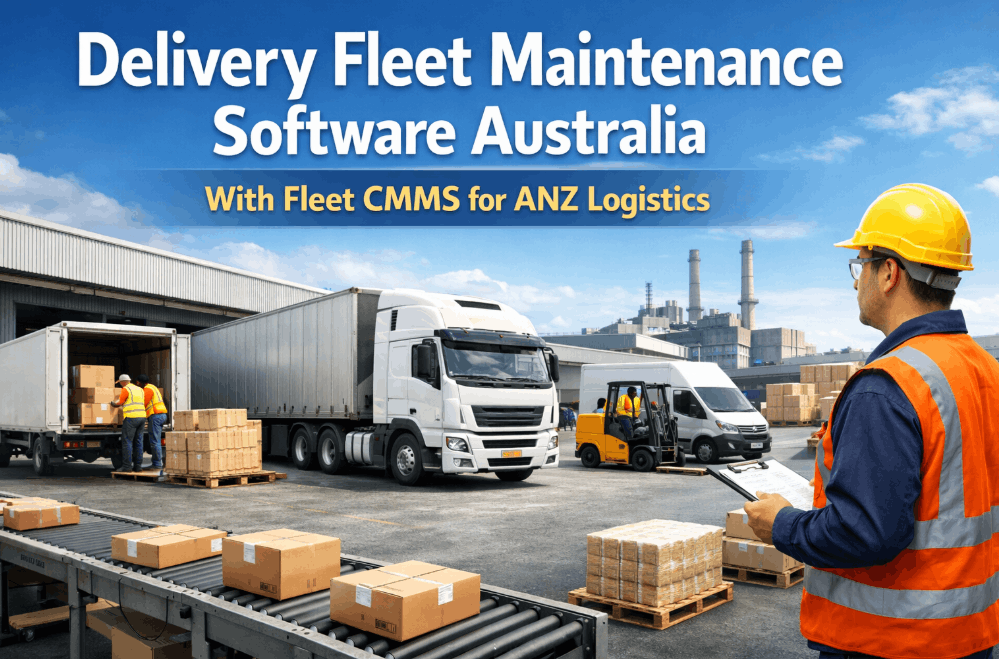
Australian heavy vehicle fleet operators work under one of the most comprehensive compliance frameworks in the world. The Heavy Vehicle National Law (HVNL) and the National Heavy Vehicle Regulator (NHVR) impose obligations not just on the operator

UK delivery fleet operators face a compliance environment that is more layered than any other market. DVSA enforcement, operator licence obligations, annual HGV tests, ULEZ zone charges, FORS accreditation, Working Time Directive records, and tach

Emergency repairs cost three to five times more than the same job done as planned maintenance. The premium is not just parts and labour — it is the emergency order surcharge, the overtime call-out rate, the lost route revenue, and the missed deliv

Most fleet operators know that reactive maintenance costs more than planned maintenance — but very few have a number. Without a number, the business case for CMMS software stays a conversation rather than a decision. Input your fleet's actual figu

Fleet technicians working overnight depot windows have never had good tools. Paper work orders arrive with incomplete information, require legible handwriting in poor lighting, and get lost between the workshop and the office. Tablet-based systems

Fleet safety management is not a separate programme from fleet maintenance — it is the same programme, measured differently. A vehicle with deteriorating brakes is both a maintenance failure and a safety risk. A driver completing routes on insuffi

DOT compliance is the most heavily enforced regulatory area in US commercial delivery operations. FMCSA investigators target carriers whose CSA scores exceed intervention thresholds, whose roadside inspection records show patterns of preventable v
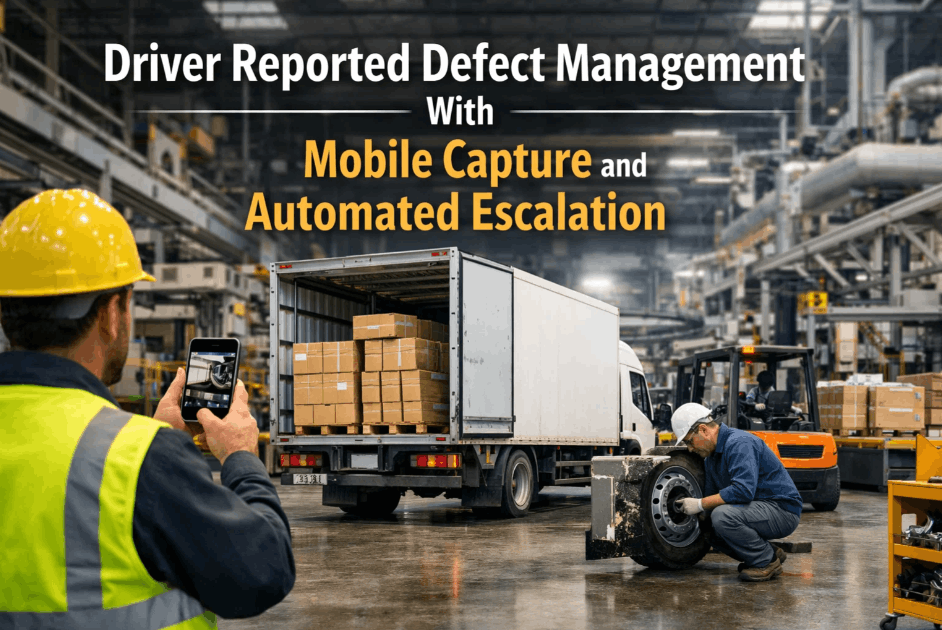
Paper defect reporting systems produce systematic under-reporting, delayed escalation, and compliance gaps that DVSA and FMCSA inspectors find in almost every fleet audit. OxMaint replaces the paper defect book with a mobile app any driver can com
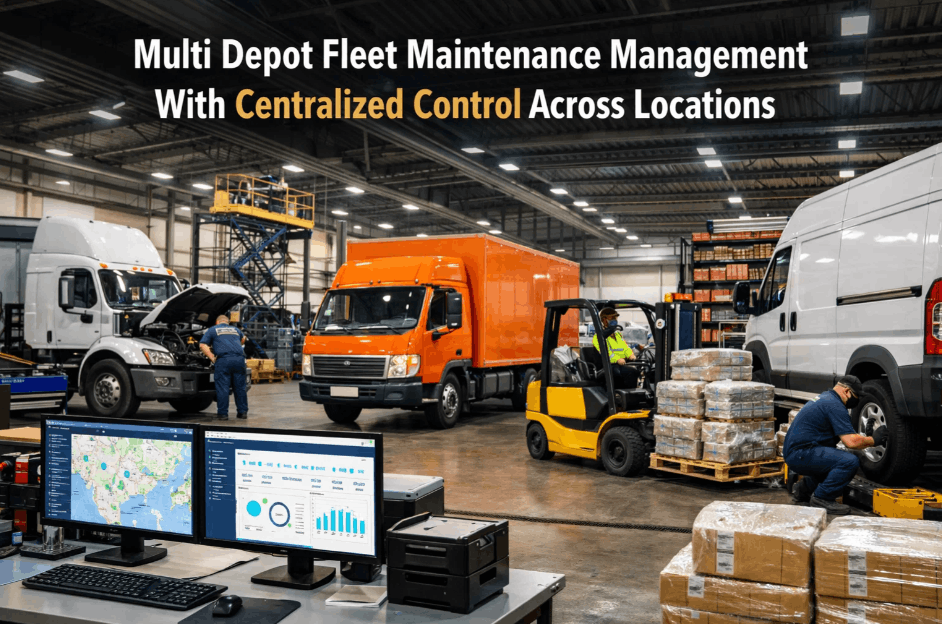
Running multiple delivery depots with separate maintenance systems means nobody has the full picture — not which depot is performing best, not which holds parts another depot urgently needs, not which PM schedule is running three weeks behind. OxM

Fleet parts inventory is the component of fleet maintenance management that most often causes the longest delays. A work order is raised, the technician is available, the vehicle is in the bay — and the repair cannot begin because the brake calipe

A vehicle that passes a manual pre-trip check and then breaks down forty miles into a delivery route has not passed a check — it has passed a check that missed what mattered. Manual pre-dispatch inspections, however diligently completed, capture v

Fleet maintenance KPIs are the difference between a maintenance operation that responds to problems and one that prevents them. In 2026, the delivery fleets achieving the highest uptime percentages are not doing more maintenance — they are measuri

Furniture and white glove delivery operations run the heaviest, most mechanically demanding vehicles in the last-mile sector. A 7.5-tonne box truck carrying a three-piece sofa suite to a third-floor flat is not performing a parcel delivery — it is

Courier and parcel delivery fleets operate at a scale and intensity that makes standard fleet maintenance software structurally inadequate. A 400-van courier operation does not have a maintenance problem — it has a logistics problem that happens t

Pharmaceutical and healthcare delivery fleet maintenance operates under a regulatory framework that does not exist in any other logistics sector. GDP — Good Distribution Practice — is a legal obligation under EU Directive 2013/C 68/01, MHRA guidel

Food and grocery delivery fleet maintenance carries a compliance obligation that no other delivery sector matches. A breakdown on a grocery route is not just a failed delivery window — it is a potential food safety incident, a broken cold chain re

In 2026, an ecommerce fleet breakdown is a same-day SLA failure, a customer compensation claim, and a contract performance score drop that controls next week's route allocation. Ecommerce fleet maintenance is no longer a cost centre — it is the op

A 3PL running vehicles across multiple client contracts doesn't manage one fleet — it manages several overlapping ones, each with its own SLA, maintenance standard, and reporting obligation. A breakdown on a dedicated contract route is a client SL

A standard van failure costs $700 and delays parcels. A refrigerated vehicle failure costs the same — plus spoiled cargo, a food safety audit, and a customer contract at risk. Cold chain fleet maintenance means managing two mechanical systems simu
Your telematics platform is already collecting the data that predicts your next fleet breakdown. Geotab, Samsara, Motive, Verizon Connect, and every other major telematics provider stream continuous vehicle diagnostics — engine load, brake events,

Every delivery vehicle on the road today is generating a continuous stream of diagnostic data — engine load, coolant temperature, fuel trim, brake pressure, transmission temperature, battery state, and dozens of fault codes that appear and clear s

A delivery fleet director making a maintenance decision today — extending a PM interval, reassigning a vehicle to a harder route, deferring a repair by two weeks — is making that decision against incomplete information. The physical fleet provides

A last mile delivery van does not fail without warning. It fails because nobody was listening to the warnings. Engine temperature variance at the third cold start, brake pressure drop across 200 brake applications, battery charge efficiency declin

Most fleet managers know their total annual maintenance spend. Very few know their cost per mile, cost per vehicle, cost per component category, or how their maintenance spend compares to industry benchmarks for their fleet size and route type. Th

A driver who completes a paper DVIR in 60 seconds has not inspected the vehicle — they have signed a liability shield. The defect that causes a roadside breakdown or a DOT violation was almost certainly present during the last pre-trip inspection.
A driver who completes a paper DVIR in 60 seconds has not inspected the vehicle — they have signed a liability shield. The defect that causes a roadside breakdown or a DOT violation was almost certainly present during the last pre-trip inspection.

A fixed 10,000km service interval was designed for predictable, uniform vehicle usage. A delivery fleet is the opposite. The van doing 80 urban stops per day accumulates brake wear at 2.8 times the rate of the van doing 20 suburban stops — yet bot

The delivery fleet maintenance industry is entering the most significant transformation in its history. Between 2026 and 2030, the combination of AI agent automation, edge computing on vehicles, autonomous inspection systems, and quantum-assisted

A delivery fleet work order that takes 4 days to move from fault detection to completed repair is not a maintenance problem — it is a workflow problem. The fault was detected. The repair was eventually done. What was lost in between was 4 days of

A delivery fleet running 50 vehicles loses an average of $34,000 per month to unplanned breakdowns — not from the repair bills alone, but from the cascade of missed delivery windows, emergency recovery fees, driver idle time, and SLA penalties tha

A last mile delivery fleet running 40 vans across 8 urban routes loses an average of 3.2 vehicles per day to unplanned breakdowns — each one costing $580–$820 in recovery, missed deliveries, driver idle time, and customer service overhead. That is

Choosing fleet maintenance software in 2026 is not the same decision it was three years ago. The gap between AI-driven platforms and legacy CMMS tools has widened — and for US delivery companies managing 10 to 500 vehicles, the wrong choice means

Every fleet manager has lived this moment: a delivery truck breaks down en route, the driver calls in, the load misses its window, and you spend the next four hours arranging recovery and explaining it to a customer who will not accept the excuse.

Every production manager and logistics director reading this knows the feeling: a delivery truck breaks down at 5am, your plant's output from the night shift is sitting on the loading dock, and you're watching an on-time delivery rate slip in real

South Korea's manufacturers — across Seoul's industrial districts, Busan's export terminals, Incheon's logistics hubs, and Ulsan's automotive clusters — operate in one of the world's most digitally connected supply chains. That connectivity brings

South Korea — home to Samsung, Hyundai, LG, and POSCO, and a nation ranked among the world's top five most targeted countries for industrial cyber attacks — is integrating cybersecurity and data protection frameworks directly into dispatch operati

Turkey's manufacturers and exporters — across Istanbul's industrial zones, Bursa's automotive clusters, Izmir's export corridors, and Ankara's logistics hubs — are under increasing pressure to demonstrate sustainable packaging and green logistics

Turkey — a manufacturing and export powerhouse ranked in the global top 20 by trade volume, with textile, automotive, ceramic, and food sectors shipping to over 180 countries — is integrating sustainable packaging and green logistics compliance sy

Sweden's manufacturers are deploying autonomous vehicles and drones to handle delivery operations across Stockholm, Gothenburg, and Malmö — but every shipment still needs to pass quality inspection, quantity verification, packaging compliance, and

Sweden — a country that produced IKEA's last-mile innovation labs, Volvo's autonomous trucking programme, and the EU's most advanced drone corridor trials — is deploying

The Netherlands is Europe's logistics gateway — Rotterdam handles over 450 million tonnes of cargo annually, Schiphol moves critical air freight, and Dutch manufacturers supply supply chains across the continent through PostNL, DHL, DB Schenker, M

The Netherlands — home to Europe's largest port at Rotterdam, Schiphol's global cargo hub, and a logistics infrastructure that moves over €700 billion in goods annually — is deploying AI orc

Spain's manufacturers and logistics operators are moving to blockchain-secured documentation because traditional paper invoices, email approval chains, and disconnected quality records cannot provide the tamper-proof audit trails that AEAT, Spanis

Spain's manufacturersand logistics operators — from Valencia's citrus export corridors to Catalonia's industrial parks — are deploying blockchain-backed documentation and transparency systems that make every dispatch record immutable, auditable, a

Italy's manufacturers and logistics operators — from the automotive suppliers of Turin to the food producers of Emilia-Romagna and the fashion exporters of Milan — are turning t

France's manufacturers and logistics operators are replacing fragmented, judgement-based dispatch workflows with integra

Italy's manufacturing sector — spanning automotive in Turin, luxury fashion logistics in Milan, precision engineering in Bologna, and pharmaceutical production in Lombardy — exports more than €500 billion in goods annually. Yet behind Italy's inte

Italy's manufacturing sector — spanning Milan's industrial north, Turin's automotive corridors, Bologna's packaging and food processing clusters, and Naples' logistics networks — is navigating a fundamental shift in how delivery operations are pla

France's manufacturers and logistics operators face mounting pressure to prove that every shipment leaving their facility has been fully inspected, counted, packaged, and documented before dispatch — not discovered to be non-compliant at Le Havre

Running delivery operations in South Africa without a structured AI-driven checklist means errors compound at every handoff — from factory floor to final dispatch. Across Johannesburg's industrial zones, Durban's port corridors, and Cape Town's ex

South Africa's manufacturers and logistics operators are at a pivotal crossroads. As global supply chains demand greater precision and accountability, edge AI and real-time decision making are reshaping what is possible at the dispatch gate — turn

South Africa's manufacturing and logistics sector is reaching a turning point. As global buyers demand zero-defect shipments and local operations face mounting compliance complexity, edge AI and real-time decision-making are becoming the defining

Running delivery operations in Mexico without a structured checklist means errors compound at every handoff — from factory floor to final dispatch. This practical guide outlines the exact steps Mexican manufacturers and logistics operator

Mexico's manufacturing and logistics sector is entering a new era. As global trade corridors through the country intensify — from nearshoring waves to cross-border e-commerce — cloud-based logistics platforms and digital ecosystems are becoming th

Mexico's manufacturing sector is moving fast. From automotive plants in Monterrey to consumer goods facilities in Guadalajara, the pressure to ship right the first time has never been greater. Cloud-based logistic

Every shipment that leaves a Brazilian facility without a verified checklist is a liability in motion. Quality defects, quantity mismatches, packaging failures, and incomplete documentation do not just cost money — they cost customer trust, regula

Brazil's delivery and logistics sector is undergoing a fundamental shift. As manufacturers and distributors face mounting pressure to meet global compliance standards, advanced analytics and machine learning are no longer optional — they are the o

Brazil's manufacturing sector is entering a new phase of logistics intelligence. Across São Paulo's industrial corridors, Manaus's free trade zone, and Rio's port logistics networks, AI-powered delivery operations are moving from pilot projects

Implementing AI-driven delivery operations in the UAE requires a documented, repeatable process — not just the right software. This step-by-step guide gives UAE operations teams a practical checklist for every stage of the dispatch process: qual

The United Arab Emirates is accelerating its adoption of AI-driven delivery operations — and the shift is structural, not cosmetic. Factories across Dubai, Abu Dhabi, and Sharjah are integrating data-driven dispatch and centralised planning syst

The UAE's manufacturing and logistics sector operates at a pace that leaves no room for reactive decision-making. With one of the world's busiest trade corridors running through Dubai and Abu Dhabi, data-driven dispatch and centralised planning ar

Implementing AI-driven delivery operations in Singapore requires a documented, repeatable standard operating procedure — not just technology. This SOP checklist ensures that every shipment leaving your Singapore facility passes through IoT-monit

Singapore is adopting AI to transform delivery operations — and the most consequential shift is happening before the vehicle leaves the loading dock. AI-driven inspection systems are replacing manual checks with structured, data-backed verificatio

Singapore's manufacturing sector leads Southeast Asia in precision and logistics efficiency — but even the most advanced factory floor is only as reliable as the data it acts on. IoT sensors and condition monitoring are redefining how Singapore's

Implementing AI-driven delivery operations in Australia requires more than the right technology — it requires a structured, repeatable process that every team member follows at every dispatch point. This operational checklist covers every step b

Australia's manufacturing and logistics sector is at an inflection point. AI is no longer a future capability — it is the operational standard separating factories that dispatch with confidence from those that absorb the cost of errors discovere

Australia's delivery networks are under pressure. Rising consumer expectations, tighter delivery windows, and the rapid expansion of e-commerce have pushed last-mile logistics to a breaking point. Yet the biggest threat to delivery reliability i

Every shipment that leaves a Canadian factory without a verified clearance pass is a risk — to product quality, customer trust, and logistics efficiency. This checklist gives operations teams a practical, AI-driven framework to inspect goods for q

Canada's delivery operations are entering a new phase — one where AI is no longer a pilot project but the operational backbone of quality-compliant shipping. Factories across the country are deploying AI-driven inspection systems that check every

Canada's manufacturers are navigating a supply chain environment where disruption is no longer an exception — it is the baseline. Trade volatility, vast geography, carbon pricing pressure, and rising customer expectations for zero-defect delivery

United Kingdom delivery operations are at a turning point. Manual inspection processes, paper-based approval workflows, and reactive quality checks are no longer sufficient for a market where regulatory demands are rising and customer expectatio

Goods that leave a UK factory without passing a structured digital twin verification can fail at customs, arrive damaged, or reach the wrong destination entirely. In United Kingdom delivery operations, where regulatory expectations are high and cu

The United Kingdom's manufacturing and logistics sector is entering a new era of delivery precision — one where physical shipments are mirrored by digital models that predict, test, and verify every stage of the dispatch process before a product l

Getting goods out of the factory correctly is not a single step — it is a chain of verifications. In Japan's delivery operations, that chain is now enforced by AI and robotics at every stage: quality inspection, quantity count, packaging integrity

Japan's delivery sector is setting a global benchmark — not by adding more workers, but by deploying robotics and AI to inspect, verify, package, and dispatch with precision that human teams alone cannot match. For operations and logistics manager

Japan has long set the global benchmark for precision manufacturing — but the final step of getting a verified, zero-defect shipment out of the factory and into the hands of the customer is where that precision most often breaks down. Manual inspe

Getting goods out of the factory door sounds simple. In practice, it is one of the highest-risk moments in any logistics operation — where quality failures, quantity mismatches, packaging gaps, and documentation errors silently accumulate until th

Germany's logistics sector is under mounting pressure — from EU Green Deal mandates to rising consumer expectations for traceable, ethical supply chains. Yet most delivery operations are still running quality checks, dispatch approvals, and docume

Germany leads Europe in manufacturing precision and environmental accountability — and in 2026, those two standards are converging in the factory's outbound logistics operation. Sustainable logistics and carbon-neutral delivery are no longer goals

China's factories ship at a volume and velocity that exposes every weakness in manual delivery processes. A single uninspected unit, an uncounted carton, a missing export certificate, or a static route that cannot respond to port delays — any one

China's manufacturing output demands a delivery operations model that can move at the same pace as production — and manual processes, static routes, and paper-based inspection are no longer capable of keeping up. AI-driven inspection systems, auto

China's manufacturing and logistics sector moves faster than almost anywhere else on earth — and the gap between operations that have adopted AI-powered delivery management and those still running manual processes is growing wider every quarter. A

A shipment leaving your U.S. facility without passing every control point is not a delivery — it is a liability in transit. Wrong quantities, damaged packaging, missing documentation, and uninspected product are the four most common and most exp

Across the United States, delivery operations are at a turning point. AI-driven inspection systems are replacing manual checklists, approval workflows are being automated, and factories are now issuing clearance passes only to shipments that have

Every shipment leaving a U.S. warehouse carries more than products — it carries brand reputation, customer trust, and operational cost. Yet most delivery operations still rely on manual checks, verbal handoffs, and disconnected spreadsheets to m

Based on: AI Supply Chain Implementation Checklist — a practical checklist for implementing AI-driven delivery operations in India. Ensure goods leaving the factory are inspected for quality, counted for quantity accuracy, checked for packaging in

Based on: How AI Improves Supply Chain Efficiency — India is adopting AI to transform delivery operations management through AI-driven inspection systems that check product quality, verify quantity accuracy, and ensure packaging standards before d

Based on: AI in Supply Chain: Demand Forecasting & Smart Delivery Operations for Indian Manufacturers — India's manufacturers are leveraging AI-powered delivery operations management to achieve zero-defect shipping. Every shipment undergoes

Most logistics companies are losing time, money, and delivery accuracy without realising the root cause is the same: no unified system connecting planning, tracking, and execution. A Transportation Management System changes that — turning

A delivery fleet that breaks down mid-route does not just cost you a repair bill — it costs you customer trust, driver overtime, and the reputation you have spent years building. The difference between fleets that stay on the road and those that d

Logistics operations that run on instinct and spreadsheets are already falling behind. From route planning to fleet maintenance to last-mile delivery, every gap in your workflow compounds into missed deadlines, unhappy customers, and rising cost

Last-mile delivery is the final step in the logistics chain — and the most expensive one. It accounts for up to 53% of total shipping costs, yet it is the stage where most delivery operations have the least visibility and the least control. Rout

Every delivery company reaches a point where spreadsheets, phone calls, and paper logs stop working. Vehicles go out without inspections. Maintenance gets missed. Dispatchers assign routes without knowing which vehicles have open defects. The re

Logistics performance is only as good as the data behind it. Most operations teams are working with delayed reports, disconnected dashboards, and metrics that tell them what happened last week — not what is happening right now or what will happe

The next generation of delivery networks will not wait for a human to make every decision. Route deviations, maintenance triggers, capacity adjustments, exception handling — these decisions will be made by autonomous AI systems in milliseconds,

Logistics risk used to be managed after the fact. A supplier goes dark, a shipment is delayed, a vehicle breaks down mid-route — and the operations team scrambles to respond. In a world where a single disruption can cascade across an entire netw

Every delivery company faces the same invisible problem: the demand for tomorrow is unknown, yet every decision made today — how many drivers to schedule, which routes to staff, how much capacity to hold in reserve — depends entirely on getting

Supply chains fail quietly before they fail visibly. A demand spike goes undetected until shelves are empty. A supplier delays a shipment that was never flagged as at risk. Inventory piles up in one warehouse while another runs dry. These are no

Logistics has always been a data-heavy industry. But for decades, the people who needed that data most — operations managers, dispatchers, and delivery coordinators — could not access it fast enough to act on it. Generative AI changes that. It d

Transportation and logistics networks generate more data every day than most industries produce in a year — GPS pings, fuel transactions, demand signals, delivery confirmations, traffic feeds, and sensor readings from thousands of vehicles and f

Most delivery operations don't have a speed problem — they have a routing problem. Drivers leave on time, trucks are loaded, and yet deliveries run late, fuel costs climb, and customers cancel. The culprit is almost always a fixed route built by
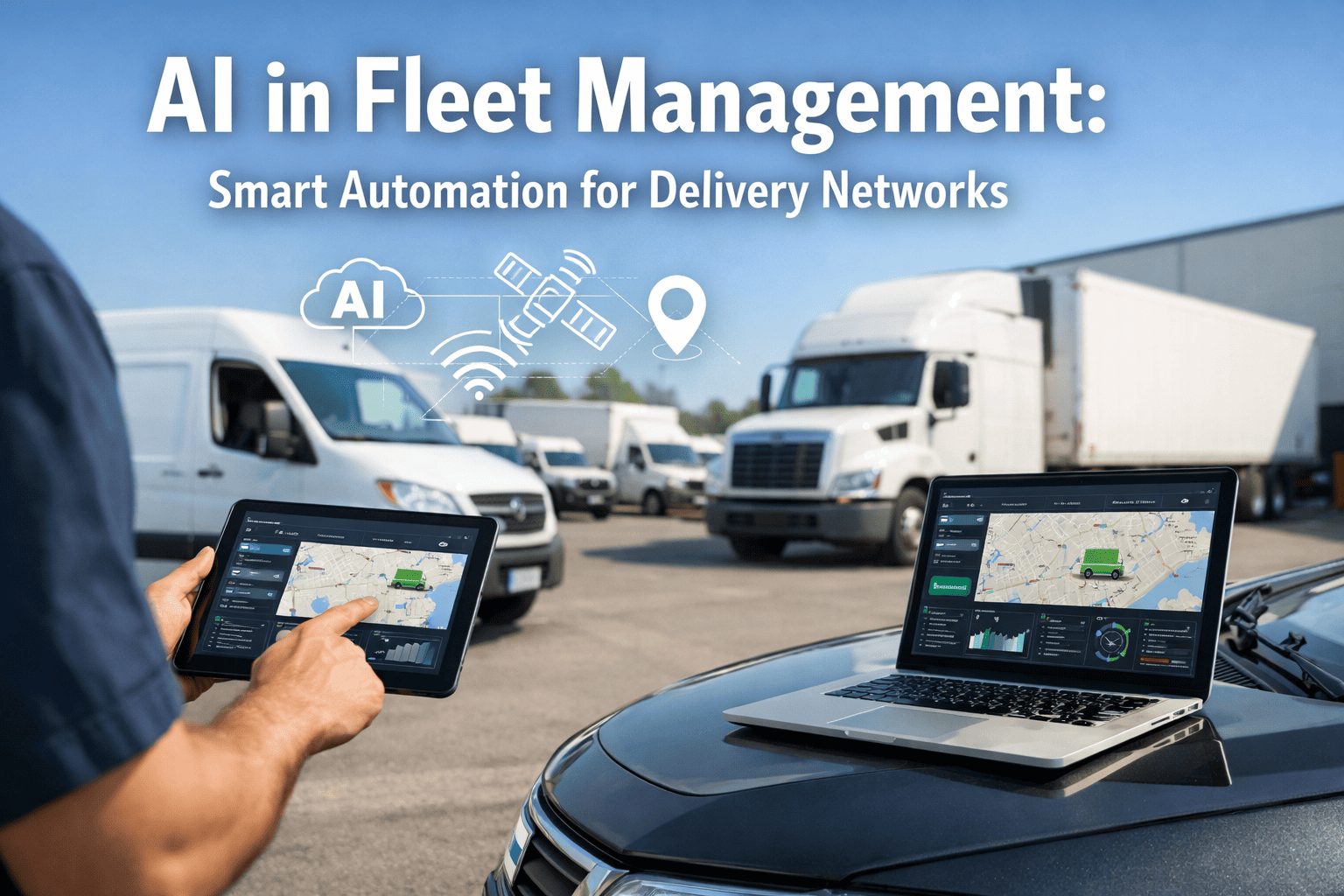
Delivery networks run on precision. A vehicle that breaks down mid-route, a driver routed inefficiently, or a maintenance event that was not predicted in time — each one costs more than the incident itself. It costs customer trust, SLA complianc

Logistics has always been a game of margins — shaving minutes off routes, catching breakdowns before they happen, and moving freight through a network with hundreds of variables in motion at once. Artificial intelligence is changing how that gam
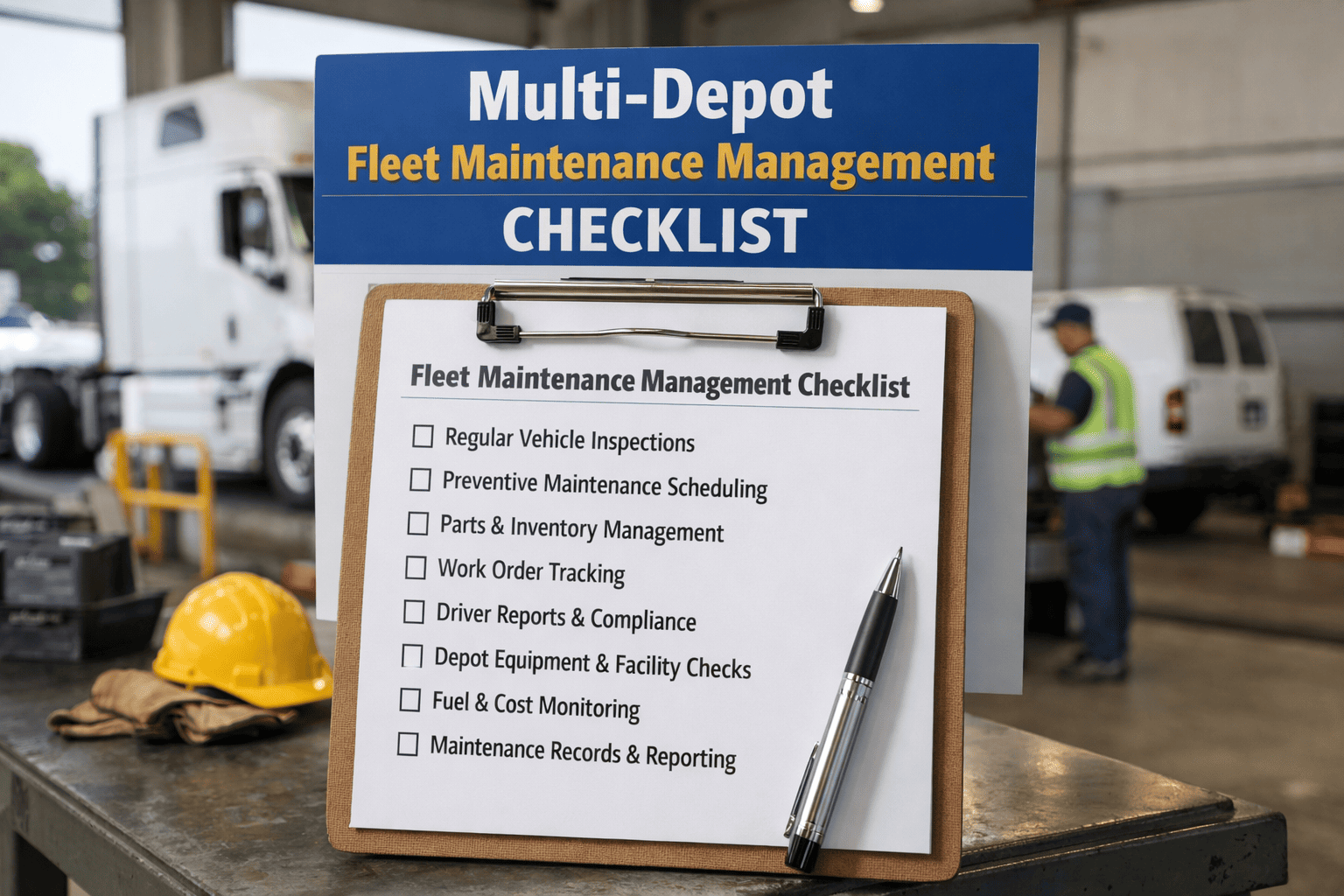
Managing a fleet across a single depot is complex enough. Scale that to multiple depots — each with its own team, vehicles, and maintenance habits — and the gaps multiply fast. Inconsistent inspection standards, siloed service records, and no un
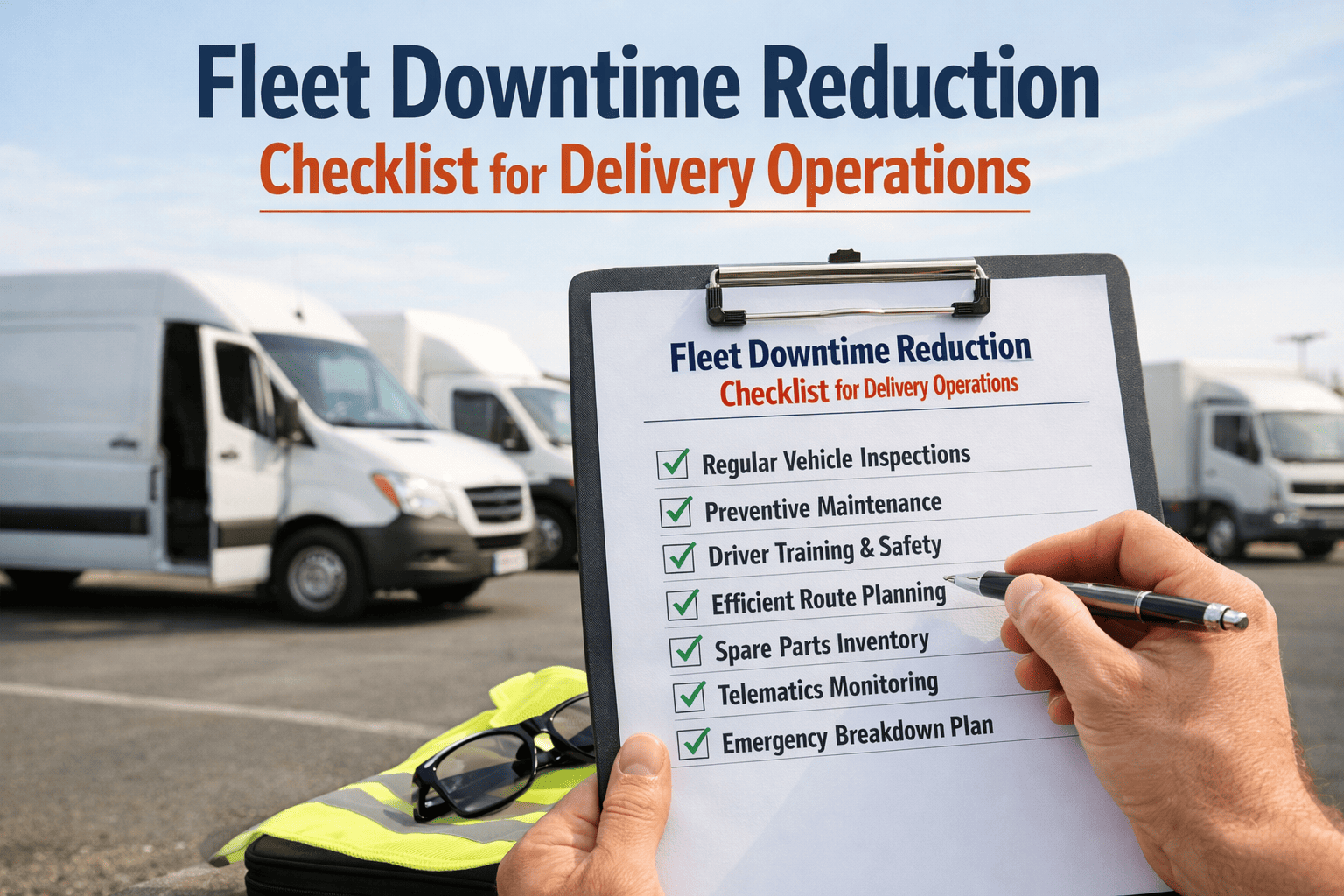
Downtime does not announce itself. It builds quietly — through skipped maintenance, untracked wear, and reactive habits — until a vehicle fails mid-route and the entire day's operations unravel. For delivery companies, every hour of unplanned do
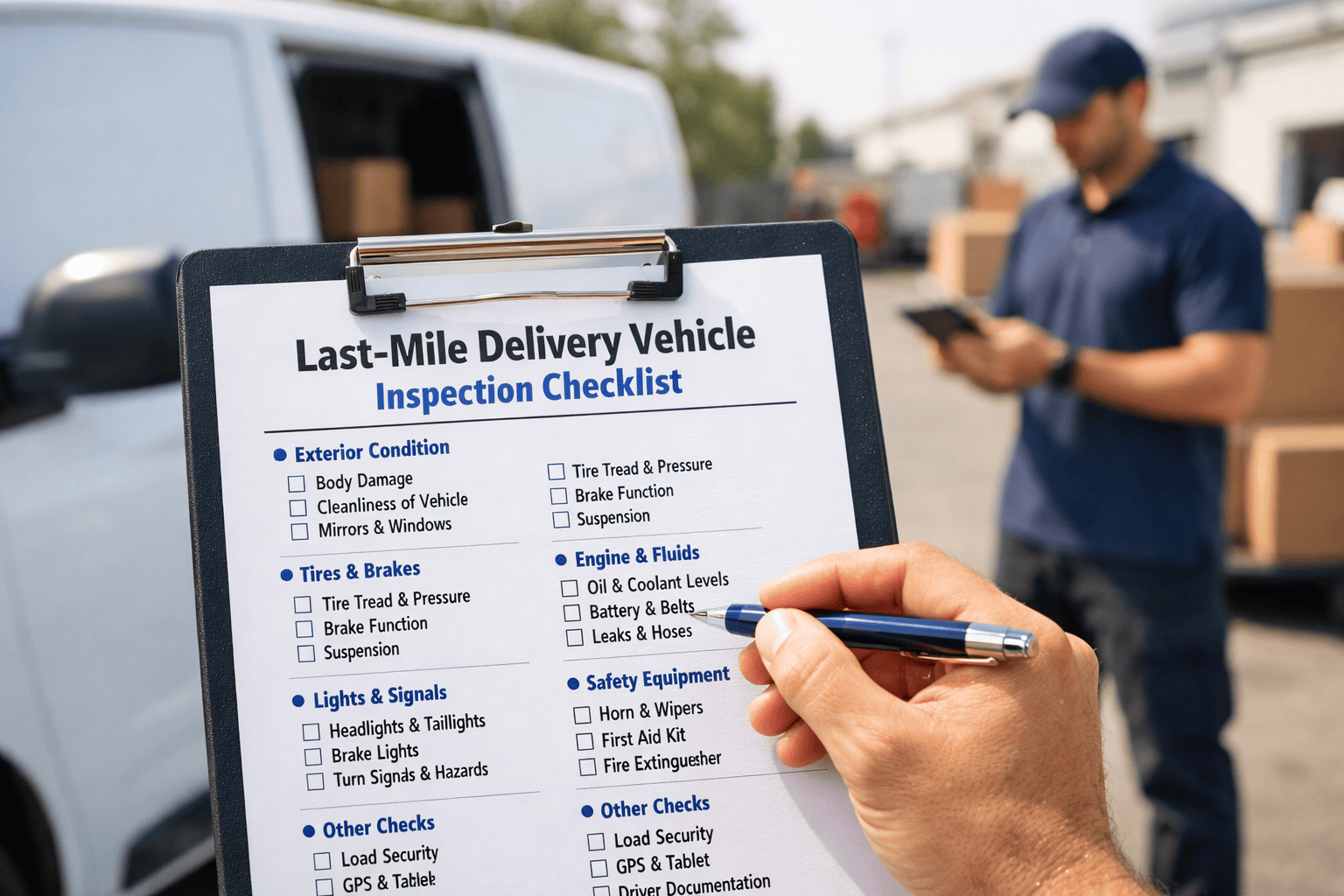
Every last-mile delivery run starts with a vehicle. If that vehicle has a hidden fault — a worn tyre, a failing brake, a leaking fluid line — the entire day's route is at risk before it begins. This checklist gives delivery operations teams a st
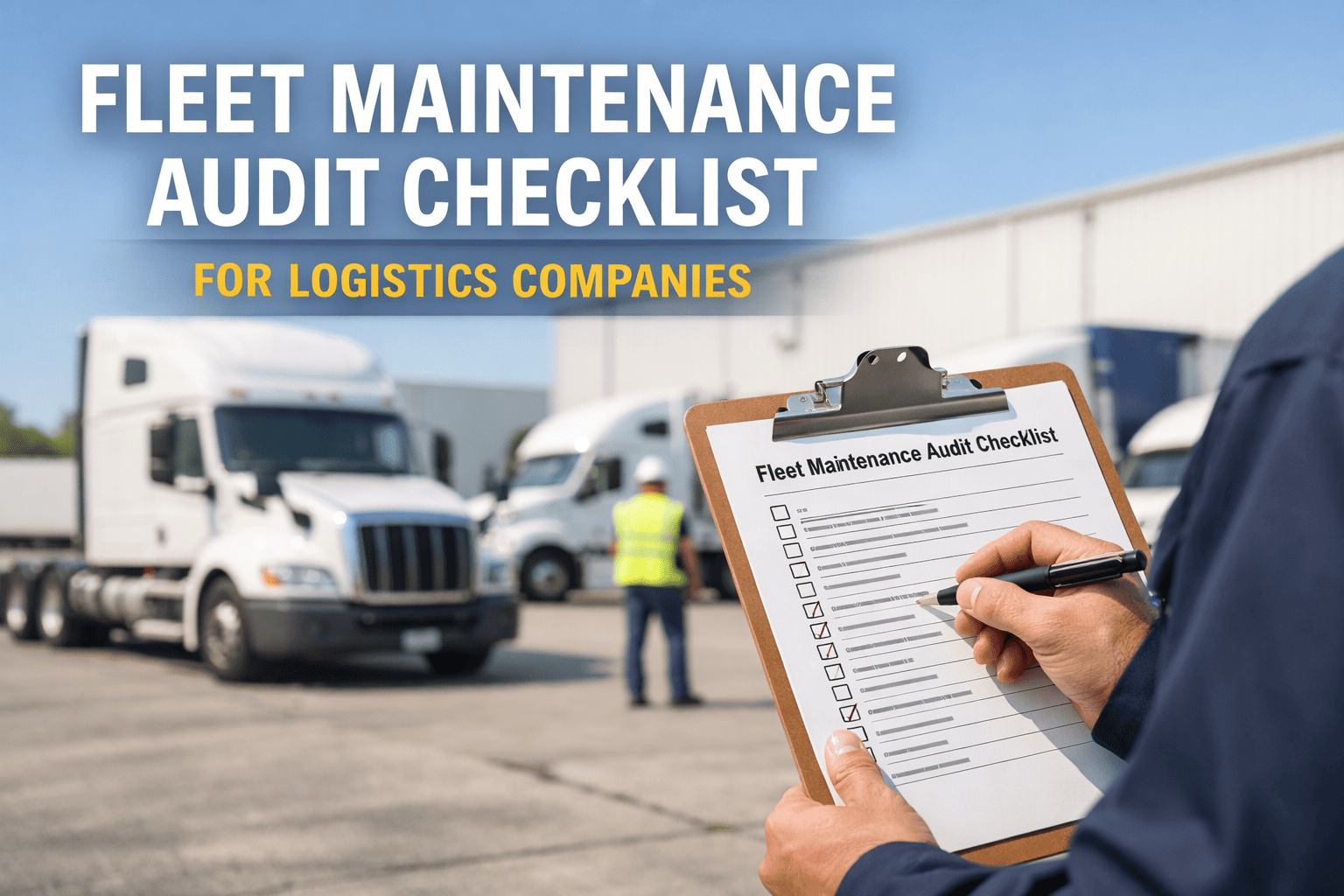
Running a logistics fleet without a structured audit is like navigating without a map. Vehicles degrade silently, compliance gaps widen unnoticed, and one missed inspection can cascade into regulatory fines, breakdowns, and costly downtime. This

A vehicle that leaves the depot without a completed inspection is a liability, not an asset. For delivery fleets, skipping or shortcutting preventive maintenance checks is the single most common cause of mid-route breakdowns, SLA failures, and e

The delivery operations industry is undergoing a fundamental shift. The teams that will lead logistics in the next five years are not the ones with the biggest fleets or the lowest rates — they are the ones building intelligent maintenance syste

Scaling a delivery operation sounds like a growth problem. In practice, it is a maintenance problem. Every new vehicle added to a fleet, every new zone opened, every new client onboarded — all of it multiplies the number of things that can break

Most delivery operations are sitting on a goldmine of data they never use. Every vehicle run, every maintenance event, every delayed stop, every missed SLA — all of it generates signals that, when tracked and acted on, can fundamentally change h
.png)
Urban delivery operations in 2026 are under pressure from every direction. Traffic gridlock, vehicle breakdowns, last-mile bottlenecks, and rising fuel costs have turned city logistics into one of the most complex challenges in the industry. For

On-time delivery is not just a customer satisfaction metric — it is a contractual obligation that carries financial penalties when missed. For logistics companies managing dozens of clients across hundreds of routes, SLA compliance is the most v

Fleet capacity problems in delivery operations rarely look like problems until they already are one. Vehicles run hot for weeks before a breakdown. Demand spikes catch operations teams under-resourced. Routes get overloaded silently while other

Operational risk in delivery networks does not announce itself. It builds quietly — through skipped maintenance checks, paper-based work orders, vehicles dispatched without inspection, and SLA commitments made without real-time fleet visibility.
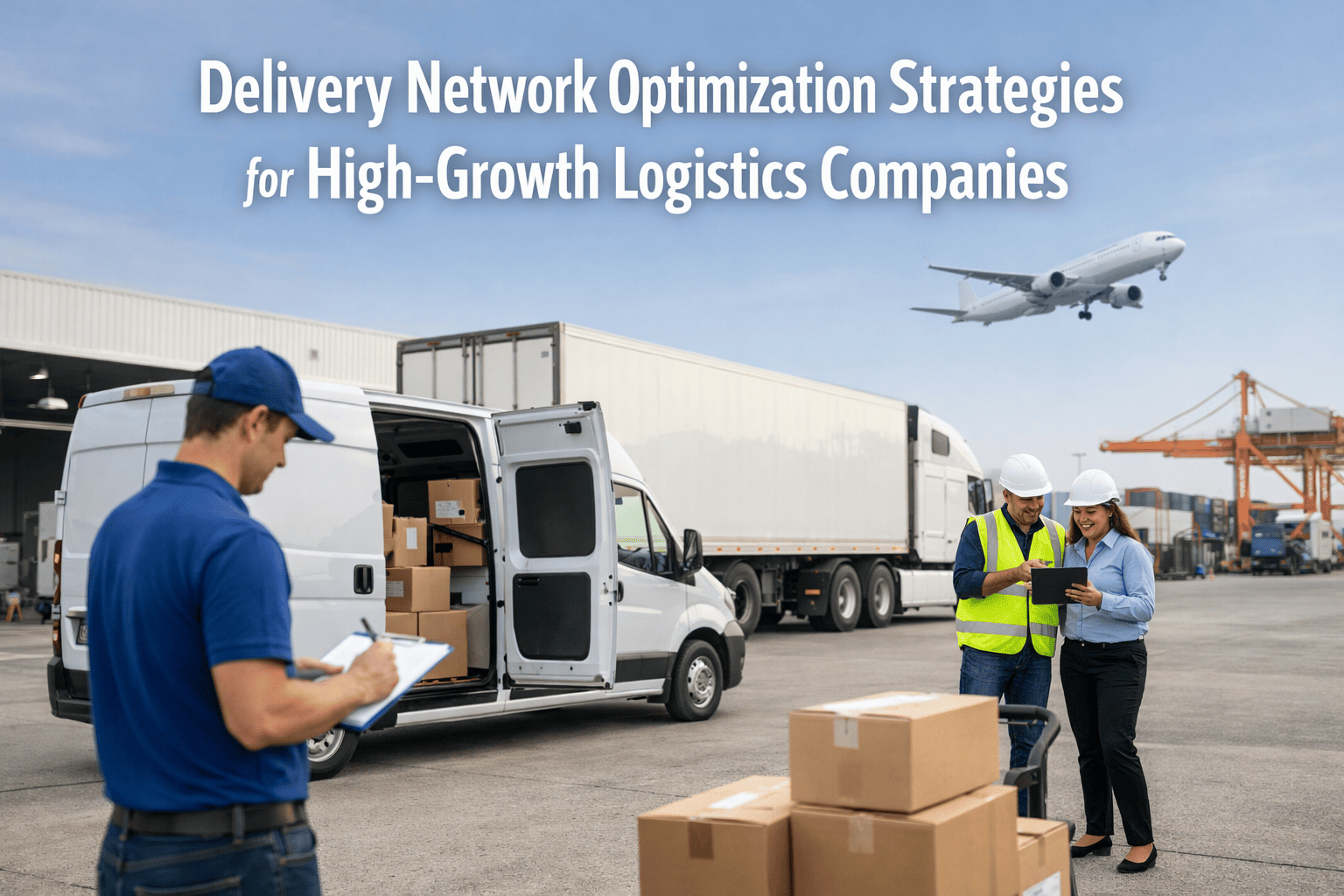
High-growth logistics companies in 2026 are not losing ground because of demand — they are losing ground because their delivery networks were not built to scale. As order volumes surge, the gaps in fleet maintenance, capacity planning, and route

Delivery operations management in 2026 is no longer just about moving packages from point A to point B. It is about building a system — one where every vehicle, every route, every maintenance decision, and every delivery commitment is connected, t
.png)
Delivery operations management in 2026 is no longer just about moving packages from point A to point B. It is about building a system — one where every vehicle, every route, every maintenance decision, and every delivery commitment is connected,

The delivery operations landscape is being reshaped by forces that did not exist five years ago. AI-powered dispatch systems, predictive fleet intelligence, and end-to-end automation are no longer pilot programs — they are live in fleets right n

Scaling a delivery operation sounds straightforward — add more vehicles, hire more drivers, take on more routes. But every fleet manager who has tried it knows the real challenge: growth amplifies every weakness in your operation. More vehicles

Delivery operations that rely on gut instinct and manual tracking are losing ground fast. In 2026, the fleets pulling ahead are not necessarily the biggest — they are the ones using data to make smarter decisions, faster. From route performance

Urban delivery operations in 2026 are under pressure from every direction. Traffic gridlock, vehicle breakdowns, last-mile bottlenecks, and rising fuel costs have turned city logistics into one of the most complex challenges in the industry. For
A 2% SLA miss rate sounds manageable. On 500 daily deliveries, that is 10 missed windows per day. Over a 22-day operating month, that is 220 breach events — each one a recorded failure in your customer's carrier scorecard, a potential penalty trig
Fleet capacity planning is the difference between a delivery network that scales smoothly and one that lurches between overload and idle waste. Too many vehicles deployed against current volume and fixed costs erode margin daily. Too few and a sin
Operational risk in a delivery network is not abstract. It is the vehicle that breaks down on a Tuesday morning while carrying 34 time-sensitive shipments. It is the SLA breach that triggers a penalty clause — and the contract review that follows.
High-growth logistics companies face a paradox: every new customer, new route, and new vehicle added to the network increases complexity faster than it increases capacity. A delivery network that worked efficiently at 40 vehicles and 8 routes star
Last-mile delivery is where logistics promises meet physical reality — and in 2026, that reality is harder than ever. It is the most expensive, most complex, and most failure-prone segment of the entire delivery chain. The final mile accounts for

Delivery operations in 2026 look nothing like they did five years ago. Customer expectations have reset permanently — same-day and next-day delivery is now table stakes, not a premium feature. Fuel costs, driver shortages, vehicle electrification,

A single vehicle sitting idle for eight hours does not just cost a repair bill. It costs missed deliveries, re-routed drivers, broken SLA commitments, and — in a large delivery network — a ripple effect that can disrupt dozens of downstream routes

Electric delivery fleets are growing fast — but the maintenance playbook most operators are using was written for diesel engines. Oil changes, transmission checks, exhaust system inspections: almost none of it transfers. EV drivetrains are fundame

Delivery companies live and die by two numbers: SLA compliance and vehicle uptime. Miss your delivery windows and you lose contracts. Lose a vehicle to an unplanned breakdown and you lose both. The frustrating truth is that most fleet operators ha

A single failed DOT roadside inspection can take a commercial vehicle out of service immediately — costing your operation thousands in missed deliveries, driver downtime, and emergency repairs. Multiply that risk across a fleet of 20, 50, or 200 v

Every delivery fleet manager has faced it — a vehicle breaks down mid-route, a driver takes the wrong path, or a warehouse dispatch gets bottlenecked during peak hours. These are not random events. They are predictable patterns that most operation

Breakdowns don't wait for convenient moments. For delivery fleets, a single vehicle out of commission means missed deliveries, angry customers, and emergency repair bills that blow your budget. The fix isn't responding faster — it's preventing the

Large delivery enterprises face a maintenance challenge that smaller fleets simply do not. When you are managing hundreds of vehicles across multiple depots, regions, or states, a single spreadsheet or disconnected CMMS does not just slow you down

Every hour a delivery vehicle sits idle costs your operation money — in missed deliveries, emergency repairs, idle driver pay, and customer trust. For logistics companies running tight margins and tighter schedules, unplanned vehicle downtime is n

Enterprise logistics fleets run on tight margins and tighter schedules. Every unplanned breakdown costs thousands in emergency repairs, delayed deliveries, and damaged contracts — yet most fleet operations still rely on reactive or calendar-based

Choosing fleet maintenance software for a delivery company is not the same as choosing it for a trucking carrier, a construction fleet, or a field service operation. Delivery fleets have a specific combination of requirements — daily dispatch cycl

In 2026, the delivery fleet that prevents breakdowns wins — not just on maintenance cost, but on SLA performance, contract retention, and operational capacity. AI predictive maintenance for logistics fleets is no longer a technology pilot or a fut

Fleet maintenance software has become the most consequential technology decision a US delivery company makes in 2026 — and also the most confusing one. There are dozens of platforms claiming to be the right choice, from basic inspection apps to en

A 500-vehicle delivery fleet running on manual PM scheduling is operating with a fundamental mismatch: fixed service intervals applied to vehicles that experience wildly variable workloads. The van completing 160 urban stops daily degrades four ti

Every missed delivery window has a price tag attached — and it is not just the SLA penalty on the contract. It is the customer satisfaction score that drops, the renewal conversation that becomes harder, and the competitor who delivered on time wh

Logistics operations run on decisions — and decisions are only as good as the data behind them. When a fleet manager is working off a report generated 24 hours ago, they are not managing their fleet. They are auditing its past. In 2026, the most c

For a delivery company running 300 vehicles, a 95% uptime rate sounds acceptable — until you do the math. At 95% uptime, 15 vehicles are unavailable on any given day. At 140 deliveries per vehicle per shift, that is 2,100 missed deliveries every s

When a delivery vehicle sits idle because a $60 brake sensor is out of stock at the depot, that is not a purchasing problem — it is a data problem. Most fleet operations simultaneously carry tens of thousands of dollars in slow-moving parts that n

A delivery vehicle that breaks down mid-route does not just cost the price of a tow and a repair. It costs the 40–80 packages that do not get delivered, the customer penalties for missed SLAs, the driver overtime for rescheduling, and the dispatch

Electric delivery vehicles are reshaping last-mile logistics at speed — but they bring a fundamentally different maintenance challenge that traditional fleet programs are not equipped to handle. ICE vehicles wear out mechanically. EVs degrade elec

Running a nationwide delivery fleet is a logistics problem. Maintaining one — across dozens of depots, hundreds of technicians, and thousands of vehicles — is an entirely different beast. As fleets scale beyond 200 vehicles and 3 locations, the to

High-volume delivery networks run on margins that leave no room for unplanned downtime. A single vehicle breakdown on a last-mile route costs an average of $750–$1,200 in emergency repairs, missed deliveries, and rescheduling — and in fleets runni

Your fleet dashboard shows 47 delivery vans are active. Telematics says they are all running. But right now, three of those vehicles have turbocharger efficiency dropping silently, two have brake pad wear rates accelerating beyond normal thresho

A delivery van breaks down at 2 AM on the interstate. Emergency towing, missed deliveries, penalty charges, and angry customers follow. Your dispatch team scrambles to reroute loads while calming frustrated clients. This scenario happens daily a

Most logistics operations manage their warehouse equipment and delivery fleets as two separate worlds — different teams, different tools, different budgets. The conveyor goes down in the distribution center, and it takes hours to fix because the

In 2025, 93% of motor carriers audited received at least one compliance violation. The most common cause was not mechanical failure — it was missing or expired paperwork. DOT fines now average over $5,000 per case, with individual violations cli

Your delivery fleet runs on precision — tight windows, demanding SLAs, and zero tolerance for downtime. Yet an alarming number of large delivery operations still manage their fleet maintenance in Excel spreadsheets. Research shows that up to 88%

Your delivery fleet is your revenue engine. When a vehicle breaks down mid-route, it does not just cost you a repair bill — it costs you $448 to $760 in lost productivity per day, missed SLA windows, and customer trust that took months to build.

Every missed delivery is a broken promise. In 2026, first-attempt delivery failures remain one of the most expensive and reputation-damaging problems in logistics — costing an average of $17.20 per failed package and driving away nearly 70% of a

Logistics companies in 2026 are facing a perfect storm: rising maintenance costs, aging fleets, technician shortages, and freight volumes that demand every vehicle stay on the road. The fleet management software market is projected to exceed $30

Every delivery fleet manager knows the feeling: a truck breaks down mid-route, a driver calls in stranded, and a day's worth of deliveries is suddenly at risk. Unplanned vehicle downtime now costs fleets between $448 and $760 per vehicle per day

The fleet manager for a 68-vehicle regional food distribution company in Memphis got the call at 4:47 AM on a Tuesday. A refrigerated delivery truck carrying $42,000 in temperature-sensitive pharmaceutical products had broken down on I-40 outside

The regional property manager for a 14-community portfolio in Phoenix discovered the problem during an insurance renewal meeting in February. The underwriter asked for inspection records covering the previous 24 months across all 3,200 units. The

The property management company received the notice on a Thursday morning in March. A resident at their 220-unit apartment complex in Sacramento had filed a habitability complaint with the city housing authority citing a malfunctioning heating sys

The asset manager for a 12-property commercial portfolio in Phoenix discovered the problem during a refinancing appraisal. The HVAC plant at their flagship 180,000-square-foot Class A office building—a 340-ton centrifugal chiller installed in 2006

The operations director at a regional food distribution company in Dallas watched her dispatch board unravel in real time on a Wednesday afternoon in October. A flash flood warning closed two major routes in the southeast quadrant of their deliver

The plant manager at a corrugated box manufacturer in Charlotte pulled the utility invoice for December and stopped scrolling at the total. The facility's monthly electricity bill had climbed to $128,400, up from $97,600 the same month the previou

The regional distribution director for a consumer goods company in Atlanta stared at a spreadsheet that summarized the previous quarter's performance across four distribution centers. One facility, a 380,000-square-foot DC outside Nashville proces

The quality director at a frozen food manufacturer in Minneapolis learned about the recall from the FDA's enforcement database before the company's own compliance team notified her. A consumer in Phoenix had experienced an anaphylactic reaction af

The packaging operations manager at a third-party fulfillment center in Columbus received the damage report on a Thursday morning in January. A consumer electronics brand that shipped 11,400 units per month through the facility had recorded a tran

The maintenance supervisor at a beverage distribution warehouse in Jacksonville got the OSHA letter on a Wednesday in September. An inspector had visited the facility the previous week following a complaint. During the walk-through, the inspector

The operations director at a 280,000-square-foot third-party logistics warehouse in Charlotte discovered the problem during a client audit in March. The WMS showed 14,208 units of a consumer electronics SKU across 47 pallet locations. The physical

The facility manager at a 420,000-square-foot cold storage distribution center outside Atlanta checked his email on a Monday morning in November and found a notice from the utility company. The facility's electricity consumption had increased 23 p

The regional safety director for a third-party logistics company in Memphis got the call at 6:14 AM on a Monday in October. A picker on the overnight shift at their 380,000-square-foot e-commerce fulfillment center had fallen from a mobile order p

The compliance officer at a specialty pharmacy in Indianapolis opened a temperature excursion report on a Wednesday morning in March and felt her stomach drop. A shipment of 2,400 doses of adalimumab, a biologic medication requiring storage betwee

The warehouse manager at a furniture distributor in Charlotte, North Carolina received 1,200 flat-pack bookshelves from a supplier in Vietnam on a Tuesday in January. The container had traveled 8,400 nautical miles over 26 days. When the receiving

The recall notice went out on a Thursday afternoon in March. A regional dairy processor in Ohio had shipped 42,000 yogurt cups across three states with the wrong allergen label. The cups contained a new strawberry-banana formula that included soy

The quality manager at a mid-sized food packaging plant in Wisconsin pulled three trays off the thermoforming line at 6:14 AM on a Monday. The trays looked perfect. Clean edges, consistent wall thickness, sharp corners. She stacked them, filled th

The forklift operator at a distribution center outside of Atlanta never saw the truck pull away. It was a Tuesday in October, 4:38 AM, second shift wrapping up. A 53-foot trailer was being unloaded at Bay 12. The dock leveler was deployed. Two pal

The call came from a grocery distribution client at 4:17 AM on a Saturday in August. A 42,000 sq ft cold storage facility in Phoenix holding $3.8 million in frozen pharmaceutical products, premium proteins, and dairy had experienced a compressor f

The sortation system at a 520,000 sq ft e-commerce fulfillment center in Columbus processed 54,000 parcels per shift across sixteen outbound lanes. On a Thursday evening in October, at 7:42 PM during the peak holiday pre-season ramp, the main driv

The recall notice arrived on a Tuesday afternoon in January. A medical device distributor operating a 340,000 sq ft warehouse outside Memphis had shipped 1,200 units of sterile surgical instruments to 47 hospitals across six states. Routine post-s
The maintenance planner at a 780,000 sq ft logistics campus outside Atlanta started every morning the same way. She opened SAP, navigated to transaction IW21, and began typing. A conveyor motor that a night-shift technician had flagged on a sticky

The customer service report landed on the VP of Operations' desk on a Wednesday morning in March. A pharmaceutical distributor in New Jersey had shipped 2,340 temperature-sensitive parcels through their 410,000 sq ft regional hub over the previous

The conveyor belt in Zone 4 of a 380,000 sq ft distribution center outside Atlanta had been making a noise for three weeks. Not a loud noise — a faint, rhythmic clicking that the night shift team noticed around 2 AM when the building was quieter.

The email arrived at 6:14 AM on a Tuesday in January, buried between vendor invoices and a parking lot resurfacing quote. Subject line: "SAP PM Module — Annual License Renewal." The distribution center director in Memphis opened it, glanced at the

A logistics manager at a 420,000-square-foot distribution center outside of Dallas arrived on a Monday morning to find 11,000 square feet of the receiving dock covered in two inches of standing water. A roof drain had clogged with debris over the

A logistics manager at a 420,000-square-foot distribution center outside of Dallas arrived on a Monday morning to find 11,000 square feet of the receiving dock covered in two inches of standing water. A roof drain had clogged with debris over the

On March 15, 2022, a fire ignited on the second level of a pick module inside a 1.4-million-square-foot order fulfillment warehouse in Plainfield, Indiana. The sprinkler system activated and firefighters arrived quickly — extinguishing visible fla

The robotic palletizer on Line 3 at a frozen food plant in Memphis dropped a 40-pound case of chicken tenders at 2:14 AM on a Friday. Then it dropped three more. The upstream conveyor backed into the case packer within four minutes and the entire

At 11:18 AM on a Monday in November, the main sortation conveyor at a 400,000 square-foot fulfillment center in Columbus stopped moving. The belt was running. The motor was spinning. But packages were not advancing past zone 14. A photoeye sensor

At 3:22 AM on a Thursday in January, a unit-load crane in a 14-aisle AS/RS at a pharmaceutical distribution center outside of Philadelphia stopped mid-cycle at position 47-C, 62 feet above the floor. The crane's horizontal travel motor had seized.

On a Tuesday morning in March, a forklift operator at a distribution center in Charlotte backed a loaded pallet jack off the edge of a dock where a trailer had pulled away 90 seconds earlier. The trailer restraint had been released manually by a d

At 2:47 AM on a Wednesday in October, a 1,200-foot sortation conveyor at a distribution center outside of Indianapolis developed a bearing vibration signature that increased by 0.3 mm/s over its baseline reading. Nobody noticed. The vibration sens

A food manufacturer in suburban Atlanta ran a continuous band sealer at full capacity for 14 months without a single documented maintenance event. The sealer ran hot. Operators adjusted the speed dial to compensate. When the speed could not compen

The third shift lead at a corrugated packaging plant outside of Charlotte noticed the sealing jaw was running a little hot on Tuesday. Not alarming. Just a couple of degrees above normal on the HMI readout. She made a mental note, finished the shi

At 2:14 AM on a Thursday in Atlanta, a Nuro delivery robot carrying 340 units of insulin crossed a Kroger parking lot in August heat. The refrigeration compressor inside had been drawing 18% more current than baseline for nine days. Nobody noticed

At 6:47 AM on a Tuesday in Phoenix, a Wing drone carrying insulin to a diabetic patient dropped out of the sky. Not because its motor failed—because nobody checked the motor. The maintenance log showed the last inspection was 11 days overdue. The

A mid-size delivery company in Texas was running 340 vehicles across 28 distribution routes. Leadership assumed their network was optimized—after all, they had been refining routes for eight years. Then their new operations director built a digita

Delivery fleet maintenance costs are rising faster than revenue—fuel prices, technician shortages, aging vehicles, and growing fleets create a compounding cost spiral that reactive maintenance programs cannot control. But a growing number of deliv

Robotic package handling systems are the physical backbone of every delivery operation—picking, placing, palletizing, depalletizing, and singulating millions of packages daily at speeds human workers cannot match. When a robotic arm drops a pick r

3D mapping robots are redefining how delivery hubs understand, manage, and optimize their physical spaces. These autonomous systems—equipped with LiDAR, stereo cameras, and SLAM algorithms—continuously scan warehouses, sort facilities, and staging

On January 14th, 2026, a fleet of 38 autonomous delivery robots serving a major grocery chain in Austin went dark during the Tuesday morning rush. Not one robot—all 38. A firmware update pushed overnight introduced a DDS configuration mismatch tha

Every package your customers receive passed through a robotic sorting system—and every missed delivery traces back to a sorting line that slowed down, jammed, or stopped. In 2026, delivery operations processing millions of parcels daily cannot aff

Electric delivery fleets live and die by their charging infrastructure. A single failed charger during peak operations can ground multiple vehicles, cascade delivery delays across routes, and burn through SLA penalties faster than any vehicle brea

Dock doors and loading bays are the heartbeat of every delivery hub—when they fail, trucks idle, packages stack up, and delivery schedules collapse. In 2026, robotic inspection systems and CMMS-driven maintenance are transforming how delivery hubs

Last-mile delivery robots are only as reliable as the maintenance programs behind them. In 2026, fleets scaling from dozens to hundreds of autonomous sidewalk and road delivery units face a harsh reality—one unplanned breakdown doesn't just cost a

Delivery fleets in 2026 face relentless pressure—track every package in real-time, keep every vehicle on the road, and cut costs while scaling operations. Traditional approaches—barcode scans at fixed checkpoints, calendar-based oil changes, and p

Quadruped robots are reshaping how delivery hubs and warehouses handle inspections—navigating stairs, uneven floors, tight aisles, and hazardous zones that wheeled drones simply can't reach. In 2026, a new generation of four-legged inspection robo

Delivery robot fleets face a unique operational challenge: managing dozens—or hundreds—of autonomous units navigating dynamic urban environments while keeping every robot charged, maintained, and route-optimized. Traditional workflows—manual GPS t

The robotics engineer watched in frustration as three delivery robots collided simultaneously at the warehouse intersection—each equipped with "state-of-the-art" navigation systems that couldn't handle a simple route conflict. The $2.8 million aut

The fleet operations director stared at the maintenance bay where three critical delivery vehicles sat idle—each waiting for parts that wouldn't arrive for days. A $4.7 million contract with a major retailer hung in the balance because 40% of thei

The distribution center manager watched in horror as the loading bay ground to a halt—eight autonomous dock robots had simultaneously faulted during the Monday morning surge, their hydraulic lift systems seized from contaminated fluid, safety inte

The fleet operations manager watched in disbelief as the dashboard lit up with cascading battery alerts—thirty-one electric delivery robots had simultaneously reported critical thermal warnings during the summer heatwave, forcing an emergency flee

The fleet operations manager watched helplessly as delivery notifications flooded the customer service queue—twenty-three sidewalk robots had stalled within a two-hour window during the dinner rush, all victims of preventable mechanical failures.

The operations director stared at the frozen conveyor line as error codes cascaded across the SCADA dashboard—twelve autonomous sorting robots had simultaneously faulted out during the Black Friday surge, their vision systems blinded by accumulate

Industrial adhesive systems are silently destroying 12% of production output — not through catastrophic failure, but through micro-degradations that compound into catastrophic bond failures. Between hot melt viscosity drift causing 18% open time v

Packaging lines are shipping 3.2% defective units past human inspectors — and that failure rate is accelerating as line speeds push 600 units per minute and packaging complexity multiplies. Between micro-leaks in flexible pouches escaping bubble t

Packaging lines are bleeding $2.3M annually in hidden carrying costs — not from production downtime, but from the spare parts graveyards accumulating dust in warehouse corners. Between 35% of MRO inventory never rotating, critical OEM parts trappe

Most packaging manufacturers are sitting on a compliance time bomb — 73% have not fully mapped their EPR obligations across operating markets, and the penalties are escalating fast. Between the EU Packaging and Packaging Waste Regulation (PPWR) ma

The plant manager stared at the production report in disbelief—the blown film line that had run flawlessly for months was suddenly producing gauge variations exceeding ±8%, triggering automatic rejection of $12,000 in hourly output. A r

Packaging materials represent the second-largest operational expense for manufacturers and distributors—typically consuming 8–12% of total product cost and generating more supply chain volatility than any other direct material category. When packa

The CFO stared at the capital expenditure request and couldn't answer a single question the board would ask. How much has the 12-year-old corrugator actually cost over its lifetime? What's the true remaining useful life—not the accountant's estima

The third-shift maintenance technician reached into the corrugator's feed section to clear a paper jam—without locking out the machine. The automated feed roller restarted on its programmed cycle, crushing his hand between steel rollers moving at

The maintenance manager at a mid-size corrugated box manufacturer stared at the spreadsheet that had become his nightmare—37 unplanned breakdowns last quarter, $890,000 in lost production, and a maintenance team drowning in reactive firefighting i

The quality director stared at the lab report in disbelief—the corrugated packaging material that passed initial supplier specs had failed catastrophic compression testing at 40% humidity, collapsing under half the rated stacking load.

The production manager stood at the end of the packaging line watching workers struggle to keep pace with upstream manufacturing. Cartons piled up faster than manual packers could handle, creating bottlenecks that forced production slowdowns costi

The logistics manager watched helplessly as $2.3 million worth of vaccines arrived at the distribution center with compromised temperature data. Somewhere during the 72-hour journey across three continents, the cold chain had broken—but nobody kne
From predictive vehicle monitoring to paperless DVIR compliance — three typical deployments.
The Problem
A 220-van last-mile operator was losing vehicles to mid-route breakdowns — wear components failed between services because nobody tracked them per unit.
What Oxmaint Did
Predictive monitoring on critical wear components — brake pads, tyres, batteries and engine health — with existing telematics auto-generating WOs, parts and procedures on drift.
Replaces reactive repairs
Parts pre-reserved
One CMMS record each
Fault codes and mileage trends tracked across brakes, tyres, batteries and engine health to flag degradation early.
Every flagged anomaly created a WO automatically with parts reserved, procedures attached and a technician assigned.
Direct fleet telematics connection — fault codes, engine data and location ingested without replacing existing devices.
Health scores per van replaced weekly manual log reviews with continuous monitoring.
The Problem
A courier network with four depots and 340 vehicles ran DVIRs on paper — no structured PM, no centralised service history, and DOT audit prep took weeks.
What Oxmaint Did
Full deployment — vehicle registry, telematics, mobile DVIRs for 340 drivers and mileage-based PM — rolled out depot by depot without pulling vehicles off the road.
DVIRs across 4 depots
Audit packs on demand
Drivers on mobile
Mileage- and calendar-based schedules replaced paper logbooks, with auto-generated WOs across vans, trucks and trailers.
Every driver ran DVIRs, captured defect photos and reported faults from their phone — offline across patchy rural routes.
Every van QR-tagged — scan for instant history, health score and one-tap DVIR or work order creation.
Digital checklists with photo capture replaced paper DOT forms and fragmented audit records.
The Problem
A nationwide operator had telematics collecting data that never reached the ERP or maintenance workflows — preventive tasks were skipped, costs re-keyed by hand, spend per vehicle invisible.
What Oxmaint Did
Oxmaint connected to the existing telematics and integrated bidirectionally with the ERP — work orders, parts, fuel costs and vehicle health flowed automatically, ending manual entry.
CMMS to ERP both ways
Visible per vehicle
Multi-depot operation
WOs to the ERP, parts to inventory, vehicle health into workflows and labour and fuel costs to accounting — no double entry.
Connected to existing OBD devices, GPS trackers and OEM feeds across vans, trucks and trailers — no new hardware.
Min-max inventory across depot workshops cut stockouts, with predictive WOs reserving parts before vehicles arrived.
DVIR records, corrective action trails and condition documentation fall out of the workflow, not separate reporting.
Oxmaint connects with telematics providers, OEM data feeds, fuel cards and accounting platforms — odometer, work orders, parts and costs move both ways.
Explore All Integrations


Cameras at yard gates, loading bays and depot exits flag tyre wear, body dents, fluid leaks and load-securing issues. Anything flagged becomes a prioritised work order with photo evidence attached to that VIN — caught at the gate, not mid-route.
Oxmaint connects to your telematics, OBD ports and OEM feeds to monitor brake wear, tyre pressure, engine health and battery condition against each vehicle's own baseline. When a reading drifts, it generates a proactive work order with parts reserved and a technician assigned.
Yes — both time-based and mileage-based. Repeat daily, weekly, monthly or yearly, or trigger on odometer readings, engine hours or route counts. Work orders auto-generate when service is due, with technicians assigned and advance notifications sent.
Yes. Drivers scan QR codes, run pre- and post-trip DVIRs, capture defect photos and report faults with no connectivity; technicians open and close work orders the same way. Data syncs automatically when the connection returns. Available on iOS and Android.
Yes. Bidirectional sync with major telematics providers, OEM data feeds, fuel card systems and accounting platforms. Odometer readings drive mileage-based PM automatically, and work orders, parts and costs move to your ERP without re-keying.
Yes. AI Vision and predictive models can run on edge hardware inside your depot, so inference happens locally and fleet data never leaves your own network — useful where contracts require data to stay in-house.
Join 1,000+ maintenance teams running digital DVIRs, mileage-based PM, QR-tagged vehicles and DOT compliance in one CMMS.