
Every facility manager knows the call: a unit is down, and the problem might be electrical, mechanical, or plumbing. Three trades, three dispatches, and a tenant waiting while people hand off a ticket. Cross-training is one of the few labor shorta
CMMS Software for FM Teams
The maintenance management software built for facility management
Oxmaint is a maintenance management software (CMMS) that helps facility management teams, in-house corporate FM departments and integrated facility services providers manage work orders, preventive maintenance, multi-building asset registers, vendor coordination, inspections and compliance records for every building system — from a single platform.
- One CMMS for every building system, every property, every trade
- Occupant request portal that becomes a live work queue
- Vendor coordination & audit-ready compliance in one platform
Oxmaint CMMS · Facility Ops
86
Open WOs
96%
PM On-Time
4.3h
Avg Resolve
24
Buildings
Oxmaint Activity Feed
Real-Time
Occupant request · Lighting flicker Fl 14
Routed to electrical trade · WO created
Elevator · Annual safety inspection
Contractor scheduled · Certificate stored
Fire extinguisher · Q3 checks
148 units inspected · All passed
Vendor · Roof contractor arrived
Site check-in logged in Oxmaint
24 buildings · 1,842 assets · 47 vendors tracked
How Oxmaint Software Works for FM
A Predictable 4-Stage Rollout Across Your Building Portfolio
From disconnected building logs to one CMMS across every property and trade — with no disruption to occupant services.
Weeks 1–2
Load Buildings & Systems
Import each property, catalogue its systems and QR-label equipment rooms.
Weeks 3–6
Configure Workflows
Build PM per system, set request routing and add vendors with scoped access.
Weeks 7–10
Connect BMS & ERP
Integrate the BMS, ERP and procurement so signals and cost data flow across.
Weeks 11–12
Measure Performance
PM completion, resolve time, backlog and cost per building on dashboards.
Multi-System Work Orders
One CMMS for Every Building System — HVAC, Electrical, Fire, Elevators
An occupant lighting complaint, a boiler PM, an overdue extinguisher check, an elevator inspection, a roof leak and a chiller vibration alert all enter the same CMMS — routed to the right trade, in-house or vendor, with asset, checklist, history and parts attached. Engineers close jobs on mobile; managers see live status by building, system and trade.
Cross-System Work Queue
Every trade in one platform
Auto-Routing by Trade
Fire to fire, elevator to elevator
Occupant Request Intake
Simple portal creates work orders
Mobile Engineer Workflow
Close from any device, offline
Multi-Trade Work Queue
86 ActiveWO-6421 · Lighting flicker
ElectricalBuilding 3 · Floor 14 · Occupant reported
WO-6422 · Elevator annual cert
ElevatorTower A · Contractor scheduled · This week
WO-6423 · Sprinkler flow test
FireBuilding 5 · Quarterly · In progress
WO-6424 · Roof leak repair
EnvelopeBuilding 7 · Vendor assigned · Photo uploaded
Every trade, every property · one Oxmaint queue
Portfolio Asset Register
Every Building System, Every Property — One Asset Hierarchy
A chiller in Building 3, a generator in Building 7, a fire pump on Tower A's roof — each is a distinct asset with its model, install date, warranty, PM cadence, service history and cost record, held permanently instead of in a facility manager's head. Engineers scan a QR label to see everything about that unit; directors filter across properties for spend by system class or lifecycle status.
QR-Tagged Equipment
Scan on-site, see full history
Property-Floor-System-Asset
Hierarchy that mirrors real buildings
Institutional Memory
Knowledge stays when staff leave
Cost & Lifecycle Tracking
Refurbish vs replace data ready
Portfolio Asset Register
1,842 AssetsMechanical Systems
HVAC plants, boilers, pumps, VAVs
Electrical Distribution
Switchgear, panels, UPS, generators
Life Safety Systems
Sprinklers, alarms, extinguishers, exit lights
Vertical Transportation
Elevators, escalators, moving walks
Envelope & Roofing
Roof sections, facade, glazing, waterproofing
Every system, every property · one Oxmaint register
Vendors & Building Compliance
Bring Vendor Work Inside the CMMS — with Every Compliance Record
Approved vendors log in with scoped access — they see only their assigned work orders, complete the job on mobile, upload the certificate and close the record on site with time-stamped check-in and check-out. Fire safety, elevator inspection, load bank and backflow records attach to the serviced asset, ready for audit by date, standard or building.
Vendor Users in Oxmaint
Scoped access, WO assignment
Digital Check-In / Check-Out
Time-stamped attendance per site
Certificate Attachment
Uploaded and linked to the asset
Building Audit Packs
Filter by date, standard or property
Building Compliance Snapshot
Audit-ReadyFire & Life Safety
Extinguishers, alarms, sprinklers current
Elevator Annual Certs
12 of 12 units on schedule
Generator Load Banks
Vendor test records attached
OSHA Safety Sign-Offs
PPE, LOTO, permits logged this month
Every certificate e-signed and linked in Oxmaint
Inside the Oxmaint CMMS
Every Module Your Facility Operation Needs — One Login
Work orders, PM schedules, asset registers, spare parts, inspections, predictive alerts, vendor coordination and compliance records in one CMMS.
Work Order Management
Every occupant request, PM task, inspection and repair in one queue — trade-based assignment, mobile execution, photo evidence.
Preventive Maintenance
Calendar, seasonal, runtime and deadline PM per building system — WOs generate with SOPs and trade assignments attached.
Building Asset Register
QR-tag every mechanical, electrical, life-safety, elevator and envelope asset — organised by property, floor and system.
Spare Parts & Inventory
Belts, filters, fuses, motors and sprinkler heads across every storeroom — min-max levels and reservation on WO creation.
Inspection Management
Mobile checklists for fire safety walks, elevator checks, roof surveys and mechanical rounds — failed items auto-create WOs.
Predictive Maintenance
BMS and sensor signals ingested — equipment drift becomes a fully-attributed WO, with no separate alarm layer to monitor.
Vendor Coordination
Elevator, fire and roofing contractors work inside Oxmaint with scoped access — assigned WOs, digital check-in and certificates.
Analytics & Reporting
PM completion, resolve time, backlog by trade and cost per building — filter across the portfolio to see where risk sits.
Latest Posts
Read More
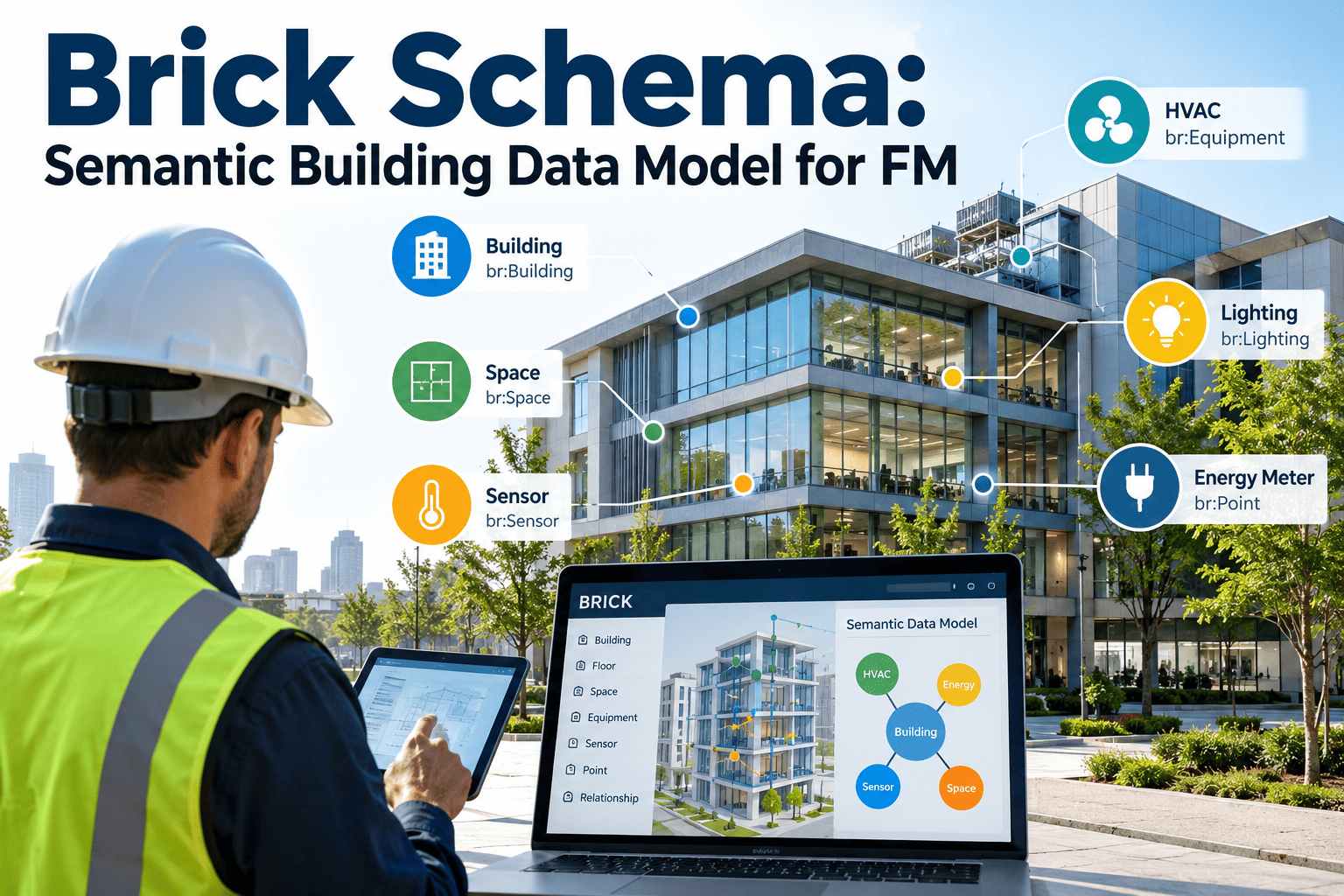
Most commercial buildings already collect thousands of data points from the building management system, yet the labels on those points are often abbreviations only the original programmer understands. Brick schema gives that data a shared, machine

Read More
A building now produces data in three places at once: the CMMS holds assets and work orders, the BMS holds points and trends, and IoT platforms hold sensor streams. When nobody owns the rules, the same pump appears under three names, sensors repor

Read More
Every HVAC optimisation project promises savings, but savings can only be proven against a credible baseline. Without 12 months of clean energy, weather and operating data, a retuned chiller plant or a new schedule produces a number nobody can def

Read More
A chiller compressor rarely fails without warning. Weeks or months earlier, a failing bearing leaves a signature in the vibration data: faint high-frequency energy first, then distinct defect frequencies, and finally a visible rise in overall leve

Read More
Every facility loses asset tags over time. Sunlight bleaches ink, washdown strips adhesive, forklifts scrape labels and paint crews cover them without a second thought. A faded or missing tag breaks the link between a physical machine and its main
Read More
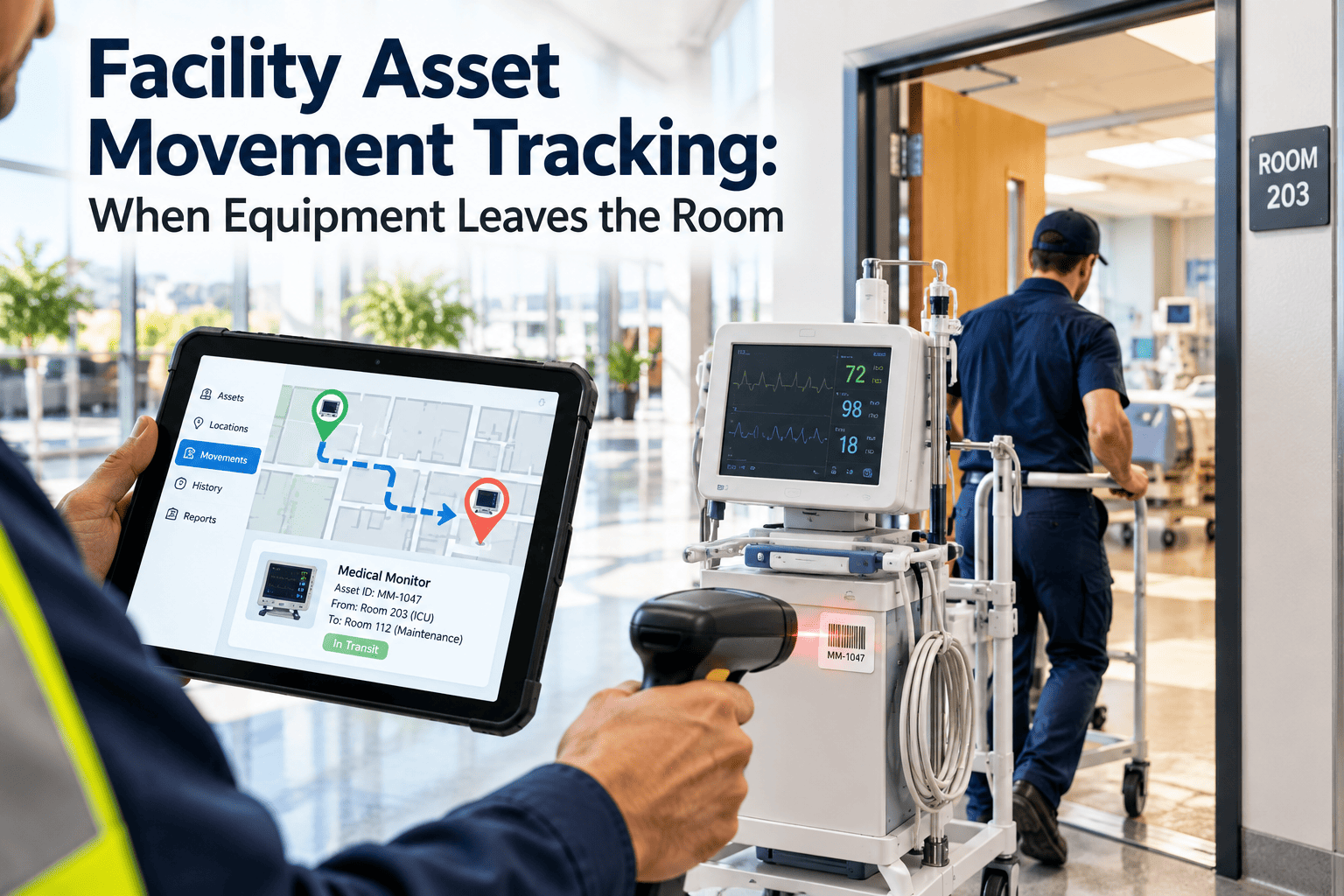
A portable pump leaves the storeroom for a flood response and never comes back. A calibrated meter rides around in a contractor's van for three weeks. A cart is "somewhere on level four." Movable equipment rarely fails the maintenance program beca

Read More
Insurance carriers do not accept good intentions as proof of maintenance. When a property survey or a claim review asks for inspection and service records on fire protection, boilers, elevators and electrical systems, a missing paper trail can put

Read More
Every preventive maintenance interval, spare part order, and warranty claim starts with one small metal plate. When that plate is photographed badly, typed from memory, or skipped during a site survey, the CMMS record is wrong from day one. Facili

Read More
A sensor that takes an hour to commission will never scale across a campus, because every extra device multiplies the labor and the chance of a typing mistake. The fix is a repeatable standard: scan, link, verify, and hand off in about fifteen min
Read More
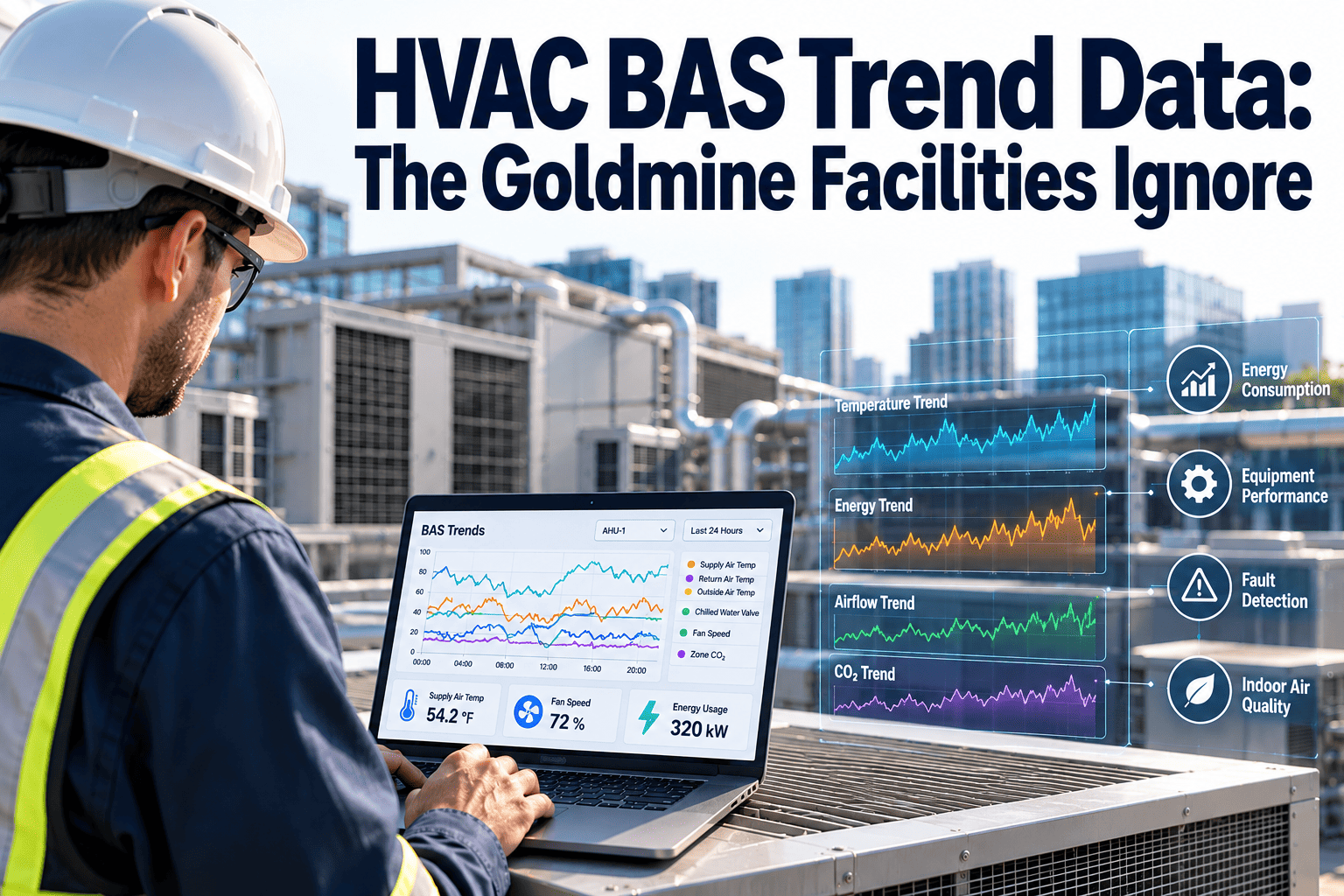
Most commercial buildings already log thousands of HVAC points, yet the trend logs sit in a controller buffer or a forgotten export folder until someone needs evidence after a complaint. That history holds early fault signals: valves that leak by,

Read More
Chiller approach temperature is the gap between the refrigerant saturation temperature and the water leaving a heat exchanger, and it is the earliest clean number a facility team has for spotting fouling. Unlike kW per ton, it does not swing wit
Read More
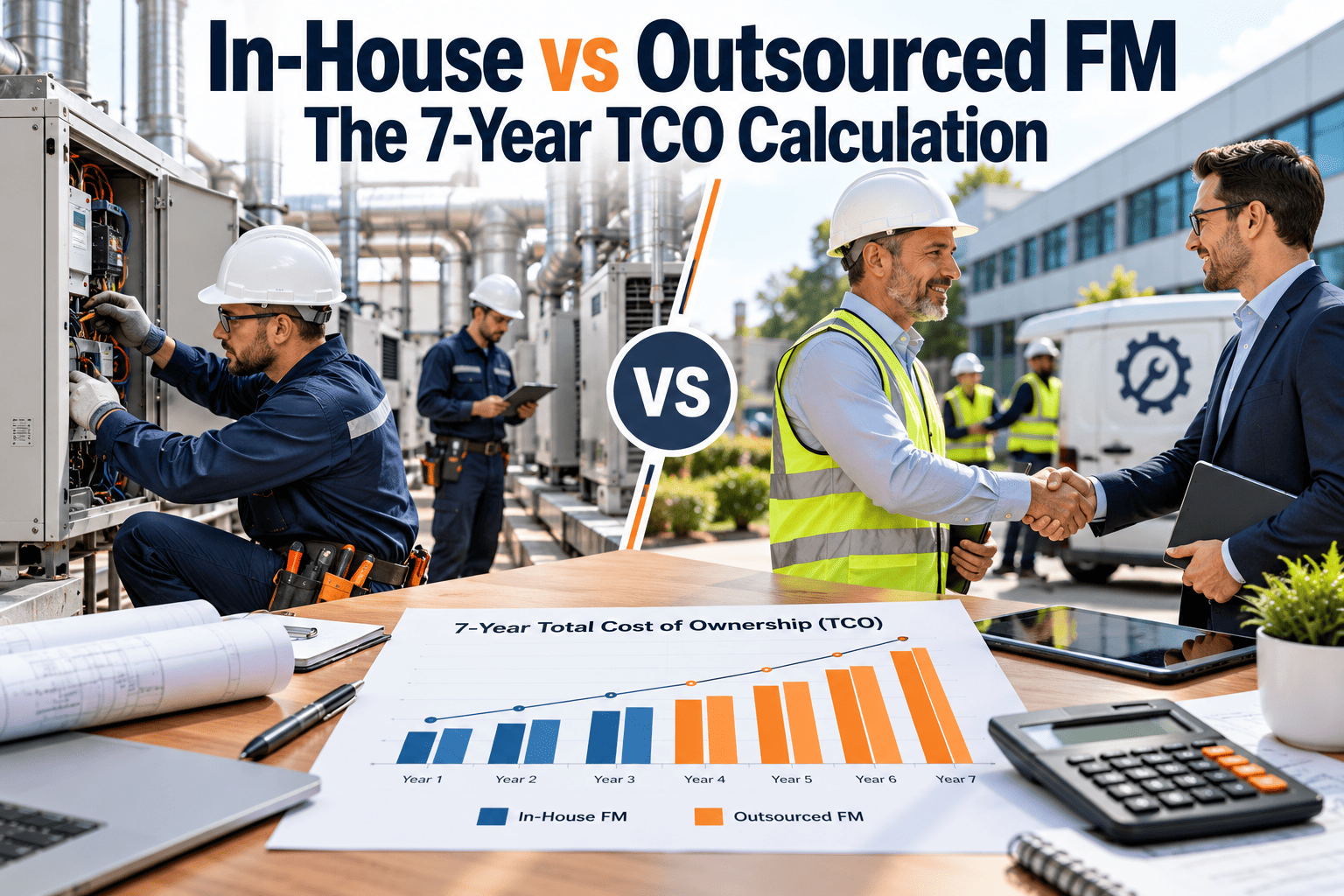
In-house facility management often looks cheaper on a spreadsheet because the visible line is wages and the contractor line is a full invoice. The gap narrows once management time, tools, training, turnover, and contract oversight are counted on b

Read More
Many commercial HVAC systems still run fixed setpoints all year: the same supply air temperature, chilled water temperature, and hot water temperature whether it is a mild spring morning or a peak summer afternoon. Reset schedules let those setpoi

Read More
An asset tag scheme that feels clever at 100 assets often collapses at 10,000. Meaning-packed codes run out of digits, site prefixes collide after a merger, and a single typo sends a technician to the wrong chiller. This guide explains how to desi

Read More
Barcoding a large facility sounds simple until crews meet locked plant rooms, labels that peel off, and a register that does not match what is on the floor. Most rollouts slow down because the data, labels, and field workflow were never designed t

Read More
Predictive maintenance tools only pay off when the people holding them can read what the data is saying. Sensors, handheld analyzers, and dashboards raise questions that a traditional wrench-turning role was never trained to answer. This guide lay
Read More
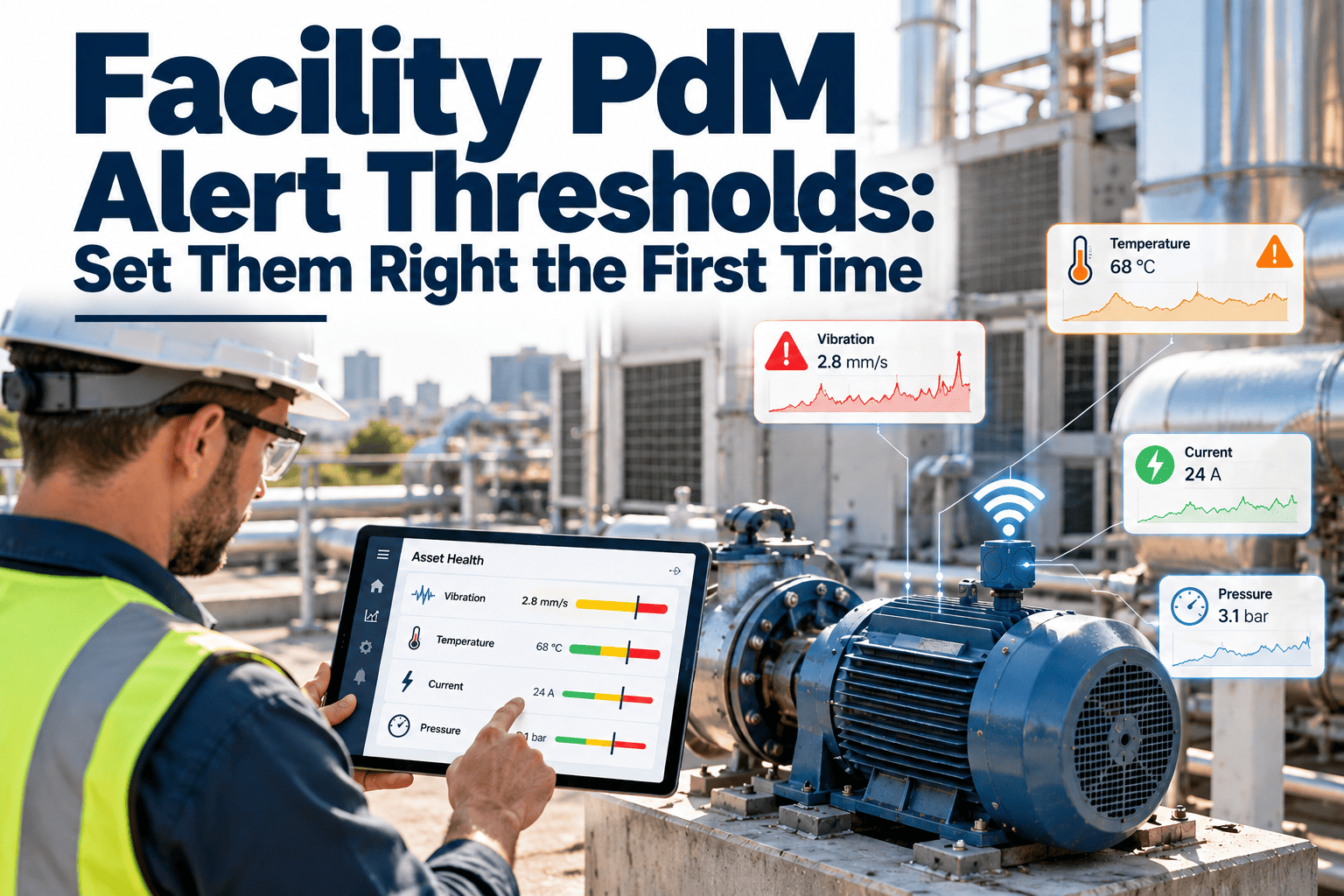
Most facility predictive maintenance programs do not fail because of bad sensors. They fail because alert thresholds were copied from a datasheet, set once, and never tuned. Too tight, and technicians learn to ignore the alarms. Too loose, and the
Read More
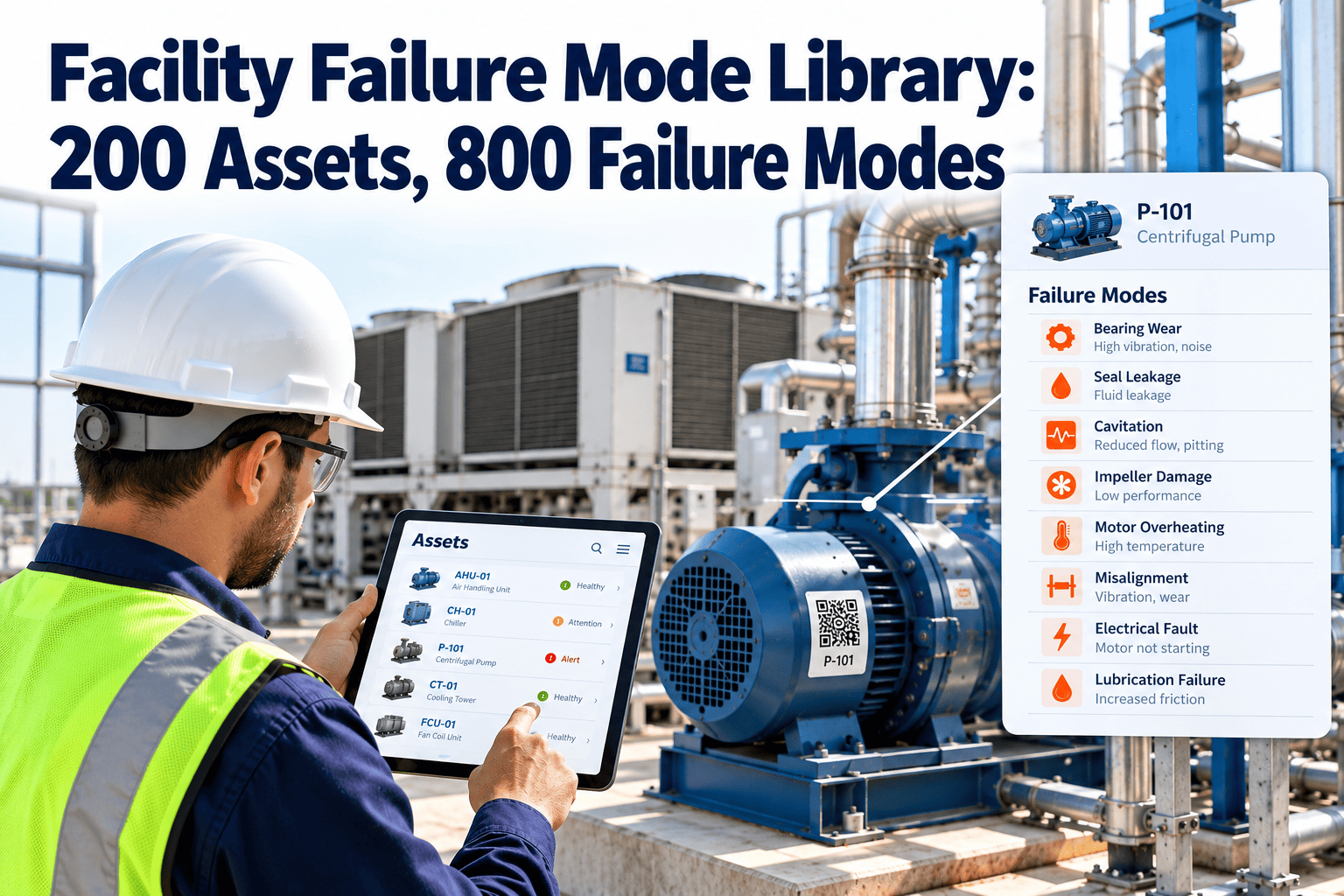
A facility failure mode library gives maintenance teams a ready catalog of how each asset can fail, what causes it, what happens next, and how to catch it early. This page walks through a structured library of 200 facility assets and 800 failure m

Read More
A new facility technician can walk onto a site with solid trade skills and still struggle for months, because every building has its own equipment, lockout points, vendors, and unwritten rules. With skilled labor hard to hire and harder to keep, a
Read More
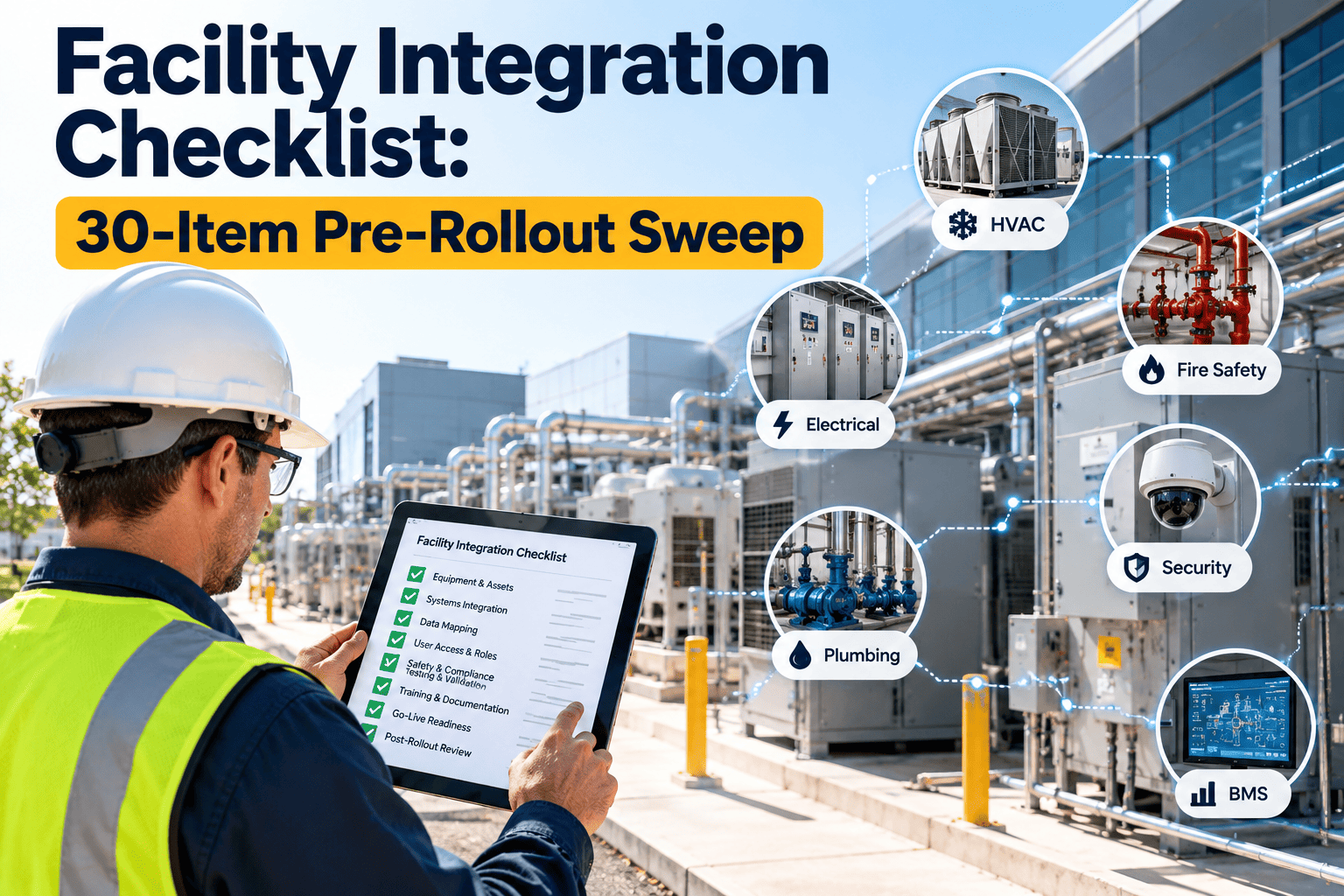
Integration problems rarely show up in the demo; they show up in week three of a facility rollout, when alarms create duplicate work orders, meter readings land in the wrong building, or half the technicians cannot sign in. Commercial sites run a
Read More
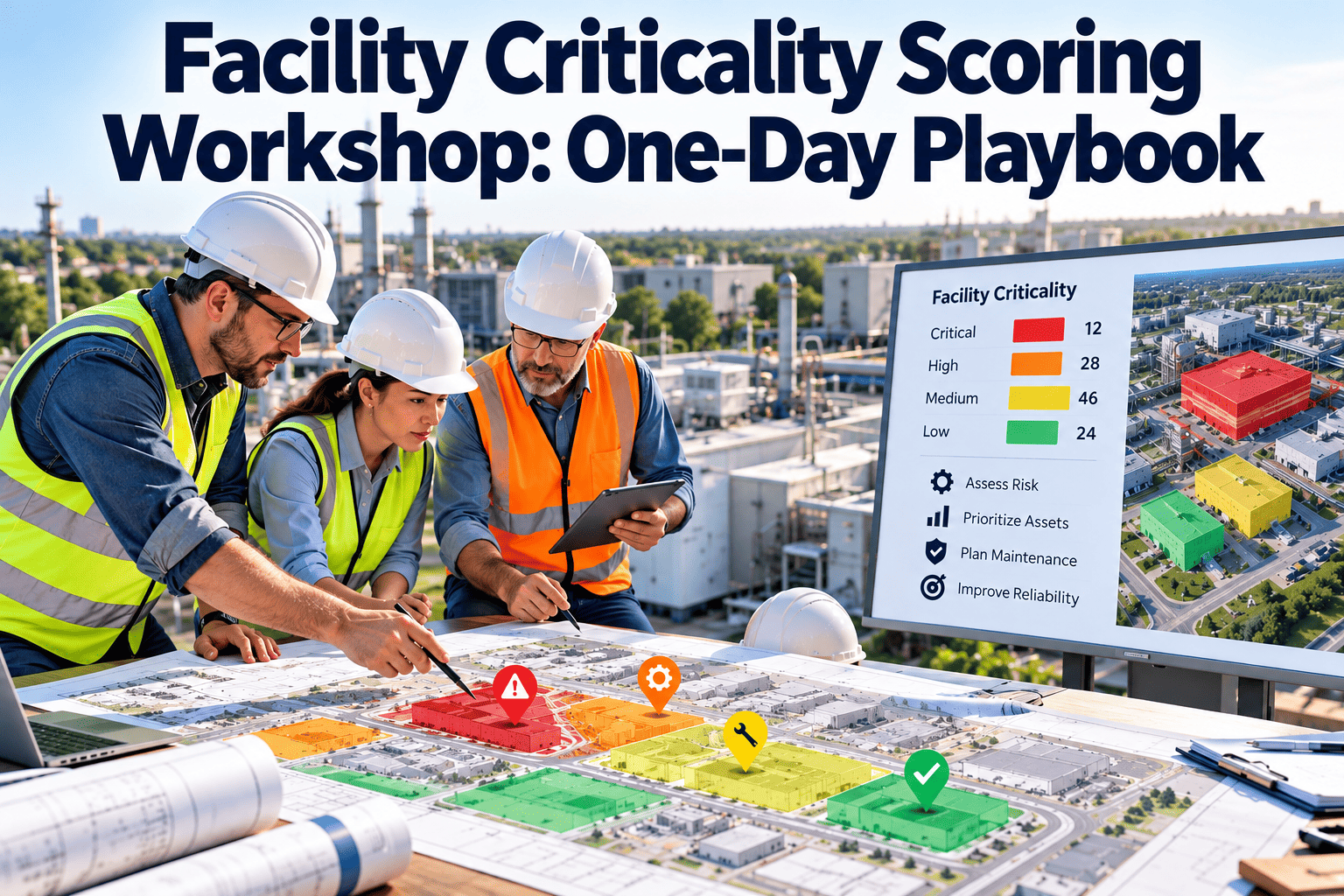
A facility criticality workshop turns a long asset register into a ranked list that shows your team what to protect first. Most commercial portfolios hold hundreds of air handlers, pumps, elevators, panels, and life safety devices, yet maintenance

Read More
Choosing between a regional facility management vendor and a national one is rarely a question of which company is better. It is a question of how many sites you run, how spread out they are, how standardized the work must be, and how much local

Read More
Most commercial facilities run on systems that were installed long before anyone talked about connected buildings. A legacy building management system still controls the plant, and an older CMMS or spreadsheet still holds maintenance history. Repl
Read More
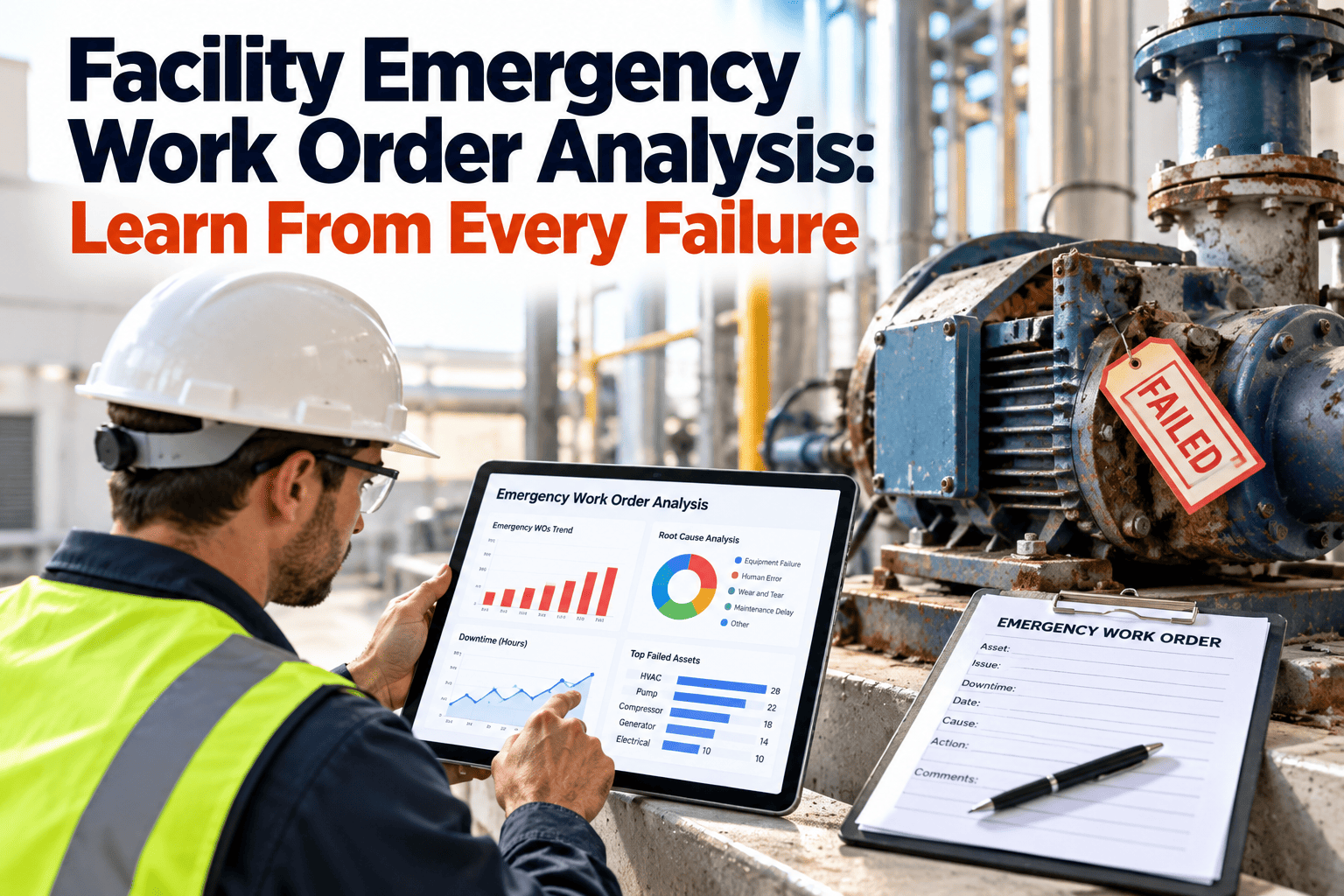
Most facility teams close an emergency work order the moment the building is back to normal, and that is exactly when the learning stops. The pump is running, the tenant is calm, and the next urgent ticket is already waiting. A short, structured r
Read More
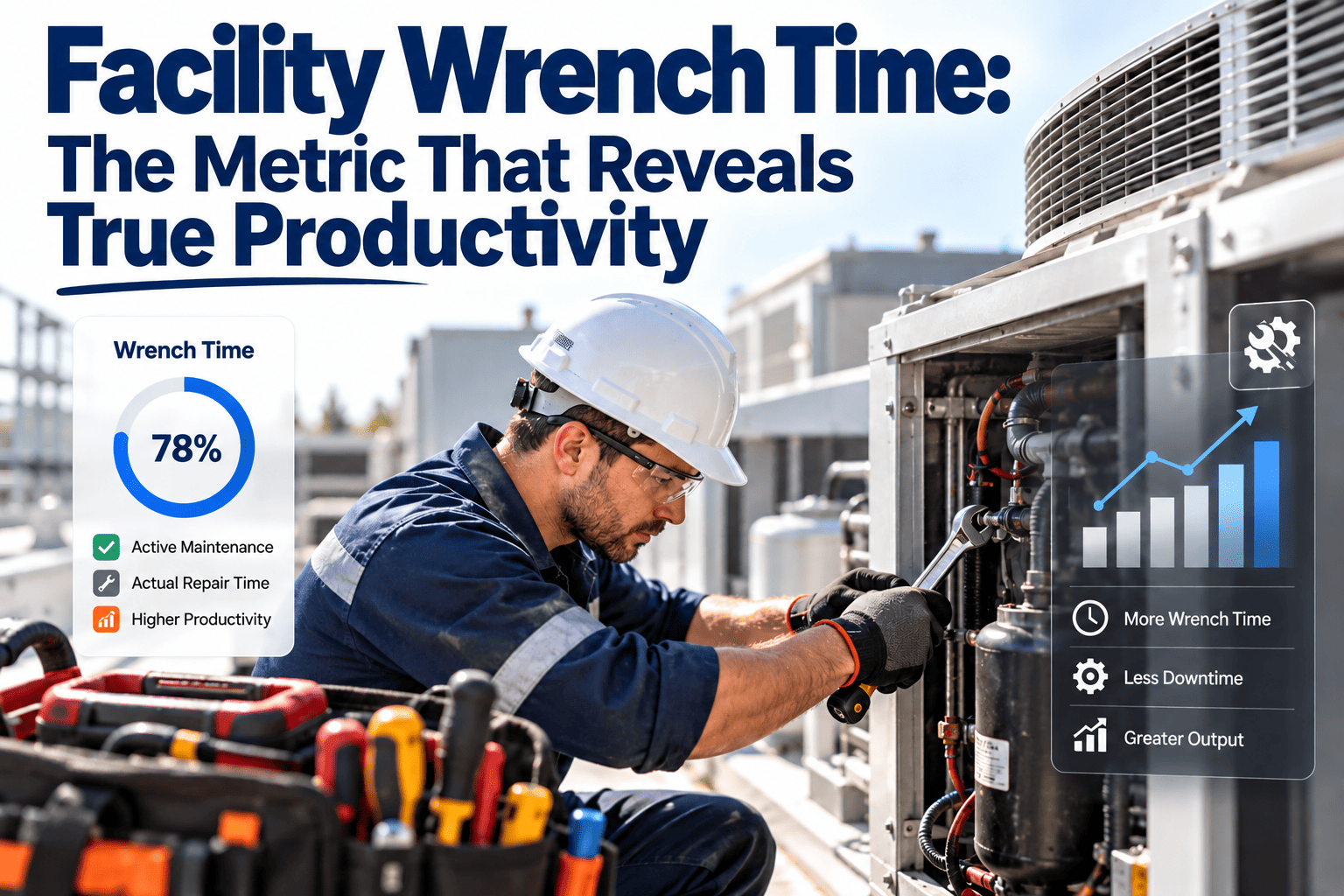
Facility teams are usually busy, but busy is not the same as productive. Wrench time measures the share of a technician's paid hours spent doing hands-on work, such as repairing, inspecting, or installing, rather than walking, waiting, searching f

Read More
Every facility has a plan for buying equipment and a routine for maintaining it, but the final stage of the asset lifecycle is often handled by a phone call to a scrap hauler. Retirement is where refrigerant has to be recovered, hazardous componen
Read More
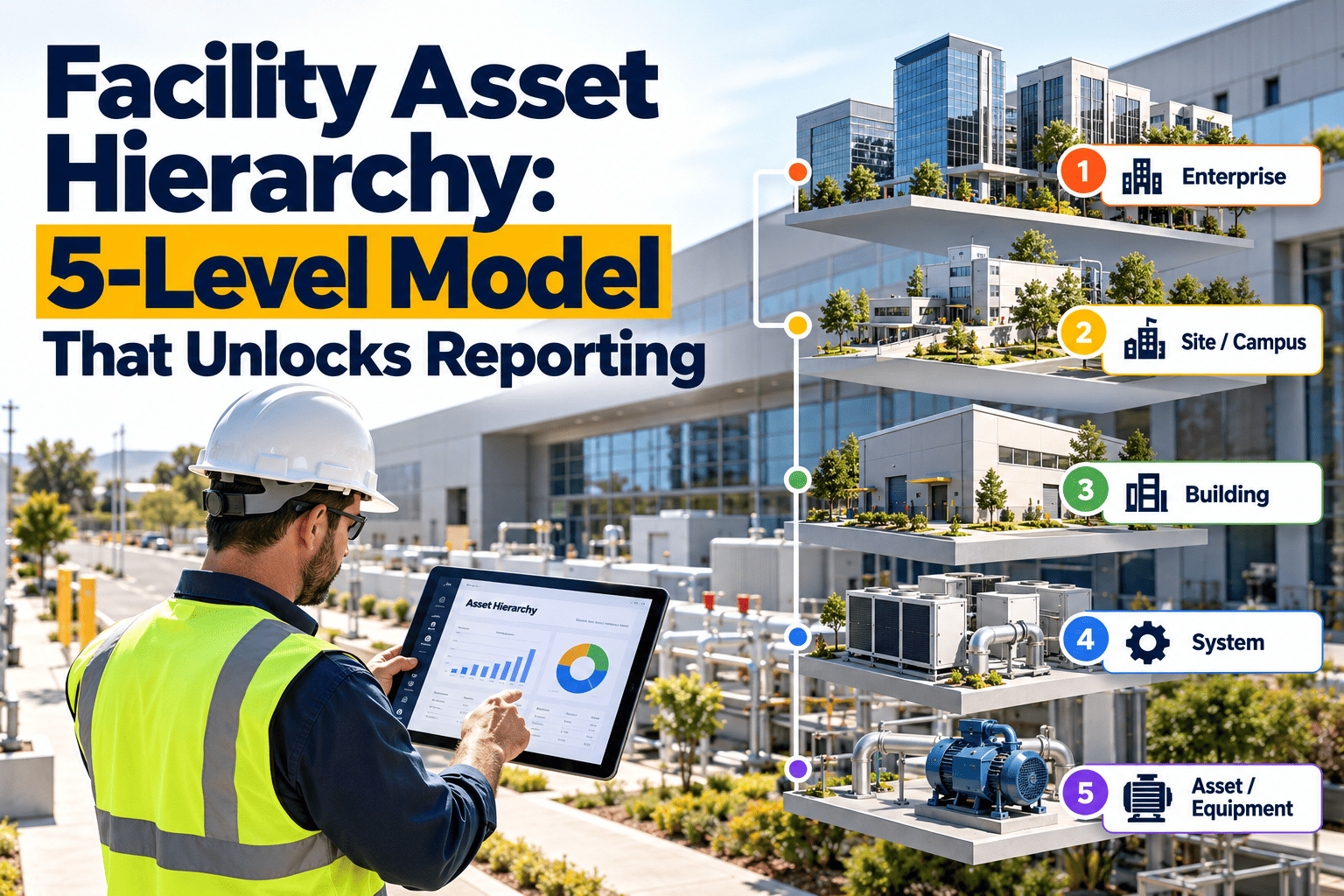
A facility asset hierarchy is the parent-child structure that tells your maintenance system where every piece of equipment lives and what it belongs to. When that structure is shallow, inconsistent, or built differently by each technician, reports
Read More
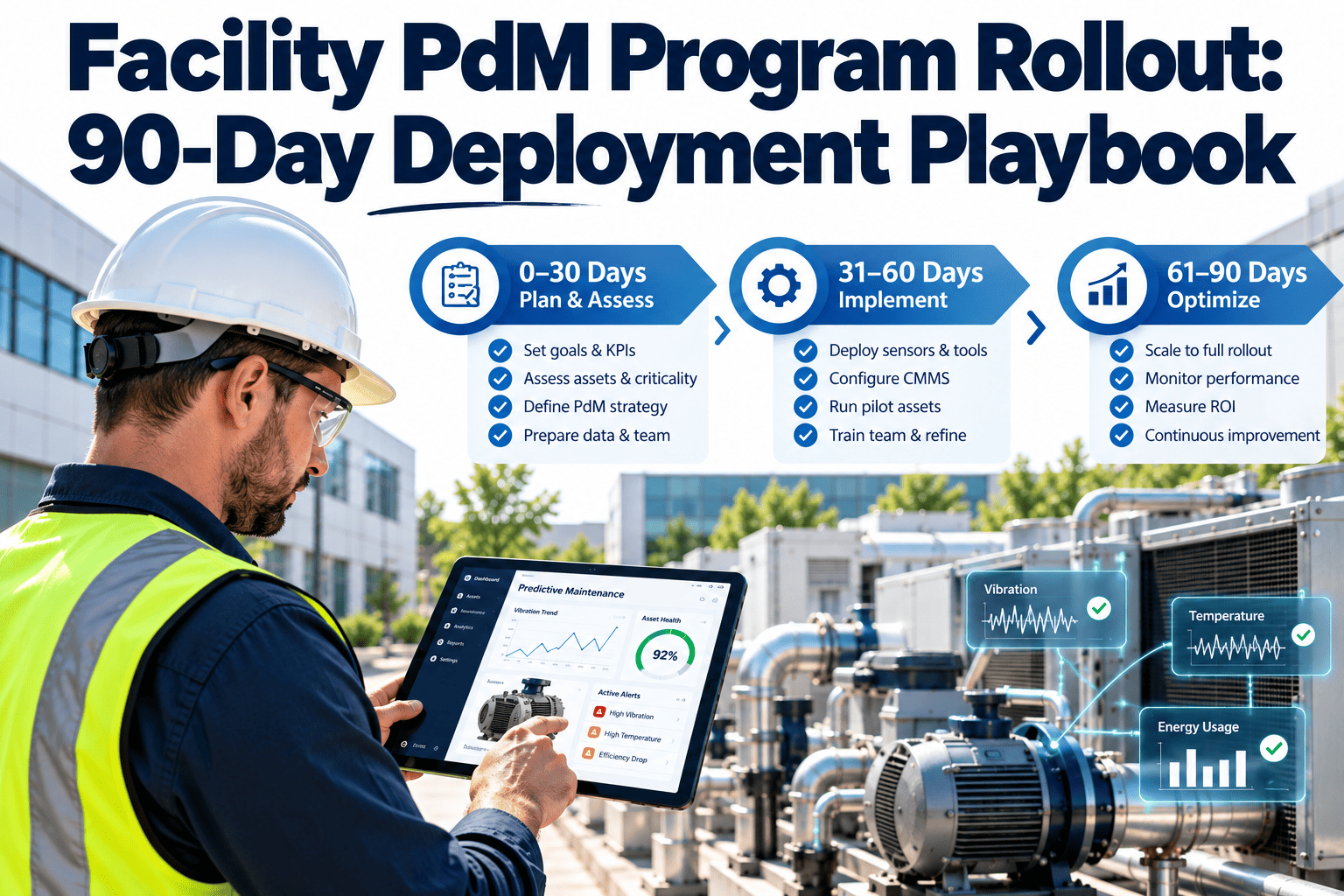
A facility predictive maintenance program rarely fails because of the sensors. It fails because the pilot never gets a clear owner, the alerts never reach a work order, and the technicians who must act on them were never asked how they work. This

Read More
FM contract renewals are often handled in the last few weeks, when the outgoing provider holds most of the leverage. The buyer has little time to benchmark, no clean performance record, and no credible alternative. A 90-day preparation plan revers

Read More
Facility teams are short on experienced people, and credentials are one of the few ways to prove skill quickly to employers and clients. IFMA offers three well-known paths: the Facility Management Professional (FMP), the Sustainability Facility Pr

Read More
Facility teams across the industry report the same problem: skilled technicians are hard to find, and vacancies stay open for months. Many of those teams recruit from the same small set of channels they have always used, which keeps the candidate
Read More
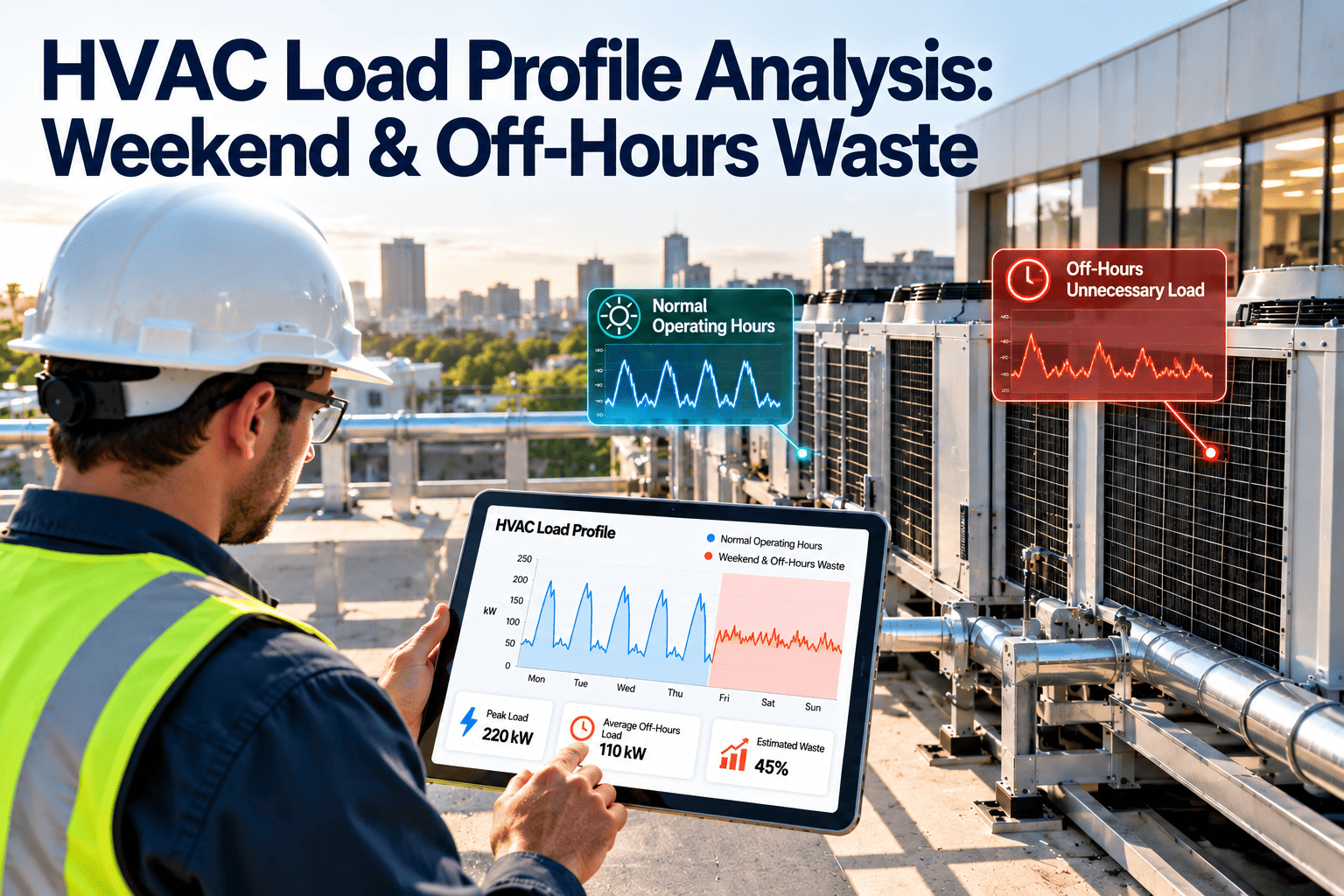
On a Saturday afternoon, an empty office building should look very different on the meter than it does on a Tuesday. In many commercial buildings it does not, because schedules were overridden years ago, dampers stick open, or pumps and fans never
Read More
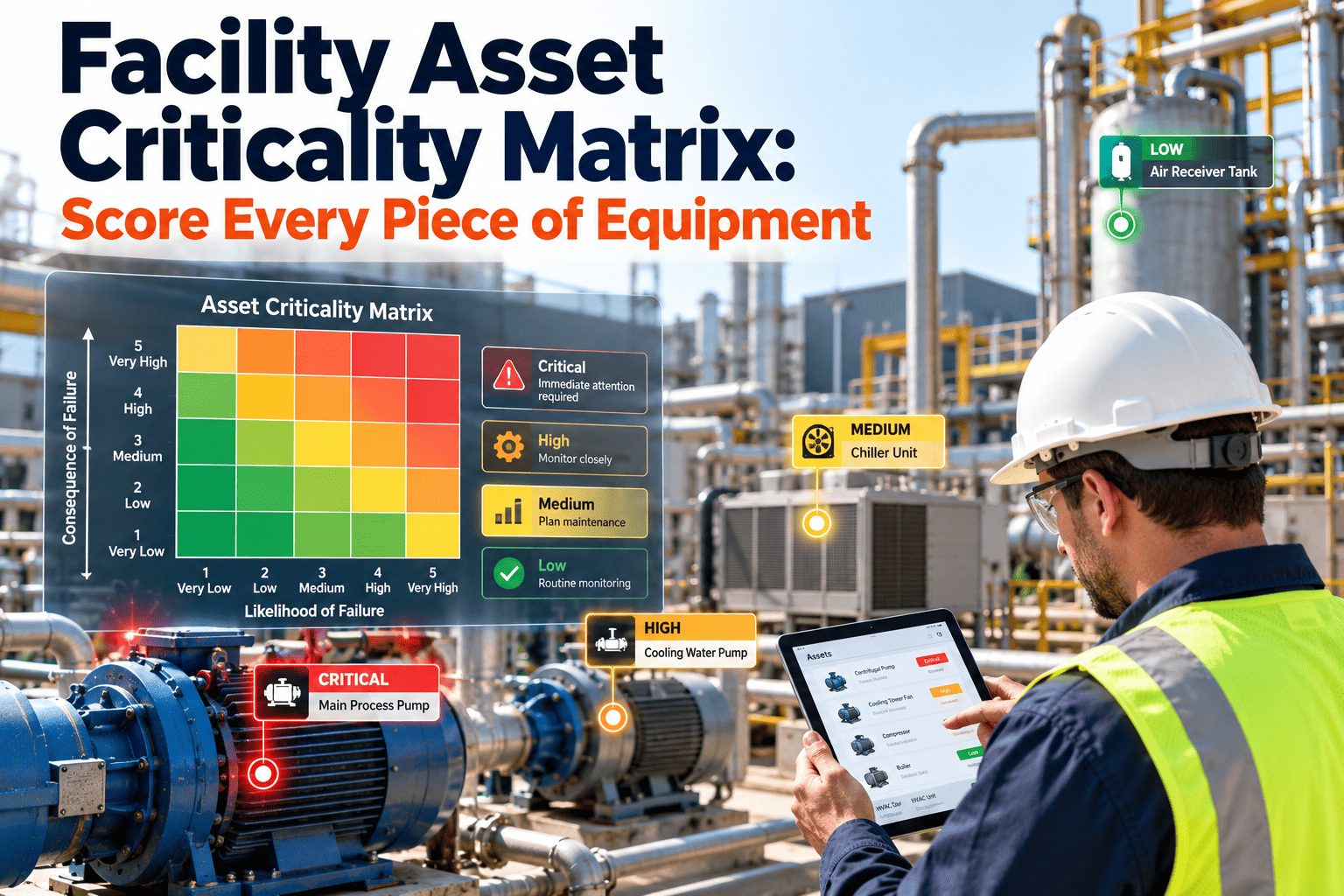
Not every asset deserves the same maintenance effort, and treating them all alike wastes money while leaving real risks exposed. A criticality matrix ranks equipment by what happens if it fails and how likely failure is. That ranking decides where

Read More
When a rooftop unit fails in year three of its warranty, the first question from the manufacturer is usually what condition it was in on day one. Without dated photos, nobody can prove it. A baseline photo set also helps technicians identify the r
Read More
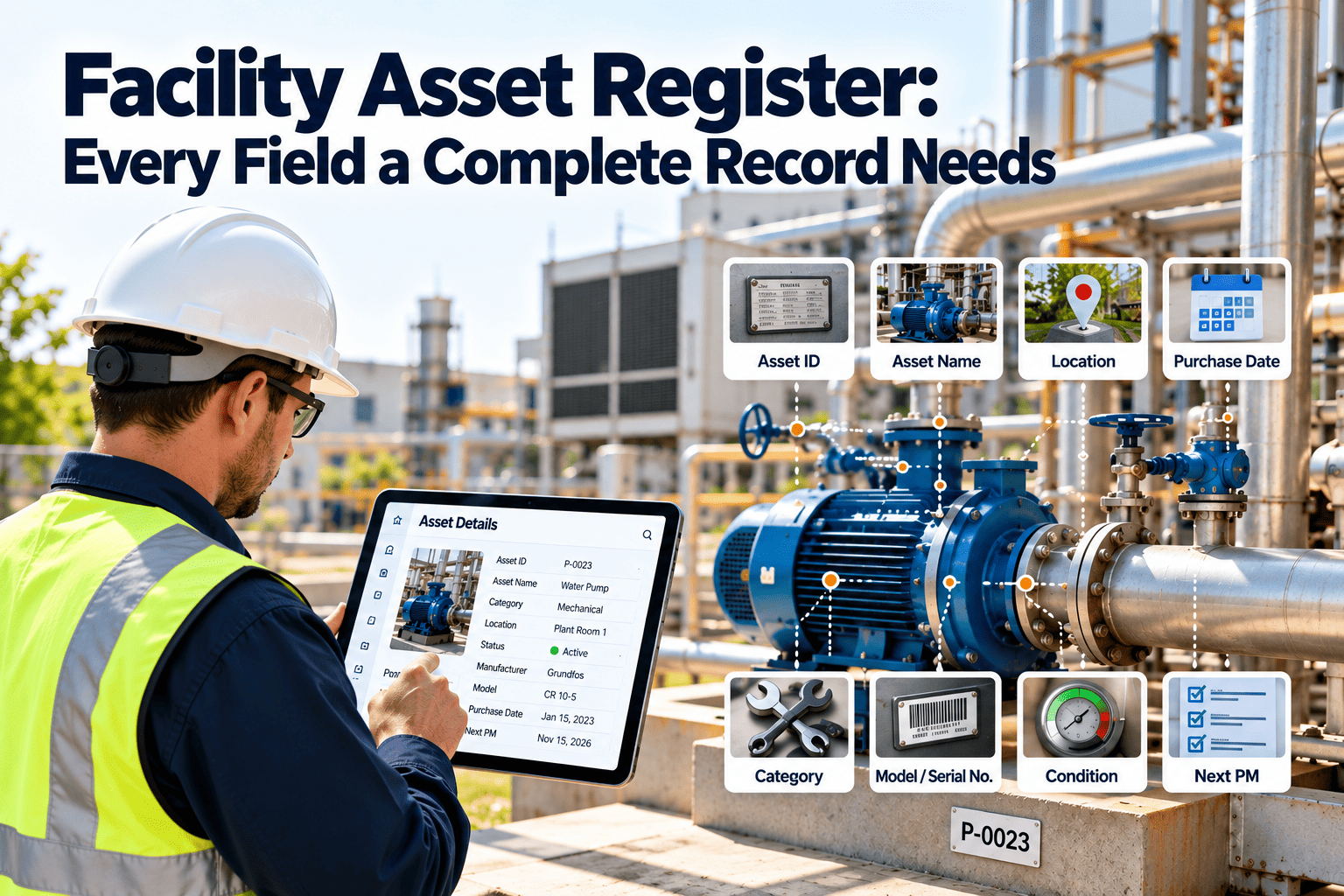
A facility asset register is the foundation every maintenance decision sits on. Work orders, preventive schedules, spare parts, budgets and compliance evidence all point back to a record of what you own and where it sits. When that record is thin,
Read More
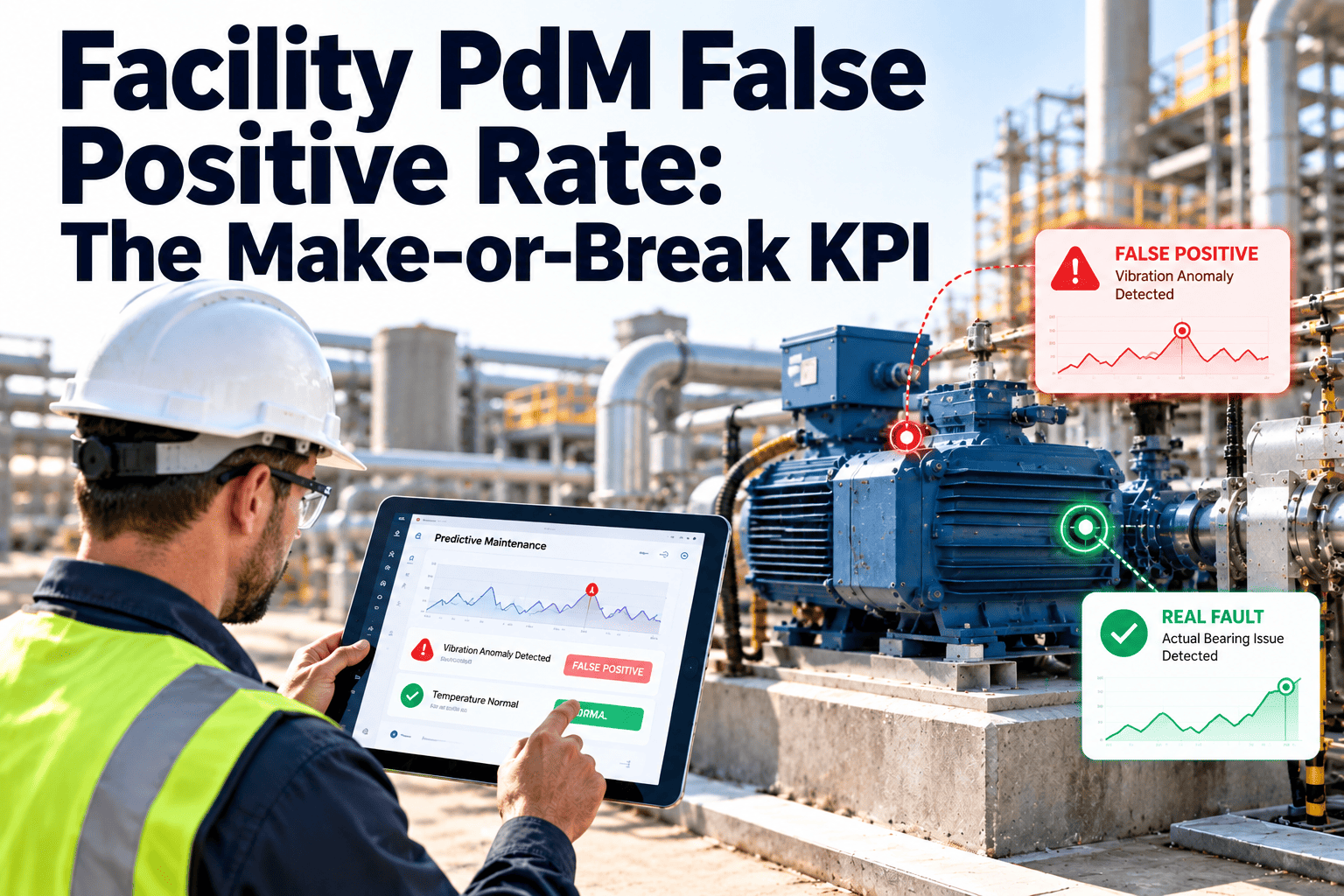
Every predictive maintenance program eventually faces the same test: when an alert fires, does the technician believe it? Missed failures hurt, but a steady stream of alerts that lead to nothing hurts the program faster, because crews quietly stop

Read More
Facility managers are often told to outsource everything or nothing, and both extremes tend to disappoint. Cleaning, security, and elevator service usually outsource well because they are specialized, regulated, or labor-intensive. Controls, tenan

Read More
Commercial buildings are losing experienced HVAC, electrical, and controls technicians faster than the labor market can replace them. Many facility teams now compete for the same small pool of qualified candidates and still end up with open posi
Read More
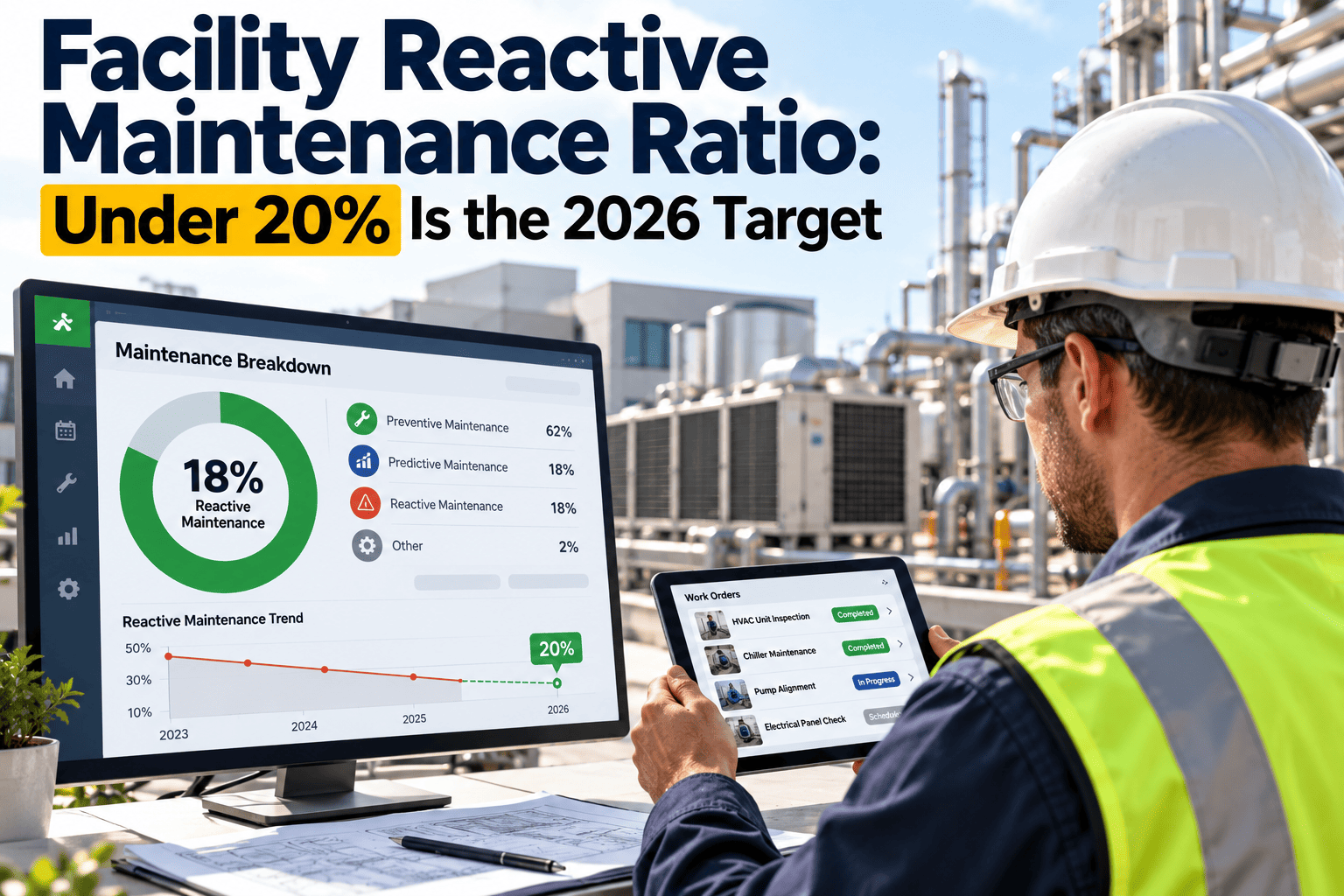
Every facility has a reactive maintenance ratio, whether or not anyone measures it. It shows how much of your team's time goes to responding to breakdowns instead of preventing them. A high ratio usually means overtime, rushed parts orders, unhapp
Read More
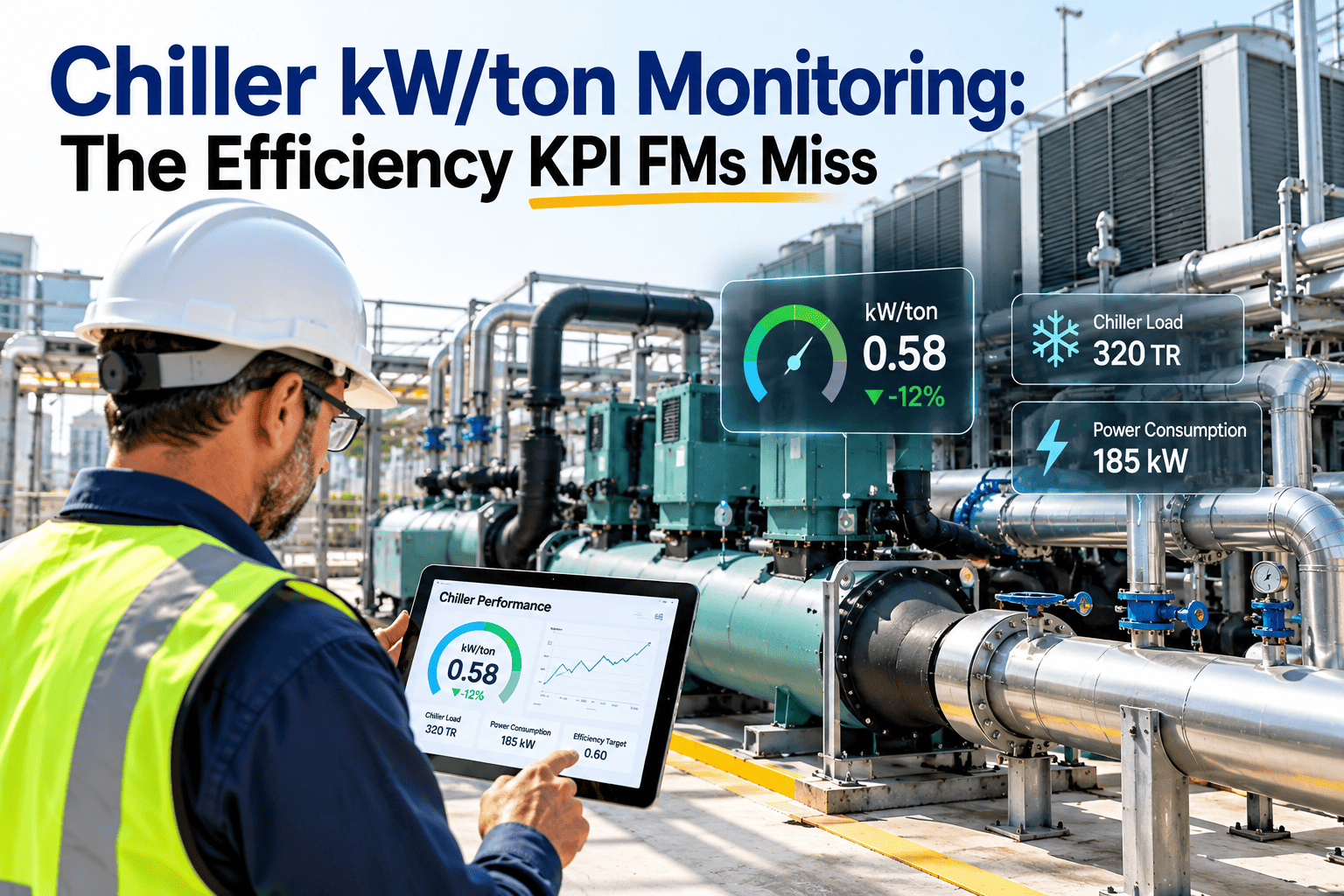
Chillers often account for the largest share of electricity use in a commercial building, yet many facility teams cannot say what their plant is delivering in kW per ton today. Utility bills show the total, but they do not show whether a machine i
Read More
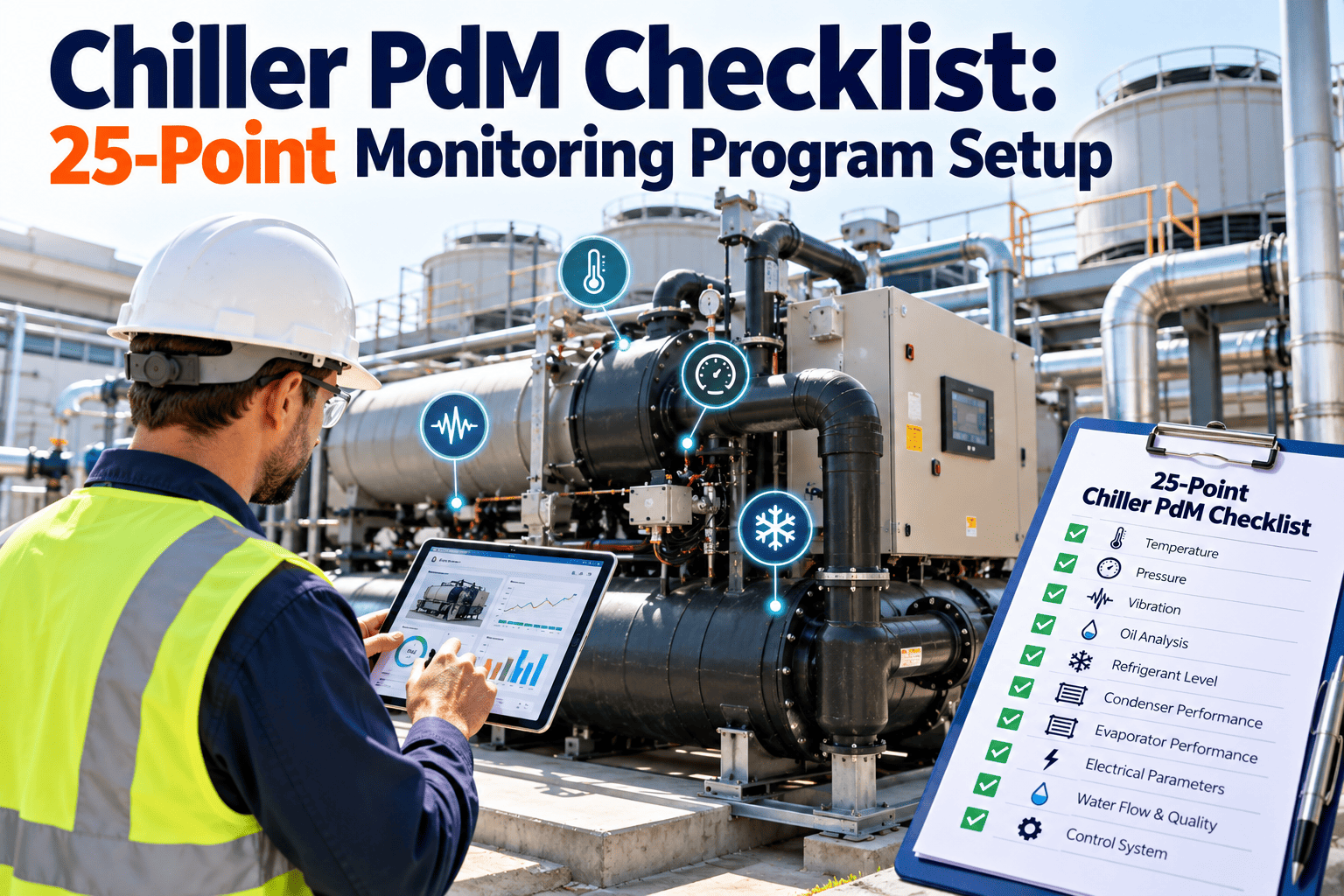
A chiller rarely fails without warning. Condenser tubes foul, refrigerant charge drifts, oil degrades, and bearings wear, and each change shows up in the data weeks before a trip or a shutdown. A predictive maintenance programme catches those sign

Read More
Facility robotics has moved from trade-show demonstrations to everyday operations in airports, hospitals, warehouses, malls, and corporate campuses. Autonomous scrubbers, inspection robots, and delivery units now take on repetitive tasks that are
Read More
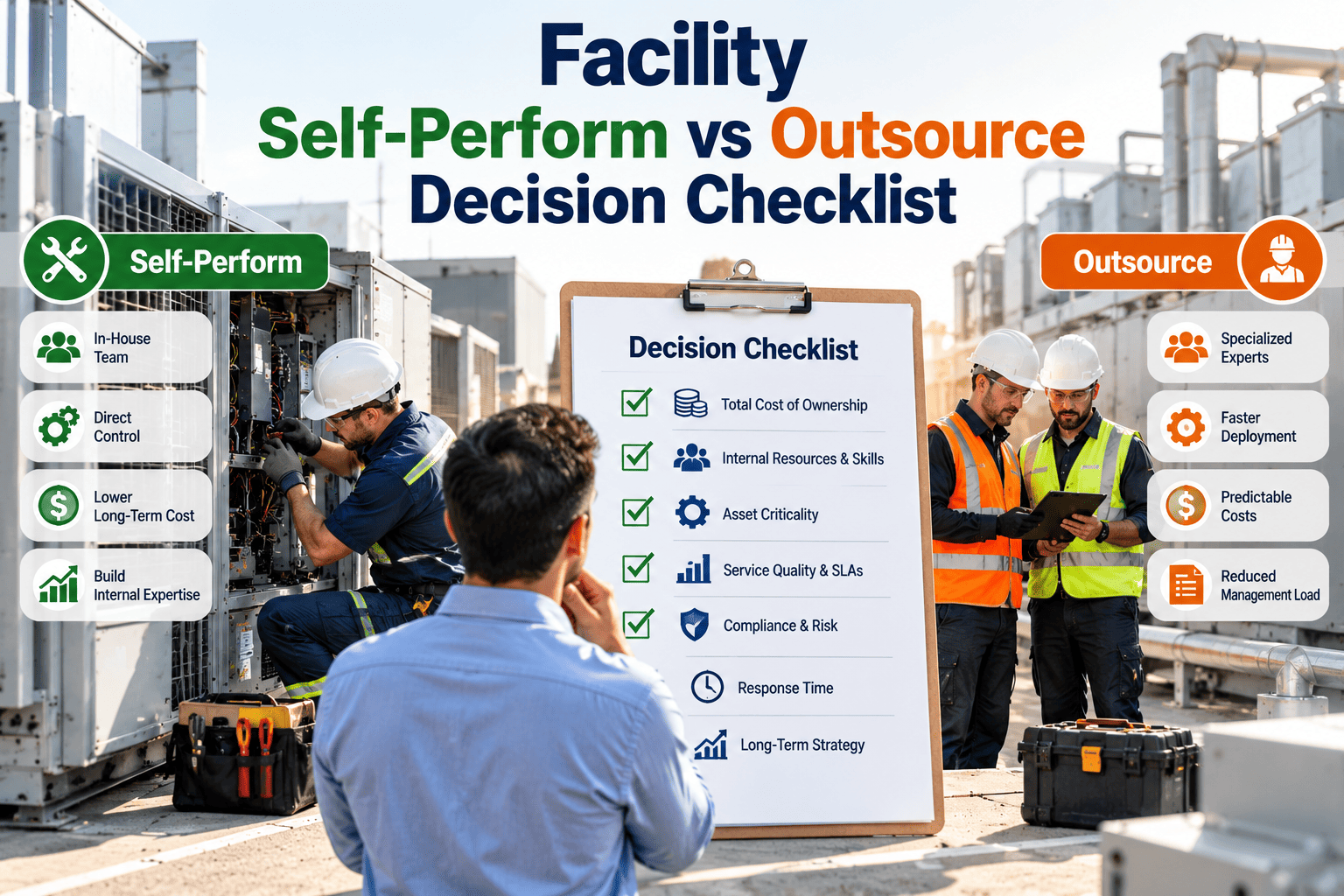
Every facility team eventually asks the same question about each service line: keep the work in-house, or hand it to a contractor? Most organisations answer it one service at a time, in different meetings, using different assumptions, and end up w
Read More
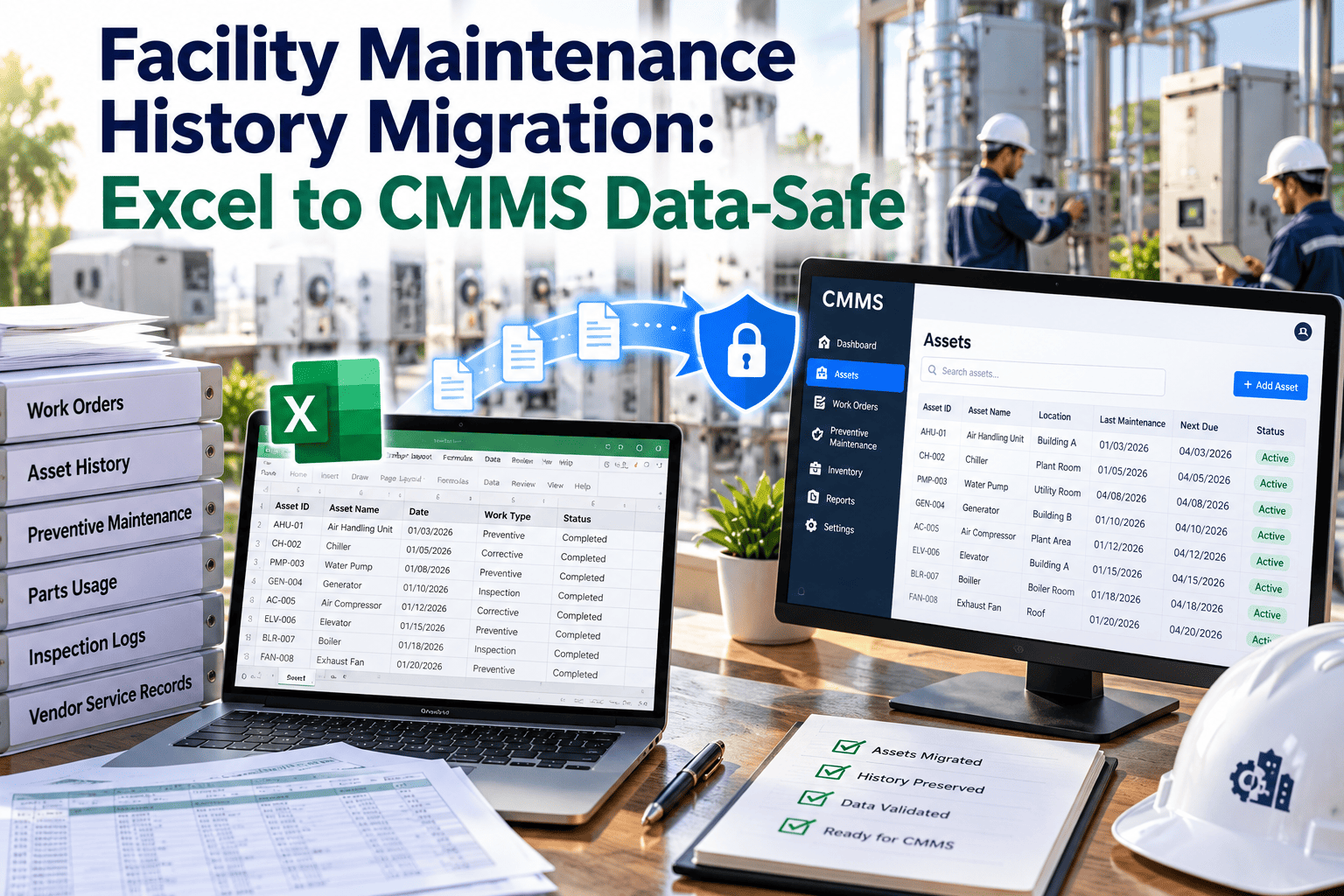
Years of maintenance history sit in spreadsheets: one tab per building, free-text notes, abbreviations only one technician understands. Moving that record into a CMMS is where most facility teams lose data, because rows are imported before anyon

Read More
A warranty is only worth the paper trail behind it. Facility teams routinely buy chillers, roofs, generators, and elevators with multi-year coverage, then lose the install date, the registration confirmation, or the service history needed to prove
Read More
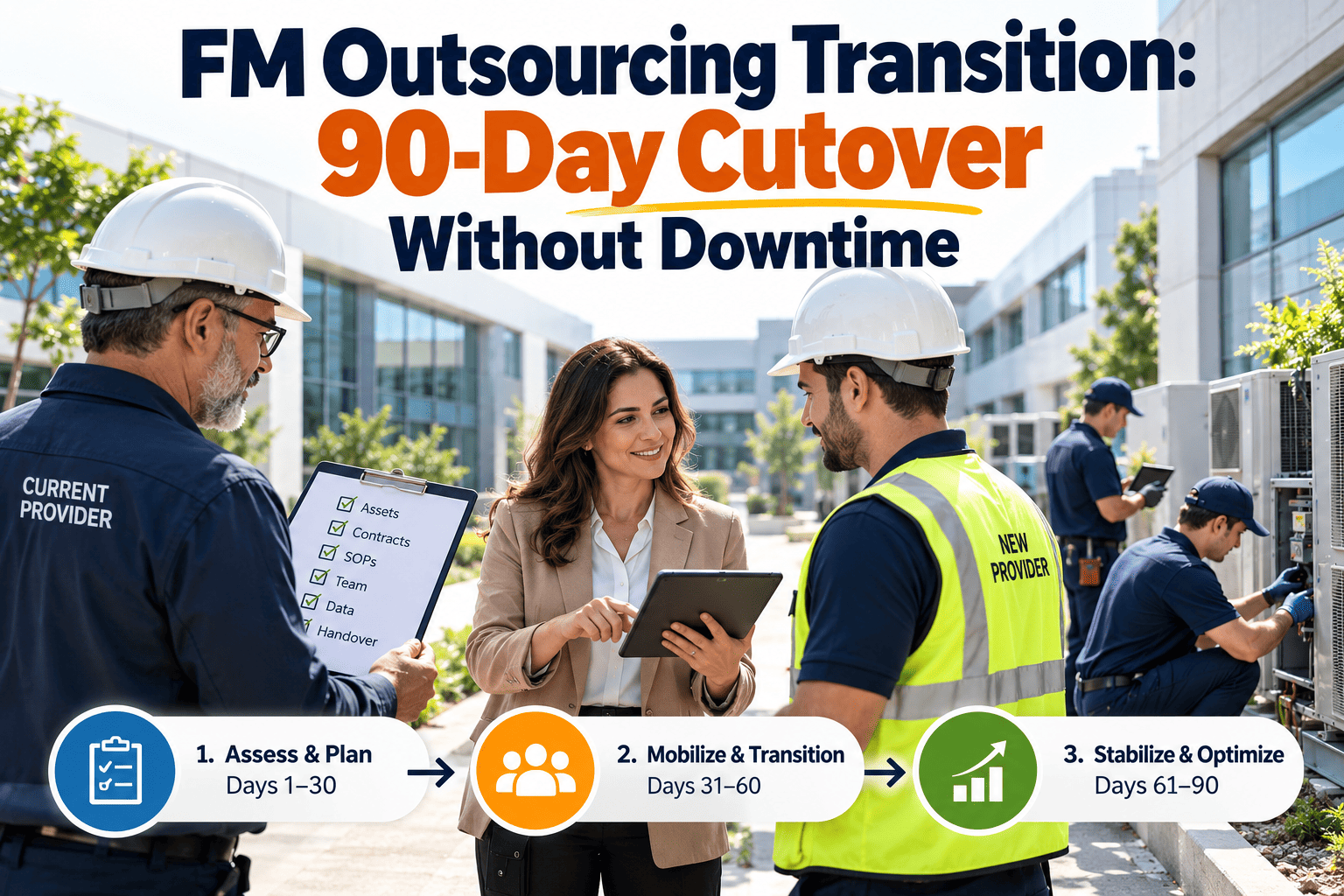
Most outsourced facility management contracts are won on the proposal and lost in the first quarter. Service requests slip through the gap between the outgoing team and the incoming provider, preventive maintenance quietly stops, and nobody can sa

Read More
HVAC usually accounts for the largest share of a commercial building's energy use, yet most facilities see it as one number on a utility bill. That single figure cannot tell you whether a chiller is losing efficiency, an air handler is running ove

Read More
A chiller can look healthy on the controls while its water is quietly attacking it. Corrosion eats metal from the inside, scale insulates heat transfer surfaces, and biofilm coats tubes and piping with a living layer that shelters bacteria. These

Read More
A facility asset tag has one job: stay readable for as long as the asset stays in service. Many do not. Standard paper or basic vinyl labels curl in mechanical rooms, fade on rooftops, and dissolve under cleaning chemicals, often within the first

Read More
Choosing a maintenance strategy for a building portfolio is not one decision. It is dozens of smaller decisions, made one asset class at a time. A chiller carrying a hospital's cooling load needs different treatment than a restroom exhaust fan. El
Read More
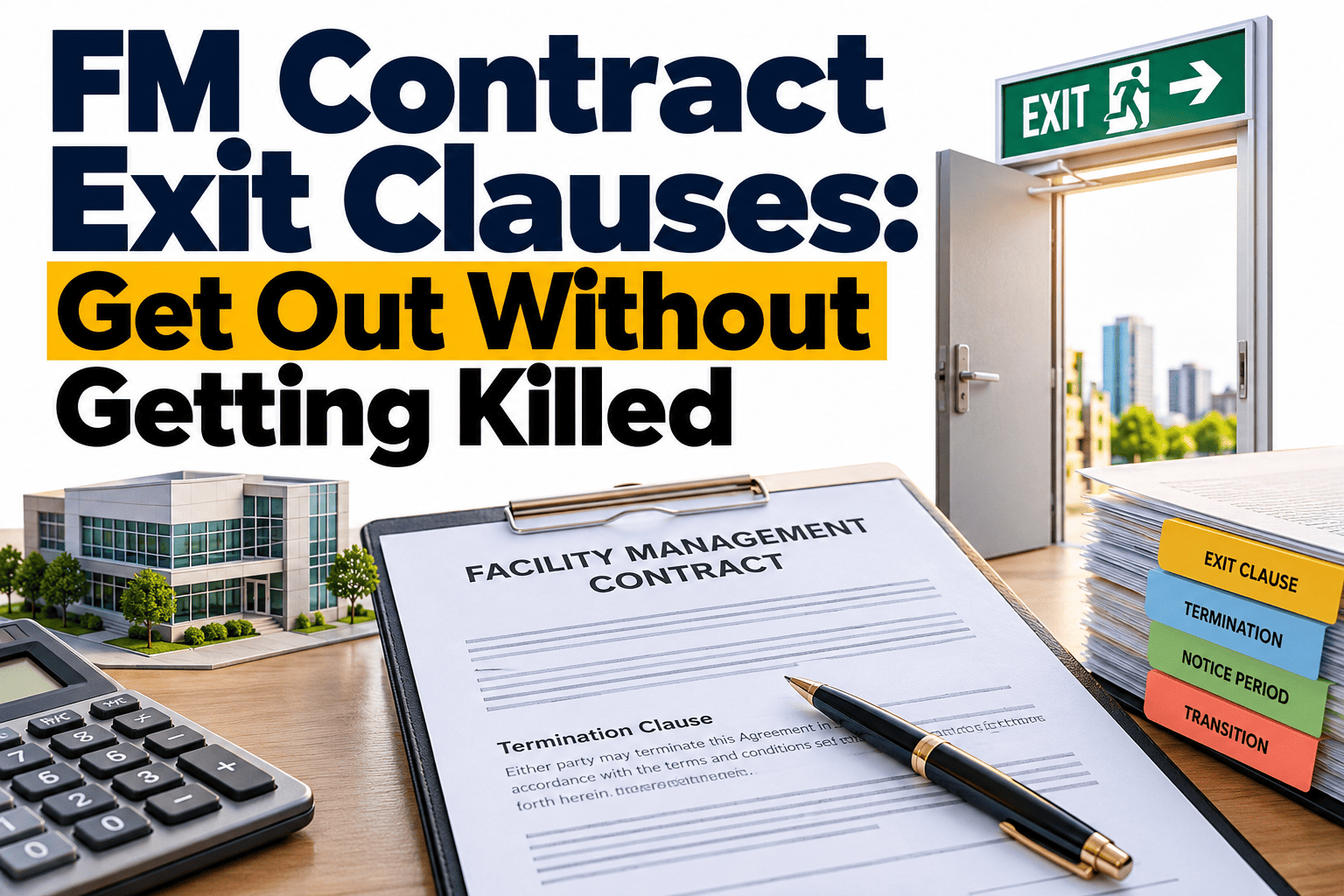
Most facility management contracts are negotiated around scope, price and service levels. The exit gets a single page at the back, if it gets attention at all. Then performance slips, the business wants to switch providers or bring services in-hou
Read More
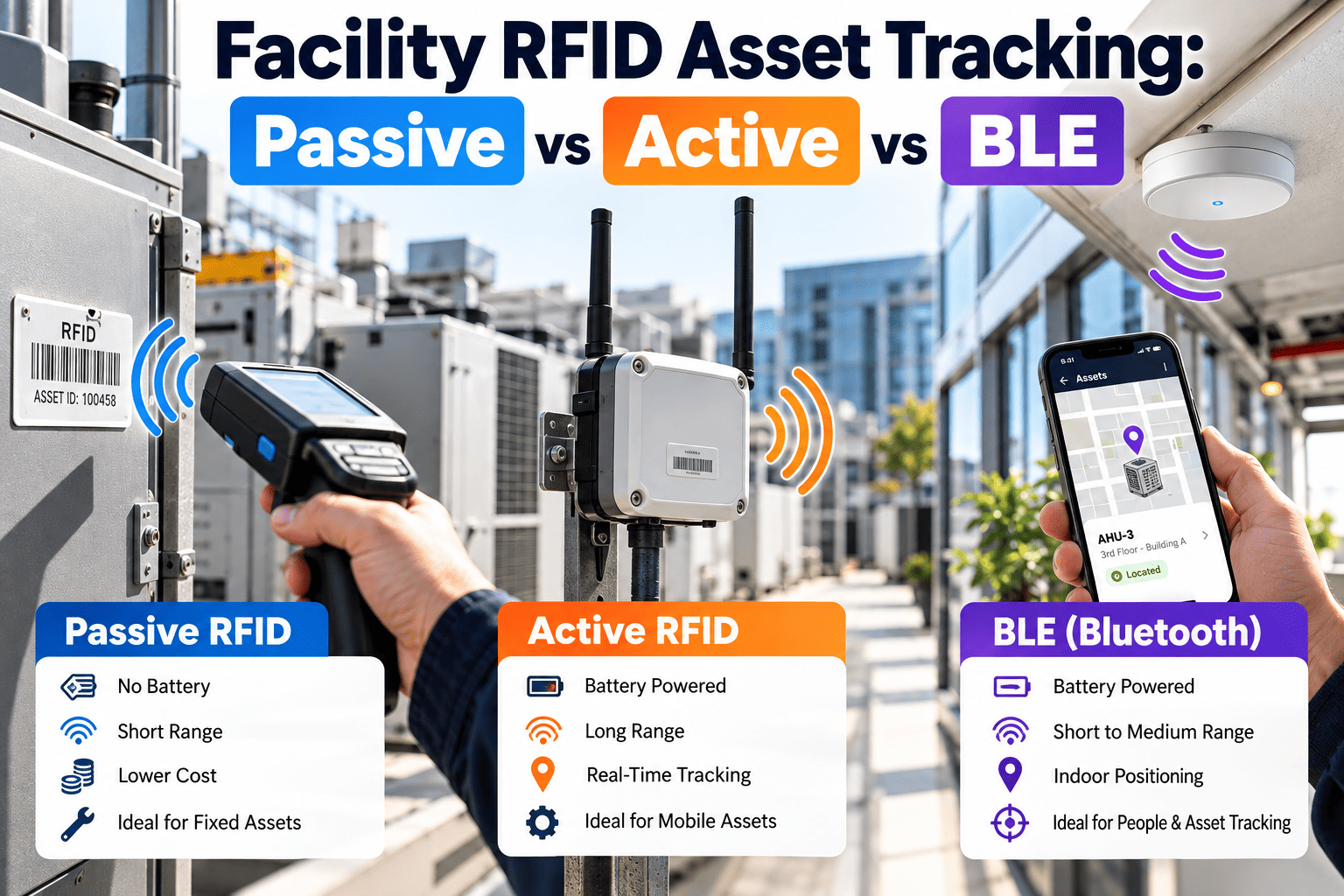
Facility RFID asset tracking is not one technology choice. Passive UHF tags, battery-powered active tags, and Bluetooth Low Energy (BLE) beacons are all sold under the RFID banner, yet they differ sharply in tag cost, read range, battery life, and

Read More
A hybrid FM model keeps the work that shapes your portfolio in-house and hands repeatable, labor-heavy work to specialist providers. Done well, it protects control over budgets, risk, and standards while giving you scale and flexibility on the flo
Read More
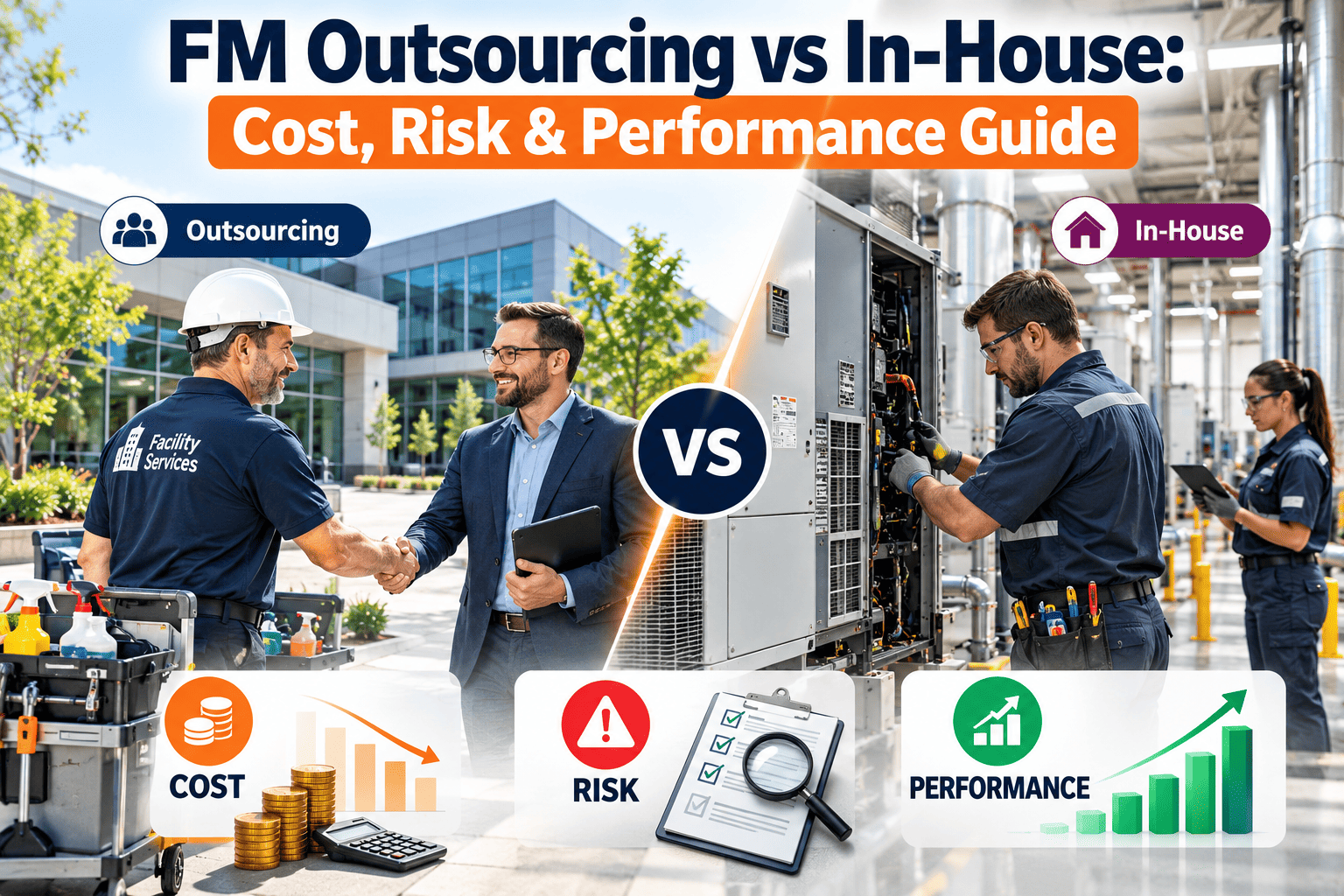
Outsourcing facility management can reduce direct headcount, but it does not remove responsibility. Vendor performance, contract scope, data ownership, and service quality still land on the facility owner. In-house teams keep control and site know
Read More
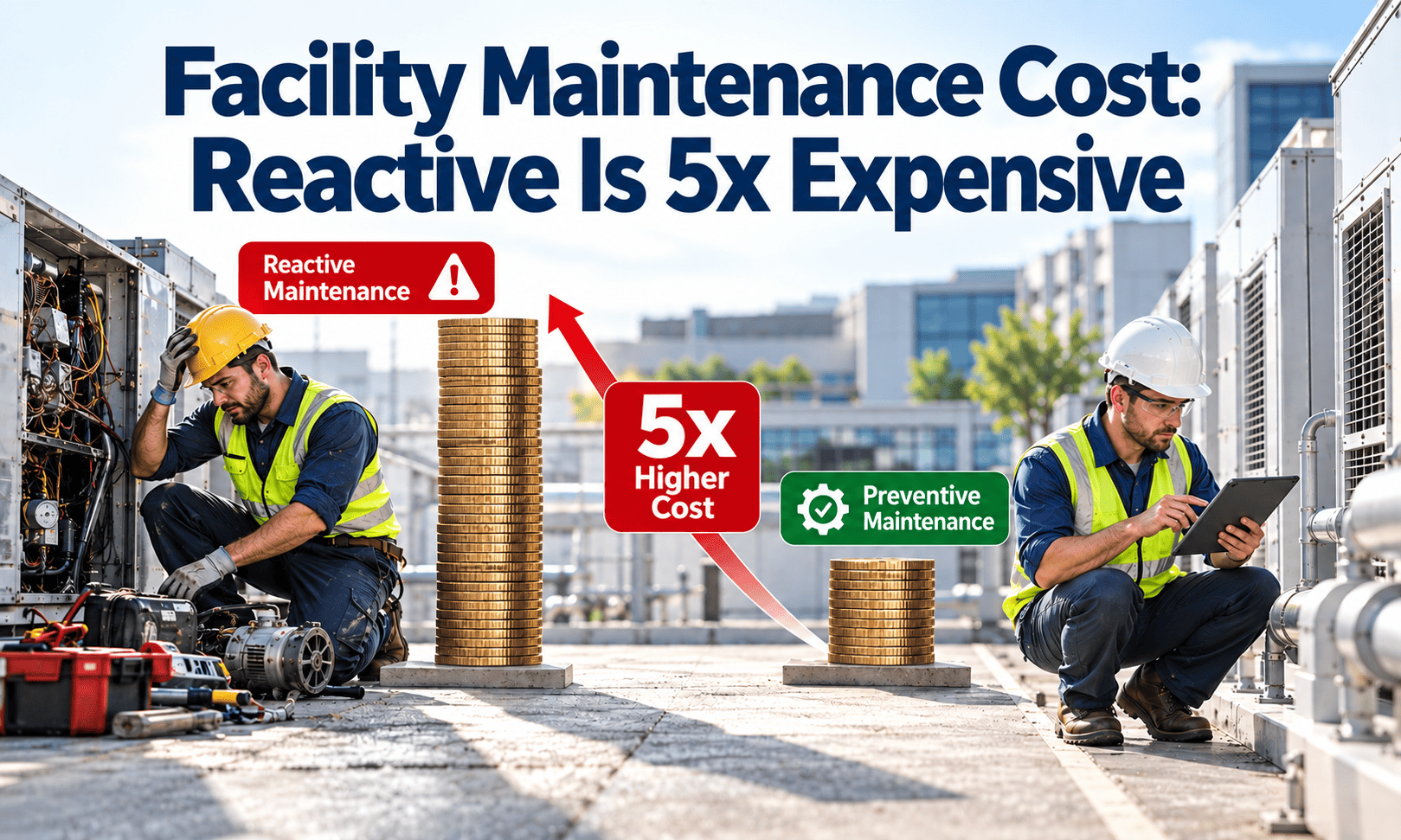
The invoice for a failed pump looks like one number. The real cost of a reactive repair is spread across overtime, rush parts, damaged equipment nearby, lost use of the space and the planned work that was pushed aside to deal with it. That is why
Read More
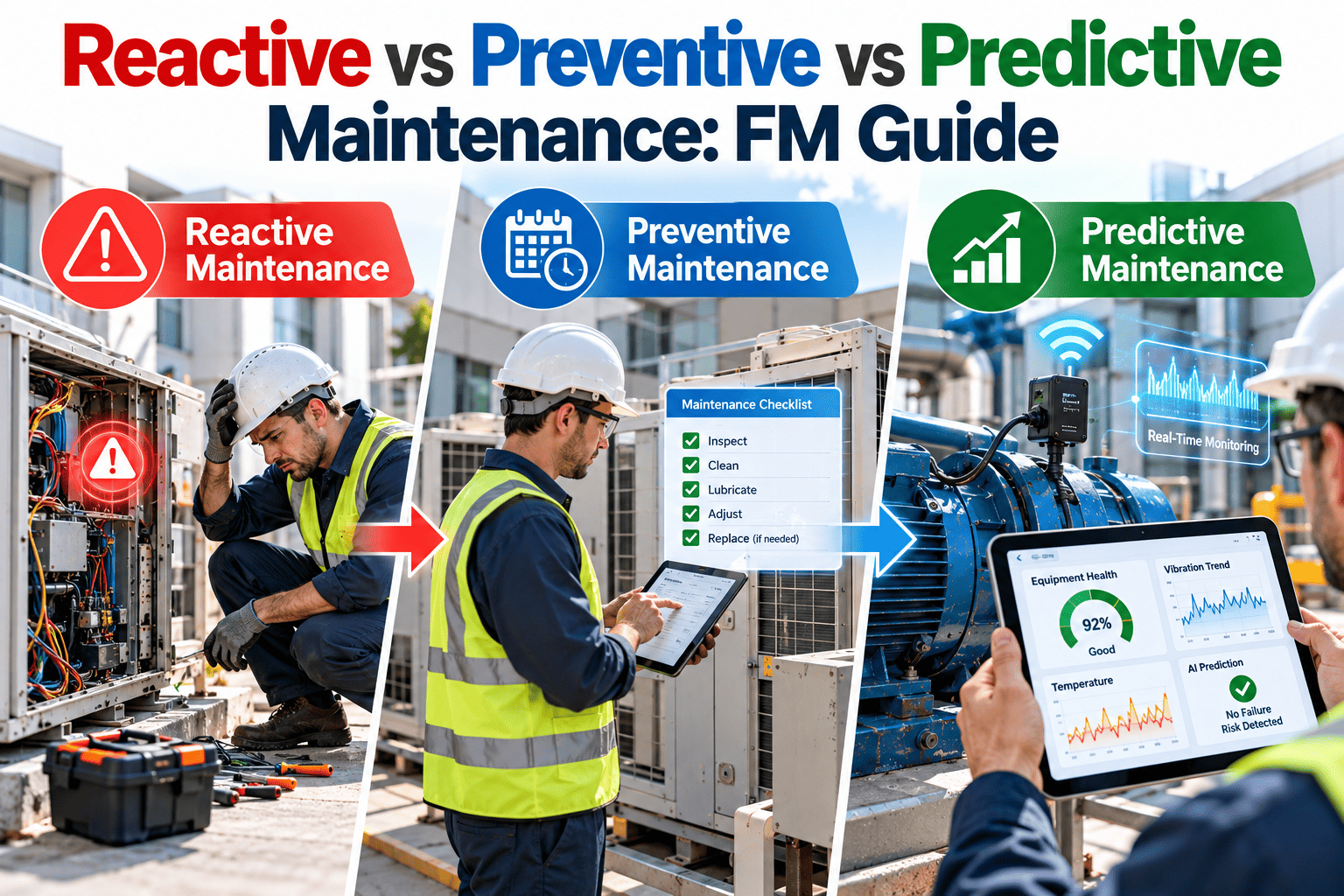
Every facility runs a mix of reactive, preventive, and predictive maintenance, whether or not anyone chose it on purpose. The problem is rarely one strategy being wrong. It is the same strategy applied to every asset, from a ceiling fan to a chill

Read More
A building is handed over, the ribbon is cut, and the facilities team inherits a pile of binders, a USB drive of unnamed files and drawings that do not match what is on the ceiling. Within months, technicians are tracing pipes by hand and chasing

Read More
Most facility teams can tell you what a chiller, boiler, or air handler cost to buy. Far fewer can tell you what it has cost to own. Energy, repairs, labor, parts, downtime, and renewal spending land in different budgets and different systems, so
Read More
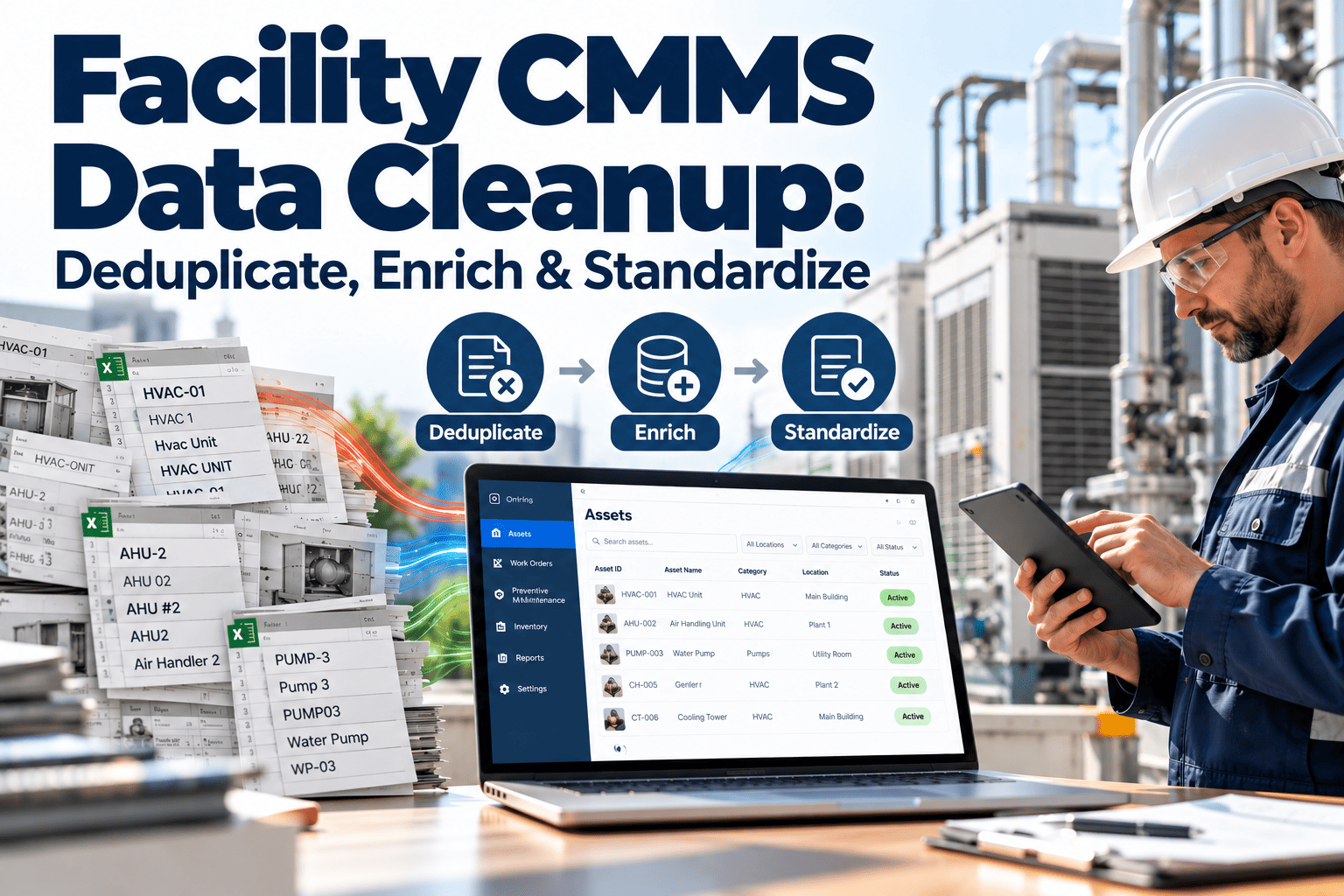
Every facility team that has run a CMMS for more than a few years eventually opens the asset list and sees the same problem. Three records for one rooftop unit, "AHU-3" spelled five ways, missing serial numbers, and work orders attached to assets

Read More
When in-house hiring cannot keep pace, contractors become the fastest way to cover a technician gap. They are also the fastest way to lose track of who worked on which asset, under what conditions, and to what standard. Facility contractor managem

Read More
Technician pay is the first thing candidates compare and the last thing many facilities teams update. When a posted band sits below the local market, requisitions stay open, preventive maintenance slips, and overtime quietly becomes the staffing p

Read More
Every facility IoT project eventually reaches the same decision: where should data be processed? Send everything to the cloud and you may pay for bandwidth, add latency, and lose visibility during an outage. Process everything locally and you may
Read More
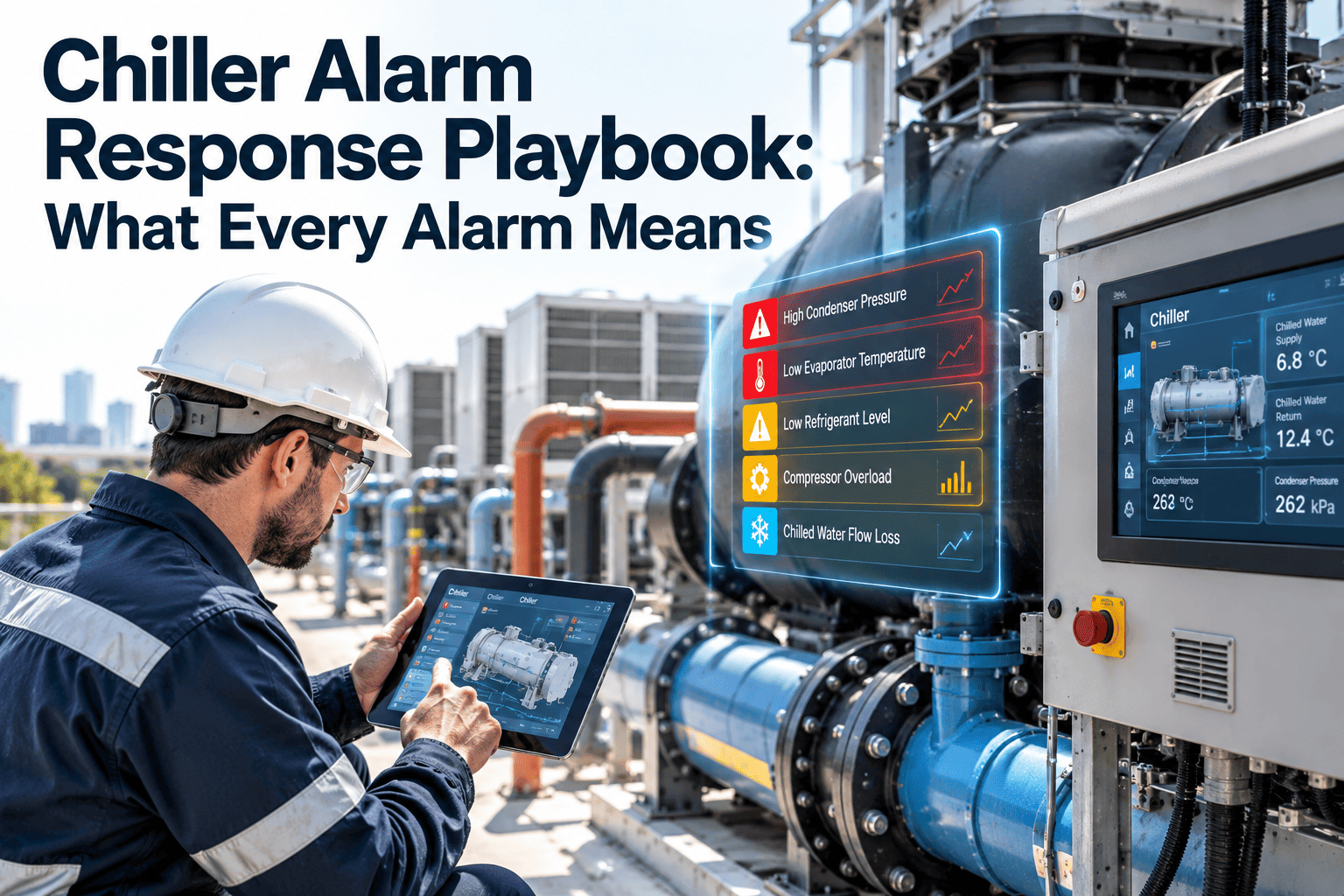
A chiller alarm can mean a dirty filter screen or an imminent compressor loss, and the display often does not say which. Technicians who respond the same way to every alarm either waste time on minor warnings or reset a serious fault and make it w

Read More
A QR code or barcode label only pays off if the next technician can find it and scan it on the first try. Tags stuck on removable panels, curved housings, hot surfaces, or behind guards get scuffed, lost, or ignored, and the asset record slips bac

Read More
Most commercial buildings still run every asset on the same logic: fix it when it breaks, or service it on a fixed calendar. Neither fits a rooftop unit, a fire pump, and a restroom exhaust fan equally well. A per-asset strategy checklist asks thr
Read More
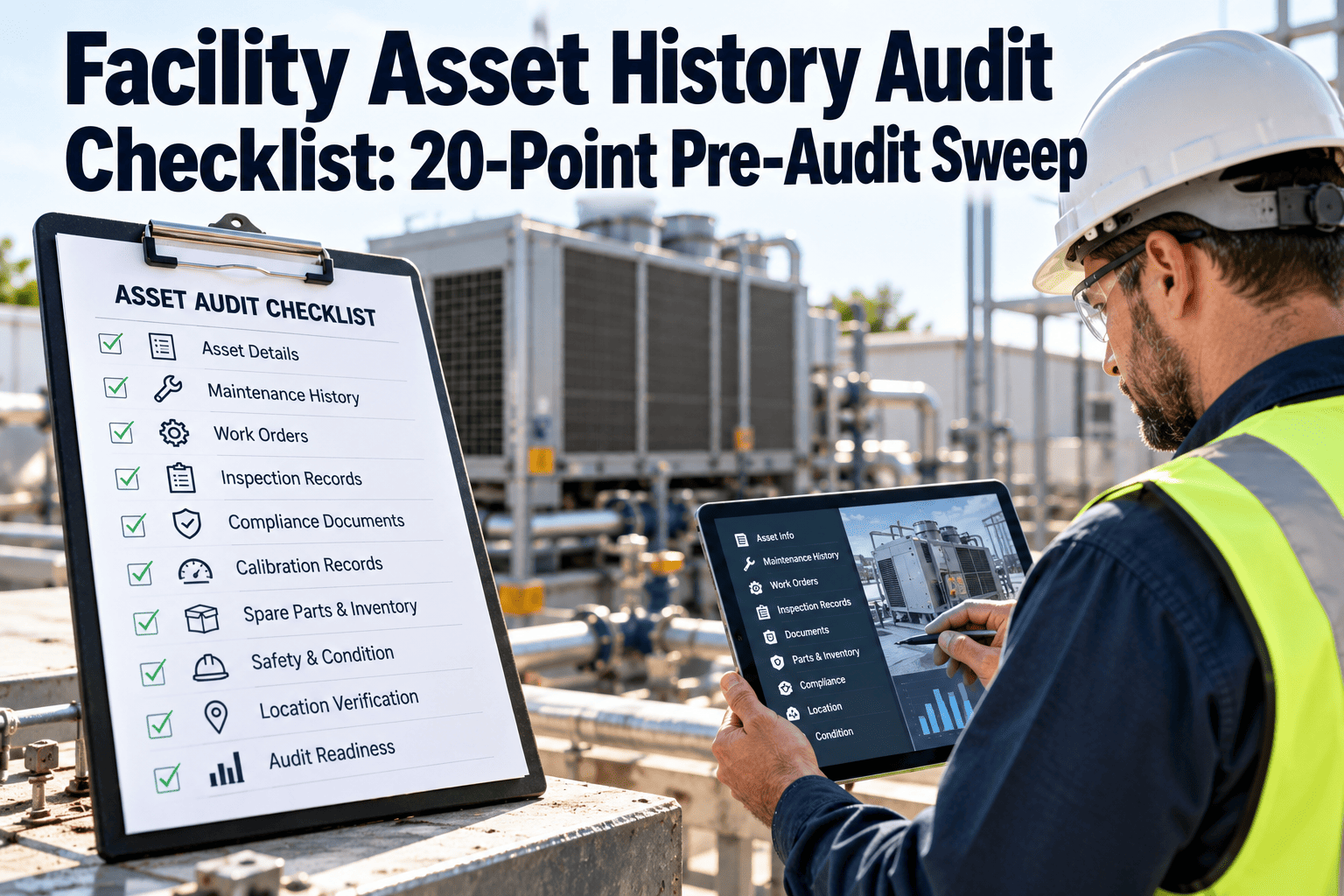
Audits rarely fail on the equipment itself. They fail on the paper trail: an asset with no install date, a PM marked complete with no proof, a warranty document nobody can find, or an inspection record that stops mid-year. A short sweep before the

Read More
Predictive maintenance tools are good at detecting trouble. They are far less good at making sure someone actually responds. In many facilities a vibration warning or temperature drift lands in an inbox, gets read once, and disappears until the as

Read More
Digital twins were sold to facility teams as a living 3D copy of the whole building. Many pilots stalled because the model looked impressive but nobody used it to fix a chiller, schedule a filter change, or justify a budget. In 2026 the approach t

Read More
A technician standing in front of an unfamiliar rooftop unit, boiler or pump has one question: what am I looking at, and where is everything? A good photo answers that before the toolbag is opened. Most facilities have photos scattered across phon

Read More
Every facility scanning program eventually hits the same argument: buy rugged handhelds and a dedicated native app, or let technicians scan with the phones already in their pockets. Both models work, and both fail when chosen for the wrong reasons
Read More
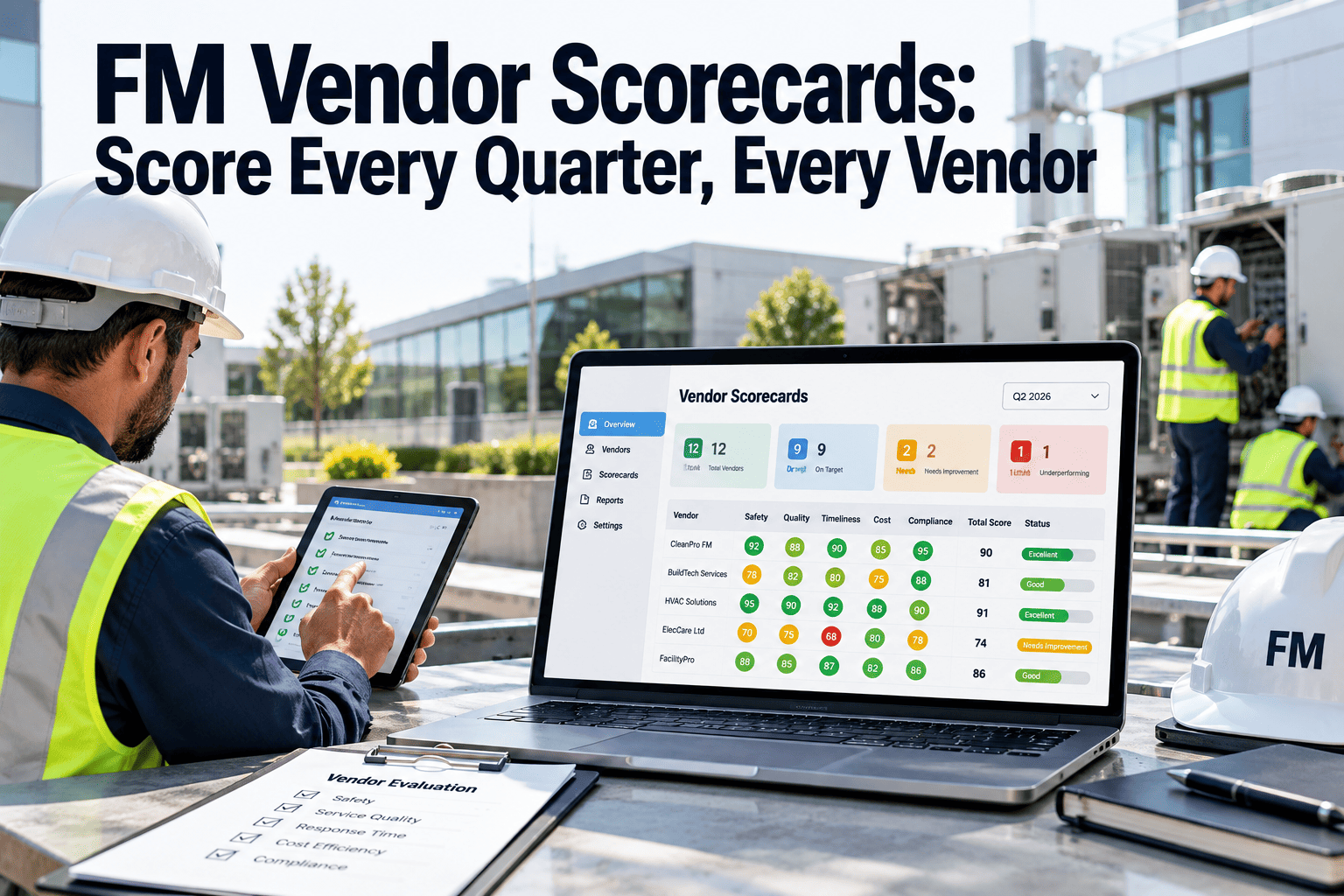
Facility vendors rarely fail loudly. They drift: response times creep up, paperwork gets thinner, and invoices need more questions. Without a regular scorecard, each of those problems is handled as a one-off complaint. A quarterly scorecard replac

Read More
Most facility management contracts list a page of service levels, and most of them are never checked after the first month. Targets like "prompt response" or "high customer satisfaction" cannot be measured, so they cannot be enforced. The SLAs tha
Read More
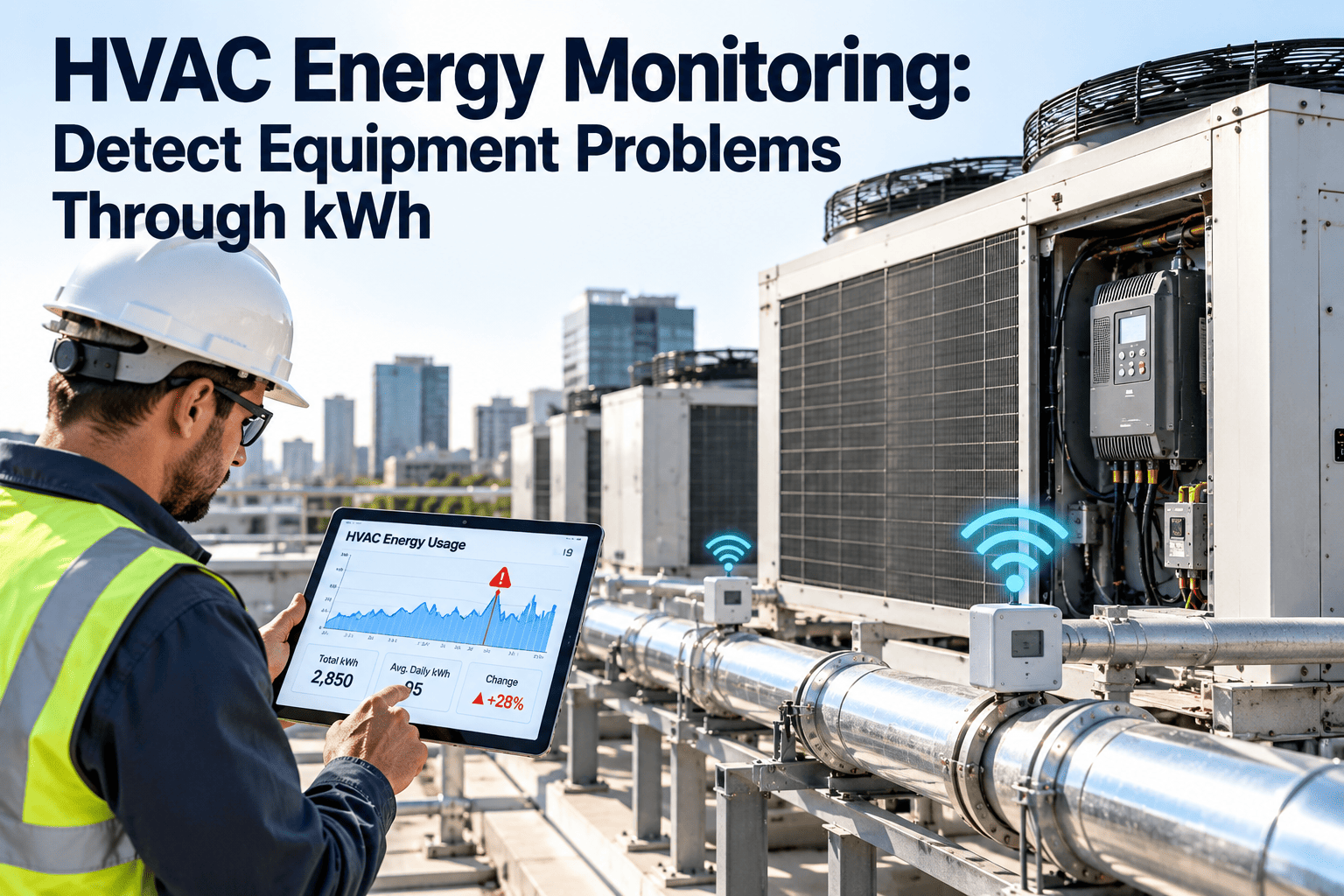
HVAC equipment rarely fails without warning. Long before a compressor trips or a fan seizes, it usually starts drawing more power for the same cooling or heating output. Fouled coils, worn bearings, stuck dampers, and refrigerant problems all leav

Read More
Many commercial buildings clean chiller tubes once a year, usually in the shoulder season, because that is what the schedule has always said. The habit is convenient, but fouling does not follow the calendar. A plant on hard, untreated makeup wate
Read More
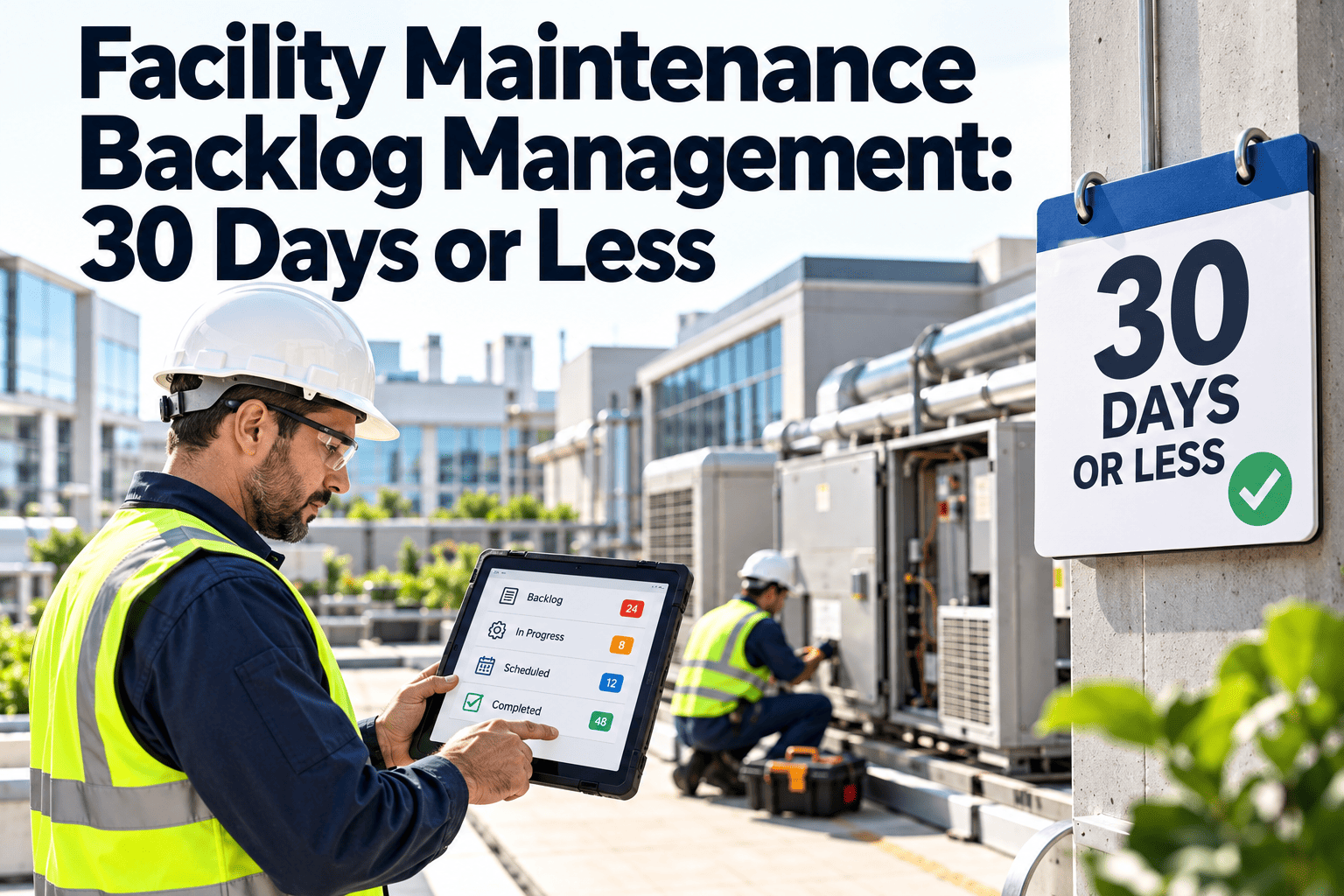
A backlog is not a failure on its own. Every facility has open work orders waiting for parts, access, or a shutdown window. The problem starts when nobody can say how big the queue is, how old it is, or which items carry real risk. Commercial faci

Read More
A rooftop unit that runs 14 hours a day and one that runs 4 hours a day both get a filter change every 90 days on most facility calendars. One is overserviced, the other is likely fine, and neither schedule reflects the wear that actually happened
Read More
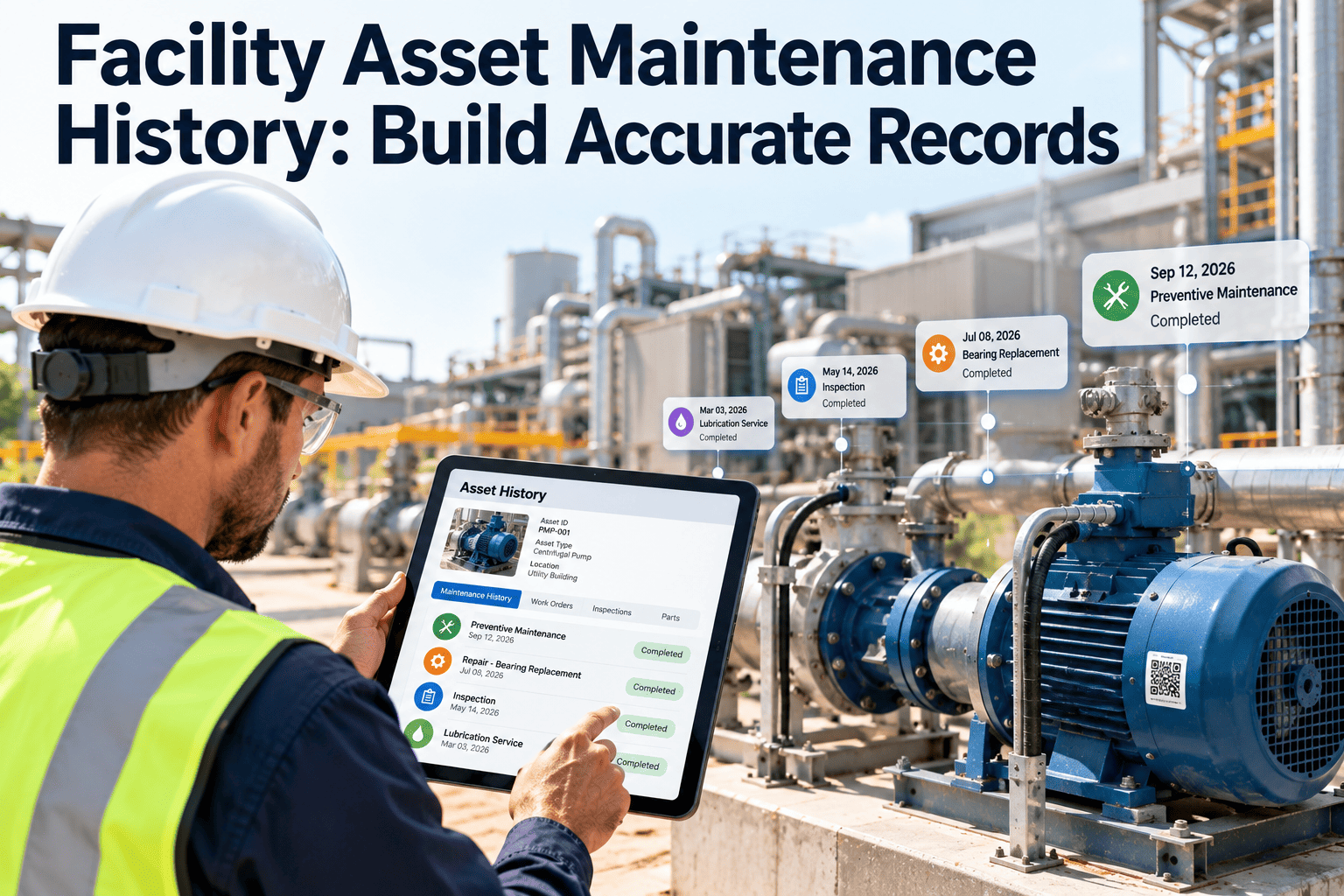
Ask a facility manager when a rooftop unit was last serviced, what it has cost to keep running, and whether the compressor is still under warranty. In many buildings the honest answer is a search across email threads, contractor invoices, and one
Read More
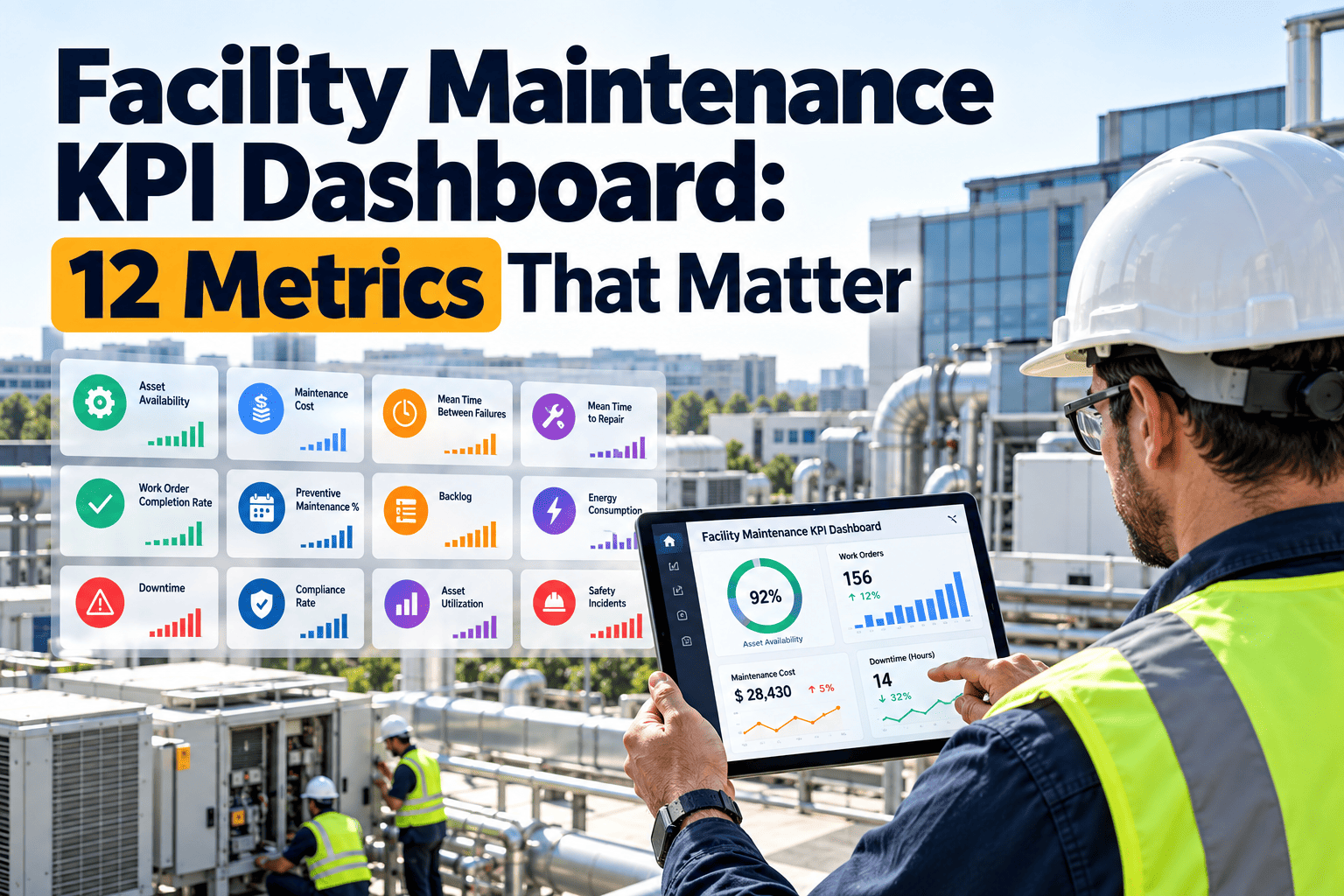
Most facility teams track plenty of numbers and still cannot answer a simple question: is maintenance getting better or worse? A useful dashboard is short, defined consistently, and tied to decisions. Twelve metrics, grouped by what they tell you,

Read More
Every facility team that connects a CMMS to another system eventually faces the same decision: write the integration yourself, or use middleware to do it. Both can work, and both can become expensive when chosen for the wrong reasons. The real cos
Read More
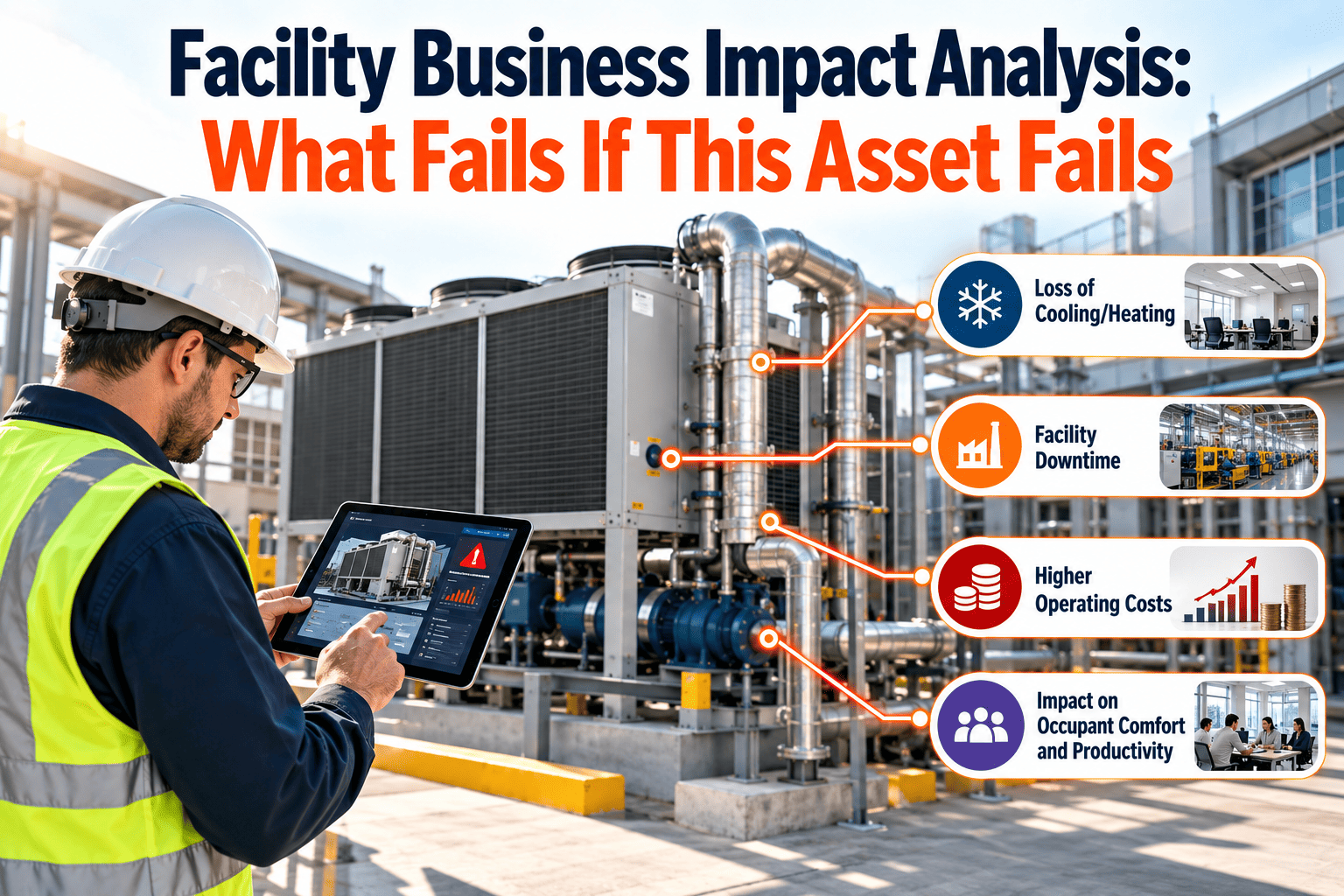
Every facility has a list of assets, but very few have a list of consequences. A failed transformer, sump pump or chilled water loop does not just stop itself; it stops whatever depends on it. A business impact analysis (BIA) traces that chain bef

Read More
Predictive maintenance fails less often because of weak analytics than because the data never reaches the people who fix equipment. The building management system sees temperatures, pressures, and alarms. IoT sensors see vibration and power. The C
Read More
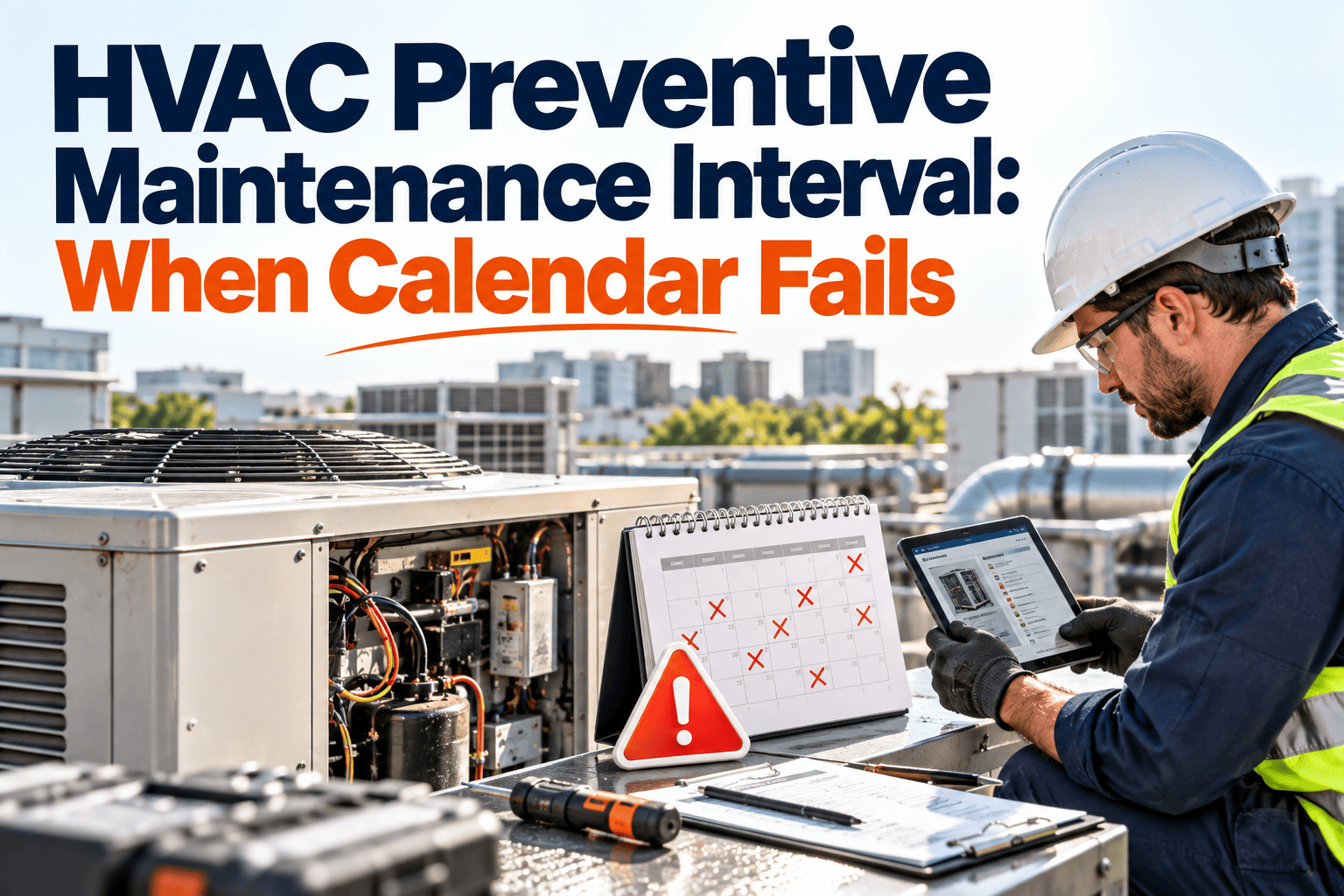
A fixed calendar treats every rooftop unit, air handler and chiller the same, even though no two run the same hours or breathe the same air. One unit sits idle through a mild spring while another runs around the clock behind a dusty loading dock.

Read More
A commercial building can pass commissioning and still deliver the wrong airflow within a few seasons. Design CFM is a calculation made before occupants, tenant fit-outs, dirty filters, and worn dampers exist. Actual CFM is what the fan, ductwork,

Read More
Most predictive maintenance programs do not fail because the analytics are weak. They fail because the wrong sensor was bolted to the wrong asset, on the wrong network, with a battery that dies before the first budget review. Choosing between wire
Read More
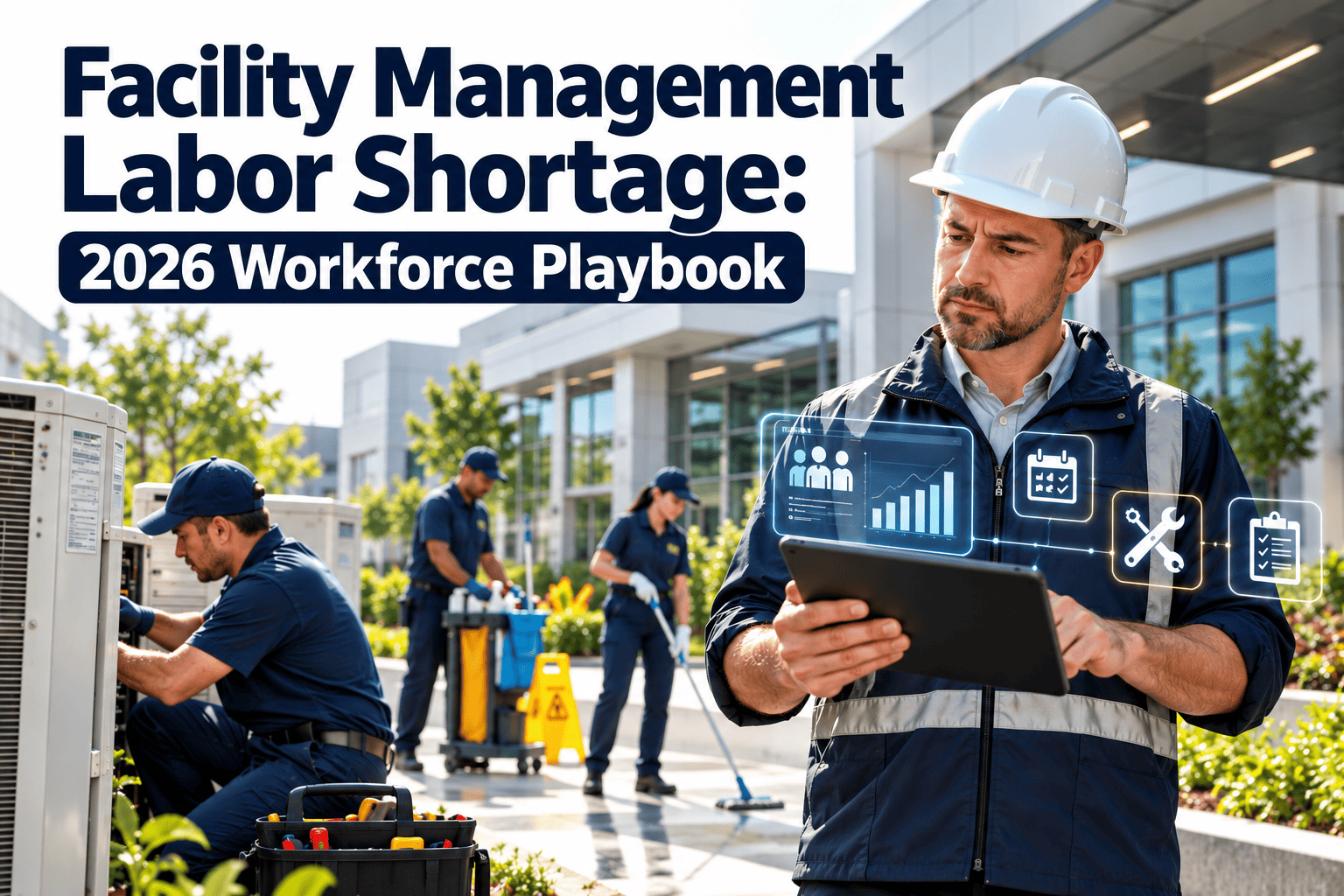
The facility management workforce is aging out faster than it is being replaced, and the shortfall is no longer a future risk buried in a workforce forecast. It is already showing up as open requisitions that sit unfilled for months, overtime bill

Read More
Every sensor a facility adds to its building automation system is also a new device on a network, and most were never designed with enterprise security in mind. A thermostat, a vibration sensor on a pump, or a smart electrical meter typically runs

Read More
A CMMS go-live rarely fails because the software itself is broken — it fails because the connections around it were never tested as a system. A BMS point that maps to the wrong asset, an IoT sensor feed that silently stops updating, a work order s
Read More
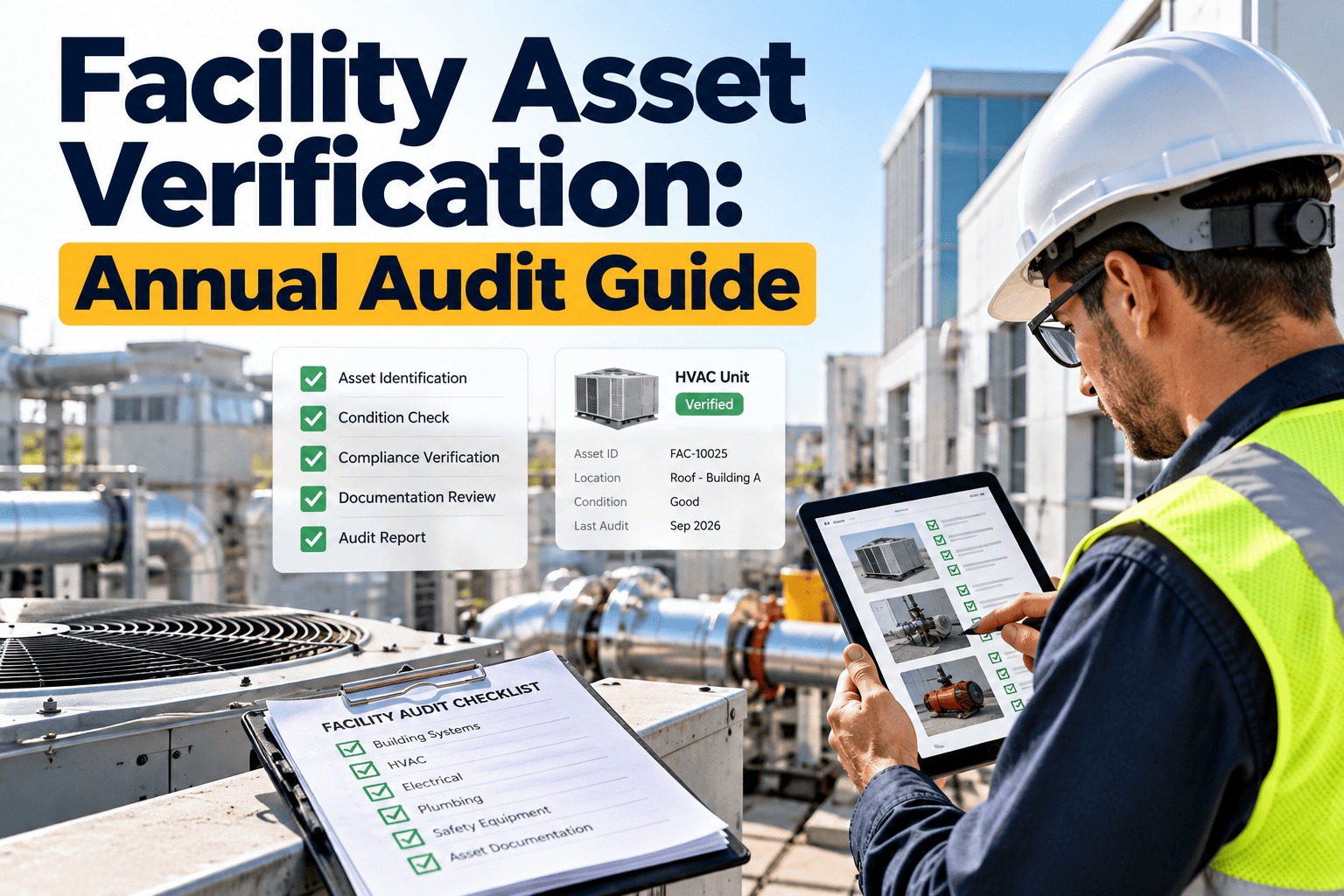
Most facility asset registers look accurate right up until someone walks the floor with a clipboard. Equipment gets relocated between buildings without a record update, decommissioned units stay listed as active, and new purchases sit unlogged for
Read More
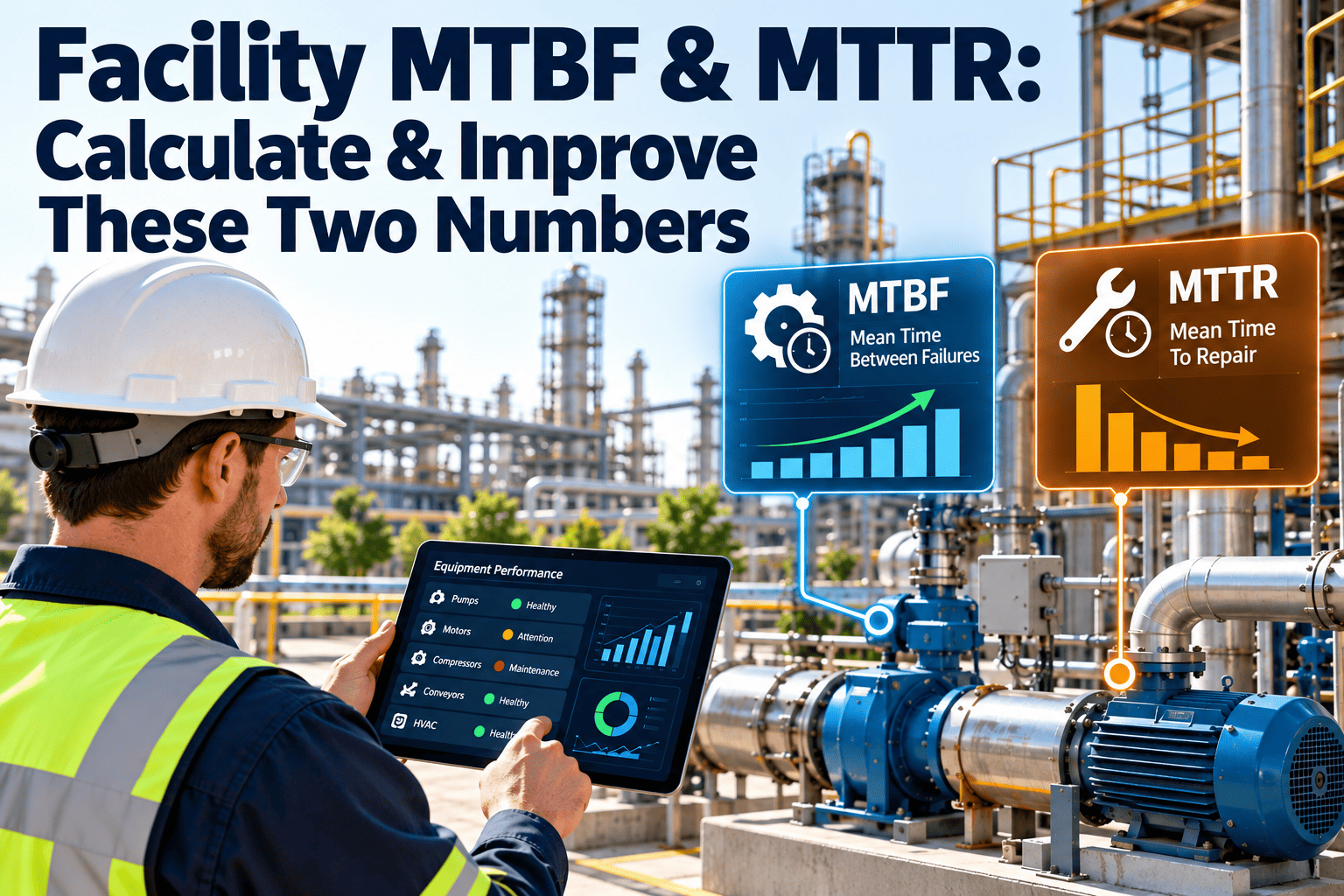
Ask five facility managers how reliable their equipment is and you'll usually get five different opinions, because "reliable" without a number is just a feeling. MTBF and MTTR turn that feeling into two figures that can be tracked, benchmarked, an

Read More
A slow refrigerant leak on a data center chiller rarely announces itself. Subcooling drifts down a fraction of a degree a week, suction pressure creeps, and the building automation system keeps reporting "normal" because no single reading crosses

Read More
Facility teams have relied on fixed thresholds for years — a vibration alarm at 7 mm/s, a bearing temperature cutoff at 80°C — because they are simple to configure and easy to justify to a building owner. The problem is that a static threshold tre

Read More
Every facility team eventually faces the same budget question: which assets actually deserve a vibration sensor, an oil analysis contract, or a thermal imaging route, and which ones are fine on standard preventive maintenance? Get the answer wrong

Read More
A property underwriter reviewing a commercial building does not care about your full asset register. They care about a short list of systems that determine whether a claim happens at all — sprinklers, backflow preventers, electrical panels, and ro

Read More
A Tier III colocation data center operator was treating every UPS module, CRAC unit, and generator on the floor with roughly the same PM frequency — which sounds cautious until you realize it means the assets that actually gate uptime get the same
Read More
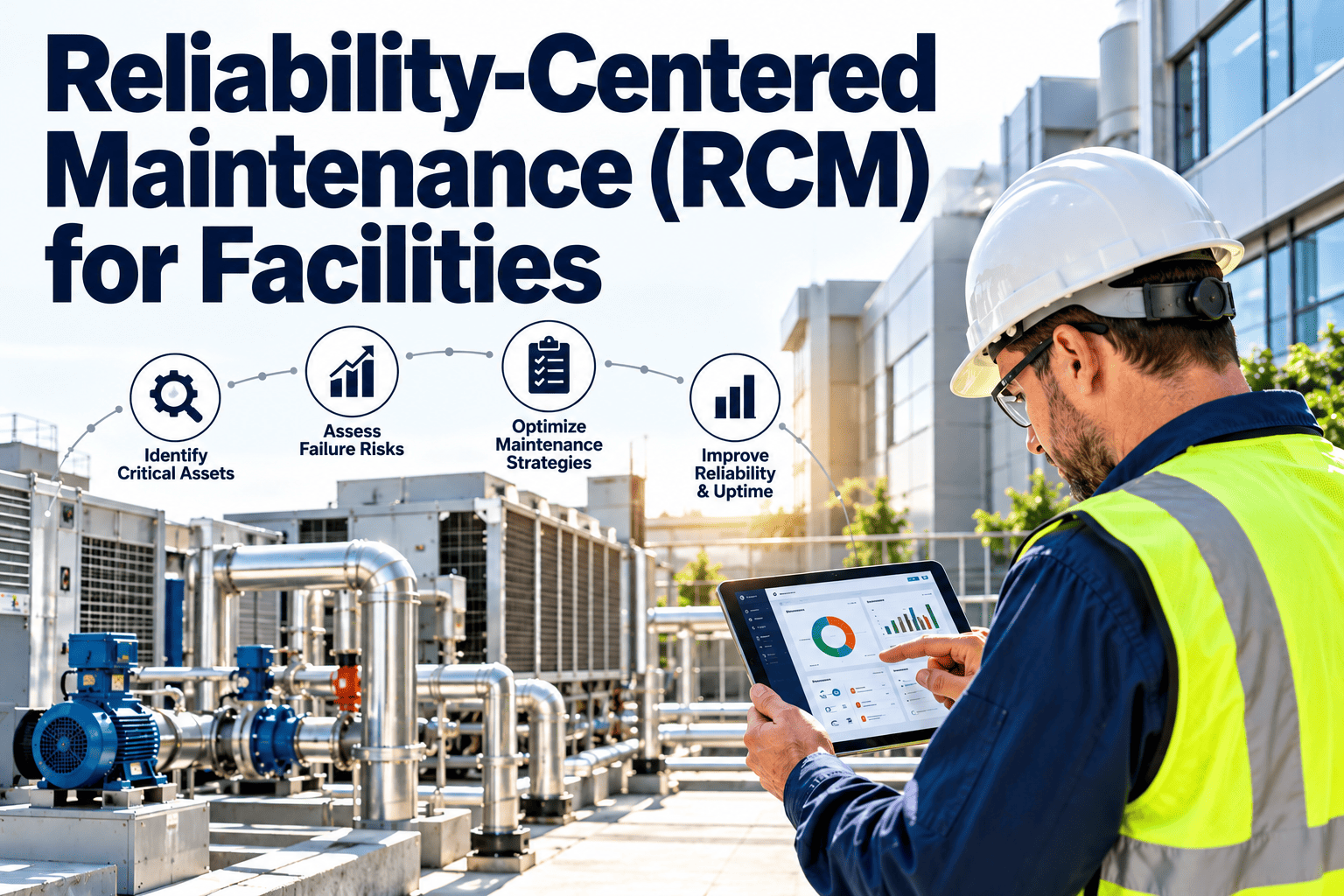
Most facility teams run every asset on the same playbook: time-based preventive maintenance, adjusted only when something breaks anyway regardless of how much that failure actually costs the building. Reliability-centered maintenance flips that lo

Read More
Somewhere in your PM backlog is a technician opening a perfectly healthy air handler because the schedule says quarterly, reinstalling it slightly wrong, and creating the exact failure the PM was supposed to prevent. Over-maintenance is the quiet

Read More
A loose breaker lug runs hot for weeks before it trips a panel and drops a wing of the building. A rooftop unit compressor draws slightly more current every month until it seizes in August. None of this shows up on a routine walkthrough, because h

Read More
A hissing steam trap on the third floor, a cracked solenoid fitting behind a rooftop AHU, a slow gas leak in a boiler room manifold — none of these announce themselves over the noise of a working facility. They just cost money, degrade equipment,

Read More
Facility teams are being asked to keep more equipment running with fewer experienced technicians, and much of the knowledge they need sits in unread manuals, unsearchable work orders, and the heads of people nearing retirement. An AI facility copi

Read More
A chiller rarely announces a refrigerant leak. Charge drains slowly, efficiency slips a little each week, and the first loud signal is often a low-refrigerant trip on the hottest afternoon of the year. AI-assisted monitoring changes that timeline

Read More
Every maintenance program depends on knowing exactly which asset a technician is standing in front of. In many facilities that still means reading a faded nameplate or searching a spreadsheet on a phone. QR codes fix that at a very low cost per as
Read More
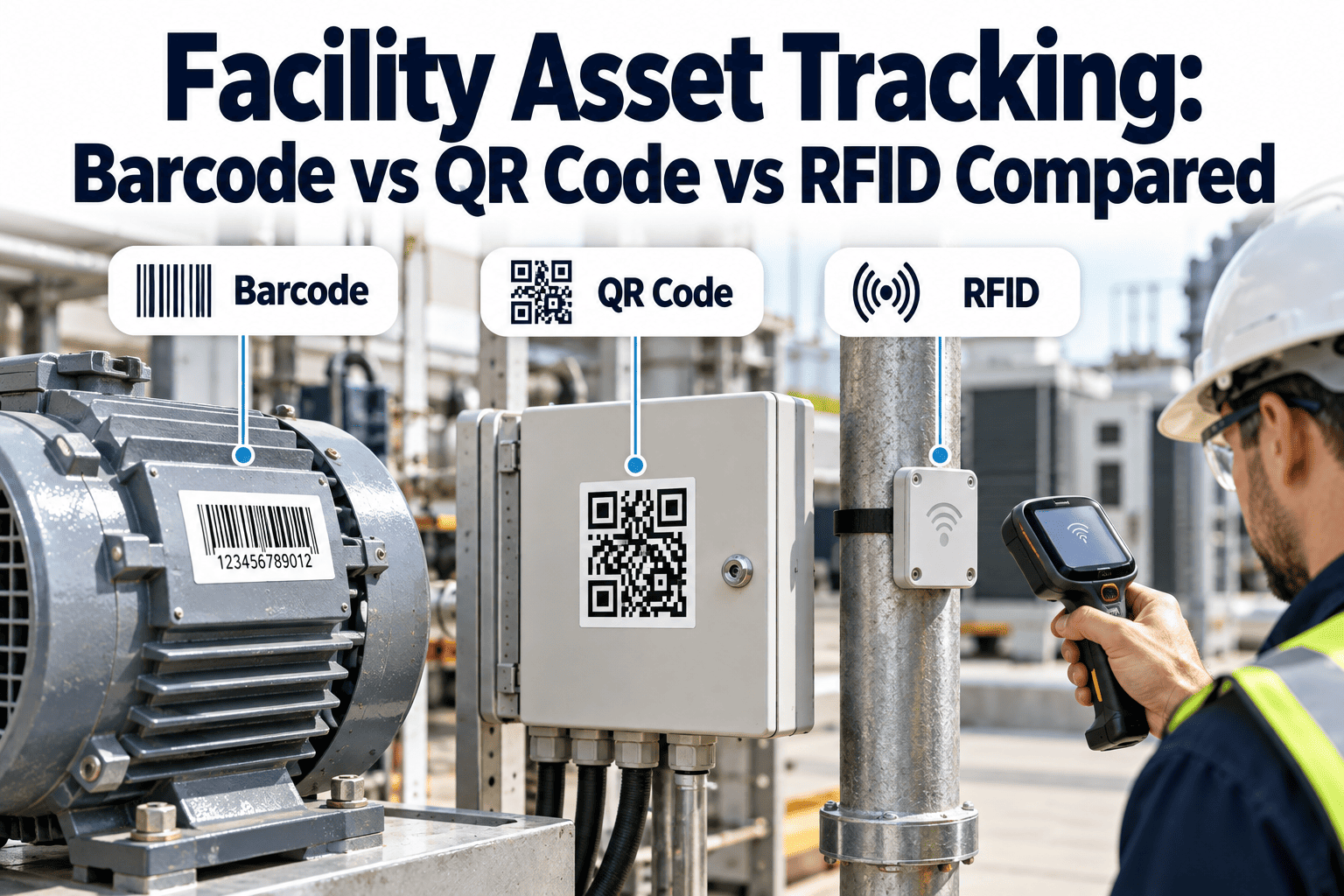
Most facilities do not fail at asset tracking because they picked the wrong technology. They fail because tags peel off, scans do not match the asset record, or the tag type does not suit the equipment it sits on. Barcodes, QR codes, and RFID each

Read More
Bearing failure is one of the most common ways rotating equipment stops in commercial buildings, and it rarely happens without warning. Fans, pumps, and motors begin to vibrate differently weeks or months before they seize, but only teams that mea

Read More
Predictive maintenance pays back quickly in some buildings and slowly in others, and the sensors are rarely the reason. The difference comes from what a failure costs, how often critical equipment drifts toward failure, and how early a warning cha
Read More
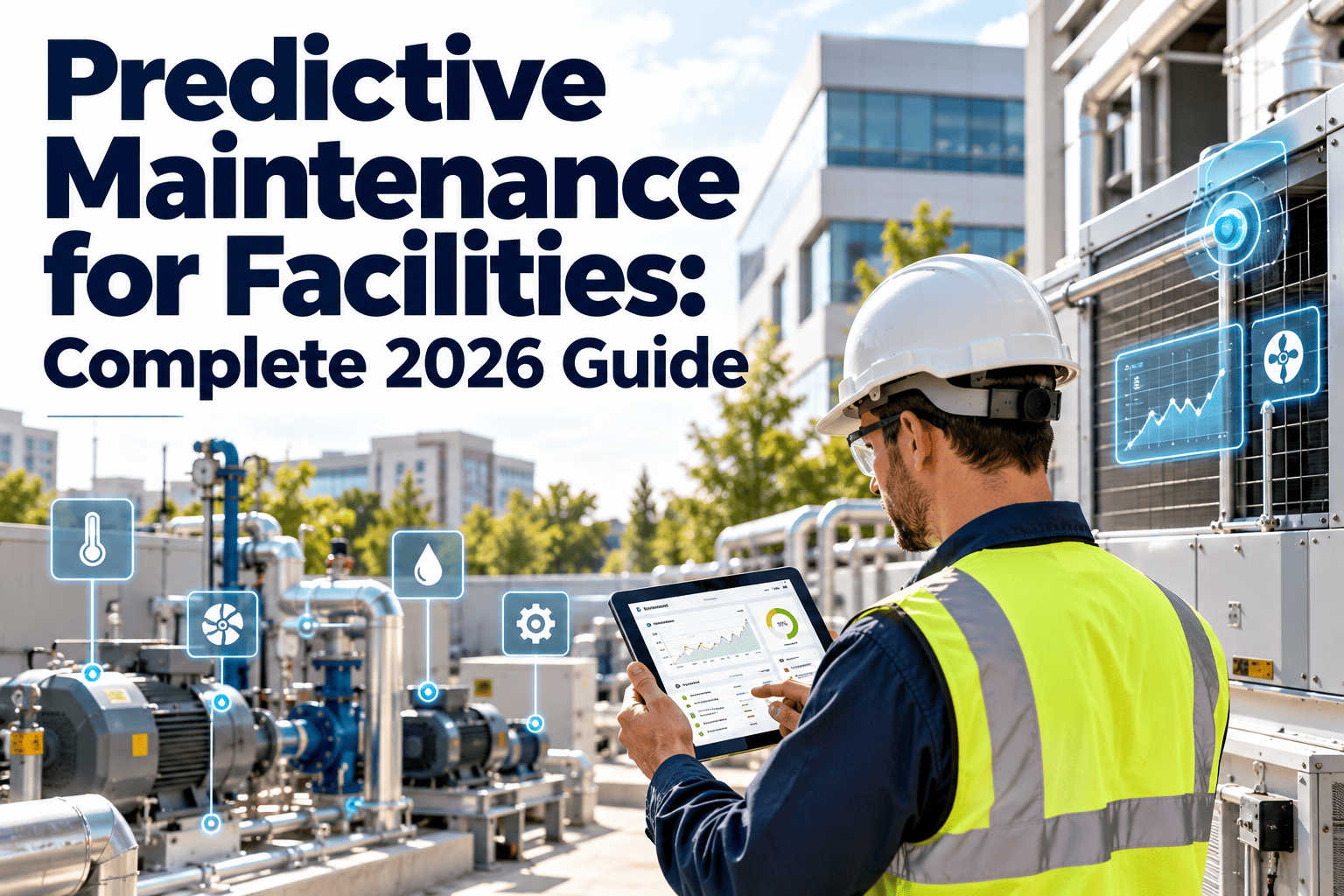
Most facility teams already run preventive maintenance, yet chillers, pumps, fans, and switchgear still fail between scheduled visits. Predictive maintenance closes that gap by using real condition data, such as vibration, temperature, and buildin

Read More
Root cause analysis is the step most facility maintenance teams know they should do and most often skip. A failed pump gets repaired, the work order is closed with "replaced seal," and three months later the same seal fails again. Manual RCA takes

Read More
Facility equipment rarely fails without warning. Chiller bearings run warmer, air handler fans drift out of balance, pump seals leak a little more each week and UPS batteries lose capacity long before they stop carrying load. The problem is that t

Read More
Asset criticality ranking decides where a maintenance team spends its limited labor, spares budget and condition-monitoring effort. Without a defensible ranking, every asset looks urgent, preventive maintenance gets spread evenly across equipment

Read More
Building inspectors have always been asked to do something physically impossible: notice the same hairline crack, corroded bracket, or failing seal every single time, across every floor, in every lighting condition, on every shift. Computer vision
Read More
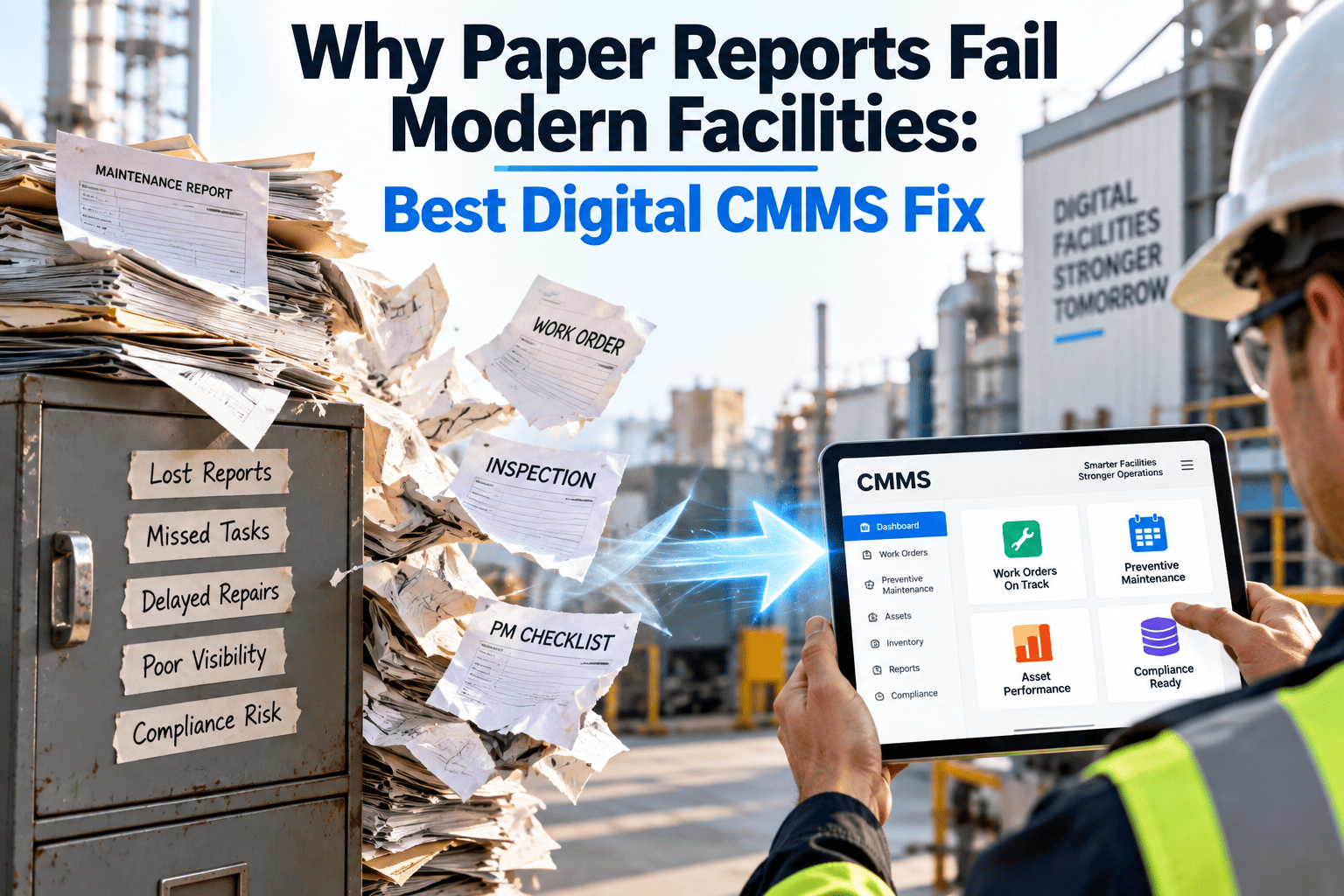
A fire panel logbook sits in a binder by the front desk. A boiler inspection sheet lives in a technician's truck. A roof-leak work order was scribbled on a sticky note that fell off a clipboard three weeks ago. None of this is unusual — it is how
Read More
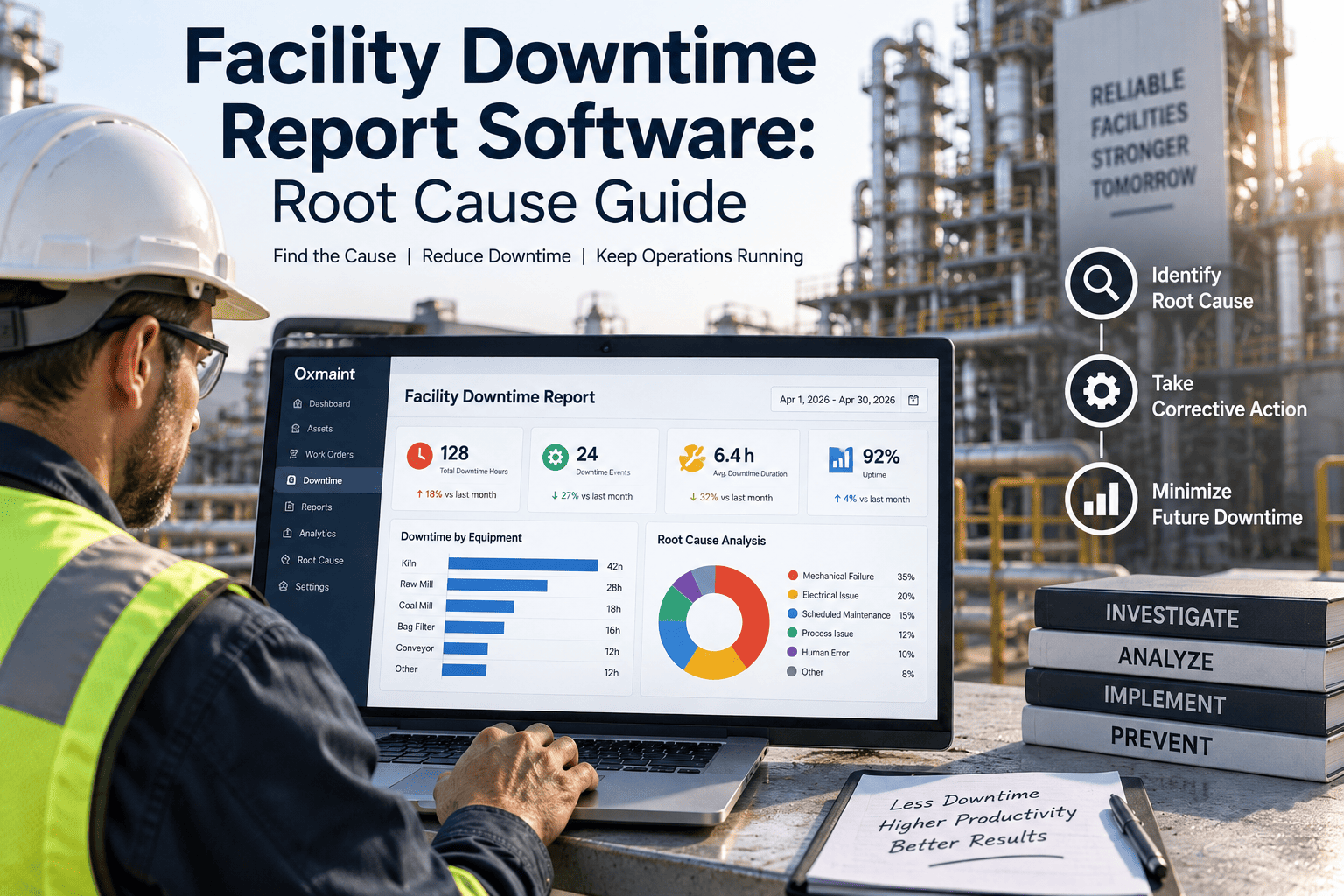
Most facility downtime reports answer the wrong question. They tell you a chiller was down for four hours on a Tuesday, but they don't tell you whether that's the third time this quarter or the first time in two years — and that distinction is the
Read More
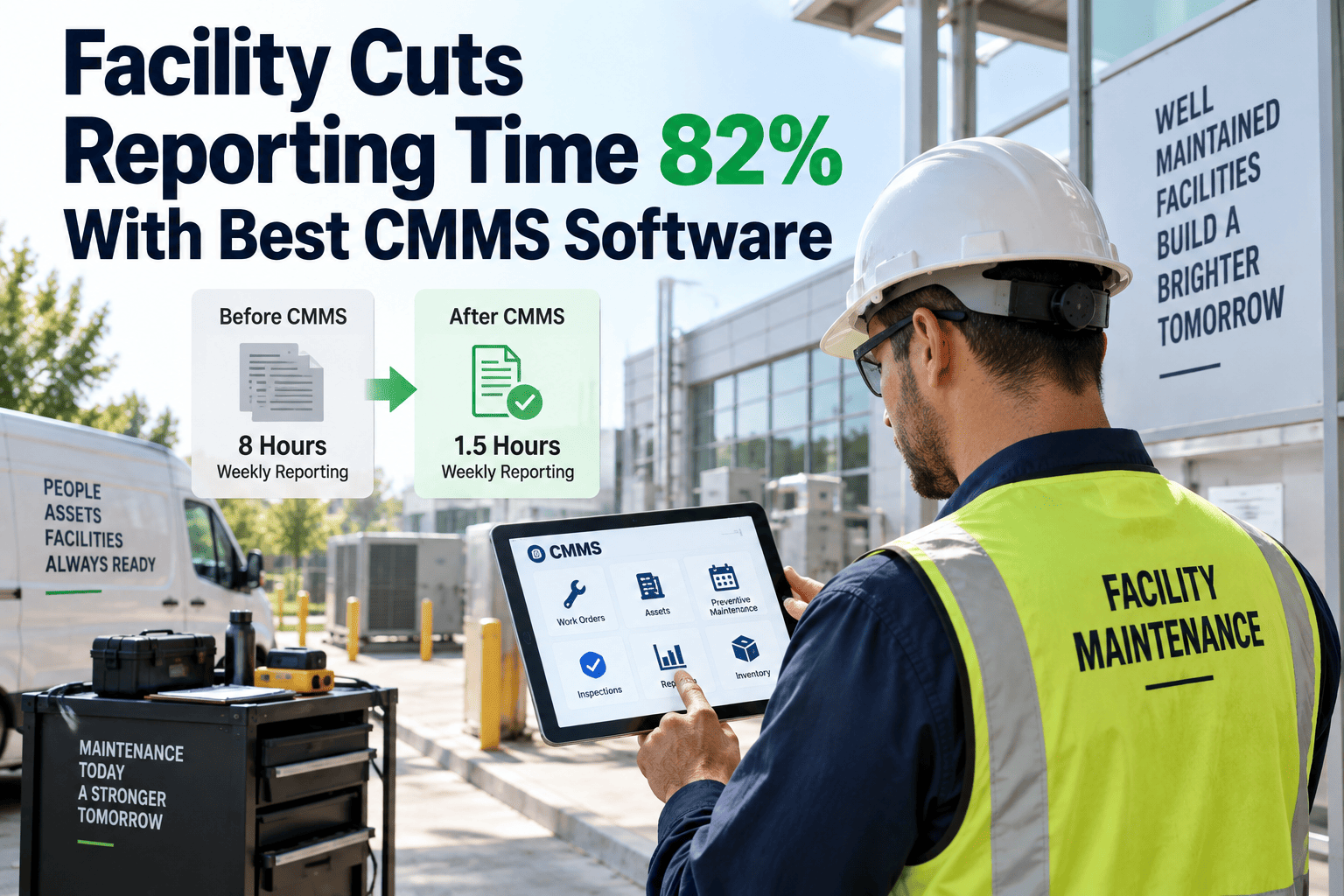
A regional facilities director running twelve buildings rarely has a data problem — she has a format problem. Site A logs HVAC inspections in a spreadsheet with four columns, Site B uses a six-field PDF form, and Site C's technician still emails a
Read More
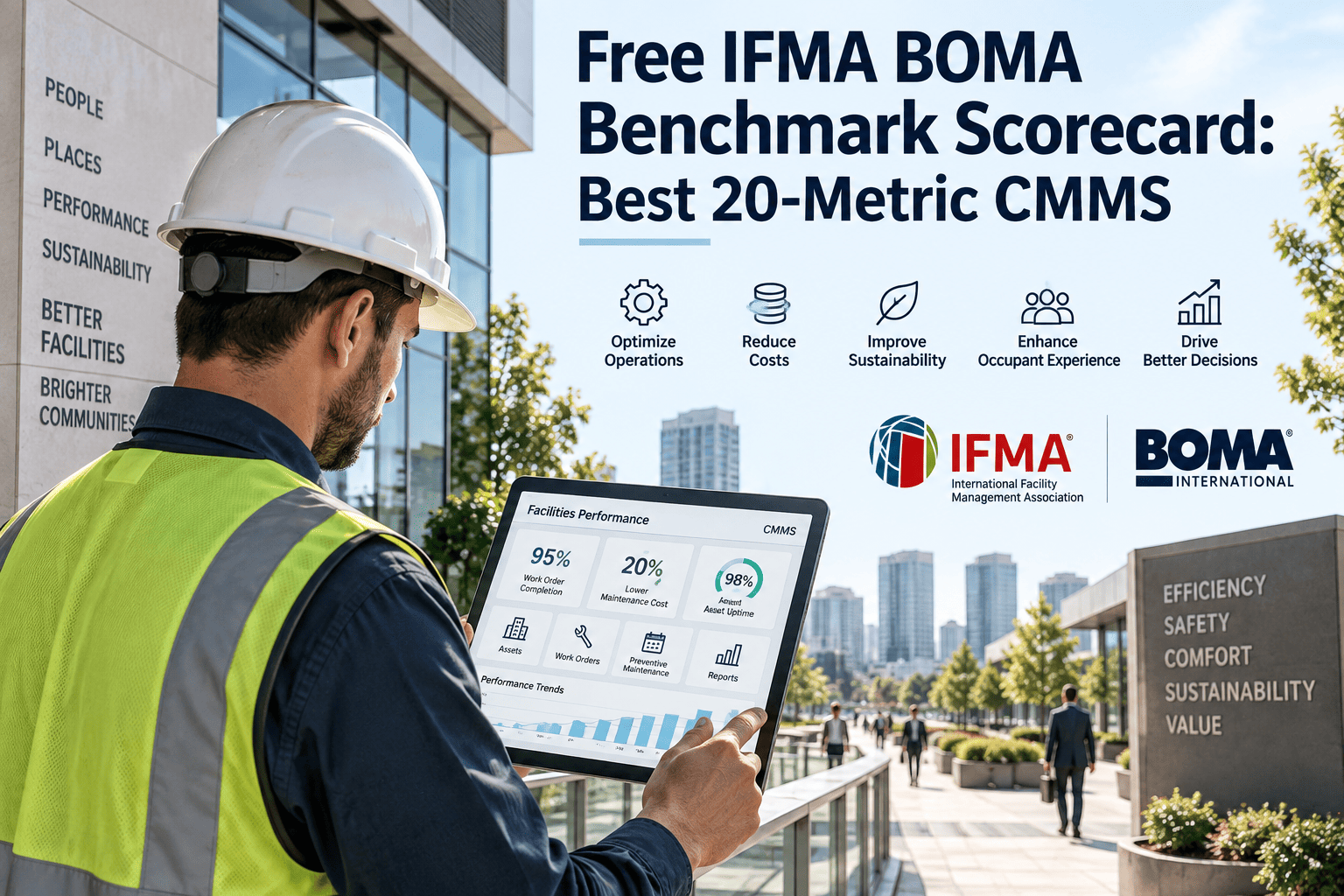
Most facility teams can quote their maintenance budget down to the dollar, but ask them how that number compares to the IFMA industry median or the BOMA Experience Exchange benchmark for their building class, and the room goes quiet. A free IFMA B

Read More
Most facility teams don't fail at AI because the technology doesn't work — they fail because the pilot was never structured to prove anything in the first place. A vendor demo looks impressive, a 90-day trial gets approved, and six months later no

Read More
Most facility technology stacks grow the same way: a BMS gets installed, then a metering platform, then an access control system, then a CMMS, each added a few years apart with no shared integration plan. An API gateway is the layer that stops tha

Read More
Ask a regional facilities director which of their eight sites is quietly bleeding the maintenance budget and most cannot answer without days of pulling spreadsheets from local managers. Portfolio comparison software closes that gap by putting ever
Read More
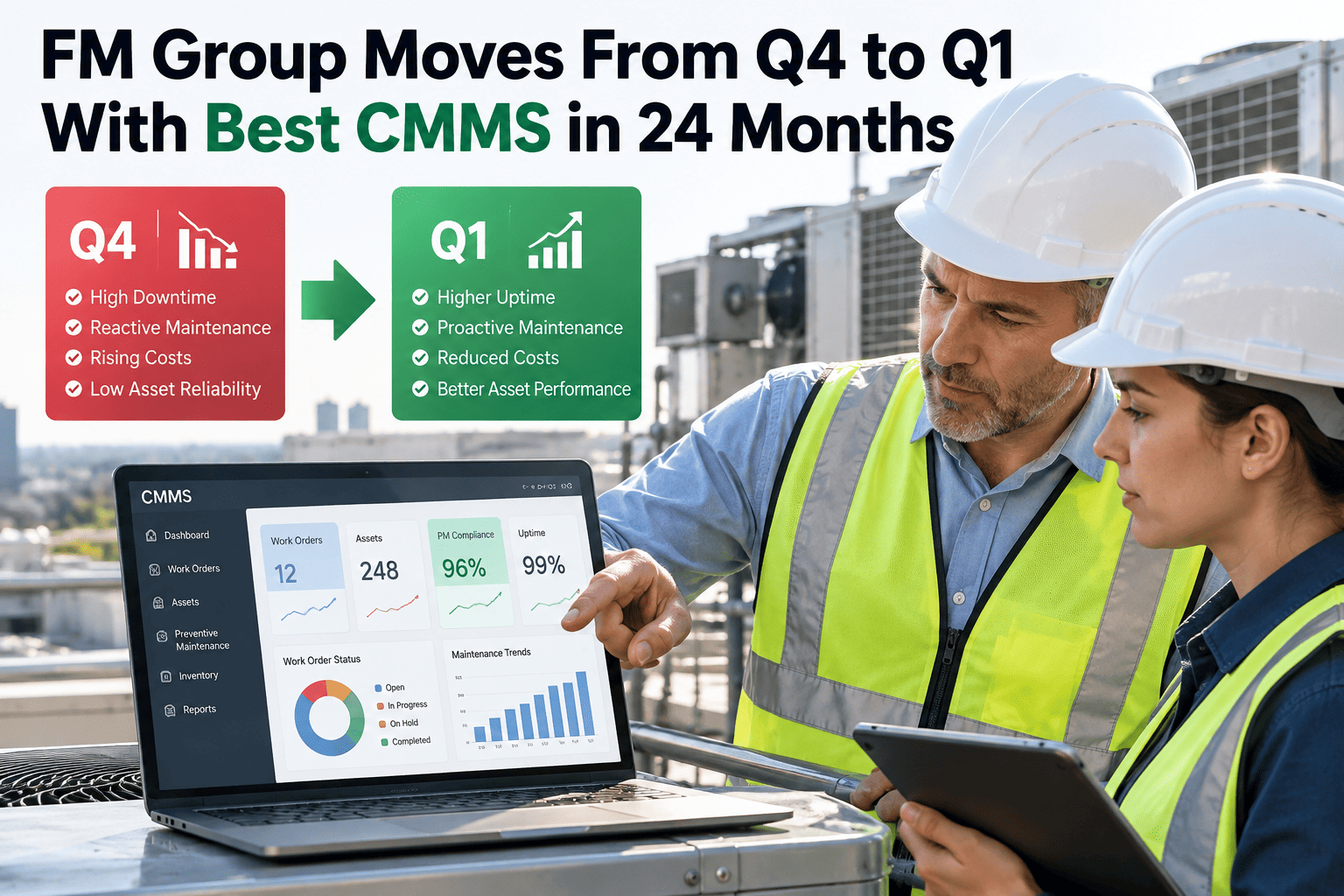
Quartile benchmarking is how larger facility portfolios talk about performance — where your cost, reliability, and compliance metrics sit relative to peer buildings of similar size and type. Moving from the bottom quartile to the top isn't a singl
Read More
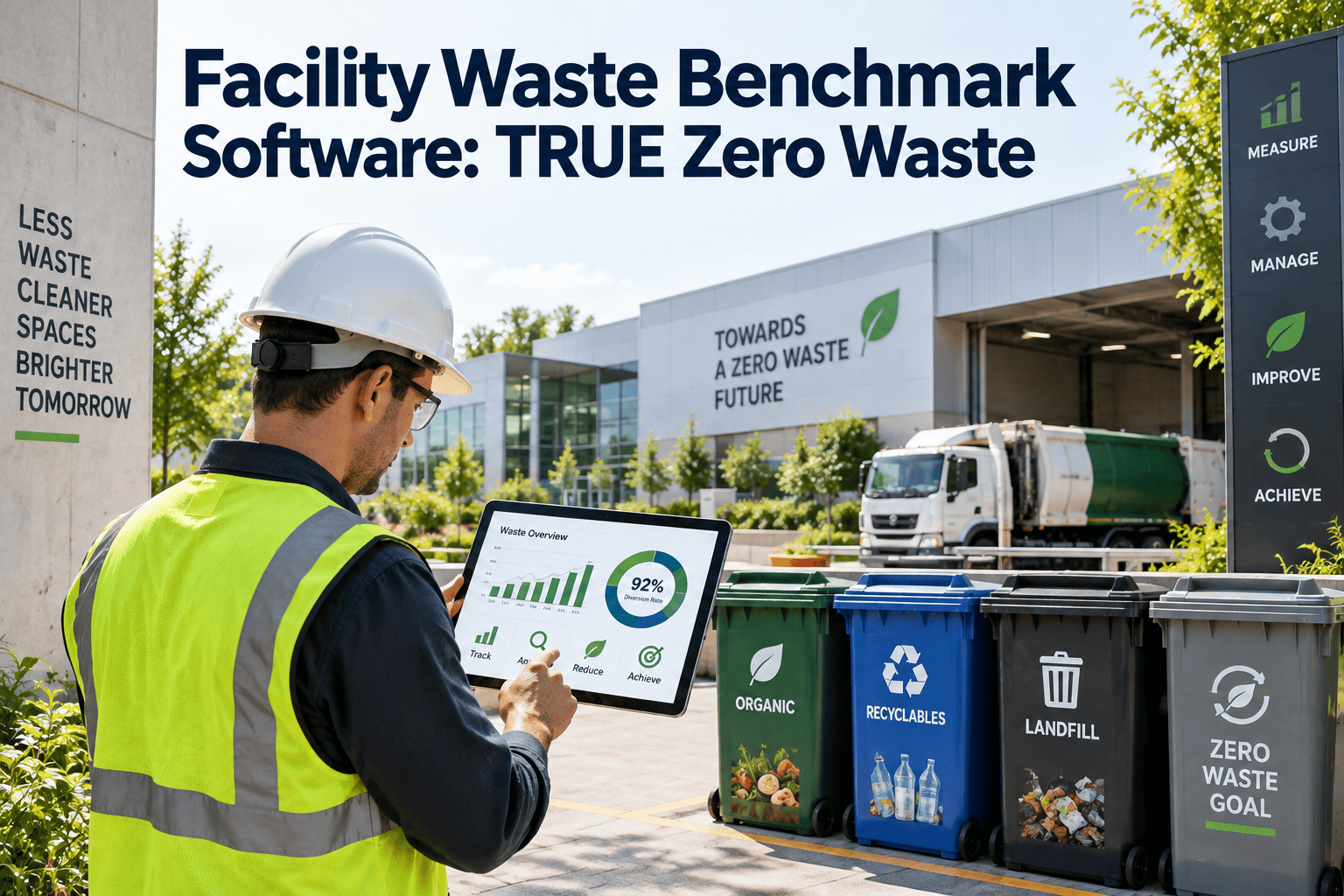
Facilities chasing a credible waste diversion number face a stubborn problem: recycling logs, hauler invoices, and compost tickets rarely live in one place, so nobody can say with confidence whether the site is at 60% diversion or 90%. A facility

Read More
Most facility budgets are approved on a single number — this year's total spend compared to last year's — with almost nothing said about why the number moved. A facility cost trend platform changes that conversation by turning scattered invoices,

Read More
Owners and asset managers ask the same question every budget season: are our operating costs in line with comparable Class A buildings? Benchmarking only works when costs are categorized consistently and normalized per square foot. This guide show
Read More
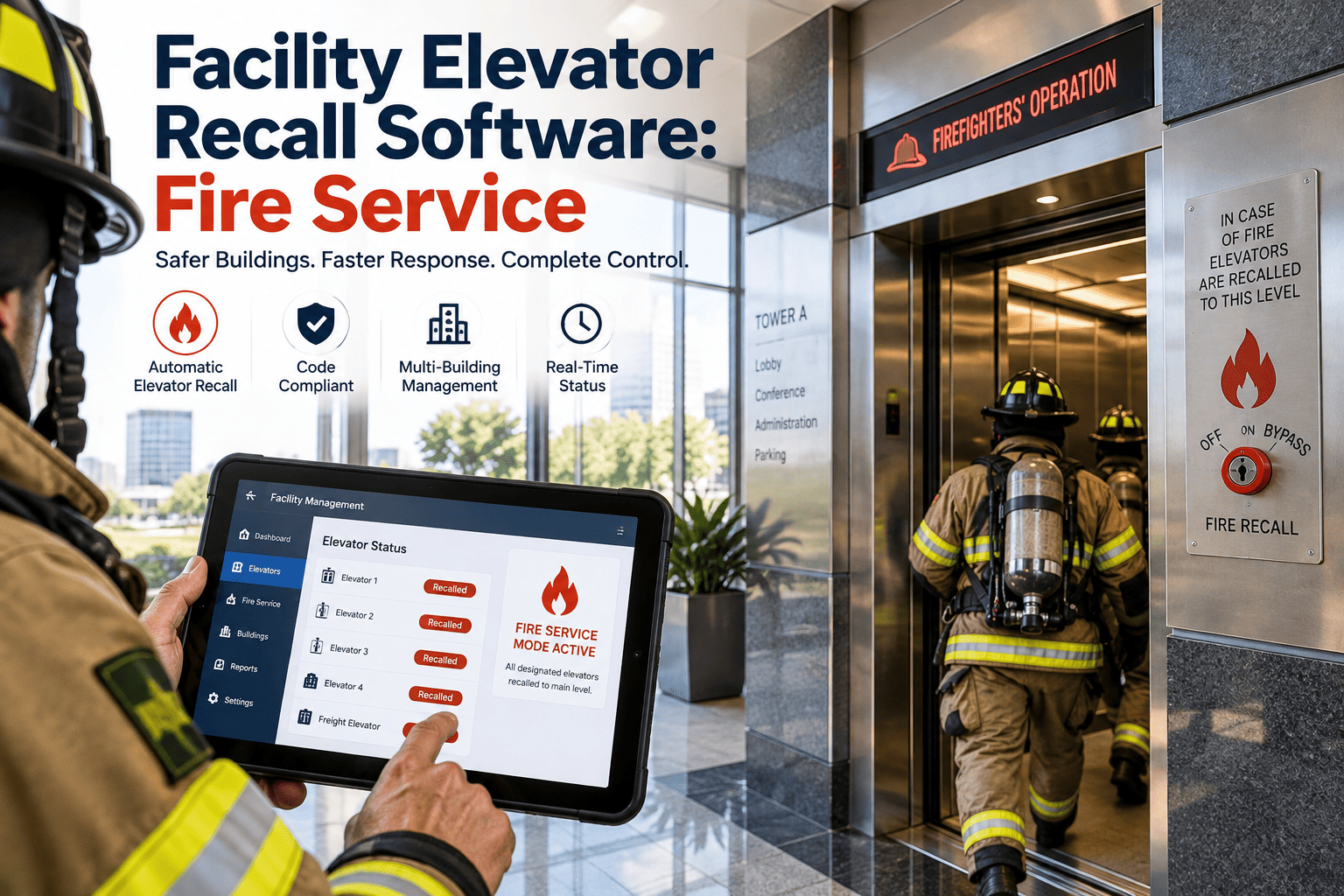
When a smoke detector trips, elevators must stop carrying passengers toward the fire and return to a safe level. That behavior is called Phase I recall, and it depends on fire alarm devices, elevator controllers, and firefighter keys all working t
Read More
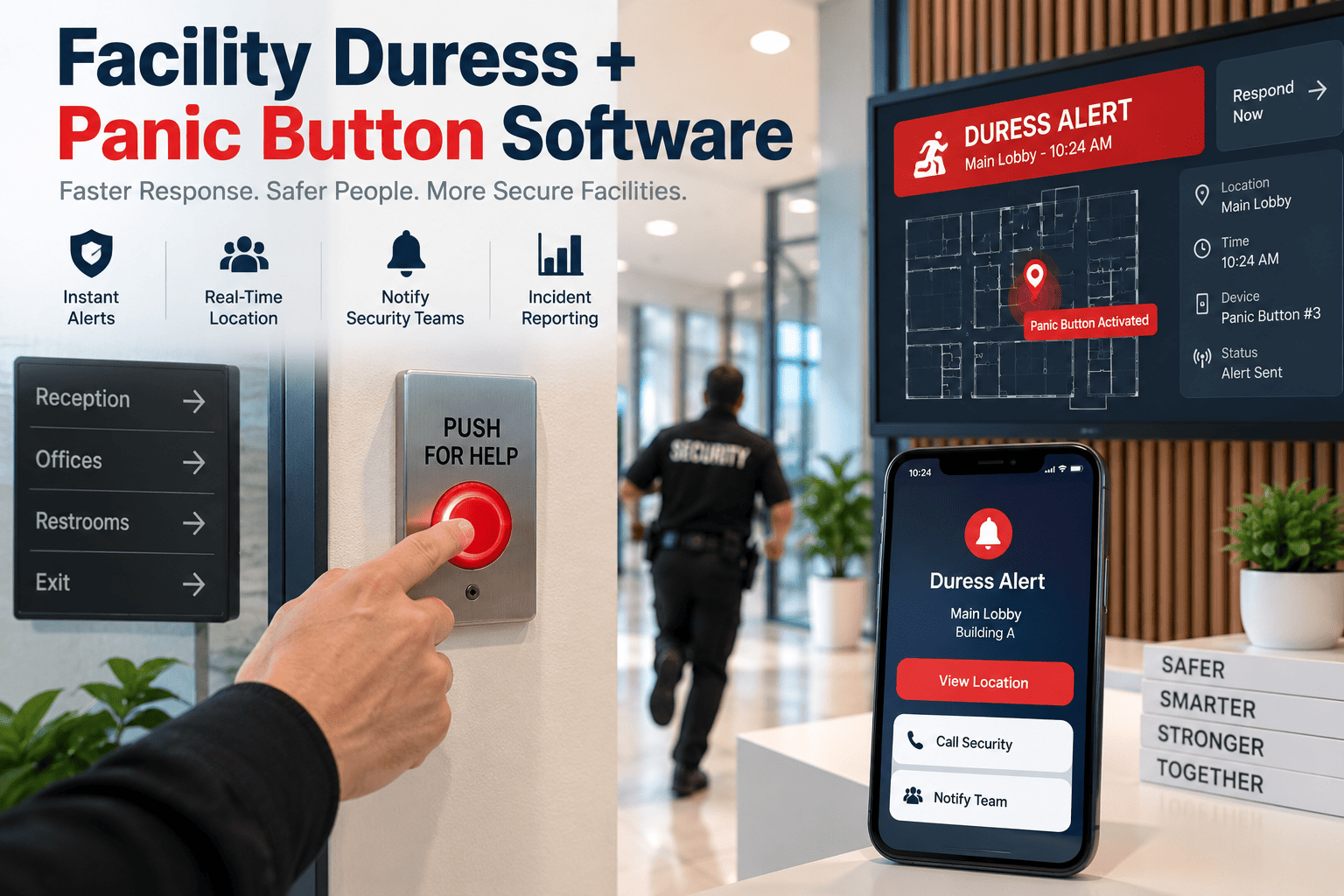
A duress button that has not been tested in eight months is not a safety device, it is a false sense of security. Facilities across healthcare, hospitality, retail, and industrial sites are expanding duress and panic button coverage in response
Read More
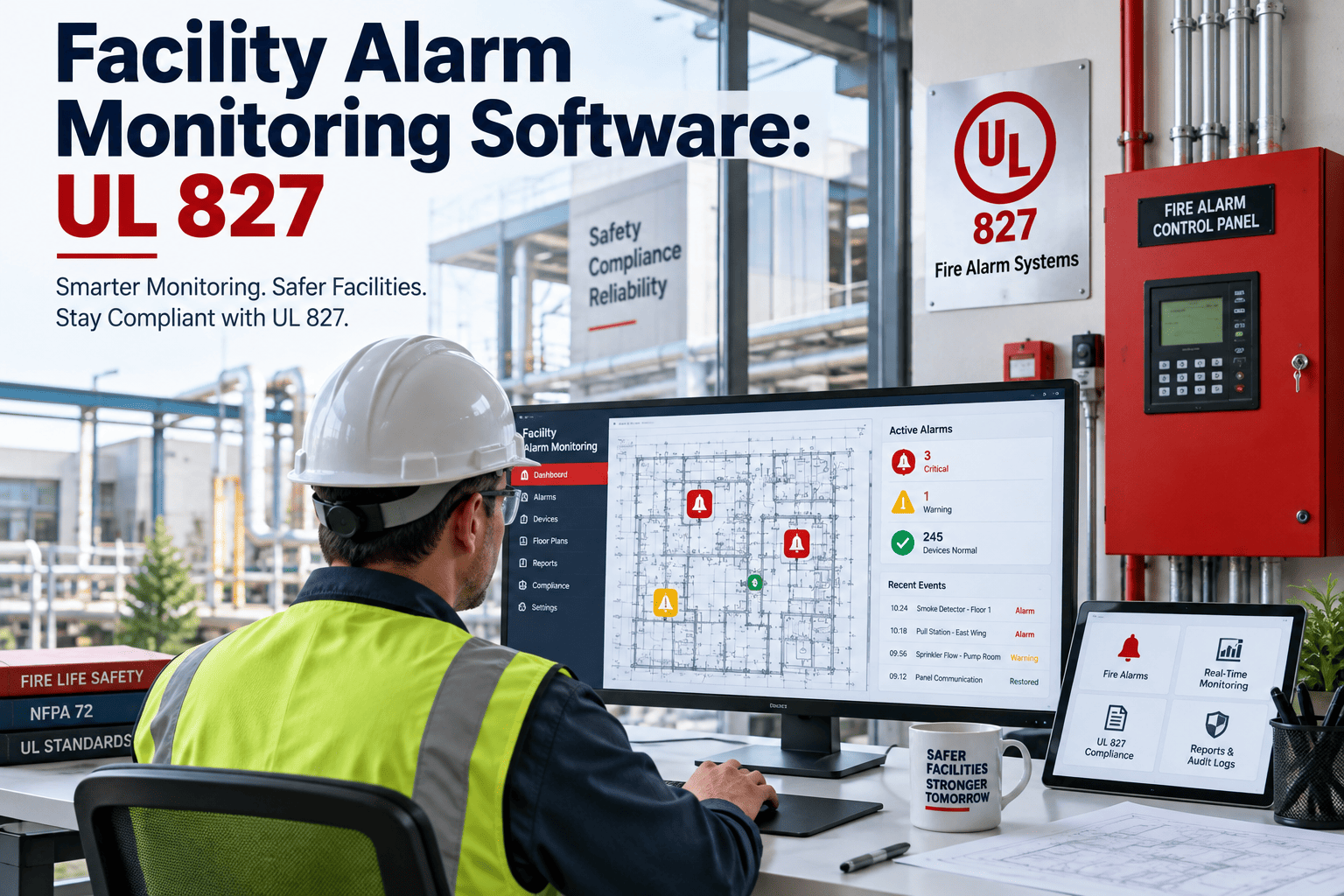
Alarm monitoring fails in two ways: the signal never reaches the central station, or nobody can prove that it did. UL 827 addresses central-station alarm services, and insurers, landlords, and fire authorities often ask for the certificates and re

Read More
Plastic access cards are disappearing from facility badge programs faster than most maintenance teams have planned for. Bluetooth Low Energy and NFC mobile credentials turn a smartphone into the key, cutting issuance costs and letting security tea

Read More
IP video surveillance is only as dependable as the least-maintained camera, switch, or storage array behind it. Facilities that must respect NDAA Section 889 rules, keep usable evidence, and adopt video analytics need more than a video management

Read More
A paper sign-in sheet at the front desk looks harmless until an auditor asks for last month's contractor access records and nobody can produce them. Facility visitor management software has moved well past guest logging in 2026 — it now touches ba
Read More
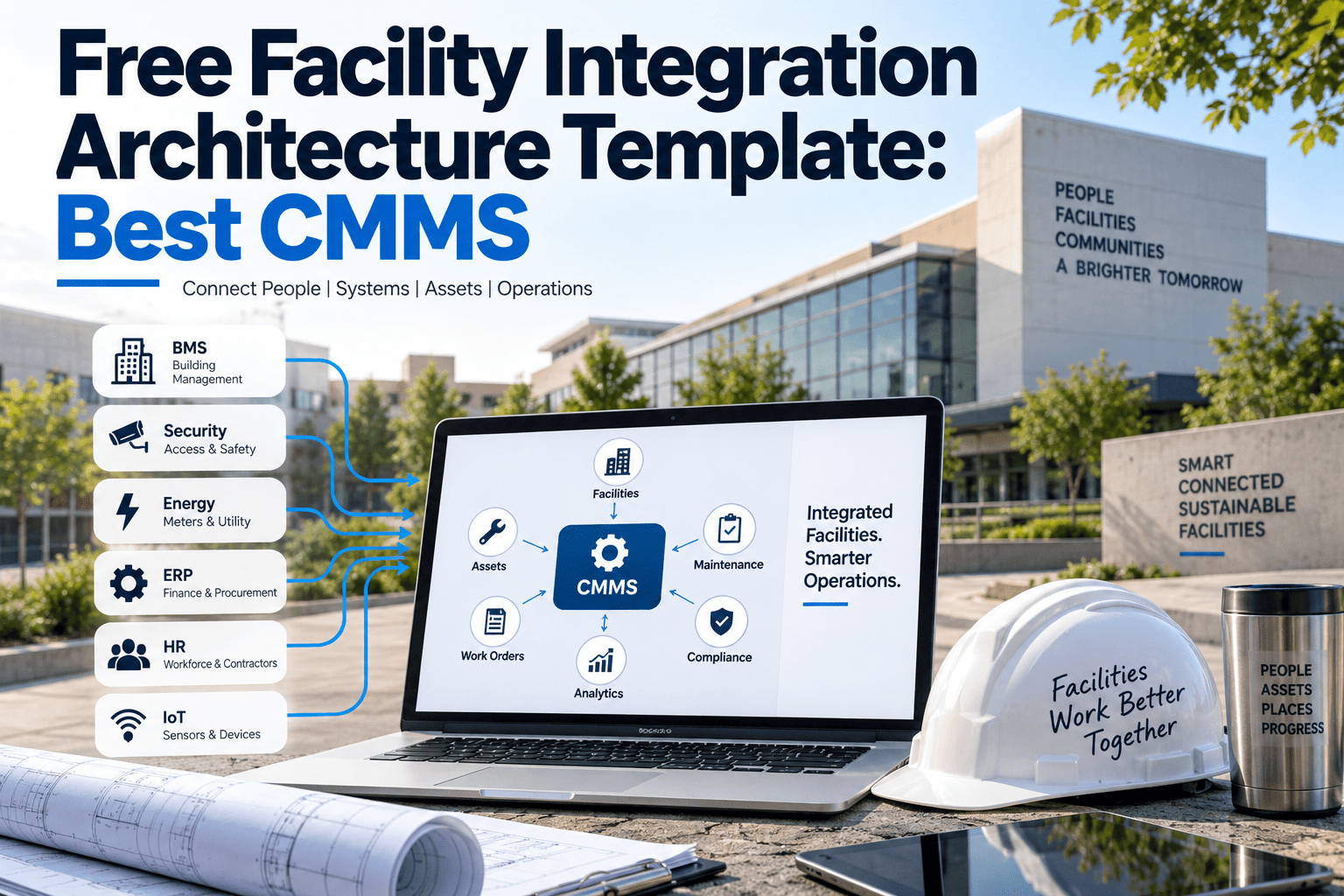
Every facility team eventually asks the same question: which system is the source of truth when a sensor, a technician, and a compliance officer each report something different about the same asset? Without a documented architecture, the answer ch
Read More
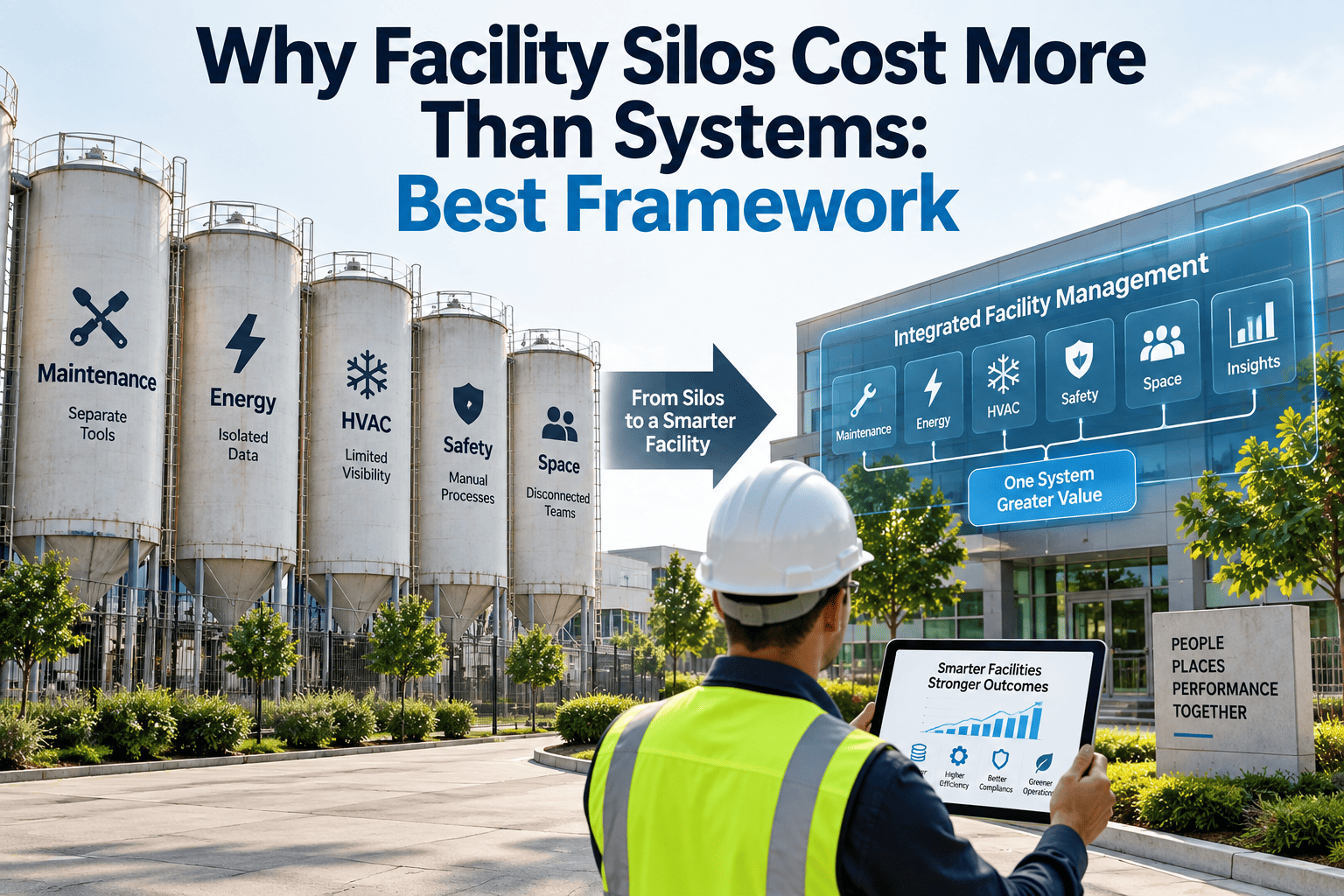
A mid-size hospital runs its chillers on a building system, logs repairs on a spreadsheet, and tracks compliance in a shared drive — three tools that never talk to each other. A failing chiller shows up as a comfort complaint weeks before anyone c
Read More
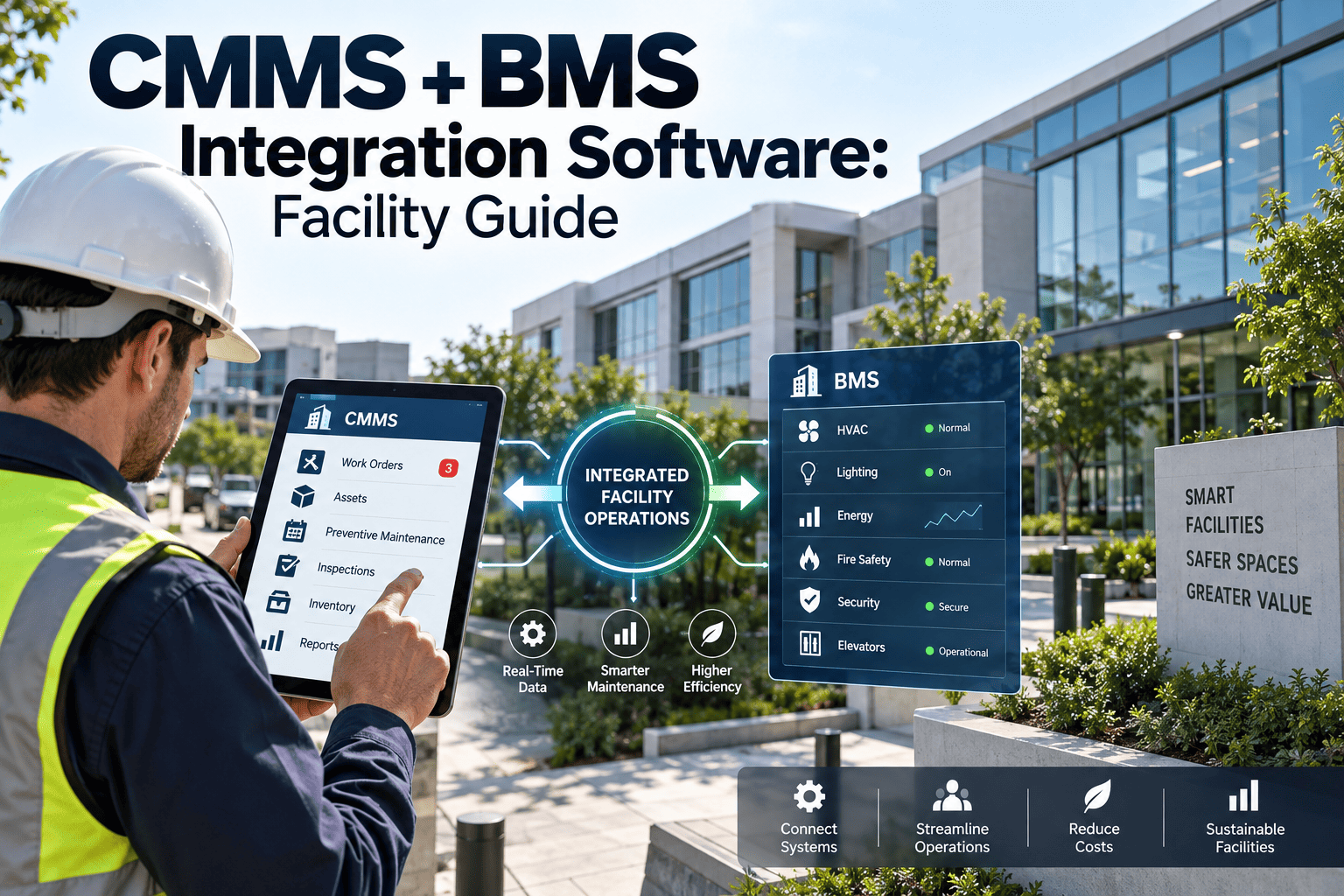
A single commercial building can throw thousands of BMS alarms in a month — chiller approach temperature drifts, AHU discharge deviations, transformer power quality flags — and most of them just sit in an operator dashboard until someone happens t
Read More
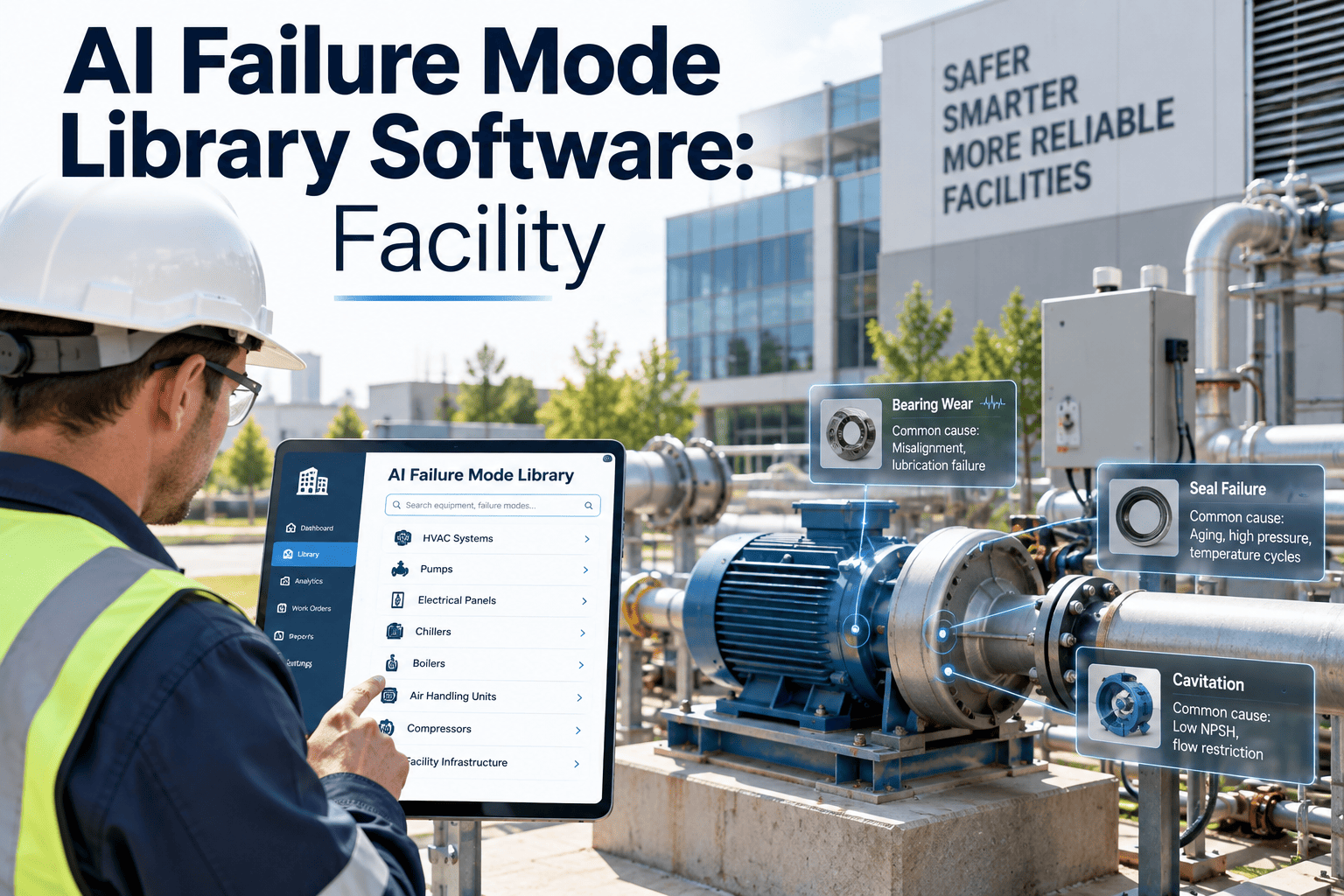
Every breakdown a facility experiences today has already happened somewhere before — the same bearing wear pattern, the same overheating sequence, the same voltage drop right before a motor trips. An AI failure mode library captures those recurrin

Read More
Every facility with rooftop units, chillers, compressors, conveyors, or server racks burns energy against a load curve that shifts hour by hour, yet most buildings still run on fixed schedules and static setpoints configured years ago and never re
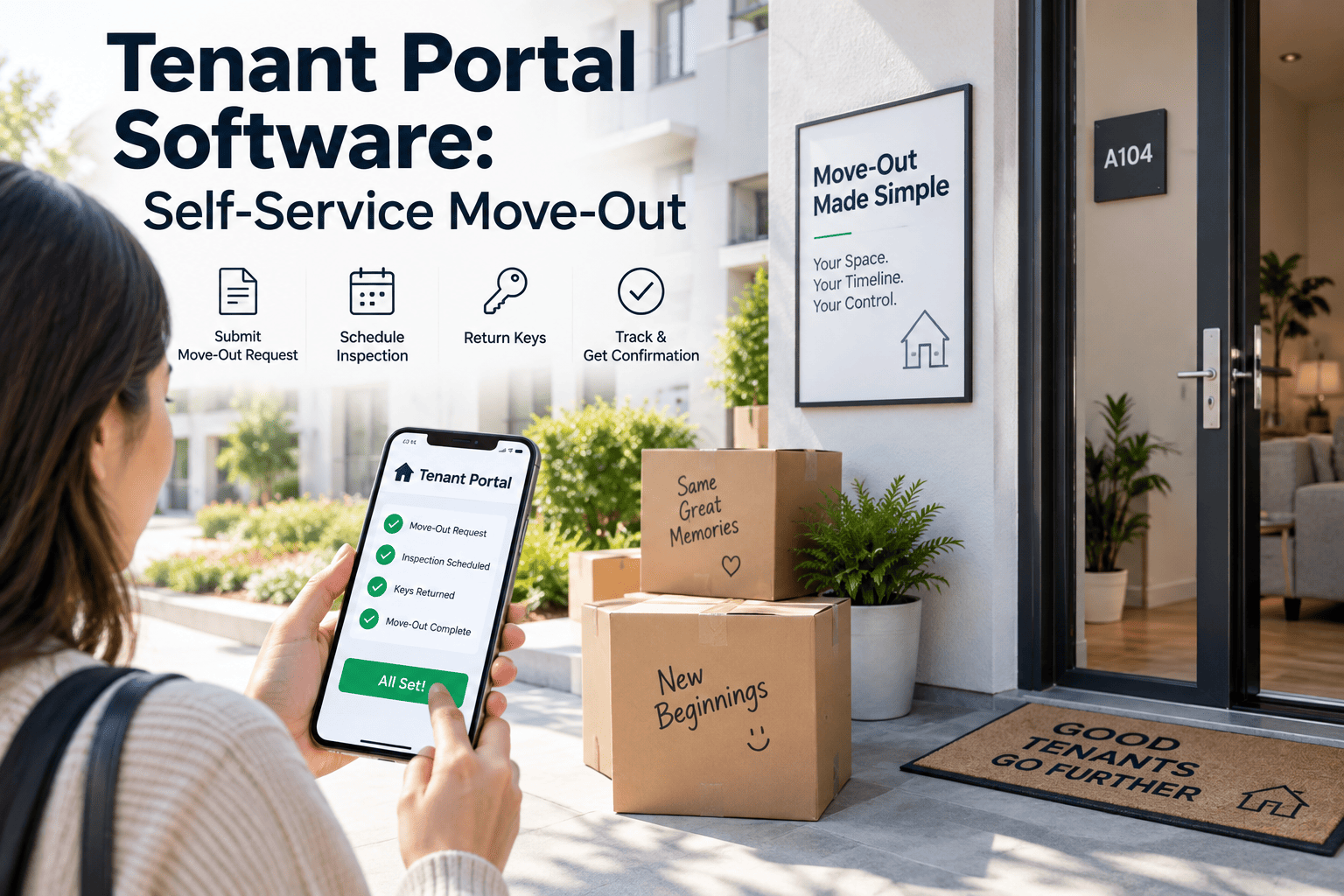
Read More
Move-out day is where most property teams lose control of their own schedule — a resident calls to confirm their date, a coordinator manually books an inspector, and by the time someone walks the unit, the turnover clock has already lost two or th

Read More
Fire pumps are the single point of failure that most multi-site portfolios never stress-test until an actual fire exposes the gap, and the reason is almost always the same: every building runs its own spreadsheet, its own contractor, and its own d
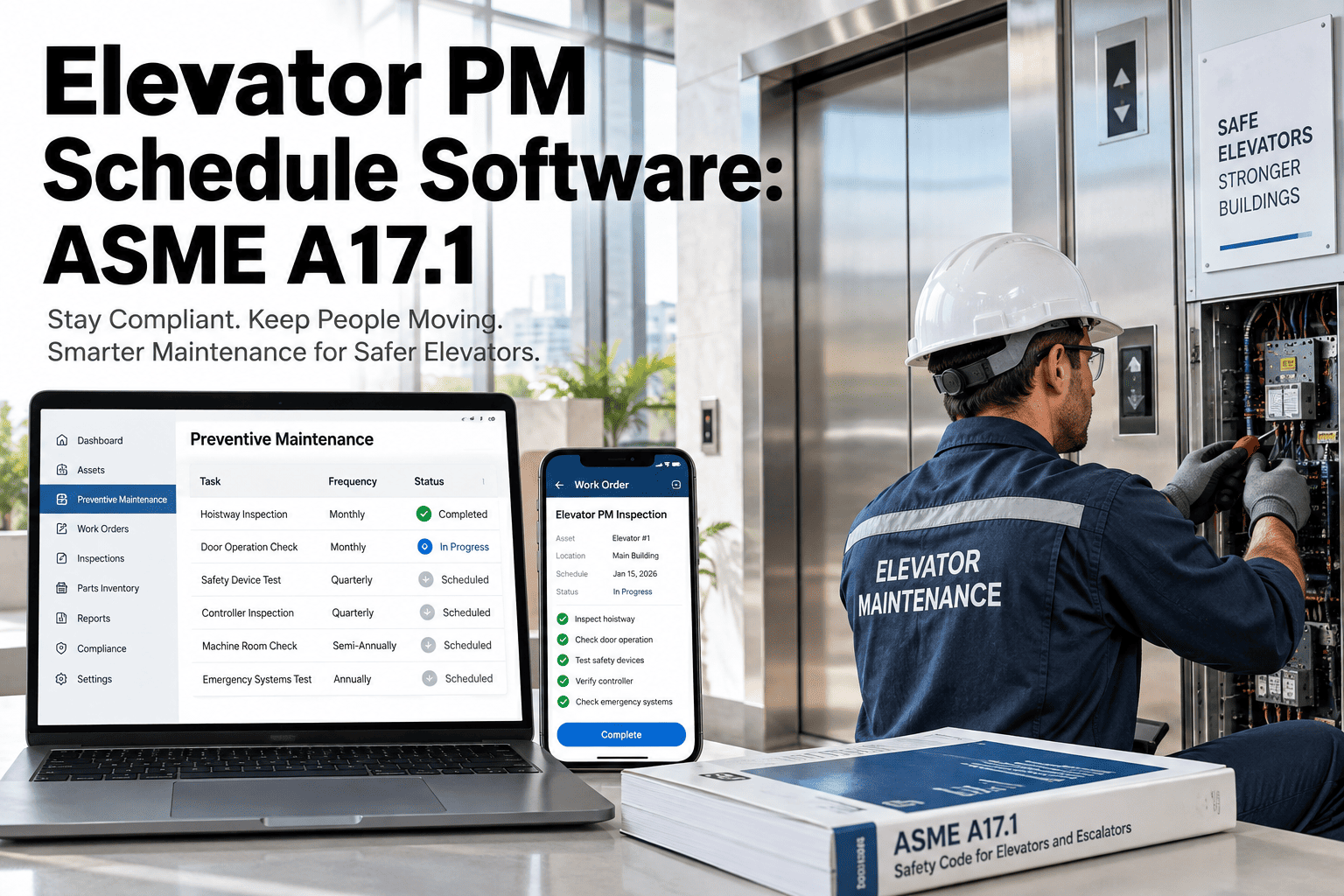
Read More
Elevators are the only assets in most buildings whose maintenance schedule is written into law rather than left to engineering judgement. ASME A17.1/CSA B44, the Safety Code for Elevators and Escalators, sets out what must be examined, how often,
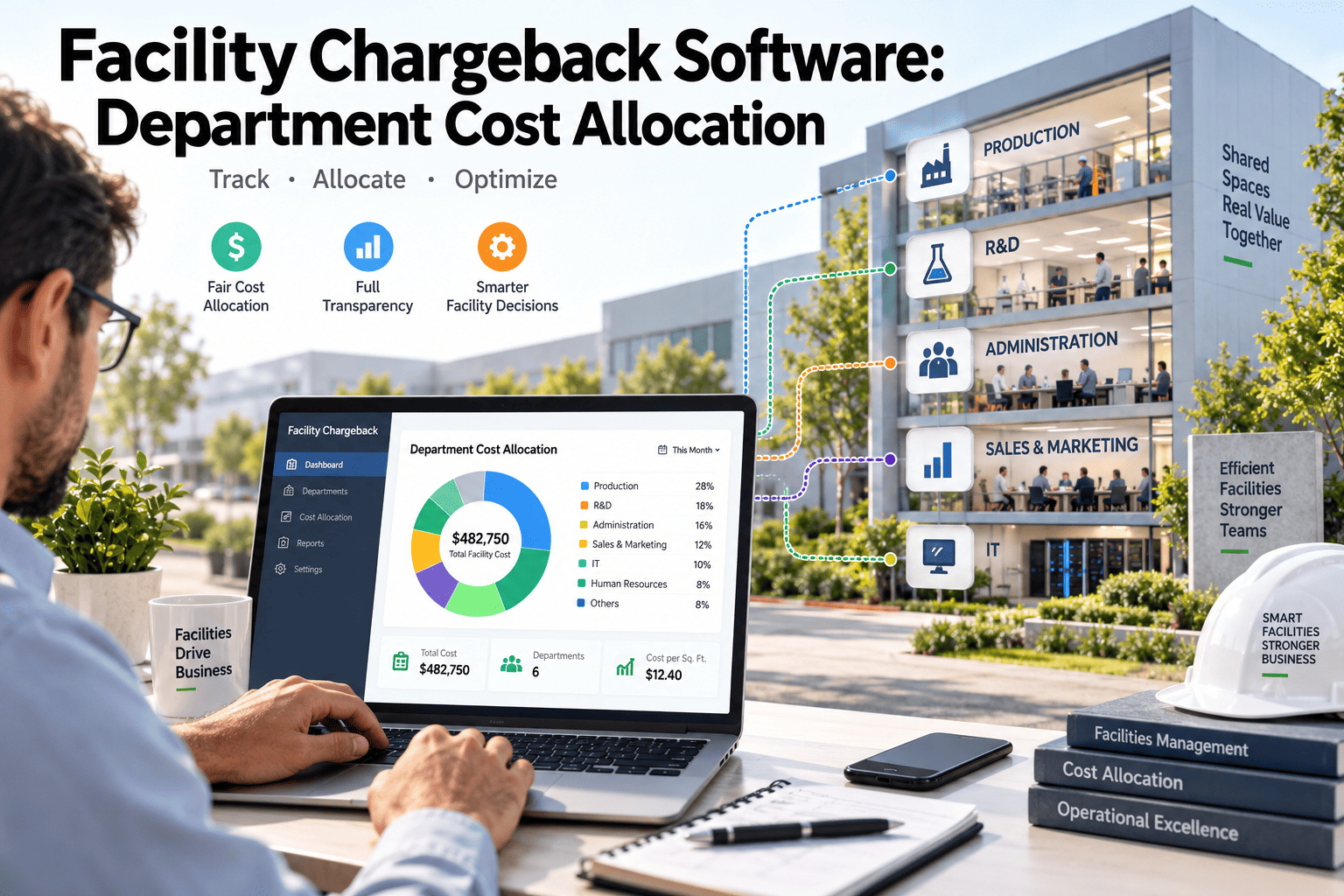
Read More
Every facility budget review eventually lands on the same question: which department actually caused this cost. A rush HVAC repair on the fourth floor, an after-hours electrical callout for the lab, an overtime shift to fix a leak in the warehouse
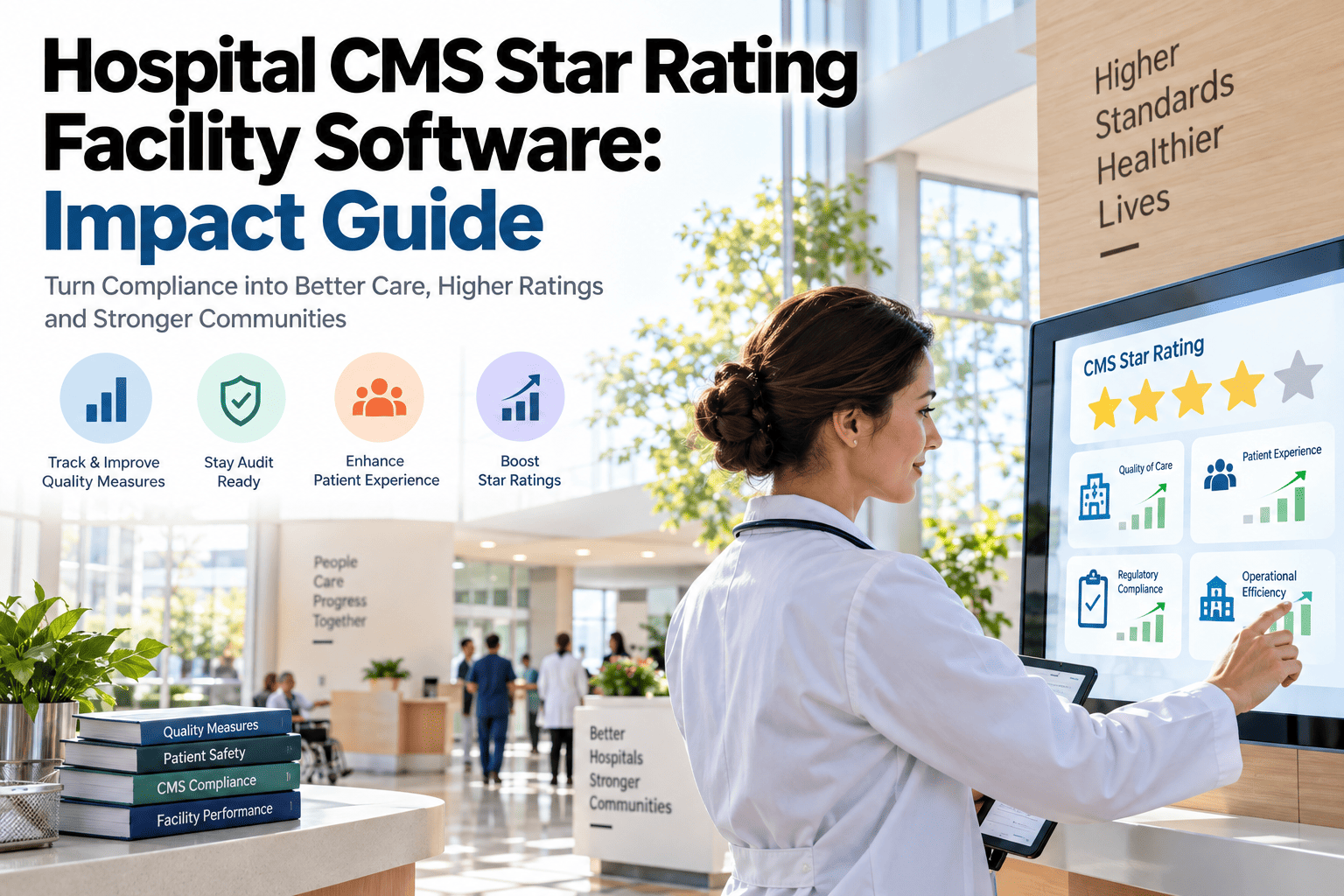
Read More
The CMS Overall Hospital Quality Star Rating is usually treated as a clinical scorecard, owned by quality and nursing leadership, with facilities management several rooms away from the conversation. That reading no longer survives contact with the

Read More
An annual fire pump flow test is one of the few inspections where the acceptable outcome is "prove the pump can actually do its job under full demand," not just "confirm it starts." NFPA 25 requires this test every year, and the authority having j

Read More
Quality Maintenance — Hinshitsu Hozen in the original JIPM framework — is the TPM pillar that treats every defect as the fingerprint of an equipment condition that quietly drifted out of specification. In a facility setting, chilled water supply t
Read More
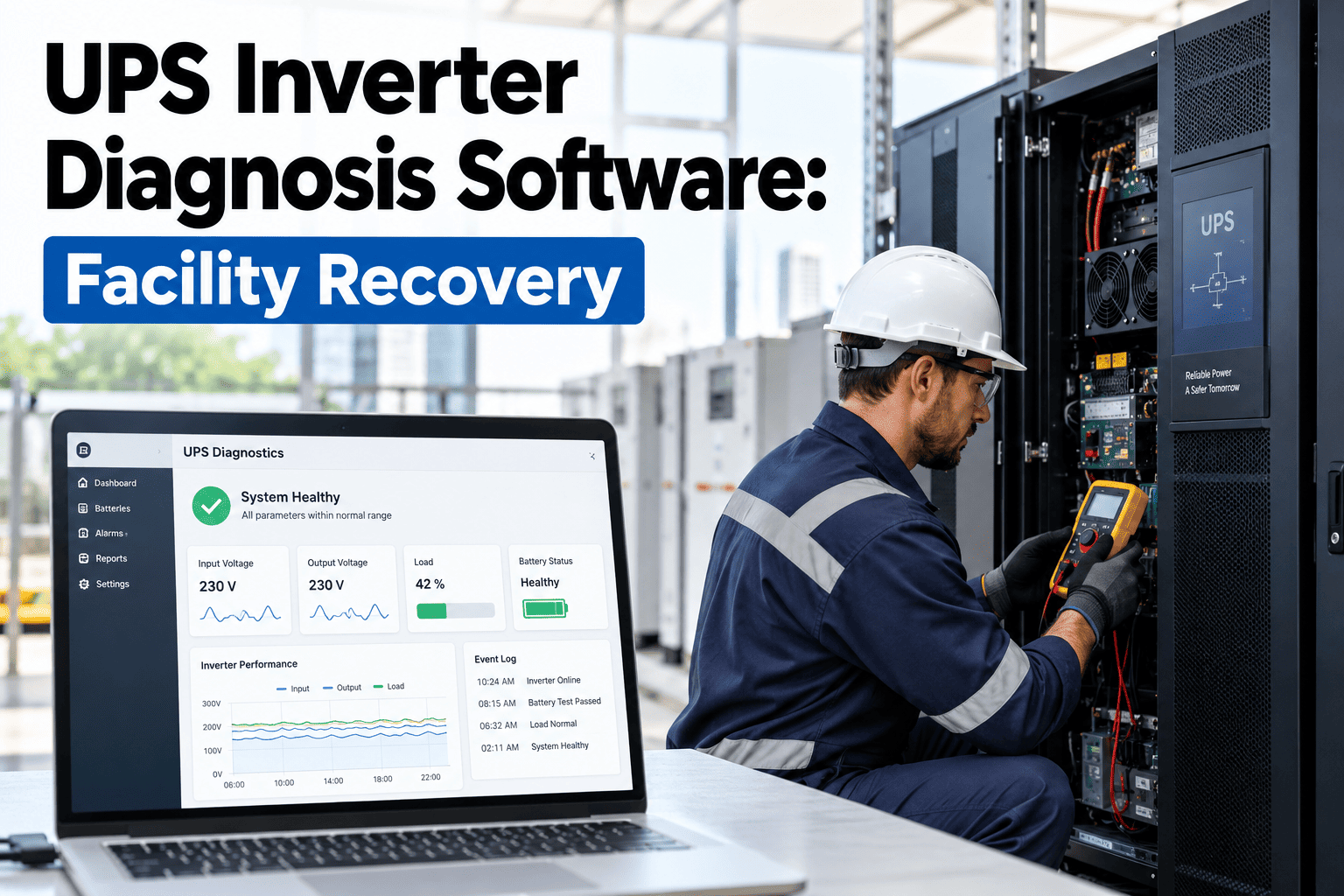
An uninterruptible power supply is only as reliable as the inverter stage that sits at its heart, and when that stage begins to fail, the warning signs are rarely obvious until load is already dropping. IGBT modules degrade under thermal cycling,

Read More
Facility and finance teams running SAP or Oracle often discover that their maintenance data and their financial data live in two worlds that never quite agree. A work order closes inside the CMMS, but someone still has to key the parts receipt, th
Read More
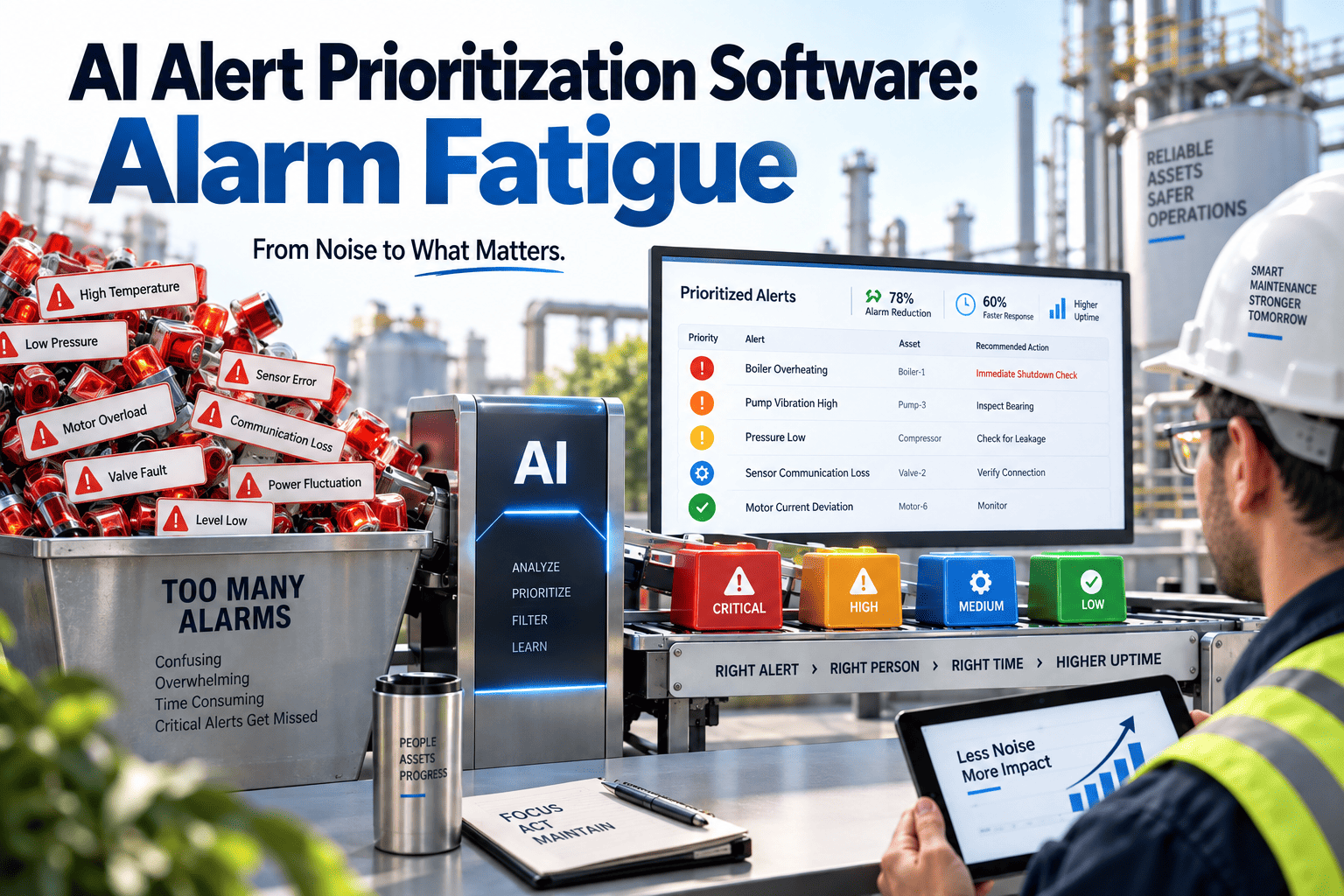
A technician who receives two hundred alerts a day eventually stops trusting any of them, and that is the real danger of alarm fatigue: not too little information, but so much of it that the signal that actually matters gets buried. Most facility
Read More
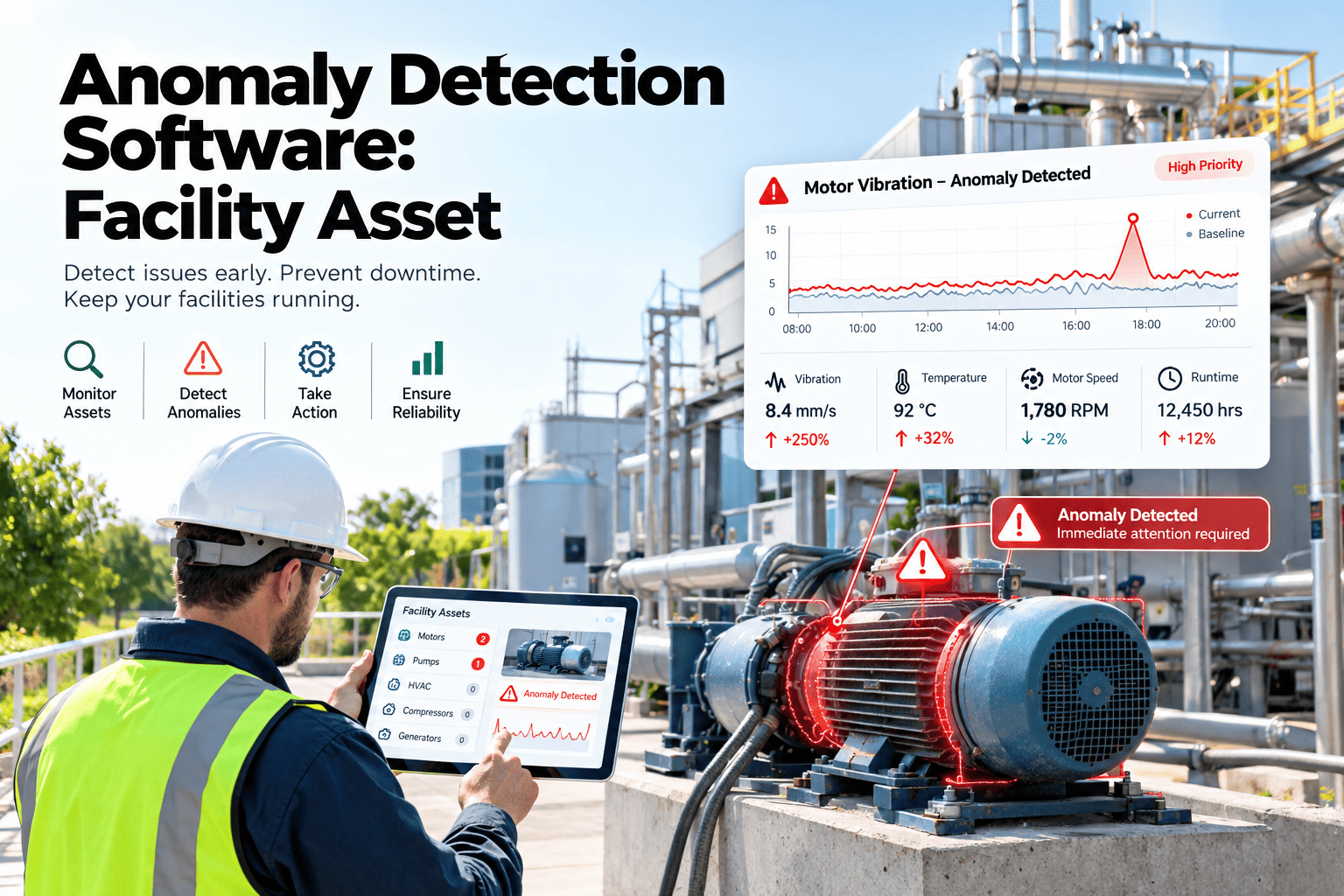
Most equipment does not fail without warning. It drifts. A bearing runs a fraction of a degree warmer, a motor draws slightly more current, a compressor cycles a little more often than it did last month, and none of those changes are large enough

Read More
Every facility team eventually asks the same question: should this asset be run to failure, checked on a calendar, or watched by a sensor until it tells us something is wrong? Most teams answer this by habit rather than by data, and that habit qui
Read More
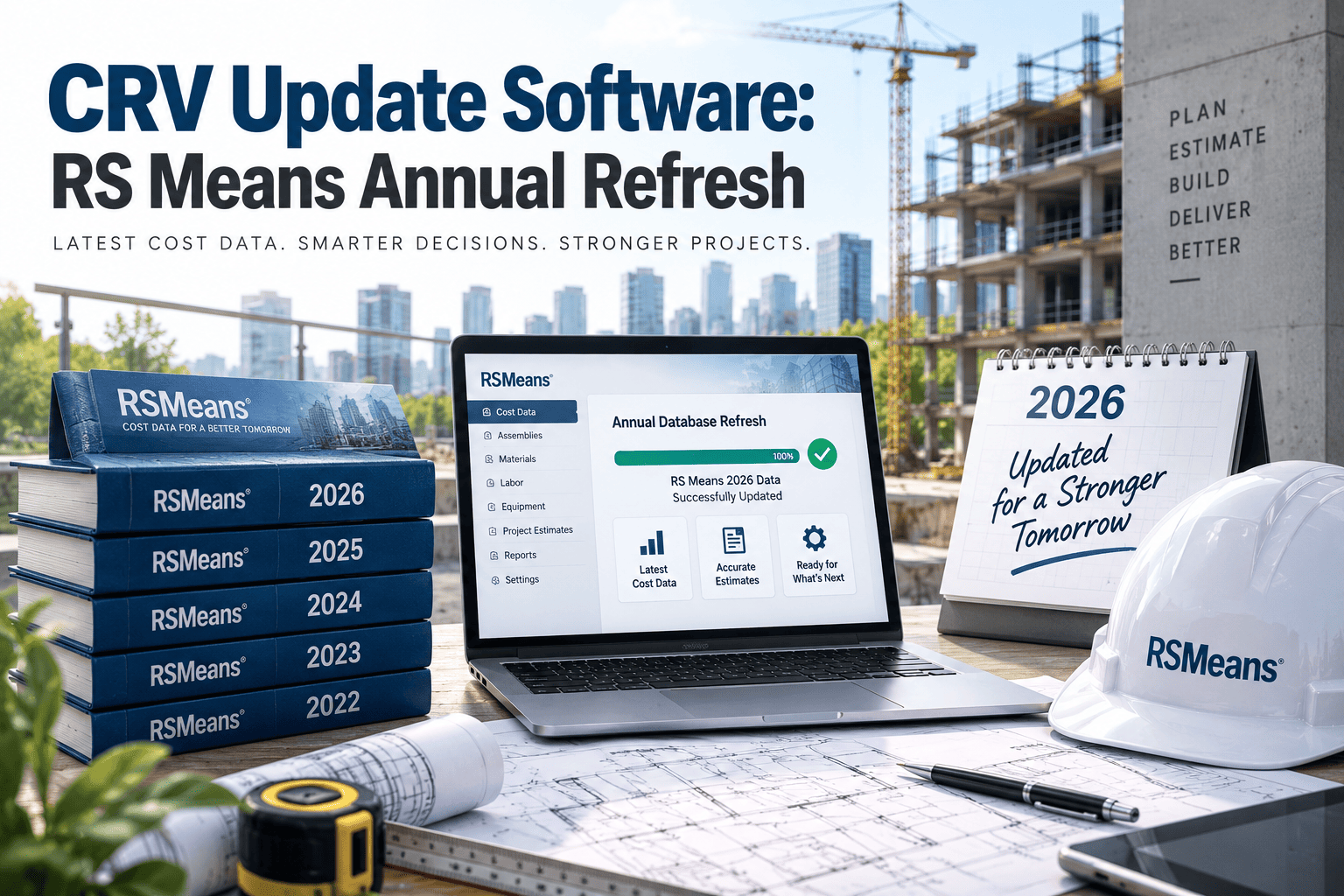
Every capital plan rests on one number that almost nobody double-checks often enough: current replacement value, or CRV, the estimated cost to rebuild a facility from the ground up today. If that number was set three or four years ago and never re
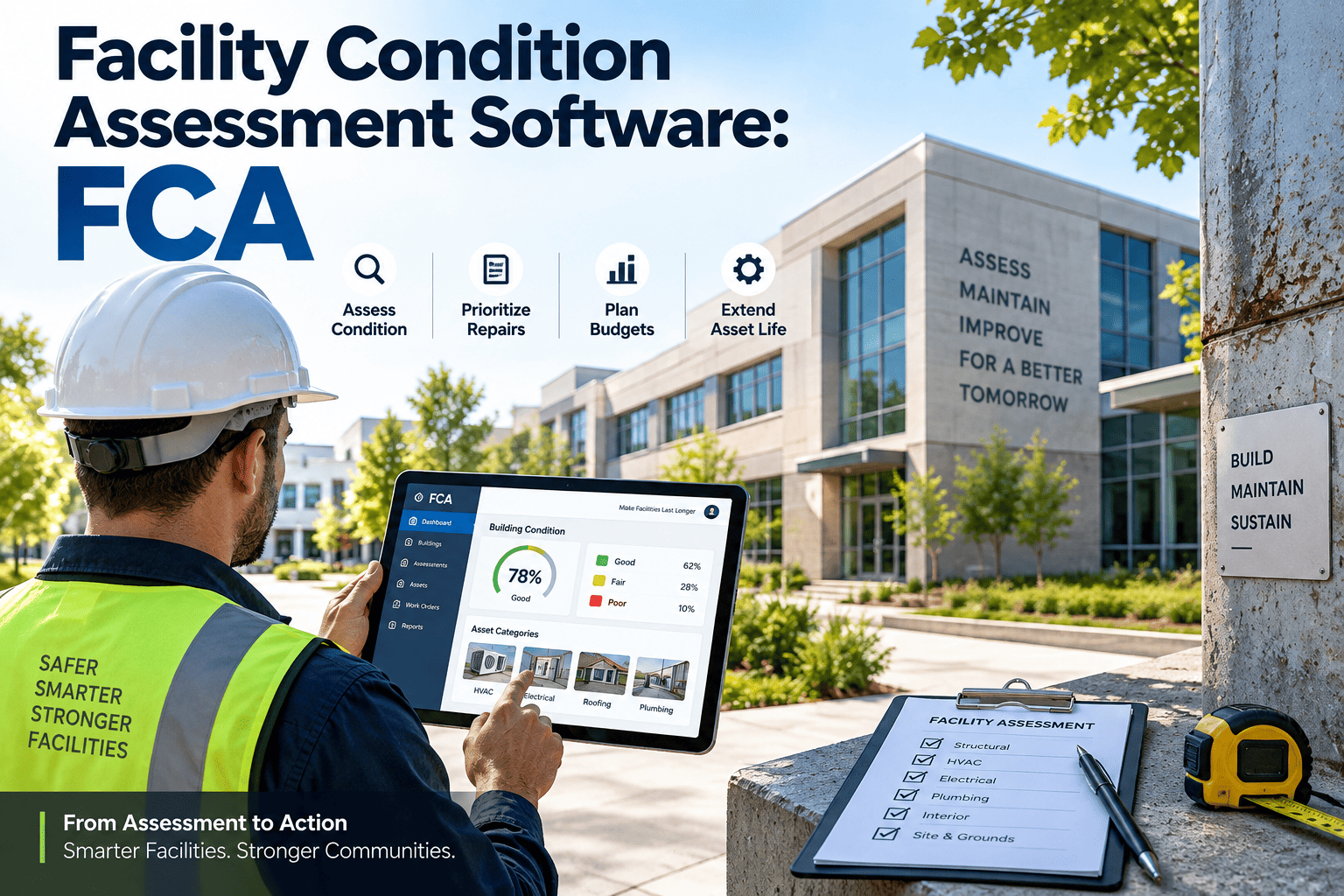
Read More
Every facility director eventually faces the same uncomfortable question from the budget committee: how much will it actually cost to keep this building standing, safe, and code-compliant for the next ten years? A proper facility condition assessm

Read More
Every building envelope silently protects everything happening inside it, yet most facility teams only think about the roof, the facade, or the windows once a leak has already caused damage somewhere else. A single point of water intrusion travels

Read More
Most IoT predictive maintenance programs do not fail because the sensors stop working. They fail because the data has nowhere to go — a dashboard fills up with charts, an alert fires at 2 a.m., and nobody has defined what happens next. Facility te

Read More
Fire pump corrosion is one of the fastest-growing causes of failed water-based fire protection systems, and the NFPA 25 2026 edition now holds facility owners directly accountable for how that corrosion is tracked, mitigated and documented. Intern

Read More
A facility director managing one building can usually keep fire pump testing straight in their head. A facility director managing twelve sites cannot, and that is exactly where NFPA 25 compliance quietly breaks down — a missed weekly churn log at
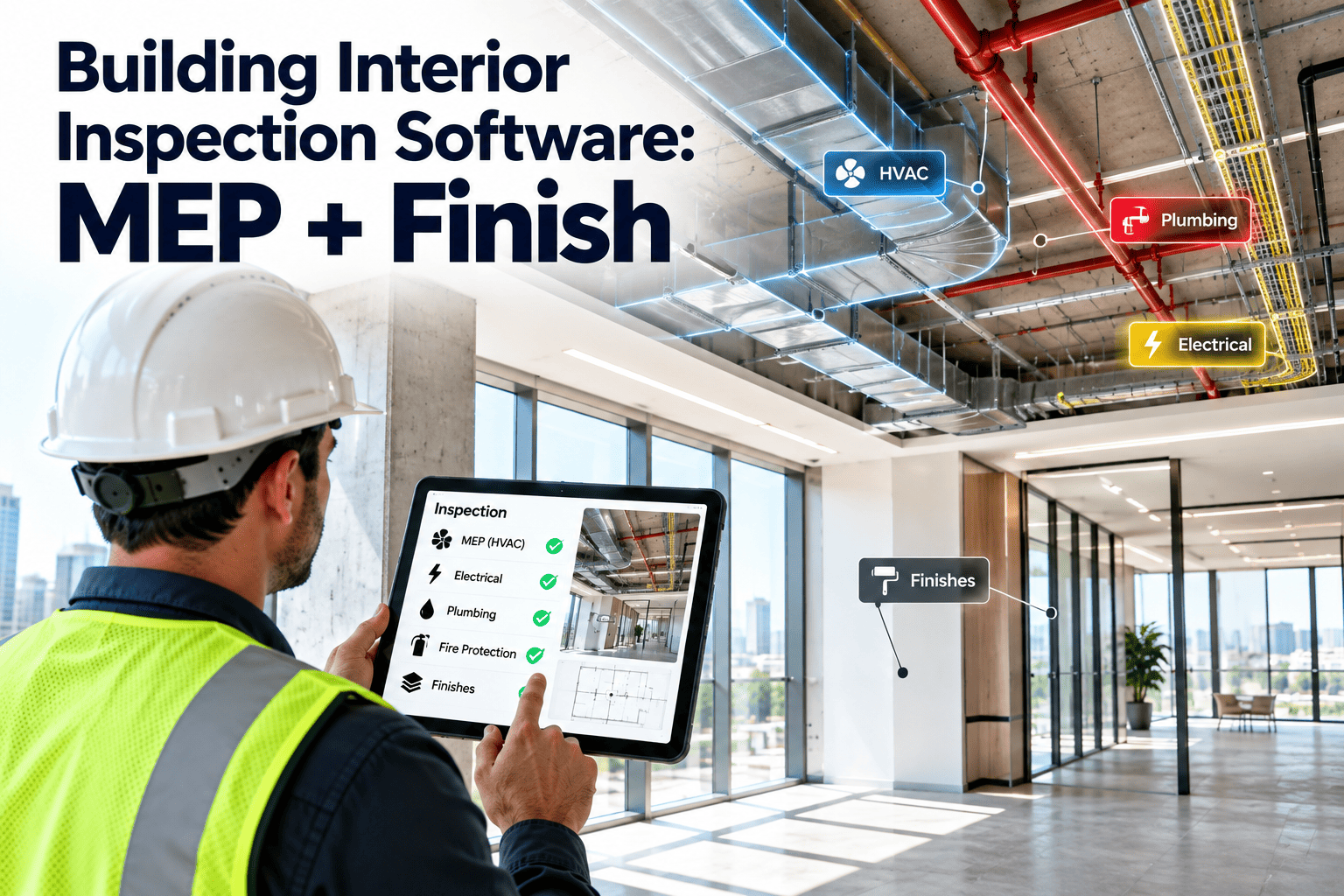
Read More
Walk any commercial interior and you are really looking at two different buildings at once — the MEP systems hidden behind walls and ceilings, and the finishes everyone actually sees and touches every day. Most facility teams inspect these separat

Read More
An OSHA inspector does not call ahead. In fiscal year 2025 alone, federal inspectors conducted nearly 80,000 inspections and issued more than 116,000 violations, and the same ten hazards — fall protection, hazard communication, lockout/tagout and
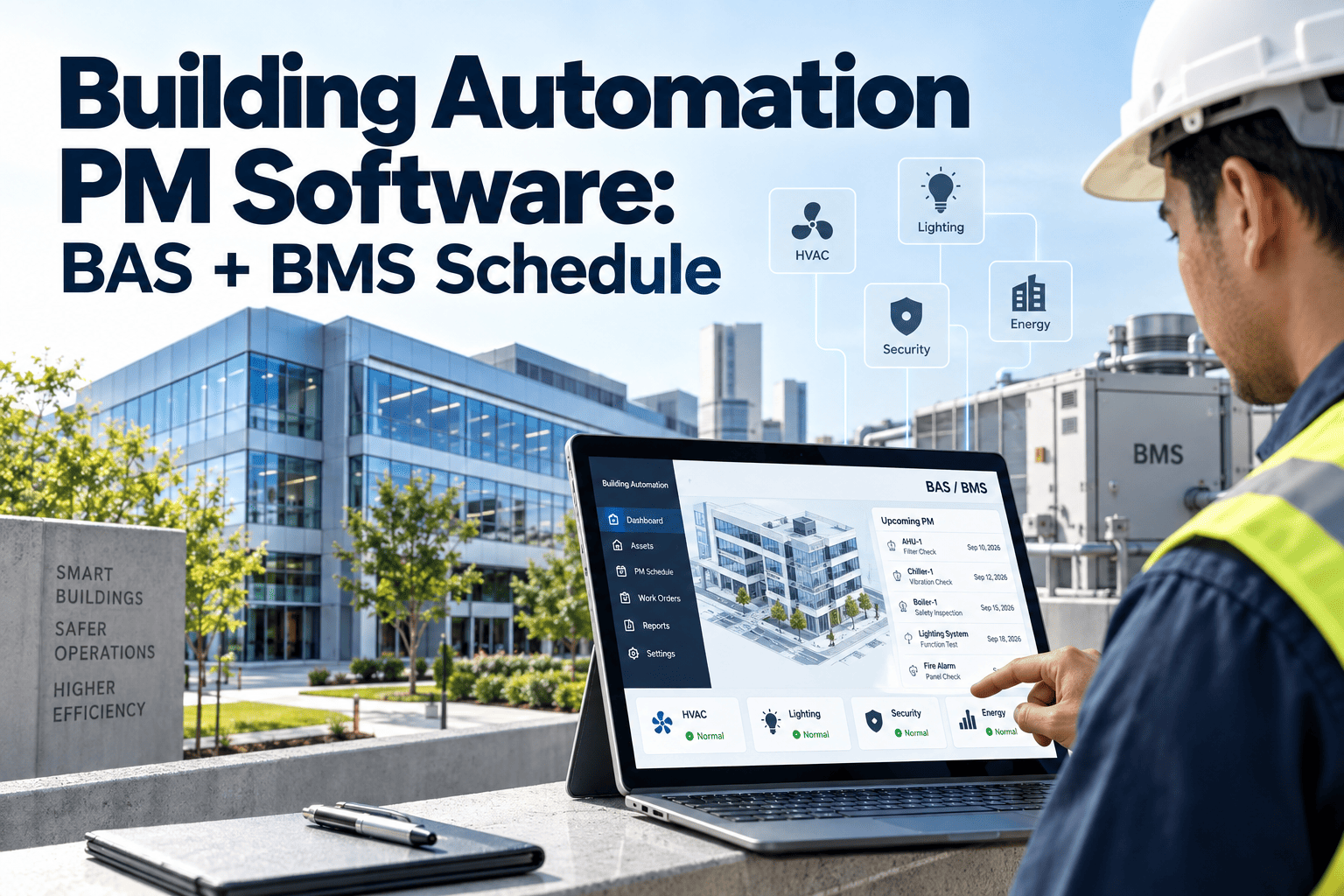
Read More
Every commercial building today runs on a BAS or BMS quietly watching temperatures, pressures, dampers, and alarms around the clock, yet most facility teams still handle the preventive maintenance behind those systems on spreadsheets, sticky notes

Read More
Every facility director eventually asks the same question: are we paying too much for in-house technicians, or would outsourcing actually cost more once every hidden expense is counted? A blended labor rate — the true cost of one productive mainte

Read More
Every plant manager eventually faces the same question from finance: what does it really cost to run this facility, square foot by square foot? For most manufacturing sites, that answer is scattered across spreadsheets, contractor invoices, and st
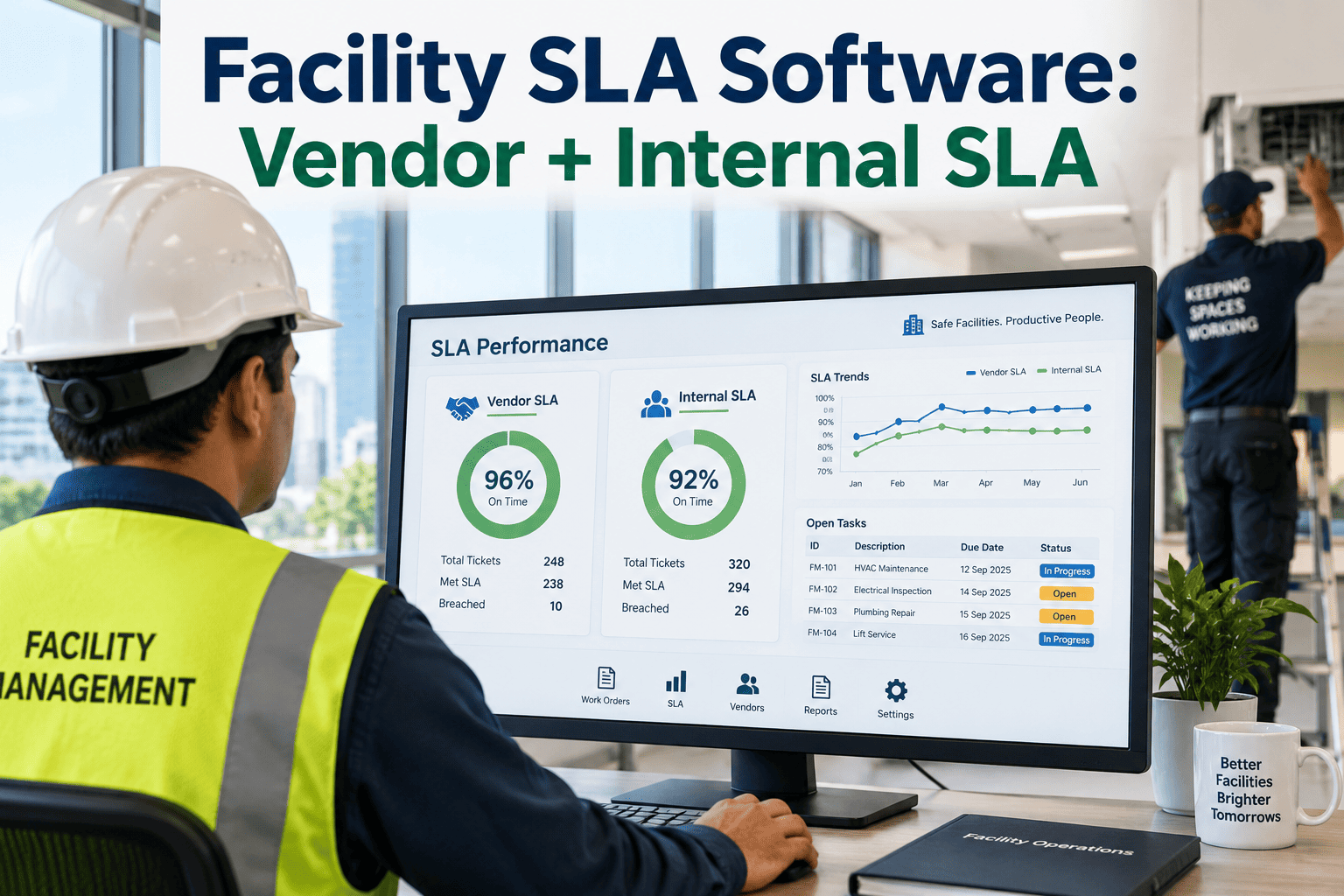
Read More
Ask a facility manager how many service level agreements their team is currently accountable for, and most will admit they are not entirely sure. Vendor contracts promise a four-hour response window, tenant leases promise a same-day repair on crit
Read More
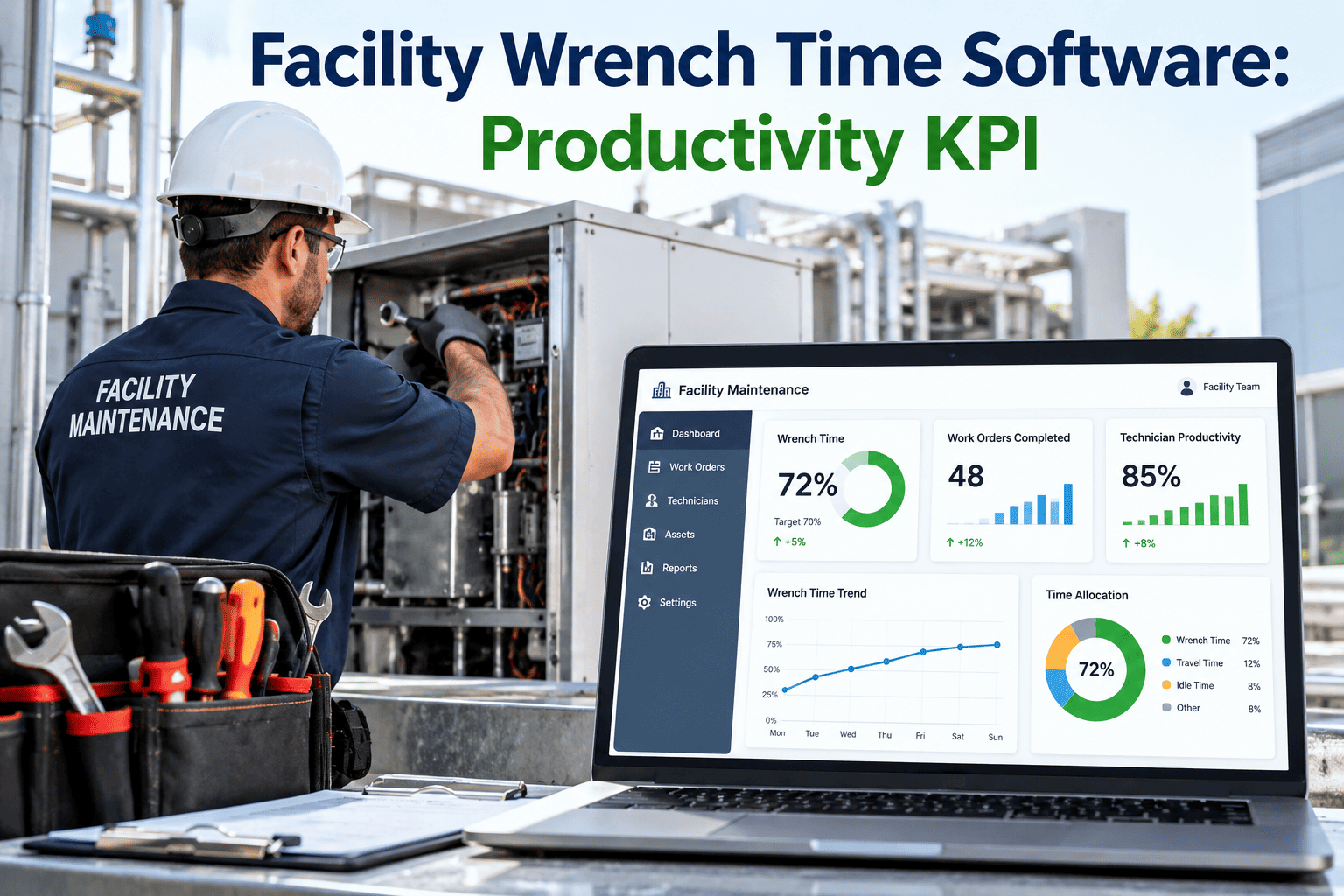
Ask a maintenance leader how many hours their technicians spend each week actually turning a wrench versus everything else, and the honest answer is usually a guess. Walking to the parts room, waiting on a lift, hunting for the right documentation
Read More
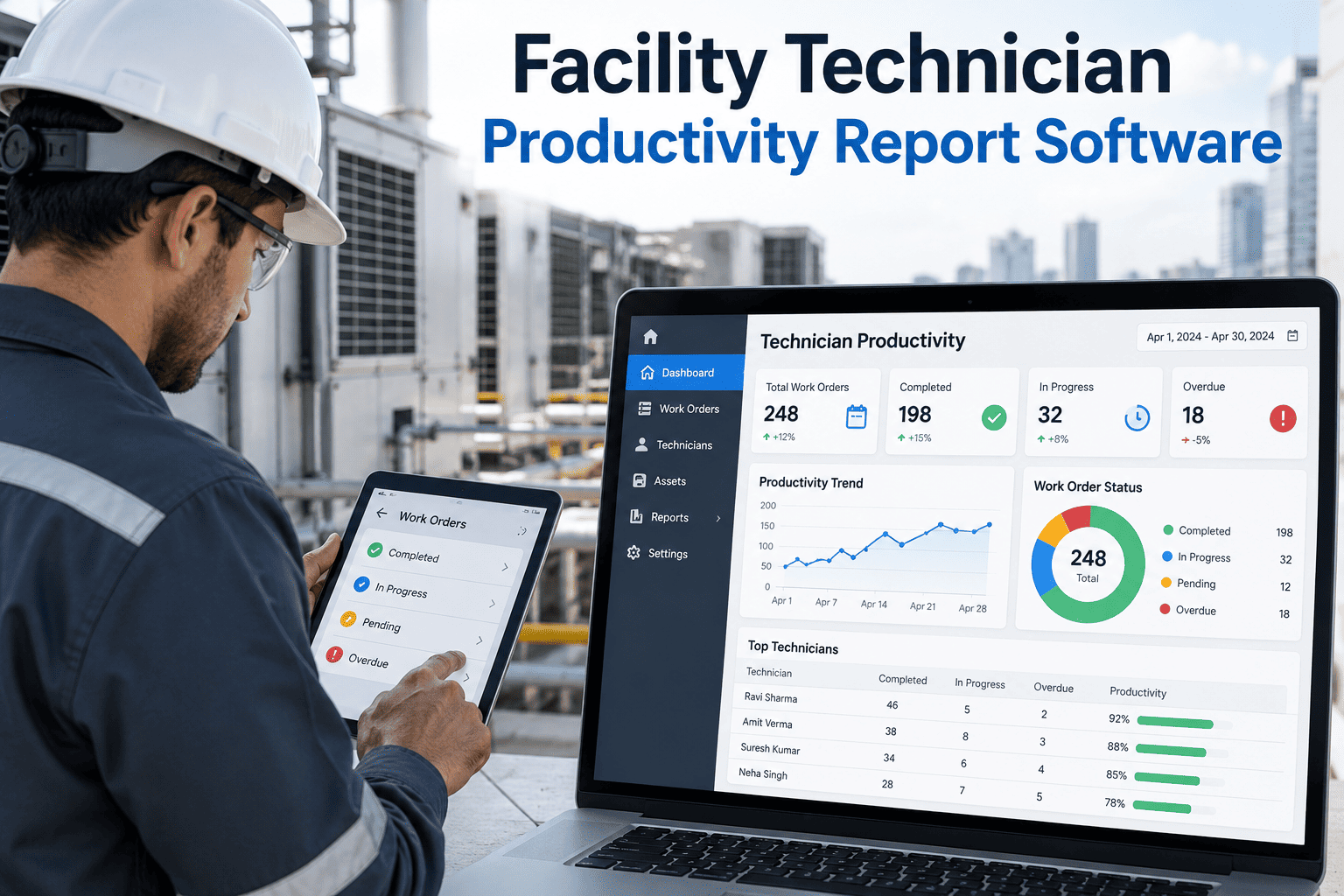
When a regional facilities director asks a maintenance manager how productive the technician team actually was last quarter, the honest answer is often a guess. Timesheets show hours worked, not hours spent wrenching on equipment, and spreadsheets
Read More
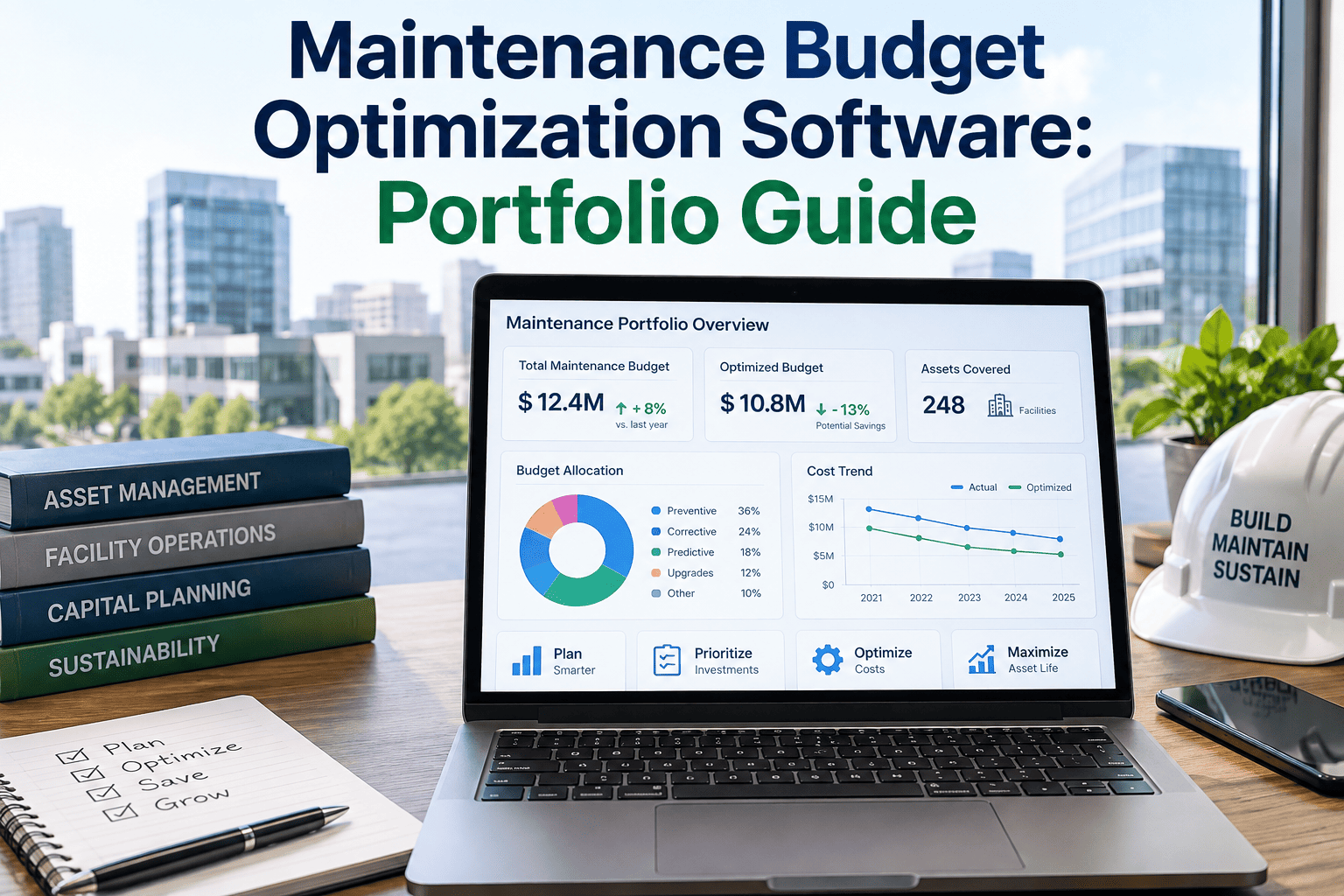
Every portfolio director has sat through the same budget review: maintenance spend crept up again this year, nobody can point to exactly which building or asset drove it, and the only defense is a promise to watch costs more closely next quarter.

Read More
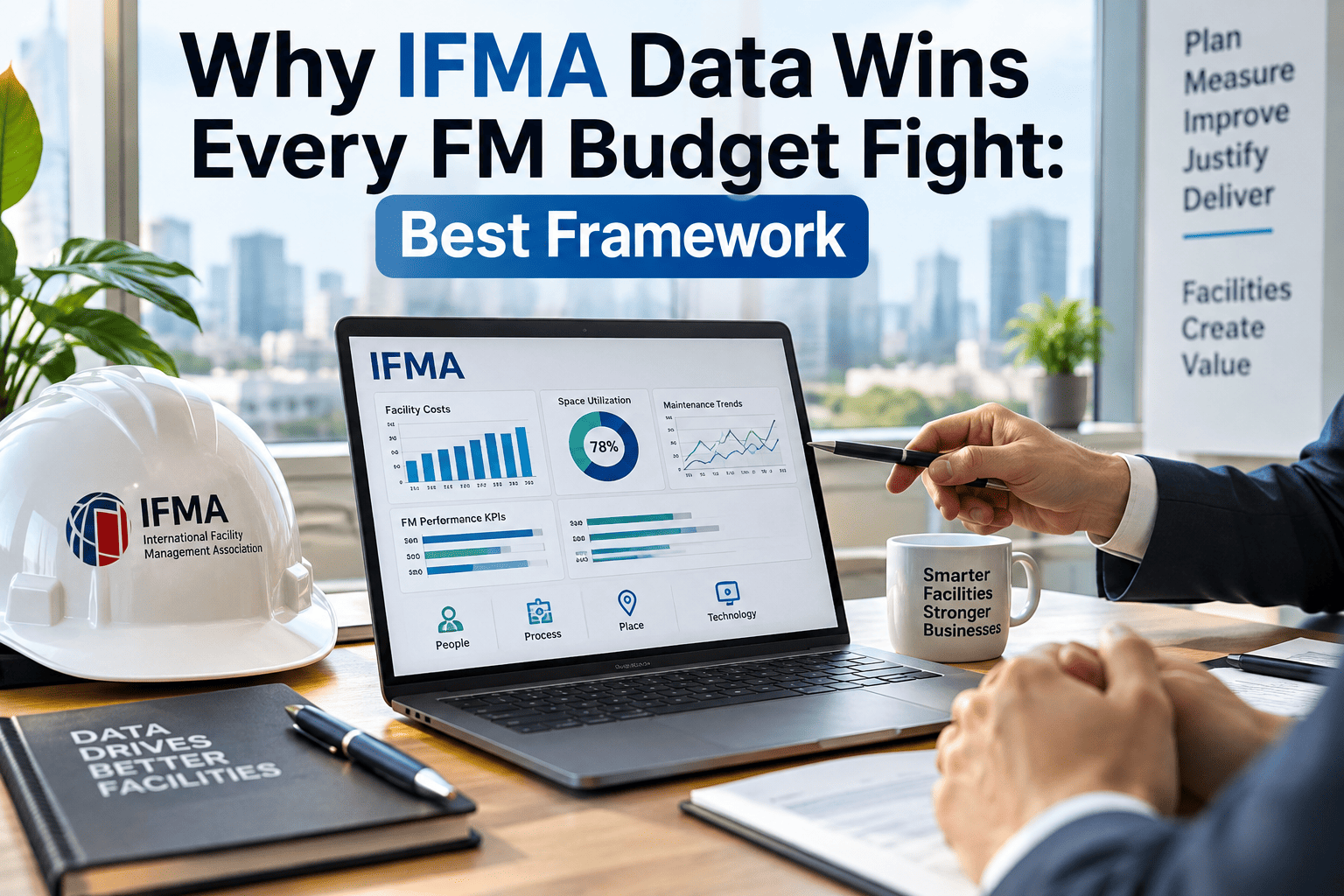
A property manager preparing next year's operating budget for a mid-size office asset faces a familiar question: are these expenses actually competitive, or just familiar? Without an outside reference point, familiar and efficient get treated as t
Read More
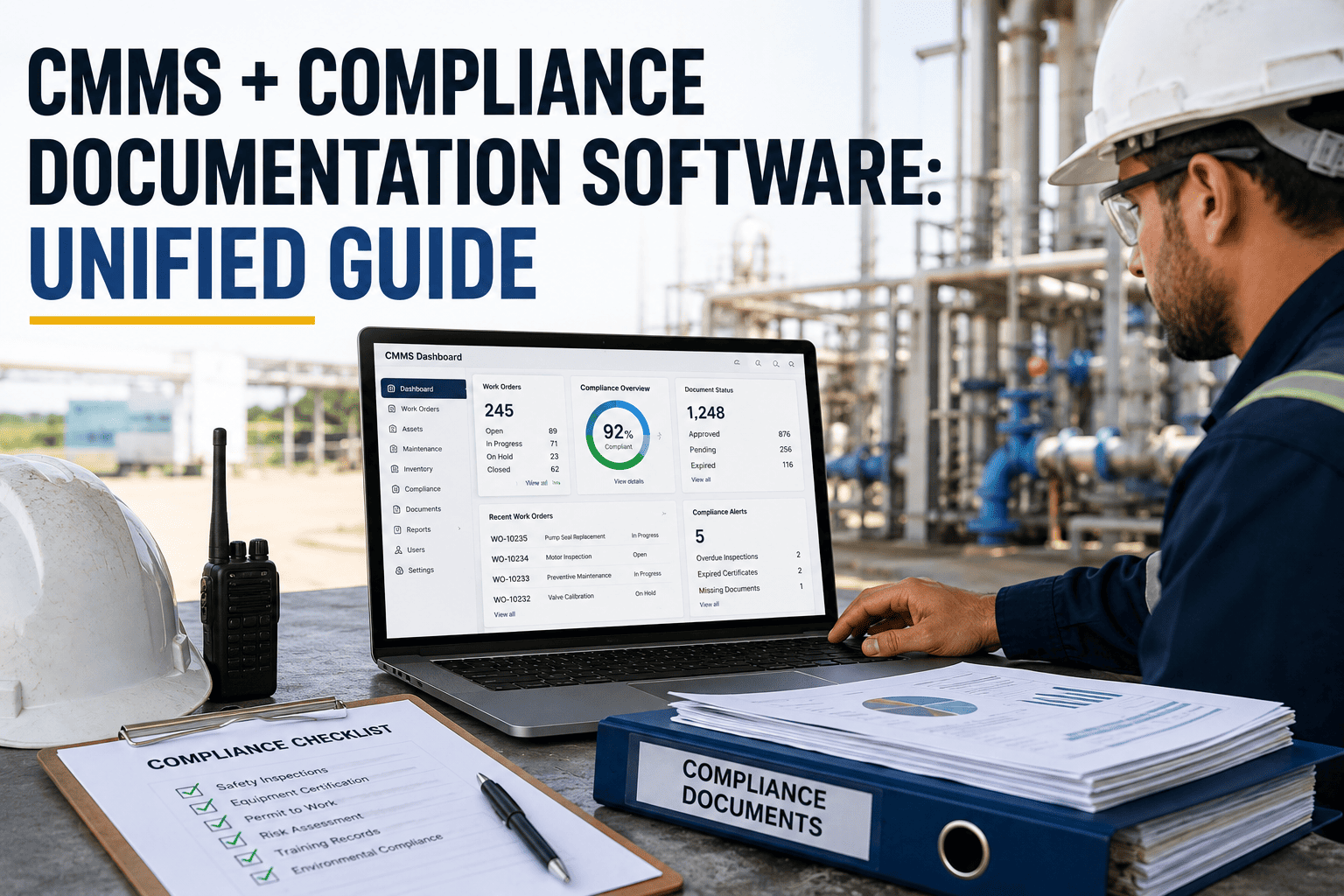
When a facility director stands in front of the capital committee and says a chiller "needs to be replaced soon," the answer is almost always no. When that same director opens a report showing three years of work order costs, a rising failure tren
Read More
When a Joint Commission surveyor pulls a random work order from eighteen months ago and cannot find the technician's signature, the calibration date, or the corrective action tied to it, the finding gets written on the spot — not because the maint

Read More
A vibration sensor bolted onto a bearing is worthless if the reading it sends never reaches a technician before the bearing fails. Most facilities already have sensors — on pumps, chillers, compressors, transformers, and conveyors — but the data s

Read More
A fire pump that fails its monthly no-flow test because nobody logged the last inspection is not a paperwork problem — it is the difference between a controlled fire response and a catastrophic loss. NFPA 25 requires weekly, monthly, and annual fi

Read More
A 400-bed regional hospital in Ohio failed a routine AHJ fire pump inspection last spring — not because a pump had failed, but because three sister facilities recorded weekly churn test pressures on different paper logs, and the inspector could no

Read More
A 340-bed regional hospital in Ohio failed a joint life-safety inspection in early 2025 not because its sprinkler system was faulty, but because three separate binders — one for NFPA 25 sprinkler testing, one for ADA accessibility audits, and one

Read More
A regional REIT running twenty-two mixed-use properties was losing the inspection game quietly for years — deficiencies were being found, but almost a third of them were being found by tenants, insurers, or auditors instead of by the facility team

Read More
Every facility asset carries two price tags — the number on the purchase invoice, and the far larger number almost nobody tracks: total life cycle cost. A rooftop unit purchased for twenty-eight thousand dollars can carry a true lifetime cost well

Read More
Ask a facility team for their energy benchmark and you will have a number by lunchtime. Ask for their water benchmark and you will usually get a utility bill and an apology. Water has no national consumption survey behind it, no verification, and
Read More
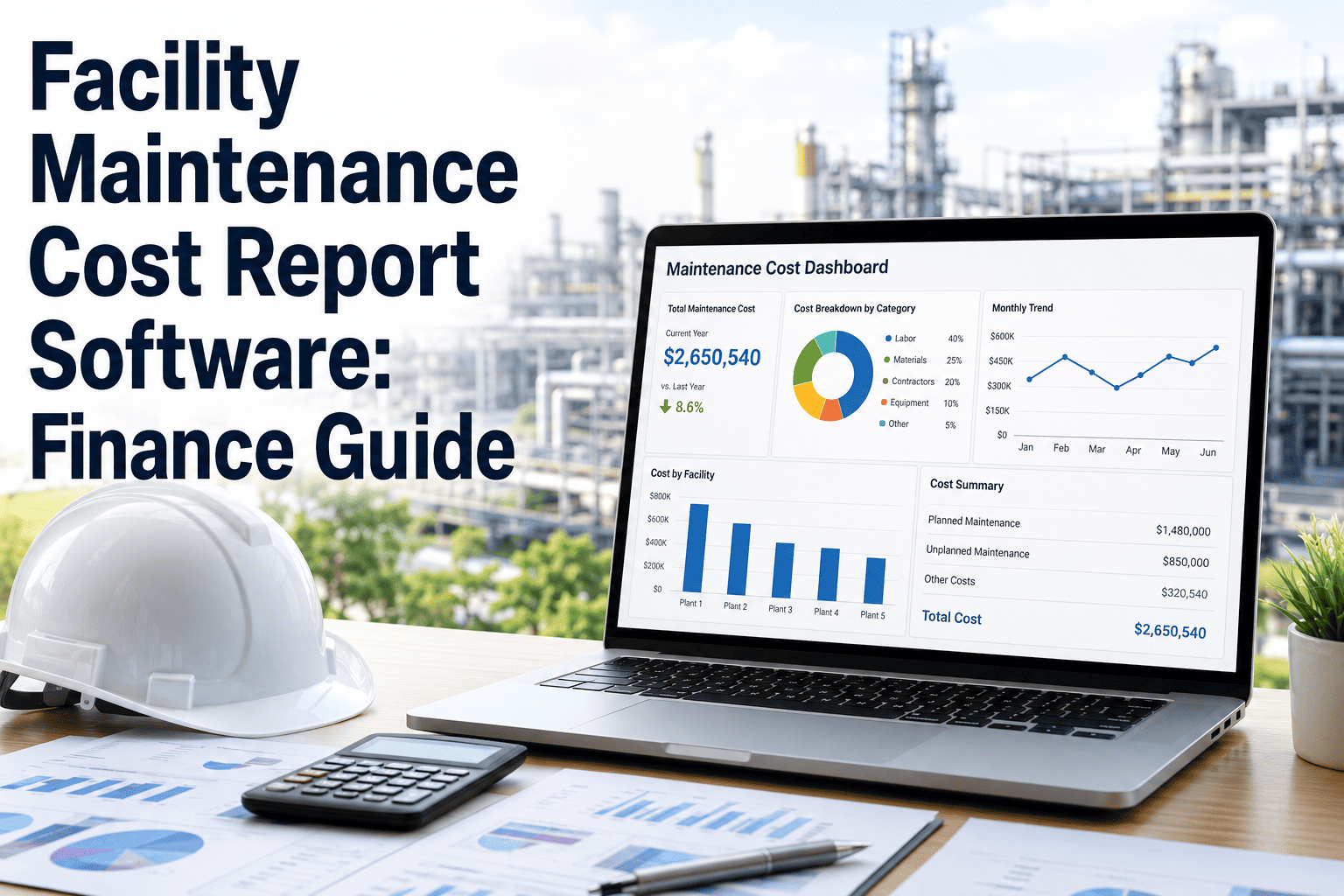
Finance rarely rejects a maintenance cost report because the number is too high. They reject it because it does not tie. The work orders total $412,000, the general ledger says $487,000, and nobody in the room can account for the difference withou

Read More
Your building's EUI is not a reporting figure — it is the price tag on every fouled coil, every schedule nobody reset after a tenant moved out, and every square foot that was keyed in wrong three years ago and never corrected. Benchmarking tools w

Read More
The renewal meeting runs forty minutes. Three contractors are discussed. One is kept because the account manager is responsive and everyone likes him. One is dropped because of a bad job in March that people still remember. One is renewed by defau
Read More
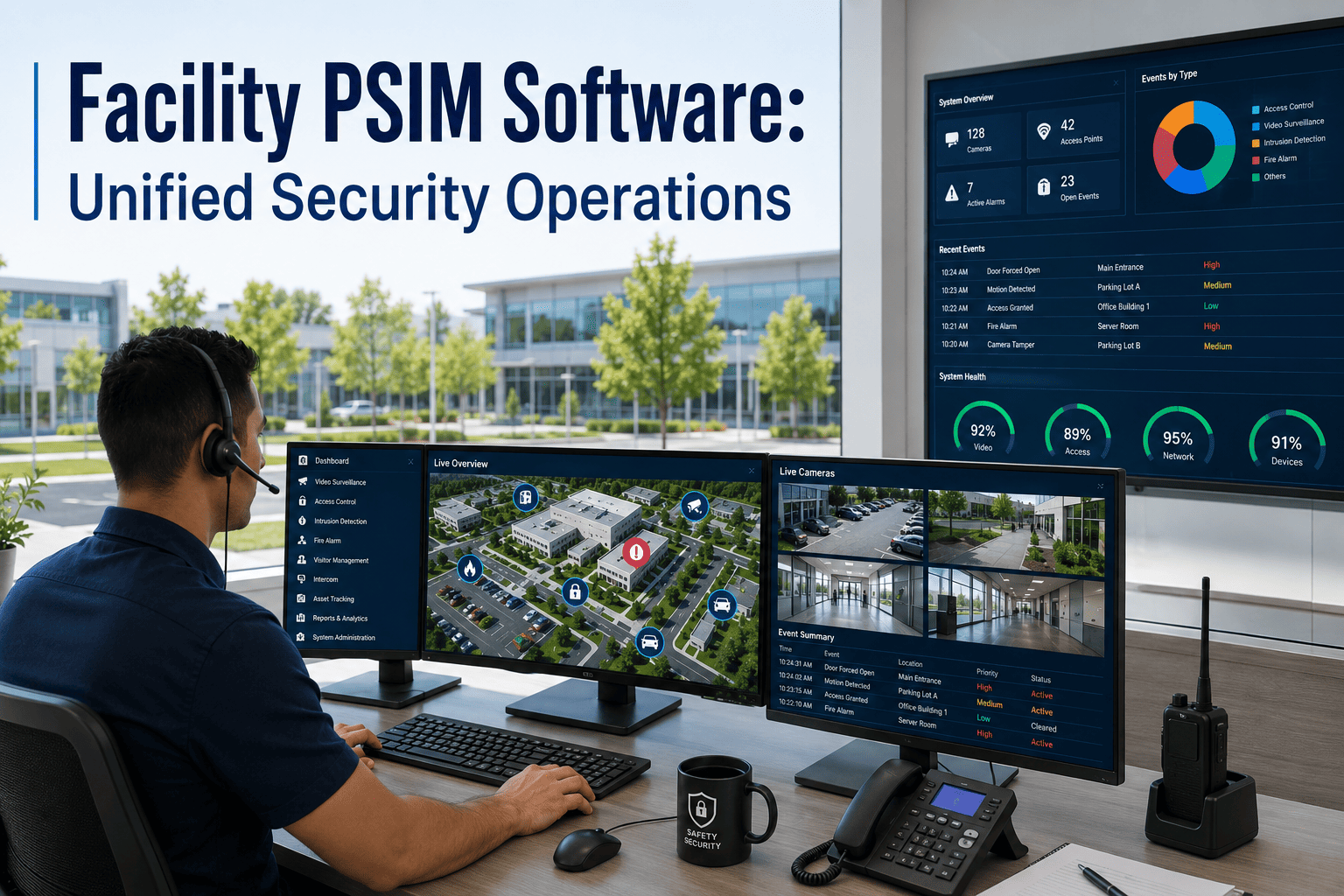
At 03:12 the loading dock camera stopped recording. Nothing appeared on the video wall, no operator was paged, and the incident board stayed green — because a dead camera does not raise an alarm. It raises nothing at all. Six days later a pallet t
Read More
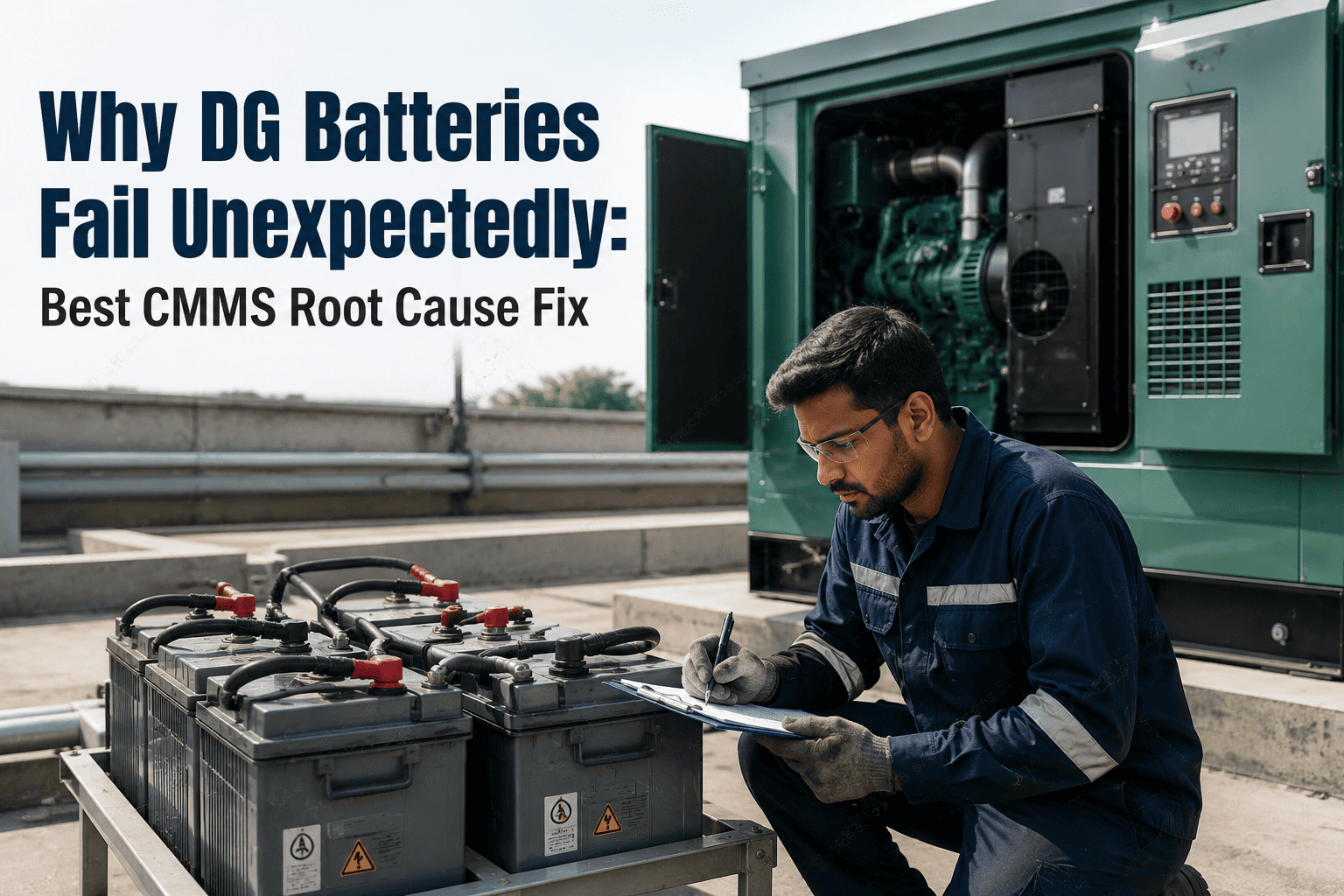
The battery read 25.4 volts on Monday morning. The technician wrote it in the log, ticked the weekly inspection, and moved on. On Thursday the utility dropped, the transfer switch called for the set, the starter drew current, the bus collapsed to
Read More
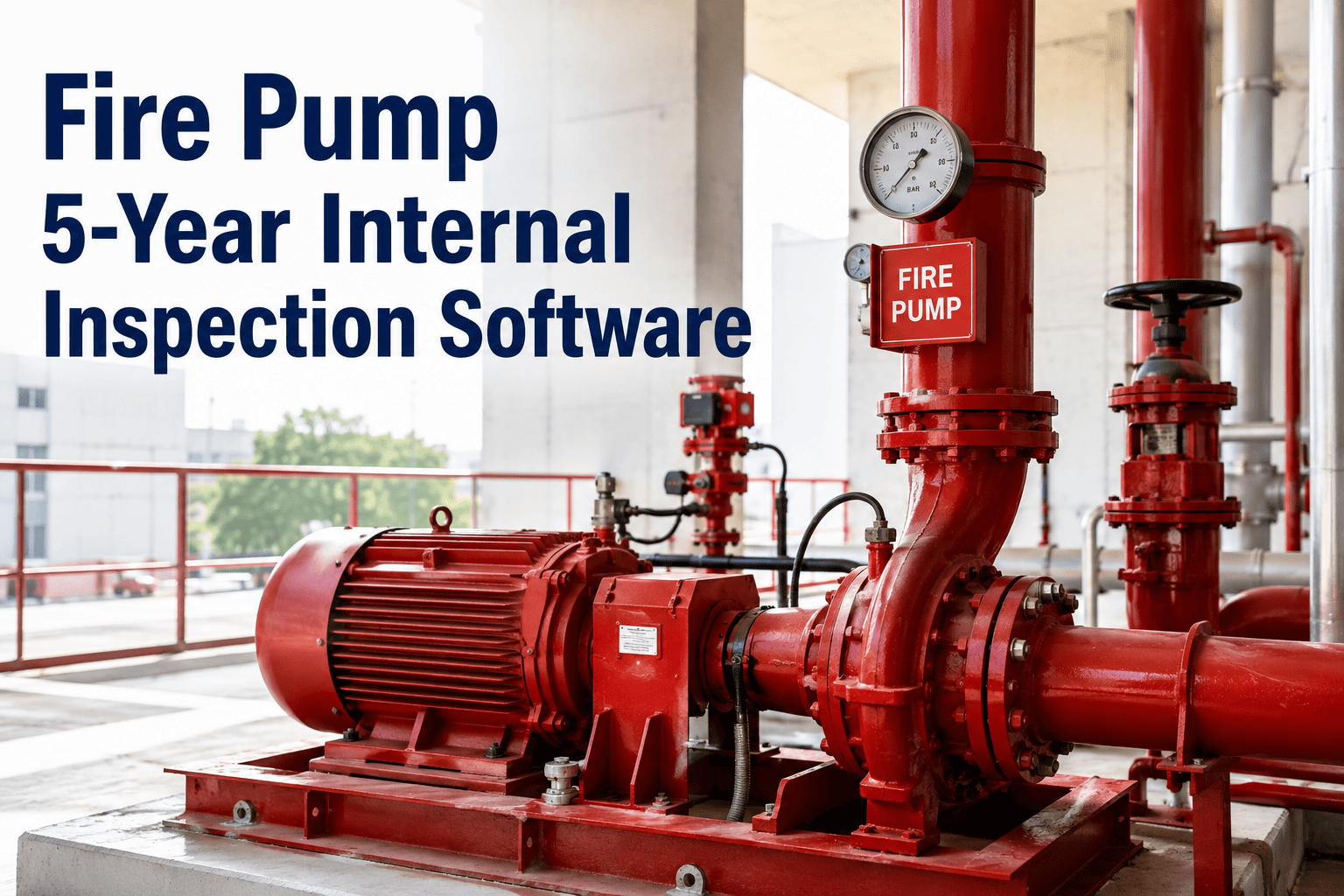
The five-year internal inspection is the only NFPA 25 requirement that regularly outlives the person who scheduled it. Weekly churn tests and annual flow tests build their own memory — someone is on site, the calendar repeats, the contractor invoi
Read More
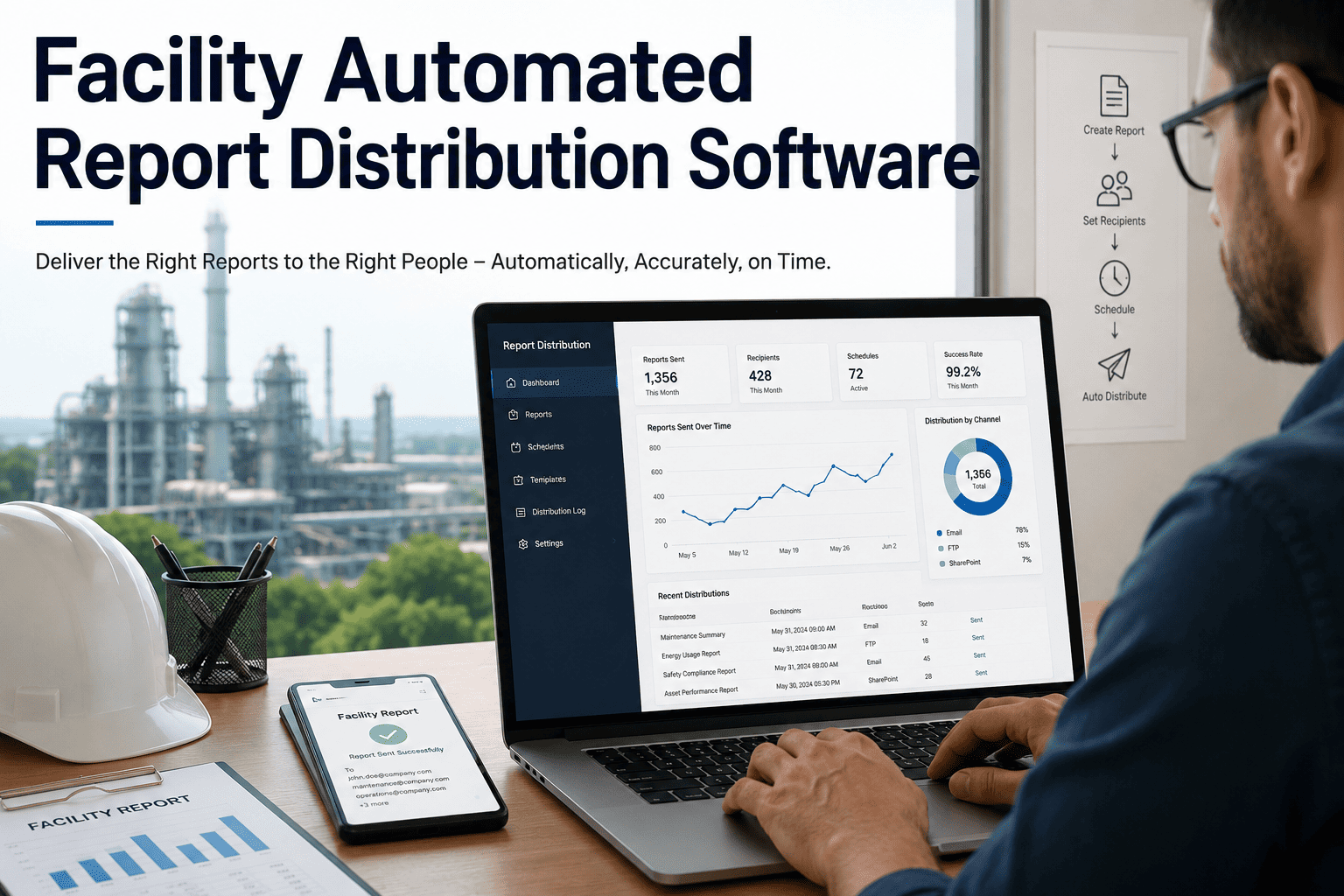
Every facility manager knows this Monday morning ritual — pull the work order export, filter it for the right date range, rebuild the PM compliance sheet, format it into something a director will actually read, then repeat the whole process in a d
Read More
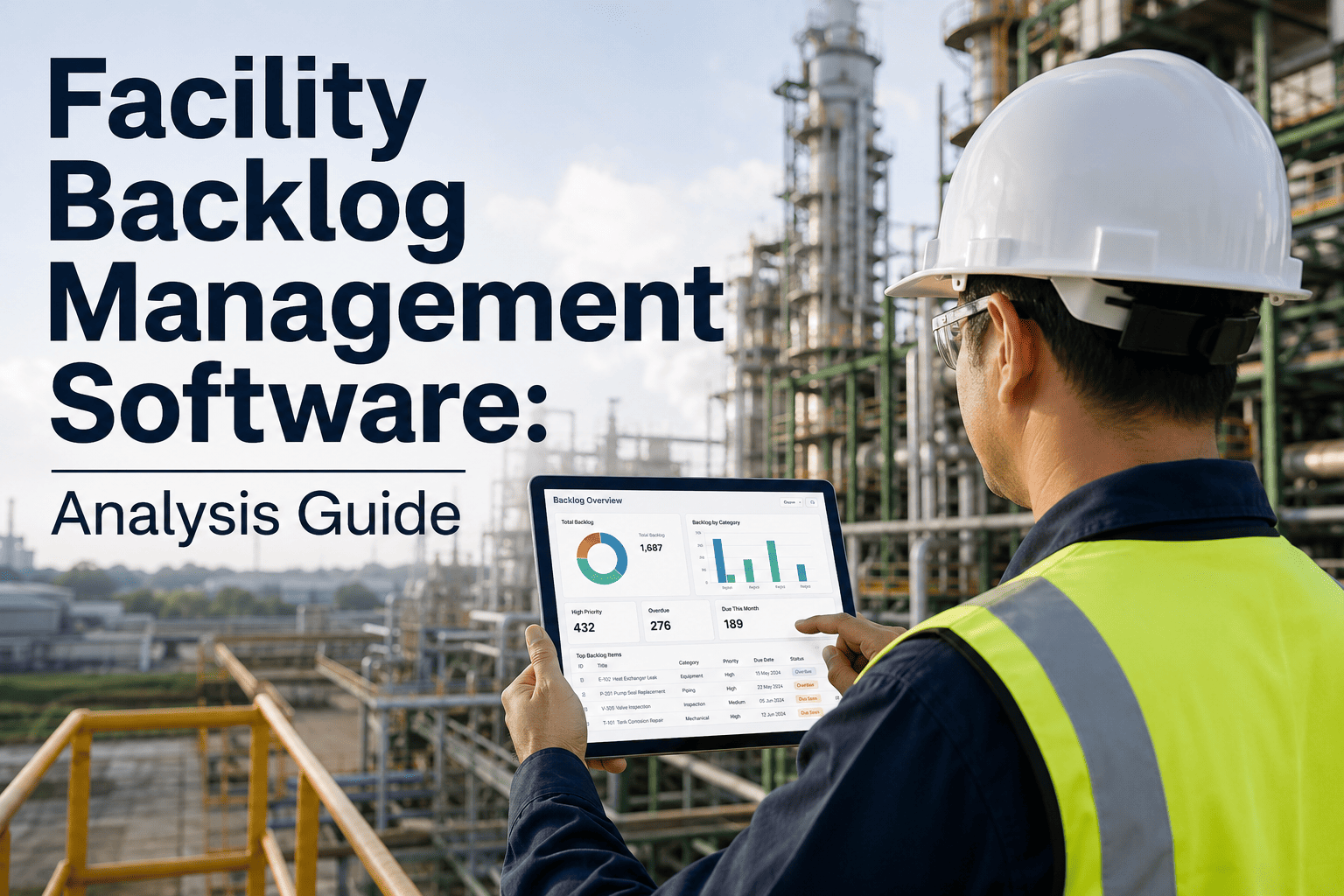
Most facility teams do not lose control of their maintenance backlog all at once — it happens one unlogged work order at a time, until a spreadsheet that looked manageable in January is quietly hiding six or nine weeks of deferred work by summer.
Read More
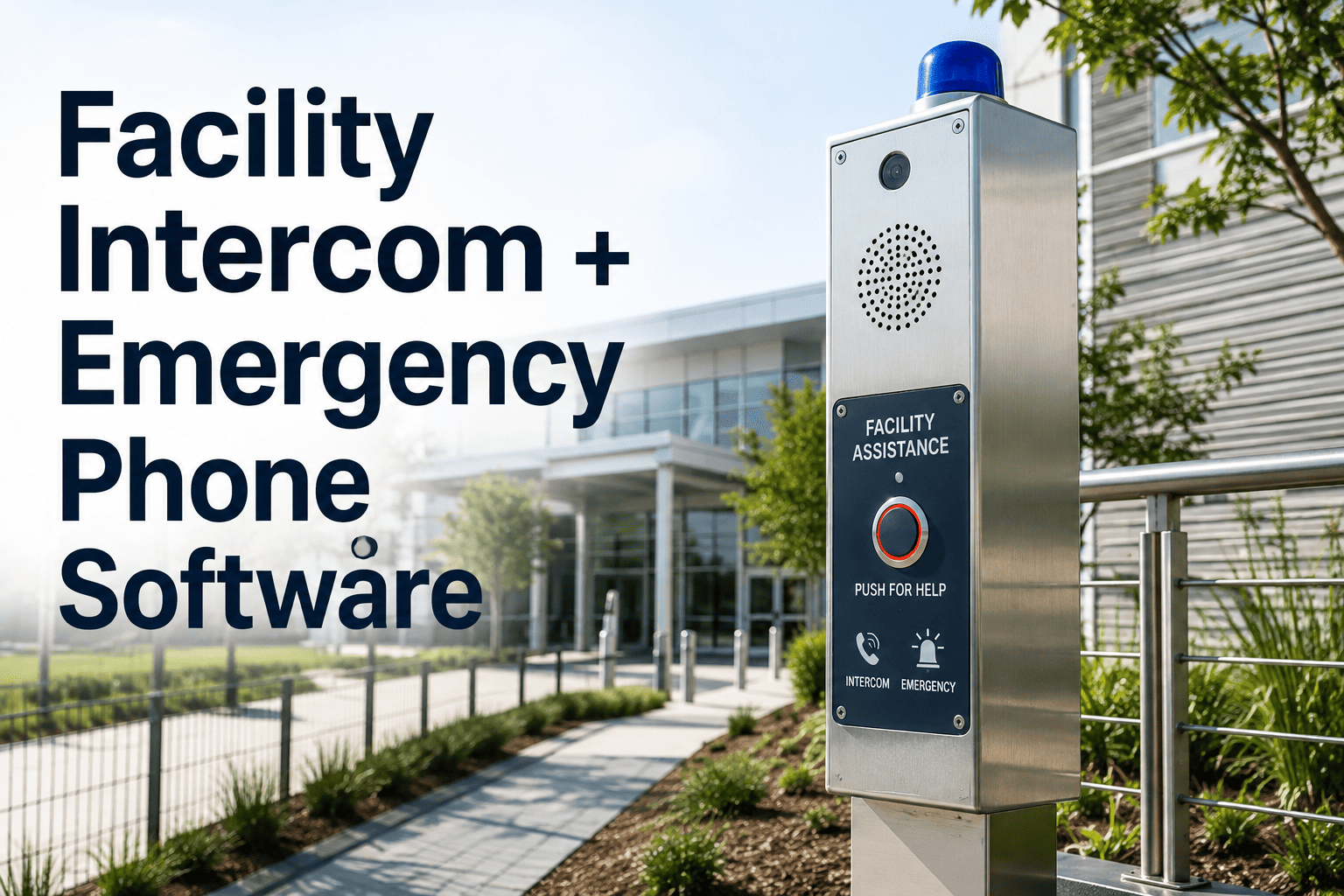
A blue-light emergency phone or lobby intercom sits untouched for months at a time, which is exactly what makes it dangerous when nobody is tracking its condition. A dead call button, a corroded strobe light, or a 911 call that fails to deliver a

Read More
Every hospital emergency management program gets pressure-tested on the same question during a Joint Commission survey — can you show the direct line between your Hazard Vulnerability Analysis and what your emergency operations plan actually says.
Read More
Passing an AHJ fire and life-safety inspection is rarely about whether the sprinkler system or fire pump physically works — it is about whether the facility team can prove it works on the exact date the inspector shows up. A 2 million square foot
Read More
Most TPM programs collapse at exactly one point — the moment equipment ownership is supposed to move from the maintenance department to the operators running the machines every shift. Autonomous maintenance is the pillar that makes this transfer r
Read More
Unplanned UPS events are the single biggest reason data centers go dark — industry outage tracking consistently points to power-chain failures, most often tied to UPS batteries, capacitors, and transfer switches, as the leading cause of serious in

Read More
Every day an apartment sits between residents is a day of rent that never comes back, and most communities lose far more of it than they realize. The industry benchmark for a make-ready is 5 to 7 days, yet the typical property management company a

Read More
Fire pumps sit at the top of every insurer's risk model for a reason: FM Global's own loss data shows nearly 40% of fire pump failures happen because the pump simply never started, or started too late to matter. That single statistic explains why

Read More
A single MTBF number tells you the average time between failures — and almost nothing else. Two assets can share an identical MTBF of 10,000 hours while one fails predictably from wear and the other fails early from a manufacturing defect, and a m
Read More
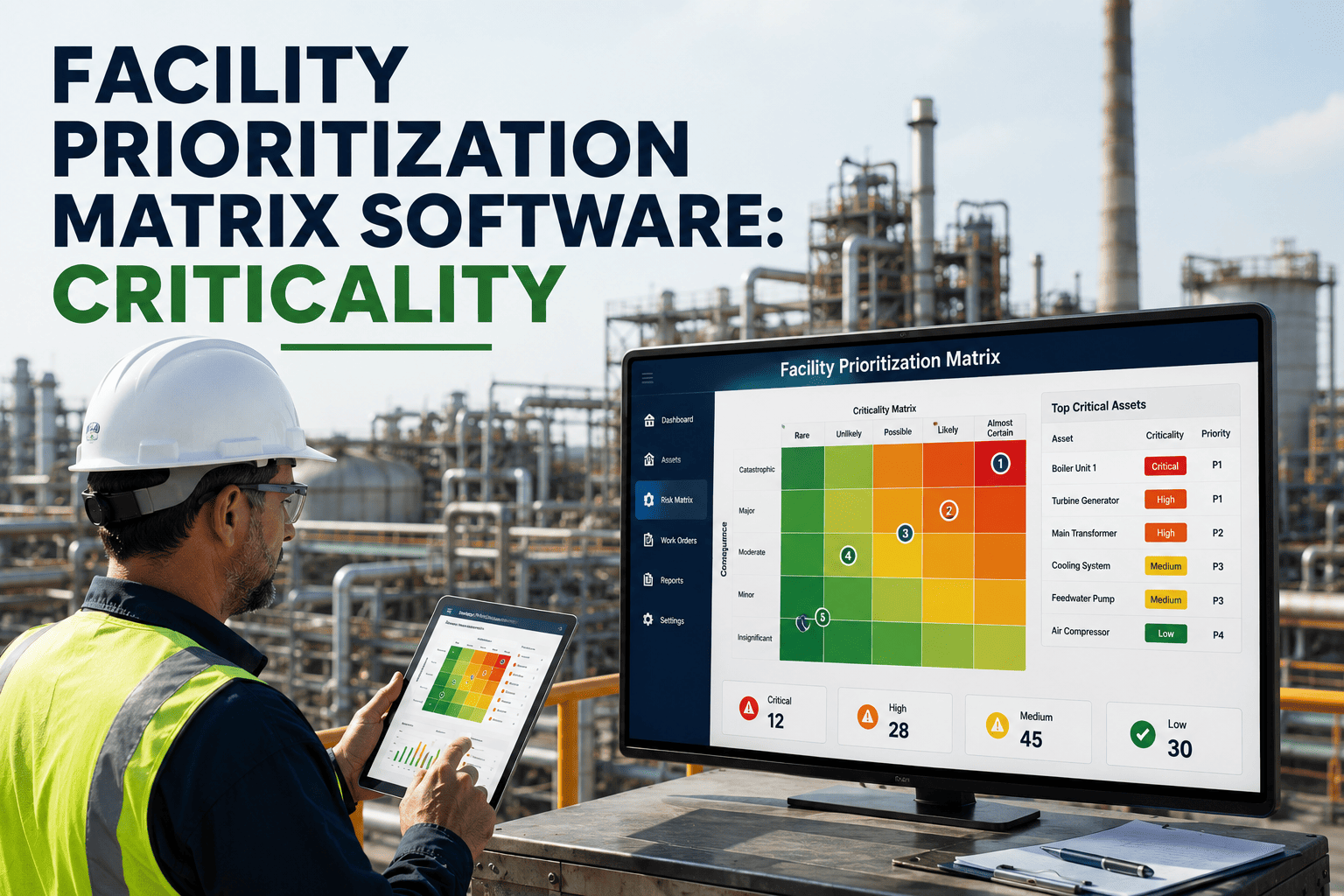
Not every asset deserves a preventive maintenance plan, and pretending otherwise quietly drains maintenance budgets across facilities every year. A $40 sensor scheduled for quarterly inspections by a $150-an-hour technician is not disciplined main
Read More
Every facility team eventually builds a Facility Condition Index score, and every capital committee eventually asks the same follow-up question: which items on this list should actually get funded first? FCI alone cannot answer that — a cracked pa
Read More
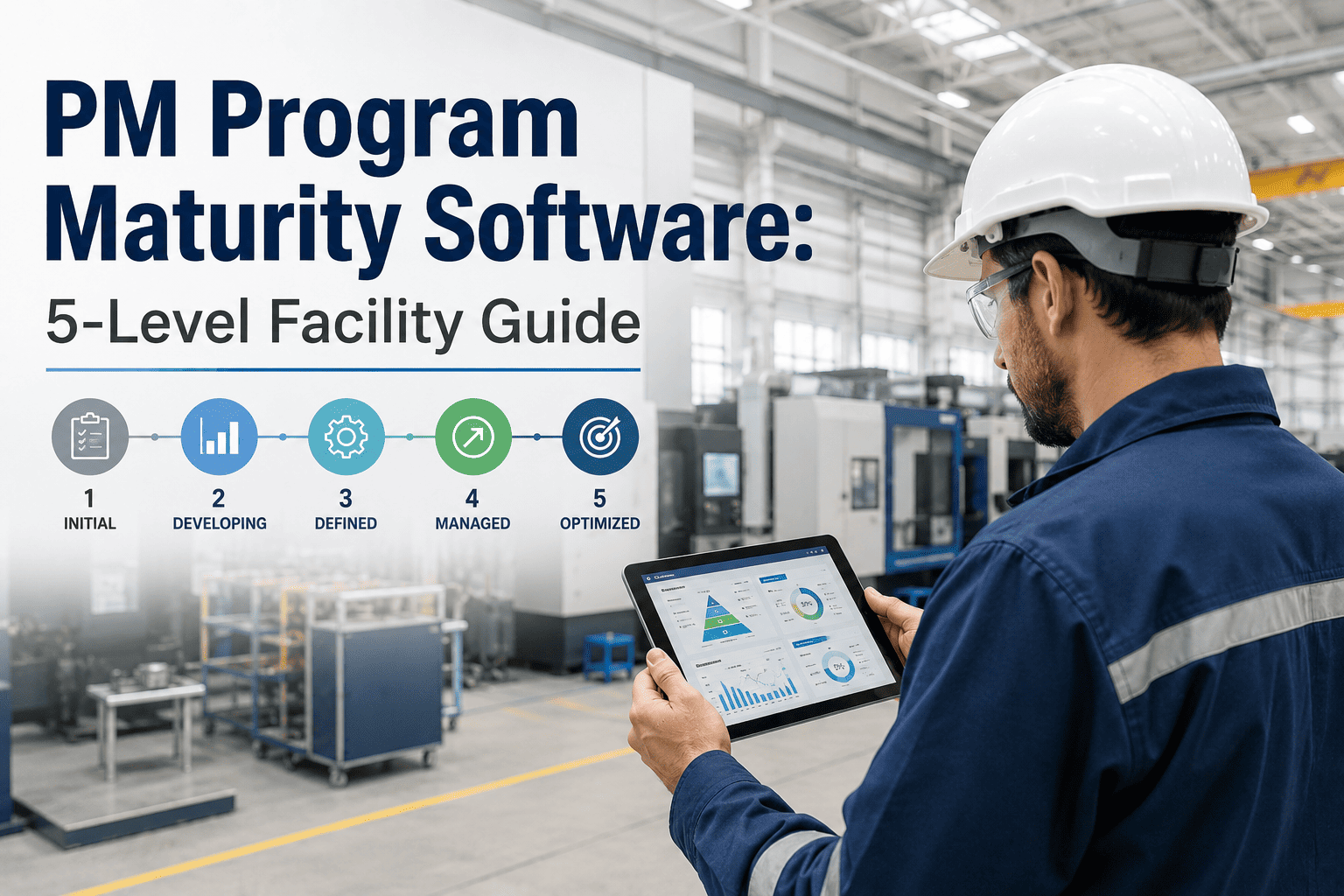
Most facility teams believe their preventive maintenance program is further along than it actually is. A maintenance manager points to a CMMS loaded with PM schedules and calls the operation "proactive," while technicians still spend most of the w

Read More
Every large facility organization hits the same wall: maintenance data lives inside a CMMS, financial data lives in an ERP, and the dashboard leadership actually reads lives in Power BI or Tableau — and none of these systems talk to each other aut
Read More
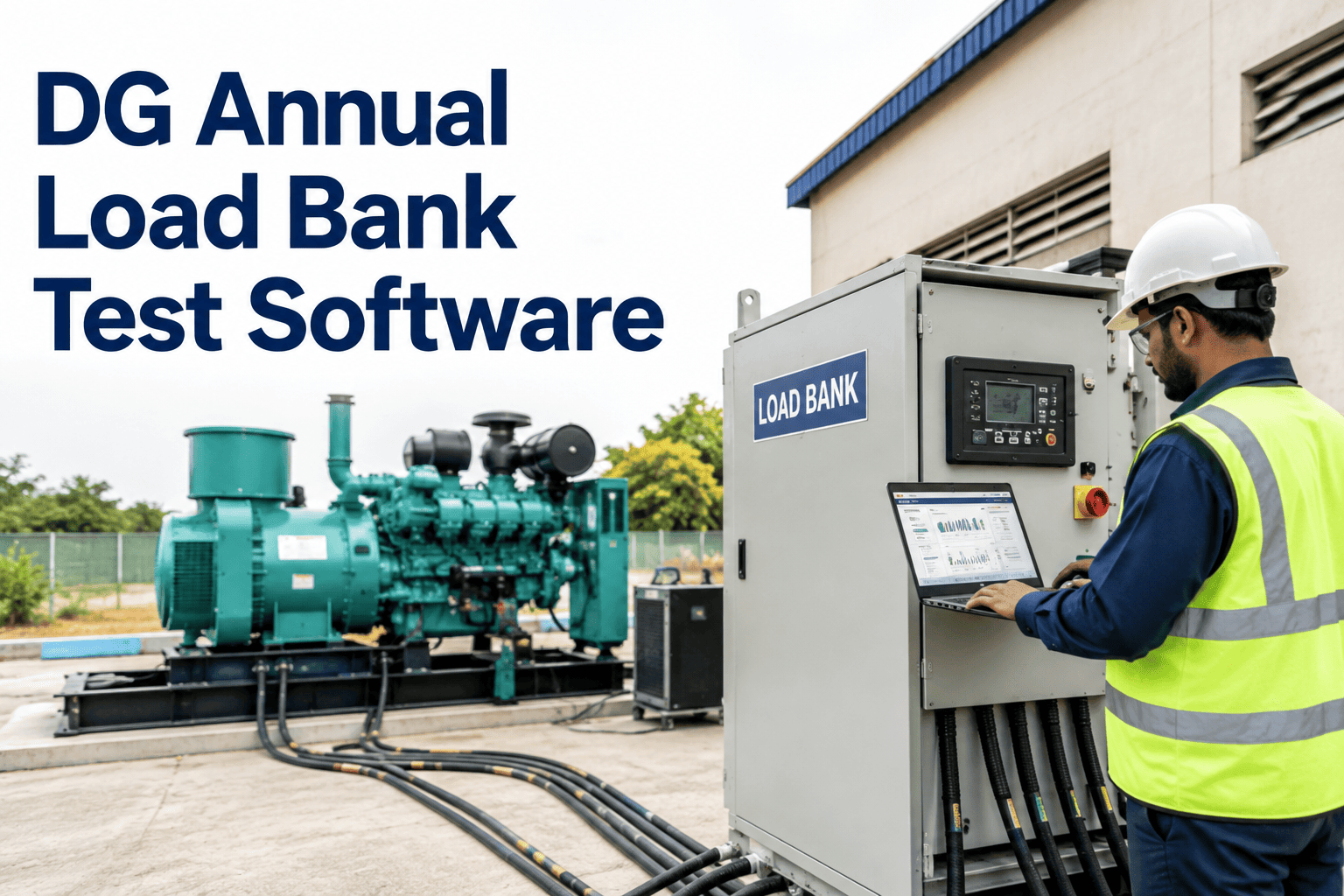
Most diesel generators never fail because the engine is bad — they fail because nobody loaded them hard enough to notice the problem building underneath. Monthly exercise runs rarely pull a standby unit past 20-25% of its nameplate rating, which i
Read More
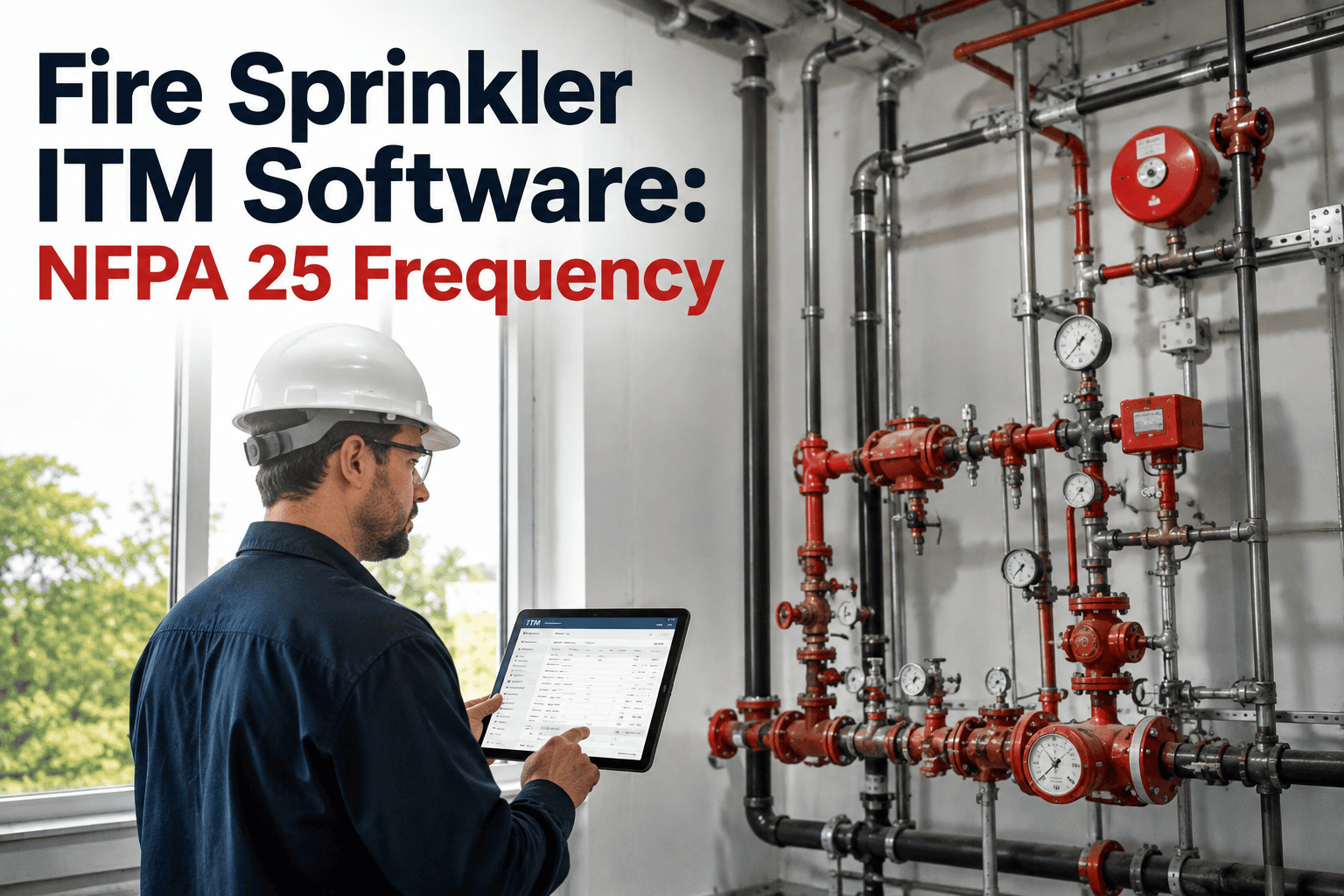
A single missed sprinkler inspection can turn a routine NFPA 25 audit into a shutdown notice, and most facility teams don't miss it on purpose — they miss it because the frequency calendar lives in someone's memory instead of a system. NFPA 25 set
Read More
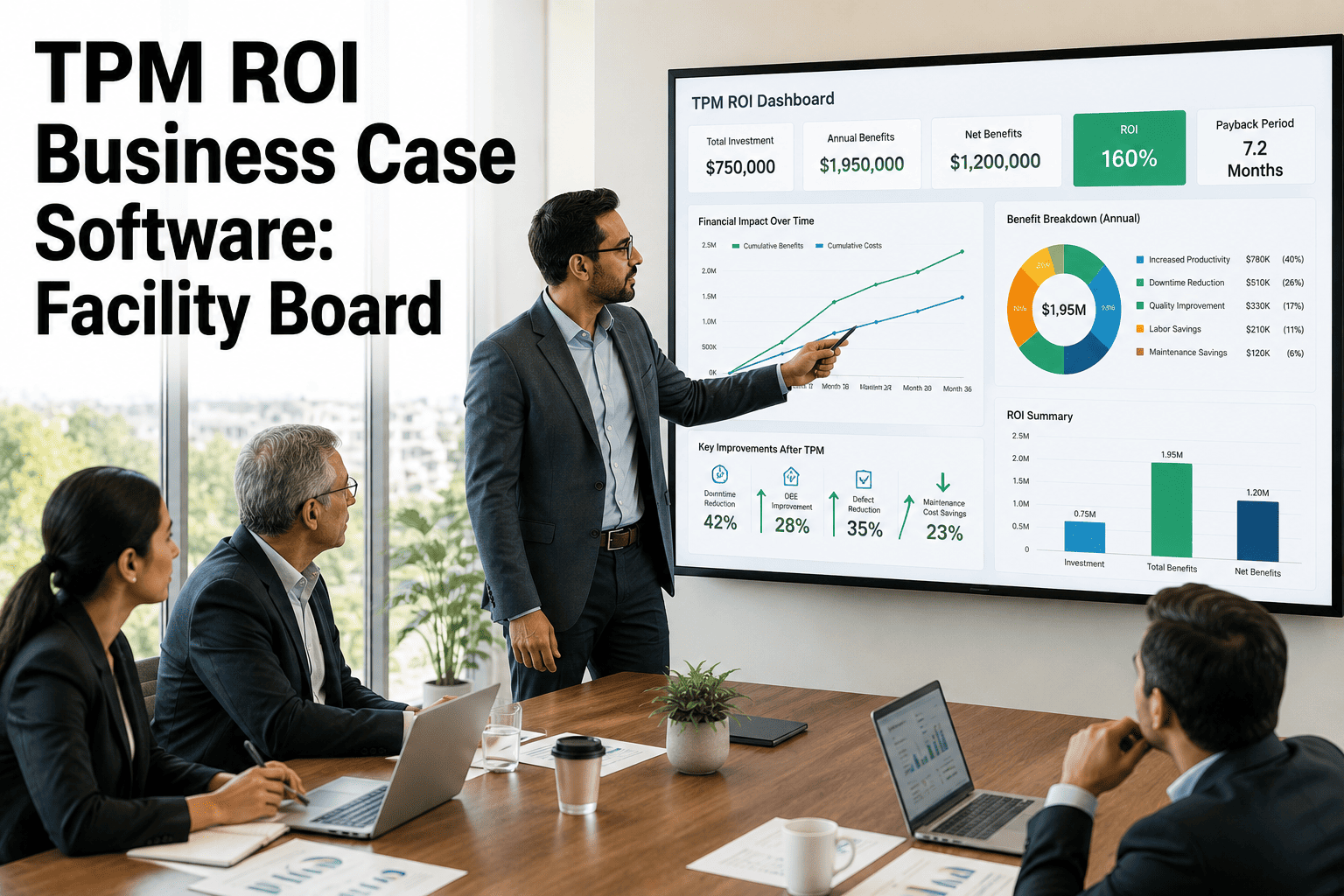
A plant reliability manager can walk into the boardroom with a spreadsheet full of downtime hours, but numbers alone rarely unlock a TPM budget. Facility boards want to see a direct line between preventive maintenance spending and dollars saved, n
Read More
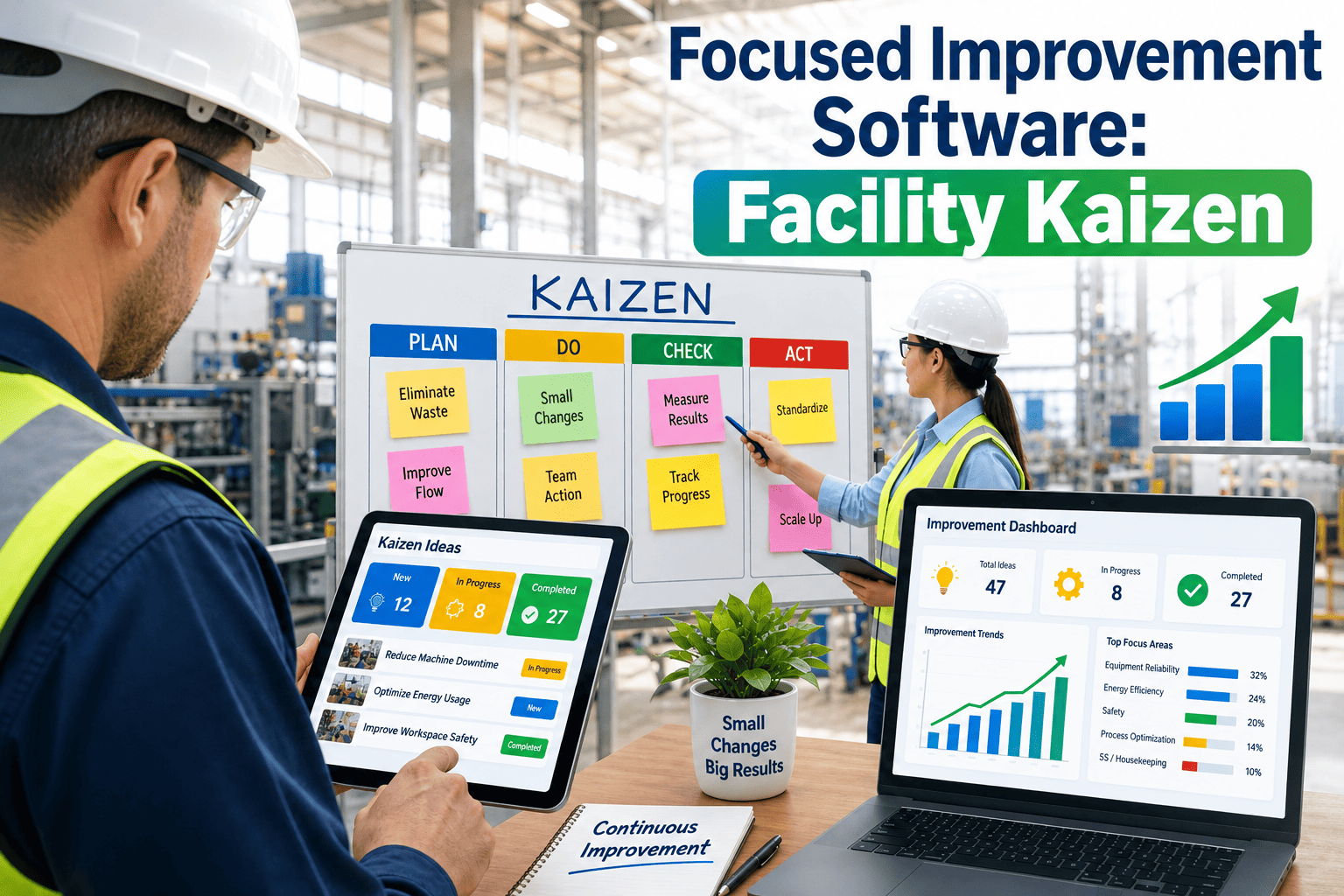
Facility teams chasing lower downtime and provable cost savings in 2026 are moving focused improvement off the whiteboard and into software. Kobetsu Kaizen — the focused improvement pillar of TPM — depends on picking the right problem, running a s
Read More
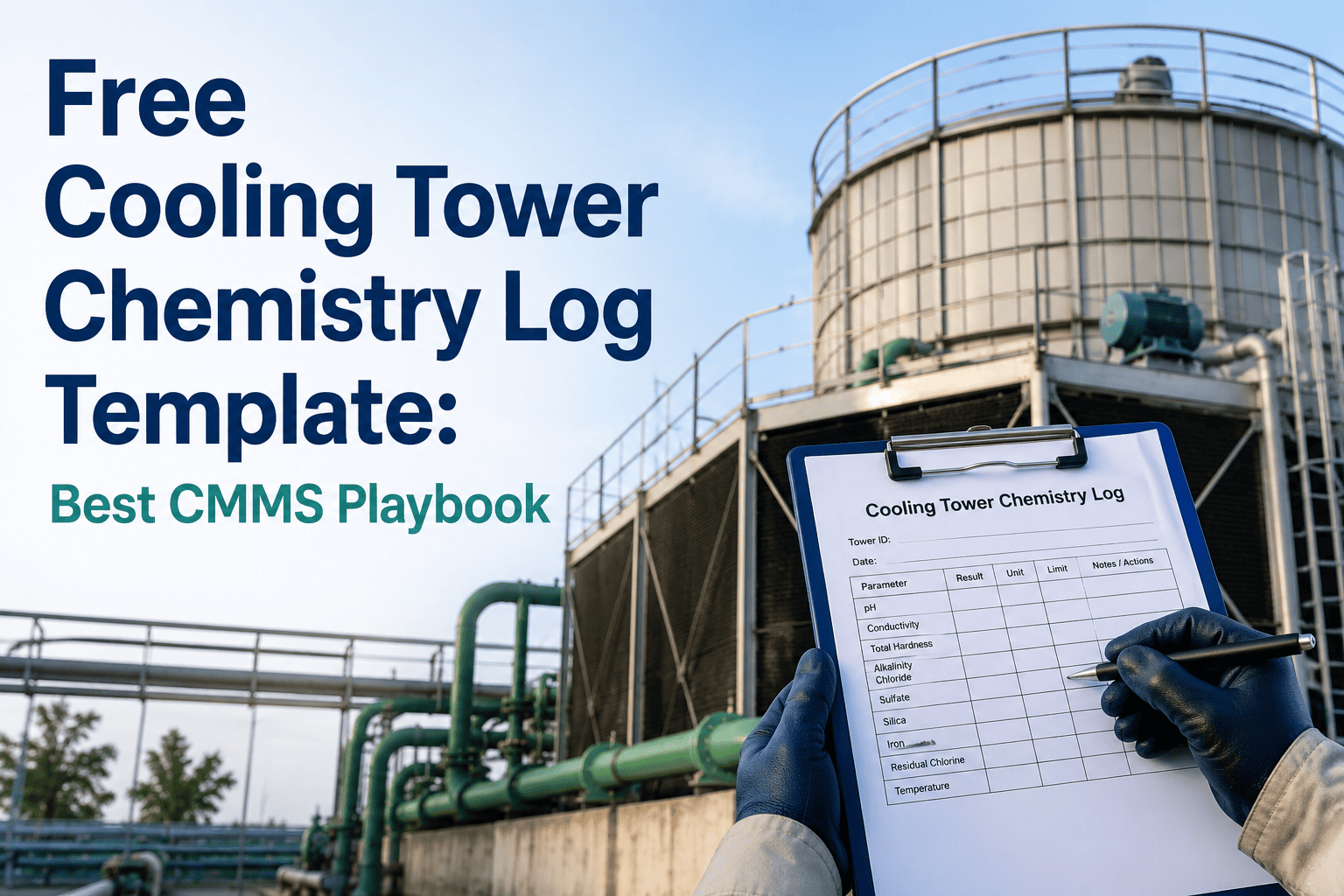
Facility managers searching for a reliable cooling tower chemistry log template in 2026 usually run into the same wall: paper sheets and disconnected spreadsheets that fall apart the moment an auditor asks for a complete testing history. A proper

Read More
A cooling tower is warm, wet, and constantly aerosolizing water into the air — which makes it one of the best environments Legionella bacteria can ask for, and one of the worst places for that bacteria to be. Legionnaires' disease cases have climb

Read More
UPS batteries are the last line of defense between a power event and a critical load, yet most facilities still track replacement on a calendar rather than actual battery health. VRLA batteries typically reach end of life in 3 to 5 years, lithium-
Read More
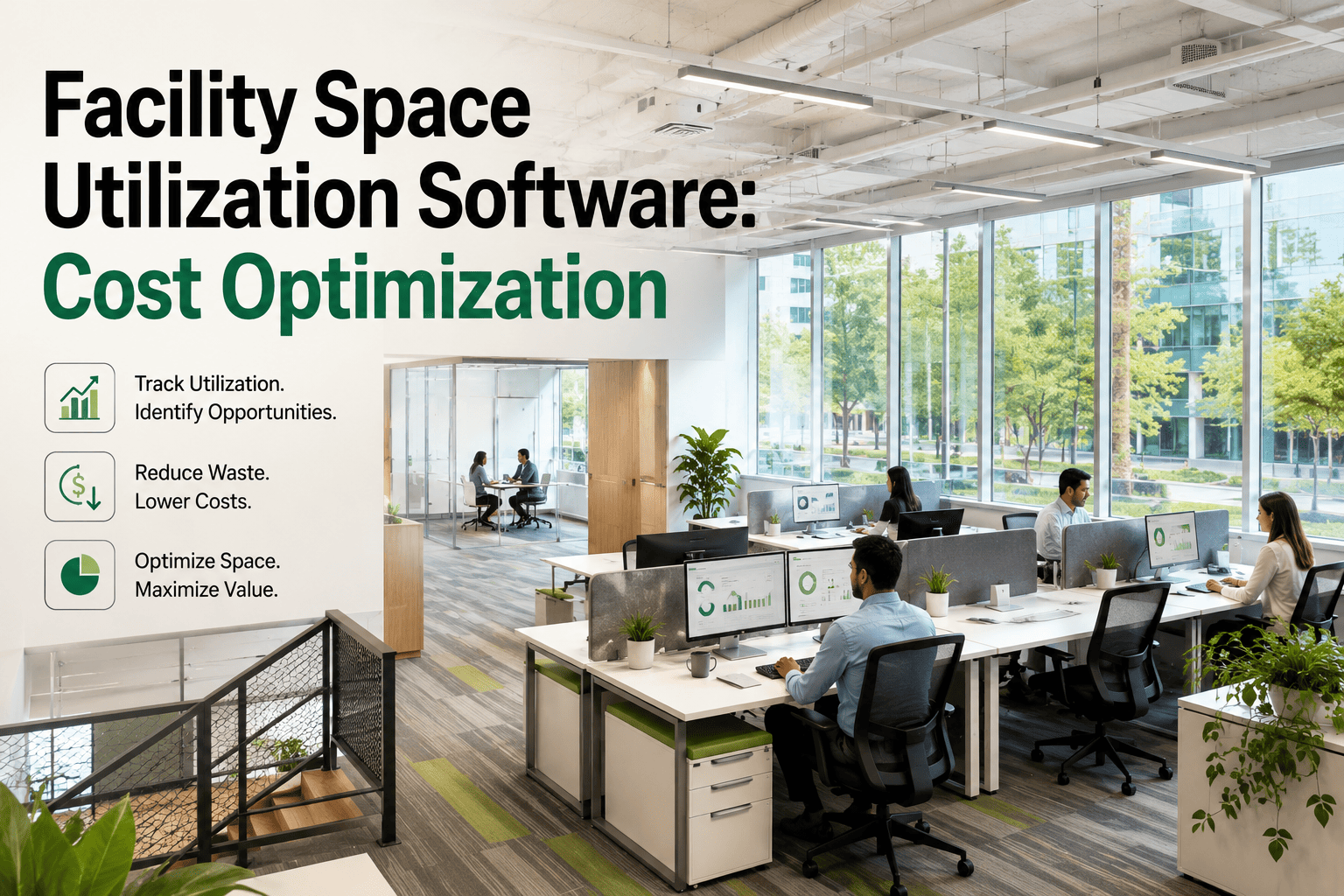
Facility teams pay full rent, full electricity, and full cleaning costs for space nobody actually uses. A ten-floor office running at thirty percent occupancy still shows up as fully leased on the balance sheet, and most real estate teams do not c

Read More
A fingerprint reader that logs an event but never gets serviced becomes a compliance blind spot the moment it starts misreading and someone props the door open instead. A facial recognition panel guarding a pharmacy or a server room is only as tru
Read More
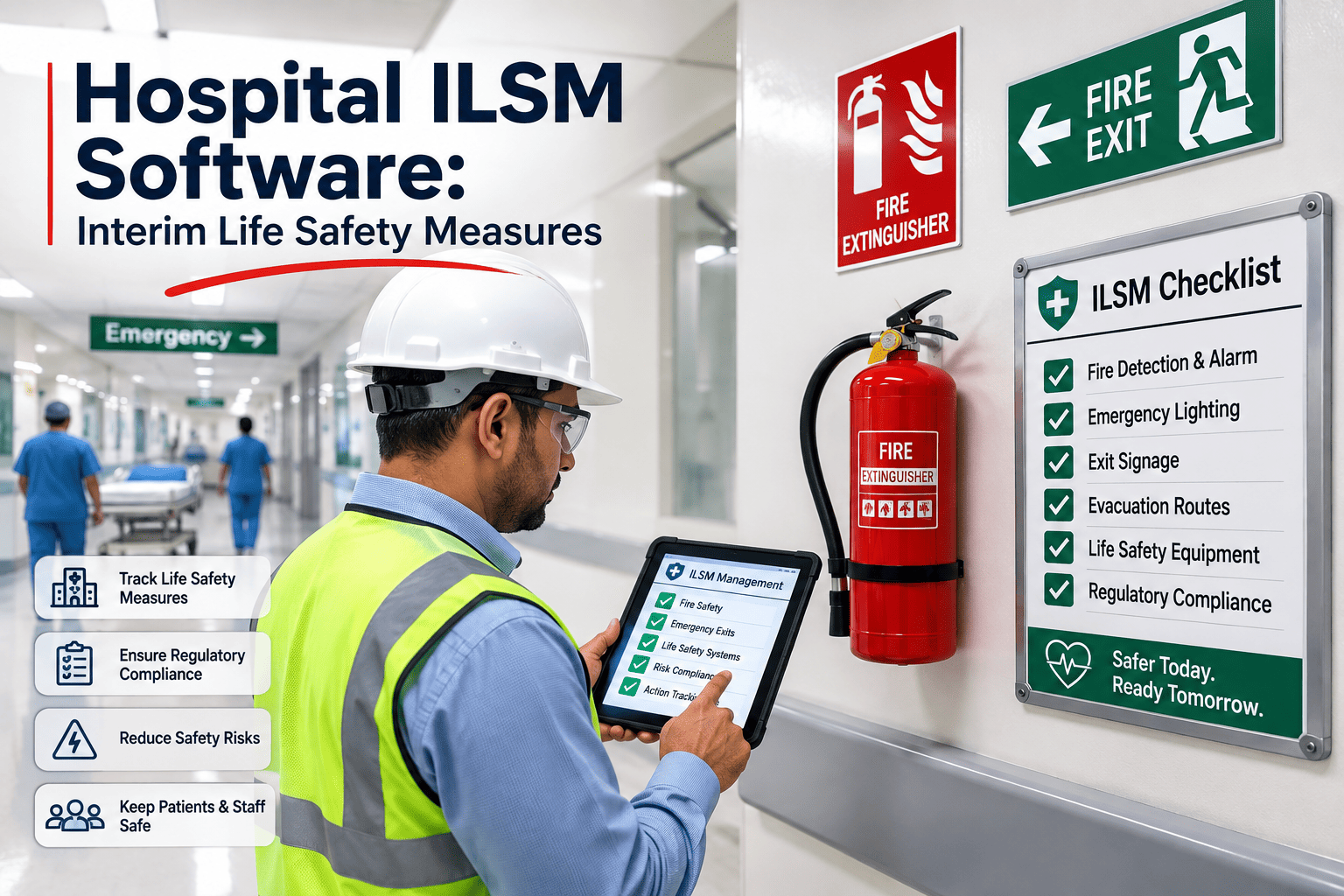
When a hospital breaks ground on a new wing or takes a fire alarm zone out of service for renovation, the Interim Life Safety Measures plan is the only thing standing between normal operations and a life safety gap a Joint Commission surveyor will

Read More
Every hospital that accepts Medicare and Medicaid patients operates under one non-negotiable promise: meet the CMS Conditions of Participation or lose the ability to bill federal programs at all. Among the 24 Conditions a hospital must satisfy, th

Read More
When a diesel generator fails to start during a power outage, the cause is rarely the engine itself. In most confirmed startup failures investigated across hospitals, data centers, and industrial sites, the trail leads back to the fuel tank — wate

Read More
A generator that fails to start during an outage almost never fails because of the engine — it fails because the starting battery could not deliver the cranking current the engine needed at the moment it mattered. NFPA 110 exists precisely because
Read More
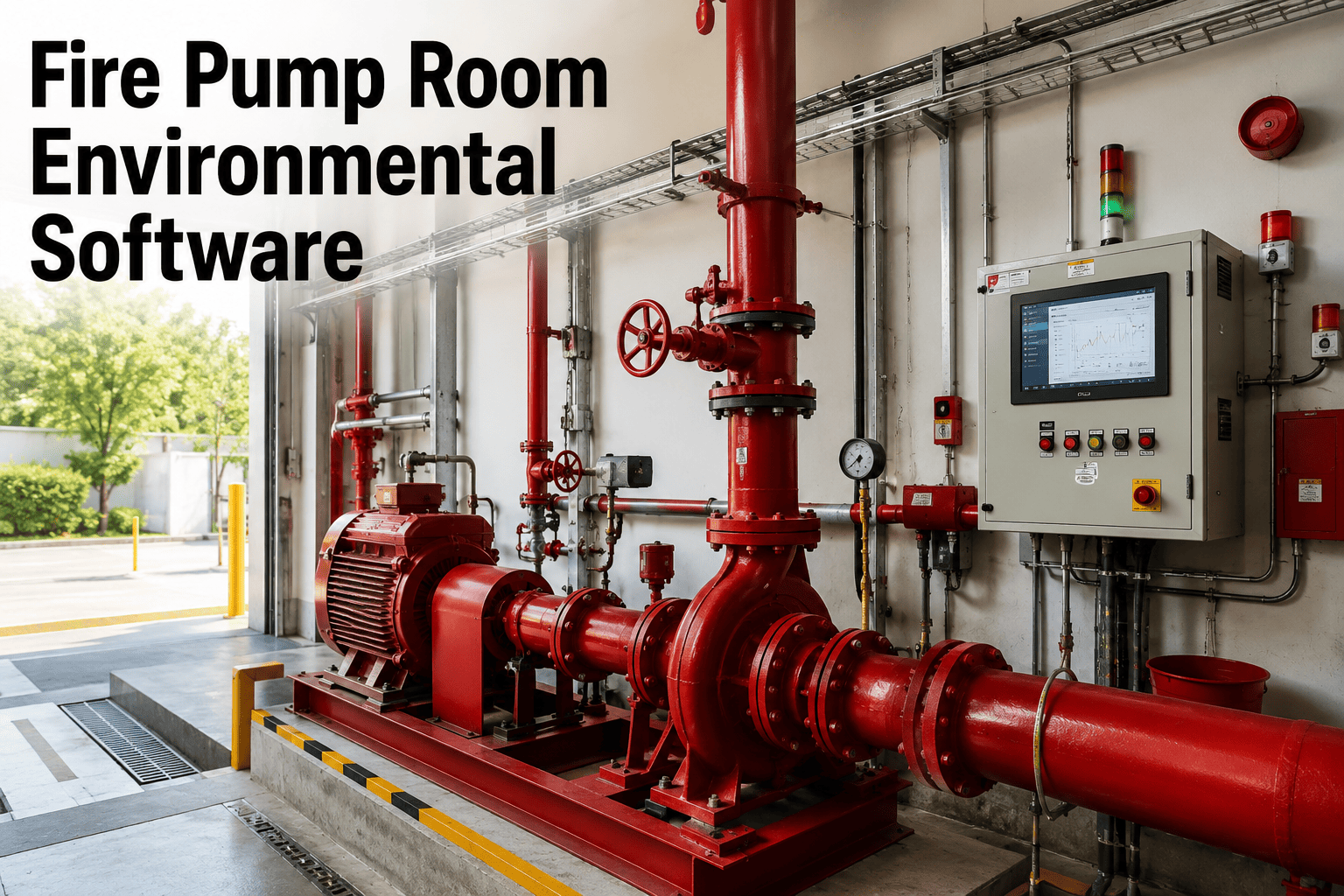
A fire pump that will not start because its room dropped below 40°F is not a maintenance failure — it is a life safety failure waiting for a fire to expose it. NFPA 20 sets firm environmental limits for fire pump rooms because the pump, its driver
Read More
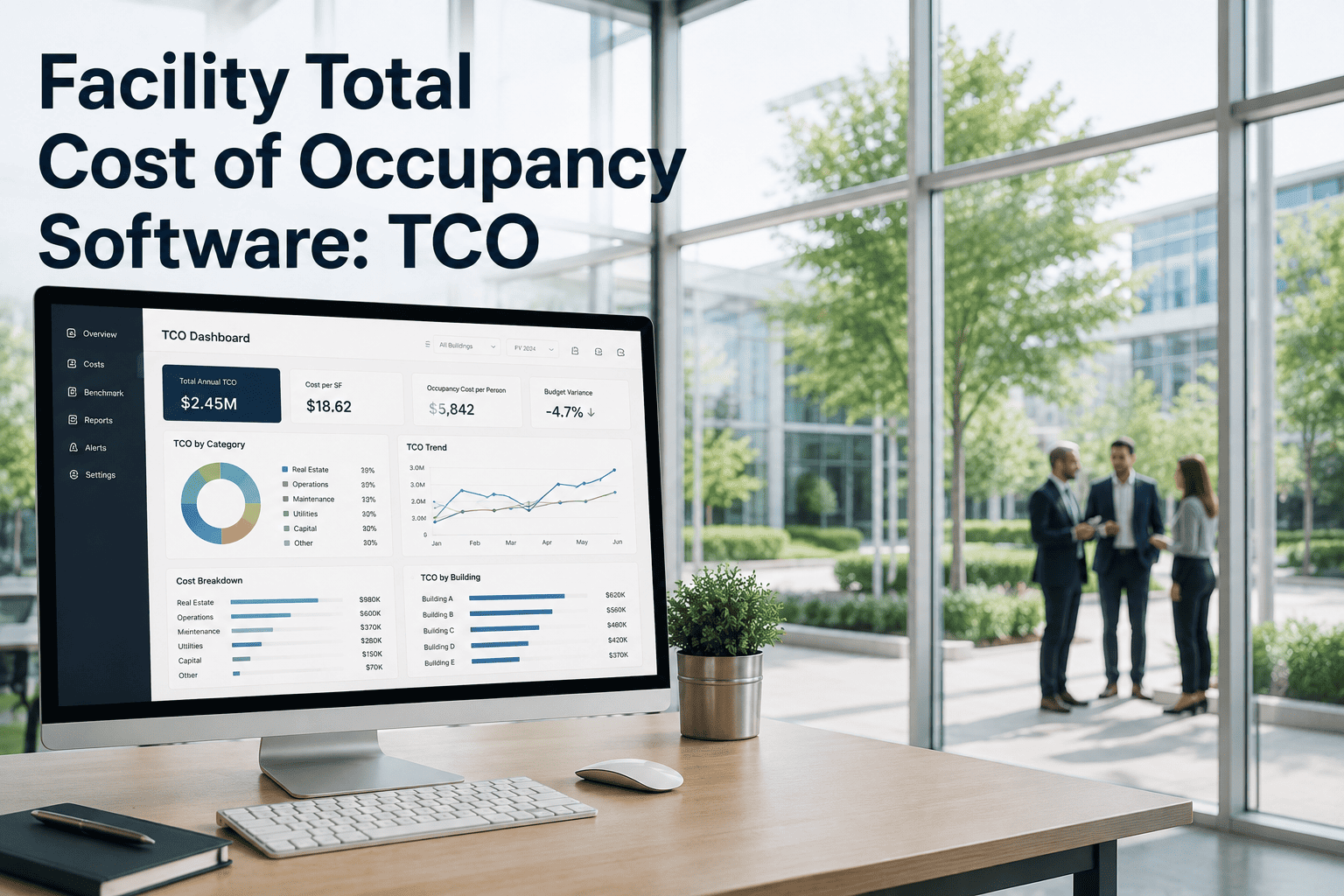
Base rent is the number every lease negotiation revolves around, and it is also the number that hides the real cost of a facility. Industry data consistently shows base rent makes up only roughly two-thirds of what a space actually costs once oper

Read More
Every facility running mag stripe cards, HID Prox badges, or legacy Wiegand wiring is sitting on borrowed time. These credential formats were built decades ago with no encryption, no tamper detection, and no way to tell a facility team when a read
Read More
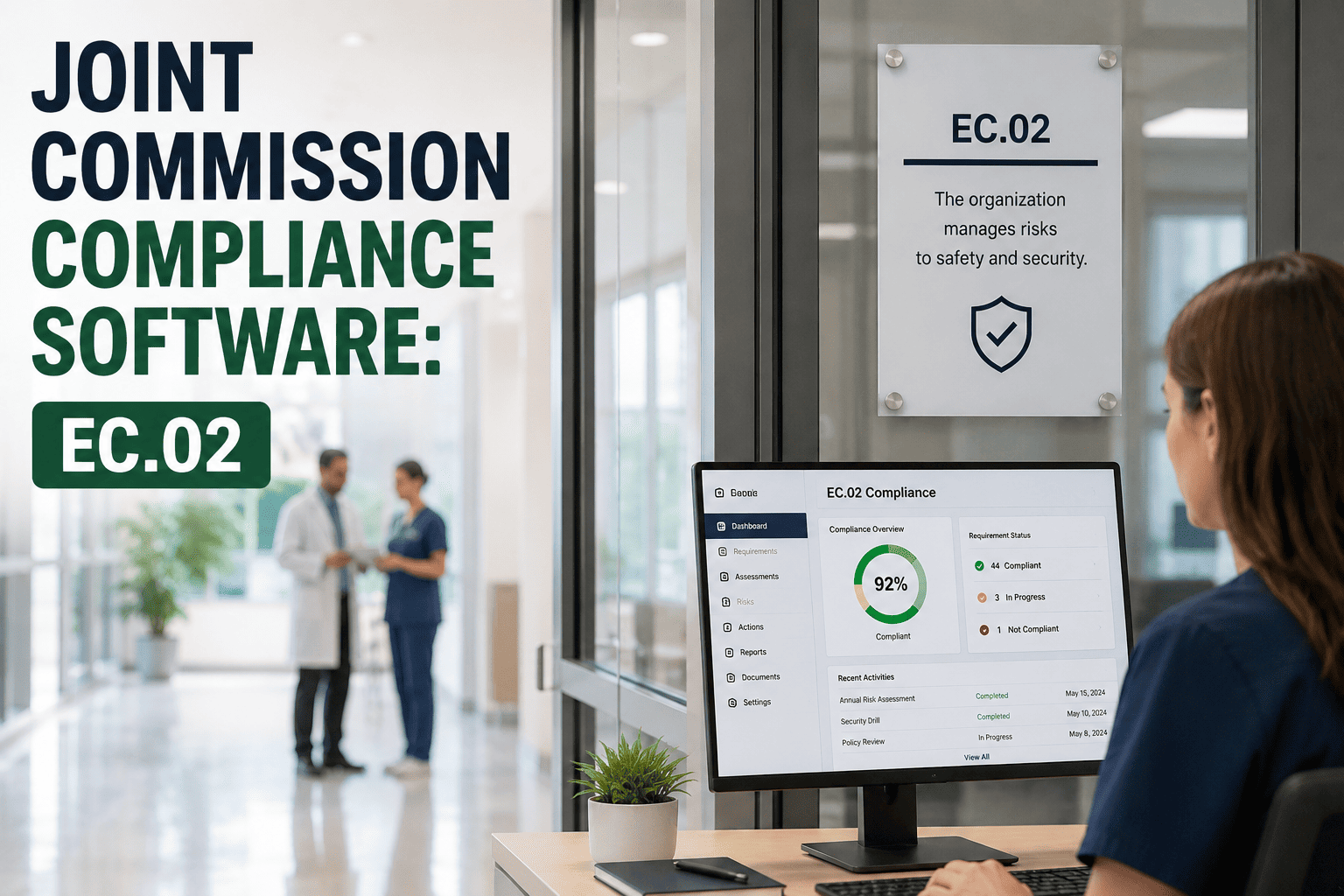
A Joint Commission survey rarely fails a hospital because equipment wasn't maintained — it fails because the maintenance happened and nobody can produce evidence of it fast enough when a surveyor asks. Environment of Care standards, commonly refer

Read More
A standby diesel generator can sit idle for months and still be expected to crank, fire, and carry full load within ten seconds of a utility outage. That's the entire point of it — and it's also why startup failure is so dangerous: the one moment

Read More
One closed valve is all it takes. Every fire pump discharge system depends on a PIV, OS&Y, or butterfly control valve staying fully open, every hour of every day, whether anyone is watching or not — and industry data consistently points to a c

Read More
Education and Training is the sixth pillar of Total Productive Maintenance, and it's usually the first one to fall apart. Most plants track it in a spreadsheet skills matrix that gets updated twice a year, if that — so a certification quietly expi
Read More
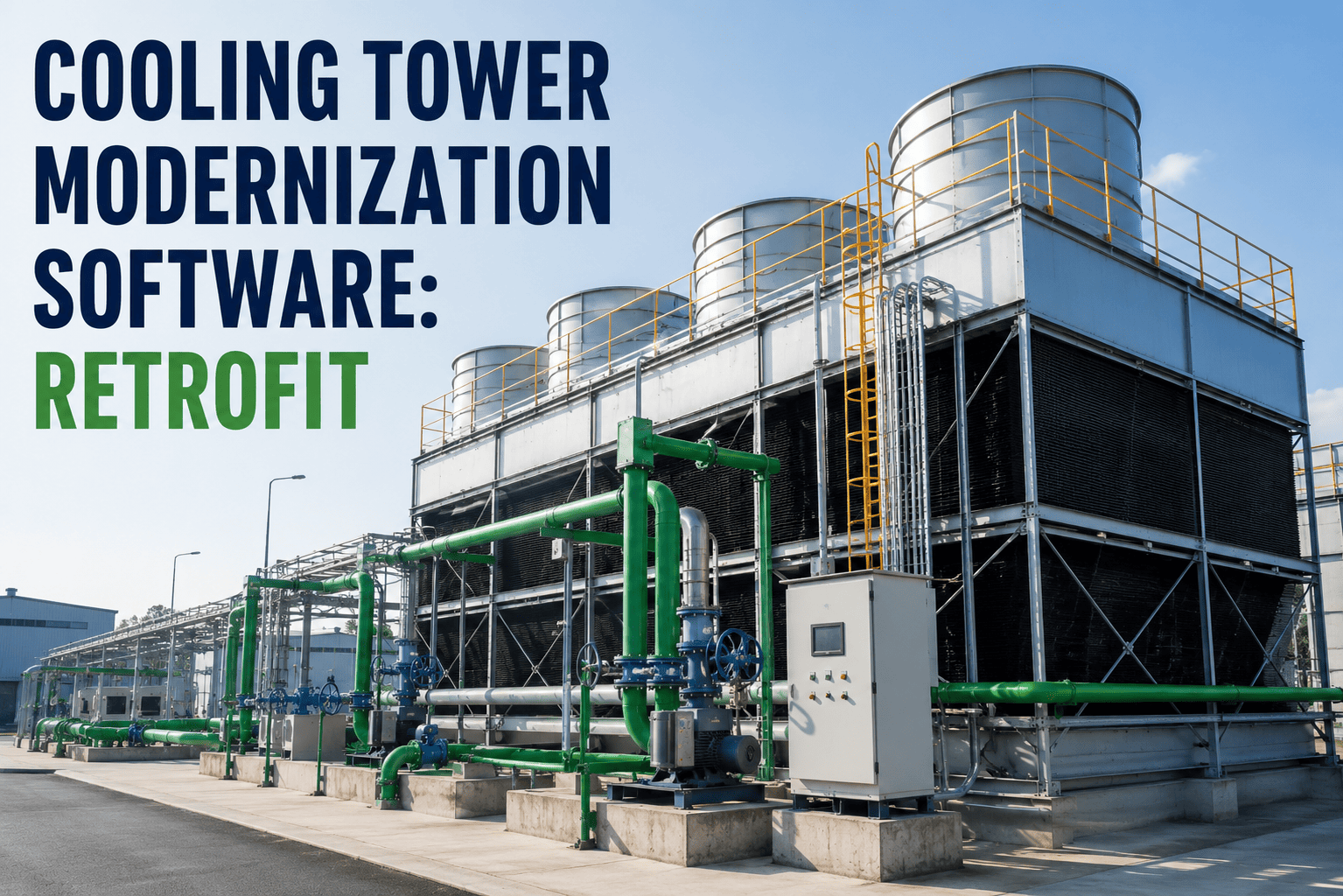
Most cooling towers were never designed to talk to software. They were built to reject heat, not to report on themselves — so when fill starts fouling, a fan bearing starts wearing, or basin chemistry drifts out of range, nobody finds out until en

Read More
A UPS does not fail the day it fails — it fails months earlier, quietly, inside the capacitor bank nobody is watching. Electrolytic capacitors dry out, their equivalent series resistance climbs, and their capacitance drifts downward long before a
Read More
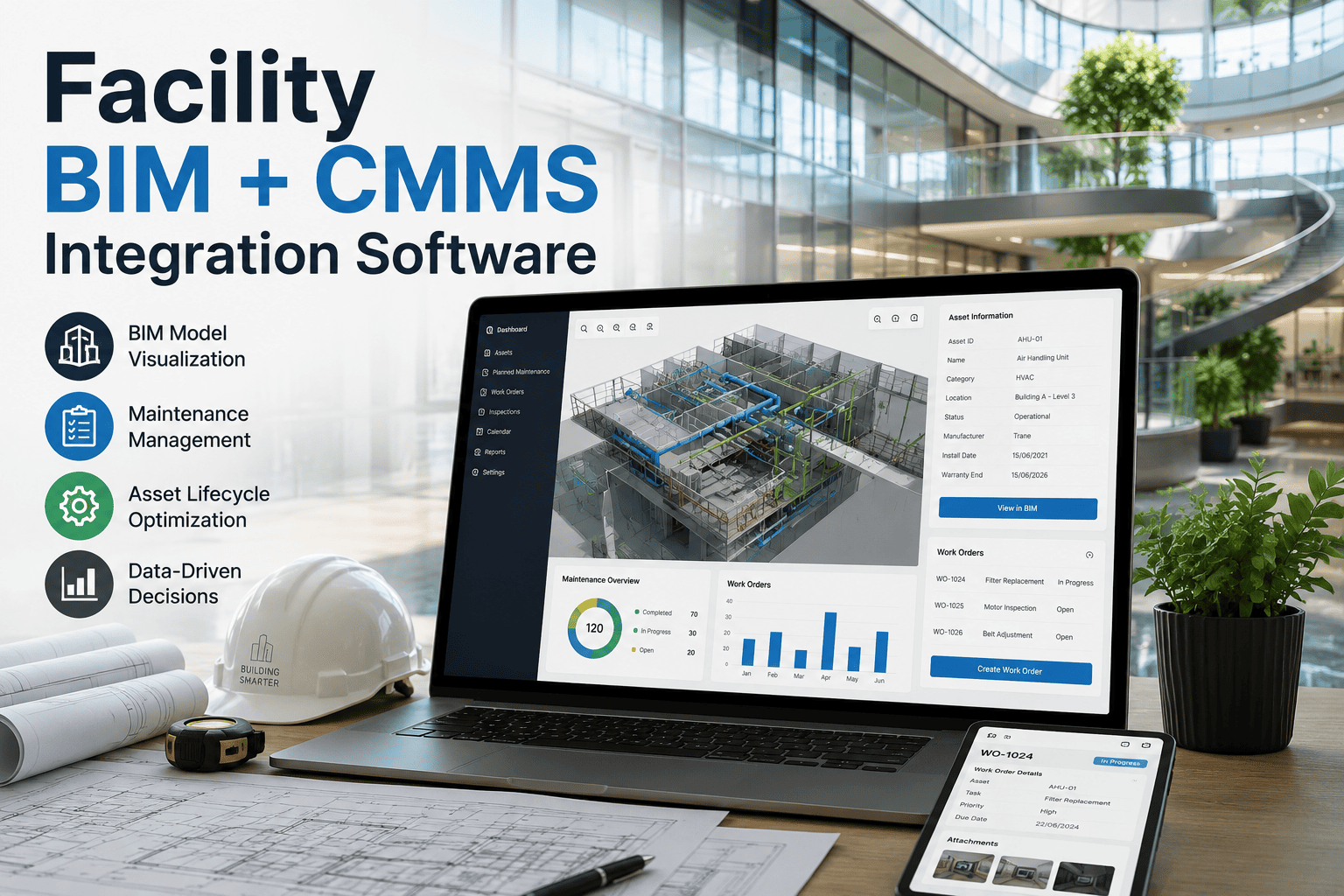
A construction project can generate a building information model with thousands of tagged assets — every valve, air handler, and fire damper modeled with its manufacturer, warranty date, and maintenance data attached. Then handover happens, the mo

Read More
Facility IT teams already spent years and six-figure budgets standing up MuleSoft, Boomi, or Workato as the integration backbone for ERP, identity, ticketing, and finance systems. Then a new CMMS shows up with its own proprietary connector list, i

Read More
By the time someone submits a "too hot" or "too cold" ticket, the discomfort has usually been building for twenty to thirty minutes — long enough for a handful of people to notice before facilities does. AI comfort prediction software closes that

Read More
A resident hands back the keys, and the clock starts. Most property teams still walk the unit with a clipboard, guess at paint and carpet condition, and wait two or three days for a maintenance supervisor to translate notes into a dollar figure. B

Read More
Most security deposit disputes never come down to whether damage happened — they come down to whether anyone can prove what the unit looked like before it happened. A tenant claims the carpet stain was already there at move-in; the property team h

Read More
Most facility teams don't have a fire pump vendor problem — they have forty of them. A hospital campus calls one contractor for churn tests, another for annual flow tests, a third when the jockey pump short-cycles, and a fourth when an AHJ flags a
Read More
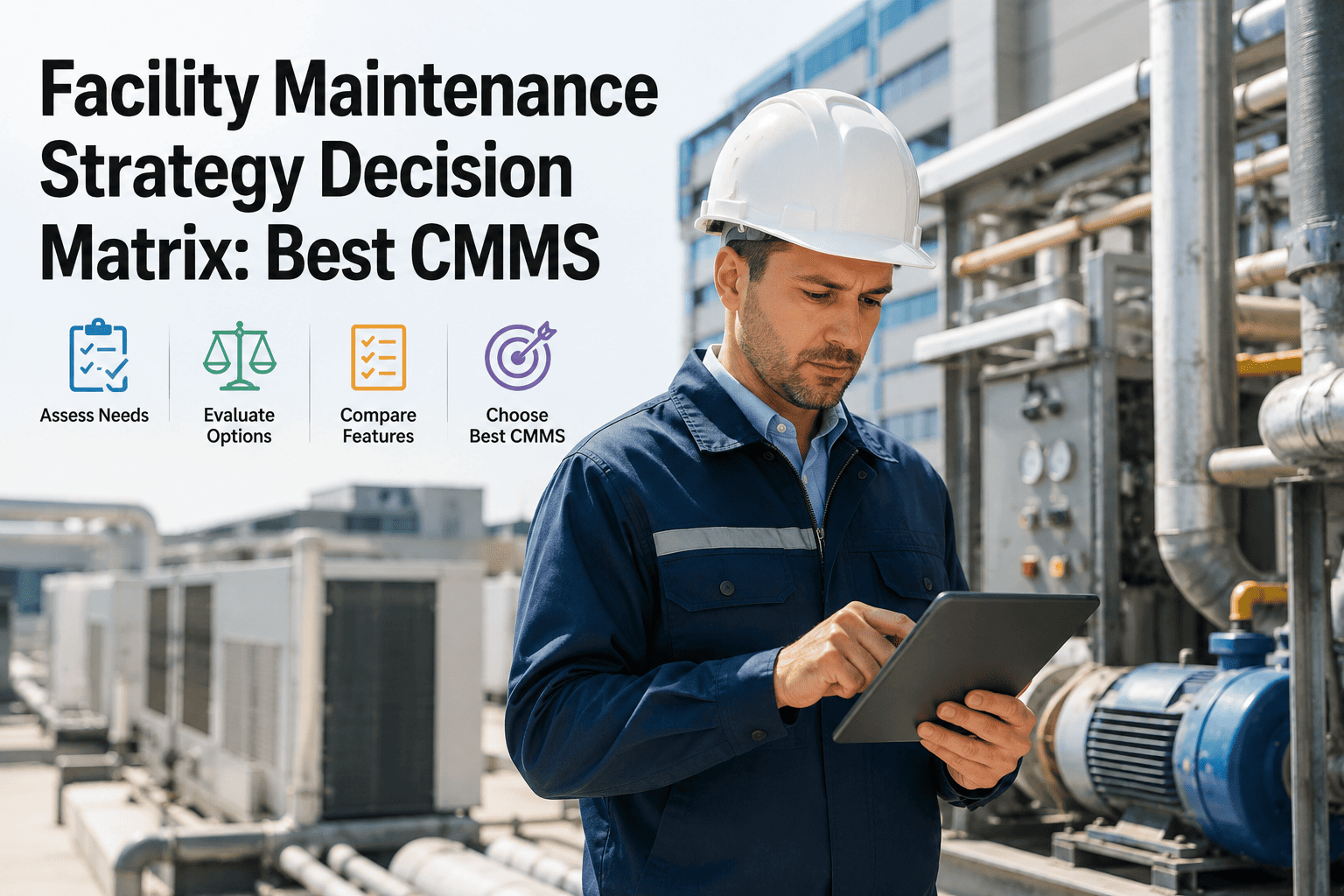
Every facility carries a mix of assets that don't deserve the same maintenance approach — a chiller keeping a data hall online and a hallway light fixture down the corridor have nothing in common except a place on the same PM calendar. A maintenan
Read More
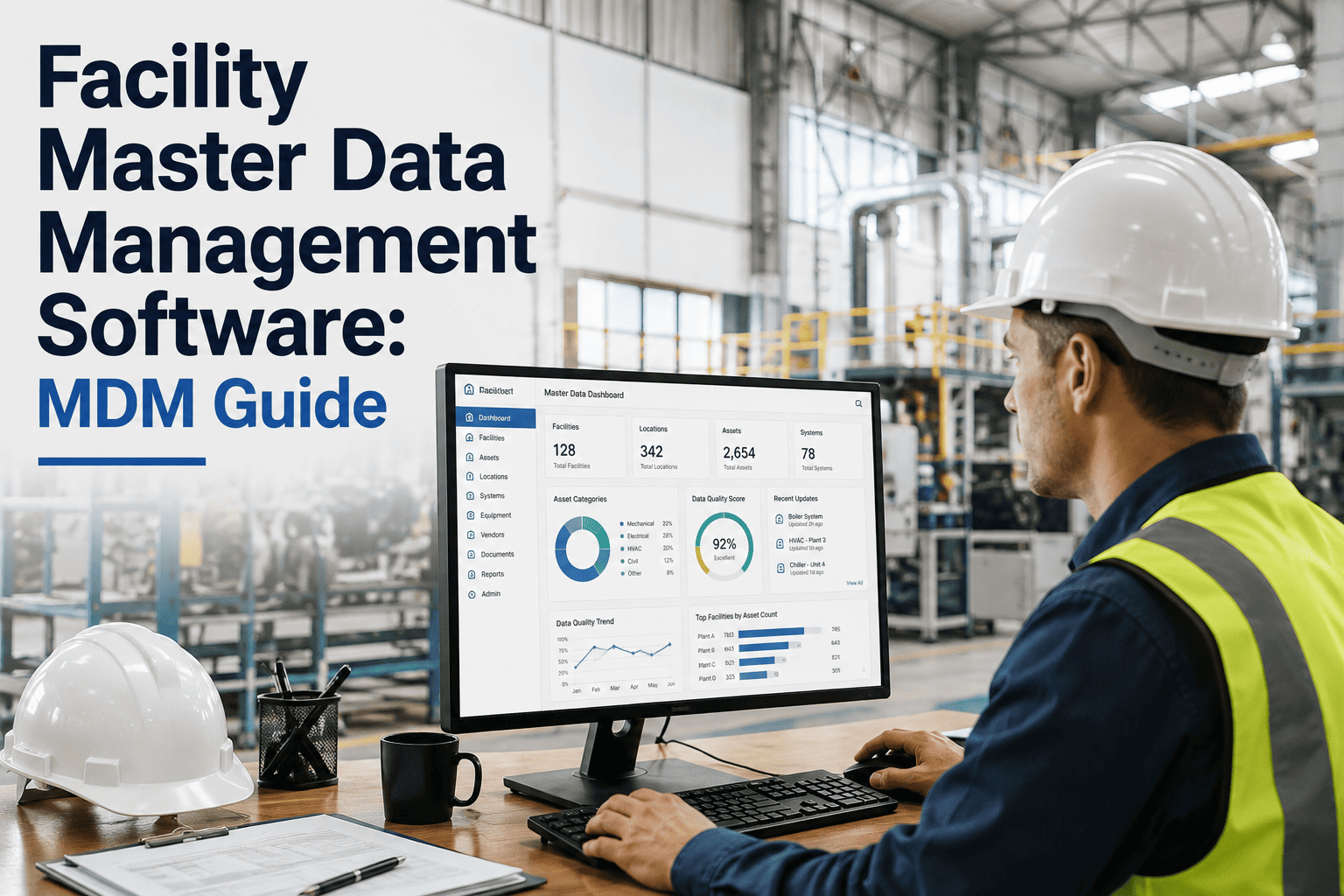
Ask a facility team how many pumps they have, and you will usually get three different numbers depending on whether you check the CMMS, the spreadsheet the site manager keeps, or the vendor's service contract list. Organizations now manage facilit
Read More
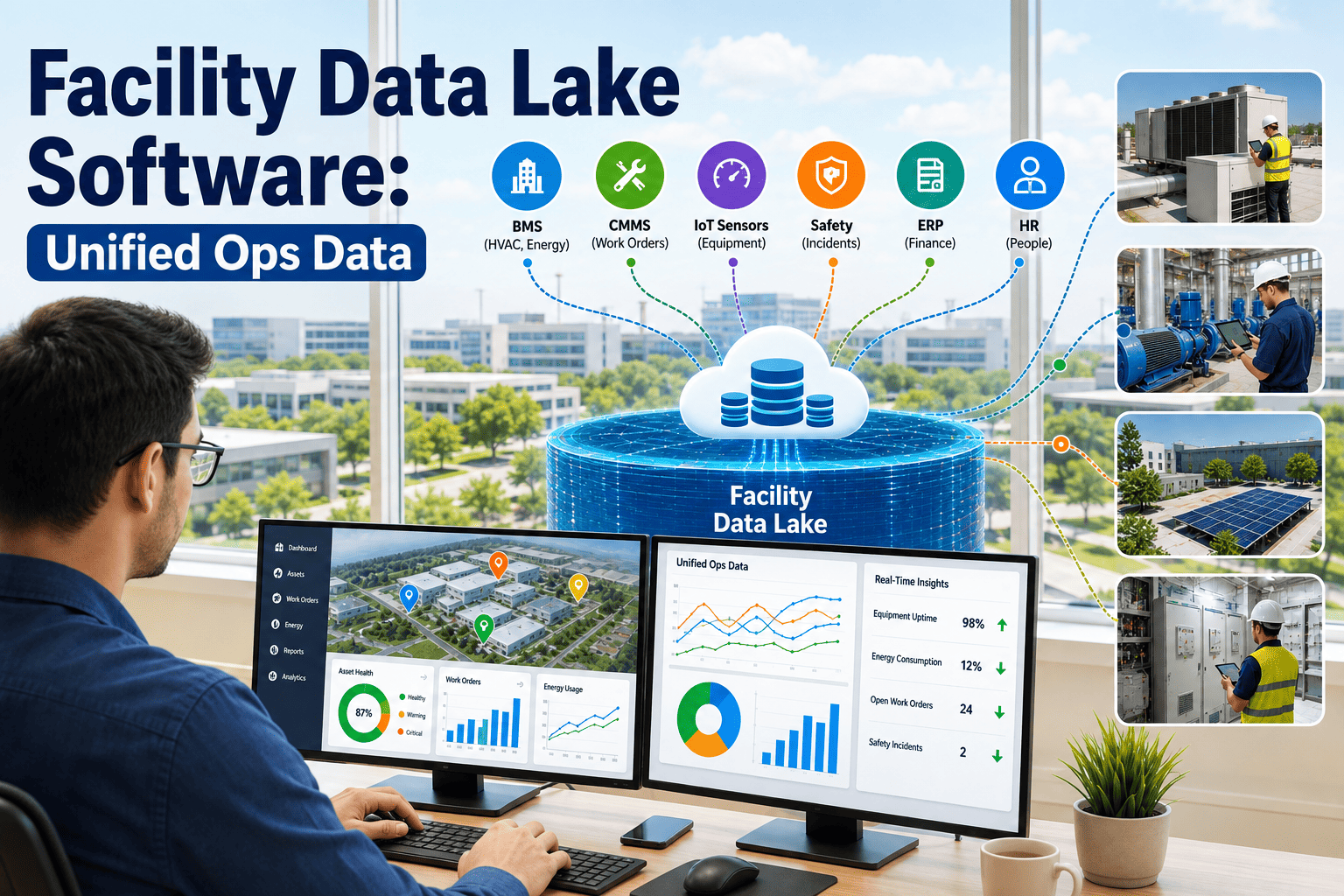
Every commercial building now produces more operational data than any team can track by hand — HVAC alarms and setpoints from the BMS, vibration and temperature readings from IoT sensors, work order history inside the CMMS, energy meter readings,
Read More
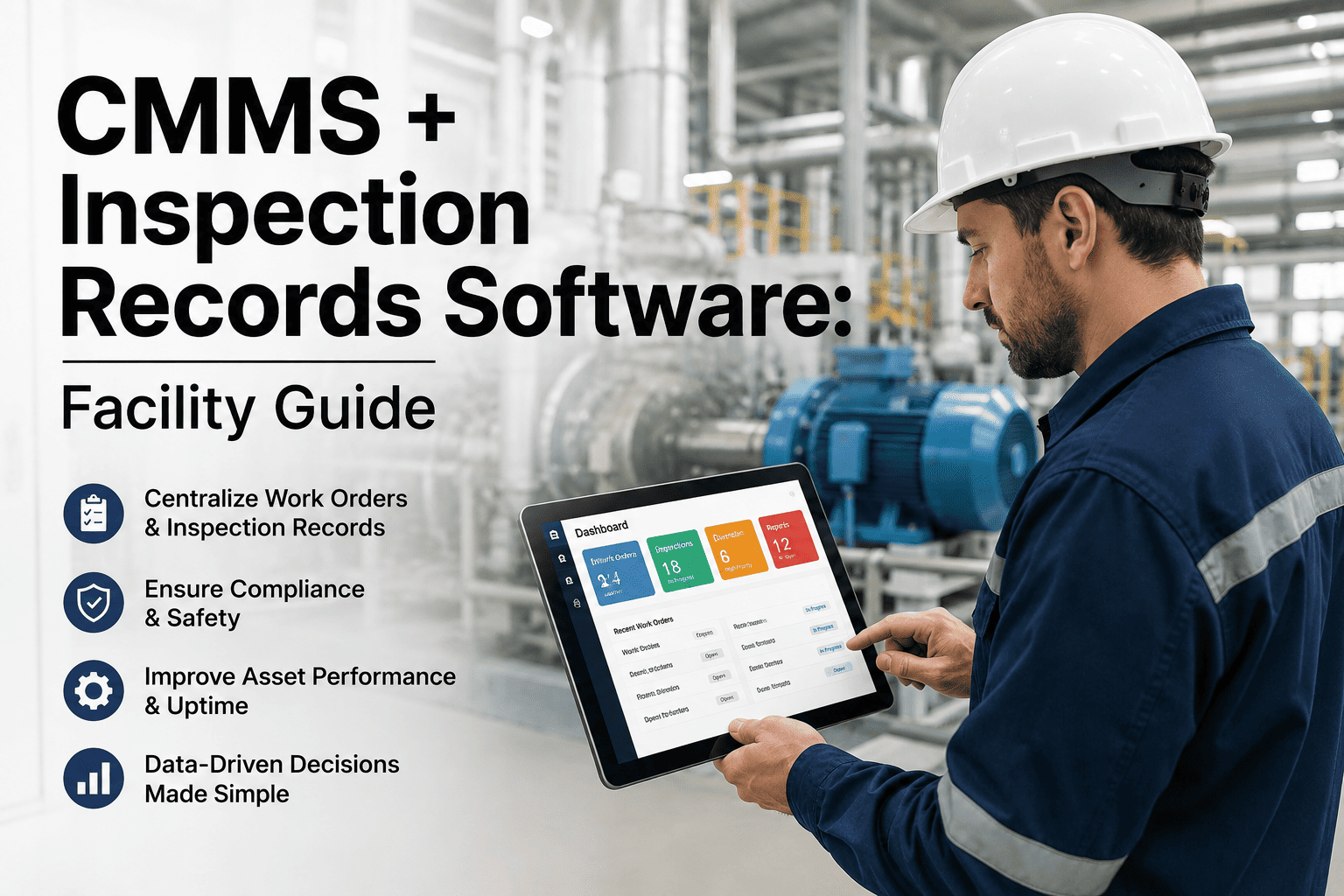
An inspector arrives unannounced, asks for the last six months of exhaust hood inspection records, and the facility manager pulls out a binder with three months missing because the technician who filled them out left the company and nobody continu

Read More
A galvanized steel basin does not fail overnight. It fails one micron of wall thickness at a time, hidden beneath waterline scale, inside a header pipe nobody opens until the annual shutdown, or behind insulation on a condenser line that looks per

Read More
Picture eleven fire pumps across nine properties in a REIT portfolio. One is due for its annual flow test, three are overdue on monthly churn runs, and a diesel unit at your busiest asset failed its automatic start check last week — but nobody at

Read More
Ask a corporate facilities director how many different fire pump models sit across their portfolio and most cannot answer without pulling files from a dozen different property managers. One site runs a diesel-driven pump on a weekly churn schedule

Read More
Most facility teams already have an AI pilot running somewhere — a predictive maintenance trial on one chiller, a vision-based inspection test on one floor, a chatbot handling a handful of tenant requests. Few of those pilots ever become the way t

Read More
Most facilities aren't short on data — they're drowning in it, just not in one place. The BMS knows the chiller cycled twice overnight, the IoT sensor knows the vibration spike on line three, the utility meter knows the demand charge just tripped

Read More
Facility teams have spent decades fixing problems only after they happen — a bearing seizes, a chiller trips offline, a conveyor jams mid-shift, and only then does anyone reach for a wrench. A digital twin flips that sequence entirely, giving reli
Read More
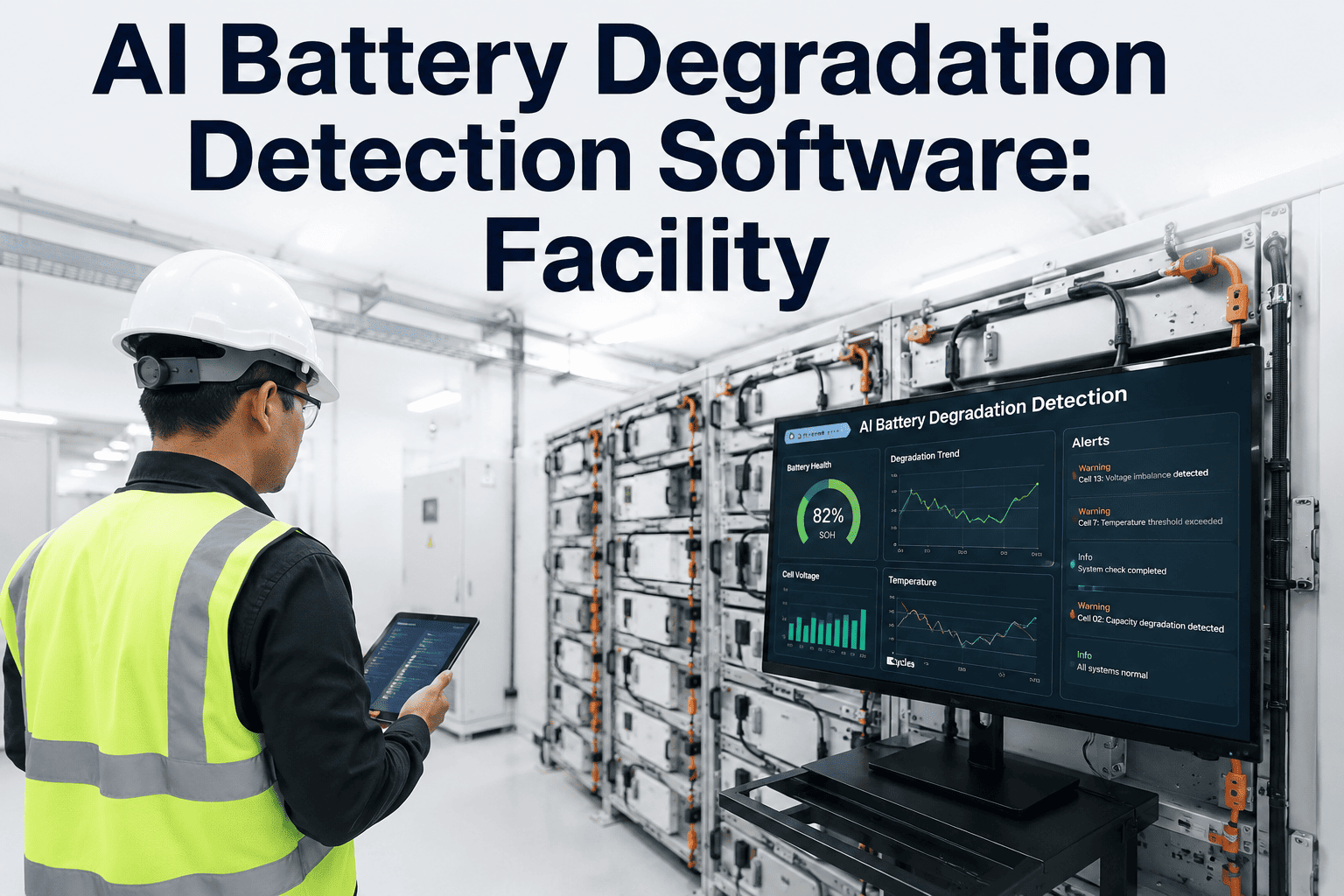
The worst time to discover a dying UPS battery is during the outage it was supposed to cover. Internal resistance climbs for months before a voltage sag ever shows up on a routine load test, and by the time a technician catches it manually, the ba

Read More
When a fire pump fails its annual flow test, the fallout rarely stays contained to the pump room. Insurance carriers reprice risk, authorities having jurisdiction issue violation notices, and facility engineers get pulled into finance meetings to
Read More
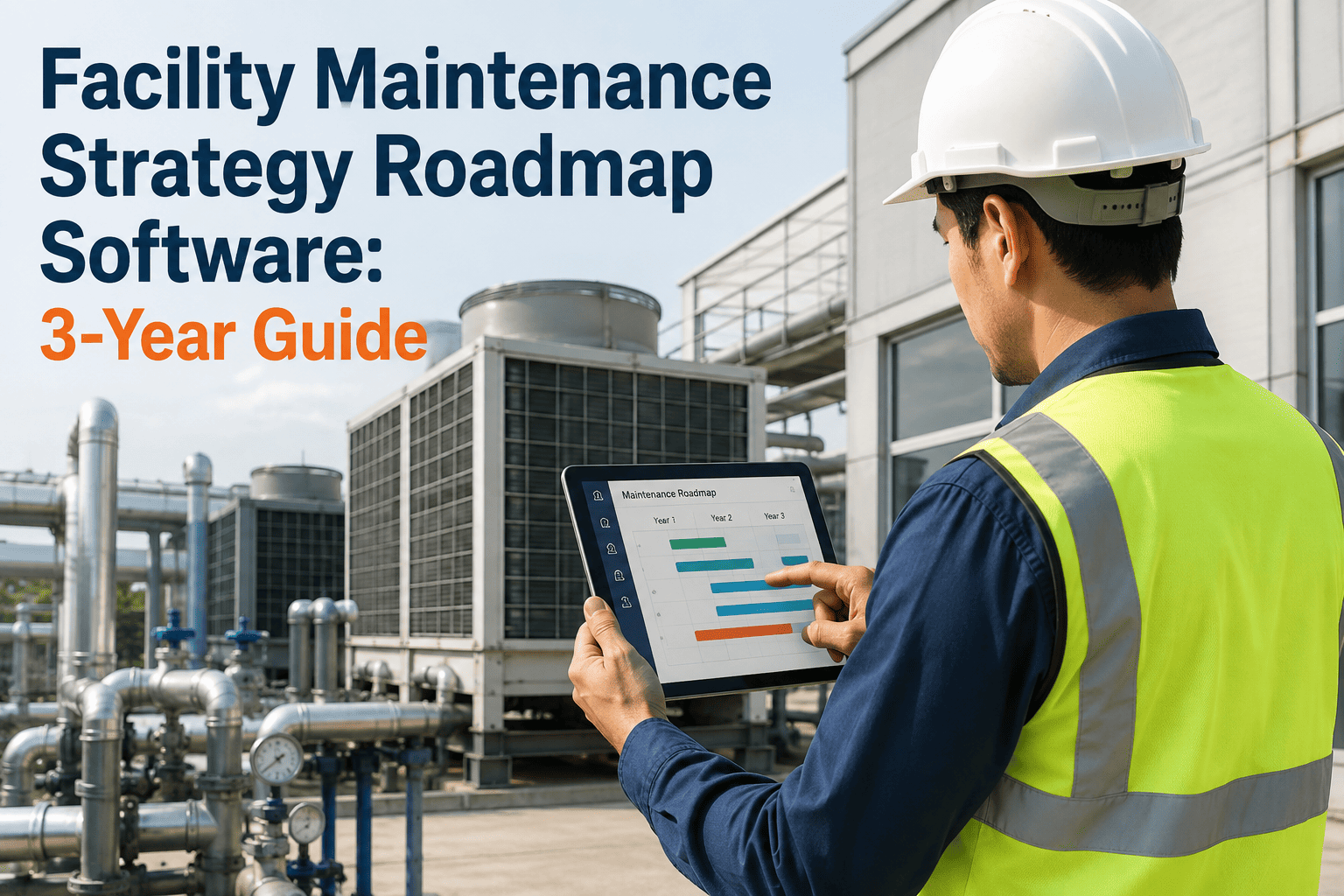
Most facility maintenance programs don't fail because teams lack effort — they fail because there is no multi-year plan connecting today's work orders to tomorrow's reliability goals. A facility fighting the same breakdowns in year three that it f

Read More
When a critical air handling unit fails without warning in the middle of a heatwave, facility teams rarely ask why the compressor broke — they ask why nobody saw it coming. Failure Mode and Effects Analysis exists to answer that second question be

Read More
Deferred maintenance backlog rarely announces itself with a single bad decision. It builds one postponed repair at a time, each one reasonable on its own, until a facility director is presenting a capital request that has grown too large to explai
Read More
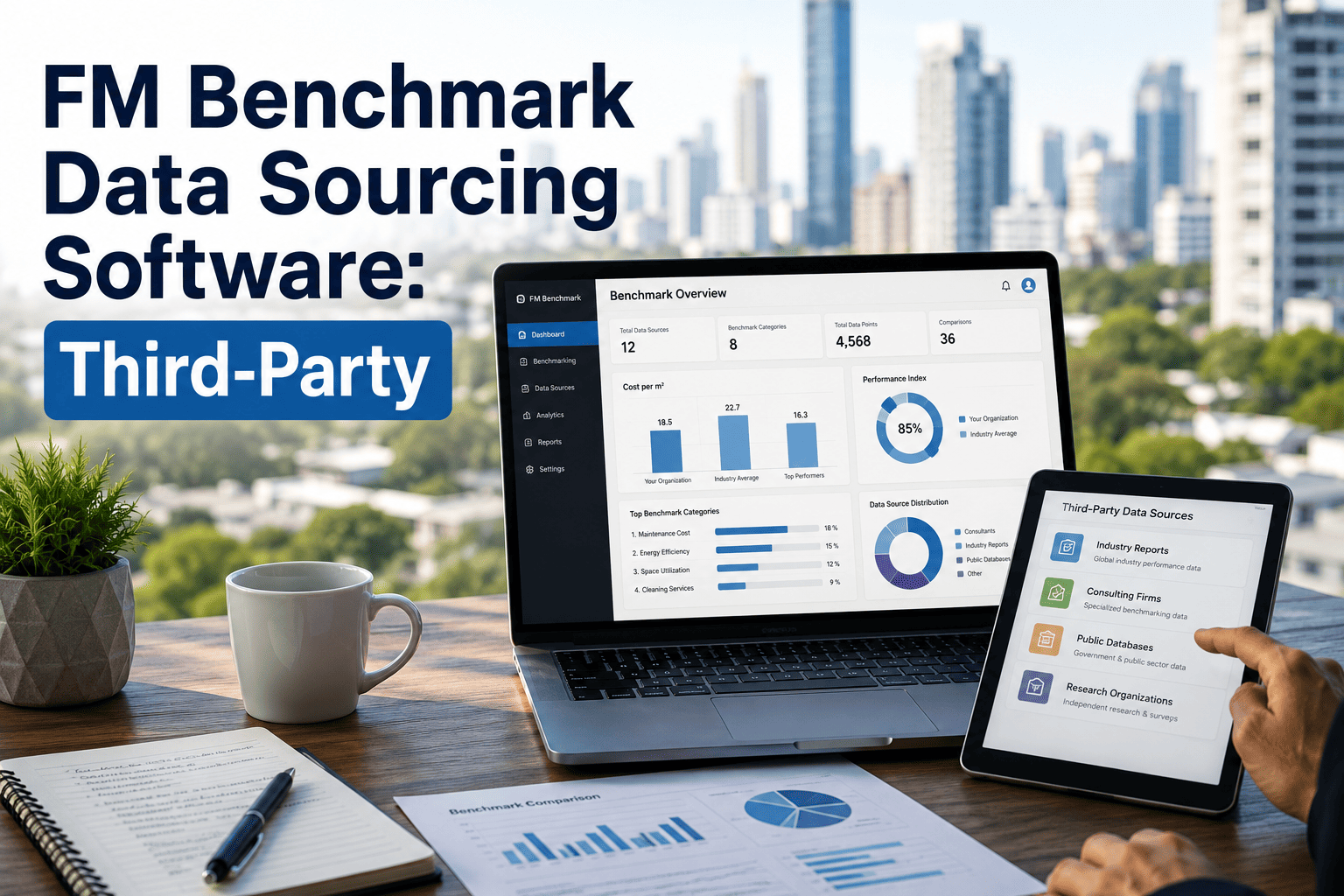
Every facility manager eventually asks the same question during a budget review: is our maintenance spend high, low, or normal for a building like ours? Answering that requires benchmark data — cost per square foot, PM compliance rates, energy int

Read More
Diesel generator batteries fail silently. A DG can pass every scheduled load test and still refuse to crank the moment mains power actually drops, because a simple voltmeter reading cannot reveal internal resistance, sulfation, or cell-level imbal
Read More
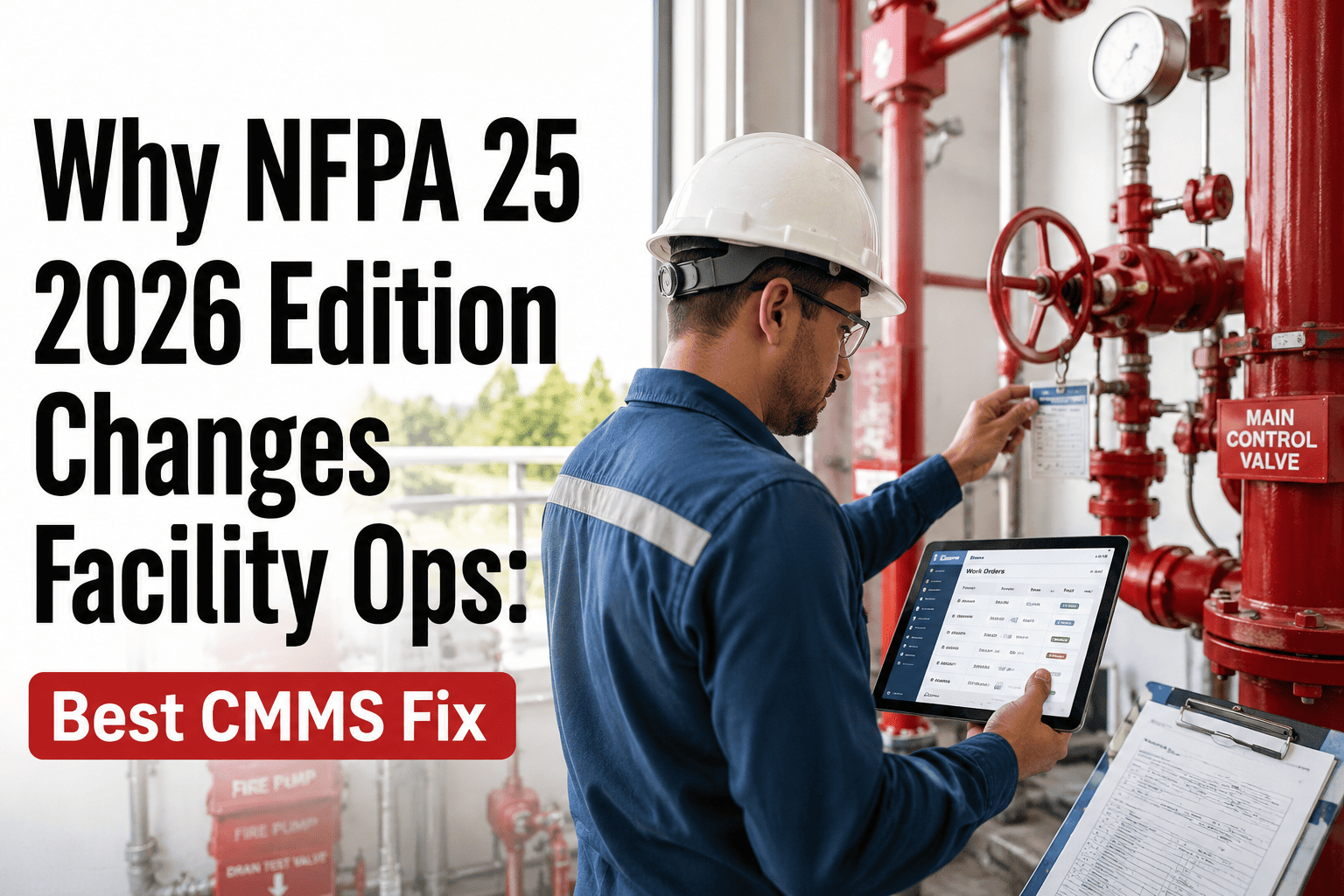
The 2026 edition of NFPA 25 is not a routine update. It changes how impairments get documented, adds annual internal inspections for dry, preaction, and deluge valves, expands corrosion and solenoid monitoring testing, and introduces a 50-year rep
Read More
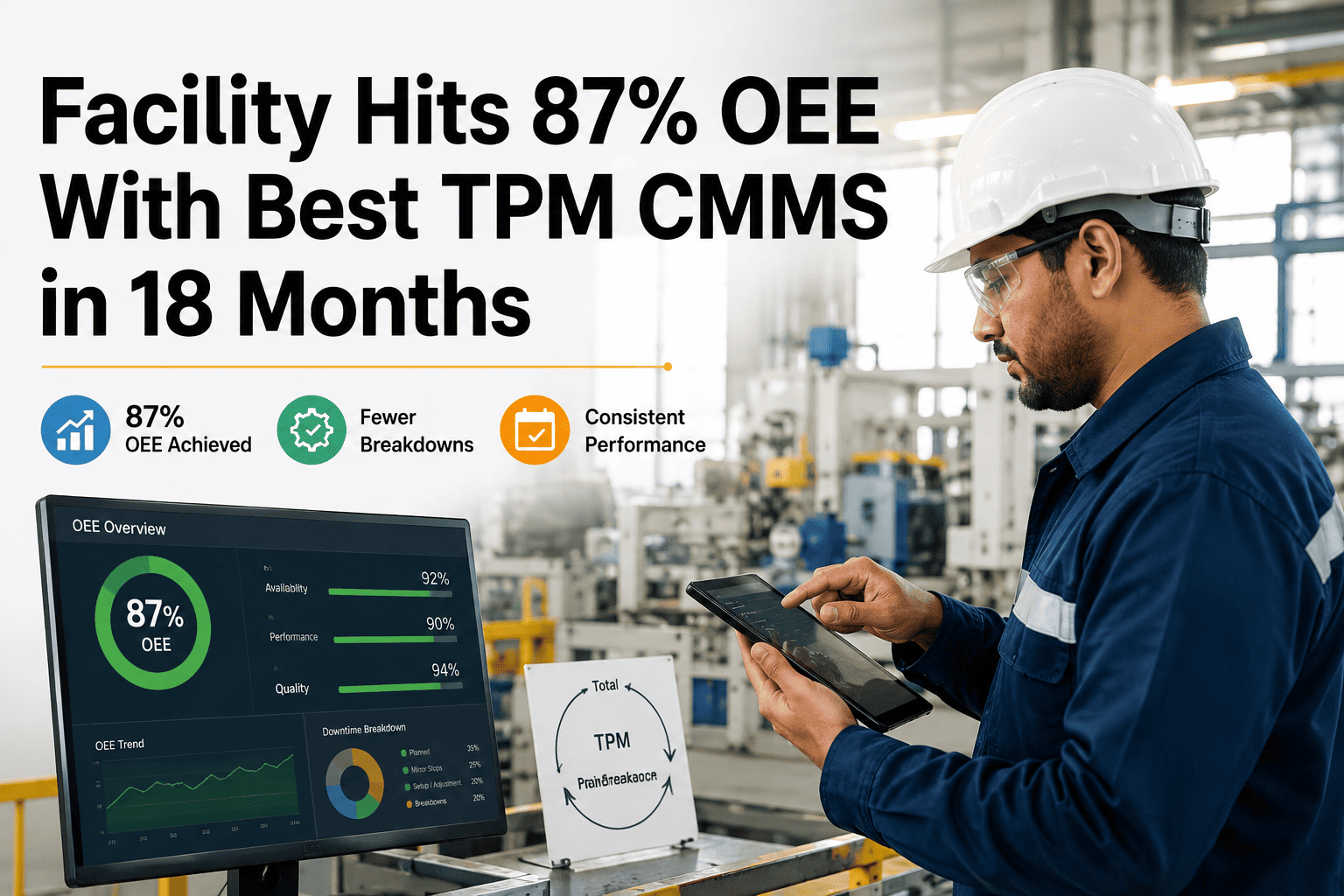
Most facility teams chase OEE improvements with spreadsheets, tribal knowledge, and a maintenance calendar nobody actually follows. One multi-building campus facility started 2025 at a 61% OEE score, well below the 85% world-class benchmark that r
Read More
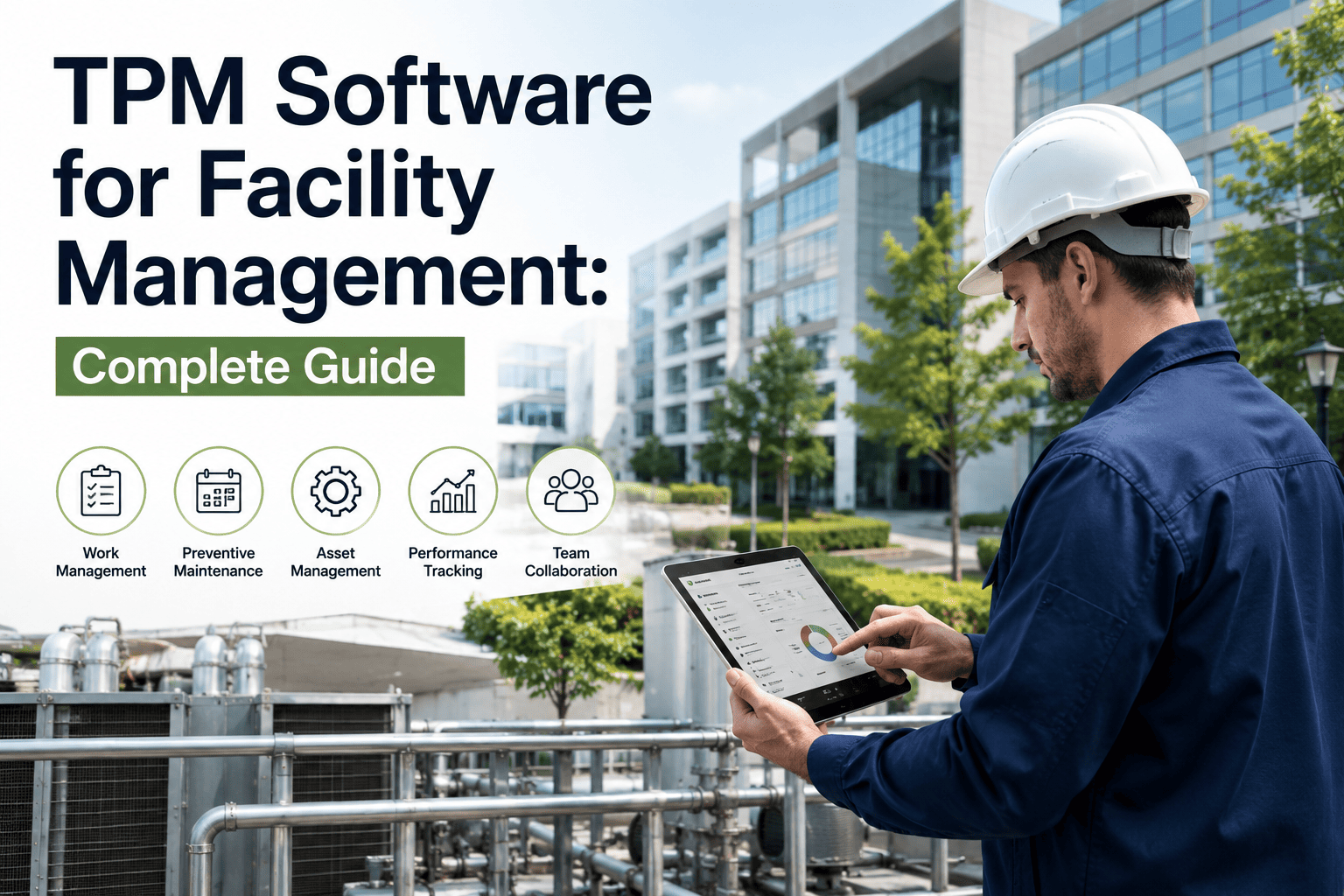
Most facilities run their equipment at 40–60% Overall Equipment Effectiveness — meaning nearly half of every scheduled operating hour is lost to breakdowns, slow cycles, or quality rework nobody tracked in time to stop it. Total Productive Mainten
Read More
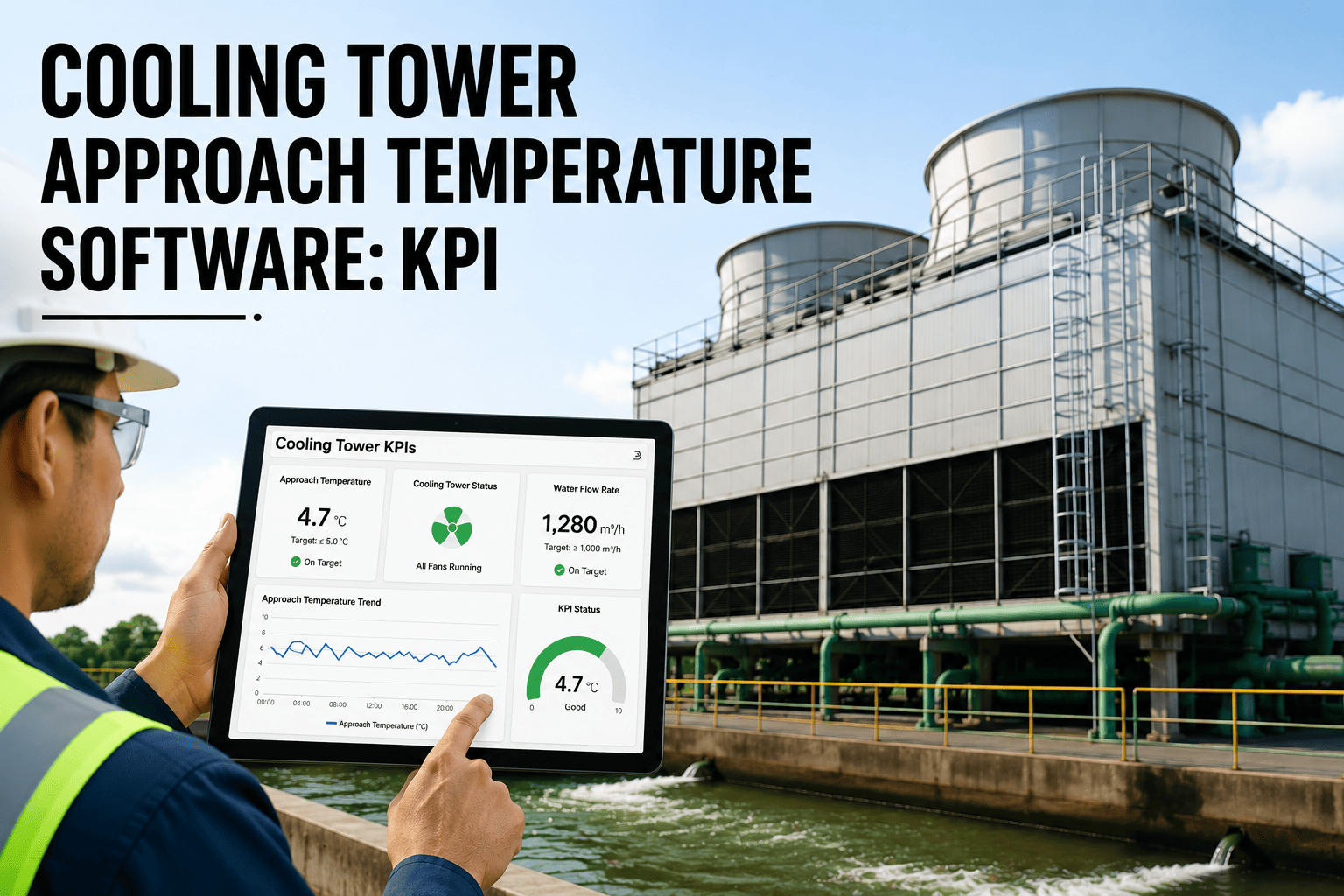
Cooling tower approach temperature is the single number that tells you how close your condenser water is coming to the theoretical limit set by the outdoor wet bulb temperature — and when that number drifts upward by just two to five degrees, it i

Read More
A UPS trips during a routine transfer test, or worse, during a real outage, and the first instinct on most facility teams is to write "battery fault" on the work order and move on. That single line closes the ticket but leaves the actual failure c

Read More
Every UPS battery string looks fine right up until the moment a facility actually needs it, and that is exactly the gap that annual load bank testing exists to close. A load bank forces the UPS battery system to deliver real current under a sustai

Read More
Most facilities teams do not run one system — they run five: a CMMS for work orders, a BMS for HVAC and controls, a spreadsheet for vendor spend, a separate ticketing tool for tenant requests, and an inbox for everything that falls between the cra
Read More
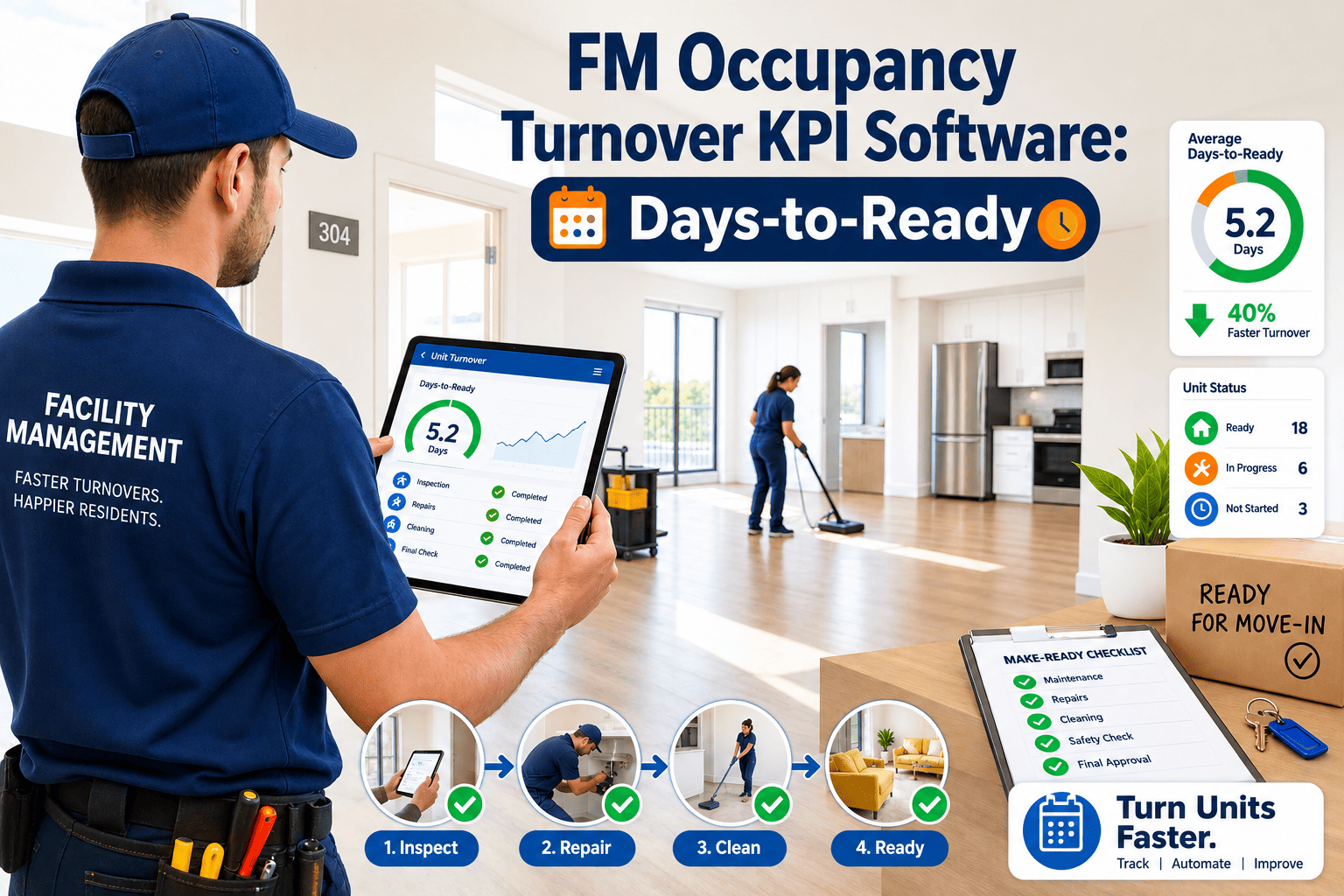
Every leasing season comes down to one number on the regional manager's report: days-to-ready, the gap between a resident handing back the keys and that same unit going back on the market. On a mid-size 300-unit community, each extra day of vacanc

Read More
Every day a unit sits vacant between move-out and move-in is a day of lost rent, and the gap between a five-day turn and a fourteen-day turn usually has nothing to do with the condition of the unit — it has to do with whether the make-ready proces

Read More
NFPA 25 requires a fire pump churn test every single week without exception, yet most facilities discover a missed week only when an authority having jurisdiction pulls the log book during an annual inspection. A missed weekly test is not a paperw

Read More
A paper checklist can only record what a person remembers to write down after the fact. A technician walks a rooftop unit, notices the belt is slightly glazed, means to note it, gets pulled to another call, and the observation never makes it onto

Read More
A punch list is the last obstacle between a finished building and a paid contractor. Walkthroughs after substantial completion typically surface 150 to 400 open items across architectural finishes, mechanical rooms, electrical panels, and life saf
Read More
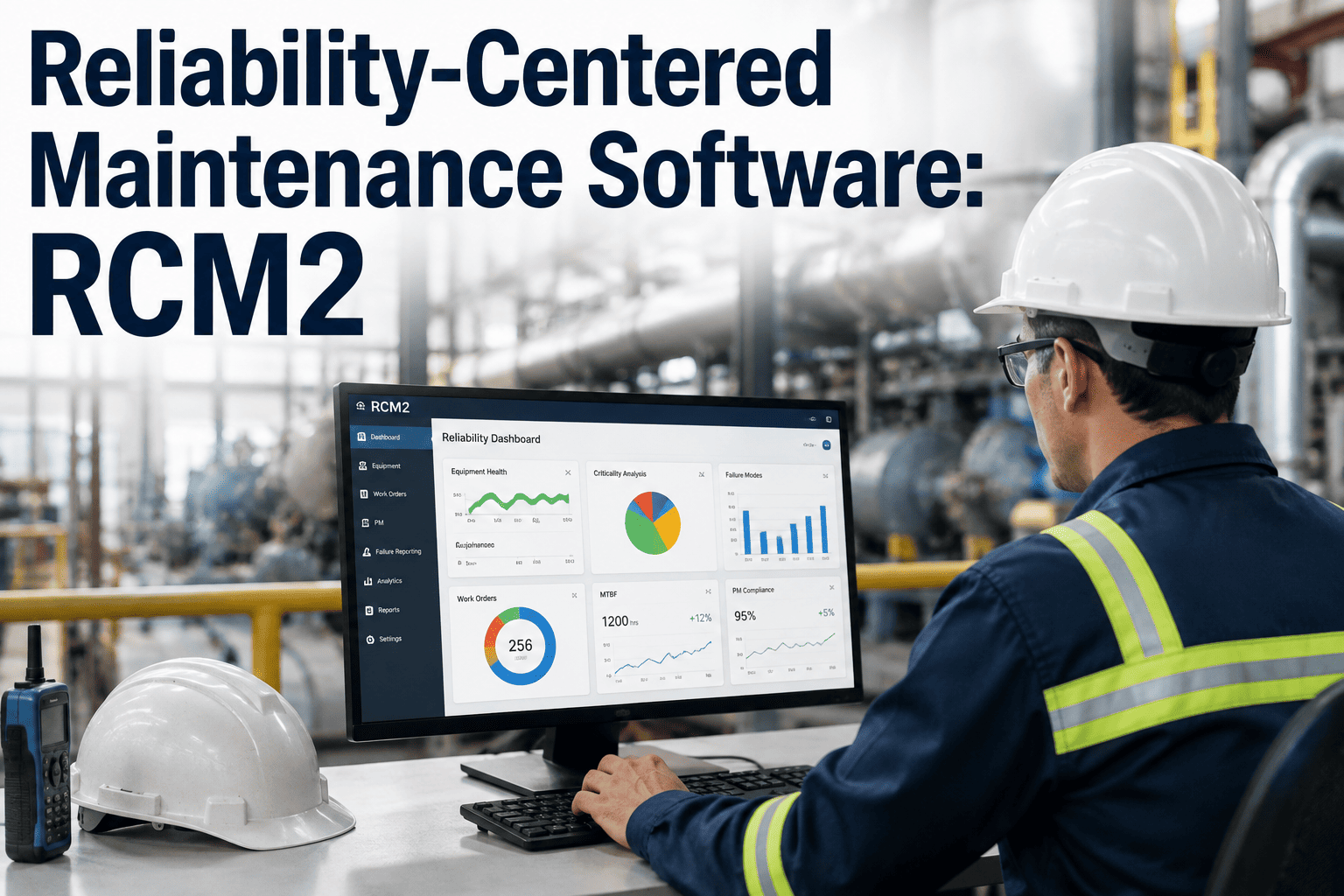
Most maintenance programs are built backward. A schedule gets copied from an OEM manual, tasks get assigned out of habit, and nobody asks whether the work actually stops the failure that matters. Reliability-centered maintenance flips that order.
Read More
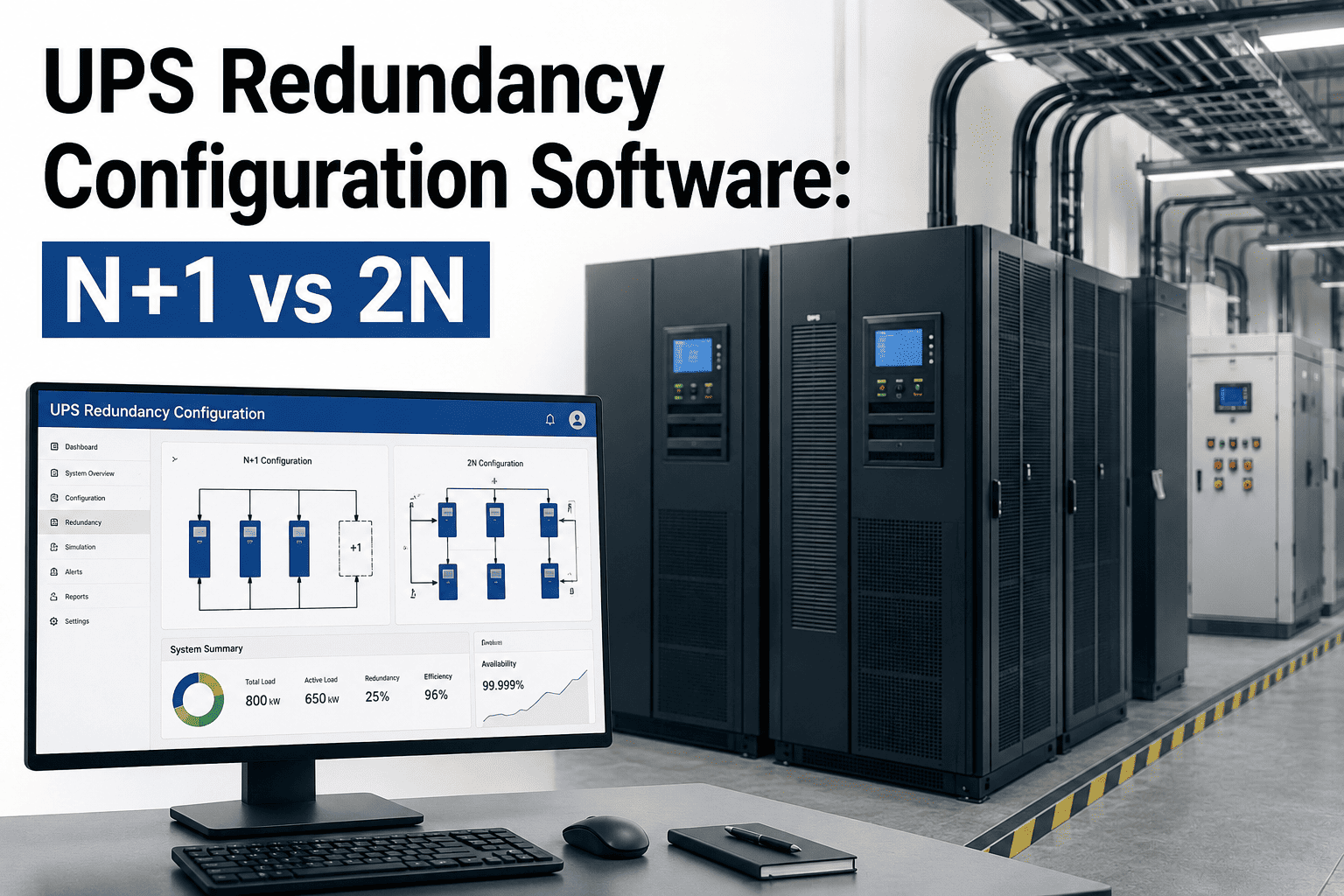
A single UPS failure inside a data center or hospital central plant can cascade into a facility-wide outage within seconds, which is why redundancy topology is one of the first decisions engineers lock down long before a single rack is powered on.

Read More
A fire pump that fails to start during an actual fire event is one of the most serious findings an AHJ or insurance auditor can uncover, because the entire suppression system downstream depends on that pump reaching rated pressure within seconds.
Read More
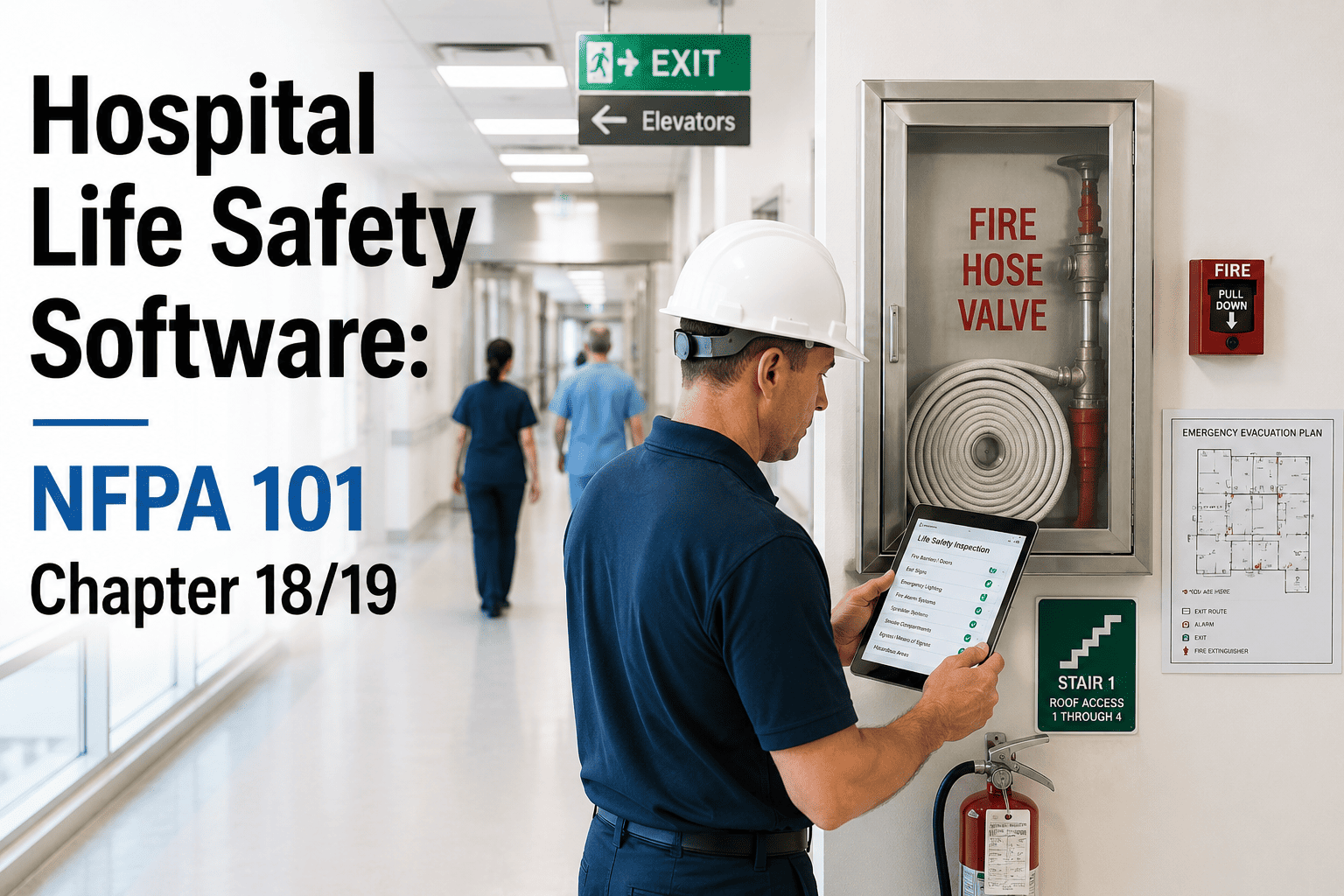
A hospital that fails a CMS life safety survey does not just receive a citation — it risks a mandatory plan of correction, repeat unannounced visits, and in the worst cases the threat of losing Medicare and Medicaid reimbursement altogether. NFPA
Read More
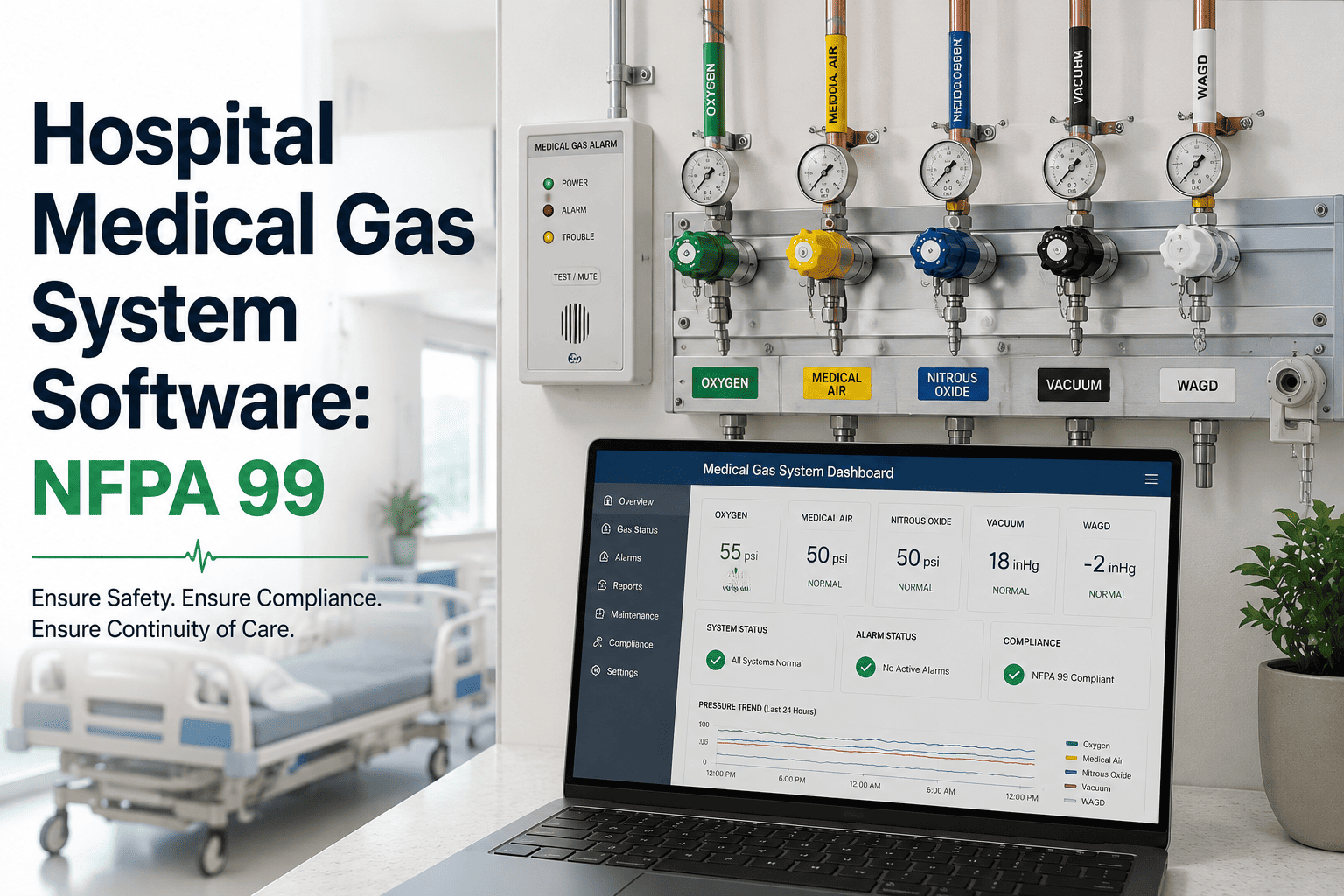
A piped oxygen line that alarms during a code blue, or a vacuum system that loses suction mid-surgery, is not treated by the Joint Commission as a maintenance lapse — it is treated as a sentinel event with mandatory root cause investigation. NFPA

Read More
Most equipment failures blamed on bad luck actually start on day one — during a commissioning walk nobody photographed, a torque value that was never logged, or a warranty window that quietly expired because no one tracked the install date. Early

Read More
Cooling towers rarely fail overnight — they drift. A half-degree of approach creep this month becomes a two-degree loss of capacity by the time compressors start short-cycling and chillers pull extra amperage just to hit setpoint. Most facility te

Read More
A single failed UPS battery string rarely announces itself in advance — cells degrade quietly through heat cycling, float-charge stress, and internal impedance rise until the moment a mains outage hits and the bank can't hold load. Facility teams

Read More
A technician standing in front of an unlabeled chiller has two options: dig through a spreadsheet for the asset ID, or guess. Neither gets an inspection started quickly, and both leave room for the wrong history getting logged against the wrong eq

Read More
Grounds, parking lots, and site lighting rarely get the same attention as HVAC or elevators, right up until a cracked walkway becomes a liability claim or a burnt-out lot light becomes a safety complaint. Most site inspections still happen on a pa
Read More
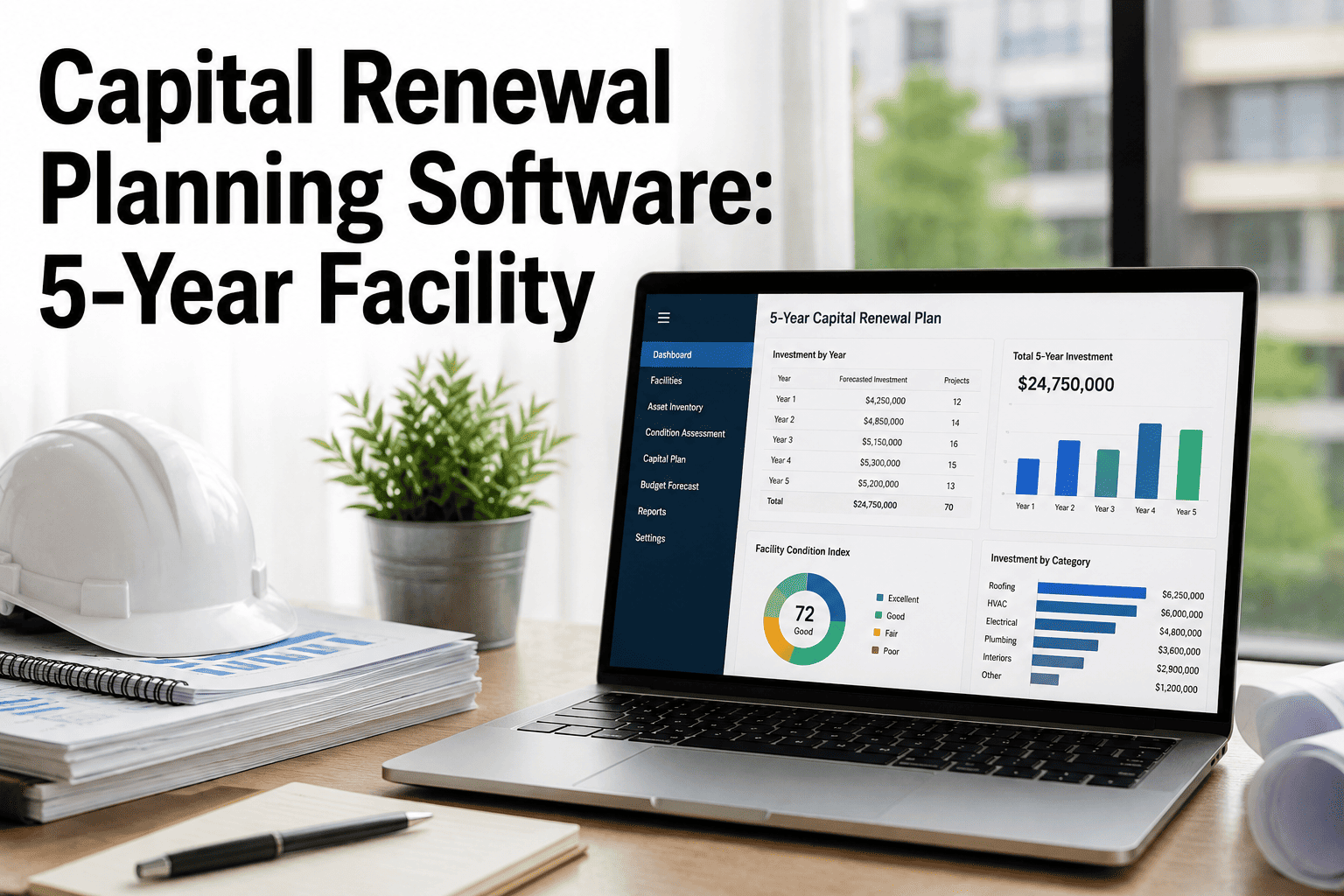
Every facility eventually faces the same reckoning: roofs, chillers, and electrical gear all aging toward replacement at once, with a finance team asking for a defensible five-year number instead of a gut feeling. Most facility teams still build t
Read More
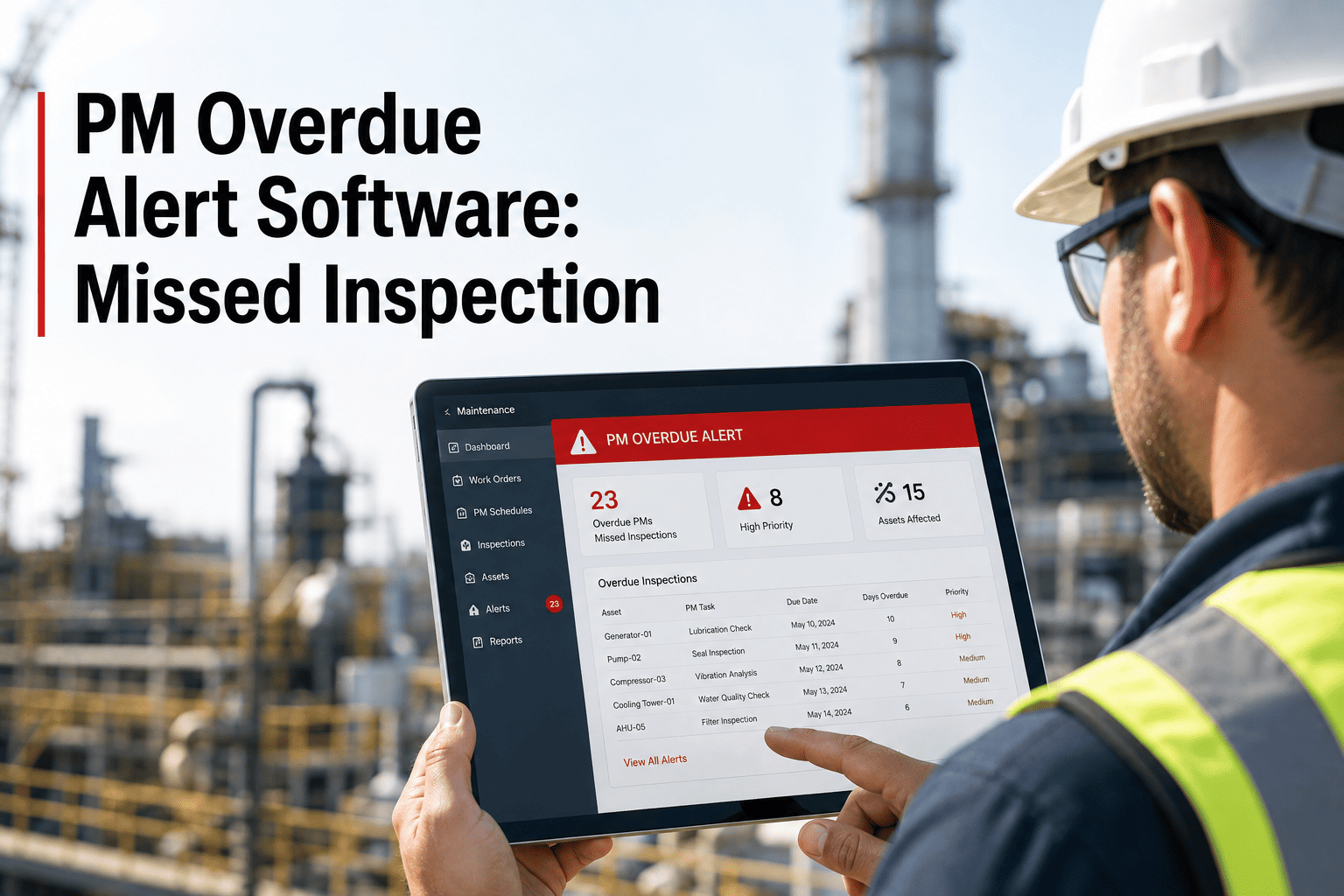
Every facility running a CMMS eventually hits the same wall: preventive maintenance tasks pile up faster than technicians can close them, and one missed inspection quietly turns into ten. A single overdue PM on a critical air handler or backup gen
Read More
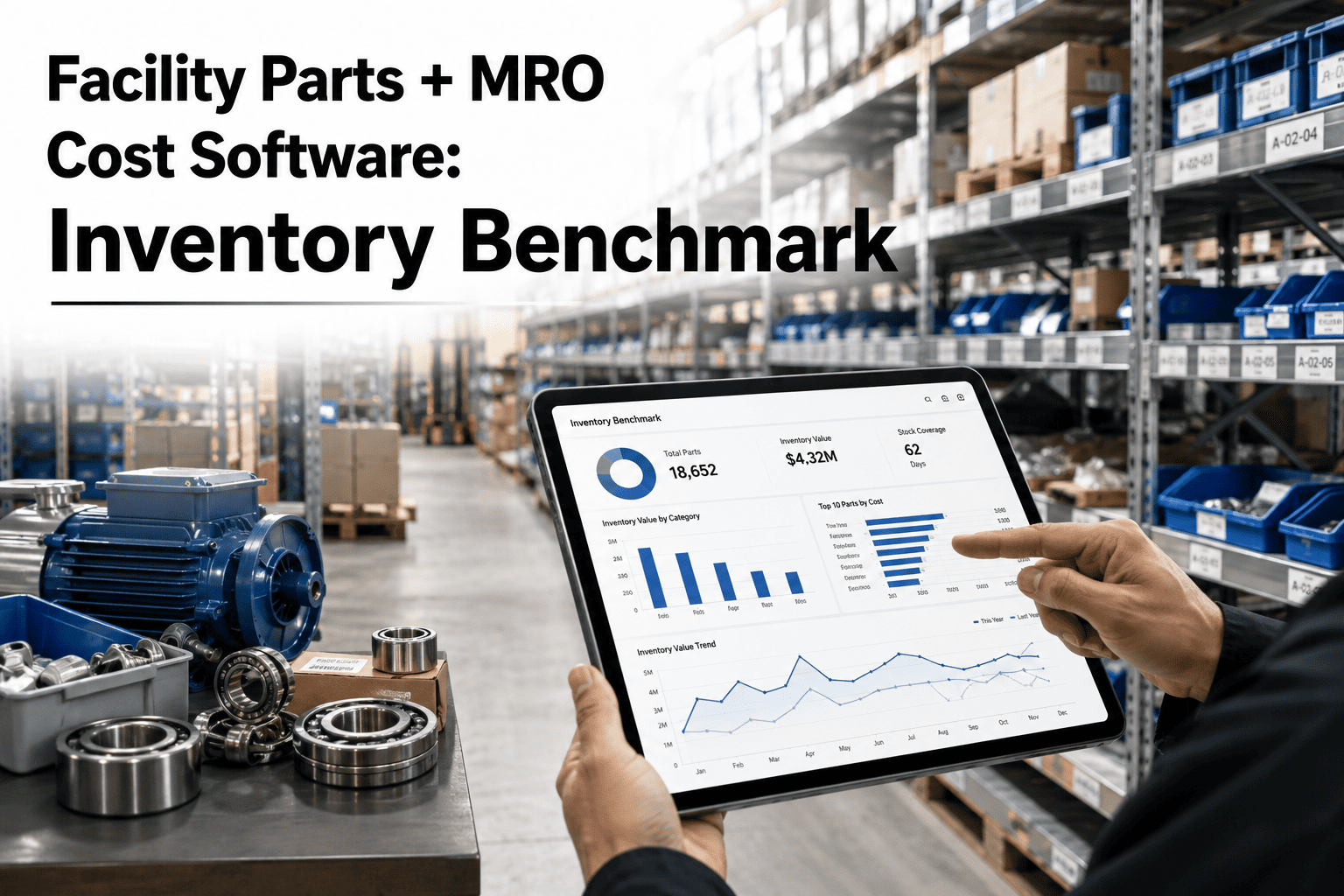
Every facility maintenance team eventually asks the same question: are we spending too much on spare parts, or not enough? The answer isn't guesswork — it lives inside four measurable numbers that reliability professionals track year over year: in
Read More
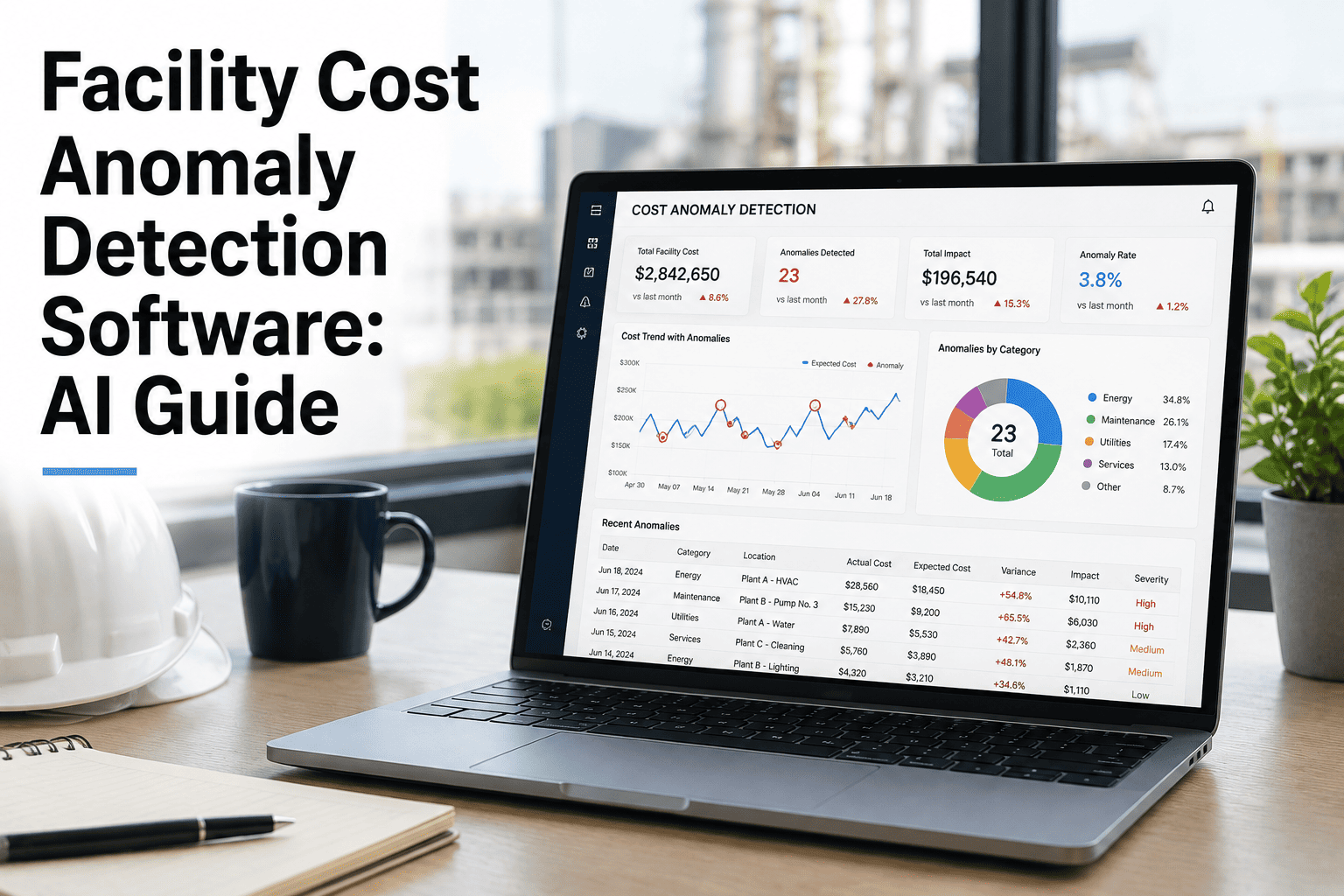
A facility rarely loses money in one dramatic event — it leaks it quietly, invoice by invoice and kilowatt-hour by kilowatt-hour, until a quarterly budget review finally asks why costs are up. A vendor billed twice for the same repair. A rooftop u

Read More
Every facility director eventually gets asked the same question in a budget meeting: is what we spend on maintenance actually reasonable, or are we quietly overpaying? Without a benchmark, that question has no real answer — a maintenance budget ap
Read More
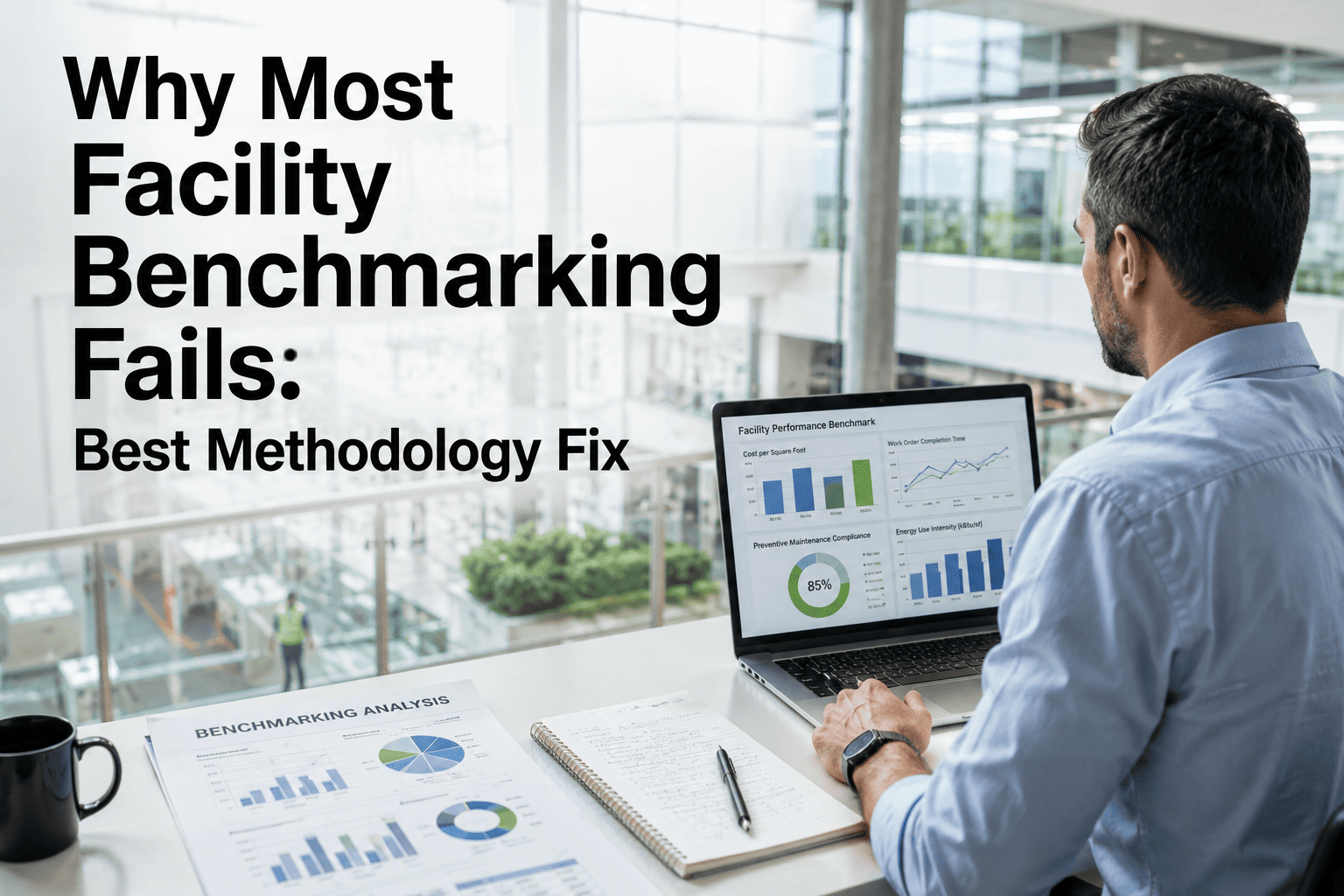
Most facility benchmarking fails because the methodology is broken — not the data. When teams compare inconsistent metrics, mismatched asset classes, and unnormalized cost figures, the result is a report no board trusts and no technician acts on.

Read More
Facility reliability engineering software gives maintenance and reliability teams a single system for RCM, FMEA, asset criticality, preventive maintenance and root cause analysis — and in 2026 the best reliability CMMS platforms combine all of it

Read More
A facility KPI framework is the difference between a maintenance director who walks into an executive review with proof of performance and one who walks in with excuses — and the gap between those two outcomes is where careers are made or ended. I
Read More
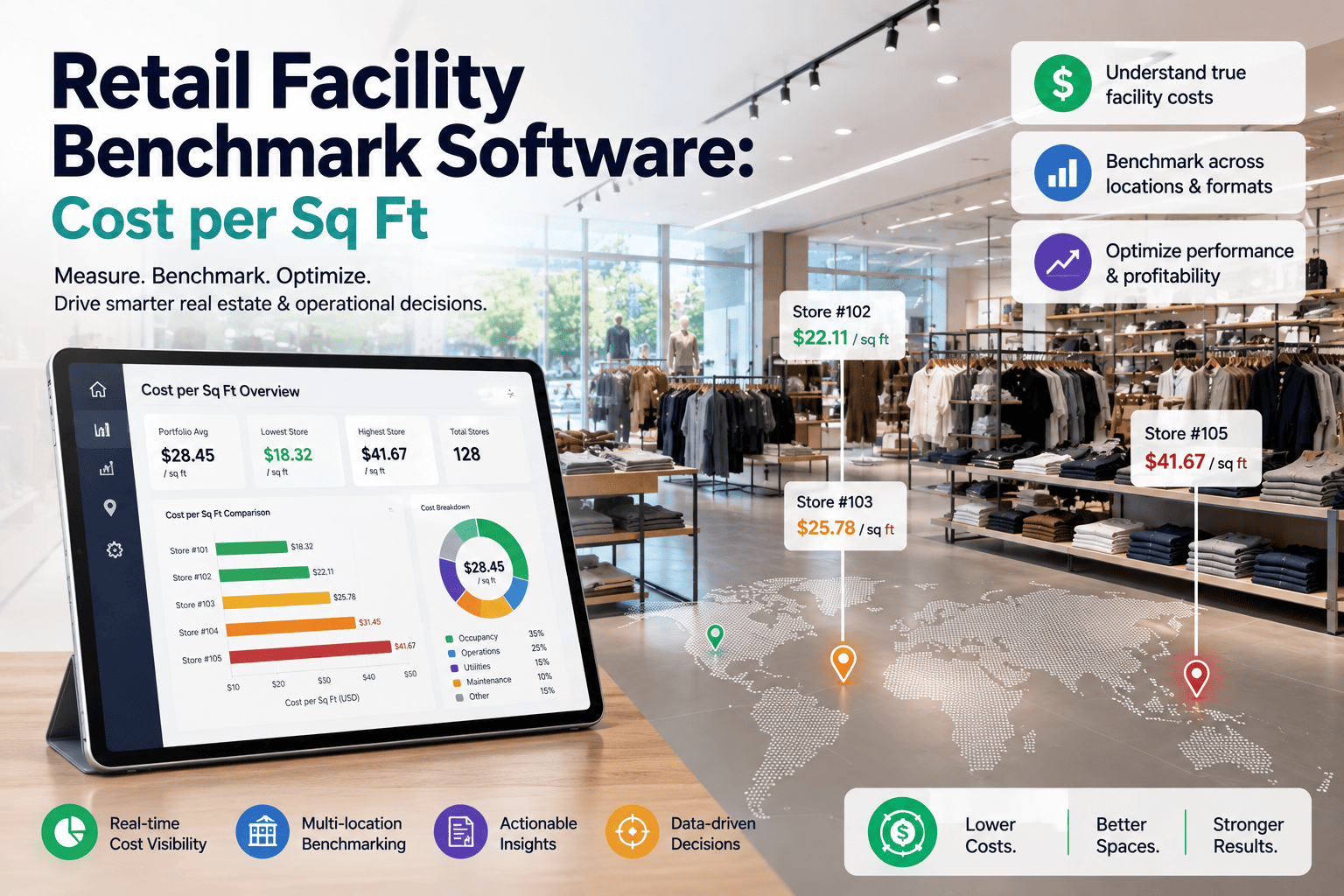
Retail facility benchmark software helps portfolio managers measure maintenance cost per square foot (CPSF) across malls, big-box stores, and quick-service restaurants — and the best retail CMMS platforms in 2026 automate that benchmarking with re
Read More
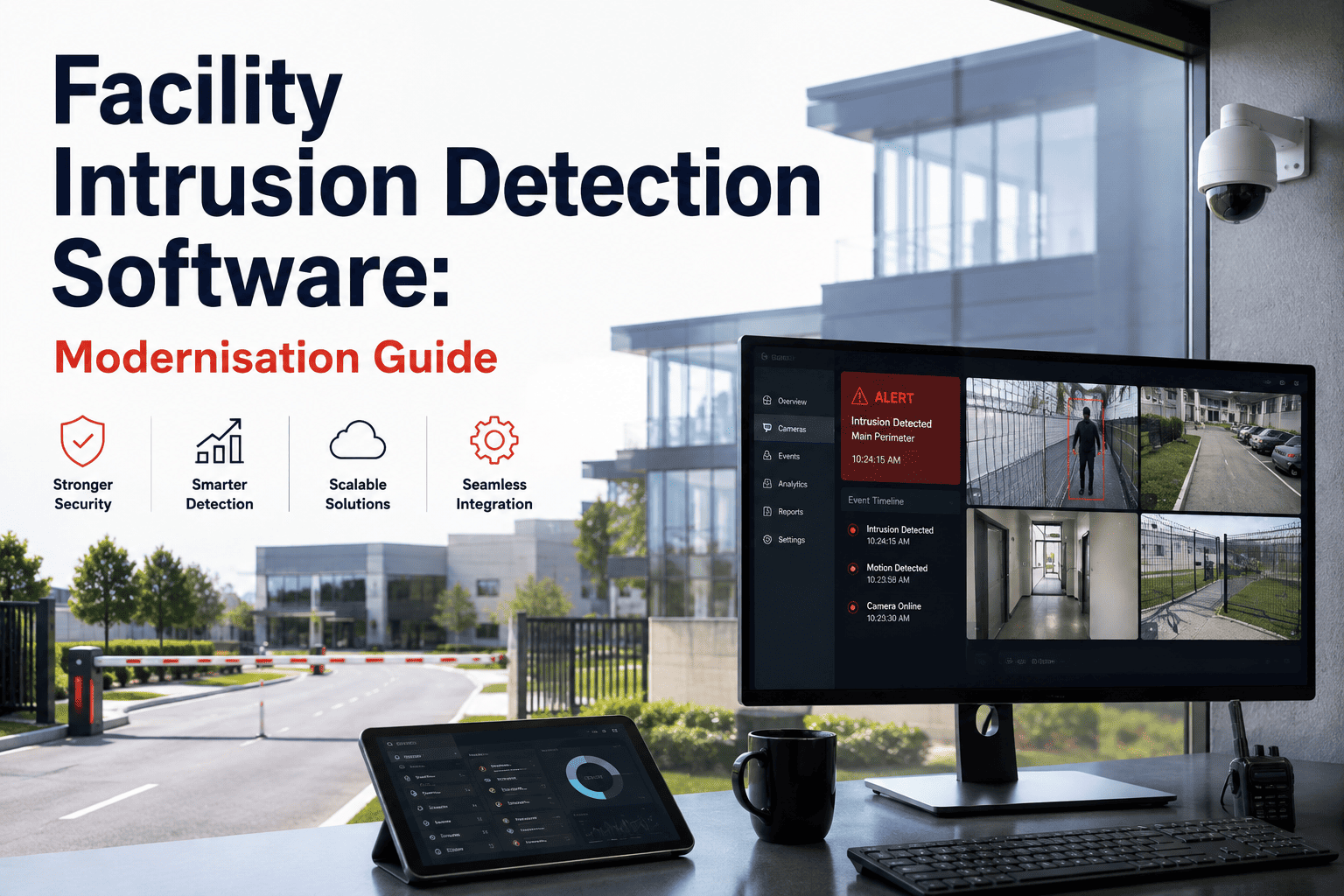
Facility intrusion detection software is undergoing its biggest shift in two decades: wired PIR sensors and standalone alarm panels are being retired in favor of IP-based sensors, dual-technology detection, and analytics-enabled alarms that integr
Read More
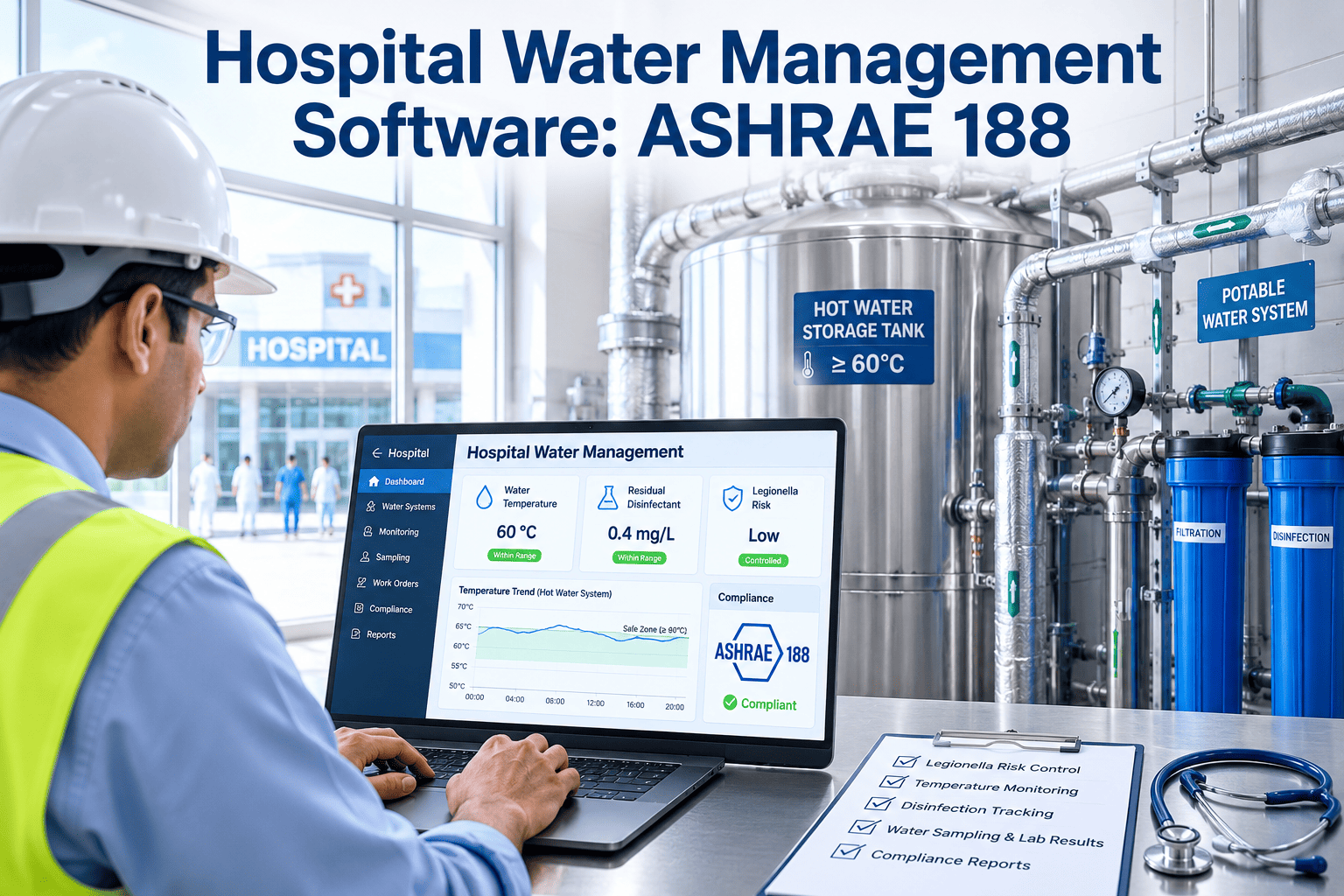
Hospital water management software is the fastest way for healthcare facilities to build, execute, and document an ASHRAE 188-compliant water management program — replacing binders and spreadsheets with automated monitoring schedules, control-limi
Read More
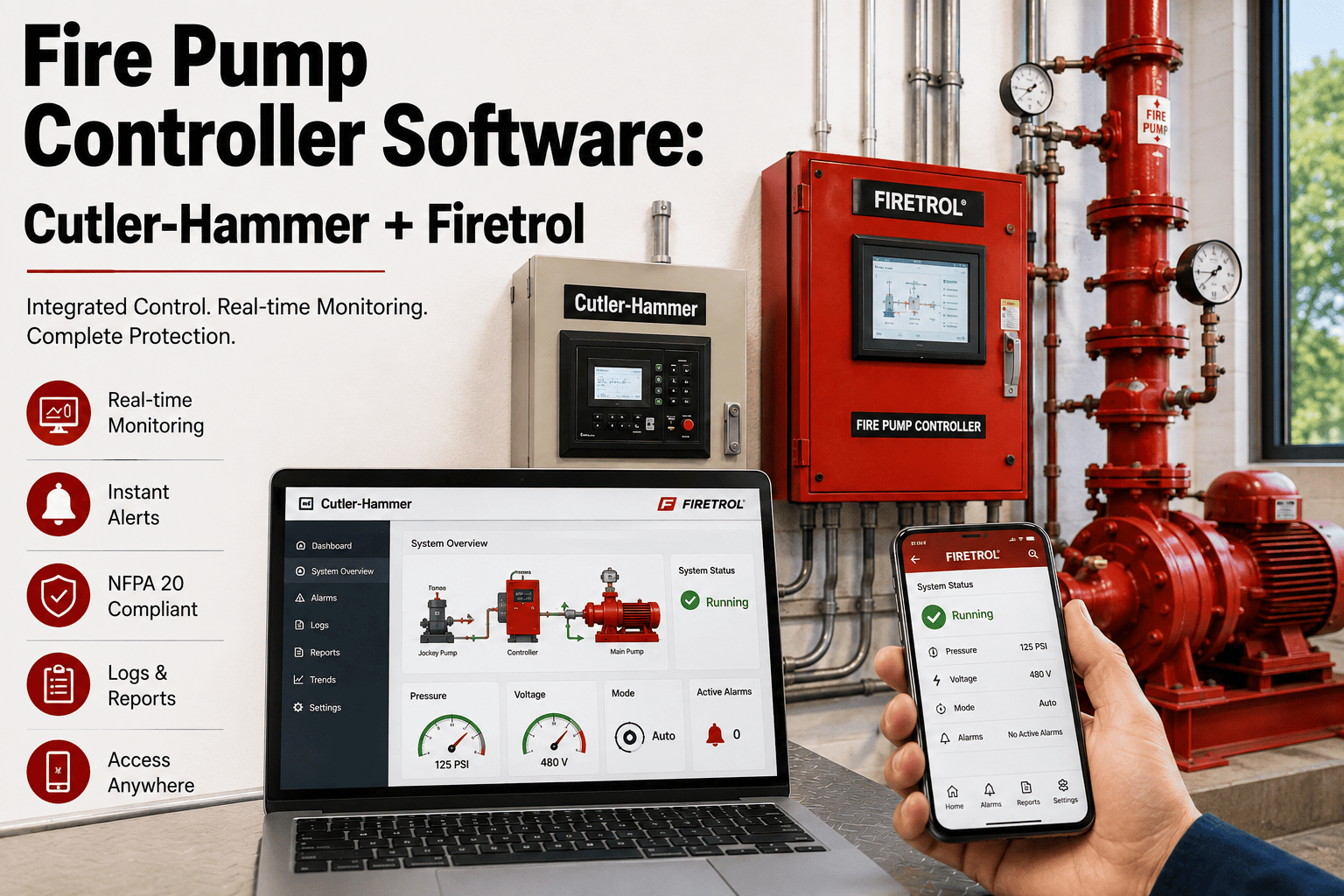
Fire pump controller software is the fastest way for facility teams to keep Cutler-Hammer, Firetrol, and Metron controllers inspection-ready, NFPA 25-compliant, and failure-free — and a modern CMMS like OxMaint puts every weekly churn test, annual
Read More
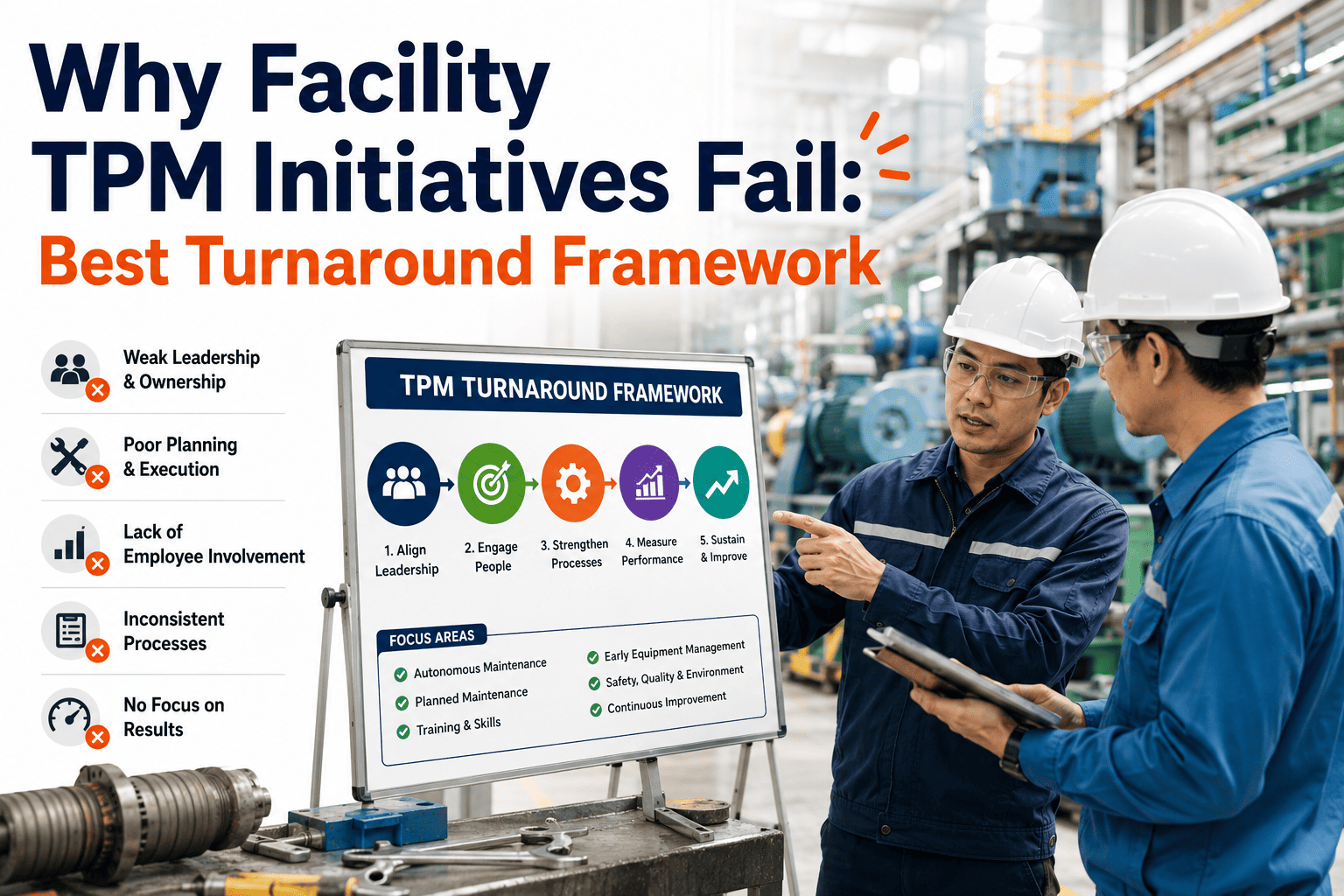
Facility TPM initiatives fail at an alarming rate — industry studies consistently show that roughly 70% of Total Productive Maintenance programs stall or collapse within the first 12 months, leaving facility managers with wasted budgets and disill
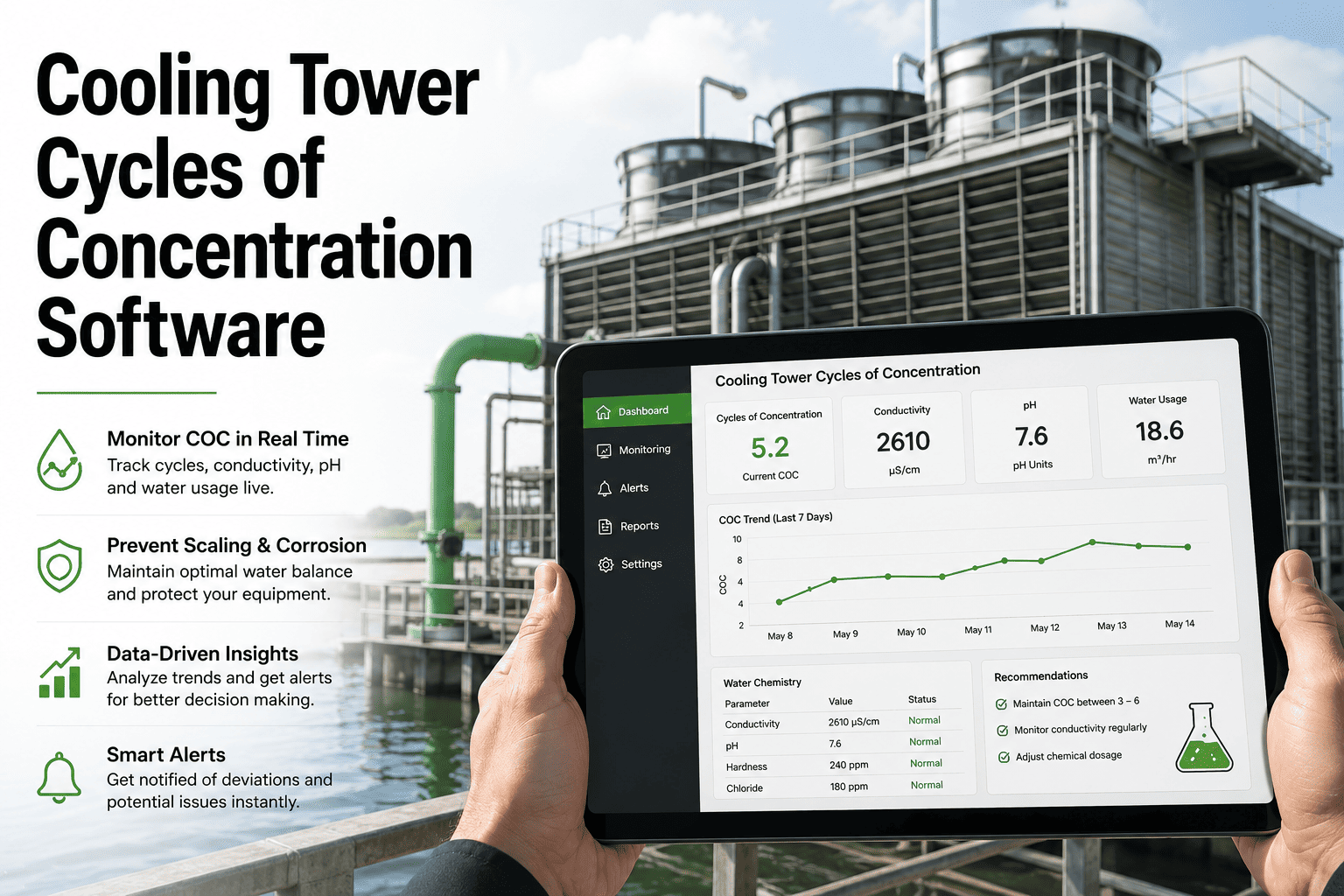
Read More
Cooling tower cycles of concentration software helps water and facility managers balance water conservation against scaling risk by tracking conductivity, blowdown, and chemistry in real time — and the best cycles CMMS platforms in 2026 automate t
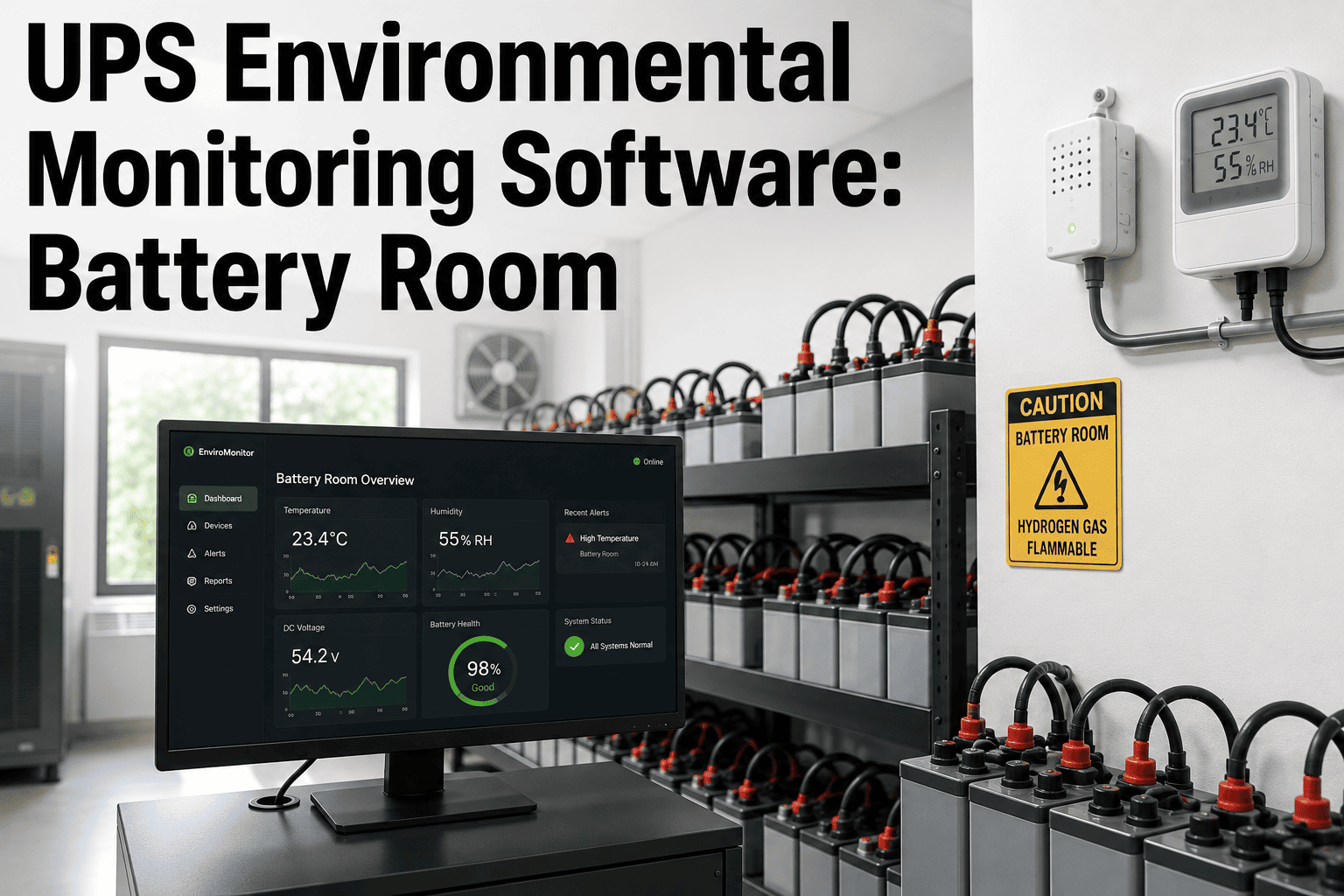
Read More
UPS environmental software is the fastest way to protect your battery room from the two things that kill UPS reliability: heat and hydrogen. When battery room temperature climbs just 10°C above the 25°C design point, VRLA battery life is cut rough

Read More
A UPS preventive maintenance schedule software platform helps facility teams automate IEEE 1188-aligned battery checks, capacitor testing, thermal inspections, and compliance reporting — replacing error-prone spreadsheets with defensible, audit-re
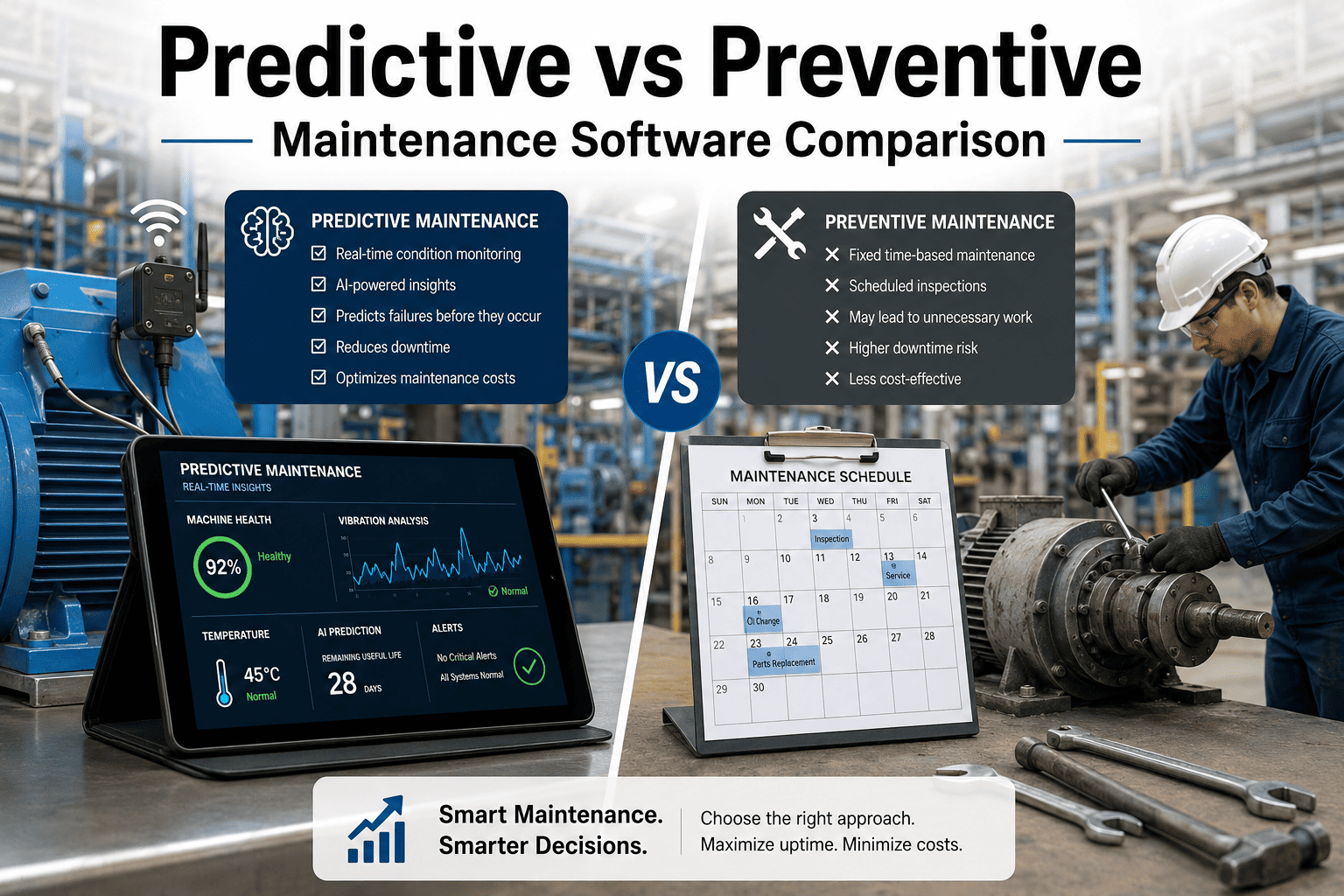
Read More
Predictive vs preventive maintenance software comparison is the defining decision for facility teams in 2026 — and the right CMMS makes both strategies work together instead of forcing a choice. Preventive maintenance follows fixed schedules and c
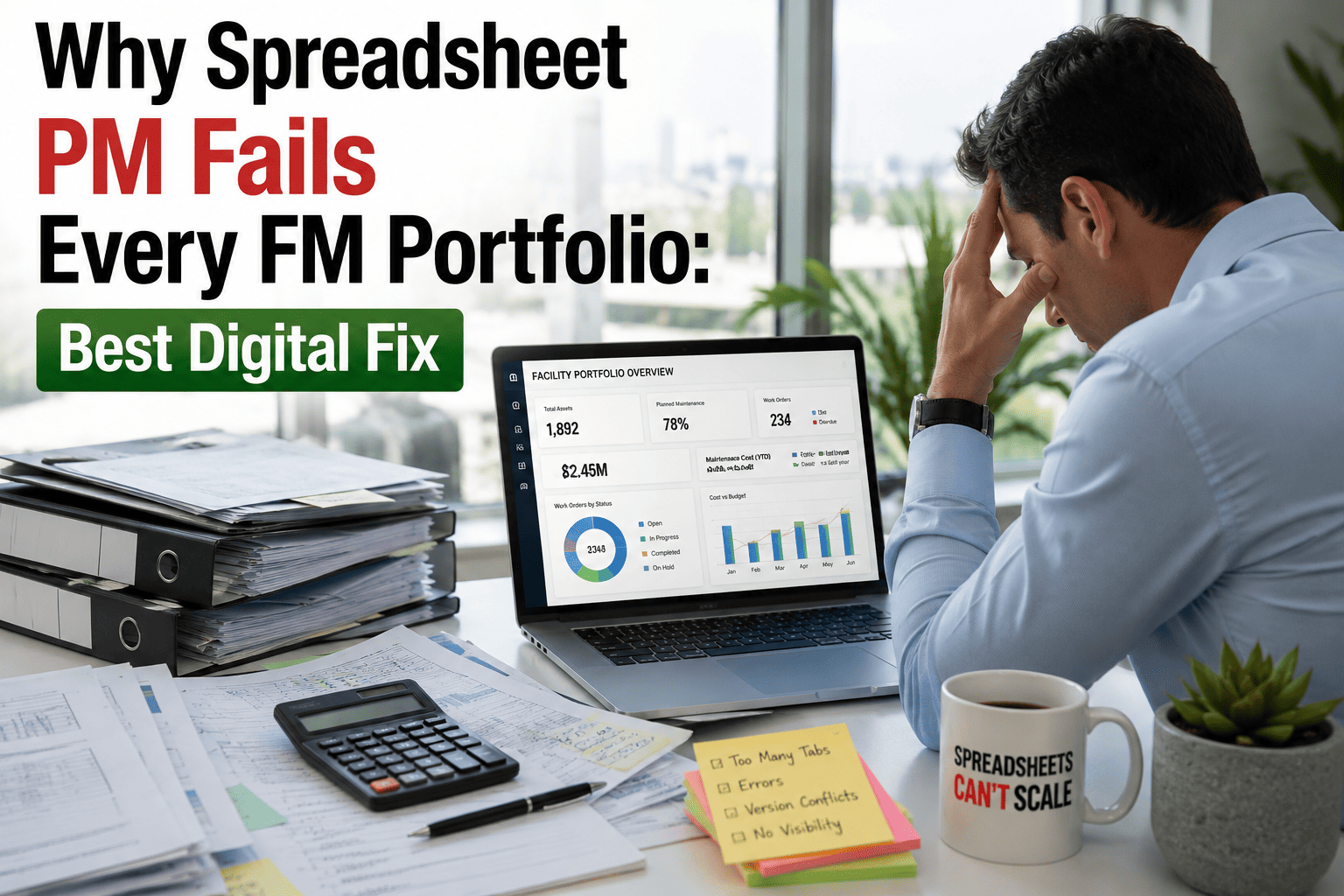
Read More
Spreadsheet PM failure is the silent killer of every growing FM portfolio — the moment you manage more than a handful of assets across more than one site, the file that once felt flexible starts missing PMs, losing history and hiding risk. Industr
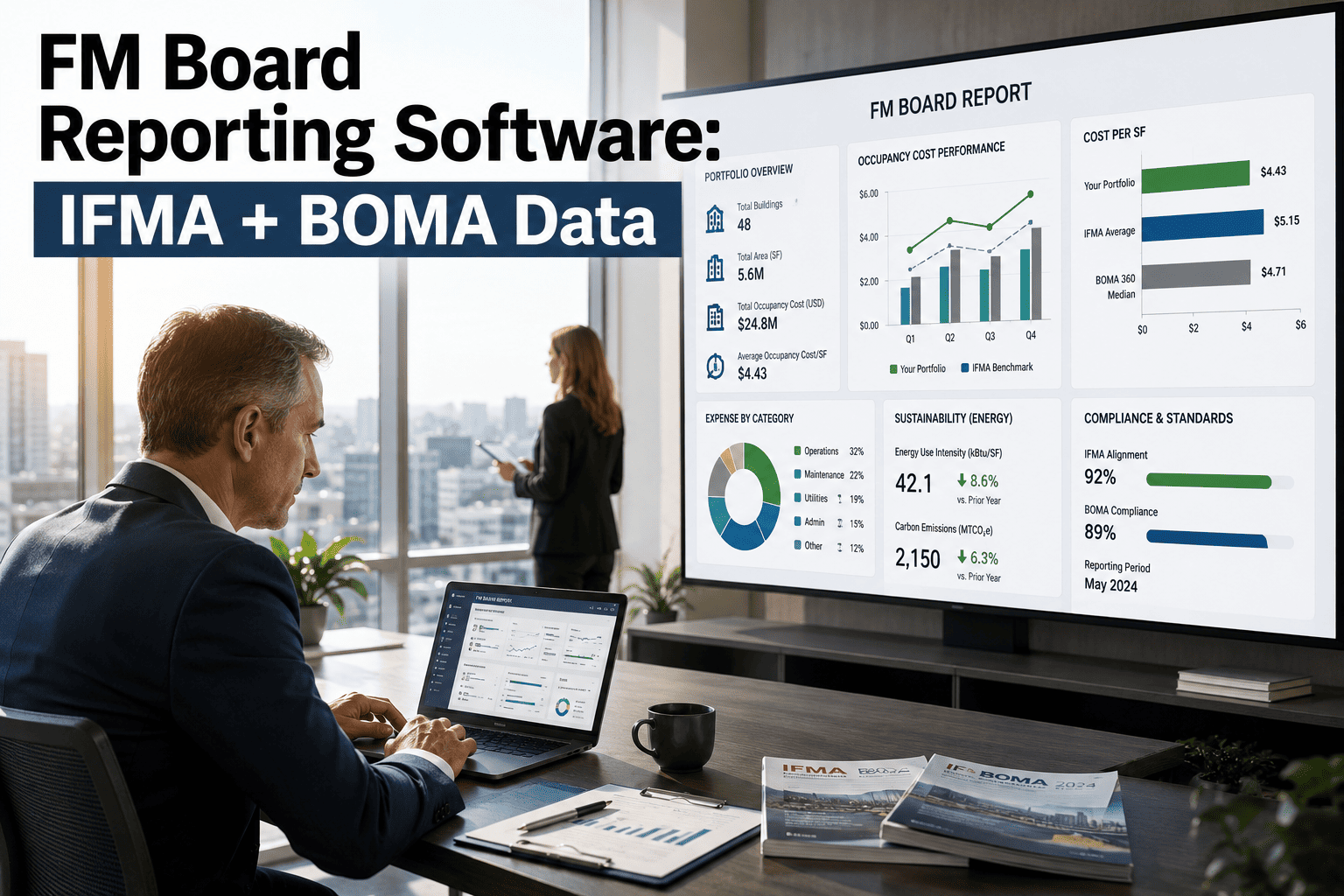
Read More
FM board reporting software turns raw maintenance data into the IFMA- and BOMA-recognized metrics that board members actually understand — uptime percentages, cost per square foot, asset lifecycle forecasts, and compliance scores. In 2026, the bes

Read More
Facility occupancy cost benchmark software helps CRE and FM teams measure what they spend per square foot, per seat, and per site against standards from JLL, CBRE, and Cushman & Wakefield — and the fastest way to close the gap is a modern CMMS
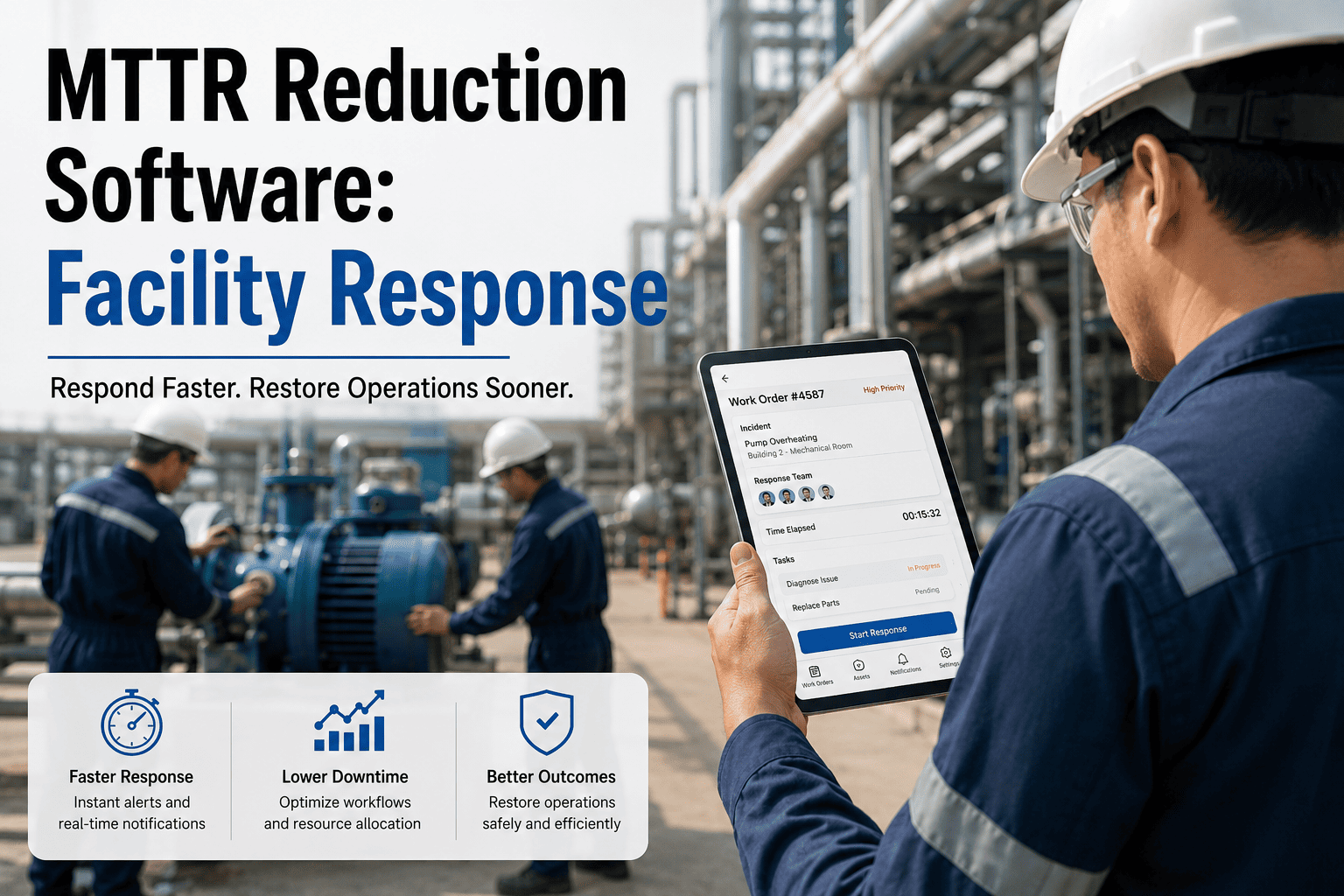
Read More
MTTR reduction software is the fastest lever facility engineering leaders have to defend headcount, coverage, and uptime in 2026 — and the best MTTR CMMS platforms prove it with response-time data, not anecdotes. Mean Time To Repair is the metric

Read More
Hospital facility directors are asked to defend cost per square foot every budget cycle, but most benchmark that number against ASHE or IFHE survey averages that are already a year old by the time they publish. The real comparison a CFO wants is h

Read More
Automatic transfer switches sit at the exact moment utility power fails and a generator has to pick up the load, which is why NFPA 110 treats their testing as a life-safety obligation rather than routine upkeep. Most facility teams still track tra
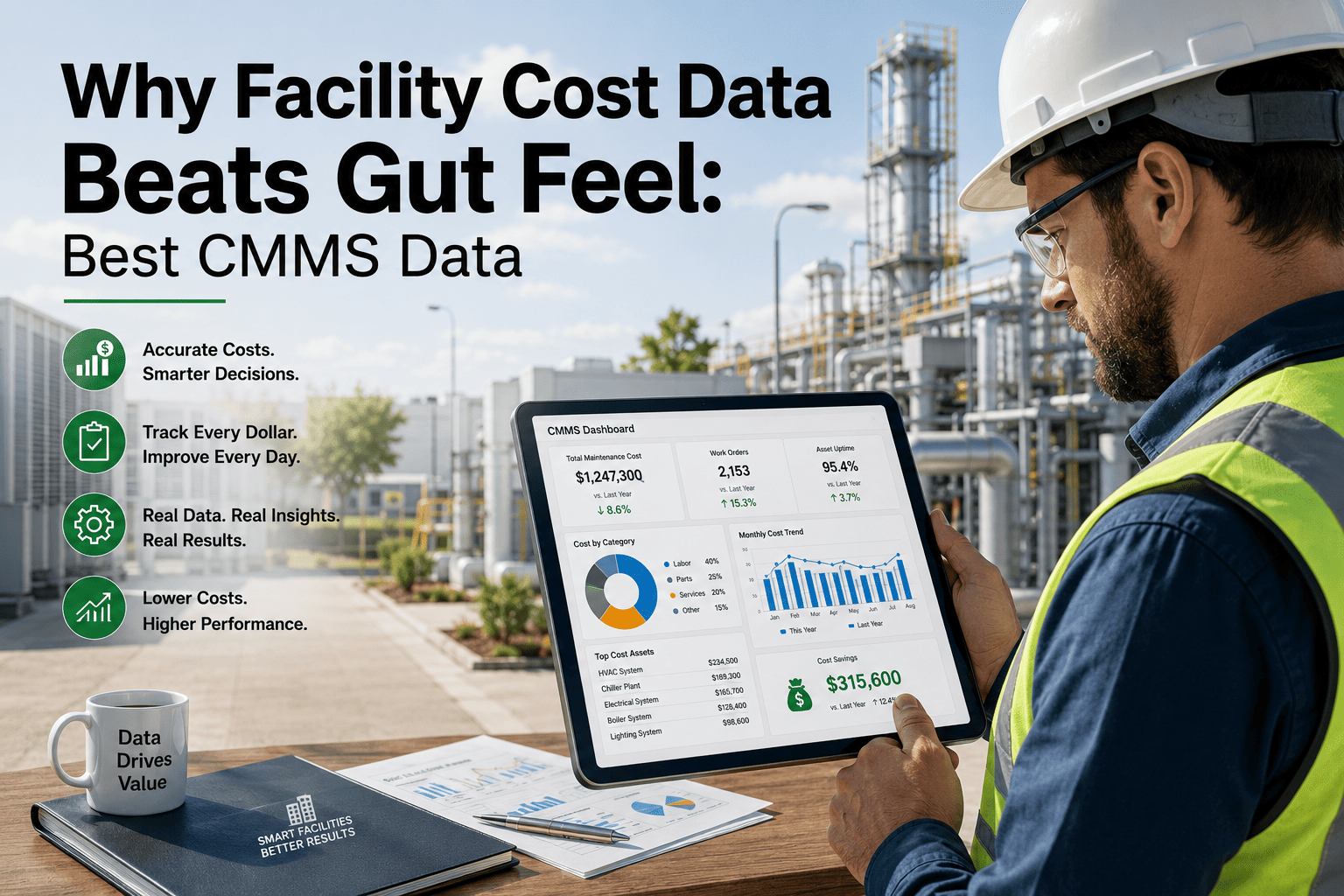
Read More
Facility cost data software replaces gut-feel budgeting with hard numbers — and in 2026, the best cost data CMMS platforms are the difference between a facilities director who defends every dollar and one who watches budgets get cut. Industry benc

Read More
A cooling tower fan rarely fails without warning — it usually tells you weeks in advance, through a vibration signature that starts subtle and gets louder. The problem is that most facility teams only check for it during a monthly walk-around with
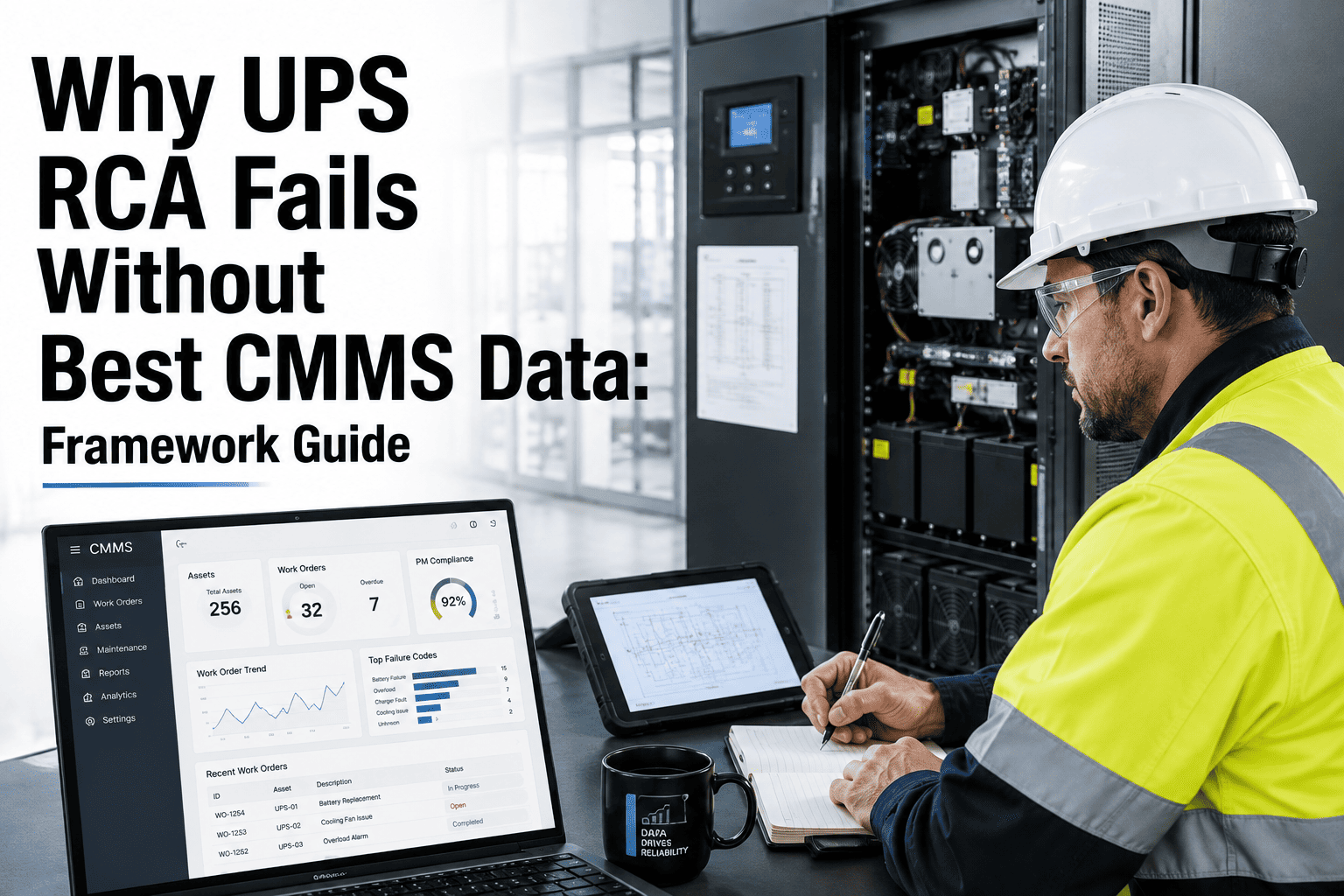
Read More
When a UPS unit trips offline, most facility teams start their root cause analysis with a guess. They pull load logs from one system, battery readings from another, and technician notes from a paper clipboard, hoping the timeline lines up — it rar

Read More
A hospital UPS drops out for four minutes and nobody notices — the transfer switch bridges the gap before an alarm even fires. A single rooftop chiller drifts down to 68% availability over six months and nobody notices either, until the July heat
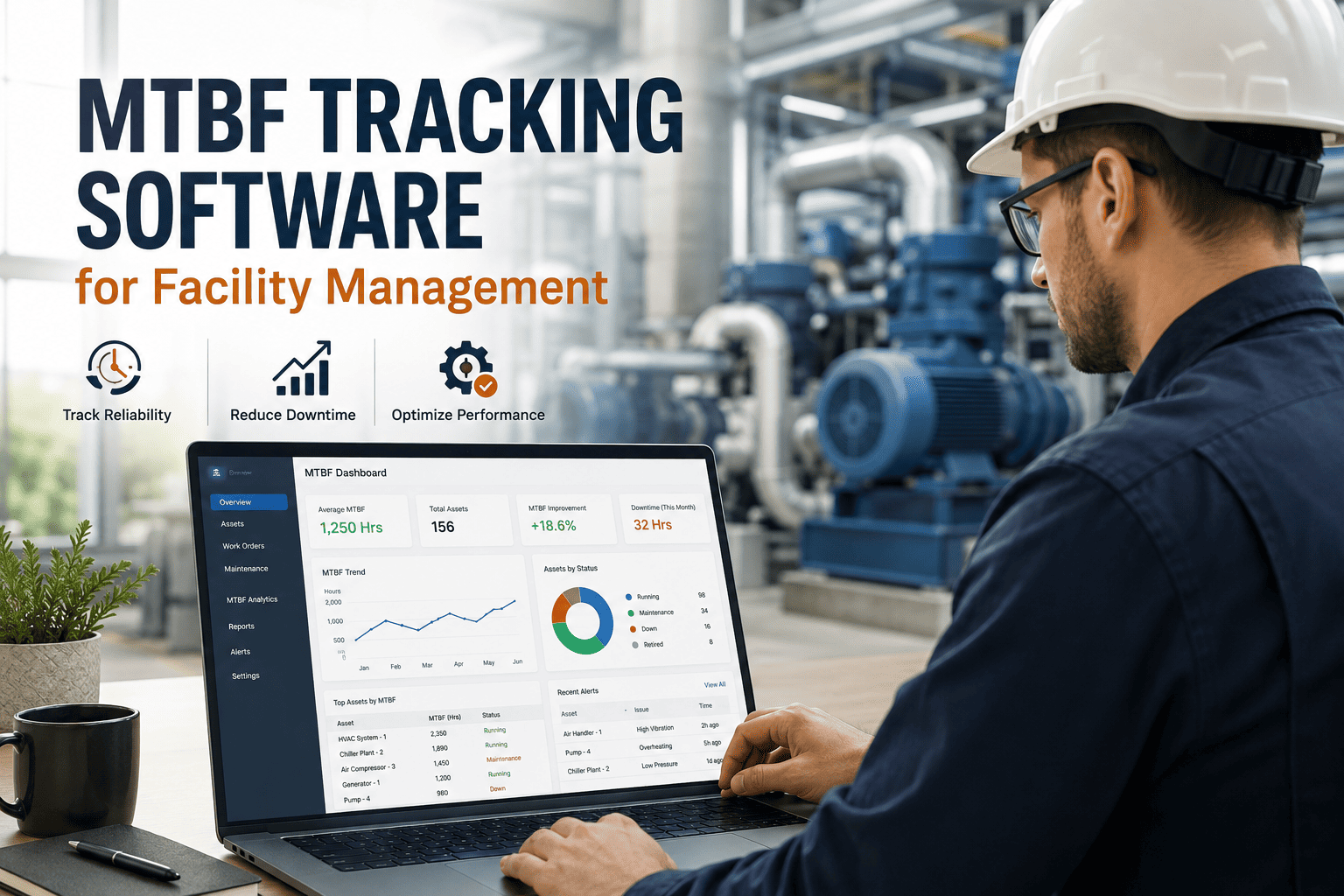
Read More
A building engineer can usually tell you which chiller "feels old" or which AHU "always acts up in summer." What she cannot tell you, without digging through a year of work orders, is exactly how many operating hours pass between failures on that
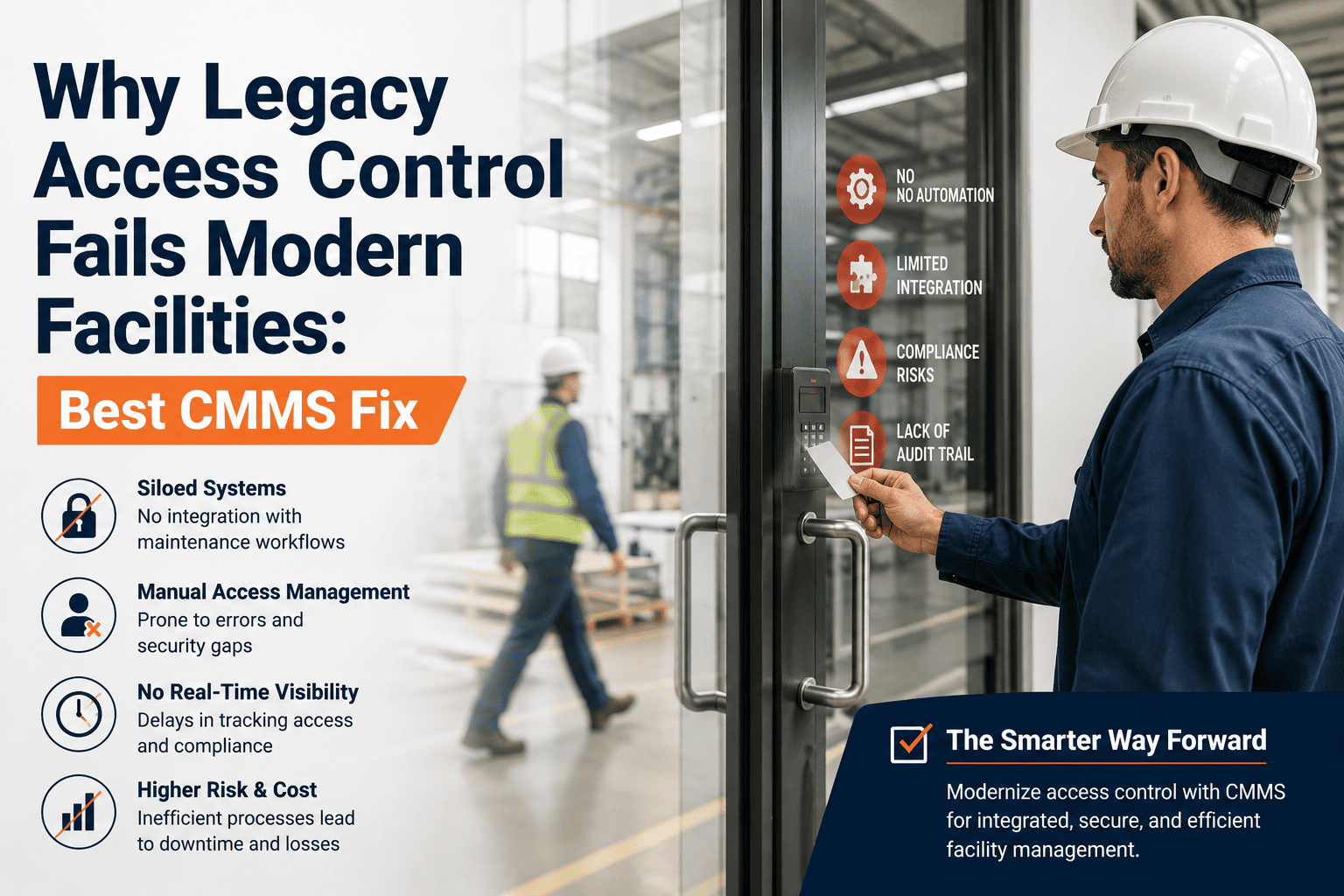
Read More
A regional healthcare system replaced its badge printers, its visitor kiosks, and its video platform in the last three years — and never touched the access panels wiring every door back to Wiegand readers installed in 2011. The doors still open, s
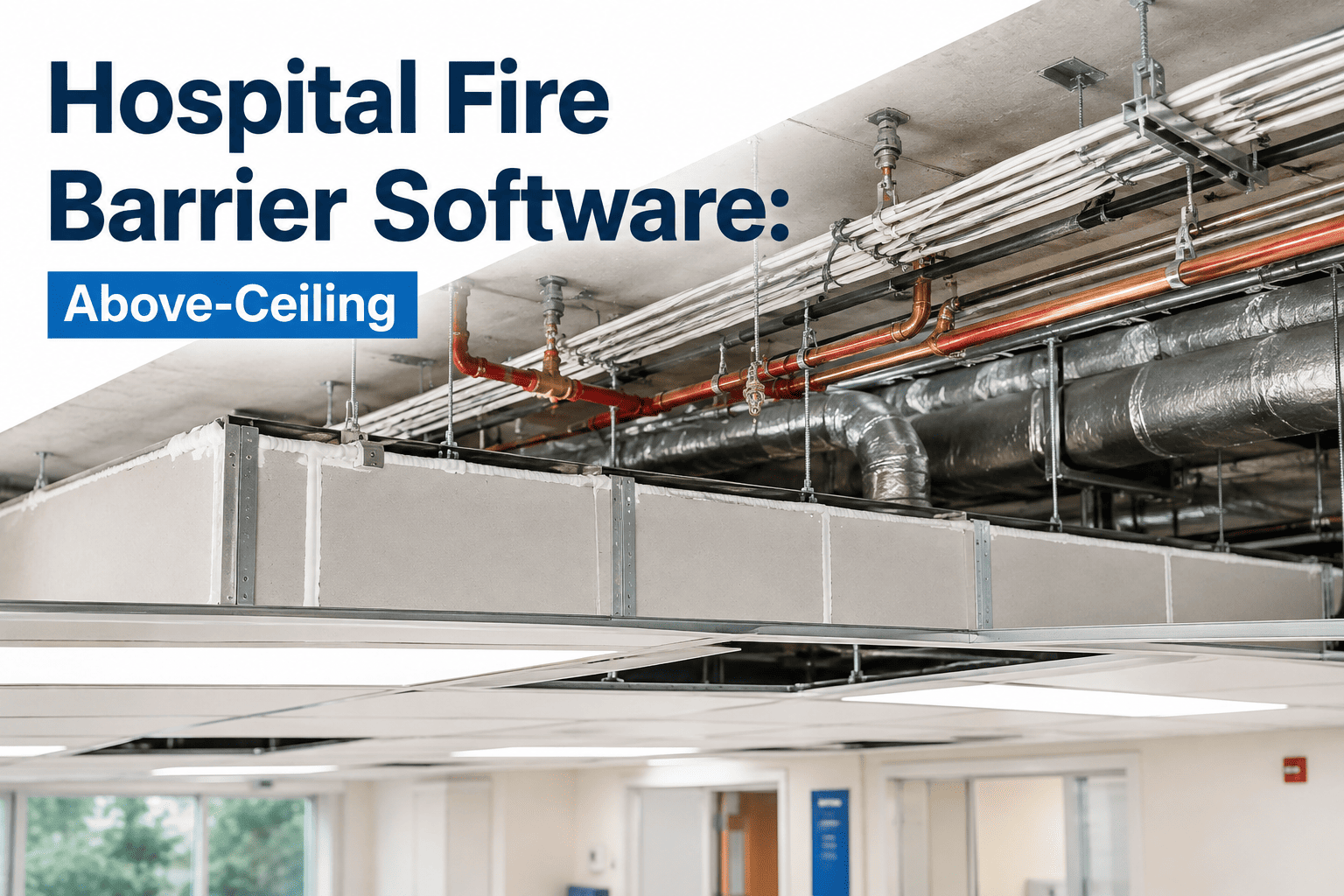
Read More
Hospitals lose fire barrier compliance long before a surveyor walks in — not because a barrier was rated wrong, but because a contractor pulled ceiling tiles for a cable run eighteen months ago and nobody logged the penetration or the fire-stop pr
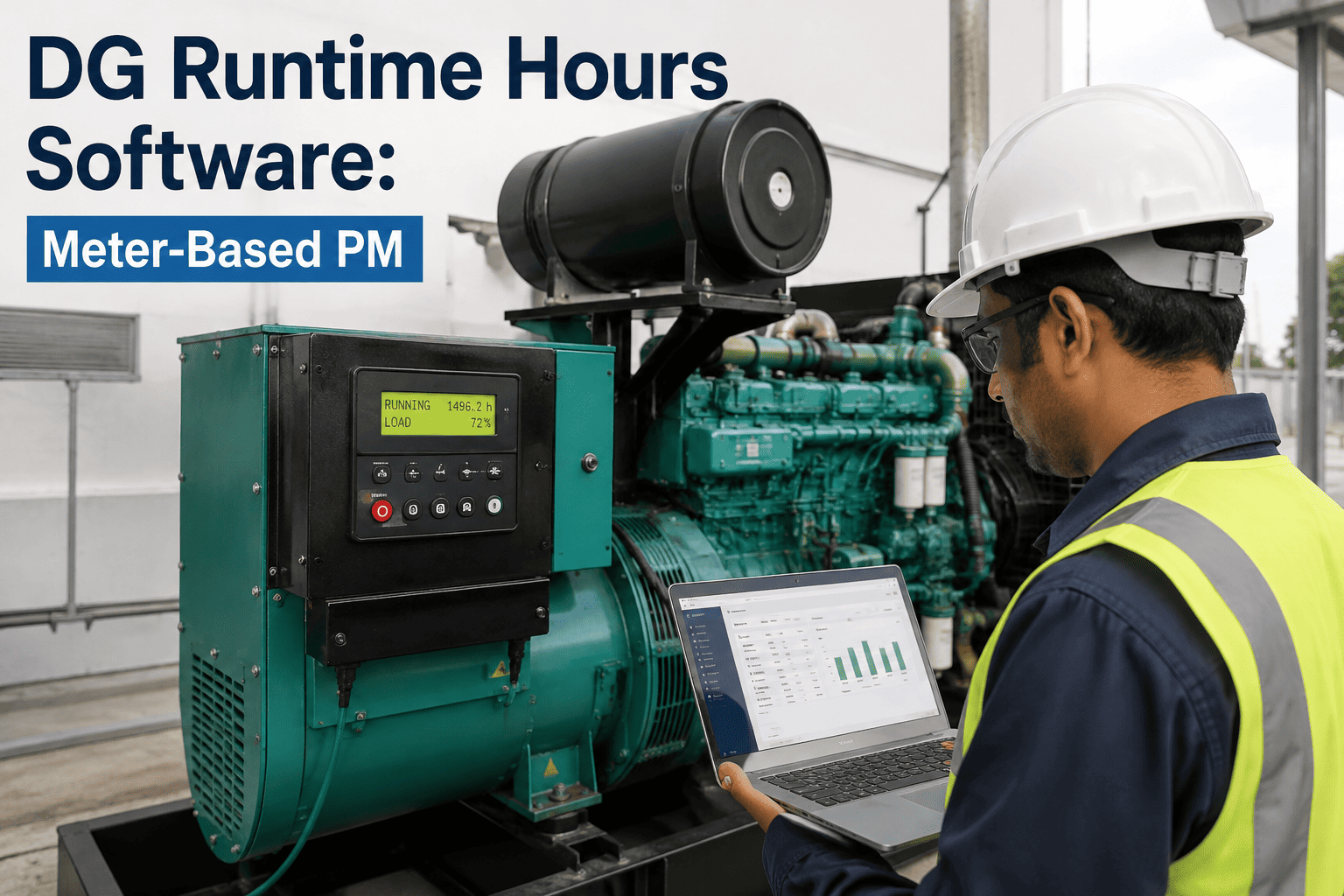
Read More
A regional hospital system runs eleven diesel generators across four campuses. Every one of them gets serviced on the same 90-day calendar cycle, whether it ran six hours that quarter or sixty. The unit behind the data hall logged 340 hours chasin

Read More
An electric fire pump looks fine right up until the annual flow test shows it can no longer hit rated pressure — and by then nobody can say whether the motor windings degraded slowly or a missed monthly run test simply let the problem go unnoticed

Read More
Most facility teams start 5S the same way: a weekend cleanup, some new labels, a laminated poster on the wall. Six months later the poster is still there, but the shadow boards are empty, the labels have peeled off, and nobody remembers who owns t

Read More
A cooling tower fill pack works quietly for years, spreading water into a thin film so air can strip away heat before the water returns to the chiller loop. Somewhere in that process, dust, minerals, algae, and biofilm start settling into the flut

Read More
Cooling tower corrosion rarely announces itself until a heat exchanger tube perforates mid-summer or a distribution header fails during a plant shutdown. Left untreated, mild steel components can lose metal at nearly 60 mils per year, turning a sm
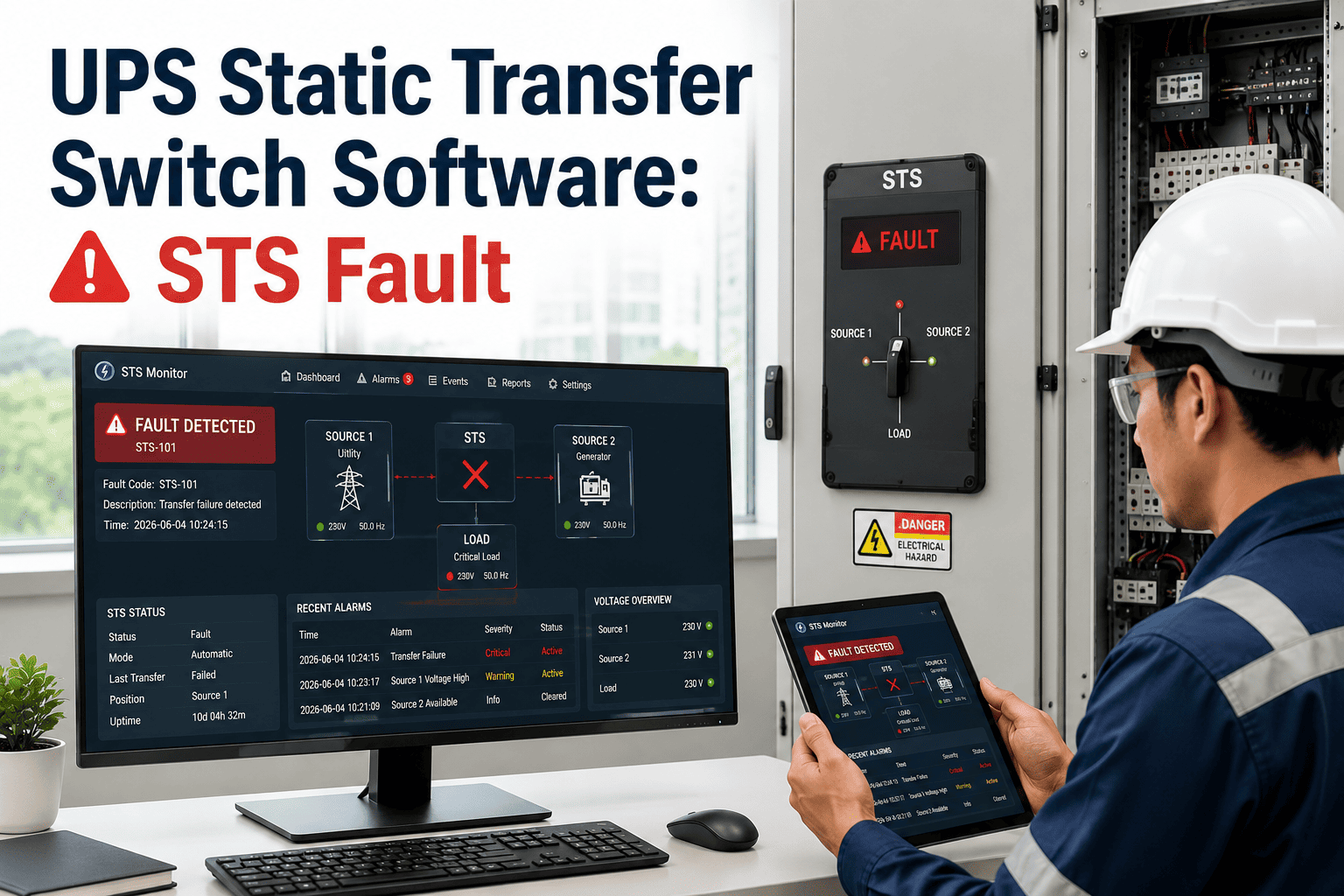
Read More
Every data center operator has faced the moment when a static transfer switch doesn't behave the way the drawings promised: a source transfer that takes longer than the spec sheet claims, an SCR module that runs hot during a routine test, or a fau

Read More
Work order completion rate is the one number that tells you whether your maintenance program is actually working or just generating paperwork. Facilities still running on spreadsheets and paper logs routinely close out fewer than half of their ass
Read More
Every facility budget cycle starts the same way: take last year's number, add 5 to 10 percent for inflation, and hope the CFO doesn't ask where the figure came from. That guesswork approach is why facility teams without asset condition data face 4
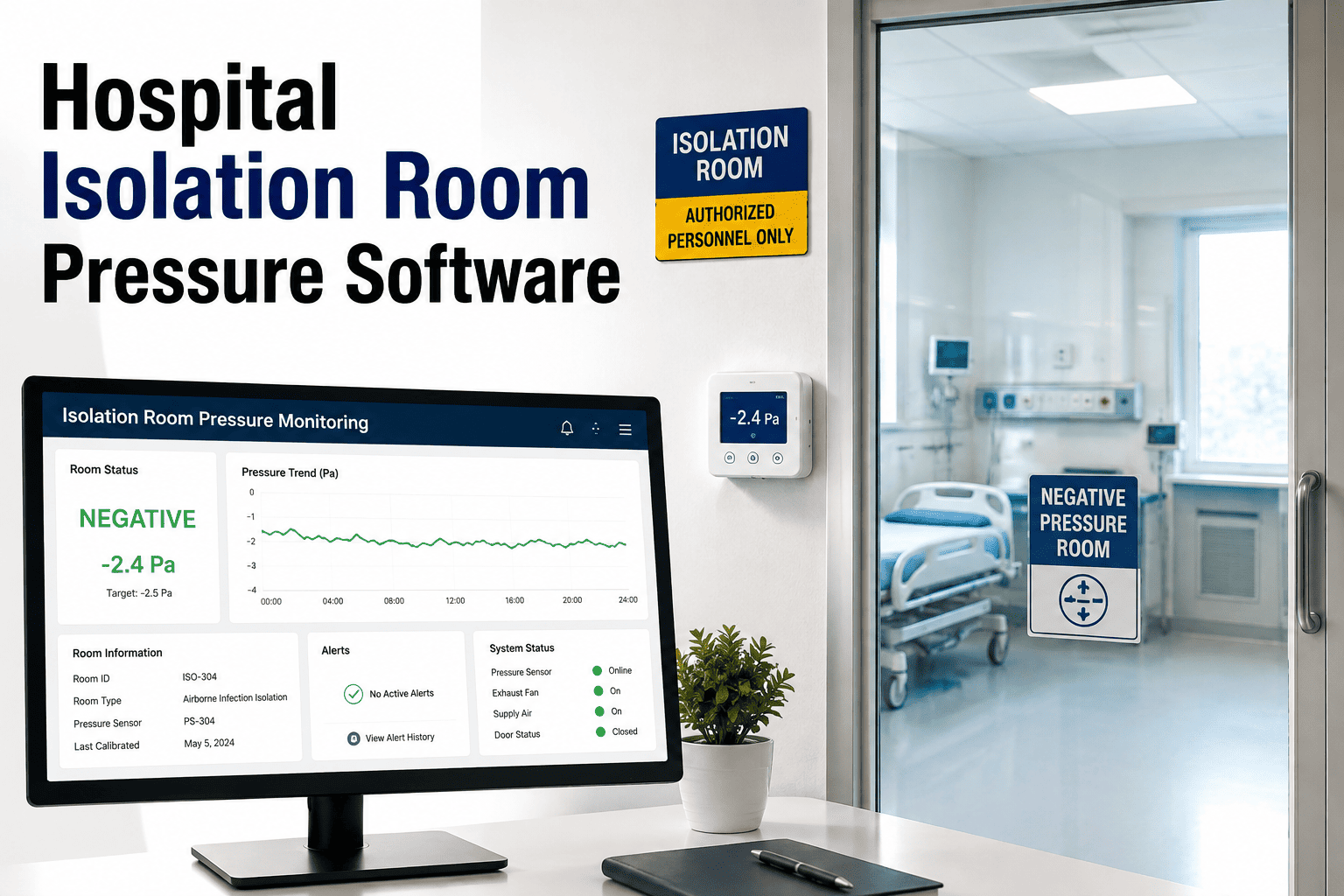
Read More
A hospital isolation room is only doing its job if the pressure differential behind that door stays exactly where it should. Airborne Infectious Isolation (AII) rooms must hold negative pressure so tuberculosis, measles, and other airborne pathoge
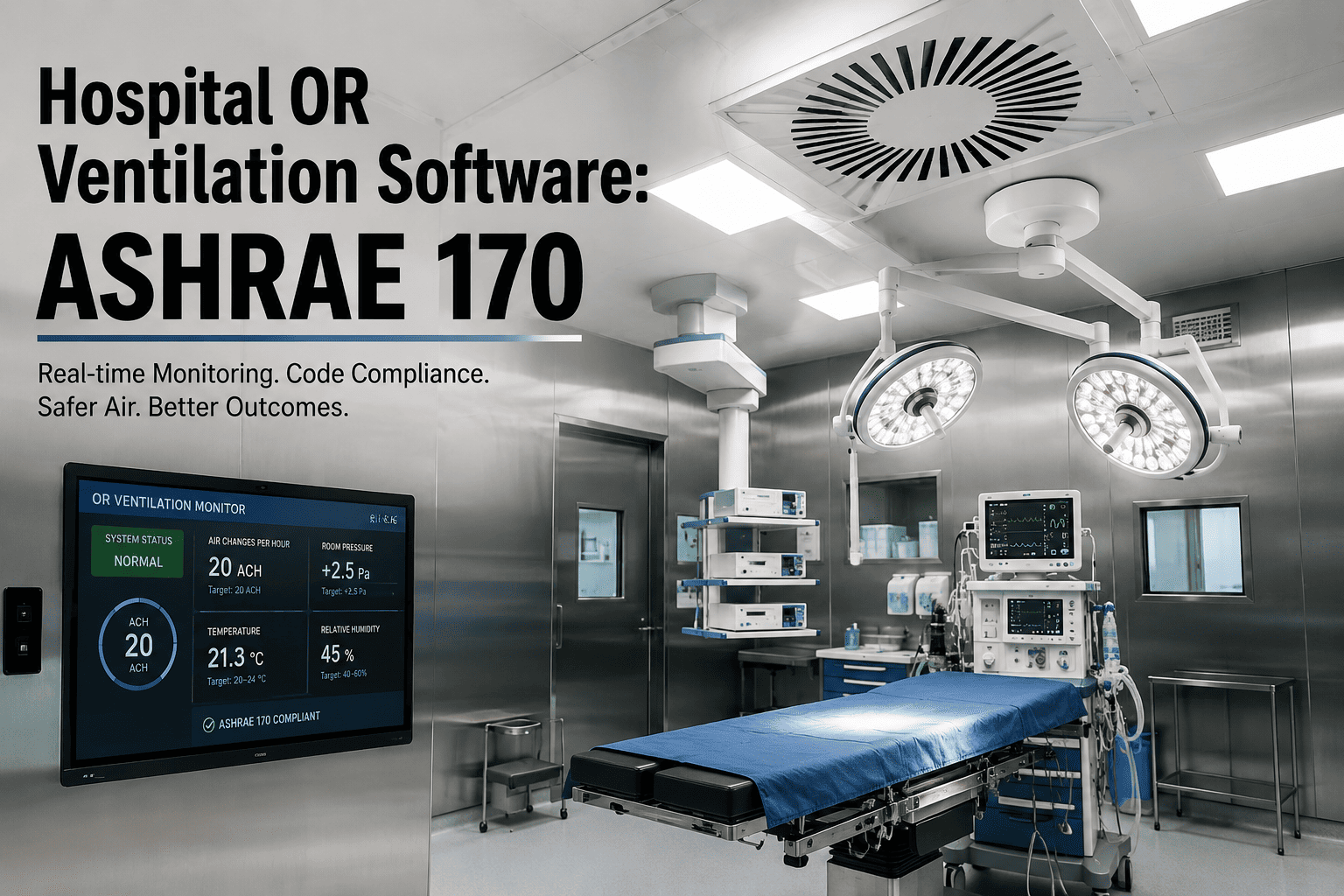
Read More
Operating rooms carry the strictest ventilation rules in any hospital, and missing them is a patient safety risk, not a paperwork one. ASHRAE 170 sets a hard floor for OR air changes, outdoor air, pressure differential, and filtration, while NFPA
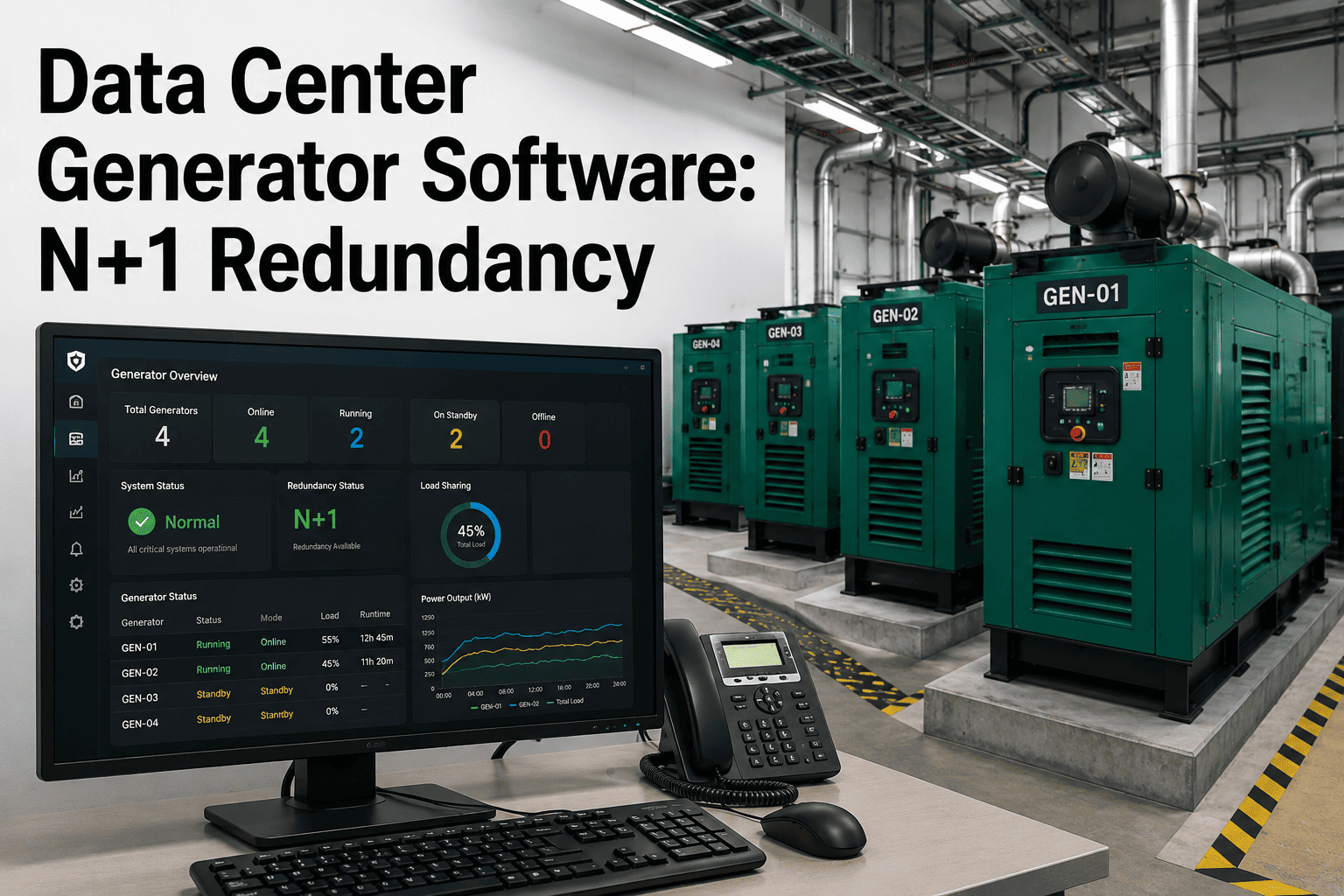
Read More
When a utility feed drops at 2 a.m., your data center's entire uptime commitment rests on whichever generator is sitting in reserve — and whether it actually picks up the load. N+1 redundancy means running one more generator than your facility's m

Read More
When mains power fails, a diesel generator is supposed to take over in seconds — but a silently degrading battery or a clogging fuel filter can leave a critical facility running on nothing at all. Most DG failures are never sudden surprises; they
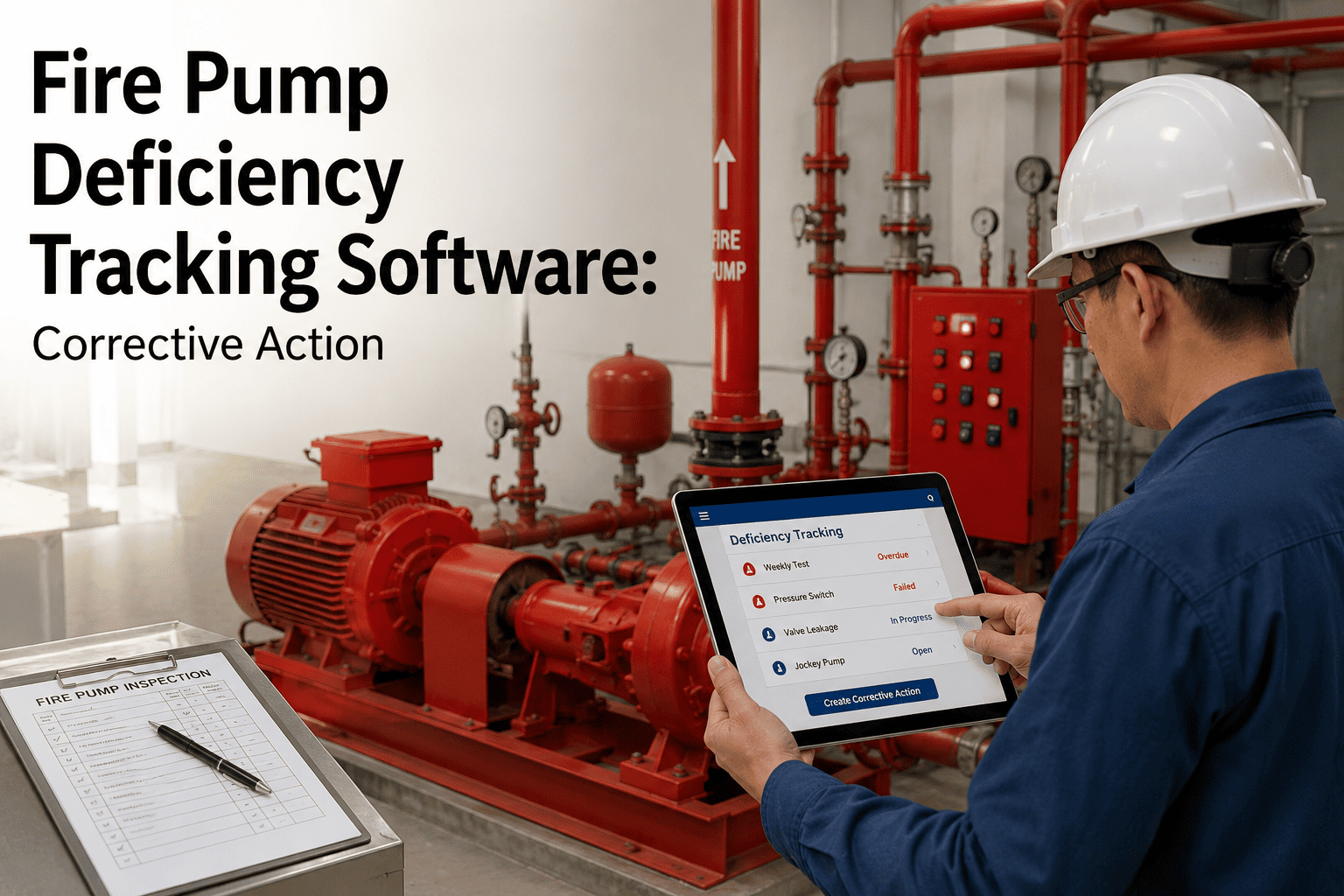
Read More
A commercial high-rise failed its fire pump acceptance retest for the second year running when the facility team could not prove a flagged churn-pressure deficiency had ever been closed out. The Authority Having Jurisdiction issued a formal notice

Read More
When a diesel fire pump fails to start during a real fire event, the cause is almost never a mystery — it is a missed weekly churn test, a battery nobody caught in time, or fuel that quietly degraded in the tank for years without anyone testing it
Read More
Manufacturing and process plants lose more production hours to preventable safety incidents, missed inspections, and OSHA-triggered stoppages than most facility teams ever budget for, yet many still track safety, health, and environment activity a

Read More
A 1.1-million-square-foot corporate campus was spending well above the industry benchmark on cooling tower energy every summer, with fouled fill media, drifting fan belts, and delayed water treatment adjustments quietly inflating the chiller plant

Read More
A production line can run a full eight-hour shift and still lose half its output value without a single breakdown showing up on the log. Two-minute stops nobody records, a changeover that ran long, a batch of parts that missed spec by a hair — non

Read More
A cooling tower technician pulls a grab sample every Monday morning, tests pH and conductivity, writes the numbers on a clipboard, and moves to the next tower. Between that reading and the next one seven days later, biocide residual can crash, con

Read More
A cooling tower doesn't announce scaling with a warning light — it announces it three months later as a compressor working harder, a chiller pulling more amps, and a maintenance manager staring at an energy bill nobody can explain. By the time cal
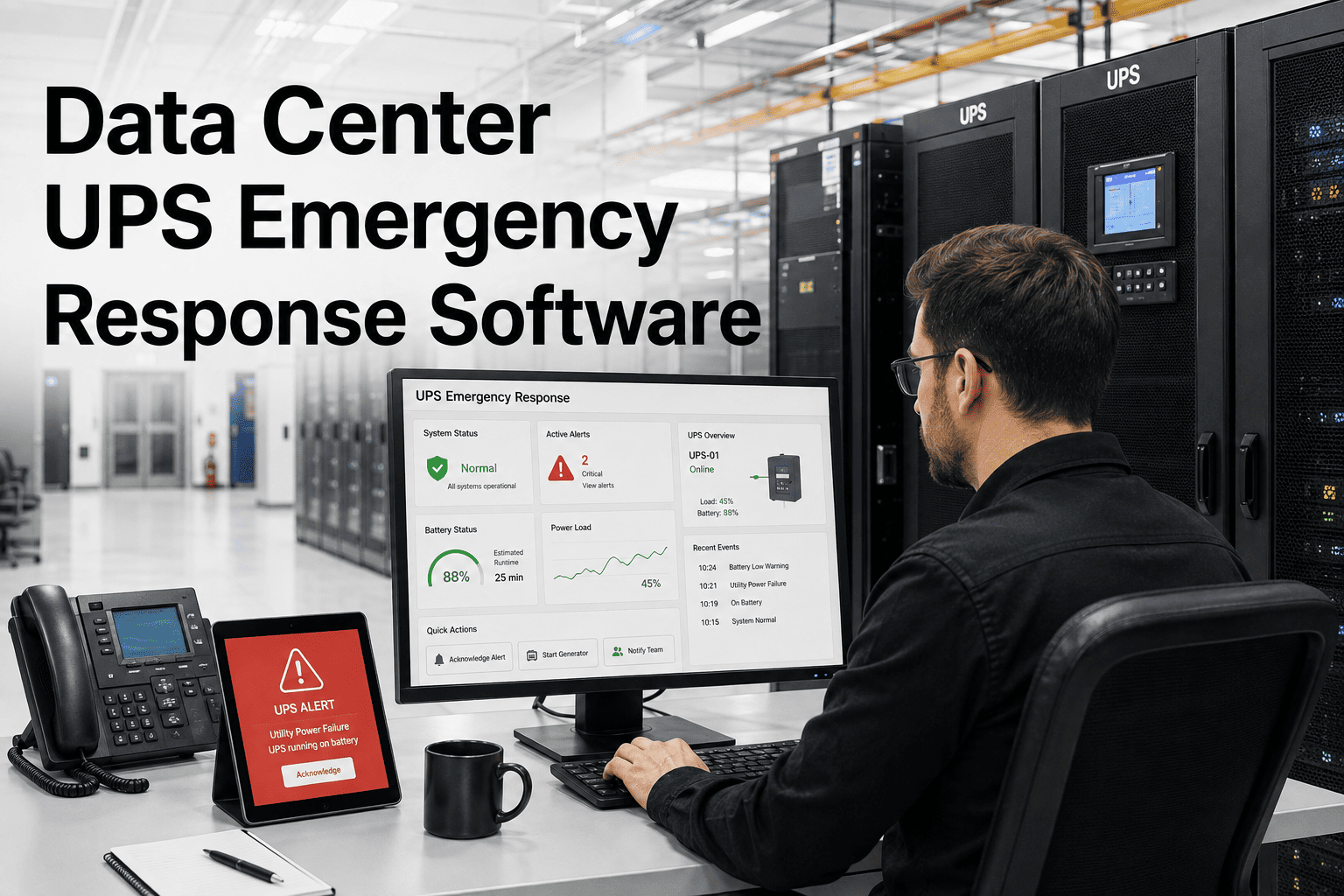
Read More
A UPS alarm fires at 2 a.m. Battery string degraded, load still riding the inverter, and the on-call phone buzzes with an alert that looks identical to the false one from three weeks ago. Ninety seconds pass while someone decides whether this is r
Read More
At 2:43 AM, a UPS alarm breaks the silence in the data hall — battery voltage is dropping and the static bypass has already taken the load. The equipment survives, but the harder question starts right after: what actually failed, and why did nobod
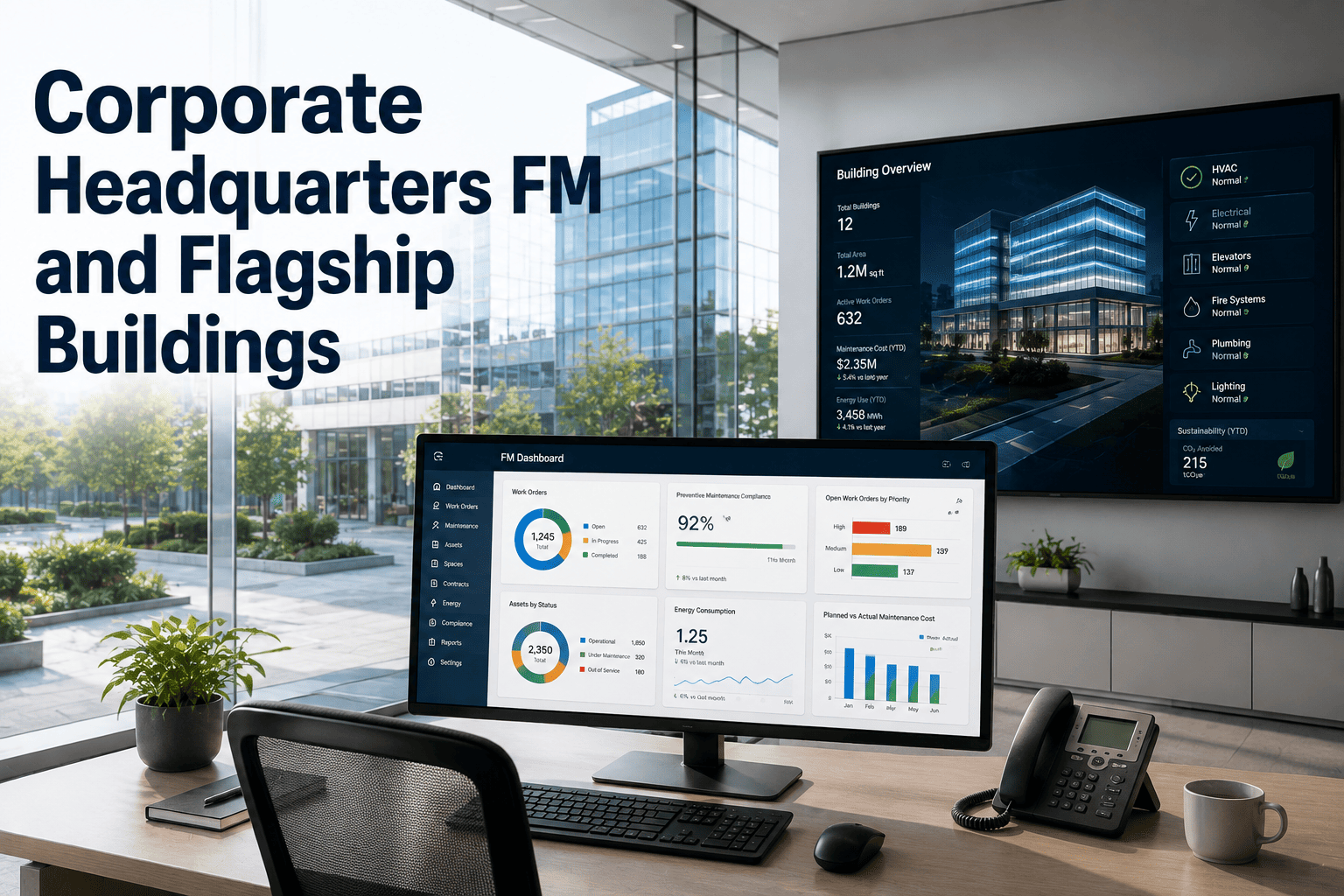
Read More
Corporate headquarters FM operates at the highest visibility level in facility management — every executive, every board meeting, and every major client visit passes through the lobby. Flagship building facility management demands flawless service
Read More
Day-two FM operations begin the instant a new building is handed over, and the quality of that transition shapes maintenance costs, occupant experience and asset performance for the next 20 years. Building handover FM readiness means more than col
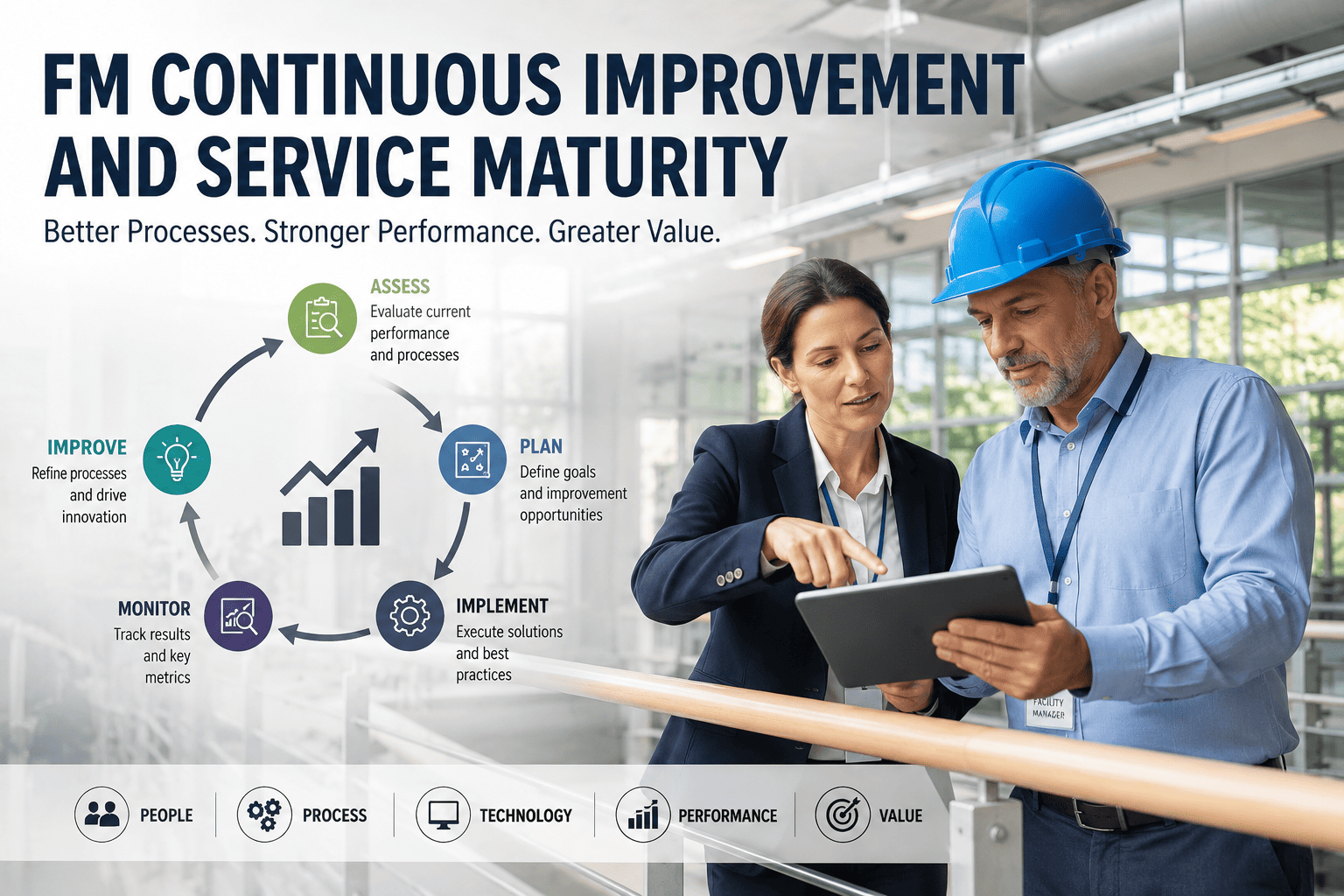
Read More
FM continuous improvement is the disciplined practice of making many small, measurable gains in facility service delivery rather than waiting for a single transformational overhaul — and pairing it with a facility service maturity model gives team

Read More
FM hard services — the mechanical, electrical, and plumbing systems that keep buildings operational — depend on tightly coordinated MEP trades working against shared schedules, compliance standards, and asset registries. When these trades operate
Read More
Move management and workplace churn consume 25–40% of the typical facilities budget in large portfolios, yet most teams still coordinate internal moves through email chains and spreadsheets. Every workplace relocation disrupts two teams at once —
Read More
Stadium and arena facility management is the discipline of operating, maintaining and protecting massive entertainment venues that sit idle for days, then absorb 60,000 fans in under an hour. Every event day tests every system in the building — HV
Read More
Museum and cultural venue facility management is the discipline of operating buildings where conservation-grade environmental control, artifact safety, and high-volume public access must coexist inside the same envelope. Collections demand tighter
Read More
An FM quality audit is the structured process of verifying that facility services — cleaning, HVAC maintenance, security, pest control, landscaping — were actually delivered to the contracted standard, not just signed off on paper. Facility servic

Read More
FM technician scheduling and multi-site dispatch is the single biggest lever a facilities management organization can pull to recover lost wrench time — studies consistently show technicians in multi-site portfolios spend only 25–35% of their day
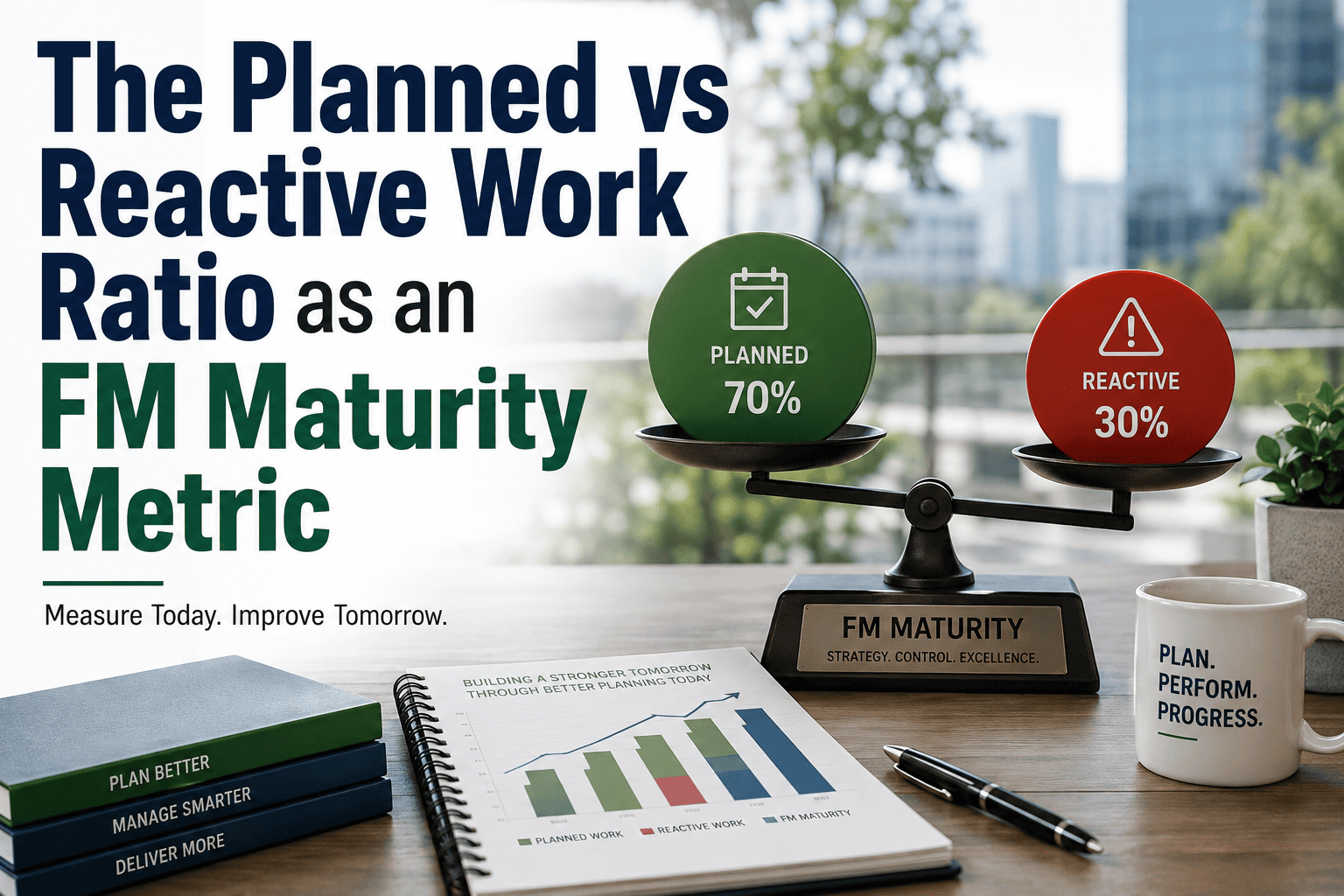
Read More
The planned vs reactive work ratio is widely regarded as the single most honest indicator of facility maintenance maturity — far more revealing than any internal survey or self-assessment. World-class FM portfolios consistently operate at an 80:20

Read More
Corporate real estate decides which buildings to keep, expand, or exit, but the data that decision should rest on — actual condition, true occupancy, and real cost per square foot — lives inside facility management systems that CRE teams rarely ha

Read More
A single utility bill tells a facility team that the building used 480,000 kWh last month — and nothing else. It does not say whether the chiller plant, the server room, or a floor of vacant offices drove that number, so every energy conversation
Read More
A single mixed-use asset can hold a residential tower expecting concierge-level quiet, a retail podium expecting extended weekend hours, and an office floor expecting weekday-only HVAC — all sharing one roof, one loading dock, and one facilities b

Read More
Facility teams that pass every internal review still lose bids to competitors who can show ISO 41001 certification on a tender document. The standard does not ask for cleaner buildings — it asks for a governed management system with a documented p
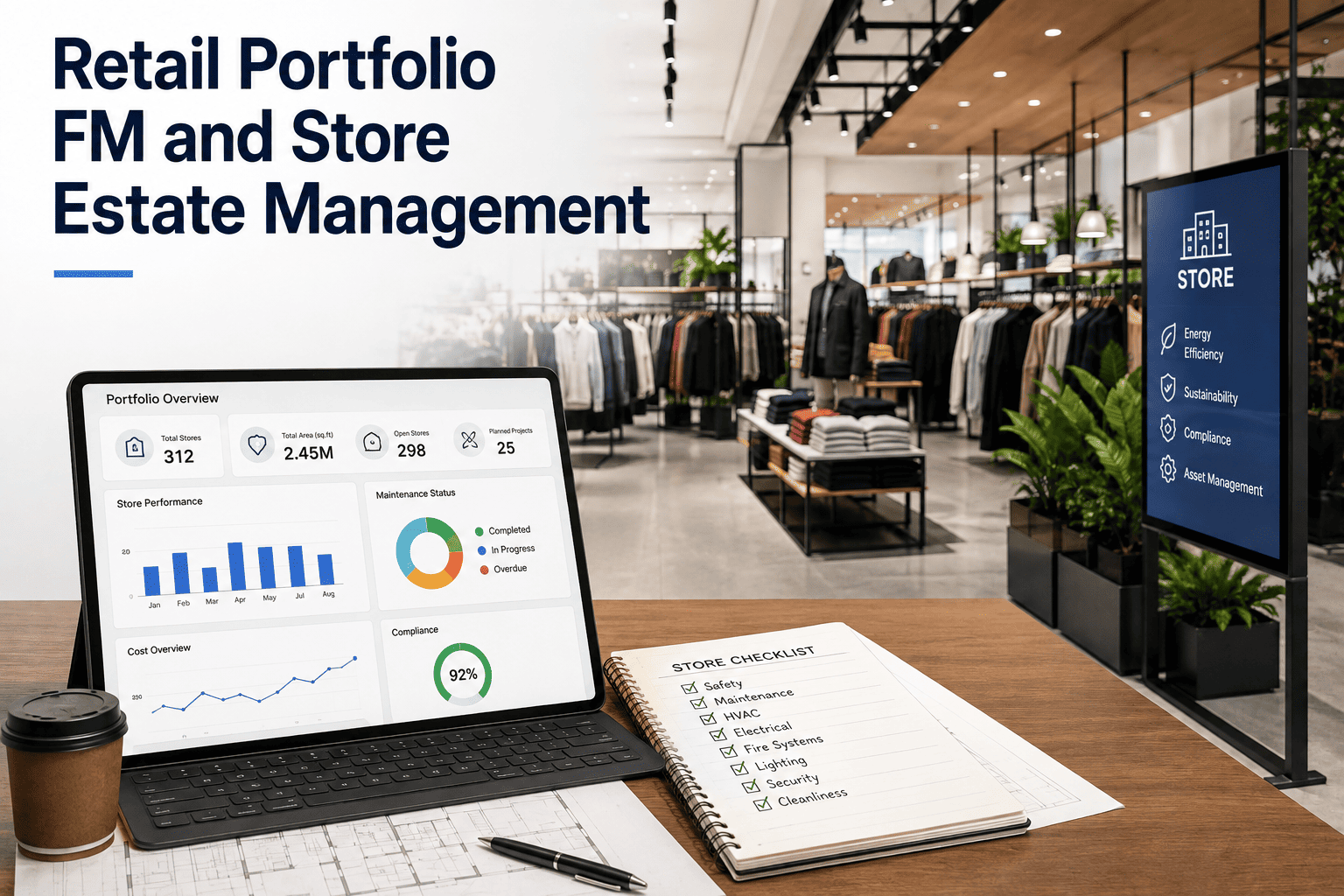
Read More
A single distribution center has one loading dock to worry about. A retail estate has hundreds of them — plus HVAC, refrigeration, lighting, and doors — spread across locations with no facilities staff on site and trading hours that rarely stop. W
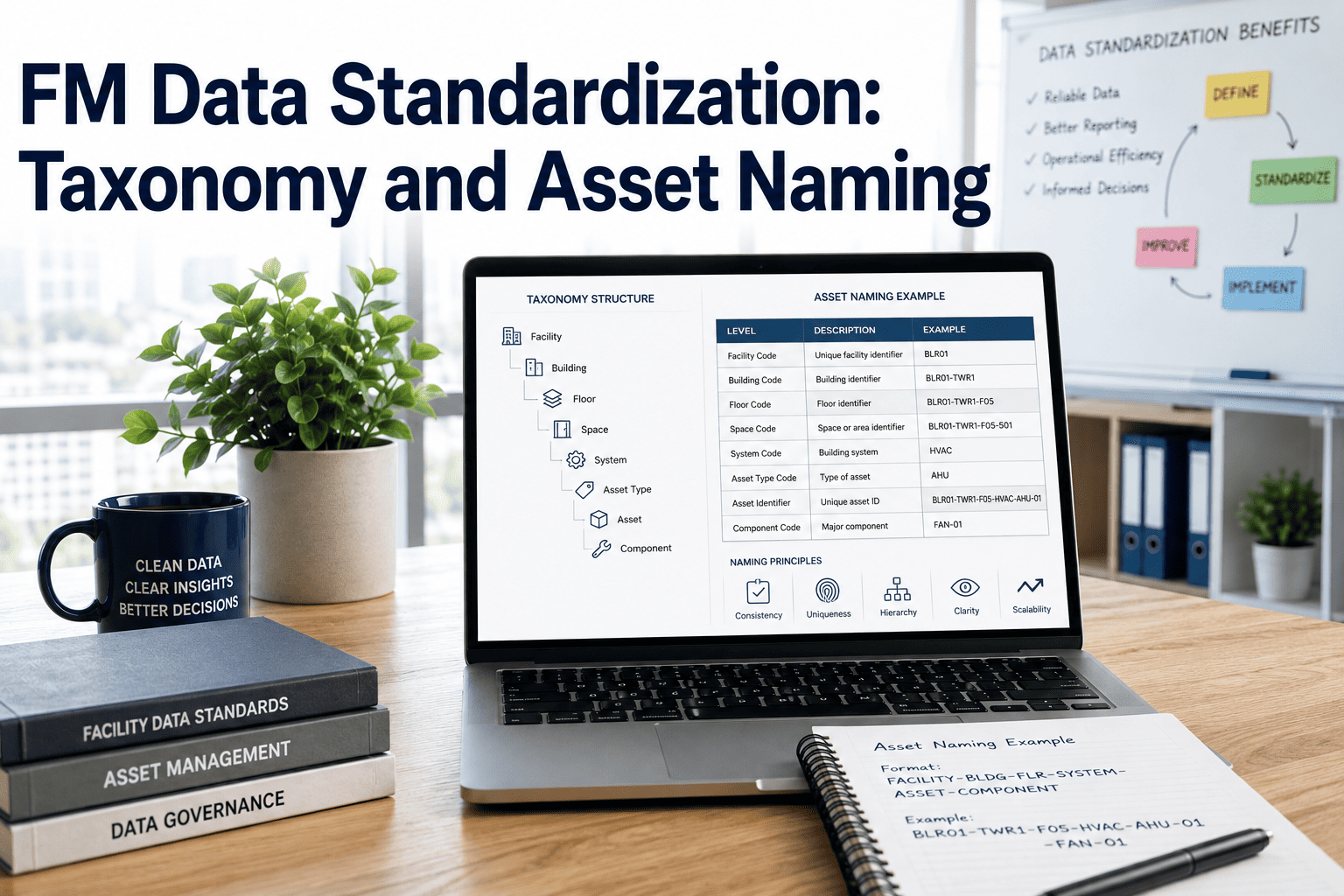
Read More
Ask three sites in the same portfolio what they call the rooftop unit above the loading dock and you will likely get three different answers — "RTU-4," "Roof AC East," and "AHU-Dock." Every one of them is technically correct and none of them can b
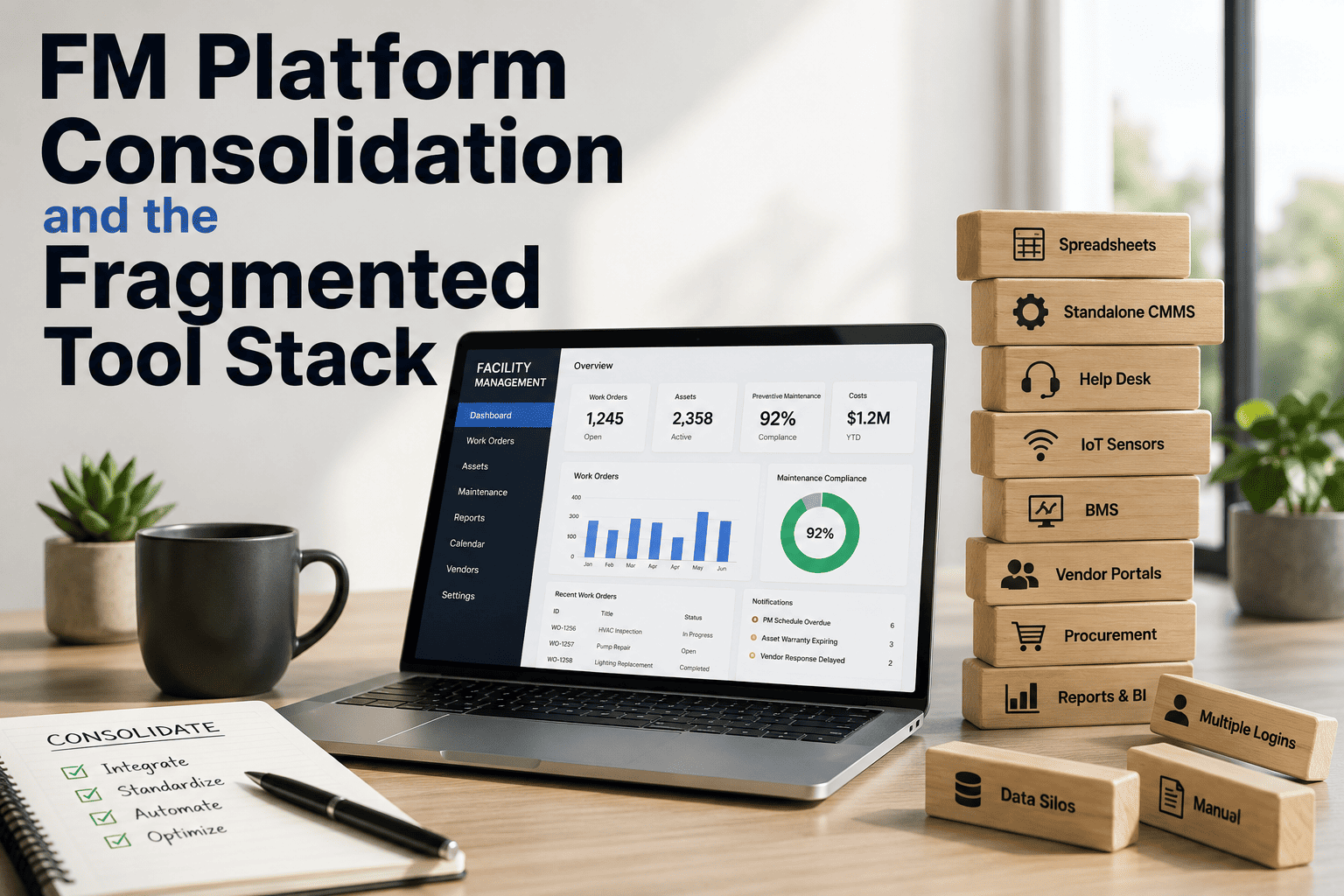
Read More
Bookings live in one app, visitor management in another, maintenance work orders in a CMMS nobody outside the trades team logs into, and cleaning verification in a spreadsheet that only gets updated on audit weeks. None of these tools talk to each

Read More
Facility management job postings increasingly list "data analyst" or "FM analytics lead" alongside the usual maintenance and operations titles — a role that barely existed in FM organizational charts a decade ago. The shift is straightforward: por
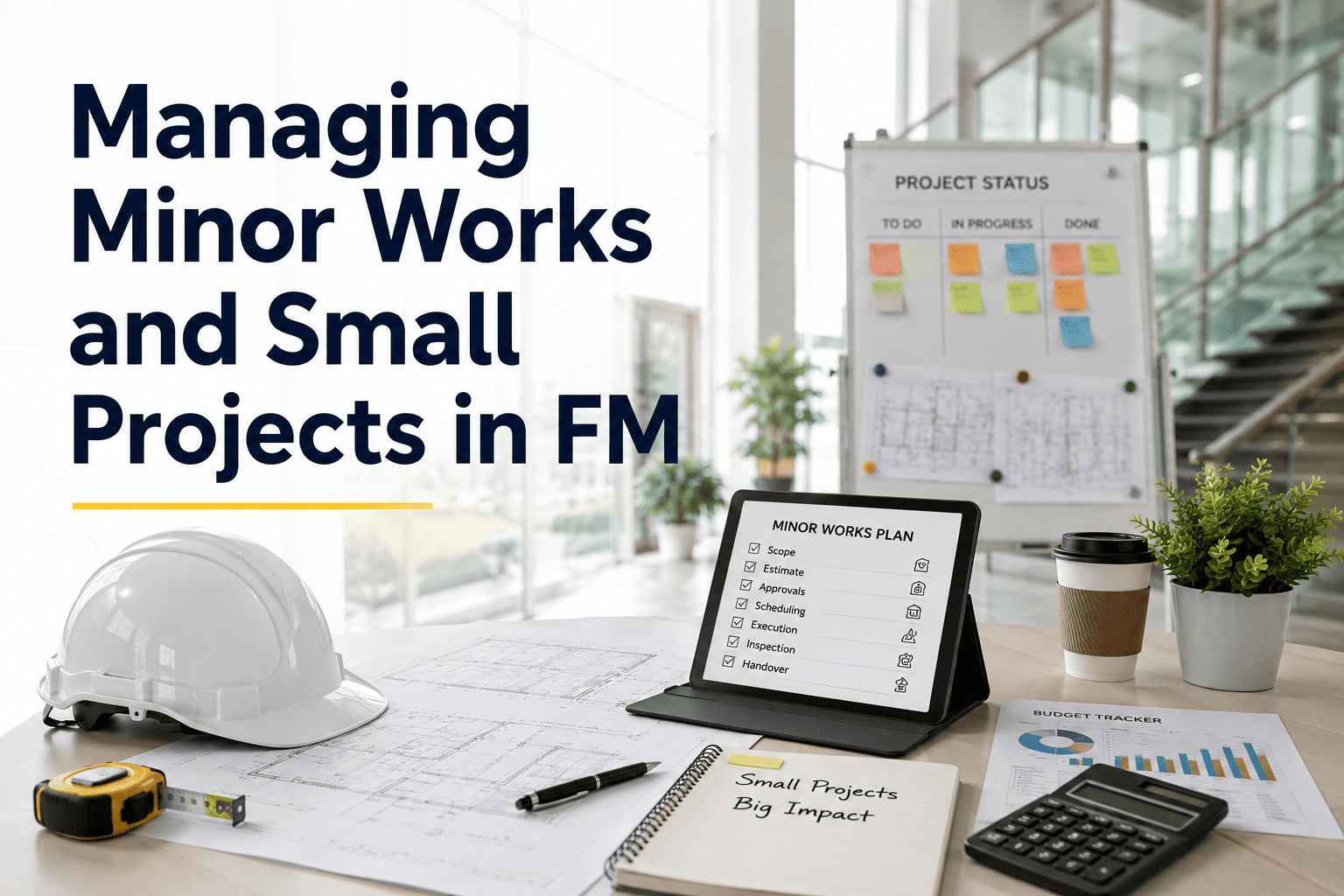
Read More
Every facility team runs three kinds of work at once — reactive breakdowns, capital projects, and the churn of small jobs in between: a relocated partition wall, a new signage run, a storeroom fit-out, a parking lot restripe. That third category,
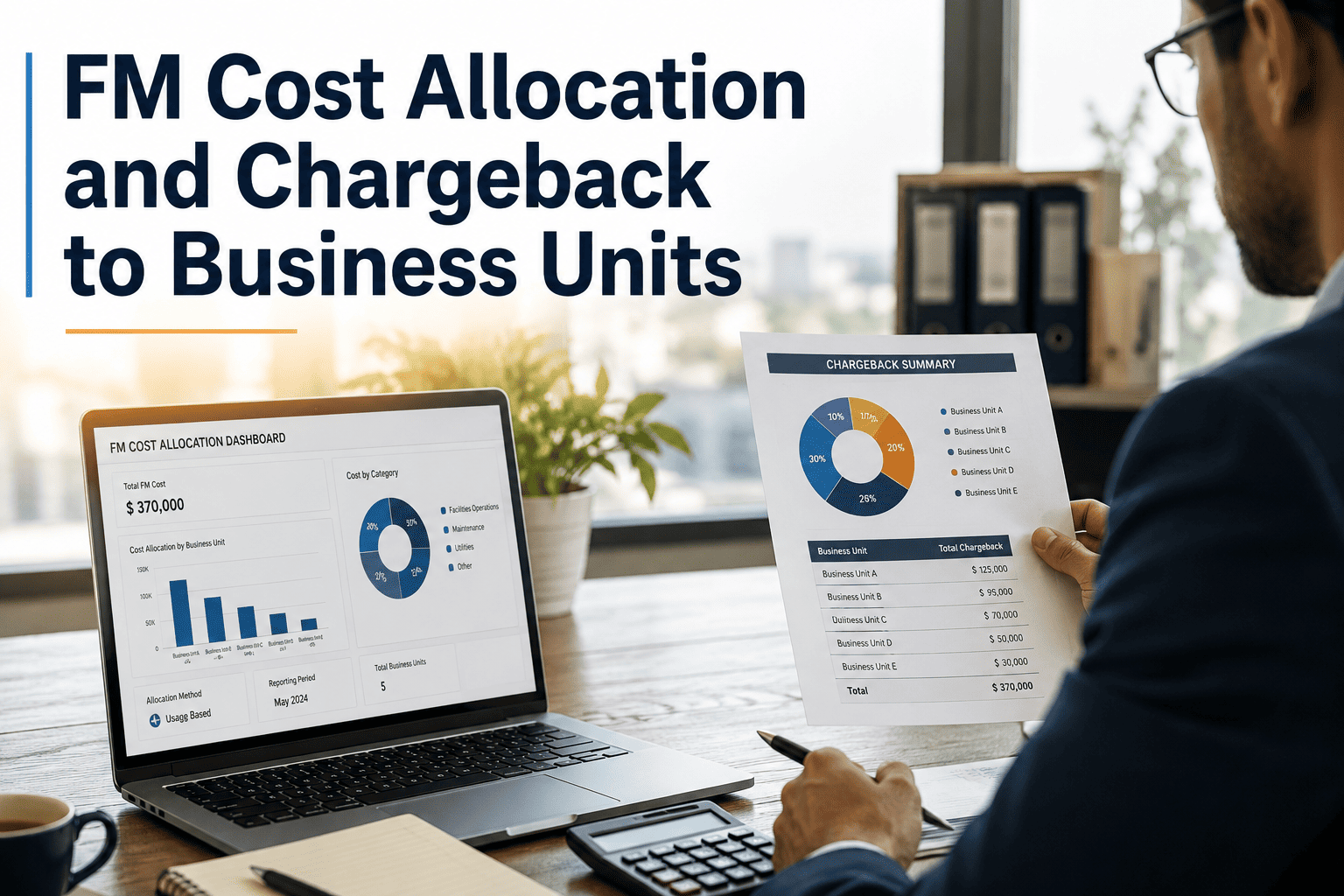
Read More
FM cost allocation and chargeback to business units is the discipline that transforms facility spend from an opaque overhead into a transparent, demand-shaping signal. When workspace, utilities, and maintenance are free at the point of consumption
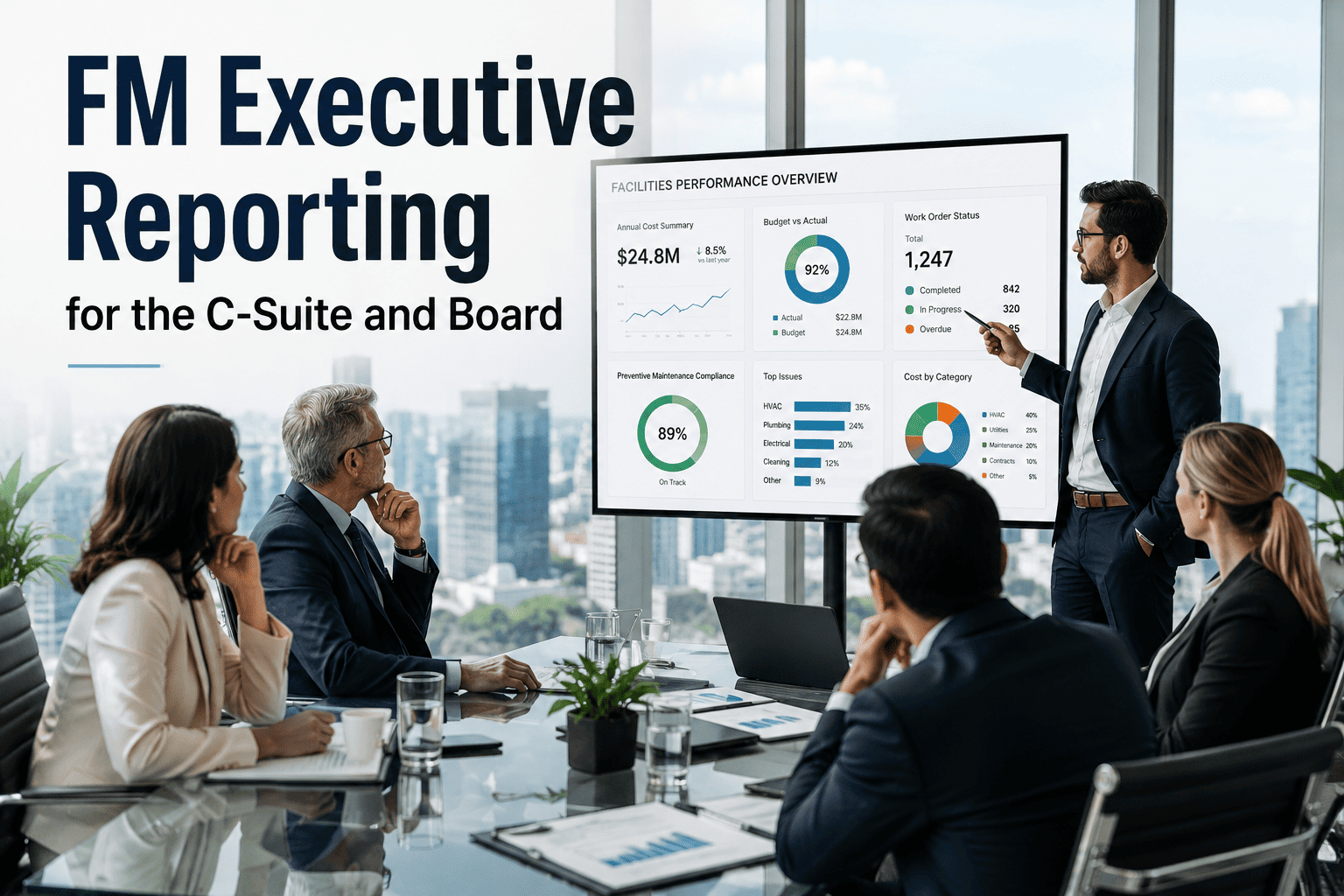
Read More
FM executive reporting for the C-suite and board is where facility management either earns strategic recognition or stays pigeonholed as an operational cost center. When executives and board members review facility performance, they don't want raw

Read More
Cross-portfolio benchmarking across buildings is the process of normalizing and comparing maintenance, energy and asset-performance data across every site in an FM portfolio to find the quiet underperformers — before finance does. Done right, FM p

Read More
Most facilities management teams never move beyond the FM AI pilot stall — roughly 70% of AI initiatives in FM get stuck at proof-of-concept and never reach production scale. The blocker is almost never the algorithm itself; it is the underlying f

Read More
Green lease clauses resolve the split incentive problem that quietly kills building efficiency projects — the landlord pays for capital upgrades, but the tenant collects the energy savings. In a typical commercial green lease agreement, building o

Read More
Workplace neighborhood zoning replaces fixed desk assignments with shared, activity-based zones—collaboration hubs, quiet focus areas, and project rooms—so that facilities teams can match space, service, and energy consumption to the actual number
Read More
Space utilization sensors and badge data both measure occupancy, but they measure fundamentally different things — and confusing the two is where workplace decisions go wrong. Badge swipes capture front-door arrivals, while space occupancy sensors
Read More
Workplace experience as an FM accountability means treating every functioning asset, comfortable temperature zone, and rapid service response as a measurable output owned by facility management — not an ambient perk that happens on its own. Employ

Read More
Right-sizing the office portfolio with utilization data is the single largest facilities-driven cost decision most organizations face this decade — hybrid work has left 30–50% of leased space sitting empty while real estate, energy and maintenance
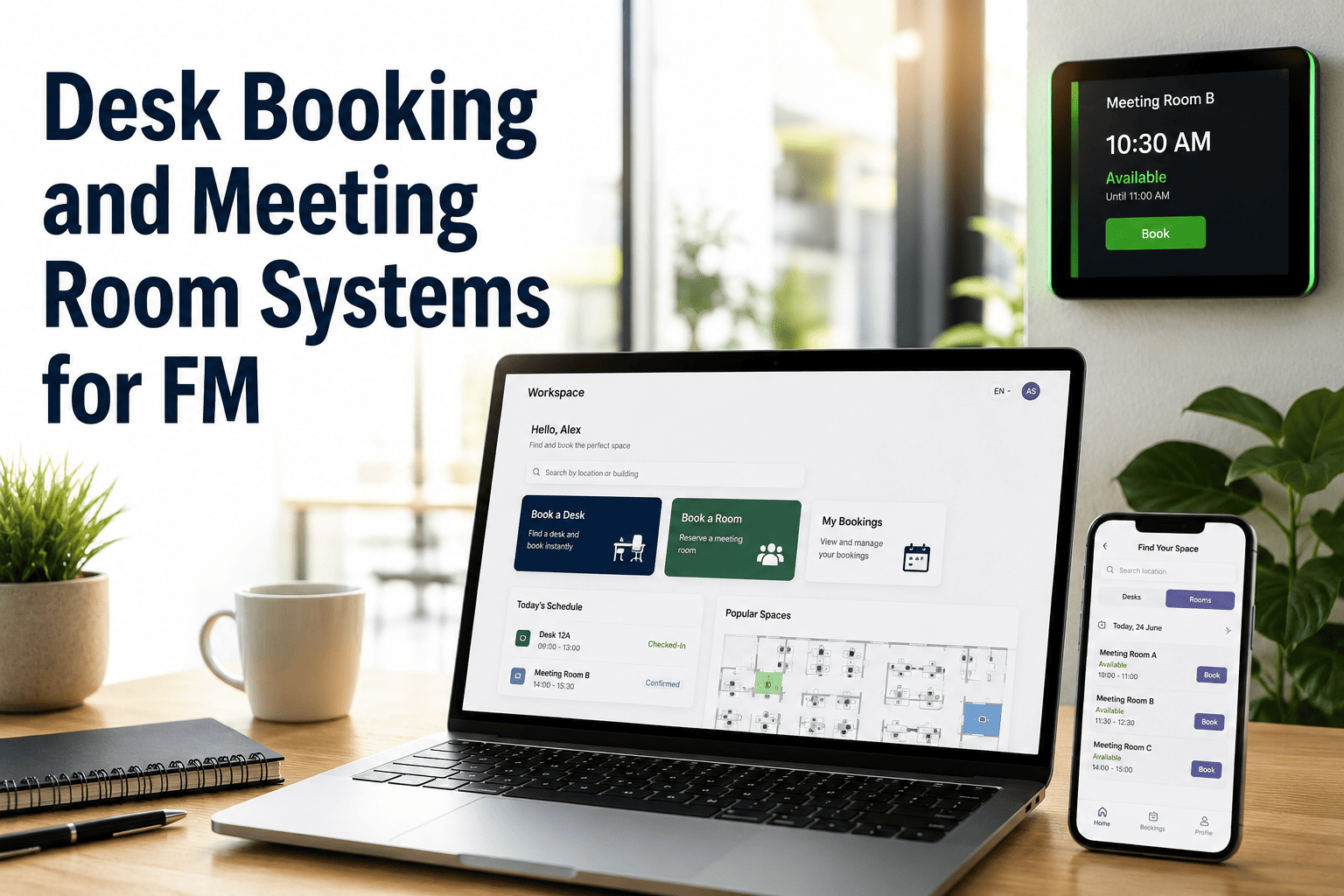
Read More
Desk booking and meeting room systems for FM teams are no longer optional add-ons — they are the operational backbone of hybrid workplace strategy, determining whether employees actually show up and whether facilities teams can coordinate cleaning

Read More
BIM handover to FM is the critical juncture where multi-million-dollar design and construction data either becomes a living operational advantage or gets stranded in unread model files. When BIM asset data is structured properly for facility manag
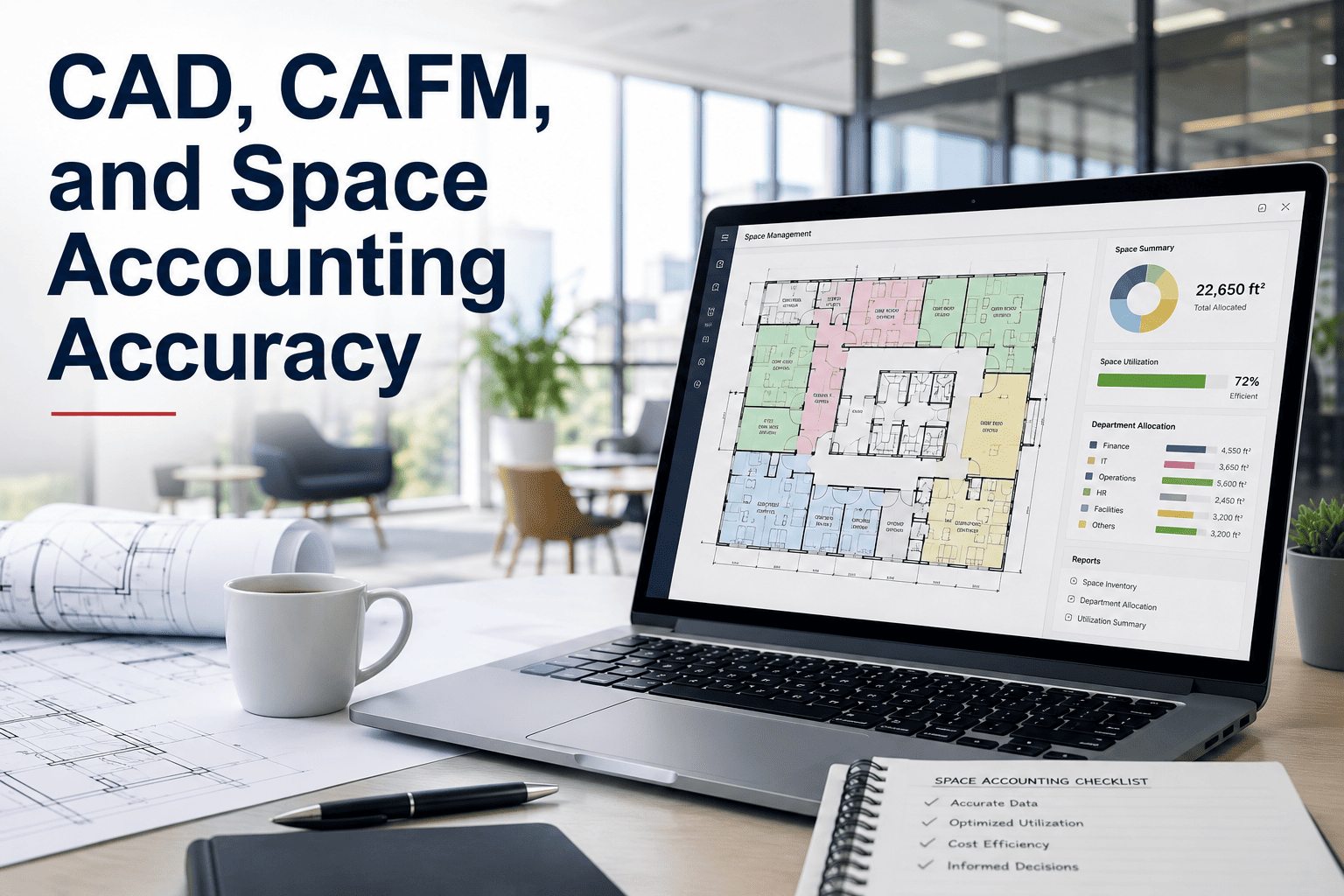
Read More
CAD CAFM space accounting accuracy is the difference between floor plans you can actually bill, budget and plan against — and drawings that quietly drift from reality within months of the last survey. When space records accuracy in FM falls below

Read More
An energy performance contract (EPC) with guaranteed savings allows facility teams to fund deep efficiency retrofits — LED relighting, chiller plant upgrades, building-envelope improvements, BMS optimization — using the utility savings the project
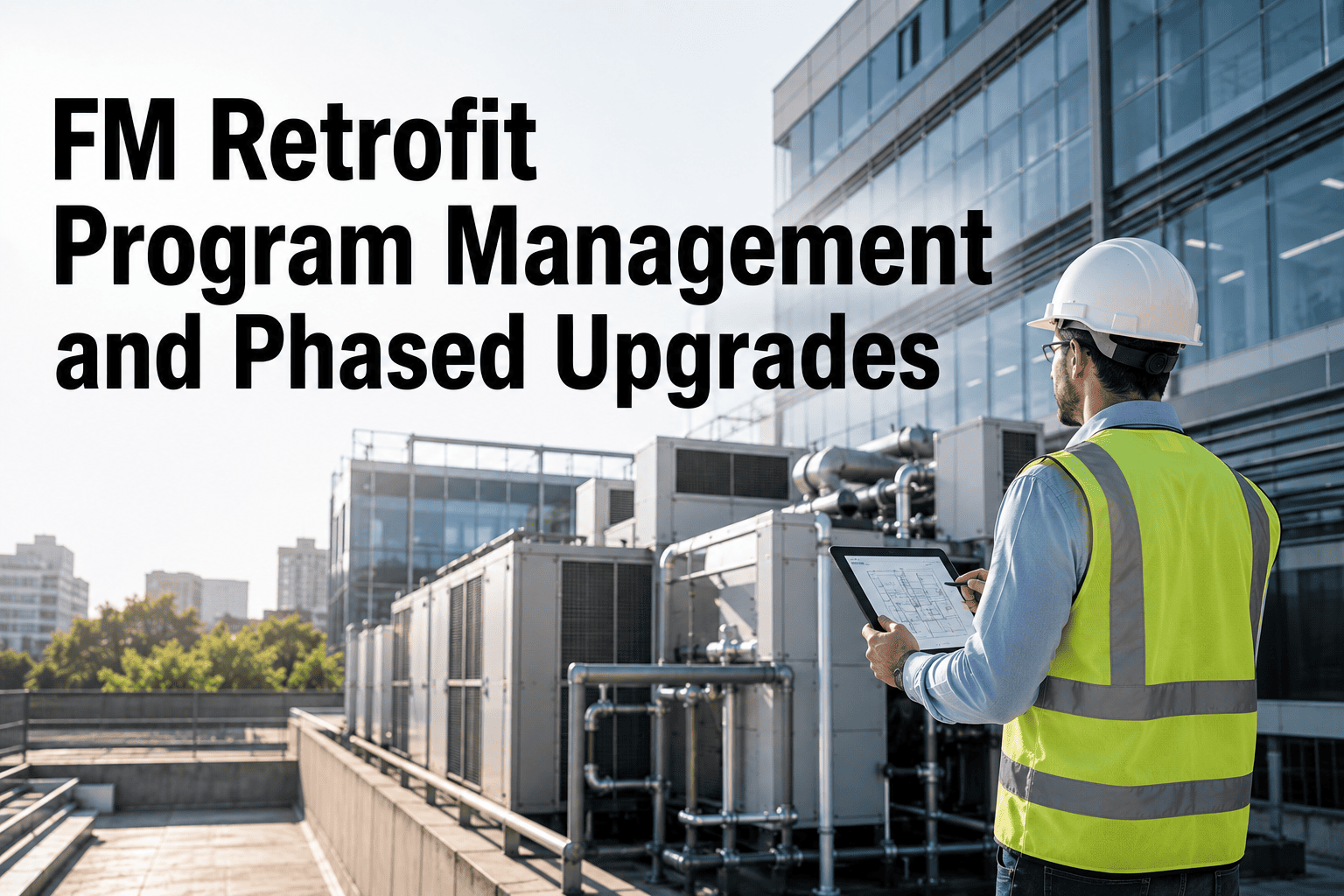
Read More
Whole-building retrofits are disruptive, expensive, and rarely funded in a single capital cycle — which is why a well-structured FM retrofit program broken into phased upgrades is the standard approach for portfolios pursuing energy efficiency, de
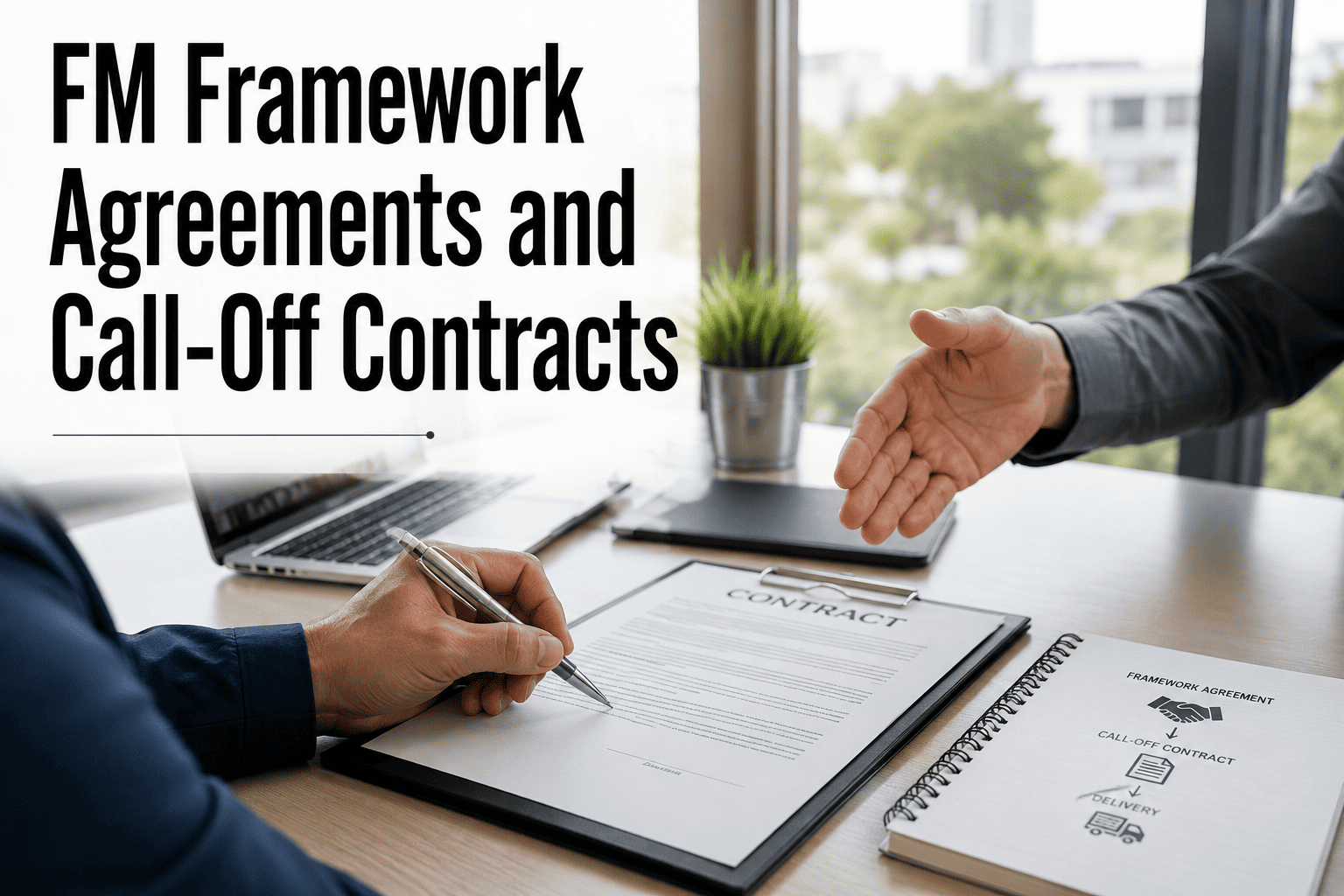
Read More
FM framework agreements and call-off contracts let facilities teams skip repeated tender cycles by pre-negotiating terms, pricing, and qualified vendors up front — then calling off individual jobs as needed. A well-structured facility framework ag
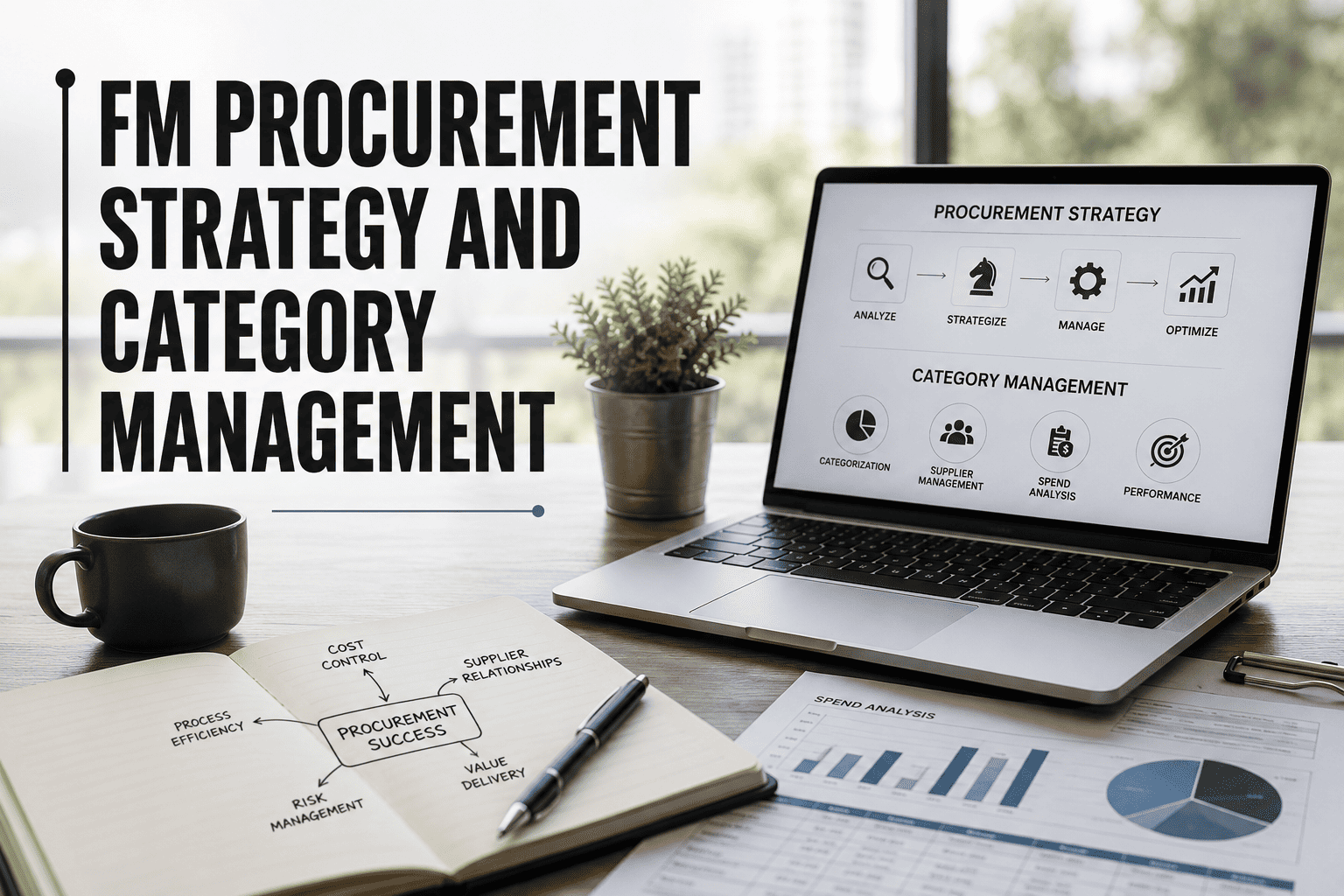
Read More
Facility management procurement strategy is where portfolio buying power either compounds into measurable savings or gets scattered across dozens of uncoordinated, reactive purchases. When nobody owns the total FM spend, vendors duplicate, contrac

Read More
Occupant comfort management is the operational discipline that separates facilities running on reactive complaint tickets from those delivering consistent thermal and acoustic comfort building-wide. When facility comfort complaints pile up without

Read More
Indoor environmental quality and WELL certification place occupant health, comfort, and performance directly within the facility management operating scope — IEQ is no longer a passive outcome but an actively measured, published, and audited perfo
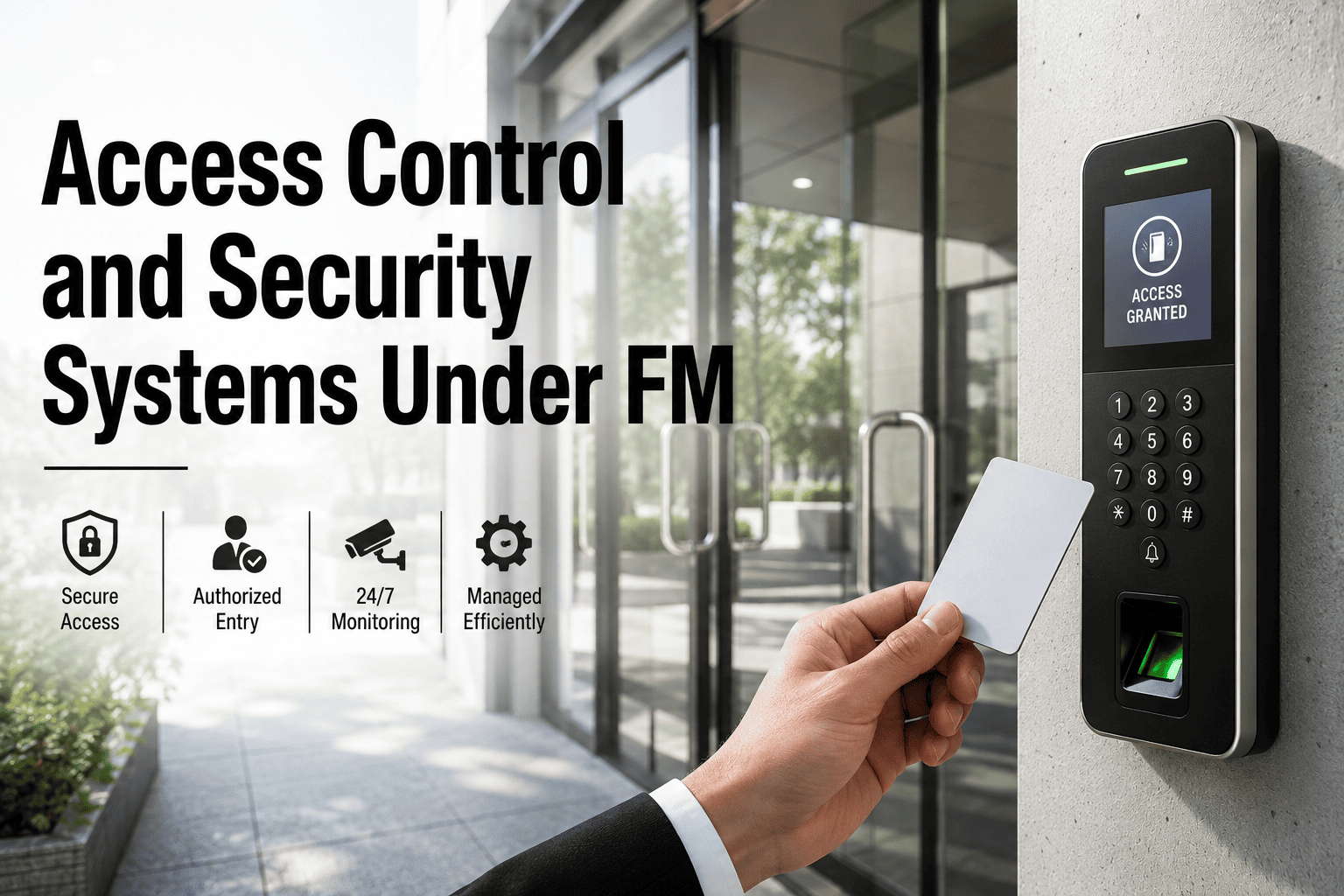
Read More
Access control FM responsibilities are one of the most contested areas in modern building operations, sitting squarely at the intersection of Facilities Management, IT, and Physical Security. When a badge reader fails at a critical perimeter or a
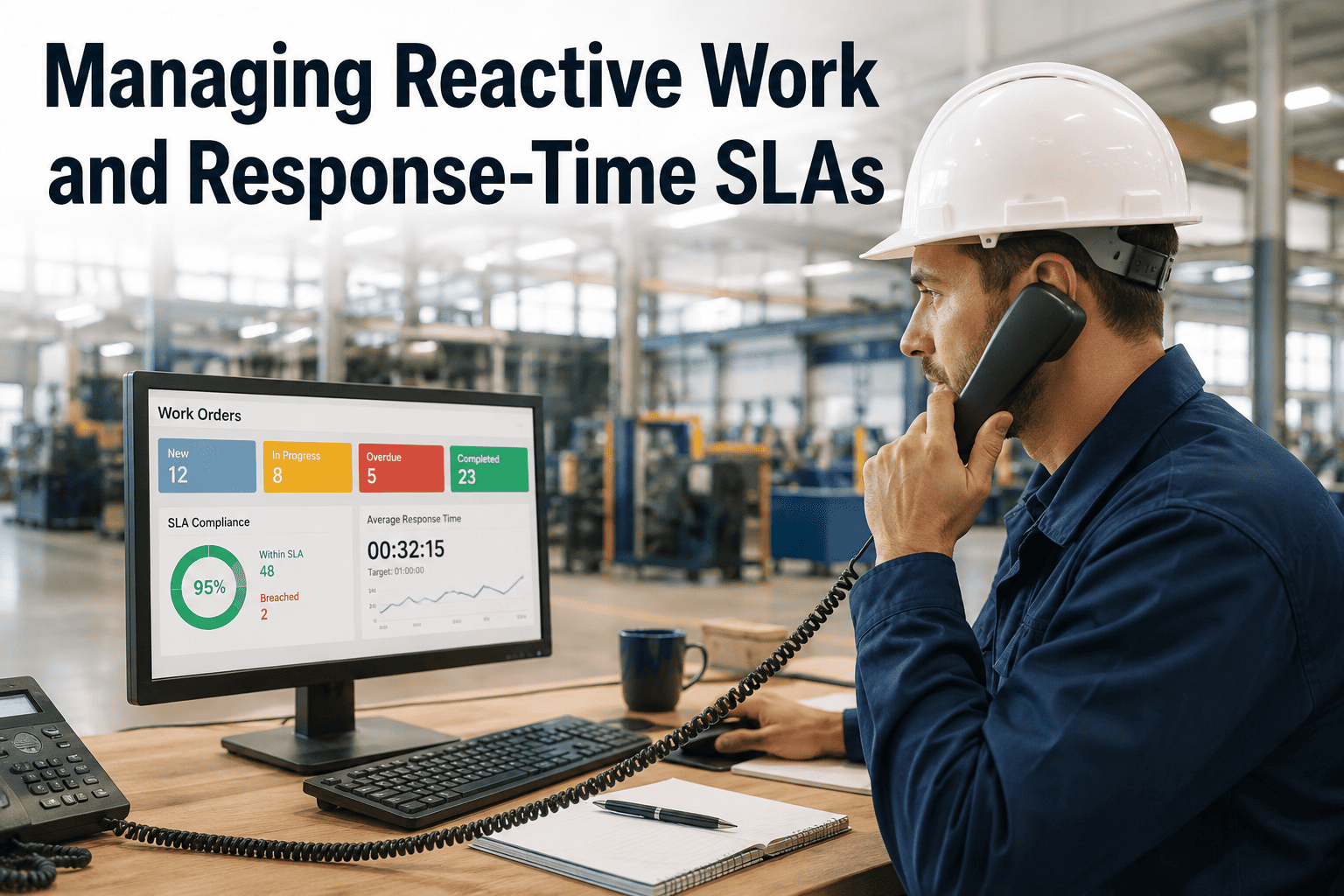
Read More
FM reactive work management is the discipline of controlling unplanned maintenance demand through prioritized response, clear SLA thresholds, and automated escalation workflows. In facility management, reactive work will never disappear entirely—e
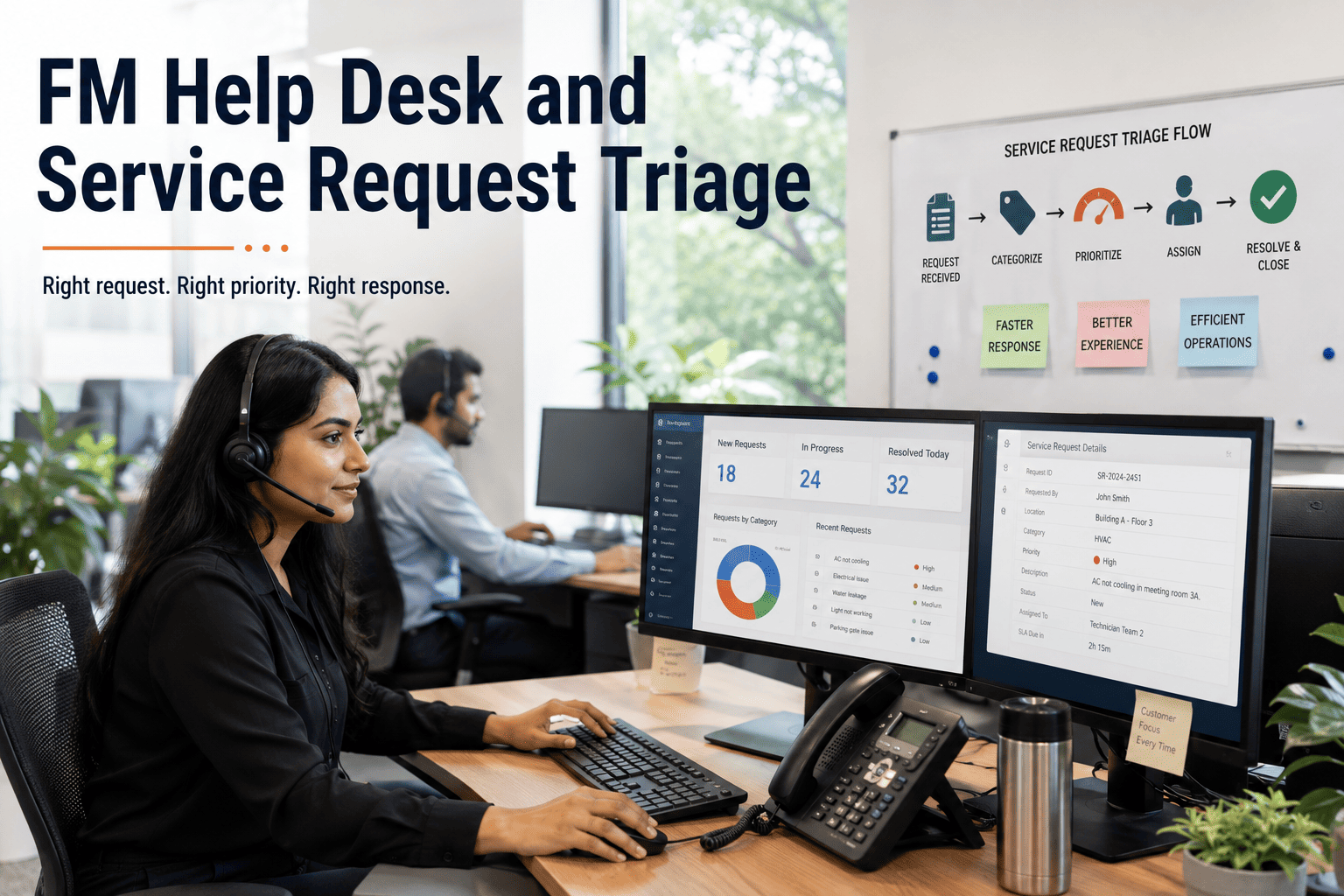
Read More
An FM help desk that merely logs tickets is not a service — it is a bottleneck. The difference between a facility help desk that closes 90% of service requests on first contact and one that drowns in reopen rates comes down to one discipline: tria

Read More
Every connected sensor, smart thermostat, and building-automation controller is a new door into the building network — which is why FM IoT cybersecurity has become a serious operational risk for facility teams. The building IoT attack surface expa

Read More
FM predictive analytics for CapEx forecasting replaces gut-feel capital plans with defensible, condition-based financial models drawn from real asset data. Facilities teams managing 500+ assets routinely see 15–25% of annual capital budgets misall
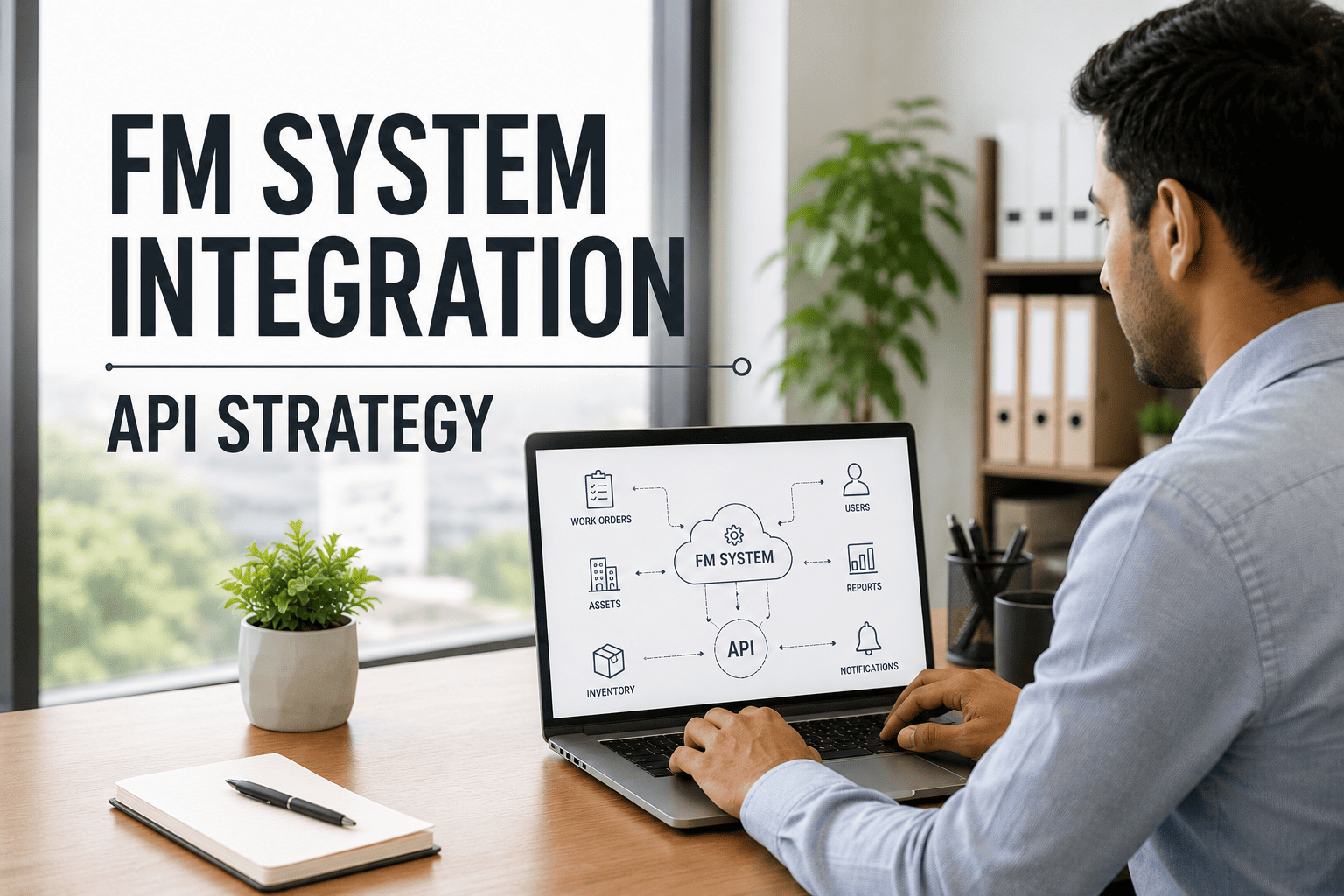
Read More
FM system integration is the process of connecting disparate facility management software tools—like CMMS, BMS, IoT sensors, and ERP systems—into a unified, data-sharing ecosystem using a deliberate facility API strategy. When point-to-point conne
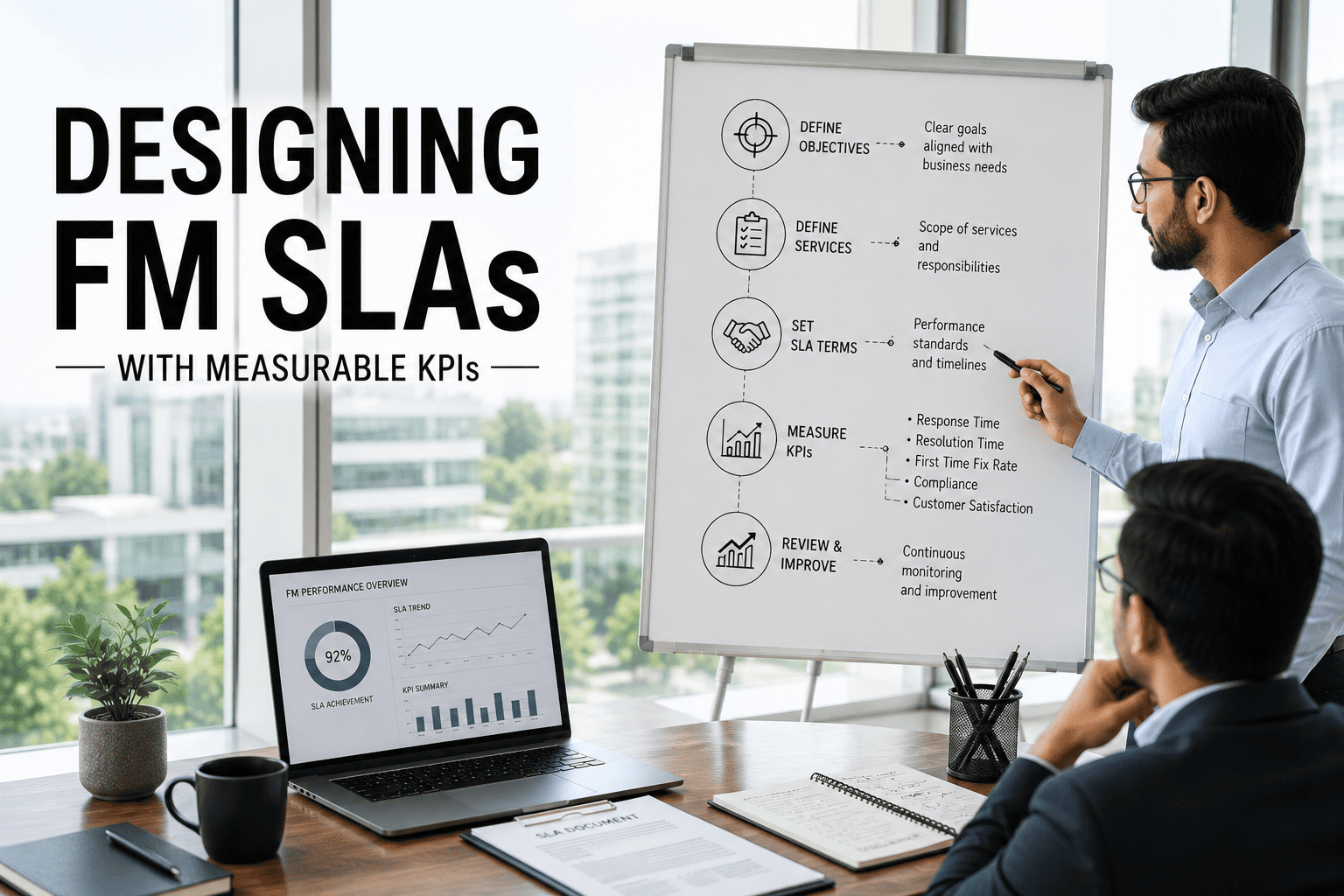
Read More
Designing an FM SLA with measurable KPIs is the single most important step in turning a facility management contract from an aspirational document into an accountable agreement. An SLA nobody can measure is a wish, not a contract — it creates disp

Read More
Embedding contractors into your FM platform eliminates the coordination black hole that costs maintenance teams an average of 6–8 hours per week in email chains, phone tag, and misplaced PDFs. A true contractor ecosystem FM strategy treats externa

Read More
Open-book and fixed-price FM contract models represent two fundamentally different approaches to facility management pricing — and the choice you make directly affects cost transparency, vendor behavior, and long-term budget control. In an open-bo
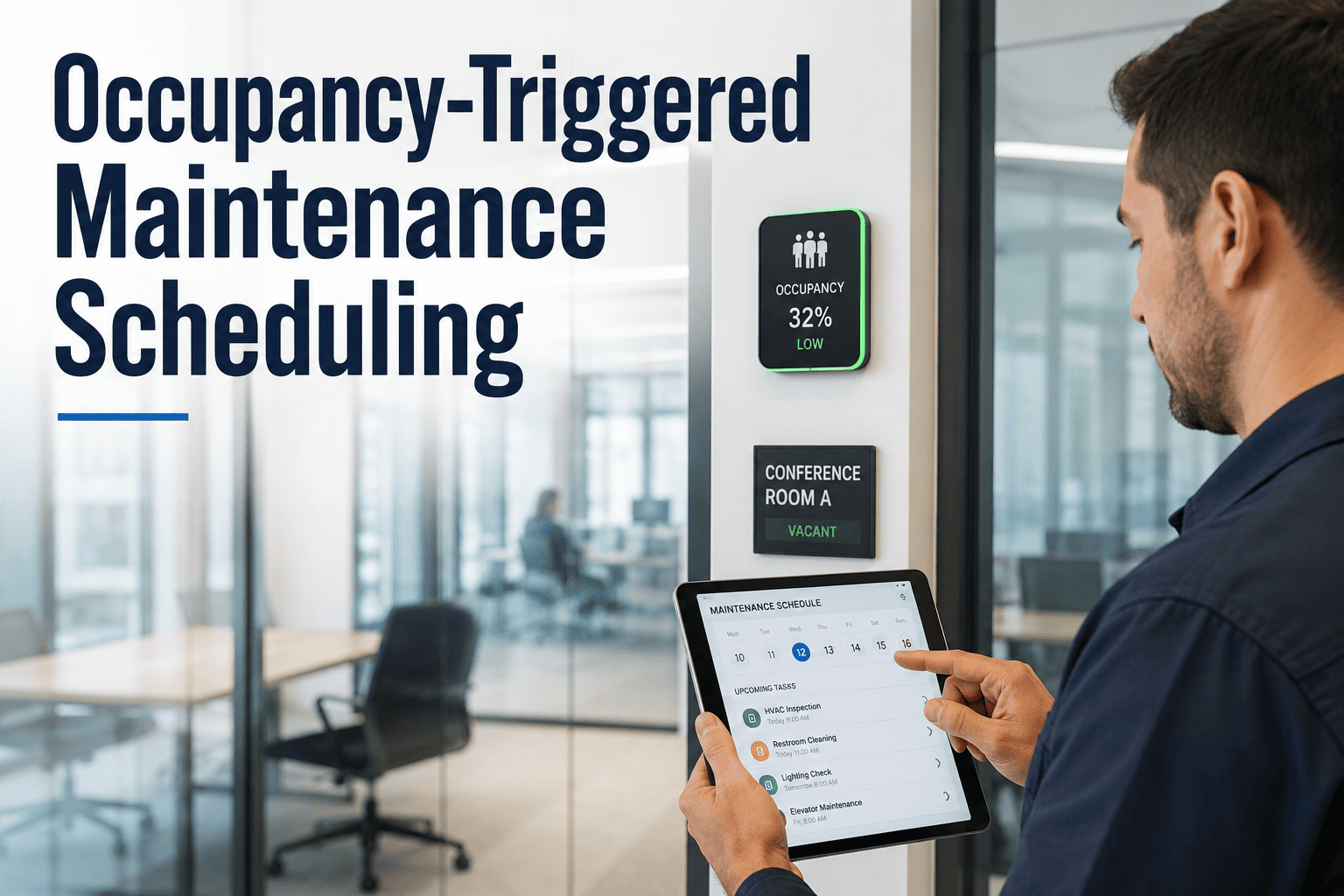
Read More
Occupancy-triggered maintenance scheduling aligns cleaning, HVAC servicing, and preventive maintenance tasks with real-time building utilization data instead of fixed calendar intervals. For facility teams managing hybrid workplaces, occupancy-bas
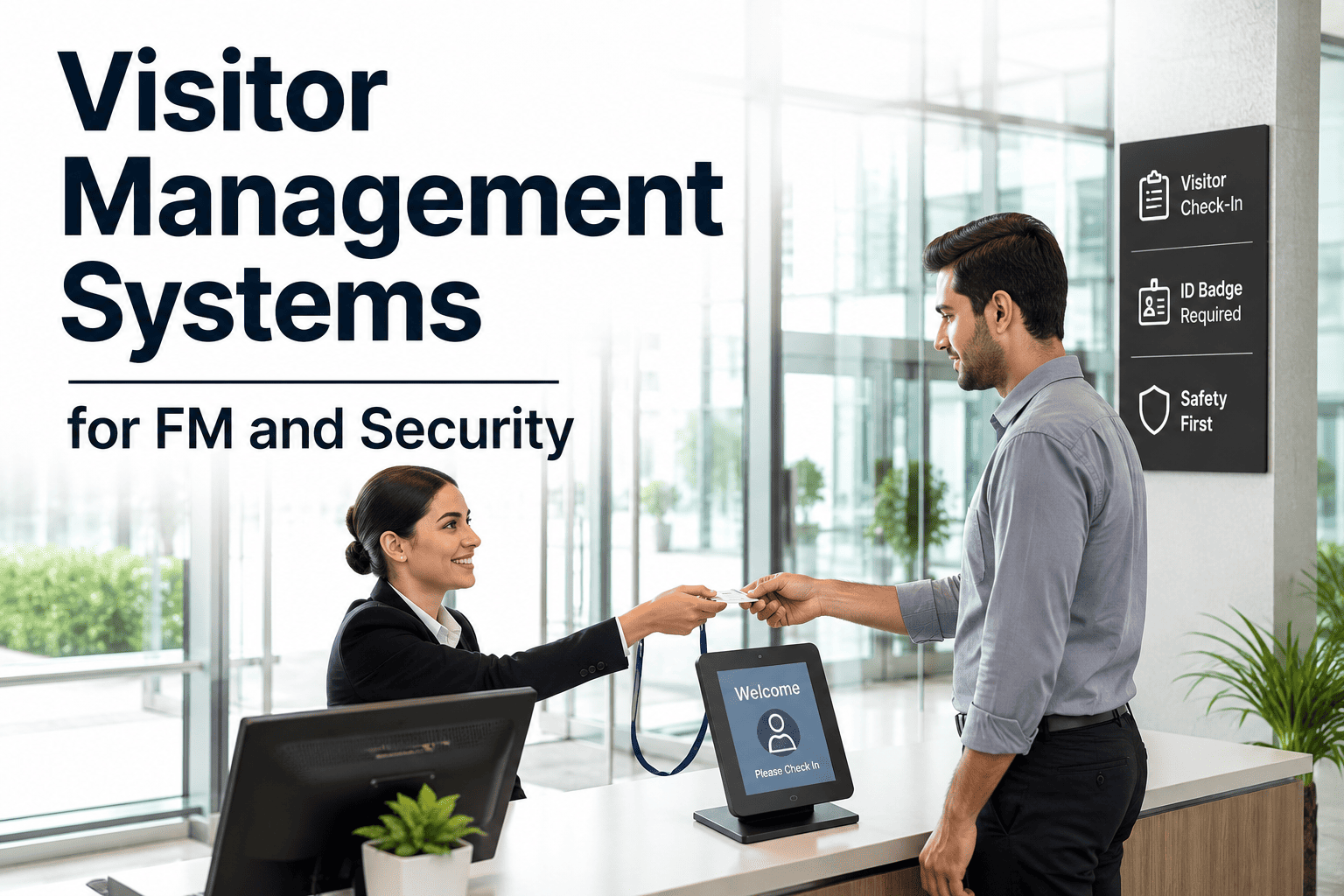
Read More
A modern visitor management system for FM teams does far more than log names at a front desk — it balances physical security, regulatory compliance, and the workplace experience that employees and guests now expect. When visitor check-in for facil

Read More
FM vendor consolidation and supplier rationalization is the process of reducing the number of facility management suppliers to eliminate administrative overhead, lower costs, and improve service quality. When a facility portfolio relies on dozens
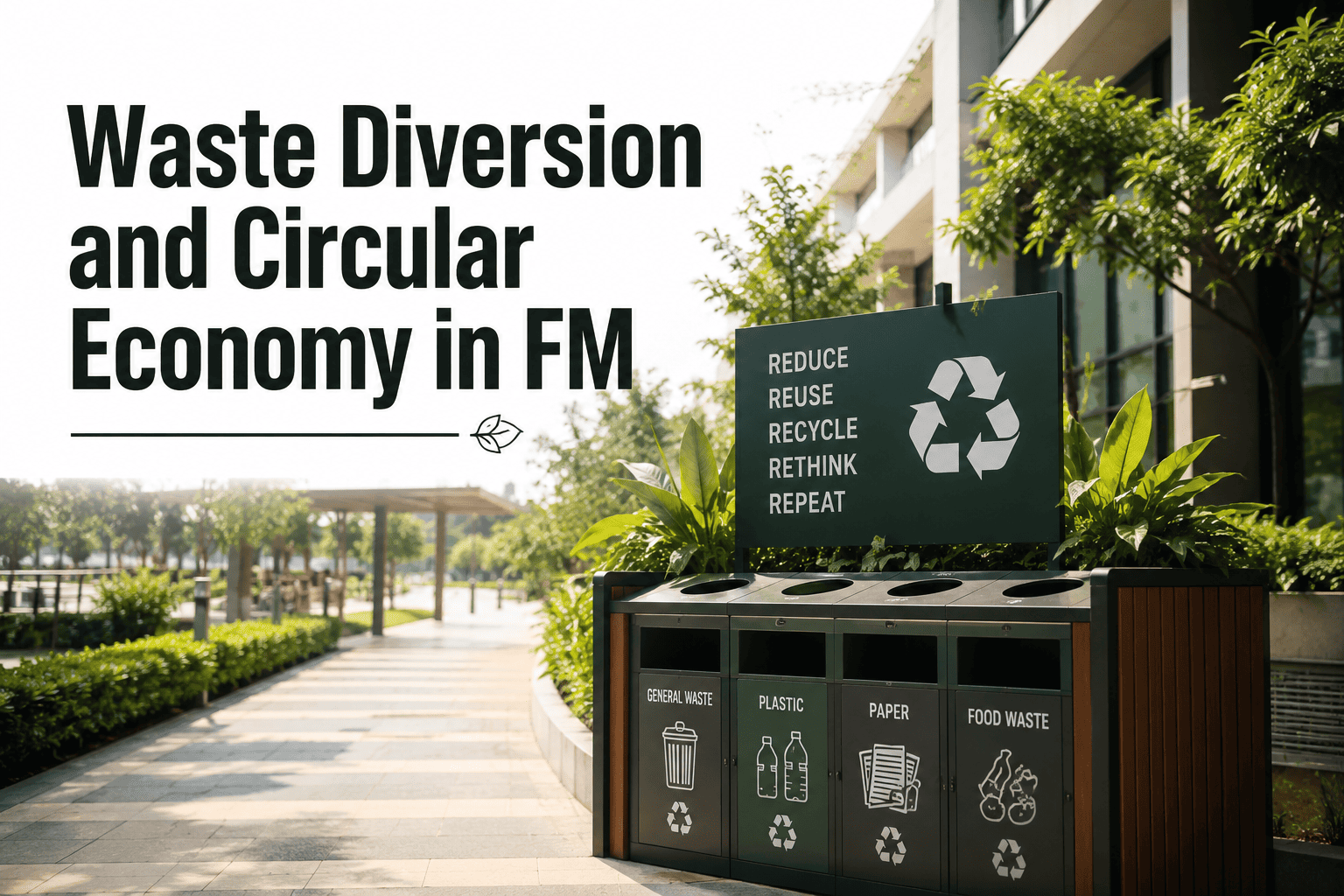
Read More
Waste diversion and circular economy practices in facility management have shifted from sustainability storytelling to measurable operational discipline — the kind that shows up in diversion rates, vendor contracts and ESG disclosures. A well-run

Read More
Workplace decisions cut across facilities management, human resources, and information technology — yet these three functions rarely share data, priorities, or timelines. When FM, HR, and IT collaboration breaks down, organizations overspend on sp

Read More
Cost per seat vs cost per square foot is the debate every hybrid workplace FM leader now navigates — and getting it wrong can mask thousands of dollars in wasted operational spend. When floors sit empty three days a week, the traditional cost per

Read More
MEES compliance means that, since April 2018, it has been unlawful to grant a new commercial lease on a UK property with an EPC rating below E — and the minimum energy efficiency standards are tightening fast, with a proposed shift to EPC C by 202

Read More
The EPBD recast fundamentally reshapes how EU facility teams must approach building renovation and energy performance — moving from voluntary upgrades to mandatory, deadline-driven compliance for worst-performing buildings. Under the EPBD building
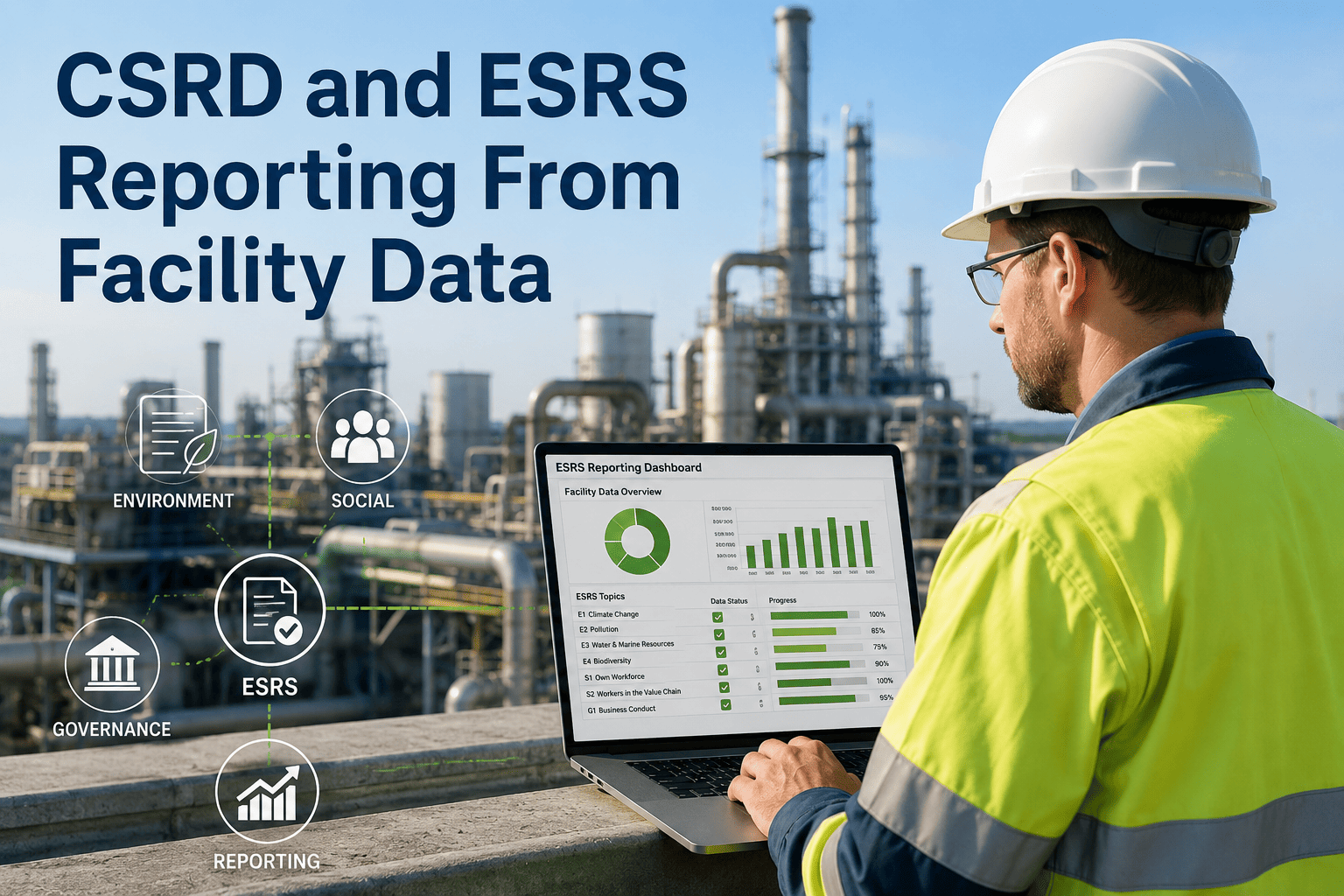
Read More
CSRD and ESRS reporting requirements now cascade down to building-level operational data, and facility management teams are the source of the auditable evidence sustainability disclosures demand. Under the Corporate Sustainability Reporting Direct

Read More
NYC Local Law 97 compliance places hard emissions caps on buildings over 25,000 sq ft, with penalties reaching $268 per ton of CO2e over the limit starting in 2024. For facility teams, the challenge is not just measuring energy use but translating

Read More
FM robotics for autonomous cleaning and inspection have shifted from conference demos to production floors, with over 35% of large facilities now operating at least one autonomous unit in daily service. Autonomous cleaning robots in facility envir
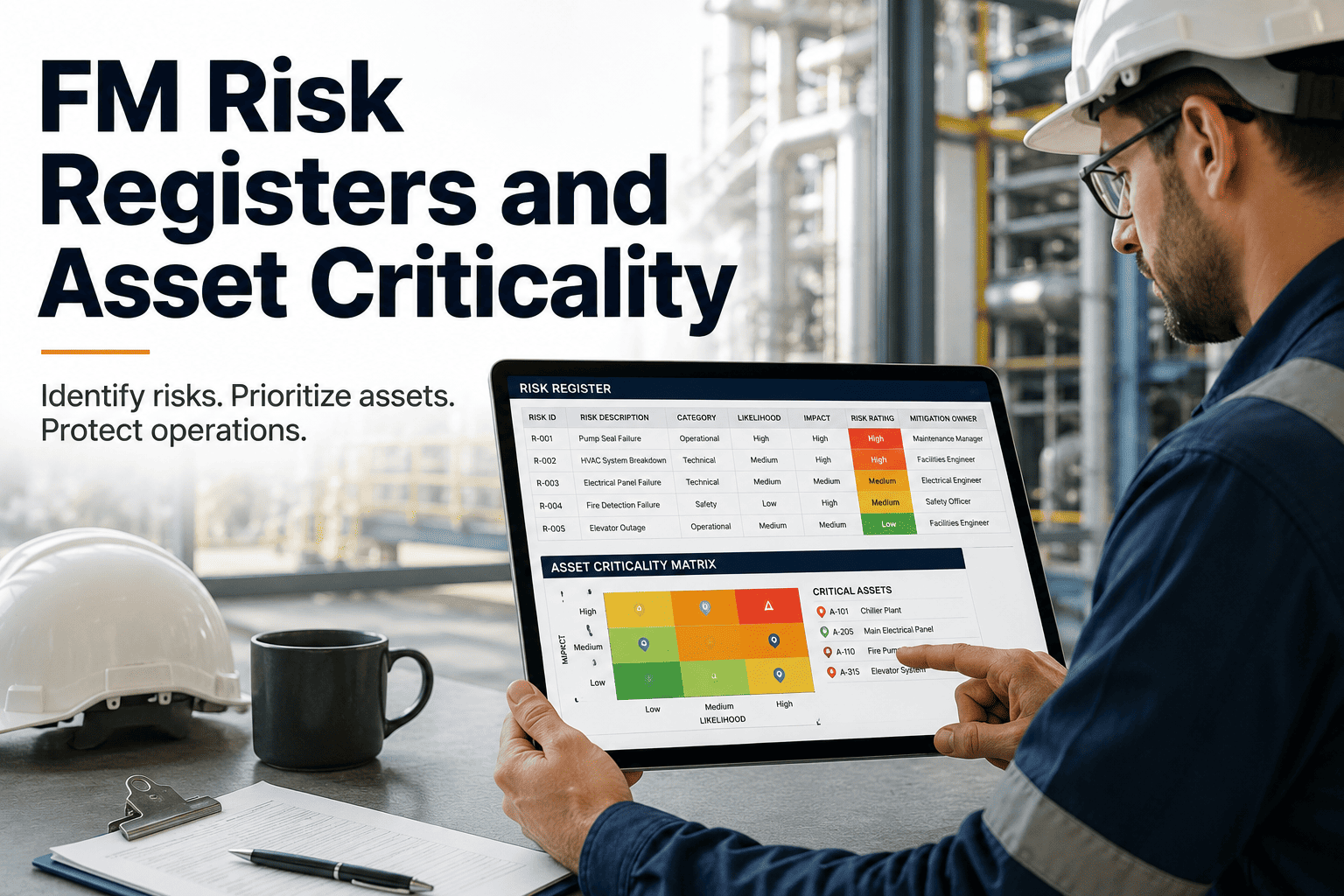
Read More
An FM risk register that ranks assets by failure consequence — not replacement cost — is what separates a facility that runs from one that reacts. When every pump, air handler, and switchgear is treated as equally critical, maintenance teams over-
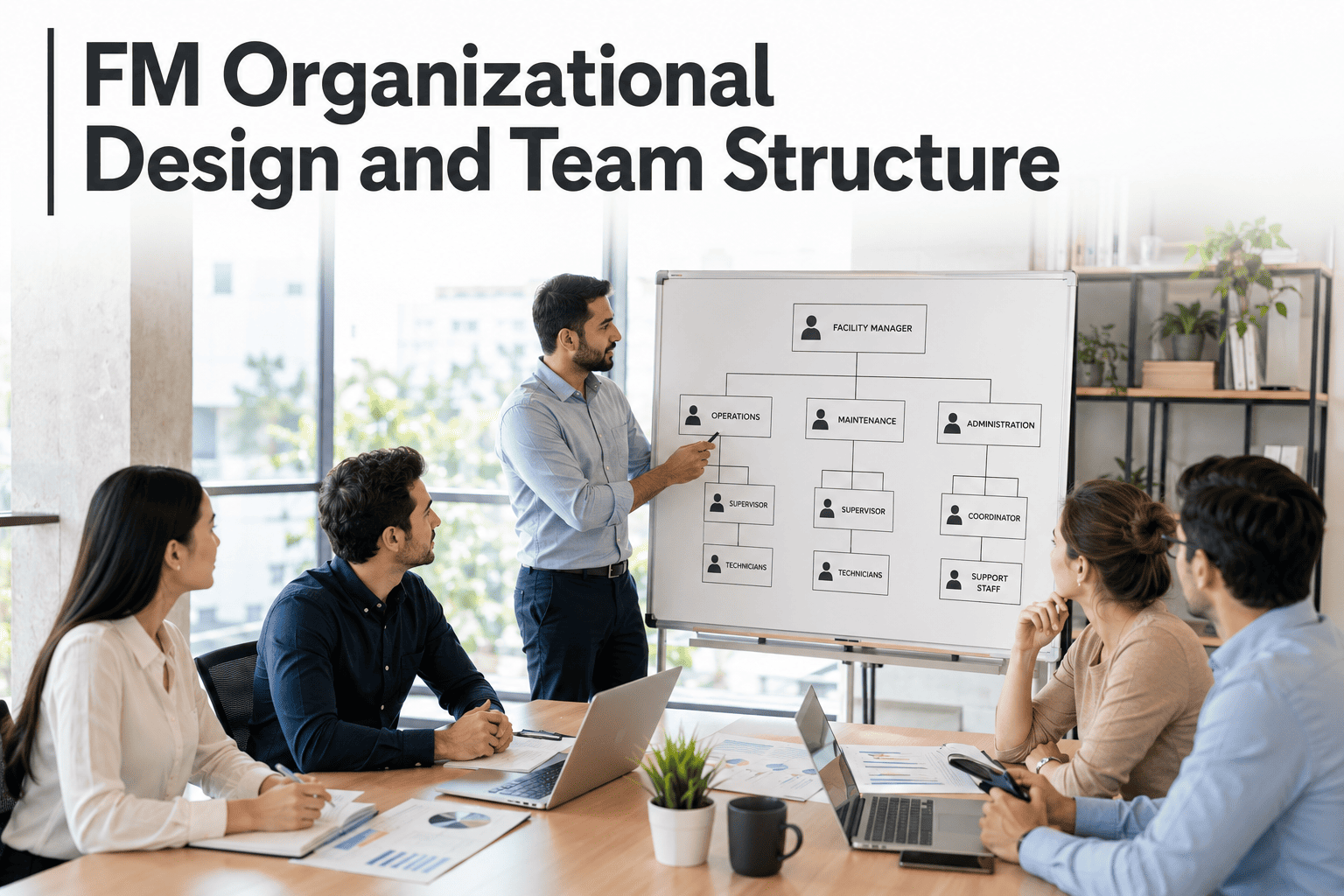
Read More
FM organizational design is the structural backbone that determines whether your facility management operation scales, adapts, and performs — or stalls at its current size. The wrong facility team structure creates accountability gaps, duplicated

Read More
A 3-5 year facility management strategic plan transforms your FM department from a reactive cost center that responds to whoever shouts loudest into a proactive business function that aligns capital, assets, and maintenance with corporate directio

Read More
Mature facility management organizations consistently reduce FM maintenance cost by 10–20% within 12 to 24 months—not by cutting headcount or deferring critical work, but by restructuring how maintenance work is planned, scheduled, and measured. T

Read More
Facility management is overwhelmingly judged as overhead — 70% of CFOs still view FM as a cost center rather than a strategic function. But the FM leaders repositioning the function as a strategic partner using cost, risk and value evidence are th
Read More
FM soft services — cleaning, catering, and security — run on entirely different rhythms, yet occupants judge them as a single experience. Effective FM soft services coordination aligns these people-facing services so the workplace feels seamless r

Read More
Facility maintenance teams lose an estimated $50B annually as experienced technicians retire and take decades of undocumented know-how with them — and most organizations have no structured FM knowledge capture process to stop the bleed. Retiring t
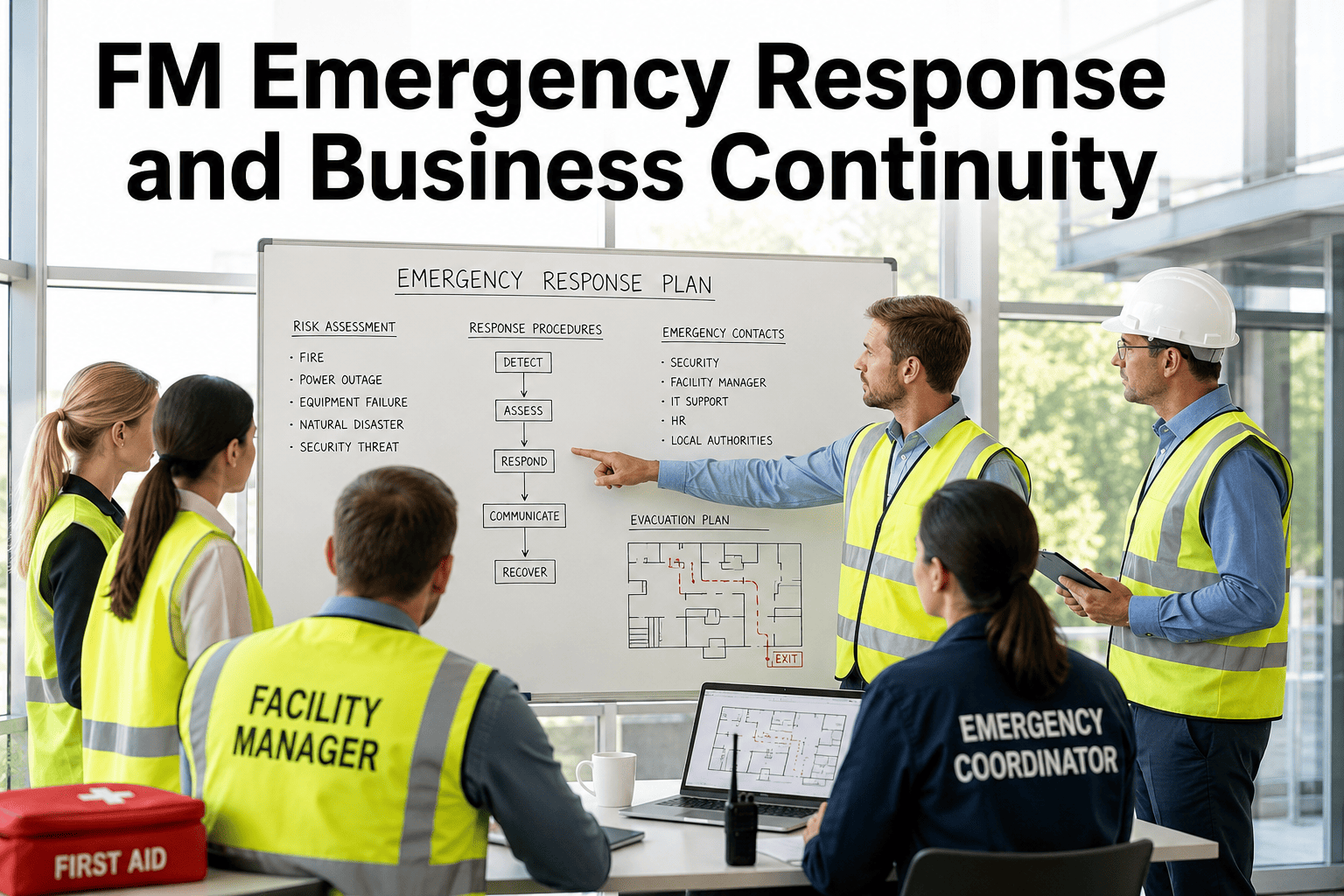
Read More
FM emergency response and facility business continuity planning determine whether a disruption becomes a brief, managed incident or a weeks-long operational shutdown. Research from the Federal Emergency Management Agency shows that 40% of small bu
Read More
Critical environment uptime in FM is the discipline of keeping data rooms, laboratories, clean spaces and control rooms continuously operational through reliability engineering, redundancy management and rigorous change control. For facilities tea
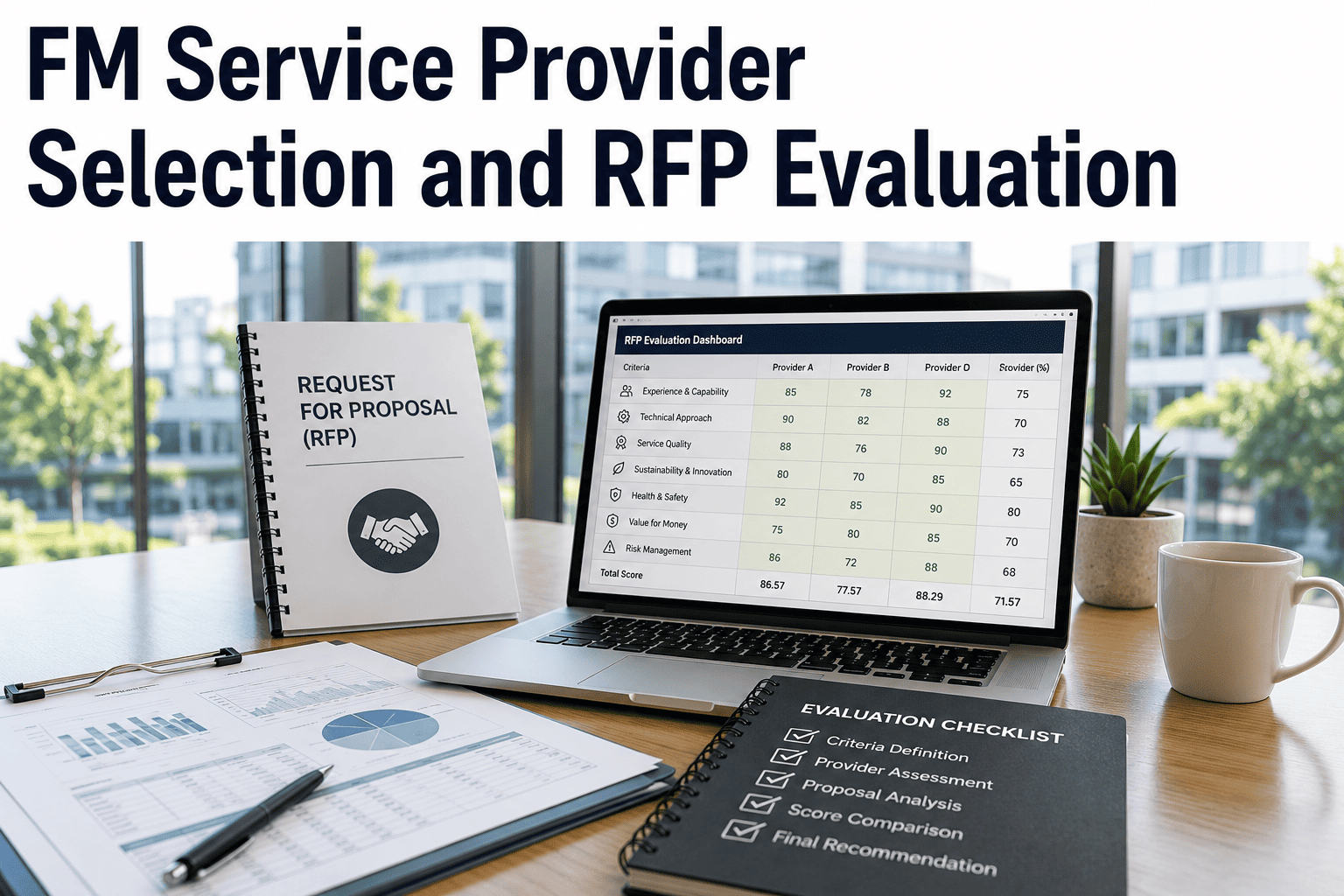
Read More
FM service provider selection through a structured RFP process is one of the highest-value procurement decisions in a real estate portfolio, often locking in service quality, operational risk, and cost trajectories for three to five years. A weak

Read More
FM contract transition and mobilisation is the single highest-risk phase in any facility management lifecycle — the moment when service continuity either holds or breaks. Research from leading FM consultancies shows that poorly executed mobilisati

Read More
Outcome-based FM contracts flip the accountability model from activity to result: instead of paying a provider for work orders completed, inspections logged or trucks rolled, you pay for uptime, comfort scores and asset availability that actually
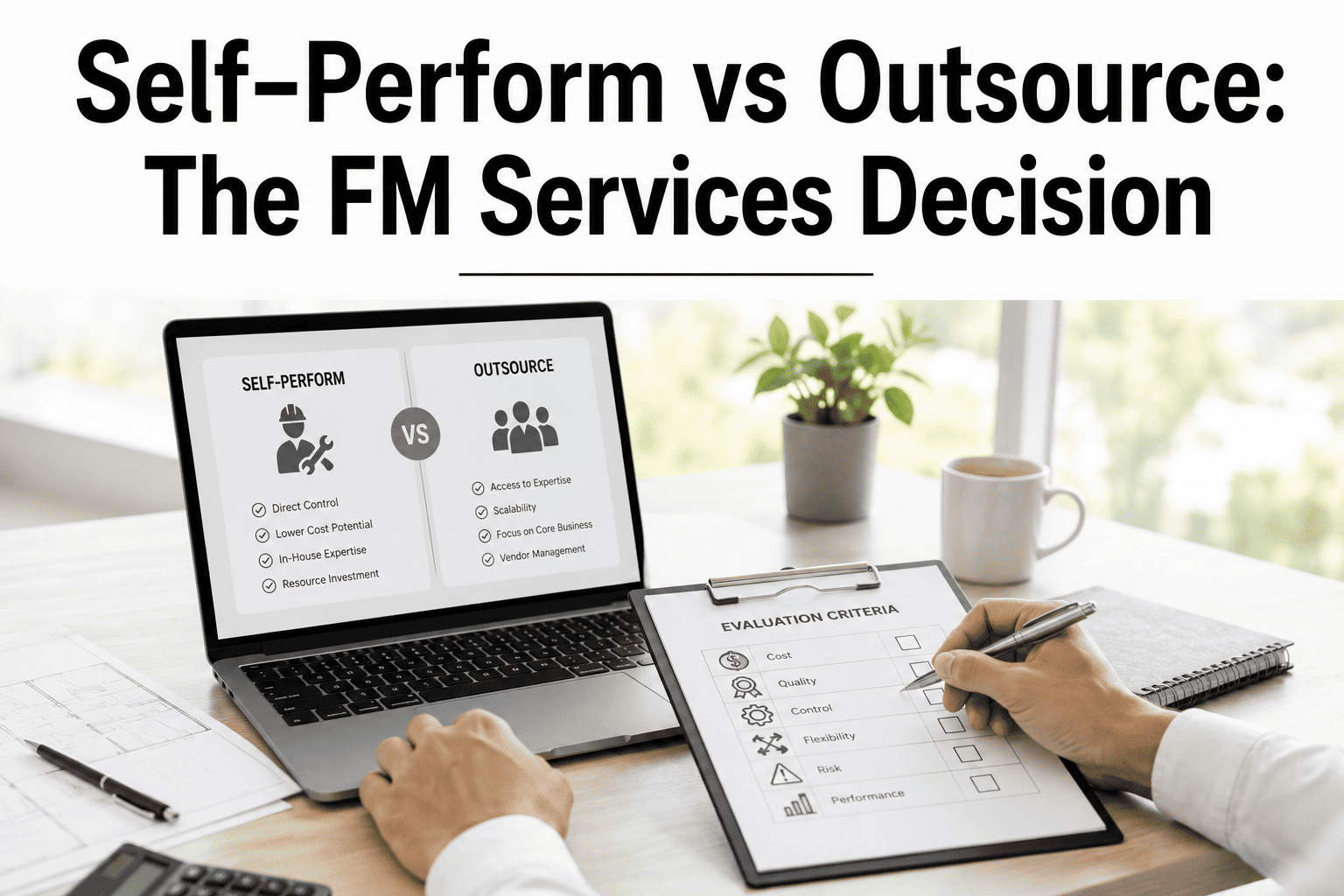
Read More
The self-perform vs outsource FM decision is rarely a single binary — it's a service-by-service sourcing strategy that depends on portfolio scale, market labor rates, asset criticality and compliance exposure. A 2023 IFMA benchmark found that port
Read More
Integrated facilities management bundles multiple services — cleaning, security, maintenance, catering, energy management — under a single contract and a single point of accountability, promising simplified vendor management and cost savings of 10

Read More
Underutilized space is the single largest cost recovery opportunity in most hybrid portfolios, yet most facility teams lack the real-time utilization data needed to confidently decide whether to repurpose, redesign, or reinvest in that square foot

Read More
Scope 3 emissions across the FM supply chain represent the largest yet least visible portion of a facility's carbon footprint, often accounting for 70–90% of total greenhouse gas output. When cleaning contractors fire up gas boilers, catering team
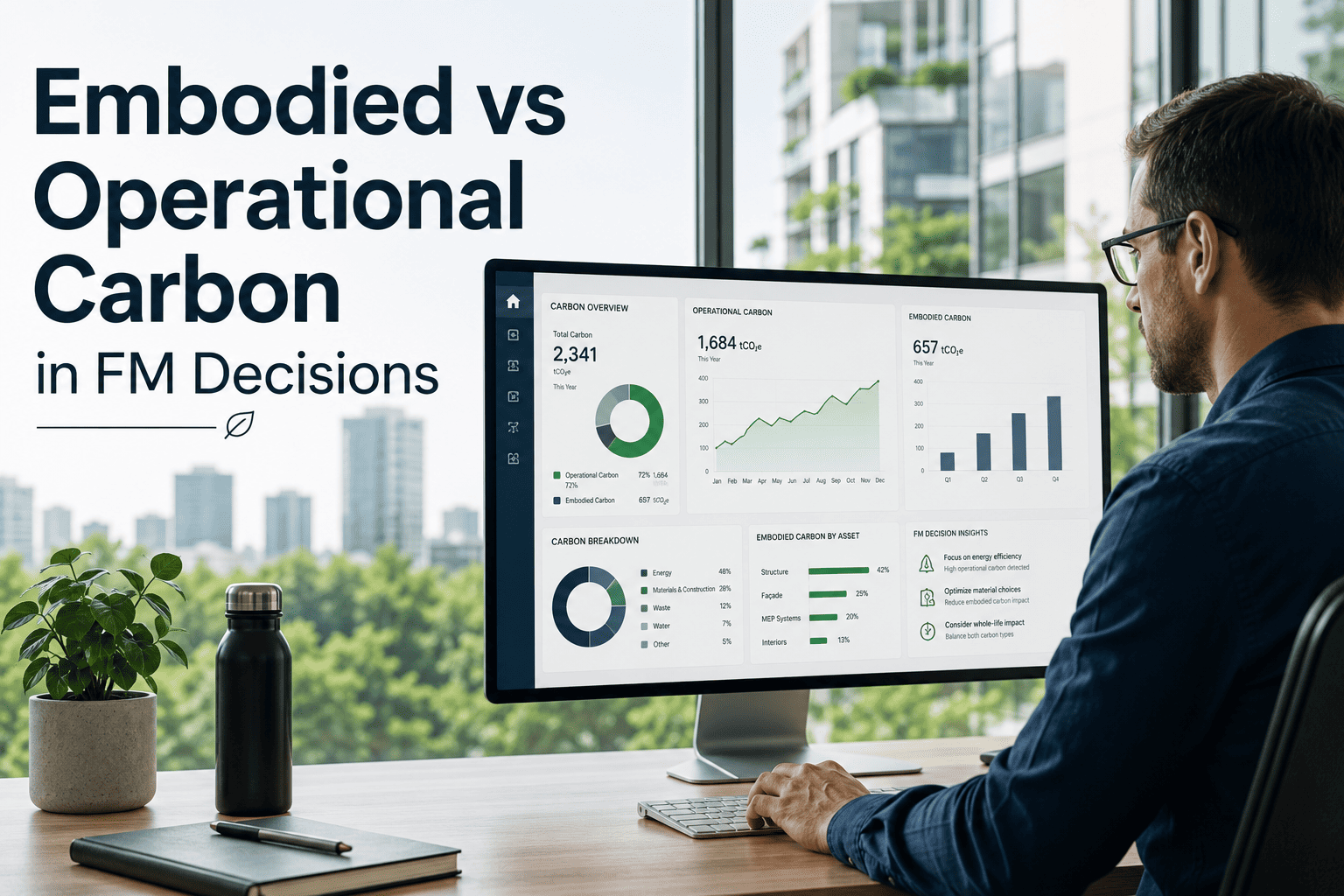
Read More
Understanding the difference between embodied carbon and operational carbon is now central to smart facility management decisions, because replacing a working piece of equipment to save operational carbon can actually increase your building's tota
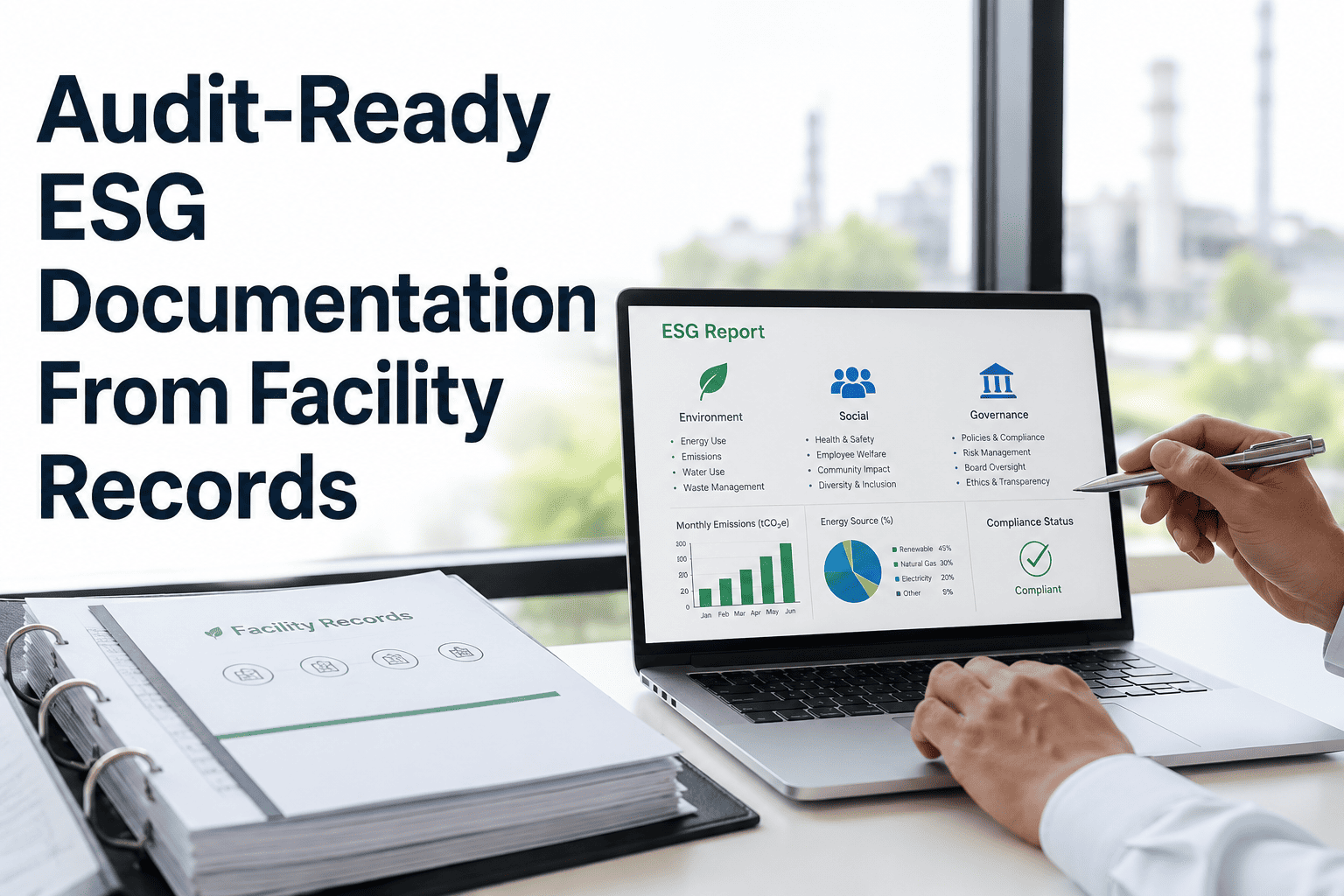
Read More
ESG audit documentation at the facility level is no longer a year-end scramble — investors, regulators, and rating agencies now demand a verifiable evidence chain built from live operational data, not retrofitted spreadsheets. Audit-ready ESG faci

Read More
Building performance standards are reshaping how facility teams operate across the United States, as cities from New York to Denver enforce strict energy and emissions targets. Navigating BPS compliance cities requires more than tracking utility b

Read More
NABERS rating compliance and Green Star certification are now baseline expectations for institutional-grade Australian commercial buildings, with mandatory NABERS energy disclosure required for over 2,000m² of leasable office space under the Build

Read More
SEC climate disclosure rules now require public companies to report Scope 1 and Scope 2 greenhouse gas emissions — and for most organizations, 70–85% of those emissions come directly from buildings and facility operations. Facility managers and ma

Read More
Permit to work FM systems are the operational safety discipline that prevents contractors and staff from being killed or injured during high-risk building work — hot works, confined-space entry, live electrical isolation, work at height, and simil

Read More
FM change management is the structured process that determines whether new facility technology gets embraced by the people who use it—or quietly abandoned within months of deployment. Studies consistently show that facility technology adoption fai
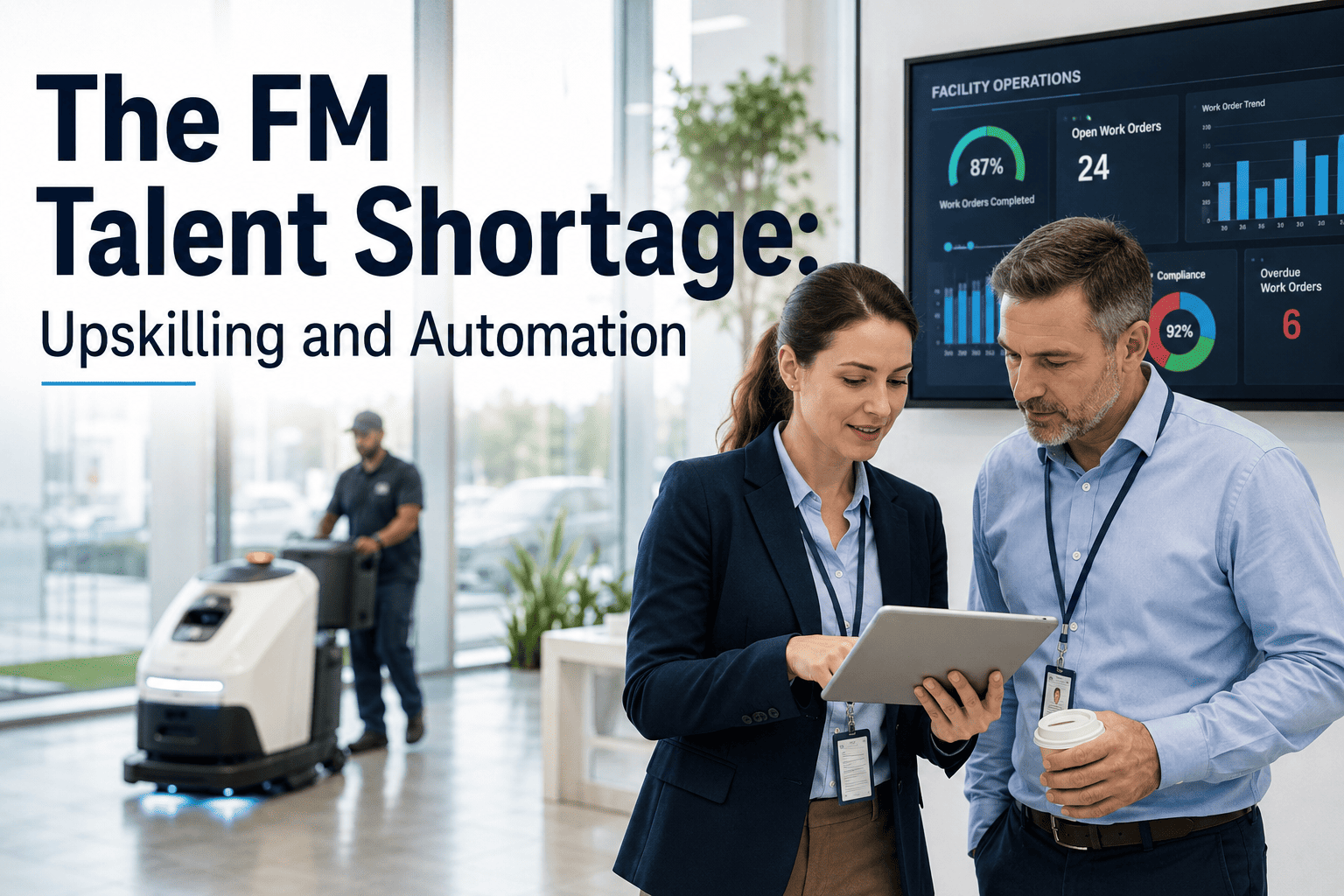
Read More
The facility management talent shortage is no longer a cyclical hiring headache — it is a structural deficit driven by retiring veteran technicians, shrinking trade-school pipelines, and rising asset complexity. By 2030, an estimated 40% of the cu
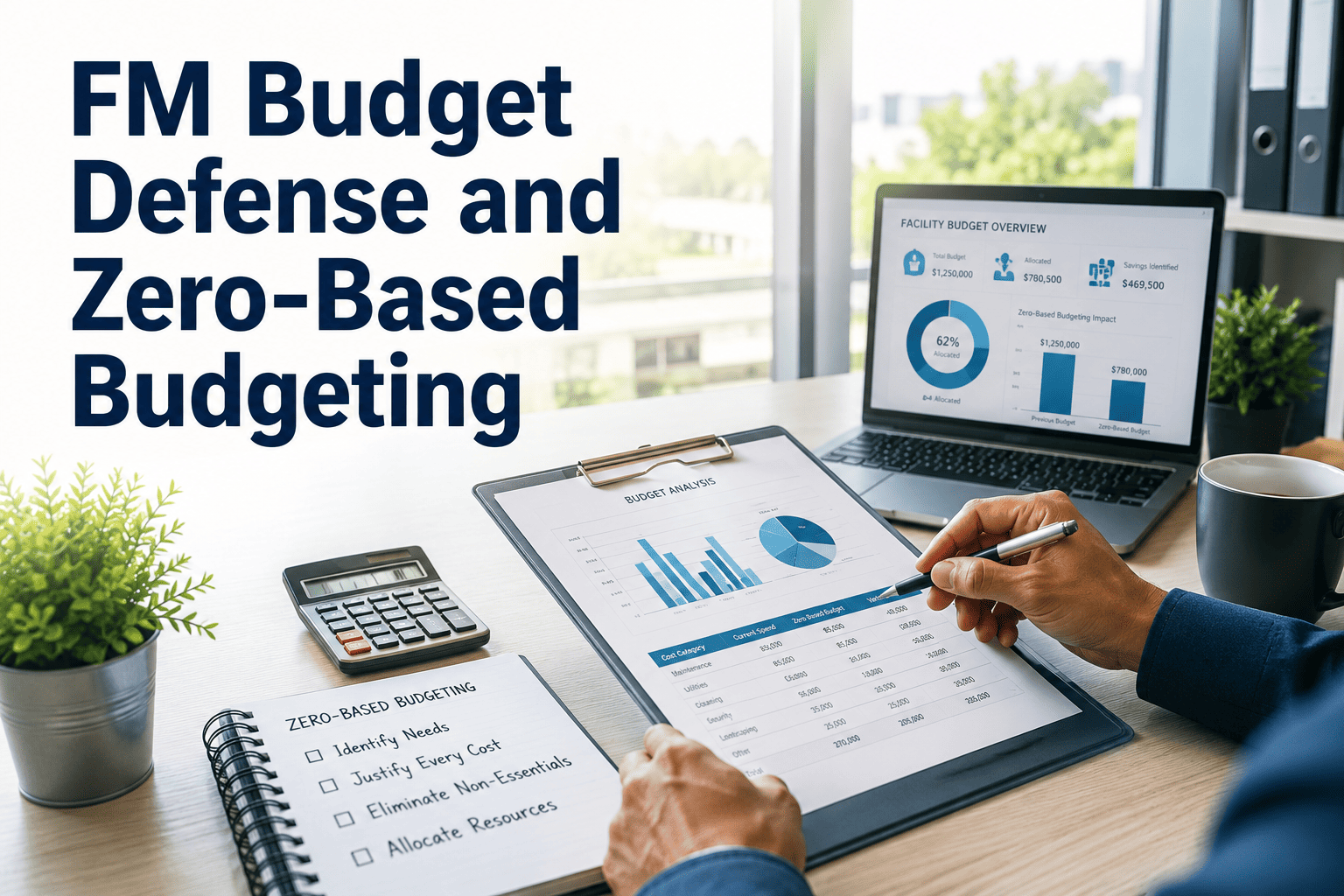
Read More
Zero-based budgeting for facility management means justifying every dollar from scratch rather than rolling over last year's spend — and it is rapidly becoming the standard for FM budget defense under aggressive finance scrutiny. When every line i
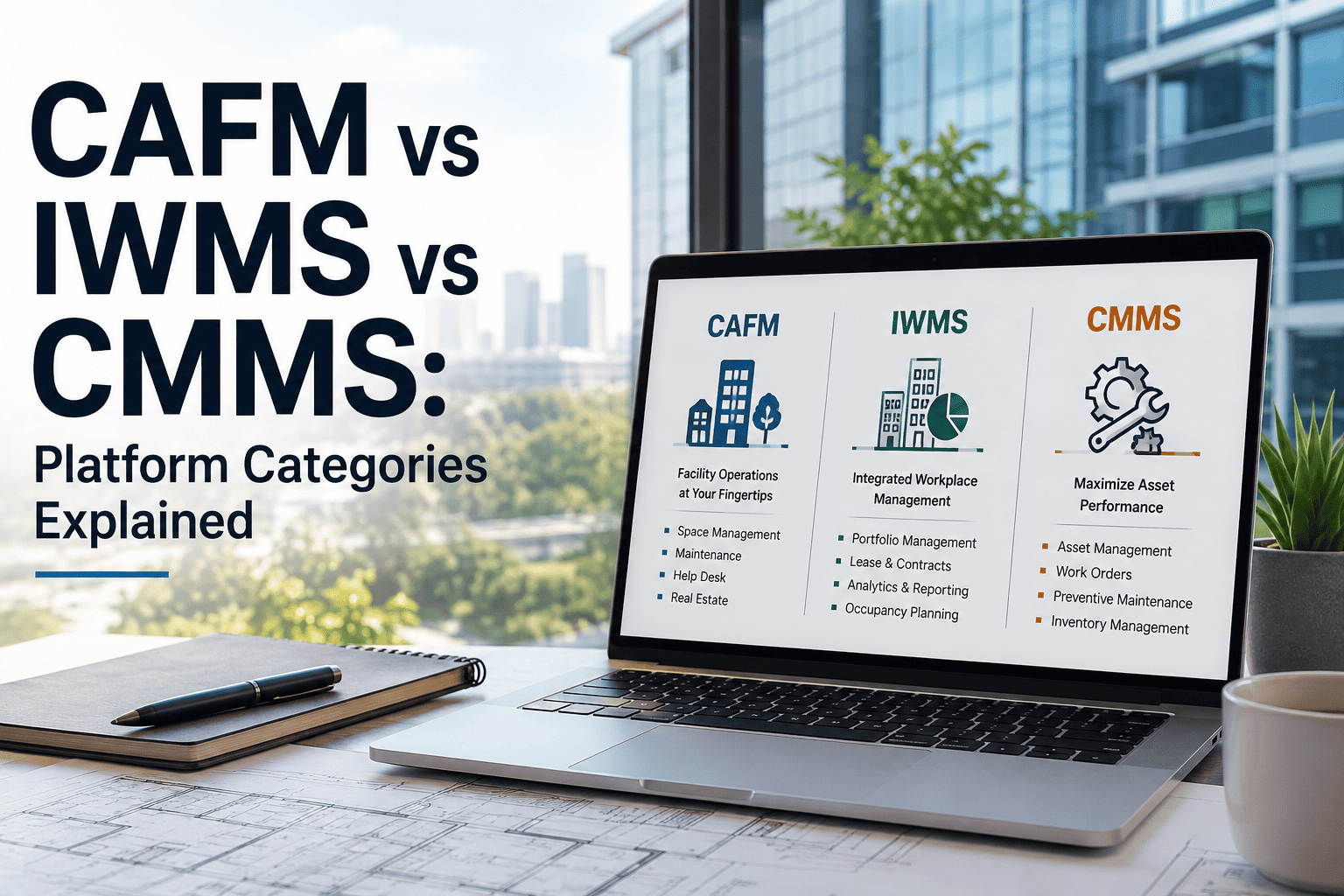
Read More
CAFM, IWMS, and CMMS are the three dominant facility management platform categories, and while they share overlapping features like asset tracking and work order management, they serve very different operational needs: CAFM focuses on space and fa

Read More
The golden thread of building safety information is now a legal duty under the Building Safety Act, fundamentally changing how facility management teams handle fire safety data for high-rise residential structures. Facility managers must maintain

Read More
FM water hygiene and Legionella compliance under HSG274 and L8 is a life-safety and legal obligation that sits squarely with facilities management. A single lapse in water temperature monitoring, deadleg flushing, or cooling tower disinfection can

Read More
Data center facility management (FM) represents one of the highest-stakes operational environments in modern engineering, where a single minute of downtime can cost upwards of $9,000 and permanently damage enterprise reputations. Effective data ce
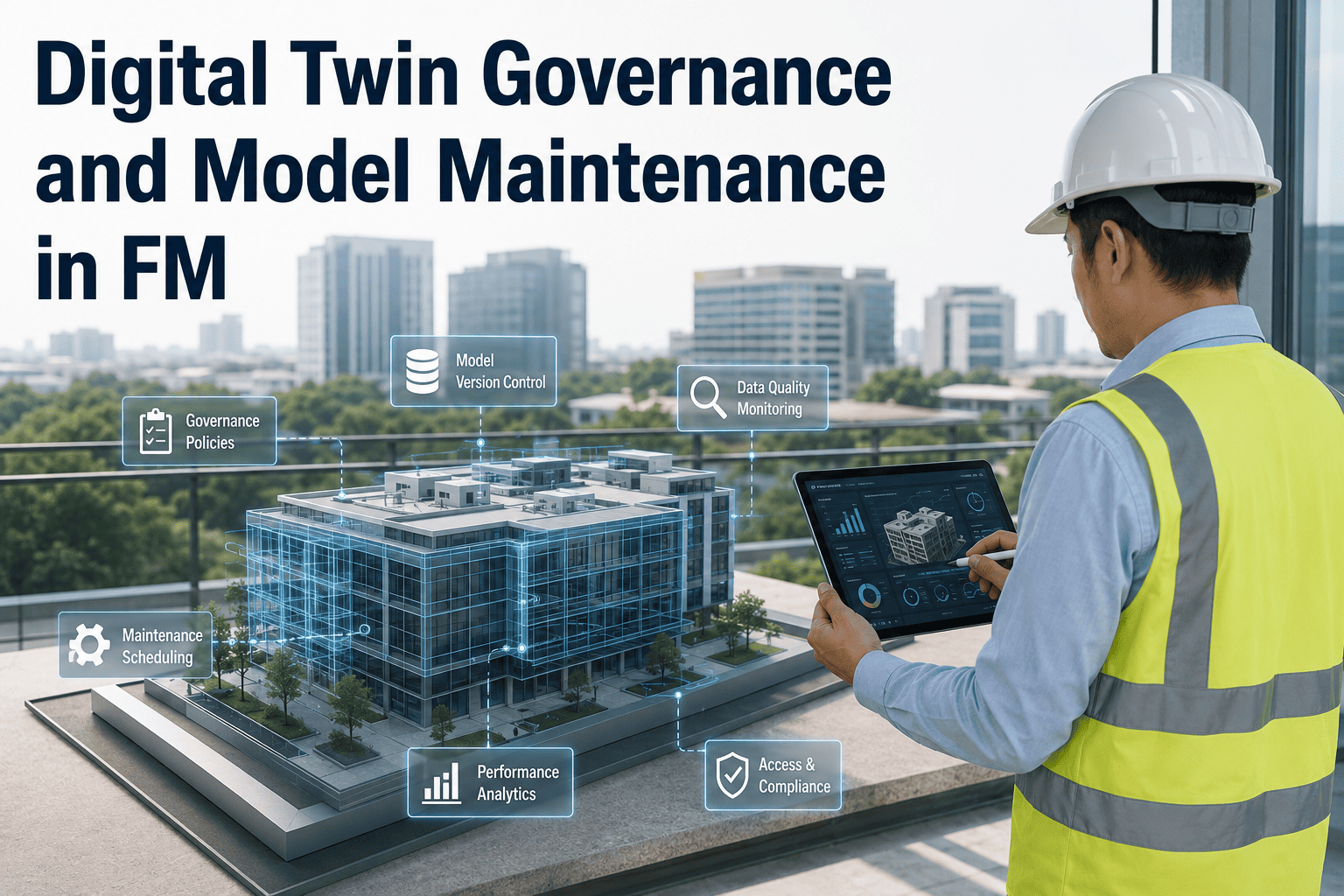
Read More
Digital twin governance in FM determines whether the twin stays accurate — or quietly degrades into a costly 3D fiction. A facility digital twin is only as valuable as the data feeding it, so without rigorous FM digital twin governance, even the m
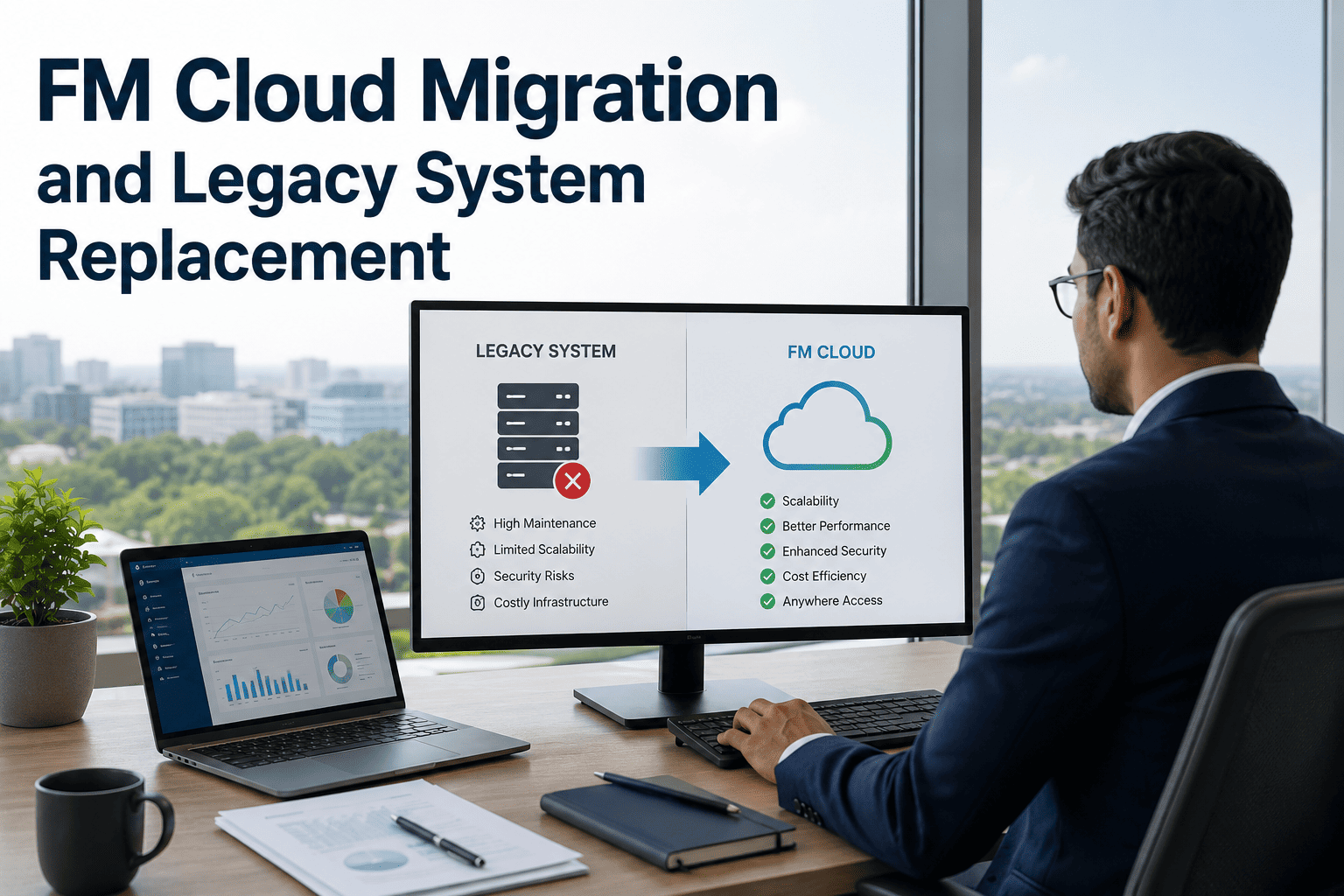
Read More
FM cloud migration has become the mainstream technology transition for maintenance and reliability teams moving away from rigid, on-premise legacy systems that trap asset history and block every new capability. Facility legacy system replacement i

Read More
FM mobile app adoption is the single biggest factor that determines whether a facility maintenance technology investment actually delivers value or stays theoretical — if the app is hard to use, technicians go back to paper within weeks. Successfu

Read More
Every facility management team eventually faces the same crossroads in its FM technology roadmap: invest scarce engineering hours into building a bespoke maintenance platform, or buy a proven CMMS like OxMaint. The build-versus-buy decision for fa
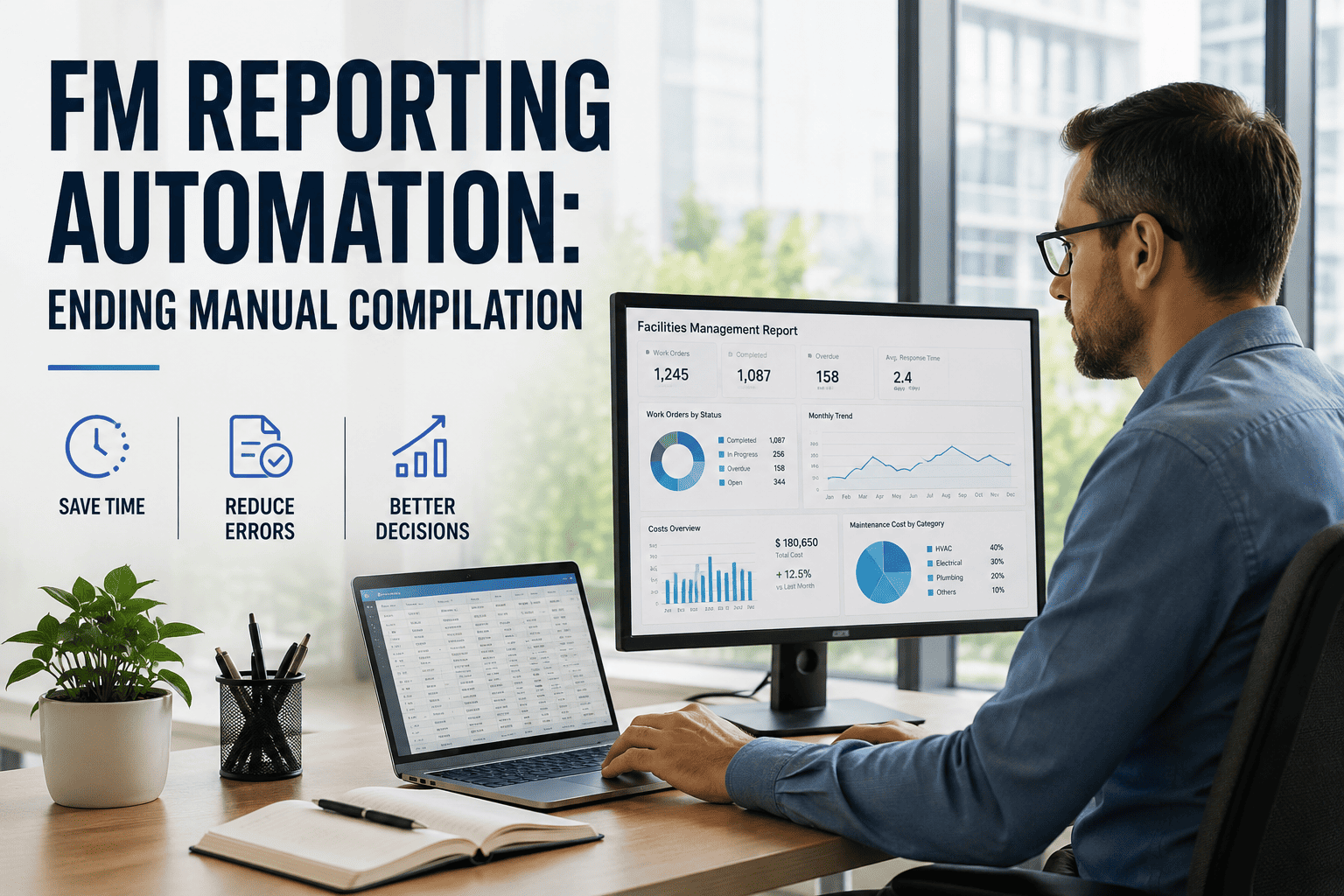
Read More
FM reporting automation replaces the hours your team spends exporting, pasting and formatting spreadsheet data every month with a facility reporting system that generates the same deliverables from live maintenance data in minutes. For facility te
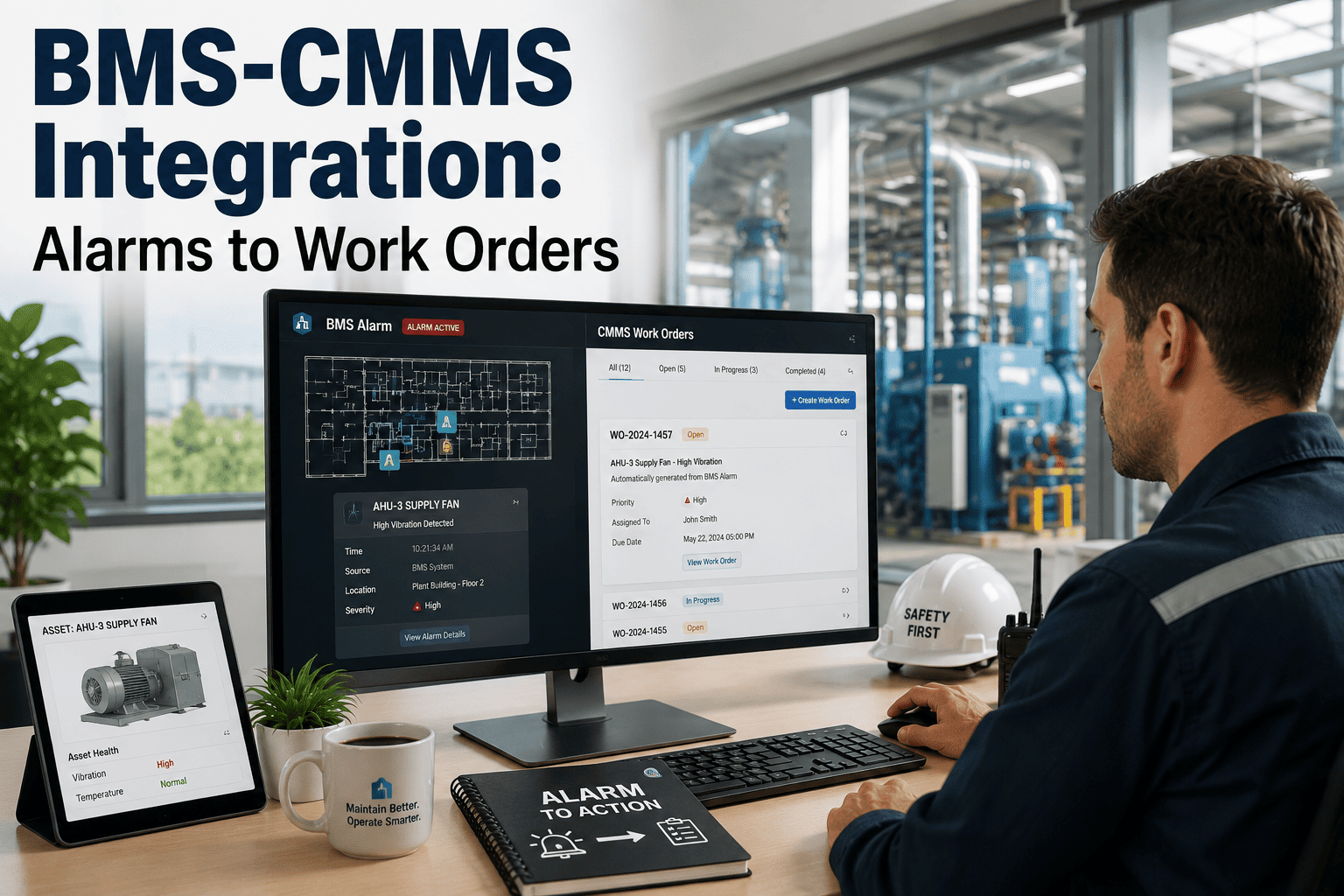
Read More
BMS CMMS integration turns every building management system alarm into an automatically generated, prioritized work order — eliminating the manual triage, delayed responses, and alert fatigue that cost facilities 15–30% of their annual maintenance
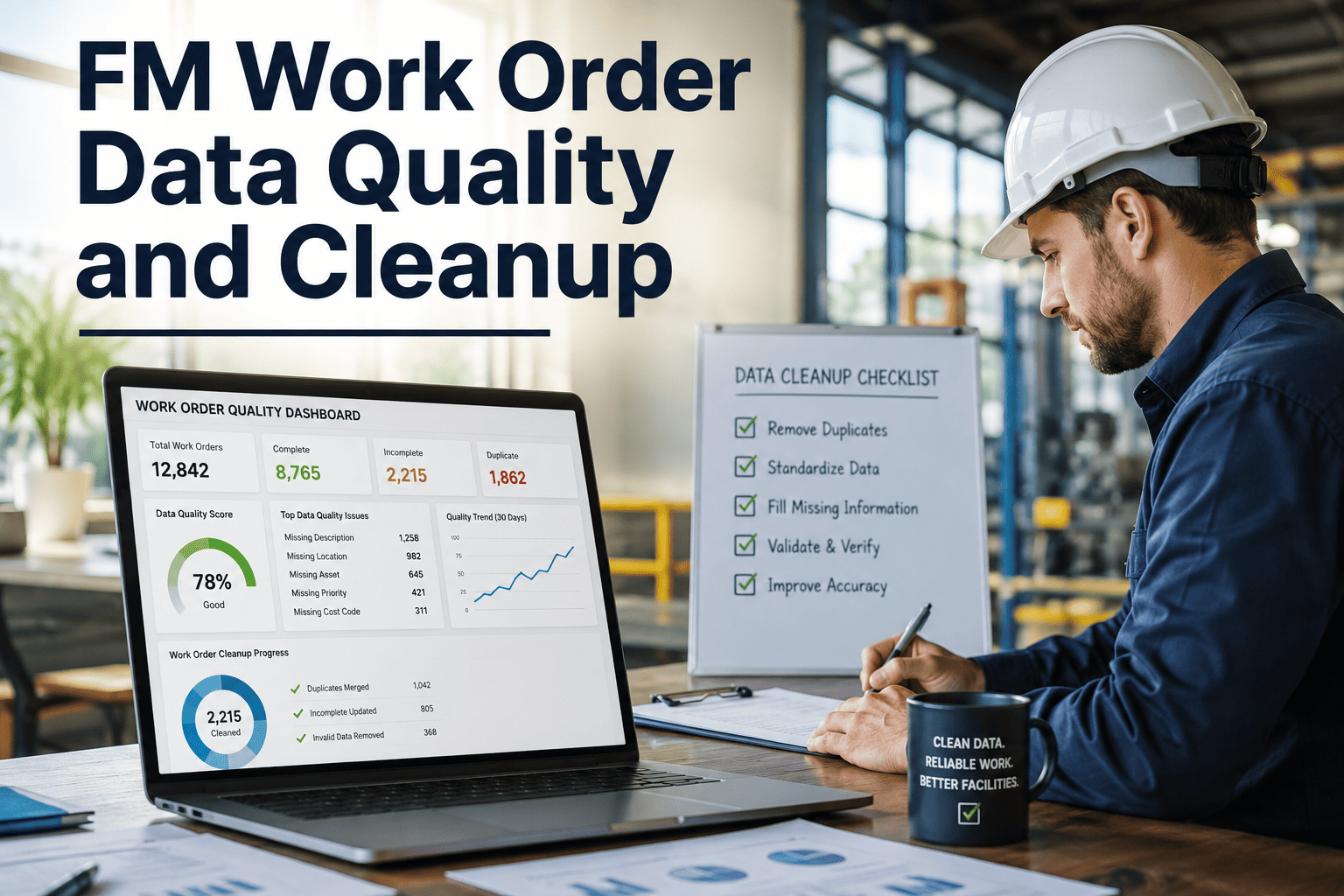
Read More
FM work order data quality is the single biggest factor that determines whether your maintenance analytics, KPIs, and AI-driven predictions produce actionable insights or misleading noise. After even three to five years of reactive logging, most f

Read More
A senior living facility CMMS is the digital backbone that keeps life-safety systems, resident-comfort HVAC, and mobility equipment fully compliant with CMS, state health-department, and Joint Commission standards — while cutting reactive maintena

Read More
A hospitality facility CMMS is the single most effective way for hotel engineering teams to protect guest experience, enforce pool and spa compliance, and eliminate the reactive work-order chaos that drains department budgets. This hotel facility
Read More
Industrial facility management demands a CMMS that can handle multi-asset classes — conveyors, HVAC, dock doors, racking, forklifts and production machinery — under one system, yet most plants still lose 15–20% of annual maintenance spend to react
Read More
Data center facility CMMS platforms are the operational backbone that keeps mission-critical infrastructure—cooling systems, UPS arrays, generators, and PDUs—running at 99.999% uptime. This data center maintenance guide breaks down how modern reli
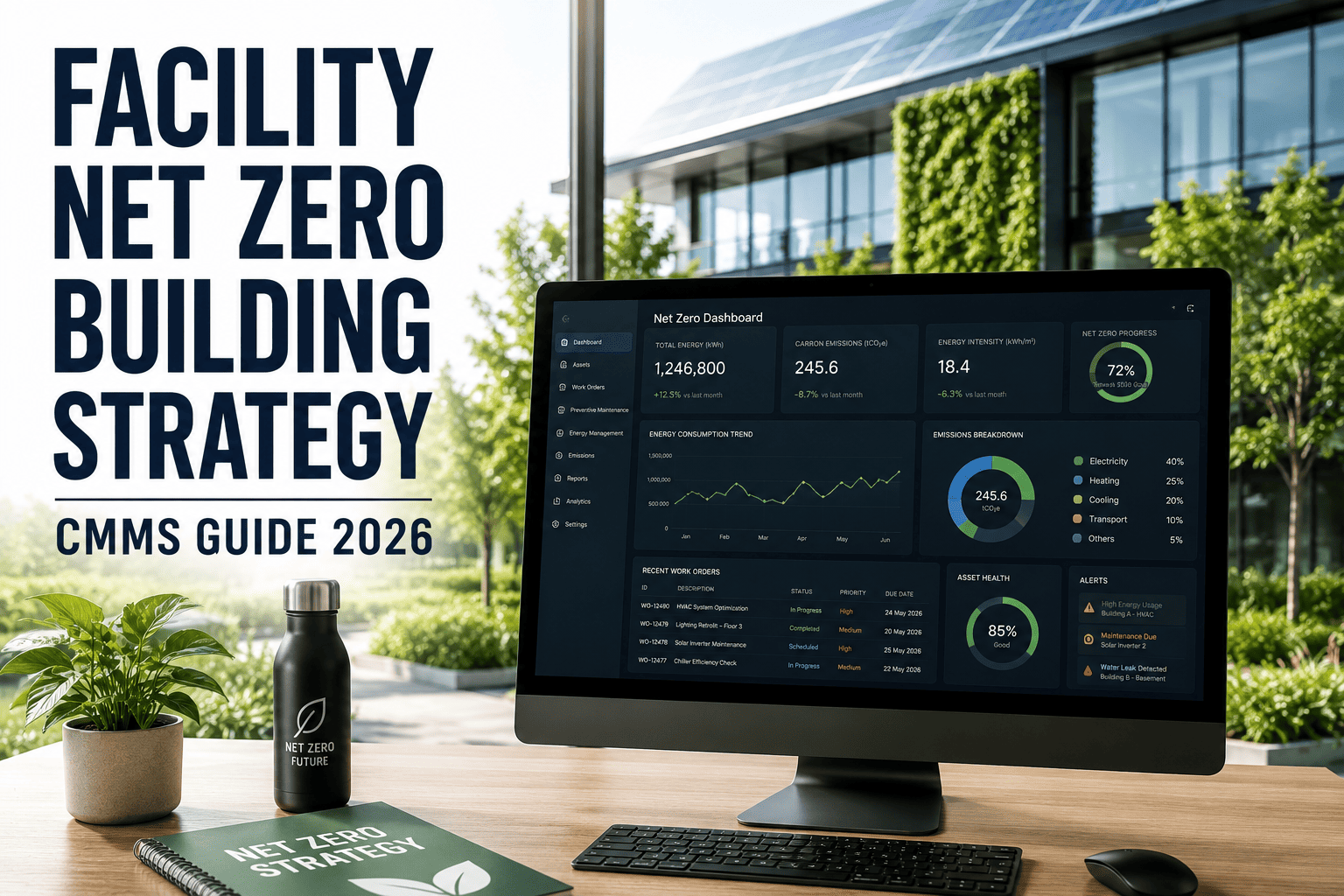
Read More
A facility net zero building strategy succeeds only when maintenance teams can measure, predict, and eliminate energy waste across every asset — and that is exactly where a CMMS becomes the operational backbone of decarbonization. Research from th
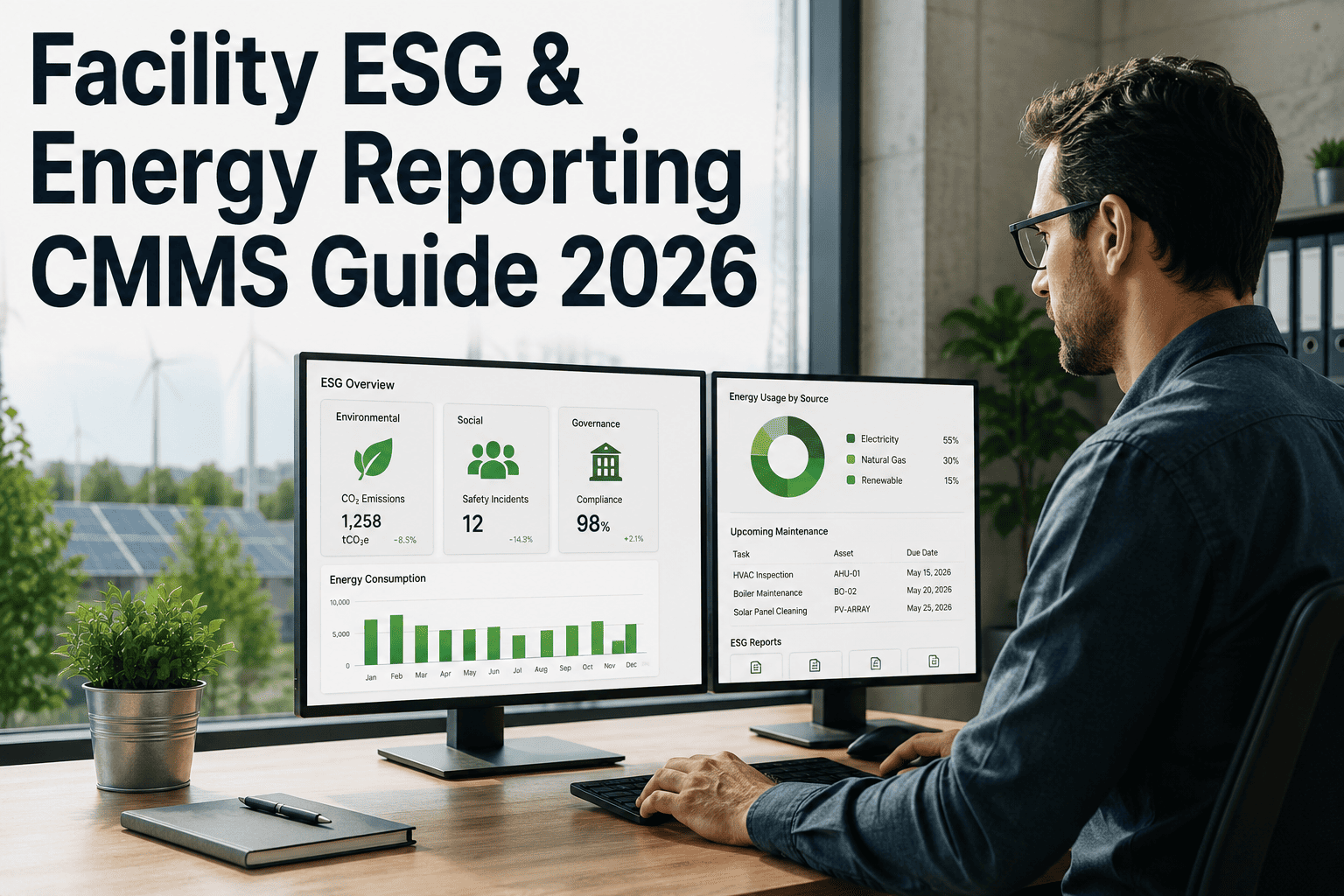
Read More
Facility ESG reporting is no longer a voluntary exercise — by 2026, over 60% of institutional investors require standardized sustainability disclosures from the companies they fund, and facility operations account for the largest share of measurab
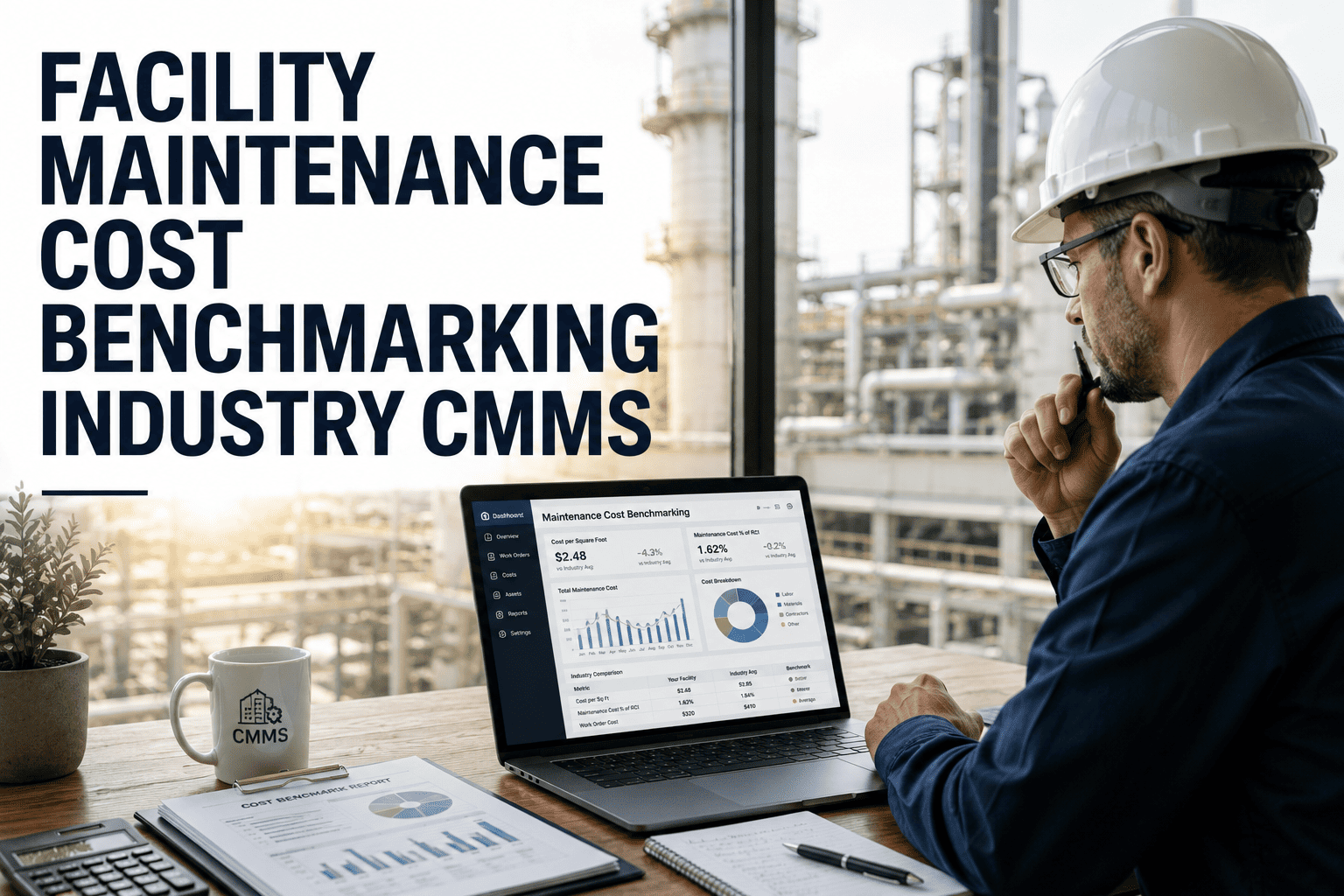
Read More
Facility maintenance cost benchmarking is the process of comparing your portfolio's maintenance spend, labor efficiency, and asset downtime against industry standards and peer facilities to uncover hidden waste and prioritize improvements. For mul

Read More
Facility technician labor efficiency is the single biggest lever maintenance leaders control—yet most facility teams still lose 40–55% of their wrench time to manual tracking, parts hunting, and paperwork. A modern CMMS facility labor platform lik
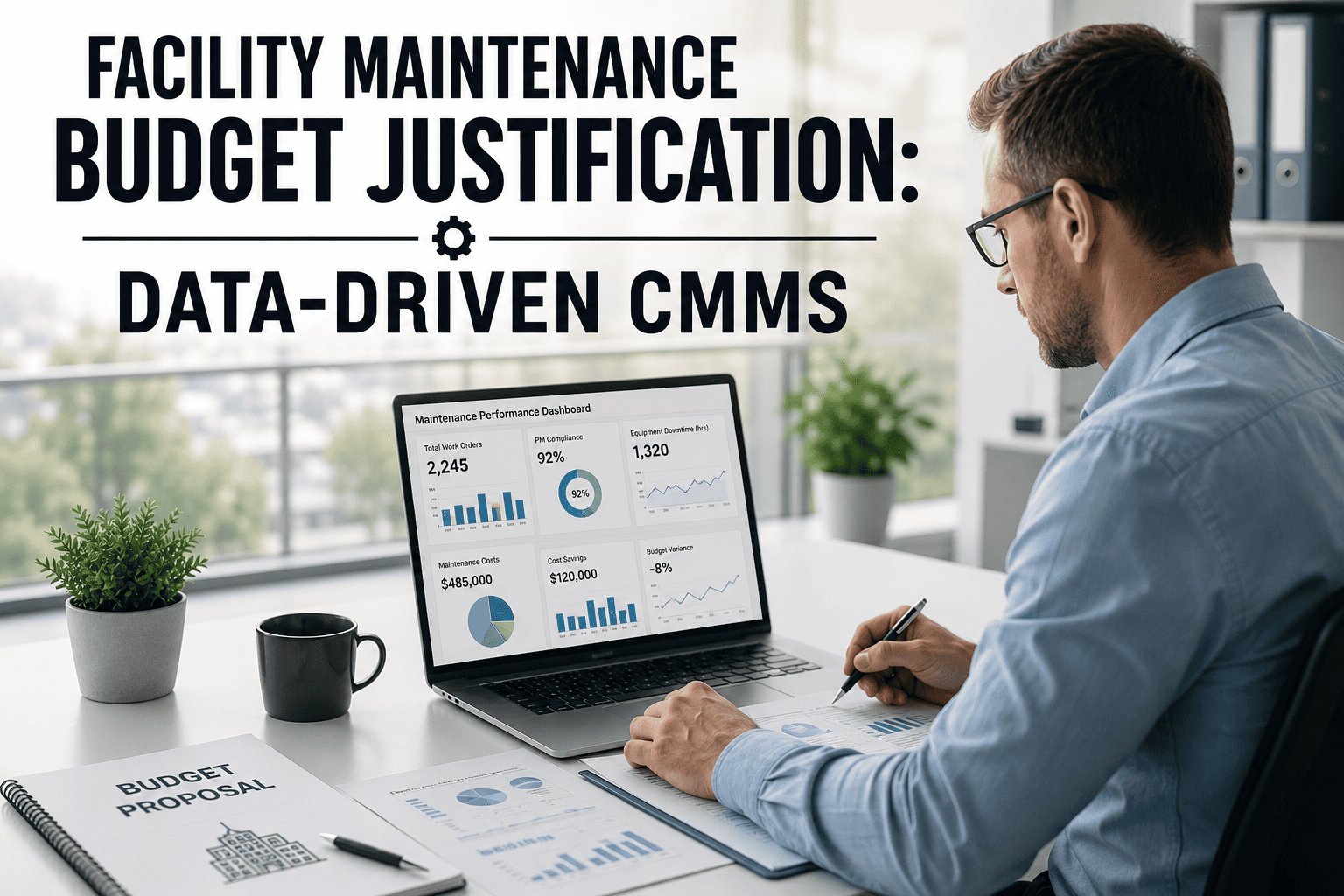
Read More
Facility maintenance budget justification fails most often not because the ask is unreasonable, but because the evidence is anecdotal. A data-driven budget facility strategy—anchored in CMMS-generated cost avoidance tracking, asset life-extension

Read More
Facility spare parts cost reduction is the single fastest lever maintenance leaders pull to cut MRO spend — most plants carry 20–40% excess or obsolete parts inventory, tying up thousands in dead stock while still missing critical spares at breakd
Read More
Mixed-use properties—buildings that combine residential, retail, and office spaces under one roof—demand a fundamentally different maintenance strategy than single-use facilities. A mixed use facility CMMS consolidates tenant request handling, pre
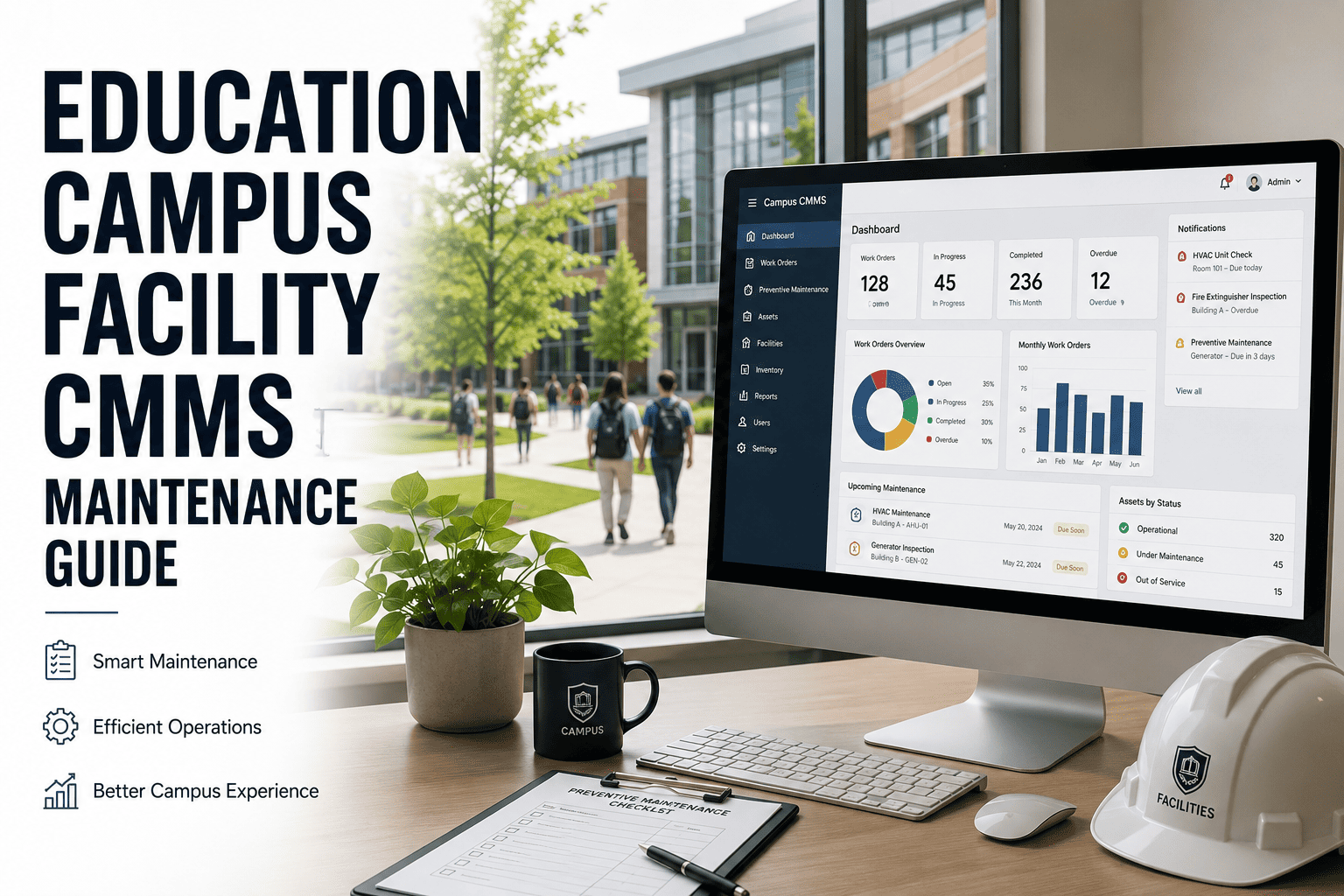
Read More
Education facility CMMS adoption is the single most effective way to reduce unplanned downtime across K-12 schools and higher education campuses, where maintenance teams routinely manage hundreds of HVAC units, lab systems, and building assets acr
Read More
Retail facility CMMS adoption across multi-store portfolios is no longer optional in 2026 — a single refrigeration or HVAC failure can cost a single location $10K–$50K per day in lost inventory and revenue, yet most chains still manage work orders
Read More
Facility insurance premium reduction is one of the most overlooked ROI levers in maintenance management. Commercial property and equipment underwriters increasingly tie premiums to documented risk mitigation, meaning facilities that can produce a
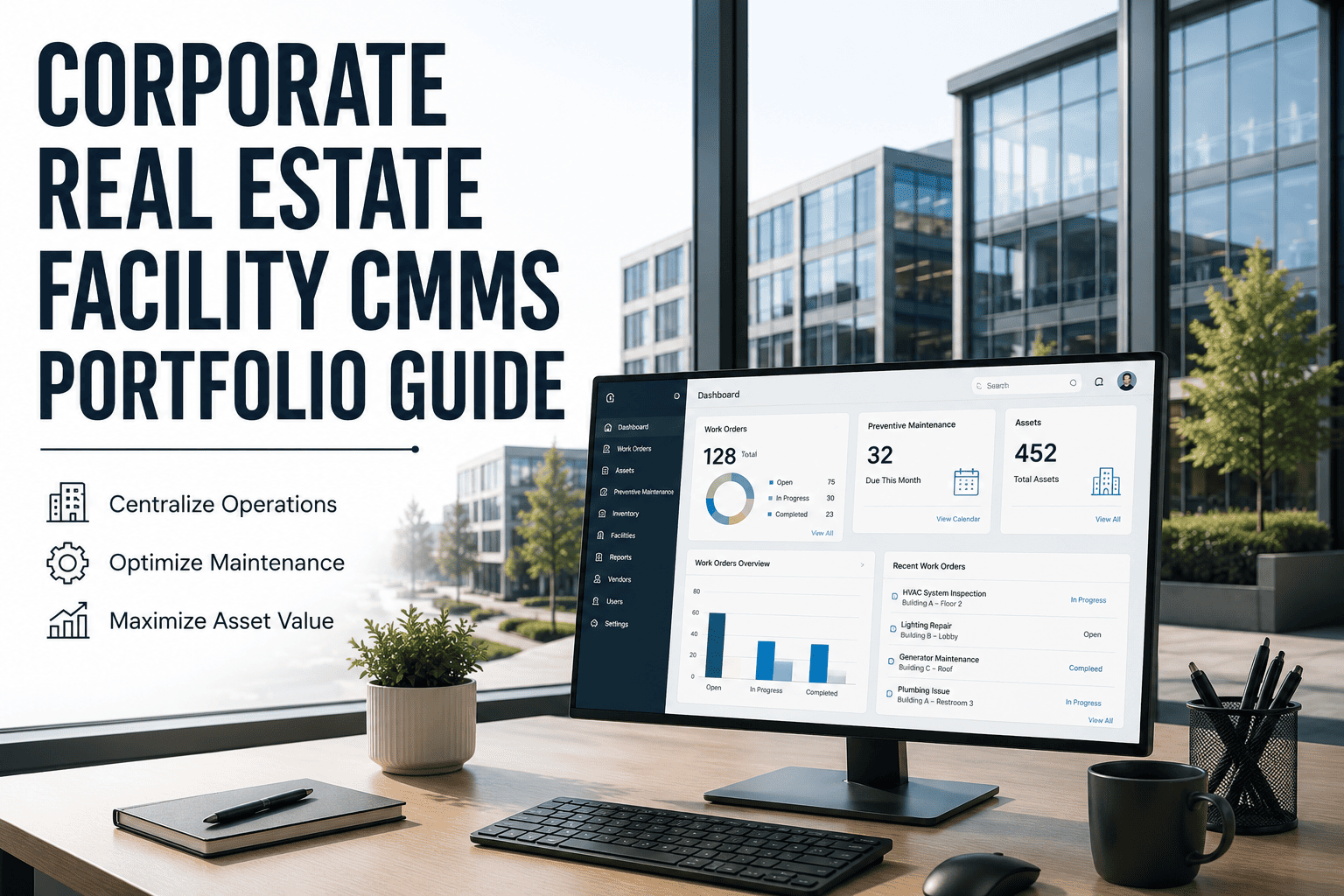
Read More
Corporate real estate facility management requires a CMMS built for multi-tenant office portfolios, lease-aligned maintenance schedules, and centralized vendor oversight — not a generic work-order tool. This corporate facility guide breaks down ho
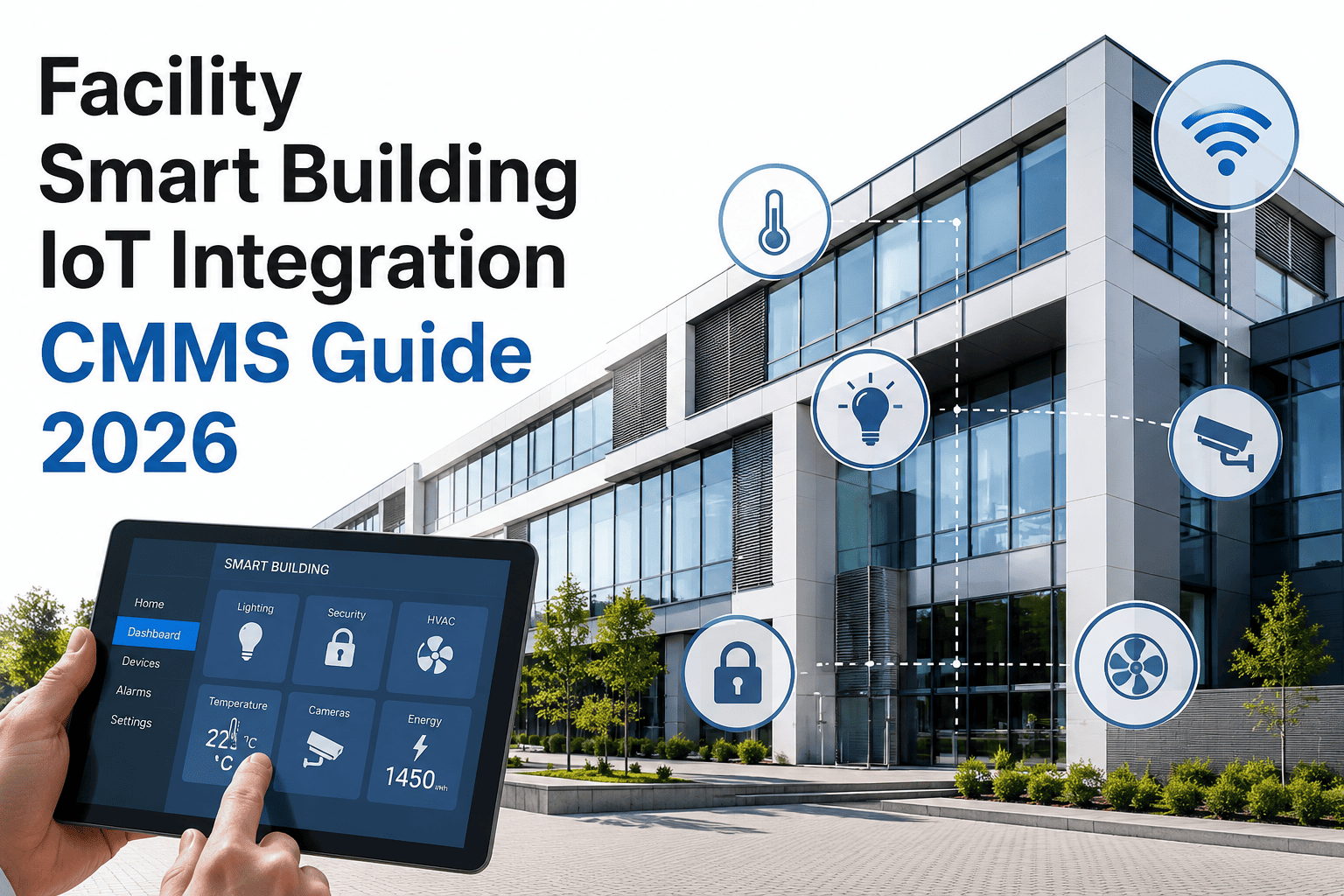
Read More
Facility smart building IoT integration is no longer experimental — by 2026, over 70% of large commercial and industrial facilities are expected to connect sensor networks directly to a CMMS, turning raw telemetry into automated work orders, predi

Read More
Most facility budgets don't fail because of one bad year, they fail one quiet decision at a time: a deferred inspection, a part bought at emergency pricing, a technician sent across the site because nobody flagged the closer option. Nearly 60 perc
Read More
When a chiller fails on a Friday afternoon, the invoice that follows almost never matches what a facility manager expects going in. After-hours labor rates, rushed freight on a replacement part, and every hour the space sits unusable stack up fast
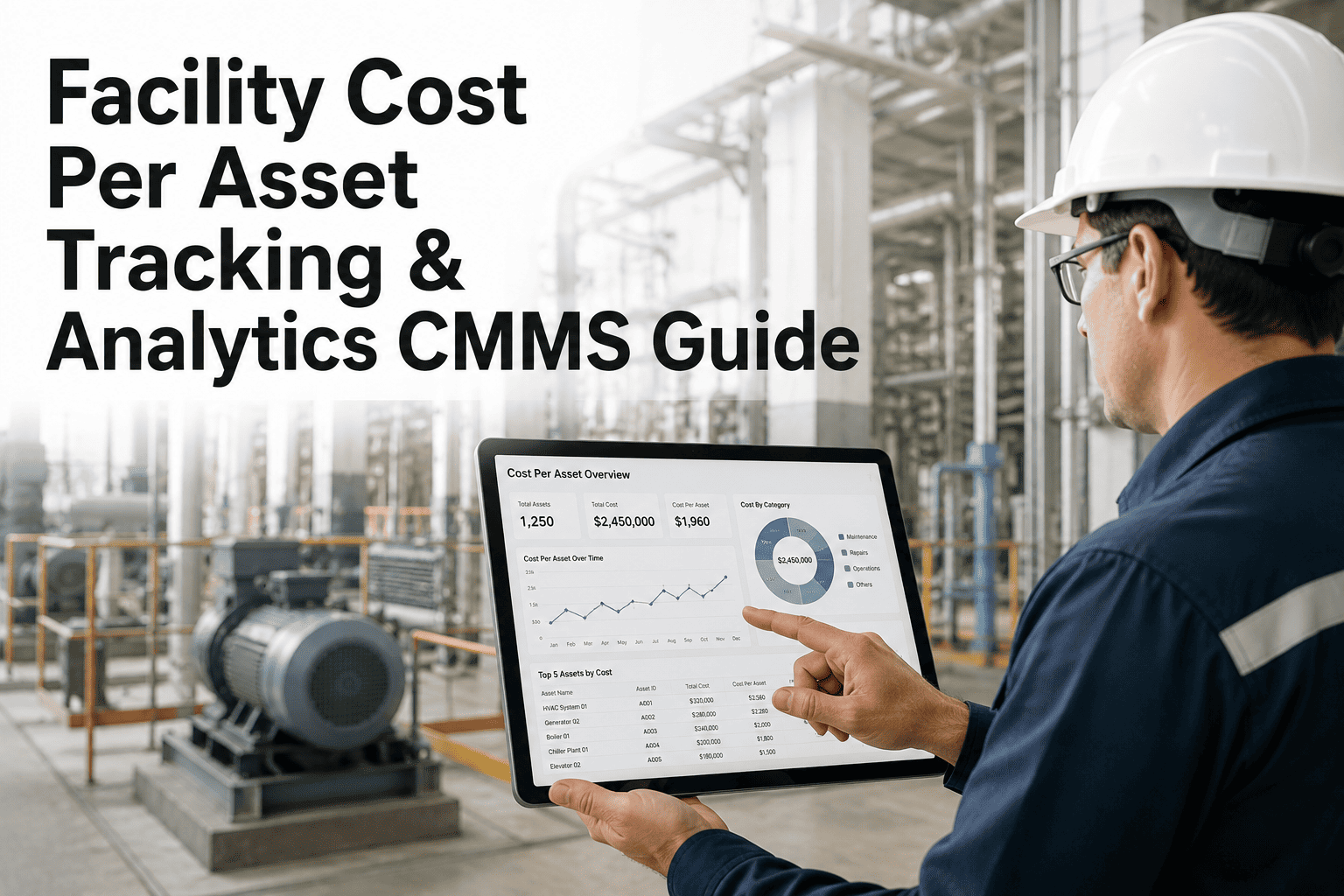
Read More
Most facility managers can tell you the total maintenance spend for the quarter down to the last rupee, but ask them what any single chiller, boiler, or air handler actually costs to keep running each year and the answer arrives as an educated gue
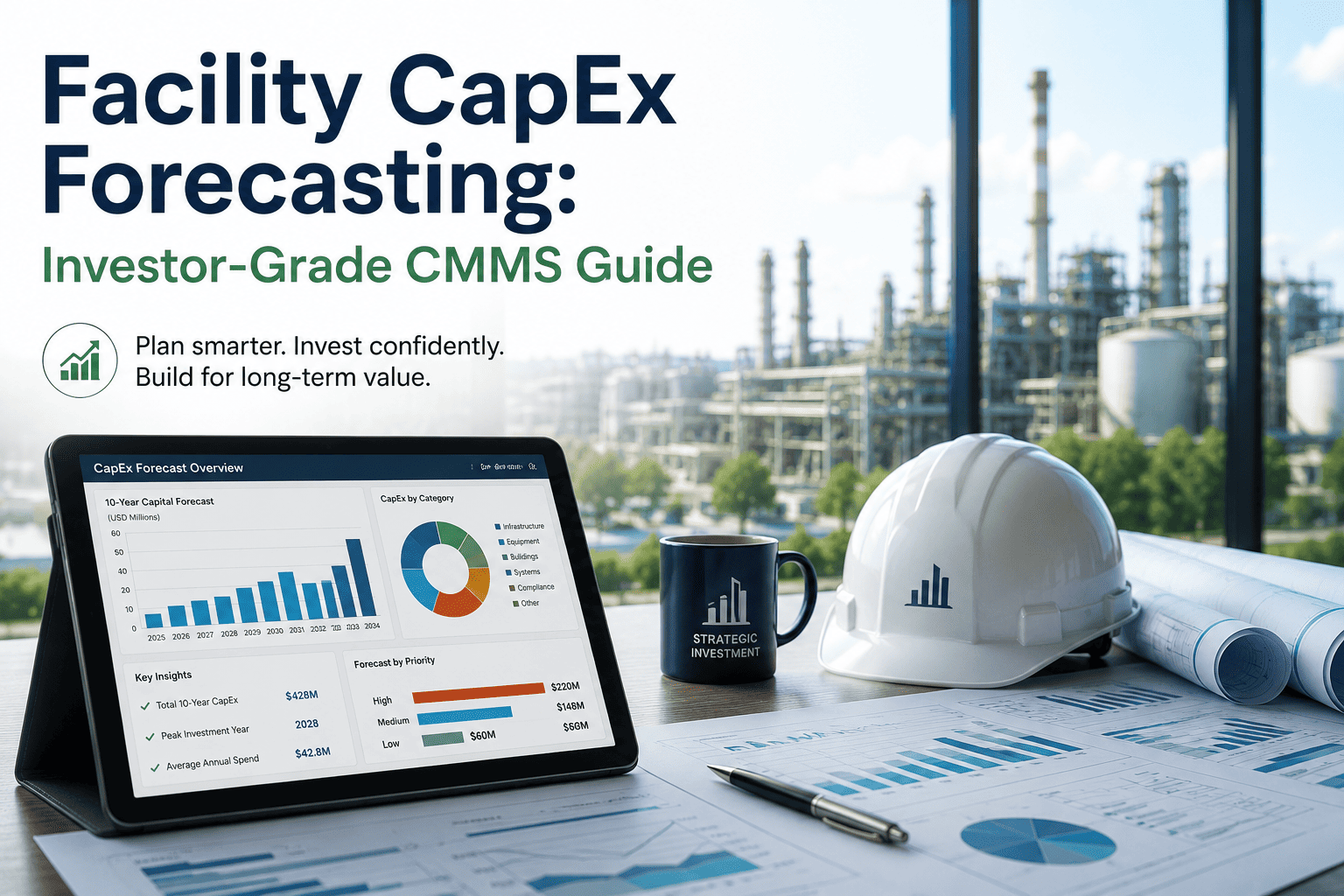
Read More
When a facility director asks a CFO for eight million dollars in capital funding, the first question is never about the equipment, it is about the evidence behind the number. Most teams still build that number from last year's budget plus a roundi

Read More
A technician who's spent twenty years on the same chiller plant doesn't just know how to fix it, they know it's making a sound it only makes right before the bearing goes. That kind of knowledge never makes it into an OEM manual, and right now it'

Read More
Most facility teams treat the energy bill as a fixed cost, something the utility sets that nobody on site can really move. In reality, HVAC systems typically account for close to 40 percent of a commercial building's total energy use, and a surpri
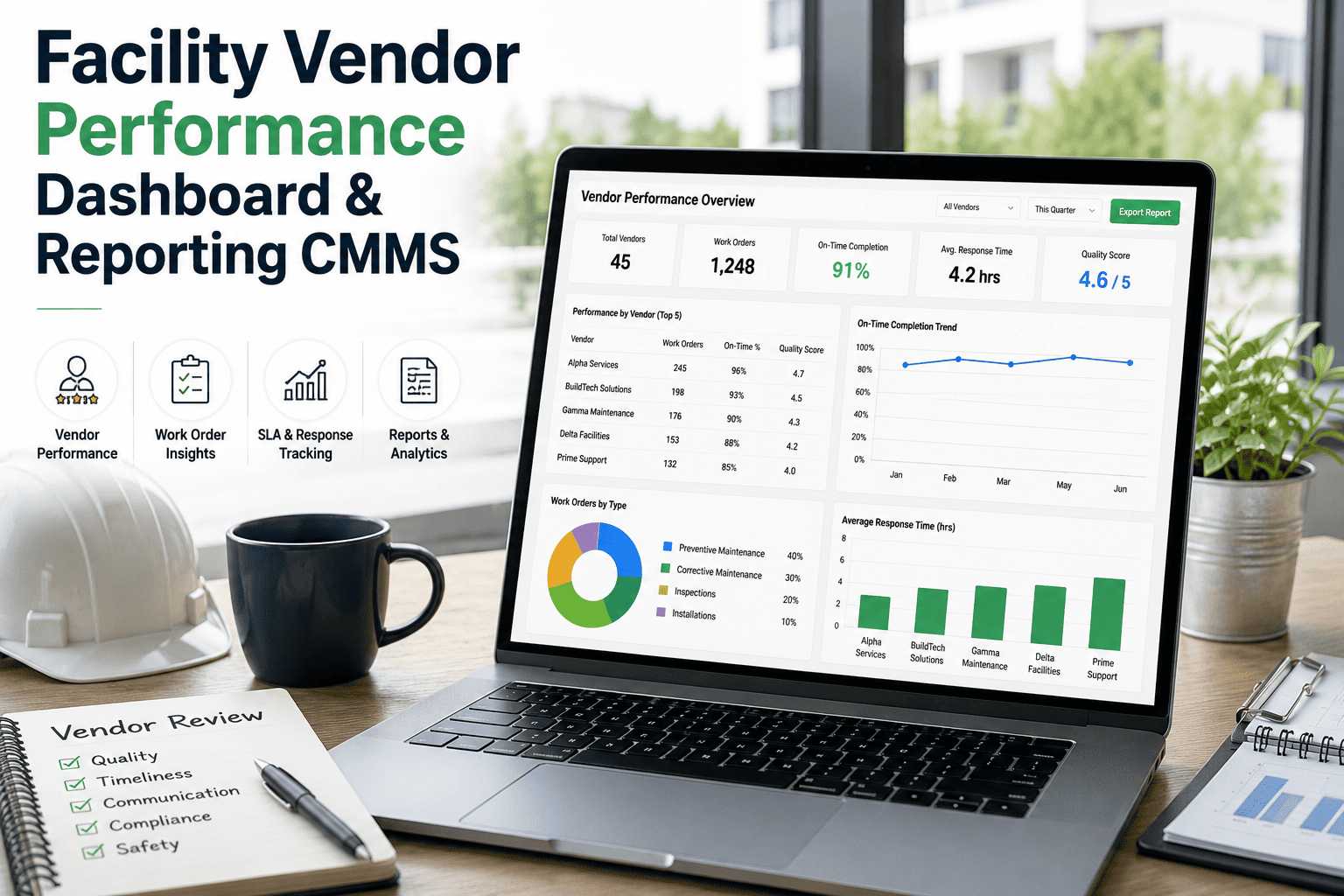
Read More
Facility teams now run dozens — sometimes hundreds — of vendor relationships across HVAC, fire-life-safety, janitorial, landscaping, and specialized trades, yet most still measure vendor health on gut feel and a monthly invoice. A facility vendor
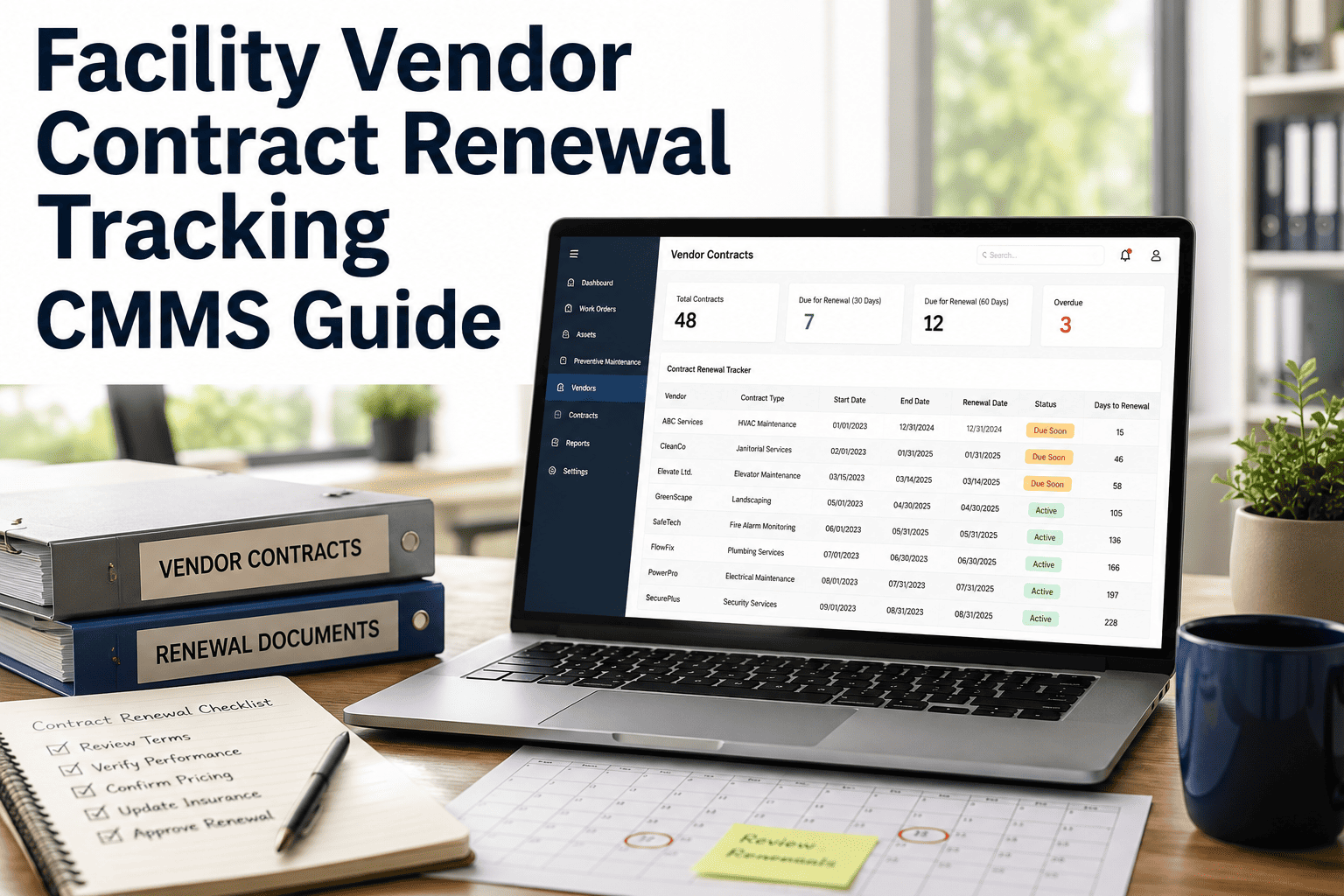
Read More
Managing facility vendor contracts through spreadsheets and shared drives is one of the most common blind spots in maintenance operations, with research suggesting that 30–40% of organizations still rely on manual tracking for renewal pipelines. W
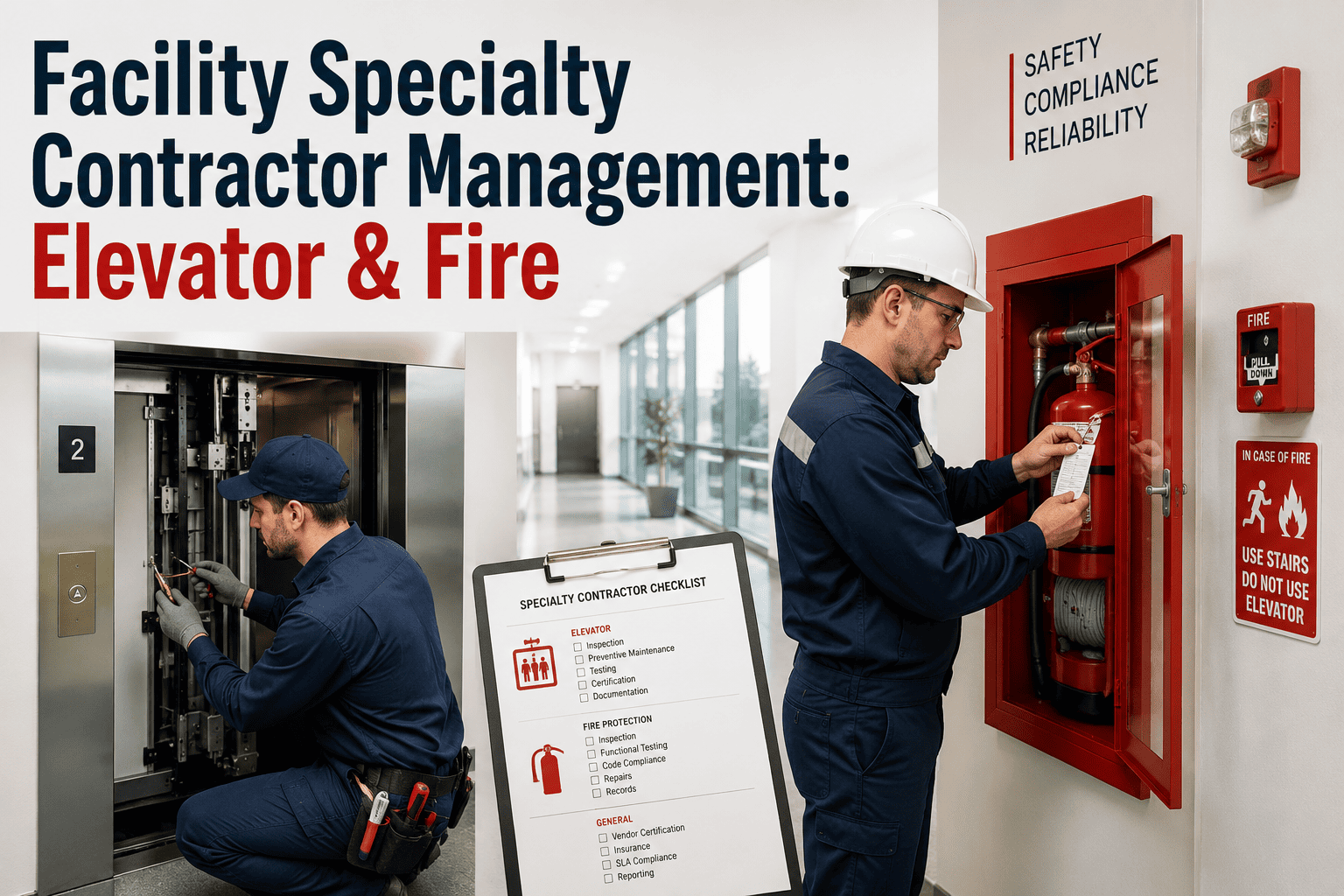
Read More
Specialty systems like elevators and fire suppression carry the highest compliance risk and the most opaque billing of any category under a facility's roof — yet most teams still track them in shared spreadsheets and three-ring binders. A single m
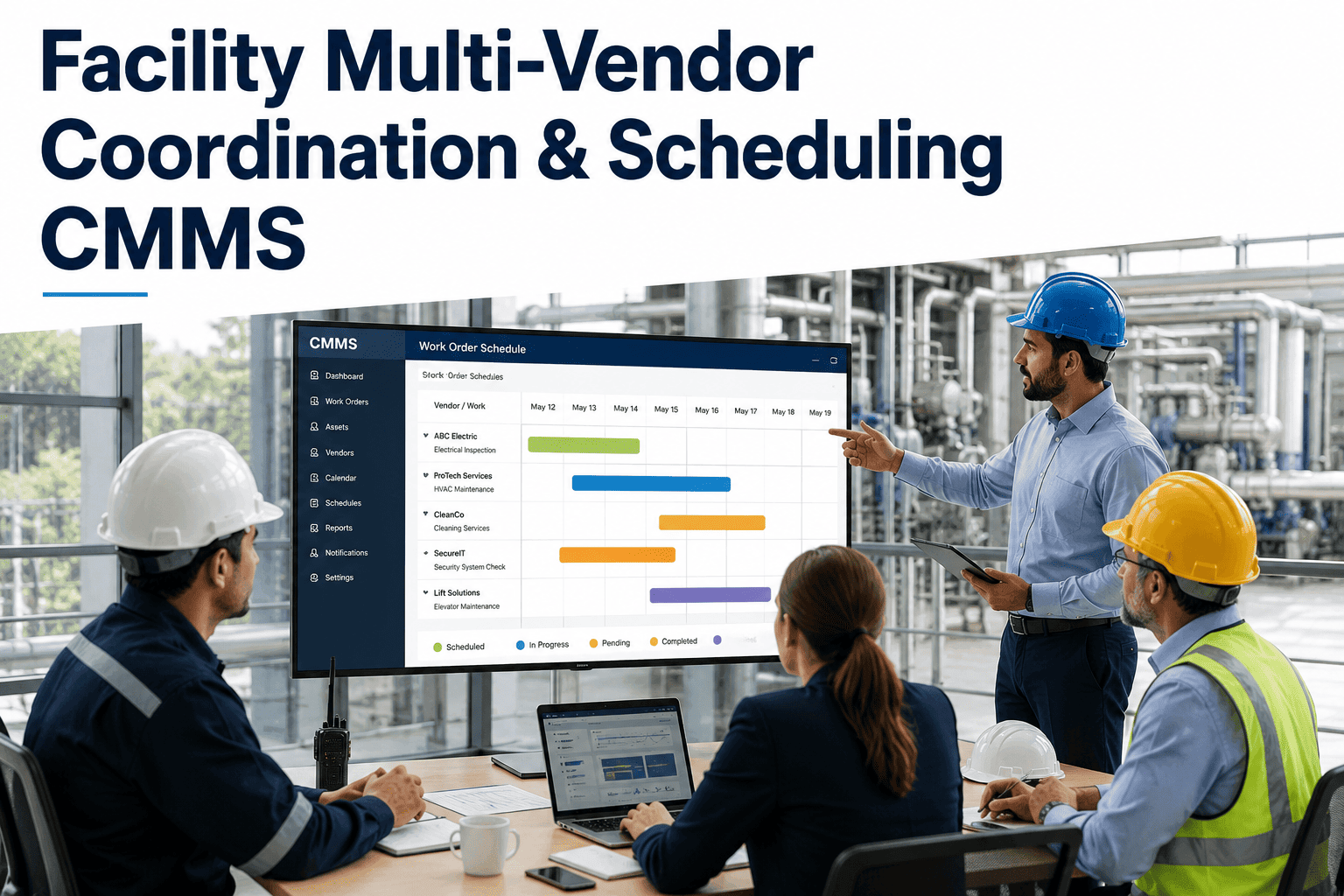
Read More
Coordinating multiple specialist vendors across a single facility is where most maintenance programs quietly bleed money — an HVAC tech idles for 45 minutes waiting on a roofer to clear a drain line, an electrical contractor shows up without locko
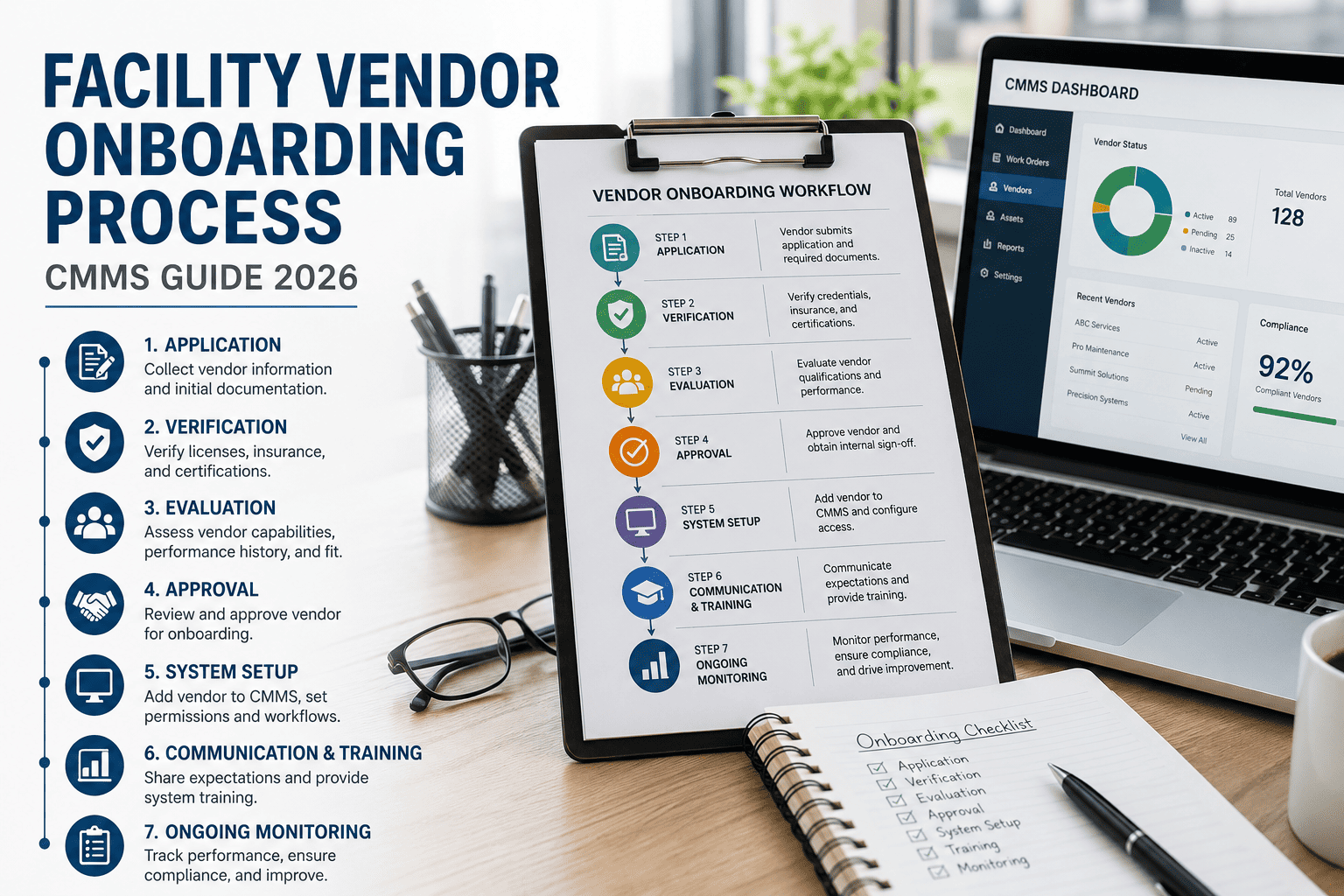
Read More
Vendor onboarding is where most facility teams quietly lose 14–28 days per contractor: COI certificates expire mid-engagement, badge access waits on IT, and the first work order ships without a mapped asset or PM task. A CMMS-based onboarding work
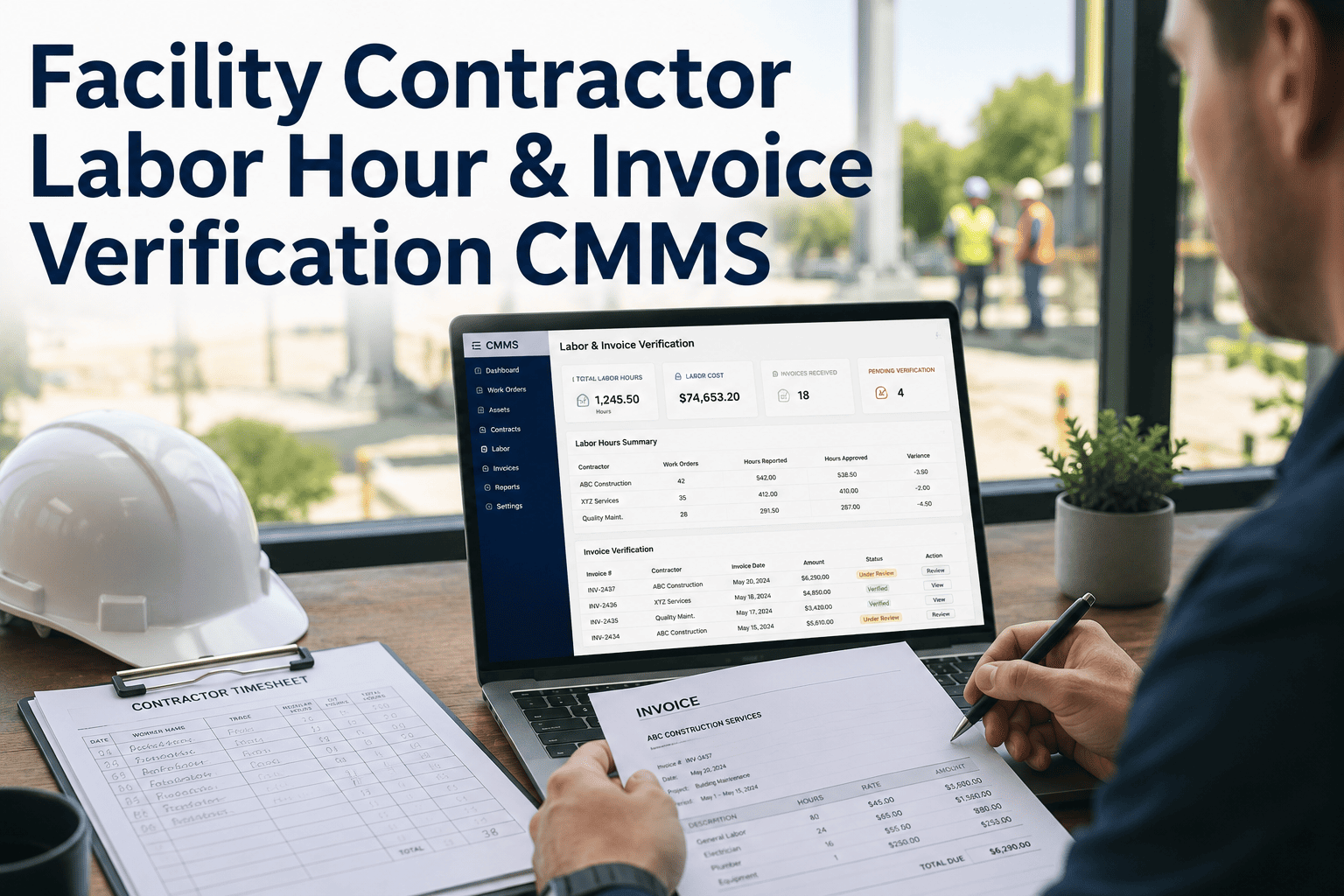
Read More
Verifying facility contractor labor hours against actual work-order scope is where most maintenance teams quietly leak 8–14% of their annual service spend — typically through rounded-up timestamps, unbundled trip charges, and materials billed but
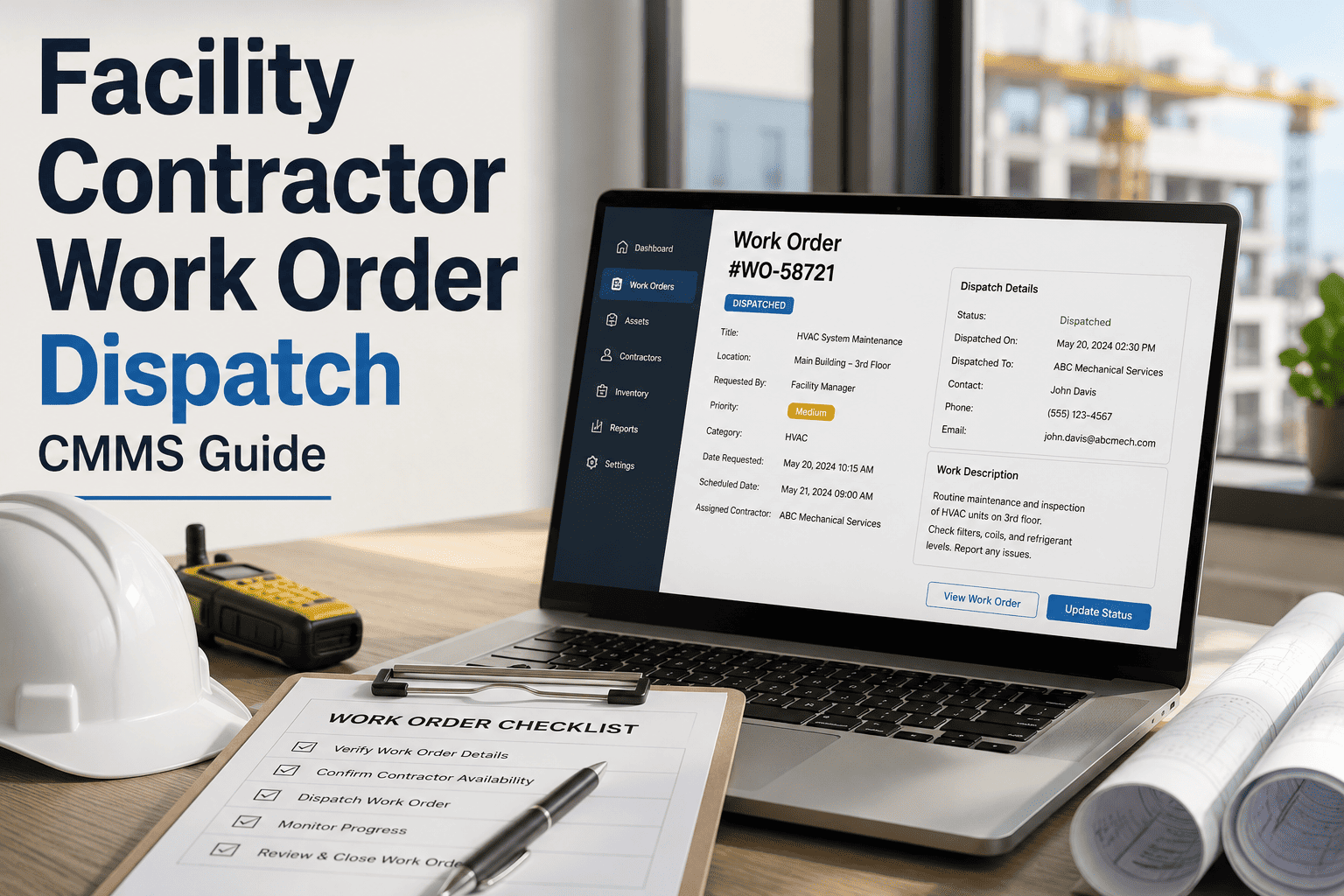
Read More
Contractor work order dispatch is where facility maintenance programs either gain velocity or quietly bleed budget — every misrouted vendor call, missed SLA window, or duplicate invoice typically traces back to a fragmented dispatch process that r
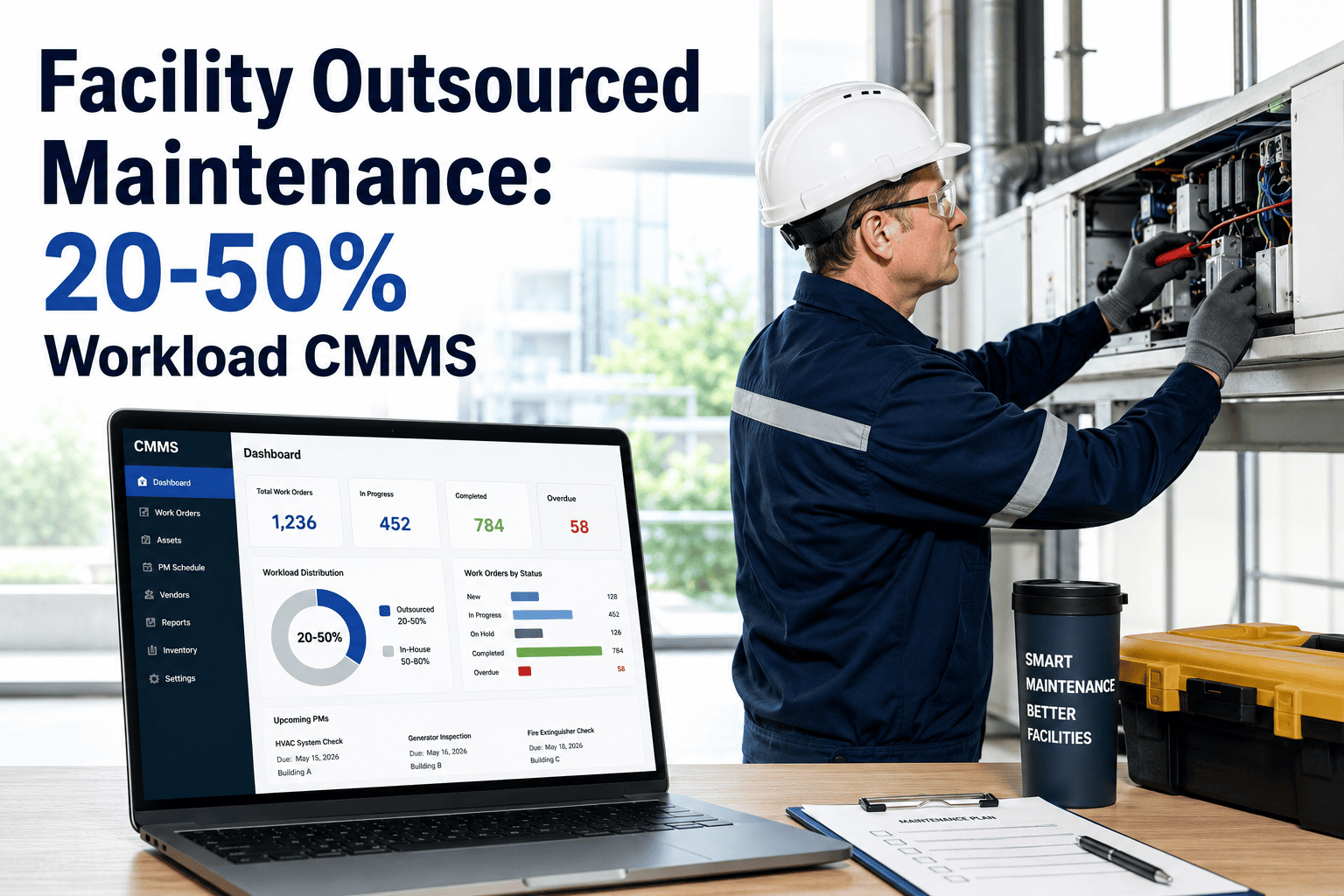
Read More
For most facility teams, 20–50% of total maintenance workload now runs through outside contractors — yet the majority of that work lives in vendor inboxes, spreadsheets, and PDF reports instead of the CMMS. That blind spot costs the average mid-si
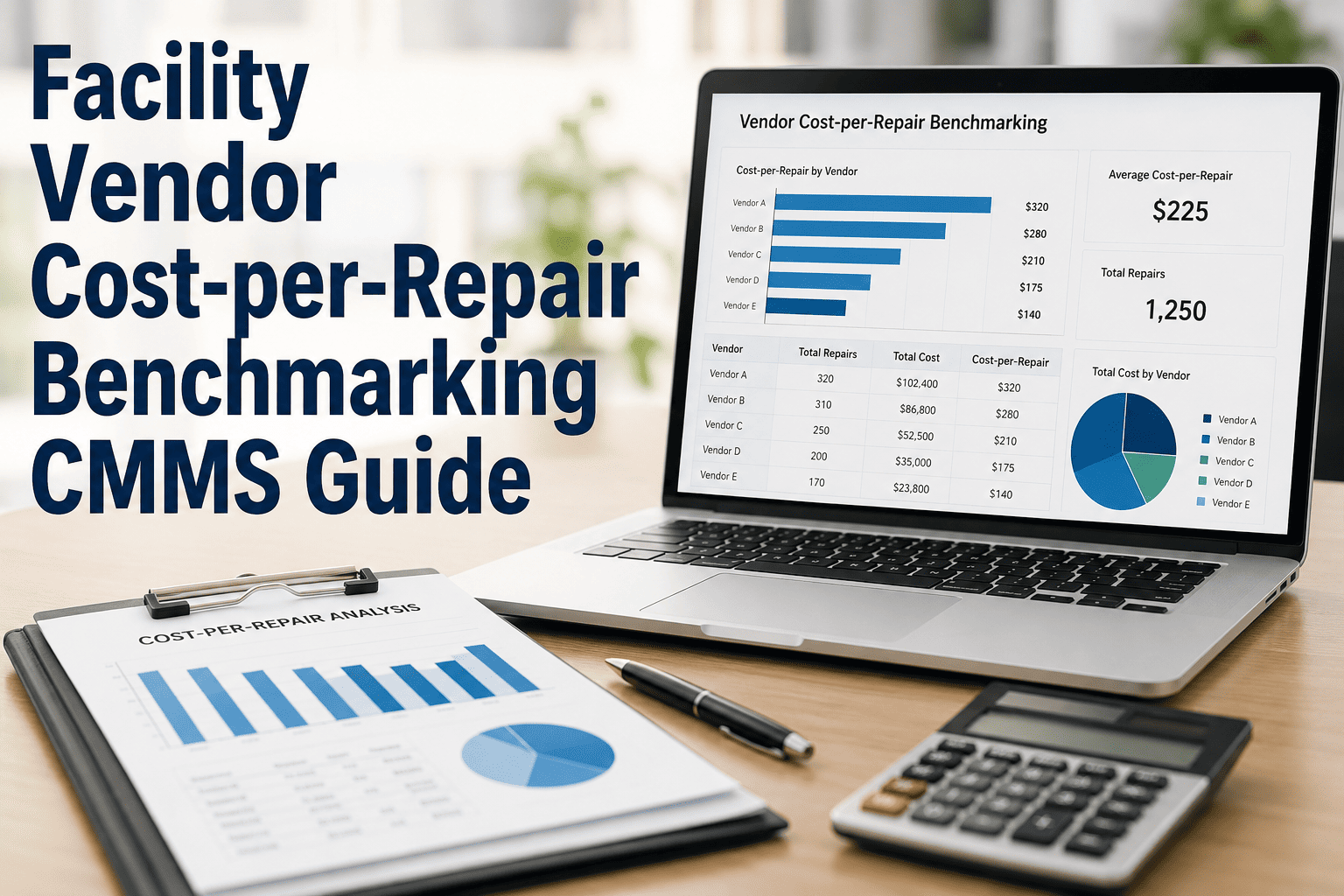
Read More
Vendor cost-per-repair is the single most volatile line item in a facility maintenance budget, yet fewer than one in three teams benchmark it systematically. Without tying every invoice line back to a closed work order in your CMMS, you absorb an
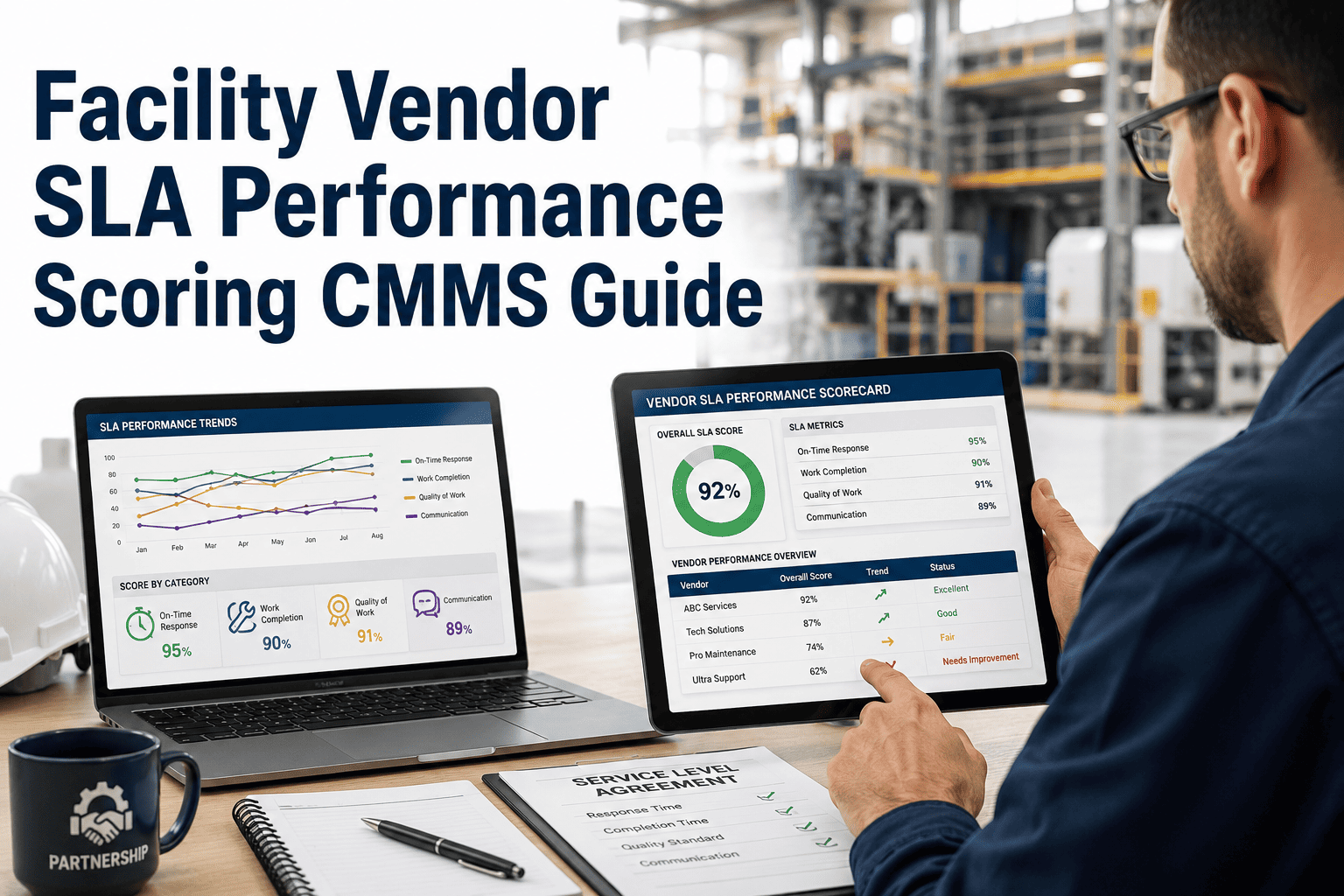
Read More
Facility vendor SLA performance scoring is the discipline that turns a 200-page maintenance contract into a number a procurement team can act on — and a CMMS is what makes that number defensible. Most plants still grade vendors on gut feel or sing

Read More
Verifying contractor insurance and certifications is one of the most overlooked risk vectors in facility management — a single expired COI or lapsed OSHA 30 credential can shift liability for a seven-figure claim directly onto the building owner.

Read More
Facility vendor and contractor ecosystems now drive roughly 60% of reactive maintenance spend, yet most teams still manage them through email threads, spreadsheets, and paper COIs stuffed in a binder. A CMMS built for vendor management collapses t
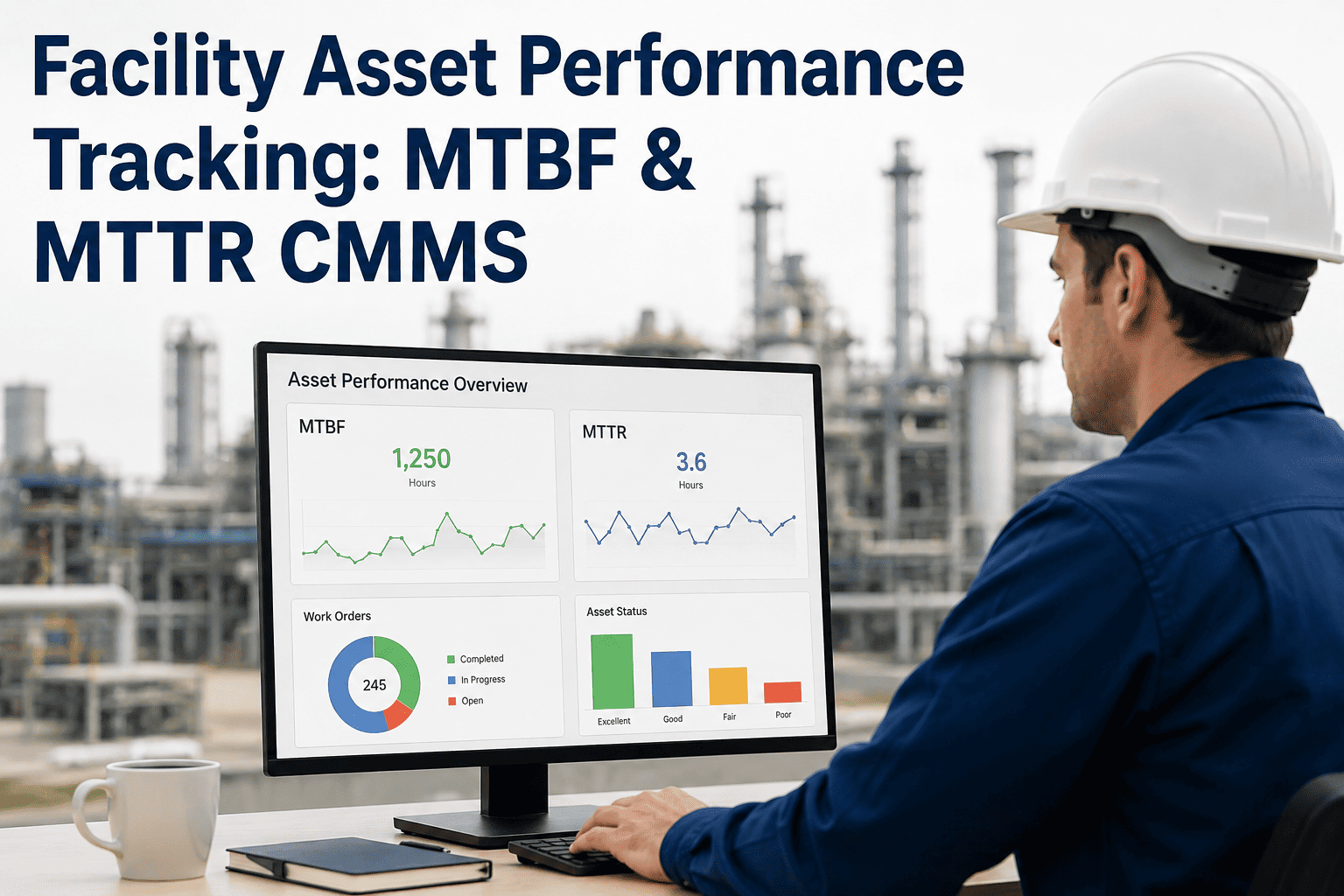
Read More
Facility asset performance tracking turns maintenance data into a leading indicator of reliability rather than a lagging record of breakdowns. By codifying MTBF (Mean Time Between Failures) and MTTR (Mean Time to Repair) by equipment class and fee

Read More
Facility aging infrastructure quietly drains maintenance budgets — the average commercial building asset in North America is now 24 years old, well past its designed service life in many plants, hospitals, and campuses. Without a structured facili
Read More
Warranty leakage is one of the most quietly expensive blind spots in facility maintenance — industry audits suggest teams forfeit 8–14% of recoverable asset costs simply because expirations pass undocumented and claims never get filed. A facility
Read More
Facility asset depreciation tracking is the financial backbone of every maintenance program — yet roughly 60% of plants still reconcile book value in spreadsheets detached from their CMMS, creating audit gaps and misinformed replacement decisions.

Read More
Spare parts inventory is the quiet line item that decides whether a maintenance program runs at 92% OEE or stalls on a Wednesday afternoon waiting for a $14 bearing. Industry studies from Plant Engineering and APQC consistently put MRO inventory a

Read More
Facility IoT sensor asset tracking turns every pump, motor, air handler, and electrical panel into a self-reporting node — continuously streaming temperature, vibration, run-status, and amperage data into your CMMS so failures are flagged before t
Read More
Facility asset condition assessment is the disciplined practice of inspecting, scoring, and tracking the physical state of equipment and infrastructure so maintenance teams can prioritize spend before failure. A standardized condition scoring meth
Read More
Facility teams lose an average of 6.3 hours per week searching for assets buried in spreadsheets and paper binders — a hidden cost that compounds across every preventive maintenance round, audit, and emergency call-out. Floor plan asset mapping cl

Read More
Facility asset documentation is the operational backbone that separates a predictable maintenance program from a reactive one — yet industry studies suggest technicians spend up to 30% of their shift simply hunting for manuals, spec sheets, or war
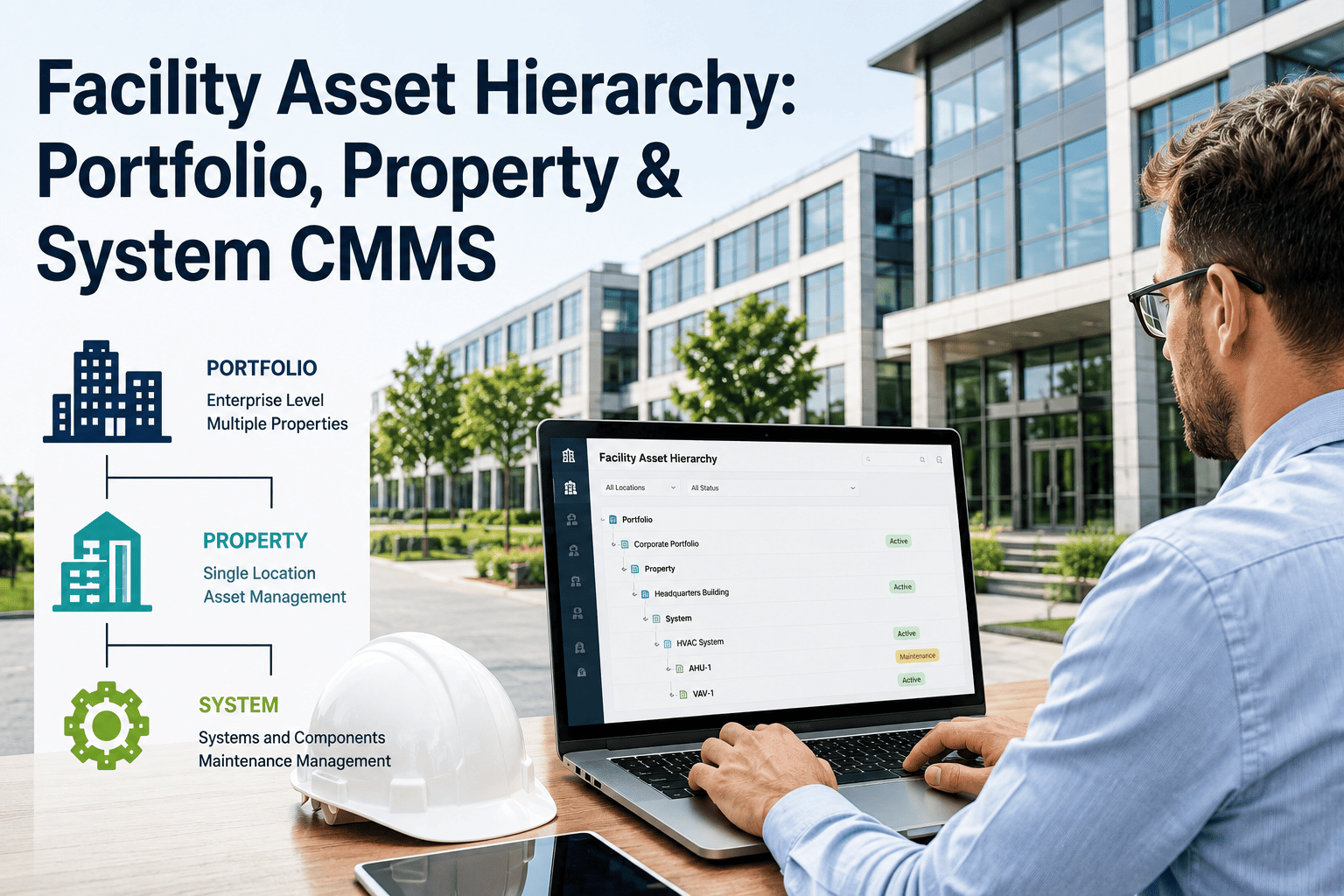
Read More
A facility asset hierarchy is the single backbone of every modern CMMS — the way you organize portfolio, property, system, asset and component levels determines whether technicians find equipment in seconds or scroll through thousands of orphan re
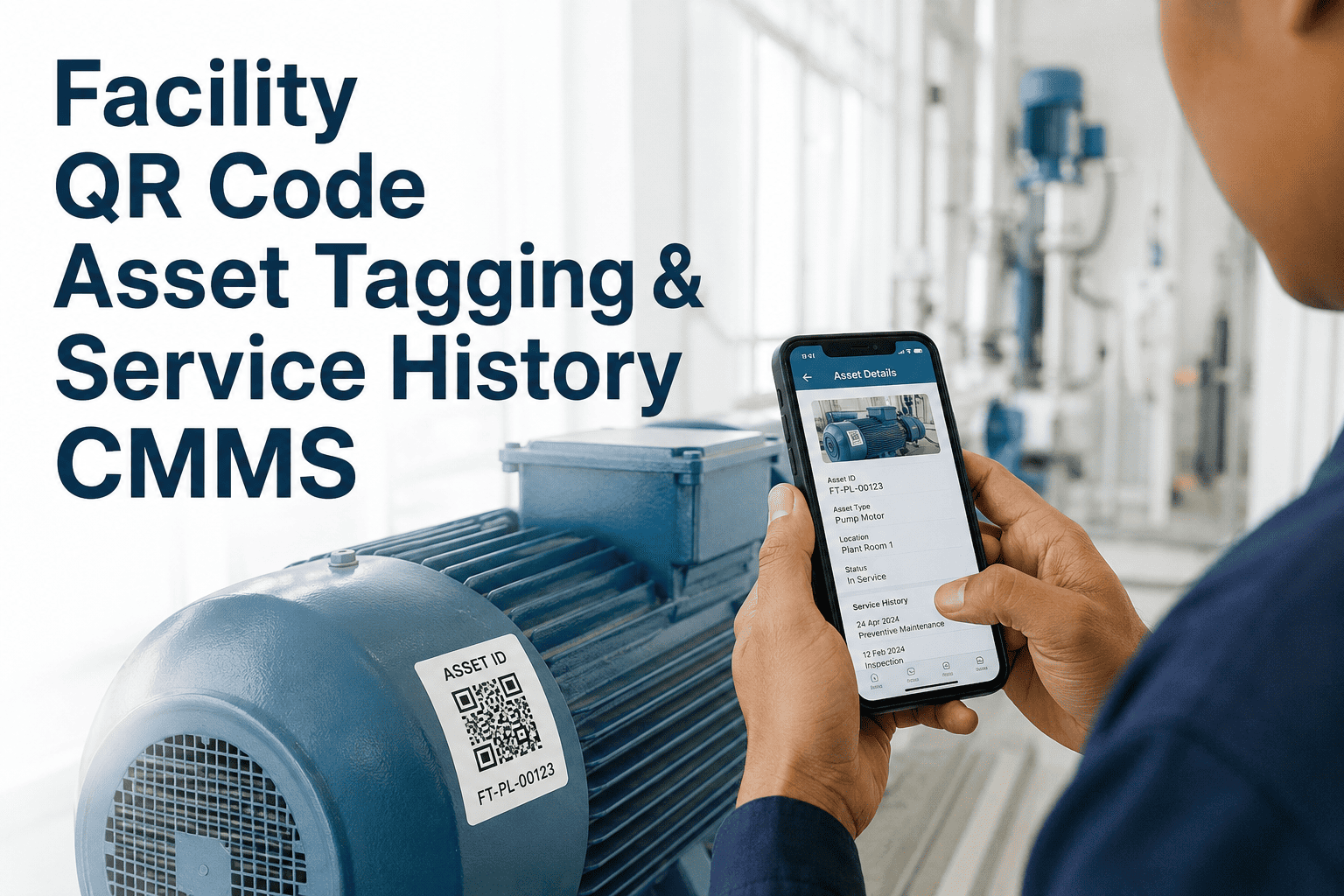
Read More
Facility teams lose an average of 9.3 work-hours per week per technician searching for asset records, service history, and manuals filed across spreadsheets, shared drives, and three-ring binders. QR code asset tagging collapses that search to a t
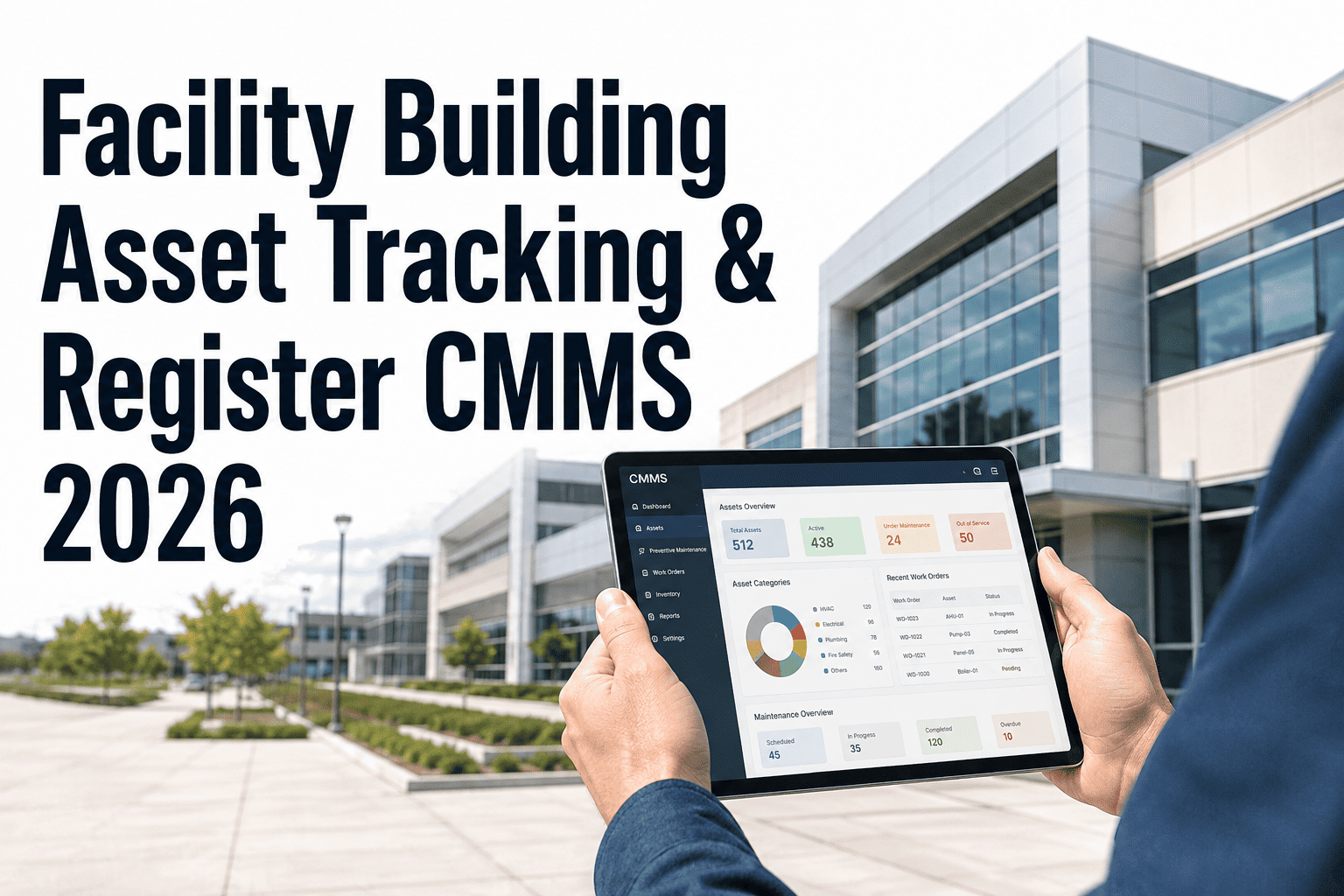
Read More
Building asset tracking sits at the core of every mature facility management operation, yet roughly 65% of plants still rely on spreadsheets that lose 12-18% of asset records within the first year of use. A CMMS-backed asset register replaces that

Read More
Facility compliance risk is no longer a back-office paperwork exercise — it is a measurable financial exposure that compounds with every undocumented inspection, missed calibration, and expired certification. OSHA alone issued over $215M in facili
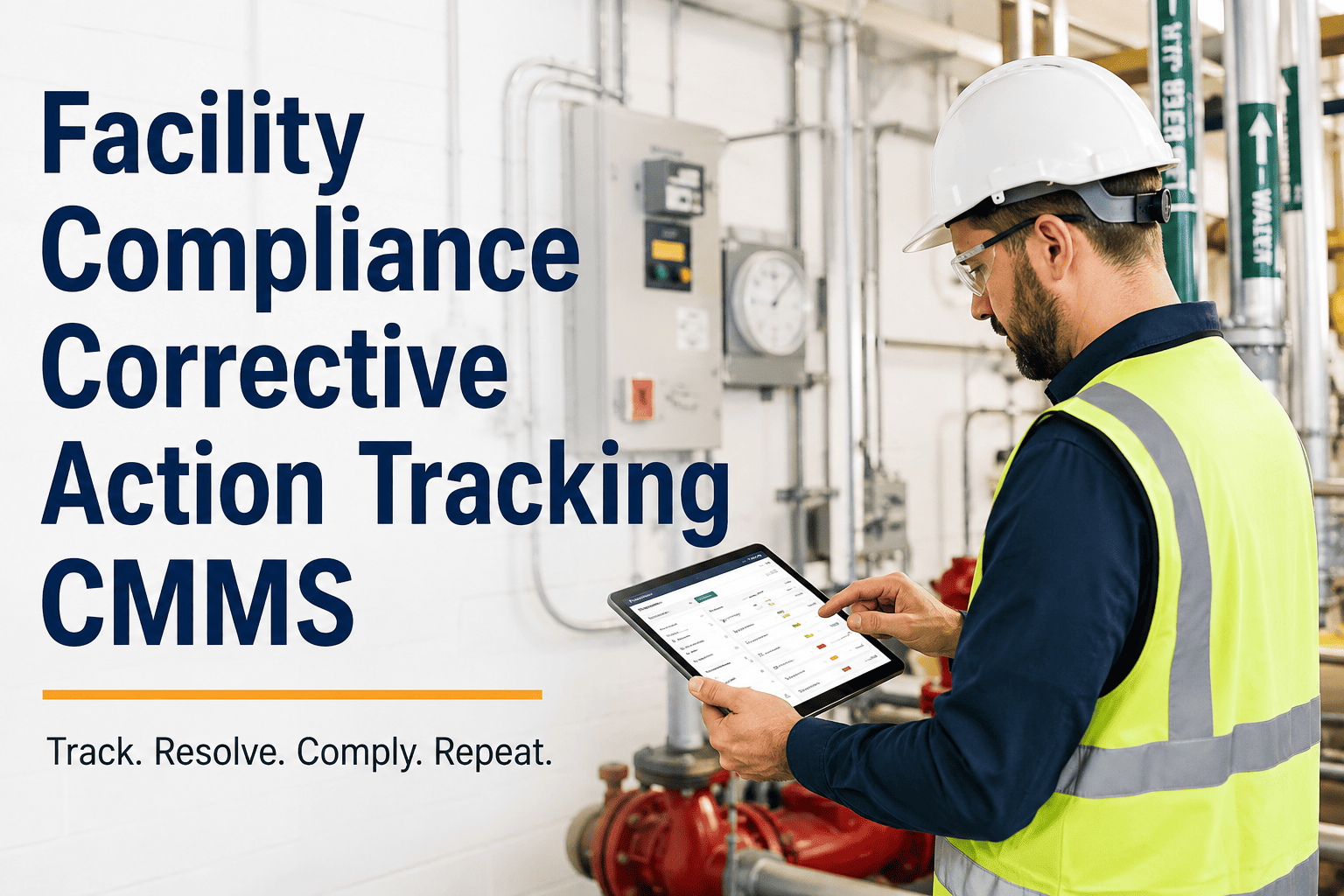
Read More
Corrective action tracking is the discipline that separates a facility that passes its next ISO 55001 or OSHA audit from one that receives a repeat finding and a six-figure penalty — yet most maintenance teams still chase findings through email th
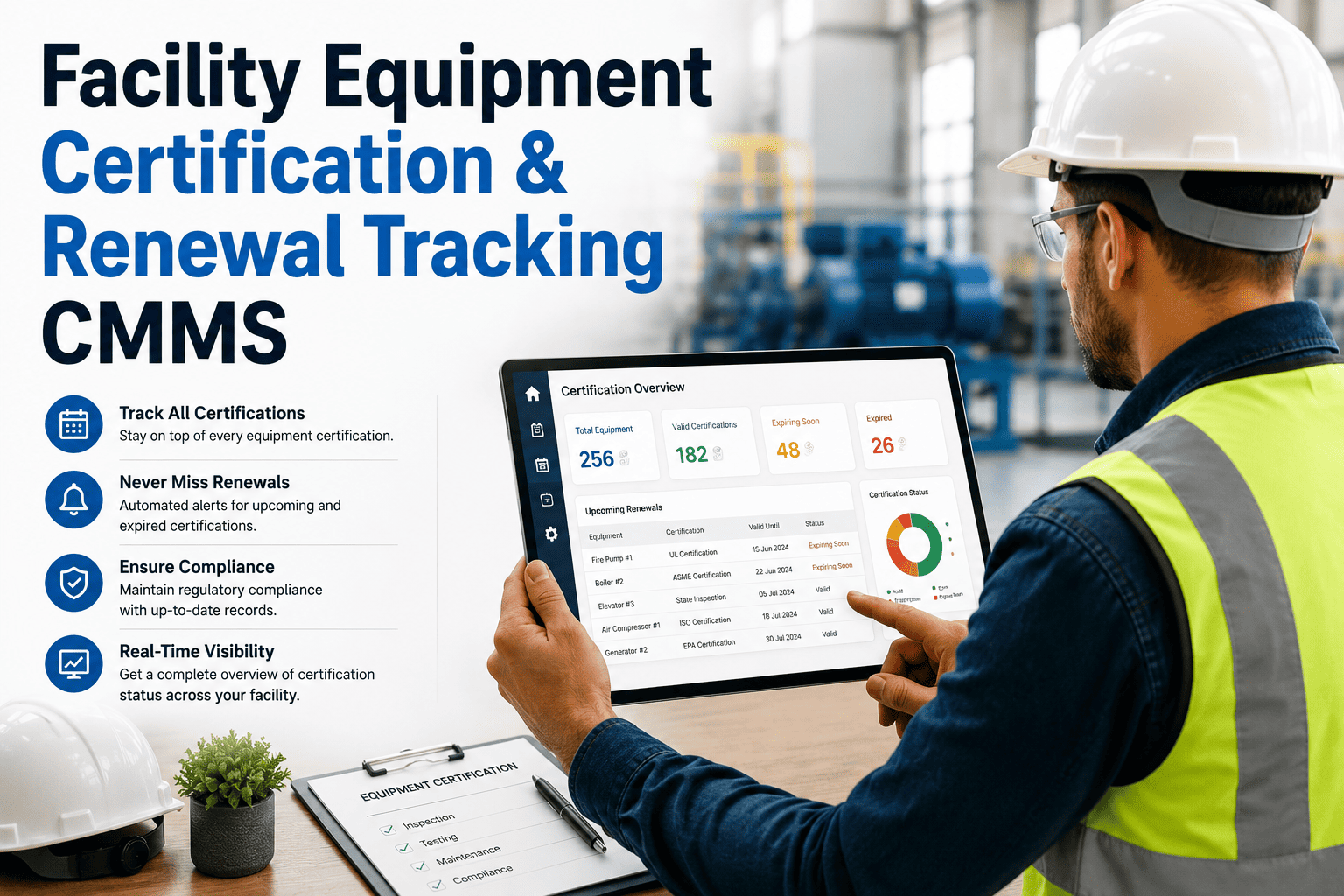
Read More
Equipment certifications are the compliance backbone of any facility — yet most plants still track them on spreadsheets that fail silently the day a license lapses. A modern CMMS turns that fragile paper trail into automated, auditable renewal pip
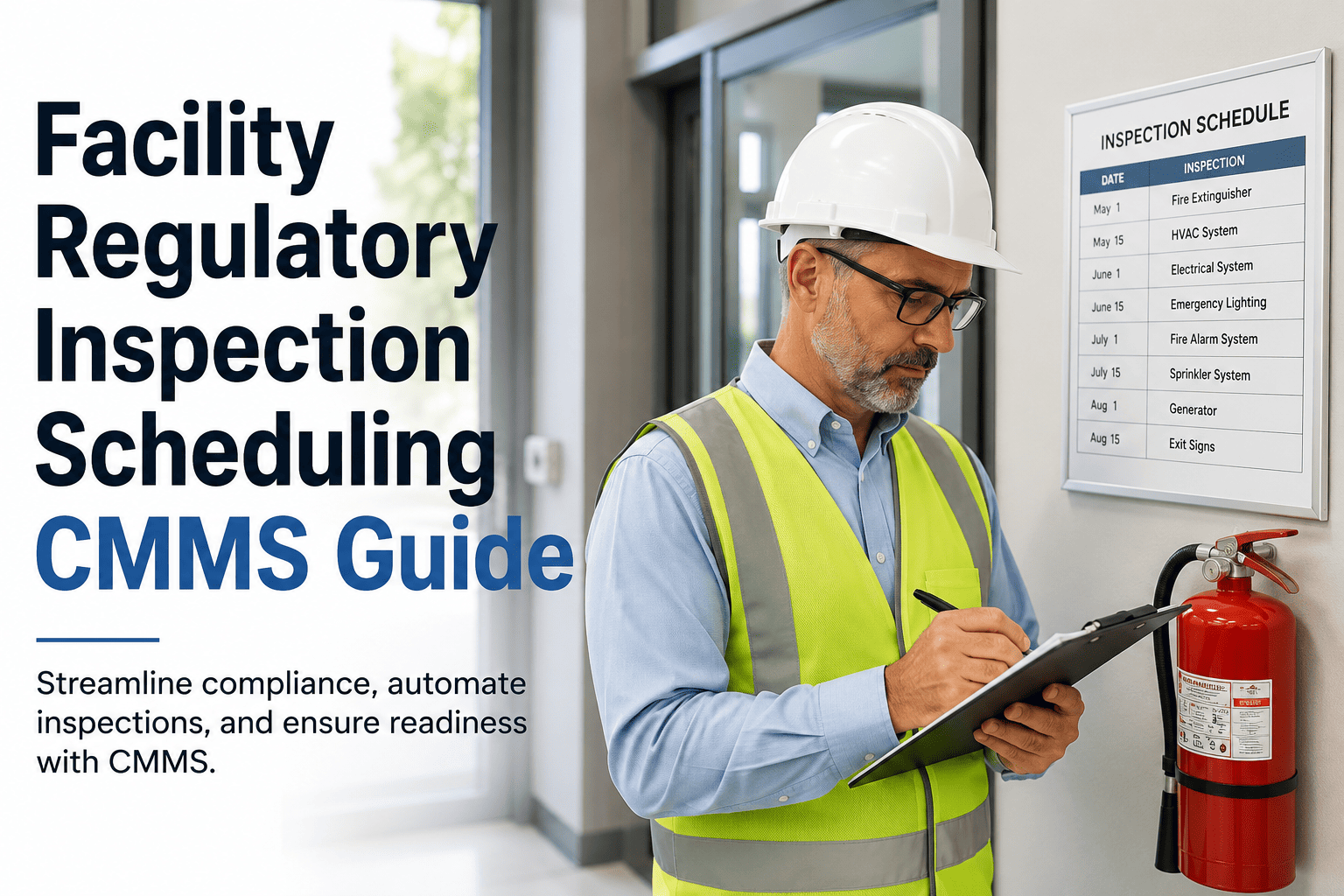
Read More
Regulatory inspection scheduling is one of the most error-prone operational processes in facility management — missed windows trigger fines ranging from $5,000 to $70,000 per violation, depending on jurisdiction and asset class. A facility regulat

Read More
Operating facilities across Canada and the European Union means navigating two of the world's most rigorous occupational safety frameworks: CSA Z1000 and the German BetrSichV. CSA Z1000 mandates a structured occupational health and safety manageme
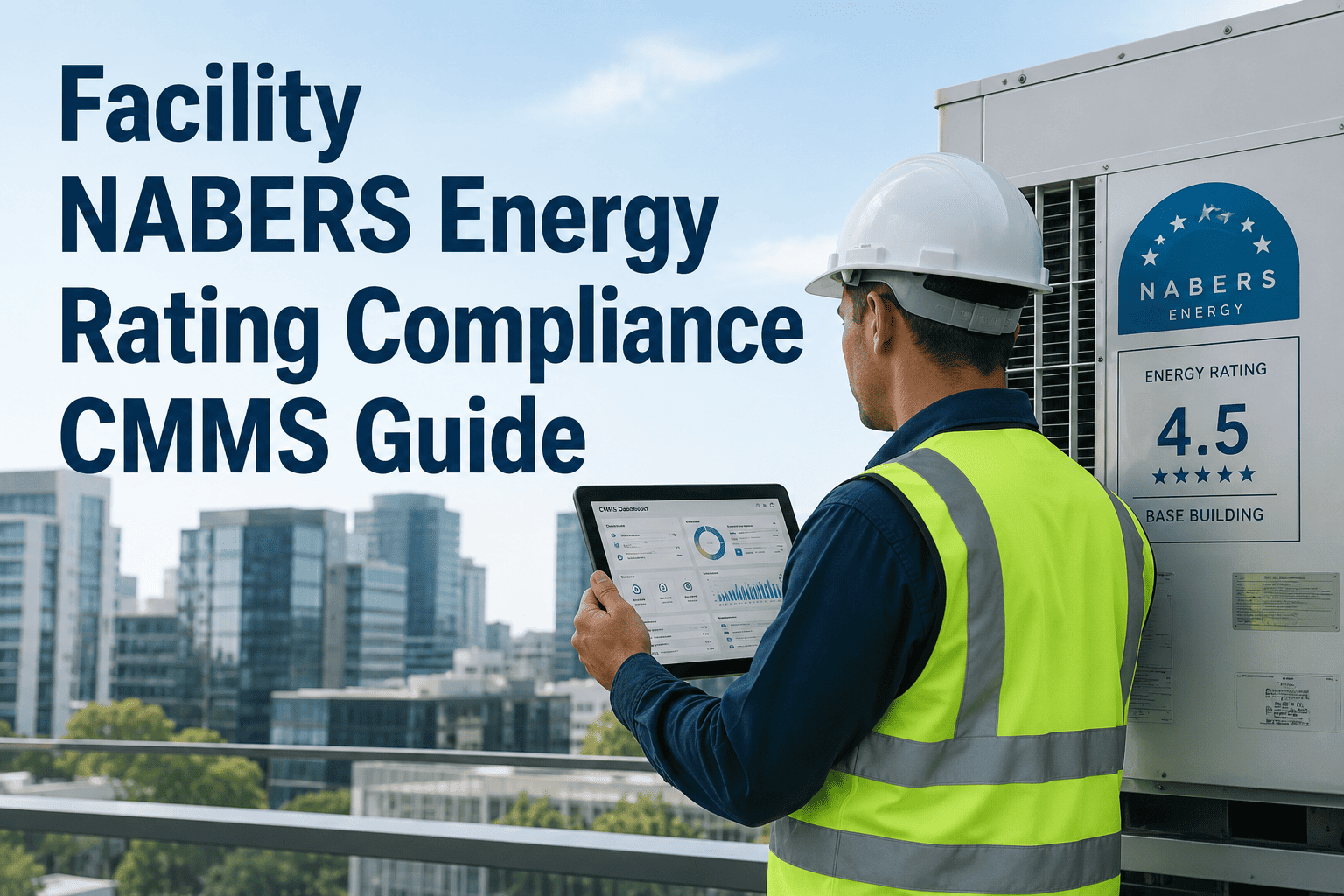
Read More
NABERS Energy ratings have moved from voluntary badge to a lease-and-finance precondition across Australian commercial property, with the Commercial Building Disclosure program requiring a valid NABERS Energy rating on most office space over 1,000
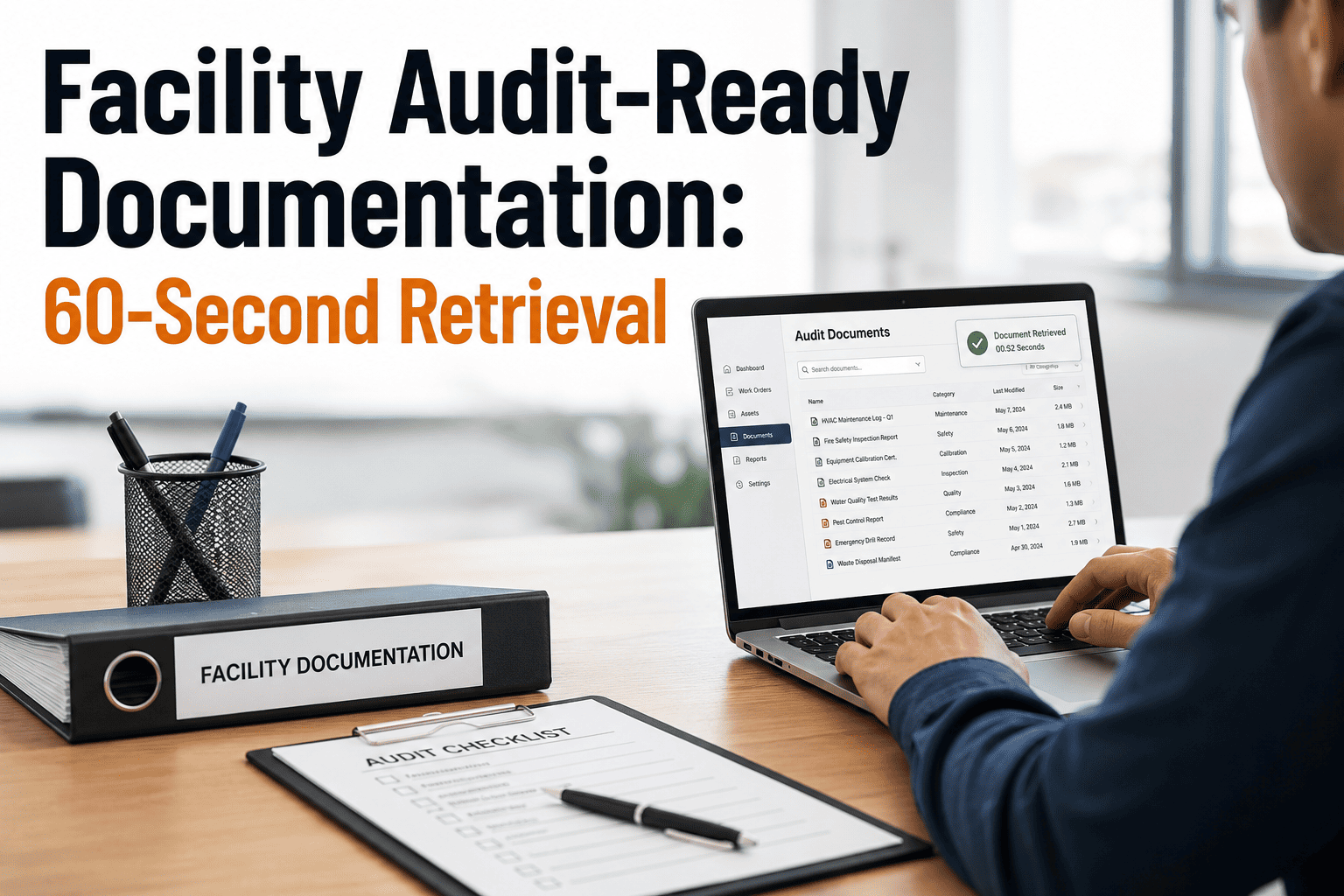
Read More
Audit-ready documentation is no longer a quarterly scramble — with a properly configured CMMS, the average facility team can retrieve any inspection record, photo, and signature in under 60 seconds. Industry benchmarks from NFPA, ISO 55000, and Jo
Read More
Environmental compliance for a commercial facility is not one regulation — it is three separate federal programs running on three separate clocks, each with its own trigger threshold, its own documentation standard, and its own penalty schedule. A
Read More
Every commercial facility in North America operates under an active fire code — and every jurisdiction enforces it differently. The 2025 fire code cycle brought escalated penalties, tighter documentation windows, and AHJ inspection frequencies tha

Read More
The Grenfell Tower fire in June 2017 killed 72 people and led directly to the most significant rewrite of UK building safety law in fifty years. If you manage a higher-risk building — one with two or more residential units and either seven storeys
Read More
Compressed air is called the fourth utility in most facilities, and it is usually the least monitored one. A single leaking fitting the size of a pencil tip can quietly add over a thousand dollars a year to a utility bill, and most teams never fin
Read More
A fire alarm that goes into impairment during an AHJ walkthrough. A sprinkler control valve found closed after a shift change. A fire pump battery that fails its load test the same week the insurance auditor calls. None of these are equipment fail
Read More
Most commercial roofs are not designed to fail early — they are engineered for twenty to thirty years of service. Yet across the industry, the average low-slope commercial roof reaches the end of its usable life at around fourteen years, undone le
Read More
A 24-story mixed-use building in Chicago has six elevators. Three sit under an OEM full-maintenance contract, two on time-and-materials with a local independent, one is offline pending modernization. The facility manager knows all of that from mem
Read More
A regional hospital system in Denver found out the hard way what happens when nobody owns the water system. A corroded backflow preventer had been quietly failing pressure checks for three months before an inspector caught it, forcing a mandatory
Read More
At 3:47 AM during Hurricane Ian, a Tampa senior-living facility lost power. The 500 kW generator that had passed its monthly test eleven days earlier refused to start — clogged fuel filter, microbial sludge from diesel that had sat fourteen months
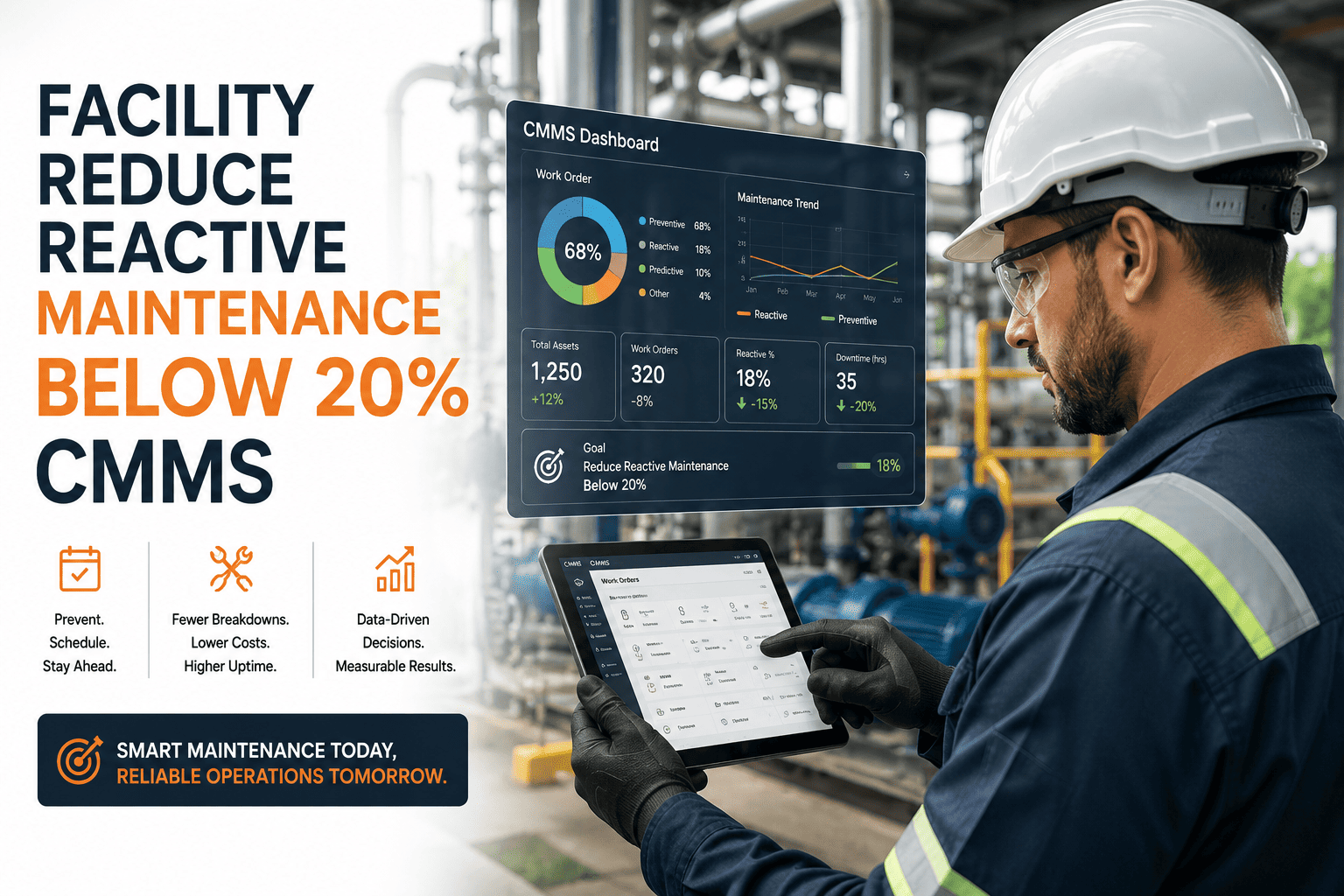
Read More
Every facility manager has lived this Monday: the PM schedule is set, technicians are assigned, and by 9 a.m. a chiller trips, a rooftop unit alarms, and the plan is gone. Reactive work is not bad luck — it is a measurable ratio, and most faciliti
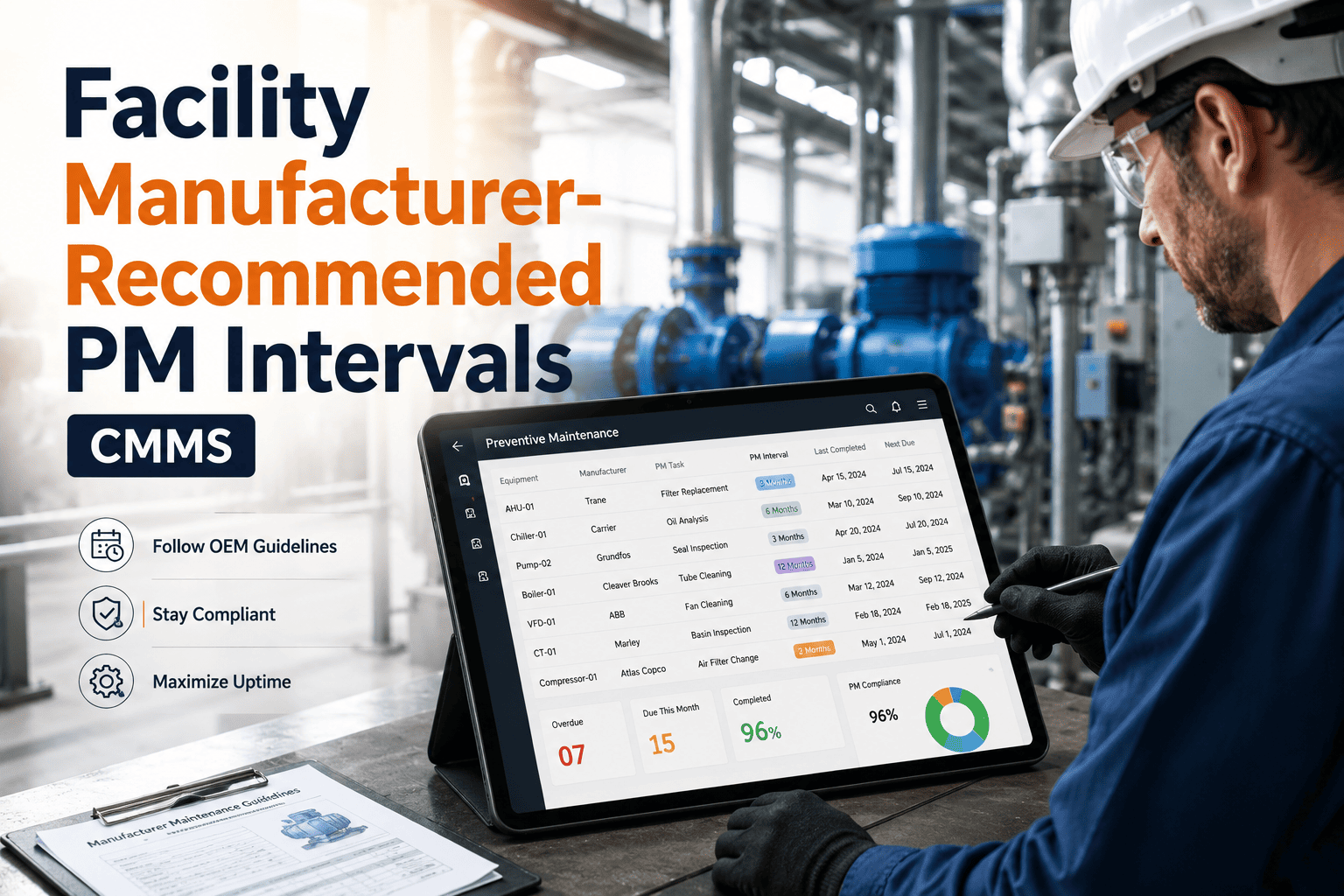
Read More
A regional healthcare facilities group learned the hard way that missing a manufacturer-recommended PM interval isn't just a reliability problem — it's a warranty and compliance problem. An air handling unit failed eighteen months into a five-year

Read More
A facility team with six technicians logged over 1,400 open work orders last quarter, and the supervisor still built the weekly schedule the same way — by memory and a whiteboard. Preventive maintenance tasks piled up in the weeks reactive calls s

Read More
An OSHA compliance officer walks into a manufacturing plant and asks for the periodic inspection record on one air handler — dated March 14th, technician-attributed, energy sources verified. The maintenance team locked the equipment out correctly
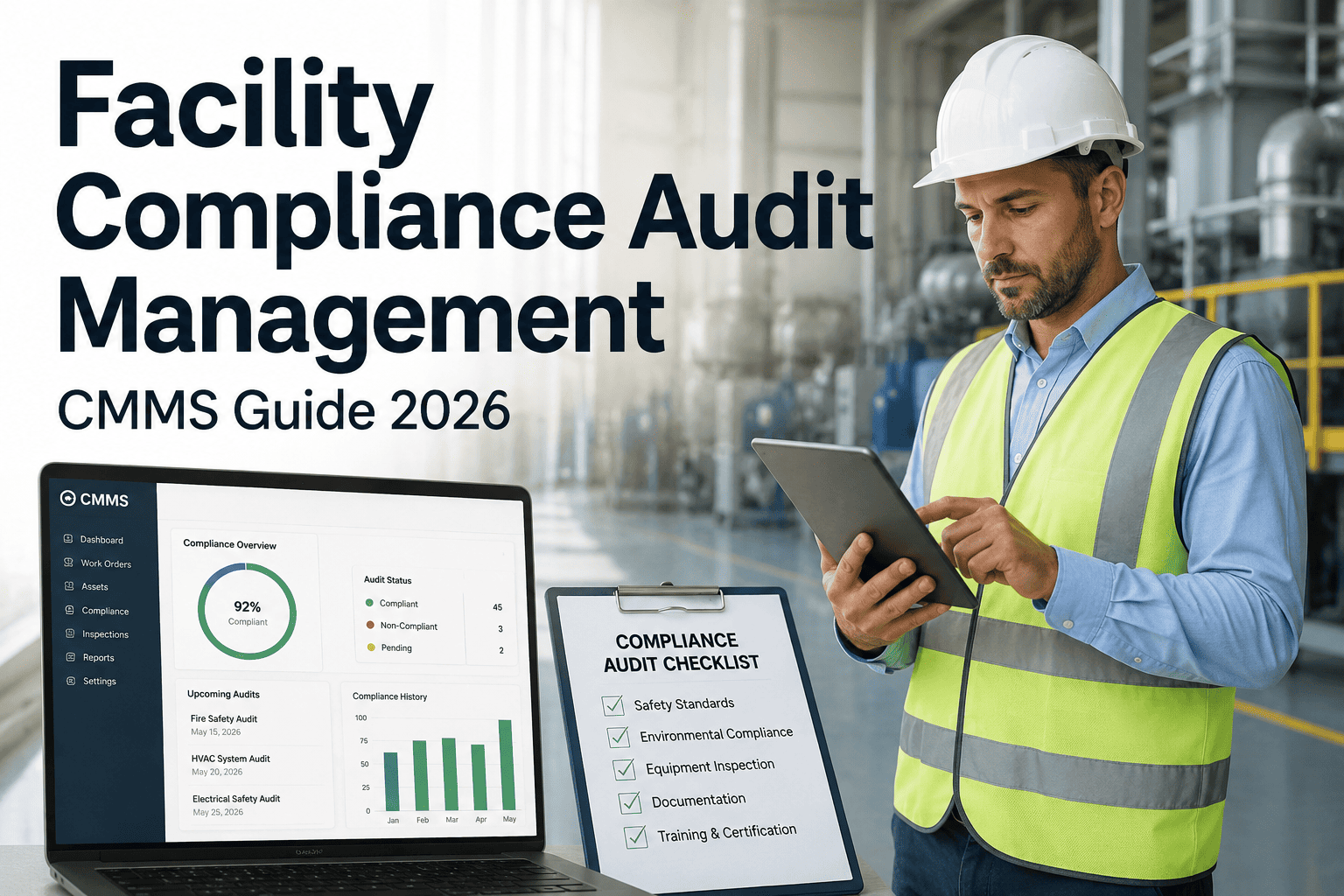
Read More
A regional healthcare system with fourteen buildings passed its OSHA inspection, its fire marshal walkthrough, and its ADA accessibility review in the same quarter — and still received a citation, because none of the three inspection files could b

Read More
A regional hospital campus lost domestic water pressure on two patient floors on a Tuesday morning, and the work order history showed why: the booster pump's mechanical seal had been weeping for six weeks, logged once on a sticky note that never m

Read More
A mid-rise office portfolio spent three years treating a hairline crack in its precast panels as a cosmetic issue nobody needed to log. By the time facilities staff called in a structural engineer, water had migrated behind the cladding, corroded

Read More
A regional hospital passed its ADA facility audit in 2023 with zero findings. Two years later, a routine complaint prompted a walk-through, and the compliance officer identified fourteen violations across the same building — an exam-room door hand
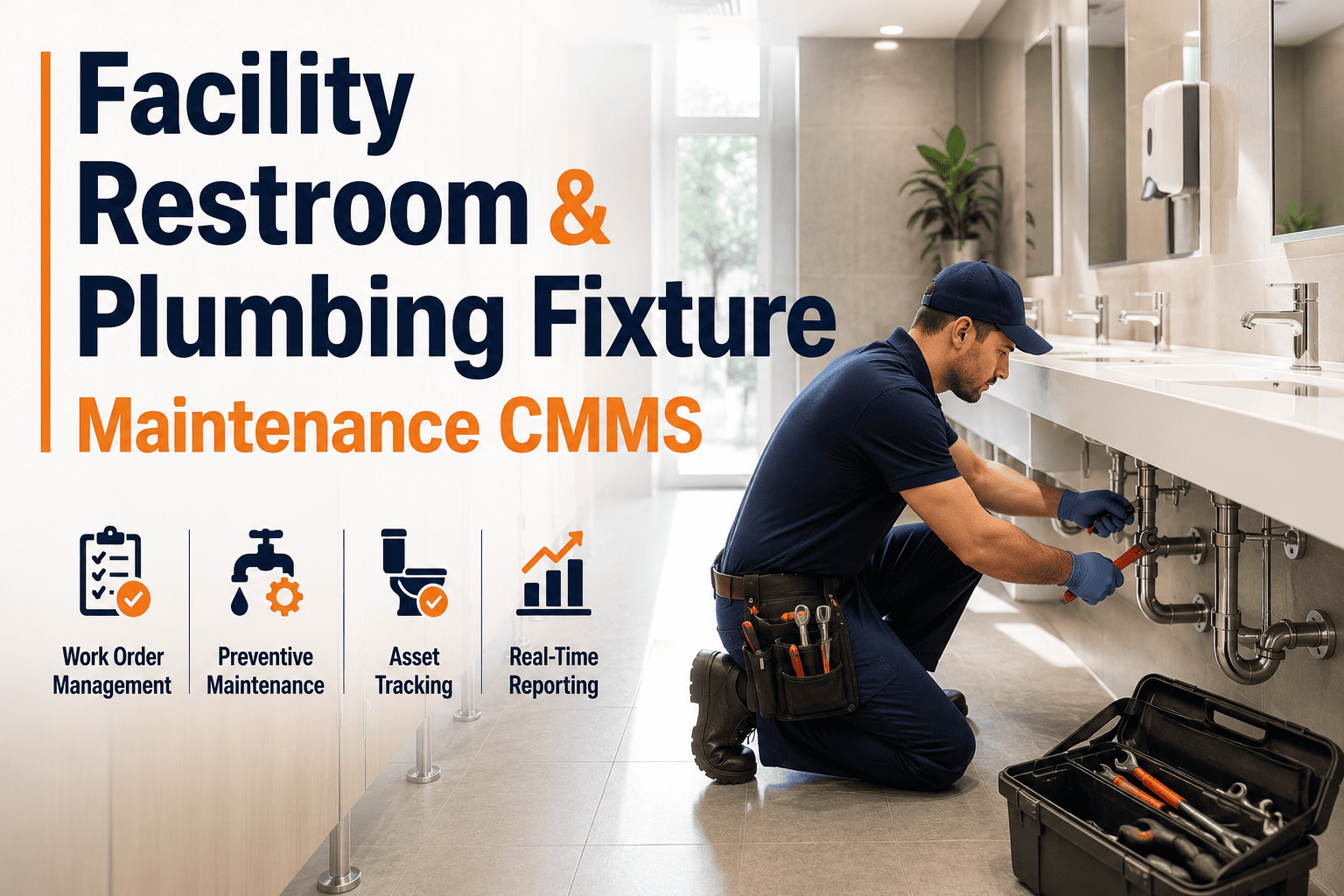
Read More
Restrooms generate more facility complaints than every other space in a building combined, and unlike a dusty shelf or a flickering hallway light, a leaking flush valve or a loose grab bar is a liability from the moment it fails. Most facility tea
Read More
Most electrical failures in commercial buildings don't start as a sudden explosion — they start as a loose lug quietly heating up inside a panel for weeks before anyone notices. By the time a breaker trips or a transformer hums louder than usual,

Read More
A chiller plant that quietly drifts 8% off its design efficiency doesn't ring an alarm — it just adds tens of thousands of dollars a year to the utility bill and shaves years off compressor life. Chiller plants consume 45–60% of total cooling ener
Read More
Facility teams rarely lose sleep over one broken thermostat. What actually drains budgets is a building running five separate utility systems — chillers, boilers, electrical panels, water lines, and gas systems — each tracked in a different spread

Read More
When a facility outsources preventive maintenance to specialized contractors, the assignment often ends where accountability should begin. Work gets scheduled through phone calls and spreadsheets, completion proof arrives as a photo in a text mess

Read More
When a rooftop unit alarm and a flickering hallway light hit the work order queue on the same morning, most facility teams still default to whichever ticket arrived first. That default gets expensive fast. A blocked air handler drain pan can flood

Read More
Managing preventive maintenance at one facility is manageable with a checklist and a technician. Managing it across ten, fifty, or two hundred properties without a shared framework is where portfolios quietly bleed money — one site running near-pe
Read More
Facilities running structured preventive maintenance programmes reduce unplanned breakdowns by up to 45% and cut total maintenance costs by 18–25% annually — yet the majority of facility teams still build PM schedules in spreadsheets that cannot e
Read More
Seasonal transitions are the highest-risk periods for building system failures — HVAC changeovers, freeze-thaw cycles on building envelopes, and the shift from heating to cooling season stress equipment that has been running at steady state and ex
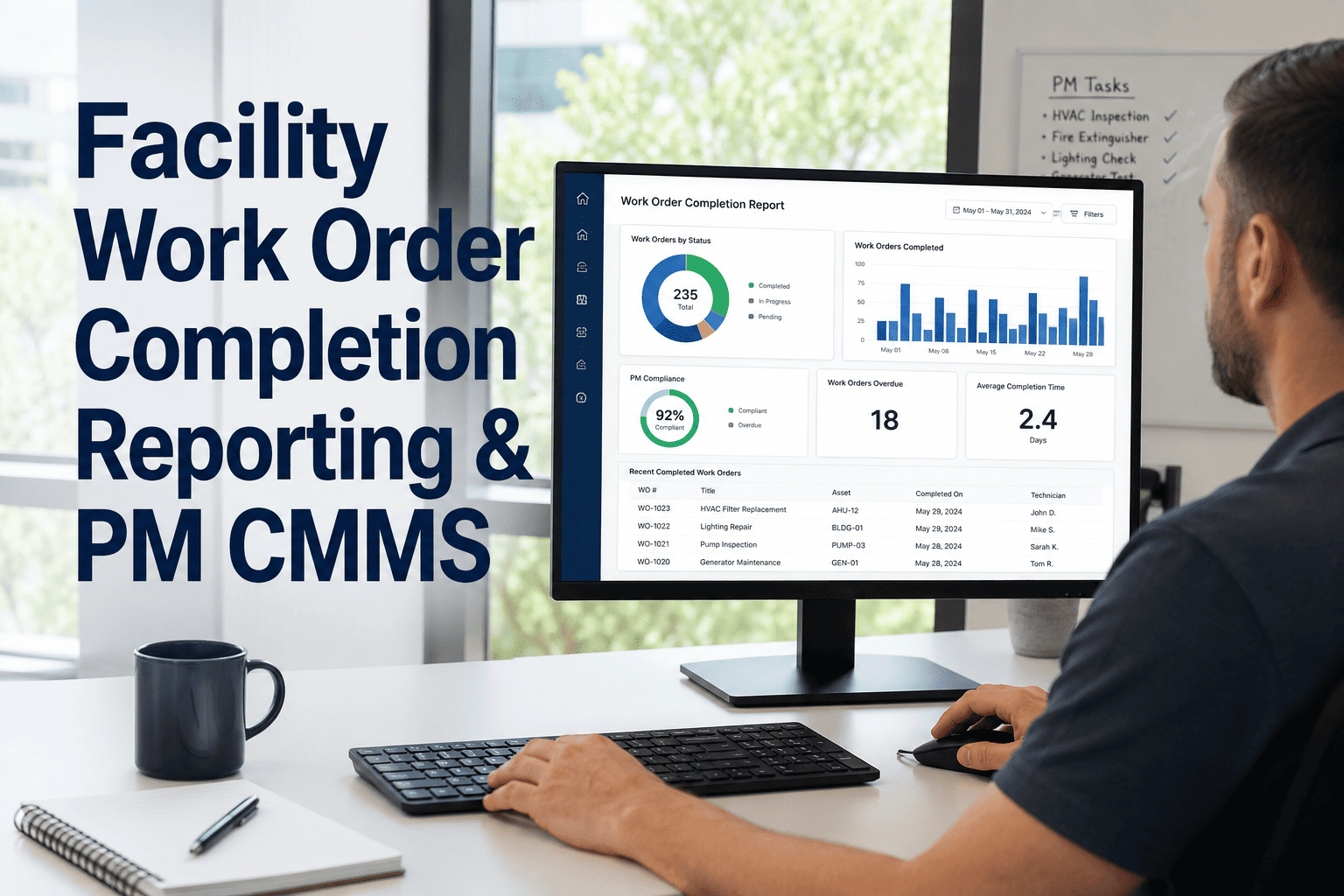
Read More
Most facility teams don't lack maintenance data — they lack a way to see it clearly. Preventive maintenance tasks get logged, work orders get closed, and technicians move on to the next call, but nobody pulls the numbers together until month-end,
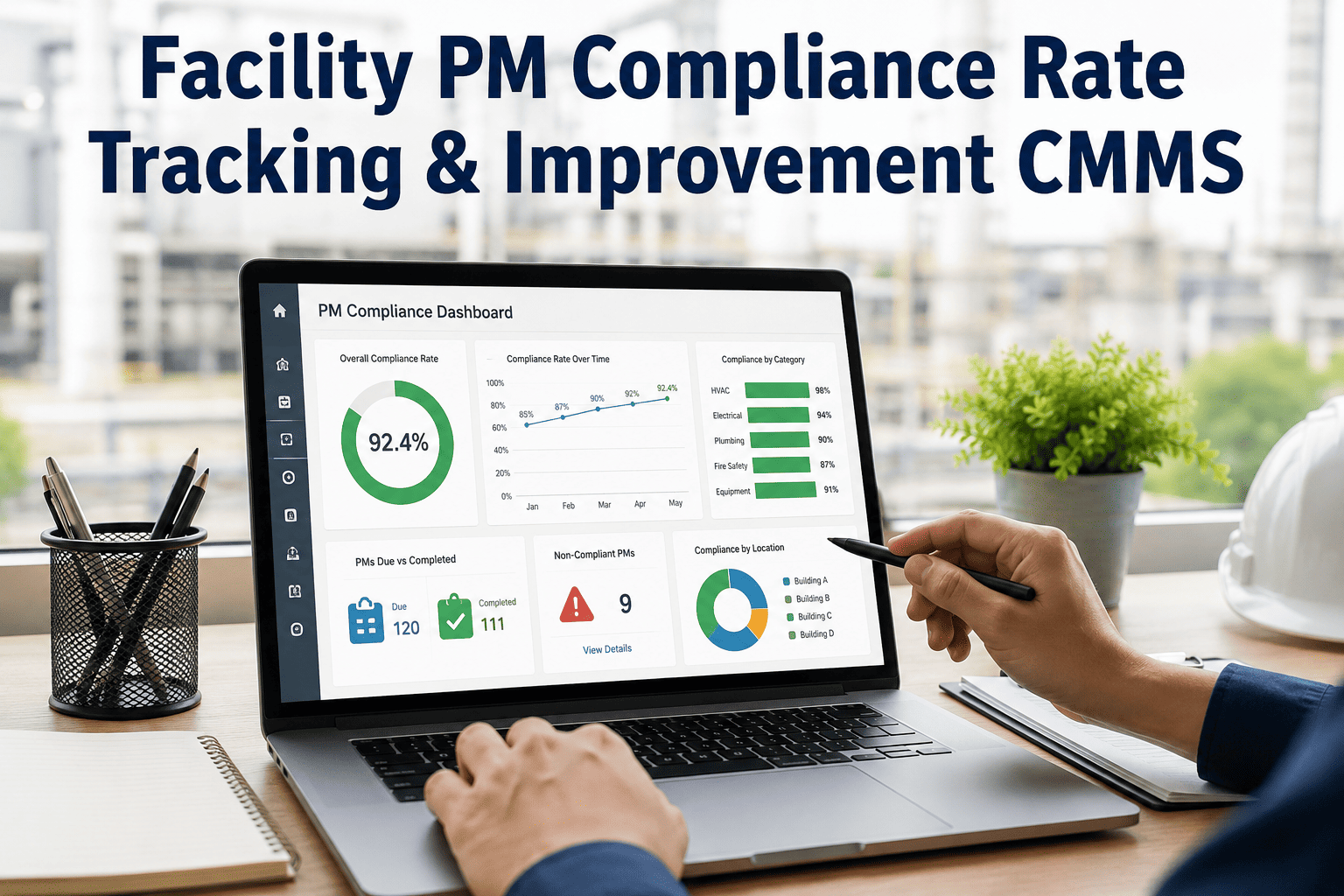
Read More
Only 90% preventive maintenance compliance separates world-class facility operations from the reactive maintenance spiral that quietly eats budgets and shortens equipment life — yet 56% of facilities still track this number on a spreadsheet update

Read More
Most maintenance teams measure success by how many work orders get closed — not by how many stay fixed. Industry data shows repeat failures make up 15 to 25 percent of all emergency work order volume, and most of those are the same fault, on the s
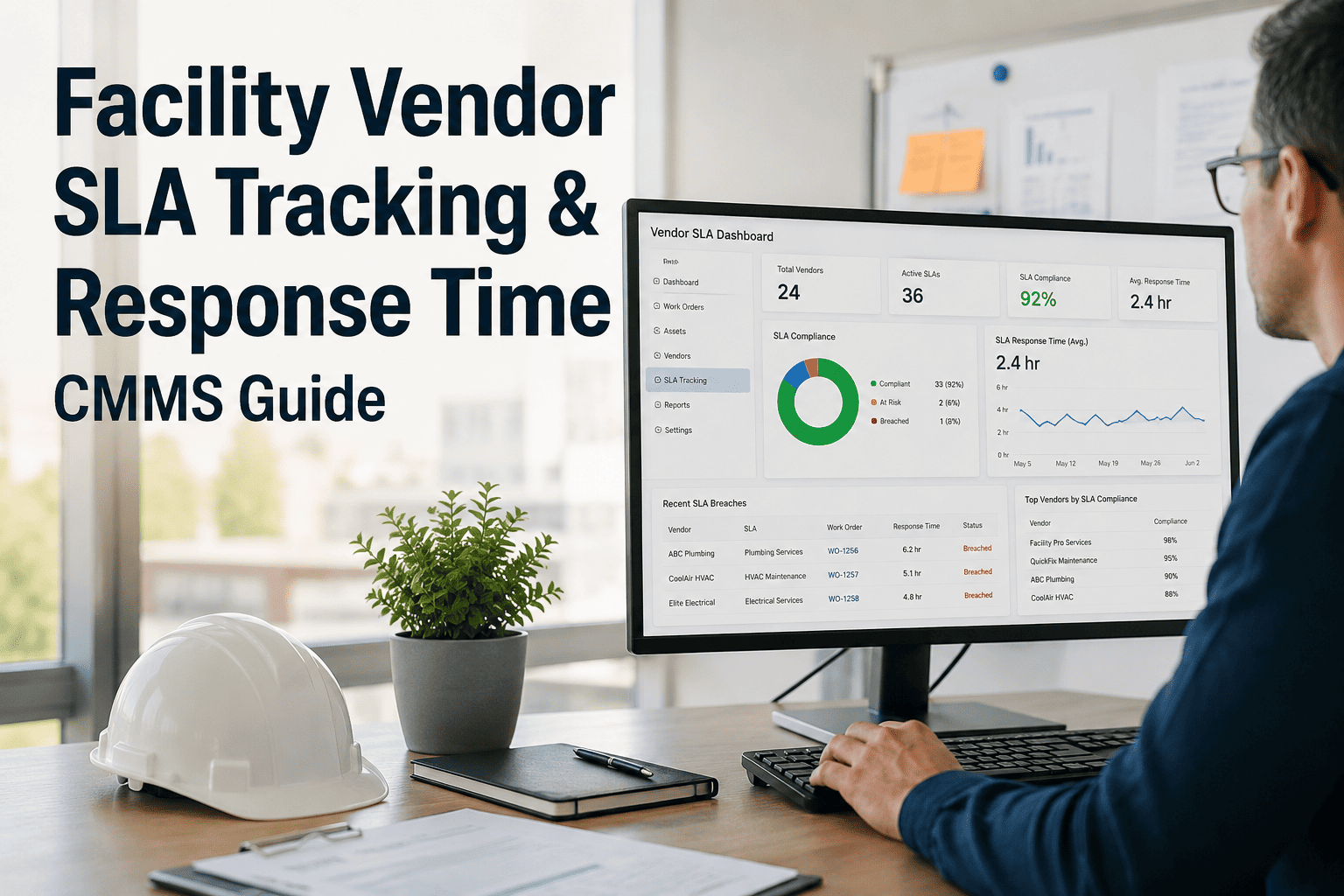
Read More
Most facility teams find out an SLA was breached at the same moment the vendor invoice lands — weeks after the response window closed and the resolution clock ran out. Across the industry, roughly two-thirds of facility operations route the majori
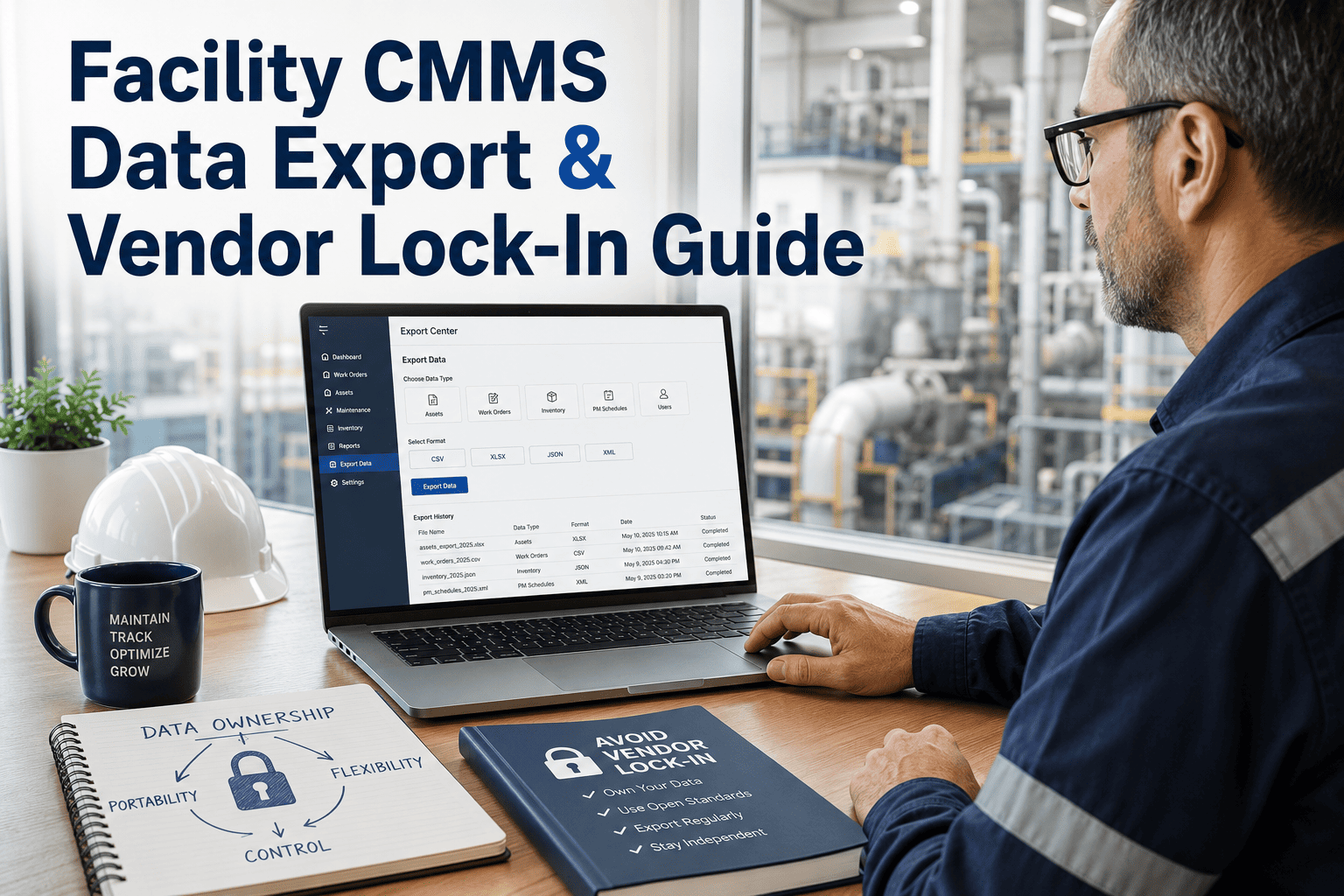
Read More
A facilities director at a 9-building medical campus in Charlotte spent 14 months building work order history, PM schedules, and compliance records inside a CMMS — then discovered at renewal that the vendor's export produced a flat CSV with no ass
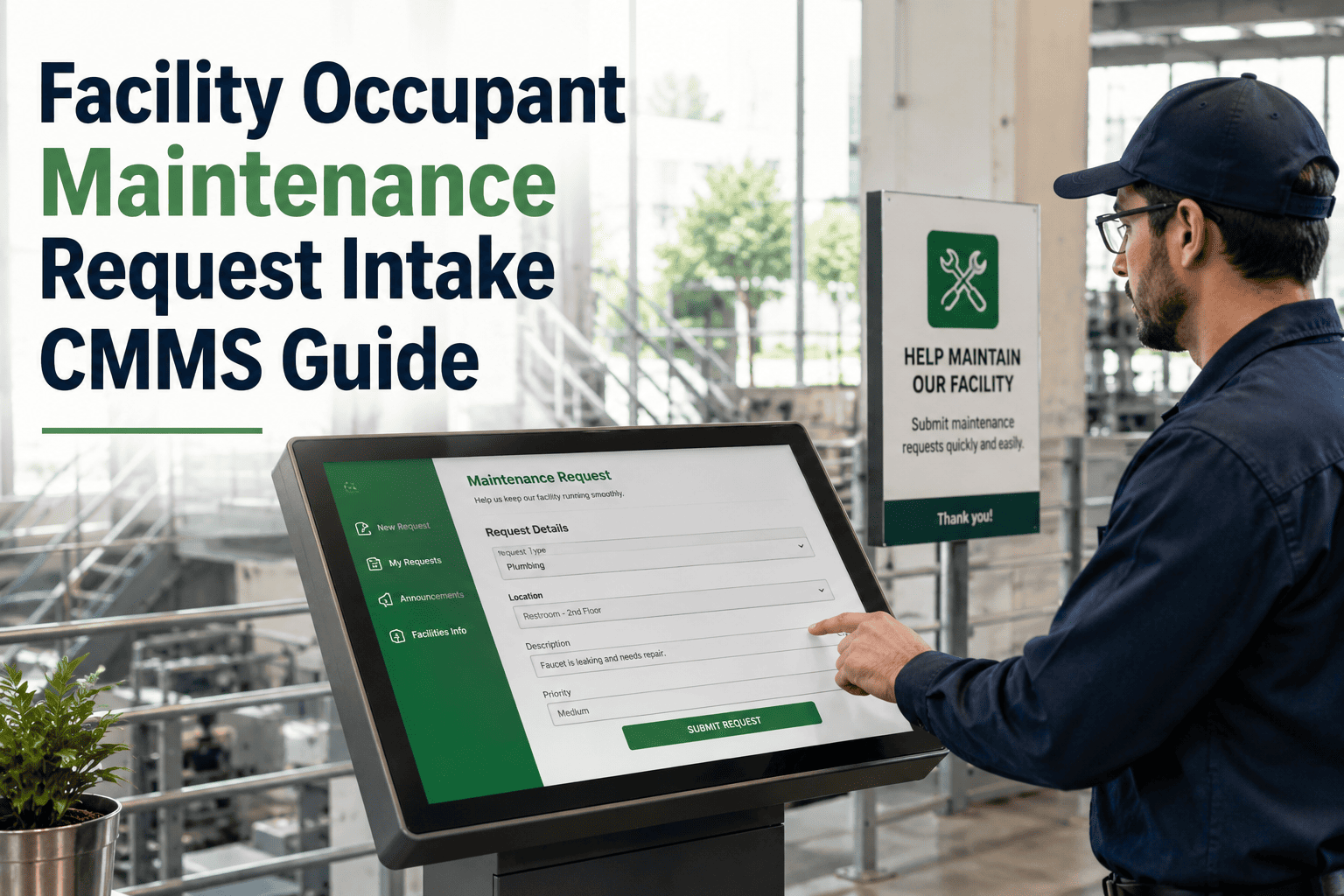
Read More
A property manager at a 14-building mixed-use campus in Columbus discovered that her facilities team was losing an average of 23 maintenance requests per week — not because they ignored them, but because those requests arrived by email, text, phon
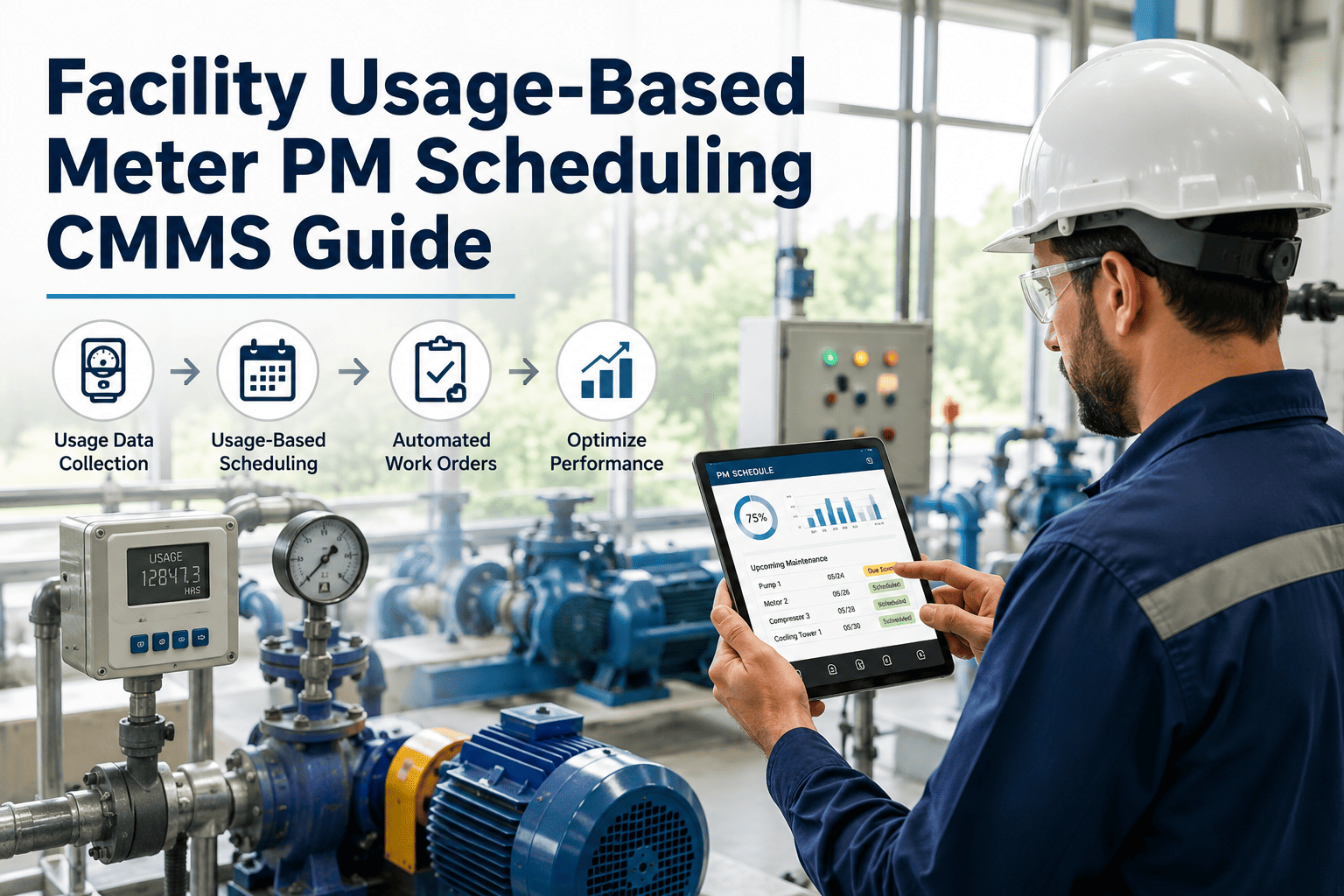
Read More
A regional distribution center in Texas kept every rooftop HVAC unit on the same quarterly filter and coil service, whether it ran 900 hours that quarter or 2,400. The units carrying holiday-season loads failed early from missed servicing, while l
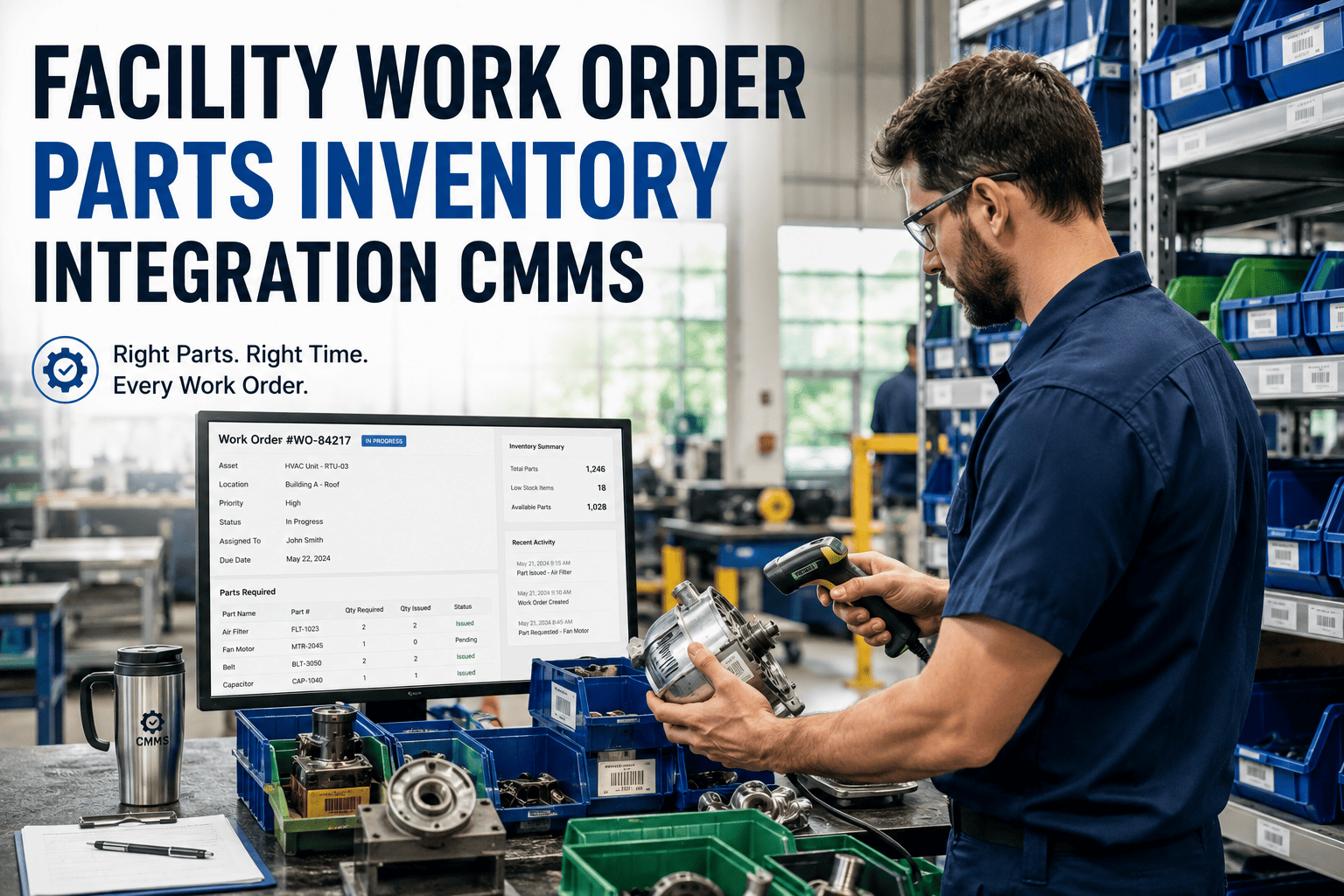
Read More
A facilities manager at a 220,000 sq ft manufacturing plant dispatched 14 work orders on a single Monday morning. By noon, six were stalled — three critical parts showed as in-stock in the spreadsheet but were nowhere on the shelf. The reschedule
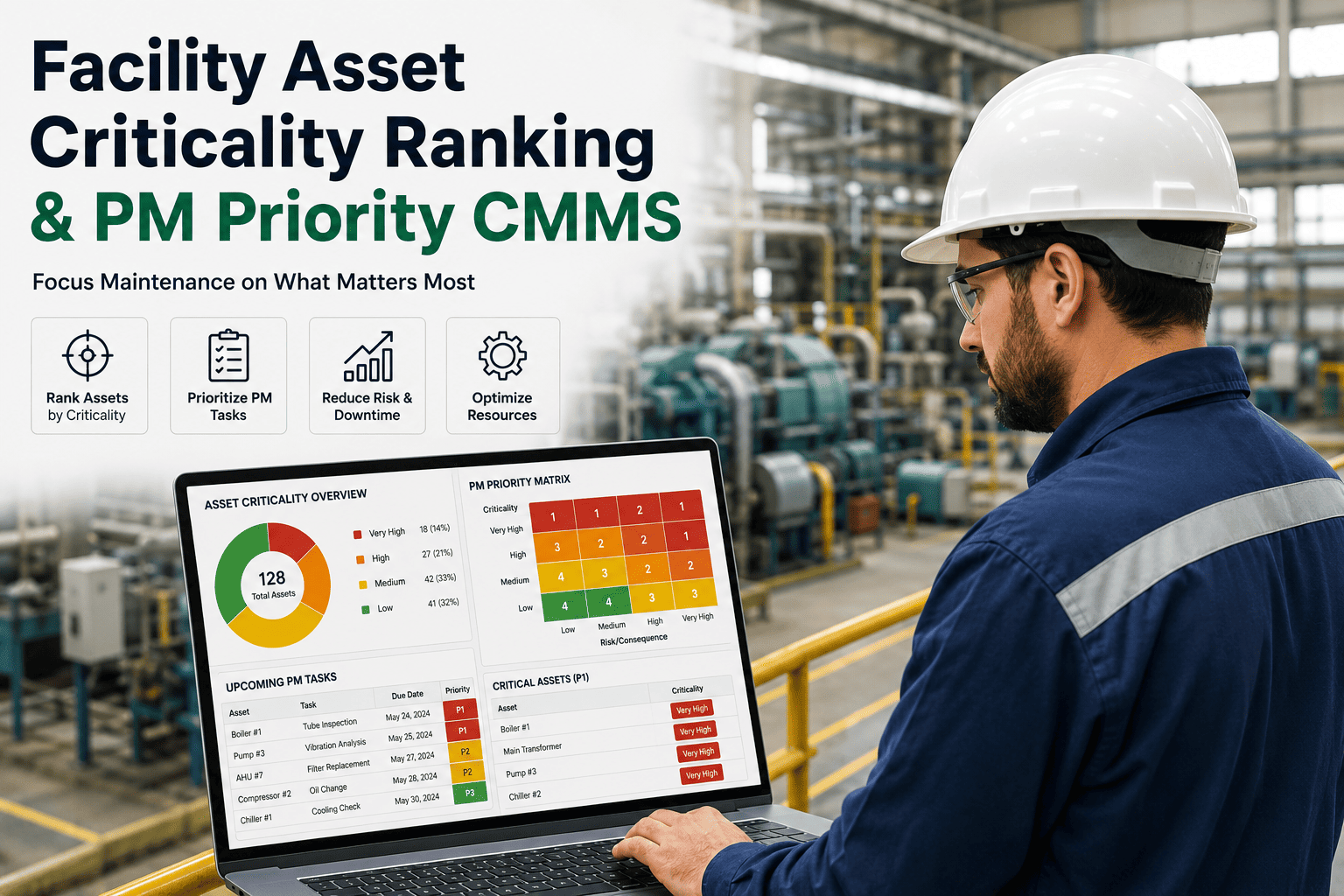
Read More
A mid-sized packaging plant in North Carolina spent four days rebuilding a failed air compressor last winter — not because the part was rare, but because nobody had flagged it as a top-priority asset in the CMMS. That compressor fed six production
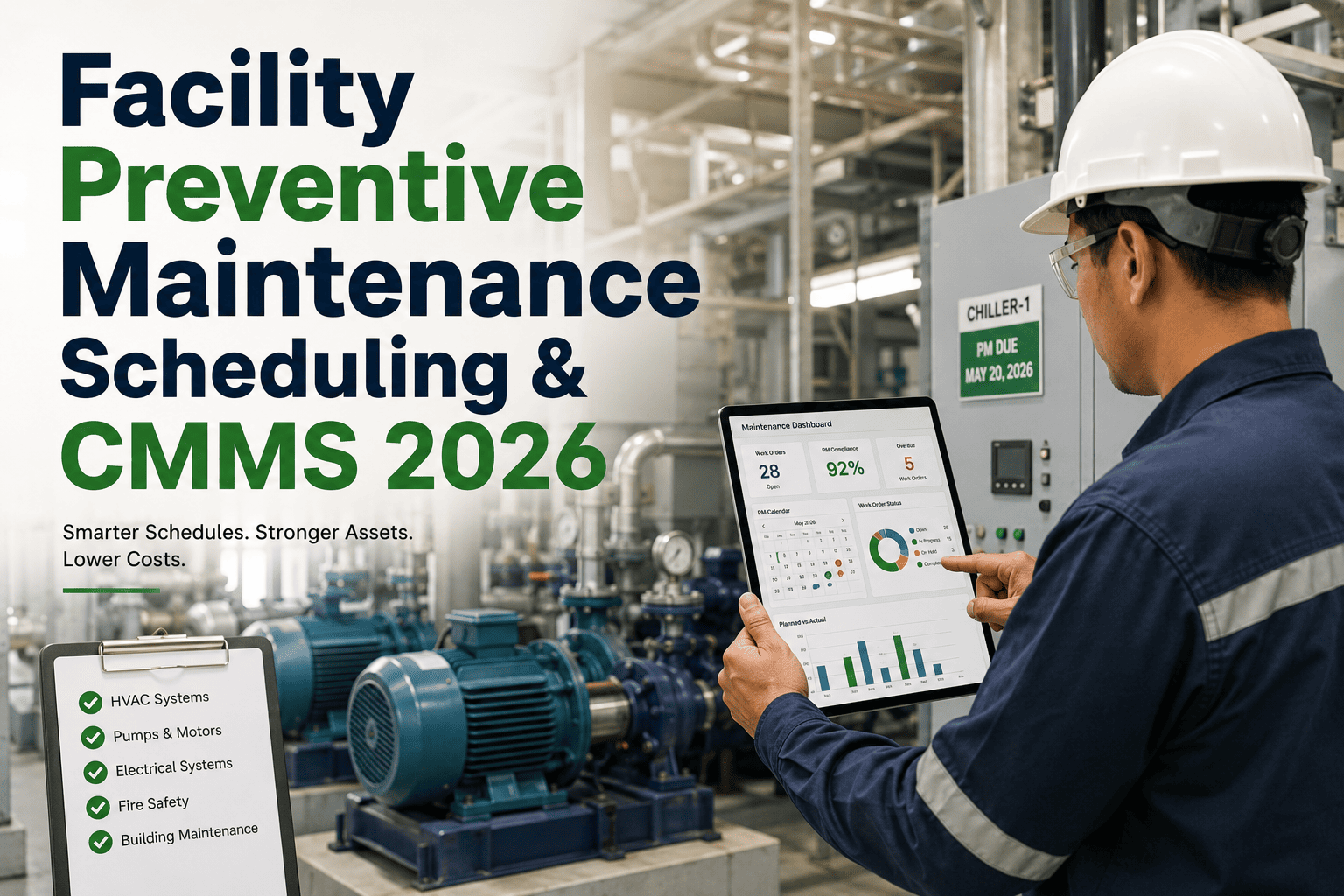
Read More
A regional hospital network in Texas discovered during an insurance audit that 340 of its 900 HVAC and electrical assets had no documented maintenance history for over two years — the maintenance team had relied on a shared spreadsheet that techni
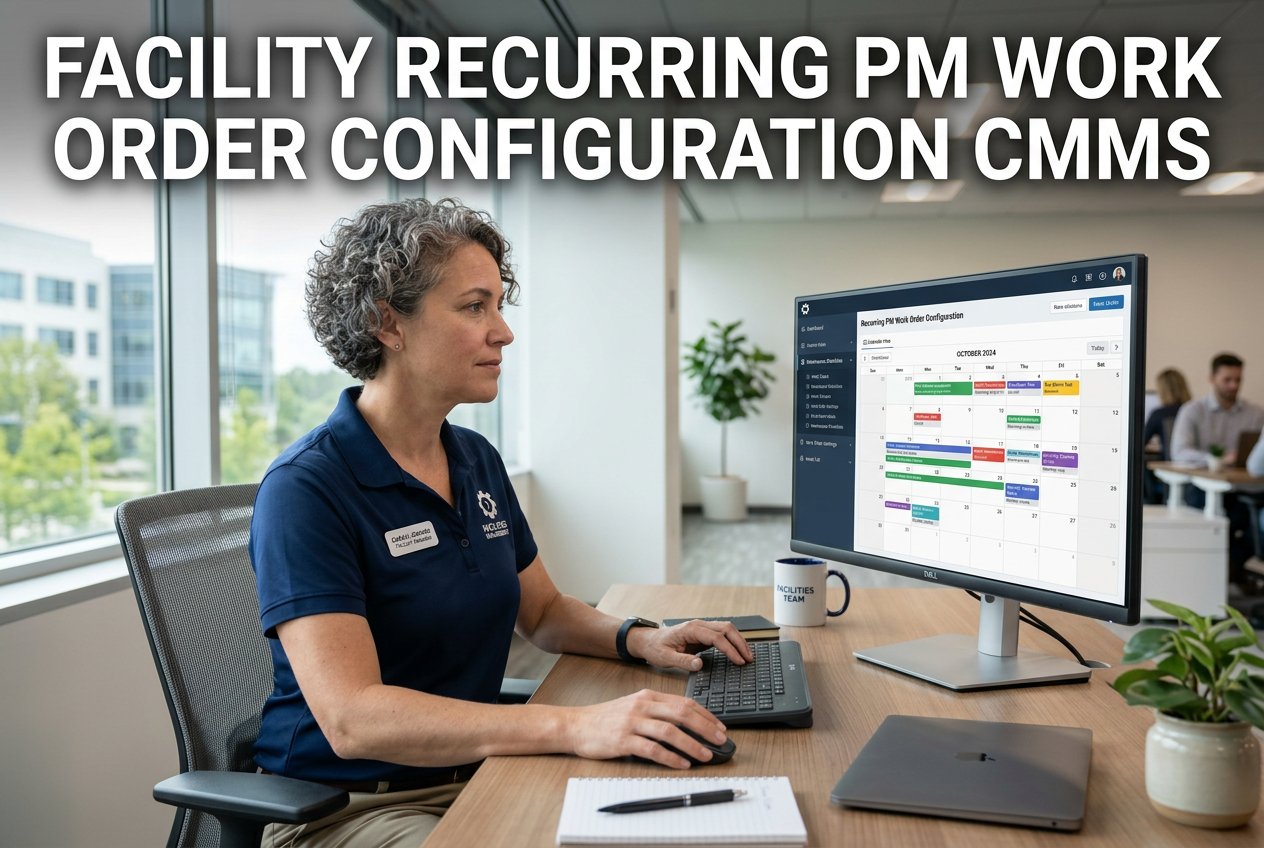
Read More
Every facility team eventually runs into the same quiet failure: a preventive maintenance schedule built in spreadsheets or on sticky notes slowly falls apart the moment the team gets busy. A monthly generator test slips to six weeks, a filter cha
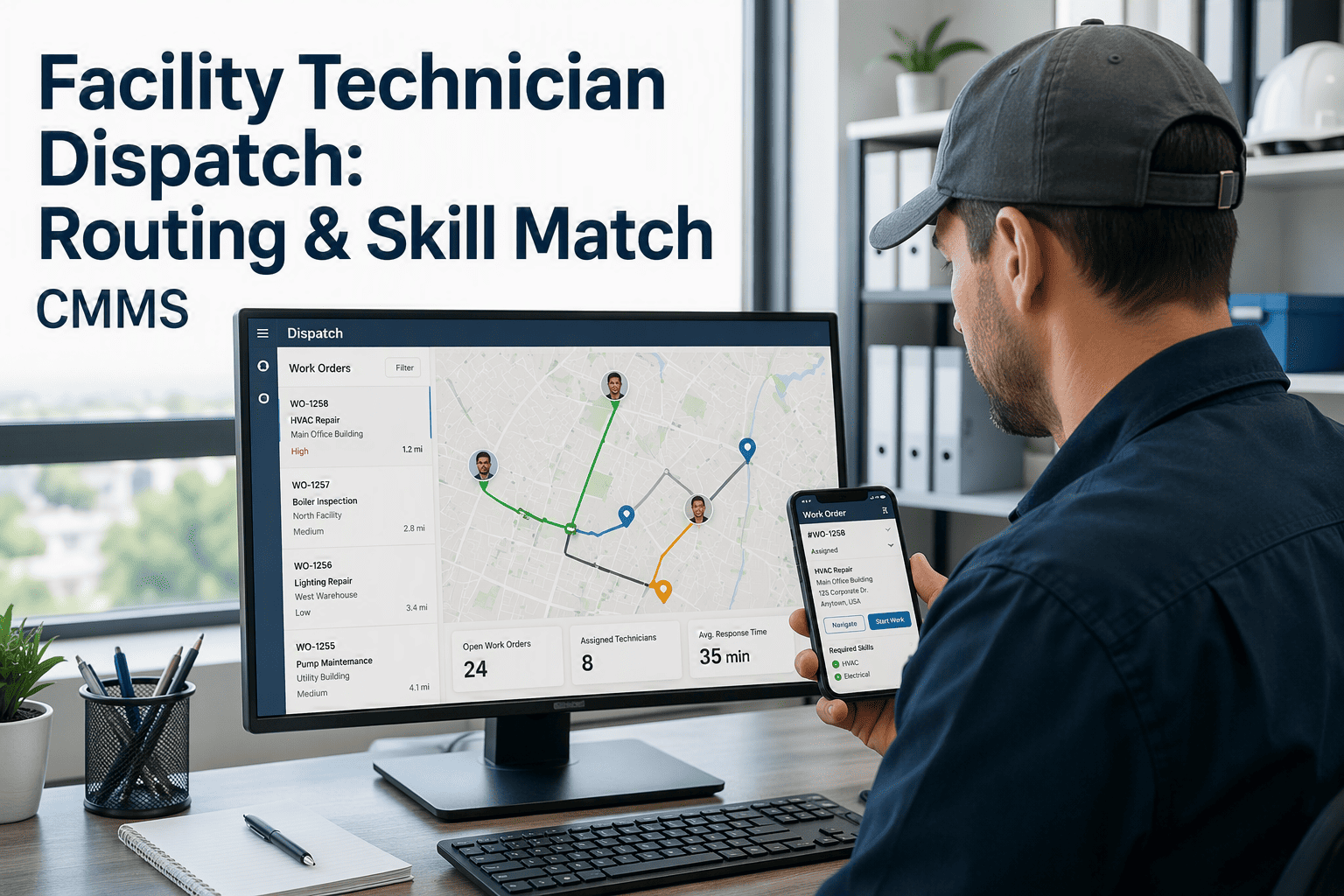
Read More
When a work order lands in your facility team's queue, the technician who gets assigned often depends on who answered the phone first, not who actually has the right skill or is closest to the job. Manual dispatch relies on one coordinator holding
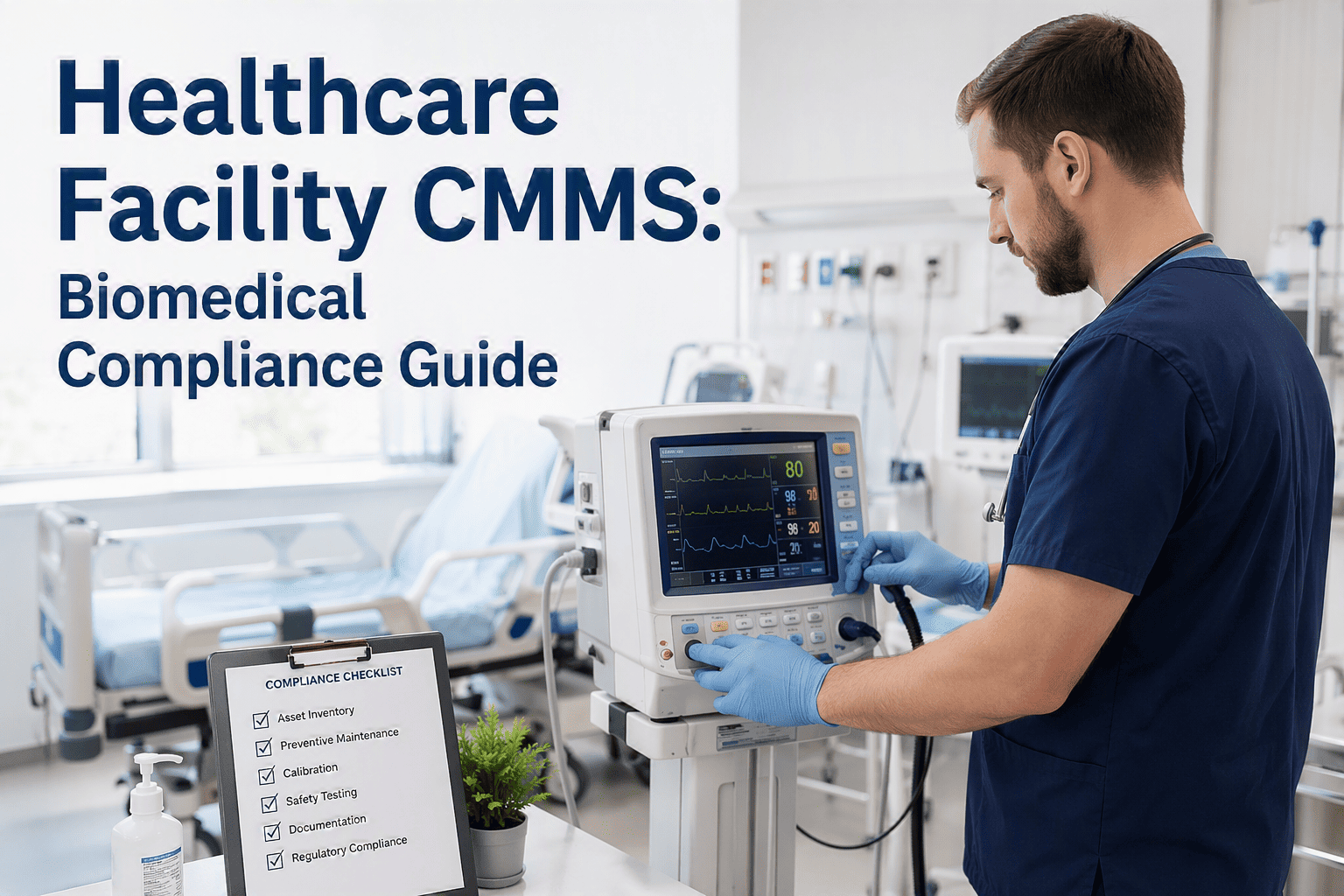
Read More
Hospitals and healthcare systems are entering 2026 under a reorganized compliance framework, with the Joint Commission's Accreditation 360 update merging Environment of Care and Life Safety requirements into one Physical Environment chapter. Biome
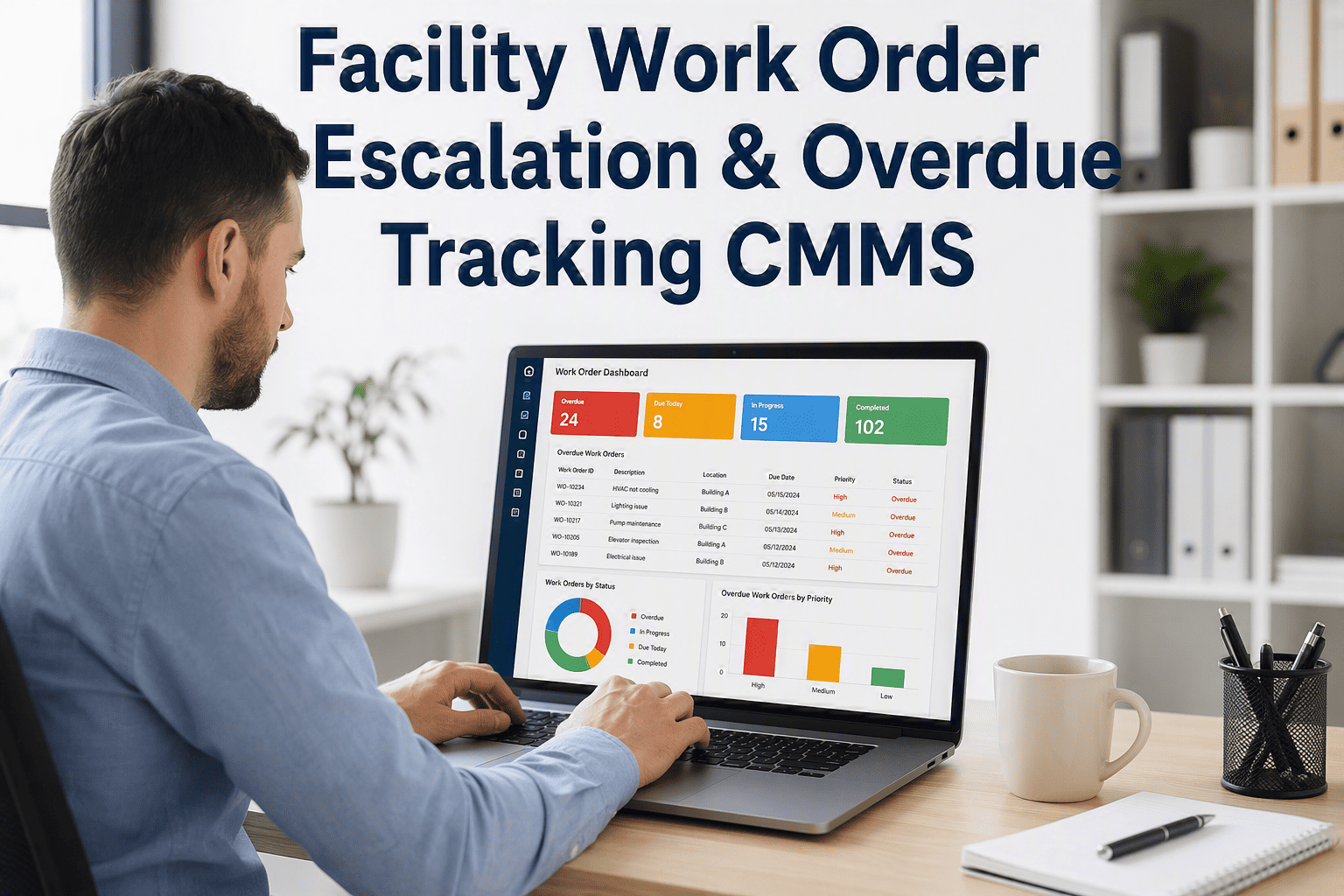
Read More
Every facility team knows the moment a work order goes quiet. A technician gets pulled onto something more urgent, the due date passes unnoticed, and by the time anyone looks again, a routine repair has already turned into an emergency shutdown. S
Read More
Government facilities run on public trust, and every fire alarm test, elevator certificate, and ADA ramp inspection is a record someone can be asked to produce. Most agencies still track that evidence across spreadsheets, paper logs, and a retirin
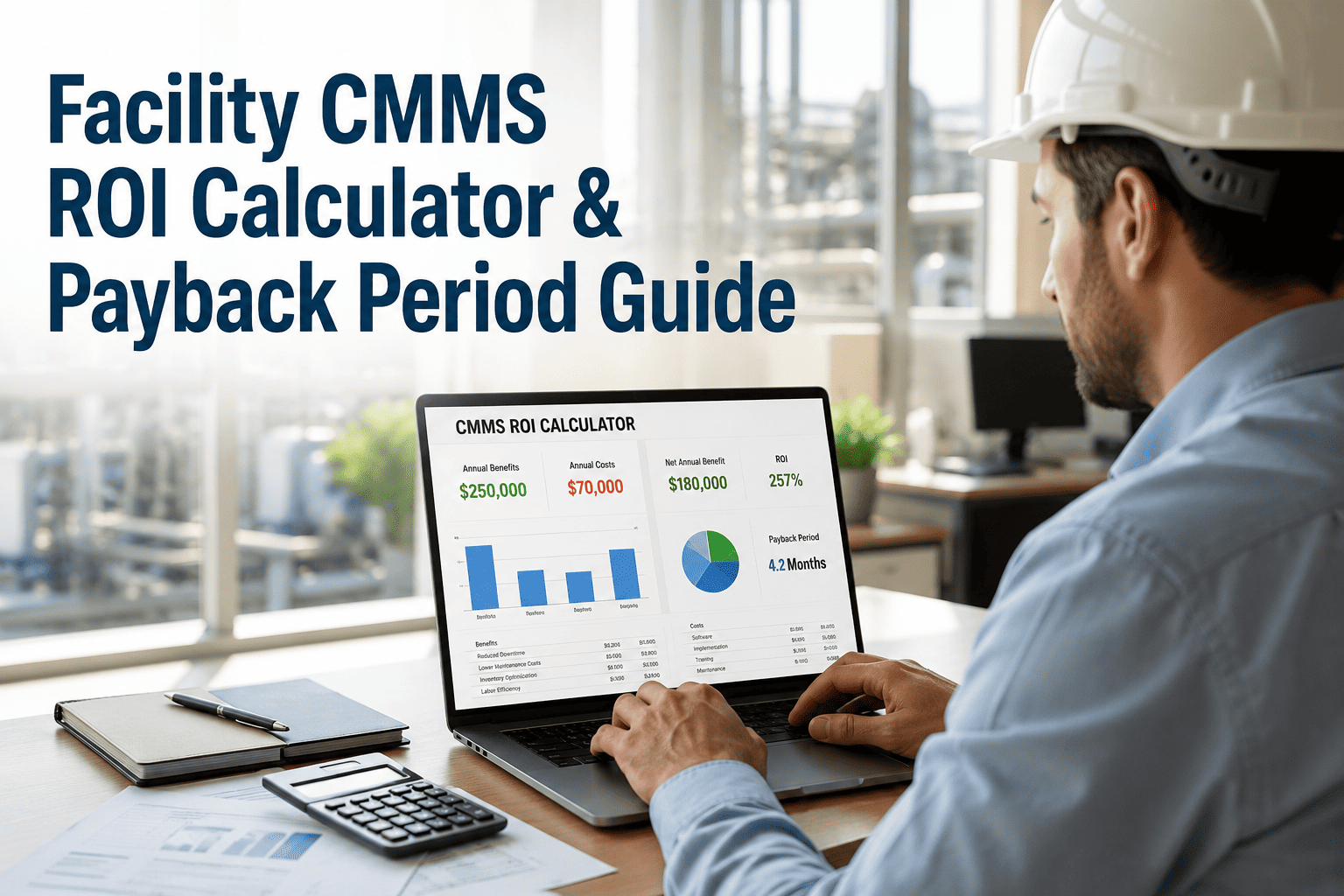
Read More
Every facility team eventually asks the same question: does the CMMS actually pay for itself, and how soon? The honest answer, drawn from hundreds of facility deployments, is that most teams recover their investment in 3 to 9 months once emergency
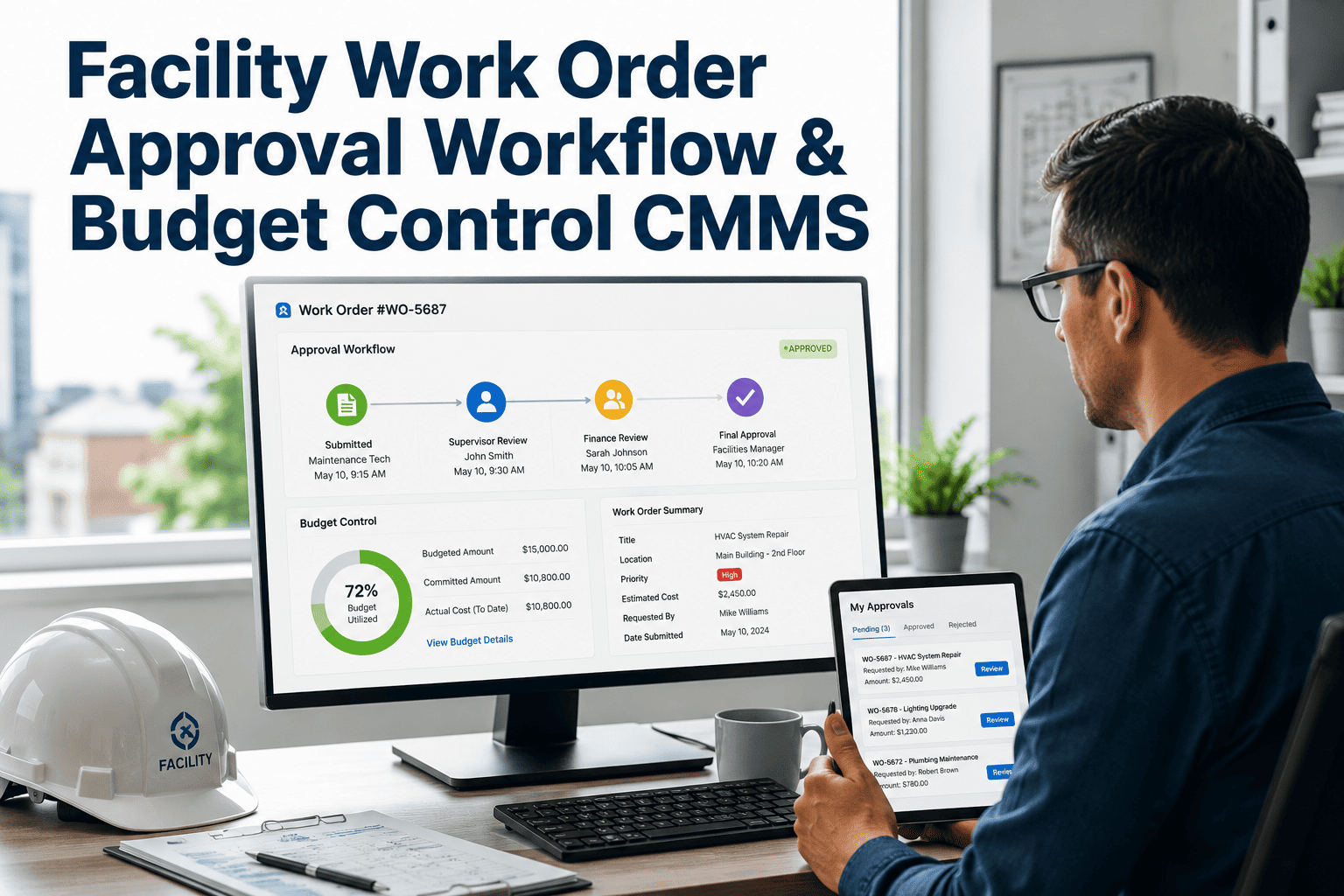
Read More
Every facility maintenance team knows the frustration: a technician diagnoses a failing rooftop unit, submits the repair estimate, and then waits — two days for supervisor approval, another day for budget confirmation, and a fourth day because the

Read More
Facility teams often discover a failing chiller, pump, or air handler only when it stops working, usually during the worst possible shift. AI fault detection flips that timeline by reading sensor and equipment data continuously, flagging failure p
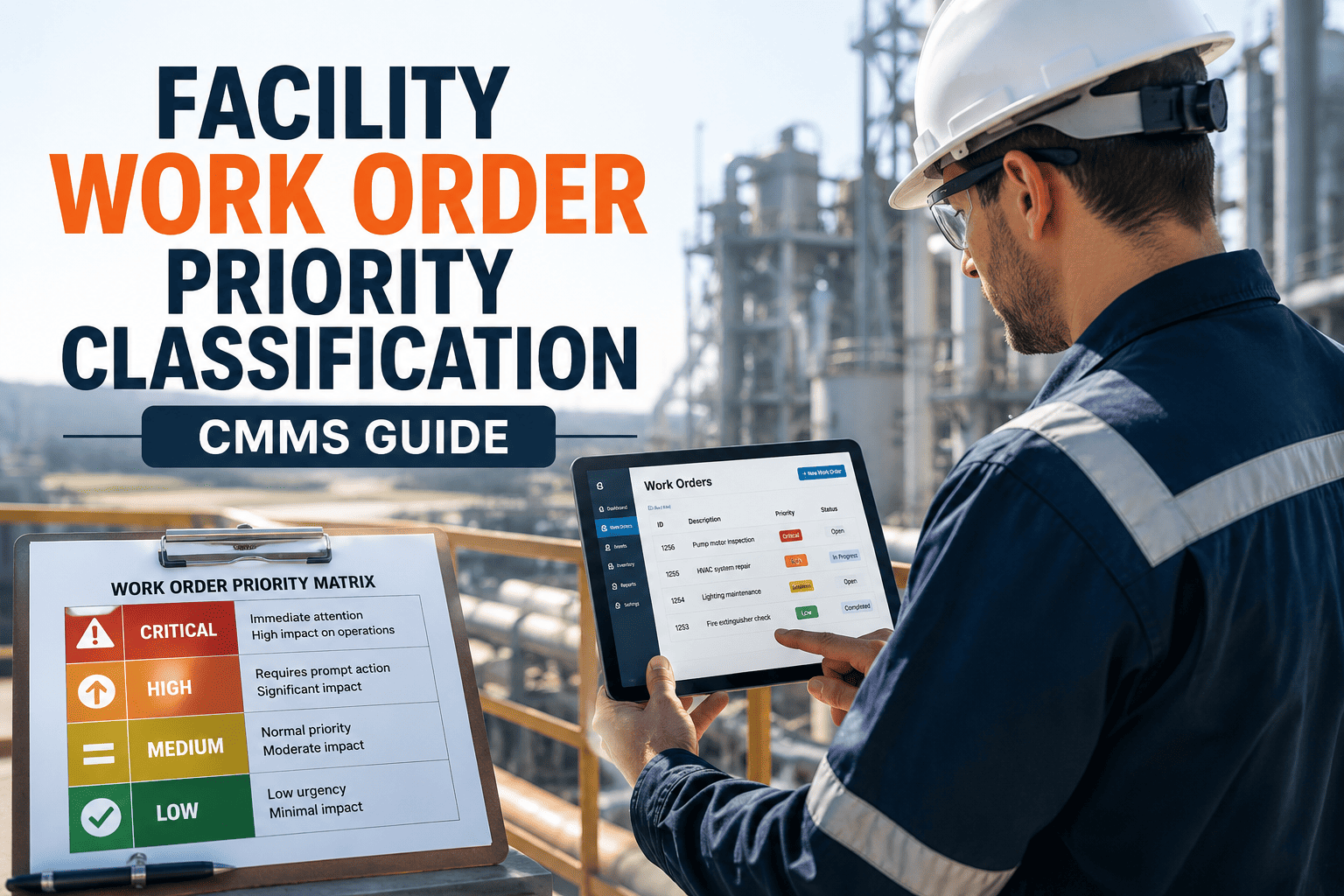
Read More
Every maintenance team hits the same wall: one work order comes in marked "urgent," then another, then five more before lunch, and by Friday nobody can say which one actually mattered. Facilities running without a documented priority framework end
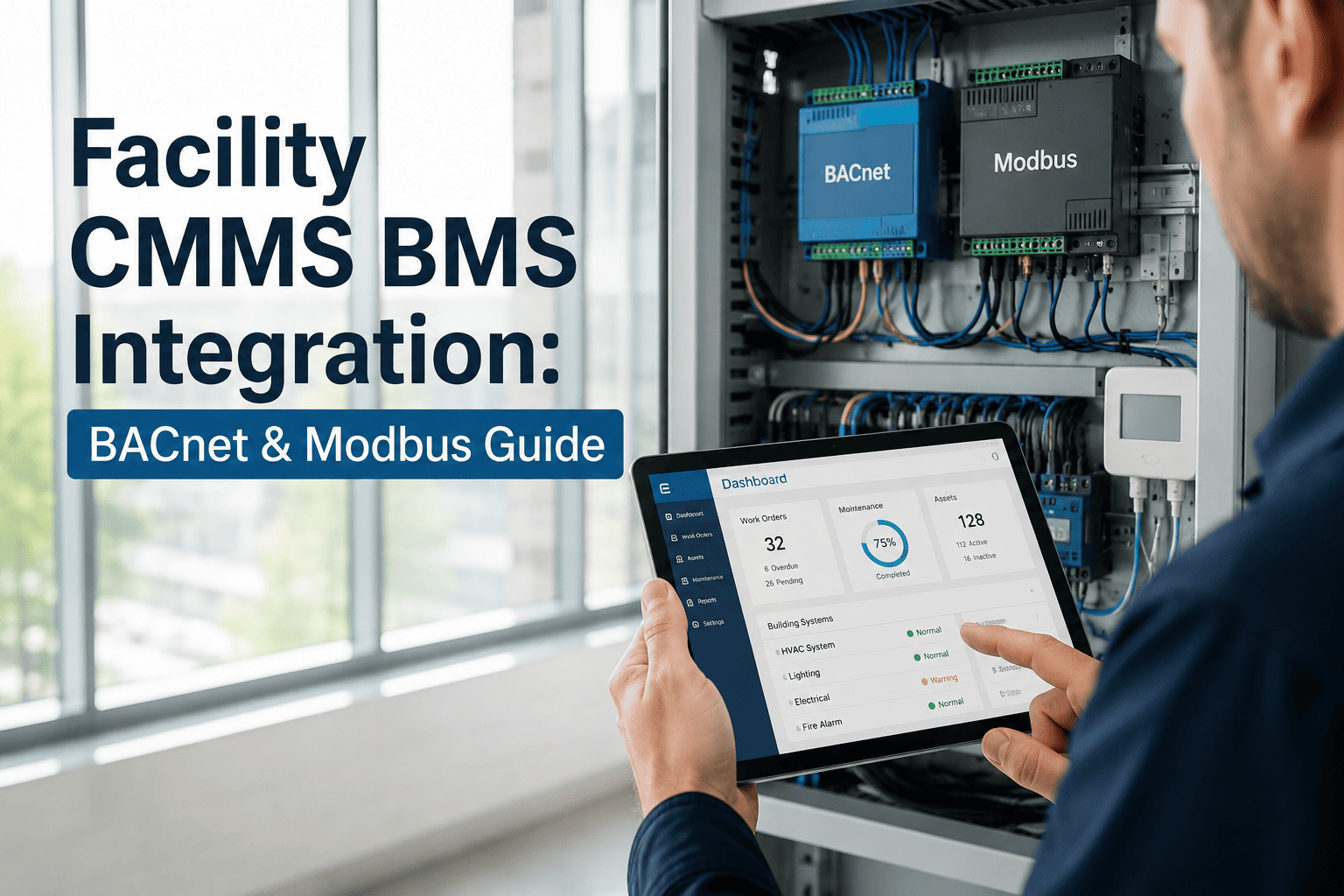
Read More
Your building's BMS already knows when a chiller drifts out of tolerance, a VAV box sticks, or a boiler reading crosses its limit — it logs the alarm and waits. In most facilities nobody is watching that screen every minute, so the alarm sits unti
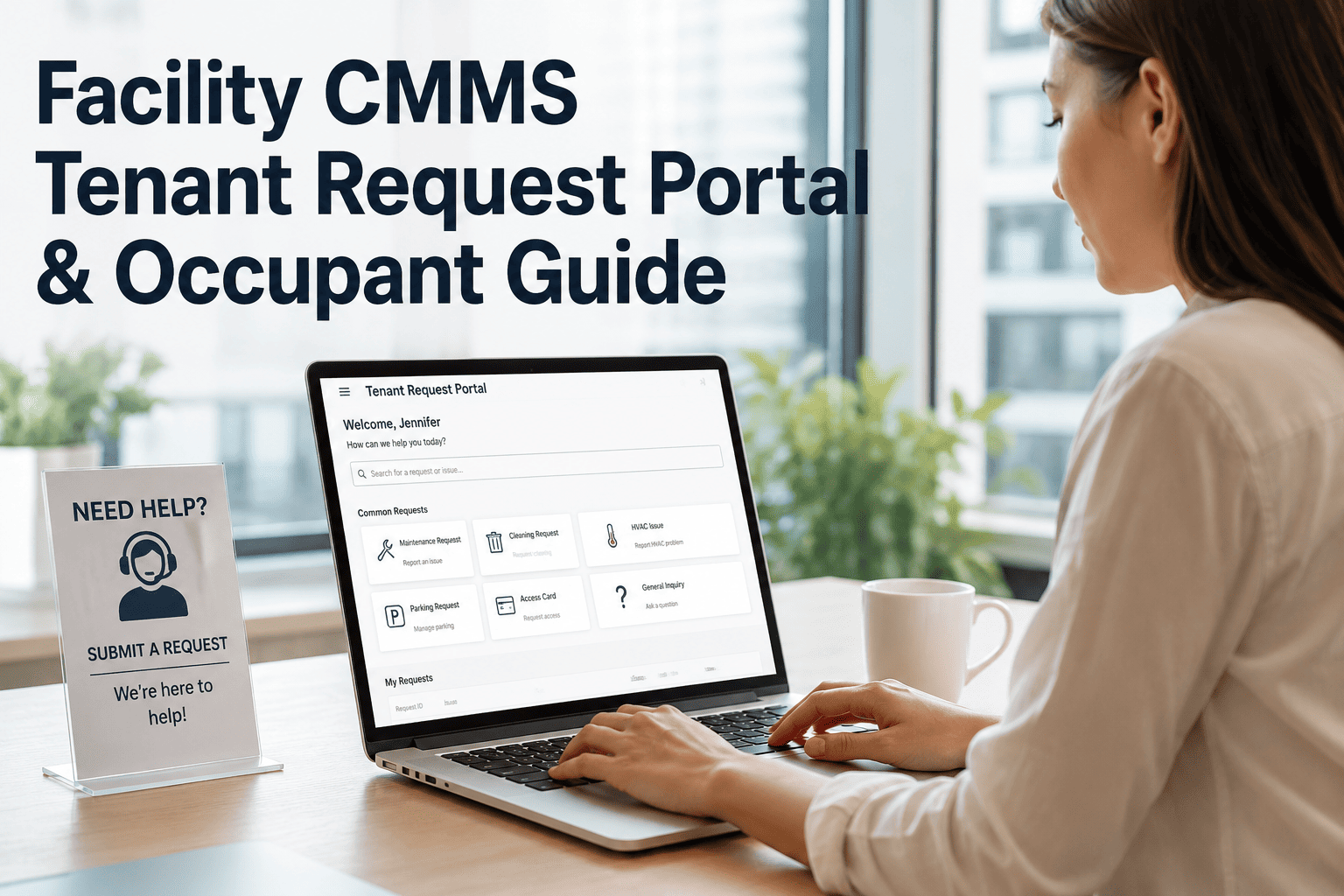
Read More
Every commercial building, apartment community, and multi-tenant campus runs into the same daily friction: an occupant spots a leak, calls the front desk, and the message disappears into a voicemail nobody checks until Monday. A configurable tenan
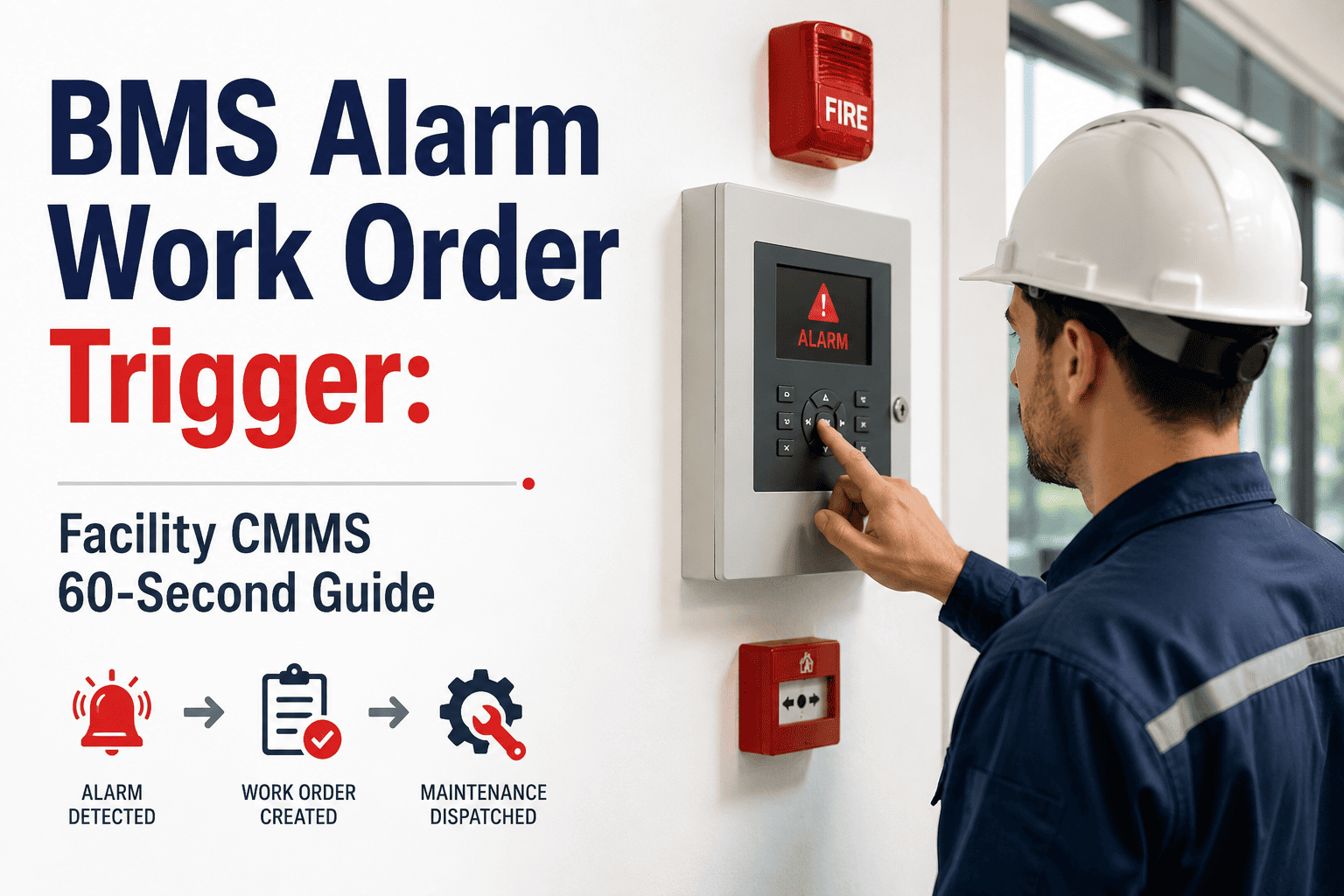
Read More
A building management system generates thousands of alarms every month — temperature deviations, pressure faults, equipment lockouts, and sensor failures streaming across operator dashboards around the clock. The problem is not detection. Most BMS
Read More
Every facility team runs on work orders — the tickets that turn a broken chiller, a leaking pipe, or a flickering hallway light into a scheduled repair. Yet most facility teams still lose the better part of a technician's shift to coordination ove

Read More
Facility technicians spend a surprising share of every shift walking back to an office just to log a completed work order, because the desktop CMMS they were handed never actually goes with them into the mechanical room, the rooftop unit, or the p
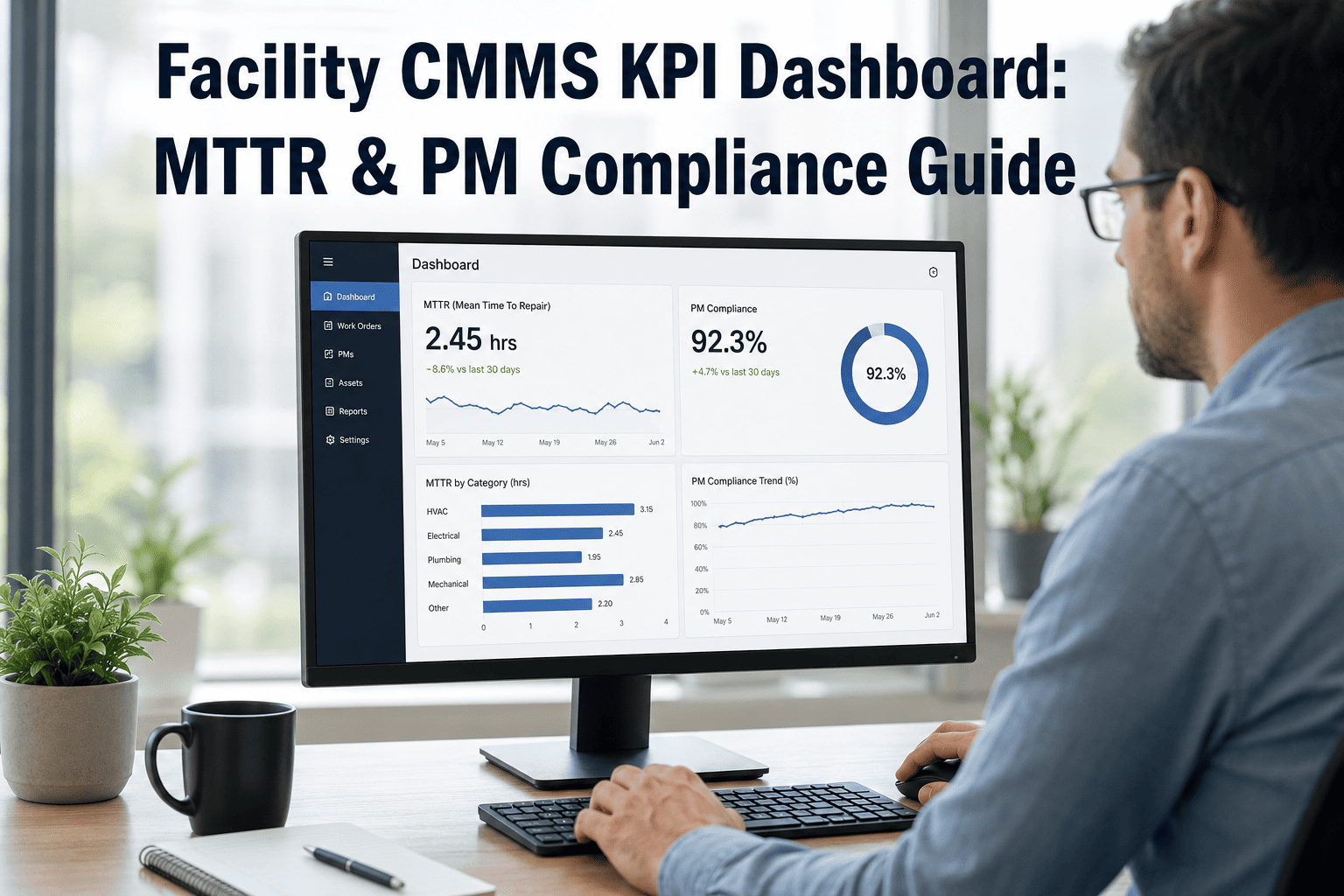
Read More
Most facility teams open their CMMS every Monday to the same blind spot: preventive maintenance tasks that quietly slipped past due, a repair backlog nobody has actually measured in weeks, and a maintenance budget that only makes sense once the in
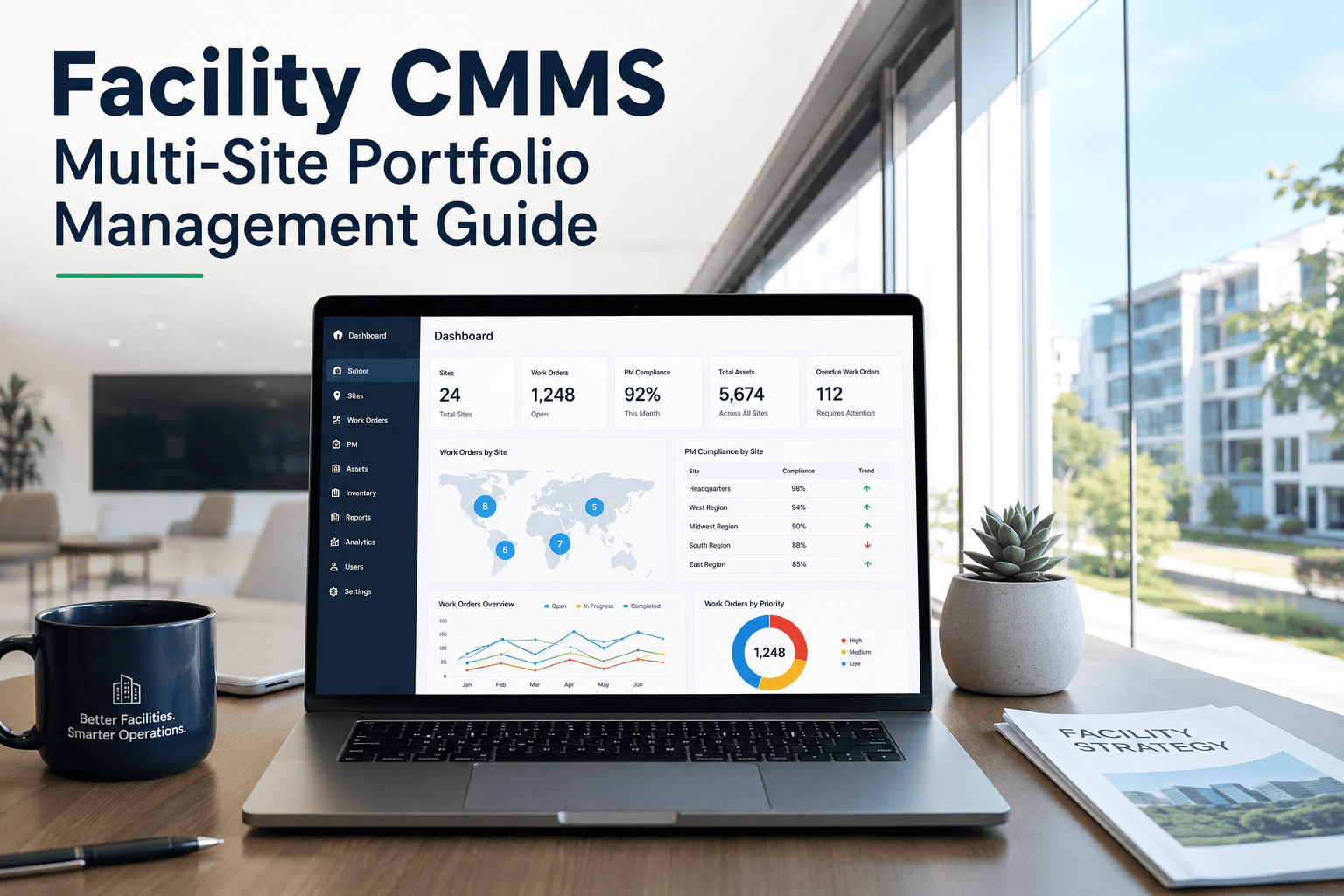
Read More
When a facility portfolio grows from one building to ten, the maintenance approach that worked at a single site quietly stops working everywhere else. Site managers invent their own spreadsheets, technicians label the same rooftop unit three diffe
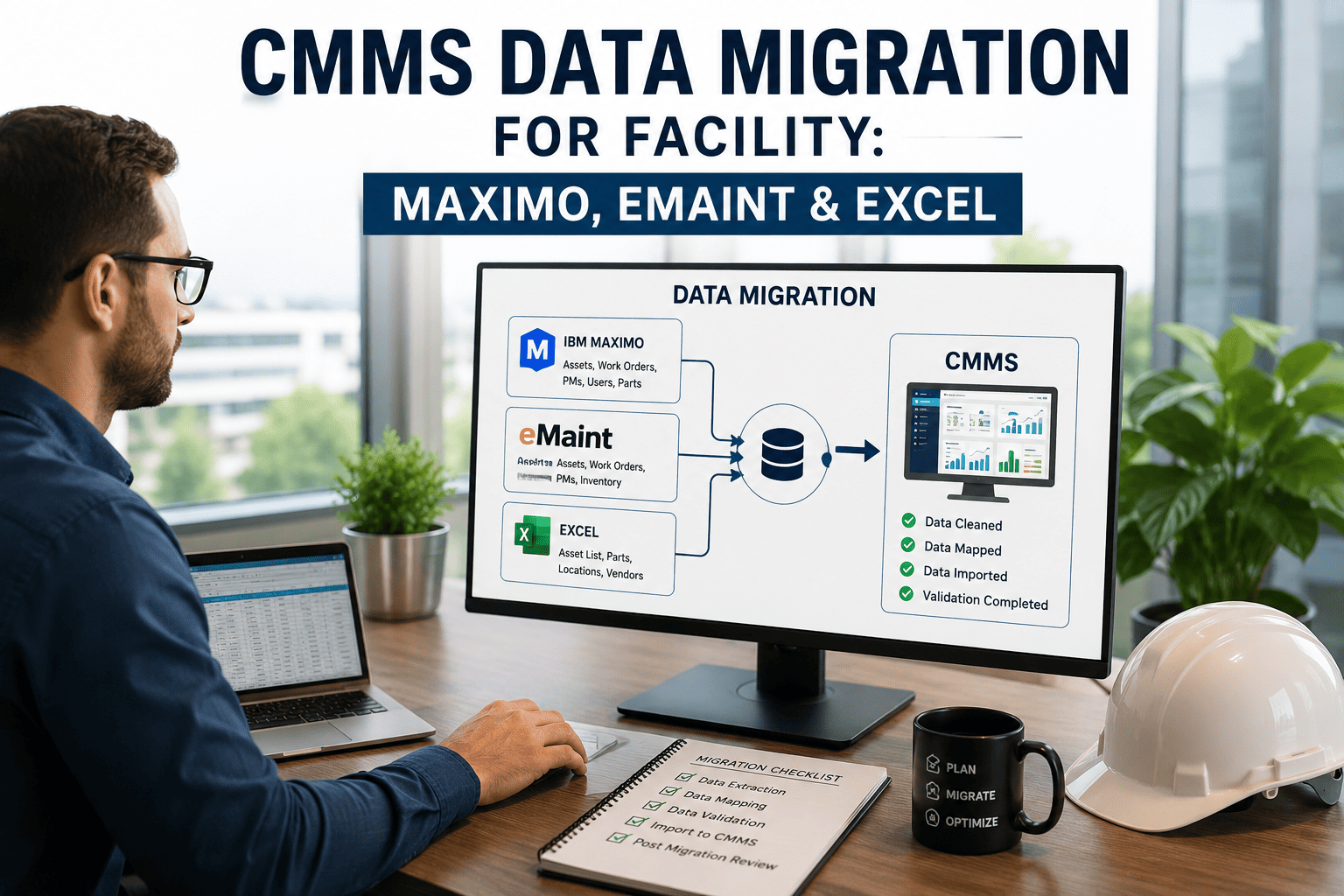
Read More
Every facility team that has lived through a CMMS switch knows the real risk is not picking new software — it is losing years of asset records, warranty documents, and maintenance history the moment you hit export. Data leaving IBM Maximo, eMaint,

Read More
Nearly two out of three new CMMS installations across commercial and industrial facility portfolios in 2026 are cloud-hosted, and the gap widens every quarter. Facility managers still running on-premise systems watch cloud-deployed peers roll out
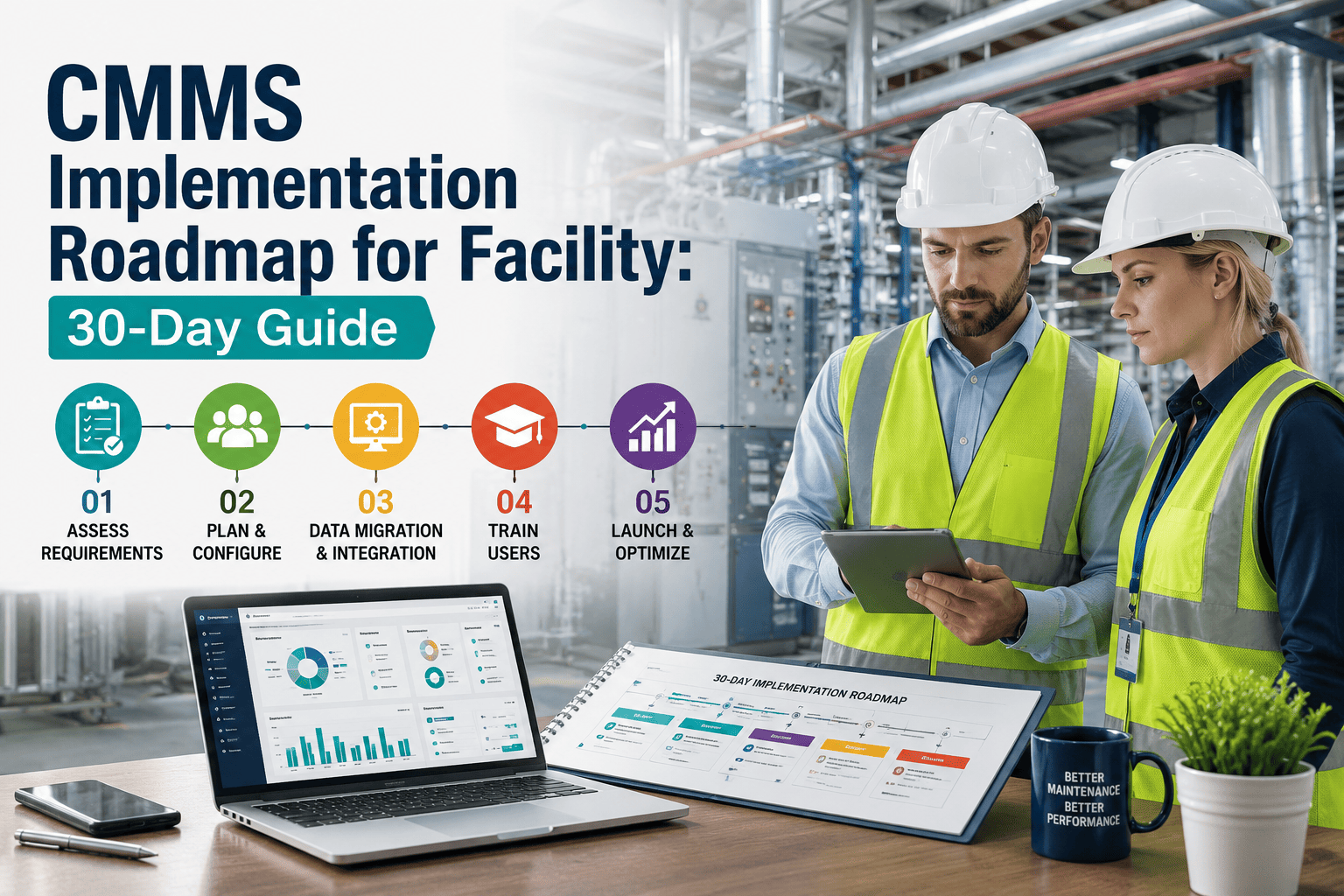
Read More
Most CMMS rollouts don't fail because of the software — they fail because there was never a structured 30-day plan behind the go-live date. A large share of new CMMS deployments miss their expected return within the first two years, and the patter
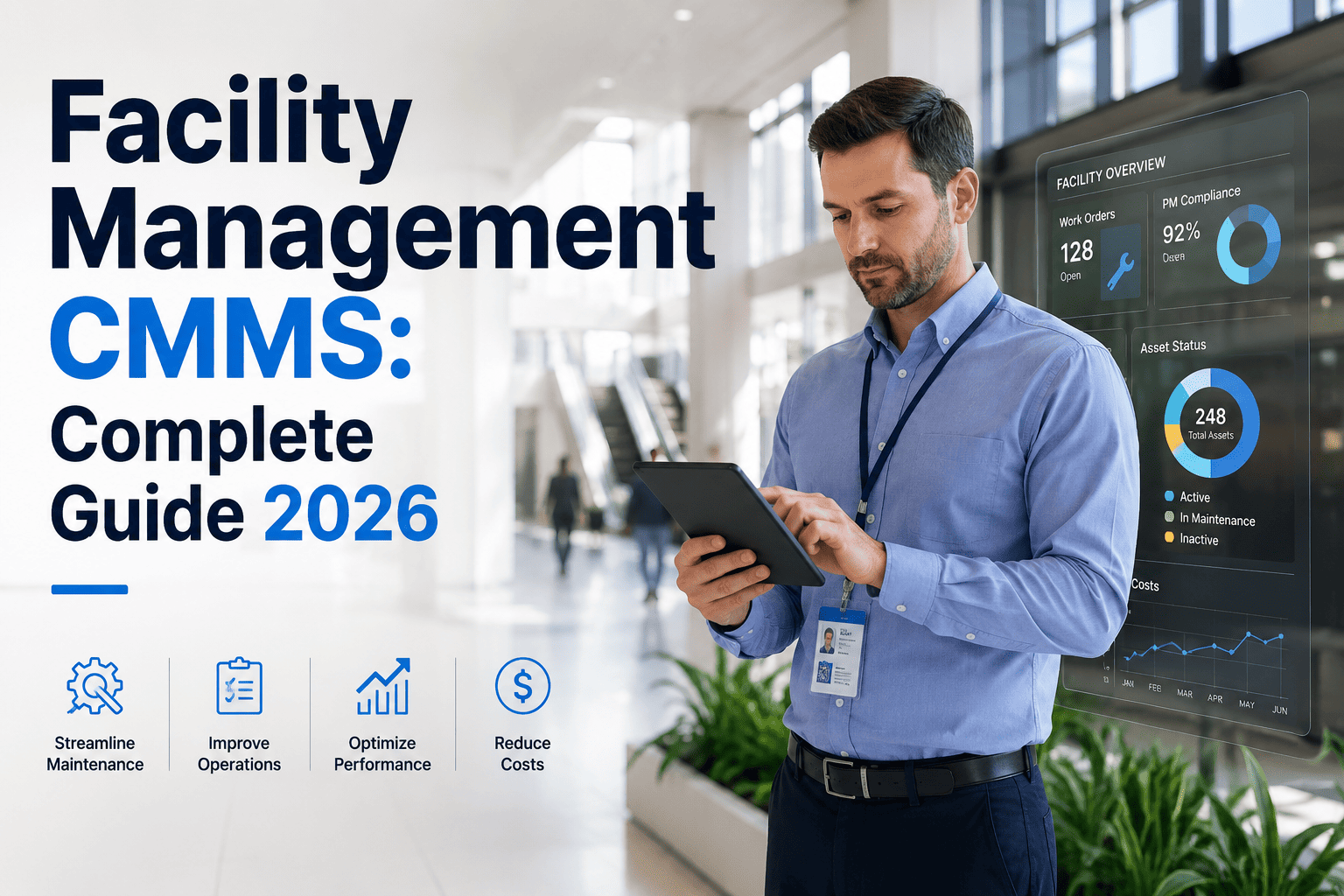
Read More
Most facility teams don't lose time to bad maintenance work, they lose it to not knowing where the work actually stands. A technician finishes a job and logs it on paper, a manager finds out three days later, and a spare part that should have been
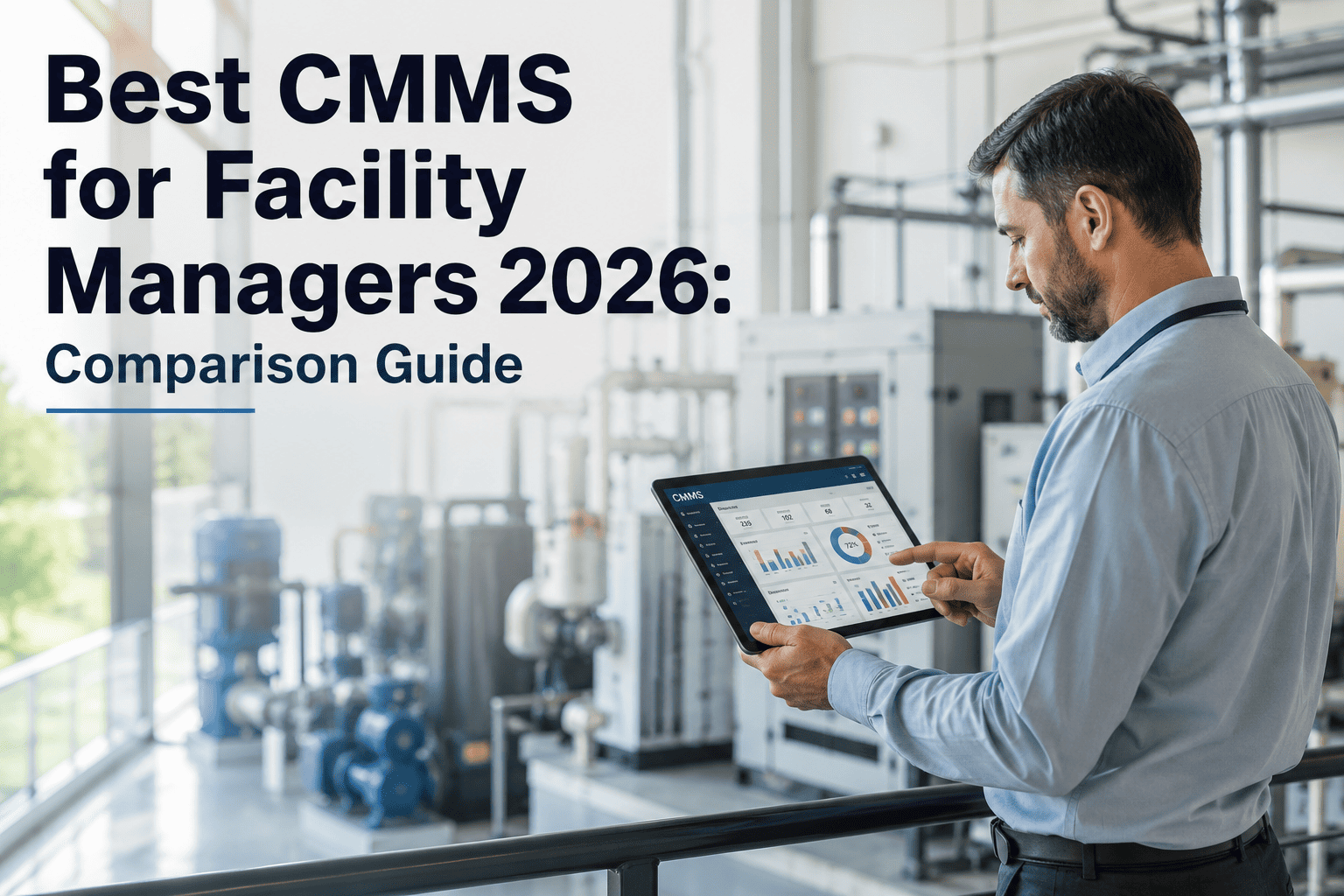
Read More
Facility managers are choosing between more than 200 CMMS platforms in 2026, and the market has never been noisier. The right platform depends less on the length of its feature list and more on one question: will your maintenance team actually use

Read More
Electrical rooms are among the highest-risk confined spaces in any facility, housing switchgear, transformers, and distribution panels that demand strict adherence to NFPA 70E and OSHA standards. Without a structured digital checklist, safety insp
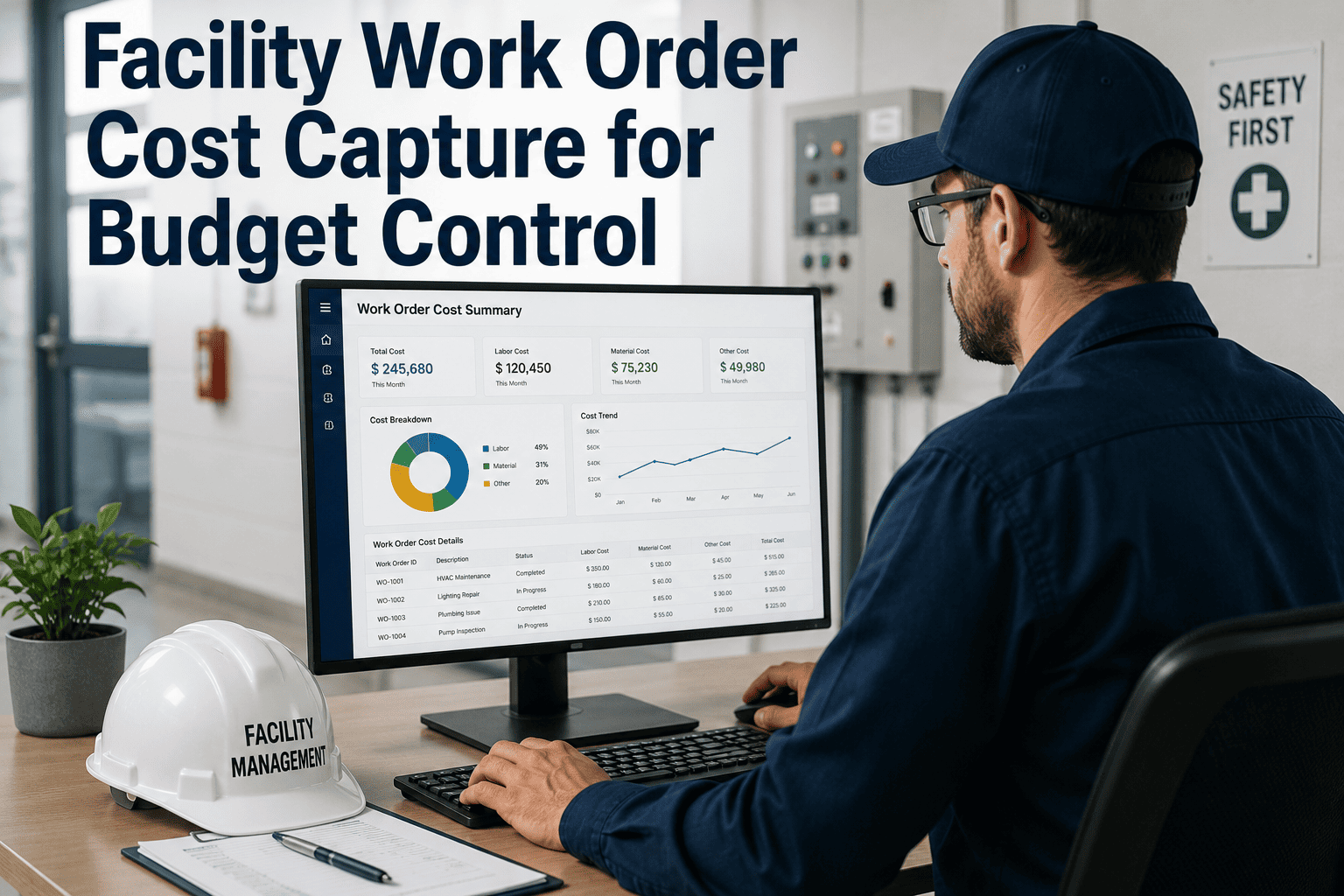
Read More
A facility director closes the quarter, opens the budget variance report, and sees that R&M spend is 18% over plan — with no clear answer to the CFO's inevitable follow-up question of "which assets, which cost lines, and why?" This is the moda
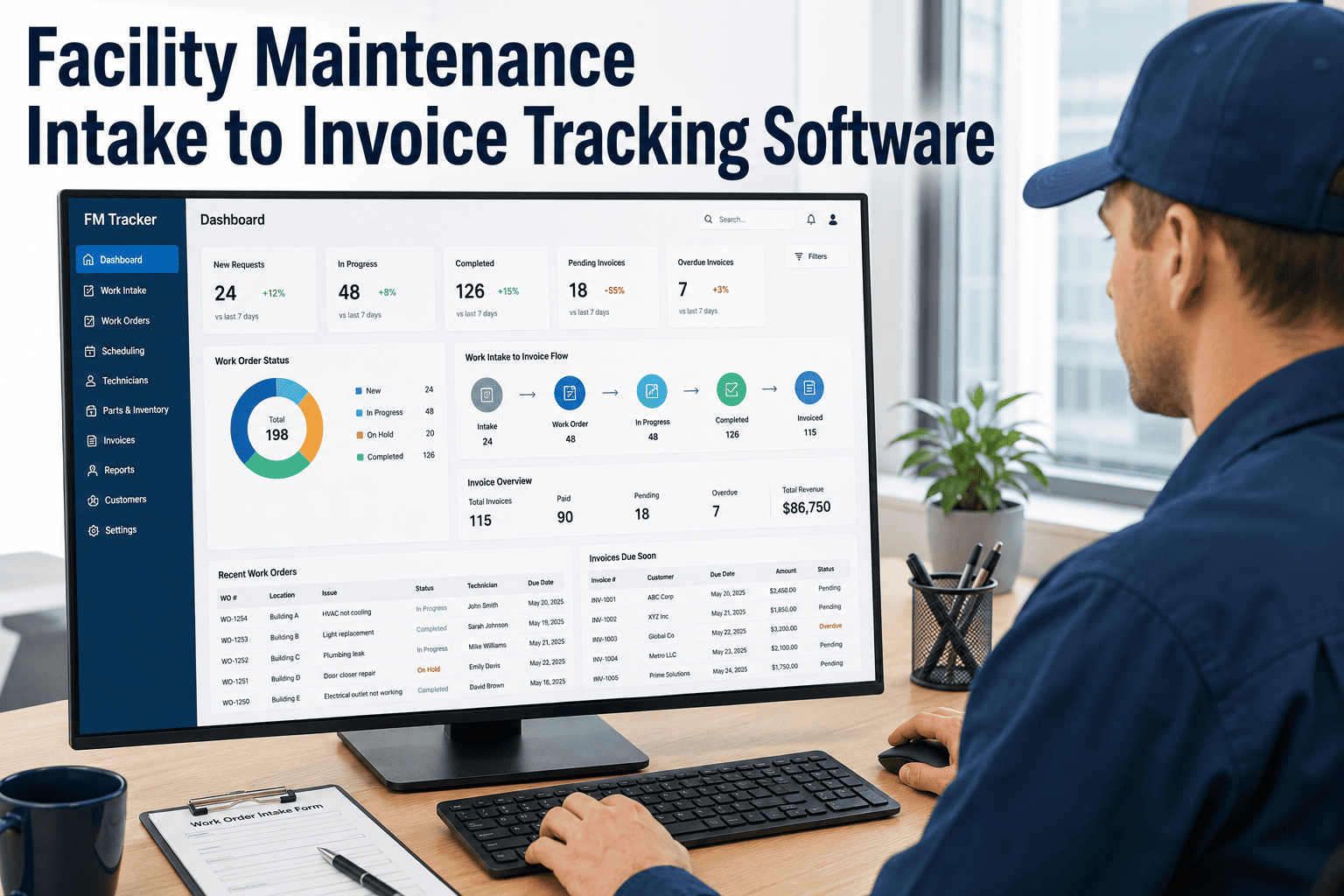
Read More
Facility maintenance jobs pass through nine or ten different hands between request and invoice, and every handoff is a place where cost visibility and audit trails break down. Industry benchmarks show commercial facilities lose 8–14% of maintenanc

Read More
82% of food and beverage manufacturers have experienced unplanned downtime in the past three years, and each hour of it can cost anywhere from $4,000 to $30,000 once scrapped product, overtime and compliance exposure are counted. The uncomfortable
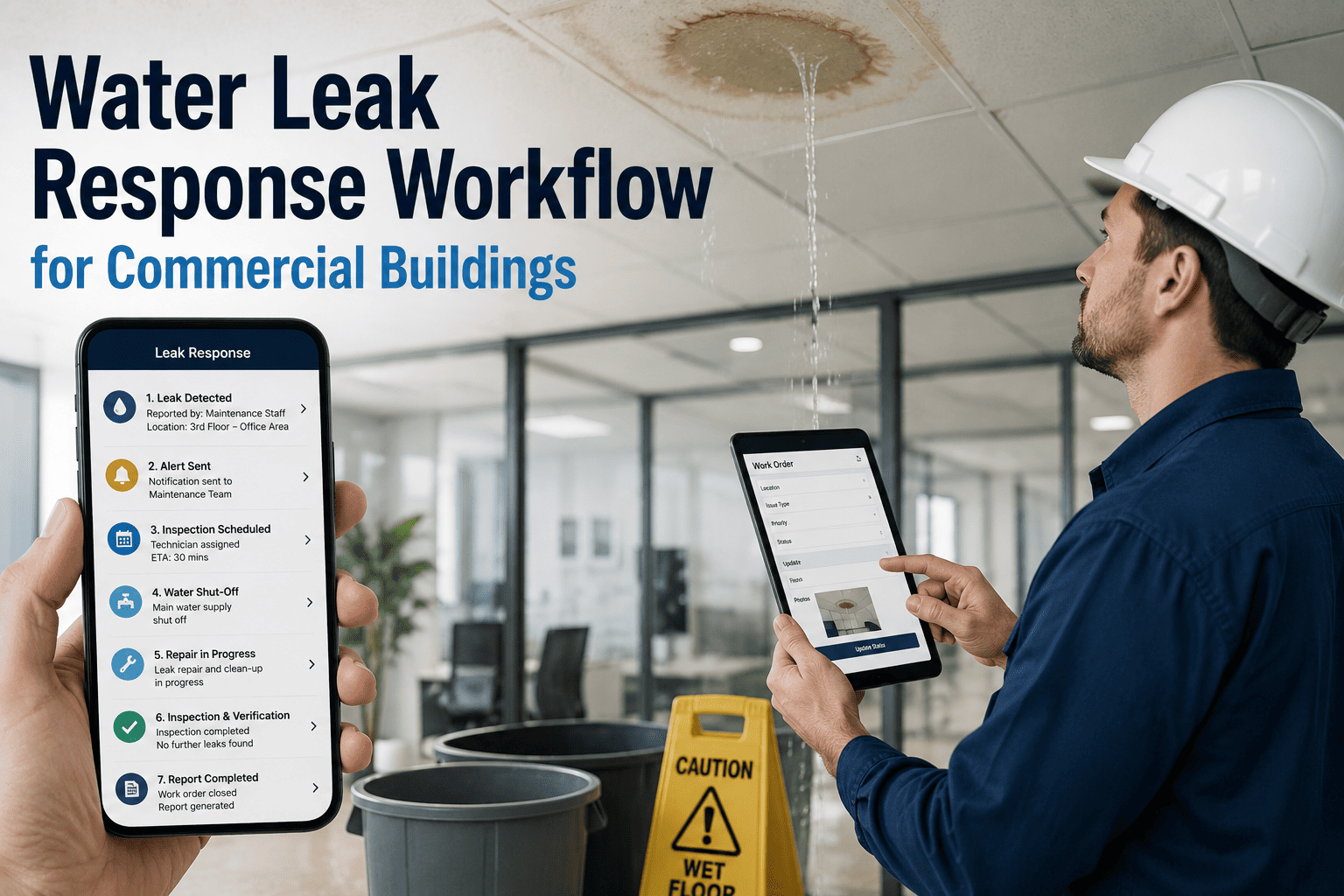
Read More
Water damage claims now account for more than half of all commercial property insurance claims, with an average payout of $13,954 per incident — and severe cases in facilities like healthcare buildings have reached $1.6 million for a single event.

Read More
A human inspector walking an oil and gas facility misses an estimated 20–30% of early-stage defects during a routine visual round, and accuracy drops further after four continuous hours on the job. AI vision models trained on corrosion, cracks, le
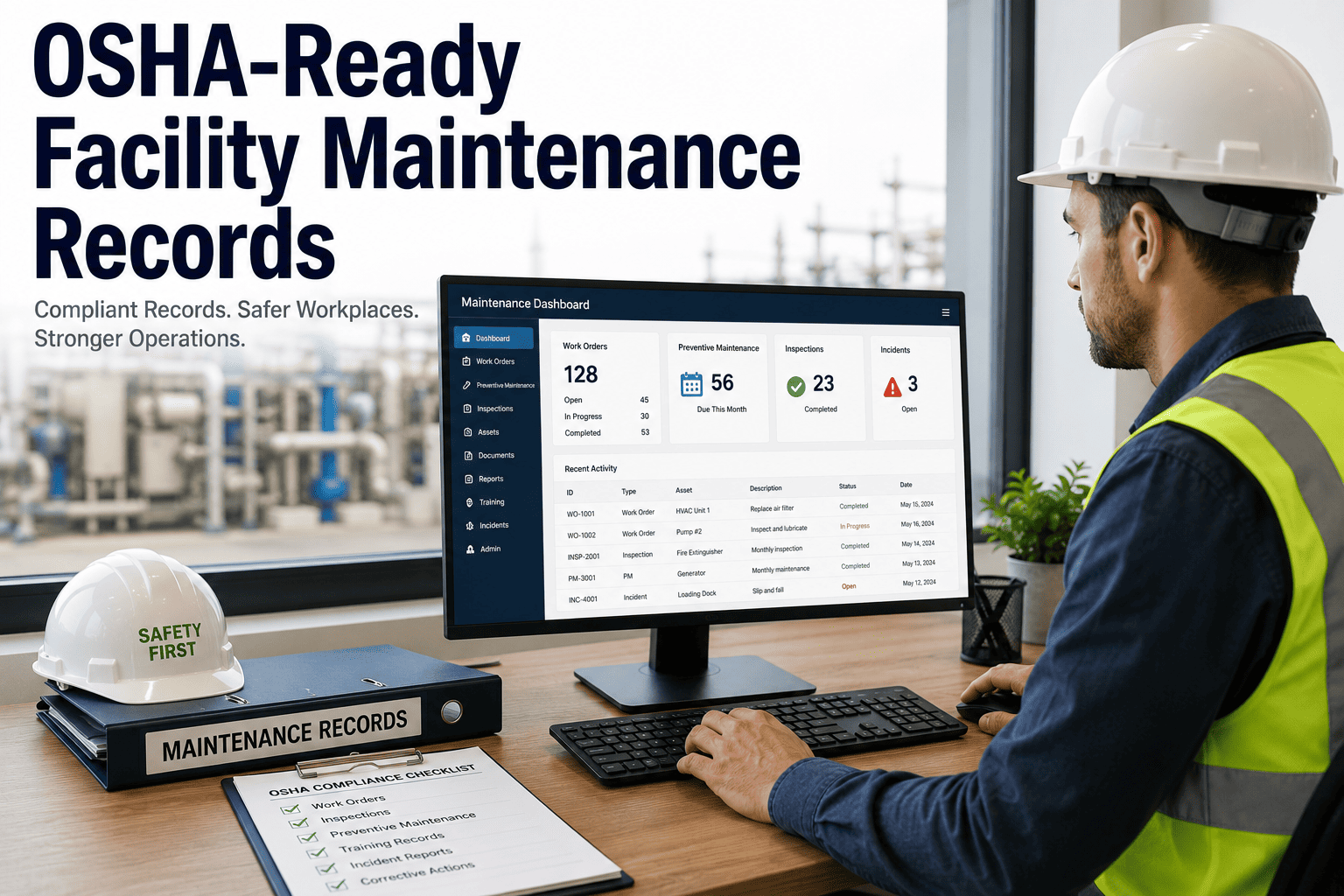
Read More
OSHA conducted 30,273 federal inspections in FY 2025, and the standards inspectors cite most often — lockout/tagout, machine guarding, powered industrial trucks, respiratory protection — all trace straight back to how well a facility documents its
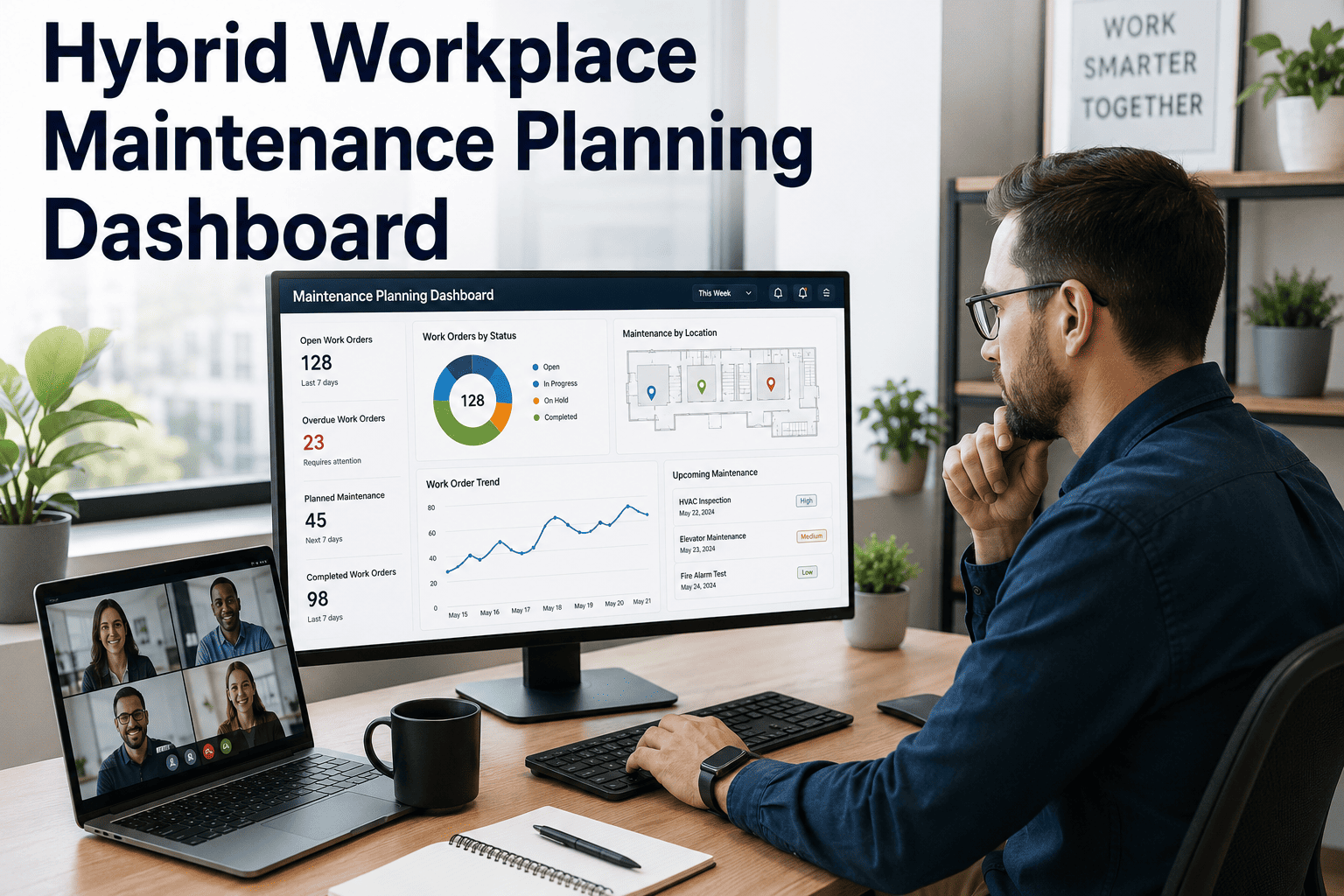
Read More
Hybrid work has stopped being a temporary arrangement and turned into the permanent shape of the modern office, with close to 80% of occupiers now running a hybrid policy long-term. That shift quietly broke something most facility teams have not f
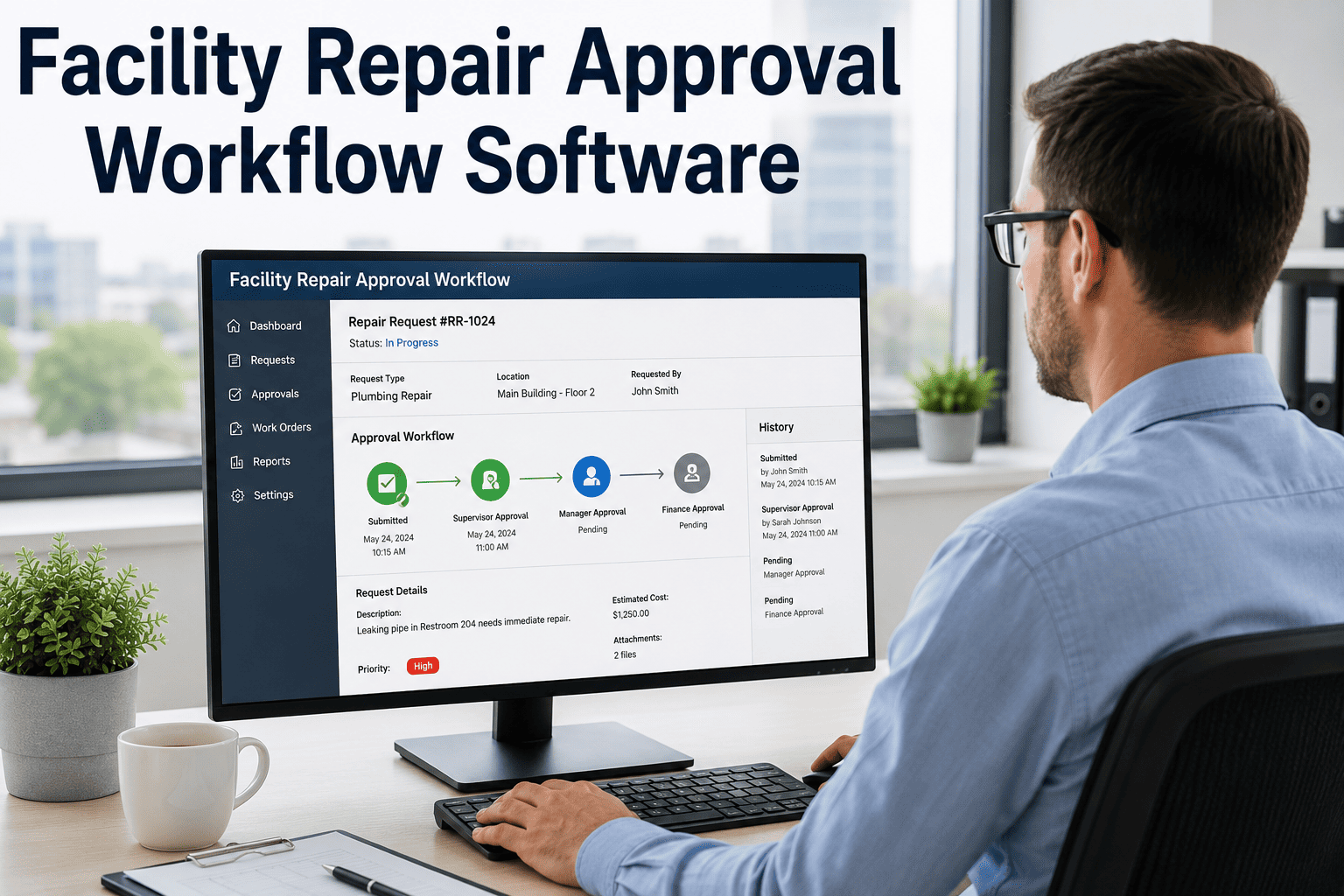
Read More
Facility repair costs spiral out of control not because of fraud, but because of frictionless approval processes. When technicians can initiate a vendor repair with a single phone call or text message, the finance team is left reconciling invoices
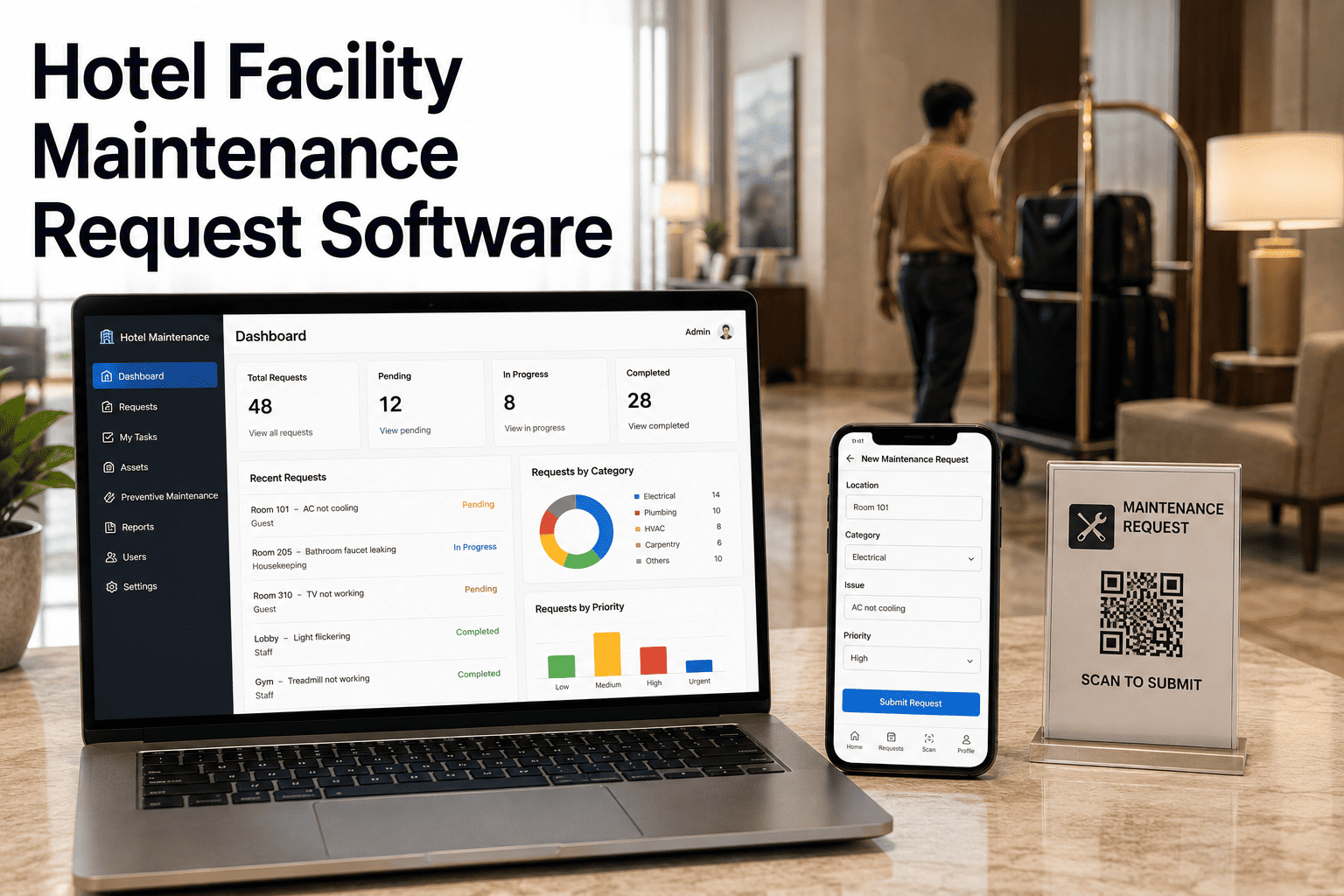
Read More
Hotel facility maintenance operates on a different clock than most industries — a leaking faucet or a broken HVAC unit in a guest room does not just affect operations, it directly impacts guest satisfaction, online reviews, and revenue. Yet many h
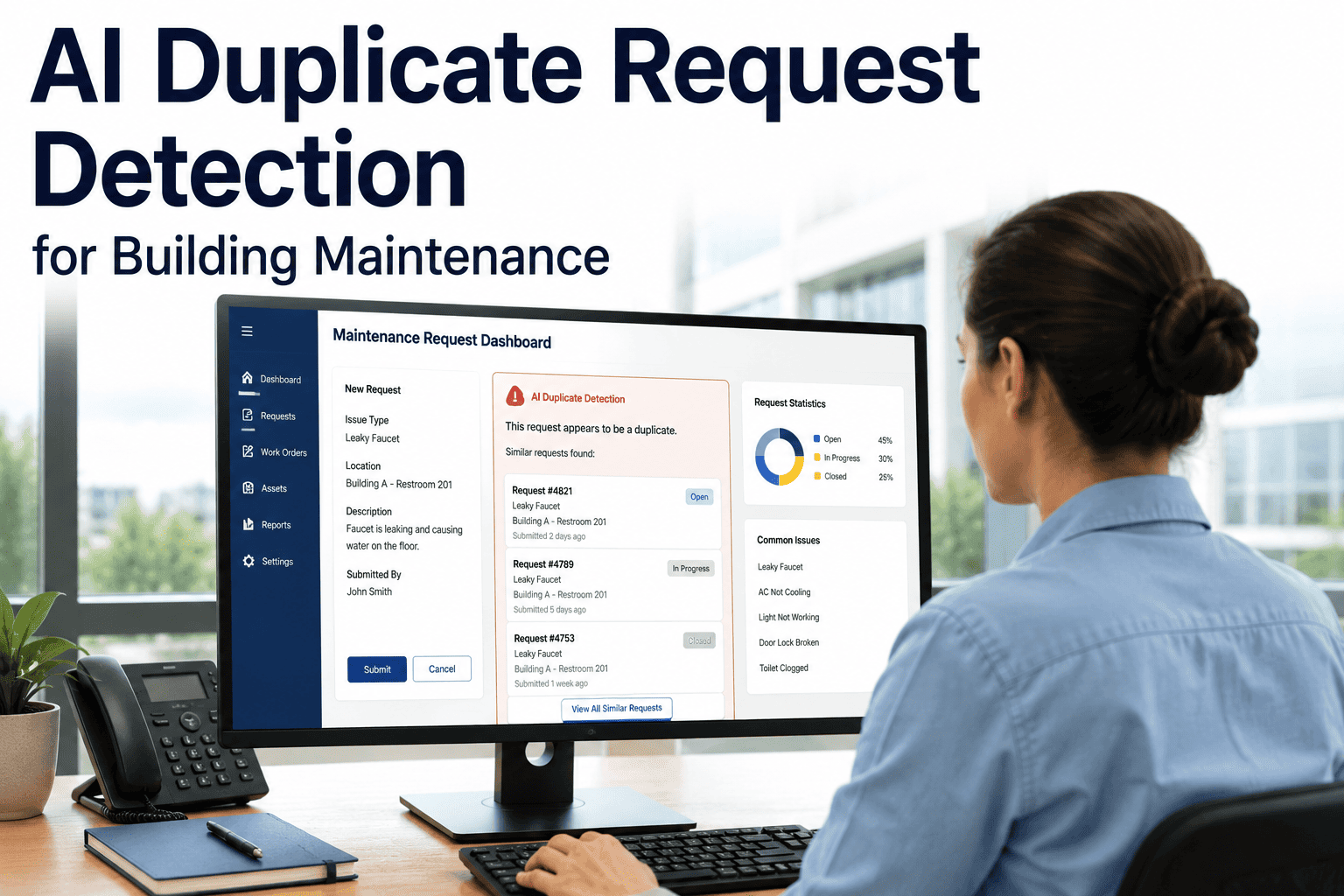
Read More
When thirty tenants report the same broken elevator, a maintenance team without duplicate detection does not see a single critical issue — they see thirty separate work orders piling up in a queue, each assigned individually, each generating a not
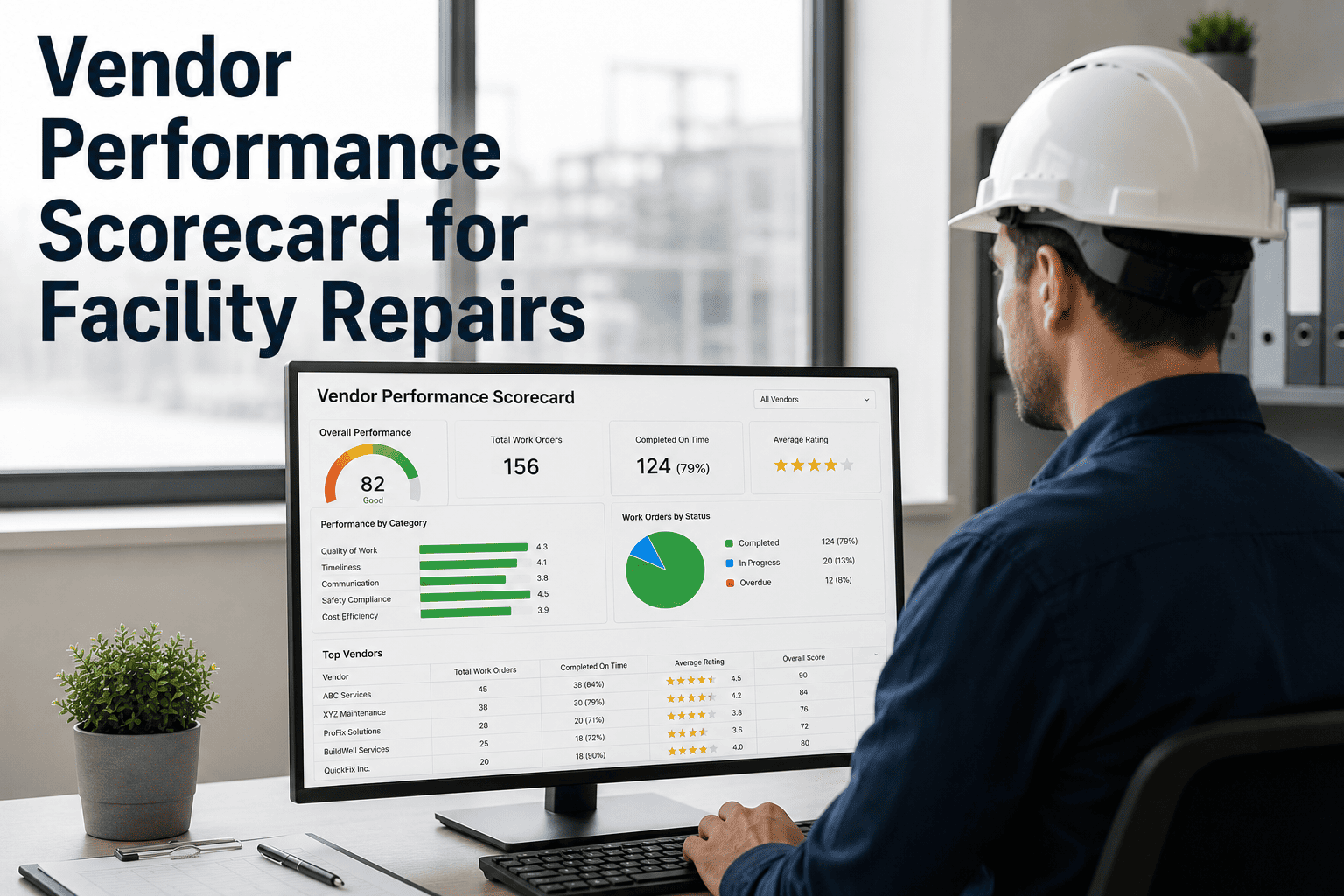
Read More
Most facility managers know which vendors they prefer — but very few can prove it with data. When a contract renewal comes around or a vendor disputes a quality complaint, the evidence that matters most is a structured performance record: response

Read More
A traditional rope-access roof and facade inspection on a 200,000 square foot commercial building takes 4 to 6 days, costs $18,000 to $42,000, requires a permit pull and tenant notification, and still leaves blind spots wherever the rope team cann
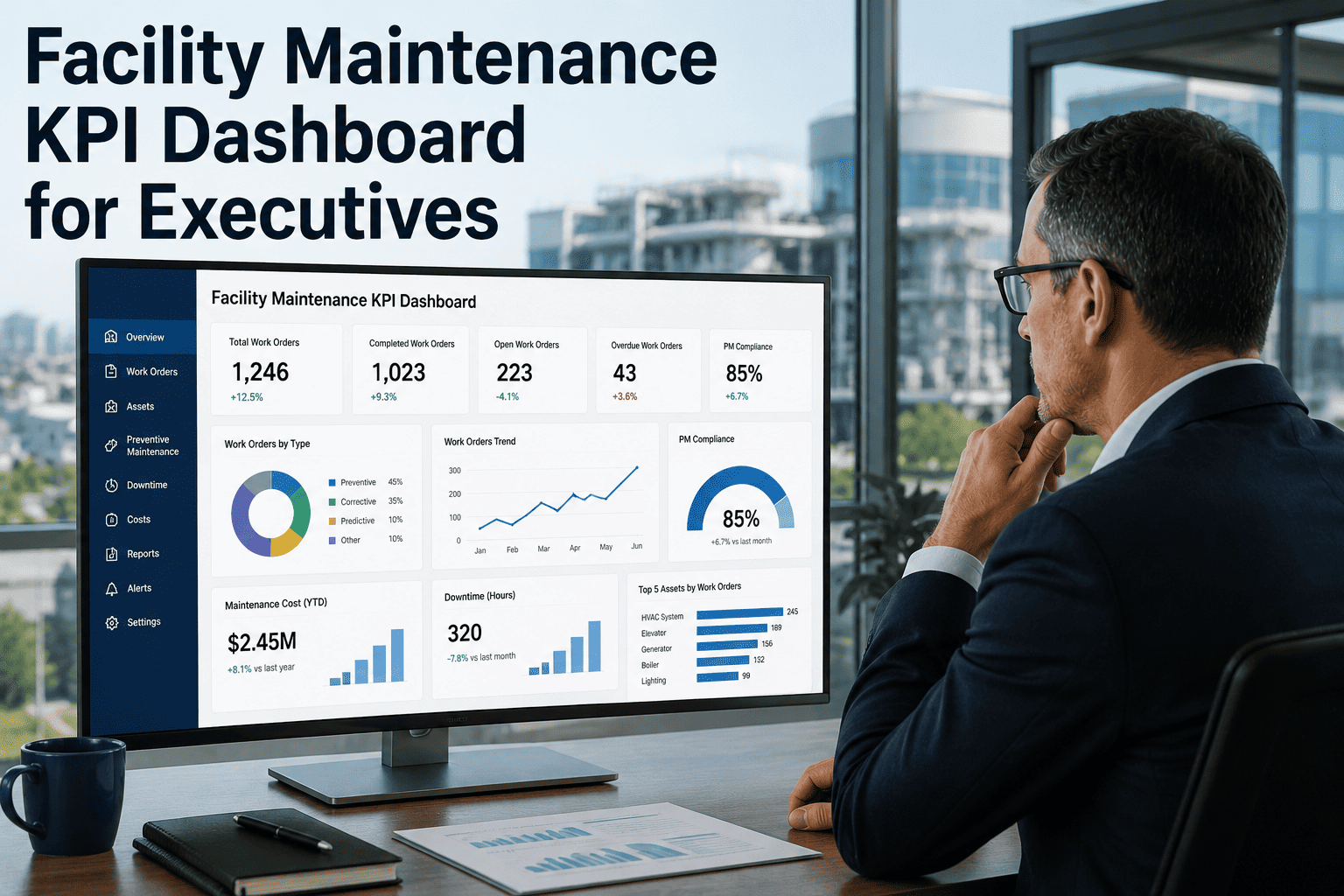
Read More
Most facility maintenance teams do excellent work that leadership never sees — because the data lives in spreadsheets, paper logs, and disconnected systems that nobody synthesizes into a coherent executive view. When a board member asks about asse
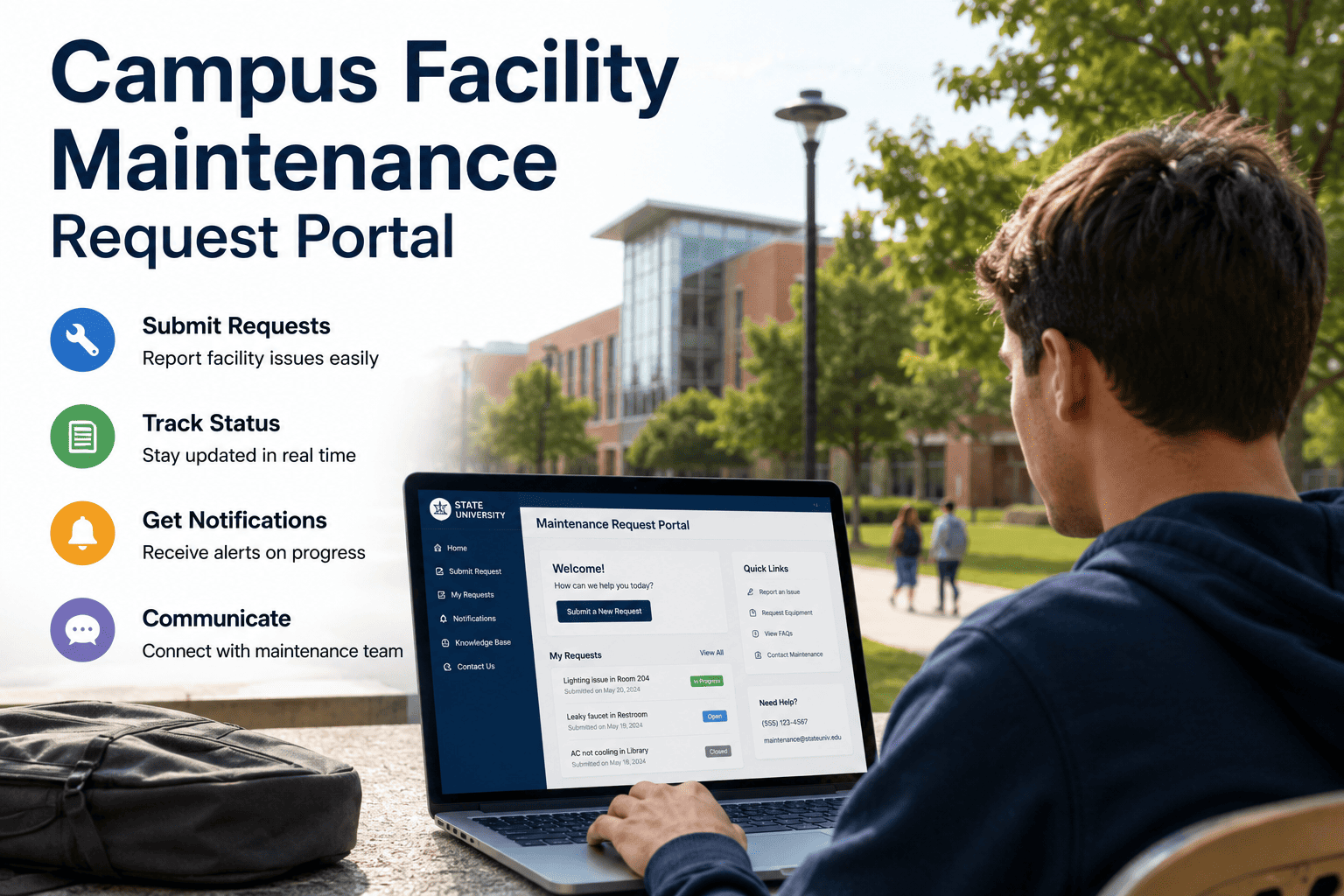
Read More
Managing maintenance requests across a college or university campus means handling submissions from students in dormitories, faculty in research buildings, staff in administrative offices, and operations teams across dozens of locations — all with

Read More
When building occupants report issues with vague descriptions like "something's broken on floor 3," facility teams waste critical time diagnosing the problem before a technician is even dispatched. OxMa
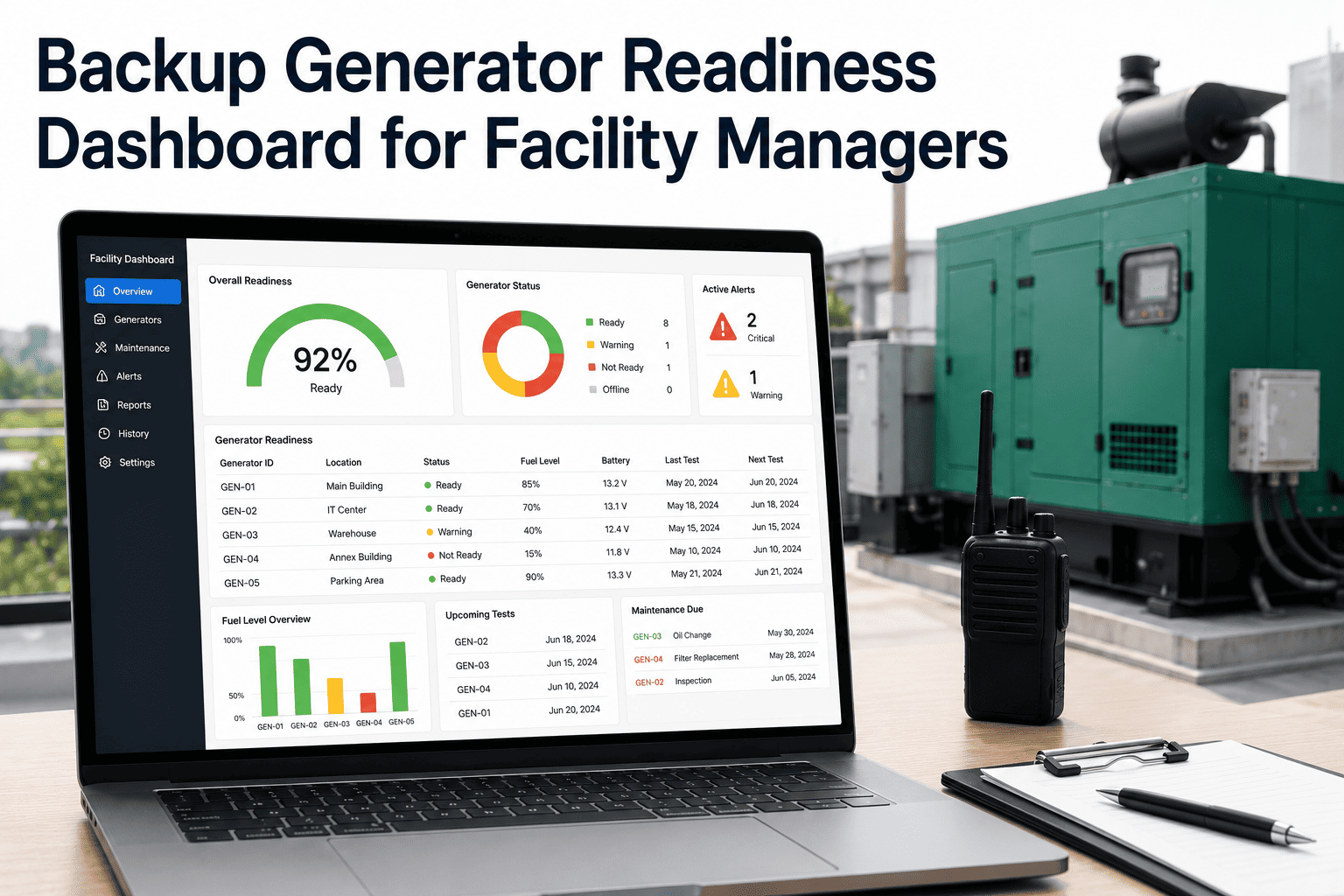
Read More
A backup generator that fails during a power outage is not a backup — it is a liability. For facility managers responsible for hospitals, data centers, and commercial buildings, generator readiness is non-negotiable, yet most teams still track fue
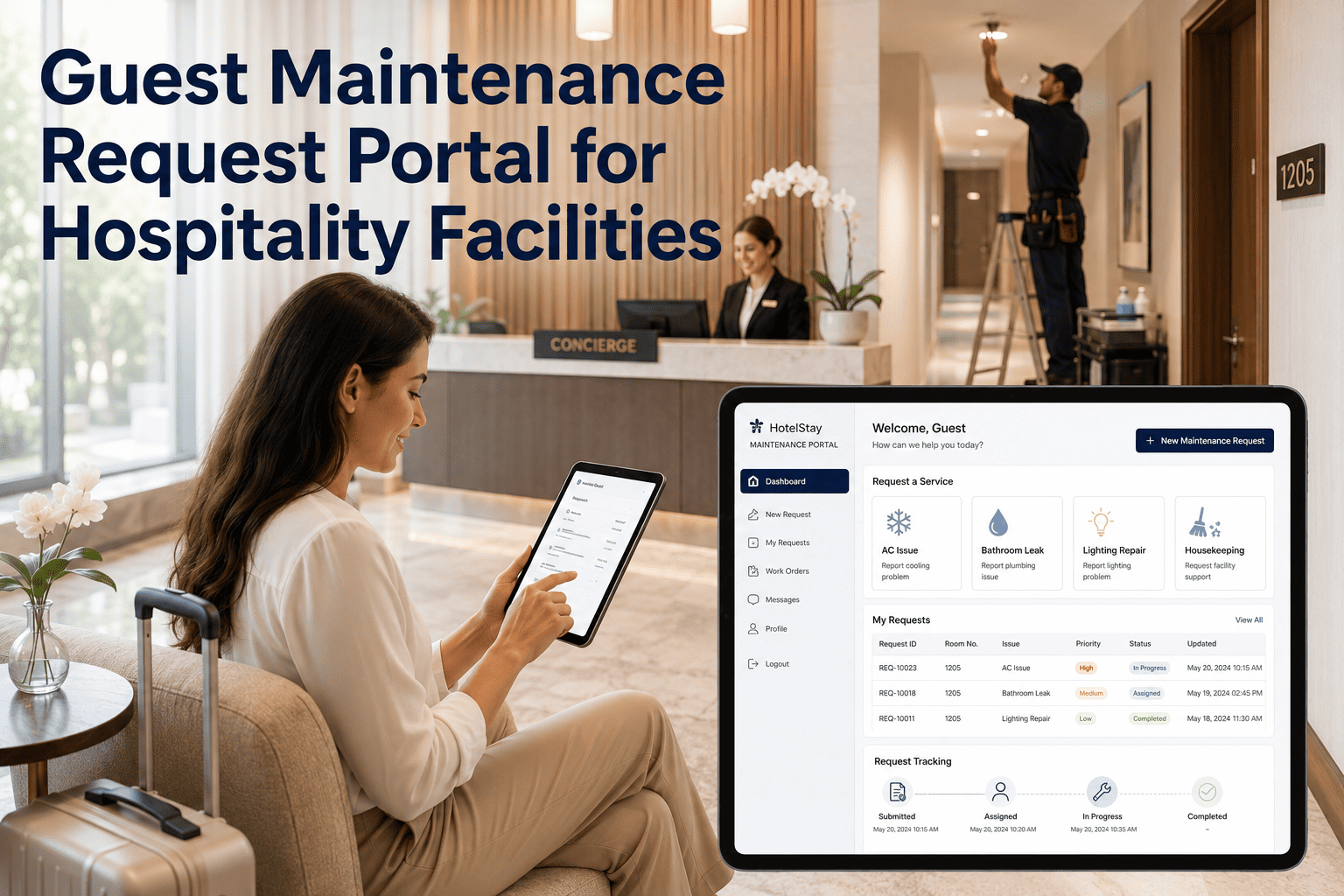
Read More
The 2024 TrustYou industry study identified one factor that drags down US hotel guest satisfaction scores more than any other — and it is not bed comfort, breakfast quality, or front-desk friendliness. It is unresolved room-condition and maintenan
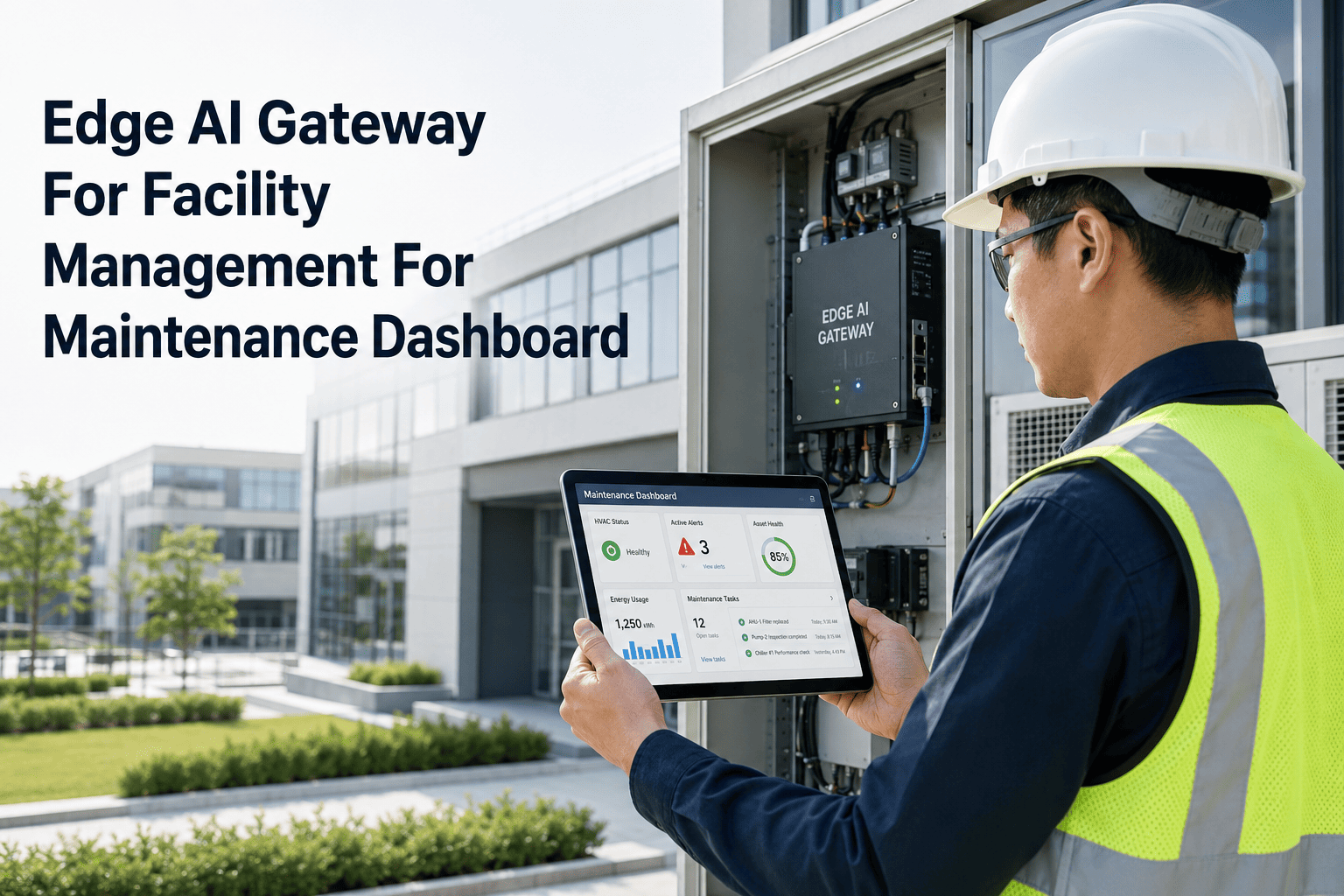
Read More
Building systems generate more data than any facility team can manually process — HVAC sensors, access logs, energy meters, inspection records, and equipment alerts all running in parallel, each in its own silo. An Edge AI Gateway for Faci
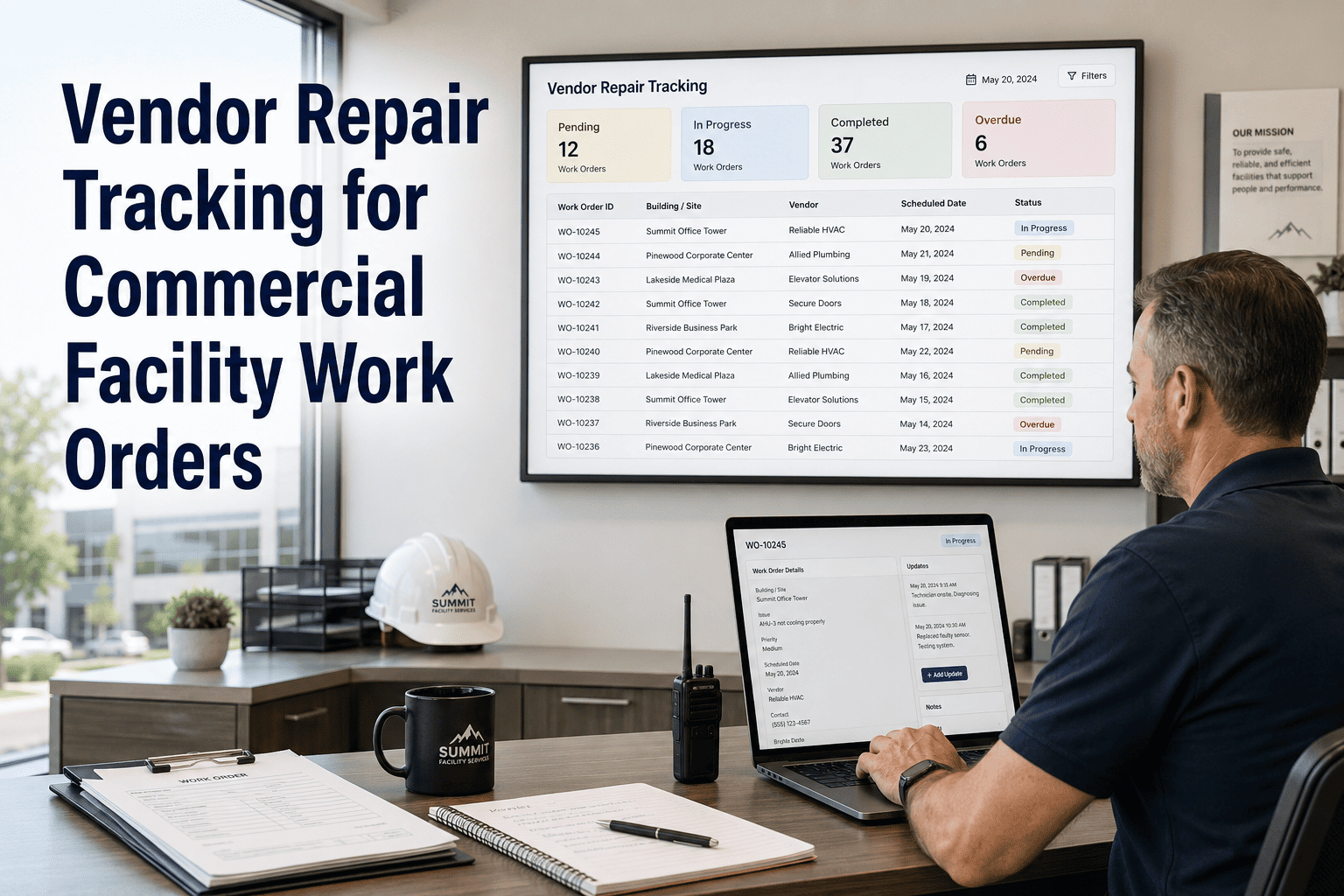
Read More
Commercial facility teams regularly hand off repair work to external vendors — specialist contractors, OEM service providers, lift maintenance companies, fire system specialists — and then lose visibility the moment the work order leaves the build

Read More
When facility requests come in through email, phone calls, sticky notes, and personal texts to technicians, nothing gets tracked, nothing gets prioritised, and the same problems surface again and again across every building in the portfolio. A
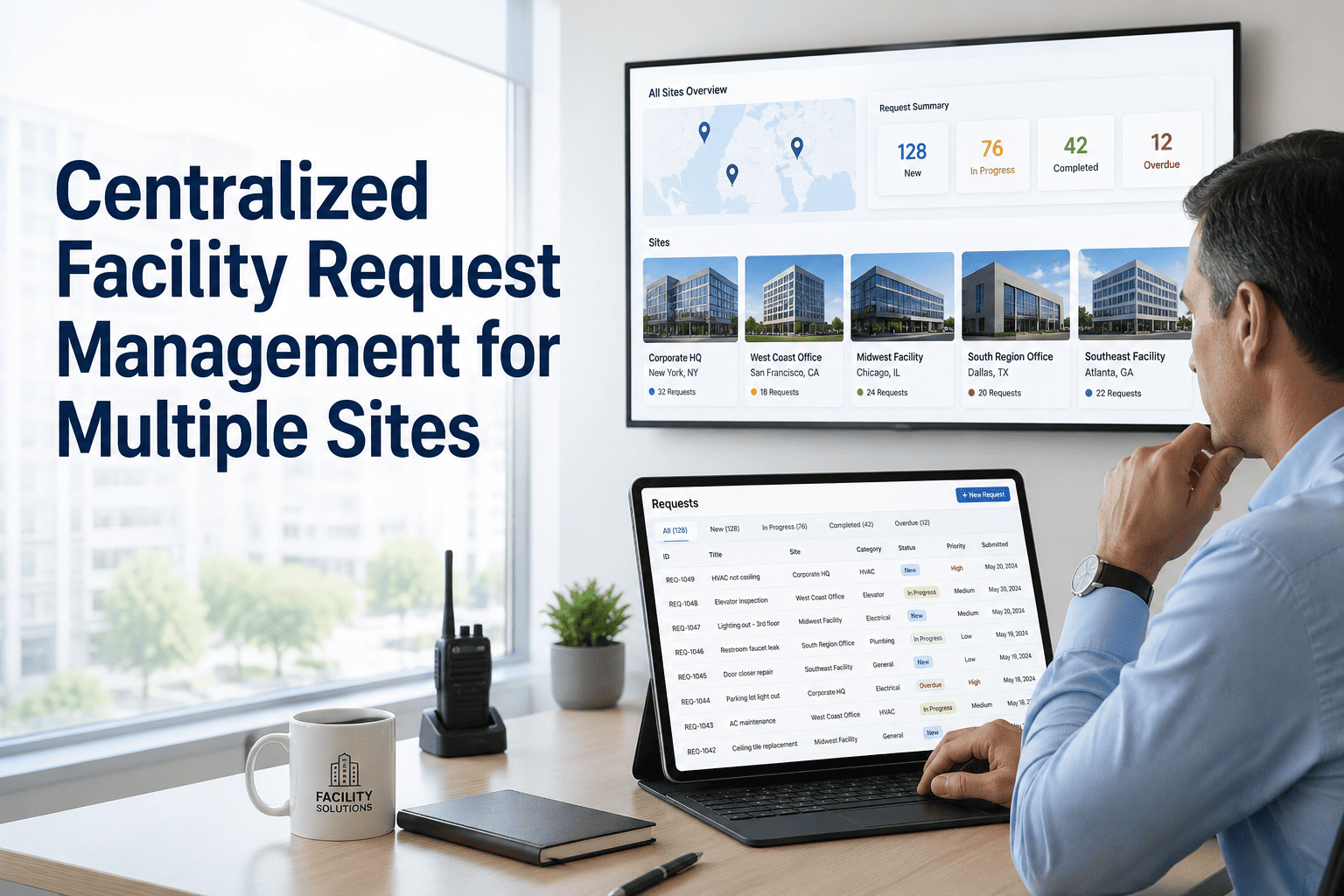
Read More
Occupant requests do not come in one at a time from one building — they arrive constantly, from every floor, every tenant, every site in a portfolio, through every channel an occupant happens to prefer that day. Without a system designed to handle

Read More
Building walkthroughs still run on paper forms, shared spreadsheets, and memory — and the gap between what technicians find in the field and what managers see on a dashboard costs facilities real money every month. Mobile AI Inspection for
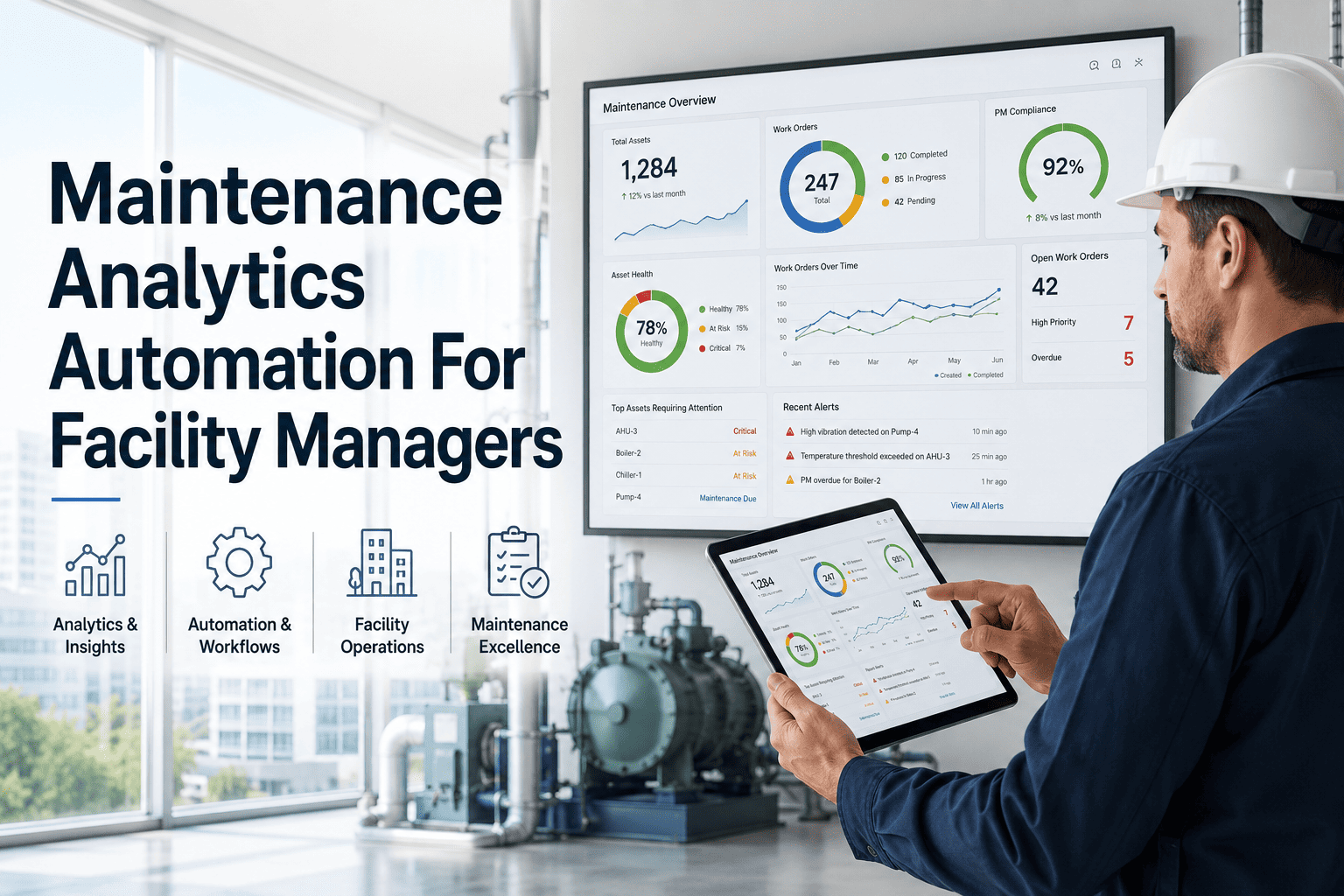
Read More
Facility managers are drowning in data but starved of insight — work orders pile up in one system, asset records live in another, and SLA compliance gets tracked in a spreadsheet that nobody updates. Maintenance Analytics Automation

Read More
A regional VP overseeing 15 facilities asks a simple question: which site has the highest maintenance cost per square foot this quarter? Without a centralised CMMS, answering that question takes two weeks — each site manager exports their own data
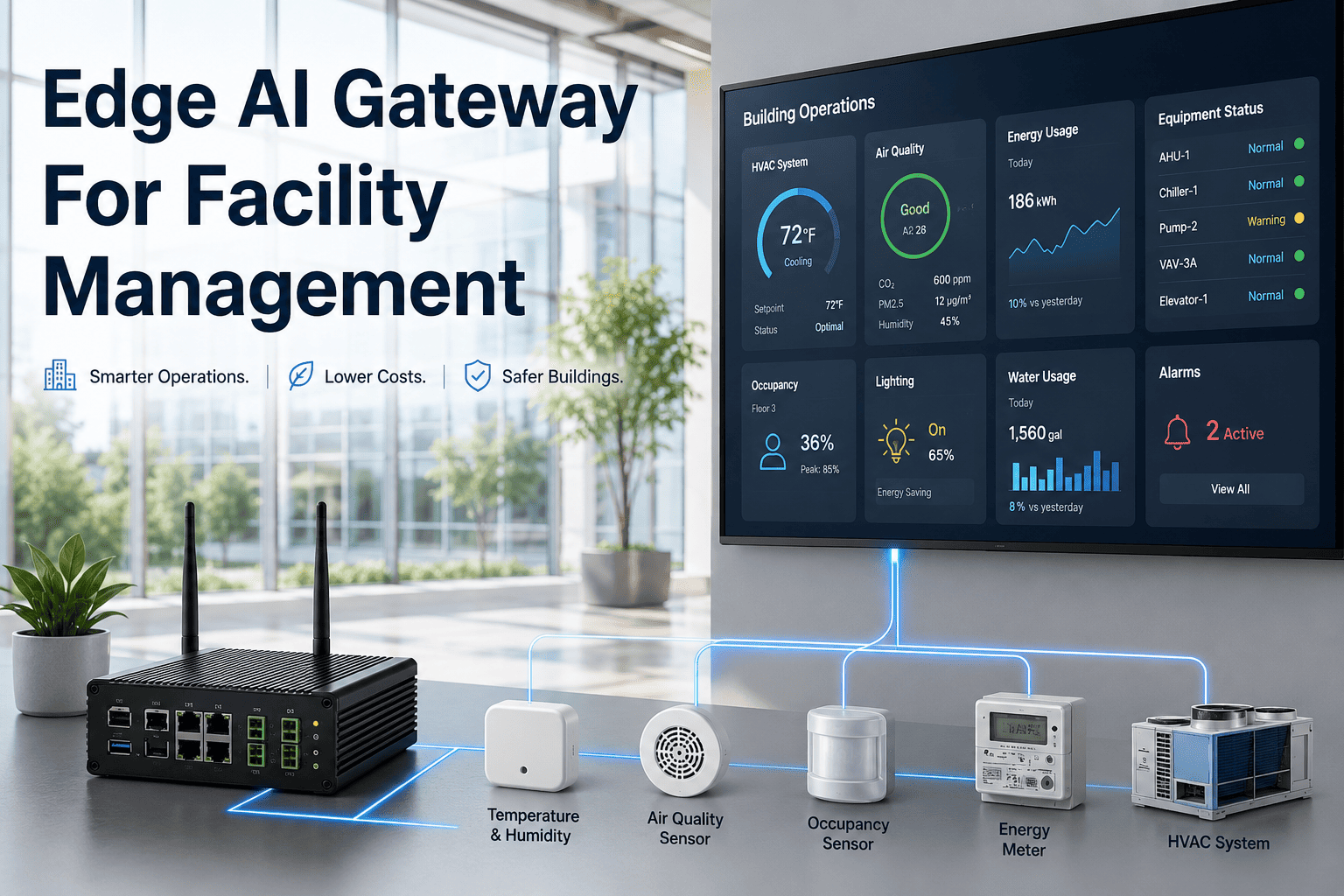
Read More
A vibration sensor on a rooftop chiller can produce thousands of data points an hour — almost none of which a facility team needs to see, until the one reading that means a bearing is failing. Sending every raw reading to the cloud is slow and exp
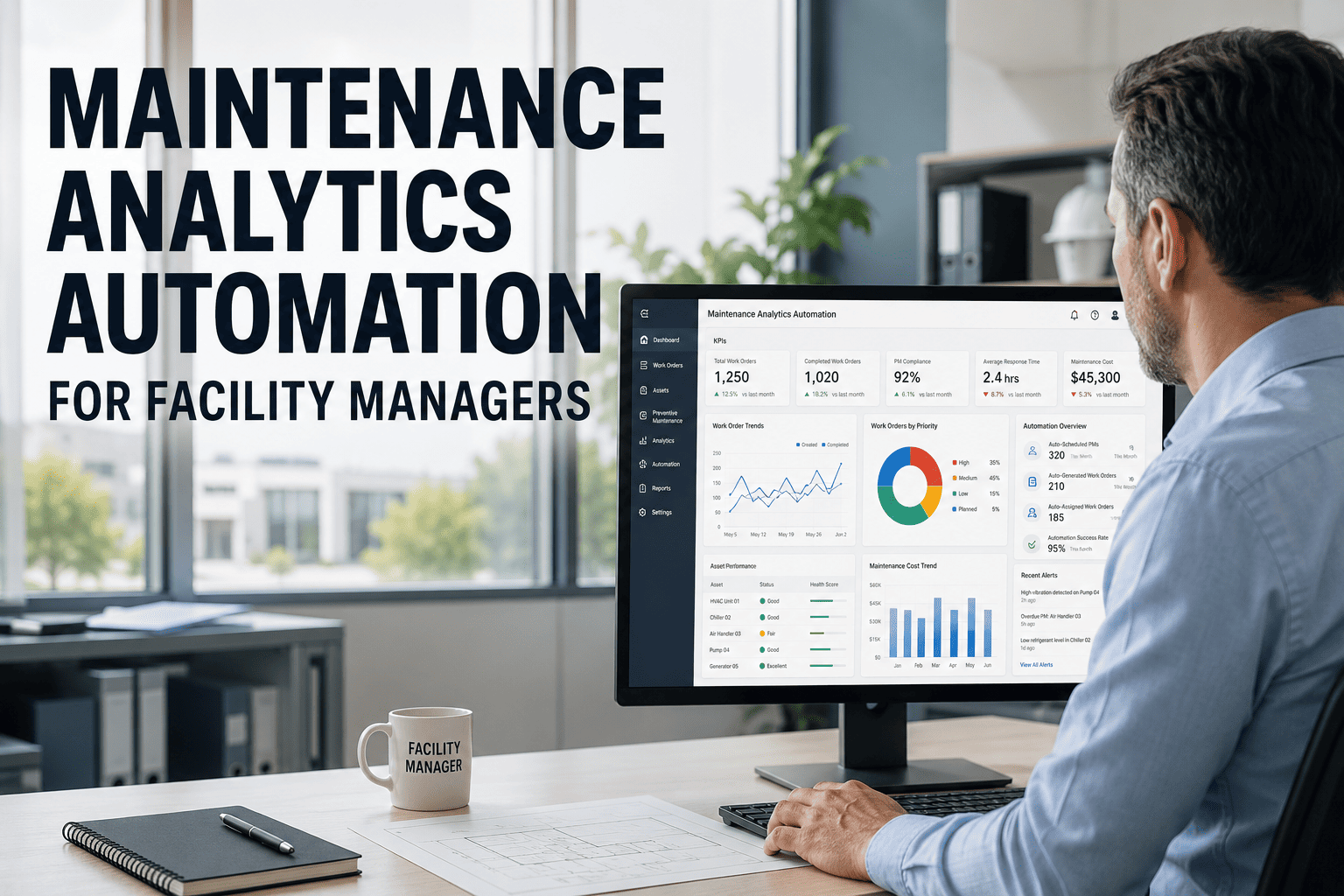
Read More
Most facility teams already have plenty of data — work order logs, inspection checklists, PM histories — and almost no time to turn it into a decision before the next walkthrough or board meeting. Maintenance analytics automation pulls all of that
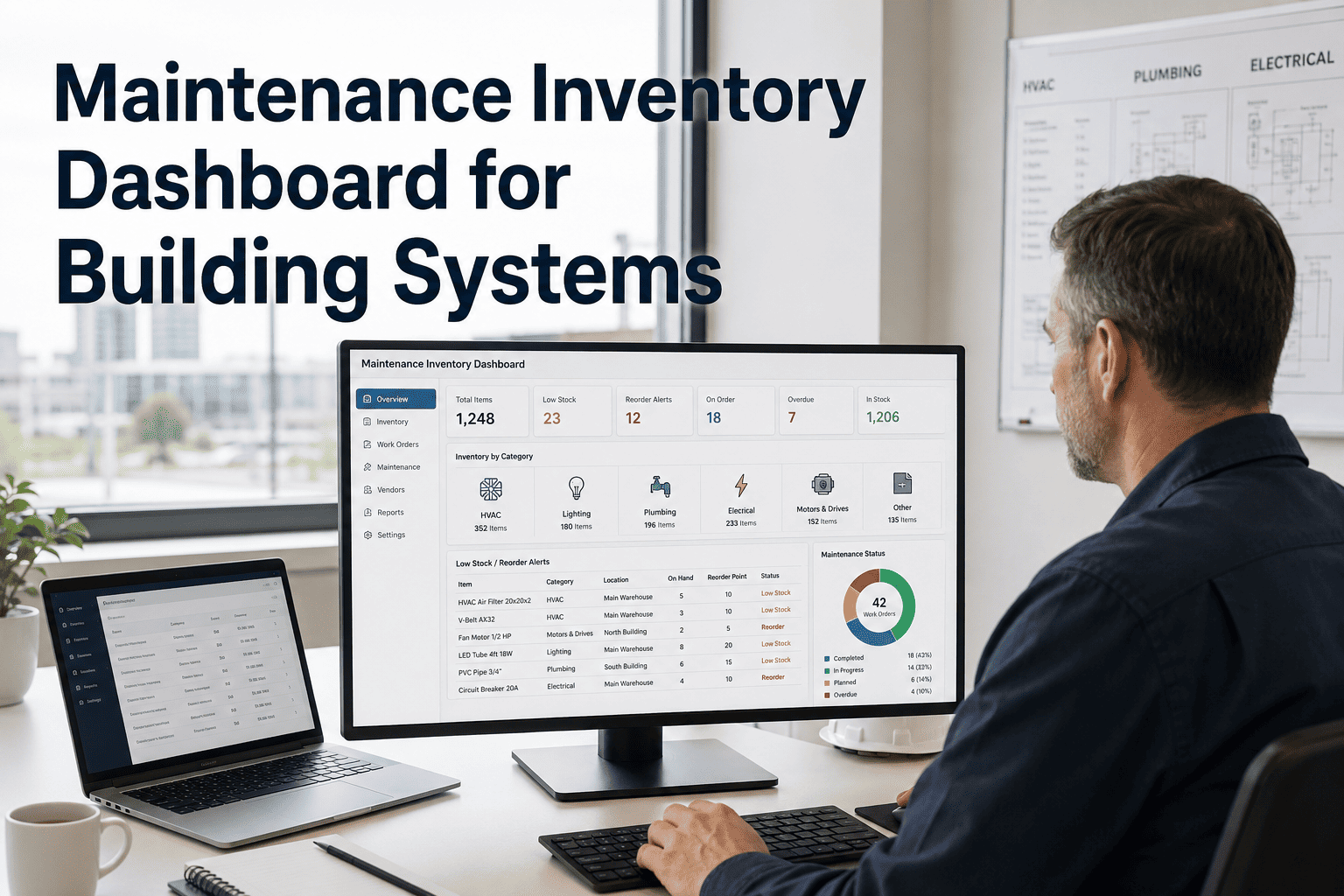
Read More
A technician arrives to replace a failed belt and finds the spare sitting in a different building's storeroom — or not ordered at all. Building systems inventory is easy to ignore until the day a part isn't there, and then it's the reason a one-ho
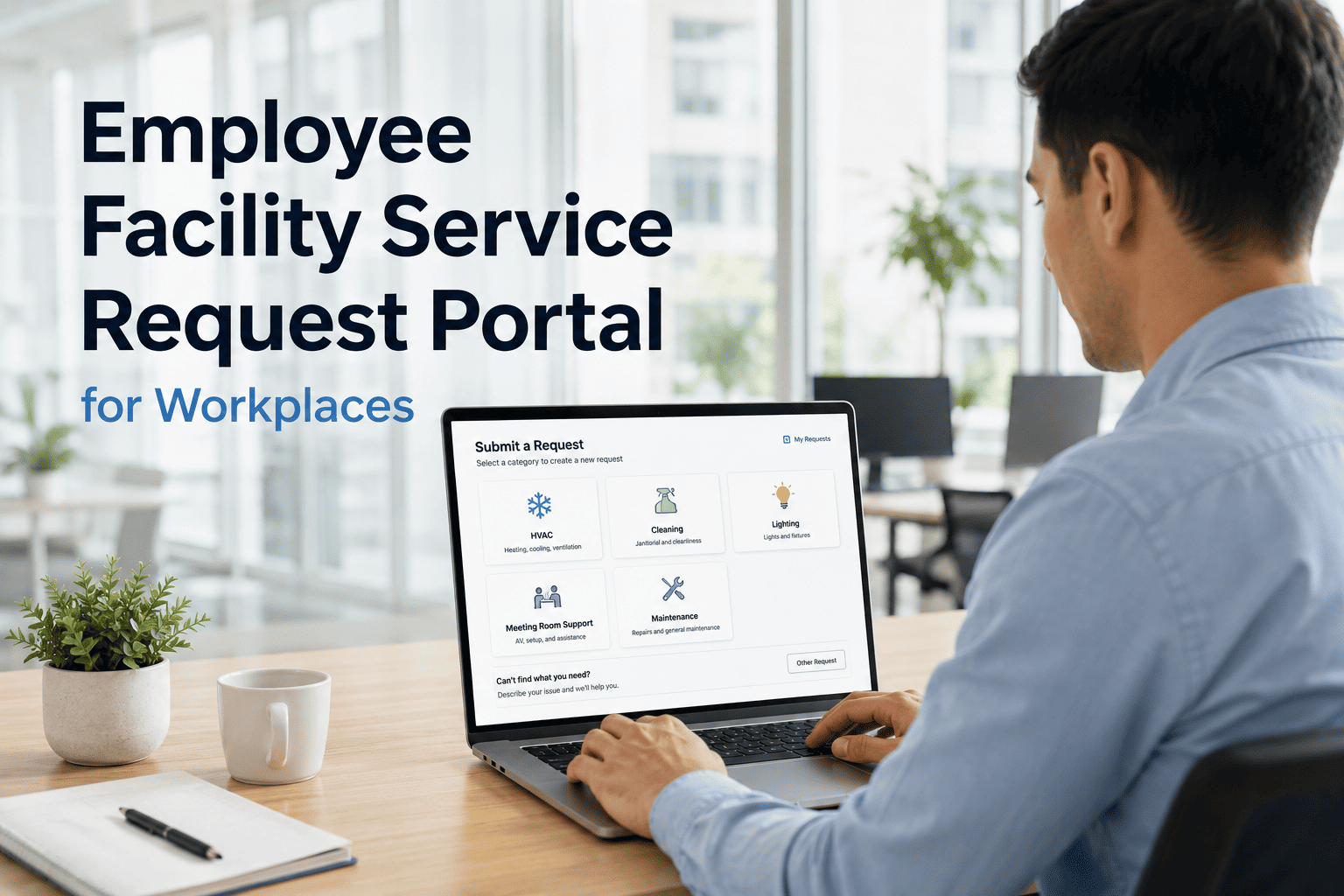
Read More
An employee reports a broken AC unit over chat on Monday, follows up by email on Wednesday, and finally mentions it to someone from facilities in the hallway on Friday — and the request is still open, because none of those three messages ever beca
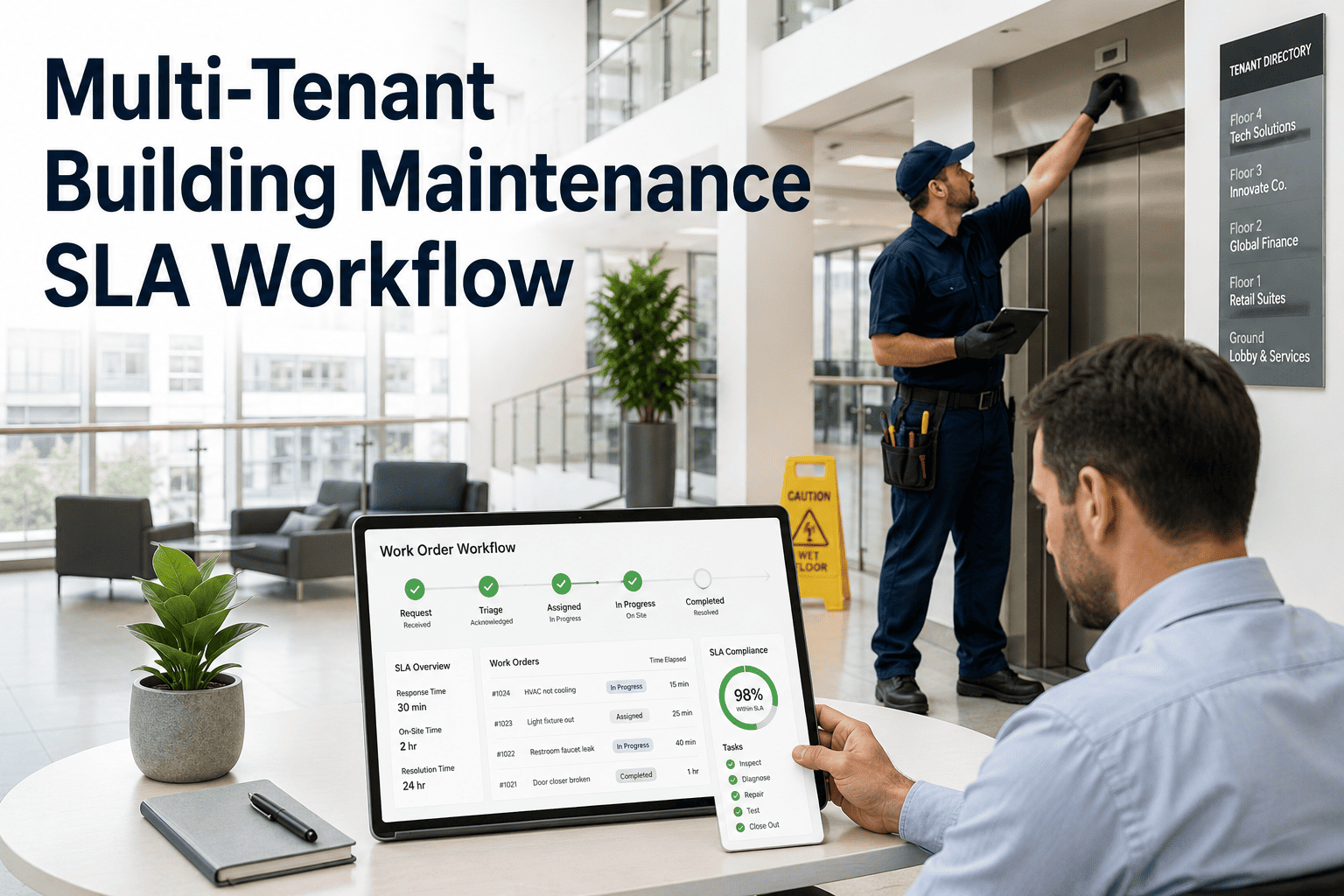
Read More
A net-lease office tower might have one tenant whose contract guarantees a one-hour response to any HVAC complaint, and a neighbor two floors up with no written SLA at all — yet most maintenance software treats every request the same way. When SLA
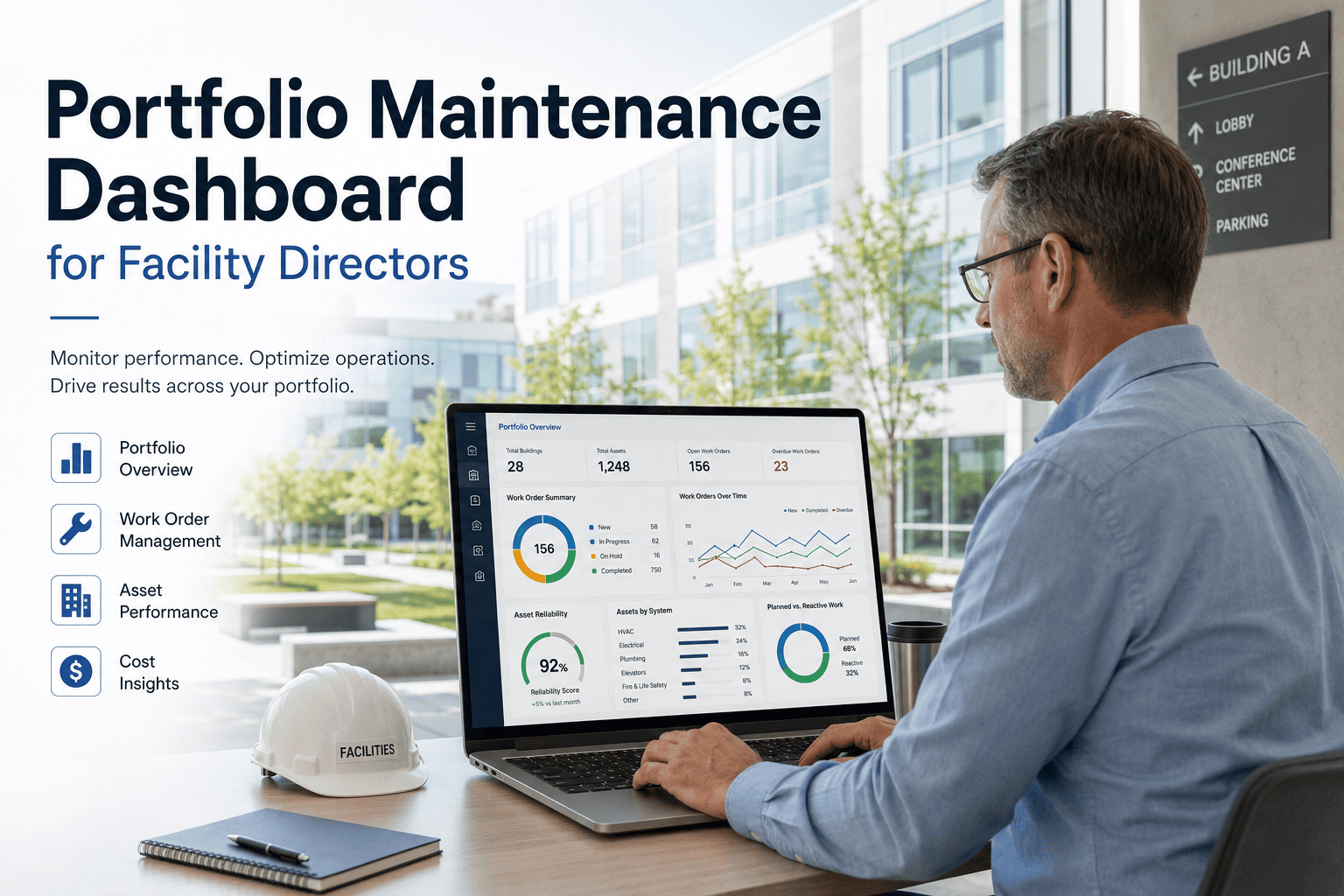
Read More
A facility director responsible for a dozen buildings doesn't have time to call a dozen site managers before a Monday morning review. Without a single view across the portfolio, the question of which building needs attention this week gets answere

Read More
When a fire marshal walks into your building, they rarely start with the equipment — they ask for the records. And that's where most facilities get caught, because the majority of building code violations trace to documentation gaps, not failed ha

Read More
Buildings do not fail on a random schedule — they fail on a seasonal one. The chiller that ran fine in October dies on the first ninety-degree day in May, the pipe that was sound in September splits in January, and the cooling tower that sat dorma
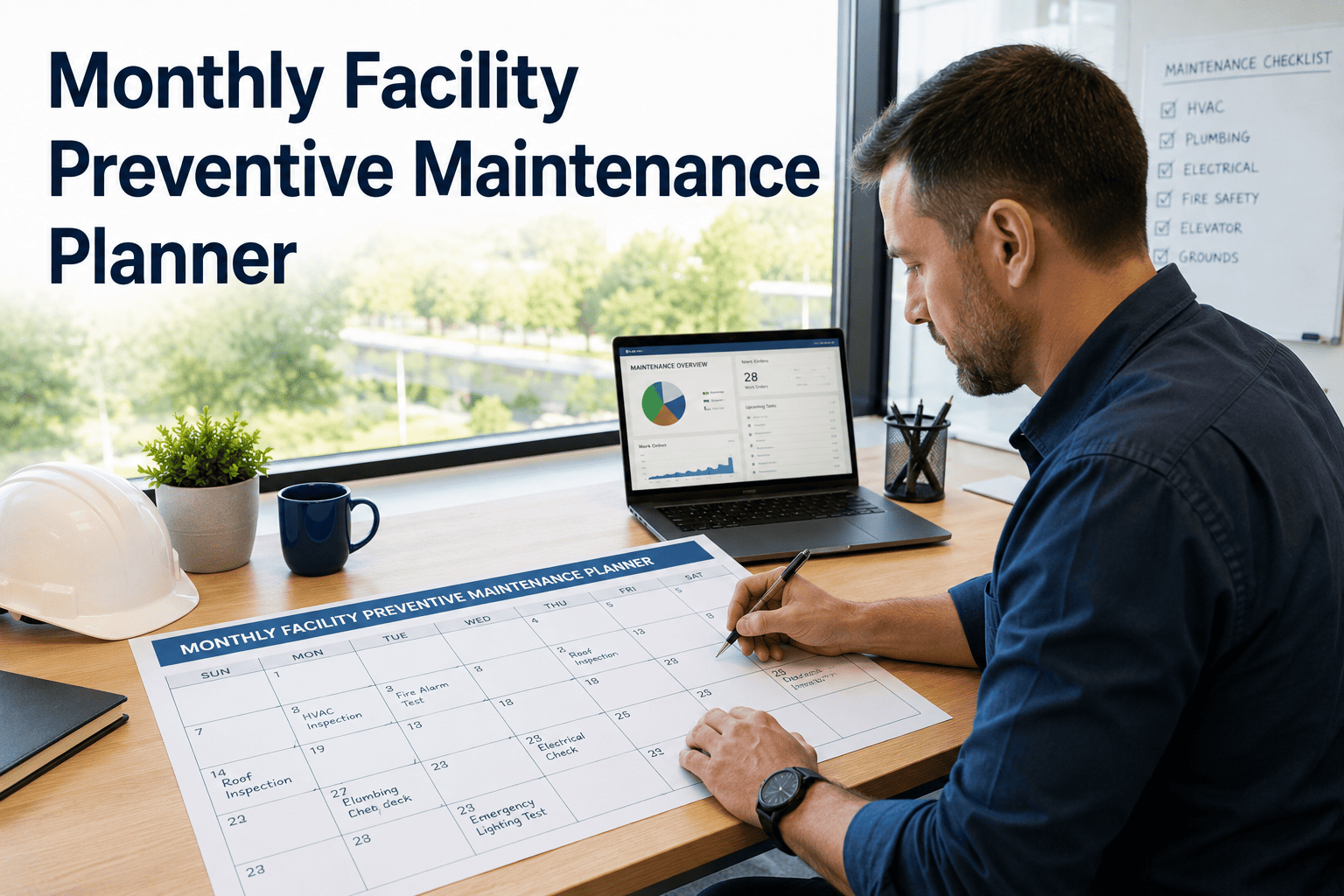
Read More
Every facility manager faces the same question on the first Monday of the month: what preventive maintenance has to happen, on which assets, performed by whom, and how do we prove it got done? A typical commercial building runs hundreds of recurri
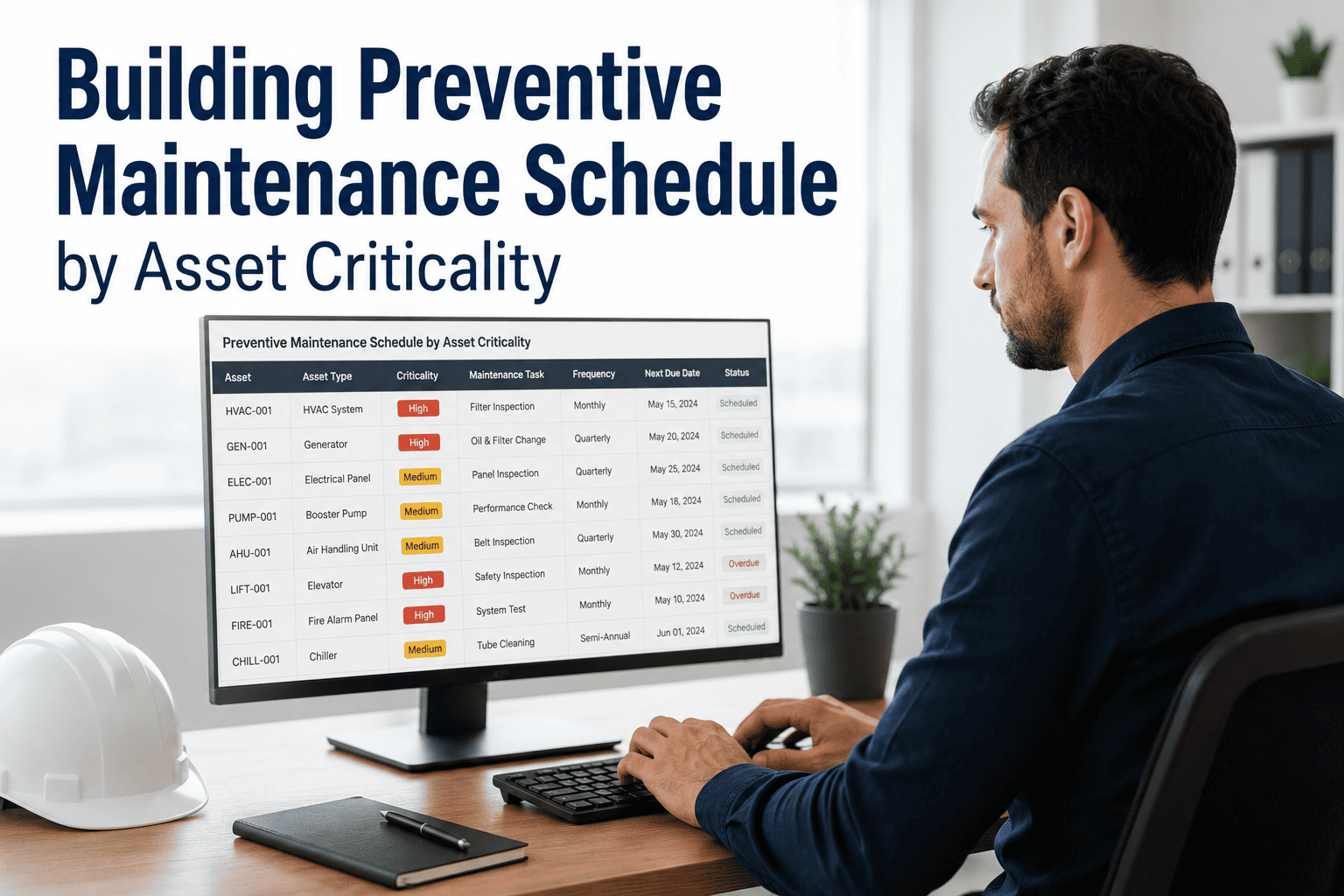
Read More
The fastest way to burn out a maintenance team is to treat every asset as equally important — putting the rooftop chiller and the breakroom microwave on the same monthly cycle until the calendar is full and the genuinely critical equipment still g
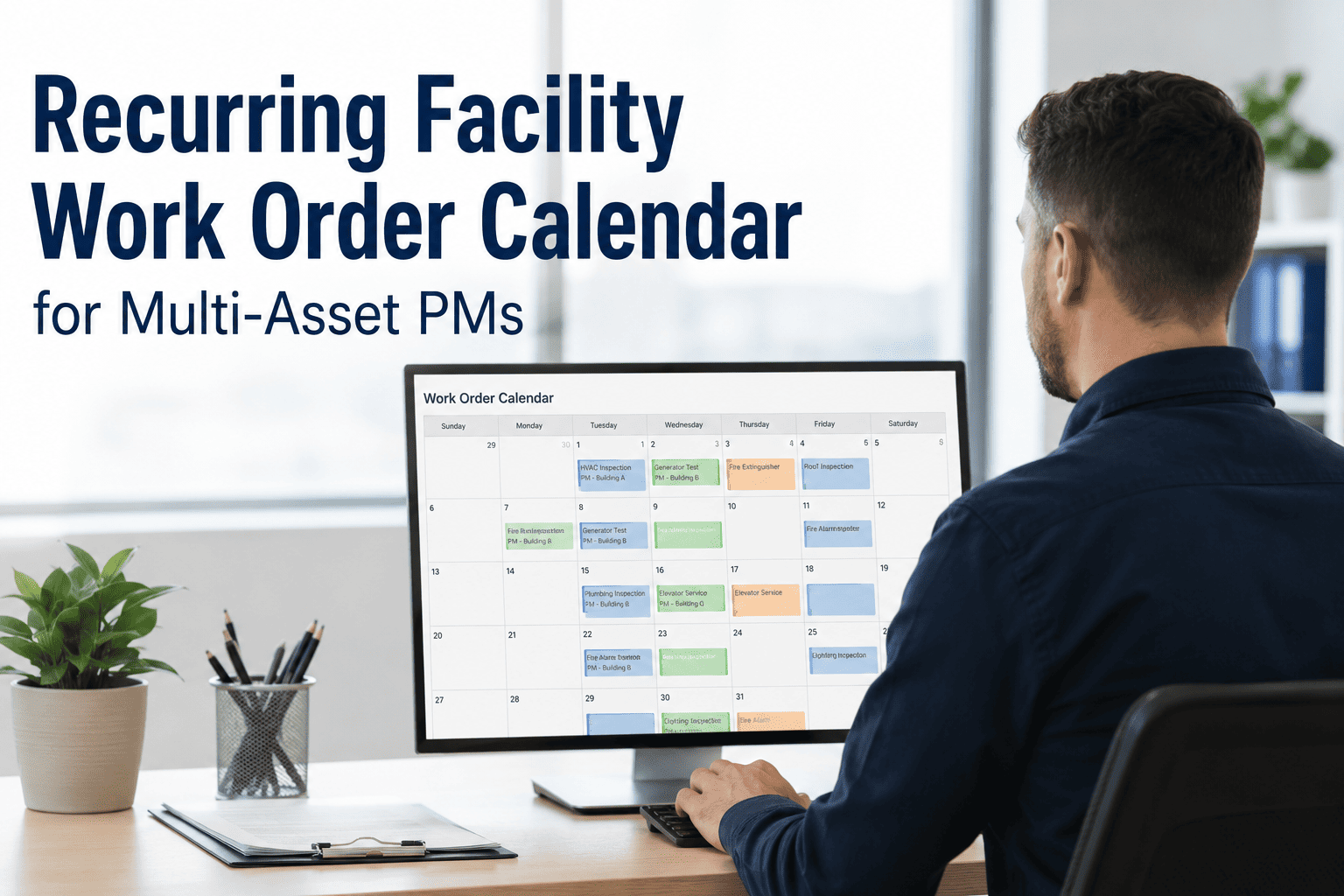
Read More
A preventive maintenance program lives or dies on the calendar. Filters need changing monthly, generators tested monthly, elevators certified yearly, and backflow preventers re-certified on the dot — and the moment any of those intervals depends o
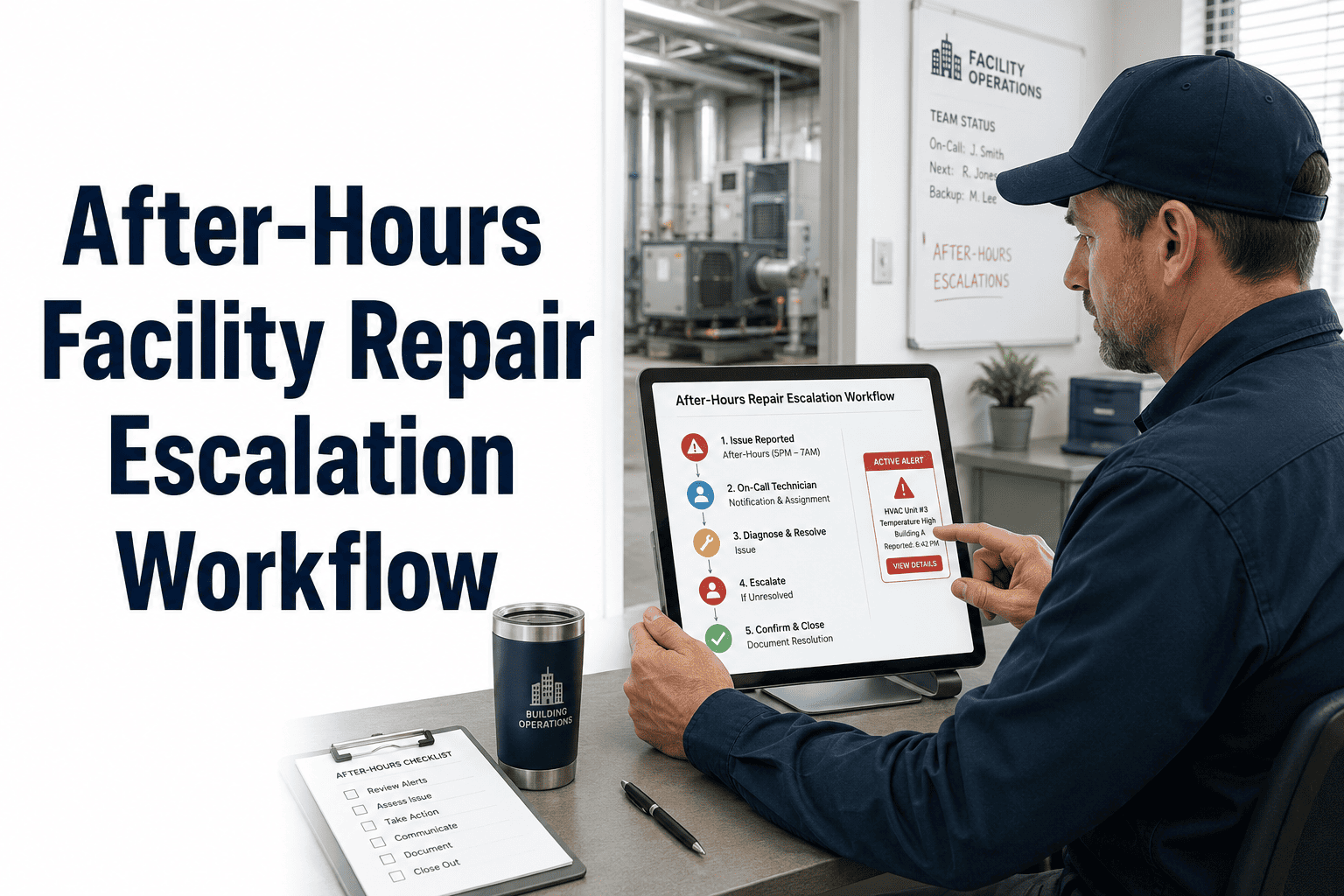
Read More
At 9 a.m., a broken HVAC unit is a routine work order. At 2 a.m. on a holiday weekend, the same failure becomes a flooded server room, a freezing tenant, and a liability claim — because the building is empty, the request lands in a voicemail, and
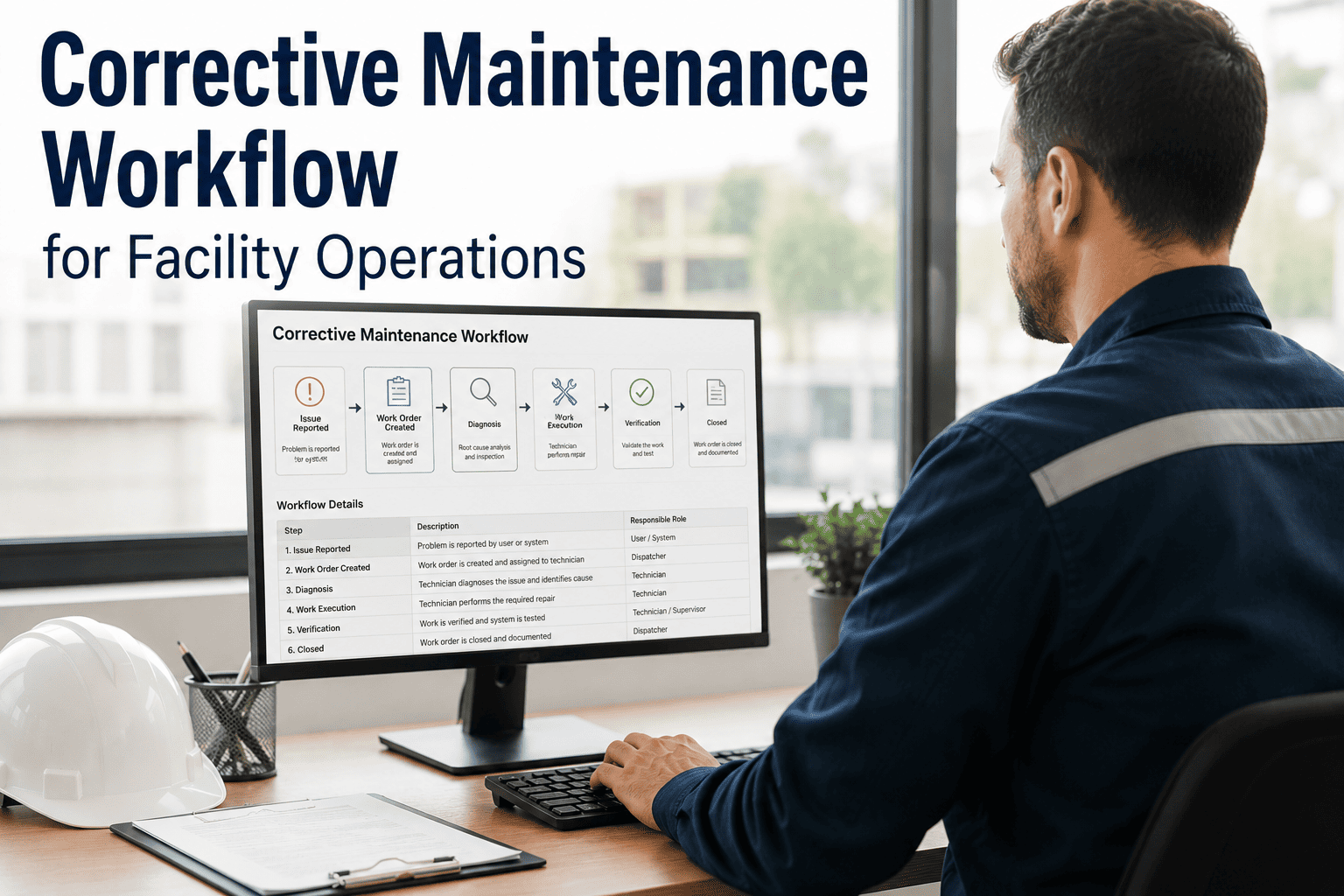
Read More
No facility eliminates failures — a pump seizes, a chiller trips, a door closer gives out. What separates a strong maintenance operation from a chaotic one isn't whether corrective work happens, but whether it follows the same disciplined path eve
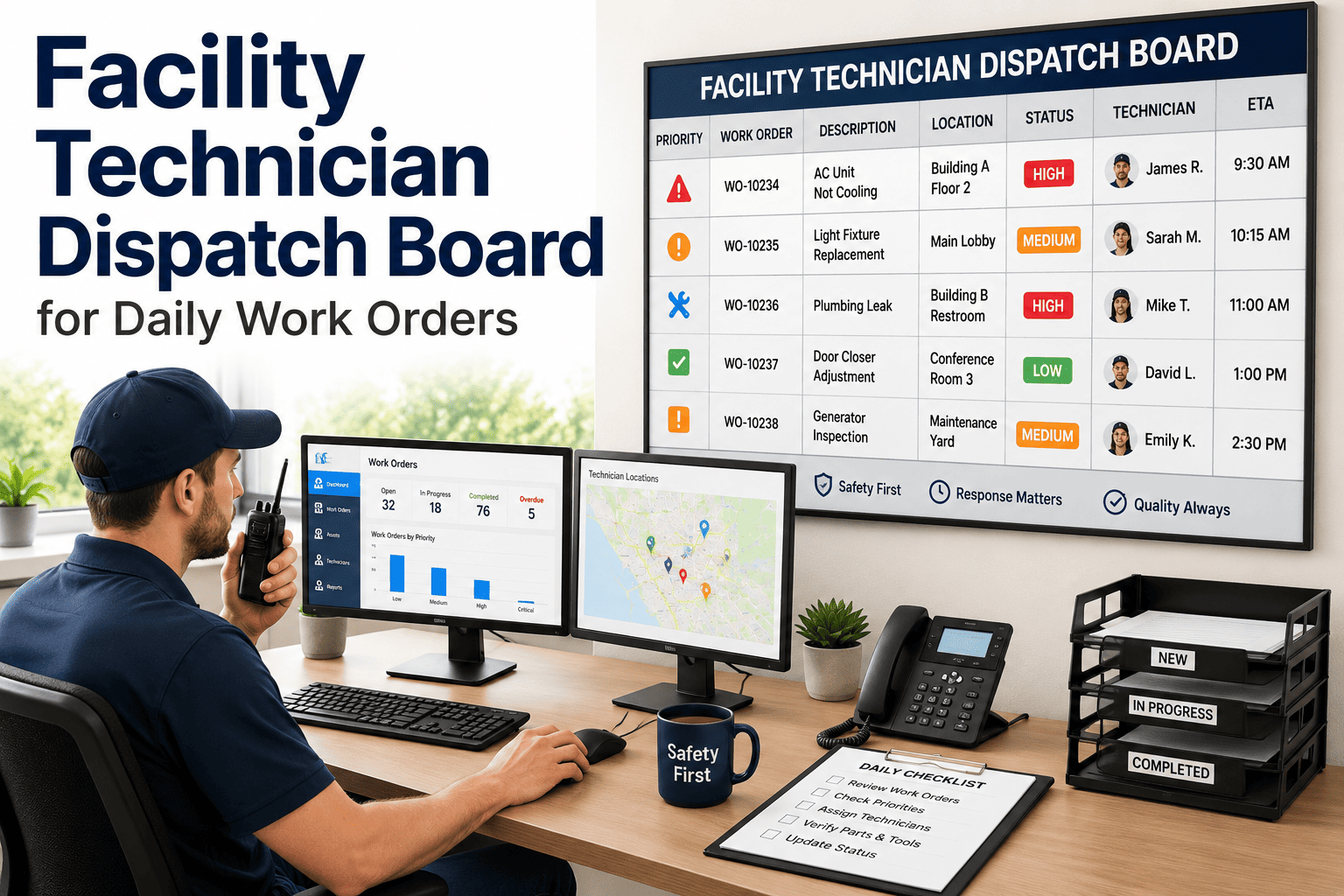
Read More
Most facility teams still start the day at a whiteboard or a spreadsheet — a supervisor calling around to find out who is free, who is already buried, and which requests slipped through since yesterday. That guesswork is expensive: the average mai

Read More
In facility maintenance, the timestamp is the contract. A service agreement can promise a four-hour fix on a critical HVAC failure, but without a record of when the request came in, when a technician acknowledged it, and when the work actually clo
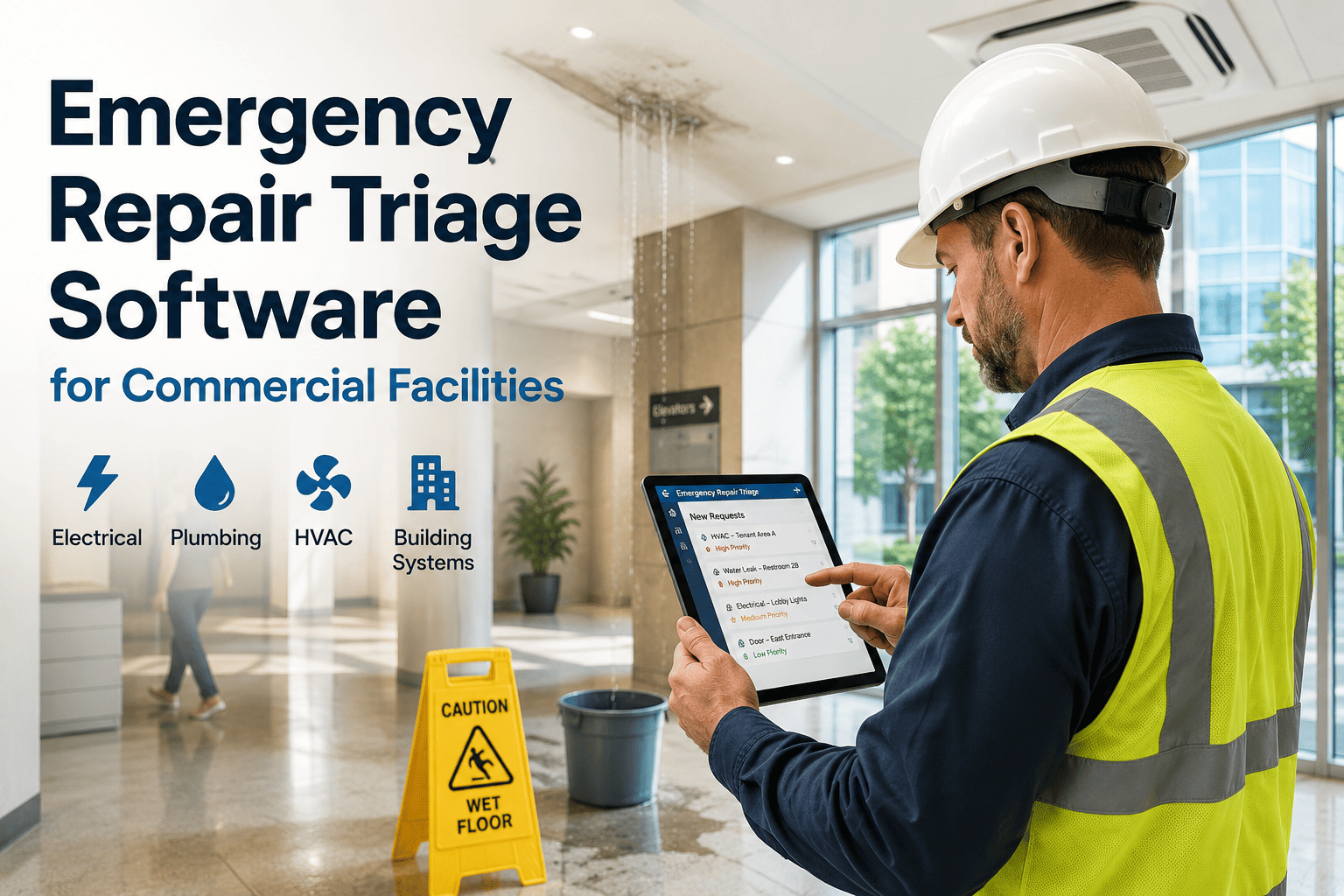
Read More
In a commercial facility, the problem is rarely that nobody reports the emergency — it is that everybody does. When any tenant, manager, or vendor can stamp a request "urgent," the loudest caller wins, a $200 light switch gets dispatched ahead of

Read More
Every facility team knows the feeling: technicians still closing last week's corrective jobs while this week's PMs come due, and the open work order count climbing no matter how hard everyone runs. A bloated backlog isn't just a long to-d
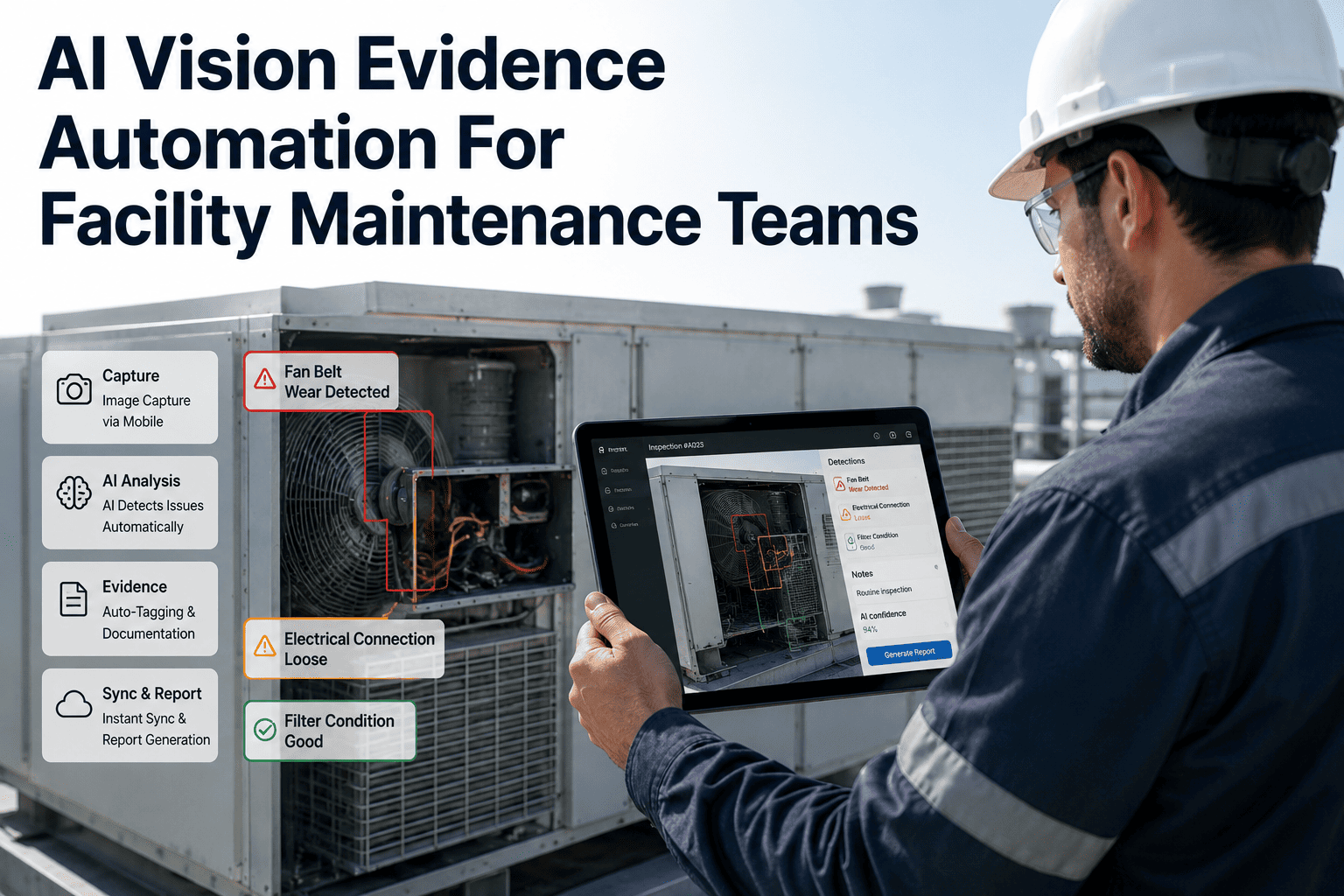
Read More
Every day, facility maintenance teams conduct inspections that produce findings — and then spend hours converting those findings into repair tickets, compliance records, and escalation alerts by hand. The result is delay, inconsistency, and an evi
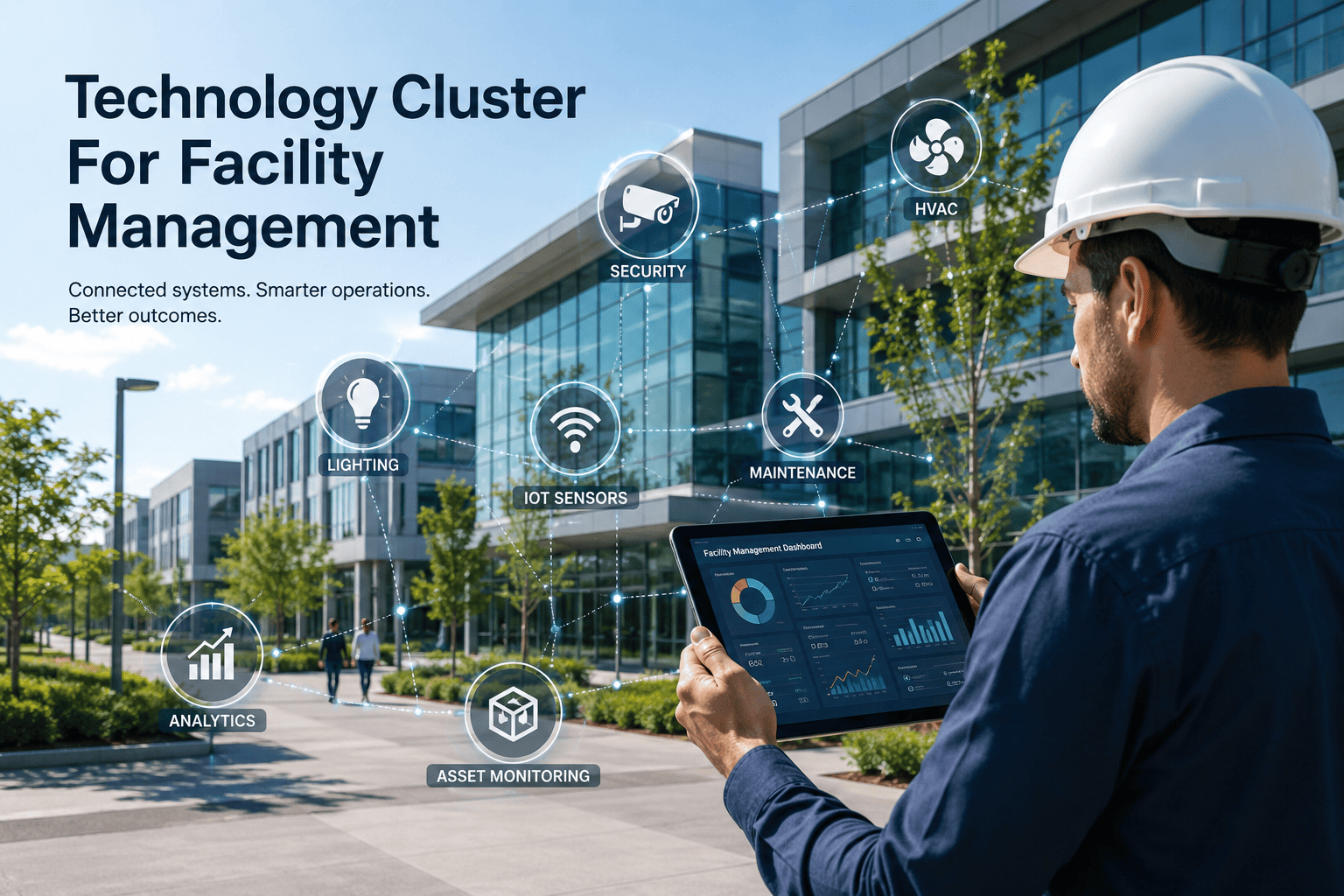
Read More
Modern facility management no longer runs on a single platform — it runs on a technology cluster: an interconnected set of tools that together cover work orders, inspections, asset tracking, preventive maintenance schedules, compliance evidence, a

Read More
Facility managers have always made decisions based on incomplete information — a snapshot of asset condition taken during a scheduled inspection, a work order closed last month, a maintenance log that hasn't been updated since the last shift chang

Read More
Facility operations teams are sitting on a goldmine of untapped data locked inside historian systems — time-series records of every sensor reading, equipment runtime, energy draw, and process variable across the plant. The problem is that this dat

Read More
Most PLC programs were written to keep a process running, not to tell anyone when something is about to go wrong — alarms fire at hard limits that were set during commissioning years ago and rarely revisited, so by the time a fault trips the contr

Read More
A facade inspection used to mean weeks of scaffolding, a five-figure invoice, and inspectors physically climbing a structure in an industry where falls remain a leading cause of death on site. Drones removed most of that trade-off. A single flight

Read More
A building engineer walking the same mechanical room route every shift eventually stops really seeing it — gauge readings get glanced at, not read, and a developing problem can sit in plain sight for weeks before anyone notices the change. Quadrup

Read More
Most facility teams can tell you what broke last week, but almost none can tell you what is about to break next week. The reason isn't a lack of effort — it's that BMS trends, SCADA logs, IoT sensor feeds and CMMS work order history all sit in sep
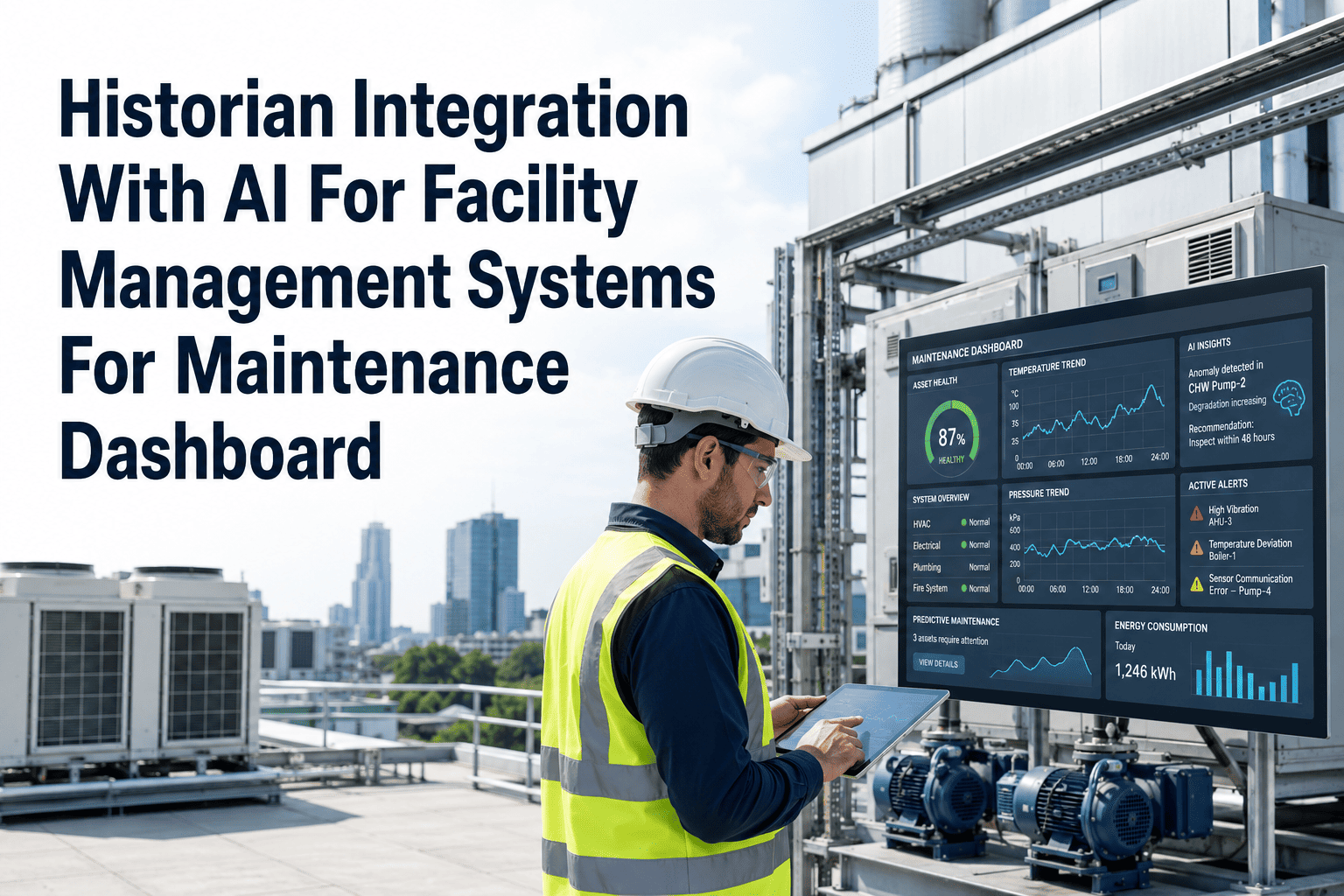
Read More
Every building already has more usable maintenance data sitting in its historian than most facility teams realize — years of HVAC temperatures, pump vibration, chiller load and alarm history, logged continuously and almost never analyzed in any me

Read More
Programmable Logic Controllers quietly govern the mechanical heartbeat of every modern facility — controlling HVAC sequences, pump cycles, lighting zones, access systems, and dozens of other critical building functions. Yet in most facility mainte
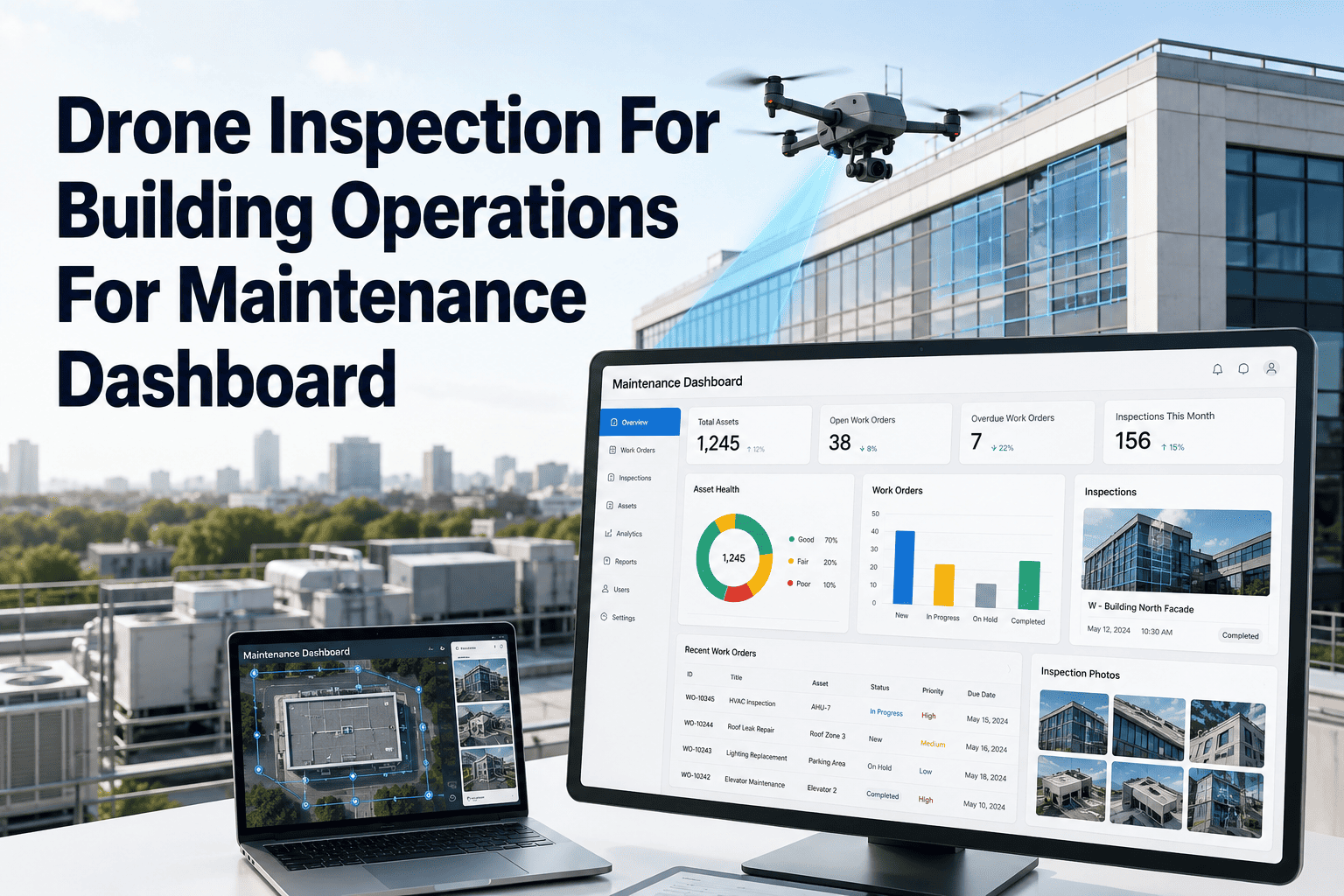
Read More
Building inspectors once dangled from rope rigs to photograph rooftop cracks, hired scaffold contractors for facade surveys, and scheduled weeks-long access windows for tower and penthouse mechanical checks. Commercial drones have compressed that

Read More
Facility engineers managing large campuses, industrial buildings, and critical infrastructure are under pressure to inspect more assets with fewer people and tighter budgets. Quadruped robots — four-legged autonomous inspection platforms — are cha
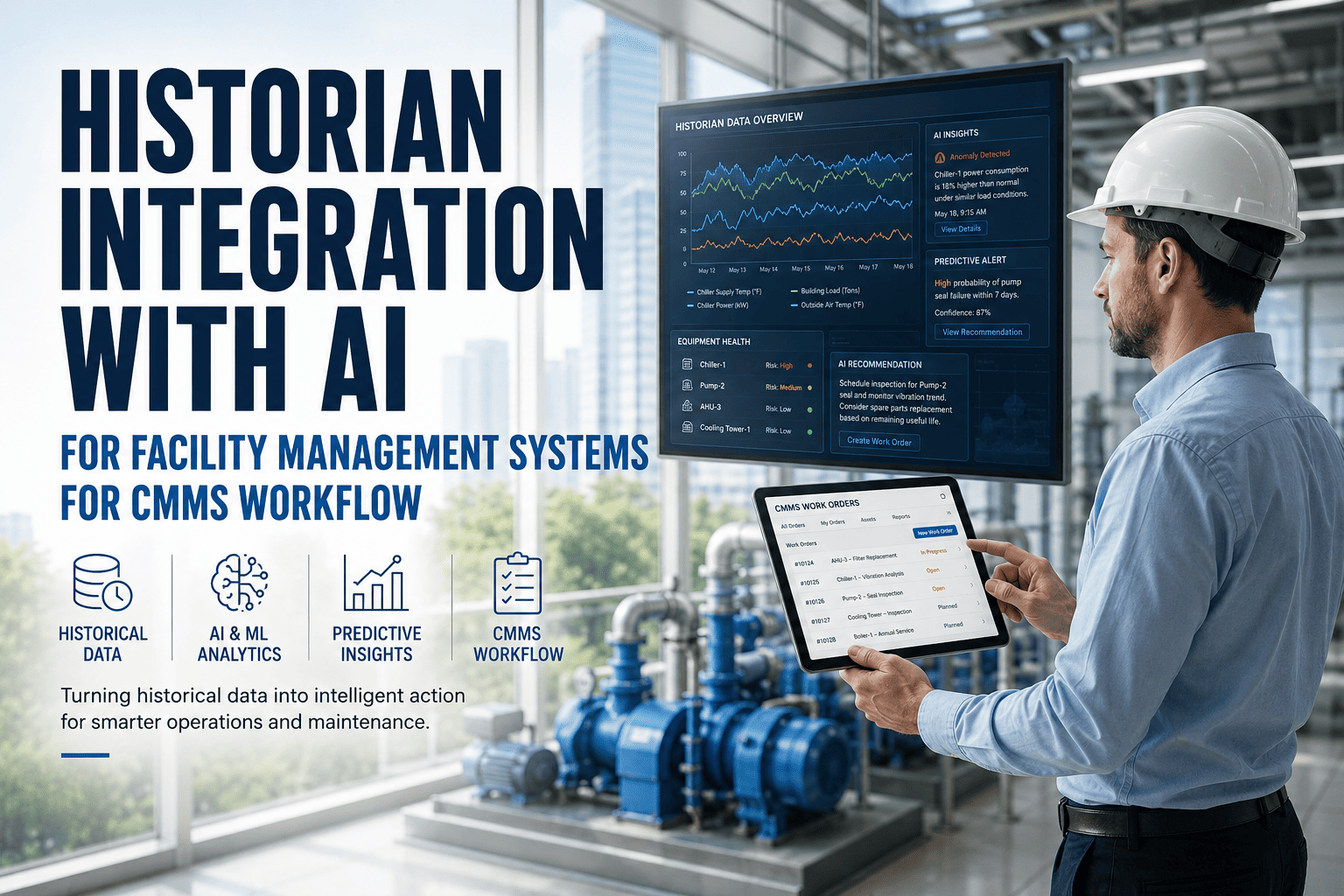
Read More
HVAC service teams managing large commercial and industrial building portfolios face a persistent data fragmentation problem: building automation historians hold years of equipment runtime data, performance curves, and alarm histories — while the

Read More
Pharmaceutical facility maintenance teams operate under a compliance burden that turns every maintenance decision into a documented, auditable event — FDA inspections, GMP audits, and 21 CFR Part 11 requirements demand that every asset repair, pre

Read More
Food and beverage plants run some of the most demanding PLC-controlled environments in industrial operations — where a conveyor timing fault, a CIP cycle deviation, or a packaging line speed anomaly can mean product loss, contamination risk, or re

Read More
Property management teams overseeing multi-site commercial portfolios spend a disproportionate amount of time managing roof, facade, and external asset inspections — areas that are difficult, costly, and slow to inspect with human crews.

Read More
Hospitality facilities maintenance teams face a uniquely demanding inspection challenge: guest areas, back-of-house infrastructure, and building systems all require frequent, documented walkthroughs — while staffing constraints make it impossible
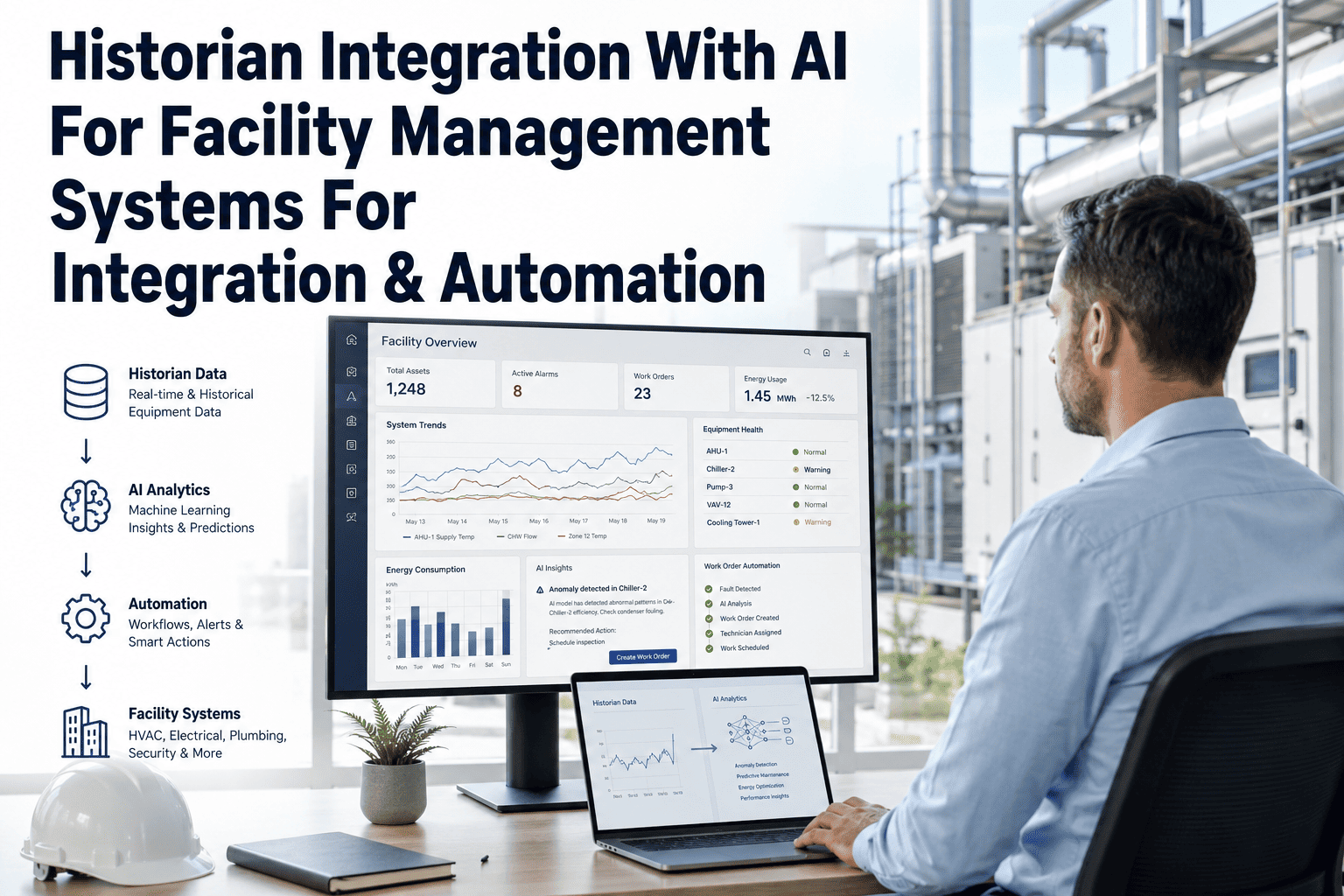
Read More
Campus facility directors managing complex building portfolios have long faced an impossible data gap: process historians sitting on the OT network hold years of equipment performance data, while the CMMS sitting on the IT network holds maintenanc
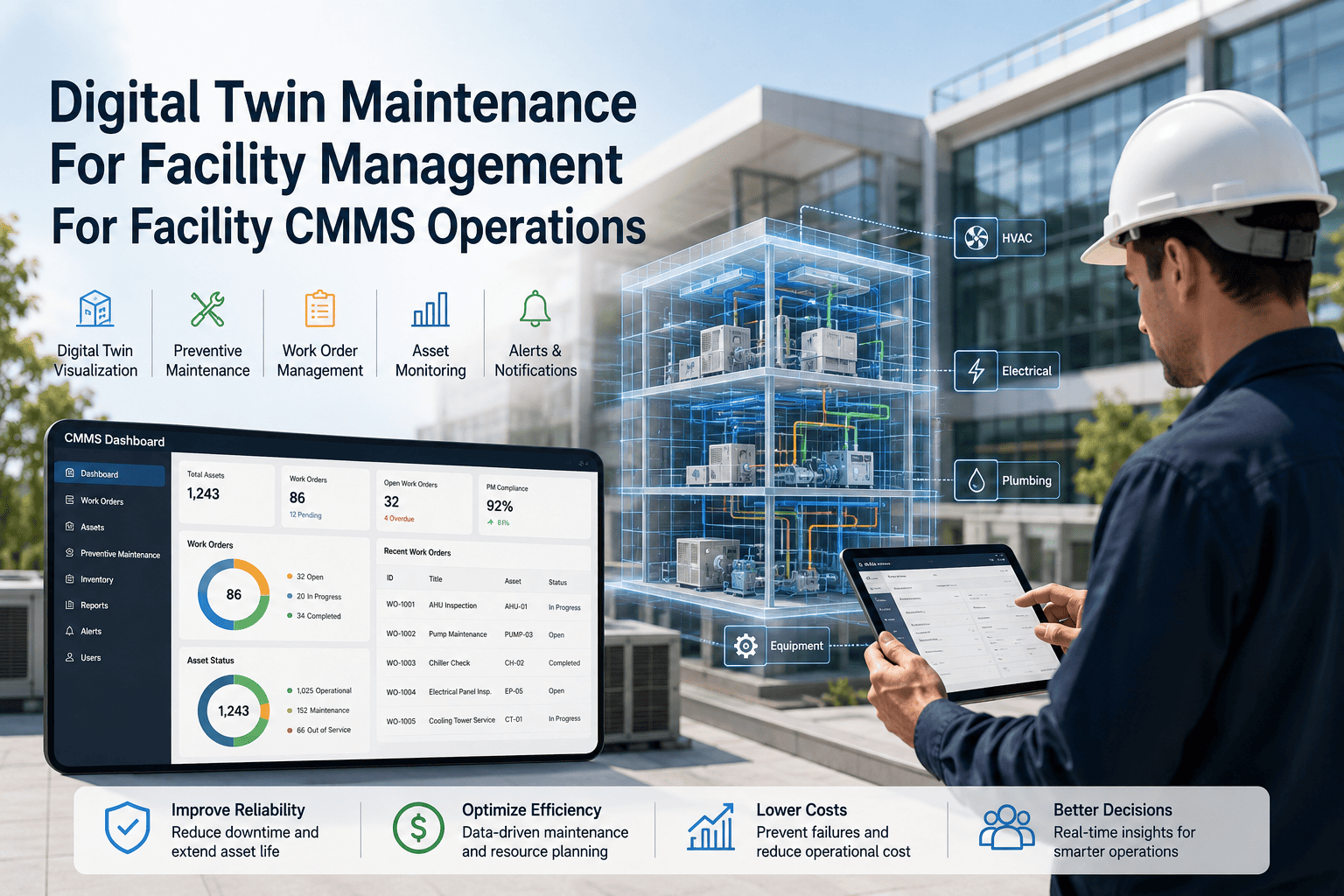
Read More
Facility operations teams running aging buildings face a relentless problem: maintenance is reactive, asset history is scattered, and no one knows the true condition of critical systems until something fails.

Read More
A cement plant has more vertical risk than almost any other industrial site — a 100-meter preheater tower, clinker silos, and a kiln shell that runs hot enough to make a close visual check genuinely dangerous. Ground-level inspection from a distan

Read More
Facility management teams running manual inspection rounds across large buildings face a structural reliability problem — human walkthroughs miss 30 to 45 percent of early-stage equipment faults, checklist completion is inconsistent across shifts,

Read More
A municipal or utility depot runs two separate worlds side by side — the building systems that keep the depot itself running, and the vehicle and yard systems that keep the fleet moving. Both generate signals constantly: a generator panel alarm in

Read More
Every plant historian is sitting on years of tag data — temperature, pressure, vibration, current draw — that almost nobody looks at until after a failure, when someone pulls up the trend to explain what happened. That data could have predicted th

Read More
Every government building already has a PLC or BMS quietly logging alarms — chiller faults, generator failures, water leaks — into a system nobody checks until something breaks. The signal exists, but it dies in a control room screen instead of re
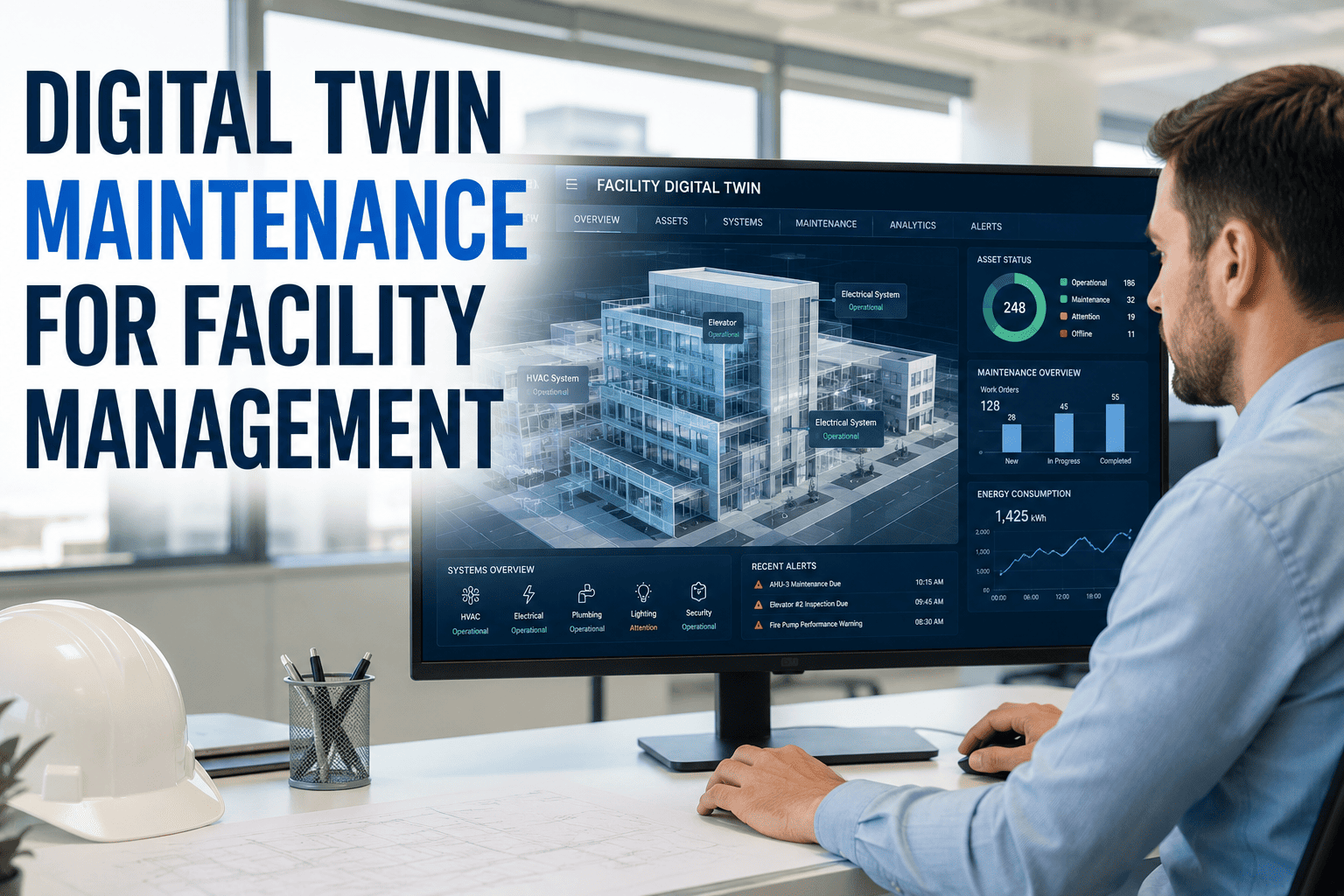
Read More
A digital twin is only useful to a maintenance team if it does more than look good in a sales demo — it needs to answer "where is this asset, what condition is it in, and what happens if it fails" without anyone walking the building to check. Most

Read More
A four-legged robot walking the same loop through a manufacturing plant every two hours sounds futuristic, but it solves a very old problem — humans skip rounds when they are short-staffed, tired, or sent to fight a different fire. Quadruped robot

Read More
Roofs, facades, rooftop chiller units, and water towers all share one problem — they are expensive and risky to reach, so they get inspected far less often than they should. A drone covers the same area in minutes that would otherwise need rope ac
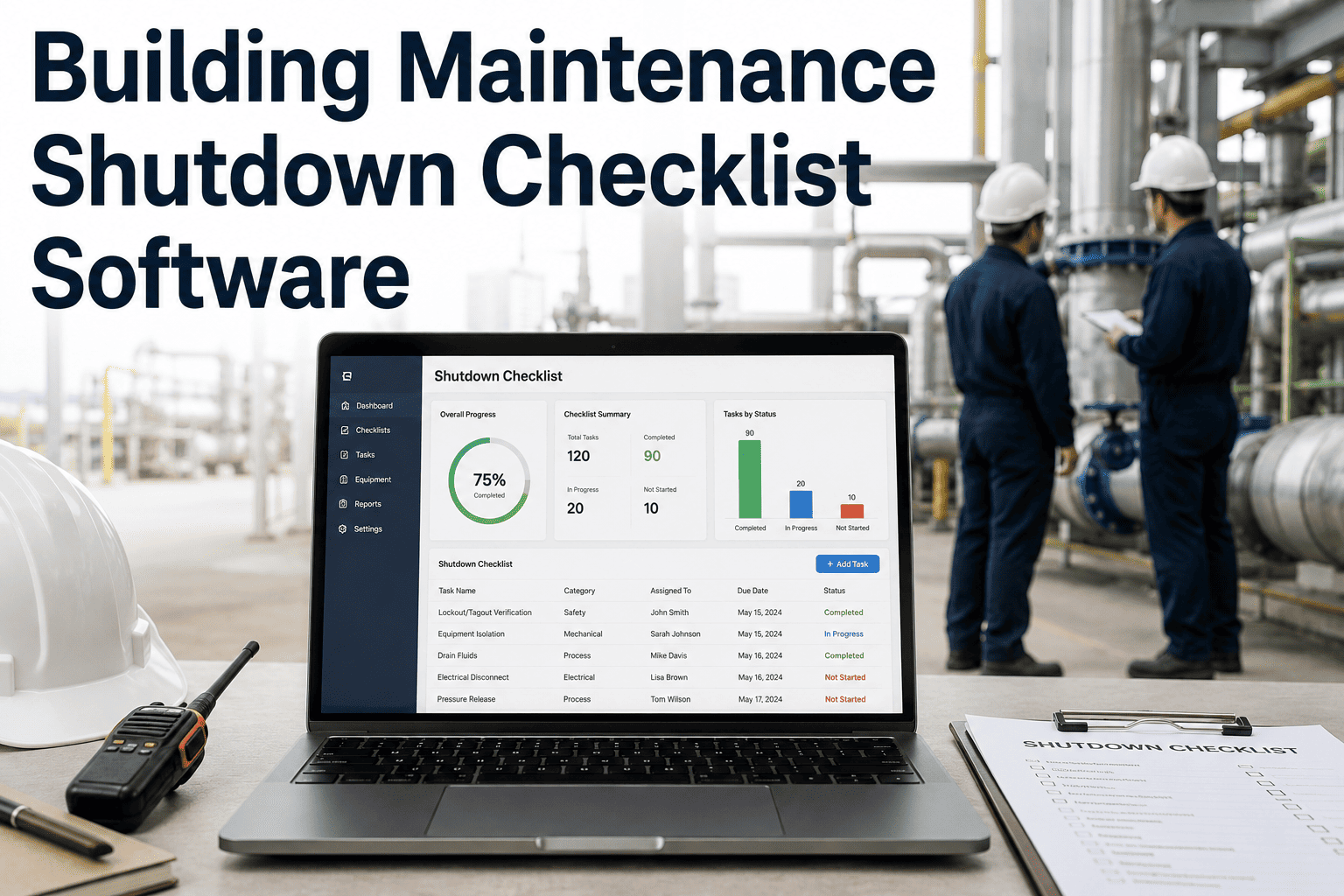
Read More
A planned shutdown is the riskiest maintenance event a facility runs — not because the work itself is unusual, but because forty individual steps across electrical isolation, equipment lockout, contractor coordination, and restart verification all

Read More
A facility outage planned in a spreadsheet is not really planned — it is a list of intentions with no coordination layer connecting asset shutdown sequences, technician assignments, vendor arrivals, safety permit approvals, and communication recor

Read More
Emergency preparedness is not a one-time inspection — it is a continuous maintenance discipline. Generators that have not been load-tested in 90 days, fire extinguishers not checked since last year's audit, emergency lighting that has been on a ma
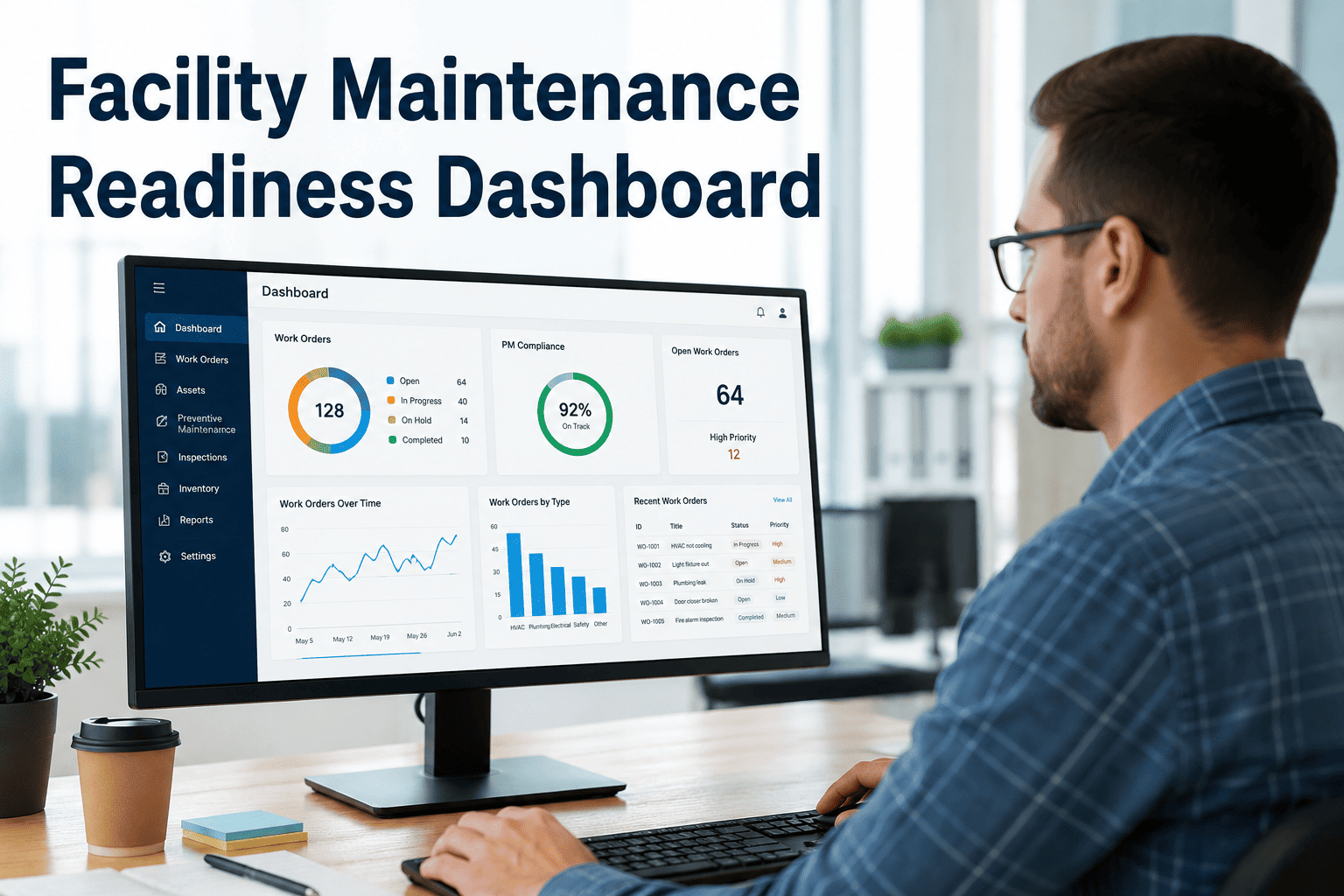
Read More
A facility that looks maintained is not the same as a facility that is ready. Readiness is a measurable state — it answers whether preventive maintenance is on schedule, whether critical systems have open risks, whether spare parts are stocked, an
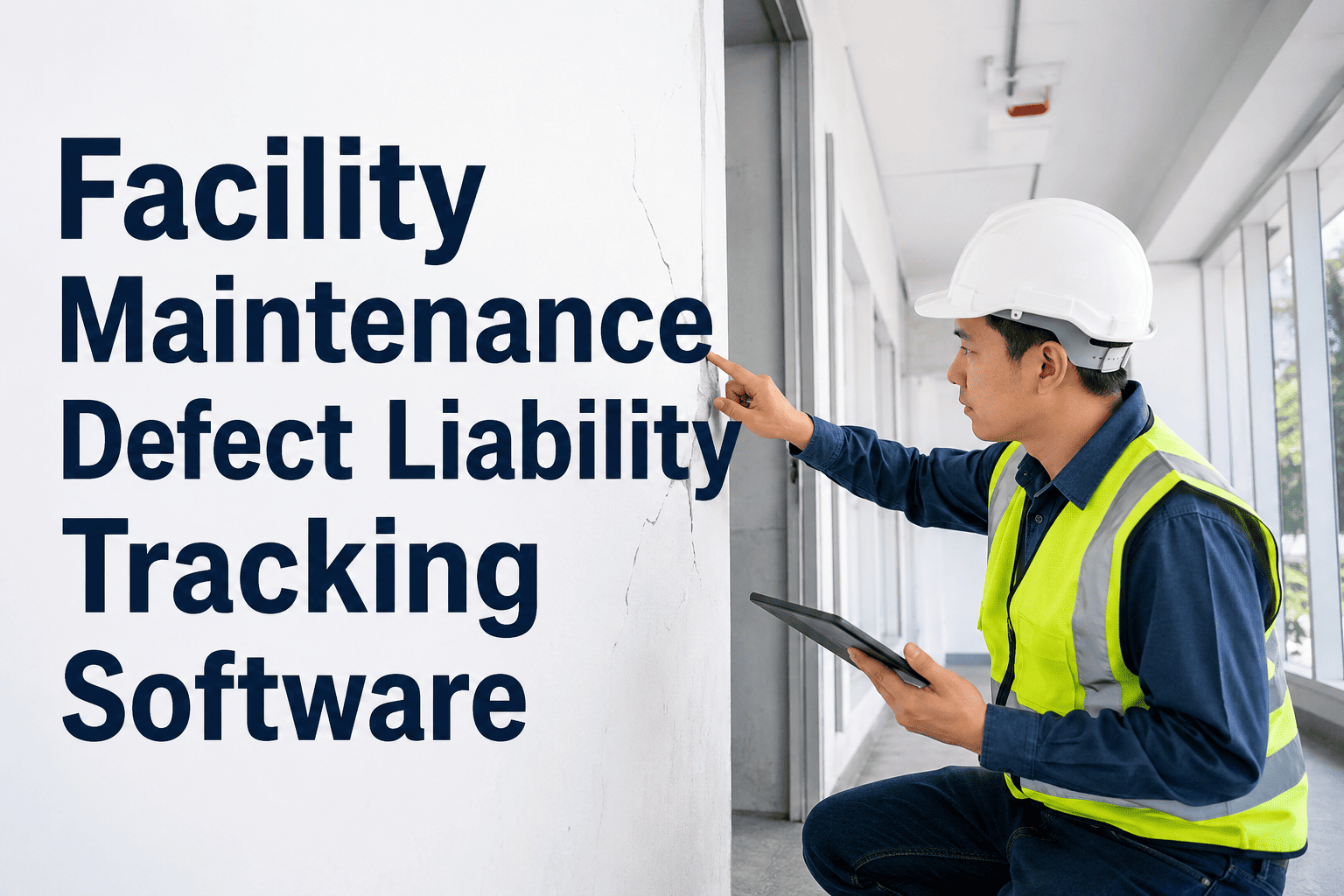
Read More
The defect liability period is the most legally exposed window in any building's lifecycle — typically 12 to 24 months after practical completion, during which contractors are obligated to rectify defects at their own cost. Yet most facility teams
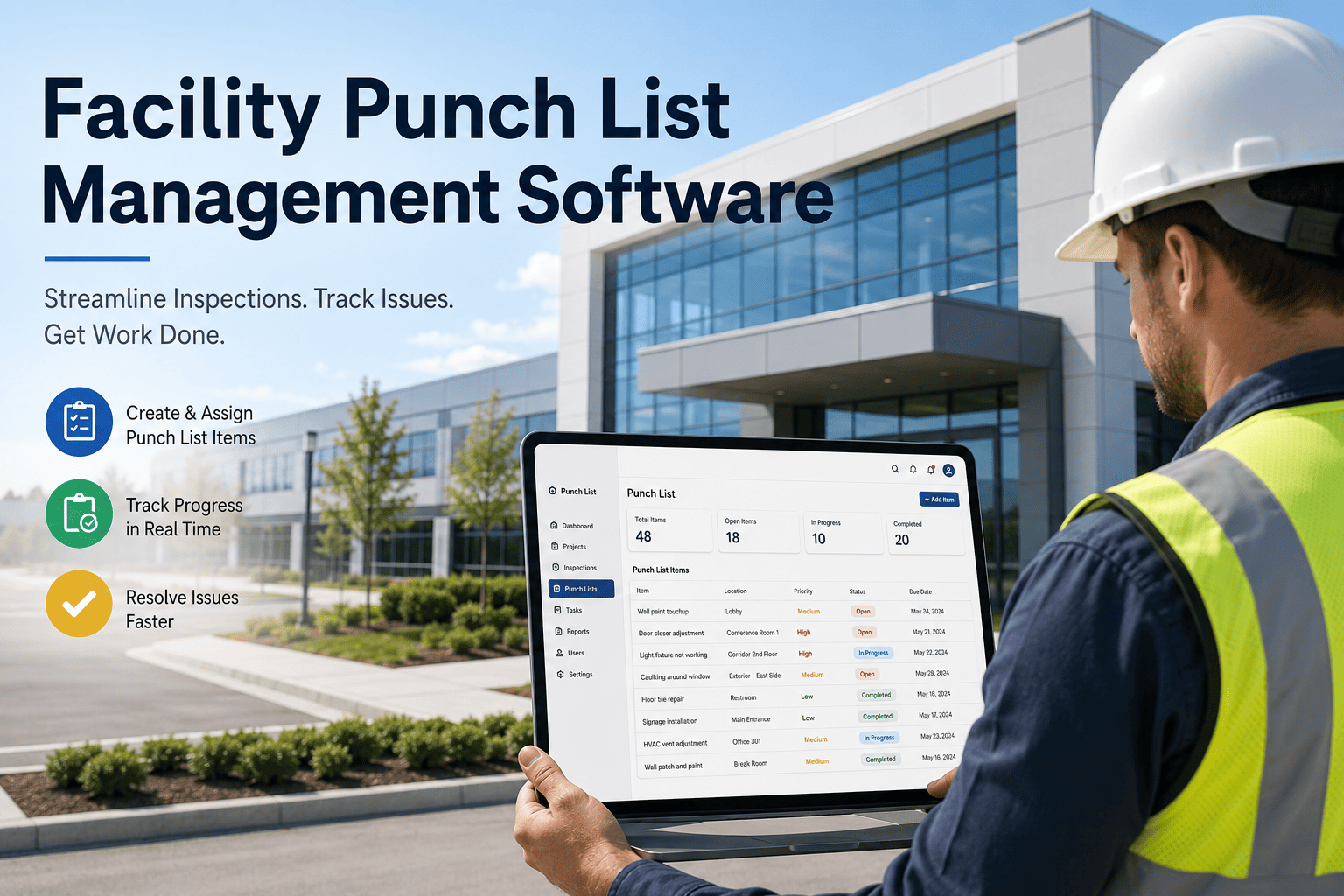
Read More
Managing facility punch lists manually — on spreadsheets, paper walkthroughs, or email chains — creates accountability gaps that delay project handovers, inflate defect resolution costs, and expose building owners to warranty liability. Oxmaint's

Read More
Kiln shells, preheater refractory, and grinding mill liners all wear in ways that are visible long before they cause a failure, yet most cement plants still depend on inspectors writing notes after a walk-down rather than capturing the actual cond

Read More
A fleet technician tells a manager a brake pad was replaced, but six weeks later that same vehicle is back in the shop with the same complaint, and there's no way to know if the original repair was actually done correctly or done at all. Fleet mai

Read More
Steel plants run on equipment that fails violently when it fails — a cracked refractory lining or a worn crane hook gives little warning before becoming a safety incident or a multi-day shutdown. Inspectors document these conditions with photos co

Read More
A power plant outage that runs even one hour longer than planned can cost more than the repair itself, and regulators reviewing a forced outage want more than a technician's written summary of what happened. They want proof — a clear, timestamped

Read More
A pothole, a damaged guardrail, or a failing streetlight gets reported by a citizen or field crew, and then the trail often goes cold inside an inbox or a paper form that never reaches the right department. Public works teams are accountable to ta
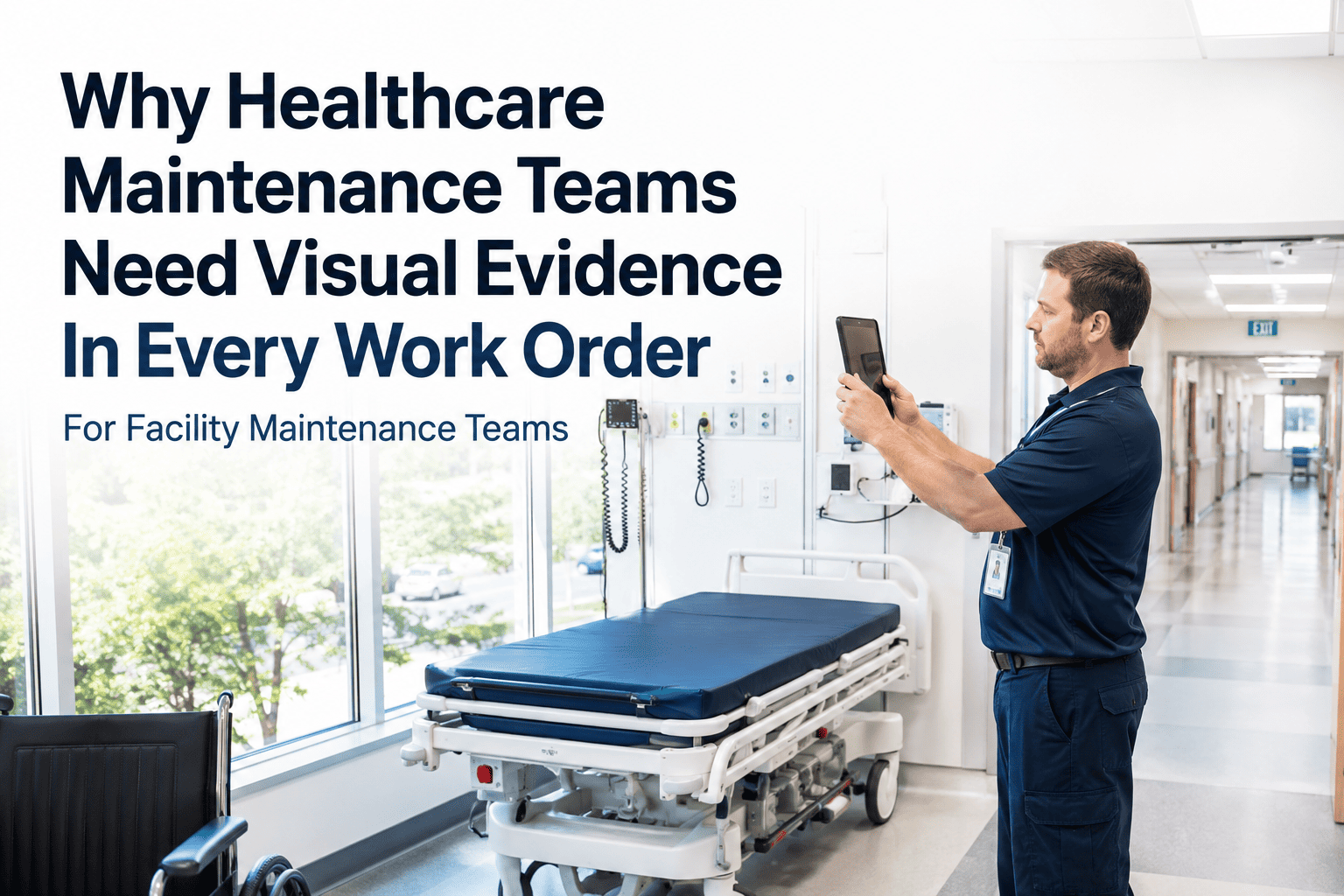
Read More
In a hospital, a maintenance work order is never just a maintenance work order — it's part of the same compliance record that Joint Commission surveyors, infection control teams, and risk managers will eventually review. A note that says "ceiling

Read More
A work order that says "fixed leaking valve" tells a facility manager almost nothing — not how bad the leak was, not whether the repair actually holds, not what it will look like when the same valve fails again in six months. Text-only work orders

Read More
A maintenance technician on a manufacturing floor snaps a photo of a worn conveyor bearing fifteen times a week, and fifteen times that photo sits in a phone gallery doing nothing. The defect is documented but disconnected — no work order, no asse
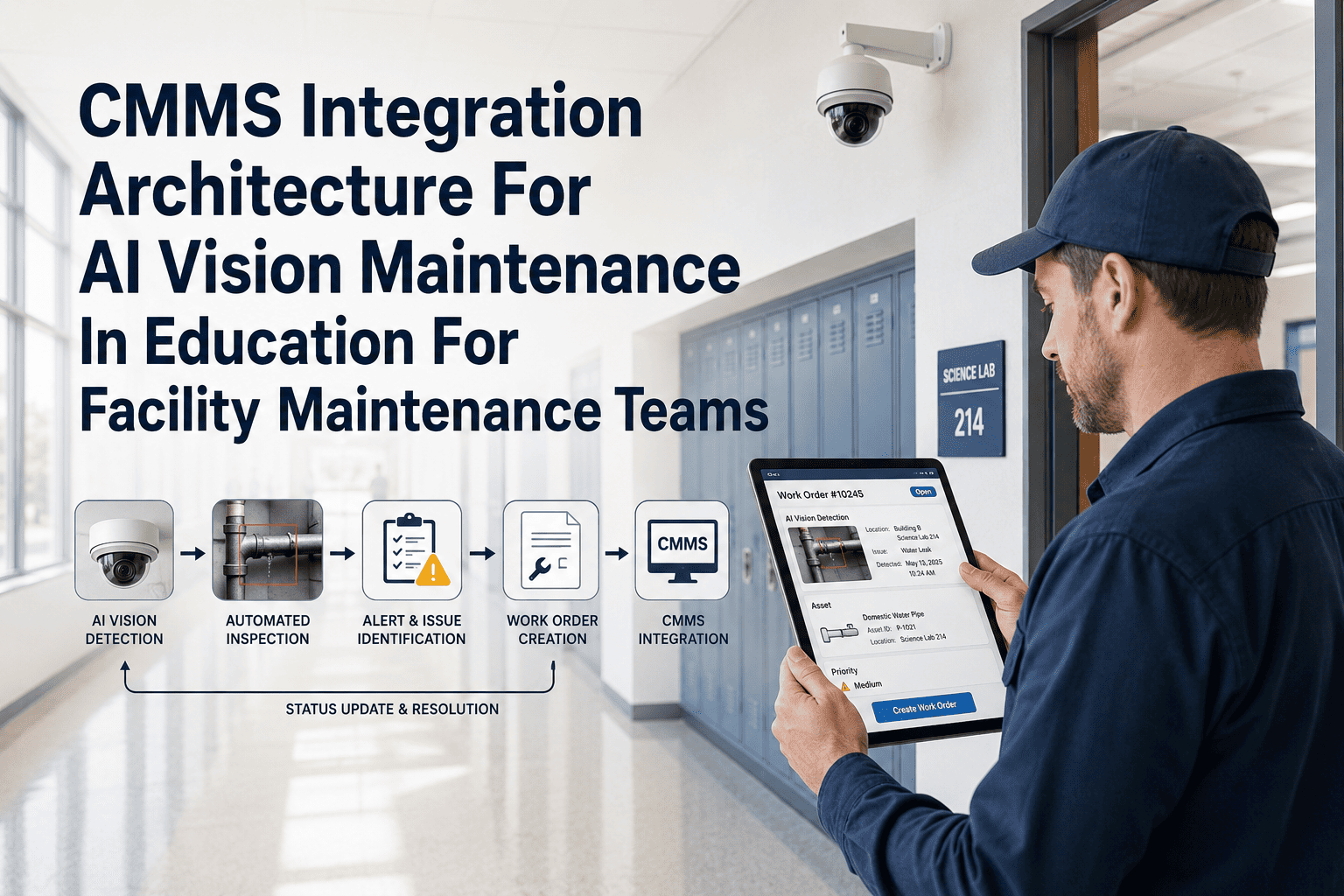
Read More
School and university facilities teams are sitting on thousands of unreported defects every semester — cracked stair treads, exposed wiring, failing exit signs — because the people who walk past them every day have no fast way to report what they
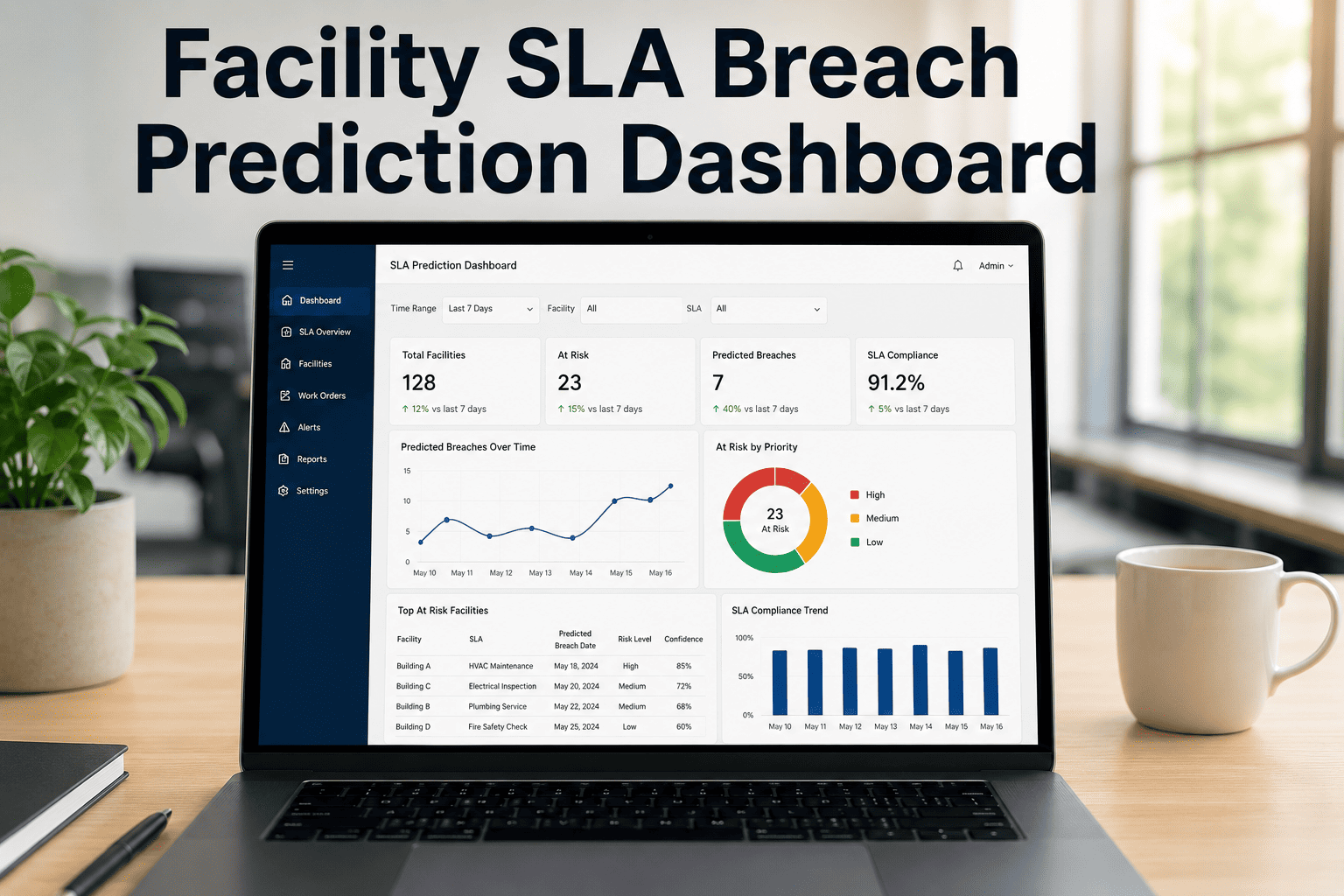
Read More
Most facility teams find out an SLA was breached the same way the tenant did — after the deadline passed. Studies on service tickets show that a large share of breaches show visible warning signs within the first couple of hours, but nobody is wat
Read More
Public buildings lose hours every week to maintenance issues that never get reported until they become emergencies, because the people who notice a leaking ceiling or a flickering light in a corridor rarely know who to call or whether it is even t
Read More
Hot-cold calls, noise complaints, flickering lights, restroom issues — tenant comfort complaints tend to get treated as one-off service requests, resolved individually without anyone tracking whether the same complaint keeps coming from the same f
Read More
Facility helpdesks lose hours every week to a problem that has nothing to do with fixing anything — sorting incoming requests by hand, figuring out which ones are duplicates, and guessing which ticket is actually urgent versus which one just sound
Read More
Restroom and janitorial supply stockouts almost never happen without warning — usage trends in a high-traffic restroom climb steadily for days before the dispenser actually runs empty, but most facility teams have no system watching that trend unt

Read More
Pest complaints rarely show up as a single bad incident — they show up as a pattern across the same loading dock, the same waste room, or the same ground-floor break area, month after month, while each complaint gets logged and closed as if it wer
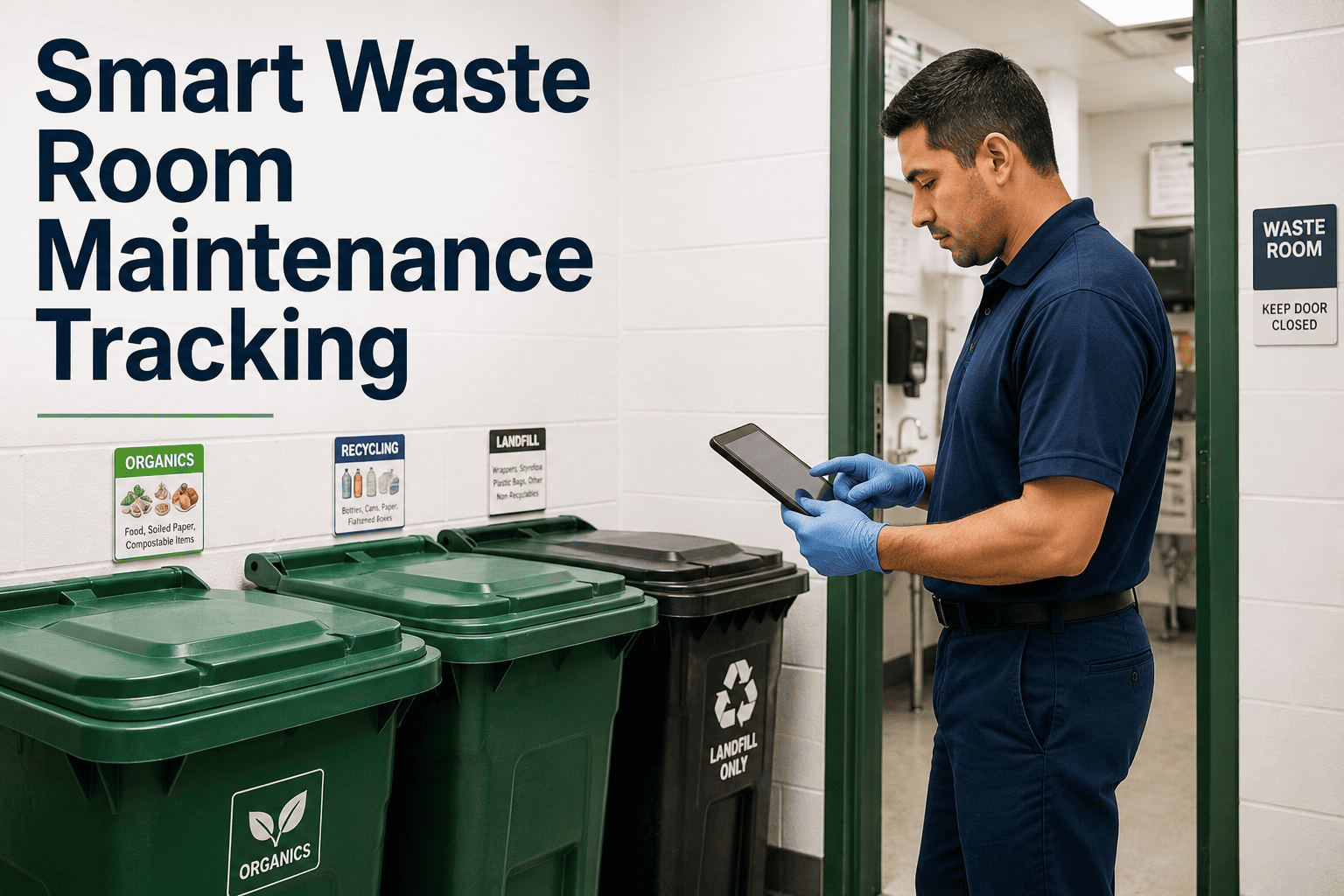
Read More
Waste rooms are one of the most complaint-prone, least-monitored spaces in any facility — a jammed compactor, a missed cleaning cycle, or a pest sighting can go unnoticed for days because nobody owns a structured inspection schedule for the room.

Read More
Most facility safety programs generate a steady stream of field observations — a contractor without a hard hat, a fire exit partially blocked by stacked pallets, exposed wiring near a break room — yet a large share of that information still lives
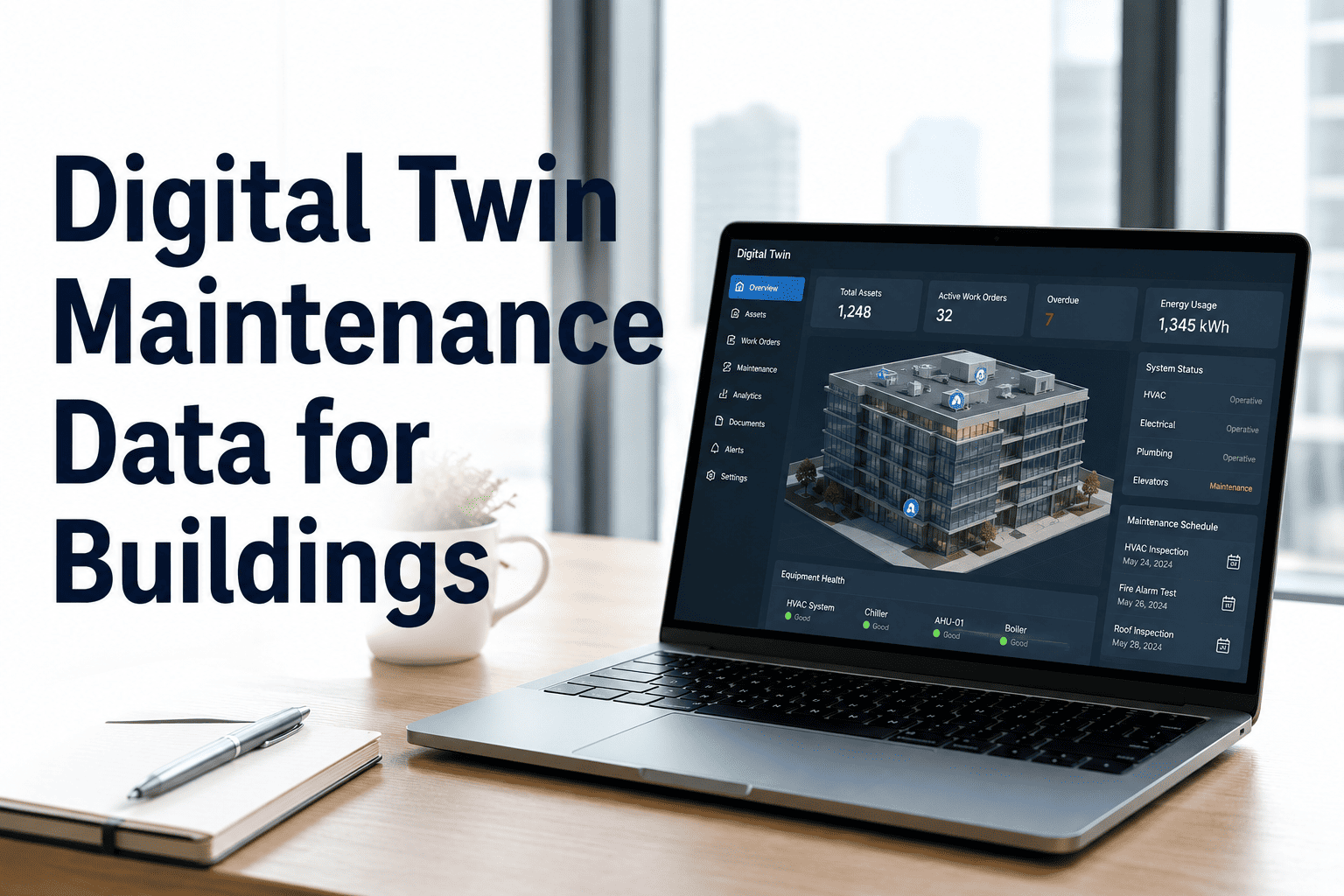
Read More
A building digital twin is only as useful as the maintenance data feeding it — and most facility teams discover this too late, after investing in a twin platform and finding that the model has no reliable operational history to reason from. The co

Read More
A 200,000 square foot commercial building generates over 1,400 maintenance tasks a year on its own. Multiply that across a six-site portfolio and a regional facilities director is suddenly responsible for nearly 8,500 individual work items, five s
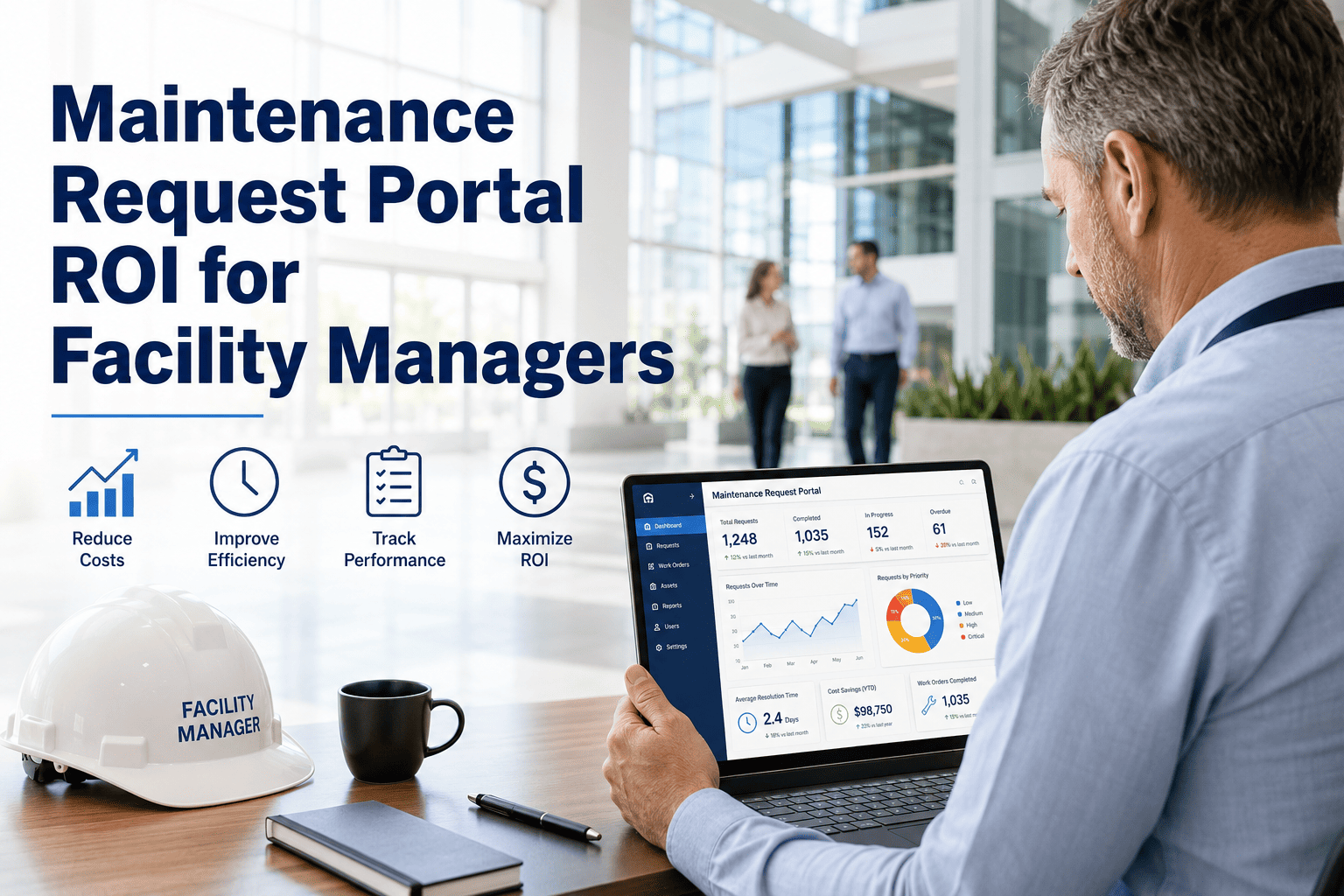
Read More
It is 2 PM on a Tuesday and a tenant's office AC just stopped working. What happens in the next ten minutes decides how that tenant feels about your facility team for the rest of the year. If the report goes into a shared inbox or a voicemail, it

Read More
Most commercial buildings already have the data they need to predict failures before they happen — temperature drift, fan speed deviation, conductivity spikes, pressure swings — all sitting inside a building management system that was never built
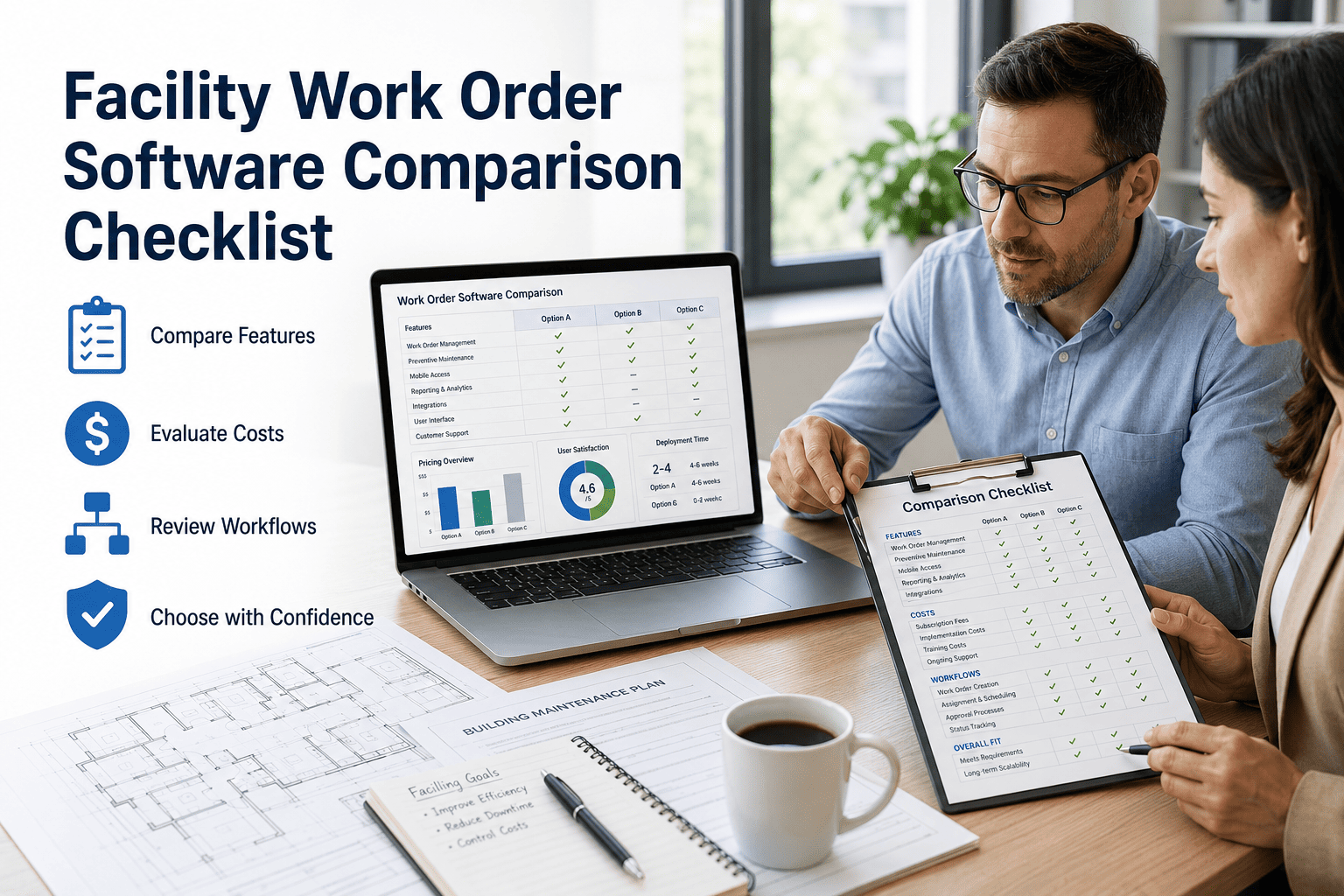
Read More
Choosing the wrong work order software costs more than the subscription fee — it costs months of adoption time, technician frustration, and the opportunity cost of maintenance data that never gets captured. The facility CMMS market in 2026 ranges
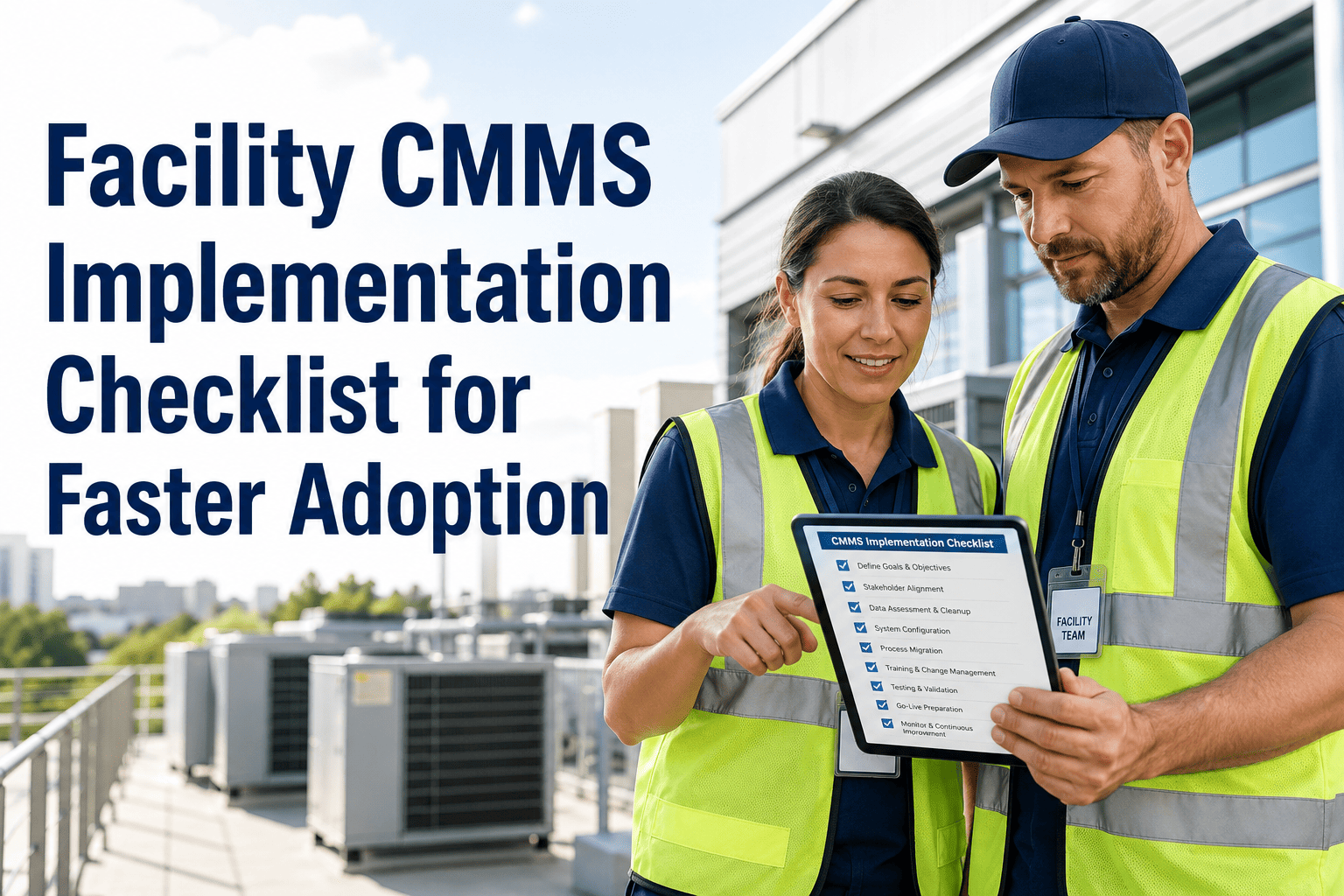
Read More
The difference between a CMMS implementation that transforms maintenance operations and one that gets abandoned after 90 days usually comes down to preparation — not the platform. Facilities that spend two to three weeks before go-live organizing

Read More
Facility maintenance teams spend thousands annually on emergency repairs, unplanned downtime, and reactive work — costs that a structured CMMS platform like OxMaint can dramatically reduce thro

Read More
AI-powered maintenance software is no longer a niche tool — in 2026, it is becoming the standard for facility teams looking to reduce reactive workloads, improve dispatch accuracy, and extract actionable intelligence from their work order data. Ye
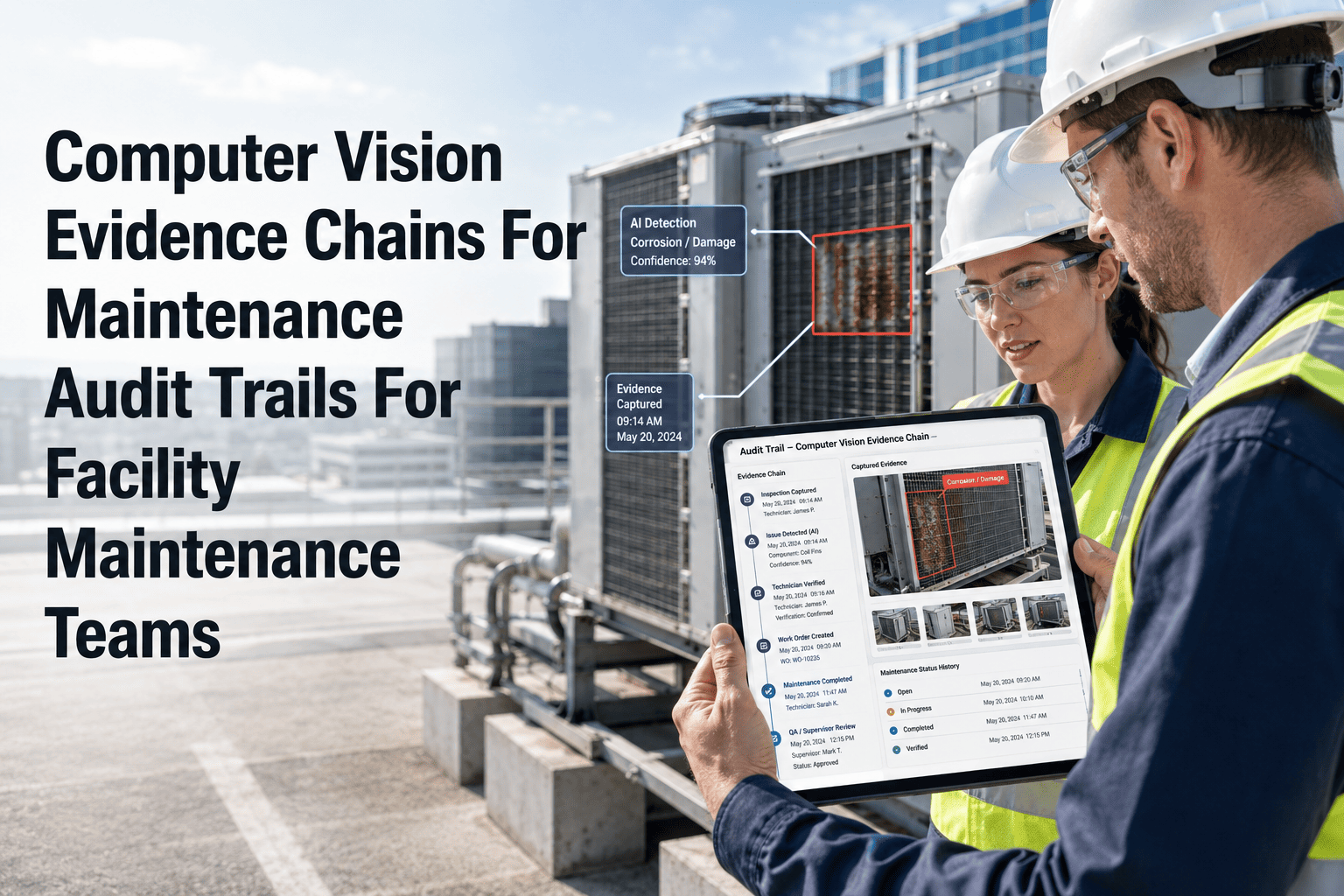
Read More
When an auditor requests the maintenance history of a critical asset, the answer should take seconds, not days. In most facility operations, audit preparation is a scramble — paper logs, fragmented spreadsheet entries, verbal accounts of what was
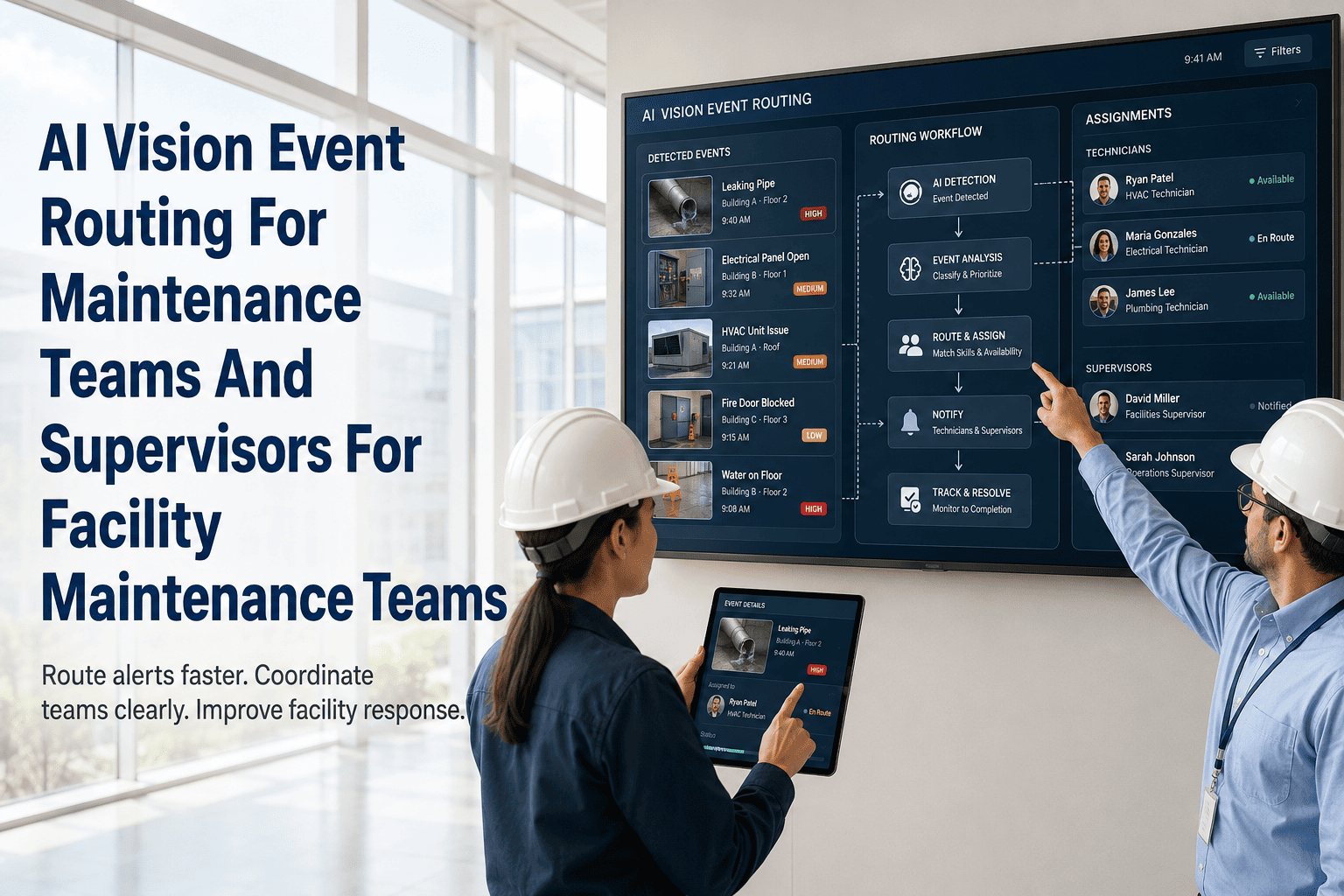
Read More
A maintenance team that discovers a defect and a maintenance team that can prove it discovered that defect, routed it correctly, and closed it with documented evidence are two entirely different teams when an auditor or a building owner is in the
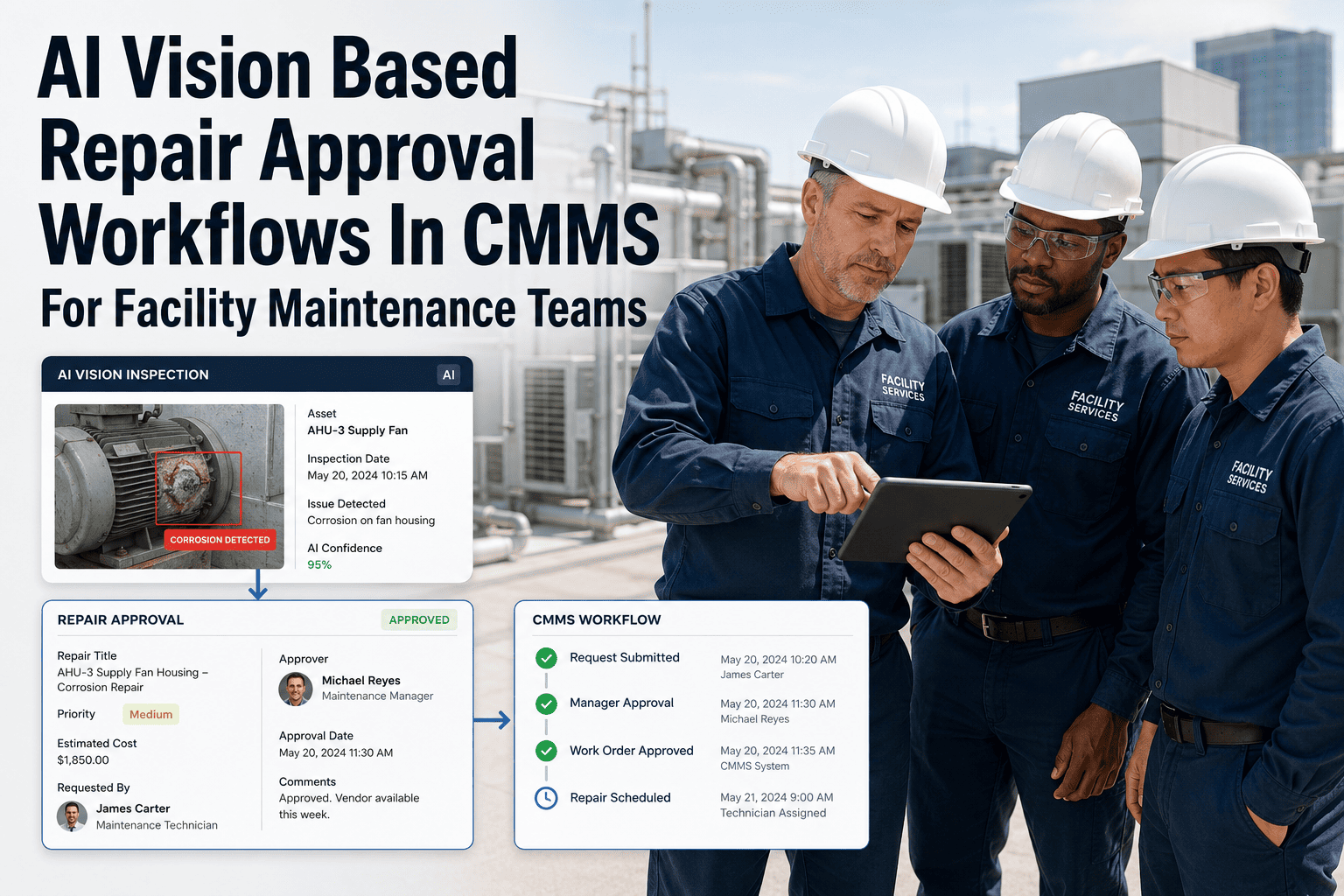
Read More
When a technician photographs a cracked pipe, a scorched panel, or a flooded HVAC bay, that image usually sits in someone's phone gallery until a supervisor asks for it — or it disappears entirely. AI vision-based repair approval workflows change

Read More
Maintenance exceptions — the conditions that fall outside normal operating parameters and require immediate or planned intervention — are the most time-sensitive category of facility event, and the hardest to catch consistently with manual inspect
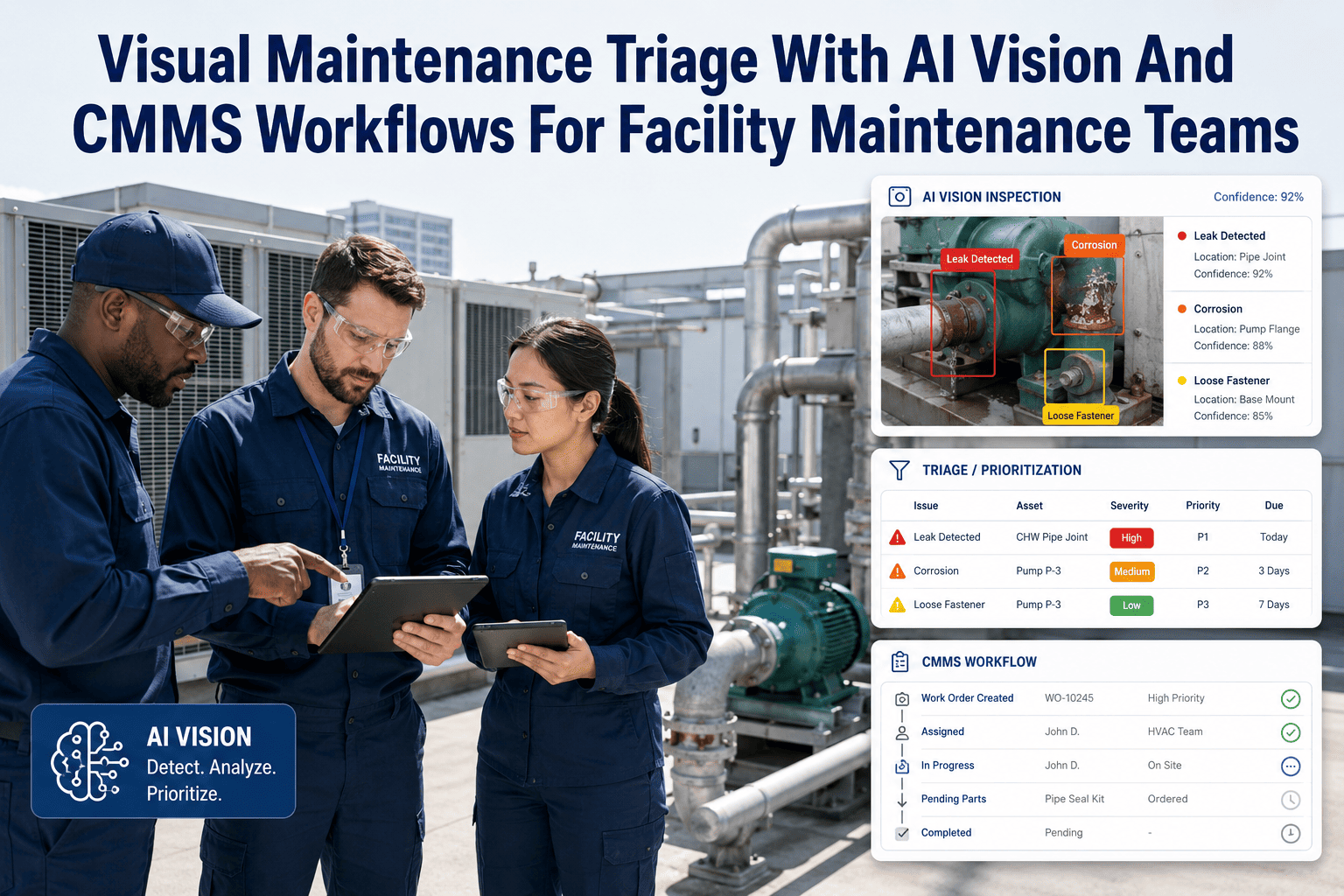
Read More
Maintenance triage — the process of sorting defects by urgency and routing the right resources to each — is the most consequential bottleneck in facility operations, and the one most often handled inconsistently. When triage depends on individual

Read More
AI-powered visual defect detection is transforming how facility maintenance teams convert inspection findings into structured work orders — eliminating the lag between spotting a problem and dispatching a technician. OxMaint's
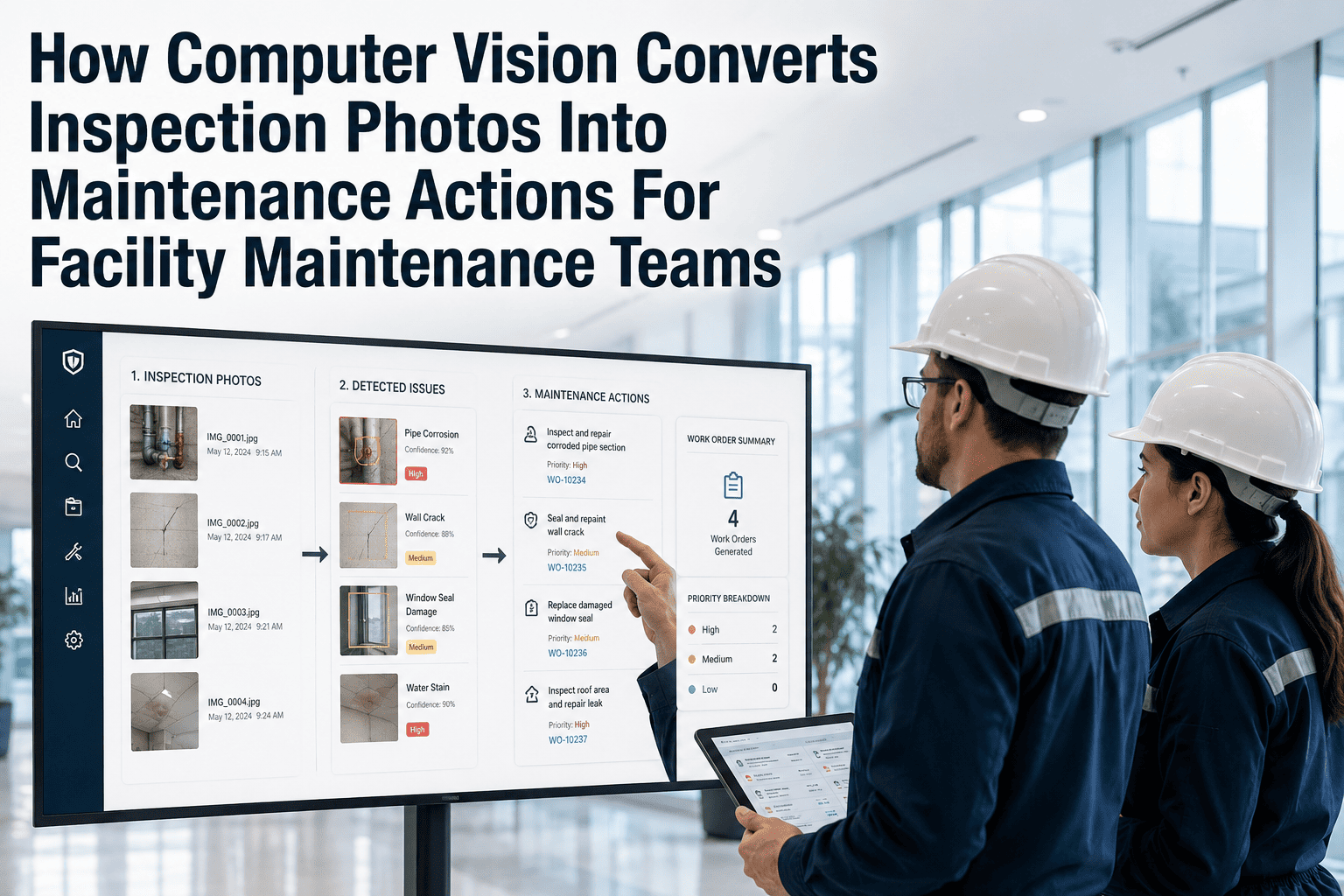
Read More
Inspection photos have long been the most underutilized asset in facility maintenance — taken by the hundreds each week, stored in shared drives or phone cameras, and rarely converted into the structured repair actions they document. Computer visi
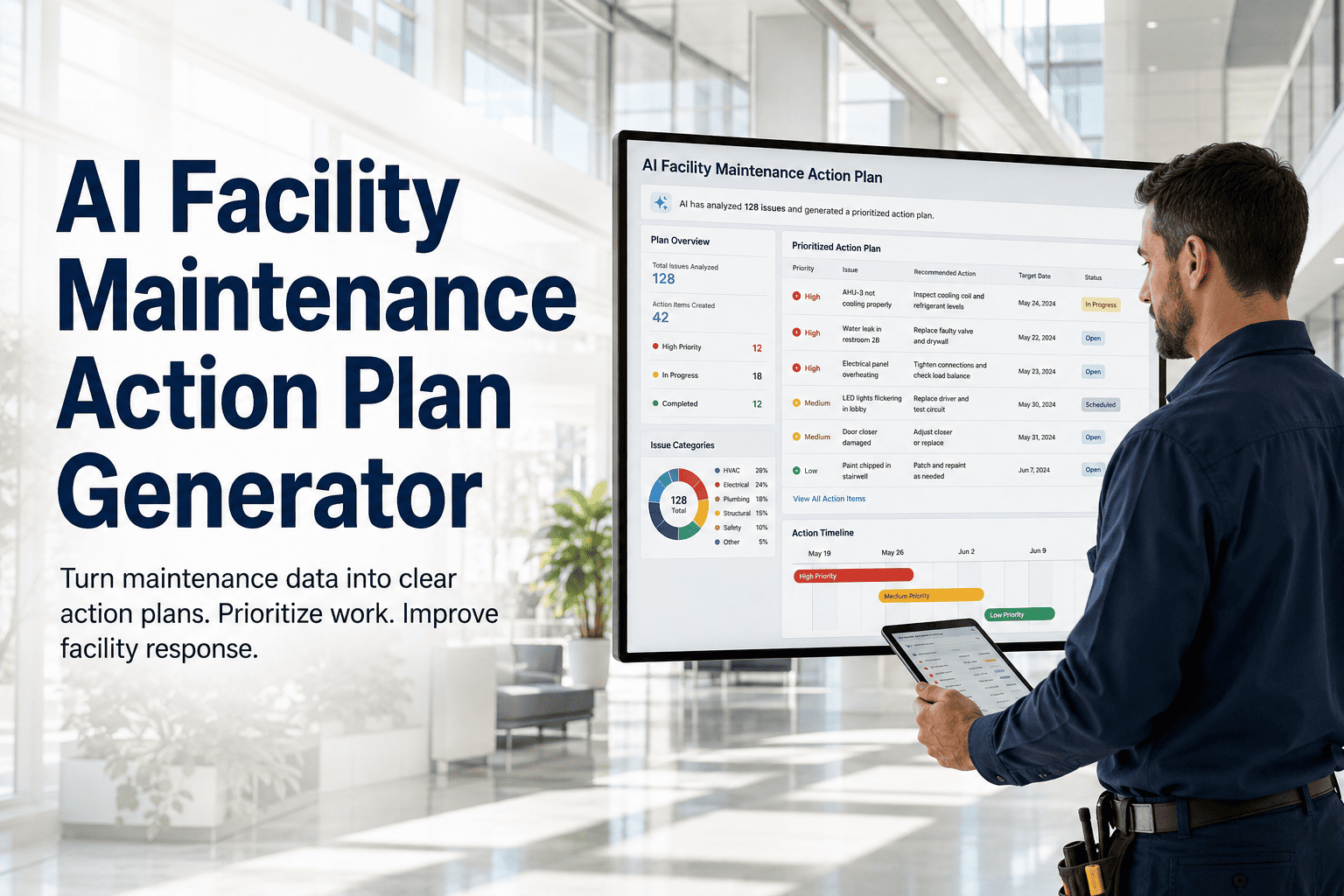
Read More
Knowing what is broken in a facility is only half the problem. The harder half is deciding what to fix first, who should fix it, and in what sequence — especially when every department believes their request is the most urgent one in the queue. Fa
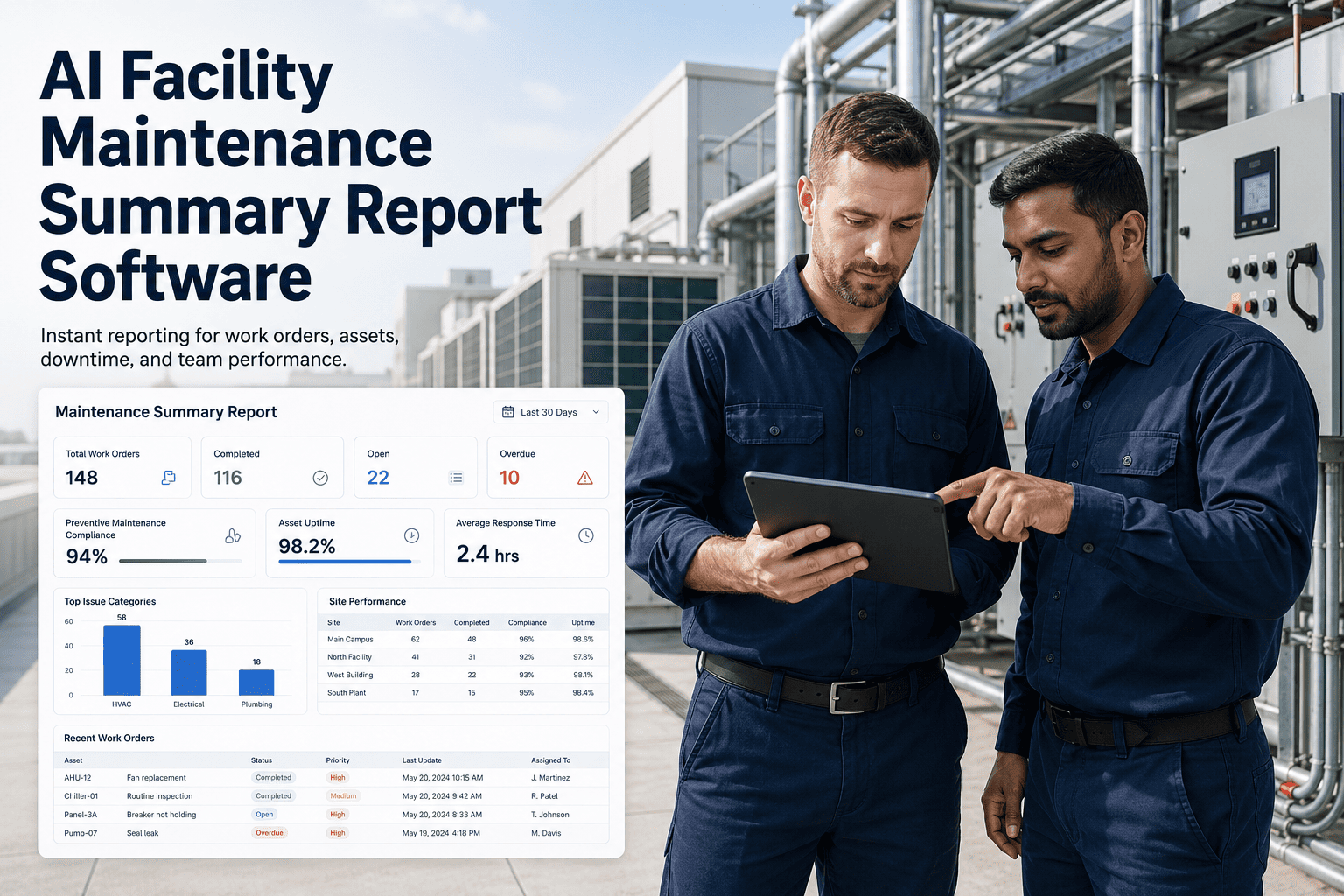
Read More
Facility managers are drowning in data and starving for insight. Every work order completed, every preventive maintenance task logged, every SLA missed, and every dollar spent on parts and labor sits scattered across CMMS records, spreadsheets, an

Read More
Every morning, facility leaders walk into a building they cannot fully see. Open work orders pile up overnight, overdue preventive maintenance tasks accumulate silently, and safety findings from yesterday's inspections sit unresolved in a queue no

Read More
Every facility accumulates maintenance data — but most of it is never analyzed. Work orders close, costs get recorded, and assets fail again six months later. The pattern was always there; the visibility was not. AI root cause trend dashboards cha

Read More
Every facility maintenance team faces the same daily dilemma: forty open repair requests, twelve technicians, and no objective method for deciding what gets done first. Priority is often assigned by whoever complained loudest or which manager call

Read More
Sending the wrong technician to a job costs more than just the wasted trip. It means a second dispatch, extended downtime, frustrated occupants, and a skilled specialist sitting idle while a generalist struggles with a task outside their training.

Read More
Facility teams filing hundreds of work orders every month rarely notice the pattern hiding in plain sight: the same HVAC unit on Floor 3 generates 11 tickets a year, the parking garage lighting section gets repaired six times before anyone checks

Read More
When occupants submit maintenance requests, they rarely describe problems in engineering terms. "It's too cold on my floor" and "the air feels stuffy in the conference room" and "there's a draft near the windows" may all be the same malfunctioning

Read More
Facility managers responsible for buildings with dozens or hundreds of critical assets — HVAC units, pumps, UPS systems, generators, elevators, and electrical panels — have traditionally had no reliable way to know which assets were healthy, which
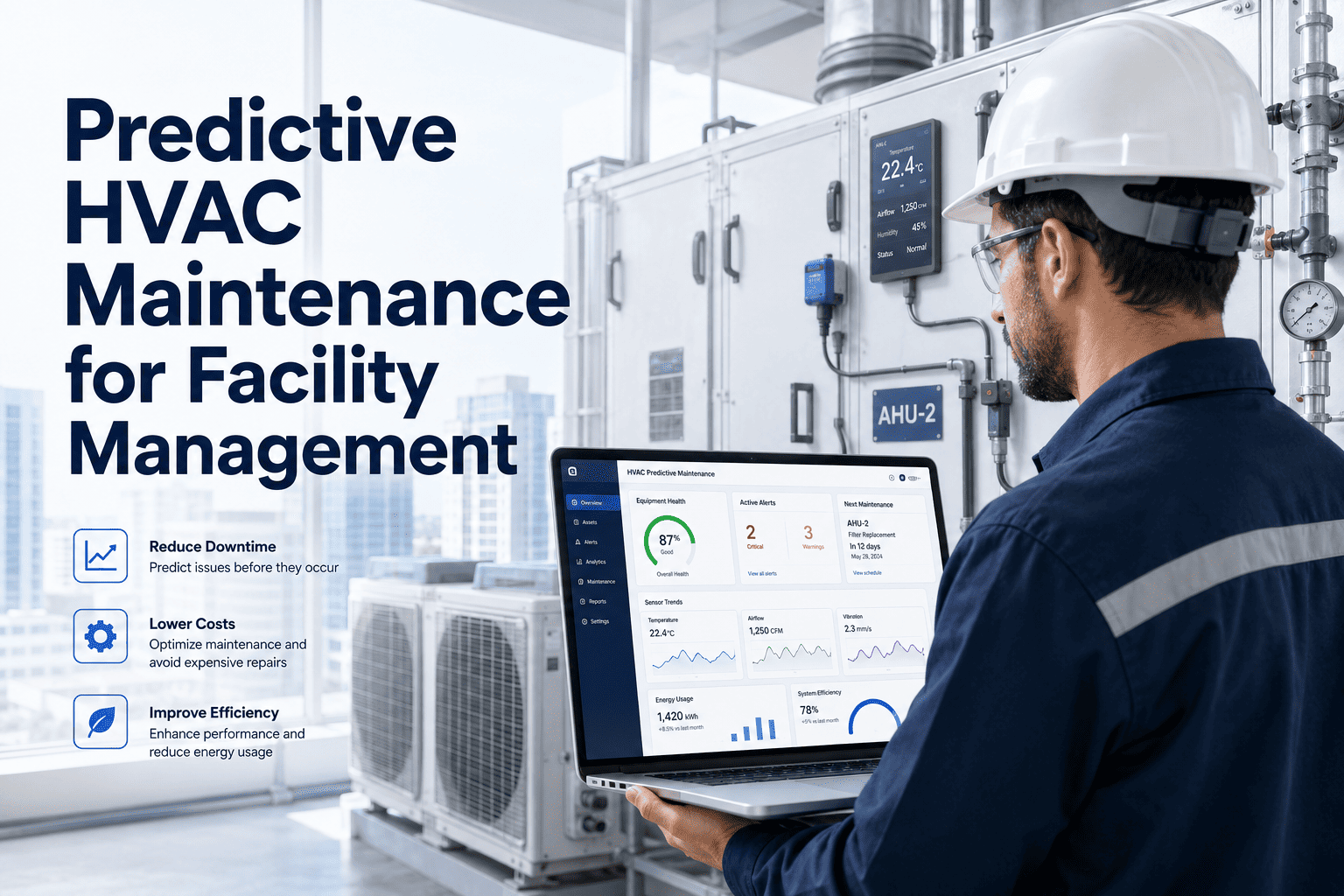
Read More
HVAC systems account for 40–50% of a commercial building's total energy use and represent the single most common source of unplanned maintenance spend in facility operations. Yet most facility teams still manage HVAC reactively — responding to ten
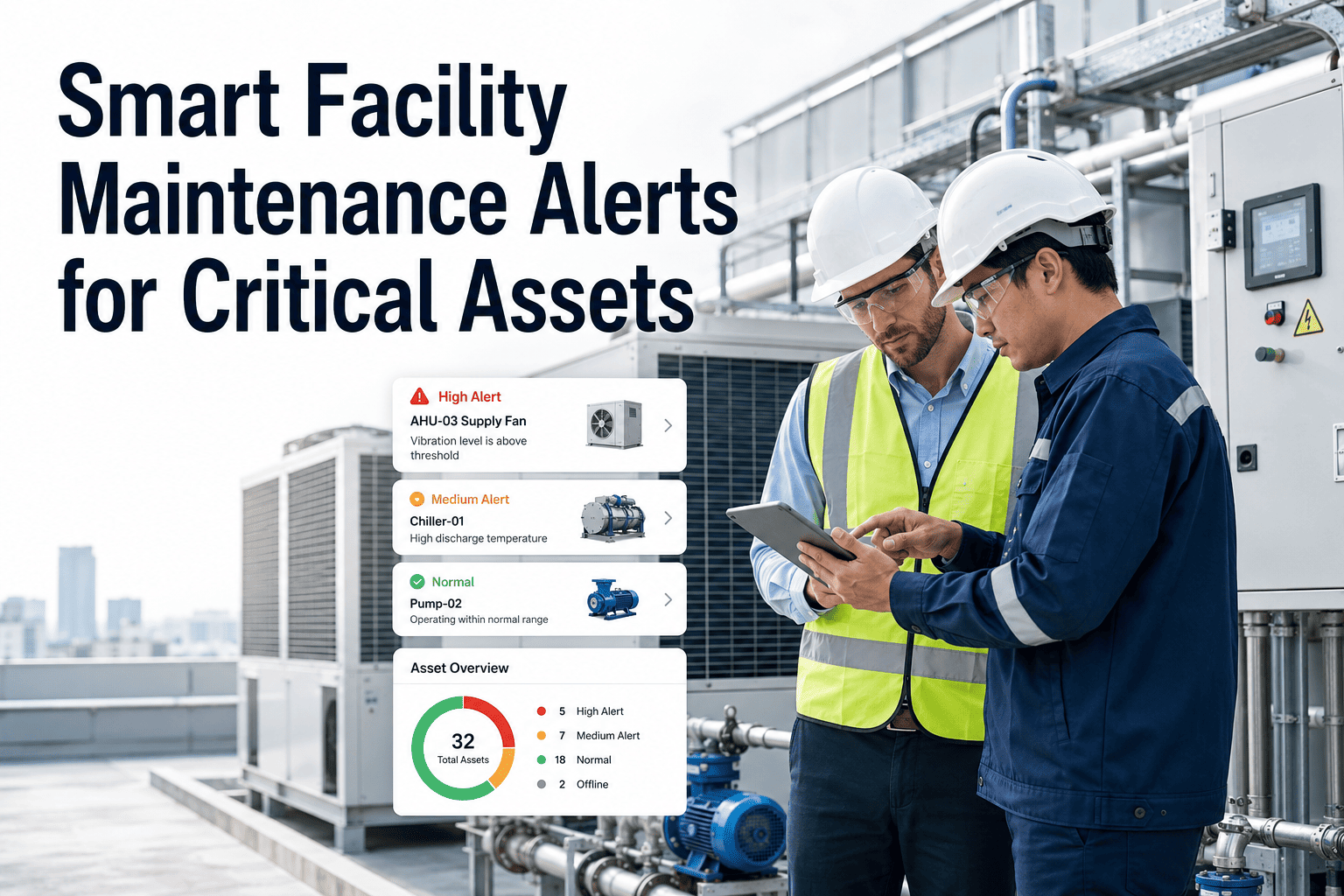
Read More
Most facility teams find out about critical asset failures after the damage is done — a chiller trips at midnight, a fire suppression pump fails inspection, a generator that hasn't run a load test in four months refuses to start during an outage.

Read More
Inspection programs fail at the last mile. Technicians walk a floor, flag a dozen failed checks on paper forms or a mobile app, and then the corrective action process grinds to a halt — because someone has to manually read the inspection report, e
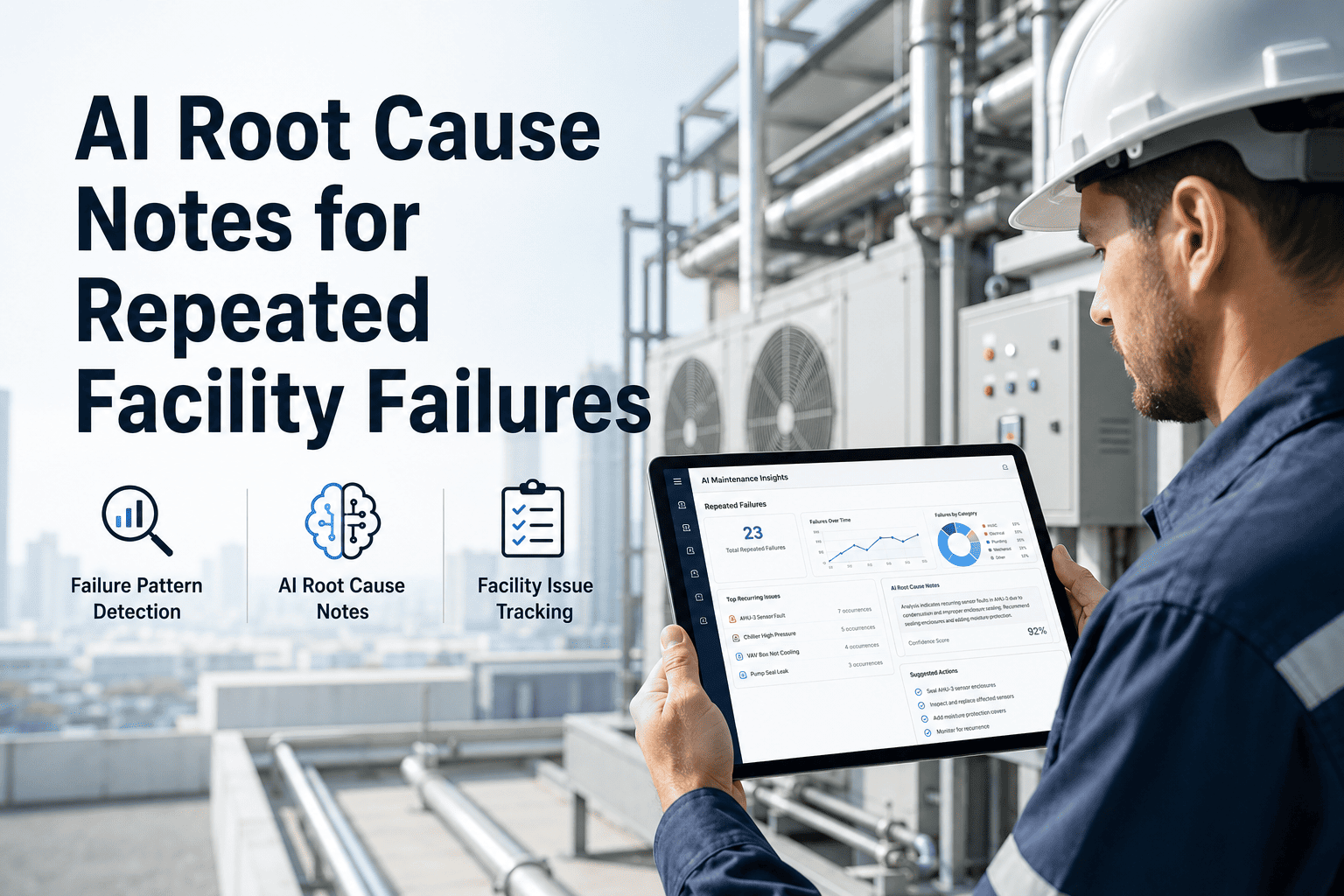
Read More
If an HVAC unit trips its circuit breaker three times in six weeks and each event generates a separate work order with a separate technician who replaces the same capacitor and closes the ticket without ever flagging the pattern — that is not main
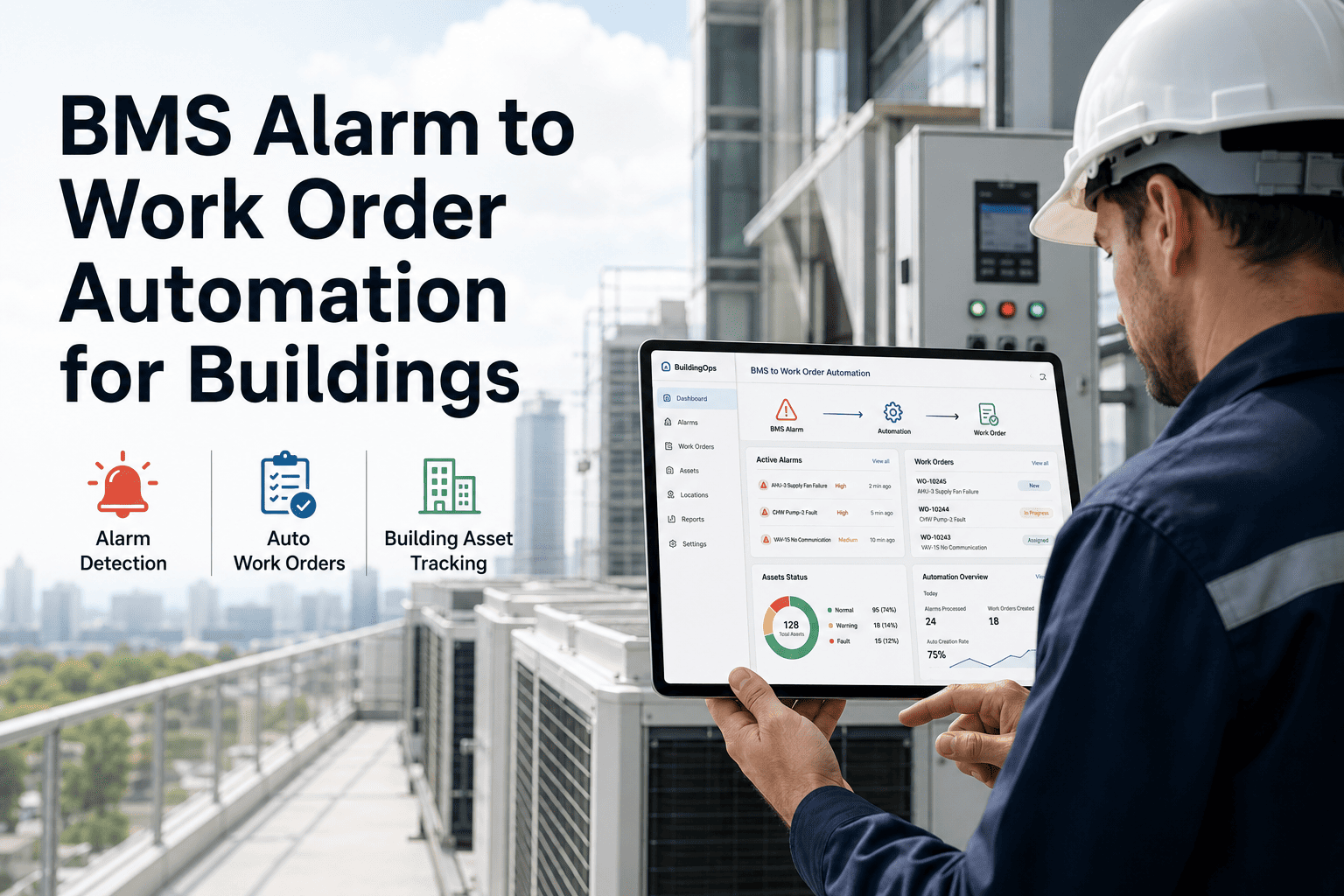
Read More
Building management systems generate thousands of alarms every week — zone temperature exceedances, chiller faults, AHU pressure deviations, fire damper signals, and VAV box failures. The problem is not a lack of data. The problem is that 80% of t
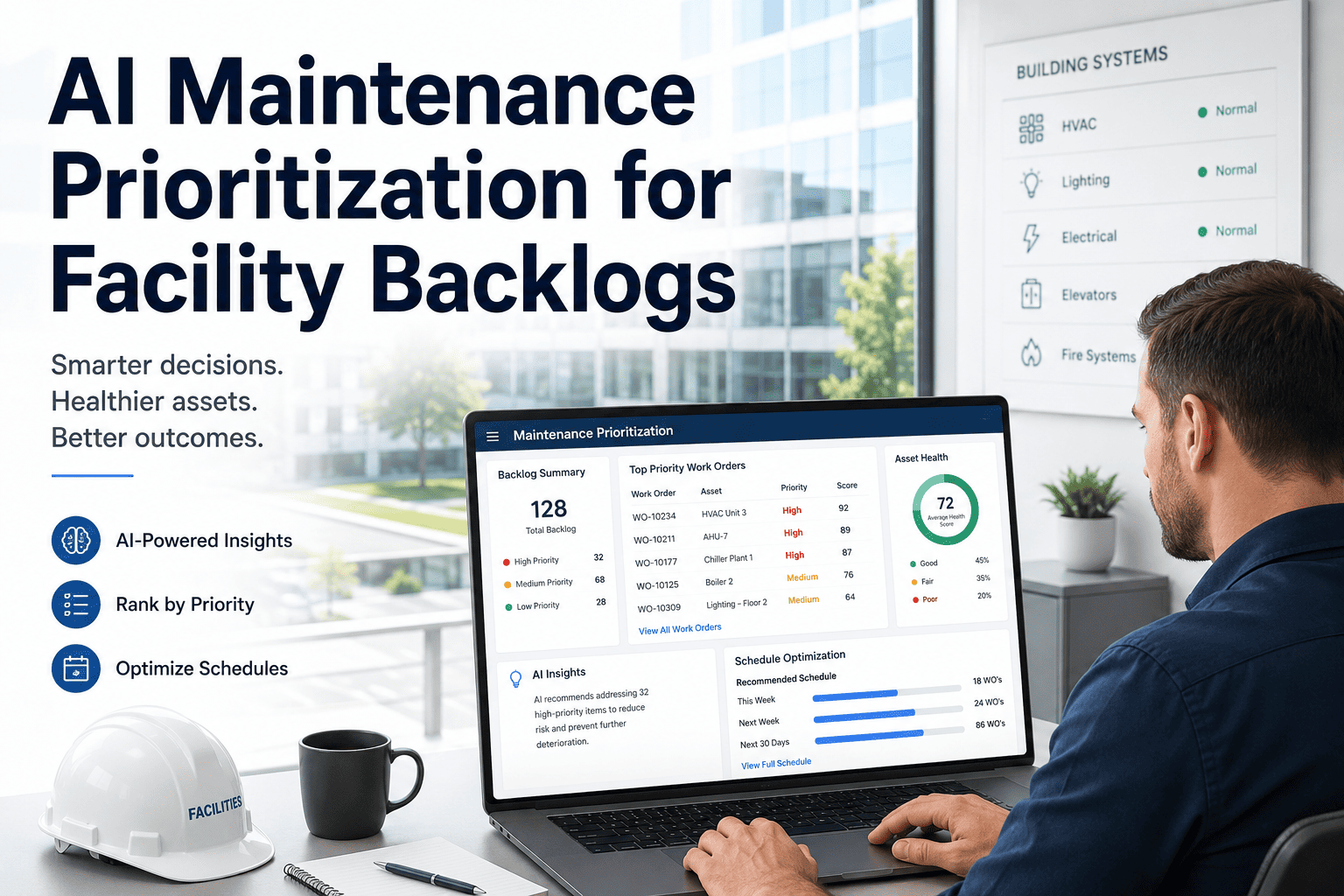
Read More
Every facility team has a backlog. The question is not whether work is piling up — it is whether the most critical jobs are getting done first. When technicians self-select their next task, they pick the easiest one, not the most urgent. When mana
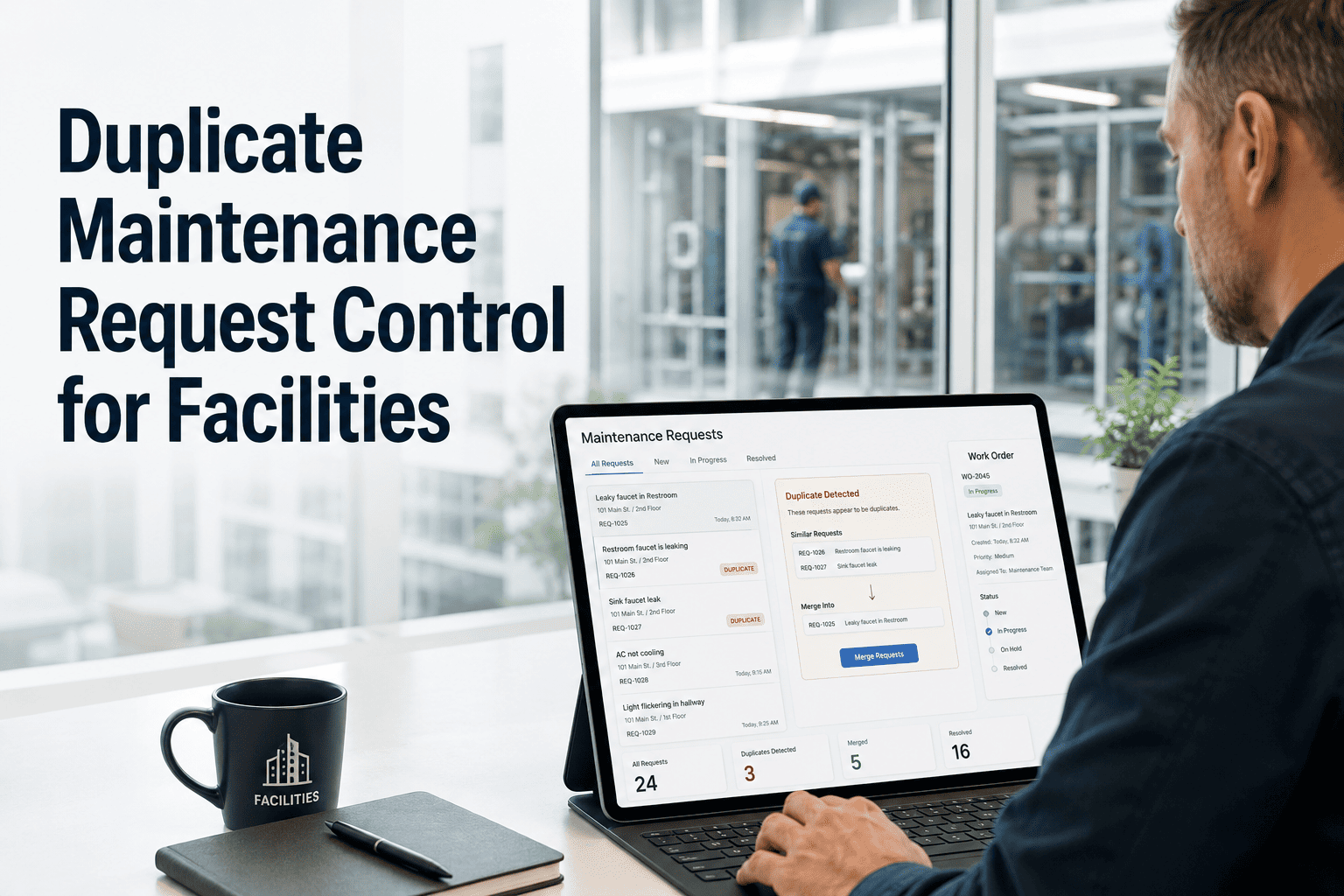
Read More
Facility teams across commercial buildings, campuses, and mixed-use properties receive the same complaint dozens of times before a single repair gets scheduled. A broken AC unit in a coworking space generates 14 separate tickets. A leaking pipe in
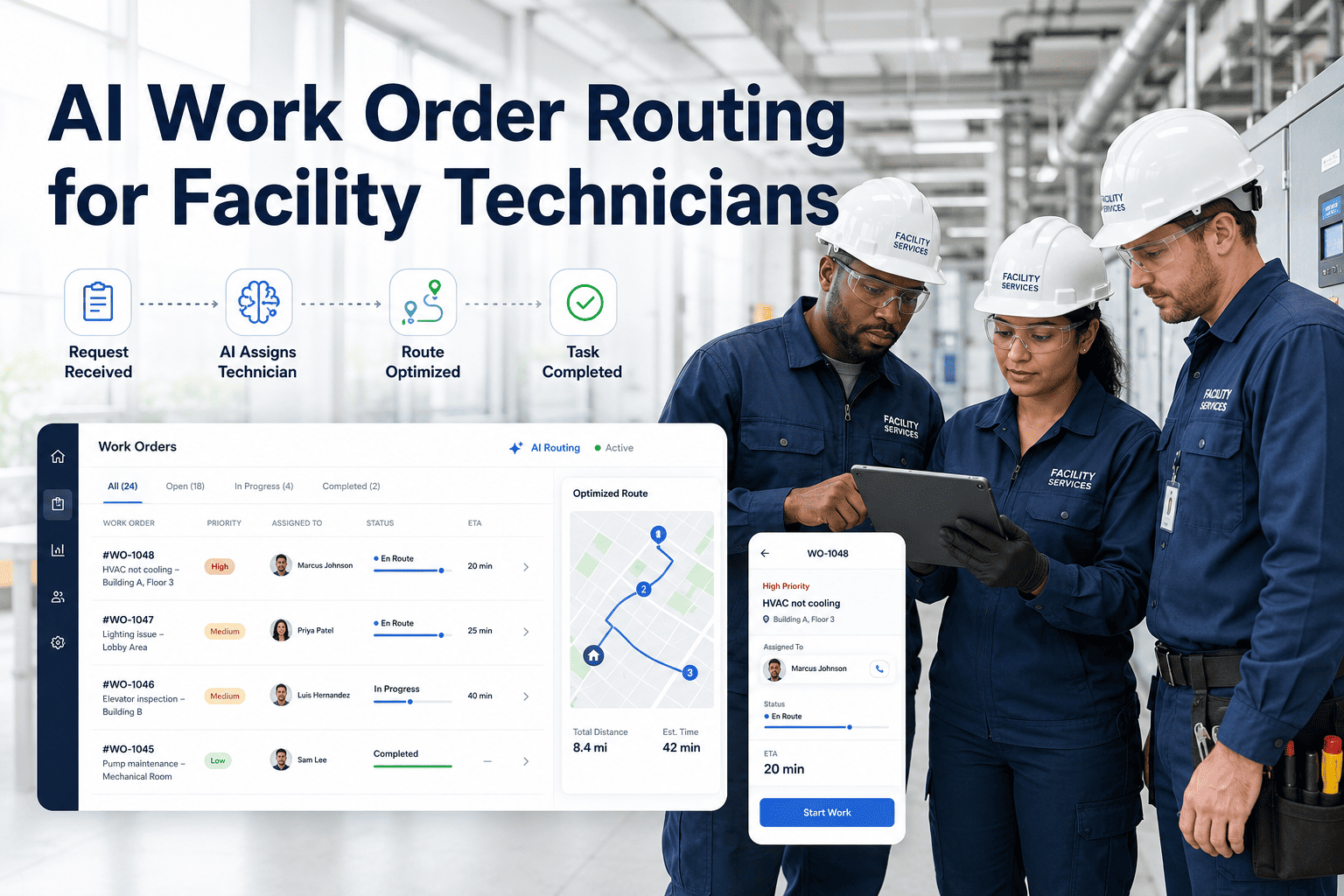
Read More
Every facility manager has watched a qualified technician sit idle while a critical repair waits unassigned on the other side of the building. Manual dispatch relies on whoever picks up the radio first, not who has the right certification, the clo

Read More
Outsourcing maintenance work to vendors solves a staffing problem, but it often creates a visibility problem. Did the vendor actually show up on time? Was the repair completed as described, or just marked "done" in an invoice? Without proof, facil

Read More
It's a familiar scene in facility teams: one technician has eleven open tickets while another has two, not because of skill differences but because assignments happened based on who was easiest to reach when the request came in. Meanwhile, overtim
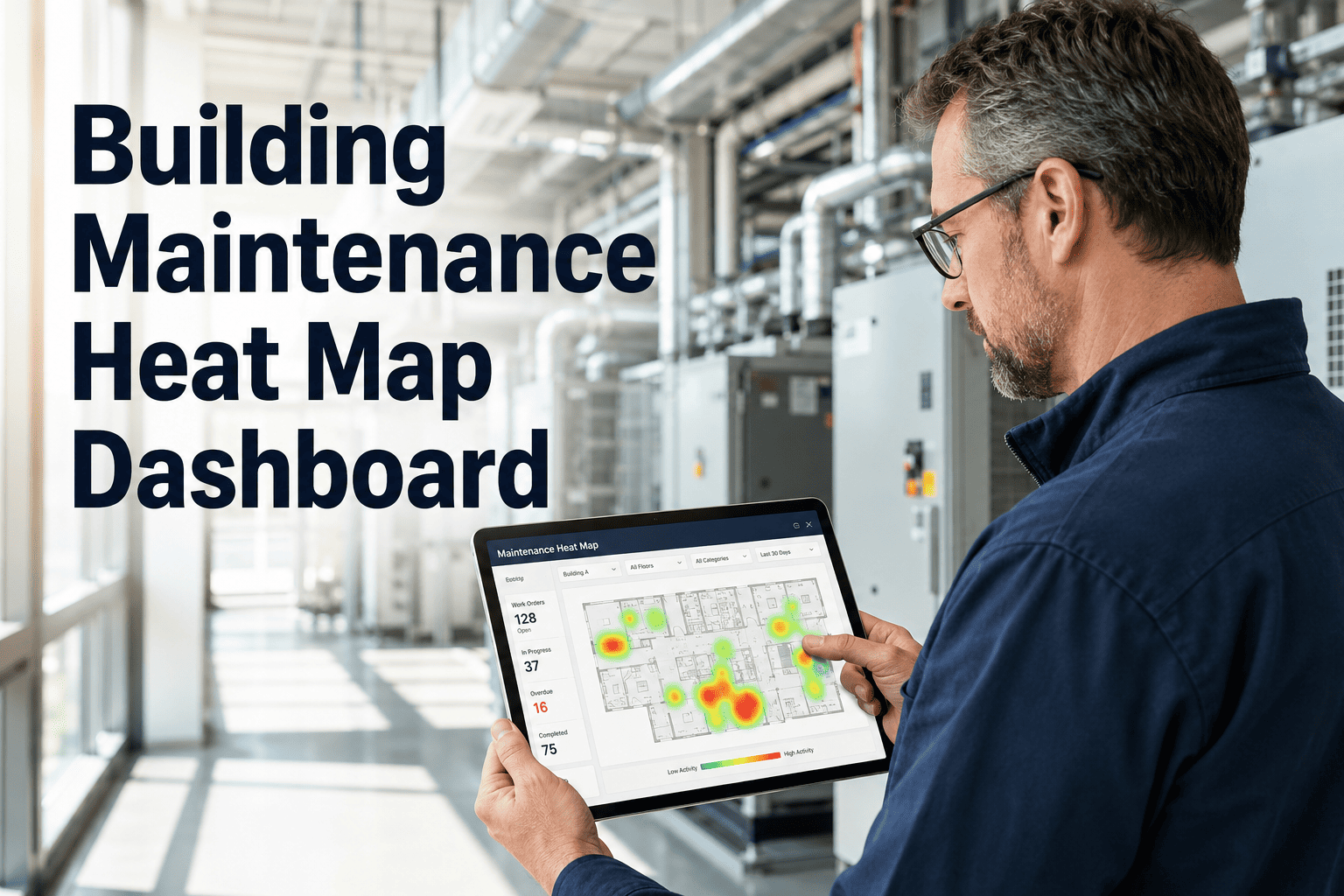
Read More
Some maintenance problems aren't about a single broken asset — they're about a pattern. The third-floor HVAC unit that keeps tripping, the loading dock door that jams every winter, the same restroom plumbing issue reported four times this year fro
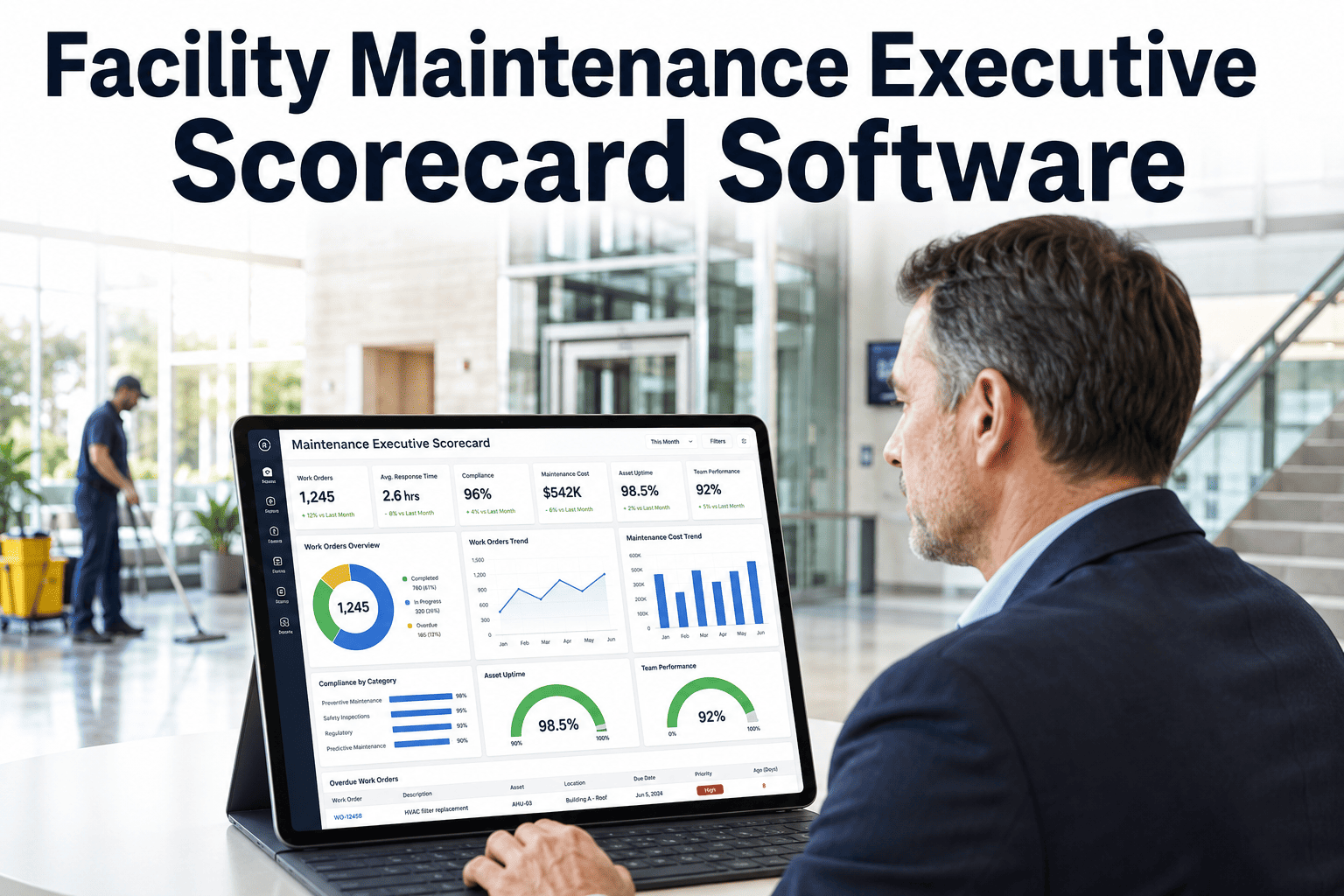
Read More
When a CFO asks "how is facility maintenance performing this quarter," the honest answer for most teams is a scramble — pulling cost data from one system, backlog numbers from another, and compliance status from a spreadsheet someone updates manua
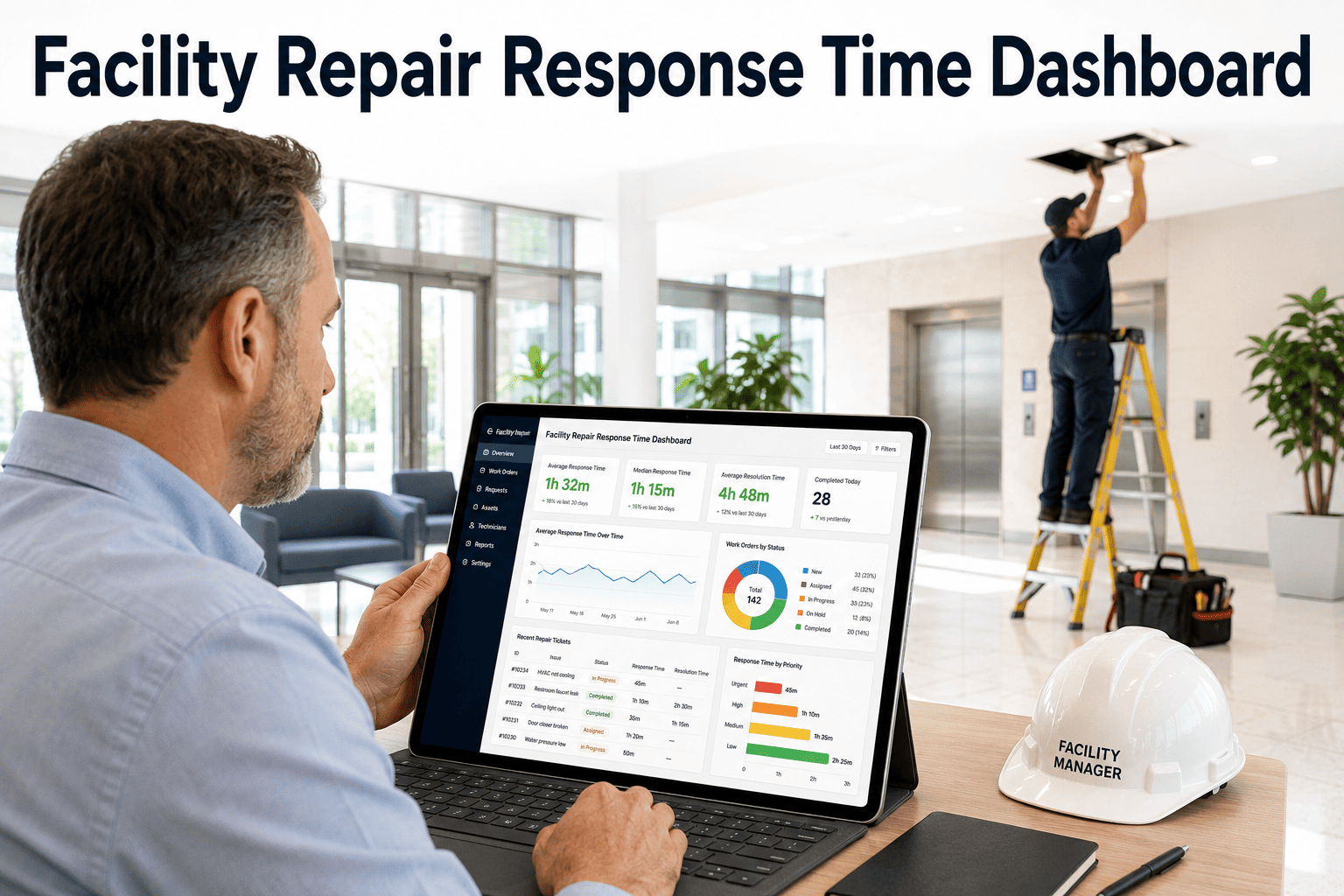
Read More
Ask any facility manager how long repairs actually take from request to resolution, and most will give you an estimate — not a number. That gap between "roughly a day" and "actually 18 hours, but 6 of those were spent waiting for a technician to e
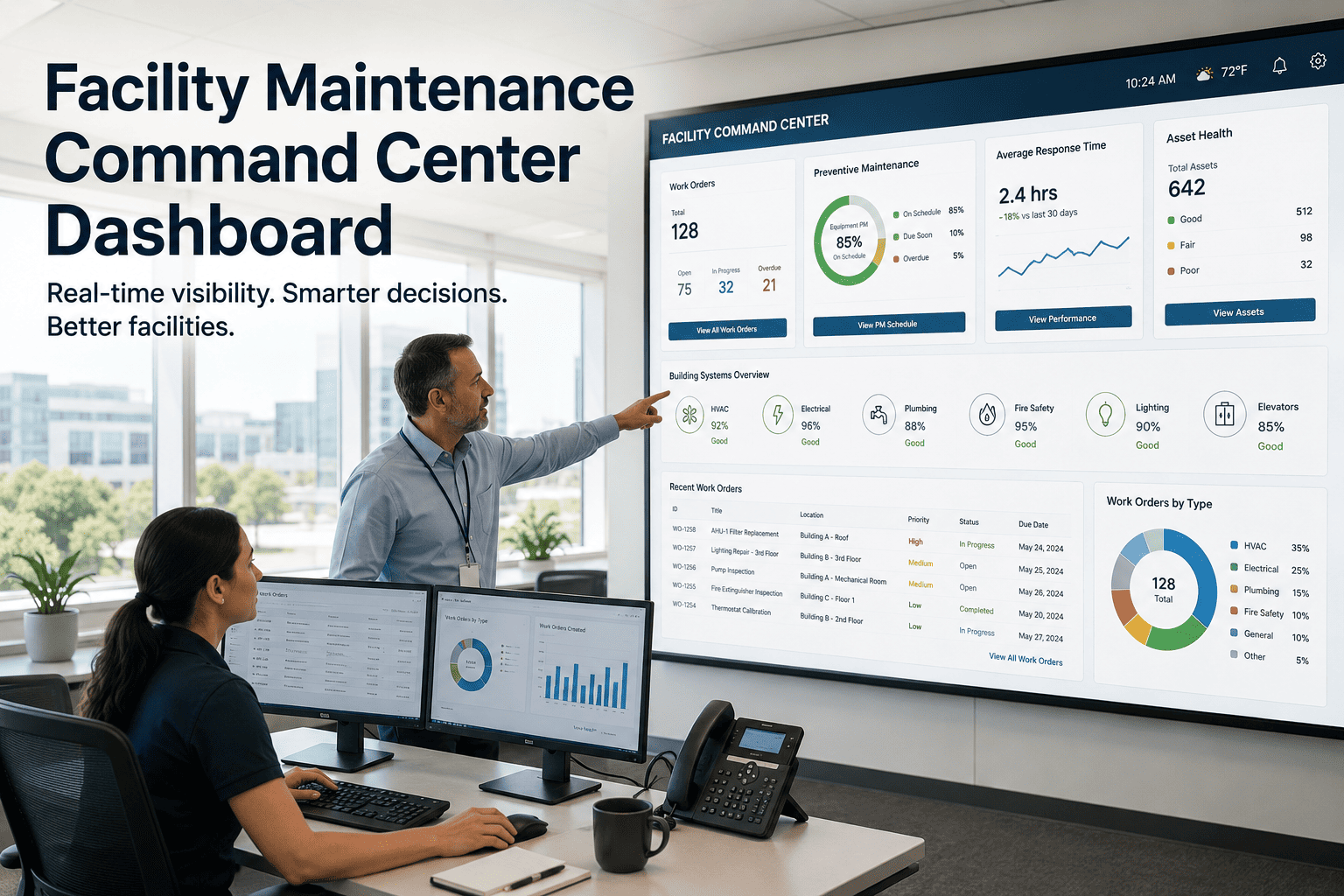
Read More
Picture a facility leader's morning: open repairs across three buildings, overdue preventive maintenance piling up, two assets flagged as high-risk, a compliance audit due next week, and a technician team whose workload nobody can see clearly. Che

Read More
A single repair request rarely involves just one person. A tenant reports a leaking pipe, a facility coordinator triages it, a technician gets dispatched, and sometimes an external vendor needs to step in for specialized work — and if any one of t
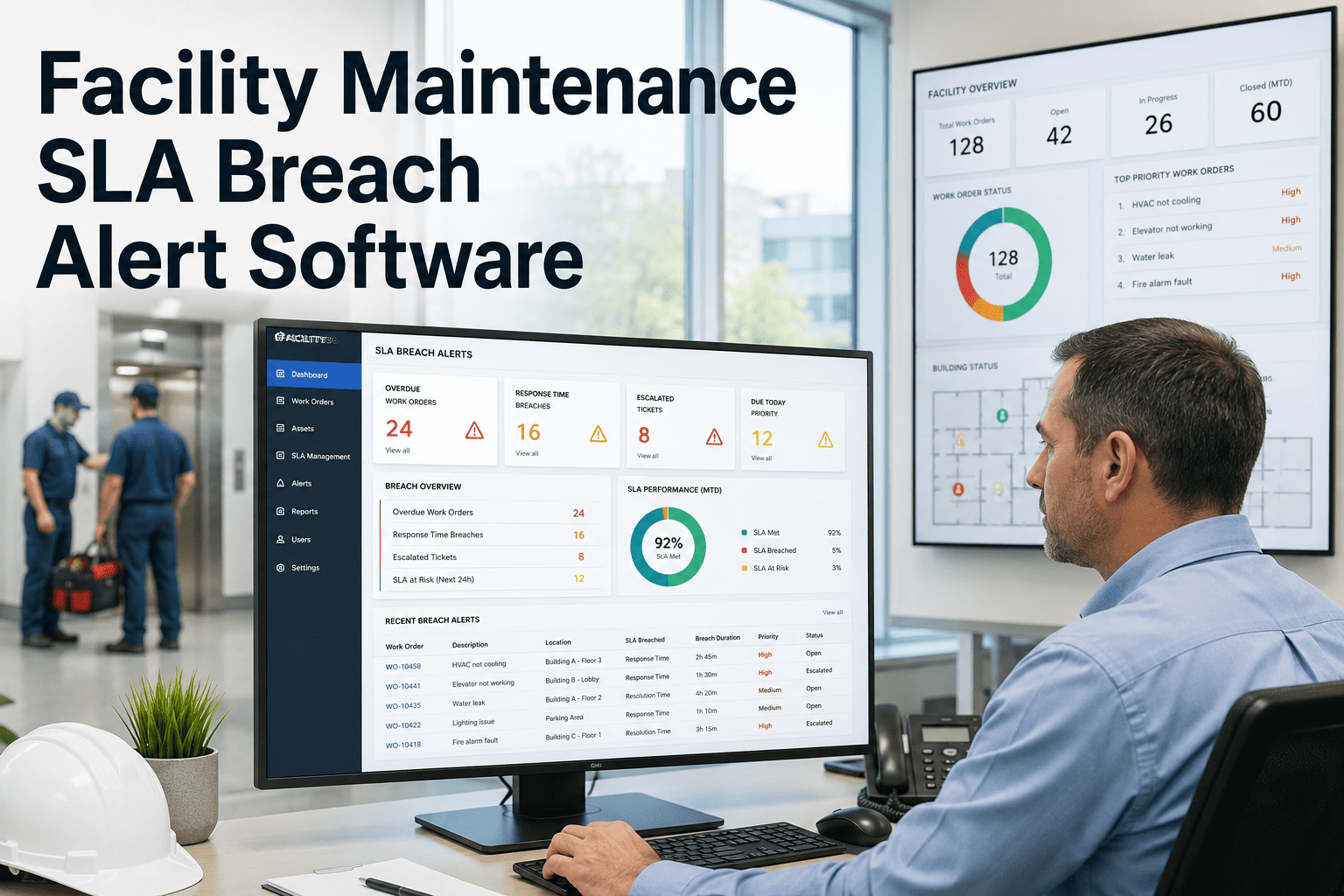
Read More
Every facility team has lived this moment: a tenant complaint sits in the queue for six hours, a technician is unaware it's even assigned, and by the time someone notices, the SLA clock has already run out.

Read More
Every building has a gap between when a problem appears and when the maintenance team learns about it. Occupants notice a leaking pipe, a broken light, a stuck door — and then wonder how to report it. If submitting a request requires finding a pho

Read More
In a commercial building with tenants, staff, facility engineers, and external vendors all submitting repair requests through different channels, tickets regularly fall through the cracks. An email to the wrong contact goes unanswered for days. A

Read More
Managing maintenance requests across a large facility is harder than it sounds. Requests come in through phone calls, sticky notes, verbal complaints at the front desk, and the occasional email — and by the time they reach the right technician, th

Read More
When a facility technician identifies a repair that requires a $4,000 part, an external vendor, or emergency after-hours labor, the work cannot begin until someone with authority approves it — but that approval process in most buildings is broken.

Read More
In facilities management, the difference between a resolved repair and an escalated crisis often comes down to one question: who got notified, and when? An HVAC failure that goes unescalated for six hours can shut down a tenant floor, trigger a le
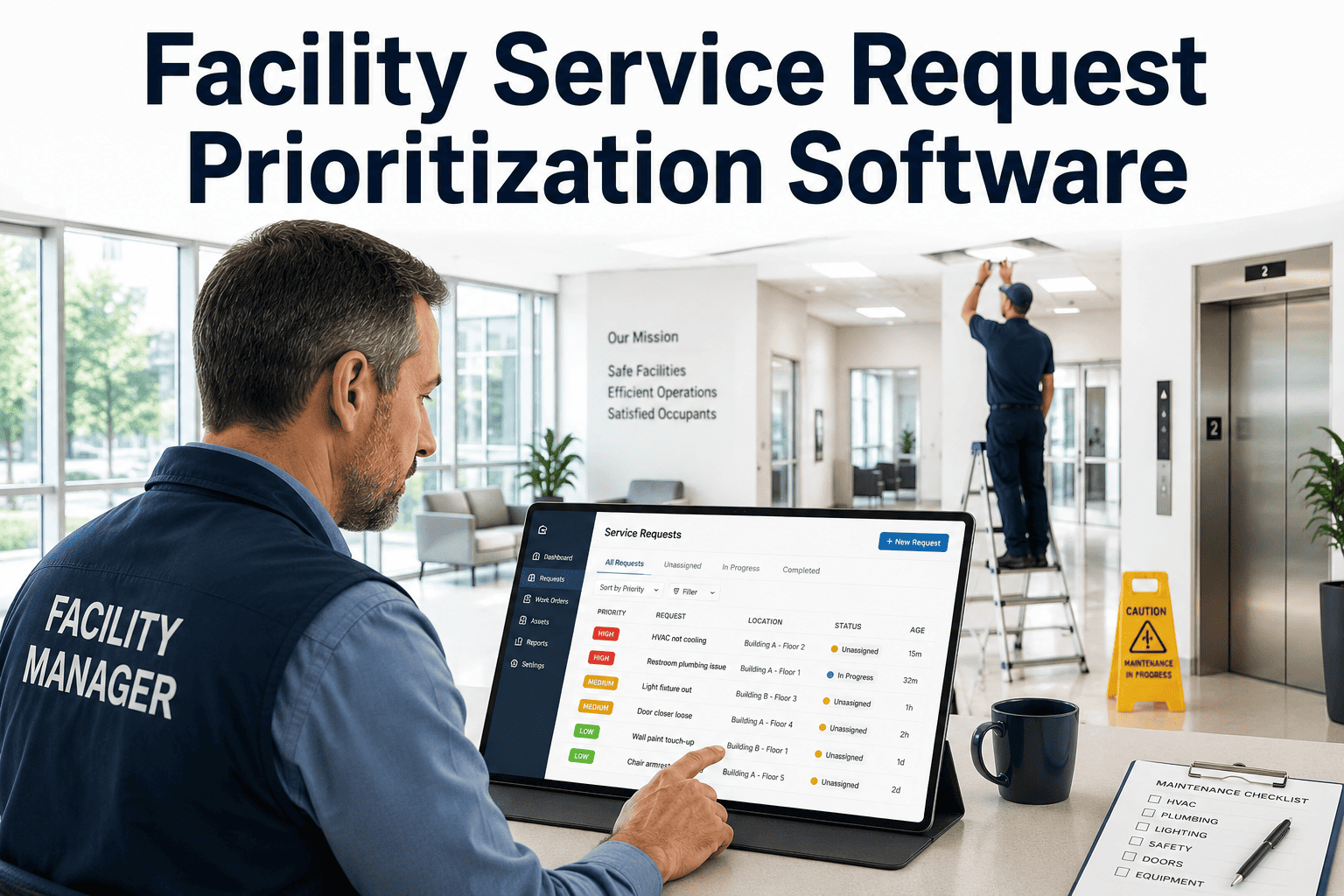
Read More
Every facility team faces the same daily puzzle: a flood of service requests from staff, occupants, and tenants — all claiming urgency, all competing for the same technicians. Without a systematic way to weigh urgency against asset impact, tenant

Read More
Open maintenance queues that grow faster than they're resolved are the silent killer of facility operations. A single building with 15 technicians and no queue management system can accumulate hundreds of unassigned, aging, or stalled work orders

Read More
High-volume facilities receive dozens to hundreds of repair requests every shift — from broken HVAC units and elevator faults to roof leaks and electrical failures. Without a structured triage system, the most urgent problems get buried, SLA deadl

Read More
Managing assets across multiple buildings means different teams, different vendors, and different maintenance histories — all stored in disconnected spreadsheets. OxMaint consolidates every asset, location, own

Read More
Facility teams waste hours during audits searching for asset records, chasing down maintenance history, and manually reconciling equipment lists. OxMaint turns every tagged asset into a live data point — scan a
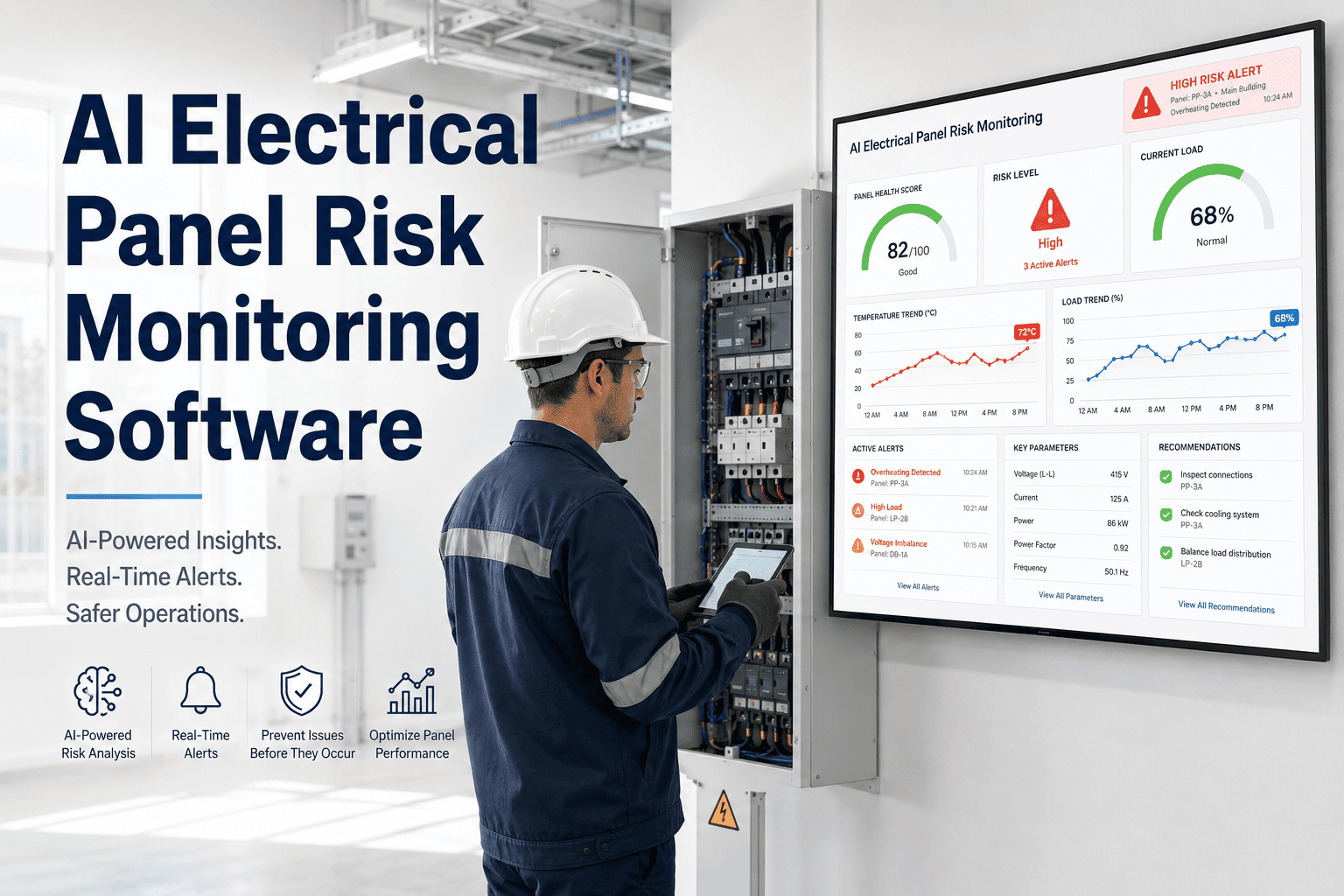
Read More
Electrical panel failures are the most preventable cause of facility fires — and the most overlooked. Unlike HVAC or plumbing failures that announce themselves through comfort complaints or visible leaks, electrical panel degradation is invisible
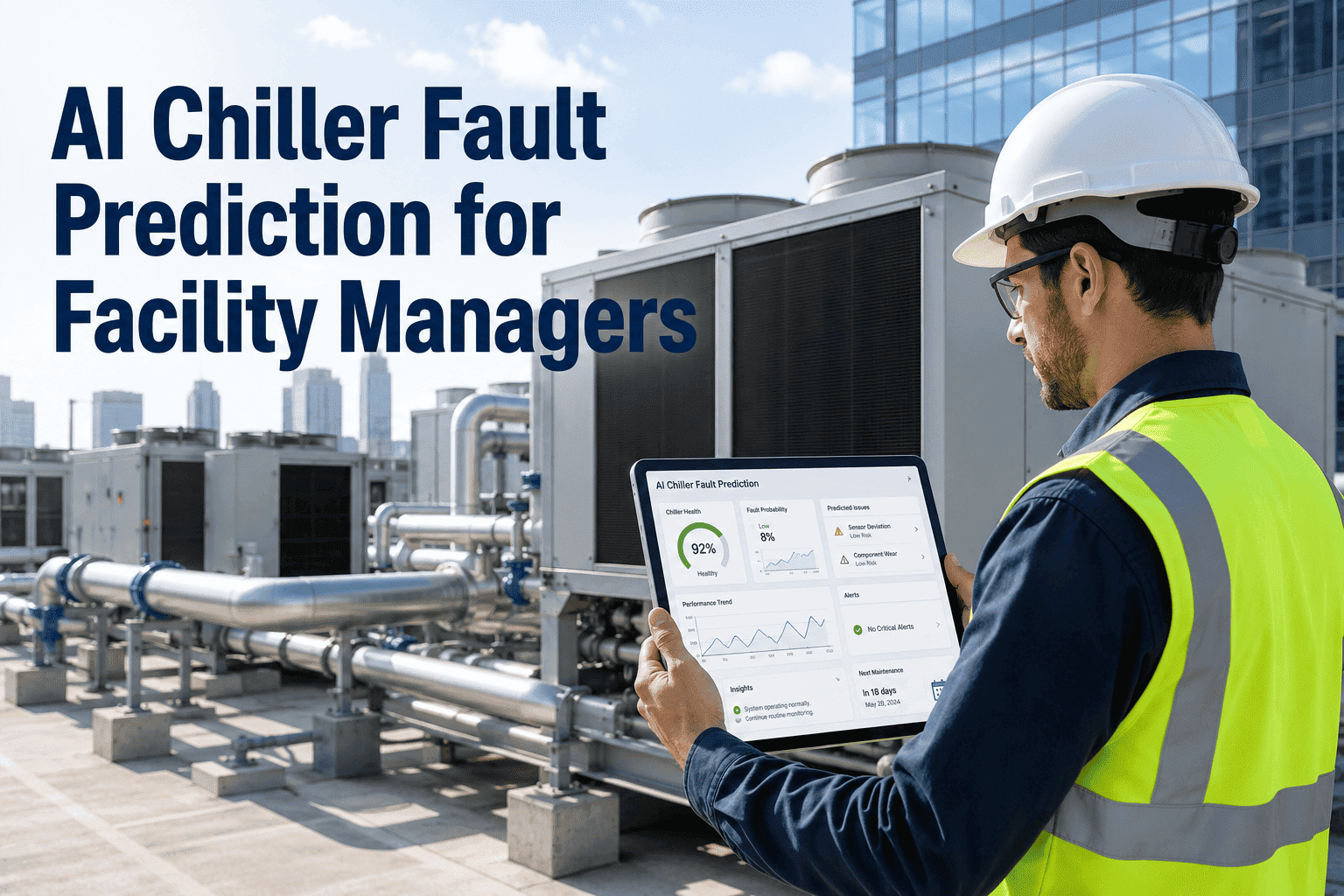
Read More
Facility water systems fail quietly. A pump running with a worn impeller, an undetected seal leak, or a vibration signature that has been worsening for six weeks will operate — until it doesn't. When a domestic water pump, chilled water pump, or f
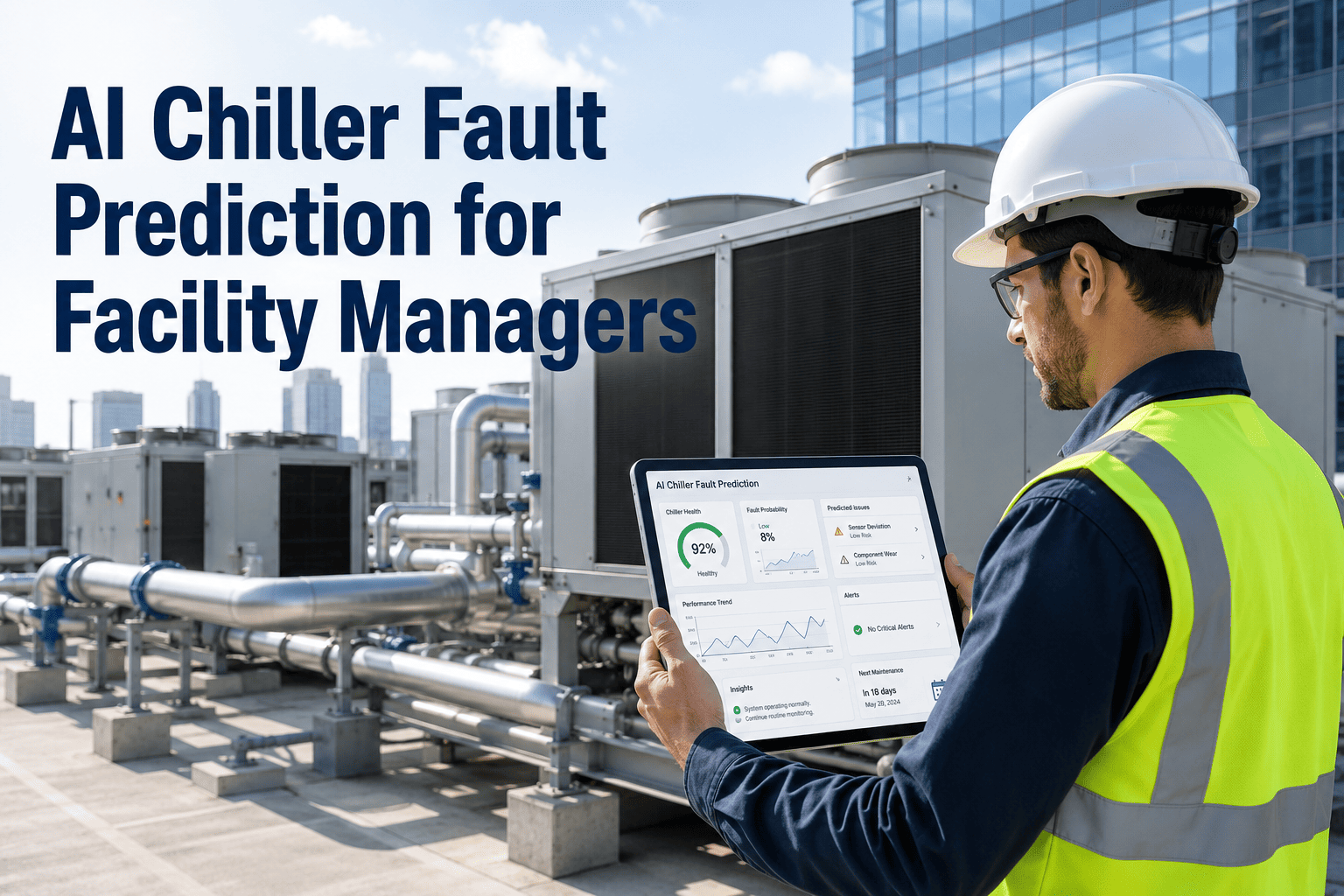
Read More
A chiller failure in the middle of summer is not just uncomfortable — in a hospital, a data center, or a densely occupied office tower, it is a critical operational event. The worst part is that most chiller failures are predictable. Refrigerant i

Read More
A BMS alarm that fires at 2 AM is worth nothing if no one acts on it before the chiller fails at 9 AM. The gap between alarm and action — measured in hours or even days in most facilities — is exactly where equipment damage, tenant complaints, and
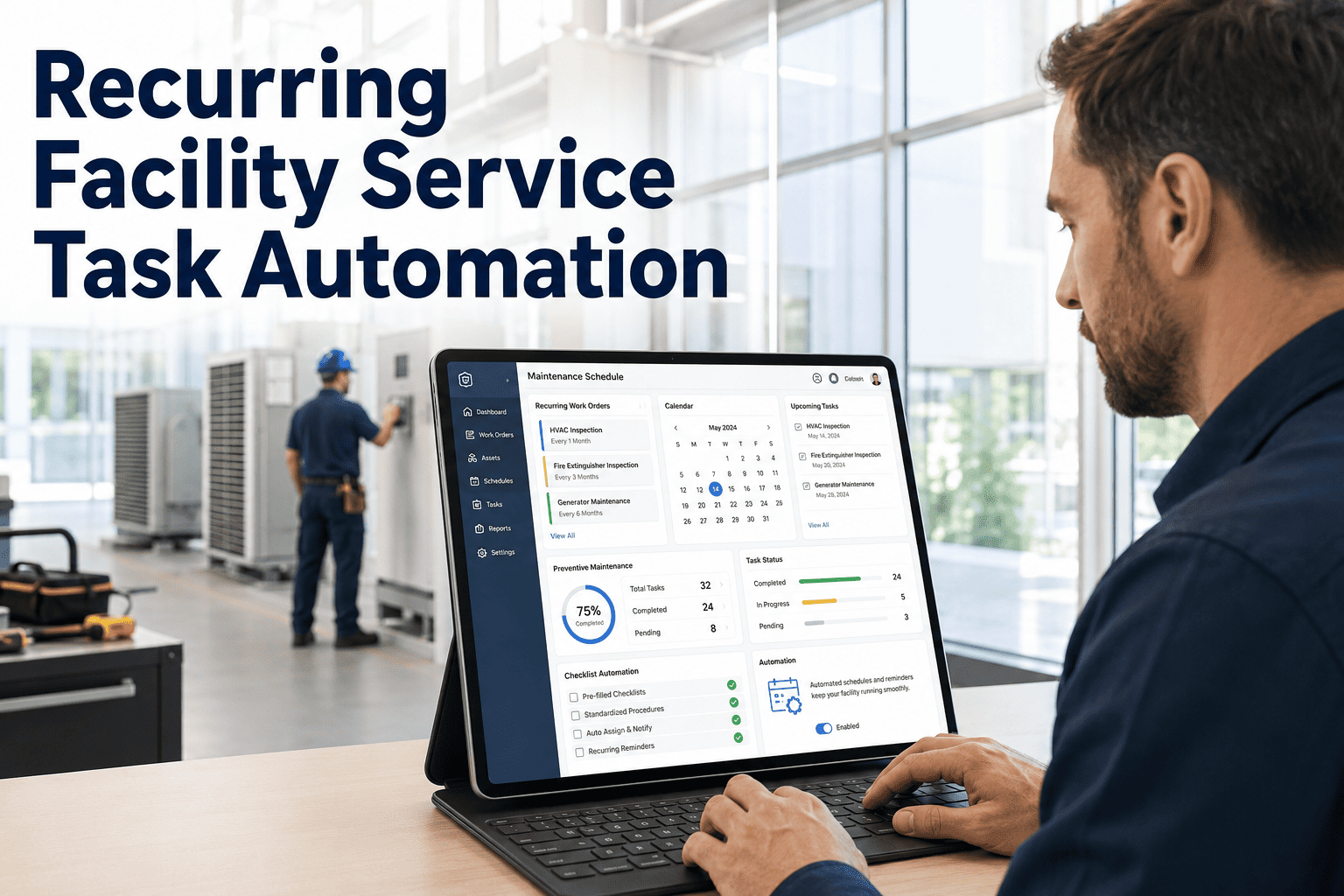
Read More
Recurring facility tasks — cleaning rounds, HVAC filter changes, fire extinguisher inspections, elevator checks — are the backbone of every building operations program. When these tasks are managed through spreadsheets, email reminders, or paper l
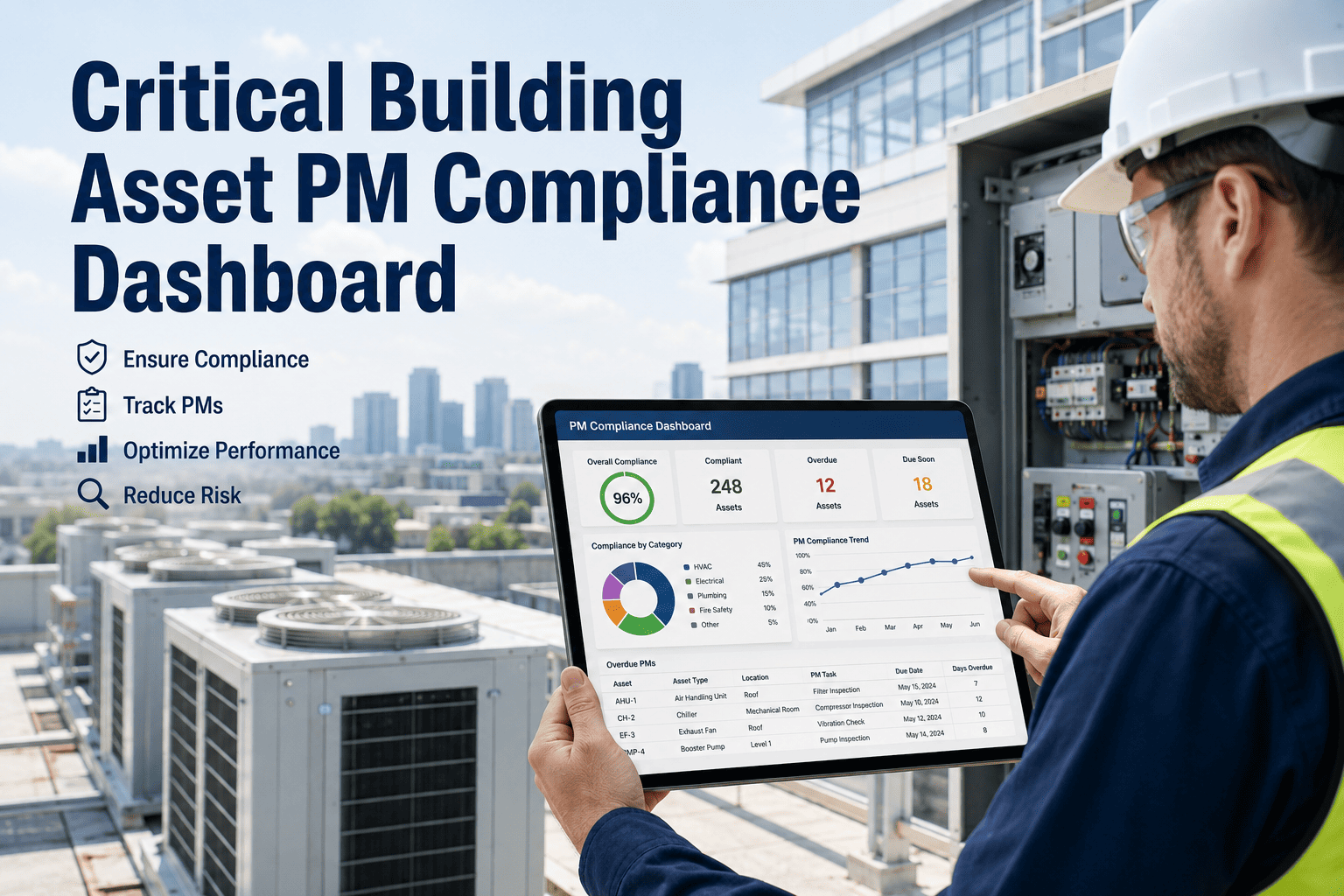
Read More
Facilities teams lose thousands of dollars every year not from equipment failure — but from PM tasks that slipped, inspections that were skipped, and audit reports that could not be produced on time. A PM compliance dashboard give
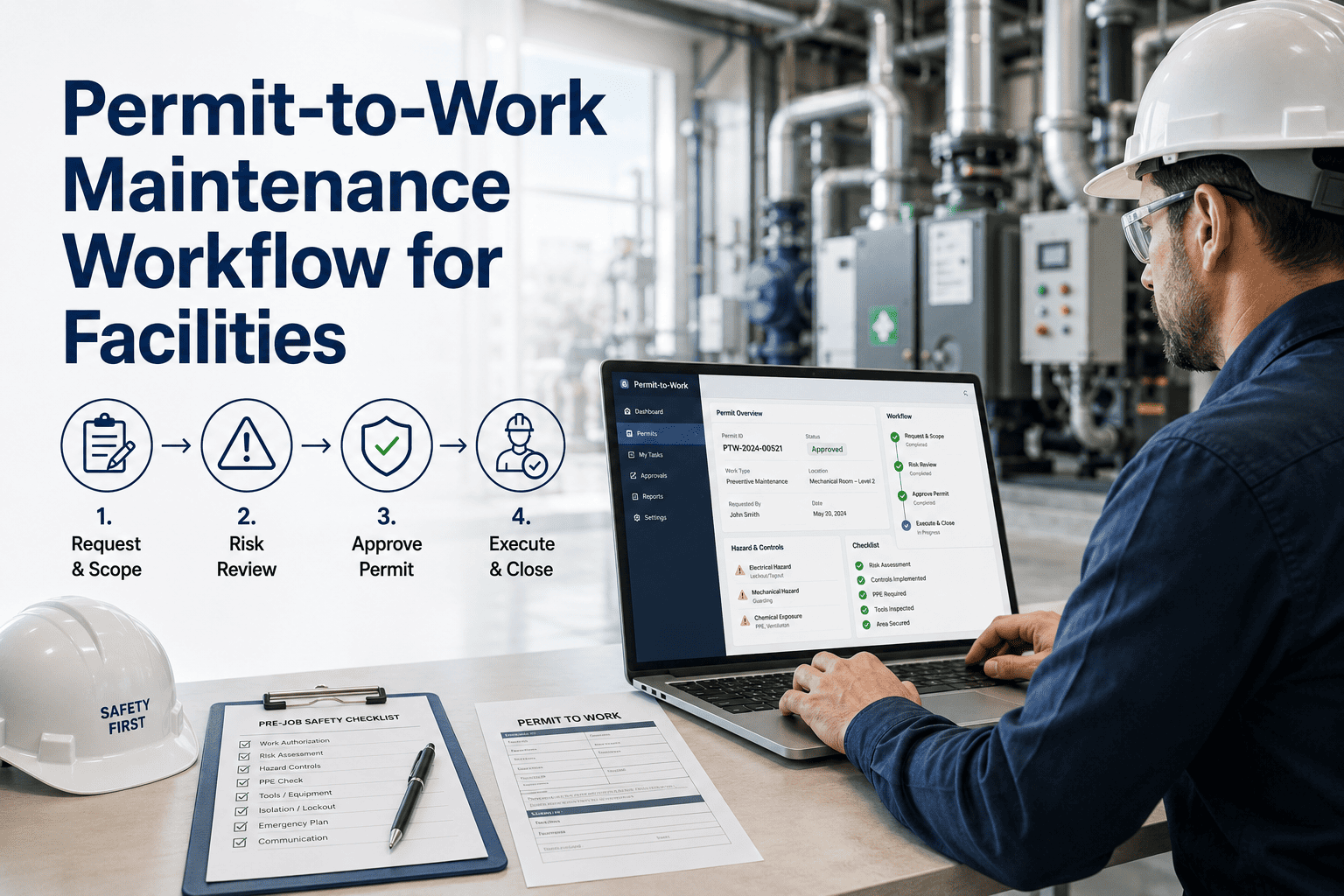
Read More
High-risk maintenance work — confined space entry, live electrical work, hot work, work at height, chemical handling — carries a category of liability that ordinary work orders were never designed to manage. A permit-to-work system exists to ensur
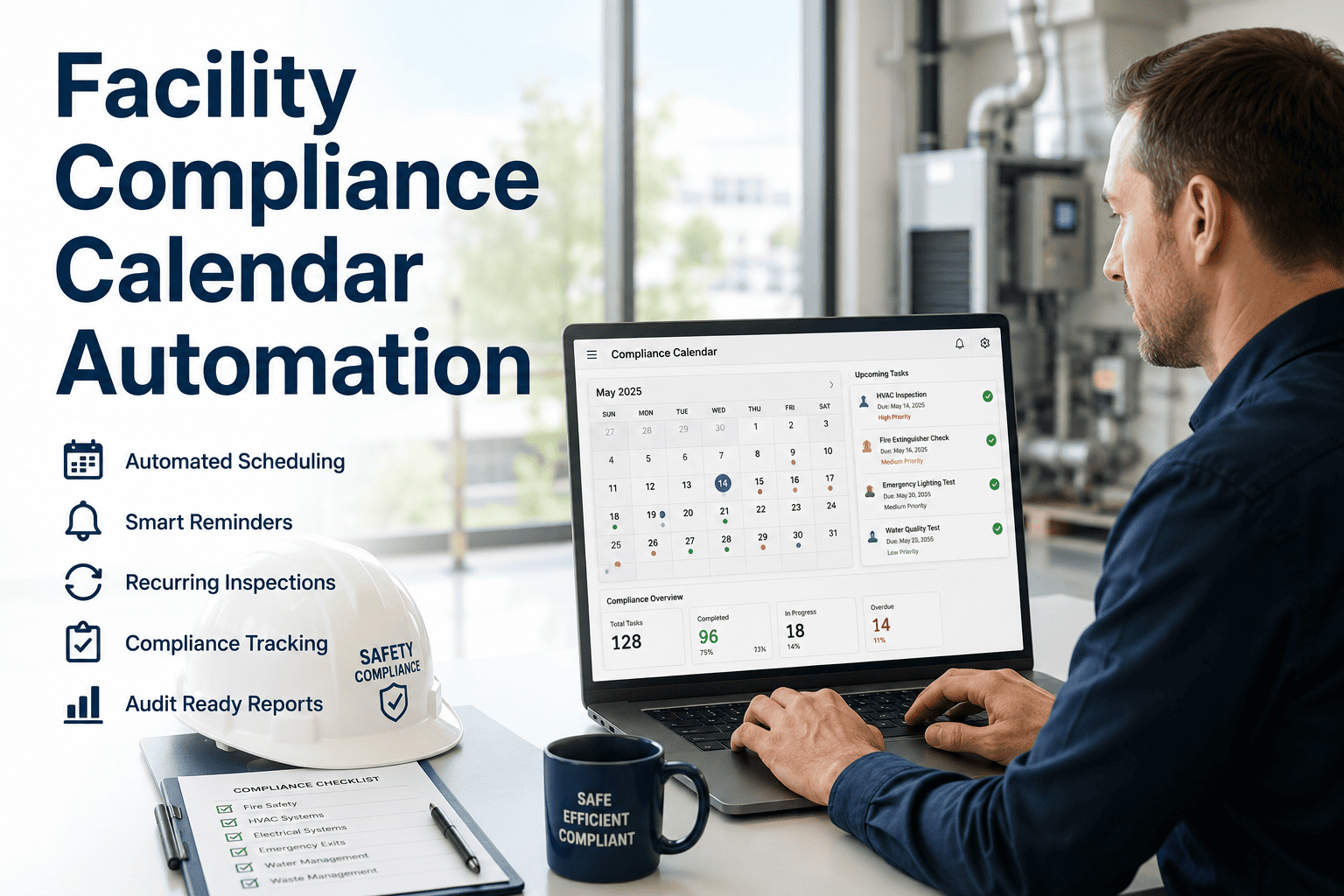
Read More
Every facility carries a calendar of mandatory obligations — inspection cycles, permit renewals, fire suppression tests, elevator certifications, HVAC filter changes, emergency lighting checks — and the penalty for missing even one is rarely propo

Read More
When work orders live in one system, asset records in another, inspection logs in a shared drive, and parts requests in email, your facility team spends more time locating information than acting on it.
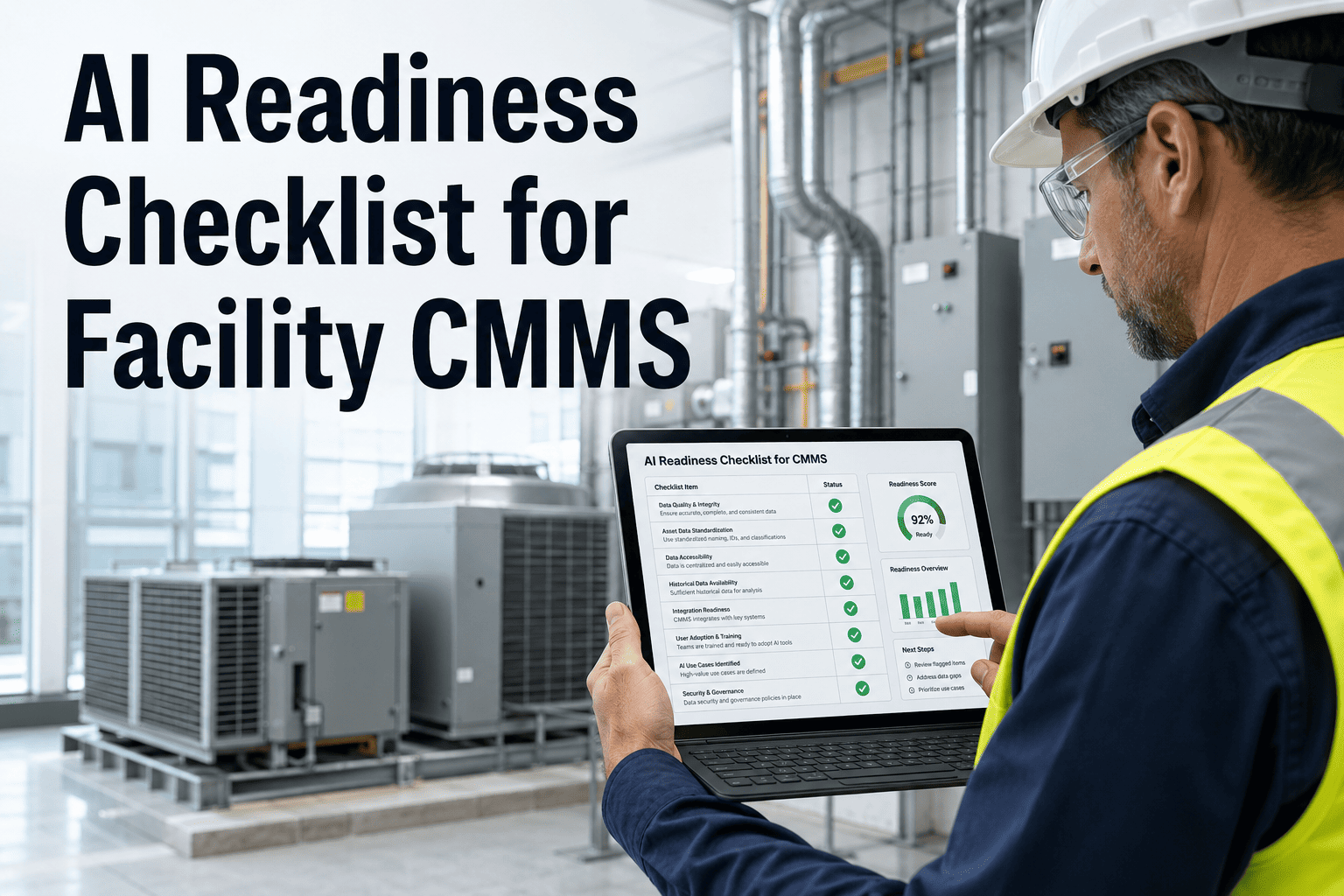
Read More
Most facility teams exploring AI maintenance tools discover the same obstacle: the platform is ready, but their data is not. AI work order automation, predictive maintenance, and intelligent scheduling all require a minimum threshold of clean asse
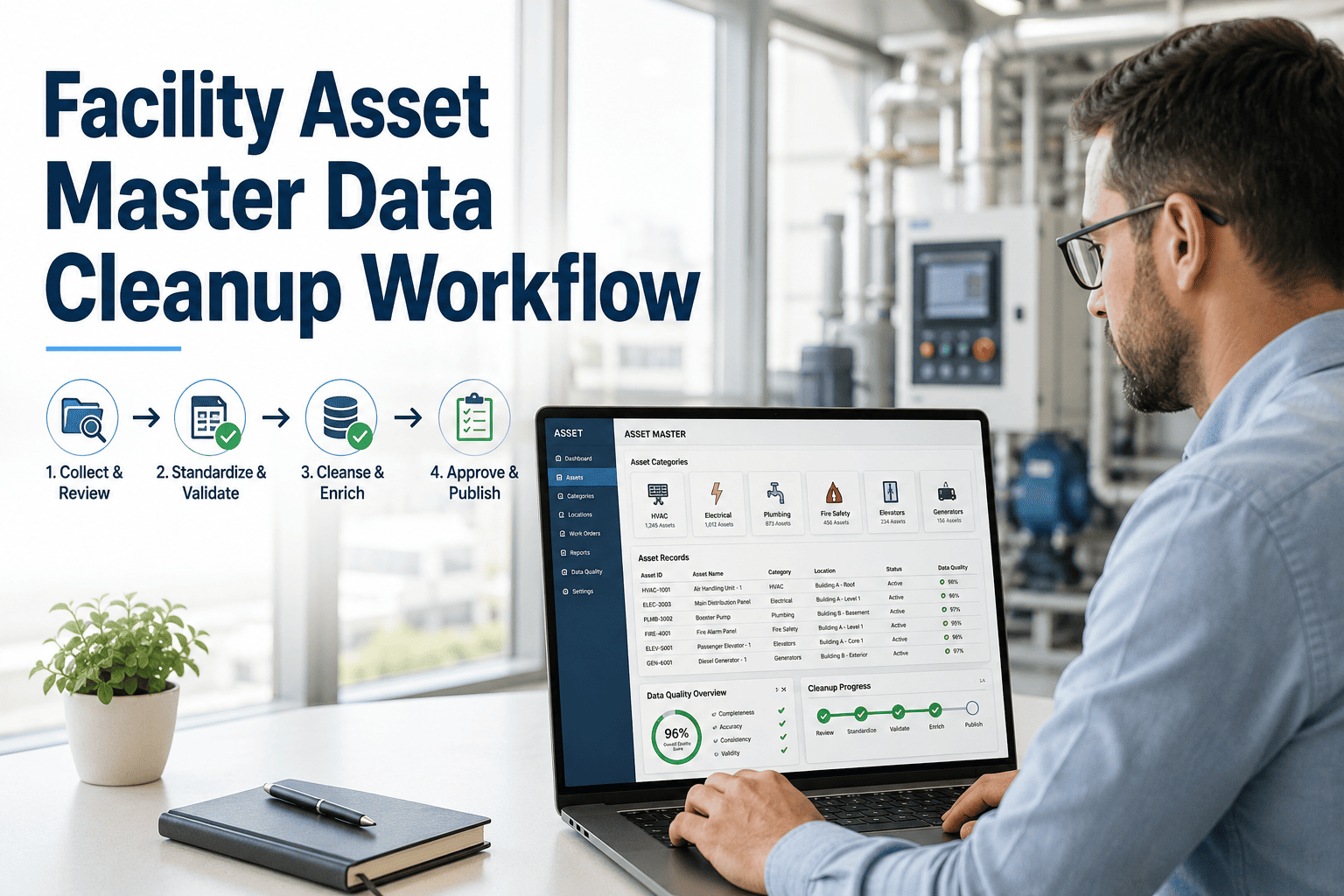
Read More
Dirty asset data is the root cause of most CMMS failures — PM schedules running on retired equipment, analytics built on duplicate records, and work orders routed to the wrong location. OxMaint's as
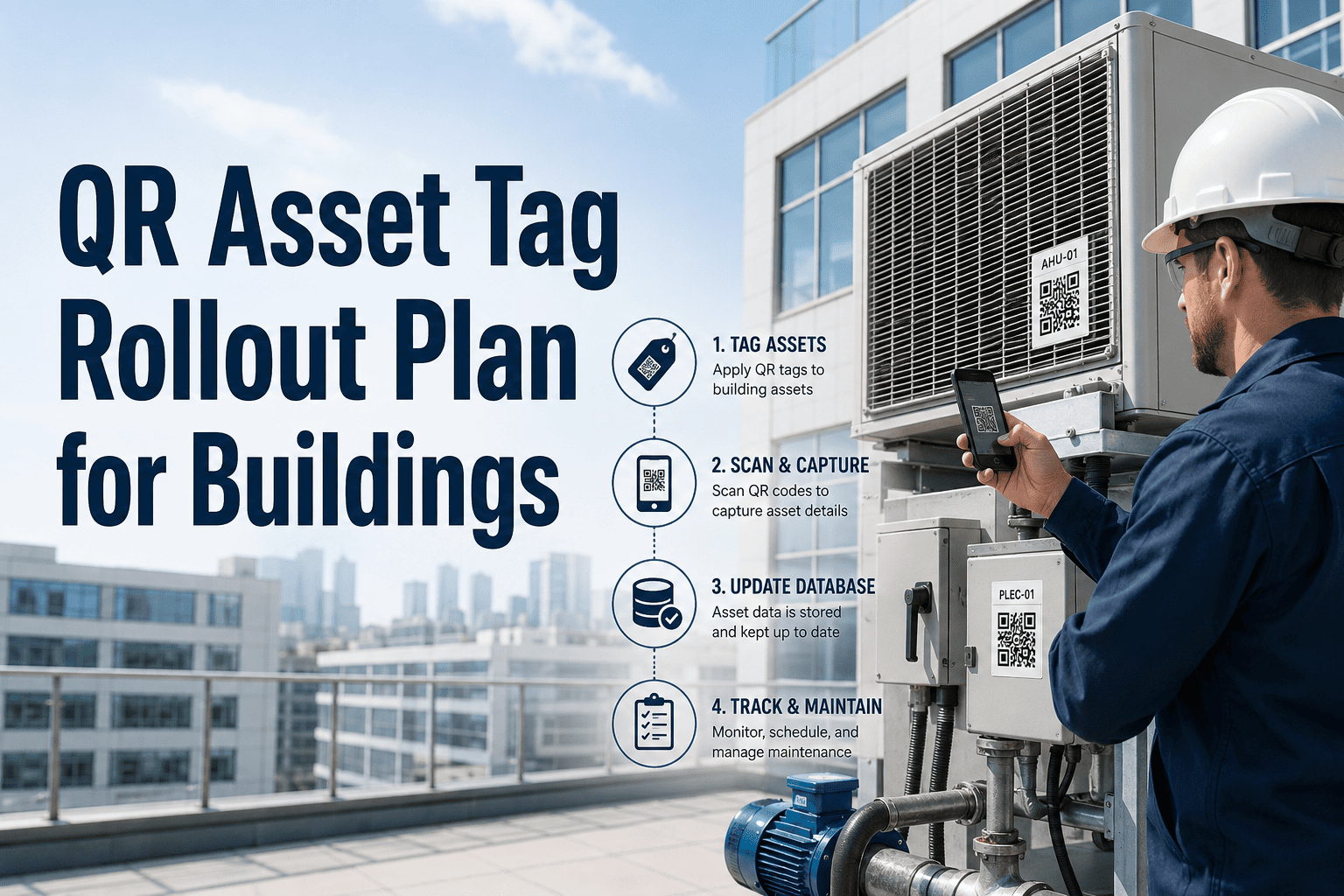
Read More
Before QR codes can speed up maintenance, every asset needs a clean record to scan into — and most facilities start with data that is incomplete, duplicated, or years out of date. OxMaint's asset ma

Read More
Field technicians waste hours writing up repair notes at the end of a shift — details go missing, work orders stay incomplete, and supervisors chase paperwork instead of planning. OxMaint's mobile C

Read More
HVAC systems represent 70% of commercial equipment breakdowns during peak demand periods, and a single failure during a multi-day heatwave in a critical facility — hospital, data center, senior living, school — carries consequences that dwarf the

Read More
A Category 4 hurricane landfall. A two-week heatwave hitting 115°F. A once-in-a-century flood event that wasn't — because the previous one happened six years ago. Facilities across North America are no longer planning for unlikely climate scenario

Read More
Building owners and facility managers facing ESG reporting requirements discover quickly that the hardest data to produce is not energy consumption data — it is the maintenance audit trail that proves actions were taken to achieve it. Inspection r

Read More
Facility teams responsible for carbon and ESG reporting face a data problem that most sustainability software doesn't solve: the records that prove what was actually done to reduce building emissions live in maintenance work orders, not in reporti

Read More
HVAC systems in commercial offices operate on fixed schedules that bear little resemblance to how the building is actually used. The result is predictable: overcooling empty floors, undercooling packed ones, and maintenance teams responding to com

Read More
Energy waste in commercial facilities rarely announces itself — it accumulates quietly in off-hours consumption spikes, sub-meter drift, and equipment inefficiency until it shows up as a utility bill surprise. OxMa

Read More
Smart buildings generate fault data across hundreds of systems every hour — but without structured detection workflows, that data sits idle while minor anomalies grow into system failures. OxMaint AI transforms

Read More
Facility teams running modern buildings face a paradox: the smarter the BMS, the louder the noise. OxMaint AI cuts through alarm overload with intelligent scoring, asset risk context, and a
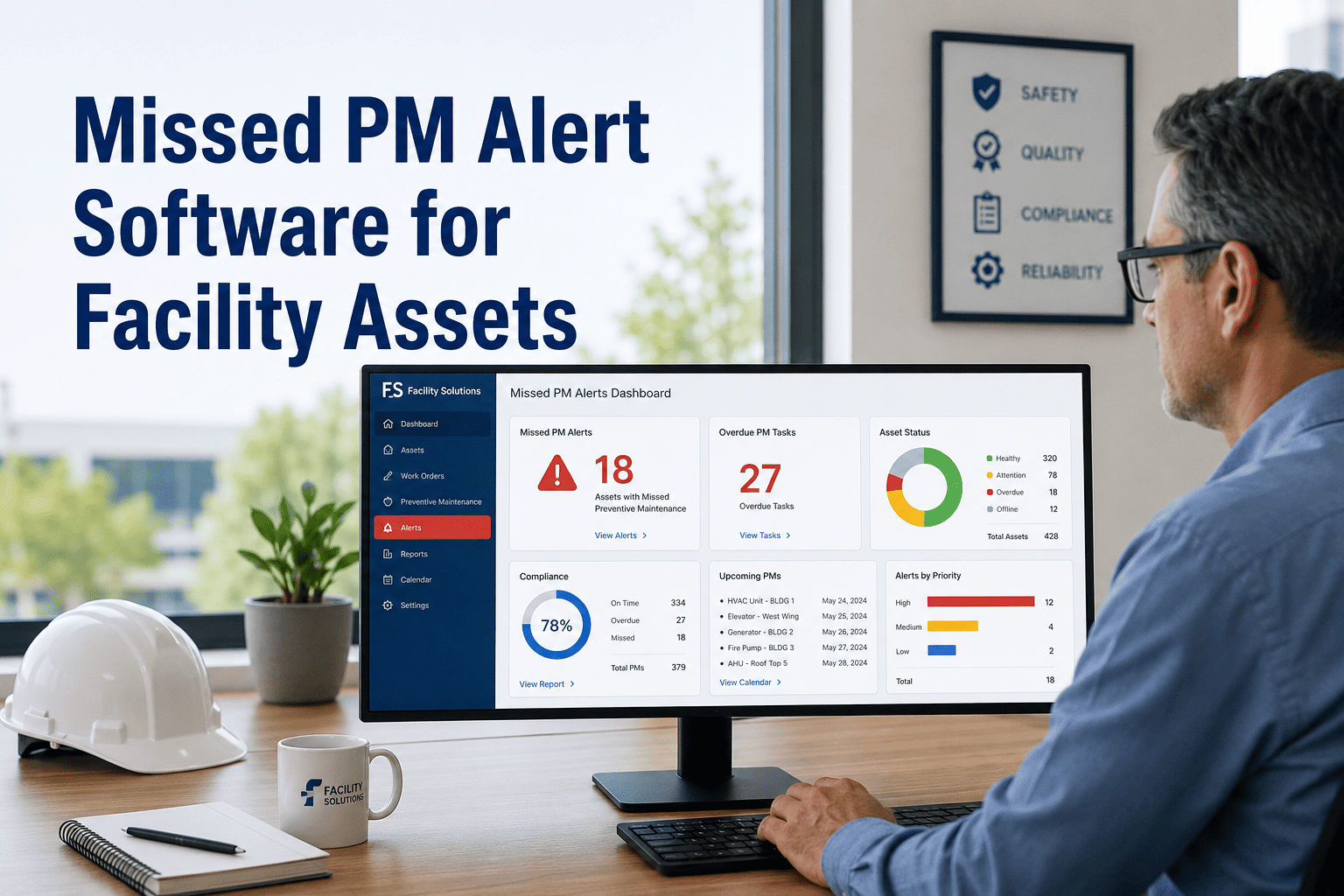
Read More
A missed preventive maintenance task rarely announces itself — it quietly accumulates into a warranty void, a compliance gap, or a $40,000 emergency repair that could have been a $200 service visit. The problem in most facilities isn't that techni
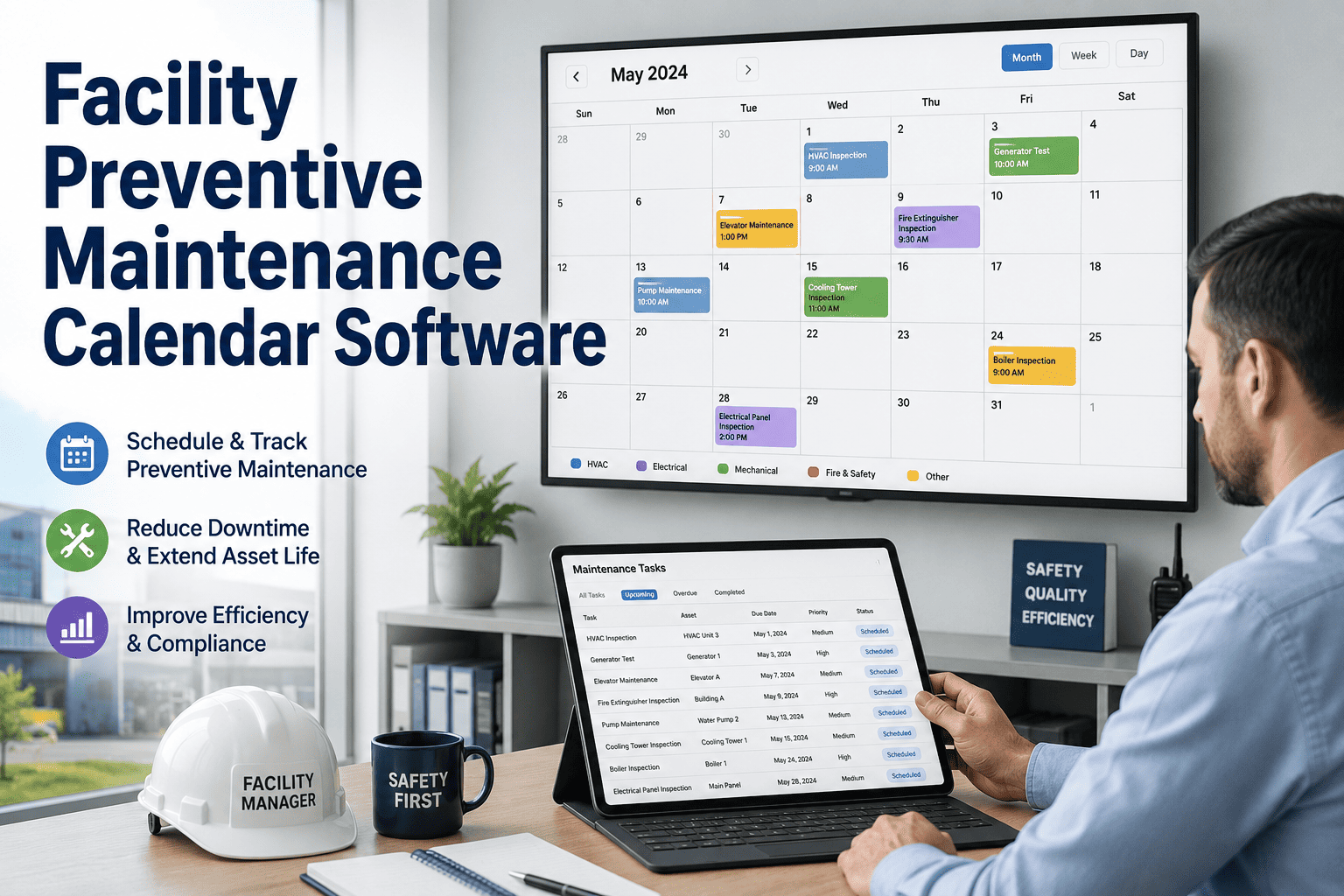
Read More
The most expensive maintenance event in any commercial building is the one that wasn't scheduled. HVAC failures in peak summer, generator starts that fail during power outages, and elevator shutdowns during peak occupancy are rarely random — they'
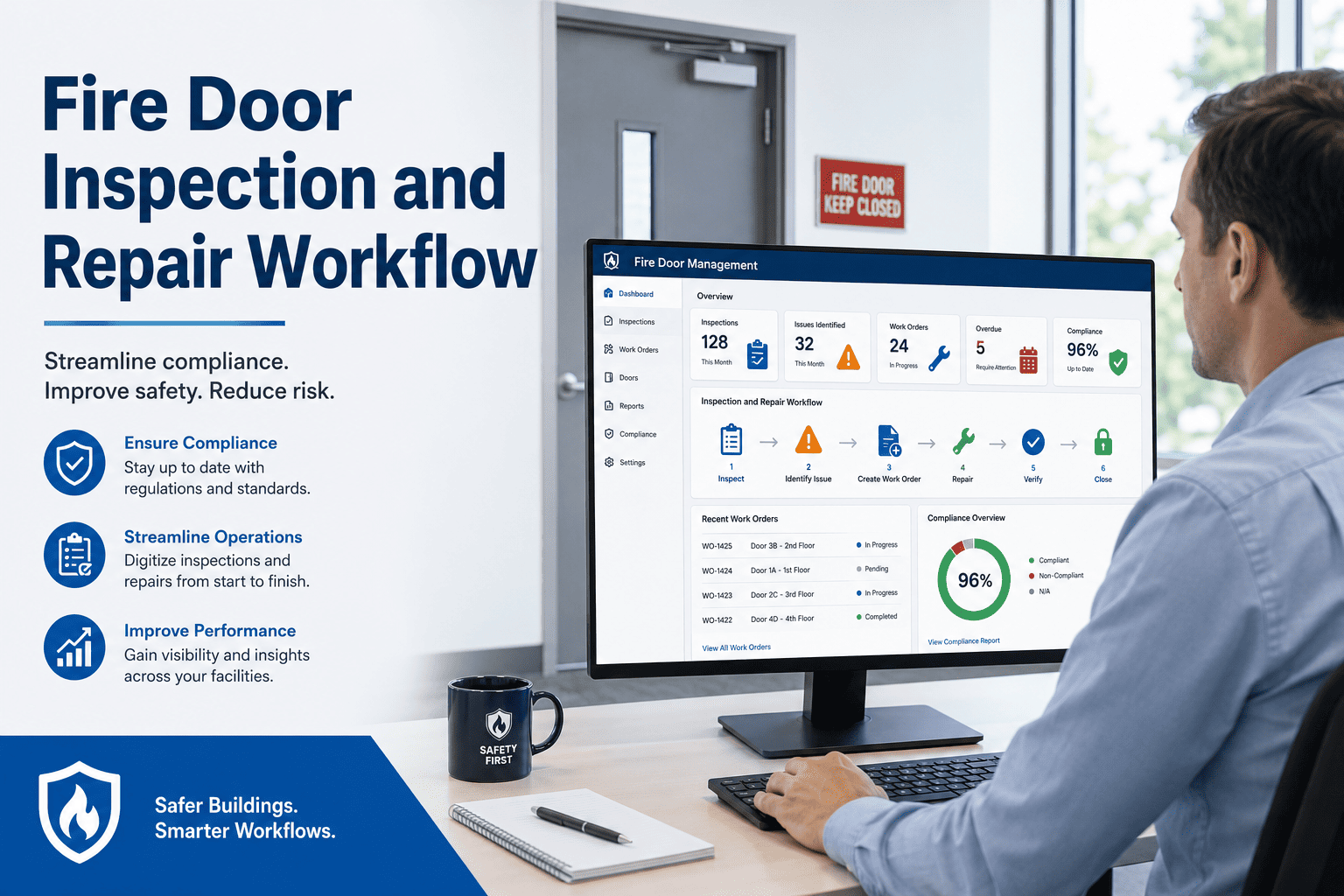
Read More
A fire door that fails to close fully, latch properly, or maintain its rating under heat can cost lives in a building emergency — yet most fire door inspection programs remain paper-based, inconsistent across floors, and unable to prove that ident
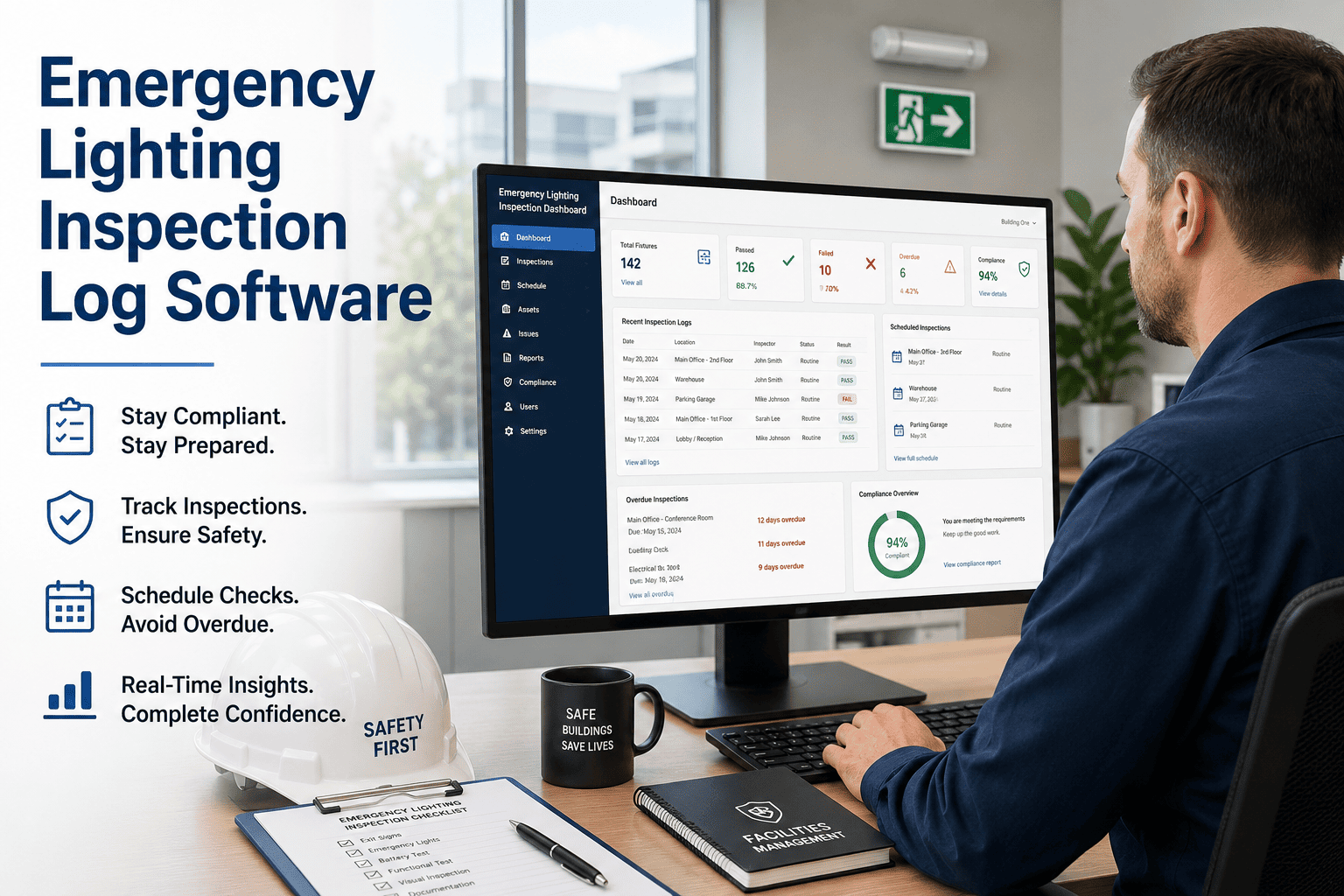
Read More
Emergency lighting is one of the most commonly failed life safety inspection items — not because batteries aren't replaced, but because test logs go missing, corrective jobs are never opened, and the next inspection finds the same units still fail
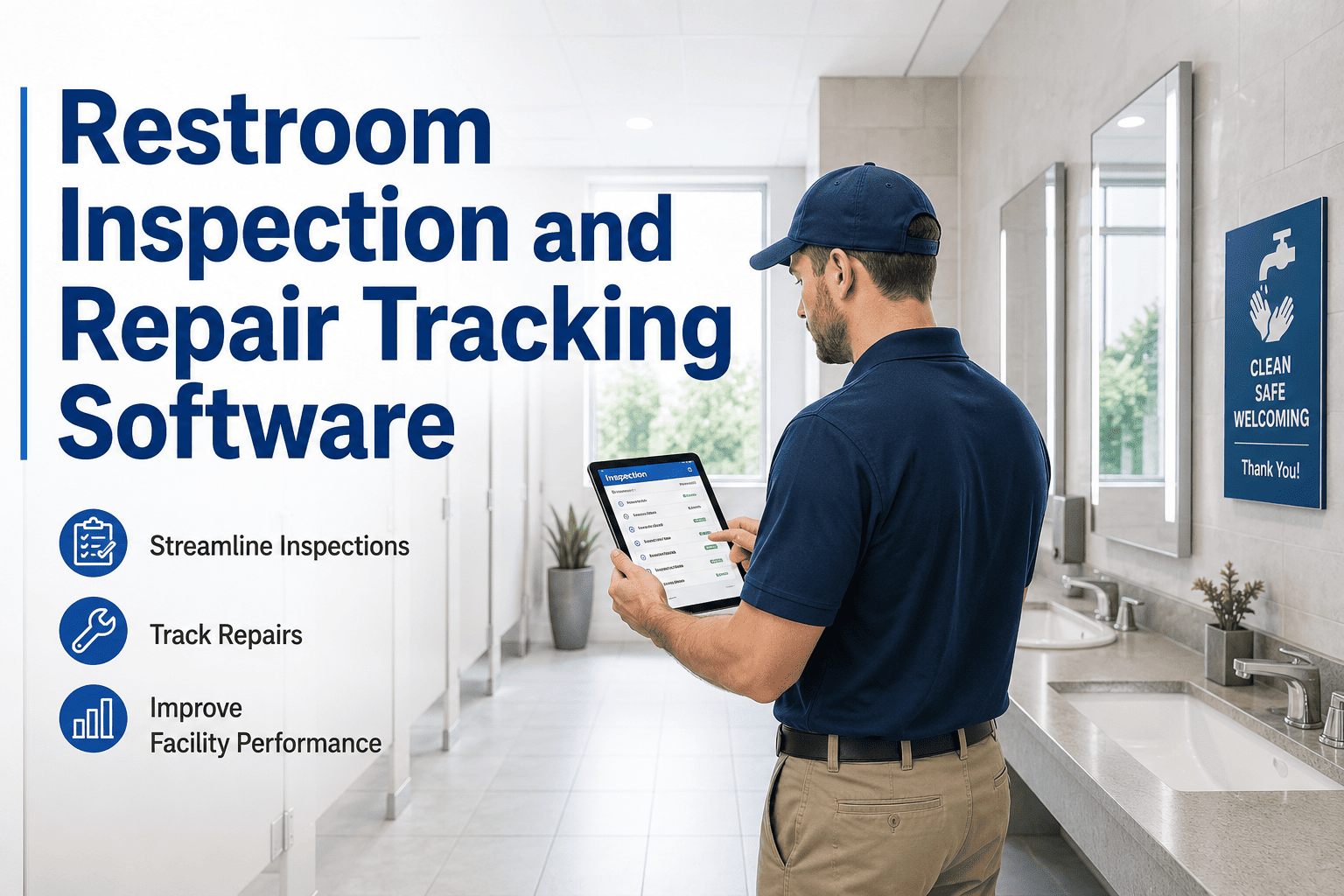
Read More
Restroom conditions are among the top factors that shape a visitor's or tenant's perception of a commercial facility. A broken fixture, clogged drain, or missing supply left unaddressed for hours signals management failure — not just a maintenance
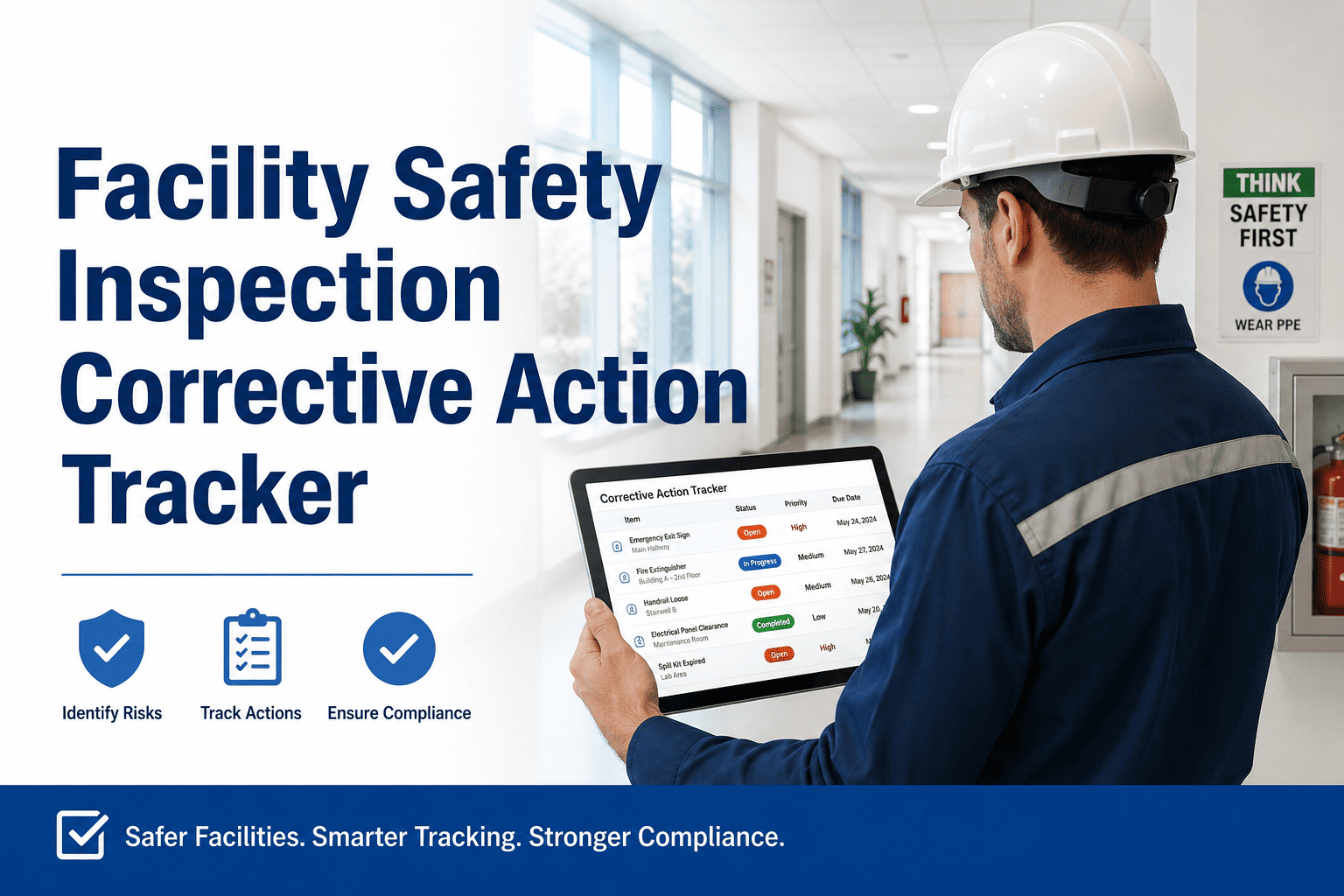
Read More
Every failed safety inspection that goes unresolved is a liability waiting to happen. Facility managers across commercial buildings, manufacturing plants, and healthcare campuses lose compliance standing not because inspections aren't conducted —

Read More
Paper inspection checklists, emailed photos, and manually created work orders are not just slow — they are compliance gaps. OxMaint digitizes the entire building inspection workflow: mobile checklists with phot
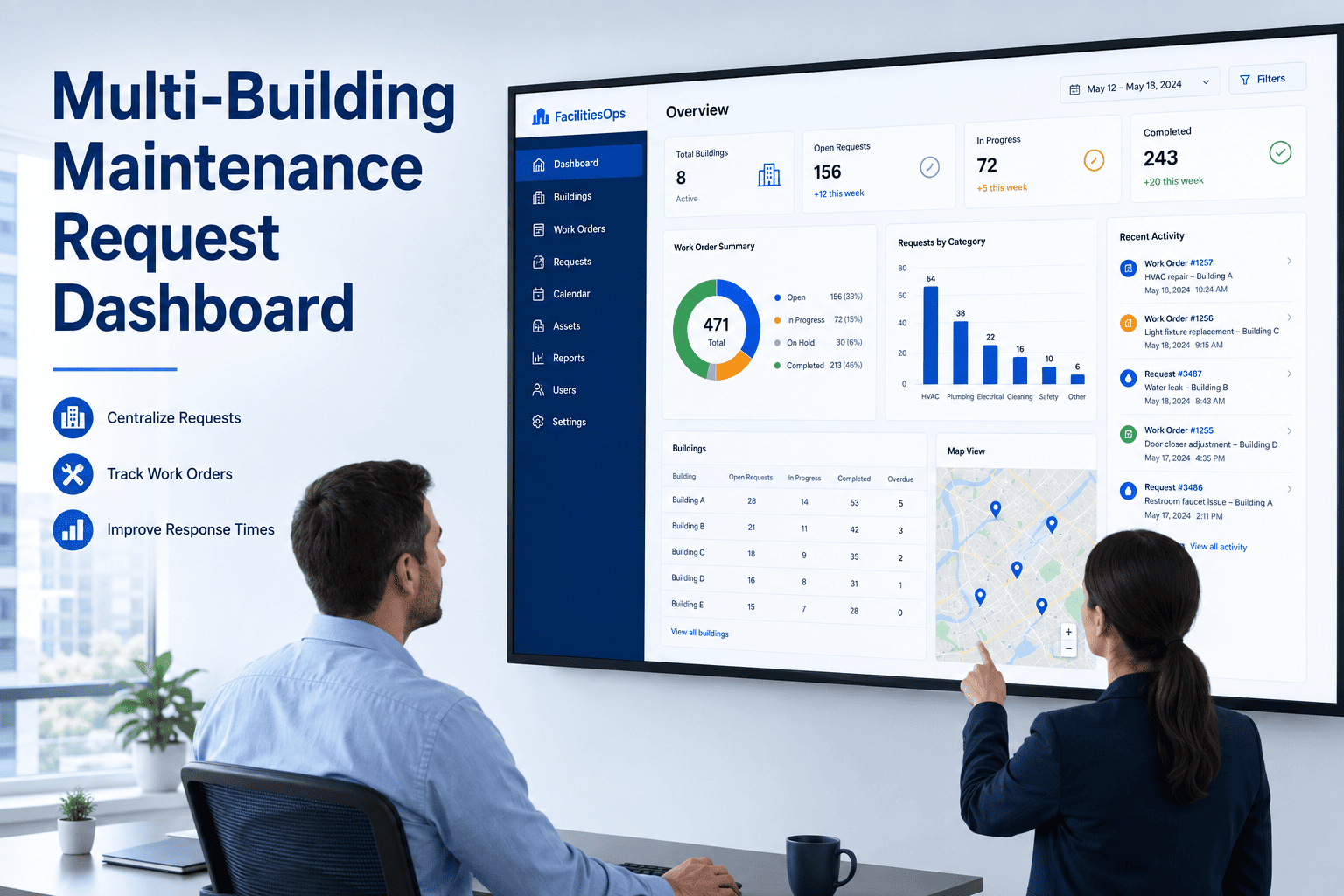
Read More
Managing maintenance requests across multiple buildings without a unified dashboard means your team is flying blind — open jobs pile up in different inboxes, response times vary wildly between sites, and the only way to spot a recurring problem is
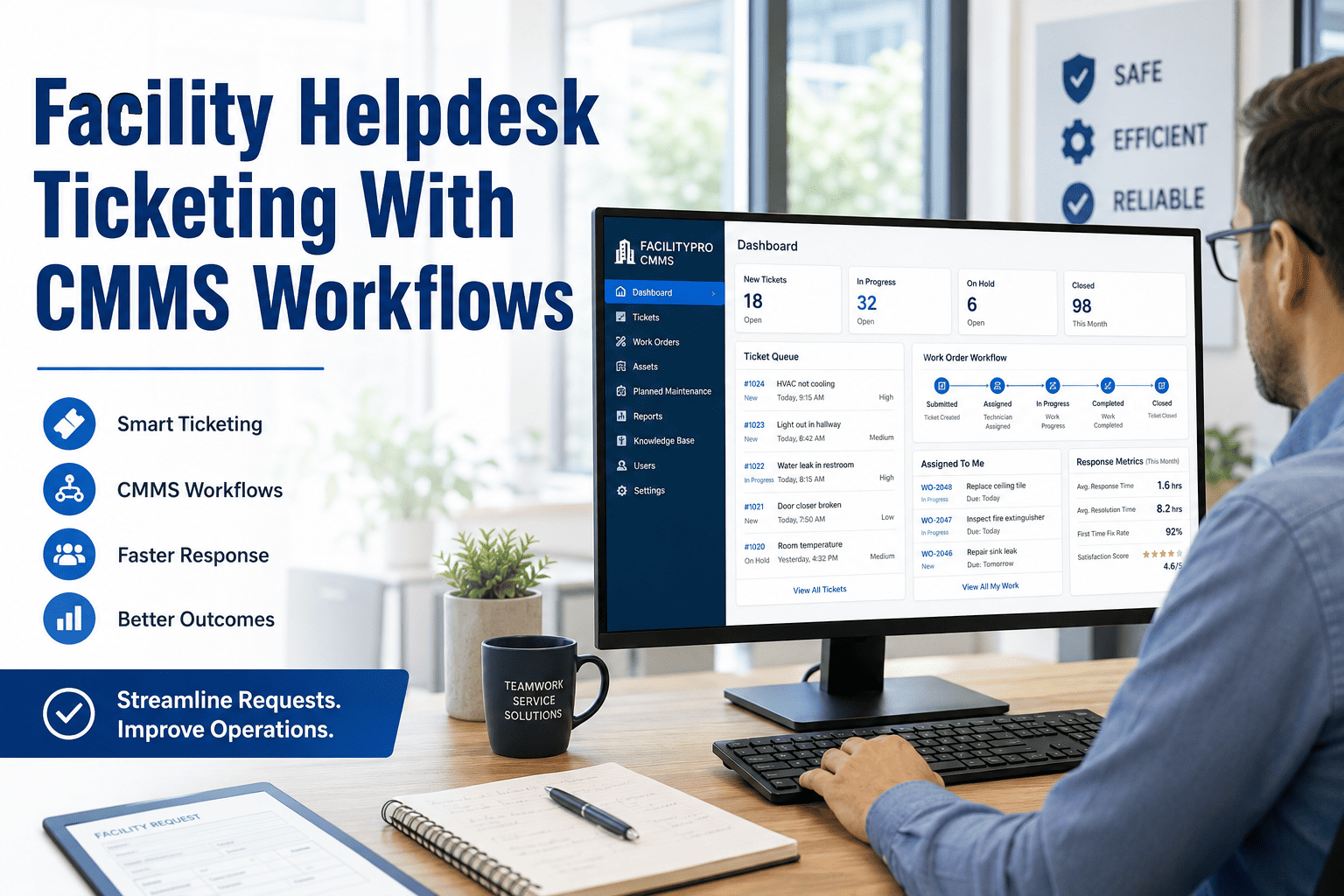
Read More
Facility helpdesk tickets that don't connect to a CMMS are data dead ends. Your team logs the issue, handles the call, and dispatches a tech — but the request leaves no asset record, no SLA log, and no maintenance history behind it.
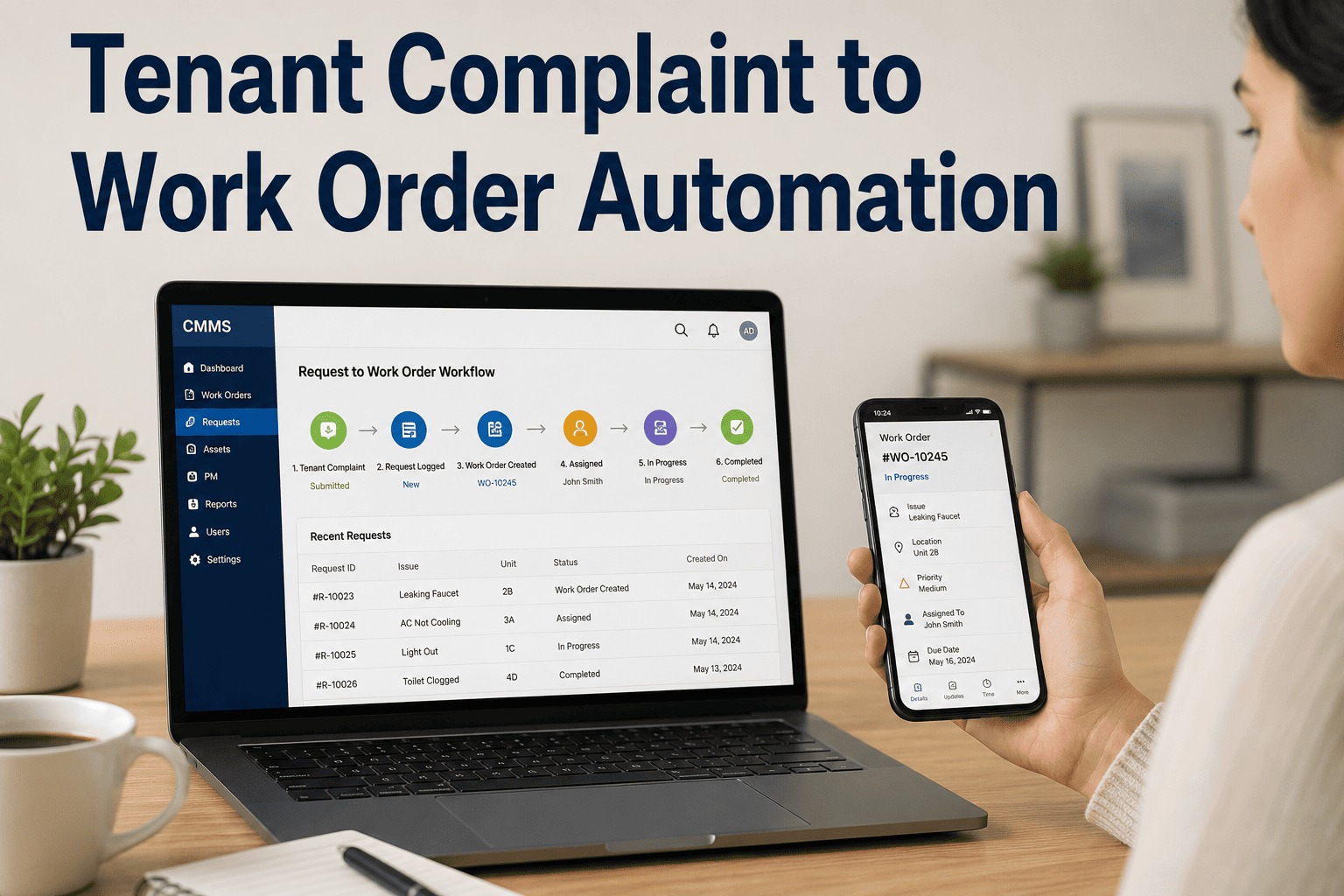
Read More
A tenant complaint that isn't logged within the hour is a complaint that becomes a lease risk. Property management teams that rely on email, voicemail, or manual spreadsheets to track maintenance reports average 6.4 unresolved tenant issue

Read More
Office buildings lose an average of 23 billable hours per month chasing down maintenance requests through email chains, phone calls, and sticky notes. OxMaint's QR Code Maintenance Request Portal
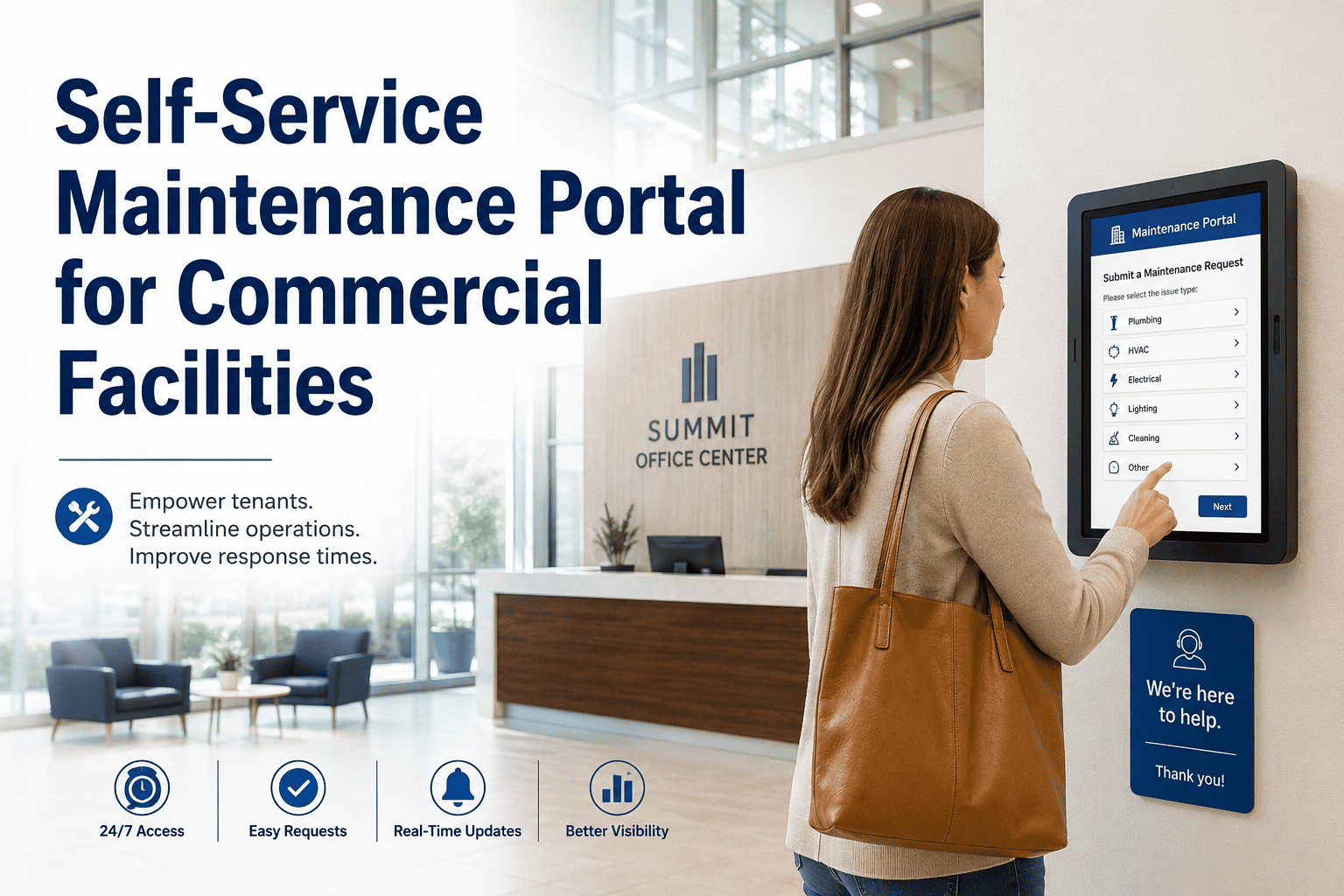
Read More
Commercial facilities teams spend nearly 30% of their day managing inbound maintenance requests through fragmented channels — emails that get buried, calls that go unlogged, and walk-ins that never make it into any system.
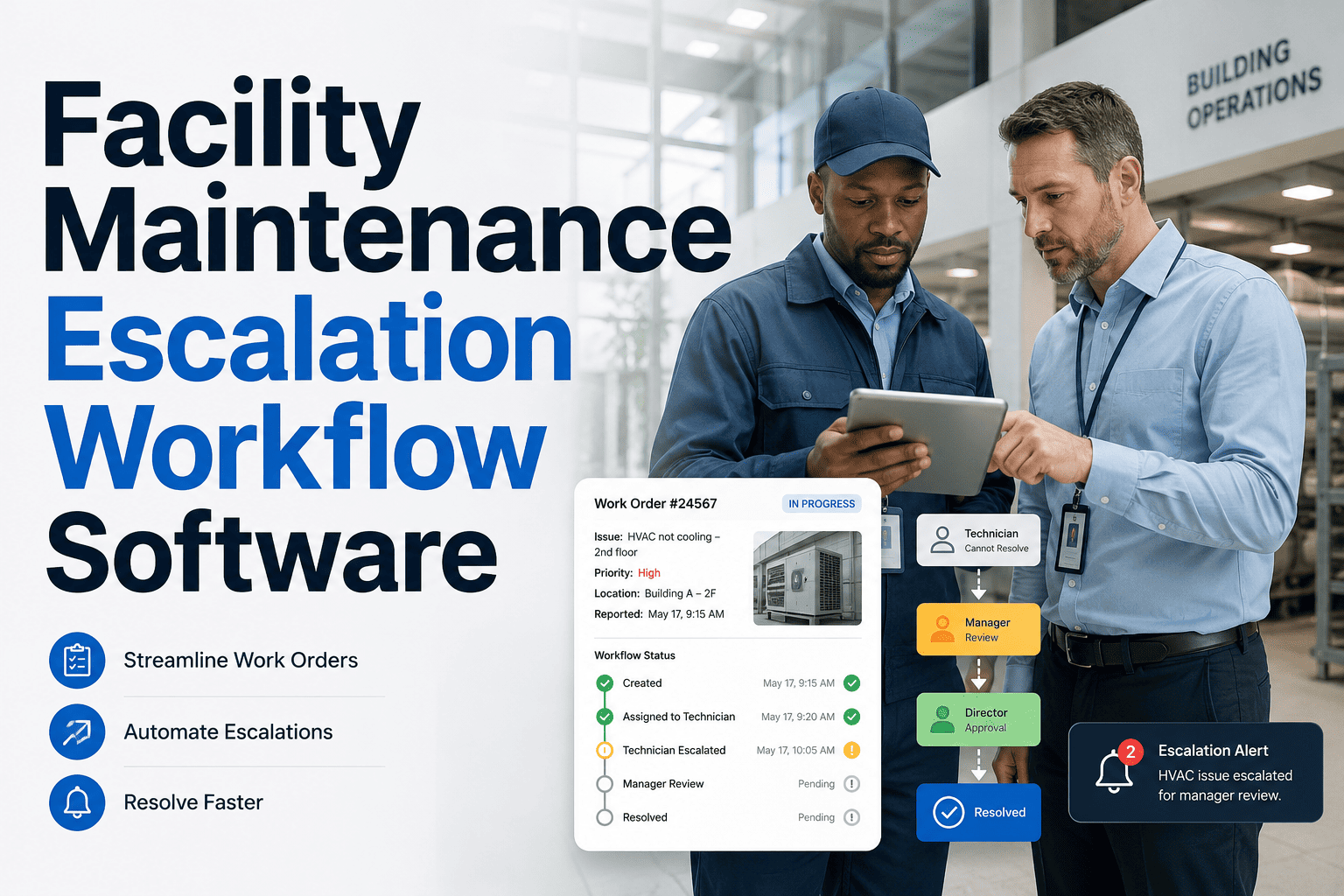
Read More
An overdue maintenance request does not fix itself — and it does not escalate itself either, unless your system is built to do it automatically OxMaint's facility maintenance escalation software removes the human bottleneck from escalation entirel
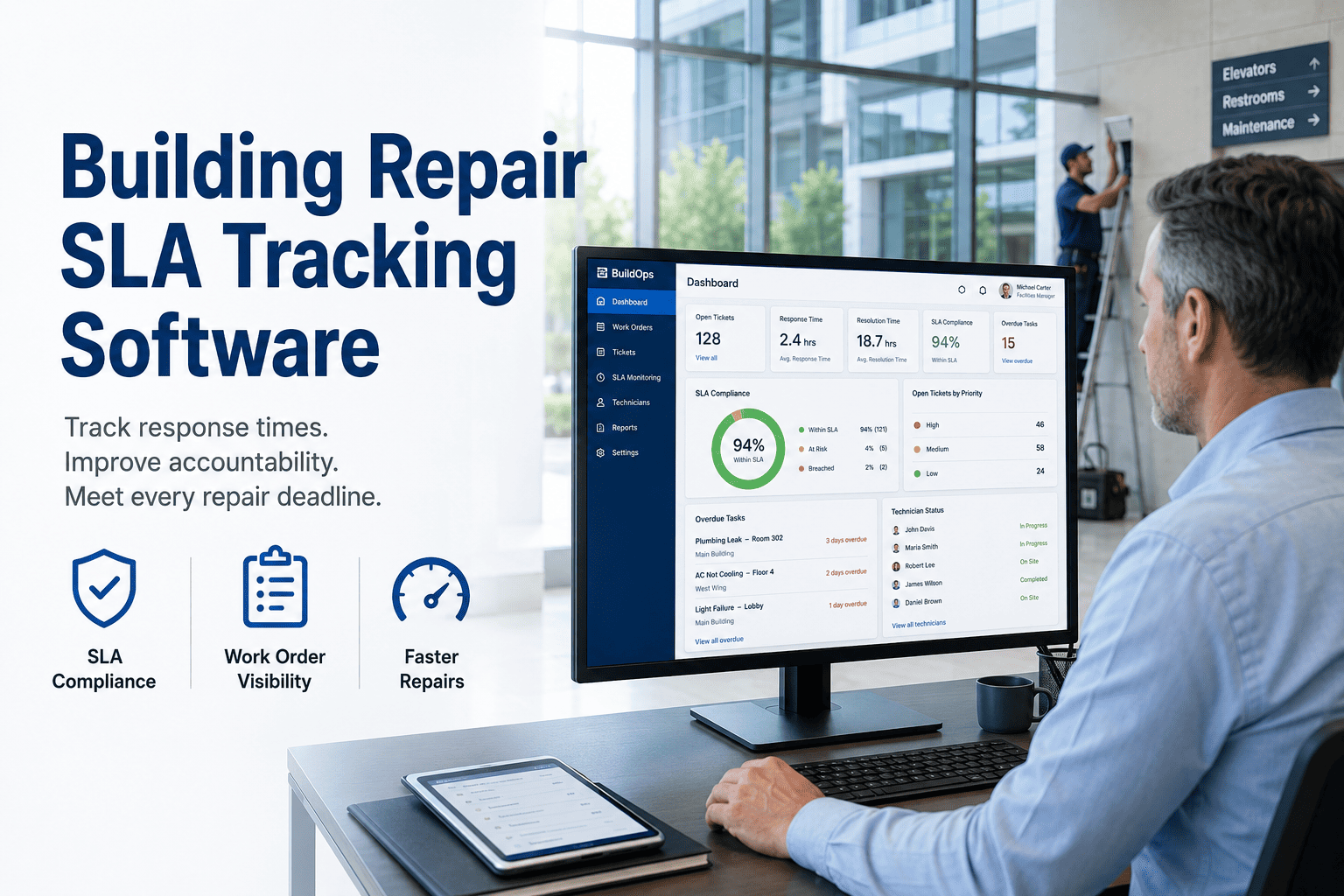
Read More
A repair SLA is only as valuable as your ability to measure and enforce it. Most facility teams discover SLA breaches after the fact — when a tenant complaint lands, when a lease renewal fails, or when a monthly report shows response times that no
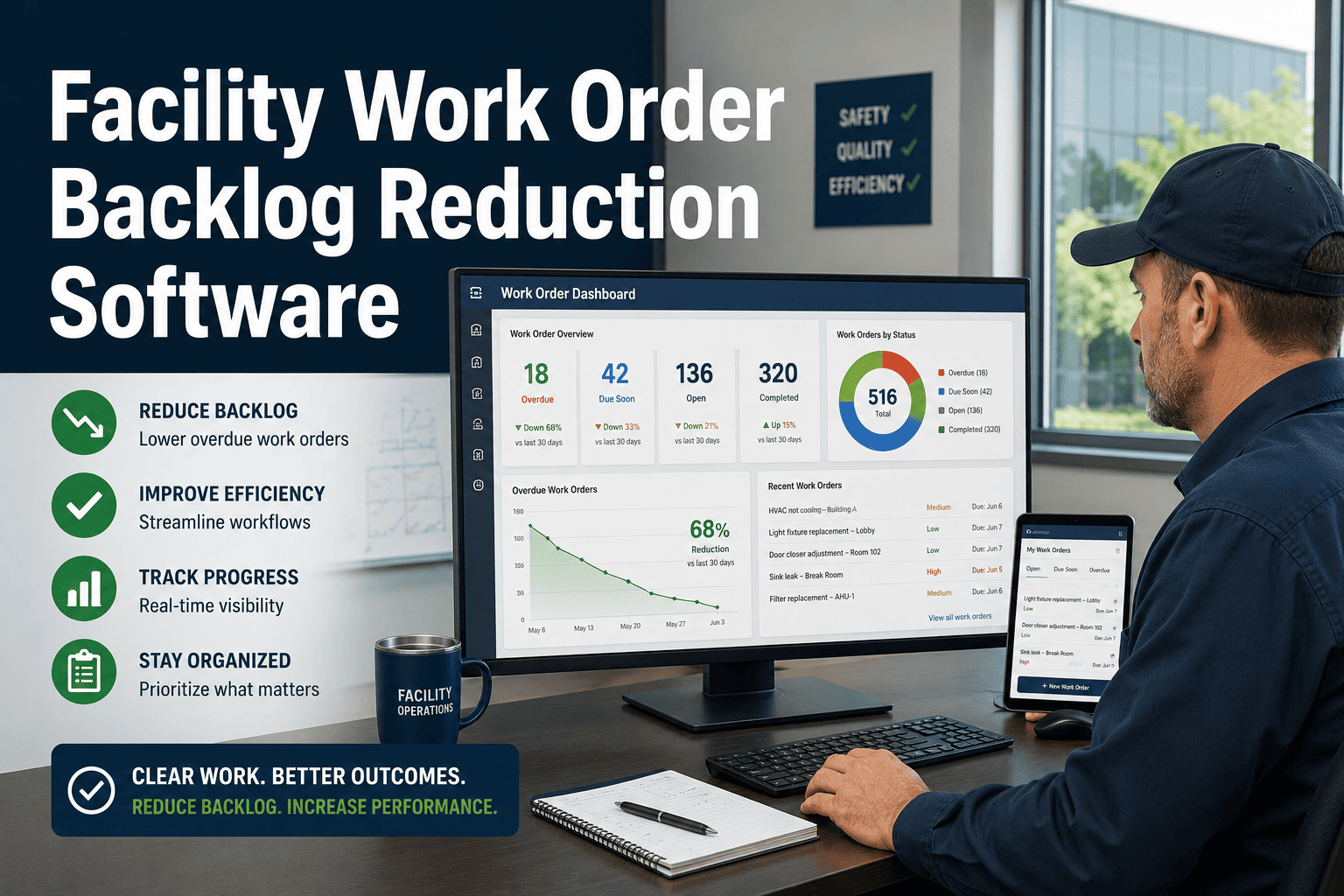
Read More
Facility teams across commercial buildings, campuses, and multi-site operations lose thousands of productive hours every year managing work order backlogs manually. With OxMaint's facility work order software,

Read More
Field technicians spend an average of 90 minutes per shift on paperwork, verbal status updates, and office check-ins — time that belongs on the floor, not behind a desk. OxMaint's mobile facility technician app
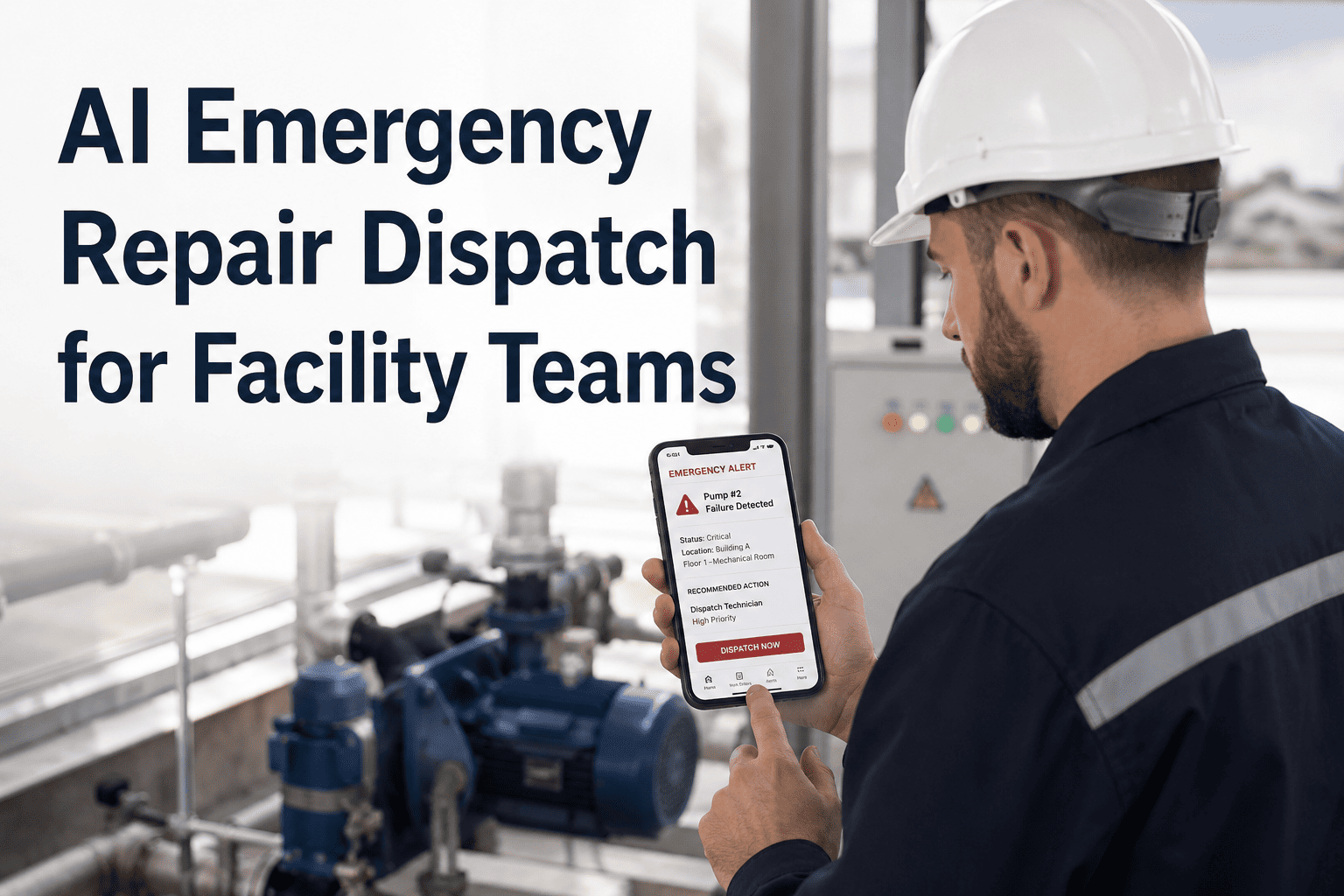
Read More
When a critical system fails in your building — HVAC in peak summer, a water leak on the third floor, a power fault in the server room — every minute of delay has a real cost. OxMaint's AI emergency repair dispatch

Read More
A badge reader that fails during the morning rush locks out 200 employees and triggers a security incident report before 9 AM. A door closer that hasn't been inspected in 18 months lets a fire door stay propped open — a life safety violation waiti

Read More
Facility help desks are bottlenecks by design. A single point of contact receives calls, emails, and walk-ins from hundreds of occupants, triages each issue manually, assigns work orders based on incomplete information, and follows up when request

Read More
Tenant retention in commercial real estate is decided long before a lease renewal conversation happens. It is decided in the accumulated experience of every maintenance request that went unanswered too long, every comfort complaint that cycled thr

Read More
The moment an occupant notices a broken light, a leaking tap, or a malfunctioning HVAC unit, the clock starts ticking on their experience with the building. How quickly can they report it? How easily? And how confident are they that it will actual

Read More
Cleaning a 40,000 square foot office building on a fixed schedule made sense when occupancy was predictable. In 2026, with hybrid work patterns, event-driven usage, and variable floor occupancy across the week, cleaning on a fixed schedule means o
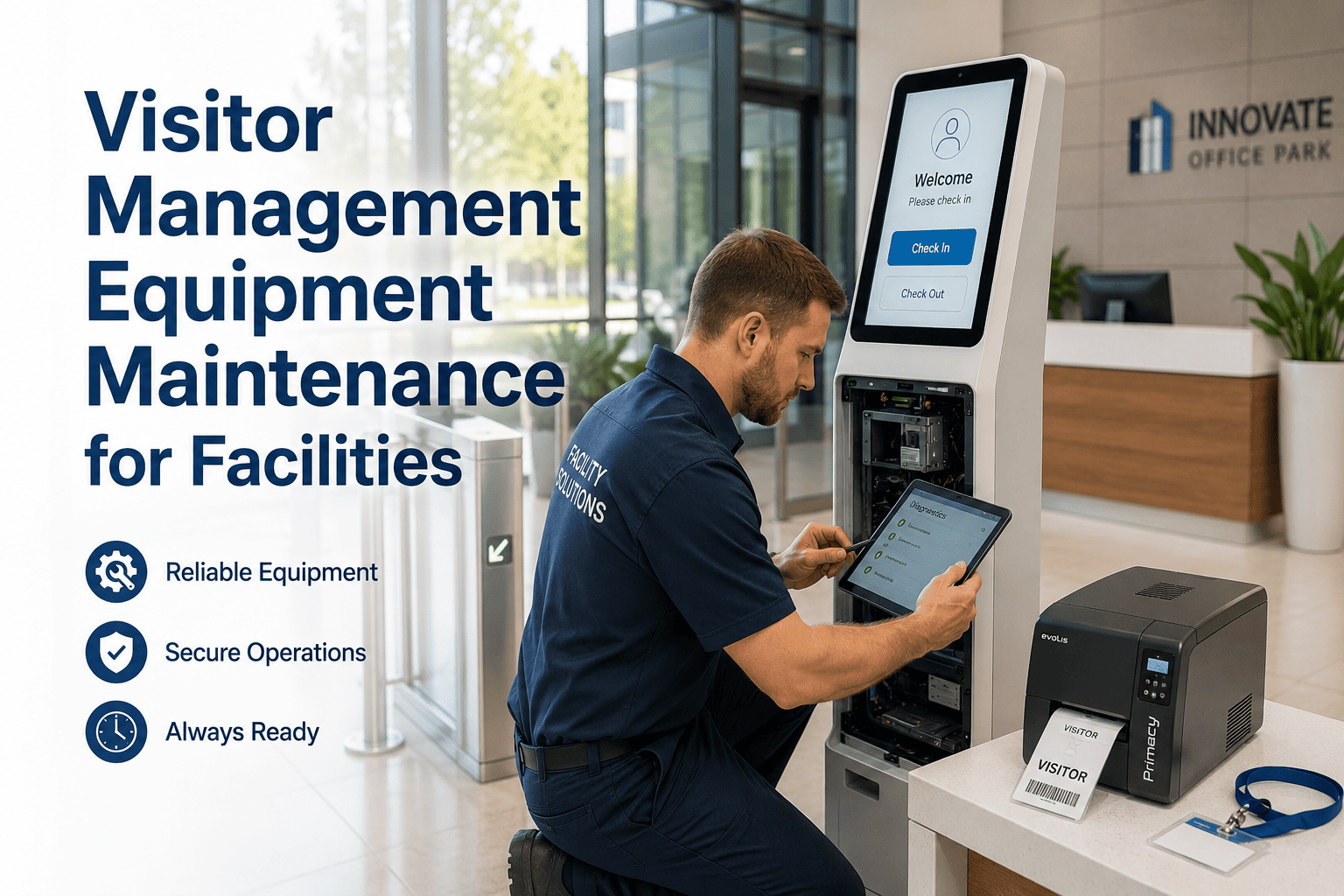
Read More
The front desk kiosk that crashes during a visitor check-in, the badge printer that jams on a busy conference morning, or the access point that fails to grant a contractor entry — these are not IT problems, they are facility management problems. V

Read More
A security camera that appears to be running but is capturing blurred footage, storing to a full disk, or silently disconnecting from the network provides zero protection — and creates false confidence. Facility security teams managing dozens or h

Read More
Medical office buildings carry a maintenance burden that standard commercial facilities never face. Every exam room, imaging suite, waiting area, and procedure zone demands precise temperature control, verified air quality, documented inspections,

Read More
Life sciences campuses operate at an entirely different scale of complexity than single-building research facilities. A mid-size campus may run twelve buildings, three cleanroom suites, forty HVAC zones, a central utility plant, and hundreds of sh

Read More
Biotech incubators are among the most operationally demanding built environments in the world. A single floor can host a dozen startups running PCR machines, cell culture hoods, -80°C freezers, and high-pressure gas lines — all sharing the same HV

Read More
University research buildings operate under maintenance demands that no standard campus FM system was built to handle — pressurized labs, BSL-2 and BSL-3 rooms, -80°C freezers, fume hoods, clean benches, and HVAC systems that must hold temperature

Read More
K-12 school buildings serve thousands of students daily across HVAC systems, plumbing, electrical infrastructure, and safety systems — all managed by lean facility teams who rarely have enough staff, time, or budget.
Read More
Large venues — stadiums, convention centers, arenas — run on tight event timelines. A single HVAC failure or missed safety check the night before a 20,000-seat event costs far more than a maintenance budget. Oxmain

Read More
Water intrusion through building envelopes is the leading cause of structural damage and indoor air quality failure in commercial buildings — and the most insidious, because it often goes undetected for months while damage accumulates silently beh

Read More
Backflow preventer compliance is one of the few facility maintenance obligations with direct legal consequences — most municipalities require annual certified testing, and failure to maintain records can result in fines, service shutdowns, and lia

Read More
Plumbing failures in commercial buildings rarely give warning — a valve that hasn't been inspected in three years fails at 2 AM, a corroded pipe joint finally gives way during peak occupancy, and the cost snowballs from a $200 repair into a $40,00

Read More
Pumps and motors are the circulatory system of any large facility — when they fail unexpectedly, the cascade effect hits HVAC, plumbing, fire suppression, and cooling simultaneously. Predictive maintenance eliminates reactive pump and motor failur

Read More
Paper-based inspection rounds are costing facility teams thousands of hours annually — missed checkpoints, illegible entries, and zero traceability from inspection to corrective action. AI-assisted mobile rounds replace clipboards with guided digi
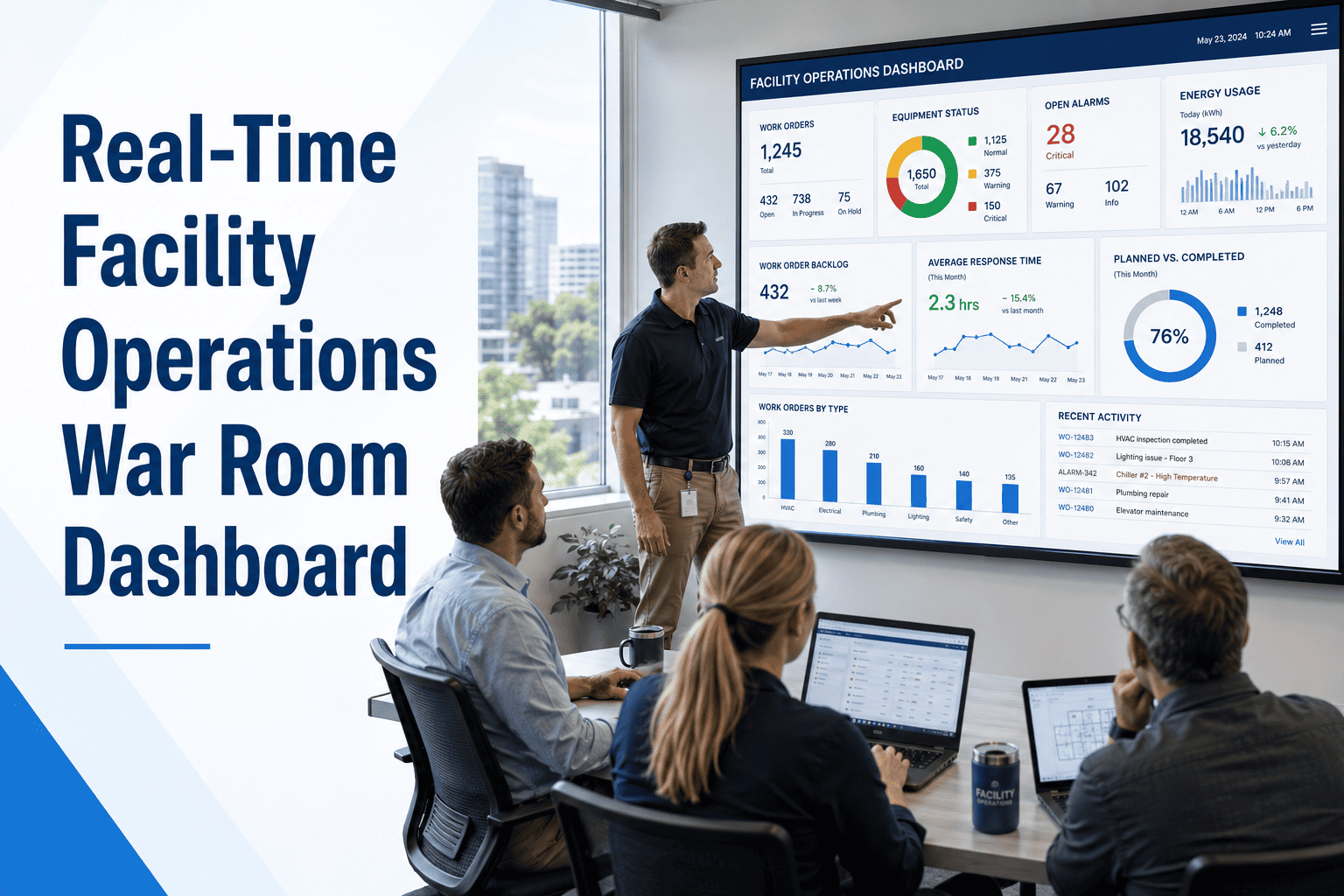
Read More
Modern facility managers are drowning in disconnected data — alarms firing across systems, work orders piling up, and technicians scattered across floors with no unified view of what's happening. A real-time facility operations war room dashboard
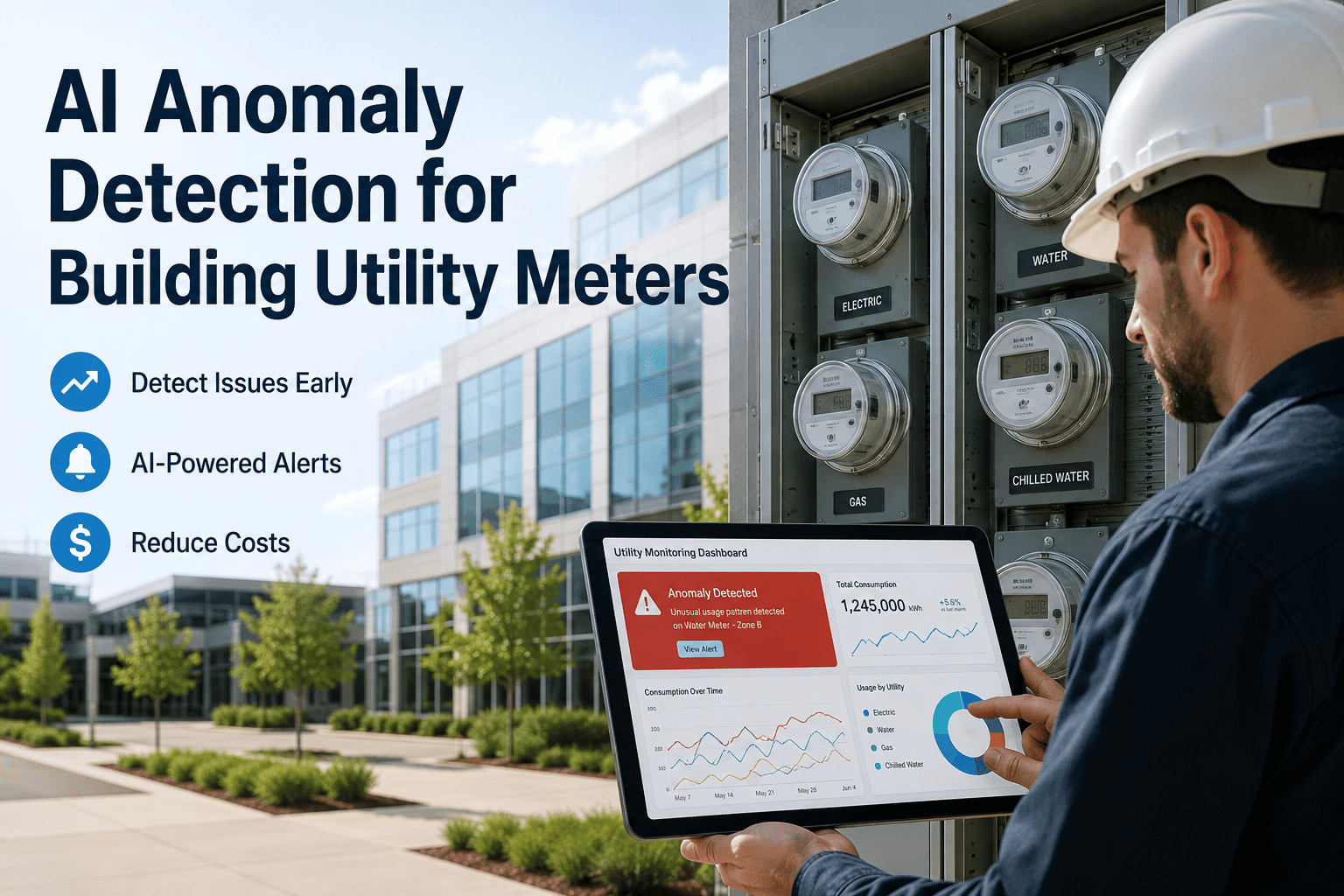
Read More
Buildings don't suddenly develop energy problems — they develop them slowly, invisibly, until a utility bill arrives that no one can explain. A leaking pipe, a malfunctioning chiller, or a circuit left energized overnight compounds over 30 days be
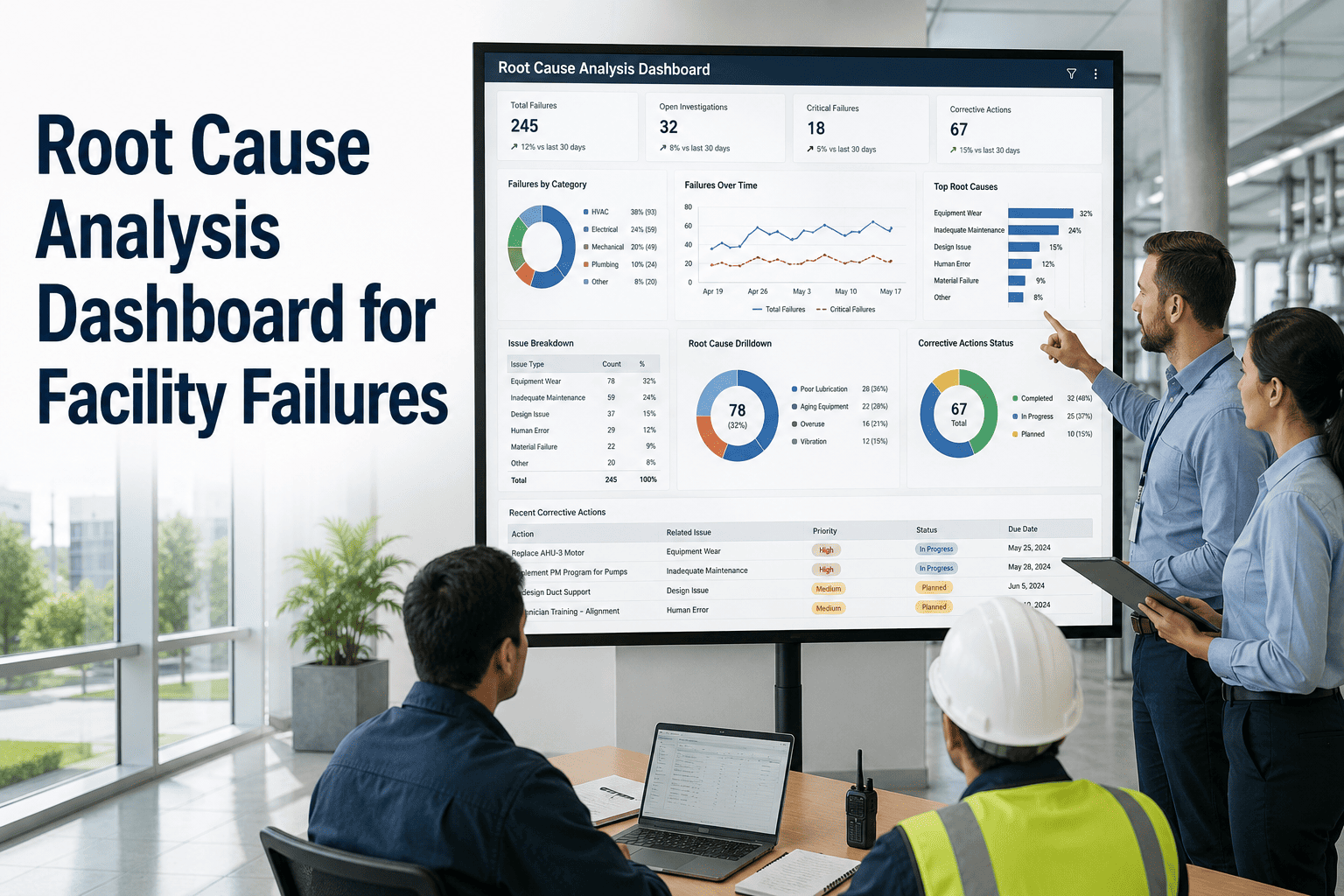
Read More
Fixing the same HVAC unit three times a year is not a maintenance problem — it is a data problem. Most facilities fix failures one at a time without ever asking why the same asset, or the same type of asset, keeps generating work orders. The answe

Read More
A growing deferred maintenance backlog is one of the clearest warning signs that a facility operation is losing control — and the longer it grows, the more expensive it becomes to unwind. Research from the American Institute of Architects estimate
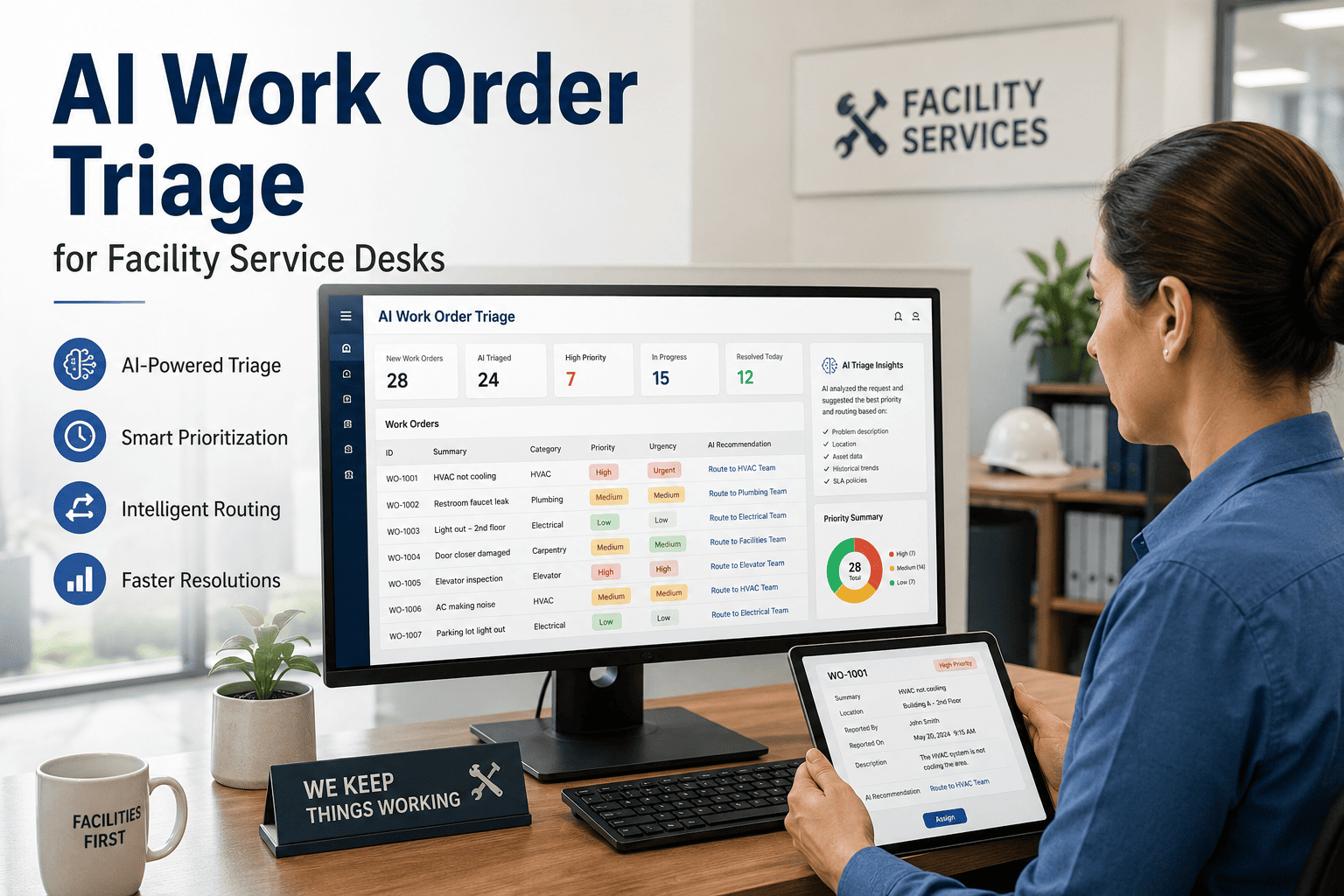
Read More
Every facility service desk handles the same daily challenge: a flood of incoming maintenance requests, each one competing for the same technician time and parts inventory. When triage is manual, the loudest request wins — not the most critical on

Read More
Every year, facility directors face the same impossible question: which assets do we replace now, and which can wait? Without structured capital planning data, the answer defaults to whoever complains loudest — not which asset poses the greatest r
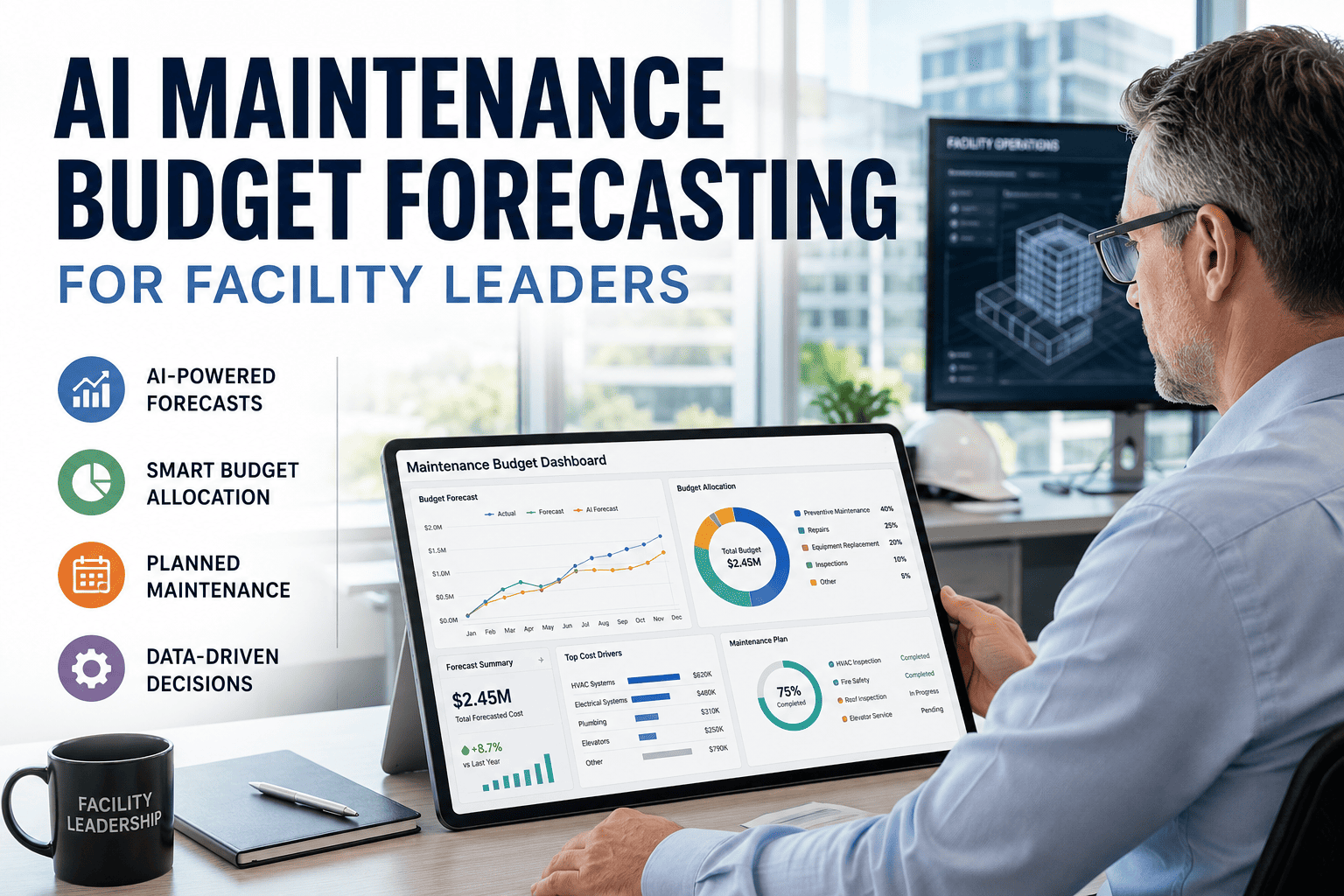
Read More
Facility leaders who still rely on gut instinct and last year's numbers for maintenance budgets are leaving real money on the table — and exposing their organizations to unpredictable cost spikes. Oxmaint's AI-powe
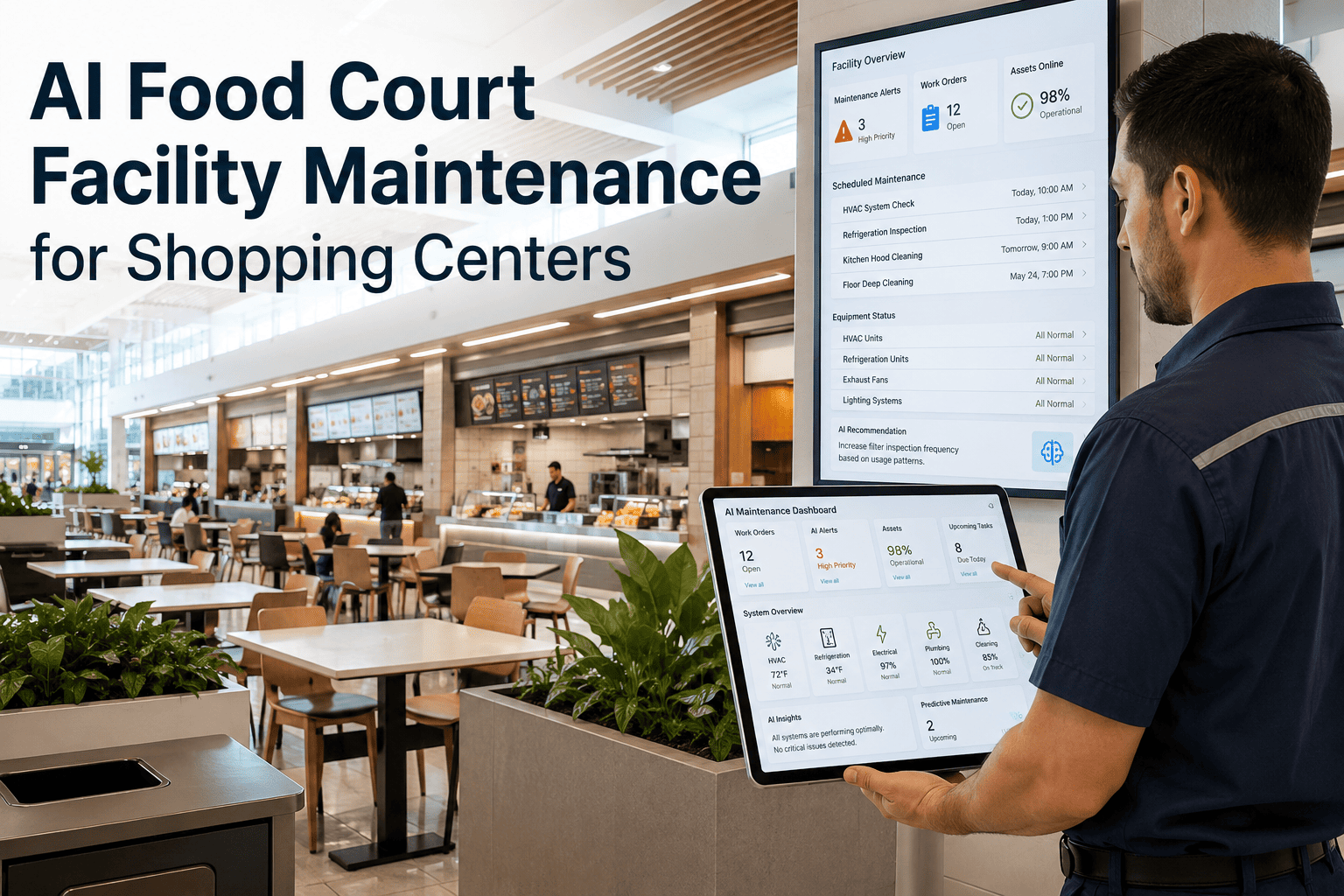
Read More
Running a food court is one of the most maintenance-intensive operations in any shopping center. From grease trap failures to refrigeration breakdowns during peak hours, unplanned downtime costs retailers thousands per hour.

Read More
Cleanrooms are no longer exclusive to pharmaceutical manufacturing. Electronics fabrication, aerospace testing, medical device assembly, and advanced materials research all operate in controlled environments where a single maintenance gap can comp
Read More
Laboratory ventilation is not just a comfort issue — it is a safety and regulatory requirement. Exhaust systems, fume hoods, pressure differentials, and airflow rates in research and testing facilities are subject to OSHA, ASHRAE, and institutiona
Read More
A server room that overheats does not give warnings — it gives downtime. For office facilities managing on-premise IT infrastructure, cooling system failures are among the costliest and most disruptive maintenance events. The good news: with the r
Read More
Server rooms, labs, and critical spaces run at the edge of acceptable environmental conditions every single day. A 5-degree temperature spike or humidity drop can crash servers, corrupt samples, or void equipment warranties — and the teams respons
Read More
Heavy rainfall, aging drainage systems, and unpredictable weather patterns are turning flood damage into one of the costliest threats for facility managers today. Buildings that lack proactive water intrusion monitoring lose thousands in damage, d
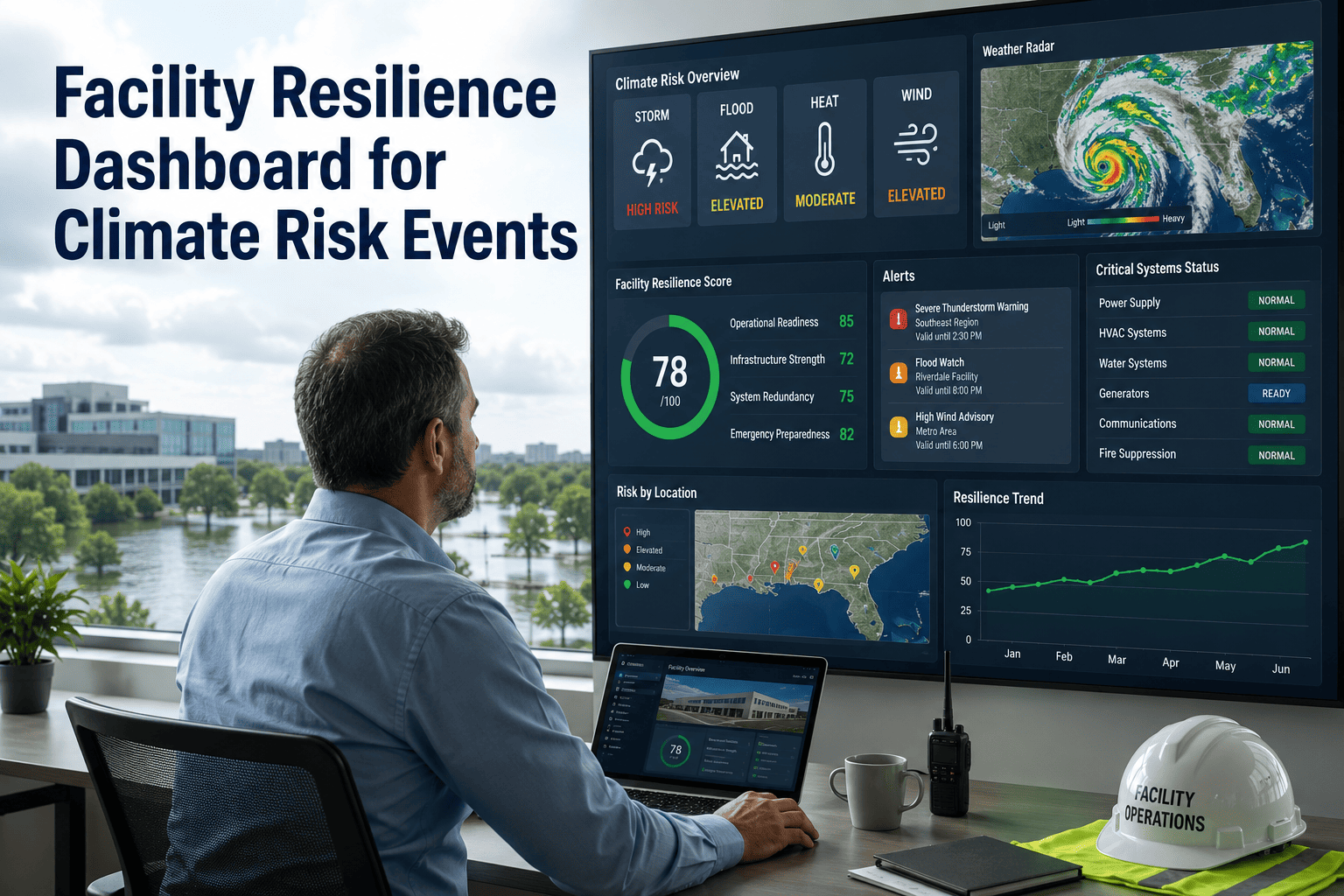
Read More
Climate risk is no longer a long-range planning concern — it's an operational reality that facility managers face every season. Extreme heat events stress cooling systems, flooding tests drainage and generator reliability, and wildfire smoke compr
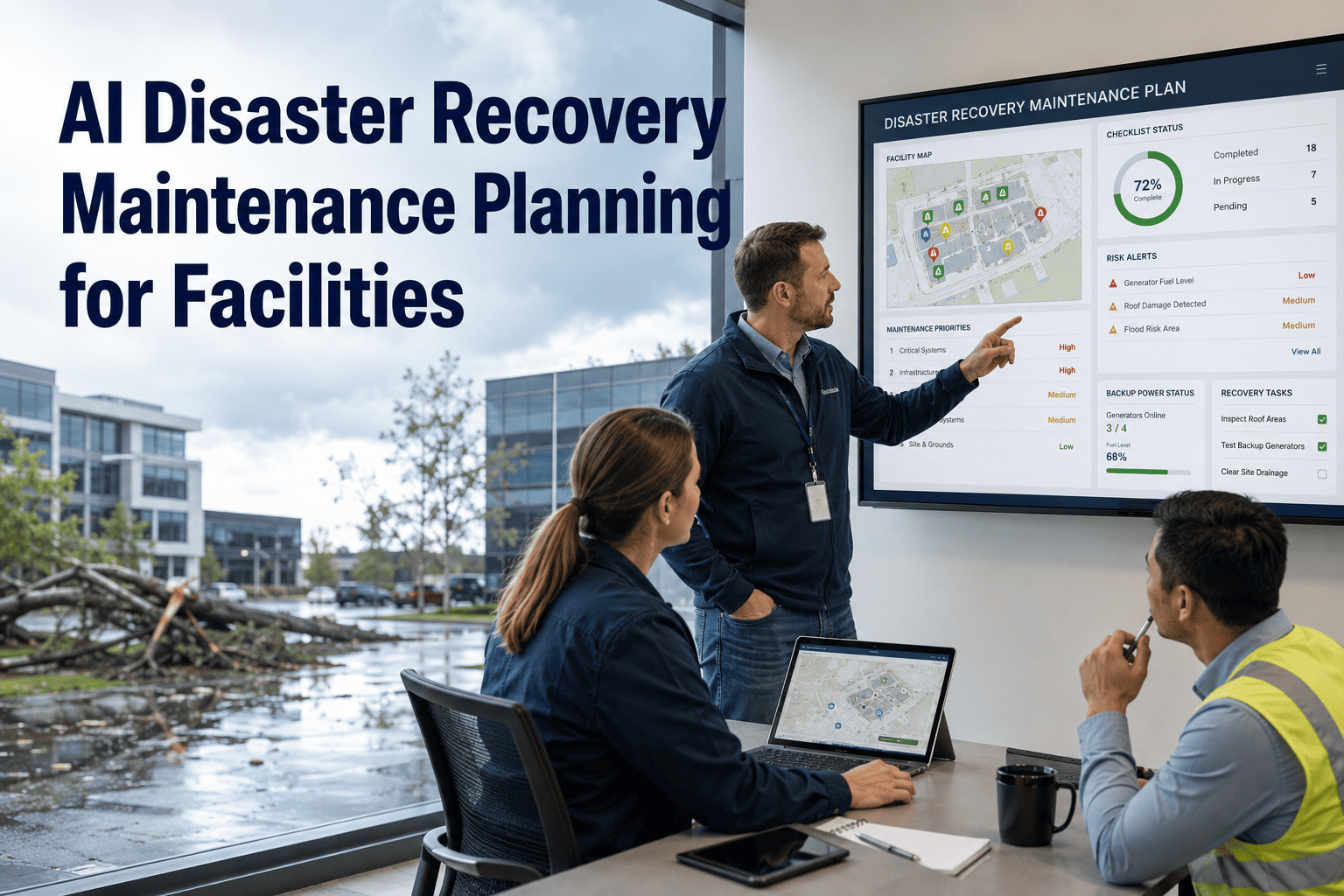
Read More
When a storm knocks out power, a flood reaches mechanical rooms, or critical HVAC fails mid-winter, facilities without a data-driven recovery plan face weeks of chaotic, uncoordinated response. AI-p
Read More
Winter facility failures don't happen in January — they happen in October, when preparation windows close and teams haven't verified equipment, confirmed vendor contracts, or stocked salt and sand inventories. A documented

Read More
Landscape irrigation accounts for up to 30% of commercial facility water consumption — yet most facility managers have zero visibility into whether their systems are running efficiently, leaking underground, or wasting thousands of dollars annuall
Read More
Managing stormwater systems at commercial facilities is one of the most under-tracked maintenance responsibilities in facility management. Blocked catch basins, failing pumps, and unscheduled in

Read More
On January 9, 2024, falling masonry from a Manhattan building seriously injured a pedestrian — the latest in a series of facade incidents that prompted New York City to begin FISP Cycle 10 on February 21, 2025, requiring every bui

Read More
The national median cost to build a new parking structure is $29,900 per space (WGI 2024 Parking Structure Cost Outlook). A chloride-induced concrete spall repair costs $75 per square foot — a 1,400 square foot section totals $105

Read More
Water damage is the leading cause of non-weather-related commercial building insurance claims — and the most expensive version of it is never a sudden catastrophic failure. It is a slow leak that progressed invisibly from a lifted

Read More
A facility technician crawling under a raised floor to replace a PDU breaker cannot stop, remove their gloves, navigate a mobile app, and type a work order update. A HVAC tech halfway up a roof ladder balancing a refrigerant gauge and a flashlight

Read More
A facility technician crawling under a raised floor to replace a PDU breaker cannot stop, remove their gloves, navigate a mobile app, and type a work order update. A HVAC tech halfway up a roof ladder balancing a refrigerant gauge

Read More
Every facility inspection programme has a blind spot: the 23 hours between walk-rounds. A blocked emergency exit that was clear at 8 AM may be obstructed by 10 AM and remain that way until the next scheduled inspection. A pipe lea
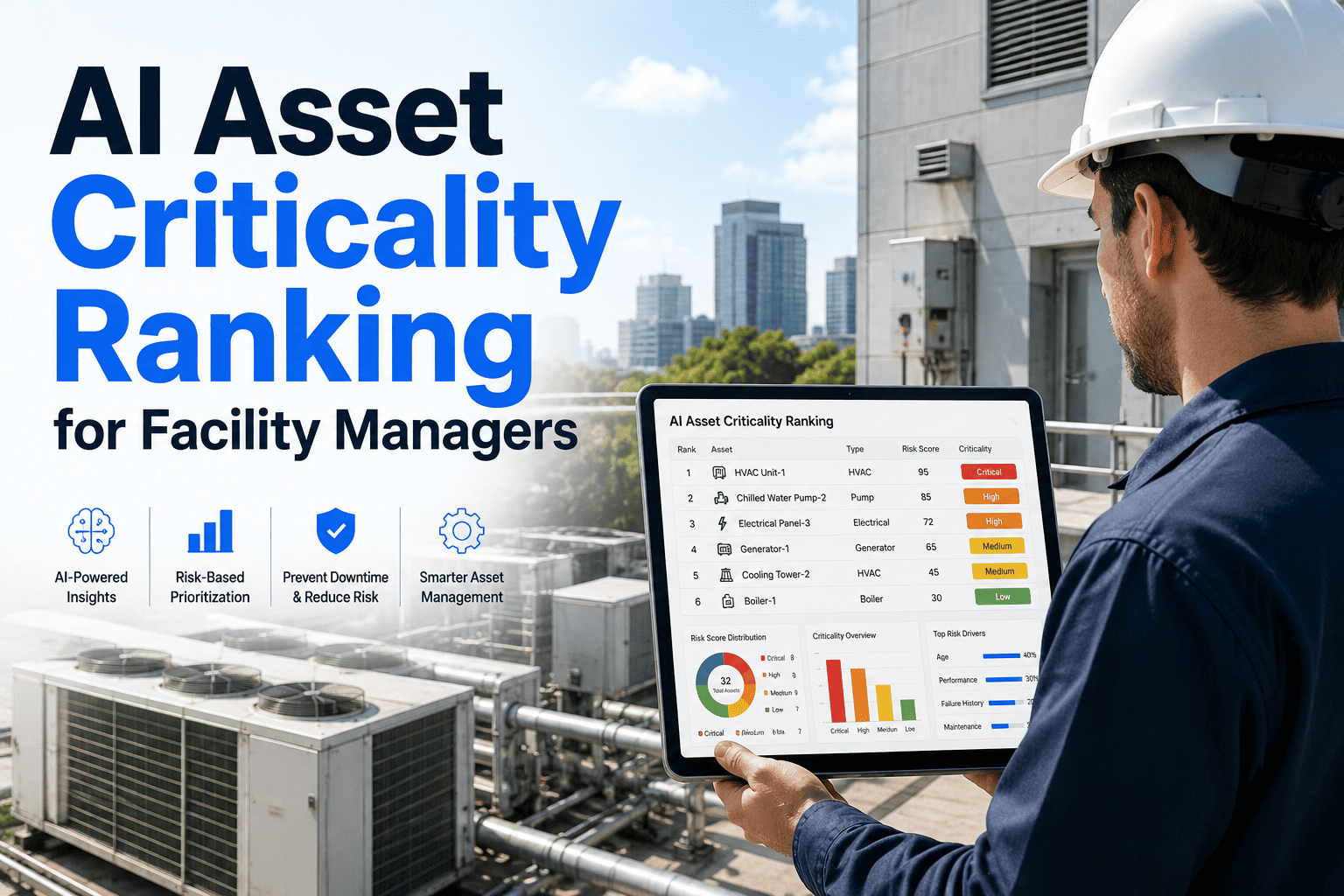
Read More
A facility with 2,000 maintainable assets cannot give every asset the same maintenance attention — that is not a resources problem, it is a decision problem. The facility manager who treats a lobby lamp with the same PM urgency as

Read More
A maintenance technician standing in front of an air handling unit needs to know when it was last serviced, what was found at the previous inspection, and whether any open work orders are already tracking a defect on this asset — all without retur
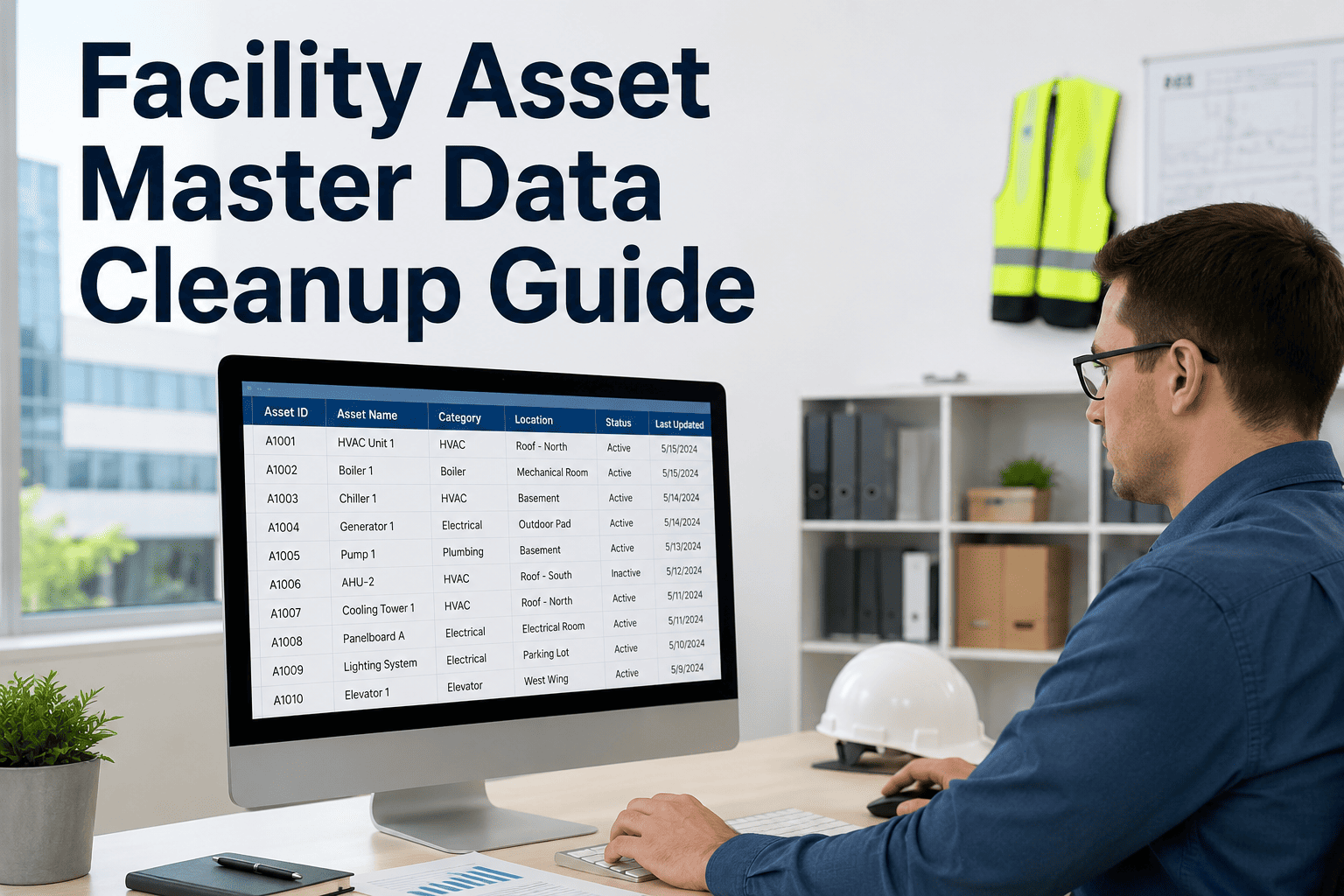
Read More
Nearly 42% of organisations struggle to maintain accurate maintenance records, and 36% face duplication or incomplete entries according to 2024 CMMS market research. The consequence is not an administrative inconvenience — it is the reason the CMM

Read More
Between 30–50% of MRO inventory in the average facility storeroom has not moved in 24 months. On the same shelves, critical parts run to zero without warning because no system connected the PM schedule — which predicted the demand — to the invento

Read More
Over 60% of commercial buildings in North America are operating equipment that is more than 30 years old — and emergency maintenance events in facilities over 25 years old rose 15% in 2024. When a chiller compressor fails at 11 PM

Read More
The average enterprise now manages 286 vendors according to Whistic's 2024 Third-Party Risk Management report — and in a multi-site facility operation, vendor performance data is typically scattered across work order systems, invo

Read More
In FY 2024, OSHA issued 2,655 citations for violations of 29 CFR 1910.147 — the Control of Hazardous Energy standard — making lockout/tagout the fifth most-cited violation in the country for the second consecutive year. Behind every citation is a

Read More
Forty-four percent of facility operators currently lack a modern contractor management solution, according to Verdantix's 2025 Smart Innovators report — and in a 2024 EHS industry survey, over two-thirds of safety professionals identified contract
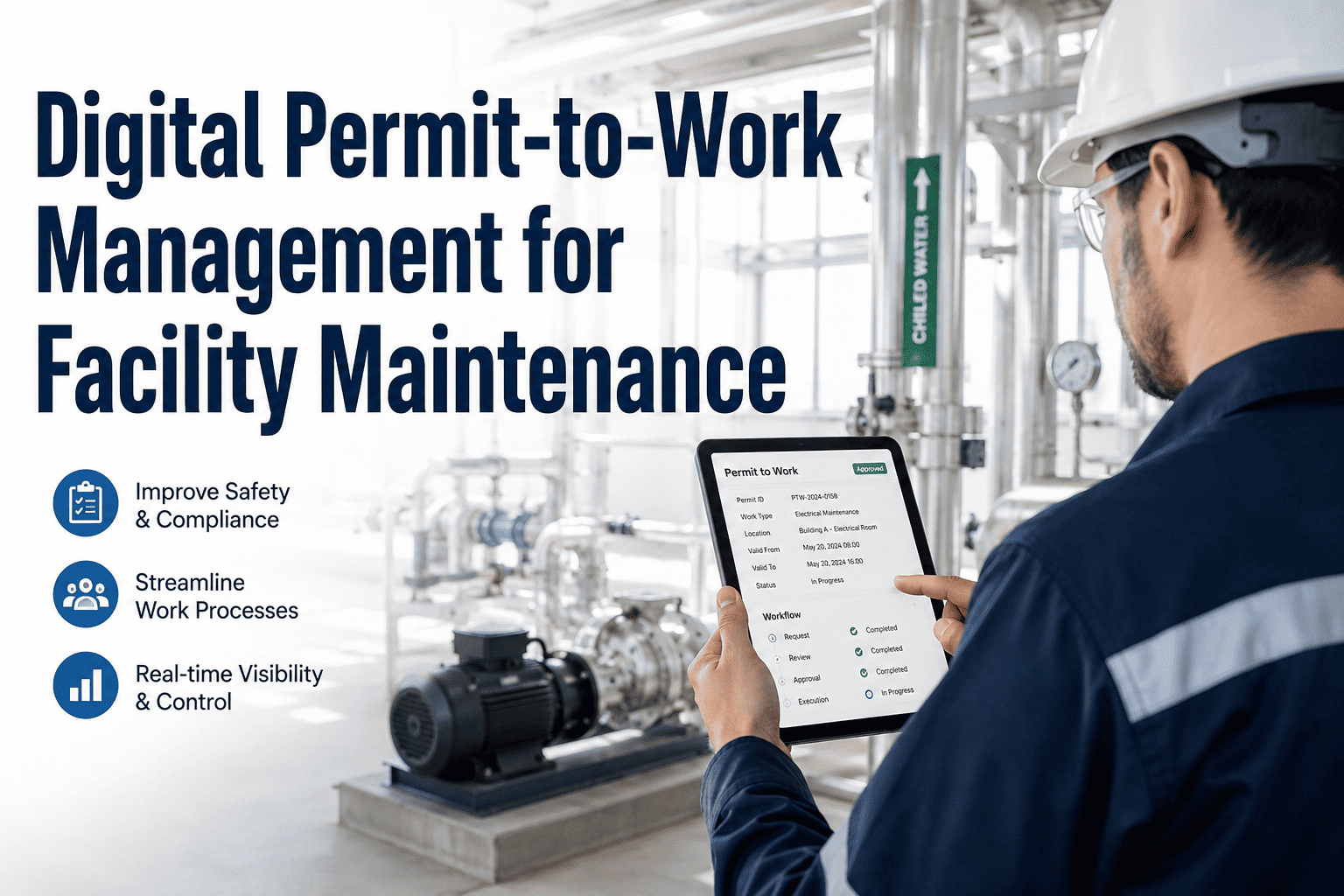
Read More
In FY2022–2023, OSHA recorded 2,532 Lockout/Tagout citations resulting in $20.7 million in penalties across 1,368 inspections — making LOTO the fifth most-cited OSHA standard for the second consecutive year. Behind every citation
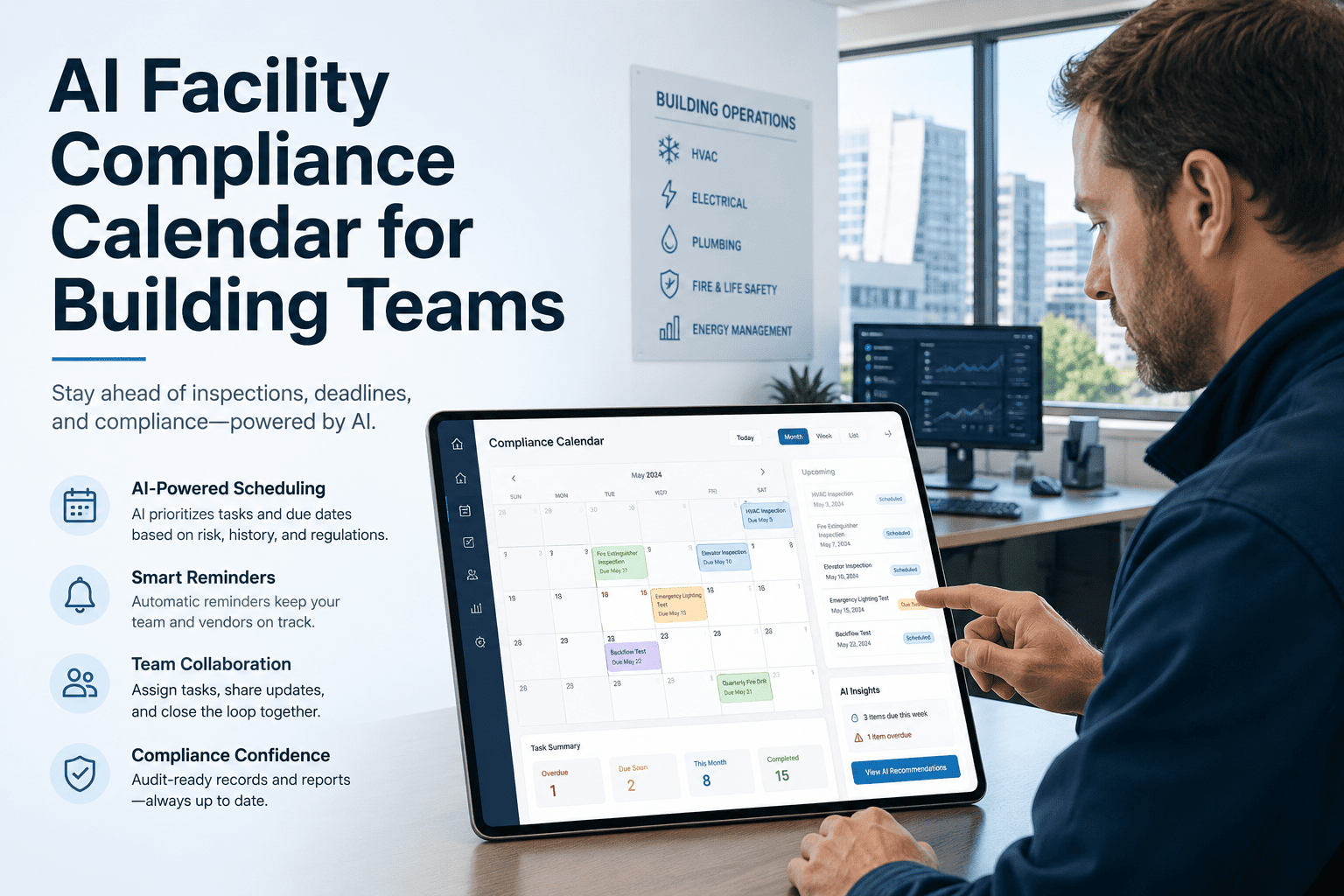
Read More
A commercial building generates hundreds of recurring compliance obligations every year — fire safety inspections under NFPA 25 and NFPA 72, elevator certifications, boiler permits, HVAC filter cycles, ADA audits, and energy benchmarking filings —

Read More
Scope 1 and Scope 2 emissions reporting for commercial facilities has moved from voluntary best practice to boardroom obligation and, in many jurisdictions, a legal compliance requirement. SEC climate disclosure rules, GRESB benchmarks, and Scienc

Read More
Building decarbonization is no longer a sustainability aspiration — it is a capital planning reality for commercial real estate owners, corporate facility teams, and public sector portfolios facing mandatory disclosure deadlines, carbon pricing ex

Read More
Commercial heat pump adoption is accelerating rapidly as buildings pursue electrification and decarbonization targets. Heat pumps now account for a growing share of new commercial HVAC installations, yet most maintenance programs still treat them

Read More
Variable Air Volume systems are the core of comfort control in most commercial buildings built or renovated since the 1990s, yet stuck dampers, broken actuators, and calibration drift in VAV boxes are among the most under-diagnosed sources of occu

Read More
A cooling tower that looks clean on the outside can be silently losing 10 to 50% of its thermal efficiency to mineral scale deposits just 1 mm thick. Corrosion, biological fouling, and water chemistry imbalances compound the problem — and none of

Read More
In 2022, bulk R-410A sold for around $4 per pound at distribution. In 2026, contractors are paying $11 to $14 per pound — and the next sharp step-down arrives in 2029, dropping the AIM Act production allowance from 60% of baseline to 30%. The refr
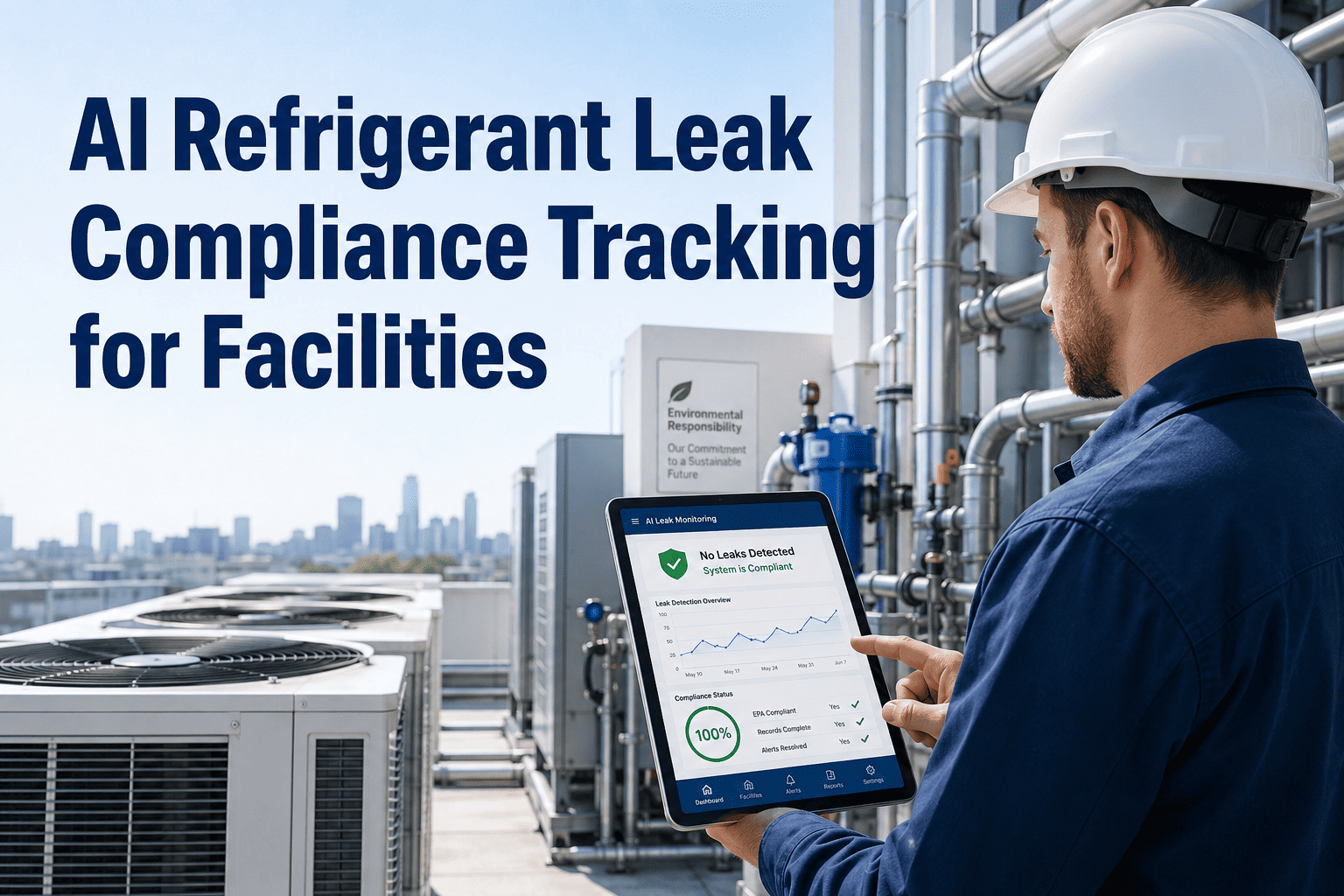
Read More
An EPA inspector does not need to find a leaking chiller to issue a violation. They need to find a refrigerant addition log that does not have a leak-rate calculation attached to it. They need to find a 30-day repair clock that expired without ver

Read More
Peak demand charges — the fee utilities bill commercial facilities based on their highest 15-minute electricity consumption in a billing period — account for 30 to 70% of the total electricity bill in many commercial buildings, yet most building m

Read More
Demand response programs pay commercial facilities to reduce electricity consumption on request from utilities during grid stress events — but only if the building can actually deliver the promised reduction reliably, within minutes, and with docu

Read More
Battery Energy Storage Systems (BESS) are among the most capital-intensive assets a commercial facility can deploy — and among the least understood from a maintenance perspective. A 500kWh commercial BESS installation costs $300,000 to $700,000, c

Read More
A commercial rooftop solar installation represents an investment typically ranging from $150,000 to over $1 million — yet most facilities have no structured maintenance program to protect it. Soiling, shading, inverter degradation, and micro-crack

Read More
EV charging infrastructure has moved from a tenant amenity to a core facility asset — one that generates revenue, satisfies ESG commitments, and increasingly determines whether a commercial property can attract premium tenants. But chargers that g

Read More
Commercial buildings generate an estimated 40% of total solid waste in the United States, yet fewer than one in three facility managers can accurately report their actual waste diversion rate at any given time. Without real-time tracking of recycl

Read More
Pest control compliance in commercial facilities is not just about eliminating infestations — it is about maintaining a complete, auditable record of every inspection, vendor visit, and corrective action taken. Without a structured tracking system

Read More
Electrical switchgear failures don't announce themselves — they build silently through missed inspections, undocumented service gaps, and aging assets without maintenance history. Facilities relying on paper logs and spreadsheets are leaving compl
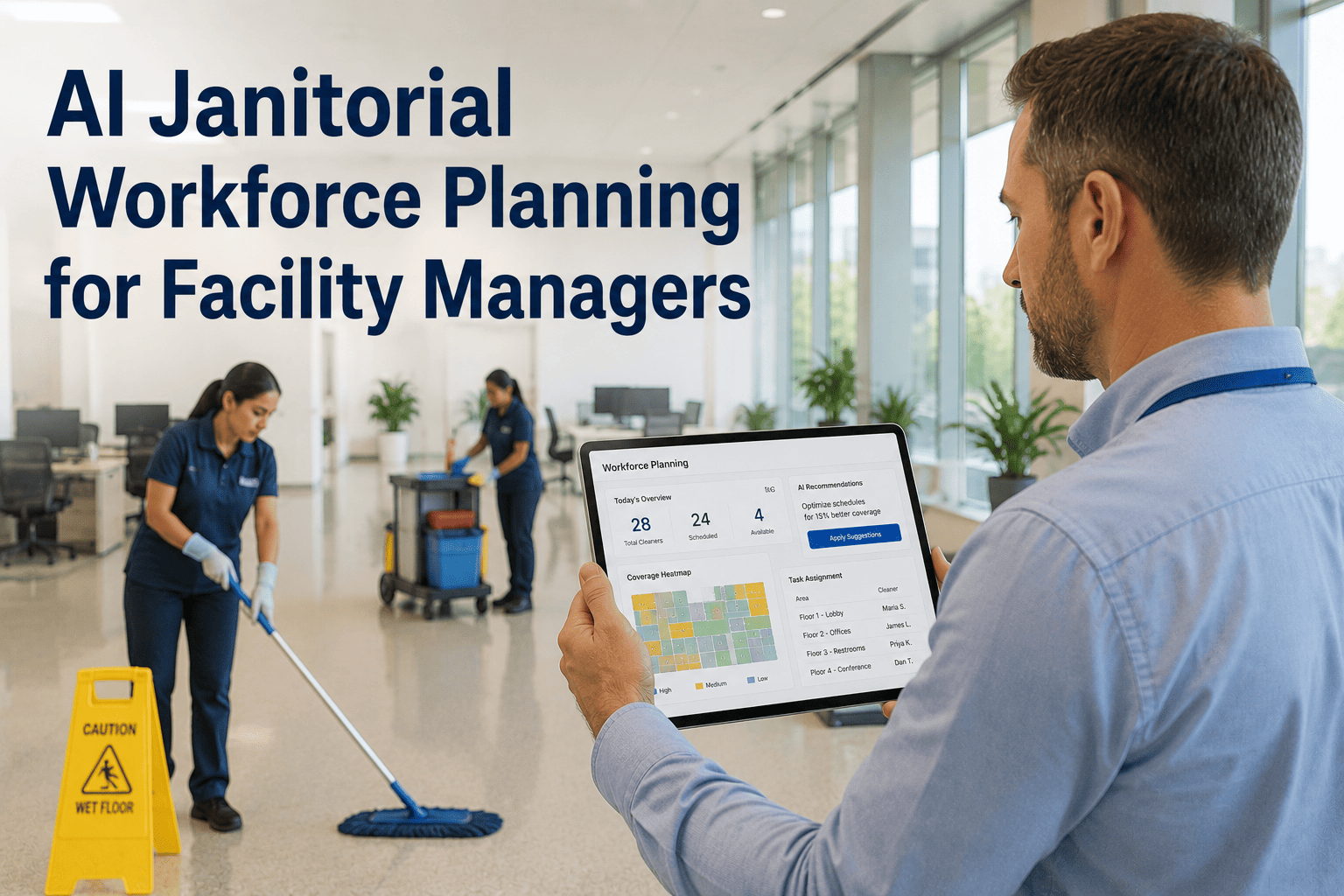
Read More
Janitorial operations represent 20–35% of total facility management operating costs in commercial buildings — yet most facility managers have less data about their janitorial workforce's productivity, task allocation, and service quality than they
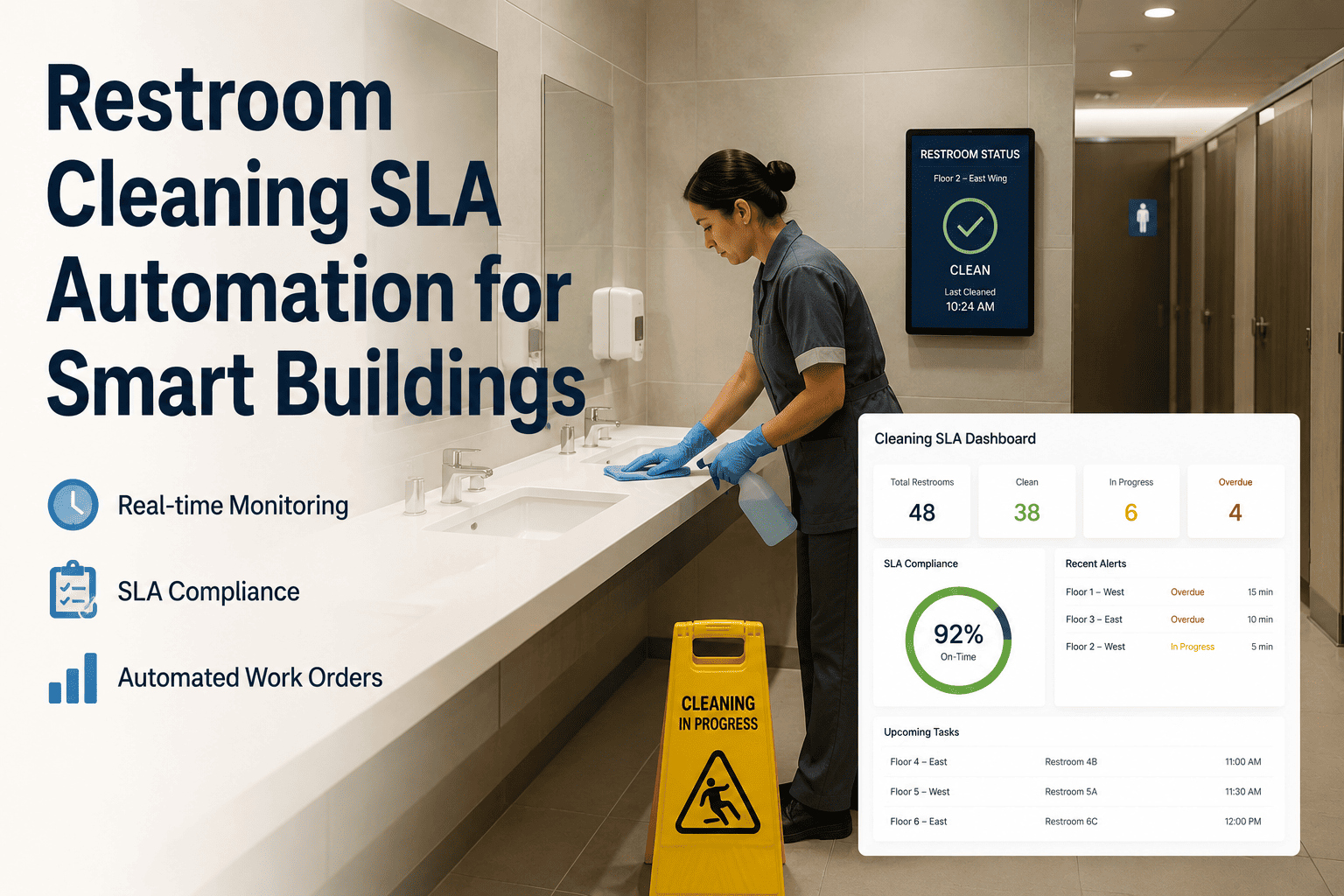
Read More
Restroom cleanliness is the single most complained-about facility issue in commercial buildings, retail centres, airports, and corporate campuses — and it is also one of the most operationally inefficient areas of facility management. Traditional

Read More
The hybrid workplace has permanently changed how buildings are used — but most facilities teams are still managing cleaning schedules, HVAC runtimes, and service levels based on pre-pandemic occupancy assumptions. In a world where desk occupancy f
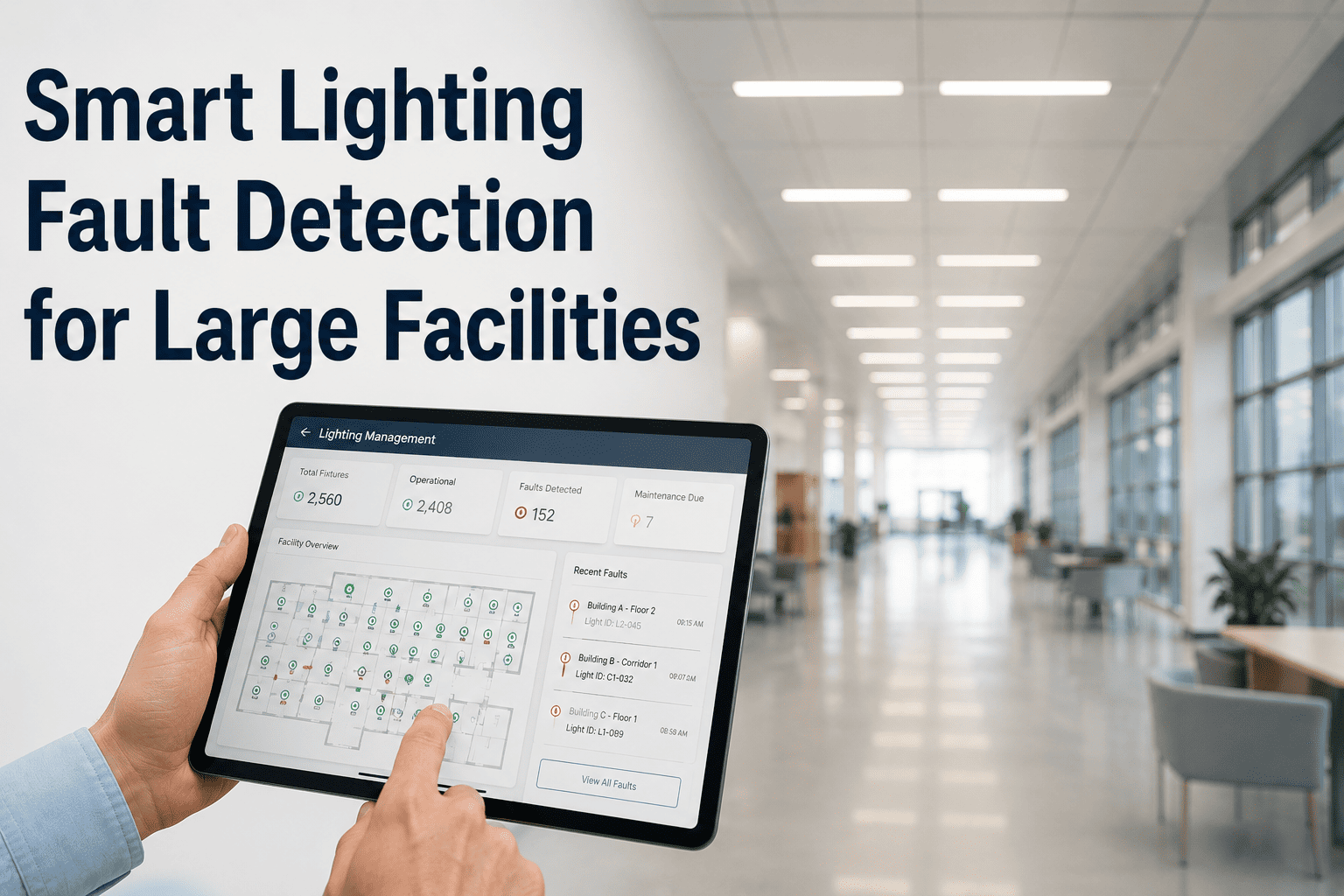
Read More
Lighting represents 20–40% of total electricity consumption in large commercial facilities — and a significant share of that energy is wasted through undetected faults, inefficient scheduling, and fixtures running in unoccupied zones. Smart lighti

Read More
Transformers are the highest-value, longest-lead-time electrical assets in any commercial building — and the ones most often maintained reactively until something catastrophic forces action. A transformer failure in a multi-tenant commercial build
Read More
UPS batteries are the silent guardians of facility power continuity — protecting servers, medical equipment, and critical operations during the gap between grid failure and generator start. Yet most facilities replace them on a fixed calendar sche
Read More
Critical facilities — hospitals, data centers, emergency services — cannot afford power failure. Emergency generators are the last line of defense when grid power fails. Yet most facilities discover generator problems only when they need them most

Read More
Fire pump systems are the last line of active defense in a building fire emergency — and the only way to know they will perform under load is a documented, regular inspection and test program. Regulatory bodies, insurance carriers, and fire marsha
Read More
Escalator downtime in transit stations and retail environments is measured in foot traffic, not just repair hours. A stopped escalator at a transit hub during peak commute creates congestion, safety incidents, and passenger complaints that generat
Read More
An elevator outage in an occupied office tower is not a maintenance inconvenience — it is a business disruption that affects thousands of daily building users, triggers tenant complaints, and generates liability exposure that persists long after t
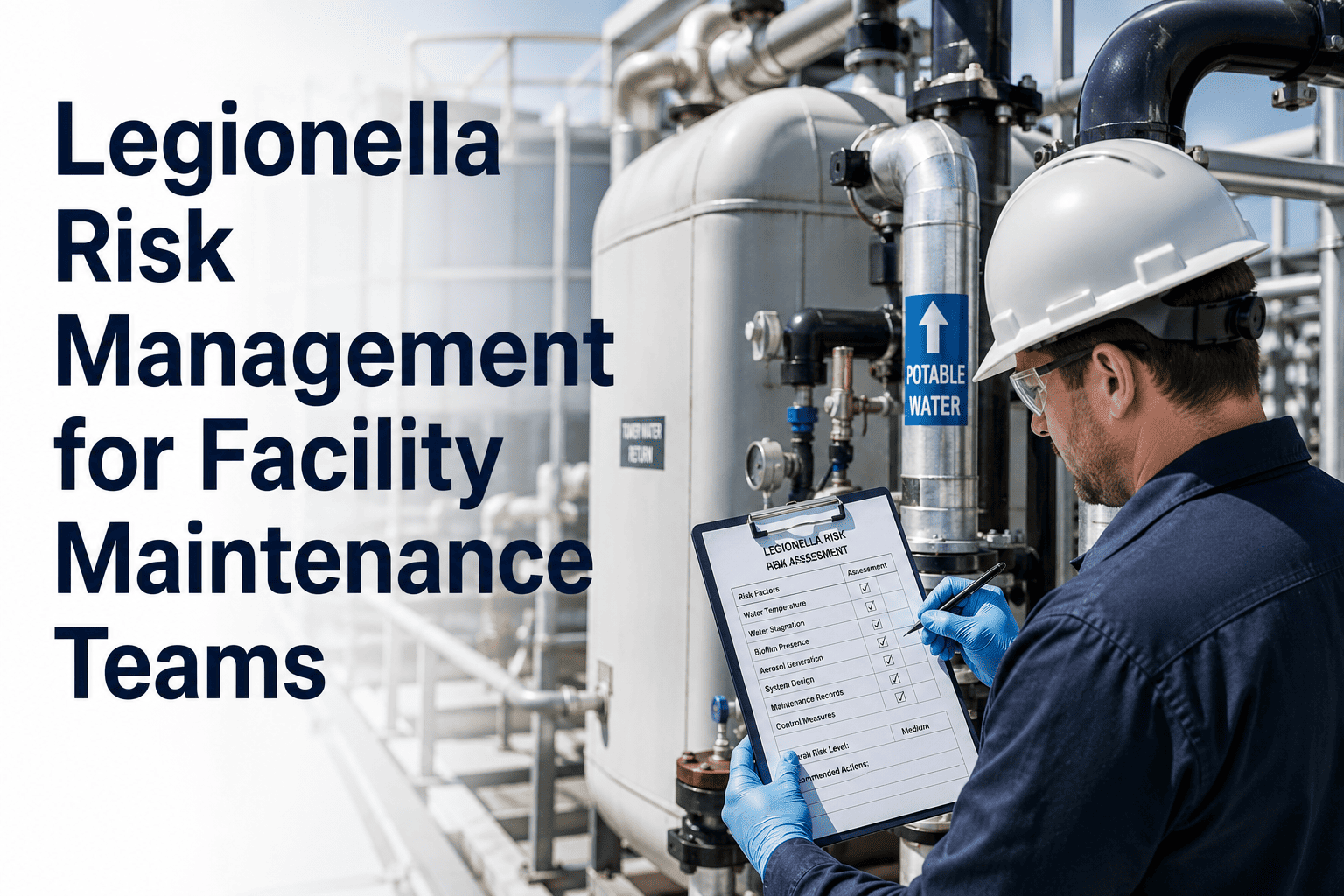
Read More
Legionella bacteria thrive in facility water systems where temperature, stagnation, and nutrient conditions are left uncontrolled — and the consequences of an outbreak extend far beyond the building itself. Regulatory penalties, civil liability, a
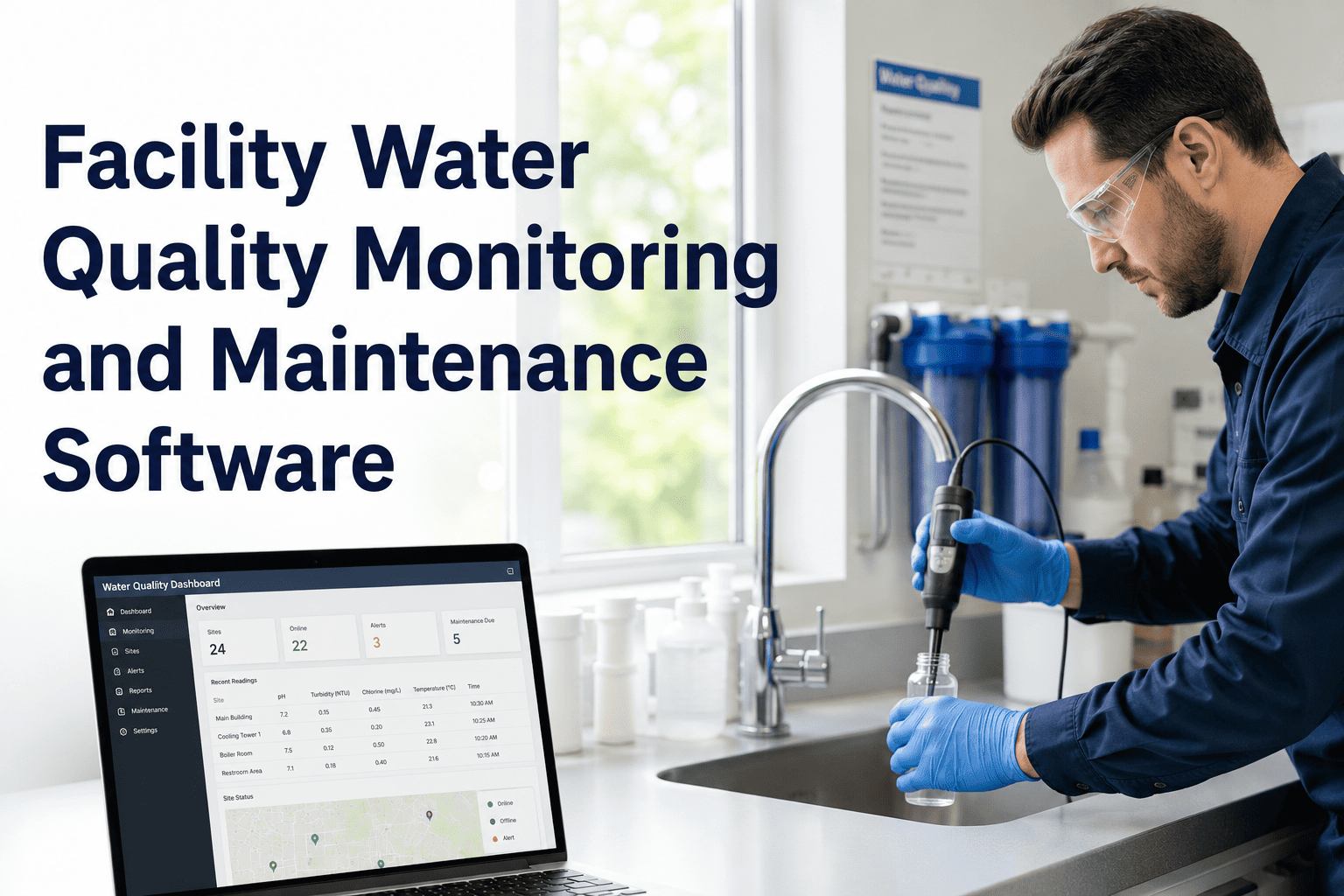
Read More
Water system failures in commercial facilities don't just interrupt operations — they trigger regulatory investigations, insurance claims, and in the worst cases, public health emergencies. The gap between a well-maintained water system and a fail

Read More
Commercial boiler failures rarely announce themselves in advance — until an AI analytics platform is watching every combustion cycle, heat transfer rate, and safety interlock in real time. Facilities that operate without boiler maintenance analyti

Read More
Chiller systems are the backbone of commercial cooling, yet most facilities only discover faults after a breakdown has already cost thousands in emergency repairs and downtime. AI-powered fault detection changes that equation entirely — identifyin

Read More
Air handling units are the lungs of your building — and when they fail, every occupant feels it immediately. Most AHU failures don't happen suddenly; they develop over weeks through vibration buildup, filter loading, belt wear, and airflow degrada

Read More
Carbon reporting for commercial buildings has crossed from voluntary disclosure to regulatory obligation in major markets worldwide — and facility teams are at the center of it. OxMaint's smart buil

Read More
Indoor air quality failures are silent — they don't trigger a visible alarm, and occupants often attribute symptoms to illness rather than building conditions. Yet the EPA estimates that indoor air can be 2–5× more polluted than outdoor air, and p

Read More
Occupant comfort is no longer a soft metric — it directly impacts employee productivity, lease renewal decisions, and building star ratings that influence property value. OxMaint's occupant comfort

Read More
Your HVAC system can be fully operational — no faults, no alarms — and silently wasting 18–25% more energy than it should. OxMaint's AI energy drift detection compares real-time HVAC performance

Read More
Every minute a BMS alarm sits unacknowledged is a minute your equipment edges closer to failure. OxMaint's BMS-to-CMMS automation pipeline converts building management system alarms into priorit

Read More
Managing dozens of buildings from a single screen is no longer a futuristic idea — it is the operational baseline that high-performing facility teams are already achieving. OxMaint's AI Facility Com

Read More
Most CMMS implementations fail not because the software is wrong but because the first 30 days are unstructured — assets are not fully imported, PM schedules are not configured, technicians are not trained, and the platform never becomes the opera

Read More
When a facility's insurance claim is disputed, the outcome almost never turns on what maintenance was performed — it turns on what can be proven. A slip-and-fall claim in a parking garage, a water damage claim traced to a roof drain, or a fire sup

Read More
Pest control is a facility management obligation that most teams treat as a vendor relationship rather than a compliance program — and that distinction becomes expensive during health department inspections, food safety audits, and tenant complain

Read More
Commercial facility managers rarely think about stormwater until a parking lot floods, a regulator sends a notice of violation, or a downstream neighbor files a complaint. By then, the drainage system has already failed — and the documentation nee

Read More
A call bell system failure at 2 a.m. in a memory care unit is not a maintenance inconvenience — it is a life safety event. Senior living facilities operate under a standard of maintenance reliability that most commercial buildings never approach,

Read More
A BMS connected to the internet that has not been patched in 18 months is not a smart building — it is an open door. In 2024, the Cybersecurity and Infrastructure Security Agency (CISA) attributed 23% of critical infrastructure incidents to buildi
Read More
Most facility management teams do not fail at digital transformation because they chose the wrong technology — they fail because they tried to digitize everything at once, skipped the foundational steps, and abandoned the program when adoption sta

Read More
Warehouses and distribution centers run 24 hours a day, seven days a week — and when a dock leveler jams, a conveyor belt fails, or a rack collapses, the cost is not just repair bills. It is missed shipments, OSHA citations, and customer contracts

Read More
By 2026, 87% of companies operate in hybrid mode — yet most facility management programs were designed for a world where every desk had an owner, every floor ran the same cleaning schedule, and

Read More
ISO 45001:2018 is the international standard for occupational health and safety management systems — and its clause structure demands something most facility management teams discover only when preparing for their first audit: the standard require

Read More
The global green building market reached $7.3 billion in 2025 and is projected to hit $17.1 billion by 2033 — driven by regulatory mandates, ESG tenant requirements, and rental premiums of 5.5–20% for certified buildings over uncertified stock. Fo

Read More
Deferred maintenance feels like a financial decision — push repairs to next quarter, protect this year's budget, deal with it later. The data says it is actually the most expensive maintenance strategy a facility manager can choose. Every dollar o

Read More
ESG reporting has moved from voluntary disclosure to operational requirement for facility managers in 2026. Investors, regulators, and enterprise tenants now expect documented Scope 1, 2, and 3 emissions data, water and waste metrics, and social p

Read More
When a mid-size pharmaceutical manufacturing plant faced its first FDA 21 CFR Part 11 audit, the compliance team had three months to convert paper-based maintenance records into audit-ready digital documentation. Equipment qualification logs were

Read More
A regional shopping mall spanning 1.4 million square feet faced a recurring crisis: HVAC failures during peak retail hours were driving tenant complaints, triggering emergency repair costs, and pushing energy bills to unsustainable levels. The fac

Read More
A municipal government managing a portfolio of 45 public buildings — including city hall, public libraries, recreation centers, courts, and public works facilities — had no centralized system for monitoring building energy consumption, tracking eq

Read More
A major state university managing 9.4 million square feet across 186 buildings had accumulated $4 million in deferred maintenance — a backlog driven by reactive-only work order management, a Facility Condition Index (FCI) score that had never been

Read More
An 800,000 square foot industrial warehouse and distribution facility had failed every annual OSHA inspection for 8 consecutive years — accumulating $214,000 in fines, citations, and corrective action costs since 2016. The recurring violations wer

Read More
A 7-hospital healthcare system operating across three states had passed every Joint Commission survey for a decade — but only by assembling documentation manually in the weeks before each inspection cycle. Maintenance supervisors described pre-sur

Read More
A 650,000 square foot corporate campus in the Pacific Northwest was spending nearly a third of its annual maintenance budget on emergency repairs — equipment failures that interrupted operations, pulled technicians off scheduled work, and generate

Read More
A facility management plan is the difference between a maintenance team that responds to problems and one that prevents them. Without a documented plan covering asset inventory, PM schedules, vendor SLAs, budget frameworks, and emergency response

Read More
Most facility managers know their maintenance program is costing more than it should — they just cannot quantify it in numbers that move a budget conversation. Reactive repairs cost 3–5 times more than planned work. Every missed PM is a future eme
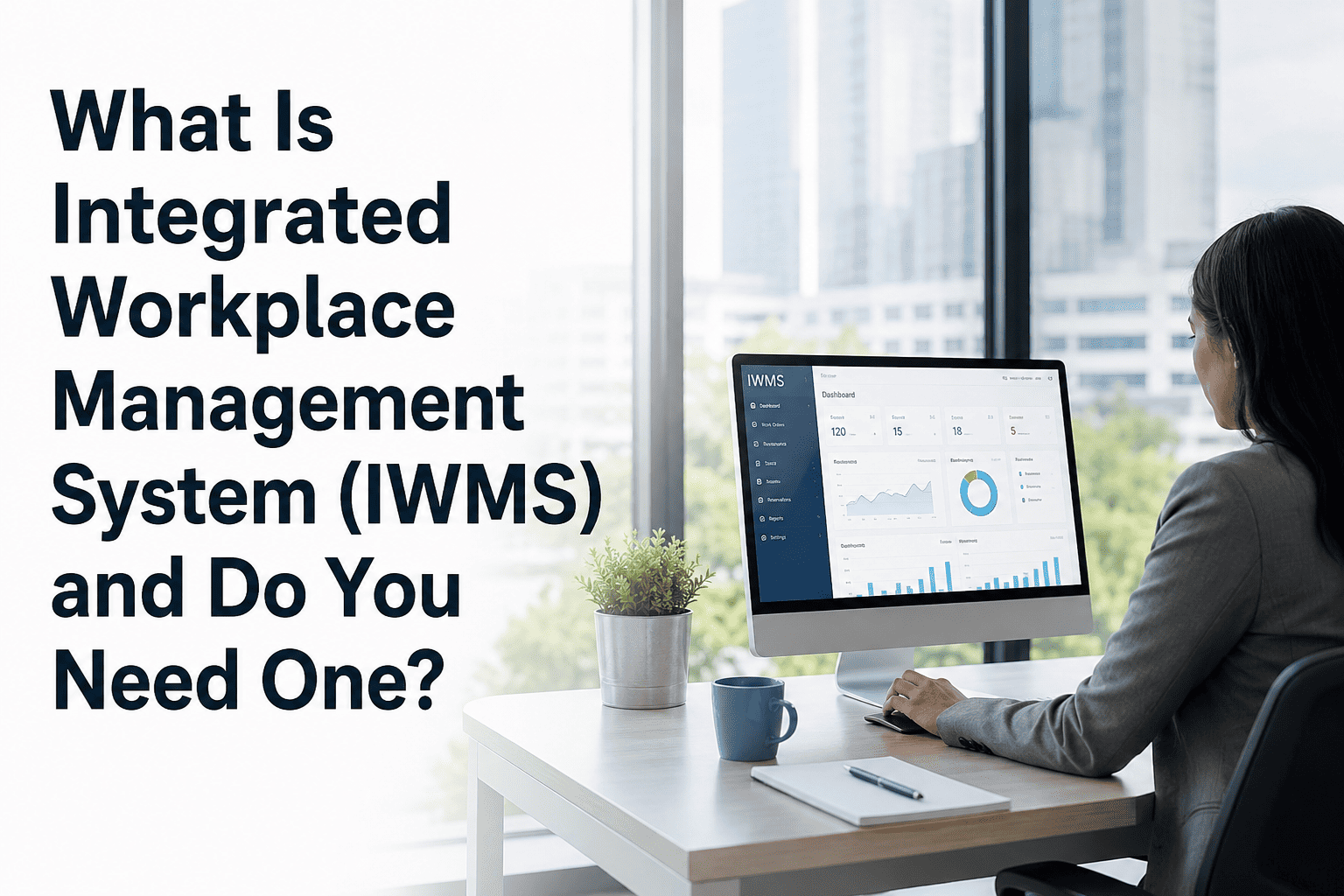
Read More
If you manage facilities, real estate, or workplace operations at any scale, you have almost certainly encountered the acronym IWMS — usually in a vendor pitch, a consultant's report, or a procurement comparison document. An Integrated Workplace M
Read More
What gets measured gets managed — but most facility managers are measuring the wrong things, or measuring too few things too infrequently to act on the data. In 2026, the performance gap between facility teams running structured KPI dashboards and
Read More
Most facility managers facing budget pressure make the same mistake: they cut maintenance frequency first and hope service quality holds. It doesn't. Within six to twelve months, deferred maintenance compounds into emergency repairs that cost thre
Read More
With over 200 CMMS platforms now available in 2026 — from free single-technician apps to enterprise systems priced above $500,000 per year — choosing the wrong one means wasting a budget cycle, alienating your maintenance team, and rebuilding 18 m

Read More
Facility management has quietly become one of the highest-leverage applications for AI in commercial real estate. While headlines focus on AI in finance and healthcare, building operators are cutting maintenance costs by 25–35%, reducing unplanned

Read More
Commercial buildings spend between 15% and 25% of their total cleaning budget on waste collection rounds that happen on a fixed schedule regardless of whether bins are full or empty. A 40-story office tower collecting trash every morning at 6am wi
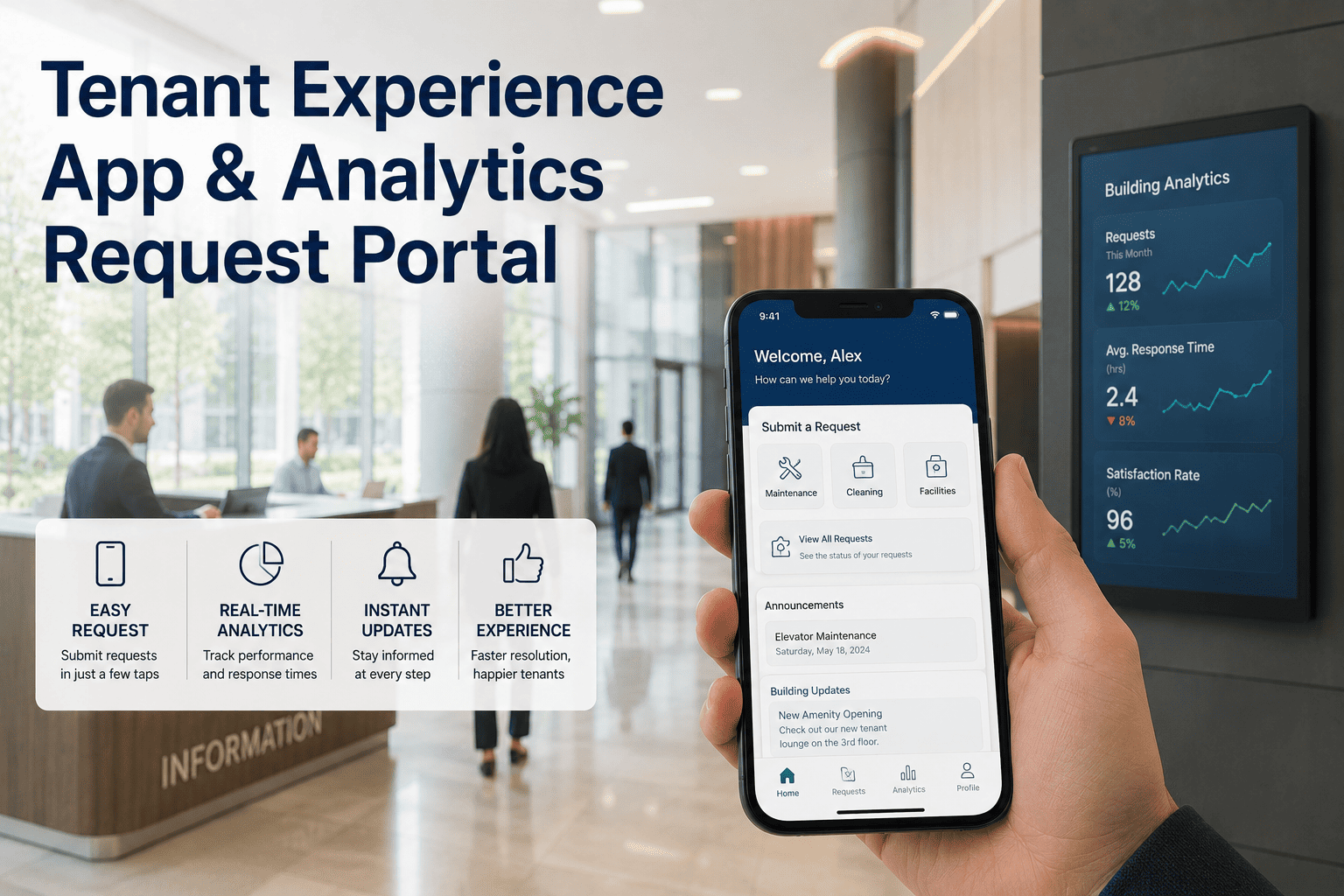
Read More
Tenants in commercial buildings submit maintenance requests the same way they did in 2005 — phone calls, sticky notes on the super's door, or emails that disappear into a shared inbox. Meanwhile, property managers are trying to run responsive oper

Read More
Commercial real estate is the second-largest cost line on most corporate balance sheets, yet the average office building is occupied at 42% of its theoretical capacity on any given workday. Occupancy sensing and space utilization analytics close t
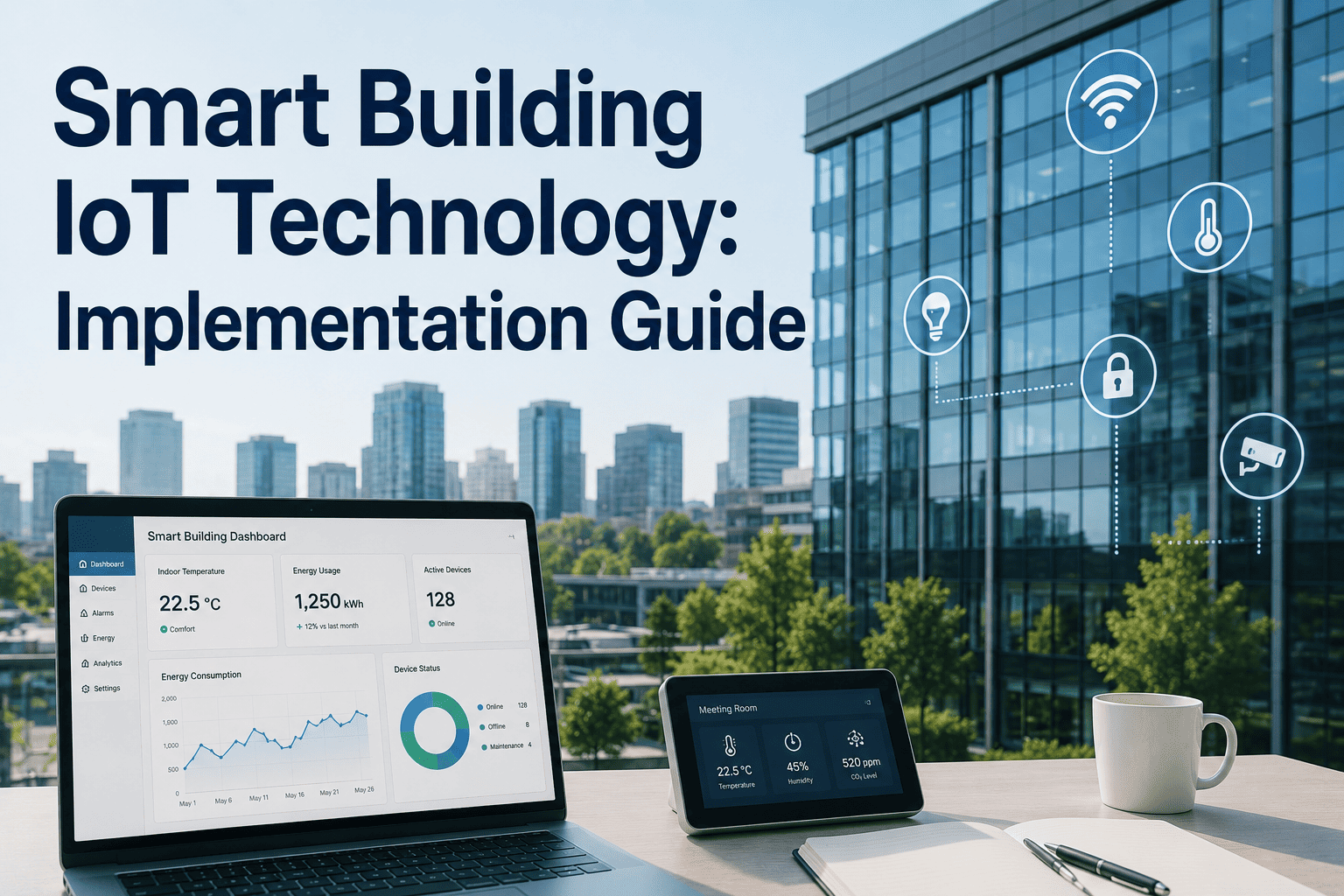
Read More
Most commercial buildings built before 2015 contain the wiring, HVAC systems, and electrical infrastructure needed to become intelligent facilities — what they lack is the sensor layer and integration platform that turns isolated equipment into a

Read More
Commercial HVAC systems account for 40–60% of a building's total energy consumption and represent the single highest-consequence maintenance category in any facility portfolio. A chiller that fails during peak summer occupancy is not a maintenance

Read More
Commercial buildings waste an estimated 30% of the energy they consume — not through system failure, but through suboptimal scheduling, setpoint drift, occupancy mismatch, and the slow accumulation of equipment inefficiency that fixed-threshold al

Read More
Commercial cooling towers are often the most neglected asset in building mechanical systems — out of sight on rooftops, running continuously during cooling season, and quietly harbouring conditions that lead to Legionella outbreaks, corrosion fail

Read More
Commercial chillers are the single most energy-intensive asset in most office buildings, hospitals, and data centres — accounting for 40–60% of total building electricity consumption during peak cooling seasons. When a chiller underperforms or fai

Read More
Commercial buildings lose an estimated $150,000 to $900,000 annually from unplanned electrical failures — yet most facilities still rely on visual inspections and fixed schedules to manage switchgear, panels, and transformers. Ele

Read More
Fire sprinkler systems are designed to operate once — under the worst possible conditions, with zero tolerance for failure. NFPA 25, the Standard for the Inspection, Testing, and Maintenance of Water-Based Fire Protection Systems, establishes a ma

Read More
A commercial building's emergency power system is the last line of defense between a utility outage and a complete operational failure — and it is the system most likely to be untested when it is needed. EPRI data shows that 27% of emergency gener
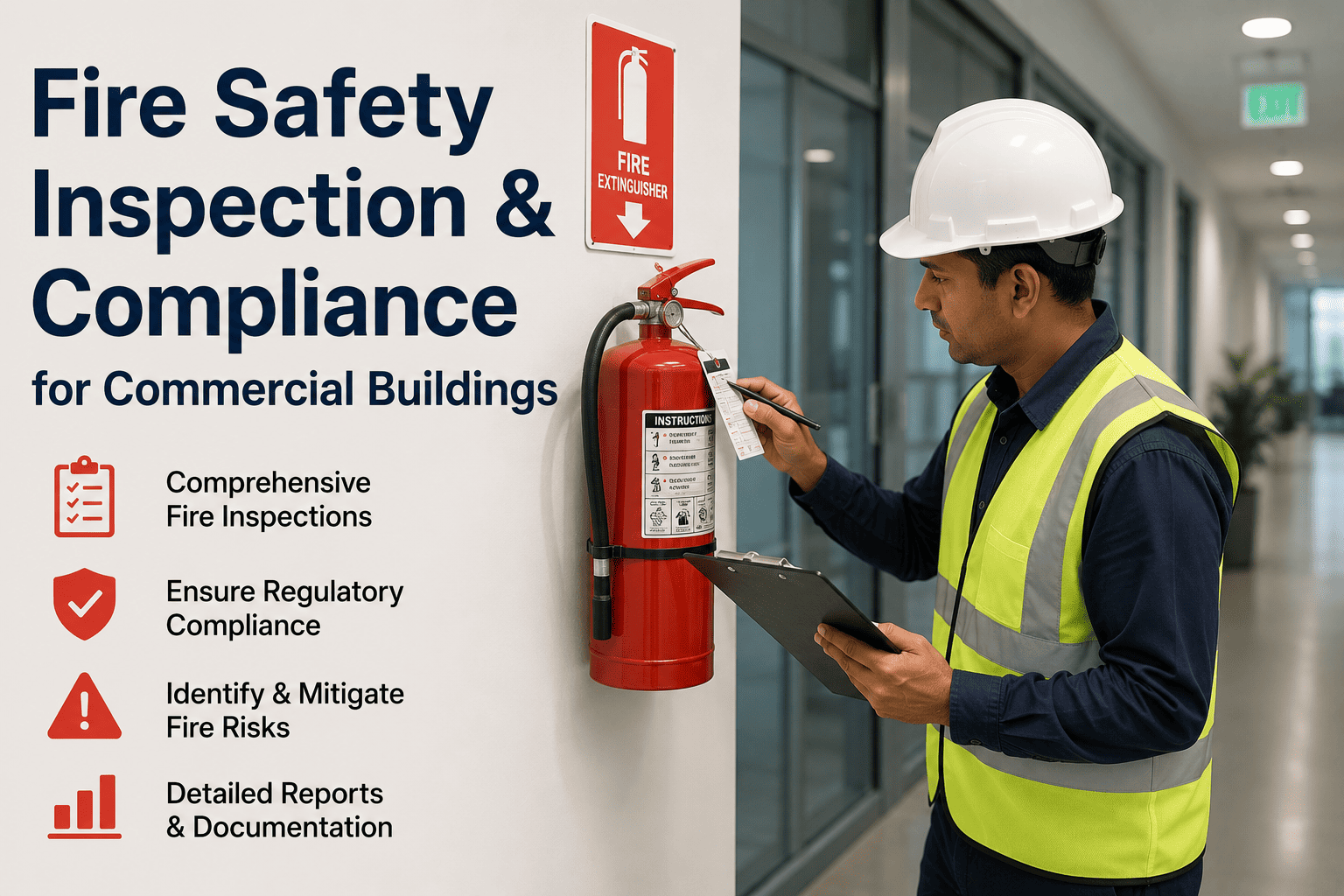
Read More
A single failed fire inspection in a commercial building triggers a cascade that most facility managers underestimate — compliance notices, mandatory re-inspection fees, potential occupancy restrictions, and insurance liability exposure that can e
Read More
A water leak forming behind a mechanical room wall. A hot spot building on a switchgear panel for eleven days before anyone notices. An unauthorized contractor accessing a restricted plant room at 2:17 AM. Traditional facility monitoring — rounds-

Read More
A 2024 McKinsey report found that 40% of commercial real estate firms are already using AI for predictive maintenance — yet only 5% of those programmes achieved their goals. The failure point is not the AI itself. It is deploying intelligence on t
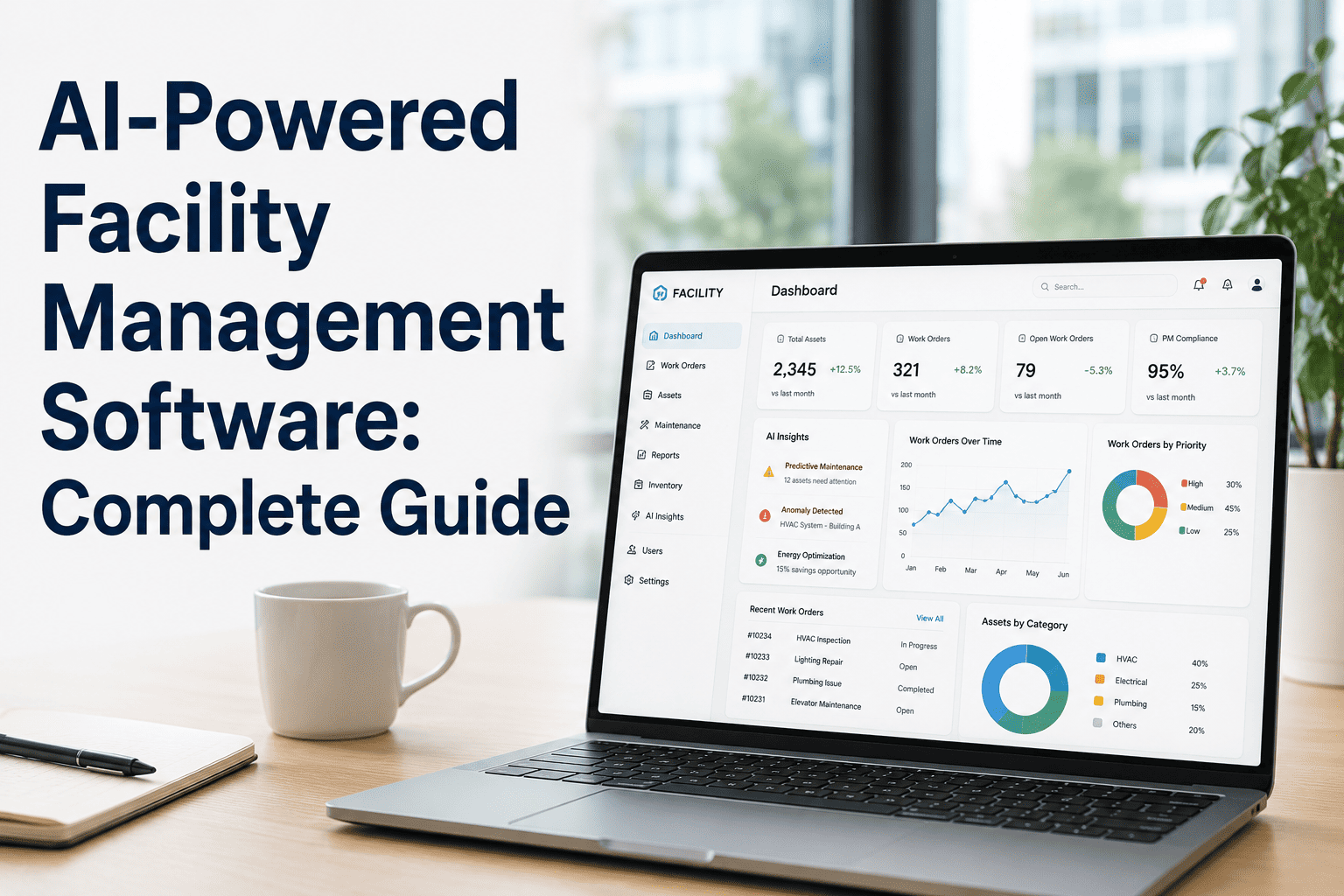
Read More
Facility management has crossed an inflection point. The teams still running work orders through spreadsheets and scheduling PM by calendar are competing against facilities where AI predicts equipment failures three weeks in advance, routes techni

Read More
The CAFM and CMMS market has never been more crowded — and the marketing from every vendor sounds almost identical. Real differentiation only becomes visible when you run the tools against actual FM workflows: how quickly can a technician close a
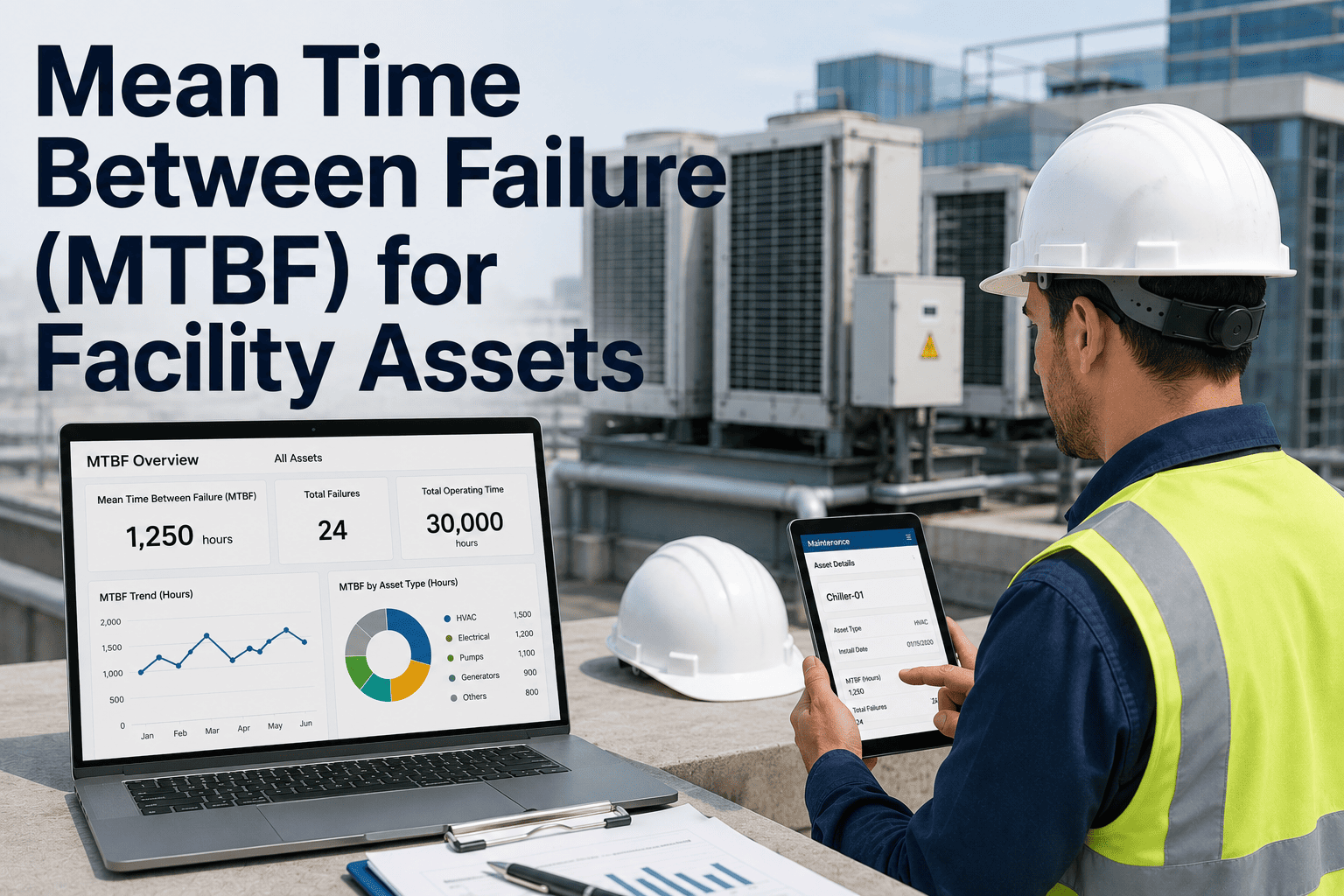
Read More
A chiller that fails every 14 months is not a maintenance problem — it is a reliability problem, and no amount of reactive repair will solve it. Mean Time Between Failure (MTBF) is the metric that makes invisible failure patterns visible, turning

Read More
A 420,000-square-foot Class-A office campus had committed to a 30% energy reduction target as part of its ESG reporting obligations to institutional investors — and had been missing that target for three consecutive years. The energy management sy
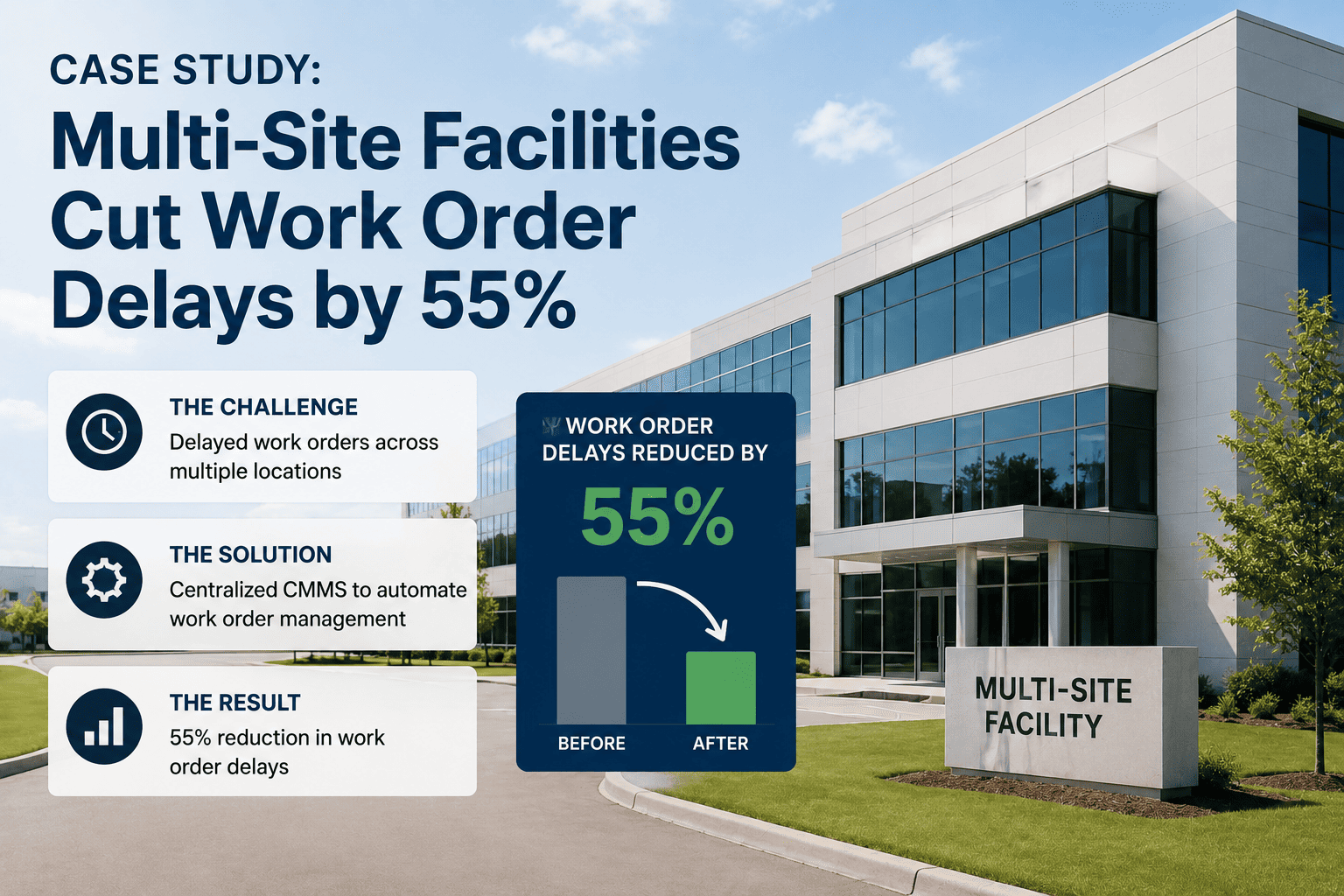
Read More
A regional property management firm overseeing 18 commercial and mixed-use buildings across four cities was losing control of its maintenance operations — not because its technicians were underperforming, but because its work order system made coo
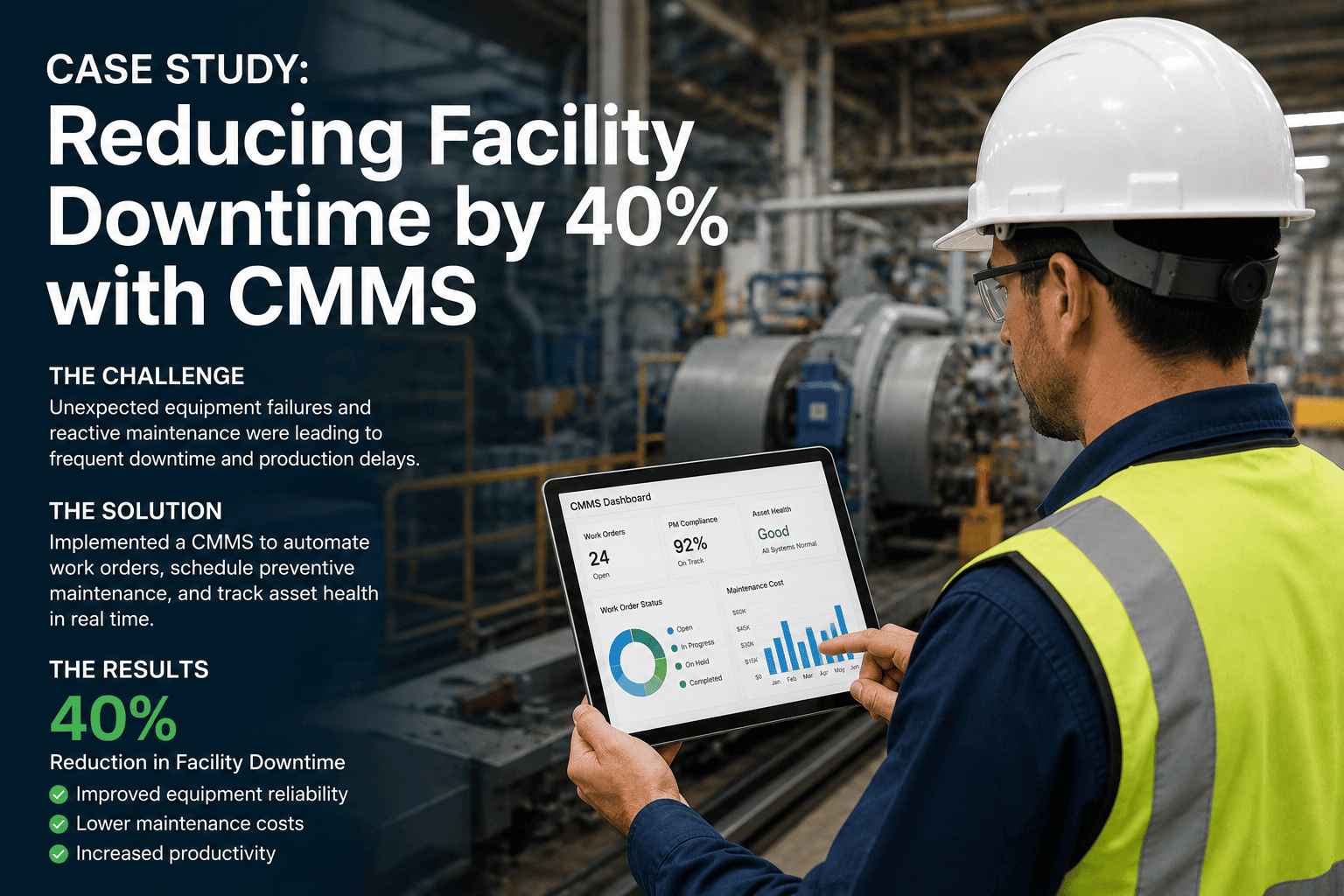
Read More
A 1.2-million-square-foot commercial property portfolio was averaging 6.4 hours of equipment downtime per incident — twice the industry benchmark — while spending 41% of its total maintenance budget on reactive repairs. The facility director had d
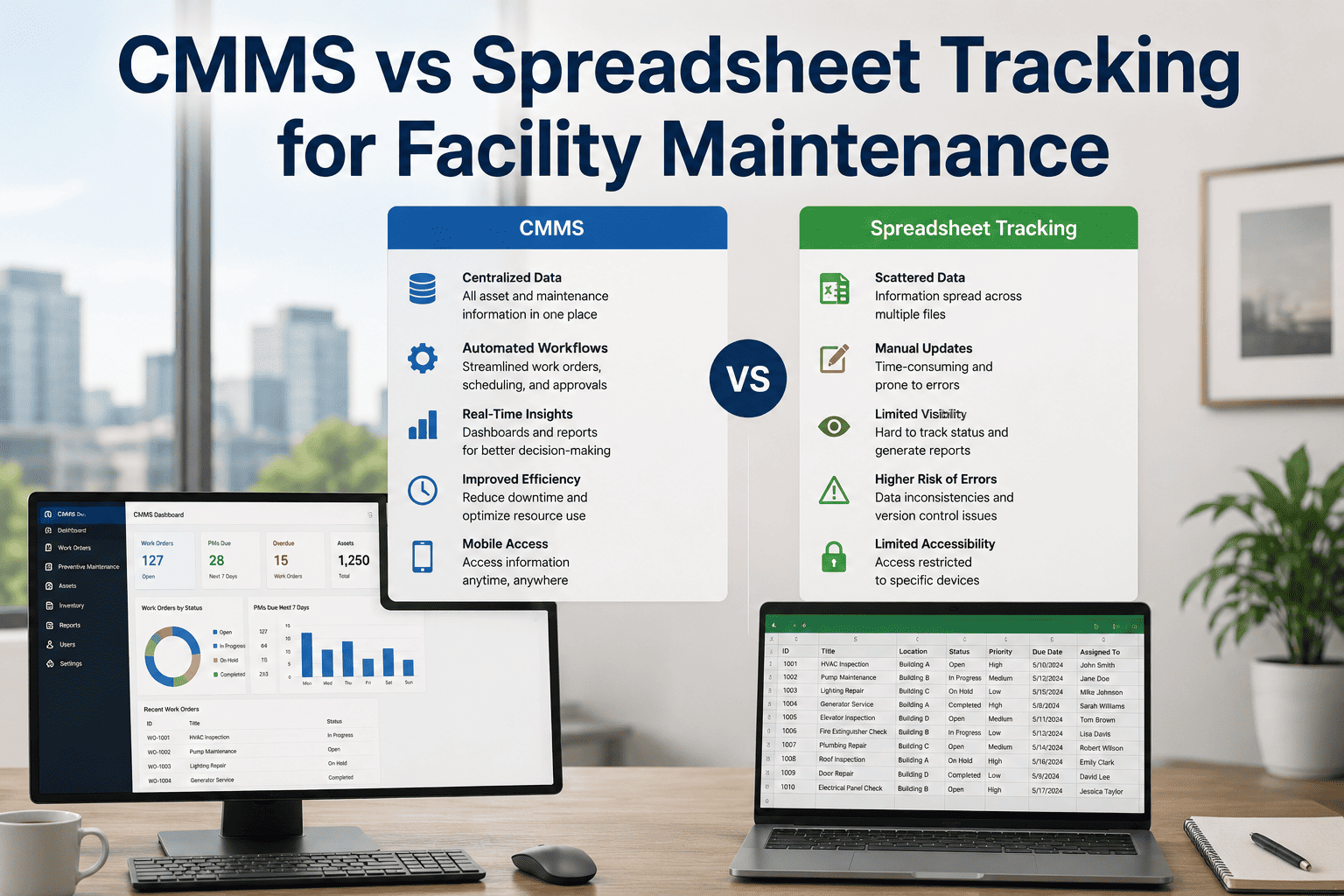
Read More
Spreadsheets got facility teams through the first decade of digital maintenance tracking — and they are still in use today in a majority of small and mid-size facilities, often alongside expensive CMMS tools that were never fully adopted. The hone
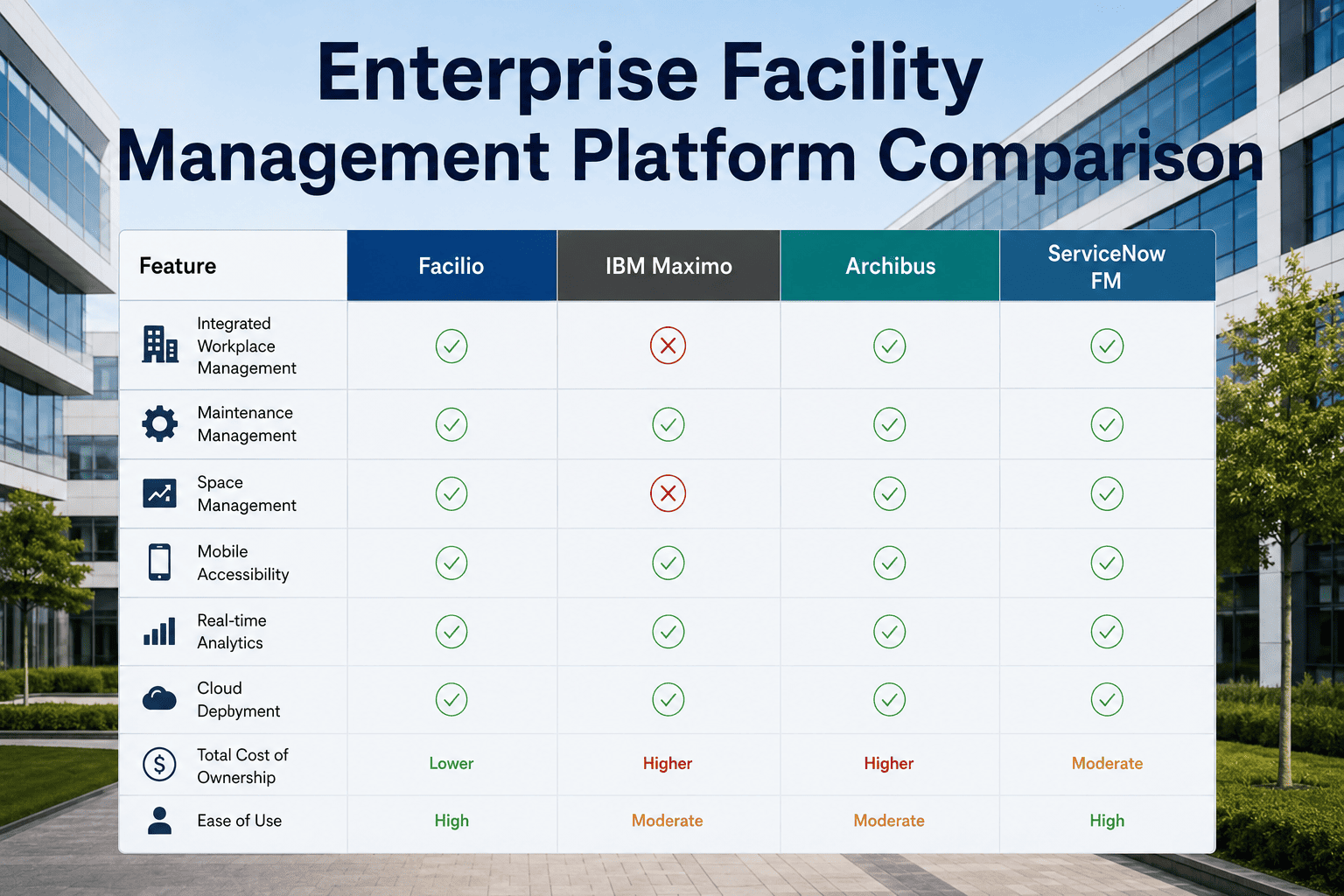
Read More
Enterprise facility teams evaluating CMMS platforms face a market saturated with tools that look identical in a feature matrix but perform very differently in daily operations. The right platform is not the one with the longest feature list — it i
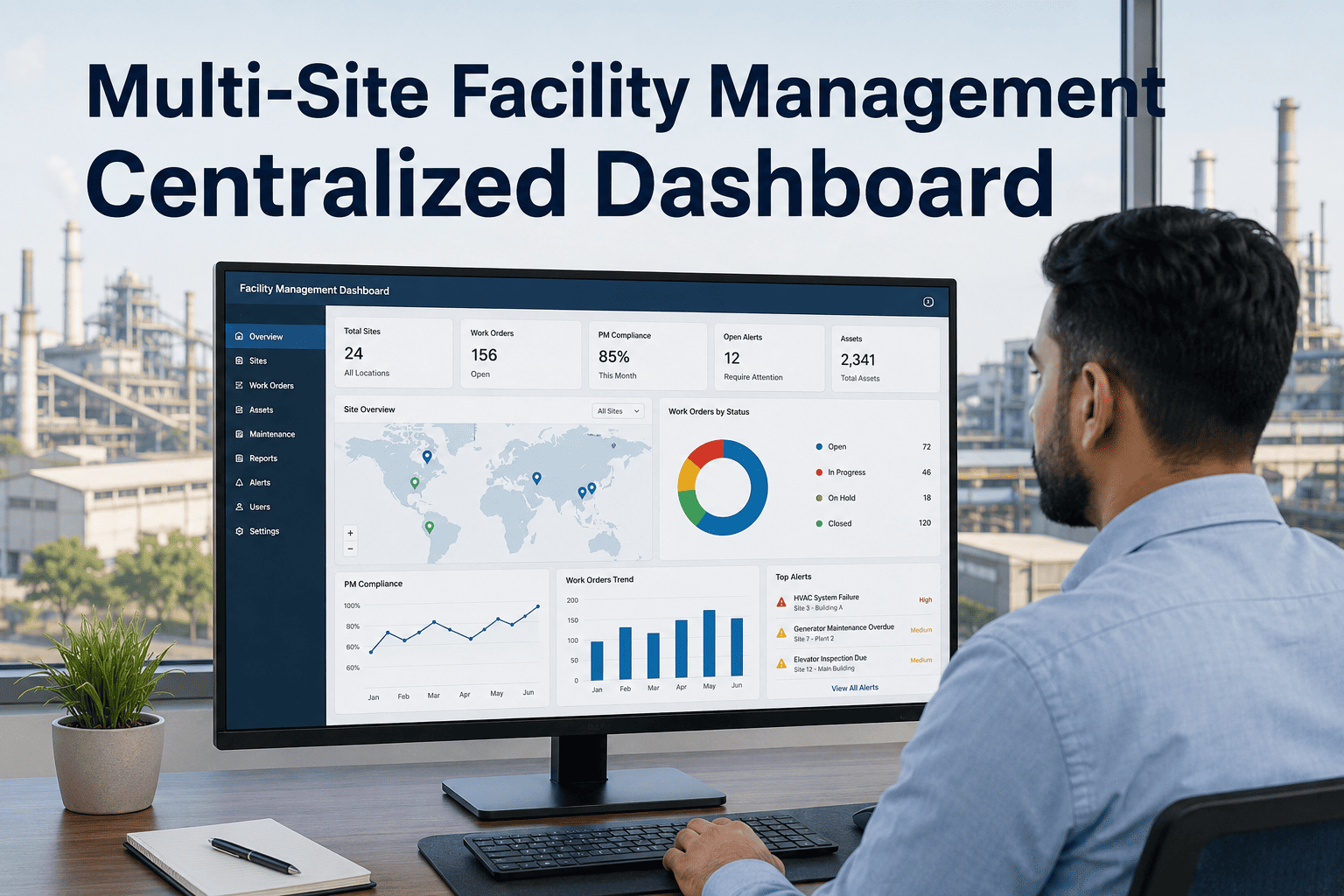
Read More
Managing five buildings from a spreadsheet works until it doesn't — and when it fails, the failure happens simultaneously across every site. Facility directors overseeing multiple properties, campuses, or regional portfolios need a single control
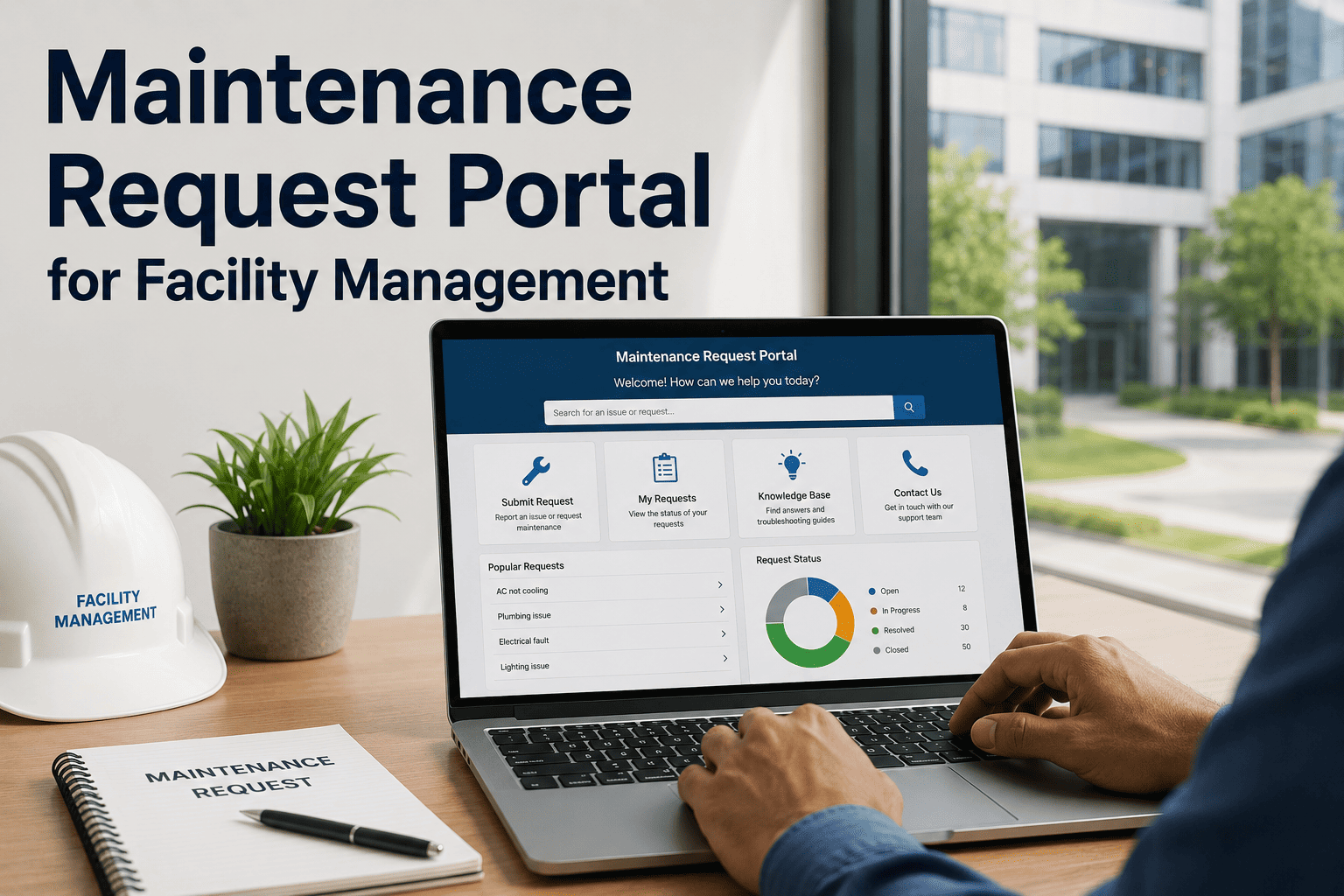
Read More
When a tenant's office AC stops working at 2 PM on a Tuesday, their next action determines how they feel about your facility management for the next 12 months. If they send an email into the void and hear nothing for 4 hours, that's a complaint. I
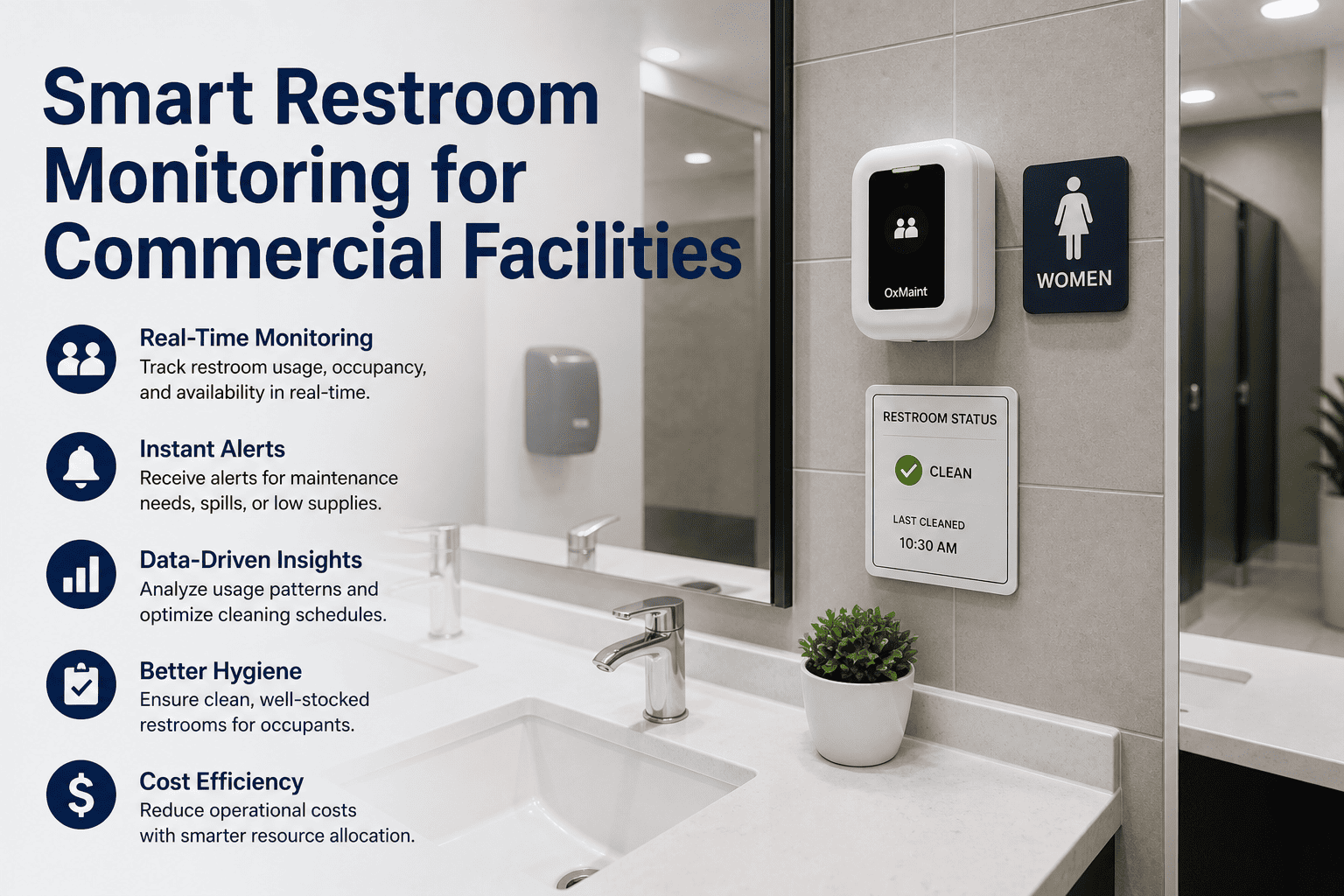
Read More
Commercial facilities lose thousands of dollars annually to restroom complaints, supply stockouts, and reactive plumbing repairs — all preventable with smart monitoring. OxMaint's IoT-integrated CM
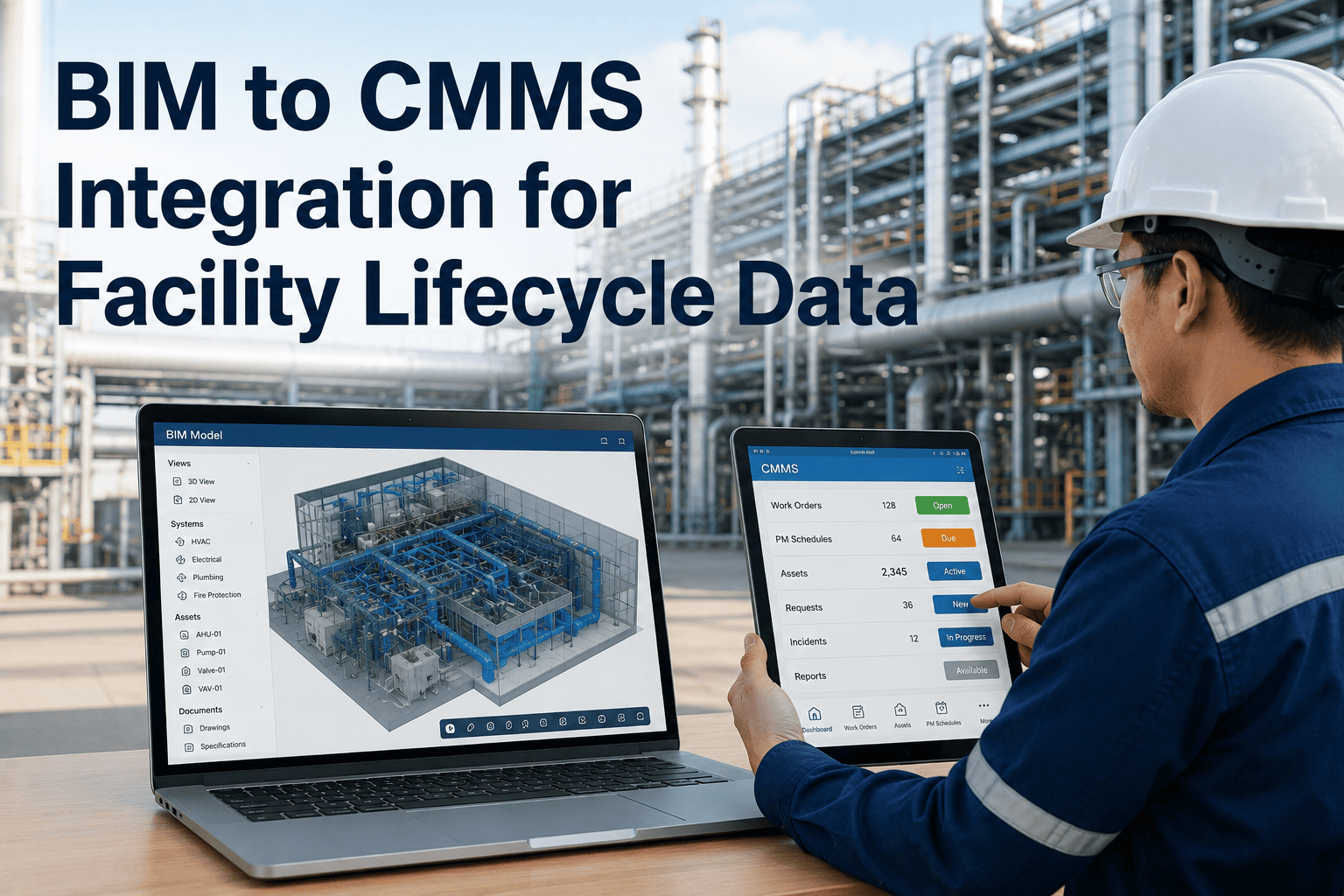
Read More
Building Information Modeling (BIM) captures every asset detail during design and construction — equipment specs, manufacturer data, install dates, warranty terms — yet most facilities lose this data the moment a building is handed over. Without B

Read More
Maintenance technicians in most facility operations spend only 28–35% of their available hours on actual hands-on work. The rest goes to travel between locations, waiting for parts, administrative paperwork, and finding information that should hav

Read More
OSHA's top 10 violations list for FY2025 reads like a facility maintenance manager's daily task list — lockout/tagout, electrical safety, fall protection, machine guarding, respiratory protection, PPE.
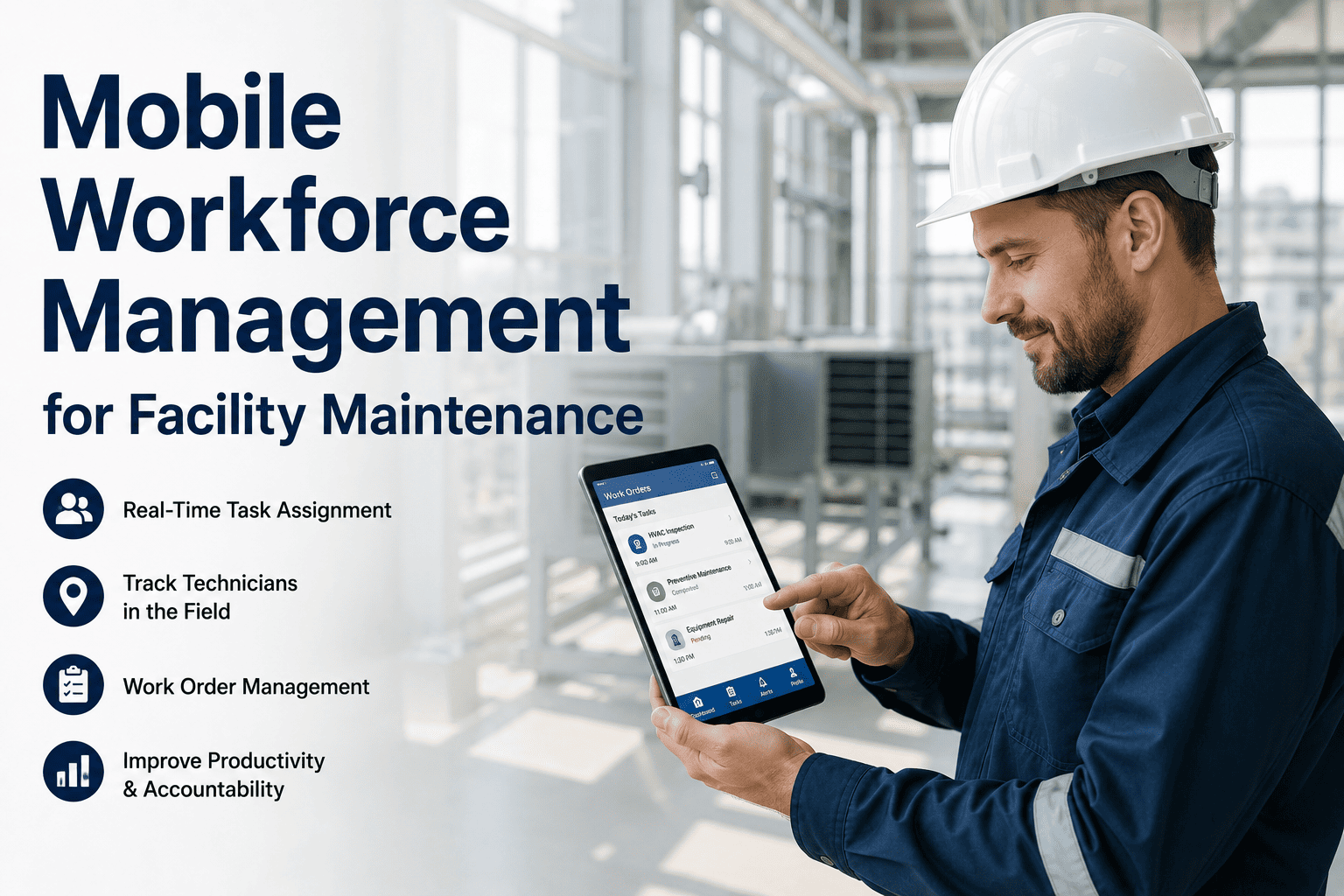
Read More
The average facility maintenance technician spends less than 35% of their working day actually performing maintenance — the rest is consumed by travel between jobs, searching for parts, waiting for work order paperwork, and manual status reporting
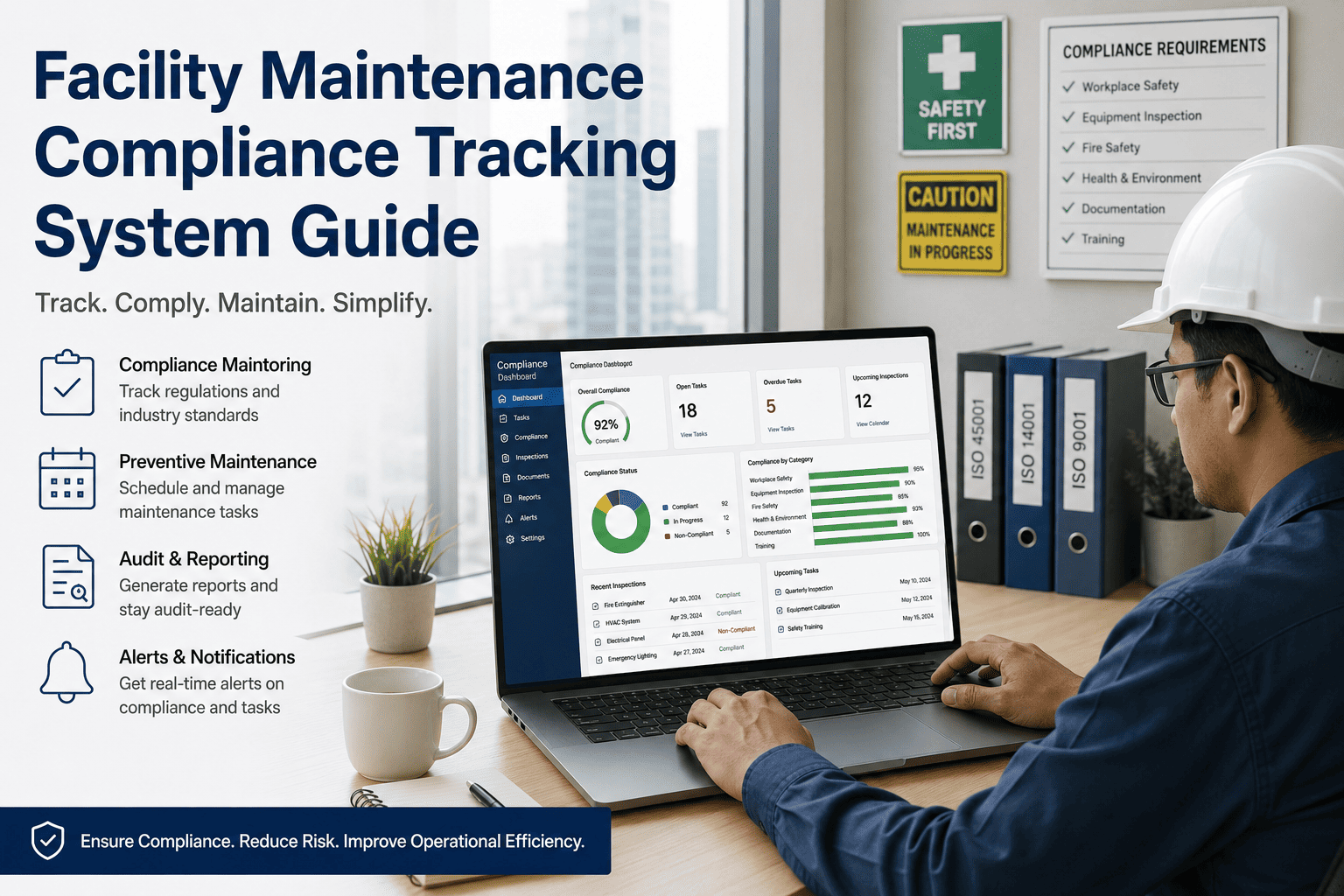
Read More
Facility compliance failure is rarely caused by ignorance of the rules — it is caused by the absence of a system that ensures the rules are followed, documented, and verifiable on demand. A building with 200 assets, 14 active regulatory obligation

Read More
OSHA issued over 23,537 citations in fiscal year 2025 alone — and the top violations including fall protection, lockout/tagout, and eye & face protection are exactly the hazards that a structured digital safety audit catches before an inspecto
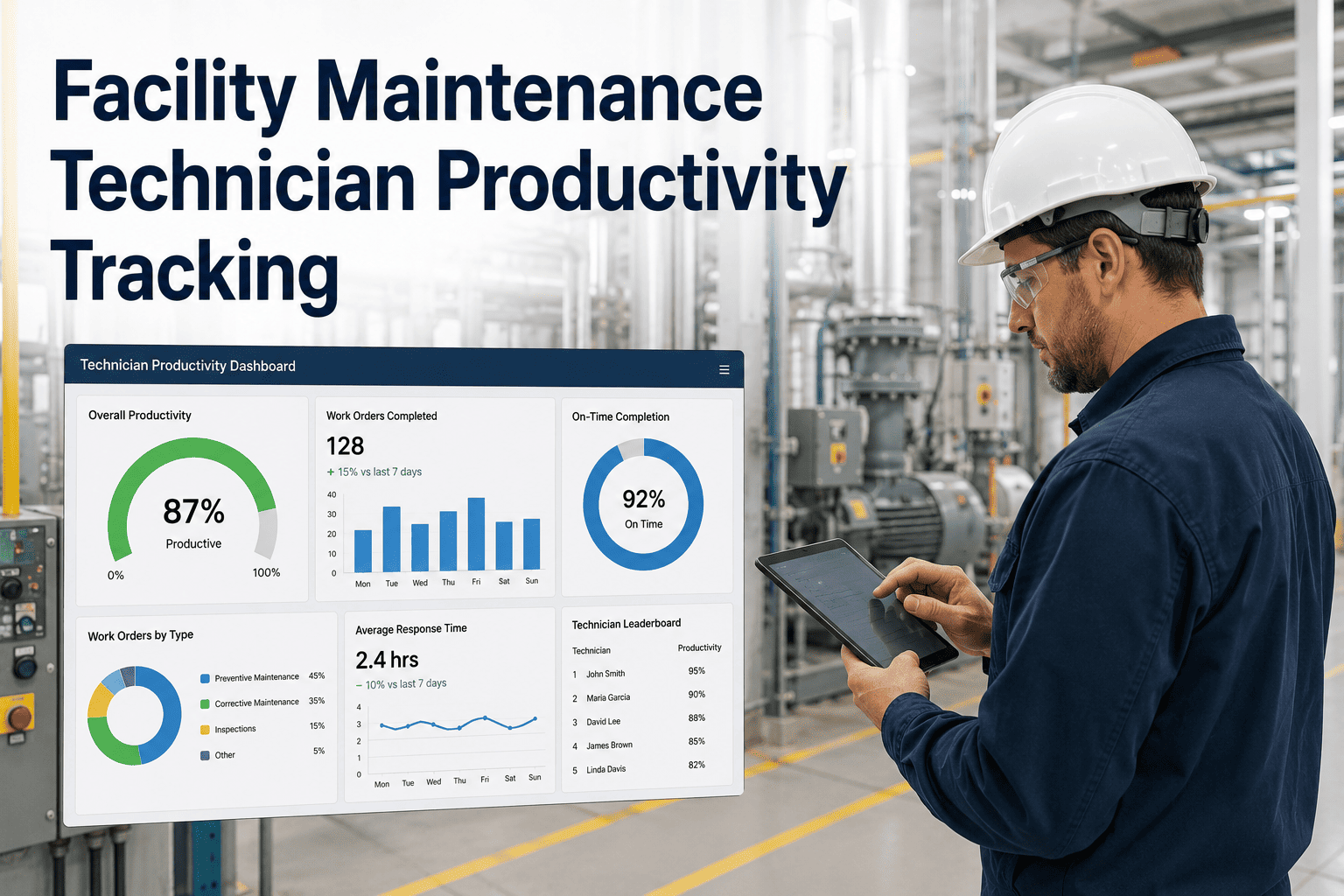
Read More
Most facility maintenance managers know their technicians are busy — but busy is not the same as productive. When work orders are dispatched on paper or by phone, wrench time goes unmeasured, travel time between assets is invisible, and the only s
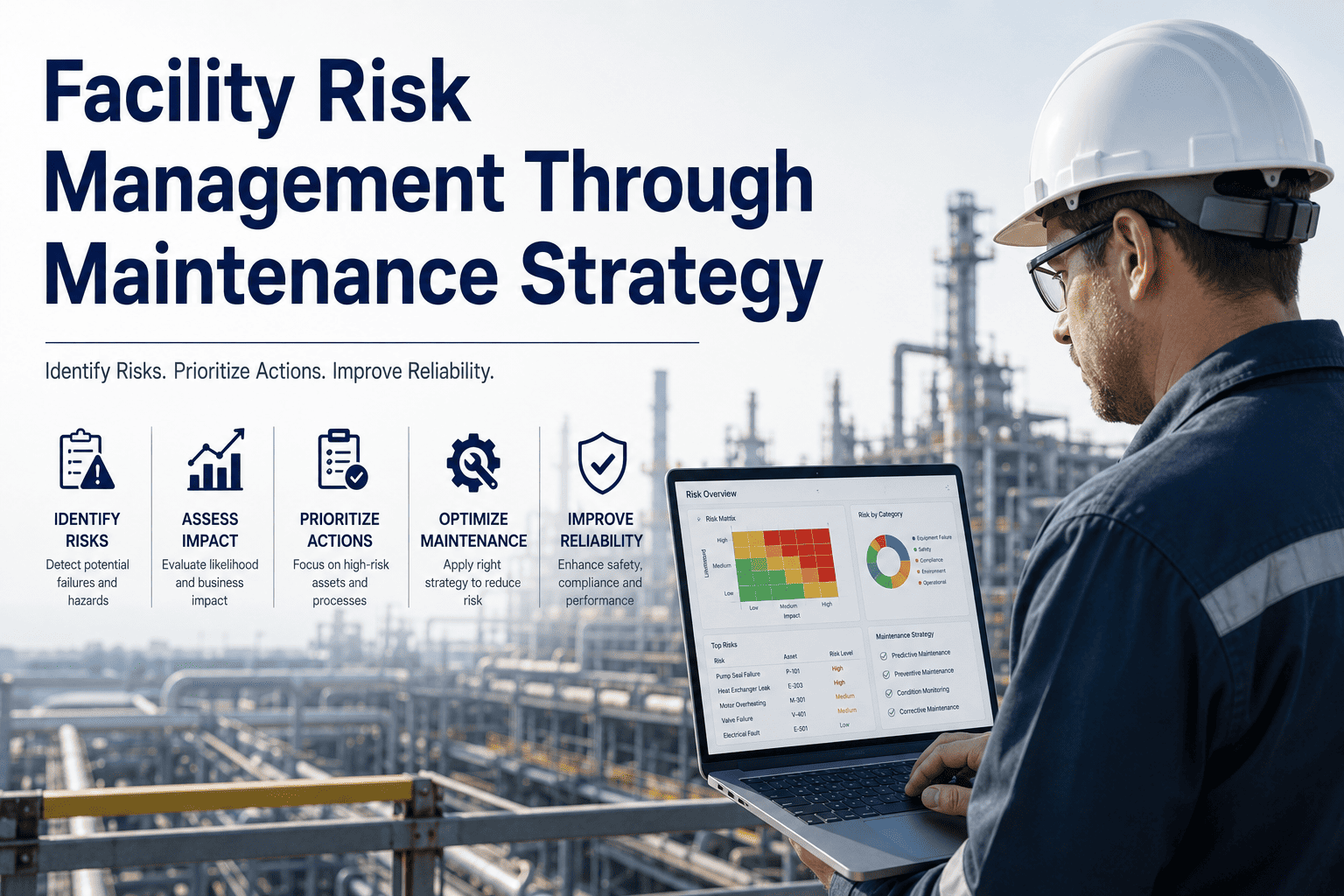
Read More
Facility risk is not a single event — it is a compounding condition. Every uninspected asset, every overdue PM, every undocumented corrective action, and every missing compliance record is a risk accumulating silently across your building portfoli
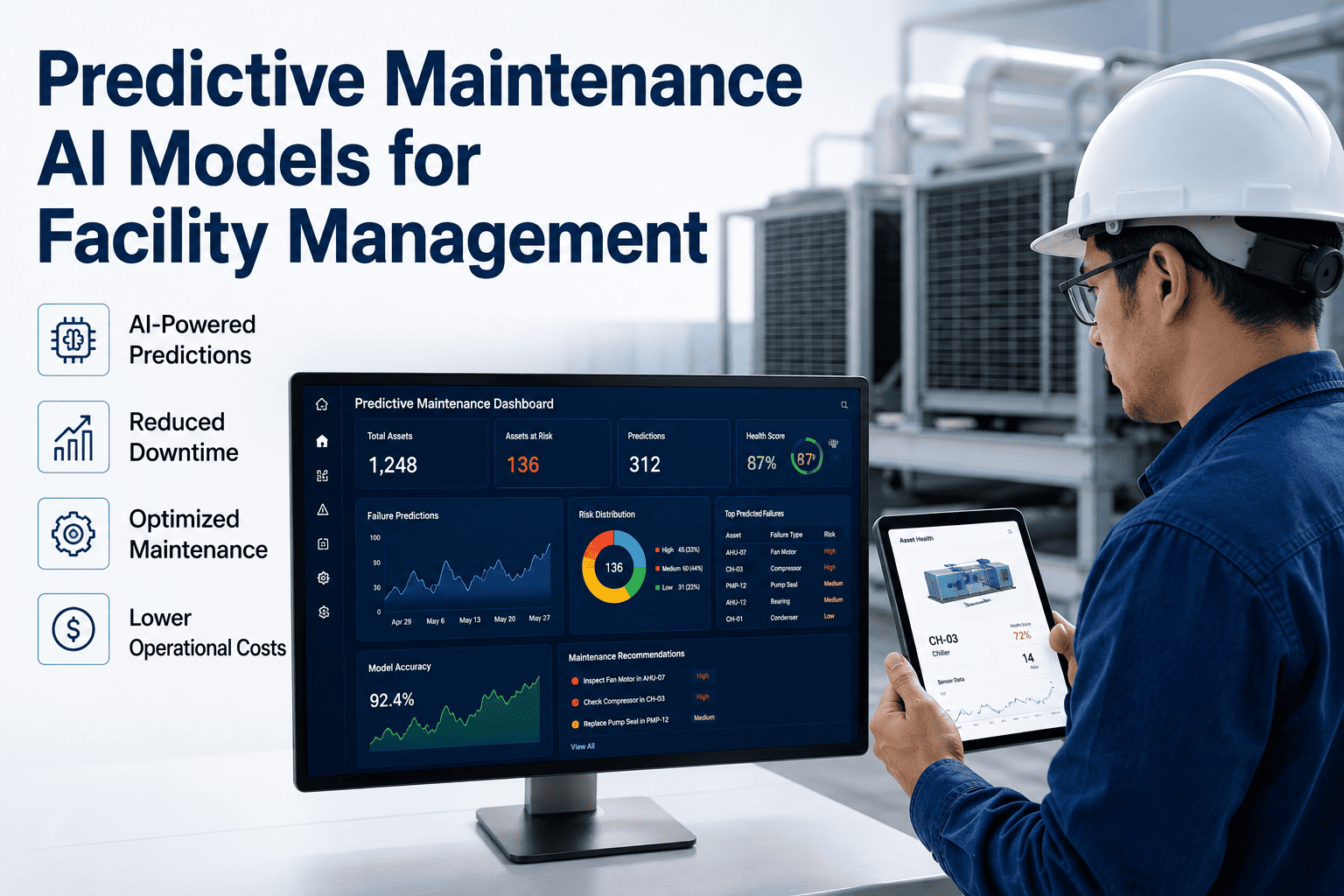
Read More
Facility managers overseeing commercial office towers, healthcare campuses, retail portfolios, and mixed-use developments are now sitting on more equipment sensor data than any previous generation — yet most of it still does nothing. A chiller's v

Read More
A building digital twin is a live, data-connected virtual model of your facility — not a static BIM file, not a floor plan PDF, but a continuously updated representation of how your building actually operates right now. When a chiller degrades, th

Read More
A facility without IoT sensors is a facility operating blind. Equipment degrades, temperatures drift, vibration levels climb, and energy consumption spikes — all invisibly, until the breakdown forces an emergency response that costs 3–5x what a pl

Read More
An energy audit without an action plan is just a report. It identifies where energy is being wasted — but without structured maintenance tasks assigned to specific systems, with clear acceptance criteria and CMMS scheduling, the findings sit in a

Read More
Buildings account for nearly 40% of global carbon emissions — and most facility managers have no reliable way to measure their building's contribution in real time. Utility bills arrive monthly, maintenance activities go untracked from an emission

Read More
Most facility managers know their annual energy bill — very few know which piece of equipment drove last Tuesday's consumption spike or which floor's HVAC has been running at 140 percent of its benchmark for the past 11 days. Real-time energy moni

Read More
Fire alarm systems are life-safety assets — a single failed detector or discharged battery can mean the difference between early evacuation and a catastrophe. Yet compliance records show that over 35% of commercial building fire alarm systems have

Read More
A single elevator outage in a high-rise office building or hospital affects hundreds of people and can trigger safety investigations, tenant complaints, and regulatory penalties. Yet most building managers still rely on reactive repair calls and p
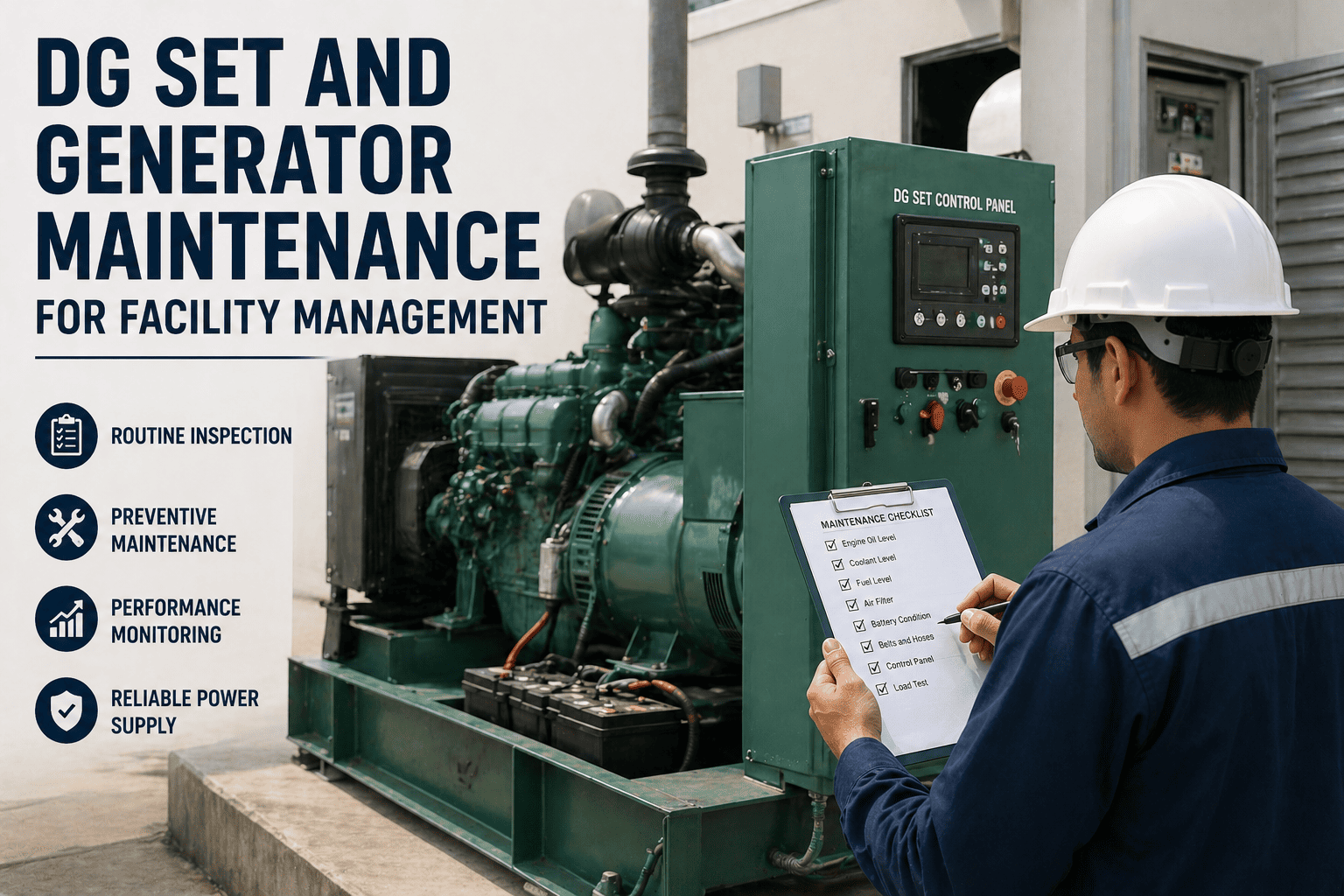
Read More
Diesel generators and DG sets are the last line of defence when grid power fails — yet most facility teams only discover maintenance gaps during an actual outage. OxMaint's preventive maintenance platfor

Read More
An Air Handling Unit failure is rarely sudden. Clogged filters, worn belts, fouled coils, stuck dampers, and degraded sensors each build up quietly over weeks — reducing air quality, increasing energy consumption, and eventually forcing a breakdow
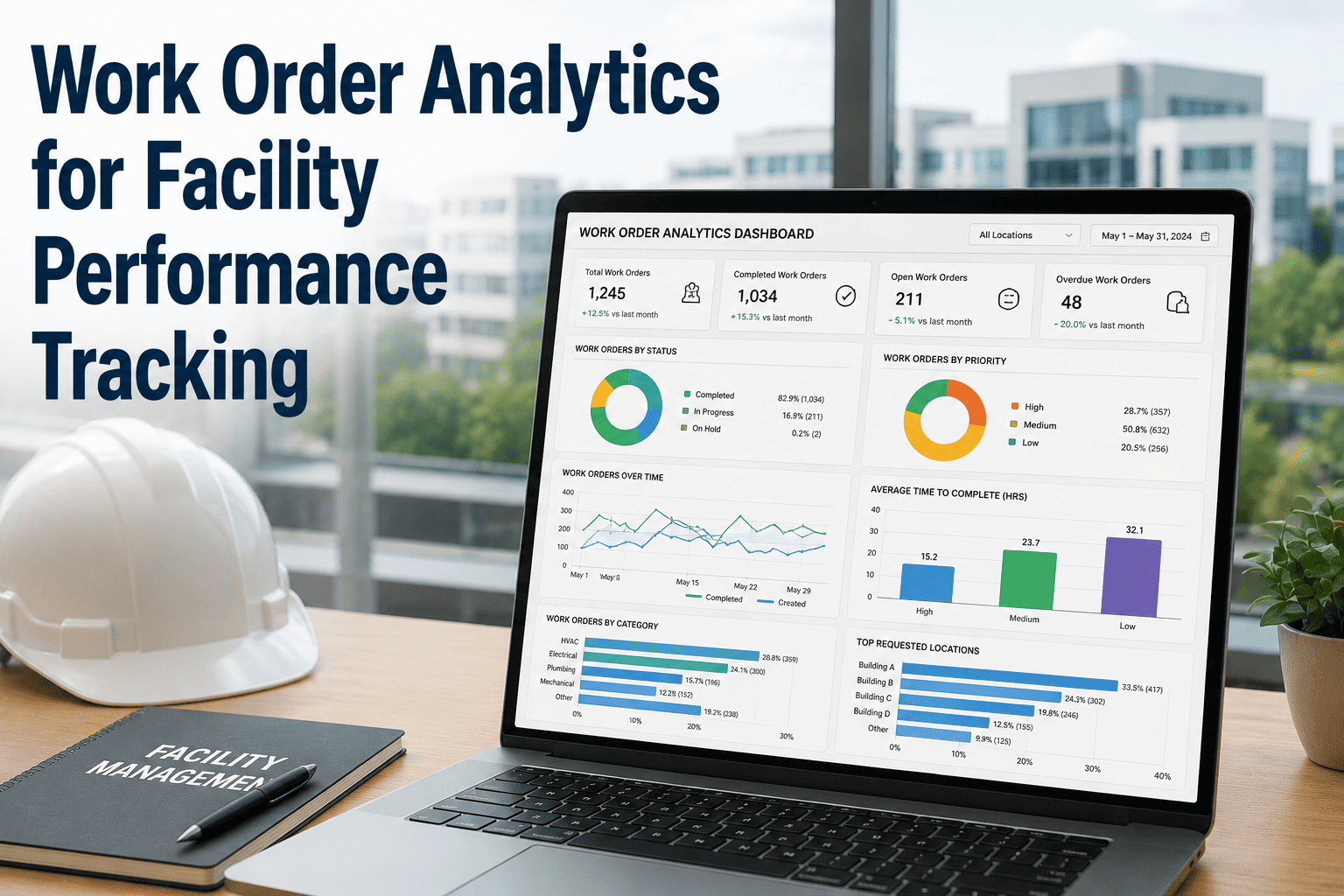
Read More
Every work order your facility generates contains data — response times, recurring failures, technician hours, vendor delays, and hidden cost patterns. Most facility managers never see this data clearly because it is buried in paper logs, disconne

Read More
A failed chiller in a commercial building is not just a mechanical failure — it is a cascade event. Occupant comfort collapses, server room temperatures rise, production lines in industrial facilities halt, and emergency service calls arrive at 3x
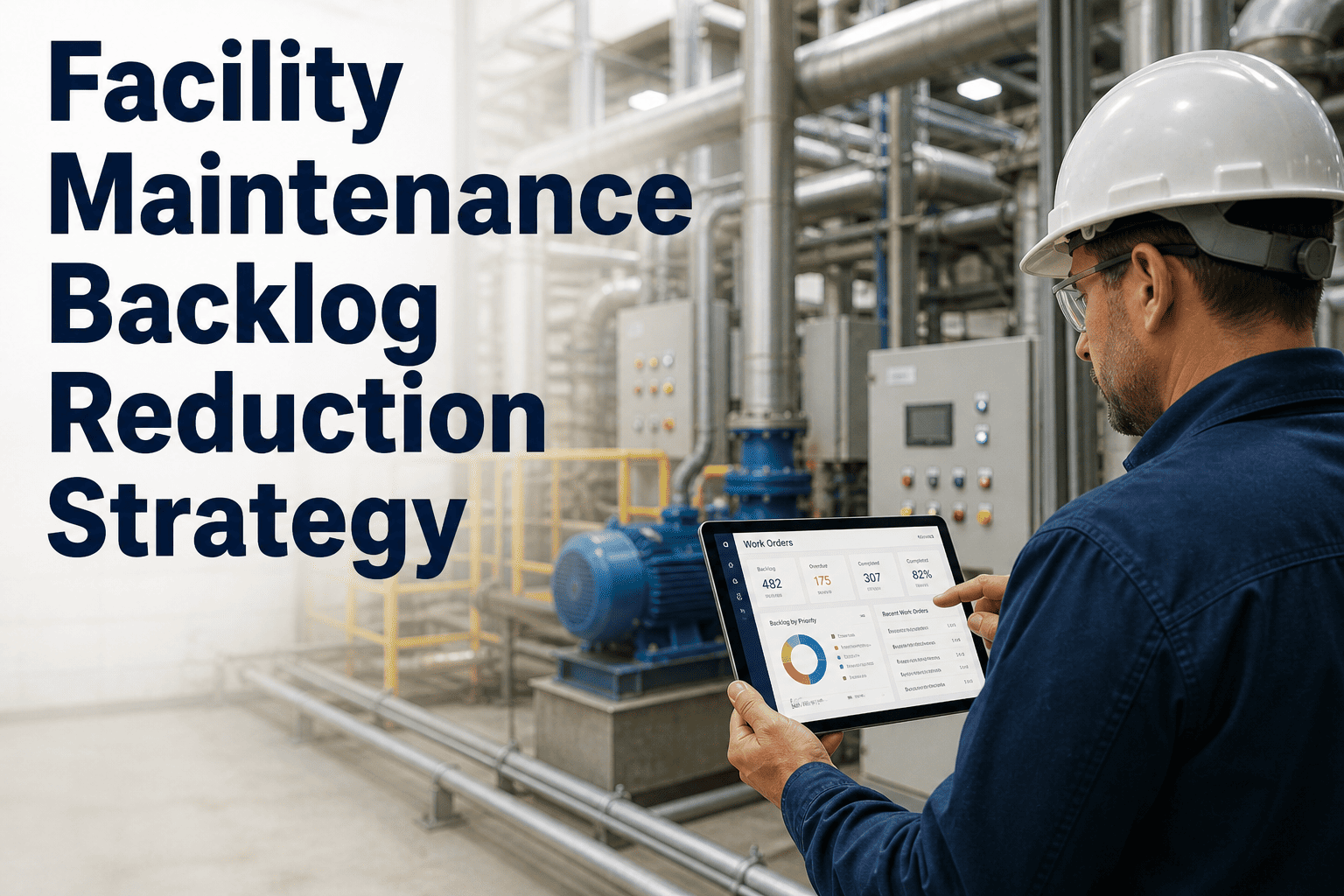
Read More
Every facility maintenance team has a backlog. The question is whether that backlog is managed with a system or slowly destroying asset reliability in silence. A 2024 BOMA International operations survey found that facilities with unmanaged mainte
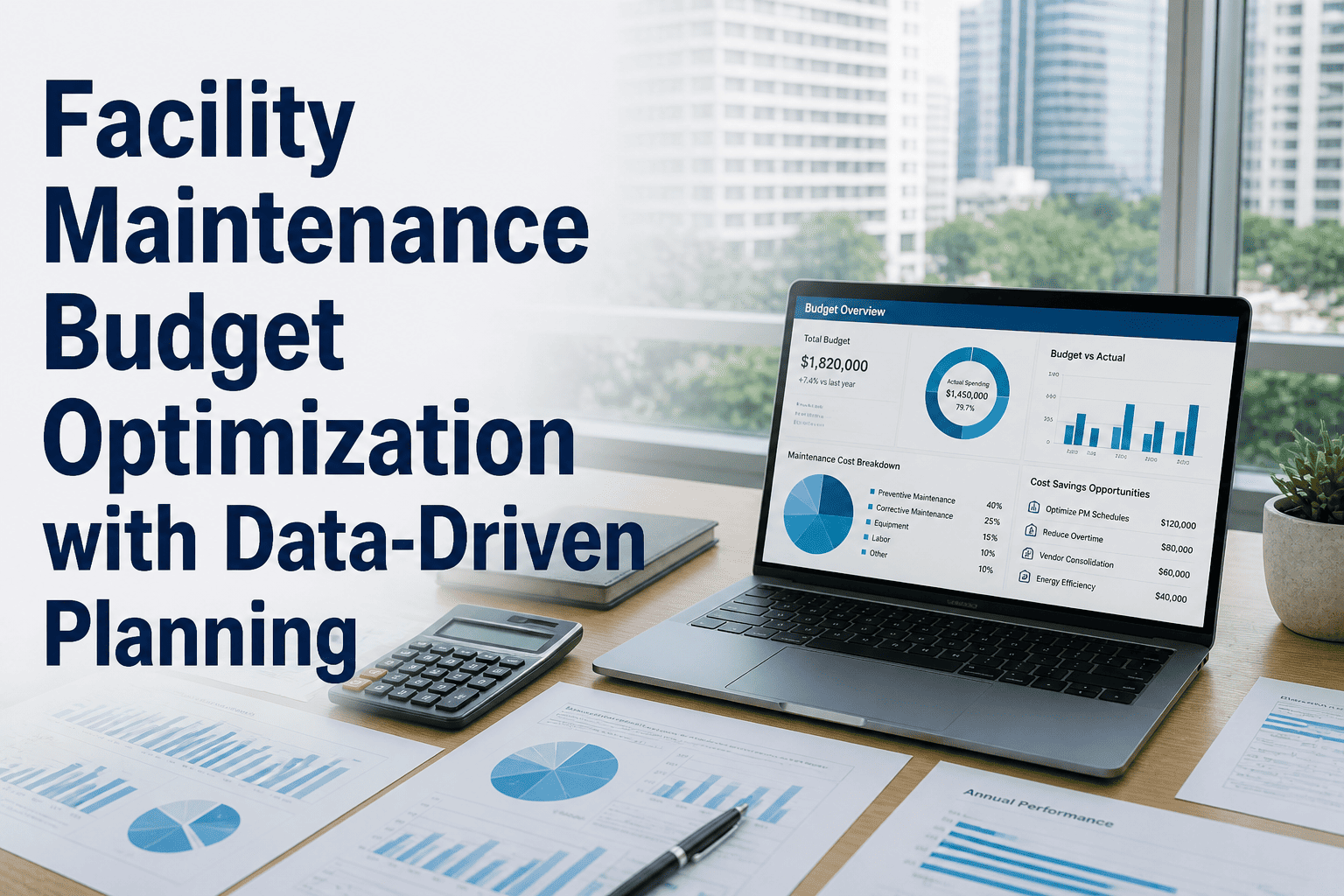
Read More
Facility maintenance teams collectively leave billions in recoverable savings untapped every year — not because budgets are too small, but because spending decisions are made without data. A 2023 Deloitte real estate operations study found that fa
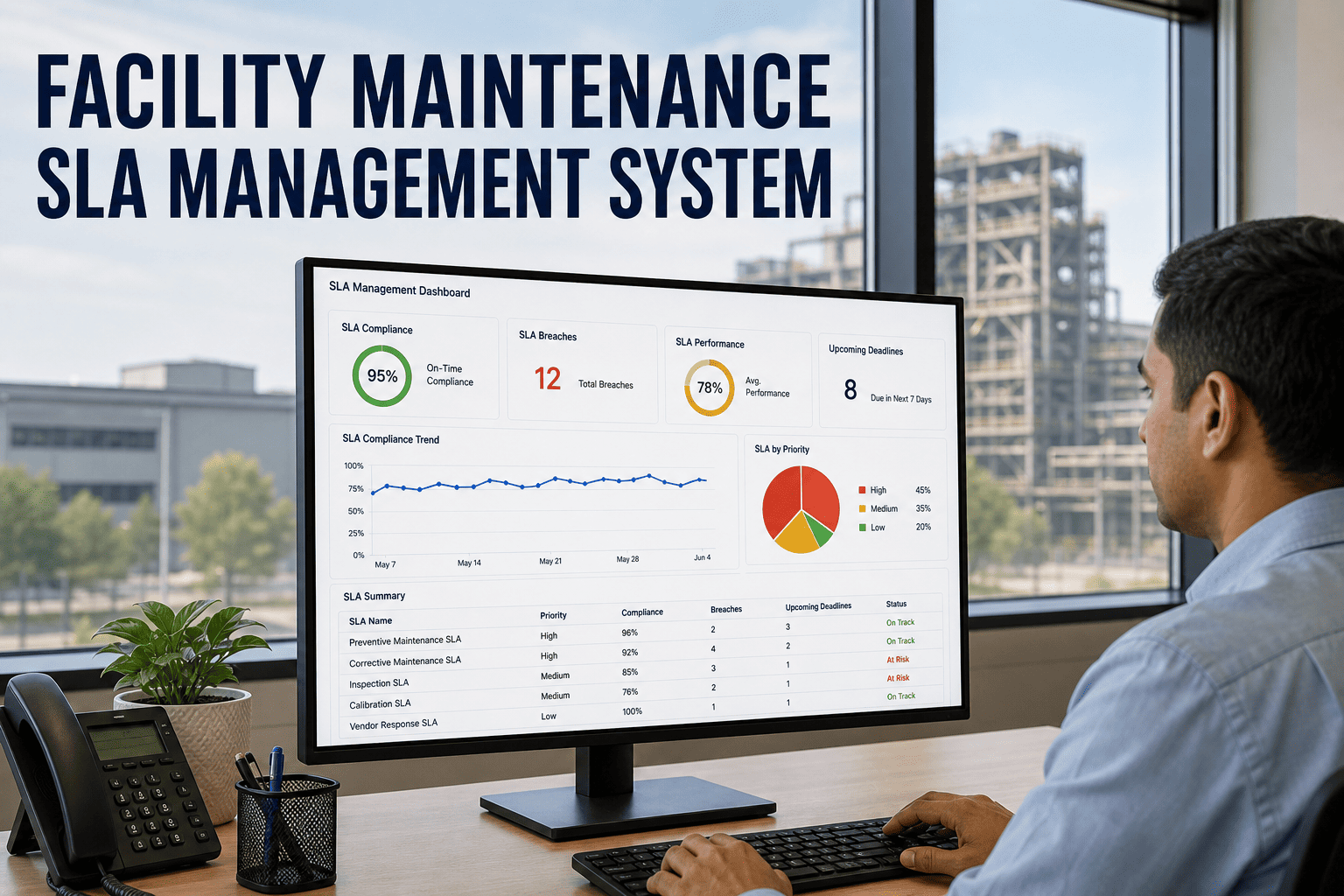
Read More
A facility maintenance SLA is only as strong as the system tracking it. Most FM operations define SLA targets in their contracts — response times, resolution deadlines, vendor performance benchmarks — but track compliance through manual spreadshee
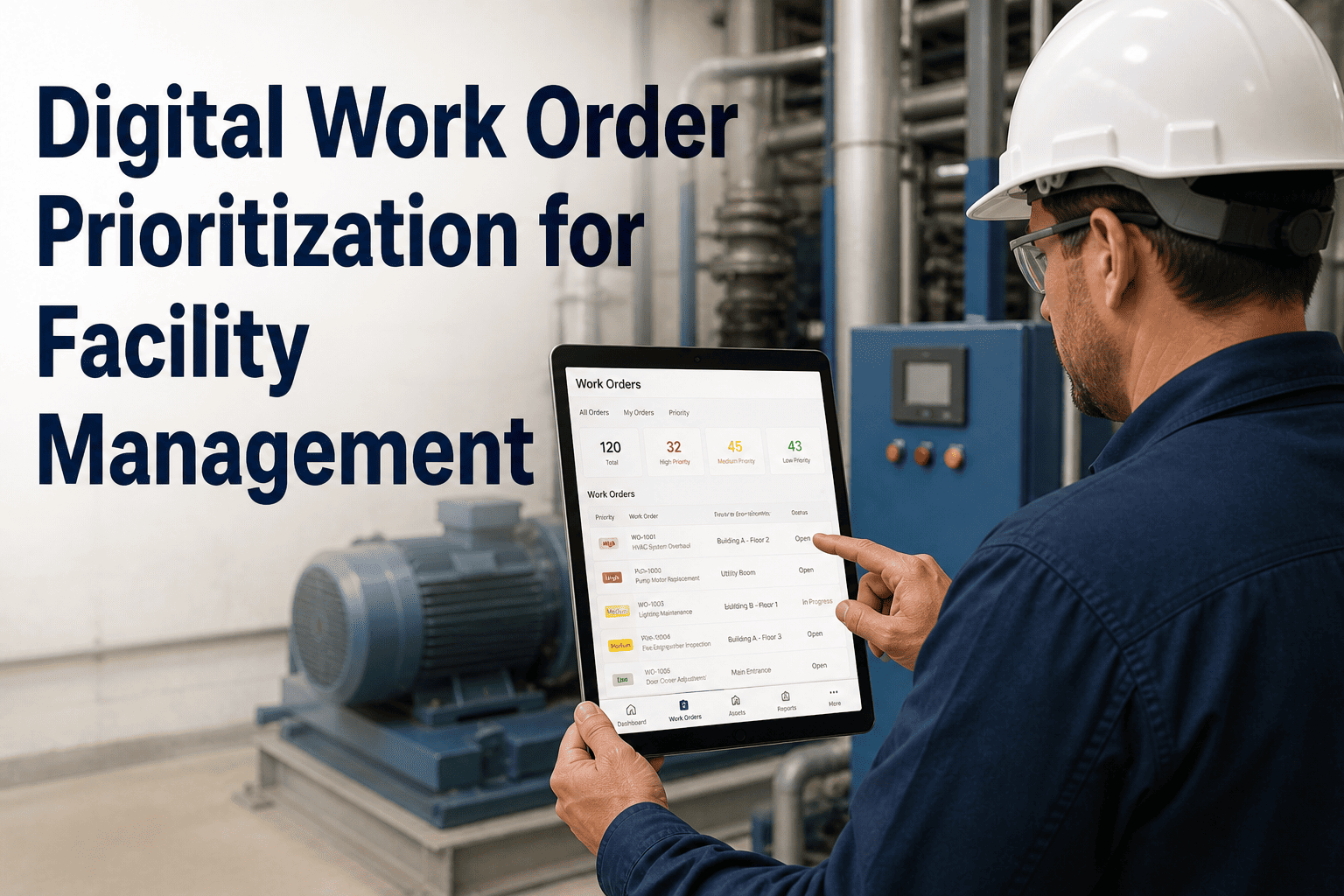
Read More
Every facility maintenance team receives more work requests than they can action simultaneously. The difference between a high-performing FM operation and a reactive one is not the volume of requests — it is the logic used to determine which job g
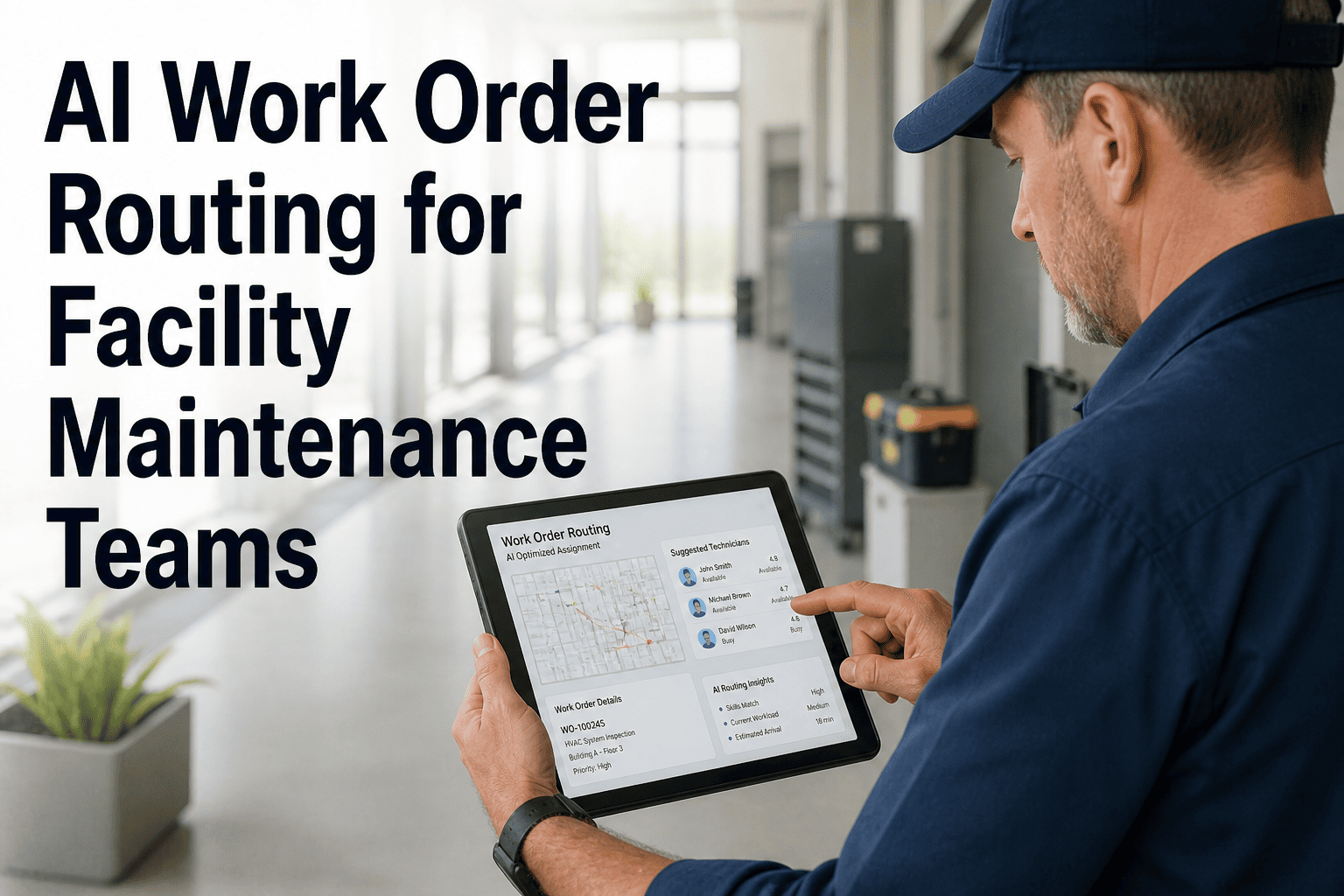
Read More
Every time a facility supervisor manually decides which technician gets which work order, they are making a judgment call with incomplete data — who is closest, who has the right skills, whether the required parts are in stock, and how the assignm
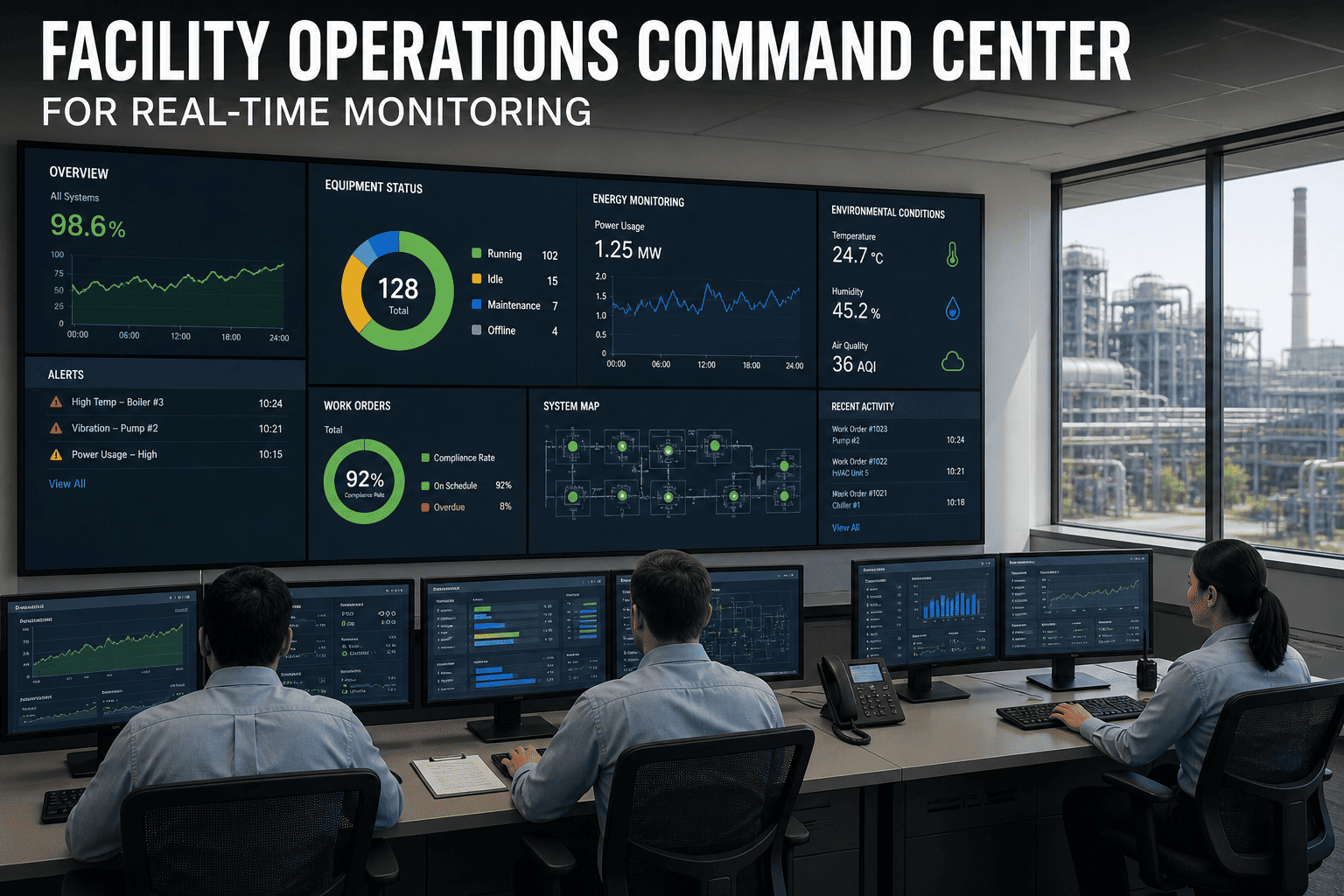
Read More
Most facility managers make their most important decisions — emergency response, maintenance dispatch, budget escalations — based on information that is hours old. A work order goes unresolved, a piece of equipment quietly degrades below threshold
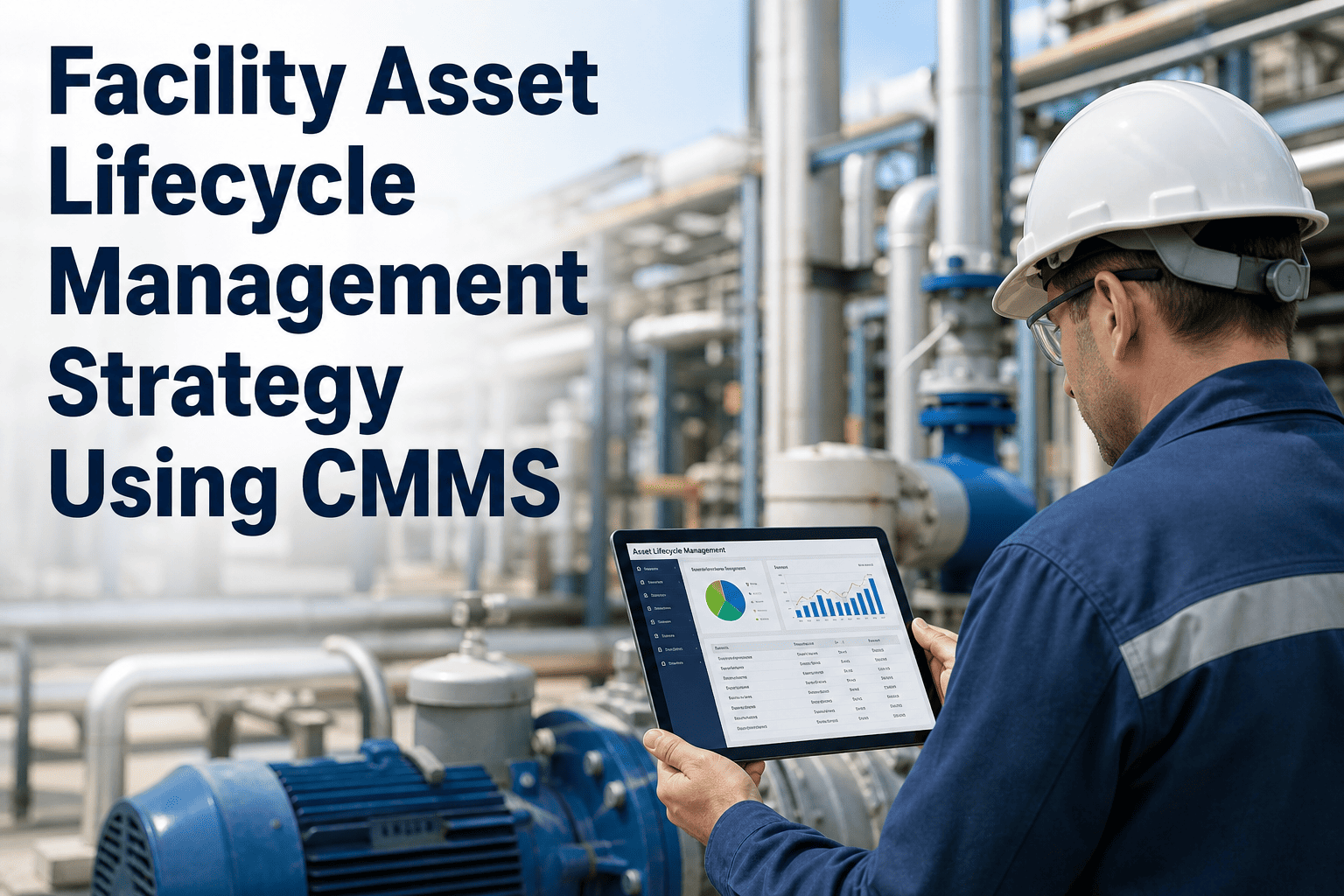
Read More
Every building asset — from chillers and elevators to lighting systems and roofing — has a lifecycle that determines when it needs inspection, repair, refurbishment, or full replacement. Facility managers who track this lifecycle with a CMMS make
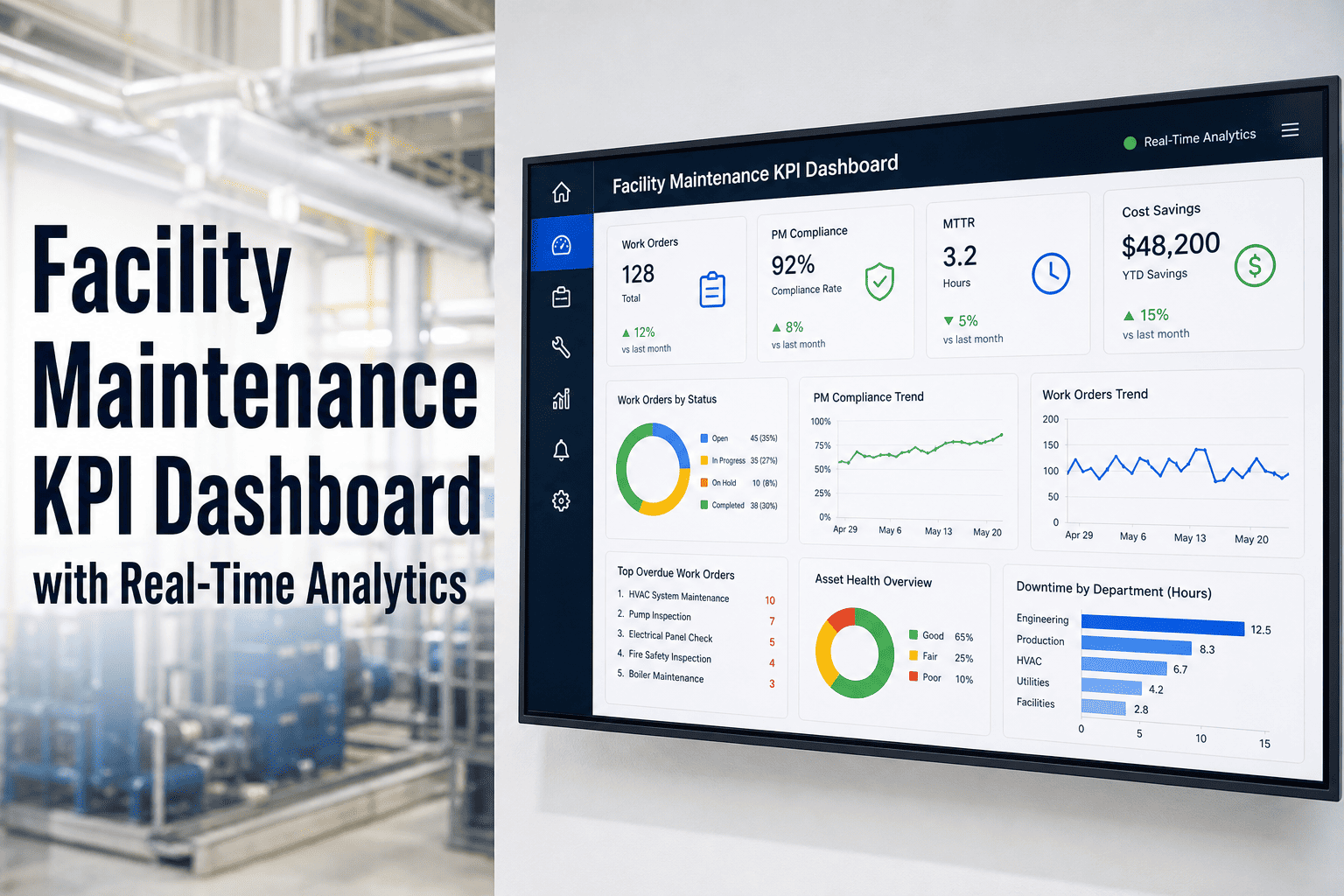
Read More
Facility teams managing buildings without real-time KPI visibility are flying blind — reacting to failures instead of preventing them. A structured analytics dashboard built on a CMMS transforms scattered maintenance data into actionable intellige
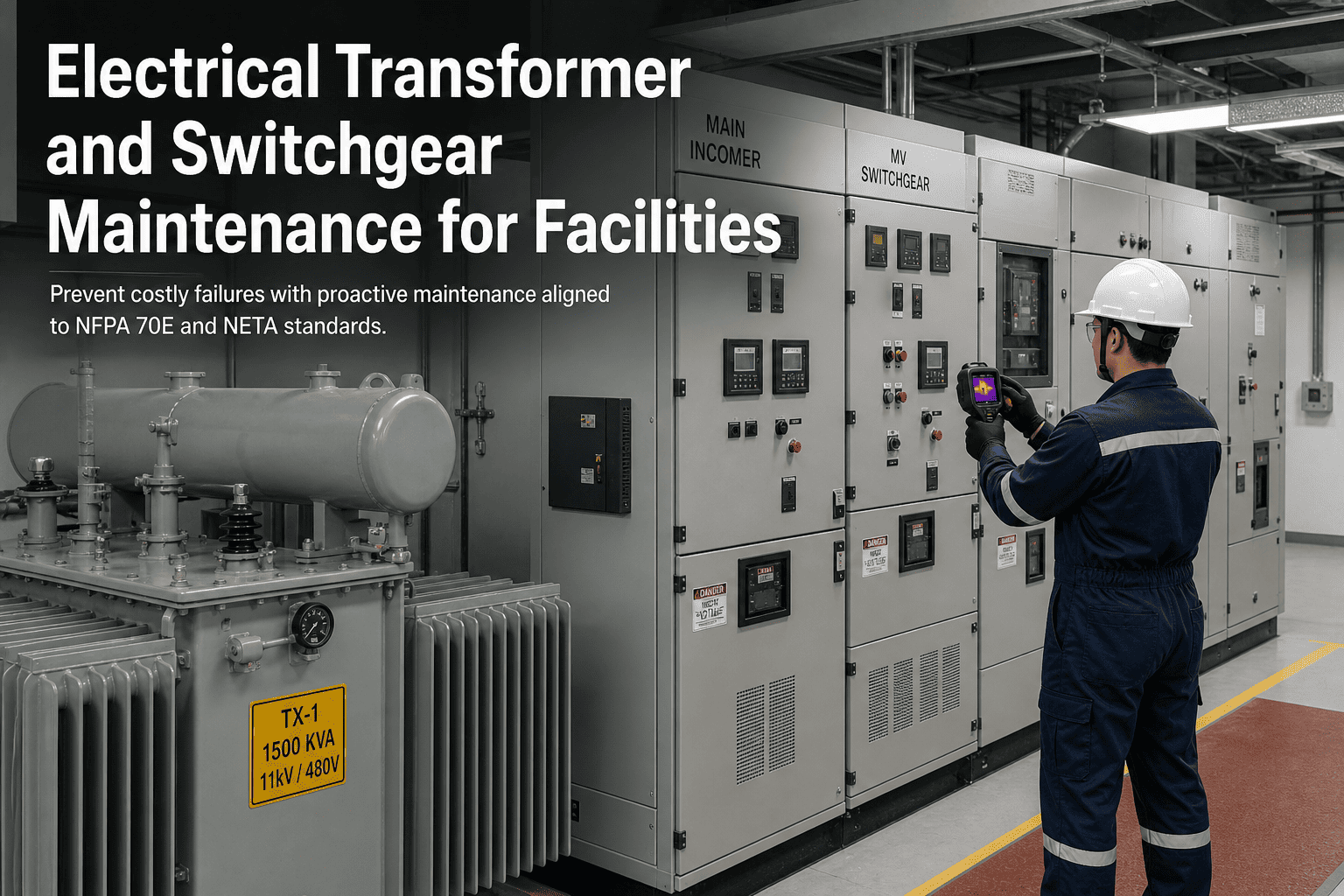
Read More
An unplanned transformer failure in a commercial facility does not just trip a breaker — it shuts down operations, voids equipment warranties, triggers insurance investigations, and in serious cases causes arc flash events that injure personnel an
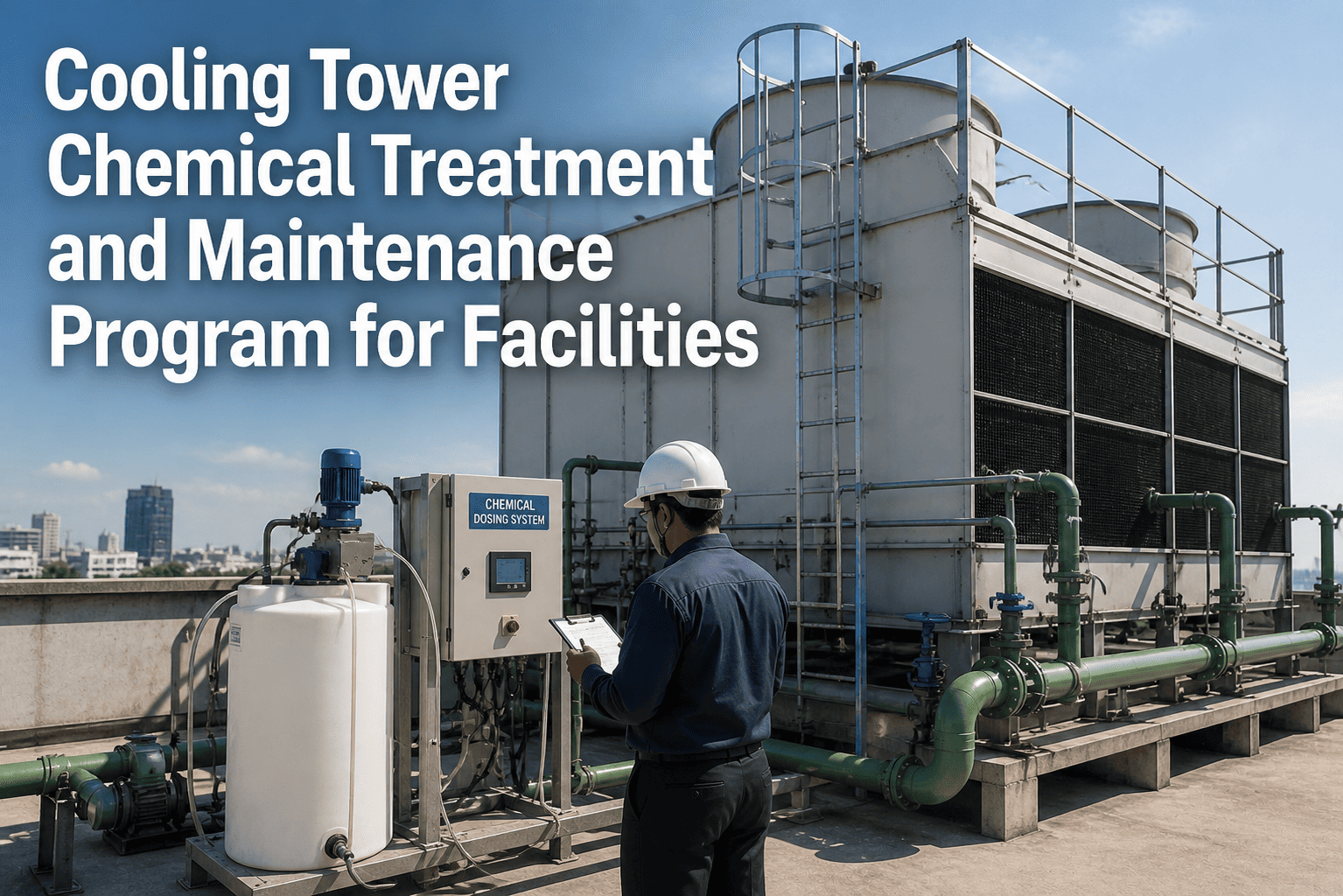
Read More
A cooling tower that is running but not properly maintained is not a working asset — it is a liability accumulating scale, biofilm, and Legionella risk with every hour of operation. Cooling towers are among the most water-intensive and biologicall

Read More
Commercial facilities are no longer just energy consumers — they are energy producers, storage operators, and fleet charging hubs. Solar arrays on the roof, battery storage in the mechanical room, and EV charging stations in the car park represent
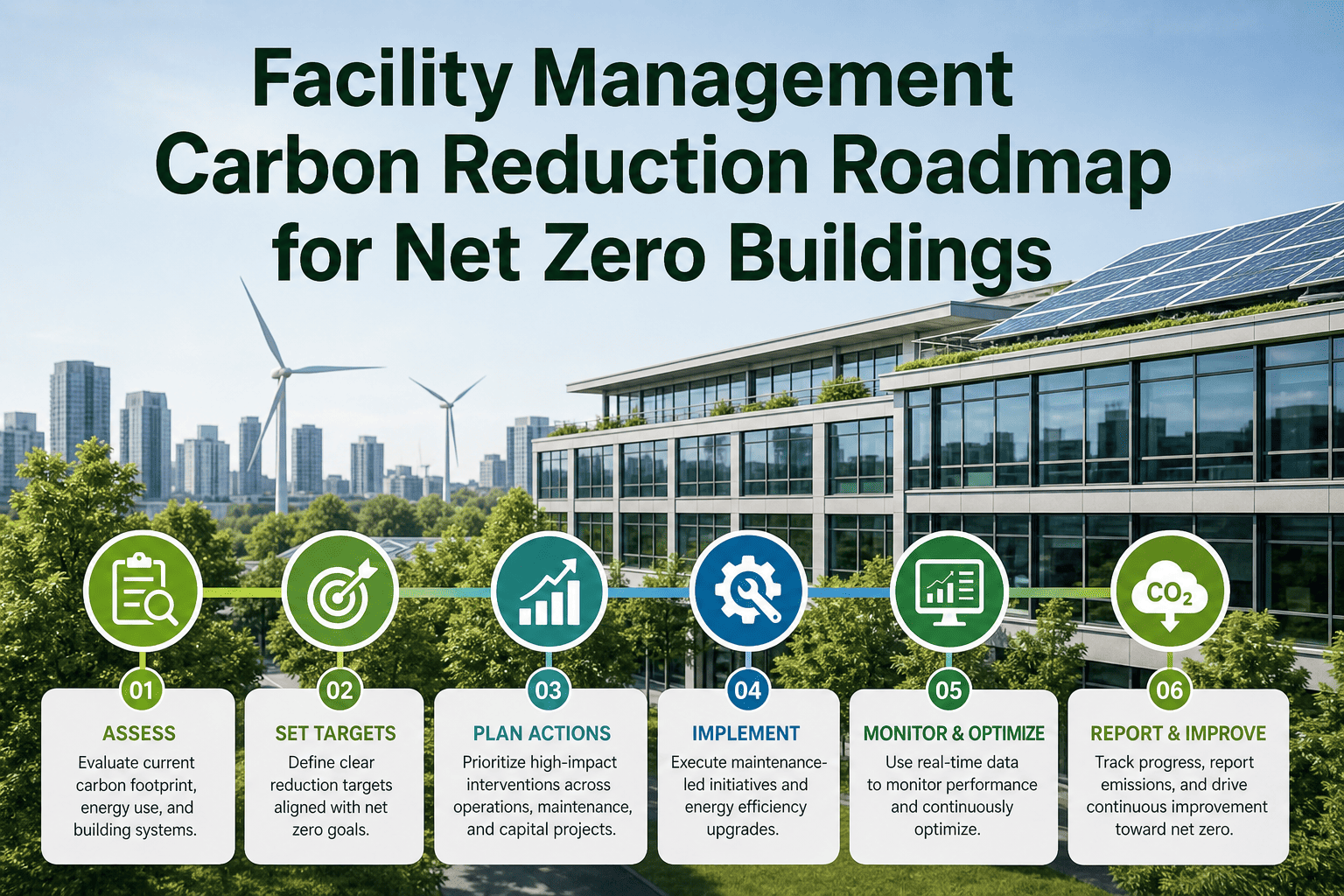
Read More
This blog is published by OxMaint as part of its Energy ESG Reporting resource series. Buildings account for approximately 30% of global final energy consumption — and facility managers are the professionals w
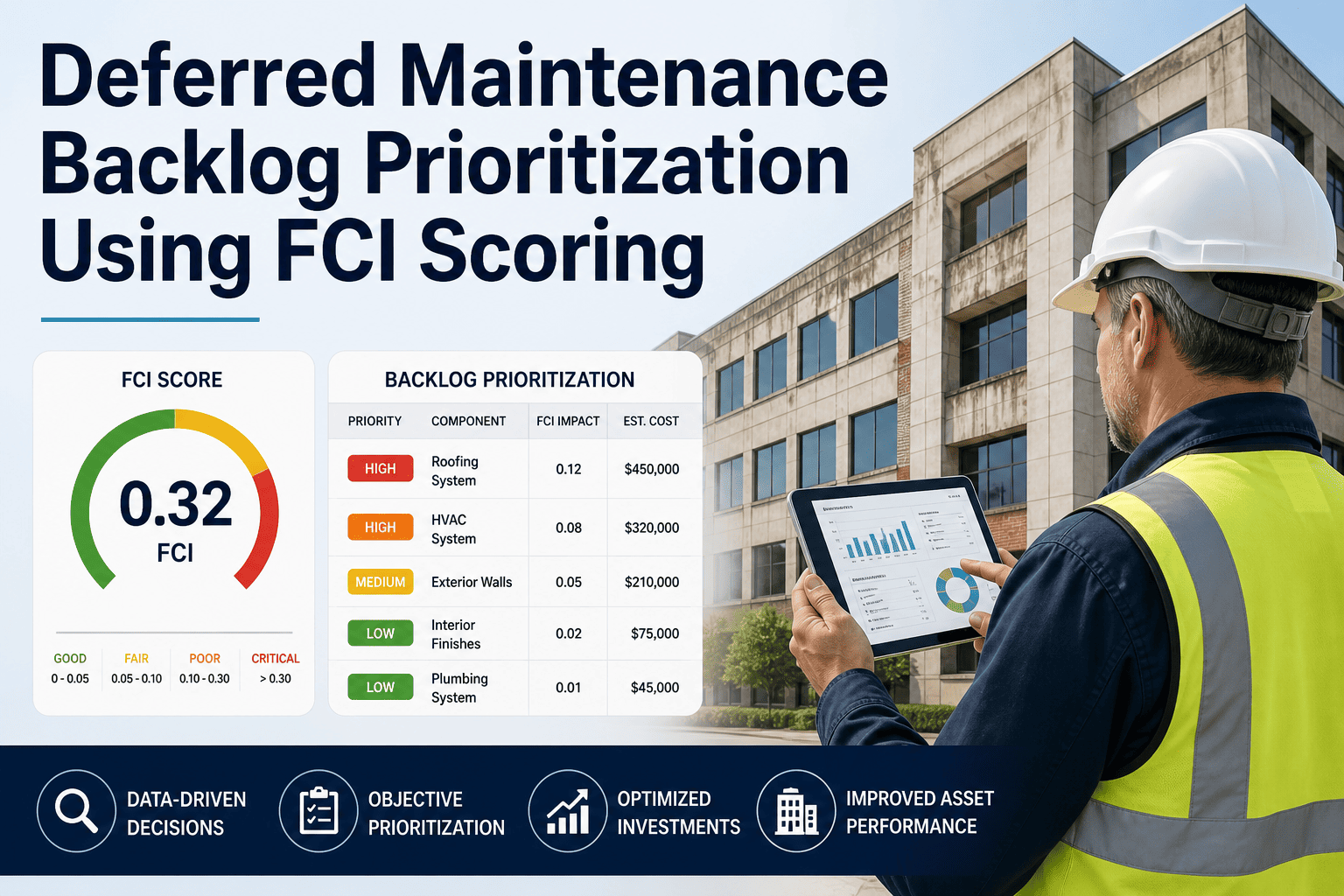
Read More
Deferred maintenance doesn't disappear — it compounds. Every repair pushed to next quarter adds risk, cost, and complexity to your capital planning horizon. Facilities teams managing large backlogs without a structured prioritisation framework typ
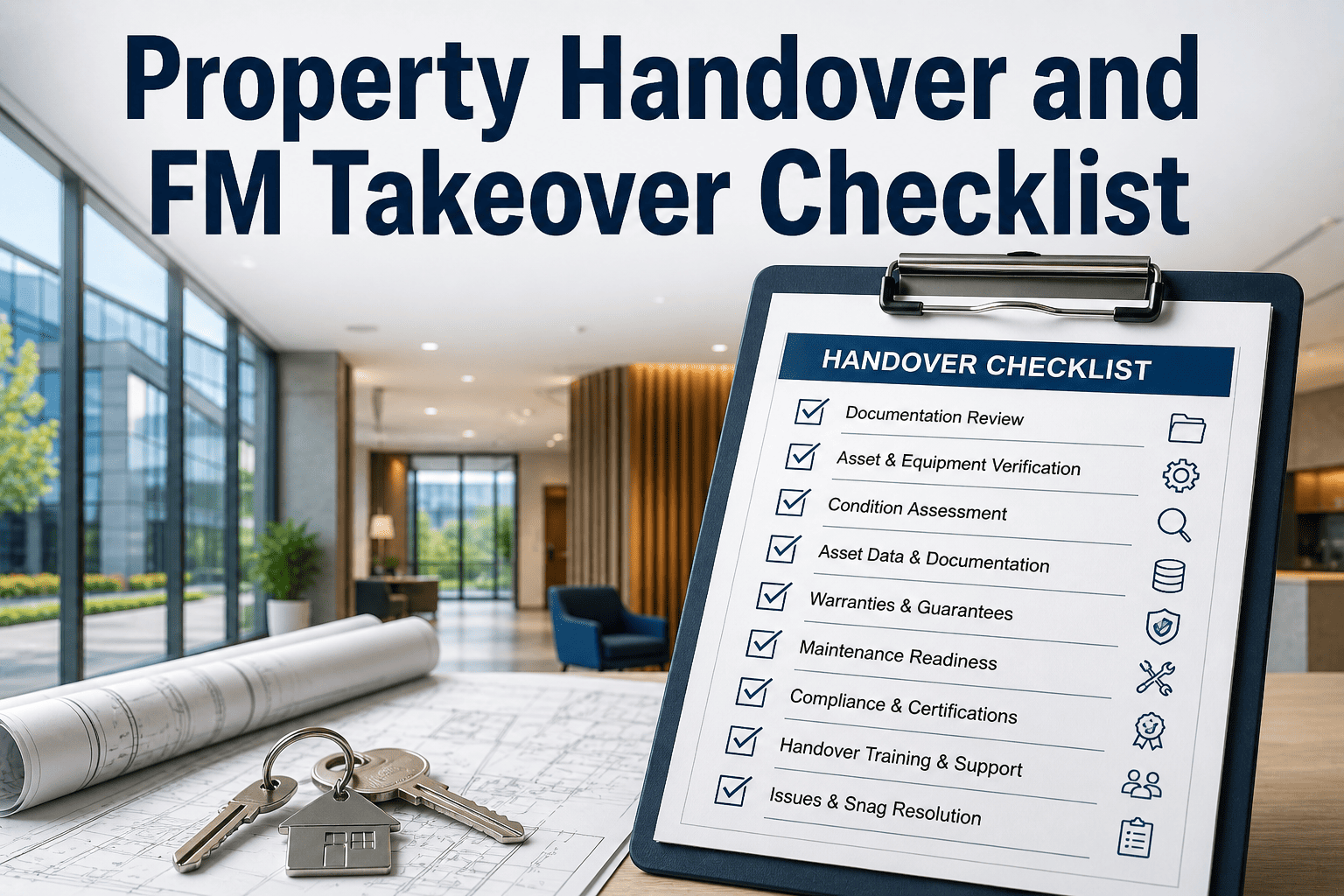
Read More
Managing a property handover without a structured checklist is one of the most common reasons FM teams inherit broken assets, missing warranties, and undocumented liabilities. Whether you are taking over a newly constructed building, acquiring an
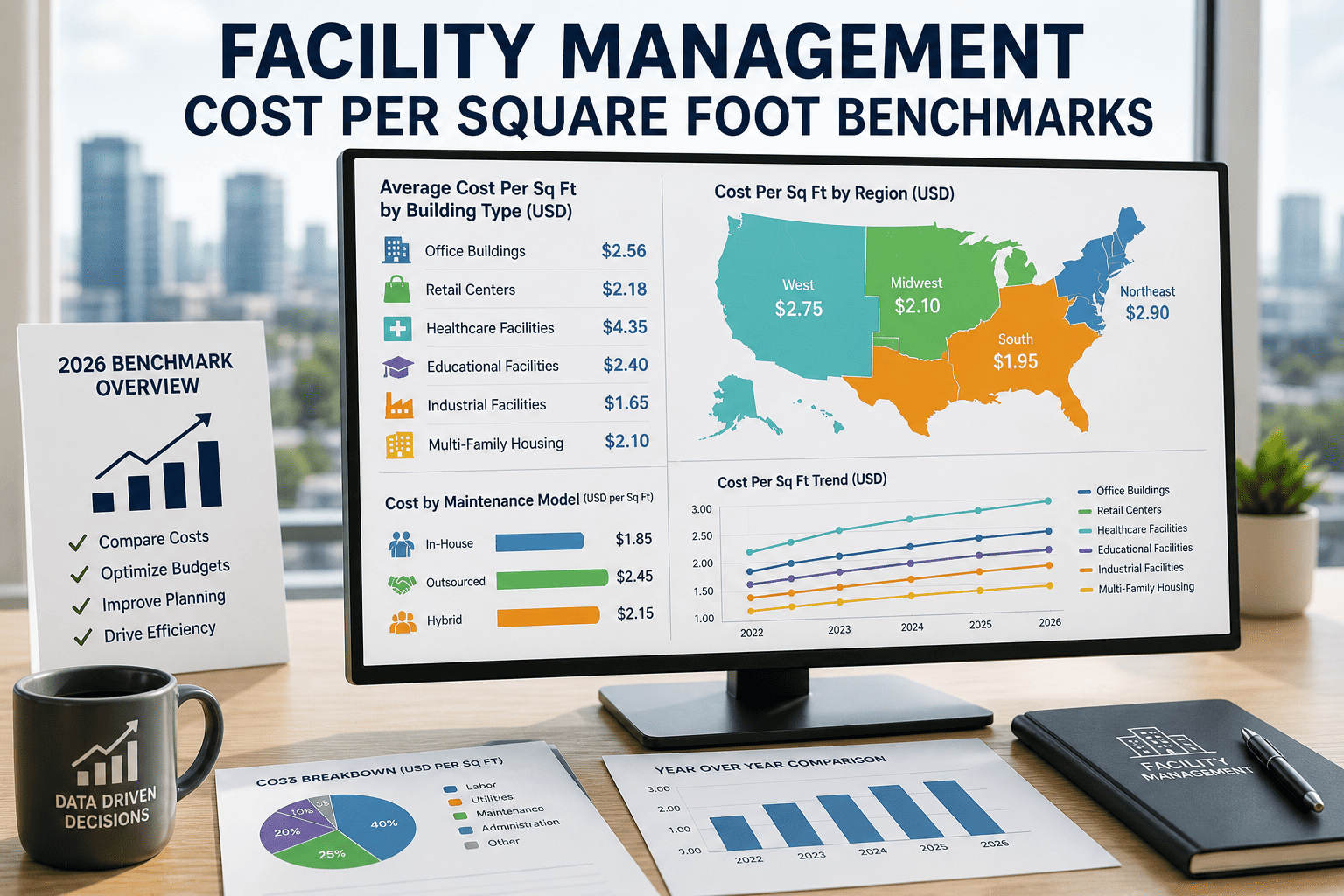
Read More
This benchmarking guide is published by OxMaint as part of its Analytics & Reporting resource series. Most facility managers approve annual maintenance budgets without a reliable answer to one question: is what we are spending actually competi
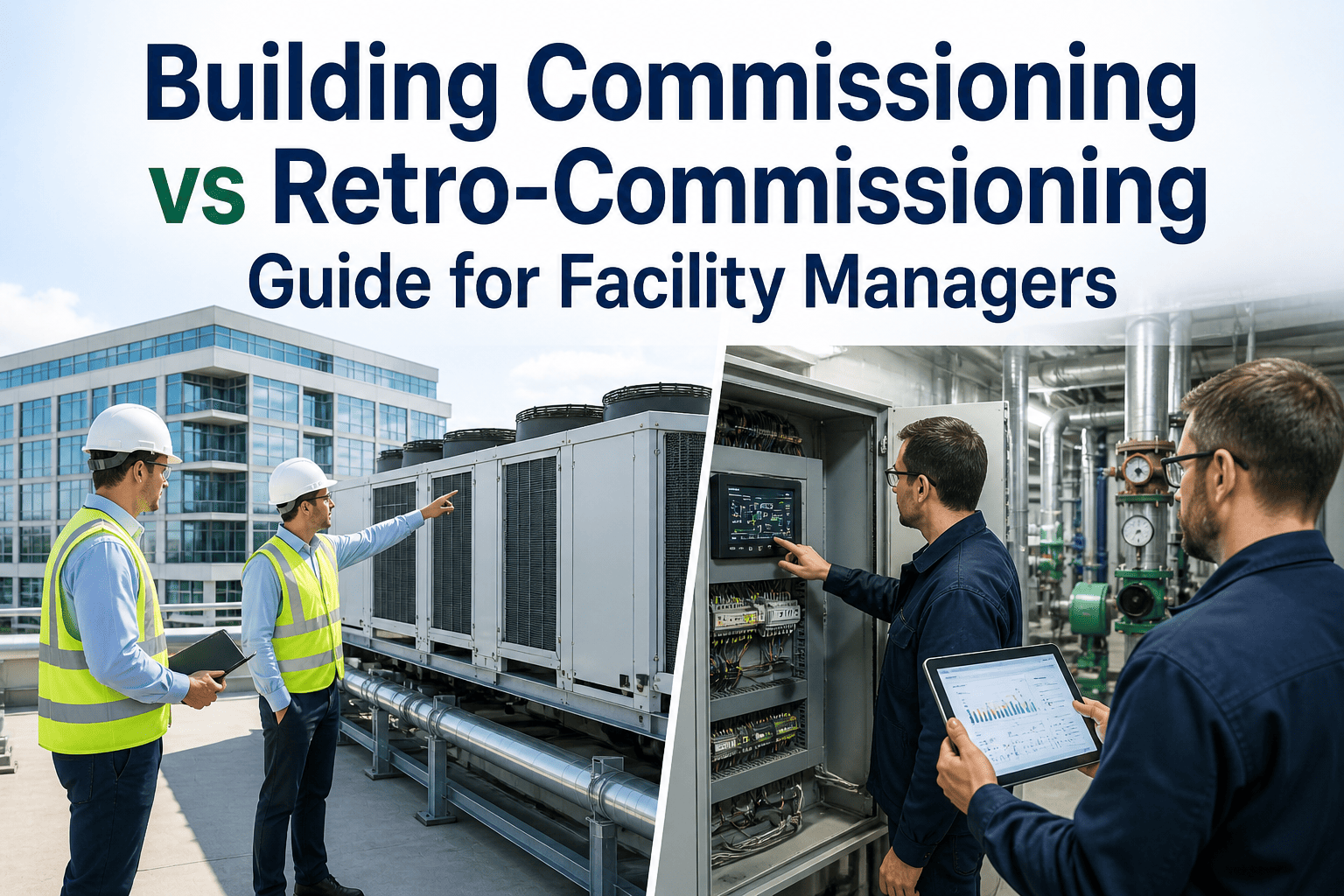
Read More
Most buildings are not performing the way they were designed — they are performing the way time, occupancy change, and deferred maintenance have shaped them. Building commissioning for new construction and retro-commissioning for existing faciliti

Read More
Wi-Fi works well for email. It does not work well for 200 IoT sensors streaming vibration data in real time, an AR-assisted technician inspecting a rooftop unit, and an autonomous inspection robot navigating a basement — all simultaneously. Privat
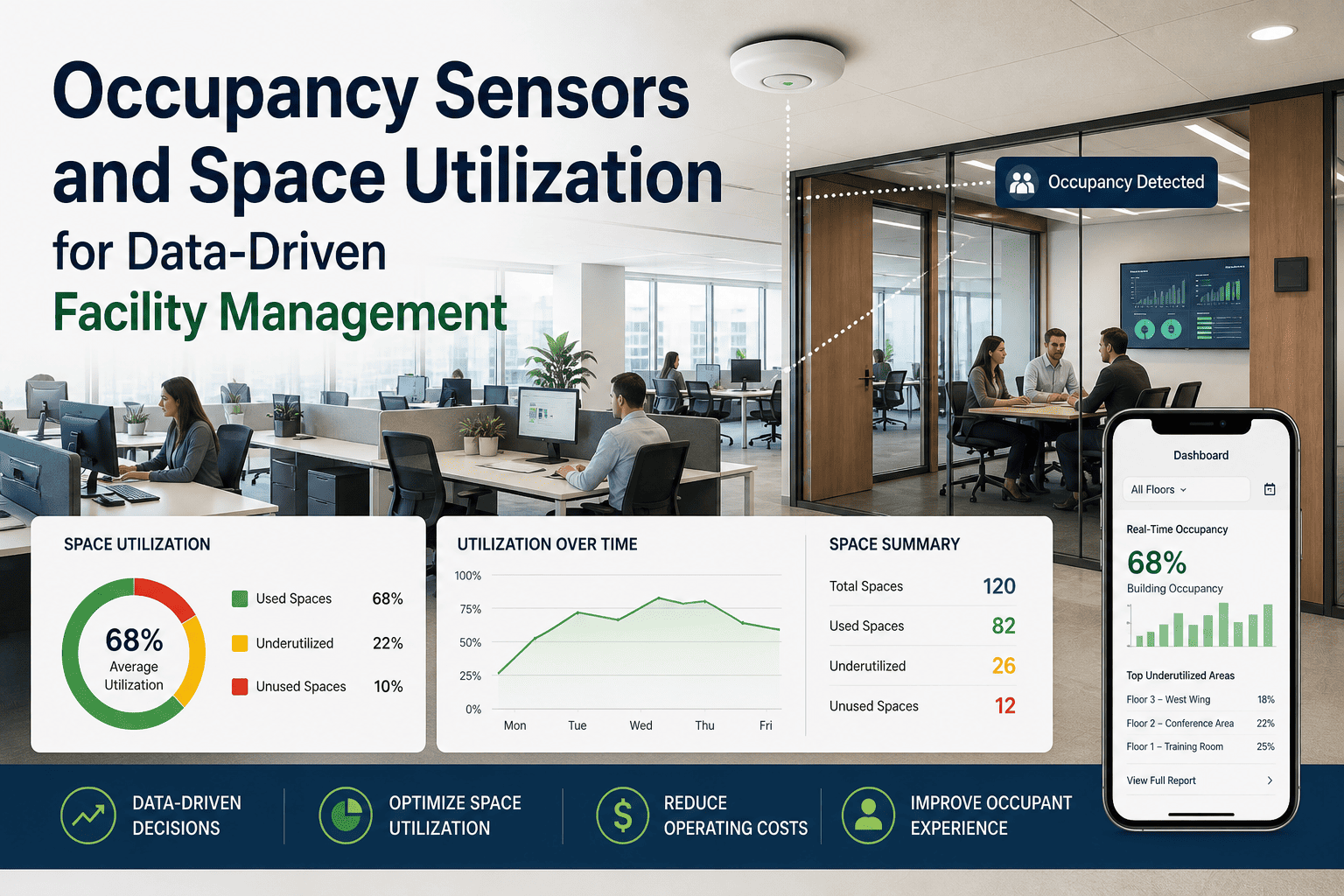
Read More
Facility managers are making space planning decisions based on guesswork — booking logs, hallway observations, and anecdotal reports from department heads. Meanwhile, CBRE's 2024–2025 Global Workpl
Read More
OxMaint — The intelligent CMMS for next-generation indoor farming operations. Trusted by facility managers running hydroponic, aeroponic, and aquaponic systems across controlled environment agriculture (CEA) facilities worldwide. From LED grow lig

Read More
This blog is published by OxMaint, a leading CMMS platform built for facility teams across India's fastest-growing commercial, industrial, and healthcare sectors. India's facility management industry is at a critical turning point — where technolo

Read More
This implementation guide is published by OxMaint as part of its Asset Lifecycle Management resource series. ISO 55000 is the international standard that defines how organisations should think about, structure

Read More
This guide is part of OxMaint's Facility Management Resource Centre .Australian facility managers navigating AS/NZS standards, WHS legislation, and building compliance requirements will find this article a practical reference for maintaining safe,
Read More
Hospital operating rooms run on precision — a single HVAC failure, lighting malfunction, or sterilization gap can force a surgical cancellation, trigger a Joint Commission citation, or worse, put a patient at risk. Facilities that track OR mainten

Read More
Airport facility directors operate under one of the most complex regulatory environments in infrastructure management — FAA Part 139 certification requires documented evidence of airside inspections, wildlife hazard programs, and emergency respons

Read More
The Middle East facility management market crossed USD 65 billion in 2024 and is accelerating toward USD 105 billion by 2030 — driven by Vision 2030 giga-projects, UAE smart city programs, and 5+ major Saudi developments each exce
Read More
The deferred maintenance backlog across U.S. K-12 school buildings has reached an estimated $85 billion — and the GAO found that 53% of school districts report buildings in fair or poor condition. Most districts h

Read More
Every escalator and moving walkway operating in a commercial facility is governed by ASME A17.1 — the Safety Code for Elevators and Escalators — which mandates specific inspection intervals, safety device tests, and documented maintenance records.
Read More
More than 1 million organizations across 189 countries hold ISO 9001 certification — yet for facility management companies specifically, closing the gap between the standard's abstract clauses and daily maintenance operations remains the leading i
Read More
A benchmark without context is just a number. A benchmark compared to your actual performance, tracked over time, and tied to the specific maintenance decisions that caused it to move — that is a management tool. Facility managers who benchmark th
Read More
The Uptime Institute's tier classification system does not just define how much redundancy a data center has — it defines how that data center must be maintained. A Tier IV facility with Tier II maintenance practices will fail to deliver T
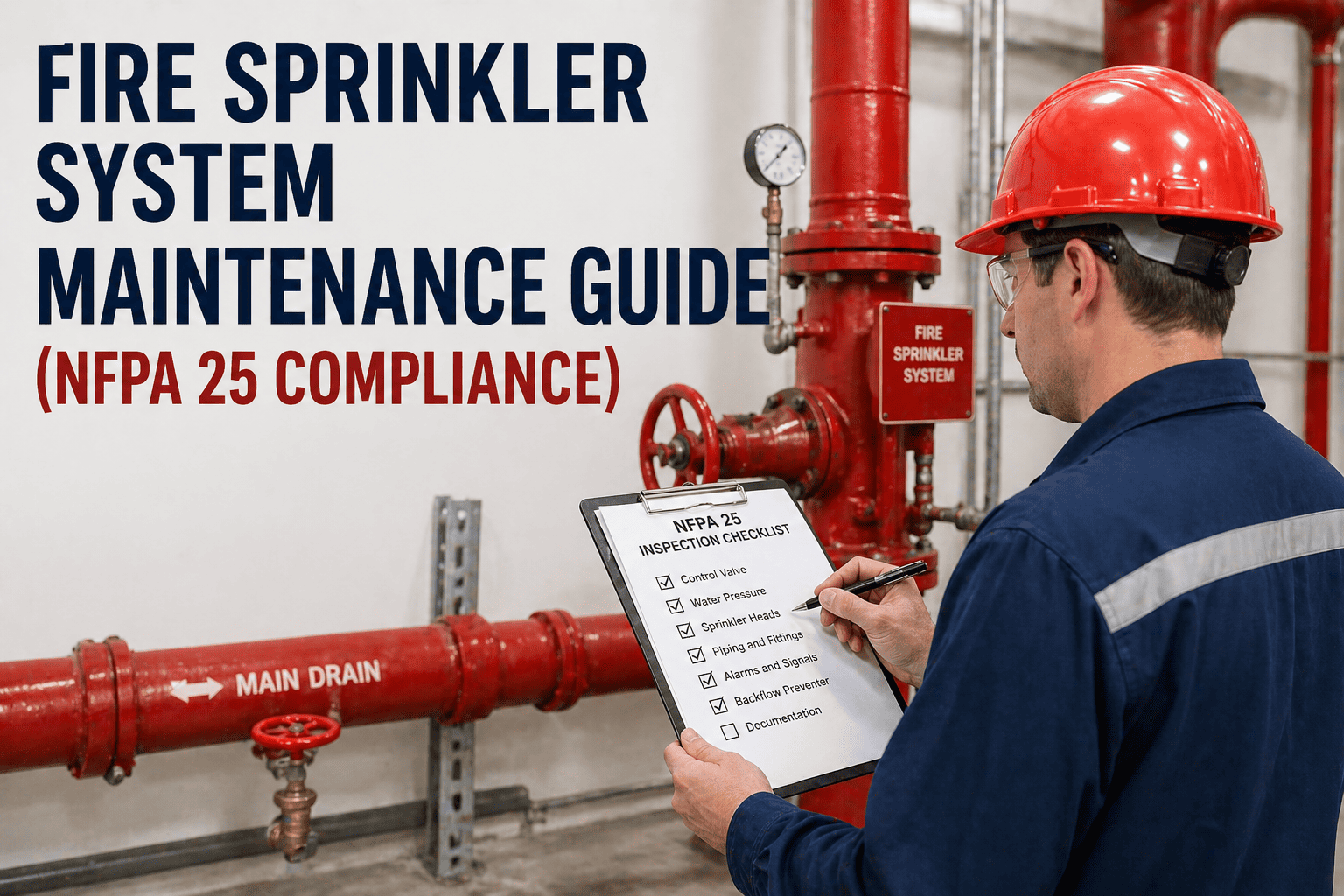
Read More
Closed control valves cause 61% of all sprinkler system activation failures — and every one of them is preventable through the weekly inspection NFPA 25 §13.3.2.1 requires. A building in Chicago lost an entire production wing, est
Read More
Hotel brands conduct unannounced quality audits. Forbes Travel Guide evaluates properties against up to 800 rigorous criteria. Marriott, Hilton, and IHG audit properties multiple times per year. When a property fails — worn fixtures, slow work ord
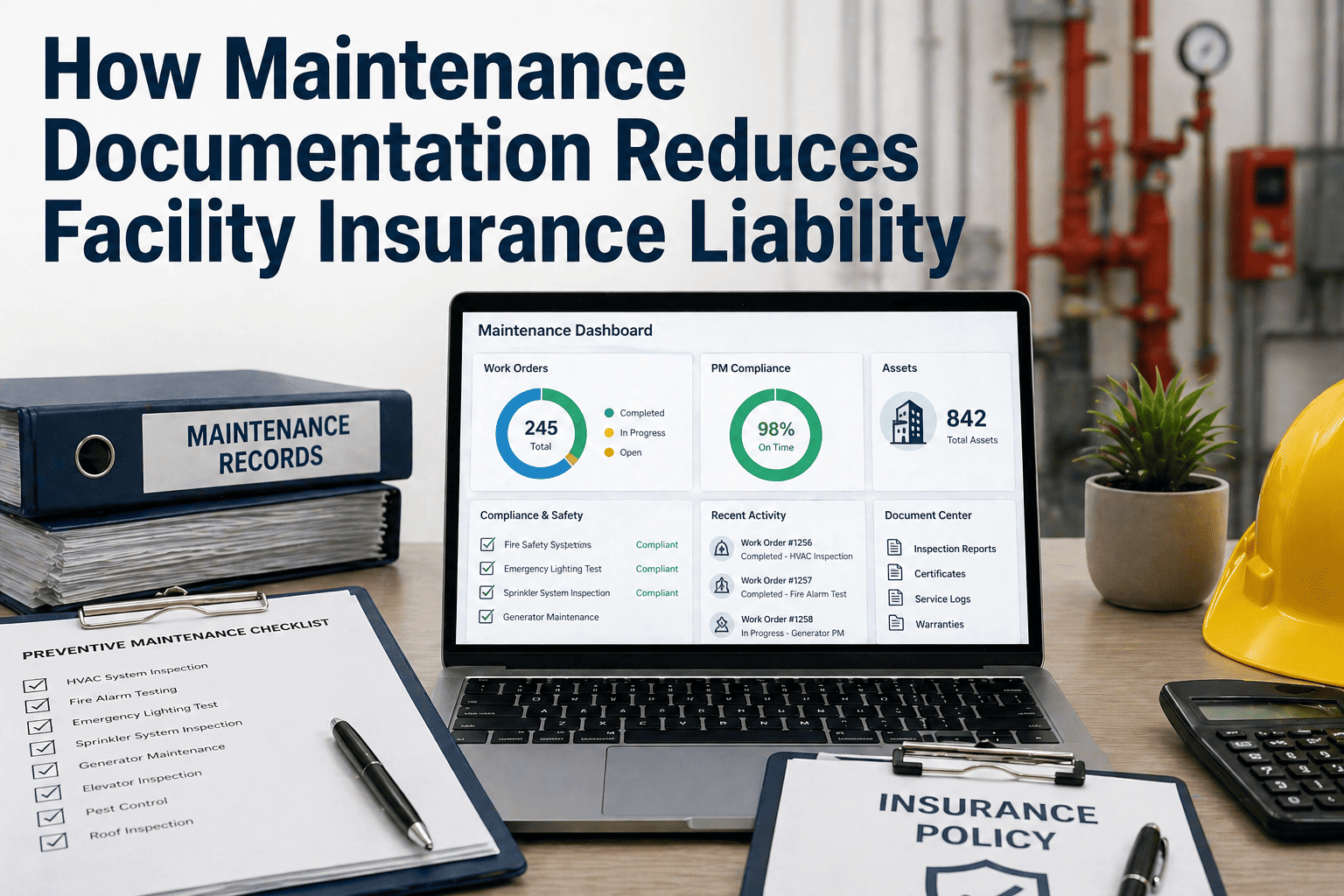
Read More
A commercial property manager receives a slip-and-fall claim six weeks after an incident in the lobby. The plaintiff's attorney requests all maintenance inspection records for that area for the prior 12 months. In the building managed with paper l

Read More
A data centre operator managing 47 UPS units across three facilities discovered — after a $2.3M unplanned outage — that their battery replacement programme was based entirely on calendar age, not battery condition. Seventeen of t

Read More
The outsourcing versus in-house facility management decision is rarely made once and held permanently. It is revisited every budget cycle, every time a key technician leaves, and every time a regulatory inspection reveals a compliance gap that the

Read More
Grease is the leading cause of restaurant fires in the United States — and NFPA 96 §11.4 places the responsibility for preventing it squarely and explicitly on the system owner. When a commercial kitchen exhaust fire occurs and the hood cleaning d
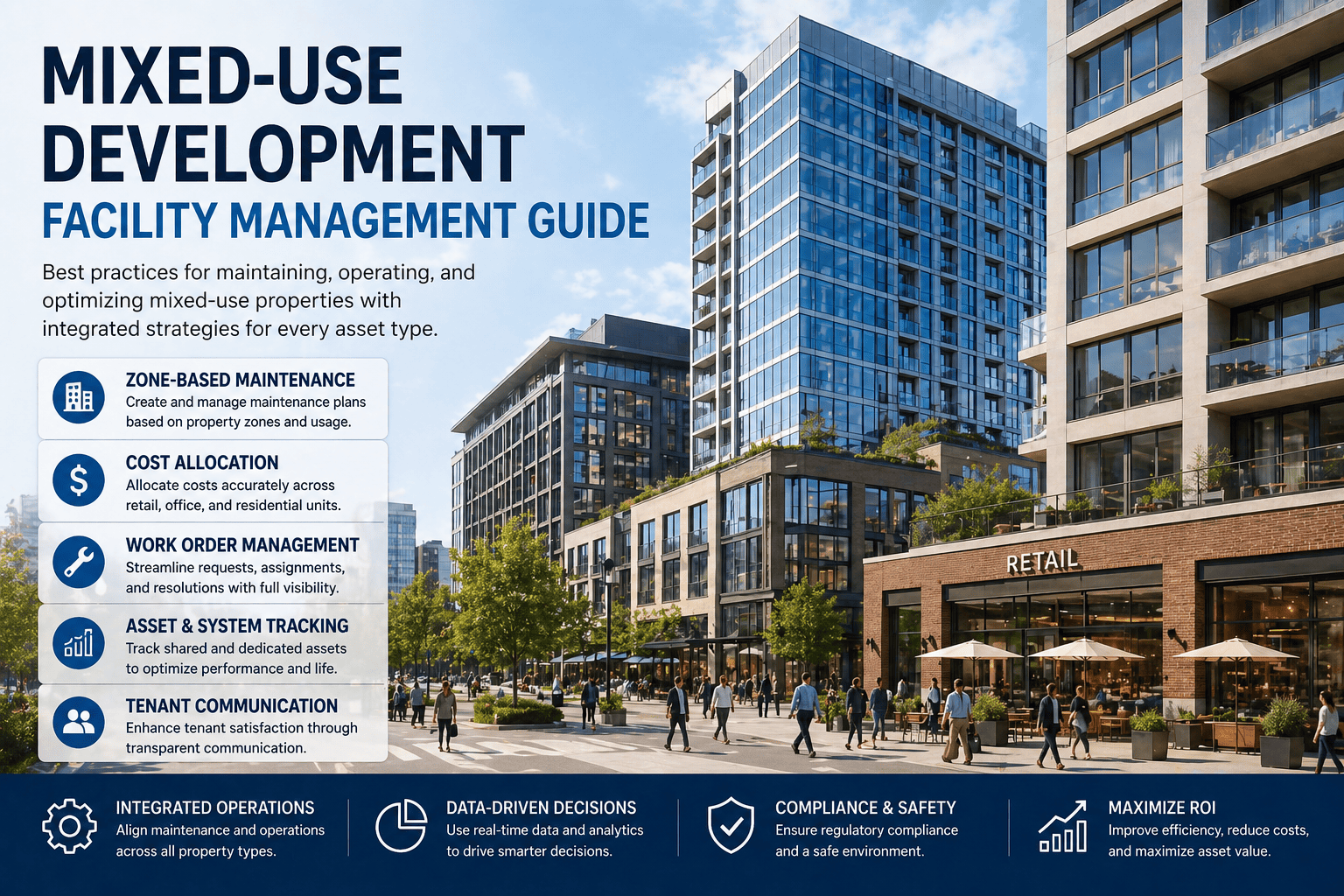
Read More
A 28-storey mixed-use tower in an urban centre running retail on floors 1–3, Class A office on floors 4–18, and luxury residential on floors 19–28 does not have a facility management problem — it has three facility management problems sharing one
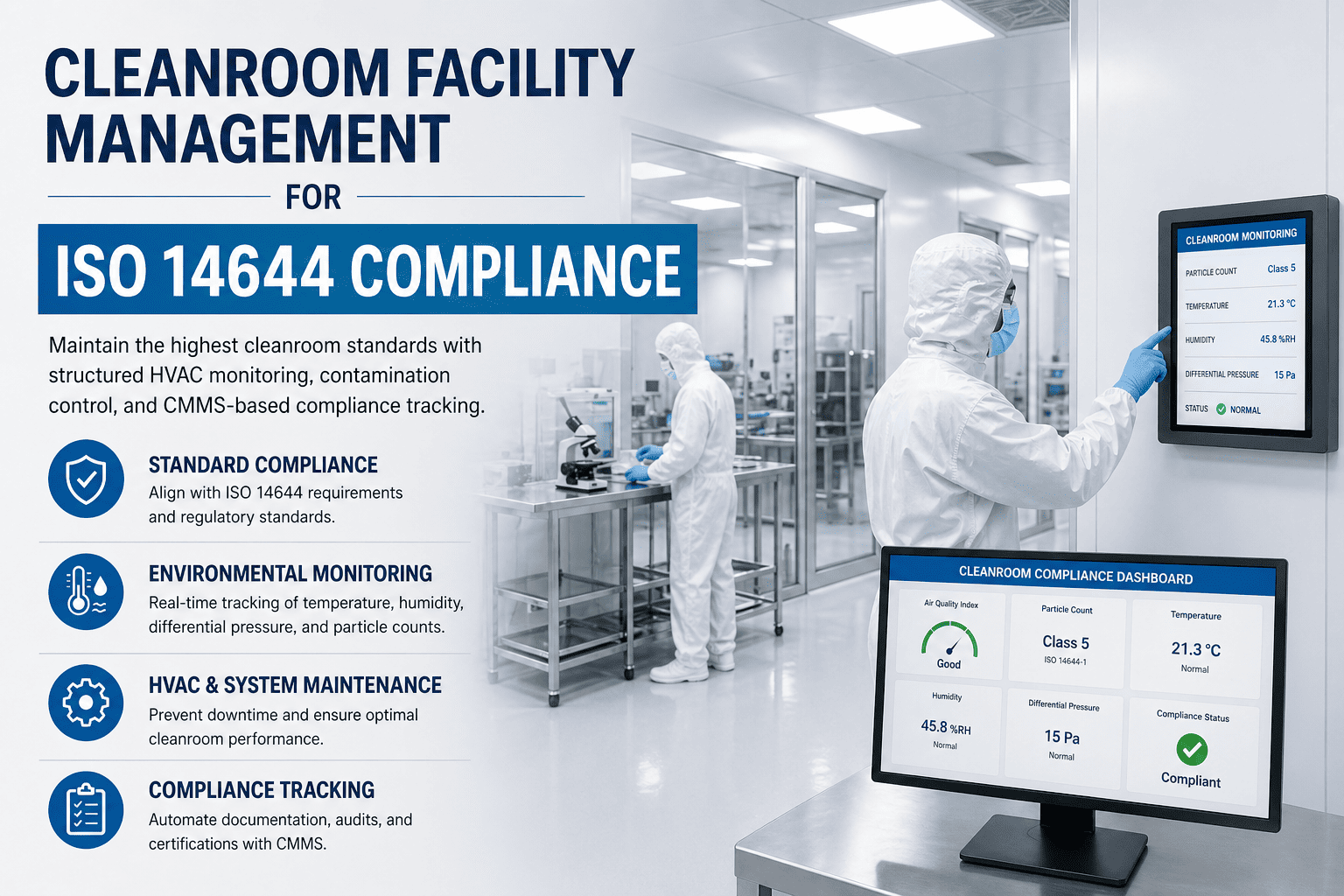
Read More
A semiconductor wafer fabrication cleanroom classified at ISO Class 3 with particle limits of just 35.2 particles ≥0.1 μm per cubic metre is not maintained by cleaning harder — it is maintained by measuring more precisely and responding faster. IS
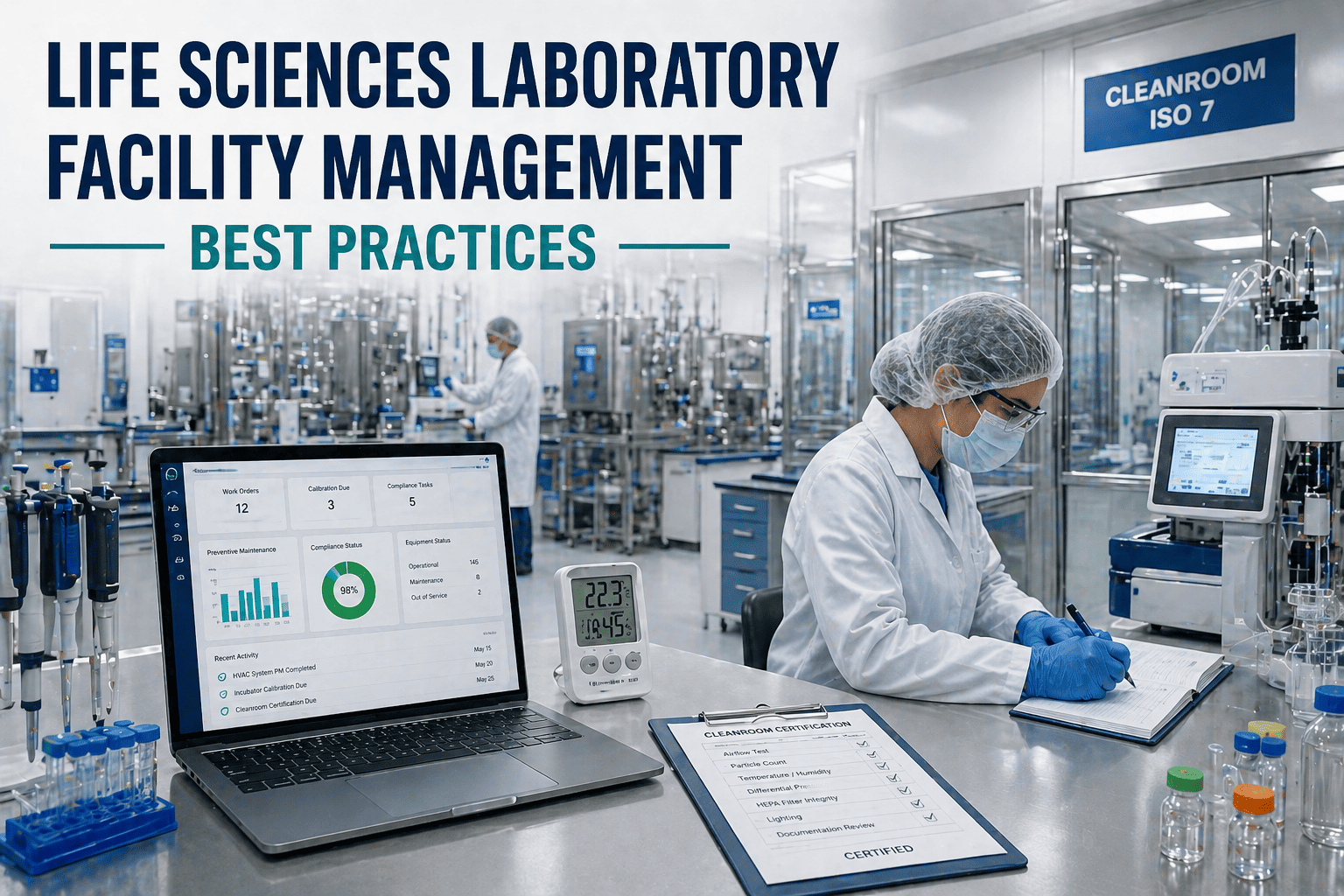
Read More
A Grade A cleanroom producing aseptic injectables is not simply a very clean room. It is a qualified, validated, continuously monitored controlled environment whose every maintenance event must be documented to a standard that an FDA inspector, EU

Read More
New York City Local Law 97 — the most aggressive building emissions regulation in the United States — sets carbon intensity limits for buildings over 25,000 square feet that take effect in 2024 and tighten significantly in 2030.

Read More
Up to 60% of UK commercial buildings currently fall below EPC Band B — the minimum standard the government is targeting for all non-domestic rented property by 2030–2035 under the Minimum Energy Efficiency Standards (MEES) regime.

Read More
California's 2025 Building Energy Efficiency Standards — Title 24, Part 6 — took effect on January 1, 2026, and they are the most stringent in the state's history. Commercial facilities that fail to maintain documented compliance

Read More
Facility management has quietly become one of the most strategically important roles in modern organisations — and one of the most undervalued when it comes to career structure. With over 400,000 facility managers employed in the United States alo

Read More
The Certified Facility Manager designation from IFMA is the most recognised professional credential in facility management — and it requires more than industry experience to earn. The CFM exam tests 11 defined competency areas, f

Read More
Commercial building roofs and facades are failing earlier than their designed lifespan — often because the first sign of trouble is an interior leak or a falling piece of masonry. Traditional hands-on inspection methods are expensive, dangerous, a
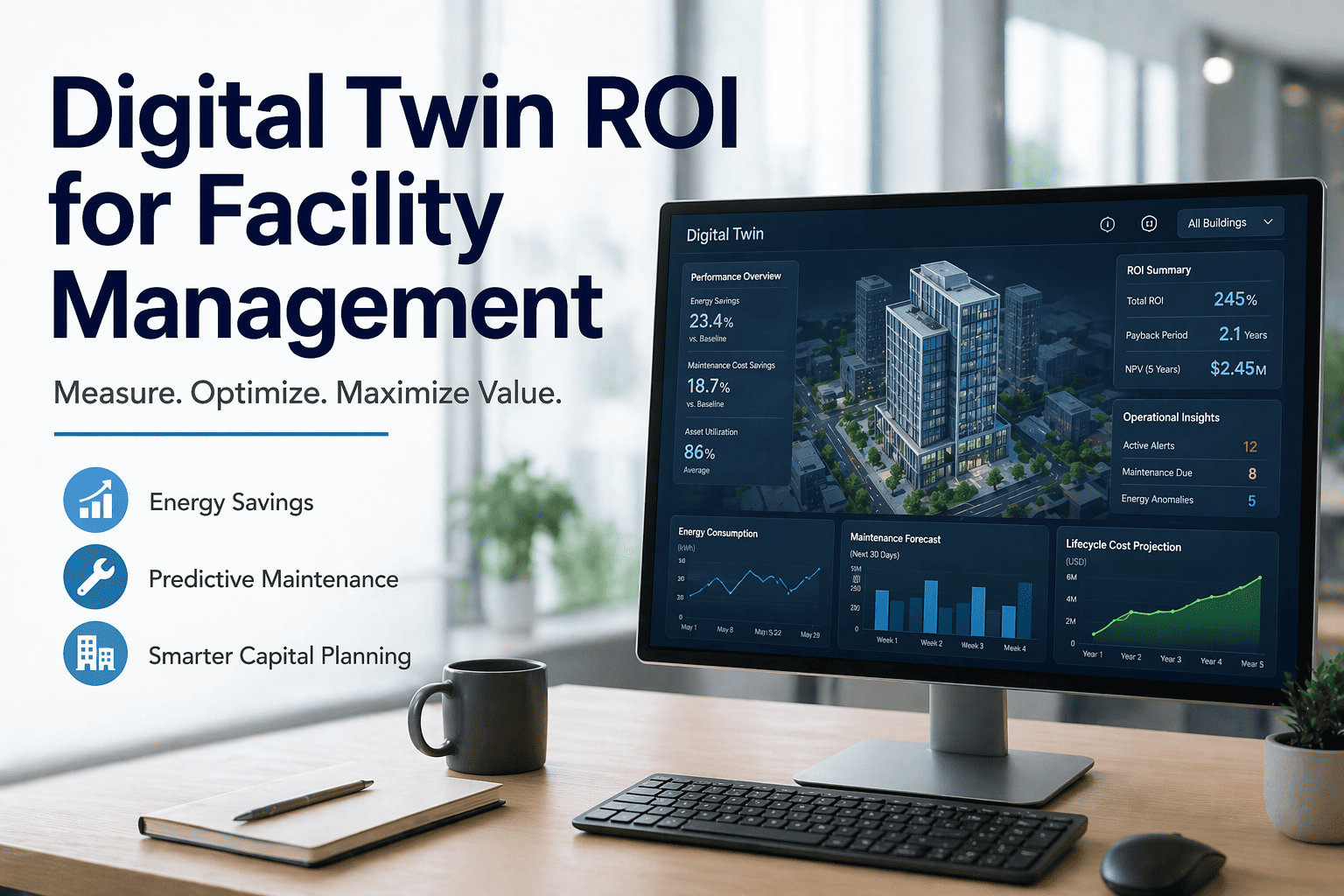
Read More
According to the digital twin market for building and facility management is projected to reach $48.2 billion by 2028, growing at a CAGR of 52.5% as facility managers seek real-time performance visibility. However, 68% of
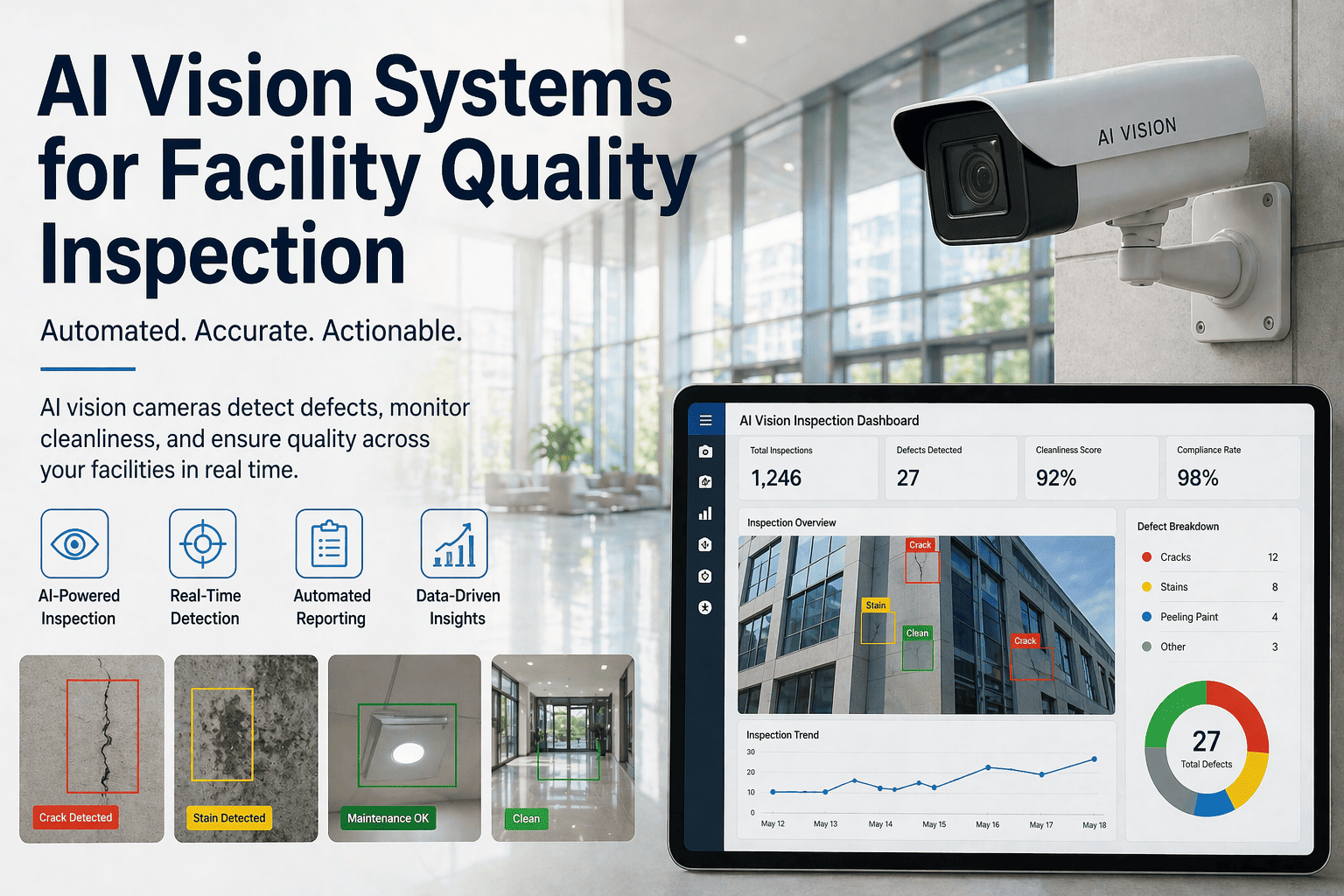
Read More
According to the computer vision market for building and facility inspection is projected to reach $8.2 billion by 2030, growing at a CAGR of 16.4% as facility managers adopt AI-powered visual inspection to replace manual walkthro
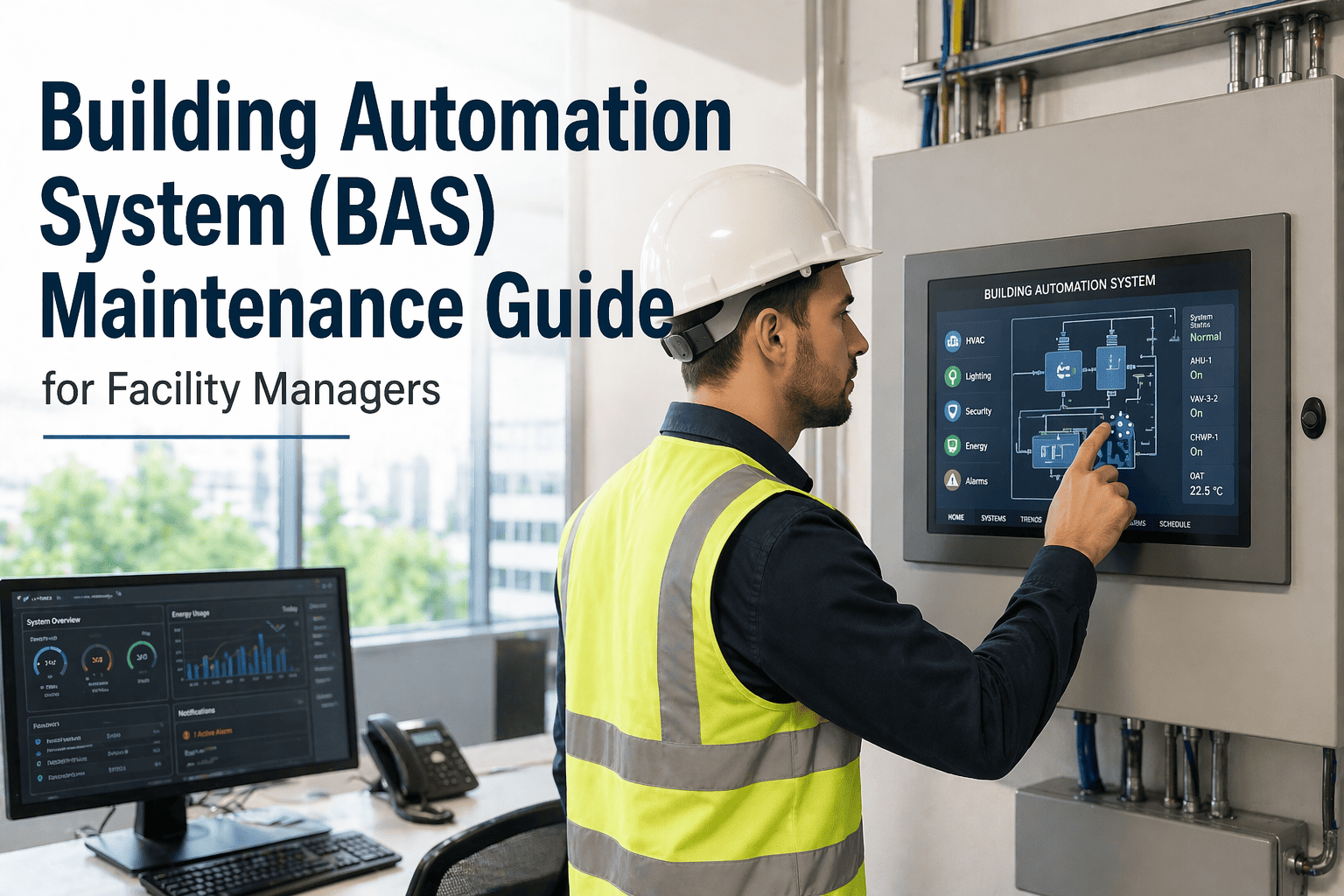
Read More
Building Automation Systems (BAS) are the central nervous system of smart buildings — controlling HVAC, lighting, access control, and energy management. Yet most facility managers treat BAS as a black box, discovering faults only when occupants co
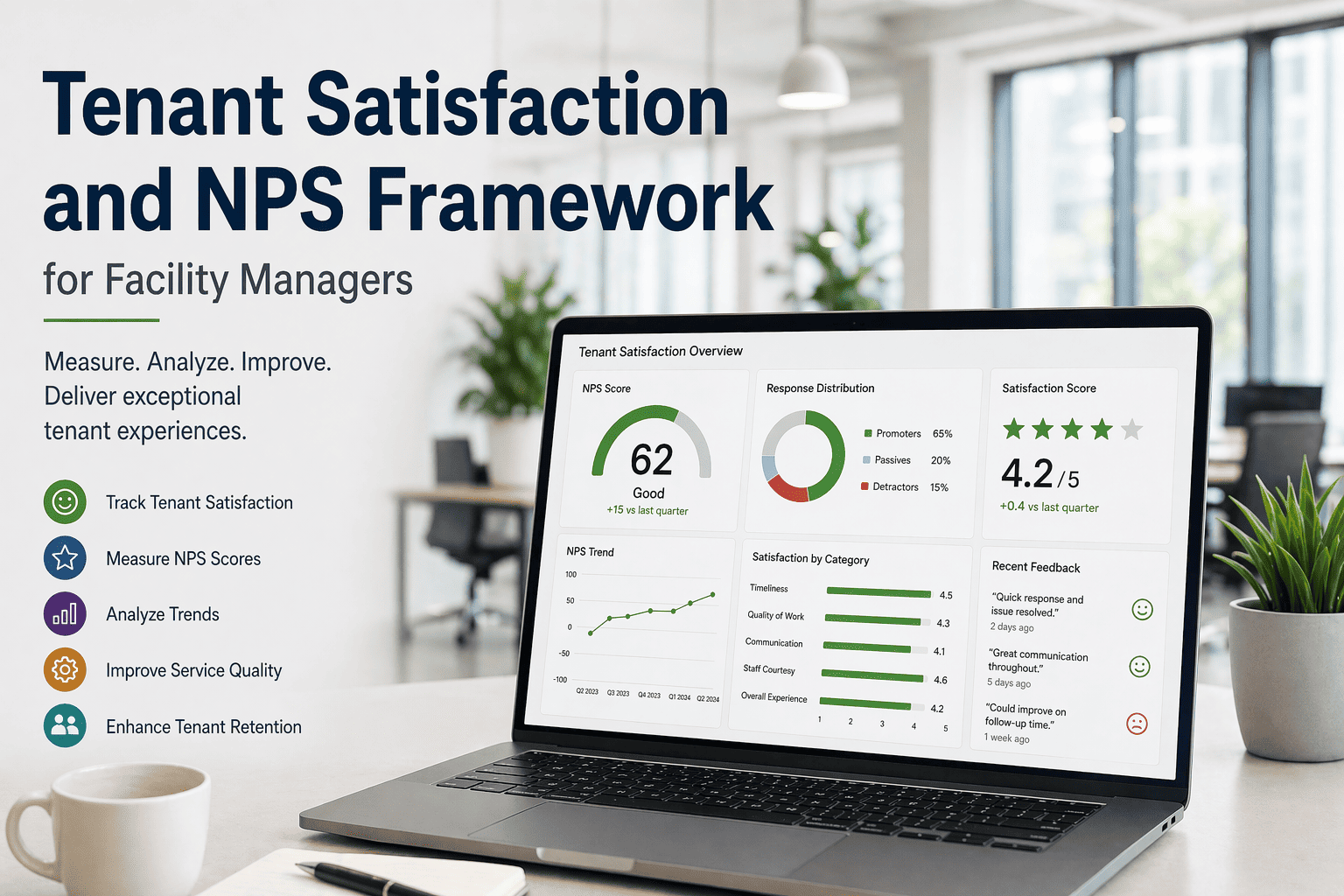
Read More
According to commercial buildings with tenant NPS scores above 60 achieve 18–22% higher retention rates and $3.50–5.00 per square foot rental premiums compared to buildings with below-average sati
Read More
The WELL Building Standard transforms facility management from compliance-driven maintenance to occupant-driven wellness. Unlike LEED's focus on environmental performance, WELL v2 measures how buildings impact human health across ten concepts — Ai

Read More
According to the buildings that maintain LEED certification for five or more consecutive years demonstrate 28% lower energy intensity and 22% lower water consumption compared to initially certifie
Read More
Indoor Environmental Quality (IEQ) goes far beyond air quality — it encompasses thermal comfort, acoustic performance, visual comfort, and spatial layout. Research from the Harvard T.H. Chan School of Public Health shows that occupants in high-per

Read More
According to facility management outsourcing represents a $150+ billion market in North America alone, with 67% of commercial facility managers reporting limited or no formal vendor performance tracking outside of

Read More
A 2 MW commercial rooftop solar system loses an estimated $8,000–$20,000 per year in unrealised generation when soiling, shading, inverter drift, and microcracks are not caught through structured O&M. Soiling alone reduces output by 5–20% in d
Read More
A cleaning programme without a scoring system is a cleaning programme without accountability. Facility managers who assess cleaning quality through visual impressions or reactive complaints cannot hold contractors to a measurable

Read More
NEVI federal funding mandates 97% uptime on publicly accessible EV chargers — a threshold that is impossible to hit without a structured maintenance programme and OCPP fault monitoring integrated into your CMMS. Yet most commercial facilities trea
Read More
Up to 30% of building lifecycle data is lost at the handover between construction and operations, forcing facility teams to manually re-enter asset information that already exists inside the BIM model. The fix is structured data handover using COB
Read More
A facility management SLA without real-time compliance tracking is a handshake agreement with extra paperwork. Most FM contracts contain service credit clauses that have never been invoked — not because vendors meet their targets, but because nobo

Read More
ISO 41001:2018 is the first international standard that defines a management system framework specifically for facility management — not a technical standard for individual building systems, but a system-of-systems standard for how an organisation

Read More
Shift handovers account for less than 5% of operations staff time — yet 40% of all plant incidents occur during or immediately after shift changes, according to the American Fuel and Petrochemical Manufacturers. The mechanism is not complexity; it

Read More
The building envelope is the largest single asset in any commercial real estate portfolio — and the one most commonly managed without a defined lifecycle programme. Facades, glazing, roofing, and below-grade waterproofing collect
Read More
Indoor air quality is the environmental factor most directly connected to occupant health, productivity, and regulatory compliance in commercial buildings — and it is the one most commonly managed reactively, after complaints, ra
Read More
A cleaning schedule tells you when the restroom was cleaned. A scoring checklist tells you whether the cleaning met the standard. These are not the same thing — and the gap between them is where tenant complaints, health code citations, and janito

Read More
Loading dock equipment failures are not gradual — they are sudden. A dock leveler that drops unexpectedly during pallet transfer, a vehicle restraint that releases while a trailer is being loaded, or an overhead door that de-rail

Read More
A single failed sealant joint on a mid-rise curtain wall costs roughly $200 to repair at the joint. Left uninspected for two years, the same failure costs $8,000 to $25,000 in water-damaged interior finishes, frame corrosion, and mould remediation
Read More
A move-in or move-out inspection that relies on a paper walkthrough and a handshake agreement is the beginning of a dispute, not the end of one. Property managers handling commercial leases, multi-unit residential portfolios, or

Read More
More than 20% of foodborne illness outbreaks are traceable to poor cleaning and sanitising practices — yet most commercial kitchen equipment failures are not food safety failures alone. They are systems failures: no structured PM cadence for conde
Read More
Cleaning is the only facility function where the customer is always watching and the work is almost never seen. Every tenant, visitor, and employee forms an opinion about the building from the state of the restroom, the smell of the lobby, and the
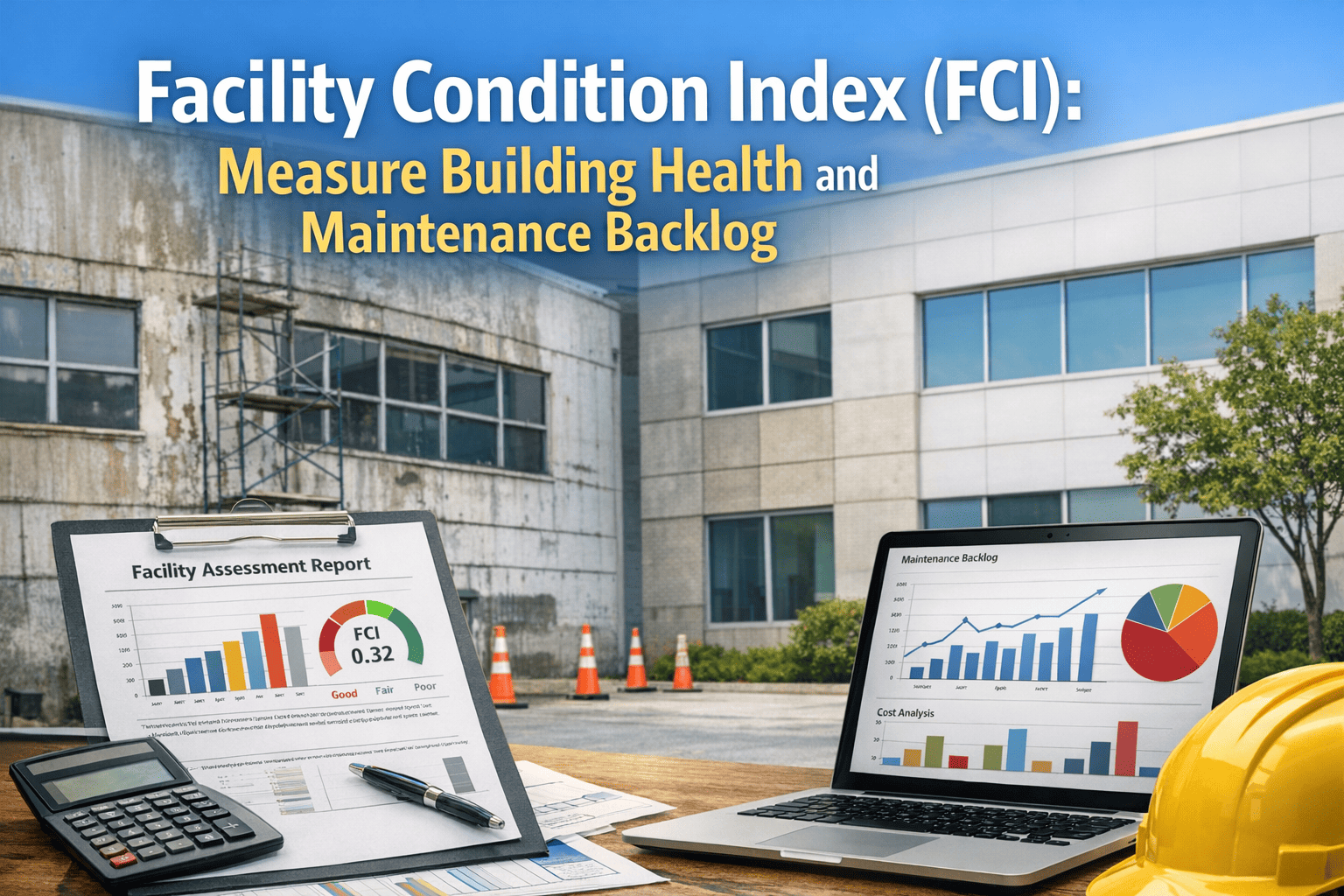
Read More
The deferred maintenance backlog across US commercial and government facilities now exceeds $1 trillion — and most of the organisations contributing to that number do not have an accurate, up-to-date picture of their own exposure
Read More
US households and commercial facilities waste nearly 900 billion gallons of water annually from leaks alone — enough to supply 11 million homes for a year, according to the EPA. In a facility context, that waste is almost entirel

Read More
Indoor air quality used to be a quarterly checklist item — swap filters, check CO2 once a year, file the report. That era ended in 2025. ASHRAE 62.1-2025 now expects ventilation to adjust dynamically to real-time occupancy and pollutant levels, EP
Read More
US elevators make 18 billion passenger trips every year. Elevators worldwide break down an average of four times annually — generating 272 million hours of lost service each year that affects tenants, passengers, compliance statu
Read More
Irrigation is the single largest source of water waste on commercial and institutional properties — yet most of that waste is invisible. A broken sprinkler head can waste up to 25,000 gallons per year while looking perfectly norm
Read More
A dirty restroom damages your business more than almost any other maintenance failure — 84% of people say an unclean restroom hurts a business's image, and 75% think twice before returning. OxMain

Read More
Parking facilities sit at the intersection of structural risk, safety liability, and regulatory compliance — yet most are inspected reactively, documented on paper, and managed without a system that connects findings to correctiv

Read More
At 3 co-working locations, spreadsheets are manageable. At 10 they fracture. At 30 they become a full-time job — vendors untracked, PM tasks missed, member complaints rising, and the operations team spending more time chasing status updates than r

Read More
Refrigeration is the largest single cost driver in any cold storage operation — accounting for up to 70% of total electricity consumption and 9–18% of total revenue. For a 180,000 sq ft cold storage warehouse running multi-temper

Read More
A 240-room full-service hotel in the Southeast was losing what it could not see: HVAC failures blamed on "old equipment" that were really missed quarterly PM tasks, guest-reported maintenance issues sitting unassigned in a WhatsA

Read More
A piece of masonry falling from a building facade killed Barnard College student Grace Gold in 1979 — and that single tragedy prompted New York City to enact Local Law 10, the first mandatory facade inspection requirement in the United States. Tod

Read More
Grounds and landscaping are the first thing tenants, visitors, and inspectors see — and the last thing most maintenance teams have a structured programme for. A missed spring irrigation startup leads to a summer watering emergency, an unchecked fa

Read More
When the property operations manager at a 312-unit multifamily residential complex ran the annual maintenance review, the number that stopped the conversation was not the repair spend — it was the vacancy revenue loss. Across 2023, the complex ave

Read More
When a national logistics hub processing 84,000 packages per day across 14 conveyor lines experienced its fourth major belt drive failure in eleven months, the operations director did the calculation that most facilities wait too long to run: four

Read More
When a regional natural history museum housing 280,000 catalogued specimens discovered that three of its twelve gallery HVAC zones had been operating outside acceptable humidity ranges for an estimated 11 months, the damage assessment took longer

Read More
An airport is not a single facility — it is dozens of interdependent critical systems operating simultaneously under public scrutiny, regulatory oversight, and zero tolerance for disruption. A baggage handling failure during peak hour affects thou

Read More
The facility management industry is undergoing its most significant transformation since the introduction of computerized maintenance. AI, autonomous systems, and smart building networks are compressing decades of reactive maintenance culture into
Read More
Managing maintenance across 50 retail stores looks nothing like managing one. A broken refrigeration unit in Store 14 and an HVAC fault in Store 38 compete for the same technician pool, the same budget, and the same manager's attention — simultane

Read More
A single hour of data center downtime costs an average of $300,000. Cooling failures, UPS faults, and power distribution anomalies don't announce themselves — they build silently until a critical threshold is crossed. By then, your SLA breach is a

Read More
Facility operations depend on one critical variable: the people maintaining the equipment. Untrained technicians cause 23% more reactive work orders, miss early failure signs, and create safety liabilities that regulators notice. Workforce gaps do

Read More
Legionnaires' disease is not a historical relic or a rare medical curiosity — it is an active, recurring public health threat that killed 286 people in the United States in 2022 alone, with cooling towers, hot water systems, and decorative fountai

Read More
A conveyor system that goes down during peak shift in a distribution center does not just stop one line — it cascades through pick zones, pack stations, loading docks, and outbound shipment windows, creating a ripple that costs $8,000–$25,000 per

Read More
At 2:14 AM on a Tuesday, the main electrical feed to a 340,000 sq ft corporate campus failed. The facility team had no documented emergency response plan, no confirmation that the backup generator had been tested in the past 18 months, and no cent
Read More
A tenant on the 14th floor submits a maintenance request at 11:47 PM — a burst pipe, no one answering. In a traditional facility setup, that ticket sits until morning. With an AI chatbot integrated into your

Read More
OxMaint protects your facility's connected systems — CMMS data, IoT sensors, BMS platforms, and maintenance workflows — with enterprise-grade cloud security, role-based access controls, and encrypt

Read More
Boiler failures in industrial and commercial facilities are not just expensive — they are dangerous. OxMaint combines AI-powered preventive maintenance scheduling with digital inspection templat
Read More
The difference between a maintenance team that consistently performs and one that consistently firefights is rarely about people — it is about whether standard operating procedures exist, are accessible, and are actually followed. Nearly 70% of ma
Read More
A single maintenance failure in a guest room can cost a hotel far more than the repair itself. target="_blank">Research estimates a hotel loses $17,653 for every day a room is unavailable due to maintenance, and Cornell Hospitality Research fo

Read More
Government facilities — courthouses, municipal buildings, public schools, water treatment plants, transit infrastructure — carry a maintenance obligation that extends beyond cost control. Every deferred inspection, every undocumented repair, and e

Read More
Most organisations manage facility services through a fragmented network of separate contracts — one vendor for HVAC, another for cleaning, a third for security, a fourth for compliance. Each adds overhead, each creates accountability gaps, and no
Read More
The average industrial fixed asset is now 24 years old — the oldest average age in nearly 70 years. Mean time to repair has increased from 49 minutes to 81 minutes industry-wide, driven largely by skills gaps and

Read More
U.S. higher education faces a $112 billion deferred maintenance backlog. Campus buildings average nearly 50 years old. Facilities teams manage 25% more square footage per worker than they did in 2007. And beginning in 2026, an enr

Read More
Over 60% of RCM initiatives fail to maintain relevance after two years — not because the methodology is flawed, but because the analysis stays disconnected from operational data and maintenance execution. Reliability-Centered Main
Read More
Most facilities run at 40–60% OEE — meaning nearly half of every scheduled production hour is lost to breakdowns, slow performance, or quality defects. World-class TPM implementations consistently reach 85–95% OEE

Read More
The average hybrid office sits at 42% occupancy on its busiest day — yet most companies continue paying for 100% of their real estate footprint. OxMaint's space management module turns o

Read More
Facility managers who rely on outsourced maintenance typically spend 20–35% of their service budget on underperforming vendors — because they have no real-time visibility into contractor performance, SLA adherence, or cost-per-work-order trends.

Read More
When a mid-sized food processing facility in the Midwest faced its third FDA inspection in two years, the compliance team had a single goal: zero non-conformances. Using OxMaint CMMS, th
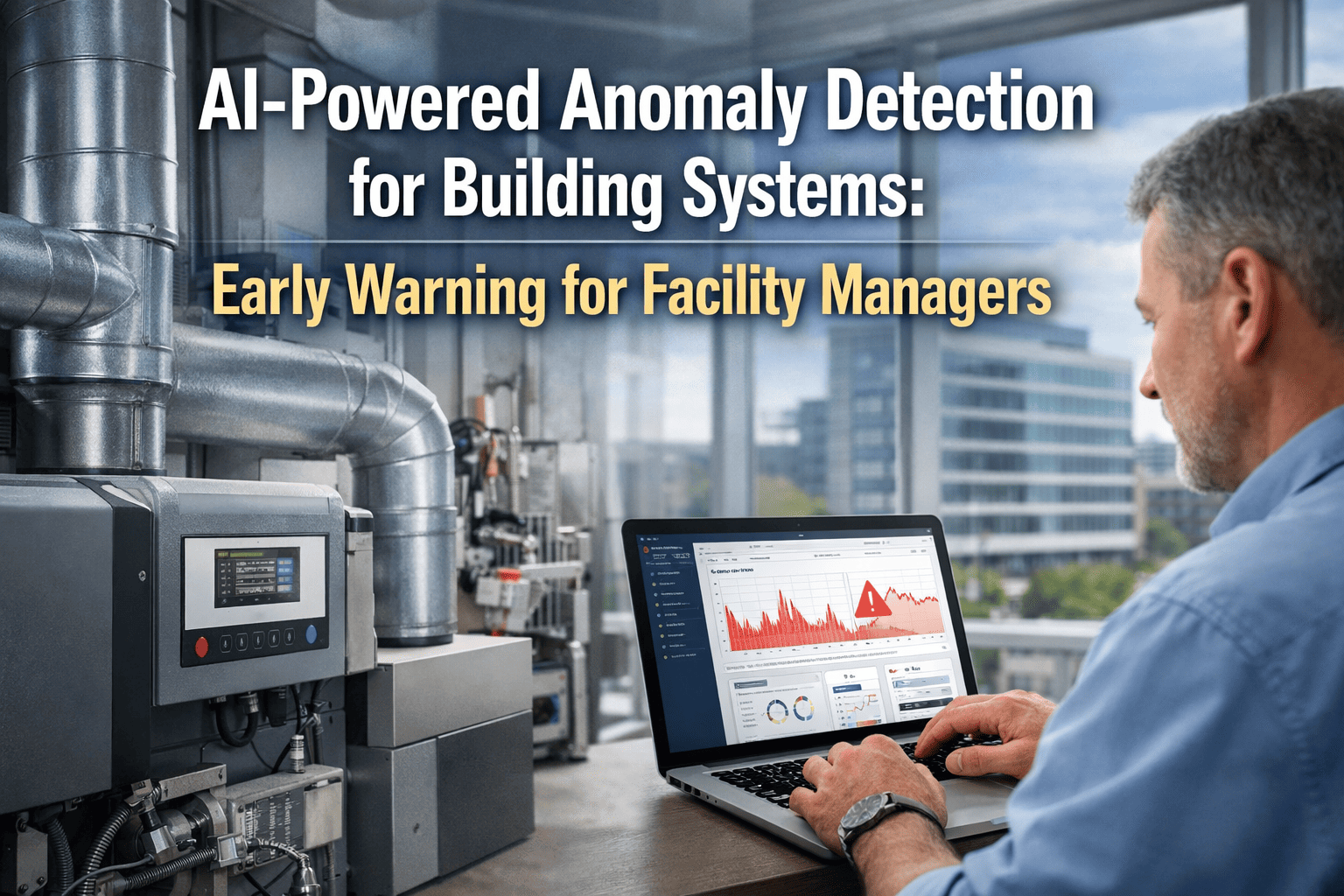
Read More
Facility managers lose an average of $17,000 per hour during unexpected equipment failures — yet most faults leave detectable signals weeks before breakdown. OxMaint's AI an
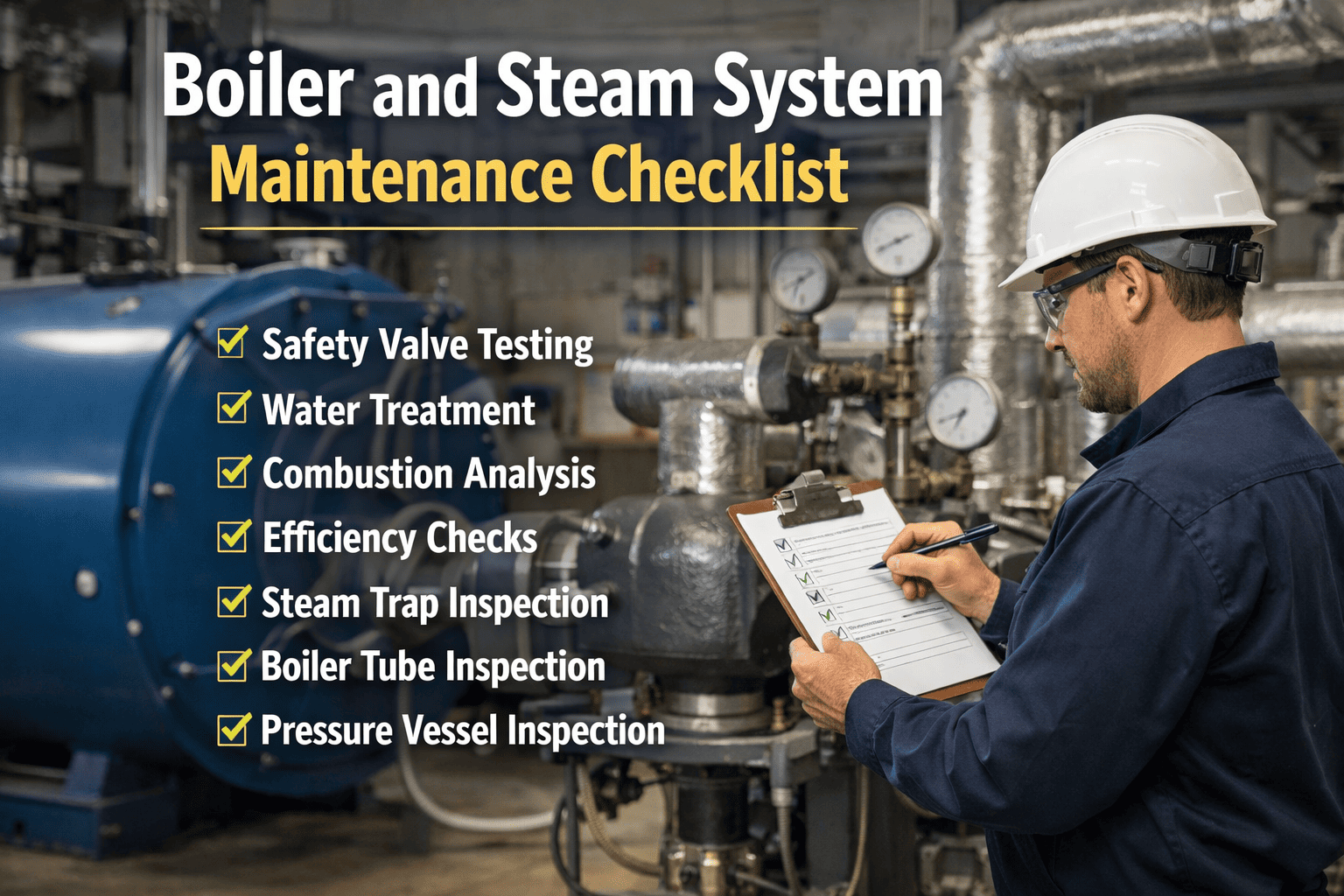
Read More
Boiler failures are among the most catastrophic events in industrial and commercial facilities — ASME and the National Board of Boiler and Pressure Vessel Inspectors record hundreds of pressure vessel incidents annually, with improper maintenance

Read More
Emergency response equipment that goes unchecked is not a backup — it is a liability. OSHA inspectors cite emergency equipment failures as one of the top five deficiencies in facilities across all industries, and the consequences extend beyond fin

Read More
A missed weekly walkthrough is rarely just a paperwork gap — it is often the first link in an accident chain. Facilities that run structured weekly rounds catch hazards 3x earlier than those relying on reactive reporting, and

Read More
Emergency power systems exist for one reason — to work when everything else fails. Yet the majority of generator failures during real power outages are traced back to skipped maintenance, missed load tests, or degraded fuel — not mechanical defect

Read More
Most facility managers track maintenance activity — work orders completed, hours logged, parts consumed. Far fewer track maintenance performance. MTTR, MTBF, and OEE are the three metrics that separate reactive maintenance teams from data
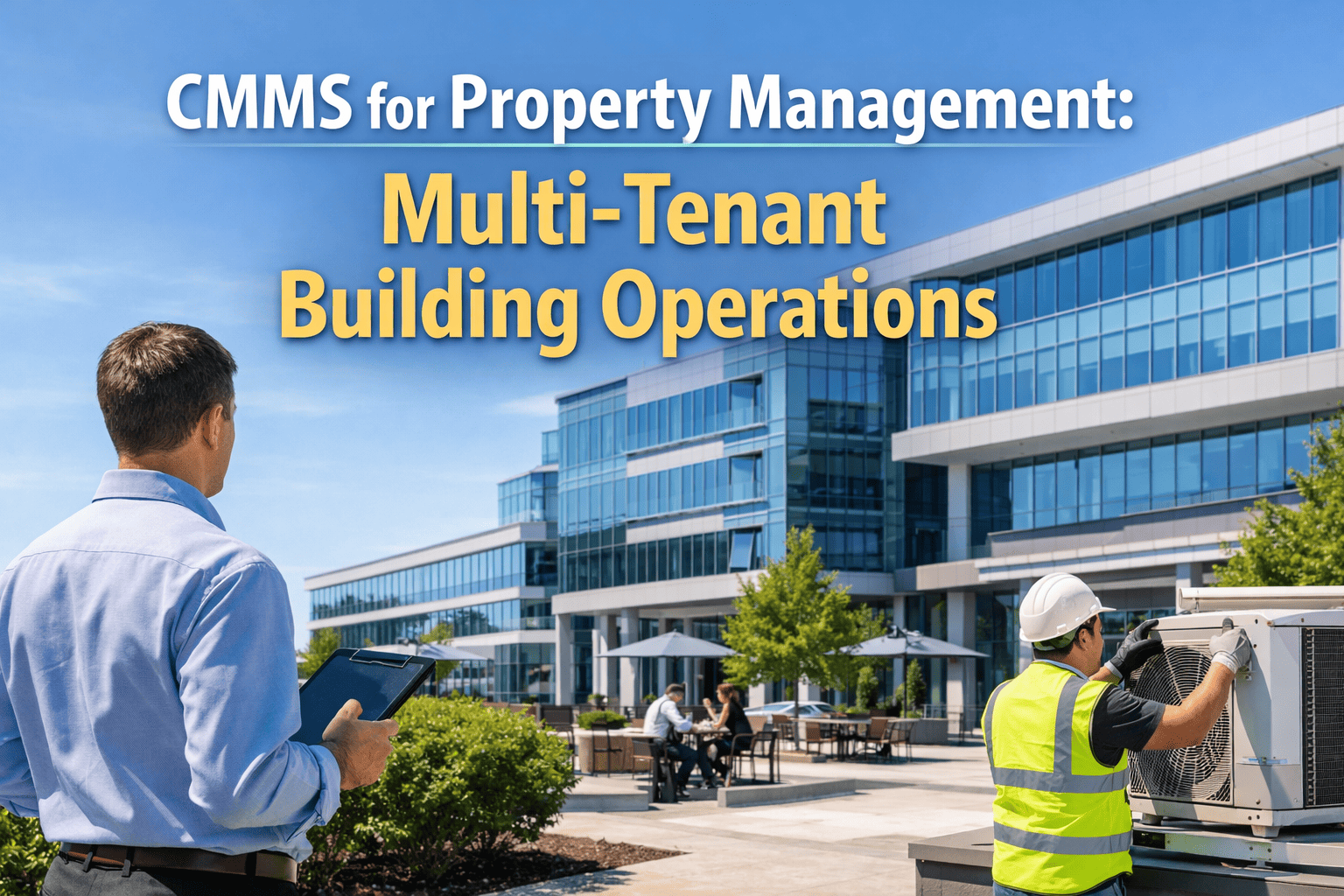
Read More
Managing a multi-tenant commercial building without a centralized maintenance system means your team is constantly triaging — fielding tenant calls, losing track of open requests, and reacting to equipment failures that disrupt everyone in the bui

Read More
OxMaint helps facility managers track, document, and maintain ADA accessibility compliance across every area of their building — from parking lot

Read More
Commercial buildings waste up to 30% of the energy they consume — often from overlooked inefficiencies in HVAC, lighting, insulation, and plug loads. An energy audit is the first step to cutting utility costs by 15–25% and improving your building’

Read More
OxMaint's preventive maintenance platform helps facility teams move from reactive firefighting to structured, schedule-driven maintenance across every equipment category. This ready-to-use PM schedule template covers daily through annual task freq

Read More
Cooling towers are the single highest-risk water system in any commercial or industrial facility for Legionella pneumophila — the bacterium responsible for Legionnaires' disease outbreaks that have resulted in facility shutdowns, multi-mi
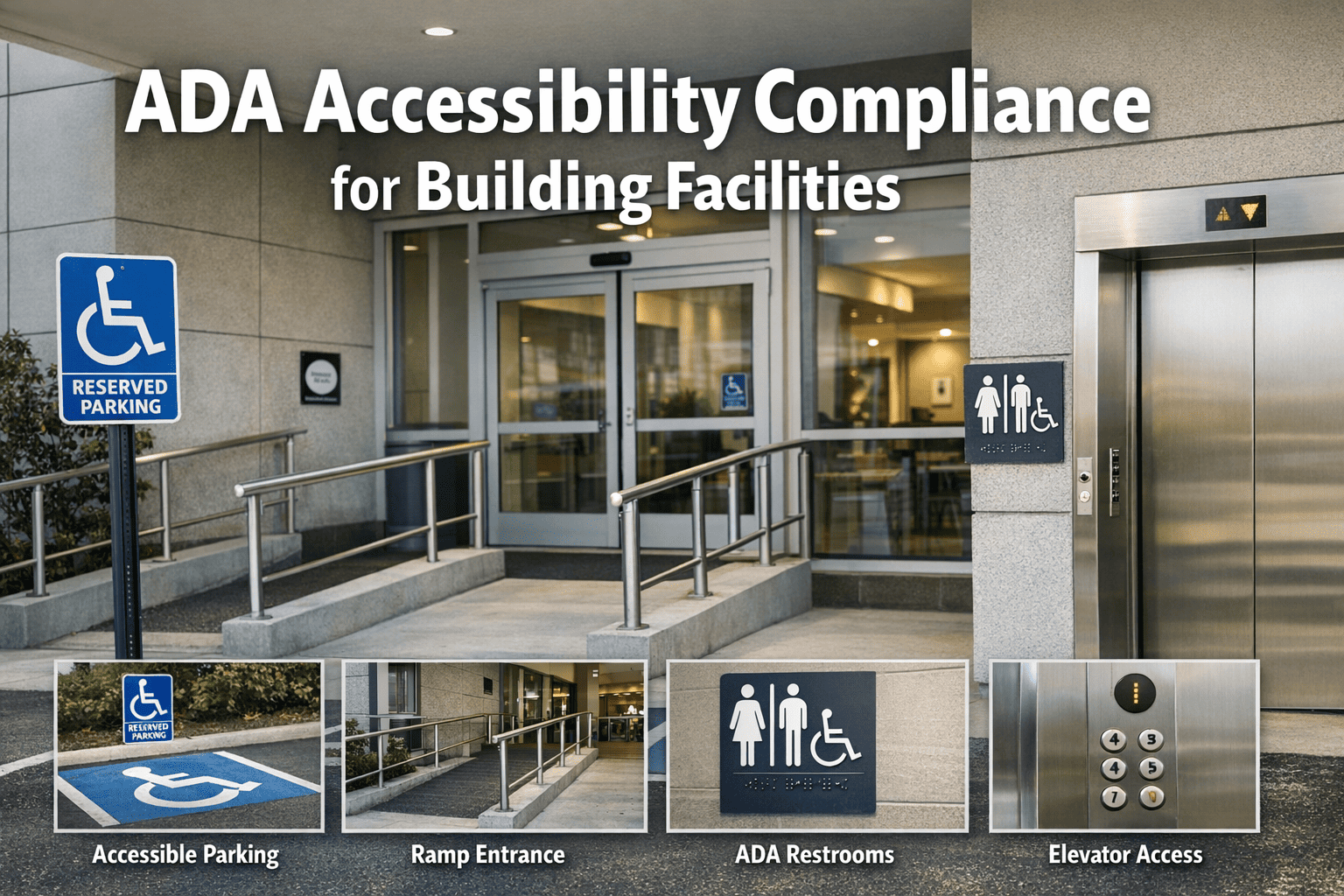
Read More
The Americans with Disabilities Act is not a building code with a compliance date that passes — it is a civil rights law that applies to your facility today, regardless of when it was built. Public accommodations under Title III must remove archit

Read More
Data centers are the backbone of modern business — a single hour of downtime costs an average of $300,000 to $1 million. Yet 70% of data center outages are caused by human error, often from missed maintenance checks on cooling, power, or fire supp

Read More
Aquatic facilities operate under strict health department regulations where a missed chemical test or overlooked drain cover can shut down operations within hours. This comprehensive swimming pool and aquatic facility maintenance checklist covers

Read More
OSHA conducted 34,696 facility inspections in FY2024 — and the same violations appear on the top-10 list year after year. Fall protection has topped it for 15 consecutive years. Hazard communication and lockout/tagout follow close

Read More
Most CMMS implementations don't fail because of bad software — they fail because teams go live before they are actually ready. Data is incomplete, workflows are unmapped, technicians aren't trained, and go-live becomes a fire drill. This checklist

Read More
A neglected commercial roof costs facility managers far more than a proactive inspection programme. Sign in to OxMaint to digitise your roof inspection checklists, track defects by zone, schedul

Read More
Elevator and escalator failures don't announce themselves — they build silently through missed inspections, skipped service records, and compliance gaps that only surface during audits or incidents.

Read More
Fire protection systems that are not regularly inspected and documented do not just create compliance risk — they silently fail, and no one finds out until a fire reveals the gap. Oxmaint's complian
Read More
Undetected plumbing leaks waste an average of 10,000 gallons of water per commercial facility each year — enough to fill an Olympic swimming pool every eight months. Beyond utility costs, a single slab leak or backflow failure can shut down restro
Read More
Electrical failures are responsible for over $150 billion in annual global power outage costs — and most are preventable. Facility managers who rely on reactive repairs pay 3–5× more than those running structured preventive mainte

Read More
Every year, thousands of facility managers discover critical safety violations only when an inspector arrives — or worse, after an incident. An annual building safety inspection isn't just a compliance exercise; it's your legal and ethical respons

Read More
Commercial HVAC systems that skip preventive maintenance consume up to 20% more energy and fail years ahead of schedule — yet only 30% of facility managers schedule routine servicing.

Read More
Shopping malls are among the most energy-intensive commercial buildings in the world — HVAC alone accounts for 40 to 55% of total electricity consumption. When a 1 million square foot mall in the Southeast United States faced rising utility bills,

Read More
Most facility managers approve budgets without knowing if their maintenance spend is efficient — until they benchmark against real industry data. Without standards, reactive repairs inflate costs by 18–25% and planned maintenance lags below 50%."B

Read More
A pharmaceutical manufacturing facility was facing the relentless pressure of FDA audits, calibration tracking across thousands of instruments, and environmental monitoring for multiple cleanroom suites — with quality events threatening to derail

Read More
A commercial property manager overseeing 2.1 million square feet across 18 office buildings was watching maintenance costs consume an ever-growing share of operating budgets — with no clear way to link maintenance spending to asset performance or

Read More
A K-12 school district with 45 campuses and 28,000 students was drowning in paper work orders — maintenance requests lost in backpacks, emergency repairs delayed by days, and compliance records scattered across filing cabinets. After deploying OxM

Read More
A major international airport terminal was facing escalating passenger complaints about baggage delays, temperature fluctuations in concourses, and escalating emergency repair costs across its baggage handling and HVAC systems. After deploying OxM

Read More
A state government agency managing 120 public facilities was drowning in a $47 million deferred maintenance backlog — aging HVAC systems, failing roofs, and critical safety equipment with no clear repair priority. After 18 months using OxMaint for
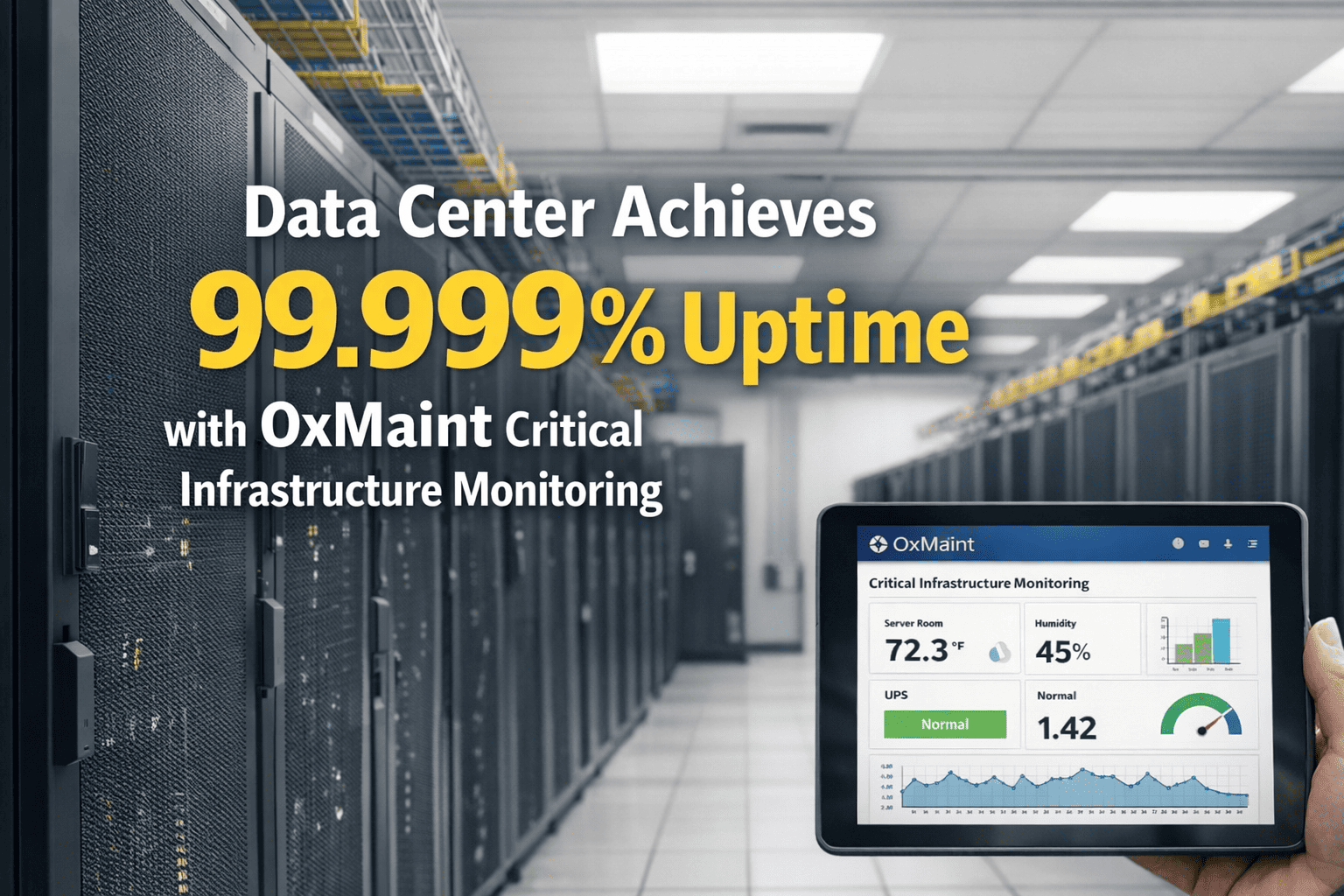
Read More
A Tier III data center was facing a silent crisis: temperature spikes in hot aisles, UPS battery degradation warnings missed during night shifts, and cooling system failures that nearly triggered a full facility shutdown. After deploying OxMaint's

Read More
A luxury hotel group transformed guest experiences and boosted satisfaction scores by 40% after switching to proactive facility maintenance with Oxmaint. What used to be reactive fixes turning into negative reviews and compensation payouts became

Read More
A mid-size auto parts manufacturer running three production lines was stuck at 72% OEE — losing $2.1 million annually to unplanned downtime, scrap rework, and emergency maintenance that consumed 44% of total work orders. Maintenance crews tracked

Read More
A national retail chain with 200 stores across 14 states was spending $4.6 million annually on facility maintenance — with zero visibility into how that money was distributed across locations. Store #105 in Phoenix had a great relationship with a

Read More
A large public research university with 80+ buildings, 2.4 million square feet of managed space, and a $112 million deferred maintenance backlog was losing $1.8 million per year to emergency repairs alone. Boiler failures during winter exams, chil

Read More
A 25-floor Class A office building in downtown Chicago was losing tenants over maintenance responsiveness — not rent prices. Tenant satisfaction surveys revealed that service request resolution averaged 4.2 days, with 40% of complaints receiving n

Read More
A 400-bed regional hospital was averaging 23 Joint Commission deficiency citations per survey cycle, with PM completion rates stuck at 71% and life safety documentation scattered across paper files, spreadsheets, and three disconnected software sy

Read More
When the facilities director of a 500,000 sq ft corporate campus in the U.S. Midwest reviewed the annual maintenance report, the numbers were alarming — $2.1 million in total maintenance spend, 42% of work orders classified as emergency or reactiv

Read More
Ten years ago, facility managers fixed things when they broke. Today, the top-performing ones sit in boardrooms presenting energy savings data, capital planning forecasts, and ESG compliance roadmaps to executive leadership. The facility managemen

Read More
A $180,000 conveyor overhaul gets approved in the ERP, executed through the CMMS, and then reconciled manually by a finance analyst who spends two days matching purchase orders to work orders across disconnected systems. SAP holds the budget. The

Read More
A 400-bed regional hospital received a Condition-level deficiency during an unannounced CMS survey when surveyors requested preventive maintenance records for ICU ventilators and the biomedical team needed two days to compile them from paper files

Read More
Most maintenance teams sit on years of work order data, asset histories, and failure logs — yet fewer than 30% actually use that data to make decisions. The gap between collecting maintenance records and extracting business intelligence from them

Read More
OSHA, ADA, NFPA, and EPA each have their own inspection authority, documentation format, and penalty structure — and a facility operates under all four simultaneously. The inspector who arrives unannounced does not accept last month's fire marshal

Read More
Most BMS investments sit disconnected from the maintenance execution systems that turn building data into action. A building with 18,000 BMS data points and no CMMS integration has excellent visibility and no systematic response. The technical dec

Read More
Most organisations that buy Enterprise Asset Management software when they needed a CMMS waste 12–18 months in a failed implementation. Most organisations that deploy a CMMS when they needed EAM hit a ceiling two years later and pay to migrate. Th

Read More
Facilities with structured preventive maintenance programmes achieve 50% greater efficiency and experience 71% fewer unplanned downtime incidents compared to operations running reactively. Yet most FM teams still spend 60–80% of their maintenance

Read More
The CMMS market has more than 200 platforms in 2026 — cloud-based, mobile-first, AI-assisted, IoT-integrated, and priced from free-tier to six figures annually. Choosing the wrong one wastes a budget cycle, alienates your maintenance team, and lea

Read More
An electrical system that fails without warning does not just interrupt operations — it creates arc flash events that kill, fires that destroy buildings, and regulatory exposure that shuts facilities down.

Read More
A commercial roof represents 5–10% of a building's total replacement value and is the single component whose failure cascades into every space below it — finished interiors, electrical systems, mechanical equipment, IT infrastructure, and in some

Read More
Most facility capital budgets are built on flat percentages, historical precedent, and intuition — not data. A finance team that asks "why does maintenance need $2.3 million next year" and receives "because we spent $2.1 million last year" is not

Read More
A facilities director managing twelve locations across three regions cannot rely on weekly phone calls and emailed spreadsheets to know whether Site 7 is behind on its quarterly PMs, whether Site 3's emergency repair costs are trending upward, or

Read More
Emergency work orders are the most expensive work your maintenance team does — and the most avoidable. Emergency repairs cost 3 to 5 times more than planned interventions when you account for overtime labour premiums, expedited parts at 200–400% m

Read More
Facility operations account for approximately 40% of global energy consumption and 36% of carbon dioxide emissions — making building and plant management teams the most operationally significant actors in any organisation's ESG strategy.

Read More
The average facility operating in reactive maintenance mode spends 3 to 4 times more per repair than the same facility running a structured preventive programme — because emergency repairs cost more, unplanned downtime costs more, and the secondar

Read More
Most facility managers do not have a compliance problem. They have a documentation architecture problem. The inspections are happening. The work orders are closing. The maintenance is getting done. But when a regulator arrives or an insurer reques

Read More
Most facilities treat asset replacement as a reactive event — a machine breaks catastrophically, the repair estimate arrives, and someone makes an emergency capital request. The real cost of that moment was locked in years earlier, when the asset

Read More
A facility manager at Dallas Fort Worth Airport no longer walks the terminal to inspect runway conditions — a digital twin monitors pavement, environmental data, and FAA inspection records simultaneously, flagging anomalies before they become clos

Read More
Every budget season, the same conversation happens: the maintenance manager knows the CMMS has transformed operations — unplanned downtime down, emergency spend eliminated, work orders completed on time — but when the CFO asks "what's the ROI?", t

Read More
Implementing a CMMS doesn’t have to be a long, complex process. With a structured 30-day roadmap, facility and maintenance teams can quickly transition from manual or outdated systems to a fully functional digital platform. By focusing on key step

Read More
Every maintenance team has experienced the same moment: a technician opens a work order, heads to the storeroom, and the part isn't there. Production stops. An emergency order goes out at 3× the normal price. The repair that should have taken two

Read More
Fire safety compliance failures in commercial buildings are not rare edge cases. In the USA, the National Fire Protection Association estimates that inadequate maintenance of fire protection systems contributes to over 3,400 reported fires in comm

Read More
Most facility managers know their total maintenance budget. Few can answer — in under two minutes — which asset cost the most last quarter, which site is dragging down PM compliance, or what their MTTR was last month versus the in

Read More
The maintenance strategy your facility runs today is one of the most consequential operational decisions you make. Facilities spending 4 to 6% of Replacement Asset Value on maintenance annually are running reactive operations. Be

Read More
The US faces a 1.7 million annual shortfall in skilled trades workers. 69% of maintenance professionals are aged 50 or older. 40% of the manufacturing workforce is set to retire by 2030. In the UAE, Vision 2030 is accelerating sm

Read More
Commercial buildings account for nearly 40% of global energy consumption, and in 2026, that number carries a direct cost to every facility manager operating in the USA, UAE, UK, Canada, and Europe. Energy prices rose 4% year over

Read More
Field technicians in the USA and UAE are losing 3 to 5 hours every single day to paperwork, manual data entry, and walking back to the office just to log a completed work order. In 2026, that is not a workflow problem. It is a rev

Read More
71% of maintenance professionals claim preventive maintenance as their primary strategy, yet 58% of facilities still spend less than half their time on scheduled maintenance. That gap between intent and execution is where equi

Read More
HVAC systems account for 35 to 40 percent of total energy consumption in commercial buildings, yet only 30 percent of facility managers schedule preventive maintenance consistently. It is a direct line to budget overruns, emerge

Read More
Commercial buildings in the USA and UAE are generating more sensor data than ever before temperature readings, energy consumption, occupancy counts, equipment vibration, air quality levels, and security events, all flowing from

Read More
The US facility management market crossed $1.2 trillion in total managed asset value in 2026, yet 64% of US facility managers still run maintenance tracking on shared spreadsheets or disconnected work order systems. In the UAE, w

Read More
Property maintenance expenses quietly consume 15 to 35 percent of total operating budgets across commercial and industrial facilities in the US and UAE. Most facility teams still run on spreadsheets, phone calls, and paper work or
Read More
In 2026, 64% of new CMMS installations globally are cloud deployments. The debate is not over which technology is better. It is over whether your organization is still paying 3 to 5 times more for on-premise infrastructure than y

Read More
Facility managers are entering 2026 under compounding pressure: buildings are aging, budgets are tighter, hybrid work has permanently changed how space is used, and AI is no longer a pilot project but an operational expectation.

Read More
Facility teams across the USA, UK, Canada, and Europe are losing an average of $260,000 per hour to unplanned equipment downtime. In 2026, that number is no longer acceptable when AI predictive maintenance can

Read More
Manufacturing plants that still manage maintenance through reactive callouts and paper work orders are paying a compounding tax on every production shift. Unplanned downtime costs manufacturers an average of $260,000 per hour in

Read More
The Joint Commission's landmark Accreditation 360 overhaul, effective January 1, 2026, has restructured every Life Safety and Environment of Care standard used by hospitals and critical access hospitals. The numbering system is

Read More
Data centers are no longer back-office infrastructure. They are the operating backbone of AI, cloud, and every digital service that businesses and consumers depend on, and in 2026 they are under more physical and operational press

Read More
Facility managers have the data. The problem is that 67% of FM directors are still compiling board reports manually from spreadsheets that are 4 to 6 weeks out of date by the time leadership reads them. C-suite executives are mak

Read More
Facility management in 2026 is operating under conditions that have no historical parallel: 81% of FM leaders identify cost efficiency as their top priority, yet 75% faced budget constraints in 2025 and 40% reported outright budget cuts (SFG20 Sta

Read More
Facility management teams are generating operational data at a rate that outpaces what most cloud-first AI architectures can process without creating the exact problems they were deployed to solve: latency that makes real-time anomaly response imp

Read More
Commercial roof failures are the second-most expensive building envelope failure category behind HVAC -- with the average commercial roofing claim running $22,000 to $68,000 before business interruption and interior damage are factored in. Critica

Read More
Commercial plumbing failures account for an estimated $11,000 per incident on average in repair costs before business interruption and water damage claims are included -- and 68% of those failures involve systems that exhibited detectable warning

Read More
Electrical system failures are the second-leading cause of commercial building fires and the primary source of unplanned facility closures that carry insurance and liability consequences beyond simple repair costs. A structured electrical PM progr

Read More
Most facility management teams are flying blind -- tracking work orders completed while missing the performance signals that determine whether their operations are improving, stagnating, or heading toward a capital crisis. Facility management KPIs

Read More
HVAC systems account for 39% of commercial building energy consumption and represent the single largest source of unplanned maintenance spend across facility portfolios -- yet the majority of HVAC failures are preceded by detectable warning signs

Read More
A 500,000 square foot commercial office campus spanning 8 buildings was spending $2.8 million annually on maintenance while 41% of all work orders were reactive emergency responses — repairs triggered by equipment failures rather than planned prev

Read More
A 400-bed regional medical center operating across three campuses was recording 23 critical equipment failures per year — each requiring emergency contractor response, unplanned clinical procedure relocations, and compliance incident documentation

Read More
Facility management teams are generating operational data at a rate that outpaces what most cloud-first AI architectures can process without creating the exact problems they were deployed to solve: latency that makes real-time anomaly response imp

Read More
A national retail chain operating 224 store locations across 38 states was managing facility maintenance through a combination of regional vendor relationships, store-level maintenance requests, and a corporate facilities team that had no visibili
Read More
Facility management teams are generating operational data at a rate that outpaces what most cloud-first AI architectures can process without creating the exact problems they were deployed to solve: latency that makes real-time anomaly response imp

Read More
Robot deployment in commercial facilities is accelerating faster than the maintenance programs needed to keep those robots operational. A cleaning robot that stops mid-shift because a sensor error was not caught during preventive maintenance, a se
Read More
A commercial facility cleaning program that operates without structured inspection scoring is not a quality management program. It is a schedule. Schedules determine frequency; inspection scoring determines whether that frequency is producing the

Read More
Recurring equipment failures are not bad luck. They are the predictable outcome of a maintenance program that addresses symptoms without identifying causes. A bearing fails, is

Read More
A facility condition assessment without a structured, system-by-system scoring methodology produces a document rather than a decision tool. Without FCI scores, condition rating

Read More
Facility quality inspection has historically been the least digitized function in operations management. Inspectors walk through spaces with paper forms, findings get transcrib

Read More
Elevators fail when no one is watching. A drive motor running 3% outside optimal current draw for six weeks does not trigger a visible fault. A door operator gradually losing closure force does not generate a service call until a door refuses to c

Read More
Facility managers evaluating technology platforms consistently encounter three categories of systems that appear to overlap in scope but serve fundamentally different operational roles: the Building Management System (BMS) that controls building i

Read More
Commercial buildings generate more operational data than any other asset class in facility management, yet 73% of that data is never connected to a maintenance decision. A smart building technology stack changes that equation by integrating IoT se

Read More
A commercial real estate portfolio with 200 active leases contains thousands of critical data points: rent escalation dates, renewal option windows, exclusivity clauses, CAM expense caps, co-tenancy provisions, and termination rights. In a manual

Read More
Commercial lease management is one of the highest-stakes administrative functions in facility management - and one of the most commonly underinvested. A missed renewal option deadline can void millions in negotiated terms. An inaccurate CAM calcul

Read More
A commercial real estate portfolio with 200 active leases contains thousands of critical data points: rent escalation dates, renewal option windows, exclusivity clauses, CAM expense caps, co-tenancy provisions, and termination rights. In a manual

Read More
Building code compliance in 2026 is no longer a quarterly manual audit exercise - it is a continuous operational process covering fire codes, electrical standards, accessibility requirements, structural certifications, and energy performance bench

Read More
OSHA compliance for facility maintenance teams is not a once-a-year audit exercise - it is an ongoing operational discipline covering lockout/tagout procedures, electrical safety, fall protection, hazard communication, confined space entry, and ma

Read More
A fire safety inspection failure at a commercial building is not just a regulatory citation - it is a coverage exclusion trigger, a lease violation, and in the event of an actual fire, personal liability for the facility manager who signed the las

Read More
Facility compliance failure is not an abstract risk - it is a $156,259 average OSHA penalty per serious violation, a potential insurance policy cancellation, and in fire code breach scenarios, personal liability for the facility manager signing th

Read More
Facility management teams operating on paper runsheets, email-based work requests, and disconnected spreadsheets are not just inefficient - they are invisible. When 67% of unplanned equipment failures are preceded by detectable warning signs that

Read More
The biggest reason AI-powered CMMS deployments fail to deliver ROI is not the software - it is the training plan. Maintenance teams conditioned to paper logs, email chains, and shared spreadsheets do not adopt digital workflows by default. Without

Read More
Facility teams running manual work order systems lose an average of 27% of productive hours to administrative overhead - logging requests, determining priority, assigning technicians, chasing updates, and re-entering data into compliance registers
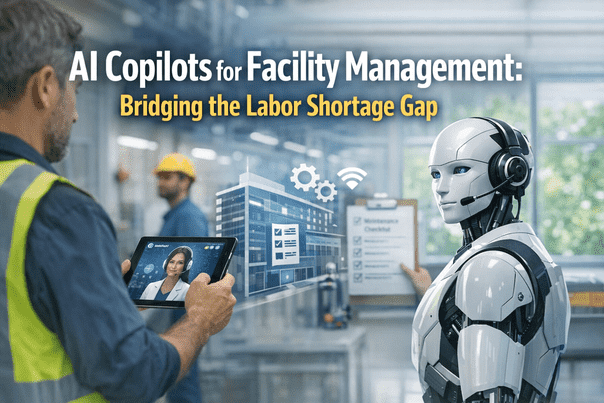
Read More
The facility management industry faces a workforce shortage that no hiring programme alone can solve. An estimated 35% of experienced FM professionals will retire by 2028, and open facility technician roles take 3 to 4 months to fill on average in

Read More
Net zero for commercial buildings is a defined engineering challenge, not an abstract aspiration. It requires reducing operational energy consumption to the point where on-site or procured renewable generation offsets all remaining carbon emission
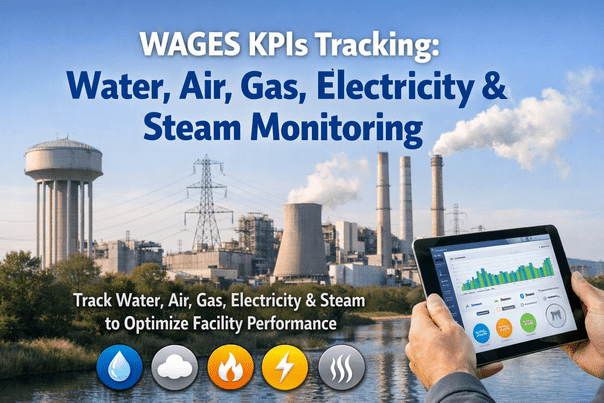
Read More
WAGES — Water, Air, Gas, Electricity, and Steam — represent the five utility streams that together account for 20 to 35% of operating costs in commercial and industrial facilities. Most organisations track these individually on monthly utility bil

Read More
ESG reporting for facilities has moved from voluntary disclosure to a compliance obligation in most institutional real estate markets. SEC climate disclosure rules in the US, CSRD in Europe, and GRESB assessments in real estate investment require
Read More
Commercial buildings account for nearly 40% of global energy consumption, yet most facility managers still operate on fixed setpoints, manual scheduling, and reactive utility bill reviews. AI-driven energy optimisation changes the operating model:

Read More
A preventive maintenance schedule is the most directly controllable variable in your facility maintenance budget. The difference between a PM programme that works and one that slowly gets abandoned is not the software, the checklist format, or the

Read More
Multi-site CMMS selection is a fundamentally different challenge than single-building tool selection. You are not just evaluating whether a platform can manage work orders — you are evaluating whether it can maintain separate compliance calendars

Read More
The CMMS market crossed $1.8 billion in 2026 with over 300 platforms competing for facility management teams. Most of them solve the same problem differently — and the differences matter enormously once you are managing 50,000 square feet, 8 build

Read More
The US facility management market crossed $1.2 trillion in total managed asset value in 2026, driven by aging commercial infrastructure, accelerating AI adoption, and a wave of CMMS platform migrations as facility teams abandon spreadsheet-based o

Read More
MTBF and MTTR are the two reliability metrics that tell facility managers the most important things about their equipment: how long assets typically run before failing, and how quickly the team can restore service when they do. A facility with hig

Read More
OEE is the single most powerful metric in facility equipment management because it collapses three separate performance dimensions into one number that tells you exactly how much productive capacity your assets are actually delivering versus what

Read More
Asset reliability is the discipline that determines whether your facility runs at planned capacity or spends its maintenance budget reacting to failures. High-reliability facilities achieve 30 to 40% lower total maintenance costs, 25 to 35% longer

Read More
IoT sensors connected to AI monitoring platforms are changing the economics of commercial building maintenance by making it possible to detect HVAC failures, elevator anomalies, and electrical system degradation weeks before they cause service dis

Read More
HVAC systems account for 40 to 60% of a commercial building's total energy spend and represent the single highest-cost emergency repair category in facility management, with average unplanned HVAC events costing $8,400 to $22,000 per occurrence in
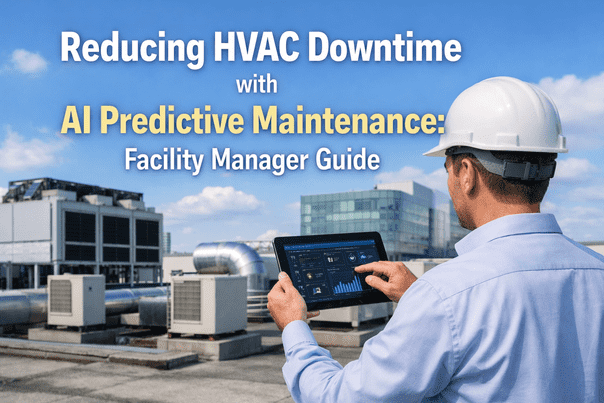
Read More
HVAC systems account for 40 to 60% of a commercial building's total energy spend and represent the single highest-cost emergency repair category in facility management, with average unplanned HVAC events costing $8,400 to $22,000 per occurrence in
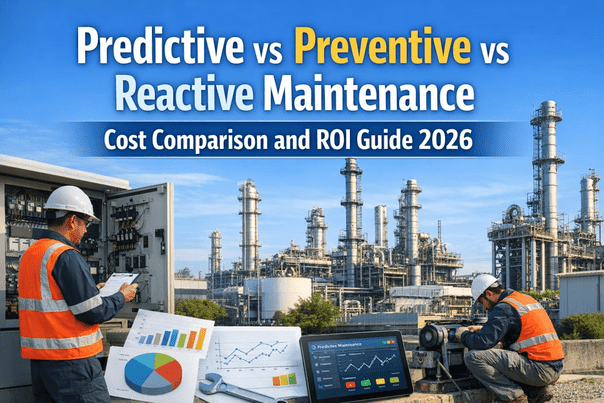
Read More
Choosing the wrong maintenance strategy costs money in two directions simultaneously: reactive programmes pay 4.8x the planned cost per repair event while also accepting avoidable downtime and asset degradation, and poorly configured preventive pr

Read More
Facilities running on reactive maintenance spend 4.8x more per repair event than those with structured programmes, and 68% of equipment failures that managers classify as sudden are preceded by measurable warning signals weeks in advance. AI predi

Read More
Commercial tenant transitions are among the highest-risk events in facility management. A poorly documented move-out produces security vulnerabilities, disputed dilapidations, and utility billing errors that take 6 to 12 months to resolve. A poorl

Read More
Facilities teams that select FM service providers without a structured RFP process pay an average of 23% more for equivalent service coverage, achieve 41% lower SLA compliance rates, and face 2.8x higher contract dispute frequency

Read More
Seasonal transitions are the highest-risk periods for building system failures. HVAC changeovers, freeze-thaw cycles on building envelopes, and the shift from heating to cooling season stress equipment that has been running at ste

Read More
Facilities that operate without documented standard operating procedures lose an average of 23% of their technician capacity to task ambiguity, rework, and inconsistent handoffs. A structured FM SOP library reduces onboarding time for new staff by

Read More
A commercial building without a documented preventive maintenance schedule is running on hope. Facilities with structured PM programmes reduce total maintenance costs by 15 to 25%, extend equipment service life by 30 to 40%, and a

Read More
Commercial and industrial buildings that operate without a structured maintenance checklist lose an average of 35 to 45% more to emergency repairs than those running documented preventive programmes. Unplanned repairs cost 4.8x mo

Read More
A regional CRE portfolio owner managing 15 Class A and Class B commercial office buildings across 4 US Sun Belt markets was spending $6.8 million annually on energy across the portfolio. HVAC systems were running on fixed schedul

Read More
A 3.8 MTPA dual-kiln cement plant in the US Southwest was recording 18 unplanned production stops per year across both kiln lines, averaging 28 hours of lost kiln run time per event at a direct cost of $31,400 per stop in clinker

Read More
A national specialty retail chain operating 214 stores across 38 US states was managing facility maintenance through a patchwork of 6 regional spreadsheets, 3 legacy work order systems, and 214 store managers making independent m

Read More
A mid-size automotive parts manufacturer in the US Midwest was running at 65% OEE across its 4 production lines, losing an estimated $3.1 million annually to unplanned downtime, changeover delays, and quality rejects driven by un

Read More
A 500-bed regional hospital in the US Midwest was absorbing $2.4 million annually in reactive maintenance spend, averaging 23 unplanned equipment failures per month across its imaging, surgical, and critical care departments. Eac

Read More
Most FM directors know their own maintenance costs. Few know whether those costs are high, low, or typical for their building type, region, and portfolio size. IFMA and BOMA publish annual benchmarking datasets that answer this que

Read More
The monthly FM performance report cycle is one of the most expensive administrative rituals in facility management. An FM director spends 6 to 10 hours per month pulling work order counts, PM compliance rates, emergency repair rati

Read More
Every work order your team closes is a data point. Every failure event, every parts request, every PM completion or deferral is a signal. Most FM organisations generate thousands of these signals per year and analyse almost none of

Read More
The CMMS business case fails most often not because the numbers are wrong, but because they are never calculated. Facility managers absorbing reactive maintenance costs every quarter in emergency repair premiums, unplanned downtime

Read More
The facility management dashboard is the single most powerful lever available to an FM director for improving decision speed, accountability, and stakeholder confidence. A poorly designed FM dashboard shows work order counts and PM

Read More
The deferred maintenance backlog is the most expensive number in facility management that most organisations have never formally calculated. US federal facilities carry an estimated $176 billion in deferred maintenance obligations.

Read More
The Certified Facility Manager and Facilities Management Professional designations from IFMA are the two most recognised credentials in commercial and industrial FM across every target region. In the USA, CFM holders earn on averag

Read More
A facilities organisation with 40 contracted vendors and no structured performance framework is not managing vendors. It is hoping they deliver. The average FM operation runs 60 to 70% of its maintenance work through contracted ser

Read More
The outsourcing versus in-house maintenance decision is rarely made once and held permanently. It is revisited every budget cycle, every time a key technician leaves, and every time a major regulatory inspection reveals a complianc

Read More
The FM workforce crisis arrived quietly and is now accelerating visibly. In the USA alone, the Bureau of Labor Statistics projects 139,000 annual facility maintenance job openings through 2032 against a shrinking pipeline of traine

Read More
A facility asset register is not a list of equipment. It is the data foundation from which every maintenance decision, PM schedule, work order, and capital renewal request is made. A list of equipment names tells you what you own. A comprehensive

Read More
Facility managers who do not track MTBF and MTTR per asset are not managing equipment reliability. They are managing the consequence of failures they had no data to prevent. Mean Time Between Failures tells you how often an asset fails. Mean Time

Read More
A maintenance team that cannot confirm parts availability before dispatching a technician is not managing inventory. It is managing surprises. The technician arrives at the failed asset, removes covers, identifies the failed component, walks to th

Read More
Facility managers running asset tracking on spreadsheets, handwritten tags, and informal logs are not managing assets. They are managing the paperwork that describes assets, weeks after the events that generate it. A technician arriving at an unla

Read More
Facility managers running asset tracking on spreadsheets, handwritten tags, and informal logs are not managing assets. They are managing the paperwork that describes assets, weeks after the events that generate it. A technician arriving at an unla

Read More
Airport and transportation facility management carries a compliance and safety burden that no other built environment imposes. A runway lighting fault during low-visibility operations is not a maintenance issue. It is a safety-of-life issue report
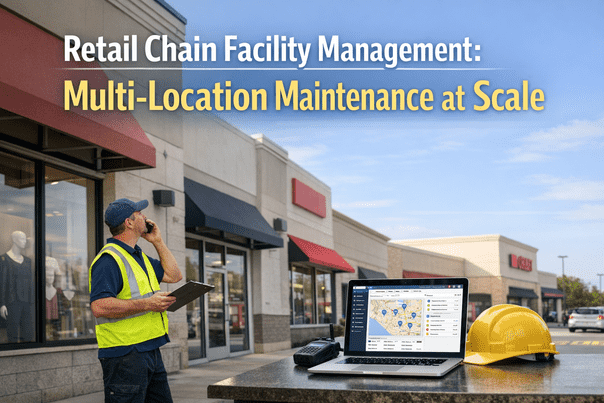
Read More
Airport and transportation facility management carries a compliance and safety burden that no other built environment imposes. A runway lighting fault during low-visibility operations is not a maintenance issue. It is a safety-of-life issue report

Read More
Warehouse and logistics facilities operate on a margin with no tolerance for unplanned downtime. A conveyor stoppage during peak fulfilment delays every order behind it. A dock door failure cascades through put-away, slotting, and outbound simulta

Read More
Data center facility management operates at a risk threshold no other built environment matches. A cooling failure can take a rack to thermal shutdown in under 4 minutes. A UPS maintenance gap discovered during a utility outage is not a compliance

Read More
Hotel & Hospitality Facility Management: Guest Experience Through Proactive Maintenance Hotel maintenance failures are guest experience failures. A faulty HVAC unit, a pool closed for unscheduled repair, or an elevator out of service at

Read More
Campus facility management carries a deferred maintenance liability that grows every year it goes unaddressed. The average US university carries $11 in deferred maintenance for every $100 of replacement asset value. That backlog compounds annually

Read More
Manufacturing facilities at 70% OEE leave 30% of installed capacity on the table. The gap is almost never a design or workforce problem. It is a maintenance problem. Unplanned breakdowns, deferred PMs, and reactive cycles costing 4.8x more than pl

Read More
Healthcare facilities operate under the most demanding maintenance compliance framework of any built environment. The Joint Commission Environment of Care standards, CMS Conditions of Participation, NFPA 99, and NFPA 101 together define a maintena

Read More
Multi-tenant buildings carry a structural FM complexity that single-occupant buildings do not. Every service failure, cost dispute, and maintenance gap affects multiple parties simultaneously. FM teams managing multi-tenant buildings without a uni

Read More
Workplace experience technology is no longer a premium amenity. Smart desk booking, air quality monitoring, and comfort controls are now baseline expectations that influence daily attendance and lease renewal decisions. FM teams that cannot demons

Read More
Most office portfolios are optimised for a workforce that no longer exists. Floor plans designed for pre-pandemic headcounts are running at 38% to 52% average utilisation, with FM teams paying full operating cost for layouts that no longer match h

Read More
Tenant retention in commercial property is won or lost in the 48 hours after a service request is raised, not at lease renewal. Tenants who receive no update on a reported fault within 24 hours are 3.2x more likely to raise a formal complaint and

Read More
Hybrid work has not reduced facility costs by default. FM teams managing portfolios designed for 100% occupancy pay full operating costs for spaces averaging 40% to 55% utilisation on any given day. The gap between facility cost and productive use

Read More
A boiler operating beyond its certification date, or a safety valve that has not been tested within the required period, are regulatory violations that void insurance coverage and expose the plant manager personally to prosecution. This checklist

Read More
Battery failure accounts for the largest share of generator start failures in commercial facilities, yet most FM teams only inspect batteries during scheduled annual service. NFPA 110 Chapter 8 mandates weekly visual inspec

Read More
Workplace violence is the fourth-leading cause of occupational fatalities in the United States, accounting for 761 deaths and over 37,000 serious non-fatal injuries annually according to the Bureau of Labor Statistics. For facili

Read More
The American Innovation and Manufacturing Act signed in December 2020 set a mandatory phasedown schedule for hydrofluorocarbons that is now actively reshaping commercial HVAC procurement, retrofit planning, and refrigerant manage

Read More
Facilities that survive hurricanes, power grid failures, and public health emergencies without shutting down share one characteristic: a tested, documented emergency preparedness programme connected to their maintenance system. F

Read More
NFPA 25 requires quarterly inspections of wet pipe sprinkler control valves and annual main drain flow tests. NFPA 72 mandates semi-annual fire alarm panel inspections and annual functional testing of every detection device and n

Read More
OSHA issued nearly 30,000 citations in 2025 alone, and as of January 15, 2025, serious violations now carry maximum penalties of USD 16,550 per violation, while willful or repeated violations reach USD 165,514 per violation. Fall

Read More
The CMMS market reached USD 1.46 billion in 2025 and is forecast to more than double by 2034, driven by one structural gap: the distance between fault detection and maintenance action. A building automation system that generates

Read More
The EPA estimates indoor air is two to five times more polluted than outdoor air, yet most commercial buildings operate with no continuous IAQ monitoring in place. A Harvard T.H. Chan School of Public Health study found that impr

Read More
OT-focused cyberattacks on building systems grew 30% year-over-year, and 26% of all BAS threats enter directly from the internet. Smart buildings now run HVAC, access control, lighting, fire suppression, and security cameras on i

Read More
Most facilities are paying for space that nobody is using, it has been found that office utilization rates in the Americas averaged just 31% in 2023 — less than half the 64% pre-pandemic global average. European businesses alone

Read More
The building you manage is already generating thousands of data points every hour — from HVAC controllers cycling on occupancy schedules to meters logging kilowatt-hours in real time. The question in 2025 is no longer wheth

Read More
Lighting accounts for 20–35% of total electricity consumption in most commercial buildings — and in the majority of facilities still running T8 fluorescent, T12, HID, or metal halide fixtures, every kilowatt-hour burned is a dire

Read More
Most commercial buildings are losing 25–30% of their energy spend to waste they cannot see. A fouled chiller coil running 18% below rated COP. HVAC systems conditioning spaces two hours before occupants arrive. Lighting burning at

Read More
Commercial buildings waste an average of 30% of their treated water through undetected leaks, inefficient fixtures, and unmonitored distribution networks — and water damage now accounts for more than 50% of all commercial real es

Read More
Heat pumps outsold gas furnaces in the United States by a record 32% margin in 2024, and 93% of all new grid capacity added in 2025 came from renewables. The economics of building electrification are shifting faster than most FM c

Read More
Buildings account for approximately 30% of global final energy consumption. That single fact now sits at the intersection of regulatory enforcement, investor pressure, and operational cost management in a way that makes net-zero n

Read More
Over 40 US cities will have active Building Performance Standards in place by 2026. If your portfolio includes buildings in New York, Boston, Denver, Washington DC, Seattle, Chicago, or any of the 30-plus additional jurisdictions

Read More
The built environment is responsible for 37% of global CO2 emissions. That single fact now sits at the centre of every investor due diligence process, every asset sale, and every institutional lending decision affecting commercia

Read More
90% of commercial buildings in the United States have no automated energy monitoring system. They manage their largest operating expense with monthly utility bills, manual readings, and time clocks that cannot detect waste unt

Read More
Only 18% of facility management teams are truly paperless in 2026. The other 82% are still reconciling paper inspection sheets against spreadsheets, chasing wet signatures for work order closures, and compiling monthly reports b
Read More
Only 18% of facility management teams are truly paperless in 2026. The other 82% are still reconciling paper inspection sheets against spreadsheets, chasing wet signatures for work order closures, and compiling monthly reports b

Read More
64% of new CMMS installations in 2026 are cloud deployments. On-premise is no longer the default. It is a deliberate choice made for specific, justified reasons in tightly regulated or air-gapped environments. For the overw

Read More
Technicians spend just 24.5% of their shift doing actual hands-on repair work. The other 75.5% disappears into coordination overhead: walking to get paper work orders, calling the office for asset history, returning to a de

Read More
70% of CMMS implementations fail. Not because of the software. Because the foundation was not ready: asset data was not clean, team workflows were not mapped, success metrics were never defined, and the rollout tried to go

Read More
Only 24.5% of a maintenance technician's day is spent on actual hands-on repair work. The remaining 75.5% disappears into coordination overhead: chasing down work order details, waiting for assignments, deciphering incomple
Read More
Over 200 CMMS platforms are available in 2026. The challenge for every facility manager, maintenance director, and VP of Operations is not finding software. It is identifying which platform genuinely serves your operational

Read More
The average facility now experiences 25 unplanned downtime incidents per month. Each one costs at least 50% more than it did five years ago and arrives without warning because most maintenance teams are still working from f

Read More
Most commercial buildings are still servicing equipment on a fixed calendar: change the HVAC filter on the first of the month, inspect the chiller every 90 days, lubricate the pump bearings every quarter. The problem is that cal

Read More
84% of facility management leaders plan to increase AI use in their operations, yet only 10.4% of organisations are actively using AI today. That gap represents the single largest operational advantage available to FM teams

Read More
Digital twins are no longer a future-facing concept reserved for aerospace or automotive giants. In 2026, the building twin market is valued at $4.18 billion and expanding at a 44.2% CAGR — the fastest-growing segment in all of

Read More
Most commercial buildings already have the data they need to prevent equipment failures. Compressors, chillers, AHUs, pumps, and electrical panels generate continuous signals that indicate developing faults weeks before breakdown
Read More
The maintenance strategy your facility runs today determines a larger share of your operating cost than almost any other operational decision — yet sign up for Oxmaint free a

Read More
In 2026, 65% of maintenance teams say they plan to adopt AI by year-end — yet only 32% have fully or partially implemented it. The gap between intent and deployment is exactly where unplanned downtime, emergency repair premiums,
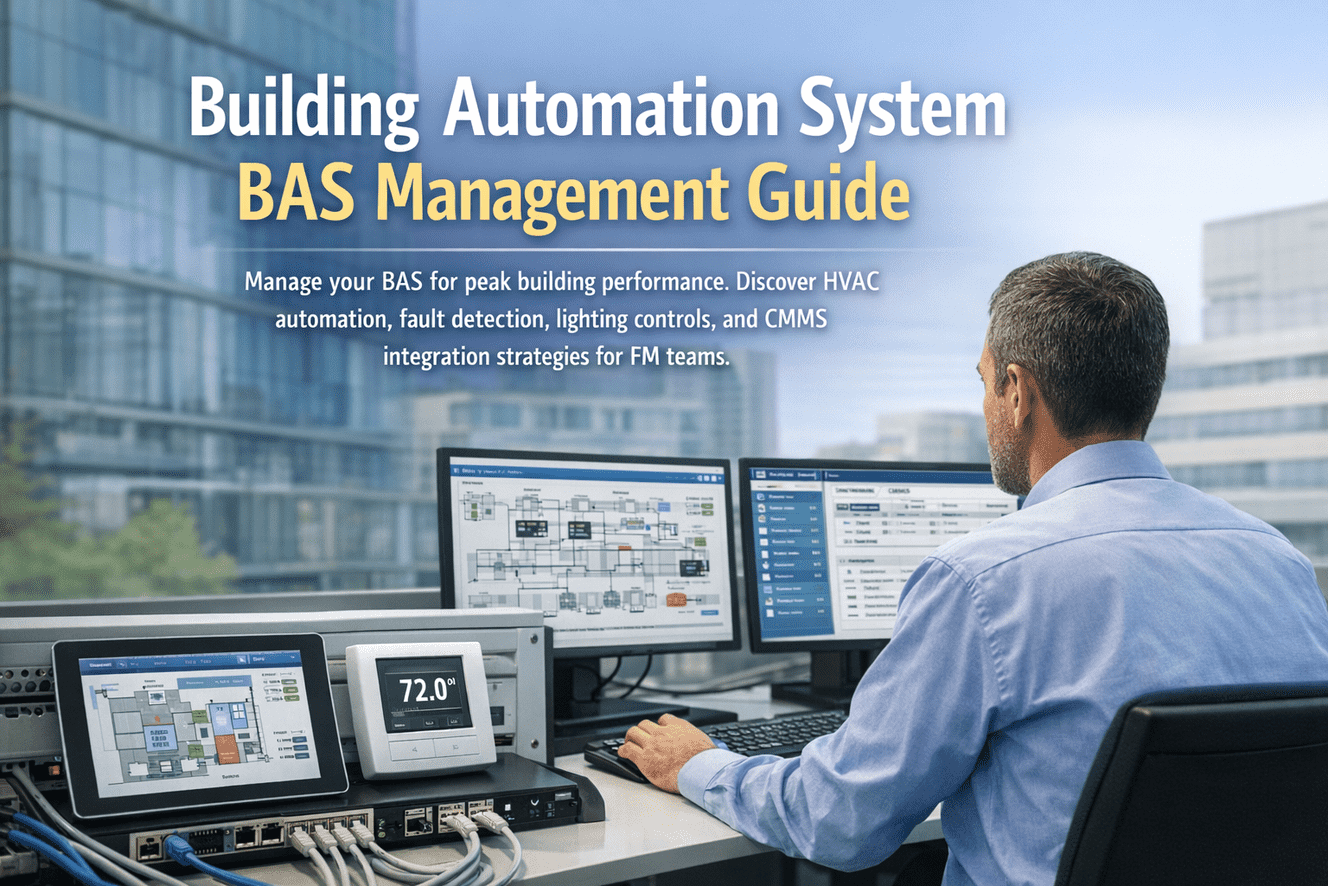
Read More
Building Automation Systems are the central nervous system of every modern commercial facility — and in 2026, most of them are significantly underperforming. The global BAS market reached $94.5 billion in 2026 and is projected t

Read More
Commercial properties face an average of 4 to 7 regulatory inspections per year — covering fire safety, structural integrity, accessibility, energy compliance, and documentation. Most compliance failures are not caused by dangero

Read More
Most commercial roofs fail silently. A membrane separation that costs $400 to repair today becomes a $40,000 interior damage event six months from now when water reaches insulation, structural decking, and electrical systems belo

Read More
US elevators make 18 billion passenger trips every year — and every single one of those rides depends on a maintenance programme that most facility managers are managing reactively, on spreadsheets, or through a service contract

Read More
Electrical systems are the most dangerous and most under-maintained asset class in commercial buildings. They are invisible until they fail — and when they fail, the consequences range from nuisance outages to catastrophic fires

Read More
A single undetected pipe leak in a commercial building wastes an average of 10,000 gallons of water per month. A failed backflow preventer exposes occupants to contaminated drinking water and facility managers to regulatory cita

Read More
HVAC systems account for 40–60% of total energy consumption in commercial buildings — and poorly maintained HVAC equipment runs 15–30% less efficiently than its rated specification before most facility managers notice the differ

Read More
The facility management software market reached $2.66 billion in 2025 and is growing at 13.3% annually toward $4.97 billion by 2030 — yet the three dominant software categories (CMMS, CAFM, and IWMS) are routine

Read More
Commercial building maintenance is still largely reactive in 2026 — and the cost of that posture is well documented. The average facility running reactive maintenance spends 4.8x more per repair event than one executing the same

Read More
For the past decade, facility management was treated as a back-office cost center — the department that fixed what was broken and kept the lights on. That framing is now a competitive liability. 84% of corporate real esta
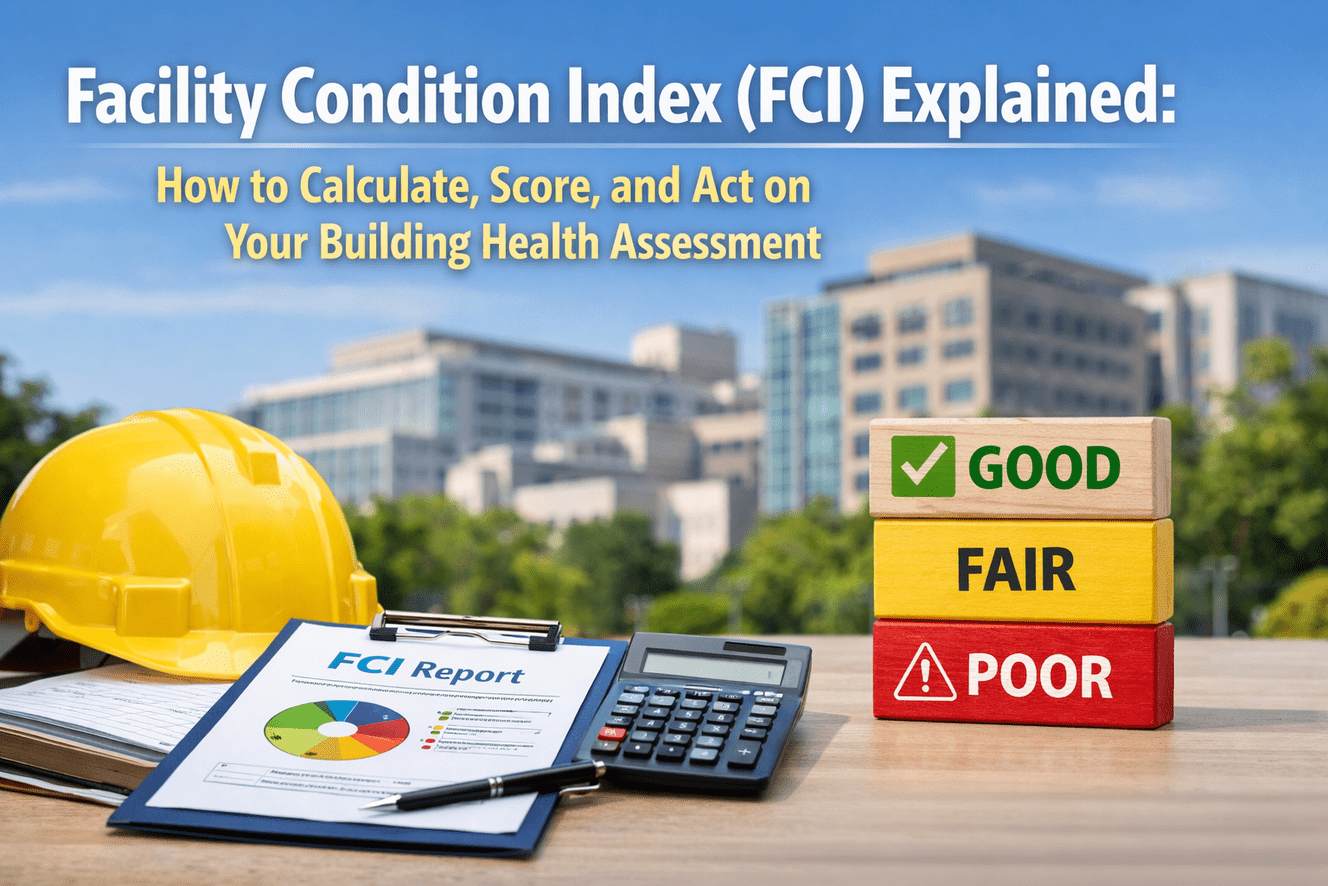
Read More
The Facility Condition Index is the single most powerful number in facilities management — yet most FM teams still calculate it once every 3–5 years from a static spreadsheet assessment and then watch it go stale before the capit

Read More
In 2026, facility operations that run on a patchwork of 6, 8, or 12 separate service vendors are paying a tax on complexity — slower response times, duplicate administrative overhead, accountability gaps at every handover point,

Read More
Facilities leaders entering 2026 face a convergence of pressures that makes guesswork budgeting unacceptable: rising labor costs, deferred capital exposure from pre-2024 deferrals, aging building systems reaching end-of-life simu

Read More
Facility managers who cannot answer "what is our PM compliance rate?" or "what did we spend per square foot last quarter?" are managing blind. In 2026, with commercial real estate operating costs rising 6–12% year over year and

Read More
Facility managers entering 2026 are not facing new problems — they are facing old problems that have compounded into a structural crisis. 75% of facility managers cite budget constraints as their primary challenge

Read More
Facility management in 2026 is operating under conditions that have no historical parallel: 81% of FM leaders identify cost efficiency as their top priority, yet 75% faced budget constraints in 2025 — with 40% r

Read More
Facility management is the integrated discipline that keeps every building, campus, and commercial property operational, safe, compliant, and financially optimized. In 2026, FM has moved from a cost center perception to a strate
Read More
Facility management is undergoing its fastest structural transformation since the shift from reactive to preventive maintenance in the 1990s. In 2026, the convergence of AI-driven predictive systems, IoT sensor infrastructure, E

Read More
A facilities engineer at a 380,000 square foot mixed-use tower gets a call at 2:17 AM. The chiller serving floors 12 through 24 failed. Tenants are calling. Emergency contractors are being mobilised at out-of-hours rates. The rep
Read More
A facilities engineer at a 380,000 square foot mixed-use tower gets a call at 2:17 AM. The chiller serving floors 12 through 24 failed. Tenants are calling. Emergency contractors are being mobilised at out-of-hours rates. The rep

Read More
A director of facilities managing 22 commercial properties across four cities opens her Monday morning dashboard. Property 7 has an overdue PM on the cooling tower that was deferred three weeks ago. Property 14 just generated its

Read More
A property manager overseeing a 12-building commercial portfolio gets a call at 7:43 AM on a Tuesday. The chiller serving floors 8 through 14 in the flagship office tower stopped working overnight. The building management system

Read More
Commercial buildings in 2026 are running a silent maintenance crisis. HVAC systems, chillers, elevators, electrical panels, and boilers deteriorate for weeks before failing — generating sensor data that signals the coming breakd

Read More
A portfolio manager overseeing 14 commercial properties across three markets pulls his annual CapEx report. The number: $8.7 million. He cannot explain with confidence how $2.3 million of that was allocated. Two emergency chiller

Read More
Facility managers have never had more data — and never been more frustrated by it. Work order logs sit in one system, energy consumption in another, asset records in a spreadsheet no one has updated since 2022, and inspection re

Read More
The debate between AI predictive maintenance and traditional preventive maintenance is no longer theoretical — it is being decided on factory floors and facility dashboards right now. 71% of maintenance professionals

Read More
A facilities coordinator at a seven-building corporate campus described her Monday morning routine: 24 open work orders from the weekend, six of them duplicates from the same HVAC complaint logged through three different channels

Read More
Commercial facilities are losing an average of $18,000 per hour of unplanned equipment downtime and the vast majority of those failures were preventable. HVAC systems, chillers, generators, elevators, electrical panels, and boile

Read More
A maintenance manager at a mid-size food processing plant in Ohio spent 11 hours last week on work that was not maintenance. He compiled work orders from a shared spreadsheet, chased four open corrective actions nobody had update

Read More
A commercial office tower in Chicago — 28 floors, 620,000 square feet, 4,800 daily occupants — had its chiller system fail at 9:47 AM on the hottest Tuesday in August. By the time the emergency contractor was on-site and the root

Read More
Commercial buildings face an average of 4 to 7 regulatory inspections per year — and the majority of compliance failures are not caused by dangerous equipment. They are caused by missing documentation, inconsiste

Read More
Walk through any commercial building that has deferred inspections for six months, and you will find the same pattern: a roof drain clogged since the last storm, an emergency exit light burned out for weeks, a parking lot crack that has become a t

Read More
Commercial HVAC systems account for nearly 40% of a building's total energy consumption, yet 52% of facility managers admit their HVAC maintenance programs are reactive rather than preventive. The result is predictable — premature compressor failu

Read More
Commercial facilities lose an average of $18,000 per unplanned equipment failure—and most failures trace back to skipped or poorly documented preventive maintenance tasks. When HVAC units break mid-summer, elevators stall during peak hours, or fir
.jpeg)
Read More
Commercial building inspections account for over $4.7 billion in annual compliance penalties across the United States — not from structural failures, but from missed documentation, expired certifications, and inspection gaps that accumulate betwee
.jpeg)
Read More
Facility teams managing buildings of any size know the pain: work requests arrive via email, hallway conversations, sticky notes on desks, and text messages that vanish in a thread. Maintenance supervisors spend up to 3 hours daily just sorting, a
.jpeg)
Read More
Commercial facility managers lose an average of $18,000 per hour of unplanned HVAC downtime, and yet 78% of building maintenance teams still rely on fixed-interval schedules that ignore actual equipment condition. AI predictive maintenance softwar
Read More
Facility teams managing buildings of any size know the pain: work requests arrive via email, hallway conversations, sticky notes on desks, and text messages that vanish in a thread. Maintenance supervisors spend up to 3 hours daily just sorting, a
.jpeg)
Read More
Commercial building managers lose an average of $2.80 per square foot annually to reactive maintenance — emergency HVAC callouts at 3x the cost of scheduled service, elevator shutdowns that strand tenants, plumbing failures that damage occupied fl
.jpeg)
Read More
Commercial buildings lose an average of $12 per square foot annually to deferred maintenance and emergency repairs that a structured preventive program would have caught months earlier. Elevator shutdowns during peak hours, HVAC failures in tenant

Read More
Commercial facility managers overseeing office towers, retail complexes, and mixed-use properties lose an average of 23% of their maintenance budget to reactive repairs that a structured preventive program would have prevented. One 450,000 sq ft C

Read More
A 600,000 sq ft Class A office complex in Dallas was spending $1.8 million annually on reactive HVAC repairs — replacing compressors after catastrophic failure, emergency-dispatching elevator technicians at weekend rates, and losing tenants over r
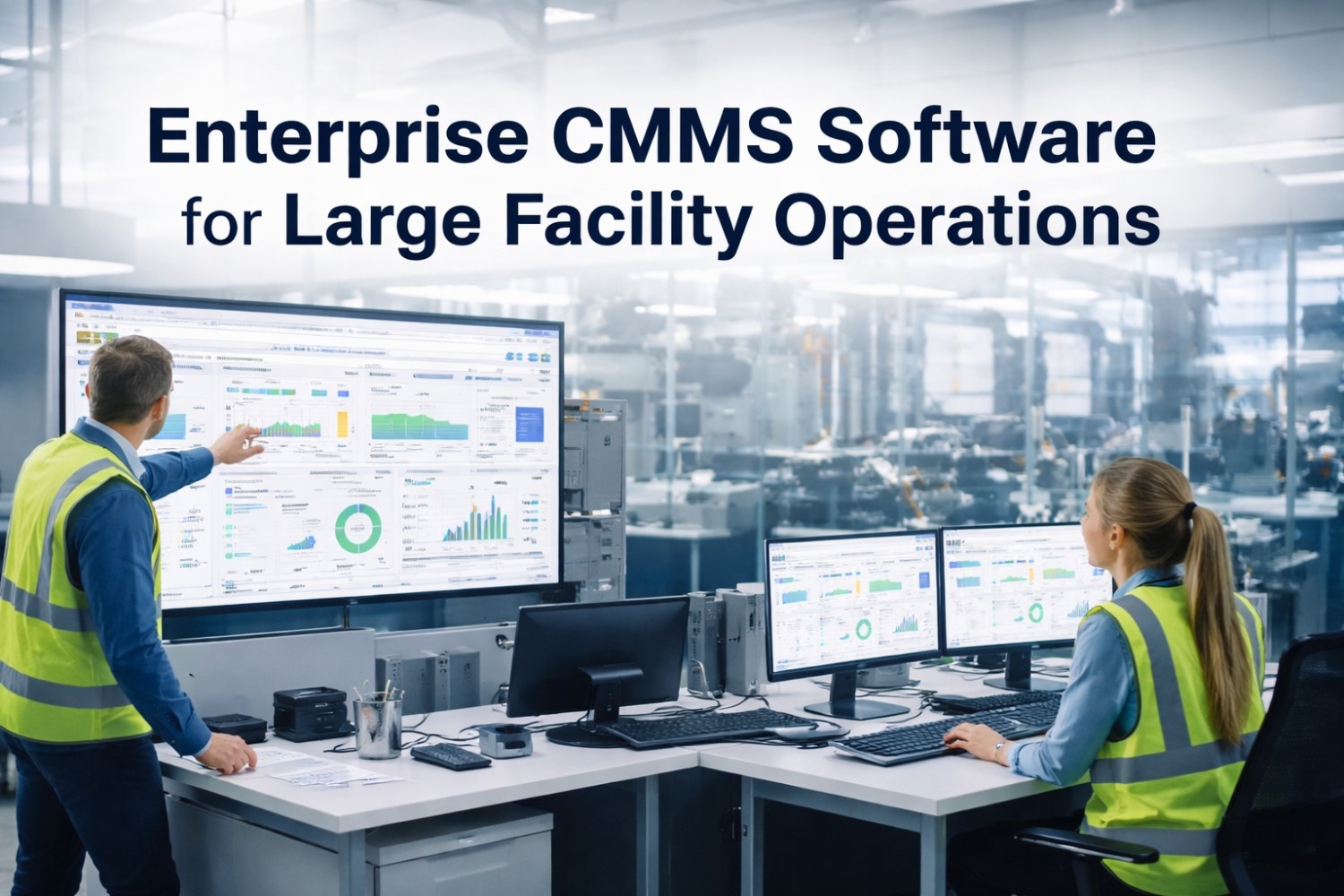
Read More
Managing maintenance across a 500,000+ square-foot facility with 200 assets and 45 technicians on paper spreadsheets is like flying a commercial aircraft with a paper map — technically possible, fatally risky. A petrochemical complex in the Gulf C

Read More
Commercial buildings above 100,000 sq ft generate an average of 320 maintenance work orders per month across HVAC, plumbing, electrical, elevator, fire safety, and structural systems. When facility teams track these requests through spreadsheets,

Read More
Facility maintenance teams running on clipboard workflows and desktop-only software lose an average of 11 hours per technician per week to non-wrench time — walking back to offices for work order details, manually logging completion notes, and cha

Read More
Maintenance teams that operate without centralized KPI dashboards spend an average of 12 hours per week compiling spreadsheet reports manually — pulling data from disconnected work order systems, inventory logs, and technician timesheets. A region
.jpeg)
Read More
A 600,000 sq ft commercial campus was losing $340,000 annually to untracked equipment failures — HVAC compressors running past service intervals, fire suppression panels missing inspections, and elevator components replaced reactively at 3x the co

Read More
A premier commercial property group managing a 2.5 million sq ft urban portfolio was trapped in a "break-fix" cycle, with 75% of their maintenance budget consumed by emergency repairs and overtime. Their aging HVAC and elevator systems were failin
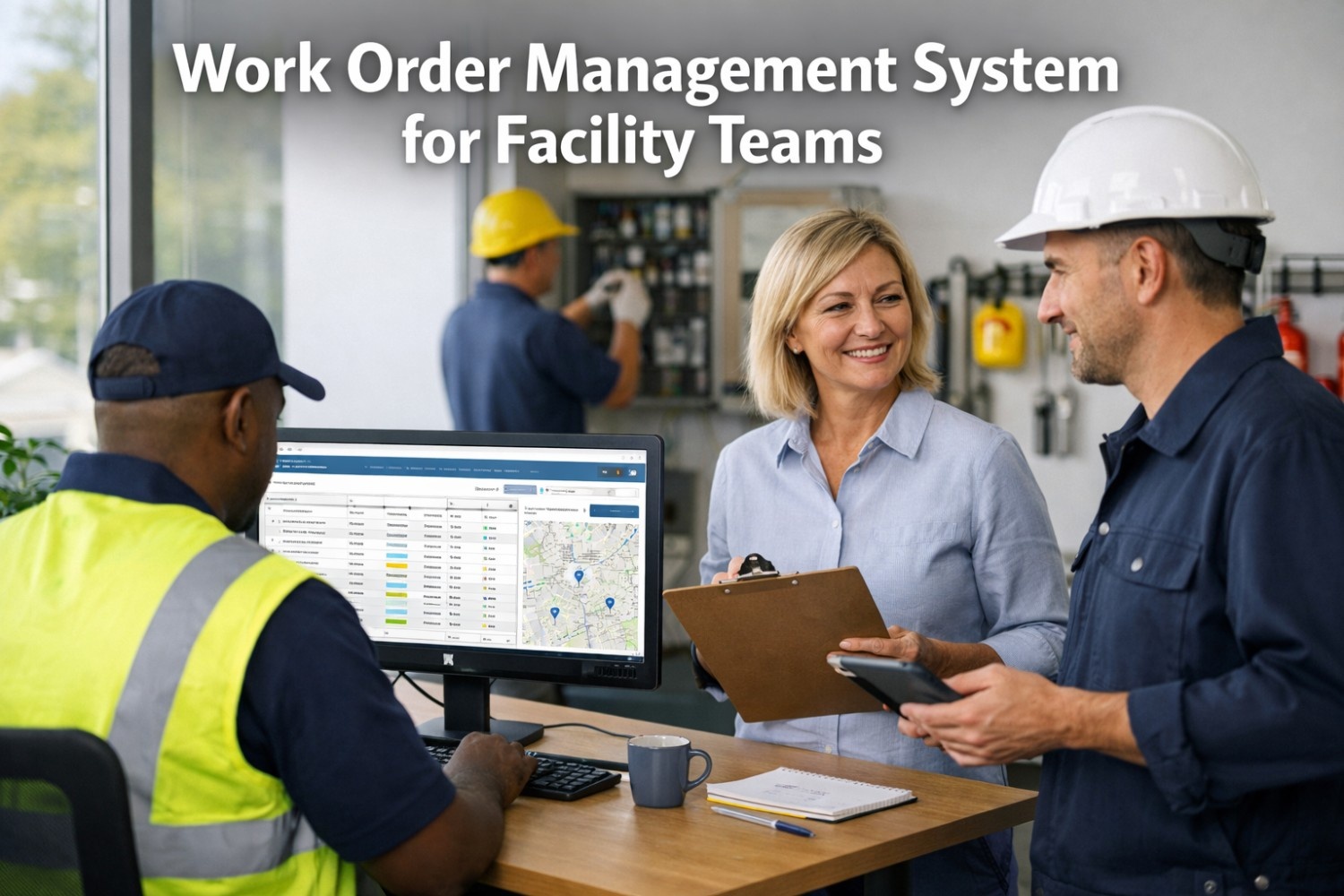
Read More
A multi-site commercial real estate portfolio managing 4.5 million square feet was losing over $250,000 annually to "operational friction"—untracked tenant requests, manual technician dispatching, and lost paper invoices. Without a centralized sys
Read More
A global property management firm overseeing 12 million square feet of mixed-use real estate recently faced a critical audit of their operational expenditures. They discovered that "invisible" administrative friction—manual work order entry, lost

Read More
A multi-tenant office complex in downtown Chicago recently experienced a catastrophic electrical fire in its main switchgear room, resulting in three days of total power loss and $1.4 million in tenant displacement claims. The investigation traced

Read More
A leading regional medical center spanning 150,000+ sq ft recently faced a crisis when its primary chiller failed during a summer heatwave, leading to $85,000 in emergency repairs and partial patient relocation. The root cause? A clogged condenser

Read More
Steel plants running on manual production schedules lose an average of 22 shift-hours per week to sequencing conflicts, furnace idle time, and unplanned rolling mill changeovers. A 1.5 million ton/year integrated steel plant tracked $3.8 million i

Read More
A mid-sized integrated steel plant running two blast furnaces and a continuous caster discovered that its actual throughput had drifted 23% below rated capacity — not because of equipment failure, but because of scheduling blind spots, untracked i

Read More
A large integrated steel plant running two blast furnaces and a five-stand hot strip mill discovered during an annual audit that 38% of its $24 million maintenance budget was consumed by emergency breakdowns — unplanned caster roll failures, blast

Read More
A 2.4 million-ton integrated steel plant in the U.S. Midwest was hemorrhaging $4.7 million annually in unplanned downtime across its blast furnace, caster, and hot rolling mill — not from catastrophic equipment failures, but from missed PM schedul

Read More
Global steel overcapacity now exceeds 550 million metric tons annually — yet the plants that survive margin compression are not the ones cutting headcount or deferring maintenance. They are the ones extracting maximum throughput from every schedul

Read More
Commercial building inspections account for over $4.7 billion in annual compliance penalties across the United States — not from structural failures, but from missed documentation, expired certifications, and inspection gaps that accumulate betwee

Read More
Commercial buildings lose an average of $0.72 per square foot annually to premature equipment failures that a structured lifecycle management strategy would prevent. A 250,000 sq ft office complex replacing a single chiller 8 years before end-of-l

Read More
Commercial HVAC systems consume 40% of total building energy in office towers, hospitals, and retail complexes — yet most facility teams still rely on fixed scheduling and seasonal tune-ups that ignore real-time performance data. A 500,000 sq ft c

Read More
Most commercial facility managers still run calendar-based preventive maintenance schedules built on manufacturer recommendations — replacing filters every 90 days, lubricating bearings every 6 months, inspecting HVAC coils quarterly. The problem

Read More
Most facility directors track work order completion rates and call it performance management — then wonder why emergency repairs consume 45% of their maintenance budget. A mid-rise commercial building in Dallas discovered that switching from react

Read More
A 2.4-million-square-foot Class A office complex in Chicago discovered during its annual capital planning cycle that 1,847 deferred work orders had accumulated across HVAC, plumbing, electrical, and envelope systems — representing $3.1 million in

Read More
Facility managers heading into 2026 face a compounding challenge: aging infrastructure, rising labor costs, and board-level pressure to reduce operational spend — all at once. Without a structured maintenance budget plan, most facilities end up in

Read More
A single unplanned generator failure during a critical power outage costs facilities far more than three years of structured preventive maintenance combined. Facility managers across healthcare, data centers, manufacturing, and commercial real est

Read More
Commercial HVAC systems represent 39% of total building energy consumption and typically account for the single largest line item in any facility operations budget. Yet most property managers discover their true HVAC spend only after emergency bre

Read More
Commercial facilities lose an average of 800 hours per year to unplanned equipment downtime — and most of it comes from the same handful of preventable causes. Whether you manage an office complex, retail chain, hospital, or warehouse, each unexpe

Read More
Every facility manager knows the frustration: a critical HVAC unit fails mid-summer, a conveyor belt snaps on peak production day, or a compressor seizes because its last oil change was never scheduled. Unplanned downtime costs manufacturers an av

Read More
Facility managers who rely on handwritten logs and disconnected spreadsheets lose an average of 11 hours per week chasing down maintenance records, tracking open work orders, and preparing for audits. When a boiler breaks down at 2 AM or a routine

Read More
Commercial HVAC systems quietly regulate temperature, air quality, and humidity across thousands of square feet every single day — and when they fail, operations grind to a halt. Unplanned HVAC downtime in commercial buildings costs between $15,00

Read More
Fire pumps are the backbone of any facility's fire suppression system — yet they are among the most frequently neglected critical assets in building infrastructure. NFPA 25 mandates weekly, monthly, quarterly, and annual inspection cycles, and a s

Read More
Chillers account for up to 40 percent of a commercial building's total energy consumption — making them simultaneously the highest-value and highest-risk HVAC asset in any facility. An unplanned chiller shutdown during peak summer demand costs an

Read More
An Air Handling Unit that fails on a Monday morning in July doesn't just break down — it takes your entire building's comfort, productivity, and tenant satisfaction with it. Emergency AHU repairs cost 3–7x more than scheduled preventive maintenanc

Read More
The diesel generator sits behind the building, quiet for months, ignored by everyone until the power goes out. Then it becomes the most important piece of equipment in the entire facility — and if it doesn't start in 10 seconds, you've got elevato

Read More
The auditor arrives on a Tuesday morning. They need three years of fire suppression inspection records, proof that every rooftop air handler received its ASHRAE-mandated filter changes on schedule, a complete history of elevator certification rene

Read More
Building managers across commercial high-rises and hospitals still rely on fixed maintenance calendars to service elevators, HVAC chillers, and fire suppression pumps. Meanwhile, sensors embedded in these assets stream vibration, temperature, and

Read More
Every day, commercial building tenants submit maintenance requests that vanish into email inboxes, voicemail systems, and paper logbooks. Broken thermostats go unreported for weeks. Emergency plumbing issues get the same priority as a flickering h

Read More
Managing hundreds of properties means tracking thousands of assets — HVAC units, elevators, fire suppression systems, roofing membranes, plumbing networks — across buildings that may be miles apart. Most real estate managers still rely on spreadsh

Read More
Facility managers across commercial buildings, manufacturing plants, and data centers are losing thousands of dollars each month to invisible energy waste — outdated HVAC schedules running at full capacity in empty wings, lighting systems ignoring

Read More
Facility directors juggle hundreds of assets, dozens of technicians, and constant pressure to cut costs without sacrificing occupant comfort. Yet most still rely on spreadsheets and gut instinct to make million-dollar maintenance decisions. A purp

Read More
Maintenance teams across manufacturing plants, commercial buildings, and logistics hubs spend over half their shifts on repetitive tasks—logging readings, walking inspection routes, filing paper work orders, and chasing parts through disconnected

Read More
Managing a single building is challenging enough—coordinating maintenance, compliance, vendor schedules, and tenant requests across ten, fifty, or a hundred properties without a unified platform turns operations into a patchwork of spreadsheets, p

Read More
Every morning, facility managers across commercial buildings wake up to the same nightmare: a burst pipe flooding a server room, an HVAC compressor that seized overnight, or a roof leak discovered only after ceiling tiles collapse onto tenants' de

Read More
Enterprise buildings generate thousands of maintenance signals every day—HVAC drift, lighting faults, elevator vibration, water pressure anomalies—and most facility teams still chase them with spreadsheets, radio calls, and gut i

Read More
Commercial buildings waste up to 30% of their energy due to poorly maintained HVAC systems, aging infrastructure, and reactive maintenance habits that address failures only after tenants start complaining. Facility managers juggle hundreds of asse

Read More
Facility managers across commercial buildings, hospitals, and manufacturing plants are facing a harsh reality in 2026: energy costs have surged by double digits over the past three years, eating into operational budgets that were already stretched

Read More
Managing a commercial real estate portfolio means tracking hundreds of assets across dozens of properties—HVAC units nearing end-of-life, roofing membranes past warranty, elevators due for modernization, and fire suppression systems requiring rece

Read More
When a facility spans hundreds of thousands of square feet and employs dozens of maintenance technicians across multiple shifts, work orders do not simply "get done." They get lost in email threads, duplicated across spreadsheets, misrouted to the

Read More
Property managers overseeing 10, 50, or 200+ locations know the nightmare: inconsistent inspection reports, missed maintenance items buried in email chains, and zero visibility into which sites are compliant and which are ticking time bombs. Paper

Read More
Facility managers across commercial buildings, hospitals, and manufacturing plants share a common frustration: maintenance budgets that balloon year after year while equipment reliability barely improves. The root cause is not lazy crews or aging

Read More
Facility managers across the United States spend an average of 12 hours per week chasing maintenance backlogs, juggling spreadsheets, and fielding emergency repair calls that a proper system would have predicted days ago. The right CMMS eliminates

Read More
Facility managers in 2026 face a convergence of pressures that did not exist five years ago — aging infrastructure meets tighter sustainability mandates, labor shortages collide with rising tenant expectations, and compliance frameworks grow more

Read More
هل تجد نفسك أمام بيانات فحص روبوتية ضخمة لا تجد طريقها إلى نظام إدارة الصيانة CMMS؟ هذا بالضبط ما يعانيه مديرو تقنية المعلومات في قطاع المرافق — جُزُر بيانات منعزلة، تقارير يدوية مستهلكة للوقت، وأنظمة فحص روبوتية تعمل في فراغ ب

Read More
منشأتك التجارية تعمل باستمرار — لكن هل فريق الصيانة لديك يرى كل ما يحدث فعلاً؟ معظم المنشآت التجارية تعتمد على جولات فحص يدوية تُفوّت أكثر من 70% من التدهورات الصغيرة في الأصول الحرجة. عندما يتعطل نظام HVAC في ذروة الصيف، أو تت

Read More
برنامج الفحص في منشأتك يعاني من مشكلة النقاط العمياء. جولات الفحص اليدوي تفوّت الشقوق الخفية خلف العوازل، والشذوذات الحرارية المتكونة داخل لوحات الكهرباء، والتآكل المبكر في المناطق صعبة الوصول — حتى تتحول إلى أعطال باهظة التكلف

Read More
منشأتك التجارية تعمل باستمرار — لكن هل تعمل بكفاءة؟ معظم المباني التجارية تخسر ما يصل إلى 35% من وقت تشغيلها بسبب أعطال غير متوقعة في أنظمة HVAC والمعدات الحرجة. عندما يتوقف نظام التكييف في ذروة الصيف، أو تتعطل المصاعد في مبنى

Read More
When a pharmaceutical manufacturer deployed six autonomous mobile robots across its 280,000 sq ft cleanroom facility, the first collision happened on day three. A picking robot reversed into an AGV carrying sterile vials because both navigation st

Read More
Facility security teams across industrial complexes, data centers, and energy infrastructure are discovering that static camera networks and manned patrol routes leav e critical blind spots — areas where threats develop undetected for hours. A 640

Read More
A pharmaceutical manufacturing plant in New Jersey shut down two robotic welding cells for 11 days after a compliance audit revealed that safety sensor calibration had drifted beyond acceptable thresholds — sensors that passed visual inspection bu

Read More
Facility managers across pharmaceutical plants, data centers, and food processing facilities lose an average of $38,000 per unplanned HVAC shutdown — not from equipment age, but from inspections that never happened in hard-to-reach mechanical spa

Read More
Every year, facility managers face the same challenge: fire safety inspections that drain staff time, miss hidden hazards, and generate paperwork that sits in filing cabinets until the next audit cycle. A 600,000 sq ft pharmaceutical campus discov

Read More
Every facility deploying mobile robots faces a critical responsibility: ensuring those robots operate safely, comply with evolving regulations, and receive proactive maintenance before failures disrupt operations. Whether your fleet runs on ROS2-b

Read More
Every facility manager knows the risk: missed energy leaks, overlooked safety hazards, and compliance gaps that only surface during audits. Manual inspections are slow, inconsistent, and expensive. In 2026, robotic inspection systems equipped with

Read More
Robotic fleets in warehouses, assembly lines, and logistics hubs are only as reliable as the systems monitoring them. When a six-axis arm drifts out of calibration at 2 AM or an AMR stalls mid-route, the cost is not just one robot — it is an entir

Read More
Facility managers across warehouses, data centers, and industrial campuses are replacing manual security patrols with autonomous quadruped robots that walk, climb, and inspect around the clock. These four-legged machines navigate stairs, uneven te

Read More
Every facility running robotic systems faces a critical compliance question in 2026: are your safety inspections keeping up with the speed and complexity of automated operations? Robotic work cells, collaborative robots, and autonomous guided vehi

Read More
Facility managers lose thousands of hours each year sending technicians into confined mechanical rooms, rooftop units, and crawl spaces just to visually inspect HVAC equipment. Quadruped robots are changing that equation in 2026—walking auto

Read More
Facility managers overseeing large industrial campuses, warehouses, and critical infrastructure face an impossible task: inspecting thousands of equipment assets across vast, often hazardous environments with limited personnel. Manual inspection r

Read More
Facility security and equipment monitoring have traditionally depended on manual patrol schedules and fixed-sensor networks. Guard rounds miss anomalies between intervals, stationary cameras have blind spots, and maintenance teams discover equipme

Read More
Lobby reception robots greet thousands of visitors weekly, but without structured maintenance routines they degrade fast—freezing mid-interaction, misrouting guests, and projecting a neglected facility image. A single robot failure during peak hou

Read More
A mid-sized commercial facility managing 200,000+ sq ft of floor space was spending $1.2 million annually on routine maintenance labor—floor cleaning, HVAC filter checks, lighting inspections, and pipe leak detection. Despite a 40-person maintenan

Read More
Large-facility fire safety inspections have historically depended on manual walkarounds, periodic visual checks, and static alarm systems that only react after ignition. These legacy approaches leave dangerous gaps—warehouses with 500,000+ square

Read More
Facility maintenance is undergoing its most significant transformation in decades. Traditional scheduled inspections and reactive break-fix models are giving way to intelligent, sensor-driven systems where IoT devices continuously monitor asset he

Read More
High-rise window cleaning remains one of the most dangerous maintenance tasks in commercial building management. Every year, traditional rope-access and gondola-based window cleaning results in fatal falls, equipment failures, and costly insurance

Read More
Facility management in 2026 demands more than scheduled walkthroughs and reactive repairs. Buildings have become complex ecosystems of HVAC systems, electrical infrastructure, plumbing networks, and security apparatus — each generating failure mod

Read More
Facility managers still send technicians on 4-hour walkthrough routes every shift, checking the same gauges, snapping the same photos, and logging the same readings into clipboards that take days to reach the CMMS. Meanwhile, a bearing fails betwe

Read More
Commercial and industrial facilities lose thousands of labor hours annually to manual floor cleaning operations. Warehouse crews push walk-behind scrubbers through 100,000+ square foot spaces. Hospital EVS teams run overnight shifts scrubbing corr

Read More
Security patrol robots are transforming how facilities protect their perimeters, monitor restricted areas, and respond to intrusions. But deploying these sophisticated machines is only half the equation — keeping them operational around the clock

Read More
Commercial buildings lose 25-40% of conditioned air through duct system inefficiencies that go undetected for years. The problem isn't awareness — it's access. HVAC ductwork runs through ceilings, walls, and mechanical shafts where human inspector

Read More
Building maintenance has always been a reactive discipline — waiting for tenant complaints, chasing HVAC failures after comfort is lost, discovering water leaks only when ceiling tiles collapse. ROS 2-powered robots are rewriting this equation ent

Read More
Every facility manager faces the same impossible equation: more assets to monitor, fewer qualified inspectors to deploy, and tighter compliance windows that leave no margin for missed walkthroughs. Traditional inspection programs rely on clipboard

Read More
Every facility manager knows the zones that never get cleaned properly — the warehouse aisles after midnight when janitorial staff has gone home, the loading dock corners where dust accumulates for weeks, the restroom floors during peak occupancy

Read More
Every maintenance team knows the frustration: a critical pump fails at 2 AM, the operator calls the supervisor, who calls the maintenance manager, who creates a work order manually, who then assigns it to a technician — all while the production li

Read More
Every minute of unplanned equipment downtime costs industrial facilities an average of $125,000 per hour across industries, and for automotive plants, that figure now exceeds $2 million per hour. Traditional maintenance approaches — reactive fixes

Read More
Facility managers running SAP as their enterprise backbone face a persistent challenge — maintenance data lives in one system while finance, procurement, and HR data live in another. The result is fragmented workflows, duplicate data entry, delaye

Read More
Every facility — whether it is a manufacturing plant, a commercial building, or a processing unit — needs dedicated downtime to stay safe, efficient, and regulation-compliant. Yet the single biggest difference between a costly, chaotic shutdown an

Read More
Every facility manager knows the anxiety of pressing the "start" button after a planned shutdown. The numbers justify that anxiety — research shows that nearly 50 percent of all safety incidents in industrial facilities occur during startup and sh

Read More
Facility shutdowns are among the most high-stakes events in industrial operations. Whether it's a scheduled turnaround, a seasonal maintenance window, or a critical safety-driven outage, the success of every shutdown depends on one thing above all

Read More
Every facility manager knows the feeling — an auditor walks through the door, and suddenly you're scrambling through filing cabinets, email threads, and half-completed spreadsheets trying to prove that every inspection was done on time. The realit

Read More
Facility managers today oversee dozens — sometimes hundreds — of buildings, systems, and assets spread across multiple locations. Every HVAC unit, fire extinguisher, elevator, rooftop unit, and restroom requires routine inspection to stay complian

Read More
Every fleet facility manager knows the morning ritual: drivers climbing into cabs, engines turning over, and vehicles rolling out to meet the day's demands. But between the ignition and the open road sits a critical compliance checkpoint that sepa

Read More
Every building you manage is a complex system of interconnected components — foundations, roofing, electrical panels, plumbing networks, HVAC units, and fire safety equipment — all aging simultaneously under load, weather, and daily use. Without a
Read More
Facility managers today oversee dozens — sometimes hundreds — of buildings, systems, and assets spread across multiple locations. Every HVAC unit, fire extinguisher, elevator, rooftop unit, and restroom requires routine inspection to stay complian

Read More
Facility inspections have traditionally lived on clipboards, paper checklists, and spreadsheets — but these methods cost more than most teams realize. Studies tracking nearly 3,000 inspections across 12 operations found that switching from paper t

Read More
Every facility manager knows the frustration: clipboards stuffed with paper checklists, photos lost in camera rolls, and inspection findings buried in spreadsheets that nobody reviews until an auditor shows up. In 2026, the gap between organizatio

Read More
Every year, nearly 100 workers in the US lose their lives during confined space operations — often not the initial entrant but the would-be rescuers who rush in without proper atmospheric monitoring or a retrieval plan. Permit-required confined sp

Read More
Every facility manager knows the feeling: a near-miss incident happens, and the paper trail reveals that the hazard was flagged months ago but buried in a spreadsheet no one reviewed. Manual risk assessments miss critical hazards, delay corrective

Read More
Every year, preventable workplace incidents cost industrial facilities millions in downtime, regulatory fines, and — most critically — human injury. Yet many organizations still rely on outdated paper binders, annual slide decks, and sign-off shee

Read More
Facility managers today face mounting pressure from evolving safety regulations, rising workplace injury costs, and the growing complexity of multi-site operations. Traditional paper-based safety programs and spreadsheet tracking can no longer kee

Read More
Safety training programs are no longer optional—they're the backbone of every compliant, productive facility. With OSHA tightening regulations and workplace injuries costing employers over $1 billion weekly in workers' compensation alone, faciliti

Read More
Every facility manager knows the sinking feeling when an incident occurs—a safety hazard discovered too late, equipment failure that halts operations, or a compliance issue that surfaces during an audit. Traditional incident tracking through spr

Read More
Managing Environment, Health, and Safety (EHS) compliance across facilities has never been more challenging. With OSHA penalties reaching $161,323 per willful violation in 2024 and EPA fines accumulating daily for non-compliance, facilities manage

Read More
Facility managers face an unrelenting challenge: maintaining safe, compliant environments while juggling countless data streams from incident reports, inspections, permits, and regulatory requirements. Traditional approaches using spreadsheets and

Read More
Managing work permits across large facilities using paper-based systems creates dangerous bottlenecks that put workers at risk and drain operational efficiency. Studies show that workers at industrial sites can spend 60-90 minutes each morning sim

Read More
Every year, facilities across industries face preventable incidents that stem from one critical gap: inadequate safety clearance management. According to OSHA's 2024 data, employers reported over 1.3 million workplace injuries, with lockout/tagout

Read More
Every year, failure to properly control hazardous energy during equipment maintenance results in approximately 50,000 preventable injuries and 120 fatalities across industrial workplaces. The LOTOTO (Lockout, Tagout, Tryout) procedure represents t

Read More
Facility managers today are under more pressure than ever to track safety incidents, maintain regulatory compliance, and protect their workforce across multiple sites. Yet many still rely on scattered spreadsheets, paper checklists, and disconnect

Read More
Every facility manager knows the drill: stacks of paper inspection forms, scattered spreadsheets tracking incidents, last-minute scrambles before regulatory audits, and the constant worry that one overlooked hazard could result in a serious injury

Read More
The challenge isn't SAP itself — it's the gap between SAP SD's transactional architecture and the real-time, mobile-first demands of modern facility service delivery. Service quotes that take days instead of hours, work orders that don't sync with

Read More
Facility service companies juggle hundreds of service contracts, work orders, and invoices across multiple client sites every month. Yet the sales and distribution backbone that ties it all together is often a tangled mess of spreadsheets, disconn

Read More
Managing environment, health, and safety across large facilities is one of the most complex operational challenges organizations face today. With OSHA penalties reaching up to $165,514 per willful violation and over 890,000 workplace injuries reco

Read More
Facility teams are under more pressure than ever. With a projected 53% workforce deficit, rising compliance complexity, and buildings that demand round-the-clock attention, managing the people side of facility operations has become just as critica

Read More
Managing Environment, Health, and Safety (EHS) across large-scale facilities has never been more complex. With tightening regulations, rising compliance costs, and the growing demand for real-time visibility into safety operations, facility manage

Read More
Smart facilities demand intelligent infrastructure. Traditional building management systems operate in isolation, creating data silos that limit visibility, slow decision-making, and waste resources. SAP Business Technology Platform (BTP) integrat

Read More
Managing facility materials through SAP Warehouse Management transforms how maintenance teams handle spare parts, MRO inventory, and critical supplies. Traditional approaches—spreadsheet tracking, manual stock checks, and reactive ordering—create

Read More
Managing facility costs without integrated financial controls is like navigating complex infrastructure maintenance blindfolded. The SAP Controlling (CO) module transforms how facility managers track, allocate, and optimize maintenance expenses ac

Read More
Facility operations generate thousands of financial transactions daily—from work orders and purchase requisitions to labor costs and asset depreciation. Without seamless integration between your maintenance management system and SAP Finance, these

Read More
Facility managers running SAP Materials Management know the frustration — purchase requisitions stuck in approval queues, stock rooms holding six months of filters nobody ordered while critical spare parts sit at zero, and maintenance technicians

Read More
Facilities running on SAP Plant Maintenance face a paradox — powerful enterprise integration yet maintenance teams struggle with complex interfaces, slow adoption, and disconnected field operations. While SAP PM excels at financial tracking and maste

Read More
SAP remains the enterprise backbone for thousands of organizations worldwide, yet facility management teams often operate in disconnected silos—manually transferring work orders, asset data, and cost information between SAP and standalone CMMS too

Read More
Facility management is undergoing a fundamental transformation. Traditional maintenance approaches—scheduled servicing, reactive repairs, and manual inspections—can no longer keep pace with the complexity of modern building systems. IoT-enabled pr

Read More
Facility management has evolved beyond scheduled inspections and reactive repairs. Real-time IoT diagnostics now enable maintenance teams to monitor equipment health continuously, detect anomalies within seconds, and prevent failures before they d

Read More
Deploying IoT sensors in facilities has become essential for modern maintenance operations. Traditional facility management relied on manual inspections and reactive maintenance, but smart sensors now enable real-time monitoring of HVAC systems, o

Read More
The facility management landscape has transformed dramatically as wireless sensor technology reaches new levels of sophistication in 2026. Building managers now have access to intelligent monitoring systems that predict equipment failures, optimiz

Read More
Smart buildings are transforming how we manage commercial and residential properties, with IoT gateways serving as the critical nervous system connecting thousands of sensors, controllers, and devices into unified intelligent networks. Traditional

Read More
Modern facility management demands more than spreadsheets and scheduled inspections. IoT integration transforms how buildings communicate their needs—from HVAC systems signaling efficiency drops to occupancy sensors optimizing space utilization in

Read More
Every facilities team knows the frustration: a critical repair request sits untouched because it is stuck in an approval queue nobody can see. Work order approvals are the gatekeepers of your entire maintenance operation, yet most organizations st

Read More
Facility managers are under growing pressure to reduce unplanned downtime, extend asset life, and cut maintenance costs — all with shrinking budgets and aging workforces. AI predictive maintenance makes this possible by using real-time sensor data

Read More
Facility managers are under growing pressure to cut costs, reduce downtime, and extend the life of critical building systems. Traditional maintenance approaches—scheduled inspections, run-to-failure tactics, and spreadsheet-based tracking—leave to

Read More
Facility equipment reliability depends on proper lubrication—yet most organizations still manage lubrication programs through paper checklists, spreadsheets, and manual route schedules. Modern lubrication management software transforms maintenance

Read More
Every facility manager knows the sinking feeling when a Building Management System controller fails without warning—HVAC systems drift out of range, occupant complaints spike, and emergency repair costs pile up fast. The truth is, most BMS control

Read More
Managing Uninterruptible Power Supply (UPS) systems demands precision, coordination, and real-time visibility across maintenance teams. Traditional approaches involving spreadsheets, manual logs, and disconnected systems leave critical gaps that c

Read More
Elevator service teams operate in a high-stakes environment where every minute of downtime impacts building operations, tenant satisfaction, and regulatory compliance. Managing maintenance schedules across dozens of elevators, coordinating field t

Read More
Lighting panel maintenance teams face unique challenges that demand seamless coordination between electrical inspections, preventive schedules, and real-time issue resolution. When workflows remain siloed across spreadsheets, emails, and disconnec

Read More
Water pump teams face a unique operational challenge: managing distributed infrastructure across treatment plants, lift stations, and distribution networks while keeping pumps running at peak efficiency. Traditional workflows—paper logs, siloed sy

Read More
HVAC filter teams face a constant challenge: coordinating filter replacements across multiple units, tracking inventory, and maintaining compliance documentation—all while keeping building occupants comfortable and systems running efficiently. Int

Read More
Modern chiller maintenance has evolved beyond reactive repairs and paper-based logs. IoT-enabled workflows now connect every sensor, technician, and work order into a seamless digital ecosystem—transforming how chiller teams detect issues, coordin

Read More
Fire pump teams face mounting pressure to maintain NFPA 25 compliance while managing complex weekly, monthly, and annual inspection schedules across multiple facilities. Traditional paper checklists and manual tracking methods create compliance ga

Read More
Modern UPS maintenance teams face mounting pressure to maximize system uptime while managing complex infrastructure across multiple facilities. Traditional reactive approaches—waiting for alarms, manual inspections, and spreadsheet-based tracking—

Read More
Elevator maintenance teams face mounting pressure to reduce downtime, respond faster to emergencies, and maintain aging equipment with fewer skilled technicians. Traditional clipboard-based workflows and reactive service models leave teams chasing

Read More
Lighting panel teams face a new operational reality. Traditional methods—manual inspections, paper checklists, and reactive troubleshooting—struggle to keep pace with modern building complexity and energy efficiency demands. IoT-enabled workflows

Read More
Water pump teams face a critical challenge: managing distributed pump stations across wide geographies with limited on-site staff while preventing costly failures that disrupt operations. Traditional maintenance approaches relying on manual inspec

Read More
HVAC filter maintenance has evolved beyond scheduled replacements and visual inspections. Traditional approaches leave filter teams guessing—replacing filters too early wastes money, while replacing them too late drives up energy costs by 15% and

Read More
Fire pump maintenance isn't optional—it's a workplace safety mandate. OSHA requires employers to maintain operational fire protection systems, while NFPA 25 establishes the specific inspection, testing, and maintenance schedules that keep fire pum

Read More
Fire pump systems are the backbone of building fire protection, yet traditional maintenance approaches leave facilities vulnerable to catastrophic failures during emergencies. When a fire pump fails to deliver adequate pressure, sprinkler systems

Read More
Fire pump failures during emergencies can be catastrophic. When a fire breaks out and the pump refuses to start, precious seconds turn into devastating losses. Traditional maintenance approaches—weekly visual checks and annual flow tests—often mis

Read More
Fire pump systems are the backbone of building fire protection—yet many facility managers only discover problems when it's too late. Regular inspections transform fire pump maintenance from reactive crisis management into predictable, compliance-d

Read More
Fire pump low pressure is one of the most dangerous failures in any fire protection system. When your pump cannot build or maintain adequate discharge pressure, the entire facility loses its ability to deliver sufficient water supply during an eme

Read More
When a fire pump fails to start during an emergency or test run, the consequences can be catastrophic. Fire pumps are designed to activate instantly when pressure drops, delivering water to sprinklers and standpipes that protect lives and property

Read More
Fire pump teams face a unique challenge that most maintenance departments never encounter: maintaining equipment that must work flawlessly despite sitting idle for months or even years. When a fire emergency strikes, there's no second chance for a

Read More
Cooling tower maintenance has become a critical compliance priority for facility managers across every industry. With OSHA's General Duty Clause requiring employers to provide workplaces free from recognized hazards, combined with ASHRAE Standard

Read More
Cooling tower scale buildup silently drains your facility's budget every day it goes undetected. Traditional inspection methods—visual checks, quarterly water testing, and reactive maintenance—miss the gradual mineral accumulation that reduces hea

Read More
Cooling tower fans are the unsung workhorses of industrial operations, silently transferring heat away from critical processes around the clock. Yet when these fans fail unexpectedly, the consequences can be severe: production shutdowns costing $5

Read More
Scale buildup in cooling towers silently destroys efficiency, increases energy costs, and accelerates equipment failure. What begins as a thin mineral layer can quickly become inches of insulating deposits that reduce heat transfer by up to 40% an

Read More
Scale buildup in cooling towers silently destroys efficiency, increases energy costs, and accelerates equipment failure. What begins as a thin mineral layer can quickly become inches of insulating deposits that reduce heat transfer by up to 40% an

Read More
Cooling tower fans are the heartbeat of industrial HVAC and process cooling systems. When they fail, production stops, equipment overheats, and costly emergency repairs follow. A systematic fan failure checklist transforms reactive firefighting in

Read More
Chiller systems are critical assets in commercial and industrial facilities, but they also present significant safety hazards during maintenance and inspection activities. From electrical dangers to refrigerant exposure and mechanical hazards, OSH

Read More
Managing cooling tower assets without a centralized workflow creates compliance gaps, missed inspections, and costly emergency repairs. Traditional spreadsheet tracking cannot keep pace with Legionella testing schedules, water treatment protocols,

Read More
Refrigerant leaks in chiller systems silently drain operational budgets while degrading cooling performance and triggering regulatory penalties. Traditional detection methods, including scheduled inspections and manual pressure checks, consistentl

Read More
Chiller systems represent one of the largest energy consumers in commercial and industrial facilities, with high head pressure being a leading cause of compressor failures, excessive energy consumption, and unplanned downtime. Traditional approach

Read More
Maintaining peak chiller performance requires systematic inspection protocols that identify issues before they escalate into costly failures. A well-structured chiller inspection program extends equipment lifespan, reduces energy consumption by 15

Read More
A chiller plant is often the single most expensive asset in a facility, consuming up to 40% of a building's total energy. Managing it with fragmented spreadsheets, missing manuals, and "tribal knowledge" is a financial leak waiting to burst. The "

Read More
Maintenance on Air Handling Units (AHUs) presents a "perfect storm" of safety hazards: high-voltage electricity, high-speed rotating fans, pressurized lines, and often, confined spaces. For facility managers, OSHA compliance isn't just about avoid

Read More
Maintenance on Air Handling Units (AHUs) presents a "perfect storm" of safety hazards: high-voltage electricity, high-speed rotating fans, pressurized lines, and often, confined spaces. For facility managers, OSHA compliance isn't just about avoid

Read More
Air Handling Units (AHUs) are the lungs of your facility, circulating air, controlling temperature, and managing quality. Yet, in many buildings, these critical assets receive little more than a filter change until a catastrophic failure occurs. A

Read More
A clogged Air Handling Unit (AHU) filter is more than just a maintenance nuisance; it is an invisible energy thief and a primary cause of poor indoor air quality (IAQ). When filters load with particulate beyond their design capacity, static pressu

Read More
Air Handling Units (AHUs) are the lungs of your facility, yet their management is often suffocated by outdated tracking methods. A static list of equipment in a spreadsheet is no longer sufficient for modern HVAC demands. When technicians lack a c

Read More
A Planned Maintenance Shutdown Strategy is a structured and time-bound approach used by facility operations teams to safely stop, service, inspect, upgrade, and recommission critical assets. Unlike reactive shutdowns caused by failures, planned sh

Read More
Every unplanned equipment failure exposes a critical truth: without the right spare parts on hand, maintenance teams are powerless. Yet maintaining inventory comes with its own costs—capital tied up in stock, storage expenses, and the risk o

Read More
Every unproductive hour represents wasted wages, missed output, and operational inefficiency. While most facilities achieve labor utilization rates above 70%, that remaining 25-30% of idle time, inefficient task allocation, and workforce gaps sile

Read More
Document intelligence transforms how industrial organizations manage SOPs, manuals, and compliance records. Traditional approaches—filing cabinets full of paper procedures, scattered digital files, and manual compliance tracking—cannot meet the de

Read More
Facility operations teams track dozens of metrics, but most never translate data into action. The difference between high-performing facilities and struggling ones isn't the amount of data collected—it's whether that data appears in the right dash
.png)
Read More
Disconnected systems create data silos, duplicate work, and blind spots across your facility operations. When your CMMS doesn't talk to your ERP, technicians manually re-enter work orders. When IoT sensors can't trigger maintenance alerts, equipme

Read More
Water treatment system failures cost facilities an average of $50,000 to $500,000 per incident when accounting for equipment damage, production down

Read More
Water treatment systems are the lifeline of modern facilities, yet they fail with alarming regularity. Studies show that 68% of water treatment system failures are preventable with proper maintenance protocols. When these critical systems malfunct

Read More
Comprehensive AI-driven predictive maintenance guide for building management systems with IoT integration, machine learning analytics, and proactive equipment monitoring for facility optimization.

Read More
Building Management System controller failures can cascade into catastrophic facility-wide disruptions—disabling HVAC, lighting, fire safety, and access control simultaneously. Yet 65% of BMS-related emergencies stem from predictable failure patte

Read More
Building Management System controllers are the operational backbone of modern facility automation—managing HVAC, lighting, fire safety, access control, and energy systems around the clock. Yet most facilities lack a structured inspection protocol

Read More
A single lighting system failure can halt production lines, create safety hazards, and expose your facility to regulatory fines exceeding $13,000 per violation. Traditional reactive maintenance leaves you scrambling when ballasts fail, emergency

Read More
A single lighting system failure in your warehouse can halt operations, compromise safety, and cost thousands in emergency repairs. Traditional maintenance approaches leave you guessing—replacing lamps too early wastes money, while waiting too lon

Read More
Lighting system failures cost commercial facilities an average of $2,500-$15,000 per incident in emergency repairs, productivity losses, and safety violations. With OSHA citing inadequate lighting as a contributing factor in 25% of workplace accid

Read More
When a diesel generator battery fails, it does not happen suddenly—it deteriorates over weeks or months, sending subtle signals that traditional maintenance practices completely miss. Voltage drops by a fraction of a volt each week. Internal resis

Read More
Plumbing pump failures represent one of the most disruptive and costly equipment breakdowns in facility operations. With studies showing that unplanned pump failures cost facilities an average of $10,000-$50,000 per incident in emergency repairs,

Read More
Plumbing pump failures cost facilities an average of $15,000-$50,000 per incident when factoring in emergency repairs, water damage, and operational downtime. With pumps representing the backbone of building water systems—from domestic water suppl

Read More
When a diesel generator inspection is performed without a structured guide, critical items get missed. One technician checks the oil, another checks the coolant, but nobody verifies the transfer switch operation or documents the hour meter reading

Read More
Plumbing pump failures cost commercial facilities an average of $15,000 per incident in emergency repairs and water damage—not counting the operational disruptions that cascade through entire buildings. With pumps operating 24/7 in water distribut

Read More
Manufacturing quality control is at a crossroads. With the global machine vision market projected to gr

Read More
When the utility power fails and your diesel generator refuses to crank, the problem is almost always the battery. Generator batteries sit dormant for weeks or months, slowly discharging, corroding, and deteriorating—until the moment you need them

Read More
When a diesel generator fails during a power outage, the chaos is immediate. Operations scrambles to find backup, maintenance searches for parts, and management demands answers. This reactive firefighting is the symptom of a deeper problem—the abs

Read More
When an electrical panel fails, the pressure to get back online is immense. This leads to "shotgun troubleshooting"—replacing the breaker, the wire, and the contactor, hoping one of them was the culprit. While this might restore power temporarily,

Read More
Plumbing pump failures account for nearly 40% of all facility water system emergencies, yet most breakdowns are entirely preventable with routine inspection. Without a structured checklist, technicians miss early warning signs like abnormal vibrat

Read More
In the era of Industry 4.0, relying on calendar-based inspections for critical electrical infrastructure is a liability. Electrical distribution panels are complex systems where failure patterns often hide in data noise—subtle temperature shifts,

Read More
The electrical panel is the heart of your facility's power distribution, yet it is often the most neglected component until a failure occurs. According to the NFPA, electrical distribution failures are a leading cause of industr

Read More
Professional thermal reporting transforms raw inspection data into actionable maintenance intelligence. Yet 70% of facilities struggle with inconsistent documentation that fails to capture critical temperature differentials, lacks proper severit

Read More
Electrical panel inspections are the frontline defense against facility fires, equipment damage, and costly downtime. With electrical failures causing over 50,000 industrial fires annually and accounting for $1.8 billion in property damage, syst

Read More
Facilities implementing comprehensive UPS monitoring and maintenance programs experience up to 80% fewer unplanned failures. The key is understanding failure mechanisms before they cascade into critical events.

Read More
The data center monitoring dashboard shows green across all metrics at 2:47 AM—until a critical UPS unit fails without warning, taking down an entire server rack. The backup batteries, which passed their last scheduled inspection just six weeks ag

Read More
The data center hums along quietly at 2:43 AM when suddenly the lights flicker. A UPS alarm pierces the silence—battery voltage dropping fast. Within seconds, the static bypass engages, but not before a critical server cluster experiences a

Read More
The power flickers at 2:43 PM during a routine grid disturbance—a brief 200-millisecond interruption that should have been invisible to your data center operations. Instead, servers crash, transactions fail, and the post-incident analysis reveals

Read More
It's 3:15 AM when the data center manager receives an alert—not the catastrophic "UPS Failure: Load on Bypass" message, but something far more useful: "Battery cell #14 showing elevated impedance. Predicted failure window: 21-35 days. Work order a

Read More
The morning shift report reads like a recurring nightmare—another generator failure during last night's power outage, the third incident this quarter. Each post-incident review identifies a different symptom: corroded terminals, fuel contamination

Read More
In modern facility operations, power continuity is non-negotiable. It's the middle of a critical production run or a surgical procedure when the mains power fails. The Diesel Generator (DG) set is supposed to kick in immediately—but it doesn't. A

Read More
The emergency alarm sounds at 3:17 AM—a pipe burst in the mechanical room. The building management system triggers the backup generator, but instead of the reassuring rumble of diesel ignition, there's silence. Three hours later, with burst pipes

Read More
The grid fails at 11:47 PM on a Friday. Your diesel generator receives the start signal—and nothing happens. The investigation reveals a battery that failed silently three weeks ago, documented nowhere because the last inspection report was a hand

Read More
The fire alarm activates at 2:15 AM. Sprinkler heads open on the third floor of your commercial building—but water pressure is dangerously low. The fire pump should have activated automatically, boosting pressure to suppress the flames. Instead, i

Read More
The building management system alerts at 2:47 PM on the hottest day of the year. Your 400-ton chiller just tripped offline—again. The server room temperature is climbing. Tenant complaints are flooding in. And your emergency HVAC contractor quotes

Read More
Your building's air handling unit has been working overtime for months. The filters are graying, the drain pan has a thin film of algae, and somewhere inside, a bearing is starting to whine—but nobody's listening. Then one Tuesday morning, the ent

Read More
Friday, 2:40 PM. Your state health department calls: a confirmed Legionnaires' disease case has been traced to your data center's cooling tower. Within 48 hours, you face mandatory facility closure pending complete water system

Read More
Wednesday, 3:00 AM. Your 65,000-seat stadium sits empty—no games, no events, nothing scheduled until Saturday. Yet the energy management system shows HVAC running at 75% capacity, 40% of field lighting still active, and three co

Read More
The facilities director at a Fortune 500 corporate campus receives an urgent call at 2 AM: chiller failure in the East Tower forcing immediate HVAC shutdown affecting 1,200 employees. Emergency repair costs $85,000, but the real damage unfolds ove

Read More
Monday, 8:15 AM. Your premier mixed-use tower's main elevator bank fails during morning rush. 400 office workers queue in the lobby. Residential tenants on floors 25-40 can't access their apartments. Ground-floor retailers repor

Read More
The mall's energy bill spiked 23% last month, but no one can explain why. The BMS shows all HVAC systems running normally, occupancy sensors report typical foot traffic, and the lighting schedule hasn't changed. Somewhere in the 84

Read More
The hospital security director receives an alert at 2:47 AM—a badge reader on the pediatric unit failed 6 hours ago, and the door has been propped open since the night shift couldn't get it to unlock. The infant protection system s

Read More
The stadium maintenance director manages 2,400 assets across 1.2 million square feet—chillers, air handlers, pumps, lighting arrays, elevators, kitchen equipment, irrigation systems—each with different service intervals, failure mo

Read More
The stadium operations director opens Monday's energy report and discovers the facility consumed 2.3 million kWh over the weekend—for a single college football game. Field lighting ran 4 hours past the event, HVAC systems cooled em

Read More
The mall's sustainability report sits incomplete on the facility director's desk—corporate requires carbon emissions data by Friday, the LEED recertification audit needs 18 months of energy consumption records, and the anchor tenan

Read More
The regional mall director receives three calls before 9 AM: anchor tenant threatening lease penalty over HVAC failure in their flagship store, food court operator documenting 4-hour response to grease trap ove

Read More
The Monday morning rush hits floor 32 when elevator car #3 stops responding—47 commercial tenants trapped between meetings, residential occupants late for work, and the retail anchor's delivery crew stuck with

Read More
The mixed-use tower generates 2.3 million IoT data points daily across residential, commercial, and retail floors—but when the building owner asks which sensors feed predictive maintenance, who owns tenant ener

Read More
The building automation system dashboard shows 47 active alarms across four floors of the mixed-use tower—HVAC zones reporting communication failures, lighting controls unresponsive in the retail atrium, and el

Read More
The sold-out championship game reaches halftime with 68,000 fans packed into the enclosed stadium bowl when the facility operations center receives the alert: CO2 levels in the lower concourse have spiked to 1,

Read More
The hospital CFO slides a 47-page lease amendment across the conference table, highlighting Section 12.4: "Tenant shall maintain all HVAC systems serving leased premises in accordance with manufacturer specific

Read More
The fire marshal stands in the lobby of the 42-story mixed-use tower, clipboard in hand, requesting documentation for the quarterly sprinkler system inspection completed six weeks ago. The facility manager scro

Read More
The corporate campus facility director reviews the quarterly maintenance report with growing frustration—$2.3 million spent on reactive repairs across 12 buildings, yet HVAC systems failed 47 times, elevator downtime reached 312 hours, and employe
Total Posts:
FM Teams Using Oxmaint
How Facility Management Operations Put Oxmaint Software to Work
A Class A property manager, a corporate team, an IFS provider and a mission-critical campus — four typical deployments.
Use Case 01
Commercial Property Portfolio
Running Occupied Class A Office Towers as One Coordinated Portfolio
The Situation
A property manager ran Class A towers with in-house engineers plus contractors for elevators, fire and envelope. Complaints arrived through building managers, security desks and email, and portfolio performance was invisible.
How Oxmaint Helped
Every tower became a site with its mechanical, electrical, life-safety and elevator systems catalogued. A tenant portal replaced fragmented intake, and dashboards showed which buildings drove complaints.
Every tower
One CMMS site
Occupant portal
Every request logged
Portfolio view
Cross-building trends
Oxmaint Modules Used
Occupant Request Portal
Tenants submitted a digital form that arrived as a work order tagged to the right tower, floor, system and trade.
Multi-Building Asset Register
Every tower's mechanical, electrical, life-safety and elevator systems catalogued in a hierarchy mirroring the real building.
Vendor Coordination
Elevator, fire and envelope contractors worked inside Oxmaint — closing WOs and uploading certificates on site, not weeks later.
Portfolio Analytics
Request volume, resolve time, PM compliance and spend compared tower-to-tower, surfacing where intervention was needed.
Use Case 02
Corporate FM Team
Standardizing Facility Operations Across HQ and Regional Offices
The Situation
A corporate FM team maintained a headquarters campus, regional offices and distribution centers — some in-house, some outsourced. Leadership had no consistent view of facility spend or condition.
How Oxmaint Helped
Every site became a property with its systems, PM schedules and local contractor list configured. Site managers used the same CMMS as headquarters, with portfolio-wide performance in one filter.
All sites
HQ + regional
Standard PM
Applied portfolio-wide
Corporate view
Spend and condition
Oxmaint Modules Used
Multi-Site Property Register
HQ, regional offices and distribution centers under one shared hierarchy, with local access controls preserved.
Portfolio-Wide PM Templates
PM templates built once and applied portfolio-wide — regional offices ran the same standard as headquarters.
Building Compliance Records
Fire safety, elevator certification, load banks and OSHA sign-offs logged per site, auditable on demand.
Corporate Portfolio Analytics
Facility spend, condition scores, PM compliance and backlog compared site-to-site for real estate leadership.
Use Case 03
Integrated Facility Services
Managing Dozens of Client Facilities Under One CMMS
The Situation
An IFS provider maintained dozens of client buildings under mixed agreements. Every client expected different reporting, technicians juggled multiple systems, and renewals were negotiated without performance data.
How Oxmaint Helped
Each client site was set up as a property with its systems, service scope and reporting preferences. Technicians used one app across every client, and reports exported straight from dashboards.
Every client
Single CMMS
One app
For every technician
Renewal data
Reports on demand
Oxmaint Modules Used
Multi-Client Site Structure
Each client facility its own property with defined service scope and access controls — one CMMS serving dozens of clients.
One Mobile App Across Clients
One app across every client site — work orders filtered by the site they were at, with no tool switching.
Client-Ready Reports
Monthly reports exported with PM completion, open-WO status and compliance already assembled — no manual cycle.
Renewal Performance Data
Account managers entered renewals with first-visit fix rates, PM compliance and resolve times, not vague claims.
Use Case 04
Mission-Critical Campus
Uptime-First Facility Operations for High-Availability Environments
The Situation
A campus team ran a research complex with mission-critical uptime targets — redundant cooling, UPS-backed distribution and standby generators. One outage carried multi-million-dollar consequences, yet condition, PM and predictive signals lived in disconnected tools.
How Oxmaint Helped
Every critical asset was tagged with its redundancy relationship, PM cadence and predictive baseline. BMS signals flowed in, and any drift became a prioritised WO that escalated if unacknowledged.
Critical assets
Tagged and monitored
BMS-linked
Drift becomes WOs
Escalation
Every alert acknowledged
Oxmaint Modules Used
Critical Asset Tagging
Cooling units, UPS strings and generators classified as critical — escalation pushed unacknowledged issues up within minutes.
Predictive Maintenance from BMS
Vibration, temperature and current drift from the BMS became work orders before any redundancy was lost.
Rounds & Inspections
Engineering rounds digitised on mobile — every reading, observation and photo captured against the asset.
Complete Critical-Asset History
Every intervention preserved — backing root cause analysis, capital planning and vendor reviews with data, not memory.
Connected FM Stack
Oxmaint Sits Alongside Your BMS, ERP and Procurement
Oxmaint connects with building management systems, ERP, procurement and accounting platforms — equipment signals, POs and cost data move without duplicate entry.
Explore All Integrations


FAQ
Frequently Asked Questions About Oxmaint Software for Facility Management
Commercial property managers running Class A towers, corporate FM teams covering HQ and regional offices, integrated facility services providers, and mission-critical campus operators. Multi-property from the ground up, one deployment handles a single building or a full portfolio.
Yes. The register runs property → floor → system → sub-asset, with mechanical, electrical, plumbing, life-safety, elevator and envelope systems in one hierarchy — each with its own PM cadence, checklists and trade. Engineers work from one queue instead of siloed tools per trade.
Yes. Approved vendors are added as users with scoped access — they see only their assigned work orders, complete jobs on mobile and close records on site with time-stamped check-in and check-out. Certificates attach to the serviced asset, so vendor performance shows in the same dashboards as in-house work.
Yes. Occupants, tenants or building managers submit a simple digital form, and each request arrives as a work order tagged by property, floor, system and trade — auto-routed to the responsible engineer or vendor, alongside scheduled PM and inspections in one queue.
Yes. Engineers open asset history, complete work orders, run rounds and capture readings with no connectivity — essential in basement mechanical rooms, rooftops and electrical vaults. Data syncs when the connection returns. Available on iOS, Android and rugged tablets.
Yes. The predictive module connects to major building management systems via BACnet, Modbus and direct connectors, so equipment drift becomes a work order automatically. ERP, procurement and accounting platforms connect too, so POs, invoices and cost data flow without duplicate entry.
Choose the CMMS Built for Facility Management
Join 1,000+ maintenance teams running work orders, PM schedules, multi-building asset registers, inspections and vendor coordination in one CMMS.