The manufacturing landscape is undergoing a fundamental transformation. As environmental regulations tighten and sustainability becomes a competitive advantage, facility managers are discovering that going green isn't just good for the planet—it's essential for business success. Today's manufacturing facilities are embracing innovative technologies and practices that reduce environmental impact while simultaneously cutting operational costs and improving efficiency.
From energy-efficient systems to smart automation, sustainable facility management has evolved from a nice-to-have initiative to a business imperative. Companies that integrate environmental responsibility into their facility operations are seeing remarkable returns on investment, enhanced regulatory compliance, and improved employee satisfaction. Let's explore how your manufacturing facility can join this green revolution.
Energy Management: The Foundation of Green Operations
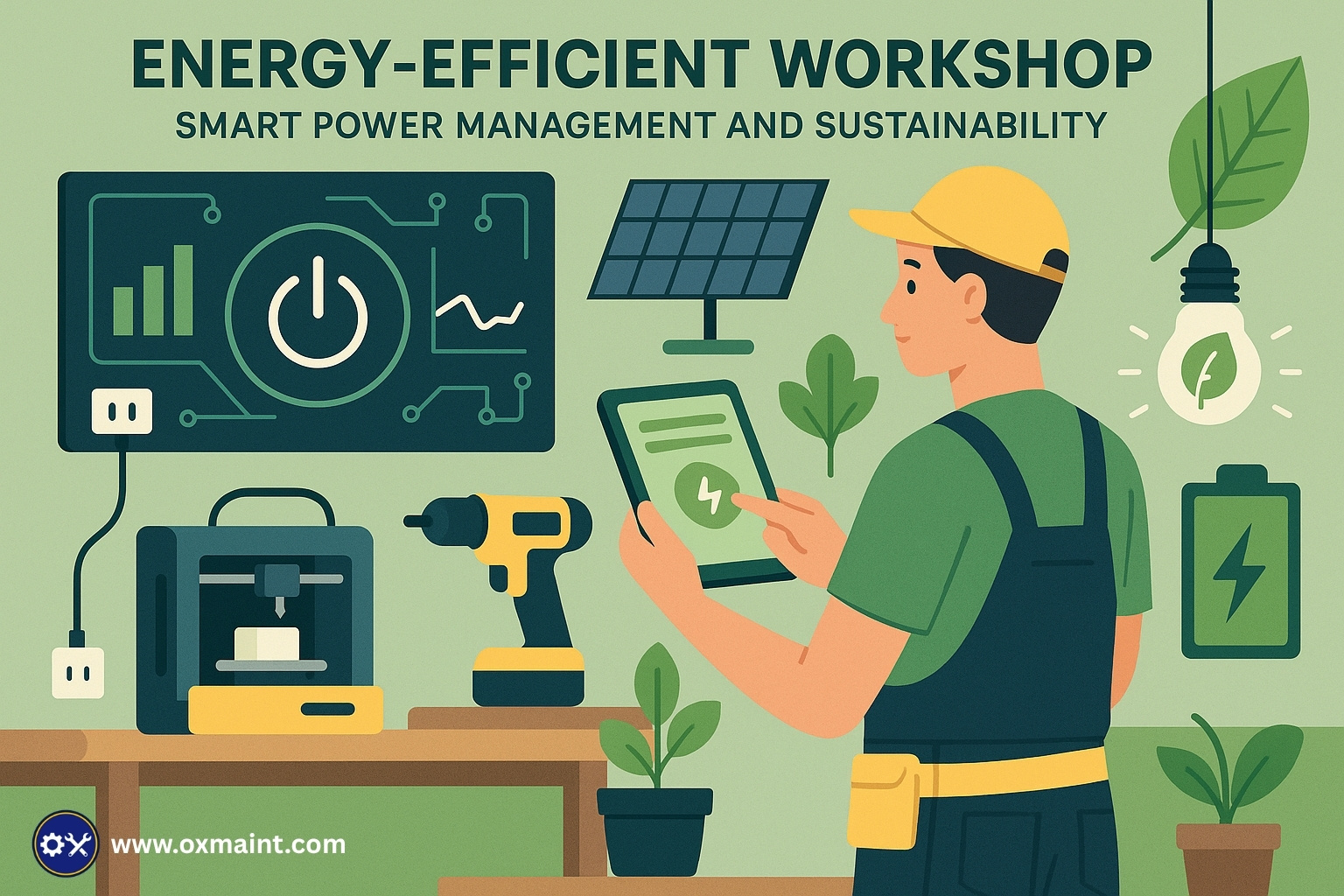
Energy consumption represents the largest controllable expense for most manufacturing facilities, often accounting for 20-30% of total operational costs. Modern energy management systems leverage IoT sensors, machine learning algorithms, and real-time analytics to optimize power usage across your entire facility.
Smart energy management platforms can automatically adjust lighting, HVAC systems, and equipment operations based on production schedules, occupancy patterns, and external weather conditions. These systems typically deliver 15-25% energy savings within the first year of implementation, with some facilities reporting reductions of up to 40%.
Water Conservation and Waste Management Solutions
Water scarcity and waste disposal costs are putting increasing pressure on manufacturing operations. Advanced water management systems now offer closed-loop recycling, intelligent leak detection, and predictive maintenance for water infrastructure. These technologies can reduce water consumption by 30-50% while preventing costly emergency repairs and regulatory violations.
Similarly, waste-to-energy systems and automated sorting technologies are transforming how facilities handle byproducts. Modern waste management platforms can identify opportunities to convert waste streams into revenue sources, whether through recycling programs, composting initiatives, or energy generation. Many facilities are achieving zero-waste-to-landfill status while generating additional income from their waste streams.
Predictive Maintenance: Preventing Problems Before They Start
Traditional reactive maintenance approaches are both environmentally wasteful and economically inefficient. Predictive maintenance systems use sensors, vibration analysis, thermal imaging, and AI-powered diagnostics to identify potential equipment failures before they occur. This proactive approach reduces energy waste from inefficient equipment, minimizes the environmental impact of emergency repairs, and extends equipment lifespan significantly.
Facilities implementing predictive maintenance typically see 25-30% reduction in maintenance costs, 70% fewer equipment breakdowns, and 25% increase in equipment lifespan. The environmental benefits are equally impressive, with reduced spare parts consumption, lower energy usage from optimally functioning equipment, and decreased disposal of prematurely failed components.
Smart Building Automation and IoT Integration
The Internet of Things (IoT) is revolutionizing facility management by providing unprecedented visibility into building performance. Smart sensors monitor everything from air quality and temperature to equipment vibration and energy consumption, creating a comprehensive digital twin of your facility operations.
Integrated building management systems can automatically optimize HVAC operations, coordinate lighting with natural daylight patterns, and adjust production schedules to take advantage of off-peak energy rates. These systems learn from historical data and continuously improve their performance, often achieving 20-35% improvements in overall facility efficiency within 18 months of implementation.
ROI and Business Case for Sustainable Facility Management
The financial benefits of sustainable facility management extend far beyond utility savings. Companies implementing comprehensive green facility management programs typically see payback periods of 2-4 years, with ongoing savings that continue to compound over time. Beyond direct cost savings, sustainable facilities often qualify for tax incentives, utility rebates, and green building certifications that provide additional financial benefits.
Perhaps more importantly, sustainable facilities attract and retain top talent more effectively. Studies show that employees in green buildings report 15% higher well-being scores and 25% better cognitive function scores. This translates to improved productivity, reduced turnover, and enhanced company reputation in the marketplace.
From a risk management perspective, sustainable facility practices provide better resilience against regulatory changes, supply chain disruptions, and energy price volatility. Facilities with diversified energy sources, efficient resource usage, and robust environmental monitoring systems are better positioned to navigate future challenges and capitalize on emerging opportunities.
Conclusion: Building the Future of Manufacturing
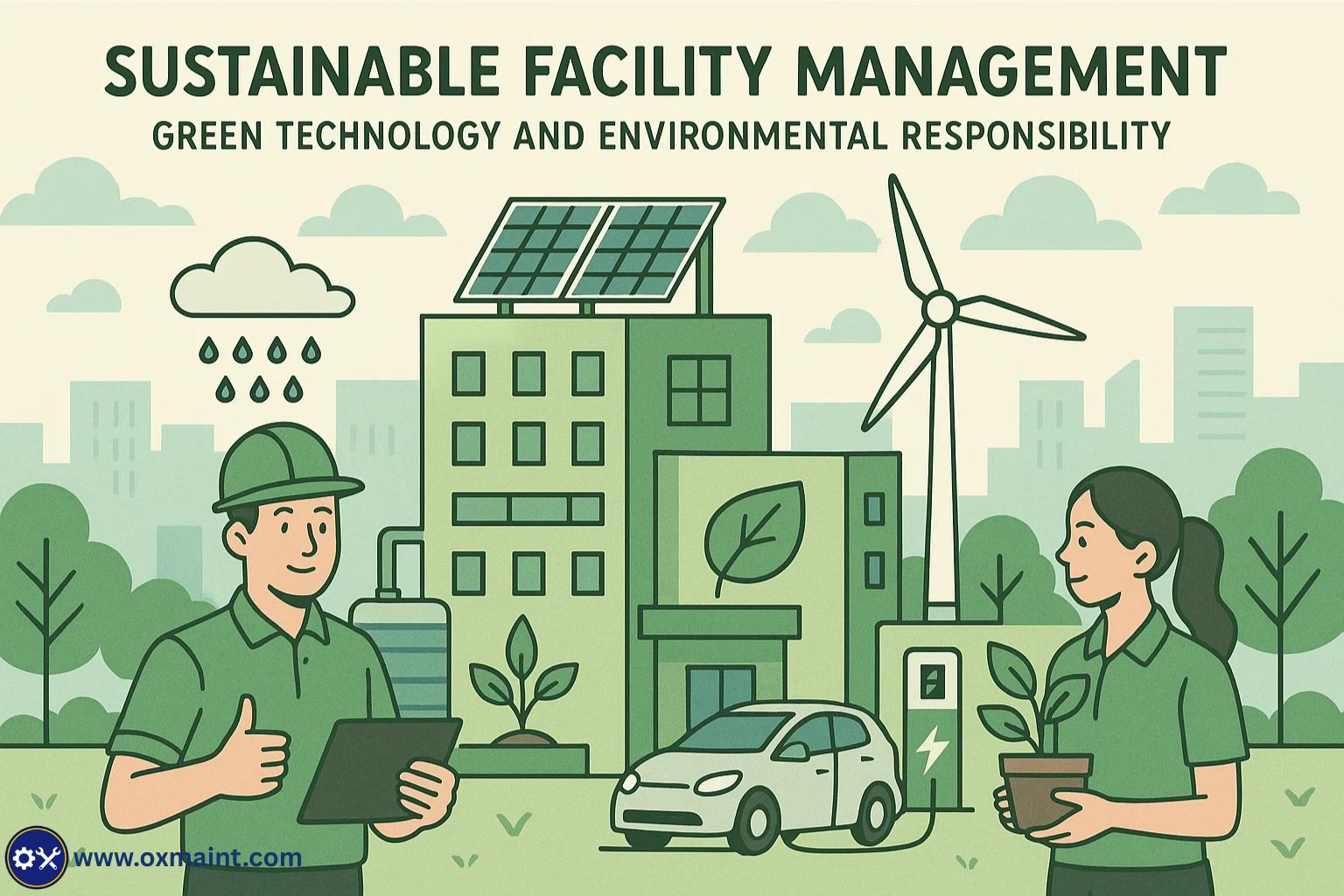
Sustainable facility management represents more than an environmental initiative—it's a strategic business transformation that positions manufacturing companies for long-term success. By integrating green technologies, optimizing resource usage, and implementing intelligent automation systems, facilities can achieve the triple bottom line of people, planet, and profit.
The companies that embrace sustainable facility management today will be the industry leaders of tomorrow. They'll benefit from lower operational costs, improved regulatory compliance, enhanced employee satisfaction, and stronger competitive positioning. The question isn't whether to adopt sustainable facility management practices, but how quickly you can implement them to gain first-mover advantages in your market.
Start your sustainable facility management journey today. The technology is proven, the business case is compelling, and the time for action is now.
Transform your facility management approach with cutting-edge sustainable solutions
Getting StartedBook a Demo