AI Vision for Campus Parking Lot Safety & Maintenance Alerts
By Jamie lanister on April 7, 2026
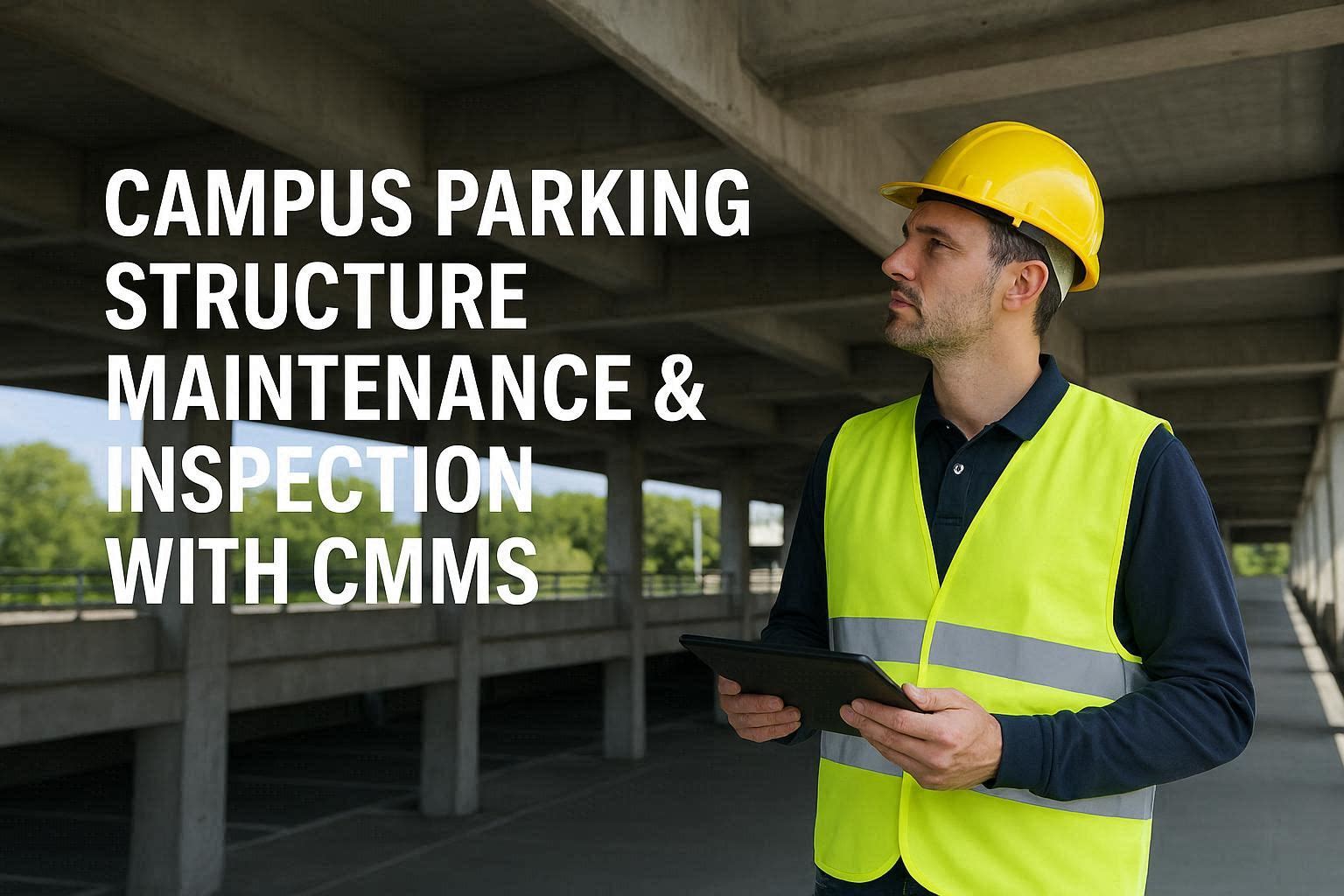
Campus parking lots cover thousands of square feet of asphalt, lighting infrastructure, signage, and pedestrian walkways — yet most receive maintenance attention only after a pothole tears a tire, a broken light leaves a student walking in darkness, or a slip-and-fall incident triggers a liability claim. Manual inspection programmes struggle with the scale: a 2,000-space campus parking facility requires over 14 miles of travel to inspect every row, and conditions change faster than weekly walkthroughs can capture them. AI vision systems mounted on fixed poles or periodic drone passes now deliver continuous automated inspection coverage — detecting cracked pavement, failed lighting, drainage blockage, faded striping, and security hazards in real time, and integrating directly with Oxmaint CMMS to auto-generate maintenance work orders the moment a defect is detected. The result is a parking facility that maintains itself: hazards identified before incidents occur, repairs scheduled before defects compound, and a complete audit trail of every finding and response for risk management and insurance purposes.
AI VISION · CAMPUS PARKING · SAFETY INSPECTION · CMMS INTEGRATION · AUTOMATED WORK ORDERS
AI Cameras Detect Parking Lot Hazards 24/7 and Auto-Create Repair Work Orders.
Of campus slip-and-fall incidents occur in parking areas — all preventable with proactive surface inspection
4 min
From AI defect detection to work order created in Oxmaint — vs hours with manual inspection
94%
Defect detection accuracy for pavement cracks, lighting failure, and drainage blockage
100%
Digital audit trail — every hazard, timestamp, response, and closure for liability protection
AI Parking Lot Inspection — Live Zone Status Map
AI cameras divide the parking facility into inspection zones. Each zone is monitored continuously — surface condition, lighting status, drainage, and signage all tracked simultaneously. Oxmaint displays live zone status and auto-escalates any zone that drops below acceptable condition.
Campus Parking Facility — AI Inspection Zone Status (Live Sample)
Zone A1
All Clear
Zone A2
All Clear
Zone A3
⚠ Light Out
Zone B1
All Clear
Zone B2
? Pothole
Zone B3
All Clear
Zone C1
All Clear
Zone C2
⚠ Drain Blocked
Zone C3
All Clear
Zone D1
All Clear
Zone D2
All Clear
Zone D3
⚠ Faded Striping
All ClearAttention Required — Work Order CreatedImmediate Hazard — P1 Escalation
What AI Vision Detects in Campus Parking Facilities
Surface Cracks & Potholes
Crack width and depth estimated from image analysis. Potholes flagged P1 immediately — vehicles and pedestrians at risk until repaired.
Lighting Failures
Night-time camera analysis detects dark zones from failed poles or bulbs. Security and safety risk — escalated to facilities team before the next occupied period.
Drainage Blockage
Standing water patterns after rainfall identify blocked drains. Water accumulation near walkways flagged as pedestrian slip hazard before the surface dries and the problem is forgotten.
Faded Striping & Signage
Line marking below luminance threshold flagged for repainting. ADA parking bays and fire lane markings monitored separately — compliance requirement, not just aesthetics.
Security Anomalies
Abandoned vehicles, unauthorized access after hours, and blocked emergency egress routes flagged for security and facilities team response simultaneously.
ADA Compliance Issues
Accessible parking bay obstructions, ramp surface damage, and tactile path continuity monitored continuously. ADA violations auto-logged for compliance documentation.
How AI Vision Integrates with Oxmaint CMMS
The detection is only useful if it triggers action. Oxmaint's AI vision integration connects detection events to maintenance work orders automatically — no manual review queue, no delay between detection and dispatch.
1
AI Camera Detects
Pothole, light failure, drainage issue, faded marking, or security anomaly identified by vision model.
2
Classification & Priority
Defect type classified, severity scored P1–P3, GPS coordinates and photo evidence packaged.
3
Work Order Created
Oxmaint generates work order with defect description, location, photo, and assigned priority — within 4 minutes of detection.
4
Assigned & Resolved
Work order assigned to available technician. Completion photo confirms repair. Audit trail closed with timestamp and cost recorded.
4 min
Detection to work order — vs hours manual
68%
Reduction in parking lot incidents after AI inspection deployment
100%
Documented audit trail for every hazard — liability protection
"We had a premises liability claim from a parking lot fall that cost us $280,000 in settlement. After deploying AI inspection cameras integrated with Oxmaint, every surface defect is documented and repaired within 24 hours. We've had zero incident claims in the 18 months since deployment."
Director of Facilities · Private University · New England, USA
Frequently Asked Questions
Q1How does AI vision integrate with Oxmaint to create work orders automatically?▾
AI vision systems connect to Oxmaint via REST API or webhook. When a defect is detected and classified, the integration creates a work order pre-populated with defect type, GPS coordinates, photo evidence, and priority level — typically within 4 minutes of detection, without manual review.
Q2What types of parking lot defects can AI cameras reliably detect?▾
Current AI vision systems reliably detect pavement cracks above 3mm width, potholes, failed lighting (night detection), standing water from drainage blockage, faded line markings below luminance threshold, and large debris or obstruction events. Detection accuracy is 94%+ for these defect types in production campus deployments.
Q3Does the AI inspection system work at night and in adverse weather?▾
Fixed cameras with infrared capability detect lighting failures and security anomalies at night. Drone-based inspection programmes are scheduled for appropriate weather windows. Fixed camera systems operate in rain, with drainage anomaly detection actually improved during and after rainfall events.
Q4How does documented AI inspection protect the university from liability claims?▾
Every AI detection event is timestamped with GPS coordinates and photo evidence, stored permanently in Oxmaint against the location asset. This creates a continuous inspection record showing either that a defect was unknown at time of incident (no detection), or that it was detected and repaired within SLA — both defensible positions in premises liability claims.
Q5What is the typical deployment timeline for AI parking inspection integrated with Oxmaint?▾
Fixed camera deployments with Oxmaint integration typically go live within 4–6 weeks of equipment installation. Drone inspection programmes integrated with Oxmaint can be operational within 2 weeks. Oxmaint configuration for parking assets and zone mapping completes in under 48 hours.
Detect Parking Hazards Before They Become Incidents.