
A 2008 study found that 88% of college students become distracted when cleanliness drops to APPA Level 3 or below. Dirty classrooms don't just look bad—they measurably hurt academic performance. Yet public universities across America are running custodial operations blind, with paper checklists that disappear, inspection records that can't be located during audits, and route assignments that haven't been updated since the last budget cut.
Data governance isn't just an IT concept. For university facilities teams, it's the difference between managing 2 million square feet of campus with confidence and hoping nothing falls through the cracks.
maintenance backlog
age on campus
Level 1-2 cleanliness
by manual systems
The Hidden Crisis in University Custodial Operations
Public universities are caught between rising expectations and shrinking resources. UConn faces over $1 billion in deferred maintenance needs. Western Illinois University eliminated 70+ staff positions to offset a $10 million shortfall. South Dakota lawmakers cut $9 million from campus maintenance and repair budgets.
What Data Governance Actually Means for Custodial Operations
Data governance for custodial services isn't about complex IT systems. It's about answering basic questions with verifiable evidence: Which buildings were cleaned yesterday? Who completed each task? Did inspection scores meet APPA standards?
Standardized Data Collection
Every inspection, work order, and route completion captured in consistent format. Mobile inspections in schools and higher education environments ensure data is captured at the point of work—timestamped, geotagged, and immediately accessible.
Clear Accountability Structure
Every zone has an assigned custodian. Every task has an owner. Every deviation from standards has a documented response. Risk scoring identifies buildings that need attention before complaints arrive.
Audit-Ready Documentation
Complete audit trail showing who did what, when, and where. Schools and higher education compliance requirements demand proof of regular inspections, corrective actions, and safety protocols.
Actionable Analytics
Raw data becomes insight. AI analytics identify patterns: which buildings consistently score low, which routes take longer than expected, which equipment needs preventive maintenance before it fails.
Designing Custodial Routes That Actually Work
Most university custodial routes were created years ago—often by managers who have since retired—and haven't been systematically updated despite changing building usage, enrollment shifts, and staffing cuts.
Slippery Rock University applied APPA guidelines systematically and found that 17 custodians needed no assignment changes, while 14 required workload adjustments. Start building your optimized route system free.
The APPA Quality Framework: Measuring What Matters
APPA's five-level cleanliness scoring system is the industry standard for educational facilities—but most universities struggle to implement it consistently. The framework works only when inspections happen systematically, results are documented, and trends are tracked over time.
The gap between Level 2 and Level 3 isn't just aesthetic—it affects recruitment. When prospective students tour campus, cleanliness signals institutional quality.
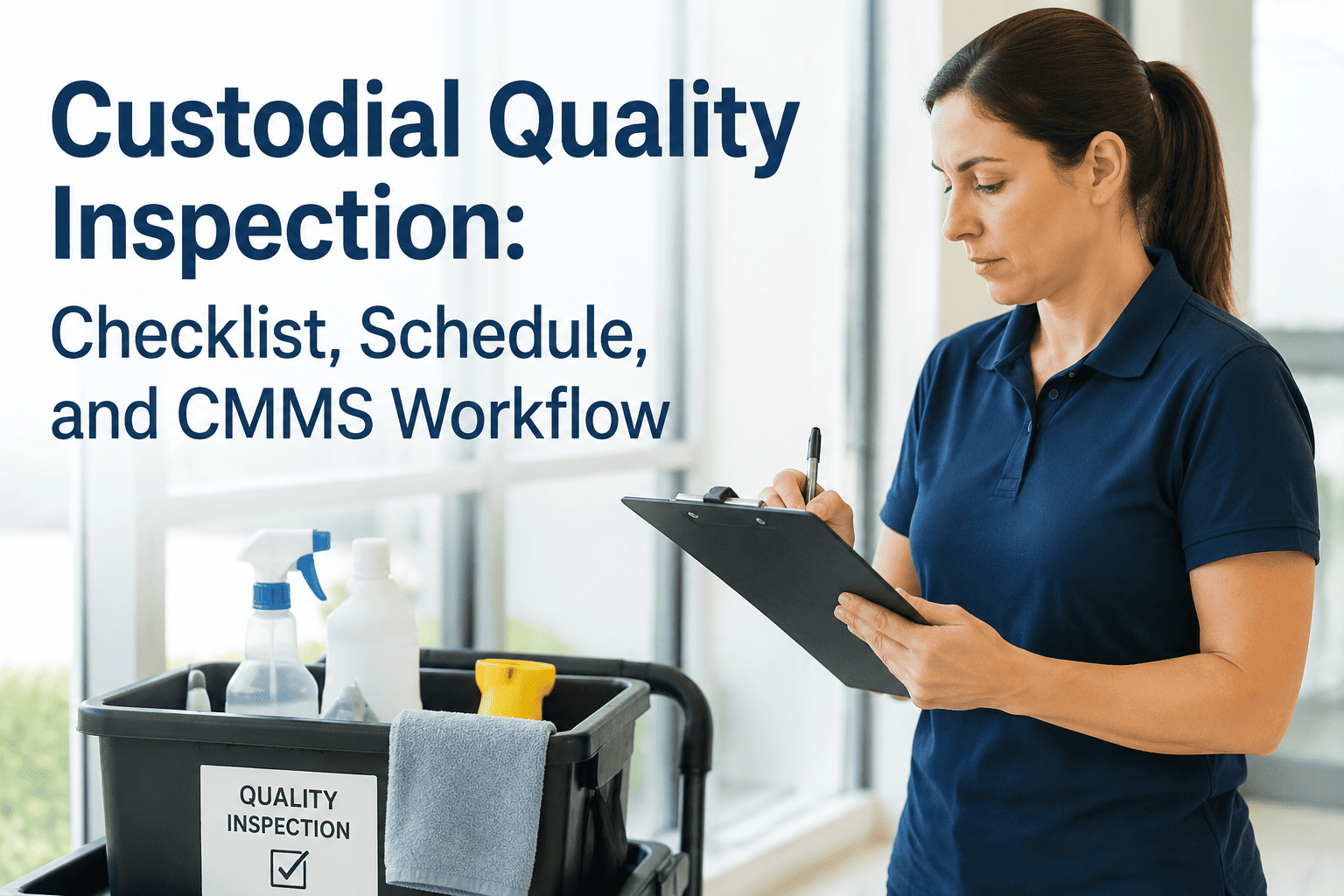
Implementing Quality Checks That Generate Actionable Data
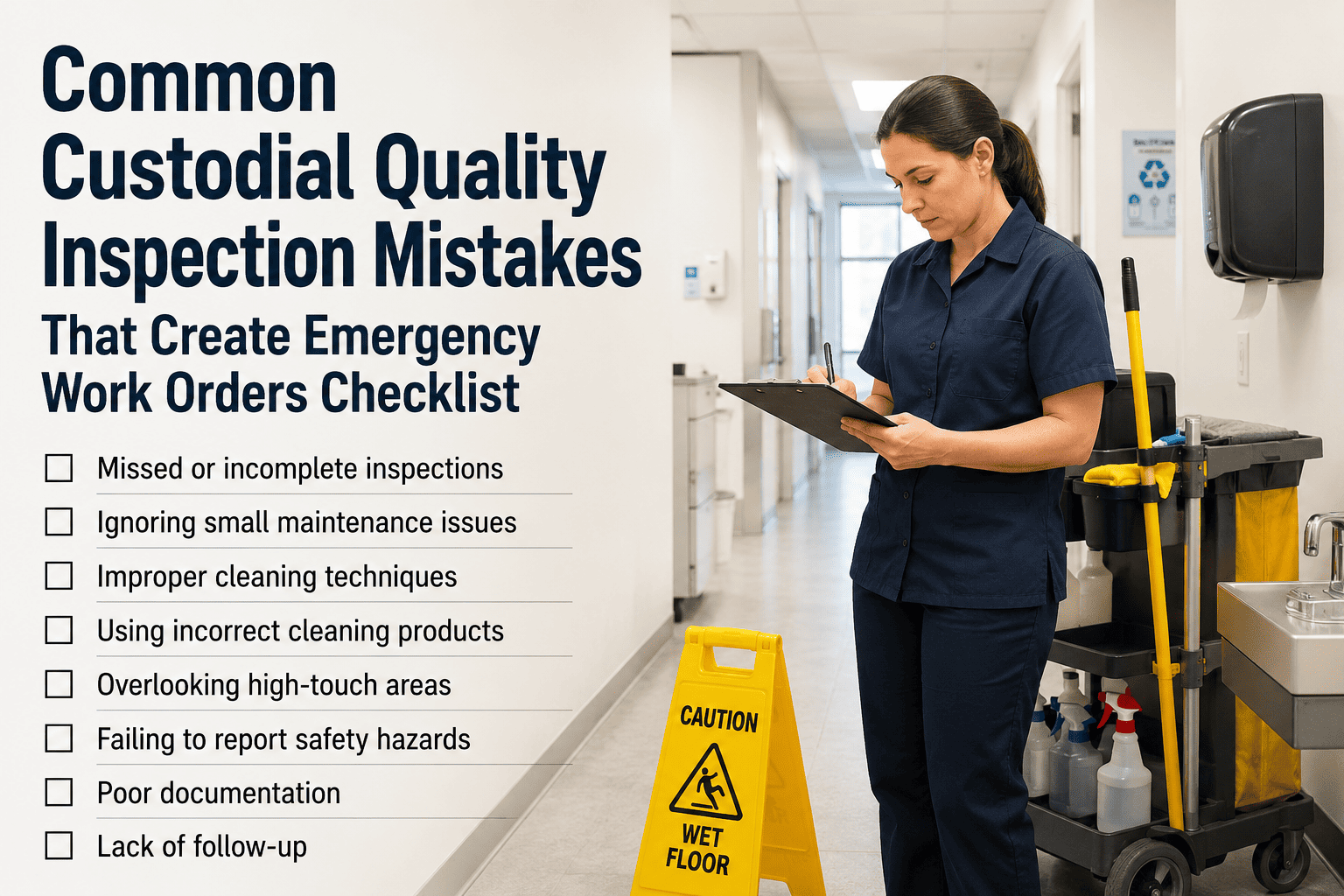
Inspection programs fail when they become checkbox exercises. A supervisor rushing through 50 rooms checking "satisfactory" on every line generates no useful information.
University of California Riverside developed a customized scoring system (0-3 scale) that their team already understood. The key wasn't the specific numbers—it was consistency and visibility. Book a demo to see how quality check dashboards work.
AI and Predictive Maintenance: Beyond Reactive Cleaning
Traditional custodial operations run on fixed schedules that don't account for actual conditions. AI analytics change this equation. By analyzing inspection data, work order patterns, and sensor inputs, predictive maintenance for schools and higher education can identify when equipment is likely to fail.
Pattern Recognition
Machine learning analyzes inspection scores over time to identify buildings trending toward problems. Get alerts when a zone's scores start declining—not after crisis level.
Dynamic Scheduling
AI suggests adjustments based on actual conditions: increase restroom checks during finals week, reduce frequency in low-occupancy buildings, shift resources during events.
Equipment Optimization
Track floor scrubber run time, vacuum filter status and chemical usage to schedule service before breakdown. Predictive maintenance reduces emergency repairs.
Labor Forecasting
Historical data predicts staffing needs for move-in week, graduation, and high-demand periods. Plan overtime based on actual patterns rather than guesswork.
Multi-Site Rollouts: Scaling Data Governance Across Campus
Universities aren't single buildings—they're sprawling portfolios of residence halls, academic buildings, athletic facilities, dining halls, research labs, and administrative spaces. Multi-site rollouts require standardization without losing flexibility for unique building requirements.
Pilot Program
Select 2-3 buildings with different profiles. Deploy mobile inspections, QR code scanning, and digital work orders. Document lessons learned.
Standardization
Create templates based on pilot findings. Establish naming conventions, inspection criteria, and escalation procedures. Train supervisors as champions.
Phased Expansion
Roll out to remaining buildings in logical groups—by zone, building type, or supervisor territory. Each wave builds on previous experience.
Optimization
With data flowing from all buildings, identify cross-campus trends. Benchmark performance. Reallocate resources based on actual demand.
The key to successful multi-site rollouts is executive sponsorship and cross-functional buy-in. Sign up free and start your pilot program today.
Schools and Higher Education CMMS Best Practices
Technology alone doesn't transform custodial operations. These best practices separate universities that successfully implement data governance from those that buy software and never use it:
Start with Work Orders, Not Everything
Begin with work order automation—the highest-value function. Once staff are comfortable, add preventive maintenance scheduling and quality inspections.
Make Mobile the Default
Custodians work in the field, not at desks. Mobile apps that work offline ensure data is captured where work happens.
Use QR Codes for Accountability
Barcode/QR scanning proves presence at specific locations. Timestamped proof of route completion is essential for audit trail documentation.
Share Data with Staff
Custodians perform better when they see their metrics. Display building scores, recognize high performers, use data for coaching.
Connect to Compliance Requirements
Configure your CMMS to generate the reports auditors actually request. Make compliance automatic, not a scramble.
Review Data Monthly
Preventive maintenance schools and higher education programs that review data consistently outperform those that don't.
If it isn't documented, it didn't happen. The same is true for custodial operations. If policies and procedures are not clearly described, it is unreasonable to expect correct performance, proper behaviors, or efficient operations.
— APPA Body of Knowledge, Cleaning Operations ChapterMeasuring Success: KPIs That Matter
Facilities directors need metrics that demonstrate value to administrators, justify budget requests, and identify improvement opportunities:
Schedule a demo to see KPI dashboards in action.
Transform Your Custodial Operations
Oxmaint CMMS provides public universities with the data governance foundation they need: mobile inspections, QR code tracking, automated work orders, APPA-aligned quality scoring, and dashboards that prove value to stakeholders.
Implementation support included. No credit card required.
Building the Foundation for Better Facilities
Data governance for custodial operations isn't about technology—it's about visibility, accountability, and continuous improvement. Universities that implement systematic route management, APPA-aligned quality inspections, and digital work order tracking gain the evidence they need to justify budgets, the documentation they need for compliance, and the insights they need to do more with limited resources. Start building your data-driven custodial program free.
![university-custodial-workloading-appa-levels-issa-612-cmms-mobile[1]](./manage-post-2k26/uploads/university-custodial-workloading-appa-levels-issa-612-cmms-mobile[1].png)


