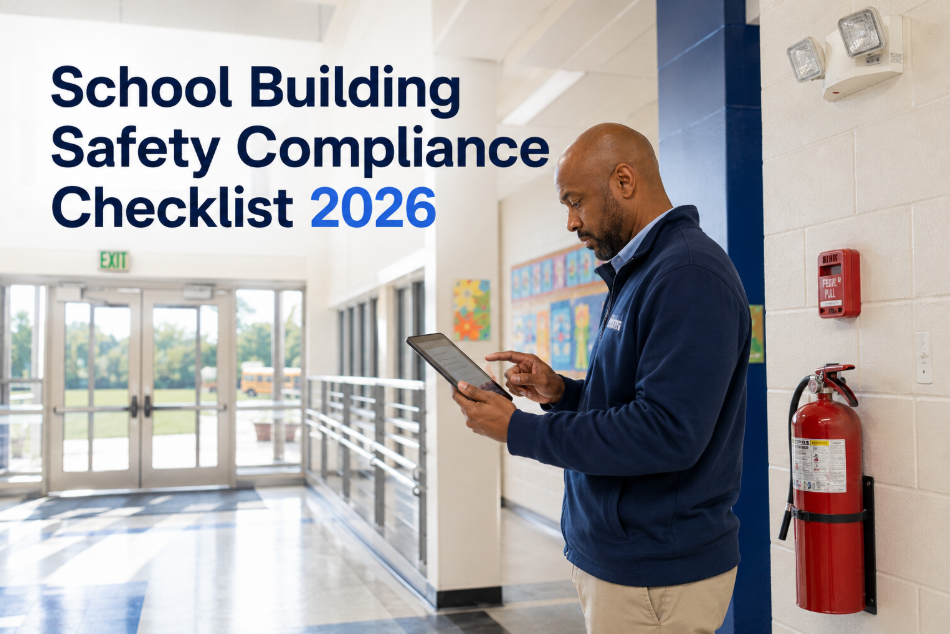
In a campus emergency—be it a power failure, fire, or severe weather event—every second counts. When the main power goes out, the readiness of your emergency lighting system is the only thing standing between an orderly evacuation and total panic. For schools and higher education facilities, ensuring these systems are operational isn't just a safety best practice; it is a legal mandate under NFPA 101: Life Safety Code. Use this standardized checklist to transition from reactive "fix-on-failure" methods to a proactive inspection protocol.
The High Stakes of Non-Compliance: Regulatory bodies like OSHA and the NFPA require strict adherence to "30-second monthly" and "90-minute annual" discharge tests. A single missing signature on a paper log during a surprise Fire Marshal audit can lead to heavy fines, increased insurance premiums, or the immediate closure of campus buildings. If your current record-keeping feels disorganized,
schedule a campus safety compliance audit call with our specialized Higher Education team.
30 Sec
Monthly functional test duration required by code
90 Min
Annual battery discharge test duration under full load
NFPA 101
Life Safety Code Standard for Educational Facilities
Phase 1: Monthly Functional Checks (30-Day Interval)
Technicians should perform these non-intrusive checks every 30 days to verify basic system functionality without draining the battery significantly.
Phase 2: Annual Deep Discharge & Physical Audit (12-Month Interval)
This critical phase tests the system's endurance. It is best scheduled during semester breaks to minimize disruption.
Phase 3: Digital Documentation & Compliance
A test is not compliant until it is recorded. Ensure your digital audit trail is complete.
Is Your Campus Evacuation-Ready?
Stop chasing paper logs. Automate your life safety inspections and ensure 100% compliance with OxMaint's digital checklist system.
Schedule a Live Demo
Signup Free Today
Frequently Asked Questions
What is the legal requirement for emergency lighting testing?
Per NFPA 101 and OSHA, emergency lighting must undergo a 30-second functional test every 30 days and a full 90-minute load test annually. Records must be maintained and available for the Authority Having Jurisdiction (AHJ) to review.
Can we use self-testing/self-diagnostic emergency lights?
Yes, modern self-testing units perform their own diagnostics. However, you are still required to perform an annual visual inspection and document the status of these units in your inspection management system.
How long do emergency lighting batteries typically last?
Most sealed lead-acid batteries last 3-5 years. Extreme temperatures or poor maintenance can shorten this to 2-3 years. Digital CMMS platforms track installation dates and schedule proactive replacement.