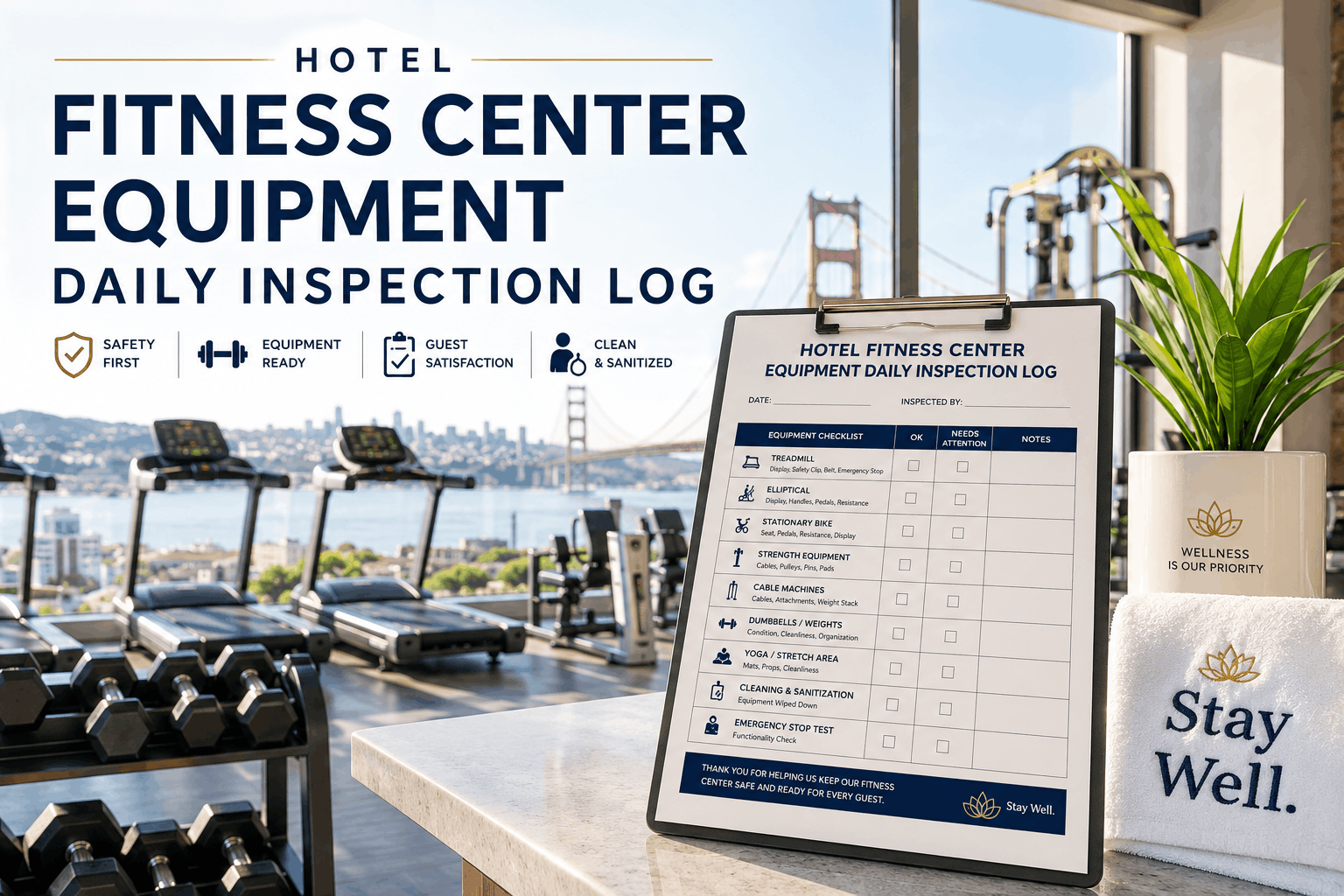
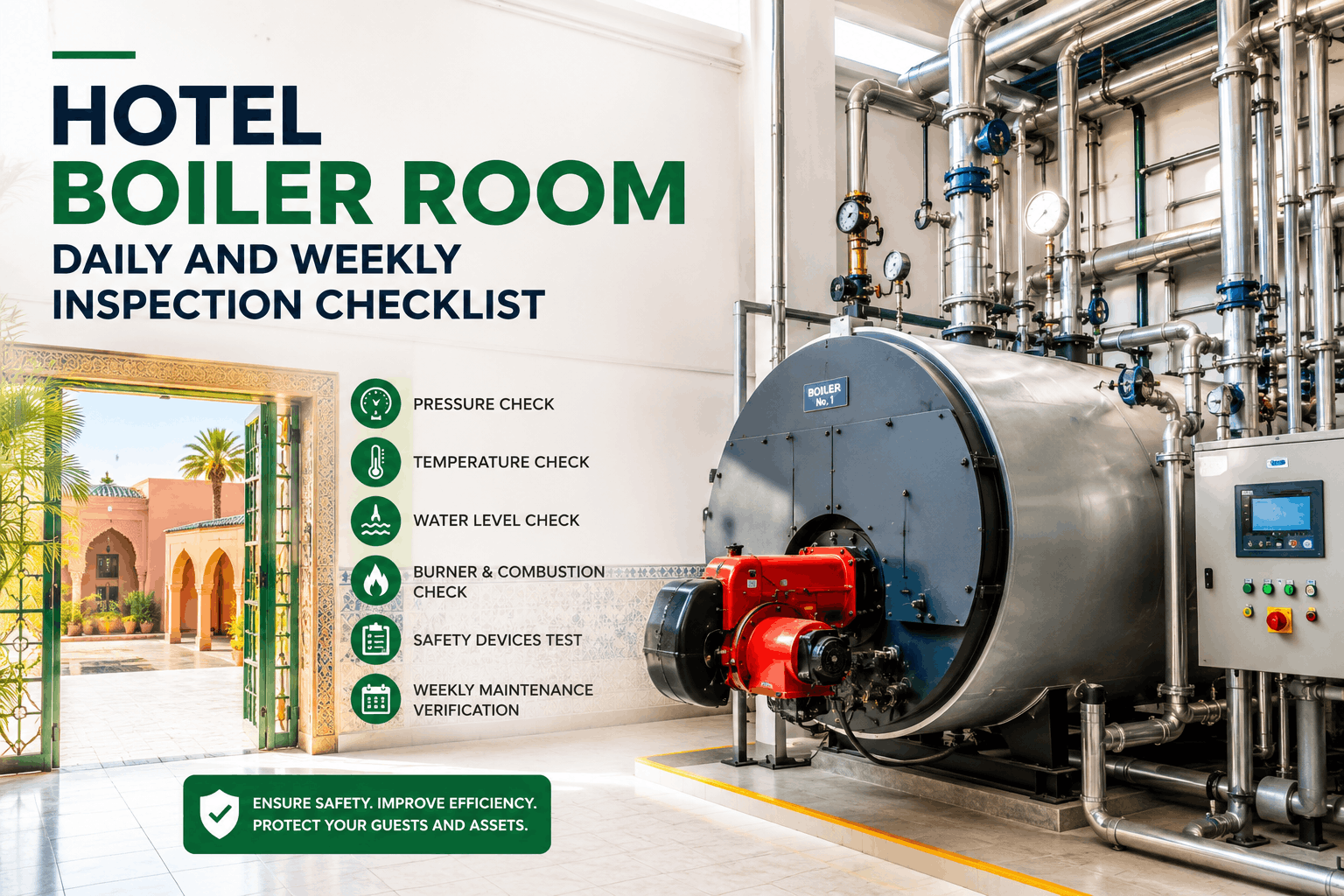
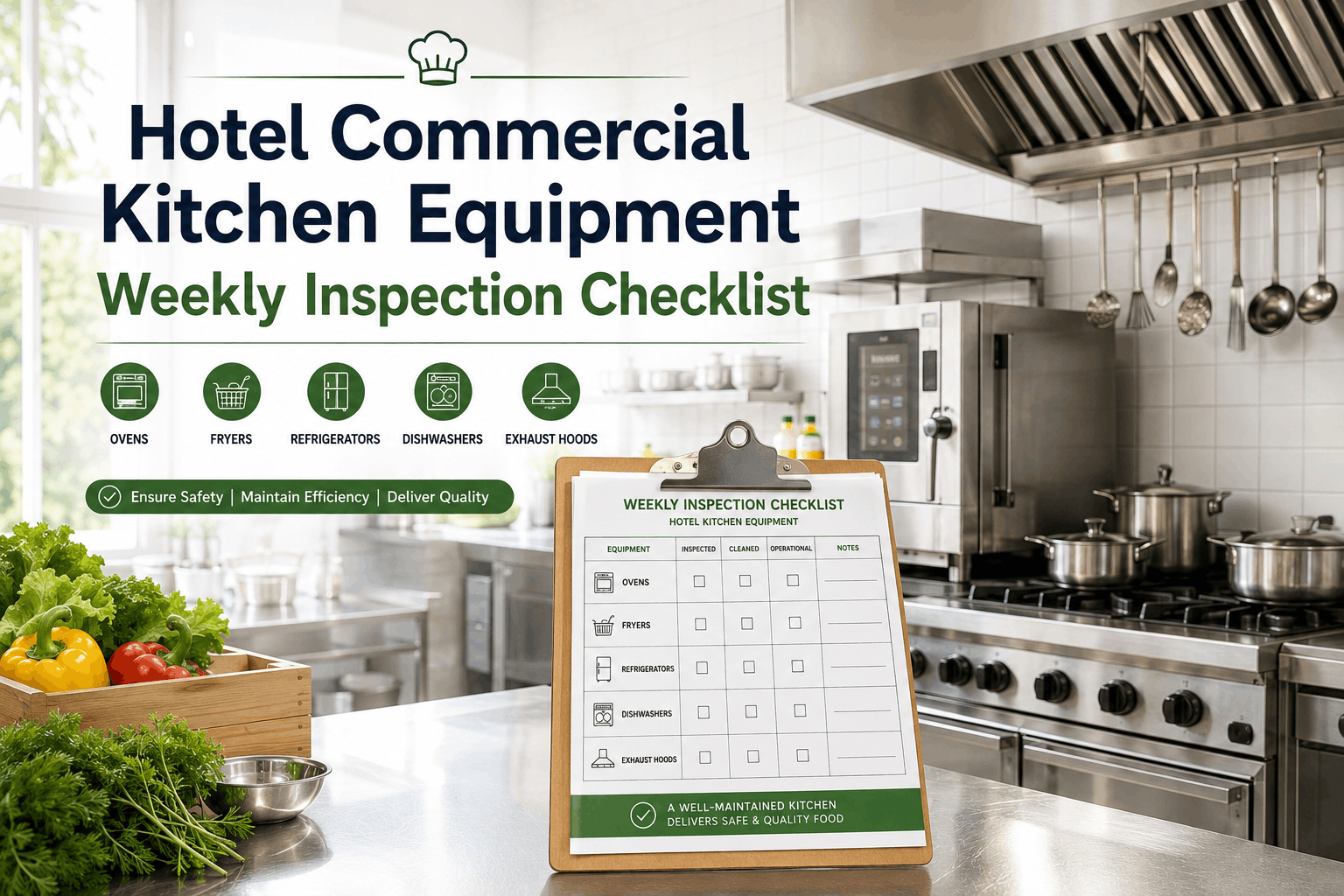
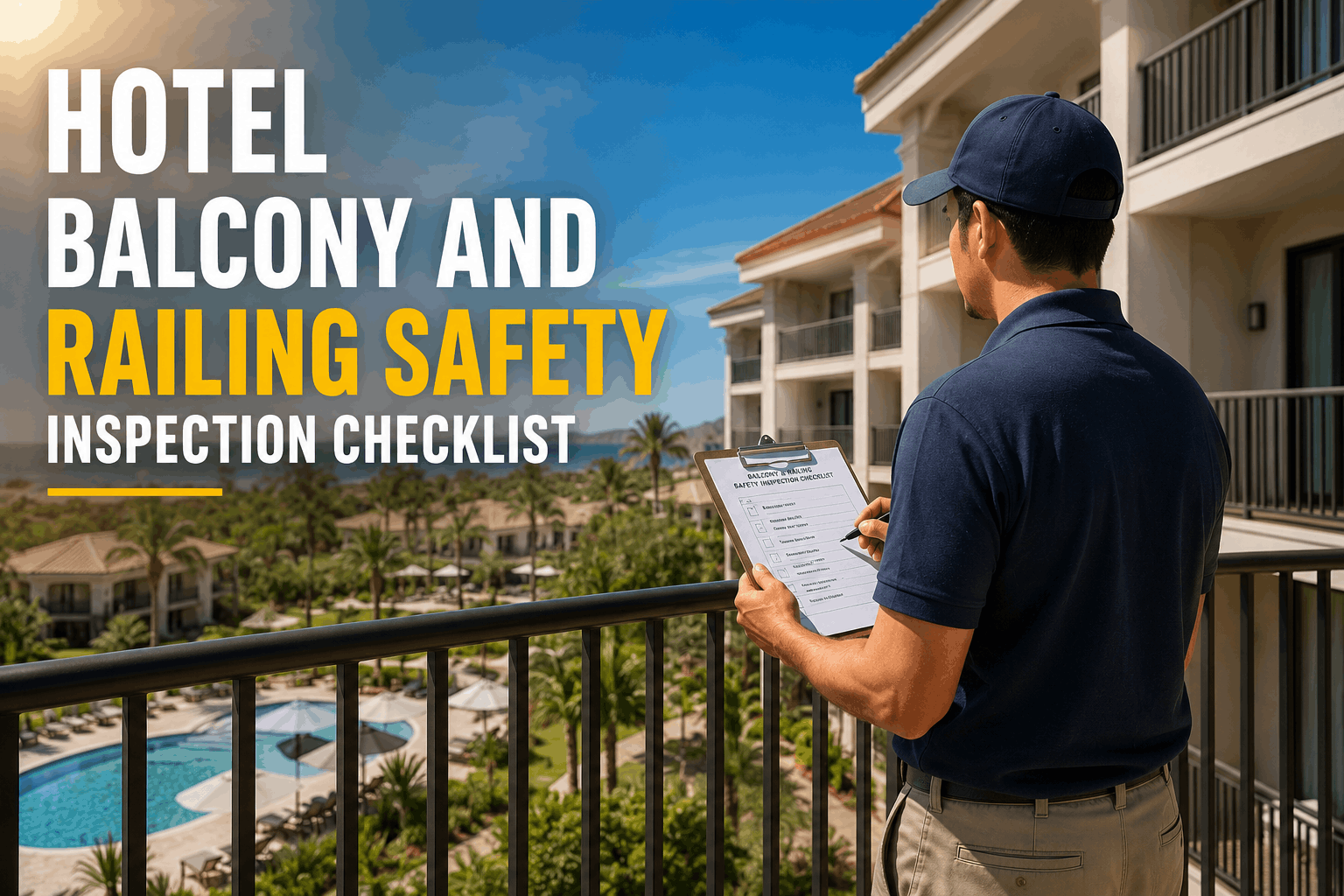
Daily fitness equipment safety inspections are critical for preventing guest injuries, reducing liability claims, and extending equipment lifespan by 30–40%. Hotels that implement structured daily equipment checks using a digital CMMS platform like Oxmaint's hospitality solution report 65% fewer guest injuries, faster incident response, and complete documentation trails for insurance audits. From treadmill belt tension and elliptical stride smoothness to free-weight rack stability and strength machine emergency stop buttons, systematic daily inspections prevent costly repairs, guest complaints, and regulatory violations that damage online reviews and booking rates.
Manage Your Hotel Fitness Center with Oxmaint
Daily equipment safety checklists, automated repair work orders, injury incident tracking, warranty documentation, and guest amenity uptime reporting—all accessible from your mobile device with real-time team visibility.
1. Cardio Equipment Daily Safety Inspection
Cardio machines generate the highest injury incident rates in hotel fitness centers due to high speeds, repetitive impact, and unattended use. Daily belt tension, emergency stop, and handrail checks prevent falls, joint injuries, and equipment runaway incidents.
2. Strength Equipment and Weight Machine Checks
Strength machines concentrate high loads and require precise mechanical alignment. Daily inspection prevents pin shearing, cable fraying, weight stack misalignment, and failure modes that cause traumatic guest injuries during heavy lifting.
Inspect Weight Stack Alignment and Pins
Verify all weight plates hang straight with no binding or misalignment. Test that adjustment pins engage fully and hold weight without slipping. Bent or corroded pins cause sudden weight drops that can fracture bones or cause spinal injuries.
Check Cable Condition and Fraying
Inspect all cables and chains for fraying, kinks, corrosion, or visible damage. Any compromised cable can snap under load, causing the weights to fall on guests below. Replace damaged cables immediately—never allow use of compromised equipment.
Verify Machine Seat Adjustment and Stability
Test all seat adjustments for smooth operation and secure locking. Seats that move during use compromise form and cause muscle strains. Ensure feet and base remain stable when applying moderate force in all directions.
Test Emergency Stop Controls on Machines
Many strength machines include emergency stop buttons or levers. Press test each one to confirm immediate cessation of all motion. Sign up free to log daily safety test results with timestamps for liability documentation.
3. Free Weight and Rack System Daily Audit
Dumbbell racks, barbell racks, and plate storage areas are high-incident zones due to dropped weights and poor storage practices. Daily audits catch bent barbells, cracked plates, and unstable racks before guests are injured.
4. Facility Cleanliness and Sanitation Standards
Fitness equipment sanitation directly affects guest satisfaction ratings, repeat bookings, and liability exposure for facility-transmitted infections. Daily cleaning protocols and cleanliness verification prevent health code violations and negative online reviews.
Daily Equipment Surface Sanitization Check
Verify that handrails, seats, and contact surfaces have been wiped with hospital-grade disinfectant. Check for dust, sweat buildup, or visible soiling that indicates skipped cleaning. Hotels with spotless equipment enjoy 25% higher guest satisfaction scores.
Inspect Towel Rack Cleanliness and Supply
Ensure towel dispensers are stocked and clean. Check that the towel rack itself is not harboring mold, mildew, or odors. Musty or damp towels are a primary source of negative fitness center reviews and HVAC investigations.
Check Floor Cleanliness and Safety Hazards
Inspect for spilled water, dropped items, or debris that could cause slips or trips. Verify that floor matting is secure and not bunched. Wet or slippery floors are the leading cause of fitness center liability claims.
5. Equipment Documentation and Warranty Tracking
Proper maintenance documentation ensures warranty claims are honored, reduces service costs by 20–30%, and provides legal protection in injury litigation. Digital CMMS platforms centralize all equipment records and compliance trails.
Automate Your Daily Fitness Equipment Inspections in Oxmaint
Daily safety checklists, injury incident tracking, warranty management, OEM documentation library, and guest safety alerts—all connected to your maintenance team's mobile devices with real-time status updates.
"Implementing Oxmaint's daily fitness equipment inspection checklist reduced our guest injury incidents by 60% in the first year. We caught three cable failures and two broken treadmill belts before anyone was hurt. The mobile app makes daily checks fast, and having timestamped photo evidence was invaluable when an insurance adjuster reviewed our maintenance practices. Our fitness center guest satisfaction score jumped from 3.8 to 4.7 stars."
— Jennifer K., Wellness Director, 312-Room Full-Service Hotel, Austin, TX
Frequently Asked Questions — Hotel Fitness Center Equipment Inspection
1. What is the legal liability if a guest is injured on malfunctioning fitness equipment?
Hotels can face premises liability claims exceeding $500,000 if they fail to maintain equipment per manufacturer standards. Documented daily inspection records are your strongest defense; without them, courts presume negligent maintenance.
2. How often should fitness equipment safety inspections be performed?
Daily pre-opening inspections are standard best practice and recommended by IHRSA (International Health, Racquet & Sportsclub Association). Many insurance policies require documented daily checks; verify your specific policy requirements with your broker.
3. Can hotels delegate fitness equipment inspection to part-time staff or housekeeping?
No. Industry standards require daily inspections by trained, maintenance-qualified personnel who understand equipment mechanics and can identify safety hazards. Housekeeping can perform cleanliness checks, but only certified maintenance staff should conduct safety inspections.
4. What equipment failure modes cause the most guest injuries in hotels?
Treadmill belt slippage and emergency stop failure are responsible for 35% of fitness injuries; weak handrails cause 20%; weight stack failures cause 15%. Daily testing of these three systems prevents 70% of preventable incidents.
5. How should hotels document fitness equipment maintenance for insurance audits?
Create timestamped, signed inspection logs with photos of any defects found and corrective actions taken. Digital CMMS records with GPS timestamps and technician sign-offs are preferred by insurers over paper logs and provide stronger legal protection.
6. What is the typical cost difference between preventive maintenance and reactive equipment repairs?
Preventive daily maintenance costs $200–400/month per facility; emergency repairs average $800–2,000 per incident. A single prevented injury claim (averaging $50,000 in legal and medical costs) justifies 2 years of daily inspections.
7. How do fitness equipment inspection records impact guest safety ratings and online reviews?
Hotels with documented maintenance practices receive 20–25% higher fitness amenity ratings on review sites. Guest awareness of safety protocols (signage, daily checks) increases trust and likelihood of positive online feedback and repeat bookings.
8. Can fitness equipment warranties be voided by failure to maintain daily inspection logs?
Yes. Most fitness equipment warranties require documented preventive maintenance per manufacturer specifications. Missing inspection logs can void warranty coverage, forcing the hotel to pay full replacement costs ($15,000–50,000 per machine) instead of claiming warranty service.
Protect Your Guests and Your Hotel with Systematic Equipment Inspections
Oxmaint's daily fitness equipment checklists automate safety verification, warranty tracking, incident documentation, and compliance reporting—all mobile-first for your busy maintenance team.