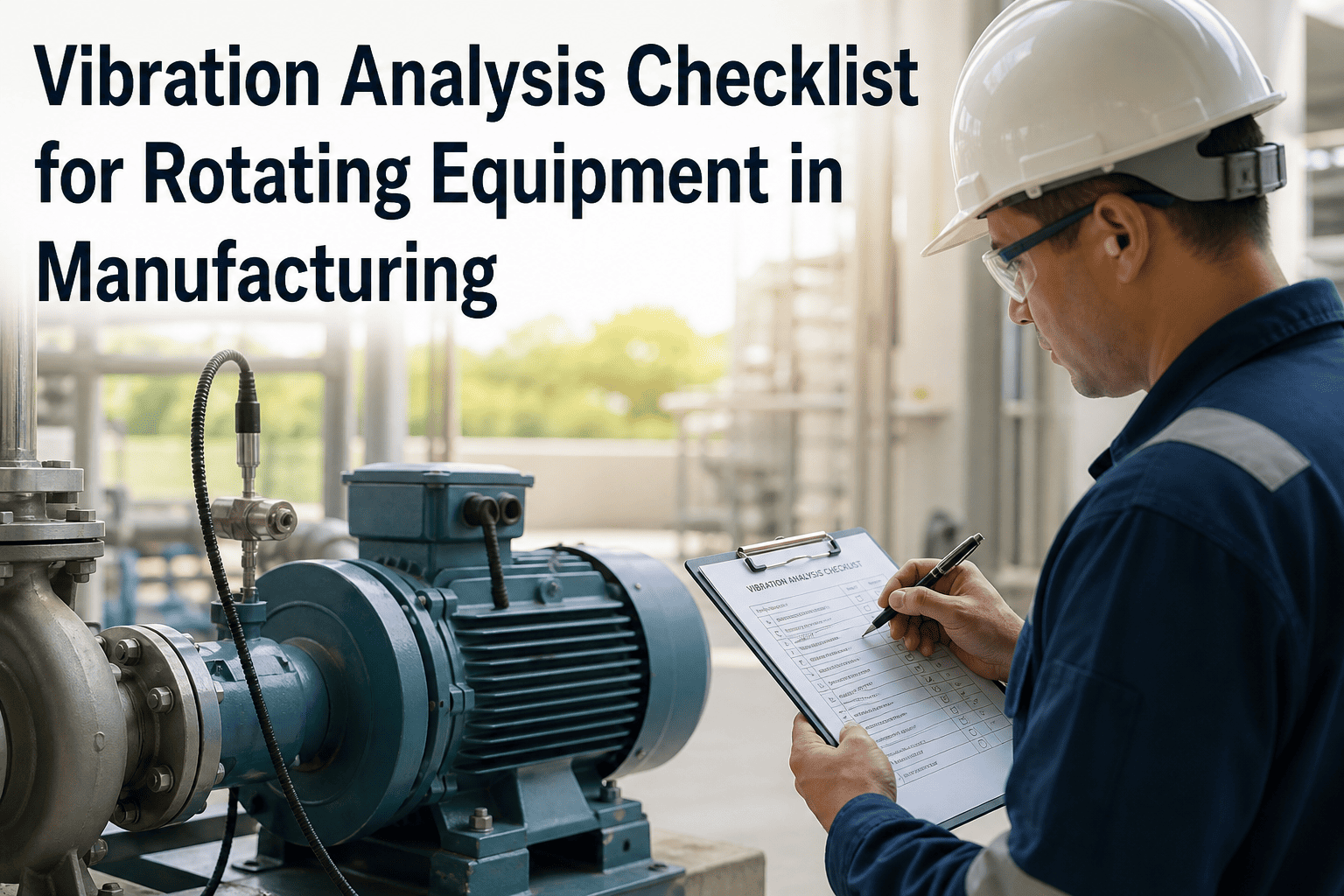
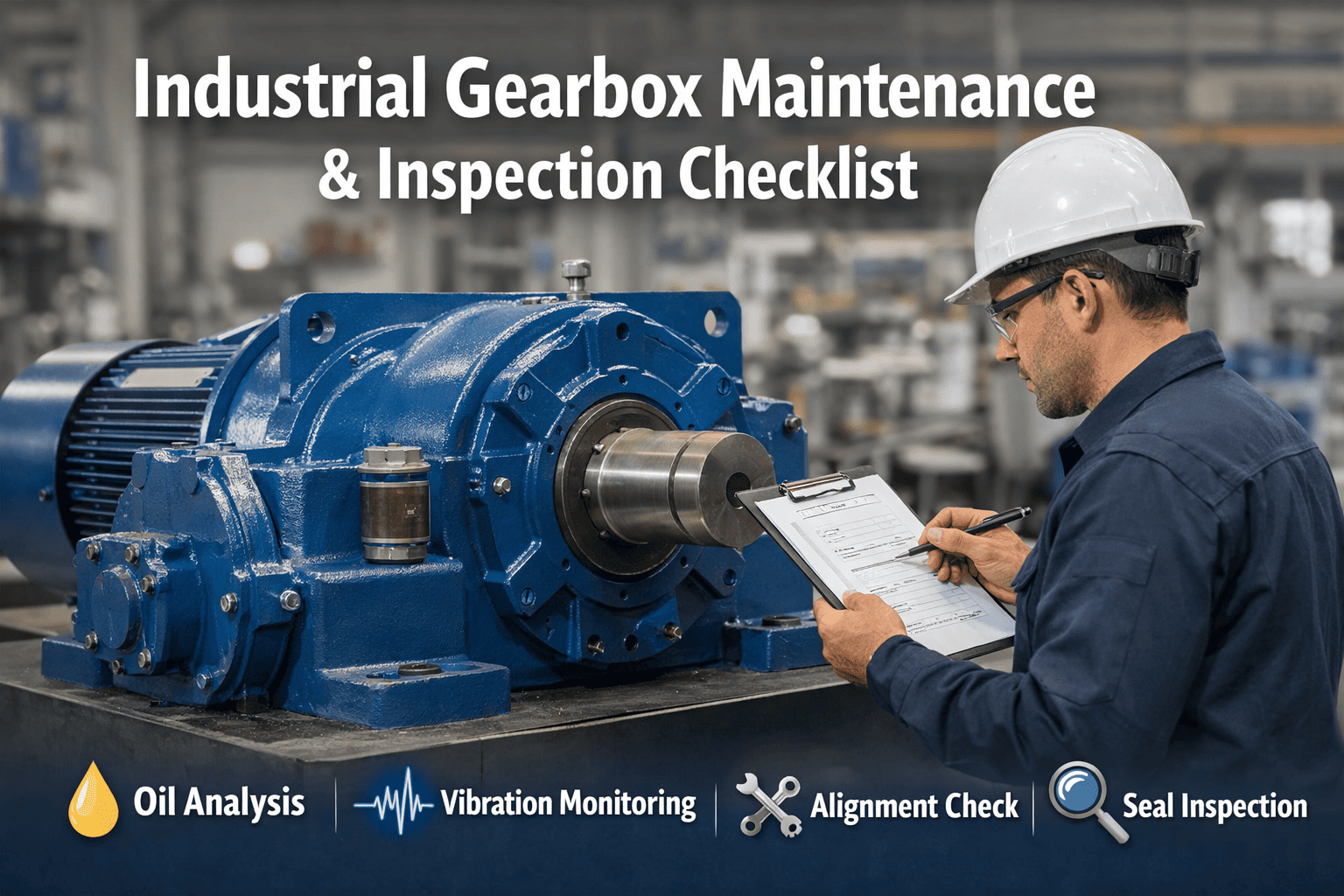
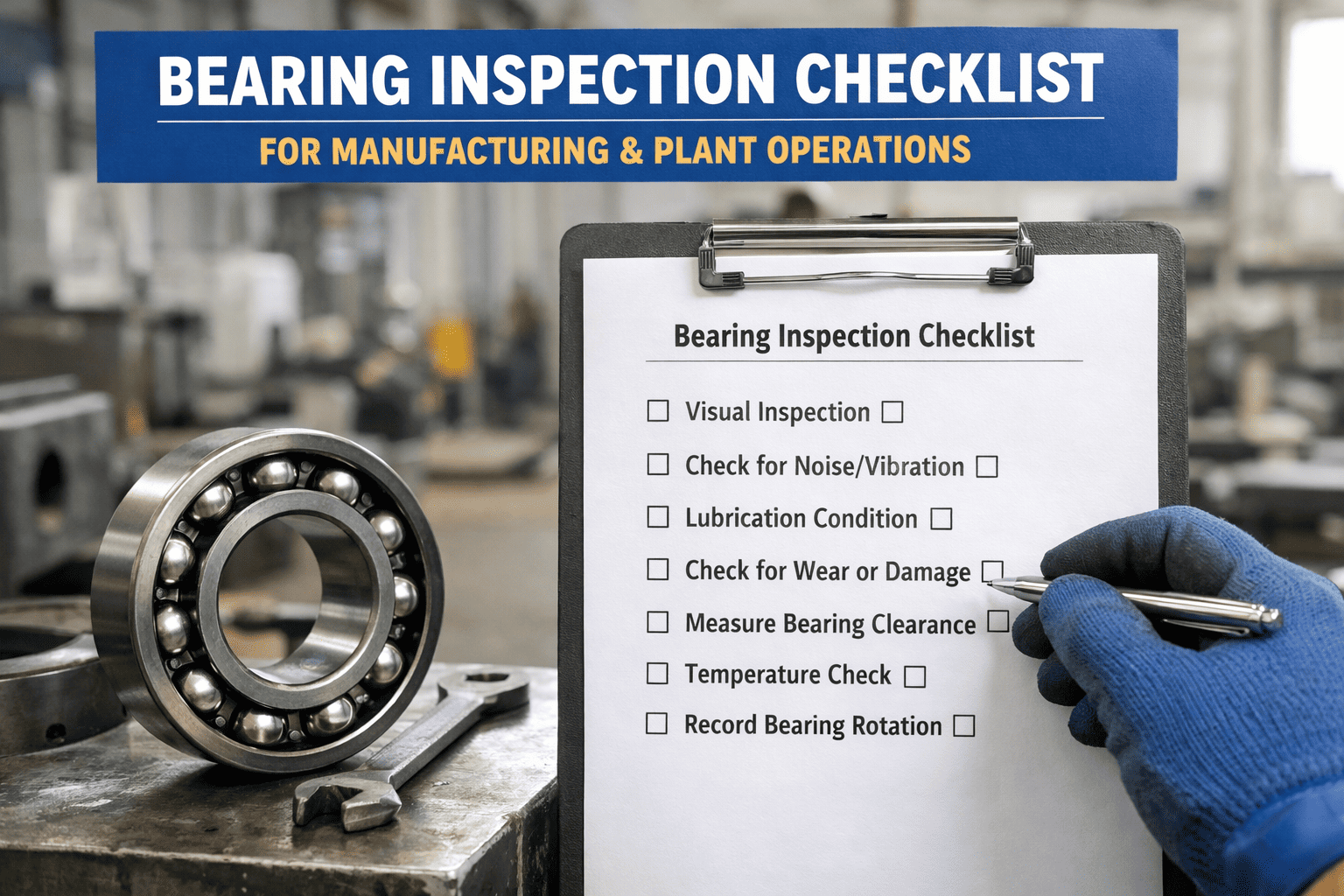
Every conveyor belt, crusher, mixer, and production line in your plant depends on gearboxes to convert motor speed into usable torque. When one fails without warning, the damage goes far beyond the gearbox itself — production halts, delivery schedules collapse, and emergency repair costs can easily exceed six figures. The reality is that bearing issues alone cause more than half of all gearbox breakdowns, and poor lubrication remains the number one preventable cause of premature failure. A structured maintenance checklist catches these problems weeks in advance, turning expensive surprises into planned, budgeted interventions. Schedule a free consultation to see how Oxmaint helps manufacturing teams digitize gearbox inspections and eliminate missed maintenance tasks.
What Causes Industrial Gearbox Failure
Before you can prevent gearbox failures, you need to understand what drives them. Research across industrial sectors shows that most breakdowns trace back to a handful of root causes, all of which are detectable through structured inspection routines long before they escalate into catastrophic events.
50%+
Bearing Failures
~30%
Gear Tooth Wear
~15%
Lubrication Issues
~10%
Seal & Contamination
~5%
Misalignment
Bearing Degradation
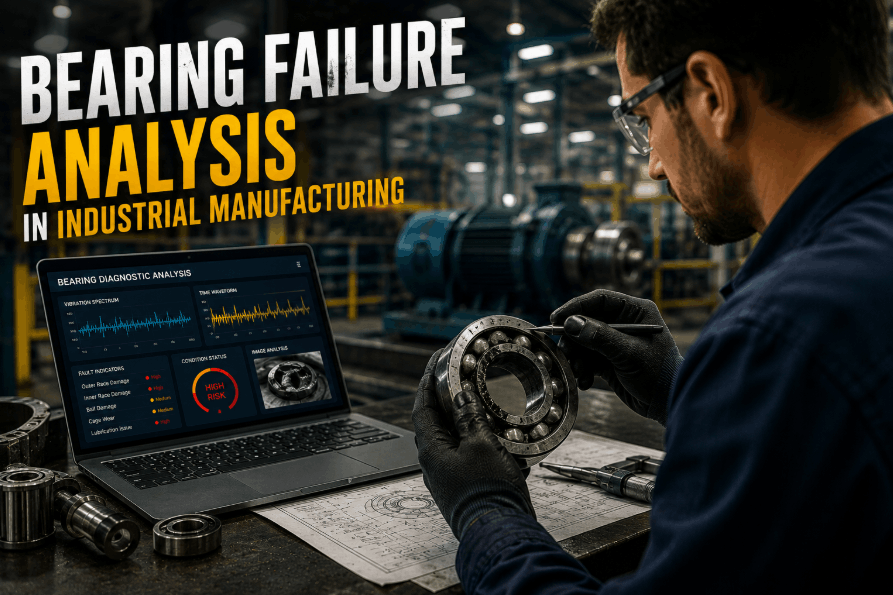
Bearings support every rotating element inside the gearbox. Excessive axial or radial loading, improper lubrication, contamination, and simple fatigue over time cause spalling on bearing races. Vibration analysis detects bearing frequency changes 6 to 8 weeks before audible symptoms appear, giving maintenance teams a significant intervention window.
Lubrication Breakdown
Both under-lubrication and over-lubrication destroy gearboxes. Too little oil causes direct metal-to-metal contact between gear teeth and bearings. Too much creates excessive heat from internal fluid friction. Using the wrong viscosity grade or lubricants with incompatible additives — such as EP additives containing sulfur on bronze worm gears — accelerates wear instead of preventing it.
Seal Failure and Contamination Ingress
Dirt and debris accumulate at the seal-shaft interface, gradually eroding seal material and creating leak paths. Once seals fail, the gearbox loses lubrication while simultaneously allowing contaminants inside. This triggers a cascade: contaminated oil damages gears, damaged gears produce metal particles, and those particles destroy bearings. Keeping the operating environment clean and inspecting seals weekly breaks this cycle.
Every failure on this list is preventable with the right inspection routine. Sign up for Oxmaint to get automated gearbox inspection schedules, instant work order generation when issues are found, and a complete maintenance history that helps your team catch bearing wear, lubrication problems, and seal failures weeks before they shut down production.
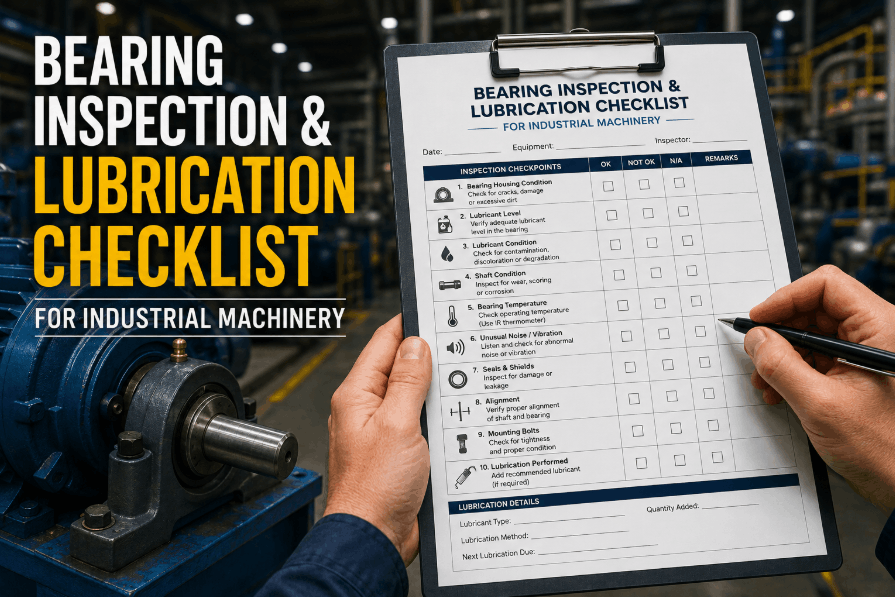
An effective inspection program organizes tasks by frequency — from daily sensory checks to annual internal overhauls. Each level targets specific failure modes at the point where intervention costs the least and prevents the most damage. Create a free Oxmaint account to turn this checklist into automated, mobile-friendly inspection rounds your team can complete on any device.
Daily / Per Shift
Listen for abnormal noise — grinding, whining, or rumbling during operation
Visual check for oil leaks at shaft seals, housing joints, and beneath the unit
Check operating temperature at bearing housings with infrared thermometer
Verify oil level through sight glass or dipstick is within operating range
Weekly
Inspect oil color and clarity — milky appearance signals water contamination
Verify breather is clean and unobstructed; check desiccant condition
Clean external surfaces to prevent contamination ingress and heat buildup
Check housing paint for discoloration — a sign of chronic overheating
Monthly / Quarterly
Measure vibration levels at all bearing housings; compare to healthy baseline
Check mounting bolt torque and inspect foundation for cracks or settling
Inspect shaft coupling condition and verify alignment with laser tool
Annual / Shutdown Overhaul
Full oil change using manufacturer-recommended ISO viscosity grade and type
Open housing and inspect gear teeth for pitting, spalling, chipping, or cracks
Measure backlash and endplay with dial indicator; compare to OEM specs
Replace all seals and gaskets; verify shaft alignment across entire drivetrain
Gearbox Oil Analysis: What Your Lubricant Reveals
Oil analysis is the most cost-effective predictive tool available for gearbox maintenance. A single lab sample can reveal active wear, contamination, and lubricant degradation 4 to 8 weeks before any other diagnostic method detects the same issue. Industry guidelines recommend the first oil change at 500 operating hours after installation, then analysis every 2,500 hours or 6 months thereafter.
Oil Analysis Interpretation Guide
Normal
Clean, transparent appearanceWear metals within baseline rangeWater content below 0.05%Viscosity within +/- 5% of spec
Continue scheduled monitoring. No action required beyond regular sample intervals.
Warning
Darkened color or slight hazinessElevated iron (Fe) or copper (Cu) particlesWater content 0.05% – 0.1%Viscosity change of 5% – 10%
Shorten sampling interval to monthly. Investigate moisture source. Schedule next internal inspection sooner.
Critical
Milky appearance or visible metal flakesSudden spike in any wear metal concentrationWater content above 0.1%Viscosity change exceeding 10%
Immediate oil change. Plan internal inspection within one week. Identify and resolve contamination source before restart.
Want to see how oil analysis trends look inside a real CMMS dashboard? Book a free demo and our team will walk you through how Oxmaint logs every oil sample result, auto-flags when wear metals or water content cross your thresholds, and generates maintenance work orders before a warning becomes a critical failure.
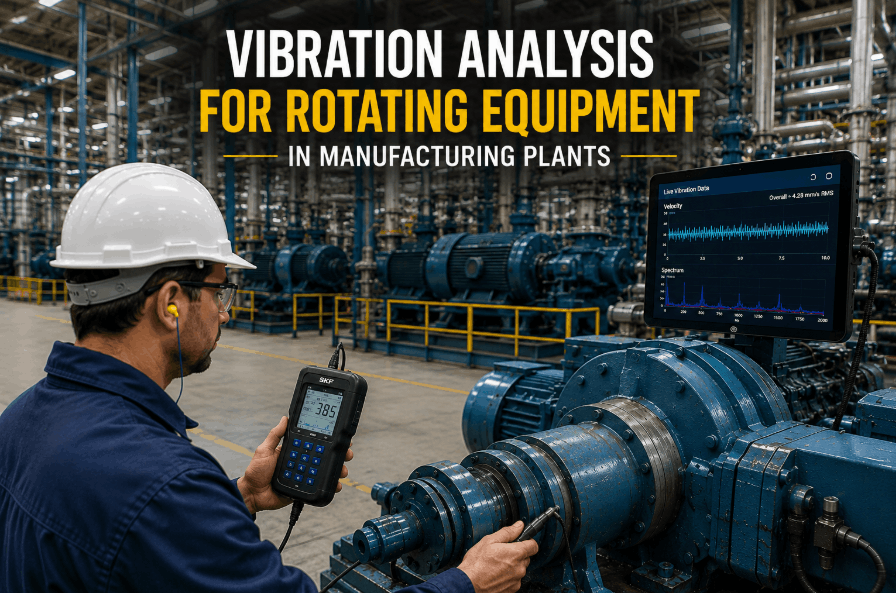
Vibration analysis is the most reliable method for detecting developing bearing and gear faults in operating gearboxes. Changes in vibration frequency patterns provide specific diagnostic signatures — each fault type produces a unique fingerprint that trained analysts or automated systems can identify. For gearboxes in noisy manufacturing environments where audible detection is impractical, vibration monitoring becomes indispensable.
Vibration Severity Thresholds (ISO 10816)
< 2.8 mm/s
Good
Normal operation. Continue routine monitoring schedule.
2.8 – 7.1 mm/s
Acceptable
Suitable for long-term operation. Monitor for upward trends.
7.1 – 11.2 mm/s
Unsatisfactory
Plan maintenance intervention. Investigate root cause promptly.
> 11.2 mm/s
Unacceptable
Risk of damage. Shut down and inspect before continued operation.
Trend changes matter more than absolute values. A 25% increase from baseline warrants investigation even if the reading remains within the "Acceptable" zone.
Bearing Inspection and Replacement Indicators
Since bearings are responsible for over half of all gearbox failures, they deserve focused attention in every maintenance program. The key is establishing healthy baselines immediately after installation and then tracking changes over time — it is the rate and direction of change, not absolute values, that predict impending failure.
Visual Inspection
Look for discoloration on the outer race (heat damage), scoring or scratches on rolling elements, and spalling — flaking of metal from the race surface. Even minor pitting on bearing surfaces warrants closer monitoring, as it accelerates rapidly under continued loading.
Sound and Vibration Signatures
Healthy bearings produce a smooth, consistent hum. Grinding indicates surface damage, rumbling suggests looseness, and high-pitched whining often points to lubrication starvation. Vibration spectrum analysis detects bearing defect frequencies (BPFO, BPFI) 6 to 8 weeks before audible symptoms.
Temperature Monitoring
Measure at bearing housings during operation and compare to established baseline. A rise of 10 degrees above normal deserves investigation. Exceeding 80 degrees Celsius at the bearing housing signals active problems requiring immediate attention — typically inadequate lubrication, overloading, or internal damage.
When to Replace
Replace bearings when oil analysis shows elevated iron or copper particles, vibration trending shows consistent upward movement, temperature exceeds threshold despite correct lubrication, or any visual inspection reveals spalling, cracking, or discoloration on races and rolling elements.
Preventive vs. Predictive: Choosing the Right Maintenance Strategy
Most plants benefit from combining both approaches — using time-based preventive tasks as the foundation while layering condition-based predictive techniques on top for critical assets. The right balance depends on gearbox criticality, operating environment, and available monitoring resources.
Maintenance Strategy Comparison
Preventive (Time-Based)
Predictive (Condition-Based)
Trigger
Fixed schedule — hours, days, or calendar intervals
Actual equipment condition data from sensors and analysis
Catches issues at scheduled inspection points only
Detects developing faults 4 to 8 weeks before failure
Best For
Standard-duty gearboxes, lubrication tasks, seal checks
Critical production gearboxes, high-value rotating equipment
Investment
Low — basic tools ($50–$300) and trained technicians
Moderate — sensors, lab contracts, and software platform
Build a Smarter Gearbox Maintenance Program
Paper checklists get lost. Spreadsheet schedules fall behind. Oxmaint brings preventive and predictive maintenance together in one platform — with automated scheduling, mobile inspections, oil and vibration trend tracking, and instant work order generation — so your team catches problems early and keeps every gearbox running.
Proper lubrication is the single most important factor in gearbox longevity. Getting the right lubricant, in the right quantity, at the right interval prevents the majority of premature failures across all gearbox types and operating conditions.
01
Select the Correct Lubricant
Use the exact ISO viscosity grade and type (synthetic or mineral-based) specified by the manufacturer. For worm gearboxes with bronze gears, avoid EP additives containing sulfur or chlorine — these soften bronze surfaces and accelerate tooth wear rather than protect them.
02
Follow OEM Oil Change Intervals
First change at 500 operating hours to flush break-in particles. Subsequent changes every 2,500 hours or 6 months, whichever comes first. Oil analysis can safely extend these intervals when results confirm the lubricant remains within specification — saving cost without increasing risk.
03
Monitor Oil Level and Condition Weekly
Check level through the sight glass at operating temperature (cold readings are inaccurate due to thermal expansion). Inspect color and clarity — darkening signals oxidation, milky appearance indicates water contamination, and metallic shimmer reveals active internal wear.
04
Maintain Breathers and Seals
Clogged breathers create internal pressure buildup, forcing oil past seals and allowing moisture ingress. Clean or replace breather filters monthly and inspect desiccant condition. Examine seals weekly for weeping or hardening — and always check the shaft surface for wear grooves before installing replacement seals.
Planned maintenance can be budgeted and scheduled. Catastrophic gearbox failure cannot. The most expensive maintenance program is no maintenance program at all.
— Reliability Engineering Principle in Manufacturing
Take Control of Every Gearbox in Your Plant
From daily walk-around checks to quarterly oil analysis, Oxmaint turns your entire gearbox maintenance program into an automated, mobile-first system that your team actually uses. Automated scheduling, real-time alerts, complete maintenance history, and instant work order generation — everything you need to prevent failures instead of chasing them.
How often should industrial gearboxes be inspected?
Inspection frequency should be based on criticality and operating conditions. At minimum, daily sensory checks (noise, leaks, temperature) are recommended for all gearboxes. Weekly oil level and condition checks, monthly vibration readings, quarterly lab oil analysis, and annual internal inspections during planned shutdowns form a comprehensive program. Critical production gearboxes may need continuous monitoring with IIoT sensors. Sign up for Oxmaint to automate these schedules and ensure nothing gets missed.
What are the early warning signs of gearbox failure?
The most reliable early indicators include changes in vibration patterns at bearing housings, rising operating temperature beyond baseline, oil analysis showing elevated wear metals or water contamination, audible changes in noise character (grinding, whining, rumbling), visible oil leaks at shaft seals, and increasing backlash in gear teeth measured with a dial indicator. Oil analysis can provide 4 to 8 weeks of advance warning before other symptoms appear. Book a demo to see how Oxmaint tracks all these indicators in one place.
What type of lubricant should be used in industrial gearboxes?
Always use the ISO viscosity grade and lubricant type specified by the gearbox manufacturer. Synthetic oils generally perform better in extreme temperature ranges and heavy-duty applications. For worm gearboxes with bronze gear wheels, avoid extreme-pressure (EP) additives containing sulfur or chlorine, as these chemicals soften the bronze surface and accelerate wear. When switching lubricant brands or types, always flush the gearbox thoroughly to prevent compatibility issues.
How does a CMMS improve gearbox maintenance reliability?
A Computerized Maintenance Management System like Oxmaint centralizes every aspect of gearbox care — automated inspection scheduling so tasks never slip through the cracks, mobile data capture with photo documentation, complete maintenance history for trend analysis, automatic work order generation when findings exceed thresholds, and tracking of key reliability metrics like mean time between failures. This shifts maintenance from reactive paper-based tracking to proactive, data-driven reliability management. Create a free account to experience the difference.
What is the recommended oil change interval for industrial gearboxes?
The widely accepted guideline is to perform the first oil change at 500 operating hours after installation or rebuild to remove break-in particles. After that, change the oil every 2,500 hours or every 6 months, whichever comes first. However, oil analysis results should take priority over fixed intervals — if lab results confirm acceptable wear metals, viscosity, and contamination levels, intervals can be extended safely, while harsh conditions may require more frequent changes.