How AI Improves Tenant Retention Through Faster Maintenance Response

By allen on March 4, 2026

how-ai-improves-tenant-retention-through-faster-maintenance-response

Tenant turnover is one of the most expensive events in commercial and multi-family property management — costing an average of $7,000–$42,000 per unit in lost rent, leasing fees, and make-ready costs. In 2026, research consistently points to one variable as the strongest predictor of lease renewal: how fast and reliably a property team responds to maintenance requests. AI-powered maintenance systems have made fast, reliable response achievable at scale — across every property, every tenant, every work order.

72%
of commercial tenants cite unresolved maintenance as the primary reason for non-renewal
4.6 Days
Average maintenance response time on manual systems — vs. under 18 hours with AI dispatch
$42K+
Average annual rent at risk per commercial tenant lost to unresolved maintenance issues
34%
Higher lease renewal rates reported by properties running AI-automated maintenance response

The Direct Link Between Maintenance Speed and Tenant Retention

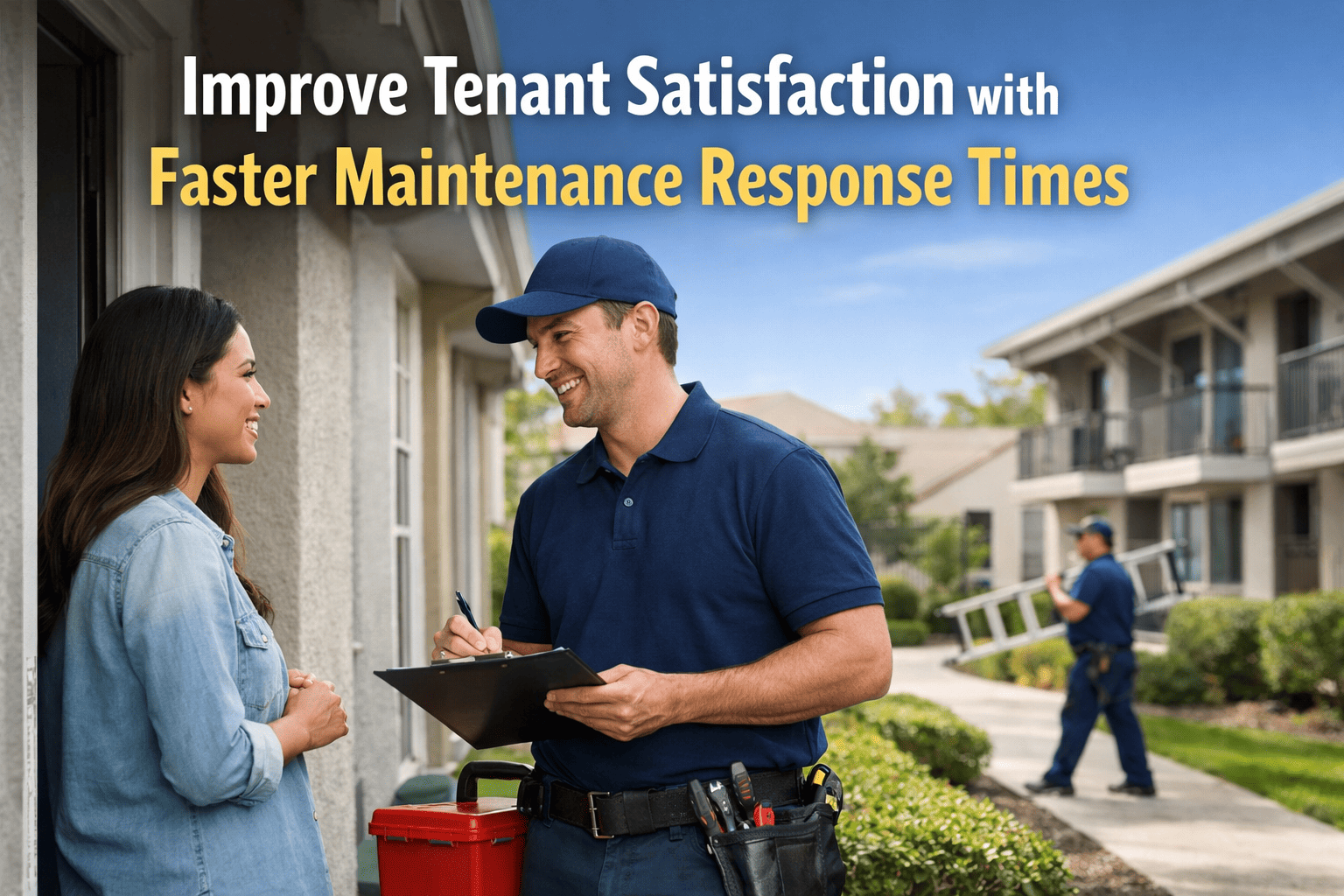
Tenants do not leave because of a single maintenance failure. They leave because of accumulated frustration — requests that go unacknowledged, repairs that take 4+ days, and a persistent sense that their concerns are not being managed. AI fixes this at the process level, not just the speed level.

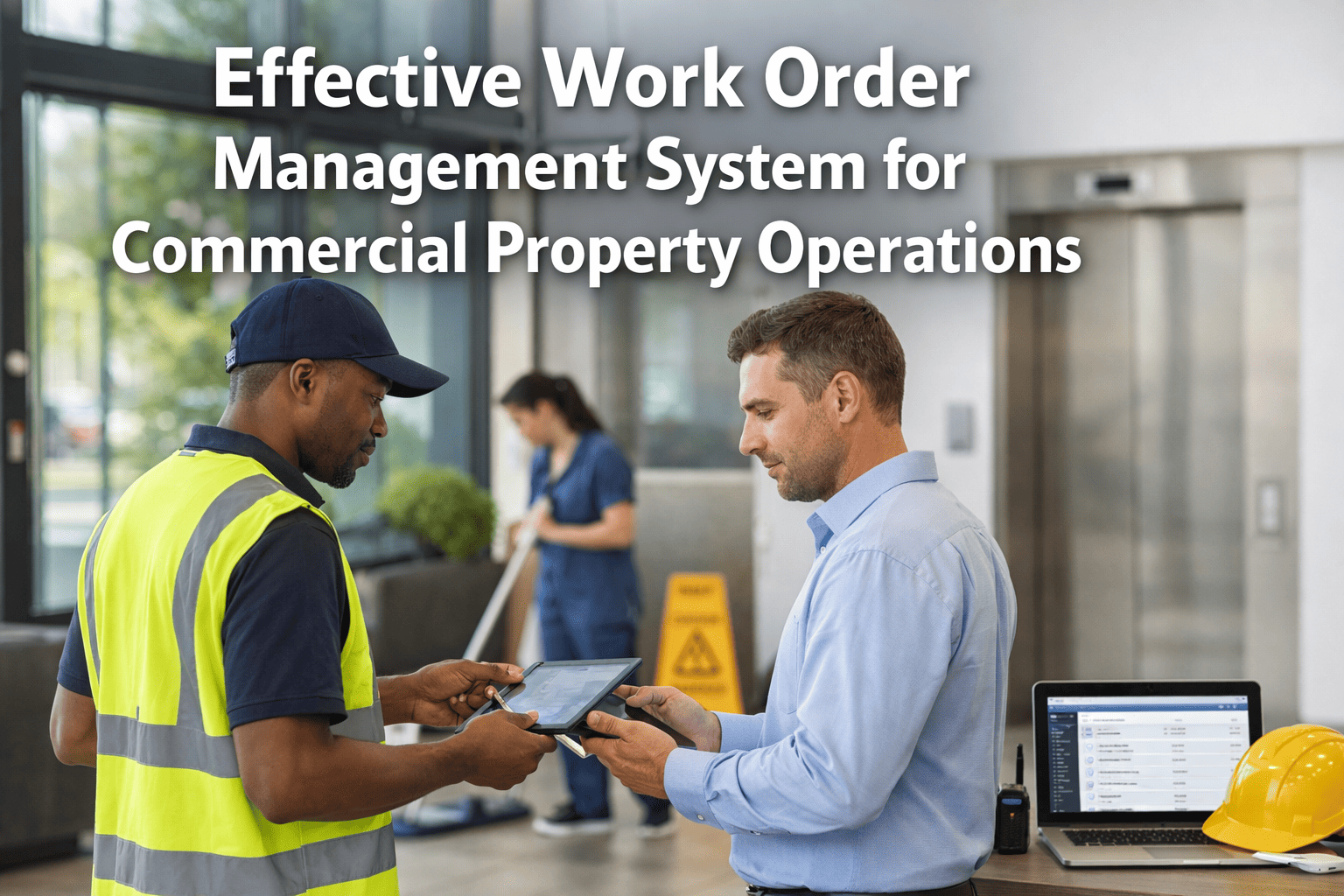
Six Ways AI Directly Improves Tenant Experience

01
Instant Request Acknowledgment
Every submitted request auto-acknowledged with confirmation, estimated timeline, and technician assignment — eliminating the silence that erodes tenant confidence in the first 24 hours.
02
AI-Matched Technician Dispatch
Auto-routing by skill set, proximity, current workload, and parts availability — the right technician arrives first time, cutting first-time fix rate failures that require callbacks and double tenant disruption.
03
Real-Time Repair Visibility
Tenants see live repair status — assigned, en route, in progress, completed. Transparent communication during the repair cycle reduces complaint escalations by 40%+ before the job is even finished.
04
Proactive Issue Prevention
AI-generated preventive maintenance work orders catch HVAC, plumbing, and electrical degradation 6–12 weeks before failure — tenants never experience the breakdown, only the outcome of consistent upkeep.
05
SLA-Backed Service Commitments
Every request type assigned an SLA — emergency response under 4 hours, standard repairs under 18 hours. Auto-escalation fires before any SLA breach occurs, making service commitments operationally enforced.
06
Satisfaction Scoring and Trend Tracking
Post-repair satisfaction scores tracked per tenant, per property, per work order type — giving property managers early visibility into at-risk tenants before a non-renewal decision is made.

The Tenant Experience Gap: Manual vs. AI-Automated

What Tenants Actually Experience — Manual vs. AI-Automated Maintenance
Touchpoint
Manual Process
AI-Automated
Request Submission
Phone or email — no confirmation
Structured form — instant confirmation with reference number
Acknowledgment Speed
Hours to days — if at all
Under 5 minutes — auto-acknowledged with timeline
Repair Timeline
4.6 days average — no visibility into progress
Under 18 hours — live status throughout
Repeat Issues
Same problem recurs — no repair history tracked
Asset history surfaces root cause — fix it once, fix it right
Emergency Response
Manager coordinated — variable response, no SLA
Auto-escalated to on-call — SLA under 4 hours, always
Proactive Communication
None — tenant discovers completed repair on return
Status updates at each stage — completion notification sent
Renewal Signal Detection
None — dissatisfaction discovered at lease expiry
Satisfaction score trends flag at-risk tenants 60–90 days early
Preventive Impact
60%+ reactive — tenants experience the failure first
Under 30% reactive — most issues resolved before impact
Cut Response Time From 4.6 Days to 18 Hours
Oxmaint gives commercial and multi-family property teams AI-automated maintenance response — instant acknowledgment, smart dispatch, real-time SLA tracking, and tenant satisfaction scoring that turns fast repairs into lease renewals.
Auto-dispatch in under 60 seconds — right technician first time
SLA enforcement before breach — not after complaint
Real-time repair status visible to tenants throughout
At-risk tenant signals detected 60–90 days before renewal

What Drives Tenants Away — and What Keeps Them

Top 4 Maintenance Reasons Tenants Do Not Renew
72%
Unresolved maintenance requests at renewal time — not just one issue but a pattern
58%
No acknowledgment or estimated timeline after submitting a request — silence signals indifference
44%
Same issue recurring multiple times — indicates the repair was temporary, not resolved at root cause
38%
Emergency not treated as emergency — 72+ hour downtime on a critical system breaks lease trust permanently
Top 4 Maintenance Factors That Drive Lease Renewal
89%
Fast acknowledgment — tenants who hear back within 1 hour renew at 89% vs. 54% for those who wait days
82%
Consistent first-time fix rate — repair done right the first visit builds the reliability trust that retains tenants at renewal
76%
Proactive maintenance — tenants who never experience a major failure are 76% more likely to renew without negotiation
68%
Status communication during repairs — transparency during the fix matters nearly as much as the fix itself

The Financial Impact of AI-Driven Tenant Retention

Tenant Retention ROI — AI Maintenance Automation
15-property commercial portfolio — $3.2M annual maintenance budget
Lease Loss Prevention
Response time cut from 4.6 days to 18 hours prevents lease losses at $42K+ avg annual rent — one tenant retained per property covers platform cost
Turnover Cost Elimination
Avg $7,000–$42,000 per vacancy in lost rent, leasing fees, and make-ready — each retained tenant eliminates this cost entirely
Emergency Repair Reduction
Proactive PM drops emergency rate from 60%+ to under 30% — tenants stop experiencing failures, renewal conversations become easier
Complaint Reduction
Real-time status communication cuts escalated complaints 40%+ — fewer complaints means fewer tenants reaching the frustration threshold that triggers market search
Satisfaction Score Improvement
Tenant satisfaction tracked from 72% to 94% on AI-automated platforms — properties in top satisfaction quartile command 8–12% higher renewal rents
Manager Time Recovery
15+ hours per manager per week recovered from dispatch coordination and complaint handling — redirected to proactive tenant relationship management
First-Year Tenant Retention Value Delivered
$480K–$960K

How AI Maintenance Automation Works in Practice

From Tenant Request to Completed Repair — Fully Automated
Every step tracked, every SLA enforced, every tenant notified
01
Tenant Submits Request
Via portal, mobile app, or QR code scan — structured form captures location, asset, priority, and photos. Auto-acknowledgment sent within 60 seconds with reference number and estimated resolution window.
Under 60 sec
02
AI Routes to Best Technician
Platform matches request to technician by skill, proximity, workload, and parts inventory. Duplicate detection fires before dispatch — eliminating the 22% duplicate rate common in manual systems ($4,800 per incident).
Auto-dispatch
03
Technician Executes With Full Context
Mobile app delivers asset history, guided checklist, parts list, and previous repair notes. Technician arrives with context — first-time fix rate improves to 85%+ vs. the industry average of 62% on manual programs.
85%+ first-fix
04
SLA Clock Tracked Throughout
Every response and resolution time tracked against SLA targets. Automatic escalation fires 2 hours before a breach — manager alerted, vendor escalated, tenant never experiences a missed commitment without proactive communication.
Pre-breach alert
05
Completion Confirmed and Scored
Digital sign-off with photo documentation closes the work order. Tenant satisfaction score captured automatically. Score trending below threshold flags the tenant for proactive outreach — 60–90 days before renewal decision.
Retention signal
06
Data Feeds Retention Dashboard
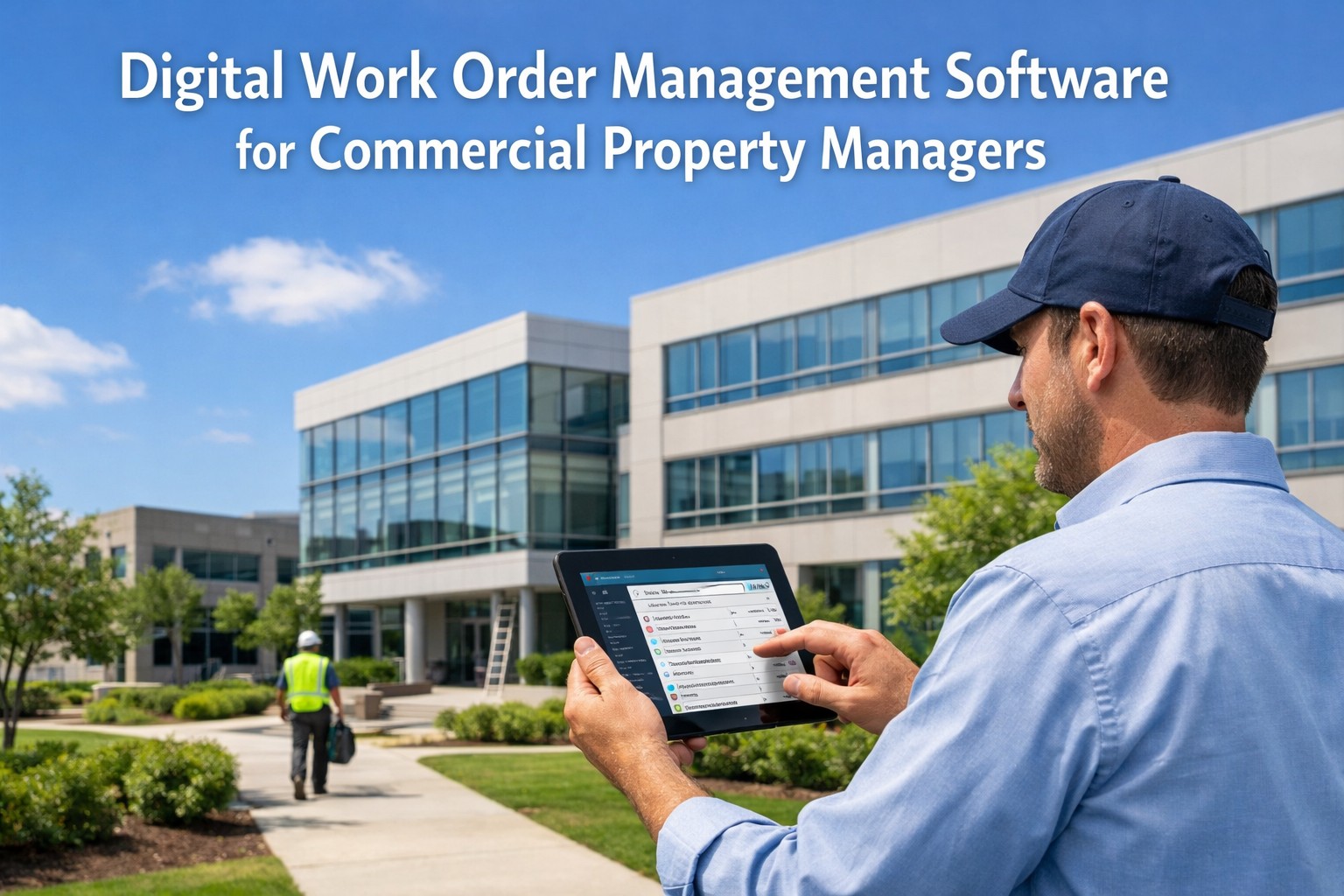
Every completed request updates MTTR, SLA compliance, satisfaction scores, and repeat-issue tracking — giving property managers a live view of every tenant relationship, ranked by renewal risk across the full portfolio.
Live dashboard

Frequently Asked Questions

How much does slow maintenance response actually cost in lease losses?
For commercial properties averaging $42,000 in annual rent per tenant, a single non-renewal driven by maintenance dissatisfaction costs the equivalent of 6–12 months of platform fees. For multi-family at $18,000–$24,000 annual rent per unit, combined with $3,000–$7,000 in turnover costs, even two maintenance-driven non-renewals per year justify full AI platform investment. The math is straightforward — one retained tenant per property is typically the only ROI calculation required.
How does AI know which technician to dispatch?
The platform evaluates four variables simultaneously: technician skill certification for the specific repair type, current workload and scheduled tasks, proximity to the property, and parts inventory. The algorithm routes the work order to the technician most likely to complete it first-time — improving first-time fix rates to 85%+ compared to 62% on manual dispatch systems. Dispatch happens in under 60 seconds from work order submission, regardless of time of day.
How does real-time status improve tenant satisfaction beyond just speed?
Research consistently shows that perceived wait time is shorter when people are informed. A tenant who knows their repair is assigned, scheduled for 2 PM, and currently in progress experiences significantly lower frustration than one waiting 18 hours with no information — even if the actual completion time is identical. Proactive status communication reduces escalated complaints by 40%+ and creates a service experience that tenants associate with professionalism, which directly influences renewal decisions at lease expiry.
Can AI maintenance systems catch tenant dissatisfaction before non-renewal?
Yes. Satisfaction scores tracked per tenant over time create a leading indicator — tenants whose scores trend downward over 60–90 days before lease renewal are flagged for proactive outreach. This gives property managers the window to address concerns, demonstrate commitment, and convert at-risk tenants into renewals before the alternative — the tenant submitting a non-renewal notice — becomes the first signal of dissatisfaction.
How quickly can we reduce average response time after implementation?
Most properties see measurable response time improvement within the first 2 weeks of go-live — primarily from automated dispatch replacing manual coordination. Average response time typically drops from 4.6 days to under 18 hours within 30 days. Full SLA compliance and satisfaction score improvements are typically visible within 60–90 days as PM completion rates rise and repeat-issue rates decline. The full team is typically live in 21 days or less.
Does the platform work for both commercial and multi-family properties?
Yes. Oxmaint supports both commercial and multi-family property types with separate work order templates, SLA thresholds, compliance checklists, and tenant communication workflows for each. The portfolio dashboard aggregates performance across all property types — so a mixed portfolio of office, retail, and residential assets gets unified visibility with type-specific operational logic underneath.
Turn Every Maintenance Request Into a Retention Event
Oxmaint gives commercial and multi-family property teams AI-automated maintenance response — from instant acknowledgment to smart dispatch, SLA enforcement, and satisfaction scoring that surfaces at-risk tenants before they become non-renewals.
Response time from 4.6 days to under 18 hours
First-time fix rate improved to 85%+ with smart dispatch
At-risk tenant signals detected 60–90 days before renewal
Full team live in 21 days or less

Share This Story, Choose Your Platform!