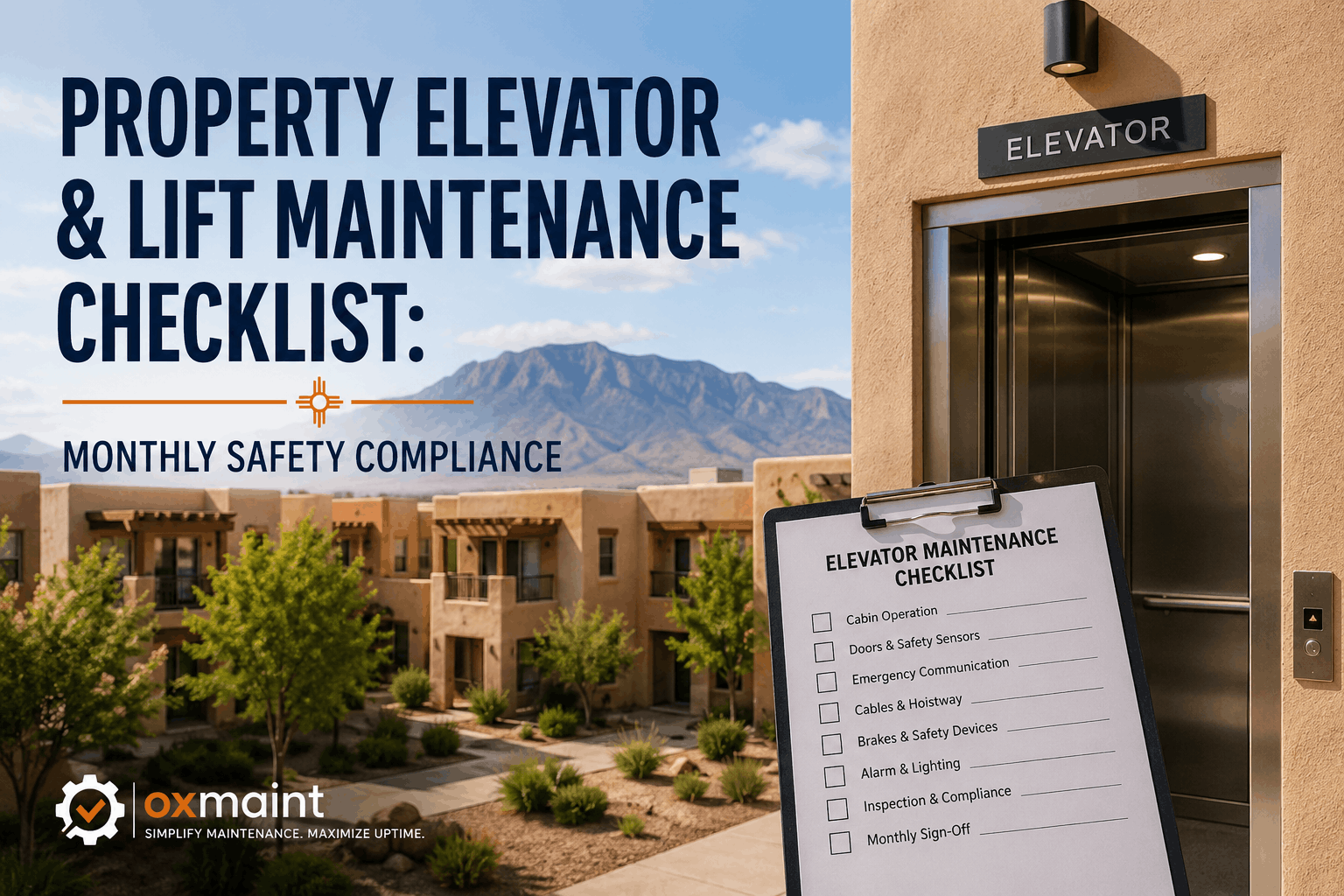
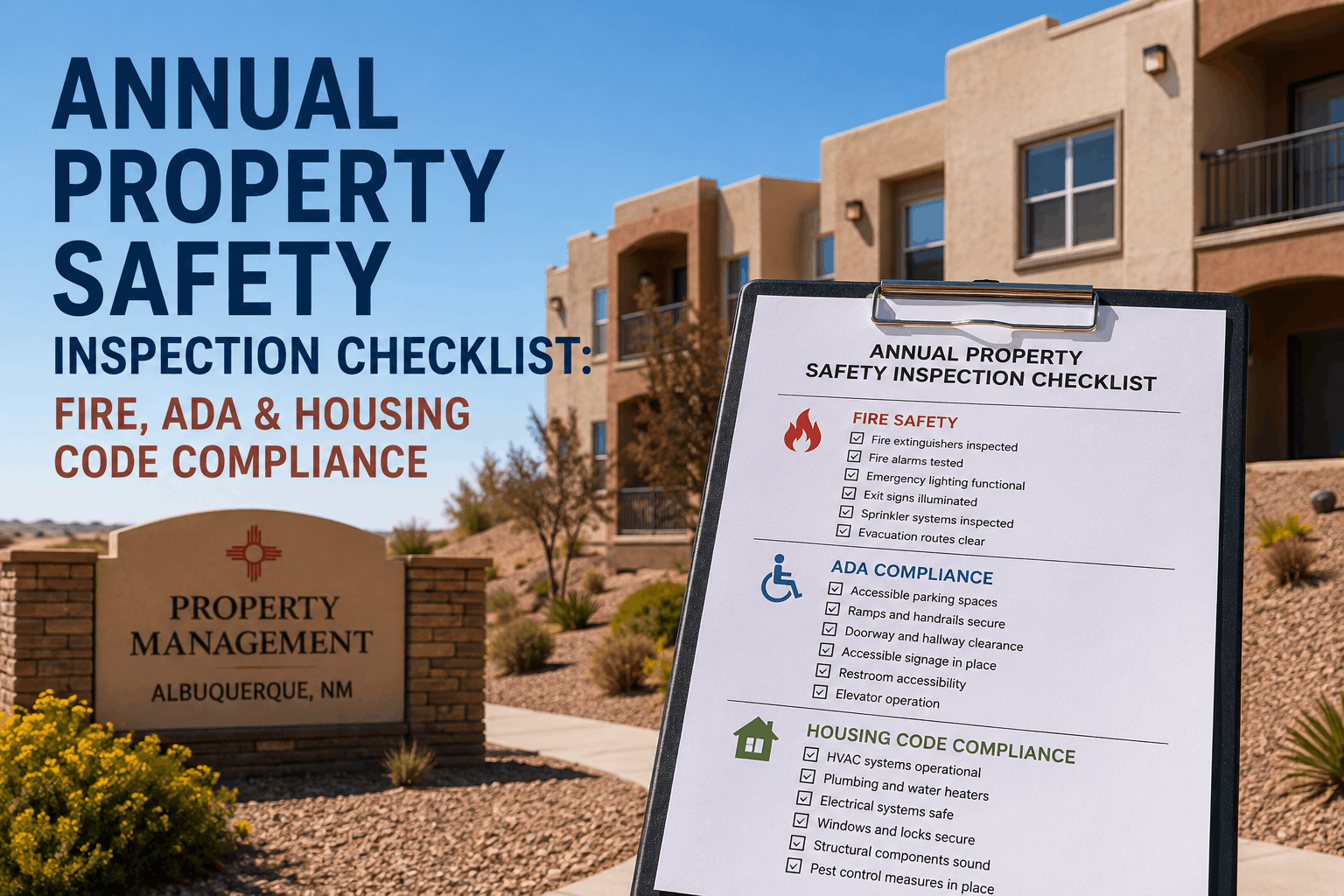
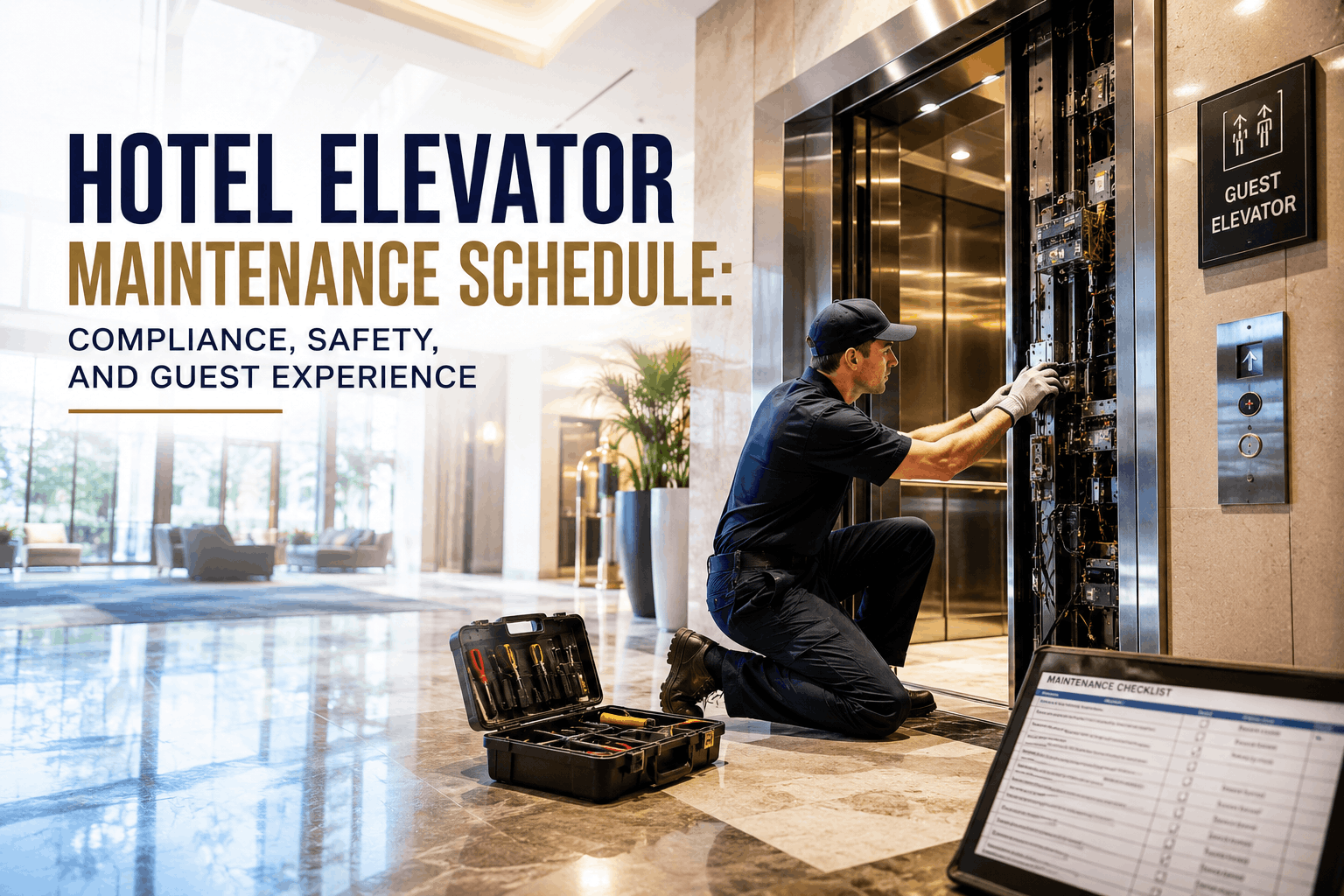
Elevator and vertical transportation systems are among the most liability-sensitive assets in any commercial or residential building. A single missed inspection, lapsed certification, or undocumented deficiency can trigger regulatory shutdowns, insurance complications, and serious safety incidents. Whether you manage a high-rise office tower, a multi-family property, or a mixed-use facility, this checklist gives your maintenance team a structured, audit-ready framework for managing elevator compliance, preventive service, and vendor accountability — from routine monthly checks to full five-year safety tests. Track elevator compliance with OxMaint's Audit & Compliance tools.
1. Regulatory Certification and Inspection Compliance
Elevator operating certificates are non-negotiable legal requirements enforced by the authority having jurisdiction (AHJ) in your region. Expired certificates, overdue inspections, or unresolved violations carry immediate shutdown authority in most jurisdictions — making certification tracking the highest-priority item in any elevator maintenance program.
Verify Current Operating Certificate Validity
Confirm that the elevator operating certificate issued by the AHJ is current, displayed in the elevator cab as required, and reflects the correct load rating and permitted use. Track the expiration date in your compliance calendar with at least 60 days advance notice before renewal is due.
Schedule and Document Annual Safety Inspections
Ensure that the mandatory annual safety inspection by a licensed elevator inspector is scheduled well in advance of the due date. Retain the completed inspection report, document any deficiencies identified, and assign corrective work orders with target completion dates before the next renewal window.
Track Five-Year Full-Load and Safety Test Obligations
Log the date of the last five-year full-load test, governor and safety device test, and hydraulic pressure test where applicable. Build the next required test date into your capital planning calendar and engage a licensed contractor at least three months before the deadline to avoid scheduling conflicts.
Resolve All Outstanding Violation Notices
Review the most recent inspection report for any violation tags or deficiency notices issued by the AHJ. Confirm that corrective actions have been completed and documented, and that required re-inspection or sign-off has been obtained to formally close each violation before the reinspection deadline.
2. Monthly and Routine Preventive Maintenance Tasks
Routine preventive maintenance between formal inspections is what keeps elevators running safely and prevents minor component wear from escalating into costly repairs or service interruptions. A documented monthly PM program also demonstrates due diligence in the event of an incident investigation or insurance audit. Book a demo to see how OxMaint automates your preventive maintenance scheduling.
Lubricate Guide Rails, Sheaves, and Moving Components
Confirm that guide rail lubrication, sheave bearings, and all moving mechanical components receive lubrication at manufacturer-specified intervals. Verify that the correct lubricant type is being used and that over-lubrication — which can attract debris and accelerate component wear — is avoided.
Test Door Operations, Safety Edges, and Sill Condition
Verify that elevator doors open and close within specified time tolerances, that door reopening devices (safety edges or light curtains) respond correctly to obstruction, and that door sills, guides, and gibs are clear of debris and free from damage that could cause door misalignment or entrapment risk.
Inspect Machine Room Equipment and Environmental Conditions
Check the machine room for proper temperature and humidity levels, confirm that the room is secured against unauthorized access, and inspect the motor controller, drive unit, and brake assembly for signs of overheating, oil leaks, or abnormal noise during operation.
Test Emergency Phone, Lighting, and Alarm Systems
Conduct a functional test of the in-cab emergency telephone to confirm two-way communication is active and the receiving party answers correctly. Test emergency cab lighting battery backup by simulating a power interruption and verify that the alarm bell operates audibly from within the cab.
Check Leveling Accuracy and Ride Quality
Ride each elevator through the full travel range and note any instances of rough ride, excessive vibration, or floor-level misalignment exceeding the code-allowable threshold. Leveling inaccuracy creates trip hazards for occupants and is a common citation in routine inspections.
3. Safety Device Testing and Verification
Elevator safety devices are the mechanical and electronic systems that prevent catastrophic failures during abnormal operation. Testing these devices on a defined schedule — and documenting every test result — is both a code requirement and a fundamental building safety obligation.
Test Governor and Safety Device Function
Verify that the overspeed governor engages correctly and that the car safety device activates within the required speed threshold as specified in the applicable elevator code. Document test results including engagement speed, stopping distance, and any adjustments required to restore correct operating parameters.
Inspect and Test Buffer Condition and Travel Clearances
Inspect pit buffers for compression set, oil leaks (on oil buffers), and physical damage. Confirm that car and counterweight travel clearances meet code minimums and that buffer engagement during an overspeed or control failure event will arrest travel within allowable deceleration limits.
Verify Hoistway Access Door Interlocks
Test all hoistway landing door interlocks to confirm that the elevator cannot move with any hoistway door in the open or unlocked position. Interlock failures are among the leading causes of elevator-related fatalities and must be prioritized for immediate repair when any defect is detected.
Test Pit Stop Switch, Lighting, and Sump Pump
Confirm that the pit stop switch de-energizes the elevator immediately when actuated and that pit lighting is functional. Where a sump pump is installed, verify that it operates correctly and that no standing water accumulation is present that could introduce electrical hazard or accelerate pit component corrosion.
4. Escalator and Moving Walk Maintenance Tasks
Escalators and moving walks present a distinct set of maintenance requirements from vertical elevators, with high exposure to public traffic, debris accumulation, and mechanical wear on steps, pallets, and handrails. A dedicated escalator maintenance checklist prevents the most common causes of passenger incidents and regulatory citations. Sign up free to build and manage your escalator maintenance program in OxMaint.
Inspect Steps, Combs, and Comb Plates for Damage
Examine each step or pallet for cracks, broken cleats, missing treads, or excessive wear at the comb plate interface. A broken step cleat or damaged comb plate is a direct entrapment and injury risk and must be taken out of service immediately pending repair and re-inspection before being returned to operation.
Test Handrail Speed Synchronization and Condition
Verify that handrail travel speed is synchronized with step speed within the allowable tolerance, and inspect handrail surfaces for cracks, cuts, or bulges that could catch on clothing or cause passenger falls. A handrail running faster or slower than the steps is a frequent injury cause and a code violation.
Test All Emergency Stop Buttons and Devices
Actuate all escalator emergency stop buttons at the top and bottom landings and confirm that the escalator comes to a controlled stop within the code-specified distance. Verify that stop button covers are intact, that buttons are easily accessible without obstruction, and that reset procedures are documented for staff.
Clean Drive Chain, Lubricate Step Chain, and Inspect Drive Mechanism
Perform scheduled cleaning of the drive chain and step chain in accordance with the manufacturer's maintenance manual. Apply the correct chain lubricant at the specified intervals and inspect chain tension, link wear, and sprocket condition for signs of stretch or accelerated wear that indicate approaching replacement.
5. Vendor Contract and Service Agreement Management
Elevator maintenance contracts are specialized agreements that directly affect your regulatory compliance posture. Unlike general facility service contracts, elevator maintenance agreements often include provisions about who bears responsibility for inspection deficiencies, parts sourcing restrictions, and proprietary diagnostic access — all of which require careful review at onboarding and at every renewal. Sign up free to centralize your vendor contracts and service records in one place.
Confirm Maintenance Contract Coverage Scope and Exclusions
Review the active elevator maintenance contract to identify exactly which components, tasks, and failure modes are covered versus excluded. Confirm that the contract scope aligns with AHJ requirements for your jurisdiction and that coverage includes regulatory inspection scheduling, violation response, and callback service within an acceptable response time.
Verify Mechanic Licensing and Certification for All Service Technicians
Confirm that all technicians performing elevator maintenance or repairs hold current licenses required by the AHJ in your jurisdiction. In many regions, unlicensed elevator work voids the operating certificate and creates direct liability exposure for the building owner or manager — a fact often buried in service contract fine print.
Review Service Log Completion and Callback Response Records
Audit the service logs maintained by the elevator contractor to verify that all scheduled visits are being completed and documented, that callback response times meet contractual commitments, and that recurring faults are being tracked and addressed with root-cause repairs rather than repeated temporary fixes.
Confirm Insurance Certificates and Indemnification Coverage
Verify that the elevator maintenance contractor carries current general liability insurance at the limits required by your management contract, and that your organization is listed as an additional insured on their policy. Obtain updated certificates annually and at every contract renewal to avoid gaps in coverage protection.
6. Documentation, Compliance Records, and Audit Readiness
Regulatory audits, insurance reviews, and liability investigations all converge on one question: can you produce complete, accurate maintenance records for every elevator in your portfolio? A proactive documentation system — not a reactive file search — is what separates compliant properties from exposed ones. Learn how OxMaint centralizes compliance records for elevator assets.
Maintain a Centralized Inspection and Test Log for Each Unit
Create and maintain a dedicated inspection log for each elevator unit that records every inspection, test, service visit, violation, and corrective action in chronological order. This log is the primary document in any AHJ audit and should be immediately retrievable in digital or physical form without relying on contractor records alone.
Store Permits, Certificates, and As-Built Drawings in a Retrievable System
File the original operating certificate, installation permits, major modification permits, and available as-built drawings for each elevator unit in a system that allows retrieval within minutes, not hours. Confirm that digital copies are backed up and that access is available to maintenance leads without requiring IT escalation during an emergency.
Build a Compliance Calendar with Automated Deadline Alerts
Enter every recurring compliance deadline — annual inspection, five-year tests, certificate renewals, callback reviews — into a maintenance management platform that sends automated alerts to responsible parties. Manual calendar tracking is insufficient for multi-unit portfolios and frequently results in missed deadlines and reactive certificate reinstatements.
Document All Entrapment Events, Incidents, and Near-Misses
Record every passenger entrapment, injury incident, or safety near-miss with date, unit, contributing factor, response action, and resolution. This documentation protects against liability claims, supports trend analysis to identify systemic maintenance failures, and satisfies reporting obligations required by many AHJs and insurance carriers.
Frequently Asked Questions
Below are the most common questions facility managers and property teams ask about elevator maintenance requirements, inspection schedules, and compliance management.
Most jurisdictions require a full safety inspection by a licensed inspector annually, with a major periodic test (typically including full-load and safety device testing) every five years. Some AHJs mandate semi-annual inspections for high-traffic or high-rise installations. Always confirm the specific frequency required in your jurisdiction with the authority having jurisdiction.
A failed inspection typically results in the AHJ issuing a violation notice and either requiring corrective action within a specified timeframe or ordering the elevator taken out of service immediately. Operating an elevator with a suspended or revoked certificate exposes the building owner to fines, enforcement actions, and significantly increased liability exposure in the event of an incident.
Retain the current operating certificate, all inspection reports from at least the past five years, five-year test reports, service logs from the maintenance contractor, violation notices and documented resolutions, major repair or modification permits, and incident or entrapment records. Many AHJs require these records to be available for review on demand.
A five-year test typically includes a full-load test at 125% of rated capacity, a governor and car safety device test, a hydraulic pressure test for hydraulic units, a buffer test, and verification of all safety device functions under loaded conditions. A licensed inspector witnessing the test must sign off on the results before the certificate can be renewed.
Platforms like OxMaint allow facility teams to centralize inspection records, build compliance calendars with automated deadline alerts, issue corrective work orders directly from inspection findings, and generate audit-ready reports for each elevator unit. This replaces fragmented spreadsheets and contractor-held records with a single retrievable system accessible to ownership, operations, and compliance teams.