
HVAC maintenance issues left unaddressed quickly escalate from minor inconveniences to major system failures. A structured issue checklist helps maintenance teams systematically identify, document, and prioritize problems before they cause equipment breakdowns, comfort complaints, or energy waste. Whether responding to a service call or conducting routine troubleshooting, having a comprehensive checklist ensures no potential issue goes unnoticed. Start free to create digital HVAC maintenance issue checklists with Oxmaint CMMS.
What is an HVAC Maintenance Issue Checklist
An HVAC maintenance issue checklist is a diagnostic tool that guides technicians through systematic problem identification across all system components. It helps categorize issues by severity, document symptoms accurately, and determine root causes rather than just treating symptoms.
Problems grouped by system component and failure type. Electrical issues, refrigerant problems, airflow restrictions, and control failures each require different diagnostic approaches.
Classification from critical safety hazards to minor efficiency concerns. Severity ratings help prioritize repairs when multiple issues exist and guide resource allocation decisions.
Structured approach to identify underlying causes rather than surface symptoms. Fixing root causes prevents recurring issues and reduces total maintenance costs over equipment lifetime.
Common HVAC Issue Categories
Schedule a demo to see how Oxmaint tracks and prioritizes HVAC maintenance issues.
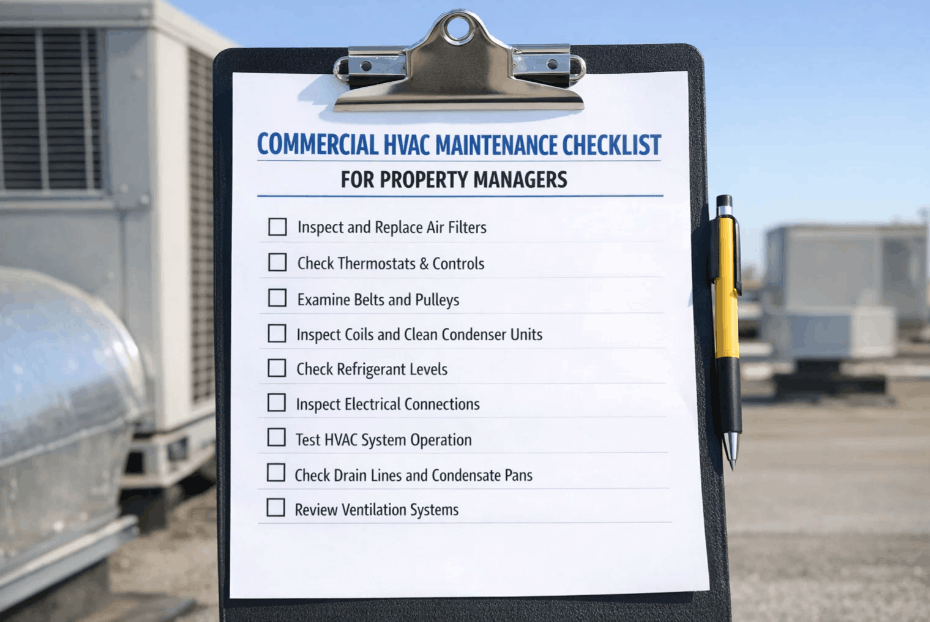
HVAC Maintenance Issue Checklists
Click items to mark issues as identified. Use these checklists to systematically diagnose HVAC problems.
Issue Documentation Best Practices
Capture photos of damaged components, error codes, and abnormal conditions. Visual documentation speeds up parts ordering and helps train other technicians.
Record specific measurements, operating conditions, and customer complaints. Include when the issue occurs, how long it lasts, and any patterns noticed.
Document when issues were discovered and when repairs were completed. Time tracking helps identify recurring problems and measure response performance.




.png)
