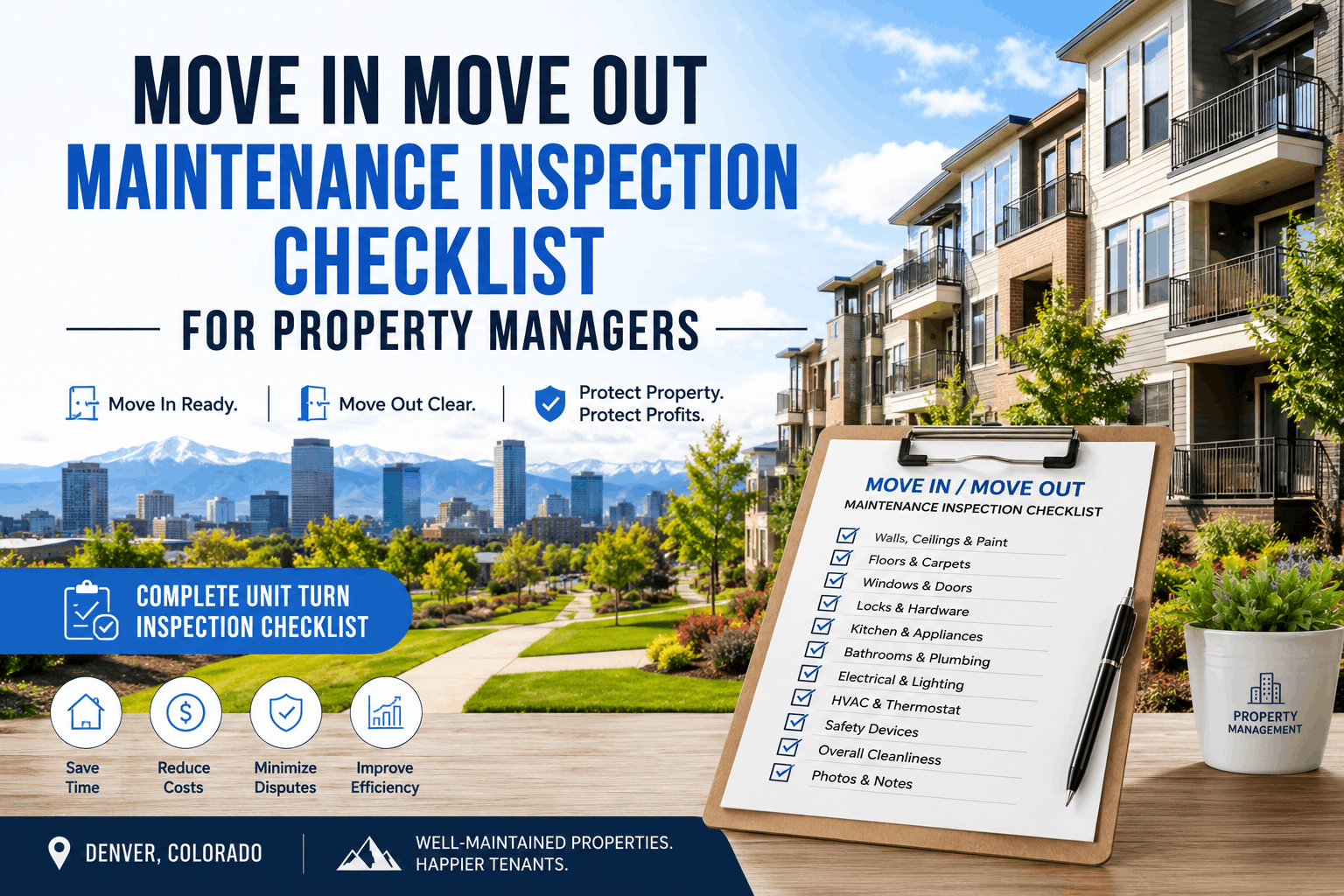
A move-in and move-out property inspection isn't just a formality — it's the single most important step in protecting both landlords and tenants from costly disputes, withheld deposits, and legal headaches. Without a structured, documented walkthrough at both ends of a tenancy, condition disagreements become he-said-she-said situations that take time, money, and goodwill to resolve. This checklist gives property managers, landlords, and tenants a comprehensive, room-by-room framework to document unit condition, capture evidence of pre-existing damage, and establish a clear baseline — with every item clearly labeled as a Move-In, Move-Out, or Both task.
1. Entry, Hallways & Common Areas
The first zone any tenant or inspector encounters sets the documentation baseline. Entry damage — scratched frames, scuffed walls, broken hardware — is frequently overlooked at move-in but heavily contested at move-out. Log entry condition photos with OxMaint.
Inspect Front Door Condition and Lock Functionality
BOTHTest the deadbolt, knob lock, and any chain or slide mechanisms for smooth operation. Document scratches, dents, or paint chipping on the door face and frame. Confirm all provided keys operate the lock without sticking — a lock that binds at move-in will be reported as damaged at move-out.
Check Walls and Baseboards for Pre-Existing Damage
MOVE-INWalk every wall surface in hallways and entryways, noting scuffs, nail holes, crayon marks, water stains, or peeling paint. Photograph any damage from multiple angles with a timestamp. Baseboards are frequently scuffed from furniture moves — document condition before the tenant takes possession.
Verify Flooring Condition and Note Existing Wear
BOTHInspect hardwood, tile, or carpet in entryways for scratches, staining, lifted edges, or missing grout. Mark specific areas on a unit diagram to clearly distinguish pre-existing wear from tenant-caused damage. Carpet with existing staining must be photographed before move-in to avoid deposit deduction disputes later.
Test Light Fixtures and Switches in Common Spaces
BOTHOperate all switches and confirm lights illuminate without flickering. Note any missing bulbs, cracked cover plates, or fixtures with loose housing. Faulty switches at move-in should be repaired before occupancy — not left as open items that create ambiguity at move-out.
2. Living Room & Dining Area
High-traffic living spaces accumulate the most tenant-generated wear. A thorough baseline inspection here reduces the most common security deposit disputes — wall damage, flooring wear, and window condition — to documented fact rather than estimation.
Document All Wall Surfaces Including Paint Condition
MOVE-INPhotograph every wall surface from corner to corner, noting existing holes, chips, crayon or marker damage, moisture bubbling, or improperly patched areas. Record the paint color and sheen on the inspection report — if the landlord must repaint specific areas at move-out, move-in documentation is essential proof.
Inspect Windows, Sills, and Blinds for Existing Damage
BOTHOpen and close every window to verify operation and check locks. Note any cracked panes, broken tilt mechanisms on blinds, torn screens, or damaged sill paint. Blinds and screens are among the most frequently disputed items at move-out — their documented move-in condition determines what is tenant responsibility.
Test Electrical Outlets and GFCI Devices
MOVE-INUse an outlet tester or phone charger to confirm every outlet in the living and dining space is live and grounded. Test GFCI outlets with the test/reset buttons. Dead outlets at move-in that go undocumented may be attributed to tenant damage — a quick circuit test prevents that assumption.
Check Ceiling for Water Stains, Cracks, or Texture Damage
BOTHInspect the ceiling surface under lighting for water rings, hairline cracks, peeling texture, or staining from prior leaks. Any ceiling damage must be photographed and noted — ceiling repairs are expensive, and their cause is difficult to determine after the fact without a documented baseline.
3. Kitchen Inspection
Kitchens generate the highest maintenance costs at tenant turnover. Appliance condition, cabinetry, countertops, and plumbing must all be documented at move-in to accurately attribute damage charges and avoid deductions for pre-existing wear.
Test All Kitchen Appliances and Document Operation
BOTHOperate the stove burners, oven, dishwasher, refrigerator, and microwave to confirm each functions as intended. Note any error codes, broken knobs, missing racks, or cracked door seals. Photograph the interior of the refrigerator and oven — grease buildup or ice accumulation at move-in must be on record.
Inspect Countertops and Cabinets for Chips, Burns, or Staining
MOVE-INPhotograph countertop surfaces for any existing burns, chips, discoloration, or delamination. Open every cabinet and drawer to note broken hinges, missing hardware, and drawer slide operation. These items are commonly charged at move-out without move-in documentation to dispute the claim.
Check Sink, Faucet, and Under-Sink Plumbing for Leaks
MOVE-INRun the kitchen faucet at full pressure and inspect the P-trap and supply lines under the sink for moisture, corrosion, or drips. A slow leak under the kitchen sink at move-in creates mold and cabinet floor damage over time — document and repair before occupancy begins.
Verify Appliance Cleaning Standard Before Key Handover
MOVE-OUTInspect oven interior, refrigerator shelves, dishwasher filter, and microwave cavity against the cleaning standard specified in the lease. Note any areas requiring professional cleaning on the move-out report with photographs. Cleaning charges must be clearly distinguished from damage charges in the deposit accounting.
4. Bathrooms Inspection
Bathrooms are the highest-risk area for pre-existing water damage claims. Grout, caulk, fixtures, and exhaust ventilation must all be documented at move-in because moisture damage accumulates silently and disputes about its origin arise almost universally at move-out.
Document Grout and Caulk Condition in Shower and Tub Areas
MOVE-INPhotograph grout lines in tiled shower and tub surrounds to capture any existing cracking, discoloration, or missing sections. Check caulk beads at the tub-wall transitions for gaps, mold staining, or separation. Failed caulk at move-in that is not repaired becomes a water damage liability during the tenancy.
Test Toilet for Flushing, Rocking, and Tank Leaks
BOTHFlush the toilet and observe the fill cycle for proper shut-off. Check for rocking at the base indicating a compromised wax ring. Add food dye to the tank and check the bowl after five minutes for a silent flapper leak. Document any existing cracks in the porcelain or loose toilet seat hardware.
Inspect Vanity, Mirror, and Medicine Cabinet Condition
MOVE-INOpen the medicine cabinet and vanity drawers to check hinge alignment. Note any chips in the sink basin, cracks in the vanity top, or fogging on the mirror backing. Photograph the underside of the vanity for water damage from prior leaks before the tenant takes possession.
Test Bathroom Exhaust Fan and Confirm Exterior Venting
MOVE-INSwitch on the bathroom exhaust fan and hold a tissue near the grille to confirm airflow. Confirm the fan exhausts to the exterior of the building. A non-functional bathroom fan leads to moisture accumulation and mold — document its operational status at move-in and repair it before the tenancy begins.
5. Bedrooms Inspection
Bedroom documentation is frequently skipped in informal inspections, yet closet damage, wall scuffing, and window operation issues are among the most disputed items at move-out. Every bedroom requires its own documented walkthrough.
Document Closet Interior Condition Including Rods and Shelving
BOTHPhotograph each closet interior with the door open, noting any bent rods, damaged shelving brackets, broken bifold door hardware, or mold near exterior walls. Closet wall surfaces should be inspected for moisture staining, particularly in corner rooms where condensation risk is higher.
Inspect Bedroom Doors, Hinges, and Door Hardware
BOTHOpen and close each bedroom door to test for proper latch operation and swing clearance. Check hinge tightness and note any existing door frame gouges. Doors that don't latch properly should be adjusted before move-in — an improperly operating door will be reported as damaged by any careful tenant.
Check Carpet or Flooring for Stains, Tears, or Worn Areas
BOTHInspect bedroom flooring in natural light for existing stains, bleach spots, worn traffic paths, or lifted carpet edges at transition strips. Carpet near windows and closet entries is typically the most worn — document it in detail to support fair deposit accounting at move-out.
Verify Window Operation, Screen Integrity, and Lock Function
BOTHOpen and close every bedroom window to confirm the sash slides freely and the latch locks securely. Inspect screens for tears or bent frames. Note any fogged double-pane glass or cracked glazing — window seal failures are a building maintenance responsibility that should never be charged to a tenant at move-out.
6. Utilities, HVAC & Safety Systems
HVAC systems, smoke detectors, carbon monoxide alarms, and utility shut-offs must be documented and verified operational at move-in — not just for deposit protection, but as a legal obligation in most jurisdictions. Track safety system compliance with OxMaint's inspection tools.
Test Smoke Detectors and Carbon Monoxide Alarms
MOVE-INPress the test button on every smoke detector and CO alarm and confirm the audible alarm activates. Note the manufacture date on each device — detectors older than ten years must be replaced before occupancy in most jurisdictions. Document serial numbers and test dates on the inspection report.
Inspect HVAC Filter, Thermostat, and Supply Vents
BOTHRemove and photograph the HVAC air filter to document its condition at move-in — a heavily loaded filter on day one is a maintenance responsibility, not a tenant obligation. Test the thermostat in both heat and cool modes and confirm supply vents in each room are delivering airflow.
Record Utility Meter Readings
BOTHPhotograph electric, gas, and water meter readings with a timestamp on the day of key handover for both move-in and move-out. Meter readings prevent billing disputes for utility charges that span the turnover period and provide an objective reference for any utility-based damage claims.
Locate and Document Utility Shut-Off Valve Locations
MOVE-INConfirm the tenant is aware of the main water shut-off, electrical panel location and breaker labeling, and gas shut-off valve location. Note the condition of the breaker panel cover and accuracy of circuit labels. Proper tenant orientation at move-in reduces emergency response time for utility incidents.
7. Move-Out: Final Condition Verification
The move-out inspection should mirror the move-in walkthrough room by room, using the original report as the comparison baseline. A structured move-out process ensures deposit deductions are defensible, documented, and legally sound.
Compare Move-Out Condition with Move-In Report Side-by-Side
MOVE-OUTBring the completed move-in inspection report to the move-out walkthrough and photograph each area from the same angle used at move-in. Side-by-side comparison photos provide unambiguous documentation of new damage versus pre-existing condition — the strongest evidence in any deposit dispute.
Verify Cleaning Obligations Are Met Before Key Return
MOVE-OUTInspect appliance interiors, bathroom surfaces, cabinet interiors, and flooring against the cleaning standard specified in the lease. Note any areas requiring professional cleaning on the move-out report with photographs. Clearly distinguish cleaning charges from damage charges in the deposit accounting statement.
Confirm All Keys, Remotes, and Access Devices Are Returned
MOVE-OUTCollect every key, fob, parking remote, garage opener, and mailbox key provided at move-in. Cross-reference the move-in key receipt log. Unreturned keys require lock rekeying — the cost must be supported by documentation showing keys were provided at move-in and not returned at move-out.
Issue Itemized Deposit Accounting Within Statutory Deadline
MOVE-OUTPrepare an itemized written statement of any security deposit deductions with supporting repair estimates or receipts, and deliver it within the timeline required by local landlord-tenant law — typically 14 to 30 days from move-out. Late or undocumented deposit accounting forfeits the right to deductions in most states.
Ready to digitize your move-in and move-out inspections? Book a free OxMaint demo and see how property managers generate compliant, timestamped inspection reports that eliminate deposit disputes and keep every turnover audit-ready.
Frequently Asked Questions
The most common questions from landlords, property managers, and tenants about move-in and move-out inspection best practices, deposit documentation, and condition reporting requirements.
In most U.S. states, tenants have a statutory right to be present at the move-out inspection if they request it in writing. Landlords must typically provide advance notice of the inspection date and time. Conducting the walkthrough jointly with the tenant reduces disputes by allowing both parties to acknowledge condition findings in real time.
Normal wear and tear refers to deterioration from ordinary use over time — minor scuffs on walls, light carpet wear in traffic areas, small nail holes, and faded paint. Tenant damage includes pet stains, large wall holes, broken fixtures, burns on countertops, and unauthorized modifications. The distinction determines what can legally be deducted from a security deposit.
Inspection photos should include a timestamp from the device camera, be taken in good lighting, and capture both wide shots for room context and close-up detail shots of specific damage. Photos should be consistent at move-in and move-out — taken from the same angle — so comparison is unambiguous. Store photos in a system that preserves metadata and timestamps.
Whether carpet cleaning can be deducted from a security deposit depends on state law and the age and condition of the carpet. Many jurisdictions prohibit charging for professional carpet cleaning after a normal tenancy unless the carpet is stained beyond ordinary wear. Move-in documentation of carpet condition is the determining factor in whether such a deduction can be upheld.
Digital inspection platforms like OxMaint eliminate the most common weaknesses in paper-based condition reports: illegible handwriting, missing photos, lost documents, and inconsistent coverage. Timestamped, geotagged photos attached directly to the unit record create an unambiguous evidence trail that is retrievable instantly for dispute resolution, court proceedings, or audit review.