The call came in at 11:47 PM on a Friday in December. A ground-floor tenant in a 160-unit garden-style apartment complex in Denver smelled sewage. By Saturday morning, raw wastewater was backing up into three units. By Saturday afternoon, it was seven. The emergency plumber ran a camera through the main sewer line and found the problem—a 40-foot section of clay pipe had been infiltrated by tree roots that had been growing for an estimated 18 months. The pipe was 60% blocked. Nobody knew because nobody had looked inside the pipe since the building was constructed in 1987. The emergency excavation and pipe replacement took 9 days. Seven families were temporarily relocated at the property's expense. Total cost: $127,000 in repairs, $34,000 in tenant relocation, $18,000 in rent credits, and two lease breaks worth $42,000 in annual revenue. The insurance claim was denied—"lack of preventive maintenance documentation." All of this because a $400 robotic pipe inspection would have caught 18-month-old tree roots when they were 18-day-old tree roots.
Underground pipes are the most expensive building systems that property managers never inspect. Sewer lines, storm drains, water supply mains, and sub-slab plumbing represent $200,000–$500,000 in replacement value for a typical 200-unit residential property—yet they receive zero proactive inspection at most properties until something catastrophic fails. In 2026, pipe and drain inspection robots have evolved from expensive specialty tools into affordable, deployable systems that property maintenance teams operate directly. When connected to a CMMS, every inspection generates a condition-scored asset record, predictive maintenance schedules, and capital planning data that transforms underground infrastructure from an invisible liability into a managed asset.
Impact Stats What's HidingWhat's Hiding Inside Your Property's Pipes
Residential property managers manage what they can see—roofs, HVAC, parking lots, appliances. But the most expensive infrastructure sits underground or behind walls, completely invisible until it fails. A 200-unit apartment complex built in the 1990s has an estimated 2–4 miles of buried sewer pipe, 1–2 miles of storm drain, and hundreds of vertical drain stacks running through every building. None of it is visible. None of it is typically inspected. And all of it is aging.
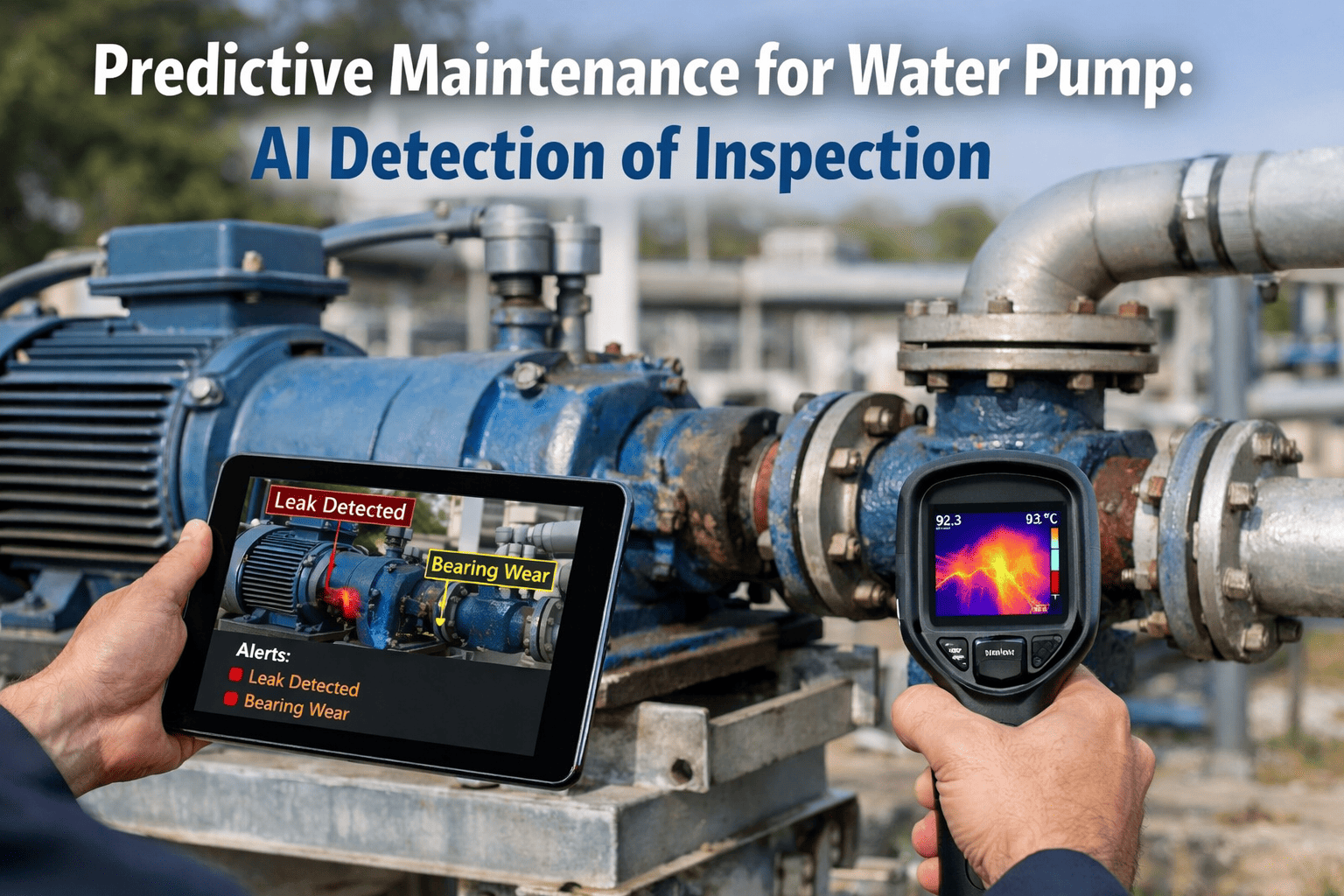
Pipe inspection robots eliminate the invisibility problem. These are not the bulky, contractor-operated camera systems that cost $2,000 per visit. Modern inspection robots are compact, property-team-operated units that crawl through pipes autonomously, capturing continuous HD video, measuring pipe diameter with laser profiling, and using AI to classify defects in real time. The difference between a $400 scheduled inspection and a $127,000 emergency excavation is simply knowing what's inside the pipe before it tells you the hard way.
Common Pipe Defects in Residential Properties by Age
What inspection robots find inside pipes at different property ages—and what each defect costs if left undetected.
| Property Age | Common Pipe Material | Most Likely Defects Found | Detection Window | Emergency Cost if Missed |
|---|---|---|---|---|
| 5–15 Years | PVC, ABS, PEX | Joint separation, improper slope (bellies), construction debris | 6–18 months before backup | $8,000–$25,000 |
| 15–30 Years | PVC, Cast Iron, Copper | Root intrusion at joints, early corrosion, grease buildup, minor cracks | 12–24 months before failure | $25,000–$75,000 |
| 30–50 Years | Cast Iron, Clay, Orangeburg | Heavy root infiltration, pipe collapse, advanced corrosion, channel erosion | 6–12 months before catastrophic failure | $75,000–$200,000 |
| 50+ Years | Clay, Orangeburg, Lead, Galvanized | Full structural failure, root mass blockage, pipe disintegration, lead contamination | Immediate risk—inspect now | $150,000–$500,000+ |
If your property is older than 20 years and the sewer lines haven't been inspected with a camera in the last 3 years, there are defects inside those pipes right now. The only question is whether you find them on your schedule or on an emergency plumber's schedule. Sign up free to start tracking pipe condition data alongside your above-ground maintenance.
How They WorkHow Pipe & Drain Inspection Robots Work
Modern pipe inspection robots are designed for property maintenance teams—not just specialty plumbing contractors. They deploy through standard cleanouts and access points, navigate pipe networks autonomously, and deliver inspection data that integrates directly with your maintenance management system.
The robot sees what's inside. The CMMS turns it into a maintenance plan. Together, they transform pipes from invisible liabilities into managed assets. Book a demo to see the full inspection-to-capital-plan pipeline.
Inspection ScopeInspection Scope: What Robots Check in Residential Pipe Systems
Residential properties have multiple distinct pipe systems, each with different materials, failure modes, and inspection priorities. Here's what robots inspect in each system and what they typically find.
| Pipe System | Typical Diameter | Robot Type Used | What's Inspected | Most Common Findings | Inspection Frequency |
|---|---|---|---|---|---|
| Main Sewer Line | 6"–12" | Wheeled crawler | Full length from building to municipal connection | Root intrusion (41%), joint offset (23%), grease deposits (18%) | Every 12–18 months |
| Building Laterals | 4"–6" | Push camera / mini crawler | Individual building connections to main sewer | Bellied sections (34%), root entry at joints (28%), debris blockage (19%) | Every 18–24 months |
| Storm Drains | 8"–36" | Large crawler with sonar | Parking lot and site drainage infrastructure | Sediment buildup (52%), structural cracks (21%), joint separation (15%) | Every 24 months |
| Vertical Stacks | 3"–4" | Drop camera / push rod | Drain stacks from roof to basement per building | Cast iron corrosion (47%), hub joint failure (26%), scale buildup (18%) | Every 24–36 months |
| Under-Slab Drains | 2"–4" | Micro crawler / push camera | Drain lines beneath concrete slab foundations | Settlement cracks (39%), Orangeburg collapse (31%), root mass (22%) | Every 36 months or at turnover |
The Real Cost of Ignoring Underground Infrastructure
Property managers budget for roofs, parking lots, and HVAC replacements because they can see degradation happening. Underground pipes fail invisibly—and the costs are catastrophic precisely because nobody planned for them.
Sewage Backup & Water Damage
A single sewer backup into occupied units destroys flooring, drywall, cabinetry, and personal property. Professional remediation requires water extraction, antimicrobial treatment, structural drying, and mold testing. Multi-unit backups multiply costs linearly—7 affected units means 7x the remediation.
Impact: $15,000–$85,000 per backup event depending on units affectedEmergency Excavation & Pipe Replacement
Emergency pipe replacement costs 3–5x more than planned replacement—emergency contractor rates, expedited permits, temporary bypass systems, landscape destruction, and compressed timelines. A $30,000 planned pipe lining becomes a $127,000 emergency excavation when the pipe collapses.
Impact: $50,000–$250,000 per emergency excavationTenant Displacement & Revenue Loss
Sewage-affected units require 5–14 days of vacancy for remediation. Tenants need temporary housing at the property's expense. Affected tenants frequently break leases regardless of remediation quality—the psychological impact drives permanent departures even after physical repairs are complete.
Impact: $8,000–$42,000 per event in relocation + lost revenueInsurance Denial & Premium Escalation
Insurance carriers increasingly deny pipe failure claims when the property cannot demonstrate a preventive inspection program. "Gradual deterioration" exclusions apply to any defect detectable through routine inspection. Properties with documented programs see 10–20% lower premiums; properties with claims see 20–35% increases.
Impact: $15,000–$60,000 per year in excess premiums or denied claimsA single robotic pipe inspection costs $300–$600 per building. A single emergency pipe failure costs $50,000–$250,000. The math isn't close. Book a demo to see how proactive pipe inspection integrates with your property maintenance program.
Comparison TableReactive Plumbing vs. Robotic Pipe Inspection + CMMS
| Criteria | Reactive / No Inspection | Robotic Inspection + CMMS |
|---|---|---|
| Pipe condition awareness | Zero visibility until failure occurs | Full condition scoring for every inspected segment |
| Root intrusion detection | Found during emergency backup—roots already severe | Detected at early entry stage—$200 root cut vs $40K excavation |
| Capital planning accuracy | Guessing pipe replacement timelines based on age alone | Condition-based capital forecasting with year-over-year trending |
| Insurance documentation | No inspection records—claims frequently denied | Timestamped condition reports support every claim |
| Repair method options | Emergency = excavation only (most expensive option) | Early detection enables lining, spot repair, or root treatment |
| Tenant impact per incident | 5–14 days displacement, permanent lease breaks | Scheduled repairs with zero tenant displacement |
| Multi-property comparison | No way to prioritize which property needs investment first | Portfolio-wide pipe condition scoring ranks properties by risk |
| Annual plumbing cost (200-unit property) | $110,000+ (emergency repairs + damage + turnover) | $22,000–$40,000 (inspections + planned repairs + platform) |
Every emergency pipe repair started as a detectable defect that nobody looked for. Start free and build the pipe condition baseline your property has never had.
ROIROI of Robotic Pipe Inspection with CMMS Integration
These numbers are based on a 200-unit residential property with an estimated 3 miles of combined sewer, storm, and building drain piping—a typical garden-style or mid-rise complex built 25–40 years ago.
| Savings Category | Annual Impact | Calculation Basis |
|---|---|---|
| Avoided emergency excavation (1 prevented/yr) | $95,000 | 1 emergency event × $95,000 avg total cost avoided |
| Tenant retention from prevented backups | $42,000 | 2 lease breaks avoided × $21,000 avg turnover cost |
| Insurance premium reduction | $28,000 | Documented inspection program → 15% premium decrease |
| Repair cost savings (planned vs. emergency) | $38,000 | Lining/spot repair at 30% cost of emergency excavation |
| Eliminated emergency plumber premium rates | $14,000 | Zero after-hours emergency drain calls annually |
| Extended pipe life through early intervention | $22,000 | 5–15 year life extension on repaired vs. replaced segments |
| Total Estimated Annual Savings | $239,000 | 200-unit property, ~3 miles of piping |
At $239,000 in annual savings against inspection and platform costs of $18,000–$35,000, the first-year ROI is 7–13x. Properties with aging pipe systems (30+ years) see even higher returns. Book a demo and we'll model your property's specific pipe risk profile.
Repair MatrixRepair Method Decision Matrix
One of the most valuable outputs of robotic pipe inspection is the ability to choose the right repair method based on actual condition data—not emergency-driven desperation.
| Defect Severity | Condition Score | Available Repair Methods | Typical Cost | Tenant Impact | Timeline |
|---|---|---|---|---|---|
| Grade 1–2 | Minor — Monitor | Chemical root treatment, hydro-jetting, scheduled cleaning | $200–$800 | None | Same day |
| Grade 3 | Moderate — Plan Repair | CIPP spot lining, mechanical root cutting, joint sealing | $1,500–$5,000 | None to minimal | 1–3 days |
| Grade 4 | Severe — Schedule Repair | Full CIPP lining, pipe bursting, sectional replacement | $8,000–$30,000 | Minimal — scheduled | 3–7 days |
| Grade 5 | Critical — Immediate Action | Open-cut excavation and full replacement (only option left) | $50,000–$250,000 | Major — 5–14 day displacement | 1–3 weeks |
The entire purpose of proactive inspection is to keep defects in Grade 1–3 where repair options are plentiful, costs are low, and tenant impact is zero. Once a pipe reaches Grade 5, you're paying emergency prices with no alternatives. Sign up free to start building condition-based repair plans for your pipe infrastructure.
KPIsCritical Pipe Health Metrics for Residential Properties
| Metric | Target (2026 Best Practice) | Why It Matters | Red Flag Threshold |
|---|---|---|---|
| Pipe Condition Score (avg) | ≤ 2.5 across all segments | Portfolio-level infrastructure health indicator | Above 3.5 = capital project needed |
| Inspection Coverage Rate | 100% of critical lines every 24 months | Uninspected pipe = unknown risk | Below 80% = significant blind spots |
| Root Intrusion Incidents | 0 emergency root blockages/yr | Roots are the #1 cause of sewer backups | Any emergency = missed inspection |
| Emergency Plumbing Events | ≤ 1 per 100 units/yr | Direct measure of preventive program effectiveness | Above 3 per 100 = reactive mode |
| Planned vs. Emergency Repair Ratio | ≥ 90% planned | Higher ratio = lower costs, zero tenant displacement | Below 70% = inspection gaps |
| Year-over-Year Condition Trend | Stable or improving | Degradation rate drives capital planning accuracy | Rapid decline = accelerate replacement |
| Insurance Claim Success Rate | 100% of valid claims paid | Documentation prevents claim denials | Any denial = documentation gap |
You can't manage what you can't see—and you can't see inside pipes without inspection robots. Sign up free to start tracking pipe health metrics across your property portfolio.
RoadmapImplementation Roadmap: Building Your Pipe Inspection Program
Case Study: 240-Unit Complex Avoids $380K Emergency With $2,400 Inspection
A 240-unit garden-style apartment complex in Houston—built in 1991 with original clay sewer mains—had experienced three emergency sewer backups in 18 months. Each event affected 4–8 units, required professional remediation, and triggered tenant lease breaks. The property had never conducted a systematic pipe inspection. Emergency plumbing costs for the 18-month period totaled $189,000. Insurance premiums had increased 28% after the second claim.
They deployed pipe inspection robots across the entire property's sewer network over 6 weeks. Total inspection cost: $2,400 for 2.8 miles of pipe. The robots found 14 Grade 3–4 defects including three pipe sections with root masses blocking 40–60% of pipe capacity. Two sections had cracks estimated to progress to full collapse within 6–12 months—a repair that would have cost $180,000–$380,000 in emergency excavation. Instead, all 14 defects were repaired using CIPP lining and root treatment for $47,000 total—planned, scheduled, zero tenant impact. The property hasn't had a single sewer backup in 16 months since inspection.
We spent $189,000 on emergency plumbing in 18 months because we never looked inside our pipes. The robot inspection cost us $2,400 and found two sections that were 6 months from collapsing—that would have been a $380,000 excavation through our parking lot. Instead we lined everything for $47,000, scheduled during a Tuesday when most residents were at work. Nobody was displaced. Nobody broke a lease. I now inspect every property in our portfolio annually. It's the cheapest insurance we buy.
Real-Time Pipe Infrastructure Dashboard
Key Capabilities for Residential Pipe Management
AI Defect Classification (PACP)
Automated defect identification using NASSCO Pipeline Assessment Certification Program standards. Every crack, root, joint offset, and deposit classified with severity grade and repair recommendation—no subjective interpretation required.
Condition-Based Capital Forecasting
Year-over-year pipe condition trending projects replacement timelines based on actual degradation rates—not generic age-based estimates. Budget capital projects 3–5 years in advance with data-backed cost projections.
Root Intrusion Tracking
Map root entry points across the entire pipe network. Schedule chemical treatment and mechanical cutting on optimal intervals. Track root regrowth rates per location to adjust treatment frequency before blockages recur.
Insurance Documentation Packages
Inspection reports formatted for insurance carrier requirements. Timestamped video, condition scores, and remediation records demonstrate proactive maintenance—supporting claim approvals and premium reduction negotiations.
Repair Method Optimization
Match defect severity to the least-invasive, lowest-cost repair method. Recommend CIPP lining, pipe bursting, spot repair, or excavation based on defect type, pipe material, depth, and access conditions—preventing over-spending.
Portfolio-Wide Pipe Risk Scoring
Compare pipe condition across all properties in your portfolio. Rank buildings by infrastructure risk score. Allocate inspection and capital budgets where failure probability—and failure cost—is highest.
Sign up free and explore these capabilities with your property data.
Benefits by RoleBenefits by Role
Property Managers
- Eliminate emergency sewer backups that displace tenants
- Schedule all pipe repairs during low-impact windows
- Defend insurance claims with documented inspection records
- Reduce after-hours emergency plumbing calls to near zero
Maintenance Teams
- Know exactly what's inside the pipe before opening a cleanout
- Prioritized work orders with defect location and severity data
- Root treatment schedules that prevent recurring blockages
- Fewer midnight emergency calls—more planned, daytime work
Asset Managers & Owners
- Data-backed capital budgets for pipe replacement projects
- Condition scoring that supports acquisition due diligence
- Insurance premium negotiation with documented inspection programs
- Portfolio-wide infrastructure risk ranking across all properties
Residents
- Zero sewage backup events disrupting their homes
- No emergency relocations due to pipe failures
- Faster drain response when issues do occur (data already exists)
- Confidence that building infrastructure is actively maintained