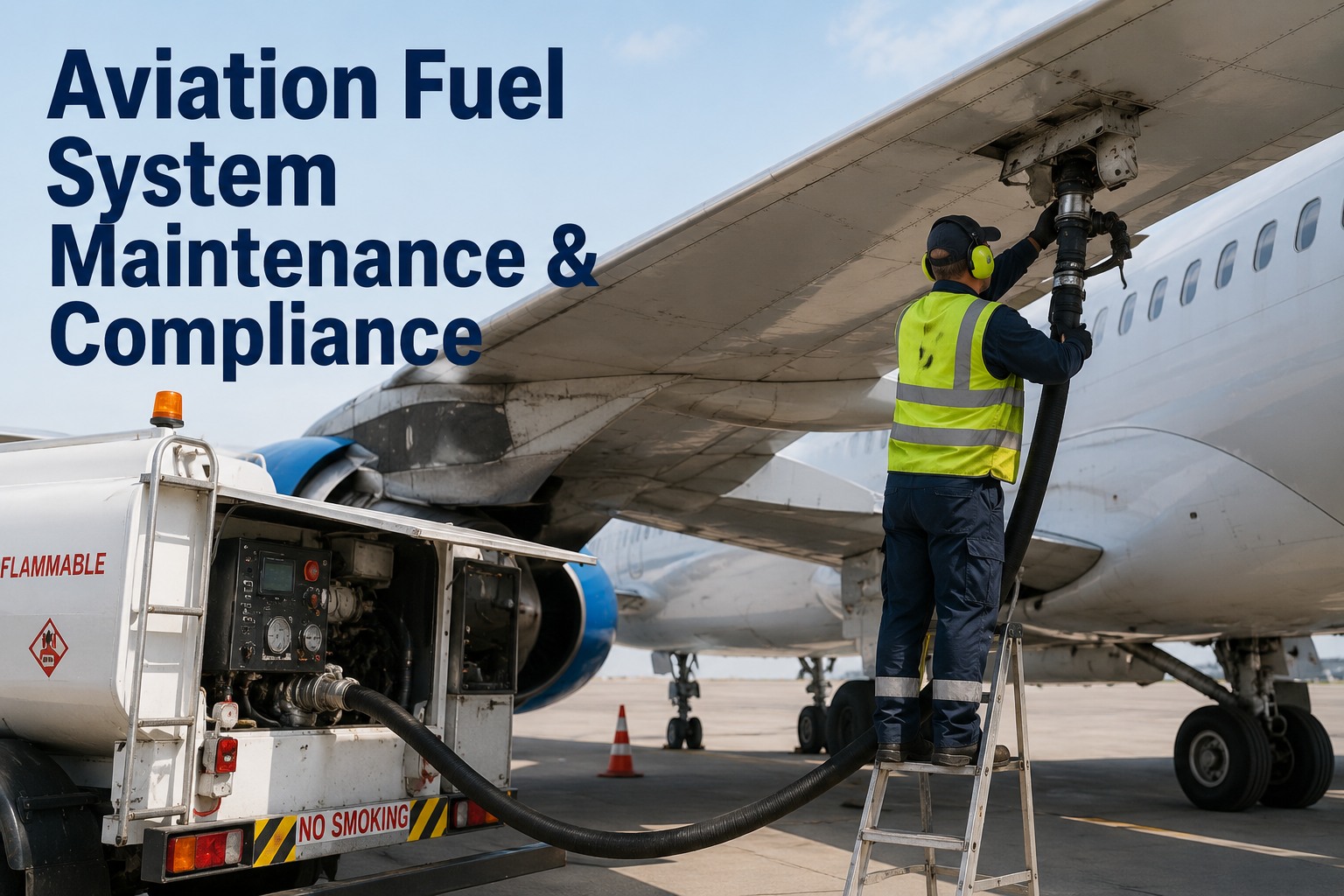
Aviation fuel system maintenance is the disciplined practice of inspecting, testing and repairing airport fuel farms, hydrant pipelines and dispensing equipment to ensure Jet-A quality and uninterrupted refueling operations. Compliance with API 1595, EPA SPCC and JIG 4 standards requires rigorous documentation of tank inspections, filter vessel changeouts, fuel quality checks and hydrant leak tests — a burden that reactive, spreadsheet-driven teams struggle to sustain. OxMaint provides an AI-powered CMMS that automates preventive maintenance scheduling, tracks fuel quality inspection data and keeps every asset audit-defensible so your fuel infrastructure stays reliable and compliant. You can explore the full platform with a Start Free Trial or book a personalized walkthrough with our team.
Is your fuel farm audit-ready — or one missed inspection from a shutdown?
Aviation fuel hydrant systems and storage tanks operate under overlapping regulations from API, EPA and JIG. One lapsed tank inspection or undocumented filter changeout can ground operations and trigger six-figure penalties. OxMaint automates the compliance calendar so nothing slips.
Aviation fuel compliance standards every maintenance team must track
Airport fuel infrastructure is governed by three overlapping frameworks. Missing any single deadline — from a 5-year tank internal inspection to a monthly water check — can halt fuel deliveries and ground flights.
Design & Operation of Aviation Fuel Storage
Defines construction standards, tank inspection intervals, and cathodic protection testing for above-ground aviation fuel storage tanks. Requires documented 5-year internal inspections and annual external API 653 assessments.
Spill Prevention, Control & Countermeasure
Mandates spill prevention plans for facilities storing over 1,320 gallons of fuel. Requires periodic integrity testing, secondary containment inspections, and valve inspections every 30 days.
Joint Inspection Group Aviation Fuel Quality
Sets global standards for aviation fuel quality control at airports — covering filter vessel inspections, membrane color checks, and daily drain checks to ensure Jet-A is free of water and particulate contamination.
Fuel farm maintenance checklist for aviation fuel systems
A tiered preventive maintenance program is the backbone of fuel farm compliance. Below is the inspection cadence that audit-ready aviation fuel operations follow, from daily visual checks to 5-year tank internals.
Visual fuel quality & system walkdown
Drain low-point sumps on storage tanks and hydrant pits, check filter vessels for water accumulation, inspect hose ends and nozzles for leaks, and verify tank level alarms are functional. Document readings in a digital log to satisfy JIG 4 daily requirements.
Hydrant system pressure & valve inspection
Test hydrant pit valve operation, check pressure-relief settings, inspect isolation valves for ease of operation, and verify emergency shutdown systems respond within specification. Record pressure trends to detect micro-leaks early.
Fuel quality testing & SPCC valve verification
Conduct membrane color and millipore particulate tests, perform clear-and-bright visual checks, verify SPCC valve integrity and containment dike conditions, and test cathodic protection rectifier readings on steel tanks.
Filter vessel changeout & equipment calibration
Replace filter elements based on differential pressure readings or elapsed time, calibrate flow meters and tank gauging systems, inspect pumps and motors for vibration anomalies, and test leak detection system alarms.
API 653 external inspection & system audit
Schedule certified API 653 external tank inspections, conduct full SPCC plan reviews, perform hydrant system hydrostatic pressure tests, and verify all maintenance records are complete and audit-defensible for the full calendar year.
What aviation fuel system failures really cost airports
A single fuel contamination event or hydrant leak can cascade into flight delays, environmental cleanup and regulatory enforcement. The numbers below represent real exposure for mid-size airport fuel operations.
A 12-tank fuel farm spending $48K annually on reactive maintenance
A regional airport fuel farm with 12 storage tanks and 4 miles of hydrant piping relied on spreadsheets to track inspections. When a JIG 4 audit revealed 3 missed quarterly filter changeouts and 2 undocumented SPCC valve checks, the operator faced a 48-hour fuel delivery suspension. After implementing OxMaint, the team automated 240+ recurring PM tasks, achieved 100% on-time inspection completion within 60 days, and passed their next audit with zero findings — reducing annual maintenance costs by 31%.
How OxMaint keeps aviation fuel infrastructure compliant and reliable
OxMaint replaces spreadsheets and paper logs with an AI-powered CMMS that automates compliance scheduling, centralizes maintenance records and predicts equipment failures before they disrupt fueling operations.
Automated compliance calendar
Auto-generate work orders for API 1595 tank inspections, SPCC valve checks and JIG 4 fuel quality tests based on asset-specific schedules. Never miss a deadline — OxMaint escalates overdue tasks to supervisors automatically.
Digital fuel quality tracking
Capture clear-and-bright test results, millipore readings, water drain logs and filter differential pressures on mobile devices. Every record is timestamped, geotagged and instantly retrievable for JIG 4 and EPA audits.
AI-driven predictive maintenance
OxMaint analyzes pump vibration data, filter pressure differentials and tank level trends to predict failures before they occur. Get alerts when a pump bearing degrades or a filter vessel is approaching changeout threshold.
Spare-parts inventory for critical assets
Track filter elements, gaskets, valve seals and pump components with min/max reorder alerts. Link parts to specific assets so technicians spend minutes — not hours — finding what they need during a hydrant repair.
Aviation fuel maintenance: CMMS vs spreadsheet management
Most fuel farm teams know they have outgrown spreadsheets when an auditor asks for a 3-year inspection history and nobody can find the binder. Here is how OxMaint compares to the status quo.
| Capability | Spreadsheets & Paper | OxMaint CMMS |
|---|---|---|
| Inspection scheduling | Manual calendar reminders; easily missed | Auto-generated work orders with escalation alerts |
| Audit trail | Paper binders; 3–5 days to assemble | Instant retrieval with timestamped digital records |
| Fuel quality logging | Handwritten log sheets prone to errors | Mobile data capture with photo and geotag |
| Predictive failure alerts | Not possible — purely reactive | AI analyzes trends and flags degrading assets |
| Parts inventory linkage | Separate stock sheet; no asset connection | Parts auto-linked to assets with reorder alerts |
| Multi-site visibility | Consolidating files takes hours | Real-time dashboard across all fuel farms |
See OxMaint on your fuel farm assets — book a 30-min demo
Walk through a live inspection schedule, fuel quality log template and audit dashboard configured for aviation fuel operations. We will show you exactly how to go from spreadsheets to audit-defensible in under 30 days.
Aviation fuel system maintenance FAQs
How often should aviation fuel storage tanks be inspected?
Aviation fuel storage tanks require annual external API 653 inspections, internal inspections every 5 years, and monthly cathodic protection readings for steel tanks. EPA SPCC rules also mandate 30-day valve and containment inspections. OxMaint auto-schedules each of these intervals based on tank type and construction date, so no inspection window is ever missed.
What is the JIG 4 standard for aviation fuel quality?
JIG 4 is the Joint Inspection Group standard governing aviation fuel quality control at airports. It requires daily sump drains, regular millipore particulate testing, clear-and-bright visual checks, and documented filter vessel inspections. OxMaint digitizes every JIG 4 test with mobile forms, photo capture and automatic timestamping for instant audit retrieval. You can see the full workflow by booking a Book a Demo session.
What does a fuel hydrant system maintenance program include?
A fuel hydrant maintenance program includes daily pit valve inspections, weekly pressure and leak-detection checks, quarterly hydrant flushing and valve exercising, and annual hydrostatic pressure testing. It also covers emergency shutdown system testing and isolation valve verification. OxMaint structures each task as a recurring work order with checklists, assigned technicians and completion documentation.
How does a CMMS improve aviation fuel compliance?
A CMMS improves compliance by automatically scheduling inspections to API, EPA and JIG requirements, digitizing all maintenance records with timestamps and technician attribution, and generating audit-ready reports on demand. Teams using OxMaint typically reduce audit preparation from days to under 2 hours and achieve 100% on-time inspection completion within the first 60 days of implementation.
Can OxMaint track fuel quality test results over time?
Yes. OxMaint stores every fuel quality test result — millipore readings, clear-and-bright observations, water drain volumes and filter differential pressures — as a searchable digital record linked to the specific tank, filter vessel or hydrant pit. Trend analysis dashboards highlight deteriorating quality so you can act before a contamination event occurs. Get started with a Start Free Trial to upload your existing data.
Make your fuel farm audit-defensible this quarter
Join aviation fuel operations teams using OxMaint to automate compliance, predict equipment failures and eliminate paper maintenance logs — all in one AI-powered CMMS platform.
Free 14-day trial · No credit card