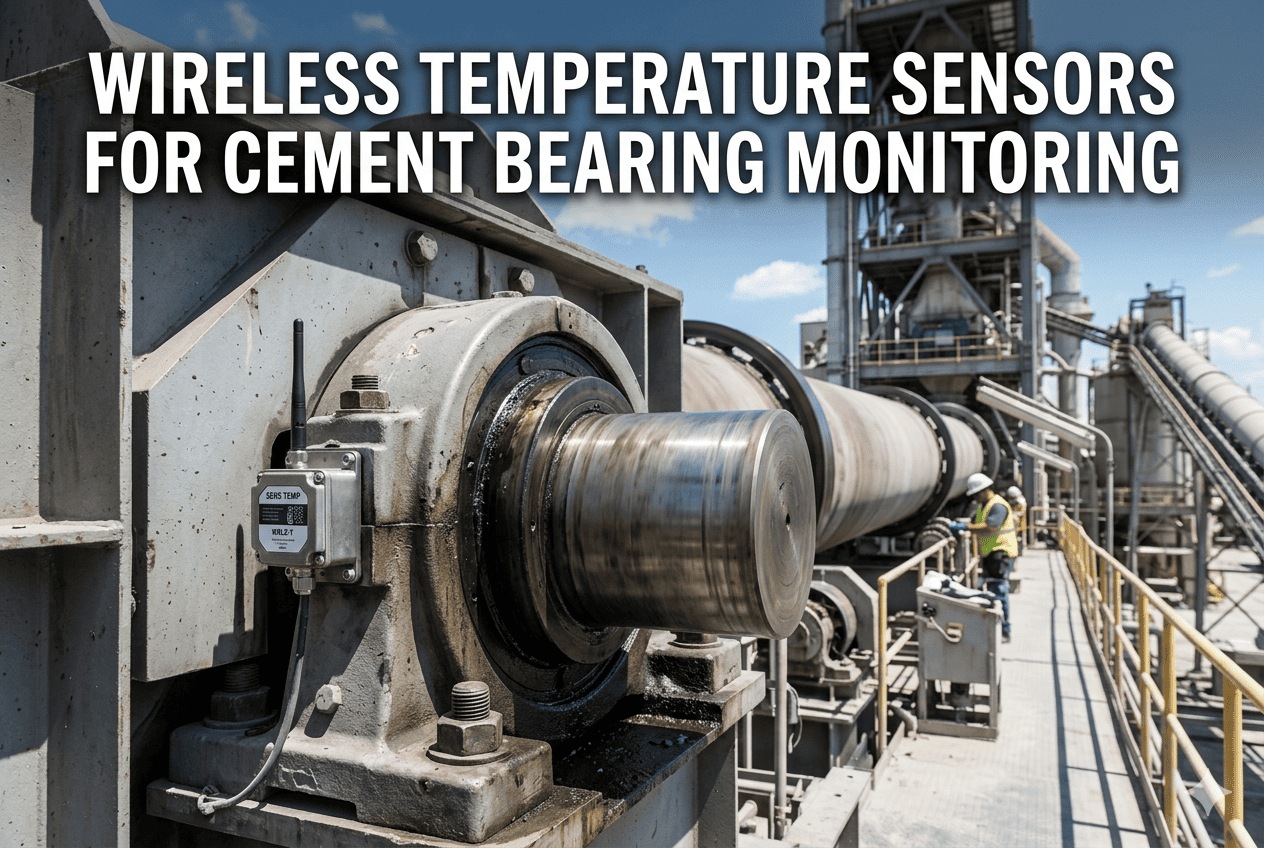
Sensors are the eyes and ears of modern cement plants—without them, optimization is guesswork and predictive maintenance is impossible. But not all sensors are created equal. Smart sensors go beyond simple measurement: they self-diagnose, communicate wirelessly, process data at the edge, and integrate seamlessly with analytics platforms. They transform cement plants from data-poor to data-rich environments, enabling the AI and analytics applications that drive competitive advantage.
The sensor revolution in cement is accelerating. Costs have dropped 70% in a decade while capabilities have multiplied. Wireless eliminates cabling nightmares. Edge computing enables real-time analysis. Modern sensor platforms make deployment and integration straightforward, turning sensor data into actionable intelligence.
Traditional Sensors
- Hardwired to DCS
- Analog 4-20mA signals
- Manual calibration
- No diagnostics
- Point measurements
- Wireless connectivity
- Digital protocols
- Self-calibrating
- Built-in diagnostics
- Edge processing
Critical Measurement Points in Cement
Strategic sensor placement delivers the data foundation for optimization. These are the measurements that matter most.
Kiln System
Grinding
Quality
Equipment Health
Deploy Smart Sensors Faster
Oxmaint integrates with leading sensor technologies, turning raw measurements into actionable plant intelligence.
Smart Sensor Technologies
Wireless Sensors
Battery-powered sensors communicating via WiFi, Bluetooth, LoRa, or cellular. No cabling costs, easy retrofit, deploy anywhere. Battery life: 3-10 years typical.
Edge Computing Sensors
Processing power built into the sensor. Run algorithms locally—FFT analysis, anomaly detection, trend calculation. Send insights, not raw data. Reduce network load 90%+.
Multi-Parameter Sensors
Single device measuring multiple variables—temperature, humidity, vibration, pressure. Reduces installation points, simplifies maintenance, provides correlated data.
Self-Calibrating Sensors
Automatic drift correction using reference standards or cross-validation with other sensors. Maintains accuracy without manual intervention. Alerts when calibration fails.
Diagnostic Sensors
Built-in health monitoring of the sensor itself. Detects fouling, damage, drift, communication issues. Reports confidence levels alongside measurements.
Vision Sensors
Cameras with AI image processing. Detect clinker color, material flow issues, belt damage, safety hazards. No physical contact with process.
Sensor Selection Guide
Talk to our sensor specialists about selecting the right technologies for your plant.
Deployment Best Practices
Start with Critical Assets
Don't sensor everything at once. Prioritize kiln, main drives, critical rotating equipment. Prove value before expanding. 20% of equipment typically drives 80% of risk.
Plan for Harsh Conditions
Cement environments destroy standard sensors. Specify IP67+ enclosures, high-temperature ratings, dust-resistant designs. Pay more upfront, save on replacements.
Consider Total Cost
Purchase price is 20% of lifetime cost. Include installation, commissioning, calibration, maintenance, battery replacement, software. Wireless saves 60-80% on installation.
Ensure Data Integration
Sensors are useless if data is stranded. Confirm compatibility with your historian, analytics platform, CMMS. Standard protocols (OPC-UA, MQTT) ease integration.
Plan Maintenance
Sensors need care too. Schedule calibration checks, battery replacements, cleaning. Assign ownership. Include sensors in PM routines.
Train Your Team
New sensors mean new skills. Train operators to interpret data, technicians to maintain devices, engineers to configure and troubleshoot.
ROI of Smart Sensor Deployment
Emerging Sensor Technologies
Energy Harvesting
Sensors powered by vibration, heat differential, or light. Eliminates batteries entirely. Ideal for inaccessible locations.
AI-Embedded
Neural networks running on sensor chips. Detect complex patterns locally. Respond in milliseconds without cloud dependency.
5G Industrial
High bandwidth, low latency, massive device density. Enables video streaming from mobile equipment, real-time AR applications.
Nanosensors
Microscale sensors embedded in materials. Monitor concrete curing, detect structural stress, track product through supply chain.
Build Your Sensor Strategy
From critical measurement points to data integration—Oxmaint helps cement plants deploy smart sensors that deliver actionable intelligence.