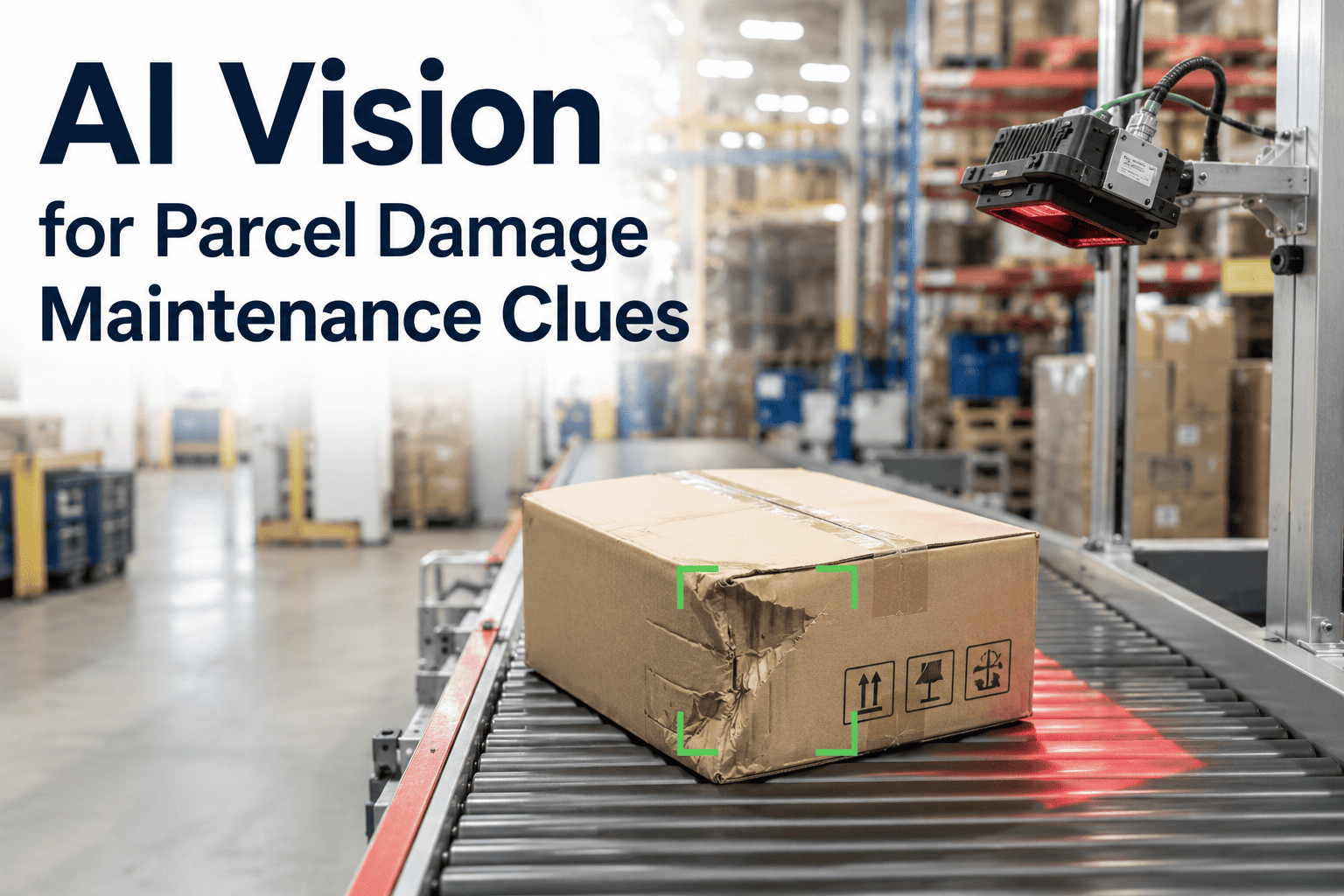
A torn box on the belt isn't always a packaging problem. Sometimes it's a roller misaligned by a few millimeters, a conveyor edge that's started to fray, or a sorter arm closing a fraction too hard. Most hubs log parcel damage as a quality issue and stop there, missing the mechanical clue sitting right inside the damage pattern. AI vision systems that scan parcels for damage can be pointed at a second job: spotting the equipment signature behind repeat damage before it becomes a customer complaint pattern. Try Oxmaint's damage-to-maintenance workflow free and start reading damage reports as equipment data, not just complaints.
Every Damaged Parcel Is Leaving a Clue About Your Equipment
Turn AI vision damage detection into early maintenance alerts instead of after-the-fact complaint logs.
What Different Damage Patterns Usually Point To
Often traced to a sorter arm or pusher applying excess force at one specific diverter point.
Usually linked to a worn conveyor belt edge or a misaligned guide rail dragging packages.
Commonly caused by a snagged roller bearing or a sharp edge on aging belt hardware.
Frequently a sign of a transfer point gap that's widened beyond its original spec.
How the Connection Gets Made
Vision system flags damaged parcels and logs the zone and timestamp of capture.
Oxmaint groups damage incidents by zone and pattern type to spot repeat clusters.
A threshold of repeat incidents in one zone triggers an inspection work order automatically.
Technician inspects the flagged equipment and logs the fix, closing the loop on that cluster.
Stop logging damage. Start tracing it.
Connect your damage detection data to a maintenance workflow that flags the cause, not just the symptom.
Damage reports get treated as a customer service metric far too often. In reality, a cluster of similar damage in the same zone is one of the earliest, cheapest signals you'll ever get that a piece of equipment needs attention.
Oxmaint Warehouse Automation TeamQuestions on AI Vision and Maintenance Triggers
Read your damage data like an equipment health signal
Oxmaint turns repeat damage patterns into early, traceable maintenance alerts before they become customer complaints.