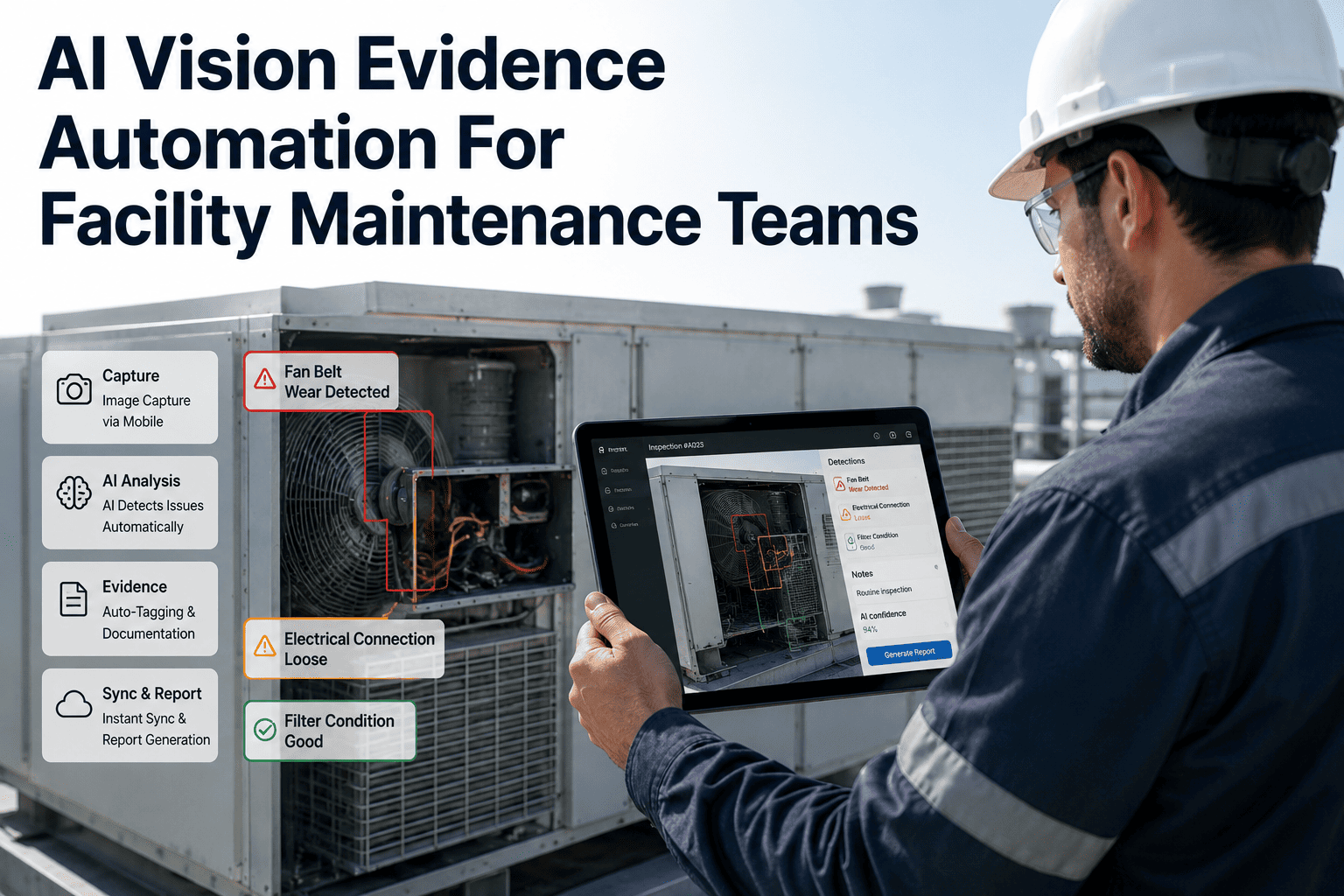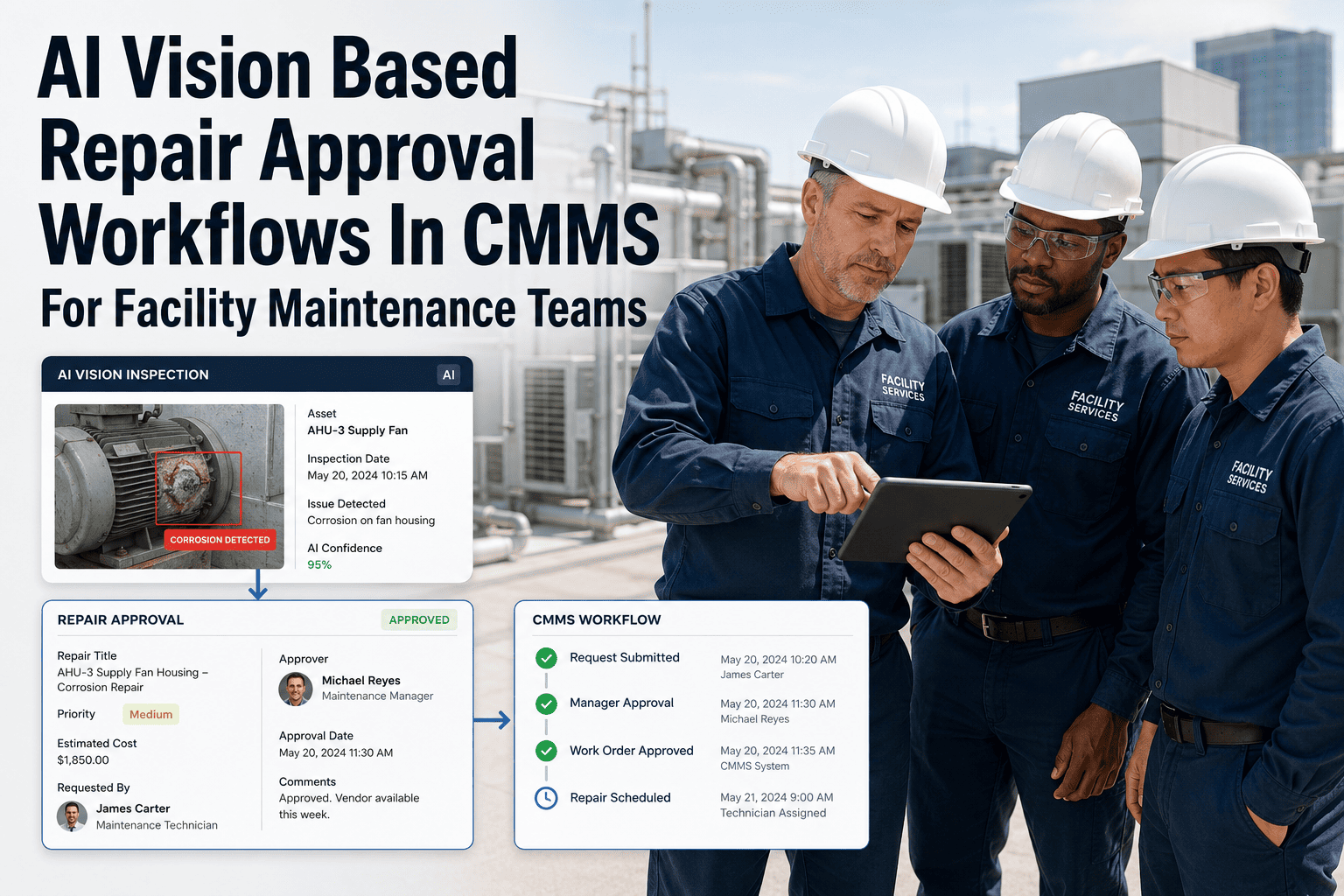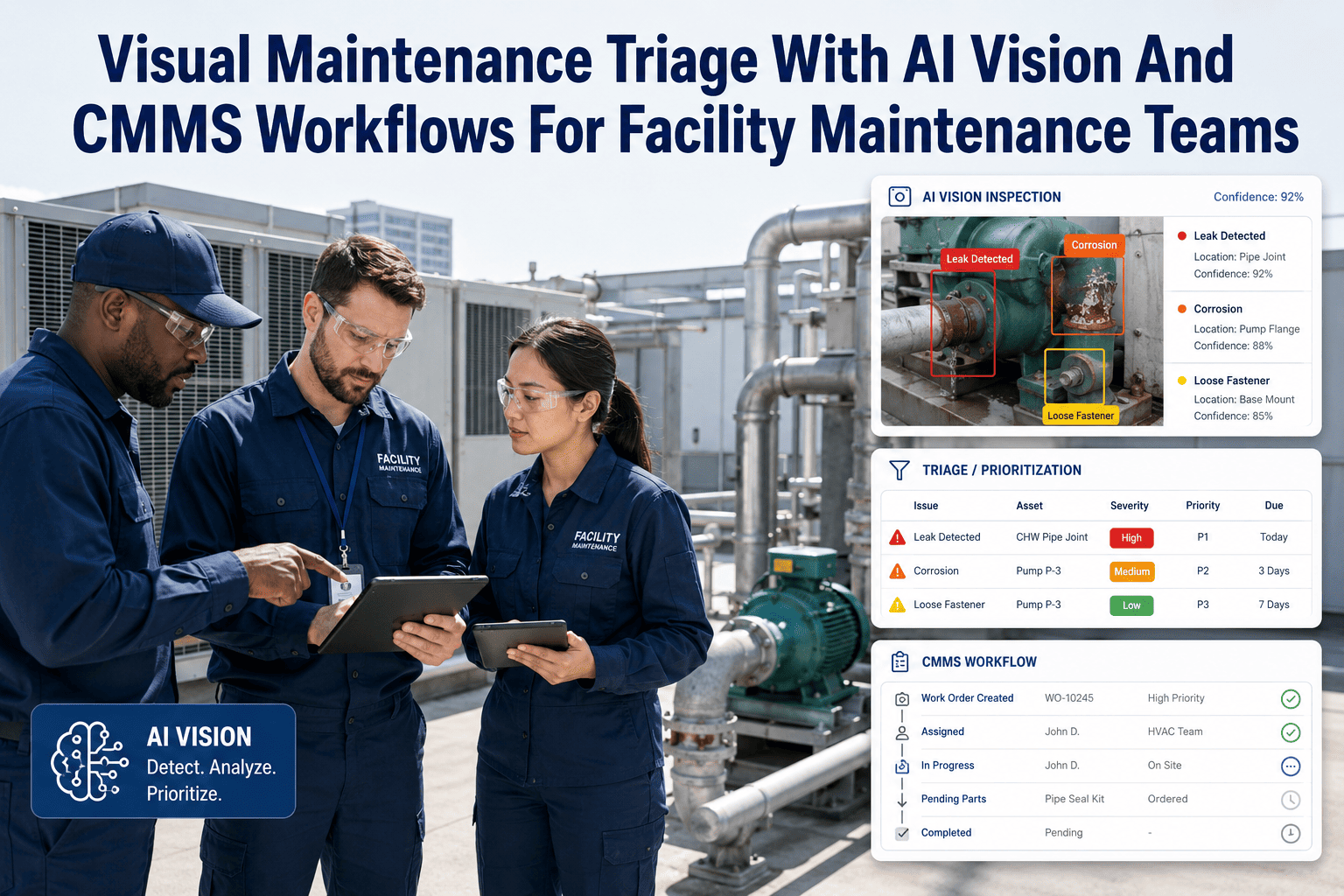
82% of food and beverage manufacturers have experienced unplanned downtime in the past three years, and each hour of it can cost anywhere from $4,000 to $30,000 once scrapped product, overtime and compliance exposure are counted. The uncomfortable part is how much of that is preventable — roughly 74%, split between aging equipment nobody flagged in time, small maintenance gaps, and operator errors that a faster inspection process would have caught. AI vision to work order automation in OxMaint closes that gap by turning a technician's phone photo into a scored defect and an auto-generated work order in the same walk-through — before the small issue becomes the next line stoppage. Book a demo to see it running against your own equipment.
Most Line Stoppages Were Visible Before They Happened
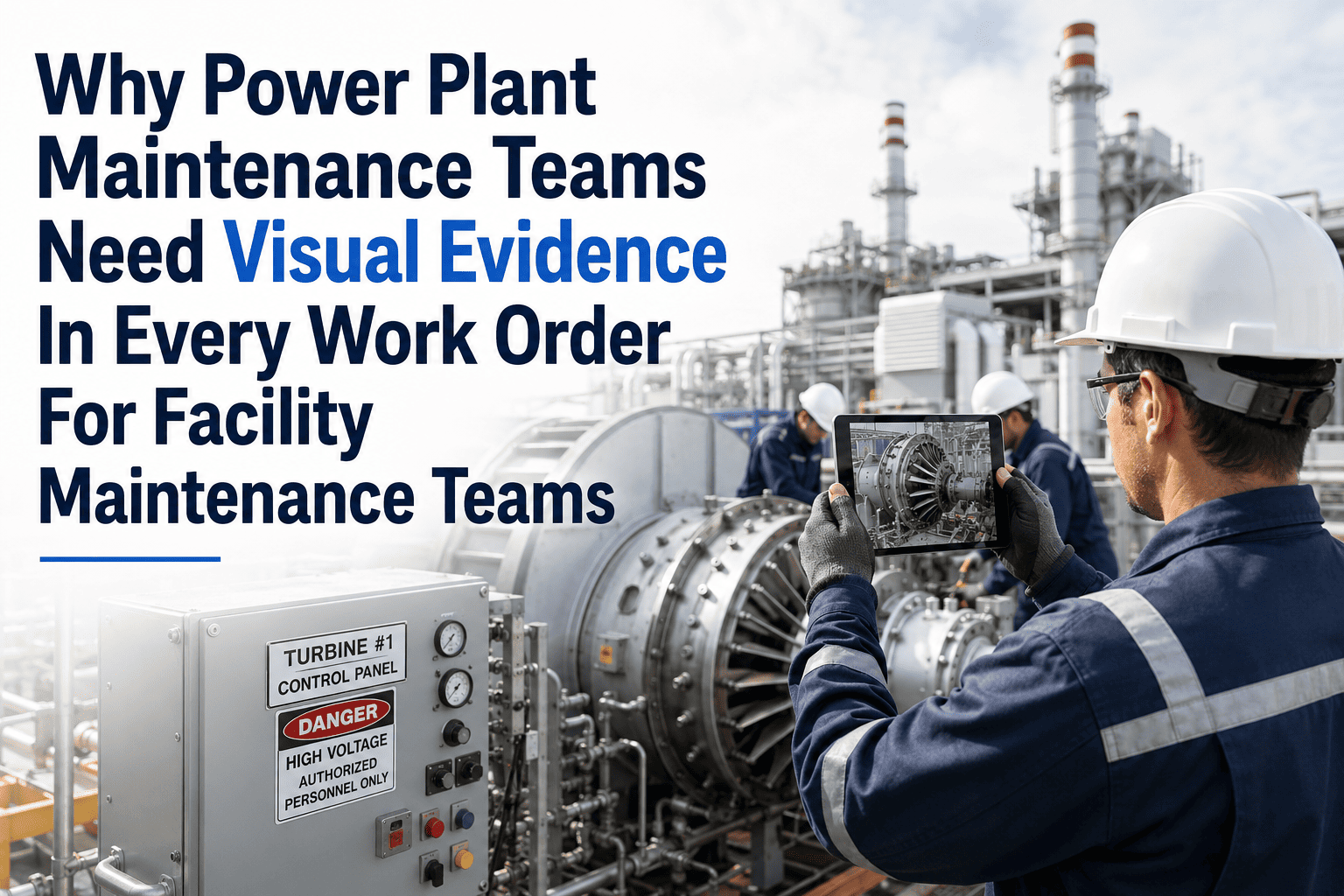
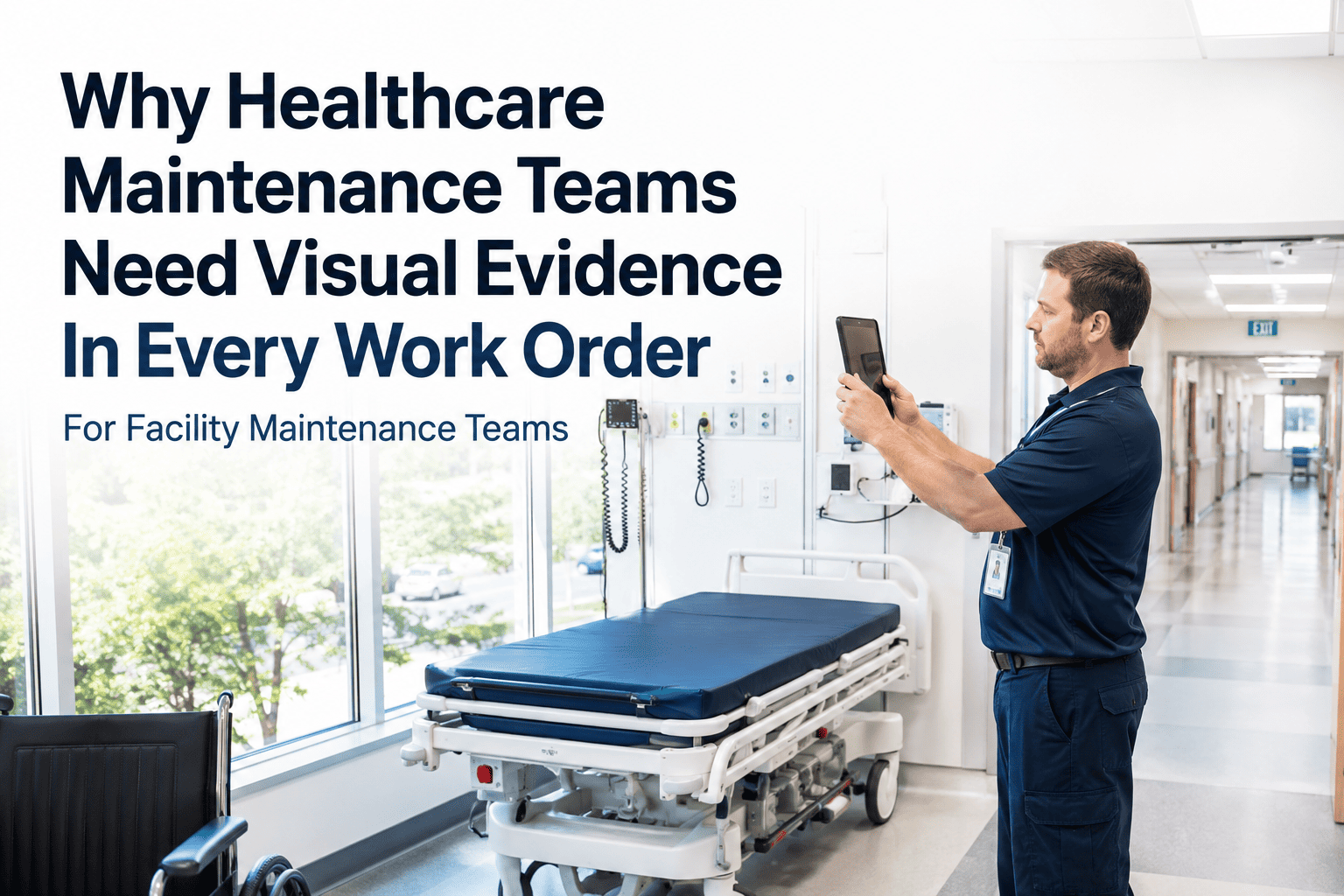
A worn seal, a hairline crack in a housing, an early corrosion spot near a fill line — these conditions are almost always visible weeks before they cause a shutdown. The gap isn't detection. It's turning what a technician sees into a work order fast enough to act on it before the next shift.
Where the Preventable 74% Actually Comes From
Three causes make up nearly three-quarters of food plant downtime, and every one of them is something a technician's camera and a faster work order process can catch earlier.
Aging Equipment & Missed Maintenance
Visible wear and early-stage defects that went unflagged until failure.
Operator Error
Missed steps or conditions that a consistent inspection process would catch.
Maintenance Time Gaps
The delay between spotting an issue and a work order actually being created.
From Phone Photo to Work Order in One Pass
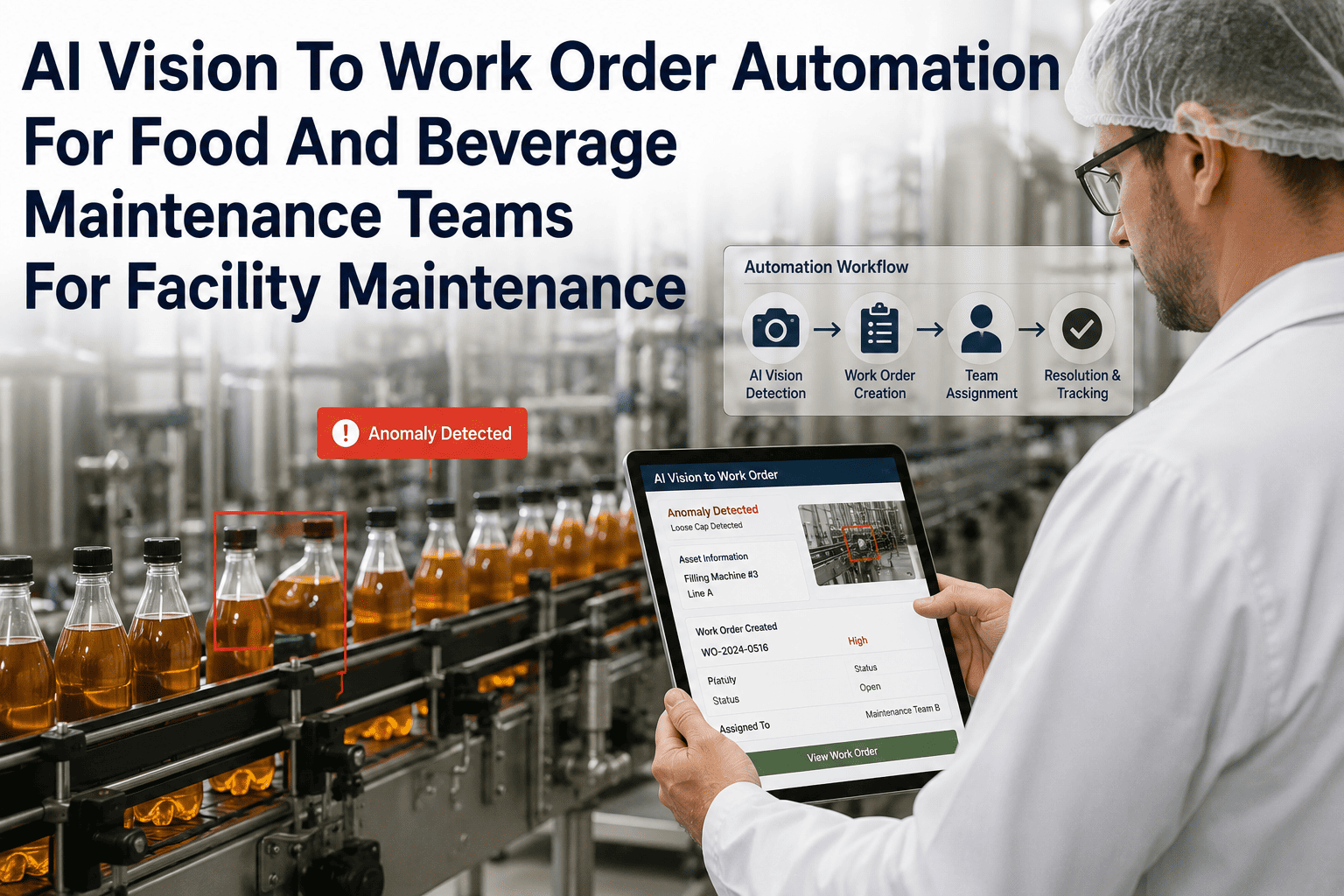
Instead of a technician noting an issue on a clipboard for someone to enter later, AI vision closes the loop during the same walk-through — critical in a food plant where the same window often has to double as a sanitation and inspection pass.
Catch the Seal Before It Costs You the Line
OxMaint scores defects from a routine inspection photo and turns them into a scheduled work order — before the small issue becomes an unplanned stoppage.
Manual Rounds vs AI Vision Work Order Automation
| Step | Manual Inspection Rounds | AI Vision Work Order Automation |
|---|---|---|
| Defect Identification | Relies on technician attention that day | Consistent AI scoring on every photo |
| Work Order Creation | Written up later, often after the shift ends | Auto-generated the moment the defect is scored |
| Scheduling | Coordinated manually against sanitation windows | Slotted automatically into the next CIP window |
| Audit Evidence | Paper notes disconnected from HACCP records | Photo, score and repair linked to asset and HACCP point |
Expert Review
Every food plant I've consulted with can tell a story about a stoppage that "came out of nowhere" — and almost every time, someone had actually seen the early sign of it days or weeks earlier. The seal looked a little worn on Tuesday's round. Nobody wrote it up because the shift was busy and the note-taking process was slower than just moving on. AI vision doesn't change what technicians notice. It changes what happens the second after they notice it. That's the entire gap between a scheduled repair during your next sanitation window and an emergency callout at 2 AM.
Frequently Asked Questions
Does AI vision work reliably in wet, high-humidity plant environments?
Yes, the model is trained on real plant-floor conditions including moisture, steam and variable lighting typical of food processing areas. Analysis runs on-device, so it isn't affected by unreliable plant WiFi. Book a demo to test it on your own equipment photos.
Can auto-generated work orders be scheduled around our sanitation windows automatically?
Yes. Work orders can be configured to slot into your next available CIP or sanitation window rather than interrupting a running line. This keeps repair access aligned with your existing HACCP-controlled schedule. Start free to set up your sanitation-aligned scheduling rules.
Does this replace our HACCP-required equipment checks, or run alongside them?
AI vision capture is added as a step within your existing HACCP-linked checklists, not a separate program. The photo evidence strengthens your existing verification record rather than replacing it.
How quickly can a mid-size plant expect to see fewer unplanned stoppages?
Facilities running integrated, HACCP-linked preventive maintenance programs report roughly 31% fewer unplanned downtime events. Most plants see measurable change within the first two to three months of consistent use. Book a demo to map a realistic timeline for your plant.
The Next Stoppage Is Probably Visible Right Now
OxMaint turns what your technicians already see into a scored, scheduled work order — closing the gap between spotting a defect and fixing it.