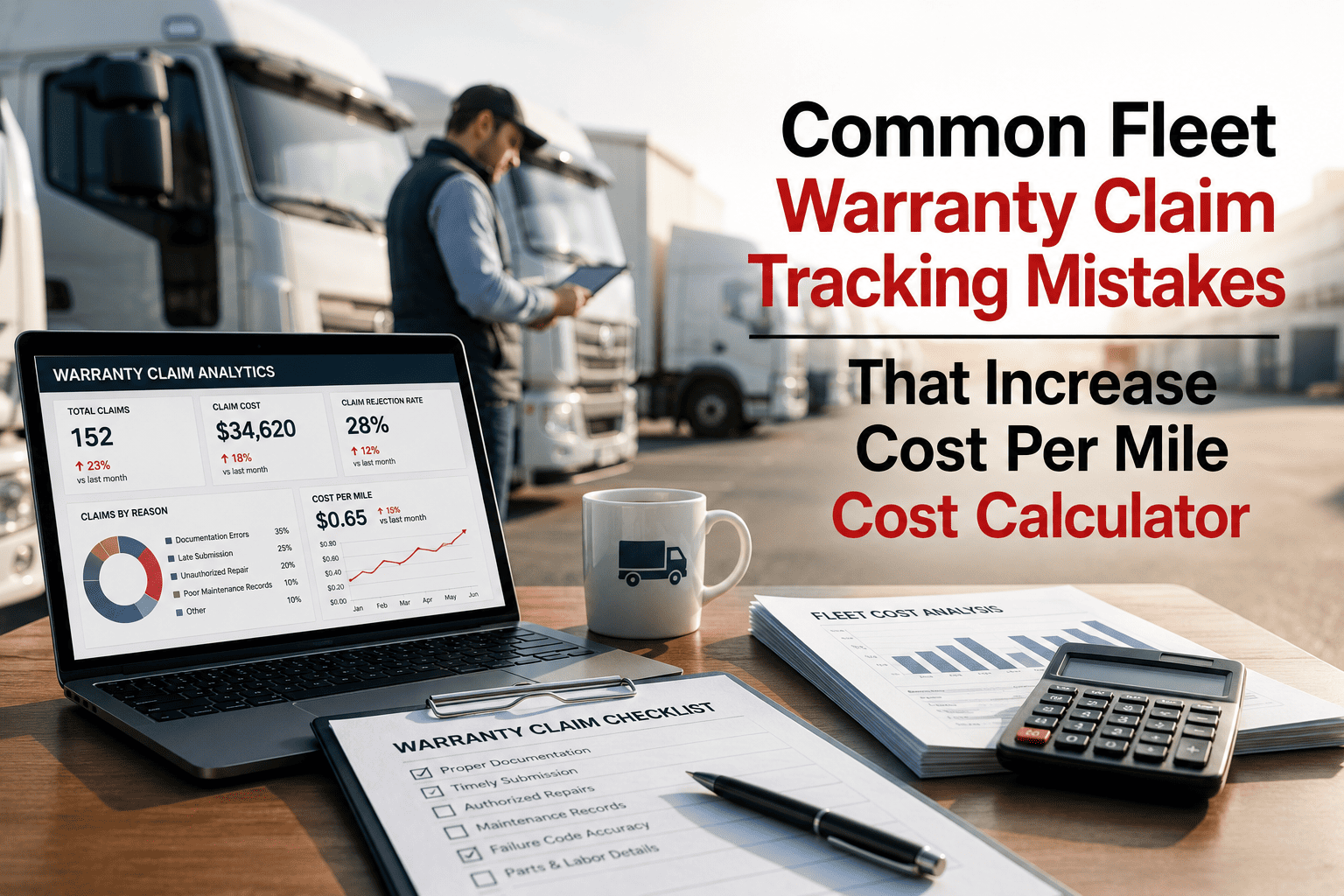
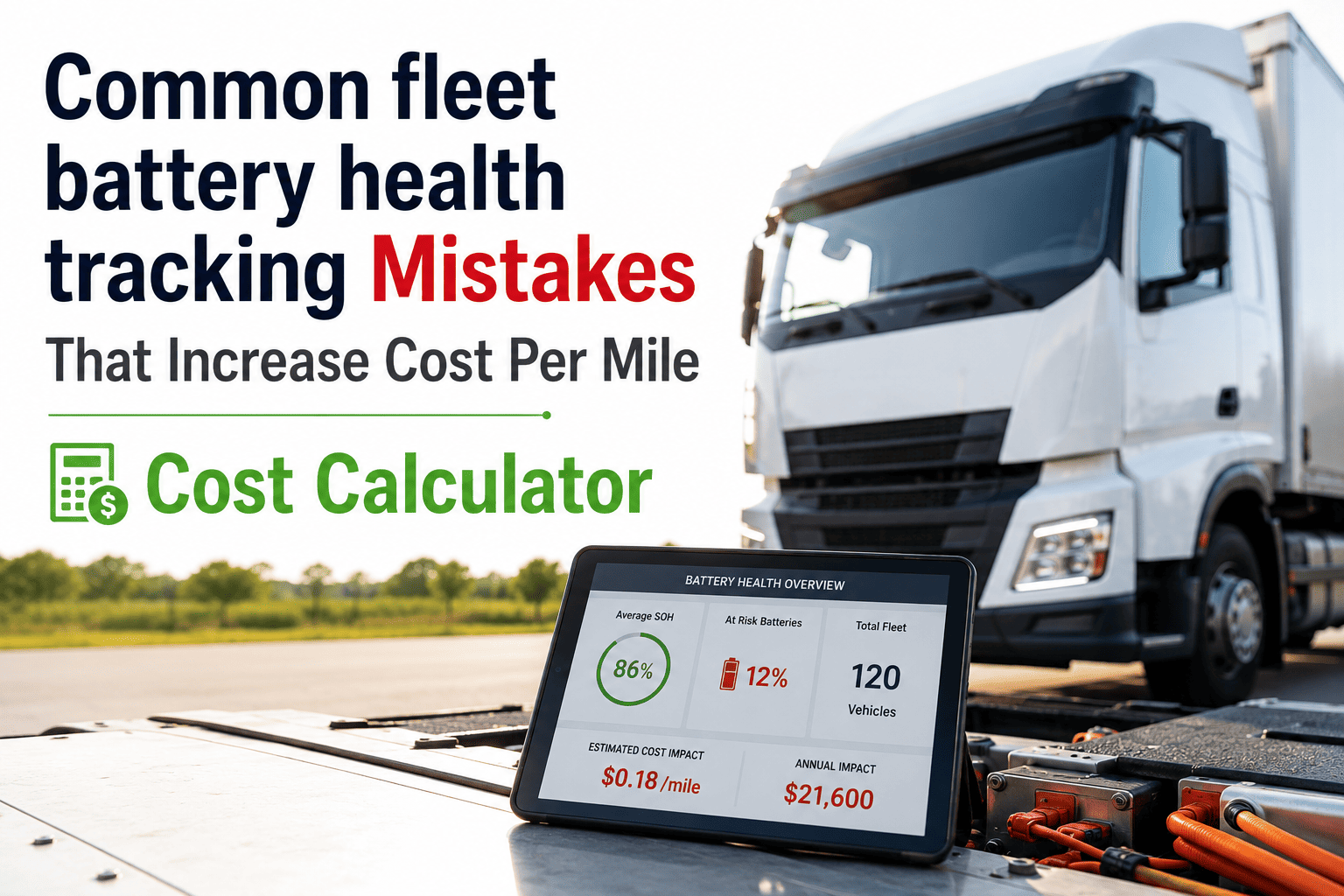
Fleet operations hemorrhage money in ways that rarely show up on a single line item. The average commercial fleet wastes $4,200 per vehicle per year on preventable maintenance failures, missed PM schedules, untracked parts consumption, and emergency repairs that cost 4.8x more than planned work. Across a 100-vehicle fleet, that adds up to $420,000 annually — enough to fund a complete digital transformation with return to spare. The 6 mistakes below are the most common budget drains identified in fleet operations across the US, Canada, and UK in 2026. Each one is correctable with the right systems and processes. Platforms like Oxmaint are designed specifically to eliminate these leaks by automating PM scheduling, tracking costs per vehicle, managing parts inventory, and producing financial reports that make budget waste visible before it compounds. See where your fleet stands — start a free trial for 30 days and book a demo to identify your biggest budget leaks.
Top 6 Fleet Management Mistakes That Are Draining Your Budget in 2026
Real cost data, real examples, and corrective strategies using CMMS to plug the most common fleet budget leaks — before they cost you another quarter of wasted spend.
The 6 Mistakes Costing Your Fleet the Most
These are not edge cases or theoretical risks. Each mistake below was identified through analysis of fleet maintenance data from operations ranging from 25 to 500+ vehicles. The cost figures represent median values — your fleet may be losing more.
62% of fleet maintenance departments still operate primarily in reactive mode — fixing vehicles after they break down rather than maintaining them on schedule. Emergency roadside repairs average $1,200 per event compared to $250 for a planned PM service. Beyond direct repair costs, reactive maintenance causes cascading losses: tow charges, rental vehicle costs, missed deliveries, driver overtime, and customer dissatisfaction. Fleets that shift to 80%+ planned maintenance using Oxmaint's automated PM scheduling reduce total maintenance spend by 28% within the first year.
When a technician needs a brake pad set and it is not in stock, the repair gets delayed by 1-3 days while waiting for overnight shipping. That vehicle sits idle — costing $450-$800 per day in lost utilization. Simultaneously, fleets without inventory tracking often overstock slow-moving parts, tying up $15,000-$40,000 in dead inventory. Oxmaint's parts management module tracks stock levels across locations, sets minimum thresholds, and automates reorder alerts — eliminating both stockout delays and overstocking waste.
Without lifecycle cost data, fleet managers hold vehicles 2-3 years past the point where maintenance costs exceed the total cost of replacement. A Class 6 truck that costs $3,200/year to maintain at year 5 may cost $7,800/year at year 8 — while also experiencing 3x more downtime events. Oxmaint tracks total cost of ownership per vehicle over time, enabling data-driven replacement decisions that reduce fleet-wide maintenance spend by up to 23%.
Paper work orders get lost, duplicated, or never completed. 31% of paper-based maintenance tasks are never closed — meaning repairs were either skipped or completed without documentation. This creates compliance risk, warranty claim failures, and repeated diagnostic work. Digital work orders on Oxmaint are tracked from creation to completion with timestamps, technician signatures, parts used, and labor hours — creating a complete, searchable maintenance history for every vehicle.
The average fleet technician spends only 32% of their day on actual repair work — the rest is spent walking to parts rooms, waiting for approvals, searching for vehicle history, and doing paperwork. Without time tracking per work order, fleet managers cannot identify bottlenecks or optimize scheduling. Oxmaint tracks labor hours per work order, measures wrench time ratios, and identifies process delays — helping fleets increase productive technician time to 55-65%.
Paper DVIRs have a dirty secret: 48% are completed from memory in the break room, not at the vehicle. This means tire issues, fluid leaks, and lighting defects go unreported until they cause a breakdown or DOT violation. DOT violations average $1,200 per occurrence, and CSA score impacts can increase insurance premiums by 15-25%. Digital inspections on Oxmaint require photo evidence and GPS stamps, ensuring inspections are actually performed — and defects automatically generate maintenance work orders.
Total Cost Impact: What These 6 Mistakes Add Up To
These numbers are conservative median estimates. Fleets with older vehicles, higher mileage, or complex compliance requirements typically experience costs 30-50% higher. The good news: every dollar of waste identified above is recoverable through systematic CMMS implementation. Oxmaint customers typically recover 60-75% of this waste within the first 12 months. See what your fleet could save — start a free trial or book a demo for a fleet-specific ROI assessment.
How Oxmaint Eliminates Each Budget Leak
Trigger PM work orders automatically by mileage, engine hours, or calendar interval. No more missed oil changes, filter replacements, or brake inspections. PM compliance jumps from 62% to 94%.
Track parts across multiple locations, set minimum stock levels, and receive automated reorder alerts. Reduce parts-related delays by 38% and eliminate dead inventory waste.
Track total cost of ownership per vehicle — maintenance, downtime, fuel, and depreciation. Identify vehicles past their optimal replacement point with rolling CapEx forecasts.
Every work order tracked from creation to close with timestamps, technician notes, parts used, and photos. Full audit trail for compliance, warranty claims, and cost analysis.
Track technician hours per work order and measure productive wrench time. Identify bottlenecks in parts access, approvals, and scheduling that reduce productivity.
Configurable inspection checklists with mandatory photo evidence and GPS stamps. Defects automatically create prioritized work orders. DOT-ready documentation on every vehicle.
Frequently Asked Questions
How do I know which of these mistakes is costing my fleet the most?
Can a small fleet under 25 vehicles justify CMMS software investment?
How long does it take to transition from reactive to preventive maintenance?
What if our fleet data is currently in spreadsheets and paper files?
Stop the Budget Bleed — Start With a Free Assessment
Every month without a CMMS is another month of preventable maintenance costs, missed PM schedules, and invisible budget waste. Oxmaint gives you automated PM scheduling, parts inventory management, digital work orders, lifecycle cost tracking, and financial reporting — everything you need to plug these 6 budget leaks and start recovering lost spend. See it in action with a free trial or a 30-minute fleet-specific demo.