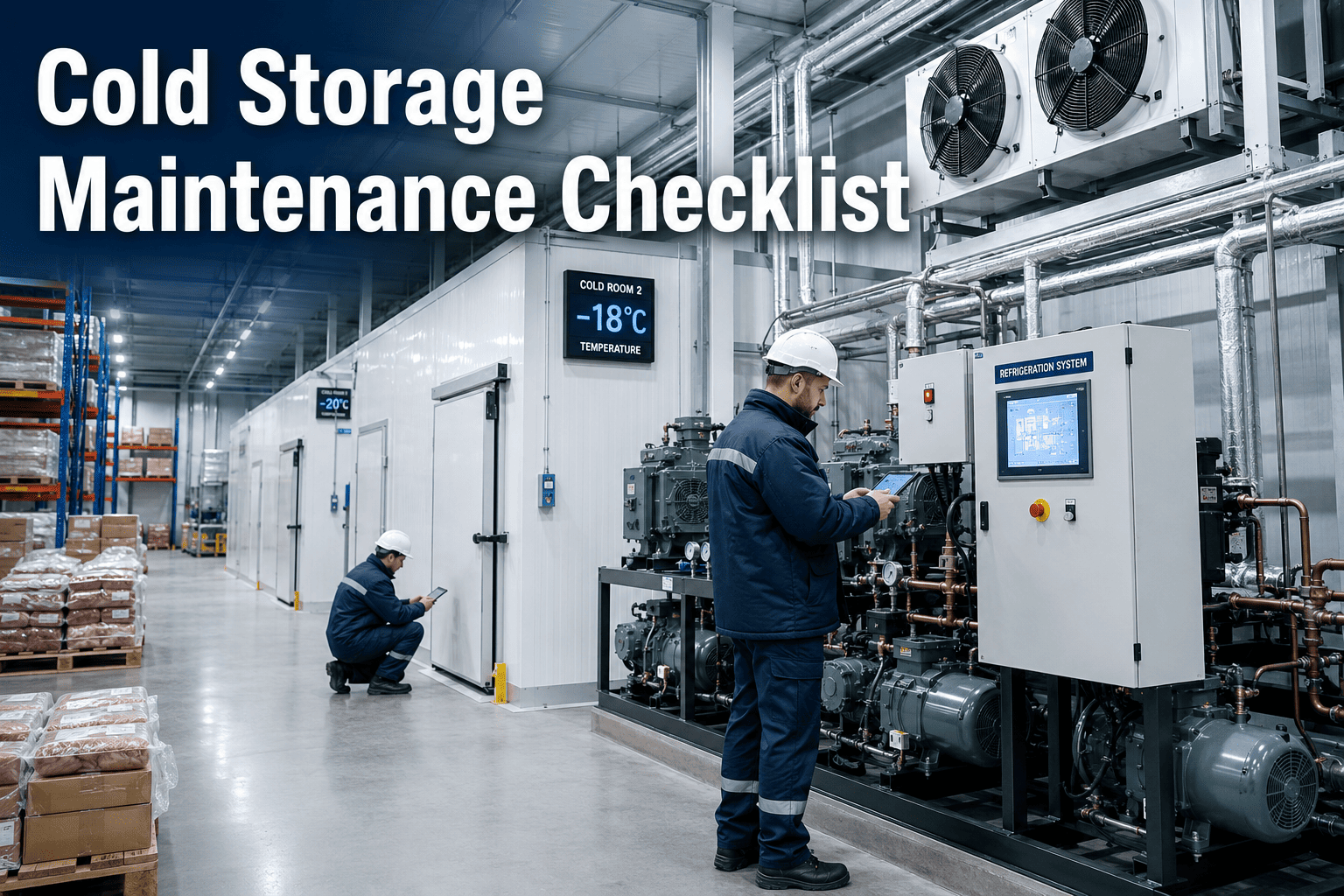
Last Friday at 3:17 AM, a refrigeration compressor at a Pennsylvania dairy facility lost refrigerant pressure. The walk-in cooler temperature climbed from 38°F to 54°F over six hours. By the morning shift start at 7:00 AM, $127,000 worth of cheese and yogurt products had entered the danger zone—all destined for disposal. The failure? A $340 pressure switch that had been signaling deterioration through gradual temperature recovery delays for eleven days. Your facility's IoT temperature monitoring infrastructure determines whether you catch these developing failures during their warning period or discover them after product losses occur.
Food storage and processing facilities manage dozens of temperature-critical zones simultaneously—cold storage rooms, blast freezers, processing lines, shipping docks, ingredient holding areas. Each zone operates within specific temperature ranges dictated by product safety requirements, regulatory compliance mandates, and quality preservation needs. Traditional monitoring relies on manual temperature checks performed 2-4 times daily, creating 6-10 hour gaps where temperature excursions can develop, worsen, and compromise entire production batches before detection occurs.
Facilities implementing continuous real-time temperature monitoring through wireless IoT sensor networks reduce product losses from temperature deviations by 89% while simultaneously automating compliance documentation that satisfies HACCP, FDA, and FSMA audit requirements. The technology shift isn't about replacing refrigeration systems—it's about knowing what those systems are doing every minute of every day, catching equipment deterioration before product impacts occur. Start monitoring temperatures now →
IoT Sensor Integration / Cold Chain Monitoring
Real-Time Temperature Monitoring with IoT Sensors
Protect product quality, maintain compliance, and prevent costly temperature excursions through continuous monitoring
24/7
continuous
Automated
Monitoring
The Temperature Monitoring Gap in Food Facilities
Food safety regulations require documented proof that temperature-sensitive products remain within safe ranges throughout storage and processing. Traditional manual monitoring creates a dangerous illusion of control—technicians check temperatures at 6 AM, noon, 6 PM, and midnight, recording readings on paper logs or digital tablets. Between those four daily checks, equipment can fail, doors can be left open, refrigeration capacity can degrade, and products can spend hours in the danger zone without anyone knowing until the next scheduled check reveals the problem.
The mathematical reality exposes the vulnerability: four checks daily provide 96 minutes of actual monitoring awareness across 1,440 minutes of operation—a coverage rate of 6.7%. The remaining 93.3% of each day represents blind spots where temperature excursions develop undetected. A compressor that fails at 2:00 AM won't be discovered until the 6:00 AM check, giving the temperature four hours to climb into ranges that compromise product safety and quality. By discovery time, the question shifts from "can we prevent this?" to "how much product do we need to dispose of?"
78%
Of temperature-related product losses in food facilities occur during the overnight and weekend periods when manual monitoring frequency decreases to 8-12 hour intervals. Continuous IoT monitoring eliminates these blind spots entirely, providing sub-minute detection of temperature deviations regardless of time or day.
Critical Temperature Zones Requiring IoT Monitoring
Walk-in coolers and refrigerated storage maintain perishable ingredients and finished products at 32-40°F. Temperature uniformity varies by location within the room—near doors, in corners, at different shelf heights. Single-point monitoring misses hot spots where products experience accelerated degradation.
SENSOR LOCATIONS:
Near entry doors where warm air infiltrates during access
Far corners opposite refrigeration units (warmest zones)
Upper and lower shelf levels (thermal stratification points)
Central monitoring point for overall room temperature
DETECTS:
Compressor performance degradation through recovery time increases
Door seal failures causing localized warm zones
Airflow blockages creating temperature non-uniformity
Blast freezers and long-term frozen storage operate at -10°F to 0°F. Temperature cycling from automatic defrost cycles must stay within acceptable ranges. Product located near defrost heaters experiences the largest temperature swings during defrost operations.
SENSOR LOCATIONS:
Near evaporator coils during defrost cycles
Product storage zones farthest from refrigeration
Defrost drain areas prone to ice buildup
Loading zones near facility access points
DETECTS:
Excessive defrost cycle duration indicating coil issues
Inadequate post-defrost temperature recovery rates
Frost accumulation affecting airflow and cooling efficiency
Temperature-controlled processing areas maintain specific ranges for food safety during preparation, cooking, cooling, and packaging. Process temperatures directly impact pathogen control, product consistency, and regulatory compliance documentation requirements.
SENSOR LOCATIONS:
Cooking equipment surface and internal product temperatures
Cooling tunnels and rapid chill zones
Ingredient holding areas before processing
Packaging room ambient temperature control
DETECTS:
Cooking temperature deviations affecting pathogen kill steps
Insufficient cooling rates creating bacterial growth windows
Ambient temperature rises compromising product stability
Loading dock staging areas and refrigerated truck verification zones protect cold chain integrity during product transfers. Time-temperature exposure during loading operations accumulates toward total allowable abuse thresholds defined by product specifications.
SENSOR LOCATIONS:
Staging coolers holding product for outbound shipments
Dock door zones experiencing outdoor air infiltration
Inbound receiving inspection areas
Refrigerated trailer interior verification points
DETECTS:
Excessive dock dwell time causing temperature abuse
Staging cooler failures during peak shipping periods
Incoming shipments arriving outside specification ranges
Bulk liquid ingredient storage tanks maintain specific temperatures for viscosity control, microbial stability, and product quality. Tank heating or cooling systems cycle to maintain set points, with stratification occurring in larger vessels during low-circulation periods.
SENSOR LOCATIONS:
Multiple vertical levels detecting thermal stratification
Heating/cooling jacket inlet and outlet temperatures
Product discharge point temperature verification
Tank headspace temperature for condensation control
DETECTS:
Heating element failures before product solidification
Cooling jacket leaks causing temperature instability
Circulation pump issues creating stratification zones
Quality control laboratories store samples, reagents, and reference materials requiring precise temperature control. Temperature excursions invalidate test results, compromise sample integrity, and create gaps in quality documentation chains requiring extensive investigation.
SENSOR LOCATIONS:
Sample refrigerators and freezers at multiple shelf levels
Reagent storage areas with narrow temperature tolerances
Incubators and temperature-controlled test chambers
Reference material storage meeting certification requirements
DETECTS:
Equipment failures before sample integrity compromise
Door-ajar conditions affecting multiple storage units
Power interruptions requiring backup system activation
Replace Manual Checks With Continuous Monitoring
Wireless IoT temperature sensors eliminate monitoring blind spots by capturing readings every 1-5 minutes across all critical zones. Oxmaint integrates sensor data with automated alerts, compliance documentation, and maintenance work orders—detecting developing issues before product impacts occur.
How IoT Temperature Monitoring Works in Food Facilities
01
Deploy Wireless Sensor Network
Install battery-powered wireless temperature sensors throughout cold storage rooms, freezers, processing areas, and critical control points. Sensors communicate via Wi-Fi, Bluetooth, LoRaWAN, or cellular connectivity to cloud-based monitoring platforms. Typical sensor density: one per 400-600 sq ft in storage areas, one per critical processing point, one per equipment zone requiring monitoring.
02
Configure Alert Thresholds
Set temperature range parameters matching product requirements and regulatory standards—38-42°F for refrigerated dairy, -5°F to 0°F for frozen products, specific process temperatures for HACCP critical control points. Define multi-level alerts: warning when approaching limits, critical when exceeding safe ranges, urgent when equipment failure patterns emerge requiring immediate intervention.
03
Integrate with Oxmaint CMMS
Connect IoT sensor platform to Oxmaint through API integration, enabling automated work order generation when temperature deviations occur. System creates maintenance tasks with priority levels, equipment identification, and deviation details—allowing technicians to respond to refrigeration issues before product losses accumulate. Historical temperature data informs preventive maintenance scheduling for cooling equipment.
04
Monitor Real-Time Dashboards
View current temperatures across all monitored zones through centralized dashboards accessible on desktop, tablet, and mobile devices. Color-coded visual indicators show at-a-glance status—green for normal ranges, yellow for warning conditions, red for critical deviations. Trend graphs reveal gradual changes indicating equipment deterioration before complete failures occur.
05
Receive Instant Alert Notifications
Configure multi-channel alerting through SMS, email, mobile app push notifications, and phone calls when temperature thresholds are exceeded. Escalation protocols ensure alerts reach appropriate personnel—first notification to maintenance supervisor, second to facility manager if unacknowledged within 15 minutes, third to operations director for continued non-response. Document all alerts and response times for compliance records.
06
Maintain Automated Compliance Logs
Generate continuous temperature documentation meeting HACCP, FDA, FSMA, and third-party audit requirements. Timestamped sensor readings create tamper-evident records proving products remained within safe temperature ranges throughout storage and processing. Export compliance reports in formats required by regulators and certification auditors—eliminating manual log creation and reducing audit preparation from days to minutes.
Temperature Excursion Scenarios Prevented by IoT Monitoring
PREDICTIVE SIGNATURES:
Temperature recovery time after door openings increases 8-12 minutes
Compressor run time extends 18-25% to maintain set points
Temperature fluctuations increase in amplitude and frequency
Nighttime temperature drift upward by 2-3°F despite constant load
FAILURE IMPACT:
Complete refrigeration failure during peak storage periods, product temperatures rising into danger zone over 4-6 hours, $85,000-$340,000 product disposal costs depending on facility size, emergency compressor replacement at 3x normal parts cost, potential HACCP deviation investigations and regulatory notifications.
PREDICTIVE SIGNATURES:
Localized temperature increases near door edges (2-4°F higher than room average)
Frost accumulation patterns visible on interior surfaces near seals
Increased compressor cycling frequency maintaining room temperature
Energy consumption rising 12-18% without load changes
FAILURE IMPACT:
Products stored near doors experience accelerated degradation reducing shelf life by 30-40%, increased energy costs of $180-$340 monthly, excessive frost buildup requiring more frequent defrost cycles disrupting production schedules, potential product quality complaints from customers receiving shortened-life inventory.
PREDICTIVE SIGNATURES:
Defrost cycle duration extending beyond normal 20-30 minute window
Post-defrost temperature recovery requiring 45-60 minutes instead of 20-25
Peak temperatures during defrost exceeding acceptable thresholds
Evaporator coil temperature sensors showing incomplete ice melt
FAILURE IMPACT:
Frozen products experiencing temperature cycling between -5°F and +15°F damaging texture and quality, ice crystal formation in sensitive products like ice cream degrading consumer experience, eventual evaporator coil blockage from frost buildup causing complete cooling failure requiring emergency service calls.
PREDICTIVE SIGNATURES:
Loss of sensor communication indicating facility power failure
All monitored zones showing simultaneous temperature increases
Backup power systems failing to activate within expected timeframes
Temperature rise rates exceeding predicted thermal mass protection
FAILURE IMPACT:
Entire facility inventory at risk during extended power outages, decision windows of 2-4 hours to transfer product to backup facilities or arrange emergency power, potential total loss of $500,000-$2,000,000 inventory if power restoration delayed beyond thermal mass protection period, insurance claims and business interruption documentation requirements.
PREDICTIVE SIGNATURES:
Temperature non-uniformity developing across storage zones (8-12°F variation)
Areas farthest from refrigeration showing gradual temperature increases
Reduced airflow detectable through slower temperature responses to load changes
Motor bearing noise or vibration changes preceding complete failure
FAILURE IMPACT:
Stratified temperature zones creating hot spots where products spoil while average room temperature appears acceptable, inability to recover temperatures after door access periods, eventual complete airflow loss causing room temperatures to equilibrate toward ambient despite functioning compressor, emergency fan motor replacement during production hours.
PREDICTIVE SIGNATURES:
Gradual decrease in cooling capacity requiring longer compressor run times
Temperature set points becoming increasingly difficult to maintain
Evaporator coil temperatures showing reduced differential from room air
System pressures dropping below normal operating ranges
FAILURE IMPACT:
Progressive loss of refrigeration capacity over days to weeks, product temperatures gradually rising into danger zones despite fully operational equipment, complete refrigeration failure once refrigerant charge drops below minimum, expensive refrigerant recovery, leak detection, repair, and recharge procedures requiring 8-16 hour service calls.
Eliminate Temperature Blind Spots Across Your Facility
Join 280+ food manufacturing and storage facilities using Oxmaint-integrated IoT temperature monitoring to reduce product losses by 89% while automating compliance documentation. Deploy wireless sensors in days, not weeks, with cloud platforms that scale from pilot zones to full facility coverage.
Frequently Asked Questions
How do IoT temperature sensors work in food storage facilities and what connectivity options are available?
IoT temperature sensors contain thermistor or RTD temperature elements, wireless communication radios (Wi-Fi, Bluetooth, LoRaWAN, or cellular), and battery power supplies. Sensors measure temperatures every 1-15 minutes (configurable) and transmit readings to cloud platforms via existing facility Wi-Fi networks, dedicated LoRaWAN gateways, or cellular connections. Wi-Fi works best in facilities with strong coverage and IT infrastructure; LoRaWAN excels in large warehouses requiring extended range (up to 3 miles line-of-sight); cellular provides connectivity in remote locations without network infrastructure. Battery life ranges from 18 months to 5 years depending on reporting frequency and environmental conditions.
What temperature accuracy is required for FDA and HACCP compliance in food facilities?
FDA Food Code requires temperature measuring devices accurate to ±2°F (±1°C), though most food safety professionals recommend tighter tolerances of ±0.5°F for critical control point monitoring. IoT sensors meeting food safety applications should maintain ±0.5°F accuracy with NIST-traceable calibration certificates. Calibration verification should occur quarterly with documentation retained for regulatory audits. HACCP plans must define acceptable temperature ranges for each critical control point—refrigerated storage typically 32-40°F, frozen storage 0°F or below, cooking processes achieving pathogen kill temperatures (e.g., 165°F for poultry). IoT monitoring provides continuous verification that these ranges are maintained with automated timestamped records replacing manual logging.
Can IoT temperature monitoring integrate with our existing CMMS to automate maintenance responses?
Yes. Leading IoT temperature platforms provide REST APIs or webhook integrations connecting to CMMS platforms like Oxmaint. Integration enables automatic work order generation when temperature thresholds are exceeded—system creates maintenance tasks identifying affected equipment, deviation details, priority levels, and recommended actions. Temperature trend data becomes accessible within equipment maintenance histories, supporting predictive maintenance scheduling based on actual performance degradation patterns. Integration eliminates delays between temperature alerts and maintenance response, reduces manual data entry, and provides correlation analysis between equipment service activities and temperature stability improvements.
Start connecting your sensors to Oxmaint →
What happens if wireless sensors lose connectivity or batteries fail during monitoring?
Quality IoT platforms include sensor health monitoring detecting communication failures within 5-15 minutes of expected transmission windows. Systems generate alerts when sensors miss scheduled check-ins, enabling rapid response to connectivity issues or battery failures before monitoring gaps become significant. Sensors with local data logging capabilities buffer up to 30 days of readings, uploading stored data when connectivity restores—preventing data loss during temporary outages. Best practice includes deploying redundant sensors in critical zones so single sensor failures don't create complete monitoring blind spots. Low-battery warnings typically provide 30+ days advance notice before complete power depletion, allowing scheduled battery replacement during normal maintenance windows.
How quickly does IoT temperature monitoring typically achieve ROI in food manufacturing facilities?
Typical ROI timeframes range from 8-14 months, driven primarily by product loss prevention from early detection of temperature excursions. A single prevented refrigeration failure saving $85,000 in spoiled product covers the entire IoT system deployment cost for a mid-size facility. Additional value streams include energy cost reduction (18% average savings through efficiency improvements), labor savings from automated monitoring replacing manual checks (2-3 hours daily), and compliance efficiency reducing audit preparation time by 92%. Facilities with higher inventory values, tighter regulatory requirements, or previous temperature-related losses typically achieve faster payback. The technology investment protects existing assets rather than requiring fundamental operational changes, accelerating adoption and value realization.
Protect Your Products With 24/7 Temperature Intelligence
Manual temperature checks provide snapshots—IoT monitoring delivers continuous protection. Every minute without automated monitoring represents risk that temperature excursions are developing undetected, products are being compromised, and equipment is degrading toward failure. The technology exists today to eliminate these blind spots completely.
Oxmaint connects IoT temperature sensors to your maintenance and compliance workflows, transforming raw temperature data into actionable intelligence that prevents product losses, reduces energy waste, and automates regulatory documentation. Join 280+ food facilities protecting $2.4 billion in annual inventory value through integrated temperature monitoring and predictive maintenance.