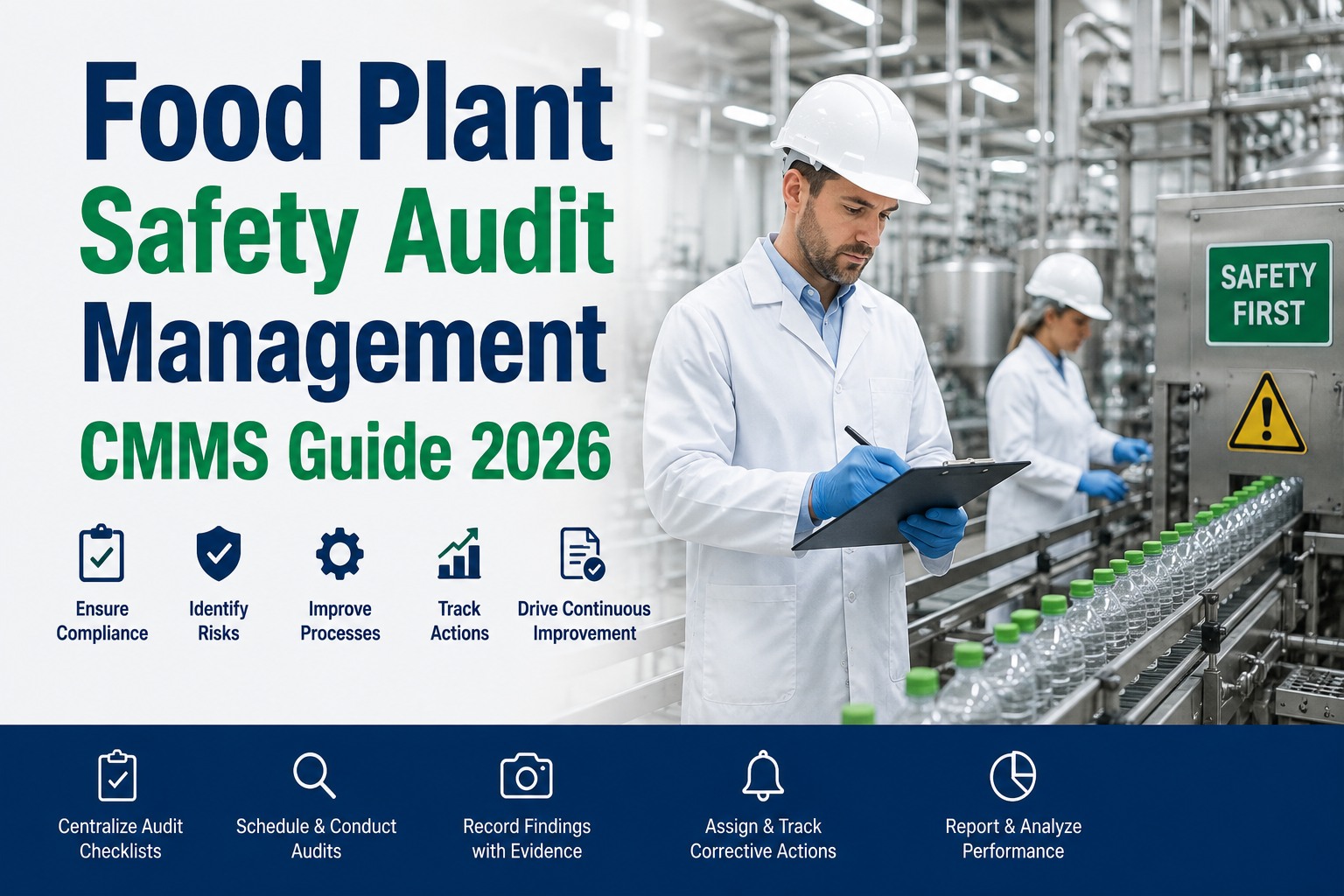
A food manufacturing plant in Ohio walked into its SQF recertification audit with three straight years of completed preventive maintenance behind it — and still walked out with a major non-conformance. The equipment was fine. The failure was that calibration certificates lived in one binder, corrective action notes lived in another, and nobody could produce a single record linking a maintenance event to the food safety response it triggered. SQF Code Edition 9 does not ask whether the checkweigher got fixed — it asks whether the system can prove, on demand, that the fix protected product safety. Build that audit-ready maintenance program in OxMaint or book a demo to see it mapped to your SQF clauses.
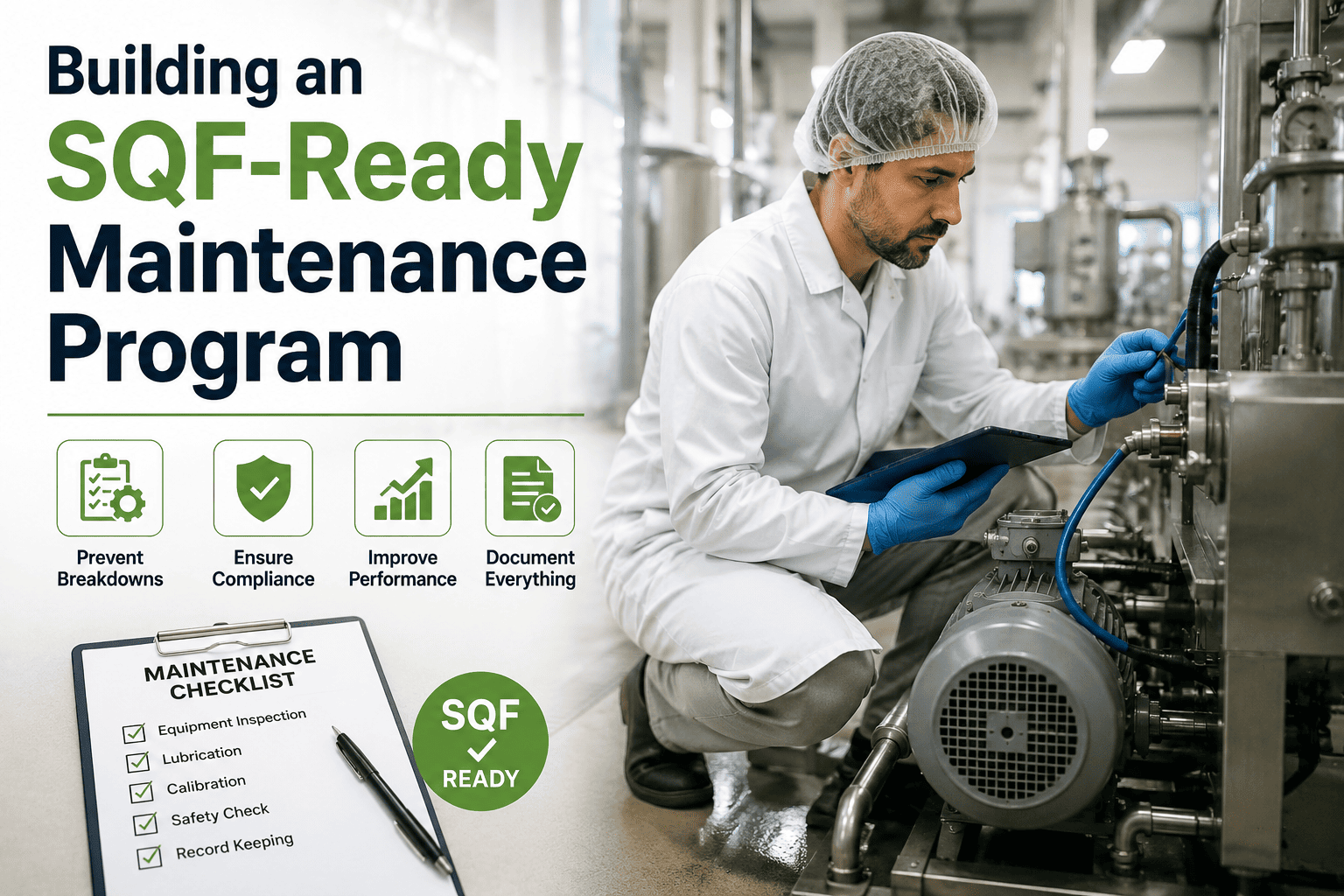
Building an SQF-Ready Maintenance Program
SQF Code Edition 9 places maintenance at the center of certification, not at the edge of it. Auditors are no longer checking if equipment runs — they are checking if your records prove your maintenance program actively prevents food safety failures. A documented PM program is a condition of certification, and a CMMS-aligned workflow is what keeps that documentation audit-ready every single day.
Six Documentation Gaps That Trigger SQF Non-Conformances
Most plants that fail SQF maintenance clauses are not failing on equipment condition. They are failing because the paper trail cannot connect a task to the outcome an auditor needs to see. These six gaps account for the majority of maintenance-related findings under Edition 9.
SQF Audit-Ready Maintenance Records — What Auditors Pull First
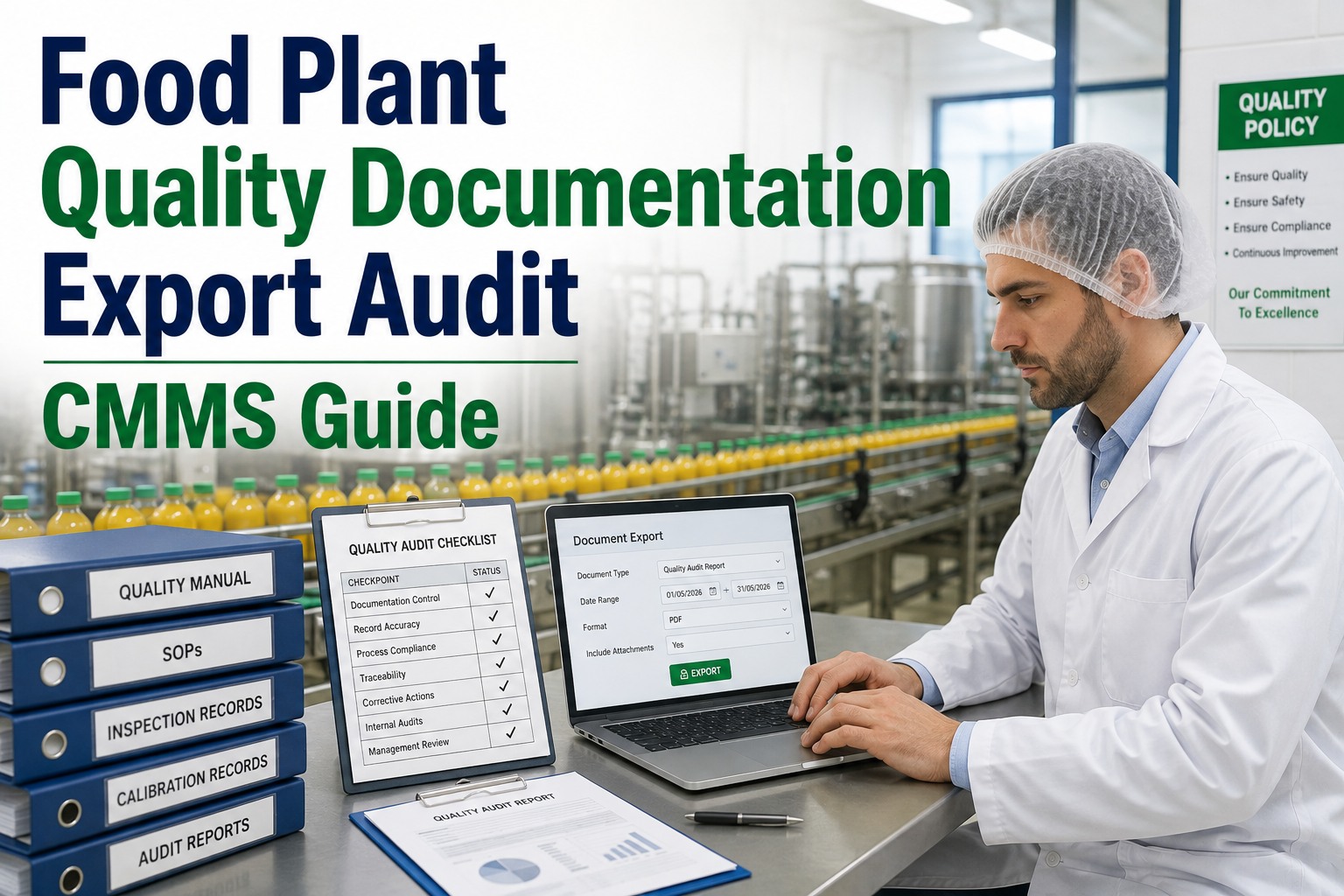
An SQF auditor reviewing Module 11 works down a predictable list. Each record type below needs to be retrievable in minutes, not assembled over several days from separate binders and spreadsheets.
| Record Type | What the Auditor Checks | Retention Requirement | Risk if Missing |
|---|---|---|---|
| PM work orders | Task description, completion date, technician, findings | Minimum 12 months | Documentation gap flagged as deficiency |
| Calibration records | Instrument ID, NIST-traceable standard, before/after readings | Continuous, tied to instrument | Out-of-tolerance triggers product hold risk |
| Corrective action records | Root cause, preventive action, closure evidence | Until closed plus full audit cycle | Open CAR is an automatic major finding |
| Pest control logs | Trap logs, activity trend, contractor service reports | Continuous dated record | Gaps treated as auditable deficiency |
| Maintenance CAPA | Root cause plus documented effectiveness verification | Full certification retention period | Missing verification escalates to major finding |
How OxMaint Builds Your SQF Audit Trail
OxMaint does not just schedule preventive maintenance — it links every work order, calibration event, and corrective action to the SQF clause it satisfies, so the record an auditor asks for is already assembled before they ask.
The Financial Case for an SQF-Aligned CMMS
Closing documentation gaps is not only an audit exercise — it changes the economics of running a certified plant, from emergency repair spend to how many labour hours QA loses before every audit cycle.
Frequently Asked Questions
What maintenance records does an SQF auditor typically request?
Does SQF require a CMMS, or can we pass an audit on paper records?
What happens if an instrument is found out of calibration during production?
How far ahead of an audit should maintenance records be reviewed?
Can one system manage both HACCP monitoring and SQF maintenance documentation?
Your Next SQF Audit Will Ask for Proof, Not Just Paperwork
OxMaint links every PM task, calibration certificate, and corrective action to the SQF clause it satisfies — so the evidence package your auditor asks for is already built, timestamped, and searchable before the visit begins.