Every year, hospitals and healthcare facilities worldwide face a silent but critical threat that goes largely unnoticed until it's too late: calibration drift in biomedical equipment. When an infusion pump delivers medication at slightly inaccurate rates, or a patient monitor reads vitals with a creeping margin of error, the consequences can range from misdiagnosis to life-threatening treatment errors. Traditional calendar-based calibration schedules simply cannot keep pace with the dynamic, round-the-clock demands of modern healthcare. This is where artificial intelligence steps in, transforming how facilities detect, predict, and prevent calibration drift before it ever compromises patient safety.
What Is Calibration Drift and Why Should You Care
Calibration drift refers to the gradual deviation of a biomedical device's measurement output from its true, accurate value over time. Every piece of medical equipment, from blood pressure monitors and ventilators to diagnostic analyzers and ECG machines, degrades with use and environmental exposure. This degradation causes readings to slowly shift outside acceptable tolerance limits, often without any visible signs of malfunction. In the medical device sector, even a small measurement drift is considered inappropriate because it directly impacts clinical decision-making and patient outcomes.
The challenge is that calibration drift is invisible to the naked eye. A blood analyzer might gradually produce readings that are off by a fraction, leading to incorrect lab results. A ventilator's pressure sensors might drift, delivering suboptimal respiratory support. These are not dramatic equipment failures; they are subtle, progressive inaccuracies that compound over time. For facilities still relying on manual calibration schedules, there is a significant gap between when drift begins and when it is finally detected and corrected. If your facility is looking for a smarter approach to equipment management, sign up for OxMaint to see how intelligent maintenance tracking can close that gap.
The Calibration Drift Timeline
Device reads within manufacturer specifications after fresh calibration
Environmental factors, vibration, and wear cause imperceptible measurement shifts
Readings move outside acceptable tolerances; clinical decisions may be affected
Annual calibration reveals significant deviation; months of inaccurate data have already been used
AI-powered monitoring eliminates the gap between steps 2 and 4 by continuously analyzing sensor data in real time.
How AI Detects Calibration Drift Before It Becomes a Problem
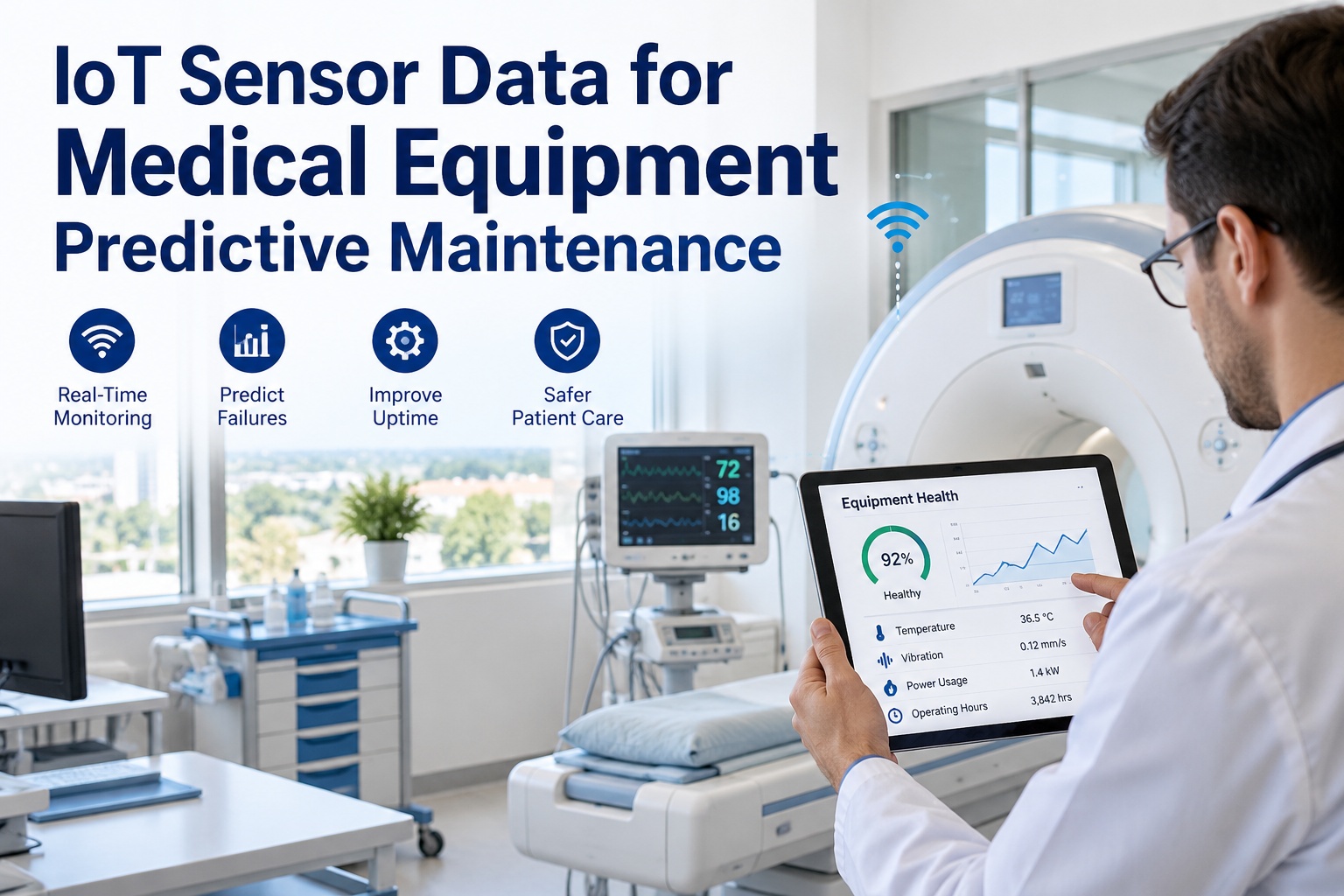
Artificial intelligence brings a fundamentally different approach to calibration management. Instead of relying on fixed time intervals, AI-driven predictive maintenance systems use IoT sensors embedded in biomedical equipment to continuously monitor performance parameters such as temperature, pressure, vibration, flow rates, and electrical signatures. Machine learning algorithms analyze this continuous data stream, learning the normal operating profile of each device and flagging subtle deviations that indicate the onset of calibration drift.
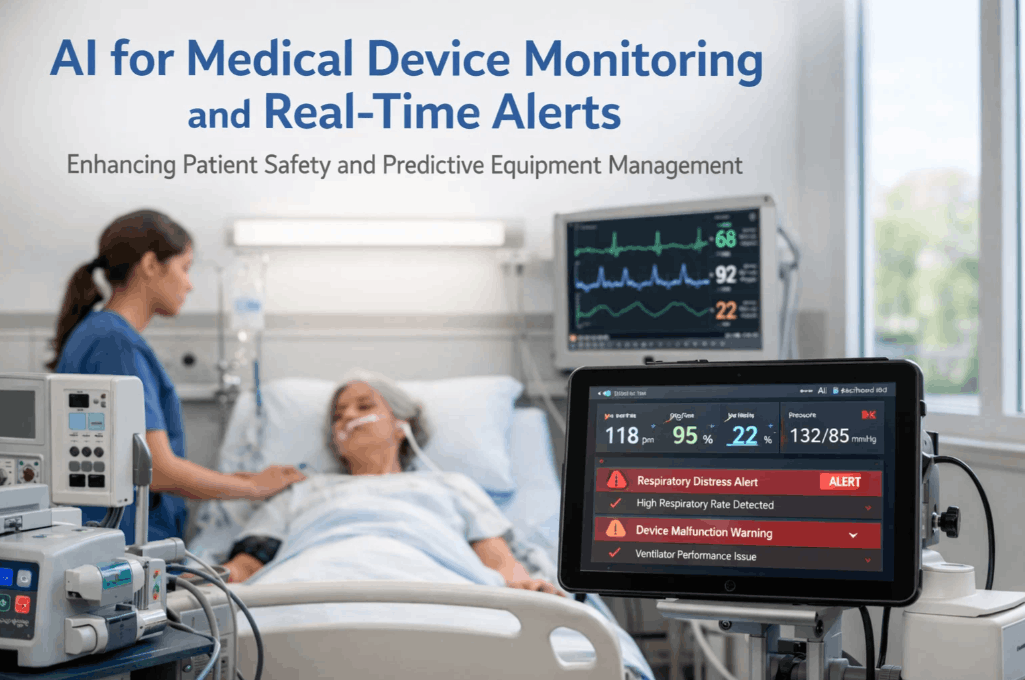
The technology works through a multi-layered process. Data collection agents gather real-time telemetry from hospital equipment. Anomaly detection agents compare current readings against established baselines and historical patterns. Predictive analytics agents then use this data to forecast when a device is likely to drift outside acceptable parameters, enabling maintenance teams to intervene proactively. For example, if a dissolved oxygen sensor in laboratory equipment shows a sluggish response compared to correlated parameters, the AI can flag it for a calibration check days or weeks before the drift would have been noticed through routine inspection. Facilities ready to embrace this proactive approach can book a demo with OxMaint to explore how CMMS-integrated AI monitoring works in practice.
Traditional vs. AI-Powered Calibration Management
- Fixed calendar-based schedules
- Drift detected only at next scheduled check
- Reactive: problems found after they occur
- Over-calibration wastes resources on healthy devices
- Manual record-keeping prone to gaps
- Continuous real-time condition monitoring
- Drift flagged at earliest detectable stage
- Predictive: problems anticipated before they occur
- Calibration triggered only when needed
- Automated digital audit trails
Critical Equipment Where AI Calibration Monitoring Matters Most
Not all biomedical equipment carries the same risk profile when it comes to calibration drift, and AI allows healthcare facilities to prioritize monitoring based on clinical impact. High-risk devices that benefit most from continuous AI-based monitoring include MRI and CT scanners, where drift in cooling systems or magnetic field sensors can compromise diagnostic image quality. Blood analyzers require precise calibration to deliver accurate lab results, and even minor drift in their optical or electrochemical sensors can lead to misdiagnosis. Infusion pumps are another critical category, where AI can detect irregularities in fluid delivery rates or pressure that signal pump calibration issues, preventing potentially dangerous medication dosing errors.
Ventilators and life-support machines demand uninterrupted accuracy for airflow, pressure, and sensor performance. AI-based predictive monitoring ensures these devices function reliably by analyzing operational patterns and flagging deviations before they reach critical thresholds. Patient monitoring systems, ECG devices, and diagnostic imaging equipment all benefit from the same principle: continuous, intelligent surveillance that catches drift while it is still a maintenance task rather than a patient safety event.
AI monitors magnetic field stability, cooling system performance, and component wear patterns
Real-time tracking of optical and electrochemical sensor accuracy for reliable diagnostics
Continuous flow rate and pressure monitoring to detect dosing accuracy degradation
Airflow, pressure, and sensor performance analysis for critical care reliability
Signal quality and sensor integrity tracking for vital sign accuracy
Centrifuge speed, temperature, and error rate monitoring for consistent results
The Role of CMMS in AI-Driven Calibration Management
Raw sensor data and AI predictions are only as useful as the systems that organize and act on them. A Computerized Maintenance Management System (CMMS) serves as the operational backbone of any AI-driven calibration strategy. It provides the central repository for equipment specifications, maintenance histories, calibration records, spare parts inventory, and technician assignments. When an AI algorithm detects calibration drift, the CMMS automatically generates a work order with timestamped data evidence, a link to the relevant data trend, and a clear justification for the maintenance intervention.
This integration is what transforms predictive maintenance from a theoretical concept into a practical, day-to-day operational advantage. Healthcare facilities using a CMMS-integrated approach report not only fewer unexpected equipment failures but also significant improvements in regulatory audit readiness, since every calibration event, alert, and corrective action is automatically documented with full traceability. The result is a maintenance workflow that satisfies ISO 13485, FDA 21 CFR Part 820, NABL, NABH, and other regulatory standards without the burden of manual record-keeping. Sign up for OxMaint to experience how a modern CMMS streamlines calibration compliance from detection to documentation.
Stop Reacting to Calibration Failures. Start Predicting Them.
OxMaint gives your biomedical engineering team the tools to track equipment health, automate calibration workflows, and stay audit-ready every single day.
Real-World Benefits You Can Measure
The operational and financial impact of AI-driven calibration drift detection is tangible and measurable. Facilities that have adopted predictive maintenance strategies for biomedical equipment report a reduction of up to 20% in major equipment downtime, particularly for high-value assets like MRI machines. By catching drift early, hospitals avoid the cascading costs of emergency repairs, diagnostic delays, extended patient stays, and the reputational damage that comes with equipment-related incidents. Predictive calibration also eliminates unnecessary maintenance on devices that are performing within specification, allowing biomedical engineering teams to focus their time and budgets where they matter most.
Beyond cost savings, there is a measurable improvement in regulatory compliance posture. Automated, AI-triggered calibration records with timestamped sensor data provide a level of documentation that manual processes simply cannot match. This audit readiness translates directly into smoother inspections, fewer findings, and reduced risk of penalties or remediation requirements. For healthcare facilities that want to see how these benefits translate to their specific operations, book a demo to walk through a personalized assessment with the OxMaint team.
Proactive intervention keeps critical devices operational and available for patient care
Calibrate based on actual condition, not arbitrary schedules, saving budget and technician hours
Automated digital records satisfy ISO, FDA, NABL, and NABH documentation requirements
Accurate devices mean accurate diagnoses, correct treatments, and better clinical outcomes
Getting Started: A Practical Roadmap
Implementing AI-powered calibration drift detection does not require a complete infrastructure overhaul. The process begins with an inventory audit to identify high-risk and high-use biomedical equipment that would benefit most from continuous monitoring. Next, IoT sensor integration connects these priority devices to a centralized data collection platform. A CMMS like OxMaint serves as the operational hub, organizing incoming sensor data alongside existing maintenance histories and calibration records to provide the context that AI algorithms need to establish accurate baselines and detect meaningful deviations.
Training is a critical component that is often overlooked. Research shows that the majority of healthcare workers, including doctors, nurses, and technicians, have low awareness of calibration principles and their clinical implications. An effective implementation plan includes not just technology deployment but also staff education on interpreting AI-generated alerts and following through on predictive maintenance recommendations. The good news is that modern CMMS platforms are designed with usability in mind, making it straightforward for biomedical engineering teams and clinical staff alike to engage with the system. Sign up for OxMaint today and take the first step toward predictive calibration management.
Identify high-risk biomedical assets and map current calibration gaps
Connect IoT monitoring to a centralized platform like OxMaint
Let machine learning models learn each device's normal operating profile
Educate staff on alerts and workflows, then go live with predictive monitoring
Frequently Asked Questions
What is calibration drift in biomedical equipment
Calibration drift is the gradual, often undetectable shift in a medical device's measurement accuracy over time. It occurs due to normal wear, environmental factors like temperature and humidity, vibration, and continuous use. Unlike a sudden equipment failure, drift is progressive and can go unnoticed for weeks or months, leading to inaccurate clinical readings that affect patient diagnosis and treatment decisions.
How does AI detect calibration drift differently from manual checks
Manual calibration checks happen at fixed intervals, often annually, meaning drift can go undetected for months between checks. AI-powered systems use IoT sensors to continuously monitor device performance in real time. Machine learning algorithms learn each device's normal operating signature and can detect subtle deviations within days or weeks of onset, far earlier than any scheduled manual inspection would.
Which biomedical devices are most affected by calibration drift
High-risk devices include MRI and CT scanners, blood analyzers, infusion pumps, ventilators, patient monitoring systems, ECG machines, and laboratory diagnostic equipment. Any device with sensors that measure physical parameters like temperature, pressure, flow, or electrical signals is susceptible to calibration drift over time and benefits from continuous AI monitoring.
What role does a CMMS play in predictive calibration management
A CMMS like OxMaint acts as the central hub for organizing sensor data, maintenance histories, calibration records, and work orders. When AI detects potential drift, the CMMS automatically generates a work order with full data traceability, assigns it to the appropriate technician, and maintains a digital audit trail that satisfies regulatory requirements from ISO, FDA, NABL, NABH, and other standards.
How quickly can a healthcare facility implement AI-based calibration monitoring
Implementation timelines vary based on facility size and existing infrastructure, but most facilities can begin with a CMMS platform like OxMaint immediately to organize their calibration workflows and maintenance data. IoT sensor integration for priority equipment can typically be deployed in phases, with AI baselines established within a few weeks of data collection from each device.
Does predictive calibration monitoring help with regulatory compliance
Absolutely. Regulatory standards such as ISO 13485, FDA 21 CFR Part 820, and EU MDR require documented calibration schedules with clear rationale and traceability. AI-driven monitoring provides timestamped, data-backed records of every calibration event, alert, and corrective action, making your facility audit-ready at all times without the burden of manual documentation.
Ready to Protect Your Patients and Your Equipment
Join healthcare facilities worldwide that trust OxMaint to keep their biomedical equipment calibrated, compliant, and always ready for patient care.