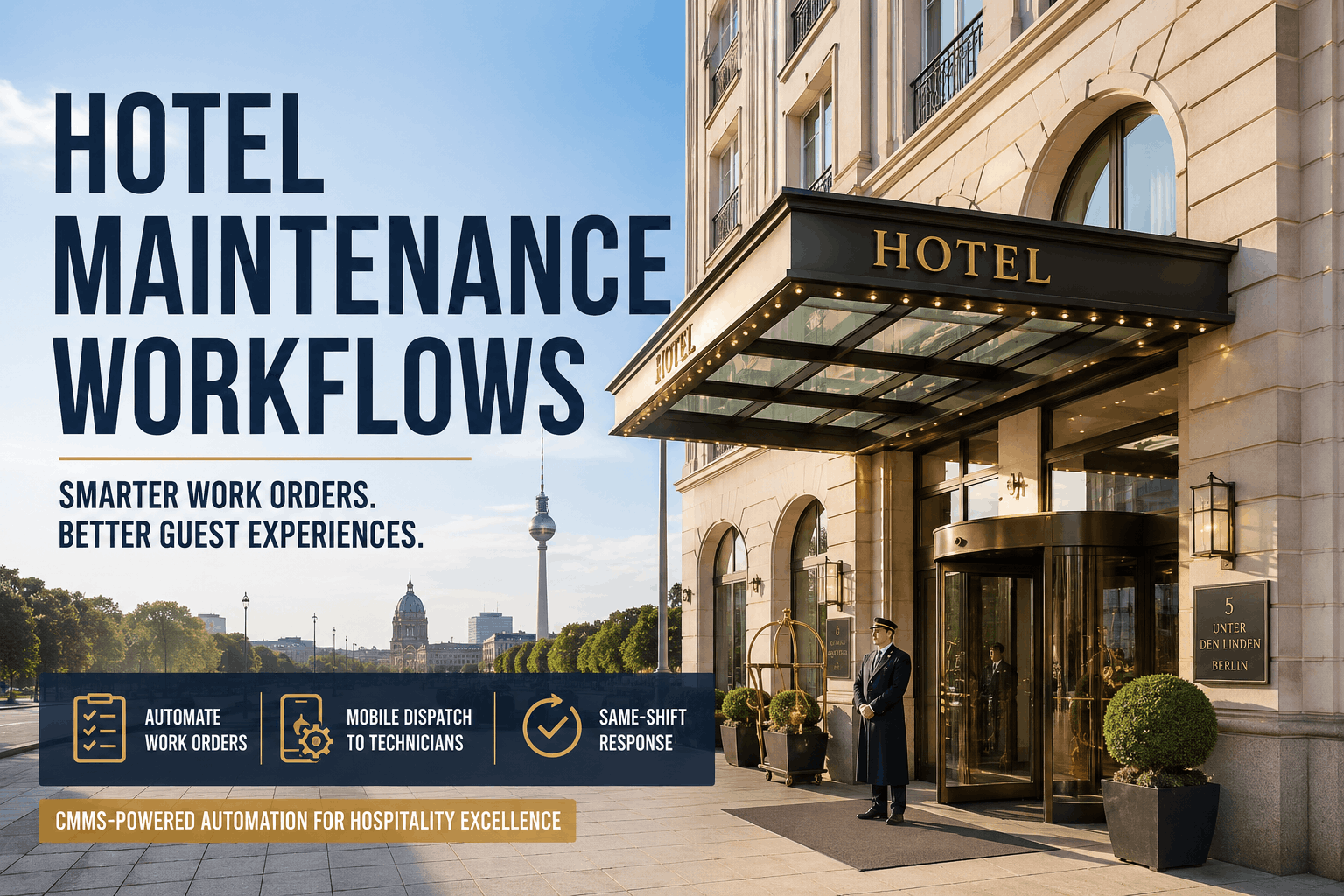
Your business hotel's elevators carry more than guests—they carry your reputation. With U.S. elevators making 18 billion passenger trips annually and the industry standard recommending one elevator for every 75-80 hotel rooms, vertical transportation isn't just a convenience; it's the circulatory system of your property. When an elevator fails during a conference morning rush or an escalator stops mid-journey in your lobby, the ripple effects cascade through guest reviews, staff productivity, and your bottom line. Emergency service calls start at $300 per hour during business hours and climb significantly higher for after-hours emergencies—costs that compound when reactive maintenance becomes your default operating mode.
The regulatory landscape adds another layer of complexity. ASME A17.1, the Safety Code for Elevators and Escalators, mandates specific inspection frequencies, testing protocols, and documentation requirements that vary by equipment type and jurisdiction. Missing a Category 1 annual inspection or failing to maintain a proper Maintenance Control Program (MCP) doesn't just risk fines—it risks operating certificates, insurance coverage, and most critically, guest safety. This guide transforms compliance from a burden into a competitive advantage, showing business hotel operators how smart scheduling, digital documentation, and predictive maintenance technologies can deliver 98%+ uptime while making every audit painless.
Harden hospitality reliability with smart scheduling
The challenge for business hotels isn't understanding compliance requirements—it's executing them without disrupting guest operations. Conference hotels experience peak elevator demand during morning check-outs, evening arrivals, and between-session rushes. Scheduling routine maintenance during these windows creates guest friction and negative reviews. Smart scheduling transforms this challenge by aligning maintenance windows with occupancy patterns, coordinating with service providers for off-peak work, and using predictive analytics to anticipate needs before they become emergencies.
The financial impact of smart scheduling extends beyond avoided service disruptions. Preventive maintenance contracts typically cost $3,500-$5,000 annually per elevator—compared to $300+ per hour for emergency calls. Properties that implement digital scheduling systems report dramatic reductions in emergency calls because routine maintenance catches problems early. The difference between a $50 door sensor adjustment during scheduled maintenance and a $2,000 emergency repair after the door traps a guest's luggage illustrates why smart scheduling pays dividends.
Making audits painless — a hospitality lifecycle with digital logs
When an inspector arrives for your annual elevator inspection, the audit experience depends entirely on documentation accessibility. Paper logbooks stuffed in machine room filing cabinets create friction, delays, and the perception of disorganization. Digital compliance logs transform audits from stressful interrogations into smooth demonstrations of operational excellence—retrieving any maintenance record, test certificate, or work order in seconds rather than minutes.
The power of digital documentation extends beyond audit day. When a guest reports a rough elevator ride, digital logs allow you to instantly pull the maintenance history, verify the last service date, and determine if the issue is new or recurring. Properties managing compliance through centralized digital platforms can demonstrate patterns, identify chronic issues, and make data-driven decisions about modernization investments—turning compliance documentation into strategic intelligence.
IoT and Predictive Maintenance: The Future of Elevator Uptime
Traditional elevator maintenance follows calendar-based schedules—monthly visits regardless of actual equipment condition. IoT-enabled predictive maintenance transforms this model by continuously monitoring vibration patterns, door cycle times, motor temperatures, and travel speeds. When sensors detect anomalies—a slight increase in vibration indicating bearing wear, or door closing times extending beyond normal parameters—the system triggers proactive work orders before failures occur. A large hotel chain implementing predictive maintenance reduced elevator failures by 30% while improving guest satisfaction through virtually invisible maintenance operations.
The ROI calculation for IoT monitoring is compelling. With elevator maintenance contracts averaging $3,500-$5,000 annually and emergency repairs starting at $300 per hour, preventing just two emergency calls per year through predictive detection covers sensor investment costs. Beyond direct savings, properties achieving 98%+ uptime through predictive maintenance see measurable improvements in guest satisfaction scores—eliminating the negative reviews that result from guests trapped between floors or forced to carry luggage up stairs. Hotels ready to implement predictive maintenance can explore IoT integration capabilities designed for hospitality environments.
Expert Review: Building a Culture of Vertical Transportation Excellence
Hotels are typically overpaying and underserved in all aspects of elevator maintenance. It's common for hotels to believe they have a preventive maintenance program because they have a service contract—but that's a misconception. The hotel should verify that scheduled maintenance visits actually occur and are properly documented. Just like making sure heat and air conditioning work, elevator maintenance is essential for operations.
Building a culture of vertical transportation excellence requires treating elevators and escalators with the same operational attention as HVAC systems, fire safety equipment, and other critical building infrastructure. This means verifying service provider performance through digital monitoring platforms, maintaining accessible documentation, and proactively planning for modernization rather than waiting for failures to force decisions. The properties that excel understand that elevator management isn't a set-it-and-forget-it contract—it's an ongoing operational discipline.
Conclusion: From Compliance Burden to Competitive Advantage
Elevator and escalator compliance isn't optional—ASME A17.1 requirements exist to protect the 18 billion annual passenger trips and the guests who depend on your vertical transportation systems. But how you achieve compliance determines whether it's a burden that drains resources or an advantage that differentiates your property. Paper-based documentation, reactive maintenance, and calendar-only scheduling represent the compliance approach of decades past. Digital logs, predictive analytics, smart scheduling, and IoT monitoring represent the future—a future where audits take minutes instead of hours, where failures are predicted and prevented rather than reacted to, and where 98%+ uptime becomes the standard rather than the aspiration.
For business hotel operators, the path forward is clear: inventory your vertical transportation assets, digitize your maintenance documentation, establish smart scheduling aligned with occupancy patterns, and explore predictive technologies that catch problems before guests experience them. The properties that embrace this transformation will spend less on emergency repairs, receive better inspection outcomes, generate fewer negative reviews, and operate with the confidence that comes from knowing their elevators and escalators are maintained to the highest standards. Properties ready to make this transformation can access hospitality-focused implementation resources to begin building their compliance advantage today.