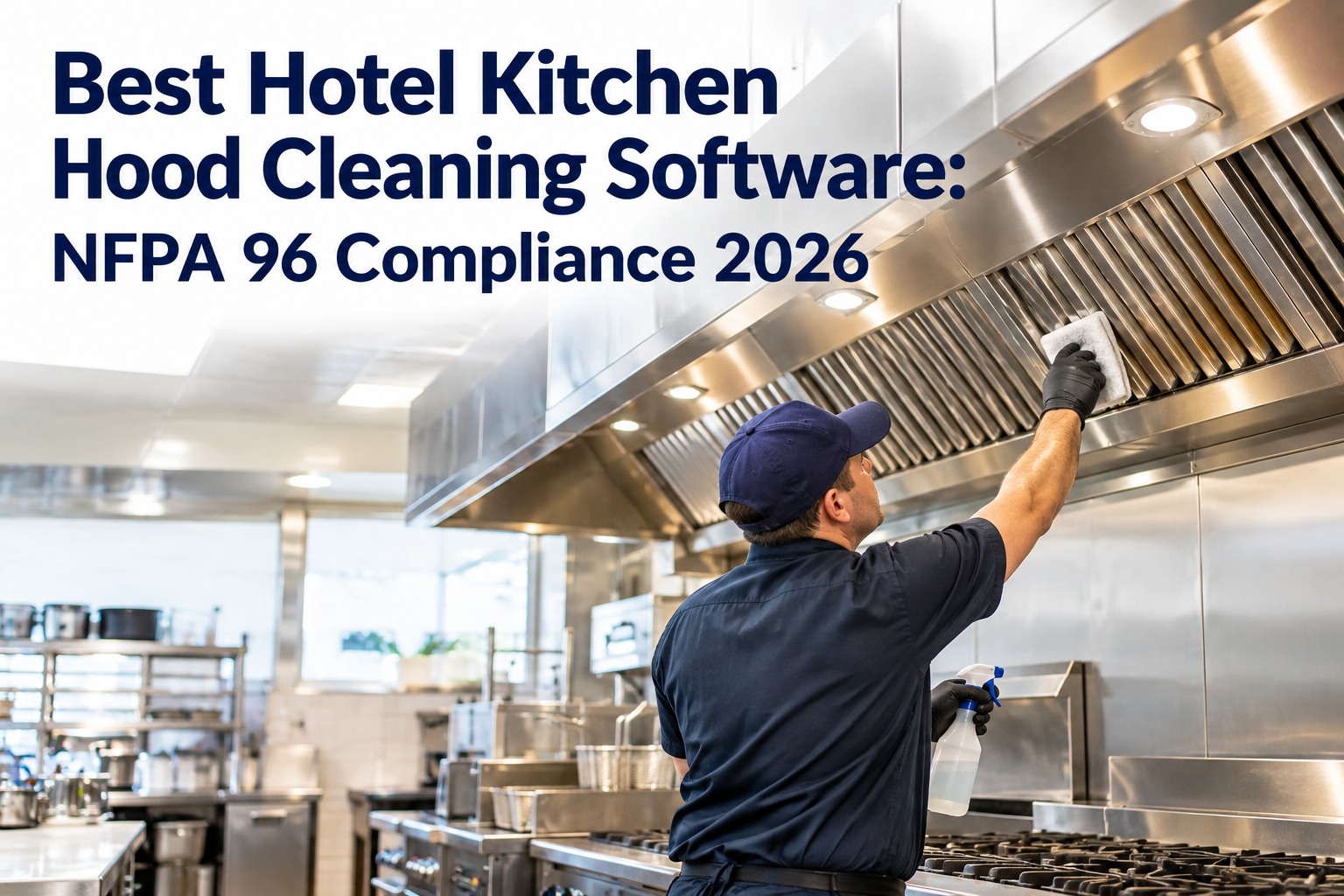
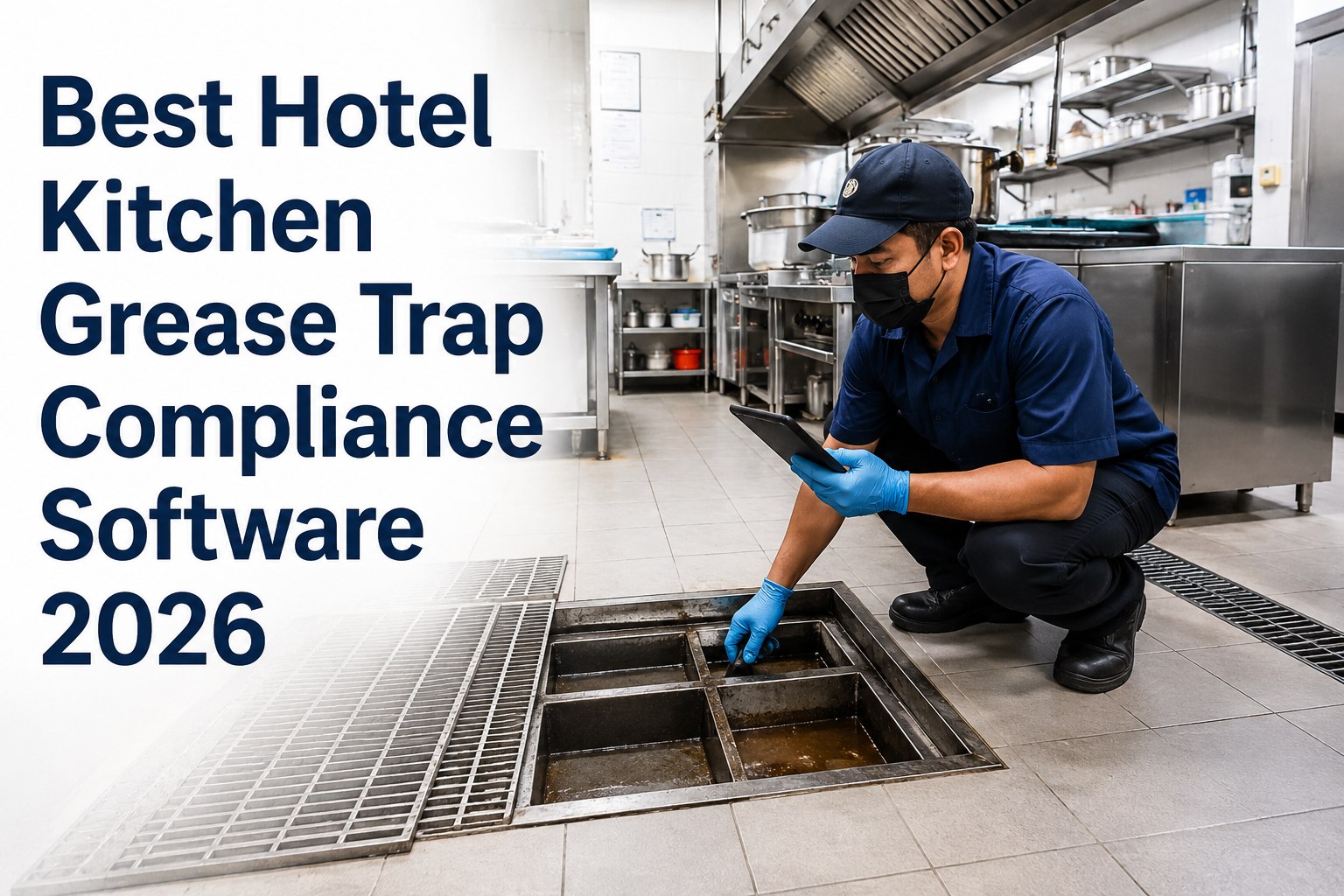
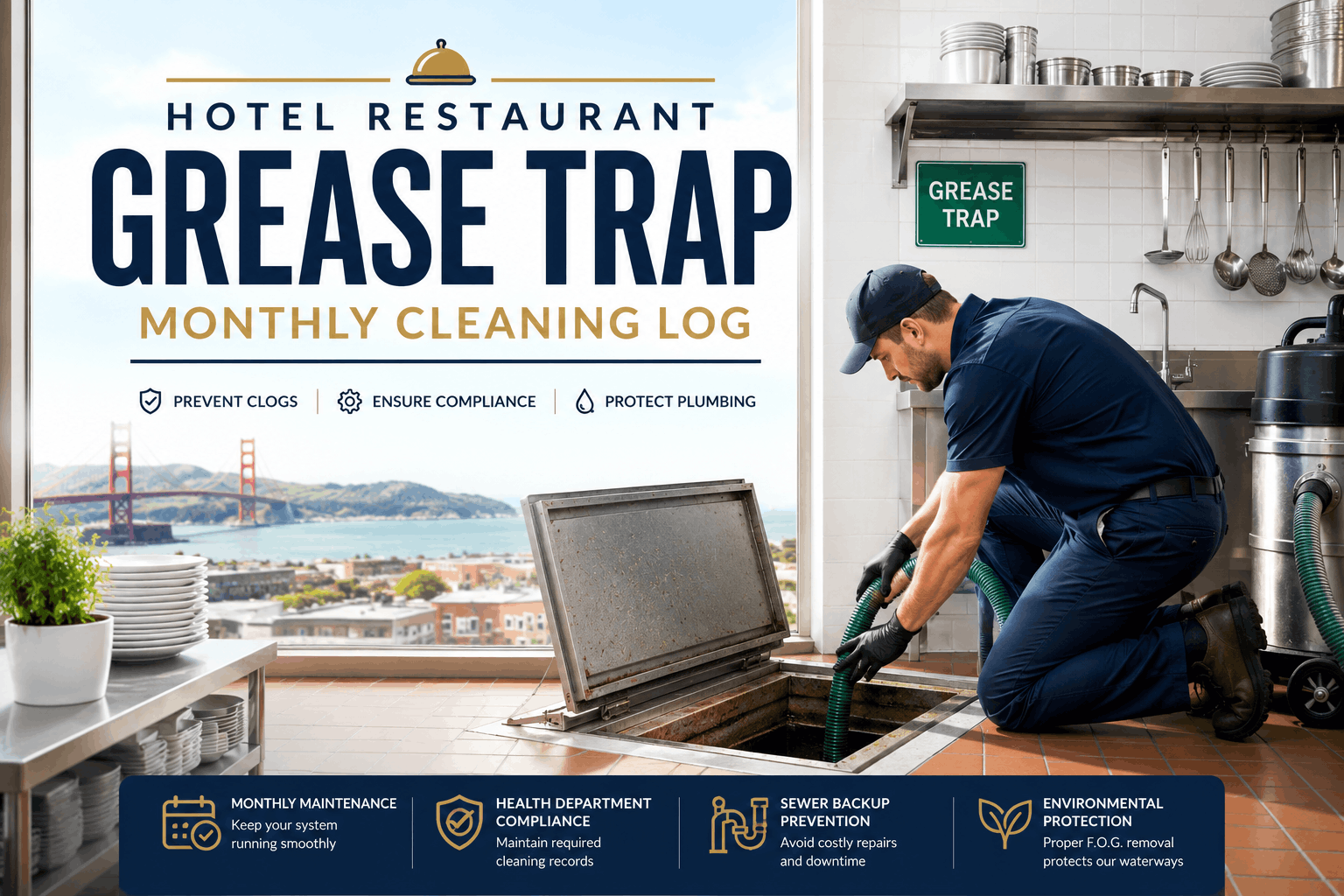
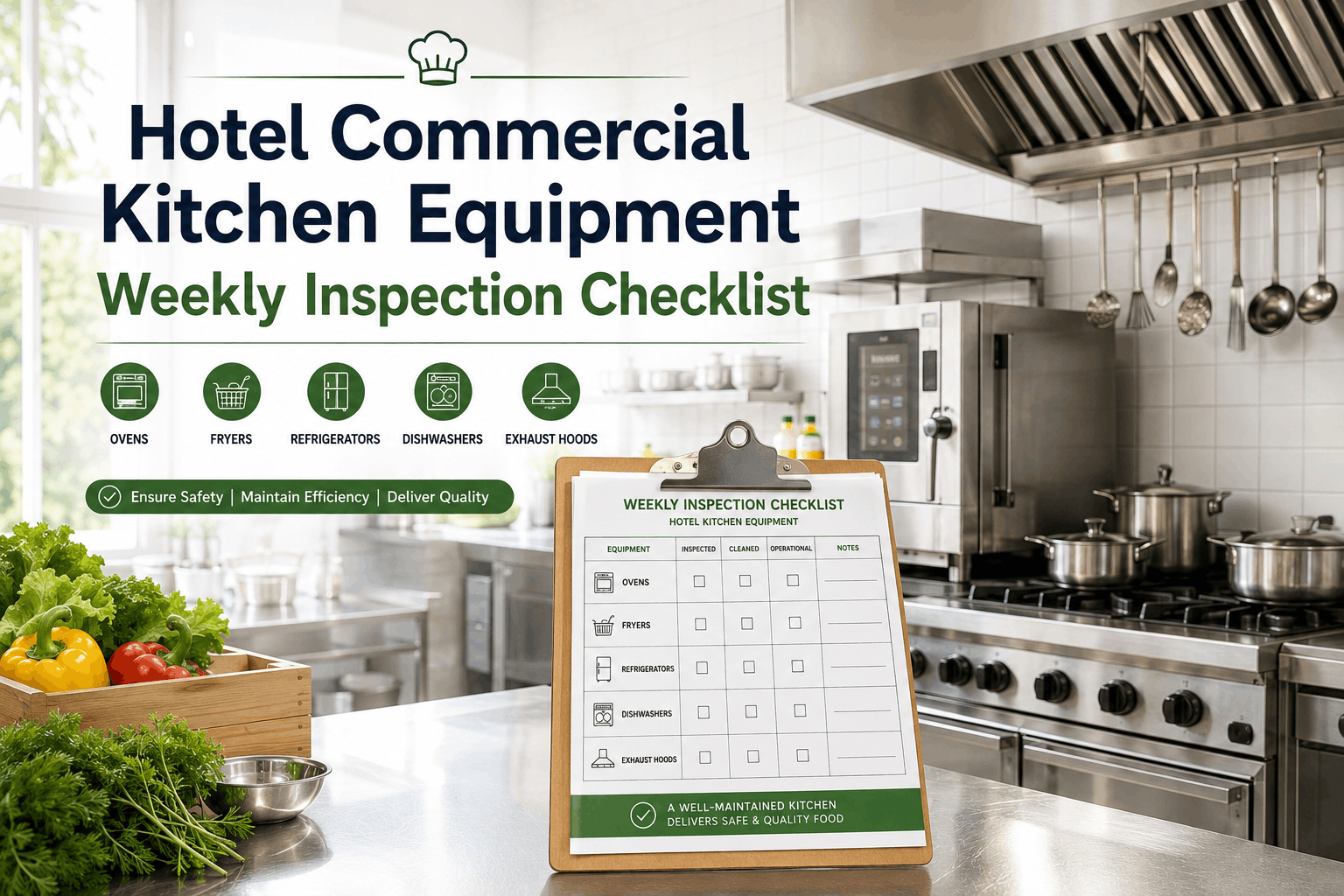
Restaurant Exhaust And Ventilation Cleaning Schedule
By Mateo Rojas on February 6, 2026
At 9:23 PM on a Friday during full dinner servicea grease fire ignites inside the exhaust ductwork of a 180-seat hotel restaurant—sending flames through 40 feet of grease-laden duct before the suppression system activates. The kitchen evacuates. The dining room clears. The fire department arrives. The damage: $94,000 in repairs, 3 weeks of closure, and a fire marshal citation revealing the last documented duct cleaning was 14 months ago—when NFPA 96 required quarterly service for high-volume cooking operations. This scenario repeats across 8,000+ restaurant fires annually in the United States, with grease-laden exhaust systems as the ignition source in 21% of all commercial kitchen fires. The National Fire Protection Association confirms that 64% of restaurant fire fatalities involve cooking equipment where exhaust systems were not cleaned at required intervals. Properties using automated cleaning schedule management eliminate missed cleaning deadlines entirely—reducing grease fire risk by 89% while maintaining 100% NFPA 96 compliance documentation.
The True Cost of Missed Exhaust Cleaning vs. Scheduled Compliance
What happens when cleaning schedules slip versus systematic prevention
Reactive / Inconsistent
Grease Fire Risk
21% of kitchen fires
Average Fire Damage
$94,000 per incident
Health Code Violations
3.8x more likely
Insurance Premiums
25-40% higher
Scheduled / Compliant
Grease Fire Risk
89% reduction
Compliance Status
100% NFPA 96
Health Inspections
72% fewer violations
Insurance Premiums
12-18% lower
Annual Risk Avoidance Value per Restaurant: $38,000+
NFPA 96 Cleaning Frequency Requirements by Cooking Volume
NFPA 96 doesn't prescribe a single cleaning interval—it establishes frequency based on cooking volume, grease production, and fuel type. High-volume operations like 24-hour hotel kitchens, charbroiling restaurants, and wok cooking facilities require monthly duct cleaning, while moderate-volume operations need quarterly service. Understanding which category your kitchen falls into is the difference between compliance and citation. Schedule a compliance consultation to get a customized cleaning schedule mapped to your exact cooking operations and local fire code requirements.
Churches, day camps, seasonal concessions, low-grease menus
Daily Tasks (In-House)
Baffle Filter Cleaning
Run through dishwasher or soak tank every shift or daily
Weekly Tasks (In-House)
Hood Surface Degreasing
Exterior surfaces, drip trays, light fixtures, fan guards
Complete Exhaust System Cleaning Schedule
A compliant exhaust cleaning program spans daily in-house tasks through annual professional deep cleaning—each layer building protection against grease accumulation that causes fires, health code violations, and equipment degradation. Missing any layer creates compounding risk that the others can't fully compensate for.
Four-Layer Exhaust Cleaning Program
01
Daily (In-House Staff)
Clean/replace baffle filters every shift
Wipe hood interior surfaces and drip edges
Empty and clean grease cups/drip trays
Fire Prevention: First line of defense
02
Weekly (In-House Staff)
Degrease all hood exterior surfaces
Clean exhaust fan guards and accessible blades
Inspect fire suppression nozzle caps
Compliance: Health code ready
03
Monthly/Quarterly (Certified)
Professional ductwork degreasing
Fan and motor deep cleaning
Grease measurement and certification
NFPA 96: Documented compliance
04
Semi-Annual/Annual
Complete system inspection and cleaning
Fire suppression system service
Fan belt replacement and balancing
Asset Life: Equipment longevity
Quantified Savings: Scheduled vs. Neglected Exhaust Maintenance
The financial case for systematic exhaust cleaning extends far beyond fire prevention—it encompasses insurance savings, energy efficiency, equipment longevity, and avoided closure costs. Properties that track every cleaning event digitally build the documentation trail that proves compliance, reduces premiums, and provides legal protection.
Annual Exhaust Maintenance ROI Calculator
Based on full-service hotel restaurant (150-200 seats)
Grease Fire Risk Avoidance
89% risk reduction × $94K avg damage
$18,400
Insurance Premium Reduction
15% savings on $28K annual premium
$4,200
Energy Efficiency Improvement
Clean ducts = 18% better airflow efficiency
$3,600
Equipment Life Extension
2x exhaust fan lifespan vs. neglected
$2,800
Health Code Violation Avoidance
72% fewer violations × $2,500 avg fine
$3,600
Total Annual Value
$32,600
Professional quarterly duct cleaning costs $1,200-$3,500 per service. Annual cleaning program investment: $5,000-$14,000. ROI exceeds 300% in year one.
These savings compound when documented digitally—insurance adjusters, fire marshals, and health inspectors all reward properties that can demonstrate consistent compliance through timestamped records with photos, technician certifications, and grease depth measurements. Create your free account now and start building your compliance documentation trail with automated scheduling, mobile inspection checklists, and contractor management—all in one platform that ensures no cleaning deadline is ever missed.
Never Miss an Exhaust Cleaning Deadline Again
OXmaint automatically schedules exhaust cleaning tasks at NFPA 96 required intervals, sends reminders to staff and contractors, captures mobile inspection photos, and maintains audit-ready compliance records. Join restaurants already achieving 100% on-time cleaning compliance.
Conclusion: Compliance Through Systematic Scheduling
Restaurant exhaust and ventilation cleaning isn't optional—it's a life safety requirement that protects guests, staff, property, and business continuity. The properties that avoid grease fires, pass every inspection, and negotiate lower insurance premiums aren't spending more on cleaning—they're spending more systematically, with every task scheduled, documented, and verified through digital platforms that eliminate the human error causing missed deadlines. When you implement automated exhaust cleaning management, you transform fire prevention from a manual burden into a documented operational certainty that fire marshals, insurers, and health inspectors reward with confidence and favorable treatment.
Frequently Asked Questions
How often does NFPA 96 require kitchen exhaust duct cleaning?
NFPA 96 Table 11.4 establishes four cleaning frequency tiers based on cooking volume and grease production. Monthly cleaning is required for high-volume operations including 24-hour kitchens, solid fuel cooking (wood, charcoal, mesquite), and high-grease-producing methods like charbroiling and wok cooking. Quarterly cleaning applies to most full-service hotel restaurants, banquet kitchens, and moderate-volume operations using standard gas or electric cooking equipment. Semi-annual cleaning covers low-volume operations like churches, day camps, and seasonal facilities. Annual cleaning applies to minimal-volume operations with very low grease output. Your local fire marshal may require more frequent cleaning than NFPA 96 minimums based on inspection findings—grease depth measurements exceeding 2mm at any point trigger immediate cleaning regardless of schedule. Always document cleaning events with dates, contractor certification, and before/after photos to prove compliance.
What should daily and weekly in-house exhaust cleaning include?
Daily tasks include removing and cleaning all baffle filters through the dishwasher or degreasing soak tank at the end of each shift, wiping accessible hood interior surfaces to remove grease accumulation, and emptying all grease cups and drip trays. Weekly tasks include degreasing all hood exterior surfaces including canopy, trim, and light fixture covers; cleaning accessible exhaust fan guards and fan blade edges; inspecting fire suppression nozzle caps for grease blockage; checking that all access panels are secure and properly sealed; and verifying makeup air dampers operate freely. These in-house tasks don't replace professional duct cleaning but are critical for maintaining fire safety between professional services. Staff should use commercial kitchen degreasers—never flammable solvents—and document completion on daily checklists. Properties using mobile CMMS apps capture timestamped photos of completed cleaning, building the compliance trail that demonstrates due diligence during inspections.
What happens if a restaurant fails a fire marshal exhaust inspection?
Fire marshal citations for non-compliant exhaust systems trigger immediate correction requirements—typically 24-72 hours for critical violations like visible grease accumulation exceeding 2mm depth in ductwork. Fines range from $500 to $10,000+ per violation depending on jurisdiction and severity. Repeat violations can result in forced kitchen closure until professional cleaning and re-inspection occurs. Insurance implications are equally severe: policies typically contain maintenance compliance clauses, and documented exhaust cleaning violations can void fire coverage entirely—meaning a subsequent grease fire claim worth $94,000+ would be denied. Health department inspections also cite ventilation cleanliness, with point deductions affecting public-facing scores in jurisdictions using letter-grade systems. The most expensive consequence is often closure: a forced shutdown for cleaning and re-inspection costs $5,000-$15,000 in lost revenue per day for a full-service restaurant, plus emergency cleaning premiums that run 2-3x standard service rates.
How much does professional kitchen exhaust cleaning cost?
Professional exhaust duct cleaning for a full-service hotel restaurant typically costs $1,200-$3,500 per service depending on system size, duct length, accessibility, and grease accumulation level. A standard 150-seat restaurant with 20-30 feet of ductwork and rooftop exhaust fan averages $1,800-$2,400 per quarterly cleaning. Larger systems with multiple hoods, extensive ductwork runs, or difficult rooftop access command $2,800-$4,500. Annual total cleaning program costs (including both professional services and in-house supplies) range from $5,000-$14,000 for moderate-volume operations on quarterly schedules. This investment returns 300%+ ROI through fire risk avoidance ($18,400 annualized), insurance savings ($4,200), energy efficiency ($3,600), and equipment life extension ($2,800). Always verify contractors hold IKECA (International Kitchen Exhaust Cleaning Association) certification or equivalent, carry proper insurance, and provide before/after photos with grease depth measurements as compliance documentation.
Can a CMMS system automate exhaust cleaning scheduling and documentation?
Yes—modern CMMS platforms automate the entire exhaust cleaning lifecycle from scheduling through compliance documentation. The system generates recurring work orders at NFPA 96-required intervals (monthly, quarterly, semi-annual, or annual based on your cooking volume classification), sends advance reminders to both in-house staff and contracted cleaning companies, provides mobile checklists with photo capture requirements for each cleaning event, stores contractor certifications and insurance documentation, and maintains searchable compliance records accessible instantly during fire marshal or insurance inspections. Daily and weekly in-house cleaning tasks appear on technician mobile apps with photo verification requirements, creating timestamped evidence that routine cleaning occurs consistently. For properties managing multiple restaurant outlets or hotel food service operations, CMMS platforms provide portfolio-wide compliance dashboards showing upcoming deadlines, overdue tasks, and compliance rates across all locations—ensuring no kitchen falls behind schedule regardless of staff turnover or operational pressure.
Protect Your Kitchen, Your Guests, and Your Business
Stop risking grease fires, failed inspections, and voided insurance with inconsistent exhaust cleaning. OXmaint automates your entire cleaning schedule with NFPA 96-compliant intervals, mobile documentation, and contractor coordination—giving you 100% compliance confidence every day.