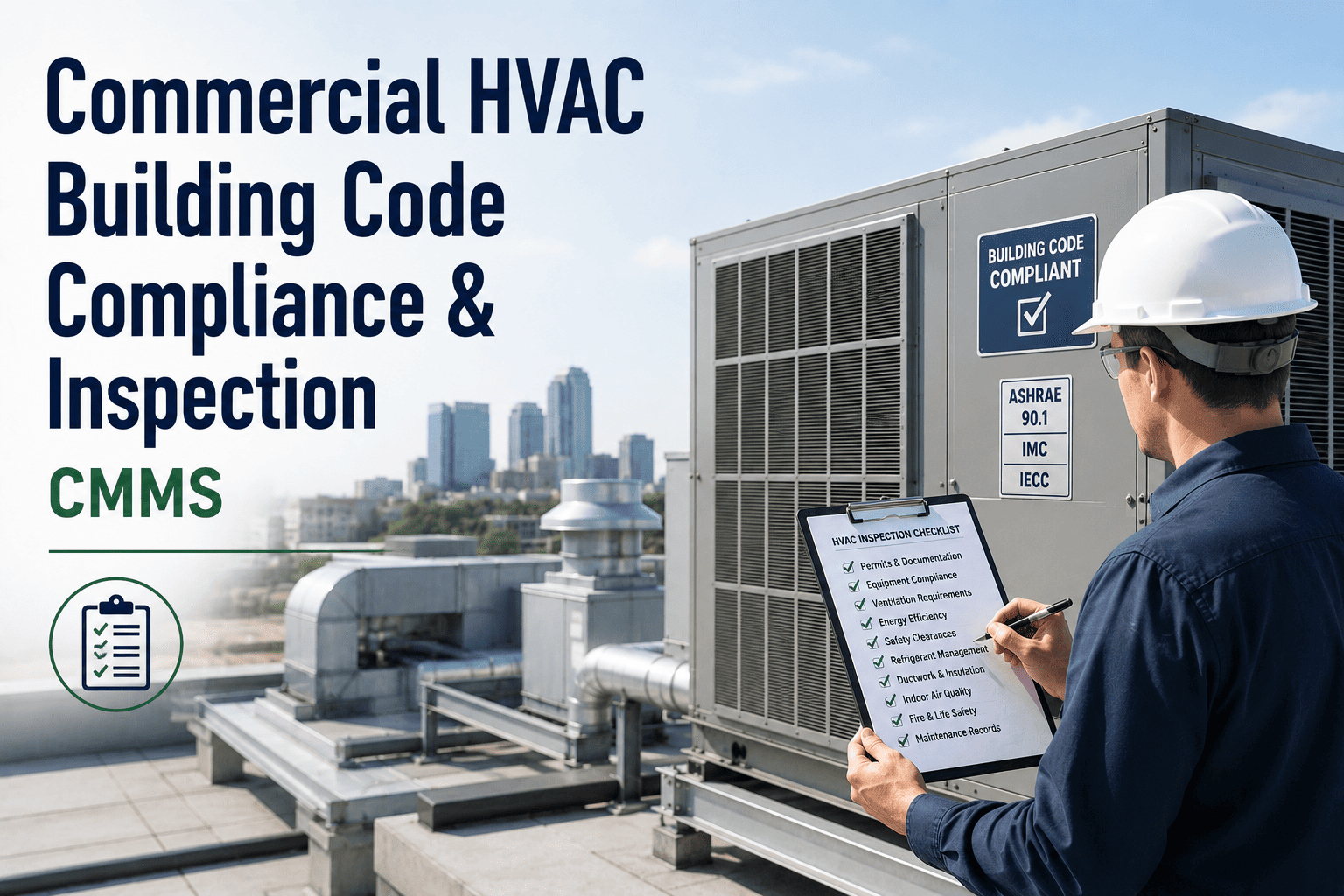
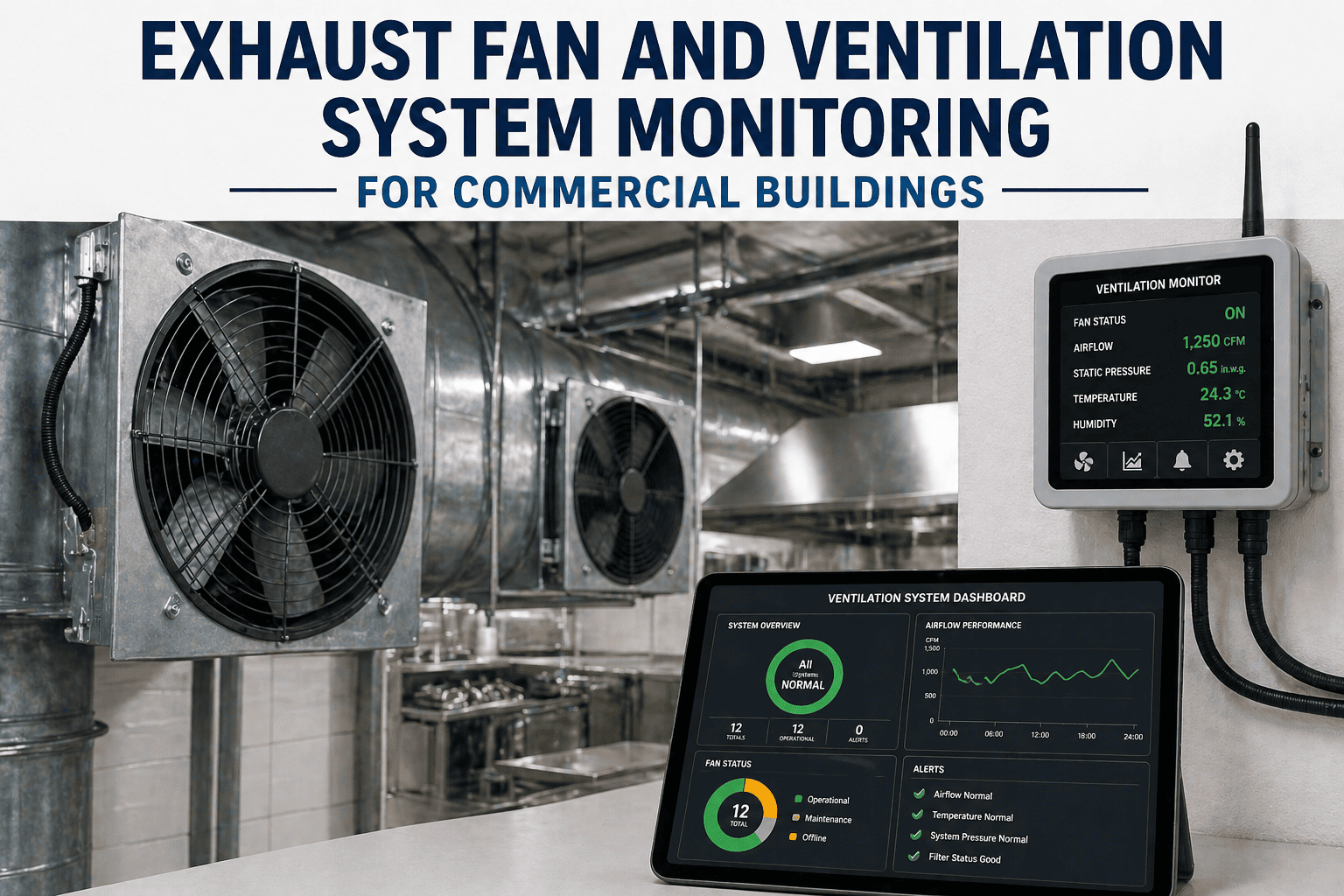
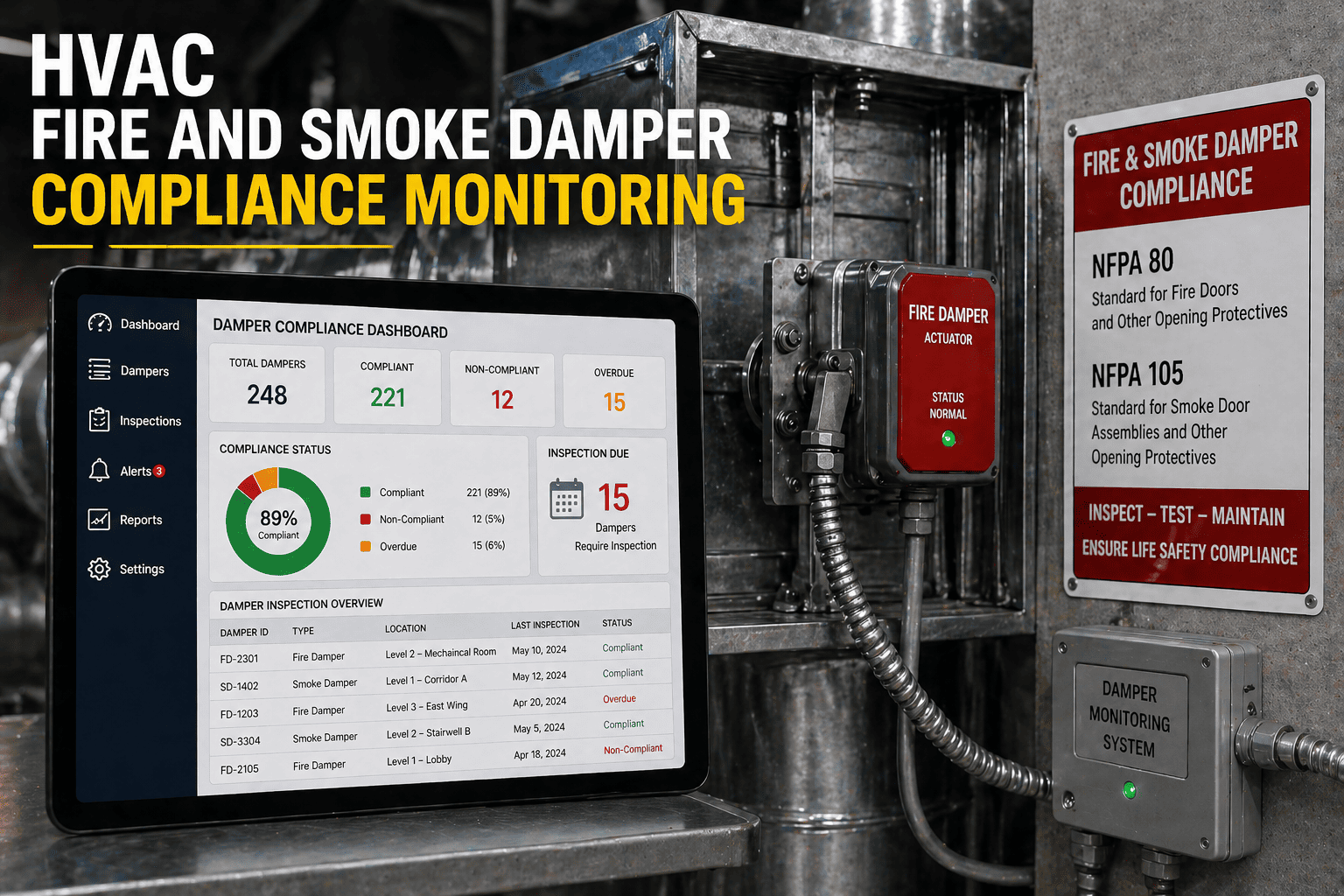
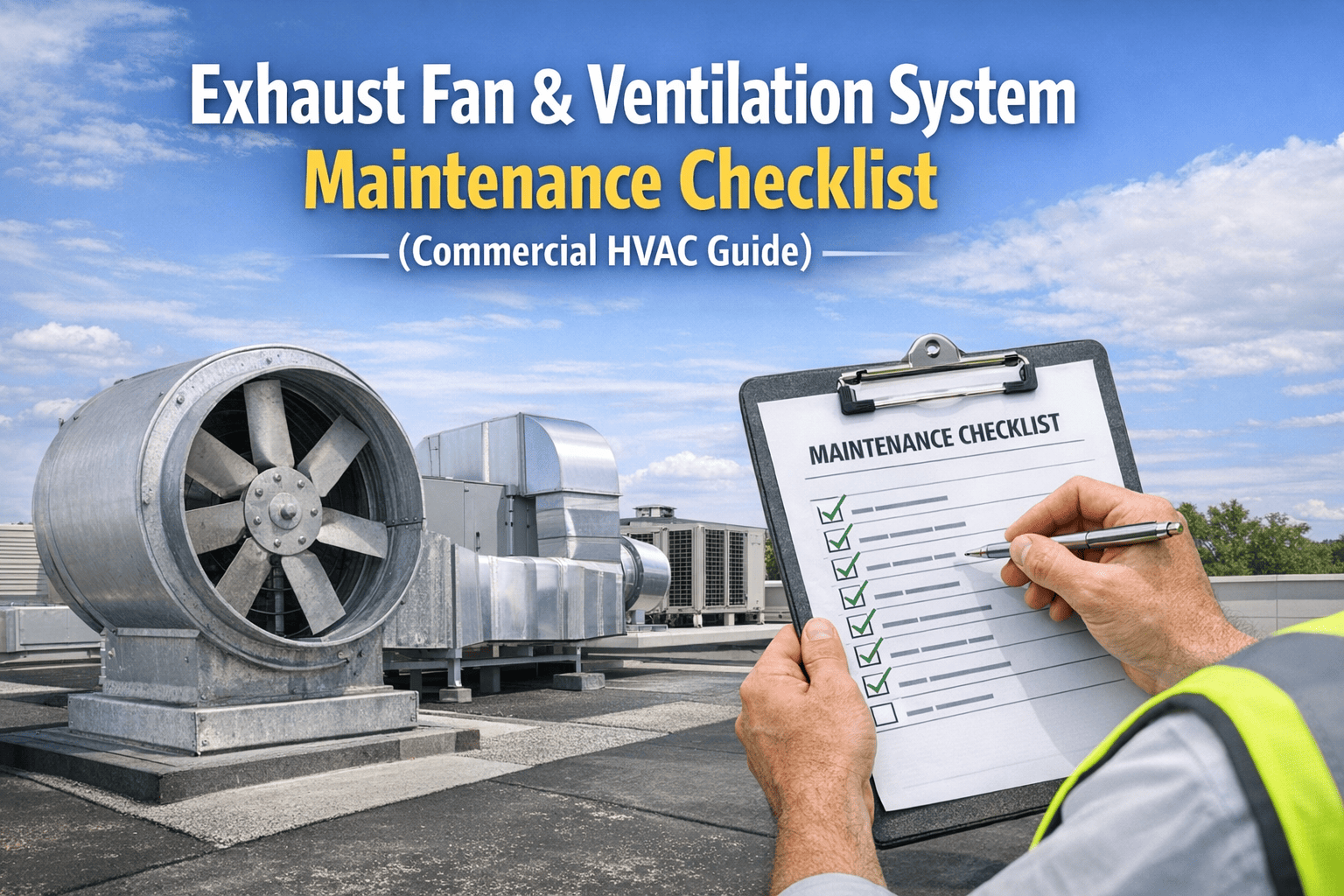
A commercial kitchen HVAC system is not comfort infrastructure — it is a fire safety system, a health code requirement, and an insurance condition operating simultaneously. Grease-laden vapour accumulating in an unserviced exhaust duct is the leading cause of restaurant fires in the US, with NFPA 96 violations cited in over 40% of commercial kitchen fire investigations. A make-up air unit that cannot keep pace with exhaust volume creates negative pressure that pulls combustion gases from pilot lights and makes cooking lines impossible to operate at capacity. The restaurants consistently passing health inspections, renewing fire suppression certifications on schedule, and controlling energy costs share one structural advantage: a structured, documented kitchen HVAC maintenance programme that treats exhaust, make-up air, and fire suppression as a single interdependent system. Book a demo to see how Oxmaint manages kitchen HVAC and exhaust compliance for your operation.
40%
Of commercial kitchen fires involve grease exhaust systems — the majority preventable with scheduled cleaning and inspection
3–4x
Cost premium when exhaust fan motors or make-up air units fail reactively versus planned preventive replacement
NFPA 96
Mandates documented hood cleaning intervals, fire suppression inspections, and exhaust system records retained on premises
$250K+
Average insurance claim for a grease duct fire — most policies require current NFPA 96 documentation to pay out
How Commercial Kitchen HVAC Differs From Standard HVAC
Standard building HVAC manages temperature and comfort. Commercial kitchen ventilation manages grease, heat, combustion gases, fire risk, and air pressure balance — simultaneously, under continuous high-intensity operating conditions.
Grease Exhaust Systems
Kitchen exhaust hoods, ductwork, and roof exhaust fans handle grease-laden vapour at temperatures exceeding 400°F during peak service. Grease accumulation in ducts is a Class K fire fuel source. NFPA 96 mandates cleaning intervals based on cooking volume — not calendar time — and retained documentation for every service visit.
Make-Up Air Units (MUA)
For every CFM extracted by the exhaust system, an equal volume must be supplied. Make-up air units supply tempered replacement air directly to the kitchen zone. Under-performing MUAs create negative pressure that destabilises gas appliance combustion, pulls back-of-house odours into dining areas, and causes doors to seal shut under suction.
Fire Suppression Integration
Kitchen hood fire suppression systems must be inspected every 6 months under NFPA 17A and NFPA 96. A hood cleaned without a concurrent suppression inspection is a compliance gap that voids insurance coverage on kitchen equipment fires. Both systems must be tracked and documented together — not managed as separate vendor relationships.
Air Balance and Health Code
Health departments in most US jurisdictions require documented evidence of functional exhaust and make-up air systems during inspections. A kitchen with a failed exhaust fan or an MUA that cannot maintain positive pressure at the cooking line fails the environmental health standard for commercial food preparation regardless of food handling practices.
NFPA 96 Compliance: Hood Cleaning Intervals by Cooking Volume
NFPA 96 establishes hood cleaning intervals based on cooking type and volume — not arbitrary calendar schedules. Defaulting to quarterly cleaning regardless of cooking load means most high-volume operations are chronically under-cleaned. See how Oxmaint schedules and documents your hood cleaning compliance automatically.
| Cooking Type / Volume |
NFPA 96 Required Interval |
Typical Operations |
Documentation Required |
| High Volume / Charbroiling |
Monthly |
24-hour diners, high-volume burger ops, charcoal or wood-burning kitchens |
Service certificate, before/after photos, technician certification, grease depth measurements |
| Moderate to High Volume |
Quarterly |
Full-service restaurants, hotel kitchens, large cafeterias, institutional foodservice |
Service certificate, grease log, technician name and certification number |
| Low to Moderate Volume |
Semi-annual |
Seasonal restaurants, limited-menu QSR, church kitchens, small cafes |
Service certificate with access panel documentation, inspection report |
| Low Volume |
Annual |
Day camps, senior centres, operations with only non-grease cooking |
Annual service certificate, system inspection report |
Kitchen HVAC Equipment: Maintenance Schedule by Component
Each component in the kitchen ventilation system requires its own maintenance interval and documentation. Treating everything as a single hood clean task misses the exhaust fan, make-up air, and fire suppression requirements that NFPA 96 mandates separately.
| Component |
PM Interval |
Key Tasks |
Regulatory Basis |
| Exhaust Hood Filters |
Weekly (high vol.) to monthly |
Grease filter removal, cleaning, reinstallation. Inspect for damage or missing baffles. |
NFPA 96 Ch. 6, local health dept. |
| Exhaust Ductwork |
Per NFPA 96 cooking volume schedule |
Internal degreasing, access panel inspection, grease trap emptying, before/after photography |
NFPA 96 Ch. 11, fire marshal |
| Exhaust Fan Motor and Belt |
Monthly visual, quarterly service |
Belt tension and wear check, bearing lubrication, motor amperage, fan blade grease buildup |
NFPA 96 Ch. 7, manufacturer |
| Make-Up Air Unit |
Filter monthly, full service quarterly |
Filter replacement, burner inspection, heat exchanger check, airflow verification, belt condition |
IMC Section 507, ASHRAE 62.1 |
| Fire Suppression System |
Every 6 months |
Nozzle inspection, agent cartridge check, pull station test, fusible link replacement, written report |
NFPA 17A, NFPA 96 Ch. 10 |
| Hood Controls and Sensors |
Monthly inspection |
Lamp replacement, control panel check, DCV sensor calibration if equipped |
Local electrical code, energy code |
One Overdue Hood Clean Can Void Your Insurance and Fail Your Fire Inspection.
Oxmaint auto-schedules hood cleaning by cooking volume, tracks fire suppression inspection due dates, and generates the service documentation your insurer, fire marshal, and health department require — all in one system with no manual calendar tracking.
Four Kitchen HVAC Failures That Cost Restaurants the Most
The same four maintenance failure patterns generate the majority of restaurant HVAC-related fires, health code violations, insurance disputes, and equipment replacement costs across the foodservice industry.
01
Grease Duct Accumulation Beyond Safe Threshold
NFPA 96 Section 11.6 defines maximum grease depths before cleaning is required — 2mm average on horizontal ducts, 5mm on vertical. High-volume charbroil operations reach unsafe accumulation in 4–6 weeks. A single ignition in a grease-loaded duct produces a fire that self-propagates through the entire duct system before suppression can activate.
02
Make-Up Air Volume Deficit
When MUA filters clog or heat exchangers fail, the kitchen goes negative — doors pull shut, gas appliance flames destabilise, and cooking staff work in an increasingly toxic environment of combustion by-products. Energy costs also spike as the exhaust system fights against the pressure imbalance, drawing harder and consuming more fan motor energy to maintain airflow.
03
Exhaust Fan Motor Failure During Peak Service
Fan motors and drive belts in the grease-laden, high-temperature rooftop environment degrade faster than any other commercial HVAC component. Belt replacement costs $80–$150. A service shutdown on a Saturday night costs $8,000–$25,000 in lost covers and table turns. Monthly visual checks and quarterly belt replacements eliminate this failure mode entirely.
04
Expired Fire Suppression Inspection
NFPA 96 and NFPA 17A require kitchen hood fire suppression systems to be inspected every 6 months. An overdue inspection does not just create a regulatory citation — it voids the insurance coverage on any kitchen equipment fire that occurs while the system is out-of-certification. Most policies explicitly exclude grease fire claims when suppression maintenance records are not current.
Reactive vs. Structured Kitchen HVAC Maintenance
The financial gap between reactive and structured kitchen HVAC maintenance is wide — and the compliance gap is wider. Both compound directly into revenue risk and insurance exposure.
Hood Cleaning Compliance
Reactive / Calendar-Based
Quarterly cleaning regardless of cooking volume. Service certificates stored in paper folders — lost at lease transition or staff turnover. Fire marshal citations and insurance disputes follow.
With Oxmaint PM Schedule
Cleaning intervals set by cooking volume per NFPA 96. Auto-generated work orders with certificate upload. Complete digital service history per hood — always available for fire marshal, insurer, or health department review.
Exhaust Fan and MUA Servicing
Reactive Management
Fan motors and belts replaced after failure — during peak service periods when technician call-out rates are highest. MUA filters changed when staff notice performance problems — by which time heat exchanger and burner damage is already accumulating.
With Oxmaint PM Schedule
Monthly belt inspections, quarterly fan motor service, and monthly MUA filter changes scheduled during off-peak windows. Parts pre-ordered. Zero peak-service failures for most operators who activate structured PM within 60 days.
Fire Suppression Certification
Manual Tracking
6-month inspection dates tracked on paper or in email reminders. Missed when managers change. Expired certifications discovered during fire marshal inspection or during an insurance claim investigation after a fire event.
With Oxmaint PM Schedule
Suppression inspection auto-scheduled 30, 14, and 7 days before due date. Inspection report uploaded to asset record on completion. Zero lapsed certifications — always audit and insurance-ready without manual tracking overhead.
Health Code Inspection Readiness
No CMMS Records
Environmental health officers request ventilation maintenance records during surprise inspections. Paper binders with missing dates, no technician credentials, and incomplete service histories generate automatic point deductions and re-inspection requirements.
With Oxmaint CMMS Records
Complete hood cleaning certificates, filter change logs, and suppression inspection reports available for immediate digital export. Inspectors see a fully documented system — generating confidence, not citations, during unannounced visits.
Structured Kitchen HVAC Maintenance Pays for Itself in the First Season.
Most restaurant operators who activate Oxmaint see measurable results within 30 days — fewer reactive callouts, zero missed certifications, and documented compliance that satisfies every inspection without scrambling for paperwork.
74%
Reduction in reactive kitchen HVAC callouts after PM programme activation
0
Missed fire suppression certifications with automated 30-day advance scheduling
3–4x
Cost saving on exhaust fan and MUA component replacement versus reactive failure
30 Days
To active PM compliance across all kitchen HVAC equipment — no implementation fees
How Oxmaint Manages Restaurant Kitchen HVAC Compliance
Kitchen HVAC compliance requires a system that tracks regulatory intervals, stores service certificates, links suppression inspections to the hoods they protect, and delivers digital records on demand. Book a demo to see Oxmaint running on a live restaurant kitchen asset register.
01
Kitchen Asset Registry — Hood by Hood, Unit by Unit
Every hood, exhaust fan, make-up air unit, grease trap, and fire suppression system is registered with installation date, model, last service date, next due date, and all retained service certificates. QR codes on each unit give technicians instant mobile access to the full service history without paperwork during inspections.
02
NFPA 96-Aligned PM Scheduling by Cooking Volume
Hood cleaning intervals are set by cooking type and volume — not arbitrary quarterly defaults. Work orders auto-generate at the correct interval, are assigned to the certified cleaning contractor, and require certificate upload before closure — building a complete, unbroken NFPA 96 compliance record automatically without manual calendar management.
03
Fire Suppression Inspection Tracking With 30-Day Alerts
Every kitchen hood fire suppression system is linked to its 6-month inspection cycle. Oxmaint sends alerts at 30, 14, and 7 days before the inspection due date — to the operations manager, the certified service provider, and the maintenance team. Inspection reports are uploaded directly to the asset record and retained permanently for insurance and regulatory purposes.
04
Instant Compliance Report for Any Inspection
When a fire marshal, health department officer, or insurance assessor arrives, a complete kitchen HVAC compliance report — hood cleaning certificates with dates and technician credentials, suppression system inspection reports, exhaust fan and MUA service records — exports in under 2 minutes. No binder searching, no missing certificates, no citations for incomplete documentation.
The ROI of Structured Kitchen HVAC Maintenance
$250K+
Average grease duct fire insurance claim — most policies require current NFPA 96 documentation to pay out
40%
Reduction in kitchen HVAC emergency callouts within 12 months of activating a structured PM programme
5 Yrs
Additional service life on exhaust fans and make-up air units with structured quarterly PM versus reactive management
30 Days
To active NFPA 96-aligned PM schedules and fire suppression tracking across all kitchen equipment
Frequently Asked Questions: Restaurant Kitchen HVAC Maintenance
How often does NFPA 96 require kitchen hood cleaning?
NFPA 96 Table 11.4 specifies cleaning intervals based on cooking volume and type — not calendar schedules. High-volume operations using charbroilers, wood-burning equipment, or solid-fuel cooking require monthly cleaning. Moderate to high-volume full-service restaurants require quarterly cleaning. Low-to-moderate volume operations clean every 6 months, and low-volume operations annually. Operators defaulting to quarterly when monthly is required accumulate grease beyond safe thresholds and create documentation gaps that generate insurance and fire code liability.
What documentation does a kitchen hood cleaning service certificate need?
NFPA 96 requires service certificates to include the date of service, the name and certification number of the cleaning technician or company, the specific equipment serviced, the areas cleaned and areas inaccessible, before-and-after photographs, and the technician signature. Certificates must be retained on the premises and made available to fire marshals, health inspectors, and insurance assessors on request. Missing photos, absent technician credentials, or incomplete coverage documentation are the most common deficiencies cited during fire marshal inspections.
How often does the kitchen fire suppression system need inspection?
NFPA 17A and NFPA 96 require kitchen hood fire suppression systems to be inspected every 6 months by a certified technician. The inspection must include nozzle condition, agent quantity, cartridge condition, actuation mechanism, fusible link replacement if applicable, pull station operation, and a written inspection report. After any discharge, modification, or service that could affect system operation, an inspection is required before the system is returned to service. Certificates must be retained on the premises.
What happens if a grease fire occurs with an overdue suppression inspection?
Most commercial property and business interruption policies explicitly condition kitchen equipment fire coverage on compliance with NFPA 17A and NFPA 96 maintenance requirements. An insurer investigating a grease fire claim will request the suppression system inspection records — if the most recent inspection is overdue or missing, the claim is subject to denial or significant reduction. Beyond insurance, operating a commercial kitchen with an overdue suppression certification is a code violation in most jurisdictions and can result in forced closure pending re-certification.
What signs indicate a make-up air unit problem in a commercial kitchen?
The most common signs of make-up air unit failure include doors that are difficult to open or slam shut under negative pressure, smoke or vapour migrating from the cooking line into the dining area, gas appliance pilot lights that are unstable or extinguish during peak service, and cooking staff reporting heat stress or odour complaints that worsened gradually over weeks. Energy costs also spike as the exhaust system increases fan speed trying to compensate for reduced supply air. Monthly filter changes and quarterly burner inspections prevent the majority of MUA performance problems before they become operational disruptions.
Kitchen HVAC Compliance Is a Fire Safety Requirement — Not an Optional Best Practice.
Oxmaint gives restaurant operators NFPA 96-aligned hood cleaning scheduling, 6-month fire suppression tracking, exhaust fan and make-up air PM automation, and instant compliance documentation — all in one platform, live in 30 days, with no implementation fees.
NFPA 96 hood cleaning scheduling
Fire suppression 6-month tracking
Exhaust fan and MUA PM automation
Instant compliance report export