Utility systems quietly consume 30–50% of a manufacturing plant's energy budget — yet most plants manage compressed air, steam, cooling water, electrical distribution, and natural gas as separate silos with no unified visibility. That fragmentation is why a failed steam trap in one building can waste more energy than an entire production line's efficiency gains. Oxmaint's CMMS platform unifies utility asset management across every system in the plant — so teams can schedule maintenance, track consumption, and catch the small failures that silently drain millions from the bottom line each year.
The Five Core Utility Systems Every Plant Must Manage
Before optimization is possible, maintenance and operations teams need a clear picture of which utility systems exist, what they cost to run, and how they fail. Each system has its own reliability signature — treating them all the same is the fastest path to wasted spend.
8x
more expensive than any other utility per unit of work delivered
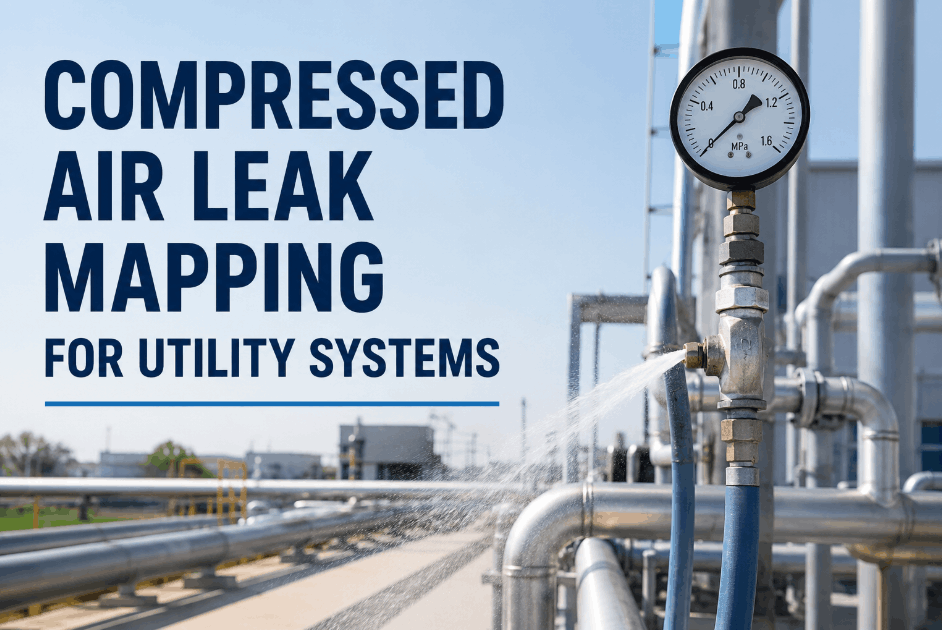
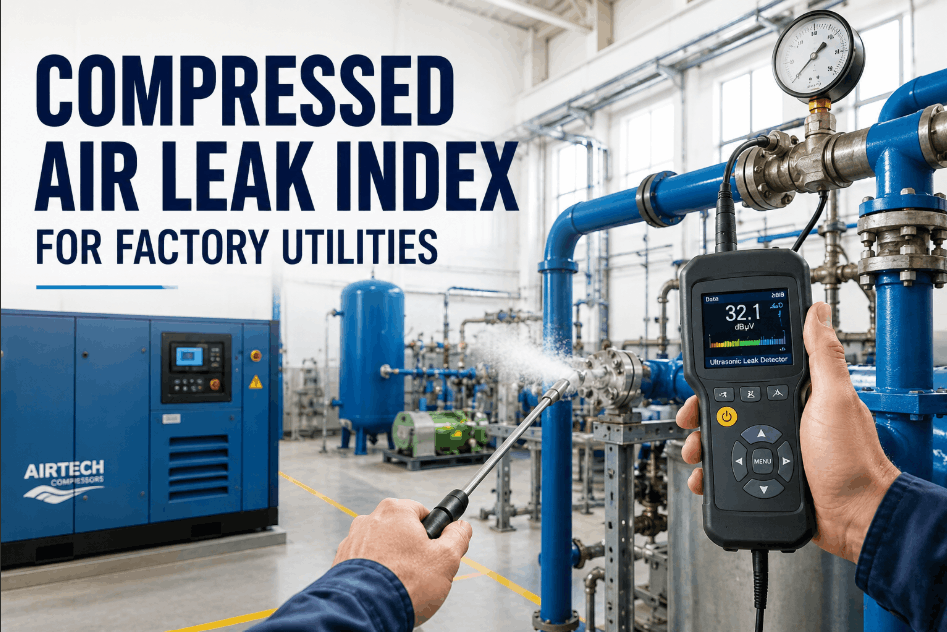
Leaks waste 20–30% of output. Pressure drops at end-of-line force compressors to run harder. Filters, dryers, and receivers all need scheduled care — or the whole plant pays in kWh.
15–20%
of steam traps fail each year in unmonitored systems
Boilers, heat exchangers, steam traps, and condensate return lines. Invisible failures cost more than any other utility — a single failed trap can waste $5,000–$8,000 per year.
32%
of plant water use comes from cooling tower evaporation and blowdown
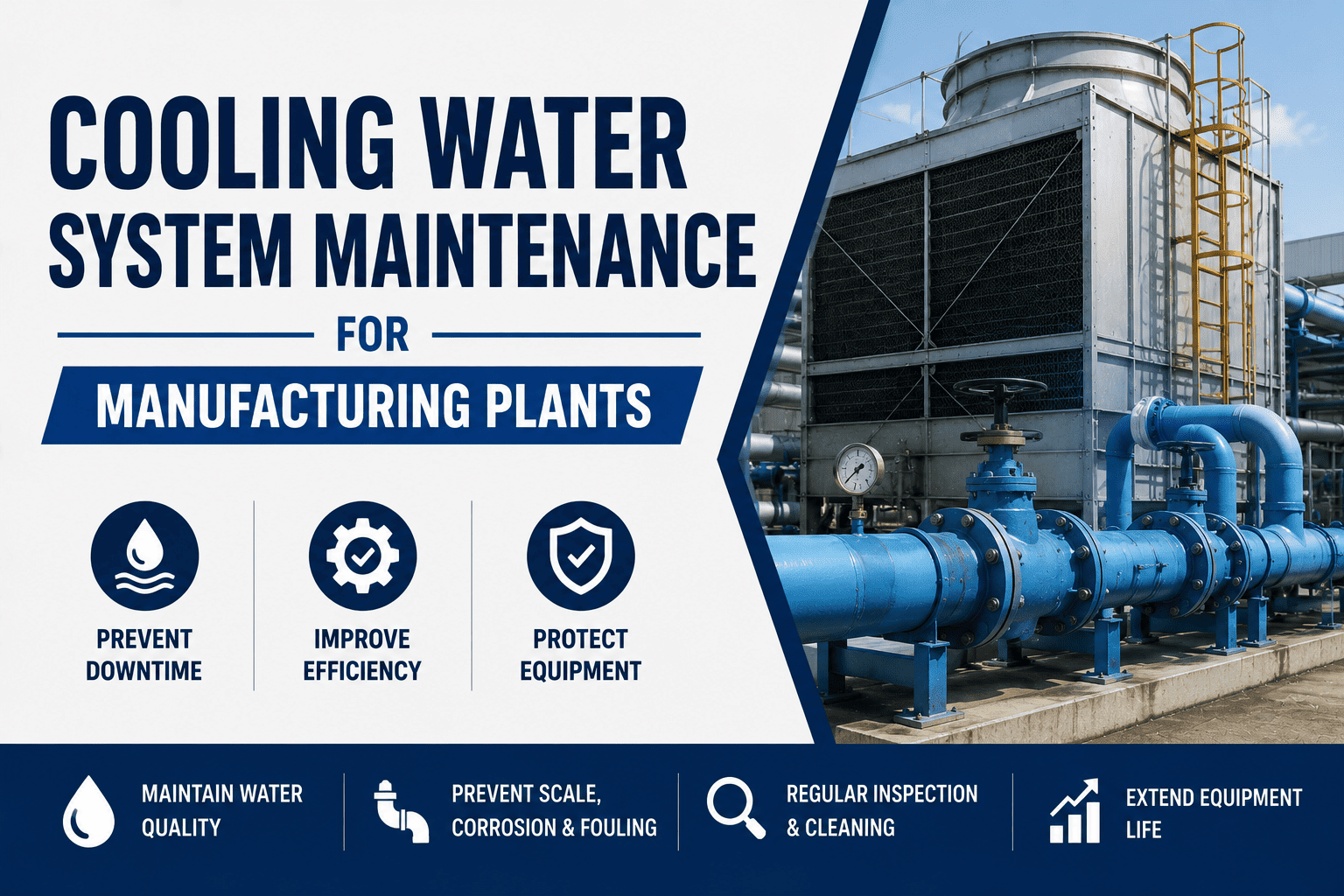
Cooling towers, chillers, heat exchangers, and circulating pumps. Scaled tubes force higher flow and higher fan speeds — quiet efficiency losses that compound for years.
04
Electrical Distribution
40%
of unplanned downtime events start as electrical or power quality faults
Switchgear, transformers, MCCs, UPS systems, and capacitor banks. Thermography, insulation resistance, and protective device coordination are non-negotiable.
$0.50-$1.20
per therm cost range — pressure and metering accuracy directly drive spend
Regulators, meters, burners, and emergency shutoffs. Combustion efficiency audits and leak surveys are safety-critical and cost-critical in equal measure.
Where Utility Spend Actually Disappears
Hidden Utility Waste — Typical Mid-Size Manufacturing Plant
Compressed Air Leaks
Fittings, quick-connects, FRL assemblies
Failed Steam Traps
Blowing-through condensate traps
Oversized Idle Motors
Running continuously at 30% load
Scaled Heat Exchangers
Fouling increases pump and fan energy
Poor Power Factor
Utility penalty fees on demand charges
Combustion Tuning Drift
Burners out of air-to-fuel spec
Integrated Monitoring — What Good Looks Like
Layer 01
Sense
Flow meters, pressure transducers, kWh meters, and temperature probes on every utility line entering and exiting each production area. Without sub-metering, optimization is guesswork.
Layer 02
Aggregate
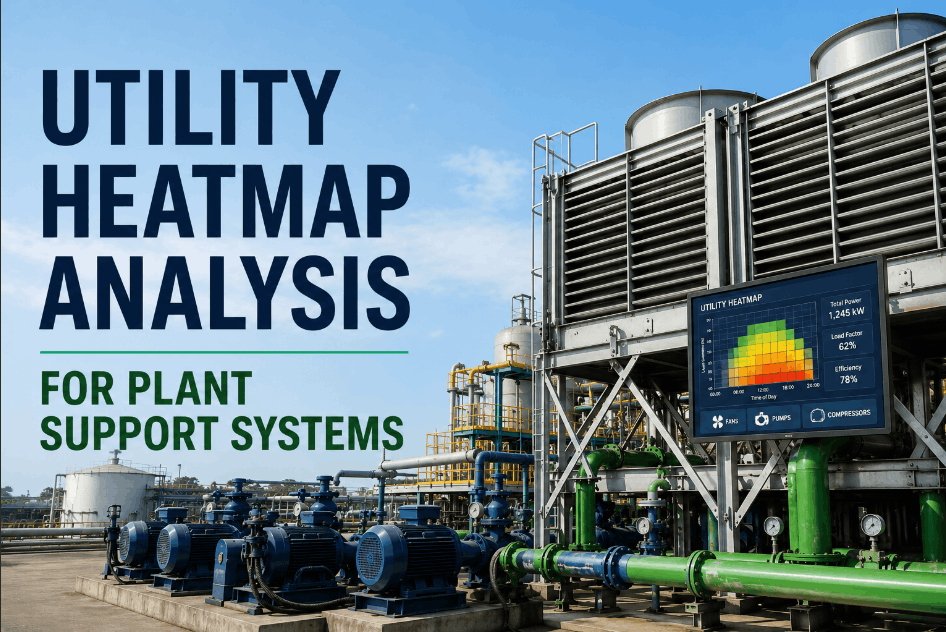
Consumption data streams into a central platform tied to asset records. Baselines form automatically — deviations trigger alerts before they become utility-bill surprises.
Layer 03
Act
Anomalies convert into work orders routed to the right technician with full context. Every intervention is logged against the asset — the system learns what works.
Layer 04
Report
Monthly utility dashboards show cost per unit of production, asset-by-asset efficiency trends, and deferred maintenance risk — the data leadership actually uses.
Unified Utility Management for Plant Operations
Stop Managing Utilities as Five Separate Problems
Oxmaint brings compressed air, steam, cooling water, electrical distribution, and natural gas under a single asset-management layer — so your team catches the $170K of hidden waste before the utility bill does.
Maintenance Priorities by Utility System
Critical Preventive Maintenance Tasks — Organized by System and Interval
Scroll horizontally to view full priority matrix
The Business Case — Why Unified Utility Management Pays
Financial Impact of Integrated Utility Management
12–18%
Energy Cost Reduction
Average within 24 months of launching a structured utility management program tied to CMMS workflows.
$1.40
Return Per Dollar
First-year ROI typical for proactive utility maintenance — climbs to $3–$5 per dollar by year three.
28%
Fewer Utility Outages
Reduction in unplanned utility-driven production stoppages when assets are in scheduled PM cycles.
9 mo
Average Payback
Typical time to net-positive return on a CMMS-led utility management initiative in a mid-size plant.
Common Mistakes Plants Make with Utility Management
Mistake 01
Treating Utilities as "Facilities"
Utility systems often sit under facilities rather than production maintenance — so reliability discipline never gets applied. The result: reactive repairs, no PM cadence, and no cost accountability back to the production lines they serve.
Mistake 02
No Sub-Metering
One meter for the whole plant tells you nothing. Without line-level or department-level sub-metering, there's no way to know which process drives consumption — or where conservation projects would actually pay off.
Mistake 03
Ignoring Power Quality
Harmonics, voltage sags, and poor power factor cause motor failures, premature drive failures, and utility penalties. Most plants only investigate after the third unexplained VFD failure — by then, the asset damage is done.
Mistake 04
Spreadsheet-Based Tracking
Utility data in spreadsheets creates version chaos, no audit trail, and no connection to maintenance history. Work orders, meter data, and asset records belong in one system — not scattered across shared drives.
Frequently Asked Questions
Integrated Utility Management for Manufacturers
One Platform. Every Utility. Every Asset. Every Cost.
Oxmaint gives plant teams the unified visibility to manage compressed air, steam, cooling water, electrical distribution, and natural gas as what they actually are — a single, interconnected system driving your production economics.