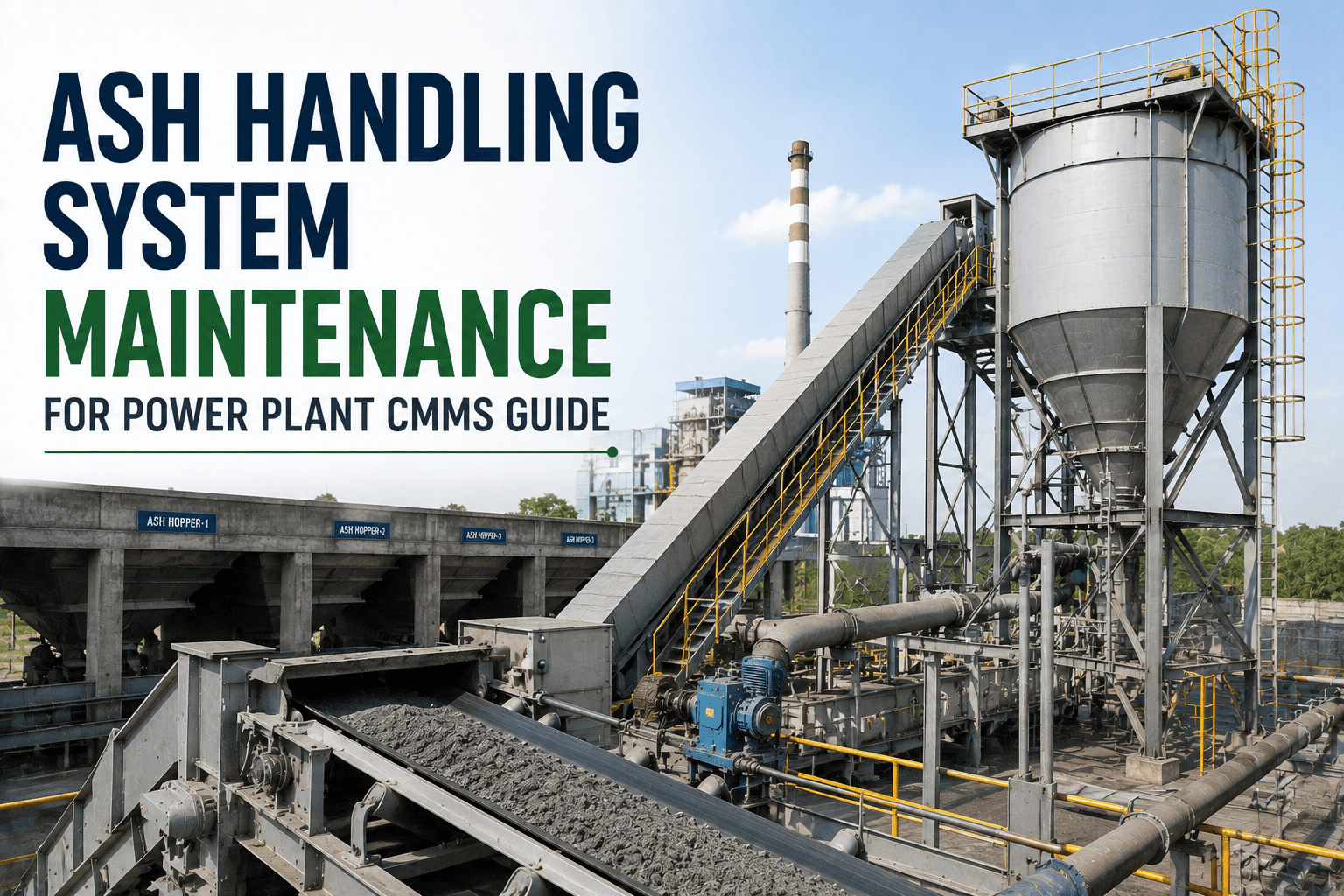
Biomass and waste-to-energy plants operate at the intersection of renewable energy generation and industrial complexity. Fuel handling conveyors, grate systems, boilers, flue gas treatment units, and ash discharge systems run continuously under extreme heat, corrosive gases, and abrasive materials. A single unplanned failure in a 30MW biomass boiler can cost $180,000–$420,000 in lost generation, emergency labor, and regulatory exposure. The harder reality: most of these failures are predictable weeks in advance. OxMaint's predictive maintenance platform connects your plant's equipment health data directly to maintenance workflows, turning vibration signals and thermal anomalies into planned repairs before they become unplanned crises.
Biomass & WtE Plants Lose 18–22% of Generation Capacity to Preventable Equipment Failures
Grate burnouts, boiler fouling, and conveyor failures are the top three causes of unplanned downtime — all detectable through continuous condition monitoring before catastrophic damage occurs.
Why Biomass & WtE Maintenance Is Unlike Any Other Power Plant
Natural gas or coal plants burn consistent, clean fuel streams. Biomass and waste-to-energy plants process heterogeneous, abrasive, and chemically aggressive feedstocks every hour of every day. Wood chips contain silica that erodes grate bars. Municipal solid waste introduces chlorine compounds that corrode heat exchanger surfaces at three times the rate of conventional fuels. Biogas carries hydrogen sulfide that attacks compressor seals and instrumentation. The result: maintenance teams face wear rates, corrosion profiles, and fouling patterns that conventional CMMS tools and maintenance playbooks were never designed to handle. OxMaint's biomass-aware maintenance management models these unique degradation patterns into predictive alerts and equipment-specific work orders.
Aggressive Fuel Chemistry
Chlorine, sulfur, and alkali compounds in biomass and MSW accelerate corrosion in superheaters, economizers, and flue gas treatment components at unpredictable rates.
Variable Fuel Quality
Moisture content, calorific value, and particle size shift daily in biomass feedstocks, causing combustion instability that stresses grate systems and boiler internals unpredictably.
Strict Emission Compliance
PCDD/F, NOx, and particulate emission limits mean that any failure in bag filters, SCR catalysts, or scrubbers triggers regulatory exposure beyond just lost generation revenue.
Continuous Ash & Residue Handling
Bottom ash conveyors and fly ash systems operate in extreme abrasive conditions. Bearing failures here cascade to full plant shutdowns within minutes due to single-path design.
The 7 Equipment Systems That Drive 90% of Biomass Plant Downtime
Biomass and WtE plant engineers know that not every asset carries the same failure consequence. But the seven systems below are responsible for the overwhelming majority of forced outages, generation losses, and compliance events across the sector. Talk to our biomass maintenance specialists to map these systems against your plant's actual outage history.
Grate & Combustion Systems
Moving grate bars and stoker mechanisms suffer accelerated wear from abrasive fuel. Thermal imaging and vibration analysis detect grate bar deformation 3–6 weeks before structural failure causes boiler trip.
Biomass Boiler Systems
Slagging, fouling on superheater tubes, and corrosion from chlorine-rich flue gases are detected through differential pressure trending and thermal monitoring before tube failures occur.
Fuel Handling Conveyors
Belt misalignment, roller bearing wear, and screw conveyor blockages are the most frequent failure mode by count. Vibration trending catches bearing degradation 2–5 weeks ahead of failure.
Flue Gas Treatment Units
Bag filters, scrubbers, and SCR systems face progressive blinding, casing corrosion, and catalyst poisoning. Differential pressure monitoring flags degradation before emission limits are breached.
Steam Turbines & Generators
Biomass steam quality with higher silica content causes blade deposits and bearing degradation faster than conventional steam. Vibration analysis detects imbalance and bearing wear 4–10 weeks before failure.
Ash Handling & Discharge
Bottom ash conveyors and fly ash extraction screws operate in extreme abrasive conditions. Blockage detection and bearing health monitoring prevent the cascading plant trips these failures cause.
How OxMaint Delivers Predictive Intelligence for Biomass & WtE Plants
Standard predictive maintenance tools apply generic bearing fault models to any rotating machine. Biomass plant reliability demands more: combustion variability must be factored into vibration baselines, corrosion-driven degradation needs thermal and chemical sensor fusion, and emission compliance must be tied directly into maintenance priority scoring. Here is how OxMaint's predictive maintenance platform handles the full biomass maintenance intelligence loop.
Vibration, thermal, differential pressure, and process variables merged into unified equipment health profiles
Degradation patterns calibrated for aggressive fuel chemistry, variable combustion loads, and corrosion-driven failure modes
Failure probability scores weighted by generation impact, emission compliance risk, and repair cost magnitude
Maintenance tasks auto-generated with parts lists, labor specs, and timing aligned to planned outage windows
Detection Windows: What OxMaint Catches and When
Each biomass and WtE equipment category has distinct degradation signatures. The table below reflects documented detection lead times from operating biomass, WtE, and biogas plant deployments, giving your maintenance planning team realistic timelines to work with.
Stop Treating Every Failure as a Surprise
OxMaint connects your biomass or WtE plant's sensor data to automated maintenance workflows. Predictive alerts arrive weeks before failure, not minutes after the plant trips.
The ROI Case for Predictive Maintenance in Biomass & WtE Plants
Biomass and waste-to-energy plants operate on tighter margins than conventional generation. Fuel cost variability, waste gate fees as a revenue stream, and emission compliance obligations mean that every unplanned outage carries compounding financial consequences. The numbers below are based on documented outcomes from 25MW–80MW biomass and WtE facilities that deployed predictive maintenance programs.
4-Phase Implementation for Biomass & WtE Plants
You do not need to monitor every conveyor roller on day one. OxMaint's phased deployment starts with the assets that carry the highest generation and compliance risk — typically grate systems, boilers, and emission control units — and expands with proven value. Book a demo and our biomass specialists will design a deployment roadmap specific to your plant layout and equipment inventory.
Critical Asset Audit & Baseline
Map grate systems, boilers, emission controls, and conveyors by criticality. Establish vibration and thermal baselines from existing DCS historian data and OEM specifications.
Weeks 1–3Sensor Deployment & DCS Integration
Install wireless IoT sensors on priority assets. Connect existing plant sensors and emission monitoring data to OxMaint via OPC-UA or Modbus. No replacement of current systems required.
Weeks 3–7AI Baseline Learning & First Alerts
AI models learn each asset's operating baseline within 2–4 weeks. First predictive alerts and automated work orders trigger with parts specifications and planned outage timing recommendations.
Weeks 7–14Measure, Report & Expand
Track avoided outages, maintenance cost reduction, and compliance event prevention per asset class. Monthly reviews drive expansion to secondary equipment with documented ROI evidence.
Month 4 onwardYour Biomass Plant Is Generating Maintenance Intelligence Right Now
Grate systems, boilers, and emission controls are producing sensor data every second. OxMaint transforms that data into predictive alerts, automated work orders, and documented savings reports — so your team fixes equipment during planned outages, not during emergency shutdowns at 3 AM.