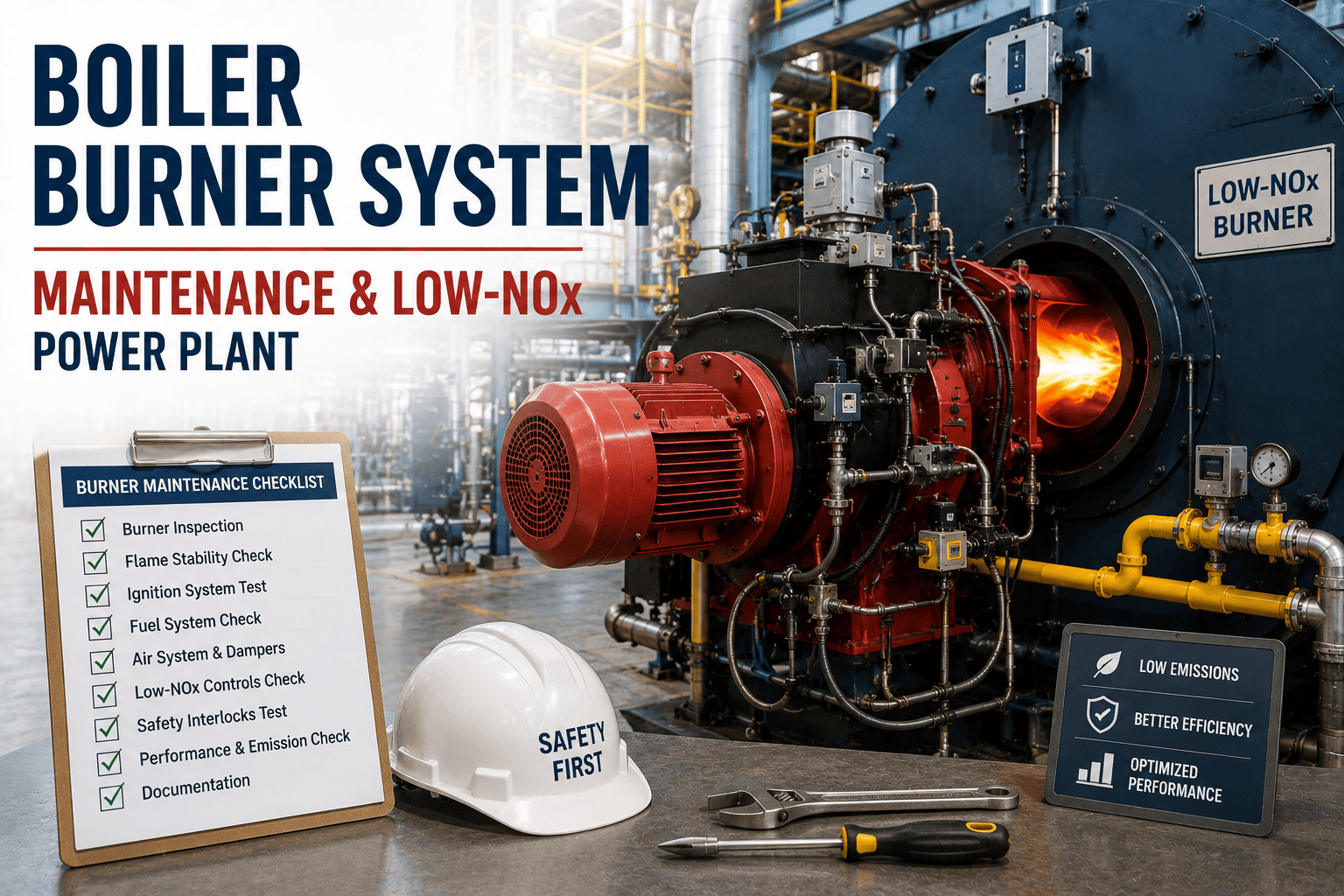
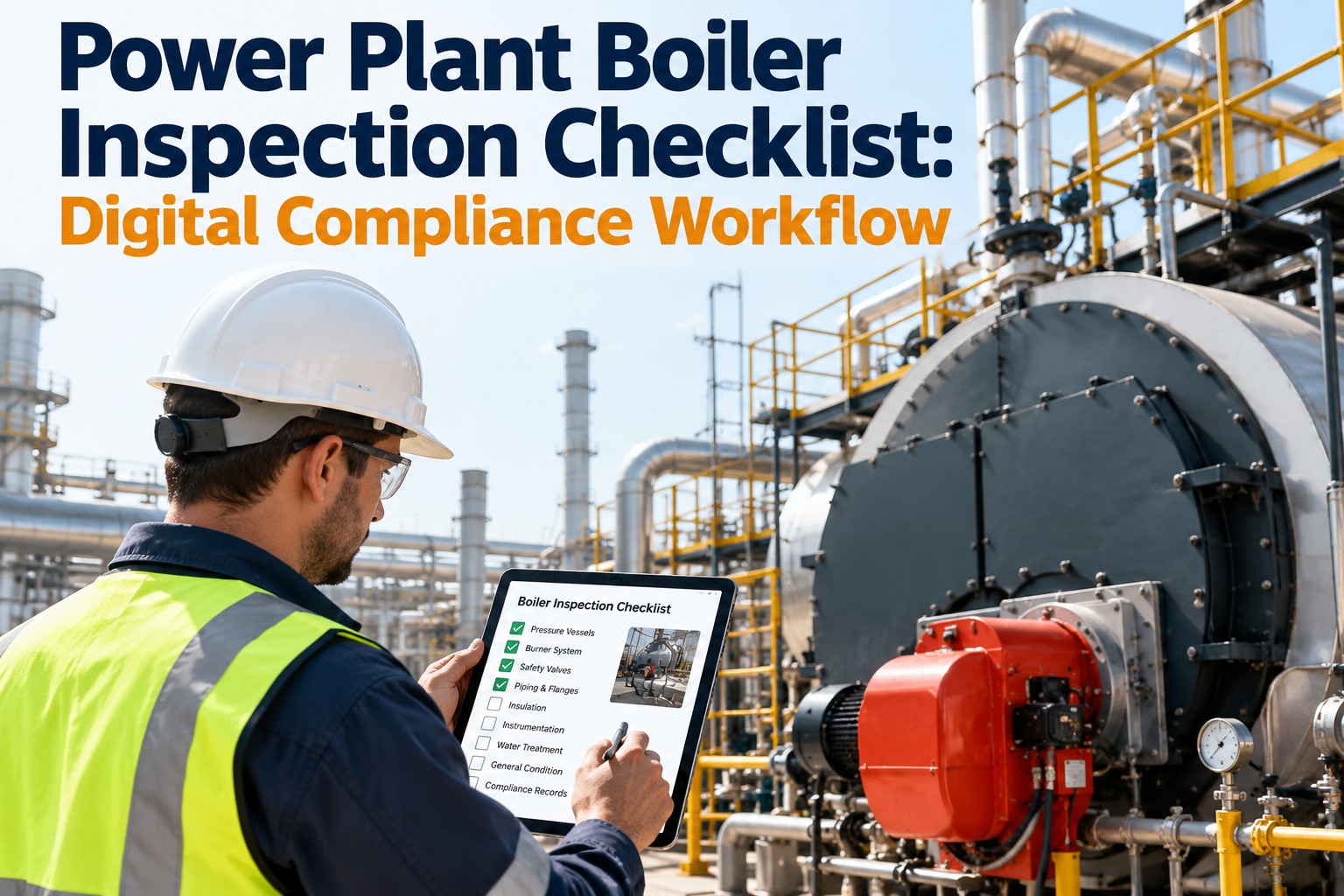
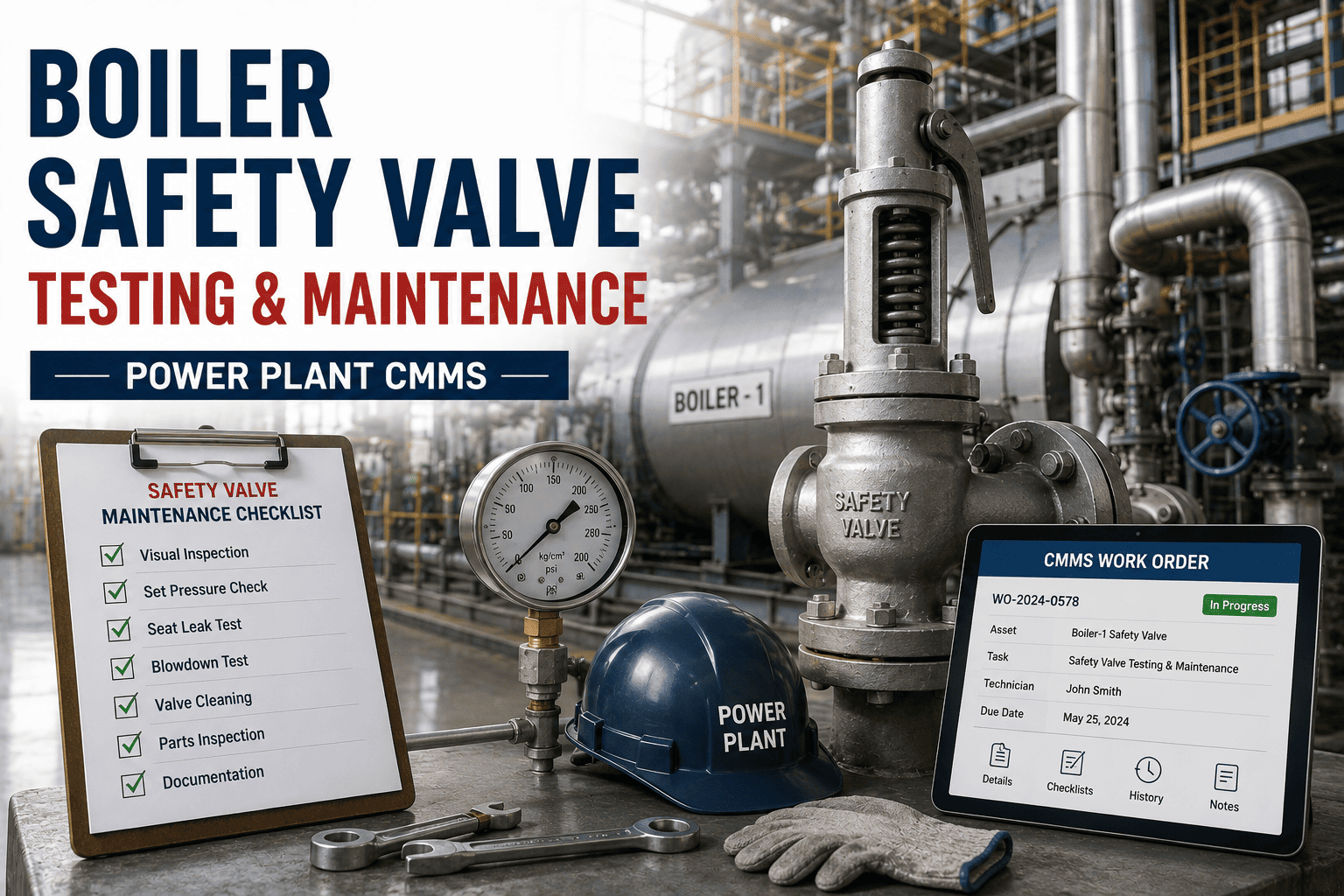
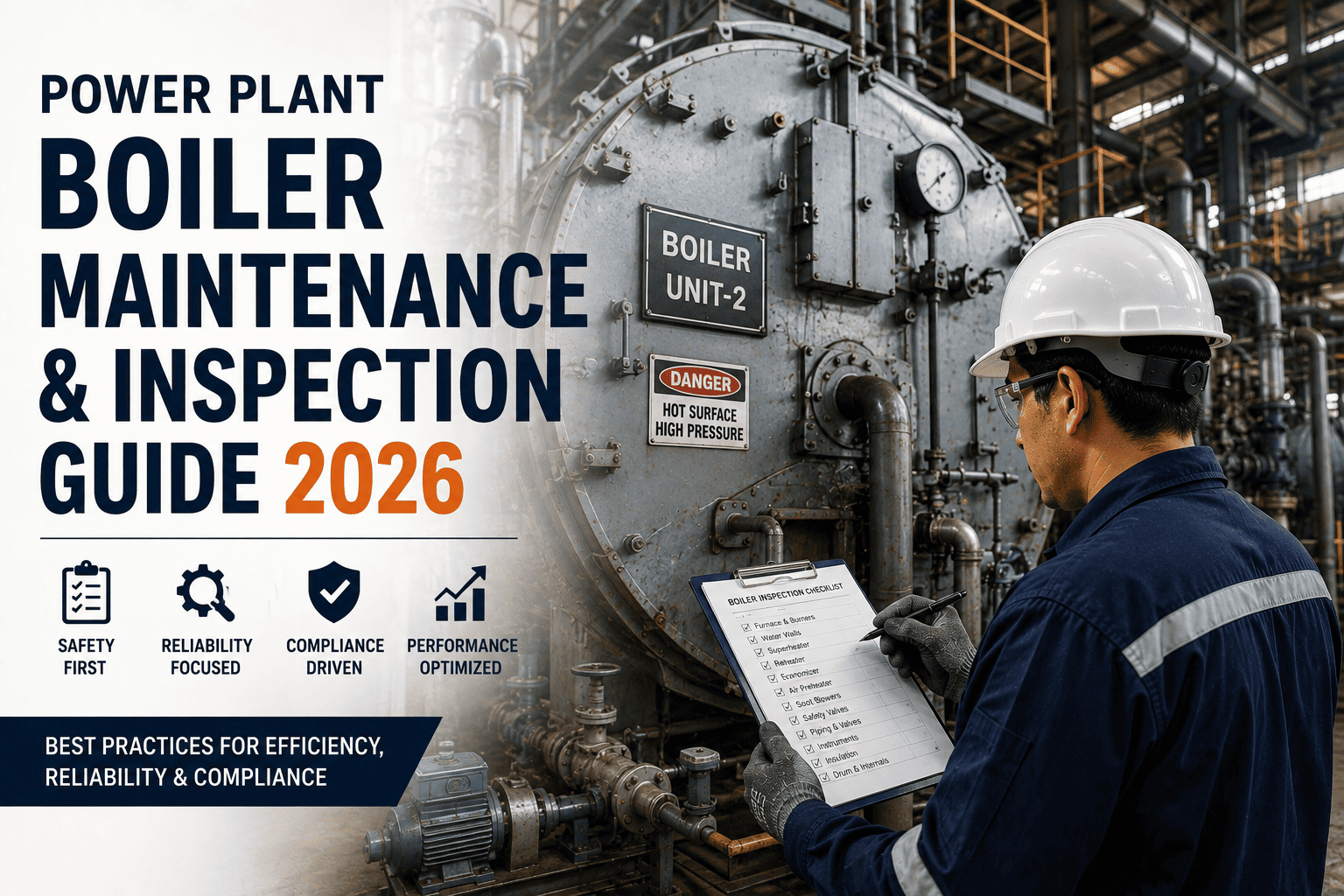
A burner that runs slightly rich or a tip that's eroded by a few millimeters won't trip an alarm. It just quietly costs heat rate, pushes NOx toward the compliance limit, and wears the next component in line — until a stack test or a flame scanner fault forces the question nobody asked in time.
One System, Two Scorecards
Burner condition shows up on the efficiency scorecard and the emissions scorecard at the same time. A drifting register or a fouled nozzle doesn't just waste fuel — it can push a low-NOx burner outside its designed NOx window, turning a maintenance gap into a compliance event.
Where Burner Maintenance Actually Pays Off
Four maintenance habits separate burner systems that hold their tune from ones that need constant re-tuning.
Fuel Nozzle Inspection
Worn or coked nozzle tips change spray pattern and flame shape, so periodic inspection keeps combustion geometry as designed.
Register & Damper Checks
Air register position controls the fuel-air mix at each burner; sticking or misaligned dampers throw that balance off unevenly.
Flame Scanner Care
A dirty or misaligned scanner lens can give a false flame signal, which either nuisance-trips the unit or masks a real loss of flame.
Burner Component, Warning Sign, What It Threatens
| Component |
Warning Sign |
What It Threatens |
| Fuel nozzle / tip |
Erosion, coking, or asymmetric spray |
Flame instability and rising CO or NOx |
| Air register |
Sticking travel or off-index position |
Uneven fuel-air ratio across burners |
| Flame scanner |
Lens fouling or signal drift |
False trips or delayed flame-loss detection |
Keeping Low-NOx Burners Inside Their Design Window
Combustion Tuning
Periodic tuning against O2 and CO trends keeps each burner in the fuel-air band its NOx design depends on.
Staged-Air Port Tracking
Overfire air ports logged for wear and position, since staged combustion is what keeps NOx formation suppressed.
Ignitor & Scanner PM
Scheduled ignitor and scanner checks so flame monitoring stays reliable through every startup and load change.
A burner program only protects both scorecards when every inspection, tuning run, and scanner check is logged against the right burner, on schedule, every time. Teams that sign up for Oxmaint track burner PM, tuning history, and NOx-relevant findings against every boiler automatically, or book a demo to see a burner-focused maintenance program running live.
Q
Why does burner maintenance affect NOx, not just efficiency?
Low-NOx burners are engineered around a specific fuel-air staging pattern, so a worn nozzle or sticking register that shifts that pattern can push emissions outside the design window even while the unit still runs.
Q
How often should fuel nozzles be inspected?
Inspection intervals should follow fuel quality and operating hours rather than a fixed date, since erosion and coking rates vary with how the burner is actually run.
Q
What causes a flame scanner to give a false reading?
A fouled lens, heat-degraded sightpipe, or misalignment from vibration can all distort the signal, so routine scanner PM matters as much as the burner hardware itself.
Keep Every Burner Tuned For Efficiency And Emissions
Track nozzle inspections, register checks, scanner PM, and tuning history against every burner and every boiler. Sign up for a free trial to set up your first burner maintenance program, or book a demo to see it running live.