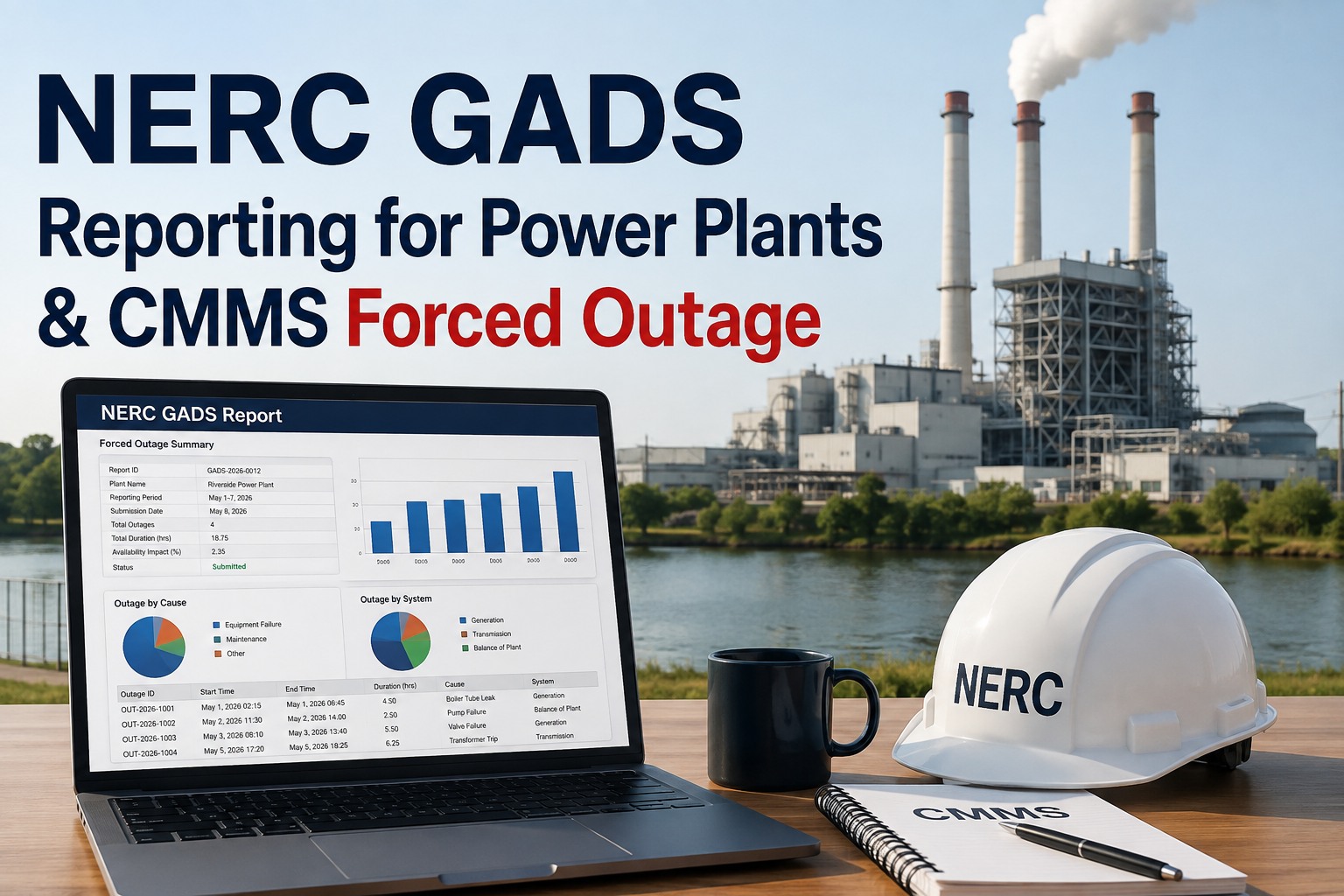
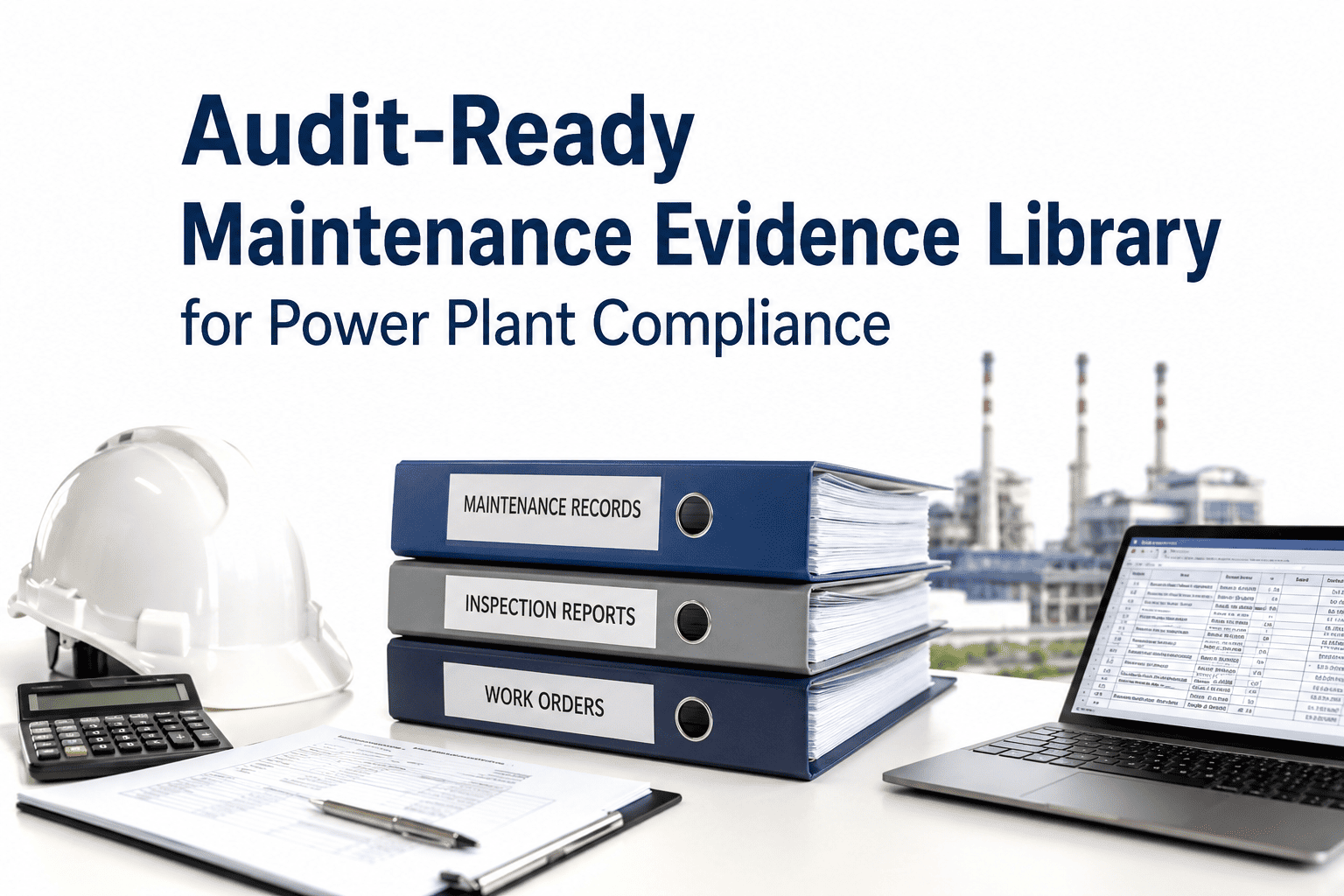
Public utility power plants operate under a different mandate than merchant generators. Compliance is not optional — it is the license to operate. Government-owned facilities face layered audit requirements from state utility commissions, federal regulators like NERC and FERC, environmental agencies, and internal oversight boards. A maintenance record that would pass in an industrial plant can trigger findings in a public utility audit. The difference is transparency, traceability, and the ability to prove that every maintenance dollar was justified. Without a CMMS designed for government accountability, plant managers rely on spreadsheets, paper logs, and tribal knowledge — exactly the kind of documentation that audit teams flag as insufficient. Oxmaint CMMS for government power plants delivers audit-ready work order histories, procurement traceability, and compliance workflow automation that turns maintenance from a liability into documented proof of due diligence.
Four Compliance Pillars That Government Utilities Must Master — And How CMMS Automates Each
Government-owned power plants face scrutiny from multiple directions. Ratepayers demand efficiency. Regulators demand compliance. Oversight boards demand transparency. A modern CMMS transforms each of these pressures into automated, auditable processes that reduce risk and demonstrate responsible asset stewardship.
Regulatory Compliance Tracking
NERC CIP, FERC, EPA, and state utility commission requirements demand proof of maintenance on critical assets. CMMS automates compliance calendars, links work orders to regulatory requirements, and produces audit-ready reports showing exactly when and how each requirement was satisfied.
Audit-Ready Documentation
Every maintenance action — planned, corrective, or emergency — is captured with timestamp, technician signature, parts used, and approval chain. No more searching email chains or paper logs when an auditor asks for last year's generator maintenance records.
Procurement Transparency
Public utilities must justify every purchase. CMMS links parts and services directly to work orders, creates approval workflows for non-stock purchases, and maintains complete vendor and contract documentation for procurement audits.
Public Accountability Reporting
Oversight boards and ratepayer advocates request maintenance metrics. CMMS dashboards provide real-time visibility into asset reliability, maintenance costs, and compliance status without exposing sensitive operational details.
Live Compliance Dashboard — What Audit-Ready Maintenance Looks Like
When every work order is an audit artifact, the maintenance system becomes a compliance asset. The feed below shows how Oxmaint delivers real-time traceability on a public utility combined-cycle plant with multiple regulatory oversight layers.
Stop Dreading Audits. Start Automating Compliance.
Oxmaint transforms maintenance compliance from a manual burden into an automated advantage. Audit-ready documentation, procurement transparency, and regulatory tracking built for public power.
CMMS Capabilities That Deliver Government-Grade Compliance
Not every CMMS meets the documentation and transparency standards required for government-owned utilities. These specific capabilities separate audit-ready platforms from basic maintenance trackers.
| Capability | Government & Public Utility Requirement | Audit Evidence Produced | Compliance Value |
|---|---|---|---|
| Digital Work Order Signatures | Proof of who performed work and when | Timestamped technician signature, supervisor approval | Eliminates manual log disputes |
| Role-Based Access Control | NERC CIP electronic security requirements | User access logs, permission change history | Demonstrates cyber security compliance |
| Automated Compliance Calendars | No missed regulatory maintenance windows | Completion certificates, overdue reports, forecasting | Zero regulatory violations from missed tasks |
| Procurement Approval Workflows | Competitive bidding and spend justification | Purchase orders linked to work orders, vendor docs | Audit-ready procurement trail |
| Immutable Audit Logs | No undetected record changes after closure | Complete change history, original vs edited values | Defensible documentation for legal review |
Six Compliance Practices That Protect Public Utilities From Audit Findings
Work Order Documentation Verification
System flags work orders missing required attachments, signatures, or approval before closure. No incomplete records reach the audit archive.
Compliance Calendar Review
Automated report shows all upcoming regulatory maintenance windows and flags any tasks at risk of missing deadlines. Escalation to supervisors before violations occur.
Procurement Transparency Report
Generate summary of all parts and service purchases linked to work orders. Review against procurement policies and contract compliance.
Access Control Audit
Review all user permissions against current roles. Remove access for terminated or transferred personnel. Document review for NERC CIP compliance.
Evidence Retrieval Testing
Test that any requested document can be retrieved within 15 minutes. Practice audits identify documentation gaps before regulators arrive.
ISO 55001 Alignment Review
Assess asset management system against international standard. Identify compliance gaps and document continuous improvement.
"I have sat through utility commission audits where the plant manager spent three weeks pulling together work order history from paper logs, email chains, and technician memory. Those audits always produce findings — not because the work was wrong, but because the documentation could not be trusted. The plants that run on a purpose-built CMMS walk into audits with every work order, every procurement record, and every compliance task already organized and searchable. The difference in stress level is immense. And more importantly, the difference in audit outcomes is measurable. Regulators trust systems with audit trails. They do not trust spreadsheets."