Nuclear power plant surveillance test (SR) programs represent the foundation of technical specification compliance and operational safety assurance at every commercial reactor in the United States. Under 10 CFR 50 Appendix B and plant-specific Technical Specifications, nuclear operators must execute, document, and verify hundreds of surveillance requirements across safety systems, instrument channels, and engineered safeguards on frequencies ranging from shift checks to refueling outage intervals. A missed surveillance window triggers a Limiting Condition for Operation (LCO) entry, immediate corrective action, and potential NRC reporting under 10 CFR 50.73. This surveillance test daily compliance checklist covers operator shift verification, frequency tracking, missed SR resolution protocols, and CMMS-linked documentation strategies that nuclear plants use to maintain 100% SR completion rates. Sign Up Free to digitize your nuclear surveillance test program and automate frequency tracking across every technical specification requirement in your plant with Oxmaint.
One Missed Surveillance Window Can Trigger an LCO Entry — Is Your SR Program Current Across All Safety Systems?
Oxmaint centralizes your nuclear surveillance test schedule, tracks frequency windows with countdown alerts, assigns SR tasks to qualified operators, and delivers real-time compliance dashboards across all technical specification requirements.
Understanding Nuclear Surveillance Requirements and Daily Compliance Obligations
Every nuclear power plant operates under a Technical Specifications document that defines surveillance requirements for safety-related systems, instrument channels, and operational limits. These SRs range from simple channel checks performed every 12 hours to complex functional tests conducted during refueling outages. The surveillance frequency directly correlates to the safety function of the system being monitored. Book a Demo to see how Oxmaint maps technical specification SRs to your plant's asset hierarchy and automates frequency window calculations based on last completion dates and grace period allowances.
Daily SR compliance verification requires shift operators and surveillance coordinators to confirm that all scheduled surveillances are completed within their allowable frequency windows, that test results meet acceptance criteria, and that any missed or failed surveillances are immediately entered into the corrective action program. Nuclear plants typically manage between 800 and 1,200 individual surveillance requirements, with completion windows that must account for grace periods, mode applicability, and seasonal variations in system lineups.
Daily SR Tracking and Frequency Window Management
Nuclear surveillance coordinators use scheduling software or CMMS platforms to track upcoming surveillance due dates and identify SRs approaching their frequency window limits. The 25% grace period allowance under Technical Specifications permits extending surveillance intervals by up to one-quarter of the specified frequency, but this flexibility must be managed carefully to avoid creating scheduling conflicts during outages or mode transitions. Effective SR scheduling requires visibility into surveillance windows across all plant systems simultaneously, with countdown indicators that flag SRs entering their final grace period days.
| SR Frequency | Base Interval | Grace Period | Maximum Interval | Typical Examples |
|---|---|---|---|---|
| Shift (12 hours) | 12 hours | 3 hours | 15 hours | Channel checks, level verification |
| Daily (24 hours) | 24 hours | 6 hours | 30 hours | Log readings, visual inspections |
| Monthly (31 days) | 31 days | 7 days | 38 days | Valve cycling, pump tests |
| Quarterly (92 days) | 92 days | 23 days | 115 days | Functional tests, calibrations |
| Semi-Annual (184 days) | 184 days | 46 days | 230 days | System performance tests |
| Annual (365 days) | 365 days | 91 days | 456 days | Major functional tests |
| Refueling (18 months) | 548 days | 137 days | 685 days | Containment tests, diesel runs |
From Shift Checks to Refueling SRs — Oxmaint Tracks Every Frequency Window Across Your Entire Tech Spec Program
Oxmaint calculates surveillance due dates automatically with grace period logic built in, sends countdown alerts as SRs approach their window limits, and prevents scheduling conflicts during mode transitions and outage planning cycles.
Missed SR Protocol and LCO Entry Requirements
When a surveillance requirement is not completed within its maximum allowable interval including grace period, the associated Technical Specification becomes non-compliant and the plant enters the applicable Limiting Condition for Operation. LCO entry requires immediate operator action to either restore compliance by completing the surveillance or by declaring the affected equipment inoperable and entering the associated Action Statement. The time available to restore compliance varies by Technical Specification but typically ranges from one hour to seven days depending on the safety significance of the system.
Missed surveillances must be documented in the plant corrective action program with a root cause evaluation to determine why the SR window was exceeded. Common causes include surveillance coordinator turnover, scheduling software errors, inadequate grace period management, and unexpected equipment unavailability due to emergent maintenance. Plants with robust SR programs conduct weekly surveillance schedule reviews with operations management to identify potential missed SR risks before they occur. Sign Up Free to implement automated missed SR alerts and corrective action triggers in Oxmaint that escalate before your SR window closes.
CMMS Integration and Electronic SR Documentation
Modern nuclear plants integrate surveillance requirements into their computerized maintenance management systems to centralize SR scheduling, work package generation, and completion documentation. CMMS-based SR programs link surveillance procedures to plant equipment records, track qualified personnel assignments, and automatically update frequency windows upon surveillance completion. Electronic SR documentation eliminates manual logbook tracking errors and provides real-time visibility into surveillance completion status across all plant systems for operations management and regulatory inspections.
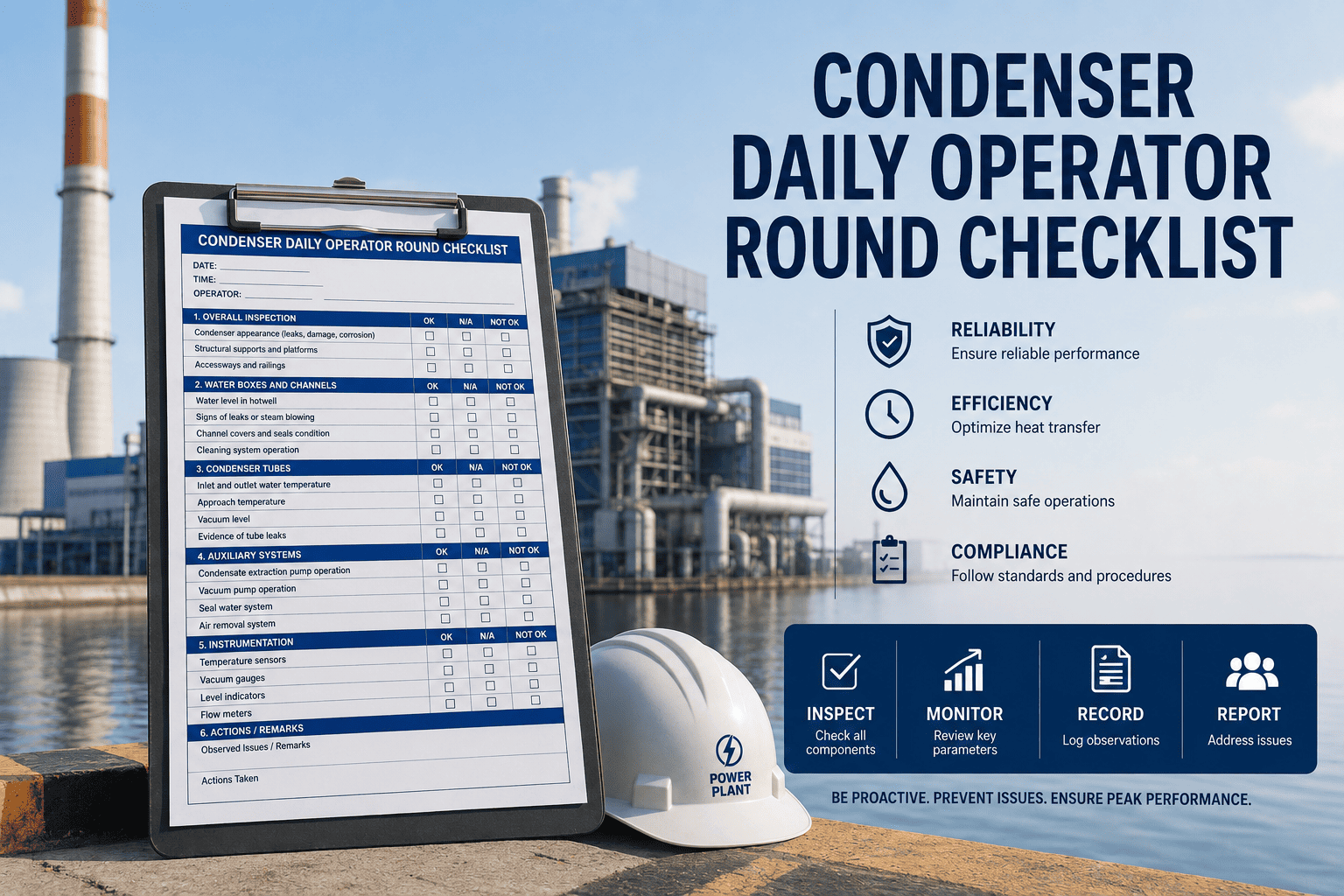
Daily SR Compliance Verification Checklist
"The transition from paper-based surveillance tracking to CMMS-integrated SR programs reduced our missed surveillance rate from approximately 4-6 occurrences per year to less than one per cycle. The key improvement was automated frequency window calculations that account for grace period consumption and mode-specific applicability. Our surveillance coordinators now spend their time optimizing SR schedules for outage windows rather than manually tracking due dates in spreadsheets. Every nuclear plant should be using automated SR tracking with real-time countdown alerts — the manual methods are no longer defensible given the available technology and the consequences of missed surveillances."
"During NRC inspections, we consistently found that plants with the lowest surveillance program performance had three common deficiencies: inadequate frequency window tracking systems, poor coordination between surveillance coordinators and operations scheduling, and insufficient management oversight of approaching SR due dates. The plants with exemplary SR programs used automated tracking tools with escalating alerts at 30 days, 14 days, and 7 days before window expiration, conducted weekly SR schedule reviews with senior reactor operators, and maintained surveillance completion metrics on operations department dashboards. These practices effectively eliminated missed surveillances and demonstrated a strong safety culture around Technical Specification compliance."
Surveillance Program Performance Metrics and Continuous Improvement
Nuclear stations track surveillance program performance through key metrics including missed SR frequency, average grace period consumption, surveillance completion timeliness, and failed SR rate per system. Industry benchmarking data indicates top-quartile plants maintain missed SR rates below 0.5 occurrences per year, complete 95% of surveillances within the base frequency window without grace period use, and resolve failed surveillance findings within one operating cycle. These metrics are typically reviewed monthly by plant management and quarterly by the station corrective action review board to identify adverse trends requiring programmatic improvements.
Frequently Asked Questions — Nuclear Surveillance Test Compliance
Every Surveillance. Every Frequency Window. Every Technical Specification — Tracked, Verified, and NRC-Ready
Oxmaint transforms nuclear surveillance test compliance from a manual tracking burden into an automated program that prevents missed SRs, eliminates LCO entries from scheduling errors, and demonstrates operational excellence during NRC inspections. Start building your digital SR program today.