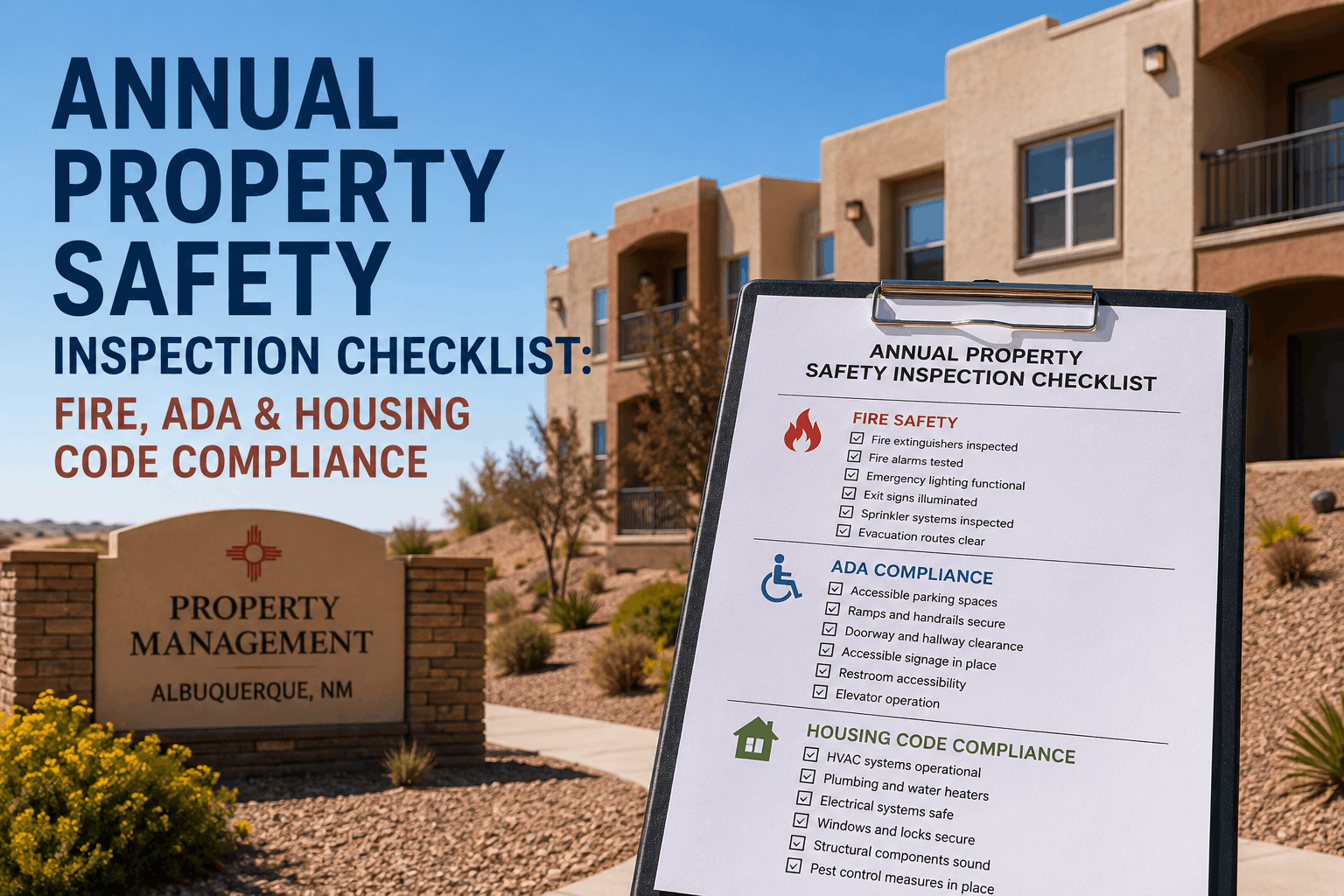
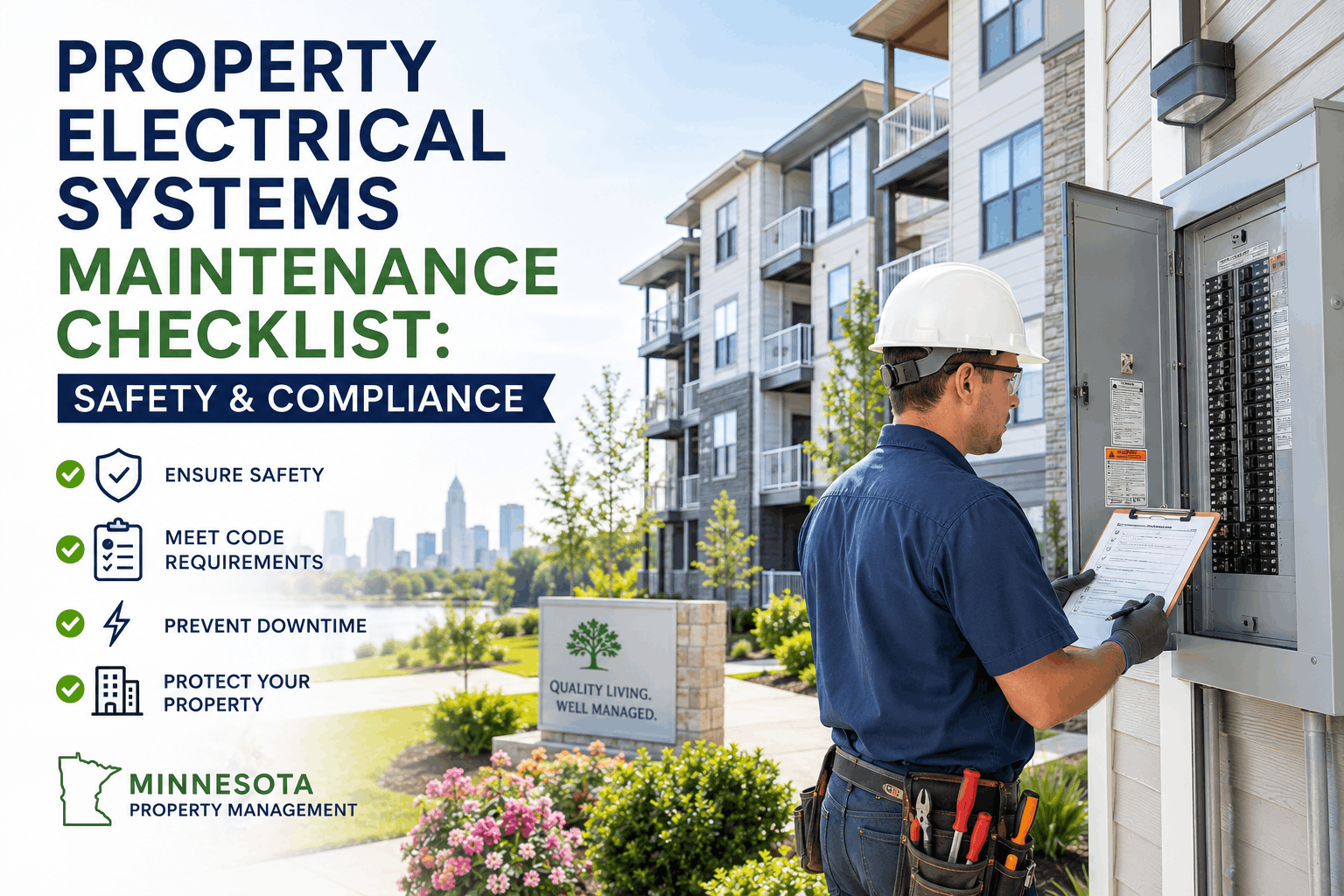
Fire system maintenance issues create life safety risks and compliance violations when left unaddressed. A systematic issue checklist helps fire protection and maintenance teams identify sprinkler failures, alarm malfunctions, extinguisher problems, and suppression system errors before they compromise building safety or trigger costly code violations. Whether responding to trouble signals or investigating system faults, having a comprehensive diagnostic checklist ensures every issue gets properly identified and resolved. Start free to create digital fire system maintenance issue checklists with Oxmaint CMMS.
60%
Faster issue resolution
50%
Fewer compliance violations
45%
Less system downtime
40%
Lower repair costs
What is a Fire System Maintenance Issue Checklist
A fire system maintenance issue checklist is a diagnostic tool that guides technicians through systematic problem identification across sprinklers, alarms, extinguishers, fire pumps, and suppression systems. It helps categorize issues by severity, document symptoms accurately, and determine root causes to restore fire protection functionality quickly and maintain NFPA compliance.
Issue CategoriesOrganization
Problems grouped by system type: sprinkler failures, alarm faults, extinguisher deficiencies, and fire pump malfunctions. Each category requires different diagnostic approaches and specialized expertise.
Severity LevelsPriority
Classification from critical life safety impairments to minor maintenance items. Severity ratings determine response urgency—a failed fire pump requires immediate attention while a missing inspection tag can be scheduled.
Root Cause AnalysisDiagnosis
Structured approach to identify underlying causes rather than just symptoms. Understanding why sprinklers leak, alarms fault, or pumps fail prevents recurring issues and extends system life.
Pro Tip: When troubleshooting fire system issues, always check the fire alarm control panel first. Many apparent hardware failures are actually wiring faults, tripped supervisory switches, or zone configuration errors that can be identified from the panel's event log without dispatching a field technician.
Schedule a demo to see how Oxmaint tracks and prioritizes fire system maintenance issues.
Fire System Maintenance Issue Checklists
Click items to mark issues as identified. Use these checklists to systematically diagnose fire protection system problems.
Sprinkler System Issues
Priority Check
No Water / Low Pressure
Leaks & Pipe Damage
Head & Component Issues
0/9
Fire Alarm Issues
Priority Check
Panel Faults
Device Failures
Notification Issues
0/9
Extinguisher Issues
Priority Check
Pressure & Charge
Physical Damage
Compliance Gaps
0/9
Fire Pump & Suppression Issues
Priority Check
Pump Failures
Power & Controller
Suppression Systems
0/9
Track Issues & Generate Work OrdersOxmaint automatically converts identified fire system issues into prioritized work orders with full diagnostic history and NFPA compliance tracking.
Photograph damaged sprinkler heads, corroded pipes, leaking valves, and panel fault screens. Visual documentation supports insurance claims, AHJ audits, and helps remote technicians prepare before arriving on site.
Panel Event Log Review
Always pull fire alarm event logs when troubleshooting. Logs reveal patterns—repeated trouble signals, intermittent faults, and timing—that help identify root causes and prevent recurring false alarms or system failures.
Response Time Tracking
Document time from issue discovery to resolution for all life-safety impairments. Track recurring problems to identify systems or components needing replacement, and maintain response records for AHJ and insurance audits.
Frequently Asked Questions
How do I prioritize multiple fire system issues?
Address impairments that disable fire protection first—failed fire pumps, closed control valves, and system-wide alarm faults are active life safety risks. Next handle individual device failures like broken sprinkler heads or dead detectors. Then fix compliance items like missing tags, blocked access, and cosmetic damage during scheduled maintenance windows.
What causes frequent fire alarm false alarms?
Common causes include: dirty or contaminated smoke detectors, detectors installed too close to HVAC vents or kitchens, environmental factors like dust or humidity, electromagnetic interference, and aging detector sensitivity drift. Start by cleaning detectors and checking placement before replacing hardware.
Why is my sprinkler system losing pressure?
Typical causes are slow leaks at pipe joints or fittings, a partially closed control valve, a faulty check valve allowing backflow, a failing pressure relief valve, or MIC (microbiologically influenced corrosion) creating pinhole leaks. Conduct a hydrostatic test to isolate the leak location.
When should I notify the AHJ about a fire system impairment?
Notify the Authority Having Jurisdiction (AHJ) immediately when any fire protection system is out of service for more than 10 hours per NFPA 25. This includes fire pump failures, closed main control valves, disabled alarm zones, and any condition that significantly reduces fire protection coverage. Document the notification and implement a fire watch if required.
How do I handle a fire pump that won't start?
Check the pump controller for fault codes first. Verify power supply at the disconnect, check the transfer switch position, and confirm the pressure switch setpoint. For diesel pumps, verify fuel level, battery voltage, and engine coolant. If the pump ran but won't start again, check for mechanical seizure or overheating. Always have a backup plan—connect to FDC via fire department if the pump stays down.