The Future of Smart Building Maintenance in 2026 and Beyond
By allen on March 5, 2026
The way buildings are maintained is undergoing its most significant transformation in decades. In 2026, smart building technology is no longer a pilot program — it is a competitive requirement. With the global smart building market valued at over $141 billion and growing at a 18.9% CAGR toward $554 billion by 2033, the operators who embed IoT, AI, and predictive automation into their maintenance workflows today are setting a performance gap that reactive teams will struggle to close.
$554B
Smart building market projected by 2033 — growing at 18.9% CAGR
115M
Smart buildings projected globally by 2026 — up from 45 million in 2022
40%
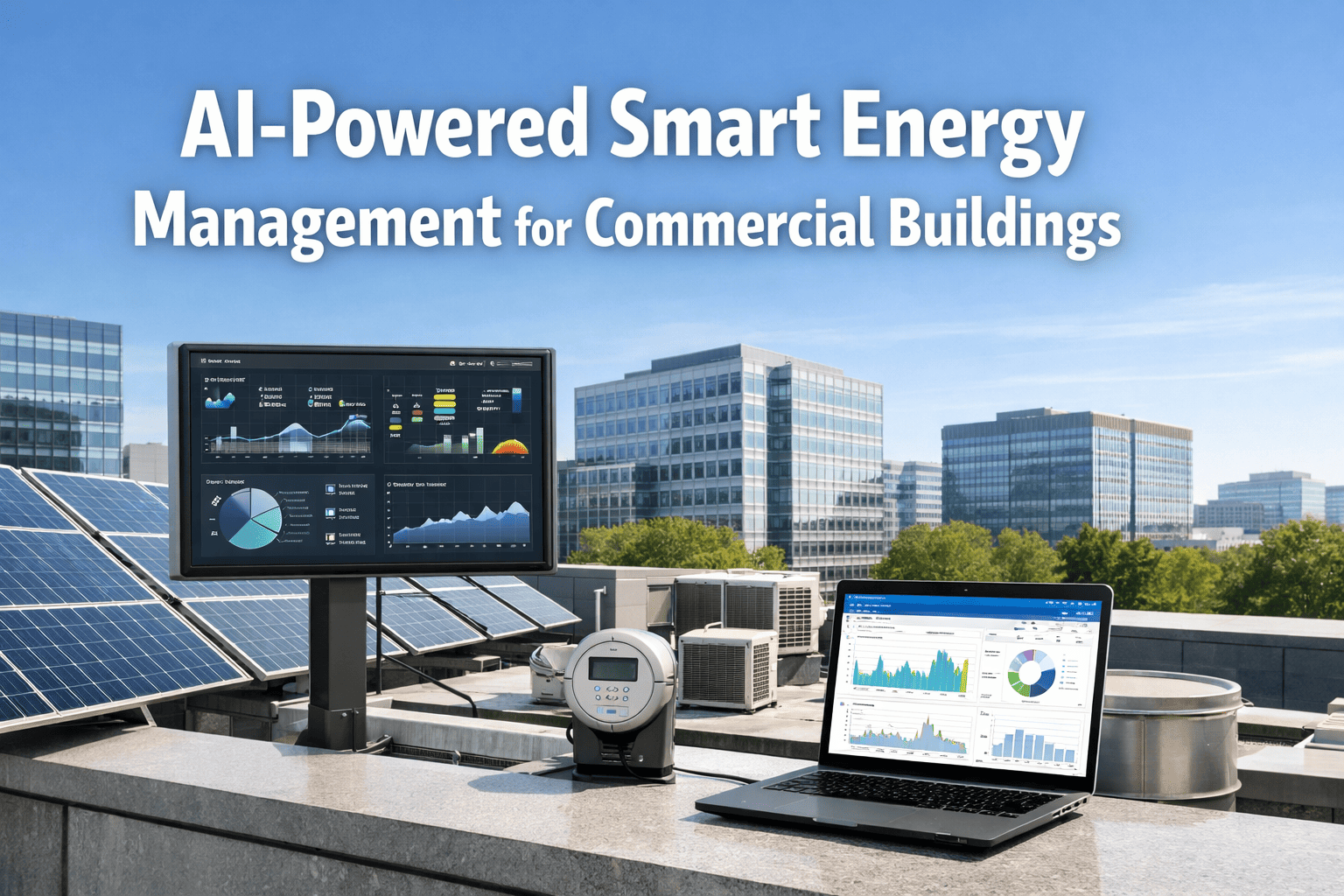
Energy reduction achieved when AI and IoT are embedded into building operations
30%
Maintenance cost reduction reported by commercial operators using smart building platforms
What "Smart Building Maintenance" Actually Means in 2026
Smart building maintenance is not just sensors on equipment. It is a connected operations model where IoT devices, AI analytics, and automated workflows combine to give facility teams real-time visibility, predictive failure alerts, and digital work orders — before tenants ever feel the impact of a breakdown.
IoT Sensors
Embedded in HVAC, electrical, plumbing, and elevators — feeding continuous performance data to a central platform.
AI Analytics
Machine learning models analyze sensor streams, repair histories, and asset conditions to flag failures before they occur.
Automated Workflows
Work orders generated, assigned, and tracked without manual intervention — from sensor alert to technician resolution.
Unified Dashboard
Every building system, asset condition, and work order status visible in one real-time portfolio view.
The Five Biggest Trends Reshaping Maintenance in 2026
01
Predictive Maintenance Replaces Scheduled Rounds
52% of commercial facilities have adopted predictive maintenance in 2026
IoT sensors measure vibration, temperature, runtime hours, and energy draw in real time. AI models detect degradation patterns and generate proactive work orders — often 2–4 weeks before a failure would occur. Emergency repairs drop 45–65%. Asset lifespan extends 15–25%.
02
Building Management Systems Go Cloud-Native
Cloud BMS adoption is growing fastest — 20.7% CAGR through 2033
On-premises control panels are being replaced by cloud platforms that allow multi-property portfolio management from a single login. Remote teams can adjust setpoints, approve work orders, and monitor energy usage across every building — without being on-site.
03
Digital Twins Enable Pre-Failure Simulation
Digital twin adoption in commercial buildings surged 38% year-over-year in 2025
A digital twin creates a virtual replica of every physical asset — modeling wear rates, load conditions, and maintenance outcomes before decisions are made. Operators can simulate the impact of deferring a repair or changing an HVAC schedule without touching the actual equipment.
04
Edge Computing Closes the Real-Time Gap
Edge computing use in IoT devices has grown over 63% — enabling sub-second response times
Processing sensor data at the device level — not the cloud — eliminates latency. Fault detection triggers work orders in seconds, not minutes. Critical building systems like fire safety and emergency power can act autonomously, even during connectivity interruptions.
45% faster maintenance request completion on mobile-first AI platforms
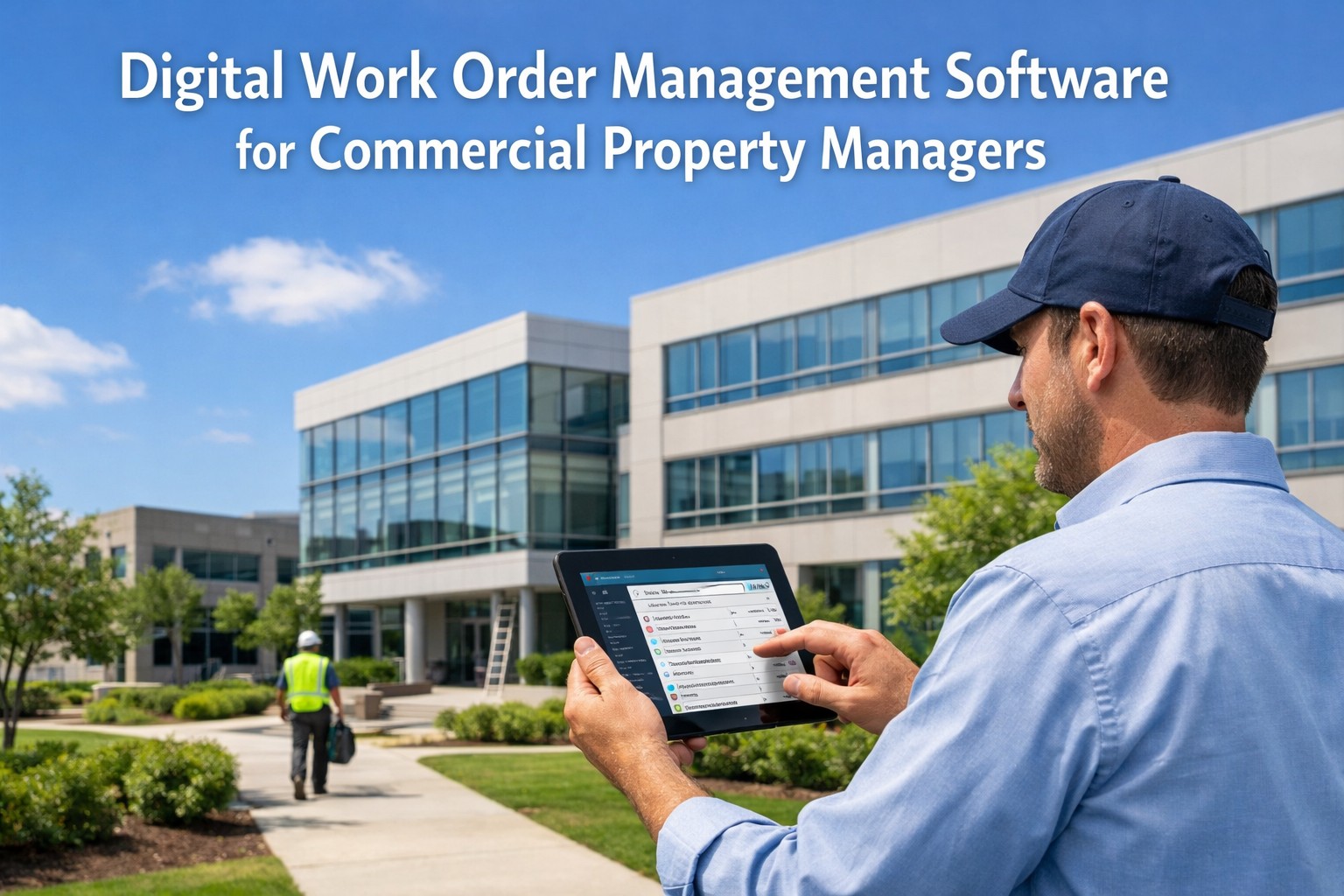
Field technicians need tools that work offline, capture photo evidence, accept digital signatures, and update work order status in real time. In 2026, the platform that does not offer full mobile capability is a platform that slows every technician down on every shift.
Traditional vs. Smart Building Maintenance: The 2026 Performance Gap
Head-to-Head: Traditional vs. Smart Maintenance Operations
Operations Area
Traditional Buildings
Smart Buildings 2026
Failure Detection
Tenant reports problem — days after onset
Sensor flags degradation 2–4 weeks in advance
Work Order Speed
Manual dispatch — 4.6 day avg response
Auto-dispatch — under 18 hours to resolution
Energy Management
Fixed schedules — 40% average energy waste
AI-adjusted in real time by occupancy and load
Asset Lifespan
Replaced on fixed schedule — often premature
Condition-based — 15–25% lifespan extension
Portfolio Visibility
Manual reporting — 8+ hours per cycle
Live dashboards across every property
Emergency Rate
60%+ of all work orders are reactive
Emergency rate cut 45–65% via prediction
The Technology Stack Behind Smart Building Maintenance
Modern building maintenance runs on four interconnected technology layers. Understanding how they connect is the key to choosing a platform that actually delivers on its promises.
The Smart Maintenance Technology Stack
How IoT, AI, cloud, and mobile connect into one operating system for your buildings
Layer 1 — Sensing
IoT sensors on HVAC, electrical, plumbing, elevators, and building envelope
Vibration, temperature, energy draw, humidity, and pressure — measured continuously
5G and Wi-Fi 6 connectivity enabling sub-second data transmission rates
Layer 2 — Intelligence
Machine learning models trained on repair history, condition scores, and failure curves
Anomaly detection flags performance deviation before human detection is possible
Digital twin simulation models outcomes before physical decisions are made
Layer 3 — Operations
Automated work orders created, routed, and escalated without human dispatch
Mobile-native technician app with offline mode, photos, checklists, signatures
Vendor SLA enforcement and real-time completion tracking across all properties
Layer 4 — Reporting
Live portfolio dashboards — cost-per-property, MTTR, PM completion, emergency rate
Investor-grade CapEx forecasting backed by live condition and lifecycle data
Integration with Yardi, MRI, AppFolio, RealPage — no manual data bridging
What Smart Maintenance Delivers: The Numbers
70%
Energy Savings
Achieved in 3 years by Deloitte-tracked portfolios using IoT and smart technology integration across building systems.
$34B
AI Efficiency Gains
Morgan Stanley projects AI will generate $34 billion in efficiency gains for real estate by 2030 — the window to act is now.
54%
IoT in Smart Buildings
IoT usage in energy-efficient smart buildings has grown over 54% — making connected sensors the fastest-adopted building technology.
21.58%
AI Adoption CAGR
The U.S. AI in smart buildings market is growing at 21.58% annually — making early adopters the operators of tomorrow's standard.
Where Most Portfolios Are Getting Left Behind
Despite the data, the majority of commercial portfolios still rely on manual processes and legacy systems. These are the three gaps creating the widest performance divide in 2026.
Sensor Data That Goes Nowhere
61%
of CRE firms still rely on legacy core systems that cannot analyze the IoT data they are already collecting. Sensors without analytics are just expensive thermometers.
Disconnected Property Systems
73%
of real estate software implementations fail to deliver ROI because systems cannot communicate. BMS, CMMS, and accounting platforms stay siloed — producing fragmented, unusable data.
AI Pilots That Never Scale
92%
of CRE teams have piloted AI — but only 5% achieved their program goals. The problem is not ambition. It is deploying AI on top of broken data infrastructure that cannot support it.
Frequently Asked Questions
What is the difference between predictive and preventive maintenance in smart buildings?
Preventive maintenance runs on fixed time intervals — for instance, inspecting an HVAC unit every 90 days regardless of its actual condition. Predictive maintenance uses real-time sensor data, AI analysis, and asset condition scoring to schedule work only when equipment signals it is approaching a failure threshold. Predictive is more precise, reduces unnecessary labor, and extends asset lifespan by 15–25% compared to calendar-based schedules.
How does IoT integration work for existing commercial buildings?
Existing buildings are retrofitted with wireless IoT sensors that attach to current equipment without requiring major structural changes. Vibration sensors, temperature probes, and energy monitors communicate via 5G, Wi-Fi, or LoRaWAN protocols to a central cloud platform. Most commercial properties achieve full sensor coverage on priority assets — HVAC, electrical, elevators — within 4–8 weeks of deployment, without disrupting building operations.
What does a digital twin do for maintenance operations?
A digital twin is a virtual model of a physical asset or building that updates in real time based on sensor data. Maintenance teams use it to simulate the impact of repair decisions before committing to them — modeling what happens to HVAC performance if a component replacement is deferred by 30 days, or how a change in equipment settings will affect energy draw and tenant comfort. Digital twins eliminate guesswork from capital planning and maintenance timing.
How quickly do smart building maintenance platforms deliver ROI?
Properties averaging 50+ active work orders per month typically recover full platform investment within 60–90 days — primarily through emergency dispatch elimination and energy efficiency gains in the first billing cycle. IBM Corporation data shows AI and IoT implementation reduces energy use by 40% and maintenance costs by 10–30%, delivering measurable financial impact well within the first year of deployment.
Can smart maintenance platforms support mixed commercial portfolios?
Yes. Modern platforms are built to handle portfolios with different property types — office towers, retail centers, industrial facilities, and mixed-use assets — under one unified system. Each property gets its own asset registry, sensor configuration, and maintenance workflows, while the portfolio dashboard provides cross-property benchmarking, consolidated reporting, and centralized capital planning regardless of asset type mix.
Your Buildings Are Already Generating the Data. Are You Using It?
Oxmaint connects IoT sensor data, AI analytics, and automated work order workflows into one smart maintenance platform — so your team stops reacting to failures and starts preventing them. Built for commercial portfolios. Live in under 21 days.
Predictive failure detection — weeks before breakdown
Automated work order routing and dispatch
Real-time portfolio dashboard across all properties

.png)