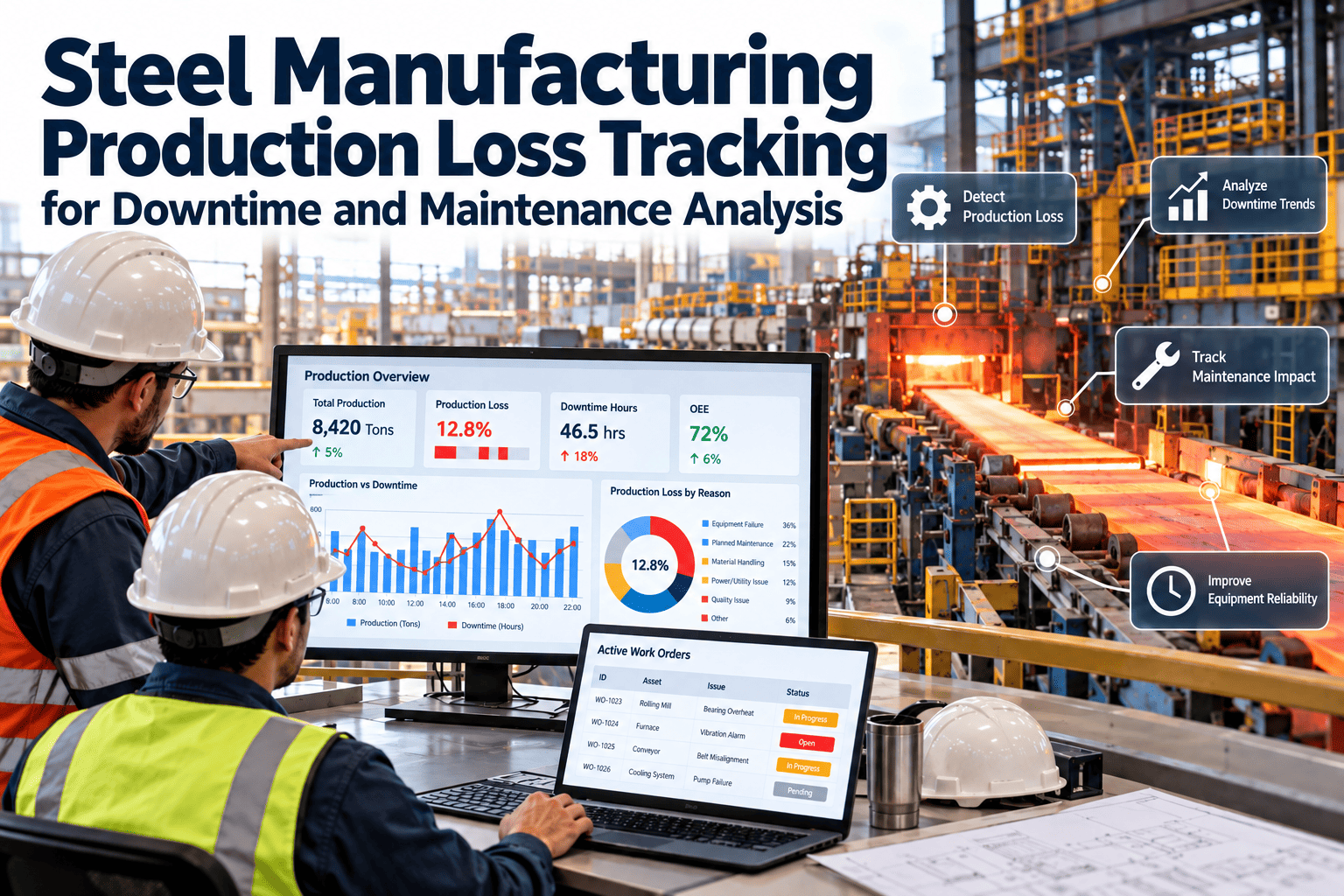
Production scheduling optimization has become the competitive differentiator in modern manufacturing. While many facilities still rely on spreadsheet-based planning and reactive scheduling, industry leaders are leveraging intelligent production schedulers to slash delays, boost throughput, and maximize equipment utilization. The financial impact is substantial—manufacturers implementing optimized scheduling report reduced lead times, higher on-time delivery rates, and significant improvements in overall equipment effectiveness. Schedule a consultation to explore how production scheduling improvements can transform your manufacturing ROI.
Why Production Scheduling Optimization Matters
Manufacturing facilities face constant pressure from volatile demand, supply chain disruptions, and the need to maximize asset utilization. Manual scheduling methods miss optimization opportunities that compound into millions in lost productivity annually.
The ROI Impact of Optimized Production Scheduling
25%
Throughput Increase
Average improvement in manufacturing output through intelligent scheduling and resource optimization
30%
Lead Time Reduction
Faster order-to-delivery cycles through optimized sequencing and bottleneck elimination
95%
On-Time Delivery
Improved customer satisfaction through reliable scheduling and proactive delay management
50%
Setup Time Reduction
Minimized changeovers through intelligent job sequencing and grouping algorithms
Ready to calculate your scheduling ROI? Join leading manufacturers using Oxmaint to optimize production and reduce delays.
Understanding the financial levers of production scheduling helps quantify improvement opportunities and prioritize optimization initiatives across your manufacturing operation.
Reduced Production Delays
Every hour of unplanned delay costs money in idle labor, missed shipments, and expediting fees. Optimized scheduling anticipates bottlenecks and adjusts proactively—detecting issues in minutes rather than days.
Higher Throughput
Intelligent scheduling maximizes equipment utilization and minimizes idle time. By optimizing job sequencing and resource allocation, manufacturers achieve more output from existing capacity without capital investment.
Efficiency Gains
Streamlined workflows reduce waste, minimize changeovers, and optimize labor allocation. These efficiency improvements compound across shifts and production lines to deliver measurable cost savings.
ROI Calculation Framework
Calculating production scheduling ROI requires measuring improvements across multiple value streams—from direct cost savings to revenue gains from improved delivery performance.
Production Scheduling ROI Components
Cost Reduction
Overtime Labor SavingsHours reduced x Overtime rate
Expediting Cost ReductionRush shipments avoided x Premium cost
Downtime EliminationHours recovered x Machine cost/hour
+
Revenue Gains
Increased ThroughputAdditional units x Margin per unit
Improved On-Time DeliveryRetained customers x Lifetime value
Capacity for New OrdersAvailable capacity x Revenue potential
=
Total Annual ROICost Savings + Revenue Gains
See scheduling optimization in action. Book a demo and we'll show you real-time scheduling improvements for your industry.
Understanding the capabilities gap between manual scheduling and intelligent optimization reveals why manufacturers are transitioning to data-driven production management.
Scheduling Approach Comparison
Manual Scheduling
Spreadsheet-based planning with limited visibility
Reactive response to disruptions and delays
Static schedules that don't adapt to changes
Limited optimization across multiple constraints
Hours spent on manual schedule adjustments
15-25%capacity typically underutilized
Intelligent Scheduling
Real-time visibility across all production resources
Proactive bottleneck detection and resolution
Dynamic scheduling that adapts automatically
Multi-constraint optimization in seconds
Automated scenario planning and what-if analysis
90%+resource utilization achieved
Industry-Specific ROI Benchmarks
Different manufacturing sectors experience varying ROI impacts based on production complexity, order variability, and equipment utilization patterns.
Oxmaint helps manufacturers optimize production schedules across their entire operation—reducing delays, maximizing throughput, and delivering measurable efficiency gains that impact your bottom line.
How quickly can we expect to see ROI from production scheduling improvements?
Most manufacturers identify significant improvement opportunities within the first 30 days. Quick wins from visibility and basic optimization often deliver 10-15% delay reduction immediately. Full ROI—typically 100% return on investment—is commonly achieved within 6-9 months as scheduling algorithms learn your operation's patterns. Schedule a consultation to discuss expected returns for your facility.
What metrics should we track to measure scheduling ROI?
Key metrics include Overall Equipment Effectiveness (OEE), on-time delivery rate, throughput per shift, setup/changeover time, and capacity utilization. Track both leading indicators (schedule adherence, bottleneck frequency) and lagging indicators (customer satisfaction, revenue per machine hour) to capture full ROI impact.
How does scheduling optimization integrate with existing systems?
Modern scheduling solutions integrate with ERP, MES, CMMS, and shop floor systems through standard APIs and data connectors. This ensures real-time data exchange for production orders, resource availability, and maintenance schedules. Sign up for a free account to explore integration capabilities.
What ROI can small manufacturers expect versus large enterprises?
Both benefit significantly, though the ROI profile differs. Small manufacturers often see faster implementation and quicker ROI realization due to simpler operations. Large enterprises typically achieve higher absolute dollar savings due to scale, with ROI compounding across multiple production lines and facilities.
How do you account for production variability in ROI calculations?
Intelligent scheduling systems automatically adapt to production variability through dynamic optimization. ROI calculations should use rolling averages and account for seasonal variations. The system continuously learns from actual production data, improving forecast accuracy and ROI over time. Book a demo to see how variability handling works.