Two words trip up more HACCP audits than any others: validation and verification. They sound alike, auditors ask about both, and teams that blur them end up with a finding — a plan that was never scientifically proven, or monitoring that nobody ever checked. Validation proves the plan works; verification proves it's being followed and still works. Knowing the difference, and keeping the records for each, is what turns an audit from a scramble into a report. This checklist walks the distinction, the records auditors expect, and the equipment maintenance behind them — tracked in OXMAINT AI — or book a demo of food-safety maintenance records in OXMAINT AI.
HACCP VERIFICATION vs VALIDATION · RECORDS · AUDIT CHECKLIST · 2026
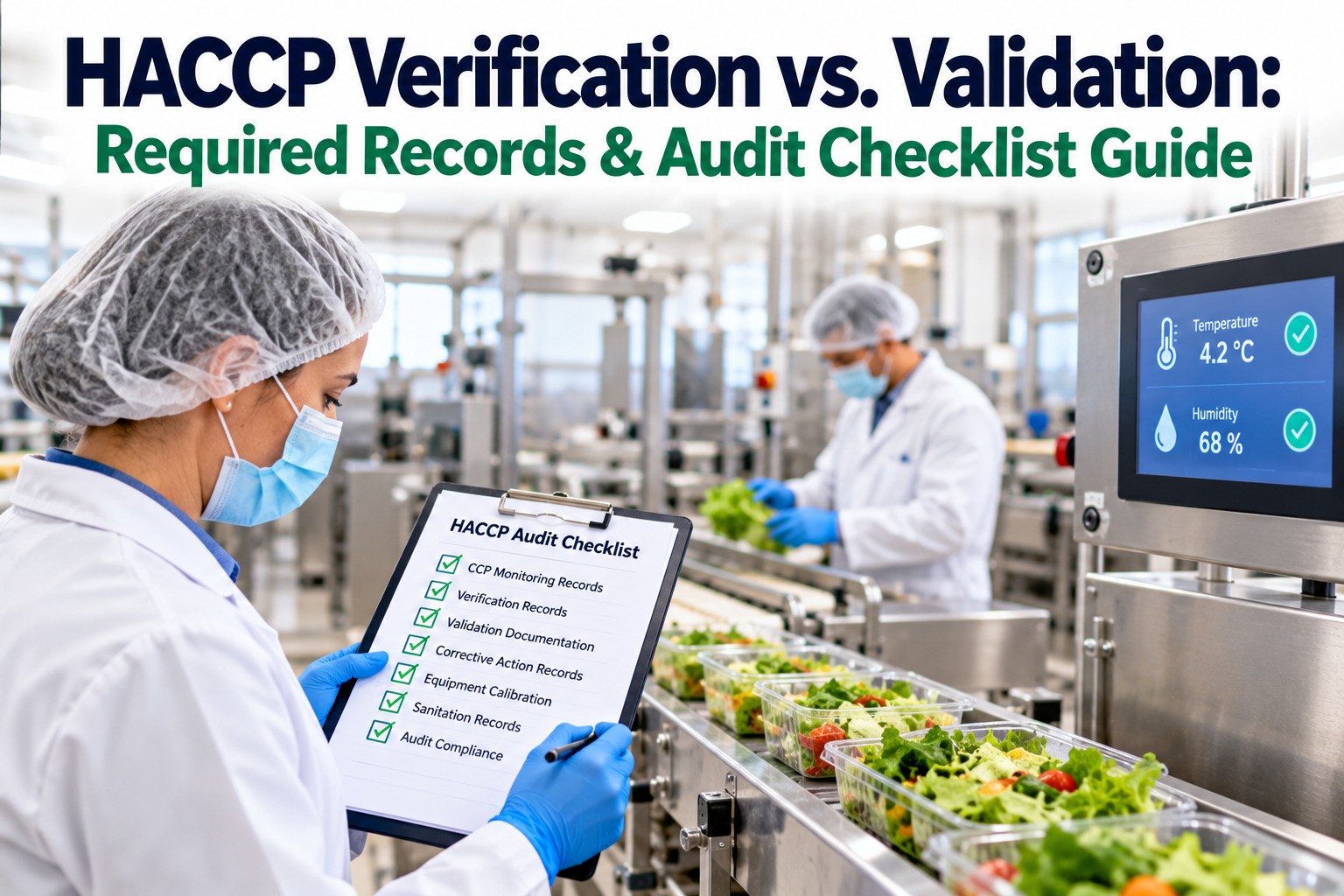
HACCP Verification vs. Validation: Required Records & Audit Checklist
When the auditor asks for proof, the gap between a validated plan and a verified one becomes very real — and so does a missing calibration log or a CCP record no one reviewed. OXMAINT AI is the AI-powered CMMS that keeps the equipment, calibration and sanitation records that underpin your CCPs, scheduled and on file — so the verification evidence is always there when the audit comes.
1 · Validate the plan
2 · Verify it works
3 · Keep the records
4 · Pass the audit
Before
validation happens before implementation and when the process changes
Ongoing
verification runs continuously once the plan is live
CCP
critical control point records sit at the center of every audit
Records
if it isn't documented, to an auditor it didn't happen
Validation vs Verification: the Core Difference
Get this distinction right and most of HACCP documentation falls into place. One asks whether the plan is scientifically sound; the other asks whether it's being carried out and still holds. Start free and organise your food-safety records in OXMAINT AI.
Validation
Is the plan right?
Question: will this plan actually control the hazard?
When: before implementation, and when the process changes
Basis: scientific and technical evidence
Example: proving a cook step reaches the required lethality
Verification
Is the plan working?
Question: is the plan being followed and still effective?
When: ongoing, once the plan is live
Basis: records, observation, calibration, testing, audit
Example: reviewing CCP logs and calibrating the thermometer
Monitoring is different again — it's the real-time check at the CCP itself. Verification is the check on the monitoring.
The Records an Auditor Expects
An audit is a records exercise. These are the documents a food-safety auditor will ask to see — each one evidence that the plan is valid, followed and effective.
HACCP Plan & Hazard Analysis
The plan itself, the hazard analysis behind it, and the CCP determinations.
Validation Evidence
Scientific support for the critical limits — studies, literature, expert opinion.
CCP Monitoring Records
The real-time logs at each critical control point, signed and dated.
Corrective Action Records
What was done when a critical limit was breached, and what happened to the product.
Verification Records
Calibration logs, record-review signatures, verification testing, internal audits.
Reassessment & Training
Periodic plan reassessment and the training records of the people running it.
The HACCP Records & Audit Checklist
Work the six record categories in turn — plan, validation, monitoring, corrective action, verification, and reassessment. Tick each item as you confirm the record exists and is complete. Book a demo and keep these records audit-ready in OXMAINT AI.
Maintenance LinkYour CCPs Rest on Maintained Equipment
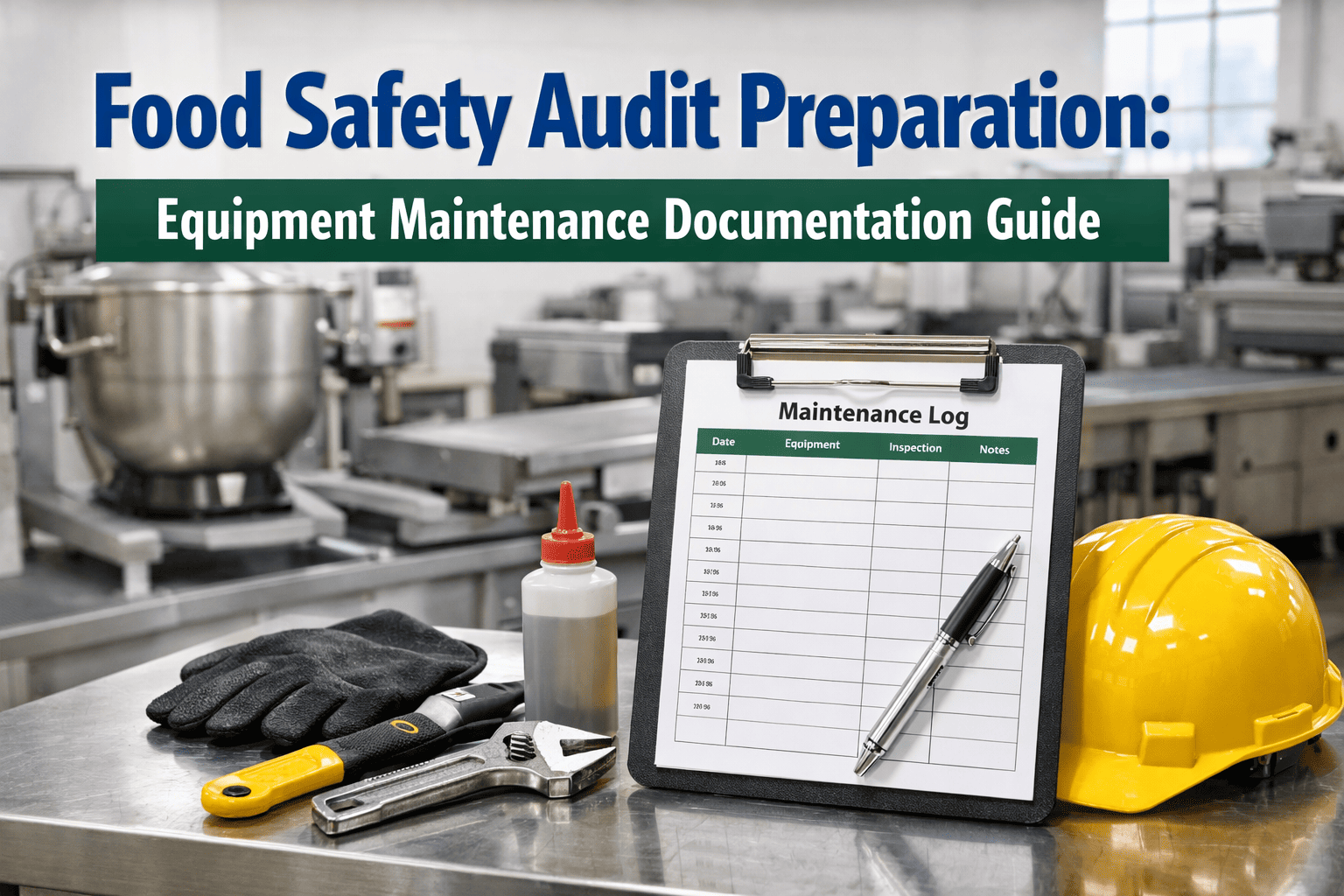
A surprising share of HACCP verification is really equipment discipline. The thermometer that monitors a cook CCP, the metal detector guarding a physical-hazard CCP, the refrigeration holding a cold CCP — each must be calibrated and maintained, and those records are verification evidence an auditor will ask for.
✓
Calibration — monitoring instruments calibrated on schedule, with the logs retained.
✓
CCP equipment PM — metal detectors, ovens, chillers maintained so the control holds.
✓
Sanitation & prerequisites — cleaning and sanitation equipment upkeep on record.
✓
One audit trail — equipment records tied to the asset, dated and retrievable.
Findings That Cost Audits
The same documentation gaps come up audit after audit — each a place where the paper didn't match the practice.
×
No Validation Evidence
Critical limits set with no scientific support to show they control the hazard.
×
Unreviewed Monitoring
CCP logs filled in but never verified by a record review.
×
Missing Calibration
The instrument reading a CCP with no calibration record behind it.
×
Gaps in the Logs
Missing entries that make the monitoring record incomplete and unprovable.
×
Weak Corrective Actions
A deviation logged without the product disposition or the cause addressed.
×
No Reassessment
A plan unchanged for years despite new products, equipment or processes.
How OXMAINT AI Keeps the Evidence Ready
OXMAINT AI is the AI-powered maintenance management software that holds the equipment side of your HACCP evidence — the calibration schedule, the CCP-equipment PMs, the sanitation upkeep and the asset records auditors ask for. Put your food-safety-critical equipment on it when you start free and schedule calibration and PMs in OXMAINT AI.
Calibration Scheduling
Monitoring instruments calibrated on cadence, with every log retained against the asset.
CCP Equipment PM
Metal detectors, ovens, chillers and the equipment behind each CCP maintained on schedule.
Asset History
Every calibration, repair and PM on each asset, dated and ready for the auditor.
Sanitation Upkeep
Prerequisite-program equipment maintenance tracked alongside the food-safety record.
Deviation Work Orders
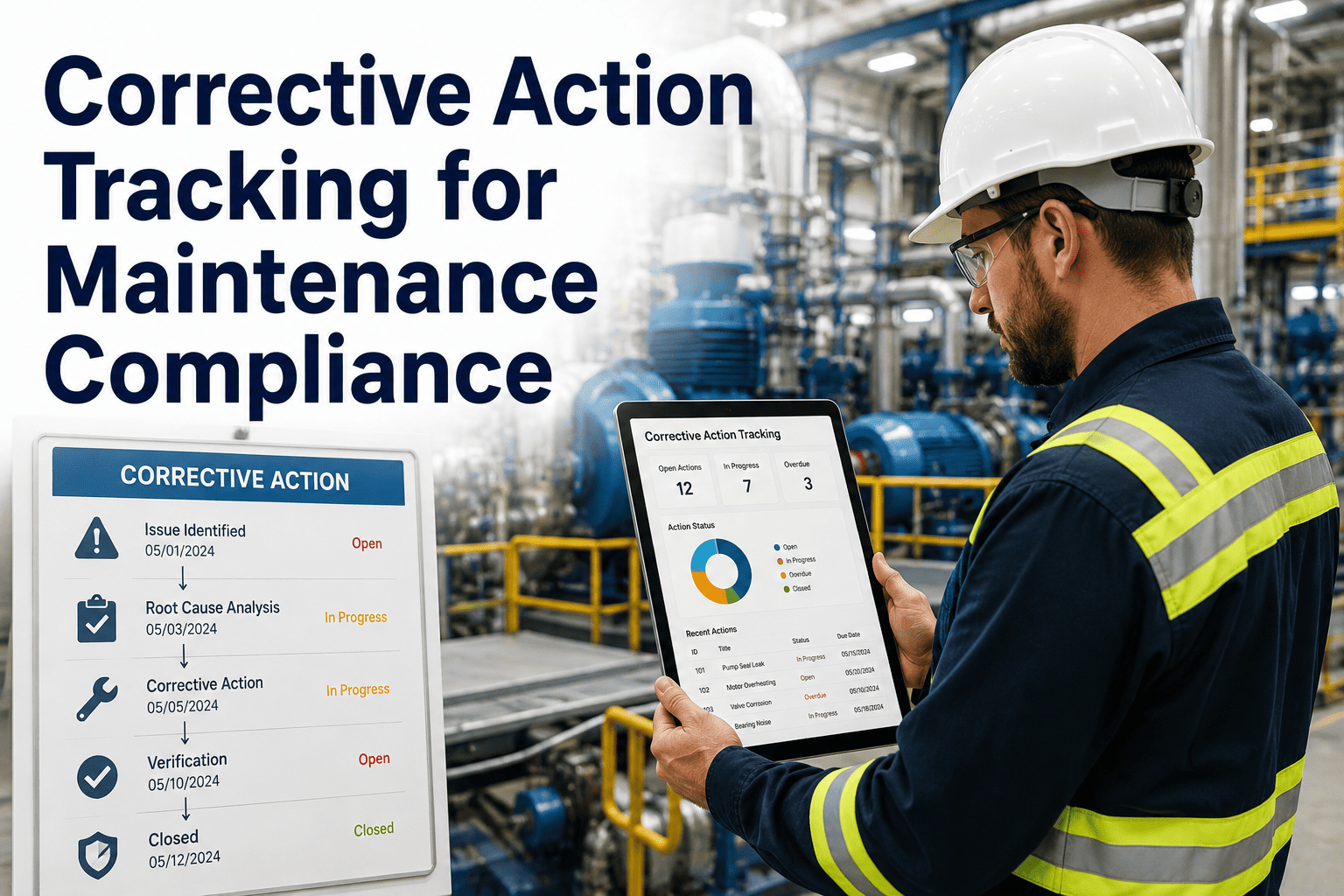
An equipment failure behind a CCP raised and tracked as a work order to closure.
Audit-Ready Export
Maintenance and calibration records retrievable fast when the audit asks for them.
Know the Difference, Keep the Records, Pass the Audit.
Validation proves the plan is right; verification proves it's working — and both live or die on records. OXMAINT AI keeps the equipment and calibration evidence that your verification depends on, so the audit finds proof instead of gaps.
EXPERT REVIEW
Written for food-safety, quality and plant-maintenance teams. HACCP validation, verification and recordkeeping are defined by Codex Alimentarius and national rules — in the US, FSMA preventive-controls and USDA FSIS requirements — and by GFSI-benchmarked schemes such as SQF, BRCGS and FSSC 22000, which set the specific records, frequencies and retention your facility must meet. The definitions and checklist here are a general framework; your HACCP or food-safety plan, your scheme and your auditor govern the specifics, and validation is a food-safety science activity for qualified personnel. OXMAINT AI is a maintenance management platform that keeps the equipment, calibration and PM records supporting your CCPs — it is not a HACCP or food-safety management system of record, and it does not replace your food-safety team or qualified individual.
Frequently Asked Questions
What is the difference between HACCP validation and verification?
Validation is the scientific proof that your plan, if followed, will control the hazard — done before implementation and whenever the process changes. Verification is the ongoing confirmation that the plan is being followed and is still effective — record reviews, calibration, CCP observation, testing and audits. One proves the plan is right; the other proves it's working.
Start free and keep the supporting records in OXMAINT AI.
Is monitoring the same as verification?
No. Monitoring is the real-time measurement at the critical control point itself — checking the cook temperature as product runs. Verification is the check on that monitoring — reviewing the records, calibrating the thermometer, observing that monitoring is done correctly. Monitoring keeps control in the moment; verification confirms the whole system is sound.
What HACCP records do auditors ask for?
The HACCP plan and hazard analysis, validation evidence for the critical limits, CCP monitoring records, corrective action records, verification records (calibration logs, record-review sign-offs, testing, internal audits), and reassessment and training records. If a record can't be produced, an auditor treats the activity as not having happened.
How does equipment calibration relate to HACCP?
Calibration is a verification activity. The instruments that monitor your CCPs — thermometers, metal detectors, pH meters — have to be calibrated and the records kept, because a CCP monitored by an uncalibrated device isn't really controlled. Those calibration logs are evidence an auditor will specifically ask to see.
How often should a HACCP plan be reassessed?
Reassessment is typically done at least annually and whenever there's a significant change — a new product, process, ingredient, equipment, or an emerging hazard. The reassessment confirms the plan is still valid for how the operation actually runs now, and it's a documented activity auditors will look for.
Book a demo of keeping equipment records current in OXMAINT AI.
Make the Audit a Report, Not a Scramble.
Keep your HACCP evidence ready on OXMAINT AI: monitoring instruments calibrated on schedule, CCP equipment maintained, sanitation upkeep tracked, and every record dated and retrievable — so when the auditor asks for proof your plan is validated and verified, the equipment side of that proof is already on file.