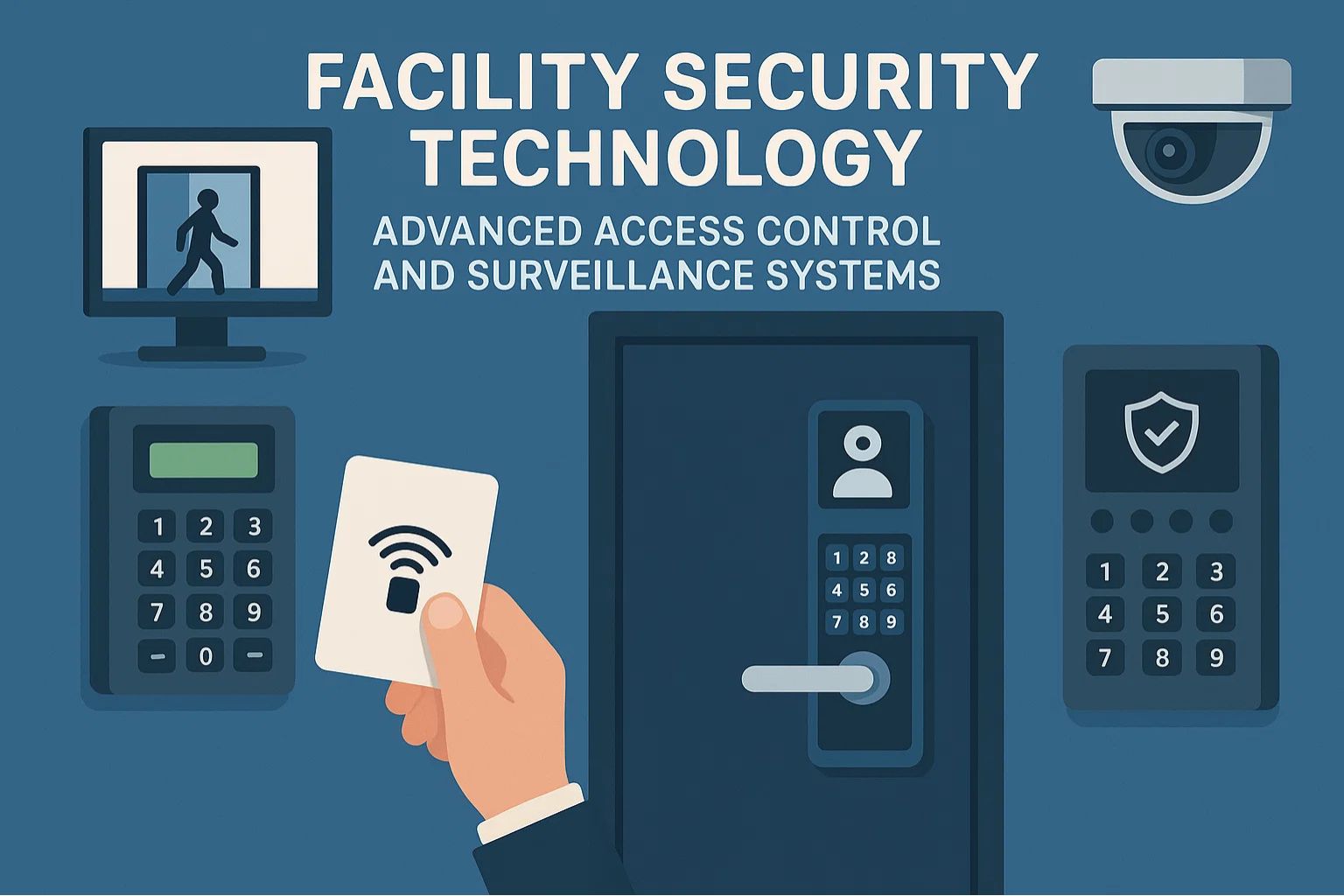
Manufacturing facilities face unprecedented security challenges in today's competitive landscape. With expensive equipment, sensitive production data, and regulatory compliance requirements, traditional key cards and PIN codes no longer provide adequate protection. Biometric access control systems are revolutionizing how manufacturers secure their critical assets, offering a sophisticated yet user-friendly approach to equipment protection.
As manufacturing becomes increasingly automated and digitized, the need for robust security measures has never been more critical. Biometric technology provides an unmatched level of security by using unique biological characteristics that cannot be easily replicated, shared, or stolen. This comprehensive guide explores how biometric access control can transform your manufacturing security infrastructure.
Understanding Biometric Access Control Technology
Biometric access control systems utilize unique physiological or behavioral characteristics to verify individual identity. In manufacturing environments, the most commonly deployed biometric technologies include fingerprint recognition, facial recognition, iris scanning, and hand geometry readers. These systems capture and analyze biological data, creating encrypted templates that serve as digital keys for equipment access.
Modern biometric systems integrate seamlessly with existing manufacturing execution systems (MES) and enterprise resource planning (ERP) platforms. This integration enables real-time monitoring of equipment access, automated compliance reporting, and detailed audit trails. The technology has evolved significantly, with current systems offering sub-second authentication speeds and accuracy rates exceeding 99.9%.
Key Benefits: Elimination of lost or stolen access cards, reduced administrative overhead, enhanced accountability, and improved regulatory compliance documentation.
Critical Security Advantages in Manufacturing
Manufacturing environments present unique security challenges that biometric systems address effectively. Unlike traditional access methods, biometric credentials cannot be shared, duplicated, or forgotten. This inherent security feature significantly reduces the risk of unauthorized equipment access, which is particularly crucial for expensive CNC machines, automated production lines, and quality control equipment.
Biometric systems provide granular access control, allowing manufacturers to restrict equipment access based on employee certification levels, shift schedules, and specific operational requirements. This capability is essential for maintaining quality standards and ensuring only qualified personnel operate critical machinery. The technology also enables immediate access revocation when employees leave the company or change roles.
- Prevention of unauthorized equipment operation
- Reduction in equipment damage from untrained users
- Enhanced traceability for quality control processes
- Improved compliance with industry safety regulations
- Real-time monitoring and alerting capabilities
Implementation Strategies for Manufacturing Facilities
Successful biometric implementation requires careful planning and phased deployment. Manufacturing facilities should begin with a comprehensive security assessment to identify critical equipment and access points. The implementation process typically starts with high-value equipment areas before expanding to general manufacturing zones.
Environmental considerations are crucial in manufacturing settings. Industrial-grade biometric devices must withstand harsh conditions including temperature variations, humidity, dust, and vibrations. Modern systems feature IP65-rated enclosures and anti-vandal designs specifically engineered for manufacturing environments. Integration with existing network infrastructure and maintenance management systems ensures seamless operation.
Implementation Timeline: Most manufacturing facilities complete initial deployment within 4-6 weeks, with full system integration typically achieved within 2-3 months.
Cost-Benefit Analysis and ROI Considerations
While biometric systems require initial capital investment, the long-term benefits significantly outweigh costs. Manufacturing facilities typically see ROI within 12-18 months through reduced security incidents, decreased administrative overhead, and improved operational efficiency. The elimination of physical access cards and PIN management reduces ongoing operational costs.
Quantifiable benefits include reduced equipment downtime from unauthorized access, decreased insurance premiums due to enhanced security measures, and improved productivity through streamlined access procedures. Many manufacturers also report reduced liability exposure and enhanced regulatory compliance, which can prevent costly fines and production shutdowns.
The technology's scalability allows manufacturers to expand systems as facilities grow, protecting the initial investment. Modern biometric platforms support thousands of users and can integrate with multiple manufacturing sites, providing enterprise-wide security management capabilities.
Future-Proofing Your Manufacturing Security
The manufacturing industry continues evolving toward Industry 4.0 principles, with increased connectivity and automation. Biometric access control systems position manufacturers to meet future security challenges while supporting advanced manufacturing technologies. Integration with artificial intelligence and machine learning capabilities enables predictive security analytics and automated threat detection.
Cloud-based biometric platforms offer enhanced flexibility and scalability, allowing manufacturers to manage security across multiple facilities from centralized dashboards. These systems support remote monitoring, automated updates, and integration with emerging technologies like IoT sensors and edge computing devices.
As cybersecurity threats continue evolving, biometric systems provide a robust foundation for comprehensive security strategies. The technology's inherent security features, combined with advanced encryption and secure communication protocols, ensure long-term protection against emerging threats.
Conclusion
Biometric access control represents a fundamental shift in manufacturing security, offering unparalleled protection for critical equipment and operations. The technology's ability to provide secure, convenient, and accountable access control makes it an essential component of modern manufacturing security strategies. As manufacturing facilities become increasingly complex and valuable, biometric systems provide the robust security foundation necessary for sustained success.
The investment in biometric access control technology delivers immediate security benefits while positioning manufacturers for future growth and technological advancement. With proven ROI, enhanced operational efficiency, and superior security capabilities, biometric systems are not just an upgrade—they're a strategic necessity for competitive manufacturing operations.
Frequently Asked Questions
1. How accurate are biometric systems in manufacturing environments?
Modern biometric systems achieve accuracy rates exceeding 99.9% even in challenging manufacturing environments. Industrial-grade devices are specifically designed to handle dust, humidity, and temperature variations while maintaining consistent performance.
2. What happens if the biometric system fails during production?
Professional biometric systems include backup authentication methods and redundant hardware to ensure continuous operation. Most systems feature battery backup, offline authentication capabilities, and emergency override procedures to prevent production disruptions.
3. How long does it take to implement biometric access control in a manufacturing facility?
Implementation typically takes 4-6 weeks for initial deployment, with full system integration completed within 2-3 months. The timeline depends on facility size, number of access points, and integration requirements with existing systems.
4. Can biometric systems integrate with existing manufacturing software?
Yes, modern biometric platforms offer extensive integration capabilities with MES, ERP, SCADA, and maintenance management systems. API-based integration ensures seamless data flow and centralized security management across all manufacturing systems.
5. What are the ongoing maintenance requirements for biometric access control systems?
Biometric systems require minimal maintenance, typically involving quarterly cleaning of sensors, annual calibration checks, and regular software updates. Most systems include remote monitoring capabilities that enable proactive maintenance and reduce on-site service requirements.




.jpg)