A regional e-commerce fulfillment hub running 340 delivery vans across 12 urban routes lost $290,000 in a single week because 23 vehicles were simultaneously down for unplanned repairs — alternator failures, brake system faults, and transmission issues that had been developing for weeks but went undetected because pre-trip inspections were paper checklists that drivers completed in 30 seconds without actually checking anything. The fleet manager discovered the scale of the problem when Monday morning dispatch could only field 317 of 340 vehicles, missed 4,200 delivery windows, triggered $68 per-package late-delivery penalties from three marketplace clients, and received 1,847 customer complaint tickets before noon. The vehicles gave warning — check engine lights illuminated on 9 of the 23 within the previous 2 weeks, brake pad sensors activated on 6, and transmission temperature warnings appeared on 4. Nobody connected the data to a maintenance action because driver-reported defects went into an email inbox that the fleet coordinator checked twice per week. Last-mile delivery maintenance is not fleet management with smaller vehicles — it is customer promise fulfillment where every vehicle down means hundreds of failed deliveries, marketplace penalties, and permanent customer churn. Schedule a demo to see delivery fleet CMMS with route-based scheduling and real-time vehicle health monitoring.
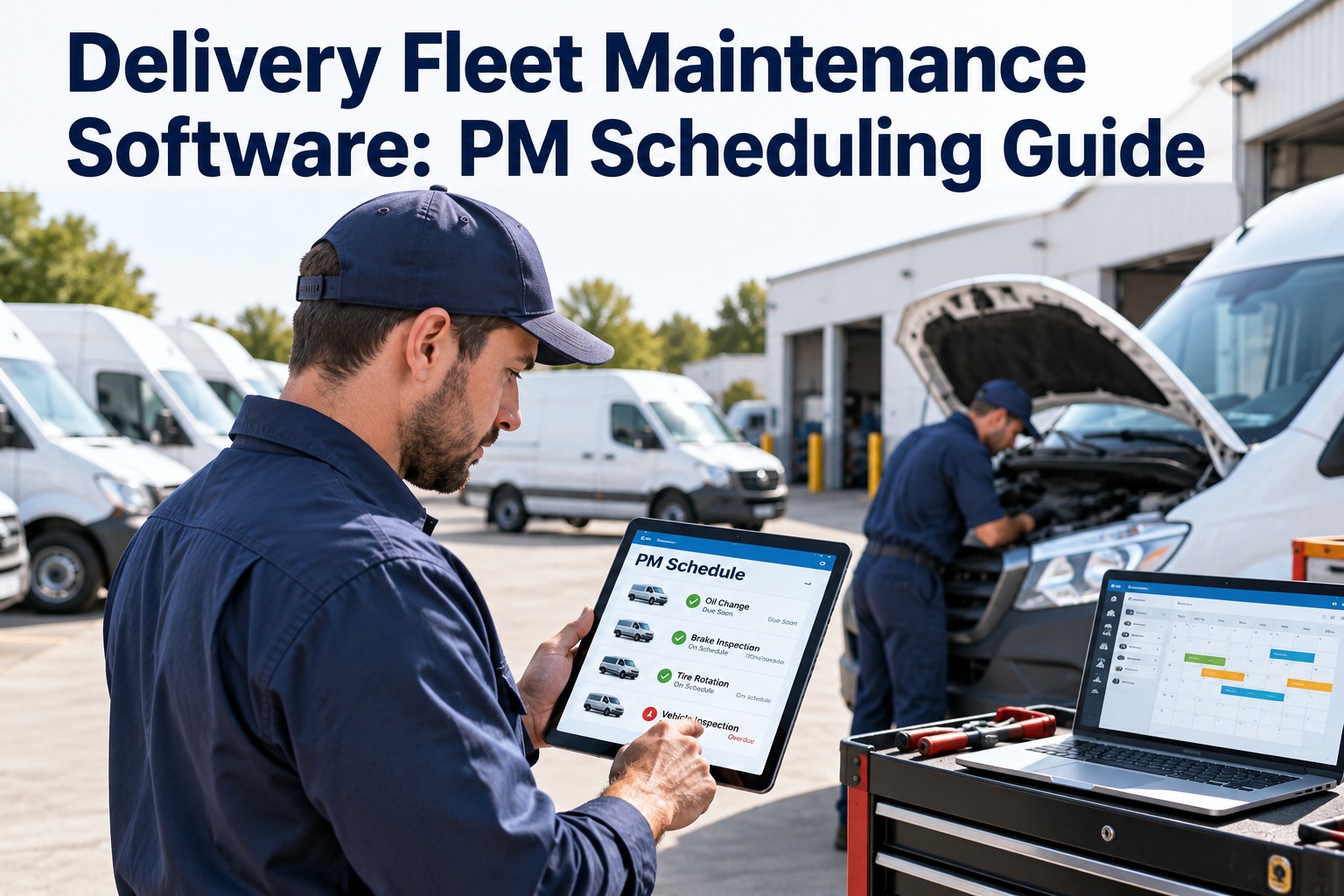
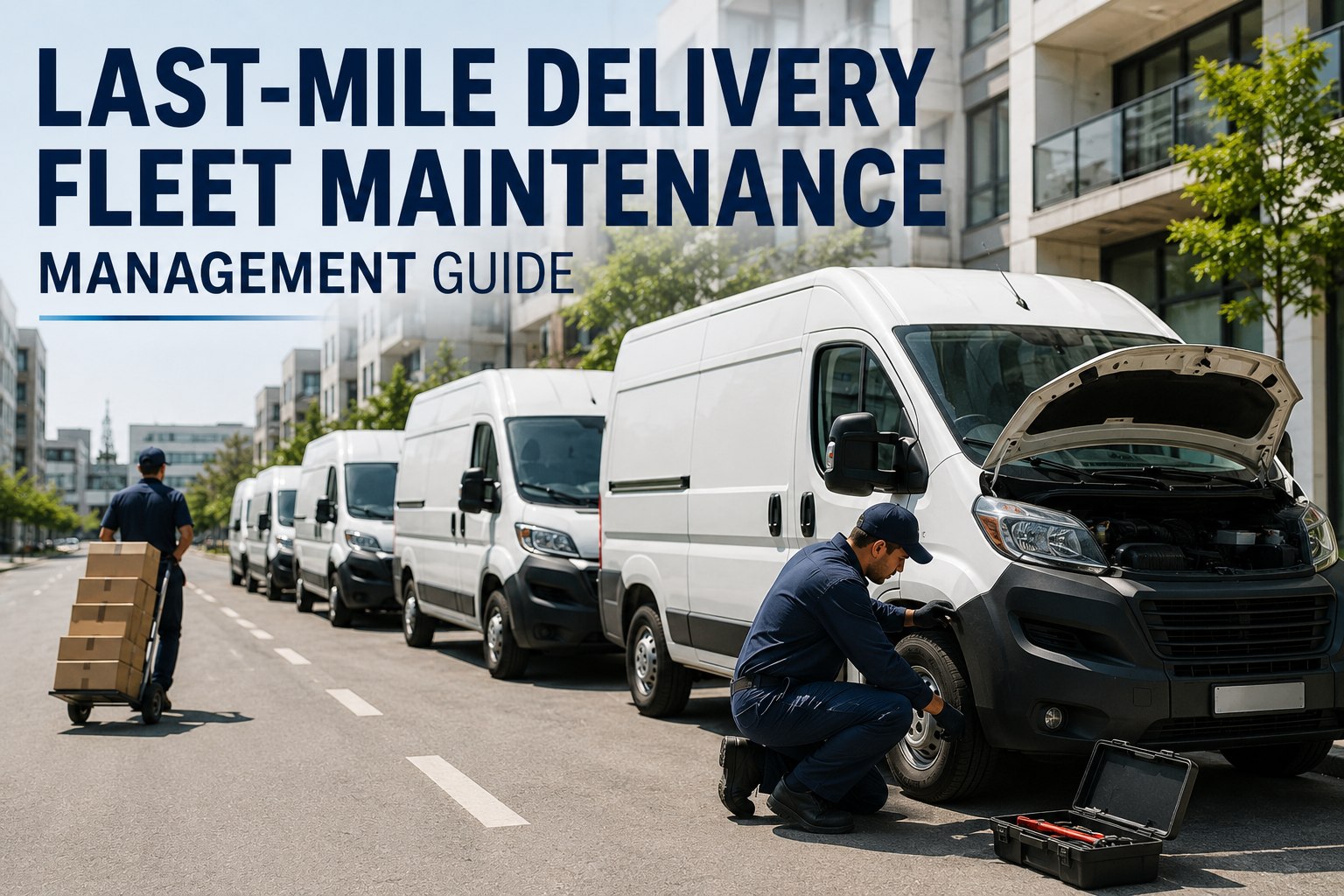
Route-based scheduling, digital pre-trip inspections, and predictive vehicle health monitoring for last-mile delivery fleets where availability is revenue and downtime is customer churn.
Last-mile delivery fleets combine the highest vehicle utilization in any industry — 250–350 miles per day, 50–120 stops, constant start-stop cycling — with the lowest tolerance for downtime. A long-haul truck breakdown delays one shipment. A delivery van breakdown cancels 80–150 individual customer deliveries, each carrying its own SLA penalty, customer complaint, and churn risk. The math is brutal: one van down for one day means 120 failed deliveries × $68 average penalty = $8,160 in direct costs before counting the customer lifetime value lost from each missed promise. Sign up free and see how delivery fleet CMMS manages high-utilization vehicle maintenance.
In last-mile delivery, vehicle failures do not create maintenance problems — they create customer problems that compound exponentially because every failed delivery triggers a redelivery attempt, a customer service contact, a marketplace penalty, and a permanent reduction in customer trust.
Paper pre-trip inspections are compliance theater. Drivers check every box in 30 seconds without leaving the cab. Digital pre-trip inspections with photo requirements, GPS verification, and defect-to-work-order automation transform the daily inspection from a checkbox exercise into the most powerful early warning system in your fleet.
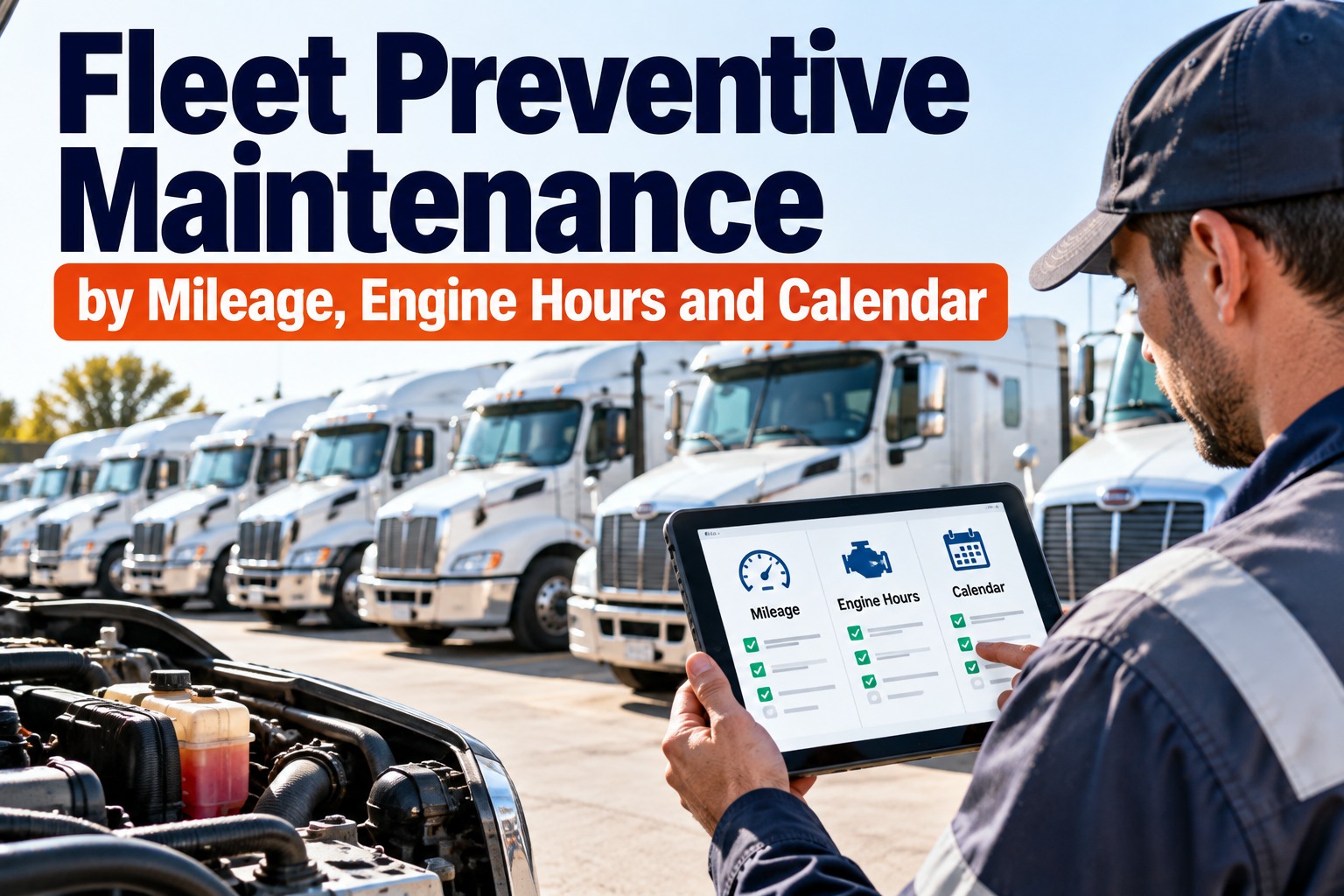
Calendar-based PM schedules fail for delivery fleets because vehicle utilization varies dramatically by route. A downtown route covers 45 miles with 120 stops and 600 brake events. A suburban route covers 180 miles with 40 stops and 150 brake events. Same calendar interval, completely different wear profiles. CMMS route-based scheduling triggers PM by actual usage — miles, stops, brake events, and engine hours — ensuring every vehicle receives maintenance when it needs it, not when the calendar says so. Start free and configure route-based PM triggers for your delivery fleet.