Manufacturing environments present unique challenges when it comes to worker health and safety. With repetitive motions, heavy lifting, prolonged standing, and exposure to various hazards, manufacturing workers face higher risks of musculoskeletal disorders and workplace injuries. However, the integration of modern technology with ergonomic design principles is revolutionizing how we approach workshop safety, creating environments that protect workers while boosting productivity and reducing operational costs.
Today's manufacturing leaders understand that investing in ergonomic workshop design isn't just about compliance—it's about creating a competitive advantage through reduced workers' compensation claims, lower turnover rates, improved quality output, and enhanced employee satisfaction. The key lies in leveraging the right technologies and design strategies to create workspaces that work with human physiology rather than against it.
The Business Impact of Ergonomic Technology Implementation
The financial benefits of ergonomic workshop design extend far beyond initial implementation costs. Manufacturing facilities that have adopted comprehensive ergonomic programs report significant reductions in workplace injuries, with some companies experiencing up to 65% fewer musculoskeletal disorder cases within the first year of implementation.
Advanced ergonomic technologies provide real-time data on worker movements, posture, and stress levels, enabling proactive interventions before injuries occur. Wearable sensors can detect when workers are lifting improperly or maintaining harmful postures for extended periods, triggering immediate alerts and corrective guidance. This predictive approach to safety management has proven to reduce workers' compensation costs by an average of 40% while simultaneously improving production efficiency.
Key Performance Indicators: Companies implementing ergonomic technologies typically see 25-30% reduction in absenteeism, 20-35% decrease in injury rates, and 15-20% improvement in overall productivity metrics within the first 18 months.
Essential Technologies for Modern Ergonomic Workstations
The foundation of effective ergonomic workshop design lies in selecting and implementing the right technological solutions. Height-adjustable workbenches equipped with pneumatic or electric adjustment systems allow workers to customize their workspace to their individual anthropometric needs, reducing strain on the back, neck, and shoulders during detailed assembly work.
Automated material handling systems, including collaborative robots and pneumatic lift assists, eliminate the need for workers to perform repetitive heavy lifting tasks. These systems can be programmed to handle materials weighing up to 500 pounds while maintaining precise positioning accuracy, protecting workers from the most common causes of workplace injury in manufacturing environments.
Smart lighting systems that adjust automatically based on task requirements and time of day help reduce eye strain and improve visibility for detailed work. LED task lighting with color temperature control can enhance focus during precision assembly while warmer lighting during break periods helps maintain circadian rhythms for shift workers.
Smart Monitoring and Predictive Safety Systems
Modern ergonomic workshop design increasingly relies on Internet of Things (IoT) sensors and artificial intelligence to monitor and optimize worker safety in real-time. Environmental monitoring systems track air quality, temperature, humidity, and noise levels, automatically adjusting HVAC and ventilation systems to maintain optimal working conditions.
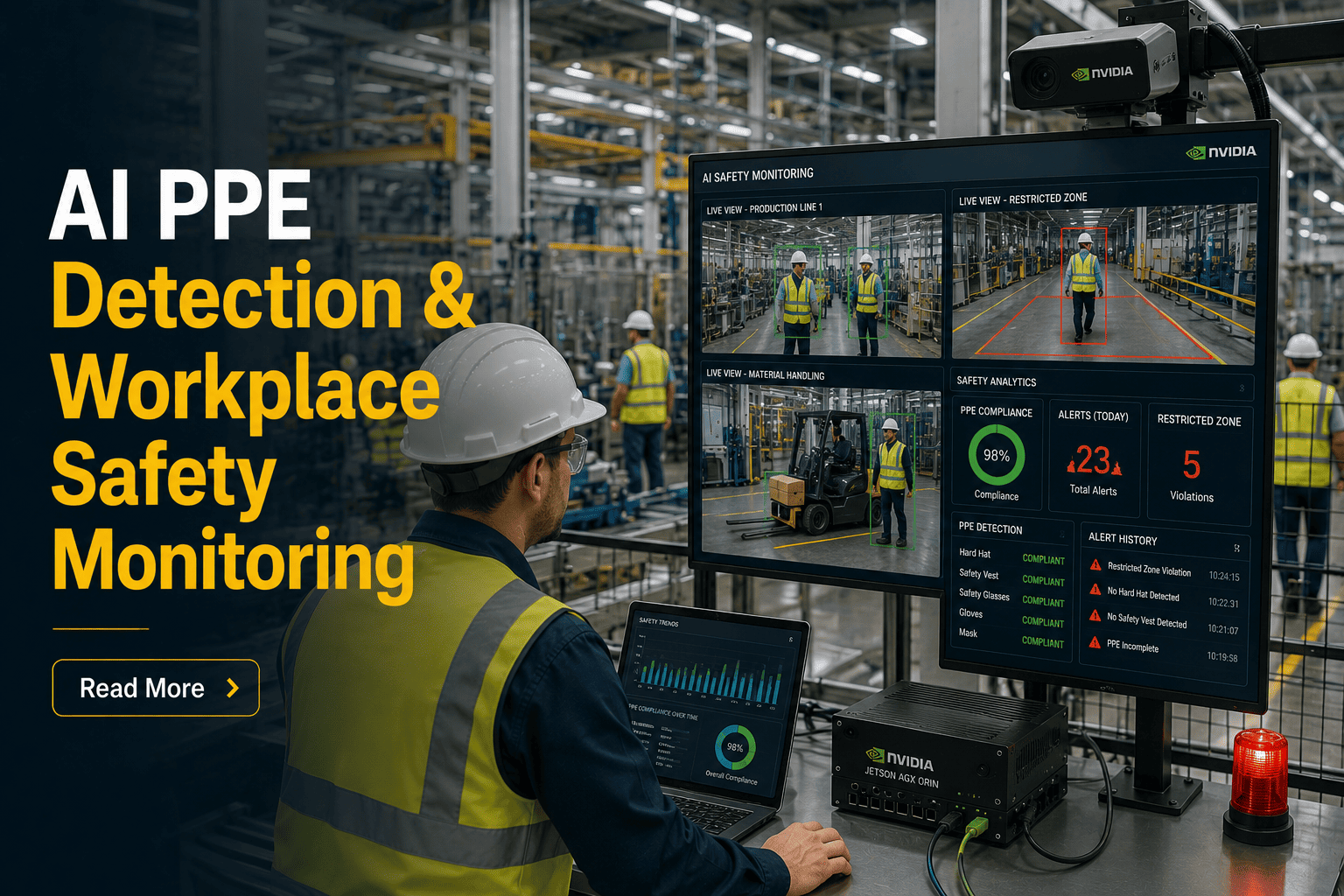
Computer vision systems can analyze worker movements and postures throughout the workday, identifying patterns that may lead to injury and providing immediate feedback through visual or auditory alerts. These systems learn from accumulated data to recognize individual worker patterns and provide personalized recommendations for posture improvement and break scheduling.
Predictive analytics platforms integrate data from multiple sources—including wearable devices, environmental sensors, and production systems—to identify potential safety risks before they result in injuries. This proactive approach enables maintenance teams to address ergonomic hazards during scheduled downtime rather than after incidents occur.
Implementation Strategies for Sustainable Ergonomic Programs
Successful ergonomic workshop transformation requires a systematic approach that begins with comprehensive workplace assessments and employee input collection. Engaging workers in the design process ensures that technological solutions address real workplace challenges rather than theoretical problems.
Phased implementation allows organizations to test and refine ergonomic technologies in controlled environments before facility-wide deployment. Starting with high-risk workstations or departments with elevated injury rates provides immediate impact while building organizational confidence in the program's effectiveness.
Training programs must accompany technology implementation to ensure workers understand how to properly use new ergonomic tools and systems. Regular training updates and refresher sessions help maintain proper usage habits and maximize the safety benefits of implemented technologies.
Implementation Timeline: Most successful ergonomic technology implementations follow a 6-12 month rollout schedule, beginning with pilot programs and expanding based on proven results and worker feedback.
Measuring Success and Continuous Improvement
Effective ergonomic programs require ongoing measurement and optimization to maintain their effectiveness over time. Key performance indicators should include both leading indicators (near-miss reports, discomfort surveys, posture analysis data) and lagging indicators (injury rates, workers' compensation costs, productivity metrics).
Regular ergonomic assessments using standardized evaluation tools help identify areas where additional technological interventions may be beneficial. These assessments should be conducted quarterly for high-risk areas and annually for all workstations to ensure continued effectiveness of implemented solutions.
Continuous improvement processes should incorporate worker feedback, technological advances, and changing production requirements. Regular review of ergonomic technologies ensures that systems remain current with industry best practices and continue to provide optimal protection for workers.
Conclusion: Building the Future of Safe Manufacturing
The integration of technology with ergonomic design principles represents a fundamental shift in how manufacturing organizations approach worker safety and operational efficiency. By implementing comprehensive ergonomic programs supported by modern technologies, manufacturing facilities can create work environments that protect workers while driving business performance.
The investment in ergonomic workshop design pays dividends through reduced injury costs, improved worker satisfaction, enhanced productivity, and stronger regulatory compliance. As technology continues to advance, the opportunities for creating safer, more efficient manufacturing environments will only expand.
Manufacturing leaders who prioritize ergonomic technology implementation today position their organizations for sustained success in an increasingly competitive global marketplace. The question isn't whether to invest in ergonomic workshop design—it's how quickly you can implement these life-changing technologies in your facility.

.jpg)