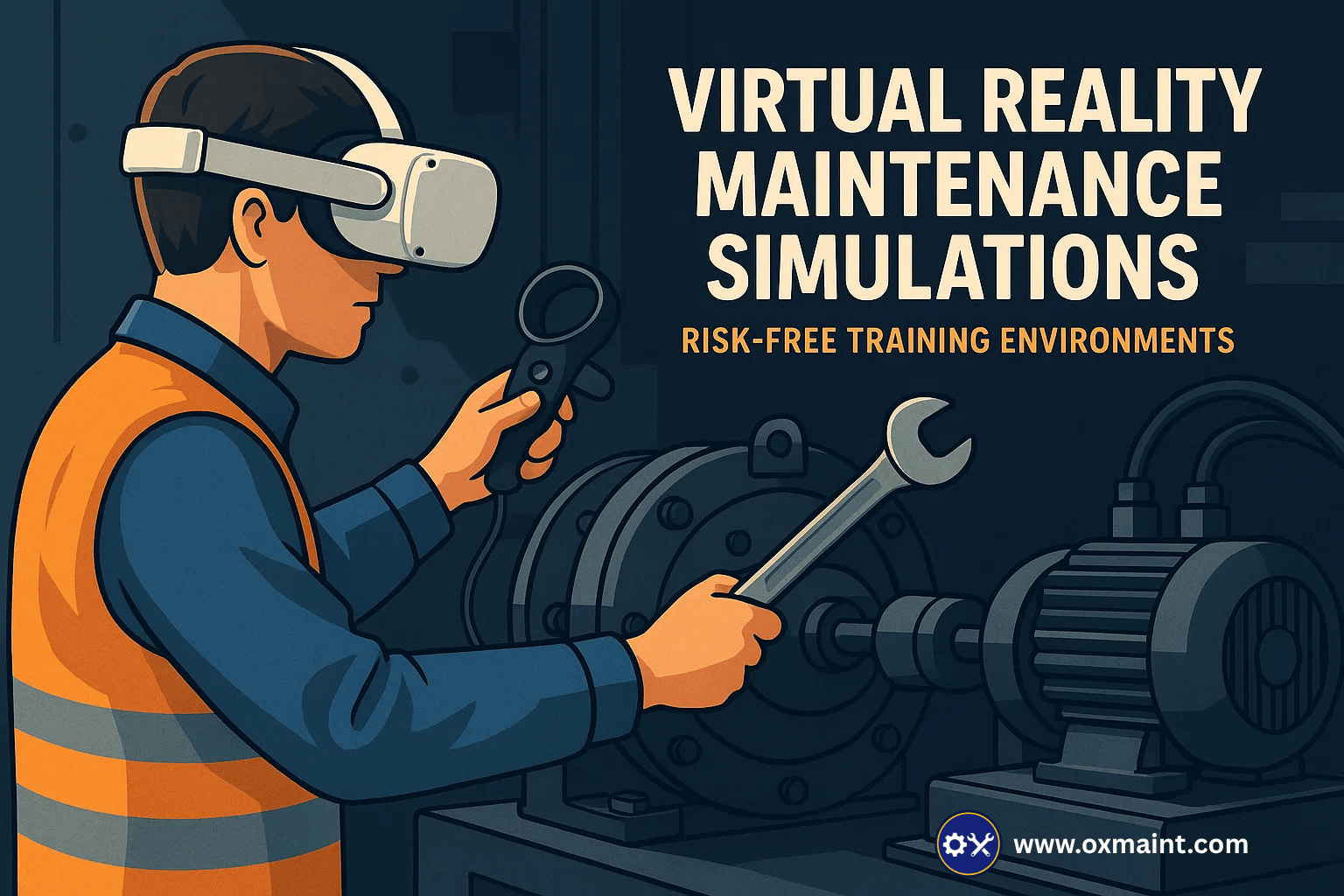
The manufacturing landscape is undergoing a digital transformation, and nowhere is this more evident than in how we train our workforce. Virtual Reality (VR) and Augmented Reality (AR) technologies are no longer futuristic concepts—they're practical solutions that are reshaping workshop training across American manufacturing facilities. As industry leaders face mounting pressure to reduce training costs, improve safety outcomes, and accelerate skill development, immersive technologies offer a compelling answer to these challenges.
Ready to transform your training programs? Discover how cutting-edge VR and AR solutions can revolutionize your workforce development.
The Reality of Traditional Training Limitations
Traditional workshop training methods in manufacturing face significant hurdles that directly impact your bottom line. Equipment downtime for training purposes can cost facilities thousands of dollars daily, while safety concerns limit hands-on experience with critical machinery. New employees often require weeks or months to reach proficiency levels, during which productivity suffers and the risk of costly mistakes remains high.
Moreover, standardizing training across multiple facilities becomes a logistical nightmare, with inconsistent instruction quality and varying safety protocols. The shortage of experienced trainers compounds these issues, creating bottlenecks in workforce development that can severely impact operational capacity. These challenges demand innovative solutions that can deliver consistent, safe, and cost-effective training experiences.
VR Training: Immersive Learning Without Risk
Virtual Reality training creates completely immersive environments where employees can practice complex procedures on expensive equipment without any risk to machinery, products, or personnel. Trainees can repeat dangerous scenarios multiple times until they achieve mastery, building muscle memory and confidence in a controlled digital environment. This approach is particularly valuable for emergency response training, where real-world practice would be prohibitively dangerous or expensive.
Leading manufacturers report up to 75% reduction in training time when implementing VR solutions for equipment operation and maintenance procedures. The technology enables standardized training experiences across all facilities, ensuring every employee receives identical instruction regardless of location. Additionally, VR systems provide detailed analytics on trainee performance, identifying specific areas where additional practice is needed and tracking improvement over time.
AR Applications: Real-World Enhancement for Skill Development
Augmented Reality overlays digital information onto the real world, making it ideal for guided maintenance procedures, quality control processes, and assembly line training. Workers can receive step-by-step visual instructions directly in their field of view, reducing errors and improving efficiency. AR applications excel in situations where trainees need to work with actual equipment while receiving contextual guidance and support.
Smart glasses and tablet-based AR solutions provide real-time access to technical documentation, schematic diagrams, and expert guidance without requiring workers to look away from their tasks. This technology proves especially valuable for complex assembly processes and maintenance procedures where precision is critical. Remote expert assistance through AR enables experienced technicians to guide trainees from anywhere in the world, maximizing the value of your most skilled personnel.
See the difference immersive training can make. Schedule a personalized demonstration of VR and AR training solutions tailored to your manufacturing environment.
Measuring ROI: The Business Case for Immersive Training
The financial benefits of VR and AR training extend far beyond reduced equipment downtime. Companies implementing these technologies report significant improvements in training completion rates, with engagement levels increasing by up to 90% compared to traditional methods. Faster skill acquisition translates directly to improved productivity and reduced supervision requirements for new employees.
Safety incident reduction represents another major cost savings area, with immersive training programs showing up to 70% fewer workplace accidents among trained personnel. The ability to scale training programs without proportional increases in instructor costs creates sustainable workforce development capabilities. When factoring in reduced material waste, lower insurance premiums, and improved employee retention rates, most facilities achieve positive ROI within 12-18 months of implementation.
Implementation Strategy: Getting Started with Immersive Training
Successful implementation begins with identifying high-impact use cases where VR and AR can deliver immediate value. Start with training scenarios that are currently expensive, dangerous, or difficult to replicate consistently. Pilot programs allow you to demonstrate value and build internal support before expanding to additional applications and facilities.
Partner selection is crucial for success, as you need vendors who understand manufacturing environments and can provide ongoing support for content development and system maintenance. Employee buy-in requires clear communication about how these technologies enhance rather than replace human expertise. Proper change management ensures smooth adoption and maximizes the return on your training technology investment.
Ready to revolutionize your training program? Join forward-thinking manufacturers who are already benefiting from immersive training technologies.
Conclusion: The Future of Workshop Training is Here
VR and AR technologies represent more than just innovative training tools—they're strategic assets that can transform your workforce development capabilities and competitive position. As manufacturing becomes increasingly complex and the skills gap continues to challenge the industry, companies that embrace immersive training technologies will gain significant advantages in productivity, safety, and employee satisfaction.
The question isn't whether your organization will adopt these technologies, but when and how quickly you can implement them to stay ahead of the competition. The manufacturers who act now will establish themselves as employers of choice while building the skilled workforce necessary for long-term success in an increasingly digital manufacturing environment.


.jpg)