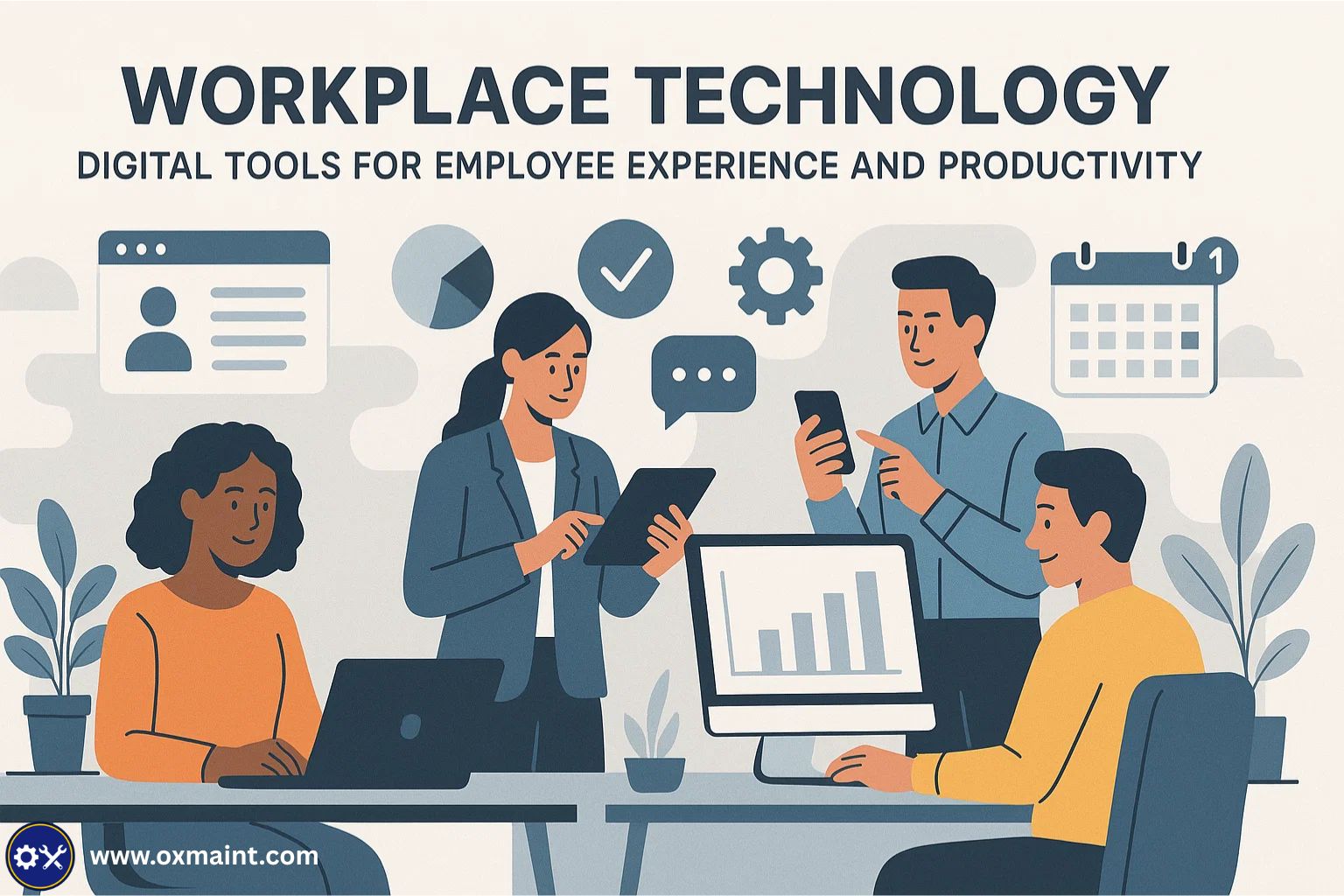
In today's fast-paced manufacturing environment, the right workplace technology can be the difference between staying competitive and falling behind. Digital tools aren't just nice-to-have additions anymore—they're essential components that directly impact your bottom line through improved employee experience and enhanced productivity.
Manufacturing professionals across the United States are discovering that investing in the right digital workplace tools doesn't just streamline operations; it transforms how teams collaborate, reduces downtime, and creates a more engaged workforce. Whether you're managing a small facility or overseeing multiple production sites, understanding which technologies deliver real results is crucial for your success.
Essential Digital Communication and Collaboration Platforms
Effective communication forms the backbone of any successful manufacturing operation. Digital communication platforms have revolutionized how teams coordinate across shifts, departments, and locations. Modern messaging apps, video conferencing tools, and collaborative workspaces eliminate the communication gaps that traditionally plagued manufacturing environments.
These platforms enable real-time problem-solving, instant knowledge sharing, and seamless handovers between shifts. When a machine issue arises on the night shift, technicians can immediately share photos, videos, and diagnostic data with day-shift engineers, ensuring continuity and faster resolution times. The result? Reduced downtime and more efficient operations.
Integration capabilities are equally important. The best communication platforms connect with your existing systems, allowing teams to share maintenance schedules, production updates, and quality reports without switching between multiple applications.
Maintenance Management and Asset Tracking Solutions
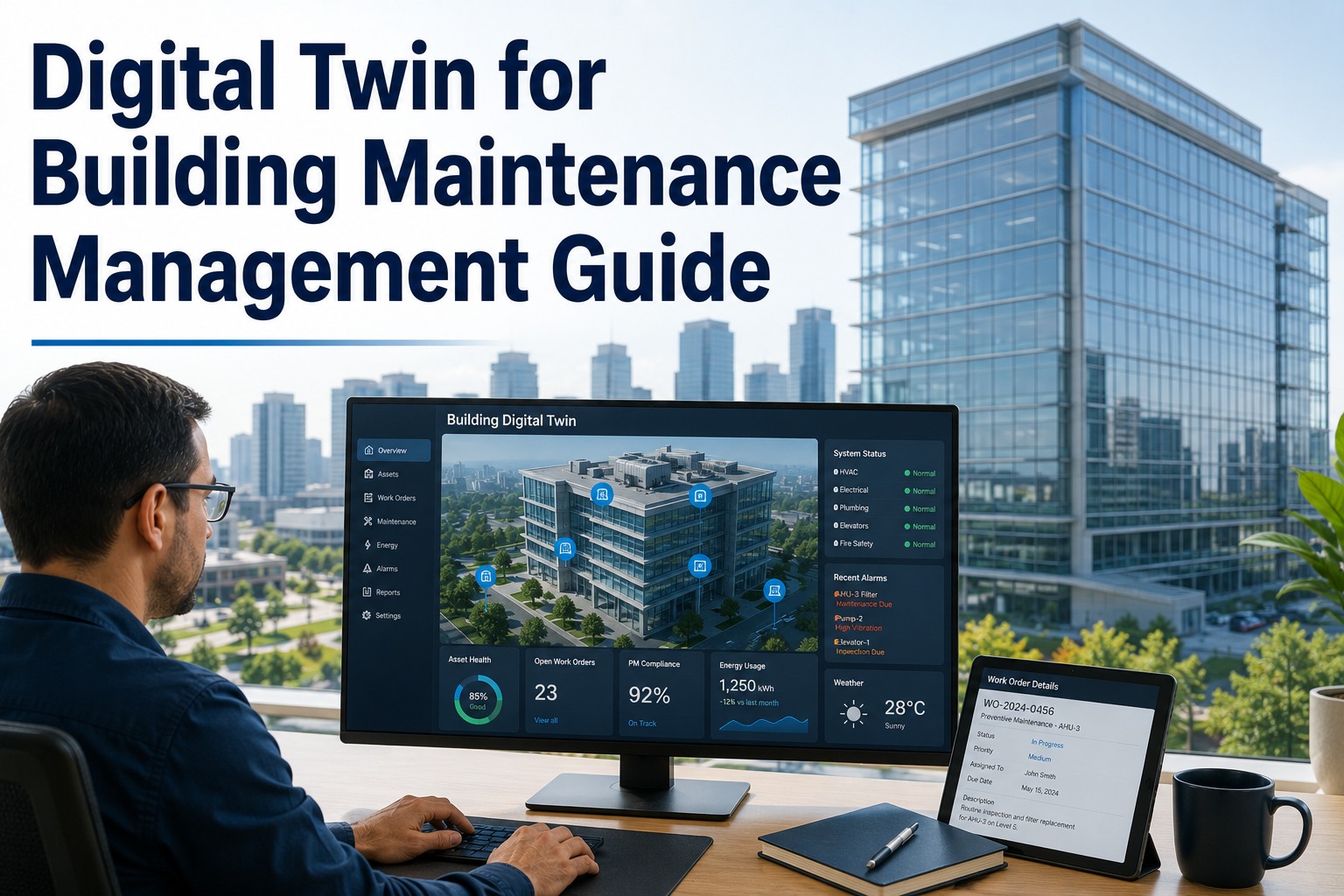
Preventive maintenance technology has transformed from simple scheduling systems into comprehensive asset management solutions. Modern maintenance management platforms provide real-time visibility into equipment health, automate work order generation, and track maintenance history across all your assets.
These systems use predictive analytics to identify potential failures before they occur, allowing your team to schedule maintenance during planned downtime rather than dealing with unexpected breakdowns. Mobile apps enable technicians to access maintenance procedures, update work orders, and capture critical data directly from the shop floor.
The integration of IoT sensors and mobile technology creates a complete picture of asset performance. Your maintenance team can monitor vibration patterns, temperature fluctuations, and other key indicators that predict equipment failures, leading to significant cost savings and improved equipment reliability.
Workflow Automation and Process Optimization Tools
Automation tools eliminate repetitive tasks that consume valuable employee time and introduce human error into critical processes. Modern workflow automation platforms can handle everything from approval processes and inventory management to quality control documentation and compliance reporting.
These systems create standardized processes that ensure consistency across all operations. When quality issues arise, automated workflows can trigger immediate notifications, initiate corrective actions, and document the entire resolution process for future reference. This level of standardization reduces variability and improves overall product quality.
Process optimization tools provide data-driven insights into operational efficiency. By analyzing workflow patterns, these platforms identify bottlenecks, suggest improvements, and measure the impact of process changes. The result is continuous improvement based on actual performance data rather than assumptions.
Mobile Technology and Remote Access Solutions
Mobile technology has become indispensable in modern manufacturing environments. Tablets and smartphones equipped with the right applications enable employees to access critical information, update systems, and communicate with team members from anywhere on the factory floor.
Remote access capabilities extend beyond the facility walls. Supervisors can monitor production metrics, review maintenance reports, and make critical decisions from home or while traveling. This flexibility ensures that operations continue smoothly even when key personnel aren't physically present.
Mobile applications designed specifically for manufacturing environments are built to withstand harsh conditions while providing intuitive interfaces that require minimal training. These tools put powerful capabilities directly into the hands of your frontline workers, empowering them to make informed decisions and take immediate action when needed.
Analytics and Performance Monitoring Platforms
Data analytics platforms transform raw operational data into actionable insights that drive continuous improvement. These systems collect information from multiple sources—production systems, maintenance records, quality metrics, and employee feedback—to provide comprehensive performance dashboards.
Real-time monitoring capabilities allow managers to identify trends and anomalies as they occur. When production efficiency drops or quality metrics deviate from targets, automated alerts enable immediate investigation and corrective action. This proactive approach prevents small issues from becoming major problems.
Historical data analysis reveals patterns that inform strategic decision-making. Understanding seasonal variations, equipment performance trends, and productivity patterns helps manufacturing leaders optimize schedules, plan maintenance activities, and allocate resources more effectively.
Conclusion: Building Your Digital Workplace Strategy
The digital transformation of manufacturing workplaces isn't just about adopting new technology—it's about creating an environment where employees can perform at their best while driving operational excellence. The tools discussed here represent proven solutions that deliver measurable results in real manufacturing environments.
Success comes from selecting technologies that integrate well with your existing systems, provide clear value to your employees, and support your specific operational goals. Start with the areas that offer the greatest potential impact, whether that's improving communication, optimizing maintenance processes, or enhancing data visibility.
Remember that technology implementation is most successful when it includes proper training, clear communication about benefits, and ongoing support for users. The best digital tools become invisible extensions of your team's capabilities, enabling them to focus on what they do best while the technology handles routine tasks and provides valuable insights.