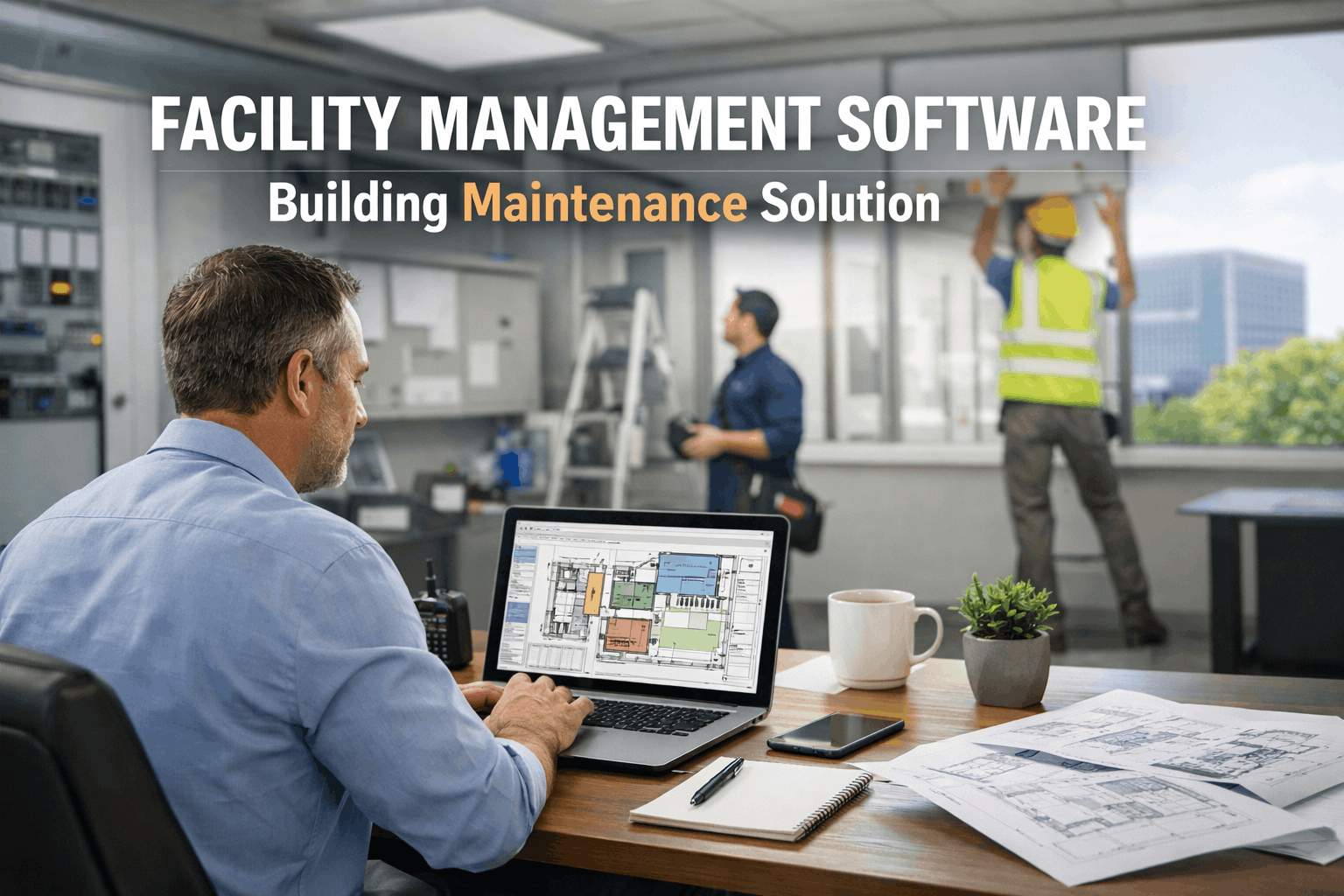
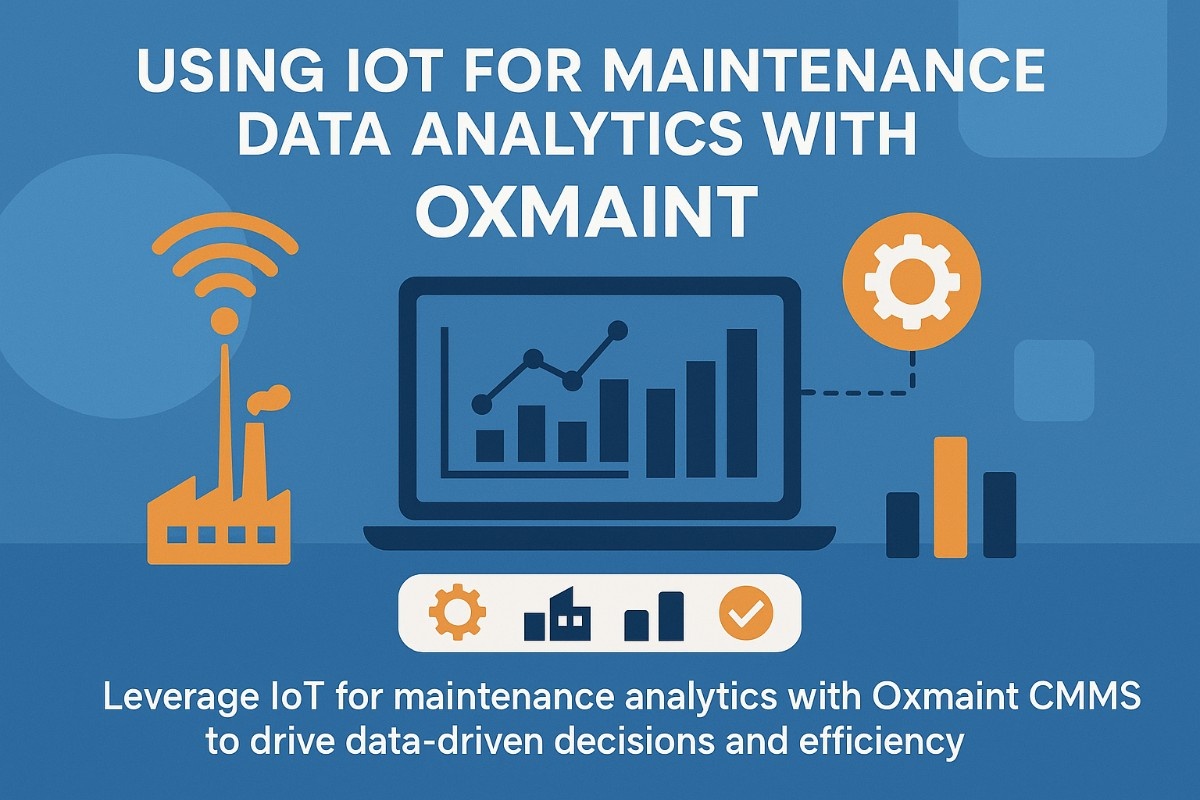
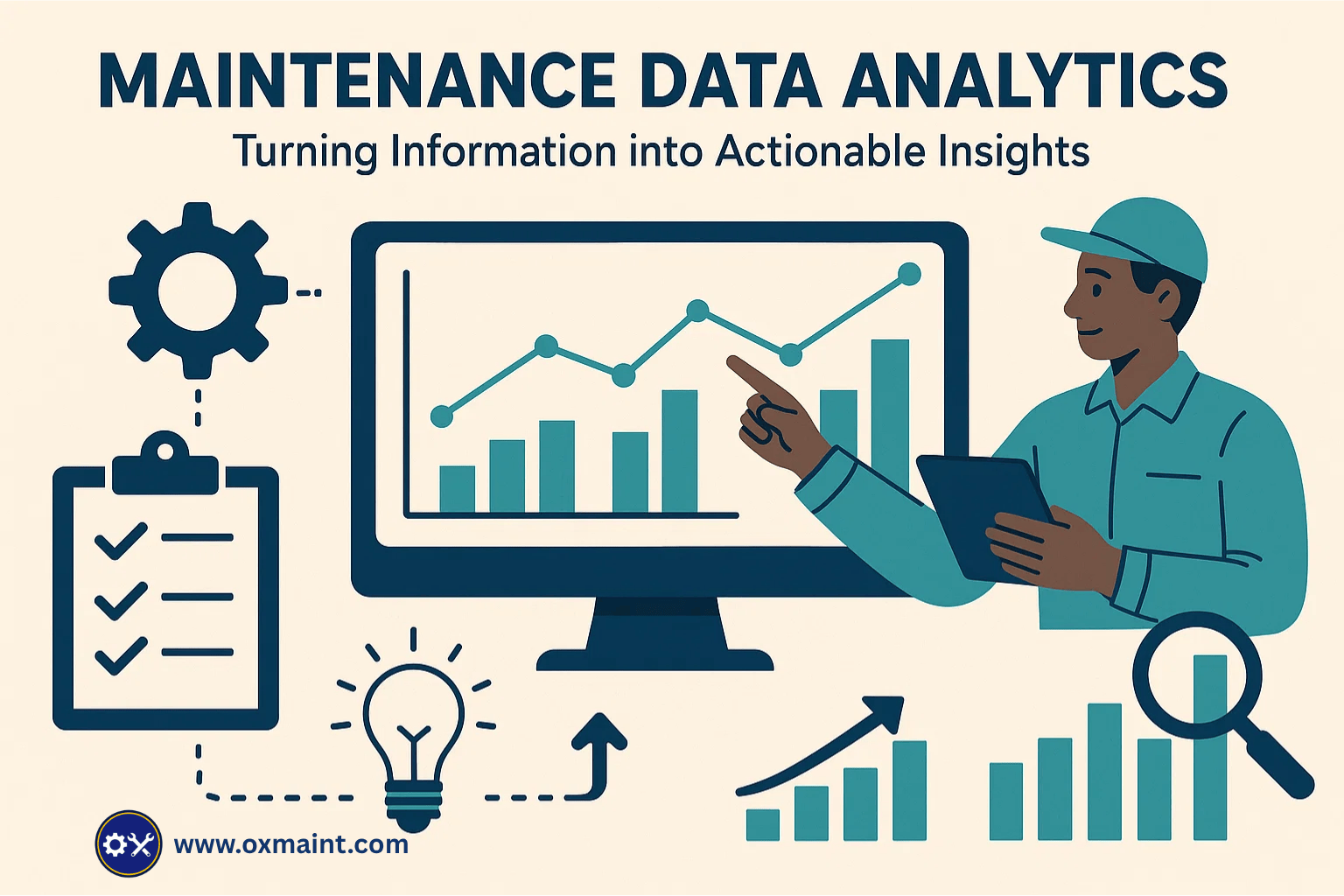
In today's competitive manufacturing landscape, every decision counts. From energy consumption to equipment performance, the data flowing through your facility holds the key to unprecedented operational efficiency. Yet many manufacturing professionals are still making critical decisions based on gut instinct rather than hard data. This approach isn't just outdated—it's costing you money, time, and competitive advantage.
Facility analytics represents a paradigm shift in how we approach building operations. By harnessing the power of real-time data, predictive insights, and intelligent automation, manufacturers can transform their facilities from reactive cost centers into proactive profit drivers. Whether you're managing a single plant or overseeing multiple facilities across the country, the principles of data-driven facility management can revolutionize your operations.
Understanding the Foundation: What is Facility Analytics?
Facility analytics is the systematic collection, analysis, and interpretation of data from building systems, equipment, and operations to drive informed decision-making. Think of it as giving your facility a nervous system—sensors and smart devices continuously monitor everything from HVAC performance and energy usage to equipment vibrations and environmental conditions.
Modern facility analytics platforms integrate data from multiple sources: IoT sensors, building management systems, maintenance records, energy meters, and even weather forecasts. This comprehensive data ecosystem provides facility managers with unprecedented visibility into their operations, enabling them to identify patterns, predict failures, and optimize performance in ways that were impossible just a decade ago.
The real power lies not just in collecting data, but in transforming it into actionable insights. Advanced analytics platforms use machine learning algorithms to identify anomalies, predict equipment failures, and recommend optimization strategies. This shift from reactive to predictive maintenance alone can reduce unplanned downtime by up to 50% while extending equipment lifespan significantly.
The ROI Revolution: Quantifiable Benefits of Data-Driven Operations
The financial impact of facility analytics extends far beyond basic cost savings. Energy optimization alone can reduce utility costs by 15-30%, while predictive maintenance strategies can decrease maintenance expenses by 20-25%. But the real game-changer is the elimination of unplanned downtime—a single hour of production stoppage can cost manufacturers anywhere from $50,000 to $500,000 depending on the industry.
Consider space utilization analytics, which can reveal that your facility is operating at only 60% capacity during certain shifts. This insight might lead to consolidating operations, subletting unused space, or optimizing workflow patterns. One automotive manufacturer discovered through analytics that reconfiguring their floor layout based on traffic pattern data increased throughput by 18% without adding a single piece of equipment.
Environmental compliance becomes significantly easier with continuous monitoring and automated reporting. Rather than scrambling to compile compliance reports manually, facility analytics platforms can generate detailed environmental impact reports automatically, ensuring you never miss a regulatory deadline while identifying opportunities to exceed compliance standards and potentially qualify for green energy incentives.
Implementation Strategies: Building Your Analytics Infrastructure
Successful facility analytics implementation requires a strategic approach that balances immediate wins with long-term transformation goals. Start by identifying your most critical pain points—whether it's energy costs, equipment reliability, or regulatory compliance. This focused approach allows you to demonstrate quick ROI while building organizational buy-in for broader analytics initiatives.
The sensor infrastructure doesn't need to be overwhelming. Modern wireless sensors can be deployed rapidly without major infrastructure modifications. Begin with high-impact areas: critical equipment monitoring, energy meters on major systems, and environmental sensors in key production areas. As you prove value, expanding the sensor network becomes a natural progression rather than a major capital expenditure.
Data integration is where many implementations stumble. Your analytics platform must seamlessly connect with existing systems—ERP, CMMS, BMS, and production systems. Look for solutions that offer pre-built connectors and APIs rather than requiring custom development. The goal is to create a unified data ecosystem that breaks down information silos and provides holistic operational visibility.
Advanced Analytics in Action: Real-World Applications
Predictive maintenance represents perhaps the most transformative application of facility analytics. By analyzing vibration patterns, temperature fluctuations, energy consumption, and operational parameters, advanced algorithms can predict equipment failures weeks or months in advance. This allows maintenance teams to schedule repairs during planned downtime, order parts in advance, and prevent catastrophic failures that could shut down entire production lines.
Energy optimization goes beyond simple consumption monitoring. Modern analytics platforms can correlate energy usage with production schedules, weather patterns, and operational parameters to identify optimization opportunities. Some systems can automatically adjust HVAC settings, lighting, and equipment operation based on real-time demand and occupancy patterns, creating significant energy savings without impacting production quality.
Workflow optimization through analytics can reveal inefficiencies that are invisible to human observation. By tracking material flow, personnel movement, and equipment utilization patterns, facilities can identify bottlenecks, optimize layout configurations, and improve overall operational efficiency. These insights often lead to process improvements that increase capacity without capital investment.
See how facility analytics can transform your operations. Get a personalized demonstration.
Book a DemoGetting Started
Overcoming Implementation Challenges and Building Success
The biggest barrier to facility analytics success isn't technical—it's cultural. Organizations must shift from reactive, experience-based decision making to proactive, data-driven strategies. This transformation requires leadership commitment, staff training, and clear communication about how analytics will enhance rather than replace human expertise. Successful implementations focus on empowering teams with better information rather than automating them out of the process.
Data quality issues can derail even the most sophisticated analytics initiatives. Establish clear data governance protocols from the beginning, including sensor calibration schedules, data validation procedures, and regular system audits. Poor data quality leads to poor insights, which can actually be worse than no insights at all. Invest in proper data management practices from day one.
Security considerations are paramount when implementing IoT sensors and analytics platforms. Ensure your chosen solution includes robust cybersecurity features, including encrypted data transmission, secure authentication protocols, and network segmentation capabilities. The benefits of facility analytics should never come at the expense of operational security or proprietary information protection.
The Future is Data-Driven
Facility analytics isn't just a trend—it's the future of manufacturing operations. As competition intensifies and margins tighten, the ability to make fast, accurate, data-driven decisions becomes a critical competitive advantage. Organizations that embrace facility analytics today will be the industry leaders of tomorrow, while those that delay risk being left behind by more agile, data-savvy competitors.
The question isn't whether to implement facility analytics, but how quickly you can begin realizing its benefits. Start with a focused pilot program, demonstrate clear ROI, and build momentum for broader transformation. Your facility's data is already telling a story—it's time to start listening.