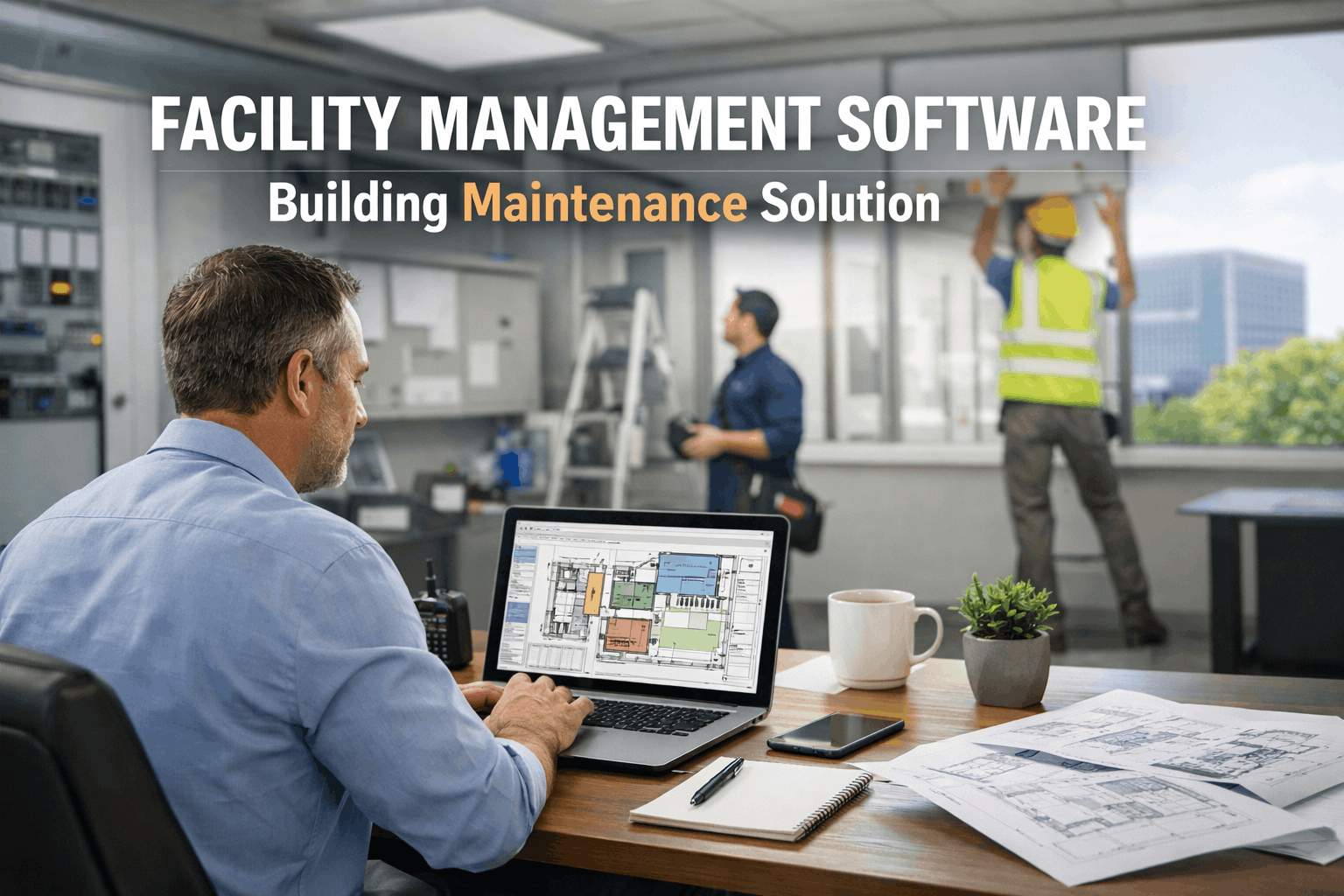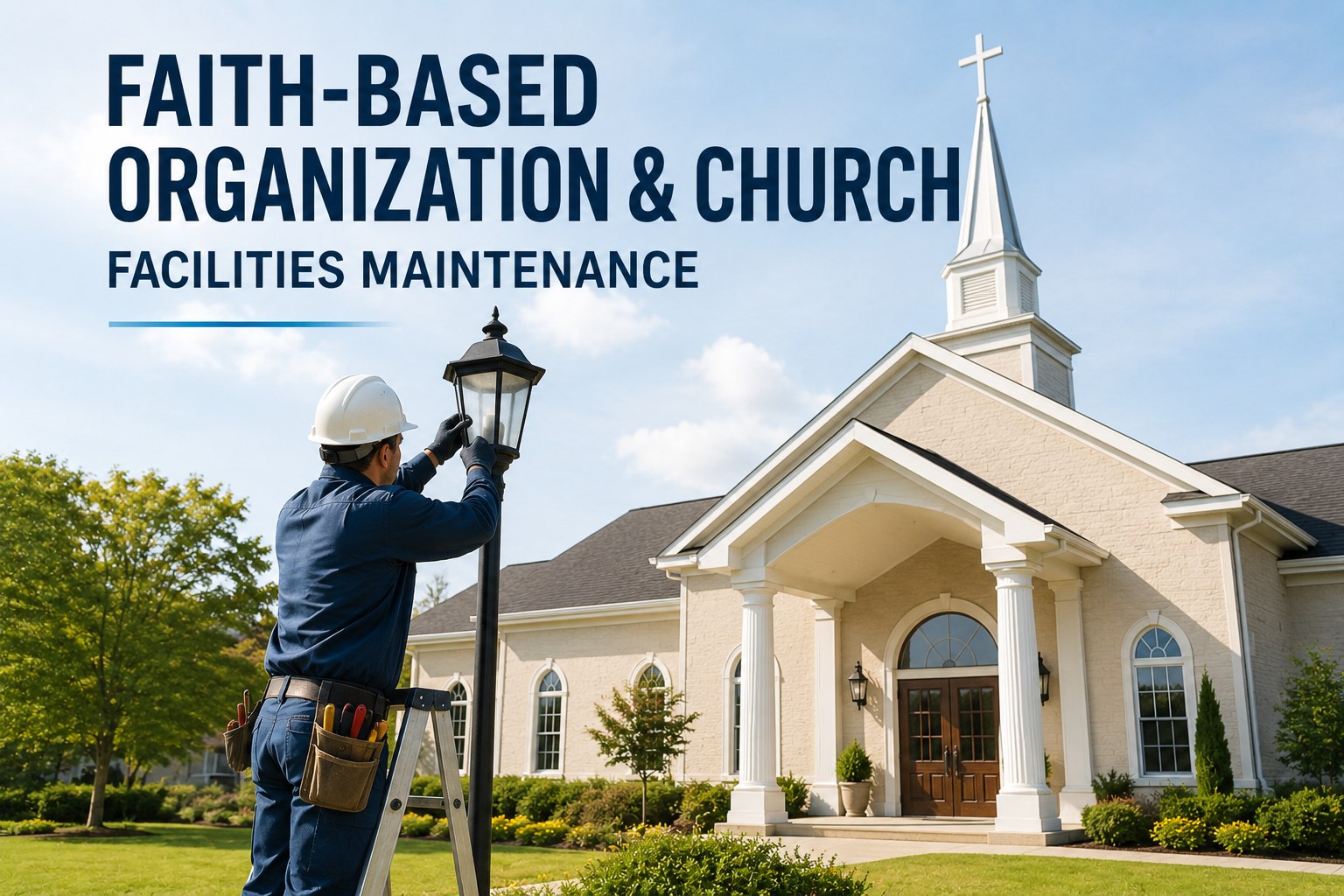
A house of worship does not run on a factory clock — it runs on a calendar. The sanctuary sits nearly empty on a Tuesday afternoon and then fills to capacity for a weekend service, a holy day, a wedding, or a funeral, and the building has to be ready every single time. That single fact reshapes everything about maintaining a church, synagogue, or mosque: the HVAC has to handle a room that swings from a handful of people to a packed hall, the roof and boiler cannot fail the week before a major holiday, and the work itself is usually carried out by volunteers whose skills and availability vary and whose hard-won knowledge of the building walks out the door when they move on. Add aging buildings, tight budgets where every dollar spent on an emergency repair is a dollar not spent on ministry, and the picture is clear: faith facilities need structure, not heroics. The average faith facility now runs $12,000–$18,000 a year in maintenance per 10,000 square feet, and organizations that adopt a structured program cut emergency repairs by 40–50%. This guide covers how to run that program. Start a free Oxmaint trial and schedule maintenance around your worship calendar, or book a demo to see volunteer work orders and asset history in one place.
Facility Management · Houses of Worship · Stewardship
Faith-Based Organization & Church Facilities Maintenance
Roof PM, HVAC for variable occupancy, food-service kitchen maintenance, and volunteer work-order management — how churches, synagogues, and mosques keep aging buildings safe and worship-ready on a liturgical calendar and a ministry budget.
-
40–50%
fewer emergency repairs with a structured maintenance program
-
$12–18K
annual maintenance cost per 10,000 sq ft of facility
-
30%
lower repair costs in year one from scheduled HVAC PM
-
Days
typical setup time for a volunteer-friendly church CMMS
Maintenance on a Liturgical Calendar
Time the Work Around Worship, Not the Other Way Around
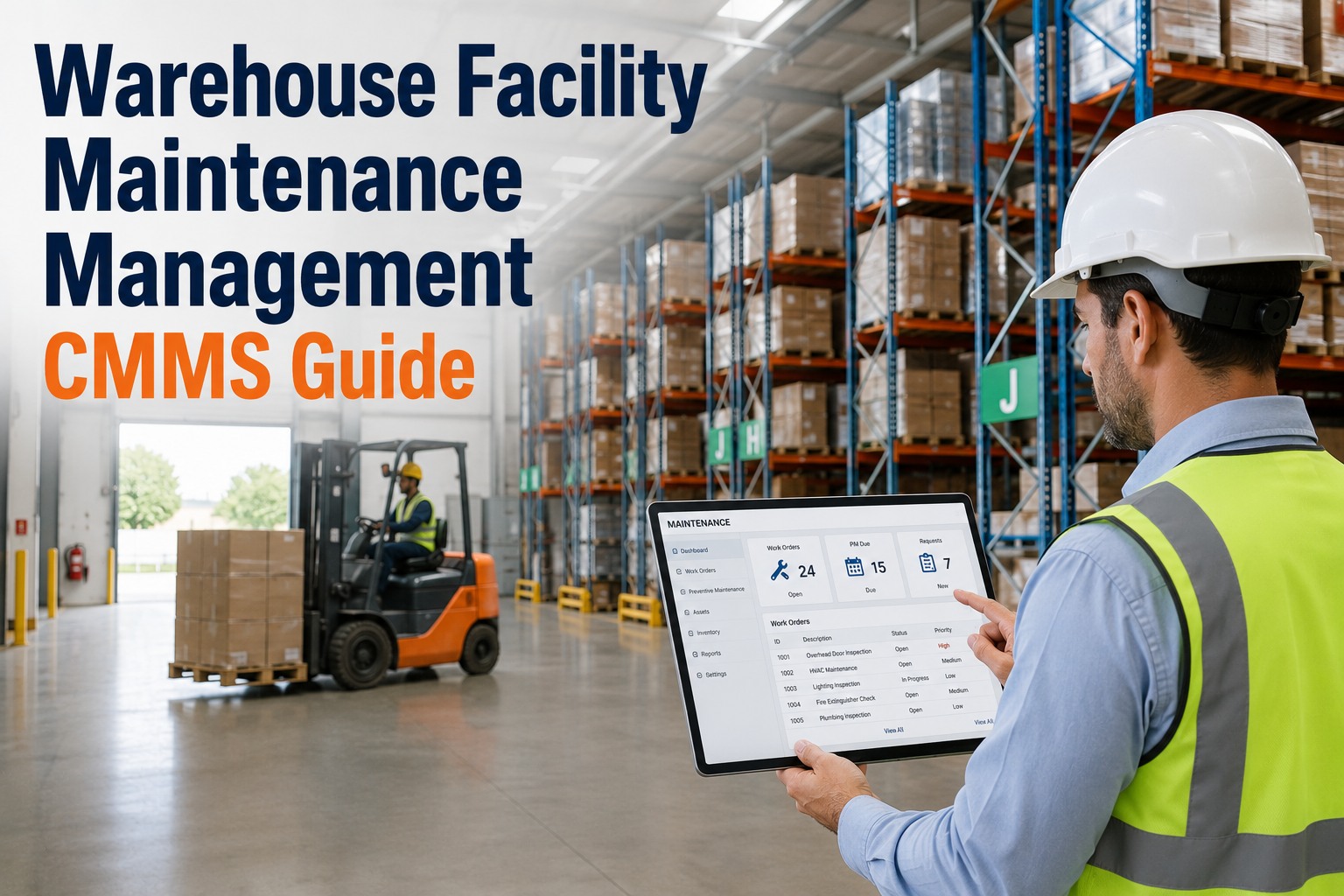
The defining challenge of faith facilities is timing. Systems cannot fail before a high-attendance holy day, and maintenance cannot disrupt a service, wedding, or funeral. A worship-aware schedule turns the liturgical calendar into the maintenance calendar — three rhythms working together.
-
Pre-Holiday Readiness
Trigger comprehensive HVAC, boiler, and life-safety checks 4–6 weeks before major observances, so systems can handle larger crowds and extended services without a failure at the worst possible moment. -
Event Blackout Windows
Set maintenance blackout periods around services and booked events; the schedule automatically reschedules routine tasks to avoid conflicts while keeping critical seasonal prep on track. -
Quiet-Season Overhauls
Schedule intensive work in non-peak periods — an HVAC overhaul after a spring holiday but before summer — taking advantage of mild weather and low attendance to avoid disrupting worship.
Calendar integration is what makes this practical: maintenance tasks coordinate around scheduled facility usage instead of colliding with it. Book a demo to see maintenance scheduled around your service calendar.
The Building Systems That Matter
Four Systems, Four Different Demands
Faith facilities are multi-purpose buildings — sanctuary, fellowship hall, classrooms, kitchen, grounds — and four systems carry the most maintenance risk. Each needs its own PM cadence and its own place in the record.
-
Roof & Envelope
Aging roofs are the top source of catastrophic water damage. Scheduled inspections after each season catch damage, flashing failures, and blocked drains before a leak reaches the sanctuary ceiling or historic finishes. -
Variable-Occupancy HVAC
The signature challenge: a system that must serve a near-empty room midweek and a packed hall on the weekend. Quarterly filter changes and pre-holiday inspections keep comfort and air quality across that swing. -
Food-Service Kitchen
Fellowship-hall kitchens carry commercial appliances, hood suppression, and health-code exposure. Tracked appliance PM and inspection logs keep the kitchen compliant and extend the life of expensive equipment. -
Life Safety
Fire alarms, extinguishers, emergency and exit lighting, and clear egress protect a full house on a holy day. Automated inspection checklists keep the building ready for the fire marshal and the insurer.
Specialized elements — stained glass, pipe organs, bell systems, baptismal fonts — also need documented seasonal care most generic templates miss. Sign up for Oxmaint to build a PM schedule for every building system.
The Volunteer Reality
The Knowledge Can't Live in One Person's Head
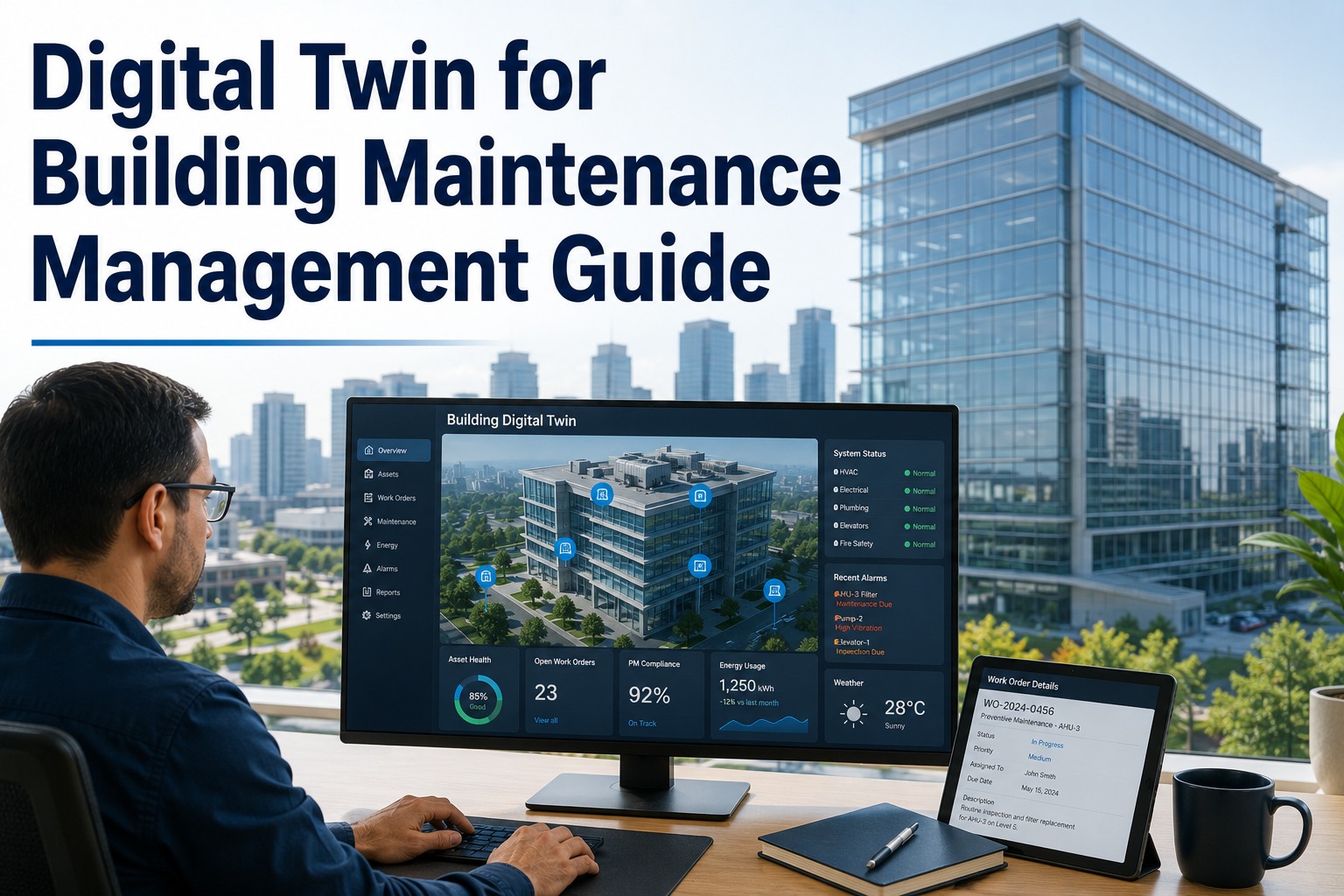
Faith facilities run on volunteers and long-serving members who carry critical building knowledge — where the shutoff is, which unit is temperamental, what was fixed last winter. When they move on, that knowledge leaves with them unless the building remembers it. A shared system is how the institution keeps its memory.
- Preserve institutional memory — every procedure, asset spec, and past repair in a central record that survives volunteer turnover.
- Match tasks to skill level — assign volunteer-friendly jobs to the right people and route technical work to professional contractors.
- Report from any phone — staff and volunteers submit and close work orders from the nursery to the pulpit, no desk or paperwork required.
- Give leadership visibility — trustees and the facilities committee see what's done and what's overdue without digging through files.
Spreading work across the year also keeps volunteers from being overwhelmed — a structured cadence is kinder to the people who serve. Book a demo to see mobile volunteer work orders and role-based access.
Stewardship, Not Overhead
Every Dollar on an Emergency Repair Is a Dollar Not Spent on Ministry
Deferred maintenance is the most expensive way to run a building. A missed roof inspection becomes a ceiling repair; a skipped HVAC service becomes a failed unit the week of a major holiday; a small leak becomes damaged flooring and displaced worship. Congregations that treat facility management as ministry enablement rather than operational overhead — catching small issues before they escalate, planning capital needs on a 3–5 year horizon, and documenting everything for insurance and denominational audits — protect both their building and their budget. The most successful ones report cutting emergency repairs by 40–50% while freeing volunteer hours and funds for the mission the building exists to serve.
Oxmaint for Houses of Worship
How Oxmaint Runs Faith Facility Maintenance
-
Worship-Aware PM
Scheduled Around Services
Recurring PM for roof, HVAC, kitchen, and life-safety systems that respects blackout windows and triggers pre-holiday readiness checks — so the building is ready every service without disrupting one.
-
Mobile Work Orders
Simple Enough for Volunteers
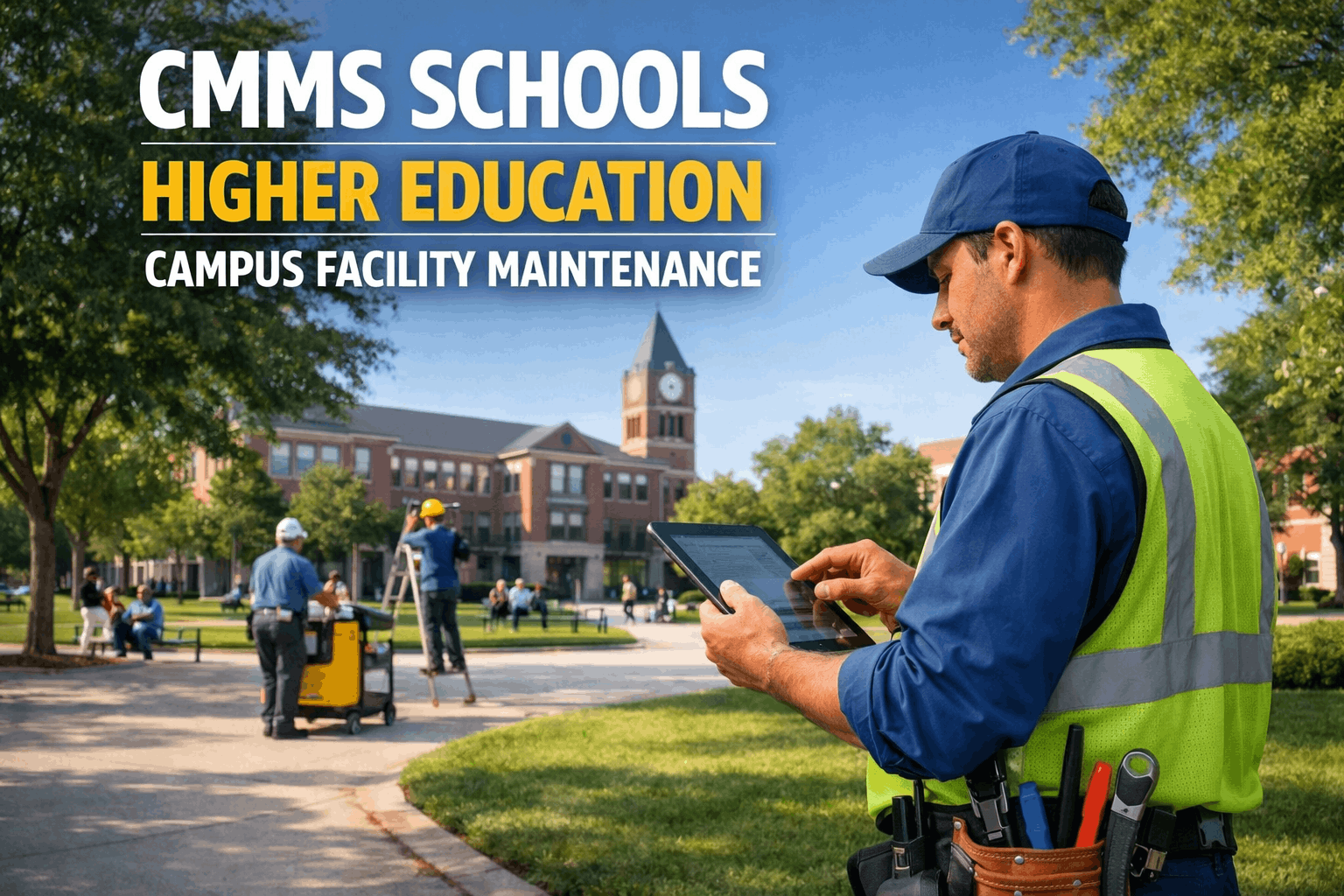
Anyone can submit an issue or close a task from a phone — from a leaky baptismal font to an annual fire check — with an interface simple enough to need no training and role-based access for staff and trustees.
-
Asset History
The Building's Memory
Every asset — sanctuary AV, HVAC units, kitchen appliances, the organ — mapped with service history and QR codes to scan on rounds, so knowledge survives when volunteers rotate.
-
Compliance Logs
Inspection-Ready on Demand
Automated fire and safety checklists with photos and documents attached — audit-ready records for fire marshals, building inspectors, insurance auditors, and denominational reviews, generated from daily work.
-
Budget Tracking
Costs the Committee Can See
Track maintenance costs and recurring-repair trends to justify funding, plan a 3–5 year capital improvement horizon, and decide when replacing an aging asset beats repairing it again.
-
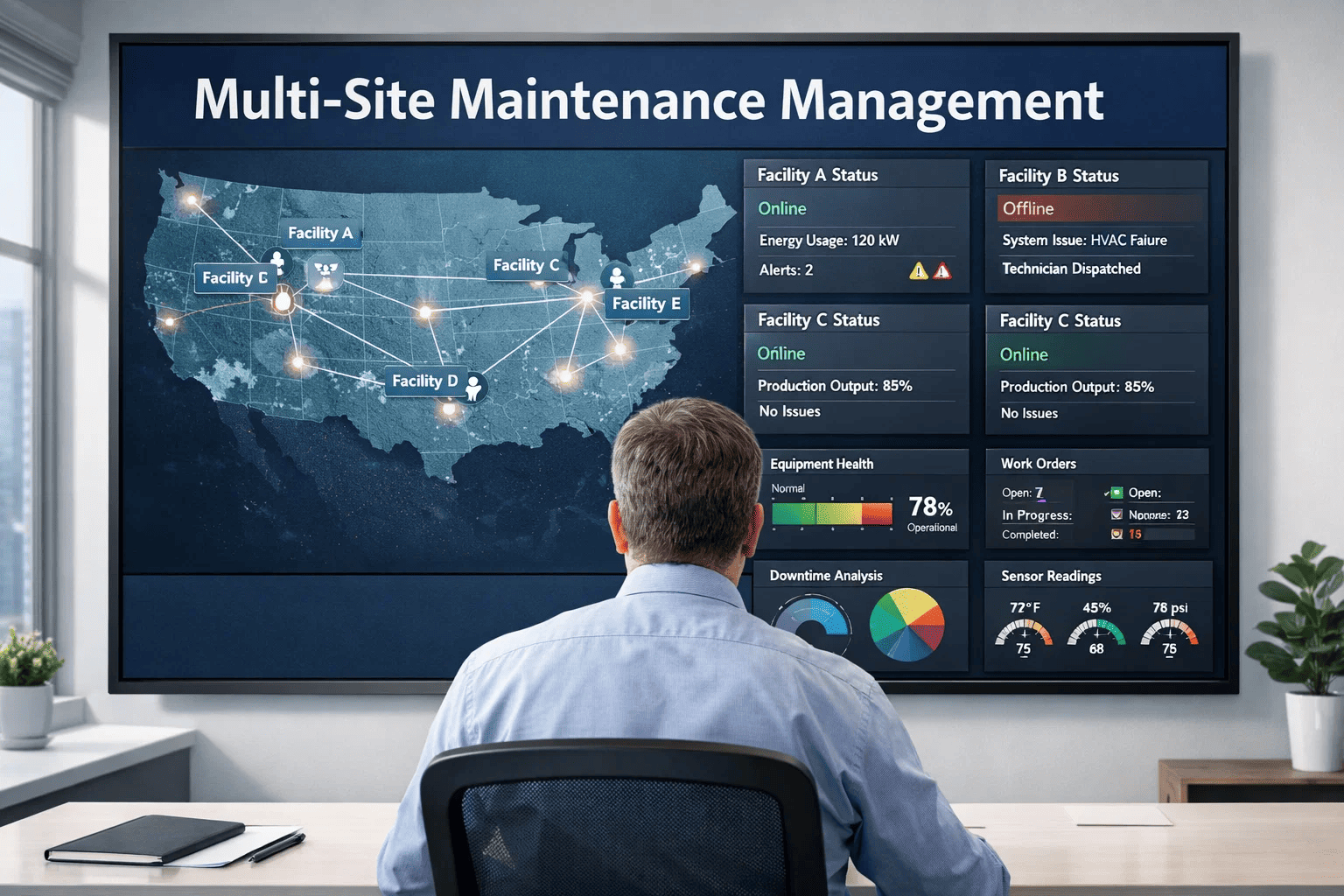
Multi-Campus
One Sanctuary or Many
Scale from a single sanctuary to a multi-site ministry network with the same centralized system — every location's work orders, assets, and PM visible in one place for the whole organization.
Frequently Asked
Faith Facility Maintenance Questions
Why do churches and synagogues need special maintenance planning?
Because they operate on a liturgical calendar with dramatic occupancy swings — near-empty midweek, full for services and holy days. Systems cannot fail before a high-attendance observance, and maintenance cannot disrupt a service, wedding, or funeral. That means scheduling pre-holiday readiness checks, setting event blackout windows, and timing intensive work for quiet seasons — a worship-aware approach a generic maintenance plan does not provide. Sign up for Oxmaint to plan maintenance around your worship calendar.
How does a CMMS help a volunteer-run facility team?
It makes the work simple and durable. Volunteers submit and close work orders from their phones with no training, tasks are matched to skill level with technical jobs routed to contractors, and every procedure and repair is stored centrally — so the building's knowledge survives when long-serving volunteers move on. Leadership gets visibility into what is done and overdue without chasing paper, and spreading work across the year keeps the team from being overwhelmed.
What does faith facility maintenance typically cost?
The average faith facility runs about $12,000–$18,000 per year in maintenance and operations per 10,000 square feet, though it varies with building age and usage. The larger cost is often invisible: emergency repairs and deferred maintenance. Organizations that adopt a structured preventive program cut emergency repairs by 40–50%, and scheduled HVAC PM alone has reduced repair costs by around 30% in the first year — freeing budget for ministry. Book a demo to see maintenance cost tracking for your facility.
Can one system handle a multi-campus ministry?
Yes. The same platform scales from a single sanctuary to a multi-site denominational network, with every location's work orders, assets, and preventive schedules in one centralized view. Role-based access lets each campus manage its own work while leadership sees the whole portfolio, and shared asset and compliance records keep standards consistent across sites — useful for both insurance and denominational audits. Sign up for Oxmaint to manage one or many worship sites.
Schedule · Document · Steward · Serve
A Well-Kept Building Is Ministry the Congregation Can Feel
Every missed roof inspection, failed holiday HVAC, and lost bit of volunteer knowledge is a disruption to worship and a drain on the ministry budget. Oxmaint gives faith communities one simple platform to schedule maintenance around the worship calendar, run PM on roof, HVAC, kitchen, and life-safety systems, empower volunteers with mobile work orders, preserve the building's history through turnover, and keep audit-ready records — so the facility quietly supports the mission it was built to serve.