Your production manager walks into the morning meeting with a troubling report: "We rejected 4.2% of yesterday's production run, and our line efficiency dropped to 68%." You pull out last quarter's metrics—$1.8 million lost to quality issues and downtime—but struggle to identify which technologies could deliver the ROI needed to justify modernization investments. Without clear technology roadmaps and proven implementation strategies, you're essentially gambling with your facility's competitive future.
This scenario plays out in food manufacturing facilities nationwide as operations struggle to balance technology adoption with operational stability and capital constraints. The average food manufacturing facility now invests 2.5-4% of annual revenue in technology upgrades, but returns vary dramatically based on technology selection, implementation approach and organizational readiness.
Facilities with strategic technology adoption achieve 35-45% improvements in overall equipment effectiveness (OEE) while reducing quality defects by 60-80% compared to those maintaining traditional processes. The key lies in understanding which technologies address specific operational challenges, establishing implementation priorities and building organizational capabilities that maximize technology value.
Ready to transform your food manufacturing operations with proven technologies that eliminate $1.8 million in quality losses and boost line efficiency to 95%+?
Every day without modern food manufacturing technology costs you thousands in quality defects, production downtime, and competitive disadvantage. The innovations exist now to transform struggling production lines into precision operations delivering consistent excellence.
Understanding the Food Manufacturing Technology Landscape
Effective technology adoption in food manufacturing requires understanding the interconnected ecosystem of innovations that drive operational excellence. These technologies extend far beyond simple automation to include artificial intelligence, IoT sensors, advanced robotics, and sustainability solutions that fundamentally transform production capabilities and competitive positioning.
Digital transformation technologies represent the foundation of modern food manufacturing operations. However, individual technologies typically deliver only 15-25% improvements when implemented in isolation. The remaining 75-85% of potential value comes from integrated deployments that leverage synergies between complementary technologies creating multiplicative rather than additive benefits.
AI-Powered Quality Control
Computer vision systems detecting defects, contamination, and specification deviations with 99.9% accuracy. Prevents costly recalls and reduces waste by catching quality issues before packaging.
IoT Sensor Networks
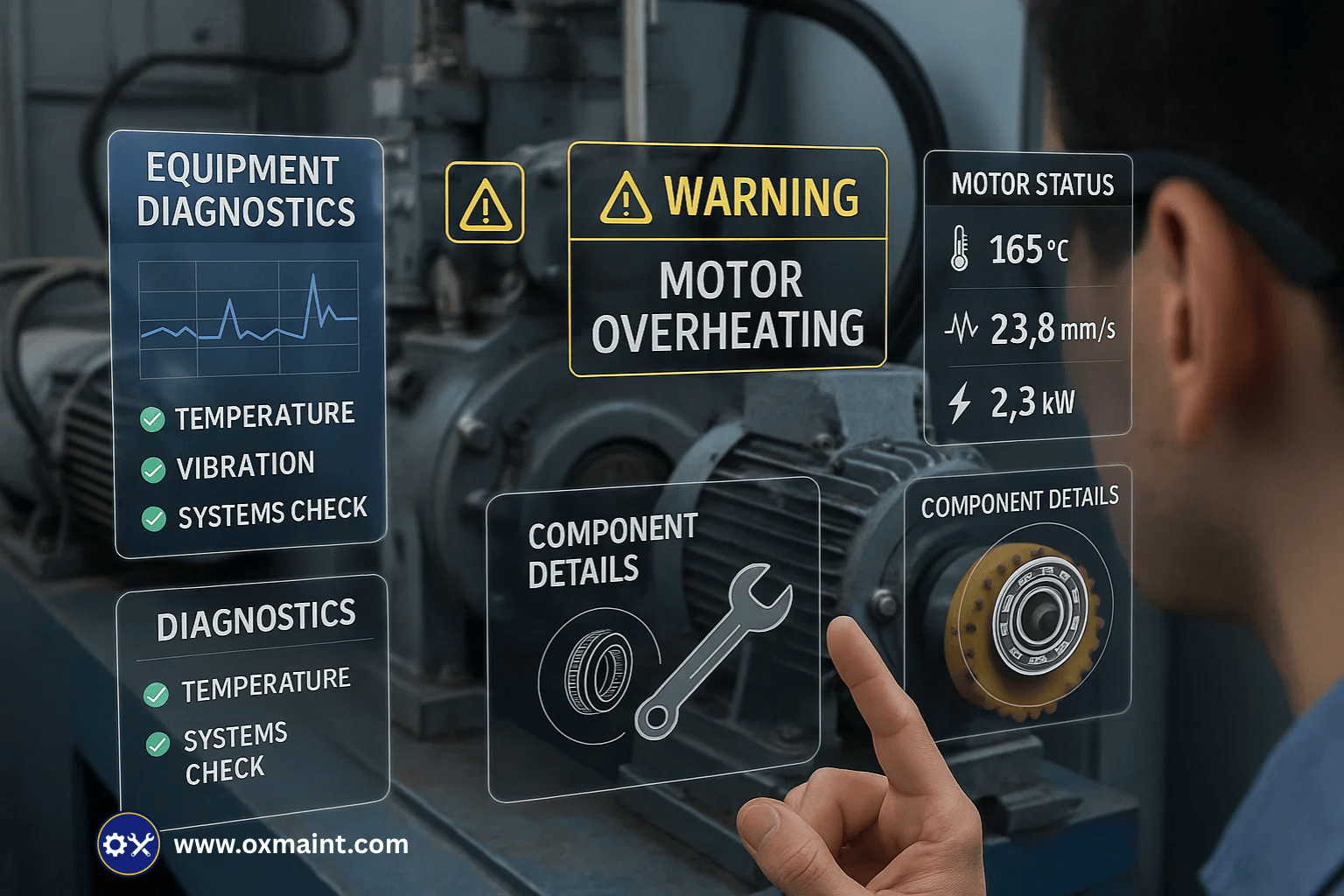
Real-time monitoring of temperature, humidity, pressure, and vibration across production environments. Predictive analytics prevent 70-85% of equipment failures and quality deviations.
Collaborative Robotics
Flexible automation working safely alongside human workers without caging. Improves productivity 35-50% while reducing repetitive strain injuries by 60-75%.
Digital Twin Technology
Virtual production line modeling enabling risk-free optimization and testing. Reduces new product launch time by 45% and improves changeover efficiency by 30%.
Blockchain Traceability
End-to-end supply chain transparency from farm to fork with immutable records. Enables instant recalls and builds consumer trust through verifiable sourcing.
Sustainable Packaging Technology
Biodegradable materials and intelligent packaging extending shelf life while reducing environmental impact. Meets regulatory requirements and consumer sustainability expectations.
Integration complexity versus standalone benefits significantly impacts technology ROI and operational effectiveness. Operations achieving seamless integration between quality systems, production equipment, and enterprise software typically realize 2-3x higher returns than those implementing isolated point solutions without considering system interdependencies.
Organizational readiness represents another critical factor often underestimated in technology planning and budgeting. Success rates increase from 30-40% to 75-85% when implementations include comprehensive training programs, change management initiatives, and process optimization activities alongside technology deployment rather than treating adoption as purely technical exercise.
10 Transformative Technologies for Food Manufacturing Excellence
Strategic technology selection requires understanding specific capabilities, implementation requirements, and operational impact across diverse production environments. Investment priorities must balance immediate operational needs with long-term competitive positioning while considering facility-specific constraints and organizational capabilities.
Food manufacturing technology categories span from operational technologies improving production efficiency to enterprise systems enhancing business intelligence and regulatory compliance. Understanding these technologies enables better investment prioritization and phased implementation planning aligned with strategic objectives.
| Technology Category | Investment Range | ROI Timeline | Key Operational Benefits |
|---|---|---|---|
| AI Quality Control Systems | $150,000 - $500,000 | 12-18 months | 99.9% defect detection accuracy, 60% recall reduction, automated inspection |
| IoT Sensor Networks | $75,000 - $250,000 | 8-14 months | 40% downtime reduction, predictive maintenance, environmental monitoring |
| Collaborative Robotics | $50,000 - $150,000/unit | 16-24 months | 35% productivity increase, improved worker safety, flexible automation |
| Digital Twin Platforms | $200,000 - $750,000 | 18-30 months | 25% OEE improvement, faster optimization, reduced product development time |
| Blockchain Traceability | $100,000 - $400,000 | 14-20 months | Instant traceability, regulatory compliance, consumer trust enhancement |
| Energy Management AI | $80,000 - $300,000 | 10-16 months | 20-30% energy reduction, sustainability goal achievement, cost savings |
| Advanced Vision Systems | $120,000 - $450,000 | 12-20 months | Multi-spectrum inspection, foreign object detection, 98% accuracy |
| Automated Process Control | $180,000 - $600,000 | 15-24 months | Consistent product quality, reduced variability, optimized recipes |
| Smart Packaging Systems | $90,000 - $350,000 | 12-18 months | Extended shelf life, reduced waste, sustainability compliance |
| Predictive Analytics Platforms | $100,000 - $400,000 | 10-16 months | Demand forecasting, inventory optimization, 30% waste reduction |
High-complexity implementations involving multiple production lines or integrated systems may require 40-60% higher investments than baseline estimates. Conversely, pilot implementations on single production lines can validate technology value with 50-70% lower initial investment before facility-wide rollout reducing financial risk.
Regional technology ecosystem maturity significantly impacts implementation costs and success rates. Established manufacturing hubs offer 20-30% cost advantages through local expertise availability and competitive vendor markets compared to isolated facilities lacking technical support infrastructure.
Building Your Food Manufacturing Technology Roadmap
Creating an effective technology adoption strategy requires systematic assessment of current capabilities, operational priorities, and organizational readiness. Generic technology trends provide directional guidance, but successful implementations must align with specific business objectives, operational constraints, and competitive requirements unique to your production environment.
Maturity assessment provides the essential foundation for technology planning, identifying critical gaps between current and desired capabilities. Simply following industry trends without considering organizational context and capability readiness rarely produces sustainable technology value or competitive advantage.
Technology Implementation Framework
Phased implementation by technology category and production area enables superior risk management and organizational learning incorporation. Rather than attempting disruptive facility-wide transformations simultaneously, develop staged rollouts that build on successive wins and incorporate lessons learned from each deployment phase.
Quality Control Technologies
30-40% of technology budget allocated for AI inspection systems, sensor networks, and advanced analytics preventing defects and costly recalls
Automation and Robotics
25-35% for collaborative robots, conveyor systems, and material handling equipment improving productivity and worker safety
Data Infrastructure
15-20% for IoT platforms, cloud systems, and integration middleware enabling connected operations and real-time visibility
Sustainability Technologies
10-15% for energy management systems, water recycling, and waste reduction technologies meeting regulatory requirements
Training and Development
8-12% for workforce training programs, certification initiatives, and comprehensive change management activities
Innovation Reserve
5-10% reserved for emerging technology evaluation, pilot projects, and competitive intelligence initiatives
Technology convergence and rapid advancement require flexible planning approaches accommodating change. Solutions available in 2025 offer capabilities unimaginable just three years ago, with AI and robotics costs declining 20-30% annually while functionality expands exponentially creating unprecedented opportunities.
Vendor ecosystem partnerships and technology platform decisions significantly impact long-term flexibility and system upgrade paths. Open architecture systems enabling best-of-breed integrations typically provide 40-50% better long-term value than proprietary closed systems limiting future enhancement options.
Advanced Optimization Strategies and Competitive Advantages
Strategic technology optimization extends beyond initial implementation to continuous improvement and sustained capability expansion. The most successful food manufacturing facilities view technology as evolving organizational capabilities requiring ongoing investment in skills development, process refinement, and system enhancement rather than one-time capital projects.
Data-driven optimization powered by AI analytics and machine learning enables continuous performance improvements invisible to traditional management approaches. Facilities leveraging advanced analytics consistently achieve 15-20% annual productivity gains through incremental optimizations and efficiency improvements based on real-time operational intelligence.
Proven Technology Optimization Strategies
- Implement closed-loop quality control systems reducing product defects by 80-90% through automated feedback and correction
- Deploy predictive maintenance programs preventing 70% of unplanned downtime through early failure detection and intervention
- Integrate end-to-end supply chain visibility reducing inventory carrying costs by 25-35% while improving service levels
- Establish real-time performance dashboards improving decision-making speed by 5x through instant operational visibility
- Create digital work instructions and training systems reducing new employee onboarding time by 60%
- Build automated compliance reporting and documentation saving 20+ hours weekly on regulatory activities
- Develop AI-powered demand forecasting reducing food waste by 30-40% through accurate production planning
- Enable remote monitoring and expert support capabilities reducing equipment downtime by 40-50%
Competitive differentiation through technology requires moving beyond industry-standard implementations to innovative proprietary applications. Market leaders achieve 2-3x better profit margins through unique technology applications and process innovations competitors cannot easily replicate or reverse-engineer.
Ecosystem integration connecting suppliers, production operations, and customers creates powerful network effects multiplying technology value exponentially. End-to-end visibility and coordination typically improve customer service levels by 25-40% while reducing total supply chain costs by 15-20% through optimized operations.
Workforce augmentation rather than wholesale replacement strategies consistently yield superior results and employee acceptance. Facilities focusing on human-technology collaboration report 50% higher employee satisfaction scores and 30% better technology ROI than those pursuing aggressive automation strategies alienating workers.
2025 Technology Trends Shaping Food Manufacturing Competition
- Generative AI enabling instant recipe optimization, product development acceleration, and automated quality analysis
- Quantum sensors detecting contamination and quality variations at molecular levels invisible to traditional methods
- 5G networks enabling real-time remote operations, augmented reality support, and ultra-low latency control systems
- Carbon-negative packaging becoming mandatory in key markets driving sustainable material innovation
- Personalized nutrition trends driving mass customization requirements and flexible production systems
- Regulatory technology mandates for comprehensive traceability, food safety, and transparency reporting
Innovation culture and systematic technology experimentation separate industry leaders from followers. Facilities dedicating resources to emerging technology evaluation and structured pilot programs consistently identify breakthrough opportunities 12-18 months before widespread adoption enables early-mover competitive advantages.
Performance measurement systems must evolve alongside advancing technology capabilities. Traditional KPIs often fail to capture technology-enabled value creation, requiring new metrics focused on operational agility, innovation velocity, and customer satisfaction alongside traditional efficiency measurements.
Conclusion
Food manufacturing technology transformation in 2025 requires strategic selection and systematic implementation of interconnected innovations that collectively revolutionize operational capabilities and competitive positioning. The most successful facilities achieve 35-45% overall equipment effectiveness improvements while reducing quality defects by 60-80% through comprehensive technology strategies balancing cutting-edge innovation with practical implementation realities.
Understanding the technology landscape reveals that integrated deployments combining AI quality control, IoT monitoring, collaborative robotics, and digital twins deliver 40-60% greater value than standalone implementations. Comprehensive strategies must address quality assurance, production automation, data infrastructure, and sustainability imperatives while systematically building organizational capabilities for continuous technological advancement.
The 10 transformative technologies presented provide actionable investment pathways for achieving operational excellence. From AI-powered quality systems delivering 99.9% defect detection accuracy to predictive analytics reducing waste by 30-40%, each technology delivers measurable ROI within 8-30 months while creating sustainable competitive advantages through superior quality and efficiency.
Building effective technology roadmaps requires systematic assessment combining maturity evaluation, operational priority alignment, and phased implementation planning with clear success metrics. Success depends equally on intelligent technology selection, comprehensive organizational readiness preparation, and sustained management commitment to capability development and change leadership.
Optimization strategies focus on continuous improvement through data-driven insights, ecosystem integration, and workforce augmentation approaches. The most successful facilities view technology as evolving competitive capabilities requiring ongoing investment rather than discrete capital projects with finite timelines and static benefits.
The 2025 competitive environment increasingly rewards early adopters of transformative technologies while progressively penalizing facilities maintaining traditional manual processes and reactive management approaches. Success requires carefully balancing proven technologies delivering immediate operational value with emerging innovations positioning organizations for sustained future competitive advantage and market leadership.
Ready to develop a comprehensive technology strategy that transforms your food manufacturing operations and delivers 35-45% OEE improvements?
Every quarter without modern technology implementation costs you millions in quality losses, production inefficiencies, and competitive disadvantage. The most successful food manufacturers have already begun their technology transformation journeys—discover how integrated AI, IoT, and robotics solutions can revolutionize your production excellence and market position.