A forklift is the hardest-working machine in a warehouse and, when safety slips, the most dangerous one. It weighs several tons, carries heavy loads at height, and shares aisles with people on foot. OSHA estimates that forklift incidents cause roughly 85 deaths and tens of thousands of injuries in US workplaces every year. Nearly all of them trace back to the same gaps: untrained operators, skipped inspections, unmanaged pedestrian traffic and maintenance nobody can prove was done. This guide shows how to build a forklift safety program that works on the warehouse floor and holds up in an audit, using OXMAINT AI, the AI-powered CMMS that turns safety routines into tracked work orders.
Warehouse Safety · Forklift Accident Prevention · OSHA Compliance
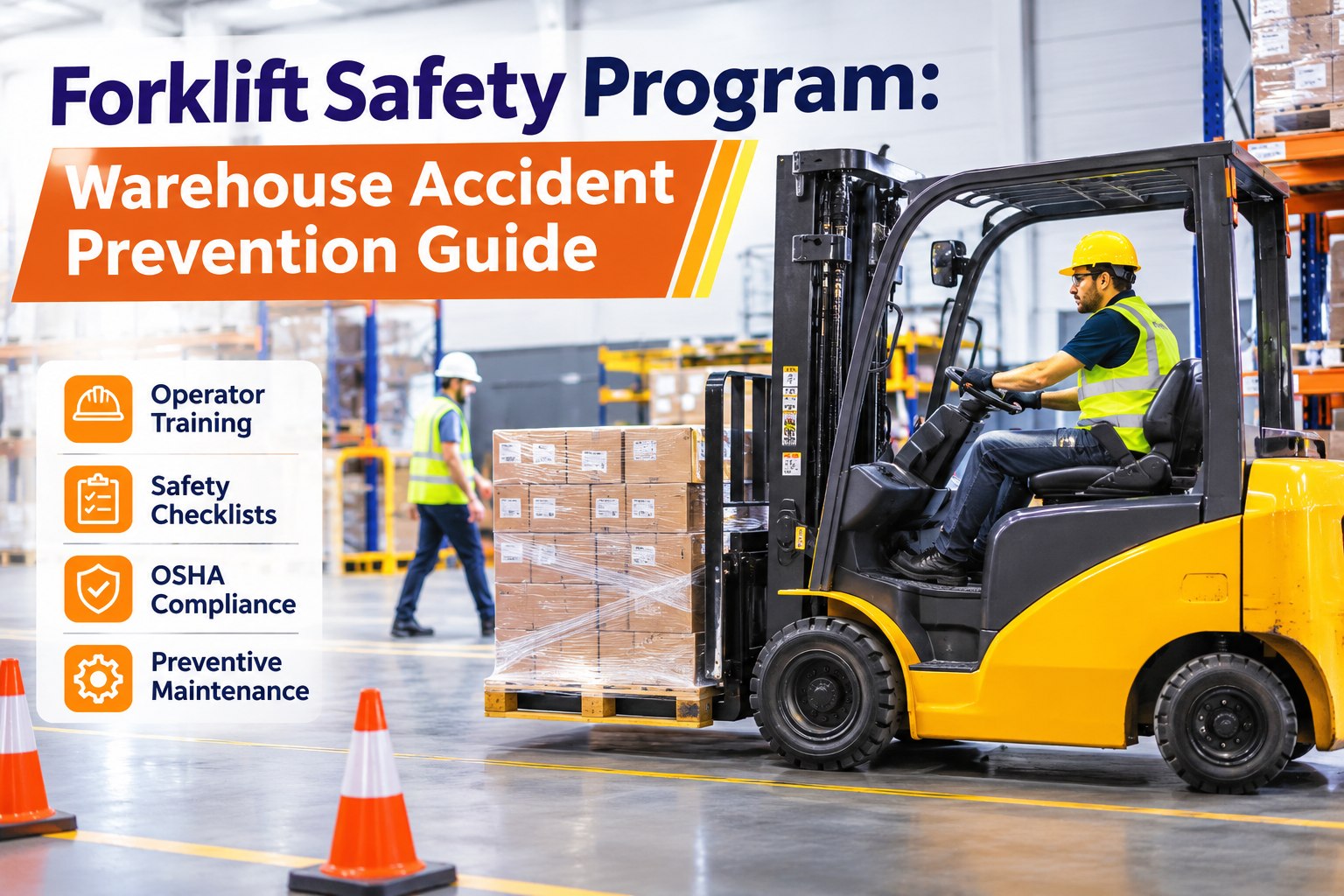
Forklift Safety Program: Warehouse Accident Prevention Guide
Build a forklift safety program on six pillars: trained operators, daily inspections, safe traffic flow, preventive maintenance, hazard reporting and records you can prove. OXMAINT AI keeps all six running on a schedule.
Daily Inspection Checklists
Operator Certification Tracker
OSHA-Ready Records
The Cost of Getting Forklift Safety Wrong
Forklift incidents are rarely "freak accidents." They are predictable events that follow predictable failures. These figures from OSHA and industry safety research explain why regulators, insurers and safety managers treat powered industrial trucks as a top-tier risk. Sign up free and see how OXMAINT AI tracks forklift risk.
~85
Fatalities a year
OSHA estimate of forklift-related deaths in US workplaces
~35,000
Serious injuries a year
Injuries serious enough to cause lost work time or lasting harm
~1 in 3
Forklifts involved
OSHA estimates a large share of forklifts will be involved in an accident during their service life
#1
Most cited area
Powered industrial trucks consistently rank in OSHA's most frequently cited standards
The 5 Most Common Causes — and the Fix for Each
Most forklift accidents fall into five patterns. Each has a direct, practical prevention measure that your safety program can schedule and track. Book a demo to see these controls built into work orders.
1
Tip-overs & Overturns
Cause: turning too fast, overloaded forks, uneven floors, raised loads while moving
Fix: speed limits, load-capacity plate checks, floor repair work orders, seat belt enforcement
2
Pedestrian Strikes
Cause: blind corners, shared aisles, workers stepping into forklift paths
Fix: marked walkways, convex mirrors, blue spot lights, working horns, separated traffic zones
3
Falling Loads
Cause: unstable pallets, poor stacking, worn forks, damaged mast chains
Fix: fork and chain inspections, load-stability rules, mast PMs, tilt and lift checks
4
Dock & Trailer Falls
Cause: trailers moving early, unchained wheels, dock gaps
Fix: wheel chocks, vehicle restraints, dock plate inspections, trailer-secured sign-off
5
Mechanical Failure
Cause: worn brakes, steering faults, leaking hydraulics, skipped inspections
Fix: daily checklists, defect lock-out, preventive maintenance on a fixed schedule
The 6 Pillars of a Forklift Safety Program
A paper policy does not prevent accidents. A program does, when every pillar has an owner, a schedule and a record. Start free and build your six pillars in OXMAINT AI.
01
Operator Training
Formal instruction, hands-on practice and a workplace evaluation before any operator drives alone.
02
Daily Inspections
Pre-shift checks on brakes, steering, forks, horn, lights and tires, with defects reported on the spot.
03
Traffic Management
Separated pedestrian routes, speed limits, one-way aisles and clear right-of-way rules.
04
Preventive Maintenance
Hour-based and calendar-based service so safety-critical parts are replaced before they fail.
05
Incident & Near-Miss Reporting
Easy reporting, root-cause review and corrective actions closed out and tracked.
06
Compliance Records
Training files, inspection logs and service history ready for any OSHA or insurer request.
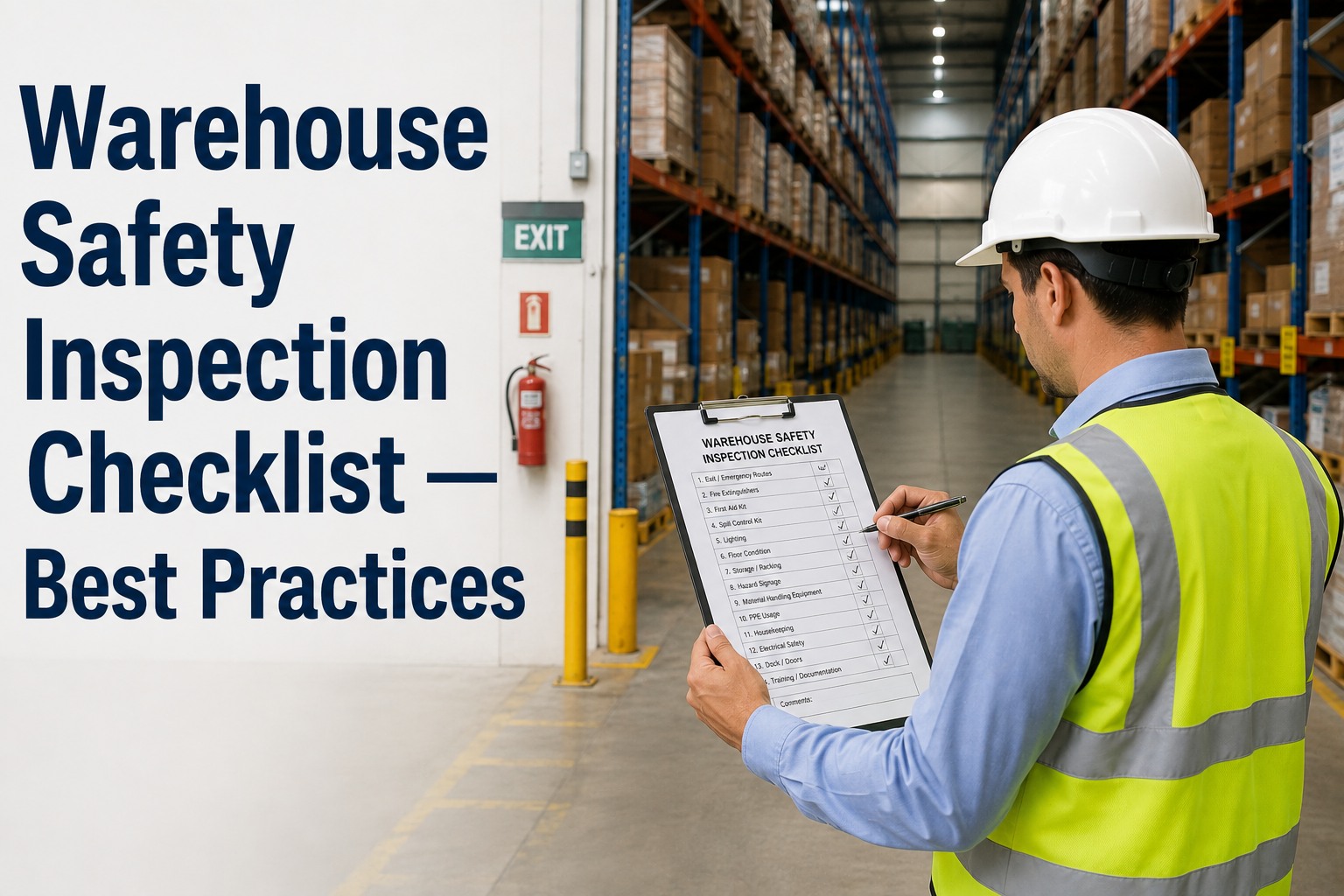
The Pre-Shift Forklift Inspection Checklist
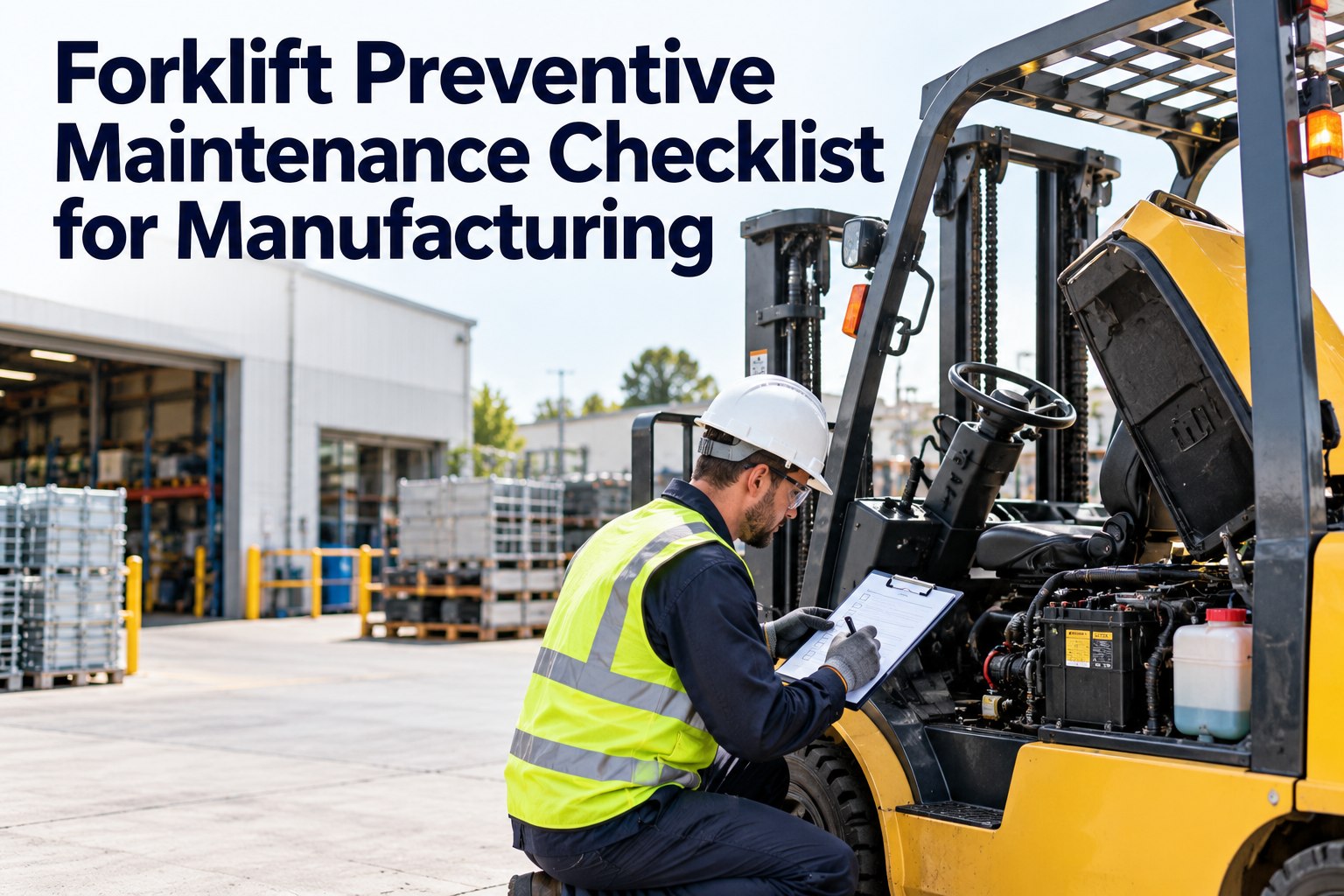
OSHA requires powered industrial trucks to be examined before being placed in service, at least daily, and after each shift when used around the clock. Any truck with a defect that affects safe operation must be taken out of service until repaired. A two-minute walk-around catches most problems. Book a demo to see digital checklists with auto-lockout.
Operator Walk-Around · Every Shift
Before Starting
Forks straight, no cracks, no excessive wear
Mast, chains and hoses free of damage or leaks
Tires in good condition, wheels secure
Fluid, battery charge or fuel levels correct
Overhead guard and load backrest intact
Capacity data plate present and legible
After Starting
Brakes and parking brake hold firm
Steering smooth, no play or pulling
Horn, lights, backup alarm and strobe working
Lift, lower and tilt operate smoothly
Seat belt latches and functions correctly
Gauges and warning lights normal
Any failed item = tag out, report, and raise a repair work order before the truck returns to service.
Pedestrian Safety: Design the Floor in Three Zones
Most pedestrian injuries happen where people and trucks share space without clear rules. Treat your warehouse like a road network, with zones people instantly understand. Sign up free and link safety audits to each zone.
GREEN ZONE
Pedestrian Only
Marked walkways, break areas, workstations. Physical barriers or guardrails between walkways and truck aisles.
AMBER ZONE
Crossing Points
Marked crossings, stop lines, mirrors and warning lights. Trucks stop, sound the horn and give way to people.
RED ZONE
Trucks Only
Racking aisles and loading areas. No walking without authorisation, and trucks use speed limits and one-way flow.
Forklift Preventive Maintenance: Service Intervals That Prevent Failures
A forklift that stops safely is the result of maintenance done on time. Brakes, steering, mast chains and tires are safety parts, not comfort parts. Follow the manufacturer's service manual for exact intervals; this schedule shows the typical rhythm. Book a demo to see hour-meter-based PM triggers.
Typical Forklift PM Rhythm
Daily
Operator inspection · brakes, horn, lights, forks, tires, fluids, leaks
Weekly
Battery & hydraulics · water levels and terminals for electric units, hose and fitting check, tire pressure
Every 250 hrs
Technician service · oil and filters on IC units, brake adjustment, lubrication, mast chain check
Every 500–1,000 hrs
Deep inspection · hydraulic fluid, steering components, mast rollers, fork wear measurement, electrical checks
Annual
Full safety audit · structural inspection, overhead guard, capacity plate verification, load-test where required
Stop Chasing Paper Checklists. Start Preventing Accidents.
OXMAINT AI turns inspections, PMs and operator certifications into scheduled work orders with automatic alerts, so nothing slips between shifts.
OSHA Forklift Compliance at a Glance
OSHA's powered industrial truck standard (29 CFR 1910.178) sets the baseline. These are the obligations auditors ask about first. Always confirm current requirements with OSHA or your safety advisor. Sign up free and keep every record audit-ready.
Training
Operators must complete formal instruction, practical training and an evaluation of performance in the workplace before operating a truck independently.
Re-evaluation
Operator performance must be evaluated at least once every three years, and sooner after an accident, near-miss, unsafe observation or change in equipment or conditions.
Inspection
Trucks must be examined before use, at least daily, and after every shift for round-the-clock operations. Defective trucks must be removed from service.
Certification
Employers must certify that each operator has been trained and evaluated, with the date of training, date of evaluation and name of the trainer or evaluator.
Operation
Rules cover travel speed, load handling, stability, no riders on forks, safe parking and refuelling or battery charging practices.
Paper Program vs. OXMAINT AI Program
Many warehouses already have the right intentions. What they lack is a system that makes the right actions automatic and provable. Book a demo and see the difference live.
Paper & Spreadsheets
Checklists lost, skipped or filled in at end of shift
Defects reported verbally, repaired days later
Operator certification dates tracked by memory
Service history scattered across files
Audit prep takes days of searching
OXMAINT AI
Digital checklists on mobile with photo evidence
Failed checks auto-create repair work orders
Certification and re-evaluation expiry alerts
Full life-of-truck service record in one place
Audit reports in minutes, filtered by truck or date
What OXMAINT AI Gives Your Safety Team
One platform for the maintenance and safety routines that keep forklifts, operators and pedestrians safe. Start free and load your fleet into OXMAINT AI.
Digital Pre-Shift Checklists
Operators complete checks on a phone in minutes, with failed items flagged instantly.
Auto Work Orders
Defects trigger repair tasks assigned to technicians with priority and due dates.
Hour-Meter PM Scheduling
Services fire by hours or calendar so no forklift runs past its safe interval.
Fleet Asset Register
Every truck with its capacity, attachments, history, costs and downtime in one record.
Incident & Near-Miss Log
Capture events, assign corrective actions and verify they are closed.
Audit-Ready Reports
Inspection, maintenance and corrective-action records exported when regulators or insurers ask.
Frequently Asked Questions
How often should forklifts be inspected?
Operators should inspect the truck before every shift, and OSHA requires examination at least daily, or after each shift if used around the clock. Scheduled technician services follow the manufacturer's hour-based intervals.
Sign up free and automate both.
How often do forklift operators need retraining?
OSHA requires an operator performance evaluation at least every three years. Refresher training is also needed after an accident or near-miss, unsafe operation, or a change in truck type or workplace conditions.
Book a demo to see certification tracking.
What should happen when a forklift fails its daily check?
Tag it out of service, report the defect and repair it before it returns to work. With a CMMS, the failed checklist item creates a work order automatically, so nothing depends on someone remembering to pass the message on.
Does maintenance really affect forklift accident rates?
Yes. Worn brakes, faulty steering, damaged chains and failed warning devices are direct contributors to incidents. A trackable PM program catches wear before it becomes a failure and gives you evidence of due diligence.
How long does it take to set up forklift safety in OXMAINT AI?
Safer Forklifts. Confident Operators. Records That Stand Up to Any Audit.
Put inspections, maintenance, training records and incident follow-up on one platform, and make accident prevention part of every shift.