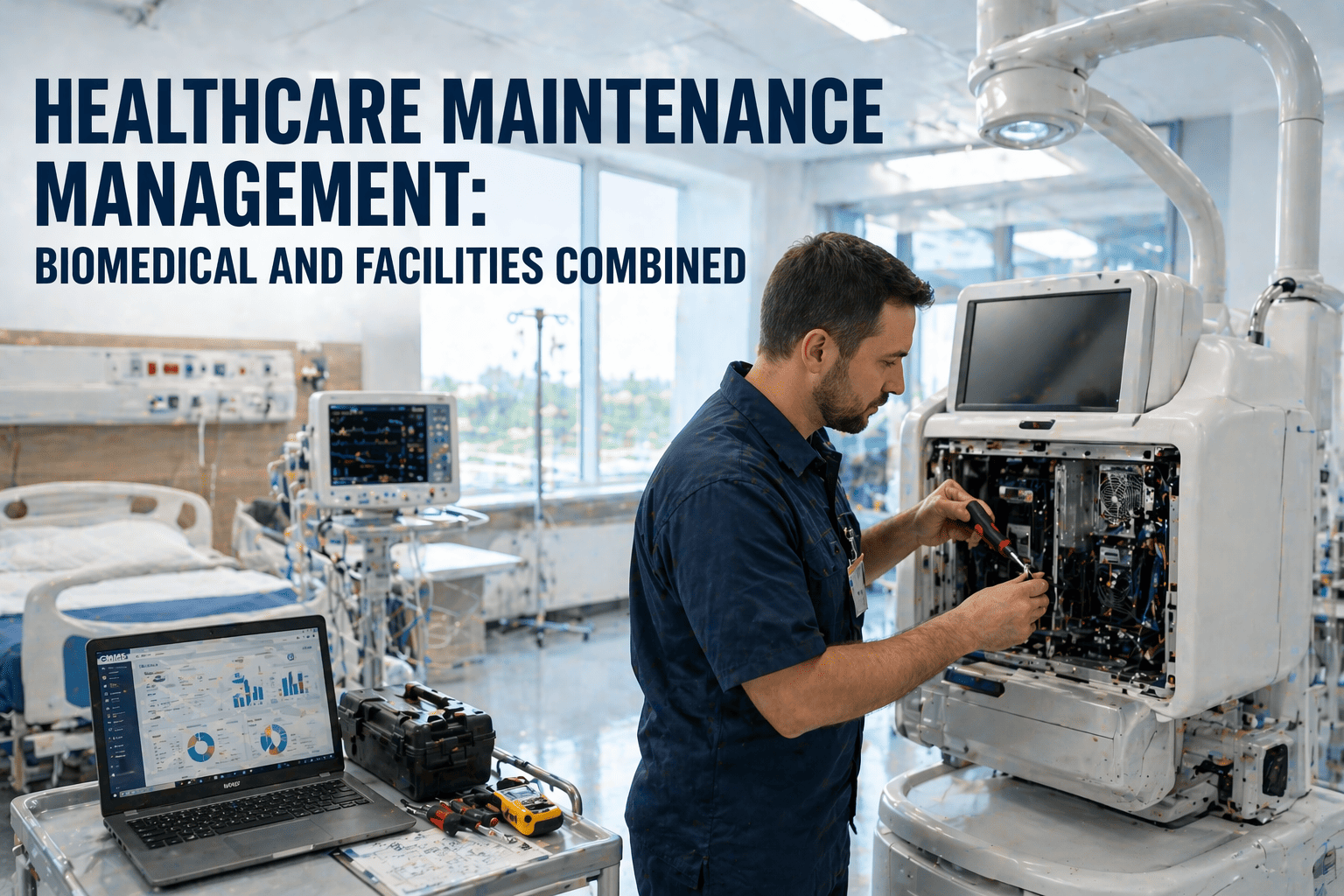
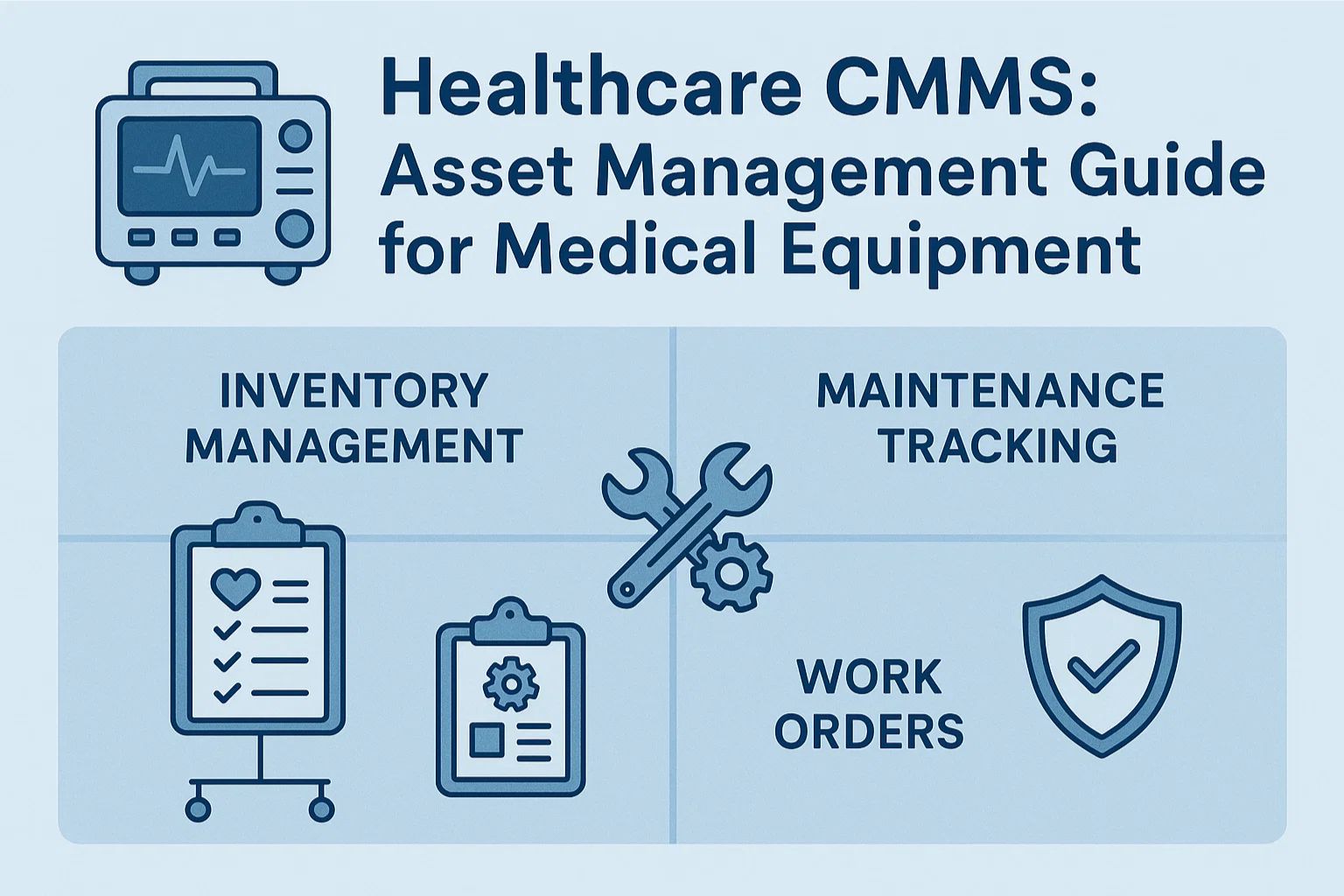
The healthcare industry is experiencing a digital transformation unlike any other sector. With over 10.5 billion IoT devices expected in healthcare by 2025, hospitals are becoming increasingly connected ecosystems where medical devices, monitoring systems, and infrastructure components communicate seamlessly. For manufacturing professionals transitioning into healthcare technology or managing IoT implementations, understanding the unique challenges and opportunities in hospital networks is crucial for success.
Hospital IoT networks represent a convergence of life-critical systems, regulatory compliance requirements, and cutting-edge technology. Unlike traditional manufacturing environments, healthcare IoT deployments must balance operational efficiency with patient safety, creating a complex web of technical and regulatory considerations that demand specialized expertise.
Ready to Optimize Your IoT Infrastructure?
Discover how leading healthcare organizations are managing their connected device networks
The Growing IoT Landscape in Healthcare Facilities
Modern hospitals operate thousands of connected devices simultaneously, from patient monitoring systems and infusion pumps to environmental controls and asset tracking solutions. This proliferation creates an unprecedented level of operational complexity that manufacturing professionals will recognize from Industry 4.0 implementations, but with significantly higher stakes.
The average 400-bed hospital now manages over 15,000 connected devices, including medical equipment, building automation systems, and administrative technology. Each device represents a potential point of failure, security vulnerability, or maintenance requirement. Unlike manufacturing environments where downtime can be scheduled, healthcare IoT systems must maintain 99.9% uptime to ensure patient safety and regulatory compliance.
Connected Device Management Challenges
Device lifecycle management in healthcare environments presents unique challenges that go beyond traditional IT asset management. Medical devices often have extended lifecycles spanning 10-15 years, during which they must maintain FDA compliance, receive security updates, and integrate with evolving hospital information systems.
Inventory tracking becomes critical when devices move frequently between departments, patients, and care settings. Real-time location systems (RTLS) and automated asset tracking solutions help maintain visibility, but integration with existing hospital workflows requires careful planning and change management expertise that manufacturing professionals often possess.
Maintenance scheduling must account for both preventive maintenance requirements and clinical usage patterns. Unlike manufacturing equipment with predictable operating schedules, medical devices may be needed urgently at any time, requiring flexible maintenance strategies and robust backup equipment availability.
Security Vulnerabilities and Risk Mitigation
Healthcare cybersecurity presents a perfect storm of challenges: legacy devices with limited security capabilities, high-value patient data, and life-critical systems that cannot be easily patched or updated. The FDA's recent cybersecurity guidelines require manufacturers to implement security controls throughout the device lifecycle, creating new compliance requirements for IoT deployments.
Network segmentation becomes essential for isolating medical devices from administrative systems and external threats. Manufacturing professionals familiar with operational technology (OT) security will recognize similar principles, but healthcare networks require additional considerations for clinical workflow integration and emergency access requirements.
Identity and access management (IAM) systems must accommodate the complex roles and responsibilities of healthcare teams while maintaining strict access controls. Multi-factor authentication, role-based access controls, and audit logging become essential components of any comprehensive IoT security strategy.
Best Practices for IoT Implementation
Successful hospital IoT implementations require a structured approach that balances technical requirements with clinical workflows. Start with comprehensive network assessment and capacity planning, ensuring that wireless infrastructure can support the density and bandwidth requirements of connected medical devices.
Standardization becomes crucial for managing device diversity and reducing operational complexity. Establish preferred vendor relationships, standardize communication protocols where possible, and develop consistent configuration management practices. Manufacturing professionals will recognize these principles from lean manufacturing and standardization initiatives.
Training and change management cannot be overlooked in healthcare IoT deployments. Clinical staff must understand both the benefits and limitations of connected devices, while IT teams need specialized knowledge of medical device networking and security requirements. Cross-functional collaboration between clinical, IT, and biomedical engineering teams is essential for long-term success.
Future-Proofing Hospital Networks
The future of hospital IoT networks will be shaped by emerging technologies including 5G connectivity, edge computing, and artificial intelligence. These technologies promise to enable new clinical applications while creating additional management and security challenges that require proactive planning.
Edge computing will become increasingly important for processing time-sensitive medical data locally, reducing latency and improving patient care outcomes. However, this distributed computing model creates new attack surfaces and management complexity that must be addressed in network architecture planning.
Interoperability standards continue to evolve, with initiatives like HL7 FHIR and IEEE 11073 providing frameworks for device integration. Staying current with these standards and planning for future compatibility will be essential for maximizing return on IoT investments and avoiding costly system replacements.
Conclusion: Building Resilient Healthcare IoT Infrastructure
Hospital IoT networks represent one of the most complex and critical infrastructure challenges in modern healthcare. Success requires a comprehensive understanding of medical device regulations, clinical workflows, cybersecurity best practices, and emerging technology trends. For manufacturing professionals entering this field, the skills and methodologies from industrial IoT implementations provide a strong foundation, but healthcare-specific knowledge and experience are essential for navigating the unique challenges of this environment.
The investment in properly designed and managed hospital IoT networks pays dividends in improved patient outcomes, operational efficiency, and regulatory compliance. As healthcare continues to digitize, the demand for professionals who can bridge the gap between manufacturing expertise and healthcare requirements will only continue to grow.
Transform Your IoT Management Strategy
Join thousands of professionals who are revolutionizing connected device management in healthcare and manufacturing environments.
Frequently Asked Questions
What are the biggest security risks in hospital IoT networks?
The primary security risks include unpatched legacy medical devices, weak default passwords, lack of network segmentation, and the high value of healthcare data to cybercriminals. Medical devices often cannot be easily updated due to FDA regulations, creating persistent vulnerabilities that require network-level protection and monitoring.
How do FDA regulations impact IoT device management in hospitals?
FDA regulations require medical device manufacturers to implement cybersecurity controls throughout the device lifecycle and provide regular security updates. Hospitals must maintain device configurations as approved by the FDA, which can limit customization options and require careful change management processes for any modifications.
What network infrastructure is needed to support hospital IoT devices?
Hospital IoT networks require robust wireless infrastructure with high-density access points, redundant connectivity, and quality of service (QoS) prioritization for critical medical devices. Network segmentation, firewalls, and intrusion detection systems are essential for security, along with comprehensive monitoring and management tools.
How can hospitals manage the lifecycle of thousands of connected devices?
Effective device lifecycle management requires automated asset tracking systems, standardized procurement processes, preventive maintenance scheduling, and integration with hospital information systems. Real-time location systems (RTLS) and IoT device management platforms help maintain visibility and control over large device populations.
What skills do manufacturing professionals need to work with healthcare IoT?
Manufacturing professionals need to develop expertise in healthcare regulations (HIPAA, FDA), clinical workflows, medical device standards, and healthcare-specific cybersecurity requirements. Understanding of interoperability standards like HL7 FHIR and experience with life-critical systems management are also valuable for transitioning into healthcare IoT roles.