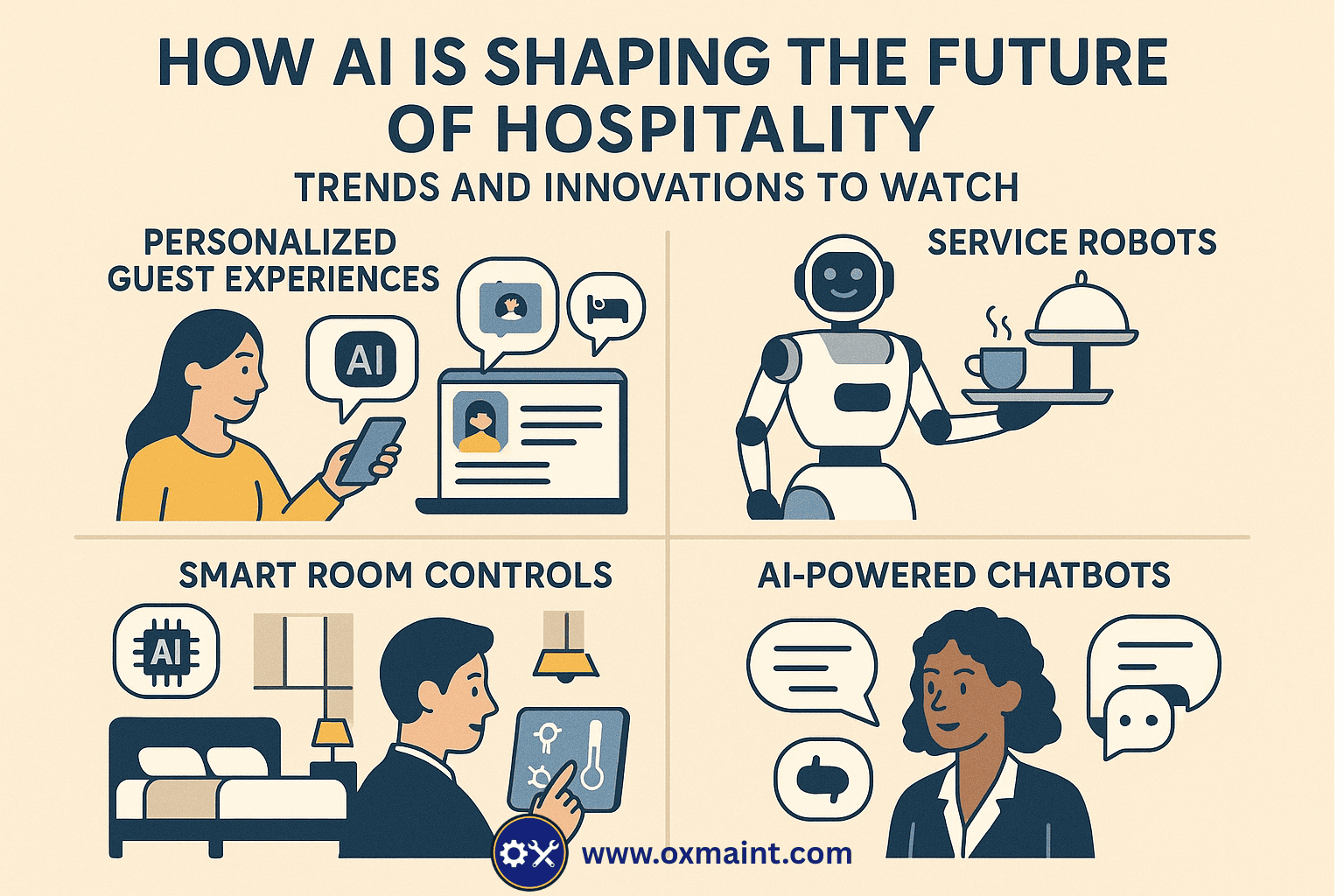
The hospitality industry is experiencing a technological revolution that's transforming how hotels, restaurants, and entertainment venues operate. While manufacturing professionals might not immediately see the connection, the artificial intelligence innovations reshaping hospitality offer valuable insights into operational efficiency, predictive maintenance, and customer experience optimization that are directly applicable to industrial operations.
From smart room automation systems that mirror industrial IoT implementations to AI-powered predictive maintenance protocols that prevent costly equipment failures, the hospitality sector is pioneering technologies that manufacturing leaders can adapt for their own facilities. These innovations demonstrate how AI can streamline operations, reduce costs, and enhance both customer satisfaction and employee productivity.
As manufacturing facilities increasingly resemble smart hospitality environments—with connected systems, automated processes, and data-driven decision making—understanding these hospitality innovations becomes crucial for staying competitive. The lessons learned from AI implementation in hospitality can guide manufacturing professionals in their own digital transformation journeys.
Predictive Maintenance and Smart Facility Management
The hospitality industry's adoption of AI-powered predictive maintenance mirrors the challenges facing manufacturing facilities. Hotels manage thousands of assets—from HVAC systems and elevators to kitchen equipment and guest room automation—requiring the same level of maintenance optimization that manufacturing plants need for their production equipment.
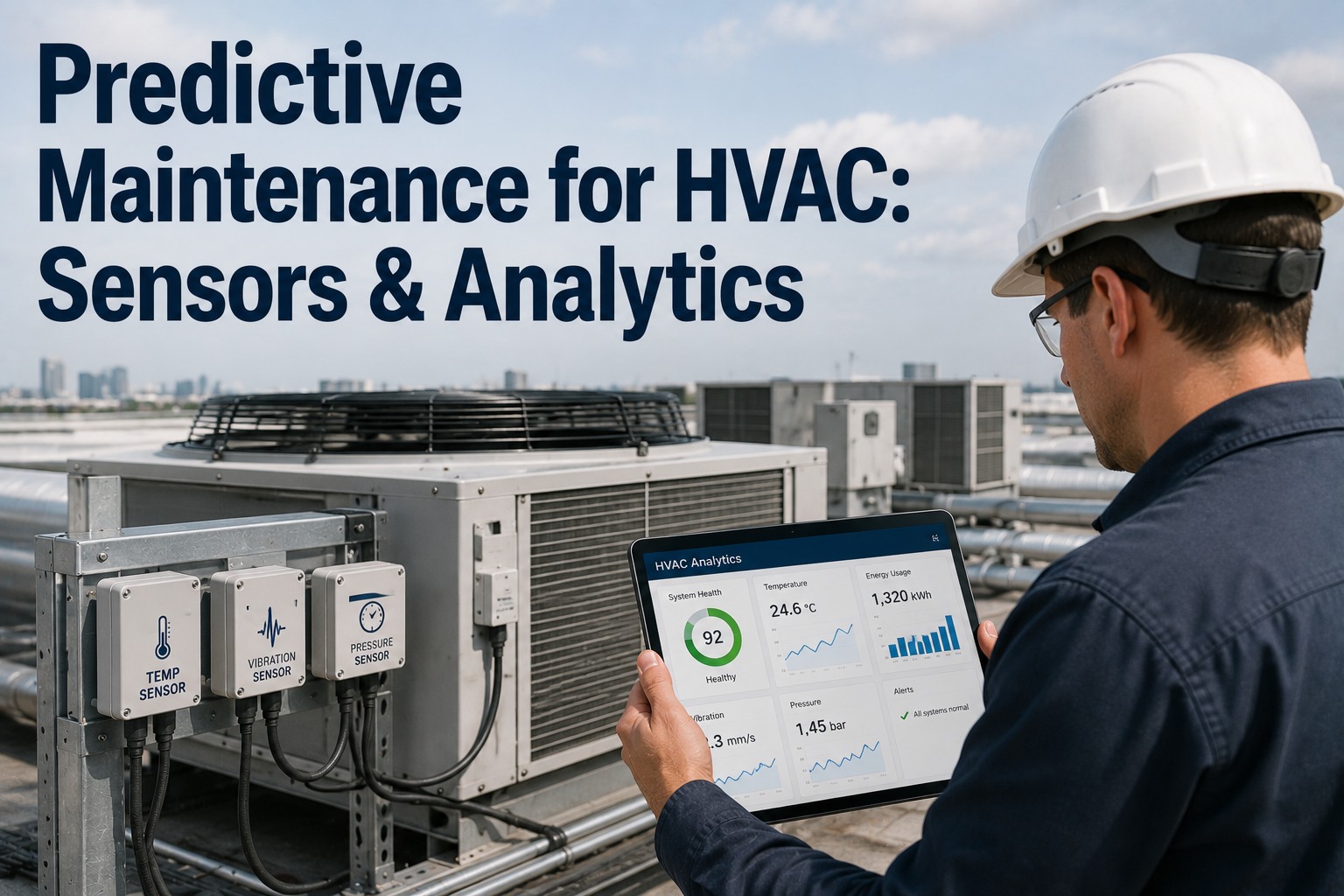
Leading hospitality companies are implementing AI systems that monitor equipment performance in real-time, predicting failures before they occur. These systems analyze vibration patterns, temperature fluctuations, energy consumption, and operational data to identify maintenance needs. For manufacturing professionals, this approach translates directly to production equipment monitoring and maintenance scheduling.
Performance Impact: Major hotel chains report 35% reduction in emergency maintenance calls and 28% decrease in equipment downtime after implementing AI-powered predictive maintenance systems. Manufacturing facilities adopting similar technologies see comparable improvements in operational efficiency.
The integration of IoT sensors, machine learning algorithms, and automated work order systems in hospitality provides a blueprint for manufacturing implementation. These systems automatically schedule maintenance activities, order replacement parts, and optimize technician schedules—capabilities that are equally valuable in manufacturing environments.
Key Trend: Smart building management systems that learn from operational patterns and automatically adjust facility operations for optimal efficiency. This technology is being adapted for manufacturing facilities to optimize energy consumption, environmental controls, and equipment performance.
Automated Operations and Process Optimization
AI-driven automation in hospitality extends far beyond simple chatbots and reservation systems. Advanced AI platforms are optimizing staff scheduling, inventory management, and operational workflows in ways that directly parallel manufacturing process optimization challenges.
Hotels are using AI to analyze guest patterns, seasonal demand, and operational requirements to automatically adjust staffing levels, optimize room assignments, and coordinate maintenance activities. This same approach can optimize manufacturing shift schedules, production planning, and maintenance coordination based on demand forecasts and equipment availability.
The hospitality industry's success with AI-powered inventory management—automatically tracking and reordering supplies based on consumption patterns and demand forecasts—offers proven strategies for manufacturing inventory optimization. These systems reduce carrying costs while ensuring critical supplies are always available.
Innovation Spotlight: AI systems that automatically coordinate between housekeeping, maintenance, and front desk operations to optimize room turnover and guest satisfaction. Manufacturing facilities can adapt this coordination approach to optimize production line changeovers and maintenance scheduling.
Automation Applications for Manufacturing:
• Dynamic scheduling based on real-time demand and capacity
• Automated quality control and defect detection
• Predictive supply chain management and procurement
• Intelligent energy management and consumption optimization
• Automated compliance monitoring and reporting
Enhanced Safety and Security Through AI Monitoring
The hospitality industry's implementation of AI-powered safety and security systems provides valuable insights for manufacturing safety management. Hotels are using computer vision, behavioral analytics, and predictive modeling to identify potential safety hazards and security threats before they escalate.
AI systems monitor guest and staff behavior patterns, identifying unusual activities that might indicate safety concerns or security breaches. In manufacturing environments, similar systems can monitor worker behavior, equipment operation, and environmental conditions to prevent accidents and ensure compliance with safety protocols.
Advanced AI platforms analyze video feeds, sensor data, and operational patterns to detect potential hazards such as unsafe working conditions, equipment malfunctions, or protocol violations. These systems can automatically alert supervisors, shut down equipment, or initiate emergency procedures when necessary.
Safety Improvement: Hospitality facilities using AI safety monitoring report 45% reduction in workplace accidents and 60% faster emergency response times. Manufacturing facilities implementing similar systems achieve comparable safety improvements while reducing insurance costs and regulatory violations.
The integration of AI with existing security systems, access controls, and safety protocols creates a comprehensive safety management platform that continuously learns and adapts to new threats and conditions. This approach is particularly valuable for manufacturing facilities with complex safety requirements and multiple operational areas.
Data-Driven Decision Making and Performance Analytics
The hospitality industry's sophisticated use of AI for data analysis and performance optimization offers manufacturing professionals proven strategies for improving operational decision-making. Hotels collect and analyze vast amounts of data from multiple sources—guest preferences, operational metrics, financial performance, and market conditions—to optimize every aspect of their operations.
AI platforms in hospitality combine traditional business intelligence with predictive analytics, machine learning, and real-time monitoring to provide actionable insights. These systems identify trends, predict future conditions, and recommend specific actions to improve performance. Manufacturing facilities can apply similar approaches to optimize production schedules, quality control, and resource allocation.
The integration of AI with existing enterprise systems creates a comprehensive analytics platform that provides visibility into all aspects of operations. This integration enables sophisticated performance benchmarking, trend analysis, and predictive modeling that drives continuous improvement initiatives.
Analytics Evolution: AI systems that automatically identify optimization opportunities and implement changes without human intervention. These autonomous optimization systems are being adapted for manufacturing applications such as production scheduling, quality control, and energy management.
Advanced AI platforms also enable sophisticated scenario planning and risk assessment, helping organizations prepare for various operational challenges and market conditions. This capability is particularly valuable for manufacturing companies navigating supply chain disruptions, demand fluctuations, and regulatory changes.
Future-Ready Infrastructure and Scalable Solutions
The hospitality industry's approach to AI implementation emphasizes scalability, flexibility, and future-readiness—critical considerations for manufacturing facilities planning their digital transformation. Leading hospitality companies are building AI infrastructure that can adapt to changing needs, integrate with new technologies, and scale across multiple locations.
Cloud-based AI platforms enable rapid deployment and scaling of AI solutions across multiple facilities while maintaining centralized management and control. This approach allows manufacturing companies to start with pilot implementations and gradually expand AI capabilities as they demonstrate value and gain organizational acceptance.
The hospitality industry's success with AI standardization—creating consistent experiences across different locations while accommodating local requirements—provides a model for manufacturing companies operating multiple facilities. Standardized AI platforms reduce implementation costs, improve consistency, and enable knowledge sharing across locations.
Future Vision: Fully integrated AI ecosystems that connect all aspects of facility operations, from maintenance and production to quality control and supply chain management. These systems will enable autonomous operations with minimal human intervention while maintaining high levels of safety and quality.
The emphasis on user-friendly interfaces and intuitive controls ensures that AI systems enhance rather than complicate existing workflows. This approach is crucial for manufacturing environments where system adoption and user acceptance directly impact operational success.
The AI innovations transforming hospitality operations offer manufacturing professionals a roadmap for their own digital transformation initiatives. From predictive maintenance and automated operations to enhanced safety monitoring and data-driven decision making, these technologies provide proven strategies for improving efficiency, reducing costs, and enhancing operational performance.
The key to successful AI implementation lies in understanding how these technologies can be adapted to manufacturing environments while addressing the unique challenges and requirements of industrial operations. The hospitality industry's emphasis on scalability, user adoption, and measurable results provides valuable lessons for manufacturing leaders planning their AI initiatives.
As AI continues to evolve and mature, the opportunities for manufacturing applications will only expand. Companies that begin their AI journey now, learning from successful implementations in hospitality and other industries, will be best positioned to leverage these technologies for competitive advantage and operational excellence.
Start your AI transformation journey today and stay ahead of the competition.
Getting StartedBook a Demo
Frequently Asked Questions
1. How can manufacturing facilities adapt AI innovations from the hospitality industry?
Manufacturing facilities can adapt hospitality AI innovations by focusing on similar operational challenges: predictive maintenance for equipment reliability, automated scheduling for optimal resource utilization, and data analytics for performance optimization. The key is identifying parallels between hospitality operations and manufacturing processes, then adapting proven AI solutions to industrial requirements.
2. What are the main benefits of implementing AI-powered predictive maintenance in manufacturing?
AI-powered predictive maintenance offers significant benefits including 30-50% reduction in equipment downtime, 20-30% decrease in maintenance costs, and 25-40% improvement in equipment lifespan. Additionally, it enables better resource planning, reduces emergency repairs, and improves overall operational efficiency while maintaining high safety standards.
3. How does AI improve safety and security in manufacturing environments?
AI enhances manufacturing safety through real-time monitoring of worker behavior, equipment operation, and environmental conditions. Computer vision systems can detect unsafe practices, predict potential hazards, and automatically trigger safety protocols. This results in 40-60% reduction in workplace accidents and faster emergency response times while ensuring compliance with safety regulations.
4. What should manufacturing companies consider when implementing AI solutions?
Key considerations include starting with pilot programs to demonstrate value, ensuring integration with existing systems, focusing on user adoption and training, establishing clear ROI metrics, and choosing scalable solutions that can grow with the business. It's also important to address data quality, cybersecurity, and change management challenges early in the implementation process.
5. How long does it typically take to see results from AI implementation in manufacturing?
Manufacturing companies typically see initial results within 3-6 months of AI implementation, with significant improvements in efficiency and cost reduction becoming apparent within 12-18 months. However, the timeline depends on the complexity of implementation, data quality, user adoption rates, and the specific AI applications deployed. Continuous optimization and expansion of AI capabilities deliver ongoing benefits over time.