The journey of planning and scheduling integration in manufacturing reads like a technological evolution story—one that spans decades of innovation, adaptation, and continuous improvement. From the early days of manual scheduling boards and paper-based systems to today's sophisticated AI-driven platforms, each era has contributed valuable lessons that continue to shape how we approach operational planning.
For manufacturing professionals, understanding this evolution isn't just academic—it's essential for making informed decisions about technology investments, process improvements, and strategic planning. The past teaches us about the pitfalls to avoid, the present shows us what's possible with current technology, and the future promises unprecedented levels of integration and automation.
This comprehensive exploration examines how historical approaches laid the foundation for modern systems, how current technologies are transforming manufacturing operations, and what emerging trends will define the next generation of planning and scheduling integration. By understanding this continuum, manufacturing leaders can better position their organizations for sustained competitive advantage.
PASTFoundation Building: Lessons from Traditional Approaches
The foundation of modern planning and scheduling integration was built on decades of manual processes and early computerization efforts. Understanding these historical approaches reveals both the limitations that drove innovation and the fundamental principles that remain relevant today.
Traditional manufacturing planning relied heavily on experience-based decision making, manual scheduling boards, and siloed departmental systems. Production planners would use magnetic boards, wall charts, and spreadsheets to coordinate activities, often working in isolation from maintenance, procurement, and quality departments. While these methods seemed primitive by today's standards, they established critical concepts about resource allocation, bottleneck management, and the importance of coordination between different operational functions.
The early computerization era of the 1980s and 1990s introduced Material Requirements Planning (MRP) and later Manufacturing Resource Planning (MRP II) systems. These represented the first serious attempts at systematic integration, connecting production planning with inventory management and basic scheduling functions. However, these systems often operated as isolated islands of automation, requiring significant manual intervention to coordinate between different functional areas.
The key lesson from this era is that effective integration requires more than just technology—it demands a fundamental understanding of process interdependencies and organizational alignment. Many early automation projects failed not because the technology was inadequate, but because organizations underestimated the complexity of true integration and the change management required to achieve it.
PRESENTDigital Transformation: Current Integration Capabilities
Today's manufacturing environment represents a dramatic evolution from historical approaches, characterized by sophisticated Enterprise Resource Planning (ERP) systems, real-time data integration, and advanced analytics capabilities. Modern planning and scheduling integration leverages cloud computing, mobile platforms, and interconnected systems that provide unprecedented visibility and coordination capabilities.
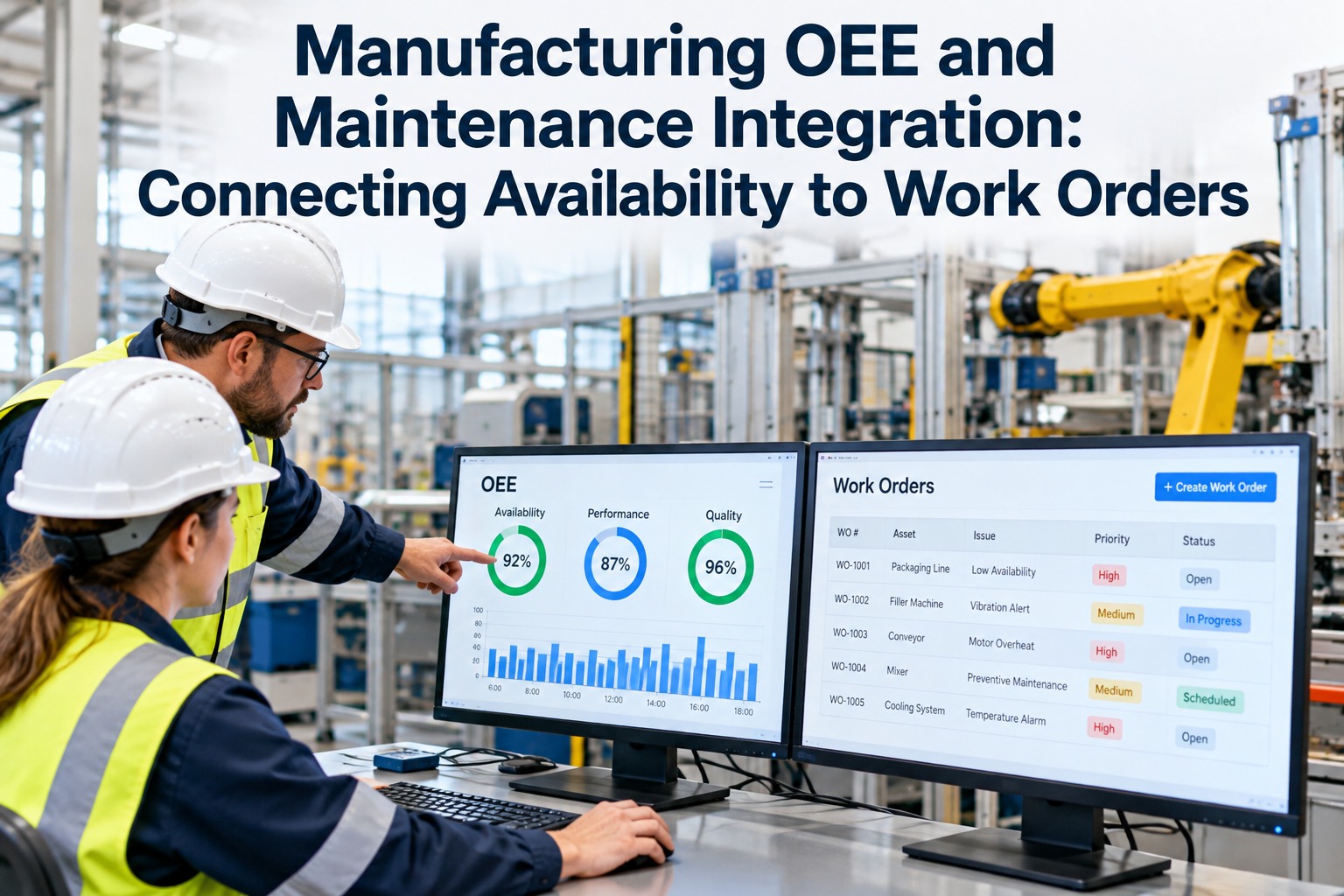
Contemporary approaches center around integrated platforms that connect production planning, maintenance scheduling, quality management, and supply chain coordination in real-time. These systems can automatically adjust schedules based on equipment availability, material constraints, and changing customer demands. The integration extends beyond the factory floor to include suppliers, customers, and even third-party logistics providers.
Current technology enables what previous generations of manufacturing professionals could only dream of: true real-time optimization across all operational functions. Advanced Planning and Scheduling (APS) systems can simultaneously consider multiple constraints—machine capacity, labor availability, material supply, maintenance windows, and quality requirements—to generate optimal production schedules that are automatically communicated to all relevant stakeholders.
The current state also emphasizes user experience and accessibility. Modern systems feature intuitive interfaces, mobile accessibility, and self-service capabilities that democratize access to planning and scheduling information. This represents a fundamental shift from the expert-only systems of the past to platforms that empower frontline workers, supervisors, and managers to make informed decisions based on real-time information.
However, present-day integration still faces challenges. Many organizations struggle with data quality issues, system complexity, and the ongoing need to balance automation with human judgment. The most successful implementations combine technological sophistication with clear governance processes and continuous improvement methodologies.
FUTUREIntelligent Automation: Next-Generation Integration
The future of planning and scheduling integration promises even more dramatic transformations, driven by artificial intelligence, machine learning, Internet of Things (IoT) sensors, and advanced analytics. These technologies will create self-optimizing systems that can adapt to changing conditions in real-time without human intervention.
Emerging AI capabilities will enable predictive scheduling that anticipates equipment failures, quality issues, and supply chain disruptions before they occur. Machine learning algorithms will continuously analyze operational data to identify optimization opportunities that human planners might miss, automatically implementing improvements while learning from the results.
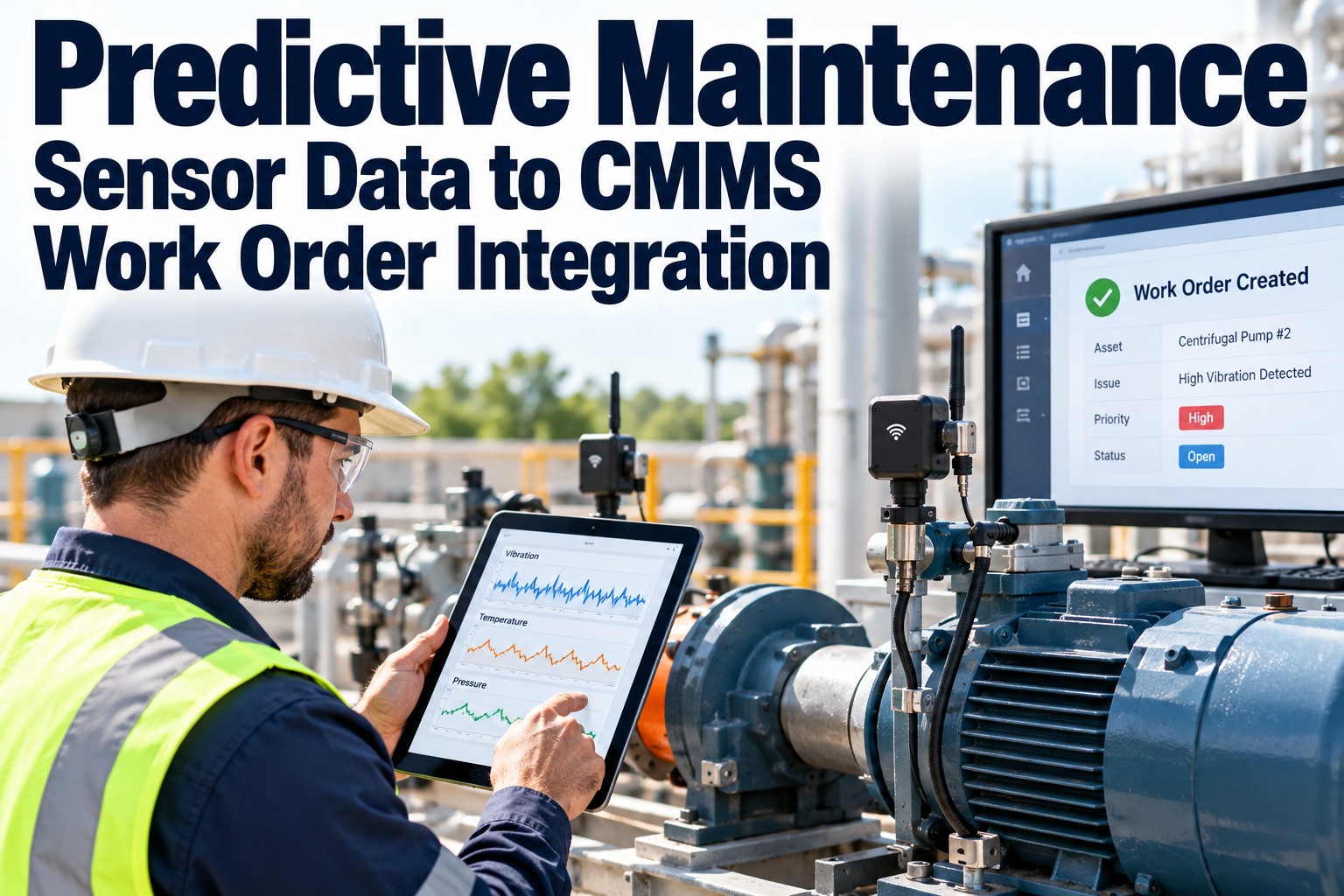
The Internet of Things will provide unprecedented visibility into operational conditions, with sensors monitoring everything from equipment vibration and temperature to ambient environmental conditions and worker productivity. This sensor data will feed into AI-driven scheduling systems that can make micro-adjustments throughout the day to optimize performance.
Digital twin technology will create virtual replicas of entire manufacturing operations, enabling planners to test different scenarios and optimization strategies in a risk-free virtual environment. These digital twins will be continuously updated with real-time data, providing an always-current platform for planning and scheduling decisions.
Perhaps most significantly, future integration will extend beyond individual facilities to create ecosystem-wide optimization. Supply chain partners, customers, and even competitors will share selected data to create industry-wide optimization networks that benefit all participants. This collaborative approach will require new business models and governance structures, but the potential benefits are enormous.
Integration Principles: Timeless Lessons Across All Eras
While technology continues to evolve rapidly, certain fundamental principles of effective planning and scheduling integration remain constant across all time periods. Understanding these timeless principles helps manufacturing professionals make better decisions regardless of the specific technologies they're implementing.
First, successful integration always requires strong data governance and quality management. Whether working with manual systems, current ERP platforms, or future AI-driven solutions, the accuracy and timeliness of data directly impacts the effectiveness of integration efforts. Organizations that invest in data quality see dramatically better results from their integration initiatives.
Second, change management and organizational alignment are critical success factors that transcend technological capabilities. The most sophisticated integration technology will fail if people don't understand how to use it effectively or if organizational processes don't support integrated decision-making. This lesson has been consistent from the earliest MRP implementations to the most advanced current systems.
Third, continuous improvement and adaptability are essential for long-term success. Integration is not a one-time project but an ongoing capability that must evolve with changing business conditions, new technologies, and market demands. Organizations that treat integration as a continuous journey rather than a destination consistently achieve better results.
Finally, the value of integration comes not from the technology itself but from the improved decision-making and coordination it enables. This fundamental principle applies equally to past, present, and future approaches. The goal is always to enable better, faster, more informed decisions that improve operational performance and customer satisfaction.
Conclusion: Shaping Your Integration Strategy Across Time Horizons
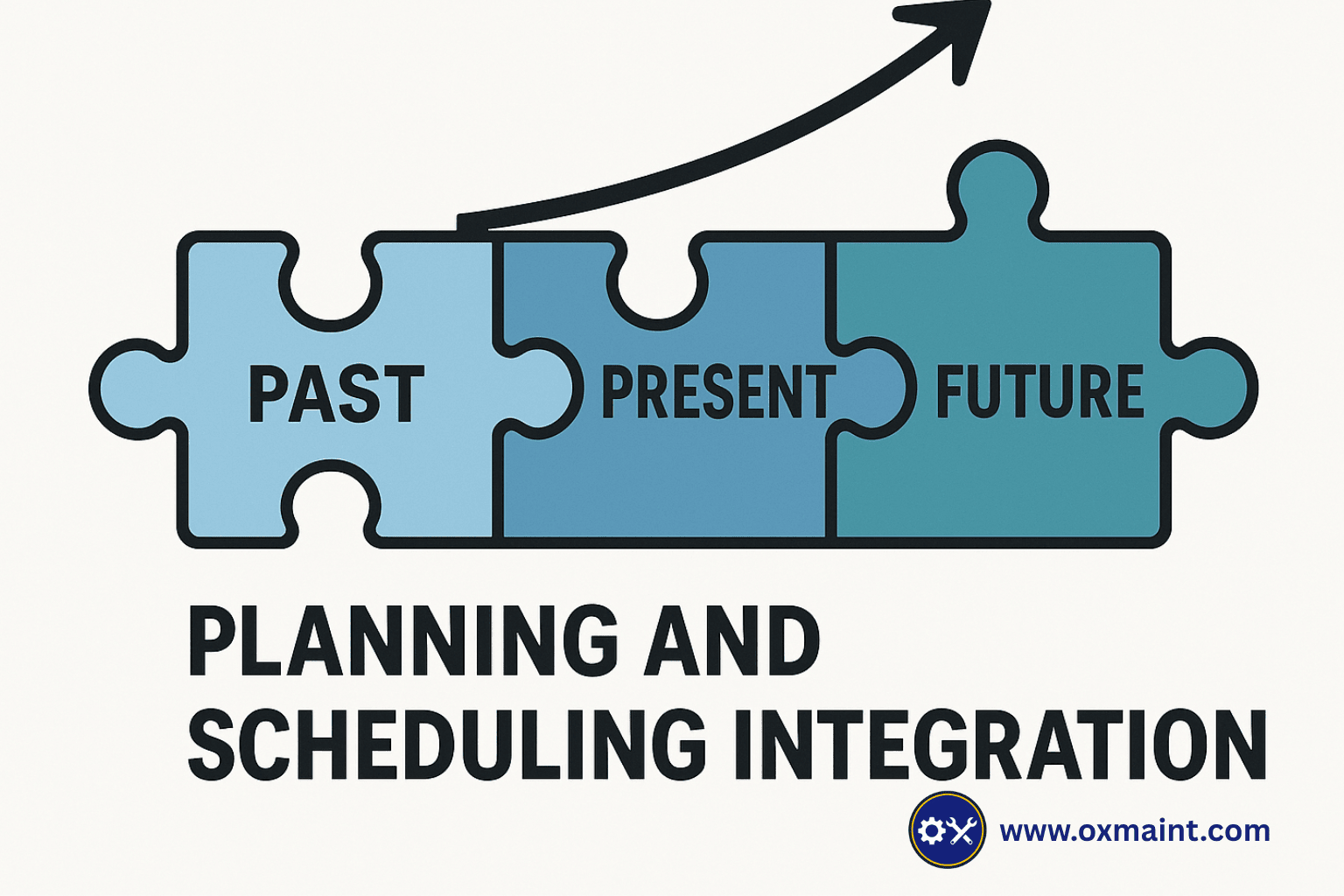
The evolution of planning and scheduling integration demonstrates that successful manufacturing organizations must simultaneously honor lessons from the past, leverage current capabilities, and prepare for future opportunities. This multi-temporal perspective provides the foundation for sustainable competitive advantage in an increasingly complex manufacturing environment.
Past approaches teach us about the importance of fundamental process understanding, the value of organizational alignment, and the critical role of change management in any integration initiative. These lessons remain relevant regardless of technological advancement and should inform every integration decision.
Current capabilities offer unprecedented opportunities for real-time optimization, comprehensive visibility, and coordinated decision-making across all operational functions. Organizations that fully leverage these current capabilities position themselves for immediate competitive advantage while building the foundation for future enhancement.
Future trends promise even more dramatic improvements in efficiency, adaptability, and optimization capability. However, success with future technologies will depend on having strong foundations in place—quality data, aligned processes, and organizational capabilities that support continuous improvement and adaptation.
The key to shaping an effective integration strategy is to view it as a continuous journey rather than a destination. Start with current pain points and opportunities, implement solutions that address immediate needs while building toward future capabilities, and always maintain focus on the fundamental goal of enabling better decision-making and coordination.
Remember that integration is ultimately about people working together more effectively to serve customers and create value. Technology—whether past, present, or future—is simply the enabler. Organizations that keep this human-centered perspective while leveraging the best available tools will continue to lead their industries regardless of how the technological landscape evolves.
Ready to build your integrated planning and scheduling strategy for the future?
Getting StartedBook a Demo